Minerals
now browsing by category
Eggs Are Good for Your Cholesterol
Reproduced from original article:
https://articles.mercola.com/sites/articles/archive/2023/09/25/eggs-are-good-for-your-cholesterol.aspx
Analysis by Dr. Joseph Mercola Fact Checked September 25, 2023

STORY AT-A-GLANCE
- Eggs are considered one of the world’s most perfect foods, but became a target based on the faulty premise of the medical establishment that eating too many yolks would drive up cholesterol
- Chickens weren’t regarded as much beyond egg production until a new concept featuring chicken as a main course took flight in the late ’40s, based on the food industry’s initiative to find more uses for chickens
- Dense, small-particle LDL cholesterol in your body is a risk factor for heart disease risk, while large, fluffy LDL particles constitute a lower risk, but here’s the kicker: Eggs convert small LDL particles to large particles
- In the study, people with Type 2 diabetes or prediabetes ate 12, eight or two eggs per week for a year, after which a series of tests showed no negative health consequences whatsoever
- The 113 milligrams of choline (nearly 25% of your Daily Reference Intake or DRI) is crucial for pregnant women, as it helps to prevent certain birth defects, including spina bifida, and support the brain development of unborn babies
Chicken as the foundation of a delicious home-cooked meal has been an American mainstay for decades. Not centuries, you might ask? As a matter of fact, up until the 1920s, homesteaders filled chicken coops with chickens to fulfill one main purpose: to produce eggs.
Chickens weren’t regarded as much beyond egg production until a new concept featuring chicken as a main course took flight in the late ’40s. It was based, not surprisingly, on the food industry’s initiative to find more uses for said chickens. Today we have a plethora of chicken recipes, from broth to casseroles to fried, not to mention nuggets. But what happened to eggs?
Eggs became a target based on the faulty premise of the medical establishment that eating too many yolks would drive up cholesterol and pack your carotid arteries with plaque. As recently as 2012, eggs were still being maligned and even deemed as health-damaging as smoking cigarettes, according to a Canadian journal.1 Many still believe this, and it’s the misinformation that’s damaging health, not egg consumption.
According to a study2 led by Nick Fuller at the University of Sydney, Australia, and published in the American Journal of Clinical Nutrition, eggs, “despite conflicting evidence continuing around the world,” are not responsible for heart disease or high cholesterol.
In fact, they’re one of the most nutritious foods in your kitchen. When he led the first portion of the study, Fuller wrote that eggs can support several aspects of health, including eye, blood vessel and heart health, healthy pregnancies and fat regulation, noting:
“Despite being vilified for decades, dietary cholesterol is understood to be far less detrimental to health than scientists originally thought. The effect of cholesterol in our food on the level of cholesterol in our blood is actually quite small.”3
No Matter How Many, Egg Intake Shows No Negative Results
The latest study notes that people with Type 2 diabetes or prediabetes ate a dozen eggs a week for a year, at which point a series of tests showed no negative results whatsoever. Study participants consumed high (12), medium and low (two) eggs per week for the first three months. Times Now News explains:
“This was aimed at maintaining optimal weight for the three months. In a bid to lose weight, the same members were asked to embark on a weight loss plan while consuming the same amount of eggs they were consuming earlier. For six months, the participants continued on their consumption of eggs while they were monitored by the researchers.”4
Prior to the study, Australian Men’s Health observes, cardiovascular risk factors such as blood sugar and blood pressure levels were taken into account when the researchers gathered the results, as those are considered risk factors associated with egg consumption.
Interestingly, the study concluded that the 128 individuals in the study lost weight even on a high-egg diet and continued to lose when the study came to a close.
Backing up the study results, the Australian Heart Foundation notes that “Eggs can be included as part of a heart healthy eating pattern, and can be chosen as one of a variety of protein foods including fish and seafood, legumes, nuts and seeds, and poultry, in preference to unprocessed red meat.”5 As for the cholesterol content:
“Eggs don’t altercate the LDL levels in blood. An egg contains only 212 mg of cholesterol which is lesser than even the half recommended dietary allowance of cholesterol for a day. Since the liver already produces a large amount of cholesterol every day, consumption of eggs balances the ratio with the liver’s production. In fact, eggs increase the HDL or good cholesterol levels in your body.”6
Cholesterol in your blood known as LDL is narrowed down to two subtypes: dense, small particles and large, fluffy particles. The dense small-particle LDL type is what can be identified as a risk factor for increasing your heart disease risk, while people with large LDL particles have a lower risk, but here’s the kicker: Eggs convert small LDL particles to large particles.7
Perception Is the Problem
One of the biggest problems in the discussion regarding saturated fats and cholesterol is that the medical community hasn’t explained it to the public very well, probably because there’s a lot of confusion on the part of this collective majority.
The fact is, even though it may raise cholesterol, your lipid profile may actually improve when you eat more saturated fat, especially when you cut the amount of carbohydrates you consume, according to Dr. Aseem Malhotra, an interventional cardiologist consultant at Croydon University Hospital in London.
Saturated fat not only increases your HDL, it also increases large, fluffy LDLs, which is what you want. On top of that, LDL has been grossly exaggerated as a risk factor for heart disease, with the exception of people who have a genetic abnormality. Malhotra notes:
“The mantra that saturated fat must be removed to reduce the risk of cardiovascular disease has dominated dietary advice and guidelines for almost four decades. Yet scientific evidence shows that this advice has, paradoxically, increased our cardiovascular risks.
Furthermore, the government’s obsession with levels of total cholesterol, which has led to the overmedication of millions of people with statins, has diverted our attention from the more egregious risk factor of atherogenic dyslipidaemia [elevated levels of triglycerides and small-dense LDL and low levels of HDL cholesterol].”8
Interestingly, many of the scientists who are noting the increase in egg consumption and its role in causing “high cholesterol” talk about saturated fat as if it’s still an enemy. Body and Soul explains:
“The truth is that cholesterol is a very important part of the body — and an essential element to good health. It is a structural molecule that is an essential part of every single cell membrane.
It is used to make steroid hormones such as testosterone, (estrogen) and cortisol; helps your metabolism work efficiently; and produces bile acids, which helps the body digest fat and absorb important nutrients. The truth is, without cholesterol we wouldn’t even exist.”9

Download this Article Before it Disappears
Reasons to Start (or Continue) Eating Eggs
Instead of focusing on the faulty science that made you worry unnecessarily about consuming too much cholesterol, there are numerous reasons to go ahead and enjoy them. They’re loaded with vitamins and minerals; in fact, just one boiled egg imparts these very good-for-you nutrients, in terms of the Reference Daily Intake (RDI):
| 6% of the RDI in vitamin A | 5% of the RDI in folate |
| 7% of the RDI in vitamin B5 (pantothenic acid) | 9% of the RDI in vitamin B12 |
| 15% of the RDI in protein | 15% of the RDI in vitamin B2 |
| 9% of the RDI in phosphorus | 22% of the RDI in selenium |
In addition, eggs contain a healthy amount of calcium, zinc and vitamins D, K, E and B6, as well as healthy fats. Lutein and zeaxanthin are important antioxidants that build up in the retinas of your eyes. This effectively protects your vision by inhibiting the development of cataracts and macular degradation, two of the world’s most common and serious eye ailments.
Along with the high amounts of vitamin A, your vision is further defended with every egg you eat. Fuller reiterated that other nutritional advantages come through “micronutrients like carotenoids (for eye health), arginine (for healthy blood vessels) and folate (for healthy pregnancies and heart health),” according to the University’s news release.10
Choline: Eggs Are a Main Source
One very important aspect of eggs is the rich source of choline — about 113 milligrams (mg) in a single egg, nearly 25% of your DRI — which is necessary for building cell wall membranes, producing the molecules crucial for brain signaling and to make the brain chemical acetylcholine, involved in storing memories.
It also helps prevent the buildup of homocysteine in your blood (linked to heart disease) and reduces chronic inflammation. Choline plays a crucial role in pregnant women, as it helps to prevent certain birth defects, including spina bifida and, again, is very important for the brain development of unborn babies.
According to a study published in the journal Nutrients, only 8% of U.S. adults are getting enough choline and only 8.5% of pregnant women are consuming adequate amounts.
Researchers added, “This research illustrates that it is extremely difficult to achieve the adequate intake for choline without consuming eggs or taking a dietary supplement.”11 Conversely, symptoms associated with low choline levels include memory problems, lethargy and brain fog. Because your body can only synthesize small amounts at a time, you need to get it from your diet on a regular basis.
Eggs: Not Just for Breakfast
Perhaps just as important as what eggs do for your health may be what eggs do for your food. Not just for breakfast, eggs are used to make everything from healthy pancakes to egg salad. Incredible Egg12 notes five of the egg’s top cooking functions; eggs:
- Bind ingredients in prepared foods like meatloaf and salmon patties
- Leaven baked “high-rises” such as soufflés and sponge cakes
- Emulsify mayonnaise, salad dressings and hollandaise sauce
- Clarify soups and thicken custards
- Add color, flavor, moisture and nutrients to baked goods
The good news is, some of the egg dishes you may have been avoiding, not to mention eggs by themselves, yolk and all, are back on the table. That said, it’s important to understand that not any old egg is “good” for eating. Organic, pastured eggs are the best by far, as they’re not produced in a CAFO, or concentrated animal feeding operation, which yields eggs far more likely to be contaminated with disease-causing bacteria such as Salmonella.
Everything you need to know about every aspect of egg production and what constitutes farm-fresh eggs can be found right here. You’ll note that the best way to eat your organic, pastured eggs is raw or very lightly cooked, such as poached, soft-boiled or over easy with very runny yolks. However, if you’re looking for something a little different, here’s a healthy, delicious recipe, inspired by Food.com:13
Sweet Potato and Spinach Frittata
Ingredients
- 6 eggs, lightly beaten
- 1 1/4 cups asiago cheese, shredded, divided
- 3/4 cup medium cheddar, shredded
- 1/4 cup milk
- 1 tablespoon butter
- 3 cups sweet potatoes, peeled, diced
- 4 cups spinach, coarsely chopped
Procedure
- Position oven rack 6-inches from broiler. Preheat broiler.
- In a medium bowl, whisk together eggs, 3/4 cup of the Asiago cheese, cheddar cheese, and milk.
- In a 12-inch non-stick oven-proof skillet over medium heat, melt butter; add sweet potatoes. Cover and cook for 5-6 minutes, stirring occasionally, or until sweet potatoes are almost tender.
- Add spinach and cook, uncovered for 1-2 minutes or until slightly wilted.
- Reduce heat to medium-low; pour egg mixture over vegetables; cover and cook for 5-6 minutes or until bubbles are coming through mixture and bottom is golden brown (eggs won’t be fully set).
- Remove cover; sprinkle with remaining 1/2 cup Asiago cheese.
- Broil for 1 1/2 minutes or until egg is set and cheese is bubbling and slightly browned.
- Let stand for 5 minutes; run spatula around outside edge of skillet to release frittata. Slice and serve immediately.
- 1 Atherosclerosis October 2012
- 2 Science Daily May 7, 2018
- 3 The University of Sydney August 4, 2015
- 4, 6, 7 Times Now News May 9, 2018
- 5 Heart Foundation Eggs & Heart Healthy Eating
- 8 BMJ October 22, 2013
- 9 Body and Soul December 19, 2016
- 10 The University of Sydney August 4, 2015
- 11 Nutrients July 3, 2017
- 12 Incredible Egg 2018
- 13 Food.com
Top Tips to Lower Your Blood Pressure
Reproduced from original article:
https://articles.mercola.com/sites/articles/archive/2023/08/24/tips-to-lower-your-blood-pressure.aspx
The original Mercola article may not remain on the original site, but I will endeavor to keep it on this site as long as I deem it to be appropriate.
Analysis by Dr. Joseph Mercola Fact Checked August 24, 2023

STORY AT-A-GLANCE
- Nearly half of American adults have high blood pressure (hypertension), which increases your risk for stroke, heart failure, sexual dysfunction, vision loss, heart attack, kidney disease and kidney failure
- Elevated insulin and leptin levels are typically the cause of hypertension, so implementing strategies to normalize these levels are the first steps to resolving hypertension. In addition to checking your blood pressure, check your fasting insulin level. A healthy level to strive for is about 2 μU/mL or 3 μU/mL
- To address high blood pressure, be sure to swap out processed foods for whole foods. Also consider going organic. Foods notorious for causing blood pressure to rise that should be avoided include processed foods, most grains, partially hydrogenated oils (synthetic trans fats) and seed oils (aka vegetable oils) such as corn, canola, soy and safflower oils
- Keep an eye on your sodium-to-potassium and omega-3-to-omega-6 ratios. Also optimize your vitamin D level, ideally through regular sun exposure
- Exercise regularly, making sure you include isometric (static contraction) exercises such as wall squats and planking, and learn how to effectively address day-to-day stress. One effective stress management tool is the Emotional Freedom Techniques (EFT)
According to the U.S. Department of Health and Human Services, nearly half of American adults have high blood pressure, currently defined as blood pressure consistently at or above 130/80 mm Hg.1
High blood pressure increases your risk for a number of serious health problems, including stroke, heart failure, sexual dysfunction, vision loss, heart attack, kidney disease and kidney failure.2
Four out of 5 adults with high blood pressure are outrageously recommended to take prescription medication as the first step to lowering it, and all are advised to implement lifestyle changes. The fact that 3 out of 4 hypertensive patients still do not have their blood pressure under control really emphasizes the need for basic lifestyle changes to resolve this problem.3
While medical textbooks claim most cases of high blood pressure are idiopathic, meaning the underlying cause is unknown, this is simply not true. High blood pressure is typically a symptom of insulin and leptin resistance, and most people can normalize their blood pressure without resorting to drugs.
What Causes High Blood Pressure?
One of the primary underlying causes of high blood pressure is related to your body being metabolically inflexible and producing too much insulin and leptin in response to a high-carbohydrate and processed food diet. As your insulin and leptin levels rise, it causes your blood pressure to increase. As noted in one study:4
“Insulin resistance and hypertension are the components of metabolic syndrome and often coexist. Clinical studies have shown that about 50% of hypertensive individuals have hyperinsulinemia or glucose intolerance, whereas up to 80% of patients with Type 2 diabetes have hypertension.”
Elevated uric acid levels are also significantly associated with high blood pressure, so any program adopted to address high blood pressure needs to help normalize both your insulin sensitivity and uric acid level.
As it turns out, by radically lowering your sugar and processed food intake, you can address all three issues in one fell swoop. I’ll also review several other treatment strategies in upcoming sections. But first, let’s review some of the basics of what high blood pressure is, how to assess obesity-related hypertension risk, and why drugs aren’t an ideal solution.
How’s Your Blood Pressure?
There are two numbers given in a blood pressure reading. The upper or first number is your systolic blood pressure. The lower or second number is your diastolic pressure. For example, a reading of 120/80 mm Hg means you have a systolic pressure of 120 and a diastolic pressure of 80.
Systolic arterial pressure is the highest pressure in your arteries. It occurs when your ventricles contract at the beginning of your cardiac cycle. Diastolic pressure refers to the lowest pressure and occurs during the resting phase of your cardiac cycle. Ideally, your blood pressure should be about 120/80 without medication.
If you’re older than 60, your systolic pressure is the most important cardiovascular risk factor. If you’re younger than 60 and have no other major risk factors for cardiovascular disease, then your diastolic pressure is believed to be a more important risk factor.5
According to the latest guidelines,6 issued in 2017 by the American Heart Association, the American College of Cardiology, and nine other health organizations, the following blood pressure classifications are used to determine whether you might suffer from hypertension:
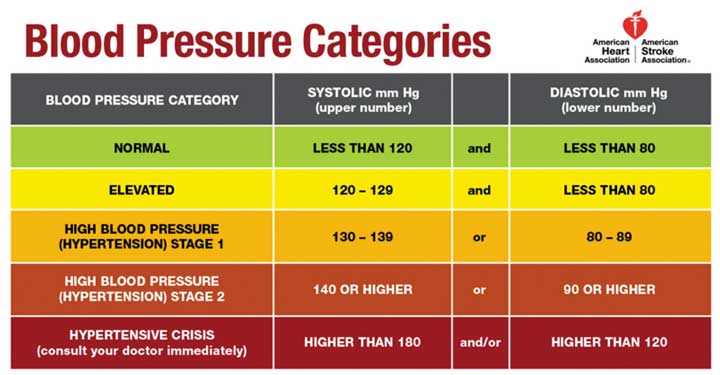
Hypertension is also categorized as either primary or secondary. Primary hypertension applies to most people with high blood pressure, and while the conventional view is that the cause is idiopathic or unknown, it’s typically linked to insulin/leptin resistance. Secondary hypertension refers to high blood pressure that is caused by another medical condition, such as chronic liver disease.
Download this Article Before it Disappears
What’s Your Fasting Insulin Level?
I believe most all Stage 1 and even a high percentage of Stage 2 hypertension can be successfully treated to where drugs become unnecessary, provided you’re aggressive enough in your diet and lifestyle modifications. However, if you have seriously elevated blood pressure, it would be wise to be on medication to prevent a stroke while you’re revising your lifestyle.
In addition to checking your blood pressure on a regular basis, I highly recommend getting a fasting insulin level test done. Remember, high blood pressure and insulin resistance tend to go together, and if your hypertension is the result of elevated insulin levels, you’ll know how to nip it in the bud by the end of this article.
The fasting insulin level you want to strive for is about 2 or 3 microU per mL (μU/mL). If it’s 5 or above, you clearly need to lower your insulin level to reduce your risk of high blood pressure and other cardiovascular health hazards. Keep in mind that the so-called “normal” fasting insulin level is anywhere from 5 to 25 μU/mL. Please do not make the mistake of thinking that this “normal” insulin range equates to optimal.
How to Find a Blood Pressure Measuring Device
According to a 2019 study,7 nearly 46% of American adults could benefit from self-monitoring to avoid “white coat” hypertension. Whether you suspect (or know) you have high blood pressure, an automatic blood pressure meter is a good investment for every household.
Top rated blood pressure meters for home use include the following. Consumer Reports tested these devices for accuracy, comfort, clarity of display and ease of use, and all are commercially available on Amazon and other large retailers and pharmacies:8
- Omron Platinum BP5450
- Omron Silver BP5250
- Omron 10 Series BP7450
- A&D Medical UA767
- Rite Aid Deluxe Automatic BP3AR1-4DRITE
To measure your blood pressure, follow these guidelines:9
- Don’t exercise, smoke or drink coffee or caffeinated beverages within 30 minutes of measuring your blood pressure. Also empty your bladder and relax for at least five minutes beforehand.
- Sit with your back straight on a firm chair. Avoid sitting on the couch as that encourages slouching. Keep your feet flat on the floor and do not cross your ankles or legs.
- Make sure your arm is supported on a flat surface, such as an armrest or table, with your upper arm at heart level.
- Place the blood pressure cuff directly above the bend of your elbow on bare skin. Do not measure on top of clothes. The cuff should be snug but not too tight nor too loose. Press the Start button and remain still while the pressure is being taken.
- Measure your blood pressure at the same time every day, and take multiple readings each time. Ideally, take two readings one minute apart and record the results.
How to Avoid a False Hypertension Diagnosis
To avoid a false hypertension diagnosis, keep in mind that your blood pressure reading can vary significantly from day to day, and even from one hour to the next, so don’t overreact if you get one high reading here or there. It’s when your blood pressure remains consistently or chronically elevated that significant health problems can occur. Several factors can affect the validity of your blood pressure reading, including:
•Incorrect blood pressure cuff size — If you’re overweight, taking your reading with a size “average” blood pressure cuff can lead to a falsely elevated blood pressure reading, so make sure your doctor or health care professional is using the correct cuff size for your arm.
•Incorrect arm position — If your blood pressure is taken while your arm is parallel to your body, your reading can be up to 10% higher than it really is. Blood pressure readings should always be taken with your arm at a right angle to your body.
•Nervousness — “White coat hypertension” is a term used for when a high blood pressure reading is caused by the stress or fear associated with a doctor or hospital visit. This can be a transient yet serious concern. If this applies to you, stress reduction is key.
To decrease your risk of being falsely diagnosed with hypertension in this situation, take a moment to calm down (be sure to arrive for your appointment ahead of time so you can unwind), then breathe deeply and relax when you’re getting your blood pressure taken.
Use Waist-to-Hip Ratio to Assess Your Hypertension Risk
Research suggests your waist size may be an effective measure for assessing obesity-related hypertension risk.10 If you have a high waist-to-hip ratio, i.e., you carry more fat around your waist than on your hips, you may be at an increased risk for obesity-related hypertension. Your waist size is also a powerful indicator of insulin sensitivity, and studies indicate that waist size is one of the most powerful ways to predict your risk for diabetes.
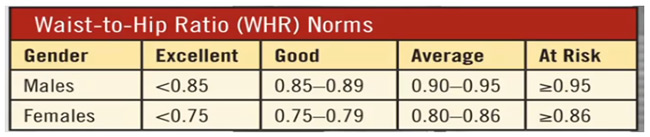
To calculate your waist-to-hip ratio, measure the circumference of your hips at the widest part, across your buttocks, and your waist at the smallest circumference of your natural waist, just above your belly button. Then divide your waist measurement by your hip measurement to get the ratio.
The University of Maryland offers an online waist-to-hip ratio calculator11 you can use. The Mayo Clinic uses the following waist-to-hip ratio designations to evaluate your health risk:
Drugs Can Increase Risk of Fall-Related Injuries
Before I review lifestyle modifications that can help you normalize your blood pressure, I want to address the issue of medications. It’s important to realize that while blood pressure medications can be very effective at lowering blood pressure, they do not in any way, shape or form address the underlying cause.
According to the most recent statistics from the American Heart Association, about 20% of people with hypertension have resistant hypertension, meaning they cannot control it with three or more medications,12 so these drugs clearly don’t work as advertised for a lot of people.
There are also side effects to contend with; some of them quite harmful and/or debilitating. For example, one JAMA study13 found that hypertensive patients over the age of 70 who were taking blood pressure medication increased their risk of serious falls requiring hospitalization due to fractures, brain injuries, or dislocation of the hip, knee, shoulder or jaw.
The risk of falling can increase if your blood pressure drops too low, too suddenly, upon standing. According to the authors:14
“Antihypertensive medications were associated with an increased risk of serious fall injuries, particularly among those with previous fall injuries. The potential harms vs benefits of antihypertensive medications should be weighed in deciding to continue treatment with antihypertensive medications in older adults with multiple chronic conditions.”
Some Blood Pressure Drugs Raise Risk of Blindness
Another major population study discovered that hypertension drugs called vasodilators increase your risk of early onset age-related macular degeneration (AMD), which is the most common cause of blindness among American seniors. As noted in a press release:15
“… [R]esearchers … conducted a long-term population-based cohort study from 1988 to 2013 of nearly 5,000 residents of Beaver Dam, Wis., aged 43 to 86 years …
The researchers found that, after adjusting for age, sex and other factors, using any vasodilator such as Apresoline and Loniten, which open (dilate) the blood vessels — was associated with a 72% greater risk of developing early-stage AMD.
Among people who were not taking vasodilators, an estimated 8.2% developed signs of early AMD. In comparison, among those taking a vasodilator medication, 19.1% developed the disease.
The researchers also found that taking oral beta blockers such as Tenormin and Lopressor was associated with a 71% increase in the risk of neovascular AMD, a more advanced and vision-threatening form of the disease.
Among those who were not taking oral beta blockers an estimated 0.5% developed signs of neovascular AMD. In comparison among those taking oral beta blockers, 1.2% developed neovascular AMD.”
Key Lifestyle Strategies for Lowering Your Blood Pressure
Alright, time to get down to the nitty gritty of normalizing your blood pressure. As mentioned earlier, high blood pressure is typically associated with insulin resistance, which results from eating a diet too high in the omega-6 fat linoleic acid (LA). As your insulin level elevates, so does your blood pressure.
Excessive omega-6/LA consumption is another dietary factor that contributes to high blood pressure by hardening your arteries (atherosclerosis), which researchers now have pinpointed as yet another treatment focus for hypertension.
So, make sure you avoid all trans fats or hydrogenated fats that have been modified in such a way to extend their shelf life. This includes margarine, seed oils and “butter-like” spreads. Of course, this also includes all foods made or cooked with these fats.
The late Dr. Fred Kummerow was the first scientist to document the dangers of trans fats. Trans fats prevent the formation of prostacyclin, which acts as a natural blood-thinning agent. By diligently avoiding trans fats, your body will make prostacyclin that keeps your blood thin, which will reduce your risk of heart attack and stroke.
Now, if you think about these two factors alone — insulin resistance and atherosclerosis — what kind of diet is bound to produce high blood pressure? The answer, of course, is a processed food diet, loaded with high fructose corn syrup, grains and damaged omega-6 fats, a majority of which are LA.
Knowing that, the answer to correcting high blood pressure becomes rather self-evident. If your blood pressure is running high, you need to restore your insulin and leptin sensitivity, and the following strategies are among the most effective for doing so:
1. Replacing processed foods with whole, unprocessed organic foods.
2. Avoiding all seed oils — It would be helpful to also eliminate seeds and nuts unless you have been on a low LA diet for at least three years.
3. Optimizing your vitamin D (which I discuss in greater detail below).
4. Only use healthy fats — Sources of healthy fats to add to your diet include: grass fed butter, raw organic dairy, organic pastured egg yolks, coconuts, coconut oil and macadamia nuts, grass fed meats and pasture-raised poultry.
The best carbs to add would be ripe fruit that you tolerate well. But, the key is to make sure your fat intake is below 30%, which you can determine with Cronometer. If you fail to do this the carbs can convert to fat and change your cholesterol profile unfavorably.
5. Exercising regularly — In an upcoming section, I’ll review the most effective type of exercise if you have high blood pressure.
Vitamin D Can Relax Arteries and Improve Blood Pressure
Vitamin D deficiency and high consumption of harmful omega-6 fats like linoleic acid (LA) can lead to stiff arteries. Vitamin D deficiency appears to be associated with both arterial stiffness and hypertension.16
Each cell in your body has a DNA library that contains information needed to address virtually every kind of stimulus it may encounter, and the master key to enter this library is activated vitamin D. This is why vitamin D functions in so many different tissues and affects such a large number of different diseases and health conditions, one of which is heart disease.
Research17 has shown that the farther you live from the equator, the higher your risk of developing high blood pressure. Blood pressure also tends to be higher in winter months than during the summer. Exposing your bare skin to sunlight affects your blood pressure through a variety of different mechanisms, including the following:
- Sun exposure causes your body to produce vitamin D. Lack of sunlight reduces your vitamin D stores and increases parathyroid hormone production, which increases blood pressure.
- Vitamin D deficiency has also been linked to insulin resistance and metabolic syndrome, a group of health problems that can include insulin resistance, elevated cholesterol and triglyceride levels, obesity, and high blood pressure.
- Vitamin D is also a negative inhibitor of your body’s renin-angiotensin system (RAS), which regulates blood pressure.18 If you’re vitamin D deficient, it can cause inappropriate activation of your RAS, which may lead to hypertension.
- Additionally, exposure to UV rays is thought to cause the release of endorphins, chemicals in your brain that produce feelings of euphoria and relief from pain. Endorphins naturally relieve stress, and stress management is an important factor in resolving hypertension.
Guidelines for Optimizing Your Vitamin D Level
Ideally, you’ll want to get your vitamin D through sun exposure on your bare skin. If you opt for an oral vitamin D supplement, make sure you use vitamin D3, not D2, which is typically prescribed by doctors but has been linked to poorer health outcomes.
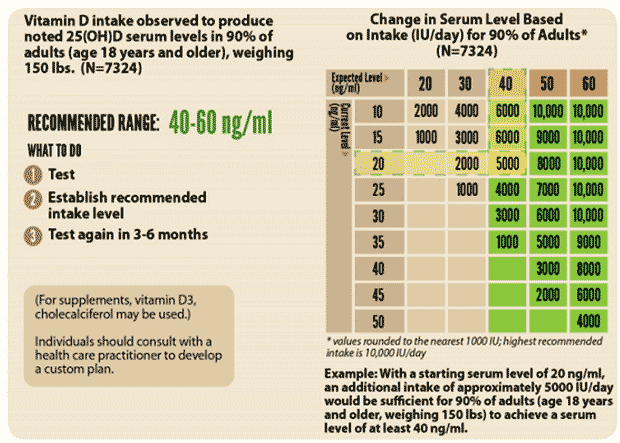
Also, make sure to measure your vitamin D level before you start supplementing. The reason for this is because you cannot rely on blanket dosing recommendations. The crucial factor here is your blood level, not the dose, as the dose you need is dependent on several individual factors, including your baseline blood level.
Data from GrassrootsHealth’s D*Action studies suggest the optimal level for health and disease prevention is between 60 ng/mL and 80 ng/mL, while the cutoff for sufficiency appears to be around 40 ng/mL.
In Europe, the measurements you’re looking for are 150 to 200 nmol/L and 100 nmol/L respectively. That said, as a general guideline, research by GrassrootsHealth suggests that adults need about 8,000 IUs per day to achieve a serum level of 40 ng/mL.
I’ve published a comprehensive vitamin D report in which I detail vitamin D’s mechanisms of action and how to ensure optimal levels. I recommend downloading and sharing that report with everyone you know. A quick summary of the key steps is as follows:
1. First measure your vitamin D level — Your doctor can order this test for you.
2. Assess your individualized vitamin D dosage — To do that, you can either use the chart below, or use GrassrootsHealth’s Vitamin D*calculator. To convert ng/mL into the European measurement (nmol/L), simply multiply the ng/mL measurement by 2.5. To calculate how much vitamin D you may be getting from regular sun exposure in addition to your supplemental intake, use the DMinder app.19
3. Retest in three to six months — Lastly, you’ll need to remeasure your vitamin D level in three to six months, to evaluate how your sun exposure and/or supplement dose is working for you.
Take Your Vitamin D With Magnesium and K2
Keep in mind that if you decide to supplement with oral vitamin D3, you also need to boost your vitamin K2 intake, as these two nutrients work in tandem. Together, vitamin D and vitamin K2 produce and activate Matrix GLA Protein (MGP), which congregates around the elastic fibers of your arterial lining, guarding them against calcium crystal formation.
Vitamin K2 also activates a protein hormone called osteocalcin, produced by osteoblasts, which is needed to bind calcium into the matrix of your bone. Osteocalcin also appears to help prevent calcium from depositing into your arteries.
In other words, without the help of vitamin K2, the calcium that vitamin D so effectively lets in can work against you by building up inside your arteries rather than your bones.
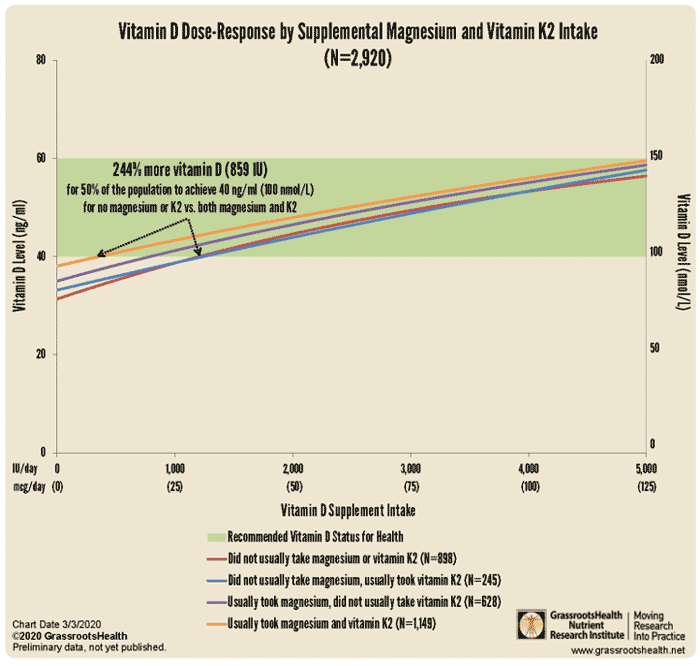
It’s also strongly recommended to take magnesium concomitant with oral vitamin D and K2. Data from nearly 3,000 individuals reveal you need 244% more oral vitamin D if you’re not also taking magnesium and vitamin K2.20 What this means in practical terms is that if you take all three supplements in combination, you need far less oral vitamin D in order to achieve a healthy vitamin D level.
Two Key Factors to Consider When Buying Meat
While some studies suggest a vegetarian diet can help resolve high blood pressure, I do not believe this makes for an ideal diet in the long run, as avoiding all meats can lead to nutritional deficiencies.
From what I’ve learned, I believe the quality and quantity of the meat may be a major part of the equation. First, in terms of quantity, if you eat more protein than your body needs, it will convert most of those calories to sugar. Additionally, it will need to remove the nitrogen waste products from your blood, which will stress your kidneys and deteriorate kidney function if you already have compromised kidneys.
As a general guideline, most adults need about 0.6 to 0.8 grams of protein per pound of lean body mass. (As an example, if your body fat mass is 20%, your lean mass is 80% of your total body weight.)
In terms of quality, meat from organically raised, grass fed and finished animals is far superior to that from animals raised in concentrated animal feeding operations (CAFOs).
CAFO beef and poultry have many disadvantages, including fewer of the most valuable nutrients found in organically raised meats, while being contaminated with hormones, antibiotics, drugs, pesticides and herbicides like glyphosate. Furthermore, since most CAFOs feed animals genetically engineered (GE) grains (primarily corn and soy), there’s also the issue of whether such feed might alter the meat in ways we still have not recognized.
Also, it is best to restrict your meat choices to beef, bison, lamb and other ruminant game animals. It is best to avoid chicken and pigs as, even if pasture-raised and organically fed, they are given grains and other foods that are high in LA so they will increase your LA levels.
Should You Cut Sodium to Lower Your Blood Pressure?
Insulin also affects your blood pressure by causing your body to retain sodium. Sodium retention causes fluid retention. Fluid retention in turn can cause high blood pressure, which may ultimately lead to congestive heart failure.
A standard recommendation if you have high blood pressure is to reduce the amount of sodium in your diet. While it’s certainly beneficial to cut out processed foods and salt, limiting sodium is not the hypertension cure that many think it is.
If you’re simply opting for low-sodium processed foods, you’re hardly doing your health any favors, as such fare is likely compensating for the lack of flavor with harmful fats and/or sugar. You’ve probably heard of the DASH diet,21 which is claimed to be among the most effective for controlling hypertension. It consists largely of fresh vegetables, fruits, lean protein, whole grains, low-fat dairy and very low sodium content.
Processed foods and LA promote hypertension to a far greater degree than excess salt. Salt is essential for maintaining and regulating blood pressure, but the crux lies in the type of salt you consume.
Natural unprocessed salt, such as Himalayan salt, contains 84% sodium chloride and 16% naturally occurring trace minerals. Processed (table) salt, on the other hand, contains 97.5% sodium chloride and the rest are manmade chemicals. The natural, unprocessed form is essential for good health; table salt is best avoided altogether.
But there’s yet another factor that comes into play when we’re talking about sodium and blood pressure, and that’s the issue of maintaining a healthy sodium-to-potassium ratio. Your body needs potassium to maintain proper pH levels in your body fluids, and it also plays an integral role in regulating your blood pressure. In fact, potassium deficiency may be a greater contributor to high blood pressure than excess sodium.
The Importance of Proper Sodium-to-Potassium Ratio
People who eat processed foods frequently and very few fresh fruits and vegetables likely have an imbalance in their sodium-potassium ratio. The key to relaxing your arterial walls and reducing blood pressure is the ratio between sodium and potassium.
If you’re unsure of your sodium and potassium intake, use chronometer.com/mercola, which is a nutrient tracker that allows you to enter foods and then calculates the ratios automatically. Generally, it’s recommended that you eat five times more potassium than sodium.
According to the U.S. Department of Agriculture,22 the average intake of potassium in the U.S. population is 2,640 milligrams (mg) per day. Other surveys have found similar intakes.23 Meanwhile, the National Academies Sciences Engineering Medicine (formerly Institute of Medicine) recommends 4,700 mg per day for people over the age of 14.24
Potassium helps lower your blood pressure by relaxing the walls of your arteries, and according to Harvard Health,25 many people with high systolic blood pressure can successfully lower it simply by increasing their potassium intake.
In my view the absolute best way to increase your potassium is by beating ripe fruit. I typically get around 3,000 mg from watermelon, orange juice and tangerines, and another 2,000 mg from other sources.
For a more complete list of potassium-rich foods, see DietaryGuidelines.gov’s “Food Sources of Potassium” page.26 Taking potassium supplements is not a good strategy and simply will not provide you with the benefits you seek.
The Best Exercises for High Blood Pressure
Exercise is well-known for its ability to normalize blood pressure, but all forms of exercise are not the same in this regard. Existing exercise guidelines for blood pressure management emphasize cardio, such as running and cycling.
But, a recent investigation revealed that isometric exercise, where your muscles are in static contraction, is the most effective for lowering blood pressure, while aerobic exercise is next to last in terms of effectiveness.
A July 2023 meta-analysis27 reviewed 270 randomized controlled trials published between 1990 and February 2023 that reported reductions in systolic blood pressure (SBP) and/or diastolic blood pressure (DBP) following an exercise intervention of two weeks or more, with a pooled sample size of 15, 827 people. In rank order, the analysis found significant reductions in resting SBP and DBP following:
- Isometric exercise (–8.24/–4.00 mmHg)
- Combined training (–6.04/–2.54 mmHg)
- Dynamic resistance training (–4.55/–3.04 mmHg)
- Aerobic exercise (−4.49/–2.53 mmHg)
- High-intensity interval training (–4.08/–2.50 mmHg)
Effectiveness based on the “surface under the cumulative ranking curve” (SUCRA) values for systolic — which refers to the mean probability of being the best for lowering your systolic blood pressure — placed isometric exercise in the No. 1 slot with an effectiveness rating of 98.3%, followed by combined training (75.7%), dynamic resistance training (46.1%), aerobic exercise training (40.5%) and high-intensity interval training (39.4%).
In secondary meta-analyses of submodes, the wall squat was the most effective for reducing SBP, while running was most effective for reducing DBP. In conclusion, the authors noted:28
“Various exercise training modes improve resting blood pressure, particularly isometric exercise. The results of this analysis should inform future exercise guideline recommendations for the prevention and treatment of arterial hypertension.”
The key take-home is that static contraction of muscle as you hold your body in one position, i.e., isometric exercise, is the most effective type of exercise if you want to lower your blood pressure. Examples of isometric exercises include the following.29,30,31 For more details, including exercise instructions, see “Which Exercises Are Best for Lowering Blood Pressure?”
| Wall squat | Isometric calf raise | Planking |
| Hollow-body hold | Low isometric squat | Static slide lunge |
| Overhead hold | Iso hang | Glute bridge |
| Incline pushup hold | V-sit | Single-leg stand |
Addressing Stress-Related Hypertension
Although many people believe that the “tension” part of hypertension refers to stress as the cause, the primary cause is, as previously mentioned, insulin and leptin resistance. That said, the link between stress and hypertension is well-documented.
In fact, it has been shown that people with heart disease can significantly lower their risk of a cardiac event by learning to manage their stress. Suppressed negative emotions such as fear, anger and sadness can radically increase your cortisol levels and severely limit your ability to cope with the unavoidable everyday stresses of life.
It’s not the stressful events themselves that are harmful, but your lack of ability to cope. The good news is, strategies exist to rapidly and effectively transform your suppressed, negative emotions, and relieve stress.
One of the most well-studied of these is an energy psychology method called the Emotional Freedom Techniques (EFT). By teaching your body to slow down and relax when stress hits — essentially short-circuiting your physical stress reaction — you can protect your health. EFT is easy to learn and can be done just about anytime, anywhere. For a demonstration, see the video below.
Other Helpful Strategies
In addition to everything already mentioned, there are still more dietary and lifestyle strategies that can be of help if you struggle with high blood pressure. Here are several additional alternatives for your consideration:
| Avoid caffeine — The connection between coffee consumption and high blood pressure is not well understood, but there is ample evidence to indicate that if you have high blood pressure, coffee and other caffeinated drinks and foods can exacerbate your condition. |
| Supplement with vitamins C and E — Studies indicate that vitamins C32 and E33 may be helpful in lowering blood pressure. If you’re eating a whole food diet, you should be getting enough of these nutrients through your diet alone.
Unless you have radically lowered your LA tissue levels, it is vital to take the correct vitamin E supplement until you do, as it will limit the damage that LA can cause. I consider it to be one of the three most important supplements you can take. It is also helpful in lowering dangerous estrogen levels in your body that can increase your risk of cancer. If you decide you need a supplement, make sure to take a natural (not synthetic) form of vitamin E. You can tell what you’re buying by carefully reading the label. Natural vitamin E is always listed as the ‘d-‘ isomer (d-alpha-tocopherol, d-beta-tocopherol, etc.) Synthetic vitamin E is listed as ‘dl-‘ isomers. |
| Eat more fruit and berries — In what researchers called the first-of-its-kind study in the U.K., scientists used objective measures for dietary intake across thousands of residents, using data for 25,618 people in Norfolk, U.K., and compared the data against their blood pressure measurements.34
The difference in blood pressure between those with the lowest 10% of flavanol intake and those with the highest 10% of intake was between 2 and 4 mmHg. According to the authors, this was comparable to the difference measured when a person switched to a Mediterranean diet or the Dietary Approaches to Stop Hypertension (DASH) diet. Because fruit contains fructose, it can increase your risk of insulin resistance if you eat large amounts; examples of lower fructose fruits that are beneficial for most people include avocados, berries, kiwi and citrus fruits. |
| Quercetin — Quercetin has also been shown to lower blood pressure. Quercetin is a flavonol found in red grapes, onions, red leaf lettuce, elderflower and green tea, to name a few.35
According to a Japanese study,36 quercetin helps lower blood pressure by modifying vascular compliance and resistance, total blood volume and the autonomic nervous system. It also appears to have a unique ability to regulate gene expression that is mediated by controlling negative chloride actions in the cell’s cytosol. Negative chloride ions help control the intracellular activity of many other ions in the cytosol, which is the water-based fluid that surrounds intracellular structures. The gene expression that controls the chloride ions triggers sodium reabsorption, which then reduces body fluid volume and therefore influences volume-mediated high blood pressure. The researchers noted several past studies that demonstrated taking between 150 mg per day and 730 mg per day could lower high blood pressure, decreasing both systolic and diastolic pressures. |
| Supplement with magnesium — Magnesium is also important for healthy blood pressure and few people get enough from their diet these days. Hundreds of studies and scientific papers show there’s a clear correlation between magnesium and high blood pressure.
Magnesium stored in your cells relaxes muscles. If your magnesium level is too low, your blood vessels will constrict rather than relax, and this constriction raises your blood pressure. According to a 2011 paper37 in The Journal of Clinical Hypertension, magnesium intake of 500 mg to 1,000 mg per day may reduce blood pressure by as much as 5.6/2.8 mmHg. Its blood pressure lowering effects are most pronounced when potassium intake is also high, and sodium intake low. Magnesium also boosts the effectiveness of “all antihypertensive drug classes,” according to this paper. Magnesium-rich foods38 include baked potato and white rice, just to name a few. That said, the magnesium content of most foods is dwindling due to the destruction of soils, so it’s one nutrient that I recommend taking as a supplement. |
| Engage in inspiratory muscle strength training (IMST) — Strengthening your breathing muscles with IMST can also be helpful. IMST was originally developed for critically ill patients with respiratory diseases. It helped to improve the strength of their inspiratory muscles by using a handheld device that provides resistance while inhaling.
A 2021 study39 evaluated the effect that IMST could have on reducing blood pressure and thus reducing the risk of cardiovascular disease. Thirty-six adults aged 50 to 79 who had above normal systolic blood pressure were enrolled. Half the participants used high resistance IMST and the other half used low resistance IMST for six weeks. At the end of the intervention, the group using high resistance had a nine-point reduction in their systolic blood pressure. The daily training consists of 30 breaths a day. The breathing exercise takes just five to 10 minutes a day, with benefits noticeable within two weeks. You can learn more about this in “Breathing Exercise Could Reduce Blood Pressure.” |
Take Control of Your Blood Pressure
The best treatment strategy for high blood pressure is to evaluate your lifestyle and make the necessary adjustments, with particular emphasis on normalizing your insulin and leptin levels. We’ve covered a lot of ground in this report, so here’s a summary of key points to remember:
| In addition to checking your blood pressure, check your fasting insulin level. A healthy level to strive for is about 2 μU/mL or 3 μU/mL. |
| Swap out processed foods for whole foods and implement TRE. Also consider going organic. Meats should ideally be grass fed and pasture finished. Foods notorious for causing blood pressure to rise and that should be avoided include processed foods, most grains, partially hydrogenated oils (synthetic trans fats), and seed oils (aka vegetable oils) such as corn, canola, soy and safflower oils.40 |
| Keep an eye on your sodium-to-potassium and omega-3-to-omega-6 ratios. This is automatically done if you swap processed foods for whole foods and make sure you are eating plenty of ripe fruit that you enjoy and is adjusted to your activity rate and fat intake. |
| Optimize your vitamin D level, ideally through regular sun exposure. |
| Exercise regularly, and make sure you include isometric (static contraction) exercises such as wall squats and planking. |
| Learn how to effectively address day-to-day stress. One effective stress management tool is the Emotional Freedom Techniques (EFT). |
- 1, 3 HHS.gov Estimated Hypertension Prevalence, Key Findings Bullet One
- 2 Heart.org Health Threats from High Blood Pressure
- 4 Diabetology & Metabolic Syndrome 2014; 6: 12
- 5 AJMC.com, JNC 8 Hypertension Guidelines: An In-Depth Guide
- 6 Harvard Health November 16, 2021
- 7 Hypertension June 24, 2019; 74: 399-406
- 8 Consumer Reports Best Blood Pressure Meters February 3, 2023
- 9 Heart.org How to Use a Blood Pressure Monitor
- 10 Canadian Journal of Cardiology September 2012: 28(5); S122
- 11 University of Maryland, Waist to Hip Ratio Calculator
- 12 Harvard Health August 1, 2023
- 13, 14 JAMA Internal Medicine 2014;174(4):588-595
- 15 EurekAlert! May 28, 2014
- 16 Vitamin D Council, Hypertension
- 17 Hypertension. 1997; 30: 150-156
- 18 J Steroid Biochem Mol Biol. 2004 May;89-90(1-5):387-92
- 19 DMinder app
- 20 GrassrootsHealth Magnesium and Vitamin K2 Combined Important for Vitamin D Levels
- 21 N Engl J Med 1997; 336:1117-1124
- 22 U.S. Department of Agriculture Food Research Group, Potassium Intake of the U.S. Population
- 23 Nutrition Today September-October 2018; 53(5): 184-195
- 24 National Academies Sciences Engineering Medicine Table S-3
- 25 Harvard Health Publishing, January 23, 2017
- 26 DietaryGuidelines.gov Food Sources of Potassium
- 27 British Journal of Sports Medicine July 25, 2023 DOI: 10.1136/bjsports-2022-106503
- 28 British Journal of Sports Medicine July 25, 2023 DOI: 10.1136/bjsports-2022-106503, Conclusion
- 29 Vertimax
- 30 US News June 15, 2020
- 31 Vertimax 20 Isometric Exercises
- 32 American Journal of Clinical Nutrition 2012 May; 95(5): 1079–1088
- 33 Journal of Human Hypertension 2019; 33: 499-507
- 34 Scientific Reports, 2020;10(1)
- 35 Superfoodly, 100 Quercetin Foods
- 36 Molecules, 2017;22(2)
- 37 The Journal of Clinical Hypertension November 2011; 13(11): 843–847
- 38 Cleveland Clinic Magnesium-Rich Foods
- 39 Journal of the American Heart Association, 2021;10:e020980
- 40 Dr. Sinatra, What is the Best Heart Healthy Diet Plan?
Undeniable link: How arsenic contamination in food and water causes cancer
Reproduced from original article:
https://www.naturalhealth365.com/undeniable-link-how-arsenic-contamination-in-food-and-water-causes-cancer.html
by: August 10, 2023
 (NaturalHealth365) Arsenic, a potent carcinogen, is a familiar substance to many, but its true nature remains elusive to most. This chemical element is primarily encountered in various minerals, often in conjunction with metals and sulfur. While it holds significance in industrial applications, its pervasiveness has led to contamination of the air, soil, water, and food we rely upon.
Being exposed to arsenic carries the risk of triggering a range of health issues, even potentially resulting in death. In fact, a recent study highlights that such exposure is closely linked to the development of cancer.
Study reveals how arsenic causes cancer
You might unknowingly consume arsenic during your daily meals, whether it’s breakfast or lunch, and its effects may only become apparent as health issues arise in the future. Arsenic exposure occurs through tainted foods, contaminated drinking water, and even polluted air inhalation.
The previously mentioned study offers compelling proof that arsenic exposure triggers the development of cancer, particularly in the liver, lungs, bladder, and skin. This research builds upon prior investigations using cellular and animal models, which established a connection between arsenic and cancer progression.
Scholars readily acknowledge that the exact mechanisms behind arsenic-induced carcinogenesis remain somewhat elusive. The process through which arsenic exposure leads to cancer is intricate, targeting specific cellular pathways. Additionally, the metabolic behavior of this chemical element adds complexity to understanding the ensuing carcinogenic effects.
Arsenic provokes oxidative stress reactions that harm human DNA and various other important molecules. It interferes with DNA repair and disrupts the epigenetic regulation of gene expression. Moreover, arsenic substitutes zinc in certain proteins, affecting their functionality. Each of these processes contributes to the aforementioned development of cancer spurred by arsenic exposure.
The research suggests that arsenic disturbs cellular signaling pathways and weakens the immune system’s effectiveness. The cumulative impact of these types of harm and impairment creates conditions that facilitate the formation of cancer. Furthermore, scientists have established a link between prolonged arsenic exposure and the emergence of cancer stem cells. These cells reside within tumors and are thought to drive the growth and spread of cancer.
Assess your arsenic exposure risk
Those residing in regions characterized by elevated arsenic levels in water and soil face a notably heightened risk of exposure and subsequent cancer development. For instance, states like New Mexico, Nevada, and Arizona are renowned for their elevated arsenic concentrations. Furthermore, if you live in an area with substantial agricultural or mining operations, the likelihood of arsenic infiltrating your water and food sources increases.
Arsenic is also prevalent in various food and beverage products, including rice and rice-based items. Additionally, a number of bottled water brands accessible to consumers in the United States have been found to contain unhealthy levels of arsenic. It’s important for parents to be aware that certain baby food formulas have been identified as containing unsafe concentrations of arsenic.
How to reduce exposure to arsenic
Take control of your exposure to arsenic by adopting certain measures. Decrease your intake of store-bought fruit juices, with particular attention to apple juice, due to concerns about arsenic levels. If you rely on well water, ensure it undergoes testing to stay below the 10 parts per billion threshold for arsenic. And, especially if you’re drinking well water, use a reverse osmosis water system to clean up the drinking (and cooking) water.
If you have an infant, avoid feeding them rice milk, as arsenic can accumulate in rice syrup. Additionally, it’s advisable to rinse organic rice thoroughly before cooking to minimize the arsenic content on each grain.
Enhance your diet by incorporating a wide range of organic fruits and vegetables from diverse sources, thus reducing the likelihood of consuming produce grown in arsenic-contaminated environments. It’s important to note that arsenic can also be present in some cigarettes, cosmetics, and certain unregulated supplements.
Just remember, you can greatly reduce your risk of exposure to many toxins, like arsenic. This just takes a little effort … but, you’re worth it.
Sources for this article include:
Which Exercises Are Best for Lowering Blood Pressure?
Reproduced from original article:
https://articles.mercola.com/sites/articles/archive/2023/08/11/exercises-for-lowering-blood-pressure.aspx
The original Mercola article may not remain on the original site, but I will endeavor to keep it on this site as long as I deem it to be appropriate.
Analysis by Dr. Joseph Mercola Fact Checked August 11, 2023

STORY AT-A-GLANCE
- Exercise is well-known for its ability to normalize blood pressure, but all forms of exercise are not the same in this regard
- A recent meta-analysis of 2,070 studies found that isometric exercise was the most effective for lowering blood pressure
- Effectiveness based on the “surface under the cumulative ranking curve” (SUCRA) values for systolic blood pressure — which refers to the mean probability of being the best — placed isometric exercise in the No. 1 slot with an effectiveness rating of 98.3%, followed by combined training (75.7%), dynamic resistance training (46.1%), aerobic exercise training (40.5%) and high-intensity interval training (39.4%)
- In secondary meta-analyses of submodes, the wall squat was the most effective for reducing systolic blood pressure while running was most effective for reducing diastolic blood pressure
- Dietary-wise potassium and magnesium are important for healthy blood pressure regulation. More often than not, it’s not too much sodium that is the problem, but a lack of potassium
Exercise is well-known for its ability to normalize blood pressure, but are all forms of exercise the same in this regard? A recent meta-analysis1 published July 25, 2023, in the British Journal of Sports Medicine, sought to determine the answer to this question.
Two-hundred and seventy randomized controlled trials published between 1990 and February 2023 that reported reductions in systolic blood pressure (SBP) and/or diastolic blood pressure (DBP) following an exercise intervention of two weeks or more were included, with a pooled sample size of 15, 827 people.
The top number of your blood pressure measurement, the systolic, is a measurement of the maximum pressure inside your arteries as your heart contracts. The bottom number, the diastolic, is a measurement of the pressure in your blood vessels when your heart is not contracting. Both numbers are important in determining how much damage may occur over time to your blood vessels and other organ systems.
The Best Exercises for High Blood Pressure
In rank order, analyses demonstrated significant reductions in resting SBP and DBP following:
- Isometric exercise (–8.24/–4.00 mmHg)
- Combined training (–6.04/–2.54 mmHg)
- Dynamic resistance training (–4.55/–3.04 mmHg)
- Aerobic exercise (−4.49/–2.53 mmHg)
- High-intensity interval training (–4.08/–2.50 mmHg)
Effectiveness based on the “surface under the cumulative ranking curve” (SUCRA) values for systolic — which refers to the mean probability of being the best for lowering your systolic blood pressure — placed isometric exercise in the No. 1 slot with an effectiveness rating of 98.3%, followed by combined training (75.7%), dynamic resistance training (46.1%), aerobic exercise training (40.5%) and high-intensity interval training (39.4%).
Various exercise training modes improve resting blood pressure, particularly isometric exercise. The results of this analysis should inform future exercise guideline recommendations for the prevention and treatment of arterial hypertension. ~ British Journal of Sports Medicine
In secondary meta-analyses of submodes, the wall squat was the most effective for reducing SBP while running was most effective for reducing DBP. In conclusion, the authors noted:2
“Various exercise training modes improve resting blood pressure, particularly isometric exercise. The results of this analysis should inform future exercise guideline recommendations for the prevention and treatment of arterial hypertension.”
What Is Isometric Exercise?
A key take-home from this meta-analysis is that static contraction of muscle as you hold your body in one position, i.e., isometric exercise, is the most effective type of exercise if you want to lower your blood pressure. Static contraction is what defines isometric exercise. Examples of isometric exercises include:3,4,5
| Wall squat | Isometric calf raise | Planking |
| Hollow-body hold | Low isometric squat | Static slide lunge |
| Overhead hold | Iso hang | Glute bridge |
| Incline pushup hold | V-sit | Single-leg stand |
Existing exercise guidelines for blood pressure management emphasize cardio, such as running and cycling, but following that advice will not give you the best results. In fact, aerobic exercise ended up being next to last in terms of effectiveness.
Download this Article Before it Disappears
Imbalanced Potassium-to-Sodium Ratio and Your Blood Pressure
Of course, your diet and other lifestyle factors may also need to be addressed if you have high blood pressure. One really important factor that is often overlooked is your potassium-to-sodium ratio.
Most conventional doctors still focus on the sodium part of this equation, but a low-sodium diet is rarely the answer. Most of the time, it’s not too much sodium that is the problem, but a lack of potassium.
Potassium is one of the most abundant positively charged ions inside your cell and is essential for normal cell function. The potassium and sodium relationship is strong, and is the main regulator of extracellular fluid volume, including your plasma (blood). Your body works most efficiently when there is a balance in your potassium and sodium.
You can lose potassium through diarrhea, vomiting, excessive sweating or the use of some drugs, including excessive alcohol. However, the most common reason potassium levels are not within normal limits is related to your dietary intake.
According to the U.S. Department of Agriculture,6 the average intake of potassium in the U.S. population is 2,640 milligrams (mg) per day. Other surveys have found similar intakes.7 Meanwhile, the Institute of Medicine recommends 4,700 mg per day for people over the age of 14.
Potassium helps lower your blood pressure by relaxing the walls of your arteries, and according to Harvard Health,8 many people with high systolic blood pressure can successfully lower it simply by increasing their potassium intake.
In my view the absolute best way to increase your potassium is by beating ripe fruit. I typically get around 3,000 mg from watermelon, orange juice and tangerines, and another 2,000 mg from other sources. For a more complete list, see DietaryGuidelines.gov’s “Food Sources of Potassium” page.9
For more precise and accurate results, you can input your foods into Cronometer.com and easily find out precisely how much potassium you are getting. Taking potassium supplements is not a good strategy and will simply not provide you with the benefits you are seeking.
Magnesium Is Important for Blood Pressure Regulation
Magnesium is also important for healthy blood pressure and few people get enough from their diet these days. Hundreds of studies and scientific papers show there’s a clear correlation between magnesium and high blood pressure.
According to a 2011 paper10 in The Journal of Clinical Hypertension, magnesium intake of 500 mg to 1,000 mg per day may reduce blood pressure by as much as 5.6/2.8 mmHg. Its blood pressure lowering effects are most pronounced when potassium intake is also high, and sodium intake low.
Magnesium also boosts the effectiveness of “all antihypertensive drug classes,” according to this paper. The mechanisms behind magnesium’s BP-lowering effects were described as follows:11
“One of the mechanisms by which magnesium lowers BP is by acting like a natural calcium channel blocker.
Magnesium competes with sodium for binding sites on vascular smooth muscle cells, increases prostaglandin E, binds to potassium in a cooperative manner, induces endothelial-dependent vasodilation, improves endothelial dysfunction in hypertensive and diabetic patients, decreases intracellular calcium and sodium, and reduces BP.
Magnesium is more effective in reducing BP when administered as multiple minerals in a natural form and as a combination with magnesium, potassium, and calcium than when given alone.
Magnesium is also an essential cofactor for the delta-6-desaturase enzyme, which is the rate-limiting step for the conversion of linoleic acid (LA) to gamma-LA (GLA).
GLA, in turn, elongates to form DGLA … the precursor for prostaglandin E1 (PGE1), [which] is both a vasodilator and platelet inhibitor. Low magnesium states lead to insufficient amounts of PGE1, causing vasoconstriction and increased BP.
In addition … magnesium regulates intracellular calcium, sodium, potassium, and pH as well … arterial compliance. Magnesium also suppresses circulating Na+K+ATPase inhibitory activity that reduces vascular tone.”
Dietary Do’s and Don’ts
For those with current kidney problems, it’s important to seek your physician’s advice before using potassium supplements as it may lead to irregular heart rhythms.12 Of course, excessive salt consumption can also contribute to an imbalance, but unless your intake is a) extreme, and b) you’re using processed table salt and not unprocessed salt like Himalayan salt, I rarely worry about salt intake.
Magnesium-rich foods13 include baked potato and white rice, just to name a few. That said, the magnesium content of most foods is dwindling due to the destruction of soils, so it’s one nutrient, unlike potassium, that I recommend taking as a supplement.
However, as with potassium, before taking any magnesium supplement, be sure to consult with your health care practitioner, especially if you have kidney disease. An alternative way of supplementing with magnesium is to soak in magnesium sulfate, commonly known as Epsom salts.
In addition to making sure you’re getting enough potassium, also avoid the following foods, which are notorious for causing blood pressure levels to rise:14
- Processed foods
- Most grains
- Partially hydrogenated oils (synthetic trans fats), found in many processed foods, including packaged cookies, crackers, chips and other snacks
- Seed oils (aka vegetable oils) such as corn, canola, soy and safflower oils
Isometric Exercise Instructions
Getting back to isometric exercises, here are instructions for how to perform several of the most popular ones. Also remember that an amazing resource is YouTube. Although you absolutely can’t trust it for truth about politics or health, it has not censored exercise content.
Just type in the exercise you want to perform, and you will typically find dozens if not hundreds of incredibly useful videos. It is always best to watch at least several of them so you can get a consensus and different types of exercises from instructors.
| Wall squat and low squat — For the wall squat, stand with your back flat against a wall, then walk your feet about 1.5 feet (0.5 meter) out from the wall. With your feet shoulder-width apart, back flat against the wall and your abs tight, squat until your knees are bent at a 90-degree angle, or as low as you can comfortably go. Remain squatting for as long as you can, then stand back up by pushing up from your heels.
The low squat is similar, but here you’re not using a wall. Start by standing with your feet slightly more than hip-width apart. Keep your hands on your hips, or straight out in front of you. Push your hips back into a sitting position while bending your knees. Keep your spine long (don’t round forward). Hold for 10 to 30 seconds, then return to the starting position. |
| High plank and side plank — For the high plank, start in a kneeling pushup with your hands shoulder-distance apart. Straighten your knees, pushing down into the balls of your feet to raise your body into a high plank position, which looks exactly like the upward position of a pushup.
With your hands aligned with your shoulders and legs straight, engage your core and hold for 20 to 60 seconds, or as long as you can maintain proper form. For the side plank, start out lying on your left side with legs straight (your hips, knees and feet stacked). Bend your left elbow and place your forearm on the ground under your shoulder. Push your left forearm into the ground to lift your torso and hips off the ground. Engage your core to maintain your body in a straight line from head to heel. You can keep your right arm by your side or stretched up in the air. Hold for at least 10 seconds. Lower your torso down and switch sides. |
| Overhead hold — Using a suitable weight (based on your level of fitness) with both hands, engage your core and extend your arms above your head. Keep your arms fully extended and in line with your shoulders. Hold the weight steady over your head for 20 to 30 seconds. |
| Glute bridge — Lie on your back. Bend your knees so that your heels are about 12 to 16 inches from your behind. Keep your arms by your sides. Press into your heels, brace your core, and push your pelvis upwards by squeezing your glutes. Maintain the bridge position for 30 seconds without letting your hips sink. |
| Hollow-body hold — Lie on your back with your legs extended toward the ceiling, perpendicular to the floor. Squeeze your core to press your low back into the floor, then raise your head and shoulders a few inches off the floor while simultaneously lowering your legs as close to the floor as possible. Hold until you can’t hold any longer, then lower your head and shoulders to the floor. |
| Incline pushup hold — Place your hands on a sturdy surface, such as a bench or low table. Position your hands slightly wider than your shoulders. Walk backward until you’re in a pushup position, with your body weight supported on your hands and the balls of your feet. Engage your core and make sure your shoulders are not pushing up toward your ears.
Bend your elbows as in the downward motion of a pushup until your chest nearly touches the bench or table. Your arms should flare outward, forming 45-degree angles with your torso. Pause here and hold as long as you can, then step forward to stand up. |
- 1 British Journal of Sports Medicine July 25, 2023 DOI: 10.1136/bjsports-2022-106503
- 2 British Journal of Sports Medicine July 25, 2023 DOI: 10.1136/bjsports-2022-106503, Conclusion
- 3 Vertimax
- 4 US News June 15, 2020
- 5 Vertimax 20 Isometric Exercises
- 6 U.S. Department of Agriculture Food Research Group, Potassium Intake of the U.S. Population
- 7 Nutrition Today September-October 2018; 53(5): 184-195
- 8, 12 Harvard Health Publishing, January 23, 2017
- 9 DietaryGuidelines.gov Food Sources of Potassium
- 10 The Journal of Clinical Hypertension November 2011; 13(11): 843–847
- 11 The Journal of Clinical Hypertension November 2011; 13(11): 843–847, Mechanisms of BP Reduction With Magnesium
- 13 Cleveland Clinic Magnesium-Rich Foods
- 14 Dr. Sinatra, What is the Best Heart Healthy Diet Plan?
Are You Throwing Out This Nutrient-Filled Food?
Reproduced from original article:
https://articles.mercola.com/sites/articles/archive/2023/07/31/parsley-nutrient-filled-food.aspx
The original Mercola article may not remain on the original site, but I will endeavor to keep it on this site as long as I deem it to be appropriate.
Analysis by Dr. Joseph Mercola Fact Checked July 31, 2023

STORY AT-A-GLANCE
- There are two common varieties of parsley — flat leaf Italian parsley and curly leaf French parsley. Both pack a powerful nutritional punch and both are often discarded at the end of a meal as just a colorful garnish
- While not commonly used in foods in Western cultures, it is a frequent ingredient in European and Middle Eastern foods. The herb is rich in vitamins A, C and K, magnesium, potassium and folate
- Parsley has powerful antioxidant activity and is rich in luteolin that helps support mental health and has anti-inflammatory and neuroprotective properties. Apigenin is another flavonoid that helps slow cancer growth and improves memory consolidation and flavones have demonstrated antioxidant, antimicrobial, anti-inflammatory and antitumor properties
- Parsley can be grown indoors and outdoors in pots or the ground. The herb can be paired in pots with other sun-loving plants like petunias or other herbs; keep the soil moist and ensure pots have good drainage. Harvest the plant by snipping close to the ground to continue to get new growth
Parsley is a popular garnish in Western cultures and a frequent ingredient in European and Middle Eastern foods. Although you may have tossed it aside as a garnish, this tasty herb packs a powerful nutritional punch. There are two main varieties of parsley.
The curly leaf parsley (Petroselinum crispum) is sometimes called French parsley and the flat leaf (Petroselinum crispum neapolitanum) is also known as Italian parsley.1
Both varieties are nutrient-rich and flavorful. The one you choose for your cooking or salad depends on the flavor you’re after. However, it’s important to taste the plant since the flavor depends on the growing conditions and the age when it was harvested.
You can substitute one for the other but should consider how the texture works best in what you’re cooking. Parsley belongs to the carrot or celery family, which includes herbs like dill and fennel.2
The name comes from a Greek word that translates into “rock celery,” which refers to the habit curly leaf parsley has of thriving on rocks and walls. The herb has a long history in cooking and traditional and herbal medicine. Parsley can help alleviate menstrual pain and should be avoided by women who are pregnant as it can hurt the pregnancy.3
Parsley Is Far More Than a Colorful Garnish
In an article in The Washington Post, freelance food writer Emily Horton described the culinary uses of parsley, writing:4
“Used as a primary seasoning, parsley can carry a dish; its piney, faintly bitter flavor assumes brighter, rounder tones. Paired with more assertive ingredients, it makes a great unifier, assuring balance and nudging harmony forward.
Parsley works more conspicuously to allow the whole to make a greater impression. You can’t say any of that about sage, thyme, marjoram, tarragon, certainly not rosemary, and not even meek, lovely chervil.”
But the health benefits associated with the nutrient-rich herb don’t play inconspicuously. Rich in vitamins A, C and K and magnesium,5 this unassuming little green herb carries some impressive health-boosting clout.
• Beta-carotene — One tablespoon of parsley contains 16 micrograms (µg) of beta-carotene. This fat-soluble vitamin is crucial to supporting your immune system, normal vision and reproduction.6 Adult men and women require 900 mg and 700 micrograms respectively.
Other foods that are rich in vitamin A include cantaloupes, mangoes, beef liver and grass-fed dairy products, such as milk, cheese and eggs. Because the vitamin is fat soluble, your body stores excess amounts, which can increase the risk of hypervitaminosis from supplementation.7
• Vitamin K — One tablespoon of chopped parsley provides 62.3 µg of vitamin K, which nearly meets the adequate intake (AI) of 75 µg. The AI is the level that is assumed to ensure intake adequacy.8 Vitamin K is crucial in the biochemical cascade that controls blood clotting and it contributes to strong healthy bones.
The body breaks vitamin K down quickly and excretes it in the urine and stool. Unlike other fat-soluble vitamins, there are only rare instances of the vitamin reaching toxic levels.9
• Folate — This is the natural form of vitamin B9 that is better absorbed from whole foods than from vitamin-enriched processed foods.10 Folate is involved in the formation of RNA and DNA and protein metabolism. Your body uses it to manufacture healthy red blood cells and it is critical during pregnancy.
• Potassium — Parsley has a healthy potassium-sodium balance with 21.1 mg of potassium to 2.13 mg of sodium. This essential mineral is used by nearly all bodily tissue to help maintain normal fluid levels. Working together, potassium functions inside the cells and sodium supports normal levels outside the cells.11 The body also uses potassium to promote normal blood pressure and muscle contraction.
• Calcium — This mineral plays an important role in several bodily functions, including regulating heart rhythm, nerve function, blood clotting and helping muscles to contract.12 Nearly 99% of the body’s calcium can be found in healthy bones and teeth. If you don’t eat enough foods with calcium and blood levels drop too low, the body signals the bones to release calcium.
Parsley Has Powerful Antioxidant Activity
Antioxidants help fight free radicals and reactive oxygen species (ROS) that can harm your body when levels get too high. Antioxidants are essential for all living things to survive, including plants and animals. Adequate intake is vital to preserve health. Parsley is rich in the following antioxidants:
• Luteolin — Luteolin has demonstrated the capacity to support mental health and reduce brain fog.13 Plants rich in this antioxidant were popular in Chinese traditional medicine for treating cancer, inflammation and high blood pressure.14
Data have demonstrated that luteolin has anti-inflammatory properties and acts as a neuroprotective agent, which researchers believe may play a role in the management of age-related neurodegenerative disorders.15
It is also associated with promoting apoptosis and inhibiting cell proliferation and angiogenesis, both of which contribute to luteolin’s anticancer properties. Researchers have also found that it sensitizes cancer cells to cytotoxicity making it a potential option as an anticancer agent.16
• Apigenin — This flavonoid has also demonstrated the ability to slow cancer growth17 and treatment also inhibits CD3818 and promotes an increase in intracellular NAD+ levels. CD38 is the primary enzyme that lowers NAD+ levels, so by inhibiting it, NAD+ levels increase.
Apigenin also helps improve memory consolidation, learning and overall brain function.19 In a news release, the researchers wrote:20 “Researchers believe apigenin can be used as an alternative approach on future treatments for neurodegenerative diseases as well as in neuronal differentiation strategies in the laboratory.”
• Carotene — There are 192 µg of beta carotene in 1 tablespoon of parsley, which the body can use to convert into Vitamin A. Beta carotene is fat-soluble and so is stored in the body. It is also an antioxidant and there is evidence that foods rich in antioxidants can help support your immune system, skin, mucous membranes and lower your risk of heart disease and cancer.21
However, it is possible to get too much beta carotene using an antioxidant supplement. The richest food sources are orange and yellow fruits and vegetables. Supplementation with beta carotene has been known to increase your sensitivity to the sun, interact with statin medications, cholestyramine, orlistat, mineral oil and excessive use of alcohol, which may increase the risk of liver damage.
• Flavones — Parsley is a rich source of this subclass of flavonoids. There are 1350 mg of flavones in 100 grams of dried parsley leaf.22 Flavones have also demonstrated antioxidant, antimicrobial, anti-inflammatory and antitumor properties.23
Download this Article Before it Disappears
Importance of Vitamin C and Magnesium to Your Health
One tablespoon of parsley24 is packed with 1.9 mg of magnesium and 5.05 mg of vitamin C. One cup of parsley contains 30 mg of magnesium and 79.8 mg of vitamin C. Both nutrients are crucial to optimal health.
Even in small quantities, vitamin C helps protect proteins, lipids and DNA and RNA from ROS generated during normal metabolism. Vitamin C is an antioxidant and helps protect immune cells from damage and can help defend against viruses.25 The antioxidant properties may help lower the risk of neurodegenerative conditions.
Parsley also helps boost your magnesium intake, which plays an important role in the activation of vitamin D.26 Magnesium deficiencies can increase your risk for anxiety, depression, heart disease, migraines, osteoporosis and more. Yet, statistics show that at least 50% of Americans are deficient in magnesium27 and some estimations are far higher.28
Magnesium is integral to cardiovascular, kidney, bone and muscle health. One of the biggest reasons for deficiencies is processed foods, which have unfortunately become a staple in the American diet. Magnesium-rich foods include pasture-raised dairy products, avocado, blackberries and spinach.29
When it comes to oral supplementation, my personal preference is magnesium threonate,30 as it appears to be the most efficient at penetrating cell membranes, including your mitochondria and blood-brain barrier. Other effective ways to boost your magnesium level include:
• Epsom salt (magnesium sulfate) baths — The magnesium will effectively absorb through your skin.
• Using a topical solution — Prepare a supersaturated solution of Epsom salt by dissolving 7 tablespoons of the salt into 6 ounces of water and heating it until all the salt has dissolved. Pour it into a dropper bottle and then apply it to your skin and rub fresh aloe leaves over it to dissolve it.
This is an easy and inexpensive way to increase your magnesium and will allow you to get higher dosages into your body without having to deal with its laxative effects.
You Don’t Need a Garden to Grow Your Own Parsley
Parsley is a biennial plant, which means it grows over two seasons. However, in the second year of growth, the leaves tend to be bitter and tough. In the northern hemisphere, parsley is usually grown as an annual plant since it doesn’t tolerate harsh winters. Parsley grows up to 1 foot high and makes a good companion to other annuals, perennials and herbs.
According to the University of Minnesota Extension program,31 you can grow parsley outdoors as a border or in containers in the garden or indoors. The dark color makes a striking contrast to pansies and petunias, so you might consider the combination with your outdoor flowers. Like petunias and most herbs, parsley does best in a sunny area with roughly six hours of direct sunlight daily.
If you’re starting from seeds, consider soaking them in warm water for 24 hours before planting to speed up germination. The seeds can be sown directly in the ground after the danger of spring frost has passed, or anytime all year round when you’re planting indoors in a bright location.
Ensure pots have holes at the bottom for good drainage and don’t let the plants dry out between watering to ensure the roots have enough water while growing. You’ll continue to get new growth if you harvest parsley by snipping it close to the ground. When you cut off just the tops, the plant doesn’t produce as much second growth.
Fresh parsley has the strongest flavor and the best quality. The herb can be dried or frozen, but you’ll need to use more to achieve the same flavor. Whether it’s dried or frozen, it should be stored in an airtight container and used within one years’ time.32
- 1 The Kitchn, August 13, 2012
- 2 Specialty Produce, Parsley, Current Facts
- 3 Britannica, Parsley, Herbal Medicine
- 4 Washington Post, April 2, 2013
- 5, 24 USDA Food Central, Parsley, Fresh
- 6 NIH, Vitamin A and Carotenoids
- 7 NIH, Vitamin and Carotenoids, Health Professionals, Health Risks from Excessive Vitamin A
- 8 NIH, Vitamin K, Health Professional, Recommended Intakes
- 9 Harvard TH Chan, Vitamin K
- 10 Harvard TH Chan, Folate
- 11 Harvard TH Chan, Potassium
- 12 Harvard TH Chan, Calcium
- 13 ABC Action News, May 26, 2023
- 14, 16 Current Cancer Drug Targets, 2008; 8(7)
- 15 Brain Research Bulletin, 2015; 119(Pt. A)
- 17 Hormones and Cancer, 2012;3(4)
- 18 Diabetes, 2013;62(4)
- 19 Science Daily, December 10, 2015
- 20 EurekAlert! December 10, 2015
- 21 Mount Sinai, Beta Carotene
- 22 Advances in Nutrition, 2017; 8(3)
- 23 European Journal of Medicinal Chemistry, 2014;84 Top para 1
- 25 Nutrients, 2017;9(4)
- 26 Journal of the American Osteopathic Association, 2018;118(3)
- 27 Nutrition Today, 2016;51(3)
- 28 Open Heart, 2018;5(1) Magnesium Deficiency
- 29 Cleveland Clinic, May 17, 2023
- 30 Nutrients, 2022, 14(24)
- 31, 32 University of Minnesota Extension, Growing Parsley in Home Gardens
Why a Low-Sodium Diet Might Wreck Your Health
Reproduced from original article:
https://articles.mercola.com/sites/articles/archive/2023/07/30/low-sodium-effects-on-health.aspx
The original Mercola article may not remain on the original site, but I will endeavor to keep it on this site as long as I deem it to be appropriate.
Analysis by Dr. Joseph Mercola – Expert Review by James DiNicolantonio, Pharm.D Fact Checked July 30, 2023
STORY AT-A-GLANCE
- Salt has been wrongly demonized as a major contributor to high blood pressure. Factors that play a significantly greater role include your sodium-to-potassium ratio, and a high-sugar, processed food diet
- Symptoms of sodium deficiency may include muscle fatigue, spasms, cramps and heart palpitations. Such symptoms may disappear by adding more salt to your diet
- In the 1600s, the average person was consuming up to 100 grams of salt per day from salted cod, herring and meats. Today, most people get 10 grams of salt per day or less, yet we have far higher rates of hypertension
- Low-sodium diets may lower blood pressure. However, this reduction in blood pressure may not necessarily translate into a reduction in cardiovascular events. In fact, the reduction in blood pressure may actually be harmful by potentially increasing heart rate, as well as the risk of falls and fractures
- Low-sodium diets can also worsen your total cholesterol to high-density lipoprotein ratio and induce insulin resistance increasing both triglycerides and insulin
- Subpopulations that may need to monitor their salt intake are listed, as are conditions that increase your need for salt by increasing sodium loss. The benefits of salt loading before exercise are also discussed
Editor’s Note: This article is a reprint. It was originally published December 3, 2017.
Is salt bad for your blood pressure? James DiNicolantonio, Pharm.D., answers this and many other questions relating to salt in his book, “The Salt Fix: Why the Experts Got It All Wrong — and How Eating More Might Save Your Life.” DiNicolantonio is a doctor of pharmacy, and it was during his work as a community pharmacist that his interest in this culinary staple emerged.
“[P]atients … were put on this low-salt diet and were having all these symptoms like muscle fatigue, muscle spasms, cramps and heart palpitations. They said their doctors ordered them to not add salt to their food because they have high blood pressure. Yet they were suffering from all these new symptoms … symptoms of salt deficiency.
What I ended up doing is kind of pushing back and telling my patients, ‘You know, you really need to go to your doctor’s office. Tell them these symptoms that you’re having, and get your blood-sodium levels drawn because you might be deficient in salt.’
Sure enough, these people were severely dehydrated. They had low sodium levels in the blood. Within a few days of just upping their salt intake, all of these symptoms went away. Right there, I knew that this low salt advice was just not panning out in the real world.”
In some cases, the patients’ sodium levels were so low their doctors actually ended up reducing or eliminating their prescription for diuretics, which are commonly prescribed for high blood pressure, and instructed them to start adding salt back to their food.
This is an important lesson because, while it’s actually hard to consume harmful amounts of sodium, it’s easy to end up with too little. These real-world experiences prompted DiNicolantonio to write his book, in which he also provides a historical perspective about the use of salt.
Historical Usage of Salt
Salt has been widely and regularly used throughout history. In fact, historically, people consumed over 10 times the amount of salt we consume today, as it was a primary food preservative before the invention of refrigerators. “The Japanese and South Koreans live the longest, yet they consume the highest amounts of salt,” he says. “We know, even from a population perspective, it never made much sense to cut salt intake.”
In the 1600s in Sweden, it was estimated that the average person was consuming 100 grams of salt per day. Today, most people get 10 grams of salt per day or less (1 teaspoon of salt equates to 2,300 milligrams (mg) of sodium and the average American consumes about 3,400 mg of sodium per day), yet we struggle with far higher rates of hypertension than they did back then. The rampant increase in high blood pressure didn’t really start until the early 1900s.
“The rise in hypertension, obesity and diabetes beginning in the early 1900s actually parallels a reduction in salt intake, because you had the refrigerator becoming very prevalent in the 1930s and ’40s.
Salt intake has actually gone down while all these chronic diseases have gone up,” DiNicolantonio says, adding that, “Our bodies control its intake. There’s never been any evidence that an increase in salt intake has ever paralleled any rise in any chronic disease.”
Does Salt Intake Correlate With Blood Pressure?
The idea that salt intake correlates with blood pressure was primarily popularized by the Dietary Approaches to Stop Hypertension (DASH) study, in which lower salt intake resulted in dramatic improvements in blood pressure. However, the DASH diet is not only low in salt, it’s also low in processed foods and sugars, and these may have a far greater impact on your blood pressure than salt.
“Going back even further than that, there was a man named Lewis Dahl. He was basically the Ancel Keys of salt. He did virtually the same thing that Keys did in 1953, where he used five populations to draw a linear line saying that hypertension problems rose as salt intake increased. Keys did six countries … and showed this right-curving linear association with fat intake and deaths due to coronary disease.
I don’t know what was in the water in the 1950s, but these doctors seemed to just pick five or six populations that fit their hypothesis, plotting it out to show their association — basically finding what they wanted to find. ‘Intersalt’ is one of the main studies published in 1988, where there were 52 populations.
Four of these populations were primitive cultures. They consumed virtually no salt, like the Yanomamo Indians and a few other types of unacculturated civilizations. When you remove those four tribal populations and look at just the 48 civilized countries, there was actually a reduction of blood pressure as salt intake increased. But that didn’t get highlighted.
What got highlighted was the reduction in blood pressure as salt intake was lowered, but only if you included those four primitive cultures that also ate a ton of potassium, a ton of magnesium — they exercise more than us, they’re lean, they don’t drink alcohol, they don’t consume sugar. When you remove those cultures, we actually found the opposite. The more salt consumed … there was a reduction in blood pressure.”
Download this Article Before it Disappears
Low-Salt Recommendations Likely Do More Harm Than Good
According to DiNicolantonio, your blood pressure may indeed go down when you reduce your salt intake. The problem is that your total cholesterol to high-density lipoprotein (HDL) ratio, which is a much better predictor of heart disease than low-density lipoprotein (LDL), is worsened right along with it. Triglycerides and insulin are also increased.
So, overall, your heart disease risk increases rather than decreases, even though your blood pressure readings appear better. What’s worse, salt deficiency also increases your chances of developing insulin resistance, because one of the ways in which your body preserves salt is by raising your insulin level. Higher insulin helps your kidneys retain more salt.
“I’ve seen studies where going on low-salt diets are actually just as harmful as adding high amounts of sugar, in regards to the spikes in glucose levels you see after an oral glucose tolerance test,” DiNicolantonio says.
“You can get 60 to 70 percent, even 100 percent increase in the area under the curve (AUC) of an oral glucose tolerance test by cutting your salt intake! This is a key mineral that we need to make sure that we’re getting enough of. Otherwise, that could be contributing to insulin resistance and increase in fat storage.”
Insulin resistance, in turn, is a hallmark of not only heart disease but most chronic diseases. By not taking the whole disease picture into account, the low-salt diet advice may actually have done more harm than good. Unfortunately, as salt was vilified, sugar ended up getting a free pass.
Today, most processed foods are loaded with added sugar and harmful industrially processed oils while containing virtually no healthy saturated fats or natural, unprocessed salt. “People were basically being told sugar was just energy. It wasn’t harmful to your body,” DiNicolantonio says. “Salt was the addictive white substance but, really, it was sugar all along.”
Low-Sodium Diets Decimate Your Magnesium and Calcium Levels
Your salt status also directly controls your magnesium and calcium levels. If you do not get enough salt, your body not only starts pulling sodium from the bone, it also strips your bone of magnesium and calcium to maintain a normal sodium level.
Your body will also attempt to maintain sodium by decreasing the amount of sodium lost in sweat, excreting magnesium and calcium instead. Thirdly, low sodium will elevate aldosterone, a sodium-retaining hormone, which also reduces magnesium by shuttling it out through your urine.
A low-sodium diet is therefore one of the worst things you can do for your health, especially your bone and heart health, as magnesium is one of the most important minerals for biological function.
Magnesium insufficiency will also trigger muscle cramps. Interestingly, there’s evidence to suggest having a healthy magnesium level can help mitigate some of the negative impacts that electromagnetic fields (EMFs) can have on your body. The reason for this is because EMFs activate voltage-gated calcium channels in your cells, and magnesium is a natural calcium-channel blocker.
DiNicolantonio specifies a low-sodium diet as one containing 1 teaspoon of salt or 2,300 mg of sodium per day or less. The American Heart Association recommends even lower amounts, suggesting people eat less than 1,500 mg a day — less than two-thirds of a teaspoon of salt. Low-salt recommendations rarely take coffee intake into account either, even though coffee consumption is extremely common and will rapidly deplete your salt stores.
If you drink four cups of coffee in a day, you can easily expel more than 1 teaspoon of salt in your urine within four hours. Yet you’re being told to consume less than 1 teaspoon of salt per day. Following this advice can lead to significant sodium deficiency within mere days if your body is losing large amounts of salt. Sweating will also eliminate salt from your body, so if you sweat a lot, you may get rid of more than you add back in if you’re on a low-salt diet.
Practical Recommendations
If you’re eating a whole food diet, you’re probably eating a very low-sodium diet, as unprocessed foods do not contain much, if any, salt. As a result, you may need to make sure you’re salting your food. As for how much to add, the general recommendation is simply to salt to taste.
There’s actually little concern about getting too much salt, because any excess will be expelled through your kidneys. According to DiNicolantonio, a person with healthy kidneys can consume at least 86 grams of salt per day.
“The problem is not getting enough. We can’t manufacture an essential mineral. That’s why all the studies show the highest risk of cardiovascular events and early mortality at a low salt intake, even versus a high-salt intake, even if you look at really high amounts of salt,” DiNicolantonio says.
“I’m talking 7,000 to 8,000 mg of sodium per day. The rise in cardiovascular mortalities may be only around 20 percent versus 3,000 to 4,000 mg. If you go low-salt, the coronary heart disease mortality can be increased almost twofold.”
Your body also has a built-in “salt thermostat” that basically tells you how much you need by regulating your craving for salt. So, learn to listen to your body and remember that if you sweat profusely, either through exercise or sauna use, for example, or drink caffeinated beverages, you automatically will need more than usual.
Recommended Types of Salt
When adding salt to your food, be sure to use a natural, unprocessed salt. This is what your body actually needs. Processed table salt is a poor substitute that is best avoided. While I like pink Himalayan salt for its taste and micronutrient content, DiNicolantonio recommends Redmond Real Salt which, like Himalayan salt, is mined from an ancient ocean salt deposit.
“If you’re getting sea salts from modern day oceans, you can get modern day pollution, including microplastics, nanoplastics and even traces of heavy metals. When you source your salt from an ancient ocean, you don’t have to worry about that,” he says. “The other great thing about Redmond is that it has good amounts of calcium and iodine. Regular sea salt has basically no iodine in it.
A lot of people are confused and actually think that sea salt has the highest amount of iodine because everybody knows seafood is high in iodine. But for some reason, the salt from modern day oceans, that sea salt does not have iodine in it …
If you look at the amounts of iodine in Himalayan salt, it can vary anywhere from less than 100 micrograms (mcg) per 10 grams of salt to up to 1,000 mcg. Redmond seems to come in at about 170 mcg of iodine per 10 grams of salt, which is just a little bit over what most people consume in a day.
You can basically get the recommended dietary allowance for iodine by consuming those types of salts. That’s what’s good about Himalayan and Redmond. It’s that they do contain good amounts of iodine. What Redmond contains more of than Himalayan salt is calcium. You get about 40 mg of calcium and about 8 mg of magnesium. Himalayan salt has virtually no calcium and only about 1 mg of magnesium.”
Subpopulations That May Need to Restrict Salt Intake
Overall, most people do not need to worry about consuming too much salt. That said, there are some salt-sensitive subpopulations that may need to limit their salt intake to 2,300 mg per day. This includes those with:
- Endocrine disorders
- High aldosterone levels
- Cushing’s syndrome
- Elevated cortisol
- Liddle syndrome, a rare condition affecting about 1 in 1 million individuals, causing them to retain too much salt. If treated with amiloride, salt intake probably does not need to be restricted
Conditions That Contribute to Sodium Loss
On the other hand, there are conditions that contribute to sodium loss or prevent your body from absorbing salt well, thereby raising your need for additional salt. This includes:
| Inflammatory bowel diseases like Crohn’s and ulcerative colitis | Bariatric surgery, and those who have had their intestine and/or colon removed |
| Sleep apnea, as the lack of breathing increases blood flow to the thorax and increases central blood pressure.
This tricks your body into thinking it’s overloaded in salt, triggering the excretion of salt. Sleep apnea can cause you to lose about 3,000 mg of sodium each night |
Kidney diseases such as polycystic kidney disease and glomerulonephritis (interstitial damage to the tubules that causes salt loss) |
| Irritable bowel syndrome | Hypothyroidism (as thyroid hormones allow your kidneys to reabsorb salt) |
| Adrenal deficiency | Celiac disease |
The Importance of Salt When Exercising
DiNicolantonio also recommends dosing yourself with some salt before exercise. This is what I call a golden pearl. I never previously recognized this but have started to incorporate it into my regimen.
“I call salt the sixth factor in fitness. When you exercise in the heat, there is a tenfold increase in heat stroke if you follow a low-salt diet,” he warns. “Everyone’s trying to look for a way to increase blood circulation. Nothing’s going to beat salt. What I do is I take about half a teaspoon of a Redmond Real Salt, and add just enough lemon juice to cover the [taste of the] salt … in 2 ounces of water. It tastes like a lemon shot when you do it that way.
You can even create like a keto-aid where you [mix] the salt with lemon juice, lime juice and water. You’re creating like this lemon-lime Gatorade without the sugar. That’s how some people get their dose of salt before they exercise.
The benefits are you’re acutely increasing blood volume, you’re increasing your blood circulation and you’re reducing your heart rate, which is important in order to run longer, faster and harder. Also, salt is one of our best vasodilators. That allows heat to escape the body …
When you are exercising, your muscles are losing salt. That’s why you get the muscle spasms and twitches. If you just add salt back to the diet, you can completely eliminate overtraining syndrome … Preloading with salt seems to work much better than trying to catch up [later].”
Pay Attention to Your Sodium/Potassium Balance
As you can see, there’s really no justification for low-sodium recommendations, especially for heart health. On the contrary, restricting salt can have rather disastrous health consequences. In closing, I want to remind you to also pay attention to your sodium-to-potassium ratio, which has a far stronger correlation to blood pressure than does salt intake alone.
It’s generally recommended that you consume five times more potassium than sodium, but most Americans eat twice as much sodium as potassium. If you’re eating mostly processed foods and few fresh vegetables, your sodium-to-potassium balance is virtually guaranteed to be inversed. Imbalance in this ratio not only can lead to high blood pressure but also contribute to a number of other health problems, including but not limited to:
- Kidney stones
- Memory decline
- Osteoporosis
- Erectile dysfunction
- Stomach ulcers and stomach cancer
If this interview has piqued your curiosity and you want to learn more about the ins and outs of salt and why it’s so important for optimal health, be sure to pick up a copy of DiNicolantonio’s book, “The Salt Fix: Why the Experts Got It All Wrong — and How Eating More Might Save Your Life.”
Chia seeds boost your immune system and protect your heart
Reproduced from original article:
https://www.naturalhealth365.com/chia-seeds-boost-your-immune-system-and-protect-your-heart.html
by: July 6, 2023
 (NaturalHealth365) Chia seeds may be small, but they are bigger than life when it comes to nutrition. These potent powerhouses pack plenty of omega-3 fatty acids, antioxidants, magnesium, fiber, iron, zinc, and calcium.
While known scientifically as the dried seeds of the Salvia hispanica plant, the seeds are much better known by their common name of chia seeds, thanks in no small part to the popular “chia pet” gift line of terra cotta figures. Historically, these seeds have been used to help with a wide range of conditions, and more recent scientific research is providing evidence that backs up what generations have known about this tiny seed’s health benefits.
7 ways chia seeds can help you build a healthy body
Compared to the more commonly known flaxseed, chia seeds offer up more omega-3 fatty acids, fiber, calcium, and phosphorus. Many of the seed’s most significant health benefits stem from its high fiber content.
Here is a look at just seven of the health benefits you can expect to reap from adding these tiny seeds to your regular diet:
1. Reduced risk of heart disease
As the largest producer of chia seeds worldwide, Australia is also home to a majority of the research conducted on the health benefits of chia seeds. In one such study, animals fed chia seeds exhibited significantly better heart health than those not receiving chia seeds. This is likely due to the large quantity of alpha-linolenic acid (ALA) they contain, a type of omega-3 fatty acid that must be obtained through diet. Chia seeds are considered by far the best natural, plant-based source of ALA.
2. Protection against cervical and breast cancer
French researchers also linked high ALA content to lowered risk of breast cancer, according to a study published in the European Journal of Cancer in 2000. In a 2013 study further analyzing these results, scientists found that ALA, the primary fatty acid found in chia seeds, had the ability to induce “cell suicide” in breast and cervical cancer cells without affecting nearby healthy cells.
3. Better insulin sensitivity
Along with improving cardiovascular health, the same Australian study showed that chia seed consumption is linked to improved glucose tolerance and insulin sensitivity.
Lowered insulin sensitivity is associated with insulin resistance and eventual pre-diabetes and type 2 diabetes. It is known that the risk of developing this disease is greatly diminished when adopting healthier eating habits.
4. Immune-boosting capabilities
The ancient Aztecs and Mayans prized chia seeds for their medicinal properties, using them to treat colds and the flu. Modern-day research out of the University of the Valley of Guatemala determined chia seeds have an antioxidant rating much higher than other good dietary sources of antioxidants, including blackberries, mango, pineapples, or grapes.
Chia seeds contain significant amounts of nutrients – including vitamin C, certain flavonols, vitamin E, lignin, and phenolic acids – known to boost the immune system with powerful antioxidants.
5. Improved joint health
The Aztecs also believed that the chia seed was essential for good joint health. Even today, you will find a wealth of anecdotal evidence backing the belief that these tiny seeds are good for the joints. Research shows many of the prominent nutrients found in these seeds possess strong anti-inflammatory and anti-rheumatic properties, making the case that these little seeds are indeed good for healthy joints.
6. Enhanced athletic performance
Athletes are frequently told to load up on carbs to pump up endurance and stamina, but research shows that these seeds offer a healthier alternative to sugary drinks and white flour foods. In one such study, highly trained male athletes were divided into groups provided with a chia drink loaded with omega-3s or given Gatorade.
The researchers found no significant difference when measuring performance after the treatments, suggesting that there would be no “good” reason to consume Gatorade, especially when the chia drink offers a healthier alternative to sugary beverages with unwanted (toxic) ingredients.
7. Healthy hair and skin
The antioxidants found in these seeds are known to slow skin aging by eliminating free radicals. In addition, you will get a number of nutrients, including protein and several minerals and vitamins known to promote healthy hair growth.
How adding these seeds can maximize your health benefits
If you are ready to harvest the benefits of chia seeds, follow a few recommendations to avoid any unwanted side effects common with high-fiber foods, such as bloating and gastrointestinal distress. Avoid consuming more than the recommended two tablespoons of whole seeds daily.
There are many ways to add these seeds to your diet. Consider adding toasted chia to salads for a bit of crunch, blend soaked seeds with fresh fruit to make jam, replace a small amount of the flour with chia seeds in your favorite bread recipe, or throw some soaked seeds into a healthy smoothie.
Also, be sure to drink plenty of clean (purified) water when consuming chia seeds. Research has shown little nutritional difference between whole versus ground seeds, so choose whichever you prefer.
Sources for this article include:
What You Need to Know About Vitamin K2, D and Calcium
Reproduced from original article:
https://articles.mercola.com/sites/articles/archive/2023/06/17/vitamin-k2.aspx
The original Mercola article may not remain on the original site, but I will endeavor to keep it on this site as long as I deem it to be appropriate.
Analysis by Dr. Joseph Mercola Fact Checked June 17, 2023
STORY AT-A-GLANCE
- Vitamin K2 is an important fat-soluble vitamin that plays critical roles in protecting your heart and brain, and building strong bones. It also plays an important role in cancer protection
- The biological role of vitamin K2 is to help move calcium into the proper areas in your body, such as your bones and teeth. It also helps remove calcium from areas where it shouldn’t be, such as in your arteries and soft tissues
- The optimal amounts of vitamin K2 are still under investigation, but it seems likely that 180 to 200 micrograms of vitamin K2 might be enough to activate your body’s K2-dependent proteins to shuttle calcium to the proper areas
- If you take oral vitamin D, you also need to take vitamin K2. Vitamin K2 deficiency is actually what produces the symptoms of vitamin D toxicity, which includes inappropriate calcification that can lead to hardening of your arteries
- If you take a calcium supplement, it’s important to maintain the proper balance between calcium, vitamin K2, vitamin D, and magnesium. Lack of balance between these nutrients is why calcium supplements have become associated with increased risk of heart attack and stroke
Editor’s Note: This article is a reprint. It was originally published December 16, 2012.
Vitamin K is a fat-soluble vitamin most well-known for the important role it plays in blood clotting. However, many do not realize that there are different kinds of vitamin K, and they are completely different.
The health benefits of vitamin K2 go far beyond blood clotting, which is done by vitamin K1, and vitamin K2 also works synergistically with a number of other nutrients, including calcium and vitamin D.
Dr. Kate Rheaume-Bleue, a naturopathic physician with a keen interest in nutrition, has authored what I believe is one of the most comprehensive books on this important topic, titled: Vitamin K2 and the Calcium Paradox: How a Little Known Vitamin Could Save Your Life.
“I tuned in to the emerging research about K2 early in 2007,” she says. “Not long before, I had read Nutrition and Physical Degeneration by Weston A. Price. When I learned about vitamin K2, I thought:
“Hey, you know what? I’m sure Price talked all about this in his book.” I went to the book, looked through it, and didn’t find any reference to vitamin K2. I was really stumped. A little bit later in 2007, I read a brilliant article by Chris Masterjohn that links vitamin K2 to Price’s work on Activator X.
Once I realized that link, the light bulb went on about how important this nutrient is, and how overlooked it’s been for so long. It really provides the missing piece to the puzzle of so many health conditions, and yet it was being completely overlooked, despite the overwhelming amounts of modern-day research.”
What’s so Special About Vitamin K2?
Vitamin K is actually a group of fat-soluble vitamins. Of the two main ones, K1 and K2, the one receiving the most attention is K1, which is found in green leafy vegetables and is very easy to get through your diet. This lack of distinction has created a lot of confusion, and it’s one of the reasons why vitamin K2 has been overlooked for so long. The three types of vitamin K are:
1.Vitamin K1, or phylloquinone, is found naturally in plants, especially green vegetables; K1 goes directly to your liver and helps you maintain healthy blood clotting
2.Vitamin K2, also called menaquinone, is made by the bacteria that line your gastrointestinal tract; K2 goes straight to your blood vessel walls, bones, and tissues other than your liver
3.Vitamin K3, or menadione, is a synthetic form I do not recommend; it’s important to note that toxicity has occurred in infants injected with this synthetic vitamin K3
It also plays a role in removing calcium from areas where it shouldn’t be, such as in your arteries and soft tissues. “K2 is really critical for keeping your bones strong and your arteries clear,” Rheaume-Bleue says. Now, vitamin K2 can be broken into two additional categories, called:
- MK-4 (menaquinone-4), a short-chain form of vitamin K2 found in butter, egg yolks, and animal-based foods.
- MK-7 (menaquinone-7), longer-chain forms found in fermented foods. There’s a variety of these long-chain forms but the most common one is MK-7. This is the one you’ll want to look for in supplements, because in a supplement form, the MK-4 products are actually synthetic. They are not derived from natural food products containing MK-4.
Vitamin K1 exclusively participates in blood clotting — that’s sole purpose. K2 on the other hand comes from a whole different set of food sources, and its biological role is to help move calcium into the proper areas in your body, such as your bones and teeth.
The MK-7 – these long-chain, natural bacterial-derived vitamin K2 – is from a fermentation process, which offers a number of health advantages:
- It stays in your body longer, and
- It has a longer half-life, which means you can just take it once a day in very convenient dosing
How Much Vitamin K2 Do You Need?
The optimal amounts of vitamin K2 are still under investigation, but it seems likely that 180 to 200 micrograms of vitamin K2 should be enough to activate your body’s K2-dependent proteins to shuttle the calcium where it needs to be, and remove it from the places where it shouldn’t.
“The most recent clinical trials used around those amounts of K2,” Rheaume-Bleue says. “The average person is getting a lot less than that. That’s for sure. In the North American diet, you can see as little as maybe 10 percent of that or less. Certainly, not near enough to be able to optimize bone density and improve heart health.”
She estimates that about 80% of Americans do not get enough vitamin K2 in their diet to activate their K2 proteins, which is similar to the deficiency rate of vitamin D. Vitamin K2 deficiency leaves you vulnerable for a number of chronic diseases, including:
| Osteoporosis | Heart disease | Heart attack and stroke |
| Inappropriate calcification, from heel spurs to kidney stones | Brain disease | Cancer |
“I talked about vitamin K2 moving calcium around the body. Its other main role is to activate proteins that control cell growth. That means K2 has a very important role to play in cancer protection,” Rheaume-Bleue says.
“When we’re lacking K2, we’re at much greater risk for osteoporosis, heart disease, and cancer. And these are three concerns that used to be relatively rare. Over the last 100 years, as we’ve changed the way we produced our food and the way we eat, they have become very common.”
Researchers are also looking into other health benefits. For example, a study published in the journal Modern Rheumatology1 found that vitamin K2 has the potential to improve disease activity besides osteoporosis in those with rheumatoid arthritis (RA).
Another, published in the journal Science,2 found that vitamin K2 serves as a mitochondrial electron carrier, thereby helping maintain normal ATP production in mitochondrial dysfunction, such as that found in Parkinson’s Disease. According to the authors:
“We identified Drosophila UBIAD1/Heix as a modifier of pink1, a gene mutated in Parkinson’s disease that affects mitochondrial function. We found that vitamin K(2) was necessary and sufficient to transfer electrons in Drosophila mitochondria.
Heix mutants showed severe mitochondrial defects that were rescued by vitamin K(2), and, similar to ubiquinone, vitamin K(2) transferred electrons in Drosophila mitochondria, resulting in more efficient adenosine triphosphate (ATP) production. Thus, mitochondrial dysfunction was rescued by vitamin K(2) that serves as a mitochondrial electron carrier, helping to maintain normal ATP production.”
Download this Article Before it Disappears
The Interplay Between Vitamin K2, Vitamin D and Calcium
As I’ve discussed on numerous occasions, vitamin D is a critical nutrient for optimal health and is best obtained from sun exposure or a safe tanning bed. However, many are taking oral vitamin D, which may become problematic unless you’re also getting sufficient amounts of vitamin K2. Dr. Rheaume-Bleue explains:
“When you take vitamin D, your body creates more of these vitamin K2-dependent proteins, the proteins that will move the calcium around. They have a lot of potential health benefits. But until the K2 comes in to activate those proteins, those benefits aren’t realized. So, really, if you’re taking vitamin D, you’re creating an increased demand for K2. And vitamin D and K2 work together to strengthen your bones and improve your heart health.
… For so long, we’ve been told to take calcium for osteoporosis … and vitamin D, which we know is helpful. But then, more studies are coming out showing that increased calcium intake is causing more heart attacks and strokes.
That created a lot of confusion around whether calcium is safe or not. But that’s the wrong question to be asking, because we’ll never properly understand the health benefits of calcium or vitamin D, unless we take into consideration K2. That’s what keeps the calcium in its right place.”
IMPORTANT: If You Take Vitamin D, You Need K2
This is a really crucial point: If you opt for oral vitamin D, you need to also consume in your food or take supplemental vitamin K2.
“There are so many people on the vitamin-D-mega-dose bandwagon, taking more and more of vitamin D. And it could absolutely be causing harm if you are lacking the K2 to complete the job to get the calcium where it’s supposed to be,” Rheaume-Bleue warns.
“We don’t see symptoms of vitamin D toxicity very often. But when we do, those symptoms are inappropriate calcification. That’s the symptom of vitamin D toxicity. And it is actually a lack of vitamin K2 that can cause that …”
While the ideal or optimal ratios between vitamin D and vitamin K2 have yet to be elucidated, Rheaume-Bleue suggests about 150-200 micrograms of K2 will meet the need for the “average” healthy person.
“My earlier recommendation was not taking into account people who were doing high dose of vitamin D supplementation,” Rheaume-Bleue says. “That’s where it gets a little bit more technical. It seems that for the average person, around 200 to 280 micrograms will activate your K2 proteins and do a lot of good for your bones and your heart. If you’re taking high levels of vitamin D … then I would recommend taking more K2.”
The good news is that vitamin K2 has no toxicity. No toxic effects have ever been demonstrated in the medical literature.
“The reason why K2 doesn’t have potential toxic effect is that all vitamin K2 does is activate K2 proteins. It will activate all the K2 proteins it finds. And if they’re all activated and you take extra K2, it simply won’t do that. That’s why we don’t see a potential for toxicity the way we do with vitamin A or D,” she says.
If You Need Calcium, Aim for Calcium-Rich Foods First
For those who are calcium deficient, Rheaume-Bleue recommends looking to food sources high in calcium, before opting for a supplement. This is because many high calcium foods also contain naturally high amounts of, you guessed it, vitamin K2! Nature cleverly gives us these two nutrients in combination, so they work optimally. Good sources of calcium include dairy, especially cheeses, and vegetables, although veggies aren’t high in K2.
Additionally, magnesium is far more important than calcium if you are going to consider supplementing. Magnesium will also help keep calcium in the cell to do its job far better. In many ways it serves as nutritional version of the highly effective class of drugs called calcium channel blockers. If you do chose to supplement with calcium, for whatever reason, it’s important to maintain the proper balance between your intake of calcium and other nutrients such as:
- Vitamin K2
- Vitamin D
- Magnesium
The Importance of Magnesium
As mentioned previously, magnesium is another important player to allow for proper function of calcium. As with vitamin D and K2, magnesium deficiency is also common, and when you are lacking in magnesium and take calcium, you may exacerbate the situation. Vitamin K2 and magnesium complement each other, as magnesium helps lower blood pressure, which is an important component of heart disease.
Dietary sources of magnesium include sea vegetables, such as kelp, dulse, and nori. Few people eat these on a regular basis however, if at all. Vegetables can also be a good source, along with whole grains. However, grains MUST be prepared properly to remove phytates and anti-nutrients that can otherwise block your absorption of magnesium.
As for supplements, Rheaume-Bleue recommends using magnesium citrate. Another emerging one is magnesium threonate, which appears promising primarily due to its superior ability to penetrate the mitochondrial membrane.
How Can You Tell if You’re Lacking in Vitamin K2?
There’s no way to test for vitamin K2 deficiency. But by assessing your diet and lifestyle, you can get an idea of whether or not you may be lacking in this critical nutrient. If you have any of the following health conditions, you’re likely deficient in vitamin K2 as they are all connected to K2:
- Do you have osteoporosis?
- Do you have heart disease?
- Do you have diabetes?
If you do not have any of those health conditions, but do NOT regularly eat high amounts of the following foods, then your likelihood of being vitamin K2 deficient is still very high:
• Grass-fed organic animal products (i.e. eggs, butter, dairy)
• Certain fermented foods such as natto, or vegetables fermented using a starter culture of vitamin K2-producing bacteria. Please note that most fermented vegetables are not really high in vitamin K2 and come in at about 50 mcg per serving. However, if specific starter cultures are used they can have ten times as much, or 500 mcg per serving
• Goose liver pâté
• Certain cheeses such as Brie and Gouda (these two are particularly high in K2, containing about 75 mcg per ounce)
“An important thing to mention when it comes to cheese (because this becomes an area of confusion), [is that] because cheese is a bacterial derived form of vitamin K2, it actually doesn’t matter if the cheese came from grass-fed milk.
That would be nice, but it’s not the milk that went into the cheese that makes the K2. It’s the bacteria making the cheese, which means it doesn’t matter if you’re importing your brie from France or getting it domestically. Brie cheese, the bacteria that makes brie cheese, will make vitamin K2,” she says.
Fermented vegetables, which are one of my new passions, primarily for supplying beneficial bacteria back into our gut, can be a great source of vitamin K if you ferment your own using the proper starter culture.
We had samples of high-quality fermented organic vegetables made with our specific starter culture tested, and were shocked to discover that not only does a typical serving of about two to three ounces contain about 10 trillion beneficial bacteria, but it also contained 500 mcg of vitamin K2.
Note that not every strain of bacteria makes K2. For example, most yoghurts have almost no vitamin K2. Certain types of cheeses are very high in K2, and others are not. It really depends on the specific bacteria. You can’t assume that any fermented food will be high in K2, but some fermented foods are very high in K2, such as natto. Others, such as miso and tempeh, are not high n K2.
Pregnant? Make Sure You’re Getting Enough Vitamin K2
Last but not least, while vitamin K2 is critical for the prevention of a number of chronic diseases listed above, it’s also vital for women who are trying to conceive, who are pregnant, and for growing healthy children.
“K2 plays a very important role throughout pregnancy (for the development of teeth for both primary and adult teeth, the development of proper facial form, healthy facial form, as well as strong bones), then again throughout childhood to prevent cavities, and through adolescence as the skeleton is growing,” Rheaume-Bleue says.
Vitamin K2 is needed throughout pregnancy, and later while breastfeeding. It may be particularly important during the third trimester, as most women’s levels tend to drop at that time, indicating there’s an additional drain on the system toward the end of the pregnancy. Since vitamin K2 has no toxicity issues, it may be prudent to double or even triple — which is what Rheaume-Bleue did during her own pregnancy — your intake while pregnant.
Vitamin K Protects Against Diabetes
Reproduced from original article:
https://articles.mercola.com/sites/articles/archive/2023/06/05/vitamin-k-protects-against-diabetes.aspx
The original Mercola article may not remain on the original site, but I will endeavor to keep it on this site as long as I deem it to be appropriate.
Analysis by Dr. Joseph Mercola Fact Checked June 05, 2023
STORY AT-A-GLANCE
- Canadian researchers identified a protective role vitamin K plays against diabetes following past research implicating vitamin K in the development of the disease. Diabetes was the seventh leading cause of death in 2017 and total health care costs were $327 billion in 2019
- The researchers found vitamin K in large quantities in beta cells where insulin is produced and discovered it plays an important role in maintaining calcium, which prevents a disturbance in insulin secretion
- Vitamin K is a fat-soluble vitamin and important to lowering the inflammatory response, bone metabolism, preventing mineralization of the arterial system, and preventing heart attack, stroke, peripheral vascular disease and cancer
- Other important factors in the development of diabetes include carbohydrate intake, artificial sweeteners, seed oils and statin medications. Addressing these factors as well as increasing omega-3 fat consumption and ensuring you are not deficient in vitamin C and magnesium can also help prevent diabetes
In a May 2023 paper, Canadian researchers announced they had newly identified a protective role that vitamin K plays against diabetes.1 In 2019, diabetes was the seventh leading cause of death in the U.S.,2 a disease which affected approximately 37.3 million people in 2019.3
How Diabetes Affects Public Health
According to the CDC,4 the total number of existing cases of diabetes steadily increased from 2001 to 2020 and similar trends were seen when the population was examined by ethnic group, education level, race, age and sex. The CDC further broke down the data by the percentage of adults with diagnosed diabetes in each state.
When this table is compared against 2021 data of obese adults,5 it is apparent that many of the states with higher numbers of obese adults also have higher percentages of adults with diagnosed diabetes.
In 2017,6 it was estimated the total health care cost for people diagnosed with diabetes was $327 billion. The total direct cost in 2017 was $237 billion, which rose dramatically from $188 billion in 2012. In 2018 diabetes was responsible for 8.25 million hospital discharges, 17 million emergency room visits and 62,012 people with end-stage kidney disease.
One of the hallmark signs of diabetes is high blood sugar, which happens for several reasons. For example, the pancreas may not make enough insulin, which is the hormone that helps glucose move from the bloodstream into the cells to be used for energy. The cells may also become insulin resistant, a significant risk factor for which is overeating carbohydrates and added sugars. These spike your insulin level and gradually increase resistance.
Sugar and carbohydrate can cause a hormonal response, which changes metabolism and is a primary cause of weight gain.7,8 In essence, this data supports the statement that you cannot out-exercise your diet and therefore your risk for Type 2 diabetes. According to the CDC,9 the daily mean percentage of carbohydrate intake for men and women is 45.9% and 47.4% respectively.
The current Dietary Guidelines for Americans, 2020-2025, lists the upper limit for carbohydrates at 65%,10 although the limits were based on nearly 20-year-old data. According to the 2020 guidelines, the “Estimates are based on Estimated Energy Requirements (EER) set by the Institute of Medicine. Source … 2005.”
Vitamin K and Gamma Carboxylation Protects Insulin Production
Scientists know that vitamin K is necessary for gamma-carboxylation of glutamic acids that occurs in the cells and affects protein secretion.11 Past clinical studies have also implicated vitamin K in the development of diabetes, yet the underlying mechanism has remained unclear.
Vitamin K is best known for the role it plays in blood clotting. The gamma-carboxylation reaction is essential to the process of blood clotting and scientists have suspected this process may also have other functions in the body.12 Past studies show a link between a lower intake of vitamin K and an increased risk of Type 2 diabetes.
Researchers from the University of Montreal first determined that vitamin K was present in large quantities in beta cells — where insulin is produced — and involved in gamma-carboxylation. Then, using an animal model, they identified the role vitamin K plays in the gamma-carboxylation inside the beta cells and how the presence of vitamin K may help protect against diabetes. Julie Lacombe conducted the laboratory work and commented in a press release:13
“We were able to identify a new gamma-carboxylated protein called ERGP. Our study shows that this protein plays an important role in maintaining physiological levels of calcium in beta cells in order to prevent a disturbance of insulin secretion. Finally, we show that vitamin K through gamma-carboxylation is essential for ERGP to perform its role.”
The researchers point out that this is the first time in 15 years a new vitamin K-dependent protein has been identified. This potentially opens a new area of research in the role vitamin K plays in the body, as well as new therapeutic applications for diabetes.
Download this Article Before it Disappears
More Health Benefits From Vitamin K
Vitamin K is a fat-soluble vitamin that significantly influences your health.14 Since your body stores very little, it’s rapidly depleted without regular dietary intake. Several common drugs can also deplete levels of vitamin K, which makes ensuring adequate consumption even more important.
Vitamin K is involved in several bodily functions, including bone metabolism and preventing blood vessel mineralization. This means it plays a particularly important role in the prevention of osteoporosis, heart disease and bleeding disorders.
There are two main forms of vitamin K and several subtypes, which can make matters a little confusing. The difference between vitamins K1 and K2 was clearly established in the 2004 Rotterdam study,15 which focused on the effect the vitamins had on heart health. While vitamin K1 has no real effect on heart disease, vitamin K2 is important to the cardiovascular system.
Vitamin K1 plays other roles. In a 2020 study,16 researchers found older individuals with low levels of vitamin K1 had a higher probability of mobility issues and disability than those with higher levels. One of the reasons vitamin K2 plays an important role in bone and heart health has to do with complex biochemical reactions involving the enzymes matrix gla-protein and osteocalcin.
“Gla” stands for glutamic acid, which binds to calcium in the cells of the arterial walls and removes it from the lining of your blood vessels.17 It then helps facilitate the integration of calcium into the bone matrix.
Calcium deposits in the arteries are responsible for atherosclerosis, commonly called hardening of the arteries, which slowly blocks blood flow. This is a common cause of heart attacks, strokes and peripheral vascular disease. Vitamin K2 also helps move calcium into tooth enamel and plays a role in preventing tooth decay.18
Vitamin K2 plays a role in cancer prevention, as noted in the 2010 European Prospective Investigation into Cancer and Nutrition study.19 People with higher intakes of vitamin K2 also had lower cancer risk and mortality. Evidence has also suggested20 that vitamin K2 can reduce the risk of Non-Hodgkin lymphoma by 45% as compared to those with the lowest intake of vitamin K2. The researchers attribute this role to the vitamin’s ability to inhibit inflammatory cytokines.
The inflammatory response is crucial in many chronic diseases and diseases of aging, and research has suggested both vitamin K1 and K2 have anti-inflammatory properties. In one analysis,21 researchers found vitamin K helps protect against chronic aging conditions, cardiovascular disease and inflammation.
Another study22 demonstrated a reduction in C-reactive protein, a common biomarker used to evaluate inflammation in patients with rheumatoid arthritis. Vitamin K2 may also play a role in chronic kidney disease. One clinical trial23 demonstrated four weeks of supplementation with vitamin K2 MK-7 significantly reduced calcification in the participants’ blood vessels.
Vitamin K2 MK-7 has also demonstrated benefits in participants with age-related macular degeneration.24 In a 2012 paper,25 researchers revealed the role vitamin K2 serves as a mitochondrial electron carrier, which helps maintain normal ATP production in mitochondrial dysfunction like that found in Parkinson’s disease.
Multiple Factors Contribute to Diabetes
There were an estimated 96 million adults diagnosed with prediabetes in 2019. However, this may only be a matter of semantics as many are suffering from what the late Dr. Joseph Kraft calls “diabetes in situ.”26 I believe any fasting blood sugar that regularly measures over 90 suggests insulin resistance and Kraft suggested 8 out of 10 Americans were insulin resistant based on data from 14,384 patients.
The risks of prediabetes include being overweight and inactivity.27 One factor that significantly increases your risk of obesity, and therefore Type 2 diabetes, is artificial sweeteners. A 2018 animal study28 confirmed that artificial sweeteners raise your risk of obesity and diabetes.
Other studies29 have demonstrated that women who consume artificial sweeteners feel hungrier and consume more food than those who drink sugar-sweetened beverages. This research showed30 the body is not fooled by artificial sweeteners, which is another reason why they promote, rather than prevent, obesity.
During the COVID-19 pandemic, there was a 17% rise in deaths in people with diabetes.31 During the pandemic, 39.5% of all deaths related to COVID occurred in those with diabetes.32 Inactivity and a poor diet fueled the diabetic crisis during the pandemic. Diets that focus on ultraprocessed foods and fast foods are at the root of the problem as they are loaded with dangerous seed oils, misleadingly named “vegetable oils.”
Yet, the American Diabetes Association continues to recommend seed oils like canola “as part of a healthy balanced diet.”33 These oils are rich in omega-6 linoleic acid, which is the most common fat in the American diet. An important take-home message is that linoleic acid is not digested. Instead, it is stored while saturated fat is mostly burned or oxidized and used up.34 This aptly illustrates the importance of the type of fat you eat.
Secondary effects from some medications can also increase the risk of developing diabetes. One of the most significant of those medications is statins. These are cholesterol-lowering medications with a long history of adverse events and side effects that could double the risk of diabetes with long-term use.35
Ensuring your bedroom is pitch black is a simple way to reduce your risk of chronic disease. A real-world study36 in individuals aged 63 to 84 found those who were exposed to light during sleep were more likely to be obese and have high blood pressure or diabetes.
Strategies to Reduce Your Risk or Reverse High Blood Sugar
Eating a balanced, healthy diet of fresh, organically raised fruits and vegetables and steering clear of artificial sweeteners and all processed foods is the best way to take control of your glucose levels. The timing of your meals also matters.
Time-restricted eating (TRE) is a simple yet powerful intervention for weight loss. TRE mimics the eating habits of our ancestors and restores your body to a more natural state that allows a host of metabolic benefits to occur.37 If you’re overweight or obese, I recommend limiting your eating window to six to eight hours per day instead of the more than 12-hour window most people use.
As mentioned, one of the most important strategies to reduce your risk for diabetes or reverse the disease is to reduce your LA intake. Many people will experience weight loss as a “side effect” of reducing intake of LA. Ideally, consider cutting LA down to below 7 grams per day, which is close to what our ancestors used to get before all of these chronic health conditions, including obesity, diabetes, heart disease and cancer, became widespread.
To do so, you’ll need to avoid nearly all ultraprocessed foods, fast foods and restaurant foods, as virtually all of them contain seed oils. The easiest way to do this is to prepare the majority of your food at home so you know what you are eating.
Also, be aware that, because animals are fed grains that are high in linoleic acid,38 it’s also hidden in “healthy” foods like chicken and pork, which makes these meats a major source that should be avoided. Olive oil is another health food that can be a hidden source of linoleic acid, as it’s often cut with cheaper seed oils. Instead, use tallow, ghee or butter to cook with. Ghee is better than butter as it has a higher smoke point.
Still Other Strategies
Several other strategies can also help improve blood sugar control and protect your overall health. One is to pay attention to the type of fat in your diet.
While omega-6 linoleic acid primarily found in vegetable/seed oils, nuts and seeds are damaging in the amounts consumed by Americans, most people don’t get enough omega-3 fatty acids. Omega-3 fats are found in fatty, cold-water fish such as wild-caught Alaskan salmon, anchovies, sardines, mackerel and herring.
It’s best to avoid farmed salmon as there is an exaggerated potential for contamination, including pollution, disease, toxicity and inferior nutritional quality. Most farmed fish are also fed genetically engineered corn and soy, which is a completely unnatural diet for marine life and loaded with hazardous omega-6 fat that is stored in the flesh, raising the consumers’ intake of omega-6 fat.
A December 2020 study39 showed adults who test positive for glutamic acid decarboxylase (GAD65) antibodies can significantly reduce the risk of adult-onset Type 1 diabetes by eating omega-3-rich fatty fish. Type 1 diabetes is an autoimmune condition and the researchers found that those who did not eat fatty fish were twice as likely to develop the disease.40
Other nutrient deficiencies associated with the development of diabetes include vitamin C, vitamin D and magnesium. With vitamin C, one study showed that supplementation may help lower glucose levels.41 Likewise, other studies show that vitamin D supplementation can be an ally against diabetes.42
Magnesium is also an often-overlooked nutrient. Deficiency is associated with Type 2 diabetes and heart disease43 and low levels may be the greatest predictor of heart disease.44 Magnesium deficiency is linked to a higher risk of insulin resistance since it impairs the body’s ability to regulate blood sugar.45
In one study46 of prediabetics, those with the highest magnesium intake lowered their risk for blood sugar and metabolic problems by 71% when compared to those with the lowest intake. To compound the problem, high serum levels of insulin, which is common in insulin resistance, lead to further magnesium loss.47
- 1, 11 Cell Reports, 2023; 42(5)
- 2 Diabetes Association, Statistics About Diabetes, Deaths
- 3 Centers for Disease Control and Prevention, National and State Diabetes Trends, section 1
- 4 Centers for Disease Control and Prevention, National and State Diabetes Trends
- 5 CDC, Nutrition, Physical Activity, and Obesity: Data, Trends and Maps Choose Obesity/Weight Status, Adults who have obesity, View by total and 2021
- 6 Diabetes Research Institute Foundation, Diabetes Statistics Section 3
- 7 American Society for Nutrition, September 13, 2021 bullets
- 8 The American Journal of Clinical Nutrition, 2021;114(6)
- 9 Centers for Disease Control and Prevention, Diet/Nutrition
- 10 Dietary Guidelines for Americans, 2020 – 2025, Download PDF
- 12, 13 NewsWise, May 18, 2023
- 14 Oregon State University, Vitamin K
- 15 Journal of Nutrition, 2004;134(11)
- 16 The Journals of Gerontology, 2020; 75(4)
- 17 Thrombosis and Haemostasis, 2008;100(4)
- 18 Steve Lin, Use Vitamin K2 to Remineralize Your Teeth
- 19 American Journal of Clinical Nutrition, 2010;91(5)
- 20 Science Daily, April 21, 2010
- 21 Anti-Inflammatory Actions of Vitamin K, April 22, 2016
- 22 Modern Rheumatology, 2012;23(5)
- 23 BMC Nephrology, 2017;18(191)
- 24 Dermato-Endocrinology, 2014;6(1)
- 25 Science, 2012;336(6086)
- 26 The Fat Emperor, May 10, 2015
- 27 CDC, December 30, 2022, Section 3
- 28 US News, April 23, 2018
- 29 JAMA Nutrition, Obesity, and Exercise 2021;4(9)
- 30 The Journal of Physiology 2013 Nov 15;591(22)
- 31 Reuters, August 12, 2021
- 32 CDC, MMWR Weekly 2020;69(28) Subhead 2 para 3
- 33 American Diabetes Association, Fats, Monounsaturated fat
- 34 Haidut.me October 22, 2019
- 35 Diabetes Metabolism Research and Reviews, 2019;35(8)
- 36 Sleep, 2023, 46(3)
- 37 Science November 16, 2018; 362(6416): 770-775
- 38 Journal of Dairy Science January 2018; 101(1): 222-232
- 39 Diabetes Care, 2020;44(2)
- 40 Healio, December 31, 2020 para 4
- 41 NPS Medicinewise. February 25, 2019
- 42 McMaster University October 2, 2018
- 43 Reuters, December 30, 2016
- 44 New Hope Network January 31, 2013 para 1
- 45 World Journal of Diabetes, 2015;6(10)
- 46 Nutrients, 2013;5(10) Abstract 4 lines from bottom
- 47 Diabetic Medicine, 1995;12(8)
Why Watermelon Is Good for Your Cardiometabolic Health
Reproduced from original article:
https://articles.mercola.com/sites/articles/archive/2023/06/02/watermelon-cardiometabolic-health-benefits.aspx
The original Mercola article may not remain on the original site, but I will endeavor to keep it on this site as long as I deem it to be appropriate.
Analysis by Dr. Joseph Mercola Fact Checked June 02, 2023
STORY AT-A-GLANCE
- Only 6.8% of U.S. adults have optimal cardiometabolic health, while an estimated 47 million have cardiometabolic disorders
- Watermelon contains L-citrulline and L-arginine, which are nitric oxide (NO) precursors; NO helps relax blood vessels and widen arteries
- Consuming watermelon juice attenuates reductions in heart rate variability (HRV) after high sugar consumption; low HRV is associated with increased risk of cardiovascular disease and mortality
- Compared to people who don’t eat watermelon, those who do have healthier quality diets and increased nutrient intake
- Among overweight or obese adults, eating watermelon led to greater satiety, including lower hunger, food consumption and desire to eat and greater fullness, compared to eating low-fat cookies
Only 6.8% of U.S. adults have optimal cardiometabolic health,1 while an estimated 47 million have cardiometabolic disorders that increase their risk of heart disease and Type 2 diabetes.2 Risk factors for cardiometabolic disease include high blood pressure, abdominal obesity, elevated fasting blood sugar, dyslipidemia and elevated triglycerides.3
Factors that lower these risks are therefore beneficial for cardiometabolic health. This includes lifestyle factors like eating right, exercising and maintaining a healthy weight. Specifically, in the realm of dietary strategies, watermelon has an ideal mix of nutrients to support cardiometabolic health, making it among the best food choices.
Watermelon Juice Is Good for Heart Rate Variability
Heart rate variability (HRV) is an indicator of your body’s capacity to respond to stress. It measures the variations in time between your heartbeats — a function controlled by your autonomic nervous system (ANS). As such, HRV is said to be a “proxy of autonomic activity” that’s associated with executive functions, emotional regulation and more.4
HRV can help assess autonomic dysfunction, which, according to researchers with Louisiana State University in Baton Rouge, is an “emerging mechanism in the development of cardiometabolic disease.”5 Low HRV, for instance, is associated with increased risk of cardiovascular disease and mortality. Reduced HRV is also linked to the accumulation of visceral fat, hyperglycemia, endothelial dysfunction and increased inflammation.
Watermelon contains L-citrulline and L-arginine, which are nitric oxide (NO) precursors. NO helps relax blood vessels and widen arteries. When consumed orally, l-citrulline is converted to l-arginine. These compounds show promise for heart health, in part via their effect on HRV. According to the Louisiana State University team:6
“The amino acid L-arginine serves as the substrate for NO synthase to promote the enzymatic formation of NO. In healthy participants, increasing the plasma concentrations of L-arginine resulted in improved vagal control of heart rate. Other NO-promoting therapies, such as nitrates and beetroot juice, have also shown some promise in improving HRV.”
Watermelon Juice Attenuates Reductions in HRV
The team previously found that consuming watermelon juice for two weeks increases NO bioavailability. It’s believed that loss of NO bioavailability may play a role in reduced HRV.7 They conducted a randomized, double-blind, placebo-controlled trial to determine the effects of daily watermelon juice consumption for two weeks on HRV during an oral glucose challenge (OGC), or high sugar consumption. OGC has previously been shown to reduce HRV.
The trial involved 18 participants who drank either 500 milliliters (ml) of watermelon juice or a placebo daily for the study period. It found that watermelon juice attenuated the reductions in HRV caused by OCG. According to the study:8
“Using a rigorous study design, we show the efficacy of a naturally rich source of amino acids, L-citrulline, and L-arginine, to preserve HRV during a hyperglycemic episode.
These findings build on our previous work that shows WMJ supplementation protects vascular function during hyperglycemia. NO bioavailability is potentially a link between these two integrated physiological systems, but more work is required to develop a mechanistic understanding of this relationship.”
Download this Article Before it Disappears
Eating Watermelon Linked to Healthier Diet
Separate research, published in the journal Nutrients, used data from the National Health and Nutrition Examination Survey (NHANES) to look into the associations between watermelon intake, nutrient intake and diet quality. Previous studies have linked watermelon extracts or supplements to a number of health benefits, including decreased pulse pressure and lower systolic and diastolic blood pressures.9
However, the extracts used in the studies equate to watermelon intakes of more than 2 pounds a day.10 The featured study set out to determine if eating smaller quantities of fresh, raw watermelon would also yield beneficial effects. About 98% of the study participants, which included both children and adults, consumed raw watermelon.11
Among children, usual intake was 125 grams, or 5/8 cup, a day, while adults typically consumed 161 grams, or about 2/3 cup, daily.12 Compared to people who didn’t eat watermelon, those who did had healthier quality diets and increased nutrient intake. The study found:13
“Children and adult watermelon consumers had greater than 5% higher intake of dietary fiber, magnesium, potassium, and vitamin A as well as more than 5% lower intake of added sugars … as well as higher intake of lycopene and other carotenoids. This study suggests watermelon can increase nutrient intake as well as diet quality in both children and adult Americans.”
Even compared to other foods, such as oatmeal, mango and nuts, watermelon consumption was associated with the highest positive percent changes. For instance, eating watermelon was linked to a 3% increase in total vegetables among children and a 10% increase in adults. Protein increased 5% in children who ate watermelon, and fatty acid ratio had a 9% increase.14
Watermelon is a nutrient-dense food, so it makes sense that eating it daily gives your nutrition a healthy boost. The Nutrients researchers noted, “Studies focused on raw watermelon intake are less common but have reported reduced triglycerides and LDL cholesterol, body weight, BMI, lower risk of prostate, lung, and breast cancer, as well as higher antioxidant capacity.”15
Regarding the lower sugar intake among watermelon consumers, the researchers suggested, “It’s possible the sweetness of watermelon curbed the desire to have other foods with added sugars.”16 A 100-gram serving of watermelon (about 1/2 cup) provides a wealth of important nutrients, including:17
| 112 milligrams (mg) potassium | 8.1 mg vitamin C |
| 28 µg vitamin A | 10 mg magnesium |
| 3 µg folate | 0.4 grams of dietary fiber |
Watermelon Is a Bioavailable Source of Antioxidants
Watermelon is also unique in that it’s a rich source of antioxidants, including lycopene, beta-carotene, beta-cryptoxanthin, lutein and zeaxanthin.
“Watermelon has over ten and six times higher beta-carotene and beta-cryptoxanthin content, respectively, than other commonly consumed fruits,” the researchers noted. “Encouraging Americans to consume watermelon could benefit intake of certain nutrients as well as unique components with antioxidant properties.”18
Diets rich in the carotenoids beta-carotene, lutein and lycopene confer greater resistance against oxidation of low-density lipoprotein (LDL) cholesterol,19 which plays a role in the development of atherosclerosis. Higher plasma concentration of carotenoids was also associated with lower DNA damage.20
Plasma levels of antioxidants such as lutein, zeaxanthin, vitamin E, beta-cryptoxanthin, lycopene and alpha- and beta-carotene are also inversely correlated with congestive heart failure severity.21
Lycopene, a carotenoid antioxidant that gives watermelon its pink or red color, is especially noteworthy, as research suggests it may significantly reduce your risk of stroke. A study that followed men in their mid-40s to mid-50s for more than 12 years found those with the highest blood levels of lycopene were 55% less likely to have a stroke than those with the lowest levels.22
L-citrulline, meanwhile, may have therapeutic usefulness for cardiovascular disease. According to a study in Cardiovascular Drug Reviews:23
“Supplemental administration [of] L-arginine has been shown to be effective in improving NO production and cardiovascular function in cardiovascular diseases associated with endothelial dysfunction, such as hypertension, heart failure, atherosclerosis, diabetic vascular disease and ischemia-reperfusion injury, but the beneficial actions do not endure with chronic therapy.
Substantial intestinal and hepatic metabolism of L-arginine … makes oral delivery very ineffective … In contrast, L-citrulline is not metabolized in the intestine or liver … L-citrulline entering the kidney, vascular endothelium and other tissues can be readily converted to L-arginine, thus raising plasma and tissue levels of L-arginine and enhancing NO production.”
A 2022 meta-analysis further highlighted watermelon consumption for improvement of cardiometabolic risk factors, calling out l-citrulline intake as well:24
“To conclude, longer-term l-citrulline supplementation and watermelon consumption may improve vascular function, suggesting a potential mechanism by which increased l-citrulline intake beneficially affects cardiovascular health outcomes in adults.”
More Reasons to Eat Watermelon
Another study looked at the effects of consuming “whole blenderized watermelon,” which refers to whole watermelon, including the flesh and rind, blended together.25 Overweight or obese children between the ages of 10 and 17 consumed either 1 cup of blenderized watermelon or a sugar-sweetened beverage daily for eight weeks.
Watermelon intake significantly decreased body mass index (BMI), BMI percentile, body fat percentage and HbA1c — a test that measures average blood sugar levels over three months. “Watermelon is a potential alternative to unhealthful snacks for improving anthropometry and some risk factors related to obesity in children,” the study concluded.26
Watermelon, which is 91% water by weight,27 also helps keep people hydrated, and this is another reason it’s so good for you. It also boosts satiety, which has benefits for weight management. In a study of 33 overweight or obese adults, participants consumed either 2 cups of watermelon or low-fat cookies daily for four weeks.28
The watermelon led to greater satiety, including lower hunger, food consumption and desire to eat and greater fullness. Eating watermelon also led to significantly decreased body weight, BMI, systolic blood pressure and waist-to-hip ratio compared to cookie consumption, which led to increased blood pressure and body fat. The watermelon group also enjoyed lower oxidative stress and increased antioxidant capacity. The researchers noted:29
“This study shows that reductions in body weight, body mass index (BMI), and blood pressure can be achieved through daily consumption of watermelon, which also improves some factors associated with overweight and obesity.”
A review of the evidence surrounding watermelon and l-citrulline for cardiometabolic health, spanning studies conducted from 2000 to 2020, further supported watermelon for reduced blood pressure and, potentially, weight control. Emerging evidence even suggests watermelon may boost brain and gut health by increasing NO bioavailability in all tissues.30
- 1 J Am Coll Cardiol. 2022 Jul 12;80(2):138-151. doi: 10.1016/j.jacc.2022.04.046., Results
- 2, 3 American College of Cardiology, Cardiometabolic Initiatives
- 4 Front Neurosci. 2023; 17: 1055445
- 5, 6, 7, 8 Nutrients 2023, 15(4), 810; doi: 10.3390/nu15040810
- 9, 10 Nutrients 2022, 14(22), 4883; doi: 10.3390/nu14224883
- 11 Medical News Today May 10, 2023
- 12, 13 Nutrients 2022, 14(22), 4883; doi: 10.3390/nu14224883, Abstract
- 14, 16, 18, 27 Nutrients 2022, 14(22), 4883; doi: 10.3390/nu14224883, Discussion
- 15, 17 Nutrients 2022, 14(22), 4883; doi: 10.3390/nu14224883, Intro
- 19 Molecular Nutrition and Food Research, 2007;51(8)
- 20 Nutr Metab Cardiovasc Dis. 2001;11(4 Suppl):78
- 21 Free Radic Biol Med. 2002;32(2):148
- 22 Neurology October 9, 2012; 79(15); 1540-1547
- 23 Cardiovascular Drug Review 2006 Fall-Winter;24(3-4):275-90
- 24 Br J Nutr. 2022 Nov 14; 128(9): 1758–1770
- 25, 26 Pediatr Obes. 2023 Apr 18;e13038. doi: 10.1111/ijpo.13038
- 28, 29 Nutrients 2019, 11(3), 595; doi: 10.3390/nu11030595
- 30 Curr Atheroscler Rep. 2021 Dec 11;23(12):81. doi: 10.1007/s11883-021-00978-5