Salt
now browsing by category
This Silent Health Crisis Is Now Affecting Nearly 800 Million People
Reproduced from original article:
https://articles.mercola.com/sites/articles/archive/2026/08/25/chronic-kidney-disease-worldwide.aspx
Analysis by Dr. Joseph Mercola August 25, 2026

Story at-a-glance
- Chronic kidney disease now affects an estimated 788 million adults worldwide, roughly one in seven adults, making it one of the largest and fastest-growing chronic health challenges on the planet
- Most people with kidney disease are in the early stages and often have no obvious symptoms, allowing damage to progress silently for years before it’s discovered
- Kidney disease extends far beyond the kidneys themselves; impaired kidney function contributes to more than one in 10 cardiovascular deaths worldwide by increasing strain on the heart and blood vessels
- High fasting blood sugar, high blood pressure, and excess body weight were identified as leading contributors to kidney disease-related disability and premature death, highlighting the importance of metabolic health
- Taking action early by improving blood sugar control, supporting healthy blood pressure, eating potassium-rich whole foods, staying physically active, and monitoring kidney function offers the best opportunity to preserve kidney health long term
Chronic kidney disease is a gradual loss of your kidneys’ ability to filter waste, balance fluids, and regulate the minerals your body depends on. What makes it so dangerous is how quietly it begins. Early on, you may notice nothing at all, or you may shrug off vague signs like fatigue, swelling in your legs or feet, or subtle changes in urination. By the time the damage makes itself obvious, much of it has often already been done.
That silence is exactly what makes a recent global analysis so unsettling. Drawing on health data spanning more than three decades and hundreds of countries and territories, researchers set out to measure how far this condition has actually spread, and what they uncovered suggests it has become one of the most widespread chronic threats to human health, with consequences that reach well past the kidneys and into the heart itself.1
The detail that deserves your attention most, though, isn’t the sheer size of the problem. It’s that the majority of people whose kidneys are already in trouble have no idea, because the early stages do their damage without raising an alarm. That gap, between how common this condition has become and how rarely it gets caught in time, is the real story. And it starts with what this landmark analysis revealed about the true scope of the crisis.
Kidney Disease Quietly Became One of the World’s Biggest Health Threats
Published in The Lancet, this global analysis examined chronic kidney disease trends across 204 countries and territories between 1990 and 2023. Researchers drew on published studies, household surveys, treatment registries, and national health records to determine how many adults were affected, how many died from the condition, and which risk factors contributed most heavily to the burden of disease.2
Their findings revealed that chronic kidney disease is no longer a niche medical problem; it’s become one of the largest health challenges facing adults worldwide.
• The number of affected adults more than doubled in three decades — According to the analysis, 788 million adults were living with chronic kidney disease in 2023, compared to 378 million in 1990. Researchers reported that the global prevalence reached 14.2% of adults, meaning roughly one in seven adults now has some level of kidney damage or impaired kidney function.3
For you, that reframes the question — kidney disease is no longer a problem confined to a high-risk few, which means the odds it’s relevant to you personally are higher than you might assume.
• Most people are stuck in the silent stages — The overwhelming majority of cases occurred in stages 1 through 3. These are the earlier phases of kidney disease, when the kidneys still perform much of their job but damage has already begun. Researchers estimated that stage 1 through stage 3 disease accounted for a combined prevalence of 13.9% of adults worldwide.
This matters because early kidney disease rarely causes obvious symptoms. You can feel completely normal while damage progresses in the background. That creates a challenge, but it also creates an opportunity. If you identify the problem early, you have a much larger window to address the factors that drive further decline.
• Kidney disease reaches far beyond the kidneys themselves — The analysis found that chronic kidney disease ranked as the ninth leading cause of death globally in 2023, accounting for approximately 1.48 million deaths. Researchers also calculated that impaired kidney function contributed to 11.5% of cardiovascular deaths worldwide.
Unhealthy kidneys place extra stress on your entire circulatory system. Your kidneys help regulate fluid levels, blood pressure, and numerous chemical signals throughout the body. As kidney function declines, the strain extends to the heart and blood vessels, increasing the likelihood of serious cardiovascular problems.
• Blood sugar emerged as the biggest contributor to kidney-related health loss — When researchers compared risk factors, high fasting blood glucose accounted for the largest share of kidney-related disability-adjusted life years — a measure that combines years lost to illness and to premature death — at 31.9%. High systolic blood pressure (24.5%) and excess body weight (23.5%) followed closely behind, while dietary factors accounted for 17.6%.
Because these figures come from an observational analysis, they show how strongly each factor is associated with kidney-related health loss — not that any one directly causes it. Even so, improving blood sugar control, maintaining healthy blood pressure, and managing excess weight may help address the factors contributing the greatest share of kidney-related health loss worldwide.
• Age dramatically increased the burden, but the trend affected all adults — Researchers observed that both the prevalence and severity of chronic kidney disease rose steadily with age. More advanced stages became increasingly common among older adults, while the contribution of high blood pressure to kidney-related disease burden also increased with advancing age.
Yet the findings were not limited to seniors. The study focused on adults beginning at age 20, highlighting that kidney damage often develops decades before severe symptoms appear. If you think of kidney health as a long-term challenge rather than an old-age problem, you gain a major advantage. Every positive step you take today gives your kidneys a better chance of functioning well years from now.
Support Your Kidney Health and Lower Your Risk
The findings from this global analysis point to a simple reality: Chronic kidney disease rarely begins in the kidneys alone. The biggest contributors were high blood sugar, high blood pressure, and excess body weight. That means the most effective strategy is to address the metabolic and lifestyle factors that place stress on your kidneys year after year.
High blood pressure deserves special attention because it doesn’t just accompany kidney disease — it also contributes to it. Over time, elevated pressure damages the tiny blood vessels inside your kidneys, reducing their ability to filter waste efficiently, while declining kidney function often pushes blood pressure even higher. The earlier you address the factors that strain both your blood vessels and your kidneys, the greater your opportunity to preserve kidney function for decades.
The following strategies are for prevention and early-stage risk reduction; anyone with diagnosed kidney disease should treat potassium, protein, and fluid targets as clinician-directed, because the right numbers flip once function is significantly impaired.
1. Make blood sugar control your first priority — High fasting blood sugar was the largest contributor to kidney disease burden worldwide. When blood sugar remains elevated, excess glucose damages the small blood vessels that allow your kidneys to filter waste effectively. Focus on improving metabolic health with whole foods, adequate protein, and healthy carbohydrates that match your activity level.
For most adults, that means approximately 250 grams of carbohydrates daily, with higher amounts if you’re physically active. Prioritize ripe fruit, root vegetables, and other nutrient-dense carbohydrate sources while eliminating ultraprocessed foods, including seed oils and sugary beverages.
Because protein is essential for maintaining muscle and metabolic health, aim for roughly 0.8 grams of protein per pound (or 1.76 grams per kilogram) of ideal body weight, with approximately one-third coming from collagen-rich sources like slow-cooked meats or bone broth.
2. Improve your blood pressure by improving your metabolism — High blood pressure ranked among the leading contributors to chronic kidney disease worldwide. Yet blood pressure often reflects deeper metabolic problems rather than an isolated condition. Excess weight, poor blood sugar control, chronic stress, and nutrient imbalances all place additional strain on your blood vessels and kidneys.
If you’re carrying excess weight, improving body composition often reduces pressure on both systems simultaneously. Daily movement, strength training, adequate sleep, and stress reduction support healthy blood pressure while helping protect your kidneys from further wear and tear. Even a daily walking routine creates meaningful improvements over time.
3. Restore a healthy sodium-to-potassium balance — Many people focus exclusively on reducing salt, but healthy blood pressure depends heavily on maintaining the proper balance between sodium and potassium. The larger problem is that most dietary sodium comes from ultraprocessed foods that contain very little potassium while delivering excess sugar, phosphate additives, seed oils, and other compounds that increase your kidneys’ workload.
Instead of aggressively restricting salt, focus on removing ultraprocessed foods and replacing them with whole-food potassium sources such as ripe fruit, root vegetables, and well-cooked greens. This strategy supports fluid balance, healthy blood pressure, and kidney function at the same time. It also reduces exposure to additives that place additional stress on kidney tissue.
One important exception: If you already have diagnosed kidney disease, especially stage 3b or beyond, don’t increase dietary potassium without checking with your doctor and knowing your latest labs. Once kidney function is significantly reduced, the kidneys can’t clear potassium efficiently, and too much can become dangerous. The advice to raise potassium applies to prevention and early-stage risk reduction, not to established, more advanced disease.
4. Optimize vitamin D through sensible sun exposure and daily movement — Vitamin D helps regulate the hormonal system that controls blood pressure and fluid balance. When vitamin D levels remain low, that system may become overstimulated, which research has linked to increased tension in your blood vessels and added strain on your kidneys.
Regular sun exposure helps to support vitamin D production, cellular energy generation, and healthy circulation. Aim for a vitamin D level between 60 and 80 ng/mL (150 to 200 nmol/L). If you still consume significant amounts of seed oils and other sources of linoleic acid (LA), avoid intense sun exposure until you have reduced those foods for at least six months.
This is because LA is a polyunsaturated fat that oxidizes easily, builds up in your skin, and increases your risk of skin damage. Pair sunlight with regular movement. An hour of walking, cycling, swimming, or similar activity each day improves circulation, supports healthy blood sugar levels, and reduces pressure on your kidneys’ filtering units. If you’re just getting started, even 10-minute sessions create momentum.
5. Stay hydrated, reduce unnecessary kidney stress, and screen early — For healthy kidneys, hydration helps dilute and remove waste while lowering kidney-stone risk, and thirst is usually a reliable guide. If you’ve been diagnosed with kidney disease, fluid needs can change — sometimes downward — so follow your doctor’s guidance rather than thirst alone.
Pale yellow urine also generally reflects adequate hydration. If you have a history of kidney stones, pay attention to foods high in oxalates, including spinach, sweet potatoes, and figs.
Pairing oxalate-containing foods with calcium-rich foods helps bind oxalates in your digestive tract so fewer reach your kidneys. At the same time, reduce phosphorus from processed foods, colas, and fast-food meats, since excess phosphorus disrupts mineral balance and places additional strain on kidney tissue.
If you have high blood pressure, diabetes, obesity, a family history of kidney disease, or other metabolic risk factors, make kidney screening part of your routine. Ask specifically for two tests: an eGFR (estimated glomerular filtration rate), which estimates how much blood your kidneys filter each minute, and a urine albumin-to-creatinine ratio (uACR), which catches protein leaking through damaged filters — often the earliest warning sign, before eGFR has budged.
Because early-stage kidney disease often produces no symptoms, these simple tests help identify problems long before significant damage occurs.
If you are considering kidney-function or vitamin D testing, talk to your health care provider about whether they’re appropriate for you.
FAQs About Chronic Kidney Disease
Q: What is chronic kidney disease and why is it called a silent health crisis?
A: Chronic kidney disease is a gradual loss of kidney function that often develops without obvious symptoms. Many people remain unaware they have it because early-stage kidney disease rarely causes noticeable problems. By the time symptoms become clear, significant damage has often already occurred.
Q: How common is chronic kidney disease?
A: According to the global analysis published in The Lancet, an estimated 788 million adults were living with chronic kidney disease in 2023. The condition now affects roughly one in seven adults worldwide and has more than doubled in prevalence since 1990.
Q: What are the biggest factors driving chronic kidney disease?
A: The leading contributors identified in the research were high fasting blood sugar, high blood pressure, and excess body weight. These metabolic factors damage the blood vessels that supply the kidneys and increase the strain placed on the kidneys over time.
Q: How does kidney disease affect the rest of the body?
A: Kidney disease affects far more than waste filtration. The kidneys help regulate blood pressure, fluid balance, and numerous chemical signals throughout your body. As kidney function declines, the risk of cardiovascular disease rises substantially. Researchers estimated that impaired kidney function contributes to 11.5% of cardiovascular deaths worldwide.
Q: What are the most important steps to protect kidney health?
A: Focus on addressing the root causes of kidney damage before permanent decline occurs. Maintain healthy blood sugar levels, improve blood pressure through better metabolic health, restore a healthy sodium-to-potassium balance with whole foods, optimize vitamin D through sensible sun exposure and regular movement, stay hydrated, and monitor kidney function early if you have risk factors such as diabetes, obesity, high blood pressure, or a family history of kidney disease.
This article is for informational purposes only and does not constitute medical advice. Consult a qualified health care provider before making changes to your health regimen.
The Truth About Salt
Reproduced from original article:
https://articles.mercola.com/sites/articles/archive/2026/05/20/the-truth-about-salt.aspx
Analysis by A Midwestern Doctor May 20, 2026
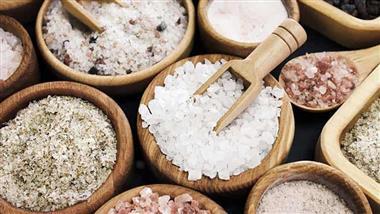
Story at-a-glance
- For 50 years, medicine has waged a misguided war against critical sources of health like salt and sunlight while avoiding discussing the real causes of diseases. Because of this, the dangers of salt are relentlessly focused on despite evidence not supporting them
- In parallel, the extreme dangers of consuming too little salt are rarely discussed in the medical field — despite dangerously low sodium being one of the most common conditions seen in hospitalized patients, and chronically low sodium greatly increasing one’s risk of dying
- The war against salt originated from the belief salt raises blood pressure — despite the evidence showing it doesn’t
- Many of the foundational beliefs around high blood pressure are not supported by the existing data, leading to situations where patients are routinely medicated to blood pressures far below what is safe, significantly reducing their quality of life and increasing their risk of severe injuries or death
- Salt restriction creates many similar complications to dangerously low blood pressures (e.g., fatigue, lightheadedness, erectile dysfunction). Because of this, many find their health and energy dramatically improves once they start consuming healthy salts
Many medical policies are driven more by profit than by evidence of what truly benefits patients. Because of this, we frequently see medicine refuse to ever discuss the things that are making us sick (e.g., numerous studies show vaccines make children 2 to 10 times more likely to develop chronic illnesses that are now widespread) while in tandem, we are relentlessly pressured to put all focus onto a few things which do not make enough money for lobbyists to defend them.
In this article, I will explore one of my key frustrations with this dynamic: the medical establishment’s ongoing war on salt. I will focus on one of my major frustrations with this medical paradigm — the war against salt.
Note: The war against salt began in 1977 when a Senate Committee published dietary guidelines arguing for reduced sodium consumption1 despite the existing evidence not supporting this.2 Since then, like many other bad policies, it has developed a nearly unstoppable inertia of its own.
Is Salt Bad for You?
Many people you ask, particularly those in the medical field will tell you salt is bad, and one of the most common pieces of health advice given both inside and outside of medicine is to eat less salt. Over the years, I’ve heard two main arguments for why salt is bad for you. First, salt raises blood pressure, and high blood pressure is deadly, so salt is too and should be avoided.
Second, with individuals who have heart failure, eating too many salty foods will create exacerbations of their condition, and as a result, after holidays where people eat those foods (e.g., the 4th of July) more heart failure patients will be admitted to hospitals for heart failure exacerbations.3
Note: Excessive sodium causes these exacerbations because if an excess amount of fluid accumulates in a compromised system (e.g., because the weakened heart can’t move enough blood to the kidneys to eliminate it), it then overloads other parts of the body (e.g., causing swelling and edema, which, if in the lungs, can be life threatening).
Because of these two things, many in the medical field assume that salt might be bad for you and hence strongly urge patients to avoid it (to the point you often see an elderly patient who loves her salt be aggressively pushed into abandoning it). Unfortunately, the logic behind those two arguments’ logic is less solid than it appears.
• The great blood pressure scam — Since medicine revolves around making money, patient care is often structured to be as profitable as possible. In turn, since recurring revenue is a foundational principle of successful businesses, a key goal in medicine often ends up being to have as many patients as possible on lifelong prescriptions.
In most cases, the drugs that are developed and approved have real value for specific situations, but those situations are not enough to cover the exorbitant cost it requires to get a drug to market. As a result, once drugs are approved, the industry will gradually come up with reasons to give them to more and more people and in turn quickly arrive at the point where many of their customers have greater harm than benefit from the pharmaceutical.
One classic way this is done is by creating a drug that treats a number, asserting that the number has to be within a certain range for someone to be healthy, and then once that is enshrined, narrow and narrow the acceptable range so less and less people are “healthy” and hence need the drug (e.g., this happened with cholesterol once statins were invested). Likewise, this characterizes the history of blood pressure management:

Because of this, many people (particularly the elderly) are frequently pushed to excessively low blood pressures which reduces critical blood perfusion for the organs — which particularly unfortunate as high blood pressure is often a symptom of poor circulation rather than its cause.
As such, reducing the remaining circulation by lowering blood pressure then makes them significantly more likely to get a variety of significant issues (e.g., kidney injuries,4 cognitive impairment,5 macular degeneration6), the most studied of which is lightheadedness or fainting leading to (often devastating) falls.7 Additionally, blood pressure medications also often greatly reduce one’s quality of life (e.g., by causing fatigue8 or erectile dysfunction9).

Note: For those interested in learning more about the great blood pressure scam (a lot of what we’re taught about blood pressure is less than accurate), it can be read here.
• Low sodium — A cornerstone of cementing the blood pressure market has been to make everyone terrified of salt (much in the same way making people terrified of the sun is a cornerstone of the lucrative skin cancer treatment market — despite the fact the deadly skin cancers are actually due to a lack of sunlight).
Remarkably, much like the great dermatology scam (which has been able to make a massive amount of money from removing cancers that almost never become life threatening) the link between blood pressure and salt consumption is actually quite tenuous.
For example, the most detailed review of this subject found that drastic salt reduction typically results in less than a 1% reduction in blood pressure.10 Likewise, doctors rarely recognize that patients in the hospital are routinely given large amounts of IV 0.9% sodium chloride, in many cases receiving ten times the daily recommended sodium chloride we are supposed to consume — yet their blood pressure often barely rises.
Note: Some individuals and certain ethnicities are salt-sensitive. They may experience greater increases in blood pressure or worsening of other symptoms when consuming moderate amounts of salt (although this does not apply to the majority of the population).11
Despite this, patients are often pushed to eliminate all (or almost all) salt from their life. Beyond this significantly reducing their quality of life (as people like salty foods) it can be dangerous. For example:
◦A study of 181 countries found that countries with lower salt consumption have shorter life expectancies.12
◦Low sodium levels (hyponatremia) are strongly correlated with a risk of dying (e.g., the salt consumption target we are recommended to follow increases one’s risk of dying by 25%13). Likewise, a common reason for hospital admissions are symptoms resulting from hyponatremia (as once sodium levels get too low, it can be very dangerous), and 15% to 20% of hospitalized patients have low sodium levels at admission.14
Note: Mild hyponatremia is also associated with an increased risk of death.15
◦Reduced salt consumption, not surprisingly, increases one’s risk of hyponatremia (e.g., one study found salt restriction made hypertensive patients 9.9 times more likely to develop hyponatremia).16
Note: Many blood pressure and psychiatric medications put you at risk for dangerously low sodium levels17 (e.g., SSRI antidepressants make you 3.16 times more likely to develop hyponatremia18). Additionally, certain patients (e.g., those with autonomic nervous issues) are much more sensitive to salt restriction causing hypotension (low blood pressure).19
◦Low dietary sodium intake causes a 34% increase in cardiovascular disease and death.20
◦Rapidly lowering blood sodium levels reduces cardiac output and blood pressure in a manner resembling traumatic shock (which frequently raises the heart rate as the heart tries to compensate for insufficient blood).21 Low salt consumption, in turn, has been repeatedly linked to tachycardia22 (and atrial fibrillation).23
◦Aging kidneys have a reduced ability to respond to changes in blood sodium levels (putting them at greater risk for hyponatremia following sodium deprivation).24
Note: Three of the most common symptoms of hyponatremia (which lead people to go to the Emergency Room) are fatigue, confusion, and difficulty concentrating.25
◦Many have reported discovering low salt consumption was the cause of their fatigue and lightheadedness (which has also been proven in a clinical trial which treated postural orthostatic tachycardia syndrome with increasing dietary sodium).26

Note: Chronically low blood pressure (e.g., POTS) has been shown to be one cause of chronic fatigue syndrome,27,28 and POTS is often treated with increased dietary sodium.29
◦Chronic sodium depletion has been linked to fatigue and insomnia.30

◦Many readers have shared with me that a variety of health issues improved once they began consuming natural salt (e.g., headaches, erectile dysfunction, waking up in the middle of the night, or chronically elevated blood pressures).
Note: A variety of other health issues (e.g., worsening of diabetes31 or a stomach hydrochloric acid deficiency)32 have also been linked to insufficient dietary sodium.33
U-Shaped Curves
Frequently in physiology, a number will be observed which, when improved, appears to correlate with improved health, leading to the assumption as much as possible should be done to improve that number. In many cases however, at some point, the effect reverses, and it becomes harmful to further increase or decrease that number.
For example, with blood pressure, a few data points showed that if it’s too high, it increases one’s risk of death, so this was used to create a linear model which extrapolated that trend to much lower blood pressure values.34

Yet, in real life, once blood pressure gets too low, the trend reverses and one’s risk of dying increases rather than decreases:35

Likewise, both high and low sodium diets have been shown to increase the risk of death.36 This U-shaped curve was best demonstrated in a study of chronic kidney disease and heart failure patients:37

Note: Due to excessive sodium consumption causing HF exacerbations, those patients are often told to avoid dietary sodium, yet there are many cases of them improving once they add some salt back into their diet (as they had been on the left side of this curve).38 While this has long been known within the integrative health field, in the last few years, data at last is emerging to support this,39,40,41 and Europe is beginning to rescind salt restriction recommendations for heart failure patients.42
Zeta Potential Curves
When fluid contains suspended particles (which is true for most fluids in nature), those colloids can either have finely dispersed or clumped together particles.
One of the primary determinants of this is the electrical repulsion or attraction between the particles, something quantified by a system’s zeta potential and heavily influenced by the charges present in a solution (e.g., too many positive charges will make fluid components like blood cells clump together and is why the aluminum in vaccinations frequently trigger microstrokes of varying severity).
In turn, many diseases result from poor zeta potential, including poor circulation and fluid congestion or edema (e.g., that seen in heart failure). One critical aspect of zeta potential is that it follows a U-shaped curve in relationship to the amount of a charged ion present, with both too little or too much of it being problematic.

Note: Giving IV sodium infusions to hospital patients will frequently greatly improve their condition, something nonchalantly attributed to everyone being “dehydrated” but more accurately due to their blood sodium being too low to adequately support the physiologic zeta potential. Likewise, many people often feel much better after getting outpatient saline infusions at concierge hydration clinics.
This in turn helps to explain why too little salt (e.g., through intentional sodium restriction or unintentional sodium restriction through a diet that puts you into ketosis [which increases sodium excretion43]) can be problematic while at the same time high salt diets can be problematic as well.
Healthy Salts
With high salt diets, I believe a few points are particularly important to recognize:
1. I’ve had multiple cases where I ate fairly salty foods right before bed, then woke up feeling extremely dry throughout my body with a fast heart rate. Through trial and error I figured out drinking high quality reverse osmosis water would help me feel better.
Later, from reading Thomas Riddick’s work on zeta potential, I understood what was happening and measured the conductivity in my urine, which showed that my kidneys indeed were trying to dump a large amount of sodium and restore my zeta potential.
Riddick, tracked many cases where more severe versions of what I experienced resulted in cardiovascular incidents (as poor zeta potential causes blood to clot together and triggers heart arrhythmias as the heart struggles to push this congested blood).
Note: Many have reported to me that zeta potential restoring protocols and fixed their atrial fibrillation.
2. Riddick (and those who followed him) found that processed foods and many restaurant meals tended to be problematic for zeta potential and hence advised reducing the frequency of their consumption (e.g., I try to minimize eating out because of the congestion I feel after restaurant meals).
Note: Since there are so many other harmful things in processed foods, it is very possible many of the issues associated with salty foods are due to something else that is present in it (e.g., seed oils or toxic additives).
3. Riddick believed one of our key issues with salt was that potassium was better for zeta potential than sodium, so by switching our potassium based sources of salt (e.g., vegetables) for highly salted foods, we were creating an unhealthy balance between the two. Likewise, modern research has shown adequate potassium alongside sodium is critical for cardiovascular health (e.g., normalizing blood pressure).44
Note: Potassium deficiency causes a variety of issues (e.g., fatigue and muscle cramps) and many practitioners over the years have found supplementary potassium greatly helps their patients.
4. In general, I noticed most of the salt overload issues individuals run into come from eating foods high in refined salt (e.g., salty processed foods) rather than those consuming natural salts. This has led me to suspect that a major issue with salt is either something else present in the processed foods or something specific to processed salts. At this point, my best guesses is that is due to refined salts:
◦Lacking minerals we otherwise need for homeostasis.
◦Containing other problematic additives (e.g., refined salt tends to clump together so it requires anti-caking agents, many of which adversely affect zeta potential).
◦Having a refinement process that introduces unhealthy chemicals to the salt (e.g., sodium carbonate, sodium hydroxide, barium chloride, or barium carbonate are used to remove minerals besides sodium from refined salt).
Note: Their bleaching or heating may also be problematic.
As such, we always advise patients to consume natural salts and have found this helps patients while rarely causing issues.
Note: In many cases, the best results with a natural salt are gotten if a small amount is mixed into water drank throughout the day, something I believe is due to fully dispersed salts (e.g., those pre-dissolved in water) being the best for restoring the physiologic zeta potential.
Conclusion
As medical approaches to treating disease often do not address the root causes of illness, this requires creating easy scapegoats (e.g., the sun,45 saturated fat,46 or eggs) to blame for their treatment failures.
This is particularly unfortunate as those scapegoats are often actually essential for health. Fortunately (or unfortunately depending on how you look at it) our medical system is now bursting under the strain of the costs of those approaches and thanks to the ascendancy of the MAHA movement and the need to cut deficit spending, it is now becoming possible to re-examine the faulty assumptions public health rests upon.47
We now have a real window to do this, and since there are so many different things that need to be seriously re-examined, my goal has been to do my part to help many of these things that have deeply frustrated me for decades at last be addressed. Fortunately, I am but one of many rising to the occasion, and I thank each of you for being part of that journey with me and doing what you can to bring health back to the world.
Author’s Note: This is an abridged version of a longer article that goes into more detail on the importance of salt and which natural salts are the healthiest for you. That article can be read here, along with a companion article about the great blood pressure scam (which can be read here).
A Note from Dr. Mercola About the Author
A Midwestern Doctor (AMD) is a board-certified physician from the Midwest and a longtime reader of Mercola.com. I appreciate AMD’s exceptional insight on a wide range of topics and am grateful to share it. I also respect AMD’s desire to remain anonymous since AMD is still on the front lines treating patients. To find more of AMD’s work, be sure to check out The Forgotten Side of Medicine on Substack.
- 1 Am J Public Health. 2014 Jan;104(1):59-69
- 2 The American Journal of Medicine, Volume 130, Issue 9, September 2017, Pages 1011-1014
- 3 JAMA Intern Med, Published Online: July 2019, 179 (7):1006-1007
- 4 BMJ 2021;372:n189
- 5 Theconversation.com, October 1, 2019
- 6 Ophthalmology. 2014 Apr 29;121(8):1604-1611
- 7 JAMA Intern Med, Published Online: April 2014;174;(4):588-595
- 8 Consensus.app, Accessed June 2025
- 9 Curr Opin Cardiol. 2015 Jul;30(4):383-90
- 10 Cochrane.org, December 12, 2020
- 11 Hypertension, Wolters Kluwer Health, Inc. November 1, 1996
- 12 Eur Heart J. 2020 Dec 20;42(21):2103–2112
- 13 Medscape.com, May 07, 2014
- 14 Medscape.com, January 09, 2025
- 15 Kidney Int. 2013 Apr;83(4):700-6
- 16 PloS One, December 3, 2024
- 17 J Clin Med. 2022 Sep 30;11(19):5810
- 18 Eur Psychiatry. 2024 Feb 26;67(1):e20
- 19 Autonomic Neuroscience, Volume 236, December 2021, 102891
- 20 The Lancet, Volume 388, Issue 10043, 465-475
- 21 Yale University School of Medicine, September 15, 1945
- 22 Front Physiol. 2016 Mar 24;7:111
- 23 J Intern Med. 2020 Nov 19;289(5):700-708
- 24 Clin Geriatr Med. 2013 Feb;29(1):275-319
- 25 Mayo Clinic, Accessed June 2025
- 26 J Am Coll Cardiol. 2021 May 4;77(17):2174-2184
- 27 JAMA, Published Online: September 27, 1995;274;(12):961-967
- 28 European Journal of Clinical Investigation, 40(7), 608-615 (Archived)
- 29 Dysautonomiainternational.org, Accessed June 2025
- 30 Medical Hypotheses, Volume 79, Issue 6, December 2012, Pages 799-804
- 31 J Diabetes Res. 2021 Aug 19;2021:9012887
- 32 A Midwestern Doctor, August 18, 2024
- 33 Amazon, The Salt Fix: Why the Experts Got It All Wrong–and How Eating More Might Save Your Life
- 34, 35 A Midwestern Doctor, July 29, 2024
- 36 Am J Hypertens. 2014 Sep;27(9):1129-37
- 37 Circulation. 2012 Jan 5;125(5):677-684
- 38 American Journal of Clinical Nutrition 93(2):332-7
- 39, 40 JAMA Intern Med, December 2018;178;(12):1693-1700
- 41 The Lancet, Volume 399, Issue 10333, 1391-1400
- 42 European Journal of Heart Failure, Volume 26, Issue 4, April 2024, Pages i-vii, 707-1100
- 43 Aletenutrition.com, April 06, 2021
- 44 Mercola.com, May 13, 2025
- 45 A Midwestern Doctor, May 31, 2025
- 46 A Midwestern Doctor, June 30, 2024
- 47 A Midwestern Doctor, June 05, 2025
Salt Restriction Promotes Stress by Elevating Cortisol
Reproduced from original article:
https://articles.mercola.com/sites/articles/archive/2024/09/02/salt-restriction-elevated-cortisol.aspx
Analysis by Dr. Joseph Mercola September 02, 2024

STORY AT-A-GLANCE
- Low-salt diets are often recommended as a tool to avoid certain chronic diseases and protect health, but salt restriction, particularly unprocessed, natural salt, often backfires
- If you don’t consume enough salt, it may lead to elevated cortisol levels in your blood
- Cortisol, a stress hormone, plays a vital role in your health but can lead to severe health issues like muscle breakdown, inflammation and impaired immune function when chronically elevated
- In a study involving data from 181 countries, higher salt intake was linked to longer healthy life expectancy and lower overall death rates
- For optimal health, pay attention to the type of salt you eat and balance it properly with potassium; it’s generally recommended that you consume five times more potassium than sodium
Sodium is an essential nutrient for human health. It’s crucial for maintaining fluid balance, transmitting nerve impulses and contracting muscles. Sodium is naturally present in many foods, including vegetables, dairy products, meat and seafood. It’s also added to processed foods in the form of salt, a compound made up of sodium and chloride ions.
Low-salt diets are often recommended as a tool to avoid certain chronic diseases and protect health, but salt restriction, particularly unprocessed, natural salt, often backfires. In fact, if you don’t consume enough salt, it may lead to elevated cortisol levels in your blood.
Cortisol, a stress hormone, plays a vital role in your health but can lead to severe health issues like muscle breakdown, inflammation and impaired immune function when chronically elevated, which is why keeping your levels in check is so important — and why salt restriction can cause far more harm than good.
Low-Sodium Diet Increases Cortisol
Research published in the journal Steroids found that following a low-sodium diet decreased cortisol levels in urine.1 Meanwhile, another study found that increased dietary sodium intake increases cortisol excretion in urine, while total cortisol levels in the blood measured in the morning were slightly lower when participants consumed more salt.2 ZeroHedge reported:3
“A study published in Clinical Endocrinology in 20204 showed that an increase in salt consumption leads to a rise in cortisol levels in your urine and lower cortisol levels in your bloodstream. What does this potentially mean? Restricting your sodium intake may lead to higher levels of circulating cortisol.”
As noted Georgi Dinkov’s blog, which is inspired by the work of the late Ray Peat, “Once again, what we are told by medicine is healthy (e.g. salt restriction) turns out to be anything but:”5
“There is now evidence that salt restriction may not only be contributing to the stress response (HPA [hypothalamic-pituitary-adrenal] axis) but severe sodium restriction (as advocated by most doctors for people with blood pressure, diabetes, CVD [cardiovascular disease], CKD [chronic kidney disease], etc.) may be able to trigger the stress response ‘de-novo’ — i.e., in the absence of any stressful external/internal stimuli. How does salt restriction achieve that ‘feat’? Simple — by elevating cortisol levels.”
Another 2020 study, published in The Journal of Clinical Investigation Insight, revealed that on a high-salt diet, there was an increased excretion of glucocorticoids, which include cortisol. This suggests that a high-salt intake triggers your body to release more cortisol and other stress-related hormones, which are then excreted in higher amounts in urine.6
In another example, a study published in The Journal of Clinical Endocrinology and Metabolism in 2003 found, “In healthy subjects, dietary salt loading increases and sodium restriction decreases urinary free cortisol excretion” and “changes in cortisol metabolite excretion after salt loading were accompanied by a decrease in plasma cortisol concentration.”7,8 To Extract Knowledge from Matter explains:9
“Now, the study found that restricting salt intake decreased urinary cortisol excretion and this is what led to increase in the blood cortisol concentrations.
However, I am not convinced this is the whole story considering the fact that salt restriction is known to increase adrenaline release (a known stimulator of ACTH [Adrenocorticotropic hormone] and thus cortisol), and such it is likely that the elevation of blood cortisol was due to sodium restriction both increasing cortisol synthesis/release from adrenals and decreasing cortisol excretion.”
The Problem with Elevated Cortisol
Many people think of cortisol simply as a stress hormone, but that is not its primary role in your body. Cortisol serves as your body’s protective mechanism to keep your glucose levels from dropping dangerously low, preventing you from going into a hypoglycemic coma and dying.10
However, its mechanism of action contributes to its long-term consequences and makes elevated cortisol levels undesirable. It is also one of the factors that made me radically revise my recommendations about low-carb diets.
In a previous interview about cortisol and its association with carbohydrates and glucose, Georgi Dinkov, who is an expert on Peat’s work, an author and pioneer in nutrition, bioenergetic medicine, environmental factors and regenerative processes, commented:
“I think there’s hardly a chronic condition where you don’t see cortisol implicated, and usually, in the majority of cases, it is elevated cortisol, not low cortisol. In fact, the only situation in which low cortisol becomes problematic is probably Addison’s disease, which is adrenal failure. And that’s very rare.
Studies as far back as the 1950s and ‘60s demonstrated that you can produce every single phenotype of aging if you inject cortisol, or at least create a state of relative glucocorticoid excess in the animal. So, you can do it either by injecting synthetic or natural glucocorticoids, or you can do it by reducing the levels of the natural anti-cortisol steroids in the body.”
Elevated cortisol has harmful catabolic effects, meaning, muscles can get wasted away slowly over time. It’s also damaging to brain tissue and contributes to brain atrophy seen in dementia and depression.11 Elevated cortisol also accelerates aging,12 a fact not widely recognized in the longevity community and uses up stored fat in a process called lipolysis. This process increases reductive stress and your body’s ability to create cellular energy.
While this may sound like a great thing, the problem is that it doesn’t get rid of the harmful visceral fat found around your internal organs that causes inflammation. So, ultimately, chronic excess cortisol is going to cause inflammation and impair your immune function, while breaking down your body tissues.
Maintaining health as you age requires building healthy tissues, but chronically high cortisol levels hinder this process. Moreover, cortisol even stimulates the release of neurotransmitters that trigger food cravings,13 increasing the risk of unhealthy eating habits. For help with elevated cortisol, read my key strategies to reduce your cortisol levels.

Save This Article for Later – Get the PDF Now
More Reasons Why Low-Salt Advice Backfires
Your body strives to maintain an optimal level of sodium regardless of your intake, signifying its importance to health and vitality. Your body uses magnesium and calcium levels to control your sodium level. As your intake declines your body begins to pull sodium from your bone, and at the same time pulls out magnesium and calcium.
James DiNicolantonio, Pharm.D., author of “The Salt Fix,” who is also the coauthor of my book, “Superfuel: Ketogenic Keys to Unlock the Secrets of Good Fats, Bad Fats, and Great Health,” explains that the rise in high blood pressure, obesity and diabetes that began in the early 1900s parallels a reduction in salt intake, and low-salt diets are likely implicated in chronic disease like osteoporosis:14
“There is a large fraction of body sodium deposited in the bone, suggesting that bone might serve as a sodium reservoir, which is mobilized during homeostatic stress. Salt also has a crucial role in maintaining positive magnesium and calcium balance.
If a reduction in serum sodium occurs, the bone may be stripped of sodium (as well as magnesium and calcium) to maintain normal serum sodium levels. Indeed, a low-salt diet has been shown to lead to negative calcium and magnesium balance, which could result in osteoporosis. Thus, a low-salt diet may cause osteoporosis by stripping the bones of sodium, calcium, and magnesium.”
Further, according to DiNicolantonio, reducing your salt intake may, indeed, lower your blood pressure, but it can also worsen your total cholesterol to high-density lipoprotein (HDL) ratio, a better heart disease predictor than low-density lipoprotein (LDL). Triglycerides and insulin levels also increase, ultimately raising your heart disease risk despite better blood pressure readings.
Low-Salt Intake Causes Heart Problems, While Higher Salt Intake Increases Longevity
Additionally, salt deficiency can lead to insulin resistance because your body raises insulin levels to preserve salt, as higher insulin helps your kidneys retain more salt. Insulin resistance, in turn, is a hallmark of heart disease and most chronic diseases. DiNicolantonio and colleagues explained in the American Journal of Medicine:15
“There is evidence that a low-sodium diet may lead to a worse cardiovascular prognosis in patients with cardiometabolic risk and established cardiovascular disease.
Low-sodium diets may adversely affect insulin resistance, serum lipids, and neurohormonal pathways, leading to increases in the incidence of new cardiometabolic disease, the severity of existing cardiometabolic disease, and greater cardiovascular and all-cause mortality.
Although a high sodium intake also may be deleterious, there is good reason to believe that sodium intake is regulated within such a tight physiologic range that there is little risk to leaving sodium intake to inherent biology as opposed to likely futile attempts at conscious control.”
It’s also revealing that a New England Journal of Medicine study found those with the lowest risk for heart problems or death from any cause were consuming three to six grams of sodium a day16 — far more than U.S. daily recommended limits.
In another revealing study, researchers analyzed data from 181 countries on average salt consumption and compared it to healthy life expectancy at birth and age 60.17 Higher salt intake was linked to longer healthy life expectancy and lower overall death rates. According to the researchers:18
“Our observation of sodium intake correlating positively with life expectancy and inversely with all-cause mortality worldwide and in high-income countries argues against dietary sodium intake being a culprit of curtailing life span or a risk factor for premature death.”
The Importance of the Sodium to Potassium Ratio
The type of salt matters when it comes to its role in your health, and so does its relationship with potassium, a naturally occurring mineral your body uses as an electrolyte. It’s generally recommended that you consume five times more potassium than sodium, but most Americans get the opposite ratio, eating two times more sodium than potassium.
If you eat a lot of processed foods, which contain processed table salt, your sodium to potassium ratio is likely out of balance. While conventional health care practitioners may suggest you remedy this by limiting salt intake, focusing on increasing potassium is key. Research shows an association between higher potassium intake and lower blood pressure, regardless of sodium intake.19
Even the American Heart Association explains, “Foods with potassium can help control blood pressure by blunting the effects of sodium. The more potassium you eat, the more sodium you process out of the body.”20 Examples of potassium-rich foods include:21
| Spinach | Broccoli | Beet greens |
| Oranges | Coconut water | Tomatoes |
| Yogurt | Winter squash | Cantaloupe |
In addition to increasing your potassium intake, it’s possible to improve your sodium to potassium ratio just by switching the type of salt you eat — from table salt to natural varieties such as pink Himalayan. In the U.S., the majority of salt that’s consumed comes from processed foods. This processed salt contains 97.5% sodium chloride, with about 39% sodium.
Natural salt, however, is higher in potassium than processed salt. Compared to iodized white table salt, which contains 151.68 milligrams per kilogram (mg/kg) of potassium, pink Himalayan salt contains 2,085.71 mg/kg.22 If you’re unsure how much sodium or potassium you’re consuming, use a food tracking app such as Cronometer, which allows you to enter the foods you eat and calculate your sodium to potassium ratio automatically.
How Much Salt Is Ideal?
Your body has a built-in “salt thermostat” that lets you know how much you need by regulating your craving for salt. It’s a good idea to listen to your body and, if you’re craving salt, consume more. If you sweat profusely, either through exercise or sauna use, for example, or drink caffeinated beverages, you automatically will need more salt than usual.
A number of medical conditions can also increase sodium loss or prevent your body from absorbing salt well. This includes inflammatory bowel diseases, sleep apnea, adrenal deficiency, bariatric surgery, kidney diseases, hypothyroidism and celiac disease. So, if you have any of these, you may need a bit more salt in your diet to compensate.
That said, DiNicolantonio recommends eating about 3,500 mg of sodium daily,23 which is far more than the American Heart Association’s recommended maximum limit of 2,300 mg a day, and their “ideal limit” of less than 1,500 mg a day.24
If you’re not sure whether you’re eating the right amount of salt for your body, you can also get a fasting chemistry profile that shows your serum sodium. As a general rule, your ideal sodium level is 139, with an optimal range of 136 to 142. If it is much lower, you probably need to eat more natural salt. If it’s higher, you’ll likely want to restrict your processed salt intake.
There are also some salt-sensitive subpopulations that may need to limit their salt intake to 2,300 mg per day. This includes those with:
- Endocrine disorders
- High aldosterone levels
- Cushing’s syndrome
- Elevated cortisol
- Liddle syndrome, a rare condition affecting about 1 in 1 million individuals, causing them to retain too much salt. If treated with amiloride, salt intake probably does not need to be restricted
- 1 Steroids July-August 1998
- 2, 4 Clin Endocrinol (Oxf). 2020 Nov; 93(5): 539–545
- 3 ZeroHedge May 1, 2024
- 5, 8, 9 To Extract Knowledge from Matter June 6, 2024 (Archived)
- 6 JCI Insight February 27, 2020
- 7 The Journal of Clinical Endocrinology & Metabolism, Volume 88, Issue 9, 1 September 2003, Pages 4180–4185
- 10 StatPearls [Internet], Physiology, Cortisol
- 11 Neurology, 2018 Nov 20;91(21):e1961-e1970
- 12 Science Daily, November 10, 2011
- 13 Physiol Behav. 2019 Sep 1; 208: 112563
- 14 Youtube, Why a Low-Sodium Diet Might Wreck Your Health – Interview With Dr. James DiNicolantonio
- 15 Am J Med. 2013 Nov;126(11):951-5. doi: 10.1016/j.amjmed.2013.05.020. Epub 2013 Sep 18
- 16 New England Journal of Medicine August 14, 2014; 371:612-623
- 17, 18 Eur Heart J. 2021 Jun 1; 42(21): 2103–2112
- 19 American Journal of Physiology — Endocrinology and Metabolism April 4, 2017
- 20 American Heart Association, A Primer on Potassium
- 21 Harvard T.H. Chan School of Public Health, Potassium
- 22 Foods. 2020 Oct; 9(10): 1490, Table 2
- 23 Penguin Random House Canada, Excerpt From “The Salt Fix”
- 24 American Heart Association, Why Should I Limit Sodium?
Foods That Make You Fat
Reproduced from original article:
https://articles.mercola.com/sites/articles/archive/2024/03/13/foods-that-make-you-fat.aspx
The original Mercola article may not remain on the original site, but I will endeavor to keep it on this site as long as I deem it to be appropriate.
Analysis by Sally Fallon Morell March 13, 2024

STORY AT-A-GLANCE
- MSG in food is linked to weight gain, challenging mainstream views that label it safe
- Diet sodas, linked to overeating and metabolic issues, may contribute to weight gain
- Industrial seed oils can lead to weight gain and metabolic dysfunction, whereas saturated fats like butter and lard support weight loss and metabolic health
- Full-fat dairy products have been linked to less weight gain and better health outcomes
- Low-salt food alternatives can disrupt normal body functions and contribute to weight gain
We know that excess carbs like sugar and white flour can make us gain weight, but there are other culprits lurking in the food supply.
MSG
Recently the Washington Post published a puff piece on monosodium glutamate (MSG), claiming that we have nothing to fear from the artificial flavoring that adds umami “spark” to many dishes. The author, Aaron Hutchinson, marginalizes headaches and allergic reactions as minor symptom in a few hypersensitive people. Says Hutchinson:
“In addition to soup and eggs, MSG can be added to salad dressings, bread, tomato sauce, meats, popcorn, ‘an absolutely filthy martini,’ you name it. MSG is a great way to add flavor to just about anything except sweets. It’s particularly great with vegetables, too.”
He makes no mention of the real problem with MSG: weight gain. If you search “msg-induced obesity” at PubMed, you will come up with almost one hundred citations. It’s hard to get research animals to overeat and become obese — in order to study obesity — so scientists feed the rats, mice and hamsters MSG to make them eat more and put on weight.
Most of the citations are animal studies, not human trials, and the food industry has argued that the amount of MSG given to the animals is way more, as a function of body weight, than humans would ever eat. Or, they say, the association with weight gain and MSG is really an association of weight gain and processed foods, since MSG is in almost all processed foods.
What happens when we consume small amounts of MSG as a flavoring day after day after day? A 2008 study1 published in the journal Obesity provides confirmation that MSG indeed causes weight gain in humans, and not because of its inclusion in processed foods.
In this well-designed trial, researchers at the University of North Carolina at Chapel Hill studied 750 Chinese men and women, ages 40-59, living in three rural Chinese villages. Most of the study subjects prepared their meals at home without commercial processed foods and about 82% used MSG.
Those participants who used the highest amounts of MSG had nearly three times the incidence of overweight as those who did not use MSG, even when physical activity and caloric intake were accounted for.
MSG Is Not Metabolized in the Same Way as Glutamic Acid
What about the argument that the glutamic acid in MSG is the same as the essential amino acid glutamic acid that we get from protein foods? According to the Washington Post article, “The glutamate in MSG is chemically indistinguishable from glutamate present in food proteins. Our bodies ultimately metabolize both sources of glutamate in the same way.” The first sentence is true but the second sentence is false.
The glutamic acid in foods like meat is attached to various peptides and other compounds that release it when required and prevent it from overstimulating the nervous and endocrine systems; while the glutamic acid in MSG is “naked,” highly reactive and unmitigated by its milieu.
Americans consumed about one million pounds of MSG in 1950; today that number is three-hundred million pounds. Almost all processed and fast food contains MSG2 (usually not labeled), and the food industry certainly knows that the additive they use to make their food taste good is a major cause of the current obesity epidemic. The message to consumers is clear: to lose weight, it’s important to avoid all processed food, and certainly not add it to the foods you prepare at home.
Save This Article for Later – Get the PDF Now
Diet Sodas
As I have never met a diet soda-drinker who is slim, the results of a review study by Susie Swithers, Purdue University professor of psychological sciences and a behavioral neuroscientist, do not surprise me. Swithers found that consumption of diet soft drinks increases the likelihood of overeating.
One large study found that people who drink artificially sweetened sodas are more likely to experience weight gain than those who drink non-diet sodas. Other studies3 found that those who drink diet sodas have twice the risk of developing metabolic syndrome, often a precursor to cardiovascular disease, than those who abstained.
Use of diet sodas, sweetened with non-caloric sweeteners such as aspartame, sucralose and saccharin, has increased enormously over the last twenty-five years, as consumers try to steer clear of sugar and high fructose corn syrup. About 30% of American adults regularly consume these artificial sweeteners. What to drink if you need to watch your weight?
Try sour kombucha made with organic cane sugar — look for kombucha with less than 5 grams of sugar per serving. Or, make your own, letting it brew a long time (see my blog post “Kombucha Like Fine Champagne”4). Sparkling water with a squeeze of lemon and pinch of unrefined salt makes a refreshing and healthy soft drink. Herbal tea and bone broth are additional choices.
Industrial Seed Oils
When it comes to weight loss, not all fats and oils are the same. Many studies have shown that saturated animal fats are far less likely to cause weight gain than polyunsaturated vegetable oils.
For example, one study5 found that mice fed excessive corn oil had increased caloric intake and obesity. In another,6 rats were divided into different groups receiving diets with identical proportions of calories from fat, protein, and carbohydrate but different types of fats.
The rats in the group receiving fat from safflower oil had a 12.3% increase in total body weight compared to the rats eating traditional fats. Weight gain was lower in the rats fed a higher proportion of saturated fats. For the average human, a 12.3% increase in total body weight translates into 23 pounds.
Vegetable oils that have been heated are even more obesogenic. In a randomized trial on rabbits,7 three groups of rabbits were given access to identical foods, with only one difference: the first group of rabbits was fed unheated vegetable oil, the second group was fed vegetable oil that had been heated once, and the third group was fed vegetable oil that had been repeatedly heated multiple times — as happens in deep friers. Everything else about their diets was kept the same.
The surprising outcome was that compared to the group of rabbits eating unheated oil, the group eating single heated oil gained 6% more weight, and the group eating repeatedly heated oil gained 45% more weight — even though the rabbits eating heated oil actually consumed a slightly lower level of calories. It seems that foods fried in vegetable oil are dieters’ worst enemy. Why would polyunsaturated vegetable oils cause weight gain? As explained by Jeff Nobbs:8
“When we eat a diet high in polyunsaturated fatty acids, omega-6s and or linoleic acid, over time, this leads to mitochondrial dysfunction, primarily with our electron transport chain. And the ETC is a very important process that creates ATP or energy … if these processes become dysfunctional, this is really bad, because what happens is we can’t effectively or properly burn fat as fuel.
Another thing that we start to see is reduced fatty acid beta oxidation which also means that we become less efficient at using fat as fuel and as a result we begin to prioritize carbohydrates as fuel … we are consuming high amounts of vegetable oils, we become less efficient at using fat as energy, while also making our fat cells bigger and grow in size, which is exactly what we don’t want and this could be a huge reason why we’re gaining weight and why it’s so difficult for us to lose weight!”
Butter and Lard Are a Dieter’s Friend
Dieters are often reluctant to embrace saturated animal fats, believing the propaganda that butter and lard will make you fat. But the science suggests otherwise. For example, a study9 by Temple University School of Medicine provides welcome vindication for Atkins and other practitioners who insist that the best way to lose weight is to eat a lot of fat — animal fat.
The study took place in a clinical research center where every calorie eaten and spent was measured. After a week of typical eating, 10 obese patients with Type 2 diabetes followed a diet that limited carbohydrates to 20 grams per day but allowed unlimited protein and fat.
With carbs out of the diet, the patients spontaneously reduced their daily energy consumption by 1,000 calories per day. “When carbohydrates were restricted,” said lead researcher Guenther Boden, MD, “the subjects spontaneously reduced their caloric intake to a level appropriate for their height, did not compensate by eating more protein or fat, and lost weight. We concluded that excessive overeating had been fueled by carbohydrates.”
In addition to calorie reduction and weight loss, subjects experienced markedly improved glucose levels and insulin sensitivity as well as lower triglycerides and cholesterol. The interesting thing about this study was that the subjects did not consciously try to restrict calories or lose weight, showing that restricting carbs and increasing fat in the diet works better than will power.
Full-Fat Dairy Linked to Weight Loss
In yet another defeat for the low fat, you-must-suffer-to-lose-weight school of thought, a Swedish study10 has found that women who regularly consume at least one serving of full-fat dairy every day gained about 30% less weight than women who didn’t.
The researchers, from the Karolinska Institute in Stockholm, looked at the intake of whole, sour, medium- and low-fat milk, as well as cheese and butter for almost twenty-thousand Swedish women aged 40-55 years old — the age when most women should and do gain weight … but not too much.
The researchers reported that a regular and constant intake of whole milk, sour milk and cheese was significantly and inversely associated with weight gain (that is, those consuming whole-milk products did not gain much weight), compared to the other groups.
A constant intake of at least one daily serving of whole and sour milk was associated with 15% less weight gain, while cheese was associated with 30% less weight gain.
Two other studies have concluded that the consumption of whole fat dairy products is linked to reduced body fat. In one paper,11 middle aged men who consumed high-fat milk, butter and cream were significantly less likely to become obese over a period of 12 years compared to men who never or rarely ate high-fat dairy.
The second study12 is a meta-analysis of sixteen observational studies aimed at exploring the hypothesis that high-fat dairy foods contribute to obesity and heart disease risk. The researchers concluded that the evidence does not support this hypothesis; in fact, the reviewers found that in most of the studies, high-fat dairy consumption was associated with a lower risk of obesity.
The tragic practice of feeding reduced-fat milk to growing children, even prohibiting full-fat milk in schools and day care centers, in order to prevent weight gain, has no basis in science, as shown in a study13 from Canada.
Researchers followed over 2,700 children, ages 1 to 6. Children who got full-fat milk had a lower body mass index and also higher vitamin D status. Children who drank full-fat milk were less likely to end up hungry, and less likely to snack on high-calorie foods, suggested the researchers.
In U.S. schools, children have a choice of low-fat milk, which they hate, or chocolate milk made with skim milk powder and high fructose corn syrup — often containing almost as much sweetener as sodas! The message is clear: for weight loss, avoid all industrial seed oils and enjoy animal fats and full-fat dairy foods.
Low-Salt Foods
When you eat too much salt, you become thirsty and drink water so as to dilute the amount of sodium chloride in the bloodstream, keeping sodium at the proper levels and excreting the excess. This is the conventional view of the “salt equation.”
But experiments with mice found that mice burned more calories when they got more salt, eating 25% more just to maintain their weight. It seems that salt stimulates the production of more glucocorticoid hormones, which break down fat and muscle in the body.
In addition, salt-detecting neurons in the mouth control the urge to drink, and more salt results in a lower sensation of thirst. “The work suggests that we really do not understand the effect of sodium chloride on the body,” said a study author.14 “These effects may be far more complex and far-reaching than the relatively simple laws that dictate movement of fluid, based on pressures and particles.”
These results suggest that increasing salt may be a useful strategy for weight loss, as long as the diet contains sufficient levels of fat to mitigate increased feelings of hunger. The results also show the folly of the recent FDA push15 to get the food industry to lower salt content in processed foods.
The food industry isn’t complaining because they now have an additive they can use to make low-salt foods taste saltier: it’s called Senomyx. Senomyx and other flavor enhancers stimulate your taste buds without them actually tasting anything. Much like MSG, these flavor enhancers operate on the neurological level to produce these reactions.
Since they are not actually ingredients but rather “enhancers,” FDA does not require manufacturers to list them in the ingredients panel except as “artificial flavors.” Because very small amounts of the additives are used, Senomyx’s chemicals have not undergone the FDA’s usual safety approval process for food additives.
In fact, they are not flavors at all. They are chemicals that contain no flavor of their own, rather they activate or block taste receptors in your mouth. The chemicals can mimic or enhance the taste not only of salt, but also sugar and monosodium glutamate (MSG).
Already the industry is adding Senomyx to a huge number of products, from soups to coffee (for a salty taste) and from sodas to candies (for a sweet taste).16 So what could possibly go wrong?
Here’s one thing: your body has an absolute requirement for salt and if we don’t get the salt we need in our food, we just might eat and eat and eat salty-tasting foods in order to get the salt we need. Sounds like a great recipe for weight gain.
Can Water Make You Fat?
Those who write about the worldwide obesity epidemic have focused almost exclusively on life style issues such as consumption of high-calorie junk food and decreases in exercise. These remain plausible interpretations and are certainly contributing factors.
But new research opens up an entirely new theory — the disruption of weight regulation by hormone-disrupting contaminants. Japanese researchers17 have found that exposure to bisphenol A (BPA) in combination with insulin increases the number of fat cells in mouse cell tissue culture, and also causes the enlargement of fat cells.
Human exposure is widespread through consumption of water in plastic bottles. (Other sources are dental sealants, used on children’s teeth to “prevent cavities,” and foods packaged in plastic.)
Dr. Barry Durrant-Peatfield of the UK has also proposed the theory that even drinking water from the tap can make you fat — fluoridated water, that is. “There is no doubt that fluoride is enzyme disruptive and one thing it affects is thyroid hormones. As a result of this disruption, people can finish up with partial under-activity of the thyroid gland.”
According to Dr. Durrant-Peatfield, fluorine can replace iodine in the body, leading to thyroid problems and weight gain. He believes that children may be particularly susceptible to obesity if their mothers drank fluoridated water while pregnant.
He notes that UK obesity levels are highest in the West Midlands, the only area in England now fluoridated (Sunday Mercury, July 11, 2004). Yes, lots of compounds that make us gain weight are lurking in the food supply! If you want to lose weight, the very first assignment is to avoid them like the plague.
About the Author
Sally Fallon Morell is author of the best-selling cookbook Nourishing Traditions and many other books on diet and health. She is the founding president of the Weston A. Price Foundation (westonaprice.org) and a founder of A Campaign for Real Milk (realmilk.com). Visit her blog at nourishingtraditions.com.
- 1 Obesity 2008 Aug;16(8):1875-8
- 2 Nourishing Traditions, MSG and Free Glutamate: Lurking Everywhere
- 3 Purdue University July 11, 2013
- 4 Nourishing Traditions, Kombucha Like Fine Champagne
- 5 Nutrition. 2001 Feb;17(2):117-20
- 6 Journal of Nutrition 1993 Mar;123(3):512-9
- 7 Lipids in Health and Disease 2020; 19, Article number: 69
- 8 Jeff Nobbs May 7, 2020
- 9 Ann Intern Med. 2005 Mar 15;142(6):403-11
- 10 Am J Clin Nutr. 2006 Dec;84(6):1481-8
- 11 Scand J Prim Health Care. 2013 Jun;31(2):89-94
- 12 Eur J Nutr. 2013 Feb;52(1):1-24
- 13 The Telegraph November 16, 2016
- 14 New York Times May 8, 2017
- 15 New York Post October 13, 2021
- 16 Weston A. Price Senomyx
- 17 J Lipid Res. 2002 May;43(5):676-84
Surprise! Everything You’ve Been Told About Salt Is Wrong
Reproduced from original article:
https://articles.mercola.com/sites/articles/archive/2024/01/24/salt-health-effects.aspx
The original Mercola article may not remain on the original site, but I will endeavor to keep it on this site as long as I deem it to be appropriate.
Analysis by Dr. Joseph Mercola January 24, 2024

STORY AT-A-GLANCE
- Eating lots of salt will not make you thirsty or cause greater urine output. A study involving Russian cosmonauts reveal eating more salt actually lowered their thirst — yet increased hunger
- As your salt intake increases, your glucocorticoid hormone level rises, causing greater water availability (hence lower thirst) and increased fat and muscle breakdown — an energy-intensive process resulting in increased hunger
- A high-salt diet will not increase your risk of heart disease. Having the correct potassium to sodium balance influences your risk for high blood pressure and heart disease to a far greater extent than high sodium alone
Do you believe high amounts of salt provoke thirst and contribute to high blood pressure and heart disease? If so, you’re likely wrong. Studies have consistently failed to support either of these notions, showing the converse is actually true. Here’s a summary of findings that may surprise you:
• Eating large amounts of salt will not make you thirsty or cause greater urine output (which could lead to dehydration). A study1 involving Russian cosmonauts reveal eating more salt actually lowered their thirst — yet increased hunger.2,3
Animal research4 support these results, showing a high-salt diet resulted in increased metabolism, forcing the animals to eat 25% more calories just to maintain weight. This suggests salt may have a surprising influence on your weight
• Evidence shows having the correct potassium to sodium balance influences your risk for high blood pressure and heart disease to a far greater extent than high sodium alone, and processed foods are typically low in potassium and high in sodium
• Studies suggest a low-salt diet can actually worsen cardiovascular disease and raise rather than lower the risk for early death among patients at high risk of heart disease5
• The vast majority, approximately 71%, of your salt intake comes from processed food.6 Hence, if you avoid processed foods, you have virtually no risk of consuming too much salt.7 Eating a whole food diet will also ensure a more appropriate sodium-to-potassium ratio
• When lowering salt in processed foods, many manufacturers started adding monosodium glutamate (MSG) instead — a flavor enhancer associated with obesity, headaches, eye damage,8 fatigue and depression. Due to its ability to overexcite neurons, MSG may even raise your risk for neurological disorders such as Alzheimer’s, Parkinson’s and Lou Gehrig’s disease
Counterintuitive Results Show How Poor Our Understanding of Salt Is
It’s pretty bizarre that our understanding about salt is this poor, yet that’s what can happen when you assume the science is settled and you’ve got it all figured out. As reported by The New York Times:9
“If you eat a lot of salt — sodium chloride — you will become thirsty and drink water, diluting your blood enough to maintain the proper concentration of sodium. Ultimately you will excrete much of the excess salt and water in urine. The theory is intuitive and simple.
And it may be completely wrong … [Research] contradicts much of the conventional wisdom about how the body handles salt and suggests that high levels may play a role in weight loss.”
The research is the culmination of a quest by Jens Titze, a kidney specialist at Vanderbilt University Medical Center, who in 1991 became puzzled by the discovery that astronauts’ urine output followed a seven-day cycle. There seemed to be no rhyme or reason for why their urine output would increase and decrease in this cyclical manner.
Your Body Maintains a Constant Sodium Balance Regardless of Salt Intake
Then, in 1994, Titze studied the urine output patterns of a crew on the Mir station, discovering a 28-day rhythm in sodium retention — and that the amount of sodium in the astronauts’ bodies was completely unrelated to their urine output. This was a truly puzzling finding. As noted in the featured article:10
“The sodium levels should have been rising and falling with the volume of urine. Although the study wasn’t perfect — the crew members’ sodium intake was not precisely calibrated — Dr. Titze was convinced something other than fluid intake was influencing sodium stores in the crew’s bodies. The conclusion, he realized, ‘was heresy’ …
When the crew ate more salt, they excreted more salt; the amount of sodium in their blood remained constant, and their urine volume increased. ‘But then we had a look at fluid intake, and were more than surprised,’ he said.
Instead of drinking more, the crew were drinking less … when getting more salt. So where was the excreted water coming from? ‘There was only one way to explain this phenomenon,’ Dr. Titze said. ‘The body most likely had generated or produced water when salt intake was high.'”
Download this Article Before it Disappears
Salt Has Surprising Metabolic Effects
The other puzzling finding was that the astronauts complained of being constantly hungry when given higher amounts of salt. Interestingly, urine tests revealed they were producing higher amounts of glucocorticoid hormones, which affect both your metabolism and immune function.
Follow-up animal testing confirmed the results, showing the more salt the mice were given, the less water they drank and the more food they required to avoid weight loss. The reason why then became apparent. As the salt intake increased, the animals produced higher amounts of glucocorticoid hormones, causing increased fat and muscle breakdown.
These broken-down muscle proteins are then converted into urea, which is known to help your body excrete waste via urine. Through some still-unknown mechanism, this urea also helps your body retain water. In other words, a side effect of higher salt consumption is that it frees up water for your body to use.
However, this process is energy-intensive, which is why the animals required more food when on a high-salt diet and why the astronauts complained of hunger. Titze believes the increase in glucocorticoid hormones are also somehow responsible for the bizarre cyclical fluctuations in urine output.
“Scientists knew that a starving body will burn its own fat and muscle for sustenance. But the realization that something similar happens on a salty diet has come as a revelation,” The New York Times reports.11
“People do what camels do, noted Dr. Mark Zeidel, a nephrologist at Harvard Medical School who wrote an editorial accompanying Dr. Titze’s studies. A camel traveling through the desert that has no water to drink gets water instead by breaking down the fat in its hump.
One of the many implications of this finding is that salt may be involved in weight loss. Generally, scientists have assumed that a high-salt diet encourages a greater intake of fluids, which increases weight. But if balancing a higher salt intake requires the body to break down tissue, it may also increase energy expenditure.”
As noted by Dr. Melanie Hoenig, nephrologist and assistant professor of medicine at Harvard Medical School, “The work suggests that we really do not understand the effect of sodium chloride on the body.”12
Sodium/Potassium Ratio Is Key to Normalize Your Blood Pressure
While salt has gotten a bad rap, suspected of increasing your risk for high blood pressure and heart disease, research shows the real key to relaxing your arteries and reducing your blood pressure is actually the ratio of sodium to potassium you have — not your sodium intake alone.13
Potassium is a naturally occurring mineral your body uses as an electrolyte (substance in solution that conducts electricity), and it is vital for optimal health and normal functioning. Most of your potassium resides inside your cells, unlike sodium, which resides outside your cells.
Potassium works in your body to relax the walls of your arteries, keep your muscles from cramping and lower your blood pressure.14 The reduction in blood pressure with added potassium has also been associated in studies with a reduced risk of stroke.15
Research in 201416 found that women without high blood pressure who consumed the most potassium (nearly 3,200 milligrams per day) had a 21% reduced risk of stroke. Women who consumed the most potassium were also 12% less likely to die during the study period than those who consumed the least.
A meta-analysis published in 1997, which analyzed 29 trials, also found that low levels of potassium resulted in higher systolic blood pressure readings.17 Subsequent studies have found similar results.18,19
How’s Your Sodium/Potassium Balance?
It’s generally recommended that you consume five times more potassium than sodium, but most Americans eat twice as much sodium as potassium. If you’re eating mostly processed foods and few fresh vegetables, your sodium-to-potassium balance is virtually guaranteed to be inversed. Imbalance in this ratio not only can lead to high blood pressure but also contribute to a number of other health problems, including:
| Kidney stones | Memory decline |
| Cataracts | Osteoporosis |
| Erectile dysfunction | Stomach ulcers |
| Rheumatoid arthritis | Stomach cancer |
One simple way to check your ratio is to use my customized version of the free nutrient tracker, cronometer.com/mercola, which will calculate your sodium-to-potassium ratio automatically based on the foods you enter.
A great deal of good could come from revising public health recommendations to focus on a high-quality diet rich in potassium rather than sodium reduction, as potassium helps offset the hypertensive effects of sodium. Potassium also has other important health benefits.
Other Health Benefits of Potassium
Adequate amounts of potassium are associated with quicker recovery from exercise and improved muscle strength.20,21 As an electrolyte, potassium helps to regulate the fluid balance in your cells and throughout your body.22 This fluid balance is essential to maintaining life, preventing dehydration at the cellular level and maintaining brain function.23
For example, potassium is important in the transmission of nerve impulses in your brain, spinal cord and peripheral nervous system.24 Nerve impulses transmitting information from one nerve to the next happens as the result of electrical activity. This activity is what an electrocardiogram measures as it tracks heart activity.
Low levels of potassium have also been linked with high levels of insulin and glucose, which are associated with metabolic syndrome and type 2 diabetes.25 These results have been found in several studies,26 leading researchers to recommend dietary choices that boost potassium levels.
Your KEY Strategy — Eat Real Food
Getting nutrients from your food instead of supplements is preferable as your food contains more than a single nutrient and in different forms. For instance, potassium found in fruits and vegetables is potassium citrate or potassium malate, while supplements are often potassium chloride.
Green vegetable juicing is an excellent way to ensure you’re getting enough nutrients for optimal health, including potassium. Particularly potassium-rich foods include:
| Swiss chard, 1 cup = 1 gram potassium | Lima beans, 1 cup = 1 gram |
| Avocado, 1/2 Florida variety = 0.8 gram | Dried apricots, 1/2 cup = 0.9 gram |
| Baked potato, 1 large = 0.9 gram | Winter squash, 1 cup = 0.9 gram |
| Cooked spinach, 1 cup = 0.8 gram | Beets, 1 cup = 0.4 gram |
The citrate and malate forms help produce alkali, which may promote bone health27 and preserve lean muscle mass as you age.28 Bone loss may lead to brittle bones or even osteoporosis. While potassium in fruits and vegetables may help build bone health, potassium chloride may not. As researcher Dr. Bess Dawson-Hughes from Tufts University explains:29
“If you don’t have adequate alkali to balance the acid load from the grains and protein in a typical American diet, you lose calcium in the urine and you have bone loss … When the body has more acid than it is easily able to excrete, bone cells get a signal that the body needs to neutralize the acid with alkali … And bone is a big alkali reservoir, so the body breaks down some bone to add alkali to the system.”
Research by Dawson-Hughes found that people who were in the neutral range for net acid excretion, meaning they had a fairly healthy balance for bone and muscle health, were eating just over eight servings of fruits and vegetables per day along with 5.5 servings of grains. When they rounded this out, it came to about half as many grains as fruits and vegetables.
For many Americans, a simple recommendation to increase your alkali (and potassium) while reducing acid is to eat more vegetables and fewer grains and processed foods in general.30 When cooking from scratch, you have complete control over how much salt you add.
Healthy Versus Unhealthy Salt
When you do use salt, make sure its unrefined and minimally processed. My personal favorite is Himalayan pink salt, rich in naturally occurring trace minerals needed for healthy bones, fluid balance and overall health. The same cannot be said for modern table salt.
Salt is a nutritional goldmine provided you consume the right kind. Salt provides two elements — sodium and chloride — that are essential for life. Your body cannot make these elements on its own, so you must get them from your diet. Some of the many biological processes for which natural salt is crucial include:
| Being a major component of your blood plasma, lymphatic fluid, extracellular fluid and even amniotic fluid |
| Carrying nutrients into and out of your cells and helping maintain your acid-base balance |
| Increasing the glial cells in your brain, responsible for creative thinking and long-term planning. Both sodium and chloride are also necessary for the firing of neurons |
| Maintaining and regulating blood pressure |
| Helping your brain communicate with your muscles so that you can move on demand via sodium-potassium ion exchange |
| Supporting the function of your adrenal glands, which produce dozens of vital hormones |
Natural salt typically contains 84% sodium chloride and 16% naturally-occurring trace minerals, including silicon, phosphorous and vanadium. Processed (table) salt, on the other hand, contains over 97% sodium chloride; the rest is man-made chemicals such as moisture absorbents and flow agents. A small amount of iodine may also be added.
Some European countries, where water fluoridation is not practiced, also add fluoride to their salt.31 In France for example, 35% of table salt sold contains either sodium fluoride or potassium fluoride, and use of fluoridated salt is widespread in South America.
Besides these basic differences in nutritional content, the processing also radically alters the chemical structure of the salt. So, while you definitely need salt for optimal health, not just any salt will do. What your body needs is natural, unprocessed salt, without added chemicals.
- 1 Journal of Clinical Investigation May 1, 2017; 127(5): 1932-1943
- 2 American Thinker May 9, 2017
- 3 The Week May 9, 2017
- 4 Journal of Clinical Investigation May 1, 2017; 127(5): 1944-1959
- 5 New York Post December 30, 2012
- 6 US News May 9, 2017
- 7 American Journal of Public Health 2013 February; 103(2): e3
- 8 Experimental Eye Research 2002 Sep;75(3):307-15
- 9, 10, 11 New York Times May 8, 2017
- 12 Babwnews.com May 14, 2017
- 13 Advances in Nutrition, 2014; 5:712
- 14 Harvard Health Publications, January 23, 2017
- 15, 16 Stroke 2014; 45(10):2874
- 17 Journal of the American Medical Association 1997;277(20):1624
- 18 Journal of Human Hypertension 2003; 17(7):471
- 19 BMJ 2013; 346:f1378
- 20 Journal of Internal Medicine 2002;252(1):56
- 21 Sports Medicine 1991; 11(6):382
- 22 Berkeley University, Fluid and Electrolyte Balance
- 23 Nursing Standard, 2008; 22(47):50
- 24 Springer Link. The Role of Potassium
- 25 Johns Hopkins Medicine March 2, 2011
- 26 Expert Reviews in Endocrinology and Metabolism 2011;6(5):665
- 27 New York Times, November 24, 2009
- 28 American Journal of Clinical Nutrition 2008; 87(3):662
- 29, 30 Nutrition Action, September 16, 2015 (Archived)
- 31 Poisonfluoride.com Fluoridated Salt FAQ
The Connection Between Insulin Resistance, Salt and High Blood Pressure
Reproduced from original article:
https://articles.mercola.com/sites/articles/archive/2023/12/15/insulin-resistance-salt-high-blood-pressure.aspx
The original Mercola article may not remain on the original site, but I will endeavor to keep it on this site as long as I deem it to be appropriate.
Analysis by Dr. Joseph Mercola December 15, 2023

STORY AT-A-GLANCE
- Over 95% of the country is metabolically inflexible, and insulin resistance is a causal driver, with hypertension a frequent co-morbidity
- According to conventional thought, salt induces high blood pressure by making your body absorb more water. Excess sodium in your blood absorbs water, thereby increasing the amount of blood filling up your vessels. As a result, your heart must work harder, hence your blood pressure goes up. However, the increase in blood volume is not really an excess sodium problem per se. The problem is that too much sodium is being retained due to excess insulin (insulin resistance)
- Lowering your sodium intake isn’t the answer. In the long run, that may result in higher blood pressure, because your body has a built-in rescue mechanism that responds to low sodium in ways that results in vasoconstriction and increased stress, both of which ratchets up blood pressure
- Oftentimes, a deficiency in the other electrolytes (calcium, potassium, and magnesium) are part of the problem. Your sodium-to-potassium ratio is particularly important for healthy blood pressure
- Estrogen dominance is also pervasive and frequently contributes to high blood pressure by interfering with carbon dioxide production, thereby lowering blood oxygen levels. Estrogen can also interfere with your body’s production of progesterone, a hormone that helps maintain normal blood pressure by regulating your blood sugar level and reducing inflammation
Over 95% of the country is metabolically inflexible, and insulin resistance is a causal driver, with hypertension a frequent comorbidity. In July 2022, a study1 in the Journal of the American College of Cardiology from Tufts showed that 14 out 15 Americans, over 93% of the population, are metabolically inflexible, and insulin resistance and blood pressure are two of the key parameters of metabolic fitness.
Current statistics are likely even worse. The study used data from 2018, prior to the pandemic, which radically worsened metabolic health. So, in all likelihood, well over 95%, or 19 out of 20 people, are metabolically unfit. Excessive salt intake has long been accused of causing high blood pressure, and reducing salt intake typically does result in an initial reduction in blood pressure.
In one November 2023 study,2,3 reducing salt intake by 1 teaspoon a day (which equates to 2.3 grams of sodium) reduced systolic blood pressure by an average of 6 to 8 millimeters of mercury (mm Hg) in 75% of participants in a single week — a result comparable to taking blood pressure medication. But is that all there is to it? Hardly.
Is Salt Intake Really the Problem?
According to conventional thought, salt induces high blood pressure by making your body absorb more water.4 Excess sodium in your blood absorbs water, thereby increasing the amount of blood filling up your vessels. As a result, your heart must work harder, hence your blood pressure goes up.
However, lowering your sodium intake isn’t the answer here. As detailed in “Trashing the Eight Glasses of Water a Day Recommendation,” while reducing salt intake may initially lower your blood pressure, it comes at a cost. In the long run, it worsens dehydration and ultimately results in higher blood pressure.
This occurs because when your salt intake is very low, your body responds to the decrease in blood volume by preventing your kidneys from excreting sodium. By retaining sodium, it helps increase your blood volume. It also increases vasoconstriction (narrowing of the blood vessels) to bring the blood pressure back up.
And, by forcing your kidneys to retain sodium, they will excrete potassium and magnesium instead. These are the primary intracellular electrolytes required for cellular hydration. Low magnesium and potassium also leads to further vasoconstriction and increased sympathetic nervous system activity.
Your sympathetic nervous system is the gas pedal that speeds up the systems involved in the fight-or-flight response, so it causes stress. Norepinephrine is also released when sodium levels are low, which also fuels the stress response. The stress response, in turn, ratchets up blood pressure. So, in the long run, too little salt can promote high blood pressure.
Electrolyte Imbalance Can Affect Your Blood Pressure
Oftentimes, a deficiency in the other electrolytes (calcium, potassium and magnesium) are part of the problem. Your sodium-to-potassium ratio is particularly important for healthy blood pressure.
Potassium helps lower your blood pressure by relaxing the walls of your arteries, and according to Harvard Health,5 many people with high systolic blood pressure can successfully lower it simply by increasing their potassium intake.
Prior to 2019, the adequate intake (AI) for potassium was 4,700 mg per day, based on the median intakes in healthy people. In 2019, the daily recommended intake was reduced to 2,600 mg a day for women aged 19 and older, and 3,400 mg a day for men, 19 and older.6
It is likely the higher 4,700 mg a day recommendation is the wiser one, and it’s generally recommended that you eat five times more potassium than sodium. If you’re unsure of your sodium and potassium intake, use cronometer.com/mercola. This nutrient tracker allows you to enter foods and then calculates the ratios automatically.
In my view the best way to increase your potassium is by eating ripe fruit. I typically get around 3,000 mg from watermelon, orange juice, apples and tangerines, and another 2,000 mg from other sources.
For a more complete list of potassium-rich foods, see DietaryGuidelines.gov’s “Food Sources of Potassium” page.7 Taking potassium supplements is not a good strategy and simply will not provide you with the benefits you seek. Magnesium also plays a significant role in the modulation of blood pressure, so you do not want to be deficient in that either.
Download this Article Before it Disappears
Estrogen — A Wholly Overlooked Factor in High Blood Pressure
According to the late Ray Peat, a biologist and physiologist who specialized in the bioenergetic theory of health,8 estrogen is a major factor in the development of hypertension.
He believed there is a strong relationship between estrogen, nitric oxide (NO) and carbon dioxide (CO2). He explained that while estrogen promotes the production of NO, a gas that can help lower blood pressure by relaxing your blood vessels. NO also binds to complex IV and impairs mitochondrial energy production and increased insulin resistance.
Estrogen also interferes with your body’s ability to produce CO2, another gas that is essential for oxygen transport. As a result, high estrogen can result in low blood oxygen levels, which can contribute to high blood pressure.
Estrogen can also interfere with your body’s production of progesterone, a hormone that helps maintain normal blood pressure by regulating your blood sugar level and reducing inflammation. Progesterone is also an estrogen antagonist, which is important because estrogen, like linoleic acid (LA), draws water inside the cell, which increases blood pressure.
So, salt is hardly the only thing that causes water retention and swelling. Both estrogen and LA, which most processed foods are loaded with, do this as well.
If your blood pressure is high, and especially if your salt intake is already within reasonable limits, you’d be wise to assess whether your estrogen level might be too high (especially if you’re on estrogen therapy, which I do not recommend), and/or if you’re consuming too much LA.
Anything over 10 grams of LA a day can cause severe problems. I recommend keeping your LA intake below 5 grams a day. Cronometer.com/mercola is a helpful tool here as well.
Normalizing Your Blood Pressure With CO2
Peat advised treating high blood pressure with exogenous (supplemental) CO2, as it’s your body’s primary vasodilator. NO is a secondary “emergency” vasodilator. A simple way to do this is to take one-half to three-quarters of a teaspoon of baking soda in water a few times per day.
You can also boost your CO2 level by breathing into a paper lunch bag for a minute or two. The bag should not be too small or too large (an ideal size is 6 inches by 15 inches, or 15 centimeters by 38 centimeters). Breathe into the bag with your mouth and nose covered. Other exogenous delivery strategies include:
- Drinking carbonated water and other carbonated beverages
- Improving dysfunctional breathing habits
- Nasal cannula administration
- Rectal insufflation — This was the preferred administration method in the 1800s and 1900s. A 1-liter bag or 1-quart bag filled with CO2 gas, attached to a rectal catheter is used here; and it’s something that is relatively easy to do at home, provided you have the right equipment
If you are going to use CO2 therapeutically, make sure you’re getting beverage grade CO2. Beverage grade is 10 times cleaner and purer than food grade, and it’s the kind used in restaurants. You do not want industrial grade, which is used for cryo chambers, welding and a variety of other typically commercial applications.
Commercially, beverage grade CO2 is typically sold or rented in 20-pound cylinders. There’s enough CO2 gas in one cylinder that if you’re using 1 liter a day therapeutically, it will last you 250 years.
There are smaller units, like SodaStream, that can provide CO2 gas. The problem is that you need to use those CO2 cylinders with SodaStream equipment, and there is no easy way to put the gas into a container or bag, so you can’t use those cylinders for insufflation. A SodaStream is the ideal choice if you’re making carbonated beverages, however.
How Insulin Influences Your Blood Pressure
Insulin resistance is also a major contributor to high blood pressure, and one of its main causes is excess LA in your tissues. Additionally, your kidneys produce hormones that regulate arterial and venous constriction and your circulating blood volume. These two functions work together to maintain your blood pressure within normal limits.
Within your kidneys are special cells responsible for sensing the amount of sodium in the filtrate, and others that sense your blood pressure. As your blood pressure drops, the amount of filtered sodium also drops. In response to this drop in sodium, these specialized kidney cells release an enzyme called renin.
Renin, in turn, is converted into angiotensin I, and then to angiotensin II, a peptide hormone that causes vasoconstriction and an increase in blood pressure. At the same time, angiotensin II stimulates the adrenal gland to secrete aldosterone, an adrenal hormone that controls the amount of water your kidneys retain.
It does this by stimulating reabsorption of sodium, which pulls more water with it. The increase in sodium and water reabsorption then reduces your urine output and increases your circulating blood volume. Both of these functions affect your blood pressure measurements.
However, aldosterone is also activated by elevated insulin. So the increase in blood volume is not really an excess sodium problem per se. The problem is that too much sodium is being retained due to excess insulin.
Indeed, the class of blood pressure medications known as ACE inhibitors lower blood pressure by blocking the conversion of angiotensin. As a result, less aldosterone is produced, less sodium is reabsorbed, and less water is retained. Angiotensin II blockers also block this hormone directly.
So, to summarize, insulin resistance — which results from eating a diet too high in LA — is a major contributor to high blood pressure because elevated insulin leads to sodium retention, which draws in water and increases your blood volume, thereby raising your blood pressure. The graph below, posted on Twitter/X by the Mind Muscle Project,9 illustrates this sequence.
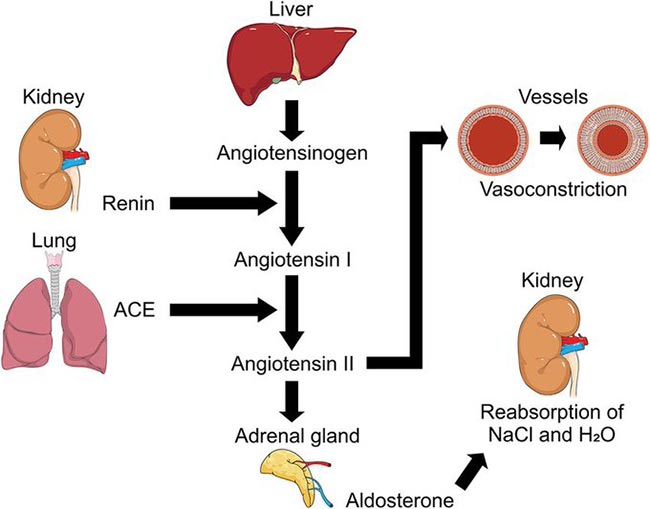
Key Strategies to Normalize Your Blood Pressure
In closing, here is a list of some of the key lifestyle strategies to help normalize your insulin sensitivity and blood pressure:
| Limit your LA consumption to 5 grams a day or less — Excessive omega-6/LA consumption contributes to high blood pressure by increasing mitochondrial dysfunction by several mechanisms that we will not review here.
The easiest way to do this is to ditch all processed foods (as they all are likely loaded with LA), and focus on a diet of whole foods, ideally organic. It would be helpful to also eliminate seeds and nuts unless you have been on a low LA diet for at least three years. Sources of healthy fats to add to your diet include: grass fed butter, raw organic dairy, organic pastured egg yolks, coconuts, coconut oil and macadamia nuts, grass fed meats and pasture-raised poultry. The best carbs to add would be ripe fruit that you tolerate well. Just make sure your fat intake is below 30%, which you can determine with Cronometer. If you fail to do this the carbs can convert to fat and change your cholesterol profile unfavorably. |
| Optimize your vitamin D, as vitamin D deficiency appears to be associated with both arterial stiffness and hypertension.10 |
| Optimize your sodium-to-potassium ratio, and make sure you’re getting enough magnesium and calcium as well. |
| Exercise regularly — Exercise is well-known for its ability to normalize blood pressure, but all forms of exercise are not the same in this regard. A recent investigation revealed that isometric exercise, where your muscles are in static contraction, is the most effective for lowering blood pressure, while aerobic exercise is next to last in terms of effectiveness.11 |
| Avoid estrogen therapy, and never take estrogen without progesterone. |
| Consider using some form of exogenous CO2 supplement. |
- 1 J Am Coll Cardiol. July 12, 2022;80(2):138-151. doi: 10.1016/j.jacc.2022.04.046
- 2 JAMA November 11, 2023 DOI: 10.1001/jama.2023.23651
- 3 The Washington Post December 4, 2023
- 4 NPR November 17, 2023
- 5 Harvard Health Publishing, January 23, 2017
- 6 Food Insight Potassium
- 7 DietaryGuidelines.gov Food Sources of Potassium
- 8 Umzu. Who Is Ray Peat?
- 9 Twitter Mind Muscle Project November 26, 2023
- 10 Vitamin D Council, Hypertension
- 11 British Journal of Sports Medicine July 25, 2023 DOI: 10.1136/bjsports-2022-106503
Why a Low-Sodium Diet Might Wreck Your Health
Reproduced from original article:
https://articles.mercola.com/sites/articles/archive/2023/07/30/low-sodium-effects-on-health.aspx
The original Mercola article may not remain on the original site, but I will endeavor to keep it on this site as long as I deem it to be appropriate.
Analysis by Dr. Joseph Mercola – Expert Review by James DiNicolantonio, Pharm.D Fact Checked July 30, 2023
STORY AT-A-GLANCE
- Salt has been wrongly demonized as a major contributor to high blood pressure. Factors that play a significantly greater role include your sodium-to-potassium ratio, and a high-sugar, processed food diet
- Symptoms of sodium deficiency may include muscle fatigue, spasms, cramps and heart palpitations. Such symptoms may disappear by adding more salt to your diet
- In the 1600s, the average person was consuming up to 100 grams of salt per day from salted cod, herring and meats. Today, most people get 10 grams of salt per day or less, yet we have far higher rates of hypertension
- Low-sodium diets may lower blood pressure. However, this reduction in blood pressure may not necessarily translate into a reduction in cardiovascular events. In fact, the reduction in blood pressure may actually be harmful by potentially increasing heart rate, as well as the risk of falls and fractures
- Low-sodium diets can also worsen your total cholesterol to high-density lipoprotein ratio and induce insulin resistance increasing both triglycerides and insulin
- Subpopulations that may need to monitor their salt intake are listed, as are conditions that increase your need for salt by increasing sodium loss. The benefits of salt loading before exercise are also discussed
Editor’s Note: This article is a reprint. It was originally published December 3, 2017.
Is salt bad for your blood pressure? James DiNicolantonio, Pharm.D., answers this and many other questions relating to salt in his book, “The Salt Fix: Why the Experts Got It All Wrong — and How Eating More Might Save Your Life.” DiNicolantonio is a doctor of pharmacy, and it was during his work as a community pharmacist that his interest in this culinary staple emerged.
“[P]atients … were put on this low-salt diet and were having all these symptoms like muscle fatigue, muscle spasms, cramps and heart palpitations. They said their doctors ordered them to not add salt to their food because they have high blood pressure. Yet they were suffering from all these new symptoms … symptoms of salt deficiency.
What I ended up doing is kind of pushing back and telling my patients, ‘You know, you really need to go to your doctor’s office. Tell them these symptoms that you’re having, and get your blood-sodium levels drawn because you might be deficient in salt.’
Sure enough, these people were severely dehydrated. They had low sodium levels in the blood. Within a few days of just upping their salt intake, all of these symptoms went away. Right there, I knew that this low salt advice was just not panning out in the real world.”
In some cases, the patients’ sodium levels were so low their doctors actually ended up reducing or eliminating their prescription for diuretics, which are commonly prescribed for high blood pressure, and instructed them to start adding salt back to their food.
This is an important lesson because, while it’s actually hard to consume harmful amounts of sodium, it’s easy to end up with too little. These real-world experiences prompted DiNicolantonio to write his book, in which he also provides a historical perspective about the use of salt.
Historical Usage of Salt
Salt has been widely and regularly used throughout history. In fact, historically, people consumed over 10 times the amount of salt we consume today, as it was a primary food preservative before the invention of refrigerators. “The Japanese and South Koreans live the longest, yet they consume the highest amounts of salt,” he says. “We know, even from a population perspective, it never made much sense to cut salt intake.”
In the 1600s in Sweden, it was estimated that the average person was consuming 100 grams of salt per day. Today, most people get 10 grams of salt per day or less (1 teaspoon of salt equates to 2,300 milligrams (mg) of sodium and the average American consumes about 3,400 mg of sodium per day), yet we struggle with far higher rates of hypertension than they did back then. The rampant increase in high blood pressure didn’t really start until the early 1900s.
“The rise in hypertension, obesity and diabetes beginning in the early 1900s actually parallels a reduction in salt intake, because you had the refrigerator becoming very prevalent in the 1930s and ’40s.
Salt intake has actually gone down while all these chronic diseases have gone up,” DiNicolantonio says, adding that, “Our bodies control its intake. There’s never been any evidence that an increase in salt intake has ever paralleled any rise in any chronic disease.”
Does Salt Intake Correlate With Blood Pressure?
The idea that salt intake correlates with blood pressure was primarily popularized by the Dietary Approaches to Stop Hypertension (DASH) study, in which lower salt intake resulted in dramatic improvements in blood pressure. However, the DASH diet is not only low in salt, it’s also low in processed foods and sugars, and these may have a far greater impact on your blood pressure than salt.
“Going back even further than that, there was a man named Lewis Dahl. He was basically the Ancel Keys of salt. He did virtually the same thing that Keys did in 1953, where he used five populations to draw a linear line saying that hypertension problems rose as salt intake increased. Keys did six countries … and showed this right-curving linear association with fat intake and deaths due to coronary disease.
I don’t know what was in the water in the 1950s, but these doctors seemed to just pick five or six populations that fit their hypothesis, plotting it out to show their association — basically finding what they wanted to find. ‘Intersalt’ is one of the main studies published in 1988, where there were 52 populations.
Four of these populations were primitive cultures. They consumed virtually no salt, like the Yanomamo Indians and a few other types of unacculturated civilizations. When you remove those four tribal populations and look at just the 48 civilized countries, there was actually a reduction of blood pressure as salt intake increased. But that didn’t get highlighted.
What got highlighted was the reduction in blood pressure as salt intake was lowered, but only if you included those four primitive cultures that also ate a ton of potassium, a ton of magnesium — they exercise more than us, they’re lean, they don’t drink alcohol, they don’t consume sugar. When you remove those cultures, we actually found the opposite. The more salt consumed … there was a reduction in blood pressure.”
Download this Article Before it Disappears
Low-Salt Recommendations Likely Do More Harm Than Good
According to DiNicolantonio, your blood pressure may indeed go down when you reduce your salt intake. The problem is that your total cholesterol to high-density lipoprotein (HDL) ratio, which is a much better predictor of heart disease than low-density lipoprotein (LDL), is worsened right along with it. Triglycerides and insulin are also increased.
So, overall, your heart disease risk increases rather than decreases, even though your blood pressure readings appear better. What’s worse, salt deficiency also increases your chances of developing insulin resistance, because one of the ways in which your body preserves salt is by raising your insulin level. Higher insulin helps your kidneys retain more salt.
“I’ve seen studies where going on low-salt diets are actually just as harmful as adding high amounts of sugar, in regards to the spikes in glucose levels you see after an oral glucose tolerance test,” DiNicolantonio says.
“You can get 60 to 70 percent, even 100 percent increase in the area under the curve (AUC) of an oral glucose tolerance test by cutting your salt intake! This is a key mineral that we need to make sure that we’re getting enough of. Otherwise, that could be contributing to insulin resistance and increase in fat storage.”
Insulin resistance, in turn, is a hallmark of not only heart disease but most chronic diseases. By not taking the whole disease picture into account, the low-salt diet advice may actually have done more harm than good. Unfortunately, as salt was vilified, sugar ended up getting a free pass.
Today, most processed foods are loaded with added sugar and harmful industrially processed oils while containing virtually no healthy saturated fats or natural, unprocessed salt. “People were basically being told sugar was just energy. It wasn’t harmful to your body,” DiNicolantonio says. “Salt was the addictive white substance but, really, it was sugar all along.”
Low-Sodium Diets Decimate Your Magnesium and Calcium Levels
Your salt status also directly controls your magnesium and calcium levels. If you do not get enough salt, your body not only starts pulling sodium from the bone, it also strips your bone of magnesium and calcium to maintain a normal sodium level.
Your body will also attempt to maintain sodium by decreasing the amount of sodium lost in sweat, excreting magnesium and calcium instead. Thirdly, low sodium will elevate aldosterone, a sodium-retaining hormone, which also reduces magnesium by shuttling it out through your urine.
A low-sodium diet is therefore one of the worst things you can do for your health, especially your bone and heart health, as magnesium is one of the most important minerals for biological function.
Magnesium insufficiency will also trigger muscle cramps. Interestingly, there’s evidence to suggest having a healthy magnesium level can help mitigate some of the negative impacts that electromagnetic fields (EMFs) can have on your body. The reason for this is because EMFs activate voltage-gated calcium channels in your cells, and magnesium is a natural calcium-channel blocker.
DiNicolantonio specifies a low-sodium diet as one containing 1 teaspoon of salt or 2,300 mg of sodium per day or less. The American Heart Association recommends even lower amounts, suggesting people eat less than 1,500 mg a day — less than two-thirds of a teaspoon of salt. Low-salt recommendations rarely take coffee intake into account either, even though coffee consumption is extremely common and will rapidly deplete your salt stores.
If you drink four cups of coffee in a day, you can easily expel more than 1 teaspoon of salt in your urine within four hours. Yet you’re being told to consume less than 1 teaspoon of salt per day. Following this advice can lead to significant sodium deficiency within mere days if your body is losing large amounts of salt. Sweating will also eliminate salt from your body, so if you sweat a lot, you may get rid of more than you add back in if you’re on a low-salt diet.
Practical Recommendations
If you’re eating a whole food diet, you’re probably eating a very low-sodium diet, as unprocessed foods do not contain much, if any, salt. As a result, you may need to make sure you’re salting your food. As for how much to add, the general recommendation is simply to salt to taste.
There’s actually little concern about getting too much salt, because any excess will be expelled through your kidneys. According to DiNicolantonio, a person with healthy kidneys can consume at least 86 grams of salt per day.
“The problem is not getting enough. We can’t manufacture an essential mineral. That’s why all the studies show the highest risk of cardiovascular events and early mortality at a low salt intake, even versus a high-salt intake, even if you look at really high amounts of salt,” DiNicolantonio says.
“I’m talking 7,000 to 8,000 mg of sodium per day. The rise in cardiovascular mortalities may be only around 20 percent versus 3,000 to 4,000 mg. If you go low-salt, the coronary heart disease mortality can be increased almost twofold.”
Your body also has a built-in “salt thermostat” that basically tells you how much you need by regulating your craving for salt. So, learn to listen to your body and remember that if you sweat profusely, either through exercise or sauna use, for example, or drink caffeinated beverages, you automatically will need more than usual.
Recommended Types of Salt
When adding salt to your food, be sure to use a natural, unprocessed salt. This is what your body actually needs. Processed table salt is a poor substitute that is best avoided. While I like pink Himalayan salt for its taste and micronutrient content, DiNicolantonio recommends Redmond Real Salt which, like Himalayan salt, is mined from an ancient ocean salt deposit.
“If you’re getting sea salts from modern day oceans, you can get modern day pollution, including microplastics, nanoplastics and even traces of heavy metals. When you source your salt from an ancient ocean, you don’t have to worry about that,” he says. “The other great thing about Redmond is that it has good amounts of calcium and iodine. Regular sea salt has basically no iodine in it.
A lot of people are confused and actually think that sea salt has the highest amount of iodine because everybody knows seafood is high in iodine. But for some reason, the salt from modern day oceans, that sea salt does not have iodine in it …
If you look at the amounts of iodine in Himalayan salt, it can vary anywhere from less than 100 micrograms (mcg) per 10 grams of salt to up to 1,000 mcg. Redmond seems to come in at about 170 mcg of iodine per 10 grams of salt, which is just a little bit over what most people consume in a day.
You can basically get the recommended dietary allowance for iodine by consuming those types of salts. That’s what’s good about Himalayan and Redmond. It’s that they do contain good amounts of iodine. What Redmond contains more of than Himalayan salt is calcium. You get about 40 mg of calcium and about 8 mg of magnesium. Himalayan salt has virtually no calcium and only about 1 mg of magnesium.”
Subpopulations That May Need to Restrict Salt Intake
Overall, most people do not need to worry about consuming too much salt. That said, there are some salt-sensitive subpopulations that may need to limit their salt intake to 2,300 mg per day. This includes those with:
- Endocrine disorders
- High aldosterone levels
- Cushing’s syndrome
- Elevated cortisol
- Liddle syndrome, a rare condition affecting about 1 in 1 million individuals, causing them to retain too much salt. If treated with amiloride, salt intake probably does not need to be restricted
Conditions That Contribute to Sodium Loss
On the other hand, there are conditions that contribute to sodium loss or prevent your body from absorbing salt well, thereby raising your need for additional salt. This includes:
| Inflammatory bowel diseases like Crohn’s and ulcerative colitis | Bariatric surgery, and those who have had their intestine and/or colon removed |
| Sleep apnea, as the lack of breathing increases blood flow to the thorax and increases central blood pressure.
This tricks your body into thinking it’s overloaded in salt, triggering the excretion of salt. Sleep apnea can cause you to lose about 3,000 mg of sodium each night |
Kidney diseases such as polycystic kidney disease and glomerulonephritis (interstitial damage to the tubules that causes salt loss) |
| Irritable bowel syndrome | Hypothyroidism (as thyroid hormones allow your kidneys to reabsorb salt) |
| Adrenal deficiency | Celiac disease |
The Importance of Salt When Exercising
DiNicolantonio also recommends dosing yourself with some salt before exercise. This is what I call a golden pearl. I never previously recognized this but have started to incorporate it into my regimen.
“I call salt the sixth factor in fitness. When you exercise in the heat, there is a tenfold increase in heat stroke if you follow a low-salt diet,” he warns. “Everyone’s trying to look for a way to increase blood circulation. Nothing’s going to beat salt. What I do is I take about half a teaspoon of a Redmond Real Salt, and add just enough lemon juice to cover the [taste of the] salt … in 2 ounces of water. It tastes like a lemon shot when you do it that way.
You can even create like a keto-aid where you [mix] the salt with lemon juice, lime juice and water. You’re creating like this lemon-lime Gatorade without the sugar. That’s how some people get their dose of salt before they exercise.
The benefits are you’re acutely increasing blood volume, you’re increasing your blood circulation and you’re reducing your heart rate, which is important in order to run longer, faster and harder. Also, salt is one of our best vasodilators. That allows heat to escape the body …
When you are exercising, your muscles are losing salt. That’s why you get the muscle spasms and twitches. If you just add salt back to the diet, you can completely eliminate overtraining syndrome … Preloading with salt seems to work much better than trying to catch up [later].”
Pay Attention to Your Sodium/Potassium Balance
As you can see, there’s really no justification for low-sodium recommendations, especially for heart health. On the contrary, restricting salt can have rather disastrous health consequences. In closing, I want to remind you to also pay attention to your sodium-to-potassium ratio, which has a far stronger correlation to blood pressure than does salt intake alone.
It’s generally recommended that you consume five times more potassium than sodium, but most Americans eat twice as much sodium as potassium. If you’re eating mostly processed foods and few fresh vegetables, your sodium-to-potassium balance is virtually guaranteed to be inversed. Imbalance in this ratio not only can lead to high blood pressure but also contribute to a number of other health problems, including but not limited to:
- Kidney stones
- Memory decline
- Osteoporosis
- Erectile dysfunction
- Stomach ulcers and stomach cancer
If this interview has piqued your curiosity and you want to learn more about the ins and outs of salt and why it’s so important for optimal health, be sure to pick up a copy of DiNicolantonio’s book, “The Salt Fix: Why the Experts Got It All Wrong — and How Eating More Might Save Your Life.”
Beyond salt: New evidence links fructose consumption to hypertension
Reproduced from original article:
https://www.naturalhealth365.com/beyond-salt-new-evidence-links-fructose-consumption-to-hypertension.html
by: April 10, 2023
 (NaturalHealth365) Hypertension is a serious problem in the United States, with almost half (47%) of all American adults diagnosed with the condition. High blood pressure is defined as systolic blood pressure higher than 140 mmHg or diastolic blood pressure higher than 90 mmHg – or if they have hypertension controlled by medication.
Traditionally, doctors have warned hypertensive patients about sodium’s dangers, which has an illustrious history of causing and exacerbating high blood pressure. However, a study suggests another culprit that can also raise blood pressure, a quite unexpected substance that can be just as harmful.
Fructose consumption has been linked to increased blood pressure in adults. What’s more, the study found that children who had a high fructose diet when they were young may be more likely to experience hypertension when they are adults.
What is fructose, and what does it do to the body?
Fructose is a naturally occurring monosaccharide that comes from fruits but can also be produced endogenously in the body when the polyol pathway is activated. It is also the base for high fructose corn syrup. Fructose is very similar in structure to glucose, but the way it affects the body is quite different.
In ancient times fructose was a survival substance regardless of how it was supplied to the body. Once it is in the body, it begins to move toward fuel storage, including glycogen and fat. This is so that the fuel can be used later to provide water and energy. Fructose causes the body to retain sodium which increases blood pressure.
While that can be harmful now, in that time, it aided survival in an environment where salt deprivation and dehydration were the norm. It essentially shifts the production of energy to glycolysis. This is another survival tool because it reduces the body’s demand for oxygen which worked well in places where oxygen was low.
Today, a diet high in fructose can be harmful because the body does not have the same demands it once did. A diet high in fructose up-regulates sodium transporters which can cause an increase in blood pressure. It also inactivates vasodilators while activating vasoconstrictors and can increase appetite and cause thirst.
When it is combined with other substances to form high fructose corn syrup, that’s when it gets really bad.
What the studies found
The study used subjects from the CARDIA study, which examined cardiovascular risk factors in both Caucasian and African American young adults between the ages of 17 and 35 at the time of enrollment. The researchers obtained both dietary data and blood pressure at the time of enrollment for this study. The dietary information quantified both sodium and fructose, while the blood pressure information was taken at several points throughout the study, at seven years, 15 years, and 30 years.
The consumption of sodium and fructose had a significant impact on the prediction of a higher systolic and diastolic blood pressure at year 30 of the follow-up. The conclusion was that a diet high in sodium and fructose during adolescence may have a significant impact on blood pressure, both systolic and diastolic, later in life.
Another study found that consuming it during pregnancy could be a factor in the woman developing preeclampsia. While fructose is vital to fetal development and produced in the body (and production is increased while the woman is pregnant), if the higher production does not return to normal or if the woman’s diet consists of fructose and its derivatives, it can lead to the condition which includes high blood pressure.
The scientific evidence certainly points to the probability that high consumption of fructose can lead to high blood pressure. The best way to avoid this is to read your labels. Know the names of fructose. One of the most notorious is high fructose corn syrup which is a man-made sweetener that has been linked to a number of health problems. You may also see it as fruit sugar, levulose, d-fructofuranose, d-fructose, or d-arabino-hexulose. Be sure to avoid all highly processed foods and stick to food that is as close to fresh, organic and whole as you can get.
High fructose corn syrup is in so many things, including candy, soda, coffee creamer, frozen meals, ready-to-drink teas and coffee, sweetener alternatives, cereals, flavored oatmeal, and more. Even products labeled “healthy” could contain HFC. Bottom line, read your labels diligently and avoid processed foods as much as possible.
Sources for this article include:
How Potassium Can Help Your High Blood Pressure
Reproduced from original article:
https://articles.mercola.com/sites/articles/archive/2022/09/18/how-potassium-can-help-prevent-hypertension.aspx
The original Mercola article may not remain on the original site, but I will endeavor to keep it on this site as long as I deem it to be appropriate, and will not be bullied into removing it.
Analysis by Dr. Joseph Mercola Fact Checked September 18, 2022
STORY AT-A-GLANCE
- Nearly half — 47% — of all Americans have high blood pressure costing about $131 billion each year in direct medical costs
- Many who have hypertension do not have it under control, which affects your microvascular system, triggering damage to your eyes, kidneys, heart and sexual performance
- By ensuring you have enough potassium in your daily diet you may prevent hypertension or reduce your dependence on medication to control it
According to the Centers for Disease Control and Prevention (CDC), nearly one-half — 47% — of Americans have high blood pressure (hypertension).1 Hypertension carries a high cost to your health. It is a major risk factor for cardiovascular disease and stroke,2 which are in the first and fifth position for leading causes of death in the U.S.3
The financial burden is over $131 billion each year in direct medical costs and lost work days, but does not include a number of other health conditions worsened by hypertension, including kidney disease and cognitive decline.
Only 1 in 4 of those with hypertension have their blood pressure under control.4 Unfortunately, while blood pressure monitoring has become commonplace at dentists’ and eye doctors’ offices, the CDC estimates 1 in 3 people are not aware they have hypertension.5
There are several ways to reduce your blood pressure without drugs, which I discuss below. Among them is balancing your potassium level, as this electrolyte has a significant effect on muscle contraction and arterial wall relaxation, but most Americans barely get half of the recommended daily allowance.6
What Is High Blood Pressure?
When your physician takes your blood pressure, he uses a sphygmomanometer to measure the amount of pressure your heart exerts to push blood through your arterial system. The top number represents the highest pressure and the bottom number is the lowest pressure needed. These numbers are related to the elasticity and diameter of your arterial walls.
When the pressure required to circulate your blood is high, it places an abnormal amount of stress on your heart muscle and smaller arteries, and reduces the amount of oxygen delivered to the smallest blood vessels in your body. Both of these consequences account for many of the secondary effects of hypertension.
Your blood pressure reading can vary throughout the day, so one high reading is not a concern. It is only when your blood pressure is consistently or chronically higher than normal that significant health conditions may occur.
The validity of your blood pressure reading will be affected by the size of the blood pressure cuff, the position of the cuff on your arm and whether you’re nervous. Measuring your blood pressure in both arms at the same office visit may also give your vital information about your circulatory health.
A number of studies have revealed that a significant difference between your right and left arm pressure may indicate circulatory problems that raise your risk for stroke, peripheral artery disease or other cardiovascular problems.
While small differences between your arms is normal, researchers found when there is a difference of 5 points in the systolic reading (top number) it doubled the risk of dying from heart disease in the following eight years.7 The difference suggests the presence of plaque in the artery supplying the arm with the higher pressure.8
In a meta-analysis evaluating mortality rates of over 17,000 participants with inter-arm systolic blood pressure differences, researchers found participants with less than 10 points difference compared to those with greater than 10 point difference between arms suffered a 58% increased risk of death from cardiovascular disease.9 However, when the difference increased to 15 points, the risk increased to 88%.
Potassium Level Impacts High Blood Pressure
Potassium is a naturally occurring mineral that your body uses as an electrolyte, or substance in solution that will conduct electricity, and is vital for normal functioning.
Diarrhea, vomiting, excessive sweating (such as when using a sauna) and some drugs may deplete or disrupt your potassium balance. But, the most common reason your potassium levels are not within normal limits is due to poor dietary choices.
The average reported intake of potassium from food is about half of the 4,700 milligrams (mg) recommended.10 Research demonstrates that these low levels of potassium may have a significant impact on blood pressure, especially as it relates to the amount of salt normally found in a Western diet.
Dr. Paul Whelton, professor of epidemiology at Tulane School of Public Health and Tropical Medicine, did an analysis in 1997 of over 29 trials that demonstrated low levels of potassium resulted in higher systolic blood pressure readings.11 Studies performed since then have found similar results.12,13 According to Whelton’s research:14
“The results support the premise that low potassium intake may play an important part in the genesis of high BP. Increased potassium intake should be considered as a recommendation for prevention and treatment of hypertension, especially in those who are unable to reduce their intake of sodium.”
Potassium works in your body to relax the walls of your arteries, keep your muscles from cramping, and lowers your blood pressure.15 The reduction in blood pressure with added potassium has also been associated in studies with a reduced risk of stroke.16
The Many Benefits of Potassium
Research has found that women without hypertension who consumed the most potassium (nearly 3,200 mg/day) had a 21% reduced risk of stroke. Further, women who consumed the most potassium were 12% less likely to die during the study period than those who consumed the least.17 According to the study’s lead researcher:18
“Potassium may play a role in improving blood vessel function in our brains. This could allow better oxygenation of our brain tissue, and prevent tissue death that occurs from lack of oxygen to the brain …
The effect of potassium consumption on reduced stroke risk could also be due to a better diet overall, though we did not investigate this in our study.”
Potassium should be the third most abundant mineral in the human body. Adequate amounts of potassium are also associated with quicker recovery from exercise and improved muscle strength.19,20 As an electrolyte, potassium helps to regulate the fluid balance in your cells and throughout your body.21
Fluid balance is essential to maintaining life, preventing dehydration at the cellular level and maintaining brain function.22 Potassium is important in the transmission of nerve impulses in your brain, spinal cord and peripheral nervous system.23
Nerve impulses transmitting information from one nerve to the next happens as the result of electrical activity. This activity is what an electrocardiogram measures as it tracks heart activity.
Low levels of potassium have been linked with high levels of insulin and glucose, associated with metabolic syndrome and Type 2 diabetes.24 These results have been found in several studies,25 leading researchers to recommend dietary choices that boost potassium levels and reduce the risk of type 2 diabetes.
Effects of High Blood Pressure on Your Body
Unfortunately, 20% of people who suffer with high blood pressure are unaware of the condition, significantly increasing their potential risk of health problems. With uncontrolled or poorly controlled hypertension, you increase the risk of significant health effects that reduce your quality of life and have a negative effect on the length of your life.
Hypertension increases your risk of stroke as it can cause blood vessels in your brain to rupture or clog more easily. In both instances, oxygen supply to a portion of the brain ceases and a stroke results.26 The increased workload on the heart muscle may result in heart failure, and damage to the arteries supplying the heart muscle with oxygen may result in a heart attack.
Hypertension may damage the smaller arteries, reducing the amount of oxygen delivered and severely impacting the ability of organs to function, such as your kidneys and eyes. This may result in kidney failure and vision loss. The damage to smaller blood vessels is called microvascular disease and may lead to angina, or chest pain when the heart muscle doesn’t get enough oxygen, and sexual dysfunction.
Atherosclerosis is another form of damage to the arterial system from hypertension that may result in peripheral vascular disease. The narrowing of the arteries may occur in the legs, arms, stomach and head, triggering pain and fatigue.
Sodium/Potassium Ratio Is Key
The key to relaxing your arterial walls and reducing your blood pressure is the sodium to potassium ratio. In the United States and many other developed countries, salt has been vilified as a primary cause of high blood pressure and heart disease. According to research presented at last year’s American Heart Association meeting,27 excessive salt consumption contributed to 2.3 million heart-related deaths worldwide in 2010.
However, it’s important to realize that most Americans and other Westerners get the majority of their sodium from commercially available table salt and processed foods — not from natural unprocessed salt. So, not only is the ratio between potassium and sodium important, so is the type of sodium consumed.
If you eat a lot of processed foods and not many vegetables, there’s a good chance your sodium-to-potassium ratio is unbalanced. If you’re not sure, try using cronometer.com/mercola, which allows you to enter the foods you eat and then calculates the ratio automatically. It’s generally recommended that you consume five times more potassium than sodium, but most Americans get the opposite ratio, eating two times more sodium than potassium.
This ratio is more important than your overall salt intake. A better strategy to promote public health would be to forgo the strict sodium reduction element and focus recommendations instead on a high-quality diet rich in potassium, as this nutrient helps offset the hypertensive effects of sodium. Imbalance in this ratio can not only lead to hypertension (high blood pressure) but also contribute to a number of other diseases, including:
| Kidney stones | Memory decline | Cataracts |
| Osteoporosis | Erectile dysfunction | Stomach ulcers |
| Rheumatoid arthritis | Stomach cancer |
Why a Balanced Diet Is Your Best Option
Getting nutrients from your food instead of supplements is preferable as your food contains more than a single nutrient and in different forms. For instance, potassium found in fruits and vegetables is potassium citrate or potassium malate, while supplements are often potassium chloride. The citrate and malate forms help produce alkali, which may promote bone health28 and preserve lean muscle mass as you age.29
Bone loss may lead to brittle bones or even osteoporosis. While potassium in fruits and vegetables may help build bone health, potassium chloride may not. As researcher Dr. Bess Dawson-Hughes from Tufts University explains:30
“If you don’t have adequate alkali to balance the acid load from the grains and protein in a typical American diet, you lose calcium in the urine and you have bone loss … When the body has more acid than it is easily able to excrete, bone cells get a signal that the body needs to neutralize the acid with alkali … And bone is a big alkali reservoir, so the body breaks down some bone to add alkali to the system.”
Research by Dawson-Hughes found that people who were in the neutral range for net acid excretion, meaning they had a fairly healthy balance for bone and muscle health, were eating just over eight servings of fruits and vegetables a day along with 5.5 servings of grains.
When they rounded this out, it came to about half as many grains as fruits and vegetables. For many Americans a simple recommendation to increase your alkali (and potassium) while reducing acid is to eat more vegetables and fewer grains.31
Other Drug-Free Methods to Control Blood Pressure
Here are several suggestions to help keep your blood pressure under control and reduce your risk of organ damage.
| Address insulin and leptin resistance to impact magnesium and nitric oxide — High blood pressure is associated with insulin resistance, which results from eating a diet too high in sugar. As your insulin level rises, so does your blood pressure. Insulin stores magnesium, but if your insulin receptors are blunted and your cells grow resistant to insulin, you can’t store magnesium so it passes out of your body through urination.
Magnesium stored in your cells relaxes muscles. If your magnesium level is too low, your blood vessels will constrict rather than relax, and this constriction raises your blood pressure. Fructose also elevates uric acid, which drives up your blood pressure by inhibiting the nitric oxide in your blood vessels. (Uric acid is a byproduct of fructose metabolism. In fact, fructose typically generates uric acid within minutes of ingestion.) Nitric oxide helps your vessels maintain their elasticity, so nitric oxide suppression leads to increases in blood pressure. If you’re healthy, and want to stay that way, the general rule is to keep your total fructose intake to 25 grams per day or less. If you’re insulin resistant and/or have high blood pressure, keep your total fructose to 15 grams or less per day until your condition has resolved. |
| Eat real food — A processed food diet, loaded with net carbohydrates (non-fiber carbs like sugar, fructose and grains) and trans fat (margarines and vegetable oils) is a recipe for hypertension. Instead, make whole, ideally organic foods the focus of your diet.
Also remember to swap non-fiber carbs for healthy fats such as avocados, butter made from raw, grass-fed organic milk, organic pastured egg yolks, coconuts and coconut oil, raw nuts such as pecans and macadamia, grass-fed meats and pasture raised poultry. To learn more about healthy eating, please see my optimal nutrition plan. |
| Mind your sodium to potassium ratio — According to Lawrence Appel, lead researcher on the DASH diet and director of the Welch Center for Prevention, Epidemiology and Clinical Research at Johns Hopkins, your diet as a whole is the key to controlling hypertension — not salt reduction alone.
He believes a major part of the equation is this balance of minerals, i.e., most people need less sodium and more potassium, calcium and magnesium. According to Appel,32 “Higher levels of potassium blunt the effects of sodium. If you can’t reduce or won’t reduce sodium, adding potassium may help. But doing both is better.” Indeed, maintaining a proper potassium to sodium ratio in your diet is very important, and hypertension is but one of many side effects of an imbalance. A processed food diet virtually guarantees you’ll have a lopsided ratio of too much sodium to potassium. Making the switch from processed foods to whole foods will automatically improve your ratios. Include foods high in potassium such as sweet potatoes, tomatoes, spinach, beets, black beans, wild caught salmon, edamame, butternut squash, Swiss chard, apricots, cantaloupe, mushrooms and tuna.33 |
| Load up on veggies — Juicing is a simple way to increase the amount of vegetables in your diet, and many NO3-rich veggies (which raise your nitric oxide level) are suitable for juicing, such as beets, kale, celery, spinach, carrots and more. Allicin-rich garlic, leeks, shallots and chives also help improve your blood pressure, and are easy to add to salads and various dishes. |
| Optimize your vitamin D level |
| Boost your animal-based omega-3 intake — The best way to boost your omega-3 is to eat plenty of oily fish that are low in mercury and other pollutants. Good options include wild caught Alaskan salmon, sardines and anchovies. Alternatively, take a high-quality krill oil or fish oil supplement. Krill oil has advantages over fish oil, which is why I prefer it. |
| Consider intermittent fasting — Intermittent fasting is one of the most effective ways I’ve found to normalize your insulin/leptin sensitivity. It’s not a diet in conventional terms, but rather a way of scheduling eating in such a way as to promote efficient energy use.
Essentially, intermittent fasting means eating your calories during a specific window of the day, and choosing not to eat food during the rest. When you eat, your body reacts by elevating insulin and leptin. |
| Exercise regularly — A comprehensive fitness program can go a long way toward regaining your insulin sensitivity and normalizing your blood pressure. To reap the greatest rewards, I recommend including high intensity interval exercises in your routine.
I also recommend training yourself to breathe through your nose when exercising, as mouth breathing during exercise can raise your heart rate and blood pressure, sometimes resulting in fatigue and dizziness. |
| Avoid smoking and other forms of pollution — Smoking is known to contribute to high blood pressure, as are other forms of air pollution, even noise pollution. To address these, avoid smoking, consider using ear plugs during sleep if you live in a noisy neighborhood (provided you cannot move), and take steps to improve your indoor air quality. |
| Walk barefoot — Going barefoot will help you ground to the earth. Experiments show that walking barefoot outside (also referred to as Earthing or grounding) improves blood viscosity and blood flow, which help regulate blood pressure. So, do yourself a favor and ditch your shoes now and then.
Grounding also calms your sympathetic nervous system, which supports your heart rate variability. This in turn promotes homeostasis, or balance, in your autonomic nervous system. In essence, anytime you improve heart rate variability, you’re improving your entire body and all of its functions. |
| Address your stress — The connection between stress and hypertension is well documented, yet still does not receive the emphasis it deserves. In fact, it has been shown that people with heart disease can lower their risk of subsequent cardiac events by over 70% simply by learning to manage their stress.
Suppressed negative emotions such as fear, anger and sadness can severely limit your ability to cope with the unavoidable every day stresses of life. It’s not the stressful events themselves that are harmful, but your lack of ability to cope. The good news is, strategies exist that quickly and effectively transform your suppressed, negative emotions, and relieve stress. My preferred method is the Emotional Freedom Techniques (EFT), an easy to learn, easy to use technique for releasing negative emotions. EFT combines visualization with calm, relaxed breathing, while employing gentle tapping to “reprogram” deeply seated emotional patterns. |
- 1, 4 CDC. Facts About Hypertension. July 12, 2022
- 2 CDC. Heart Disease and Stroke. September 8, 2022
- 3 Centers for Disease Control and Prevention, Leading Causes of Death
- 5 CDC. 5 Surprising Facts About High Blood Pressure. November 9, 2020
- 6 Harvard Medical School, Potassium Lowers Blood Pressure
- 7 Daily Mail, May 23, 2016
- 8 Harvard Health Publications, March 5, 2014
- 9 Clinical and Experimental Hypertension, 2016;28(3): 317
- 10 U.S. Department of Agriculture Food Research Group, Potassium Intake of the U.S. Population
- 11 Journal of the American Medical Association 1997;277(20):1624
- 12 Journal of Human Hypertension 2003; 17(7):471
- 13 BMJ 2013; 346:f1378
- 14 NIH. Database of Abstracts of Reviews. 1997
- 15 Harvard Health Publications, January 23, 2017
- 16, 17 Stroke 2014; 45(10):2874
- 18 MedicineNet September 4, 2014
- 19 Journal of Internal Medicine 2002;252(1):56
- 20 Sports Medicine 1991; 11(6):382
- 21 Berkeley University, Fluid and Electrolyte Balance
- 22 Nursing Standard, 2008; 22(47):50
- 23 Eastern Kentucky University, Neurons and the ervous System
- 24 Johns Hopkins Medicine, March 2, 2011
- 25 Expert Reviews in Endocrinology and Metabolism, 2011;6(5):665
- 26 CDC. About Stroke. May 4, 2022
- 27 Bloomberg, March 21, 2013
- 28 New York Times, November 24, 2009
- 29 American Journal of Clinical Nutrition 2008; 87(3):662
- 30, 31 The Free Library. 2 Little? 2 Nutrients to Get More Of
- 32 USA Today. Diet and Blood Pressure: It’s Not About the Salt. May 18, 2014
- 33 Prevention, April 12, 2016
Why the War on Salt Is Dangerous
Reproduced from original article:
https://articles.mercola.com/sites/articles/archive/2022/07/01/war-on-salt.aspx
The original Mercola article may not remain on the original site, but I will endeavor to keep it on this site as long as I deem it to be appropriate, and will not be bullied into removing it.
Analysis by Dr. Joseph Mercola Fact Checked July 01, 2022
STORY AT-A-GLANCE
- Evidence shows having the correct potassium to sodium balance influences your risk for hypertension and heart disease to a far greater extent than high sodium alone, and the Western diet tends to be lacking in potassium
- It’s generally recommended that you consume five times more potassium than sodium, but most Americans eat twice as much sodium as potassium
- When lowering salt in processed foods, many manufacturers added monosodium glutamate (MSG) instead — a flavor enhancer associated with obesity, headaches, thyroid, liver, kidney and intestinal damage, and much more
This article was previously published March 15, 2017, and has been updated with new information.
The theory that salt is bad for you and contributes to high blood pressure and heart disease is an idea that has become more or less cemented as dogma. Alas, the war on salt has had a number of drawbacks and unintended consequences. For starters, evidence shows having the correct potassium to sodium balance influences your risk for hypertension and heart disease to a far greater extent than high sodium alone, and the Western diet tends to be lacking in potassium.
Moreover, when lowering salt in processed foods, many manufacturers took to adding monosodium glutamate (MSG) instead — a flavor enhancer associated with a number of health problems, including obesity, headaches, fatigue and depression. Due to its ability to overexcite neurons, MSG may even raise your risk for neurological disorders such as Alzheimer’s, Parkinson’s and Lou Gehrig’s disease (ALS).
War on Salt Is Misguided
In 2010, New York City launched the National Salt Reduction Initiative, a salt-reduction plan aimed at lowering salt in processed foods and restaurant meals by 25% in the next four years. Two years later, Dr. Sean Lucan of the Albert Einstein College of Medicine wrote an article published online in the American Journal of Public Health, saying:1
“We cannot extrapolate that lowering sodium consumption would reduce cardiovascular risk or premature death. Despite assertions to the contrary, we do not know that reducing mean population sodium intake would decrease the risk of cardiovascular disease or save lives.”
At the time, Lucan told the New York Post:2
“We can’t just swallow this as fact — there’s actually debate about this. My concern is that they’re focusing on a single ingredient that the food industry is going to have to replace with something — and what they replace it with might be more damaging.”
Lucan also noted that the relationship between sodium and blood pressure is inconsistent and from a clinical standpoint, insubstantial. Moreover, he stressed that some studies actually show a low-salt diet can worsen cardiovascular disease and raise rather than lower the risk for early death among patients at high risk of heart disease.
In addition, lowering salt intake could also decrease insulin sensitivity and have an adverse effect on blood lipids. Correctly, Lucan noted that “Refined carbohydrates are a greater enemy.”
Potassium Level Impacts High Blood Pressure More Than Sodium
Studies have clearly shown that having the correct balance of potassium to sodium is far more important than lowering salt alone. Potassium is a naturally occurring mineral your body uses as an electrolyte (substance in solution that conducts electricity), and it is vital for optimal health and normal functioning.
Potassium works in your body to relax the walls of your arteries, keep your muscles from cramping and lowers your blood pressure.3 The reduction in blood pressure with added potassium has also been associated in studies with a reduced risk of stroke.4
While diarrhea, vomiting, excessive sweating (such as when using a sauna) and some drugs may deplete or disrupt your potassium balance, the most common reason for low potassium is eating a potassium-poor diet. If you’re eating mostly processed foods, your sodium-to-potassium balance is virtually guaranteed to be inversed.
The average reported intake of potassium from food is about half of the 4,700 milligrams (mg) recommended.5 Research demonstrates these low levels of potassium may have a significant impact on blood pressure, especially when combined with too much salt.
Dr. Paul Welton, professor of epidemiology at Tulane School of Public Health and Tropical Medicine, analyzed 29 trials that demonstrated low levels of potassium resulted in higher systolic blood pressure readings.6 Studies performed since then have found similar results.7,8 According to Welton:9
“The evidence is very strong and very consistent. A higher potassium intake may blunt the effects of excess salt on blood pressure. Potassium’s effect is bigger in people who have higher blood pressure, bigger in older people, bigger in people who are consuming a lot of salt and bigger in black people.”
The Many Benefits of Potassium
Recent research found that women without hypertension who consumed the most potassium (nearly 3,200 mg/day) had a 21% reduced risk of stroke. Further, women who consumed the most potassium were 12% less likely to die during the study period than those who consumed the least.10
Adequate amounts of potassium are also associated with quicker recovery from exercise and improved muscle strength.11,12 As an electrolyte, potassium helps to regulate the fluid balance in your cells and throughout your body.13 This fluid balance is essential to maintaining life, preventing dehydration at the cellular level and maintaining brain function.14
For example, potassium is important in the transmission of nerve impulses in your brain, spinal cord and peripheral nervous system.15 Nerve impulses transmitting information from one nerve to the next happens as the result of electrical activity. This activity is what an electrocardiogram measures as it tracks heart activity.
Low levels of potassium have also been linked with high levels of insulin and glucose,16 which are associated with metabolic syndrome and type 2 diabetes.17 These results have been found in several studies,18 leading researchers to recommend dietary choices that boost potassium levels and reduce the risk of type 2 diabetes.
Sodium/Potassium Ratio Is Key to Strong Muscles
The key to relaxing your arterial walls and reducing your blood pressure is the sodium-to-potassium ratio. If you eat a lot of processed foods and few fresh vegetables, there’s a good chance your sodium-to-potassium ratio is unbalanced.
If you’re unsure, use cronometer.com/mercola, a nutrient tracker that allows you to enter the foods you eat and then calculates the ratio automatically. It’s generally recommended that you consume five times more potassium than sodium, but most Americans eat twice as much sodium as potassium.
This ratio is far more important for your health than your overall salt intake,19 and a better strategy to promote public health would be to forgo the strict sodium reduction element and focus recommendations on a high-quality diet rich in potassium instead, as this nutrient helps offset the hypertensive effects of sodium.
Imbalance in this ratio can not only lead to high blood pressure but also contribute to a number of other health problems, including:
| Kidney stones | Memory decline | Cataracts |
| Osteoporosis | Erectile dysfunction | Stomach ulcers |
| Rheumatoid arthritis | Stomach cancer |
Less Salt, More MSG
As Lucan suspected, in many cases, food manufacturers did indeed replace the salt with something more damaging, namely MSG. In an effort to normalize this substitution by declaring it safe and healthy, the International Glutamate Information Service wrote the article, “MSG Is Useful in a Reduced Sodium Diet,” saying:20
“Since its discovery over 100 years ago, [MSG] has been used effectively to enhance the umami taste in food. It is also an effective means of reducing the levels of salt used in food preparation.
Studies have demonstrated that people find food with low levels of salt much more acceptable when a small amount of [MSG] is added. MSG is mistakenly thought of as being high in sodium. However, MSG contains only one-third the amount of sodium as table salt …
MSG is often an important ingredient for people on a low-sodium diet, because it improves the flavor of a dish while reducing the need for salt … [W]hen MSG is added … sodium levels can be lowered by up to 40 percent while maintaining the desired flavor.”
Health Hazards of MSG
While MSG is touted as a safe food additive, having received “Generally Recognized as Safe” (GRAS) status in 1959, scientific evidence against it has stacked up. Ironically, MSG has even been linked to high blood pressure,21 effectively negating the proposed benefit of replacing sodium with MSG. Research has also linked MSG consumption to:
| Endocrine disruption, metabolic syndrome, obesity22,23 and weight gain.24 The weight gain, which was not associated with higher amounts of calories, is thought to be related to MSG’s impact on leptin.
People who ate more MSG produced higher amounts of leptin, a hormone involved in appetite regulation and metabolism. By causing leptin resistance, your body loses its ability to properly process the energy derived from the food |
| Genotoxicity; specifically, MSG was found to be genotoxic to human peripheral blood lymphocytes (mature white blood cells/immune cells found in your blood circulation)25 |
| Thyroid damage, even at low doses26 |
| Kidney dysfunction27 |
| Intestinal damage, caused by progressive damage to epithelial cells in your small intestine28 |
| Liver damage that can lead to fibrosis, non-alcoholic fatty liver disease and pre-cancerous lesions29,30 |
| Brain lesions,31 seizures and behavioral changes32 |
| Increased risk of infertility33,34 |
| Severe rhinitis in those with MSG intolerance35 |
| Diabetes36 |
Acute Side Effects of MSG Ingestion
Many also experience more immediate side effects from MSG, with a pounding headache being one of the most prominent. While the exact cause of MSG-induced headache remains unclear, research investigating the matter has demonstrated that MSG “induces a dose-dependent swelling and death of mature neurons,”37 which may be part of the equation. Other common side effects that may occur within an hour or so of eating MSG include:38,39
| Sweating | Chest tightness | Wheezing and/or difficulty breathing |
| Dizziness | Nausea | Diarrhea |
| Flushing and/or tingling of the face | Burning or numbness in the back of your neck and/or upper body | Heart palpitations |
| Abdominal pain | Shaking | Weakness in the legs |
The MSG Symptom Complex Is Real
A double-blind, placebo-controlled, randomized study40 published in 1997 investigated MSG symptoms by conducting an oral challenge in “self-identified MSG-sensitive subjects” to see whether they really had a higher incidence of symptoms after eating MSG, compared to a placebo. Sixty-one participants received 5 grams (gm) of MSG or placebo as an initial challenge. Of them:
- 29.5% had no response to either MSG or placebo
- 9.8% responded to both
- 24.6% responded to placebo
- 36.1% responded to MSG
While many reported side effects from the placebo, the severity of symptoms were greater among those who received MSG than placebo. The participants were then rechallenged with placebo and 1.25, 2.5 and 5 gm of MSG. According to the authors:
“Rechallenge revealed an apparent threshold dose for reactivity of 2.5 gm MSG. Headache, muscle tightness, numbness/tingling, general weakness and flushing occurred more frequently after MSG than placebo ingestion.
Oral challenge with MSG reproduced symptoms in alleged sensitive person … According to Food and Drug Administration recommendations, the symptoms, originally called the Chinese restaurant syndrome, are better referred to as the MSG symptom complex.”
Vitamin C and Lycopene Offer Protection Against MSG’s Effects
Certain compounds have been found to offer some protection against MSG’s adverse effects. Vitamin C was found to provide “significant protection against MSG toxicity” in one study,41 and lycopene has also been found to avert its neurotoxic effects. A study investigating the latter gave male rats either 5 milligrams (mg) per kilo (kg) of MSG, 10 mg/kg of lycopene, MSG with lycopene, or placebo, for 30 days. According to the authors:
“The results showed that MSG induced elevation in lipid peroxidation marker and perturbation in the antioxidant homeostasis … Glutathione S-transferase … superoxide dismutase … and catalase … activities and gene expression were increased and glutathione content was reduced in the MSG-challenged rats, and these effects were ameliorated by lycopene …
Our results indicate that lycopene appears to be highly effective in relieving the toxic effects of MSG by inhibiting lipid peroxidation and inducing modifications in the activity of cholinesterase and antioxidant pathways. Interestingly, lycopene protects brain tissue by inhibiting apoptosis signaling induced by MSG.”
Hidden Sources of MSG
While added MSG must be listed in the list of ingredients as “monosodium glutamate,” its absence is no guarantee of safety. MSG and synthetic free glutamate in varying amounts can still hide in processed foods under names such as:42
| Hydrolyzed vegetable protein | Autolyzed or hydrolyzed yeast | Yeast extract |
| Soy extract | Protein isolate | Natural flavor |
| Glutamate and monopotassium glutamate | Calcium caseinate | Gelatin |
While not commonly known, MSG is even used as a stabilizer in certain vaccines,43 which seems to be a particularly bad idea considering its many adverse health effects, particularly on the brain. According to the U.S. Centers for Disease Control and Prevention, MSG can be found in the following five vaccines:44
- Adenovirus
- Influenza quadrivalent (FluMist)
- MMRV (ProQuad)
- Varicella (Varivax)
- Zoster (Shingles-Zostavax)
Real Food Is the Answer
Getting nutrients from your food instead of supplements is preferable as your food contains more than a single nutrient and in different forms. For instance, potassium found in fruits and vegetables is potassium citrate or potassium malate, while supplements are often potassium chloride. The citrate and malate forms help produce alkali, which may promote bone health45 and preserve lean muscle mass as you age.46
Bone loss may lead to brittle bones or even osteoporosis. While potassium in fruits and vegetables may help build bone health, potassium chloride may not. As researcher Dr. Bess Dawson-Hughes from Tufts University found in a study comparing potassium bicarbonate, sodium bicarbonate and potassium chloride supplementation for three months, adding alkali, not potassium, is the key to improving bone health. She explains:47
“When it comes to dietary concerns regarding bone health, calcium and vitamin D have received the most attention, but there is increasing evidence that the acid/base balance of the diet is also important …
When fruits and vegetables are metabolized, they add bicarbonate, an alkaline compound, to the body. Our study found that bicarbonate had a favorable effect on bone resorption and calcium excretion. This suggests that increasing the alkali content of the diet may attenuate bone loss in healthy older adults.”
Research by Dawson-Hughes found that people who were in the neutral range for net acid excretion, meaning they had a fairly healthy balance for bone and muscle health, were eating just over eight servings of fruits and vegetables per day along with 5.5 servings of grains. When they rounded this out, it came to about half as many grains as fruits and vegetables.
For many Americans, a simple recommendation to increase your alkali (and potassium) while reducing acid is to eat more vegetables and fewer grains and processed foods in general. When cooking from scratch, you have complete control over how much salt you add.
In addition to that, when you do use salt, make sure its unrefined and minimally processed. My personal favorite is Himalayan pink salt, rich in naturally-occurring trace minerals needed for healthy bones, fluid balance and overall health. To learn more about the importance of unprocessed salt in your diet, see the related articles listed.
- 1 American Journal of Public Health 2013 February; 103(2): e3
- 2 New York Post December 30, 2012
- 3 Harvard Health Publications, January 23, 2017
- 4, 10 Stroke 2014; 45(10):2874
- 5 U.S. Department of Agriculture Food Research Group, Potassium Intake of the U.S. Population
- 6 Journal of the American Medical Association 1997;277(20):1624
- 7 Journal of Human Hypertension 2003; 17(7):471
- 8 BMJ 2013; 346:f1378
- 9 Nutrition Action February 22, 2017
- 11 Journal of Internal Medicine 2002;252(1):56
- 12 Sports Medicine 1991; 11(6):382
- 13 Berkeley University, Fluid and Electrolyte Balance
- 14 Nursing Standard, 2008; 22(47):50
- 15 Eastern Kentucky University, Neurons and the Nervous System
- 16 UCF Health. The Relationship Between Potassium and Diabetes
- 17 Johns Hopkins Medicine March 2, 2011
- 18 Expert Reviews in Endocrinology and Metabolism, 2011;6(5):665
- 19 Healthy Food. The Sodium-Potassium Balancing Act
- 20 International Glutamate Information Service, MSG Is Useful in a Reduced Sodium Diet
- 21 Journal of Hypertension 2011 May;29(5):846-53
- 22 Toxicology Letters 2017 Jan 4;265:97-105
- 23, 31, 34 Science 1969 May 9;164(3880):719-21
- 24 Reuters May 27, 2011
- 25 Food Chem Toxicol. 2016 May;91:8-18
- 26 Int J Clin Exp Pathol. 2015 Dec 1;8(12):15498-510
- 27 Life Sciences 2016 Mar 15;149:114-9
- 28 Biomed Res Int. 2016;2016:5251738
- 29 Journal of Autoimmunity 2008 Feb-Mar;30(1-2):42-50
- 30, 36 Gastroenterology and Hepatology August 25, 2014, DOI: 10.1111/jgh.12610
- 32 Brain Research 2010 Mar 4;1317:246-56
- 33 Ann Med Health Sci Res. 2011 Jan-Jun; 1(1): 37–43
- 35 Journal of Allergy and Clinical Immunology December 2002; 110(6): 937-938
- 37, 39, 41 Int J Clin Exp Med. 2009; 2(4): 329–336
- 38 Express.co.uk August 30, 2016
- 40 J Allergy Clin Immunol. 1997 Jun;99(6 Pt 1):757-62
- 42 ShareCare. What Foods Contain MSG?
- 43 The Vaccine Reaction June 16, 2016
- 44 U.S. Centers for Disease Control and Prevention (CDC). Vaccine Excipient and Media Summary. CDC.gov February 2015
- 45 New York Times, November 24, 2009
- 46 American Journal of Clinical Nutrition 2008; 87(3):662
- 47 Nutrition Insight December 5, 2008