Blood Pressure
now browsing by category
One Molecule, Two Wins: How Beets Can Support Circulation and Strength
Reproduced from original article:
https://articles.mercola.com/sites/articles/archive/2026/08/30/beets-circulation-support.aspx
Analysis by Dr. Joseph Mercola August 30, 2026

Story at-a-glance
- In a controlled study, a single serving of nitrate-rich beetroot significantly increased nitric oxide-related compounds in healthy young men, and was associated with improved blood vessel function and more flexible arteries within hours
- Researchers found that a moderate nitrate dose from beetroot produced the strongest improvement in blood vessel responsiveness, while a higher dose delivered the greatest reduction in pressure inside major arteries near the heart
- Beetroot juice paired with blood flow restriction training helped participants maintain more jump height, force, and explosive power after fatigue developed, showing its greatest benefits during demanding physical activity
- The nitrate in beets is converted into nitric oxide through a process that depends on beneficial bacteria in your mouth, highlighting why oral health practices influence more than just your teeth and gums
- Including nitrate-rich vegetables such as beets, arugula, spinach, and celery — alongside strength training, recovery, and adequate carbohydrates — supports healthy circulation, muscle function, and fatigue resistance
For thousands of years, people have turned to beets as both a food and a traditional remedy. Today, science is uncovering why this humble root vegetable earned that reputation, and the answer comes down to a single molecule your body makes from the nitrate that beets supply in abundance.
That molecule is nitric oxide. Produced from dietary nitrate, it may help relax your arteries, improve circulation, and deliver oxygen where your body needs it most. When nitric oxide levels decline, blood vessels can become less responsive, circulation suffers, and physical performance often follows.
Research published in Food & Function set out to measure exactly how much nitrate-rich beetroot it takes to move those markers in the right direction, and what it found about the relationship between dose and benefit is more nuanced than you might expect.1
Yet circulation is only half of the story. Evidence published in the Journal of the International Society of Sports Nutrition points to a second benefit of nitrate-rich foods: stronger physical performance.2 Better blood flow means more oxygen and nutrients reach working muscles, so your body performs the same work with less physiological strain, supporting strength, endurance, and exercise capacity, especially when fatigue sets in.
Taken together, these findings highlight a fascinating connection. The same molecule that helps your arteries stay flexible also helps your muscles perform at a higher level. Understanding how researchers uncovered that relationship begins with a closer look at what happened when healthy adults consumed different doses of nitrate-rich beetroot.
Beetroot Helped Improve Artery Function and Reduce Pressure on Major Blood Vessels
For the Food & Function study, researchers recruited 17 healthy young men and used a randomized, double-blind crossover design, meaning every participant tested all three beetroot doses — 200 milligrams (mg), 400 mg and 800 mg of nitrate — on separate occasions.3 This allowed the researchers to compare the effects of each dose within the same people rather than between different groups.*
• Not all doses produced the same benefits — Many people assume that if a little helps, more will work even better. The results told a more interesting story. The 400-mg dose produced the strongest improvement in endothelial function, which refers to how well your blood vessels expand when blood flow increases. Researchers measured this using flow-mediated dilation, a test that evaluates the flexibility and responsiveness of artery walls.
Participants experienced a 3.07% improvement in this measurement after the 400-mg dose compared to the control condition. The lower 200-mg dose did not significantly improve this marker, while the higher 800-mg dose also failed to outperform the middle dose.
• Blood vessel flexibility improved across all doses — Another important finding involved arterial stiffness. Healthy arteries expand and recoil with every heartbeat. Stiffer arteries force your heart to work harder and are associated with a greater risk of cardiovascular problems.
All three beetroot doses improved markers of arterial stiffness, suggesting that even relatively modest amounts of dietary nitrate support healthier blood vessel function. This means the benefits of nitrate-rich foods aren’t limited to elite athletes or people with diagnosed heart disease. Improvements appeared in healthy young adults whose cardiovascular measurements were already within normal ranges.
• The highest dose delivered a unique advantage — While the 400-mg dose produced the best endothelial response, the 800-mg dose stood out in a different area. Researchers recorded a 4 mmHg reduction in aortic systolic blood pressure after the highest dose.
Aortic blood pressure measures the force exerted against the body’s largest arteries near the heart and often provides a more meaningful picture of cardiovascular strain than the blood pressure reading taken from your arm. The aortic reading reflects the load your heart and brain actually feel; the arm cuff is a downstream echo. So some real improvements register at the source before the standard reading catches up.
• The body’s nitrate levels rose dramatically within hours — Researchers timed their measurements approximately 2.5 hours after supplementation because that is when nitrate metabolism reaches its peak. The changes were striking. Blood nitrate concentrations doubled after the 200-mg dose, increased sixfold after the 400-mg dose, and rose roughly tenfold after the 800-mg dose.
Blood nitrite levels, another important step in the nitrate pathway, increased fourfold with the 400-mg dose and sixfold with the 800-mg dose. Think of this as filling a reservoir. The more nitrate available, the larger the supply your body has available for nitric oxide production. Because every study participant was a young man, it’s not yet clear how closely these results apply to women or older adults.
• The mechanism behind these benefits starts in your mouth — After you consume nitrate-rich foods such as beets, specialized bacteria convert nitrate into nitrite. From there, your body converts nitrite into nitric oxide, a signaling molecule associated with blood vessels relaxing and widening. Wider vessels allow blood to move more easily, reduce resistance inside the circulatory system, and improve delivery of oxygen and nutrients throughout the body.
How Beetroot Juice Helped Preserve Performance After Fatigue Set In
For the Journal of the International Society of Sports Nutrition study, researchers investigated whether beetroot juice could enhance the benefits of blood flow restriction (BFR) training in 20 healthy male university students.4 BFR training, also known as KAATSU, uses a cuff to partially restrict blood flow during low-load exercise, creating a challenging environment for muscles without requiring heavy weights.*
Participants completed one week of beetroot juice supplementation followed by four weeks of BFR training three times per week. The goal was to determine whether beetroot juice could help muscles perform better when fatigue set in.
• Strength improved in both groups, but beetroot juice offered a specific advantage — After four weeks, both groups showed significant increases in knee extensor and knee flexor strength across multiple testing speeds and contraction types. In other words, the training itself worked. However, the researchers found that beetroot juice wasn’t a universal performance booster.
Instead, its biggest contribution appeared during fatigue. The authors concluded that the effects of beetroot juice were “selective rather than broadly superior,” meaning it didn’t improve every measurement but did improve some of the most important ones for sustained performance.
• The biggest gains appeared after muscles became tired — This is where the findings become especially relevant for athletes and active adults. Before the intervention, fatigue caused large drops in jump height, force production, and explosive power. After four weeks, participants receiving both BFR training and beetroot juice showed significantly better preservation of performance under fatigued conditions.
Most notably, only the BFR-plus-beetroot group achieved a significant improvement in fatigued bilateral countermovement jump height after the intervention. A countermovement jump is the type of jump you perform when you quickly bend your knees and then explode upward. It’s widely used to measure lower-body power and athletic readiness.
• Explosive power became more resilient — Researchers also measured rate of force development, often abbreviated as RFD. This reflects how quickly your muscles generate force. It influences sprinting, jumping, rapid changes of direction, and athletic explosiveness. Following the intervention, the absolute amount of force and RFD participants could produce while completely exhausted was significantly higher in the beetroot juice group.
• The study revealed why beetroot juice shines during repeated efforts — Unlike some supplements that produce noticeable effects only in fresh, rested conditions, beetroot juice demonstrated its value when participants were challenged. The researchers used a demanding 100-repetition knee extension protocol to create muscular fatigue.
Even after this exhaustive test, participants who combined beetroot juice with training showed better jump performance and less performance deterioration. If your goal involves repeated efforts — sports, recreational competition or physically demanding activities — preserving performance under fatigue often matters more than producing a single peak effort.
• Several mechanisms help explain the results — The researchers discussed evidence showing that chronic nitrate intake raises nitric oxide availability and enhances calcium release inside muscle cells. Calcium acts as the signal that tells muscle fibers to contract. Better calcium handling improves excitation-contraction coupling, which is simply the communication process between your nervous system and your muscles.
The authors also explained that under the low-oxygen conditions created by BFR training, stored nitrate inside skeletal muscle is converted more efficiently into nitric oxide. This appears to enhance oxygen delivery, improve energy production, support lactate clearance, and reduce neuromuscular fatigue.
Together, these adaptations help muscles continue producing force when they would normally begin to fade, which explains why beetroot juice delivered its greatest benefits after fatigue rather than before it.
Support Blood Flow and Strength Every Day
The studies point to a simple reality: healthy blood flow is only part of the equation. Your ability to maintain strength, power, and physical performance when fatigue sets in depends on how efficiently your body produces and uses nitric oxide.
Rather than chasing a quick fix, focus on the daily habits that help your body maintain healthy circulation, deliver oxygen efficiently, support muscle function and preserve performance when physical demands increase. Small improvements repeated consistently create results that last.
• Make nitrate-rich vegetables a regular part of your meals — If your goal is better circulation and stronger physical performance, start with the source. Beets are one of the richest dietary sources of nitrate, but they’re not the only option. Arugula, spinach, lettuce, celery, and other leafy greens also contribute meaningful amounts.
I like to think of this as your daily nitric oxide challenge. Aim for a serving in the range the research used, roughly a cup of cooked beets, a concentrated beet “shot,” or a generous portion of arugula. Vegetable nitrate content swings widely with soil and growing conditions, so think in servings, not exact milligrams. The benefits build over time as your body gains a more reliable supply of the raw materials needed to support circulation and muscle performance.
One caution: because nitrate-rich beets lower blood pressure, check with your doctor first if you take nitrate heart medications, erectile-dysfunction drugs, or blood pressure medication — the effects can stack. And if you have kidney disease or form calcium-oxalate stones, beets and leafy greens are high in oxalate and potassium, so run it by your doctor before making it a habit.
• Protect the beneficial bacteria in your mouth — Your body relies on bacteria in your mouth to convert dietary nitrate into forms that support nitric oxide production. If that first step is disrupted, the entire process becomes less efficient. Avoid antibacterial mouthwash unless it is absolutely necessary. Brush and floss normally, but remember that your mouth is not meant to be sterile. Those microbes play an important role in the pathway that supports healthy circulation and exercise performance.
• Train for fatigue, not just fitness — If you’re new to exercise, start with a simple goal such as a daily walk. If you’re already active, gradually add activities that challenge your muscles after they become tired. Hill walking, repeated stair climbs, interval training, and sport-specific drills help train your body to maintain performance under demanding conditions.
At the same time, avoid falling into the trap of thinking more exercise is always better. Your body adapts and grows stronger during recovery, not during the workout itself. Build in rest days, prioritize quality sleep, and pay attention to signs that you need more recovery, such as persistent soreness, declining performance, or unusual fatigue.
One of the most important findings from the research was that beetroot-supported training helped participants maintain more power after fatigue developed. Whether you play sports, hike, cycle, or simply want more stamina throughout the day, your ability to perform when tired often matters more than your performance when fully rested.
• Build and maintain muscle mass — Strong muscles help you use oxygen, nutrients and energy more effectively. If you’re over 40, preserving muscle becomes even more important because muscle loss accelerates with age. Prioritize resistance training two times each week. Bodyweight exercises, resistance bands, carrying heavy objects, climbing stairs, and traditional strength training all count.
BFR training is another option because it allows you to build strength using lighter loads while creating a powerful training stimulus. For protein intake, aim for about 0.6 to 0.8 grams per pound (or 1.32 to 1.76 grams per kilogram) of ideal body weight, with one-third coming from collagen-rich sources like slow-cooked meats or bone broth, to support connective tissue as well as muscle.
• Support the foundations of cellular energy — Nitric oxide works best when the rest of your metabolism works well. Focus on habits that support cellular energy production: regular sunlight exposure, sufficient sleep, daily movement, and a nutrient-dense diet built around whole foods.
If you’re active, don’t fear healthy carbohydrates. Most adults benefit from roughly 250 grams of carbohydrates daily, with higher amounts often appropriate for people who exercise regularly. Whole fruit, white rice, root vegetables, and other minimally processed carbohydrate sources help replenish energy stores, support recovery, and provide the fuel your muscles need to perform well and resist fatigue.
*These findings are from research conducted in clinical settings. Results may not apply to all individuals.
FAQs About Beets for Circulation and Strength
Q: How do beets support healthy circulation?
A: Beets are rich in dietary nitrate, which your body converts into nitric oxide. Nitric oxide helps blood vessels relax and widen, making it easier for blood, oxygen and nutrients to move throughout your body. Research found that beetroot supplementation improved blood vessel function, reduced arterial stiffness, and lowered aortic blood pressure in healthy young men.
Q: What is the most effective amount of beetroot nitrate for blood vessel health?
A: The Food & Function study found that different doses produced different benefits. A 400-mg nitrate dose produced the greatest improvement in blood vessel responsiveness, while an 800-mg dose produced the largest reduction in aortic systolic blood pressure.5 More was not always better, highlighting the importance of finding an effective range rather than simply increasing intake.
Q: Does beetroot juice improve exercise performance?
A: Research suggests it can. The Journal of the International Society of Sports Nutrition study found that beetroot juice helped preserve physical performance when fatigue developed.6 Participants who combined beetroot juice with BFR training maintained more jump height, force production, and explosive power after exhausting exercise than those who trained without beetroot juice.
Q: Why does beetroot juice seem to work better when muscles are tired?
A: The study showed that beetroot juice offered its greatest benefits under fatigued conditions rather than during fresh, rested performance. Researchers found that nitrate-derived nitric oxide helped support oxygen delivery, energy production and muscle function when physical demands increased, helping reduce fatigue-related declines in performance.
Q: What are the best ways to support nitric oxide production naturally?
A: Focus on nitrate-rich foods such as beets, arugula, spinach, lettuce, and celery. Protect the beneficial bacteria in your mouth by avoiding unnecessary antibacterial mouthwash, stay physically active, build and maintain muscle mass through resistance training, prioritize recovery and consume enough healthy carbohydrates to support energy production and exercise performance.
This article is for informational purposes only and does not constitute medical advice. Consult a qualified healthcare provider before making changes to your health regimen.
Common Blood Pressure Medication Linked to Worse Kidney Outcomes in Diabetic Patients
Reproduced from original article:
https://articles.mercola.com/sites/articles/archive/2026/09/01/blood-pressure-medication-kidney-risk-type-2-diabetes.aspx
Analysis by Dr. Joseph Mercola September 01, 2026
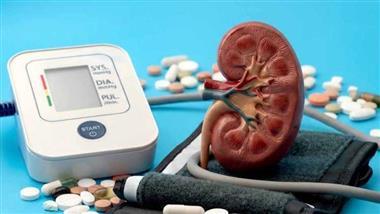
Story at-a-glance
- A study of more than 31,000 adults with Type 2 diabetes found that a widely prescribed class of blood pressure medications was associated with a 33% higher risk of serious kidney complications, including substantial loss of kidney function, dialysis or transplantation
- The increased kidney risk persisted even though all participants were already taking modern kidney-protective therapies that are considered standard treatment for diabetic kidney disease
- Researchers believe these medications may increase pressure inside the kidneys’ filtering units, exposing already damaged tissue to additional mechanical stress, which may accelerate kidney decline
- High blood pressure not only raises the risk of heart disease but also damages the kidneys over time, making blood pressure control one of the most important strategies for preserving kidney function
- Improving blood sugar control, restoring a healthier sodium-to-potassium balance, reducing chronic stress, optimizing vitamin D levels, and staying physically active may help lower blood pressure naturally and reduce strain on the kidneys
Diabetic kidney disease, characterized by gradual damage to the kidneys caused by persistently elevated blood sugar, often develops silently for years before obvious symptoms appear. Early warning signs include swelling in the feet and ankles, fatigue, changes in urination, and rising blood pressure. Left unchecked, it can progress to kidney failure that requires dialysis or a transplant.
Because high blood pressure speeds that decline, controlling it is considered a cornerstone of treatment, which is what makes research presented at the European Renal Association Congress so unsettling.1 Among adults with Type 2 diabetes who were already taking medications meant to preserve their kidneys, one widely prescribed class of blood pressure medication was linked to worse kidney outcomes rather than better ones.
That result defied what the researchers expected to find. These modern therapies were thought to protect the kidneys well enough to offset any downside of adding another blood pressure drug. Instead, the added risk held, even in patients receiving the very treatments designed to slow kidney decline.
The explanation appears to lie not in the bloodstream at large but inside the kidney’s own filtering machinery, where a medication meant to ease pressure within blood vessels may do the opposite. Understanding how that happens reveals why a drug trusted to protect the circulation can behave so differently once blood reaches the kidney.
Common Blood Pressure Drugs Were Linked to a 33% Higher Risk of Kidney Decline
The study investigated whether dihydropyridine calcium-channel blockers (DCCBs) — a group that includes amlodipine, the most commonly prescribed, along with nifedipine and felodipine — remained safe for people with Type 2 diabetes who were already receiving the newest kidney-protective treatments.2
Researchers analyzed data from 31,031 adults treated between 2016 and 2021. Every participant was already taking both renin-angiotensin system (RAS) inhibitors and sodium-glucose cotransporter-2 (SGLT2) inhibitors, which are considered standard therapies for protecting kidney function in diabetic kidney disease. The researchers wanted to determine whether adding DCCBs influenced long-term kidney outcomes.
• The study compared two large treatment groups — Among the participants, 12,172 people (39.2%) were taking DCCBs while 18,859 people (60%) were receiving other blood pressure medications. Patients were followed for a median of roughly 3.5 years, giving researchers a substantial window to observe changes in kidney health.
For readers already managing diabetes, this makes the findings particularly relevant because DCCBs are commonly prescribed as a second-line treatment when blood pressure remains elevated despite other medications.
• The difference in kidney outcomes was significant — After adjusting for differences in age, health status, and other baseline factors, researchers found that DCCB use was associated with a 33% higher risk of major adverse kidney events (RR 1.33, 95% CI, 1.03-1.73) compared to alternative blood pressure treatments.
The researchers defined these events as either a decline of 40% or more in estimated glomerular filtration rate (eGFR) — the standard test used to measure how efficiently your kidneys filter waste from your blood — or progression to end-stage kidney disease requiring dialysis or a kidney transplant. If you already have diabetes and kidney concerns, those outcomes represent some of the most serious complications physicians try to prevent.
• The findings challenged expectations about modern therapy — According to lead researcher Dr. Timna Agur, the research team originally expected that the kidney-protective effects of SGLT2 inhibitors would offset any concerns associated with DCCBs. Instead, the elevated risk remained. That observation suggests newer therapies did not fully erase the difference researchers observed between treatment strategies.
• Changes in blood flow through the kidney’s filtering structures are a likely mechanism — In diabetic kidney disease, those filters already operate under excessive strain. Researchers believe DCCBs relax the vessel carrying blood into each filtering unit more than the vessel carrying blood out — the reverse of how RAS inhibitors work, which ease pressure by relaxing the outflow vessel. This may result in pressure building inside an already overworked filter.
Imagine increasing water pressure entering a garden hose while partially restricting the exit point. Pressure builds inside the system. Researchers suggest a similar process could occur within the kidney’s delicate filtration network, exposing those structures to greater mechanical stress over time.
• The results raise practical questions about treatment choices — The authors emphasized that this was an observational study, meaning it can’t prove that DCCBs directly caused the poorer outcomes. Other factors could contribute to the differences observed between groups. Even so, Agur noted that “given how commonly these medications are prescribed, any increase in kidney risk could have important implications for large numbers of patients with DKD [diabetic kidney disease].”
For someone living with diabetes, this research highlights the value of understanding not only whether blood pressure is controlled, but also how different treatment approaches affect long-term kidney health. It also creates a simple challenge you can discuss with your physician: review your medication list and ask how each drug fits into your overall kidney-protection strategy rather than assuming all blood pressure medications influence the kidneys in the same way.
How to Lower Blood Pressure Without Adding More Stress to Your Kidneys
High blood pressure doesn’t just affect your heart. Over time, it places tremendous strain on the tiny filtering units inside your kidneys, gradually damaging the structures responsible for removing waste from your blood. While the study itself only compared blood pressure drugs, it’s a reminder that the most durable strategy is to address what drives high blood pressure in the first place.
Because diabetes and high blood pressure frequently develop together, improving blood sugar control often may help improve blood pressure as well. When you combine better metabolic health with proper mineral balance, stress reduction and regular movement, you may help reduce the pressure that contributes to kidney strain and the need for more aggressive treatment. Here are five practical ways to start.
1. Fix your sodium-to-potassium balance with whole foods — The real issue isn’t the salt shaker on your table. It’s the ultraprocessed food that dominates the modern diet. Packaged snacks, fast food, processed meats, and convenience meals deliver large amounts of sodium while providing very little potassium.
Potassium may help relax blood vessels, support healthy fluid balance and make it easier for your body to maintain normal blood pressure.
Important: if your kidney function is already reduced, do not increase potassium without your physician’s guidance — damaged kidneys may not clear it safely, especially alongside RAS inhibitors, and excess potassium can affect heart rhythm. As your diet shifts toward real food, the sodium-to-potassium ratio naturally moves in the right direction, helping reduce strain on both your blood vessels and your kidneys.
2. Stop chasing low-salt numbers and improve diet quality instead — Many people are told that severe salt restriction is the answer to high blood pressure. Aggressively cutting salt can increase stress hormones, raise insulin levels, and make blood pressure regulation more difficult.
Rather than obsessing over sodium numbers, remove the foods that contribute most of the problem: ultraprocessed products loaded with refined carbohydrates, phosphate additives, seed oils, and excess sodium. A diet built around nutrient-dense whole foods may support healthier blood pressure while helping reduce the workload placed on your kidneys every day.
3. Lower the stress signals that keep blood pressure elevated — Your nervous system plays a major role in blood pressure control. When your body remains locked in a chronic stress response, blood vessels constrict and pressure rises. One simple tool is box breathing.
Breathe in for four seconds, hold for four seconds, exhale for four seconds, and hold again for four seconds. Repeat the cycle for 10 minutes daily. Combined with adequate sleep, regular outdoor time and daily movement, this may help calm your nervous system and reduce one of the most overlooked drivers of elevated blood pressure.
4. Optimize vitamin D to support healthy blood vessel function — Vitamin D plays a role in regulating the renin-angiotensin system, one of the primary hormone networks involved in blood pressure control. When vitamin D levels remain low, this system becomes overactive, increasing pressure throughout the vascular system and adding stress to kidney tissue.
Regular sun exposure may support vitamin D production, circulation and cellular energy generation. Aim for a vitamin D level between 60 and 80 ng/mL (150 to 200 nmol/L).
If you still consume significant amounts of seed oils and other sources of linoleic acid (LA), avoid intense sun exposure (10 a.m. to 4 p.m.) until you have substantially reduced those foods for four to six months because stored LA may increase susceptibility to sun-related skin damage. Talk to your healthcare provider about whether vitamin D testing is appropriate for you.
5. Move enough to make your blood vessels healthier — Physical activity remains one of the most effective ways to improve blood pressure naturally. Movement may help improve circulation, support insulin sensitivity, reduce stress, and help maintain a healthy body composition.
If you’re already active, work toward an hour of walking, cycling, swimming, or similar movement most days. If you’re starting from scratch, focus on consistency rather than intensity. Even a 10-minute walk after meals may help improve blood sugar control and support healthier blood pressure.
If you have Type 2 diabetes and currently take a DCCB, the European Renal Association findings make it worthwhile to review your treatment plan with your doctor. Don’t stop any prescribed medication on your own. Instead, discuss whether your current approach remains the best fit for your kidney health and what additional lifestyle changes could help improve blood pressure control over time.
*These findings are drawn from an observational, real-world clinical study. Results may not apply to all individuals, and the study cannot establish that DCCBs directly cause poorer kidney outcomes.
This article is for informational purposes only and does not constitute medical advice. Consult a qualified healthcare provider before making changes to your health regimen.
FAQs About Blood Pressure Medications and Kidney Health in People with Type 2 Diabetes
Q: What did the study find about common blood pressure medications and kidney health?
A: Researchers found that people with Type 2 diabetes who took DCCBs had a 33% higher risk of major adverse kidney events (RR 1.33, 95% CI, 1.03-1.73) compared to those using other blood pressure medications. This increased risk remained even though all participants were already taking modern kidney-protective therapies.
Q: Why might these medications increase the risk of kidney damage?
A: Researchers believe DCCBs may alter blood flow inside the kidneys in a way that increases pressure within the kidneys’ filtering units. Over time, that extra pressure could place additional stress on structures that are already vulnerable to damage from diabetes, which may accelerate the loss of kidney function.
Q: Does this study prove that DCCBs directly cause kidney disease?
A: No. The study was observational, meaning it identified an association rather than proving cause and effect. Other factors could have contributed to the differences seen between treatment groups. However, the findings are important because DCCBs are widely prescribed and the study involved more than 31,000 adults with Type 2 diabetes.
Q: What can I do to lower blood pressure while supporting kidney health?
A: Focus on the factors that drive high blood pressure in the first place. Improving blood sugar control, eating potassium-rich whole foods, reducing ultraprocessed foods, managing stress, maintaining healthy vitamin D levels, and staying physically active all may help support healthier blood pressure and reduce strain on your kidneys.
Q: What if I have Type 2 diabetes and currently take a DCCB?
A: Don’t stop your medication on your own. Instead, review the study findings with your doctor and discuss how your current treatment plan fits into your long-term kidney-protection strategy. Ask whether your blood pressure is being managed in the most kidney-friendly way possible and whether additional lifestyle changes could help reduce your need for more aggressive treatment.
Did You Know? High Blood Pressure Causes Kidney DamageDid You Know? High Blood Pressure Causes Kidney Damage
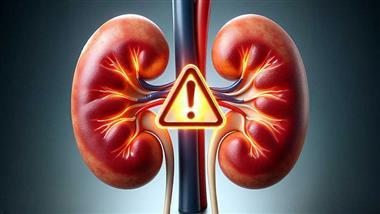
Story at-a-glance
- About 1 in 5 adults with high blood pressure already has kidney damage, even if they feel completely fine
- High blood pressure silently destroys kidney function by narrowing blood vessels and trapping toxins in your body
- Older adults with high blood pressure are three times more likely to develop chronic kidney disease, yet most aren’t screened early
- Cutting all salt is not the solution — what matters most is improving your sodium-to-potassium ratio by eating whole, unprocessed foods
- Simple daily habits like breathing exercises, vitamin D optimization, and short walks help lower blood pressure and protect your kidneys long term
About 1 in 5 U.S. adults with high blood pressure already has chronic kidney disease — and most don’t know it.1 This link between high blood pressure and kidney failure isn’t something you feel. There’s no sudden warning. No flashing red light. It creeps in over time, with silent pressure damaging blood vessels deep inside your kidneys until they no longer filter waste effectively. That damage builds slowly — until one day, it doesn’t.
You might be told to watch your salt or take a pill, but that’s just the surface. What’s really happening inside your body is far more complex — and far more dangerous when ignored. Your kidneys are caught in a feedback loop: pressure restricts blood flow, your kidneys retain more fluid, and that extra fluid raises pressure even higher. If you’re in your 50s or 60s, or you’ve been told your blood pressure is “a little high,” this matters even more.
Most kidney decline goes undiagnosed until it’s advanced, and by then, your options are limited. But there are ways to intervene — if you understand what’s happening early enough. To do that, you need to see what researchers have uncovered about how high blood pressure quietly erodes kidney health from the inside out.
High Blood Pressure Hijacks Your Kidneys Long Before Symptoms Show Up
According to the National Institute of Diabetes and Digestive and Kidney Diseases (NIDDK), high blood pressure damages your kidneys by gradually narrowing and hardening the tiny blood vessels inside them.2 These vessels are responsible for filtering out waste and excess fluid. As they stiffen and shrink, they can’t do their job properly, which causes waste to build up in your bloodstream. This buildup leads to more fluid retention, which raises your blood pressure even further, creating a vicious cycle of damage.
• This damage often happens with no warning signs — Most people don’t realize their kidneys are under strain until the disease is already advanced. Early on, you won’t feel pain. You won’t see clear symptoms. But inside your body, the pressure is suffocating your kidneys’ filtering system. By the time symptoms like swelling (edema), fatigue, or changes in urination show up, the damage is often severe.
• This is a major public health crisis hiding in plain sight — Nearly 108 million adults in the U.S. — almost half — have high blood pressure. Of those, roughly 1 in 5 already has some level of kidney disease. That’s over 20 million Americans walking around with a damaged filtration system and no idea it’s happening.
• High blood pressure is the second leading cause of kidney failure in the U.S. — Only diabetes causes more kidney damage.3 Once kidneys fail, your only options are dialysis or a transplant. And even with treatment, quality of life drops sharply. The burden isn’t just physical — it’s financial and emotional, too. Keeping blood pressure in check is far easier than treating full-blown kidney failure.
• Specific populations face even higher risks — Black adults are hit hardest. While they make up just 13% of the U.S. population, they account for 35% of all kidney failure cases.4 Food access, chronic stress, underdiagnosis, and lack of preventive care all contribute to the disproportionate damage in Black communities.
• Regular testing is the only way to catch early kidney damage — NIDDK recommends checking your glomerular filtration rate (GFR) through a blood test and looking for albumin (a type of protein) in your urine. Healthy kidneys don’t let protein leak into your urine. If they do, that’s a red flag that damage has already started.
Your kidneys rely on healthy blood flow to filter waste and regulate fluid balance. When high blood pressure restricts this flow, kidneys struggle to perform one of their most important roles: clearing out toxins. That failure doesn’t just impact the kidneys — it backs up waste into the bloodstream, affects every organ system, and leads to systemic dysfunction.
Older Adults with High Blood Pressure Are at Sharply Higher Risk for Kidney Failure
Public health researcher Edmond Kubi Appiah analyzed data from the National Health and Nutrition Examination Survey (NHANES), which included over 4,000 U.S. adults.5 His findings exposed a widespread failure in how health care professionals screen for chronic kidney disease (CKD) in people with high blood pressure. His research showed that high blood pressure triples your risk of kidney disease once you’re over 60, even when controlling for other health issues.
• Older adults were the most affected group in this analysis — For people in their 60s and older, high blood pressure drastically increased the likelihood of developing CKD. Even among participants with similar incomes, ethnic backgrounds, diabetes status, or medication use, those with high blood pressure still had much higher odds of kidney damage. According to Appiah, “That is not just a clinical statistic — it is a wake-up call.”
• Routine care is missing the window for early kidney damage detection — Appiah called out a critical flaw in current medical practice: doctors often treat high blood pressure as a heart issue while ignoring the kidneys. Appiah stressed that this leads to delayed detection and missed intervention opportunities. He wrote, “If we are not actively looking for it — especially in patients with high blood pressure — we are missing a crucial window for prevention.”
• The lack of testing allows CKD to quietly progress toward organ failure — Kidney damage builds slowly, with no obvious warning signs in early stages. According to Appiah, once symptoms like fatigue, swelling, or changes in urination show up, it’s often too late to reverse the damage. He urged doctors to screen all older adults with high blood pressure using two simple tools:
◦eGFR (estimated glomerular filtration rate) — A blood test that measures how well your kidneys are filtering waste.
◦Urine albumin — A urine test that checks for protein leakage, an early indicator of kidney damage.
These tests are inexpensive, noninvasive, and widely available, but underused in routine care for older adults with high blood pressure.
• Early intervention means better outcomes and lower costs — Treating CKD once it becomes advanced is expensive and life-altering. Appiah emphasized that integrating kidney screening into routine blood pressure management would prevent massive downstream suffering. “We cannot afford to ignore the silent progression of CKD in older adults,” he wrote. “Especially when one of its biggest risk factors, hypertension, is already in the exam room.”
• The call to action is clear: expand the narrative — Appiah challenged the health care system to rethink how it frames blood pressure. “Let us start by expanding the narrative around high blood pressure to include the kidneys,” he urged. “Let us normalize early kidney screenings for hypertensive patients.”
Aging Doesn’t Cause Kidney Disease, but High Blood Pressure Accelerates the Damage
In a study published in Advances in Kidney Disease and Health, researchers examined how aging affects kidney function and whether conditions like high blood pressure play a direct role in accelerating damage.6 While some decline in kidney filtration happens naturally with age, the paper found that up to one-third of older adults maintain normal kidney function into later life — as long as chronic conditions like high blood pressure aren’t present.
• Healthy aging doesn’t lead to kidney failure — The researchers emphasized that when older adults avoid diseases like high blood pressure and diabetes, their kidney function tends to stay relatively stable. This directly contradicts the widespread assumption that kidney decline is an inevitable part of aging. In fact, the study found that healthy elderly participants had lower, but still normal, filtration rates when measured by inulin clearance, a precise method for testing kidney function.
• The real risk comes when age meets disease — When high blood pressure is added to the picture, the decline in kidney function becomes more aggressive and clinically significant. The study noted that chronic high blood pressure doesn’t just raise numbers — it physically changes the structure of the kidney’s filtration system. Over time, the increased pressure stiffens and scars blood vessels, reducing your kidneys’ ability to clear waste efficiently.
• Preventive lifestyle habits make the biggest difference — The paper highlighted several lifestyle strategies that help preserve kidney health in older adults — even those with mild age-related decline.
These include exercise to support healthy blood flow and improve blood pressure control and careful monitoring of medication side effects to ensure the kidneys aren’t being harmed by drugs. These strategies help extend the period of functional kidney health, reduce medication dependency, and improve overall quality of life.
• Aging doesn’t guarantee disease but neglect does — This study challenges the belief that kidney failure is an automatic part of growing older. It’s not your age — it’s what your blood pressure is doing to your kidneys behind the scenes. And the sooner you catch that damage, the more control you have over the outcome.
How to Protect Your Kidneys by Lowering Blood Pressure the Right Way
If you’re dealing with high blood pressure or even just concerned about kidney health as you age, the first thing to understand is this: your kidneys are being strained by pressure that builds up over time — not just from salt, but from stress, poor nutrient balance, and lifestyle patterns that silently weaken your filtration system.
This isn’t about short-term fixes. You need a plan that restores balance at the root level, starting with what you eat and how you live each day. Here are five simple, proven steps you can take right now to stop the damage and give your kidneys the support they need to keep working for the long haul.
1. Fix your sodium-to-potassium ratio by eating real food — The problem isn’t salt itself — it’s ultraprocessed food. Most people get their sodium from boxed snacks, canned goods, deli meat, and fast food, which are stripped of potassium.
Your body needs potassium to relax blood vessels and lower pressure. If you’re eating mostly whole, unprocessed foods — like ripe fruit, root vegetables, and well-cooked leafy greens — you’ll naturally get more potassium and less sodium, the way your kidneys were designed to handle.
2. Skip the low-salt diet and focus on nutrient density — Cutting salt too aggressively backfires. It increases insulin levels, worsens your cholesterol ratios, and puts your body into a stress state that makes high blood pressure harder to control. If you’ve been told to cut all salt, you’ve been misled.
Instead, focus on eliminating ultraprocessed foods and use a small amount of high-quality mineral salt on meals made from scratch. That way, you’re not stressing your system or spiking insulin just to chase lower numbers.
3. Use simple breathing exercises to lower your stress response — High blood pressure isn’t just physical — it’s emotional. Chronic stress triggers hormones that tighten blood vessels and drive your pressure up. Try this: box breathing. Inhale for four seconds, hold for four, exhale for four, and hold again for four. Do this for 10 minutes a day. It’s free, easy, and trains your nervous system to stop overreacting. You’ll feel calmer, and your blood pressure will follow.
4. Get your vitamin D levels into the optimal range — Vitamin D helps regulate the renin-angiotensin system, a hormone network that directly controls blood pressure. If your vitamin D levels are too low, this system becomes overactive, driving up pressure and damaging your kidneys. Make sure you’re getting regular sun exposure, but avoid peak hours (10 a.m. to 4 p.m.) if you consume linoleic acid (LA) from vegetable oils.
LA is a polyunsaturated fat that oxidizes easily, builds up in your skin and increases your risk of skin damage. Cut these oils from your diet for at least six months before getting peak sun exposure. Get your vitamin D levels tested at least twice a year and aim for a level between 60 and 80 ng/mL (150 to 200 nmol/L). Consider a vitamin D3 supplement if you don’t get sun exposure regularly.
5. Move more — but start with what’s doable for you — If you’re already active, aim for an hour of moderate aerobic movement daily, like walking, cycling, or swimming. But if you’re starting from zero, don’t overthink it. Even 10-minute walks after meals are beneficial. The key is consistency. Your kidneys will thank you for every step.
FAQs About High Blood Pressure and Your Kidneys
Q: How does high blood pressure damage your kidneys?
A: High blood pressure narrows and hardens the tiny blood vessels inside your kidneys, which reduces blood flow and impairs their ability to filter waste. As filtration slows down, waste and fluid build up in your body, which pushes blood pressure even higher — creating a vicious cycle of damage that eventually leads to kidney failure.
Q: Who is most at risk for high blood pressure-related kidney disease?
A: Adults over 60 are at significantly higher risk, especially if they already have high blood pressure. Black Americans are also disproportionately affected, accounting for 35% of kidney failure cases despite being just 13% of the U.S. population. Lack of screening, limited access to care, and dietary stressors contribute to this imbalance.
Q: What are the early signs of kidney damage?
A: Most people experience no symptoms in the early stages of chronic kidney disease. As damage progresses, you might notice swelling in your ankles or face, fatigue, dry or itchy skin, changes in urination, or brain fog. Unfortunately, by the time symptoms appear, significant damage has usually already occurred.
Q: What lifestyle changes help prevent or reverse kidney damage from high blood pressure?
A: Focus on eating whole, potassium-rich foods to balance sodium intake, avoid ultraprocessed meals, and ditch the low-salt dogma. Incorporate daily breathing exercises to lower stress, optimize vitamin D through sun exposure and testing, and engage in regular movement — even short walks help. These steps restore vascular function and protect your kidneys at the root level.
Q: What tests should you ask for to catch kidney damage early?
A: Get your eGFR (estimated glomerular filtration rate) tested through a blood panel and check your urine albumin levels. These simple, inexpensive tests detect early-stage kidney decline long before symptoms appear. Ask for them if you have high blood pressure, especially if you’re over 60 or in a high-risk group.
How ‘Eccentric’ Exercise Opens Up a Whole New World of Fitness
Reproduced from original article:
https://articles.mercola.com/sites/articles/archive/2026/07/17/eccentric-exercise.aspx
Analysis by Dr. Joseph Mercola July 17, 2026

Story at-a-glance
- Eccentric exercise — movements where your muscles lengthen under tension, such as walking downstairs, or lowering into a squat — builds greater force with less oxygen demand and less cardiovascular strain than conventional exercise
- Muscle soreness after eccentric exercise usually comes from inflammation and irritation in connective tissue rather than widespread muscle destruction, and your body rapidly adapts after only one or two sessions
- Elderly women who performed descending stair walking twice weekly for 12 weeks improved blood pressure, insulin sensitivity, cholesterol markers, and lower-body strength more than women who focused on ascending stairs
- Short home-based eccentric exercise routines involving movements such as chair squats, wall pushups, and heel drops improved strength, flexibility, and mental health, while more than 90% of participants continued exercising afterward
- Eccentric training improves balance, coordination, joint stability, and injury resistance because your muscles and nervous system learn how to absorb force more efficiently during real-life movement
You perform eccentric exercise every day without realizing it. Every time you walk downstairs, lower yourself into a chair, hike downhill, or set down a heavy object, your muscles resist force while lengthening instead of shortening. Think of your bicep when you slowly lower a heavy grocery bag to the counter; the muscle is working hard, but it’s stretching out rather than bunching up. That’s eccentric.
That single difference — lengthening under tension rather than shortening — fundamentally changes how your body responds to exercise. Research by Kazunori Nosaka, published in the Journal of Sport and Health Science, suggests it may be the most efficient path to building strength without taxing your heart and lungs.1
For years, eccentric exercise carried a bad reputation because of delayed onset muscle soreness, often called DOMS — the stiffness and tenderness that peak one to three days after unfamiliar exercise. Many people interpret that soreness as muscle destruction and avoid the movements that cause it. Nosaka’s review directly challenges that belief, reframing eccentric exercise as something far more useful than a source of pain to be feared.
Eccentric training has long been associated with athletes and bodybuilders, but the research points in a different direction. The people who gain the most are often those who feel furthest from a traditional gym routine — older adults, sedentary people, anyone restarting after a long break, and those managing joint pain or chronic conditions. That is why researchers now argue eccentric exercise belongs in mainstream fitness rather than remaining a niche method.
Your Muscles Rapidly Adapt to Eccentric Exercise
Nosaka’s analysis examined how eccentric exercise affects strength, soreness, athletic performance, and long-term health outcomes. The paper focused heavily on the idea that muscle soreness scares many people away from exercise unnecessarily. According to the review, muscle damage from eccentric exercise drops dramatically after your body adapts to it once or twice.
• How eccentric exercise works in ordinary daily life — Lowering yourself into a chair, walking downstairs, hiking downhill, and slowly lowering weights all rely on eccentric contractions. During these movements, your muscles lengthen while resisting force.
That creates greater physical stress on the muscle fibers without the same oxygen demand or cardiovascular strain seen in conventional exercise. The paper explained that eccentric contractions generate more than 20% greater force than concentric contractions, meaning the shortening phase of movement such as pushing or lifting.
• Lower physical strain creates a major advantage for beginners and older adults — One of the most practical findings involved energy demand. Eccentric exercise required lower oxygen consumption and produced lower heart rates compared to concentric exercise at the same workload. If you feel intimidated by hard workouts, fatigue easily, or struggle with joint pain, your muscles still receive a strong stimulus without exhausting your cardiovascular system.
• Muscle soreness doesn’t mean your muscles are destroyed — DOMS is commonly blamed on torn muscle fibers, but the picture is more nuanced. Much of the soreness comes from inflammation and irritation in the connective tissue surrounding the muscle — the fascia and tendons that hold everything together — rather than from widespread damage to the muscle fibers themselves.
Connective tissue acts like the support web around muscle fibers. When it becomes irritated after unfamiliar exercise, you feel stiffness, tenderness, and reduced mobility.
• The body rapidly builds protection against soreness — Nosaka described something called the “repeated bout effect.” After one session of eccentric exercise, your muscles and nervous system adapt quickly and future workouts produce far less soreness and stiffness. Even low-intensity eccentric exercise created this protective effect. In practical terms, your hardest workout is usually the first one. Once your body learns the movement, recovery becomes much easier.
• Small doses of eccentric exercise still created measurable improvements — The paper emphasized that severe muscle soreness isn’t required for progress. That’s important because many people still believe exercise only works if they feel wrecked afterward. The review explained that gradual progression works best:
◦Start with lighter resistance
◦Use fewer repetitions
◦Slow the movement down
◦Focus on control before speed or heavy loading
Why Eccentric Exercise Improves Heart Health, Brain Function, and Long-Term Physical Resilience
The benefits don’t stay limited to gym performance or muscle soreness. The paper explained that eccentric exercise reshaped cardiovascular health, metabolic function, and physical resilience in ways that carried directly into daily life.
• Descending stairs produced surprisingly large health improvements — One of the most interesting findings involved elderly obese women who performed descending stair walking twice weekly for 12 weeks.2 Compared to ascending stairs, the descending group achieved greater improvements in blood pressure, insulin sensitivity, cholesterol markers, and lower-body strength.
Researchers reported a 10% reduction in resting heart rate and a 9% drop in systolic blood pressure in the descending stair group. LDL cholesterol fell 13% while muscle strength improved 34%.
• Simple home programs produced high long-term adherence — Another study discussed in the review used a five-minute home-based eccentric routine involving chair squats, wall pushups, chair reclines, and heel drops.3 After eight weeks, participants improved flexibility, strength, and mental health while maintaining very high adherence. More than 90% continued regular exercise afterward.
• Eccentric exercise offers benefits beyond muscle strength alone — Eccentric exercise improves balance, mobility, and even cognitive function, meaning how well your brain handles memory, focus, and processing speed. The reason appears to be that lowering yourself under control demands constant feedback between brain and muscle, turning each repetition into a small skill-building exercise rather than a mindless rep.
• Athletes rely heavily on eccentric strength during competition — Team sports such as soccer and rugby place enormous eccentric stress on the body because athletes constantly decelerate, change direction, and absorb force.
The review explained that eccentric training improves deceleration control, power production, and injury resistance. That matters outside of sports too. Every time you catch yourself from falling, step off a curb, or stabilize your body during movement, eccentric strength protects your joints and connective tissues.
• One unusual nervous system effect stood out in the research — Eccentric training improved strength in the opposite untrained limb through something called the cross-education effect. Training one side of the body helped strengthen the other side too. Researchers believe nervous system adaptations inside the brain and spinal cord drive this effect.
This works because strength isn’t only stored in muscle tissue; it’s also encoded in the neural pathways that control movement, and those pathways serve both sides of the body. That finding has major implications for rehabilitation after injury or surgery because someone with one immobilized limb still benefits from training the healthy side.
How to Use Eccentric Exercise to Build Strength, Stability, and Injury Resistance Safely
Your body loses strength, balance, and resilience when you avoid resistance and controlled loading for years. That decline doesn’t start in old age. It starts the moment your muscles stop receiving enough challenge to maintain coordination, connective tissue strength, and efficient energy production.
Eccentric exercise addresses that root problem directly because it teaches your muscles and nervous system how to absorb force instead of simply producing it. That’s one of the missing pieces in many conventional exercise programs. You don’t need extreme workouts to rebuild strength and physical confidence. You need consistent, controlled exposure that your body adapts to over time.
1. Start with slow lowering exercises instead of aggressive workouts — If you’re sedentary or restarting exercise after a long break, begin with slow lowering movements because they create strength without exhausting your cardiovascular system. Lower yourself slowly into a chair for five repetitions. Descend stairs carefully instead of rushing.
Slowly lower yourself during a wall pushup instead of dropping quickly. Perform controlled heel drops off a stair while holding a railing — drop only as far as comfortable, and avoid bouncing at the bottom.
Slow body-weight squats with a three- to five-second lowering phase work extremely well because they strengthen your legs while training balance and control. Reverse lunges and controlled step-downs from a stair also teach your muscles to absorb force safely. Treat each repetition like skill practice rather than punishment. That mindset improves consistency fast.
2. Build tolerance gradually so soreness doesn’t overwhelm you — One reason people quit exercise programs is because they start too aggressively. Severe soreness creates fear and breaks momentum. The research showed your body adapts rapidly once exposed to eccentric exercise, but progression still matters. Start with:
•Five to 10 slow repetitions
•One or two sets
•Chair squats before weighted squats
•Wall pushups before floor pushups
•Short downhill walks instead of steep hikes
Mild soreness one or two days later is a normal sign of adaptation; your body is building the machinery to handle the load. But if soreness lingers past three days, or if it sharply limits your normal movement, that’s a signal to scale back the next session rather than quit entirely. The goal is steady exposure, not a heroic single workout.
3. Use eccentric walking to strengthen your body during daily life — You don’t need a gym membership to benefit from eccentric exercise. Controlled downhill walking, descending stairs, and forward lunge-style walking create strong eccentric loading in your legs while fitting naturally into everyday routines. If you spend most of your day sitting, build movement into activities you already do.
Lower yourself slowly into chairs instead of collapsing into them. Carry groceries while controlling the lowering phase instead of dropping them quickly onto counters or the floor. Walk downstairs deliberately instead of relying entirely on elevators and escalators. Those movements strengthen the muscles that protect your knees, hips, and balance during normal life.
4. Train your nervous system with controlled movement patterns — Eccentric exercise forces your brain and muscles to communicate more efficiently because your body needs to constantly control force, balance, and positioning. That matters if you notice stiffness, poor coordination, or reduced confidence during movement.
Slow negative pullups, controlled lunges, and single-leg step-downs all challenge your nervous system in a productive way. Instead of rushing through repetitions, focus on smooth movement and posture. Pause briefly during the lowering phase of a squat or pushup. Your body learns stability through repetition and control, not chaos.
5. Support recovery with movement, sunlight, and metabolic health — Your recovery capacity depends heavily on cellular energy production. Poor sleep, processed foods, inactivity, and excess seed oils interfere with that process and leave your muscles less resilient under stress. I recommend pairing eccentric exercise with habits that improve the function of your mitochondria — the energy-producing structures inside your cells — and recovery efficiency.
Prioritize daily sunlight exposure, especially early morning light, to support circadian rhythm and cellular energy production. Eat enough protein — about 0.8 grams per pound (or 1.76 grams per kilogram) of lean body mass — with one-third from collagen-rich foods to support connective tissue recovery.
Include whole-food carbohydrates that help maintain metabolic function and muscle glycogen instead of relying on restrictive low-carb approaches that lower exercise tolerance over time.
FAQs About Eccentric Exercise
Q: What exactly is eccentric exercise?
A: Eccentric exercise happens when your muscles lengthen while resisting force. Common examples include walking downstairs, lowering into a chair, hiking downhill, or slowly lowering a weight during a squat or pushup. Unlike conventional lifting movements that focus on pushing or pulling, eccentric movements train your body to absorb force under control. That improves strength, balance, coordination, and joint stability during everyday life.
Q: Why does eccentric exercise make you sore at first?
A: The soreness usually comes from inflammation and irritation in connective tissue surrounding the muscle rather than widespread muscle destruction. This delayed soreness, often called DOMS, tends to peak one to three days after unfamiliar exercise. The good news is your body adapts quickly. Even one or two eccentric workouts dramatically reduce future soreness through the repeated bout effect.
Q: Why is eccentric exercise useful for older adults and beginners?
A: Eccentric movements place a strong training stimulus on muscles without demanding as much oxygen or cardiovascular effort as conventional exercise. That makes them especially useful if you fatigue easily, have joint discomfort, or feel intimidated by intense workouts. Simple eccentric routines improve blood pressure, insulin sensitivity, lower-body strength, balance, and mobility in older adults.
Q: What are some simple eccentric exercises I can do at home?
A: Some of the most effective eccentric exercises require little or no equipment. Even five-minute home routines improved flexibility, strength, and mental well-being in sedentary participants. Examples include:
•Slow chair squats
•Controlled step-downs from stairs
•Heel drops
•Wall pushups with a slow lowering phase
•Reverse lunges
•Downhill walking
Q: How do I start eccentric exercise without overdoing it?
A: Start slowly and focus on control instead of intensity. Begin with five to 10 repetitions and one or two sets using body-weight movements. Lower yourself slowly during each repetition and stop before soreness becomes excessive. Consistency matters more than pushing to exhaustion. Your muscles and nervous system adapt surprisingly fast when the workload increases gradually.
Studies reveal how to lower blood pressure by drinking a delicious traditional beverage
Reproduced from original article:
https://www.naturalhealth365.com/a-cup-of-red-tea-is-quietly-rivaling-what-blood-pressure-drugs-are-built-to-do.html
by: July 18, 2026
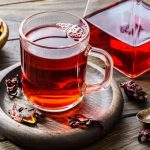 (NaturalHealth365) In Egypt, people brew karkade from a deep red flower and drink the tea at celebrations. In West Africa, the same flower turns into bissap. But, what’s really important to understand is how this traditional tea can help you with blood pressure concerns.
Mexican households call the drink agua de jamaica, and across the Caribbean, the same red brew becomes sorrel at Christmas. None of these traditions borrowed from one another, yet each of them reaches for the same plant to improve blood pressure readings.
A pattern too consistent across cultures to ignore
A team published an umbrella review in Complementary Therapies in Medicine in early 2025. The review compiled all reliable meta-analyses on hibiscus sabdariffa, the flower behind karkade, bissap, and jamaica.
Instead of running a fresh trial, the researchers combined results already gathered from thousands of participants across dozens of studies. Their goal was to settle years of conflicting headlines once and for all.
Earlier hibiscus trials had produced a frustrating mix of strong results and shrugs. Small sample sizes and inconsistent amounts made the picture blurry. But pooling everything together let a real signal separate from the noise for the first time.
The blood pressure numbers landed close to medication territory
Hibiscus lowered both systolic and diastolic blood pressure across the pooled data, and the drop scaled with the amount consumed. Researchers compared the effect directly against certain blood pressure medications and found the gap smaller than most people would expect from a beverage.
Few food-based interventions get anywhere close to that comparison.
The benefit also grew with time. People who kept drinking hibiscus for six weeks or longer saw stronger results than those who tried the tea briefly.
Older adults showed some of the largest improvements of anyone studied.
The heart was not the only system that responded
Cholesterol moved in the right direction too. Total cholesterol and LDL cholesterol decreased across the pooled trials, while HDL cholesterol increased modestly.
In addition, fasting blood sugar improved alongside those changes. That pattern suggests one flower was touching several connected systems at once, rather than fixing a single number in isolation.
Researchers pointed to the deep red anthocyanins in hibiscus as the likely thread connecting these results. Those same antioxidant compounds give the tea a distinctive color and much of the activity behind these findings. Their effects on inflammation and oxidative stress may explain why so many unrelated cultures noticed a heart benefit without ever knowing the underlying chemistry.
Turning centuries of tradition into a daily habit that works
Three cups of brewed hibiscus daily, steeped for at least five minutes, matched the range tied to the strongest results in this review. A standard tea bag holds roughly 1 to 2 grams of dried hibiscus, so three cups lands squarely in that window without any guesswork involved.
Cold brewing works as an alternative for anyone who finds hot tea unappealing in summer. The process takes several hours to extract a similar concentration of anthocyanins. Drinking hibiscus between meals rather than alongside them appears to support steadier absorption, based on patterns across the pooled trials.
One caution matters here. Anyone already taking blood pressure medication should speak with a doctor before adding daily hibiscus, since the two together can occasionally push numbers lower than intended.
What four unrelated cultures got right long before science caught up
Karkade, bissap, jamaica, and sorrel never needed a peer-reviewed journal to know something was working. The pooled data from this review essentially confirms what generations of home cooks already trusted, using tools those cooks never had access to. That kind of convergence between old tradition and new evidence is rare enough to take seriously.
Sources for this article include:
Why ignoring your lymphatic system is a fatal mistake
Reproduced from original article:
https://www.naturalhealth365.com/the-silent-system-most-people-ignore-and-the-damage-that-quietly-follows.html
by: July 6, 2026
 (NaturalHealth365) There is a network of vessels running through your entire body that most doctors never check. The lymphatic system moves fluid, clears waste, and keeps the immune system running properly. When that system stalls, the consequences reach far beyond a little swelling in your legs.
New research published in 2025 and 2026 is bringing the lymphatic system into a conversation that Western medicine has largely avoided. Researchers are finding direct links between poor lymphatic drainage and some of the world’s most common chronic diseases. Heart disease, chronic inflammation, and weakened immune function are all showing up in the data.
Your lymph system does more than most people realize
Think of the lymphatic system as the body’s slow but essential cleanup crew. Every day, lymph vessels collect excess fluid, cellular waste, and immune debris from your tissues and move them out. Without that clearance, the buildup creates exactly the conditions that disease needs to take hold.
A 2026 review from the University of Nevada Las Vegas confirmed that lymphatic vessels inside artery walls actively remove the cholesterol and inflammatory compounds that fuel plaque buildup. When those vessels stop draining properly, that material gets left behind.
The result is more inflammation, more plaque, and higher cardiovascular risk.
What happens when lymph fluid stops moving
Stagnant lymph does not just sit there quietly. Research published in Frontiers in Medicine in 2025 found that pooling lymph triggers inflammation, tissue scarring, and oxygen deprivation in the surrounding area.
What surprised researchers most was how far the damage spreads. People with lymphatic dysfunction showed immune and tissue changes in parts of the body far from the problem area. This is not a localized condition. When the lymphatic system struggles, the whole body feels the consequences.
Why sitting may be quietly stalling your lymph flow
Unlike the heart, the lymphatic system has no pump. Lymph moves only when muscles squeeze the surrounding vessels during physical movement. Prolonged sitting effectively shuts that movement down.
Research consistently links sedentary behavior to sluggish lymph flow and higher levels of systemic inflammation. This may partly explain why sitting too long raises disease risk across so many different organ systems. The lymphatic connection has been missing from that conversation for too long.
What you can do right now
Keep your body moving throughout the day, not just during a scheduled workout. Short walks, stretching, or even standing regularly throughout the day all contract the muscles that drive lymph flow.
Research suggests that frequent, brief movement is more effective for lymphatic drainage than a single long session. A mini-trampoline, or rebounder, is particularly effective because the up-and-down motion creates a pumping effect throughout the lymphatic network.
Feed your lymphatic system through your diet by reducing the inflammatory load the system has to carry. Organic leafy greens and fiber-rich whole foods reduce systemic inflammation and support the gut’s own lymphatic vessels, called lacteals. Processed seed oils, refined sugar, and heavily packaged foods increase the toxic burden flowing through lymph and make clearance harder.
What you eat directly determines how much work your lymph system has to do each day.
Support the body’s drainage pathways with targeted daily habits outside of eating and exercise. Dry brushing toward the heart before a shower stimulates the superficial lymph vessels just under the skin. Alternating warm and cold water during a shower causes the lymph vessels to contract and relax, which drives fluid movement.
In addition, staying well hydrated is essential, since lymph fluid is largely water, and dehydration slows the entire system.
The system your doctor is not checking
Cardiologists test cholesterol and blood pressure. Immunologists look at white blood cell counts. Almost nobody evaluates whether your lymphatic system is functioning properly.
Sources for this article include:
Frontiersin.org
Frontiersin.org
Everyday food cuts high blood pressure risk by nearly a third, new research confirms
Reproduced from original article:
https://www.naturalhealth365.com/everyday-food-cuts-high-blood-pressure-risk-by-nearly-a-third-new-research-confirms.html
Wendy Miller, staff writer May 30, 2026
 (NaturalHealth365) High blood pressure affects over 1.2 billion adults worldwide. Unfortunately, Western medicine’s answer has remained largely unchanged for decades: medication, monitoring, and repeat prescriptions. But, a new analysis now points to a simple, affordable food that may address one of the condition’s root causes.
Published May 7, 2026, in BMJ Nutrition Prevention & Health, the analysis pooled data from 12 long-term prospective studies. Altogether, the research involved up to 88,475 participants across the United States, Europe, and Asia. Results were consistent across populations and dietary cultures. Researchers described the association between legume consumption and reduced risk of hypertension as a probable causal relationship.
The food that outperforms blood pressure drugs before you even need them
People with the highest daily intake of legumes were 16% less likely to develop high blood pressure than those with the lowest intake. Legumes include lentils, chickpeas, and peas. Among those consuming the most soy foods, including tofu, edamame, and tempeh, the risk reduction reached 19%. At an optimal intake of roughly 170 grams of legumes per day, about one cup of cooked beans, the protective association climbed to approximately 30%.
Consider what that means. The most commonly prescribed blood pressure medications reduce cardiovascular event risk by roughly 10% to 25% in people already diagnosed with hypertension. Legumes achieve a comparable reduction in people who have not yet developed the condition.
Western medicine would call a drug with those numbers a breakthrough.
Why your blood pressure medication can’t even compare to beans
Legumes are dense in three nutrients consistently linked to blood pressure regulation: potassium, magnesium, and dietary fiber. Potassium counteracts the vessel-constricting effects of sodium, helping arterial walls relax. Magnesium supports over 300 enzymatic reactions, many of which directly govern vascular tone. Soluble fiber feeds beneficial gut bacteria that produce short-chain fatty acids.
These compounds are now understood to influence blood vessel dilation through the gut-cardiovascular axis without toxic side effects.
Soy foods add a further layer through isoflavones. These plant compounds appear to support blood pressure regulation through hormonal and vascular pathways. Together, these mechanisms create a cardiovascular effect no single pharmaceutical can replicate, because no single drug addresses all of them simultaneously.
How far most people are from the amount that actually makes a difference
Current legume consumption across Europe and the UK averages just 8-15 grams per day. The amount associated with meaningful cardiovascular benefit ranges from 65 to 170 grams. In the United States, consumption is similarly low. Beans appear on plates occasionally rather than daily, and most people get roughly one-tenth the amount associated with meaningful blood pressure protection.
As expected, Western medicine does not make this connection clear during a hypertension diagnosis. A patient leaves the office with a prescription and a vague instruction to cut sodium. Nobody offers a meal plan built around foods that have been shown to cut risk by nearly a third.
The overlooked daily habit that compounds into real cardiovascular protection
Add organic legumes to at least one meal each day and treat this habit as a cardiovascular priority. One cup of cooked chickpeas, black beans, or lentils approaches the 170-gram threshold linked to the greatest blood pressure benefit. Lentils cook in under 20 minutes, require no soaking, and absorb the flavors of garlic, olive oil, and herbs exceptionally well.
The protective effect accumulates over time, so consistency matters more than perfection.
Support blood pressure regulation through complementary nutritional strategies. Legumes alone do not address every contributor to hypertension. Magnesium supplementation reinforces the vascular pathways legumes activate. In addition, CoQ10 protects the mitochondrial function of heart muscle cells, and nattokinase supports healthy circulation. Dark leafy greens, wild-caught fish, and extra virgin olive oil address oxidative stress and arterial stiffness that accumulate over decades.
Remove the dietary drivers working directly against vascular health. Processed foods, excessive fructose, and refined seed oils promote inflammation and endothelial damage that make hypertension progressively worse. Removing those daily pressures while adding legumes creates a compounding benefit that no pharmaceutical intervention alone can produce.
What your cardiologist is not telling you about food and blood pressure
Hypertension is not a medication deficiency. For many of the 1.2 billion people managing high blood pressure worldwide, the condition reflects years of dietary patterns that depleted the very nutrients legumes supply in abundance. Yet that connection rarely surfaces in a standard cardiology appointment.
Sources for this article include:
The Truth About Salt
Reproduced from original article:
https://articles.mercola.com/sites/articles/archive/2026/05/20/the-truth-about-salt.aspx
Analysis by A Midwestern Doctor May 20, 2026
Story at-a-glance
- For 50 years, medicine has waged a misguided war against critical sources of health like salt and sunlight while avoiding discussing the real causes of diseases. Because of this, the dangers of salt are relentlessly focused on despite evidence not supporting them
- In parallel, the extreme dangers of consuming too little salt are rarely discussed in the medical field — despite dangerously low sodium being one of the most common conditions seen in hospitalized patients, and chronically low sodium greatly increasing one’s risk of dying
- The war against salt originated from the belief salt raises blood pressure — despite the evidence showing it doesn’t
- Many of the foundational beliefs around high blood pressure are not supported by the existing data, leading to situations where patients are routinely medicated to blood pressures far below what is safe, significantly reducing their quality of life and increasing their risk of severe injuries or death
- Salt restriction creates many similar complications to dangerously low blood pressures (e.g., fatigue, lightheadedness, erectile dysfunction). Because of this, many find their health and energy dramatically improves once they start consuming healthy salts
Many medical policies are driven more by profit than by evidence of what truly benefits patients. Because of this, we frequently see medicine refuse to ever discuss the things that are making us sick (e.g., numerous studies show vaccines make children 2 to 10 times more likely to develop chronic illnesses that are now widespread) while in tandem, we are relentlessly pressured to put all focus onto a few things which do not make enough money for lobbyists to defend them.
In this article, I will explore one of my key frustrations with this dynamic: the medical establishment’s ongoing war on salt. I will focus on one of my major frustrations with this medical paradigm — the war against salt.
Note: The war against salt began in 1977 when a Senate Committee published dietary guidelines arguing for reduced sodium consumption1 despite the existing evidence not supporting this.2 Since then, like many other bad policies, it has developed a nearly unstoppable inertia of its own.
Is Salt Bad for You?
Many people you ask, particularly those in the medical field will tell you salt is bad, and one of the most common pieces of health advice given both inside and outside of medicine is to eat less salt. Over the years, I’ve heard two main arguments for why salt is bad for you. First, salt raises blood pressure, and high blood pressure is deadly, so salt is too and should be avoided.
Second, with individuals who have heart failure, eating too many salty foods will create exacerbations of their condition, and as a result, after holidays where people eat those foods (e.g., the 4th of July) more heart failure patients will be admitted to hospitals for heart failure exacerbations.3
Note: Excessive sodium causes these exacerbations because if an excess amount of fluid accumulates in a compromised system (e.g., because the weakened heart can’t move enough blood to the kidneys to eliminate it), it then overloads other parts of the body (e.g., causing swelling and edema, which, if in the lungs, can be life threatening).
Because of these two things, many in the medical field assume that salt might be bad for you and hence strongly urge patients to avoid it (to the point you often see an elderly patient who loves her salt be aggressively pushed into abandoning it). Unfortunately, the logic behind those two arguments’ logic is less solid than it appears.
• The great blood pressure scam — Since medicine revolves around making money, patient care is often structured to be as profitable as possible. In turn, since recurring revenue is a foundational principle of successful businesses, a key goal in medicine often ends up being to have as many patients as possible on lifelong prescriptions.
In most cases, the drugs that are developed and approved have real value for specific situations, but those situations are not enough to cover the exorbitant cost it requires to get a drug to market. As a result, once drugs are approved, the industry will gradually come up with reasons to give them to more and more people and in turn quickly arrive at the point where many of their customers have greater harm than benefit from the pharmaceutical.
One classic way this is done is by creating a drug that treats a number, asserting that the number has to be within a certain range for someone to be healthy, and then once that is enshrined, narrow and narrow the acceptable range so less and less people are “healthy” and hence need the drug (e.g., this happened with cholesterol once statins were invested). Likewise, this characterizes the history of blood pressure management:

Because of this, many people (particularly the elderly) are frequently pushed to excessively low blood pressures which reduces critical blood perfusion for the organs — which particularly unfortunate as high blood pressure is often a symptom of poor circulation rather than its cause.
As such, reducing the remaining circulation by lowering blood pressure then makes them significantly more likely to get a variety of significant issues (e.g., kidney injuries,4 cognitive impairment,5 macular degeneration6), the most studied of which is lightheadedness or fainting leading to (often devastating) falls.7 Additionally, blood pressure medications also often greatly reduce one’s quality of life (e.g., by causing fatigue8 or erectile dysfunction9).

Note: For those interested in learning more about the great blood pressure scam (a lot of what we’re taught about blood pressure is less than accurate), it can be read here.
• Low sodium — A cornerstone of cementing the blood pressure market has been to make everyone terrified of salt (much in the same way making people terrified of the sun is a cornerstone of the lucrative skin cancer treatment market — despite the fact the deadly skin cancers are actually due to a lack of sunlight).
Remarkably, much like the great dermatology scam (which has been able to make a massive amount of money from removing cancers that almost never become life threatening) the link between blood pressure and salt consumption is actually quite tenuous.
For example, the most detailed review of this subject found that drastic salt reduction typically results in less than a 1% reduction in blood pressure.10 Likewise, doctors rarely recognize that patients in the hospital are routinely given large amounts of IV 0.9% sodium chloride, in many cases receiving ten times the daily recommended sodium chloride we are supposed to consume — yet their blood pressure often barely rises.
Note: Some individuals and certain ethnicities are salt-sensitive. They may experience greater increases in blood pressure or worsening of other symptoms when consuming moderate amounts of salt (although this does not apply to the majority of the population).11
Despite this, patients are often pushed to eliminate all (or almost all) salt from their life. Beyond this significantly reducing their quality of life (as people like salty foods) it can be dangerous. For example:
◦A study of 181 countries found that countries with lower salt consumption have shorter life expectancies.12
◦Low sodium levels (hyponatremia) are strongly correlated with a risk of dying (e.g., the salt consumption target we are recommended to follow increases one’s risk of dying by 25%13). Likewise, a common reason for hospital admissions are symptoms resulting from hyponatremia (as once sodium levels get too low, it can be very dangerous), and 15% to 20% of hospitalized patients have low sodium levels at admission.14
Note: Mild hyponatremia is also associated with an increased risk of death.15
◦Reduced salt consumption, not surprisingly, increases one’s risk of hyponatremia (e.g., one study found salt restriction made hypertensive patients 9.9 times more likely to develop hyponatremia).16
Note: Many blood pressure and psychiatric medications put you at risk for dangerously low sodium levels17 (e.g., SSRI antidepressants make you 3.16 times more likely to develop hyponatremia18). Additionally, certain patients (e.g., those with autonomic nervous issues) are much more sensitive to salt restriction causing hypotension (low blood pressure).19
◦Low dietary sodium intake causes a 34% increase in cardiovascular disease and death.20
◦Rapidly lowering blood sodium levels reduces cardiac output and blood pressure in a manner resembling traumatic shock (which frequently raises the heart rate as the heart tries to compensate for insufficient blood).21 Low salt consumption, in turn, has been repeatedly linked to tachycardia22 (and atrial fibrillation).23
◦Aging kidneys have a reduced ability to respond to changes in blood sodium levels (putting them at greater risk for hyponatremia following sodium deprivation).24
Note: Three of the most common symptoms of hyponatremia (which lead people to go to the Emergency Room) are fatigue, confusion, and difficulty concentrating.25
◦Many have reported discovering low salt consumption was the cause of their fatigue and lightheadedness (which has also been proven in a clinical trial which treated postural orthostatic tachycardia syndrome with increasing dietary sodium).26

Note: Chronically low blood pressure (e.g., POTS) has been shown to be one cause of chronic fatigue syndrome,27,28 and POTS is often treated with increased dietary sodium.29
◦Chronic sodium depletion has been linked to fatigue and insomnia.30

◦Many readers have shared with me that a variety of health issues improved once they began consuming natural salt (e.g., headaches, erectile dysfunction, waking up in the middle of the night, or chronically elevated blood pressures).
Note: A variety of other health issues (e.g., worsening of diabetes31 or a stomach hydrochloric acid deficiency)32 have also been linked to insufficient dietary sodium.33
U-Shaped Curves
Frequently in physiology, a number will be observed which, when improved, appears to correlate with improved health, leading to the assumption as much as possible should be done to improve that number. In many cases however, at some point, the effect reverses, and it becomes harmful to further increase or decrease that number.
For example, with blood pressure, a few data points showed that if it’s too high, it increases one’s risk of death, so this was used to create a linear model which extrapolated that trend to much lower blood pressure values.34

Yet, in real life, once blood pressure gets too low, the trend reverses and one’s risk of dying increases rather than decreases:35

Likewise, both high and low sodium diets have been shown to increase the risk of death.36 This U-shaped curve was best demonstrated in a study of chronic kidney disease and heart failure patients:37

Note: Due to excessive sodium consumption causing HF exacerbations, those patients are often told to avoid dietary sodium, yet there are many cases of them improving once they add some salt back into their diet (as they had been on the left side of this curve).38 While this has long been known within the integrative health field, in the last few years, data at last is emerging to support this,39,40,41 and Europe is beginning to rescind salt restriction recommendations for heart failure patients.42
Zeta Potential Curves
When fluid contains suspended particles (which is true for most fluids in nature), those colloids can either have finely dispersed or clumped together particles.
One of the primary determinants of this is the electrical repulsion or attraction between the particles, something quantified by a system’s zeta potential and heavily influenced by the charges present in a solution (e.g., too many positive charges will make fluid components like blood cells clump together and is why the aluminum in vaccinations frequently trigger microstrokes of varying severity).
In turn, many diseases result from poor zeta potential, including poor circulation and fluid congestion or edema (e.g., that seen in heart failure). One critical aspect of zeta potential is that it follows a U-shaped curve in relationship to the amount of a charged ion present, with both too little or too much of it being problematic.

Note: Giving IV sodium infusions to hospital patients will frequently greatly improve their condition, something nonchalantly attributed to everyone being “dehydrated” but more accurately due to their blood sodium being too low to adequately support the physiologic zeta potential. Likewise, many people often feel much better after getting outpatient saline infusions at concierge hydration clinics.
This in turn helps to explain why too little salt (e.g., through intentional sodium restriction or unintentional sodium restriction through a diet that puts you into ketosis [which increases sodium excretion43]) can be problematic while at the same time high salt diets can be problematic as well.
Healthy Salts
With high salt diets, I believe a few points are particularly important to recognize:
1. I’ve had multiple cases where I ate fairly salty foods right before bed, then woke up feeling extremely dry throughout my body with a fast heart rate. Through trial and error I figured out drinking high quality reverse osmosis water would help me feel better.
Later, from reading Thomas Riddick’s work on zeta potential, I understood what was happening and measured the conductivity in my urine, which showed that my kidneys indeed were trying to dump a large amount of sodium and restore my zeta potential.
Riddick, tracked many cases where more severe versions of what I experienced resulted in cardiovascular incidents (as poor zeta potential causes blood to clot together and triggers heart arrhythmias as the heart struggles to push this congested blood).
Note: Many have reported to me that zeta potential restoring protocols and fixed their atrial fibrillation.
2. Riddick (and those who followed him) found that processed foods and many restaurant meals tended to be problematic for zeta potential and hence advised reducing the frequency of their consumption (e.g., I try to minimize eating out because of the congestion I feel after restaurant meals).
Note: Since there are so many other harmful things in processed foods, it is very possible many of the issues associated with salty foods are due to something else that is present in it (e.g., seed oils or toxic additives).
3. Riddick believed one of our key issues with salt was that potassium was better for zeta potential than sodium, so by switching our potassium based sources of salt (e.g., vegetables) for highly salted foods, we were creating an unhealthy balance between the two. Likewise, modern research has shown adequate potassium alongside sodium is critical for cardiovascular health (e.g., normalizing blood pressure).44
Note: Potassium deficiency causes a variety of issues (e.g., fatigue and muscle cramps) and many practitioners over the years have found supplementary potassium greatly helps their patients.
4. In general, I noticed most of the salt overload issues individuals run into come from eating foods high in refined salt (e.g., salty processed foods) rather than those consuming natural salts. This has led me to suspect that a major issue with salt is either something else present in the processed foods or something specific to processed salts. At this point, my best guesses is that is due to refined salts:
◦Lacking minerals we otherwise need for homeostasis.
◦Containing other problematic additives (e.g., refined salt tends to clump together so it requires anti-caking agents, many of which adversely affect zeta potential).
◦Having a refinement process that introduces unhealthy chemicals to the salt (e.g., sodium carbonate, sodium hydroxide, barium chloride, or barium carbonate are used to remove minerals besides sodium from refined salt).
Note: Their bleaching or heating may also be problematic.
As such, we always advise patients to consume natural salts and have found this helps patients while rarely causing issues.
Note: In many cases, the best results with a natural salt are gotten if a small amount is mixed into water drank throughout the day, something I believe is due to fully dispersed salts (e.g., those pre-dissolved in water) being the best for restoring the physiologic zeta potential.
Conclusion
As medical approaches to treating disease often do not address the root causes of illness, this requires creating easy scapegoats (e.g., the sun,45 saturated fat,46 or eggs) to blame for their treatment failures.
This is particularly unfortunate as those scapegoats are often actually essential for health. Fortunately (or unfortunately depending on how you look at it) our medical system is now bursting under the strain of the costs of those approaches and thanks to the ascendancy of the MAHA movement and the need to cut deficit spending, it is now becoming possible to re-examine the faulty assumptions public health rests upon.47
We now have a real window to do this, and since there are so many different things that need to be seriously re-examined, my goal has been to do my part to help many of these things that have deeply frustrated me for decades at last be addressed. Fortunately, I am but one of many rising to the occasion, and I thank each of you for being part of that journey with me and doing what you can to bring health back to the world.
Author’s Note: This is an abridged version of a longer article that goes into more detail on the importance of salt and which natural salts are the healthiest for you. That article can be read here, along with a companion article about the great blood pressure scam (which can be read here).
A Note from Dr. Mercola About the Author
A Midwestern Doctor (AMD) is a board-certified physician from the Midwest and a longtime reader of Mercola.com. I appreciate AMD’s exceptional insight on a wide range of topics and am grateful to share it. I also respect AMD’s desire to remain anonymous since AMD is still on the front lines treating patients. To find more of AMD’s work, be sure to check out The Forgotten Side of Medicine on Substack.
- 1 Am J Public Health. 2014 Jan;104(1):59-69
- 2 The American Journal of Medicine, Volume 130, Issue 9, September 2017, Pages 1011-1014
- 3 JAMA Intern Med, Published Online: July 2019, 179 (7):1006-1007
- 4 BMJ 2021;372:n189
- 5 Theconversation.com, October 1, 2019
- 6 Ophthalmology. 2014 Apr 29;121(8):1604-1611
- 7 JAMA Intern Med, Published Online: April 2014;174;(4):588-595
- 8 Consensus.app, Accessed June 2025
- 9 Curr Opin Cardiol. 2015 Jul;30(4):383-90
- 10 Cochrane.org, December 12, 2020
- 11 Hypertension, Wolters Kluwer Health, Inc. November 1, 1996
- 12 Eur Heart J. 2020 Dec 20;42(21):2103–2112
- 13 Medscape.com, May 07, 2014
- 14 Medscape.com, January 09, 2025
- 15 Kidney Int. 2013 Apr;83(4):700-6
- 16 PloS One, December 3, 2024
- 17 J Clin Med. 2022 Sep 30;11(19):5810
- 18 Eur Psychiatry. 2024 Feb 26;67(1):e20
- 19 Autonomic Neuroscience, Volume 236, December 2021, 102891
- 20 The Lancet, Volume 388, Issue 10043, 465-475
- 21 Yale University School of Medicine, September 15, 1945
- 22 Front Physiol. 2016 Mar 24;7:111
- 23 J Intern Med. 2020 Nov 19;289(5):700-708
- 24 Clin Geriatr Med. 2013 Feb;29(1):275-319
- 25 Mayo Clinic, Accessed June 2025
- 26 J Am Coll Cardiol. 2021 May 4;77(17):2174-2184
- 27 JAMA, Published Online: September 27, 1995;274;(12):961-967
- 28 European Journal of Clinical Investigation, 40(7), 608-615 (Archived)
- 29 Dysautonomiainternational.org, Accessed June 2025
- 30 Medical Hypotheses, Volume 79, Issue 6, December 2012, Pages 799-804
- 31 J Diabetes Res. 2021 Aug 19;2021:9012887
- 32 A Midwestern Doctor, August 18, 2024
- 33 Amazon, The Salt Fix: Why the Experts Got It All Wrong–and How Eating More Might Save Your Life
- 34, 35 A Midwestern Doctor, July 29, 2024
- 36 Am J Hypertens. 2014 Sep;27(9):1129-37
- 37 Circulation. 2012 Jan 5;125(5):677-684
- 38 American Journal of Clinical Nutrition 93(2):332-7
- 39, 40 JAMA Intern Med, December 2018;178;(12):1693-1700
- 41 The Lancet, Volume 399, Issue 10333, 1391-1400
- 42 European Journal of Heart Failure, Volume 26, Issue 4, April 2024, Pages i-vii, 707-1100
- 43 Aletenutrition.com, April 06, 2021
- 44 Mercola.com, May 13, 2025
- 45 A Midwestern Doctor, May 31, 2025
- 46 A Midwestern Doctor, June 30, 2024
- 47 A Midwestern Doctor, June 05, 2025
Beta-Blockers Are Useless, and Sometimes Risky, for Most Cardiac Patients
Reproduced from original article:
https://articles.mercola.com/sites/articles/archive/2026/03/31/beta-blockers-heart-failure-treatment.aspx
Analysis by Dr. Joseph Mercola March 31, 2026

Story at-a-glance
- Beta-blockers offer no survival benefit for most heart attack patients with normal heart function, even though they’re still widely prescribed
- Women face higher risks on beta-blockers, including nearly double the risk of death when given higher doses, while men show no measurable harm or benefit
- Side effects such as fatigue, dizziness, depression, and sexual dysfunction often burden patients without providing meaningful protection
- The real root of heart disease lies in damaged mitochondria, which are overwhelmed by linoleic acid (LA) from vegetable oils found in most processed foods
- You can protect your heart by reducing LA, eating the right kinds of carbohydrates, walking daily, getting safe sunlight, and tracking your HOMA-IR score
A large trial tracked 8,438 heart attack patients, and the findings turned decades of cardiology practice on its head.1 Those who received beta-blockers after their heart attack fared no better than those who did not. Rates of death, repeat heart attack, and hospitalizations for heart failure were nearly identical. That means the drug class long considered a cornerstone of heart care offered no added protection in people whose hearts were still pumping normally.
Beta-blockers are drugs designed to slow your heart and reduce its workload. They’re prescribed widely after a heart attack to lower the chance of another one. Side effects often include fatigue, dizziness, depression, and sexual dysfunction, which many patients dismiss as “just part of getting older.”
Yet the new data suggest these side effects are being endured without any benefit in survival or long-term recovery for a large group of patients. Women, in particular, also face increased risks from these commonly prescribed drugs.2 Guidelines from the American College of Cardiology and the European Society of Cardiology still endorse beta-blockers for most people after a heart attack, regardless of heart function.
Those recommendations were built on studies from the 1970s and 1980s, but today most patients receive aggressive medical therapy, fundamentally changing outcomes. The evidence base has shifted, but the prescribing habits have not.
Trial Shows Beta-Blockers Fail to Deliver Heart Protection
The study, published in The New England Journal of Medicine, investigated whether beta-blockers provide benefits to heart attack patients whose hearts still pump normally.3 The trial set out to determine if beta-blockers could prevent death, new heart attacks, or hospitalization for heart failure in this group of patients. Researchers found that after a median follow-up of 3.7 years, the use of beta-blockers did not reduce the risk of death, repeat heart attack, or hospital admission for heart failure.
• Event rates were virtually identical in both groups — In the beta-blocker group, 316 patients experienced one of the key negative outcomes, compared with 307 patients in the group that did not take beta-blockers. This translated to 22.5 versus 21.7 events per 1,000 patient-years, showing almost no difference. In simple terms, taking the medication gave no measurable survival advantage.
• No difference in survival or complications — When broken down further, deaths were almost equal — 161 in those on beta-blockers versus 153 in those not taking them. The number of people who had another heart attack was the same in both groups — 143 each — and hospitalizations for heart failure were also very similar, with 39 versus 44 cases. The message is clear: beta-blockers did not improve outcomes.
• Safety outcomes showed no advantage — Researchers noted there were no apparent differences in safety between the two groups. That means patients who accepted the common side effects of beta-blockers, such as fatigue or dizziness, did so without any added protection against life-threatening complications.
• Beta-blockers are useless for many — If your heart function is preserved after a heart attack, taking beta-blockers burdens you with side effects while giving no added protection. Asking your doctor to reassess whether this drug is necessary is an important step in taking control of your recovery and long-term health.
Women Face Higher Risk on Beta-Blockers After Heart Attack
Research published in the European Heart Journal examined whether men and women respond differently to beta-blockers after a heart attack when their heart’s pumping ability is preserved.4 The trial found that outcomes varied sharply by sex, with women facing higher risks when prescribed these drugs, while men showed no meaningful difference whether they took them or not.
• Women had worse outcomes than men — Out of 1,627 women in the study, those who received beta-blockers had more deaths, new heart attacks, and hospitalizations for heart failure compared with women not taking the drugs. Women on beta-blockers were 45% more likely to suffer serious complications. In men, however, results were neutral, with no increase or decrease in risk.
• The risk was tied to higher doses and preserved heart function — Women with fully preserved pumping strength were the ones most harmed by beta-blockers. Those taking higher doses faced nearly triple the risk of death or complications compared with women who avoided them. In contrast, women on lower doses showed fewer problems, though still no evidence of benefit.
• All-cause death was significantly higher in women — Among women, there were 46 deaths in the beta-blocker group compared with just 24 in the control group. This amounted to almost double the death rate for those prescribed the drugs. The increased risk was driven largely by cardiac causes. Men showed the opposite pattern: deaths were similar regardless of treatment, confirming that the harm was specific to women.
• Why beta-blockers are riskier for women — Women’s hearts are usually smaller than men’s, which means the main pumping chamber has less space to work with. Beta-blockers slow heart rate and reduce how forcefully your heart contracts, which in a smaller heart could cause more harm than good.
In addition, women’s bodies process these drugs differently. They often reach higher blood concentrations from the same dose because of differences in body fat, blood volume, and liver enzyme activity. This means the same pill that produces a mild effect in a man could hit a woman’s system much harder.
• A one-size-fits-all drug policy does not serve everyone equally — Women with preserved heart function were clearly harmed by beta-blockers, particularly at higher doses, while men experienced no meaningful effect. If you’re a woman prescribed a beta-blocker after a heart attack, this evidence gives you a strong reason to have a direct conversation with your doctor about whether the drug is necessary and whether better options exist for protecting your heart.
How to Protect Your Heart and Restore Optimal Health
If you’ve been told beta-blockers are the answer after a heart attack, the research shows otherwise. The truth is, your long-term protection comes from fixing the root problem inside your cells. When your mitochondria — the tiny engines that power every beat of your heart — are under attack, drugs won’t save you. You need to change what’s fueling those engines and how your body produces energy. Here are five direct steps you can take to strengthen your heart and add years to your life.
1. Eliminate linoleic acid (LA) from your diet — Vegetable oils are everywhere — in chips, salad dressings, sauces, restaurant meals, and fried foods. They’re the main source of LA, a polyunsaturated fat that weakens your mitochondria and drives heart disease. If you only do one thing, cut these oils out completely.
Replace them with stable fats like grass fed tallow, ghee, or butter. Keep your total LA intake below 5 grams per day, which you can track using an app like Food Buddy in my Health Coach, which is coming out this year. If you notice you’re getting under 2 grams of LA per day, that’s even better.
2. Fuel your cells with the right carbs — If you’ve been following a low-carb diet, you’re stressing your mitochondria even more. Your body runs best on glucose from carbs. Aim for about 250 grams a day, mostly from whole fruits, white rice, root vegetables, and well-tolerated grains. If your gut is sensitive or you deal with bloating and other digestive symptoms, skip the fiber-heavy foods until your gut is healed and start with easier-to-digest options like white rice or fruit.
3. Use walking as daily heart care — Movement is one of the simplest ways to restore energy production. Walking improves blood flow, lowers blood pressure, and gives your mitochondria the oxygen they need to make adenosine triphosphate (ATP), your body’s energy currency. Ideally, aim for one hour of walking daily. If an hour feels overwhelming, begin with short 10- to 15-minute walks after meals. Build up gradually until daily walking feels like part of your routine, not a chore.
4. Get sunlight exposure for energy and repair — Sunlight is like medicine for your mitochondria. It triggers nitric oxide release, balances your circadian rhythm, and helps your body create melatonin inside the cells that protect your heart. But if your body is loaded with LA from vegetable oils, your skin burns faster. Until you’ve been off LA for six months, avoid peak sun hours between 10 a.m. and 4 p.m. Instead, aim for early morning or late afternoon light, which is still highly beneficial.
5. Measure insulin resistance with the HOMA-IR test — Recognizing insulin resistance early is essential, as it’s a warning sign for your metabolic health. The HOMA-IR (Homeostatic Model Assessment of Insulin Resistance) test is a valuable diagnostic tool that helps assess insulin resistance through a simple blood test, so you can spot issues early and make necessary lifestyle changes.
Created in 1985, it calculates the relationship between your fasting glucose and insulin levels to evaluate how effectively your body uses insulin. Unlike other more complex tests, HOMA-IR requires just one fasting blood sample, making it both practical and accessible. The HOMA-IR formula is as follows:
HOMA-IR = (Fasting Glucose x Fasting Insulin) / 405, where
• Fasting glucose is measured in mg/dL
• Fasting insulin is measured in μIU/mL (microinternational units per milliliter)
• 405 is a constant that normalizes the values
If you’re using mmol/L for glucose instead of mg/dL, the formula changes slightly:
HOMA-IR = (Fasting Glucose x Fasting Insulin) / 22.5, where
• Fasting glucose is measured in mmol/L
• Fasting insulin is measured in μIU/mL
• 22.5 is the normalizing factor for this unit of measurement
Anything below 1.0 is considered a healthy HOMA-IR score. If you’re above that, you’re considered insulin resistant. The higher your values, the greater your insulin resistance. Conversely the lower your HOMA-IR score, the less insulin resistance you have, assuming you are not a Type 1 diabetic who makes no insulin.
Interestingly, my personal HOMA-IR score stands at a low 0.2. This low score is a testament to my body’s enhanced efficiency in burning fuel, a result of increased glucose availability. By incorporating additional carbohydrates into my diet, I provided my cells with the necessary energy to operate more effectively.
This improved cellular function has significantly boosted my metabolic health, demonstrating how strategic dietary adjustments lead to better insulin sensitivity and overall metabolic performance.
FAQs About Beta-Blockers
Q: Why are beta-blockers not helpful for most heart attack patients with normal heart function?
A: Large studies show that beta-blockers offer no reduction in death, repeat heart attacks, or hospitalizations for heart failure in patients whose hearts still pump normally. These drugs were once considered helpful before modern treatments, but in today’s era, they add risk without improving survival.
Q: Do beta-blockers affect women differently than men?
A: Yes. Research shows women face a 45% higher risk of death, new heart attacks, or heart failure when prescribed beta-blockers, especially at higher doses. Men, on the other hand, see no meaningful difference in outcomes whether they take the drugs or not.
Q: What are the common side effects of beta-blockers?
A: Side effects include fatigue, dizziness, depression, and sexual dysfunction. Many patients assume these are just part of aging, but studies reveal these effects occur without providing any real benefit in survival for people with preserved heart function.
Q: What’s the root cause of heart disease that I should address instead?
A: The deeper problem lies in mitochondrial dysfunction — when your cells’ energy factories are damaged. A major driver is LA, a fat found in vegetable oils that disrupts energy production, raises oxidative stress, and sets the stage for insulin resistance and heart disease.
Q: What steps can I take to protect my heart without relying on beta-blockers?
A: You can:
• Cut LA by eliminating vegetable oils and processed foods.
• Eat around 250 grams of healthy carbs daily to fuel your mitochondria.
• Walk daily to boost blood flow and energy production.
• Get daily sun exposure but avoid peak hours until you’ve reduced LA in your body.
• Track your HOMA-IR score to monitor insulin resistance early.
Understanding Blood Pressure in a Healthy Way
Reproduced from original article:
https://articles.mercola.com/sites/articles/archive/2026/02/27/understanding-blood-pressure.aspx
Analysis by A Midwestern Doctor February 27, 2026

Story at-a-glance
- Blood pressure diagnoses have exploded as guidelines repeatedly lower thresholds, resulting in half of American adults now being “hypertensive” despite minimal evidence justifying this, and erroneous diagnoses frequently occurring
- Despite aggressively treating it, medicine still does not know what causes high blood pressure. As a result, it overlooks that impaired circulation elevates blood pressure and attributes the ensuing damage to “high” blood pressure rather than to insufficient blood flow to the tissues
- Excessively low BP from over-treatment is dangerous, increasing risks of fainting, falls (especially in the elderly), kidney injury, cognitive decline, ischemic strokes, and mortality
- Different blood pressure medicines have very different risks and benefits. Because doctors are unaware of this, they frequently push patients to take inappropriate medications and then deny that life-impairing side effects are happening
- This article will explore the core issues with the conventional framework of blood pressure and what we must know to reclaim cardiovascular health
Ever since I first entered the medical field, something struck me as off about the relentless focus on blood pressure, and over time I noticed that the blood pressures people reported to me varied widely. While pondering this, a talented practitioner and mentor once told me that the current medical paradigm fixates on blood pressure because it’s easier to measure than blood perfusion (healthy blood flow).
Then, as I became more acquainted with the medical field, I began to notice a consistent pattern — whenever a drug existed that could treat a number or statistic, as the years went by, the acceptable number kept on being narrowed, making more and more people eligible to take the drugs that treated the number.
Conventional Blood Pressure Perspectives
Since blood vessels are elastic fluid-filled structures, that fluid holds them under pressure. Blood pressure, in turn, is typically measured by determining how much external force is needed to exceed the artery’s pressure and compress it so that blood no longer flows through it.
Low blood pressure (hypotension) is a problem because it prevents blood from reaching the areas where it’s needed, but in most cases, medicine instead focuses on the consequences of high blood pressure. Within the conventional model, those consequences are:
• Weakened blood vessels become more likely to break open and leak as higher blood pressure pushes against them. This for instance, is why Emergency Rooms aggressively lower the blood pressure of patients who show up with symptoms of “hypertensive emergency,” such as a severe headache and a significantly elevated blood pressure.
Likewise, whenever a critical blood vessel ruptures (e.g., the aorta or one in the brain), once the bleed has been confirmed, the first step in managing it is to lower the patient’s blood pressure (so less blood leaks out) after which they are sent to surgery.
• Excessive pressure on the arteries strains and damages them, causing the lining of the vessels to become damaged and gradually develop atherosclerosis.
• Excessive blood pressure damages the internal organs (termed end-organ damage), leading to premature failure and early death (e.g., from a heart attack or kidney failure) — something which also results from chronic insufficient blood flow.
Because of this, high blood pressure is viewed as one of the leading preventable causes of cardiovascular disease; therefore, ensuring that a patient achieves sufficiently reduced blood pressure is a primary focus of all medical visits. Unfortunately, that chain of logic has quite a few holes in it.
Variable Blood Pressure
Blood pressure (BP) is highly variable, especially at the periphery, where it’s typically measured. This variability — around 14 points — can lead to misdiagnoses of hypertension and unnecessary medication, which can lower BP too much, causing hypotension.1 One common form of this misdiagnosis is known as White Coat Hypertension, where the stress of visiting a doctor temporarily raises BP.
This affects 15% to 30% of patients “diagnosed” with hypertension.2 Guidelines recommend confirming hypertension with multiple measurements, including home monitoring, but this is often not done.
Measurement errors, such as using the wrong cuff size or failing to account for differences in BP between arms, contribute to the issue. It’s estimated that 25% of hypertension diagnoses are incorrect.3 Moreover, there is often a poor correlation between peripheral BP (limbs) and central BP (inside the aorta). Central BP, which is more closely linked to cardiovascular disease, can differ significantly from arm readings. Different BP medications also affect central and peripheral BP differently, adding complexity to treatment.
What Affects Blood Pressure?
If fluid at a set pressure tries to move through a tube, as the tube shrinks, the pressure it creates (e.g., on the walls of the tube) will increase, while if the tube enlarges, the pressure it exerts will decrease. The body continually controls where blood in the body goes by changing the heart rate and fully or partially constricting the arteries, allowing it to shunt blood to where it is most needed (e.g., by dilating arteries in that area).
Blood pressure is thus a product of two factors: the volume of blood in the arteries and the degree of arterial constriction or relaxation.
Note: Since arterial BP is greater than venous BP, it’s what’s measured externally (as veins compress long before arteries do, and only arterial blood has a signature pulsatile wave created by the heartbeat).
Since each heartbeat pushes blood into the arteries and thereby increases the pressure within them, two blood pressure values exist — the baseline pressure (diastolic pressure, DBP) and the pressure when the heart contracts (systolic pressure, SBP). The blood pressure values you see (e.g., 140/90) represent the maximum and minimum.

Note: One reason why this stretching is important is that when the vessels contract back to their normal size once the systolic pressure fades, that recoil pushes blood further along into the circulation.
Blood pressure lowering medications in turn work by some combination of:
- Loosening the arterial walls
- Reducing the total blood in circulation
- Weakening the contraction of the heart
What Causes High Blood Pressure?
Most cases of high blood pressure (90% to 95% of them4) are what is known as “essential hypertension” or “primary hypertension” which is a fancy (and rarely questioned) way of saying “elevated blood pressure without a known cause.”
More importantly, the fact there is no known cause for most cases of elevated blood pressure has been a widespread belief in medicine for decades. Typically, the only cause we hear about is “not eating salt,” despite the fact that the most detailed review of this subject found that drastic salt reduction typically results in less than a 1% reduction in blood pressure and more importantly,5 that eating salt is actually critically important for health (discussed further here).
For the remaining 5% to 10% (known as secondary hypertension), recognized causes include reduced blood flow to the kidneys (which sets off a signal to raise the blood pressure because the kidneys believe there isn’t enough blood perfusion),6 sleep apnea,7 or having a rare tumor that releases a blood pressure increasing hormone.8
Since the cause of most hypertension is unclear, medicine simply focuses on risk factors like age, diabetes, salt intake, obesity, stress, and family history.
Note: Effectively addressing anxiety can often cure high blood pressure that would otherwise be perpetually medicated.
Atherosclerosis and Blood Pressure
Many of my colleagues became suspicious of the traditional blood pressure model after observing that circulatory impairments often co-occurred with rising blood pressure rather than resulting from long-term damage.
This led us to conclude that elevated blood pressure might be a compensatory response to inadequate blood flow, similar to how the kidneys raise blood pressure when they don’t receive enough blood. Several factors support this idea:
1. Arterial stiffening — Calcified arteries can’t expand as effectively, raising blood pressure as they become less able to release pressure.
2. Measurement inaccuracy — Blood pressure cuffs may overestimate pressure in stiffened arteries, particularly in those with severe atherosclerosis, resulting in higher readings than the true pressure (because hardened arteries require greater pressure to compress).
3. Endothelial dysfunction — The blood vessel lining releases nitric oxide to dilate vessels and decrease pressure. When this function fails, it precedes atherosclerosis and increases blood pressure, suggesting the problem is with endothelial health, not high blood pressure itself.9
4. Sympathetic reflex — When the body rapidly loses a significant amount of blood, a reflex triggers increased heart rate and vessel constriction to raise blood pressure, a common response in critical conditions.10

This all suggests that high blood pressure may be more of a symptom than the root cause of circulatory issues.
Note: As I show here, a strong case can also be made that the blood thickening and clumping together causes hypertension.

Changing Guidelines
When the blood pressure craze took off, there was a rush to bring the blood pressure lowering drugs to market before their benefit was actually proven (outside of a few short term studies which showed a small benefit for people with very high blood pressures).
That mindset cemented itself, and as the years went by, regardless of the evidence arguing against it, the blood pressure thresholds kept on getting lowered so more and more people could put on blood pressure lowering medications. Because of this, roughly 60 million American adults (23%) now take these drugs.11
However, excessively lowering blood pressure cuts blood flow to parts of the body that can’t function without sufficient blood flow. For example, blood pressure medications increase the risk of kidney disease,12,13 and suddenly passing out (from insufficient blood flow to the brain) is one of the most common side effects of blood pressure medications.14,15
My best guess is that this inexorable march to putting everyone on these drugs is due to some combination of the following:
•Research funding is available for these areas (e.g., from the drug manufacturers) hence being a safe area of research for academics to explore.
•It illustrates the “if you have a hammer, everything looks like a nail” phenomenon and the medical profession’s desire to find more justifications for using its tools (especially since humans tend to double down on their existing approach when it fails rather than consider a new one).
Let’s now look at how the blood pressure guidelines have changed over the years.
Note: As these guidelines show, originally the focus was on treating diastolic blood pressure under the belief that the heart had to “work harder” if there was too much blood in the circulation. I believe this is helpful to note since it was believed for decades (but now is not), and hence illustrates how arbitrary many medical dogmas are.

To quote the 2017 guidelines:16
“Rather than 1 in 3 U.S. adults having high blood pressure (32%) with the previous definition, the new guidelines will result in nearly half of the U.S. adult population (46%) having high blood pressure, or hypertension.”
Note: This rate further increases with age (e.g., 79% of men and 85% of women over 75 now have hypertension, while 71% of men and 78% of women now meet the threshold to start blood pressure medications).17
Unfortunately, “Experts” on guideline panels are paid to create recommendations that result in more and more people taking the drugs, a sadly common phenomenon in medicine.
For example, once statins entered the market (which unlike their predecessors, could effectively lower cholesterol), the acceptable blood cholesterol levels kept on being lowered, and before long almost everyone was told they would die from a heart attack unless they started a statin — despite statins having an almost non-existing mortality benefit (e.g., taking them for five years at best makes you live 3 to 4 days longer18) and causing (often severe) side effects for roughly 20% of users.
In turn, since so many people have been severely harmed by the great statin scam, more and more people, such as comedian Jimmy Dore, have begun to speak out against this:
Click to view video on X….
The Effects of Hypertensive Medications
In many cases, the actual mechanism of a drug greatly differs from the purported one (e.g., the tiny benefit statins provide is most likely due to them reducing inflammation).
In the case of blood pressure medications (each of which works in a different manner), very different degrees of benefit are observed with their use, despite producing the same drop in blood pressure. This in turn strongly argues that their benefits are not due to them lowering blood pressure, but rather how each one specifically affects the body. To illustrate:
• A 1997 paper in JAMA reviewed the literature and found significantly different benefits from the antihypertensive drugs depending on which type was used.19
• A 1998 review found that the (known) cardiovascular benefits of ACE inhibitors were not seen with calcium channel blockers, despite the latter having a more significant effect on blood pressure.20
• A 2000 study of 3577 diabetics found that a specific ACE inhibitor, despite minimally reducing blood pressure (a 2.4 reduction in SBP and 1.0 reduction in DBP) had a massive effect (a 25% reduction) on the risk of a heart attack, stroke or cardiovascular death.21
• A 2007, eight year long (and NIH funded) double-blind study of 42,418 subjects found that when two different types of blood pressure medications were used, there was no difference in their effect on blood pressure but simultaneously found their rate of preventing heart failure varied by 18% to 80% depending on the drug, leading the investigators to conclude: “blood pressure reduction is an inadequate surrogate marker for health benefits in hypertension.”22
Harms of Hypertensive Medications
Blood pressure management typically combines multiple drugs to achieve target levels while switching medications that cause intolerable side effects. This approach is problematic because each drug has markedly different pharmacological and physical effects and should be selected based on individual patient needs rather than simply achieving blood pressure targets.
The most common side effects stem from poor perfusion. Blood pressure medications increase the risk of fainting and frequently cause lightheadedness and falls in older patients with calcified arteries who require higher pressure to perfuse the brain23 (e.g., a 2014 JAMA study of 4,961 adults over 70 with hypertension found that over three years, 9% experienced serious falls and 16.9% died).24
Note: An important Israeli study found that discontinuing an average of 2.8 drugs per elderly patient reduced their 1-year death rate from 45% to 21%.25 This is massive, and I believe a key reason for those results was reduced falls (as anti-hypertensives were one of the most successfully discontinued drug classes in the study).
Likewise, emergency medicine recognizes that aggressively treating high blood pressure can impair brain blood flow and trigger ischemic strokes. Furthermore, hypertension drugs increase the risk of an acute renal injury by 18%,26 and in patients who have end stage renal disease low blood pressure increases mortality by 39%.27
Note: Low blood pressure is particularly harmful to organs sensitive to reduced blood flow like the brain (e.g., low blood pressure is strongly linked to cognitive decline28).
Finally, each blood pressure medication works differently, offering unique therapeutic benefits but also distinct side effects. Four main antihypertensive drug classes exist:
1. Diuretics lower blood pressure by increasing urination through blocking sodium reabsorption in the kidneys. They cause electrolyte imbalances (low potassium affects 8.2% of users), gastrointestinal symptoms due to dehydration, and hypotension (low blood pressure).29 Thiazides also increase uric acid, increasing the risk of diabetes and gout.30
2. Beta-blockers slow the heart and reduce contraction force. While beneficial for patients with heart failure, they constrict peripheral arteries. Patients frequently report worsened quality of life from beta blockers, with the most common side effects including:

3. Calcium channel blockers reduce heart contraction force, dilate arteries by relaxing smooth muscle, and slow heart rate. Major issues include edema (affecting 5.7% to 16.1% of users), dizziness, lightheadedness, and constipation.31
4. ACE inhibitors block the kidney’s blood pressure cascade and are considered most beneficial (commonly prescribed for diabetes and heart failure). The most common side effect is chronic dry cough (ranging from 3.9% to 35% of users32 — this detailed review determined it was 8.0%33). Other common side effects include headaches, lightheadedness, and loss of taste.
More severe effects include a 26% increased risk of acute kidney injuries (1.5% of users),34 a 103% increased risk of hyperkalemia (4.8% of users),35 and a 19% increase in the risk of lung cancer.36
Under Recognition of Side Effects
While the numbers I just showed are quite concerning, I believe they actually underestimate the rate of side effects, as much of that data comes from industry clinical trials that deliberately find ways to downplay their drug’s side effects. Accordingly, I believe patient surveys provide a substantially better perspective on the incidence of symptomatic side effects. Consider this 1995 Swedish survey, which found roughly 1 in 5 users experience side effects:37

Likewise, a study of 370,000 patients under 65 between 2007-2014 found 23.5% stopped taking the drugs within 270 days of starting them, while 40.2% of those who continued often skipped the medications.38
Given such a high discontinuation rate of these drugs, one of the most surprising things about blood pressure drugs is how little awareness exists regarding their side effects, especially amongst doctors (e.g., the article I just cited acknowledged side effects were a reason for discontinuation but insisted it was due to patient ignorance about the importance of the drugs).39
All of that was best shown by this 1982 study (which would not be repeated in today’s political climate) that compared how patients, their families, and their doctors felt about the effects of these drugs on them.40 It found:

Conclusion
Many problems in medicine arise from illogical beliefs that become religious dogmas that can never be questioned (e.g., this perfectly characterizes vaccinology). Dr. Malcolm Kendrick, in turn, synopsized the core issue here; medicine assumes lowering blood pressure always follows a linear benefit.41 So despite it being well recognized that a blood pressure below 90 is dangerous, and no one has ever proven that benefits result from dropping a blood pressure in the 90s,42 here’s what the models say:

So, medicine continues to hold to this belief, despite it being overtly disproven by things like this study of 415,980 patients’ health records:43
This is regrettable because the same results have been observed with more modern technologies. For example, consider the results of this study of 415,980 patients obtained through their electronic health records, which again shows that rather than being linear, an age dependent threshold exists which is not at all recognized by the guidelines:44

When I initially published this article in July 2024, I genuinely wondered if they would drop the blood pressure thresholds again, as the existing trend suggested it, but the current (2017) thresholds were already on the border of causing complications for a significant portion of patients, making it unclear if they could get away with lowering it again.
Just a year later, they did, and now all blood pressures over 120 are “elevated,” 130/80 is the universal threshold for treatment and certain “high risk” patients are encouraged to go below 120/80.45
This abhorrent policy, in turn, touches upon a deeper truth. Every human being is different, and as long as medicine reduces them to fixed variables within a rigid algorithm, it will inevitably inflict many people with inappropriate care that harms them. To illustrate, in certain cases, treating blood pressure with the correct medication class that can mitigate the patient’s underlying issue is necessary.
Yet, as I’ve shown in this article, rather than guiding physicians towards identifying those situations, the guidelines simply focus on having everyone meet a numerical value and viewing all blood pressure medications as nothing more than a way to meet that target.
Fortunately, thanks to the MAHA moment, we have at last reached a point where not only is the corruption that continually births these disastrous policies being exposed to widespread scrutiny, but the real solution, empowering each person to take charge of their health (and adopt the approach that meets their unique health needs) is now being promoted by the Federal Health Agencies. It is my sincere hope that this article has provided you with the tools to do just that for your circulatory health.
Author’s Note: This is an abridged version of a longer article about the blood pressure scam which goes into much more detail on the points covered here and natural therapies for blood pressure which restore circulatory health (which can be read here). Additionally, a companion article on the dangers of statins and natural ways to treat heart disease can be read here, along with an article on the critical importance of salt and how to find healthy salt that can be read here.
A Note from Dr. Mercola About the Author
A Midwestern Doctor (AMD) is a board-certified physician from the Midwest and a longtime reader of Mercola.com. I appreciate their exceptional insight on a wide range of topics and I’m grateful to share them. I also respect AMD’s desire to remain anonymous since AMD is still on the front lines treating patients. To find more of AMD’s work, be sure to check out The Forgotten Side of Medicine on Substack.
- 1 Hypertension. 2020 May;75(5):1179-1183
- 2 Social Science & Medicine, 394, (119054), (2026)
- 3 Dr. Malcolm Kendrick, What is your blood pressure (BP)?
- 4 Medscape, April 25, 2024
- 5 Cochrane, December 12, 2020
- 6 NIH, July 17, 2023
- 7 A Review of Systemic Hypertension in the Cardiac Transplant Population: Pathophysiology, Management, and Future Directions, Hearts, 6, 4, (32), (2025)
- 8 Mayo Clinic, Pheochromocytoma
- 9 Circulation Volume 109, Number 23_suppl_1
- 10 NIH, June 1, 2025
- 11 Million Hearts, Estimated Hypertension Prevalence, Treatment, and Control Among U.S. Adults
- 12 Cochrane Database of Systematic Reviews 2009, Issue 3. Art. No.: CD004349
- 13 Cochrane Database Syst Rev. 2020 Dec 17;12(12):CD004349
- 14 Journal of Hypertension 40(Suppl 1):p e5, June 2022
- 15, 23, 26, 29, 34, 35 BMJ 2021; 372
- 16 American College of Cardiology, November 13, 2017
- 17 Journal of the American College of Cardiology, 71(19), e127-e248
- 18 BMJ Open 2015;5:e007118
- 19 JAMA. 1997 Mar 5;277(9):739-45
- 20 J Cardiovasc Pharmacol. 1998:32 Suppl 2:S24-35
- 21 Lancet. 2000 Jan 22;355(9200):253-9
- 22 Am Heart J. 2007 Jan;153(1):42-53
- 24 JAMA Intern Med. 2014;174(4):588–595
- 25 Isr Med Assoc J. 2007 Jun;9(6):430-4
- 27 Clin J Am Soc Nephrol. 2009 Apr;4(4):830–837
- 28 The Conversation, October 1, 2019
- 30 J Clin Hypertens (Greenwich). 2015 Sep 23;18(4):342–351
- 31 NIH, Review published: 2011
- 32 Turk Thorac J. 2019 Jan 1;20(1):36-42
- 33 Int J Environ Res Public Health. 2022 Jul 8;19(14):8373
- 36 British Journal of Cancer Volume 128, Pages 168–176 (2023)
- 37 Blood Pressure, ISSN: 0803-7051 (Print) 1651-1999
- 38, 39 Hypertension. 2019 May 28;74(1):35–46
- 40 Journal of the Royal College of General Practitioners, 1982, 32, 103-105
- 41 Dr. Malcolm Kendrick, Accessed February 2026
- 42 NIH, Low Blood Pressure
- 43, 44 Age and Ageing, Volume 49, Issue 5, September 2020, Pages 807–813
- 45 Circulation, August 14, 2025