Brain
now browsing by category
The gut and the brain are not separate, they work together for optimal health.
Creativity Can Be a ‘Fountain of Youth’ for Your Brain
Reproduced from original article:
https://articles.mercola.com/sites/articles/archive/2026/09/16/creativity-and-brain-health.aspx
Analysis by Dr. Joseph Mercola September 16, 2026

Story at-a-glance
- Engaging in creative activities like music, dance, art, or gaming helps your brain stay up to seven years biologically younger than your actual age
- Even short periods of creative learning, such as 30 hours of focused practice, improve brain function and reduce biological brain age by about three years
- Creativity strengthens communication between brain regions responsible for attention, coordination, and problem-solving, helping maintain clarity and focus as you age
- You don’t need to be an artist to benefit — everyday creative choices like journaling, cooking intuitively, or designing your space keep your brain flexible and resilient
- Regular creative engagement supports better mood, stronger memory, and faster thinking, offering one of the simplest and most enjoyable ways to preserve long-term brain health
When was the last time you danced or learned to play a musical instrument? How about painting or doing a mural? You may not realize it, but these seemingly mundane hobbies, activities that allow you to exercise your creativity, may be doing more for you than you realize — they’re helping your brain stay young and healthy.
Research shows that people who consistently engage in creative tasks tend to have brains that function several years younger than their chronological age. Creative engagement keeps your neural networks active, helping your brain become more adaptable and resilient.
What’s more, even short bursts of creativity can make a difference. Trying something new, learning an unfamiliar skill, or taking time to express yourself all give the brain a workout that strengthens its internal wiring. It’s a reminder that creativity isn’t only for artists — it’s a form of preventive care for the mind.
Creative Engagement Strengthens Brain Networks and Sharpens Mental Function
Research published in Nature Communications explored how creativity affects brain function and biological aging. The study set out to determine whether creative expertise — activities like music, painting, dance, or even playing certain video games — could measurably delay how quickly the brain ages.1
Using cutting-edge brain imaging and machine learning, researchers found that individuals deeply involved in creative practices, such as tango dancers, musicians, visual artists, and strategy gamers exhibited “younger” brains than their non-creative counterparts.
• The study design — Led by an international team headed by researchers from the Global Brain Health Institute (GBHI), the research brought together participants from 13 nations, namely Canada, Chile, Argentina, Cuba, Colombia, Brazil, the United Kingdom, Ireland, Italy, Greece, Turkey, Poland, and Germany. It is one of the largest and most comprehensive studies ever conducted on the relationship between creativity and brain health.
• The research involved nearly 15,000 participants — 1,472 adults between 18 and 80 were included in the study. Some were professional artists while others were individuals with little creative experience. The researchers designed two key experiments, each exploring creativity’s effects from a different angle.
• The first experiment was an expertise comparison evaluating long-term creativity — The researchers compared experts vs. non-experts across four creative domains, including tango dancing (Argentina), music performance (Canada), visual arts (Germany) and real-time strategy gaming (Poland). The experts had years of dedicated practice, while the controls were matched for age, education, sex, and geography but lacked artistic training.
• The second study was a learning experiment, which looked at short-term creativity — A separate group of non-experts underwent 30 hours of video game training in StarCraft II, a complex strategy game requiring creativity, adaptability, and rapid decision-making.
This was done over three to four weeks, with each participant playing between five and 10 hours per week. Their brain activity was recorded before and after training, alongside a control group trained on Hearthstone, a simpler, turn-based game with fewer creative demands.
Together, these studies allowed the researchers to examine both the long-term impact of artistic expertise and the short-term plasticity of creative learning.
The Brain Clock Model — Machine Learning Meets Neuroscience
Researchers used advanced brain imaging and AI-driven “brain clocks” to calculate the difference between participants’ chronological and biological brain ages. However, to fully understand the significance of their findings, it’s important to understand what brain clocks are.2
• Just as our bodies carry biological markers of age, so do our brains — Using advanced algorithms trained on brain imaging data, neuroscientists can estimate how “old” a brain looks relative to a person’s actual age.
• A powerful machine-learning model was used to quantify brain age — The researchers built a model using M/EEG (magnetoencephalography/electroencephalography) data from 1,240 participants aged 17 to 91. Rather than just structure, it analyzed functional connectivity, which refers to how different brain regions communicate.
Functional connectivity reflects the brain’s dynamic ability to coordinate information across networks, a measure thought to capture both cognitive vitality and neural efficiency.
• The key metric is the Brain Age Gap (BAG) — This is the difference between your brain’s predicted age and your real chronological age. A positive BAG means your brain appears older than expected (accelerated aging), while a negative BAG means your brain appears younger (delayed aging).
Traditionally, higher BAGs have been associated with Alzheimer’s disease, depression, schizophrenia, and other neurological conditions. Conversely, lower BAGs are linked with resilience, emotional health, and cognitive sharpness.
Until now, factors like exercise, sleep, diet, and education were known to influence BAGs. This study adds a fascinating new variable to the mix — creativity.
The Results Were Clear — Creative Minds Had Younger Brains
What they discovered changes how you think about creativity — these activities are not just a hobby; they’re neurological workouts that directly affect how youthful and efficient your brain stays over time. Across every creative field, participants with higher creative expertise displayed significantly younger brain ages than their non-expert peers.
• Results among the creative groups — Tango dancers exhibited the greatest delay in brain aging, with their brains appearing approximately 7.1 years younger than their chronological age. Musicians followed closely, showing brains that were on average 5.4 years younger, while visual artists demonstrated a similar rejuvenating effect with a 6.2-year reduction. Strategy gamers also benefited, displaying brains about 4.1 years younger than expected.3
• Even short-term learners showed measurable results — Those who engaged in only 30 hours of creative video game training had their brain age reduced by roughly 3.1 years. The control group showed no such effect, confirming that creativity-driven learning was the catalyst.
• Brain aging doesn’t affect all regions equally — Some areas, especially frontoparietal networks involved in attention, motor control, and cognitive flexibility, are particularly susceptible to age-related decline. In this study, those same regions showed the strongest protective effects from creative engagement.
When the researchers mapped connectivity patterns, they found that experts exhibited stronger, more efficient connections precisely in the brain hubs most vulnerable to aging. This suggests creativity might counteract age-related deterioration by reinforcing neural pathways critical for complex coordination, imagination, and adaptability.
• The Neurosynth meta-analysis confirmed this — This analysis links brain activity to psychological functions. The researchers found that creative experts’ brain networks were enriched in domains like:
◦Motor coordination and rhythm
◦Imagery and visual salience
◦Attention and perception
◦Cognitive control and working memory
Simply put, creativity doesn’t just build skill-specific circuits — it enhances the very systems that maintain cognitive vitality across the lifespan. Augustin Ibanez, professor in Brain Health at the GBHI and School of Medicine, Trinity College Dublin, and a senior and corresponding author of the study, said:
“Creativity emerges as a powerful determinant of brain health, comparable to exercise or diet. Our results open new avenues for creativity-based interventions to protect the brain against aging and disease. Our study also showed that brain clocks can be used to monitor interventions aimed to improve brain health.”4
Neural Plasticity at Work
So, how does creativity accomplish this rejuvenation? The researchers point to neural plasticity — the brain’s ability to adapt, rewire, and strengthen connections in response to new experiences.
• Engaging in creative practice involves various processes — These include constant learning, emotional engagement, sensorimotor integration and cognitive flexibility. These processes activate and reinforce communication among brain regions, particularly those involved in higher-order functions like planning, decision-making, and self-expression.
Over time, this sustained engagement builds resilience into neural circuits, maintaining efficiency and preventing the disconnection that often accompanies aging.
• This aligns with decades of research on enriched environments — It highlights that being in environments that encourage novelty, challenge, and emotional meaning stimulates neurogenesis (the birth of new neurons) and synaptic remodeling. Creativity, in this sense, is a natural exercise for the brain’s plastic potential.
• One of the most exciting insights came from analyzing network efficiency — This is a measure of how effectively the brain transfers information between regions. The experts found that creative experts had higher global efficiency (better overall communication) and higher local efficiency (more specialized, finely tuned processing).
• Statistically, lower brain age gaps were tightly linked with higher efficiency scores — This means a “younger” brain isn’t just structurally intact — it’s functionally smarter, processing information faster and with less waste.
Whole-brain computational modeling further revealed that these effects were accompanied by increased global coupling — stronger biophysical interactions among neural networks. This implies that creativity stimulates not just the architecture of the brain but the dynamic harmony of its rhythms.
• Interestingly, even short-term creative learning showed measurable effects — Participants who trained in StarCraft II for just one month not only improved their gameplay but also demonstrated enhanced attention and cognitive control in unrelated tasks, such as reaction time and visual accuracy tests. This suggests that creative learning produces generalized cognitive benefits, extending beyond the specific skill being trained.5
Creativity Is a Universal Brain Booster
For decades, medical science has focused on disease prevention through diet, exercise, and medication. But the growing field of neuroaesthetics, the study of how art affects the brain, suggests that human expression itself is medicine.
This study provides biological evidence to support what many creative practitioners have long believed: Engaging in creative expression isn’t just emotionally fulfilling — it’s neurologically protective.
• While creativity is often associated with traditional arts, this study broadens its definition — The inclusion of video gaming as a creative domain underscores a vital point: Creativity is not limited to art — it’s a mode of thinking.
• Strategic gaming can be an art form — Like improvisational music or dance, it requires flexible problem-solving, pattern recognition, anticipation, and innovation. These are all hallmarks of creative cognition. By engaging these systems, even non-artistic pursuits can confer similar neuroprotective benefits.
This opens a new avenue for how we might integrate creativity into public health strategies and clinical therapies. From community dance programs to art workshops, from digital game-based training to music therapy, the potential applications are vast.
• What makes this study stand out is how directly applicable it is to everyday life — You don’t need to take up a formal art class or master an instrument to experience these benefits. Even small daily creative choices like journaling, doodling, cooking without a recipe, or designing a garden engage the same neural systems that keep your brain young.
• It’s the act of creating, not the artistic skill, that drives these changes — By making creativity part of your lifestyle, you’re not just expressing yourself, you’re also strengthening your brain’s core operating system. The implication is profound — it may never be too late to start something creative.
How to Use Creativity to Rebuild and Protect Your Brain
Creativity is far more than self-expression; it’s one of the most powerful tools available for maintaining cognitive vitality. In a world where mental fatigue and distraction are common, this finding matters deeply. Creative engagement offers a science-backed way to rebuild focus, restore emotional balance, and keep your mind sharp well into later life.
When you view creativity through this lens, it becomes not just enjoyable, but necessary for sustaining your brain’s longevity and performance. Here are strategies you can follow to turn creativity into a daily practice that keeps your brain young, adaptable, and sharp.
1. Make daily creativity non-negotiable — Treat creativity like your brain’s workout. Whether you write, dance, sing, paint, play an instrument, or cook from intuition, commit to doing something expressive each day. You don’t have to be talented — what matters is effort and engagement.
If you’re someone who says, “I’m not creative,” start small. Try doodling while you talk on the phone or rearranging your space in a way that feels fresh. Consistency matters more than time. Even 15 minutes a day of focused creative activity helps maintain healthy communication between brain regions, which improves attention and emotional balance.
2. Challenge yourself with new skills — If you feel stuck in routine, that’s a sign your brain needs novelty. Learning something new pushes your neural circuits to adapt. If you’re a musician, try painting. If you’re analytical, experiment with improv or dance.
I recommend choosing an activity that feels slightly uncomfortable — that’s where growth happens. The research shows that even short-term creative learning, like spending a few hours each week mastering a complex game or instrument, can rejuvenate your brain’s biological age. You’ll notice clearer thinking, quicker problem-solving, and better emotional control.
3. Engage all your senses — Creative work activates more of your brain when it involves multiple senses — sight, touch, sound, and even movement. If you paint, pay attention to texture and color. If you cook, use aroma and plating as part of the creative process. If you’re learning dance, focus on rhythm and body awareness.
The goal is to wake up underused brain areas. When you do, you create stronger networks that resist age-related decline. This sensory layering builds resilience in your neural circuits, making your brain more adaptable under stress.
4. Turn routine into play — Instead of following autopilot routines, inject novelty into them. If you’re a parent, invent a new bedtime story with your child. If you’re retired, turn gardening or journaling into a creative project. If you work in an office, brainstorm solutions visually instead of with text.
Gamify your creativity — set a small goal like “five new ideas this week” or “one new dish this month.” When you track progress and reward yourself for creative wins, you activate dopamine circuits that boost motivation and focus.
5. Reconnect creativity with movement and light — If your brain feels sluggish, combine creative tasks with physical and environmental stimulation. Move your body, get sunlight, and let your senses be fully awake. The study showed that activities combining movement and rhythm like dancing or drumming produced the strongest protective effects on brain aging.
If you work indoors all day, take your creative time outside. Sketch under natural light, walk while brainstorming, or stretch while listening to music. Your mitochondria, the tiny power plants in your cells, depend on light and oxygen for energy. Pairing movement with creativity amplifies the brain’s rejuvenating response.
Each of these steps restores your brain’s natural rhythm of curiosity, challenge, and reward. Creativity doesn’t just help you think better; it allows you to feel alive again. When you make time for creative play, you’re not wasting time; you’re repairing your brain’s wiring, boosting your mood, and protecting your mental sharpness for years to come.
Frequently Asked Questions (FAQs) About Creativity
Q: How does creativity help keep the brain young?
A: Creativity acts like a workout for your brain. When you learn, express, or experiment creatively through painting, dancing, writing, or even gaming, you activate multiple brain regions at once, forcing them to communicate more efficiently.
This strengthens neural connections and helps delay the aging process of the brain. The study published in Nature Communications found that people deeply engaged in creative activities had brains that appeared five to seven years younger than their actual age.
Q: Do I have to be an artist or musician to benefit from creativity?
A: Not at all. The research made it clear that it’s the act of creating, not artistic talent, that delivers the benefits. Everyday creative choices such as journaling, cooking without a recipe, designing a garden, or even playing a strategy game keep your brain active and adaptable. The key is engagement and novelty. Challenge yourself to think or act in a new way stimulates neuroplasticity, your brain’s ability to rewire itself.
Q: How quickly do the benefits of creative activity show up?
A: Even short bursts of creativity can lead to measurable improvements. In one part of the study, participants who trained for just 30 hours in a creative video game reduced their biological brain age by about three years. This demonstrates how fast the brain responds to new challenges. You don’t need years of training — just consistent effort and curiosity over time.
Q: Which creative activities are most effective for brain health?
A: Activities that combine movement, rhythm, and emotional expression like dance or music produced the strongest antiaging effects in the study. Tango dancers’ brains appeared more than seven years younger, while musicians, visual artists, and strategy gamers also showed significant benefits. You’ll get the best results from activities that engage multiple senses or require coordination, imagination, and focus.
Q: How can I make creativity part of my everyday life?
A: Start small and stay consistent. Schedule at least 15 minutes daily for something creative. Try sketching, learning a new song, experimenting with new recipes, or writing ideas in a journal. If you’re busy, transform routine moments into playful ones — like inventing a new route to work or turning chores into challenges.
Combine your creativity with movement and sunlight when possible. This blend boosts oxygen flow, activates dopamine (the neurotransmitter associated with motivation), and enhances your brain’s natural resilience.
– Sources and References
The Role of Food Nutrients in Reducing Oxidative Stress Linked to Microplastics
Reproduced from original article:
https://articles.mercola.com/sites/articles/archive/2026/08/12/microplastics-oxidative-stress-food-nutrients.aspx
Analysis by Dr. Joseph Mercola August 12, 2026
Story at-a-glance
- Microplastics and nanoplastics are now found in food, water, and air, and research suggests they accumulate in organs such as the liver, pancreas, kidneys, and brain. Laboratory and animal studies indicate they may contribute to oxidative stress, inflammation, and insulin resistance in these areas
- The same biological changes linked to microplastic exposure are also associated with Type 2 diabetes, including impaired blood sugar control, disrupted gut bacteria, and metabolic dysfunction that develops long before symptoms appear
- In animal studies, nanoplastics, which are microscopic, crossed the blood-brain barrier, where they triggered inflammation, interfered with how brain cells use glucose for energy, and contributed to memory and learning problems associated with cognitive decline
- Your body has a built-in defense system called Nrf2 that helps neutralize oxidative stress and repair cellular damage, and many nutrients found in colorful fruits, herbs, spices, and other plant foods help activate this protective pathway
- While eliminating all microplastic exposure is no longer realistic, reducing everyday plastic use, supporting healthy metabolism, tracking HOMA-IR, and eating a wide variety of nutrient-rich whole foods help strengthen your body’s resilience against plastic-related damage
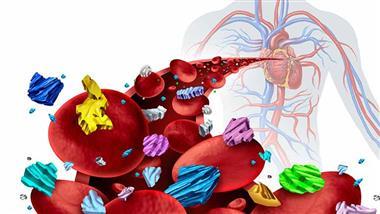
You can’t see them, but the plastic you encounter every day is breaking down into fragments small enough to slip past your body’s defenses. These microplastics and nanoplastics arrive through the food you eat, the water you drink, and the air you breathe — and unlike the visible plastic waste we’ve been warned about for decades, these particles are tiny enough to interact directly with your cells.
Once inside, the smallest particles don’t just pass through and leave; the tiniest lodge in tissue and stay. Two recent reviews lay out what happens next, and read together, they trace a troubling path from your bloodstream to your brain. The first, published in Nutrients, examined how these particles may disrupt blood sugar regulation and contribute to the oxidative stress and insulin resistance associated with Type 2 diabetes.1
The second, published in the International Journal of Molecular Sciences, followed the same particles into the brain, where researchers believe they may feed the insulin resistance and cellular damage now linked to Alzheimer’s, a condition some scientists have begun calling “Type 3 diabetes.”2 Notably, this term is an informal label, not an officially recognized diagnosis.
What caught my attention was that neither review stopped at the damage. Both turned to the same question: can what you eat change how well your cells defend themselves? At the center of that defense sits a single protective pathway your body already has — one that certain food compounds appear able to switch on.
That shifts the conversation from simply avoiding exposure, which is no longer fully possible, to actively building resilience. What follows is how microplastics weaken those defenses, and which nutrients help restore them.
Your Diet Influences How Well Your Cells Fight Plastic-Related Damage
The Nutrients review examined how specific food-derived compounds interact with Nrf2, a protein that controls one of your body’s most important antioxidant defense systems.3 The researchers explored whether nutrients found in foods could strengthen cellular resilience and help counter the oxidative stress, inflammation, and metabolic disruption linked to plastic exposure.
Oxidative stress is what happens when damaging molecules called free radicals pile up faster than your cells can neutralize them, a kind of internal rust that wears down tissue over time.
Humans encounter microplastics and nanoplastics through contaminated food, beverages, household products, and airborne particles from textiles and plastics. Global plastic production was expected to reach roughly 400 million tons annually in 2025, while cumulative production could reach 33 billion tons by 2050.4 As exposure increases, scientists have become increasingly concerned about what happens when these particles accumulate inside the body.
• The concern extends far beyond simple pollution — Microplastics accumulate in organs involved in blood sugar regulation, including the liver, pancreas, and kidneys. In experimental studies, these particles triggered oxidative stress, inflammation, cellular barrier disruption, and metabolic dysfunction — processes that resemble those commonly seen in diabetes and its complications.
Several studies discussed in the review found that exposure to polystyrene microplastics and nanoplastics increased insulin resistance and worsened glucose tolerance in mice.5 Insulin resistance means your cells stop responding efficiently to insulin, forcing your body to keep blood sugar levels elevated for longer periods.
Researchers found that nanoplastics measuring just 100 nanometers produced greater toxicity than larger microplastic particles in diabetic mice. These tiny particles increased liver inflammation, disrupted gut bacteria, and intensified fat metabolism problems inside the liver. Their small size allows them to cross biological barriers more easily and reach tissues that larger particles struggle to enter.
• Your cells already have a built-in emergency response system — Researchers point to Nrf2 as the body’s master switch for antioxidant defense. Most of the time it sits idle, until cellular stress trips the alarm and it springs into action. When cells encounter stress, Nrf2 moves into the nucleus and switches on a large network of protective genes that help neutralize harmful molecules and repair damage.
Researchers emphasized that many plant-derived nutrients work by stimulating this same pathway, effectively helping your cells activate their own internal repair and defense programs.
• Several nutrient families activate the body’s defense genes — Polyphenols, flavonoids, phenolic acids, terpenoids, and related plant compounds are activators of the Nrf2 pathway. These naturally occurring compounds are found in a range of plant foods, including berries, herbs, spices, and colorful fruits and vegetables.
Once activated, Nrf2 switches on a network of antioxidant and detoxification enzymes that help cells neutralize oxidative stress, repair damage, and maintain normal metabolic function despite ongoing environmental exposures.
•The review connected environmental pollution with personalized nutrition — Researchers proposed that future dietary recommendations could be tailored not only to a person’s genetics, but also to their exposure to environmental pollutants such as microplastics. The goal would be to identify nutrients that activate protective pathways like Nrf2 and match those nutrients to individuals who are most vulnerable to oxidative stress, inflammation, and metabolic damage.
Microplastics Could Be Hitting Your Brain Too
A review published in the International Journal of Molecular Sciences examined how microplastics and nanoplastics affect the brain and whether specific nutrients help protect against that damage.6 The authors focused on a growing concern: the possibility that long-term plastic exposure contributes to brain insulin resistance, a condition increasingly linked to Alzheimer’s disease.
Unlike Type 2 diabetes, which affects how your body responds to insulin, brain insulin resistance affects how neurons use glucose for energy. Your brain consumes enormous amounts of energy every day. When brain cells struggle to access or use glucose efficiently, memory, learning, and cognitive function begin to suffer. Researchers explained that this process contributes to the buildup of beta-amyloid plaques and tau tangles, two hallmarks of Alzheimer’s disease.*
• Microplastics are capable of reaching the brain itself — Plastic particles have been detected in human tissues, including the lungs, liver, kidneys, and brain. Animal studies found that smaller nanoplastics cross the blood-brain barrier, the protective filter that normally shields the brain from harmful substances, more easily than larger particles. Once inside brain tissue, these particles trigger oxidative stress, inflammation, and cellular dysfunction.
• Brain inflammation creates a vicious cycle — Researchers described how plastic-induced oxidative stress damages neurons while simultaneously weakening the brain’s antioxidant defenses. As oxidative stress rises, inflammation increases. As inflammation increases, insulin signaling worsens. That decline in insulin signaling may promote additional oxidative stress and accelerate the formation of beta-amyloid plaques and tau protein abnormalities associated with cognitive decline.
Healthy brain cells rely on specialized glucose transporters that move glucose across the blood-brain barrier and into neurons. Aging, inflammation, and insulin resistance reduce the activity of key transporters, limiting glucose availability to brain cells. The result is an energy shortage that affects memory, concentration, and cognitive performance long before obvious symptoms appear.
• Several studies linked plastic exposure directly to memory problems — Researchers reviewed evidence showing that nanoplastics impaired learning and memory in animal models in a dose-dependent manner. One study found that exposure to 80-nanometer polystyrene nanoparticles disrupted learning and memory in mice after only seven days.7
Other experiments showed that microglia, the immune cells that protect the brain, became activated after exposure and shifted into a chronic inflammatory state that interfered with nearby neurons.8
• Researchers identified several nutrients that counteracted the same pathways disrupted by microplastics — The review highlighted a group of plant compounds that activate Nrf2 and related resilience pathways, which help defend brain cells against the oxidative stress, inflammation, and insulin-signaling problems linked to microplastic exposure.
Rather than acting through a single mechanism, these nutrients targeted multiple stages of the damage process, including antioxidant defenses, glucose metabolism, inflammation control, and neuronal survival. According to laboratory and animal research:
◦Ursolic acid, found in apple peels, berries, and herbs, improved memory, reduced beta-amyloid toxicity, and increased antioxidant enzyme activity.
◦Verbascoside, a plant compound found in species such as lilac, mullein, and lemon verbena, improved gut health, reduced inflammatory markers, and enhanced insulin sensitivity in the brain, supporting the growing connection between the gut-brain axis and cognitive health.
◦Diosmin, a flavonoid concentrated in the white pith of citrus fruit, which is exactly the part most people discard, boosted antioxidant defenses and improved both working and long-term memory.
◦Baicalein, a flavonoid extracted from the roots of Chinese skullcap (Scutellaria baicalensis), reduced neuroinflammation, lowered beta-amyloid plaque formation, and improved glucose metabolism and insulin signaling in brain tissue.
◦Cynarin, a major compound in artichokes, reduced inflammation, lowered beta-amyloid and tau protein accumulation, and improved cognitive performance in Alzheimer’s models.
• Many of these nutrients targeted brain insulin resistance directly — One of the review’s central themes was that Alzheimer’s disease shares many features with diabetes, including impaired insulin signaling inside the brain. In laboratory and animal studies, several of the highlighted nutrients improved key pathways involved in glucose uptake, insulin sensitivity, and cellular energy production, helping restore the ability of brain cells to access and use fuel efficiently.
Researchers argued that preserving these pathways could help interrupt the progression from oxidative stress and inflammation to cognitive decline. Rather than targeting a single symptom, the nutrients appeared to strengthen the underlying cellular defense network that keeps brain tissue functioning properly despite ongoing environmental stressors.
*These findings are from laboratory or animal research and may not directly apply to human health. To date, no long-term human studies have confirmed that microplastics cause Type 2 diabetes or Alzheimer’s disease in people.
Strengthen Your Defenses Against Microplastic Damage
The reality is that you can’t completely eliminate microplastic exposure. Plastic particles are already present in food, water, and the environment. That reality is why I wrote “Microplastics Cure,” available for preorder now. In it, I explain how these invisible particles enter and accumulate throughout the body, why they become increasingly difficult to remove once they lodge in tissues and blood vessels, and how everyday choices either increase or reduce that accumulation.
You’ll also find practical, science-based strategies that help lower ongoing exposure while supporting your body’s own protective systems. The goal is simple: understand what drives microplastic accumulation, identify the habits that contribute to it, and take meaningful steps to reduce the damage before the burden grows larger.
Avoidance is only part of the solution. A better strategy is to reduce your exposure wherever possible while strengthening the cellular defense systems that help your body handle oxidative stress and inflammation. Your daily choices influence how resilient your cells remain when they encounter environmental toxins.
1. Reduce the largest sources of plastic exposure — Start with the exposures you control every day. Avoid heating food in plastic containers, replace plastic water bottles with glass or stainless steel, and choose fresh foods instead of heavily packaged products whenever possible.
If you regularly drink bottled water, switching to filtered water stored in glass containers immediately reduces one of the most common sources of microplastic intake. Every source you eliminate lowers the amount of plastic your body has to process and store over time.
2. Build your meals around Nrf2-activating foods — The strongest nutritional message from both reviews is that certain plant compounds help activate Nrf2, one of your body’s most important cellular defense systems. Nrf2 helps switch on antioxidant and detoxification enzymes that protect tissues from the oxidative stress and inflammation triggered by microplastics.
Rather than focusing on a single food, build your meals around a variety of foods that naturally contain these protective compounds:
•Include apple peels, fresh herbs, and other minimally processed plant foods regularly, instead of relying on packaged products that often contribute additional microplastic exposure.
•Add artichokes to meals when available. They provide a unique mix of polyphenols that are largely absent from the modern processed-food diet.
•Choose whole citrus fruits regularly. They offer beneficial plant compounds along with fiber and nutrients that support metabolic health.
•Experiment with a wider variety of herbs, teas, and traditional plant foods rather than eating the same handful of foods every week. Greater plant diversity exposes you to a broader range of protective compounds.
•Build meals around colorful fruits, vegetables, herbs, and spices. Different colors signal different families of beneficial plant compounds, giving your body a wider range of nutritional tools to draw from.
3. Support cellular energy production — Oxidative stress becomes more damaging when your cells struggle to produce energy efficiently. Support mitochondrial function by getting regular sunlight, avoiding seed oils, eating adequate protein, and consuming enough carbohydrates — about 250 grams a day — to support healthy metabolism. Your cells repair damage more effectively when they have the energy required to run their antioxidant and detoxification systems.
4. Control blood sugar before metabolic damage develops — Microplastic exposure is linked to insulin resistance and impaired glucose control. One of the smartest steps you can take is to track your metabolic health before symptoms appear. I recommend monitoring your Homeostatic Model Assessment of Insulin Resistance (HOMA-IR) score, rather than relying solely on fasting glucose.
HOMA-IR is a calculation based on your fasting insulin and fasting glucose levels that provides one of the clearest pictures of how hard your body is working to keep blood sugar under control.
A higher score suggests greater insulin resistance, often years before obvious symptoms appear. Keeping your HOMA-IR low helps reduce oxidative stress and limits many of the same inflammatory pathways that microplastics appear to activate. For most people, if your HOMA-IR creeps above 1.0, it’s time to pay closer attention to factors like sugar intake, seed oils, plastic exposure, and gut health.
Talk to your health care provider about whether this testing is appropriate for you.
5. Create daily habits that activate your body’s resilience systems — The Nrf2 pathway responds to more than nutrition. Regular movement, quality sleep, healthy circadian rhythms, and consistent exposure to natural daylight all help maintain cellular resilience. Turn this into a simple daily challenge.
Get morning sunlight. Walk every day. Build meals around nutrient-dense whole foods. Reduce packaged products. Small actions repeated consistently strengthen your internal defense systems far more effectively than occasional bursts of effort.
FAQs About Food Nutrients and Microplastic Exposure
Q: How do microplastics affect my health?
A: Microplastics and nanoplastics can accumulate in tissues throughout your body, including the liver, pancreas, kidneys, and brain. Research — primarily in laboratory and animal models — suggests they may trigger oxidative stress, inflammation, and cellular dysfunction, which are linked to insulin resistance, metabolic disorders, and cognitive decline.
Q: What is Nrf2 and why is it important?
A: Nrf2 is one of your body’s most important cellular defense systems. When activated, it switches on genes that help neutralize oxidative stress, reduce inflammation, and support cellular repair. Researchers found that many beneficial plant compounds help activate this pathway, strengthening your body’s ability to cope with environmental stressors such as microplastic exposure.
Q: Can microplastics affect brain health and memory?
A: In animal studies, very small plastic particles crossed the blood-brain barrier and triggered inflammation, oxidative stress, and impaired insulin signaling inside the brain. These changes are associated with memory problems, reduced cognitive function, and biological processes linked to Alzheimer’s disease.
Q: Which foods contain nutrients that help protect against microplastic-related damage?
A: A variety of whole foods provide compounds that support your body’s antioxidant defenses. Apple peels, berries, herbs, and spices provide ursolic acid and other polyphenols. Artichokes contain cynarin, citrus fruits provide diosmin, Chinese skullcap contains baicalein, and plants such as lemon verbena and mullein contain verbascoside. These compounds help support antioxidant activity, healthy glucose metabolism, and inflammation control.
Q: What are the most effective ways to reduce the health risks associated with microplastics?
A: A practical approach combines reducing exposure and strengthening cellular resilience. Steps include avoiding heating food in plastic containers, reducing bottled water use, choosing fresh foods over heavily packaged products, supporting metabolic health, monitoring insulin resistance with HOMA-IR, and regularly eating nutrient-dense foods that activate protective pathways such as Nrf2.
Daily habits such as exercise, quality sleep, and natural daylight exposure also help maintain cellular defenses.
This article is for informational purposes only and does not constitute medical advice. Consult a qualified healthcare provider before making changes to your health regimen.
How ‘Eccentric’ Exercise Opens Up a Whole New World of Fitness
Reproduced from original article:
https://articles.mercola.com/sites/articles/archive/2026/07/17/eccentric-exercise.aspx
Analysis by Dr. Joseph Mercola July 17, 2026

Story at-a-glance
- Eccentric exercise — movements where your muscles lengthen under tension, such as walking downstairs, or lowering into a squat — builds greater force with less oxygen demand and less cardiovascular strain than conventional exercise
- Muscle soreness after eccentric exercise usually comes from inflammation and irritation in connective tissue rather than widespread muscle destruction, and your body rapidly adapts after only one or two sessions
- Elderly women who performed descending stair walking twice weekly for 12 weeks improved blood pressure, insulin sensitivity, cholesterol markers, and lower-body strength more than women who focused on ascending stairs
- Short home-based eccentric exercise routines involving movements such as chair squats, wall pushups, and heel drops improved strength, flexibility, and mental health, while more than 90% of participants continued exercising afterward
- Eccentric training improves balance, coordination, joint stability, and injury resistance because your muscles and nervous system learn how to absorb force more efficiently during real-life movement
You perform eccentric exercise every day without realizing it. Every time you walk downstairs, lower yourself into a chair, hike downhill, or set down a heavy object, your muscles resist force while lengthening instead of shortening. Think of your bicep when you slowly lower a heavy grocery bag to the counter; the muscle is working hard, but it’s stretching out rather than bunching up. That’s eccentric.
That single difference — lengthening under tension rather than shortening — fundamentally changes how your body responds to exercise. Research by Kazunori Nosaka, published in the Journal of Sport and Health Science, suggests it may be the most efficient path to building strength without taxing your heart and lungs.1
For years, eccentric exercise carried a bad reputation because of delayed onset muscle soreness, often called DOMS — the stiffness and tenderness that peak one to three days after unfamiliar exercise. Many people interpret that soreness as muscle destruction and avoid the movements that cause it. Nosaka’s review directly challenges that belief, reframing eccentric exercise as something far more useful than a source of pain to be feared.
Eccentric training has long been associated with athletes and bodybuilders, but the research points in a different direction. The people who gain the most are often those who feel furthest from a traditional gym routine — older adults, sedentary people, anyone restarting after a long break, and those managing joint pain or chronic conditions. That is why researchers now argue eccentric exercise belongs in mainstream fitness rather than remaining a niche method.
Your Muscles Rapidly Adapt to Eccentric Exercise
Nosaka’s analysis examined how eccentric exercise affects strength, soreness, athletic performance, and long-term health outcomes. The paper focused heavily on the idea that muscle soreness scares many people away from exercise unnecessarily. According to the review, muscle damage from eccentric exercise drops dramatically after your body adapts to it once or twice.
• How eccentric exercise works in ordinary daily life — Lowering yourself into a chair, walking downstairs, hiking downhill, and slowly lowering weights all rely on eccentric contractions. During these movements, your muscles lengthen while resisting force.
That creates greater physical stress on the muscle fibers without the same oxygen demand or cardiovascular strain seen in conventional exercise. The paper explained that eccentric contractions generate more than 20% greater force than concentric contractions, meaning the shortening phase of movement such as pushing or lifting.
• Lower physical strain creates a major advantage for beginners and older adults — One of the most practical findings involved energy demand. Eccentric exercise required lower oxygen consumption and produced lower heart rates compared to concentric exercise at the same workload. If you feel intimidated by hard workouts, fatigue easily, or struggle with joint pain, your muscles still receive a strong stimulus without exhausting your cardiovascular system.
• Muscle soreness doesn’t mean your muscles are destroyed — DOMS is commonly blamed on torn muscle fibers, but the picture is more nuanced. Much of the soreness comes from inflammation and irritation in the connective tissue surrounding the muscle — the fascia and tendons that hold everything together — rather than from widespread damage to the muscle fibers themselves.
Connective tissue acts like the support web around muscle fibers. When it becomes irritated after unfamiliar exercise, you feel stiffness, tenderness, and reduced mobility.
• The body rapidly builds protection against soreness — Nosaka described something called the “repeated bout effect.” After one session of eccentric exercise, your muscles and nervous system adapt quickly and future workouts produce far less soreness and stiffness. Even low-intensity eccentric exercise created this protective effect. In practical terms, your hardest workout is usually the first one. Once your body learns the movement, recovery becomes much easier.
• Small doses of eccentric exercise still created measurable improvements — The paper emphasized that severe muscle soreness isn’t required for progress. That’s important because many people still believe exercise only works if they feel wrecked afterward. The review explained that gradual progression works best:
◦Start with lighter resistance
◦Use fewer repetitions
◦Slow the movement down
◦Focus on control before speed or heavy loading
Why Eccentric Exercise Improves Heart Health, Brain Function, and Long-Term Physical Resilience
The benefits don’t stay limited to gym performance or muscle soreness. The paper explained that eccentric exercise reshaped cardiovascular health, metabolic function, and physical resilience in ways that carried directly into daily life.
• Descending stairs produced surprisingly large health improvements — One of the most interesting findings involved elderly obese women who performed descending stair walking twice weekly for 12 weeks.2 Compared to ascending stairs, the descending group achieved greater improvements in blood pressure, insulin sensitivity, cholesterol markers, and lower-body strength.
Researchers reported a 10% reduction in resting heart rate and a 9% drop in systolic blood pressure in the descending stair group. LDL cholesterol fell 13% while muscle strength improved 34%.
• Simple home programs produced high long-term adherence — Another study discussed in the review used a five-minute home-based eccentric routine involving chair squats, wall pushups, chair reclines, and heel drops.3 After eight weeks, participants improved flexibility, strength, and mental health while maintaining very high adherence. More than 90% continued regular exercise afterward.
• Eccentric exercise offers benefits beyond muscle strength alone — Eccentric exercise improves balance, mobility, and even cognitive function, meaning how well your brain handles memory, focus, and processing speed. The reason appears to be that lowering yourself under control demands constant feedback between brain and muscle, turning each repetition into a small skill-building exercise rather than a mindless rep.
• Athletes rely heavily on eccentric strength during competition — Team sports such as soccer and rugby place enormous eccentric stress on the body because athletes constantly decelerate, change direction, and absorb force.
The review explained that eccentric training improves deceleration control, power production, and injury resistance. That matters outside of sports too. Every time you catch yourself from falling, step off a curb, or stabilize your body during movement, eccentric strength protects your joints and connective tissues.
• One unusual nervous system effect stood out in the research — Eccentric training improved strength in the opposite untrained limb through something called the cross-education effect. Training one side of the body helped strengthen the other side too. Researchers believe nervous system adaptations inside the brain and spinal cord drive this effect.
This works because strength isn’t only stored in muscle tissue; it’s also encoded in the neural pathways that control movement, and those pathways serve both sides of the body. That finding has major implications for rehabilitation after injury or surgery because someone with one immobilized limb still benefits from training the healthy side.
How to Use Eccentric Exercise to Build Strength, Stability, and Injury Resistance Safely
Your body loses strength, balance, and resilience when you avoid resistance and controlled loading for years. That decline doesn’t start in old age. It starts the moment your muscles stop receiving enough challenge to maintain coordination, connective tissue strength, and efficient energy production.
Eccentric exercise addresses that root problem directly because it teaches your muscles and nervous system how to absorb force instead of simply producing it. That’s one of the missing pieces in many conventional exercise programs. You don’t need extreme workouts to rebuild strength and physical confidence. You need consistent, controlled exposure that your body adapts to over time.
1. Start with slow lowering exercises instead of aggressive workouts — If you’re sedentary or restarting exercise after a long break, begin with slow lowering movements because they create strength without exhausting your cardiovascular system. Lower yourself slowly into a chair for five repetitions. Descend stairs carefully instead of rushing.
Slowly lower yourself during a wall pushup instead of dropping quickly. Perform controlled heel drops off a stair while holding a railing — drop only as far as comfortable, and avoid bouncing at the bottom.
Slow body-weight squats with a three- to five-second lowering phase work extremely well because they strengthen your legs while training balance and control. Reverse lunges and controlled step-downs from a stair also teach your muscles to absorb force safely. Treat each repetition like skill practice rather than punishment. That mindset improves consistency fast.
2. Build tolerance gradually so soreness doesn’t overwhelm you — One reason people quit exercise programs is because they start too aggressively. Severe soreness creates fear and breaks momentum. The research showed your body adapts rapidly once exposed to eccentric exercise, but progression still matters. Start with:
•Five to 10 slow repetitions
•One or two sets
•Chair squats before weighted squats
•Wall pushups before floor pushups
•Short downhill walks instead of steep hikes
Mild soreness one or two days later is a normal sign of adaptation; your body is building the machinery to handle the load. But if soreness lingers past three days, or if it sharply limits your normal movement, that’s a signal to scale back the next session rather than quit entirely. The goal is steady exposure, not a heroic single workout.
3. Use eccentric walking to strengthen your body during daily life — You don’t need a gym membership to benefit from eccentric exercise. Controlled downhill walking, descending stairs, and forward lunge-style walking create strong eccentric loading in your legs while fitting naturally into everyday routines. If you spend most of your day sitting, build movement into activities you already do.
Lower yourself slowly into chairs instead of collapsing into them. Carry groceries while controlling the lowering phase instead of dropping them quickly onto counters or the floor. Walk downstairs deliberately instead of relying entirely on elevators and escalators. Those movements strengthen the muscles that protect your knees, hips, and balance during normal life.
4. Train your nervous system with controlled movement patterns — Eccentric exercise forces your brain and muscles to communicate more efficiently because your body needs to constantly control force, balance, and positioning. That matters if you notice stiffness, poor coordination, or reduced confidence during movement.
Slow negative pullups, controlled lunges, and single-leg step-downs all challenge your nervous system in a productive way. Instead of rushing through repetitions, focus on smooth movement and posture. Pause briefly during the lowering phase of a squat or pushup. Your body learns stability through repetition and control, not chaos.
5. Support recovery with movement, sunlight, and metabolic health — Your recovery capacity depends heavily on cellular energy production. Poor sleep, processed foods, inactivity, and excess seed oils interfere with that process and leave your muscles less resilient under stress. I recommend pairing eccentric exercise with habits that improve the function of your mitochondria — the energy-producing structures inside your cells — and recovery efficiency.
Prioritize daily sunlight exposure, especially early morning light, to support circadian rhythm and cellular energy production. Eat enough protein — about 0.8 grams per pound (or 1.76 grams per kilogram) of lean body mass — with one-third from collagen-rich foods to support connective tissue recovery.
Include whole-food carbohydrates that help maintain metabolic function and muscle glycogen instead of relying on restrictive low-carb approaches that lower exercise tolerance over time.
FAQs About Eccentric Exercise
Q: What exactly is eccentric exercise?
A: Eccentric exercise happens when your muscles lengthen while resisting force. Common examples include walking downstairs, lowering into a chair, hiking downhill, or slowly lowering a weight during a squat or pushup. Unlike conventional lifting movements that focus on pushing or pulling, eccentric movements train your body to absorb force under control. That improves strength, balance, coordination, and joint stability during everyday life.
Q: Why does eccentric exercise make you sore at first?
A: The soreness usually comes from inflammation and irritation in connective tissue surrounding the muscle rather than widespread muscle destruction. This delayed soreness, often called DOMS, tends to peak one to three days after unfamiliar exercise. The good news is your body adapts quickly. Even one or two eccentric workouts dramatically reduce future soreness through the repeated bout effect.
Q: Why is eccentric exercise useful for older adults and beginners?
A: Eccentric movements place a strong training stimulus on muscles without demanding as much oxygen or cardiovascular effort as conventional exercise. That makes them especially useful if you fatigue easily, have joint discomfort, or feel intimidated by intense workouts. Simple eccentric routines improve blood pressure, insulin sensitivity, lower-body strength, balance, and mobility in older adults.
Q: What are some simple eccentric exercises I can do at home?
A: Some of the most effective eccentric exercises require little or no equipment. Even five-minute home routines improved flexibility, strength, and mental well-being in sedentary participants. Examples include:
•Slow chair squats
•Controlled step-downs from stairs
•Heel drops
•Wall pushups with a slow lowering phase
•Reverse lunges
•Downhill walking
Q: How do I start eccentric exercise without overdoing it?
A: Start slowly and focus on control instead of intensity. Begin with five to 10 repetitions and one or two sets using body-weight movements. Lower yourself slowly during each repetition and stop before soreness becomes excessive. Consistency matters more than pushing to exhaustion. Your muscles and nervous system adapt surprisingly fast when the workload increases gradually.
Ancient Fruit Proven to Protect Your Heart, Fight Cancer, and Restore Vitality
Reproduced from original article:
https://articles.mercola.com/sites/articles/archive/2026/07/24/pomegranate.aspx
Analysis by Dr. Joseph Mercola July 24, 2026

Story at-a-glance
- Pomegranate is one of the most antioxidant-rich fruits on Earth, protecting your cells from oxidative stress — the same process that drives aging, inflammation, and chronic disease
- The peel contains 12 times more antioxidants than the juice or seeds, supporting heart health, blood sugar balance, and immune defense while fighting harmful bacteria and inflammation
- Compounds like punicalagins, ellagic acid, and urolithins work together to slow the growth of cancer cells, block tumor-feeding blood vessels, and balance hormones involved in breast and prostate cancers
- Research shows pomegranate’s unique nutrients support your brain, skin, and metabolism, helping maintain memory, collagen production, and healthy circulation as you age
- Using the whole fruit — seeds, juice, peel, and even seed oil — provides a safe, natural way to strengthen your body’s defenses, reduce inflammation, and promote longevity from the inside out
For centuries, the pomegranate has been prized as a symbol of vitality and longevity. Ancient cultures understood its connection to health long before science could explain why. Today, researchers are uncovering how the fruit’s rich store of natural compounds protects your body from the inside out — helping guard against chronic conditions that cut life short in the modern world.
Pomegranate is now recognized as one of the most nutrient-dense fruits on Earth, packed with antioxidants that defend your cells from oxidative stress — the process that drives aging, inflammation, and disease. It supports everything from heart health and metabolism to hormonal balance and immune resilience, offering a nutritional profile that few foods can match.
What makes pomegranate so remarkable is how it works on multiple levels. Its bioactive compounds don’t just fight damage after it occurs — they help regulate the very pathways that keep your blood vessels clear, your cells stable, and your tissues youthful. This is where modern biochemistry meets ancient wisdom: the idea that food itself holds the power to restore balance and extend vitality.
Pomegranate Peel Extract Delivers Broad Protective and Anticancer Effects
According to a review published in Food Science & Nutrition, pomegranate peel is richer in antioxidants, flavonoids, phenolic acids, and tannins than the edible portions of the fruit.1 The study revealed that the flavonoid content in the peel is about 12 times higher than in the juice or seeds, making it the most potent part of the plant for neutralizing free radicals and protecting against oxidative stress.
• Pomegranate peel supports metabolic and cardiovascular health through its antioxidant and antidiabetic activity — The peel’s polyphenols and tannins help lower cholesterol oxidation, improve lipid metabolism, and regulate blood sugar levels by inhibiting a certain enzyme.
This slows carbohydrate breakdown and supports more stable glucose control, which is important for preventing diabetes and cardiovascular disease. Pomegranate peel is also beneficial for maintaining blood pressure balance and protecting heart tissues from oxidative damage.
• The peel has strong antimicrobial and anti-inflammatory properties — Pomegranate peel naturally kills harmful bacteria and fungi, which explains why it’s long been used in traditional medicine to treat infections. It also helps calm inflammation and protects tissues from oxidative stress. Because of these properties, researchers say the peel could even be used in food preservation to keep products fresh longer and prevent spoilage.
• It supports brain and skin health too — Compounds in the peel protect brain cells by blocking enzymes that contribute to memory loss and other changes seen in Alzheimer’s disease. They also help skin heal faster, thanks to punicic acid — a compound that encourages collagen production and tissue repair. In short, the same fruit that protects your heart also supports your mind and skin.
• The peel shows early promise in fighting cancer — In lab tests, pomegranate peel extract slowed the growth and spread of several types of cancer cells, including lung, prostate, ovarian, and breast cancers.
It also reduced the formation of blood vessels that feed tumors and interfered with estrogen activity, which helps explain its effects in hormone-related cancers like breast and prostate. While these results are from cell studies, they suggest the peel could be a powerful, low-toxicity addition to cancer prevention research.
• Using pomegranate peel is good for your health and the planet — Instead of throwing it away, researchers suggest using pomegranate peel in teas, supplements, or functional foods. Doing so makes use of a part of the fruit that’s usually wasted — turning it into an inexpensive, sustainable source of antioxidants and other health-protective nutrients that support both people and the environment.
Pomegranate Stops Cancer Cells from Growing and Spreading
A review published in Molecules looked at how different parts of the pomegranate — like its juice, peel, and seeds — affect cancer.2 Researchers explained that compounds such as ellagic acid, punicalagins, and urolithins stop cancer cells from multiplying and trigger apoptosis, which is your body’s built-in process for removing damaged cells. This makes pomegranate a natural aid for cancer prevention.
• Pomegranate reduces inflammation and blocks the signals that help tumors grow — The same compounds calm inflammation and reduce oxidative stress — two main causes of DNA damage and tumor formation. The review noted that pomegranate’s polyphenols turn down several “master switches” of inflammation. It helps turn off the cellular “alarm bells” that keep tumors alive and growing.
• It helps balance hormones linked to breast and prostate cancers — The research also explained that pomegranate affects hormone-related cancers by reducing estrogen and testosterone activity.3 Its unique compounds, called urolithins, slow down the enzyme aromatase, which produces estrogen. This helps stop hormone-driven cancers, such as certain types of breast and prostate cancer, from spreading as quickly.
• Pomegranate affects genes that control how cells grow and die — Pomegranate compounds influence the genes inside cancer cells that regulate the cell cycle. In breast cancer cells, for example, these compounds increased genes that tell unhealthy cells to die and reduced genes that allow them to survive and multiply. That means pomegranate helps restore your body’s natural ability to clear out abnormal cells before they cause harm.
• Its antioxidants protect cells from damage that leads to cancer — Pomegranate is loaded with antioxidants — substances that stop the “rusting” of your cells caused by free radicals. By preventing this damage, pomegranate helps protect tissues throughout your body, including your skin, from the kind of stress that allows cancer cells to take hold.
Pomegranate Works Through Multiple Pathways to Stop Cancer at Its Source
Pomegranate targets dozens of cancer-related pathways simultaneously, according to a comprehensive scientific review published in Seminars in Cancer Biology.4 It examined studies on pomegranate’s bioactive compounds and their effects on cancer prevention and treatment. Pomegranate’s unique blend of phytochemicals — including ellagitannins, flavonoids, anthocyanins, and fatty acids — interferes with nearly every stage of cancer development.
These compounds block tumor initiation, suppress inflammation, slow cell division, and prevent metastasis, all without toxic effects on healthy tissue. This makes pomegranate a “multi-targeted natural therapy,” meaning it works across many biological systems at once rather than focusing on a single mechanism.
• Pomegranate fights more than a dozen types of cancer — Pomegranate extracts have demonstrated strong anticancer activity against breast, prostate, colon, lung, liver, pancreatic, ovarian, and blood cancers, among others. Each type of cancer involves a slightly different biological trigger, yet pomegranate’s compounds are versatile enough to address them all.
For example, in colon and prostate cancers, punicalagin and ellagic acid reduce tumor size and inhibit angiogenesis — the process by which tumors grow new blood vessels to feed themselves. In breast and ovarian cancers, the same compounds regulate hormone activity, reducing estrogen-driven cell growth. This versatility gives pomegranate a unique advantage over synthetic drugs that target only one pathway.
• The fruit’s anticancer effects rely on restoring cellular communication — Cancer cells survive because their signaling systems — pathways that control when to grow, divide, or die — go haywire. Pomegranate compounds reactivate “oncosuppressive” signaling, the built-in genetic programs that keep cell growth in check.
At the same time, they inhibit “oncogenic” signaling, the faulty communication that drives cancer progression. Restoring this balance allows normal cell cycles to resume and triggers natural cell death in cancerous cells. In other words, pomegranate helps your body’s internal communication system tell damaged cells to stop reproducing and self-destruct instead.
• Pomegranate is a safe, nontoxic ally in cancer prevention and therapy — Across animal and human studies, no significant toxicity was observed even at high doses of pomegranate juice, extract, or seed oil. In contrast to chemotherapy agents, which damage healthy cells and suppress your immune system, pomegranate strengthens cellular defense and enhances antioxidant capacity.
How to Use Pomegranate to Protect Your Health
If you’ve made it this far, you already understand how powerful pomegranate is. What you might not realize is how easy it is to start using it strategically — to protect your arteries, calm inflammation, and strengthen your body’s defenses against disease.5 The goal isn’t just to add pomegranate for the sake of it.
It’s to help correct the root causes of damage: oxidative stress, chronic inflammation, and hormonal imbalance. Whether you’re looking to support your heart, improve your skin, or keep cancer at bay, here’s how to use this ancient fruit as a daily defense system.
1. Start your day with fresh pomegranate, juice, or extract — You’ll get the strongest benefits when you eat the whole fruit because the seeds, pulp, and membrane work together to deliver fiber, antioxidants, and polyphenols that protect your heart and clean your arteries. If fresh pomegranate isn’t available, choose a cold-pressed, unsweetened juice or a standardized extract containing punicalagins — the key compounds that improve circulation and lower inflammation.
Try enjoying half a fruit daily or a small glass of juice in the morning when your body’s natural detox systems are most active. If you’re avoiding sugar, use the extract form instead to get the benefits without the sweetness.
2. Use the peel — not just the fruit — The peel holds more antioxidants than any other part of the fruit. You can dry it, powder it, and add it to smoothies or tea. Simply steep a teaspoon of powdered peel in hot water with lemon for a rich, earthy tea that supports blood sugar balance, gut health, and immunity. This is one of the easiest ways to lower inflammation from the inside out.
3. Combine pomegranate with healthy fats to boost absorption — Many of pomegranate’s antioxidants are fat-soluble, meaning they’re absorbed better when eaten with healthy fats. Try pairing pomegranate seeds with full-fat grass fed yogurt. This not only improves nutrient uptake but also helps stabilize blood sugar and keeps you full longer.
4. Consider pomegranate seed oil for extra protection — The oil extracted from pomegranate seeds contains punicic acid, a rare omega-5 fatty acid with strong anti-inflammatory and hormone-balancing effects. You can find it in capsule form or as a cold-pressed oil. It supports skin elasticity, helps regulate estrogen activity, and supports cancer prevention.
5. Use pomegranate daily as part of a “longevity routine” — Think of this fruit as your cellular insurance policy. You can rotate between fresh pomegranate seeds, juice, extract, or peel tea throughout the week. Add them to yogurt, side dishes, or smoothies. If you’re older or under high stress, daily use becomes even more important — your body produces more free radicals under strain.
Making pomegranate a consistent part of your diet supports steady energy, smoother skin, sharper focus, and stronger immunity over time.
FAQs About Pomegranate
Q: Why is pomegranate considered one of the healthiest fruits on Earth?
A: Pomegranate is packed with antioxidants — especially polyphenols and tannins — that protect your cells from oxidative stress, which drives aging, inflammation, and chronic disease. Unlike many fruits, it also supports heart health, balances hormones, strengthens immunity, and helps prevent DNA damage, giving it a full-body protective effect.
Q: What makes pomegranate peel so powerful?
A: The peel contains about 12 times more antioxidants than the juice or seeds. Studies show it helps lower cholesterol oxidation, balance blood sugar, and calm inflammation. It also fights harmful bacteria and fungi, protects brain cells, and supports skin repair by boosting collagen production. Researchers even found it slows the growth of several cancer cell types in lab studies.
Q: How does pomegranate help prevent cancer?
A: Pomegranate’s compounds — like ellagic acid, punicalagins, and urolithins — work through multiple pathways to stop cancer from forming and spreading. They reduce inflammation, block tumor-feeding blood vessels, slow cell division, and interfere with estrogen activity linked to breast and prostate cancers.
Q: Is pomegranate safe to use regularly?
A: Yes. Research shows pomegranate juice, extract, and seed oil are nontoxic even at high doses. Unlike chemotherapy drugs that harm healthy cells, pomegranate strengthens cellular defenses, enhances antioxidant capacity, and supports your body’s natural repair systems without side effects.
Q: What’s the best way to include pomegranate in your diet?
A: Eat the whole fruit whenever possible — seeds, pulp, and all — for maximum benefits. You can also drink unsweetened juice, take a standardized extract, or use the peel in tea or powder form. Pairing pomegranate with healthy fats, like full-fat grass fed yogurt, improves nutrient absorption. Using pomegranate daily helps protect your arteries, fight inflammation, support hormone balance, and promote longevity.
Normal Vitamin B12 Levels May Still Be Too Low for Brain Health
Reproduced from original article:
https://articles.mercola.com/sites/articles/archive/2026/07/28/normal-vitamin-b12-levels-brain-health.aspx
Analysis by Dr. Joseph Mercola July 28, 2026

Story at-a-glance
- Research suggests “normal” vitamin B12 levels are insufficient for optimal brain health, especially in older adults, despite being above the standard medical threshold
- Vitamin B12 helps your nerves work well by protecting them with a special coating, allowing brain messages to travel quickly and clearly
- A study of healthy older adults showed that lower B12 levels, even within the “normal” range, were linked to slower thinking and brain signals
- Signs of low B12 include brain fog, memory issues, tingling in hands and feet, and mood swings; these symptoms often develop gradually
- Rich sources of B12 include grass fed meat, eggs, and dairy; supplementation is often necessary for vegans, older adults or those taking certain medications like metformin
You might think that if your doctor says your vitamin B12 levels are “normal,” your brain is safe and sound. But what if even “normal” levels could be hiding sneaky problems with your thinking or memory? This research is shaking things up, showing that what’s “normal” might not be enough.1
Vitamin B12 is a nutrient your body needs to keep your blood pumping and your brain sharp. You get it from foods like grass fed meat, eggs, and dairy, and it’s like a power-up for your nerves and cells. As you age, your brain leans on B12 to stay fast and clear.
However, a 2025 study with healthy older adults found that even if your B12 isn’t super low, it could still affect how well your brain works.2 Let’s dig into what this study uncovered, how B12 keeps your brain buzzing and simple steps to protect your mind as you get older.
Why Vitamin B12 Is Your Brain’s Best Friend
Vitamin B12 is a big deal for your brain health. It’s like a key that unlocks energy in your body. It helps your cells build DNA — think of DNA as your body’s instruction book — and it wraps your nerves in a protective layer, kind of like insulation on electrical wires. This keeps your brain signals moving fast and smooth. But what happens if you don’t have enough B12? It’s like those wires getting frayed — signals slow down, and you might feel it in your hands, legs, or even your memory.
• What does vitamin B12 do for your brain? You need B12 to keep your nerves healthy and your brain sharp. It builds that protective coating, called myelin, around your nerves. This coating makes sure signals zip from one part of your brain to another without a hitch. Without enough B12, that coating wears thin, and your brain doesn’t work as well as it should.
• What happens when your B12 is low? If your B12 dips, your nerves and brain feel the pinch. You might notice tingling in your hands or feet, feel weaker than usual, or struggle to remember things. It’s like a phone with a bad signal — messages don’t get through clearly. Low B12 even messes with your mood, leaving you feeling down or jittery. The tricky part? These changes sneak up on you slowly.
• Is “normal” B12 really enough? Doctors usually say your B12 is “normal” if it’s above 148 pmol/L — a number they measure in your blood. This cutoff is based on what’s average for most people, not necessarily what keeps your brain at its best. It’s like saying your car’s OK as long as it starts — but is it running smoothly? For older adults, this study, published in Annals of Neurology, hints that “normal” doesn’t cut it for top-notch brain health.3
• Should you rethink “normal”? Here’s the big question: What if “normal” B12 levels aren’t enough as you age? Even if your levels aren’t dangerously low, they might not fully shield your brain from slowing down or wearing out. Think of it like having just enough gas to limp to the next station — you’ll get there, but it’s not the smoothest ride.
What Scientists Discovered About B12 and Your Brain
Scientists studied 231 healthy older adults, averaging 71 years old, to see how B12 affects the brain. These weren’t people with obvious B12 troubles — their average level was 414.8 pmol/L, well above the “low” mark. But the researchers used some tricks to peek at their brain health. They tested how fast signals travel from the eyes to the brain, how quick these adults were at thinking tasks and used MRI scans to check inside their heads.
• What did they find? Lower B12 levels — even if still “normal” — were linked to:
◦Slower brain signals, like a lagging internet connection.
◦Slower thinking, especially as you get older.
◦More white spots on brain scans, showing possible damage or aging. Those spots are like scuff marks on your brain’s wiring, showing wear and tear.
• What’s the deal with active vs. inactive B12? B12 has two faces. The “active” form is like a worker fixing your nerves, keeping your brain sharp. The “inactive” form is like that worker taking a nap — it’s there but not helping. The study showed that too much inactive B12 might actually signal trouble, even if your total B12 looks fine.
How to Keep Your Brain Happy with Vitamin B12
So, what does this mean for you? If you’ve had a blood test, you might see a B12 number like 300 or 400 pmol/L. That’s above the “low” line, but this study suggests it’s not enough to keep your brain in peak shape as you age. You might feel a bit foggy, take longer to recall names, or notice your thoughts aren’t as quick. These could be signs your brain needs more B12.
• What signs should you watch for? Your brain might nudge you if your B12’s lagging. Look out for:
◦Feeling foggy or slow, like your thoughts are stuck in mud.
◦Struggling to remember names or little details.
◦Tingling in your hands or feet.
◦Mood swings, like feeling blue or edgy.
These clues are often quiet, so pay attention, as they could mean your brain needs a B12 boost. Not sure where you stand? Talk to your doctor — they can check your levels.
• How do you read your B12 number? Your B12 level shows up as a number like 300 pmol/L on a blood test. Above 148 is “normal,” but this study hints that for brain health, you need more, especially as you age.
How Can You Boost Your B12?
Here are simple tips to optimize your B12:
1. Eat B12-rich foods like grass fed meat, eggs, and dairy.
2. Consider supplements — If you’re vegan or your body doesn’t absorb B12 well, a supplement could be your best bet. Oral or intramuscular vitamin B12 supplements help restore adequate levels, depending on the severity of the deficiency.4
Oral supplementation is generally effective for mild to moderate deficiency, with dosages ranging from 1,000 to 2,000 micrograms daily. Intramuscular injections, typically administered monthly, are more suitable for patients with severe deficiency or those with malabsorption issues.
3. Check your levels — Ask your doctor for a test, especially if you’re over 50 or feel off. Routine blood tests every six to 12 months allow for early intervention to maintain B12 levels.
4. Check your medications — Certain medications, like metformin, are linked to vitamin B12 deficiency. Patients on long-term metformin therapy should discuss supplementation options with their health care providers to determine the best approach based on individual needs and risk factors.
Wrapping It Up
You’ve seen how vitamin B12 is a superstar for your brain. Even “normal” levels aren’t enough to keep your mind sharp as you age. This study of older adults showed that lower B12 — even if it’s not super low — slows your thinking and leaves wear marks on your brain. Plus, too much “inactive” B12 spells trouble.
Your brain deserves better than the bare minimum. By eating B12-rich foods or taking a supplement, you help keep it humming. So, check your B12 — grab some eggs or grass fed meat, think about a supplement if needed, and talk to your doctor if you’re wondering where your levels stand. Your brain’s your control center; give it the boost it craves.
FAQs — Your B12 Questions Answered
Q: What are the best foods for B12?
A: Grass fed meat, eggs, and dairy. If you’re vegan, consider supplementation.
Q: How do I know if my B12 is too low?
A: You might feel tired, foggy, or tingly in your hands or feet. A blood test is the sure way to find out. Pay attention to subtle symptoms, as they can indicate an early stage of deficiency.
Q: Can I get too much B12?
A: It’s usually safe — your body flushes out extra. But super high levels hint at other issues, so ask your doctor.
Q: Should I take a B12 supplement?
A: If you eat B12-rich foods, you might not need one. But if you’re vegan, older, or taking medications like metformin, a supplement helps keep your brain happy. Consult with a health care professional to determine the appropriate dosage and form of B12 supplementation for your individual needs.
Q: How does B12 help my brain?
A: It protects your nerves and speeds up brain signals. Low B12 slows you down and muddles your memory. Optimal B12 levels are important for helping your brain stay sharp.
How Balance Impacts Your Heart and Brain Health
Reproduced from original article:
https://articles.mercola.com/sites/articles/archive/2026/06/13/how-balance-impacts-heart-and-brain-health.aspx
Analysis by Dr. Joseph Mercola June 13, 2026

Story at-a-glance
- Balance is a foundational skill your body uses constantly, from standing up and reaching to walking across a room. It’s also a powerful indicator of overall health, especially heart and brain function
- Research shows that impaired balance predicts future cardiovascular events, including heart attack and stroke, even in adults with no prior heart conditions
- Poor balance in older adults is also strongly linked to increased dementia risk. Those with lower balance times face significantly higher rates of Alzheimer’s and vascular dementia
- To assess your balance at home, try doing simple tests like standing on one leg for 10 seconds or completing the “timed up and go” test in under 12 seconds
- Incorporate activities like heel-to-toe walking, chair-supported squats, stability ball use, gentle tai chi or yoga, and ankle strengthening exercises into your daily workout routine to improve your balance
Every time you get up from a chair, turn to reach for something, or walk across a room, you rely on balance, an ability so automatic that it’s easy to overlook. But these ordinary movements depend on constant input and coordination from your brain, muscles, joints, inner ear, and cardiovascular system. When that connection starts to weaken, balance is often the first thing to falter.
Balance is not just important for avoiding falls and staying independent. Several studies have shown that it’s a powerful indicator of overall health, closely tied to both heart and brain function.1,2 These findings highlight why it’s essential to protect your balance before it begins to decline.
Poor Balance Signals Higher Risk of Cardiovascular Disease
A September 2024 study published in the Journal of the American Heart Association, conducted by researchers from Umeå, Sweden, set out to determine whether impaired balance predicts future cardiovascular disease (CVD) in older adults. Researchers followed 4,927 individuals, all age 70 and without any history of heart attack, angina, or stroke at baseline.3
• How balance was measured — The participants underwent balance testing under two conditions — standing quietly with eyes open and with eyes closed. Their sway was recorded in millimeters, both side-to-side (lateral) and forward-backward (anterior-posterior). These measurements were analyzed alongside other clinical data, including blood pressure, body weight, and medication use.
• Lateral sway was a consistent predictor of CVD — Participants who swayed more from side to side during balance tests were more likely to be hospitalized for heart attack, stroke, or angina in the years that followed. For every 1 millimeter of added lateral sway during the test with eyes open, the risk of developing cardiovascular disease increased by about 1.4%. The risk rose by about 1.5% per millimeter when the test was done with eyes closed.
• The more you sway, the higher your risk — The results showed that participants in the top quarter for lateral sway had a significantly higher rate of cardiovascular events compared to those in the lowest quarter. This means that even small increases in sway added up to a meaningful difference in future health outcomes.
• Unsteady forward-backward movement mattered too — Among those tested with eyes closed, people who had faster and more erratic movement in the forward-backward direction were also more likely to develop CVD. These patterns reflected instability that wasn’t visible during regular medical visits.
• Balance testing outperformed some traditional risk markers — Side-to-side sway, especially during eyes-closed tests, ranked among the four strongest predictors of cardiovascular disease, along with being male and taking medications for high blood pressure or clot prevention. These four factors together explained 61% of the risk across the population. Balance alone accounted for about 10% of that risk.
• The results were consistent and reliable — Even after removing participants with very short follow-up periods, the findings didn’t change. Just 1 millimeter more sway still raised the risk of cardiovascular disease by up to 1.8%, depending on test conditions.
Impaired Balance in Older Adults Is Strongly Linked to Cognitive Decline
Beyond heart health, balance reflects how well the brain integrates sensory and motor signals. In older adults, impaired balance is an early indicator of cognitive dysfunction, even before memory loss or disorientation appears. A January 2024 analysis published in The Journal of Prevention of Alzheimer’s Disease evaluated 143,788 community-dwelling Korean adults and found strong evidence linking balance impairment to the future onset of dementia.4
• Balance testing predicted future dementia — Those who showed balance impairment at age 66 had significantly higher rates of new-onset dementia compared to those with normal balance. The dementia rate was more than twice as high in those who could stand on one leg for less than 10 seconds versus those who could hold the position for 20 seconds or longer.
• Higher risk of both Alzheimer’s and vascular dementia — Participants with poor balance faced an 83% higher risk of all-cause dementia compared to those with normal balance. Their risk of Alzheimer’s disease was 80% higher, and the risk of vascular dementia was almost three times higher.
• Shorter balance time meant higher dementia risk — Even small reductions in balance performance showed a continuous, stepwise relationship with dementia risk. People in the “cautious” category (10 to 19 seconds of one-leg standing) still had a 28% higher dementia risk compared to those who could balance for 20 seconds or longer.
• White matter damage and cortical atrophy may explain the link — Poor balance was associated with structural brain changes often seen in early cognitive decline, including white matter lesions and gray matter atrophy in regions tied to motor and memory functions. These changes weaken both physical and cognitive processing, reducing adaptability in daily life.
• Microvascular disease contributes to cognitive and motor decline — Vascular-related damage in the frontal-subcortical circuits (which regulate movement and decision-making) explains why balance issues often accompany executive dysfunction, slowed thinking, and increased dementia risk. These shared neural pathways suggest that the same biological disruptions that undermine stability also degrade cognition.
• A non-cognitive early marker for dementia — Because balance testing is simple, noninvasive, and predictive, the authors propose it as a valuable screening tool for identifying dementia risk in older adults, especially in those who have not yet shown signs of cognitive impairment.
Gait and Leg Strength Also Predict Dementia Risk
Supporting the findings from the January 2024 analysis, an August 2024 study published in the Journal of Gerontology5 confirms that poor balance, reduced walking speed, and lower body weakness are strong predictors of future dementia. Drawing from over 9,000 older adults tracked for up to 15 years, the study found that simple physical tests already used in routine geriatric assessments offer insight into cognitive vulnerability before symptoms appear.
• Impaired balance predicted up to a threefold increase in dementia risk — Older adults who struggled to maintain a semi-tandem stance (standing with one foot slightly ahead of the other, heel beside toe) had a two to three times higher risk of developing dementia compared to those with stable balance.
• Slower walking speed signaled significantly elevated risk — Participants with slower gait at baseline had a 52% to 73% greater likelihood of dementia onset. The walking test, long known for predicting frailty and mortality, also proved to be a powerful early marker of cognitive decline.
• Lower limb strength mattered too — Poor performance on the chair stand test, an indicator of leg strength and neuromuscular coordination, was linked to a 56% higher risk of dementia. This adds to growing evidence that physical frailty and cognitive deterioration share overlapping biological pathways.
• Risk consistent across sex, age, and genetic risk — The associations were consistent regardless of participant sex, age, or presence of the APOE ε4 gene, a major genetic risk factor for Alzheimer’s. These findings support the role of motor testing as a universal tool for early dementia screening.
To learn more about why balance matters as you age, read “Balance Function Serves as a Key Marker for Healthy Aging.”
Assess Your Balance with These Simple Tests
Adults, especially those over 50, should ideally test and train their balance before trouble begins. As reported by the Associated Press, the basic at-home tests below offer powerful insights into your ability to balance and overall health:6
• Standing on one leg — Dr. Greg W. Hartley, a physical therapy professor at the University of Miami, recommends a simple balance test that involves standing on one leg for 10 seconds. If you’re able to hold it without wobbling, you’re likely within a safe range. Struggling with the test, however, is a signal to seek medical evaluation.
For more insight into what one-leg balance tells you about your health, check out “Balancing on One Leg Reveals Important Clues About Your Neuromuscular Health.”
• Timed walking tests gauge — The “timed up and go” test (TUG) offers a quick check of your functional balance. You rise from a chair, walk 10 feet (3 meters), turn around, walk back, and sit down. You should ideally complete this in under 12 seconds. Taking more than 15 seconds marks impaired balance.
5 Daily Exercises to Enhance Your Balance
Don’t wait until you lose your footing — start improving your balance now to support your heart, brain, and overall health. I recommend starting with the five strategies below, which you can fit seamlessly into your daily routine. If you’re just starting out, begin with exercises 1 through 3 and gradually add the others as your confidence grows.
1. Walk heel-to-toe like you’re on a tightrope — Take 20 slow, deliberate steps in a straight line, placing the heel of one foot directly in front of the toes of the other. Keep your arms relaxed and your eyes fixed on a point ahead. This improves your brain’s spatial processing and enhances coordination.
2. Do chair-supported squats — Stand with your feet hip-width apart. While you’re holding the back of a chair, lower yourself as if sitting down. Begin with five reps and increase gradually.
3. Use a stability ball — Sit or kneel on a stability ball for 30 seconds, adding time as your balance improves. This activates deep core muscles and builds full-body stability.
4. Perform gentle Tai Chi or yoga — You don’t need to join a class. Just a few minutes of slow, controlled breathing and movement done at home is enough. These practices blend breathing, movement, and balance to improve coordination and body awareness.
5. Build ankle strength — Weak ankles cause instability. Sit in a chair and try writing the alphabet in the air with your foot. Strengthen your ankles by tracing the alphabet with your foot while seated or doing toe raises while standing.
Frequently Asked Questions (FAQs) About Balance
Q: What does balance reveal about overall health?
A: Balance reflects the integrity of your nervous, muscular, and cardiovascular systems. Research shows that poor balance is linked to a higher risk of heart disease, stroke, and cognitive decline.
Q: What does it mean if I sway while trying to stand still?
A: Swaying side to side, especially when your eyes are closed, could be a sign that your brain and body aren’t working together as smoothly as they should. Even small increases in sway have been linked to a higher risk of heart problems and memory decline.
Q: Can poor balance really predict dementia?
A: Yes. Several large-scale studies have found that impaired balance in midlife is associated with a significantly higher risk of developing Alzheimer’s or vascular dementia years later, even before memory issues begin.
Q: How can I test my balance at home?
A: Try standing on one leg for 10 seconds or completing the “timed up and go” test. Struggling with either is a sign to focus on balance training and seek further evaluation.
Q: What’s the best way to improve my balance daily?
A: Incorporate simple movements into your routine, like heel-to-toe walking, chair squats, stability ball exercises, and ankle drills. These small, consistent practices make a big difference over time.
C15:0 and Brain Aging — What Bottlenose Dolphins Can Teach Us About Cognitive Health
Reproduced from original article:
https://articles.mercola.com/sites/articles/archive/2026/05/25/pentadecanoic-acid-and-brain-health.aspx
Analysis by Dr. Joseph Mercola May 25, 2026

Story at-a-glance
- Alzheimer’s disease is expected to affect nearly 78 million people worldwide by 2030, making research into supportive lifestyle and dietary factors more urgent than ever
- Bottlenose dolphins develop the same brain changes seen in Alzheimer’s patients, giving researchers a new way to study how memory loss unfolds
- Research associates a fat called C15:0, found in full-fat dairy and pasture-raised meats, with lower inflammation markers and stabilized neurotransmitter signaling related to memory and mood
- Observational studies have linked higher C15:0 levels with lower rates of diabetes, liver disease, and cardiovascular conditions that share metabolic pathways with brain aging
- Replacing seed oils with traditional saturated fats, increasing dietary C15:0 from full-fat dairy and pasture-raised meats, and discussing C15:0 supplementation with a qualified health care provider may form part of a broader strategy for supporting brain and metabolic health as you age
Alzheimer’s disease is a devastating condition that robs people of their memory, independence, and quality of life. Families often watch loved ones slip into confusion, lose the ability to solve simple problems, and eventually struggle to recognize even the people closest to them. With global cases projected to reach nearly 78 million by 2030, it stands as one of the greatest health challenges of our time.1
What makes this especially urgent is that the disease doesn’t develop overnight. Long before symptoms appear, changes in your brain quietly unfold — changes that are now being studied in surprising places. By exploring how aging impacts both the human body and even certain animals, researchers are uncovering overlooked factors that drive memory loss and cognitive decline.
One discovery gaining attention is the role of specific dietary fats in either protecting or damaging the brain. While certain dietary fats are associated with elevated inflammation markers, other fats — including the odd-chain saturated fat pentadecanoic acid (C15:0) — have been studied for their relationship to cell membrane stability, metabolic markers, and brain aging.
Oddly enough, studying dolphins is helping to uncover how brain deterioration develops, and revealing that raising C15:0 intake has been investigated as a nutritional factor on age-related cognitive change. To see how this connection was made, it helps to look more closely at what the dolphin study uncovered.
Dolphins Reveal Surprising Clues About Human Brain Aging
In a study published in the International Journal of Molecular Sciences, researchers studied dolphins cared for by the U.S. Navy Marine Mammal Program to better understand Alzheimer’s-like changes.2 These dolphins often live decades longer than those in the wild, making them an ideal model for studying aging.
Scientists wanted to know whether dolphins develop the same brain changes seen in people with Alzheimer’s disease, such as sticky amyloid plaques and brain inflammation, and whether C15:0 status is associated with these changes.
• Older dolphins showed brain changes similar to Alzheimer’s in humans — Of the 19 dolphin brains examined, 93% had amyloid plaques, with the highest concentration found in the hippocampus, the brain’s memory center. Older dolphins had significantly more plaques compared to younger ones. In addition, markers of inflammation were widespread, and the hippocampus showed the greatest activity in immune cells that trigger inflammation when the brain is under stress.
These changes closely matched patterns seen in humans — The hippocampus was not only the site of the most plaque buildup but also the region with the highest inflammation, echoing what doctors see in Alzheimer’s patients.
On average, plaque densities in dolphins were measured at 3.8 per square millimeters, falling between levels seen in elderly people without dementia and those with severe memory problems. This observational comparison is again, based on 19 dolphin brains. Meanwhile, the human comparison ranges are drawn from prior literature. Note that these findings are to be interpreted as preliminary.
• C15:0 works on two important brain pathways at once — The cited research reported associations between C15:0 status and markers related to serotonin turnover and dopamine signaling — the brain signal tied to motivation, focus, and movement.
Continuing this line of thought, higher C15:0 status was associated with lower inflammation markers and indicators of brain cell stability. Whether dietary or supplemental C15:0 affects memory or mood in healthy adults remains an open research question.
• C15:0 also addressed hidden drivers of brain decline — Researchers proposed a mechanism in which low C15:0 status may contribute to red blood cell fragility and increased iron-mediated oxidative stress. Low C15:0 intake makes red blood cells fragile, which triggers a chain reaction leading to iron overload and ferroptosis — a destructive form of cell death that spills inflammation and oxidative stress across your body.
In dolphins, this syndrome set the stage for liver, heart, and brain problems. Going back to the dolphin study, higher C15:0 status was associated with reduced markers of this oxidative cycle. And again, whether this translates to memory protection in humans requires further research.
• The biological story ties directly back to you — If you want to protect your brain as you age, the research points to C15:0 as a nutrient associated with cell membrane stability, lower inflammation markers, and sustained neurotransmitter signaling. Investigators have suggested it may be relevant to research on the metabolic factors linked with cognitive aging.
DISCLAIMER: These findings are from laboratory or animal research and may not directly apply to human health.
C15:0 Gains Recognition as a Powerful Nutrient
For a review published in Biochimie, scientists analyzed decades of nutritional and clinical research to determine whether C15:0 should be considered an essential nutrient like omega-3 fats.3 Unlike essential fats that your body can’t produce in sufficient amounts, C15:0 is often missing in modern diets because of the widespread shift away from full-fat dairy and pasture-raised animal products.
The review examined both population studies and intervention trials, highlighting C15:0’s broad effects on metabolic, immune, and cellular health.
• C15:0 linked to lower disease risk — People with higher blood levels of C15:0 had significantly lower rates of Type 2 diabetes, liver disease, and cardiovascular conditions. In long-term studies, these individuals were less likely to die prematurely from chronic diseases compared to those with low C15:0 status. These findings suggest a possible association between dietary C15:0 intake and lower chronic disease incidence, though causation has not been established in interventional research.
In supplementation studies conducted in research settings, purified C15:0 was reported to improve markers of liver function, inflammation, and glucose handling. Effects in participants with metabolic dysfunction varied, and results in research settings may not be applicable to all individuals. These results suggest C15:0 status is a research-relevant factor in the metabolic conditions associated with cognitive aging.
• C15:0 may help stabilize fragile cell membranes — The review described C15:0 as interacting with cellular energy-sensing pathways. Researchers have linked these pathways to fuel efficiency and cellular maintenance, though further work is needed to confirm clinical relevance.
• Inflammation reduction was an observed effect — Chronic inflammation has been associated with many age-related conditions, from heart disease to Alzheimer’s. The review described how C15:0 reduced pro-inflammatory cytokines — chemical messengers that keep your immune system in a constant state of alarm. By lowering these signals, C15:0 helped the body return to balance, preventing the slow, hidden damage that underlies many chronic illnesses.
• Hormone and mitochondrial health were also supported — Researchers reported that C15:0 was associated with changes in stress-related hormone markers and indicators of mitochondrial function. Better mitochondria mean stronger energy production, less fatigue, and more resilience against cellular aging. These effects together explain why people with higher C15:0 levels show greater overall vitality as they age.
• C15:0 deserves to be classified as an essential fat — Just like omega-3s were once overlooked before being universally recognized as vital for heart and brain health, C15:0 is now stepping into the spotlight. For you, this means that ensuring your diet includes adequate sources of C15:0 is one practical step that some researchers have linked to long-term metabolic and cognitive health.
DISCLAIMER: These findings are from research conducted in clinical settings. Results may not apply to all individuals.
Practical Dietary Strategies for Your Long-Term Brain and Metabolic Health
You have more control over your long-term brain health than you might think. The research shows that C15:0, found in full-fat dairy and pasture-raised meats, has been studied as a nutrient that may support cell membrane stability and inflammation balance, with implications for memory and mood research.
At the same time, you need to reduce linoleic acid (LA) from vegetable oils, which research links to mitochondrial stress and have been associated with markers of cognitive aging. It takes about two years to purge LA from your system, but increasing your intake of C15:0 may support cellular remodeling and resilience as LA levels decline. Here’s how to apply this knowledge in your daily life.
1. Replace vegetable oils with healthier fats — Stop cooking with seed oils like soybean, corn, safflower, and sunflower oil, which are loaded with LA and drive chronic inflammation. Swap them for grass-fed butter, ghee, or tallow. Also eliminate ultraprocessed foods — a primary source of seed oils. This single step starts the process of lowering the toxic burden of LA in your body.
2. Increase your intake of C15:0 through food — Bring back organic, full-fat dairy like raw, grass fed milk, yogurt, and cheese if you tolerate them, or choose grass fed beef and lamb. These foods are natural sources of C15:0, which supports cellular integrity and protects your mitochondria from damage.
3. Consider taking 250 milligrams of C15:0 — Use either a pure pentadecanoic acid powder or a verified high-C15 butter or ghee concentrate. Splitting the dose across meals keeps your plasma levels steady and ensures maximum tissue uptake.
4. Track your status to measure progress — Every three months, use an RBC or dried-blood-spot test to confirm that your C15:0 levels are 0.4% or higher and your LA has dropped below 5% of your total fats. These numbers confirm your cells are remodeling and healing. If your numbers stall, it’s a sign to check for hidden sources of vegetable oils or inconsistent dosing.
DISCLAIMER: Talk to your health care provider about whether this testing is appropriate for you.
5. Adopt daily habits that protect your brain from inflammation and sugar swings — Keep your brain sharp by moving your body every day, getting deep, restorative sleep, and using stress-relieving practices like meditation or slow breathing. Cut back on refined sugars and ultraprocessed snacks, since big blood sugar swings leave your brain feeling foggy and drained.
These simple routines work hand in hand with C15:0, lowering inflammation and strengthening brain cells while your body clears out harmful LA and restores healthier function.
FAQs About C15:0 and Brain Aging
Q: What makes Alzheimer’s disease such an urgent health concern?
A: Alzheimer’s disease slowly destroys memory, problem-solving skills, and independence. By 2030, nearly 78 million people worldwide are expected to live with it. Because the disease develops years before symptoms appear, research is increasingly focused on factors that influence brain aging earlier in life.
Q: Why are dolphins being studied to understand Alzheimer’s?
A: Bottlenose dolphins cared for by the U.S. Navy live long enough to show age-related changes in their brains. Researchers found that dolphins naturally develop amyloid plaques and brain inflammation — hallmarks of Alzheimer’s also seen in humans. This makes them a valuable model for understanding brain aging.
Q: What is C15:0, and why is it important for brain health?
A: C15:0, also called pentadecanoic acid, is an odd-chain saturated fat found in full-fat dairy and pasture-raised meats. Research has associated C15:0 with cell membrane stability, lower inflammation markers, and sustained dopamine signaling, which may relate to memory and mood.
Q: How is C15:0 different from the fats found in vegetable oils?
A: Vegetable oils are high in LA, which damages mitochondria, increases inflammation, and speeds up cognitive decline. It takes about two years to clear LA from your body, but C15:0 speeds up this process. C15:0 protects your cells, lowers inflammatory damage, and supports healthier energy production in your brain.
Q: What practical steps can I take to lower LA and raise my C15:0 levels?
A: You can replace seed oils with healthier fats like grass fed butter, ghee, coconut oil, or tallow; eat more full-fat, grass fed dairy and meats; supplement with 250 milligrams of purified C15:0; test your C15:0 and LA levels every few months; and build habits like daily movement, quality sleep, stress management, and limiting ultraprocessed foods to keep your brain sharp.
DISCLAIMER: This article is for informational purposes only and does not constitute medical advice. Consult a qualified health care provider before making changes to your health regimen.
Living Near a Golf Course Puts Your Brain Health at Risk
Reproduced from original article:
https://articles.mercola.com/sites/articles/archive/2026/05/25/living-near-golf-course-brain-health-at-risk.aspx
Analysis by Dr. Joseph Mercola May 25, 2026
Story at-a-glance
- Residents within a mile of golf courses have 126% higher chance of developing Parkinson’s disease compared to those living farther away
- Golf course chemicals infiltrate groundwater supplies and drift through the air, creating multiple exposure pathways for nearby residents
- Stricter pesticide regulations in Europe result in dramatically lower chemical hazard scores compared to American golf courses, especially in southern states
- Dense residential areas near golf courses lack natural barriers, concentrating airborne pesticides and increasing your vulnerability to chemical exposure
- Regular exercise helps eliminate accumulated pesticides, while water filtration and air purifiers reduce ongoing chemical exposure at home
In the United States, Parkinson’s disease currently affects around 1.5 million people, with about 60,000 new cases diagnosed each year.1 While age and genetics are believed to be risk factors for this condition, research shows that where you live also plays a role. Specifically, people living right next to golf courses have a higher risk.
Living Closer to Golf Courses Puts You at Risk for Parkinson’s Disease
In a study published in JAMA Network Open, researchers investigated how your proximity to golf courses influences your risk of developing Parkinson’s disease. For their experiment, the team compared locations of Parkinson’s cases with distances to golf courses, tapping into medical records of 419 Parkinson’s disease patients and matching them against 5,113 healthy controls across 139 golf courses throughout southern Minnesota and western Wisconsin.2
• Eye-opening results — After analysis, the team concluded that the closer you live to a golf course (especially within a mile), the greater your likelihood of developing Parkinson’s. Specifically, your odds nearly double — a whopping 126% — when residing less than a mile from these chemically maintained spaces compared to living farther away.
• Even modest increases in distance help reduce your exposure — For example, at around 3 miles away, Parkinson’s risk still existed but dropped more notably, about 13% for every extra mile. However, the highest risk zone consistently hovered at the shortest distances, which, again, highlights the finding that proximity matters most.
• Drinking water drawn near golf courses heightened the risk — Residents dependent on groundwater within these contaminated zones also experienced nearly doubled risk of developing Parkinson’s. The researchers strongly believe that pesticide residues infiltrate local water supplies, becoming a direct threat to residents who consume this resource daily, unaware of the invisible chemical burden they face.
• Pesticides sprayed onto golf courses frequently drift in the air — This is particularly observed in densely populated areas. Apartment complexes and homes built close to golf courses effectively trap these airborne toxins, concentrating exposure around residential spaces. If the urban or suburban community you live in is near a golf course, your vulnerability increases not just through water, but via inhalation as well.
• The strongest effects are linked to urban communities — In relation to the point above, this specific demographic faces the highest increase in Parkinson’s risk. Such populations typically have fewer natural barriers like trees or open spaces to block pesticide drift, making them more susceptible to inhalation-based exposure and chemical residues settling in and around their homes.
• How pesticides exert their harmful effects — Pesticides commonly applied on golf courses, including chlorpyrifos and the weed killer 2,4-D, disrupt critical energy processes inside cells. These substances cross the protective blood-brain barrier, harming neuron health and function.3 As noted by the researchers:
“Pesticides such as paraquat and rotenone have been shown to induce Parkinson-like neurodegeneration in the substantia nigra, primarily through mechanisms involving oxidative stress, mitochondrial dysfunction, and dopaminergic neuron apoptosis.”4
All Golf Courses Pose Risks, but Not All of Them Are Equal
In a related study published in Social Science Research Network (SSRN), researchers noted that pesticide risk on golf courses varies significantly based on where you live. This research specifically compared pesticide hazards across eight regions in the United States and Europe, investigating why some areas seem safer than others.5
By focusing on differences in regulation, budget, and climate, the analysis identified what determines the toxicity level of golf courses in each area. The difference here is that the population of this study wasn’t individual people, but rather golf courses themselves.
• Europe has lower golf course pesticide use — Researchers looked at numerous courses from different countries, including the United States, Denmark, Norway, and other European nations. After calculating the pesticide risk using a special model, the study found massive discrepancies.
Courses in Florida had median pesticide risk scores topping out at 40,806. Meanwhile, courses in Denmark scored as low as 64, highlighting a shocking disparity based on the two continents.
• Pesticide risks in American courses dwarfed those of their European counterparts — As noted in the findings above, the median hazard-quotient score in Florida was hundreds of times greater than the score in Denmark.
Moreover, even comparing states within the U.S., northern golf courses (located in New York and Oregon) typically carried lower risks than southern states (located in Florida and Texas), again due to variations in pesticide regulation and choice of products rather than simply weather or budget considerations.
• The main driver of the differences was the strictness of pesticide regulations — Among U.S. courses, especially in Florida, maintenance staff tend to use pesticides far more due to relaxed or limited regulation. “Golf courses in Florida averaged over 60 fungicide area treatments on greens each year,” the researchers said. This is in contrast to Denmark, which has stricter regulations agreed upon by various stakeholders:6
“In 2005, an agreement to phase out the use of pesticides on Danish golf courses was signed by the Danish Golf Union (DGU), the Danish Ministry of Environment (MoE), and the Municipalities Organization in Denmark …
According to the MoE, pesticide risk on golf courses has been reduced 97% since the agreement was signed in 2005. Ninety-eight percent of golf courses are compliant in tracking their pesticide risk with values below the maximum allowable. To remain under this threshold, golf course superintendents must tolerate higher levels of disease, weeds, and insects.”
• Budget did have some impact, but it was less influential than regulations — Courses with lower budgets in colder northern U.S. states sometimes had reduced risk scores, but these findings were minimal compared to those achieved by robust regulatory measures. Essentially, even if a golf course spends less money on pesticides, if the chemicals allowed are particularly harmful or poorly regulated, the overall health risks for nearby residents remain high.
• The type of pesticides matters more than the amount — For instance, fungicides, which are chemicals used to prevent fungal growth on grass, turned out to be particularly problematic, with golf courses using more potent varieties drastically increasing their overall risk scores.
In regions where powerful fungicides are heavily regulated or outright banned, such as much of northern Europe, the courses showed far lower hazard scores. In short, it isn’t necessarily about how frequently pesticides are applied, but rather what specific pesticides are used.
• Pesticides stay in the environment for a long time — The researchers discussed that the reason fungicides and certain herbicides (weed killers) are harmful is their ability to persist in the environment and interact with wildlife, groundwater, and ultimately humans. These chemicals stay active long after application, leaching into groundwater and becoming airborne, presenting continuous and chronic health risks to anyone exposed over time.
• Stronger regulations will help curb pesticide overuse — One key point raised by the researchers is that improving your local environment requires stricter regulations. European models show clearly how legislative action drastically reduces pesticide exposure.
If you live near a golf course and worry about chemical exposure, advocating for better local and national regulations could significantly decrease your personal health risks. Policy changes represent one of the most effective and immediate ways to improve community safety from harmful pesticides.
Overall, this research paints a clear picture that not all golf courses are equally dangerous. But still, if you live near one, your risk for Parkinson’s is higher. Furthermore, understanding how local policies influence pesticide use gives you an insight into your personal risk level. Knowledge of these specifics will empower you to advocate effectively for safer environments.
Practical Steps to Protect Yourself from Pesticide Exposure
If you live near a golf course and moving to a new home isn’t feasible for your current situation, limiting your pesticide exposure is your top goal. As noted earlier, these chemicals harm your neurological health and increase your risk for Parkinson’s. To protect yourself, here are my recommendations:
1. Exercise regularly to sweat out chemicals — Engaging in activities that make you sweat, such as interval walking training (IWT), cycling, or sauna sessions, is one of the most powerful tools for eliminating pesticides and heavy metals that have accumulated in your body.
Furthermore, there’s plenty of evidence showing that regular exercise boosts overall health, so there’s no downside to sweating. Best of all, exercise is essentially free and available any time you want to do it.
2. Filter your drinking water — Because pesticides easily contaminate groundwater, filtering your tap water becomes crucial if you live near a golf course. There are many water filters available on the market, so choose one that fits your budget and needs. Just remember that the filters need to be able to have the capability to remove toxins such as pesticides, fluoride, and heavy metals.
3. Support stricter local regulations — Getting involved at the community level matters. Advocate for tougher pesticide policies with local legislators. Stricter rules on pesticide use, like those in Europe, translate into safer neighborhoods and less exposure for you and your family.
4. Improve your indoor air quality — Airborne pesticides can drift indoors, settling in your home. Use air purifiers equipped with high-efficiency particulate air (HEPA) filters, keep windows closed when pesticide spraying is scheduled, and frequently clean surfaces. Cleaner indoor air reduces direct exposure, protecting your respiratory system and your brain health.
5. Choose organic food whenever possible — Switching to organic fruits and vegetables greatly reduces your body’s pesticide burden, helping you detoxify effectively. Nonorganic produce often contains residues from the same pesticides golf courses use, increasing your total chemical load.
To find the best organic food, it’s important to carefully read and understand the labels printed on the food you’re buying. For an in-depth explanation of this topic, read “Organic Food Safety — Navigating Labels and Finding Local Sources.”
Find Organic, Chemical-Free Produce Here
If you live in a dense, urban location in the U.S. that doesn’t have any local farmers markets, don’t worry. There are plenty of ways to connect with reputable organic farmers who employ sustainable practices that deliver to your home. Below is a list of websites I recommend:
• American Grassfed Association — The goal of the American Grassfed Association (AGA) is to promote the grass fed industry through government relations, research, concept marketing, and public education.
Their website also allows you to search for AGA-approved producers certified according to strict standards that include being raised on a diet of 100% forage; raised on pasture and never confined to a feedlot; never treated with antibiotics or hormones; born and raised on American family farms.
• EatWild.com — EatWild.com provides lists of farmers known to produce raw dairy products as well as grass fed beef and other farm-fresh produce (although not all are certified organic). Here you will also find information about local farmers markets, as well as local stores and restaurants that sell grass fed products.
• Weston A. Price Foundation — The organization has local chapters in most states, and many of them are connected with buying clubs in which you can easily purchase organic foods, including grass fed, raw dairy products like milk and butter.
• Grassfed Exchange — The Grassfed Exchange has a listing of producers selling organic and grass fed meats across the U.S.
• Local Harvest — This website will help you find farmers markets, family farms and other sources of sustainably grown food in your area where you can buy produce, grass fed meats and many other goodies.
• Farmers Markets — A national listing of farmers markets.
• Eat Well Guide: Wholesome Food from Healthy Animals — The Eat Well Guide is a free online directory of sustainably raised meat, poultry, dairy and eggs from farms, stores, restaurants, inns, hotels, and online outlets in the U.S. and Canada.
• Community Involved in Sustaining Agriculture (CISA) — CISA is dedicated to sustaining agriculture and promoting the products of small farms.
• The Cornucopia Institute — This website maintains web-based tools rating all certified organic brands of eggs, dairy products and other commodities, based on their ethical sourcing and authentic farming practices separating CAFO (concentrated animal feeding operation) “organic” production from authentic organic practices.
• RealMilk.com — If you’re still unsure of where to find raw milk, check out Raw-Milk-Facts.com and RealMilk.com. They can tell you what the status is for legality in your state, and provide a listing of raw dairy farms in your area. The Farm to Consumer Legal Defense Fund also provides a state-by-state review of raw milk laws.7 California residents can also find raw milk retailers using the store locator available at RAW FARM.8
Frequently Asked Questions (FAQs) About Pesticides in Golf Courses
Q: Why does living near a golf course increase my Parkinson’s disease risk?
A: Living close to golf courses significantly raises your exposure to pesticides used to maintain grass, which drastically increases your Parkinson’s risk if you live within a mile. These chemicals contaminate groundwater and drift into the air, directly affecting nearby homes and communities.
Q: How far away should I live from a golf course to reduce Parkinson’s risk?
A: The closer you live, the higher your risk. Even at about 3 miles away, risk exists but starts dropping notably, around 13% for each additional mile further away from the course.
Q: Are golf courses in Europe safer than those in the United States?
A: Yes. European golf courses generally pose less pesticide risk because of stricter regulations. For example, median pesticide hazard scores in Denmark are hundreds of times lower than in states like Florida.
Q: Does filtering my drinking water help lower Parkinson’s risk if I live near a golf course?
A: Yes. Filtering your drinking water effectively removes pesticide residues from local groundwater, significantly reducing your daily exposure and protecting your neurological health.
Q: What else can I do to lower my pesticide exposure risk from living near a golf course?
A: Besides filtering your water, regularly exercising to sweat out toxins, eating organic foods, improving indoor air quality, and advocating for stricter local pesticide regulations all significantly lower your risk.
- 1 AANS, “Parkinson’s Disease”
- 2, 4 JAMA Network Open, 2025;8;(5):e259198
- 3 Chemosphere. 2023 May:324:138251
- 5, 6 SSRN, “Analyzing Golf Course Pesticide Risk Across the US and Europe” November 2, 2022
- 7 The Farm-to-Consumer Legal Defense Fund, State by State Review of Raw Milk Laws (Archived)
- 8 Raw Farm, “Find Raw Dairy Products Near You”
Why You Get Headaches During Exercise Even When You Stay Hydrated
Reproduced from original article:
https://articles.mercola.com/sites/articles/archive/2026/05/09/exercise-induced-headaches.aspx
Analysis by Dr. Joseph Mercola May 09, 2026

Story at-a-glance
- Exercise headaches affect up to 26% of adults and occur even when properly hydrated, often due to how the brain manages heat during physical exertion
- Your brain cools itself by increasing blood flow, which raises pressure in your skull that triggers headaches, especially if you’re new to exercise or increase intensity too quickly
- Warning signs include vision problems, nausea or thunderclap headaches that come on suddenly; these require medical evaluation to rule out serious conditions
- Prevention strategies include warming up slowly, staying well-hydrated before and during workouts, exercising in cool environments and gradually building fitness levels
- Most exercise headaches are harmless and typically improve over time as your cardiovascular system adapts to physical stress
It’s common to be perfectly hydrated and still get hit with a brutal headache right after a workout. For some, it starts as a subtle throb on both sides of the head. For others, it’s a sudden pounding that stops them in their tracks. These are known as exercise-induced headaches, which some describe as “the worst headache of my life.” They affect up to 26% of adults, depending on the study.1
While exercise headaches don’t always mean something is seriously wrong, they’re also not something to brush off. When your brain sends up a signal like that, it’s worth listening. What’s frustrating is how unpredictable they often feel. You drink water, fuel properly, get enough sleep and still end up sidelined by pain. So, what’s actually going on?
The answer has less to do with how hydrated you are and more to do with how your body regulates pressure and blood flow under stress. You don’t need to give up your workouts to stop the cycle. You just need to understand what’s driving these headaches in the first place. That’s where the science comes in.
An article in The Conversation explored why some people develop exertion headaches despite staying hydrated and exercising regularly.2 It examined current theories and findings to help explain what’s actually going on inside your body when these headaches strike.
• Exercise headaches affect people differently based on how fit they are — These headaches are more common in people new to intense workouts or those who ramp up too fast. They usually happen after a physically demanding session. But what’s considered “strenuous” really depends on your current fitness level, so even moderate effort could trigger them if you’re not yet adapted.
• The pain lasts from a few minutes to two full days — However, they sometimes go away in time. The article notes that some people stop getting these headaches after a few months of consistent training. That’s because your cardiovascular system slowly becomes better at handling physical stress and regulating blood flow to your brain.
• A key cause appears to be how your brain handles heat — Unlike the rest of your body, your brain doesn’t sweat. To cool down, it redirects more blood flow to your head during exercise. This creates higher pressure in your skull, which triggers pain.
Further, during exercise, your arteries and veins widen to deliver more blood and oxygen to your muscles and organs. The same thing happens in your brain, but in a confined space, this creates extra pressure, especially when you’re already hot or dehydrated. When it’s hot outside, your body sends even more blood to your brain in an attempt to cool it down. This overcompensation results in increased intracranial pressure and worsens the headache.
• Dehydration compounds the problem, but isn’t always the main trigger — While many people assume they’re getting these headaches from not drinking enough water, hydration alone isn’t the whole story. However, dehydration puts extra stress on your cardiovascular system, which could make your brain’s cooling response more aggressive — and more painful.
• Gradual fitness improvements reduce headache risk over time — People who build up slowly tend to report fewer and milder exercise headaches, likely because their blood vessels become more efficient at dilating and contracting with less pressure buildup.
Vision Problems and Nausea Are Red Flags You Shouldn’t Ignore
Although most exercise headaches are harmless, some are tied to dangerous conditions like brain hemorrhages, infections, or elevated brain pressure.3 If you’re experiencing these headaches for the first time, or if they’re sudden and severe, you should get evaluated. The Cleveland Clinic also broke down how exertion headaches differ from typical head pain.4
• Some symptoms mimic migraines and need to be taken seriously — While throbbing pain on both sides of the head is common, the Cleveland Clinic highlights more serious symptoms like vision changes, nausea and vomiting. If you’re seeing blind spots, getting dizzy or feeling sick to your stomach after workouts, that’s not something to push through.
• Unlike general tension headaches, exertion headaches often feel like a strong pulsing sensation — This typically builds quickly during or after physical activity. They also sometimes feel like a thunderclap — sudden and explosive. These details matter because understanding your symptoms helps you communicate more clearly with your doctor if you need to seek help. Underlying conditions are rare but important to rule out.
• If you’ve never had one before, don’t brush it off — First-time exertion headaches, especially if severe or paired with other neurological symptoms, should be evaluated by a medical professional. Confusion, fainting, extreme drowsiness or a headache that lasts more than two days are all red flags.
Once you understand what’s triggering your symptoms and get the green light from your doctor, you’ll be more confident about pushing forward with your workouts without worrying about the next headache hitting out of nowhere.
Why Pushing Too Hard Too Soon Sets You Up for Headaches
According to Dr. Ashhar Ali, a neurologist at Henry Ford Health, starting a workout program too aggressively runs the risk of causing your brain and body to react negatively.5 If your system isn’t yet conditioned for exertion, the added pressure from overexertion could show up as a headache. The fix is simple but requires patience: start slow and give your body time to adapt.
• Dehydration is a major driver of head pain — While it’s possible to get an exercise headache even if you drink plenty of water, Ali emphasizes the systemic impact of dehydration on your brain. It doesn’t just leave you tired, it alters fluid balance, increases body strain and heightens the chances of blood vessel dilation in your head, triggering that pounding sensation. “Headaches are another side effect of not drinking enough water,” he warns.6
• Heat overload during workouts makes things worse — Exercising in hot environments, whether outdoors in direct sun or indoors with poor airflow, is another trigger. What’s more, your clothing choice matters. Heavy fabrics, dark colors, or non-breathable materials trap heat and force your body to work harder to cool down. That extra burden increases pressure in the brain, leading to pain.
• Altitude training isn’t for everyone, and it’s a problem if you’re not used to it — Working out at higher elevations, especially while traveling, is a serious headache trigger. The oxygen is thinner at higher altitudes, and your brain has to work harder to compensate.
For people not acclimated to these conditions, the change in oxygen pressure often results in sharp, exertion-related headaches. Ideally, take a few days to adjust before attempting intense exercise in these conditions.
• These headaches are often mistaken for something else — People frequently misattribute these headaches to stress or muscle tension, when in fact, it’s the training environment and pace that’s to blame. This misdirection leads many to overlook simple fixes like resting, hydrating, staying cool, or adjusting their workout intensity.
How to Stop Headaches from Derailing Your Workouts
If you’re dealing with headaches after a strength-training session, or even just an intense walk, it’s not in your head, at least not the way you think. The problem isn’t always hydration or a poor night’s sleep. Often, it’s how your brain responds to overheating, overexertion or sudden pressure changes.
The good news? You don’t have to live with it, and you don’t have to quit your workouts either. These are direct ways to fix the root of the issue and keep your head clear while you train. Here’s what I recommend if you’re trying to avoid exercise-induced headaches:
1. Start with a slow warm-up and build intensity over time — You wouldn’t go from zero to sprint in five seconds, and your brain doesn’t like it either. Give your blood vessels time to adapt by easing into your workout. Start with gentle movements, low weights, or a light walk. If you’ve been sedentary or are just getting back into fitness, your body needs time to relearn how to regulate pressure and blood flow.
2. Fix your hydration before, during and after training — If you’re even slightly dehydrated, your body has to work harder to pump blood, especially to your brain. That raises your risk for pain. Don’t just sip water once your headache starts, get ahead of it. Drink throughout the day, not just right before or during your session.
If you sweat a lot or train outside, you’ll want to consider a mineral-rich hydration option like coconut water or a homemade mix of water, sea salt, and fruit juice to replenish what you lose. Overall, just listen to your thirst. A good rule of thumb is to check your urine. It should be a pale yellow color — if it’s dark, you’re dehydrated.
3. Control your workout environment — If you’re exercising in a hot, stuffy room or wearing heavy or dark-colored clothes, you’re setting yourself up for overheating. Switch to natural breathable fabrics and avoid workouts in extreme heat. If you’re indoors, use a fan or open a window. Your brain doesn’t cool itself like your skin, so anything that prevents heat buildup helps protect you.
4. Adjust your workouts at high altitude or during travel — If you’re in the mountains or somewhere with thinner air, your brain is working overtime just to get enough oxygen. It’s easy to push too hard without realizing it. If you’re not used to high elevations, avoid intense training the first few days. Focus on lower-impact options like walking, yoga or light bodyweight exercises while your body adjusts.
FAQs About Exercise Headaches
Q: Why do I get a headache after working out, even when I drink water?
A: Exercise headaches aren’t always caused by dehydration alone. Your brain can’t cool down by sweating like the rest of your body, so it sends more blood to your head to regulate temperature. That increases pressure inside your skull, which triggers pain, especially if you ramp up intensity too fast.
Q: Are exercise-induced headaches dangerous?
A: Most of the time, no. They usually fade within a few hours to two days and tend to improve over time as your cardiovascular system adapts. However, if it’s your first headache, or if the pain is sudden and severe, lasts longer than two days or comes with symptoms like nausea, vision changes, or confusion, you should get checked to rule out more serious conditions.
Q: Who is most likely to get these headaches?
A: People who are new to intense workouts, pushing too hard too fast, training in high heat or altitude, or wearing heat-trapping clothes are more likely to experience exercise headaches. Dehydration and poor conditioning are also major contributors.
Q: How do I stop these headaches from happening again?
A: Start with a slow warm-up, stay hydrated throughout the day, train in a cool environment and avoid high-intensity workouts in extreme heat or thin air.
Q: What symptoms should I look out for?
A: Red flags include a thunderclap headache (sudden and extreme pain), fainting, stiff neck, confusion, vomiting or vision issues. If any of these show up, or if the headache lasts more than 48 hours, it’s important to get evaluated for more serious conditions like vascular spasms or brain bleeds.
Ultraprocessed Foods Linked to 4 in 10 Cardiovascular Deaths and Increased Mortality Risk
Reproduced from original article:
https://articles.mercola.com/sites/articles/archive/2026/04/25/ultraprocessed-foods-cardiovascular-deaths.aspx
Analysis by Dr. Joseph Mercola April 25, 2026

Story at-a-glance
- Nearly 38% of cardiovascular deaths in Canada are linked to ultraprocessed foods. These products contribute to 96,000 new heart disease cases and 17,400 deaths each year
- Eating just one additional daily serving of ultraprocessed food raises your risk of obesity by 7%, abdominal fat by 5%, and Type 2 diabetes by 12%
- Ultraprocessed foods increase cognitive decline risk by 16% and stroke risk by 8%, with the strongest effects seen in Black participants
- Processed meat products like hot dogs and deli meats are linked to a 43% higher risk of death from neurodegenerative diseases and a 13% higher all-cause mortality risk
- Even small amounts of ultraprocessed food trigger inflammation, oxidative stress, and mitochondrial dysfunction that accelerate aging and drain your energy daily
Ultraprocessed foods dominate grocery store shelves today in the form of frozen dinners, packaged snacks, and fast-food items. While they offer convenience, they are engineered to hijack your appetite and flood your system with harmful compounds. These products, stripped of real nutrition and loaded with additives, trans fats, and artificial ingredients, are slowly clogging your arteries and setting you up for a heart attack or stroke.
According to a study, nearly 38% of all cardiovascular disease deaths in Canada are directly linked to ultraprocessed food consumption. That means over 17,400 Canadian lives are lost each year because of food choices that seem harmless but are quietly destroying your heart and arteries.
But it goes beyond heart disease — ultraprocessed foods damage your overall health, worsening your metabolic function, increasing inflammation, and compromising gut function. Every single packaged snack or sugary drink you consume adds up, leading you toward obesity, diabetes, neurodegenerative diseases, and even early death.
Canadian Study Points to Ultraprocessed Foods as a Massive Cause of Heart Disease
An analysis from the Department of Nutrition at the University of Montreal, commissioned by the Heart and Stroke Foundation of Canada, set out to measure how much of Canada’s heart disease and stroke burden is driven by ultraprocessed foods. They used national health data to model the impact of these foods on adults over age 20.1
• The research identified high numbers of deaths and disability tied to processed food intake — The team linked food intake data from the Canadian Community Health Survey to new cases of cardiovascular disease, deaths from heart disease and stroke, and years of life lost or spent disabled.
• Ultraprocessed foods cause nearly 100,000 cases of heart disease annually — In 2019 alone, ultraprocessed foods contributed to 96,043 cases of cardiovascular disease, 17,417 deaths, and nearly 389,000 years of life lost or spent living with chronic heart-related conditions.
• Over one-third of heart disease deaths came from eating ultraprocessed foods — The study, a first of its kind,2 was modeled using real national health data and validated risk models, not guesses or projections.
• Reducing ultraprocessed food consumption could save thousands of lives each year — According to the authors, if Canadians cut their intake of these foods by 50%, there would be 45,914 fewer new cardiovascular disease cases annually. It would also save 8,314 lives every single year.
• Men are hit hardest by ultraprocessed food-related heart problems — The highest levels of processed food consumption were seen in young men aged 20 to 24 and adults over 80. Unsurprisingly, the study found that 61% of new heart disease and stroke cases connected to these foods occurred in men. Additionally, men accounted for 52% of the related deaths.
• The damage builds up from youth and compounds with age — Poor eating habits create health problems later, with symptoms like high blood pressure, fatigue, and shortness of breath appearing when damage is already underway.
Ultraprocessed foods are engineered to make you overeat. These foods are packed with industrial ingredients like refined sugars, trans fats, and chemicals designed to override your fullness signals. The result? Overeating, weight gain, and chronic inflammation, which damage your artery walls and raise your blood clot risk.
Your Brain Also Suffers When You Eat Ultraprocessed Foods
The featured study adds to the growing evidence associating ultraprocessed food with adverse health outcomes. Another study published in Neurology3 also points out how these products damage brain function and increase the likelihood of stroke.
Focusing on cognitive decline and stroke risk in adults across the U.S., researchers from Harvard Medical School, Massachusetts General Hospital, Yale School of Medicine, and University of Alabama at Birmingham4 used data from the REasons for Geographic and Racial Differences in Stroke study (REGARDS), tracking both Black and White adults over time.
• The study found sharp increases in risk — More than 14,000 adults without cognitive impairment and over 20,000 adults without prior strokes were tracked for years. The researchers found that for every 10% increase in ultraprocessed food consumption, cognitive impairment risk jumped by 16%, and stroke risk rose by 8%.
The study found that the relationship between ultraprocessed food intake and stroke risk was strongest in Black participants.
• Cognitive decline was tracked over several years through measurable tests — The participants were observed from 2003 to 2007; they repeatedly underwent testing as well. Researchers used memory and verbal fluency tests to monitor changes, and found that participants who ate the most ultraprocessed foods scored worse over time. They showed increasing forgetfulness and trouble recalling simple words.
• The participants who consumed the least processed food had better brain health — Prioritizing whole foods like fresh fruits and vegetables maintained stronger memory and mental sharpness throughout the study. This means swapping processed foods for simple, home-cooked meals could preserve your cognitive health for decades.
This shows that even relatively modest yet healthy changes in your diet will have a significant impact on your brain health. According to Dr. W. Taylor Kimberly, a neurologist at Massachusetts General Hospital and the study’s senior study author:5
“What you’re talking about is one or two meals a week. If you can exchange that from an ultraprocessed meal to an unprocessed food or meal, that is associated with a measurable reduction in the risk of stroke or cognitive impairment. It’s not only what we eat that matters, but how the food is processed before we eat it.”
Study Looked at How Different Types of Ultraprocessed Foods Lead to Higher Mortality Risk
Another research published in the British Medical Journal (BMJ)6 examined how different varieties of ultraprocessed foods affect your risk of death from all causes over time. The study used data from two massive U.S. cohort studies — the Nurses’ Health Study and the Health Professionals Follow-up Study. More than 74,000 women and nearly 40,000 men were tracked for up to 34 years, all starting without cancer, heart disease, or diabetes.
• Higher ultraprocessed food consumption meant a clear increase in early death — The participants were healthy adults at the start, but those eating the highest amounts of ultraprocessed foods faced a 4% higher risk of dying from any cause compared to those who consumed the least.
• Processed meat products were the biggest culprits — Hot dogs, sausages, and deli meats were linked to a staggering 43% higher risk of death from neurodegenerative diseases, and a 13% higher risk of dying from all causes.
• The numbers show population-wide impact — In the highest quarter of consumption, the mortality rate reached 1,536 deaths per 100,000 persons each year, compared to 1,472 in the lowest quarter. Though the difference may look small on paper, over time this translates into tens of thousands of preventable deaths.
• Switching to diet drinks is not a safe option — The study revealed that sugar-sweetened and artificially sweetened beverages were almost equally harmful, with hazard ratios of 1.09 and 1.08, respectively. In other words, swapping regular soda for diet versions still disrupts your metabolism and spikes insulin, leading to fat gain and metabolic dysfunction — even without calories.
Ultraprocessed products trigger systemic inflammation, harming the cells lining your arteries and upsetting hormonal balance. They also increase free radicals in your body, which are unstable molecules that damage your cells, DNA, and membranes. Over time, oxidative stress speeds up aging, weakens immunity, and makes you more vulnerable to chronic disease and infections.
The research found that even participants with high overall diet quality, measured by the Alternative Healthy Eating Index, still experienced higher mortality if they consumed ultraprocessed foods. This means you cannot offset the damage — the key is to completely eliminate these products from your diet.
Ultraprocessed Foods Are Associated with 32 Adverse Health Effects
An umbrella review, also published in the BMJ,7 combined data from 45 pooled analyses, covering almost 10 million people worldwide. The research included adults and children, looking at different adverse health parameters and how ultraprocessed foods directly contribute to these health risks.
The researchers found that 32 out of 45 analyses (71%) confirmed a strong link between consuming these foods and 32 adverse health outcomes, including mental health disorders, respiratory diseases, digestive issues, metabolic problems, and cancer.8
• Certain groups faced higher risks than others — Adults aged 30 to 50 were most affected long-term, but the danger was evident across all ages. Children and teens who ate more ultraprocessed foods had higher rates of wheezing and breathing problems, while seniors faced accelerated health declines.
• The most dangerous outcomes were early death and chronic disease — For every 10% increase in ultraprocessed food consumption, there was a 12% higher risk of developing Type 2 diabetes and a 21% higher chance of dying from any cause. Meanwhile, cardiovascular death rates surged by 50% among those with the highest intake compared to the lowest.
• Mental health issues also skyrocketed with higher consumption — Those who consumed more ultraprocessed foods were 48% more likely to suffer from anxiety and 53% more likely to experience depression and other mood disorders. Sleep problems were also common.
• Even small daily increases in ultraprocessed foods added up quickly — Every additional serving increased obesity risk by up to 7%, abdominal obesity by 5%, and Type 2 diabetes by 12%. If weight and metabolism are already concerns for you, these foods are quietly making things worse.
• All types of ultraprocessed foods carried risks, but some were worse — The worst offenders were ready-to-eat meat products — processed meat products drove death rates up by as much as 43%. Frozen dinners and sugary drinks also led to severe effects. Even foods like dairy-based desserts and packaged savory snacks contributed to respiratory and cognitive problems.
• The biological damage begins with gut disruption and chronic inflammation — Chemical additives, including emulsifiers and artificial sweeteners, harm the gut microbiome, sparking inflammation throughout the body. This damages arteries, weakens immunity, and raises the risk of blood clots and arterial plaques.
Processed food consumption also floods the body with free radicals, which harm DNA and weaken cell membranes. Over time, this accelerates aging, mental decline, and heart disease.
The research proved that moderate but consistent exposure builds up year after year, undermining your health and accelerating aging and disease. Every processed snack, soda, or frozen meal adds to that cumulative harm.
Eliminate Ultraprocessed Foods Now to Protect Your Overall Health
If you’re feeling tired, foggy, or noticing small signs like forgetfulness, shortness of breath, or weight gain, your daily food choices are the first place to look. All the studies featured above make it clear that ultraprocessed foods are not harmless; they are directly contributing to heart disease, stroke, memory decline, and even early death.
The good news is that you have control — the solution is to change your diet habits, one step at a time. Here’s what I recommend you do right now to help reverse the damage and protect your body:
1. Clear your kitchen of ultraprocessed foods — Go through your pantry and fridge and toss out packaged snacks, sugary beverages, frozen dinners, deli meats, and breakfast bars — even if they say “organic” or “low-fat.”
If you’re unsure whether it’s ultraprocessed or not, ask yourself — is this made with ingredients I wouldn’t cook with at home? If the answer is yes, it needs to go. Removing temptation makes it easier for you to succeed without relying on willpower alone.
2. Switch to whole foods as the foundation of every meal — If you’re someone who loves convenience, you need easy, go-to replacements. Focus on simple foods like eggs, grass fed beef, wild-caught fish, fresh fruits, well-cooked vegetables, root vegetables, and white rice if your gut tolerates it. Always aim for minimally processed foods that are recognizable.
3. Ditch sodas and artificially sweetened beverages completely — If you’re someone who loves flavored drinks, make your own fruit-infused water with lemon, berries, or cucumber.
4. Plan your snacks and meals — One of the biggest reasons people fall back into bad habits is lack of preparation. Planning your meals will save your health — Pre-cut vegetables, boil eggs, batch-cook meats, and have fruit ready to grab. If you’re someone who travels a lot, pack your own food. Trust me, nothing derails your progress faster than hunger and no options.
5. Track your energy and brain clarity daily — Make it a habit to check in with yourself every morning and evening. How’s your focus? Do you feel energized or sluggish? Write it down. If you’re someone who likes structure, turn it into a challenge for 30 days. The more you track, the more you’ll notice how much removing ultraprocessed foods is improving your life. Watching that progress builds confidence and keeps you moving forward.
Frequently Asked Questions (FAQs) About Ultraprocessed Foods
Q: How do ultraprocessed foods affect my heart health?
A: Ultraprocessed foods cause chronic inflammation, raise blood pressure, and damage arteries. One study found that these products contribute to 38% of heart disease deaths and nearly 100,000 new cases annually in Canada.
Q: Do ultraprocessed foods harm my brain?
A: Yes. Research shows a 16% higher risk of cognitive impairment and an 8% increased risk of stroke for every 10% increase in ultraprocessed food consumption, especially impacting memory and focus.
Q: Which ultraprocessed foods are the most dangerous?
A: Processed meat products like hot dogs, sausages, and deli meats carry the highest risk, raising the chance of neurodegenerative death by 43% and all-cause mortality by 13%.
Q: Is it OK to consume diet sodas or artificially sweetened drinks?
A: No. Both sugar-sweetened and artificially sweetened beverages are equally harmful, disrupting metabolism, increasing insulin resistance, and raising your risk of chronic disease.
Q: What’s the best way to reduce the damage from ultraprocessed foods?
A: Clear your kitchen, switch to whole foods, plan meals, eliminate sodas, and track your energy and mental clarity daily to reverse the damage and protect your health.