Metabolism
now browsing by category
What berberine does to your metabolic health in 12 weeks
Reproduced from original article:
https://www.naturalhealth365.com/why-berberine-may-be-the-most-underrated-metabolic-health-tool-most-people-have-never-heard-of.html
by: July 13, 2026 (NaturalHealth365) Berberine has been used in traditional medicine for over 3,000 years. In fact, natural healing experts knew the value of this substance long before understanding the dangers of any metabolic issue.
What makes berberine unusual among natural compounds is that the modern clinical literature has largely confirmed what traditional practitioners already observed. For example, a major meta-analysis published in Frontiers in Pharmacology in July 2025 provides the most comprehensive summary to date of how berberine affects key markers of metabolic disease.
Researchers synthesized results from multiple randomized placebo-controlled trials examining berberine’s effects on metabolic syndrome. Metabolic syndrome is the cluster of conditions that includes high blood sugar, elevated triglycerides, excess abdominal fat, and abnormal cholesterol.
What berberine does to blood sugar and cholesterol
The results across outcomes were consistent and statistically significant. Berberine reduced fasting plasma glucose meaningfully. The effect on two-hour glucose tolerance was even more pronounced, with a reduction of 1.606 mmol/L. That is a clinically relevant shift in one of the markers most closely linked to the progression of type 2 diabetes.
On the lipid side, LDL cholesterol decreased by an average of 0.495 mmol/L, and total cholesterol decreased by 0.451 mmol/L. Triglycerides, which many functional medicine practitioners consider a more sensitive marker than LDL, declined by 0.367 mmol/L. Waist circumference, a direct measure of visceral fat, shrank by an average of 3.27 centimeters.
Why berberine works so well
Berberine activates an enzyme called AMPK, which functions as a master metabolic switch inside cells. When AMPK switches on, cells become more responsive to insulin. Fat burning increases, glucose production in the liver slows, and cholesterol synthesis decreases. That simultaneous effect across multiple pathways explains why berberine tends to improve several markers at once.
Berberine also modulates the gut microbiome in ways that improve metabolic function independently of AMPK. This adds a second layer of benefit that most pharmaceutical metabolic drugs lack. The compound’s ability to shift gut bacterial populations toward healthier strains links the metabolic and digestive benefits through a single mechanism.
How holistic healthcare providers use berberine
Many holistic physicians have used berberine for blood sugar support, cholesterol management, and gut health for decades. Many practitioners consider berberine the most clinically validated botanical compound for metabolic support available without a prescription.
Several head-to-head trials have found comparable blood glucose reductions between berberine and Metformin, the most widely prescribed diabetes drug in the world. Berberine, however, has a significantly different side-effect profile.
Holistic practitioners also use berberine for gut infections caused by bacteria and parasites, for small intestinal bacterial overgrowth, and as support for insulin resistance related to PCOS. The antimicrobial properties are well documented.
The compound’s ability to shift the gut microbiome composition toward healthier populations links these digestive and metabolic uses to the same underlying mechanism.
How to use berberine effectively
The standard amount is 500 mg taken two to three times daily with meals, not all at once. Taking berberine with food improves absorption and reduces the mild digestive discomfort some people experience with higher single amounts.
Most clinical trials showing significant improvements in blood sugar and lipid levels lasted 8 to 12 weeks of consistent daily use. Berberine requires sustained use to produce meaningful change rather than offering immediate effects.
Combining berberine with specific nutrients amplifies the metabolic benefit. Berberine absorption improves when taken with fat-containing foods, since the compound is fat-soluble.
Milk thistle, specifically the compound silymarin, supports liver function alongside the metabolic improvements. Alpha lipoic acid, a well-researched antioxidant for insulin sensitivity, pairs naturally with berberine for people focused on metabolic health.
Quality sourcing matters for a compound this potent. Berberine is available in capsule, tablet, and liquid extract form from dozens of online and health food store suppliers. Products standardized to 97% berberine hydrochloride provide the form used in most clinical trials.
Berberine also occurs naturally in goldenseal root, barberry bark, and Oregon grape. All three are widely available as dried herbs and tinctures for people who prefer whole-plant preparations.
What the evidence adds up to
Few natural compounds have the depth of clinical trials that berberine has accumulated. The 2025 meta-analysis synthesized dozens of randomized controlled trials and found statistically significant improvements across every major metabolic marker except blood pressure. That breadth of effect, at amounts most adults tolerate well, is why berberine has earned a central place in holistic medicine.
Practitioners managing metabolic health without pharmaceutical dependency increasingly reach for berberine first.
What most people do not realize is that chronically elevated blood sugar, triglycerides, and insulin resistance are the primary drivers of fatty liver disease. These are the exact same markers that berberine addresses most directly. Fatty liver now affects an estimated 30% of adults worldwide, and most cases develop silently through the same metabolic dysfunction that berberine’s clinical data targets at the root.
Sources for this article include:
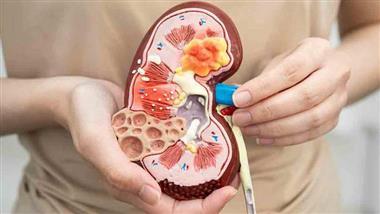
Chronic Kidney Disease: A Hidden Threat to Your Heart
Story at-a-glance
- Chronic kidney disease often develops silently for years, but even early kidney damage sharply increases your risk of heart attack, stroke, heart failure, and dangerous heart rhythm problems
- Two common tests called eGFR and UACR reveal hidden kidney stress long before symptoms appear and provide an early warning sign that your cardiovascular system is already under strain
- Researchers discovered that damaged kidneys release microscopic particles into the bloodstream that directly injure heart muscle cells, weaken heart contractions, and disrupt the electrical timing of the heartbeat
- Chronic inflammation, fluid overload, high blood sugar, excess sodium retention and overactivation of the nervous system create a destructive cycle that damages both the kidneys and the heart simultaneously
- Daily habits that improve metabolic health, including stable blood sugar, regular movement, lower intake of seed oils, restorative sleep, and healthy circulation, help reduce long-term stress on both organs before irreversible damage develops
Your kidneys do far more than filter waste. They shape your blood pressure, your circulation, your fluid balance, and even the rhythm of your heartbeat. When they start to falter, the damage rarely announces itself. There’s no chest pain, no dramatic warning sign, no clear moment when something feels wrong. Instead, kidney function slips downward year after year while you continue to feel mostly fine, which is exactly what makes chronic kidney disease so dangerous.
Here’s what most people don’t realize: when kidneys start failing, the first organ to suffer often isn’t the kidneys. It’s the heart. Long before dialysis ever enters the conversation, injured kidneys begin reshaping the cardiovascular system. Most adults can recite their cholesterol number from memory, yet very few could tell you whether their kidneys are filtering normally or already under stress.
The tests that would reveal the answer are inexpensive, widely available, and often already sitting inside routine bloodwork, but the results rarely get explained in a way that connects them to heart attack, stroke, or heart failure risk. Recent research has uncovered something startling: damaged kidneys actively release particles into the bloodstream that travel to the heart and injure cardiac muscle cells directly.
The kidneys aren’t just failing alongside the heart; they’re actively damaging it. Understanding this connection gives you something powerful: the chance to intervene while the damage is still reversible.
2 Simple Kidney Tests Reveal Hidden Heart Danger
Harvard Health Publishing examined the growing evidence linking chronic kidney disease to cardiovascular disease and explained why doctors now view the kidneys and heart as deeply connected systems rather than separate organs.1 Dr. John Ostrominski from Harvard-affiliated Brigham and Women’s Hospital stressed that chronic kidney disease often goes unnoticed even though it affects about 1 in 7 U.S. adults.
Early chronic kidney disease often develops silently because the kidneys compensate for damage over long periods. You might feel normal while kidney function steadily declines. Once symptoms finally appear, they often include swelling in the legs or ankles, fatigue, trouble breathing, exercise intolerance, and changes in urination. By that stage, substantial damage has already occurred. This is exactly why early testing changes outcomes.
You gain a chance to slow progression before the disease starts affecting circulation, fluid balance, and heart function.
• Two screening tests give an early warning long before a medical emergency develops — The first test is estimated glomerular filtration rate, called eGFR, which measures how effectively your kidneys filter waste from your blood. A score of 90 or higher is considered normal, while values below 60 signal impaired kidney function.
The second test is the urine albumin-to-creatinine ratio, called UACR, which checks whether protein leaks into your urine. Healthy kidneys keep protein inside your bloodstream. Once albumin starts leaking into urine, it signals structural kidney damage.
• Protein leakage in urine strongly predicts future heart problems — Ostrominski explained that elevated UACR levels reveal cardiovascular strain and future heart risk. According to the report, both low eGFR scores and high UACR values are strongly linked with greater risk of heart attacks, strokes, heart failure, and atrial fibrillation, which is an irregular heartbeat rhythm. That means a simple urine test gives you an early look at whether your blood vessels and circulation are already under stress.
• High blood pressure and diabetes damage the kidneys through direct physical strain — Elevated blood pressure forces the body to hold onto more sodium and fluid, increasing pressure inside the tiny blood vessels within the kidneys. Over time, this chronic stress damages the filtration system itself.
Diabetes creates a second layer of injury because prolonged exposure to high blood sugar thickens and damages microscopic kidney blood vessels called capillaries. Once those delicate filters stiffen and narrow, waste removal slows and inflammation rises.
• The kidneys and heart create a feedback loop that worsens both diseases together — Healthy kidneys help regulate blood pressure, fluid levels, and mineral balance, all of which directly affect heart function. When kidney function declines, fluid builds up more easily, blood pressure rises further, and the heart works harder to move blood throughout your body.
That extra strain increases the likelihood of heart enlargement, rhythm disturbances, and heart failure. At the same time, weakened heart function reduces blood flow back to the kidneys, which accelerates additional kidney damage.
• Metabolic dysfunction sits at the center of this entire process — Cardiovascular-kidney-metabolic syndrome, often shortened to CKM syndrome, links obesity, diabetes, high blood pressure, kidney disease, and cardiovascular disease together because they share the same underlying metabolic drivers.2 Excess body fat, poor blood sugar regulation, chronic inflammation, and impaired energy production damage multiple organ systems simultaneously.
Tiny Kidney Particles Damage the Heart Directly
Research published in Circulation investigated why so many people with chronic kidney disease develop heart failure even when doctors aggressively manage blood pressure, diabetes, and cholesterol.3 Researchers studied blood samples from 35 patients with moderate to advanced kidney disease and compared them to healthy controls.
Instead of focusing only on conventional risk factors, the team examined microscopic particles called extracellular vesicles, tiny membrane-covered packages released by cells into the bloodstream.
Think of extracellular vesicles as microscopic mail packages sealed in membrane envelopes. Cells normally use them to send routine messages to other cells. But when kidneys are damaged, they start mailing toxic cargo — genetic instructions and stress signals — that travel through the bloodstream and get opened by heart muscle cells, which then begin shutting down.
These extracellular vesicles carried genetic material and stress signals from injured kidney tissue directly into circulation. Once these particles reached heart muscle cells, they triggered cell death and interfered with the heart’s ability to contract normally. Researchers repeatedly described the kidney-derived vesicles as “cardiotoxic,” meaning directly harmful to heart tissue itself. That changes the entire understanding of kidney disease because the kidneys actively send damaging signals throughout the body.
• The study found direct evidence of heart muscle injury — Researchers exposed healthy heart muscle cells to extracellular vesicles taken from patients with kidney disease. Those cells rapidly showed increased apoptosis, which is programmed cell death. The heart cells began shutting themselves down after exposure to these kidney-derived particles.
Healthy control vesicles didn’t create the same damage. That confirmed the harmful effect came specifically from the diseased kidneys rather than from normal circulation.
• Heart contraction strength also weakened significantly — The study examined how well heart muscle cells squeezed and relaxed after exposure to kidney-derived vesicles. Researchers found impaired contractility, meaning the heart cells struggled to pump efficiently.
Calcium handling inside the cells also became disrupted. Calcium acts like an electrical timing signal that tells heart muscle when to contract and relax. Once calcium balance breaks down, the heartbeat loses efficiency and stability. Over time, this creates the conditions for heart failure and rhythm disturbances.
• The harmful particles carried specific microRNAs linked to tissue damage — MicroRNAs are tiny genetic regulators that switch certain cellular programs on or off. They work like dimmer switches on your genes. Each one can turn down specific cellular activities, including the genes that tell heart muscle how to contract properly. When the wrong microRNAs flood into heart cells, they essentially dim the lights on the machinery that keeps your heartbeat strong.
The researchers identified distinct microRNAs inside the extracellular vesicles that directly interfered with genes responsible for healthy heart contraction. When researchers inserted these microRNAs into laboratory-grown human heart cells, the cells showed the same toxic effects seen earlier in the study. This gave scientists a clearer explanation for how kidney disease physically alters heart tissue at the molecular level.
• The kidney itself appeared to be the source of these toxic signals — Researchers traced the microRNAs back to injured kidney tissue rather than the liver, heart, or immune cells. The strongest signals came from specific kidney cells damaged during chronic disease progression.
That finding reinforced the idea that chronic kidney disease acts as an active driver of heart failure instead of simply existing alongside it. The more severe the kidney dysfunction became, the stronger the cardiovascular injury markers appeared.
• Removing these harmful particles improved heart function in early animal research — Researchers used mice with chronic kidney disease and pharmacologically reduced circulating extracellular vesicles. Heart function improved significantly after the vesicles were depleted. Researchers also observed improvement in heart failure progression. This suggests that reducing the biological stress signals released by damaged kidneys directly lowers strain on the heart.
Researchers described these kidney-derived microRNAs as promising biomarkers for earlier disease detection and future therapies. These microscopic signals could eventually help identify cardiovascular damage years before a major cardiac event occurs.
Tracking kidney function, improving metabolic health, lowering inflammation, and reducing long-term stress on circulation become much more meaningful once you understand that silent kidney injury physically reshapes heart tissue over time.
Kidney Disease Changes Your Entire Cardiovascular System
A 2023 review published in Cardiovascular Research by the European Renal and Cardiovascular Medicine Working Group examined the growing cardiovascular burden inside chronic kidney disease across all stages.4 Researchers explained that cardiovascular complications become the leading cause of death in people with advanced kidney disease and regular dialysis treatment.
The review also highlighted a striking reality: many people with progressive kidney disease die from heart complications before their kidneys fail completely. That means protecting your cardiovascular system early becomes just as important as preserving kidney function.
• Cardiovascular danger rises step-by-step as kidney function declines — Researchers cited a meta-analysis involving more than 1 million individuals showing that death risk climbed sharply as kidney filtration rates worsened.5 Compared to a healthy reference filtration rate, mortality risk increased 18% at moderate kidney impairment, 57% at more advanced decline, and more than tripled in severe kidney dysfunction. Protein leakage into urine independently raised cardiovascular death risk too.
• Heart enlargement begins surprisingly early in kidney disease — The review discussed left ventricular hypertrophy, often shortened to LVH, which means the main pumping chamber of the heart becomes enlarged and thickened from chronic strain. Researchers found LVH already appears in earlier kidney disease stages and affects roughly 70% to 80% of patients with kidney failure on dialysis.
An enlarged heart muscle becomes stiffer, less efficient, and more vulnerable to heart failure and rhythm problems over time.
• Fluid overload places continuous stress on the heart and blood vessels — Damaged kidneys struggle to remove excess sodium and water efficiently. As fluid accumulates, blood pressure rises and the heart must pump harder against greater resistance. Researchers emphasized that volume overload alone doubles death risk in dialysis patients, even independent of other cardiovascular risk factors.
• Inflammation emerged as one of the strongest hidden drivers of damage — The review explained that chronic low-grade inflammation becomes almost universal in advanced kidney disease. Oxidative stress, gut microbiome disruption, metabolic acidosis, and retained waste compounds called uremic toxins all fuel inflammatory signaling. Uremic toxins are waste products the kidneys normally remove.
Once these compounds accumulate, they damage blood vessels, impair nitric oxide production, and increase oxidative injury throughout the cardiovascular system. Researchers noted that inflammation predicted cardiovascular death more strongly than LDL cholesterol in some kidney disease populations.
• The nervous system also becomes trapped in a chronic stress state — Researchers found sympathetic nervous system activity rises dramatically in kidney disease patients and becomes extremely elevated during dialysis treatment. Your sympathetic nervous system controls your “fight-or-flight” response.
Once chronically activated, it raises heart rate, constricts blood vessels, and increases blood pressure around the clock. The review linked this excessive sympathetic activation to higher rates of heart enlargement, arrhythmias, and cardiovascular death.
• Anemia further weakens oxygen delivery and strains the heart — Failing kidneys produce less of a hormone that stimulates red blood cell production. As anemia develops, oxygen delivery throughout the body drops. To compensate, the heart works harder and pumps faster, gradually increasing workload and accelerating structural heart changes. Researchers linked anemia directly to left ventricular hypertrophy and cardiovascular hospitalization risk in kidney disease patients.
• Sedentary behavior sharply increased cardiovascular risk — The review found limited physical activity was extremely common in both kidney disease and dialysis populations because of fatigue, illness burden, and reduced exercise tolerance.
Yet researchers consistently observed that higher physical activity levels strongly associated with lower cardiovascular mortality and fewer hospitalizations. One walking-based intervention reduced hospitalization risk by 29% over 36 months in dialysis patients.6 Movement improves circulation, blood pressure regulation, metabolic health, and mitochondrial energy production all at once.
Lower the Stress Load on Your Kidneys and Heart
Your kidneys and heart respond to the environment you create every single day. Years of metabolic dysfunction, high blood pressure, excess blood sugar, inflammatory foods, poor circulation, and chronic stress gradually damage the tiny blood vessels that keep both organs alive.
Once kidney tissue becomes injured, the research showed those damaged kidneys begin sending harmful signals directly into the bloodstream that weaken heart function too. That means the earlier you reduce the stress load on your body, the better your chances of slowing this cycle before it gains momentum.
1. Track your kidney numbers like a personal health score — Many people track weight or cholesterol but ignore the numbers that reveal silent kidney stress. It’s important to keep track of your eGFR and UACR values the same way you do your blood pressure. Those two markers often change years before symptoms appear.
Create a simple habit tracker on your phone or calendar and record your blood pressure and kidney labs whenever you get bloodwork done. Watching those numbers improve gives you direct feedback that your daily habits are reducing strain on your circulation and filtration system instead of damaging them further.
2. Lower blood sugar spikes before they injure tiny blood vessels — Chronic high blood sugar acts like fine sandpaper on the microscopic blood vessels inside your kidneys, gradually scarring the delicate filters they depend on. That same damage weakens circulation throughout your entire cardiovascular system. Your body runs far more efficiently when blood sugar stays stable.
Build meals around high-quality protein, collagen-rich foods, fruit, root vegetables, and other healthy carbohydrates instead of ultraprocessed foods, like seed oils, and sugary snacks.
If your digestion is compromised, with regular bloating or irregular bowel movements, begin with easier-to-digest carb sources like whole fruit and white rice before introducing harder-to-digest starches. Most adults need about 250 grams of carbohydrates per day from whole-food sources. This steady fuel supply turns your mitochondria back on and keeps your metabolism resilient.
3. Remove the inflammatory oils that damage cellular energy production — Seed oils, including soybean, corn, sunflower, safflower, and canola oils, are high in the polyunsaturated fat linoleic acid (LA), which places enormous oxidative stress on blood vessels, mitochondria, and kidney tissue when consumed in excess. Restaurant foods, packaged snacks, salad dressings, sauces, and processed convenience meals flood your body with these unstable fats that accumulate in tissues over time.
Replace those oils with grass fed butter, ghee, or tallow. If you eat animal protein, prioritize lower-PUFA ruminant meats instead of conventionally raised chicken or pork. Small daily swaps create a measurable reduction in inflammatory stress over months and years.
4. Use movement to improve circulation and metabolic function every day — Both organs run on the same fuel: steady, healthy blood flow. Every hour you spend sitting, that flow slows — and both kidneys and heart pay the price. Focus less on exhausting workouts and more on daily movement consistency because your body responds best to repetition.
Start with 20 minutes of walking daily and build toward an hour, along with resistance training twice a week. Also work in regular daily activity, like yardwork and frequent standing instead of sitting.
5. Restore your circadian rhythm to reduce chronic stress signals — Poor sleep and artificial light exposure raise stress hormones, worsen blood sugar regulation, and increase blood pressure strain on your kidneys and heart. Morning sunlight exposure helps reset your body clock and improves cellular energy production. I recommend getting outside shortly after sunrise and again near solar noon when possible.
However, if your diet has been high in seed oils, avoid peak sun exposure (10 a.m. to 4 p.m.) until you have removed them for at least six months, as excess LA stored in tissues increases susceptibility to sunburn and oxidative stress. At night, lower blue light exposure from phones, tablets, and televisions to support melatonin production inside your mitochondria.
FAQs About Kidney Disease and Your Heart
Q: How do I know if my kidneys are affecting my heart?
A: Most people don’t feel symptoms early on. Hidden kidney stress often shows up first through abnormal eGFR and UACR test results, which reveal declining filtration function and protein leakage into urine. Research showed these changes strongly predict higher risk of heart attack, stroke, heart failure, and irregular heartbeat rhythms long before severe symptoms appear.
Q: What causes chronic kidney disease to damage the heart?
A: Damaged kidneys increase fluid retention, raise blood pressure, disrupt mineral balance, and trigger chronic inflammation. Research also found injured kidneys release microscopic particles into the bloodstream that directly damage heart muscle cells and weaken your heart’s ability to contract efficiently. Over time, this creates a feedback loop where kidney dysfunction and heart strain worsen each other simultaneously.
Q: What are the early warning signs of chronic kidney disease?
A: Early chronic kidney disease often stays silent for years. As damage progresses, common symptoms include swelling in the ankles or legs, fatigue, shortness of breath, exercise intolerance, muscle cramps, fluid retention, and changes in urination patterns. Many people discover kidney dysfunction only after routine blood or urine testing.
Q: What lifestyle changes help protect both the kidneys and the heart?
A: The most effective strategies focus on reducing the root causes driving metabolic and vascular stress. Stable blood sugar, lower blood pressure, regular movement, restorative sleep, and reducing inflammatory processed foods all lower strain on both organs. Daily walking, resistance training, whole-food carbohydrates, adequate protein, and avoiding seed oils help improve circulation, mitochondrial energy production, and long-term cardiovascular resilience.
Q: Why does inflammation matter so much in kidney disease?
A: Inflammation damages blood vessels, stiffens arteries, and increases oxidative stress throughout the cardiovascular system. Researchers found inflammation becomes extremely common as kidney function declines because waste compounds, called uremic toxins, begin accumulating in the bloodstream. Chronic inflammation also increases sympathetic nervous system activity, raises blood pressure, and accelerates heart enlargement and heart failure risk.
The Surprising Role of Cortisol in Alzheimer’s
Reproduced from original article:
https://articles.mercola.com/sites/articles/archive/2026/03/18/role-of-cortisol-in-alzheimers.aspx
Analysis by Dr. Joseph Mercola March 18, 2026

Story at-a-glance
- New research shows that people with Alzheimer’s have higher cortisol levels and a skewed cortisol-to-DHEA-S ratio, revealing that chronic stress drives early brain degeneration long before memory loss appears
- Cortisol, your body’s main stress hormone, damages neurons and disrupts energy metabolism when it stays elevated, while DHEA-S acts as a protective neurosteroid that helps your brain resist inflammation and oxidative stress
- Bioenergetic researcher Georgi Dinkov connected these findings to thyroid and metabolic health, showing that when your cells don’t produce enough energy, cortisol rises and accelerates cognitive decline
- Tracking your cortisol-to-DHEA-S ratio offers a powerful early warning sign for chronic stress and neurodegeneration, allowing you to take preventive action years before symptoms develop
- You can rebalance these hormones naturally by fueling your metabolism with adequate healthy carbohydrates, improving sleep and light exposure, reducing overtraining, practicing calming breathwork, and using natural progesterone to help quiet cortisol
Alzheimer’s disease doesn’t begin with memory loss — it begins years earlier with a slow, silent shift in your body’s stress chemistry. Long before neurons die, your brain’s hormonal balance starts to erode under constant pressure from everyday stress. The same hormones that once kept you alert and focused start working against you, wearing down your brain’s repair systems and disrupting the flow of energy your cells depend on.
Cortisol, the body’s main stress hormone, plays a central role in this process. When it stays high for too long, it drains your metabolic reserves and interferes with memory formation. Meanwhile, a second hormone called DHEA-S acts as cortisol’s natural counterbalance, helping protect neurons and stabilize brain function.
When the ratio between these two hormones tilts toward cortisol, your brain loses its resilience and becomes more vulnerable to aging and degeneration. This hormonal tug-of-war — shaped by stress, diet, and metabolism — has drawn new attention from researchers exploring why some people develop Alzheimer’s while others do not. The latest findings suggest that long-term hormonal imbalance, not just genetics or plaque buildup, could be one of the earliest warning signs of decline.
Understanding this relationship changes how you think about prevention. By strengthening your metabolism, restoring hormonal balance, and reducing chronic stress, you can support your brain’s ability to heal and adapt — long before symptoms appear. The new research provides a roadmap for how to start.
Stress Hormones Tip the Balance Toward Alzheimer’s
A clinical study published in Cureus examined 85 adults in Serbia — 45 with diagnosed Alzheimer’s disease and 40 healthy peers of similar age and sex — to determine how two hormones, cortisol and DHEA-S, relate to brain health.1 Cortisol is your body’s main stress hormone, while DHEA-S (dehydroepiandrosterone sulfate) acts as its built-in counterbalance — a neurosteroid that supports brain resilience and energy metabolism.
Unlike DHEA, which is the fast-acting, active form, DHEA-S is its sulfated storage form that circulates in your blood far longer and provides a more stable picture of long-term stress balance. By focusing on DHEA-S, the researchers could better gauge chronic stress effects on the brain rather than short-term fluctuations. The scientists wanted to know whether Alzheimer’s patients showed measurable differences in these hormones or in their ratio, which indicates how well your body manages prolonged stress.
• People with Alzheimer’s had higher cortisol levels but not lower DHEA-S — Those with Alzheimer’s showed cortisol levels averaging nearly 399 nanomoles per liter (nmol/L) — about 20% higher than healthy adults — yet their DHEA-S concentrations stayed roughly the same.
This imbalance means the stress response remains chronically activated without the brain’s natural protection. When cortisol dominates, neurons experience more inflammation and less regeneration. The study also noted that this skewed balance was strongest among participants aged 65 to 75, suggesting that middle-to-late adulthood is when stress hormones begin exerting their most damaging effects.
• The cortisol-to-DHEA-S ratio proved to be the real warning sign — Although each hormone alone tells part of the story, the researchers emphasized that their ratio — how much cortisol outweighs DHEA-S — offers a clearer window into chronic stress and brain decline.
In Alzheimer’s patients, that ratio climbed steeply, implying that the body’s defense system against cortisol’s toxicity was failing. This finding helps explain why some people with normal cortisol readings still experience cognitive decline: it’s the imbalance, not just the level, that matters.
• Men and women responded differently, revealing hormonal sensitivity — In healthy adults, men had significantly higher DHEA-S levels than women, meaning their brains could have greater protection from chronic stress. But that sex difference disappeared in those with Alzheimer’s.
The disease seemed to override normal hormonal patterns, flattening DHEA-S levels in both sexes. This means that once neurodegeneration begins, your brain’s ability to maintain hormonal balance — one of its self-defense tools — breaks down.
• Age changed the picture again, suggesting a nonlinear hormonal response — When researchers divided participants by age, they noticed that younger Alzheimer’s patients (60 to 65) had higher DHEA-S levels, which dropped sharply in the 66 to 75 group before rising again after age 75.
This unexpected curve points to a possible window of hormonal collapse, where midlife stress overwhelms the body’s compensatory systems. If you’re in this age range and facing chronic stress, that’s when intervention — stress reduction, adequate rest, and metabolic support — could be most protective for your brain.
Cortisol Acts Like an Overzealous Cleanup Crew That Damages What It’s Meant to Protect
Elevated cortisol increases inflammation and oxidative stress — chemical reactions that corrode neurons and disrupt communication between brain cells. It also suppresses the growth of new neurons in your hippocampus, the brain’s memory center, making it harder to store new information.
In contrast, DHEA-S supports neuronal survival, enhances energy metabolism, and shields brain tissue from the harmful effects of excessive cortisol. When cortisol wins this hormonal tug-of-war, brain networks lose their flexibility and begin to deteriorate.
• Why stress and memory loss are so tightly linked — Chronic cortisol elevation interferes with glucose uptake in brain cells, depriving them of the fuel needed to form memories. It also increases amyloid-beta and tau accumulation — the same proteins that define Alzheimer’s pathology.
Meanwhile, DHEA-S helps counter these effects by enhancing insulin sensitivity and calming overactive immune responses in your brain. In simple terms, one hormone burns your mental circuits, the other repairs them.
• A new biological marker for early intervention — Instead of waiting for memory loss or imaging changes, tracking your cortisol-to-DHEA-S ratio could signal early stress damage years before cognitive symptoms arise.
If your cortisol stays high while DHEA-S falls or stagnates, that’s a red flag. Supporting your metabolic health, prioritizing quality sleep, and restoring hormonal balance could help keep your brain’s internal environment stable long before Alzheimer’s develops.
Lowering Cortisol and Raising Metabolic Energy Could Reverse Brain Decline
In a commentary, bioenergetic researcher Georgi Dinkov analyzed the Cureus study showing that people with Alzheimer’s disease had significantly higher cortisol levels and a skewed cortisol-to-DHEA-S ratio compared to healthy adults.2 He explained that these results validate decades of bioenergetic research linking chronic stress, low metabolism, and neurodegeneration.
Dinkov emphasized that it’s not just elevated cortisol that drives decline — it’s the imbalance between cortisol and protective steroids such as DHEA, testosterone, and progesterone. When this ratio tips toward cortisol dominance, your body remains in a chronic “fight-or-flight” state that accelerates tissue breakdown and cognitive loss.
• Dinkov connected the findings to thyroid-driven metabolic stress — Building on the Cureus data, Dinkov explained that hypothyroidism — a sluggish thyroid that slows metabolic energy production — creates the same hormonal pattern seen in Alzheimer’s patients: high cortisol and suppressed DHEA-S.
When your metabolism slows, your body compensates by ramping up stress hormones to stay alert and energized. But this backfires over time, leading to chronic brain inflammation, poor glucose uptake, and reduced adenosine triphosphate (ATP) production — the energy currency your brain depends on.
• Your cortisol-to-DHEA-S ratio predicts long-term health better than any single hormone — According to Dinkov, this ratio — spotlighted by the Cureus research — is among the strongest predictors of all-cause mortality and neurodegenerative risk. Even when cortisol fluctuates throughout the day, the ratio reveals whether your stress and repair systems are balanced.
Dinkov suggested measuring cortisol and DHEA-S in hair or nails rather than blood, since these tissues reflect long-term hormonal patterns. For anyone trying to gauge chronic stress or cognitive risk, this offers a simple, objective biomarker that’s far more reliable than a one-time blood test.
• Natural compounds help restore hormonal balance and metabolic strength — Dinkov referenced several well-known substances — aspirin, niacinamide (vitamin B3), progesterone, pregnenolone, thyroid support, glycine, and emodin — that help correct the same imbalance observed in the Cureus study. These compounds work by lowering excess cortisol, improving mitochondrial energy output, and supporting the production of protective hormones.
Niacinamide, for instance, increases NAD+, which fuels cellular repair, while aspirin dampens inflammation and cortisol overproduction. Used together, these tools shift your body back into a “rest-and-repair” mode rather than the constant stress chemistry that drives brain aging.
• DHEA acts as a built-in cortisol regulator — Dinkov explained one of the key ways DHEA helps keep cortisol in check: it blocks the enzyme that turns inactive cortisol back “on” and boosts the one that clears excess cortisol from your body. This dual action makes DHEA a natural cortisol buffer that prevents the overactivation of stress pathways.
In other words, DHEA gives your brain a biochemical “cooling system,” stopping cortisol from overheating your neurons. Supporting DHEA through thyroid health, nutrition, and targeted supplementation helps restore this essential balance.
• Stress is a symptom of low energy, not just emotional strain — Dinkov described how the elevated cortisol levels observed in the Cureus Alzheimer’s cohort represent a deeper issue: energy failure. When your cells don’t make enough ATP — whether from poor thyroid output, nutrient deficiencies, or aging — they turn to cortisol to compensate.
The hormone breaks down tissue to release fuel, but that process worsens energy depletion over time. This self-reinforcing loop explains why chronic stress feels endless: it’s a metabolic, not psychological, trap. Dinkov concluded that maintaining a low cortisol-to-DHEA-S ratio protects more than memory — it sustains whole-body resilience.
People who keep this ratio balanced experience better sleep, stable mood, and slower biological aging. His message is practical: by restoring thyroid function, eating enough to prevent energy deficits, and lowering chronic inflammation, you directly influence the biochemical environment that determines whether your brain decays or endures.
Rebuild Your Energy System to Lower Cortisol and Protect Your Brain
If you wake up tired, crash midafternoon, or feel wired when you should be asleep, your body’s stress chemistry has taken over. The Cureus study3 and Dinkov’s review4 both point to the same conclusion: your brain suffers when your cells can’t make enough energy.
To fix that, you have to restore steady fuel, retrain your stress response, and help your body recognize that it’s no longer in survival mode. Here’s how to bring your hormones — and your energy — back into balance:
1. Feed your metabolism the fuel it’s been missing — Cutting carbs keeps your body trapped in a constant stress loop because cortisol spikes whenever blood sugar drops too low. Break that pattern by eating enough healthy carbohydrates — around 250 grams daily — to give your mitochondria a steady energy supply.
Start with gentle foods like fruit and white rice. When your digestion feels stable (no bloating or irregularity), add cooked root vegetables, then more vegetables, legumes, and well-tolerated whole grains. Once your body trusts it’s being fed regularly, cortisol naturally declines, and your energy and focus stabilize.
2. Move in ways that restore instead of deplete — Overdoing endurance exercise or high-intensity intervals keeps your body in fight-or-flight mode long after the workout ends. Cortisol stays elevated, recovery slows, and sleep suffers.
Replace long, punishing sessions with physical activities that build energy rather than drain it — strength training, walking outdoors, dancing, or swimming at an easy pace. Use how you feel afterward as your guide: if you finish feeling grounded and calm, you’ve helped your hormones, not hurt them.
3. Train your nervous system to shift out of stress — Your breath is the fastest lever you have to quiet cortisol and activate your parasympathetic, or “rest and digest,” system. Try rhythmic breathing patterns like 4-7-8 or 4-8 breathing — inhaling for four seconds, holding briefly, and exhaling slowly for seven to eight seconds.
The extended exhale stimulates your vagus nerve, lowering heart rate and cortisol while signaling safety to every organ. Practice before bed, after meals, or whenever tension rises. Over time, your body learns that it no longer needs to live in emergency mode.
4. Rebuild your circadian rhythm through light and sleep — Cortisol follows your light exposure, not your alarm clock. Get outside within an hour of waking to anchor your body’s circadian rhythm, and dim screens and overhead lighting at night so melatonin can rise naturally.
Keep your bedtime and wake-up times consistent — even on weekends — to lock in hormonal balance. Deep, regular sleep clears stress hormones, strengthens memory, and repairs brain tissue. If you’re dragging through the day, fix your light and sleep first instead of relying on caffeine.
5. Use natural progesterone to quiet the cortisol surge — Bioidentical progesterone acts as your body’s built-in cortisol brake, restoring calm where chronic stress has hijacked balance. Unlike synthetic versions, natural progesterone fits perfectly into your body’s own receptor system, lowering cortisol’s overstimulation and supporting deep rest.
FAQs About Cortisol and Alzheimer’s Disease
Q: What did the new Alzheimer’s study reveal about cortisol and DHEA-S?
A: Researchers found that people with Alzheimer’s disease had cortisol levels roughly 20% higher than healthy adults, while their DHEA-S levels stayed about the same. This created a skewed cortisol-to-DHEA-S ratio — meaning stress hormones were overpowering the brain’s natural defenses. That imbalance, not just genetics or amyloid buildup, appears to drive the early stages of brain decline.
Q: How are DHEA and DHEA-S different?
A: DHEA is the fast-acting form of the hormone, while DHEA-S is the stable, long-lasting form stored in your blood. Because DHEA-S changes slowly, it’s a better measure of long-term stress and brain resilience. It also acts as a neurosteroid, helping neurons resist inflammation and oxidative damage while buffering cortisol’s harmful effects.
Q: What did Georgi Dinkov’s analysis add to this research?
A: Dinkov explained that the Cureus study confirms a broader principle: high cortisol and low metabolic energy often go hand in hand. He connected these hormone shifts to thyroid sluggishness, nutrient depletion, and aging — all of which drain cellular energy and raise stress chemistry. He also noted that maintaining a low cortisol-to-DHEA-S ratio predicts not just better memory but longer life and greater overall resilience.
Q: What practical steps help lower cortisol and restore hormonal balance?
A: To calm your stress system, start by fueling your metabolism. Eat enough healthy carbohydrates — about 250 grams per day — to keep blood sugar stable. Cut back on overtraining, use rhythmic breathing to activate your vagus nerve, and rebuild your circadian rhythm by getting morning sunlight and sleeping on a consistent schedule. These changes lower cortisol naturally while improving energy and mental clarity.
Q: How does progesterone fit into this picture?
A: Natural progesterone acts as a built-in cortisol blocker. Your body recognizes it as a calming, balancing hormone that reduces overstimulation, helps you sleep deeply, and stabilizes mood. Natural progesterone effectively blocks cortisol by reducing blood concentrations, helping restore hormonal harmony, protecting your brain and body from the long-term effects of stress.
Alternative Sweetener Sorbitol Drives Hidden Liver Fat Buildup
Reproduced from original article:
https://articles.mercola.com/sites/articles/archive/2026/01/15/sorbitol-liver-damage.aspx
Analysis by Dr. Joseph Mercola January 15, 2026

Story at-a-glance
- Sorbitol, a common sugar alcohol in sugar-free and “diet” products, drives liver fat buildup even when your gut bacteria are healthy, making it a hidden contributor to fatty liver disease
- When your microbiome is weakened from antibiotics, stress, or ultraprocessed foods, sorbitol slips through your gut unchanged and reaches your liver, where it triggers rapid fat production
- Sorbitol is converted into fructose inside your liver, bypassing normal metabolic controls and overwhelming your ability to process sugar safely
- Strengthening your gut bacteria, eliminating vegetable oils and alcohol, and increasing choline-rich foods help protect your liver from sorbitol-driven damage
- Simple daily steps — removing sorbitol-containing products, restoring gut balance, supporting vitamin D metabolism, and using whole-food carbs — give you direct control over your liver health
Fatty liver disease has become a major metabolic threat, and it often develops quietly while you feel nothing more than fatigue or vague abdominal discomfort. Fat starts building inside your liver long before symptoms feel serious, and if nothing interrupts that process, the damage moves toward inflammation, scarring, and even liver failure. Many people discover the problem only after it has already progressed.
A study published in Science Signaling points to an unexpected driver hiding in everyday foods.1 Sorbitol shows up in sugar-free gums, flavored waters, low-calorie snacks, and countless “diet” products many assume are safe, but the evidence shows this sweetener places significant strain on your metabolism.
Sorbitol shifts your internal chemistry quickly once it enters your system. Your gut and liver work together to handle sugar exposure, and when that balance breaks down, your metabolism changes. This turns hidden artificial sweeteners into a much bigger issue and highlights how strongly your gut health shapes your liver health. Once you see how sorbitol behaves inside your body, you can start using strategies that protect your liver instead of overwhelming it.
Sorbitol Overload Rewires Your Liver Within Days
The Science Signaling study investigated how sorbitol behaves inside the body and why it triggers fatty liver changes when gut bacteria fail to break it down.2 The researchers used adult zebrafish because these animals absorb sugar alcohols directly through their intestines, allowing scientists to watch sorbitol move through the gut-liver pathway in real time.
• High sorbitol intake triggers liver fat even with a healthy microbiome — The fish had intact metabolisms before the experiment, which allowed the team to isolate how sorbitol exposure altered liver function. They found that even standard diets triggered liver fat when gut microbes were removed via antibiotic treatment.
However, fish given high sorbitol doses developed the same fat buildup, even when their microbiome was still present. This means sorbitol exposure overwhelms your system enough to bypass normal defenses.
• The loss of gut bacteria caused sorbitol to build up rapidly in the intestines and bloodstream — Antimicrobial-treated fish showed a “substantial accumulation of lipid” in the liver after only seven days, indicating fatty liver.
Without microbiota, the intestine produced sorbitol from glucose and left it untouched, allowing it to move directly into the bloodstream. This means imbalanced gut microbiota or frequent antibiotic exposure increases your vulnerability to sorbitol-driven liver fat.
• The liver converted excess sorbitol into fructose, which triggered metabolic stress — Sorbitol overloaded the liver’s fructose-processing pathway and activated an enzyme called glucokinase, which accelerates glucose breakdown and fat production. Sorbitol tricks your liver into behaving as if you consumed a large dose of fructose, even if you didn’t. This increases the risk of liver fat accumulation, especially if you already deal with metabolic challenges.
• Sorbitol-derived fructose reached unusually high levels when gut bacteria were missing — Metabolic tracing revealed that fructose created from sorbitol was roughly 15 times higher in microbiome-depleted fish compared to controls. That means your gut bacteria act like a metabolic shield. When that shield weakens, sorbitol slips through and forces your liver into fat-storage mode.
• Excess sorbitol also pushed the liver to store more glycogen and create more fat — Sorbitol-driven activation of glucokinase boosted glucose storage and pushed remaining glucose into pathways that produce fatty acids and triglycerides. They measured increased expression of fat-production genes, confirming that sorbitol accelerates the exact biochemical steps that worsen liver disease.
How Sorbitol Overload Disrupts Metabolism
The study showed that an enzyme in your intestine turns glucose into sorbitol. Under normal conditions, your gut bacteria break down that sorbitol before it goes anywhere important. But when those bacteria are missing or weakened, the sorbitol slips through untouched and travels straight to your liver. Once it gets there, another enzyme turns it into fructose. This is a problem because fructose skips your body’s usual safety checks and pushes your liver to create fat very quickly, leaving it overloaded.
• Sorbitol flips a switch inside your liver that speeds up fat production — After sorbitol turns into fructose, a molecule called fructose-1-phosphate signals your liver to activate glucokinase, an enzyme that makes your liver process sugar faster and turn more of it into fat. This is why even short bursts of sorbitol exposure trigger noticeable changes in liver fat.
•The microbiome proved to be the deciding factor for protection — When the team reintroduced sorbitol-degrading Aeromonas bacteria into microbiome-depleted fish, liver fat storage decreased dramatically. This means your microbiome determines how well you handle sorbitol.
If your gut bacteria break it down, your liver stays protected. If they don’t, sorbitol reaches your liver and fuels fat accumulation. This gives you a powerful, actionable insight: protecting your gut diversity is one of the best defenses against hidden metabolic stressors like sorbitol.

Save This Article for Later – Get the PDF Now
Steps to Protect Your Liver from Sorbitol Overload
Your first priority is to stop the flood of sorbitol before it reaches your liver. The research shows that the real problem starts in your gut, not your liver, which means your daily choices determine whether sorbitol is broken down safely or whether it slips through and triggers fat buildup.
If you already struggle with bloating, irregular digestion, sugar cravings, fatigue, or a history of heavy antibiotic use, you’re more vulnerable to sorbitol escaping your gut and overwhelming your liver. The following steps help you remove the stressors creating the damage instead of simply working around the symptoms.
1. Reduce or eliminate sorbitol-containing processed foods — If you rely on sugar-free gum, flavored waters, low-calorie snacks, or “diabetic-friendly” packaged foods, you’re likely taking in more sorbitol than your system can handle. Removing these products lowers the strain on your microbiome and stops excess sorbitol from reaching your liver. You protect yourself immediately by choosing whole foods rather than processed ones with hidden artificial sweeteners.
2. Strengthen your gut bacteria so sorbitol breaks down before it reaches your liver — Your microbiome acts as your internal sorbitol filter, and when it’s depleted, sorbitol slips past your gut defenses. If you notice digestive issues, use antibiotics, or have a history of restrictive diets or ongoing stress, assume your gut bacteria need rebuilding.
Start by avoiding ultraprocessed foods, including vegetable oils, which are high in linoleic acid (LA), a polyunsaturated fat that oxidizes and injures your mitochondria. If your diet is filled with ultraprocessed foods, your gut microbes will be skewed toward the harmful strains.
In addition, your body’s preferred energy source is glucose, and that comes from carbs. Aim for a steady intake of around 250 grams of healthy carbs from fruit and rice to restore gut balance. Later, once your digestion is stronger, add root vegetables, legumes and well-tolerated whole grains.
3. Remove the major stressors that injure your liver in the first place — If your liver isn’t working the way it should, the goal is not just symptom relief — it’s removing what caused the damage. Your liver handles detoxification, hormone processing, and fat metabolism, and when it’s overloaded, everything else falls behind. The two biggest stressors are vegetable oils and alcohol. The LA in vegetable oils like soybean, canola, corn, sunflower, and generic “vegetable oil” is a mitochondrial poison.
Alcohol adds another layer of damage by breaking down into substances that injure liver cells directly. Alcohol and LA follow the same toxic pathway in your liver, creating harmful aldehydes that cause mitochondrial damage and fatty liver disease. Give your liver breathing room by removing both. For cooking, switch to grass fed butter, ghee, tallow, or coconut oil.
4. Move out liver fat by increasing choline intake — Your liver relies on choline to package and move fat out of its cells. Without enough choline, fat piles up inside the liver and triggers dysfunction. Pastured egg yolks and grass fed beef liver offer the highest levels. If you rarely eat these foods, assume your liver is working without enough support.
FAQs About Sorbitol and Your Liver
Q: What makes sorbitol harmful to your liver?
A: Sorbitol disrupts your metabolism by slipping past your gut bacteria and reaching your liver unchanged. Once there, your liver converts it into fructose, which triggers rapid fat creation and glycogen buildup. Even short-term exposure pushes your liver into fat-storage mode.
Q: Why does gut health determine how your body handles sorbitol?
A: Your gut bacteria normally break down sorbitol before it enters your bloodstream. If your microbiome is depleted from antibiotics, stress, restrictive dieting, or ultraprocessed foods, sorbitol passes through untouched and overwhelms your liver.
Q: Can sorbitol cause liver fat even if my gut bacteria are healthy?
A: Yes. High doses of sorbitol overwhelm your microbiome’s protective capacity. The study found that even fish with intact gut bacteria developed significant liver fat when sorbitol intake was high.
Q: What steps help protect my liver from sorbitol-driven damage?
A: You lower risk by removing sorbitol-containing products, rebuilding gut bacteria with balanced carbs and whole foods, eliminating vegetable oils and alcohol, increasing choline-rich foods, and supporting metabolic repair through sunlight and proper vitamin D balance.
Q: Why is sorbitol riskier than most people realize?
A: Sorbitol looks harmless on labels, but your gut and liver treat it very differently. When it bypasses your microbiome, your liver converts it into fructose and rapidly stores fat. This hidden metabolic load makes sorbitol far more damaging than many people expect.
How Urolithin A Drives Mitochondrial Renewal and Slows Immune Aging
Reproduced from original article:
https://articles.mercola.com/sites/articles/archive/2026/01/15/urolithin-a-immune-system-benefits.aspx
Analysis by Dr. Joseph Mercola January 15, 2026

Story at-a-glance
- As you age, your thymus produces fewer newly formed cells responsible for responding to unfamiliar pathogens, reducing your immune system’s adaptability. This shift, combined with persistent inflammation, defines the core features of immune aging
- Urolithin A, a postbiotic compound, stimulates mitochondrial renewal in aging immune cells. A recent study shows it can increase naïve-like T cells and strengthen immune surveillance in just four weeks of supplementation
- Clinical findings show that urolithin A boosts mitochondrial renewal pathways, increases markers linked to mitochondrial biogenesis, and improves immune cell metabolism
- Beyond immune health, studies reveal that urolithin A influences cancer pathways, enhances muscle strength and endurance, improves fatty liver markers, and reshapes metabolic signaling involved in obesity and insulin resistance
- Beyond using urolithin A, you can also support your mitochondria by lowering linoleic acid intake, eating the right carbohydrates, limiting environmental toxins, and supporting NAD⁺ production with niacinamide
Most people tend to think of immune health mainly as a defense against seasonal colds or infections. In reality, its influence runs deeper. A well-balanced immune system helps regulate inflammation, maintain internal stability, and support energy and vitality. As the years pass, however, the immune system undergoes natural changes that are part of the aging process itself.1
Mitochondrial breakdown drives much of this decline, yet effective strategies to address immune aging are still lacking. To address this gap, a recent study published in Nature Aging investigated whether urolithin A, a postbiotic compound, could stimulate mitochondrial clean-up and rebuilding, ultimately helping to renew aging immune cells from within.2
What Happens to Your Immune System as You Age?
As you grow older, your immune system undergoes what the Nature Aging study describes as “global remodeling of the immune system,” which involves several well-documented shifts that change how effectively your immune system responds to everyday challenges.3
• Thymic output declines, reducing newly formed T cells — One of the core shifts involves the thymus, the organ that produces naïve T cells. With age, thymic activity declines, leading to fewer newly formed T cells entering circulation. Because naïve T cells are your front-line responders to unfamiliar pathogens, this reduction makes it harder for your immune system to mount strong first-time responses.
• Memory T cells accumulate, limiting adaptability — As naïve T cells drop, memory T cells become a larger share of your immune system. Memory cells help with threats you have already encountered but bring little support when something new appears. This shift explains why older adults respond less robustly to vaccines and face more risk from novel infections.
• Inflammaging becomes a defining feature of later life — As immune cell patterns shift with age, the body enters a state of persistent, low-grade inflammation. This phenomenon, known as inflammaging, reflects higher levels of inflammatory mediators circulating at rest and is considered one of the central characteristics of an aging immune system. Learn more about this in “‘Inflammaging’ Is a Lifestyle Phenomenon, Not a Universal Aging Trait.”
Together, these changes outline the core features of immune aging. They show why an older immune system tends to be less flexible, slower to respond to new threats, and more prone to persistent inflammation.
New Insights Into Urolithin A’s Immune and Mitochondrial Actions
The featured study involved 50 healthy adults between 45 and 70 who received either 1,000 mg of urolithin A per day or a placebo for four weeks. Researchers collected blood at the beginning and end of the study to observe how immune cells shift over that short window. This made it possible to see whether mitochondrial support translates into measurable changes in immune cell composition and behavior.4
• Urolithin A increased naïve CD8 T cells — Participants who received urolithin A showed a significant increase in naïve CD8 T cells, which behave more like younger, freshly formed immune cells. These cells respond more reliably to threats and carry fewer markers of exhaustion. Alongside this shift, CD8 T cells also showed about a 15% increase in their ability to use fatty acids for energy, suggesting better metabolic flexibility.
• Innate immune cells showed stronger surveillance profiles — Urolithin A supplementation increased a subtype of natural killer (NK) cells known for being the most active in identifying and eliminating infected or abnormal cells. These NK cells deliver the strongest cytotoxic activity, so having more of them strengthens rapid-response immunity.
• Signs of increased mitochondrial biogenesis appeared within CD8 T cells — Participants who took urolithin A showed higher expression of markers associated with PGC-1α, the protein that guides mitochondrial growth and renewal.
This points to a process where immune cells were not only clearing out older, less efficient mitochondria but also strengthening their overall energy system, giving them a more reliable foundation when they activate or stay engaged for longer periods.
• Functional tests showed stronger immune responses — When researchers activated T cells in the lab, those from the urolithin A group produced more tumor necrosis factor (TNF), a cytokine that signals rapid immune engagement. Monocytes also demonstrated better uptake of E. coli particles, indicating improved ability to recognize and engulf microbial targets.
• Molecular programming shifts within immune cells — Single-cell analysis showed that urolithin A reshaped inflammatory and metabolic pathways across multiple immune cell types, pointing toward coordinated changes that support stronger, more balanced immunity as you age. As the researchers explained:
“Exploratory single-cell RNA sequencing demonstrated urolithin A (UA)-driven transcriptional shifts across immune populations, modulating pathways linked to inflammation and metabolism.
These findings indicate that short-term UA supplementation modulates human immune cell composition and function, supporting its potential to counteract age-related immune decline and inflammaging.”5
Taken together, the trial shows that urolithin A influences the immune system on several levels within a relatively short period of time. While the study was designed as an early investigation, its findings offer a clear indication that supporting mitochondrial health may play a meaningful role in maintaining immune resilience as you age.
Save This Article for Later – Get the PDF Now
Urolithin A’s Effects Across Different Conditions
Beyond immune aging, urolithin A has been studied for a variety of other health effects as well. Research shows that it interacts with several biological pathways relevant to long-term health, which has led scientists to examine its role in several conditions, including:6
• Cancer — Urolithin A shows anticancer activity mainly in preclinical work. Laboratory and animal studies report that it slows the growth of several tumor types, promotes cancer cell death (apoptosis), and interferes with pathways that support proliferation and invasion.
Reviews describe these effects in models of breast, pancreatic, oral, and other cancers, and highlight actions such as inhibiting NF-κB signaling, activating FOXO1 (a transcription factor that supports cellular stress responses and regulates genes involved in survival and repair), and triggering autophagy-related cell death in tumor cells.7
• Muscle strength — In a randomized clinical trial published in JAMA Network Open, older adults aged 65 to 90 were given 1,000 mg of urolithin A per day for four months. Results showed significantly improved muscle endurance, measured as the number of contractions until fatigue in both hand and leg muscles, compared with placebo.8
A separate trial in middle-aged adults, published in Cell Reports Medicine, found that daily urolithin A supplementation led to improvements in quadriceps strength, enhanced exercise performance, and favorable shifts in several biomarkers associated with mitochondrial health within a similar timeframe.9
• Fatty liver — In a mouse model of fructose-induced fatty liver disease, urolithin A supplementation reduced hepatic steatosis and improved the balance between fat creation and fat breakdown in the liver by impairing lipogenesis and enhancing β-oxidation.10 In parallel, a Biomedicines review notes that urolithin A attenuates inflammation in liver tissue in metabolic models, helping to stabilize the hepatic environment under stress.11
• Metabolic disorders — Urolithin A has been studied extensively in models of obesity, Type 2 diabetes, and metabolic syndrome. In laboratory and animal models, urolithin A reduced triglyceride accumulation in fat cells and liver cells by lowering genes that drive fat creation and activating AMPK, an energy-sensing pathway that shifts cells toward burning stored fat instead of stockpiling it.12
More detailed experiments in preadipocytes (the precursor cells that eventually mature into fat cells) found that urolithin A lowered triglyceride content and suppressed the expression of several key genes that help regulate fat storage, glucose transport, and fatty acid binding, so reducing their activity helps keep fat accumulation under control while still allowing fat cells to form normally.13
Several studies also showed that urolithin A protected mice and rats from high-fat diet-induced obesity and insulin resistance by supporting thermogenesis, increasing browning responses (a shift toward a more metabolically active type of fat cell), reducing oxidative stress, and lowering inflammatory activity within adipose tissue.14
Better Urolithin A Delivery Is Still Under Way
Before you try to increase your urolithin A levels, it’s important to understand how your body forms it, why many people produce very little, and what determines whether supplementation works as intended. Understanding these details helps you decide the most effective and practical way to support your mitochondrial renewal pathways.
• Urolithin A is naturally produced in your body — When you eat foods rich in ellagitannins, a class of polyphenols found in pomegranates and some berries, these plant compounds are first converted into ellagic acid and then transformed into different urolithins depending on which microbial species live in your gut.15
• Not everyone forms urolithin A efficiently — The ability to generate urolithin A depends entirely on your gut microbiota composition. Factors such as age, diet, medication use, and overall microbial diversity influence whether the conversion occurs.
Only about 40% of adults produce detectable levels after consuming ellagitannin-rich foods like pomegranate juice. Even among individuals who do produce it, output varies widely, which is why supplementation has become the most reliable way to achieve consistent levels.16
• How it’s delivered matters — Because urolithin A exerts its mitophagy action inside the mitochondria, it’s important to deliver it directly into the mitochondria. This is essential because mitochondria are constantly being damaged.
They contain the furnace of energy production, and because most people consume excess linoleic acid (LA) from seed oils, their mitochondria get destroyed prematurely. These damaged mitochondria need to be recycled; if they just accumulate, your cellular energy production collapses.
• Newer systems are being developed to improve this targeted delivery — Without mitochondrial targeting, much higher doses of urolithin A are required to reach the same intracellular effect (about 1,000-fold higher). Most formulations currently available do not include this targeting technology, but next-generation approaches are being designed to deliver urolithin A directly to the mitochondria so effective levels can be achieved with lower amounts.
• Urolithin A is also part of a paired approach — Urolithin A must be used in conjunction with PQQ (pyrroloquinoline quinone), which activates PGC-1α to stimulate mitochondrial biogenesis. This combination is important, as urolithin A clears out the damaged mitochondria while PQQ generates fresh replacements.
While better delivery systems are on the way, you already have practical ways to strengthen mitochondrial function, many of which support the same pathways urolithin A influences.
Practical Strategies to Improve Your Mitochondrial Health
Recognizing how strongly your mitochondria influence immune aging gives you a clearer sense of where to focus your efforts. The choices you make each day shape how well your mitochondria function, which in turn affects your metabolic stability and long-term immune resilience. Several practical steps can help you support these organelles and create a healthier foundation for cellular energy and overall health:
1. Remove processed foods and vegetable oils from your diet — Processed products are typically made with seed oils that contain large amounts of LA, which interferes with mitochondrial function and reduces your ability to generate energy efficiently. Nuts, seeds, and most restaurant meals contribute additional LA, since commercial kitchens rely heavily on these oils.
Chicken and pork often contain higher levels of LA as well, due to the way they are commonly raised and fed. Center your diet around whole foods and choose low-LA fats such as grass fed butter, tallow, and ghee. Aim to keep your daily LA intake under 5 grams, ideally aiming for less than 2 grams. Use an online nutrition tracker like the upcoming Mercola Health Coach App to monitor your intake.
2. Optimize your carbohydrate intake for cellular fuel — A balanced diet rich in the right carbs and free of ultraprocessed foods feeds your mitochondria with the glucose they’re designed to burn. Focus on whole fruits and white rice first, then gradually bring in root vegetables, legumes, and well-tolerated grains as your gut improves. Aim for 250 grams of healthy carbs daily to keep your thyroid working at full capacity.
3. Reduce exposure to environmental toxins — Your cells are exposed to synthetic chemicals every day. Substances such as endocrine-disrupting chemicals (EDCs) from plastics, estrogen-mimicking compounds like xenoestrogens, and widespread electromagnetic fields (EMFs) interfere with how efficiently your mitochondria produce energy. When these exposures accumulate, mitochondrial function declines.
Taking steps to limit this burden can make a meaningful difference. Choose household items made from natural materials whenever possible, and store food in glass instead of plastic. Creating a low-EMF sleeping environment is also helpful, as it allows your cells to recover overnight with less external stress. Collectively, these changes reduce the strain placed on your body.
4. Get proper sun exposure — Regular sun exposure supports cellular energy by stimulating the production of mitochondrial melatonin, which provides strong antioxidant protection inside your cells. However, it’s best to avoid direct sun during peak hours (typically 10 a.m. to 4 p.m. in most parts of the U.S.) until you have minimized seed oils in your diet for at least six months, as the buildup of LA in your tissues makes your skin more prone to sunburn.
5. Boost NAD+ Levels — Taking niacinamide at a dose of 50 mg three times a day helps raise your NAD+ levels, which supports mitochondrial energy production. Adequate NAD+ is essential for proper cell-death signaling and strengthens your immune system’s ability to recognize and clear damaged cells.
Frequently Asked Questions (FAQs) About Urolithin A
Q: What is urolithin A, and how does it work?
A: Urolithin A is a postbiotic compound that your body produces when gut bacteria break down ellagitannins from foods like pomegranates and berries.
It works by stimulating mitophagy, the process that clears out damaged mitochondria from your cells and promotes the growth of new, healthy ones. This mitochondrial renewal is particularly important for your immune cells, which need strong energy production to function effectively as you age.
Q: How does my immune system change as I get older?
A: As you age, your thymus produces fewer naïve T cells, which are your front-line responders to new threats. At the same time, memory T cells accumulate, making your immune system less adaptable to novel infections. You also experience persistent low-grade inflammation that becomes a defining feature of immune aging. Together, these changes make your immune system slower to respond and less flexible.
Q: Can my body produce urolithin A on its own?
A: Your body can produce urolithin A only if you eat foods that contain ellagitannins and you have the specific gut bacteria needed to convert them. Many adults lack the microbes required, which is why only about 40% produce detectable levels even after consuming ellagitannin-rich foods.
Q: What are the benefits of urolithin A beyond immune health?
A: Studies show effects in several areas, including muscle endurance, metabolic function, fat storage, and cellular stress responses. Preclinical research also reports anticancer activity, with urolithin A influencing pathways tied to tumor growth and autophagy. Human trials have confirmed gains in muscle performance and mitochondrial biomarkers.
Q: What other steps can I take to improve my mitochondrial function?
A: You can support your mitochondrial health through several practical daily choices. Lowering your LA intake by cutting back on seed oils and processed foods helps protect your mitochondria from ongoing oxidative damage. Eating the right kinds of carbohydrates also gives your cells the steady glucose they rely on for energy.
Reducing your exposure to environmental toxins and creating a low-EMF sleeping environment further lightens the stress placed on your cells each day. Regular sun exposure adds another layer of support by stimulating mitochondrial melatonin, and taking niacinamide helps raise your NAD⁺ levels, which your mitochondria rely on to function efficiently.
- 1 Timeline, October 31, 2025
- 2, 3, 4, 5 Nature Aging Volume 5, Pages 2309-2322 (2025)
- 6 Youth and Earth, February 16, 2025
- 7 Nanotheranostics. 2025 Apr 22;9(2):121-143
- 8 JAMA Netw Open 2022;5;(1):e2144279
- 9 Cell Reports Medicine Volume 3, Issue 5, 17 May 2022, 100633
- 10 Journal of Agricultural and Food Chemistry, 24 Feb 2023, 71(9):3967-3980
- 11, 12, 13, 14 Biomedicines 2021, 9(2), 192
- 15, 16 Front Nutr. 2025 May 16;12:1585922
A Surprising Reason Why You May Need More Carbs in Your Diet
Reproduced from original article:
https://articles.mercola.com/sites/articles/archive/2025/12/28/surprising-reason-why-you-may-need-more-carbs.aspx
Analysis by Dr. Joseph Mercola December 28, 2025
Story at-a-glance
- A ketogenic diet can be very useful initially when transitioning people who are metabolically inflexible. However, continuing in ketosis long term can lead to problems, including stubborn weight gain or the inability to lose unwanted weight
- The reason for this has to do with cortisol. Your body needs glucose, and when deprived for too long, your body will release cortisol to stimulate the production of glucose by your liver. Cortisol also promotes inflammation and central obesity, so you don’t want chronically elevated cortisol levels
- Your metabolic rate is strongly affected by the type of sugar you consume. High-fructose corn syrup promotes ill health while whole fruit, raw honey, and pure organic cane sugar are readily metabolized without promoting weight gain
- When adding in more carbs, you also need to reduce your fat intake to avoid elevating your triglycerides
- Restricting dietary fat and/or blocking the oxidation of fat inside of the cell have strong therapeutic effects against cancer by forcing the cell out of its excessive fatty acid oxidation state
In this interview, Georgi Dinkov and I continue our discussion about diet, diving into some of the finer details that can make or break your health. Dinkov is a student of Ray Peat, who passed away around Thanksgiving 2022, leaving behind a legacy of iconoclastic wisdom on how to optimize biological health.
For example, a ketogenic diet can be very useful initially when transitioning people who are metabolically inflexible, which is about 95% of the population of the United States. So, in the short term, the vast majority of people can benefit from going keto. However, if you continue in ketosis long term, you’re going to run into problems.
Elevated Cortisol Leads to Central Obesity
As just one example, while weight loss is a typical response when going on a ketogenic diet, months later, maintaining that weight loss often becomes a struggle again. Dinkov experienced this firsthand. Once he started following Ray Peat’s recommendations, he lost the weight again and kept it off.
“My take is it’s an endocrine problem,” Dinkov says. “So if you’re struggling with weight you cannot lose, I think it’s a good idea to do a blood work [panel] for the steroids … Every single person that has been struggling with excessive weight that has emailed [me] their blood results, without exception, their cortisol is either high-normal or above the range, both the AM and the PM value.
Their thyroid is less than optimal, in fact, pretty bad for most people … They’re at the upper limit of normal. A very large number of people are basically hypothyroid … I think we are eating foods that are lowering our metabolic rate. We’re living an excessively stressful lifestyle.
That’s probably not a surprise for anybody. Many people think, well, stress is good for you. It’s good as a hormetic response in an acute situation, but not when you have chronically elevated cortisol. Every doctor will tell you if you have a chronic elevated cortisol, you will develop the so-called spectrum of Cushing syndrome …
One of the defining features of elevated cortisol is that you have central obesity. So that, to me, is really the problem. We have higher than desirable levels of stress, suboptimal diet, and we’re surrounded by a number of different endocrine disrupters which are now proven to reliably cause obesity in animal models, even in very small amounts. Most of those are found in plastics.”
Why I Changed My Mind About Low-Carb Diets
One of the foundational concepts of health that I’ve had to radically revise my thinking on, based on the work of the late Ray Peat and his student Georgi Dinkov, is the idea that eating a low-carb diet long-term is the best way to optimize your metabolic and mitochondrial health.
I now realize that this was misguided, and the reason for that has to do with the fact that your body requires glucose and if you aren’t eating it you will go into a hypoglycemic coma and die. Obviously, your body has safeguards to prevent that and the major one is the hormone cortisol.
In medical school, we learned that cortisol is a glucocorticoid. Gluco means glucose (sugar) and cortico means it comes from the adrenal cortex. It’s also another word for steroid. We were told that cortisol is responsible for maintaining glucose homeostasis but led to believe its primary purpose was for inflammation.
Well, that’s just not true. While cortisol certainly contributes to glucose balance, its primary purpose is to raise your blood sugar when it is too low and you don’t have enough glycogen reserves in your liver.
Save This Article for Later – Get the PDF Now
How Does Cortisol Work?
But just how does cortisol increase your blood sugar? It does it by breaking down your muscles, bones, and brain. It sacrifices your lean muscle mass to release amino acids that your liver converts to glucose in a process called gluconeogenesis.
So, ultimately, cortisol also is going to cause inflammation and impair your immune function. And it increases food cravings. So, you do not want your cortisol to be elevated. For a long time, I was a proponent of a low-carb diet, but now I realize that chronic low-carb is not a good idea.
As a fuel, glucose is vastly superior to fat, and this was something I simply got wrong. The same thing goes for fasting. Both low-carb and fasting are great interventions in the short-term for those who are overweight and metabolically inflexible.
However, once you’ve regained your metabolic flexibility, it is important to revise your strategy and add healthy carbs back in, or else these strategies will backfire and lead to decreased metabolic health, compromised mitochondrial function, and impaired metabolism.
Cortisol happens to be the primary aging hormone. If it is chronically elevated, you simply will die prematurely as it is highly catabolic, meaning it will break down your body tissues. To stay healthy as you age, you need to be anabolic and build healthy tissues like muscle and mitochondria. Elevated cortisol will seriously impair those efforts.
Important Cautions Before You Increase Carbs
So, it is clear that you need to be doing everything you can to keep your cortisol levels and chronic inflammation low. But it would also be a major mistake to increase your carb intake if you are still on a high-fat diet. I did this experiment in the mid-80s after I read the book by the Diamonds called Fit for Life.
They suggested having fruit only for breakfast which I tried. Then I did my lab work and found my fasting triglycerides and lipoprotein profiles had exploded for the worse. I prematurely concluded that a high fruit diet was nonsense and remained relatively low carb for nearly four decades.
This was until I encountered Ray Peat’s work and reevaluated my initial impression. I now understand that I was missing important parts of the strategy. And now I eat 3 to 4 pounds of watermelon (without the rind) virtually every morning at 5:30 as my first meal, followed by three eggs and eight ounces of white rice and two ounces of maple syrup 1 to 2 hours later.
That sounds like a lot of carbs, and it is. I have additional fruits later in the day and now my carb intake is about 475 grams a day and comprises about 60% of my daily calories. You might wonder what has happened to my weight and blood sugar with all these extra carbs.
Well, I thought my weight was good at 192 as I increased my muscle mass, but it has decreased by ten pounds to 182 with no change in muscle mass. My fasting blood sugar has dropped ten points. So far it seems to be working for me.
The Vital Metabolic Switch You Need to Understand
This is one of the most important principles in food science that I never learned or understood until later. My strong guess is that this is also true for most natural medicine clinicians. Low-carb diets have helped at least tens of millions of people improve their health for a very good reason and that is there is a stealth switch that controls what fuel your mitochondria can burn as they can only burn one fuel at a time, either fat or glucose.
The switch has been given the name the Randle Cycle, but it is more helpful to visualize it as a railroad switch that changes the tracks of the train, and the train can only travel down one track not both. This is because only one type of fuel can be burned at a time.
The best-case scenario is you metabolize, or burn, glucose in your mitochondria without any reductive stress (a term I will explain in my upcoming interview with Georgi Dinkov). When you do this, you will only generate 0.1% reactive oxygen species (ROS).
Not only does this route generate less ROS but is also incredibly efficient at energy production by creating 36 to 38 ATP for every molecule of glucose that is metabolized. It will also generate metabolic water and carbon dioxide which are also important for your health.
For this to occur you will need to consume less than 30% of your calories as fat. When you consume significantly more than that amount the switch changes to burn fat in your mitochondria and you will not be able to burn glucose until your fat decreases to less than 30% of calories.
Since glucose is unable to be shuttled into the mitochondria to burn it winds up backing up into your blood stream raising your blood sugar. This is a major contributor to diabetes. What little glucose is burned for fuel is done by using glycolysis which is a primitive pathway that bacteria and cancer cells use.
It is great we have this pathway as you absolutely need it for quick fuel when you are activating your type II muscle fibers. But if this is the primary way you burn glucose you are in a catastrophic metabolic state as you are creating loads of lactic acid as a waste product instead of healthy CO2, and you are only generating 2 ATP for every molecule of glucose, which is 95% less energy.
Lactic acid increases reductive stress, which causes reverse electron flow in the mitochondria and causes reductive stress which increase the ROS to 3% to 4% which is 30X to 40X more than when glucose is burned efficiently in the mitochondria. You likely don’t yet understand reductive stress, the opposite of oxidative stress, but will have done an interview with Georgi on this and will be posting it later this month.
How High-Fructose Corn Syrup Causes Disease
One factor that makes a big difference in your metabolic rate is the type of sugar you consume. Contrary to popular belief, there’s a dramatic difference between high-fructose corn syrup and cane sugar. They’re really two different foods. If the high-fructose corn syrup is properly processed to remove all starch, then it’s very similar to cane sugar because it’s about 55% fructose and 45% glucose.
However, studies have shown beverages sweetened with high-fructose corn syrup contain a tremendous amount of starch, which isn’t accounted for in the calories listed on the label. Once the starch is factored in, the caloric content of many sodas can easily quadruple that on the label, so you’re getting FAR more calories than you think.
Additionally, because the starch is made up of such tiny particles, they can enter your blood circulation unprocessed via your digestive system, causing an allergic reaction.
They can also trigger a low-grade inflammatory reaction, which will trigger the release of histamine, nitric oxide, and serotonin. As noted by Dinkov, if you’re sneezing and have itchy eyes even though it’s not allergy season, you may well be having a reaction to something you ate or drank, and high-fructose corn syrup may be the culprit.
Starch particles also serve as fuel for pathogenic bacteria in your gut, and the endotoxins from these bacteria contribute to inflammatory conditions. Small intestine bacterial overgrowth (SIBO) is one example of what can happen, especially if you’re on a proton pump inhibitor, as these drugs decrease the amount of stomach acid you’re producing. Stomach acid is there not only to help with digestion but also to keep bacteria in check.
“If you’re not producing a sufficient amount of acid, you’re going to get bacteria colonizing your small intestine, either from food or creeping up from the large intestine. And that’s not a good thing. Basically … the portion of the intestine that is supposed to be clean and just focused on absorbing food is now harboring a microbiome.
And then, if you give it any kind of a food that the bacteria can process, you’re increasing the turnover [which] result in the endotoxemia that is now accepted to cause a large number of diseases, especially cardiovascular disease, obesity, and neurological disease.
Alzheimer’s has been conclusively tied to chronic low-grade endotoxemia. They’re still claiming there’s a genetic component to it, but they’re now admitting that endotoxin is a causative factor in Alzheimer’s disease,” Dinkov says.
Can Cane Sugar Be Part of a Healthy Diet?
Most people who embrace natural health believe sugar is a pernicious evil, but Peat’s and Dinkov’s position is that the negative effects are primarily caused by high-fructose corn syrup, and that pure cane sugar can actually be a useful strategy to counteract some of the challenges that people can get into when on a strict low-carb diet. Dinkov explains:
“Cane sugar, if it’s pure, has a very different overall systemic health effect than high-fructose corn syrup … I think most of the sugar sold in the crystal form, especially organic ones, is pretty safe. Heavy metal contamination used to be a problem in sugar distillation but it looks like most of the western countries have sorted this out …
Now, some people that have an issue with sugar are saying, ‘Well, it’s just empty calories and whatnot.’ Multiple studies demonstrated that honey, which is very similar in composition to plain white sugar, does not trigger the normal hyperglycemic response that most of the other simple carbohydrates do. In fact, it improves the hyperglycemia in Type 2 diabetic patients despite being pure sugar.
I think that’s the greatest confirmation that we have that sugar is not evil. It depends how you’re getting it and in what form. One animal study demonstrated that rats, when given free access to [Mexican] Coke sweetened with cane sugar, they were eating the equivalent of 8,000 calories daily … without gaining an ounce of fat.
So sugar is not dangerous. It’s perhaps the only nutrient that we evolved to metabolize for fuel. But the other two micronutrients, even though we can metabolize them as fuel, come with a lot of strings attached …
If you’re oxidizing PUFA, then all hell breaks loose. If you’re oxidizing saturated fats, it’s far less dangerous. But in the long run it still puts you, due to the Randle cycle, into the semi-diabetic state because it decreases your insulin sensitivity.
So pure sugar is what we are meant to oxidize for fuel. If you get it from ripe fruit, great. If you can get it from [raw unadulterated] honey, probably just as good if not even better. But if not, then the pure white variety, preferably organic, that you get from the store, I think is a very good source of most of the carb calories that you intend to eat throughout the day.”
The Glucose-Cortisol Link
In my book “Fat for Fuel,” I argued that healthy saturated fats generate fewer free radical species in the electron transport chain than sugar. However, I’m starting to revise my views on this, based on Peat’s work.
The problem is that if your glucose level is low because you’re on a low-carb diet, your body is going to compensate by self-generating glucose, and that stimulus to make glucose is part of the obesity puzzle, because one of the ways in which your body produces glucose is by secreting cortisol.
And, as explained by Dinkov, if your cortisol is chronically elevated, you end up with central obesity and chronic inflammation, which clearly isn’t good. So, you’ve got to have a certain amount of glucose, and it’s best to get it from your diet rather than forcing your liver to make it, as cortisol is then also being churned out. Dinkov explains:
“If glucose is oxidized properly going through the Krebs Cycle and electron transport chain, it generates more carbon dioxide per molecule of glucose oxidized than do fats.
Now, carbon dioxide has this kind of controversial role in medicine. It used to be considered a metabolic byproduct that could be dangerous. People with chronic obstructive pulmonary disease have higher than normal levels of carbon dioxide in the blood.
But then, medicine started to look into this more closely, I think, over the last 10 years, outside of Dr. Pete’s research, and said, ‘Hm. Carbon dioxide seems to have a lot of positive effects in the body.’ One of them is vasodilation.
So basically, if your metabolism is not working properly, if you’re not oxidizing glucose properly, you’re not going to produce sufficient amounts of carbon dioxide. What happens then? Vasoconstriction. And since that is actually a problem, it raises blood pressure and all kinds of other things; all hell breaks loose. The body then releases an emergency vasodilator, known as nitric oxide. And that is now acquiring a bad reputation.
Even in mainstream medical circles, they’ve started seeing that people who are taking the drug nitroglycerin, which used to be the mainstream drug for angina — chest pain — for cardiovascular disease and blood pressure.
With nitroglycerin, you’ll quickly lower blood pressure. But over time, the inflammatory nature of nitric oxide ensures that these people actually get worse. And, in fact, most people who take nitroglycerin on a long-term basis die from a heart attack or ischemic stroke.
So, if you’re not eating enough glucose, your body will make it. And, in fact, the primary evolutionary role of cortisol, the acute role, is actually preventing blood glucose from dropping too low, because that will put you into a hypoglycemic coma.
In the longer run its secondary role is to dampen down inflammation. So really, the acute, the lifesaving role of cortisol on a daily basis, is to prevent you from dropping into a coma because your blood glucose went too low.
But we don’t want that process because it’s going to get the glucose from the tissues. So, we need glucose [in our diet]. I think even the ketogenic proponents are now getting to the point of saying, ‘We cannot be always in ketosis.’ In the long term, it’s not good.”
Will Sugar Feed Cancer?
Ketogenic diets have also been hailed for their ability to prevent and treat cancer, but even this may turn out to be a misunderstanding in the end.
“I think some of the ideas around glucose feeding cancer stem from two basic misunderstandings,” Dinkov says. “One is that cancer is an evil cell, genetically mutated, and that your only chance is to kill all of those cells because they’re not going away by themselves.
First of all, that’s not true. Spontaneous remissions of cancer are known, and they vary depending on the cancer. Prostate cancer has a pretty high rate of spontaneous remission … A paper that came about five years ago … from the MD Anderson Cancer Center in Texas … said it’s always been the position of medicine that cancerous mutations [happen] and after that, the cell becomes metabolically deranged.
But it looks like we’ve had it backwards. It’s the metabolic derangement that happens first, and, over time, this triggers the genetic mutations, because the cell, being in an energetic deficiency, cannot properly maintain its structure. That was a huge admission …
So what we need to be doing here is not trying to kill the cancer cell, because it is not a cancer cell. It is actually a normal cell that is metabolically deranged.
If we could compare it to anything, it’d be a diabetic cell [and] diabetes is now known to be caused by hyperlipidemia — too much fat in the body, too much fat in the blood. Basically, the cells are getting stuck in oxidizing fats, due to the Randle cycle.
And then, the glucose that’s floating around in diabetes, a good portion of it — because it cannot be metabolized — is being peed out … or you’re converting it into lactic acid. This [MD Anderson] paper said the exact same thing is happening in cancer.
We are seeing an abnormal rate of fatty acid oxidation, because the cell is stuck in the cycle due to oversupply of fat.
The glucose, the ‘cancer cell’ cannot actually metabolize it, but because the cell needs its glucose for a variety of purposes — not just synthesizing energy, but also synthesizing DNA and RNA, and those two … can only be synthesized from glucose, not from fats — the cancer cell says, ‘Oh, I’m in a state of extreme deficiency of glucose. Give me more.’
So, it increases the synthesis of these glucose transporters known as GLUT1 through GLUT4. Basically, that’s why when you give a patient with cancer a little bit of radioactive sugar, it accumulates mostly into the tumor, because the tumor has a much higher capacity for uptake of sugar.
However, and this is the key difference, it has a much lower capacity for oxidizing that sugar. So, you’re going to see a lot of radioactive sugar accumulation in the tumor, but most of it will get converted to lactic acid. So this paper that came out said, ‘We need to do something that gets the cell out of its stressed state.’
And I think we already agreed that excessive oxidation of fat is a stress state. Right? We don’t want to produce lactic acid, and as long as we are over-oxidizing fat, we will be producing lactic acid, and we will be uptaking more glucose …
Several studies have come out since then … and they said, ‘OK, how can we restrict the supply of fat?’ assuming the fat is the problem. There’s only really two macronutrients that can go to the cell. Assuming cancer is a metabolic disease, and assuming a cell can only oxidize fat or sugar, then if it’s not the sugar, it’s got to be the fat. There’s nothing else.
And if it’s not the mutations, if the mutations are secondary to the metabolic derangement, it’s got to be one of these two macronutrients that we can manipulate to actually try to cure the cancer. They already tried glucose restriction … That did not cure cancer. It did have a sensitizing effect to chemotherapy, but it did not result in actual cancer remission.
So now we’re back to the other micronutrient, restricting the supply of fat. Multiple studies … I have at least 30 on my blog … have shown that restricting lipolysis by administering the beta blocker propranolol … lowers lipolysis.
The way [propranolol] lowers blood pressure is by blocking adrenaline. If you’re blocking adrenaline, you’re also lowering lipolysis, because adrenaline is the primary activator of the hormone-sensitive lipase enzyme. Basically, you’re going to be restricting the supply of fat from your own tissues to the tumor.
What else can be done? Well, that’s not the only source of fat. You’re also getting it through the diet. Other studies have tried doing low-fat diets for cancer, and are getting actually good results. Not cure, but good results. The propranolol induced full remission in the cancer.”
Summary
Dinkov also cites research in which the beta oxidation inhibitor etomoxir, prescribed for heart disease, induced full remission in neuroglioblastoma, which is thought to be incurable. So, in summary, either restricting dietary fat or blocking the oxidation of fat inside the cell appears to have strong therapeutic effects against cancer by forcing the cell out of its excessive fatty acid oxidation state.
“And, once you do that, there’s no metabolic damage preventing the cell from oxidizing glucose,” Dinkov says. “It’s all functional. If you flood the cell with fat then, basically, that’s what the cell will oxidize, because it’s overabundant relative to the glucose that is getting to the cell. If you stop that process, or at least greatly restrict it, the cell starts oxidizing glucose again.”
The Devil in the Details
Here, I’d like to share a personal story. In an effort to adopt this new knowledge, I increased my carbohydrate intake to about 250 grams to 300 grams, depending on the day and the fruit availability. When I got my blood work back, I was surprised to find my triglycerides were in the low triple digits, just over 100, which is abnormal.
Normally, I’m closer to 50. In my clinical experience, elevated triglycerides is almost always related to excessive carbohydrate intake, which seems to conflict with what Dinkov just explained. But here’s the key: When you increase carbohydrates, you also have to lower fat. If you don’t, you could end up with complications, as just happened to me. So, now I’m lowering my fat intake. Dinkov confirms my experience:
“Most of the animal studies say, ‘High sugar diet causes this. High sugar diet causes that.’ But if you look at their diets, these animals are already on a high-fat diet. All they did was add more sugar on top of it. Well, of course, in a situation like that, you’re going to have an increase in the triglycerides, increase in LDL cholesterol, because the body can synthesize cholesterol from the sugars.
So, you’re going to get these biomarkers associated with cardiovascular disease to increase, but it’s actually not really a fair comparison. What you should be doing is keeping the diets isocaloric, the same. And also, not increase the total amount of calories, just replace some of that fat with sugar …
Another thing that is probably important is that since there’s always some baseline lipolysis going on, when you’re increasing the carbohydrate intake, the excess that cannot get metabolized will get converted to triglycerides and then stored.
When you are increasing the carbohydrate intake, you should be decreasing the amount of fat. If you’re not, then at least you should be taking something that stimulates the oxidation of carbohydrate so that it doesn’t result in the raising of triglycerides.
Aspirin, caffeine, especially vitamin B-3 niacinamide, all of these are known to lower triglycerides and, by now, the consensus mechanism of action is that all three of these components are increasing the oxidation of carbohydrates.
So, if you’re increasing carbohydrates and you’re getting an increase in triglycerides, two things, either you’re eating too much fat or your baseline metabolic rate is not where it should be, so you can use some metabolic stimulation from these substances.”
In addition to increasing the oxidation of glucose as fuel, aspirin, caffeine, and niacinamide may also inhibit the oxidation of fatty acids, specifically linoleic acid, and the most foundational strategy that anyone could implement to improve their health is to lower their linoleic acid, the omega-6 intake. These supplements will also lower inflammation, which in turn will lower your baseline cortisol.
The metabolite of aspirin, salicylic acid, also has an inhibitory effect on the enzyme 11-beta-hydroxysteroid dehydrogenase Type 1. This enzyme synthesizes active cortisol from the inactive precursor cortisone.
“So, aspirin will actually lower your synthesis of cortisol directly, not just by lowering inflammation, but also lowering the actual synthesis of cortisol,” Dinkov explains. “A study demonstrated that baby aspirin, 81-100 milligrams daily, decreased fatty acid oxidation by about 30% …
Aspirin also has an anti-lipolytic effect, not as strong as niacinamide, but it’s got these three different things that are basically helping to lower both the supply of fat to the cell and excessive oxidation of fats even at these tiny dosages.”
Be mindful about the aspirin you use, though. Immediate-release aspirin made with cornstarch is the preferred version that is now hard to find. Extended-release aspirin is not recommended due to the additives they put in it. Your best option would be to use a salicylic acid or willow bark supplement.
Benefits of Vitamin E
Dinkov also reviews the benefits of other supplements, such as vitamin E, which inhibits lipolysis, improves glucose metabolism, acts as an estrogen antagonist and helps counteract much of the damage caused by linoleic acid and other polyunsaturated fats (PUFAs).
According to Dinkov, research suggests your need for vitamin E can be directly calculated by your PUFA intake. You need about 2 milligrams of vitamin E from all sources per gram of PUFA that you’re eating. So, if you’re eating 50 grams of PUFA daily — which is about 10 times what you should be getting — you need about 100 mg of total tocopherol.
Importantly, PUFAs aren’t just the omega-6s. It’s also omega-3. In the interview, Dinkov goes into detail as to why omega-3 supplements such as fish oil are mostly garbage and shouldn’t be used. I also wrote an article about this very topic.
Whole food, in this case, small fatty fish and wild-caught Alaskan salmon are really your best bet. It’s virtually impossible to find fish oil that’s not rancid. So, to review, when you’re calculating your PUFA intake you also need to include your omega-3s. Ideally, your daily PUFA intake would be below 10 grams.
Dinkov’s Dietary Suggestions
In closing, Dinkov reviews some of his top dietary recommendations for optimal health. No. 1 is keeping PUFA intake below 10 grams; below 5 grams would be even better. No. 2 is to avoid high-fructose corn syrup when adding carbs. Stick with the simple sugars from ripe fruit, raw honey (make sure it’s not adulterated with high-fructose corn syrup, as many are) and/or pure organic cane sugar.
As for the macro composition of your diet, equal amounts of fat, healthy carbs, and protein seem to be best for otherwise healthy individuals, so he recommends getting one-third or 33% of your daily calories from each. If you have metabolic problems or some kind of inflammatory disease, he recommends cutting down on fats.
Lower fat intake will also allow your body to digest protein better, as bile acids are released in response to fat, and bile interferes with the absorption of protein. Next, he recommends adding:
- Vitamin E, based on your PUFA intake (as detailed above)
- Aspirin or willow bark extract
- Niacinamide at a dose of 50 mg to a max of 100 mg, three times a day. In addition to antiobesity effects, niacinamide will also help synthesize NAD+, which has important health benefits
- Caffeine — BC powder, sold as a headache remedy, contains both aspirin and caffeine. According to Dinkov, research has shown that taking caffeine with aspirin increases the blood concentrations of both and prolongs their effects. Taking 50 mg of aspirin with 50 mg of caffeine can raise your metabolic rate by about 7% and keep it elevated for up to 12 hours
- Copper — Copper is the rate limiting factor for cytochrome c oxidase (Complex 4). With aging, the amount of copper in that enzyme decreases while iron increases, and the less copper you have, the lower your metabolic rate. Ideally, get your copper from whole foods such as liver, oysters, shrimp, or acerola cherry. If using a supplement, bisglycinate is a good option with high bioavailability
How to Apply This When Using Time-Restricted Eating (TRE)
If you’re using time-restricted eating, or considering starting, then this final side note will be important. If you’re metabolically inflexible, insulin resistant, and unable to easily switch between burning sugar and fat as your primary fuel, then a TRE program, such as that described by Dr. Mindy Pelz in my interview with her, may be quite beneficial, and this is true whether you’re eating a ketogenic diet or not.
However, once you regain your metabolic flexibility, which can take anywhere from a few weeks to a few months, you will need to increase your eating window. The reason for this goes back to the glucose-cortisol connection, Dinkov explains in this interview. Your body needs glucose, and if you deprive it for too long, it will produce cortisol to stimulate your liver to make it.
This increased cortisol can contribute to chronic inflammation and cellular damage. Therefore, once you are no longer insulin resistant, it is best to vary your eating window between eight and 12 hours, and avoid going lower or higher than that window. It is also best to avoid eating before sunrise or after sunset and at least three hours before bedtime.
More Information
To learn more, be sure to listen to the entire interview, as we dive into far greater detail than what I’ve summarized here. Georgi is an absolute fire hydrant when it comes to biochemical details.
Also check out Georgi’s blog at www.haidut.me or follow him on Twitter. You can also obtain a major sampling of Ray Peat’s work for free by going to these two sites: wiki.chadnet.org/Ray-Peat and RayPeat.com.
How Metabolic Health and Inflammation Influence Cancer Risk
Reproduced from original article:
https://articles.mercola.com/sites/articles/archive/2025/12/21/metabolic-health-inflammation-cancer-risk.aspx
Analysis by Dr. Joseph Mercola December 21, 2025
Story at-a-glance
- Chronic inflammation and broken metabolism create the conditions that allow cancer cells to grow, spread, and overwhelm your body’s natural defenses
- Stress hormones like cortisol block glucose use and flood your system with fatty acids, forcing your cells into a backup energy mode that fuels tumors
- A combination of vitamins B1, B3, and B7 restored clean energy production in lab models, stopping tumor growth and showing promise for shifting metabolism back toward health
- Adding aspirin to this vitamin trio moved tumors from remission to complete disappearance in animal studies, with historical evidence showing these doses can be used safely
- Simple daily choices — such as reducing seed oils, supporting vitamin D, calming gut inflammation, and balancing hormones — help lower chronic stress signals and protect long-term health
Cancer doesn’t appear out of nowhere — it develops in an environment your body has been shaping for years. One of the most overlooked factors is the way everyday stressors gradually push your system out of balance. When your body is constantly under pressure, the signals that control repair, growth, and immunity start working against you instead of for you.
You might not notice it at first. A little more tired than usual, a few pounds gained or lost without explanation, aches that seem to linger — these are all signs your body is stuck in a cycle of strain. Left unchecked, this state doesn’t just wear you down, it lays the groundwork for serious disease.
This connection between chronic stress, energy disruption, and cancer risk was explored in detail during a discussion hosted by Chemaines Model Health, featuring bioenergetic researcher Georgi Dinkov.1 Their conversation revealed how cancer cells hijack broken energy pathways and why controlling stress and inflammation is central to prevention.
Inflammation and Metabolism Work Together to Drive Cancer
During the discussion, Dinkov explored why cancer diagnoses appear to be accelerating and explained that medicine now acknowledges chronic inflammation as a root cause of nearly all major diseases, including cancer, diabetes, heart disease, Alzheimer’s, and Parkinson’s.2 He pointed out that inflammation is not just a background problem — it directly sets the stage for cancer to appear and progress.
• Stress hormones connected to tumor growth — Cortisol, often called the stress hormone, is a double-edged sword. While it temporarily suppresses inflammation, Dinkov noted it also increases fatty acids in your blood and blocks glucose from being used properly.
This sets off a chain reaction where cells shift into glycolysis — a backup, less efficient energy system known as the cancer metabolism. This highlights why managing stress is not only about feeling better but about preventing the very metabolic changes that help tumors spread.
• Why tumors grow faster under these conditions — Dinkov explained that when your cells burn fatty acids instead of glucose, they generate what’s called reductive stress. This means electrons pile up in the cell instead of combining with oxygen, choking the system.
Over time, cells stop maintaining the machinery needed for efficient energy production and fall back on glycolysis, which produces lactic acid and fuels cancer progression. For your health, this shows why supporting glucose metabolism with proper diet and lifestyle is central to cancer prevention.
• How these pathways damage DNA repair. One enzyme designed to fix damaged DNA depends on a molecule called NAD+. When metabolism shifts away from glucose oxidation, NAD+ levels drop, leaving DNA damage unrepaired. This allows cancerous mutations to spread unchecked. Nurturing healthy metabolism isn’t just about energy — it protects the integrity of your DNA.
• Modern triggers keep inflammation active — According to Dinkov, synthetic spike proteins from mRNA injections accumulate in organs like your ovaries, testes, liver, kidneys, and even your heart, where they drive ongoing inflammation. He argued that this process doesn’t just create discomfort — it transforms normal tissue into fertile ground for tumors.
Dinkov described how most people over 30 already have small, dormant tumors discovered during autopsies, but these usually remain harmless when inflammation is low. When inflammation rises, however, your immune system weakens, and dormant tumors reactivate and become aggressive.
Cancer risk is not only about genes or random bad luck — it’s about how your body manages inflammation and metabolism daily. By lowering chronic stress, eating to support glucose metabolism, and avoiding inflammatory triggers, you give your body the upper hand.
From Dormancy to Disappearance with Targeted Metabolism Support
The second half of the discussion pivots to measurable tumor control.3 Dinkov described how adding biotin (vitamin B7) to thiamine (B1) and niacinamide (B3) locked tumor growth in place in mouse models — no shrinkage, but no further growth either, a state he called functional remission.4 These nutrients feed the enzymes that allow cells to return to clean, oxygen-based energy production.
He referenced human data in progressive multiple sclerosis showing higher carbon dioxide output — a sign of cleaner, oxygen-based energy — lower lactate (less “backup” sugar burning), and reduced free fatty acids and triglycerides when high-dose biotin was used — clues that metabolism shifted toward glucose oxidation and away from fatty acid burning.
• Dose details and a tighter blueprint make the findings practical — Dinkov noted his mouse-to-human equivalent biotin range of roughly 150 to 200 milligrams (mg) per day — versus 300 mg used in the multiple sclerosis research — alongside B1 and B3, which together arrested tumor growth in the mice.
Specifically, B-vitamin inputs — B1 for the glucose “gate,” B3 to restore NAD+ and curb fat release, B7 to supply a bypass entry into the energy cycle — map to specific energy problems, giving you targeted options rather than guesswork.
• Aspirin turned remission into full regression in his lab series — After layering aspirin on top of B1, B3, and B7, Dinkov reported that three mice with human lymphoma xenografts experienced complete tumor disappearance; even the injection-site scar faded with continued treatment, and the tumors did not return after stopping therapy.
He translated the mouse dose to about 13 mg per kilogram in humans — roughly 1 to 1.2 grams daily for a typical adult — pointing out historical rheumatology regimens that used higher amounts and modern trials that use about 1.3 grams without the feared harms. This implies that anti-inflammatory pressure — applied precisely — pairs with metabolic support to move beyond “stable” toward “gone.”
• A stronger form of aspirin and hormone support offer new options — Dinkov explained how a breakdown product of aspirin, called 2,6-dihydroxybenzoic acid, worked about 10 times better at getting into tissues and doing its job than regular aspirin. In older studies from the 1950s, this form gave people with severe arthritis relief at just one-tenth the usual aspirin dose.
Early cancer experiments are showing that it stops breast tumors from growing and even starts shrinking them when used alone or combined with key vitamins and aspirin. He also described prostate cancer models where tumors completely disappeared when treated with natural hormones like dihydrotestosterone — a strong form of testosterone — or natural progesterone, especially when paired with drugs that lower estrogen.
This challenges the long-held belief that male hormones fuel prostate cancer and instead points to hormone balancing as a powerful treatment path.
• Real-world guardrails address aspirin fears and improve tolerability — Dinkov emphasized evidence that widely publicized aspirin bleeding risks are overstated when you review the totality of human studies and noted that aspirin users show lower mortality if hospitalized for major bleeds, including brain and gastrointestinal bleeds.
He also shared practical protectors — pairing aspirin with vitamin K, glycine/gelatin, baking soda, or using twice-weekly dosing for prevention — to reduce stomach irritation while preserving cardiometabolic and anticancer benefits.
• Simple tools help calm inflammation and restore clean energy — Dinkov pointed out that everyday options like vitamin D, natural progesterone, aspirin, certain antihistamines, molecular hydrogen, baking soda, and cutting back on vegetable oils all work in different ways to lower inflammation and steady your metabolism.
Together with B vitamins, these approaches help your cells burn fuel cleanly, protect DNA repair, and prevent tumors from feeding on stress-driven signals. The goal is simple: keep your energy systems running smoothly while shutting down the “fuel lines” cancer relies on.
Save This Article for Later – Get the PDF Now
How to Target Inflammation and Restore Clean Energy
The goal isn’t just to quiet symptoms — it’s to strike at the roots of what allows cancer to take hold: chronic inflammation and broken energy metabolism. When your body is locked in stress mode, cells burn fuel inefficiently, inflammation runs high, and cancer cells exploit the chaos.
By restoring clean, glucose-based energy and shutting down the fuel lines that tumors rely on, you shift the terrain in your favor. What follows are five practical steps that show you how to reduce inflammation, steady your metabolism, and reclaim control over your long-term health.
1. Reduce seed oils and add support with molecular hydrogen — Industrial seed oils such as soybean, corn, safflower, sunflower, and generic “vegetable” oils flood your body with unstable fats such as linoleic acid that fuel inflammation and oxidative stress. These fats damage mitochondria and become the raw material for inflammatory chemicals and toxic byproducts.
Swapping them for stable fats like grass fed butter, ghee, and tallow helps protect your tissues. Molecular hydrogen acts like a selective antioxidant, directly neutralizing harmful byproducts of seed oil breakdown. A simple starting point is to clear seed oils from your pantry and replace them with healthier fats. Tracking “seed-oil-free days” creates accountability and helps lock in the habit.
2. Rebuild glucose metabolism with the B1-B3-B7 trio — Fatigue, brain fog, and stubborn weight are often signs that your cells are struggling to burn fuel efficiently. Vitamin B1 helps open the doorway that lets your food turn into usable energy.
Vitamin B3 restores a key helper molecule (NAD+) your cells need to keep that energy flowing while also slowing down the release of too much fat into your blood. Vitamin B7 gives your body a backup route to feed fuel into the energy cycle, keeping things running smoothly.
In animal studies, the combination of these three vitamins stopped tumor growth cold — no spread, no progression — while human data linked high-dose biotin to better energy output, lower lactate, and reduced fats in the blood. A practical way to build consistency is to track your daily intake for 30 days, noting changes in mood, energy, and digestion.
3. Add targeted anti-inflammatory pressure with aspirin — When layered onto the B-vitamin trio, aspirin moved tumors from “stable” to “gone” in mouse models. The human equivalent of the doses tested was around 1 to 1.2 grams daily, an amount historically used safely in other conditions.
Aspirin works by lowering prostaglandins — molecules that drive inflammation and tumor signaling. To minimize irritation, it can be paired with vitamin K drops, glycine or gelatin, or even a small pinch of baking soda. For prevention, twice-weekly use has been shown to provide a similar protective effect as daily dosing while reducing stomach risk.
Choose immediate-release aspirin formulations rather than coated extended-release versions to avoid unnecessary additives. Immediate-release aspirin is available on Amazon. Examine the inactive ingredients list carefully; ideally, corn starch should be the only additive listed.
For those with aspirin sensitivity, salicylic acid or willow bark supplements are alternatives worth considering. When you take aspirin, your body changes it into a form called salicylic acid. This is what actually works to reduce pain and swelling, and to keep your blood from clotting too much. Willow bark is a natural source of this compound that’s been used for centuries across different cultures. Common dosing guidelines for standardized willow bark extract (15% salicin) include:
• To approximate 81 mg of aspirin, take 400 mg to 800 mg of willow bark extract
• To approximate 111 mg of aspirin, take 500 mg to 1 gram of willow bark extract
4. Strengthen hormone balance and vitamin D support — Your hormones set the tone for how your body handles stress and illness. Vitamin D helps your body make a special protein that boosts immune function. Natural hormones like progesterone, along with tools that lower stress hormones such as cortisol, protect against damage caused by constant stress.
Research in prostate cancer models has even shown that supporting male hormones while lowering estrogen shrinks tumors, challenging long-standing medical beliefs. Getting regular sunlight and maintaining healthy vitamin D levels is a simple way to strengthen this system. You can track your progress by keeping tabs on sleep quality and calm focus.
5. Calm your gut and lower stress signals — Digestive health plays a major role in controlling inflammation throughout your body. When your gut is out of balance, it produces endotoxins that keep stress signals elevated and disrupt normal repair. This often shows up as bloating, irregular bowel movements, or poor sleep.
Keeping your carbohydrate intake steady with easy-to-digest options like fruit and white rice is also key. When carbs are too low or inconsistent, your body shifts into stress mode and burns fat in ways that damage metabolism. By focusing on digestion and steady fuel, you create a healthier rhythm that reduces stress signals and lowers the burden of inflammation.
FAQs About Metabolic Health, Inflammation, and Cancer Risk
Q: How are inflammation and metabolism linked to cancer risk?
A: Chronic inflammation keeps your body in a constant state of damage and repair, which weakens immunity and allows tumors to grow. At the same time, when your cells can’t burn glucose efficiently, they fall back on a less effective energy process (glycolysis) that cancer cells exploit. This combination — high inflammation and broken metabolism — creates the perfect environment for cancer to progress.
Q: What role do stress hormones play in tumor growth?
A: Cortisol, your main stress hormone, briefly lowers inflammation but also floods your blood with fatty acids and blocks glucose from being used properly. This forces cells into glycolysis, producing lactic acid and fueling tumor growth. High stress means your body is stuck in this harmful cycle, leaving cancer cells with the advantage.
Q: How did B vitamins and aspirin impact tumors in research?
A: In mouse models, a combination of vitamins B1, B3, and B7 stopped tumor growth, creating a state of remission. When aspirin was added to the mix, tumors didn’t just stop growing — they disappeared completely and did not return after treatment ended. The human-equivalent aspirin dose was around 1 to 1.2 grams daily, similar to amounts historically used safely in other conditions.
Q: Are hormones like testosterone really dangerous in prostate cancer?
A: Contrary to the common belief that testosterone fuels prostate cancer, Dinkov shared evidence that supporting male hormones while lowering estrogen actually shrank prostate tumors. This challenges mainstream dogma and points to hormone balancing — not suppression — as a promising treatment path.
Q: What simple steps lower inflammation and support clean energy?
A: Practical strategies include: rebuilding glucose metabolism with vitamins B1, B3, and B7; adding aspirin or willow bark; supporting vitamin D and natural progesterone; avoiding seed oils while adding protective compounds like molecular hydrogen; and improving gut health with balanced carbs. Each of these supports cleaner energy, steadier metabolism, and fewer inflammatory signals that cancer cells rely on.