Bones
now browsing by category
A healthy diet is the best way to build strong, healthy bones.
Could This Overlooked Vitamin Be the Key to Healthier Bones?
Reproduced from original article:
https://articles.mercola.com/sites/articles/archive/2026/08/31/vitamin-k-healthier-bones.aspx
Reproduced from original article:
https://articles.mercola.com/sites/articles/archive/2026/08/31/vitamin-k-healthier-bones.aspx
Analysis by Dr. Joseph Mercola August 31, 2026
Story at-a-glance
- Vitamin K does far more than support blood clotting; research in mice found it helps regulate the constant cycle of removing old bone and building new bone — a process that influences long-term bone strength
- Researchers identified a vitamin K-dependent protein called GAS6 that acts as a messenger between bone-building cells and bone-removing cells, helping coordinate the remodeling process that keeps your skeleton healthy
- Bone-building cells use vitamin K at remarkably high levels; researchers found that the enzymes responsible for vitamin K activity were 10 to 40 times more abundant in bone-building cells than in bone-removing cells, a sign that bone-building cells are among the body’s heaviest users of vitamin K, on par with the liver
- Foods rich in vitamin K2, including egg yolks, liver, Gouda, Brie, and fermented foods such as natto, help direct calcium into your bones and teeth instead of allowing it to accumulate in soft tissues
- Protecting your bones involves more than getting enough calcium; adequate protein, healthy vitamin D levels, regular weight-bearing exercise, avoiding soft drinks, and reducing seed oils all support the cellular energy and nutrient balance required for healthy bone remodeling
Your skeleton is never finished. Every day it tears down old bone and lays down new bone in its place, a constant remodeling process that quietly determines whether your frame stays strong or slowly weakens with age. When people set out to protect that process, they reach almost reflexively for calcium and vitamin D, and stop there.
Yet, another nutrient has been linked to bone health for decades while rarely earning the same attention: vitamin K, found in leafy green vegetables, egg yolks, certain animal foods, and fermented foods. That oversight matters, because bone loss rarely announces itself.
Osteoporosis, a disease marked by weak, fragile bones that break more easily, often develops silently for years before the first warning signs appear, whether a loss of height, a stooped posture, or a fracture from a minor fall. Left unaddressed, it raises the risk of disability, chronic pain, and lost independence. For years, the link between vitamin K and bone strength was just that, a link researchers could see but not explain.
Recent research has finally moved beyond that association, tracing how this overlooked vitamin reaches into bone tissue and helps regulate the cells that break old bone down, part of the constant renewal that keeps a skeleton sound. What that work uncovered reframes vitamin K as far more than a clotting nutrient — and points to a hidden communication system that may help determine how strong your bones remain over time.
Vitamin K Helps Direct the Cells That Shape Your Skeleton
For a study published in Bone Research, researchers sought to determine exactly how vitamin K influences bone health at the cellular level.1 For years, scientists observed that people with lower vitamin K intake often had lower bone mineral density and higher fracture risk, but the biological explanation remained unclear.
A second clue comes from people with atrial fibrillation. A meta-analysis of observational studies found that those taking warfarin, a drug that blocks vitamin K, had higher rates of hip and spine fractures than those on anticoagulants that leave vitamin K alone. Together these clues made the missing piece clear: No one had shown what vitamin K actually does inside bone.
Instead of looking only at bone density measurements, the researchers examined the communication network between the cells that build bone and the cells that remove old bone. Their goal was to identify the specific vitamin K-dependent proteins involved in this process and determine how they affect skeletal strength.
• Vitamin K plays an active role in bone renewal — By disrupting a vitamin K-dependent pathway in mice, researchers uncovered one of the ways vitamin K helps regulate bone remodeling. The experiment showed that vitamin K influences the activity of osteoclasts, the cells responsible for removing old bone so it can be replaced with new tissue.*
On its own, this finding complicates the simple picture — when researchers shut down this vitamin K pathway in the bone-building cells, the mice ended up with more bone, not less, because they produced fewer bone-removing cells.
• A newly identified protein turned out to be the missing link — One of the study’s most important discoveries was a protein called growth arrest specific 6, or GAS6. Bone-building cells released this vitamin K-dependent protein, which acted like a messenger between the cells that build bone and the cells that break old bone down. When more GAS6 was present, bone-removing cells grew larger and became more active. When GAS6 levels dropped, fewer of these cells developed.
At first glance, a nutrient that ramps up bone removal sounds like bad news for your skeleton. But removal isn’t damage; it’s how bone clears microscopic wear and keeps fresh tissue cycling in. What matters isn’t whether bone is removed, but whether removal stays matched to replacement. This is where vitamin K-dependent signaling appears to earn its keep: helping keep that balance in tune rather than letting either side run unchecked.
• Vitamin K helped bone-removing cells fuse into larger cells — Bone-removing cells don’t start out fully formed. Several smaller immature cells need to combine to create a larger cell capable of breaking down old bone tissue. The researchers found that GAS6 helped drive this joining process. In laboratory experiments, adding GAS6 increased both the number and size of bone-removing cells, while blocking GAS6 reduced their formation.
Notably, GAS6 did this by driving the fusion step specifically — the physical merging of smaller cells — rather than switching on the genes that make a bone-removing cell in the first place. Vitamin K’s influence here is about coordinating how these cells come together, not acting on a single cell in isolation.
• The study also revealed where vitamin K exerts much of its influence inside bone tissue — Researchers found that the enzymes responsible for vitamin K’s activity were expressed at levels roughly 10 to 40 times higher in osteoblasts than in bone-resorbing cells. Their abundance in osteoblasts was comparable to levels found in the liver, where vitamin K plays a central role in activating clotting factors.
This tells you that bone-building cells are major users of vitamin K. Rather than acting as a passive nutrient that simply supports mineralization, vitamin K functions inside highly active cellular pathways that help coordinate skeletal maintenance throughout life.
• Bone remodeling occurs every day, whether you notice it or not — The cells involved constantly remove older bone and replace it with new tissue. According to the researchers, vitamin K-dependent signaling helps regulate this process by controlling the maturation of osteoclasts through GAS6.
When researchers increased this signaling in mice, bone removal rose and density fell; when they blocked it, fewer bone-removing cells formed. The direction of the effect tracks the strength of the signal.
This reinforces the importance of obtaining vitamin K from nutrient-dense foods such as leafy green vegetables for vitamin K1 and certain animal foods and fermented foods for vitamin K2. Strong bones are not built by calcium alone. They depend on an entire communication system inside bone tissue, and this study identified one of the key messengers that keeps that system running efficiently.
Two caveats keep this in perspective. The bone measurements were done in male mice, and human bone cells weren’t tested — so the study maps a mechanism rather than proving an effect in people. And human trials of vitamin K supplements for bone density have produced mixed results, which is part of why pinning down how the vitamin works has mattered so much.
*These findings are from laboratory or animal research and may not directly apply to human health.
Support the Nutrients That Keep Bone Remodeling Balanced
Strong bones depend on much more than calcium. The featured study suggests that vitamin K helps regulate the cellular communication system involved in how much bone gets removed and replaced over time. If you focus only on minerals while ignoring the nutrients that direct bone remodeling, you miss an important part of the equation. Focus first on supplying the raw materials your skeleton uses every day to maintain its strength.
1. Prioritize vitamin K2-rich foods every day — What this study makes clear is how deeply vitamin K is woven into bone biology; these signaling proteins can’t function without it at all. That’s a reason to make sure your diet reliably supplies vitamin K, chiefly K2 from animal and fermented foods, rather than to treat any single pathway as a lever to push harder.
Focus on grass fed and pasture-raised animal foods such as egg yolks, liver, and tallow, along with fermented foods that naturally contain vitamin K2. Unlike vitamin K1, which is abundant in leafy greens, vitamin K2 plays a key role in directing calcium into your bones and teeth instead of allowing it to accumulate in soft tissues.
Certain cheeses are also excellent sources of vitamin K2. Gouda and Brie are among the richest dietary sources, particularly when made with traditional animal rennet. If you already enjoy cheese, choosing these varieties (preferably grass fed) offers a simple way to increase your vitamin K2 intake while supporting bone health. Fermented foods deserve special attention as well.
Natto, a traditional fermented soybean food, contains the highest known concentration of MK-7, a highly bioavailable form of vitamin K2 that remains active in your body longer than many other forms. Even small amounts provide a substantial boost in K2 intake.
Because vitamin K2 is fat-soluble, absorption improves when you consume it with healthy fats such as grass fed butter or ghee. I also recommend viewing vitamin K2 as part of a larger nutrient team that includes vitamin D and magnesium.
These nutrients work together to support proper calcium placement, bone remodeling, and cellular energy production. If your diet consistently falls short of vitamin K2-rich foods, an MK-7 supplement is another option worth discussing with your health care provider.
The exception is if you take a vitamin K antagonist such as warfarin. These drugs work specifically by blocking vitamin K, so adding an MK-7 supplement can interfere with how the medication controls clotting. If you are on one of these drugs, do not add vitamin K2 without talking to the prescriber who manages it.
2. Build your diet around nutrient-dense protein — Bone is not just a mineral structure. A large portion of your skeleton consists of protein. I recommend consuming about 0.6 to 0.8 grams of protein per pound (1.32 to 1.76 grams per kilogram) of your ideal body weight, with one-third coming from collagen-rich sources like slow-cooked meats or bone broth.
If you’re an older adult concerned about age-related bone loss, this step becomes even more important because both muscle and bone depend on adequate protein for maintenance and repair.
3. Support healthy vitamin D levels through sensible sun exposure — Vitamin D remains one of the most important nutrients for skeletal health because it helps regulate calcium metabolism and supports bone remodeling. Regular sunlight exposure also promotes cellular energy production and supports overall metabolic health.
Aim for a vitamin D blood level between 60 and 80 ng/mL (150 to 200 nmol/L). If you consume seed oils and other major sources of linoleic acid (LA), avoid intense midday sun for at least six months, since LA is a polyunsaturated fat that oxidizes easily, builds up in your skin, and increases your risk of skin damage.
Note: Talk to your health care provider about whether this testing is appropriate for you.
4. Remove foods and drinks that work against bone health — Ultraprocessed foods do more than crowd out nutritious foods. Many contain seed oils that are loaded with LA, a polyunsaturated fat that accumulates in your tissues and interferes with mitochondrial function over time. Your mitochondria are the tiny energy-producing structures inside your cells, including the cells responsible for building and maintaining bone.
When mitochondrial energy production declines, bone-forming cells become less efficient, inflammation rises, and the balance between bone formation and bone breakdown shifts in the wrong direction. I recommend eliminating seed oils, packaged snack foods, fried foods, margarine, and other highly processed products that contribute little nutritional value.
Replace them with whole foods such as fruit, root vegetables, pasture-raised animal foods, grass fed butter, ghee, and properly prepared vegetables. Every meal becomes an opportunity to strengthen the nutritional foundation that supports healthy bone remodeling.
One major but often overlooked problem is soft drinks. Many sodas contain phosphoric acid, which disrupts the balance between calcium and phosphorus in your body. When that balance shifts in the wrong direction, your body may draw on its calcium reserves, including those in your bones, to compensate. Over time, this places additional strain on your skeletal reserves. Every soda you skip helps protect the minerals your bones depend on.
Iron balance matters as well. While it is an important mineral, excessive levels contribute to inflammation and may impair the cells responsible for building new bone. If you’re an adult who regularly consumes iron-fortified foods or large amounts of red meat, keeping an eye on your iron status is another important step toward supporting long-term bone strength.
5. Make strength-building movement part of your weekly routine — Bones respond to physical demand. Walking, resistance training, carrying groceries, climbing stairs, and other weight-bearing activities send a signal that stronger bones are required.
If traditional weight training feels intimidating, start with bodyweight exercises and gradually increase the challenge. Blood flow restriction training, also known as BFR or KAATSU training, is another option that stimulates muscle and bone adaptations with lighter loads. Treat it like a long-term challenge. Every workout gives your skeleton another reason to stay strong.
FAQs About Vitamin K for Healthy Bones
Q: What does vitamin K do for my bones?
A: Vitamin K helps regulate the process of bone remodeling, the continuous cycle in which old bone is removed and new bone is built. In the featured Bone Research study, vitamin K-dependent proteins helped coordinate communication between bone-building cells and bone-removing cells — a process researchers believe supports healthy bone structure over time, though this has not yet been confirmed in people.2
Q: Is vitamin K1 the same as vitamin K2?
A: Both forms belong to the vitamin K family, but they’re found in different foods and play somewhat different roles. Vitamin K1 is abundant in leafy green vegetables, while vitamin K2 is found in foods such as egg yolks, liver, certain cheeses, and fermented foods. Vitamin K2 is especially important for directing calcium into your bones and teeth rather than allowing it to accumulate in soft tissues.
Q: What foods contain the most vitamin K2?
A: Some of the richest sources include natto, Gouda cheese, Brie cheese, egg yolks, liver, and other grass fed or pasture-raised animal foods. Natto contains exceptionally high amounts of MK-7, a form of vitamin K2 that remains active in the body for an extended period.
Q: Why are soft drinks and processed foods harmful to bone health?
A: Many soft drinks contain phosphoric acid, which can disrupt the balance between calcium and phosphorus and may increase the amount of calcium drawn from your bones. Ultraprocessed foods often contain seed oils rich in LA, which interferes with mitochondrial energy production. Because bone-building cells require large amounts of energy, impaired mitochondrial function makes it harder for your body to maintain strong bones.
Q: What else supports strong bones besides vitamin K?
A: Bone health depends on multiple factors working together. Adequate protein intake, collagen-rich foods, healthy vitamin D levels, regular weight-bearing exercise, and avoiding seed oils and other ultraprocessed foods all help support the cells responsible for maintaining bone strength. Strong bones result from a coordinated system, not a single nutrient acting alone.
This article is for informational purposes only and does not constitute medical advice. Consult a qualified health care provider before making changes to your health regimen.
Why Phosphate-Loaded Sodas Hammer Your Metabolism Harder Than Sugar
Reproduced from original article:
https://articles.mercola.com/sites/articles/archive/2026/08/24/phosphate-loaded-sodas-metabolism-damage.aspx
Analysis by Dr. Joseph Mercola August 24, 2026

Story at-a-glance
- A single can of cola floods your system with nearly 100% absorbable inorganic phosphate, triggering hormonal shifts that disrupt vitamin D, calcium balance, and kidney function
- Phosphate in soda raises levels of FGF23, a hormone that accelerates vascular calcification, weakens bones, and increases your long-term risk of heart attack or stroke, even if your labs are normal
- Unlike natural sources, phosphate additives in soda are rapidly absorbed and bypass digestive safeguards, placing a silent burden on your kidneys and arteries with every sip
- When combined with high-fructose corn syrup (HFCS), soda creates a metabolic double hit — HFCS promotes liver fat, raises uric acid, and drives insulin resistance, while phosphate sabotages hormonal and mineral balance
- Replacing soda with sparkling citrus water, magnesium glycinate, and vitamin K2 helps support your bones, protect your heart, and reverse the silent damage phosphate leaves behind
A single can of cola delivers more than just refined sugar — it delivers a metabolic ambush that your body absorbs within minutes. While most people know to worry about the high-fructose corn syrup (HFCS) lurking in soft drinks, few realize that the real damage comes from the phosphate hidden in plain sight.
Phosphoric acid is added to cola for flavor and shelf life, but what it delivers is a rapid spike in inorganic phosphate, a form your body absorbs almost entirely. Your bloodstream reacts fast. Within just 30 to 60 minutes, phosphate levels surge — and with them, a hormone called fibroblast growth factor 23 (FGF23). That one surge sets off a hormonal chain reaction that disrupts calcium absorption, suppresses vitamin D, stresses your kidneys, and begins laying the groundwork for hardening of your arteries.
Unlike the sugar in soda, phosphate acts more like a stealth hormone disruptor. It hijacks your endocrine system with every sip. And it doesn’t matter how healthy you think you are. Even young adults with no chronic conditions have shown elevated FGF23 levels within hours of a single phosphate load.
What’s worse, this phosphate exposure is virtually unregulated by your body. While natural food sources contain phosphate bound in protein or phytate, which slows absorption, sodas deliver inorganic phosphates that enter your system quickly. This largely bypasses your digestive safeguards and leaves your organs to clean up the mess.
It’s a burden your kidneys never signed up for and one your arteries pay for over time. That’s why the real danger in soda isn’t just about sugar — it’s about what happens when fructose and phosphate collide in the same can. Let’s take a closer look at the two ingredients side by side.
What’s Really in a Can of Cola?
When you crack open a can of soda, you’re not just sipping something sweet. You’re taking in a concentrated mix of biologically active compounds that hit your metabolism hard. Each 12-ounce serving of cola contains ingredients that work against your health in different ways — and some are far more damaging than they appear.
• High-fructose corn syrup (HFCS-55, ~39 grams of total sugar) — HFCS-55 is made of roughly 55% fructose and 45% glucose. While glucose raises blood sugar and stimulates insulin, it’s the fructose component that does the deeper damage. Your liver takes the hit first.
Fructose gets funneled directly into your liver’s fat-making process, increasing your liver’s fat load and elevating triglycerides. At the same time, it spikes uric acid, which increases oxidative stress, raises blood pressure, and damages mitochondria. Over time, this combination drives insulin resistance — the foundational defect in obesity, diabetes, and cardiovascular disease.
• Phosphoric acid (~50 to 60 milligrams (mg) of elemental phosphorus) — This is where things turn hormonal. Unlike phosphate found in whole foods, the phosphate in cola is inorganic and nearly 100% bioavailable. That means your body absorbs almost all of it, quickly. Within minutes, it forces your kidneys and bones to compensate.
You’ll see a spike in FGF23 — a hormone that lowers vitamin D, impairs calcium metabolism, and forces your kidneys to waste phosphate in an effort to protect your bloodstream. Repeated exposure increases vascular stiffness and elevates cardiovascular risk, even in people without existing kidney problems.
• Caffeine, caramel color, and artificial flavors — Don’t dismiss the trace components. Caffeine itself increases calcium loss in your urine, compounding the calcium-phosphate imbalance created by phosphoric acid.
Caramel color, especially the ammonia-sulfite processed kind, adds another layer of risk by introducing advanced glycation end products (AGEs). These compounds contribute to inflammation, oxidative stress, and tissue aging. Artificial flavors may seem harmless, but their unknown interactions with your gut and liver remain poorly studied.
Each of these ingredients hits a different pathway — metabolic, endocrine, vascular — but the real problem is how they interact. Fructose depletes adenosine triphosphate (ATP) and raises uric acid. Phosphate hijacks your hormone signaling. Add caffeine and AGEs, and you’ve got a cocktail that does far more than add inches to your waistline.
How Inorganic Phosphate Hijacks Your Hormones and Stresses Your Kidneys
When you eat whole foods, like meat, eggs, or legumes, the phosphate they contain is naturally bound to proteins or plant compounds like phytate. Your body takes its time breaking those down, and you only absorb about 40% to 60% of the phosphate in a typical meal. That’s a manageable load.
But the phosphate in soda doesn’t play by those rules. Phosphoric acid is a form of inorganic phosphate that’s not bound to anything. It bypasses digestion and enters your bloodstream at nearly 100% absorption. Within 30 to 60 minutes, your blood phosphate level spikes. And your body scrambles to respond.
• FGF23 is the hormone that flips your metabolism into damage control — This sudden phosphate flood triggers a spike in FGF23.1 This hormone is produced by your bones to get rid of excess phosphate, but FGF23 suppresses the enzyme 1α-hydroxylase, which your kidneys need to convert vitamin D into its active form, calcitriol. Without calcitriol, your body struggles to absorb calcium, shutting down bone turnover and starving your cells of calcium even when your diet is sufficient.
• Your body tries to rebalance, and your skeleton pays the price — As calcium levels drop, your parathyroid glands kick in. They release parathyroid hormone (PTH), which pulls calcium out of your bones to bring blood levels back up. But this leaching process weakens bone structure over time. If you’re regularly drinking cola, your bones are constantly being tapped to fix a problem that started in your soda can.
• A silent source of wear and tear on your kidneys — With every phosphate spike, your kidneys start dumping phosphate into your urine to keep blood levels in check. This ongoing flush seems protective, but it comes at a cost: micro-damage, oxidative stress, and accelerated wear on delicate filtering structures. Over time, even small, repeated injuries add up, especially if you’re already dealing with other metabolic stressors like insulin resistance or high uric acid.
How Phosphate Hardens Your Arteries and Raises Your Risk of a Heart Attack
You don’t need kidney disease for phosphate to wreck your heart. Even if your lab tests look normal, chronically high phosphate levels, like the ones triggered by regular soda consumption, quietly damage your blood vessels and heart over time. The damage starts in your bloodstream, but it doesn’t stay there.
• Your arteries aren’t supposed to turn into bone, but that’s what happens — Under normal conditions, smooth muscle cells in your arterial walls stay flexible and elastic. But when exposed to persistently elevated phosphate, those same cells begin expressing genes typically seen in bone-forming cells. This process turns pliable arteries into rigid, calcium-laced pipes. Once this transformation begins, it’s extremely difficult to reverse.
• Your hormonal defense system collapses — High phosphate doesn’t just activate bone-building pathways in your arteries. It also disrupts the protective feedback loop between FGF23 and a protein called α-Klotho.2
These two normally work together to regulate phosphate and calcium balance. But when phosphate keeps flooding your system, this balance breaks. Klotho levels drop, oxidative stress goes up, and arterial walls stiffen.3 That stiffening drives up blood pressure and reduces blood flow, setting the stage for a heart attack or stroke.
• Phosphate raises your risk of dying from heart disease — A 2024 meta-analysis showed that people in the highest phosphate quartile had a 44% greater risk of cardiovascular death compared to those with lower phosphate levels, even if their kidney function was perfectly normal.4 This isn’t about end-stage disease or rare cases. It’s about everyday exposures, like the phosphate in your soda, quietly eroding your cardiovascular resilience year after year.
The Collateral Damage You Don’t See — Kidney Strain, Bone Loss, and Faster Aging
The impact of high-phosphate sodas goes far beyond your arteries. What starts as a seemingly harmless beverage choice quickly spreads into a web of silent damage that hits multiple systems in your body. If you’re drinking cola regularly, you’re stacking the odds against your kidneys, bones, and even your longevity.
• Phosphate overload speeds up kidney decline, even before symptoms show up — If you already have mild kidney dysfunction, high-phosphate intake pushes that damage into overdrive. Diets rich in inorganic phosphate, like what’s found in sodas and ultraprocessed foods, accelerate the progression of chronic kidney disease.5
Your kidneys are forced to work overtime to dump excess phosphate from your bloodstream, which increases oxidative stress and causes scarring in the nephrons — the tiny filters inside your kidneys that clean your blood. Over time, this leads to progressive loss of kidney function, even in people who aren’t diabetic or hypertensive. And because kidney damage is largely symptomless until advanced stages, you may not even know it’s happening.
• Soda pulls calcium out of your skeleton and leaves it brittle — Women who drink cola four or more times per week have significantly lower BMD in the hip, one of the most fracture-prone areas of the skeleton.6 The combination of high phosphate and low calcium absorption makes bones porous and weak, raising the risk of osteoporosis and fractures.
• Excess phosphate accelerates the biological clock — Phosphate affects you down to the cellular level. High phosphate levels activate mTOR, a key regulator of growth and metabolism.7
While mTOR has beneficial roles in controlled settings, chronic overactivation leads to DNA damage,8 increased cellular replication errors, and premature senescence — a state where cells stop dividing and enter a permanent state of aging. This isn’t just about disease — it’s about quality of life. Phosphate-laden sodas rob you of resilience, making it harder for your body to recover, repair, and maintain the energy you need to thrive.
Fructose in Soda Still Damages Your Metabolism
Fructose in soda isn’t off the hook. You’ll find about 22 grams of it in every can of HFCS-sweetened soda, and that’s more than enough to create metabolic chaos in the wrong context. But unlike phosphate, which hits hard no matter what, you do have some leverage when it comes to fructose’s effects.
• Fructose goes straight to your liver and turns into fat — Unlike glucose, which is used by nearly every cell in your body, fructose has a narrow processing window — it’s metabolized almost entirely in your liver.
When your liver is already loaded with energy (especially in sedentary or overfed states), it begins converting that fructose into fat. This results in fat droplets building up inside your liver cells and elevates triglycerides in your bloodstream. Over time, this fat buildup contributes to insulin resistance, fatty liver disease, and rising cardiovascular risk.
• Fructose metabolism generates uric acid as a byproduct — High uric acid levels drive inflammation. They impair nitric oxide availability in your blood vessels, reducing their ability to relax and regulate pressure. Elevated uric acid also promotes oxidative stress through the generation of reactive oxygen species (ROS), further damaging the endothelium — the delicate lining of your arteries. This sets the stage for high blood pressure, kidney strain, and accelerated aging.
•Fructose feeds the wrong microbes and fuels leaky gut — Too much fructose also disrupts your gut. It feeds opportunistic bacteria in your small intestine, creating dysbiosis — a microbial imbalance that weakens your gut barrier. When that happens, endotoxins seep into your bloodstream. These toxic fragments drive systemic inflammation, contributing to joint pain, brain fog, and autoimmune flare-ups.
• Fructose isn’t harmful in small, buffered doses — The damage from fructose largely depends on how and when you consume it. When eaten with fiber-rich whole foods like fruit, fructose does far less harm. The fiber slows absorption, and the nutrients in whole fruit counterbalance the inflammatory effects. But in soda, you’re drinking a fast-acting dose with zero buffering — just straight metabolic stress.
How to Protect Yourself from the Hidden Damage in Soda
If you’ve been drinking soda regularly, even just a few cans per week, your body is already dealing with the consequences. That phosphate-fructose combo doesn’t just affect your blood sugar or waistline. It hijacks your hormones, leaches calcium from your bones, stiffens your arteries, and stresses your kidneys.
But the good news is, you’re not stuck. You can take control starting today by removing the source and supporting your body’s natural defenses. Whether you’re an athlete using energy drinks, a parent reaching for a cola, or just looking to break a soda habit, these steps will help you protect your metabolism and cellular health.
1. Swap soda for sparkling water with fresh citrus — If you’re drinking cola — even the diet kind — you’re getting a dose of inorganic phosphate that hits your bloodstream fast. Switch to sparkling mineral water and squeeze in some lemon or lime. You’ll get flavor, hydration, and a small amount of citrate, which helps support kidney function without adding phosphate or HFCS.
2. Ditch phosphate-loaded energy drinks and reach for coconut water with sea salt — If you’re an athlete or just someone who relies on energy drinks or sports colas, those are hammering your kidneys and arteries every time you sip. Coconut water mixed with a pinch of sea salt offers natural electrolytes without the phosphate hit, helping your cells rehydrate and recover without metabolic fallout.
3. Use maple-salt rice bars instead of commercial gels — If you’re using sports gels or preworkout drinks with cola flavoring or phosphoric acid, it’s time to upgrade. Cook some white rice, mix in a little maple syrup and sea salt, press it into a pan, and let it chill. You’ll get slow-burning carbs, no added phosphate, and a better energy profile that doesn’t disrupt your insulin response.
4. Shield your system with magnesium glycinate — If you drink soda now and then — maybe socially or during travel — take 200 to 400 mg of magnesium glycinate with it. This helps bind phosphate, restore calcium balance, and reduce the risk of vascular and kidney damage. It’s a simple tool to soften the metabolic blow.
5. Use vitamin K2 (MK-7) daily to guard your arteries — Vitamin K2 activates matrix-Gla protein, which prevents calcium from getting deposited in soft tissues like your arteries. I recommend 100 to 200 micrograms per day. If you’ve ever had a history of soda drinking, this is a long-term investment in your vascular health. If you’ve already been exposed for years, don’t panic. Your body has the capacity to recover, but only if you remove the drivers and give it the nutrients it needs to repair.
FAQs About Phosphate-Loaded Sodas
Q: What makes soda harmful beyond the sugar content?
A: While HFCS in soda is damaging to liver and metabolic health, the phosphate — especially in the form of phosphoric acid — delivers a faster and more disruptive blow. Inorganic phosphate is absorbed almost instantly, spiking the hormone FGF23, which suppresses vitamin D, disrupts calcium metabolism, and stresses your kidneys and arteries.
Q: How does phosphate affect my bones and heart?
A: Inorganic phosphate triggers hormonal shifts that leach calcium from your bones, weaken your skeleton, and harden your arteries. The rise in FGF23 and drop in active vitamin D impair calcium handling, while high phosphate levels drive smooth muscle cells in your arteries to behave like bone cells, increasing cardiovascular risk even in healthy individuals.
Q: What are the long-term risks of drinking cola regularly?
A: Regular soda consumption increases your risk for chronic kidney disease, osteoporosis, vascular calcification, and premature aging. Studies show that even people without kidney disease experience microdamage to their filtering systems and a significant increase in cardiovascular mortality risk when phosphate levels remain elevated.
Q: Is HFCS still a problem in soda?
A: Yes. HFCS in soda drives fat production in your liver, raises uric acid, and fuels gut dysbiosis. However, the effects of fructose are context-dependent — fructose in fruit behaves differently than HFCS in soda due to the presence of fiber and protective nutrients. In soda, fructose is unbuffered, rapidly absorbed, and synergistically harmful alongside phosphate.
Q: What can I do to protect myself if I’ve been drinking soda?
A: Eliminate soda and similar phosphate-loaded drinks. Replace them with sparkling water and natural electrolyte options like coconut water with sea salt. Use magnesium glycinate (200 to 400 mg) to buffer phosphate exposure and consider taking vitamin K2 (100 to 200 mcg daily) to help prevent calcium from depositing in your arteries. These steps support bone, kidney, and cardiovascular recovery.
- 1 Pflugers Arch. 2024 Nov 27;477(3):495-508
- 2 Scientific Reports November 13, 2024
- 3 Nutrients 2024, 16(11), 1599
- 4 Bone 2016 Nov 12;100:87-93
- 5 Clinical Journal of the American Society of Nephrology March 20, 2025
- 6 The American Journal of Clinical Nutrition October 2006, Volume 84, Issue 4, Pages 936-942
- 7 J Am Soc Nephrol. 2016 Feb 12;27(9):2810-2824
- 8 Nutrients 2025, 17(9), 1587
Can You Prevent the Hunched Back of Kyphosis?
Reproduced from original article:
https://articles.mercola.com/sites/articles/archive/2026/05/22/kyphosis.aspx
Analysis by Dr. Joseph Mercola May 22, 2026

Story at-a-glance
- A hunched back develops gradually as weak muscles, poor posture, and declining bone strength allow gravity to pull your spine forward over time
- Up to 40% of adults over 60 experience significant spinal curvature, and the angle worsens steadily with each decade if you don’t intervene
- Simple daily habits like sitting hunched over devices and skipping upper-back training accelerate the process long before you notice visible changes
- Targeted exercises that strengthen your back, core, and posterior chain help retrain your body to hold proper alignment and reduce strain on your spine
- Consistent posture resets, proper sleep support, and weight-bearing activity work together to slow or reverse early-stage spine changes and protect long-term mobility
You may have caught a glimpse of yourself in a store window and barely recognized the person staring back — shoulders rolled forward, head jutting ahead of your body, upper back curving where it used to stand tall. That gradual hunch has a name: kyphosis. And it’s far more common, and far more preventable, than most people realize.
Kyphosis is a condition characterized by an excessive forward curve in your upper spine, meaning your back rounds and your posture shifts into a hunched position. The first signs are often rounded shoulders, a forward head, or stiffness in your upper back. In more advanced stages, it brings pain, fatigue, and even breathing difficulty as the curve compresses your lungs.
The Cleveland Clinic notes that severe forms affect up to 20% to 40% of adults over age 60, and the angle of the spine increases by about 3 degrees each decade.1 By the time the mirror shows you a hunched back, the curve has usually been forming for a decade or more. Another layer makes this even more relevant. Poor posture and weak back muscles accelerate the process.
Hours spent sitting, looking down at devices, or neglecting upper-back strength shift your spine forward long before any diagnosis appears. Over time, these daily habits combine with bone loss and aging to reshape your posture. This raises a direct question: if the curve builds gradually from these factors, what specific changes actually slow it down or stop it from worsening?
Daily Habits Shape Your Spine More Than You Think
A report by Harvard Health Publishing examined how lifestyle, aging, and bone health interact to drive the forward curvature of your spine.2 Instead of framing kyphosis as something that suddenly appears, the report shows it builds step by step through structural changes in your bones, discs, and muscles. When you understand what drives the curve, you gain control over slowing it down.
• Bone loss sets the stage for structural damage — The report highlights osteoporosis as a major driver, where low bone density weakens the vertebrae and leads to small compression fractures in the front of the spine.
Imagine a stack of marshmallows where the front edges slowly get squashed flat while the back stays full; your spine tilts forward as a result. That’s what compression fractures do to vertebrae. These micro-fractures are usually painless, which is precisely the problem; your spine is reshaping itself months or years before you notice anything is wrong.
• Aging discs reduce your spine’s ability to stay upright — Over time, the discs between your vertebrae dry out and lose cushioning, which reduces their ability to absorb force and maintain spacing.
This explains why height loss occurs with age and why your upper back begins to round forward under constant pressure from gravity. Think of these discs as the shock absorbers in a car. When they wear out, every bump and load travels straight up the frame; only in this case, the frame is your spine, and the cumulative damage shows up as a forward curve.
• Posture habits either reinforce or fight the curve — Poor posture and prolonged sitting accelerate the forward bend of your spine. Spending hours hunched over devices trains your body into that position. In contrast, maintaining an upright posture keeps your head aligned over your spine, reducing strain and slowing structural changes. This gives you a simple daily metric to track: how often you correct your posture throughout the day.
• Muscle strength determines whether your spine holds its position — Weak upper-back, neck, and core muscles fail to support proper posture, which allows your spine to collapse forward more easily. Many people train the front of their body — chest and arms — while neglecting the muscles that keep them upright. That imbalance pulls your posture forward and locks in the curve over time.
• Simple daily behaviors create long-term structural change — The guidance includes breaking up long periods of sitting every 30 minutes, using supportive chairs, and avoiding prolonged forward bending positions. Each of these actions reduces continuous stress on your spine.
Certain movements increase risk and need to be avoided. Exercises that repeatedly bend the spine forward, such as toe touches or sit-ups, increase the risk of vertebral fractures in people with low bone density. Adding weight while bending forward amplifies that risk even further. Avoiding these movements removes a major source of stress on already vulnerable bones.
Severity and Progression Determine Your Real Risk
Kyphosis becomes clinically significant when the curve in your spine exceeds 50 degrees, compared to a normal range of 20 to 45 degrees.3 There are multiple forms, including postural, structural, congenital, and age-related hyperkyphosis. Each type behaves differently.
For example, postural kyphosis is often related to habits and tends to remain flexible, while structural forms involve actual changes in bone shape that don’t correct with simple posture adjustments. This distinction matters because your strategy depends on which type you’re dealing with. One responds quickly to daily changes. The other requires long-term management.
• Severity directly impacts how your body functions — Mild cases often stay cosmetic, meaning they affect appearance more than physical health. However, as the curve increases, it begins to interfere with normal movement and organ function. Severe cases lead to back pain, fatigue, balance issues, and even lung compression that affects breathing.
Mild kyphosis is a warning sign. Severe kyphosis is a daily limitation. The window between them is where your choices matter most. The earlier you address the curve, the less likely it interferes with basic functions like walking or breathing.
• Diagnosis relies on simple but revealing physical tests — Health care providers often use a forward bending test, where you bend at the waist while they observe the curve of your spine. This test reveals how pronounced the curvature is and whether it worsens when you move. Imaging like X-rays confirms the angle.
• Treatment decisions depend on multiple personal factors — Age, overall health, curve severity, and symptoms all influence treatment choices. Mild cases often rely on exercise and physical therapy. More advanced cases often require bracing or surgery.
Physical therapy focuses on strengthening the muscles that support your spine and improving flexibility in tight areas. Pain relief strategies and posture correction play a role as well. These approaches aim to reduce strain and improve alignment so your body moves more efficiently.
Procedures like spinal fusion physically realign and stabilize the vertebrae when the curve becomes extreme or causes serious symptoms. This involves joining bones together to hold your spine in a straighter position. Surgery can straighten a spine, but it can’t change the habits that bent it in the first place. Without daily reinforcement, even the most successful procedures lose ground over time.
Lifestyle adjustments — how you sit, stand, and carry weight — remain essential for maintaining results. This creates a simple but powerful system you can follow: monitor posture, adjust movement, and stay consistent. Your spine remembers what you did yesterday. Every hour spent slumped over a phone reinforces the curve; every posture reset, every set of rows, pulls you back the other way.
Targeted Movement Patterns Change How Your Spine Functions
Knowing where you fall on this spectrum is useful, but it’s not enough. Whether your curve is mild or pronounced, the same fundamental truth applies: your spine responds to how you move it. That’s where targeted exercise enters the picture.
Physical therapy and targeted exercise are central tools for improving posture and reducing symptoms associated with spinal curvature. Instead of relying on passive treatments, the focus shifts to active movement that strengthens and stabilizes your body. This puts you in control of how your spine functions day to day.
• Standing rows train the muscles that pull your shoulders back — One of the key exercises is the standing row, which strengthens the upper-back muscles responsible for keeping your shoulders from rolling forward.4
Attach a resistance band at waist height, pull your elbows back, and squeeze your shoulder blades together. That motion directly counters the rounded posture that leads to a hunched back. When done regularly, this movement retrains your body to hold a more upright position without constant effort.
• Shoulder extensions reinforce alignment and chest opening — Another recommended movement uses a resistance band anchored overhead, where you pull your arms down to your sides while squeezing your shoulder blades together.
This strengthens the muscles that stabilize your spine and opens your chest, which reverses the tight, forward-pulled position many people develop from sitting. You’re not just building strength here; you’re restoring balance between the front and back of your body.
• Planks build the core stability your spine depends on — The plank is highlighted as both a core-strengthening and weight-bearing exercise. You hold your body in a straight line while supporting your weight through your arms and toes. This teaches your core muscles to stabilize your spine during movement and daily activity. A stronger core reduces the load placed on your back and helps maintain alignment throughout the day.
• The Superman exercise builds full posterior strength — Lying face down and lifting your arms and legs off the ground trains the muscles along your entire back chain.5 This movement improves your ability to extend your spine and resist forward collapse. It also reinforces coordination between your upper and lower body, which supports better posture during daily activity.
• Chest-opening movements reduce tightness that pulls you forward — Exercises like raising your arms into a “Y” position while standing upright help stretch tight chest muscles and activate your upper back. Tight chest muscles often pull your shoulders forward, so releasing that tension allows your spine to return to a more neutral position.
• Foam rolling improves mobility in the upper spine — Using a foam roller across your mid-back helps loosen stiff tissues and improve movement in the thoracic spine — the 12 vertebrae running from the base of your neck to your lower ribs. This increases your ability to extend your back and maintain better posture. When your spine moves more freely, it becomes easier to hold an upright position without strain.
Fix the Root Causes Driving Your Spine Forward
Your spine doesn’t suddenly collapse into a hunched position. It shifts because the muscles that hold you upright weaken, your daily posture reinforces a forward bend, and your structure loses support over time. That means the solution starts with rebuilding strength, retraining posture, and removing the stress that keeps pulling you forward. When you focus on those root causes, your body begins to correct itself.
1. Train your posterior chain to restore alignment — This is where Foundation Training comes in. It was developed to strengthen your posterior chain and restore natural alignment by teaching your core and back to work together in coordinated movement patterns. Your posterior chain is the connected web of muscles running from the base of your skull down through your back, glutes, hamstrings, and calves that work together to keep you upright.
Even 10 minutes a day helps decompress your spine, reduce low back discomfort, and retrain your posture so standing upright feels natural again. To build on that foundation, include a few short sessions each week that target:
◦ Spinal extension and back strength using movements like weighted lifts and bird-dogs
◦ Chest and shoulder mobility with foam rolling and wall angels
◦ Core and pelvic stability through dead bugs and glute bridges
◦ Balance and sensory feedback with heel-to-toe walks and single-leg stands
2. Reset your posture throughout the day — Fixing posture is a practice that works best when done repeatedly. Every 30 minutes, pause and bring your head back over your shoulders, lift your chest, and gently pull your shoulder blades down and back. If you sit for long stretches, this becomes your most important habit. Each reset reinforces the position you want your body to hold automatically.
3. Remove the daily habits that reinforce the curve — Long hours hunched over a screen or phone train your spine into a forward position. Raise your screen to eye level, use a chair with strong back support, and break up sitting time often. If your routine keeps you seated most of the day, consider a standing desk to help remove the constant pressure that pushes your spine out of alignment.
4. Strengthen the structural support of your spine — Your vertebrae need strength to resist compression. Walking is the minimum effective dose for bone-loading; progressive resistance training — squats, deadlifts, and overhead carries — helps strengthen the vertebrae themselves.
Pair that with bone-supportive nutrition: pastured egg yolks and hard cheeses for vitamin K2, sensible sun exposure for vitamin D, liposomal magnesium, and enough high-quality protein to maintain the muscle that anchors your skeleton.
Aim for roughly 0.8 grams per pound of lean body mass per day, or 1.76 grams per kilogram, with approximately one-third of that coming from collagen-rich sources like bone broth, slow-cooked meats with connective tissue, or a quality collagen supplement. If you’re older or have risk factors for bone loss, this step becomes central. Strong bones give your spine the ability to hold its shape under load.
5. Support your spine even while you sleep — Your posture doesn’t stop when you go to bed. Your sleep position either reinforces alignment or works against it. Use a cervical pillow that supports the natural curve of your neck without pushing your head too far forward. This keeps your head aligned with your spine and prevents that forward-head position from becoming your default.
Most early kyphosis responds well to the strategies above, but don’t hesitate to see a doctor if you notice the curve worsening quickly, develop new back pain, lose more than an inch of height, experience changes in your breathing, or feel numbness or tingling in your arms or legs. These signal that your spine may need more than self-care.
FAQs About Kyphosis
Q: What is kyphosis and how do I know if I have it?
A: Kyphosis is an excessive forward curve in your upper spine that makes your back appear rounded or hunched. You usually notice early signs like rounded shoulders, a forward head position, or stiffness in your upper back. In more advanced cases, it leads to pain, fatigue, and even breathing difficulty as the curve presses on your lungs.
Q: What causes a hunched back as I age?
A: The most common drivers include bone loss from osteoporosis, weakening of the spinal discs, and poor posture habits over time. Sitting for long hours, looking down at devices, and neglecting upper-back strength all reinforce a forward curve. These factors build on each other slowly, which is why the condition often goes unnoticed until it becomes visible.
Q: Is kyphosis preventable or reversible?
A: You can slow, stop, or even improve early-stage kyphosis by addressing the root causes. Strengthening your back and core muscles, maintaining upright posture throughout the day, and supporting bone health all play a direct role. Postural forms respond quickly to these changes, while structural forms require more consistent long-term effort.
Q: What exercises help fix or prevent kyphosis?
A: Targeted movements that strengthen your posterior chain and improve mobility are the most effective. These include standing rows, planks, bird-dogs, foam rolling, chest-opening exercises, and Foundation Training movements. These exercises retrain your body to hold proper alignment and reduce the forward pull on your spine over time.
Q: What happens if kyphosis is left untreated?
A: If the curve continues to progress, it moves beyond appearance and starts affecting how your body functions. You may develop chronic back pain, balance issues, reduced mobility, and in severe cases, breathing problems due to lung compression. The earlier you take action, the easier it is to prevent these complications and maintain long-term spinal health.
Weight-loss drug users are being exposed to serious bone damage risk
Reproduced from original article:
https://www.naturalhealth365.com/what-weight-loss-drug-users-are-losing-that-nobody-is-warning-them-about.html
by: May 31, 2026

(NaturalHealth365) Millions of Americans are taking Ozempic, Wegovy, and similar weight-loss drugs and watching the number on the scale drop. What most people are not watching is what is happening to their bones. New research presented at the 2026 annual meeting of the American Academy of Orthopaedic Surgeons has identified a troubling pattern in long-term GLP-1 users. To make matters worse, most prescribing physicians are not discussing the findings.
Researchers analyzed five years of medical records from more than 146,000 adults with obesity and type 2 diabetes. GLP-1 users developed osteoporosis at a 29% higher relative risk than nonusers (4.1% vs 3.2%).
The risk of osteomalacia, a condition involving bone softening, more than doubled. A separate February 2026 study in the Journal of Clinical Endocrinology & Metabolism found that older adults on GLP-1 drugs had an 11% higher risk of fragility fractures. That study compared them against those on other diabetes medications, and all differences were statistically significant.
The five-year data that drug commercials will never mention
Randomized controlled trial data adds further weight to the concern. A phase 2 randomized clinical trial found that 52 weeks of once-weekly semaglutide reduced hip bone mineral density by 2.6% compared to placebo. Lumbar spine density dropped by 2.1%. Bone resorption markers increased throughout the trial, while bone formation markers did not compensate.
The body was breaking down bone faster than rebuilding could keep pace, with no recovery signal while the drug remained active.
Roughly 12% of Americans are currently taking a GLP-1 medication. As many as 35% report interest in using one. That means tens of millions of people may be on a trajectory toward accelerated bone loss. Most have received no screening, no guidance on supplementation, and no discussion of how rapid, pharmaceutical-driven weight loss affects the skeleton over time.
Why appetite suppression quietly depletes the skeleton
The mechanism behind bone risk is not mysterious. When appetite drops dramatically, food intake falls, and with that drop goes the calcium, vitamin D, magnesium, and protein that bone tissue depends on to maintain density and repair cellular damage.
Bone is a dynamic system that continuously breaks down old tissue and rebuilds new tissue. That process requires a steady supply of specific nutrients to stay in balance.
When that nutrient supply is cut by appetite suppression, breakdown outpaces rebuilding. Weight loss compounds the problem because bones respond to mechanical load. Lighter bodies place less stress on the skeleton, and the skeleton responds by reducing density.
Every pound lost reduces the stimulus that tells bone cells to maintain mass.
Steps every GLP-1 user should take now
Make calcium, vitamin D, and protein non-negotiable daily priorities. Because appetite suppression reduces food intake, GLP-1 users face a real risk of falling below the nutrient thresholds bone maintenance requires. Calcium intake should reach 1,000 to 1,200 milligrams daily. Vitamin D blood levels should sit between 40 and 60 ng/mL.
Most people on standard amounts do not reach that target without testing and adjustment. Aim for protein intake of 1.2 to 1.6 grams per kilogram of body weight daily. That level supports both muscle preservation and the collagen matrix that gives bone structural integrity.
Treat resistance exercise as a medical intervention, not an optional habit. Mechanical load is one of the most powerful signals the body uses to maintain bone density. Weight-bearing and resistance training signal bone cells to remain active and rebuild bone. Research consistently confirms that resistance exercise preserves bone mineral density during weight loss. Even two to three sessions per week of bodyweight exercises or light free weights provide significant skeletal protection.
Support bone metabolism through targeted supplementation beyond calcium alone. Magnesium is required for calcium absorption and is frequently depleted alongside vitamin D. Vitamin K2 directs calcium into bone tissue rather than arterial walls, a distinction relevant to both bone health and cardiovascular protection.
In addition, collagen peptide supplementation has shown positive effects on bone mineral density in clinical trials, and the connective tissue framework that holds bone structure together also depends on adequate collagen.
The full picture matters as much as the number on the scale
Five years of data have confirmed what the mechanism always suggested. Drugs that suppress appetite and drive rapid weight loss also reduce the nutritional inputs and mechanical stimuli that bone tissue needs to stay strong.
Sources for this article include:
Geranylgeraniol for Bisphosphonate-Related Osteonecrosis of the Jaw — A Second Critical Application
Reproduced from original article:
https://articles.mercola.com/sites/articles/archive/2026/05/17/geranylgeraniol-for-bronj-prevention.aspx
Analysis by Dr. Joseph Mercola May 17, 2026
Story at-a-glance
- Bisphosphonate-related osteonecrosis of the jaw (BRONJ) is a serious complication affecting patients taking osteoporosis and cancer medications like Fosamax, Boniva, and Zometa, and once the jaw bone dies, there is currently no effective treatment
- Bisphosphonates work by the same mechanism as statins — they inhibit the mevalonate pathway — which means they cause the same depletion of geranylgeraniol (GG) that leads to statin muscle problems
- Research shows that GG can reverse the negative effects of bisphosphonates on osteoblasts (bone-building cells), osteoclasts (bone-remodeling cells), fibroblasts, and endothelial cells — the key cell types involved in jaw bone health and healing
- A 2024 study demonstrated that GG incorporated into bone cement promoted osteoclast function and healing in an animal model of medication-related osteonecrosis of the jaw
- Anyone taking bisphosphonates for osteoporosis or cancer treatment should consider GG supplementation as a preventive measure, especially before dental procedures
If you’ve been following my work, you may have recently read my article on geranylgeraniol (GG) and its remarkable ability to reverse statin-induced muscle pain where CoQ10 has failed. Today, I want to share another critical application of this same compound — one that could help prevent a devastating condition that has left many patients with dead jaw bone and no effective treatment options. The condition is called bisphosphonate-related osteonecrosis of the jaw, or BRONJ for short. And the solution, once again, is GG.
What Are Bisphosphonates and Who Takes Them?
Bisphosphonates are a class of drugs prescribed primarily for osteoporosis and for preventing bone complications in cancer patients. You may know them by brand names like Fosamax (alendronate), Boniva (ibandronate), Actonel (risedronate), and Zometa or Reclast (zoledronic acid).
These drugs work by inhibiting osteoclasts, the cells responsible for breaking down old bone. By suppressing bone resorption, bisphosphonates can increase bone density and reduce fracture risk. For cancer patients with bone metastases, they can help prevent skeletal complications.
Millions of people take these medications. In fact, bisphosphonates are among the most commonly prescribed drugs for postmenopausal women with osteoporosis. But like all drugs, they come with risks, and one of the most serious is osteonecrosis of the jaw.
The Horror of Jaw Bone Death
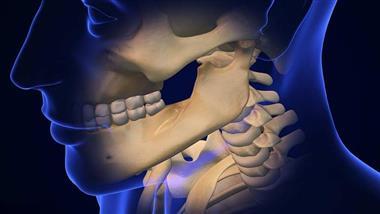
Osteonecrosis literally means “bone death.” When it occurs in the jaw, the bone tissue dies and becomes exposed through the gums, failing to heal. Patients develop painful, exposed bone in their mouth that can become infected, lead to tooth loss, and in severe cases require surgical removal of portions of the jaw.
The condition is diagnosed when a patient has exposed jaw bone that doesn’t heal within eight weeks, has a history of taking bisphosphonates or similar medications, and has no history of radiation therapy to the jaw area.
What makes BRONJ particularly insidious is that there is currently no reliable cure. Once the jaw bone dies, treatment options are limited to managing symptoms, controlling infection, and in some cases surgical debridement or removal of dead bone. Prevention is the only truly effective strategy.
The condition often develops after dental procedures — tooth extractions, implant placement, or other invasive dental work. This is why dentists now routinely ask patients about bisphosphonate use before performing procedures, and why some recommend “drug holidays” before dental surgery.
But what if there was a way to protect the jaw bone while still taking these medications? What if the same compound that reverses statin muscle damage could also prevent bisphosphonate jaw damage?
Same Mechanism, Same Solution
Here’s the key insight that connects these two seemingly different conditions: bisphosphonates and statins work through the same biochemical pathway.
Both drug classes inhibit enzymes in the mevalonate pathway. Statins block HMG-CoA reductase at the top of the pathway. Bisphosphonates — specifically the nitrogen-containing bisphosphonates like zoledronic acid — block farnesyl pyrophosphate synthase further down the pathway.
The end result is the same: depletion of geranylgeranyl pyrophosphate (GGPP), the activated form of GG. And when GGPP is depleted, the process of protein prenylation — essential for normal cell function — is impaired.
In muscle cells, this manifests as the muscle pain, weakness, and fatigue that statin patients experience. In the jaw bone, where there’s constant remodeling activity and exposure to oral bacteria, this manifests as impaired healing and eventual bone death.
A 2022 review published in Frontiers in Pharmacology1 explained the connection clearly: “Nitrogen-containing bisphosphonates suppress osteoclastic resorption by inhibiting farnesyl pyrophosphate synthase in the mevalonate pathway, leading to deficiency of the substrate for GTPase prenylation. The bone remodeling process is uncoupled, subsequently impairing bone healing and causing ONJ.”
The review went on to note that “targeted administration of geranylgeraniol (GGOH) represents a promising approach to mitigate BRONJ because GGOH is a substrate for GTPase prenylation.”
GG Reverses Bisphosphonate Damage to Jaw Cells
Multiple studies have demonstrated that GG can reverse the cellular damage caused by bisphosphonates in exactly the cell types that are critical for jaw bone health.
A 2011 study published in Oral Oncology2 was among the first to show that GG could reverse the negative biological effects of nitrogen-containing bisphosphonates on endothelial cells (which form blood vessels), fibroblasts (which form connective tissue), and osteogenic cells (which form bone). The researchers found that GG restored the viability and migration capacity of these cells after bisphosphonate treatment.
A 2021 study published in Frontiers in Cell and Developmental Biology3 investigated the specific mechanism by which bisphosphonates cause jaw bone problems. The researchers found that zoledronic acid (a potent bisphosphonate) both promoted the death of osteocytes (bone cells) and inhibited the ability of macrophages to clear dead cells — a process called efferocytosis that’s essential for proper healing.
Critically, the study found that “supplement with geranylgeraniol (GGOH), a substrate analog for geranylgeranylation of Rac1, could restore Rac1 homeostasis and rescue macrophage efferocytosis.” Rac1 (along with a closely related protein called Rac2) acts like an on-off switch that helps immune cells move, attach to damaged tissue, and clear away dead cells so healing can occur.
These proteins need to attach to cell membranes to work properly, and they need geranylgeraniol to do that. When bisphosphonates block this process, Rac signaling breaks down and immune cells cannot clean up damaged tissue. In other words, GG restored the normal healing process that bisphosphonates had disrupted.
A 2020 study4 examined the effects of zoledronic acid and GG on angiogenic (blood vessel-forming) gene expression in human osteoclasts. The researchers found that bisphosphonate treatment altered the expression of multiple genes involved in blood vessel formation — a key factor in bone healing. Addition of GG resulted in reduction of these altered gene expressions, suggesting it could help normalize the angiogenic response.
GG in Bone Cement Promotes Healing
Perhaps most exciting is a 2024 study published in the Journal of Oral Biology and Craniofacial Research5 that tested GG in an actual model of medication-related osteonecrosis of the jaw.
Researchers incorporated GG into bone cement pellets and tested their effects both in cell culture and in animals. They found that GG released from the bone cement increased osteoclast survival and metabolic activity and promoted resorption of calcified substrate — essentially restoring normal bone remodeling function.
In the animal model, released GG “limited the effects of the bisphosphonate and promoted healing.” The researchers noted that “GGOH from the infused cement carrier stabilizes bone structure and restores the ability of osteoclasts to remodel.”
The conclusion was encouraging: “These initial findings point to GGOH in a bone cement carrier as a useful therapeutic approach to prevent or mitigate the pathogenesis of MRONJ.”
While this specific delivery method (bone cement) is a clinical application that would need to be performed by a dental surgeon, the underlying principle is clear: GG can reverse bisphosphonate-induced damage to the cells responsible for jaw bone health and healing.
The Connection to Statin Myopathy
If you read my previous article on GG for statin-induced muscle problems, you’ll recognize the pattern. Both statins and bisphosphonates:
1. Inhibit the mevalonate pathway
2. Deplete geranylgeranyl pyrophosphate (GGPP)
3. Impair protein prenylation
4. Cause tissue damage (muscle or bone) through this mechanism
5. Can be counteracted by GG supplementation
This isn’t a coincidence — it’s biochemistry. These drugs work through the same fundamental mechanism, which is why they cause related problems and why the same solution addresses both.
The research on GG for statin myopathy is more advanced, with multiple in vivo studies and meta-analyses confirming that CoQ10 doesn’t work while GG does. The research on GG for BRONJ is still developing, with most studies being in vitro (cell culture) or in animal models. But the consistency of the findings across both conditions strongly supports the underlying mechanism.
Who Should Consider GG Supplementation?
Based on the available evidence, GG supplementation makes particular sense for:
• People taking bisphosphonates for osteoporosis — If you’re on Fosamax, Boniva, Actonel, or similar medications, GG supplementation may help protect your jaw bone, especially if you need dental procedures.
• Cancer patients receiving bisphosphonate therapy — High-dose intravenous bisphosphonates like Zometa carry a higher risk of BRONJ. Supplementation with GG could provide protective benefits.
• Anyone planning dental work while on bisphosphonates — Tooth extractions and implant placement are known triggers for BRONJ. GG supplementation before, during, and after dental procedures may help support normal healing.
• People taking statins who also take bisphosphonates — Many older adults take both drug classes. Both deplete GG through the same pathway. The combined depletion makes supplementation even more important.
Practical Recommendations
The practical recommendations for GG supplementation in the context of bisphosphonate use are similar to those for statin use:
• Dosing — 150 mg to 300 mg daily appears to be the range used in research.
• Form — Trans-geranylgeraniol from annatto seeds (often sold as “GG-Gold” or similar branded forms) has been the most studied.
• Timing around dental procedures — If you’re planning dental work, consider starting GG supplementation several weeks before the procedure and continuing during healing. Discuss this with your dentist and physician.
• Duration — Unlike some supplements that are taken only when symptomatic, GG supplementation may be most valuable as ongoing support while taking bisphosphonates, given that these drugs can persist in bone tissue for years.
• Safety — GG has demonstrated an excellent safety profile in research. It does not appear to interfere with bisphosphonates’ bone-building effects, similar to how it doesn’t interfere with statins’ cholesterol-lowering effects.
A Unified Approach to Mevalonate Pathway Support
The story of geranylgeraniol is really a story about understanding biochemistry rather than just treating symptoms. When we recognize that both statins and bisphosphonates deplete the same critical compound — and that this depletion causes problems in different tissues depending on which drug you’re taking — we can adopt a unified approach to protection.
• For statin users — GG addresses the root cause of muscle symptoms that CoQ10 couldn’t solve.
• For bisphosphonate users — GG supports the jaw bone health that these drugs compromise.
• For people taking both — GG replenishes what both drug classes deplete.
This is the kind of integrative thinking that conventional medicine often misses. Rather than treating statin myopathy and bisphosphonate jaw necrosis as completely separate conditions requiring separate solutions, we can recognize their common cause and address them together.
If you’re taking either statins or bisphosphonates — or especially if you’re taking both — GG deserves serious consideration as part of your supplement regimen. The research is clear, the mechanism is understood, and the safety profile is excellent. Discuss it with a healthcare provider familiar with integrative approaches, and take control of protecting your muscles and bones from pharmaceutical side effects.
FAQ
Q: What is bisphosphonate-related osteonecrosis of the jaw (BRONJ)?
A: BRONJ is a serious condition in which sections of jaw bone lose blood supply, die, and fail to heal. It occurs in some people who take bisphosphonate drugs for osteoporosis or cancer, especially after dental procedures such as tooth extractions. Once established, there is no consistently effective treatment, which makes prevention critical.
Q: How do bisphosphonates cause jaw bone damage?
A: Bisphosphonates block enzymes in the mevalonate pathway, a metabolic pathway your body uses to produce essential compounds. This blockade depletes geranylgeranyl pyrophosphate (GGPP), which cells need for protein prenylation, a process required for normal bone remodeling, immune cleanup, blood vessel growth, and tissue repair.
Q: Why does geranylgeraniol (GG) matter in BRONJ?
A: GG replenishes GGPP, the compound depleted by bisphosphonates. Research shows GG restores normal function in osteoclasts, osteoblasts, fibroblasts, endothelial cells, and immune cells that support jaw bone healing. By correcting the underlying biochemical disruption, GG targets the root cause rather than symptoms.
Q: What does research show about GG and jaw bone healing?
A: Cell and animal studies report that GG reverses bisphosphonate-induced cell death, restores immune cell cleanup of damaged tissue, and normalizes blood vessel-related gene activity. A 2024 animal study showed GG delivered through bone cement promoted bone remodeling and healing in a model of medication-related osteonecrosis of the jaw.
Q: Who may benefit most from GG supplementation?
A: Evidence suggests GG may help people who take bisphosphonates for osteoporosis or cancer, especially if you plan dental procedures or also take statins, which deplete GG through the same pathway. Human clinical trials remain limited, so you should discuss supplementation with your dentist and physician before use.
The Vast Dangers of Corticosteroids and the Safe Treatments for Autoimmunity
Reproduced from original article:
https://articles.mercola.com/sites/articles/archive/2026/04/07/vast-dangers-of-corticosteroids.aspx
Analysis by A Midwestern Doctor April 07, 2026
Story at-a-glance
- Corticosteroids are widely used in medicine, but their safety has long been questioned, with more and more dangers being discovered
- Understanding the effects of the body’s natural corticosteroids explains many of the common side effects from synthetic steroids like diabetes, fractures, and tissue loss
- Steroids exemplify a common criticism of modern medicine — treating symptoms rather than addressing the root cause can lead to far more severe chronic health issues
- While they are frequently misused, in some cases, steroids can also be lifesaving, hence requiring knowledge of their appropriate uses
- Superior natural and conventional alternatives to steroid therapy now exist, reducing the justification for using these unsafe drugs
To regulate itself, the body often relies upon sensors that detect something amiss and then emit a signal that is amplified by the body so that a process can be set in motion to fix the issue that set the sensor off. One of the key signals the body relies upon are hormones, as small amounts of these molecules being released are often sufficient to change the internal state of the body drastically.
The hypothalamic-pituitary-adrenal (HPA) axis is the body’s central stress response system. It has three main components: the hypothalamus and pituitary gland in the brain, and the adrenal glands on top of the kidneys. When you experience stress, the hypothalamus releases corticotropin-releasing hormone (CRH), which signals the pituitary gland to secrete adrenocorticotropic hormone (ACTH).
ACTH then travels through the bloodstream to the adrenal glands, prompting them to release the corticosteroid cortisol (the body’s primary stress hormone). Finally, once cortisol levels are high enough, they signal the brain to reduce CRH and ACTH production, creating a negative feedback loop that prevents over-activation of the stress response. Cortisol, in turn, has a few key functions in the body:
• Immune modulation — Cortisol first enhances the immune system’s immediate response to threats (protecting the body during stress), then limits excessive immune activity to prevent autoimmunity. It does this partly by inhibiting proinflammatory cytokines (e.g., IL-1, IL-6) and reducing T-cell activity. Over time, this shifts to immune suppression, making synthetic corticosteroids, a popular treatment for inflammation and autoimmunity.

Note: At lower doses, this transition from immune stimulation to immune suppression takes much longer, whereas at high doses it’s faster (hence why high steroid doses are given for dangerous autoimmune flares).
• Blood sugar — When blood sugar is low, cortisol raises it by stimulating gluconeogenesis in the liver, mobilizing amino acids (from muscle) and fatty acids (from fat) for glucose production, and reducing insulin sensitivity in tissues like muscle and fat. Excessive cortisol can lead to diabetes, abdominal fat accumulation (obesity), weight gain, insulin resistance, and cardiovascular issues.
• Connective tissues — Cortisol promotes protein catabolism (breakdown) in muscles, providing substrates for glucose synthesis and inhibiting collagen synthesis. Excessive cortisol causes muscle wasting, bone loss (e.g., osteoporosis or osteonecrosis), poor wound healing (which is also a result of immune suppression), skin thinning, easy bruising, and purple striae.
• Circulation — Cortisol raises blood pressure by increasing sodium and water retention, sensitizing blood vessels to epinephrine and norepinephrine. This causes vasoconstriction and an increased heart rate while also damaging the blood vessel lining. This elevates the risk for cardiovascular disease1,2,3 (e.g., a one-standard deviation increase in morning plasma cortisol is linked to an 18% higher risk of future cardiovascular events4).
• Cognition — Cortisol modulates arousal, attention, and memory consolidation. Chronic excess corticosteroids (from either endogenous cortisol or synthetic steroids) impair hippocampal function, causing memory deficits, increased pain sensitivity, attention issues, cravings for high-calorie foods, substance abuse, and, rarely, psychosis.
• HPA axis dysfunction — Since the HPA axis is regulated by cortisol levels, once natural or synthetic corticosteroids are chronically elevated, the HPA axis becomes desensitized, leading to excessive cortisol secretion or loss of the ability to secrete cortisol when needed.
This in turn creates many issues such as those associated with chronically excessive cortisol or varying degrees of fatigue (e.g., due to the adrenal glands not secreting cortisol when needed).
Note: Excessive cortisol can also cause other effects such as blood electrolyte imbalances, alkalosis, cataracts, and glaucoma.
Because of this, many argue excessive cortisol secretion and HPA axis dysfunction (e.g., due to chronic stress, poor diet, poor sleep, alcoholism, too many stimulants like caffeine, social isolation, a lack of exercise, or irregular daily rhythms) is a root cause of disease (e.g., the metabolic syndrome afflicting our country).
As such, they advocate for lifestyle practices that counteract these HPA axis-disrupting factors, and in many cases significant health benefits follow the adoption of those practices.
Corticosteroids
The hormone cortisol belongs to a class of steroids known as corticosteroids due to its release by the cortex of the adrenal glands. While many related corticosteroids (henceforth referred to as “steroids”) exist within the body, the body’s primary ones are cortisol (a glucocorticoid) and aldosterone, a mineralocorticoid that regulates blood pressure, volume, and electrolyte balance.
In 1946, the first synthetic steroid (cortisone) was synthesized.5 Two years later, enough had been produced to test it on a human, where it was discovered to improve rheumatoid arthritis symptoms (which won the 1950 Nobel Prize6) and was immediately hailed as a ‘wonder drug.’7 Before long, it was discovered that other inflammatory syndromes also responded to cortisone, and a rush of other steroids hit the market:

Following its success in rheumatoid arthritis, steroids (e.g., prednisone, hydrocortisone) were rapidly adopted for a wide range of inflammatory and autoimmune disorders, including systemic lupus erythematosus, inflammatory bowel disease, and multiple sclerosis, due to their ability to suppress immune-mediated tissue damage.
In the early 1950s, steroids were hailed as a revolutionary treatment for those conditions (and hence widely prescribed), with new steroids (e.g., prednisone) being rapidly introduced to the market, but in the late 1950s, serious side effects began to accumulate from long-term steroid use.
By the early 1960s, steroid treatment was “shunned altogether by the rheumatology community”8 (to the point shortly after that NSAIDs like ibuprofen were named nonsteroidal anti-inflammatory drugs to distinguish them from the disastrous steroids9) after which point steroids were prescribed with more caution and at lower doses until it was reborn in the 1980s under a low dose regimen.
Currently, steroids remain widely used, and their use has gradually increased. For example, in 2009, 6.4% of American adults had used oral steroids at least once in the last year,10 whereas in 2018, 7.7% did, while a 2017 study found 21.4% of adults (age 18 to 64) had used at least one oral steroid prescription in the last three years.11
Note: After harms were discovered with steroids, a pivot was made that they are safe if “low doses” are given. However, over the decades, what constituted a safe “low dose” has greatly declined (i.e., doses now considered toxic previously were routinely prescribed), and that drop will likely continue to (e.g., in 2016, Europe’s Rheumatology group concluded it was unsafe to give more than 5 mg a day of long-term steroids12 — a figure significantly lower than the current amounts used in America13).
Steroid Side Effects
As you would expect, the side effects from taking steroids mirror those seen with excessive cortisol, although in many cases are much more severe.
Furthermore, they are quite common (e.g., one study found 90% of users report adverse effects, and 55% report at least one that is very bothersome14). Consider this summary of what users across the internet have reported:

Likewise, much of that has been established within the scientific literature:
• Bone loss — Corticosteroids double one’s risk of a fracture (and even more so for a vertebra15), with 12% of users reporting fractures.16 At typical doses, steroids cause a 5% to 15% loss of bone each year,17 and in long-term users, 37% experience vertebral fractures18 (additionally, high dose steroid use increases the risk of vertebral fractures fivefold19).
Steroid bone loss, in fact, is such a common problem that treating it is one of the few official indications the FDA provides for bisphosphonates20 (which while widely prescribed for bone loss have many severe side effects — including making your bones more likely to break). Lastly, higher doses increase the likelihood of avascular necrosis (with 6.7% of users taking higher steroid doses developing it21).
• Weight gain — Approximately 70% of individuals taking oral corticosteroids long-term (over 60 days) report weight gain.22 One study found a 5.73 to 12.79 lbs. increase per year,23 and another found a 4% to 8% increase in body weight after two years of steroid use. Additionally, this fat typically stores in areas like the face, neck, and belly.24
• Adrenal insufficiency — Corticosteroids reduce the adrenal gland’s ability to produce cortisol (which can sometimes be life-threatening). This is a huge problem that increases with the duration of therapy and systemic routes of administration (e.g., affecting 48.7% of oral users25).

• Diabetes — A systematic review found individuals taking systemic corticosteroids were 2.6 times more likely to develop hyperglycemia26 (with 1.8% of those receiving steroids in a hospital then developing diabetes).27
Likewise, patients who’d taken systemic corticosteroids at least once were 1.85 times more likely to develop diabetes.28 Finally, a meta-analysis found that, in patients without pre-existing diabetes, a month or more of steroids caused hyperglycemia in 32% and diabetes mellitus in 19% of them.29
• Cardiovascular — High doses of steroids have been observed to increase heart attacks by 226%, heart failure by 272%, and strokes by 73%.30
• Eyes — Steroids have been found to increase the risk of cataracts by 245% to 311%31 (with 15% of users reporting this side effect)32 and the risk of ocular hypertension or open angle glaucoma by 41%.33
• Gastrointestinal — Steroids are linked to many gastrointestinal events (e.g., nausea and vomiting)34 and have been found to increase the risk of gastrointestinal bleeding or perforation by 40%.35
• Psychiatric — Between 1.3% to 18.4% of steroid users develop psychiatric reactions (with the rates increasing with the dose),36 and around 5.7% experience severe reactions. Additionally, 61% of steroid users reported sleep disturbances,37 and steroids can also sometimes cause psychosis.38,39
• Infections — Steroids also increase the risk of infections. For example, users of inhaled steroids were found to be 20% more likely to develop tuberculosis,40 and this increased at higher doses in patients with asthma or COPD. Similarly, patients on steroids were 20% more likely to develop sepsis41 (possibly due to the initial symptoms of the infection being masked by the steroids).
•Skin — Prolonged topical use of steroids also frequently causes skin issues42 (e.g., up to 5% experience skin atrophy after a year of use).
Lastly, certain steroids are much more potent than others, and the more potent ones that persist in the body (e.g., dexamethasone) are more likely to create systemic effects like HPA axis dysfunction.

Uses of Steroids
The toxicity of steroids greatly increases with prolonged doses and routes of administration that have systemic absorption (e.g., oral). Because of this, many now believe they should be reserved for life-threatening emergencies (with the side effects that frequently follow being an acceptable trade off) and for a prolonged period, only be used in a manner with minimal systemic absorption (e.g., topically).
Note: I recently interviewed a variety of specialists for their perspectives on using steroids in their fields of medicine. Collectively, they felt that while steroids can be helpful, they are frequently prescribed in an inappropriate manner that causes more harm than good (discussed here).
• Inhaled steroids — Inhaled steroids are routinely used to treat asthma and COPD. Since the systemic absorption of inhaled steroids is much less than from oral steroids, systemic side effects are rarer (but can still occur with prolonged use at higher doses).
While inhaled steroids (along with the other medications commonly prescribed for these respiratory conditions) can help and are often the only option available to patients, I believe in most cases natural therapies that directly treat the conditions are preferable. For example, COPD is seen as a progressive and incurable illness which can only be delayed or partially mitigated with the existing therapies.
In contrast, when nebulized glutathione is used to replenish the protective lining of the lungs, it halts the progression of the disease, and unlike steroids does so without side effects. Likewise, many natural therapies exist for asthma.
• Topical steroids — Topical steroids are routinely used for skin issues and sometimes in other areas as well, such as for certain eye conditions, like preventing graft rejection after a necessary corneal transplant. In these instances, systemic side effects are rare, and most local issues result from prolonged use (e.g., skin changes or skin thinning — particularly on the face).
Note: I have long suspected topical steroids in part work by reducing fluid circulation to the skin (via the interstitium43), thereby preventing inflammatory toxins from arriving there and creating skin reactions (whereas agents like DMSO treat skin conditions by augmenting the skin’s microcirculation so stagnant toxins cannot irritate a set area).
As such, due to the potential issues with suppressing skin symptoms, I typically treat skin issues with natural therapies like DMSO or by eliminating the underlying cause of the skin issue.
• Injectable steroids — Frequently, when patients have significant pain in a joint, steroids will be injected into the joint to improve the pain. There are three major issues with this approach.
◦First, a certain degree of systemic absorption occurs, so many of the previously mentioned side effects can follow steroid injections (e.g., high blood sugar for over a week44).
◦Second, if the injected steroid is not water soluble (most aren’t), it will often remain in the joint (e.g., you can often see previously injected steroids within a joint when it is arthroscopically) examined.
◦Third, steroids weaken and degrade connective tissue (e.g., the ligaments holding a joint together).
Since arthritis often results from weakened ligaments no longer holding the joint in the correct position (causing it to grind against itself when it moves), this creates a situation where a temporary relief is gained from the steroid that is followed by a worsening of the underlying issues, which then typically results in the patient eventually needing surgery — which is very common story with knee replacements and is particularly disastrous in cases where a spinal fusion is performed.45
Note: For this reason, we treat joint pain either by strengthening the joint’s ligaments (which for instance often cures spinal pain) or using a natural therapy which reduces inflammation and pain without damaging the ligaments (such as DMSO).
Lastly, it is important to note that many (and arguably the majority) of joint issues have an inflammatory component (e.g., many patients have undiagnosed seronegative spondyloarthropathies46 that often do not show up on standard diagnostic tests47).
On the one hand, this illustrates why both conventional and natural approaches for reducing inflammation can help with so many different joint issues. Conversely, it also helps explain why arthritis increase with age, as inflammation and metabolic health worsen with age.48
• Intravenous steroids — Certain more severe illnesses respond to steroids, and as a result intravenous steroids are routinely given to certain hospitalized patients. In those instances (especially given the options available for hospitalized patients),49 this is often necessary and lifesaving. At the same time however, it must be remembered that this approach can lead to significant side effects.
• Oral steroids — Oral steroids have the widest range of diseases they are used to treat, which is unfortunate since they also tend to cause the most side effects. Some of their common uses include:
◦Severe cases of chronic lung conditions (e.g., asthma or COPD).
◦Allergic reactions of varying severity.
◦Various rheumatologic disorders, along with many other autoimmune conditions such as inflammatory bowel diseases and certain blood disorders.
◦Preventing the rejection of transplanted organs.
◦Replacing hormones that the adrenal glands have lost the ability to produce.
◦Certain skin disorders.
◦For disc herniations, along with other acute musculoskeletal issues like gout, bursitis, or tendonitis that are not responding to NSAIDs, or to reduce swelling and pain from a recent severe injury.
While some of these are justified, a strong case can be made that many other uses cause more harm than any benefit they provide.
Alternatives to Steroids
A central issue with steroids is that while they do suppress the immune system (which is sometimes needed), they are too broad in their effects, and as a result, in most conditions, they cause a significant number of unwanted consequences.
Because of this, a variety of attempts have been made over the years to find alternative ways to suppress the immune system.
For example, Anthony Fauci is a hero to the rheumatology field because shortly after he joined the NIH in 1968, he had the insight that chemotherapy drugs (which destroyed the white blood cells at standard doses), when given at low doses could instead be used to suppress dangerous autoimmune responses.50 This worked, and cyclophosphamide allowed certain once terminal diseases to become quite manageable.51
Many of those drugs were not at all safe (e.g., cyclophosphamide often gives you cancer), but compared to the previously existing options were revolutionary, and as such, immune suppressing drugs which created various consequences of immune suppression (e.g., frequent and unusual infections) were seen as justified and were widely adopted.
Note: The drug Fauci pioneered for life-threatening vasculitides, cyclophosphamide, is still used in that manner but never received an FDA approval52 (which is noteworthy given how aggressively Fauci targeted “unapproved” therapies during the AIDS crisis and COVID-19).
Since then, a variety of less toxic but still effective rheumatologic drugs have been developed that have greatly improved the prognosis of autoimmune disorders (listed here). Unfortunately, due to the medical field’s tendency to greatly delay the adoption of new therapeutic approaches, many of these newer drugs are rarely utilized and instead far more toxic immune suppressing medications like steroids remain the standard of care.
In tandem, a variety of natural approaches have been discovered over the years that often effectively treat a wide range of autoimmune disorders (or at least improve them enough for lower doses and less toxic doses of immunosuppressive medications to be needed). Likewise, much safer natural alternatives have been found for many of the other conditions steroids “treat” (e.g., DMSO for musculoskeletal pain and injury).
Note: Many things we have direct control over (e.g., exercise, sunlight exposure, diet, and stress), can greatly improve autoimmune disorders and reduce the need for costly therapies.
Conclusion
Having an autoimmune disorder often forces a patient to accept utilizing a therapy they know entails significant side effects. However, while drugs like steroids are sometimes necessary, in most cases, a far less toxic alternative exists that allows a patient to live a long and fulfilling life.
Worse still, because the increasing toxicity of our environment and the refusal to look at what causes autoimmunity, we are now seeing an annual increase of 3% to 12% in the rates of these life-changing diseases.53,54
For far too long, we’ve had to accept these abysmal trade-offs as the medical system incentivizes lucrative pharmaceuticals irrespective of their toxicity while actively shunning natural therapies. However, now that the MAHA movement is ushering in a historic change in healthcare, we at last have an opportunity to shift this dysfunctional dynamic and begin looking at real solutions to chronic illness rather than outdated ones that no longer serve their purpose.
Author’s Note: This is an abridged version of a longer article which goes into more detail on the dangers of steroids, the ways to safely utilize or withdraw from them, and the safest natural or conventional methods for treating autoimmune disorders and musculoskeletal issues. That article can be read here.
A Note from Dr. Mercola About the Author
A Midwestern Doctor (AMD) is a board-certified physician from the Midwest and a longtime reader of Mercola.com. I appreciate AMD’s exceptional insight on a wide range of topics and am grateful to share it. I also respect AMD’s desire to remain anonymous since AMD is still on the front lines treating patients. To find more of AMD’s work, be sure to check out The Forgotten Side of Medicine on Substack.
- 1 Am J Cardiol. 2012 Sep 10;110(12):1711–1716
- 2 Psychosom Med. 2014 Jul-Aug;76(6):468–475
- 3 The Cardiology Advisor, February 3, 2023
- 4 European Journal of Endocrinology, Volume 181, Issue 4, Oct 2019, Pages 429–438
- 5 Journal of Endocrinology, 10 Jul 2007, Volume 195: Issue 1
- 6 The Nobel Prize in Physiology or Medicine 1950. NobelPrize.org. Nobel Prize Outreach 2025. Fri. 9 May 2025
- 7, 8, 9 Inflammopharmacology 22, 263–267 (2014)
- 10 Clin Transl Sci. 2023; 16: 2565-2576
- 11 BMJ 2017;357:j1415
- 12 Rheumatology Advisor, March 21, 2016
- 13 Drugs.com, August 22, 2024
- 14, 16, 22, 32 Arthritis Rheum. 2006 Jun 15;55(3):420-6
- 15, 17, 18 RMD Open. 2015 Apr 8;1(1):e000014
- 19 J Bone Miner Res, 15: 993-1000
- 20 Fosamax, February 2012
- 21, 30, 33, 35, 40, 41 J Pharm Technol. 2022 Aug 30;38(6):360–367
- 23 Arthritis Rheum. 2008 May 15;59(5):746–753
- 24 Arthritis.org, Corticosteroids
- 25 J Clin Endocrinol Metab. 2015 Jun;100(6):2171-80
- 26 Diabet Med. 2025 Mar;42(3):e15475
- 27 Radcliffe Department of Medicine, September 10, 2024
- 28 Diabetes Obes Metab. 2022 Nov;24(11):2222-2231
- 29 Nat Rev Endocrinol. 2022 Sep;18(9):540-557
- 31 Ophthalmology. 2009 Apr;116(4):652-7
- 34 Pharmacotherapy. 2008 Nov;28(11):1325–1334
- 36 Diagnostics (Basel). 2023 Jan 17;13(3):337
- 37 Arthritis & Rheumatism, 55: 420-426. doi: 10.1002/art.21984
- 38 Cureus. 2023 May 19;15(5):e39221
- 39 Wikem.org, Steroid-induced psychosis
- 42 J Eur Acad Dermatol Venereol. 2012 May:26 Suppl 3:47-51
- 43 The Forgotten Side of Medicine, December 1, 2024
- 44 AJR Am J Roentgenol. 2024 Mar;222(3):e2330458
- 45 The Forgotten Side of Medicine, October 27, 2023
- 46 StatPearls [Internet], Treasure Island (FL): StatPearls Publishing; 2025 Jan
- 47 Creakyjoints.org, November 15, 2018
- 48 Nat Rev Endocrinol. 2018 Oct;14(10):576-590
- 49 The Forgotten Side of Medicine, November 24, 2024
- 50, 51 Pathog Immun. 2024 Sep 16;9(2):152–171
- 52 Cyclophosphamide Injection, June 2023
- 53 J Clin Invest. 2025;135(4):e178722
- 54 International Journal of Celiac Disease 3, no. 4 (2015): 151-155
Vitamin E’s Therapeutic Benefits in Bone and Joint Disorders
Reproduced from original article:
https://articles.mercola.com/sites/articles/archive/2026/03/05/vitamin-e-bone-joint-health.aspx
Analysis by Dr. Joseph Mercola March 05, 2026

Story at-a-glance
- Vitamin E is gaining attention in orthopedics because it influences inflammation, oxidative stress, and immune signaling, all of which shape how your bones and joints maintain strength over time
- Osteoporosis develops when bone breakdown outpaces rebuilding, and studies show vitamin E helps suppress this activity, reduce inflammatory cytokines, and support antioxidant defenses involved in bone preservation
- Research also links vitamin E to improved outcomes in osteoarthritis, fracture healing, implant longevity, arthrofibrosis, and osteomyelitis, suggesting broader musculoskeletal relevance beyond bone density alone
- Many people fall short on vitamin E because the most common sources come packaged with high linoleic acid, which raises your antioxidant demand beyond what diet alone typically supplies
- Choosing the right vitamin E supplement matters, since natural full-spectrum forms provide greater biological activity than synthetic versions, especially for bone and joint support
Your bones and joints influence how comfortably you move, how well you recover from physical stress, and how resilient your body remains over time. Many orthopedic conditions develop gradually, shaped by more than calcium intake or bone density alone. Inside your tissues, inflammation, oxidative stress, and immune imbalance can slowly disrupt the processes that maintain bone strength and joint integrity.
That is where vitamin E has begun to draw more attention. Best known as an antioxidant, it is now being examined more closely for its role in supporting bone and joint tissue, with researchers exploring how it may help preserve the structural strength your musculoskeletal system relies on across many different stages of life.1
Vitamin E Helps Slow the Bone Breakdown That Drives Osteoporosis
Osteoporosis is the most common orthopedic condition affecting older adults, and it develops when bones gradually lose both mass and internal strength. This decline increases the risk of fragility fractures, especially in the hip, spine, and wrist. Among women over 65, about one in four is affected, and lifetime fracture risk in osteoporosis may reach as high as 40%, making it one of the most widespread and serious age-related skeletal conditions.2
• Your bones are not static structures — They are constantly being renewed through a process called bone remodeling. Old or damaged bones are broken down and replaced with new bone to preserve strength and structure over time.
This cycle depends on two main types of cells: osteoclasts, which remove old bone, and osteoblasts, which build new bone in its place. Osteoporosis develops when the breakdown side of this cycle becomes too active, leaving the bone thinner and more fragile.
• Vitamin E interferes with the molecular “on switch” that drives osteoclast formation — A review published in IntechOpen describes a central molecular signaling system that acts like a biological “on switch” for osteoclast formation. When this signaling becomes overactive, the body produces more osteoclasts, and bone loss accelerates.
Vitamin E has been highlighted as a nutrient that interferes with this process by reducing the signals that drive osteoclast development and increasing natural regulators that help keep bone breakdown in check.
• Inflammation also plays an important role in osteoporosis — Inflammatory cytokines act as chemical messengers that can stimulate osteoclast activity. The IntechOpen review reports that vitamin E inhibits cytokines such as TNF-α, IL-1, IL-6, and IL-27, all of which are linked to bone resorption.
• Oxidative stress accelerates osteoclast activity — Vitamin E decreases malondialdehyde, a marker of lipid damage caused by oxidative stress, while increasing antioxidant enzymes such as superoxide dismutase and glutathione peroxidase. These shifts matter because oxidative stress can promote osteoclast activity, and the antioxidant role of vitamin E is tied directly to suppressing bone-resorbing processes.
• Not all forms of vitamin E appear equally active in bone tissue — Vitamin E exists in different forms, including tocopherols and tocotrienols, and these do not always behave the same way in the body. In laboratory models where bone-building cells and bone-resorbing cells interact, tocotrienols reduced the signals that normally tell the body to form more osteoclasts.
Researchers also found that α-tocotrienols lowered c-Fos, an important molecular switch that helps immature cells develop into fully active osteoclasts, while alpha-tocopherol, the form used in most standard supplements, did not show the same effect.3
• Population data links higher vitamin E intake with lower osteoporosis risk — An analysis of data from the U.S. National Health and Nutrition Examination Survey (NHANES) involving 5,800 U.S. adults aged 50 and older found that higher dietary vitamin E intake was associated with lower osteoporosis risk.
Each additional 1 milligram per day corresponded to a 4% reduction in risk, and those in the highest intake group showed substantially reduced odds compared with the lowest intake group. Vitamin E intake also showed a stronger association with lower osteoporosis risk among participants with a history of hormone use, suggesting that hormonal context may shape skeletal outcomes in older adults.4
The rising risk of osteoporosis highlights the importance of maintaining adequate vitamin E levels as a beneficial strategy to support bone health. Learn more in “Hip Fractures from Osteoporosis Predicted to Double by 2050.”
Vitamin E in Other Orthopedic Conditions
Vitamin E’s relevance in orthopedics extends beyond osteoporosis, because many bone and joint problems involve the same internal stressors that wear down tissue over time. A narrative synthesis published in The Indian Journal of Orthopaedics highlights several orthopedic settings where vitamin E appears to influence tissue stability and healing:5,6
• Osteoarthritis — This involves the gradual degeneration of cartilage, the smooth tissue that cushions your joints. Vitamin E’s antioxidant and anti-inflammatory effects may help mitigate cartilage degeneration triggered by mechanical stress or free radical injury. Low vitamin E levels in blood or synovial fluid have also been correlated with more significant osteoarthritis progression.
One study cited in the review involved patients with late-stage knee osteoarthritis, where 400 IU of alpha-tocopherol daily for two months led to reduced pain, stiffness, and functional limitation. These improvements were accompanied by differences in oxidative stress markers in both blood and synovial fluid (the lubricating fluid inside your joints).
• Fracture healing — Bone healing occurs in stages, including callus formation, where temporary scaffolding stabilizes the fracture while new bone is built. A systematic review of animal studies reported that alpha-tocopherol demonstrated a significant positive influence on bone formation during late callus remodeling.
The review also summarizes findings from an osteoporotic fracture model where alpha-tocopherol improved the stage of fracture healing compared with untreated osteoporotic controls. This improvement was accompanied by significantly higher activity of antioxidant enzymes, such as superoxide dismutase and glutathione peroxidase during the early phase of repair.
• Joint replacement and implant longevity — In joint replacement surgery, implant materials slowly experience wear over time. Tiny debris particles can trigger inflammation and bone erosion around the prosthesis, contributing to loosening.
Meta-analyses cited in the review found that when vitamin E is incorporated into highly crosslinked polyethylene liners, a common implant material, it helps improve resistance to oxidative degradation and reduce wear-related bone loss around the implant.
• Post-surgical scar tissue — After orthopedic surgery, some patients develop excessive scar tissue inside the joint, which can restrict movement. This complication is called arthrofibrosis. Vitamin E’s local antioxidant and anti-inflammatory properties were reported to mitigate arthrofibrosis while improving final range of motion and weight-bearing symmetry.
• Osteomyelitis — Osteomyelitis is a serious bone infection, often caused by Staphylococcus aureus bacteria, that can destroy tissue and impair healing. The review highlights an animal study where titanium implants coated with a vitamin E phosphate layer showed lower bacterial levels, higher bone mineral density, and less bone tissue death, compared with uncoated implants.
• Tendon and ligament injuries — Some research suggests vitamin E may reduce swelling and tissue damage after musculoskeletal injury through its effects on inflammatory cytokines. The review notes preliminary suggestions that vitamin E could support healing after anterior cruciate ligament (ACL) tears or sprains by reducing excess scar buildup and protecting collagen fibers.
Across these orthopedic applications, the review presents vitamin E as a promising adjunct, with its consistent effects on inflammation, oxidative stress, and tissue healing.
The Role of Estrogen and Vitamin E in Postmenopausal Bone Health
Estrogen is often presented as a key protector of bone density, especially for women entering menopause. You’ve likely heard that once estrogen production declines, bone loss speeds up — and that’s true to a degree. After menopause, women typically lose bone mass at a faster rate, and this is commonly attributed to lower circulating estrogen levels.
What’s less widely recognized is how estrogen behaves in tissues compared to the bloodstream, and why vitamin E’s antiestrogenic activity may be especially relevant in this context.7,8,9
• Estrogen is not simply low across the board after menopause — Even when blood levels decline, estrogen can remain elevated in fat and other tissues, creating a hormonal environment that still favors estrogenic activity.
The use of hormone replacement therapy (HRT) intensifies this further by increasing estradiol and estrone concentrations within adipose tissue, while also reducing androgens like testosterone. The result is not a clean reversal of deficiency, but rather an increase in estrogen signaling where it already tends to accumulate.
• This is significant for bone health because estrogen affects more than bone density — In excess, estrogen contributes to higher intracellular calcium levels, increased oxidative stress, and suppressed mitochondrial function, which undermine bone regeneration and cellular energy metabolism.
It also fuels inflammatory processes that, over time, damage tissue and disrupt the balance of bone turnover. In this hormonal terrain, bone loss can continue or worsen despite estrogen being present in high amounts at the tissue level.
• Vitamin E helps rebalance the hormonal environment — It acts as a natural estrogen antagonist, blocking receptor activation, limiting estrogen’s stimulatory effects, and inhibiting aromatase, the enzyme that converts androgens into estrogens. These actions help blunt the excess estrogenic activity that accumulates in tissues, particularly in fat.
By doing so, vitamin E helps restore a more stable foundation for bone remodeling, not by increasing estrogen, but by limiting its dominance where it becomes counterproductive.
This perspective challenges the assumption that more estrogen is always better for bones. It also opens a path for targeted nutrient support that doesn’t carry the risks of pharmacological hormone manipulation. For women navigating midlife bone loss, and for anyone experiencing hormone-related disruptions in skeletal health, restoring hormonal balance through vitamin E may offer a safer and more sustainable foundation for long-term skeletal resilience.
Why Many People Don’t Get Enough Vitamin E from Their Diet Alone
Vitamin E exists in many foods, but that doesn’t mean you’re getting enough of it. One reason is that many common vitamin E sources, such as nuts, seeds, and vegetable oils, also come packaged with high amounts of linoleic acid (LA), an unstable omega-6 fat that increases oxidative stress. Instead of correcting a deficiency, these foods increase your demand for antioxidants like vitamin E, so you end up needing more just to keep up with the damage it generates.
• Some plant-based sources contain trade-offs that affect absorption — Beans and other legumes provide small amounts of vitamin E, but they also contain antinutrients such as lectins. In sensitive individuals, these compounds irritate the gut lining and interfere with nutrient absorption, making dietary vitamin E harder to utilize even when intake looks adequate.
• There are better options that provide vitamin E without the drawbacks — These include fresh fruits and vegetables such as pumpkin, asparagus, red bell peppers, tomatoes, kiwi, and mango. Pasture-raised, grass fed meats like beef and bison also contribute meaningful vitamin E, especially when you’re aiming to keep your LA intake low. These foods deliver vitamin E in a form your body absorbs more efficiently, especially when eaten alongside healthy fats.
• Modern diet is dominated by processed foods and industrial seed oils — For every gram of LA you eat, your vitamin E requirement goes up. This means someone eating 20 to 30 grams of LA per day, which is typical on a Western diet, would need far more vitamin E than what food alone can reasonably supply. This is why supplementing is a practical tool to counteract the effects of LA.
• Vitamin E supplementation becomes less necessary as LA burden declines — If you keep your LA intake below 5 grams per day for about three years, you may no longer need vitamin E supplements regularly, or you may only need them occasionally. If you do have a meal high in LA, taking a vitamin E capsule afterward helps protect your body from the effects of that specific meal.
Once your LA levels are lower, you’ll only need around 2 milligrams (mg) of vitamin E for every gram of LA you consume. With a recommended daily LA intake of 5 grams or less, that works out to about 10 mg of vitamin E per day, which is a relatively small amount. For best absorption, it’s ideal to take vitamin E with a healthy fat source, like coconut oil.
How to Choose the Right Vitamin E Supplement
Not all vitamin E supplements are created equal. Many products on the market use synthetic vitamin E, which is less biologically active than the natural form. Synthetic versions are often listed as alpha-tocopherol acetate, and the “acetate” label is a common sign that the product is not the same form of vitamin E found in food.
• Another issue is that many synthetic supplements are racemic — This means they contain a mix of mirror-image forms called isomers, like left and right hands. Your body strongly prefers one “handed” form of vitamin E. Only the “D” isomer provides health benefits, while the “L” isomer does not. In synthetic products, half of the vitamin E comes from this ineffective form, which significantly reduces the supplement’s overall potency.
• That is why label details matter — A high-quality supplement will list d-alpha-tocopherol, which indicates the natural D form. A label that says dl-alpha-tocopherol signals a synthetic mixture.
• Full-spectrum vitamin E provides broader benefits — For the best results, look for a supplement that provides the full range of vitamin E forms, including tocotrienols such as the beta, gamma, and delta types, in the natural D configuration. These different forms of vitamin E work synergistically to provide a wider range of health benefits.
• Choose a clean, food-based supplement without industrial additives — I recommend looking for a food-based supplement that contains all eight forms of vitamin E and avoids soy, soybean oil, and genetically engineered (GE) ingredients. Many lower-quality supplements use GE derivatives from corn, soy, or cottonseed, so choosing a clean, naturally sourced product helps ensure you are getting the highest-quality form available.
Frequently Asked Questions (FAQs) About Vitamin E and Bone Health
Q: What does vitamin E have to do with bone health?
A: Vitamin E influences the biological systems that control how your bones are maintained over time. Research shows it affects the activity of osteoclasts, the cells responsible for breaking down old bone, and helps regulate inflammatory and oxidative processes that accelerate skeletal weakening as you age.
Q: How might vitamin E help with osteoporosis?
A: Vitamin E has been shown to interfere with signals that drive excessive bone breakdown, including pathways involved in osteoclast formation. It also reduces inflammatory cytokines linked to bone resorption and supports antioxidant defenses that help protect bone tissue from oxidative damage, which plays a major role in osteoporosis progression.
Q: Why don’t I get enough vitamin E from food alone?
A: Many foods rich in vitamin E, such as nuts, seeds, and vegetable oils, are also high in linoleic acid (LA), which increases oxidative stress and raises your body’s demand for vitamin E. On a modern diet dominated by processed foods and seed oils, your requirement often exceeds what food alone can realistically supply.
Q: Are vitamin E supplements good for me?
A: Supplementing with vitamin E can be helpful, especially if you have a high LA burden or are trying to support bone and joint health during aging. Vitamin E is fat-soluble and provides antioxidant protection in tissues where oxidative stress contributes to degeneration, although the benefits depend heavily on using the right form.
Q: What should I look for in a high-quality vitamin E supplement?
A: Look for a natural form labeled d-alpha-tocopherol, not synthetic dl-alpha-tocopherol or acetate-based products. The best supplements include the full spectrum of vitamin E compounds, especially tocotrienols, and avoid soy, seed oils, and genetically engineered additives for cleaner, more effective support.
- 1, 5 JOIO 59, 1364–1380 (2025)
- 2, 3 IntechOpen, November 6, 2023
- 4 Front Endocrinol (Lausanne). 2024 Oct 21:15:1410581
- 6 Indian Journal of Orthopaedics 59(9) June 2025
- 7 J Clin Endocrinol Metab. 2024 Jul 10;110(2):511–522
- 8 Biomedicine & Pharmacotherapy June 2018, Volume 102, Pages 403-411 (Archived)
- 9 To Extract Knowledge from Matter February 9, 2025
The Real Reason Your Arteries, Kidneys, and Bones Age Too Fast
Reproduced from original article:
https://articles.mercola.com/sites/articles/archive/2026/01/28/phosphate-additives-health-risks.aspx
Analysis by Dr. Joseph Mercola January 28, 2026

Story at-a-glance
- Modern diets hide excessive phosphate additives in ultraprocessed foods, which are absorbed rapidly and efficiently, disrupting natural mineral balance and overwhelming organs far more severely than refined sugar
- Industrial phosphate additives enhance texture, flavor, and shelf life, increasing total intake by 40% or more compared to natural sources, leading to widespread hidden overconsumption
- Chronic phosphate overload hardens arteries, stresses kidneys, elevates blood pressure, and accelerates aging, even when blood tests appear normal or phosphate levels stay within conventional ranges
- Elevated phosphate triggers excess fibroblast growth factor-23 (FGF-23), harming the heart, hormones, and metabolism, while weakening bones and increasing fracture risk through calcium imbalance
- Avoiding ultraprocessed foods and choosing whole, natural ingredients lowers phosphate load, improves cardiovascular and kidney function, restores mineral balance, and promotes long-term health and vitality
Most people have learned, one way or another, to be cautious about refined sugar. They know it drives insulin resistance, weight gain, inflammation, and fatty liver disease. They also know fructose is especially dangerous when separated from the fiber and nutrients found in whole fruit. Refined sugar has become a known villain because it’s obvious and measurable and tied to cravings we recognize immediately.
But the modern diet contains something far more elusive, a compound that quietly weaves itself through the food supply and affects the body in deeper, more systemic ways than people realize. That compound is phosphate — specifically, the industrial phosphate additives added to processed foods.
The challenge is that added phosphate doesn’t register in the mind the way sugar does. It doesn’t taste sweet, spike cravings, or create the obvious sensation of “I probably shouldn’t be eating this.”
And because manufacturers aren’t required to list the amount of inorganic phosphate, only the ingredient name, consumers never know how much phosphate they’re ingesting. They also don’t know how it behaves once it enters the bloodstream, or how dramatically it differs from the natural phosphorus found in real whole foods.
How Processing Changed the Way Humans Encounter Phosphorus
For most of human history, dietary phosphorus arrived through traditional foods like meat, fish, eggs, dairy, nuts, seeds, and plants. In these forms, phosphorus is absorbed slowly and incompletely.1 Plant sources often bind it in phytate, which humans don’t digest efficiently. As a result, your body only absorbs around 60% of the phosphate found in real, whole foods.2
• Animal foods contain bioavailable phosphorus — However, the presence of fat, protein, and other minerals slows the rate at which it appears in the bloodstream. This slow, steady pattern mirrors the body’s natural design and allows the kidneys, bones, and hormones to maintain equilibrium without effort.
• The industrial food system changed the phosphorus dynamic almost overnight — Manufacturers discovered that phosphate additives were incredibly useful for preserving moisture, improving texture, adjusting acidity, stabilizing mixtures, and extending shelf life.3 They injected these additives into deli meats, marinated chicken, processed cheeses, canned soups, protein drinks, powdered creamers, and nearly every cola on the market.4
In fact, research shows that if you eat a diet that’s mainly comprised of ultraprocessed ingredients, your phosphate intake goes up by 41% above the normal range.5
• Modern humans routinely absorb two or three times more phosphate than their bodies were built to handle — Again, phosphate is hidden, and it also dissolves rapidly and is absorbed with near-perfect efficiency. This unnatural speed and completeness of absorption overwhelm the regulatory systems designed to maintain mineral balance. Eventually, health problems arise.
What Excess Phosphate Does to Your Arteries
The blood vessels are one of the first places phosphate begins to exert its effects. When phosphate levels rise too often, the arteries respond by absorbing calcium into their walls, forming microscopic deposits that grow over time. This process is called vascular calcification, and it turns soft, flexible blood vessels into stiffer, more rigid tubes.6
• Your heart suffers as a result from excess phosphate intake — It needs to work harder to push blood through the vessels; as a result, blood pressure rises, and the risk of heart attack and stroke increases long before a person notices anything is wrong.
According to a 2024 study, high serum phosphate levels increase your risk for cardiovascular death by as much as 44%. The same increased odds are also seen with coronary atherosclerosis.7
• Testing for phosphate levels can be hard — The most troubling part is that these changes can occur even when phosphate levels remain within the “normal” range on a blood test. Clinical norms are based on overt deficiency and kidney disease thresholds, not on the subtle long-term effects of chronic overload. As explained in one study, diagnosis remains to be a complicated matter due to the presence of various hormones, minerals, and cofactors that influence serum phosphate levels.8
• Excess phosphate ages your body faster — A diet high in phosphate additives can push the body into a state of accelerated aging without ever tripping a diagnostic alarm. This is why phosphate overload is so dangerous — it leaves almost no trace until the damage is already advanced.
How does high phosphate intake cause advanced aging? While there’s no solid evidence yet, researchers theorize that it creates cytotoxic effects in multiple organs. In addition, apoptosis is triggered, causing unwanted cell death, which accelerates aging.9

Save This Article for Later – Get the PDF Now
The Hidden Burden on the Kidneys
Your kidneys are your body’s primary phosphate regulators. Their job is to remove excess phosphate from the blood and maintain stable levels throughout the day through a complex interaction with other organs such as your intestines, bones, and several endocrine factors.10 But kidneys evolved under conditions in which phosphorus arrived slowly, bundled inside complex foods. The sudden, repeated surges created by phosphate additives place a burden on them they were never meant to carry.
• Excess phosphate weakens kidneys over time — This constant strain can impair filtration, contribute to kidney tissue damage, and increase the risk of chronic kidney disease11 even in individuals who have never had high blood sugar, high blood pressure, or any other classic risk factor.
• The damage slowly creeps up on you — Phosphate overload has quietly become one of the most under-recognized kidney stressors in the modern diet. In fact, the American Kidney Fund classifies it as a symptom, rather than a cause of kidney damage.12
And because the early stages of kidney dysfunction are nearly impossible to feel,13 many people don’t realize the connection between their food choices and their kidney health until they are already experiencing measurable decline.
• Processed beverages harm your kidneys — In particular, cola consumption has been repeatedly linked to increased kidney risk. Even diet colas — those with zero sugar — deliver phosphoric acid directly into the bloodstream, creating a phosphate load similar to what occurs when someone consumes fast food or processed meats.
The lack of calories does nothing to protect the kidneys. In fact, many people unknowingly consume more phosphate after switching to diet soda, believing they have made a healthier choice.
A Hormonal Disturbance Few People Have Heard Of
When phosphate rises beyond what the kidneys can eliminate easily, the bones step in by releasing a hormone called fibroblast growth factor-23 (FGF-23).14 Its purpose is protective — it tells the kidneys to excrete more phosphate and helps prevent dangerously high levels from circulating in the blood.15
• When FGF-23 stays chronically elevated, it becomes harmful in its own right — Research links high FGF-23 to left ventricular hypertrophy, vascular dysfunction, and disordered mineral metabolism.16 It’s also been associated with other conditions, such as end-stage kidney disease, cardiovascular mortality, and all-cause mortality.17
What makes this finding important is that FGF-23 reacts primarily to dietary phosphate, especially phosphate additives. People who eat mostly whole foods have dramatically lower levels.18 However, those who regularly consume processed foods, frozen meals, convenience meats, and sodas often have chronically elevated FGF-23 without knowing it, even if they’re generally healthy.19
This chronic elevation acts as an internal stress signal, a sign that the body is constantly fighting to keep up with an unnatural mineral load.
• Testing for FGF-23 isn’t mainstream — Most doctors never test for FGF-23, and most patients never hear the term. Yet it may be one of the most important biomarkers of long-term health in a world saturated with processed food.20
The Surprising Impact on Bone Health
People often associate phosphate with bone strength because of its role in bone formation, but the relationship becomes distorted when intake is excessive. Bones rely on a careful balance between calcium and phosphate, and when phosphate intake rises too high, the body pulls minerals from the skeleton to compensate. This imbalance can contribute to lower bone density and a greater risk of fractures over time.21
• Soda consumption weakens your bones — Studies consistently show that heavy cola consumption is associated with weaker bones, especially in women.22 Again, this effect appears even with diet colas, confirming that it’s not sugar — but phosphoric acid — that drives the mineral imbalance.23 Over decades, this cumulative stress weakens the skeleton in ways people rarely associate with their beverage choices.
Colas sit at the center of the phosphate problem not just because of sugar, but because of their phosphate content. The tangy, biting flavor people recognize comes directly from phosphoric acid, one of the most absorbable forms available. A single soda can deliver a phosphate load equivalent to an entire day’s worth of natural phosphorus from whole foods. And because sodas are consumed quickly and often without food, the impact is even more pronounced.
• This creates a perfect storm — Sugar damages the liver and metabolism, while phosphate damages the heart, kidneys, and bones. Diet soda removes one of these threats but leaves the other fully intact. Many people who avoid sugar still harm their vascular and kidney health every day through phosphate exposure alone.
Why This Problem Is So Invisible
One reason phosphate overload has gone unnoticed for so long is that it doesn’t trigger immediate symptoms. There is no energy crash, no digestive discomfort, no jittery feeling.24 Unlike sugar or caffeine, you can’t feel phosphate as it enters your bloodstream. You only feel it years later when your blood pressure is higher, your kidney function is lower, or your arteries show signs of calcification.
• Phosphate is rarely listed on food labels — Nutrition facts panels almost never list the amount of phosphorus or phosphate in a product. The only clues appear in the ingredient list as chemicals with the term “phos” in their names.
Some foods contain five or six different phosphate additives, each contributing to the overall load. Most consumers have no idea how to interpret these words, and many assume they are harmless because they appear in foods marketed as healthy or low-fat. As noted in one study:25
“The USDA [United States Department of Agriculture] Branded Foods Products Database (BFPD) contains label information about food and beverage content for foods sold in the U.S. Picard et al. reported that of the 3,466 foods in the BFPD, 52% contained inorganic and organic phosphate additives, but only a small fraction listed phosphate content on the label.”
• Inorganic phosphate is hidden everywhere — Even people who avoid junk food often consume phosphate through items like flavored yogurts, nut milks, deli meats, vegan cheeses, and protein powders. The modern food system has found a way to slip phosphate into nearly every category, and the cumulative effect is what accelerates aging.
The Path Back to Balance
Reducing phosphate overload doesn’t require elaborate strategies or precise counting. It simply requires shifting more of the diet toward real, whole foods and away from products whose ingredient lists sound like chemistry sets.
• Dietary suggestions — Look for organic fresh meats instead of injected or marinated meats. Other changes you can make include choosing grass fed whole dairy instead of processed cheeses or creamers, and water or tea instead of sodas. In the video above, bioenergetics expert Georgi Dinkov provides some recommendations, specifically when it comes to choosing cuts of meat.
• Health improvements can be rapid — When people shift away from ultraprocessed food (especially sodas), their kidneys begin to recover, their blood pressure often improves, and their arteries experience less mineral stress. FGF-23 levels also fall. The body moves closer to the mineral environment it was designed to thrive in.
• Understanding phosphate isn’t about fear — Ultimately, it’s about awareness. Once people know where it hides and how it behaves, they naturally begin choosing foods that support long-term health rather than undermine it.
The Final Word on Phosphate
Phosphate overload is one of the most significant, least-discussed drivers of premature aging in the modern diet. Unlike sugar, which people can taste and measure and resist, phosphate sneaks in through everyday foods people never think to question. It stiffens arteries, stresses kidneys, disrupts hormones, weakens bones, and raises blood pressure — all quietly, without obvious symptoms.
Once you recognize this, your relationship with food changes. You start noticing the patterns. You start seeing the “phos” ingredients for what they are. And you gain the ability to protect your long-term health in a way most people never will.
Frequently Asked Questions (FAQs) About Phosphate on Bone Health
Q: What makes phosphate additives more harmful than natural phosphorus found in whole foods?
A: Industrial phosphate additives are absorbed almost completely and rapidly, unlike natural phosphorus from meats, plants, or dairy, which is digested slowly. This rapid absorption overwhelms the body’s natural mineral regulation systems, leading to long-term harm.
Q: How does excess phosphate affect the heart and arteries?
A: Chronic phosphate overload causes calcium deposits to form in artery walls (vascular calcification), stiffening blood vessels and increasing blood pressure. Research links high phosphate levels to a 44% higher risk of cardiovascular death and accelerated aging.
Q: In what ways does phosphate harm the kidneys and bones?
A: Phosphate surges strain the kidneys’ filtration capacity, contributing to chronic kidney disease, even in healthy individuals. High phosphate also disrupts calcium balance, weakening bones and increasing fracture risk, especially among heavy soda drinkers.
Q: Why is phosphate overload so hard to detect?
A: Phosphate doesn’t produce immediate symptoms and isn’t fully measured on standard nutrition labels or blood tests. Most ultraprocessed foods and drinks contain hidden phosphate under ingredients with “phos” in their names.
Q: How can people reduce phosphate intake and protect their health?
A: Choose whole, unprocessed foods — fresh meats, whole dairy, and water or tea instead of sodas. Reducing phosphate-rich processed foods lowers blood pressure, supports kidney recovery, improves mineral balance, and slows premature aging.
- 1 NIH, Phosphorus
- 2 Semin Nephrol. 2013 Mar;33(2):180–190
- 3, 22, 25 Nutrients. 2023 Aug 9;15(16):3510
- 4, 5 J Ren Nutr. 2013 Feb 8;23(4):265–270.e2
- 6 Circ Res. 2011 Sep 2;109(6):697-711
- 7 Arterioscler Thromb Vasc Biol. 2024 Mar;44(3):584-602
- 8 Nutrients 2023, 15(5)
- 9 FASEB J. 2010 Sep;24(9):35623571
- 10 Vitamins and Hormones Volume 120, 2022, Pages 47-78
- 11 National Kidney Foundation, Kidney Failure Risk Factor: Serum Phosphorus
- 12 American Kidney Fund, High Phosphorus (Hyperphosphatemia)
- 13 Cleveland Clinic, Kidney Failure
- 14 Int. J. Mol. Sci. 2020, 21(22), 8810
- 15 Kidney International (2009) 76 (Suppl 114), S34–S42
- 16 J. Vasc. Dis. 2025, 4(4), 39
- 17 Hypertension. 2020 Jul;76(1):236-243
- 18 Physiol Rev. 2012 Jan;92(1):131-155
- 19 J Ren Nutr. 2014 Jan;24(1):10.1053/j.jrn.2013.09.003
- 20 J Nephrol. 2020 Mar 4;33(3):509-527
- 21 Oregon State University, Bone Health in Brief
- 23 Nutr J 20, 41 (2021)
- 24 Nutrients. 2023 Feb 28;15(5):1236
Calcium Supplements and Dementia — Major Study Busts Long-Held Myth
Reproduced from original article:
https://articles.mercola.com/sites/articles/archive/2025/12/03/calcium-supplements-and-dementia-risk.aspx
Analysis by Dr. Joseph Mercola December 03, 2025

Story at-a-glance
- Calcium supplements were long feared to increase dementia risk, but new long-term research found no connection between calcium use and cognitive decline, even among women with heart disease or prior strokes
- The 14.5-year study published in The Lancet Regional Health showed that calcium carbonate supplements did not raise dementia-related hospitalizations or deaths, dispelling decades of concern about vascular calcification or brain damage
- Your brain and bones rely on nutrient synergy — calcium works best when paired with magnesium, vitamin D3, and vitamin K2, which ensure calcium strengthens bones instead of depositing in arteries or soft tissue
- Keeping your calcium-to-phosphorus ratio near 1:1 is key for both skeletal and cognitive health, since excessive phosphorus from processed foods, soda and meat-heavy diets forces calcium out of bones and contributes to arterial calcification
- The safest way to protect your brain and bones is through whole-food calcium sources such as raw grass fed cheese, yogurt, and eggshell powder, paired with balanced sun exposure and nutrient cofactors that keep calcium working where it should
For decades, older adults have been warned that taking calcium supplements could harm their brains. Those warnings stemmed from small observational studies suggesting calcium might increase dementia risk by promoting vascular calcification or white matter lesions in the brain. Dementia, meaning a progressive decline in memory, reasoning, and behavior that interferes with daily life, affects 57 million people worldwide, according to the World Health Organization.1
It’s a devastating condition that robs independence, identity, and connection — so it’s no surprise that any hint of increased risk sparks concern. Calcium, however, is not a nutrient you can simply eliminate. It’s the most abundant mineral in your body and foundational for bone density, heart rhythm, muscle contraction, and nerve signaling. You need enough of it every day, especially as you age.
Yet the debate over how to get it — through diet or supplements — has persisted for years. Some experts argued that supplementing calcium floods your bloodstream and triggers calcium deposits in blood vessels, leading to stroke or cognitive decline. Others maintained that the risk was overstated and lacked solid evidence.
That’s why researchers from the University of Western Australia and colleagues conducted one of the most comprehensive long-term studies to date to determine whether calcium carbonate supplements truly raised dementia risk.2 What they found directly challenges years of fear-driven headlines and changes how you might think about calcium and brain health.
Long-Term Calcium Supplement Use Found Safe for Brain Health
The post-hoc analysis published in The Lancet Regional Health investigated whether taking calcium carbonate supplements increased dementia risk in older women.3 Researchers followed 1,460 women aged 70 and older who were dementia-free at the start of the study.
Half took 1,200 milligrams (mg) of calcium carbonate daily for five years, while the other half received a placebo. After an additional 9.5 years of follow-up, the researchers found no difference in dementia-related hospitalizations or deaths between the two groups.
• Older women were the focus because they face the highest risk of both osteoporosis and dementia — Calcium supplementation has long been prescribed to help offset accelerated bone loss in aging women.
However, past observational studies raised fears that supplements could promote calcium buildup in arteries and the brain. To address these concerns, researchers used hospital and death records to track dementia outcomes, providing a rigorous evaluation of calcium’s long-term neurological safety.
• The results showed no increased risk of dementia, hospitalizations, or deaths — Over the study period, 18.4% of participants experienced dementia events — 16.6% were hospitalized for dementia, and 7.8% died from dementia-related causes.
However, the difference between calcium and placebo groups was statistically insignificant. Calcium users had slightly lower — but not significantly different — rates of dementia compared to the placebo group. This finding held true even after adjusting for genetic, cardiovascular, and lifestyle risk factors.
• The researchers also found no effect from how well participants followed their supplement plan — Even among those who took 80% or more of their assigned tablets, known as the per-protocol group, calcium had no adverse effects on cognitive outcomes.
Compliance was similar between groups — about 57% overall — and those who adhered more closely to the treatment had a 27% lower relative risk of dementia, regardless of whether they were in the calcium or placebo group. This suggests healthier behavior patterns, not calcium intake itself, could explain differences in dementia outcomes.
Calcium’s Suspected Link to Dementia Was Largely Theoretical — and This Study Disproved It
Critics had speculated that calcium supplements could cause “intracellular calcium overload,” leading to cell death or calcified deposits in brain tissue. Others feared sudden spikes in blood calcium could damage blood vessel linings. However, no such effects were observed in this long-term controlled study. Researchers found no increase in carotid artery plaque or arterial wall thickening — two markers of vascular calcification — among supplement users.
• The study also addressed previous contradictory research — Two earlier observational studies claimed calcium users had up to six times higher dementia risk, particularly among women with a history of stroke or brain lesions.4,5
However, those studies were small and relied on self-reported supplement use rather than controlled dosages. By contrast, this randomized controlled trial provided calcium directly to participants and tracked adherence, eliminating much of the recall bias and confounding that weaken observational data.
• Even women with heart disease showed no increased dementia risk — Some researchers theorized that calcium supplements could worsen vascular problems or lead to calcification in the arteries, which could reduce blood flow to the brain.
Yet, when researchers separated women with existing atherosclerotic vascular disease from those without, results were the same — no association between calcium supplementation and dementia. The same held true for those with prior strokes or other cardiovascular issues.
Save This Article for Later – Get the PDF Now
Synergistic Nutrients Strengthen Both Brain and Bone Health
Calcium’s behavior inside your body depends on a precise balance with other nutrients that determine where it goes and how it’s used. When that balance is right, calcium strengthens your bones and supports clear thinking. When it’s off, the same mineral can contribute to stiffness, fatigue, or vascular buildup. Understanding this synergy is the key to unlocking calcium’s full benefits for both brain and body health.
• Cognitive and skeletal health depend on nutrient teamwork, not single nutrients — Your brain and bones rely on a delicate balance of minerals and vitamins that work together — especially calcium, magnesium, vitamin D3, and vitamin K2.
Each plays a distinct role, but it’s their combined action that determines how effectively your body absorbs, uses, and stores calcium for long-term health. When these nutrients fall out of balance, calcium could end up in soft tissues like arteries instead of bones, where it’s needed most.
• Vitamin D3 directs calcium to where it belongs — Often called the “sunshine vitamin,” vitamin D3 helps your intestines absorb calcium efficiently and ensures it’s delivered into your bloodstream for proper use. Without adequate vitamin D3, your body struggles to maintain calcium balance.
This imbalance triggers a rise in parathyroid hormone (PTH), which pulls calcium from your bones to maintain blood levels, weakening skeletal strength and disrupting normal cellular processes that influence cognition. Sunlight exposure plays a central role in calcium regulation and brain health. Your skin produces vitamin D3 when exposed to sunlight, setting off a chain reaction that impacts both bone and brain function.
Proper vitamin D levels help regulate neurotransmitters, support mitochondrial activity, and protect against cognitive decline as you age. A lack of sunlight, on the other hand, makes even a calcium-rich diet less effective because your body can’t absorb or use the mineral properly without D3’s guidance.
• Magnesium keeps calcium in check and prevents harmful buildup — Acting as nature’s regulator, magnesium ensures calcium moves into bones and teeth instead of soft tissues. When magnesium levels are low, calcium often deposits in arteries, contributing to vascular calcification — a process associated with memory problems and cardiovascular disease. Balanced magnesium intake stabilizes this system, improving both vascular function and the nutrient delivery that fuels brain cells.
• Vitamin K2 activates proteins that lock calcium into your bone matrix — Found in fermented foods such as natto, sauerkraut, and aged cheeses like Gouda, Brie, and Edam, vitamin K2 turns on osteocalcin and matrix Gla-protein — two key compounds that guide calcium into bones and away from arteries. This mechanism reduces arterial stiffness, strengthens bone density, and supports the nutrient flow your brain depends on for healthy circulation and oxygen delivery.
• The four nutrients operate as a unified network that protects cognition — Calcium builds structural integrity; magnesium controls distribution; vitamin D3 governs absorption; and vitamin K2 ensures proper deposition. When one piece of this puzzle is missing, the system falters.
For example, supplementing calcium without magnesium or D3 could cause imbalances that increase calcification risk, while taking D3 without K2 could direct calcium into soft tissue rather than bone. The goal is harmony, not excess.
The Calcium-Magnesium Balance — Why Both Minerals Matter
Optimal bone health depends on maintaining balance between calcium and magnesium, a mineral that quietly governs calcium’s every move. While conventional advice has long prioritized calcium supplementation, the ratio between these two minerals is just as important as their total amounts.
• Both nutrients are widely underconsumed — Roughly 3.5 billion people worldwide risk inadequate calcium intake, mostly in low- and middle-income countries.6 At the same time, an estimated 45% to 60% of adults in developed nations fail to meet magnesium requirements through diet alone.7 Because only about 1% of magnesium is found in blood, routine lab tests often appear normal even when tissue levels are deficient, masking early imbalance.8
• The ratio matters as much as the amount — Studies suggest a calcium-to-magnesium ratio of about 2-to-1 (ranging from 1.7-to-1 to 2.6-to-1) may be ideal for metabolic and cardiovascular health, but the appropriate amount depends on magnesium form, diet quality, kidney function, and individual needs.9
Modern diets often reach calcium-to-magnesium ratios of 3-to-1 or higher, which limits magnesium absorption and promotes calcium buildup in soft tissue. Ratios exceeding 2.8-to-1 have been linked with inflammation, arterial stiffness, and metabolic stress.10
Keep in mind that these ratios refer to elemental magnesium, not the weight of the magnesium compound itself. Different forms of magnesium supply different amounts of elemental magnesium, and each type has specific characteristics. For example, systemic balance typically relies on forms like glycinate, citrate, or malate, while magnesium L-threonate supports brain magnesium levels at much lower elemental doses.
For this reason, magnesium needs cannot always be compared by compound weight alone, and intake should be assessed based on total elemental magnesium from both food and supplements, and supplemental forms are best chosen based on your personal health goals and tolerance.
• A balanced approach works best — Aim for whole-food calcium sources such as raw grass-fed dairy, leafy greens, powdered eggshell, small fish with edible bones, and algae-derived calcium. For magnesium, lean on legumes, dark leafy greens and, if needed, well-tolerated supplemental forms.
Both minerals act in concert — magnesium activates vitamin D, drives calcium into bone, supports hundreds of enzymatic reactions, and prevents inappropriate calcification, while calcium provides the structural framework for bones and muscles.
If supplementing, limit calcium to 500 mg per dose and select a formula that pairs both minerals in a 2-to-1 ratio. Think of calcium and magnesium as partners, not competitors — each depends on the other for optimal brain, bone, and cardiovascular health.
Keeping Calcium and Phosphorus in Balance Protects Your Brain and Bones
Your calcium-to-phosphorus ratio is another key player in how well your body maintains strong bones and clear thinking. Most people think of calcium as the key mineral for bone health, but phosphorus is equally important — and too much of it disrupts the entire system.
Calcium and phosphorus work in tandem to maintain bone density and nerve signaling, yet when phosphorus intake far exceeds calcium, your body compensates by pulling calcium out of bones to restore balance in your blood. This imbalance doesn’t just weaken your skeleton — it also stresses your cardiovascular and nervous systems, both of which influence brain health.
• Modern diets have tilted this ratio in the wrong direction — The ideal calcium-to-phosphorus ratio is between 1:1 and 1.3:1, meaning you should consume roughly equal amounts of each mineral. However, many people today are closer to 0.3:1 — three times more phosphorus than calcium.
This imbalance is fueled by excessive consumption of animal protein, processed foods, and grain-based products, all rich in phosphorus but low in calcium. When this ratio stays low for years, it accelerates bone loss, increases vascular calcification, and contributes to obesity and premature aging.
• Excess phosphorus forces calcium to leave your bones, triggering a cascade of problems — When phosphorus levels rise too high, your PTH increases to restore equilibrium. PTH does this by pulling calcium from bones into your bloodstream, keeping blood calcium stable but at the cost of bone strength.
Over time, this process erodes bone density, increases fracture risk, and contributes to osteoporosis — a condition marked by brittle bones and slow healing. The same process also promotes arterial stiffness and calcium buildup in soft tissues, increasing cardiovascular strain and reducing brain oxygenation.
• Phosphorus overload often comes from hidden sources — Processed meats, soda, energy drinks, and packaged snacks frequently contain phosphate additives that sharply elevate intake without providing the balancing minerals your body needs.
Even diets high in red meat skew the ratio toward excess phosphorus if calcium sources aren’t prioritized. Reading ingredient labels and minimizing processed foods are simple steps that protect both your bones and cognitive function.
• Managing your calcium-phosphorus ratio is straightforward once you know what to focus on.
◦Prioritize calcium-rich foods such as raw grass fed cheese and yogurt.
◦Limit processed meats, colas, and fast foods that contain phosphate preservatives.
◦Consider using natural food-based calcium sources such as raw grass fed dairy, small fish with bones, algae-derived calcium, or powdered eggshell. Each provides calcium in a form your body can use, and the right choice depends on your diet, preferences and tolerance.
◦Add a magnesium supplement to help regulate calcium transport and reduce vascular stress.
◦Get sunlight exposure to optimize your vitamin D levels and help your body use calcium efficiently and stabilize hormone balance.
The Best Calcium Sources Come from Food, Not Pills
When you understand how your body uses calcium, you start to see why whole foods work better than isolated supplements. Calcium doesn’t act alone — it relies on a network of nutrients, including magnesium, vitamin D3, and vitamin K2, to reach your bones instead of your arteries or brain.
It’s also balanced by phosphorus, another mineral that’s often too high in modern diets due to processed foods and excessive animal protein. Restoring that mineral harmony keeps your bones strong, your arteries clear, and your mind sharp as you age.
1. Start with food-based calcium every day — You’ll absorb calcium best from whole foods that naturally contain the right mineral balance. Include raw grass fed cheese, Greek yogurt, cottage cheese, and cooked collard greens — if your gut tolerates them — regularly.
These foods provide bioavailable calcium that your body recognizes and puts to work immediately. They also deliver trace minerals and natural fats that support hormone balance and nutrient absorption — two key elements of long-term bone and brain health.
2. Powdered eggshell provides a pure, natural calcium boost — Powdered eggshell is made mostly of calcium carbonate — the same compound found in your bones — and contains 27 other trace minerals that improve calcium uptake. Take about 1/2 teaspoon of eggshell powder three times a day with meals to provide roughly 1,300 mg of calcium.
I recommend mixing it into smoothies, yogurt, or soups. It’s inexpensive, effective, and free of contaminants that often plague bone meal products. If you notice any constipation, consider taking magnesium alongside the eggshell calcium for better results.
3. Pair calcium with magnesium, vitamin D3, and vitamin K2 — Calcium and magnesium work like teammates — one tightens muscles and nerves, the other relaxes them. Without enough magnesium, calcium builds up in soft tissues instead of strengthening bones.
Vitamin D3 and vitamin K2 complete the team: D3 helps you absorb calcium efficiently, while K2 activates proteins that guide it into your bone matrix and keep it out of arteries. This trio — magnesium, D3, and K2 — ensures calcium goes exactly where it should, supporting steady energy, vascular health, and sharper cognition.
While leafy greens provide excellent dietary magnesium, due to depleted soils many healthy foods have lower levels of nutrients than they used to. As a result, many people still need supplementation to reach optimal magnesium levels. Generally, your magnesium intake should be about half of your calcium intake — so if you’re consuming 1,000 mg of calcium, your ideal magnesium intake is about 500 mg.
When taking magnesium, start with magnesium citrate, which is absorbed well but will cause loose stools if you take too much. Gradually increase your dose until that happens, then back off slightly. That’s your personal threshold. Once you know it, switch to forms like magnesium glycinate, malate, or threonate, which deliver the benefits without upsetting your digestion.
To optimize your vitamin D levels, aim for sun exposure on bare skin daily, without sunscreen, but avoid exposure during peak hours (10 a.m. to 4 p.m.) until you’ve eliminated seed oils for at least six months to reduce sun sensitivity. Test your vitamin D levels regularly and aim for 60 to 80 ng/mL (150 to 200 nmol/L).
4. Balance your calcium-to-phosphorus ratio for bone and brain protection — Most people consume far more phosphorus than calcium, which forces your body to pull calcium from your bones to restore balance in your blood. Over time, this weakens bones and promotes calcium deposits in arteries.
To correct this, reduce processed foods, colas, and grain-heavy meals, and increase calcium-rich options such as raw grass fed dairy, eggshell powder, and cooked greens. Aim for a calcium-to-phosphorus ratio close to 1:1 by combining calcium-rich foods with moderate protein intake. This keeps both your skeleton and your cardiovascular system in harmony.
5. Use calcium strategically — not excessively — More isn’t always better. Most adults need around 1,000 to 1,300 milligrams of calcium per day from all sources combined, balanced with magnesium, vitamin D and K2. Avoid overdoing protein or processed foods that drive up phosphorus, and remember that consistent, balanced intake — not high doses — creates the real results.
Most adults need about 0.8 grams of protein per pound of ideal body weight (the weight you would ideally be, not necessarily the weight you are now), or for Europeans, approximately 1.76 grams of protein per kilogram. Ideally, get roughly one-third of your protein from collagen sources like bone broth or grass fed ground beef, which contains connective tissue, or glycine to support connective tissue health.
Balanced nutrition supports strong bones, clear arteries, steady energy, and cognitive resilience throughout your life. By shifting toward whole food sources and respecting your body’s mineral rhythms, you give yourself the best chance to maintain both skeletal and cognitive health for decades to come.
FAQs About Calcium, Brain Health, and Cognitive Resilience
Q: Does taking calcium supplements increase your risk of dementia?
A: No. According to research published in The Lancet Regional Health, calcium carbonate supplements did not increase the risk of dementia, hospitalizations, or dementia-related deaths in older women who took them for five years and were followed for 9.5 years afterward.11 The findings showed no link between calcium supplementation and vascular calcification or cognitive decline.
Q: How do vitamin D3, magnesium, and vitamin K2 work with calcium to protect your brain?
A: These nutrients act as a coordinated team. Vitamin D3 helps your intestines absorb calcium and directs it into your bloodstream; magnesium regulates calcium’s movement so it enters your bones instead of your arteries; and vitamin K2 activates proteins that “lock” calcium into bone tissue. Together, they ensure calcium supports bone strength and brain health without causing harmful deposits in soft tissues.
Q: Why is the calcium-to-phosphorus ratio important for cognitive and bone health?
A: An ideal calcium-to-phosphorus ratio of about 1:1 maintains balance between bone-building and cellular energy processes. Most modern diets deliver three times more phosphorus than calcium due to high intake of animal protein, processed foods, and soda. This imbalance causes calcium to leach from bones, weakens skeletal structure, and promotes calcium buildup in arteries — raising the risk of cardiovascular and cognitive problems.
Q: What are the best food sources of calcium and its supporting nutrients?
A: Whole, minimally processed foods are your best option. Raw grass fed cheese, Greek yogurt, cottage cheese, and cooked leafy greens provide highly absorbable calcium. For magnesium, focus on cooked greens, potatoes, and bananas, but most people need supplementation to support their levels. Vitamin D3 is produced naturally from sunlight exposure, and vitamin K2 is found in fermented foods like natto, sauerkraut, and aged cheeses such as Gouda or Brie.
Q: How can you safely optimize your calcium intake for brain and bone health?
A: Rely primarily on food-based calcium. Raw grass-fed dairy, small fish with bones, algae-derived calcium, and powdered eggshell all supply the mineral in natural forms that work well with your biology. Choose the source that best supports your digestion and overall nutrient intake.
Pair calcium with magnesium, vitamin D3, and vitamin K2 to ensure proper absorption and placement in your body. Avoid overconsuming phosphorus-rich or processed foods, and aim for daily sunlight to maintain ideal vitamin D3 levels. Consistency — not high doses — is what sustains strong bones, clear arteries, and lasting cognitive vitality.
- 1 World Health Organization, Dementia
- 2, 3, 11 The Lancet Regional Health October 6, 2025
- 4 Neurology. 2016 Oct 18;87(16):1674-1680
- 5 Br J Nutr. 2014 Jul 28;112(2):220-7
- 6 Ann N Y Acad Sci. 2022 Mar 5;1512(1):10-28
- 7 Nutrients September 2018, 10(9):1202
- 8 National Institutes of Health, Office of Dietary Supplements, Magnesium
- 9 Advances in Nutrition 2020 Dec 26;12(2):291-297
- 10 Adv Nutr. 2016 Jan 7;7(1):25-43
Why Brittle Bones Aren’t Just a Woman’s Problem
Reproduced from original article:
https://articles.mercola.com/sites/articles/archive/2025/12/02/osteoporosis-in-men-over-50.aspx
Analysis by Dr. Joseph Mercola December 02, 2025
Story at-a-glance
- Osteoporosis is not just a women’s disease — 1 in 5 men over 50 will experience a bone fracture from thinning bones, yet few are ever screened or treated for it
- Men are more likely than women to die after a hip fracture, largely due to slower recovery, complications, and missed diagnoses that leave bone loss untreated until it’s too late
- International guidelines now use a unified bone density standard for both sexes, ensuring men receive accurate diagnoses and proper treatment for low bone mass
- Lifestyle and hormonal balance — not medication — are the real keys to preserving bone strength, with weight-bearing exercise, sunlight exposure, and nutrient-rich foods leading the way
- Bone-supportive nutrients like vitamins D and K2, magnesium, collagen, and creatine help your body rebuild strong, flexible bone tissue naturally while protecting against fractures
Bone strength is not just a women’s issue — it’s a foundation of lifelong vitality that too many men lose sight of until it’s too late. Every year, millions of fractures occur in older adults, yet few realize that these breaks often signal a deeper problem: bones that have quietly weakened over time. The first sign is rarely pain. It’s a sudden fall, a small twist, or a minor impact that ends in a break that changes everything — mobility, confidence, and independence.
What makes this problem so concerning is how easily it hides in plain sight. Men, in particular, are rarely screened for bone loss, even though the consequences are often more severe than in women. Years of lifestyle habits — sitting too much, relying on processed food, or neglecting strength training — gradually shift your bone metabolism from rebuilding to erosion.
Hormonal changes, especially falling testosterone, only speed up the process, turning strong, dense bone into something fragile and hollow. Your bones are living, responsive tissue. They rebuild when stressed and weaken when ignored. Every step, jump, and lift sends signals that strengthen them, while inactivity does the opposite.
That means the same daily choices that preserve your heart and muscles also determine your skeletal future. Research now challenges the long-held assumption that osteoporosis is a women’s disease. It shows that men, too, face significant risk — and that the solutions are within reach. By understanding how your body maintains bone strength and taking charge of that process, you can stay active, upright, and strong well into later life.
Men’s Hidden Epidemic of Brittle Bones Finally Comes to Light
An evidence-based guideline by the European Society for Clinical and Economic Aspects of Osteoporosis, published in Nature Reviews Rheumatology, redefines how doctors diagnose and treat bone loss in men.1
The research group reported that 1 in 5 men over age 50 will experience an osteoporotic fracture in their lifetime — a statistic nearly identical to that of women, despite men being far less likely to be screened or treated. Osteoporosis in men is not rare but severely underdiagnosed, creating a hidden epidemic of silent fractures and preventable deaths.
• Men are far more likely to die after a fracture than women — The data showed a 10.2% inpatient mortality rate for men compared to 4.7% for women, and a one-year mortality rate of 37.5% for men compared to 28.2% for women. This means that a broken hip is not just a mobility issue — it’s a life-threatening event.
Men’s higher death rates are partly linked to comorbidities like heart disease and infections that follow immobilization. These findings make early diagnosis and lifestyle prevention even more urgent for men who want to maintain independence and avoid long-term disability.
• Bone loss occurs differently in men than in women, which changes how it should be treated — Women tend to lose trabecular connectivity — the lattice-like internal structure of bone — while men lose trabecular thickness but retain structural links between bone layers.
This means men’s bones stay denser for longer but may become suddenly brittle once strength thresholds are passed. That translates into fewer early warning signs but a higher risk of catastrophic breaks once bone mass declines.
• Experts now recommend using the same testing standard for both men and women — For years, bone scans for men were compared against female data, which caused confusion and missed diagnoses. The guideline keeps one shared reference chart — based on the national female database — because studies show men and women face the same fracture risk at the same bone density levels. This makes test results clearer and helps men get the treatment they actually need.
• Lifestyle interventions were recognized as essential to treatment success, not optional add-ons — The guideline urged physicians to recommend physical activity, adequate protein, and nutrient-rich diets to all male patients with osteoporosis. Specifically, resistance and weight-bearing exercise were identified as key strategies to improve bone density, balance, and coordination — all key for preventing falls.
The researchers also noted that men with prior fractures should automatically qualify for treatment, whether through nutrition or targeted therapies. Fractures in men account for roughly one-quarter of all fracture-related health care costs, with each case averaging $52,000 compared to $17,000 for women. This financial burden reflects longer hospital stays, higher complication rates, and slower recovery times.
• Hormone balance emerged as a major, but overlooked, factor in male bone health — Testosterone, often associated with muscle and libido, also regulates bone remodeling by converting into estradiol through an enzyme called aromatase. Low testosterone or impaired conversion leads to bone weakness and faster loss of density. The study recommended screening testosterone levels in men with low bone mineral density (BMD).
As men age, reduced testosterone and increased sex hormone binding globulin lower available estradiol, which normally inhibits bone resorption — the breakdown process. Without this balance, osteoclast activity outpaces bone rebuilding. Meanwhile, lower vitamin D and calcium absorption accelerate this imbalance. By correcting these underlying issues, men significantly improve bone strength without relying on pharmaceuticals.
Lifestyle and Aging Are the Real Drivers of Bone Loss
Your skeleton is constantly being rebuilt — old bone is broken down while new bone forms to replace it.2 This process, called bone remodeling, keeps your bones strong as long as there’s balance between breakdown and rebuilding. But as you age, that balance shifts.
Your body begins to reabsorb calcium and phosphate from your bones instead of keeping them there, slowly hollowing out your skeletal structure. That’s when bones become fragile, setting the stage for fractures that occur from simple movements, not just falls or injuries.
• Certain daily habits speed up this breakdown process — Alcohol damages bone tissue and increases your risk of falling, while smoking interferes with bone healing and weakens bone density over time. A sedentary lifestyle compounds the issue — when you don’t regularly bear weight on your legs or spine, your bones get the signal that strength isn’t needed, so your body stops reinforcing them.
• Chronic illness and certain medical treatments also interfere with healthy bone renewal — Conditions such as rheumatoid arthritis, long-term kidney disease, diabetes, and hyperparathyroidism are major contributors to bone loss. Prolonged use of corticosteroids, anticonvulsants, and hormone-blocking therapies for prostate cancer further suppress bone rebuilding.
These drugs interfere with calcium absorption and increase calcium loss through urine, leaving your skeleton depleted. Patients confined to bed or recovering from surgery are also at higher risk because immobility tells your body to stop maintaining bone mass.
• Restoring bone strength is about building consistency, not chasing quick fixes — Your bones respond directly to the daily inputs you give them — movement, minerals, and sunlight. Weight-bearing exercise, like walking or resistance training, stimulates bone cells to grow stronger.
Getting outside boosts vitamin D, which helps absorb calcium. By treating bone health as a living process instead of a static number on a scan, you rebuild resilience one day at a time. This isn’t just prevention — it’s active repair through small, steady choices that retrain your body to keep its strength for life.
Save This Article for Later – Get the PDF Now
How to Rebuild Stronger Bones Naturally
If you’ve been told your bones are thinning or your doctor has suggested a bone medication, take a breath before you act. True bone strength comes from restoring your body’s ability to rebuild itself, not from blocking it. Your skeleton is alive — it responds to how you move, eat, and live every day. These five steps target the real cause of bone loss and help you rebuild strength from the inside out.
1. Rethink bone drugs that interrupt your body’s natural repair cycle — If you’ve been prescribed bisphosphonates or denosumab, it’s important to understand what they do. These drugs don’t build new bone — they freeze your bone metabolism by stopping osteoclasts, the cells that clear out old bone so new bone can form.
When that process stops, microcracks begin to form, leaving bones more brittle over time. Denosumab, in particular, almost eliminates osteoclast activity altogether. If you want stronger bones, focus on restoring healthy remodeling instead of shutting it down.
2. Choose safer bone scans that don’t expose you to radiation — DEXA scans have become the go-to method for measuring bone density, but they often give inconsistent results and rely on a narrow measure of density rather than bone strength. Worse, the scans expose you to unnecessary ionizing radiation.
A better option is radiofrequency echographic multispectrometry (REMS) — a technology that uses ultrasound instead of X-rays to analyze bone structure in detail. A study published in Diagnostics found that REMS is not only more accurate but also safer.3 It measures how your bones handle real-world stress, giving you a clearer picture of your fracture risk and progress from lifestyle changes.
3. Feed your bones the full range of nutrients they need to rebuild — Your bones are about 50% mineral and 50% collagen. Focusing only on calcium leaves half the equation unsolved. To rebuild true strength, you need vitamin D to absorb calcium, vitamin K2 to guide it into bone tissue, magnesium to maintain balance, and collagen to create the flexible matrix that minerals attach to.
These nutrients work together like a construction crew — each has a job, and none can do it alone. Bone broth, sardines, leafy greens, and pasture-raised eggs are simple, whole-food ways to cover all of them naturally, but most people benefit from magnesium supplementation as well. Another powerful, and often overlooked, addition is creatine.
Known for its benefits to muscle, creatine also supports bone health by energizing bone-building cells (osteoblasts).4 These cells rely on adenosine triphosphate (ATP) — your body’s main energy molecule — to form and mineralize bone tissue. Creatine boosts this ATP system, stimulating osteoblast activity while reducing the breakdown caused by osteoclasts. Over time, that helps preserve bone structure, improve density, and enhance overall skeletal function.
4. Train smarter — not harder — to stimulate bone growth safely — Heavy lifting isn’t your only option for rebuilding density. If you’re older, recovering, or managing injuries, blood flow restriction (BFR) training is an excellent alternative.
Also known as KAATSU, this method briefly limits blood flow in your limbs during light exercise, triggering the same hormonal and cellular growth responses as intense strength training. Paired with whole-body vibration (WBV) therapy — standing or doing simple movements on a vibrating platform — it helps stimulate bone formation, circulation, and balance without strain.
5. Stay consistent with movement and mineral-rich meals — Your bones thrive on rhythm — daily motion, steady sunlight, and nutrient-dense food. Walk every day. Get regular sun exposure to activate vitamin D without damaging your skin. Eat foods high in magnesium, calcium, and collagen, and avoid processed seed oils and refined foods that block mineral absorption. One major but often ignored culprit is soft drinks.
Their high phosphoric acid content disrupts your body’s calcium-phosphorus balance, forcing calcium to leach from your bones even if you’re eating enough calcium. Every soda you skip helps protect your skeletal reserves. Keep an eye on iron levels, too — too much iron damages bone-forming cells and increases inflammation. Every step, every meal, and every small correction builds momentum toward stronger, more resilient bones.
When you live in sync with your body’s natural design, your bones respond quickly. Strength, stability, and confidence return — not through suppression or fear, but through action, nourishment, and consistency. Your skeleton is built to adapt; all you have to do is give it the reason to rebuild.
FAQs About Bone Loss in Men
Q: Why are men at risk for osteoporosis if it’s considered a women’s disease?
A: Osteoporosis affects men almost as often as women, but it’s far less recognized. One in five men over 50 will suffer an osteoporotic fracture in their lifetime, and men are more likely to die after a fracture than women. The main reasons are hormonal decline (especially lower testosterone), poor nutrition, inactivity, and underdiagnosis due to outdated testing standards that were designed for women.
Q: What lifestyle habits weaken bones the fastest?
A: Smoking, excessive alcohol use, and lack of physical activity are top culprits. These habits reduce blood flow to bone tissue, slow repair, and signal your body to stop maintaining bone mass. Soft drinks are another hidden problem — their phosphoric acid disrupts calcium-phosphorus balance, pulling calcium out of your bones even when you get enough in your diet.
Q: What’s a better alternative to conventional bone scans?
A: DEXA scans are the current standard, but they expose you to radiation and sometimes give inconsistent results. A newer, safer option is radiofrequency echographic multispectrometry (REMS), which uses ultrasound to assess bone structure and strength more accurately. REMS helps identify bone weakness early and tracks improvements from lifestyle changes without radiation exposure.
Q: How can I rebuild bone strength naturally without medications?
A: Start by focusing on your body’s natural remodeling process. Do daily weight-bearing activities such as walking or strength training to activate bone growth. Eat nutrient-rich foods containing calcium, magnesium, vitamins D and K2, and collagen. Consider adding creatine, which energizes bone-building cells and helps block bone breakdown, improving both density and structure.
Q: Are bone drugs like bisphosphonates or denosumab effective?
A: These drugs stop bone breakdown temporarily but also halt bone renewal, leading to microcracks and brittleness over time. Denosumab in particular shuts down osteoclast activity almost completely. A better long-term strategy is to restore your natural bone remodeling cycle through exercise, proper nutrition, sunlight exposure, and hormonal balance. This approach strengthens your skeleton safely and sustainably.