(NaturalHealth365) About two out of three adults in the U.S. drink at least one sugar-sweetened beverage every day. Whether the drink is a soda with lunch, a lemonade at a backyard party, or a “refreshing” sports drink after exercise, the habit rarely gets a second thought.
Yet fresh findings from two of the country’s longest-running health studies tie that single daily drink to a far higher risk of a cancer than most people would consider significant.
Just one drink separates high risk from low
Researchers at the Mass General Brigham Cancer Institute analyzed 112,284 adults from the Nurses’ Health Study and the Health Professionals Follow-Up Study. Both studies tracked diet, lifestyle, and health for decades, and 278 participants developed stomach cancer along the way. After adjusting for other risk factors, the team compared the heaviest and lightest sugary drink consumers.
The difference was significant. People who drank at least one serving a day had 2.45 times the risk of stomach cancer compared with people who drank less than one serving a month.
Among women who drank more than one sugary beverage daily, the risk climbed to roughly three times higher.
Sugary drinks already carry a long rap sheet
Earlier research has linked sugar-sweetened beverages to colorectal, breast, and liver cancers. Until now, however, almost nothing connected these drinks to stomach cancer in a population. According to the researchers, this study is the first to show that link here.
Stomach cancer ranks as the fifth leading cause of cancer death worldwide, so the new link carries real weight. Additionally, higher total fructose intake tracked with more stomach cancer, too.
Since fructose is the main sweetener in most of these drinks, the pattern points straight at the sugar.
The usual stomach cancer suspect was not behind the link
Infection with H. pylori, a common stomach bacterium, is a well-known driver of stomach cancer. Naturally, the researchers wondered whether sugary drinks simply went hand in hand with infection. In a subset of 940 participants with infection data, slightly more than a third showed signs of H. pylori.
Interestingly, sugary drink habits did not track with infection at all. In other words, the higher cancer risk did not appear to run through the bacterium everyone already blames. Instead, a daily sugar load seems to matter independently.
Healthy-looking bottles count too
Soda was not the only drink on the list. The study counted carbonated drinks, punch, lemonade, and sports drinks as sugar-sweetened beverages, and many people consider the last two fairly harmless. Sadly, a bright label and a fitness image don’t change what’s inside the bottle.
Because the study observed people rather than assigning drinks, the findings show a strong link, not proof of cause. The team also had limited data on family history, and the number of cancer cases was modest, so larger studies will need to confirm the pattern. Even so, decades of detailed tracking make the signal difficult to ignore.
Better choices start with what goes in your glass
Swap one sugary drink a day for sparkling water with fresh flavor. Add a squeeze of lemon or lime, a few crushed mint leaves, or sliced cucumber to plain sparkling water. The fizz scratches the same itch as soda without the sugar load. Once one swap feels easy, try a second.
Brew a pitcher of herbal iced tea for the week. Hibiscus, peppermint, and fresh ginger make bright, refreshing teas that need no sweetener. Research suggests hibiscus tea supports healthy blood pressure, and ginger has a long history of soothing the stomach. Keep a pitcher in the fridge so the healthy choice is also the easy one.
Feed your stomach lining with protective foods. Broccoli sprouts are rich in sulforaphane, and human studies suggest broccoli sprouts can help reduce H. pylori activity in the stomach. Garlic, cabbage, and fermented vegetables like sauerkraut add further support. Meanwhile, colorful produce rich in vitamin C helps protect stomach cells from damage.
Read labels before you trust a “healthy” drink. Look for added sugars listed as cane sugar, high-fructose corn syrup, fructose, or fruit juice concentrate. For workouts, plain water with a pinch of sea salt handles hydration for most people.
Cancer prevention that starts with the next glass you pour
Few people would ever connect a lunchtime lemonade to stomach cancer, which is exactly why prevention has to begin long before a diagnosis. If you want to learn more, Jonathan Landsman’s Stop Cancer Docu-Class explores natural approaches to lowering cancer risk, including lab tests that can reveal early warning signs years ahead of a typical diagnosis.
Remember, the small daily choices in this study are just the beginning.
(NaturalHealth365) Nitrate and nitrite sound like the same word split two different ways. Most people treat them that way too, lumping beets, spinach, and cured deli meat into one vague category of “things with nitrates in them to worry about.”
But a 20-year Swedish study just drew a sharp line between the two, and only one side of that line came back looking dangerous.
What a large-scale, two-decade study finally revealed
Researchers at Karolinska Institutet tracked 82,009 middle-aged and older adults across two long-running Swedish cohorts. Detailed food and water intake data were linked to national cancer records from 1998 through 2022. Over that stretch, 3,170 people developed colorectal cancer.
Nitrate intake, abundant in leafy greens, beets, and drinking water, showed no association with colorectal cancer risk. Nitrite intake told a different story.
Comparing the highest fifth of nitrite consumers against the lowest, men showed a 23 percent higher risk of colorectal cancer. Women showed no such pattern.
Why the same word splits into two very different foods
Nitrate occurs naturally in soil and is absorbed by plants as they grow. That’s why vegetables carry most of the nitrate in a typical diet. Nitrite works differently, entering the diet mainly as a food additive used to fight bacterial growth and preserve color in bacon, hot dogs, and deli meats.
The body does convert some dietary nitrate into nitrite naturally, so the split isn’t absolute. Yet the surrounding context matters enormously. Vegetables arrive bundled with vitamin C, polyphenols, and fiber. Those compounds appear to block the chemical reaction that forms N-nitroso compounds, which turn nitrite dangerous in the gut.
Processed meat offers none of that protective packaging.
A risk that landed in one specific spot
The men who developed colorectal cancer from higher nitrite intake didn’t show risk spread evenly across the colon. Distal colon cancer, the section closest to the rectum, carried the strongest link. Men at the highest nitrite intake level faced a 50 percent higher risk there specifically.
That specificity matters. A risk concentrated in one anatomical location, rather than scattered everywhere at once, points toward a genuine local exposure effect.
Everyday sources of nitrite hiding in plain sight
A handful of common foods carry meaningful nitrite loads that rarely get flagged as part of any colon cancer conversation.
Bacon, hot dogs, and deli meats top the list, since curing salts containing sodium nitrite are standard across the processed meat industry. Some pepperoni and salami varieties carry particularly high concentrations, given how heavily cured meats depend on nitrite for both safety and shelf-stable color.
Certain canned meat products use the same curing chemistry, often without shoppers realizing the connection. Even some plant-based deli alternatives use added nitrite to mimic the color and preservation of traditional cured meat.
An open question about why men and not women
Researchers found this nitrite association in men but not women, a pattern they flagged as worth further study rather than fully explained. Differences in typical processed meat intake between the sexes remain one possibility. Hormonal factors affecting how the gut handles N-nitroso compounds, along with differences in statistical power, remain two more possibilities.
Whatever eventually explains that split, the practical takeaway doesn’t depend on solving that question first. Cutting back on nitrite-heavy processed meat benefits colon health no matter which biological pathway turns out to matter most.
Practical ways to cut nitrite without cutting vegetables
Keep eating organic nitrate-rich vegetables without hesitation. Spinach, beets, arugula, and lettuce showed zero association with colorectal cancer risk here. Their fiber and antioxidants actively work against the compounds that make nitrite risky elsewhere.
Limit processed meat to an occasional food rather than a daily staple. Swapping in fresh organic poultry, fish, or plant proteins on most days directly reduces nitrite exposure at the source.
Pair any processed meat that lands on the plate with vitamin C-rich foods. Citrus, bell peppers, and tomatoes eaten alongside cured meat may help block the same nitrosation reaction that vegetables’ own antioxidants interrupt.
The nitrate scare gets replaced with something more precise
Public concern about nitrates has circulated for years without much precision about which compound actually deserved the worry. A far more useful distinction now replaces that vague worry. The vegetables never needed defending, and the cured meat aisle deserves the scrutiny leafy greens have been catching instead.
This article is copyrighted by GreenMedInfo LLC, 2012
Disclaimer: This article is not intended to provide medical advice, diagnosis or treatment. Views expressed here do not necessarily reflect those of GreenMedInfo or its staff.
Not only is ginger a culinary marvel, its health benefits are stunning. It has been shown to be more effective against staph infections than antibiotics–and without the adverse effects.
Ginger’s culinary qualities are a delight, but its health benefits are simply stunning. It has been shown to be more effective against bacterial staph infections than antibiotics. It can kill cancer cells. Its anti-inflammatory effects are already famous. It can resolve brain inflammations, and ease or cure a variety of gut problems, such as ulcerative colitis and acid reflux. And ginger can even alleviate the effects of gamma radiation. What’s not to love about this incredible herb?
Standard in many kitchens and cuisines, ginger is the seasoning that gives life to a host of dishes. It’s been used medicinally for more than 2,000 years. Though best known for its gastrointestinal soothing effects, that’s just the beginning of its uses. The plant parts used for both culinary and medicinal purposes are the rhizomes, the root-like stems that grow underground. The primary plant used medicinally is Zingiber officinale.
Several compounds in ginger may be related to its health benefits, including shogaol, zingerone, and gingerols, which are similar to chili pepper’s capsaicin, noted for its pain relieving ability. However, as we’ve seen with separating aspirin from willow bark, trying to find the active ingredient in a herb and using it alone tends to both diminish its effects and remove the balancing components that can both increase positive effects and decrease or eliminate adverse effects.
Some information in this article is derived from studies that have isolated single ingredients, generally with the goal of developing drugs. Though this may be accomplished, a history of pharmaceuticals demonstrates that it is both hubristic to believe that nature will be improved and naive to think that isolating a single chemical can possibly be done without removing the balancing elements that mitigate against harmful effects. Nonetheless, such studies do help demonstrate that there is strong medicine in ginger.
Ginger’s Health Benefits
Let’s take a look at some of the areas that ginger has been shown to benefit health:
Cancer: Several studies have demonstrated ginger’s ability to defeat several types of cancer cells, including some of the most aggressive and difficult to treat: lung, ovarian, colon, breast, skin carcinoma, prostate, and pancreatic.(1,2,3,4,5,6,7,8)
Diabetes Prevention: Studies have shown that diabetes may be both prevented and treated, along with the related abilities to lower blood sugar, cholesterol, and blood fats.(9,10)
Antiobiotic: Ginger’s antibiotic effects may be exceptional. At least one study(10) that compares the effects of ginger and antibiotics on Staphylococcus aureus and S. pyreus infections shows that ginger extract may be superior. The effects on drug-resistant infections are, as yet, unknown. Ginger has been shown to have an antibacterial effect on respiratory and periodontal infections.(11,12,13)
Antifungal: Fungal infections are among the most difficult to treat, and drug-resistant fungi have been developing. However, there’s no need to despair, as ginger has been found to have antifungal capability, including to drug-resistant forms.(14)
Ulcers: Intestinal ulcers can be prevented with ginger. There is a generally recognized acceptance now that the Helico pylori bacterium is associated with ulcers, and at least one study has shown that a derivative of ginger has been shown to inhibit H. pylori. One study has demonstrated that ginger can inhibit existing ulcers, too.(15,16)
Diabetes Complications: Complications of diabetes may be limited by ginger. Studies have shown that it may reduce urine protein levels, decrease water intake and urine output, and reverse proteinuria. It’s been shown to aldose reductase inhibitors, which reduce damage done by diabetes. Ginger can protect nerves in diabetes and lower blood fat levels. (17,18,19,20)
Inflammation: Inflammation is a serious problem with many chronic conditions, both in terms of causing them and causing pain, and ginger can be highly effective in managing it. Neurodegenerative diseases may be aided by ginger’s ability to inhibit nitrous oxide production and proinflammatory cytokines. Its antiinflammatory ability may be helpful in arthritis, cancer prevention, prostate disease, and general inflammatory processes.(21,22,23,24,25)
Gastric Distress: Ginger’s ability to ease gastric distress is superior, and it does more than simply ease pain. In a double-blind study, ginger capsules were taken orally in people suffering from dyspepsia with slow emptying of the stomach’s contents. It stimulated the emptying of the stomach without any negative effects. It has been found to have an antispasmodic agent, which helps explain some of its beneficial effects on the intestinal tract. As previously stated, it inhibits H. pylori, which helps prevent ulcers. It also protects gastic mucosa.(26,27,28)
Toxicity: Ginger helps prevent the toxic effects of a wide array of substances, including the pesticide lindane, a cancer drug, the chemical bromobenzene, and the excitotoxin monosodium glutamate (MSG). Lindane was shown to modulate oxidative stress in rats exposed to the pesticide lindane, a neurotoxin, simply by adding it to their diet. The cancer drug doxorubicin damages kidneys, but ginger has been shown to help alleviate the harm. Brombozene is highly toxic, used in chemical reactions, and can rapidly damage the liver and nervous system. Ginger has been shown to alleviate its liver damage. Ginger extract has been shown to protect against MSG nerve damage.29,30,31,32)
Nonalcoholic Fatty Liver Disease (Fructose Damage): Nonalcoholic fatty liver disease (NFLD) has a variety of causes, but it’s now on the increase because of the prevalence of fructose as a sweetener. Research on ginger’s function with regard to NFLD is in the very early stages. However, NFLD is known to be associated with dyslipidemia and excess triglycerides in the liver. Ginger may help this condition by lowering serum cholesterol. Research showing this is very new, published just this year, so it’s hardly definitive. However, ginger does appear to hold promise as a treatment for NFLD.(33)
Heartworms in Dogs: Dirofilaria immitis, heartworms, are a common canine infection. The standard medical treatments are risky, frequently causing neurological disorders and circulatory collapse. Resistance to them is also developing. It’s therefore quite fortunate that ginger has been shown to be effective against heartworms. The treatment that’s been tried is injections of the extract, and it does take time. However, after 55 days, an average 83% reduction, up to a maximum of 98%, was found. About half the dogs exhibited lethargy early in the treatment, but it’s believed to be a result of their bodies’ need to dispose of the worms, as opposed to an adverse effect.(34,35)
Menstrual Pain: A double blind study of young women suffering from menstrual pain compared with mefenamic acid (a nonsteroidal anti-inflammatory marketed as Ponstel), ibuprofen, ginger powder in capsules, and placebo was performed. Ginger was found to be as effective as both mefenamic acid and ibuprofen.(36)
Radiation: With radiation in the news lately, it’s wonderful to learn that ginger has been proven to provide significant benefit against it. One study has demonstrated that it can help prevent vomiting and taste distortion associated with radiation poisoning. Another study administered high doses of ginger extract to mice before their exposure to gamma radiation, and compared them to mice that had received only distilled water before exposure. It reduced the severity of symptoms and mortality. They were protected from gastrointestinal and bone-marrow-related deaths. It’s interesting to note that treatment after exposure provided no benefit.(37,38)
Gout, Rheumatoid Arthritis, Knee Osteoarthritis, and Indomethacin: Indomethacin is an anti-inflammatory drug commonly used to treat the pain from inflammation of gout, rheumatoid arthritis, and osteoarthritis of the knee. Studies comparing the effect of ginger extract with indomethacin consistently show that ginger is, at a minimum, just as effective, and sometimes even more than indomethacin. Since indomethacin’s adverse effects include renal insufficiency in 40% of the people who take it, jaundice in 10%, headaches in 12%, and elevations in liver function tests indicating harm to the liver, plus a host of other nasty problems, it’s difficult to imagine any legitimate reason for doctors prescribing the drug when they could simply have their patients take ginger extract.(39,40,41)
Nausea and Motion Sickness: Ginger has been well studied for its classic ability to ease nausea in all sorts of situations. It has long been used for motion and sea sickness. Studies have been done both to ascertain whether it’s effective–which, of course, it is–and also to try to figure out how it works. Morning sickness, nausea, during pregnancy causes misery for a lot of women. Women suffering from morning sickness were given beverages with ginger during the first trimester of pregnancy and compared with women given placebo. Ginger alleviated the nausea in a highly significant percentage of the women. A trial of taking ginger and protein after chemotherapy demonstrated that patients were able to lessen their intake of anti-emetic medications.(42,43,44,45)
Bacterial Diarrhea: The primary cause of death in young children in developing countries is bacterial-induced diarrhea. The bacteria don’t cause it directly. The toxins they release do. Zingerone, a compound found in ginger, binds the toxin so that it cannot interact with the gut, thus preventing diarrhea and the resultant death. The standard treatment now is antibiotics coupled with electrolyte replacement, which would indicate that the antibiotics are not particularly effective. Since the long term effects of antibiotics are now known to be disastrous and antibiotics are expensive, it’s hard to imagine a legitimate reason for not implementing large-scale trials of ginger on children suffering from bacterial diarrhea.(46)
Other Benefits: The benefits of ginger are amazing, and they don’t stop with the ones listed above. Here, briefly, are a few more that have been studied:
Post-stroke neurological urinary incontinence can be helped with ginger-salt-partitioned moxibustion.(47)
Patients with hospital ventilator0induced pneumonia benefit from ginger extract.(48)
Trigeminal nerve pain is alleviated with a traditional Japanese herbal combination that includes ginger, Saiko-Keishi-To.(49)
Blood urea nitrogen, the BUN of blood tests, is markedly decreased by ginger extract.(50)
Cerebral ischemia, small stroke, causes brain damage, including memory loss. Ginger extract significantly reduces damage and alleviates the loss of memory.(51)
One study demonstrates that ginger extract may help prevent heart attacks.(52)
Astounding, isn’t it? The range and severity of conditions that ginger can help is stunning, and the degree of effectiveness is even more amazing. It’s time for modern medicine to take a step back and ask itself how it got on such a wrong track. When drugs and treatments that are less effective and also full of adverse effects are used instead of first looking to a natural treatment like ginger, then surely a wrong turn has been taken.
Adverse Effects of Ginger
Ginger is almost completely safe. It is possible, though exceedingly rare, to experience an allergic reaction associated with anaphylactic shock. Obviously, if that occurs, you should not attempt to take it again.
Ginger interacts with many drugs. In most cases, the effect is additive, not contradictory. You are told not to take ginger with these drugs–but frankly, one should ask why the doctor doesn’t start with ginger and add the drugs if needed. Here are some of the drugs involved, according to Drugs.com(53):
Blood thinners, usually used for deep vein thrombosis (often during surgeries), including ardeparin (Normiflo), dalteparin (Fragmin), danaparoid (Orgaran), enoxaparin (Lovenox), or heparin.
Of course, if you take other herbs with ginger, be sure to check if they’re blood thinners. If so, you may need to stop either the ginger or the other herb. At least, add one or the other slowly to assure that there are no adverse consequences.
Forms of Ginger
In general, for personal use, there are two forms of ginger: extract and tea. Extracts may be purchased, of course, but be aware that there are two forms of extract, water and alcohol based. With many herbs, water based extracts are fine. However, alcohol based ginger extract has proven to be far superior over and over. Therefore, if you’re planning to use ginger extract medicinally, you should take the alcohol-based variety.
Ginger tea is a treat for many of us. You can buy ginger teas in tea bags, but they’re generally not as beneficial as making your own. It’s not difficult. Just follow these instructions:
Peel about a cubic inch of ginger. You may either slice it thinly or grate it. Boil it in about 1½ cups of water for about 10 minutes. If you wish, you could add a bit of lime or lemon juice. If you want it sweetened, add some honey or stevia. Pour into a cup and enjoy!
Everyone’s taste is different. This is a starting point. Use more or less ginger as suits you.
Heidi Stevenson is Allopathy’s Gadfly. She’s an iatrogenic survivor whose prior career in computer science, research, and writing was lost as a result. She has turned her skills towards exposing the modern medical scam and the politics surrounding it, along with providing information about the effectiveness of much alternative medicine, without which she would not be here today acting as Allopathy’s Gadfly. Find her work on GaiaHealth.com
Obesity is not caused by lack of exercise, as people in wealthier nations burn more calories daily yet still gain more fat
Eating ultraprocessed foods is strongly linked to higher body fat because they disrupt hunger signals and make calories easier to store
Body fat percentage, not BMI, is the most accurate way to measure obesity and related health risks
Modern ultraprocessed diets and lower immune demands in industrialized countries lower resting energy needs, making fat storage more likely
You can restore your metabolism by removing vegetable oils, eating the right carbs for your gut health, reducing estrogen and EMF exposure, and avoiding ultraprocessed foods
Obesity has become one of the leading drivers of disease worldwide, claiming more than 4 million lives each year.1 In the U.S. alone, rates have climbed steadily over the past century, transforming a condition once rare into one of the most pressing public health threats. Excess body fat is not just about appearance. It’s tied to a cascade of serious health problems including Type 2 diabetes, heart disease, liver failure, and shortened lifespan.
Most people are told the same thing: if you want to lose weight, you need to eat less and move more. That message has dominated public health campaigns for decades, yet the crisis continues to worsen. The reason is simple — the advice is incomplete. Research published in the Proceedings of the National Academy of Sciences (PNAS) analyzed energy expenditure in 4,213 adults across 34 populations on six continents.2
The findings shattered conventional wisdom, showing that people in wealthier nations actually burn more calories each day than traditional farming or hunter-gatherer groups. Despite this, they carry significantly more body fat. The implication is undeniable: what you eat matters far more than how many calories you burn.
Industrialized diets dominated by ultraprocessed foods disrupt natural satiety signals, alter metabolism, and make it easier for your body to absorb and store calories as fat. These foods are engineered for convenience and taste, but the trade-off is metabolic dysfunction and widespread obesity. Understanding why food, not lack of exercise, fuels obesity is the first step toward reclaiming your health.
Diet Explains Obesity More Than Lack of Movement
The goal of the PNAS study was to answer a long-debated question: is obesity driven more by eating too much or by moving too little? This study is one of the largest to use direct measurements of daily energy expenditure among different populations, ranging from hunter-gatherer groups to highly industrialized societies.
• Obesity was higher in industrialized populations despite higher energy burn — The participants from wealthier nations were heavier, with greater body fat percentages and higher body mass indexes (BMIs) compared to those in less developed regions.
Surprisingly, these groups also burned more calories overall. This finding directly contradicts the popular belief that sedentary lifestyles are the main cause of weight gain. The data showed that the rise in obesity was far more connected to food intake than to physical inactivity.
• Ultraprocessed foods were strongly linked to body fat — For the 25 populations with available dietary data, the percentage of ultraprocessed foods in the diet had a strong positive relationship with body fat.
These foods, which are industrial formulations with multiple additives, were not just convenient — they altered how calories were absorbed and stored. By contrast, traditional diets in farming and foraging groups, which included more whole foods and fewer additives, were associated with leaner body composition.
• Eating more explained most of the weight gain — Researchers found that taking in more calories was about 10 times more important for obesity than how much energy people burned each day. Even when people in developed countries weren’t gaining or losing weight during the testing period, they were still eating more overall. This showed that the type and quality of food played a bigger role in fat gain than activity levels.
• Processed foods changed how the body handled calories — The study noted that modern food processing makes calories easier for your body to absorb. Instead of passing some of those calories through digestion, more of them get stored as energy. On top of that, ultraprocessed foods confuse your body’s hunger signals, making it easy to overeat even when you’ve had enough.
• Men and women gained fat differently — When researchers compared men and women, the patterns didn’t look the same. For women, burning more energy didn’t mean having less body fat. For men, those who burned more had only slightly less fat, and the effect was small. Overall, living in a wealthier, more industrialized country had a much bigger impact on fat gain than differences in daily calorie burn.
Food, Not Activity, Was the Strongest Predictor of Obesity
The take-home message of the study is clear: while daily physical activity is important for cardiovascular health, mental health, and longevity, it does not explain the obesity epidemic. Instead, the types of food available, especially ultraprocessed items loaded with additives and polyunsaturated fats like linoleic acid (LA), drive body fat accumulation.
• Body fat percentage told the real story — The study showed that measuring body fat gave a clearer picture of obesity than using BMI alone. BMI often went up in developed countries because people had more muscle or bone mass, not just fat. But body fat percentage rose regardless, making it a better measure of health risks linked to obesity.
• Lower infection rates changed energy use — Another finding was that people in wealthier countries burned slightly fewer calories at rest. The researchers suggested this could be because their immune systems weren’t working as hard. In traditional societies where parasites and infections were common, the immune system needed more energy, which raised calorie burn even without extra activity.
• Modern diets influenced metabolism — The researchers discussed how modern diets further lower basal metabolic rates. This could be another hidden way food drives obesity: by reducing resting energy needs while simultaneously increasing calorie absorption. Unlike in traditional diets where fiber and whole foods limited fat storage, modern diets shifted the balance toward energy accumulation in fat cells.
How to Take Back Control of Your Weight by Fixing the Root Cause
If you’re struggling with weight gain, cravings, or fatigue, it’s not because you’re lazy or lacking willpower. Your body is working against you because your cells are not making energy the way they should. The research is clear: the main driver of obesity is not lack of exercise but the foods you eat and how they change your metabolism.
When your mitochondria — the tiny powerhouses inside your cells — are poisoned by modern food and environmental toxins, your body shifts into fat storage mode instead of energy-burning mode. The good news is you can reverse this by removing the stressors that block energy production. Here are five steps you can take to restore your metabolism and finally feel in control of your weight again:
1. Eliminate vegetable oils to reduce LA buildup — Start by cutting out vegetable oils like canola, soybean, sunflower, safflower, corn, and grapeseed. These oils are hidden in almost all restaurant meals and packaged foods. If you eat out often, this one change could be life-altering. Replace them with grass fed butter, ghee, or tallow.
Avoid chicken and pork, since they are loaded with LA, and focus on grass fed beef or lamb. Every time you swap out a vegetable-oil-heavy meal for a healthy fat source, you give your mitochondria room to breathe again.
You live in a world engineered to make you overeat ultraprocessed foods. These products are designed to override your natural hunger cues and push you into fat storage. If you’re serious about fixing your metabolism, cook at home whenever possible, where you control the ingredients. Always read labels, even on “organic” or “healthy” foods, since many are loaded with hidden vegetable oils and additives.
2. Eat enough healthy carbs to heal your gut and fuel your cells — Carbs aren’t the enemy — your body runs best on glucose, and glucose comes from carbs. The real problem is eating the wrong kinds when your gut isn’t ready.
Your gut is like the command center for metabolism. If it’s inflamed, it floods your body with endotoxins — harmful bacterial byproducts that choke off mitochondrial function. If you notice bloating, loose stools, or fatigue after meals, your gut is likely overproducing endotoxins.
Avoid high-fiber foods until your gut heals, because fiber feeds harmful bacteria in a damaged microbiome. In that case, stick with gentle, easy-to-digest carbs like fruit and white rice until your digestion steadies. Once things are stable, slowly reintroduce root vegetables, then legumes, and eventually whole grains.
Aim for 250 grams of healthy carbs a day to fuel your metabolism and thyroid. Cut ultraprocessed carbs completely, since they inflame your gut and drain energy. Over time, the right carbs help beneficial gut bacteria thrive, producing butyrate — a compound that heals your gut lining, reduces inflammation, and keeps cravings in check.
3. Lower your exposure to estrogen and endocrine disruptors — Excess estrogen throws your metabolism into chaos, affecting both men and women. If you’re storing fat around your waist or struggling with low energy, estrogen dominance could be playing a role. Ditch plastic containers — a common source of endocrine-disrupting chemicals — stop heating food in plastic, and switch to glass or stainless steel.
Reduce exposure to receipts and toxic personal care products. If you’re on estrogen replacement therapy or birth control, understand that these are powerful endocrine disruptors that add to the problem. Supporting your progesterone levels with natural progesterone helps balance estrogen and boosts your thyroid and metabolism.
4. Reduce electromagnetic field (EMF) exposure to protect cellular energy — If you sleep next to your phone or keep your Wi-Fi on overnight, your mitochondria are under constant stress. EMFs raise calcium levels inside cells, slowing down energy production. To fix this, put your phone on airplane mode when you sleep — or better yet in a Faraday bag — turn off Wi-Fi at night, and keep devices out of your bedroom.
If you spend hours on Bluetooth earbuds, know that they constantly beam EMFs directly into your brain. Switching to wired headphones and using wired internet when possible takes an enormous burden off your energy system.
5. Take back control of your food environment — Each time you choose a whole, unprocessed food over a packaged product, you support your energy and your long-term health. Your path forward is not about starving yourself or spending endless hours at the gym.
It’s about clearing out the modern toxins that poison your energy system and replacing them with foods and habits that let your body work the way it was designed. Once you do that, your metabolism begins to run smoothly again, and weight loss becomes a natural byproduct of a body that is finally working for you, not against you.
FAQs About the Main Drivers of Obesity
Q: Is lack of exercise the main reason for obesity?
A: No. Research published in PNAS showed that people in developed nations actually burn more calories than traditional farming or hunter-gatherer groups, yet still have higher rates of obesity. The main driver is food intake and the way modern diets alter metabolism, not reduced activity.
Q: Why are ultraprocessed foods so harmful?
A: Ultraprocessed foods are designed for convenience and taste but are packed with additives, vegetable oils, and refined ingredients that disrupt hunger cues and make calories easier to absorb. This leads to overeating and pushes your body to store fat instead of burning it efficiently.
Q: What is more accurate, BMI or body fat percentage?
A: The study found that body fat percentage is a far better indicator of obesity than BMI. BMI often rises due to more muscle or bone mass, but body fat percentage reflects true fat gain and health risks.
Q: How do modern environments affect metabolism?
A: People in wealthier countries burned slightly fewer calories at rest because their immune systems weren’t working as hard. Lower infection rates, combined with ultraprocessed diets, shifted the body’s energy balance toward fat storage.
Q: What steps can I take to restore my metabolism?
A: You can fix the root causes by eliminating vegetable oils, eating enough healthy carbs to support gut health, reducing exposure to estrogen-like chemicals, limiting EMF exposure, and taking back control of your food environment. These steps allow your cells to produce energy efficiently again, making weight loss a natural outcome of restored health.
Heart disease develops quietly over years as blood vessels lose resilience under oxidative and inflammatory stress, long before symptoms appear
Astaxanthin supports heart health by protecting cell membranes and blood vessels from damage at the cellular level, rather than targeting surface-level markers alone
Research shows astaxanthin helps maintain flexible blood vessels, steady blood flow, and healthier heart tissue during periods of high stress or reduced oxygen
The benefits of astaxanthin depend on using natural sources and having it present before and during cardiovascular strain, not after damage has already occurred
Reducing oxidative stress through diet, improving sleep timing, and supporting natural vitamin D production all reinforce the same vascular repair pathways astaxanthin supports
Cardiovascular disease accounts for roughly 30% of all deaths worldwide.1 But before the dramatic event at the end of the timeline, there’s often a quiet biological drift that occurs. You rarely feel this shift as it unfolds. It typically shows up subtly in routine patterns, then compounds year after year until the damage becomes visible and difficult to reverse.
Much of that long arc traces back to how blood vessels respond to ongoing metabolic and environmental pressure. When the inner lining of your arteries loses resilience, circulation suffers, tissues receive less oxygen, and stress accumulates in places designed for constant flow.
Researchers have spent decades trying to interrupt this process, often focusing on single markers while missing the underlying drivers that keep the cycle active. That gap explains the renewed interest in compounds that work at the cellular level. Some nutrients influence how cells handle stress, repair themselves, and maintain structure under pressure.
When that foundation improves, downstream markers tend to follow. Astaxanthin, a naturally occurring red pigment found in certain marine foods and microalgae, stands out in this context because it supports the basic structures that protect cells under stress while reinforcing the systems that keep blood vessels and your heart functioning over time.
Astaxanthin Targets the Core Drivers of Heart Disease
A review published in the Journal of King Saud University examined astaxanthin as a nutraceutical for cardiovascular health, with a primary focus on atherosclerosis, blood pressure, lipid levels, and metabolic stress.2 The researchers evaluated how astaxanthin affects the biological processes that actually damage arteries over time, including oxidative stress and chronic inflammation, which directly affect your long-term heart risk.
The paper draws from animal research and human clinical trials involving adults with imbalanced blood fats, diabetes, high blood pressure, or elevated cardiovascular risk factors. These are the same categories many people fall into long before a diagnosis like heart attack or stroke appears on their chart.
• Astaxanthin consistently improved lipid patterns tied to plaque buildup — Across human trials summarized in the paper, astaxanthin supplementation lowered triglycerides and raised HDL cholesterol, often referred to as “good cholesterol,” because it helps remove excess cholesterol from artery walls.
• Improvements occurred without the tradeoffs seen with other antioxidants — Astaxanthin differs from beta-carotene and vitamin E, which failed to improve cardiovascular outcomes in large trials and, in some cases, worsened oxidative stress at higher doses. This comparison helps explain why astaxanthin shows benefits where other antioxidants fell short.
Why did vitamin E and beta-carotene fail where astaxanthin succeeds? Location matters. Most antioxidants float in the watery parts of cells or accumulate in fat stores, leaving membranes vulnerable. Astaxanthin is uniquely shaped to span the entire cell membrane, anchoring at both the inner and outer surfaces.
This positioning lets it intercept damage right where it starts — at the membrane itself. Additionally, high-dose vitamin E actually becomes a pro-oxidant under certain conditions, generating the very damage it’s supposed to prevent. Astaxanthin doesn’t share this liability.
• Blood vessel function improved alongside lipid changes — Animal studies reviewed in the paper showed reductions in systolic blood pressure and improved endothelial function. The endothelium is the thin inner lining of all your blood vessels — think of it as the “skin” inside your arteries. When it’s healthy, vessels relax easily, blood flows smoothly, and plaque has trouble gaining a foothold.
When it’s damaged, arteries stiffen, blood pressure rises, and the conditions for heart disease take hold. With astaxanthin, arteries stayed more flexible instead of stiffening under pressure. Most lipid and oxidative stress improvements appeared after four to 12 weeks of consistent supplementation.
• Astaxanthin works by neutralizing damaging molecules before they injure arteries — Oxidative stress involves unstable molecules that attack fats, proteins, and DNA inside your blood vessels. Think of oxidative stress like a fire spreading through dry brush. Unstable molecules called free radicals steal electrons from healthy cells, damaging them and triggering a chain reaction.
Astaxanthin acts like a fire break — it donates electrons freely, satisfying these unstable molecules before they damage your artery walls.
Unlike many antioxidants that float outside cells, astaxanthin spans the entire cell membrane, anchoring itself across the fatty layer that lines blood vessels. This positioning lets it shield vulnerable fats from oxidation, which slows plaque formation. Astaxanthin also activates a cellular switch that turns on your own antioxidant enzymes, including glutathione-related systems.
• Inflammation reduction plays a central role — Astaxanthin lowers inflammatory activity inside artery walls, slowing one of the earliest structural changes that leads to plaque formation. When immune cells absorb too much damaged cholesterol, they swell up and become trapped in artery walls — researchers call these bloated cells “foam cells” because of their bubbly appearance under a microscope.
These foam cells are the foundation of arterial plaque, the buildup that narrows arteries over time. Taken together, the paper shows that astaxanthin supports healthier cholesterol handling, steadier blood pressure, and stronger vessel walls through mechanisms that match how cardiovascular disease actually develops.
Why Form and Timing Matter for Real Cardiovascular Protection
A review published in the journal Marine Drugs set out to evaluate astaxanthin specifically through the lens of cardiovascular disease, with an emphasis on oxidative stress, inflammation, blood flow, and clot risk.3
Researchers studied what happens when blood flow to the heart stops and then suddenly returns — a situation doctors call ischemia-reperfusion injury. This mimics what occurs during a heart attack or heart surgery. Surprisingly, much of the damage happens not during the blockage itself, but when blood flow returns and floods oxygen-starved tissue. Astaxanthin showed remarkable protective effects during this key window.
• Astaxanthin protected the heart muscle during oxygen deprivation — In multiple animal studies summarized in the review, astaxanthin administration before an induced cardiac event limited the amount of heart tissue damaged during the period of extreme stress, helping preserve more healthy heart muscle.
• Protection increased with dose in controlled experimental settings — The review reports a clear dose-response relationship in several studies, where higher astaxanthin exposure led to greater reductions in tissue damage and oxidative markers.
Astaxanthin provided the strongest protection when present in tissues before vascular injury occurred. Human safety data summarized in the paper report no significant adverse effects across a wide dosing range, including effects on blood pressure, clotting, or liver markers.
• Blood flow dynamics improved independently of cholesterol changes — One unique finding emphasized in this paper is improved arterial blood flow and delayed clot formation in animal models, even when lipid levels were not the primary variable.
This finding separates astaxanthin from the cholesterol-focused approach that dominates conventional cardiology. Astaxanthin improves circulation directly, not just by changing lipid numbers on a lab report. In blood clot models, astaxanthin delayed vessel blockage without interfering with normal clotting needed for wound repair.
Why Astaxanthin Works Upstream of Cardiovascular Damage
Astaxanthin is a compound that strengthens heart cells, stabilizes blood vessels, and improves flow before damage escalates into clinical disease.4 Astaxanthin stands out because it targets oxidative stress and inflammation at their source, not downstream damage.
• Cell membranes remained intact under extreme oxidative pressure — Astaxanthin embeds across the lipid membrane, anchoring both ends and preventing breakdown when reactive molecules attack. This means your cells hold their shape instead of leaking and failing under stress.
Astaxanthin increased nitric oxide, the molecule that signals blood vessels to relax and widen. At the same time, it reduced peroxynitrite — a harmful compound formed when nitric oxide reacts with free radicals. Peroxynitrite stiffens arteries and damages tissue, so this dual action keeps vessels flexible while preventing collateral damage.
• Astaxanthin interrupts the inflammatory chain reaction in arteries — As explained in a review published in The American Journal of Cardiology, cardiovascular disease worsens when reactive oxygen and nitrogen species overwhelm blood vessels, activating inflammatory switches that drive endothelial dysfunction, plaque growth, and rhythm disturbances such as atrial fibrillation.5
Unlike vitamin E and beta-carotene, which failed in human trials, astaxanthin belongs to a class of oxygenated carotenoids that directly neutralize these reactive molecules and break destructive chain reactions before they damage vessel walls, making it a strong candidate for addressing a long-standing gap in cardiovascular treatment.
• Astaxanthin shows broad cardiovascular actions — A 2017 review published in Food & Function explains that astaxanthin influences multiple cardiovascular pathways at once, including oxidative stress control, inflammation reduction, blood pressure regulation, lipid handling, glucose balance, kidney protection, and plaque development.6
How to Address the Root Causes of Cardiovascular Damage
Many heart problems build over time through oxidative stress, chronic inflammation, damaged blood vessel lining, and poor cellular energy handling. Fixing those drivers first changes the trajectory, because lipid patterns, blood pressure, and circulation often improve as downstream effects. If you’re already seeing warning signs on labs, or you simply want stronger long-term protection, these steps keep the focus on causes, not symptoms.
1. Lower oxidative stress at the cellular level first — Oxidative damage injures artery walls and sets plaque processes in motion, and one of the biggest drivers is excess linoleic acid (LA) from seed oils. Many Americans consume far more LA than their tissues can safely handle, which fuels inflammation and mitochondrial dysfunction that pushes heart disease forward.
You lower that burden by cutting ultraprocessed foods and seed oils — keeping your LA intake below 5 grams per day. If you can get it under 2 grams, the benefit is even stronger.
To help measure your intake, I recommend you sign up for the Pax health platform, which contains the Seed Oil Sleuth. This feature helps calculate the LA in your food to a tenth of a gram. As oxidative stress drops, blood vessels regain flexibility instead of staying irritated and stiff.
Here’s where astaxanthin and seed oil reduction work together: Excess LA from seed oils makes your cell membranes more vulnerable to oxidation. Astaxanthin embeds in those same membranes and protects them. But if you’re constantly flooding your body with unstable fats, you’re fighting an uphill battle. Reducing seed oil intake lowers the oxidative burden, while astaxanthin reinforces the membranes you’re trying to protect.
2. Build blood vessel resilience — Reducing LA from seed oils and using more stable fats like grass fed butter, ghee, and tallow lowers oxidative stress in vessel walls, which helps preserve normal structure and function over time. Also support vessel flexibility with habits that reinforce circulation and relaxation.
Daily walking keeps blood moving across vessel walls, which signals them to stay elastic instead of stiff. Adequate magnesium intake also helps vessels relax appropriately rather than over-tightening under stress. When membranes are stable and vessels stay responsive, circulation improves naturally and the strain on artery walls drops.
3. If you use astaxanthin, choose the source that matches human nutrition — Astaxanthin occurs naturally in certain marine foods, including wild salmon, sardines, trout, shrimp, and krill, where it plays a protective role in those organisms. Including these foods regularly helps you obtain astaxanthin in a form your body already recognizes.
Krill oil offers a convenient way to obtain astaxanthin alongside omega-3 fats, since the astaxanthin in krill helps protect those delicate omega-3s from oxidation. This combination delivers cardiovascular benefits from multiple angles simultaneously.
If you decide to use an astaxanthin supplement, I strongly recommend products made from the Haematococcus pluvialis microalgae, not versions produced from petrochemicals or genetically engineered yeast. This keeps your intake aligned with the forms studied in cardiovascular research and avoids unnecessary exposures tied to synthetic production, while preserving the benefit profile linked to natural astaxanthin.
Most human studies showing cardiovascular benefits used doses between 4 and 12 milligrams (mg) daily of natural astaxanthin from Haematococcus pluvialis. Higher doses (up to 24 mg) have been studied safely, but the sweet spot for most people appears to be 8 to 12 mg daily, taken with a fat-containing meal to enhance absorption.
4. Use astaxanthin strategically during periods of higher cardiovascular stress — Astaxanthin provides the most value when oxidative and inflammatory stress rise. Intense exercise, emotional stress, frequent travel, and disrupted sleep all place extra strain on blood vessels and heart tissue. These are the moments when oxidative damage accumulates fastest — and when astaxanthin’s protective effects matter most.
Using astaxanthin consistently during these higher-demand phases helps reinforce cellular defenses when damage is most likely to occur. This shifts astaxanthin from a passive supplement to an active support tool matched to real-world stress patterns.
5. Restore circadian alignment with sunlight, vitamin D, and proper sleep — Your blood vessels follow a circadian rhythm. For instance, untreated sleep apnea and disrupted sleep cause a sharp nighttime drop in blood vessel function, increasing vulnerability to heart attacks and other cardiac events.7 Supporting healthy sleep timing and morning light exposure helps stabilize that rhythm.
As you begin to eliminate seed oils, avoiding harsh midday sun for at least six months gives your skin time to clear stored LA, which improves sun tolerance and lowers burn risk during peak midday exposure. As that process completes, gradual midday sun exposure supports natural vitamin D production, reinforcing vascular function, energy balance, and overnight repair.
FAQs About Astaxanthin and Heart Disease
Q: Why does cardiovascular disease develop so gradually?
A: Cardiovascular disease usually develops over many years through ongoing stress on blood vessels. Factors such as oxidative stress, chronic inflammation, and impaired cellular energy slowly weaken the artery lining, reducing circulation efficiency long before noticeable symptoms appear.
Q: What makes astaxanthin different from other antioxidants studied for heart health?
A: Astaxanthin acts at the cellular level, protecting cell membranes and interrupting damaging oxidative and inflammatory processes before they escalate. Unlike antioxidants that failed in large trials, astaxanthin works upstream by stabilizing cells and supporting normal vessel function under stress.
Q: How does astaxanthin support blood vessel and heart function?
A: Research shows astaxanthin helps preserve flexible blood vessels, supports healthy blood flow, and protects heart tissue during periods of reduced oxygen or increased stress. These effects align with how cardiovascular damage actually develops, rather than focusing on isolated markers alone.
Q: Why does the form and timing of astaxanthin matter?
A: The benefits of astaxanthin depend on using biologically appropriate forms and having it present during periods of higher oxidative or inflammatory stress. Natural sources and consistent use during demanding phases, such as intense exercise or disrupted sleep, align best with the research findings.
Q: How do lifestyle factors like diet, sleep, and sunlight fit into cardiovascular protection?
A: Lowering oxidative stress through diet, supporting daily circulation with movement, and maintaining healthy circadian rhythms all reinforce blood vessel repair. Proper sleep timing and regular sunlight exposure support vascular function and vitamin D production, helping protect your heart.
Q: How much astaxanthin should I take, and when?
A: Most research showing cardiovascular benefits used 4 to 12 mg daily of natural astaxanthin. Because astaxanthin is fat-soluble, taking it with a meal containing healthy fats (like grass fed butter or pastured eggs) improves absorption. Consistency matters more than timing — daily use builds tissue levels over weeks, providing ongoing protection rather than acute effects.
Previous research, including the large COSMOS clinical trial, found that consuming about 500 milligrams (mg) of flavanols daily was associated with a lower risk of dying from cardiovascular disease and fewer major cardiovascular events. However, note that COSMOS tested a cocoa extract supplement rather than food, enrolled adults aged 60 and older, and the reduction in major cardiovascular events came from a post hoc analysis
The featured study found following current fruit and vegetable recommendations didn’t provide enough flavanols for most people to reach the intake linked with better heart health, showing that which foods you choose affects flavanol intake more than how many servings you eat. Even then, high-flavanol produce did not reliably reach the 500 mg benchmark in the researchers’ simulations
Researchers analyzed more than 30,000 people from the U.S. and United Kingdom using objective laboratory measurements instead of relying only on food questionnaires, giving a more accurate picture of real-world flavanol intake
Apples, blueberries, blackberries, cherries, pears, plums, green tea, and minimally processed cocoa are among the foods that naturally provide higher amounts of flavanols, making them smart additions to a heart-healthy eating pattern
Instead of simply eating more produce, rotating a wider variety of flavanol-rich fruits and other plant foods into your meals is an easy way to increase these beneficial compounds while enjoying the many other nutrients whole foods provide
For centuries, people have relied on fruits, tea, and cocoa not only for nourishment but also for their health-promoting compounds. Today, researchers have identified one group of those natural compounds — flavanols — as especially important for cardiovascular health. Flavanols are plant compounds found in foods such as apples, berries, pears, beans, tea, and cocoa.
Yet new research published in Food & Function suggests that simply following current dietary guidelines leaves most people well short of the flavanol intake linked with measurable heart benefits.1 That finding deserves your attention because many people assume eating the recommended number of fruit and vegetable servings automatically delivers every beneficial plant compound.
According to this research, that assumption doesn’t hold up well. The gap isn’t mainly about eating more produce — which produce you choose matters more, though as the researchers found, food choice alone doesn’t fully close it either. This is an important distinction because it shifts the conversation away from quantity and toward quality. Once you understand why certain fruits contribute far more of these compounds than others, the results of the study become much easier to act on.
One caveat worth knowing upfront before going into the findings — much of the flavanol evidence base, including the COSMOS trial discussed below, is industry-funded. Two authors of this new paper are employed by Mars, Incorporated — a company engaged in flavanol research and flavanol-related commercial activities — and COSMOS was supported by an investigator-initiated grant from Mars Edge, with study pills donated by Pfizer Consumer Healthcare (now Haleon).2
Previous research, including the largest clinical trial of flavanols, the COSMOS study, reported that a daily 500 milligram (mg) dose of flavanols — delivered as a cocoa extract supplement to 21,442 U.S. adults (women aged 65 and older, men aged 60 and older) over a median of 3.6 years — was associated with a 27% lower rate of cardiovascular death in intention-to-treat analyses.
Reductions in total cardiovascular events (15%) and major cardiovascular events (16%) came from per-protocol and post hoc analyses, respectively.3 That 500 mg benchmark became the foundation for a follow-up question researchers set out to answer in Food & Function: Do the diets most people actually eat get them anywhere close to that target?4
To answer that question, the researchers analyzed flavanol intake in two large population studies instead of relying on assumptions about what people eat. Both analyses were observational: the COSMOS portion was a cross-sectional analysis of data collected before participants received any supplement, and EPIC-Norfolk is an observational cohort. Neither measured health outcomes — they assessed flavanol intake only.
They used objective laboratory measurements from 6,509 participants in the U.S.-based COSMOS study and 24,154 participants in the U.K.-based EPIC-Norfolk study to determine whether real-world eating habits matched the flavanol intake associated with better heart health. The answer was largely no.
• Eating more produce was only part of the story — In COSMOS, eating more fruits and vegetables came with slightly higher flavanol levels, though the difference was too small to be meaningful. Overall diet quality was the better predictor.
In EPIC-Norfolk, the pattern reversed. Participants with the highest fruit and vegetable intake — and those adhering most closely to U.K. dietary guidance — were slightly less likely to reach 500 mg per day. The researchers described the differences between high and low fruit and vegetable consumers as very modest overall. Either way, most participants failed to reach the estimated 500 mg per day benchmark.
The researchers also note that they deliberately set their biomarker thresholds to overestimate how many people had high intakes, making their figures a best-case scenario, and that COSMOS participants ate considerably better than the general U.S. public — so, the true shortfall is likely larger.*
This matters because it changes how you think about food choices. If your goal is to increase flavanol intake, simply counting servings of fruits and vegetables isn’t enough. Different foods contain dramatically different amounts of flavanols. Choosing foods naturally richer in these compounds has a much larger impact than simply increasing the total number of servings. Think of it like filling a toolbox — adding more tools helps, but adding the right tools makes the biggest difference.
• The researchers tested whether common eating habits could realistically reach the target — To answer that question, they performed thousands of computer simulations using foods commonly eaten in the U.S. Those simulations reinforced the findings from the human studies. Average fruit and vegetable choices rarely produced flavanol intakes near 500 mg per day.
Selecting foods based on their naturally higher flavanol content raised estimated intake — but even then, the probability of reaching 500 mg per day remained below 50%, and the researchers concluded that even five portions of high-flavanol fruits and vegetables did not get simulated diets to the 500 mg mark. That means the quality of your ingredients matters as much as quantity when selecting plant foods — and that closing the gap through ordinary food choices alone is harder than it sounds.
• Objective testing strengthened the findings — Many nutrition studies depend heavily on people remembering exactly what they ate, but memory is imperfect. This investigation added another layer of confidence by measuring flavanol metabolites in urine. Metabolites are the byproducts left in your bloodstream and urine after your body processes what you’ve eaten, measurable chemical fingerprints of your recent diet.
The investigators combined two different biomarkers to reflect different time windows after eating flavanol-rich foods. Because flavanols clear the body quickly, researchers needed two markers with different detection windows to capture intake across an entire day, not just a single meal. The two markers have different estimated systemic half-lives — roughly two hours for one and six hours for the other.
Together, they provided a broader snapshot of daily flavanol intake. Using both measurements also reduced the chance that a single meal would distort the results. One limitation the researchers flagged: there are currently no validated biomarkers for tea-specific flavanols, so tea’s contribution is only partly captured.
• The same shortfall appeared across two different countries — Although people in the U.S. and United Kingdom eat differently, a similarly small share of each population reached the flavanol benchmark. The direction of the diet-quality association, however, differed between the two cohorts, as noted above.
Participants in the United Kingdom consumed much more tea than those in the U.S., yet only 17.9% of EPIC-Norfolk participants reached the estimated flavanol target compared with 19.2% of COSMOS participants.
The researchers also observed several interesting differences between participant groups. Men were more likely than women to reach the estimated flavanol intake in both studies. In COSMOS, normal-weight participants were more likely than participants with obesity to meet the target, while the opposite pattern appeared in EPIC-Norfolk.
Those differences suggest that overall eating patterns, cultural food choices, and lifestyle habits all influence flavanol intake rather than any single factor alone.
• Not every fruit or vegetable contributes equally — One of the most practical lessons from the study is that flavanols are unevenly distributed across foods. The researchers identified apples, berries, stone fruits, beans, tea, and cocoa products as important dietary sources, while many other commonly eaten fruits and vegetables contribute much less.5
That creates an opportunity rather than a challenge. Instead of simply aiming for more produce every day, focus on building meals around foods naturally richer in flavanols. Small upgrades repeated consistently move you closer to the intake levels associated with better cardiovascular health in this research. That approach keeps the goal simple, measurable, and easier to maintain over the long term.
*These findings are from research conducted in clinical settings. Results may not apply to all individuals.
Choose Foods That Naturally Deliver More Flavanols
The research points to a practical conclusion: The foods you rotate through your week matter more than hitting a produce quota. Think beyond counting fruit and vegetable servings and instead focus on foods that naturally supply higher amounts of flavanols. That approach addresses the real issue identified in the research — many healthy diets still fall short because the food choices themselves are too low in these beneficial plant compounds.
1. Choose fruits and vegetables naturally rich in flavanols — If you want to support your heart, make foods like apples (with the peel), blueberries, blackberries, cherries, and plums regular parts of your meals rather than defaulting to lower-flavanol options like bananas or melons. Bananas and melons still provide valuable nutrients and deserve a place in a healthy diet, but when flavanol intake is the goal, every serving works harder when it comes from the right source.
Pairing these foods with green tea is an easy addition, though keep the ceiling in mind. In the U.K. cohort, even the heaviest tea drinkers reached the 500 mg benchmark only about 19% of the time. When possible, choose organic produce to reduce your exposure to agricultural chemicals, and if you have the space, consider growing some of your own fruit. Homegrown berries, cherries, and plums give you fresh, flavorful options while letting you control how they’re grown.
To put the 500 mg daily target in perspective, here are approximate figures reported for select flavanol-rich foods. These come from the News Medical summary of the research rather than from the featured study itself, and the serving sizes are estimates:
• Plums (about 4 medium plums): ~450 mg
• Cranberries (1½ cups): ~300 mg
• Blackberries (1½ cups): ~250 mg
• Green tea (one 8 oz. cup): ~200 mg
• Cherries (about 25 to 30 pieces): ~130 mg
• Apple with skin (one medium apple): ~110 mg
• Strawberries (1½ cups): ~90 mg
• Blueberries (1 cup): ~80 mg
Again, treat these as estimates, not fixed values. The researchers caution that flavanol content varies considerably with cultivar, climate, and growing and harvest conditions. For example, the epicatechin content of a single apple variety can fluctuate more than tenfold, meaning the number of apples needed to reach a given intake could range from 2 to 29.
Green tea’s figure also deserves a mention — the study’s biomarkers do not capture tea-specific flavanols, so how much tea contributes to the intake linked with cardiovascular benefit is not yet established.6
One practical caveat if your gut isn’t in good shape — Large servings of berries and beans add a substantial fiber load, and when the gut microbiome is compromised, fiber can increase endotoxin production. If you notice gas, bloating, stomach pain, diarrhea, or constipation, start with whole fruits and white rice to restore gut function, then work up to larger portions of higher-fiber foods as tolerance improves.
2. Make flavanol-rich foods part of your daily routine — Your body responds to consistent habits, not occasional healthy meals. If you enjoy blueberries with breakfast, an apple as a snack, or a cup of green tea in the afternoon, keep those habits going day after day. Small routines are much easier to maintain than dramatic diet changes.
3. Challenge yourself to add more variety each week — If your shopping cart looks the same every trip, add one flavanol-rich food you don’t normally buy. Try pears, cranberries, red raspberries, black currants, or minimally processed cocoa. Note that black tea’s characteristic flavanols (theaflavins and thearubigins) were not captured by the featured study’s biomarkers, and their contribution to cardiovascular benefit remains to be established.
With cocoa, choose varieties with lower percentages, look for Prop 65 certification and transparent heavy-metal testing, and avoid products containing vegetable oils. A scrutinizing eye keeps meals interesting while expanding the variety of beneficial plant compounds in your diet.
4. Stock your kitchen with intention — Healthy choices become much easier when the right foods are already within reach. Before your next shopping trip, write down three or four flavanol-rich foods you’ll commit to buying that week and treat them as non-negotiables alongside your usual staples.
Small, consistent food choices — an apple instead of a banana, a cup of green tea, a handful of blueberries on the side — are an easy way to raise your flavanol intake. Whether food-based flavanols translate into lower cardiovascular risk has not been tested directly; the risk data available comes from a supplement trial. However, the research does give you a clearer map of where flavanols are concentrated. The next step is simply stocking your kitchen accordingly.
5. Beyond flavanols, build your meals around whole foods — Flavanols are only one part of a heart-healthy diet. Fill your plate with a variety of whole fruits, vegetables, and other minimally processed foods that provide vitamins, minerals, and thousands of other beneficial plant compounds that work together to support a healthy heart.
At the same time, avoid ultraprocessed foods, which are often made with inflammatory seed oils such as soybean, corn, sunflower, safflower, and canola oil. Prepare meals with more stable fats like grass fed butter, ghee, or beef tallow instead. Cutting back on ultraprocessed foods while adding more whole, flavanol-rich foods doesn’t just boost your flavanol intake, it upgrades the entire foundation your heart health is built on.
FAQs About Fruit Choices That Boost Flavanol Intake
Q: What are flavanols, and why are they important for your heart?
A: Flavanols are natural plant compounds found in foods such as apples, blueberries, blackberries, cherries, pears, plums, beans, tea, and cocoa. Previous research, including the COSMOS trial, linked a daily intake of about 500 mg of flavanols with a lower risk of dying from cardiovascular disease and fewer major cardiovascular events.7 COSMOS delivered those flavanols as a cocoa extract supplement to adults aged 60 and older; the major cardiovascular events finding came from a post hoc analysis.
Q: Does eating the recommended amount of fruits and vegetables provide enough flavanols?
A: Not for most people. The Food & Function study found that fewer than 1 in 4 people who followed current dietary recommendations reached the flavanol intake associated with heart-health benefits. The researchers concluded that adherence to current dietary guidelines does not ensure flavanol intake at the level linked with cardiovascular benefit, and that specific dietary reference values for flavanols may still be necessary.
Q: Which foods are among the best natural sources of flavanols?
A: Foods naturally rich in flavanols include apples, blueberries, blackberries, cherries, pears, plums, green tea, black tea, and minimally processed cocoa. Eating a variety of these foods throughout the week is an easy way to increase your flavanol intake while also providing other beneficial nutrients.
Q: Should you stop eating fruits that contain fewer flavanols?
A: No. Fruits such as bananas, melons, and many others still provide vitamins, minerals, fiber, and other beneficial plant compounds. If your goal is to increase flavanol intake, simply include higher-flavanol fruits more often instead of replacing all other fruits.
Q: What is the easiest way to increase your flavanol intake?
A: Focus on food choices instead of simply eating more produce. Stock your kitchen with flavanol-rich fruits, enjoy green tea regularly (black tea also contains flavanols, though not the types this study could measure), rotate different berries and other high-flavanol fruits throughout the week, choose organic produce when practical, and consider growing some of your own fruit if you have the space.
This article is for informational purposes only and does not constitute medical advice. Consult a qualified health care provider before making changes to your health regimen.
(NaturalHealth365) Many people walk straight past the orange colored foods in the grocery store. On the other hand, greens like kale or arugula are thought to be a top priority for health reasons. But, there’s good reason to rethink the way you look at a carrot or sweet potato, especially if you have cancer.
A body of evidence involving cancer, cognition, eyesight, and heart health suggests that orange colored produce deserves far more credit than anyone has given in the past.
A pigment doing more than anyone gave credit for
A case-control study tracked 600 women recently diagnosed with breast cancer against 600 healthy women. Researchers compared years of dietary habits between the two groups using a detailed food frequency questionnaire. Women eating the most carotenoid-rich foods carried up to a seventy-five percent lower risk than women eating the least.
Carrots, sweet potatoes, and red peppers led the list of foods driving that pattern. The protection scaled directly with intake, growing stronger at every step up the quartile ladder. Lycopene, a related carotenoid found in tomatoes and watermelon, shows a separate tie to lower cancer risk in other large studies.
What carotenoids are quietly doing to your body
Carotenoids never limited their reach to breast tissue. A 2025 study of adults over fifty found that provitamin A carotenoids, concentrated in carrots and sweet potatoes, were linked to better cognitive function over time. An academic grant, not an industry sponsor, funded the analysis.
Eyesight tells a similar story. The government-funded Age-Related Eye Disease Study found that swapping beta-carotene for lutein and zeaxanthin lowered the risk of advanced macular degeneration. A more recent cohort also linked higher blood lycopene to lower cardiovascular death risk in adults with metabolic syndrome.
Skin health enters the picture too. Carotenoids provide the body with mild, natural protection against UV-driven oxidative stress from within.
One honest caveat belongs here. High-dose beta-carotene supplements raised lung cancer risk among smokers in past trials, a finding that surprised researchers at the time. The benefit clearly lives in whole food, not an isolated pill.
Turning the science into something you actually eat
Eat the whole vegetable, not the isolated nutrient. Choose organic carrots, sweet potatoes, red peppers, and pumpkin, which deliver carotenoids alongside fiber and dozens of other plant compounds researchers have not yet fully mapped. Roasting these vegetables in a bit of olive oil helps the body absorb more, since these pigments are fat-soluble.
Rotate red, orange, and yellow produce through the week. Tomatoes and watermelon bring lycopene, while carrots and squash bring beta-carotene, and each works through a slightly different pathway. Variety across the color spectrum covers more ground than repeating one vegetable daily.
Keep vitamin C, vitamin D, and zinc in the routine alongside carotenoid-rich foods. These nutrients support separate steps in immune defense and cellular repair, so carotenoids complement rather than replace them. A body low in any one of these building blocks misses the full benefit of the others.
Treat orange and red produce as a daily habit, not an occasional side dish. Consistency over years drove the results in the research above, not a single carotenoid-loaded meal. Small, repeated choices, like tossing extra carrots into a stir-fry or keeping cherry tomatoes on hand for snacking, add up in ways one large serving cannot match.
The produce aisle deserves a second look
Simply put, carotenoids are directly linked to lower cancer risk, sharper memory, protected eyesight, and a steadier heart. Yet, in too many cases, these foods get treated like background scenery next to trendier superfoods.
In a controlled study, a single serving of nitrate-rich beetroot significantly increased nitric oxide-related compounds in healthy young men, and was associated with improved blood vessel function and more flexible arteries within hours
Researchers found that a moderate nitrate dose from beetroot produced the strongest improvement in blood vessel responsiveness, while a higher dose delivered the greatest reduction in pressure inside major arteries near the heart
Beetroot juice paired with blood flow restriction training helped participants maintain more jump height, force, and explosive power after fatigue developed, showing its greatest benefits during demanding physical activity
The nitrate in beets is converted into nitric oxide through a process that depends on beneficial bacteria in your mouth, highlighting why oral health practices influence more than just your teeth and gums
Including nitrate-rich vegetables such as beets, arugula, spinach, and celery — alongside strength training, recovery, and adequate carbohydrates — supports healthy circulation, muscle function, and fatigue resistance
For thousands of years, people have turned to beets as both a food and a traditional remedy. Today, science is uncovering why this humble root vegetable earned that reputation, and the answer comes down to a single molecule your body makes from the nitrate that beets supply in abundance.
That molecule is nitric oxide. Produced from dietary nitrate, it may help relax your arteries, improve circulation, and deliver oxygen where your body needs it most. When nitric oxide levels decline, blood vessels can become less responsive, circulation suffers, and physical performance often follows.
Research published in Food & Function set out to measure exactly how much nitrate-rich beetroot it takes to move those markers in the right direction, and what it found about the relationship between dose and benefit is more nuanced than you might expect.1
Yet circulation is only half of the story. Evidence published in the Journal of the International Society of Sports Nutrition points to a second benefit of nitrate-rich foods: stronger physical performance.2 Better blood flow means more oxygen and nutrients reach working muscles, so your body performs the same work with less physiological strain, supporting strength, endurance, and exercise capacity, especially when fatigue sets in.
Taken together, these findings highlight a fascinating connection. The same molecule that helps your arteries stay flexible also helps your muscles perform at a higher level. Understanding how researchers uncovered that relationship begins with a closer look at what happened when healthy adults consumed different doses of nitrate-rich beetroot.
Beetroot Helped Improve Artery Function and Reduce Pressure on Major Blood Vessels
For the Food & Function study, researchers recruited 17 healthy young men and used a randomized, double-blind crossover design, meaning every participant tested all three beetroot doses — 200 milligrams (mg), 400 mg and 800 mg of nitrate — on separate occasions.3 This allowed the researchers to compare the effects of each dose within the same people rather than between different groups.*
• Not all doses produced the same benefits — Many people assume that if a little helps, more will work even better. The results told a more interesting story. The 400-mg dose produced the strongest improvement in endothelial function, which refers to how well your blood vessels expand when blood flow increases. Researchers measured this using flow-mediated dilation, a test that evaluates the flexibility and responsiveness of artery walls.
Participants experienced a 3.07% improvement in this measurement after the 400-mg dose compared to the control condition. The lower 200-mg dose did not significantly improve this marker, while the higher 800-mg dose also failed to outperform the middle dose.
• Blood vessel flexibility improved across all doses — Another important finding involved arterial stiffness. Healthy arteries expand and recoil with every heartbeat. Stiffer arteries force your heart to work harder and are associated with a greater risk of cardiovascular problems.
All three beetroot doses improved markers of arterial stiffness, suggesting that even relatively modest amounts of dietary nitrate support healthier blood vessel function. This means the benefits of nitrate-rich foods aren’t limited to elite athletes or people with diagnosed heart disease. Improvements appeared in healthy young adults whose cardiovascular measurements were already within normal ranges.
• The highest dose delivered a unique advantage — While the 400-mg dose produced the best endothelial response, the 800-mg dose stood out in a different area. Researchers recorded a 4 mmHg reduction in aortic systolic blood pressure after the highest dose.
Aortic blood pressure measures the force exerted against the body’s largest arteries near the heart and often provides a more meaningful picture of cardiovascular strain than the blood pressure reading taken from your arm. The aortic reading reflects the load your heart and brain actually feel; the arm cuff is a downstream echo. So some real improvements register at the source before the standard reading catches up.
• The body’s nitrate levels rose dramatically within hours — Researchers timed their measurements approximately 2.5 hours after supplementation because that is when nitrate metabolism reaches its peak. The changes were striking. Blood nitrate concentrations doubled after the 200-mg dose, increased sixfold after the 400-mg dose, and rose roughly tenfold after the 800-mg dose.
Blood nitrite levels, another important step in the nitrate pathway, increased fourfold with the 400-mg dose and sixfold with the 800-mg dose. Think of this as filling a reservoir. The more nitrate available, the larger the supply your body has available for nitric oxide production. Because every study participant was a young man, it’s not yet clear how closely these results apply to women or older adults.
• The mechanism behind these benefits starts in your mouth — After you consume nitrate-rich foods such as beets, specialized bacteria convert nitrate into nitrite. From there, your body converts nitrite into nitric oxide, a signaling molecule associated with blood vessels relaxing and widening. Wider vessels allow blood to move more easily, reduce resistance inside the circulatory system, and improve delivery of oxygen and nutrients throughout the body.
How Beetroot Juice Helped Preserve Performance After Fatigue Set In
For the Journal of the International Society of Sports Nutrition study, researchers investigated whether beetroot juice could enhance the benefits of blood flow restriction (BFR) training in 20 healthy male university students.4 BFR training, also known as KAATSU, uses a cuff to partially restrict blood flow during low-load exercise, creating a challenging environment for muscles without requiring heavy weights.*
Participants completed one week of beetroot juice supplementation followed by four weeks of BFR training three times per week. The goal was to determine whether beetroot juice could help muscles perform better when fatigue set in.
• Strength improved in both groups, but beetroot juice offered a specific advantage — After four weeks, both groups showed significant increases in knee extensor and knee flexor strength across multiple testing speeds and contraction types. In other words, the training itself worked. However, the researchers found that beetroot juice wasn’t a universal performance booster.
Instead, its biggest contribution appeared during fatigue. The authors concluded that the effects of beetroot juice were “selective rather than broadly superior,” meaning it didn’t improve every measurement but did improve some of the most important ones for sustained performance.
• The biggest gains appeared after muscles became tired — This is where the findings become especially relevant for athletes and active adults. Before the intervention, fatigue caused large drops in jump height, force production, and explosive power. After four weeks, participants receiving both BFR training and beetroot juice showed significantly better preservation of performance under fatigued conditions.
Most notably, only the BFR-plus-beetroot group achieved a significant improvement in fatigued bilateral countermovement jump height after the intervention. A countermovement jump is the type of jump you perform when you quickly bend your knees and then explode upward. It’s widely used to measure lower-body power and athletic readiness.
• Explosive power became more resilient — Researchers also measured rate of force development, often abbreviated as RFD. This reflects how quickly your muscles generate force. It influences sprinting, jumping, rapid changes of direction, and athletic explosiveness. Following the intervention, the absolute amount of force and RFD participants could produce while completely exhausted was significantly higher in the beetroot juice group.
• The study revealed why beetroot juice shines during repeated efforts — Unlike some supplements that produce noticeable effects only in fresh, rested conditions, beetroot juice demonstrated its value when participants were challenged. The researchers used a demanding 100-repetition knee extension protocol to create muscular fatigue.
Even after this exhaustive test, participants who combined beetroot juice with training showed better jump performance and less performance deterioration. If your goal involves repeated efforts — sports, recreational competition or physically demanding activities — preserving performance under fatigue often matters more than producing a single peak effort.
• Several mechanisms help explain the results — The researchers discussed evidence showing that chronic nitrate intake raises nitric oxide availability and enhances calcium release inside muscle cells. Calcium acts as the signal that tells muscle fibers to contract. Better calcium handling improves excitation-contraction coupling, which is simply the communication process between your nervous system and your muscles.
The authors also explained that under the low-oxygen conditions created by BFR training, stored nitrate inside skeletal muscle is converted more efficiently into nitric oxide. This appears to enhance oxygen delivery, improve energy production, support lactate clearance, and reduce neuromuscular fatigue.
Together, these adaptations help muscles continue producing force when they would normally begin to fade, which explains why beetroot juice delivered its greatest benefits after fatigue rather than before it.
Support Blood Flow and Strength Every Day
The studies point to a simple reality: healthy blood flow is only part of the equation. Your ability to maintain strength, power, and physical performance when fatigue sets in depends on how efficiently your body produces and uses nitric oxide.
Rather than chasing a quick fix, focus on the daily habits that help your body maintain healthy circulation, deliver oxygen efficiently, support muscle function and preserve performance when physical demands increase. Small improvements repeated consistently create results that last.
• Make nitrate-rich vegetables a regular part of your meals — If your goal is better circulation and stronger physical performance, start with the source. Beets are one of the richest dietary sources of nitrate, but they’re not the only option. Arugula, spinach, lettuce, celery, and other leafy greens also contribute meaningful amounts.
I like to think of this as your daily nitric oxide challenge. Aim for a serving in the range the research used, roughly a cup of cooked beets, a concentrated beet “shot,” or a generous portion of arugula. Vegetable nitrate content swings widely with soil and growing conditions, so think in servings, not exact milligrams. The benefits build over time as your body gains a more reliable supply of the raw materials needed to support circulation and muscle performance.
One caution: because nitrate-rich beets lower blood pressure, check with your doctor first if you take nitrate heart medications, erectile-dysfunction drugs, or blood pressure medication — the effects can stack. And if you have kidney disease or form calcium-oxalate stones, beets and leafy greens are high in oxalate and potassium, so run it by your doctor before making it a habit.
• Protect the beneficial bacteria in your mouth — Your body relies on bacteria in your mouth to convert dietary nitrate into forms that support nitric oxide production. If that first step is disrupted, the entire process becomes less efficient. Avoid antibacterial mouthwash unless it is absolutely necessary. Brush and floss normally, but remember that your mouth is not meant to be sterile. Those microbes play an important role in the pathway that supports healthy circulation and exercise performance.
• Train for fatigue, not just fitness — If you’re new to exercise, start with a simple goal such as a daily walk. If you’re already active, gradually add activities that challenge your muscles after they become tired. Hill walking, repeated stair climbs, interval training, and sport-specific drills help train your body to maintain performance under demanding conditions.
At the same time, avoid falling into the trap of thinking more exercise is always better. Your body adapts and grows stronger during recovery, not during the workout itself. Build in rest days, prioritize quality sleep, and pay attention to signs that you need more recovery, such as persistent soreness, declining performance, or unusual fatigue.
One of the most important findings from the research was that beetroot-supported training helped participants maintain more power after fatigue developed. Whether you play sports, hike, cycle, or simply want more stamina throughout the day, your ability to perform when tired often matters more than your performance when fully rested.
• Build and maintain muscle mass — Strong muscles help you use oxygen, nutrients and energy more effectively. If you’re over 40, preserving muscle becomes even more important because muscle loss accelerates with age. Prioritize resistance training two times each week. Bodyweight exercises, resistance bands, carrying heavy objects, climbing stairs, and traditional strength training all count.
BFR training is another option because it allows you to build strength using lighter loads while creating a powerful training stimulus. For protein intake, aim for about 0.6 to 0.8 grams per pound (or 1.32 to 1.76 grams per kilogram) of ideal body weight, with one-third coming from collagen-rich sources like slow-cooked meats or bone broth, to support connective tissue as well as muscle.
• Support the foundations of cellular energy — Nitric oxide works best when the rest of your metabolism works well. Focus on habits that support cellular energy production: regular sunlight exposure, sufficient sleep, daily movement, and a nutrient-dense diet built around whole foods.
If you’re active, don’t fear healthy carbohydrates. Most adults benefit from roughly 250 grams of carbohydrates daily, with higher amounts often appropriate for people who exercise regularly. Whole fruit, white rice, root vegetables, and other minimally processed carbohydrate sources help replenish energy stores, support recovery, and provide the fuel your muscles need to perform well and resist fatigue.
*These findings are from research conducted in clinical settings. Results may not apply to all individuals.
FAQs About Beets for Circulation and Strength
Q: How do beets support healthy circulation?
A: Beets are rich in dietary nitrate, which your body converts into nitric oxide. Nitric oxide helps blood vessels relax and widen, making it easier for blood, oxygen and nutrients to move throughout your body. Research found that beetroot supplementation improved blood vessel function, reduced arterial stiffness, and lowered aortic blood pressure in healthy young men.
Q: What is the most effective amount of beetroot nitrate for blood vessel health?
A: The Food & Function study found that different doses produced different benefits. A 400-mg nitrate dose produced the greatest improvement in blood vessel responsiveness, while an 800-mg dose produced the largest reduction in aortic systolic blood pressure.5 More was not always better, highlighting the importance of finding an effective range rather than simply increasing intake.
Q: Does beetroot juice improve exercise performance?
A: Research suggests it can. The Journal of the International Society of Sports Nutrition study found that beetroot juice helped preserve physical performance when fatigue developed.6 Participants who combined beetroot juice with BFR training maintained more jump height, force production, and explosive power after exhausting exercise than those who trained without beetroot juice.
Q: Why does beetroot juice seem to work better when muscles are tired?
A: The study showed that beetroot juice offered its greatest benefits under fatigued conditions rather than during fresh, rested performance. Researchers found that nitrate-derived nitric oxide helped support oxygen delivery, energy production and muscle function when physical demands increased, helping reduce fatigue-related declines in performance.
Q: What are the best ways to support nitric oxide production naturally?
A: Focus on nitrate-rich foods such as beets, arugula, spinach, lettuce, and celery. Protect the beneficial bacteria in your mouth by avoiding unnecessary antibacterial mouthwash, stay physically active, build and maintain muscle mass through resistance training, prioritize recovery and consume enough healthy carbohydrates to support energy production and exercise performance.
This article is for informational purposes only and does not constitute medical advice. Consult a qualified healthcare provider before making changes to your health regimen.
This article is copyrighted by GreenMedInfo LLC, 2023
Disclaimer: This article is not intended to provide medical advice, diagnosis or treatment. Views expressed here do not necessarily reflect those of GreenMedInfo or its staff.
Anecdotal reports claim coconut oil produces remarkable recoveries from Alzheimer’s disease, but is there research to support this? Now, one study published in the Journal of Alzheimer’s Disease shows that a mechanism for coconut oil’s brain rescuing properties does in fact exist
The internet loves a good “natural cure” recovery story. For instance, when Dr. Mary Newport, MD, dramatically reverses her husband’s symptoms of Alzheimer’s disease after just two weeks of adding coconut oil to his diet, thousands enthusiastically share the story. But despite their popularity, anecdotes rarely stand the test of time, nor the scrutiny of the medical community, at least not like experimental research published in peer-reviewed biomedical journals.
All the more reason to celebrate a promising study published in the Journal of Alzheimer’s Disease titled, “Coconut Oil Attenuates the Effects of Amyloid-β on Cortical Neurons In Vitro.”[i] The study lends fresh experimental support to an accumulating body of anecdotal reports that coconut oil may alleviate and/or regress cognitive deficits associated with aging and neurodegenerative diseases such as Alzheimer’s disease and Parkinson’s.
Medical researchers from the Memorial University of Newfoundland, St. John’s, NL, Canada, undertook a pilot study to investigate the effects of coconut oil supplementation directly on cortical neurons treated with amyloid-β (Aβ) peptide in vitro. Aβ peptide is the main component of certain deposits found in the brains of patients with Alzheimer’s disease believed to contribute to the disease.
The researchers noted that a clinical trial, which we reported on in our article MCT Fats Found in Coconut Oil Boost Brain Function in Only One Dose, reported significant improvements in Alzheimer’s disease patients after 45 and 90 days of treatment with medium chain triglycerides from coconut oil. They pointed out that this trial led to the marketing of the FDA-approved ‘medical food’ caprylidene (trade name Axona), but that the public has shown greater interest in coconut oil itself as a potential therapy, owing to its far greater affordability and availability.
The researchers sought to test the hypothesis that coconut oil is beneficial for neurodegenerative conditions using a cell model. Live rat neurons were exposed to various combinations of Aβ peptide and coconut oil, with the result that Aβ peptide reduced survival of neurons and coconut protected against this Aβ-induced reduction in survival time. The researchers noted that coconut treated Aβ cultured neurons appeared “healthier,” and that coconut oil “rescued” Aβ-treated neurons from mitochondrial damage caused by their toxicity. The researchers observed coconut oil preventing Aβ-induced changes in mitochondrial size and circularity. These findings have great significance, as mitochondria function is often compromised in the brains of Alzheimer’s disease patients.
According to the researchers, “The rationale for using coconut oil as a potential AD [Alzheimer’s Disease] therapy is related to the possibility that it could be metabolized to ketone bodies that would provide an alternative energy source for neurons, and thus compensate for mitochondrial dysfunction.” The researchers proposed that ketone bodies formed as a byproduct of coconut oil metabolism may offset Aβ-induced impairment of mitochondrial function and thus energy metabolism. Considering that the medium chain triglyceride found in coconut known as caprylic acid does cross the blood-brain barrier, and has been found to have anti-convulsant, in addition to, ketogenic effects, coconut oil likely does have a neuroprotective effect.[ii]
The researchers concluded, “The results of this pilot study provide a basis for further investigation of the effects of coconut oil, or its constituents, on neuronal survival focusing on mechanisms that may be involved.”
Clearly, one of the ways that coconut oil can ‘rescue’ the brains of Alzheimer’s patients is by addressing the metabolic derangement in the brain associated with the condition, or what is known as “type 3 diabetes.” As the brain ages, it becomes increasingly resistant to insulin, and therefore incapable of using glucose efficiently to meet its significant energy needs — hence the metaphor “type 3 diabetes.” Thankfully, nature has devised an alternative fuel source for the brain that is independent of glucose utilization and the insulin signaling system, namely, the use of ketone bodies. Coconut oil provides the substrate for the immediate production of these ketone bodies, enabling significant quantities to be produced within a matter of only minutes following ingestion. This metabolic restoration of function may explain why remarkable recoveries in cognitive function and memory have been observed, anecdotally.
Putting the science aside for a moment, coconut, like walnuts, both obey the so-called ‘doctrine of signatures.’ Both foods are encased by a skull-like shell, and contain within a fatty acid-rich ‘meat,’ that feed the organ – the brain – they resemble. Could the poetry of our direct experience tell us something about the value this food has to our brain, or should we continue to play agnostic and exercise great caution incorporating a ‘food as medicine’ approach until the men in white coats, and powerful economic forces behind them willing to shell out millions, if not billions of dollars, to “prove” in randomized, double-blind, placebo-controlled fashion something we probably already know is true?
For additional research on the benefits of coconut oil visit our research page on the topic: coconut oil health benefits. Or, visit our neurodegenerative diseases page for dozens of natural substances studied that may help these conditions.
A single can of cola floods your system with nearly 100% absorbable inorganic phosphate, triggering hormonal shifts that disrupt vitamin D, calcium balance, and kidney function
Phosphate in soda raises levels of FGF23, a hormone that accelerates vascular calcification, weakens bones, and increases your long-term risk of heart attack or stroke, even if your labs are normal
Unlike natural sources, phosphate additives in soda are rapidly absorbed and bypass digestive safeguards, placing a silent burden on your kidneys and arteries with every sip
When combined with high-fructose corn syrup (HFCS), soda creates a metabolic double hit — HFCS promotes liver fat, raises uric acid, and drives insulin resistance, while phosphate sabotages hormonal and mineral balance
Replacing soda with sparkling citrus water, magnesium glycinate, and vitamin K2 helps support your bones, protect your heart, and reverse the silent damage phosphate leaves behind
A single can of cola delivers more than just refined sugar — it delivers a metabolic ambush that your body absorbs within minutes. While most people know to worry about the high-fructose corn syrup (HFCS) lurking in soft drinks, few realize that the real damage comes from the phosphate hidden in plain sight.
Phosphoric acid is added to cola for flavor and shelf life, but what it delivers is a rapid spike in inorganic phosphate, a form your body absorbs almost entirely. Your bloodstream reacts fast. Within just 30 to 60 minutes, phosphate levels surge — and with them, a hormone called fibroblast growth factor 23 (FGF23). That one surge sets off a hormonal chain reaction that disrupts calcium absorption, suppresses vitamin D, stresses your kidneys, and begins laying the groundwork for hardening of your arteries.
Unlike the sugar in soda, phosphate acts more like a stealth hormone disruptor. It hijacks your endocrine system with every sip. And it doesn’t matter how healthy you think you are. Even young adults with no chronic conditions have shown elevated FGF23 levels within hours of a single phosphate load.
What’s worse, this phosphate exposure is virtually unregulated by your body. While natural food sources contain phosphate bound in protein or phytate, which slows absorption, sodas deliver inorganic phosphates that enter your system quickly. This largely bypasses your digestive safeguards and leaves your organs to clean up the mess.
It’s a burden your kidneys never signed up for and one your arteries pay for over time. That’s why the real danger in soda isn’t just about sugar — it’s about what happens when fructose and phosphate collide in the same can. Let’s take a closer look at the two ingredients side by side.
What’s Really in a Can of Cola?
When you crack open a can of soda, you’re not just sipping something sweet. You’re taking in a concentrated mix of biologically active compounds that hit your metabolism hard. Each 12-ounce serving of cola contains ingredients that work against your health in different ways — and some are far more damaging than they appear.
• High-fructose corn syrup (HFCS-55, ~39 grams of total sugar) —HFCS-55 is made of roughly 55% fructose and 45% glucose. While glucose raises blood sugar and stimulates insulin, it’s the fructose component that does the deeper damage. Your liver takes the hit first.
Fructose gets funneled directly into your liver’s fat-making process, increasing your liver’s fat load and elevating triglycerides. At the same time, it spikes uric acid, which increases oxidative stress, raises blood pressure, and damages mitochondria. Over time, this combination drives insulin resistance — the foundational defect in obesity, diabetes, and cardiovascular disease.
• Phosphoric acid (~50 to 60 milligrams (mg) of elemental phosphorus) — This is where things turn hormonal. Unlike phosphate found in whole foods, the phosphate in cola is inorganic and nearly 100% bioavailable. That means your body absorbs almost all of it, quickly. Within minutes, it forces your kidneys and bones to compensate.
You’ll see a spike in FGF23 — a hormone that lowers vitamin D, impairs calcium metabolism, and forces your kidneys to waste phosphate in an effort to protect your bloodstream. Repeated exposure increases vascular stiffness and elevates cardiovascular risk, even in people without existing kidney problems.
• Caffeine, caramel color, and artificial flavors — Don’t dismiss the trace components. Caffeine itself increases calcium loss in your urine, compounding the calcium-phosphate imbalance created by phosphoric acid.
Caramel color, especially the ammonia-sulfite processed kind, adds another layer of risk by introducing advanced glycation end products (AGEs). These compounds contribute to inflammation, oxidative stress, and tissue aging. Artificial flavors may seem harmless, but their unknown interactions with your gut and liver remain poorly studied.
Each of these ingredients hits a different pathway — metabolic, endocrine, vascular — but the real problem is how they interact. Fructose depletes adenosine triphosphate (ATP) and raises uric acid. Phosphate hijacks your hormone signaling. Add caffeine and AGEs, and you’ve got a cocktail that does far more than add inches to your waistline.
How Inorganic Phosphate Hijacks Your Hormones and Stresses Your Kidneys
When you eat whole foods, like meat, eggs, or legumes, the phosphate they contain is naturally bound to proteins or plant compounds like phytate. Your body takes its time breaking those down, and you only absorb about 40% to 60% of the phosphate in a typical meal. That’s a manageable load.
But the phosphate in soda doesn’t play by those rules. Phosphoric acid is a form of inorganic phosphate that’s not bound to anything. It bypasses digestion and enters your bloodstream at nearly 100% absorption. Within 30 to 60 minutes, your blood phosphate level spikes. And your body scrambles to respond.
• FGF23 is the hormone that flips your metabolism into damage control — This sudden phosphate flood triggers a spike in FGF23.1 This hormone is produced by your bones to get rid of excess phosphate, but FGF23 suppresses the enzyme 1α-hydroxylase, which your kidneys need to convert vitamin D into its active form, calcitriol. Without calcitriol, your body struggles to absorb calcium, shutting down bone turnover and starving your cells of calcium even when your diet is sufficient.
• Your body tries to rebalance, and your skeleton pays the price — As calcium levels drop, your parathyroid glands kick in. They release parathyroid hormone (PTH), which pulls calcium out of your bones to bring blood levels back up. But this leaching process weakens bone structure over time. If you’re regularly drinking cola, your bones are constantly being tapped to fix a problem that started in your soda can.
• A silent source of wear and tear on your kidneys — With every phosphate spike, your kidneys start dumping phosphate into your urine to keep blood levels in check. This ongoing flush seems protective, but it comes at a cost: micro-damage, oxidative stress, and accelerated wear on delicate filtering structures. Over time, even small, repeated injuries add up, especially if you’re already dealing with other metabolic stressors like insulin resistance or high uric acid.
How Phosphate Hardens Your Arteries and Raises Your Risk of a Heart Attack
You don’t need kidney disease for phosphate to wreck your heart. Even if your lab tests look normal, chronically high phosphate levels, like the ones triggered by regular soda consumption, quietly damage your blood vessels and heart over time. The damage starts in your bloodstream, but it doesn’t stay there.
• Your arteries aren’t supposed to turn into bone, but that’s what happens — Under normal conditions, smooth muscle cells in your arterial walls stay flexible and elastic. But when exposed to persistently elevated phosphate, those same cells begin expressing genes typically seen in bone-forming cells. This process turns pliable arteries into rigid, calcium-laced pipes. Once this transformation begins, it’s extremely difficult to reverse.
• Your hormonal defense system collapses — High phosphate doesn’t just activate bone-building pathways in your arteries. It also disrupts the protective feedback loop between FGF23 and a protein called α-Klotho.2
These two normally work together to regulate phosphate and calcium balance. But when phosphate keeps flooding your system, this balance breaks. Klotho levels drop, oxidative stress goes up, and arterial walls stiffen.3 That stiffening drives up blood pressure and reduces blood flow, setting the stage for a heart attack or stroke.
• Phosphate raises your risk of dying from heart disease — A 2024 meta-analysis showed that people in the highest phosphate quartile had a 44% greater risk of cardiovascular death compared to those with lower phosphate levels, even if their kidney function was perfectly normal.4 This isn’t about end-stage disease or rare cases. It’s about everyday exposures, like the phosphate in your soda, quietly eroding your cardiovascular resilience year after year.
The Collateral Damage You Don’t See — Kidney Strain, Bone Loss, and Faster Aging
The impact of high-phosphate sodas goes far beyond your arteries. What starts as a seemingly harmless beverage choice quickly spreads into a web of silent damage that hits multiple systems in your body. If you’re drinking cola regularly, you’re stacking the odds against your kidneys, bones, and even your longevity.
• Phosphate overload speeds up kidney decline, even before symptoms show up — If you already have mild kidney dysfunction, high-phosphate intake pushes that damage into overdrive. Diets rich in inorganic phosphate, like what’s found in sodas and ultraprocessed foods, accelerate the progression of chronic kidney disease.5
Your kidneys are forced to work overtime to dump excess phosphate from your bloodstream, which increases oxidative stress and causes scarring in the nephrons — the tiny filters inside your kidneys that clean your blood. Over time, this leads to progressive loss of kidney function, even in people who aren’t diabetic or hypertensive. And because kidney damage is largely symptomless until advanced stages, you may not even know it’s happening.
• Soda pulls calcium out of your skeleton and leaves it brittle — Women who drink cola four or more times per week have significantly lower BMD in the hip, one of the most fracture-prone areas of the skeleton.6 The combination of high phosphate and low calcium absorption makes bones porous and weak, raising the risk of osteoporosis and fractures.
• Excess phosphate accelerates the biological clock — Phosphate affects you down to the cellular level. High phosphate levels activate mTOR, a key regulator of growth and metabolism.7
While mTOR has beneficial roles in controlled settings, chronic overactivation leads to DNA damage,8 increased cellular replication errors, and premature senescence — a state where cells stop dividing and enter a permanent state of aging. This isn’t just about disease — it’s about quality of life. Phosphate-laden sodas rob you of resilience, making it harder for your body to recover, repair, and maintain the energy you need to thrive.
Fructose in Soda Still Damages Your Metabolism
Fructose in soda isn’t off the hook. You’ll find about 22 grams of it in every can of HFCS-sweetened soda, and that’s more than enough to create metabolic chaos in the wrong context. But unlike phosphate, which hits hard no matter what, you do have some leverage when it comes to fructose’s effects.
• Fructose goes straight to your liver and turns into fat — Unlike glucose, which is used by nearly every cell in your body, fructose has a narrow processing window — it’s metabolized almost entirely in your liver.
When your liver is already loaded with energy (especially in sedentary or overfed states), it begins converting that fructose into fat. This results in fat droplets building up inside your liver cells and elevates triglycerides in your bloodstream. Over time, this fat buildup contributes to insulin resistance, fatty liver disease, and rising cardiovascular risk.
• Fructose metabolism generates uric acid as a byproduct — High uric acid levels drive inflammation. They impair nitric oxide availability in your blood vessels, reducing their ability to relax and regulate pressure. Elevated uric acid also promotes oxidative stress through the generation of reactive oxygen species (ROS), further damaging the endothelium — the delicate lining of your arteries. This sets the stage for high blood pressure, kidney strain, and accelerated aging.
•Fructose feeds the wrong microbes and fuels leaky gut — Too much fructose also disrupts your gut. It feeds opportunistic bacteria in your small intestine, creating dysbiosis — a microbial imbalance that weakens your gut barrier. When that happens, endotoxins seep into your bloodstream. These toxic fragments drive systemic inflammation, contributing to joint pain, brain fog, and autoimmune flare-ups.
• Fructose isn’t harmful in small, buffered doses — The damage from fructose largely depends on how and when you consume it. When eaten with fiber-rich whole foods like fruit, fructose does far less harm. The fiber slows absorption, and the nutrients in whole fruit counterbalance the inflammatory effects. But in soda, you’re drinking a fast-acting dose with zero buffering — just straight metabolic stress.
How to Protect Yourself from the Hidden Damage in Soda
If you’ve been drinking soda regularly, even just a few cans per week, your body is already dealing with the consequences. That phosphate-fructose combo doesn’t just affect your blood sugar or waistline. It hijacks your hormones, leaches calcium from your bones, stiffens your arteries, and stresses your kidneys.
But the good news is, you’re not stuck. You can take control starting today by removing the source and supporting your body’s natural defenses. Whether you’re an athlete using energy drinks, a parent reaching for a cola, or just looking to break a soda habit, these steps will help you protect your metabolism and cellular health.
1. Swap soda for sparkling water with fresh citrus — If you’re drinking cola — even the diet kind — you’re getting a dose of inorganic phosphate that hits your bloodstream fast. Switch to sparkling mineral water and squeeze in some lemon or lime. You’ll get flavor, hydration, and a small amount of citrate, which helps support kidney function without adding phosphate or HFCS.
2. Ditch phosphate-loaded energy drinks and reach for coconut water with sea salt — If you’re an athlete or just someone who relies on energy drinks or sports colas, those are hammering your kidneys and arteries every time you sip. Coconut water mixed with a pinch of sea salt offers natural electrolytes without the phosphate hit, helping your cells rehydrate and recover without metabolic fallout.
3. Use maple-salt rice bars instead of commercial gels — If you’re using sports gels or preworkout drinks with cola flavoring or phosphoric acid, it’s time to upgrade. Cook some white rice, mix in a little maple syrup and sea salt, press it into a pan, and let it chill. You’ll get slow-burning carbs, no added phosphate, and a better energy profile that doesn’t disrupt your insulin response.
4. Shield your system with magnesium glycinate — If you drink soda now and then — maybe socially or during travel — take 200 to 400 mg of magnesium glycinate with it. This helps bind phosphate, restore calcium balance, and reduce the risk of vascular and kidney damage. It’s a simple tool to soften the metabolic blow.
5. Use vitamin K2 (MK-7) daily to guard your arteries —Vitamin K2 activates matrix-Gla protein, which prevents calcium from getting deposited in soft tissues like your arteries. I recommend 100 to 200 micrograms per day. If you’ve ever had a history of soda drinking, this is a long-term investment in your vascular health. If you’ve already been exposed for years, don’t panic. Your body has the capacity to recover, but only if you remove the drivers and give it the nutrients it needs to repair.
FAQs About Phosphate-Loaded Sodas
Q: What makes soda harmful beyond the sugar content?
A: While HFCS in soda is damaging to liver and metabolic health, the phosphate — especially in the form of phosphoric acid — delivers a faster and more disruptive blow. Inorganic phosphate is absorbed almost instantly, spiking the hormone FGF23, which suppresses vitamin D, disrupts calcium metabolism, and stresses your kidneys and arteries.
Q: How does phosphate affect my bones and heart?
A: Inorganic phosphate triggers hormonal shifts that leach calcium from your bones, weaken your skeleton, and harden your arteries. The rise in FGF23 and drop in active vitamin D impair calcium handling, while high phosphate levels drive smooth muscle cells in your arteries to behave like bone cells, increasing cardiovascular risk even in healthy individuals.
Q: What are the long-term risks of drinking cola regularly?
A: Regular soda consumption increases your risk for chronic kidney disease, osteoporosis, vascular calcification, and premature aging. Studies show that even people without kidney disease experience microdamage to their filtering systems and a significant increase in cardiovascular mortality risk when phosphate levels remain elevated.
Q: Is HFCS still a problem in soda?
A: Yes. HFCS in soda drives fat production in your liver, raises uric acid, and fuels gut dysbiosis. However, the effects of fructose are context-dependent — fructose in fruit behaves differently than HFCS in soda due to the presence of fiber and protective nutrients. In soda, fructose is unbuffered, rapidly absorbed, and synergistically harmful alongside phosphate.
Q: What can I do to protect myself if I’ve been drinking soda?
A: Eliminate soda and similar phosphate-loaded drinks. Replace them with sparkling water and natural electrolyte options like coconut water with sea salt. Use magnesium glycinate (200 to 400 mg) to buffer phosphate exposure and consider taking vitamin K2 (100 to 200 mcg daily) to help prevent calcium from depositing in your arteries. These steps support bone, kidney, and cardiovascular recovery.
We use cookies to improve your experience on our site. By using our site, you consent to cookies.
This website uses cookies
Websites store cookies to enhance functionality and personalise your experience. You can manage your preferences, but blocking some cookies may impact site performance and services.
Essential cookies enable basic functions and are necessary for the proper function of the website.
Name
Description
Duration
Cookie Preferences
This cookie is used to store the user's cookie consent preferences.
30 days
These cookies are needed for adding comments on this website.
Name
Description
Duration
comment_author_email
Used to track the user across multiple sessions.
Session
comment_author_url
Used to track the user across multiple sessions.
Session
comment_author
Used to track the user across multiple sessions.
Session
These cookies are used for managing login functionality on this website.
Name
Description
Duration
wordpress_logged_in
Used to store logged-in users.
Persistent
wordpress_sec
Used to track the user across multiple sessions.
15 days
wordpress_test_cookie
Used to determine if cookies are enabled.
Session
Statistics cookies collect information anonymously. This information helps us understand how visitors use our website.
Clarity is a web analytics service that tracks and reports website traffic.
Contains information related to marketing campaigns of the user. These are shared with Google AdWords / Google Ads when the Google Ads and Google Analytics accounts are linked together.
90 days
__utma
ID used to identify users and sessions
2 years after last activity
__utmt
Used to monitor number of Google Analytics server requests
10 minutes
__utmb
Used to distinguish new sessions and visits. This cookie is set when the GA.js javascript library is loaded and there is no existing __utmb cookie. The cookie is updated every time data is sent to the Google Analytics server.
30 minutes after last activity
__utmc
Used only with old Urchin versions of Google Analytics and not with GA.js. Was used to distinguish between new sessions and visits at the end of a session.
End of session (browser)
__utmz
Contains information about the traffic source or campaign that directed user to the website. The cookie is set when the GA.js javascript is loaded and updated when data is sent to the Google Anaytics server
6 months after last activity
__utmv
Contains custom information set by the web developer via the _setCustomVar method in Google Analytics. This cookie is updated every time new data is sent to the Google Analytics server.
2 years after last activity
__utmx
Used to determine whether a user is included in an A / B or Multivariate test.
18 months
_ga
ID used to identify users
2 years
_gali
Used by Google Analytics to determine which links on a page are being clicked
30 seconds
_ga_
ID used to identify users
2 years
_gid
ID used to identify users for 24 hours after last activity
24 hours
_gat
Used to monitor number of Google Analytics server requests when using Google Tag Manager
1 minute
Clarity is a web analytics service that tracks and reports website traffic.
 (
(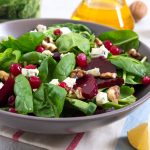 (
(



 (
(