Minerals
now browsing by category
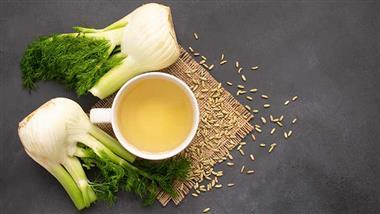
The Many Health Benefits of Fennel
Reproduced from original article:
https://articles.mercola.com/sites/articles/archive/2023/05/29/many-health-benefits-of-fennel.aspx
The original Mercola article may not remain on the original site, but I will endeavor to keep it on this site as long as I deem it to be appropriate.
Analysis by Dr. Joseph Mercola Fact Checked May 29, 2023
STORY AT-A-GLANCE
- Common fennel is a perennial plant in the carrot family. All but the roots are used in traditional culinary and medicinal preparations. The plant is native to the Mediterranean and is believed to have been part of Jewish meals since biblical times
- Although from the same family and similar in taste, anise and fennel are from different plants and have slightly different flavor profiles. Anise is more pungent and often found in Chinese Five Spice powder while fennel seeds have a less sweet licorice flavor that lends itself to savory dishes
- Fennel bulbs are low in calories and are a rich source of fiber and anethole, which gives the plant the distinctive flavor and has anti-inflammatory, anticarcinogenic, immunomodulatory, neuroprotective, chemoprotective and antithrombotic properties
- Fennel seed has anti-infective properties effective against conjunctivitis, and has been incorporated into natural remedies to treat dry cough, pneumonia, bronchitis and asthma. It also has mild diuretic properties
- Animal studies link fennel extract to the treatment of dementia and Alzheimer’s disease. The seeds also have a long history as a digestive aid as they lower cramping, bloating and gas while promoting motility and peristalsis. The seeds have traditionally been used as a galactagogue, helping to increase breast milk supply
Common fennel (Foeniculum vulgare) is a perennial plant in the carrot family that is grown for the edible leaves, shoots, seeds and bulbs. It’s likely the plant was first cultivated in Israel,1 and is believed to have been part of Jewish meals since biblical times. The plant is native to the Mediterranean area, where the seeds are used as a spice, insect repellent and medicine, and the shoots and feathery fronds are added to salad.
Pliny the Elder mentions fennel several times in his encyclopedia, “Natural History,” as a treatment for uterine health, stomach aches, and to care for “stings of serpents.”2 Although the plant has become an invasive species in parts of the U.S., it can be grown in pots, which may help contain the spread.3
The plant appreciates cool weather and temperatures above 75 degrees Fahrenheit can induce bolting, or premature seeding.4 It likes full sun, well-draining soil and should be planted in the early spring or fall months. If the seed heads are collected before they shatter, it may also help prevent the spread of the plant. Although the plant can reach 6 feet in height, it often is ready for harvest when it’s shorter than that.5
Traditionally, the medicinal value of fennel has benefited nursing women and people with gastrointestinal disorders; it has even been used as a mild diuretic to help reduce edema. However, some people don’t like the licorice-like flavor of the fennel plant, which tastes like anise.
Is It Anise or Fennel?
Although anise and fennel are similar in taste and the plants are from the same family, that is where the similarity ends. While fennel produces a bulb at the base that is edible, anise grows as a bush that produces the seed, and only the anise seed is edible.6
Both plants are native to the Mediterranean and both have a licorice flavor derived from anethole, an essential oil found in the seed. Many cooks use the seeds interchangeably, but anise is more pungent and often found in Chinese five spice powder. Fennel seeds have a less sweet licorice flavor that lends itself to savory dishes.
Fennel is a versatile plant and much of it can be eaten.7 The bulb can be trimmed, the outer layer peeled, and the bulb cut in half lengthwise through the middle of the root. The core can be tough on larger bulbs but is often tender in younger plants.
The fennel bulb and stocks can be eaten raw or roasted, caramelized, grilled or candied. Cooking the vegetable tends to reduce the licorice flavoring. The stems can be tossed over coals when grilling fish and the fronds make a garnish on fish or salad.
Vitamin and Antioxidant Components Support Health
The vitamin and nutrient content in fennel bulbs and seeds contribute to supporting overall health and have specific benefits, such as digestive health and anticancer properties. According to the U.S. Department of Agriculture, nutrients in fennel bulbs and seeds include:
| Vitamin/Nutrient | Recommended Daily Allowance8 Women – Men |
1 Cup sliced Fennel bulb9 | 1 Tbs. Fennel seeds10 |
| Calories | 27 | 20 | |
| Protein | 1.08 grams (gm) | 0.916 gm | |
| Calcium | 1,000 mgs | 42.6 milligrams (mg) | 69.6 mg |
| Iron | 8 mg | 0.635 mg | 1.07 mg |
| Magnesium | 310 – 400 mg | 14.8 mg | 22.3 mg |
| Potassium | 2,600 – 3,400 mg | 360 mg | 98 mg |
| Phosphorus | 700 mg | 43.5 mg | 28.2 mg |
| Zinc | 8 – 11 mg | 0.174 mg | 0.215 mg |
| Copper | 900 micrograms (µg) | 0.057 mg (57 µg) | 0.062 mg (62 µg) |
| Folate | 400 µg | 23.5 µg | Not listed |
| Vitamin C | 75 – 90 mg | 10.4 mg | 1.22 mg |
| Vitamin A | 700 – 900 µg | 41.8 µg | 0.406 µg |
The combination of nutrients in fennel seed offers mild diuretic properties, which may be one of the reasons weight loss formulas include the seed.11 In the past, it’s been used as an appetite suppressant and has been incorporated into natural remedies to treat dry, hacking coughs, as well as asthma, pneumonia and bronchitis.
Fennel seed also has anti-infective properties effective against conjunctivitis. A decoction of the seed strained through a paper filter has been used as an eye wash for sore and bloodshot eyes. The essential oil derived from fennel seed has been useful to improve energy levels and incorporated into facial products for mature skin. This includes soaps, creams and lotions.
Kaempferol and quercetin are ubiquitous polyphenols in fruit and vegetables,12 which are beneficial in the fight against cardiovascular disease, which remains the leading cause of death worldwide. Fennel leaves have higher levels of quercetin in milligrams per 100 gm of fresh weight than other plant sources tested, except for dill.
Fennel is also rich in anethole, which helps give the plant its distinctive flavor. The compound has been widely used within the food industry and across the cosmetics and pharmaceutical industries. Studies have also revealed the compound may play a role in several chronic diseases due to the anti-inflammatory, anticarcinogenic, immunomodulatory, neuroprotective, chemoprotective and antithrombotic properties modulated across ion channels.13,14
Fennel bulbs are also rich in prebiotic fiber,15 that helps support gut microbiota and promotes optimal brain and psychological health.16 Adding prebiotic fiber to your diet improves your gut microbiome and thus may impact brain development and function.
Animal studies17 have also linked common fennel in the treatment of dementia and Alzheimer’s. The extract was used in mice for eight consecutive days and found to ameliorate the amnesic effect of chemically induced memory deficits in mice. The powerful antioxidants found in the fennel bulb, such as vitamin C and quercetin, helped to reduce levels of inflammatory markers in an animal model.18

Download this Article Before it Disappears
More Health Benefits From Fennel and Fennel Seeds
Fennel seeds have a long history as an effective digestive aid.19 They appear to help lower digestive cramping, bloating and gas. Volatile oils in the fennel seed help encourage motility and peristalsis, while the aromatic oils have antispasmodic and carminative properties.
Fennel tea is made by crushing dried seeds and adding them to boiling water. By increasing motility and reducing muscle spasms, drinking fennel tea may help prevent acid reflux and improve digestion. Since the fennel seeds help reduce stomach cramps and lower gas and bloating, they could potentially help relieve the symptoms of irritable bowel syndrome (IBS) and act as a muscle relaxant to ease cramping.
The impact that consuming fennel bulb has on heart disease is related to the prebiotics that help improve gut health. Fennel seeds are rich in potassium, which can help balance your sodium-potassium ratio and have a positive influence on blood pressure. In postmenopausal women, fennel increased sexual satisfaction and reduced painful intercourse,20 and fennel vaginal cream improved arousal, lubrication, sexual satisfaction and orgasm after eight weeks.21
Lifestyle and wellness coach Luke Coutinho shared a fennel tea recipe with the Times of India to help promote sleep. It includes making fennel tea with dried seeds and adding dashes of freshly ground nutmeg and cinnamon, and then drinking it at bedtime.22
Fennel tea also has antimicrobial and antiviral properties, so drinking some tea when you feel a cold coming on may help your body fight the pathogens.23 Fennel tea may be one of the original ways people used to freshen their breath. The antibacterial properties may help kill oral pathogens that cause your breath to smell bad.24
Fennel seeds have traditionally been used as a galactagogue, helping to increase breast milk supply.25 Fennel seeds are used in traditional medicine and are included in several over-the-counter proprietary mixtures believed to help increase milk supply. It is believed to boost milk production by competing with dopamine that binds with prolactin first.26 By preserving prolactin’s milk stimulation properties, the anethole in fennel seed helps boost production.
Health Benefits of Indian Cooking Spice Asafoetida
Asafoetida is an Indian cooking spice made from the gum of a type of giant fennel. The name translates into “rotten resin,”27 which aptly describes the unpleasant odor reminiscent of rotting food and sweaty feet. If you can get past the scent while cooking, it has been long used in lieu of garlic and onions in Indian food.
Asafoetida also can reduce gas and bloating, and sometimes is paired with bean-based dishes for that reason.28 In 2009,29 researchers found it was more effective at killing the H1N1 influenza virus than the commercially manufactured antiviral drug, amantadine.
Asafoetida also contains several chemicals shown to have anti-inflammatory, anticancer and antimutagenic activities. As reported in the Pharmacognosy Review:30
“Dried resin, administered orally to Sprague–Dawley rats at doses of 1.25 and 2.5% w/w of the diet, produced a significant reduction in the multiplicity and size of palpable N-methyl-N-nitrosourea-induced mammary tumors, and a delay in mean latency period of tumor appearance. Oral administration to mice increased the percentage of life span by 52.9%. Intraperitoneal administration did not produce any significant reduction in tumor growth.”
Similarly, a study31 published in the Journal of Ayurveda and Integrative Medicine in 2017 confirmed asafoetida resin had antitumor effects against breast cancer. According to the researchers:
“Our results showed that treatment with asafoetida was effective in decreasing the tumor weight and tumor volume in treated mice. Apart from the antitumor effect, asafoetida decreased lung, liver and kidney metastasis and also increased areas of necrosis in the tumor tissue respectively.”
As with fennel bulb and fennel seed, asafoetida lowers blood pressure,32 has significant smooth muscle relaxant and anticoagulant effects, and certain compounds may have the ability to inhibit acetylcholinesterase,33 which may prove useful against Alzheimer’s disease.
Some People Should Avoid Fennel, Seeds or Oil
The fennel bulb has a crunchy texture and mildly sweet flavor. When purchasing fennel, look for a firm white or pale green color. If the buds are flowering, the plant has gotten overripe.
Fennel and fennel seeds are gentle, but there are instances when fennel can cause an allergic reaction on the skin and in the respiratory tract.34 The essential oil can be toxic in high doses and should be avoided during pregnancy as it has estrogen-like activities. Individuals with estrogen-sensitive conditions, such as breast cancer or other tumors, should also avoid consuming the essential oil.
Other high-sensitivity reactions can include over-excitement of the nervous system and seizures in a sensitive individual. People with Parkinson’s, multiple sclerosis and epilepsy should avoid using the essential oil. Fennel may also slow blood clotting, so people with bleeding disorders or on blood thinners should not use fennel.
When drinking fennel tea or using other products with essential oil, avoid ultraviolet light exposure as it can increase the risk of burns. If a mother or breastfed infant is allergic to carrots, celery, or other plants in the Apiaceae family, the mother should also avoid fennel to reduce the risk of a possible cross-allergic reaction as the compounds cross into the breast milk.
- 1 Tablet Magazine, May 10, 2023
- 2 Food Print, Fennel
- 3 Yates, Fennel
- 4 Plant Village, Fennel, Propagation
- 5 Wisconsin Horticulture, Fennel
- 6 Gardening Know How, Fennel Vs. Anise
- 7 Food Print, Fennel, Cooking with Fennel
- 8 Harvard The Nutrition Source, Vitamins and Minerals
- 9, 15 USDA, Fennel, bulb, raw, 1 cup sliced
- 10 USDA, Fennel Seed, 1 Tbs
- 11, 19 The Northwest School for Botanical Studies, Fennel
- 12 Nutrients, 2019; 11(10)
- 13 Advances in Experimental Medicine and Biology, 2016; 929
- 14 Molecular Pharmacology, 2019;95(4)
- 16 Frontiers in Behavioral Neuroscience, 2016;10 Discussion 50% DTP para 1
- 17 Journal of Medicinal Food, 2006; 9(3)
- 18 European Review for Medical and Pharmacological Sciences, 2012; 16 (4)
- 20 Journal of Menopausal Medicine, 2018 semicolon 24(1)
- 21 Journal of Medicine and Life, 2018; 11(1)
- 22 Times of India, June 28, 2019
- 23 Biomed Research International, 2014; 2014(842674)
- 24 BMC Complementary Medicine and Therapies, 2009; 9
- 25 Drugs and Lactation Database, March 15, 2023
- 26 Mom Junction, March 27, 2023, How does fennel increase breastmilk
- 27 Chemistry World, Asafoetida
- 28 Good Food, Asafoetida
- 29 Journal of Natural Products, 2009;72(9)
- 30 Pharmacognosy Review, 2012;6(12) 45 DTP
- 31 Journal of Ayurveda and Integrative Medicine, 2017; 8(3)
- 32 Pharmacognosy Review, 2012;6(12)
- 33 Journal of Traditional and Complementary Medicine, 2017;7(3) Table 3, 7 down in the table, observation column
- 34 RxList, Fennel, Side Effects
How to Improve Medical Care: Include Treatment with Nutritional Supplements
Reproduced from original OMNS article (OrthoMolecular News Service):
http://orthomolecular.org/
Subscribe to the free Orthomolecular Newsletter: http://orthomolecular.org/subscribe.html
Go to the OMNS Archive: http://orthomolecular.org/resources/omns/index.shtml
Orthomolecular Medicine News Service, April 28, 2023
by Michael Passwater and Richard Cheng, MD, PhD
OMNS (April 28, 2023) A recent Gallup poll showed the majority of American adults feel the quality of healthcare in the US is unfavorable. [1] The US has the greatest healthcare expense per person in the world at $12,914 per person. That’s more than $5,000 per person higher than the next most expensive country (Germany, $7,383 per person), and more than double the average expense per person among wealthy nations. The US spends $4.3 trillion per year on medical care (mostly on “rescue care” interventions). These expenses do not count the cost of medical buildings, medical equipment, and medical research. [2,3] The US also leads the world in per capita spending for retail prescription drugs, totaling $378 billion per year. [4] In spite of all of this spending, the 2022 Commonwealth Fund report reveals that among wealthy nations, the US has the highest infant mortality, maternal mortality related to childbirth, deaths from drug overdoses, obesity prevalence, and prevalence of people with multiple chronic conditions, and the lowest life expectancy at birth. [5] The public, and many medical providers, are seeking a better way to pursue health.
The answer to better health care can include adequate nutritional supplements. Although supplements of essential nutrients are effective and widely used, they represent a tiny fraction of health care expenditures. Surveys indicate that 77 – 86% of Americans take at least one of the over 29,000 dietary supplements on the market. Vitamin D, magnesium, omega-3, Coenzyme Q10, and multivitamin supplements are the most commonly purchased dietary supplements. Approximately one third of Americans take vitamin C supplements. People with increased age, wealth, and education are more likely to use dietary supplements. Americans spend $30 billion per year on dietary supplements. Yet this expenditure is actually less than 1% (0.7%) of the money spent annually on “healthcare,” and less than 10% (7.9%) of the money spent on retail prescription drugs). [6] Approximately 40,000 of the 209,000 family practice physicians in the US have invested in continuing education related to integrative medicine. [7]
Orthomolecular Medicine in Action
Here are a few snapshots from around the world showing glimpses of other approaches to care for some disease conditions. This list is not at all exhaustive, and is not meant to imply that perfect solutions have been found for these ailments. Hopefully they will stimulate discussion and provide encouragement that nutritional therapy supporting the body’s natural defenses and metabolism can help produce safe, effective, and less expensive outcomes. Together, we can keep finding better ways to care for one another.
A mother and her infant son sought treatment at a hospital for an upper respiratory infection while traveling in Astana, Kazakhstan. Covid-19 tests were negative. The mother was given IV vitamin C and ultraviolet light (UVB) treatment to stimulate vitamin D production. Both mother and child were prescribed vitamin C, vitamin D, and a decongestant. [Personal communication]
A 60-year diabetic man with severe Covid-19 and rapidly deteriorating disease recovered quickly after receiving antioxidant therapies including high dose vitamin C, vitamin D3 and glutathione. http://orthomolecular.org/resources/omns/v18n03.shtml
An elderly woman in China was in the ICU diagnosed with acute liver failure when her American daughter received notice from the hospital of her life-threatening condition. The patient received high dose IV vitamin C and liposomal vitamin C and recovered within days. [Practice, RZ Cheng]
In December 2022, when China suddenly relaxed its lockdown policy, a 5-year old boy with a high temperature (39.5C/103F) was diagnosed with Covid-19, but was unable to be admitted to a hospital due to a shortage of hospital beds. The boy received high dose antioxidant therapy including vitamin C, and recovered the next morning. [Practice, RZ Cheng]
An 86-year man with metastatic prostate cancer lived 6 more years on a ketogenic diet and nutritional supplementation including high dose IV Vit C. When he eventually passed away, there was no sign of his cancer. [Practice, RZ Cheng]
A young Norwegian man who had chest lymphoma found that the lymphoma disappeared after adopting a restrictive-ketogenic diet and nutritional supplementation including high dose vitamin C. http://www.drwlc.com/blog/2022/11/01/2351
A 62 year man with symptomatic CTA-confirmed atherosclerotic coronary artery stenosis saw his stenosis completely resolve after 20 months on a low carbohydrate diet and nutritional therapy including high dose vitamin C. [Practice, RZ Cheng]
A 63 year man with carotid artery stenosis, Hashimoto’s thyroiditis (with elevated autoantibodies) , cholecystitis changes on ultrasound, as well as multiple other health problems received an integrative protocol including low carbohydrate/ketogenic diet, detox and nutritional therapy including high dose vitamin C, saw carotid artery stenosis disappear (CT confirmed) in 8 months. His thyroid autoantibodies became normal and inflammatory changes in his gallbladder went away as well. [Practice, RZ Cheng]
Many patients with autoimmune diseases have seen their disease improve or reverse, including Hashimoto cases, psoriasis [8], vitiligo, eczema, idiopathic thrombocytopenic purpura (ITP), and inflammatory bowel diseases. http://www.drwlc.com/blog/2022/05/20/reversing-hashimotos-thyroiditis-with-orthomolecular-medicine
The Baylor College of Medicine reported a 44 year old woman with a life-threatening case of Thrombotic Thrombocytopenic Purpura (TTP), with ADAMTS-13 function < 10% of normal and ADAMTS-13 inhibitors present, was refractory to standard treatments and remained in a coma after 12 days of intensive care treatment. She became fully awake and responsive 18 hours after receiving 150 mg/Kg IV N-Acetyl Cysteine (NAC), a precursor to glutathione, on day 13 of her hospitalization. IV NAC was continued for 10 days along with UNUSED_going standard treatment, and she was discharged in good condition 31 days after admission. The ADAMTS-13 levels improved to 65% on day 28, and her platelet count and hemoglobin level normalized 7 days after discharge from the hospital (day 38 of treatment). [9]
During the Ebola epidemic in Liberia in 2014, Dr. Jerry Brown and his team of “Ebola Fighters” at the ELWA Hospital were recognized as Time Magazine’s “Person of the Year”. Dr. Brown was the last physician remaining in the area, and used an approach centered around isolation, hydration, multivitamins, and selenium supplements to keep his team healthy and to care for as many people as possible. More recently, as medical director for the 14th Military Hospital in Liberia, he again emphasized multivitamins and selenium supplements to help with Covid-19 outbreaks in the area. [10]
Dr. Marik, founder of the HAT (hydrocortisone, ascobic acid, and thiamine) treatment protocol for sepsis, and MATH+ (methylprednisolone, ascorbic acid, thiamine, heparin) treatment protocol for acute COVID-19, and 2022 recipient of a unanimous commendation from the Virginia House of Commons in 2022 for “his courageous treatment of critically ill COVID-19 patients and his philanthropic efforts to share his effective treatment protocols with physicians around the world.” discusses his vision for healthcare in an interview with Dr. Mercola: [11] https://covid19criticalcare.com/a-new-vision-for-health-care
https://www.bitchute.com/video/Ygqz05H6otqj
Conclusion
In the cases reported above, serious illness was successfully treated and/or reversed using high doses of nutritional supplements. The rationale for this life-saving treatment is that serious illness depletes the body’s essential nutrients (such as vitamins and minerals). When essential nutrients are depleted, the body organs that rely on those nutrients cannot function and will often proceed to dysfunction and death. But with adequate levels of vitamins and minerals, the body shows its amazing power for recuperation. In cases where symptoms are mild and not life-threatening, higher levels of vitamins and minerals than the minimum (e.g. MDR) are helpful for optimum health.
Healthcare in the USA could be greatly improved with the inclusion of nutritional supplements in adequate individualized doses and duration into the “standard care” given by medical professionals.
“Truth is great and will prevail if left to herself, that she is the proper and sufficient antagonist to error, and has nothing to fear from the conflict, unless by human interposition disarmed of her natural weapons, free argument and debate; errors ceasing to be dangerous when it is permitted freely to contradict them.” ― Thomas Jefferson
Education and free speech, not censorship, are the antidotes to misinformation.
Real learning and progress, including medical progress, depends on keeping an open mind, following the evidence, and sharing positive outcomes. The practice of preventing and treating disease by providing the body with optimal amounts of substances which are natural to the body – Orthomolecular Medicine – continues to provide a solid foundation for wellness and healing around the globe. [12]
References
1. McPhillips D (2023) New poll shows jump in adults who rate the quality of US health care as ‘poor’. CNN https://www.cnn.com/2023/01/19/health/us-health-care-poll-gallup/index.html
2. Centers for Medicare and Medicaid, National Health Expenditure data fact sheet. (2021) https://www.cms.gov/research-statistics-data-and-systems/statistics-trends-and-reports/nationalhealthexpenddata/nhe-fact-sheet
3. McGouth M, Telesford I, Rakshit S, et al. (2023) “How does health spending in the U.S. compare to other countries? ” Health System Tracker. Peterson Center on Healthcare and KFF. https://www.healthsystemtracker.org/chart-collection/health-spending-u-s-compare-countries
4. Prescription drug expenditure in the United States from 1960 to 2021. Statista, accessed 4/10/2023. https://www.statista.com/statistics/184914/prescription-drug-expenditures-in-the-us-since-1960
5. U.S. Health Care from a Global Perspective, 2022: Accelerating Spending, Worsening Outcomes. https://www.commonwealthfund.org/publications/issue-briefs/2023/jan/us-health-care-global-perspective-2022
6. Zippia. (2023) 25 Fascinating Supplements Industry Statistics (2023) Data + Trends. Zippia.com. https://www.zippia.com/advice/supplements-industry-statistics
7. Ventola CL (2010) Current Issues Regarding Complementary and Alternative Medicine (CAM) in the United States Part 1: The Widespread Use of CAM and the Need for Better-Informed Health Care Professionals to Provide Patient Counseling. P T. 35:461-468. https://pubmed.ncbi.nlm.nih.gov/20844696
8. McCullough PJ, McCullough WP, Lehrer D, et al. (2021) Oral and Topical Vitamin D, Sunshine, and UVB Phototherapy Safely Control Psoriasis in Patients with Normal Pretreatment Serum 25-Hydroxyvitamin D Concentrations: A Literature Review and Discussion of Health Implications. Nutrients 13:1511. https://pubmed.ncbi.nlm.nih.gov/33947070
9. Tokpah WN (2020) Liberia: COVID-19 Cases Decline, Dr. Jerry Brown Discloses As Insurance Company of Africa Donates Supplement to Battle the Virus. Front Page Africa. https://frontpageafricaonline.com/news/liberia-covid-19-cases-decline-dr-jerry-brown-discloses-as-insurance-company-of-africa-donates-supplement-to-battle-the-virus
10. Li GW, Rombally S, Kamboj J, et al. (2014) Treatment of refractory thrombotic thrombocytopenic purpura with N-acetylcysteine: a case report. Transfusion 54:1221-1224. https://pubmed.ncbi.nlm.nih.gov/24117464
11. Front Line COVID-19 Critical Care Alliance (FLCCC) https://covid19criticalcare.com/experts/paul-e-marik
12. Orthomolecular.org Therapeutic Nutrition Based Upon Biochemical Individuality. Accessed 4/10/2023. http://orthomolecular.org/library/definition/index.shtml
Nutritional Medicine is Orthomolecular Medicine
Orthomolecular medicine uses safe, effective nutritional therapy to fight illness. For more information: http://www.orthomolecular.org
Find a Doctor
To locate an orthomolecular physician near you: http://orthomolecular.org/resources/omns/v06n09.shtml
The peer-reviewed Orthomolecular Medicine News Service is a non-profit and non-commercial informational resource.
Editorial Review Board:
Albert G. B. Amoa, MB.Ch.B, Ph.D. (Ghana)
Seth Ayettey, M.B., Ch.B., Ph.D. (Ghana)
Ilyès Baghli, M.D. (Algeria)
Barry Breger, M.D. (Canada)
Ian Brighthope, MBBS, FACNEM (Australia)
Gilbert Henri Crussol, D.M.D. (Spain)
Carolyn Dean, M.D., N.D. (USA)
Ian Dettman, Ph.D. (Australia)
Susan R. Downs, M.D., M.P.H. (USA)
Ron Ehrlich, B.D.S. (Australia)
Hugo Galindo, M.D. (Colombia)
Gary S. Goldman, Ph.D. (USA)
Michael J. Gonzalez, N.M.D., Ph.D. (Puerto Rico)
William B. Grant, Ph.D. (USA)
Claus Hancke, MD, FACAM (Denmark)
Patrick Holford, BSc (United Kingdom)
Ron Hunninghake, M.D. (USA)
Bo H. Jonsson, M.D., Ph.D. (Sweden)
Dwight Kalita, Ph.D. (USA)
Felix I. D. Konotey-Ahulu, M.D., FRCP (Ghana)
Peter H. Lauda, M.D. (Austria)
Alan Lien, Ph.D. (Taiwan)
Homer Lim, M.D. (Philippines)
Stuart Lindsey, Pharm.D. (USA)
Pedro Gonzalez Lombana, M.D., Ph.D. (Colombia)
Victor A. Marcial-Vega, M.D. (Puerto Rico)
Juan Manuel Martinez, M.D. (Colombia)
Mignonne Mary, M.D. (USA)
Joseph Mercola, D.O. (USA)
Jorge R. Miranda-Massari, Pharm.D. (Puerto Rico)
Karin Munsterhjelm-Ahumada, M.D. (Finland)
Sarah Myhill, MB, BS (United Kingdom)
Tahar Naili, M.D. (Algeria)
Zhiyong Peng, M.D. (China)
Isabella Akyinbah Quakyi, Ph.D. (Ghana)
Selvam Rengasamy, MBBS, FRCOG (Malaysia)
Jeffrey A. Ruterbusch, D.O. (USA)
Gert E. Schuitemaker, Ph.D. (Netherlands)
Thomas N. Seyfried, Ph.D. (USA)
Han Ping Shi, M.D., Ph.D. (China)
T.E. Gabriel Stewart, M.B.B.CH. (Ireland)
Jagan Nathan Vamanan, M.D. (India)
Andrew W. Saul, Ph.D. (USA), Editor-In-Chief
Associate Editor: Robert G. Smith, Ph.D. (USA)
Editor, Japanese Edition: Atsuo Yanagisawa, M.D., Ph.D. (Japan)
Editor, Chinese Edition: Richard Cheng, M.D., Ph.D. (USA)
Editor, Norwegian Edition: Dag Viljen Poleszynski, Ph.D. (Norway)
Editor, Arabic Edition: Moustafa Kamel, R.Ph, P.G.C.M (Egypt)
Editor, Korean Edition: Hyoungjoo Shin, M.D. (South Korea)
Editor, Spanish Edition: Sonia Rita Rial, PhD (Argentina)
Editor, German Edition: Bernhard Welker, M.D. (Germany)
Associate Editor, German Edition: Gerhard Dachtler, M.Eng. (Germany)
Assistant Editor: Michael Passwater (USA)
Contributing Editor: Thomas E. Levy, M.D., J.D. (USA)
Contributing Editor: Damien Downing, M.B.B.S., M.R.S.B. (United Kingdom)
Contributing Editor: W. Todd Penberthy, Ph.D. (USA)
Contributing Editor: Ken Walker, M.D. (Canada)
Technology Editor: Michael S. Stewart, B.Sc.C.S. (USA)
Associate Technology Editor: Robert C. Kennedy, M.S. (USA)
Legal Consultant: Jason M. Saul, JD (USA)
Comments and media contact: drsaul@doctoryourself.com OMNS welcomes but is unable to respond to individual reader emails. Reader comments become the property of OMNS and may or may not be used for publication.
Click here to see a web copy of this news release: https://orthomolecular.activehosted.com/p_v.php?l=1&c=280&m=279&s=a8c8fe7bea3fdaa4efae896c7612b3de
This article may be reprinted free of charge provided 1) that there is clear attribution to the Orthomolecular Medicine News Service, and 2) that both the OMNS free subscription link http://orthomolecular.org/subscribe.html and also the OMNS archive link http://orthomolecular.org/resources/omns/index.shtml are included.
Riordan Clinic | Orthomolecular.org
3100 N Hillside Ave
Wichita, Kansas 67219
United States
Iodine Truth and Lies
Reproduced from original article:
https://articles.mercola.com/sites/articles/archive/2023/04/17/iodine-truth-and-lies.aspx
The original Mercola article may not remain on the original site, but I will endeavor to keep it on this site as long as I deem it to be appropriate.
Analysis by Dr. Joseph Mercola Fact Checked April 17, 2023

STORY AT-A-GLANCE
- Your body does not produce iodine, so you must get it from your food. Iodine was added to table salt to reduce the public health threat, but recommendations for a low-salt diet have contributed to a rise in the risk once again
- Roughly 30% of the world is thought to be deficient. Physicians once prescribed drops of Lugol’s solution for iodine supplementation, but that fell out of vogue after two physicians misinterpreted scientific data in 1948
- The subsequent addition of competing minerals — fluoride to the water supply and substitution of potassium bromate for potassium iodide in bread and pastry flour — increased the risk of hypothyroidism and iodine insufficiency
- Symptoms of hypothyroidism include fatigue, difficulty learning and remembering, difficulty with weight loss, always feeling cold and difficulty getting pregnant
- I recommend you get as much iodine from your food as possible, including iodine-rich organic, grass fed dairy products, organic cranberries, eggs, potatoes and sea vegetables, which have more iodine than any other source
Your body cannot produce iodine, so you must get it from your food. Although iodine deficiency is reemerging as a public health threat,1 it is completely preventable in the Western world. It is a critically important trace mineral, which means that your body needs it in very small doses.
Although many cells use iodine, your thyroid gland uses what’s available first to produce the thyroid hormones triiodothyronine (T3) and thyroxine (T4). According to Harvard TH Chan School of Public Health,2 most people in the U.S. get their dietary iodine from iodized salt and milk.
If a person chooses to follow a low-fat, low-salt diet recommended by the American Heart Association,3 it drastically reduces the amount of iodine they absorb each day.
This may help explain how iodine deficiency and thyroid conditions have become serious public health concerns. According to the American Thyroid Association,4 roughly 30% of the world’s population is thought to be at risk of deficiency and those in developed countries are increasingly found to be lacking this essential nutrient.
Iodine or Iodide?
Although the words sound similar and you may have used them interchangeably, iodine and iodide are two different compounds.5 Elemental diatomic iodine (I2) has two iodine atoms bound together. In this form, iodine is highly corrosive and can damage tissue on contact.
Iodide (I-) is the form of iodine found in nature. It occurs when iodine binds with another element and forms salt. For example, potassium iodide or sodium iodide is iodine bound with potassium or sodium. In this form, it can be used topically or ingested.
According to Dr. Guy Abraham in “The Historical Background of the Iodine Project,”6 during the first half of the 20th century, physicians used Lugol’s solution as an iodine supplement. Each drop delivered 6.25 mg of elemental iodine, which was 40% iodine and 60% potassium iodide salt. At the time, the recommended intake was 2 to 6 drops per day.
This changed in 1948 when Drs. Jan Wolff and Israel Lyon Chaikoff from the University of California Berkeley published their findings on an animal model during which they administered intraperitoneal injections of iodide. When serum levels of inorganic iodide reached 0.2 m/L they noticed the thyroid gland no longer absorbed radioiodide. According to Abraham, the correct interpretation would have been that the thyroid gland had absorbed a sufficient amount of iodine.
What Killed Iodine?
Despite the results, Wolff and Chaikoff concluded that because the thyroid no longer absorbed the radio iodide, the production of thyroid hormones would be blocked and result in hypothyroidism. However, according to Abraham,7 the rats did not develop symptoms of hypothyroidism. Since Wolff and Chaikoff could not justify the interpretation, they explained that the rats did not follow “a normal physiological response.”
In 1969, Wolff, working at the National Institutes of Health (NIH), defined levels of iodine excess and concluded that anything above 0.2 mg per day was potentially harmful. Abraham points out that Wolff’s and Chaikoff’s interpretation of the data was incorrect and Wolff’s subsequent extrapolation of the findings to humans without sufficient scientific evidence was “worse.” Abraham went on to write:8
“By the 1970s, physicians concluded that one must avoid inorganic, non-radioactive iodine like leprosy, unless it was incorporated into the toxic, organic iodine-containing drugs. Then iodine could be tolerated because iodine could be blamed for the toxicity of these drugs.”
By 1993, the beneficial effects of supplementing with iodine for one year in 1,368 patients had been documented. Yet, Wolff’s opinion prevailed. Further research by Drs. Jorge Flechas and David Brownstein did not reproduce the Wolff-Chaikoff effect in roughly 4,000 patients who received supplementation for as long as three years. In 2005, Abraham wrote that medical fear of iodine had reached:9
“… pandemic proportion, is highly contagious, and has wreaked havoc in the practice of medicine and on the U.S. population. More misery and death in the U.S. may have resulted from the Wolff-Chaikoff effect than both World Wars combined.”
Registered dietitian Jennifer Depew talks about her experience using iodine supplementation in her Substack article, “Iodine and an Old Lie, Still Being Spread.”10 She notes that with supplementation, her fibrocystic breast pain resolved, and she experienced restored energy and an easier time losing weight.
Download this Article Before it Disappears
Common Environmental Contaminants Compete With Iodine
Iodine belongs to a class of chemicals called halogens, along with fluorine, chlorine and bromine.11 Fluorine has the highest reactivity, followed by chlorine, bromine and then iodine. When a halogen combines with another element it’s called a halide. For example, sodium chloride is a halide ion.
Exposure to these halides can disrupt thyroid function since the halogen is absorbed by the thyroid gland. Researchers have found that with adequate exposure to iodine, the effect of fluoride exposure can be mitigated.12 Depew notes13 that in the 1950s fluoride was added to the drinking water and potassium bromate was substituted for potassium iodide in bread and pastry flour, both of which likely have contributed to iodine insufficiency and deficiency.
Increasing numbers of people with hypothyroidism and goiters triggered public health officials to recommend the addition of iodine to table salt. Yet, as has been noted in the past 10 years, the American Heart Association’s push for a low-salt diet has had a significant impact on thyroid health.
According to Abraham’s data,14 this may have also influenced the rate of breast cancer. In a small number of subjects, an iodine-loading test resulted in the excretion of more bromide in women with breast cancer than in normal subjects. Common contaminants that compete with iodine include:
- Bromide — Bromides are known endocrine disruptors found in baked goods, pesticides and plastics, among other sources. Because bromide is a halide, it competes for the same receptors in your thyroid gland and other body areas to capture iodine, thereby inhibiting thyroid hormone production.
- Fluoride — Fluoride has long been known to displace iodine. As cited by the Fluoride Action Network, Chinese researchers “have repeatedly found that an iodine deficiency coupled with fluoride exposure produces a significantly more damaging effect on neurological development than iodine deficiency alone.”15
- Mercury — Mercury is found in dental amalgam fillings and fish like tuna, as well as in consumer products such as antiques, batteries, electronics, light bulbs and pharmaceutical products. Higher levels of mercury in the body are associated with lower levels of thyroid hormone.16
- Nitrates — Nitrites found in processed meats such as bacon, hot dogs, lunch meat and sausage may interfere with your uptake of iodine and potentially lead to an increased risk of thyroid and other cancers.17 Nitrates from agricultural fertilizer, present in contaminated drinking water, have also been implicated as a potential cause of thyroid cancer.18
- Perchlorate — This is a contaminant found in groundwater across the U.S. and in measurable amounts in milk, fruit and vegetables. Perchlorate blocks iodine uptake and inhibits the production of thyroid hormones, which leads to hypothyroidism.19,20
Iodine Insufficiency Affects Cognition and Much More
Your body needs enough iodine to make thyroid hormones. In addition to the effect low thyroid hormone has on your general health, the thyroid can become enlarged, which is a condition known as goiter. A lack of thyroid hormones is called hypothyroidism, which can trigger intellectual disabilities and developmental issues in infants and children whose mothers were deficient during pregnancy.
When an infant is deprived of thyroid hormones in utero, it can have irreversible effects on the child. Babies born to mothers with hypothyroidism during pregnancy have a significantly increased risk of lower IQ scores, learning disabilities and neuropsychological impairment.21 According to the American Thyroid Association,22 iodine deficiency is “the most common preventable cause of intellectual disabilities in the world.”
Researchers are just beginning to understand the relationship iodine has with more than the thyroid gland. Micronutrient deficiencies and inadequacies are a global health issue. Many of the symptoms of iodine deficiency are related to hypothyroidism, yet as Depew notes,23 correcting her iodine level led to a reduction in fibrocystic breast symptoms. Symptoms you may be deficient in iodine include:24,25,26
| Fatigue | Muscle weakness | Weight gain |
| Difficulty losing weight | Difficulty learning and remembering | Hair loss |
| Dry skin | Always feeling cold | Constipation |
| Slow heart rate | Difficulty getting pregnant | Heavy or irregular periods |
| Hoarse voice |
Iodine-Rich Foods
According to the National Institutes of Health,27 the recommended dietary allowance for iodine is 150 micrograms (mcg) for men and women age 14 and older. I always recommend that you get as many nutrients as possible from the food that you eat, and iodine is no exception. The amount of iodine in your food is directly related to how much is in the soil where the food was grown.
Always choose fresh, organic fruits and vegetables and raw, organic, grass fed dairy. Consider optimizing your iodine absorption by eliminating or significantly reducing your exposure to the common contaminants that compete with iodine. These were bromide, fluoride, nitrates, mercury and perchlorate. Some of the foods that are known to be rich in iodine include:28
- Dairy — All dairy is rich in iodine and consuming raw, organic, grass-fed dairy is a healthier option. The iodine content in the dairy can vary depending on the season of the year.29 According to the National Institutes of Health, 1 cup of nonfat pasteurized milk contains 85 mcg and 1 ounce of pasteurized cheddar cheese contains 15 mcg.30
- Cranberries — Cranberries are a rich source of iodine. I suggest you consume fresh, organic cranberries or cranberry juice that is 100% juice with no added sugars. If you have a urinary tract stone31 or take blood thinning medication like warfarin,32 it is important to avoid cranberries.
- Eggs — One large egg contains 26 mcg of iodine.
- Potatoes — One medium baked potato with the peel contains 60 mcg of iodine.33 Potatoes are a heavily sprayed crop, so be sure to purchase organically grown potatoes. Because they are also high in starch, I recommend eating potatoes in moderation.
- Sea Vegetables — One-quarter ounce of dried seaweed may contain more than 4,500 mcg of iodine.
- 1, 22 American Thyroid Association, Iodine Deficiency
- 2 Harvard TH Chan School of Public Health, Iodine
- 3 American Heart Association
- 4 American Thyroid Association, Iodine Deficiency, para above purple box table 1
- 5 Association for the Advancement of Restorative Medicine, April 17, 2017
- 6, 7, 8 The Historical Background of the Iodine Project, 2005 page 57
- 9 The Historical Background of the Iodine Project, 2005 pg 64
- 10, 13, 23 DeNutrients Jennifer Depew, RD, September 25, 2022
- 11 Sciencing, March 13, 2018
- 12 Environment International, 2018;121
- 14 The Historical Background of the Iodine Project, 2005
- 15 Fluoride Action Network April 2015
- 16 Environmental Health Perspectives, 2013;121(2)
- 17 Antioxidants, 2020;9(3)
- 18 Epidemiology, 2010;21(3)
- 19 Environmental Health Perspectives April 2016; 124(4)
- 20 Best Practice & Research: Clinical Endocrinology & Metabolism February 2010; 24(1)
- 21 Indian Journal of Endocrinology and Metabolism, 2012; 16(3)
- 24 Health Direct, Iodine Deficiency
- 25 American Thyroid Association
- 26 Cleveland Clinic, Iodine Deficiency
- 27, 28, 30 National Institutes of Health, Iodine
- 29 Dairy, 2022;3(2)
- 31 Journal of Urology, 2005;174(2)
- 32 Mayo Clinic, Warfarin diet: What foods should I avoid?
- 33 Oregon State University, Iodine
Millions of Avoidable Deaths from COVID-19
Reproduced from original OMNS article (OrthoMolecular News Service):
http://orthomolecular.org/
Subscribe to the free Orthomolecular Newsletter: http://orthomolecular.org/subscribe.html
Go to the OMNS Archive: http://orthomolecular.org/resources/omns/index.shtml
Orthomolecular Medicine News Service, March 16, 2023
by Max Langen
OMNS (March 16, 2023) In the recent pandemic, a common reason many people died is the failure to use widely available, highly effective, safe, and inexpensive treatments that have proven to drastically reduce morbidity and mortality from this disease. Over the last several centuries and especially within the last decades, we have gained a huge amount of medical knowledge about biochemistry and nutrition — and how important this is for maintaining a strong, resilient body and immune system. For example, cardiologist Dr. Thomas Levy wrote entire books that describe how extremely high dose vitamin C can treat or cure a wide spectrum of infectious diseases. [1] He cites more than 1,000 studies and reports from doctors and scientists who published lifesaving results from the use of nutrition supplements.
Too many people know nothing about these results. The problem is that those in the medical establishment who have the most power have interests other than health and welfare. They are interested in money and profits. Additional problems that may be responsible for the fact that millions of people have died unnecessarily from the pandemic include: ideologies, ignorance, a desire of control, unknowingness due to failure or unwillingness to consult other medical experts such as orthomolecular practitioners.
During the COVID-19-pandemic, those patients who got very sick from the viral illness and were thus hospitalized on average had a 13% (95% confidence interval: 9 to 17%) fatality rate. [2] However, a valuable successful early treatment protocol with synergistic combinations of cheap repurposed drugs and vitamins like the one from Dr. Fareed and Dr. Tyson (from California) proved to be safe in keeping almost all patients from being hospitalized. [3] Yet their protocol has been ignored, even though a study had confirmed that the thousands of patients who were treated early by those doctors had a 99.8% lower risk of death from COVID-19 than a control group comprising other patients from the same county. [3] They were ignored even after they informed the governments and health agencies about their excellent success rate. In addition to early treatment, they have also developed late treatment protocols. Those protocols have drastically reduced the risk of death of patients who were hospitalized (due to the failure to administer early treatment).
For example, in a blind random-controlled trial (RCT) that included 80 hospitalized COVID-patients, those who received, in addition to the standard treatment, a protocol consisting of vitamin D, vitamin C, zinc, selenium, magnesium, omega-3, l-arginine, l-glutamine, resveratrol, spirulina maxima, vegetable protein, folic acid, an intramuscular B-complex including: B1, B6 and B12 and probiotics (Saccharomyces boulardii) had a 57% lower risk of requiring mechanical ventilation and a 86% lower risk of death, compared with the patients who only received the standard treatment. [4] The control group had a mortality rate of 17.5%, consistent with the global C-19 hospital fatality rate, while the intervention group that received micronutrients, polyphenols, algae and probiotics had a mortality rate of only 2.5%.
Very likely, if the doses of vitamin C and vitamin D had been higher (and had vitamin D been given as calcifediol [5]), the mortality rate might have been even lower. Interestingly, a follow-up of all patients who survived found that those in the intervention group also had a 37% lower risk of Post-COVID-Syndrome than those who did not receive the nutritional support system. [4] Dozens of additional studies have also confirmed the high efficacy of many of these treatments (in isolated form) against COVID-19. [6-13]
One might imagine, after publication of studies showing a substantial drop in mortality from a nutritional support protocol, that a high dose combination of all these immune-relevant treatments would have been added to the standard of care in all countries, as early in their disease course as possible. Unfortunately, this was not widely done and people continued to die.
It was already clear from previous clinical studies with other infections, sepsis and other critical illnesses that these treatments are effective, have antiviral, anti-inflammatory, anticoagulant, cardioprotective effects, support the immune system, reduce the risk of infections and infectious complications, accelerate recovery and reduce mortality. Therefore, one might also imagine that COVID-19-patients would receive treatment with such synergistic protocols.
Examples of studies, most prior to 2020, showing the benefits of essential nutrients and other natural products in treatment of viral disease, pneumonia, and sepsis:
- Zinc: Meta-analyses of RCTs had shown that zinc supplementation accelerates the recovery of respiratory infections and reduces the risk of dying from severe pneumonia by 57%. [14,15]
- Vitamin D: A meta-analysis of RCTs had shown that daily or weekly vitamin D supplementation reduces the risk of respiratory infections, proving that it has direct or indirect antiviral/antibacterial effects and may thus also be effective for (early) treatment of infections. [16] Supplementation with vitamin D was shown in a placebo-controlled RCT to reduce the risk of dying from ventilator-associated pneumonia by 58%. [17] Also, vitamin D supplementation reduces the mortality rate of critically ill patients, as has been shown in a meta-analysis of seven RCTs and was later confirmed in a larger meta-analysis of sixteen RCTs, with parenteral administration showing higher efficacy than enteral. [18,19]
- Vitamin C: Meta-analyses of RCTs showed that vitamin C treatment reduces the length of stay in the intensive care unit (ICU) and the mortality rate of sepsis patients. [20,21] Many previous studies had shown that vitamin C (in higher than typical doses) shortens the duration of colds, helps overcome pneumonia, and reduces the mortality rate of tetanus patients. [22] The book Curing the Incurable from Dr. Levy summarizes more than 1,000 studies, showing how high dose vitamin C has been used successfully to cure many more infectious diseases and save patients’ lives. [1]
- Omega-3 fatty acids: A meta-analysis of RCTs showed that omega-3 supplementation reduces the length of stay in the ICU and the duration of mechanical ventilation among septic patients. A clear trend towards reduced mortality was visible as well. [23] Another meta-analysis confirmed that omega-3 reduces the risk of death of patients with sepsis. [24] In addition to that, several RCTs had already shown that supplementation of omega-3 among hospitalized patients significantly reduces the risk of infections. [18] A meta-analysis of all these RCTs confirmed that omega-3 reduces the risk of hospital infections by 40%. [25]Also, some RCTs had already shown that treatment with omega-3 fatty acid supplements in the hospital setting significantly reduces the risk of developing sepsis, while several additional RCTs showed a reduced risk of developing sepsis. A meta-analysis that included all these studies showed that omega-3 reduces the risk of developing sepsis by 56%. [18] Further, a meta-analysis of RCTs showed that treatment with omega-3 also strongly improves the clinical outcomes of patients with acute respiratory distress syndrome (ARDS), including a lower ICU length of stay and shorter mechanical ventilation. [26]
- Spirulina: A interesting study showed that supplementation of the microalgae spirulina leads to a remarkable reduction of the viral load of HIV patients, improved immune health, and stopped infections like malaria. [27] Other studies confirmed that this algae has strong antioxidant, anti-inflammatory, immunomodulatory and non-specific antiviral effects. [28-30]
- L-Arginine: A meta-analysis of RCTs showed that supplementation of L-Arginine reduces the risk of infectious complications by 60%. [31]
- L-Glutamine: Meta-analyses of RCTs showed that treatment of critically ill patients with l-glutamine reduces the risk of infectious complications. [32,33] Interestingly, parenteral (IV) administration of l-glutamine was significantly effective, while enteral (stomach tube) administration only non-significantly reduced infectious complications. [32,34] Parenteral administration also reduced hospital mortality of critically ill patients. As a subgroup analysis of different dosages (unfortunately without distinguishing between parenteral or enteral) suggested, overall a dose between 300-500 mg per kg per day might be best. Higher doses (>0.5g per kg) might have negative effects. [33]
- Magnesium: Low magnesium levels promote inflammation, oxidative stress, coagulation, endothelial dysfunction, suppresses the immune system, and promotes the development of hypertension and diabetes. [35] Also, magnesium is required for the activation of vitamin D. Supplementation of magnesium improves endothelial function [35] and reduces the inflammatory biochemical C-reactive protein (CRP) among patients with elevated CRP, suggesting that it helps overcome chronic low-grade inflammation, one of the most important risk factors for severe COVID-outcomes. [36] Adequate magnesium levels can help to prevent high pressure [37], and can lower blood sugar and improve insulin-sensitivity in diabetics. [38]Other RCTs have shown that magnesium treatment may reduce coagulation and the risk of developing thrombosis. [39,40] In addition, magnesium is a very strong bronchodilator that helps to prevent dyspnea (shortness of breath, i.e. asthma). Chronic obstructive lung disease or asthma can be treated effectively with nebulized magnesium (spray), which improved the lung function and oxygen saturation and reduced the risk of hospitalization. [41,43] Given its mechanisms of action, magnesium is an important antidote to the COVID-19 disease. And given the fact that 90% of people in the US may have a magnesium deficiency, [35] this may have contributed to many deaths.
- Probiotics: Meta-analysis of RCTs has shown that supplementation of probiotics reduces the risk of developing pneumonia (among hospitalized patients) and upper respiratory infections. [43-45] Many different probiotic strains are available and in order to prevent or treat infections, specific effective strains or combinations of strains should be used. For the treatment of COVID-19, several different probiotic combinations have proven to be successful. [46] For example, a combination of Streptococcus thermophilus, L.acidophilus, L. helveticus, L. paracasei, L. plantarum, L. brevis, B. lactis, B. lactis has shown to be highly effective in studies, showing a 89% lower risk of respiratory failure with this probiotic treatment. [47]
- Resveratrol: Even though pre COVID-19, with regard to infections, only preclinical studies had been available for resveratrol, these studies showed very strong anti-inflammatory and antiviral effects. Based on these studies, it is likely effective against various infections including influenza, Epstein-Barr, herpes simplex, HIV, virulent pseudorabies, human metapneumovirus virus or enterovirus or poxviruses. [48-50] Also resveratrol has shown to inhibit infections with middle east respiratory syndrome coronavirus (MERS-Cov) infection. [51]
- Selenium: The fundamental role of selenium has also been known for a long time, because the immune system depends on it. It has antioxidant, immunomodulatory, anti-inflammatory and antiviral effects and promotes the production of antibodies. It supports the function of immune cells like natural killer cells. A deficiency of selenium exacerbates virulence and increases the risk of severe outcomes in case of viral infections, including a more serious lung pathology. [52] Selenium has shown to be effective against many different viral diseases, including HIV, influenza, hantavirus, and coxsackie virus. [53] Supplementation of selenium + zinc can reduce infections in older people who live in geriatric centers. [54]
A synergistic protocol like this could have been administered to all or most hospitalized patients (or better: to all outpatients, to prevent hospitalization) worldwide, since the beginning of the pandemic. Such a multi-micronutrient + plant extracts + algae + probiotic approach should have been part of the standard of care because it was known that the immune system can be supported by these measures. Given the knowledge provided by studies of supplementation of essential nutrients, isn’t this obvious?
As of February 2023, globally, more than 7 million COVID-deaths had been reported. [55] How many millions of them would have survived, had a logical scientific approach, based on supplementation to empower the immune defense, been implemented worldwide from the outset?
Many authors, journalists, researchers, doctors and therapists, despite severe censorship, tried everything to reach the public and inform as many people as possible about effective treatments and about how to improve the immune system. Thanks to the work of all the platforms where this knowledge has been shared, many people were informed and lives saved. But many more still need to be reached. They also have the right to learn about these treatments, about how to improve and maintain (immune) health in reasonable, holistic ways, to be fit for future threats like infectious diseases. Given what we’ve learned from the study of essential nutrients empowering the immune system, we can do better.
Our health does not depend on the severely corrupted medical system that is focused on making huge profits from sick or frightened people rather than establishing and protecting health. The fact that the number of informed people is growing encourages me to be cautiously optimistic about the future of mankind.
(Max Langen has found that his own health problems were greatly alleviated by orthomolecular medicine. He is currently working on a book about it, and has plans to qualify as a therapist.)
References
1. Levy TE (2011) Curing the Incurable: Vitamin C, Infectious Diseases, and Toxins, 3rd Edition. Medfox Pub. ISBN-13: 978-0977952021
2. Alimohamadi Y, Tola HH, Abbasi-Ghahramanloo A, et al. (2021) Case fatality rate of COVID-19: a systematic review and meta-analysis. J Prev Med Hyg. 62:E311-E320. https://pubmed.ncbi.nlm.nih.gov/34604571
3. Tyson BM, Fareed G, Guiterrez EB, et al. (2022) Low rates of hospitalization and death in 4,376 COVID-19 patients given early ambulatory medical and supportive care. A case series and observational study. Substack preprint, https://c19hcq.org/tysonh.html
4. Leal-Martínez F, Abarca-Bernal L, García-Pérez A, et l. (2022) Effect of a Nutritional Support System to Increase Survival and Reduce Mortality in Patients with COVID-19 in Stage III and Comorbidities: A Blinded Randomized Controlled Clinical Trial. Int J Environ Res Public Health. 19:1172. https://pubmed.ncbi.nlm.nih.gov/35162195
5. Nogues X, Ovejero D, Pineda-Moncusí M, et al. (2021) Calcifediol Treatment and COVID-19-Related Outcomes. J Clin Endocrinol Metab. 106:e4017-e4027. https://pubmed.ncbi.nlm.nih.gov/34097036
6. Hosseini B, El Abd A, Ducharme FM. (2022) Effects of Vitamin D Supplementation on COVID-19 Related Outcomes: A Systematic Review and Meta-Analysis. Nutrients. 14:2134. https://pubmed.ncbi.nlm.nih.gov/35631275
7. Olczak-Pruc M, Swieczkowski D, Ladny JR, et al. (2022) Vitamin C Supplementation for the Treatment of COVID-19: A Systematic Review and Meta-Analysis. Nutrients. 14:4217. https://pubmed.ncbi.nlm.nih.gov/36235869
8. Tabatabaeizadeh SA. (2022) Zinc supplementation and COVID-19 mortality: a meta-analysis. Eur J Med Res. 27:70. https://pubmed.ncbi.nlm.nih.gov/35599332
9. Ceccarelli G, Borrazzo C, Pinacchio C, et al. (2021) Oral Bacteriotherapy in Patients With COVID-19: A Retrospective Cohort Study. Front Nutr. 7:613928. https://pubmed.ncbi.nlm.nih.gov/33505983
10. Sedighiyan M, Abdollahi H, Karimi E, et al. (2021) Omega-3 polyunsaturated fatty acids supplementation improve clinical symptoms in patients with COVID-19: A randomised clinical trial. Int J Clin Pract. 75:e14854. https://pubmed.ncbi.nlm.nih.gov/34516692
11. Cengiz M, Borku Uysal B, Ikitimur H, et al. (2020) Effect of oral l-Glutamine supplementation on COVID-19 treatment. Clin Nutr Exp. 33:24-31. https://pubmed.ncbi.nlm.nih.gov/32835086
12. Gibbons JB, Norton EC, McCullough JS, et al. (2022) Association between vitamin D supplementation and COVID-19 infection and mortality. Sci Rep. 12:19397. https://pubmed.ncbi.nlm.nih.gov/36371591
13. Mangge H, Prueller F, Dawczynski C, et al (2022) Dramatic Decrease of Vitamin K2 Subtype Menaquinone-7 in COVID-19 Patients. Antioxidants (Basel). 11:1235.
14. Hemilä H, Fitzgerald JT, Petrus EJ, Prasad A. (2017) Zinc Acetate Lozenges May Improve the Recovery Rate of Common Cold Patients: An Individual Patient Data Meta-Analysis. Open Forum Infect Dis. 4:ofx059. https://pubmed.ncbi.nlm.nih.gov/28480298
15. Wang L, Song Y. (2018) Efficacy of zinc given as an adjunct to the treatment of severe pneumonia: A meta-analysis of randomized, double-blind and placebo-controlled trials. Clin Respir J. 12:857-864. https://pubmed.ncbi.nlm.nih.gov/28488366
16. Martineau AR, Jolliffe DA, Greenberg L, et al. (2019) Vitamin D supplementation to prevent acute respiratory infections: individual participant data meta-analysis. Health Technol Assess. 23:1-44. https://pubmed.ncbi.nlm.nih.gov/30675873
17. Miroliaee AE, Salamzadeh J, Shokouhi S, Sahraei Z. (2018) The study of vitamin D administration effect on CRP and Interleukin-6 as prognostic biomarkers of ventilator associated pneumonia. J Crit Care. 44:300-305. https://pubmed.ncbi.nlm.nih.gov/29248753
18. Putzu A, Belletti A, Cassina T, et al. (2017) Vitamin D and outcomes in adult critically ill patients. A systematic review and meta-analysis of randomized trials. J Crit Care 38:109-114. https://pubmed.ncbi.nlm.nih.gov/27883968
19. Menger, J., Lee, ZY., Notz, Q. et al. (2022) Administration of vitamin D and its metabolites in critically ill adult patients: an updated systematic review with meta-analysis of randomized controlled trials. Crit Care 26:268. https://pubmed.ncbi.nlm.nih.gov/36068584
20. Hemilä H, Chalker E. (2019) Vitamin C Can Shorten the Length of Stay in the ICU: A Meta-Analysis. Nutrients. 11:708. https://pubmed.ncbi.nlm.nih.gov/30934660
21. Du X, Yang C, Yu X. (2019) [Effect of vitamin C on prognosis of critically ill patients: a Meta-analysis]. Zhonghua Wei Zhong Bing Ji Jiu Yi Xue. 31:942-948. Chinese. https://pubmed.ncbi.nlm.nih.gov/31537216
22. Hemilä H. (2017) Vitamin C and Infections. Nutrients 9:339. https://pubmed.ncbi.nlm.nih.gov/28353648
23. Lu C, Sharma S, McIntyre L, et al. (2017) Omega-3 supplementation in patients with sepsis: a systematic review and meta-analysis of randomized trials. Ann Intensive Care 7:58. https://pubmed.ncbi.nlm.nih.gov/28585162
24. Wang C, Han D, Feng X, Wu J. (2020) Omega-3 fatty acid supplementation is associated with favorable outcomes in patients with sepsis: an updated meta-analysis. J Int Med Res. 48:300060520953684. https://pubmed.ncbi.nlm.nih.gov/33373266
25. Pradelli L, Mayer K, Klek S, et al. (2020) ω-3 Fatty-Acid Enriched Parenteral Nutrition in Hospitalized Patients: Systematic Review With Meta-Analysis and Trial Sequential Analysis. JPEN J Parenter Enteral Nutr. 44:44-57. https://pubmed.ncbi.nlm.nih.gov/31250474
26. Langlois PL, D’Aragon F, Hardy G, Manzanares W. (2019) Omega-3 polyunsaturated fatty acids in critically ill patients with acute respiratory distress syndrome: A systematic review and meta-analysis. Nutrition 61:84-92. https://pubmed.ncbi.nlm.nih.gov/30703574
27. Ngo-Matip ME, Pieme CA, Azabji-Kenfack M, et al. (2015) Impact of daily supplementation of Spirulina platensis on the immune system of naïve HIV-1 patients in Cameroon: a 12-months single blind, randomized, multicenter trial. Nutr J. 14:70. https://pubmed.ncbi.nlm.nih.gov/26195001
28. Daoud HM, Soliman EM. (2015) Evaluation of Spirulina platensis extract as natural antivirus against foot and mouth disease virus strains (A, O, SAT2). Vet World 8:1260-1265. https://pubmed.ncbi.nlm.nih.gov/27047027
29. Chen YH, Chang GK, Kuo SM, et al. (2016) Well-tolerated Spirulina extract inhibits influenza virus replication and reduces virus-induced mortality. Sci Rep. 6:24253. https://pubmed.ncbi.nlm.nih.gov/27067133
30. Wu, Q., Liu, L., Miron, A. et al. (2016) The antioxidant, immunomodulatory, and anti-inflammatory activities of Spirulina: an overview. Arch Toxicol. 90:1817-1840. https://pubmed.ncbi.nlm.nih.gov/27259333
31. Kang K, Shu XL, Zhong JX, Yu TT. (2014) Effect of L-arginine on immune function: a meta-analysis. Asia Pac J Clin Nutr. 23:351-359. https://pubmed.ncbi.nlm.nih.gov/25164444
32. Wischmeyer PE, Dhaliwal R, McCall M, et al. (2014) Parenteral glutamine supplementation in critical illness: a systematic review. Crit Care 18, R76. https://pubmed.ncbi.nlm.nih.gov/24745648
33. Chen QH, Yang Y, He HL, et al. (2014) The effect of glutamine therapy on outcomes in critically ill patients: a meta-analysis of randomized controlled trials. Crit Care 18:R8. https://pubmed.ncbi.nlm.nih.gov/24401636
34. van Zanten, A.R.H., Dhaliwal, R., Garrel, D. et al. (2015) Enteral glutamine supplementation in critically ill patients: a systematic review and meta-analysis. Crit Care 19, 294. https://pubmed.ncbi.nlm.nih.gov/26283217
35. DiNicolantonio JJ, O’Keefe JH. (2021) Magnesium and Vitamin D Deficiency as a Potential Cause of Immune Dysfunction, Cytokine Storm and Disseminated Intravascular Coagulation in covid-19 patients. Mo Med. 118:68-73. https://pubmed.ncbi.nlm.nih.gov/33551489
36. Simental-Mendia LE, Sahebkar A, Rodriguez-Moran M, et al. (2017) Effect of Magnesium Supplementation on Plasma C-reactive Protein Concentrations: A Systematic Review and Meta-Analysis of Randomized Controlled Trials. Curr Pharm Des. 23:4678-4686. https://pubmed.ncbi.nlm.nih.gov/28545353
37. Zhang X, Li Y, Del Gobbo LC, Rosanoff A, et al. (2016) Effects of Magnesium Supplementation on Blood Pressure: A Meta-Analysis of Randomized Double-Blind Placebo-Controlled Trials. Hypertension. 68:324-333. https://pubmed.ncbi.nlm.nih.gov/27402922
38. Veronese N, Watutantrige-Fernando S, Luchini C, et al. (2016) Effect of magnesium supplementation on glucose metabolism in people with or at risk of diabetes: a systematic review and meta-analysis of double-blind randomized controlled trials. Eur J Clin Nutr. 70:1354-1359. https://pubmed.ncbi.nlm.nih.gov/27530471
39. Ruttmann TG, Montoya-Pelaez LF, James MF. (2007) The coagulation changes induced by rapid in vivo crystalloid infusion are attenuated when magnesium is kept at the upper limit of normal. Anesth Analg. 104:1475-1480. https://pubmed.ncbi.nlm.nih.gov/17513645
40. Shechter M, Merz CN, Paul-Labrador M, Meisel SR, et al. (1999) Oral magnesium supplementation inhibits platelet-dependent thrombosis in patients with coronary artery disease. Am J Cardiol. 84:152-156. https://pubmed.ncbi.nlm.nih.gov/10426331
41. Hossein S, Pegah A, Davood F, et al. (2016) The effect of nebulized magnesium sulfate in the treatment of moderate to severe asthma attacks: a randomized clinical trial. Am J Emerg Med. 34:883-886. https://pubmed.ncbi.nlm.nih.gov/26964827
42. Cömert Ş, Kıyan E, Okumuş G, et al. (2016) Kronik obstrüktif akciğer hastalığı enfektif alevlenmelerinde nebül magnezyum sülfatın etkinliği [Efficiency of nebulised magnesium sulphate in infective exacerbations of chronic obstructive pulmonary disease]. Tuberk Toraks. 64:17-26. Turkish. https://pubmed.ncbi.nlm.nih.gov/27266281
43. Liu KX, Zhu YG, Zhang J, et al. (2012) Probiotics’ effects on the incidence of nosocomial pneumonia in critically ill patients: a systematic review and meta-analysis. Crit Care. 16:R109. https://pubmed.ncbi.nlm.nih.gov/22731894
44. Manzanares W, Lemieux M, Langlois PL, Wischmeyer PE. (2016) Probiotic and synbiotic therapy in critical illness: a systematic review and meta-analysis. Crit Care. 19:262. https://pubmed.ncbi.nlm.nih.gov/27538711
45. Zhao Q, Dong BR, Hao Q. (2022) Probiotics for preventing acute upper respiratory tract infections. Cochrane Database Syst Rev. 8:CD006895. https://pubmed.ncbi.nlm.nih.gov/36001877
46. Probiotics for COVID-19. (2023) COVID-19 early treatment. https://c19early.org/k
47. d’Ettorre G, Ceccarelli G, Marazzato M, et al. (2020) Challenges in the Management of SARS-CoV2 Infection: The Role of Oral Bacteriotherapy as Complementary Therapeutic Strategy to Avoid the Progression of COVID-19. Front Med. (Lausanne). 7:389. https://pubmed.ncbi.nlm.nih.gov/32733907
48. Abba Y, Hassim H, Hamzah H, Noordin MM. (2015) Antiviral Activity of Resveratrol against Human and Animal Viruses. Adv Virol. 2015:184241. https://pubmed.ncbi.nlm.nih.gov/26693226
49. Zhao X, Tong W, Song X, et al. (2018) Antiviral Effect of Resveratrol in Piglets Infected with Virulent Pseudorabies Virus. Viruses. 10:457. https://pubmed.ncbi.nlm.nih.gov/30150559
50. Cao S, Realegeno S, Pant A, et al. (2017) Suppression of Poxvirus Replication by Resveratrol. Front Microbiol. 8:2196. https://pubmed.ncbi.nlm.nih.gov/29204136
51. Lin SC, Ho CT, Chuo WH, et al. (2017) Effective inhibition of MERS-CoV infection by resveratrol. BMC Infect Dis. 17:144. https://pubmed.ncbi.nlm.nih.gov/28193191
52. Bae M, Kim H. (2020) Mini-Review on the Roles of Vitamin C, Vitamin D, and Selenium in the Immune System against COVID-19. Molecules. 25:5346. https://pubmed.ncbi.nlm.nih.gov/33207753
53. Martinez SS, Huang Y, Acuna L, et al. (2021) Role of Selenium in Viral Infections with a Major Focus on SARS-CoV-2. Int J Mol Sci. 23:280. https://pubmed.ncbi.nlm.nih.gov/35008706
54. Girodon F, Lombard M, Galan P, et al. (1997) Effect of micronutrient supplementation on infection in institutionalized elderly subjects: a controlled trial. Ann Nutr Metab. 41:98-107. https://pubmed.ncbi.nlm.nih.gov/9267584
55. IHME COVID-19 Projections (2023) 7,727,905 reported COVID-19 deaths. https://covid19.healthdata.org/global
Nutritional Medicine is Orthomolecular Medicine
Orthomolecular medicine uses safe, effective nutritional therapy to fight illness. For more information: http://www.orthomolecular.org
Find a Doctor
To locate an orthomolecular physician near you: http://orthomolecular.org/resources/omns/v06n09.shtml
The peer-reviewed Orthomolecular Medicine News Service is a non-profit and non-commercial informational resource.
Editorial Review Board:
Albert G. B. Amoa, MB.Ch.B, Ph.D. (Ghana)
Seth Ayettey, M.B., Ch.B., Ph.D. (Ghana)
Ilyès Baghli, M.D. (Algeria)
Barry Breger, M.D. (Canada)
Ian Brighthope, MBBS, FACNEM (Australia)
Gilbert Henri Crussol, D.M.D. (Spain)
Carolyn Dean, M.D., N.D. (USA)
Ian Dettman, Ph.D. (Australia)
Susan R. Downs, M.D., M.P.H. (USA)
Ron Ehrlich, B.D.S. (Australia)
Hugo Galindo, M.D. (Colombia)
Gary S. Goldman, Ph.D. (USA)
Michael J. Gonzalez, N.M.D., D.Sc., Ph.D. (Puerto Rico)
William B. Grant, Ph.D. (USA)
Claus Hancke, MD, FACAM (Denmark)
Patrick Holford, BSc (United Kingdom)
Ron Hunninghake, M.D. (USA)
Bo H. Jonsson, M.D., Ph.D. (Sweden)
Dwight Kalita, Ph.D. (USA)
Felix I. D. Konotey-Ahulu, MD, FRCP, DTMH (Ghana)
Alan Lien, Ph.D. (Taiwan)
Homer Lim, M.D. (Philippines)
Stuart Lindsey, Pharm.D. (USA)
Pedro Gonzalez Lombana, MD, MsC, PhD (Colombia)
Victor A. Marcial-Vega, M.D. (Puerto Rico)
Juan Manuel Martinez, M.D. (Colombia)
Mignonne Mary, M.D. (USA)
Joseph Mercola, D.O. (USA)
Jorge R. Miranda-Massari, Pharm.D. (Puerto Rico)
Karin Munsterhjelm-Ahumada, M.D. (Finland)
Tahar Naili, M.D. (Algeria)
Zhiyong Peng, M.D. (China)
Isabella Akyinbah Quakyi, Ph.D. (Ghana)
Selvam Rengasamy, MBBS, FRCOG (Malaysia)
Jeffrey A. Ruterbusch, D.O. (USA)
Gert E. Schuitemaker, Ph.D. (Netherlands)
Thomas N. Seyfried, Ph.D. (USA)
Han Ping Shi, M.D., Ph.D. (China)
T.E. Gabriel Stewart, M.B.B.CH. (Ireland)
Jagan Nathan Vamanan, M.D. (India)
Andrew W. Saul, Ph.D. (USA), Editor-In-Chief
Associate Editor: Robert G. Smith, Ph.D. (USA)
Editor, Japanese Edition: Atsuo Yanagisawa, M.D., Ph.D. (Japan)
Editor, Chinese Edition: Richard Cheng, M.D., Ph.D. (USA)
Editor, Norwegian Edition: Dag Viljen Poleszynski, Ph.D. (Norway)
Editor, Arabic Edition: Moustafa Kamel, R.Ph, P.G.C.M (Egypt)
Editor, Korean Edition: Hyoungjoo Shin, M.D. (South Korea)
Editor, Spanish Edition: Sonia Rita Rial, PhD (Argentina)
Editor, German Edition: Bernhard Welker, M.D. (Germany)
Associate Editor, German Edition: Gerhard Dachtler, M.Eng. (Germany)
Assistant Editor: Michael Passwater (USA)
Contributing Editor: Thomas E. Levy, M.D., J.D. (USA)
Contributing Editor: Damien Downing, M.B.B.S., M.R.S.B. (United Kingdom)
Contributing Editor: W. Todd Penberthy, Ph.D. (USA)
Contributing Editor: Ken Walker, M.D. (Canada)
Technology Editor: Michael S. Stewart, B.Sc.C.S. (USA)
Associate Technology Editor: Robert C. Kennedy, M.S. (USA)
Legal Consultant: Jason M. Saul, JD (USA)
Comments and media contact: drsaul@doctoryourself.com OMNS welcomes but is unable to respond to individual reader emails. Reader comments become the property of OMNS and may or may not be used for publication.
Click here to see a web copy of this news release: https://orthomolecular.activehosted.com/p_v.php?l=1&c=274&m=273&s=a8c8fe7bea3fdaa4efae896c7612b3de
This article may be reprinted free of charge provided 1) that there is clear attribution to the Orthomolecular Medicine News Service, and 2) that both the OMNS free subscription link http://orthomolecular.org/subscribe.html and also the OMNS archive link http://orthomolecular.org/resources/omns/index.shtml are included.
Riordan Clinic | Orthomolecular.org
3100 N Hillside Ave
Wichita, Kansas 67219
United States
Strategies to Optimize Mitochondrial Health in Long COVID
Reproduced from original article:
https://articles.mercola.com/sites/articles/archive/2023/02/26/optimize-mitochondrial-health-long-covid.aspx
The original Mercola article may not remain on the original site, but I will endeavor to keep it on this site as long as I deem it to be appropriate.
Analysis by Dr. Joseph Mercola Fact Checked February 26, 2023
STORY AT-A-GLANCE
- Mitochondrial dysfunction is at the root of most all chronic diseases, and it also plays a crucial role in conditions such as long COVID, which is becoming quite common. It’s also a root factor that must be addressed in COVID jab injuries, regardless of symptoms or severity
- One of the most foundational lifestyle components that can make or break your mitochondrial health is electromagnetic field (EMF) exposure. To allow your body to heal, you’ll want to minimize EMF exposure as much as possible
- The cristae of the inner membrane of the mitochondria contains a fat called cardiolipin, the function of which is dependent on the type of fat you get from your diet. Cardiolipin is important because, if cardiolipin is damaged, mitochondrial energy production will be impaired. The most damaging fat is omega-6 linoleic acid, found in seed oils
- Another major culprit that destroys mitochondrial function is excess iron, and almost everyone has too much iron. Copper is also important for energy metabolism, detoxification and mitochondrial function, and copper deficiency is common. Copper is also required for proper iron recycling, and low ferritin is typically a sign of copper insufficiency
- Other strategies reviewed include sun exposure and near-infrared light therapy, time-restricted eating, NAD+ optimizers and methylene blue, which can be a valuable rescue remedy
The video above features a recent lecture I gave to the American College for Advancement in Medicine (ACAM) on how to optimize your mitochondrial health and function.
Mitochondrial dysfunction is at the root of most all chronic diseases, and it also plays a crucial role in conditions such as long COVID, which is becoming quite common. It’s also a root factor that must be addressed in COVID jab injuries, regardless of symptoms or severity.
Features of the post-jab injuries we see point to severe mitochondrial dysfunction, which in turn causes energy failure. The same goes for long COVID in people who struggle with unrelenting fatigue and other symptoms for months after they’ve recovered from COVID-19 infection.
If you can improve your mitochondrial function and restore energy supply to your cells, you’re going to massively increase your odds of reversing the problems caused by the jab or the virus.
US Life Expectancy Falls in Historic Decline
Allopathic medicine has been a leading cause of death in the U.S. for over two decades. In 1998, researchers concluded that properly prescribed and correctly taken pharmaceutical drugs were the fourth leading cause of death in the U.S.
Two years later, in 2000, Dr. Barbara Starfield published her groundbreaking paper, “Is US Health Really the Best in the World?”1 in which she provided data showing that medical errors by doctors were the third leading cause of death. Little has changed since then.
In 2016, Johns Hopkins patient safety experts calculated that more than 250,000 patients died each year from medical errors, again pegging it as the third leading cause of death.2
In July 2022, the National Institutes of Health concluded the annual death toll from medical errors could be as high as 440,000 — and possibly even more because of lack of reporting — making it, still, the third leading cause of death.3
In future years, I believe the medical intervention sold as “COVID vaccines” will prove to be the No. 1 killer of Americans, and we’re already seeing that trend. Something extraordinarily odd happened in 2020 and 2021, something that shaved nearly three years off the life expectancy in the U.S.4
Even a tenth or two-tenths of a year mean decline in life expectancy on a population level is a big deal, as it means a lot more people are dying prematurely than they really should be. A three-year drop is simply unheard of.
While media blame this drop on COVID-19 infection, that makes no sense because the average age of those who died from COVID was about 85, well over the life expectancy in 2019. No, this massive drop in life expectancy is due to younger people dying decades earlier than they should, and the only factor that can account for that is the mass injection of people with an experimental bioweapon.
Limit Your EMF Exposure
One of the most foundational lifestyle components that can make or break your mitochondrial health is electromagnetic field (EMF) exposure. To allow your body to heal, you’ll want to minimize EMF exposure as much as possible. The World Health Organization classified cell phone radiation as a 2B carcinogen in May 2011.
However, as I detail in my 2020 book, “EMF*D,” it’s actually a Class 2A carcinogen. To minimize your EMF exposure, which includes electric fields, magnetic fields and radiofrequencies:
- Keep your cell phone in airplane mode whenever you’re not actively using it
- Do not sleep with it near your bed
- At night, be sure to turn off your Wi-Fi
- Turn the breakers off to your bedroom, as the electrical wiring in most homes also emit dirty electricity
- Alternatively, sleep in an EMF-shielding tent, which is what I use whenever I travel and have no control over the EMF exposure in my room
Download this Article Before it Disappears
Dietary Fat Choices Influence Energy Production
You have about 40 quadrillion to 100 quadrillion mitochondria throughout the cells of your body. In my lecture, I show a picture of the structure of your mitochondria. The cristae of the inner membrane of the mitochondria contains a fat called cardiolipin,5 the function of which is dependent on the type of fat you get from your diet.
Cardiolipin is important, because it influences the structure of the cristae inside your mitochondria, which is the area where energy production occurs. If cardiolipin is damaged, then the complexes will not be close enough together to form supercomplexes and thus the mitochondrial energy production will be impaired.
Cardiolipin also works like a cellular alarm system that triggers apoptosis (cell death) by signaling caspase-3 when something goes wrong with the cell. If the cardiolipin is damaged from oxidative stress due to having too much LA, it cannot signal caspase-3, and hence apoptosis does not occur. As a result, dysfunctional cells are allowed to continue to grow, which can turn into a cancerous cell.
The type of dietary fat that promotes healthy cardiolipin is omega-3 fat, and the type that destroys it is omega-6, especially linoleic acid (LA), which is highly susceptible to oxidation. So, to optimize your mitochondrial function, you want to avoid LA as much as possible, and increase your intake of omega-3s.
Primary sources of LA include seed oils used in cooking, processed foods and restaurant foods made with seed oils, condiments, seeds and nuts, most olive oils and avocado oils (due to the high prevalence of adulteration with cheaper seed oils), and animal foods raised on grains such as conventional chicken and pork.
Ideally, consider cutting LA down to below 7 grams per day, which is close to what our ancestors used to get. If you’re not sure how much you’re eating, enter your food intake into Cronometer — a free online nutrition tracker — and it will provide you with your total LA intake.
Cronometer will tell you how much omega-6 you’re getting from your food down to the tenth of a gram, and you can assume 90% of that is LA. Anything over 10 grams of LA is likely to cause problems. Healthy fat replacements include tallow, butter or ghee, all of which are excellent for cooking.
Address Iron Excess and Copper Insufficiency
Another major culprit that destroys mitochondrial function is excess iron, and almost everyone, with the exception of menstruating women and those with large blood losses, have too much iron. On the other side of this coin is copper, which most people are deficient in.
Iron and copper are highly interdependent and need to be considered together. Low ferritin is rarely indicative of low iron. In most cases, it’s a sign that copper insufficiency is preventing proper iron recycling. Copper is also crucial for energy metabolism, detoxification and mitochondrial function.6 You can learn more about this in “The Poorly-Understood Role of Copper in Anemia.”
To increase your copper level, you can either take 4 to 10 milligrams of copper bisglycinate per day, or eat more copper-rich foods, such as bee pollen, grass fed beef liver and acerola cherry. (Acerola cherry is very high in vitamin C, which contains the copper-rich tyrosinase enzyme.)
The other side of the equation is to lower your iron, which is easily done through regular blood donations. One way is to simply donate blood two to four times a year. If losing 10% of your blood in one sitting is problematic, then you can remove blood in smaller amounts once a month on the schedule I have listed below. If you have congestive heart failure or severe COPD, you should discuss this with your doctor, but otherwise this is a fairly appropriate recommendation for most.
| Men | 150 ml |
| Postmenopausal Women | 100 ml |
| Premenopausal Women | 50 ml |
The Importance of Sun Exposure
A third leading contributor to mitochondrial dysfunction is lack of sun exposure. Getting regular sun exposure is crucial for several different reasons:
1. UVB triggers vitamin D production in your skin — In addition to playing an important role in infections, vitamin D is also necessary for mitochondrial function and cell health in general.7,8 The ideal source of vitamin D is sun exposure, so if you live in an area with plenty of year-round sunshine, aim to expose as much bare skin as possible for about an hour during solar noon.
If you live in an area that doesn’t get enough sunshine during parts of the year, you’ll want to take a vitamin D3 supplement, along with magnesium and vitamin K2.
You need 244% more oral vitamin D if you’re not also taking magnesium and vitamin K2,9 so taking them together means you need far less vitamin D in order to achieve a healthy vitamin D level, which is between 60 ng/mL and 80 ng/mL (150 nmol/L to 200 nmol/L).
2. Near-infrared rays in sunlight shining on your bare skin trigger melatonin production in your mitochondria10 — The vast majority of the melatonin your body produces (95%) is made inside your mitochondria in response to near-infrared radiation from the sun. Only 5% of melatonin is produced in your pineal gland.
Melatonin is a master hormone,11 a potent antioxidant12 and antioxidant recycler,13 a master regulator of inflammation and cell death,14 and an important anticancer molecule.15
Melatonin has also been shown to be an important part of COVID treatment, reducing incidence of thrombosis and sepsis16 and lowering mortality,17,18 and is a known cytoprotector with neuroprotective properties that can potentially reduce the neurological sequelae documented in patients infected with COVID-19.19
When your mitochondria produce ATP (the energy currency of your cells), reactive oxygen species (ROS) are created as a byproduct. ROS are responsible for oxidative stress, and excessive amounts of ROS will damage your mitochondria, contributing to suboptimal health, inflammation and thrombosis (blood clots).
Melatonin production in your mitochondria is your body’s built-in mechanism to counteract this damage, but in order for this invaluable system to work, you must expose your body to near-infrared light. While you can raise your vitamin D level using a supplement, this cannot be done with melatonin.
Oral melatonin supplements do not wind up in your mitochondria where they are needed most to quench the damage from oxidative stress produced in the electron transport chain. An alternative to sun exposure would be to use a near-infrared sauna, described in “Near-Infrared Sauna Therapy — A Key Biohack for Health.”
3.Near-infrared light also:
- Increases mitochondrial ATP production
- Increases autophagy
- Increases heat shock proteins, which help proteins maintain their three-dimensional structure and refold misfolded proteins
- Reduces inflammation
- Triggers the conversion of retinol (vitamin A) to retinoids, which are crucial for immune function
- Structures the water in your body — Structured water acts like a storage battery that stores energy in your body in your blood, and helps push blood cells through your capillaries
Restore Metabolic Function With Time-Restricted Eating
The vast majority of people eat across 12 hours or more, which is a recipe for metabolic disaster. Health statistics bear this out. In July 2022, the Journal of the American College of Cardiology20 posted an update on the metabolic fitness or flexibility of the American population.
Metabolic fitness includes things like blood glucose and blood sugar, blood pressure and weight, and metabolic flexibility refers to your body’s ability to seamlessly transition between burning fat and carbohydrates as your primary fuel.
TRE is one of the easiest yet most powerful interventions for restoring metabolic flexibility and optimizing your mitochondrial function, which is key for recovery from any illness or disease.
In 2016, 12.2% of Americans were considered metabolically fit.21 Two years later, in 2018, only 6.8% of U.S. adults had optimal cardiometabolic health.22 That was four years ago so, today, that ratio is probably even lower, especially if you consider the number of people who are now struggling with mitochondrial dysfunction as a result of the COVID jab.
TRE is one of the easiest yet most powerful interventions for restoring metabolic flexibility and optimizing your mitochondrial function, which is key for recovery from any illness or disease.
As a general rule, I recommend compressing your eating window to between six and eight hours, and fasting for the remaining 14 to 16 hours each day. The timing of that eating window is important though.
You want to avoid eating first thing in the morning (wait at least two or three hours) and you want to avoid eating right before bed. Ideally, have your last meal at least three hours or more before bedtime. So, to give you an example, you could eat all your meals between 10 a.m. and 6 p.m., or 11 a.m. and 5 p.m.
Optimize NAD+
Boosting nicotinamide adenine dinucleotide (NAD+) is, I believe, another crucial component when treating COVID jab injuries and long COVID. NAD+ is a crucial signaling molecule believed to play an important role in mitochondrial function and longevity.
NAD is used up by DNA repair enzymes and enzymes involved in inflammation and immunity, such that chronic inflammation or acute illness can rapidly result in depletion. To learn more about the role of NAD+ in health, see my interview with Nichola Conlon, Ph.D., a molecular biologist, featured in “The Crucial Role of NAD+ in Optimal Health.” There are a number of ways to boost NAD+ without resorting to expensive supplements, including:
- Circadian rhythm optimization
- TRE and other forms of intermittent fasting
- Low-dose niacinamide (not niacin), taken at a dose of 50 mg three times a day. More is not better as it will impair the function of your longevity proteins (sirtuins)
- Intense exercise in a fasted state
Mitochondrial Rescuer: Methylene Blue
Methylene blue can be particularly useful for addressing the fatigue and neurological problems that are common in long COVID and COVID jab injuries, as it works as an electron cycler. It basically acts like a battery, but unlike other compounds that do the same thing, it doesn’t cause damaging oxidation in the process.
If anything interferes with oxygenation or cellular respiration, methylene blue is able to bypass that point of interference through electron cycling, thus allowing mitochondrial respiration, oxygen consumption and energy production to function as it normally would.
Methylene blue can also be helpful in instances where you have impaired blood flow that prevents the delivery of oxygenated hemoglobin to the tissues. In this case, methylene blue helps counteract the reduced blood flow by optimizing the efficiency of mitochondrial respiration.
Methylene blue also activates the Nrf2 pathway. Nrf2 is a transcription factor that, when activated, goes into the cell’s nucleus and binds to the antioxidant response element (AREs) in the DNA. It then induces the transcription of further cytoprotective enzymes such as glutathione, superoxide dismutase catalase, glutathione peroxidase, phase II enzymes, heme-1 oxygenase and many others.
Methylene blue’s action on mitochondrial respiration is also coupled with biochemical upregulation of your oxygen consumption machinery in general. This upregulation remains even after the methylene blue is expelled from your system, and over time, it can actually increase the number of mitochondria.
For neurological conditions, consider using methylene blue in combination with near-infrared sauna therapy. A 2020 paper23 in Translational Neurodegeneration reviews the benefits of this combination, specifically as it refers to neuroprotection.
Methylene Blue Dosages and Quality Considerations
Methylene blue is a hormetic, so low dosages have the opposite effect of high dosages. While every possible dose response has not been tested, as a general guideline, the benefits mentioned here are based on lower dosages, ranging from 0.5 mg per kilogram of bodyweight to 4 mg per kg at most. For brain health and nootropic effects, a dosage between 0.5 mg to 1 mg per kg per day is recommended.
Selecting the correct product is of crucial importance. There are three basic types of methylene blue: industrial, chemical and pharmaceutical-grade. The only version you’ll want to use medicinally is pharmaceutical-grade, which is 99%+ pure. Lower grades will contain varying levels of heavy metals and other contaminants.
Pharmaceutical grade will be marked USP, which stands for United States Pharmacopeia. Taking it with some ascorbic acid (vitamin C) facilitates absorption. To learn more, see “The Surprising Health Benefits of Methylene Blue,” in which I interview Francisco Gonzalez-Lima, Ph.D., who has spent many years studying this drug.
- 1 JAMA. 2000;284(4):483-485
- 2 Hopkins Medicine May 3, 2016
- 3 NIH. Medical Error. July 4, 2022
- 4 New York Times August 31, 2022 (Archived)
- 5 YouTube, Omega-6 Apocalypse 2, Chris Knobbe August 25, 2021
- 6 Medeiros, et al, 2009, Kansas State University Select Cardiac Copper Chaperone Proteins Up-Regulated by Dietary Copper Deficiency
- 7 Int J Mol Sci June 2018; 19(6): 1672
- 8 Am J. Physiol Cell Physiol March 1, 2020; 318(3): c536-c541
- 9 GrassrootsHealth Magnesium and Vitamin K2 Combined Important for Vitamin D Levels
- 10 Physiology February 5, 2020 DOI: 10.1152/physiol.00034.2019
- 11 Indian J. Exp Biol. May 1996; 34(5): 391-402
- 12 Frontiers in Pharmacology August 21, 2020 DOI: 10.3389/fphar.2020.01220
- 13 Allergy Research Group, Melatonin, the Antioxidant Recycler
- 14 Cell Death & Disease 2019; 10 article number 317
- 15 Oncotarget June 13, 2017; 8(24): 39896–39921
- 16, 17 Diseases, 2021; doi.org/10.1016/j.ijid.2021.10.012
- 18 Frontiers in Medicine, 2020; doi.org/10.3389/fmed.2020.00226
- 19 Diseases, 2020;8(4)
- 20 Journal of the American College of Cardiology July 2022; 80(2): 138-151
- 21, 22 Metab Syndr Relat Disord February 2019; 17(1): 46-52
- 23 Translational Neurodegeneration 2020; 9: 19
Keep These B Vitamins on Your A-List
Reproduced from original article:
https://articles.mercola.com/sites/articles/archive/2023/02/20/b-vitamins-benefits.aspx
The original Mercola article may not remain on the original site, but I will endeavor to keep it on this site as long as I deem it to be appropriate.
Analysis by Dr. Joseph Mercola Fact Checked February 20, 2023
STORY AT-A-GLANCE
- B vitamins are a group of eight micronutrients that are not related to each other and play a significant role in maintaining optimal health. They are found in a variety of foods, but certain health factors may increase your body’s requirement
- B vitamins are pivotal to regulating the immune system and helping to prevent a dangerous cytokine storm during a COVID-19 infection. Nicotinamide adenine dinucleotide (NAD+) plays an important role in this process and niacin is a building block of NAD
- They are also neuroprotective, playing a role in lowering depression and anxiety, lowering the potential risk of vincristine-induced peripheral neuropathy associated with chemotherapy agents and potentially playing a role in nerve regeneration by supporting cell structures
- Review this list of foods containing the B vitamins and consider limiting sugar and eating fermented foods to increase your production and absorption of the B vitamins in a healthy gut
One group of eight micronutrients is commonly called B vitamins or B-complex vitamins. These are water-soluble vitamins your body requires for normal functioning. Because they are water-soluble, the body does not store them. Any excess vitamin B you consume during the day is excreted in the urine.
This also means that you must consume these vitamins each day to meet your body’s requirements. They are micronutrients because you only need them in small quantities, yet they play a significant role in optimal health. Despite belonging to the same complex of vitamins, they are not related.
While they are found in a variety of foods, certain factors may increase your need for B vitamins. These factors include your age, dietary choices, genetics, medications, liver disease and alcohol use.1 The eight B vitamins and their function include:2
| B1 (thiamin) — Glucose metabolism and nerve function |
| B2 (riboflavin) — Metabolism, vision and skin health |
| B3 (niacin) — Skin health, carbohydrate and fat metabolism, nervous system and digestion |
| B5 (pantothenic acid) — Metabolism and red blood cell and steroid hormone production |
| B6 (pyridoxine) — Protein and carbohydrate metabolism, red blood cell production, creation of neurotransmitters and steroid hormone activity |
| B7 (biotin) — Carbohydrate and fat metabolism |
| B9 (folate) — Fetal nervous system, DNA synthesis, cell growth and forming red blood cells |
|
B12 (cobalamin) — Neurological function, mental ability and red blood cell production |
Irregulated Immune System Raises Risks Linked to COVID
Since 2020, the health condition that’s been at the top of many people’s minds has been COVID-19. I’ve written many articles reviewing how nutrients like vitamins C and D can help prevent and play a role in the treatment of this illness. Another nutrient known to influence your immune system and immune competence is the group of B vitamins.
One factor that makes COVID-19 dangerous for people with underlying medical conditions is it overactivates your immune system and triggers a cytokine or bradykinin storm. B vitamins play a role in modulating immune function, which means the immune system functions more effectively and minimizes this risk. Dr. Uma Naidoo, a nutrition expert from Harvard Medical school, explains it this way to Yahoo! Life:3
“You can think of the immune system as an army. Its job is to protect the body. But if the immune system army isn’t well-regulated, it can overreact and actually cause more damage — this overreaction is what often happens in COVID-19 and is referred to as the cytokine storm. Cytokines are inflammatory molecules released by immune cells. They are like the weapons of the immune system army.
So, if immune cells are soldiers, cytokines are guns and grenades. And in a poorly regulated immune system, the body’s cytokine storm induced by COVID causes lots of inflammation in the body, just as if little grenades were being tossed around. This is what causes the worst outcomes and death in COVID.”
A 2021 paper4 stresses the need to highlight the importance of B vitamins as they play a pivotal role in proper immune function. They assist in the activation of both the innate and adaptive responses, as well as reducing proinflammatory cytokines and preventing hypercoagulability. B vitamins not only contribute to a healthy immune system but potentially could prevent or reduce severe symptoms of COVID-19.
The paper detailed the various functions B vitamins have that may be useful in managing COVID-19 symptoms. This includes vitamin B1 deficiency that creates an inadequate antibody response, vitamin B5 and B6 deficiencies that may affect inflammation and vitamin B9 deficiency that adversely affects your adaptive immune response as B9 helps prevent the virus from binding to and gaining entry into your cells.
Niacin may be another missing piece to the COVID-19 puzzle. A 2021 paper5 awaiting peer review by Dmitry Kats, Ph.D., focuses specifically on niacin and raises the question of whether this vitamin may be a crucial player in the disease process.
Kats notes that a hallmark of COVID-19 is the cytokine storm, which can lead to multiple organ failure and death. By decreasing and controlling these damaging cytokines, you stand a good chance of thwarting the cytokine storm and the downstream damage that it causes. Nicotinamide adenine dinucleotide (NAD+) plays an important role in this process and niacin is a building block of NAD. As researchers in the 2021 paper explain:6
“NAD+ is released during the early stages of inflammation and has immunomodulatory properties, known to decrease the pro-inflammatory cytokines, IL-1β, IL-6 and TNF-α. Recent evidence indicates that targeting IL-6 could help control the inflammatory storm in patients with COVID-19.”
In addition to markedly decreasing proinflammatory cytokines, niacin has also been shown to:7
- Reduce the replication of several viruses, including vaccinia virus, human immunodeficiency virus, enteroviruses and hepatitis B virus
- Reduce neutrophil infiltration
- Have anti-inflammatory effect in patients with ventilator-induced lung injury
Lower Symptoms of Depression and Anxiety With B Vitamins
The need for strategies to lower anxiety and depression rose dramatically during the COVID-19 pandemic. Since it’s likely not the last pandemic in the coming months and years, this need will presumably not dissipate. Developing strategies to improve resilience is an important step to protecting your health and the health of your family.
A double-blind 2022 study8 engaged 478 college students over a five-year period during which the participants received one of three options: a lactose placebo pill, 1,000 microgram vitamin B12 tablet or 100 milligrams (mg) vitamin B6 tablet for one month. The researchers used questionnaires and specific visual tests that gave evidence of GABAergic inhibitory interactions to evaluate the symptoms of anxiety and depression.
Gamma-aminobutyric acid (GABA) is a chemical known to inhibit nerve impulses in the brain and thus lower excitability. Vitamin B6 is a coenzyme in the production of GABA and in other pathways that help reduce neural excitability. The participants consumed vitamin B6 or B12 at 50 times higher than the recommended daily dose.
However, as the researchers pointed out, recent evidence demonstrates that while the optimum level of vitamin B has not been established, it “certainly exceeds the Recommended Daily Allowance (RDA) and many individuals are borderline deficient.”9
The researchers found that B6 supplementation lowered anxiety and produced a trend toward lower levels of depression, and B12 supplementation also helped lower anxiety. While there were some limitations to the study, such as not doing a baseline or post-test serum analysis to determine if the participants were deficient or if the supplements raised the serum level, the researchers found that:10
“… nutrition-based interventions produce far fewer unpleasant side effects than drugs, and so in the future people might prefer them as an intervention. To make this a realistic choice, further research is needed to identify other nutrition-based interventions that benefit mental wellbeing, allowing different dietary interventions to be combined in future to provide greater results.”
Magnesium is another nutrient that has a powerful effect on depression and anxiety; so much so that Psychology Today calls it the “original chill pill.”11 Researchers have demonstrated that magnesium has a beneficial effect on an individual’s subjective perception of anxiety,12 and that magnesium was effective in the treatment of mild to moderate depression in adults without the need for monitoring for toxicity.13
Magnesium and vitamin B6 work even better in combination. A 2018 study14 highlighted the importance of these two nutrients on mental health. When taken together, animal studies have demonstrated they have a complementary effect on stress reduction.
The research was a Phase IV investigator-blinded trial in healthy adults who received either magnesium alone or a combination of magnesium and vitamin B6. They found those taking the combination had a 24% improvement in stress scores.
Download this Article Before it Disappears
Improves Cardiovascular and Neurological Systems
B vitamins are powerhouse nutrients also known to protect your brain and heart. Two that are frequently studied are vitamins B6 and B12. According to Drugs.com,15 one function of vitamin B6 is to help the body maintain normal levels of homocysteine. This is an amino acid that has been associated with dementia, stroke, osteoporosis and heart disease when it is above normal levels.16
A preliminary study17 in 2007 demonstrated that high levels of vitamin B6 helped lower levels of homocysteine in men with schizophrenia and schizoaffective disorder but not women. The data have not consistently shown that reducing homocysteine levels using vitamins B6 and B12 could reduce cardiovascular events.
However, a 2021 study18 assessed the effect of vitamins B6, B9 and B12 on homocysteine levels as it is also related to the risk of stroke, cardiovascular disorders and vascular death. The intervention demonstrated a risk reduction of 11% among stroke patients for the three risks, a 13% reduction for stroke and a 17% reduction for vascular death.
In addition to the effect on mental health, vitamins B6 and B12 have demonstrated properties that protect against peripheral neuropathy. A 2021 study19 sought to evaluate if B6 and B12 could prevent vincristine-induced peripheral neuropathy which occurs in 40% to 45% of patients receiving this chemotherapeutic agent.
Of the 102 patients enrolled, 81 completed the study during which the researchers found a significant difference in the incidence of peripheral neuropathy between the intervention and placebo groups. Data showed an absolute risk reduction of 30% and a relative risk reduction of 54% in the intervention group.
A 2021 paper20 published in BioMed Research International proposed that vitamins B1, B6 and B12 are key players in the protection of the neurological system against environmental influences. They suggest these vitamins may help nerve regeneration by supporting the development of cell structures.
How to Improve Your Vitamin B Status
I generally recommend getting most if not all your nutrition from locally and organically sourced real food. Depending on your situation and condition, however, you may need to consider supplements. Start by reviewing the following list of foods that contain B vitamins. If you find that you rarely or never eat foods rich in one or more of these nutrients, you may want to consider taking a high-quality, ideally food-based supplement.
Also, consider limiting sugar and eating fermented foods. B vitamins are produced within a healthy gut environment. Eating real food, including plenty of leafy greens and fermented foods, will provide your microbiome with important fiber and beneficial bacteria to help optimize your internal vitamin B production.
| Vitamin B1 — Pork, fish, nuts and seeds, beans, green peas and brown rice.21 The RDA is 1.1 mg for adult women and 1.2 mg for adult men. |
| Vitamin B2 — Eggs, organ meats, lean meats, green vegetables such as asparagus, broccoli and spinach.22 The RDA is 1.1 mg for adult women and 1.3 mg for men. Your body cannot absorb more than about 27 mg at a time, and some multivitamins or B-complex supplements may contain unnecessarily high amounts. |
| Vitamin B3 — Chicken, pork, brown rice, peanuts, avocados, sunflower seeds and pumpkin seeds.23 The dietary reference intake established by the Food and Nutrition Board ranges from 14 to 16 mg per day for adults. |
| Vitamin B5 — Beef, poultry, seafood, organ meats, eggs, milk, mushrooms, avocados, potatoes, broccoli, peanuts, sunflower seeds, chickpeas and brown rice.24 The RDA is 5 mg for adults over the age of 19. |
| Vitamin B6 — Turkey, beef, chicken, wild-caught salmon, sweet potatoes, potatoes, sunflower seeds, pistachios, avocados, spinach and bananas.25 Nutritional yeast is an excellent source of B vitamins, especially B6.26 One serving (2 tablespoons) contains nearly 10 mg of vitamin B6.
Not to be confused with Brewer’s yeast or other active yeasts, nutritional yeast is made from an organism grown on molasses, which is then harvested and dried to deactivate the yeast. It has a pleasant cheesy flavor and can be added to several different dishes. |
| Vitamin B9 — Fresh, raw, organic leafy green vegetables, especially broccoli, asparagus, spinach and turnip greens, and a wide variety of beans, liver, black-eyed peas and avocados.27 Folic acid is a synthetic type of B vitamin used in supplements; folate is the natural form found in foods.
For folic acid to be of use, it must first be activated into its biologically active form (L-5-MTHF). Nearly half the population has difficulty converting folic acid into the bioactive form due to a genetic reduction in enzyme activity. For this reason, if you take a B-vitamin supplement, make sure it contains natural folate rather than synthetic folic acid. Nutritional yeast is an excellent source.28 |
| Vitamin B12 — Vitamin B12 is found almost exclusively in animal tissues, including foods like beef and beef liver, lamb, snapper, venison, salmon, shrimp, scallops, poultry, eggs and dairy products.29 Nutritional yeast is high in B12,30 and is highly recommended for vegetarians and vegans. One serving (2 tablespoons) provides nearly 8 mcg of natural vitamin B12. |
- 1 Nutrients, 2016;8(11) Table 1
- 2 Better Health Channel, Vitamin B
- 3 Yahoo! Life, August 27, 2020
- 4 Maturitas, 2021; 144 para 3
- 5 OSF Preprints, Sufficient Niacin Supply: The Missing Puzzle Piece to COVID-19
- 6, 7 Maturitas, 2021; 144 Section 1.3, para 1, 45% DTP
- 8, 9 Human Psychopharmacology, 2022; doi: 10.1002/hup.2852
- 10 EurekAlert! July 19, 2022
- 11 Psychology Today, June 12, 2011
- 12 Nutrients, 2017;9(5)
- 13 PLOS ONE June 27, 2017
- 14 PLOS ONE, 2018;13(12)
- 15 Drugs.com, January 19, 2023, subhead 1 top 2 paras
- 16 Harvard Health, March 9, 2014 Para 1
- 17 Clinical Neuropharmacology, 2007 30(1) Results and Concl
- 18 Cureus, 2021;13(5)
- 19 Pharmaceutics and Pharmacology Research, 2021; doi: 10.31579/2693-7247/080
- 20 BioMed Research International, 2021; doi: 10.1155/2021/9968228
- 21 NIH, Thiamin
- 22 NIH.gov Riboflavin
- 23 NIH, Niacin
- 24 NIH, Pantothenic Acid
- 25 NIH, Vitamin B6
- 26, 28, 30 Nutrition Data, Nutritional Yeast
- 27 NIH, Folate
- 29 NIH, Vitamin B12
ZERO DEATHS FROM VITAMINS. ZERO DEATHS FROM MINERALS.
Reproduced from original OMNS article (OrthoMolecular News Service):
https://orthomolecular.activehosted.com/index.php
Subscribe to the free Orthomolecular Newsletter: http://orthomolecular.org/subscribe.html
Go to the OMNS Archive: http://orthomolecular.org/resources/omns/index.shtml
Orthomolecular Medicine News Service, Jan 23, 2023
Supplement Safety Confirmed by America’s Largest Database
by Andrew W. Saul, Editor
OMNS (Jan 23, 2023) The 39th annual report from the American Association of Poison Control Centers shows zero deaths from vitamins. Confirming data is in Table 22B, p 1613-1615, at the very end of the lengthy report published in Clinical Toxicology. [1] It is interesting that it is placed way back there where nary a news reporter is likely to see it. But there it is: no deaths, none whatsoever, from vitamin A, niacin, pyridoxine (B-6) or from any other B-vitamin. There were no deaths from vitamin C, vitamin D, or vitamin E. There were no deaths from multiple vitamins. There were no deaths from any vitamin at all.
Furthermore, there were no fatalities from mineral supplements. Two fatalities from “Iron and Iron Salts” were clearly stated as not being due to supplemental iron (p 1607).
No deaths from vitamins. No deaths from minerals. Want to bet this will never be on the evening news? Well, have you seen it there? And why not? This is of real importance to the public. After all, at least two-thirds of the U.S. population takes daily nutritional supplements. A Harris Poll indicated that for American adults, the number is 86%. [2] But let’s just use the lower number. Should each of those people take only one single tablet daily, that still makes over 220,000,000 individual doses per day, for a total of well over 80 billion doses annually. Since many persons take far more than just one single vitamin tablet, actual consumption is considerably higher, and the safety of vitamin supplements is all the more remarkable.
Throughout the entire year, coast to coast across the entire USA, there was not one single death from a vitamin or mineral supplement. If supplements are allegedly so “dangerous,” as the FDA, the news media, and even some physicians still claim, then where are the bodies?
(Andrew W. Saul is Editor-in-Chief of the Orthomolecular Medicine News Service, now in its 19th year of free publication. He is also a member of the Japanese College of Intravenous Therapy; the Orthomolecular Medicine Hall of Fame; and is author or coauthor of twelve books. He has no financial connection whatsoever to the supplement or health products industry.)
References:
1. Gummin DD, Mowry JB, Beuhler MC et al. (2022) 2021 Annual Report of the National Poison Data System (NPDS) from America’s Poison Centers: 39th Annual Report, Clinical Toxicology, 60:12, 1381-1643, DOI: 10.1080/15563650.2022.2132768 https://doi.org/10.1080/15563650.2022.2132768
Nutritional Medicine is Orthomolecular Medicine
Orthomolecular medicine uses safe, effective nutritional therapy to fight illness. For more information: http://www.orthomolecular.org
Find a Doctor
To locate an orthomolecular physician near you: http://orthomolecular.org/resources/omns/v06n09.shtml
The peer-reviewed Orthomolecular Medicine News Service is a non-profit and non-commercial informational resource.
Editorial Review Board:
Albert G. B. Amoa, MB.Ch.B, Ph.D. (Ghana)
Seth Ayettey, M.B., Ch.B., Ph.D. (Ghana)
Ilyès Baghli, M.D. (Algeria)
Ian Brighthope, MBBS, FACNEM (Australia)
Gilbert Henri Crussol, D.M.D. (Spain)
Carolyn Dean, M.D., N.D. (USA)
Ian Dettman, Ph.D. (Australia)
Susan R. Downs, M.D., M.P.H. (USA)
Ron Ehrlich, B.D.S. (Australia)
Hugo Galindo, M.D. (Colombia)
Martin P. Gallagher, M.D., D.C. (USA)
Michael J. Gonzalez, N.M.D., D.Sc., Ph.D. (Puerto Rico)
William B. Grant, Ph.D. (USA)
Claus Hancke, MD, FACAM (Denmark)
Tonya S. Heyman, M.D. (USA)
Patrick Holford, BSc (United Kingdom)
Suzanne Humphries, M.D. (USA)
Ron Hunninghake, M.D. (USA)
Bo H. Jonsson, M.D., Ph.D. (Sweden)
Dwight Kalita, Ph.D. (USA)
Felix I. D. Konotey-Ahulu, MD, FRCP, DTMH (Ghana)
Jeffrey J. Kotulski, D.O. (USA)
Peter H. Lauda, M.D. (Austria)
Alan Lien, Ph.D. (Taiwan)
Homer Lim, M.D. (Philippines)
Stuart Lindsey, Pharm.D. (USA)
Pedro Gonzalez Lombana, MD, MsC, PhD (Colombia)
Victor A. Marcial-Vega, M.D. (Puerto Rico)
Juan Manuel Martinez, M.D. (Colombia)
Mignonne Mary, M.D. (USA)
Jun Matsuyama, M.D., Ph.D. (Japan)
Joseph Mercola, D.O. (USA)
Jorge R. Miranda-Massari, Pharm.D. (Puerto Rico)
Karin Munsterhjelm-Ahumada, M.D. (Finland)
Tahar Naili, M.D. (Algeria)
Zhiyong Peng, M.D. (China)
Isabella Akyinbah Quakyi, Ph.D. (Ghana)
Selvam Rengasamy, MBBS, FRCOG (Malaysia)
Jeffrey A. Ruterbusch, D.O. (USA)
Gert E. Schuitemaker, Ph.D. (Netherlands)
Han Ping Shi, M.D., Ph.D. (China)
T.E. Gabriel Stewart, M.B.B.CH. (Ireland)
Thomas L. Taxman, M.D. (USA)
Jagan Nathan Vamanan, M.D. (India)
Garry Vickar, M.D. (USA)
Anne Zauderer, D.C. (USA)
Andrew W. Saul, Ph.D. (USA), Editor-In-Chief
Associate Editor: Robert G. Smith, Ph.D. (USA)
Editor, Japanese Edition: Atsuo Yanagisawa, M.D., Ph.D. (Japan)
Editor, Chinese Edition: Richard Cheng, M.D., Ph.D. (USA)
Editor, Norwegian Edition: Dag Viljen Poleszynski, Ph.D. (Norway)
Editor, Arabic Edition: Moustafa Kamel, R.Ph, P.G.C.M (Egypt)
Editor, Korean Edition: Hyoungjoo Shin, M.D. (South Korea)
Editor, Spanish Edition: Sonia Rita Rial, PhD (Argentina)
Editor, German Edition: Bernhard Welker, M.D. (Germany)
Associate Editor, German Edition: Gerhard Dachtler, M.Eng. (Germany)
Contributing Editor: Thomas E. Levy, M.D., J.D. (USA)
Contributing Editor: Damien Downing, M.B.B.S., M.R.S.B. (United Kingdom)
Contributing Editor: W. Todd Penberthy, Ph.D. (USA)
Contributing Editor: Ken Walker, M.D. (Canada)
Contributing Editor: Michael Passwater (USA)
Technology Editor: Michael S. Stewart, B.Sc.C.S. (USA)
Associate Technology Editor: Robert C. Kennedy, M.S. (USA)
Legal Consultant: Jason M. Saul, JD (USA)
Comments and media contact: drsaul@doctoryourself.com OMNS welcomes but is unable to respond to individual reader emails. Reader comments become the property of OMNS and may or may not be used for publication.
Click here to see a web copy of this news release: https://orthomolecular.acemlna.com/p_v.php?l=1&c=264&m=263&s=a8c8fe7bea3fdaa4efae896c7612b3de
This article may be reprinted free of charge provided 1) that there is clear attribution to the Orthomolecular Medicine News Service, and 2) that both the OMNS free subscription link http://orthomolecular.org/subscribe.html and also the OMNS archive link http://orthomolecular.org/resources/omns/index.shtml are included.
Riordan Clinic | Orthomolecular.org
3100 N Hillside Ave
Wichita, Kansas 67219
United States
Soybean Oil Linked to Genetic and Neurological Damage
Reproduced from original article:
https://articles.mercola.com/sites/articles/archive/2023/01/20/soybean-oil-side-effects.aspx
The original Mercola article may not remain on the original site, but I will endeavor to keep it on this site as long as I deem it to be appropriate.
Analysis by Dr. Joseph Mercola Fact Checked January 20, 2023
STORY AT-A-GLANCE
- Whether partially hydrogenated, organic or genetically modified to be low in linoleic acid, soybean oil can cause dysfunction at a cellular level
- Recent research warns soybean oil can cause neurological and metabolic changes associated with autism, Alzheimer’s, anxiety, depression, obesity, insulin resistance, Type 2 diabetes and fatty liver disease
- The animal study compared the health effects of diets high in conventional soybean oil, GE soybean oil low in linoleic acid and coconut oil. Both types of soybean oil had pronounced effects on the brain
- The soybean diets caused dysfunction in about 100 different genes in the hypothalamus, including one that is responsible for producing oxytocin, which has beneficial effects on your heart
- Potential health hazards of soybean oil include the harmful health effects of unfermented soy, the potential hazards of GE soy, the harm associated with glyphosate-contaminated food, and high amounts of processed omega-6 skewing your omega-3 to omega-6 ratio
Far worse than the biologic damage caused by refined sugar is the molecular havoc caused by processed vegetable oils. Soybean oil in particular has a questionable safety profile for several reasons, and processed foods are positively loaded with it.
Whether partially hydrogenated, organic or genetically modified to be low in linoleic acid, soybean oil can cause dysfunction at a cellular level. Unfortunately, many health authorities have insisted omega-6-rich vegetable oils like soybean oil are healthier than saturated animal fats such as butter and lard, and this myth has been a tough one to dismantle, despite the evidence against it.
An estimated 94% of the soybeans grown in the U.S. are genetically engineered (GE) to tolerate herbicides,1 primarily glyphosate (the active ingredient in Monsanto/Bayer’s Roundup), which cannot be washed off. As a result, most soybean-based products are contaminated with glyphosate, which compounds their toxicity.
Soybean Oil Linked to Genetic and Neurological Damage
Most recently, research2,3,4,5 published in the journal Endocrinology warns soybean oil — the most widely consumed cooking oil in America — can cause neurological and metabolic changes associated with:
| Autism | Alzheimer’s disease |
| Anxiety | Depression |
| Obesity | Insulin resistance |
| Type 2 diabetes | Fatty liver disease |
The study, done on mice, compared the health effects of diets high in conventional soybean oil, GE soybean oil low in linoleic acid and coconut oil. As reported by Neuroscience News:6
“The same UCR research team found in 2015 that soybean oil induces obesity, diabetes, insulin resistance, and fatty liver in mice. Then in a 2017 study, the same group learned that if soybean oil is engineered to be low in linoleic acid, it induces less obesity and insulin resistance.
However, in the study released this month, researchers did not find any difference between the modified and unmodified soybean oil’s effects on the brain. Specifically, the scientists found pronounced effects of the oil on the hypothalamus, where a number of critical processes take place.”
Your hypothalamus7 is a key regulator of homeostasis and metabolism in your body, and also plays a role in your stress response and hormone regulation.
According to the authors, the soybean diets (both conventional and GE), caused dysfunction in about 100 different genes in the hypothalamus, including one that is responsible for producing oxytocin, colloquially known as “the love hormone,” which has beneficial effects on your heart.
Other dysregulated genes included ones associated with “inflammation, neuroendocrine, neurochemical and insulin signaling.” The coconut oil diet had “negligible effect.”
The fact that GE soybean oil that is designed to be low in omega-6 linoleic acid had similar effects as conventional high-linolenic acid soybean oil effects suggests linoleic acid isn’t the problem, as previously suspected. The study also ruled out another suspected soybean chemical, stigmasterol, as coconut oil enriched in stigmasterol had no ill effects.
The team will continue their investigation in an effort to identify the real culprit behind these genetic effects. In the meantime, co-author Poonamjot Deol, an assistant project scientist at the University of California Riverside, urges people to “reduce consumption of soybean oil.”
Unfermented Soy Linked to Many Health Problems
The idea that unfermented soy in general and soybean oil in particular, are healthy is refuted by thousands of studies linking unfermented soy to a wide range of health problems. In her book, “The Whole Soy Story,” Dr. Kaayla Daniel details research implicating unfermented soy in the development of:8
| Malnutrition | Digestive distress |
| Immune system breakdown | Thyroid dysfunction |
| Cognitive decline | Reproductive disorders |
| Infertility | Cancer |
| Heart disease | Food allergies |
Fermented organic soy, on the other hand, has a number of important health benefits, and are the only soy products I recommend eating. Healthy options include:
- Tempeh — A fermented soybean cake with a firm texture and nutty, mushroom-like flavor.
- Miso — A fermented soybean paste with a salty, buttery texture (commonly used in miso soup).
- Natto — Fermented soybeans with a sticky texture and strong, cheese-like flavor.
- Soy sauce — Traditionally made by fermenting soybeans, salt and enzymes; beware that many varieties on the market today are made artificially, using a chemical process.
Problematic Components in Soy
While the featured Endocrinology study was unable to identify the exact soy compound responsible for the genetic damage, there are many plant chemicals found in soy that are capable of causing problems, including:
| Phytoestrogens (isoflavones) genistein and daidzein, which mimic and sometimes block the hormone estrogen — Isoflavones resemblance to human estrogen is why some recommend using soy therapeutically to treat symptoms of menopause.
However, most of us tend to be exposed to too many estrogen compounds and have a lower testosterone level than ideal, so I believe it’s important to limit your exposure to feminizing phytoestrogens. Even more importantly, there’s evidence9 isoflavones may disturb endocrine function, contribute to infertility and promote breast cancer, which is definitely a significant concern. As noted in a 2017 scientific review on dietary phytoestrogens:10
|
| Phytates, which block your body’s uptake of minerals — Phytic acid binds to metal ions, preventing the absorption of certain minerals, including calcium, magnesium, iron and zinc11 — all of which are co-factors for optimal biochemistry in your body.
This is particularly problematic for vegetarians, because eating meat reduces the mineral-blocking effects of these phytates. Sometimes phytic acid can be beneficial, especially in postmenopausal women and adult men, both of whom are prone to excessive iron, a potent oxidant capable of causing significant biological stress. However, phytic acid does not selectively inhibit iron absorption; it inhibits all minerals. This is very important to remember, as many already suffer from mineral deficiencies from inadequate diets. The soybean has one of the highest phytate levels of any grain or legume, and the phytates in soy are highly resistant to normal phytate-reducing techniques such as long, slow cooking. Only a long period of fermentation will significantly reduce the phytate content of soybeans. |
| Enzyme inhibitors, which hinder protein digestion. |
| Hemagglutinins,12 which cause red blood cells to clump together and inhibit oxygen takeup and growth.13 |
| Omega-6 fat (linolenic acid), which is pro-inflammatory — The massive overconsumption of highly refined vegetable oils such as soybean oil is largely due to the wrongful demonization of saturated fats. This has had the effect of turning the average American’s omega-3 to omega-6 ratio upside down, which is a major driver of chronic inflammation, which in turn is an underlying factor in virtually all chronic diseases. |
| “Antinutrients” such as saponins, soyatoxin, lectins and oxalates — While a small amount of antinutrients would not likely cause a problem, the amount of soy and soybean oil that many Americans are now eating is very high. |
| Goitrogens — Goitrogens,14 found in all unfermented soy whether it’s organic or not, are substances that block the synthesis of thyroid hormones and interfere with iodine metabolism, thereby interfering with your thyroid function. |
Another Major Hazard of GE Soybeans: Glyphosate
If you need yet another reason to reconsider your consumption of soybean oil, consider this: In addition to having an unhealthier nutritional profile than organic soybeans, Roundup Ready GE soy has been shown to contain high amounts of glyphosate.15
According to a 2014 study16,17 published in Food Chemistry, which looked at the compositional differences between various types of soybeans, glyphosate readily accumulates in Roundup Ready soybeans, and GE soybeans contained a mean glyphosate residue level of 3.3 milligrams per kilo. The most contaminated samples contained as much as 8.8 mg of glyphosate per kilo.
Meanwhile, a 2010 study18 in the journal Chemical Research in Toxicology found malformations in frog and chicken embryos occurred at 2.03 mg of glyphosate per kilo. The malformations primarily affected the face, skull, brain and spinal cord. According to this study:
“Organic soybeans showed the healthiest nutritional profile with more sugars, such as glucose, fructose, sucrose and maltose, significantly more total protein, zinc and less fiber than both conventional and GM-soy.
Organic soybeans also contained less total saturated fat and total omega-6 fatty acids than both conventional and GM-soy. GM-soy contained high residues of glyphosate and AMPA … Conventional and organic soybean batches contained none of these agrochemicals.
Using 35 different nutritional and elemental variables to characterize each soy sample, we were able to discriminate GM, conventional and organic soybeans without exception, demonstrating ”substantial non-equivalence” in compositional characteristics for ‘ready-to-market’ soybeans.”
It’s important to realize that once applied to crops, glyphosate actually becomes integrated into the cells of the plant, so it cannot be washed off. And, while the chemical industry is still defending the safety of glyphosate, mounting research suggests it can harm health in a number of different ways.
Importantly, the chemical has been shown to decimate beneficial gut bacteria. Glyphosate has also been shown to cause DNA damage19 and to act as an endocrine disruptor.20 For an overview of how glyphosate’s impact affects your health, see “Roundup May Be Most Important Factor in Development of Chronic Disease.”
Safeguard Your Health by Ditching Vegetable Oils
To recap, there are several potential health hazards of soybean oil to consider, either alone or in combination:
- The harmful health effects of unfermented soy
- The potential hazards of GE soy
- The harm associated with glyphosate contaminated food
- High amounts of processed omega-6 skewing your omega-3 to omega-6 ratio
If you want to avoid dangerous fats of all kinds, your best bet is to eliminate processed foods from your diet. My comprehensive nutrition plan offers helpful guidance for this process.
When cooking, coconut oil, butter, lard and ghee are healthy options. Also be sure to swap out margarines and vegetable oil spreads for organic butter, preferably made from raw grass fed milk. Butter is a healthy whole food that has received an unwarranted bad rap.
Other healthy fats to include in your diet are avocados, raw dairy products, olive oil, olives, organic pastured eggs and raw nuts. To further balance your omega-3 to omega-6 ratio you may also need a high-quality source of animal-based omega-3 fat, such as krill oil, if you’re not in the habit of eating small, fatty fish such as sardines, anchovies and mackerel, and/or wild caught Alaskan salmon.
- 1 Economic Research Service, Recent Trends in GE Adoption
- 2 Endocrinology January 8, 2020 DOI: 10.1210/endocr/bqz044
- 3 UC Riverside News January 17, 2020
- 4, 6 Neuroscience News January 17, 2020
- 5 manoramaonline.com January 18, 2020
- 7 Endocrineweb.com, Overview of the Hypothalamus
- 8 Amazon
- 9, 10 British Journal of Pharmacology June 2017; 174(11): 1263-1280
- 11 American Journal of Food Technology 2011; 6(3): 235-243
- 12 The Journal of Biological Chemistry 1965; 241(3): 684-689 (PDF)
- 13 Science Direct Hemagglutinins
- 14 Baillieres Clin Endocrinol Metab. 1988 Aug;2(3):683-702
- 15 Food Chemistry June 15, 2014; 153: 207-215
- 16 Food Chemistry 2014: 153; 207-215
- 17 Foodexposed.co.za January 23, 2014
- 18 Chemical Research in Toxicology 2010; 23(10):1586–1595
- 19 Archives of Toxicology 2012; 86: 805-813 (PDF)
- 20 Toxicology 2009; 262: 184-191 (PDF)
Zinc Is Key for COVID-19 Treatment and Prevention
Reproduced from original article:
https://articles.mercola.com/sites/articles/archive/2023/01/11/zinc-for-covid.aspx
The original Mercola article may not remain on the original site, but I will endeavor to keep it on this site as long as I deem it to be appropriate.
Analysis by Dr. Joseph Mercola Fact Checked January 11, 2023
STORY AT-A-GLANCE
- Zinc prevents viral replication inside your cells, but is poorly absorbed. Zinc ionophores (zinc transport molecules) such as quercetin, epigallocatechin-gallate (EGCG) and the drug hydroxychloroquine facilitate zinc uptake
- A combination of zinc with a zinc ionophore was in 2010 shown to inhibit SARS coronavirus in vitro. In cell culture, it also blocked viral replication within minutes
- Zinc deficiency impairs immune function
- Preliminary research found COVID-19 patients with plasma zinc levels below 50 mcg/dl at admission had a 2.3 times greater risk of in-hospital death than those with a zinc level of 50 mcg/dl or higher
- Other research found COVID-19 patients were more likely to be deficient in zinc than healthy controls. Zinc deficient patients also had worse outcomes and higher rates of death. While 70.4% of zinc deficient patients developed complications, only 30% of those with sufficient levels developed complications
Your immune system is your first line of defense against all disease, especially infectious disease, and there are many different ways to boost your immune system and improve its function. One nutrient that plays a very important role in your immune system’s ability to ward off viral infections is zinc.
Zinc gluconate,1 zinc acetate2 and zinc sulphate3 have all been shown to reduce the severity and duration of viral infections such as the common cold. Zinc also appears to be the key ingredient in treatment protocols using hydroxychloroquine (HCQ).
The reason for this is because HCQ is a zinc ionophore (zinc transport molecule),4,5 meaning it’s a drug that improves your cells’ uptake of zinc. Once inside your cells, zinc prevents viral replication.6 This is also why zinc and zinc ionophores need to be taken very early in the illness, or as a prophylactic.
The problem is that zinc is largely insoluble and cannot easily enter through the fatty wall of your cells. Getting all the way into the cell is crucial, as this is where the viral replication occurs. This is why zinc ionophores are so important.
Aside from hydroxychloroquine, other natural, and safer, zinc ionophores include quercetin and epigallocatechin-gallate (EGCG). If given early, zinc along with a zinc ionophore should, at least theoretically, help lower the viral load and prevent the immune system from becoming overloaded.
Zinc Is Crucial for Healthy Immune Function
Zinc is crucial for healthy immune function7 — like vitamin D, it actually helps regulate your immune function8 — and a combination of zinc with a zinc ionophore was in 2010 shown to inhibit SARS coronavirus in vitro. In cell culture, it also blocked viral replication within minutes.9
Importantly, zinc deficiency has been shown to impair immune function.10 As noted in a 2013 paper on zinc deficiency:11
“Zinc is a second messenger of immune cells, and intracellular free zinc in these cells participate in signaling events. Zinc … is very effective in decreasing the incidence of infection in the elderly. Zinc not only modulates cell-mediated immunity but is also an antioxidant and anti-inflammatory agent.”
Similarly, the September 2020 paper in Medical Hypotheses, “Does Zinc Supplementation Enhance the Clinical Efficacy of Chloroquine / Hydroxychloroquine to Win Todays Battle Against COVID-19?” points out that:12
“Besides direct antiviral effects, CQ/HCQ [chloroquine and hydroxychloroquine] specifically target extracellular zinc to intracellular lysosomes where it interferes with RNA-dependent RNA polymerase activity and coronavirus replication.
As zinc deficiency frequently occurs in elderly patients and in those with cardiovascular disease, chronic pulmonary disease, or diabetes, we hypothesize that CQ/HCQ plus zinc supplementation may be more effective in reducing COVID-19 morbidity and mortality than CQ or HCQ in monotherapy. Therefore, CQ/HCQ in combination with zinc should be considered as additional study arm for COVID-19 clinical trials.”
Low Zinc Levels Increase COVID-19 Death Risk
Preliminary data also suggest people with low zinc levels are more likely to die from COVID-19 than those with higher levels. The research13,14,15,16,17 was presented at the European Society of Clinical Microbiology and Infectious Disease (ESCMID) Conference on Coronavirus Disease,18 held online September 23 through September 25, 2020, and posted19 on the preprint server medRxiv October 11, 2020.
Each unit increase of plasma zinc at admission to hospital was associated with a 7% reduced risk of in-hospital mortality. Having a plasma zinc level lower than 50 mcg/dl at admission was associated with a 2.3 times increased risk of in-hospital death compared with those patients with a plasma zinc level of 50 mcg/dl or higher.
In the video above, Dr. John Campbell reviews this and other zinc research. As noted by the authors of this study,20 “Zinc balances immune responses and also has a proven direct antiviral action against some viruses.” As mentioned, zinc’s primary antiviral action is to impair viral replication inside the cell.
To evaluate the importance of plasma zinc levels on COVID-19 outcomes, the researchers did a retrospective analysis of 249 COVID-19 patients admitted to a hospital in Barcelona, Spain, between Mach 15 and April 30, 2020, for whom fasting plasma zinc levels were recorded. The average patient age was 63.
Patients who had low zinc levels upon admission were found to have higher levels of inflammation during the course of their illness, and they were also more likely to die from complications related to COVID-19. As reported by Medical Xpress:21
“Mean baseline zinc levels among the 249 patients were 61 mcg/dl. Among those who died, the zinc levels at baseline were significantly lower at 43 mcg/dl vs 63.1 mcg/dl in survivors.
Higher zinc levels were associated with lower maximum levels of interleukin-6 (proteins that indicate systemic inflammation) during the period of active infection.
After adjusting by age, sex, severity and receiving hydroxychloroquine, statistical analysis showed each unit increase of plasma zinc at admission to hospital was associated with a 7% reduced risk of in-hospital mortality.
Having a plasma zinc level lower than 50 mcg/dl at admission was associated with a 2.3 times increased risk of in-hospital death compared with those patients with a plasma zinc level of 50 mcg/dl or higher.”
Zinc Deficiency Linked to Poor COVID-19 Outcomes
Another paper22 reviewed by Campbell was published in the November 2020 issue of the International Journal of Infectious Diseases. Here, they found that people admitted to the hospital with COVID-19 related symptoms were more likely to be deficient in zinc than healthy controls. The median zinc level among hospitalized COVID-19 patients was 74.5 mcg/dl, compared to 105.8 mcg/dl in the control group. As reported by the authors:23
“Amongst the COVID-19 patients, 27 (57.4%) were found to be zinc deficient. These patients were found to have higher rates of complications, acute respiratory distress syndrome (18.5% vs 0%), corticosteroid therapy, prolonged hospital stay, and increased mortality (18.5% vs 0%). The odds ratio (OR) of developing complications was 5.54 for zinc deficient COVID-19 patients.”
Importantly, while 70.4% of zinc deficient patients developed complications, only 30% of those with sufficient levels developed complications. As noted by Campbell, here we see that healthy controls had far higher zinc levels than patients with milder illness in the Spanish study.
The hospitalized patients also had higher levels on average. This raises the question as to whether the Spanish cutoff level of 50 mcg/dl might be too low still. He points out that “normal” levels of zinc are between 72 mcg/dl and 144 mcg/dl. This seems to support the findings of the Spanish study, seeing how all of the patients were on the low side.
Zinc Is a Key Component of MATH+ Protocol
Among the most effective treatment protocols for COVID-19 is the MATH+ Protocol,24 developed by the Front Line COVID-19 Critical Care Working Group25 (FLCCC).
In the interview above, Dr. Paul Marik explains how the COVID-19 critical care protocol grew out of his sepsis treatment (a core ingredient of which is vitamin C), as he and other doctors noticed there were many similarities between sepsis and severe COVID-19 infection, in particular the out-of-control inflammatory cascade.
There are also distinct differences between the two conditions, and to address those, Marik and nine other physicians founded the FLCCC and began developing a modified protocol specifically for COVID-19.
Zinc is one of the central components of this protocol. As of its July 2020 update, the protocol also includes the use of quercetin to facilitate zinc uptake. There are now MATH+ protocols26 for prophylaxis, mild symptoms that can be treated at home, and a full clinical in-hospital critical care protocol.
The group has issued several updates since April 2020, so be sure to download the latest versions from the Eastern Virginia Medical School COVID Care for Clinicians site.27
Natural Zinc Transporters — Quercetin and EGCG
As mentioned, quercetin28 and EGCG are natural zinc ionophores that can do the same job as HCQ. According to a study29 published in 2014, many of the biological actions of quercetin and EGCG actually appear to be related to their ability to increase cellular zinc uptake. As explained by the authors:30
“Labile zinc, a tiny fraction of total intracellular zinc that is loosely bound to proteins and easily interchangeable, modulates the activity of numerous signaling and metabolic pathways. Dietary plant polyphenols such as the flavonoids quercetin (QCT) and epigallocatechin-gallate act as antioxidants and as signaling molecules.
Remarkably, the activities of numerous enzymes that are targeted by polyphenols are dependent on zinc. We have previously shown that these polyphenols chelate zinc cations and hypothesized that these flavonoids might be also acting as zinc ionophores, transporting zinc cations through the plasma membrane.
To prove this hypothesis, herein, we have demonstrated the capacity of QCT and epigallocatechin-gallate to rapidly increase labile zinc in mouse hepatocarcinoma Hepa 1-6 cells as well as, for the first time, in liposomes … The ionophore activity of dietary polyphenols may underlay the raising of labile zinc levels triggered in cells by polyphenols and thus many of their biological actions.”
Aside from increasing zinc uptake, both quercetin and EGCG also inhibit 3CL protease31 — an enzyme used by SARS coronaviruses to infect healthy cells.32 As explained in a 2020 paper33 in Nature, 3CL protease “is essential for processing the polyproteins that are translated from the viral RNA.”
And, according to another 2020 study,34 the ability of quercetin, EGCG and certain other flavonoids to inhibit SARS coronaviruses “is presumed to be directly linked to suppress the activity of SARS-CoV 3CLpro in some cases.”
Niacin (vitamin B3) and selenium also improve the absorption and bioavailability of zinc. For example, a study35 published in 1991 demonstrated that when young women were on a vitamin B6-deficient diet, their serum zinc declined, suggesting B6 deficiency affected zinc metabolism such that “absorbed zinc was not available for utilization.”
A more in-depth exploration and explanation of both niacin and selenium’s relationship to zinc is provided in the 2008 paper, “Zinc, Metallothioneins and Longevity: Interrelationships With Niacin and Selenium.”36
More Support for Quercetin
Support for the use of quercetin against COVID-19 has also been reported by the Green Stars Project.37 Using the supercomputer SUMMIT, Oak Ridge National Lab researchers looked for molecules capable of inhibiting the COVID-19 spike protein from interacting with human cells. Quercetin is fifth on that list.38
Quercetin is also a potent antiviral in general. As detailed in “Quercetin Lowers Your Risk for Viral Illnesses,” mechanisms of action that can make it useful against COVID-19 include:
| Inhibiting virus’ ability to infect cells39 |
| Inhibiting replication of already infected cells |
| Reducing infected cells’ resistance to treatment with antiviral medication |
| Inhibiting lipopolysaccharide (LPS)-induced tumor necrosis factor α (TNF-α) production in macrophages.40 TNF-α is a cytokine involved in systemic inflammation, secreted by activated macrophages, a type of immune cell that digests foreign substances, microbes and other harmful or damaged components |
| Inhibiting release of proinflammatory cytokines and histamine by modulating calcium influx into the cell41 |
| Stabilizing mast cells42 |
| Regulating the basic functional properties of immune cells43 |
| Down-regulating or suppressing inflammatory pathways and functions44 |
Zinc-to-Copper Ratio Can Impact Immune Function
When it comes to zinc supplementation, more is not necessarily better. In fact, it can frequently backfire is you do not also maintain a healthy zinc-to-copper ratio. As explained by Chris Masterjohn, who has a Ph.D. in nutritional sciences,45 in an article46 and series of Twitter posts:47
“In one study, 300mg/day of zinc as two divided doses of 150 mg zinc sulfate decreased important markers of immune function, such as the ability of immune cells known as polymorphonuclear leukocytes to migrate toward and consume bacteria.
The most concerning effect in the context of COVID-19 is that it lowered the lymphocyte stimulation index 3 fold. This is a measure of the ability of T cells to increase their numbers in response to a perceived threat. The reason this is so concerning in the context of COVID-19 is that poor outcomes are associated with low lymphocytes …
The negative effect on lymphocyte proliferation found with 300 mg/day and the apparent safety in this regard of 150 mg/d suggests that the potential for hurting the immune system may begin somewhere between 150-300 mg/d …
It is quite possible that the harmful effect of 300 mg/d zinc on the lymphocyte stimulation index is mediated mostly or completely by induction of copper deficiency …
The negative effect of zinc on copper status has been shown with as little as 60 mg/d zinc. This intake lowers the activity of superoxide dismutase, an enzyme important to antioxidant defense and immune function that depends both on zinc and copper …
A study done with relatively low intakes of zinc suggested that acceptable ratios of zinc to copper range from 2:1 to 15:1 in favor of zinc. Copper appears safe to consume up to a maximum of 10 mg/d.
Notably, the maximum amount of zinc one could consume while staying in the acceptable range of zinc-to-copper ratios and also staying within the upper limit for copper is 150 mg/d.”
Another factor to keep in mind is that certain additives can inhibit zinc absorption, which is the complete opposite of what you’re looking for. For instance, research has shown citric acid, glycine, mannitol and sorbitol can reduce zinc absorption,48 so zinc lozenges containing these ingredients may be less useful.
How Much Zinc Do You Need?
That said, the recommended dietary allowance for zinc in the U.S is 11 mg for adult men and 8 mg for adult women, with slightly higher doses recommended for pregnant and breastfeeding women.49
As a prophylactic against COVID-19 and other viral infections, Masterjohn recommends taking 7 mg to 15 mg of zinc four times a day, ideally on an empty stomach, or with a phytate-free food. He also recommends getting at least 1 mg of copper from food and supplements for every 15 mg of zinc you take.
Last but not least, remember there are many food sources of zinc, so a supplement may not be necessary. I eat about three-quarters of a pound of ground bison or lamb a day, which provides 20 mg of zinc. I personally don’t take any zinc supplement other than what I get from my food.
– Sources and References
- 1 Antimicrob Agents Chemother 1984 Jan;25(1):20-4
- 2 JRSM Open, 2017;8(5):20542704
- 3 Acta Paediatrica 2006; 95(10):1175-81
- 4 PLOS ONE 2014; 9(10): e109180
- 5, 6 Preprints April 6, 2020 DOI: 10.20944/preprints202004.0124.v1
- 7 NIH Zinc Fact Sheet for Consumers
- 8, 22 International Journal of Infectious Diseases November 2020; 100: 343–349
- 9 PLOS Pathogens November 4, 2010 DOI: 10.1371/journal.ppat.1001176
- 10 NIH Zinc Fact Sheet, Zinc Deficiency
- 11 Advances in Nutrition 2013 Mar; 4(2): 176–190
- 12 Medical Hypotheses September 2020; 142: 109815
- 13, 19 MedRxiv October 11, 2020 DOI: 10.1101/2020.10.07.20208645
- 14 Univadis, ECCVID 2020 Conference Report, September 23, 2020
- 15, 21 Medical Xpress September 23, 2020
- 16 US News September 23, 2020
- 17 Yahoo! Life September 25, 2020
- 18 ESCMID Conference
- 20 MedRxiv October 11, 2020 DOI: 10.1101/2020.10.07.20208645, Abstract
- 23 International Journal of Infectious Diseases November 2020; 100: 343–349, Results
- 24 Covid.us.org MATH+ Protocol
- 25 covid19criticalcare.com
- 26, 27 Eastern Virginia Medical School COVID Care Protocol for Clinicians
- 28 Journal of Agricultural and Food Chemistry 2014, 62, 32, 8085-8093
- 29, 30 Journal of Agricultural Food Chemistry August 13, 2014; 62(32): 8085-8093
- 31, 34 Journal of Enzyme Inhibition and Medicinal Chemistry 2020; 35(1): 145–151
- 32 Science March 20, 2020; eabb3405
- 33 Nature June 24, 2020; 11 Article Number 3202
- 35 American Journal of Clinical Nutrition December 1991; 54(6): 1059-1064
- 36 Curr. Pharm. Des. 2008; 14(26): 2719-2732
- 37 Greenstarsproject.org March 27, 2020
- 38 ChemRxiv.org March 11, 2020 (PDF full study), Table 3
- 39 Viruses 2016 Jan; 8(1): 6
- 40, 43, 44 Nutrients 2016 Mar; 8(3): 167, 5.1.2 Mechanism of Action
- 41, 42 Nutrients 2016 Mar; 8(3): 167, Table 1: Mast cell
- 45 Chrismasterjohnphd.com
- 46 Chrismasterjohnphd.com Best Dose of Zinc for COVID-19 Prevention
- 47 Twitter, Chris Masterjohn April 10, 2020
- 48 Cochrane Database Syst Rev. 2015 Apr; 2015(4): CD001364
- 49 NIH Zinc Fact Sheet
Key Food and Lifestyle Strategies for a Healthier Life
Reproduced from original article:
https://articles.mercola.com/sites/articles/archive/2023/01/08/lifestyle-strategies-healthier-life.aspx
The original Mercola article may not remain on the original site, but I will endeavor to keep it on this site as long as I deem it to be appropriate.
Analysis by Dr. Joseph Mercola Fact Checked January 08, 2023
STORY AT-A-GLANCE
- Avoiding industrial seed oils, due to their high linoleic acid (LA) content, can go a long way toward safeguarding your health. Examples of cooking oils to avoid include canola, corn, rapeseed, cottonseed and soybean oil. As a general rule, anything over 10 grams of LA a day is likely to cause problems
- For cooking, excellent substitutions include butter, tallow, ghee and organic coconut oil. Olive oil and avocado oil are problematic, as most are adulterated with cheap seed oils
- If you’re older, or eat a vegan or vegetarian diet, you’re at high-risk for vitamin B12 deficiency, which can have serious ramifications for your neurological function. Low B12 can also lead to elevated homocysteine, which raises your risk for dementia and cardiovascular problems
- Carnosine, found in meat, helps reduce oxidative stress, especially as it relates to LA. Carnosine binds to harmful LA byproducts and helps your body excrete them. It’s also important for building muscle, and acetyl carnitine is very beneficial for your memory
- Oxalates, found in a wide variety of fruits, vegetables and nuts, can cause problems when they overaccumulate. Harmful effects include fibromyalgia, chronic inflammation and kidney stones
In the “Inspired” interview above, I discuss what I believe are some of the most important dietary and lifestyle strategies to safeguard your health, starting with avoiding seed oils (also commonly referred to as vegetable oils). Examples of cooking oils to avoid include canola, corn, rapeseed, cottonseed and soybean oil.
The reason for this recommendation is these kinds of industrial seed oils contain high amounts of a harmful omega-6 fat called linoleic acid (LA). LA is not dangerous in and of itself. The danger is really in the dosing. Most people consume up to 10 times more LA than they need, and the excessive amount is what causes the problem.
LA is referred to as an essential fat, which is true. You do need some. But it’s present in nearly all foods — including whole foods but processed foods and condiments in particular — so there’s virtually no way for you to become deficient.
In all likelihood, you’re getting far more than your body needs, and in excess, LA creates free radicals that cause oxidative stress and damage your DNA, cell membranes and mitochondria. In this way, they contribute to chronic degenerative diseases of all kinds and premature aging.
How to Calculate Your LA Intake
The best way to ensure your LA intake is within the safe range is to use a nutritional calculator such as Cronometer. Ideally, it is best to enter your food for the day before you actually eat it. The reason for this is quite simple: It’s impossible to delete the food once you have already eaten it, but you can easily delete it from your menu if you find something pushes you over the ideal limit.
Once you’ve entered the food for the day, go to the “Lipid” section on the lower left side of the Cronometer app. To find out how much LA is in your diet for that day, just note how many grams of omega-6 is present. About 90% of the omega-6 you eat is LA. You can also move your cursor over the omega-6 field and the program will rank the order your largest contributors of LA, and tell you how much is in each food.
How to Reduce LA in Your Diet
As a general rule, anything over 10 grams of LA a day is likely to cause problems. The lower the better, but a reasonable goal for most people is to get your level below 5 grams per day. So, how do you cut seed oils out of your diet? Top culprits to minimize or eliminate include:
| Vegetable oils or seed oils used in cooking | Processed foods, especially sauces, dressings and other condiments |
| All restaurant foods (not just fast food), as most will cook the food in seed oil, not butter or lard | Conventionally raised chicken and pork (both are high in LA due to being fed omega-6 grains1) |
| Most seeds and nuts (most, with the exception of macadamia nuts are loaded with LA) | Bread and other grain products |
Safer Alternatives
The next question then becomes, what do you replace these oils with? While I’m not a fan of avocado oil, fresh avocados are a great source of healthy fat as long as you limit them to one per day or less. Both olive oil and avocado oil, however, are problematic in that most of these oils are adulterated with cheap seed oils and/or have gone rancid.
It’s very difficult to find really high-quality, fresh, unadulterated olive and avocado oil. For example, a 2020 Food Control report2 found a vast majority of commercially available avocado oils labeled as “extra virgin” and “refined” were in fact adulterated and of poor quality; 82% were found to have gone rancid before their expiration date.3 The same goes for olive oil.
For cooking, excellent substitutions include butter, tallow, ghee and organic coconut oil. Lard used to be fine, but virtually all commercial hogs for the past 50 years have been fed grains, which makes lard relatively high in LA.
Still, even if you do find a good brand, I would limit the amount of olive oil or avocado oil to 1 tablespoon a day, as they can be high in LA. The total amount varies from brand to brand. In the case of olive oil, it could be as low as 3% or as high as 25%, depending on the type of olives used. Your best bet is to simply assume there’s LA in there and limit the amount you use each day.
For cooking, excellent substitutions include butter, tallow, ghee and organic coconut oil. Lard used to be fine, but virtually all commercial hogs for the past 50 years have been fed grains, which makes lard relatively high in LA.
Butter contains retinol (the active form of vitamin A), vitamin D, E and K2, antioxidants, minerals and iodine, all of which are important for health.4 About 20% of butterfat also consists of short- and medium-chain fatty acids, which are used right away for quick energy and therefore don’t contribute to fat levels in your blood. Therefore, a significant portion of the butter you consume is used immediately for energy — similar to a carbohydrate.
Chicken fat is lower on my list of cooking oils primarily because of the unhealthy diet chickens are fed. Conventional chickens are routinely fed genetically engineered grains loaded with glyphosate, so their fat will be negatively affected. The grains and corn are also loaded with LA, which will make the fat higher in LA. The same is true for pork, so when buying lard, make sure it’s from organically raised animals.
The Importance of B12
Chemical-dependent farming has depleted soils of many important minerals. While many are frantically concerned about the looming fertilizer shortage, there are very effective and efficient ways to grow food without synthetic fertilizers. The switch-over, however, does take time, so it’s not an immediate solution. But, in the long-term, if farmers do the right thing, we could actually improve our food production.
Soil depletion is the reason why many of us need to take nutritional supplements. This is particularly true if you’re eating a primarily plant-based diet. If you’re a vegan or vegetarian, you’re at high-risk for vitamin B12 deficiency, which can have serious ramifications for your health, especially your neurological function. Low B12 can also lead to elevated homocysteine, which raises your risk for dementia and cardiovascular problems.
B12 is best taken either by injection or sublingually (under the tongue). You also want to make sure you’re taking methylcobalamin, not cyanocobalamin (which is the most commonly found B12). When taken sublingually (either by tablet or spray), it goes straight into your bloodstream.
If you take it as an oral supplement, you have to rely on a glycoprotein produced in your stomach called intrinsic factor, which binds to the B12 and shuttles it into the intestine to the end of the small intestine where it’s absorbed. As you get older, you lose the ability to produce intrinsic factor, making you more likely to suffer from B12 deficiency.
Carnosine, Carnitine, Magnesium and Copper
Another important nutrient is carnosine, a dipeptide (meaning it has two amino acids — beta alanine and histidine — and carnosine is found in meat. It’s really important for reducing oxidative stress, especially as it relates to LA.
LA is highly susceptible to oxidation, and as the fat oxidizes, it breaks down into harmful subcomponents such as advanced lipid oxidation end products (ALEs) and oxidized LA metabolites (OXLAMs). These ALEs and OXLAMs are what cause the damage.
Carnosine binds to ALEs like a magnet and acts as a sort of sacrificial sink. It’s a substitute target for this really profoundly damaging molecule. In this way, carnosine allows your body to excrete the ALEs from your body before they damage you.
However, taking a carnosine supplement is not a good idea. Not only is it expensive, but your body doesn’t break it down well. If you do opt for a supplement, I recommend taking beta alanine, as this precursor will help raise your carnosine level. The best way is to eat animal products. You typically won’t need a supplement if you eat sufficient amounts of animal proteins.
Carnitine is another important nutrient found in animal foods. It is especially useful for building muscle and facilitating fats into your mitochondria for energy production. A special type of carnitine called acetyl carnitine, taken in large amounts (1 to 2 grams a day), is very beneficial for your memory, and when used topically in your eyes, as an eye drop formulation, can help prevent cataracts.
Magnesium and copper deficiencies are also very common. Copper deficiency is particularly problematic as it contributes to high iron levels in your tissues, which is extremely potent oxidative stressor.
One of the best way to raise your copper level is to eat whole foods high in copper, acerola cherries being the classic example. The acerola cherry is high in tyrosinase, which is high in copper. Magnesium is also something that most people need these days.
The Danger of Oxalates
Vegans and vegetarians can also run into problems through oxalates. Oxalate, also known as oxalic acid, is found in a wide variety of fruits and vegetables. While not harmful in and of itself — your liver actually produces oxalate naturally5 — oxalates can cause problems when they overaccumulate.
Overaccumulation can occur either from overconsumption, or because your body either absorbs exceptionally high amounts of soluble oxalates or overproduces oxalate (primary hyperoxaluria6), or if you excrete excessive amounts of urinary calcium (hypercalciuria7).8
An overaccumulation of oxalate in your kidneys can lead to the development of calcium oxalate kidney stones, the most common type of kidney stones.9 If you are predisposed to kidney stones or have calcium oxalate stones already, your doctor may recommend avoiding foods rich in oxalates, such as dark green vegetables (especially spinach and Swiss chard), bran, rhubarb, beets and beet greens, chocolate, nuts (especially almonds, cashews and peanuts), nut milks and nut butters.10,11
It can also be helpful to increase your calcium intake. While this may seem counterintuitive, seeing how calcium is the largest component of these stones, the answer to this paradox is that high dietary calcium actually blocks a chemical action that causes the formation of the stones in the first place.12,13
Oxalates can affect other organs and conditions as well. Examples include fibromyalgia, vulvodynia (vulvar pain)14 and chronic inflammation.15 Oxalate also impairs the absorption of nonheme iron and can lower your iron stores,16 needed for red blood cell formation.
What’s more, oxalates have the ability to chelate a number of toxic metals, including mercury and lead. Unfortunately, they do this by trapping the heavy metals in your tissues, which makes it difficult to eliminate them.17
The Importance of Strength Training
Exercise is, of course, a foundational aspect of good health, but the type of exercise you do can make a big difference. I’ve been an avid exerciser since 1968, and for the first 40 years of my life I focused almost exclusively on cardiovascular exercise such as running.
I completely ignored resistance training. Now, as I’ve gotten older, reality has driven home the importance of building and maintaining muscle. An estimated 9 out of 10 Americans are metabolically inflexible, insulin resistant or both, which contributes to obesity, diabetes, heart disease, cancer, inflammation and arthritis, just to name a few.
One of the ways you can improve your metabolic flexibility is to have more muscle mass, because muscle is the biggest sink in your body for glucose (sugar). So, when you eat a meal, the receptors in the cells of your muscles, called GLUT4 receptors, absorb blood sugar, thereby lowering the level of sugar in your blood. Once inside your muscle, the blood sugar is converted to glycogen and stored for when your muscle needs it.
So, if you have enough muscle mass, you have built-in protection against high blood sugar and insulin spikes that cause insulin resistance and diabetes. You also need to be mindful of your LA intake, because high levels of LA are more damaging to metabolic flexibility than high levels of carbs.
What’s more, glutamine, a nonessential amino acid (meaning your body can generate it) is an important nutrient source for your immune cells, and the way your body generates glutamine is through muscle contraction. So, when you’re contracting skeletal muscle, you’re quite literally nourishing your immune system.
Are You Getting Enough Protein?
To build muscle, it’s really important to get enough protein in your diet, ideally animal protein. There are 20 amino acids and nine of them are essential, which means you have to get them from your diet, as your body cannot make them from other substrates. In particular, skeletal muscle requires branched-chain amino acids — leucine, isoleucine and valine.
Must you eat animal protein? No, but one of the problems with avoiding animal protein is that it is quite difficult to obtain enough complete essential amino acids, especially branched chained amino acids to stimulate the mammalian target of rapamycin (mTOR), an important anabolic switch that is activated by about 3 grams of branched chain amino acids.
While there are plants that are high in protein, they’re not identical or even equivalent to animal protein in most cases. Certain micronutrients found in animal foods you simply cannot get from plants. This includes vitamin B12, vitamin A (retinol not beta-carotene), creatine, bioavailable iron, carnitine and carnosine, all of which are important for muscle growth and health in general.
To determine your personal protein requirement, Lyon recommends 1 gram of protein per pound of ideal body weight (the weight you would ideally be, not necessarily the weight you are now). Once you have that number, you can divide it by the number of meals you eat to get your per-meal quota which, for older adults should be around 30 to 50 grams per meal.
For reference, there’s approximately 7 grams of protein in each ounce of steak, so a 5-ounce steak would give you 35 grams of high-quality protein. For children, the average amount per meal is around 5 to 10 grams, while young adults typically can get away with 20 grams per meal.
For most normal-weight adults, 30 grams per meal is really the minimum you need to stimulate muscle protein synthesis. If you have a robust strength training program, you may need to go even higher. To make sure you’re getting enough protein in your meals, consider using Cronometer. That way, you’re not guessing.
Time-Restricted Eating Helps Optimize Your Health
Another core lifestyle strategy that will help optimize your health by making you metabolically flexible is time-restricted eating (TRE), a form of intermittent fasting. I believe TRE is best done 16 to 18 hours a day, every day, which is probably the sweet spot to optimize metabolic health if you are insulin resistant or metabolically inflexible.
This schedule will give you virtually all the same benefits as calorie restriction with respect to longevity benefits, but without any of the downsides, the primary one being compliance. However, if you are one of the one in 20 that is not insulin resistant than you don’t want to decrease your eating time to less than 8 hours per day.
Most people eat more or less continuously throughout each day, which will keep mTOR continuously activated. When you’re doing TRE, mTOR gets stimulated only once or twice a day, which is not a problem. mTOR is best activated twice a day in a pulsatile fashion. When you activate it continuously as most people do, it can lead to an increase in risk in diseases like cancer.
I prefer to do my workout in a fasted state, followed by an infrared sauna and swim, and then break my fast afterward. This will reduce the carbohydrate load in the muscles as they’re using up glucose during the workout. This, in turn, gives you the additional benefits of autophagy.
In addition, when muscle contracts, it releases myokines, which play a role in both lipolysis (the breakdown of fat) and glucose utilization, and when you train in a low-glycogen fasted state, myokine release is increased.
- 1 YouTube, Omega-6 Apocalypse 2, Chris Knobbe August 25, 2021, 15:01
- 2 Food Control October 2020; 116: 107328
- 3 The Counter June 17, 2020
- 4 Weston A. Price Foundation January 1, 2000
- 5, 8, 11, 13 Asia-Pacific Journal of Clinical Nutrition. 1999
- 6 NIH.gov Primary Hyperoxaluria
- 7 Medscape, Hypercalciuria
- 9 Kidney Fund, Four Main Types of Kidney Stones
- 10, 12 The Cleveland Clinic, Oxalate-Controlled Diet
- 14 Restormedicine.com Oxalates and Their Role in Fibromyalgia Syndrome
- 15 BJUI International, Oxalate at physiological urine concentrations induces oxidative injury in renal epithelial cells: effect of α-tocopherol and […]
- 16 Iron Disorders Institute, Iron Balance With Diet
- 17 Great Plains Laboratory November 16, 2015