Age
now browsing by category
Gut Microbes Linked to Stronger Muscles and Healthier Aging
Reproduced from original article:
https://articles.mercola.com/sites/articles/archive/2026/11/03/gut-microbes-muscle-strength-healthy-aging.aspx
Analysis by Dr. Joseph Mercola November 03, 2026

Story at-a-glance
- A study in Scientific Reports identified specific gut microbes that enhanced grip strength, coordination, and muscle growth in aging mice. When two of these strains were given together (L. johnsonii and L. reuteri), they increased muscle weight by over 150% and boosted growth-related markers
- Aside from boosting muscle, the two-strain combination lowered blood fats and kept an inflammatory marker lower in the mice. Previous animal research suggests gut microbes may also help maintain mitochondrial function and protect against muscle breakdown
- Earlier research showed that germ-free mice had smaller, weaker muscles and impaired metabolism, but restoring gut microbes or supplementing short-chain fatty acids (SCFAs) partly reversed these deficits
- Nutrition plays a central role in shaping your microbiome. If your gut is compromised, gentler carbohydrates like white rice and whole fruits are the best starting point. Once your gut is functioning well, fiber-rich vegetables, resistant starches, and polyphenol-dense fruits may help support microbial diversity. Herbs like red ginseng have also been linked to beneficial gut bacteria
- Beyond diet, other strategies under study include probiotics, prebiotics, synbiotics, and next-generation microbes like Akkermansia, as well as experimental fecal microbiota transplantation (FMT)
Your ability to walk with steady strength is one of the clearest markers of healthy aging. Strong muscles are essential for protecting your independence, regulating metabolism, and lowering the risks that come with frailty. The age-related loss of muscle, known as sarcopenia, is one of the most serious threats to healthy aging because it erodes your capacity to move freely and maintain vitality.1
For years, exercise has been recognized as the foundation of muscle health, but researchers are uncovering another influence you may not have considered — the gut microbiome. Growing evidence suggests these microbes may help shape your muscles in ways that influence how well you move later in life.
A 2025 preclinical animal study published in the journal Scientific Reports2 set out to explore this gut-muscle connection more closely, asking whether certain microbes are linked to stronger muscles and healthier aging. The results add a new layer to how you understand strength — not only as something built through movement, but also as something nurtured within.
Mouse Study Links Gut Microbes to Muscle Resilience with Age
In the featured study, researchers sought to determine whether gut microbes from healthy humans impact muscle strength in mice. The team used fecal microbiota transplantation (FMT) to introduce new microbial communities into 50 female mice, 9 months old, whose native gut bacteria had first been depleted.3
• Microbiota transfer tested in controlled conditions — To reduce the effect of the mice’s own microbial background, the researchers first depleted their intestinal bacteria with a two-day course of antibiotics and antifungals. They then introduced a pooled mixture of gut microbes via FMT from healthy adults who had not taken antibiotics or probiotics for at least six months and who ate a regular diet that included meat daily.*
• Performance tested with standard strength measures — Over the next three months, the mice were evaluated using two established methods. The Rotarod test measured how long they could balance on a rotating rod, while the wire suspension test assessed how long they could hold onto a thin wire using their front paws. These tools are typically used to gauge motor coordination, balance, and grip strength.*
• Microbial transplants led to varied outcomes — Some mice improved their strength and endurance, others showed little change, and some declined. By grouping the animals into “strengthened,” “unchanged,” and “weakened” categories, the team linked these differences to the microbial communities that had established in their intestines.*
• Gut samples revealed more microbial diversity than stool — Species richness, a measure of how many different types of bacteria are present, rose in all groups after FMT. When the researchers analyzed contents from the intestinal tract rather than stool alone, they found greater microbial diversity and clearer differences between the strengthened, unchanged, and weakened groups.
This broader microbial variety allowed them to identify specific bacteria that were closely linked to muscle improvements. Stool alone, they found, did not capture the full picture of microbial diversity in the gut.*
• Three species consistently linked to strength — Across both motor tests, mice with better performance carried higher levels of Lactobacillus johnsonii, Limosilactobacillus reuteri, and Turicibacter sanguinis. Their abundance followed a stepwise pattern — the more of these microbes present, the greater the improvements in muscle performance.*
• Direct probiotic supplementation boosted muscle function — To confirm the effect, the researchers introduced L. johnsonii and L. reuteri into a new group of 40 older (12-month-old) female mice — 10 per group — which better represented aging physiology. Over three months, both strains enhanced grip and coordination, while the combination produced the largest gains.*
• Muscle tissue confirmed structural and growth benefits — In the dual-strain group, muscle weight increased by 157% compared with controls. Microscopic analysis showed larger fibers in the gastrocnemius, soleus, and extensor digitorum longus muscles, which was consistent with the strength gains seen in testing.
Growth-related markers supported these findings. Gene activity for follistatin, which counteracts myostatin to promote muscle development, nearly doubled in the L. johnsonii group, while gene activity for insulin-like growth factor 1 (IGF-1) increased most in mice receiving both strains together.*
• The microbial effects extended to metabolism and inflammation — Mice that received both strains together had lower triglycerides, total cholesterol, and LDL cholesterol compared with controls. Inflammatory signaling also shifted.
Levels of interleukin-6 (IL-6) were elevated in the L. johnsonii group but reduced in the group that received both strains, suggesting that the combination may help ease systemic inflammation — though the authors note that these inflammatory responses need further study.*
The authors describe this experiment as the first evidence that specific gut bacteria can directly improve muscle strength (in mice). It also revealed that examining microbes from the intestinal tract, rather than stool alone, is important for pinpointing the species most relevant to muscle function.
Because the work was done in mice, the authors caution that its applicability to human physiology may be limited. Still, these findings suggest the gut may be a promising new frontier in research on preserving strength and resilience with age.
*These findings are from laboratory or animal research and may not directly apply to human health.
Previous Research Points to Microbes’ Role in Muscle Health
Several earlier studies have already examined how the gut microbiome relates to muscle health and aging, and these investigations laid the groundwork for the 2025 research by establishing key mechanisms and highlighting connections across animal and human models.
• A 2019 study in Science Translational Medicine established the foundation — Researchers compared mice raised without any gut microbes (germ-free) to mice that had a normal, healthy microbiome. The germ-free mice had smaller muscles, less strength in their grip, and changes in the activity of genes that normally control muscle growth and breakdown.4
They also showed signs of weaker communication between nerves and muscles, including lower blood levels of choline — the building block of acetylcholine, the chemical messenger that nerves use to signal muscle fibers — and reduced activity of genes needed to assemble the junction where nerves meet muscle. Moreover, they exhibited disrupted energy metabolism with reduced mitochondrial function and an unusual buildup of glycogen, the form in which muscles normally store sugar for fuel.
• Short-chain fatty acids (SCFAs) protect muscle from wasting — When gut bacteria ferment dietary fibers, they produce acetate, propionate, and butyrate, which can serve as an energy source and, in laboratory experiments, boosted the activity of genes involved in mitochondrial function.
The researchers found that giving germ-free mice SCFAs in their drinking water partly reversed their muscle impairments, improving strength, nudging muscle mass upward, and lowering the atrophy marker atrogin-1, though not every marker improved.
In other animal research, butyrate helped preserve muscle mass in aging female mice, increased mitochondrial proteins, and improved glucose tolerance, while SCFAs more broadly have been shown to stimulate IGF-1 production. Acetate promoted glucose uptake and glycogen storage in rabbit muscle, further stabilizing energy supply in muscle tissue.
Together, these findings suggest that a diet that feeds SCFA-producing bacteria may have meaningful consequences for your muscular resilience.5
• A 2023 Gut Microbes review extended these insights across species — Drawing on both animal and human research, the review concluded that gut microbes appear to be closely involved in maintaining muscle and metabolic health as people age. The authors described how certain bacteria produce SCFAs when they break down dietary fiber. These SCFAs may serve as fuel for muscle cells and support healthy mitochondrial function.6
The review also noted that age-related shifts in the microbiome reduce diversity, make the gut lining more permeable, and allow bacterial molecules such as lipopolysaccharides (LPS) to enter circulation. This process promotes inflammatory chemicals, including TNF-α and IL-6, which have been linked to disrupted muscle-building pathways and faster muscle loss.
• Probiotics showed benefits for muscle mass and function in animals — Strains such as Lactobacillus plantarum TWK10, L. paracasei PS23, L. reuteri, and Bifidobacterium longum improved muscle mass, endurance, and strength in animal studies.
However, human evidence was more mixed — in the trials and meta-analysis cited by the featured review, some strains improved endurance, body composition, or muscle mass and strength, but the said meta-analysis found no benefit for total lean body mass, and some studies in older adults found little or no effect on muscle.7
• Prebiotics and lifestyle factors further supported the gut-muscle axis — Oligosaccharide supplementation reduced inflammation and increased muscle mass in animal models. The review also noted that vitamin D and calcium intake improved gut barrier function and microbial diversity, while physical activity increased the abundance of beneficial taxa such as Bacteroides and improved musculoskeletal health.8
Together, these studies — most of them in animals — suggest that your gut microbes may actively help regulate muscle biology. This sets the stage for targeted strategies that help preserve muscle function and vitality throughout your lifespan.
Dietary Strategies to Nourish Your Gut Microbes
As research continues to reveal how gut microbes shape muscle health and aging, it’s worth asking what you can actually do to support them. A 2025 review in Genome Medicine evaluated multiple microbiome-based strategies for healthy aging, and noted that among the factors influencing the gut microbiome, diet plays the most prominent role. The authors highlighted the following foods and nutrients that support gut health:9
• Fiber-rich foods — Whole plant foods provide the fibers that feed gut microbes, supporting a more diverse and balanced microbiome. Examples include broccoli, Brussels sprouts, cauliflower, and leafy greens. These deliver a broad range of fibers that different microbes use to thrive, creating a more resilient gut ecosystem.
However, if your gut is compromised, introducing large amounts of fiber too quickly can worsen symptoms like bloating, discomfort, and irregularity. A disrupted microbiome may not yet have the capacity to process fiber efficiently, which means even healthy foods can trigger negative reactions.
My recommendation is to first work on restoring balance by removing dietary disruptors, such as seed oils high in linoleic acid (LA), ultraprocessed foods, and excess sugars, while also minimizing unnecessary antibiotics and other substances that disrupt the microbiome.
At the same time, focus on supporting your gut lining with gentler carbohydrates like white rice or whole fruits to let your gut adjust without causing trouble. As your gut improves, add more veggies to your meals. Resistant starches like cooked-then-cooled potatoes or green bananas, in particular, can also help fuel butyrate production.
• Polyphenol-rich fruits and vegetables — Polyphenols from colorful plants, including berries, grapes, apples, and leafy greens, may encourage the growth of beneficial gut bacteria. The researchers noted:
“[P]olyphenols accumulated in the large intestine have been found to modulate the microbiome composition through antimicrobial effects or prebiotic-like action of metabolites generated through polyphenol metabolism in the colon.
For instance, the intake of diets rich in anthocyanin and procyanidin B2 is known to increase butyrate-producing bacteria and alleviate age-associated changes in aging rodent models.
Furthermore, a polyphenol-rich diet, supplemented with specific probiotics, was found to alleviate chronic low-grade inflammation, thereby reducing biological inflammaging, accompanied by an increase in probiotic bacteria and SCFAs in the gut microbiome of adults aged 50 years and older.”10
• Red ginseng — The review highlighted red ginseng as an antioxidant-rich herb that may confer antiaging effects by reducing oxidative stress, promoting the growth of healthy gut bacteria, and supporting the intestinal barrier. According to the researchers:
“Studies with specific probiotic-fermented ginseng interventions have also demonstrated antiaging properties attributed to upregulation of specific genes linked to antioxidant activity and positive modulations in gut microbiome communities.”11
However, while the review contained several recommendations I agree with, it also endorsed dietary fats that I do not support, and the eating patterns it favors typically rely on foods I advise against, based on their LA content and long-term impact on health:12
• Polyunsaturated fats (PUFs) — The review lists PUF-rich diets among its microbiome-based strategies and credits diets rich in mono- and polyunsaturated fats with lasting health benefits. However, other research suggests that excess PUFs, especially omega-6 LA from seed oils, may damage mitochondrial function and drive oxidative stress. Oils such as soybean, corn, safflower, and sunflower should be avoided. Omega-3s, while beneficial, need to be consumed in moderation as well.
• Certain nuts and seeds — Although the featured review doesn’t single out nuts and seeds, they are common sources of the PUFs fats it favors, and many of them are high in LA. Peanuts, sunflower seeds, and similar varieties contribute to the very imbalance I warn against.
• Olive oil — Often promoted as a healthier alternative to seed oils, olive oil is high in monounsaturated fat, mainly oleic acid. A 2025 study in Cell Reports found that oleic acid was the only dietary fat that drove the formation of new fat cells in mice at typical dietary levels — olive oil diets included.
Moreover, higher blood levels of monounsaturated fats were associated with obesity in a large U.K. cohort. Excess oleic acid has also been proposed to disrupt mitochondria and slow energy production. While olive oil’s polyphenols may offer some protection, they may not fully offset these effects.13
When olive oil is exposed to heat, it can oxidize, and some store-bought versions have been found to be diluted with cheaper seed oils. If you choose to include it in your diet, use only small amounts, unheated, and in high-quality cold-pressed varieties. Stable saturated fats such as grass fed butter, ghee, tallow, or coconut oil are more reliable sources of fat.
When you consistently choose foods that build microbial diversity while avoiding those that disrupt it, you create conditions that may help keep your muscles more resilient, your metabolism steadier, and your capacity for vitality intact as the years go by.
Microbial Interventions Beyond Diet
Alongside dietary choices, the Genome Medicine review outlined several other ways to influence your gut microbiome to support aging. Some of these approaches are already accessible, while others remain under study and represent the next wave of innovation in longevity science:14
• Probiotics — The researchers noted that specific probiotics may help restore gut barrier integrity, lower inflammatory markers, and support healthier metabolism, based largely on studies in aged mice. However, they stressed that larger trials in older adults are still needed, given how widely microbiome responses vary from person to person.*
Some of the strains that were noted as beneficial in aging mouse studies include B. longum, L. paracasei, L. rhamnosus, L. plantarum, and L. fermentum. For guidance on selecting probiotic supplements and using them effectively, check out “The Science of Probiotics — How Beneficial Bacteria Support Health.”
• Prebiotics — Prebiotics such as galactooligosaccharides (GOS) were reported to improve mucus thickness, enhance epithelial integrity, and increase SCFA production. These changes supported both microbial diversity and intestinal resilience. However, it’s important to first optimize your gut health before taking prebiotics to keep them from nourishing harmful microbes instead of the beneficial ones.*
• Synbiotics — Combinations of probiotics and prebiotics, known as synbiotics, improved blood metabolite profiles, including high-density lipoprotein (HDL) cholesterol, and overall bowel health in older women in one clinical study. The review emphasized their role in promoting synergy between microbial growth and beneficial fermentation processes.*
• Next-generation probiotics — Species such as Akkermansia muciniphila and Faecalibacterium prausnitzii were identified as promising “next-gen” probiotics. In one mouse study, giving both species eased features of muscle atrophy by lowering myostatin, an inhibitor of muscle growth. Both are believed to play a role in mitigating age-related degeneration.
If you’ve been following my articles, you know I’ve previously underscored the importance of these microbes, particularly Akkermansia, as keystone species for gut health. In a small pilot clinical trial of 40 overweight or obese adults with insulin resistance (32 completed it), three months of pasteurized Akkermansia helped improve insulin sensitivity by about 29% and lowered total cholesterol compared with placebo, and also reduced blood levels of LPS, a marker of gut barrier leakage.
Reductions in body weight and fat mass were small and did not reach statistical significance. A follow-up analysis of the same volunteers identified related shifts in blood metabolites.*15,16
If you’re considering Akkermansia, I recommend a two-phase approach. Start with a pasteurized Akkermansia postbiotic in an enteric-coated or microencapsulated format, so more of it reaches the colon intact. Introduce live Akkermansia, alongside gentle prebiotics like small amounts of resistant starch, only once bloating is minimal or absent, your stool form has stayed consistent for at least seven days, and you can tolerate more fiber without symptoms returning.
Learn more about the benefits of Akkermansia, how to choose a high-quality supplement, and the dietary steps that help it thrive in “Gut Microbes Influence How You Handle Stress.”
• FMT — In the research highlighted above, FMT served as a way to test what happens when an entire community of gut microbes from a healthy donor is introduced into another host. This method involves transferring stool, with all of its living bacteria, into the recipient’s gut to reestablish microbial balance.
While FMT is still in the experimental stage, early evidence, mostly from animal studies, links it to improvements in gut health, immune function, and aspects of aging — though in the featured mouse study, transplanted microbes strengthened some animals and weakened others. Learn more about this emerging therapy in “‘Crapsules’ — The Latest Feces Transplant Pill.”
These emerging tools show that your microbiome is influenced in far more ways than diet alone. What you do to care for your microbes today may influence how well your body performs in the years ahead.
*These findings are from research conducted in clinical settings. Results may not apply to all individuals.
Frequently Asked Questions (FAQs) About Gut Microbes and Muscle Aging
Q: How are my gut microbes connected to my muscle strength?
A: Your microbes produce metabolites, regulate inflammation, and influence how efficiently your muscles use energy. Research, mostly in animals, suggests that a balanced microbiome may help your muscles stay stronger and better resist age-related decline.
Q: What does research show about specific microbes improving muscle strength?
A: The featured study shows that Lactobacillus johnsonii and Limosilactobacillus reuteri enhanced grip strength, coordination, and muscle fiber growth in aging mice. When given together, these strains produced the greatest effects, including more than a 150% increase in muscle weight and higher gene activity for growth-related signals like follistatin and IGF-1.
Q: What foods do I need to focus on to improve both my gut and my muscles?
A: If your gut is compromised, start with gentler carbohydrates like white rice and whole fruits. As your gut improves, fiber-rich vegetables, whole fruits, resistant starches, and polyphenol-rich foods like berries and apples can feed beneficial bacteria that generate SCFAs, which may help support your muscle metabolism and resilience.
Q: Are there foods I need to avoid if I want my gut to support my muscles?
A: Yes. Seed oils high in LA, like soybean, corn, safflower, and sunflower, can disrupt your mitochondria and harm your microbiome. Be careful with nuts and seeds that are high in LA, as well as olive oil, since excess oleic acid burdens your metabolism, and some commercial products have been found to be adulterated.
Q: What role does Akkermansia play in muscle and healthy aging?
A: Akkermansia muciniphila is a next-generation probiotic species linked to reduced inflammation, stronger gut barrier function, and healthier metabolism, and in mice it has eased features of muscle atrophy. Supporting this keystone microbe through diet or targeted supplementation may be one way to care for your gut as you age, though its effects on muscle strength in people have not yet been tested.
This article is for informational purposes only and does not constitute medical advice. Consult a qualified health care provider before making changes to your health regimen.
- 1 Saudi Med J. 2019;40(6):568-574
- 2, 3 Sci Rep 15, 30179 (2025)
- 4, 5 Sci Transl Med. 2019 Jul 24;11(502):eaan5662
- 6, 7, 8 Gut Microbes. 2023 Oct 6;15(2):2263207
- 9, 10, 11, 12, 14 Genome Medicine volume 17, Article number: 75 (2025)
- 13 Cell Reports April 22, 2025, Volume 44, Issue 4, 115527
- 15 Gut Microbes, November 23, 2021;13(1)
- 16 Nat Med. 2019 Jul 1;25(7):1096-1103
What Are Sirtuins and How Do They Affect Aging and Longevity?
Reproduced from original article:
https://articles.mercola.com/sites/articles/archive/2026/09/13/sirtuins-aging-longevity.aspx
Analysis by Dr. Joseph Mercola September 13, 2026
Story at-a-glance
- Sirtuins are proteins your body naturally produces that depend on NAD+ to regulate cellular energy production, DNA repair, metabolism, and healthy aging, making them central to how well your cells recover from everyday stress
- Your body contains seven different sirtuins, each with a specialized role in different parts of your cells, so healthy aging depends on multiple repair and energy systems working together instead of one “longevity gene”
- Mitochondrial sirtuins help keep your cellular power plants running efficiently by supporting ATP production, balancing metabolism, and helping your cells respond appropriately to normal oxidative stress
- Declining sirtuin activity and falling NAD+ levels are linked to reduced mitochondrial function, impaired DNA repair, and greater risk of age-related changes affecting your heart, brain, and muscles
- The most effective way to support healthy sirtuin activity is to strengthen your cellular energy system through consistent lifestyle habits, including adequate healthy carbohydrates, support for NAD+ recycling, regular movement, morning sunlight, and protection of mitochondrial health
Sirtuins (SIRTs) are a family of proteins that sit at the intersection of energy, repair, and aging — and understanding how they work may change the way you think about growing older. These enzymes rely on nicotinamide adenine dinucleotide (NAD+), and they spend a little of it every time they act, which is what links your body’s moment-to-moment energy status to DNA repair, mitochondrial function, inflammation, and metabolism.1
How well your sirtuins function helps determine how efficiently your cells adapt, recover, and maintain themselves over a lifetime, which is why researchers have placed them at the center of the science of healthy aging. Sirtuins are enzymes your body produces, not something you obtain directly from food. Different members of the sirtuin family work inside different parts of your cells, and each one performs a specialized job.
That division of labor matters enormously, because these proteins do not all behave the same way or produce the same effects. Together, they help coordinate how your body uses nutrients, responds to physical stress, and maintains healthy tissues over time. That distinction becomes much clearer once you look at how each member of the sirtuin family works inside the body and why researchers continue to study them so closely.
Different Sirtuins Perform Different Jobs
A News Medical article by science writer Chinta Sidharthan summarizes current research on all seven known human sirtuins and explains how each one performs a different job inside your cells rather than acting in the same way.2
It summarizes findings from multiple scientific studies to explain how these enzymes regulate metabolism, DNA repair, inflammation, mitochondrial function, and healthy aging. One of the most important messages is that researchers no longer see “activating sirtuins” as a simple solution because each sirtuin behaves differently depending on the tissue, organ, and biological process involved.
• Each member of the sirtuin family specializes in a different location inside your cells — Rather than working everywhere at once, SIRT1, SIRT6, and SIRT7 spend most of their time inside the cell nucleus, where they help regulate genes and preserve DNA stability. SIRT2 works mainly in the cell fluid but moves into the nucleus during certain stages of cell division.
Meanwhile, SIRT3, SIRT4, and SIRT5 operate inside mitochondria, where they oversee many of the chemical reactions that keep your cells supplied with energy.
This means healthy aging depends on many separate repair and energy systems working together instead of relying on one “longevity gene.” The review states that these enzymes respond to nutrient availability, environmental stress, metabolic regulation, and circadian rhythms, showing that your daily habits influence the very pathways scientists continue to investigate.
• Your body’s energy factories receive some of the greatest support from mitochondrial sirtuins — According to the review, SIRT3 serves as the major mitochondrial deacetylase, meaning it removes small chemical tags from proteins so those proteins work more efficiently.
This helps regulate enzymes involved in the electron transport chain and the tricarboxylic acid cycle, often called the TCA or Krebs cycle, the series of reactions that converts nutrients into adenosine triphosphate (ATP), the primary energy currency used by every cell.
The review also explains that SIRT5 regulates parts of the urea cycle, which helps remove excess nitrogen from your body, while also influencing glycolysis, the process that converts glucose into usable energy. SIRT4 works differently by slowing certain metabolic pathways, illustrating that healthy metabolism depends on balance rather than maximum activity.
• Healthy aging depends on constant maintenance instead of one-time repairs — The review highlights research showing that sirtuins preserve genomic integrity, meaning they help keep your DNA stable as cells divide throughout life. One example involves SIRT6, which helps repair dangerous double-strand DNA breaks and maintain telomeres, the protective caps at the ends of chromosomes that naturally shorten with age.
Animal research found that deficiency of SIRT6 produced features of premature aging, emphasizing how important continuous DNA maintenance becomes over a lifetime.3 The review also explains that SIRT1 and SIRT3 activate antioxidant defense pathways instead of simply eliminating every reactive oxygen species, or ROS.
These molecules often receive negative attention because excessive amounts damage cells, but moderate ROS also serve as important signals that tell your cells to strengthen their defenses. Researchers describe this as a hormetic response, meaning a small amount of biological stress helps build greater resilience over time.
• Researchers continue to uncover why declining mitochondrial function accelerates aging — The review explains what happens when SIRT3 slows down. Because its job is to strip those chemical tags off mitochondrial proteins, falling SIRT3 activity lets the tags accumulate, a state called hyperacetylation, and the tagged proteins gum up and lose efficiency.
As energy production falls, ROS rise, increasing the risk of cardiac fibrosis, neurodegeneration, and skeletal muscle loss during aging. Cardiac fibrosis refers to excessive scar tissue that stiffens the heart and reduces its ability to pump efficiently.
Neurodegeneration describes the gradual loss of nerve cells that contributes to disorders affecting memory and movement. These findings reinforce an important takeaway for your own health: protecting mitochondrial function supports far more than energy levels. It also helps preserve muscle, cardiovascular health, and healthy brain function as you grow older.
• Scientists remain optimistic, but they also urge caution about future therapies — One of the strongest themes throughout the review is that researchers have moved beyond the idea that simply increasing sirtuin activity solves every problem.
The article notes that compounds such as resveratrol, the molecule once made famous by red wine, have shown effects resembling calorie restriction, the long-studied practice of eating fewer calories without malnutrition that reliably extends lifespan in laboratory animals and remains the original discovery that launched sirtuin research.
In experimental models, resveratrol appeared to mimic some of those benefits, but its specificity and usefulness in people remain limited. Researchers are also studying NAD+ precursors because they help restore declining NAD+ levels, yet the evidence in humans remains disease-specific rather than universally consistent.
The review further explains that some sirtuins produce opposite effects depending on the tissue or disease stage, including certain cancers where SIRT1 acts either as a tumor suppressor or as a tumor promoter depending on the biological setting. That growing understanding encourages a practical mindset: supporting your overall cellular health through healthy lifestyle habits makes far more sense than expecting a single supplement or molecule to control the complex biology of aging.
Note: The research summarized here includes laboratory and animal studies as well as human research of varying scope. Findings from cell and animal models may not directly apply to human health.
Support Your Cellular Energy Every Day
Healthy sirtuin activity starts with healthy cellular energy. Sirtuins are one part of a much larger system rather than a single target to activate. Instead of chasing one supplement that promises longevity, build the daily habits that give your cells the fuel and raw materials they need to produce energy, repair damage, and adapt to stress. Those consistent habits also help maintain healthy NAD+ levels, the molecule sirtuins rely on to function.
1. Feed your cells enough quality carbohydrates — Most adults need about 250 grams of carbohydrates daily, adjusting upward if you’re very active. Focus on whole fruit, white rice, root vegetables, properly prepared starches, and other minimally processed carbohydrate sources that provide the glucose your cells need for efficient energy production. Your body relies on steady energy availability to support the same metabolic pathways that influence sirtuin activity.
You may have read that fasting or calorie restriction “activates” sirtuins, and in lab models it can. But chronic energy shortage is itself a stressor, and your cells need steady glucose to run the very repair and energy pathways sirtuins depend on. Keeping NAD+ recycling healthy matters more than starving your system.
2. Support your body’s natural NAD+ recycling system — Sirtuins depend on NAD+, but NAD+ levels naturally decline with age and fall more rapidly when your body spends large amounts repairing DNA or responding to chronic inflammation. One important reason is that your body’s NAD+ recycling process, called the salvage pathway, becomes less efficient over time. I recommend supporting that system with small, consistent amounts of niacinamide instead of large doses.
Niacinamide is a form of vitamin B3, not the same as flush-causing niacin. I recommend about 50 milligrams (mg) three times daily, which provides steady support for NAD+ production while avoiding the drawbacks associated with high-dose vitamin B3. Eating foods naturally rich in B vitamins, including grass fed beef, mushrooms, potatoes, bananas, and leafy green vegetables — if you tolerate them — also helps supply the nutrients your mitochondria need to produce energy efficiently.
3. Protect your mitochondria every day — Your mitochondria produce the ATP that powers nearly every process inside your body. Help them work efficiently by avoiding seed oils, choosing traditional fats such as grass fed butter, ghee, or tallow instead, getting regular movement, and eating enough protein.
Aim for about 0.6 to 0.8 grams per pound (or 1.32 to 1.76 grams per kilogram) of ideal body weight, with one-third coming from collagen-rich sources like slow-cooked meats or bone broth. Those building blocks support the repair and maintenance processes that healthy cells perform continuously.
4. Support your natural daily rhythm — Your cells follow an internal clock, and sirtuins are wired directly into it. SIRT1 helps run the molecular machinery that keeps your circadian rhythm on time, and that rhythm in turn governs the daily rise and fall of NAD+. Spend time outdoors in morning sunlight to set that clock, then reduce bright artificial light after sunset.
If you still consume significant amounts of seed oils and other sources of linoleic acid (LA), avoid intense midday sun exposure (10 a.m. to 4 p.m.) until you have reduced those foods for at least six months. This is because LA is a polyunsaturated fat that oxidizes easily, builds up in your skin, and increases your risk of skin damage. Healthy light exposure supports cellular energy production and helps reinforce many of the biological pathways that interact with metabolism and healthy aging.
Just as important, protect your sleep itself: aim for high-quality sleep on a consistent schedule. Deep sleep is when much of your cellular repair and mitochondrial housekeeping happens, and it’s when your NAD+ recycling system does its most important work.
5. Build resilience through consistent movement instead of longevity shortcuts — If you’re mostly sedentary, begin with daily walking and gradually add resistance training twice a week that matches your fitness level. Exercise encourages your cells to become stronger and more efficient over time. Rather than depending on one “anti-aging” product, make consistency your goal.
Every healthy meal, every walk, every workout, and every good night’s sleep helps create the environment your sirtuins, mitochondria, and NAD+ recycling system need to support healthy aging.
FAQs About Sirtuins, Aging, and Longevity
Q: What are sirtuins, and why are they important?
A: Sirtuins are a family of proteins your body naturally produces that help regulate how your cells create energy, repair DNA, respond to stress, and maintain healthy tissues. Because they rely on NAD+ to function, they connect your body’s energy status with many of the biological processes that influence healthy aging.
Q: Do all sirtuins perform the same job?
A: No. Humans have seven different sirtuins, and each one has specialized responsibilities. Some help maintain your DNA, while others work inside your mitochondria to support energy production or regulate metabolism. Scientists now recognize that healthy aging depends on all of these systems working together rather than on one “longevity protein.”
Q: Why does NAD+ matter for healthy aging?
A: NAD+ serves as the fuel that allows sirtuins to work. As you grow older, NAD+ levels naturally decline and are depleted more quickly when your body repairs DNA or responds to chronic inflammation. Supporting your body’s ability to recycle NAD+ helps maintain the cellular processes that promote healthy aging.
Q: What daily habits help support healthy sirtuin activity?
A: The most effective approach focuses on strengthening your cellular energy system. Eating enough minimally processed carbohydrates, protecting your mitochondria, maintaining regular physical activity, getting morning sunlight, and supporting healthy NAD+ production all create an environment where sirtuins function more efficiently.
Q: Are longevity supplements enough to activate sirtuins?
A: No. Current research shows that healthy aging is far more complex than taking a single supplement. While scientists continue to study NAD+ precursors and other compounds, the strongest foundation remains healthy lifestyle habits that support cellular energy production, mitochondrial function, and your body’s natural repair systems.
This article is for informational purposes only and does not constitute medical advice. Sirtuins, NAD+ precursors, and related supplements are not a treatment for any disease. Consult a qualified health care provider before making changes to your health regimen.
mRNA influenza vaccine in Australia has been accepted by the TGA but is still under evaluation.
Reproduced from original article:
https://ianbrighthope.substack.com/p/mrna-influenza-vaccine-in-australia
Ian Brighthope Sep 08, 2026
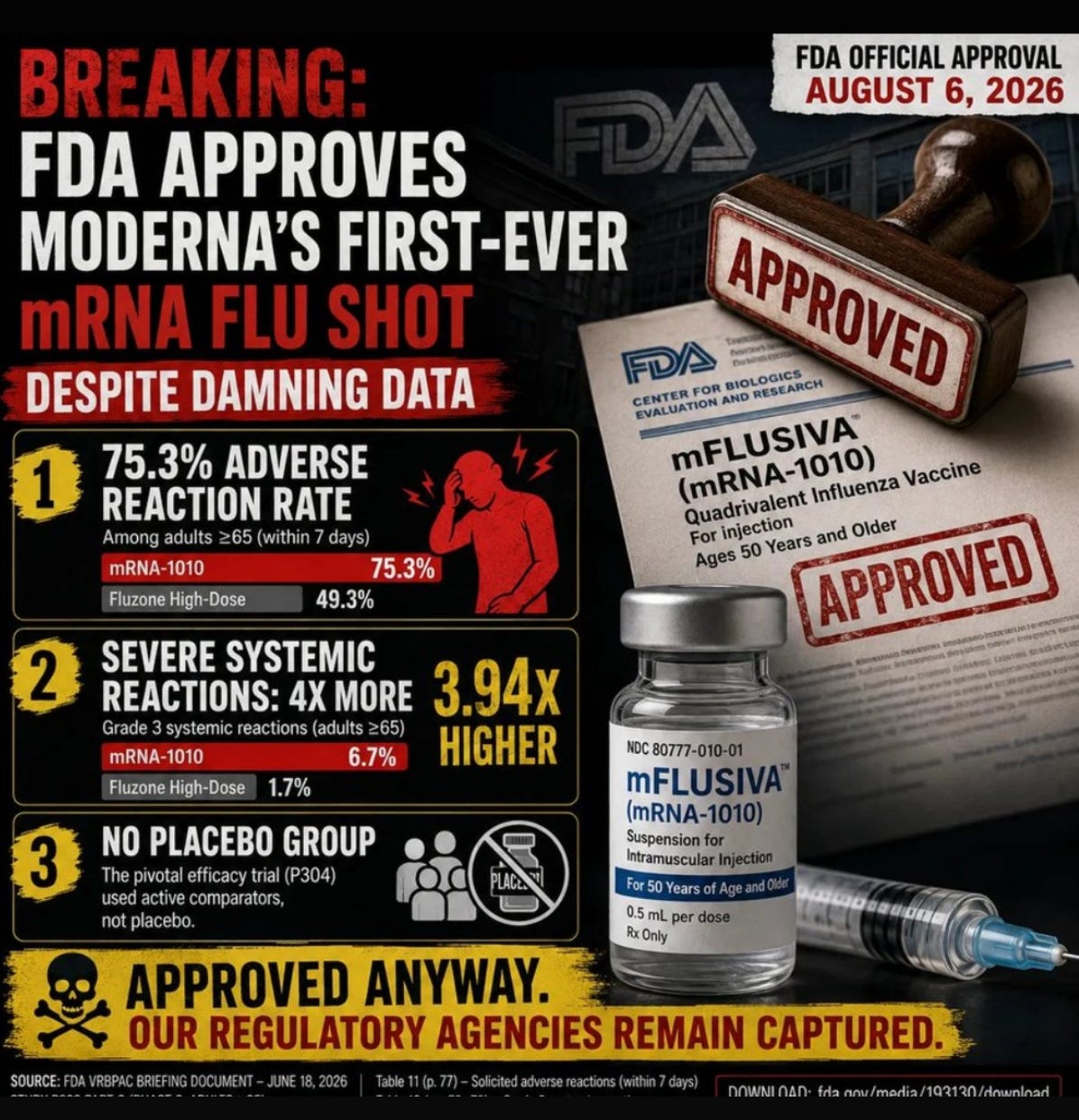
My Question: Please advise on the mRNA flu vaccine given approval to Moderna
CHATS response:
Short answer: Moderna’s new vaccine, MFLUSIVA, is a legitimate FDA-approved seasonal flu vaccine—not an emergency-use product. It is a reasonable option for some adults, but the best choice depends mainly on age.
- Under 50: It is not approved; use another age-appropriate flu vaccine.
- Age 50–64: MFLUSIVA is a reasonable option. In a roughly 40,000-person trial, laboratory-confirmed flu occurred in 2.0% with MFLUSIVA versus 2.8% with a standard-dose flu vaccine—a 26.6% relative improvement, not 26.6% absolute protection.
- Age 65+: I would currently lean toward one of CDC’s established preferred vaccines—Fluzone High-Dose, Flublok, or Fluad—unless unavailable or your clinician recommends MFLUSIVA. Its approval in this age group was accelerated based primarily on stronger antibody responses versus high-dose vaccine; whether it prevents more actual illness than high-dose vaccine remains under study through 2029–2030. FDA approval letter CDC guidance
Expect more short-term reactions than with conventional flu shots: injection-site pain occurred in approximately 63–69%, fatigue in 42–48%, and headache in 34–42%; reactions generally lasted about two days. Serious adverse-event rates were similar to comparator vaccines. FDA identified no myocarditis/pericarditis cases within 42 days in the clinical safety database, although monitoring for rare events continues. FDA prescribing information FDA clinical review
It contains no influenza virus, egg protein, antibiotics, or preservatives and cannot cause influenza. Avoid it following a severe allergy to one of its components—particularly discuss previous PEG or mRNA-vaccine anaphylaxis—and seek individualized advice if you developed Guillain–Barré syndrome within six weeks of a previous flu vaccine or are immunocompromised.
For most adults, September or October is preferable to August because protection can wane. If the choice is MFLUSIVA versus missing flu vaccination entirely, an eligible person without a contraindication should generally take the available vaccine.
My second question: is it mRNA?
Yes. MFLUSIVA (mRNA‑1010) is an mRNA flu vaccine made by Moderna—the first FDA-approved mRNA influenza vaccine.
It delivers temporary mRNA instructions for cells to produce influenza hemagglutinin proteins from three flu strains. The immune system then learns to recognize them. It contains no influenza virus, cannot cause flu, and the mRNA does not enter the cell nucleus or alter DNA. This latter claim is BS.
Haemagglutinin proteins will probably be more damaging than the spike protein of the covid vaccine.
My Opinion.
As of 7 September 2026, there is no mRNA influenza vaccine registered for general use in Australia.
Moderna has submitted two products to the TGA:
- mFLUSIVA (mRNA-1010) — a standalone mRNA influenza vaccine proposed for people aged 50 years and over. The TGA accepted the application in February 2026, but it remains under evaluation, not registered or approved. TGA: mFLUSIVA
- mCOMBRIAX — a combined mRNA influenza–COVID-19 vaccine for people aged 50 years and over. Its application was accepted in March 2026 and also remains under evaluation. TGA: mCOMBRIAX
The TGA’s list of seven influenza vaccines available in Australia for the 2026 season contains conventional egg-based, cell-culture or live-attenuated products—none is an mRNA influenza vaccine. TGA: 2026 seasonal influenza vaccines
Therefore, an mRNA influenza vaccine may be used in Australia only within an authorised clinical trial or exceptional access pathway—not as a routinely registered influenza vaccine. Moderna’s mFLUSIVA was approved in the United States in August 2026, but that approval does not apply in Australia.
But wait, mFLUSIVA and mCOMBRIAX are still under evaluation by the TGA. I believe they will be approved for use in Australia before the next ‘flu season’. If so, the side effects mentioned above will mean more vaccine caused deaths, turbo cancers and auto immune diseases will his our Australian population even harder than the Covid poisons. A reminder, expect more short-term reactions than with conventional flu shots: injection-site pain occurred in approximately 63–69%, fatigue in 42–48%, and headache in 34–42%. These are all critical symptoms pointing in a negative biological direction.
Geranylgeraniol — An Overlooked Driver of Healthy Aging
Reproduced from original article:
https://articles.mercola.com/sites/articles/archive/2026/07/31/geranylgeraniol-healthy-aging.aspx
Analysis by Dr. Joseph Mercola July 31, 2026
Story at-a-glance
- Geranylgeraniol (GG) is a naturally produced compound that helps regulate memory, metabolism, inflammation, and cellular repair, but your body makes less of it as you age
- Researchers found that GG supports important cellular signaling systems that help brain cells communicate, form memories and adapt to everyday stress
- Low GG levels are linked to many of the same biological changes seen in aging, including declining cellular energy, insulin resistance, chronic inflammation, and impaired tissue repair
- In laboratory research, GG’s metabolite, geranylgeranoic acid (GGA), has been shown to interfere with key survival mechanisms inside certain cancer cells — early findings that some researchers describe as a potential built-in check on uncontrolled cell growth
- Supporting the mevalonate pathway through nutrient-dense foods, regular sunlight exposure, movement, avoidance of ultraprocessed foods, and, for some people, targeted GG supplementation, may help support the cellular systems involved in healthy aging
Your body produces a compound that governs some of the most important processes in aging — cellular cleanup, energy production, metabolic signaling, and brain function — yet it rarely appears in conversations about healthy longevity. That compound is geranylgeraniol (GG, also called GGOH), and a review published in the Journal of Lipid Research makes a compelling case that it deserves far more attention than it gets.1
The problem isn’t that GG is rare or exotic. It’s made inside the mevalonate pathway, the pathway that produces coenzyme Q10 and cholesterol — the raw material your body then uses to make vitamin D and steroid hormones. This is also the pathway that statin drugs act on: by blocking an enzyme near the top of it, statins reduce not just cholesterol but everything downstream, GG and CoQ10 included.
Some researchers have proposed that this drop in GG and related compounds may contribute to the muscle aches some people experience on statins, a hypothesis that’s still being studied, but one that shows how central this pathway is.
Production declines with age, however, precisely when the need for cellular repair is highest. As that supply drops, the downstream effects ripple across multiple systems, and researchers now believe those ripple effects help explain why so many hallmarks of aging accelerate together rather than in isolation.
What makes this research particularly striking is how GG fits into a larger picture of aging as a systems-level failure rather than simple wear and tear. Muscle loss, insulin resistance, cognitive decline, chronic inflammation, and weakened immune defenses don’t happen randomly. They reflect coordinated breakdowns in energy production, protein maintenance, and cellular signaling, breakdowns that GG and its related metabolites appear to directly influence.
Your Brain and Metabolism Depend on This Hidden Pathway
The review examined prenols such as GG, and their metabolites, including geranylgeranoic acid, or GGA.2 GG is a naturally produced compound that serves as a building block for several cellular signaling molecules. As GG is metabolized, it also forms related compounds such as GGA, which carry out different biological functions. These compounds are active regulators of aging, metabolism, inflammation, cognition, and cellular stress responses instead of meaningless byproducts of cholesterol production.
• The paper tied aging directly to declining cellular energy and repair systems — Researchers described aging as a progressive loss of mitochondrial efficiency, rising oxidative stress, insulin resistance, chronic inflammation, and impaired proteostasis. Proteostasis refers to your body’s ability to maintain healthy proteins and remove damaged ones before they accumulate. When those systems weaken, cells lose resilience and tissues age more rapidly.
• Scientists identified the mevalonate pathway as a central control system for cellular survival — This pathway is often associated with cholesterol, but the review explained that it also regulates mitochondrial respiration, protein signaling, hormone-related pathways, and inflammatory control. Disruptions inside this pathway have been associated with diabetes, neurodegeneration, cardiovascular disease, sarcopenia, and other age-related disorders.
• GG helps important proteins do their jobs — Your cells contain thousands of proteins that act like workers carrying out specific tasks. Many of these proteins are inactive until a small lipid “tag” built from GG is attached to them, a process scientists call geranylgeranylation. That tag works like an ID badge: it lets the protein dock onto the right cell membrane and reach the location where it does its job.
When GG runs low, fewer badges get printed, so these proteins drift unanchored and can’t carry out tasks like relaying memory signals or coordinating cell growth.
• Research suggests the brain relies on an adequate supply of GG to support the connections involved in forming and maintaining memories — GG appears to play an important role in helping brain cells strengthen their connections with each other.
In laboratory cell studies, when brain cells were deprived of GG, important memory-related signaling processes stopped working properly. Restoring GG helped those processes recover, but simply adding cholesterol did not. This suggests that GG has unique functions in the brain that cholesterol can’t replace, highlighting that this pathway does much more than regulate cholesterol levels.
Researchers Linked GG to Multiple Hallmarks of Aging
Aging tissues often produce excessive inflammatory compounds. The paper described how prenol metabolites influence inflammatory signaling pathways and help regulate oxidative stress responses. Oxidative stress occurs when damaging reactive oxygen molecules overwhelm your body’s protective defenses, leading to injury inside proteins, fats, and DNA.
• The researchers also discussed insulin sensitivity and metabolic health — Insulin resistance rises steadily with age and disrupts how your cells process glucose for energy. The review connected prenol metabolism with markers of glucose regulation and metabolic signaling, based largely on preclinical research. Impaired glucose handling places continuous stress on mitochondria and accelerates inflammatory damage throughout the body.*
• Cancer biology emerged as another major theme — The review described how GGA, the oxidized form of GG, affects cancer cells differently than healthy tissue. Cells maintain themselves through autophagy, a recycling program that breaks down worn-out parts and reuses the materials. In healthy cells this process runs start to finish and leaves the cell renewed.
But in certain tumor cells, GGA appears to switch autophagy on and then jam it partway through. That half-finished, stalled cleanup turns toxic (cytotoxic means cell-damaging), and the cancer cell ends up destroying itself. The key is that GGA isn’t breaking a healthy process; it’s hijacking it specifically inside malignant cells.
Researchers have described this mechanism as acting almost like a built-in brake on cancer-cell growth, though this remains an early, laboratory-stage observation. Researchers noted that pathways related to prenol metabolism are often downregulated in malignant states. In other words, cancer cells frequently suppress these protective signaling systems because they interfere with uncontrolled growth.
The review linked GGA activity to inhibition of tumor growth, inflammatory signaling, and survival pathways inside cancer cells. These findings are early and haven’t been tested as a cancer therapy in people, but they’re a major reason researchers find this pathway so intriguing.
• Several longevity-related pathways overlapped throughout the review — Researchers discussed signaling systems that influence cell survival, metabolism, and stress adaptation. Dysregulation of these systems contributes to accelerated aging, metabolic dysfunction, and tumor progression. Prenol compounds influenced several of these pathways simultaneously, which explains why researchers increasingly view them as central regulators instead of secondary metabolites.
• Aging doesn’t happen because your body simply “wears out” — Researchers described it as a coordinated breakdown in energy production, protein maintenance, stress adaptation, and cellular signaling. GG and related metabolites appear deeply involved in many of those systems, especially in the brain, metabolic tissues, and inflammatory pathways.
*These findings are from laboratory or animal research and may not directly apply to human health.
Support Your Cellular Repair Systems Before They Decline Further
Your body already contains many of the systems required for healthy aging, stronger metabolism, and better cellular repair. The problem is that modern habits steadily drain those systems. Chronic stress, poor sleep, processed food, sedentary routines, excessive seed oils, and constant metabolic overload force your cells into survival mode instead of repair mode.
Focus on restoring the environment your cells need to produce energy efficiently because stronger mitochondrial function supports everything else downstream, including inflammation control, recovery, cognition, and metabolic health.
1. Support the mevalonate pathway with nutrient-dense foods — GG naturally occurs in foods like tomatoes, carrots, olives, and some grains, though food sources contain much smaller amounts than supplements. Focus on a nutrient-rich diet that supports the entire mevalonate pathway.
That pathway produces coenzyme Q10, steroid hormones, vitamin D, and other compounds your cells require for energy and repair. If your diet lacks enough whole foods and high-quality protein, your cells lose access to the raw materials required to maintain those systems.
2. Use targeted GG supplementation to support aging cells — Supplemental forms of GG provide much more concentrated support than food alone. Most commercial GG supplements contain 150 milligrams (mg) to 300 mg per softgel. In addition, a majority of the published research has used branded forms of trans-geranylgeraniol derived from annatto seeds, such as “GG-Gold.” These supplements are typically taken with or without food.
For people who are older, physically active, metabolically stressed, or recovering from years of poor dietary habits, concentrated GG is one way you can replenish a compound that your body produces less of with age.
Supplementation is one proposed way to replenish the supply, but it’s worth knowing that most of the evidence so far comes from cell and animal research, with human longevity data still limited. If you take a statin, talk with your clinician before adding GG, since the two interact with the same pathway.
3. Lower the metabolic stress that blocks cellular repair — Your cells struggle to maintain autophagy and mitochondrial function when your diet constantly floods your system with industrial fats and ultraprocessed foods, including soybean oil, corn oil, canola oil, or other vegetable oils.
These flood your cells with linoleic acid (LA), which can disrupt energy production and increase oxidative stress. Replace them with whole-food meals built around ruminant protein, root vegetables, fruit, and stable fats such as grass fed butter, ghee, or tallow. If your cells stop fighting inflammatory stress all day long, they redirect energy toward repair and recovery instead.
4. Use sunlight and movement to restore mitochondrial energy production — These habits won’t raise your GG directly, but they protect the cellular environment GG works within. Daily morning sunlight helps regulate circadian rhythm and mitochondrial energy production, and healthier mitochondria mean the mevalonate pathway, where GG is made, has the energy to keep running.
When your cells aren’t fighting inflammatory stress all day, more of that capacity goes toward the repair work GG-dependent proteins are meant to do.
I also recommend consistent movement because inactivity rapidly weakens mitochondrial function and insulin sensitivity. Start with walking outdoors after sunrise and continue building from there. If you sit most of the day, even short movement breaks improve glucose handling and reduce metabolic stress. Your body responds best to repeated signals of movement and light exposure instead of occasional bursts of exercise followed by long periods of inactivity.
5. Protect your mitochondria from constant inflammatory overload — Your mitochondria respond directly to sleep quality, blood sugar stability, stress load, and environmental toxins. Build simple habits that lower that burden every day. Prioritize consistent sleep, stable meal timing, and balanced carbohydrate intake instead of restrictive low-carb approaches that suppress metabolic flexibility.
Include enough protein to maintain muscle mass and make roughly one-third of that protein collagen-rich foods like bone broth. Small daily actions compound over time. Every time you improve cellular energy production, reduce inflammatory stress, and strengthen mitochondrial resilience, you help your body shift away from accelerated aging and back toward repair.
FAQs About GG and Healthy Aging
Q: What is GG?
A: GG is a compound your body naturally produces through the mevalonate pathway. This same pathway helps create cholesterol, coenzyme Q10, vitamin D, and other compounds needed for cellular function. Researchers have linked GG to healthy metabolism, brain function, inflammation control, and cellular stress responses.
Q: Why does GG matter as I get older?
A: GG production declines with age at the same time many age-related problems begin to accelerate. Lower levels are associated with disruptions in cellular signaling, energy production, inflammation control, and metabolic health. Researchers believe this decline helps explain why issues such as muscle loss, insulin resistance, cognitive decline, and chronic inflammation often develop together rather than separately.
Q: How does GG support brain health?
A: Laboratory research suggests that GG plays a role in helping brain cells strengthen and maintain their connections. These connections are necessary for learning, memory formation, and normal cognitive function. Scientists found that when GG levels fall, important memory-related signaling processes weaken, and restoring GG helps restore those functions.
Q: Can food provide enough GG?
A: GG naturally occurs in foods such as tomatoes, carrots, olives, and some grains. These foods contribute small amounts and support the broader metabolic pathways involved in GG production. Supplemental GG provides significantly higher amounts than food alone, which is why some people use it as a targeted strategy to support healthy aging.
Q: What lifestyle habits help preserve the systems GG supports?
A: The same habits that support mitochondrial health also support the biological systems influenced by GG. A nutrient-dense diet, regular sunlight exposure, daily movement, adequate sleep, stable blood sugar levels, and avoidance of ultraprocessed foods all help reduce the metabolic stress that accelerates aging. These habits strengthen cellular energy production and improve your body’s ability to repair and maintain itself over time.
This article is for informational purposes only and does not constitute medical advice. Consult a qualified health care provider before making changes to your health regimen.
Body’s Most Mysterious Organ May Play a Key Role in Longevity and Cancer
Reproduced from original article:
https://articles.mercola.com/sites/articles/archive/2026/07/28/thymus-health-longevity-cancer-immune-aging.aspx
Analysis by Dr. Joseph Mercola July 28, 2026
Story at-a-glance
- Your thymus, a small immune gland behind your breastbone, begins shrinking in early adulthood, and research shows that better thymus health is strongly associated with lower risks of cancer, cardiovascular disease, metabolic disorders, and early death
- Adults with healthier thymus tissue were about half as likely to die during a 12-year study period, suggesting that your “immune age” may influence longevity just as much as many traditional health risk factors
- Smoking, obesity, chronic inflammation, high blood sugar, and poor metabolic health were all linked to faster thymus deterioration, while healthier cholesterol levels and stronger physical resilience tracked with better immune aging
- Cancer patients with healthier thymus function tended to respond better to immunotherapy and survived longer across multiple cancer types, which researchers linked to stronger, more diverse T-cell defenses
- Daily habits that lower inflammation and support cellular energy production, including avoiding ultraprocessed foods and seed oils, maintaining muscle mass, getting morning sunlight, prioritizing sleep, and using exercise or sauna therapy, may help preserve thymus function and long-term immune resilience
Your thymus begins shrinking in your 20s, and it doesn’t stop. This small gland tucked behind your breastbone slowly transforms from active immune tissue into fat, and for years, scientists treated that decline as a harmless quirk of aging. New research suggests they had it backwards — that the thymus’s quiet disappearance may be one of the most consequential events in how your body ages.
Inside your thymus, specialized immune cells called T cells mature and learn how to recognize infections, damaged tissue, and abnormal cells before they spiral into disease. When thymus function declines, your immune defenses weaken, inflammation rises, and your body loses one of its most important early-warning systems. But that breakdown doesn’t happen equally in everyone.
Some adults maintain strong thymus function far longer than others, and the difference appears to shape how well you age, influencing everything from cancer risk to cardiovascular health to how your body responds to modern cancer treatments. Those findings challenge one of the oldest assumptions in immunology — that the thymus stops mattering after childhood — and they set the stage for a much bigger discussion about how your immune system influences longevity itself.
Your Thymus Predicts How Well You Survive Aging
A study published in Nature examined CT scans from 25,031 adults in the National Lung Screening Trial and 2,581 participants in the Framingham Heart Study to determine how strongly thymus health influences long-term disease risk and lifespan.1
Scientists developed an artificial intelligence system that analyzed the thymus from routine chest imaging and sorted people into low, average, or high thymus health categories. Instead of assuming the thymus becomes useless after childhood, the researchers tested whether preserving this immune organ into adulthood changes how you age.
• Adults with healthier thymus tissue lived far longer — The differences were massive. Participants with high thymus health had a 13.4% mortality rate over 12 years, compared to 25.5% among those with poor thymus health. People with stronger thymus function were about half as likely to die during the study period. Even after researchers adjusted for smoking, age, sex, and chronic illness, the relationship stayed strong.
• Cancer risk dropped sharply when thymus health stayed intact — Researchers found that adults with healthier thymus tissue were 36% less likely to develop lung cancer than those with low thymus health. Lung cancer death rates also fell dramatically. High-thymus participants had nearly half the risk of dying from lung cancer compared to the low-thymus group.
• Cardiovascular disease followed the same pattern — Adults with high thymus health had a cardiovascular mortality rate of 2.9%, compared to 7.5% in those with poor thymus function. In the Framingham Heart Study, the difference looked even more dramatic. Participants with healthier thymus tissue showed up to a 92% lower risk of cardiovascular death.
Researchers also found fewer new heart-related events such as congestive heart failure, heart attacks, and cerebral embolism, meaning blocked blood vessels in the brain.
• The thymus appeared to influence the entire body, not just immunity — Mortality rates from pulmonary disease, metabolic disorders, digestive disease and endocrine conditions all dropped when thymus health remained strong. Deaths linked to metabolic diseases such as diabetes were 68% lower in people with high thymus health compared to those with severe thymus decline.
Digestive disease deaths, including liver and pancreatic disease, also fell sharply. Instead of acting like a narrow immune organ, the thymus behaved more like a master regulator of healthy aging.
How Your Daily Habits Accelerate Immune Aging
The study revealed that lifestyle habits strongly shaped thymus health.2 Smoking duration, pack-years, and obesity all showed strong negative associations with thymus function. The more someone smoked, the worse their thymus health became. Researchers also found that higher body mass index correlated with greater fatty degeneration inside the thymus.
On the other hand, healthier metabolic markers correlated with better thymus scores. Higher HDL cholesterol — often called “good cholesterol” because it helps remove excess cholesterol from the bloodstream — was linked with healthier thymus tissue, while elevated triglycerides, blood sugar and blood pressure were linked with worse thymus health.
• Physical performance also reflected immune aging — Individuals with lower thymus health showed higher frailty scores and struggled more with walking speed, exhaustion and physical activity. That finding gives you a real-world picture of immune aging. Poor thymus health showed up in how people moved, how much energy they had, and how resilient their bodies remained under stress.
• Inflammation emerged as one of the biggest drivers of thymus decline — Researchers measured inflammatory proteins in blood samples and found that adults with lower thymus health carried higher levels of several inflammatory chemokines. These molecules fuel chronic inflammation throughout the body.
The study also tracked C-reactive protein, or CRP, a marker doctors use to measure systemic inflammation. People with chronically elevated CRP over five to 10 years had substantially lower thymus health scores.
• As your thymus deteriorates, your immune defenses lose their ability to keep disease under control — Your thymus trains T cells, which identify infected cells, damaged tissue and abnormal growths before they spiral into disease. As the thymus deteriorates, it produces fewer fresh T cells. Immune diversity shrinks. Surveillance weakens. Chronic inflammation rises.
Researchers explained that this loss of immune adaptability leaves the body less capable of controlling cancer development, infections, and tissue damage over time. However, some adults preserved strong thymus function decades longer than others, even later in life. That means immune aging doesn’t follow a fixed timeline. Your daily habits shape how quickly your immune system ages, which gives you control over long-term health.
Immune Age Shapes Cancer Treatment Survival
A second paper published in Nature focused on adults with multiple forms of cancer who received immune checkpoint inhibitors, also called ICIs — drugs designed to remove the “brakes” from the immune system, so T cells attack cancer more aggressively.3
Researchers analyzed imaging and clinical data from thousands of patients across several independent cancer cohorts, including people with lung cancer, melanoma, breast cancer, bladder cancer, and kidney cancer. Instead of looking only at the tumor itself, scientists examined the condition of each patient’s immune system through thymus health measurements taken from CT scans.
• Patients with healthier thymus tissue survived longer across multiple cancers — The strongest findings appeared in patients with advanced non-small cell lung cancer, or NSCLC, which is the most common form of lung cancer. Individuals with average to high thymus health consistently showed longer progression-free survival and overall survival than patients with poor thymus health.
Progression-free survival means the cancer stayed under control longer before worsening. Overall survival refers to how long patients remained alive after treatment began.
• The benefits extended beyond one specific cancer type — Researchers expanded the analysis across a pan-cancer group of 3,476 patients treated with immunotherapy, including a subgroup of 2,258 patients with cancers other than lung cancer (melanoma, renal, breast, bladder, and others). Better thymus health correlated with lower death risk across nearly every cancer category examined, including melanoma, renal cancer, breast cancer, and several pooled cancer types.
The paper described this effect as “tumor-agnostic,” meaning the association appeared regardless of where the cancer started in the body. In other words, healthier thymus function was associated with better outcomes whether the cancer started in the lungs, breast, kidney, or skin — a finding that complicates the standard model focused almost entirely on tumor genetics.
• The study revealed why some people respond dramatically to immunotherapy while others don’t — Researchers found that thymus health acted like a marker of “immune competence,” meaning the immune system’s ability to mount a strong attack against disease. Patients with healthier thymus tissue appeared better equipped to generate diverse, active T cells capable of recognizing and destroying cancer cells.
In contrast, individuals with poor thymus health had weaker immune adaptability and reduced cancer-fighting capacity.
The largest effects appeared in patients receiving immunotherapy before chemotherapy, though this interaction was a trend rather than a statistically significant finding. Citing prior evidence, the researchers noted that chemotherapy can impair thymic activity, which may reduce the body’s ability to generate fresh immune cells.
Patients who entered treatment with healthier immune reserves, therefore, appeared more resilient during therapy. This finding shifts attention toward preserving immune strength before aggressive treatments begin, instead of waiting until the immune system is already exhausted.
• Researchers also found evidence that thymus health reflects active T-cell production in adults — One of the most important biological findings involved T-cell diversity, the immune system’s ability to recognize a wide variety of threats. Better thymus health strongly aligned with broader T-cell diversity and stronger adaptive immune capacity.
Adaptive immunity refers to the branch of your immune system that learns from exposures and creates targeted defenses against infections and abnormal cells. A more diverse T-cell population gives your body a much larger “library” of immune responses.
Researchers noted that aging shifts the immune system away from flexible, adaptive responses and toward a more inflammatory state dominated by older immune cells. As thymus function declines, fewer fresh T cells enter circulation. Cancer cells then gain a greater opportunity to hide from immune surveillance and continue multiplying unchecked. This immune exhaustion also reduces how effectively immunotherapy drugs activate anticancer responses.
• The paper challenged another major assumption in medicine — that the thymus is expendable in adults — Researchers pointed out that the thymus receives little attention during cardiothoracic surgery or radiation therapy and is sometimes exposed to high-dose radiation or even removed during procedures. Their findings suggest that damaging the thymus carries long-term consequences for immune resilience and cancer survival.
Protect Your Immune System Before It Collapses
Your thymus responds to the choices you make every day. The research showed that smoking, metabolic dysfunction, inactivity, chronic inflammation, and poor overall resilience were tightly linked to faster thymus decline and worse long-term outcomes. That means your goal isn’t simply “boosting immunity.”
The real goal is preserving immune adaptability: keeping your body capable of generating fresh, diverse T cells decades into adulthood, so it can still recognize new threats rather than reacting blindly to old ones. The earlier you support that process, the more protection you build against cancer, cardiovascular disease, and immune exhaustion later in life.
1. Lower the inflammatory burden that ages your immune system faster — Chronic inflammation repeatedly showed up as one of the strongest predictors of poor thymus health. If your body constantly fights inflammatory stress, your immune system burns through resources faster and loses flexibility over time. Your immune system functions far better when it is not stuck in constant low-grade defense mode. Start with the biggest inflammatory triggers:
• Cut seed oils (soybean, canola, sunflower, safflower, corn, grapeseed) and the restaurant meals and packaged foods built on them. These oils deliver large amounts of linoleic acid (LA), a fatty acid that, in excess, gets incorporated into your cell membranes and mitochondria, where it can oxidize and contribute to the chronic inflammation associated with faster thymus aging
• Replace seed oils with grass fed butter, ghee, or tallow
• Reduce exposure to plastics and heavily fragranced products that contain xenoestrogens, meaning hormone-disrupting chemicals that interfere with cellular signaling
2. Feed your thymus with the nutrients it requires to maintain T-cell strength — Your thymus relies heavily on specific vitamins and minerals to maintain immune resilience. If your diet lacks nutrient density, your thymus loses some of the raw materials needed to sustain immune adaptability over time.
Zinc supports T-cell development and signaling, vitamin A helps regulate thymus structure and immune coordination, and vitamin C may help support the gland and T-cell production. Whole foods work best for building this foundation:
•Oysters and ruminant meats provide highly absorbable zinc
•Egg yolks and properly raised dairy contain vitamin A
•Citrus fruits, berries, and kiwi supply vitamin C along with supportive plant compounds
•Collagen-rich proteins support tissue repair and immune recovery
3. Use movement, heat, and light to stimulate natural growth and repair signals — Your body contains built-in repair systems that support tissue repair, recovery, and cellular regeneration. Rather than using costly hormone products, the following lifestyle measures may support these pathways:
•Blood flow restriction training, also called blood flow restriction (BFR) training or KAATSU, creates a temporary low-oxygen environment inside working muscles, allowing you to build strength and muscle mass using lighter loads
•Sauna sessions combined with exercise help improve circulation and detoxification
•Whole body vibration training using a high-quality vibration platform has been studied for its effects on musculoskeletal and metabolic health
•Red and near-infrared light therapy have been studied for their effects on mitochondrial energy production and cellular repair processes
4. Support immune resilience with targeted compounds that may influence thymic signaling — Some natural compounds have traditionally been used to support immune resilience. One example is astragalus (known in Traditional Chinese Medicine as Huangqi), which has also been used to support stamina. Some early research suggests compounds in astragalus may:
•Lower inflammatory stress
•Increase antioxidant protection
•Improve immune signaling
Other compounds under investigation include thymic peptides such as thymalin, thymosin beta-4, and thymosin alpha-1, which researchers have studied for their roles in immune signaling, tissue repair, and antiviral effects. Thymic protein A, derived from calf thymus tissue, has also been studied for its effects on helper T lymphocytes and thymus atrophy.
Many of these compounds remain experimental and are not FDA-approved for general use, and some are available only by prescription. In regenerative and integrative medicine settings, they have been explored in the context of chronic infections, immune exhaustion, and age-related immune decline — though anyone considering these therapies should consult a licensed physician.
5. Protect your thymus from chronic immune exhaustion — Your immune system is not separate from the rest of your body. When your metabolism strengthens, inflammation falls, and cellular energy production improves, your thymus and your long-term resilience improve alongside it. Smoking showed one of the strongest negative relationships with thymus health.
Tobacco exposure continuously overloads your immune system with oxidative stress and abnormal cell damage. You also reduce immune strain by:
•Prioritizing deep sleep and circadian rhythm consistency
•Getting morning sunlight to regulate immune signaling and mitochondrial function
•Avoiding excessive alcohol, which disrupts gut integrity and immune regulation
•Lowering exposure to chronic stress that keeps inflammatory hormones elevated
•Maintaining daily movement and preserving muscle mass as you age
These findings come from observational and clinical research. Associations do not prove that changing one factor will change another, and results may not apply to all individuals.
FAQs About Thymus Health, Longevity, and Cancer
Q: What does the thymus actually do in your body?
A: Your thymus is a small gland located behind your breastbone that trains T cells, which are specialized immune cells responsible for identifying infections, damaged tissue, and abnormal cells before they develop into larger problems. As the thymus shrinks and fills with fat over time, your body produces fewer fresh T cells, reducing immune diversity and weakening your ability to control inflammation, infections and cancer growth.
Q: Why does thymus health matter for longevity?
A: Researchers found that adults with healthier thymus tissue had dramatically lower death rates over a 12-year period compared to those with poor thymus health. Strong thymus function was linked to lower risks of lung cancer, cardiovascular disease, metabolic disorders, and several other chronic illnesses. The findings suggest the thymus acts as a major regulator of healthy aging rather than a useless organ left over from childhood.
Q: What daily habits are linked to worse thymus function?
A: Smoking, obesity, chronic inflammation, inactivity, and poor metabolic health were all strongly linked to faster thymus deterioration. Researchers also found that elevated blood sugar, triglycerides, and blood pressure correlated with worse thymus health, while healthier HDL cholesterol levels tracked with stronger thymus tissue. Long-term inflammatory stress appears to accelerate immune aging and reduce your body’s ability to maintain flexible immune defenses.
Q: How does thymus health affect cancer treatment outcomes?
A: Patients with healthier thymus tissue responded better to immunotherapy treatments across multiple cancer types, including lung cancer, melanoma, breast cancer, and kidney cancer. Better thymus health was associated with stronger T-cell diversity, longer survival, and improved ability to keep cancer under control. Researchers concluded that preserving immune resilience before aggressive treatments may improve how well patients tolerate and respond to therapy.
Q: What helps protect or support your thymus as you age?
A: Lowering chronic inflammation, improving metabolic health, and maintaining strong cellular energy production appear central to protecting thymus function.
Several supportive strategies include removing seed oils and ultraprocessed foods, prioritizing nutrient-dense foods rich in zinc and vitamin C, exercising regularly, using sauna and red-light therapy, getting morning sunlight, and maintaining consistent sleep patterns. Avoiding smoking and excessive alcohol also reduces long-term immune strain.
This article is for informational purposes only and does not constitute medical advice. It is not a recommendation to use any specific supplement, peptide, hormone, or therapy. Consult a qualified health care provider before making changes to your health regimen, especially if you have cancer or a serious medical condition.
Collagen Peptides Could Positively Influence Longevity and Signs of Aging
Reproduced from original article:
https://articles.mercola.com/sites/articles/archive/2026/06/03/collagen-peptides-longevity-signs-of-aging.aspx
Analysis by Dr. Joseph Mercola June 03, 2026

Story at-a-glance
- Collagen makes up a large share of your body’s protein, yet production drops every year with age, which contributes to wrinkles, weaker connective tissue, reduced strength, and slower recovery
- Researchers identified a specific pattern of collagen amino acids — glycine, proline, and hydroxyproline — that may signal your body to repair tissue, support physical function, and influence biological aging
- Human participants who consumed a collagen amino acid formulation showed measurable improvements in skin texture, hydration, and elasticity within one to three months
- After six months, biological age markers shifted younger on average, suggesting that targeted collagen amino acid supplementation may influence internal aging processes rather than appearance alone
- Supporting collagen at the root involves adequate protein with collagen-rich sources, vitamin C intake, protection against collagen breakdown, and high-quality collagen or gelatin sourced from properly raised animals
Collagen accounts for roughly 12% to 17% of all protein in mammals, yet production drops about 1% to 1.5% every year as you age, according to research published in npj Aging.1 That steady decline explains why skin loses elasticity, hydration falls, and fine lines appear long before deeper health changes become obvious. This loss is more than cosmetic.
Your connective tissue depends on collagen for strength, repair, and structural integrity, which means declining levels influence joints, muscle function, and metabolic resilience as well. Unlike many nutrition trends that focus on surface improvements, collagen sits at the center of cellular structure.
Skin aging, characterized by wrinkles, dryness, and reduced elasticity, reflects a broader shift in tissue repair and resilience. Many people focus on creams or cosmetic procedures while the underlying biology receives little attention. Recent research now suggests that the solution may not require more collagen in general but rather the right components delivered in the right pattern.
What makes this research different from typical collagen studies is its scope. Rather than measuring a single outcome like skin hydration, researchers investigated whether collagen’s core amino acids influence aging itself — from cellular signaling and physical function to measurable shifts in biological age. The human portion was an observational trial in which all participants received the supplement.
The findings suggest that targeted collagen amino acid formulations may influence deeper mechanisms beyond surface appearance, warranting further research into collagen’s broader biological role.
3 Collagen Amino Acids May Influence Aging Signals
For the npj Aging study, researchers examined how specific collagen amino acids affect lifespan, physical strength, and visible aging across cells, animals, and humans.2 Instead of asking whether collagen works as a general supplement, researchers searched for the smallest functional unit — meaning the minimum building block — that triggers collagen repair and longevity signals in the body. This shifts the focus from generic collagen powders to the exact components that drive results.
The researchers tested their hypothesis at three levels of complexity: first in C. elegans (a microscopic roundworm used widely in aging research), then in aged mice, and finally in healthy midlife adults — building evidence from simple organisms to human outcomes.
Human participants were generally healthy adults in midlife, a stage when early aging changes begin to appear even if you feel well. Findings showed improvements in skin characteristics within three months and measurable biological age reduction after six months, suggesting that the internal aging clock moved in a younger direction.
• Lifespan increased when amino acids were combined in a specific ratio — The most striking discovery involved the ratio of three glycine, one proline, and one hydroxyproline, which increased lifespan by 6% to 27% in repeated trials using roundworms.
Individual amino acids alone didn’t produce this effect, which tells you the body responds to patterns, not isolated nutrients. Your cells have receptors that detect collagen fragments — small peptide chains that act as chemical messengers.
When glycine, proline, and hydroxyproline arrive in the same ratio found in intact collagen, those receptors recognize the pattern and activate repair pathways. Think of it like a lock and key: the ratio is the key, and your cell receptors are the lock. Without the correct pattern, the signal doesn’t fire.
Each of these amino acids plays a distinct role: hydroxyproline stabilizes the collagen triple helix — the rope-like structure that gives collagen its strength — glycine may support metabolic balance and has been studied for potential roles in inflammation regulation, and proline fuels tissue growth and mitochondrial function, which is your cells’ energy production system.
What the researchers found is that combining all three produced effects far greater than any single amino acid alone — a combined response where the whole outperforms the sum of its parts. This makes sense biologically: your body doesn’t build collagen from one ingredient. It recognizes the complete pattern and responds accordingly.
• Movement and physical function improved during aging — Beyond lifespan, organisms that received the amino acid ratio maintained movement ability longer during aging, meaning healthspan — the period you remain active and functional — improved alongside lifespan. The study showed the combined ratio preserved activity at very old ages compared with controls.
• Older mice showed strength preservation and less fat accumulation — In aged mice, supplementation maintained grip strength and reduced visceral fat — fat stored around organs that links to metabolic decline — over six months. Body weight and food intake remained stable, which indicates the benefits occurred without calorie restriction or drastic diet changes.
• Human skin metrics improved quickly and measurably — Participants experienced statistically significant improvements in skin texture within one month, followed by sustained increases through month three. Hydration levels rose from very dry baseline values to a more moisturized state, while elasticity scores increased over time, showing structural skin changes rather than surface effects.
• Biological age shifted in a younger direction over six months — Researchers measured biological age using epigenetic clocks — tests that analyze chemical tags called methyl groups on your DNA. These tags change in predictable patterns as you age, and scientists use them to calculate how fast or slow your body is aging compared with your calendar age.
This method, based on DNA methylation analysis, is considered one of the most reliable tools available for tracking biological aging speed. After six months, participants showed an average biological age reduction of about 1.37 years, meaning their internal aging markers shifted in a younger direction.
Some individuals experienced larger improvements, especially those whose biological age started higher than their chronological age, though the researchers caution that part of this pattern may reflect statistical effects rather than differential response to the supplement. The amino acid ratio triggered upregulation — meaning the body turned up the volume on its collagen-building instructions — for genes related to collagen and the extracellular matrix.
Think of the extracellular matrix as the scaffolding between your cells — it gives skin its firmness, cartilage its bounce, and tendons their strength. When those genes become more active, your body rebuilds that scaffolding faster than it breaks down. This explains why visible changes appear alongside functional improvements.
These findings include data from laboratory or animal research and may not directly apply to human health.
How to Support Collagen Production at the Root
The root cause of visible aging and declining tissue resilience centers on a steady drop in collagen combined with insufficient building blocks to replace it. Structural proteins break down faster than your body rebuilds them, which shows up as wrinkles, reduced elasticity, weaker joints, and slower recovery. If you notice these changes, the solution involves supplying the raw materials and signals your body uses to rebuild collagen from the inside.
1. Choose a clean collagen or gelatin source — Quality determines what enters your body. Collagen or gelatin products derived from animals raised in concentrated animal feeding operations (CAFOs) have tested positive for contaminants, including drug metabolites and chemicals.
Selecting collagen or gelatin labeled USDA Organic and/or AGA grass fed helps you avoid unwanted exposures while providing structural amino acids your tissues rely on. Gelatin offers a practical food-based option because it’s cooked collagen and delivers the same amino acid profile. Look for a pure gelatin powder without sugar and other additives.
2. Provide the building blocks required for collagen synthesis — Collagen formation depends on vitamin C and antioxidant nutrients that help convert amino acids such as lysine and proline into collagen fibers. If you’re seeking stronger skin, faster tissue repair, or improved elasticity, foods rich in vitamin C support this process. Citrus fruits, tomatoes, bell peppers, broccoli, berries, and leafy greens give your body the nutrients required for ongoing collagen production.
3. Increase collagen-rich protein to reach structural needs — Tissue repair requires sufficient total protein, roughly 0.8 grams per pound of lean body mass (or about 1.76 grams per kilogram), with about one-third coming from collagen-rich sources.
If you’re rebuilding connective tissue, recovering from activity, or noticing aging changes, this step supplies glycine — an amino acid needed for glutathione, the primary intracellular antioxidant that protects tissues from pollution-driven oxidative damage. Bone broth, slow-cooked meats with connective tissue, and high-quality collagen supplements support this foundation.
4. Protect existing collagen from breakdown — Preserving collagen matters as much as producing it. Antioxidant strategies help extend collagen lifespan by reducing enzymes that degrade structural proteins.
Red light therapy may help support collagen production,3 retinol has been associated with reduced breakdown of collagen-destroying enzymes,4 garlic provides sulfur compounds involved in collagen structure,5 and ginseng may help support collagen levels in your bloodstream.6 These approaches may help support tissue strength.
5. Support hydration pathways that keep collagen functional — Collagen and hydration function together inside your skin. If you notice dryness, fine lines, or reduced elasticity, improving hyaluronic acid status supports moisture retention and tissue suppleness.
Oral aloe vera has been shown to help support both collagen and hyaluronic acid production7 — though dosage and form matter, so look for inner-leaf gel supplements with verified purity. Starchy root vegetables like sweet potatoes and taro also supply compounds that support skin hydration from the inside.
FAQs About Collagen and Longevity
Q: How do collagen peptides influence longevity?
A: Collagen peptides supply key amino acids — glycine, proline, and hydroxyproline — that signal your body to repair connective tissue and support cellular structure. Published research suggests a specific ratio of these amino acids may improve lifespan markers in animal studies, physical function in mice, and biological age in human participants, linking collagen intake to deeper aging processes rather than appearance alone.
Q: What makes the three-amino-acid ratio important?
A: The research suggests the body responds strongly when glycine, proline, and hydroxyproline appear in the same pattern found in collagen. In animal studies, this combination acts like a biological signal that increases collagen gene activity, supports tissue repair, and helps maintain movement and strength during aging.
Q: What visible changes were seen in humans?
A: Participants experienced measurable improvements in skin texture, hydration, and elasticity within one to three months. Over six months, biological age decreased on average by about 1.37 years, meaning internal aging markers shifted in a younger direction.
Q: Is gelatin as effective as collagen supplements?
A: Gelatin is cooked collagen and delivers the same amino acid profile after digestion. Because both break down into identical amino acids in your body, gelatin serves as a practical food-based option for increasing glycine intake and supporting connective tissue repair, especially through bone broth or pure gelatin powder.
Q: What steps help support collagen production naturally?
A: Key actions include choosing high-quality collagen or gelatin sources, consuming enough total protein with one-third from collagen-rich foods, ensuring adequate vitamin C intake, protecting collagen from breakdown with antioxidant strategies, and supporting hydration pathways such as hyaluronic acid to keep collagen functional.
This article is for informational purposes only and does not constitute medical advice. Consult a qualified healthcare provider before making changes to your health regimen.
Can Astragalus Help Slow Cellular Aging from the Inside Out?
Reproduced from original article:
https://articles.mercola.com/sites/articles/archive/2026/02/27/astragalus-benefits-anti-aging-longevity.aspx
Analysis by Dr. Joseph Mercola February 27, 2026
Story at-a-glance
- Astragalus is a traditional medicinal root that has regained scientific attention because it targets core drivers of aging such as oxidative stress, chronic inflammation, metabolic strain, and declining cellular repair, rather than masking surface-level symptoms
- Research shows astragalus supports cellular health by strengthening antioxidant defenses, calming low-grade inflammation, and stabilizing immune function, helping your cells stay resilient under ongoing biological stress
- Several studies link astragalus compounds to telomerase activity and telomere maintenance, which helps preserve your tissues’ ability to renew and repair as you age
- Animal and laboratory research suggests astragalus improves physical function, stress resistance, and internal aging markers, indicating benefits that extend beyond appearance to strength, mobility, and metabolic stability
- When used consistently alongside habits that reduce cellular damage, such as limiting seed oils and controlling blood sugar swings, astragalus supports health span by helping your body maintain function, repair capacity, and structural integrity over time
What if a root that Chinese physicians have prescribed for over 2,000 years turns out to target the exact cellular processes that modern science now identifies as the core drivers of aging? That’s the question researchers are asking about Astragalus membranaceus — and the early answers are intriguing.
Traditional Chinese medicine used astragalus, a flowering plant in the legume family, specifically for “qi deficiency” — symptoms we might now describe as fatigue, weakened immunity, and poor stress resilience. Remarkably, these are precisely the functions modern research shows astragalus supports at the cellular level.
Aging isn’t just about wrinkles or gray hair. It reflects cumulative damage at the cellular level, characterized by declining energy production, chronic low-grade inflammation, impaired tissue repair, and gradual shortening of telomeres, the protective caps at the ends of chromosomes.
Think of telomeres like the plastic tips on shoelaces — they prevent the ends from fraying. Each time a cell divides, these protective caps get slightly shorter. When they become too short, the cell can no longer divide properly, much like a shoelace that’s lost its tip and starts to unravel. You experience this as thinner skin, slower wound healing, reduced immune resilience, and a higher burden of chronic disease over time.
Astragalus has caught researchers’ attention because it doesn’t just address one symptom — it appears to influence the core processes that drive aging itself. Rather than framing aging as an inevitable decline, current astragalus research focuses on preserving function — keeping cells responsive, tissues repairable, and immune defenses steady under stress.
Astragalus Works Where Aging Starts — Inside Your Cells
A review published in Nutrients examined whether astragalus affects the biological processes that drive aging at the cellular level, not just surface-level changes.1 Instead of testing a short-term supplement plan, researchers analyzed a broad body of laboratory, animal, and limited human data to see how astragalus interacts with oxidative stress, inflammation, immune signaling, and tissue repair.
• Skin aging turned out to be a window into whole-body decline — Researchers treated skin as a visible model of internal aging, explaining that skin cells face the same stressors as the heart, brain, and immune system. Collagen loss, thinning, and slower healing on the surface often reflect deeper cellular strain throughout your body. By studying skin, the authors were able to track how astragalus influences connective tissue integrity and repair processes that extend well beyond appearance.
• Telomere protection stood out as one of the most unusual effects — Here’s where astragalus gets genuinely interesting: it appears to activate telomerase, the enzyme that rebuilds your telomeres. Most cells in your adult body have this enzyme switched off — it’s like having a repair kit you can’t access. Astragalus compounds seem to help unlock that kit, particularly in cells under stress.
• Astragalus reduced the slow burn of chronic inflammation — Low-grade inflammation quietly drives tissue breakdown as you age. The researchers reported that astragalus compounds lowered inflammatory messengers by suppressing a central inflammation switch inside cells. By calming this constant inflammatory pressure, astragalus supports healthier tissue maintenance rather than forcing your body into constant repair mode.
• Oxidative damage dropped across multiple systems — Oxidative stress refers to excess reactive oxygen molecules that damage DNA, cell membranes, and proteins over time.
Astragalus compounds boosted the activity of your body’s built-in antioxidant enzymes — your cellular cleanup crew — and reduced signs that cell membranes were being damaged by oxidative stress. When oxidative damage drops, you’re protecting the same cellular machinery that keeps your brain sharp, your energy steady, and your immune system responsive — the functions that tend to slip as birthdays accumulate.
• The real payoff was health span, not lifespan hype — Astragalus supports resilience by improving immune balance, protecting connective tissue, reducing sugar-driven protein stiffening, and easing metabolic stress. The strongest benefits appeared in aging or stressed tissues, reinforcing the idea that astragalus helps preserve function and stability as your body faces increasing biological load over time.
Traditional Herbs Reveal How Aging Cells Are Slowed at the Source
A paper published in the journal Aging explored how traditional Chinese herbs interfere with cellular senescence, the process where cells permanently stop dividing and repairing tissue.2 Senescent cells are essentially “zombie cells” — they’re not dead, but they’ve stopped doing useful work.
Worse, they release inflammatory signals that damage neighboring healthy cells, creating a domino effect of dysfunction. This is why a cut that healed in days when you were 20 now lingers for weeks. It’s why colds hit harder and last longer. It’s part of why your skin loses its bounce and your metabolism seems to have downshifted.
• Astragalus emerged as one of the most consistently protective herbs — Among many traditional herbs examined, Radix astragali, the dried root of Astragalus membranaceus, stood out for its broad effects across multiple aging pathways. Its main compounds acted on telomerase activity, oxidative stress, inflammation, mitochondrial health, metabolism, and gut balance.
• Telomere preservation was a central antiaging mechanism — The review described multiple studies showing that astragalus compounds increase telomerase activity, the enzyme that maintains telomere length.
In stressed cells exposed to high glucose, radiation, or aging signals, astragalus compounds restored telomerase activity, reduced DNA damage signaling, and delayed cell shutdown. This supports longer-lasting repair capacity in tissues that constantly renew, such as skin, blood vessels, and immune cells.
• Oxidative stress and inflammation were reduced at their control points — Aging cells produce excess reactive oxygen species, which damage DNA, proteins, and mitochondria. Astragalus compounds lowered oxidative stress markers and increased antioxidant enzymes while calming inflammatory pathways. Instead of simply blocking inflammation, astragalus improved immune balance, reducing the chronic inflammatory background that accelerates tissue breakdown as you age.
• Mitochondria, metabolism, and gut health were tightly connected — Astragalus improved mitochondrial function, restored energy production, and reduced mitochondrial damage by activating repair pathways. It also improved glucose and fat metabolism, reduced sugar-driven tissue damage, and reshaped gut bacteria toward more beneficial species that produce short-chain fatty acids (SCFAs).
These gut-derived compounds lower inflammation and oxidative stress throughout the body, linking digestion, energy, immunity, and aging into one system that astragalus helps stabilize. Together, this research shows that astragalus and related traditional herbs slow cellular aging by keeping cells functional, energized, and repair-capable, rather than letting damage accumulate unchecked.

Save This Article for Later – Get the PDF Now
Astragalus Tea-Style Extract Helped Flies Stay Stronger and Live Longer
A study published in Rejuvenation Research similarly tied astragalus to longer life and better day-to-day function.3 Researchers tested a water-based “tea-style” extract made from astragalus root for fruit flies. Because flies age fast, scientists can see lifespan and performance changes in weeks instead of decades. The team looked at survival, movement, food intake, stress resistance, and biochemical markers to map out what improved and why.
• The “sweet spot” dose extended lifespan and boosted physical performance — At 1.25 mg/mL, the astragalus extract significantly extended male flies’ lifespan in a natural aging model and improved mean, median, and maximum lifespan versus controls.
Even more relevant to your daily life, the same dose improved climbing ability, a simple but powerful proxy for strength, coordination, and nervous-system function as the flies aged. Think of climbing as the fly version of getting up from a chair, walking steadily, and having enough “get-up-and-go” to stay active.
• Stress tests showed major protection when the body is under oxidative attack — The researchers challenged flies with hydrogen peroxide and paraquat, two chemicals that sharply increase oxidative stress. With 1.25 mg/mL astragalus extract, the flies tolerated these stressors far better, with large gains in survival metrics under both challenges.
• Astragalus helped keep an aging-related signal from rising — When researchers measured how aging changed the flies’ internal chemistry, they saw clear shifts that normally happen as cells get older. Flies given astragalus showed a pattern that looked closer to younger flies rather than older ones.
One change stood out: levels of glutamate, a naturally occurring substance involved in metabolism and cell signaling, usually rise with age and cellular stress. Astragalus stopped that typical increase. In simple terms, it helped keep an internal aging marker from drifting upward over time instead of letting it steadily climb.
• The main benefit came from strengthening the body’s own cleanup defenses — Rather than acting like a single “magic” ingredient, astragalus worked by boosting the body’s built-in antioxidant systems. In lab tests, the extract neutralized harmful free radicals directly, and inside the flies it increased the activity of key protective enzymes. These enzymes act like a cleanup crew, breaking down damaging byproducts before they harm cells.
While fruit flies seem far removed from human health, their rapid aging makes them invaluable for identifying compounds that affect fundamental biological processes — processes that are remarkably conserved across species, including humans. The strength, stress resistance, and metabolic improvements seen in these studies align closely with what researchers observe when they examine astragalus effects across the full range of body systems.
Astragalus Supports Multiple Body Systems
A review published in Aging and Disease explored astragalus in terms of how it supports “health span,” meaning the years you stay functional, mobile, and resilient, not just alive.4 Instead of treating aging like one problem, the researchers map astragalus onto several well-known aging drivers — telomere shortening, oxidative stress, immune dysregulation, metabolic problems, and mitochondrial strain — then summarize experimental and clinical findings tied to those pathways.
The paper emphasizes outcomes people care about: vascular aging (how fast blood vessels stiffen), brain aging (memory and neuron protection) and cancer-related pathways, alongside broader immune and metabolic effects.
Astragalus emerged as a multitarget approach because its main compound groups — polysaccharides, flavonoids, and saponins — act on different body systems at the same time. Polysaccharides are complex carbohydrates that interact with immune cells; flavonoids are plant pigments with antioxidant properties; saponins are compounds that give some plants their bitter taste and appear to affect cell signaling.
• Oxidative stress support shows up repeatedly — Astragalus extracts support antioxidant defenses and reduce markers tied to oxidative damage in animal models of restricted blood flow affecting the heart and brain.5 Less cellular “rust” is linked to better tissue integrity as the years stack up.
• Immune remodeling is a central theme — The review describes astragalus as immunoregulatory — not just “stimulating” — with effects reported on both innate immunity (first-line defense) and acquired immunity (T cells and antibodies). One of the most intriguing highlights is a proprietary extract from astragalus root that the researchers link to “age-reversal” effects in parts of the immune system, including shifts away from senescent immune cells in certain settings.
• The paper connects astragalus to brain, vessel, and cancer pathways, with a “risk management” mindset — The authors summarize research on neurodegeneration and memory models, including findings in animals showing less memory impairment and less degeneration-related damage in the brain when astragalus extracts or compounds are used in experimental settings.
They also describe vascular-related effects (heart and circulation models) and a wide range of anticancer findings, often tied to immune regulation and signaling pathways that influence inflammation, cell survival, and abnormal growth.
How to Support Your Cellular Health with Astragalus
The research is promising, but how do you actually use astragalus effectively? The key is understanding that cellular aging speeds up when repair systems can’t keep pace with daily stress. Here’s how to give your cells the best chance to stay ahead.
1. Use astragalus as a long-term cellular support, not a quick fix — Astragalus works on slow biological processes such as telomere maintenance, antioxidant defense, and immune regulation. Its key compounds act at the level where cells divide, repair, and age. Take astragalus daily with food for at least three months before evaluating results, since telomere and mitochondrial changes happen gradually.
Track improvements in energy levels, skin texture, and recovery time from illness or exercise as practical indicators that the compound is working. Most clinical studies use between 500 milligrams (mg) and 2,000 mg of standardized astragalus root extract daily. Traditional preparations often involve simmering 9 to 30 grams of dried root slices in water for 20 to 30 minutes.
2. Strengthen your body’s antioxidant systems — Oxidative stress damages DNA, proteins, and cell membranes as you age. Astragalus polysaccharides increase the activity of natural antioxidant enzymes and glutathione-related pathways. Pair astragalus with foods rich in sulfur compounds, such as pastured eggs and grass fed beef, to give your body the raw materials for glutathione production.
Avoid seed oils and fried foods that flood your system with linoleic acid (LA) and overwhelm these protective pathways. High intake of seed oils increases the oxidative burden your cells face daily — the very burden astragalus helps your body manage.
Reducing seed oil intake while using astragalus creates a synergistic effect: you’re both lowering the assault and strengthening the defense. Consider adding astragalus tea or decoction made from dried root slices as a traditional preparation method that extracts water-soluble polysaccharides effectively.
3. Calm chronic inflammation without weakening immune defense — Persistent low-grade inflammation accelerates aging by breaking down tissues and exhausting repair capacity. Astragalus regulates immune signaling by lowering excessive inflammatory messengers while supporting protective immune function. To amplify this effect, eliminate seed oils and other LA-rich processed foods that trigger inflammatory cascades.
Get morning sunlight exposure to regulate circadian rhythms that influence immune balance. If you deal with frequent infections or autoimmune tendencies, start with lower doses and increase gradually while monitoring how your body responds.
4. Support skin and connective tissue from the inside out — Skin aging reflects deeper structural changes throughout your body. Astragalus compounds reduce enzymes that degrade collagen and support the fibroblasts that maintain tissue strength. For topical benefits, look for natural creams containing astragalus extract and apply them after cleansing. Research shows 28 days of consistent use improves hydration and elasticity.6
From the inside, ensure adequate collagen intake by consuming bone broth, which provides the raw materials that astragalus helps your body assemble and protect. Avoid sun exposure during peak hours (10 a.m. to 4 p.m.) until you have eliminated seed oils from your diet for at least six months, as high LA levels in skin increase susceptibility to sunburn.
5. Limit sugar-driven tissue stiffening through metabolic support — Glycation occurs when sugars bind to proteins like collagen and elastin, making tissues stiff and fragile. You’ve seen glycation in your kitchen — it’s the browning that happens when you caramelize onions or toast bread. The same chemical reaction happens slowly inside your body, making arteries stiffer, skin less supple, and joints creakier.
Astragalus polysaccharides improve insulin sensitivity and reduce this sugar-driven damage. Keep your carbohydrate intake targeted to your activity level and microbiome health, aiming for around 250 grams daily for most adults. Choose whole fruits and properly prepared starches rather than refined sugars. Monitor your fasting insulin and calculate your HOMA-IR score periodically to track metabolic improvements.
When blood sugar stays stable, less glycation occurs, and astragalus compounds work more effectively to protect your tissues. When astragalus is used consistently alongside habits that reduce unnecessary cellular strain, it supports repair, resilience, and structural stability, helping your body maintain function as biological stress accumulates over time.
FAQs About Astragalus
Q: What is astragalus, and why is it linked to aging research?
A: Astragalus is a flowering plant in the legume family whose dried root has been used in traditional Chinese medicine for more than 2,000 years. Modern research links astragalus to aging-related processes because its compounds interact with cellular pathways involved in oxidative stress, inflammation, immune balance, metabolism, and telomere maintenance, which are central drivers of age-related decline.
Q: Does astragalus slow aging or extend lifespan?
A: Current evidence doesn’t show that astragalus guarantees longer life. The evidence points to health span support: astragalus helps preserve the cellular functions that keep you energetic, resilient, and able to bounce back — qualities that typically erode with age.
Q: How does astragalus work inside my body?
A: Astragalus contains polysaccharides, flavonoids, and saponins that act on multiple systems at once. Research links these compounds to stronger antioxidant defenses, reduced chronic inflammation, improved metabolic regulation, healthier mitochondrial function, and support for telomerase activity, the enzyme involved in maintaining telomere length.
Q: Who may benefit most from using astragalus?
A: Studies suggest the strongest effects appear in aging or stressed systems, including declining immune function, increased oxidative stress, metabolic strain, or slower tissue repair. Astragalus is generally studied as a long-term support rather than a short-term intervention and isn’t intended to treat acute illness.
Q: Is astragalus safe, and are there situations where it should be avoided?
A: Astragalus is generally considered safe when used appropriately and has a long history of traditional use. However, very high doses may suppress immune activity. People who are pregnant, nursing, taking immune-suppressing medications, or managing autoimmune conditions should consult a qualified health care professional before using astragalus.
Evolution Didn’t Design You for Long Life — Can Science Change That?
Reproduced from original article:
https://articles.mercola.com/sites/articles/archive/2025/11/16/evolution-aging-cellular-reprogramming.aspx
Analysis by Dr. Joseph Mercola November 16, 2025
Story at-a-glance
- Jacob Kimmel, president and co-founder of NewLimit, a company that develops reprogramming medicines for aging, discusses how evolution only optimized humans to survive through reproduction, not a long lifespan
- Aging reflects weak evolutionary pressure for longevity, which leaves your cells vulnerable to decline after their most productive years
- High mortality in early human history favored intelligence for survival, with fluid intelligence peaking in early adulthood to match evolutionary priorities rather than preserving cognitive strength into later life
- Unlike microbes, humans didn’t evolve antibiotics due to genetic stability constraints. Instead, your adaptive immune system emerged as a flexible defense, leaving traces of ancient viral battles in your DNA
- Epigenetic reprogramming challenges evolution’s limits by reversing cellular decline, offering a way to extend healthspan
Human life today is the result of millions of years of evolution, shaped by forces that favored survival and adaptation. You might think that the same process would have extended health and resilience into later life. Yet longevity was not a priority in the evolutionary blueprint, and the result is a body that wears down with age rather than one designed for lasting vitality.
This paradox is the focus of an interview on the Dwarkesh Podcast, featuring Jacob Kimmel, president and co-founder of NewLimit, a biotechnology company developing reprogramming medicines for aging.1 In their discussion, Kimmel shares his insights into how evolution shaped the limits of human lifespan and what modern science can do to change that trajectory.2
The Evolutionary Trade-Offs That Left Humans Aging Fast
Your body’s aging process reflects choices made by evolution, balancing survival against a complex web of constraints. Kimmel identifies three key factors that explain why natural selection didn’t equip you with a longer, healthier lifespan. By viewing evolution as an optimization process with limited resources, he unpacks why your cells and systems decline over time, revealing trade-offs that favored immediate needs over long-term vitality.3
• Evolution only needed you to reach reproduction — Natural selection favored traits that carried humans into their childbearing years and allowed them to raise children, but it applied little pressure beyond that point. As Kimmel explains, in human and primate history, the daily chance of dying (what he called the “baseline hazard rate”) from infection, predators, or accidents was extremely high.
If most lives ended around 40, there was no evolutionary incentive to shape traits that would keep you vigorous at 60. “The number of individuals in the population that are going to make it later in that lifespan, where using some of your evolutionary updates to try and push your lifespan upward, is relatively limited,” Kimmel said.4
• This high hazard rate also influenced traits like intelligence — Longer childhoods made it possible for humans to develop larger, more capable brains, but stretching adolescence too far carried the risk of dying before reproduction. This is reflected in your fluid intelligence, the ability to reason, solve new problems, and think flexibly without relying on prior knowledge or experience,5 which peaks around your 20s or 30s.
Evolution optimized for cognitive prowess when you were most likely to contribute to the group, not later in life. Mathematical discoveries often occur before age 30, suggesting your brain’s peak aligns with the age of maximum population contribution during evolutionary history.
• Evolution may have even favored shorter lifespans — Kimmel explains that, from the perspective of the “selfish gene,” older individuals who are less fit and still consuming resources could reduce a group’s overall survival.
If you live longer but contribute fewer calories or gather fewer resources than younger members, your extended presence actually lowers the group’s fitness. In this sense, evolution tends to favor turnover, giving younger and more productive individuals the chance to propagate genes more effectively. According to Kimmel:
“There is a notion by which a population being laden demographically with many aged individuals, even if they did have fecundity persisting out some period later in life, is actually net negative for the genome’s proliferation and that really a genome should optimize for turnover and population size at max fitness.”6
• Longevity sits within the constraints on evolution’s optimization process — Kimmel describes the genome as a set of parameters and natural selection as an optimizer with limits. Mutation rates need to stay low to prevent catastrophic errors such as cancer, and small population sizes restrict how many genetic variants can be tested.
At the same time, your ancestors were locked in a constant battle with infectious disease, which absorbed much of evolution’s attention. These constraints left little room to fine-tune traits related to longevity, even if longer life might have offered some benefit.
Kimmel stresses that aging is not a single flaw that evolution could have easily corrected, but a multi-causal process shaped by many layers of molecular regulation. The decline in your cells’ function comes from accumulated changes in gene expression and resilience, not from one defect. This complexity explains why evolution didn’t simply “fix” aging and why interventions need to target multiple pathways to extend your healthy years.
Why Humans Didn’t Evolve Their Own Antibiotics
When Kimmel discussed the evolutionary limits on human biology, he pointed to antibiotics as an instructive example. Your body’s ability to fight infections relies on intricate defenses, but you might wonder why evolution never equipped you with built-in antibiotics like those produced by microbes. Instead, your immune system evolved as a flexible alternative to antibiotics, shaped by pathogens.7
• Microbes produce antibiotics through a unique evolutionary advantage — With vast population sizes and extremely high mutation rates, bacteria and fungi engage in chemical arms races, churning out molecules like antibiotics to outcompete rivals. This process allows microbes to rapidly adapt, producing diverse compounds that target specific competitors in their environment.
• Humans, by contrast, could never evolve along this path — Our mutation rates need to stay relatively low in order to protect the stability of our complex genomes. Rapid mutation at microbial levels would lead to catastrophic consequences, most notably uncontrolled cancer. This constraint means that while microbes thrive on variation, mammals depend on genetic stability to survive from one generation to the next.
• Because of these biological limits, humans developed a different defense system — Instead of producing chemical antibiotics internally, you evolved an adaptive immune system capable of learning and remembering threats. This approach provides flexibility without relying on high mutation rates. It also allows your body to respond to a wide variety of pathogens across your lifetime, even as they change and adapt.
• Your DNA still carries the marks of past battles with pathogens — Over millions of years, infectious diseases shaped survival, and the genetic record shows the defenses your ancestors developed against those threats. These remnants serve as evidence of how strongly microbes directed human evolution, even when the pathogens themselves disappeared long ago. Kimmel points to one striking example:
“We have a gene called TRIM5alpha. It actually binds an endogenous retrovirus that is no longer present, but was at one point actually resurrected by a bunch of researchers. It was demonstrated that this is the case. We have this endogenous gene which basically fits around the capsid of the virus like a baseball in a glove and prevents it from infecting.”8
Save This Article for Later – Get the PDF Now
Targeting the Epigenome as a Path to Youthful Function
Evolution has set boundaries around what your body can develop. Kimmel notes that one of the most promising ways to move beyond those boundaries is by targeting the epigenome, the layer of chemical and structural markers that regulates which of your genes are turned on or off.9
• The epigenome explains how identical DNA produces different cell types — For instance, a kidney cell and an eye cell carry the same genetic code, yet they perform distinct tasks because the epigenome programs them differently.
• The main levers of this system are transcription factors — These are proteins that bind to DNA and direct gene activity, turning certain genes on and others off. Kimmel describes them as conductors of an orchestra — they don’t perform the functions themselves but determine which instruments play, when they enter, and how they interact. In the same way, transcription factors set the rhythm of cellular behavior.
• Epigenetic reprogramming restores youthful patterns of gene activity — With age, the epigenome drifts, leading to weaker cell performance. By steering transcription factors in specific ways, the goal is to return aged cells to a state where they function as effectively as they did when they were young, without altering the DNA sequence itself. For example, a liver cell would remain a liver cell but regain the ability to clear toxins efficiently, and an aged T cell would recover its capacity to fight infections.
• Kimmel contrasts this with the Yamanaka factors — Discovered by scientist Shinya Yamanaka, these factors strip away a cell’s specialized identity, turning it into a blank slate that could become any cell type. Kimmel notes that this process, while powerful, carries risks because it disrupts the cell’s role in your tissues.
• The size of that space is one of the biggest scientific challenges — There are thousands of transcription factors, and when you consider the possible combinations, the number of potential interventions rises into the trillions. Testing every possibility in the lab is impossible, which is why computational tools have become essential.
• This is where computational tools come into play — Machine learning models can analyze massive amounts of experimental data and help pinpoint which transcription factor combinations are most promising to test. Instead of working blindly through endless options, researchers can use this technology to chart a focused path.
In this sense, the effort is not just about understanding aging, but about building a new kind of toolkit for medicine — one that can push discovery forward and expand what treatments are possible.
Approaches to Cellular Delivery
Delivering transcription factors into your cells is another central challenge to epigenetic reprogramming. Today, there are two main modalities for doing this, but they rely on technologies originally developed for other fields of medicine, such as gene therapy and vaccines, and both have trade-offs.10
• Lipid nanoparticles (LNPs) — These “fat bubbles” that resemble cell membranes are taken up by tissues like the liver, which naturally absorb fat. They are the same technology used in mRNA vaccines, where they carry RNA into cells. In reprogramming, they can deliver RNA instructions for transcription factors.
However, Kimmel points out that LNPs have physical limits in how they travel through the body, making them unlikely to serve as a lasting solution. I’ve also covered their risks before, including in the context of mRNA shots, in “HIV mRNA Vaccines Continue to Fail in Clinical Trials.”
• Viral vectors — Another common method borrows from viruses, which have evolved specifically to enter cells. One example is AAV (adeno-associated virus), which can carry DNA payloads into certain cell types. Kimmel likens AAV to a small delivery truck — it can bring in whole genes but has limited cargo space.
Researchers engineer these viral sequences further to restrict where the genetic payload is active. However, viral vectors always carry some degree of immunogenicity, raising risks of immune reactions and toxicity.
• Future solutions may resemble the systems your own body already uses — The immune system already has cells that patrol tissues, sense problems, and release targeted responses. These engineered immune cells could eventually take on the role of couriers for reprogramming therapies, delivering them with precision and safety that current methods cannot achieve. According to Kimmel:
“Ultimately, we’re probably going to have to solve delivery the way that our own genome solved delivery. We have the same problem that arose during evolution … We have cell types in our body, T cells and B cells, which are effectively engineered by evolution to run around, invaginate whatever tissues they need to.”11
While delivery remains one of the practical hurdles for reprogramming therapies, Kimmel also points to a broader challenge in medicine — the pace of discovery itself. Even if you solve how to move therapies into cells, developing those therapies in the first place is slowed by the cost and limitations of traditional lab work. This is where he introduces the idea of “virtual cells.”
How Virtual Cells Could Transform Drug Discovery
“Eroom’s Law” is a term coined by inverting Moore’s Law, which Kimmel explains is the “doubling of compute density on silicon chips every few years.” That steady progress has fueled decades of rapid advances in technology. In biopharma, however, the opposite trend has held true. Since the 1950s, the number of new medicines discovered per billion dollars invested has steadily declined, and this decline has persisted across multiple technological eras.12
• Computational models help reduce the trial-and-error bottleneck — A major challenge in drug discovery is the dependence on trial and error in living systems. Each experiment is costly, slow, and narrow in scope, leaving progress constrained by the physical bottlenecks of the lab.
Kimmel explains that accurate computational models could shift much of this process into silico, allowing researchers to simulate biology with far greater speed and scale than traditional experiments.
• What virtual cells are — Virtual cells are computer-based simulations of how real cells behave. By capturing how genes are expressed, how proteins interact, and how pathways respond, they create a digital environment where interventions can be tested.
In practice, this means scientists could simulate how transcription factors or other therapies change gene activity and cell function, then filter out unpromising approaches before moving to the lab.
• Virtual cells expand what can be tested — The benefit is not only speed but also the ability to explore ideas that would be impractical in physical labs. Entire classes of hypotheses could be tested computationally, widening the scope of discovery beyond what current resources allow. This doesn’t eliminate the need for lab work, but it means that only the most promising interventions reach that stage, saving time and cost.
• Kimmel frames this shift as essential to breaking free of Eroom’s Law — Without it, drug development will remain constrained by slow, expensive cycles that hinder innovation. With it, medicine could move toward a future where discovery scales more like computing, driven by the ability to model biology in silico.
By modeling entire cells in silico, the trial-and-error cycle of drug discovery could be transformed. For more on how emerging technologies are reshaping health, see “Smart Medicine — Harnessing Augmented Reality and AI to Transform Health.”
Economic Approaches to Future Treatments
Finally, the interview shifts from the science of reprogramming to the economics of how future medicines might be brought to patients. As medical science advances, the way you access and pay for transformative therapies is poised to evolve. Kimmel outlines the challenges and opportunities in funding and delivering therapies that could extend your healthy years.13
• One model already under discussion is pay-for-performance — This is where the cost of a therapy depends on its real-world effectiveness for you. For long-lasting treatments like those targeting aging, insurers face challenges because patients may switch providers before they experience benefits. Linking payment to measurable health improvements ensures you receive therapies that work while addressing payers’ concerns about covering high upfront costs.
• Another shift could involve direct-to-consumer access — In this model, drugs might be made available to patients in ways that resemble consumer products, bypassing some of the traditional channels that rely heavily on insurers and intermediaries. This approach could simplify your access to innovative drugs, particularly for chronic conditions or aging-related therapies.
• The development of these therapies often begins with small biotech firms — “The industry has sort of bifurcated where smaller biotechs like ours take on most of the early discovery,” Kimmel said. Meanwhile, larger firms step in later to manage clinical trials, regulatory approval, and global distribution. This division of labor reflects how risk and expertise are distributed in the sector.
The future of medicine depends not only on scientific breakthroughs but also on how therapies reach you. From the limits set by evolution to the use of epigenetic reprogramming, delivery systems, and virtual models of biology, each part of the discussion points to the same conclusion — your cells already hold the capacity for repair. With the right inputs and carefully designed tools, that potential can be unlocked to restore youthful function and extend not just lifespan but healthspan.
Frequently Asked Questions (FAQs) About Evolution, Aging, and Cellular Reprogramming
Q: Why didn’t evolution make humans live longer?
A: Evolution shaped your body to survive long enough to reproduce and raise children, not to remain healthy for decades afterward. High risks from infections, predators, and accidents meant most people never lived past 40, so there was little pressure to optimize traits for old age.
Q: What is fluid intelligence, and why does it decline with age?
A: Fluid intelligence is your ability to solve new problems and think flexibly without relying on past experience. It peaks in your 20s or 30s, when evolution most strongly favored cognitive abilities that supported survival and group contribution. As you age, this capacity naturally declines because evolution placed less value on maintaining peak cognition later in life.
Q: Why didn’t humans evolve their own antibiotics?
A: Microbes like bacteria and fungi produce antibiotics because they mutate quickly and exist in huge populations. You can’t adopt that strategy because high mutation rates would destabilize your genome and increase your risk of cancer. Instead, you evolved an adaptive immune system that learns and remembers threats across your lifetime.
Q: What is epigenetic reprogramming?
A: Epigenetic reprogramming targets the epigenome, the chemical and structural markers that control which of your genes are switched on or off. By adjusting these markers, aged cells can be nudged back toward youthful patterns of activity without changing their DNA sequence.
Q: What are virtual cells, and why do they matter?
A: Virtual cells are computer-based simulations of how real cells behave. They let researchers model gene activity, protein interactions, and cellular pathways in silico. This allows millions of interventions to be tested virtually before the best ones move into lab experiments, boosting efficiency.
Krill Oil Helps Preserve Muscle and Boost Your Energy Levels
Reproduced from original article:
https://articles.mercola.com/sites/articles/archive/2025/09/10/krill-oil-muscle-energy.aspx
Analysis by Dr. Joseph Mercola September 10, 2025

Story at-a-glance
- Krill oil helps preserve muscle and boost energy in elderly adults and people who are trying to lose weight (especially when reducing calories significantly over time)
- A recent study found that people taking 4 grams of krill oil daily retained more muscle strength and size while fasting compared to those who took a placebo
- In adults over 65, krill oil improved grip strength, thigh muscle thickness, and neuromuscular response — even without added exercise — after just six months of use
- Krill oil helped muscle cells burn fat more efficiently and increased levels of leucine, a key amino acid that signals your body to build new muscle tissue
- Krill oil also activated genes that help transport sugar into muscle cells for energy use, supporting both metabolic health and muscle performance from the inside out
Krill oil, a marine-sourced oil extracted from tiny shrimp-like creatures living in the Antarctic, has become widely popular due to its omega-3 fats and astaxanthin content. It has been widely studied and recognized for its cardiovascular, cognitive, and anti-inflammatory benefits.
Now, newer research points to yet another distinct advantage from this impressive marine oil — the ability to preserve muscle health and promote optimal energy levels.
Krill Oil Helps Retain Your Muscle While Losing Weight
A recent clinical trial from the University of Glasgow, published in the journal Obesity, investigated krill oil’s benefits during weight loss, particularly in helping protect muscle mass and strength. The first of its kind, this study focused on adults who were doing alternate-day fasting to lose weight by reducing their calorie intake without long-term starvation or nutrient deficiency.1,2
• The research participants — The study followed 41 male and female adults between the ages of 25 and 65 who had a higher-than-average body mass index (BMI), putting them in the overweight or obese categories. These individuals were randomly assigned to receive either a placebo or 4 grams per day of krill oil.
• All participants followed an alternate-day fasting regimen — On fasting days, they were only allowed to eat 500 calories during a two-hour window. On non-fasting days, they could eat normally — though binge eating or overeating was prohibited. The experiment was conducted over an eight-week period.
• What stood out was the difference in physical function between the two groups — The participants who took krill oil retained significantly more muscle mass and strength than those who didn’t. The krill oil group also performed better in a common physical test that measures how quickly someone can rise out of a chair — a useful indicator of lower body strength and coordination.
• Another standout performance metric was handgrip strength — This simple measure is actually a strong predictor of overall health outcomes, especially in older adults. In fact, I’ve written an article on how grip strength is a reliable biomarker of your biological age. In this study, participants taking krill oil maintained more of their grip strength than those who were given a placebo.
• Biologically, the krill oil group also showed improved markers of metabolic health — They had higher blood levels of omega-3 fats, specifically eicosapentaenoic acid (EPA) and docosahexaenoic acid (DHA) — nutrients known to help reduce inflammation and support muscle integrity. The study also noted a reduction in systolic blood pressure in the krill oil group, which supports heart health during weight loss.
Your muscles are critical not just for strength, but for metabolism, blood sugar control, and long-term weight maintenance. Losing too much is a serious health risk — which is why krill oil is beneficial for anyone planning to lose weight. According to Stuart Gray, Ph.D., professor at the University of Glasgow and one of the co-authors of this study:
“In this study we have found that krill oil can help to preserve our muscle mass and strength as we lose weight. As maintenance of muscle is very important for our overall health and quality of life, these are extremely exciting findings.”3
Krill Oil Also Helped Older Adults Build Muscle Strength and Thickness
Gray was also one of the authors of a previous study that investigated krill oil’s muscle-boosting benefits, this time on healthy older adults. Published in Clinical Nutrition, the randomized, double-blind, placebo-controlled clinical trial sought to find out how krill oil affects muscle strength, size, and function in this age group — and whether long-term supplementation could help offset the age-related decline in muscle quality and performance.4
• The researchers focused on 102 men and women, all aged 65 or older — The selected participants were relatively inactive — reporting less than one hour of physical activity per week — which made them ideal candidates for studying interventions aimed at preserving muscle health. One group received a placebo, while the test group took 4 grams of krill oil every day for six months.
• Muscle function indicators were measured — At both the start and end of the study, the researchers measured thigh strength, grip strength, muscle thickness, and markers of metabolic health in the blood — all indicators of muscle function.
• What happened next was measurable and meaningful — After six months, the krill oil group showed a 9.3% increase in thigh muscle strength, a 10.9% boost in grip strength, and a 3.5% increase in thigh muscle thickness — all relative to the placebo group.
• These improvements matter in daily life — Thigh strength plays a major role in your ability to climb stairs, stand from a chair, or walk with stability. Grip strength, as mentioned above, is directly tied to longevity and daily function. Meanwhile, a 3.5% boost in muscle size in this age group is a significant gain, not just maintenance.
• The researchers also tracked changes in blood levels of EPA and DHA —The krill oil group showed a 214% increase in EPA and a 36% increase in DHA in red blood cells. Their overall omega-3 index — the marker used to assess long-term omega-3 status — jumped by 61% as well. These numbers confirm that the body was not only absorbing the nutrients, but also incorporating them into cell membranes where they can actually change the way muscle functions.
• Another interesting outcome was a 17% increase in what’s known as the M-Wave — This is a measurement that reflects how excitable muscle membranes are. To put it simply, it shows that the muscles were more responsive and better primed to contract, pointing to better neuromuscular communication and more effective movement.
Save This Article for Later – Get the PDF Now
So How Does Krill Oil Achieve These Results?
According to Gray and his team, there are several mechanisms by which krill oil imparts these impressive benefits on muscle health.
• EPA and DHA play a direct role in muscle protein synthesis — This is the process your body uses to build new muscle tissue. These omega-3s help activate pathways inside your cells that control muscle growth and repair. EPA and DHA also reduce inflammation, which tends to increase with age and is known to accelerate muscle breakdown. By dialing down inflammation while promoting growth, krill oil supports a stronger, more resilient muscular system.
• This supplement also contains choline — A lesser-known yet essential nutrient also found in eggs, choline is vital for cell membrane integrity and muscle contraction. The researchers noted that choline supports skeletal muscle metabolism and helps your muscles communicate with your nervous system. It also supports the production of acetylcholine — a neurotransmitter essential for muscle control and coordination.
• Krill oil has astaxanthin, too — Similar to choline, this potent antioxidant helps benefit your skeletal muscle metabolism. However, astaxanthin is found in krill oil, but not fish oil — highlighting the advantages of this supplement over other marine oils.
For anyone over 65, this study shows that krill oil offers a real, measurable way to fight the natural muscle loss that comes with aging. And it does so with the help of nutrients your body actually uses to support better performance from the inside out.
Krill Oil Boosts Your Energy and Optimizes Protein Building
As mentioned above, your muscles play an essential role in many areas of your health, including your energy utilization — and according to a 2024 study published in the journal Frontiers in Nutrition, daily krill oil supplementation helps enhance this function by helping your muscles burn fat, process sugars, and build protein.5,6
• Twenty adult participants were involved in this study — They were given either 1 gram of krill oil per day, equivalent to roughly four servings of fatty fish or a placebo for seven weeks. Researchers collected thigh muscle samples from the participants before and after supplementation.
• Remarkable changes emerged after supplementation — They found that the muscle cells in people taking krill oil showed increased oxidation of oleic acid — a type of monounsaturated fat (MUF) — meaning their muscles burned fat more efficiently. And the more oleic acid the participants burned, the lower their low-density lipoprotein (LDL) cholesterol (also known as “bad” cholesterol) levels were.
• The krill oil group also accumulated more leucine — This is a key amino acid needed to build muscle tissue. These results show that krill oil increased protein synthesis inside your muscle cells.
• The experiments showed no effect on glucose metabolism, but a closer look shows a different story — When the researchers examined the genes inside the muscle cells, they found that krill oil had switched on genes that help bring sugar into the cells and turn it into energy. Simply put, while the muscles didn’t appear to use more sugar right away, the cells were clearly getting ready to do so by boosting the tools they need to process sugar more efficiently.
These findings show that krill oil not only supports strength, but also leads to efficient energy production by burning fat and carbs, even helping cholesterol balance. The researchers conclude:
“[O]ur findings indicate that krill oil supplementation positively impacts lipid metabolism and cellular energy regulation in human skeletal muscle cells. The observed increase in fatty acid oxidation, upregulation of metabolic pathways, and changes in the proteomic profile suggest enhanced metabolic function and improved protein synthesis.
These and other findings highlight the potential treatment of metabolic disorders and enhancement of skeletal muscle performance by krill oil supplementation.”7
How to Maintain Your Muscle Health and Energy While Losing Weight or During Aging
If you’re fasting, cutting calories, or simply getting older, your body naturally starts to lose muscle, which drains your energy, slows your metabolism, and raises your risk of weight regain and frailty. Thankfully, you don’t have to just accept that decline. Here are some steps to protect your strength, energy, and overall function.
1. Add krill oil to your daily routine — As these studies show, krill oil gives your muscles the raw materials — like omega-3s, astaxanthin, and choline — to preserve energy, reduce breakdown, and trigger protein-building activity. However, make sure to choose reputable brands that prioritize quality and purity and pay attention to dosage.
There is what’s called the Omega-3 Paradox, wherein too much omega-3s also leads to negative health effects. Specifically, daily omega-3 supplementation exceeding 1 gram has been linked to increased AFib risk, especially in those with pre-existing heart conditions. Lower doses and whole food sources appear safer. So, start with lower doses and increase them only under medical guidance.
2. Eliminate vegetable oils and ultraprocessed foods from your diet — I recommend replacing them with real, whole foods. Processed foods contain linoleic acid (LA)-rich vegetable oils that disrupt your metabolic pathways and alter how your body stores fat. Instead, cook your meals using tallow, grass fed butter, ghee, or coconut oil.
3. Consider your protein and collagen intake — I suggest aiming for 0.8 grams of protein per pound of your ideal body weight and balancing that amount so that about one-third comes from collagen. This will help support muscle maintenance. If you exercise frequently, you might need to slightly increase your intake.
4. Consume healthy whole carb sources — Carbohydrates from healthy food sources are the ideal fuel for your body. Aim for 200 to 250 grams of carbs per day from white rice, whole fruits and vegetables. If you have severe gut issues, sip dextrose water to provide your cells with a steady source of easy-to-digest, healthy carbohydrates for energy.
5. Stay physically active — The study participants who gained strength were inactive at the start, so even light movement will help your body use the nutrients in krill oil better. Daily walks, standing more often, or light resistance training will keep your muscles engaged and responsive.
6. Use chair-stand or grip tests to track your progress — Grip strength and how fast you can stand up from a chair are powerful indicators of muscle health. Try doing these weekly. Watching your time improve or your grip become stronger will give you confidence and show that what you’re doing is working.
Frequently Asked Questions (FAQs) About Krill Oil
Q: How does krill oil help protect muscle during weight loss?
A: Krill oil supplies your body with omega-3 fatty acids, astaxanthin, and choline—nutrients that help reduce muscle breakdown and support muscle repair. Studies show that people who took krill oil during intermittent fasting kept more muscle mass and strength compared to those who didn’t.
Q: Does krill oil improve strength and mobility in older adults?
A: Yes. Research involving adults over 65 found that taking 4 grams of krill oil daily for six months led to stronger grip strength, thicker thigh muscles, and better performance in mobility tests, even without added exercise.
Q: What makes krill oil different from fish oil?
A: Krill oil contains omega-3s bound to phospholipids, which are more easily absorbed by your body. It also contains astaxanthin (a powerful antioxidant) and choline, both of which support muscle energy, coordination, and performance.
Q: Does krill oil boost energy levels in muscles?
A: Yes. In muscle samples, krill oil increased fat burning and helped muscles store more leucine, an amino acid used to build new muscle. It also activated genes that improve the use of sugar for energy — key for staying energized and strong.
Q: Who benefits most from taking krill oil?
A: If you’re trying to lose weight, fasting, or are in your senior years, krill oil can help protect your muscle, keep your energy steady, and support your metabolism. It’s especially valuable for older adults or anyone at risk of muscle loss.
Artificial Sweeteners Tied to Faster Brain Aging and Decline
Reproduced from original article:
https://articles.mercola.com/sites/articles/archive/2025/11/05/artificial-sweeteners-brain-aging-cognitive-decline.aspx
Analysis by Dr. Joseph Mercola November 05, 2025
Story at-a-glance
- Artificial sweeteners are linked to faster memory loss and thinking decline, equal to 1.6 years of extra brain aging
- People under 60 who consume the most low or no-calorie sweeteners face the steepest drop in verbal fluency and overall cognition, making midlife a key time to cut them out
- Adults with diabetes are at even higher risk, with sharper declines in memory and global thinking skills when relying on artificial sweeteners and sugar substitutes
- The harmful effects were consistent across years of testing, showing that continued use steadily chips away at brain function
- You can protect your brain by eliminating artificial sweeteners, using natural options like fruit, honey, monk fruit, and dextrose, and focusing on foods that fuel steady energy
Artificial sweeteners are often promoted as smart swaps for sugar, yet they carry consequences that reach far beyond taste or calorie count. What looks like a harmless choice in your morning coffee or afternoon soda interferes with the very systems that keep your brain sharp and resilient.
Cognitive decline is not just about forgetting names or misplacing your keys. It starts with subtle changes in memory, language, and focus that erode your ability to stay independent. Over time, these problems build into serious conditions like dementia, where everyday decision-making and self-care become overwhelming.
Artificial sweeteners such as aspartame, saccharin, and erythritol are hidden in flavored drinks, protein shakes, yogurts, and “diet” desserts. Once you understand how frequently you encounter them, it becomes clear why so many people are unknowingly adding stress to their brain. Choosing these products means you’re exposing your nervous system to chemicals that alter communication between brain cells and strain your gut-brain connection.
Your daily choices about what to eat and drink are not small — they directly influence how well your memory, focus, and language skills hold up as you age. That’s why it’s worth examining the latest research on artificial sweeteners and the surprising way they accelerate brain aging.
Artificial Sweeteners Accelerate Cognitive Decline
Researchers followed 12,772 adults in Brazil for an average of eight years to determine how artificial sweeteners affect thinking and memory skills.1 Participants were civil servants, all age 35 or older at baseline, and they completed detailed food questionnaires and repeated cognitive testing. The study measured consumption of seven common artificial and no- or low-calorie sweeteners.
• Middle-aged adults were the most affected — The average age of participants was 52, and more than half were women. When researchers divided people into groups based on how much of alternative sweeteners they consumed, they found those in the highest group experienced a much faster decline in overall cognition compared to the lowest group. Importantly, this accelerated decline was strongest in people younger than 60, suggesting the risk is magnified during midlife.
• Faster brain aging showed up in specific thinking skills — People in the highest consumption group showed sharp declines in verbal fluency (the ability to think of and say words quickly) and memory. The researchers calculated that this decline was the equivalent of 1.6 years of extra aging in brain function. Even those in the middle consumption group experienced the equivalent of 1.3 years of aging over the study period, which means the risks weren’t limited only to heavy users.
• Diabetes increased the risks even further — Participants living with diabetes were especially vulnerable to the harms of artificial sweeteners. For them, memory and global cognition dropped more rapidly when intake was higher. This is important because people with diabetes are already encouraged to use artificial sweeteners as sugar substitutes, which could worsen long-term brain health. The results suggest that artificial sweeteners are far from a safe alternative for this group.
• Different sweeteners showed different levels of harm — When the researchers analyzed individual sweeteners, they found aspartame, saccharin, acesulfame-K, erythritol, sorbitol, and xylitol were each associated with a faster decline in cognition. Tagatose, however, did not show a clear link to cognitive decline. This suggests not all sugar substitutes carry the same level of risk, but most commonly used artificial sweeteners did.
• More sweetener intake was tied to faster decline over time — Participants were tested at the beginning of the study, again several years later, and at the end of the eight-year period. Those in the lowest group consumed about 20 milligrams (mg) per day, while the highest group averaged 191 mg daily — the equivalent of just one can of diet soda for aspartame.2
People in the higher intake groups showed a quicker drop in memory, verbal fluency, and processing speed compared to lighter users. Importantly, this link was observed in participants younger than 60, but not in older adults.
Artificial Sweeteners Interfere with Brain Signaling and Gut Health
Several of the compounds studied, including aspartame and saccharin, have been shown in other research to affect neurotransmitter activity.3,4 Neurotransmitters are your brain’s chemical messengers, controlling everything from memory formation to verbal processing. Changes in these pathways could explain why verbal fluency and memory were most affected in the study population.
• Metabolic strain is another likely mechanism — Artificial sweeteners are often used by people with diabetes or those trying to manage blood sugar. However, they disrupt your body’s normal insulin response and alter how cells use energy, which increases oxidative stress and harms neurons.5 This is especially concerning because neurons rely on stable energy supply to maintain communication networks required for memory and thinking skills.
• Researchers found brain effects even after accounting for other risks — The team adjusted the data for age, sex, high blood pressure, cardiovascular disease, and other lifestyle habits. Even after these adjustments, the association between sweetener intake and cognitive decline remained strong, showing that the results are not easily explained by other factors. This highlights that the sweeteners themselves are an independent factor in brain health.
• Aspartame harms the good bacteria in your gut — Aspartame disrupts your gut microbiome by depleting beneficial bacteria, weakening your natural defenses, and creating conditions that favor tumor growth.6 These bacteria normally produce protective compounds that help keep your brain and immune system strong. When their numbers drop, harmful microbes gain the upper hand, leaving your body more vulnerable to disease.
• Artificial sweeteners expose your brain to compounds that accelerate cognitive decline — The featured study shows the impact is measurable, long-term, and stronger in people already vulnerable, such as those with diabetes.7 Choosing natural sweeteners allows you to enjoy sweetness while avoiding the brain-aging effects documented in this research.
Save This Article for Later – Get the PDF Now
Simple Steps to Protect Your Brain from Artificial Sweeteners
If you’ve been reaching for diet soda, flavored water, or sugar-free desserts thinking they’re a better option than sugar, you now know they speed up brain aging instead of protecting your health. There are clear steps you can take right now to remove the risk and support your brain’s energy and memory systems. These changes are simple but powerful.
1. Cut out artificial sweeteners completely — Your first step is to stop using products that contain artificial sweeteners like aspartame, sucralose, saccharin, acesulfame-K, and neotame. Look at your flavored water, gum, yogurt, protein shakes, or “diet” snacks. If the label lists any of these names, replace it with something else. Removing these chemicals stops the constant assault on your brain’s memory and verbal fluency.
2. Replace sweetness with whole food alternatives — Instead of “zero calorie” drinks and treats, use real food sources of sweetness. Whole fruits, raw honey, or small amounts of maple syrup provide natural sugars that your body recognizes and uses for fuel.
Fresh fruit makes an easy dessert or snack, honey works well to lightly sweeten tea or drizzle over raw grass fed yogurt, and maple syrup can be added to organic oatmeal. These natural options not only satisfy cravings but also deliver vitamins, minerals, and plant compounds that support steady energy for your brain and body.
3. Support your gut to protect your brain — Your gut and brain communicate constantly. Artificial sweeteners disrupt this connection by altering your gut bacteria. Focus on eating simple, digestible carbs such as ripe fruits, white rice, and root vegetables — once your gut is healed enough to handle them. If your gut is still fragile, focus on fruit and white rice first to fuel your brain without feeding harmful bacteria. Protecting your gut environment directly improves how your brain functions.
4. Choose safer natural sweeteners at home — If you crave something sweet, prepare it yourself with ingredients that support health instead of harming it. Natural stevia from the whole plant, Luo Han Guo (also called monk fruit), and pure dextrose from clean cane sugar are reliable options. Using these alternatives allows you to enjoy sweetness without exposing your brain to the decline linked to artificial sweeteners.
5. Focus on energy, not restriction — Instead of thinking about what you’re giving up, pay attention to what you’re gaining — better focus, stronger recall, and sharper thinking. If you’ve been relying on low-calorie products, it’s time to fuel your body and brain with the right kind of carbohydrates and proteins.
Around 250 grams of carbs each day, combined with quality protein and fats like grass fed butter or ghee, provide the foundation for steady brain energy. Think of this not as a diet but as an upgrade to how your brain runs.
FAQs About Artificial Sweeteners and Your Brain
Q: How do artificial sweeteners affect brain health?
A: Artificial sweeteners speed up cognitive decline. A large study found that people who consumed the highest amounts experienced the equivalent of 1.6 extra years of brain aging in memory, verbal fluency, and overall thinking skills.8
Q: Who is most at risk from artificial sweeteners?
A: Middle-aged adults under 60 showed the strongest link between high intake and faster cognitive decline. People with diabetes were also more vulnerable, with sharper drops in memory and global cognition compared to those without diabetes.
Q: What can you use instead of artificial sweeteners?
A: Safer alternatives include whole fruits, raw honey, maple syrup, natural stevia in its plant form, Luo Han Guo (monk fruit), and pure dextrose from clean cane sugar. These options provide sweetness without the brain-aging effects linked to artificial sweeteners.
Q: What steps protect your brain if you’ve been using artificial sweeteners?
A: Eliminate products with artificial sweeteners, switch to whole food sweeteners, support your gut health, try natural substitutes at home, and focus on fueling your body with the right balance of carbs, protein, and healthy fats. These steps restore energy production and protect long-term brain function.