Minerals
now browsing by category
Antioxidant Vitamins and Zinc Slowed Vision Loss in Advanced Age-Related Macular Degeneration
Reproduced from original article: https://articles.mercola.com/sites/articles/archive/2026/10/04/zinc-antioxidants-age-related-macular-degeneration.aspx
Analysis by Dr. Joseph Mercola October 04, 2026

Story at-a-glance
- In the Age-Related Eye Disease Study (AREDS), a randomized clinical trial, a specific combination of antioxidant vitamins and zinc lowered the risk of progressing to advanced age-related macular degeneration (AMD) and helped preserve vision in people who already had intermediate disease or advanced disease in one eye, but it did not prevent the condition in healthy eyes
- Your retina contains some of the highest concentrations of zinc in your body — and research indicates this mineral supports cell repair, communication between retinal cells, and the enzymes that help protect eye tissue against everyday damage
- Maintaining the right zinc balance is just as important as getting enough because zinc deficiency impairs retinal function. Laboratory studies indicate that excessive zinc concentrations can also damage retinal cells
- Animal foods such as oysters, grass fed beef, and lamb provide zinc in a form your body absorbs more efficiently than many plant foods, making animal-based whole-food sources an important part of supporting long-term eye health
- If you eat large amounts of whole grains or legumes, remember that they contain natural compounds called phytates that reduce zinc absorption. Eating zinc-rich animal foods as part of a balanced meal helps improve the amount your body actually uses
Your eyes rely on a constant supply of nutrients to preserve the sharp central vision you need to read, drive, recognize faces, and perform countless everyday tasks. Many people assume a healthy diet covers those needs, yet a landmark clinical trial sponsored by the National Eye Institute found that for people already at risk of severe vision loss, a targeted nutrient formula measurably slowed disease progression.1
The nutrient that emerged as especially important is zinc, a mineral your body uses in hundreds of biological processes every day and one your retina demands in unusually large quantities. What makes zinc unusual isn’t that your eyes need it. It’s that your eyes are remarkably sensitive to how much of it they get.
That tension between enough and too much runs through every layer of the science covered in this article, from the clinical trial that changed how specialists recommend nutritional support for age-related macular degeneration (AMD) to laboratory discoveries about what happens inside retinal cells when this mineral falls out of balance. Your retina is especially vulnerable to oxidative stress — the accumulation of unstable molecules produced during normal metabolism that, left unchecked, damage cells from the inside out.
Antioxidant Vitamins and Zinc Slowed Vision Loss in People at Highest Risk
The Age-Related Eye Disease Study (AREDS) was designed to determine whether a specific combination of antioxidant vitamins and zinc could slow the progression of AMD in people at risk of severe vision loss.2,3 The randomized clinical trial enrolled 4,757 adults between the ages of 55 and 80 at 11 clinical centers across the U.S. Of those, 3,640 were randomized to the AMD treatment arms and followed for an average of 6.3 years.
Participants received one of four treatments: zinc alone, antioxidant vitamins alone, antioxidants plus zinc or a placebo. Rather than testing whether supplements improved healthy eyes, the researchers focused on slowing disease progression in people with varying stages of AMD.
• The strongest results occurred in participants who already had more advanced disease — The study found that the greatest benefit occurred in people with intermediate AMD or advanced AMD in one eye. For this group, the combination of antioxidants and zinc reduced the risk of progressing to advanced AMD by about 25% and lowered the risk of vision loss by about 19%.
Those percentages are relative, meaning they describe how much lower the risk was in the treated group compared with the placebo group — not a 25% chance of holding on to your vision. They also apply only to people who were already at high risk when the study began.*
In contrast, participants with no AMD or only early disease didn’t experience the same measurable benefit. These findings positioned the AREDS formula as a targeted intervention for people at highest risk, not a preventive supplement for the general population.
• Combining antioxidants with zinc worked better than using either treatment alone — Researchers compared four treatment strategies and found a clear pattern. Zinc on its own did show a benefit, but only in the group at highest risk — and even there, the finding was borderline. Antioxidant vitamins, on their own, never produced a result the researchers could separate from chance.
The combination of antioxidants and zinc consistently produced the greatest benefit, outperforming either approach by itself.
Participants receiving the combined formula had the lowest likelihood of progressing to advanced AMD, while those receiving the placebo had the highest risk. The results led the researchers to recommend the combination rather than either component alone. The trial was not designed to formally test how the nutrients interact with one another.
• The researchers tested one precise formula instead of general vitamin use — The benefits came from a carefully standardized combination consisting of 500 milligrams (mg) of vitamin C, 400 international units of vitamin E, 15 mg of beta-carotene, 80 mg of zinc as zinc oxide, and 2 mg of copper as cupric oxide.
That zinc dose is far above ordinary intake — the Recommended Dietary Allowance (RDA) is 11 mg daily for men and 8 mg for women, and the Tolerable Upper Intake Level for adults is 40 mg daily.4 It was a deliberately high research dose given under trial supervision, not a general intake recommendation.
Copper was included as a precaution, because high-dose zinc can interfere with copper absorption. In AREDS, annual blood sampling in a subset of participants showed no increased risk of copper-deficient anemia in those assigned to zinc.
The study also found that nearly two-thirds of participants already took a daily multivitamin, yet those at high risk still received additional protection from the AREDS formula beyond what a standard multivitamin provided. Because the multivitamin offered in the trial also contained 15 mg of zinc, some participants were taking as much as 95 mg of zinc daily.
• The study also clarified what the formula didn’t accomplish — Although the nutrient combination slowed progression to advanced AMD, it didn’t restore vision that had already been lost. The researchers also evaluated cataracts and found that participants taking zinc alone, antioxidants alone, or the combined formula developed cataracts at approximately the same rate as those taking the placebo.
These findings narrowed the role of the formula to one specific purpose — slowing progression to advanced AMD in people already at elevated risk.
• Long-term treatment proved generally safe but still required important precautions — Researchers monitored participants throughout the seven-year study for adverse effects and reported relatively few serious problems overall.
However, about 7.5% of participants receiving zinc-containing treatments experienced urinary tract conditions requiring hospitalization compared with 5% of those who didn’t receive zinc. That difference was statistically significant , and it was larger among men considered alone (8.6% versus 4.4%).
Mild anemia also occurred somewhat more often in participants taking zinc, although laboratory testing didn’t show meaningful differences between treatment groups. The researchers also highlighted an important safety concern regarding beta-carotene, noting its association with increased lung cancer risk in smokers. That finding eventually led to updated AREDS2 formulations that replaced beta-carotene with lutein and zeaxanthin.
In AREDS2, current smokers were excluded from beta-carotene randomization, and the excess lung cancers that were observed occurred mostly in former smokers (23 cases versus 11 cases).
• A follow-up trial updated the original formula based on what the first study revealed — The AREDS2 study, completed in 2013, made three key changes.5 Researchers replaced beta-carotene with 10 mg of lutein and 2 mg of zeaxanthin, two carotenoids that naturally concentrate in the macula. They also tested whether reducing the zinc dose from 80 mg to 25 mg affected the formula’s effectiveness and found that the lower dose provided similar protection against progression to advanced AMD.
There was no statistically significant difference between the two doses, and the review authors note that this raises a reasonable question about whether the higher dose is still warranted.6
The study also evaluated omega-3 fatty acids but found they didn’t provide additional benefit when added to the formula. Today, most eye health supplements sold as “AREDS” formulas are based on the AREDS2 formulation, making it the version most people are likely to encounter.
The AREDS trial indicated that a zinc-containing formula helped slow disease progression, but it didn’t explain why the retina needs so much of it in the first place or what happens inside retinal cells when zinc levels drift too high or too low. A comprehensive review of decades of laboratory and clinical research offers those answers.
- These findings are from research conducted in clinical settings. Results may not apply to all individuals.
Researchers Found That Healthy Eyes Depend on Balanced Zinc Levels
For a review published in Progress in Retinal and Eye Research, researchers reviewed decades of laboratory research, clinical trials and population studies to understand exactly how zinc supports healthy vision and why it’s become one of the most important nutrients studied for eye health.7
The review summarized current evidence on how zinc functions inside the retina, how the body absorbs and regulates it, what happens when zinc levels become too low or too high and why researchers continue investigating its role in eye disease.
Unlike studies that focus only on people with AMD, this review also surveyed the literature on healthy eyes, inherited disorders, digestive diseases and other conditions that affect zinc status. The researchers concluded that adequate zinc is required for normal retinal function, while both deficiency and excess interfere with the cells responsible for healthy vision.
• The retina naturally contains some of the highest zinc concentrations in the body — Researchers explained that the retinal pigment epithelium and choroid — the layers that nourish and support the retina — contain the greatest concentrations of zinc anywhere in the eye. These tissues do far more than store the mineral. Concentration is not the same as quantity, though.
The review’s own accounting places the eye at under 0.01% of total body zinc, with most of the body’s supply held in skeletal muscle and bone.
Zinc supports hundreds of enzymes along with protein production, cell repair, communication between retinal cells, and the activity of protective enzymes that defend eye tissue against everyday damage. The review is careful to note that zinc is not an antioxidant per se — it does not participate in redox reactions directly, but stabilizes and supports the enzymes that do.
The review also noted that scientists still don’t fully understand every molecular pathway through which zinc protects retinal cells, making it one of the most actively studied nutrients in vision research.
• Zinc deficiency affected eyesight long before permanent damage became obvious — The review described several situations in which inadequate zinc disrupted normal vision. People with acrodermatitis enteropathica — a rare inherited disorder that impairs intestinal zinc absorption — develop eye abnormalities that are largely front-of-the-eye problems, including blepharitis, conjunctivitis, and corneal opacities.
In Crohn’s disease, reduced retinal zinc has been implicated in a bilateral maculopathy with vision impairment that was responsive to zinc supplementation.
Long-term intravenous nutrition has likewise been associated with impaired visual function and low plasma zinc, though the review does not report reversal with zinc replacement in that group. These are rare, severe systemic deficiency states, not conditions the review extends to well-nourished people.
Researchers also reported that zinc deficiency often reduced the eye’s ability to adjust from bright light to darkness, a process called dark adaptation. The clinical evidence here comes largely from people with alcoholism and hepatic cirrhosis, and the mechanism is indirect — zinc is a cofactor for the enzyme that converts vitamin A to retinal — so, these cases often require both zinc and vitamin A to improve.
When dark adaptation slows, driving at night or walking through dimly lit areas becomes much more difficult. Animal studies further showed that severe post-weaning zinc deficiency damaged photoreceptors — the specialized cells that detect light — along with the retinal pigment epithelium, although the same review notes that postnatal zinc deficiency on its own produced functional changes without visible structural damage.
The picture is not one-directional — in one rodent experiment, rats fed a low-zinc diet showed less light-induced retinal damage than those on regular or high-zinc diets.
• More zinc didn’t produce better results — One of the review’s clearest messages is that healthy vision depends on maintaining zinc within a normal range rather than consuming as much as possible. Laboratory studies showed that excessively high zinc concentrations triggered harmful chemical reactions inside retinal tissue by increasing reactive oxygen species, unstable molecules that damage proteins, fats, and DNA.
These were in vitro experiments on isolated retinal tissue exposed to zinc concentrations of 500 micromolar or more, which is far above anything produced by ordinary dietary intake, and not directly comparable to an oral supplement dose.
High zinc levels also reduced the activity of important antioxidant enzymes, weakening the eye’s natural defense systems. To prevent both deficiency and overload, the body relies on specialized transport proteins that continually move zinc into and out of cells to maintain a healthy balance.
• The foods you choose influence how much zinc your body actually uses — Researchers emphasized that eating zinc and absorbing zinc are not the same thing. Animal foods such as red meat and shellfish provide zinc in a form your body absorbs more efficiently than many plant foods. In contrast, phytates — compounds naturally present in whole grains and legumes — bind to zinc in the digestive tract and reduce the amount your body absorbs.
The review also found that dietary protein and natural organic acids such as citric acid improve zinc bioavailability, meaning they increase the percentage of zinc your body absorbs and puts to use. Because the body has no specialized storage system for zinc, maintaining a steady dietary intake helps support healthy zinc levels in the eyes and throughout the rest of the body.
• Your body carefully regulates zinc every day without you noticing it — The review explained that only a tiny fraction of your body’s approximately 2 to 3 grams of total zinc circulates in the bloodstream at any given time. Most of it is stored inside muscles, bones and other tissues where it performs essential biological functions. Specialized transport proteins in the intestines increase zinc absorption when dietary intake falls, conserving tissue zinc.
When intake is high, however, the review reports that the body compensates mainly by increasing how much zinc it excretes in stool rather than by absorbing less. So, a large supplemental dose is not automatically self-limiting.
At the same time, the digestive tract, liver and other organs continually recycle and redistribute zinc to maintain stable levels. This tightly regulated system helps ensure that delicate retinal cells receive the zinc they need while protecting them from the harmful effects of excess exposure.
• Researchers discovered that excess zinc released after nerve injury speeds optic nerve cell death — Research from a completely different corner of eye science reinforces why zinc balance matters so much. Scientists at Boston Children’s Hospital and Harvard Medical School were studying retinal nerve damage in glaucoma when they made an unexpected discovery about zinc itself.8,9
They found that after an acute optic nerve injury in mice, zinc flooded out of neighboring amacrine cells — specialized retinal nerve cells that communicate with retinal ganglion cells — within about one hour of the injury. Surprisingly, the zinc didn’t come from the damaged ganglion cells themselves.
Instead, excess zinc spread from surrounding cells and contributed to the death of retinal ganglion cells, the neurons that form the optic nerve and carry visual information from your eye to your brain. In laboratory mice, researchers removed excess zinc using a process called chelation, which binds and removes specific metals.
Ganglion cells survived longer and even regenerated after treatment, and the protective effect remained even when treatment was delayed for several days because zinc toxicity developed gradually instead of immediately.
These findings suggest that maintaining normal zinc balance is just as important as preventing zinc deficiency and raise the question of whether limiting excess zinc could help protect the optic nerve in diseases such as glaucoma. Note that this work has only been demonstrated in laboratory animals so far and has not been tested in people.
Protect Your Eyes by Supporting Them Every Day
Your eyesight depends on much more than a single supplement. Nutrition is one part of a long-term strategy to help your retina stay healthy for as many years as possible.
The research in this article shows that zinc plays an important role in normal retinal function and that a specific combination of nutrients slowed disease progression only in people who already had intermediate AMD or advanced disease in one eye. That makes it even more important to build a strong nutritional foundation before your vision begins to decline.
1. Build your meals around foods that naturally provide zinc first — Your body absorbs zinc from foods such as oysters, grass fed beef, lamb, and other animal foods more efficiently than from many plant sources. If you regularly eat these foods, you give your eyes a steady supply of the mineral they need every day instead of relying entirely on supplements. It’s usually best to meet your nutritional needs through whole foods whenever possible because they provide many nutrients that work together.
Next, understand the participants the studied formula was tested on. The research evaluated one specific combination of antioxidant vitamins and zinc in people who already had a high risk of progressing to advanced AMD. No benefit was observed in people with healthy eyes or early-stage disease.
The formula uses zinc at a dose well above the general upper intake level and was given under clinical supervision, so whether it is appropriate for you is a decision for your eye care provider based on your disease stage — not something to start on your own.
2. Avoid thinking that more zinc is always better — Your retina depends on balanced zinc levels. Too little interferes with normal eye function, while too much also disrupts healthy retinal cells. Stay within the recommended daily intake that was referenced earlier — 11 mg a day for men and 8 mg for women, with an upper limit of 40 mg for adults — unless your eye care provider has specifically recommended the AREDS formula based on your disease stage.
Higher doses aren’t automatically better; as the research in this article shows, excess zinc can damage the very cells you’re trying to protect. It is also worth knowing that when AREDS2 compared 80 mg of zinc against 25 mg, it found no significant difference in protection.
3. Help your body absorb the zinc you eat — If you eat large amounts of whole grains or legumes, remember that they contain natural compounds called phytates that reduce zinc absorption. Eating zinc-rich animal foods as part of a balanced meal helps improve the amount your body actually uses. Making small adjustments to your daily meals often produces more lasting results than focusing only on pills.
FAQs About Antioxidant Vitamins and Zinc for AMD
Q: Who benefits most from antioxidant vitamins and zinc for AMD?
A: The strongest evidence applies to people who already have intermediate AMD or advanced disease in one eye. A specific combination of antioxidant vitamins and zinc slowed progression to advanced disease and helped preserve vision in this high-risk group. The same benefit wasn’t seen in people with no signs of the disease or only early-stage AMD. The formula was studied at doses well above general intake guidance, so whether it fits your situation is a question for your eye care provider.
Q: Why is zinc so important for healthy vision?
A: Zinc supports many of the retina’s normal functions, including cell repair, communication between retinal cells and the activity of protective enzymes. Your eyes require a steady supply of zinc to keep these processes working properly, but research also shows that both zinc deficiency and excessive zinc disrupt normal retinal function.
Q: Is taking more zinc better for protecting my eyesight?
A: No. The research consistently shows that balance is more important than taking the highest possible dose. Too little zinc interferes with healthy retinal function, while excessive amounts increase oxidative damage and weaken the eye’s natural defense systems. The goal is to maintain healthy zinc levels, not simply consume more.
Q: Can I get enough zinc from food, or do I need a supplement?
A: Many people obtain zinc through foods such as oysters, grass fed beef, lamb and other animal foods, which provide zinc in a form your body absorbs efficiently. Supplements aren’t a replacement for a nutrient-rich diet. However, people with intermediate or advanced AMD who fit the criteria studied in the AREDS trial received the greatest benefit from the specific nutrient formula tested in that research.
This article is for informational purposes only and does not constitute medical advice. Consult a qualified health care provider before making changes to your health regimen.
– Sources and References
- 1, 2 National Eye Institute October 12, 2001
- 3 Arch Ophthalmol. 2001 Oct;119(10):1417-36
- 4 National Institutes of Health, Zinc
- 5 JAMA 2013 May 15;309(19):2005-15
- 6, 7 Progress in Retinal and Eye Research 2025 Sep 19;109:101404
- 8 PNAS. 2017;114(2):E209–E218. PMID 28049831
- 9 Glaucoma Research Foundation, May 9, 2022
The forgotten organ that can predict your risk of infections and premature death by up to 50%
Reproduced from original article:
https://www.naturalhealth365.com/the-forgotten-organ-that-could-predict-how-long-you-live-researchers-now-confirm.html
by: Patrick Tims, staff writer | June 6, 2026
 (NaturalHealth365) Most adults have never given a thought to their thymus. Unfortunately, Western medicine rarely mentions this organ after childhood. On top of that, the conventional scientific community falsely believes that the thymus becomes largely irrelevant once the body matures. Now two landmark studies published in Nature are overturning that assumption entirely, and the numbers are impossible to dismiss.
Researchers at Mass General Brigham used artificial intelligence to analyze CT scans from more than 25,000 adults. The AI assessed each participant’s thymus and generated a thymic health score. People with the highest scores had a 50% lower risk of death from any cause and a 63% lower risk of dying from cardiovascular disease.
Remarkably, those adults also showed a 36% lower risk of developing lung cancer. A second study analyzed outcomes in 3,476 cancer patients receiving immunotherapy. Stronger thymic health was associated with a 37% lower risk of cancer progression and a 44% lower risk of death.
Your protection against infections and disease
The thymus sits in the chest, just behind the breastbone. During childhood, the organ trains T cells, the specialized immune defenders that protect the body from infection and disease.
Cancer defense and cellular repair both depend on these cells. After puberty, the thymus begins to shrink and produces fewer new T cells. Consequently, most physicians stopped paying attention to the thymus, assuming the work was finished.
However, research from Mass General Brigham reveals that the thymus continues to produce T cells throughout adulthood. The quality of that ongoing production matters enormously.
Moreover, adults with healthier thymuses maintain greater immune cell diversity. That diversity, the research shows, translates directly into lower rates of chronic disease and longer survival. “The thymus has been overlooked for decades and may be a missing piece in explaining why people age differently,” said lead researcher Hugo Aerts, PhD.
Why thymic decline happens faster in some people than others
The research did not simply confirm that thymic health predicts longevity. Importantly, the team identified specific factors associated with accelerated decline. Chronic inflammation, smoking, and high body weight each correlated with significantly poorer thymic health scores.
That finding matters because the research places a meaningful degree of control over immune aging in each individual’s hands. Rather than leaving the outcome entirely to genetics or time, lifestyle choices now emerge as direct determinants of thymic health.
A person managing chronic inflammation, reducing body weight, and avoiding tobacco is also protecting the immune system, which is responsible for long-term disease resistance. The research makes that connection direct and specific.
What the immunotherapy finding reveals about immune capacity
The second study’s finding deserves separate consideration. Researchers analyzed cancer patients receiving immune checkpoint inhibitors. These treatments work by removing molecular brakes that cancer cells place on T cells, allowing those immune cells to resume attacking tumors.
Patients with the strongest thymic health showed a 37% lower risk of cancer progression and a 44% lower risk of death. In fact, those results held even after accounting for tumor type, treatment protocol, and other patient variables.
These finding suggests the thymus functions as a reservoir of immune capacity. When that reservoir is depleted over decades of inflammation and poor metabolic health, the T cells available to respond to treatment become fewer and less diverse. As a result, the immune system’s ability to fight cancer may be substantially shaped years before a diagnosis is ever made.
Steps that protect thymic function starting now
Address chronic inflammation. The research confirms that systemic inflammation accelerates thymic decline. A diet rich in organic dark leafy greens, organic berries, and extra-virgin olive oil provides anti-inflammatory polyphenols, and antioxidants. Together, those compounds directly reduce the inflammatory burden on immune tissue.
Curcumin from turmeric has strong research support for reducing systemic inflammatory markers. In addition, high-quality omega-3 foods or supplementation can help to reduce the risk of inflammation at the cellular level.
Support metabolic health as inseparable from immune resilience. High body weight was directly linked to poorer thymic health in the research. Reducing visceral fat through consistent daily movement and a diet low in refined carbohydrates creates a metabolic environment that supports rather than burdens the immune system.
Targeted supplementation with berberine further improves insulin sensitivity through pathways that reduce systemic inflammation. And, finally, magnesium can help you with both blood sugar regulation and the stress response, reducing one of the least-recognized contributors to chronic inflammation.
Prioritize nutrients that support T cell development and immune diversity. Zinc plays an essential and largely underappreciated role in thymus function and T cell maturation.
Research consistently links zinc deficiency to accelerated thymic atrophy and reduced immune cell diversity. Plus, selenium supports the antioxidant defenses that protect thymic tissue from oxidative damage.
Vitamin D, maintained at functional blood levels between 50 and 70 ng/mL, supports immune genes critical for T cell activation. But, keep in mind, most people on standard supplement amounts will not reach that target without testing and adjustments, as needed.
Together, these targeted nutrients supply the biological inputs the thymus depends on to remain functional across the lifespan.
The immune system builds future resilience long before disease arrives
Overall, a 50% reduction in all-cause mortality linked to a single organ’s health status is a finding that should reshape how adults think about immune function. Most people manage symptoms as they appear. Very few consider the underlying immune infrastructure that determines whether those symptoms ever develop.
Sources for this article include:
High-Potassium Diets Support Better Mood and Mental Health
Reproduced from original article:
https://articles.mercola.com/sites/articles/archive/2026/05/16/potassium-depression-anxiety.aspx
Analysis by Dr. Joseph Mercola May 16, 2026
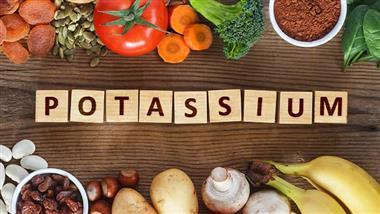
Story at-a-glance
- Low potassium intake is strongly linked to higher rates of depression and anxiety, making this mineral a key factor in protecting your mental health
- Large-scale studies from Korea, the U.S., and China all show that people who consume more potassium experience greater emotional stability and fewer mood disorders
- Most Americans eat nearly twice as much sodium as potassium, reversing the ratio your body needs and driving risks like memory decline, osteoporosis, and mood struggles
- Whole foods such as spinach, broccoli, beet greens, tomatoes, cantaloupe, and grass fed yogurt are some of the most effective ways to naturally boost your potassium levels
- Choosing natural salts over processed table salt and gradually replacing packaged foods with fresh produce helps restore balance, supporting steadier energy and improved resilience to stress
Depression is not just a passing sadness — it’s a condition that reshapes daily life, sapping energy, clouding concentration, and pulling people away from the things that matter most. It strikes across ages and cultures, leaving many caught in a cycle of exhaustion, poor sleep, and emotional heaviness that makes even simple routines feel overwhelming.
When ignored, it typically doesn’t fade; it deepens, often opening the door to chronic illness, reduced quality of life, and even shortened lifespan. What often gets overlooked is how deeply nutrition affects this struggle. Minerals you might think of as basic building blocks for bone strength or blood pressure control are also central to brain health.
The balance of minerals in your diet influences how your nerve cells communicate, how stable your emotions feel, and how resilient you are to stress. Among them, potassium stands out as a nutrient most people don’t get enough of. Found naturally in fruits, vegetables, dairy, and beans, it supports smooth electrical signaling in your brain, steady muscle contraction, and fluid balance.
When your intake falls short, the effects ripple into how your brain regulates mood. This connection between diet and mental well-being is gaining attention worldwide, and researchers have begun examining large-scale data to reveal just how strongly minerals, especially potassium, shape emotional health.
Mineral Intake Shapes Mood Health in Surprising Ways
In a study published in Nutrients, scientists analyzed large-scale health and nutrition surveys from South Korea and the U.S. to see if mineral intake was tied to depression risk.1
They focused on seven minerals — sodium, potassium, phosphorus, magnesium, iron, zinc, and calcium — and used data from more than 22,000 Korean adults and nearly 10,000 American adults. By comparing these massive datasets, the researchers looked for patterns showing whether people with higher or lower mineral intake were more likely to experience depression.
• Adults with depression tended to have lower mineral intake overall — The data showed that people with depression ate fewer minerals compared to those without depression. In Korea, 4.1% of participants were depressed, while in the U.S., 6.2% fell into that category.
Beyond just depression rates, those affected also had lower income, education, and more chronic conditions. The striking finding was that in both countries, potassium stood out as a consistent mineral linked to lower depression risk.
• Potassium intake was the only mineral tied to better mood in both nations — In Korea, sodium, potassium, and phosphorus were linked to less depression, while in the U.S., potassium, zinc, and iron showed protective associations. This overlap highlights potassium as the mineral that truly connects diet to mental health on a global scale. This means a simple change like eating more potassium-rich foods could directly affect your resilience against low mood.
• Sodium showed unique results in Korea because of diet patterns — While Americans often get sodium from processed foods, Koreans consume large amounts of sodium from fermented vegetables, soups, and stews. These foods deliver sodium in a whole-food context.
This difference likely explains why sodium was protective in Korea but not in the U.S. The lesson for you is that source matters. Getting minerals from real food is not the same as eating them from processed meals.
• Why potassium protects mood — Potassium balances electrical signaling in brain cells and stabilizes neurotransmitter activity. Low potassium disrupts nerve excitability, making it harder for your brain to regulate emotions. Potassium channels, which act like gates in brain cells, are also directly involved in mood regulation. When those gates malfunction from low potassium intake, depression risk rises.
• Food choices drive emotional well-being — This research makes it clear: minerals aren’t just for bone or heart health — they directly shape your mood. Paying attention to what’s on your plate isn’t just about blood pressure or digestion. It’s about safeguarding your mental health. By choosing potassium-rich foods and balancing sodium intake with whole food sources, you give your brain the raw materials it needs to maintain emotional stability.
Low Potassium Levels Linked to Mood Struggles
A study published in Brain and Behavior investigated whether low potassium intake, measured through 24-hour urine samples, was tied to depression and anxiety in adults.2 Urine testing was used because 77% of the potassium you eat gets excreted, making it a reliable way to gauge daily intake. The study included 546 adults from Xinjiang, China, who provided urine samples and completed standardized depression and anxiety questionnaires.
• People with lower potassium intake had worse mental health scores — Participants were divided into three groups based on how much potassium was found in their urine. Those in the lowest group were nearly three times more likely to report depression compared to the highest group, and their depression scores were significantly higher.
Anxiety followed a similar pattern, with those in the middle group facing double the odds of anxiety symptoms compared to the high-potassium group. This means that not getting enough potassium in your diet increases your odds of living with both low mood and anxiety.
• The overlap between depression and anxiety was especially striking — People who had both conditions together were much more common in the low and middle potassium groups. About 10% to 11% of participants with low or mid-level potassium showed both depression and anxiety, compared with less than 3% in the high-potassium group.
This suggests that adequate potassium intake doesn’t just affect single conditions — it helps buffer you against the burden of multiple mental health challenges occurring at the same time.
• The study confirmed the findings even after accounting for other factors — To make sure results weren’t skewed, the researchers adjusted for variables like blood pressure, diabetes, body mass index, smoking, alcohol use, and sleep quality. Even with those factors accounted for, the association between low potassium and mood disorders held strong. This strengthens the case that potassium itself plays a direct role in how stable and balanced you feel mentally.
How to Restore Potassium and Protect Your Mood
If your potassium intake is too low, your brain and body pay the price. The studies you’ve just learned about show that when potassium levels drop, depression and anxiety rise.
That means one powerful step you can take for your emotional health is to bring this mineral back into balance through your everyday choices. You don’t need expensive treatments or complicated plans — just steady, consistent changes that give your brain and nerves what they need to work smoothly. Here are five steps to start with:
1. Load your plate with potassium-rich foods every day — Think in terms of whole, colorful foods. Bananas, sweet potatoes, grass fed yogurt, and leafy greens are some of the richest sources of potassium. If you usually eat a lot of processed foods or takeout meals, swapping them with potassium-rich whole foods in your daily routine will shift your potassium balance in the right direction.
2. Fix your sodium-to-potassium ratio — Your body works best when you eat about five times more potassium than sodium, yet the average American gets nearly double the sodium instead. If most of your meals come from boxes, bags, or restaurants, your ratio is upside down.
This imbalance drives far more than high blood pressure — it’s linked to memory decline, kidney stones, osteoporosis, and rheumatoid arthritis.3 Shifting your balance means choosing fresh, potassium-rich foods more often while cutting back on refined, salty processed products.
3. Choose real food sources of potassium — The simplest way to improve your mineral balance is to add foods that naturally pack in potassium. As long as you tolerate them, spinach, beet greens, broccoli, Swiss chard, winter squash, tomatoes, oranges, cantaloupe, coconut water, carrots, kefir, and grass fed yogurt are all excellent options.
I recommend you treat these like daily “mood protectors” on your plate. Every serving helps your nerves fire more smoothly, your brain stay more focused, and your mood stay more even.
4. Switch from processed salt to natural salt — Refined white table salt is stripped of supportive minerals. It contains only trace amounts of potassium, about 151 milligrams (mg) per kilogram (kg). Natural unprocessed salts contain over 2,000 mg of potassium per kg.4 This difference matters. You still get flavor, but you also give your body minerals that support better nerve and brain function rather than draining them away.
5. Make gradual changes that stick — You don’t need to overhaul your diet overnight to feel the benefits of better sodium-to-potassium balance. Start by swapping one processed meal or snack each day for a whole-food option, like replacing chips with carrot sticks or cantaloupe.
These small, steady shifts lower processed salt while boosting potassium naturally. If you keep building on these changes week after week, your body adapts, your taste for salty packaged food fades, and your mood and energy become more stable without you feeling deprived.
FAQs About Potassium and Mental Health
Q: How is potassium linked to depression and anxiety?
A: Research shows that people who eat less potassium are significantly more likely to experience depression and anxiety. Large studies in Korea, the U.S., and China found that low potassium intake consistently increased the risk of mood disorders, while higher intake supported emotional stability.5,6
Q: Why is my sodium-to-potassium ratio important for mental health?
A: Your body functions best when you get about five times more potassium than sodium. Most Americans do the opposite, consuming nearly double the sodium instead. This imbalance raises the risk not only for high blood pressure but also for depression, memory problems, osteoporosis, and other chronic health conditions.
Q: What foods are the best sources of potassium?
A: Whole foods are the most effective way to raise potassium levels. Some of the richest sources include spinach, beet greens, broccoli, Swiss chard, winter squash, tomatoes, oranges, cantaloupe, bananas, coconut water, carrots, kefir, and grass fed yogurt.
Q: How does processed salt differ from natural salt?
A: Refined white table salt is stripped of supportive minerals and contains almost no potassium — about 151 mg per kg. In contrast, natural unprocessed salts contain more than 2,000 mg of potassium per kilogram, along with other trace minerals that support brain and nerve health.7
Q: What are simple steps I can take to improve my sodium-to-potassium balance?
A: Start small. Replace processed foods with potassium-rich fruits and vegetables, switch from table salt to natural salt, and aim to add at least one extra serving of fresh produce daily. Even gradual changes shift your balance, reduce excess processed salt, and give your brain the minerals it needs for better mood and energy.
The surprising heart connection behind this everyday mineral
Reproduced from original article:
https://www.naturalhealth365.com/what-a-major-new-study-just-confirmed-about-this-everyday-mineral-and-your-heart.html
by: March 20, 2026
(NaturalHealth365) Most people know potassium exists. Far fewer realize how much their heart depends on it or how serious the consequences of running low can be.
A landmark study published in the New England Journal of Medicine in August 2025 has made that crystal clear. The POTCAST trial – a multicenter randomized trial conducted in Denmark – found that raising potassium levels to the high-normal range reduced the risk of dangerous heart events by a striking margin.
Patients with higher potassium levels had a 22.7% rate of serious cardiovascular events compared to 29.2% in those receiving standard care alone. That’s a meaningful difference, and it was achieved not through expensive drugs but through diet, supplementation, and targeted nutritional strategy.
The senior author of the study put it plainly: the findings suggest it’s time to consider increasing potassium to the mid-to-high-normal range as an inexpensive, widely available strategy across a broad spectrum of cardiovascular conditions.
Why your heart needs potassium
Potassium is an electrolyte, a mineral that carries an electrical charge and helps the body’s cells communicate. The heart depends on this electrical signaling to keep its rhythm steady. When potassium drops too low, that electrical system becomes unstable. Heart rhythm problems, dangerous arrhythmias, and increased risk of heart failure can all follow.
Beyond heart rhythm, potassium directly counteracts sodium’s effects in the body. Most Americans eat far too much sodium and far too little potassium, the opposite of what the body needs to maintain healthy blood pressure and flexible, functional arteries. Low potassium has been clearly linked to arterial stiffness and vascular calcification, the process by which arteries harden and narrow over time, setting the stage for heart attack and stroke.
A 2025 systematic review published in Clinical Kidney Journal confirmed the dose-dependent relationship between potassium intake and blood pressure control, with the strongest benefits seen in people with hypertension – exactly the population at highest cardiovascular risk.
The easiest foods to boost your potassium every day
The good news is that getting more potassium doesn’t require a prescription or a supplement protocol. Two of the most potassium-rich and accessible foods on the planet are already sitting in most kitchens.
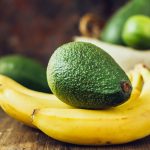
Bananas are one of the most recognized sources, delivering around 420 mg of potassium per medium fruit, and they’re available year-round, inexpensive, and easy to add to smoothies or to eat on their own.
Avocados deliver even more potassium. A single whole avocado contains over 900 mg of potassium, along with healthy fats that support cardiovascular health through a completely different pathway. Organic varieties are always the best choice.
Beyond these two healthy choices, the list of potassium-rich foods is long and delicious. Beans of all kinds are among the best sources available. A cup of white beans delivers over 1,000 mg.
Sweet potatoes, tomatoes, leafy dark greens like spinach and Swiss chard, and wild-caught salmon all contribute meaningfully to daily intake. Consistently building meals around these foods is one of the most straightforward things anyone can do for long-term heart health.
Natural solutions for a stronger heart
Make potassium-rich foods the foundation of every meal, not an afterthought. The POTCAST trial achieved its results through a combination of dietary guidance, supplementation, and medication, but diet was part of the strategy. Choosing beans over refined grains, avocado over processed spreads, and leafy greens over iceberg lettuce are the kinds of consistent daily swaps that add up to meaningfully higher potassium intake over time.
Balance potassium with magnesium for maximum cardiovascular benefit. Magnesium and potassium work together in the body’s electrical and vascular systems. Many people low in one are also low in the other. Pumpkin seeds, almonds, and black beans are excellent sources of both. Magnesium glycinate is a well-absorbed supplement form worth considering for those who struggle to get enough through food.
Reduce processed sodium to let potassium do its job. The potassium-sodium balance matters as much as the absolute potassium level. Cutting back on packaged, processed, and restaurant foods – which contain most of the sodium in the American diet – while increasing whole food potassium sources creates the favorable electrolyte balance the heart needs to function at its best.
Support your heart with omega-3 fatty acids alongside potassium-rich foods. Wild-caught salmon, sardines, and walnuts provide the anti-inflammatory omega-3s that reduce arterial inflammation, the root driver of the arterial stiffness that low potassium accelerates. Regularly combining these foods creates a cardiovascular protection strategy that works on multiple levels simultaneously.
Your heart is asking for more of this mineral
The message from the 2025 research is hard to ignore. A mineral that most people get too little of has now been shown in human trials to dramatically reduce dangerous heart events. Getting more potassium costs almost nothing and starts with the next meal you eat.
Your heart deserves better than what the standard Western diet is giving it, and the solutions are closer than most people realize.
Sources for this article include:
L-Theanine Helps Calm Your Mind and Improve Focus Naturally
Reproduced from original article:
https://articles.mercola.com/sites/articles/archive/2025/12/12/l-theanine-benefits.aspx
Analysis by Dr. Joseph Mercola December 12, 2025

Story at-a-glance
- L-theanine, an amino acid found in tea leaves, helps calm your mind without sedation by balancing neurotransmitters that regulate mood, focus, and sleep
- Studies show that taking 200 to 400 milligrams of L-theanine daily reduces stress, improves concentration, and promotes relaxation within 30 to 60 minutes of use
- Combining L-theanine with magnesium enhances both mental and physical relaxation, helping you fall asleep faster, stay asleep longer, and recover from stress more effectively
- Regular intake of L-theanine increases alpha brain wave activity, creating a state of calm alertness similar to meditation, while supporting steady energy and clear thinking
- Unlike caffeine or sedatives, L-theanine restores balance in your nervous system naturally, helping you manage anxiety, sharpen focus, and sleep more deeply without side effects
Few natural compounds are as well-known for their calming power as L-theanine, the amino acid found in tea leaves. For centuries, tea has been used to quiet the mind and sharpen awareness. Modern research explains why. L-theanine crosses your blood-brain barrier and directly influences neurotransmitters that control mood and focus.1 Unlike sedatives that dull alertness, L-theanine produces a calm, steady state by balancing your brain’s excitatory and inhibitory signals.
Green and black tea are the main sources of this compound, which works in harmony with your brain’s own rhythm, helping you stay alert without tension. Instead of dulling your senses, it fine-tunes them. Within less than an hour, most people notice a gentle shift — mental chatter slows, concentration sharpens, and your body relaxes without losing energy.
That’s why many people use it to manage anxiety, improve sleep, and stay focused under pressure. Understanding how this natural amino acid influences your brain helps explain why something as simple as a cup of tea restores calm in a chaotic world. In fact, researchers have mapped L-theanine’s pathways inside the brain, revealing why it’s so effective for relaxation and focus.
L-Theanine Rewires Your Brain’s Stress Response
A review published in Food Science and Human Wellness analyzed both animal and human trials to understand how L-theanine buffers anxiety and stress.2 Researchers examined its ability to influence neurotransmitters, your brain’s chemical messengers responsible for mood and emotional regulation. The goal was to explain why tea produces a distinct feeling of relaxation without sedation.
• Healthy adults and animal models both showed significant improvement in stress resilience — In human trials, doses between 200 and 400 milligrams (mg) daily reduced self-reported anxiety, blood pressure during mental tasks, and markers of physiological stress.
In rodent studies, L-theanine not only improved behavior linked to depression and anxiety but also normalized stress hormones controlled by the hypothalamic-pituitary-adrenal (HPA) axis, a major regulator of how your body reacts to stress.
• The benefits appeared within hours and built over time with consistent intake — Human participants experienced calmer alertness within 30 to 60 minutes after ingestion, matching the time it takes L-theanine to cross the blood-brain barrier.
Continued daily use sustained these effects, reducing long-term anxiety and improving overall mood balance. In rats, behavioral markers of depression improved after 21 days of supplementation, confirming both rapid and cumulative benefits.
• L-theanine increased alpha brain waves that promote calm alertness — Tests revealed higher alpha wave activity — brain patterns associated with relaxation and mental clarity — after subjects consumed L-theanine. These results mirror the peaceful focus people often describe after a few cups of tea. This physiological response explains why L-theanine is so effective for maintaining attention under stress without the jitteriness linked to caffeine.
• Neurotransmitter balance improved across several systems linked to mood — L-theanine increased levels of gamma-aminobutyric acid (GABA) and dopamine — key neurotransmitters that help stabilize mood and regulate sleep. It simultaneously decreased glutamate, the brain’s primary excitatory chemical that drives overstimulation.
Because its molecular structure resembles glutamate, L-theanine competes for the same receptor sites on neurons, preventing overactivation that causes tension or irritability. This dual action helps quiet racing thoughts while improving concentration.
• It also encourages your brain to grow new connections — The study described how L-theanine boosts neurogenesis — the formation of new neurons — in the hippocampus, a brain region that’s key for learning, memory, and mood. In animal models exposed to chronic stress, the compound restored brain cell growth and improved markers of resilience. This regeneration helps preserve mental flexibility and emotional balance, even under long-term strain.
L-Theanine Sharpens Focus and Lifts Mood Without Sedation
An article in The Hearty Soul reviewed several clinical studies on L-theanine’s effects on stress, mood, and concentration.3 Unlike prescription antianxiety drugs, which slow brain activity, L-theanine encourages a relaxed state while keeping you mentally sharp.
• Participants in clinical studies reported lower anxiety and better cognitive control — Adults who took 200 to 400 milligrams of L-theanine daily experienced an average 18% reduction in perceived stress and significant improvements in focus during demanding cognitive tasks.
Those struggling with racing thoughts or tension reported feeling “clear but relaxed” — a description that matched EEG data showing enhanced alpha wave activity. These brain waves are the same patterns seen during meditation and deep concentration, explaining why L-theanine feels balancing rather than sedating.
• Immune health improved in those under chronic stress — Health care workers taking daily L-theanine experienced fewer colds and flu-like symptoms compared to a placebo group.4 Stress weakens immune response by suppressing T-cell function, but L-theanine counteracts this by promoting more balanced immune activity. This means that staying calm isn’t just about mental health — it directly affects your body’s ability to fight illness.
• L-theanine improved attention span and accuracy in high-pressure situations — When tested in multitasking environments, subjects taking L-theanine showed faster reaction times and better accuracy than those given caffeine alone. In fact, pairing L-theanine with caffeine created a positive synergistic effect: focus improved without the anxiety spike common with energy drinks or strong coffee.5
• L-theanine helps you fall asleep faster and wake up feeling more refreshed — A 2025 review of 19 clinical trials with 897 people found that those who took L-theanine slept better, felt less groggy during the day, and reported higher overall sleep satisfaction.6 In other words, it helped people drift off more easily, sleep more soundly, and feel more alert in the morning — all without the side effects common with sleep medications.
L-Theanine and Magnesium Work Together to Quiet Your Mind and Restore Rest
Verywell Health summarized current findings from nutritional neuroscience, highlighting that combining L-theanine and magnesium amplifies their effects on stress, anxiety, and sleep.7 Magnesium supports more than 600 biochemical reactions in your body, including muscle relaxation and nerve transmission.8 Together, they address both the mental and physical sides of stress, giving your brain the signal to slow down and your body permission to rest.
• A clinically supported dosage range for L-theanine is 200 to 400 milligrams (mg) daily — This amount, taken for four to eight weeks, consistently reduces anxiety and stress without causing drowsiness. Each cup of green tea contains only 8 to 46 mg of L-theanine, so supplements are often used to reach therapeutic levels. Taking it during the day helps manage anxious thoughts, while nighttime use supports restful sleep.
• Magnesium complements L-theanine by calming your body’s stress response — When taken together, L-theanine and magnesium balance your brain’s excitatory and inhibitory systems — L-theanine relaxes your mind, and magnesium relaxes your body.
• Early evidence suggests a synergistic relationship — A 2022 animal study found that combining L-theanine and magnesium reduced the time it took to fall asleep and lengthened sleep duration more than either nutrient alone.9 Another small human study using a blend of L-theanine, magnesium, B vitamins, and rhodiola showed modest reductions in anxiety within two weeks.10
• L-theanine is well-tolerated and considered safe for daily use — The U.S. Food and Drug Administration classifies it as “generally recognized as safe,” and studies report minimal to no side effects at standard dosages.
Because it acts on GABA receptors, L-theanine enhances the calming effects of medications like benzodiazepines, so awareness of overlap is important. Magnesium is also safe within normal intake limits, and together, the two form a simple, low-risk strategy for easing anxiety naturally.
Simple Steps to Calm Your Mind and Strengthen Your Focus
Stress doesn’t just live in your head — it leaves fingerprints across your entire body. When your mind races, your muscles tense, your breathing quickens, and your sleep quality drops. The real solution isn’t to sedate yourself or drown your nerves in caffeine; it’s to rebalance how your brain and body communicate.
L-theanine and magnesium do exactly that. By regulating neurotransmitters, lowering cortisol, and improving brain wave patterns, they help restore equilibrium from the inside out. Here’s how you can start turning that science into everyday relief.
1. Start your day with tea — If your mornings feel chaotic, try swapping your usual coffee for a cup of matcha, green or black tea. Each cup provides a gentle dose of L-theanine that calms your nervous system while still allowing mental clarity. You’ll feel alert without the anxious buzz, and over time, your body’s stress response will grow steadier.
2. Add an L-theanine supplement when stress peaks — When you feel tension creeping in — before a presentation, after a long commute, or during an emotionally charged day — take 200 to 400 mg of L-theanine. This dosage helps lower anxiety and promote focus within an hour, helping your brain stay centered even under pressure.
3. Pair L-theanine with magnesium at night for deep rest — If racing thoughts keep you awake, combine L-theanine with magnesium about an hour before bed. Magnesium helps your muscles relax, while L-theanine quiets mental noise by stabilizing dopamine and GABA. Together they help you drift into restorative sleep and wake up clear-headed rather than groggy.
To find your ideal magnesium dose, start with magnesium citrate — it’s well absorbed but will trigger loose stools when you’ve taken too much. Slowly raise your dose until that happens, then back off slightly. That’s your personal threshold. Once you know it, switch to forms that give you the benefits without upsetting your digestion, like glycinate, malate, or L-threonate.
4. Train your body to respond calmly through breathing and timing — Your nervous system thrives on consistency. Try pairing your L-theanine or tea intake with slow, rhythmic breathing — four counts in, six counts out. This teaches your body to associate that supplement or ritual with calm focus. Over time, your brain learns to shift gears faster when you need composure.
5. Support your calm state with movement and light exposure — Your brain’s stress circuits respond to more than supplements — they’re shaped by daily rhythms. Step outside for morning sunlight and take short movement breaks throughout the day. Gentle activity such as stretching, walking, or yoga helps regulate cortisol and enhances the relaxing effects of L-theanine and magnesium.
This combination of natural light, motion, and mindful supplementation keeps your nervous system balanced and resilient.
When you give your brain the right inputs — nutrients, rest, and rhythm — it rewards you with balance. L-theanine and magnesium don’t just mask symptoms; they teach your body how to recover naturally, keeping your thoughts focused and your mood steady, even when life gets loud.
FAQs About L-Theanine
Q: What does L-theanine do for your brain and mood?
A: L-theanine promotes calm alertness by balancing neurotransmitters like GABA and dopamine — the same brain chemicals that influence mood, focus, and sleep. It lowers stress without causing drowsiness and helps you stay clear-headed under pressure.
Q: How much L-theanine should I take for anxiety or stress?
A: Many studies show benefits at doses between 200 and 400 mg per day for four to eight weeks. That’s the amount shown to reduce anxiety, improve focus, and support better sleep. For comparison, a cup of green tea provides roughly 8 to 46 mg, depending on the variety and brewing time.
Q: Can I take L-theanine and magnesium together?
A: Yes. Combining L-theanine and magnesium offers greater relaxation and sleep benefits than either alone. Magnesium relaxes your muscles and steadies your heartbeat, while L-theanine calms your mind and improves focus. Together, they help you manage stress, sleep deeply, and feel more balanced throughout the day.
Q: How long does it take to feel the effects of L-theanine?
A: You’ll typically notice a calmer, more focused state within 30 to 60 minutes of taking L-theanine. Its effects build with consistent use — daily intake via supplementation or tea strengthens stress resilience and supports long-term mood balance.
Q: Is L-theanine safe for everyday use?
A: Yes. The U.S. Food and Drug Administration classifies L-theanine as “generally recognized as safe.” It’s well tolerated at normal doses and doesn’t cause dependence or sedation. Most people find it a gentle, effective way to manage stress and improve focus naturally.
Why Brittle Bones Aren’t Just a Woman’s Problem
Reproduced from original article:
https://articles.mercola.com/sites/articles/archive/2025/12/02/osteoporosis-in-men-over-50.aspx
Analysis by Dr. Joseph Mercola December 02, 2025
Story at-a-glance
- Osteoporosis is not just a women’s disease — 1 in 5 men over 50 will experience a bone fracture from thinning bones, yet few are ever screened or treated for it
- Men are more likely than women to die after a hip fracture, largely due to slower recovery, complications, and missed diagnoses that leave bone loss untreated until it’s too late
- International guidelines now use a unified bone density standard for both sexes, ensuring men receive accurate diagnoses and proper treatment for low bone mass
- Lifestyle and hormonal balance — not medication — are the real keys to preserving bone strength, with weight-bearing exercise, sunlight exposure, and nutrient-rich foods leading the way
- Bone-supportive nutrients like vitamins D and K2, magnesium, collagen, and creatine help your body rebuild strong, flexible bone tissue naturally while protecting against fractures
Bone strength is not just a women’s issue — it’s a foundation of lifelong vitality that too many men lose sight of until it’s too late. Every year, millions of fractures occur in older adults, yet few realize that these breaks often signal a deeper problem: bones that have quietly weakened over time. The first sign is rarely pain. It’s a sudden fall, a small twist, or a minor impact that ends in a break that changes everything — mobility, confidence, and independence.
What makes this problem so concerning is how easily it hides in plain sight. Men, in particular, are rarely screened for bone loss, even though the consequences are often more severe than in women. Years of lifestyle habits — sitting too much, relying on processed food, or neglecting strength training — gradually shift your bone metabolism from rebuilding to erosion.
Hormonal changes, especially falling testosterone, only speed up the process, turning strong, dense bone into something fragile and hollow. Your bones are living, responsive tissue. They rebuild when stressed and weaken when ignored. Every step, jump, and lift sends signals that strengthen them, while inactivity does the opposite.
That means the same daily choices that preserve your heart and muscles also determine your skeletal future. Research now challenges the long-held assumption that osteoporosis is a women’s disease. It shows that men, too, face significant risk — and that the solutions are within reach. By understanding how your body maintains bone strength and taking charge of that process, you can stay active, upright, and strong well into later life.
Men’s Hidden Epidemic of Brittle Bones Finally Comes to Light
An evidence-based guideline by the European Society for Clinical and Economic Aspects of Osteoporosis, published in Nature Reviews Rheumatology, redefines how doctors diagnose and treat bone loss in men.1
The research group reported that 1 in 5 men over age 50 will experience an osteoporotic fracture in their lifetime — a statistic nearly identical to that of women, despite men being far less likely to be screened or treated. Osteoporosis in men is not rare but severely underdiagnosed, creating a hidden epidemic of silent fractures and preventable deaths.
• Men are far more likely to die after a fracture than women — The data showed a 10.2% inpatient mortality rate for men compared to 4.7% for women, and a one-year mortality rate of 37.5% for men compared to 28.2% for women. This means that a broken hip is not just a mobility issue — it’s a life-threatening event.
Men’s higher death rates are partly linked to comorbidities like heart disease and infections that follow immobilization. These findings make early diagnosis and lifestyle prevention even more urgent for men who want to maintain independence and avoid long-term disability.
• Bone loss occurs differently in men than in women, which changes how it should be treated — Women tend to lose trabecular connectivity — the lattice-like internal structure of bone — while men lose trabecular thickness but retain structural links between bone layers.
This means men’s bones stay denser for longer but may become suddenly brittle once strength thresholds are passed. That translates into fewer early warning signs but a higher risk of catastrophic breaks once bone mass declines.
• Experts now recommend using the same testing standard for both men and women — For years, bone scans for men were compared against female data, which caused confusion and missed diagnoses. The guideline keeps one shared reference chart — based on the national female database — because studies show men and women face the same fracture risk at the same bone density levels. This makes test results clearer and helps men get the treatment they actually need.
• Lifestyle interventions were recognized as essential to treatment success, not optional add-ons — The guideline urged physicians to recommend physical activity, adequate protein, and nutrient-rich diets to all male patients with osteoporosis. Specifically, resistance and weight-bearing exercise were identified as key strategies to improve bone density, balance, and coordination — all key for preventing falls.
The researchers also noted that men with prior fractures should automatically qualify for treatment, whether through nutrition or targeted therapies. Fractures in men account for roughly one-quarter of all fracture-related health care costs, with each case averaging $52,000 compared to $17,000 for women. This financial burden reflects longer hospital stays, higher complication rates, and slower recovery times.
• Hormone balance emerged as a major, but overlooked, factor in male bone health — Testosterone, often associated with muscle and libido, also regulates bone remodeling by converting into estradiol through an enzyme called aromatase. Low testosterone or impaired conversion leads to bone weakness and faster loss of density. The study recommended screening testosterone levels in men with low bone mineral density (BMD).
As men age, reduced testosterone and increased sex hormone binding globulin lower available estradiol, which normally inhibits bone resorption — the breakdown process. Without this balance, osteoclast activity outpaces bone rebuilding. Meanwhile, lower vitamin D and calcium absorption accelerate this imbalance. By correcting these underlying issues, men significantly improve bone strength without relying on pharmaceuticals.
Lifestyle and Aging Are the Real Drivers of Bone Loss
Your skeleton is constantly being rebuilt — old bone is broken down while new bone forms to replace it.2 This process, called bone remodeling, keeps your bones strong as long as there’s balance between breakdown and rebuilding. But as you age, that balance shifts.
Your body begins to reabsorb calcium and phosphate from your bones instead of keeping them there, slowly hollowing out your skeletal structure. That’s when bones become fragile, setting the stage for fractures that occur from simple movements, not just falls or injuries.
• Certain daily habits speed up this breakdown process — Alcohol damages bone tissue and increases your risk of falling, while smoking interferes with bone healing and weakens bone density over time. A sedentary lifestyle compounds the issue — when you don’t regularly bear weight on your legs or spine, your bones get the signal that strength isn’t needed, so your body stops reinforcing them.
• Chronic illness and certain medical treatments also interfere with healthy bone renewal — Conditions such as rheumatoid arthritis, long-term kidney disease, diabetes, and hyperparathyroidism are major contributors to bone loss. Prolonged use of corticosteroids, anticonvulsants, and hormone-blocking therapies for prostate cancer further suppress bone rebuilding.
These drugs interfere with calcium absorption and increase calcium loss through urine, leaving your skeleton depleted. Patients confined to bed or recovering from surgery are also at higher risk because immobility tells your body to stop maintaining bone mass.
• Restoring bone strength is about building consistency, not chasing quick fixes — Your bones respond directly to the daily inputs you give them — movement, minerals, and sunlight. Weight-bearing exercise, like walking or resistance training, stimulates bone cells to grow stronger.
Getting outside boosts vitamin D, which helps absorb calcium. By treating bone health as a living process instead of a static number on a scan, you rebuild resilience one day at a time. This isn’t just prevention — it’s active repair through small, steady choices that retrain your body to keep its strength for life.

Save This Article for Later – Get the PDF Now
How to Rebuild Stronger Bones Naturally
If you’ve been told your bones are thinning or your doctor has suggested a bone medication, take a breath before you act. True bone strength comes from restoring your body’s ability to rebuild itself, not from blocking it. Your skeleton is alive — it responds to how you move, eat, and live every day. These five steps target the real cause of bone loss and help you rebuild strength from the inside out.
1. Rethink bone drugs that interrupt your body’s natural repair cycle — If you’ve been prescribed bisphosphonates or denosumab, it’s important to understand what they do. These drugs don’t build new bone — they freeze your bone metabolism by stopping osteoclasts, the cells that clear out old bone so new bone can form.
When that process stops, microcracks begin to form, leaving bones more brittle over time. Denosumab, in particular, almost eliminates osteoclast activity altogether. If you want stronger bones, focus on restoring healthy remodeling instead of shutting it down.
2. Choose safer bone scans that don’t expose you to radiation — DEXA scans have become the go-to method for measuring bone density, but they often give inconsistent results and rely on a narrow measure of density rather than bone strength. Worse, the scans expose you to unnecessary ionizing radiation.
A better option is radiofrequency echographic multispectrometry (REMS) — a technology that uses ultrasound instead of X-rays to analyze bone structure in detail. A study published in Diagnostics found that REMS is not only more accurate but also safer.3 It measures how your bones handle real-world stress, giving you a clearer picture of your fracture risk and progress from lifestyle changes.
3. Feed your bones the full range of nutrients they need to rebuild — Your bones are about 50% mineral and 50% collagen. Focusing only on calcium leaves half the equation unsolved. To rebuild true strength, you need vitamin D to absorb calcium, vitamin K2 to guide it into bone tissue, magnesium to maintain balance, and collagen to create the flexible matrix that minerals attach to.
These nutrients work together like a construction crew — each has a job, and none can do it alone. Bone broth, sardines, leafy greens, and pasture-raised eggs are simple, whole-food ways to cover all of them naturally, but most people benefit from magnesium supplementation as well. Another powerful, and often overlooked, addition is creatine.
Known for its benefits to muscle, creatine also supports bone health by energizing bone-building cells (osteoblasts).4 These cells rely on adenosine triphosphate (ATP) — your body’s main energy molecule — to form and mineralize bone tissue. Creatine boosts this ATP system, stimulating osteoblast activity while reducing the breakdown caused by osteoclasts. Over time, that helps preserve bone structure, improve density, and enhance overall skeletal function.
4. Train smarter — not harder — to stimulate bone growth safely — Heavy lifting isn’t your only option for rebuilding density. If you’re older, recovering, or managing injuries, blood flow restriction (BFR) training is an excellent alternative.
Also known as KAATSU, this method briefly limits blood flow in your limbs during light exercise, triggering the same hormonal and cellular growth responses as intense strength training. Paired with whole-body vibration (WBV) therapy — standing or doing simple movements on a vibrating platform — it helps stimulate bone formation, circulation, and balance without strain.
5. Stay consistent with movement and mineral-rich meals — Your bones thrive on rhythm — daily motion, steady sunlight, and nutrient-dense food. Walk every day. Get regular sun exposure to activate vitamin D without damaging your skin. Eat foods high in magnesium, calcium, and collagen, and avoid processed seed oils and refined foods that block mineral absorption. One major but often ignored culprit is soft drinks.
Their high phosphoric acid content disrupts your body’s calcium-phosphorus balance, forcing calcium to leach from your bones even if you’re eating enough calcium. Every soda you skip helps protect your skeletal reserves. Keep an eye on iron levels, too — too much iron damages bone-forming cells and increases inflammation. Every step, every meal, and every small correction builds momentum toward stronger, more resilient bones.
When you live in sync with your body’s natural design, your bones respond quickly. Strength, stability, and confidence return — not through suppression or fear, but through action, nourishment, and consistency. Your skeleton is built to adapt; all you have to do is give it the reason to rebuild.
FAQs About Bone Loss in Men
Q: Why are men at risk for osteoporosis if it’s considered a women’s disease?
A: Osteoporosis affects men almost as often as women, but it’s far less recognized. One in five men over 50 will suffer an osteoporotic fracture in their lifetime, and men are more likely to die after a fracture than women. The main reasons are hormonal decline (especially lower testosterone), poor nutrition, inactivity, and underdiagnosis due to outdated testing standards that were designed for women.
Q: What lifestyle habits weaken bones the fastest?
A: Smoking, excessive alcohol use, and lack of physical activity are top culprits. These habits reduce blood flow to bone tissue, slow repair, and signal your body to stop maintaining bone mass. Soft drinks are another hidden problem — their phosphoric acid disrupts calcium-phosphorus balance, pulling calcium out of your bones even when you get enough in your diet.
Q: What’s a better alternative to conventional bone scans?
A: DEXA scans are the current standard, but they expose you to radiation and sometimes give inconsistent results. A newer, safer option is radiofrequency echographic multispectrometry (REMS), which uses ultrasound to assess bone structure and strength more accurately. REMS helps identify bone weakness early and tracks improvements from lifestyle changes without radiation exposure.
Q: How can I rebuild bone strength naturally without medications?
A: Start by focusing on your body’s natural remodeling process. Do daily weight-bearing activities such as walking or strength training to activate bone growth. Eat nutrient-rich foods containing calcium, magnesium, vitamins D and K2, and collagen. Consider adding creatine, which energizes bone-building cells and helps block bone breakdown, improving both density and structure.
Q: Are bone drugs like bisphosphonates or denosumab effective?
A: These drugs stop bone breakdown temporarily but also halt bone renewal, leading to microcracks and brittleness over time. Denosumab in particular shuts down osteoclast activity almost completely. A better long-term strategy is to restore your natural bone remodeling cycle through exercise, proper nutrition, sunlight exposure, and hormonal balance. This approach strengthens your skeleton safely and sustainably.
This Savory Herb Helps Relieve Muscle Cramps and Improve Digestion Naturally
Reproduced from original article:
https://articles.mercola.com/sites/articles/archive/2025/11/28/dill-muscle-cramps-digestion.aspx
Analysis by Dr. Joseph Mercola November 28, 202

Story at-a-glance
- Dill is a powerful herb rich in antioxidants, vitamins, and minerals that help ease muscle cramps, improve digestion, and support heart health
- Flavonoids in dill protect your muscles and blood vessels from oxidative stress, helping you stay strong, active, and mentally sharp as you age
- Drinking dill tea or adding fresh dill to meals calms digestive discomfort, reduces bloating, and promotes smoother digestion
- Research shows dill helps balance blood sugar and hormones, easing menstrual cramps and supporting steady energy throughout the day
- Using dill regularly in food or drinks fights inflammation and provides everyday support for muscle recovery and circulation
Used for centuries in kitchens and traditional medicine alike, dill has quietly earned its place as one of nature’s most functional herbs. Its delicate flavor hides a powerful secret: inside those feathery leaves is a mix of nutrients and plant compounds that work in harmony with your body’s natural systems. Modern researchers are now rediscovering what ancient cultures seemed to understand instinctively — that dill supports vitality from the inside out.
Far more than a garnish, dill’s unique chemistry supports your body’s ability to repair, recover, and maintain balance. It interacts with the muscles that keep you moving, the heart that keeps blood flowing, and the digestive system that fuels your energy. Even a small serving offers meaningful nutrition, helping your body perform better under stress, recover faster after activity, and feel more resilient overall.
As scientists continue exploring how traditional foods contribute to long-term health, dill stands out as an herb that bridges old wisdom with modern understanding. Its story isn’t just about flavor — it’s about restoring strength, calm, and balance where your body needs it most.
Dill’s Flavonoids Strengthen Muscles, Calm Inflammation, and Support Heart Health
A report in The Independent revealed that dill is packed with flavonoids — plant-based compounds that fight inflammation, oxidative stress, and the breakdown of tissues.1 These antioxidants are directly linked to slower aging, stronger muscles, and sharper cognition. Researcher Aedin Cassidy from Queen’s University Belfast explained that flavonoids help preserve skeletal muscle mass and protect against frailty, keeping you active and mentally sharp longer into life.
• Flavonoids fight oxidative stress, the hidden cause of many age-related issues — Oxidative stress refers to an imbalance between harmful molecules called free radicals and your body’s ability to neutralize them. When that balance tips, damage occurs inside your cells, speeding up aging and inflammation.
Dill’s flavonoids reduce this stress, helping your blood vessels stay flexible and your tissues resilient. Eating dill supports the “maintenance crew” that keeps your cells functioning smoothly. This process plays a key role in preventing frailty and preserving both physical and mental health.
• A tablespoon of dill delivers a meaningful nutrient punch — Fresh dill is loaded with vitamin A for vision, vitamin C for immune strength, and minerals like calcium and potassium that regulate blood pressure. These nutrients work synergistically, meaning they enhance each other’s effects. Calcium helps muscles contract properly, potassium balances fluids and supports nerve signals, and vitamin C repairs tissues after exercise or daily wear.
• Dill’s natural diuretic properties reduce swelling and fluid retention — Ancient Egyptians once used dill as a diuretic, and modern science confirms this use. A diuretic is any substance that helps your body release excess water and salt through urine. By doing so, dill helps prevent bloating, water retention, and strain on your kidneys. This process also helps manage blood pressure naturally, without harsh synthetic diuretics.
• Pickle juice flavored with dill helps athletes recover faster — One of dill’s most surprising modern uses is in post-exercise recovery. According to dietitian Beth Czerwony, people who experience muscle cramps often find relief after a small shot of pickle juice. The sodium and vitamin K in fermented pickles help replenish electrolytes lost through sweat.
Electrolytes are minerals that carry electrical charges in your body and are necessary for proper muscle contraction. When you sweat heavily, those minerals — especially sodium and potassium — drop, triggering cramps. Dill-infused pickle juice restores that balance quickly and naturally.
Dill Balances Blood Sugar and Eases Hormonal Pain
Dill’s compounds support both metabolic and hormonal balance.2 While dill’s antioxidants protect your cells from damage caused by toxins and aging, its compounds also influence the way your body regulates fat and glucose metabolism, which is important for maintaining healthy blood sugar.
• Studies show improved insulin function — In one study, adults with Type 2 diabetes were given 3 grams of dill powder daily. Within weeks, participants saw reductions in fasting insulin levels.3 Their HDL (“good”) cholesterol also increased.
These changes are signs of improved metabolic efficiency — your body’s ability to convert food into usable energy without overworking your pancreas or liver. Dill even affects specific genes responsible for regulating how your body handles sugar and fat.4 This means the herb doesn’t just mask symptoms — it influences the pathways that control how your cells use and store energy.
• The benefits extend to hormone-related issues like menstrual and labor pain — A Health article highlighted studies showing dill’s effectiveness in reducing pain during menstruation and childbirth.5 One trial found that dill powder worked as effectively as a nonsteroidal anti-inflammatory drug (NSAID) called mefenamic acid — a medication commonly used to relieve period pain.6 NSAIDs block the production of prostaglandins, which are chemicals that cause inflammation and cramps.
Dill seems to achieve similar results naturally, without the side effects often seen with synthetic painkillers. Another study compared dill seed extract to oxytocin, a hormone that promotes uterine contractions during labor.7 Women who received dill seed tea reported shorter labor times and less anxiety, suggesting it helped the body relax while still supporting natural contractions.
• Fresh dill offers daily support for digestion — Even small amounts of fresh dill in your meals contribute to overall well-being. It aids digestion by stimulating bile production, the fluid that breaks down fats in your small intestine. For anyone dealing with bloating or sluggish digestion, adding dill to your salads, soups, or meat dishes offers an easy way to improve comfort and nutrient absorption.
Save This Article for Later – Get the PDF Now
Dill Calms Your Gut, Boosts Immunity, and Reduces Pain Naturally
According to an article from Tua Saúde, dill’s oils relax the smooth muscles that line your digestive tract.8 When these muscles tighten, they cause cramps, gas, or constipation. By soothing them, dill helps your digestive system move more easily and comfortably.
The article also noted that dill tea has been traditionally used to relieve infant colic — a condition marked by intense crying and gas pain in babies — because of its calming effect on the intestines. Adults benefit similarly: a warm cup of dill tea after a heavy meal helps reduce stomach pressure, relieve gas, and promote smoother digestion. This makes dill a simple, inexpensive remedy for those dealing with occasional bloating or sluggish digestion.
• Mental focus, relaxation, and better sleep are additional bonuses of dill’s natural compounds — Dill’s relaxing properties make it useful for people dealing with anxiety, restlessness, or insomnia. Stress often affects digestion, leading to discomfort and poor sleep, but dill addresses both the mind and body simultaneously. The herb’s mild sedative effect helps your nervous system unwind without causing drowsiness.
If you struggle to “shut off” your mind at night, sipping dill tea before bed or adding fresh dill to dinner helps support a more restful sleep and a calmer mood. This dual action — relaxing both your gut and brain — shows why dill has long been valued in traditional medicine systems.
• Dill’s pain-relieving and anti-inflammatory compounds work much like natural painkillers — Dill’s volatile oils — aromatic compounds found in its leaves and seeds — act as natural antispasmodics. This means they reduce muscle tension and spasms throughout your body, not just in your digestive tract. These same compounds also have analgesic properties, meaning they ease pain directly.
People with arthritis, muscle soreness, or even ear pain could experience relief from using dill tea or oil compresses. The anti-inflammatory activity reduces swelling and stiffness, helping your body recover faster after physical exertion or minor injury. Unlike over-the-counter painkillers, dill supports healing while soothing discomfort, making it a useful addition to your kitchen or home first-aid routine.
• Its antibacterial and antifungal abilities strengthen your body’s defenses against infection — Dill is a natural antimicrobial, meaning it fights harmful bacteria and fungi. Specifically, dill extracts have shown activity against Candida species, a common yeast responsible for infections in the mouth, digestive tract, and genital area.9
This property makes dill a useful ally for maintaining gut balance and preventing fungal overgrowth. Its compounds also inhibit the formation of malignant cells, indicating antitumor potential.10 While these effects need more human research, they demonstrate dill’s impressive range of protective actions.
How to Get the Most Out of Dill for Muscle, Heart, and Digestive Health
When it comes to herbs that truly work with your body — not against it — dill deserves a permanent spot in your kitchen. Its nutrients, oils, and antioxidants address the root causes of muscle cramps, inflammation, and sluggish digestion. By strengthening circulation, calming your gut, and supporting hydration, dill gives your body what it needs to perform better every day.
Whether you’re an athlete, someone with digestive issues, or simply want to age stronger, these practical tips will help you weave dill into your daily routine. Pair it with a foundation of regular movement, restorative sleep, whole-food meals, and daily sunlight to create a lifestyle that supports lasting energy and resilience.
1. Blend it into your breakfast for an easy daily start — Add a tablespoon of chopped fresh dill to your morning eggs. The flavor pairs beautifully with pastured eggs or grass fed goat cheese and gives you a morning dose of antioxidants to support circulation and muscle recovery. You can also toss dill into your morning smoothie — just a few sprigs add brightness and a gentle detoxifying effect that supports digestion after sleep.
2. Infuse your hydration with dill’s electrolytes — Instead of reaching for sports drinks, make your own electrolyte refresher: mix filtered water with a teaspoon of dill pickle brine and a squeeze of lemon. The natural sodium, potassium, and vitamin K help balance hydration and muscle function, especially after exercise or time in the heat.
For a caffeine-free afternoon lift, try dill tea — steep a few sprigs or a teaspoon of dried dill in hot water for 10 minutes. The gentle aroma promotes calm while supporting digestion and circulation.
3. Make dill a staple seasoning in your lunches and dinners — Use fresh dill as a finishing touch on grass fed meat, roasted vegetables, or soups. Mix it into raw yogurt-based dressings or homemade tzatziki for a refreshing, anti-inflammatory boost.
You’ll not only elevate flavor but also strengthen your heart and immune system through the plant compounds that protect your blood vessels from oxidative stress. Consistent use, even in small amounts, creates cumulative benefits that help your body handle physical and emotional stress more efficiently.
4. Create a simple digestion and cramp-relief ritual — When bloating or digestive trouble strikes, optimizing mitochondrial health and energy production is key to improving your gut health. However, steeping a tablespoon of fresh or dried dill in boiling water and sipping it slowly after meals provides some relief. This helps relax your intestinal muscles that cause gas and discomfort.
If you deal with frequent muscle cramps — whether from exercise or hormone cycles — combine dill with magnesium supplementation or magnesium-rich foods like spinach or dark chocolate. The synergy between dill’s natural oils and these minerals helps muscles relax and recover faster.
5. Preserve and store dill so you always have it ready — Fresh dill wilts quickly, so store it upright in a jar of water in the fridge with a loose plastic covering to keep it crisp for up to a week. You can also chop and freeze it in water using an ice cube tray, creating ready-to-use flavor cubes for soups, stews, or sautés. Keeping it visible and easy to grab increases your chances of using it consistently — a small psychological trick that makes healthy habits stick.
Think of dill as your daily green ally for stronger muscles, a calmer gut, and a steadier heart. By making it part of your meals and hydration habits, you’re not just seasoning your food — you’re feeding your body the tools it needs to stay strong, balanced, and energized.
Frequently Asked Questions About Dill
Q: What are the main health benefits of dill?
A: Dill supports muscle, heart, and digestive health through its unique mix of antioxidants, minerals, and essential oils. It helps reduce inflammation, supports electrolyte balance, eases muscle cramps, and improves digestion by relaxing intestinal muscles. Regular use strengthens circulation, calms your nervous system, and supports natural detoxification.
Q: How does dill help with muscle cramps and recovery?
A: Dill contains potassium, calcium, and vitamin K — nutrients that regulate muscle contraction and hydration. Dill pickle brine provides a natural electrolyte boost, which helps relieve cramping and speeds post-exercise recovery. The herb’s flavonoids also reduce oxidative stress, helping muscles repair and function more efficiently.
Q: Can dill support digestion and relieve bloating?
A: Yes. Dill’s natural oils have antispasmodic effects, meaning they relax the smooth muscles of your digestive tract. Drinking dill tea or adding fresh dill to meals helps relieve bloating, gas, and indigestion. It also stimulates bile production, which improves fat digestion and nutrient absorption.
Q: Does dill offer benefits for women’s health?
A: Research shows dill helps ease menstrual cramps and labor pain by relaxing uterine muscles. It achieves effects similar to NSAIDs — pain-relieving drugs — but without the side effects. Incorporating dill regularly in your diet, especially during your cycle, supports hormonal balance and comfort naturally.
Q: What are easy ways to use dill every day?
A: Use fresh dill as a seasoning for eggs, vegetables, and soups. Add it to smoothies, raw yogurt-based dressings, or herbal teas for daily antioxidant and digestive support. To make it easy to use year-round, freeze chopped dill in water using an ice cube tray for quick additions to meals. A small amount used consistently provides ongoing support for your muscles, gut, and heart.
- 1 The Independent November 12, 2025
- 2, 5 Health September 13, 2025
- 3 Trials June 5, 2020
- 4 Journal of Tropical Medicine October 18, 2016
- 6 J Res Med Sci. 2014 Apr;19(4):326–330
- 7 Chinese Journal of Integrative Medicine November 9, 2019
- 8 Tua Saude April 2024
- 9 Fungal Biol. 2014 Apr;118(4):394-401
- 10 Biomed Res Int. 2021 May 4;2021:5535570
Prunes Help Preserve Bone Density and Strength in Aging Women
Reproduced from original article:
https://articles.mercola.com/sites/articles/archive/2025/08/15/prunes-aging-women-bone-health.aspx
Analysis by Dr. Joseph Mercola August 15, 2025
Story at-a-glance
- A Penn State study found that eating just four to six prunes a day helped postmenopausal women maintain bone strength and density over a full year
- Those who ate no prunes lost strength in their shinbone, while those who included prunes preserved their bone structure, especially in the outer, load-bearing layer
- Researchers used advanced 3D bone scans to detect improvements in geometry and quality — not just mineral density — giving deeper insight into real fracture resistance
- The bone-protective effects are linked to natural anti-inflammatory compounds in prunes that influence both bone remodeling and gut health, supporting long-term skeletal health
- Prunes offer a practical daily strategy with wide-ranging benefits, including heart, brain, and metabolic support, without the risks of high-dose calcium or pharmaceuticals
Historically, prunes were seen as digestive aids or outdated snacks, but their medicinal use traces back thousands of years. In traditional cultures, dried plums weren’t just used for constipation — they were consumed to strengthen the body, reduce inflammation, and restore vitality.
Now, modern science is catching up. A recent study has discovered that eating just a few prunes a day helped maintain bone structure and strength, especially among postmenopausal women — a population at high risk for fractures and bone loss. But that’s just the start — you’ll be surprised at the many health benefits this humble yet nutrient-packed fruit offers.
What Are Prunes Good For?
Prunes are often considered a remedy for constipation, usually recommended to elderly people who have trouble emptying their bowels. However, there’s more to prunes than meets the eye. These are one of the most underrated fruits out there, mainly because many people are unaware of their health benefits.
• Prunes are plums — To put it simply, prunes are dried plums, and while not all plums can be turned into prunes, all prunes used to be plums. In particular, a variety called “French” or “d’Agen” is used to make prunes, due to their large size and high natural sugar content.1
• Majority of prunes come from California — In the U.S., 99% of the prunes are grown in this state. California prunes also make up 70% of the global production, according to the University of California’s Division of Agriculture and Natural Resources. France, Chile, and Argentina are other major producers of this product.2
• Prunes are versatile — They are used as a sugar or fat substitute, enjoyed as a snack or dessert, or added to savory dishes, such as in Mediterranean cuisine. They also have a longer shelf life than plums.
• Their dark color says a lot about their nutrient profile — Prunes are high in antioxidants called polyphenols, which give fruits and vegetables their vibrant color. The dark color of prunes is a testament to their high polyphenol content. Other nutrients in this fruit include fiber, vitamin K, potassium, copper, and magnesium3 — all of which may contribute to its many benefits, such as for bone health.
Eating Just a Few Prunes a Day Helps Maintain Bone Strength in Postmenopausal Women
A recent paper published in Osteoporosis International examined whether a simple daily habit like eating a few prunes each day could slow down or even stop bone loss. Part of what’s called “The Prune Study,” the recent findings presented by Penn State University researchers provided evidence on these fruits’ measurable effects on bone strength and density.4
• Postmenopausal women were the main focus of the study — The researchers followed 235 postmenopausal women around 62 years old, who were split into three randomized groups — one group didn’t eat any prunes, another group ate about four to six prunes (around 50 grams) a day, and the last group ate about 10 to 12 prunes (around 100 grams) a day.
• They used advanced 3D imaging to track bone changes — For a year, they tracked the women who participated, evaluating their bone health status every six months. “[T]hey were assessed using a peripheral quantitative computed tomography, or pQCT, scan, which allows for cross-sectional imaging to measure 3D bone mass density, bone geometry, and bone strength,” SciTechDaily reported.
• Here’s what they found — The women who didn’t eat prunes lost bone strength and bone density in their tibia (shin bone) during the observation period. Meanwhile, those who ate at least four to six prunes per day maintained both, particularly in the cortical bone (the stronger and denser outer shell of the bone).
While both prune-eating groups saw benefits, many of those who were consuming 100 grams per day dropped out of the study, mainly because they became tired of incorporating so many prunes into their daily diet.
“This is the first randomized controlled trial to look at three-dimensional bone outcomes with respect to bone structure, geometry and estimated strength,” Mary Jane De Souza, a professor of kinesiology and physiology at Penn State and one of the study authors, said.
“In our study we saw that daily prune consumption impacted factors related to fracture risk. That’s clinically invaluable.”5
• One of the most important details here is what part of the bone was preserved — The tibia has two layers — an outer hard layer called cortical bone and an inner spongier layer called trabecular bone. The cortical layer is especially important because it carries the load of your body weight, so when it starts to thin, your bones are more likely to crack or break.
In the prune-eating groups, cortical bone strength and thickness stayed intact. But in the women who skipped prunes, those outer walls started to erode. That puts them at greater risk for fractures.
Save This Article for Later – Get the PDF Now
What Happens to Your Bones When You Eat Prunes Every Day?
In the U.S., more than 10 million people are said to have osteoporosis, a condition wherein bone density drops and the skeleton becomes fragile. It occurs more often in women than in men, underscoring the significance of the study’s findings.
• Your bones are constantly changing — Your bone undergoes remodeling through specialized cells called osteoclasts and osteoblasts. Osteoclasts break old bones while osteoblasts replace them with new material. However, as you grow older, your osteoblasts cells no longer work as fast as they used to; osteoclasts take over, causing an imbalance. As a result, bone breaks faster as the rebuilding process slows down.
This puts you at risk of osteoporosis, increasing your chances of falls, fractures, and other bone injuries.
• Half of all women over 50 will experience a bone fracture — According to the National Institutes of Health, 50% of postmenopausal women will have a fracture, whether in their hip, wrist, or spine, during their lifetime. And among those who get a hip fracture, only one-third will be able to resume their normal life.6
• Low estrogen during your postmenopausal years speeds up osteoporosis — Estrogen is crucial for bone health, but after menopause, your estrogen production declines. This causes you to lose more bone density, which is why postmenopausal women have a higher osteoporosis risk.
• The compounds in prunes interfere with this destructive cycle — The researchers believe that the polyphenols in prunes help lower levels of inflammation, which accelerates bone breakdown, in the body. Chronic low-grade inflammation is a quiet but steady driver of many aging-related diseases, including osteoporosis. By calming this inflammation, prunes help tip the balance back in favor of bone-building cells.
• Studies also point to prunes’ effects on the gut microbiome — The researchers have published a follow-up study looking at how prunes influence the gut microbiome, which in turn impacts bone metabolism. They found that participants with certain gut microbiome reap the bone health benefits of prunes.
“We identified several microbiome and human health variables associated with responders to prune supplementation. These factors may be involved in the mechanisms underlying the bone-protective effects of prune supplementation in postmenopausal women,” the researchers reported.
Overall, the researchers conclude that prunes offer a simple, natural strategy for women trying to preserve their bone strength in the years after menopause. And unlike drugs or high-dose calcium, prunes come with an assortment of nutrients that help other systems in your body as well.
What Else Can Prunes Do for Your Health?
If you’ve only ever eaten prunes to bring your potty schedule back on track, you’re surely missing out on the many advantages of these fruits. The benefits of prunes stretch beyond your digestive system, as they are found to support your heart, brain, and blood sugar health.
• Prunes help protect you from cardiovascular diseases — A study published in the Journal of Medicinal Food found that consuming 50 to 100 grams of prunes daily helped lower heart disease risk factors among postmenopausal women.7 These include cholesterol, oxidative stress, and inflammation. The potassium in prunes also helps maintain healthy blood pressure levels.8
• They also help give your brain a boost — Prunes promote good circulation, meaning that they also support brain health. Registered dietitian Serena Ball comments, “Good circulation to the heart means good circulation to the brain, which can decrease the risk of brain degeneration.” In turn, this can protect against neurodegenerative diseases like Alzheimer’s.
And because your gut and brain are closely intertwined, anything that helps promote optimal gut health helps support brain health, too, affecting your mood, behavior, and even your immune function.
• Prunes promote healthy weight management — The sweetness of prunes comes from sorbitol, a complex carbohydrate that is metabolized slowly in your body. But just because they are sweet doesn’t mean they add inches to your waist. In fact, a study conducted by De Souza and her team found that women who consumed moderate amounts of prunes for a year did not develop any negative metabolic effects, like increased waist circumference.
• Dried fruits like prunes may help reduce your risk of Type 2 diabetes — Diabetics are often advised to avoid prunes, dried apricots, and raisins because of their sugar content; however, a 2024 study provided surprising insights. The researchers found that a higher consumption of dried fruits was associated with a lower risk of Type 2 diabetes.9
Other Strategies to Protect Your Bone Health
While eating prunes is an ideal way to support your skeletal health and ward off osteoporosis, there are other effective strategies to make sure your bones stay strong and healthy as you age. Here are some examples:
• Address your nutrient deficiencies — You need to get enough calcium, since almost 98% of this mineral present in your body is found in your bones. However, along with boosting your calcium, you also need to have optimal levels of vitamin D, magnesium, and vitamin K2 (MK-7).
This combination of nutrients allows calcium to be better absorbed and distributed throughout your body, so it reaches your bones and teeth instead of being deposited in your arteries, where it increases your risk of heart disease.
• Get enough protein, particularly collagen — About 30% of your bone is collagen, making it an essential dietary component to prevent bone loss. As a general guideline, you want approximately 15% of your daily calories to be protein, with collagen making up one-third of it (5%).
The best way to get more collagen into your diet is by making bone broth from organic grass fed animal bones. Slow-cooking or pressure cooking more gelatinous cuts of meat is another option, as are collagen and gelatin supplements.
• Get enough exercise — Weight bearing exercises and strength training will improve both muscle and bone strength. One study also notes that resistance training, as well as aerobic training, positively benefits bone density.10
• Make healthy lifestyle choices — Choices that negatively affect bone health include smoking, drinking alcohol, and consuming soft drinks (as well as other ultraprocessed foods and beverages). Being constantly sedentary also harms your bone health.
Frequently Asked Questions (FAQs) About Prunes and Bone Health
Q: How many prunes should I eat each day to support bone health?
A: Research suggests that eating four to six prunes a day — about 50 grams — is enough to help preserve bone strength and density, especially in postmenopausal women. This amount was effective without being difficult to maintain long-term.
Q: What part of the bone do prunes help protect?
A: Prunes help preserve the outer layer of bone called cortical bone, which carries body weight and is most likely to fracture during a fall. In the study, women who ate prunes maintained this layer, while those who didn’t lost strength in their tibia (shinbone).
Q: Why are prunes better than calcium supplements alone?
A: Unlike calcium pills, prunes offer more than just minerals. They contain anti-inflammatory polyphenols, fiber, magnesium, potassium, and copper — all of which contribute to stronger bones without the added risk of kidney stones or calcium buildup in arteries.
Q: Can prunes help if I already have osteoporosis?
A: While prunes aren’t a cure, the study shows they slow bone breakdown and support bone quality. They may be especially helpful when combined with a healthy diet, strength training, and other lifestyle changes that protect bone health.
Q: Are there other health benefits to eating prunes daily?
A: Yes. Prunes have been linked to lower cholesterol, better blood pressure, improved gut health, and even cognitive support. Their fiber and slow-digesting sugars also help with appetite control and metabolic balance.
- 1, 3 AARP, May 10, 2024
- 2 University of California, Growing Prunes (Dried Plums) in California: An Overview
- 4 Osteoporosis International, 2024, Volume 35, Pages 863-875
- 5 SciTechDaily, July 13, 2025
- 6 NIH, August 4, 2023
- 7 J Med Food. 2021 Nov;24(11):1161-1168
- 8 Eating Well, August 16, 2024
- 9 Nutrition & Metabolism, Volume 21, Article Number: 46 (2024)
- 10 Front Immunol. 2022 Sep 9;13:1005665
Reverse metabolic syndrome in 12 weeks by eating more calories from almonds
Reproduced from original article:
https://www.naturalhealth365.com/here-is-how-eating-more-calories-can-reverse-metabolic-syndrome-in-12-weeks.html
by: June 18, 2025
 (NaturalHealth365) What if reversing metabolic syndrome was as simple as reaching for the right snack? Scientists at Oregon State University have recently demonstrated that consuming a handful of almonds daily can significantly improve your health in ways that should prompt every doctor to reconsider their treatment approach.
Published in Nutrition Research, this 12-week study tracked people with metabolic syndrome and discovered something remarkable: those who ate just 2 ounces of almonds daily – about 45 nuts – showed dramatic improvements in cholesterol levels, waist circumference, and gut inflammation.
This matters because metabolic syndrome affects nearly 40% of American adults and makes them three times more likely to suffer heart attacks or strokes.
What happened when scientists fed people more calories
The Oregon State researchers split 77 people aged 35-60 with diagnosed metabolic syndrome into two groups. One group ate 320 calories worth of almonds daily. The control group ate crackers with identical calories but lacking the healthy fats, protein, and micronutrients found in almonds.
After just 12 weeks, the almond group showed:
Cardiovascular improvements:
- Significant decreases in total cholesterol
- Major reductions in LDL cholesterol
- Noticeable waist circumference reduction
Gut health benefits:
- Dramatic improvements in intestinal inflammation markers
- Better gut barrier function in participants with baseline inflammation
- Reduced inflammatory compounds like calprotectin and myeloperoxidase
Nutritional transformation:
- Marked increases in vitamin E levels
- Enhanced intake of magnesium, copper, biotin, and healthy fats
- Better overall nutrient status across multiple categories
What 9 out of 10 Americans don’t get enough of
Here’s something shocking: More than 90% of Americans don’t get enough vitamin E, a nutrient crucial for heart health, nerve function, and blood clotting regulation. Just one ounce of almonds provides 50% of daily vitamin E needs – the highest amount in any tree nut.
“Even factoring in those who take supplements, vitamin E remains a nutrient of concern in the U.S.,” notes co-author Maret Traber. “Consuming almonds could help fill this gap.”
The study participants showed improved vitamin E-to-cholesterol ratios within weeks, indicating better cardiovascular protection at the cellular level.
Why almonds work so well
Lead researcher Laura Beaver explains: “The changes in cholesterol levels suggest that a metabolic shift occurred in people who snacked on almonds daily.” This isn’t just about individual nutrients – it’s almonds’ unique combination working synergistically:
- Healthy fats improve lipid metabolism
- Fiber and polyphenols support gut barrier function
- Protein provides satiety without weight gain
- Concentrated micronutrients fill critical gaps that most people don’t even know they have
Participants managed to add 320 calories daily without packing on pounds. How? Almonds’ protein and fiber kept them satisfied longer, naturally crowding out cravings for junk food.
Other natural solutions to combat metabolic syndrome
Almonds aren’t the only game-changer. Several other natural approaches have demolished metabolic syndrome in clinical trials:
Chromium and magnesium: Chromium picolinate (200-400 mcg daily) helps cells effectively use insulin, while magnesium (400-600 mg daily) can help lower blood pressure and inflammation levels.
Intermittent fasting: The simple 16:8 eating window has been shown to reverse insulin resistance and shrink waistlines in multiple studies. People often see changes in cholesterol within 2-3 months.
Green Tea Extract: EGCG extract (400-500 mg daily) specifically targets belly fat while improving how cells respond to insulin. It even helps clear fat from the liver.
Berberine: Berberine works just as well as the diabetes drug metformin for blood sugar control, and also improves cholesterol levels and reduces inflammation. Most people take 500 mg twice daily.
Quick HIIT sessions: Just 15-20 minutes of high-intensity intervals three times a week can help reverse insulin resistance and improve every metabolic marker within three months.
Why food beats pills every time
This almond research upends Western medicine. Instead of masking symptoms with drugs, we’re seeing real root-cause healing through nutrition.
Dr. Emily Ho puts it perfectly: “Unless there is concern about nut allergies, it’s easy to recommend a handful or two of almonds as a healthy snack, especially for people concerned about their metabolic disease risk.”
Think about it – 45 almonds cost less than a typical supplement, need no prescription, and deliver benefits that extend way beyond metabolic syndrome. Additionally, people noticed real changes within weeks simply by swapping their usual snacks.
The bigger picture beyond almonds
Here’s what gets exciting: almonds work best as part of a complete strategy. Getting nutrients from whole foods creates effects you can’t replicate with just isolated supplements.
The nutrients in almonds work together synergistically, acting as a team. This same principle applies to other whole foods and lifestyle changes that target multiple metabolic pathways simultaneously.
For anyone dealing with metabolic syndrome, this research proves you don’t have to accept declining health or rely solely on medications with side effects. Simple, sustainable changes can create real improvements.
The key is consistency and combining approaches that make sense together. Your body responds better to comprehensive support than isolated interventions. If you’re ready to discover comprehensive strategies for cardiovascular health that go beyond simple dietary changes, the Cardiovascular Docu-Class features 22 leading experts who reveal advanced approaches to reversing heart disease, clearing arterial plaque, and optimizing circulation naturally, including the latest research on how nutrition directly impacts cardiovascular function.
Your heart doesn’t have to settle for gradual decline. Sometimes the most powerful healing comes in small, consistent amounts.
Sources for this article include:
The Crucial Connection Between Vitamin K2, Calcium Metabolism and Disease Prevention
Reproduced from original article:
https://articles.mercola.com/sites/articles/archive/2025/04/28/vitamin-k2-calcium-metabolism-disease-prevention.aspx
Analysis by Dr. Joseph Mercola April 28, 2025
STORY AT-A-GLANCE
- Vitamin K2 directs calcium into your bones instead of arteries, which helps keep them strong and reduces calcification that leads to heart disease
- A recent Nutrients review revealed that higher K2 intake improved bone mineral density (BMD) and slashed fracture risk, particularly among older adults and postmenopausal women
- Your apolipoprotein E (ApoE) genotype influences how your body processes vitamin K2. ApoE 2/2 individuals clear it slowly, risking buildup, while ApoE 3/4 or 4/4 clear it fast, requiring higher doses
- MK-4, found in animal foods, has a short half-life; MK-7, from natto or supplements, lasts longer. Matching the correct form to your genetic profile helps ensure optimal calcium transport
- To direct calcium where it belongs, balance vitamin K2 with D3, avoid vegetable oils, and get enough magnesium. This will help prevent arterial calcification while maintaining strong bones and reducing your fracture risk
For decades, the conventional advice for optimal bone health has been to take calcium supplements — but the fact is that without the right co-factors, like vitamin K2, this nutrient doesn’t end up strengthening bones, and could cause damage instead.
Vitamin K2 ensures that calcium binds to bone where it belongs. Without sufficient amounts of K2, calcium builds up in places where it shouldn’t — like your arteries — while leaving your bones weak and brittle. This is why people with low vitamin K2 levels often develop both osteoporosis and hardened arteries, a paradox that drastically increases their risk of fractures and heart disease.
Vitamin K2 Strengthens Bones and Protects Against Fractures
A recent review published in Nutrients examined the role of vitamin K2 in bone health, specifically its impact on bone mineral density (BMD) and fracture risk in adults. The researchers focused on how K2 influences calcium utilization in the body, ensuring that this essential mineral strengthens bones rather than accumulating in arteries.1
• Vitamin K2 strengthens skeletal function — The study analyzed a population of older adults, who are particularly vulnerable to bone loss and fractures. They found that participants who regularly consumed vitamin K2, whether through diet or supplementation, exhibited stronger bones and a lower risk of fractures compared to those with lower intake levels.
The researchers noted that K2 supplementation was especially beneficial for postmenopausal women, who are at the highest risk for osteoporosis-related fractures.
• Bone mineral density is higher — One of the most striking findings was the measurable increase in BMD among those supplementing with K2. Bone density improved significantly within months, reducing the likelihood of fractures over time. Individuals with low K2 intake had signs of weakened bone structure, making them more susceptible to breaks from minor falls or injuries.
• Risk of fractures is reduced — The study also looked at fracture rates over time. Participants with higher K2 intake had fewer fractures, particularly in the hip and spine, two of the most vulnerable areas in aging individuals.
The difference was significant — those with insufficient K2 intake experienced nearly twice as many fractures as those who maintained adequate levels. This suggests that K2 not only improves bone density but also enhances bone strength and resilience.
• Vitamin K2 directs calcium — The biological mechanism behind these findings is straightforward but powerful. Vitamin K2 activates key proteins — osteocalcin and matrix Gla protein (MGP) — which direct calcium where it is needed and prevent it from accumulating where it shouldn’t.
Osteocalcin ensures calcium binds to the bone matrix, while MGP prevents calcium deposits from forming in arteries. Without sufficient K2, these proteins remain inactive, leading to both weakened bones and arterial calcification.
• Vitamin D interplays with vitamin K2 — To summarize, the researchers said, “[W]e find that an adequate supply of vitamin K, on top of an optimal vitamin D status, seems to add to the benefit of maintaining bone health. More research related to synergism and the possible mechanisms of vitamins D3 and K interaction in bone health is needed.”2
Concerns and Challenges Regarding Vitamin K2 Absorption
However, there are significant challenges when it comes to optimizing vitamin K2. For example, testing isn’t widely available, as most doctors do not consider it part of routine health screenings. There are also individual factors that affect your ability to utilize K2, one of which is your genetics.
• The journey to testing vitamin K2 — In the video above, Nadir Shah, a licensed structural engineer and educational consultant who runs the YouTube channel “Knowledge for Quality of Life,” shares his personal health journey and how he discovered that your genetic makeup influences the amount of vitamin K2 you absorb.
His research began back in 2021, when he and his wife (who has osteopenia, or bone density loss) became curious if they are meeting the optimal levels of nutrients — particularly for vitamin K2.3
• Vitamin K2 testing is challenging — According to Shah, “There is no such test that which can test all the micronutrients and all the vitamins, all the minerals, because I’ve been hunting those tests, basically in the insurance literature, health insurance, which I’m covered with, and there’s none basically.
We’ve been taking vitamin K2 along with vitamin D, which I have mentioned in my previous vlogs. We’ve been taking 100 micrograms, myself and my wife, both. We’ve been taking the same dosage. But there is no test for vitamin K2,” Shah explained.4
After an extensive search, Shah was able to find two labs that offered testing for K2 — Genova Diagnostic and Vibrant Labs of America. However, there is no separate K2 test; it’s actually part of a micronutrient panel test that costs nearly $400. What’s more, the test needs to be prescribed by a physician.5
• Finding a solution — According to Shah, he found an integrative medicine doctor in Phoenix, Arizona who recommend Vibrant Labs of America for micronutrient panel testing. After this encounter, his family got their results after four to six weeks.
• The importance of getting tested — Shah noted that, “[T]he eye-opening thing for me in that test … was the vitamin K2 level. I came OK in vitamin K2, but my wife was a bit short. She was OK at the serum level, when I say serum level means it’s the blood level, but at the blood cells at the cellular level, she falls short. And that was an alarming point for me …”
As Shah and his wife were taking the same dose, he then sought answers as to why there was such a significant difference in their levels. Her cellular levels of this nutrient were not reaching the optimal amount, which means it’s not activating the vitamin K-dependent proteins, matrix GLA protein and osteocalcin. It took him months, but he eventually found the answer in a research paper.6
Save This Article for Later – Get the PDF Now
The Role of ApoE Genotype in Vitamin K2 Absorption
Your apolipoprotein E (ApoE) genotype is one of the key genetic markers involved in processing vitamin K2. This gene influences how your body processes fats and vitamins, including vitamin K2. There are different variations of the ApoE gene, and depending on which one you inherit, your body may either clear vitamin K2 quickly or retain it for a longer time. In Shah’s case, he and his wife have different ApoE genotypes.7
• The differences in genotypes — According to Shah, “There are genotypes which we have inherited from mom and dad. There are basically three copies: 2, 3 and 4. Then there is a combo 2/3, 3/3, 3/4 and 4/4. So, there’s a combination of six altogether. These are called ApoE genotype alleles.”
• Genotypes determine vitamin K2 clearing — Shah continues, “I found out in that paper that people who are ApoE 2/2, they clear vitamin K2 very slow; particularly, their clearance rate is very slow. Now, 3/3 are typically neither slow nor fast, but 3/4 and 4/4 people — people who carry ApoE one copy of 4 or double copy of 4 — they clear their vitamin K2 from the body pretty fast.
It means that the dosage which I’ve been taking, 100 micrograms … was okay because I’m 3/3. We got both tested after that and that was like a light bulb went on,” Shah says.8
Many people do not know their ApoE genotype because it is not a standard diagnostic test. However, getting tested provides valuable insights into how your body processes vitamin K2 and other nutrients. After learning this information, Shah increased his wife’s K2 dose, and since then they have seen noticeable results.
• The impact of increasing vitamin K2 intake — Shah recalls their story, “Since 2021, we did another DEXA scan. Her osteopenia stopped progressing at two locations. That’s a good sign. Very good sign. Because if … the T-score doesn’t go in the negative further, it means that it has stopped. It means that she is getting enough K2 …”
• Boosting your vitamin K2 intake has no side effects — According to Shah, his wife is “eating natto as well. She is in the range of probably 800, 900 micrograms — eight- or ninefold than what she was taking before. And I am the same way. I increased even though I was okay, but I increased because there is no, we don’t feel any side effect, nothing whatsoever.”9
He adds that understanding your ApoE genotype is also useful for other aspects of your health. Certain variations are linked to a higher risk of Alzheimer’s disease, cardiovascular issues, and how your body handles cholesterol. Knowing this information will help you make better choices about your diet, supplements, and overall lifestyle.
The Type of Vitamin K2 You Take Matters
Shah also mentions that the form of vitamin K2 affects how efficiently you absorb it. The most common forms are menaquinone-4 (MK-4) and menaquinone-7 (MK-7).
• The difference between MK-4 and MK-7 — Shah explains, “MK-4’s half-life is only four hours and MK-7’s half-life is 72 hours. It stays in the system in the body longer … So, it means that MK-7 is not good for people who are ApoE genotype 2/2, because I’ve been seeing a lot of people when they take K2 MK-7, they feel palpitation.
What happens is that, based on the literature, if they take [it] on daily basis, the body is not clearing because it’s clearing slow, it’s going to back up and then it’s going to give you a side effect.”
• Your genotype dictates which form of vitamin K is better — From Shah’s findings, he noted that “People who are ApoE genotype 2/2, based on the literature, they are better off with MK-4 because it clears fast. Now, if you are 2/2 — the only way we are going to know what type of ApoE genotype we carry is we need to get tested, and it’s a once in a lifetime test.”10
• Top sources of MK-4 — MK-4 is a short-chain form of vitamin K2 found in animal products such as meat, eggs, liver and dairy.11,12 However, it has a short biological half-life, which makes it a poor candidate as a dietary supplement. However, MK-4 from food is important for good health as it plays a role in gene expression. For example, research has found it helps lower your risk of liver cancer.13
• Top sources of MK-7 — Meanwhile, MK-7 is a longer-chained vitamin K2 found in fermented foods such as sauerkraut, certain cheeses and natto. It’s produced by specific bacteria during the fermentation process. However, not all strains of bacteria make it, so not all fermented foods will provide it.14
How to Make Sure Calcium Goes to the Right Places
If you want strong bones and flexible arteries, getting enough vitamin K2 is non-negotiable. Without it, calcium ends up in all the wrong places — clogging your arteries instead of strengthening your bones. The good news is, you have control over this. By making a few simple adjustments, the calcium you ingest will work for you, not against you.
1. Get enough vitamin K2 from the right sources — Your body needs K2 to activate the proteins that direct calcium into your bones and keep it out of your arteries. The best natural sources are natto, hard cheeses like Gouda, egg yolks and organ meats.
If you don’t regularly eat these foods, consider a high-quality vitamin K2 supplement. If you opt for an oral K2 supplement, it’s best taken with your evening meal, along with any vitamin D and/or calcium and magnesium you’re taking.
2. Balance your vitamins D3 and K2 intake — If you are supplementing with calcium and vitamin D3 but not vitamin K2, you’re making a huge mistake. Vitamin D3 increases calcium absorption, but, as discussed, you need K2 to prevent that extra calcium from going where it doesn’t belong.
Always make sure that for every 5,000 IUs of vitamin D3 you take, you’re also getting around 180 micrograms (mcg) of vitamin K2. This keeps calcium metabolism in balance and prevents calcification where you don’t want it.
3. Eliminate vegetable oils and processed foods — Too much linoleic acid (LA), found in vegetable oils like soybean, canola and corn oil, damages your arteries, making them more vulnerable to calcium buildup.
Processed foods are packed with these inflammatory oils, so eliminating them from your diet is one of the best strategies to support your heart and overall health. Instead, cook with saturated fats like grass fed butter, ghee or tallow, and avoid anything that lists vegetable oil as an ingredient.
4. Get more magnesium to keep calcium in check — Along with vitamin K2, magnesium is another key to proper calcium regulation. It helps prevent calcium from accumulating in soft tissues. If you’re not getting enough magnesium, your body struggles to properly use both vitamins K2 and D3.
The easiest way to find your ideal magnesium dose is by using magnesium citrate — slowly increasing the amount until you notice loose stools, then backing off slightly. Once you know your threshold, you can switch to other forms of magnesium, such as magnesium threonate (which doesn’t cause loose stools), for better brain and bone benefits.
If you’re eating a balanced diet with dairy, leafy greens and bone broth, you probably don’t need extra calcium. Instead, focus on getting the right co-factors mentioned above, and let your body handle the rest naturally.
Frequently Asked Questions on Vitamin K2 and Bone Health
Q: Why is vitamin K2 important for bone health?
A: Vitamin K2 plays a crucial role in directing calcium to the bones, where it strengthens bone mineral density (BMD) and reduces fracture risk. Without sufficient K2, calcium accumulates in arteries instead, increasing the risk of both osteoporosis and cardiovascular disease.
Q: How does vitamin K2 impact bone density and fracture risk?
A: Studies show that vitamin K2 supplementation improves BMD and significantly reduces fractures, especially in older adults and postmenopausal women. It activates osteocalcin and matrix Gla protein (MGP), which ensure calcium binds to bones rather than accumulating in arteries.
Q: What factors affect vitamin K2 absorption in the body?
A: Genetics, specifically the ApoE genotype, influence how quickly your body clears vitamin K2. Individuals with ApoE 3/4 or 4/4 genotypes clear K2 faster and will need higher doses, while those with ApoE 2/2 clear it slowly and are better suited to the MK-4 form of vitamin K2.
Q: What are the best sources of vitamin K2?
A: Natural sources of vitamin K2 include fermented foods like natto, cheese made from grass fed dairy, egg yolks and organ meats. For supplementation, MK-4 has a shorter half-life and is better suited for fast K2 metabolizers, while MK-7 remains in the body longer and is preferable for slower metabolizers.
Q: How can I ensure calcium is used properly in my body?
A: To direct calcium to bones and prevent arterial calcification, maintain a balance of vitamins K2, D3 and magnesium. Aim for 180 mcg of vitamin K2 for every 5,000 IUs of D3. Also, avoid processed foods and vegetable oils, which contribute to arterial damage and improper calcium distribution.
- 1, 2 Nutrients 2024, 16(15), 2420
- 3, 4, 5, 7, 8, 9, 10 YouTube, Nadir Shah, “Knowledge for Quality of Life”, September 22, 2024
- 6 Longevity Medicine Review, July 20, 2018 (Archived)
- 11 Journal of Agricultural and Food Chemistry 2006; 54: 483-468 (PDF)
- 12 Haemostasis, 2000; 30: 298
- 13 Journal of Hepatology, 2007; 47(1): 83
- 14 J Food Sci Technol. 2014 Oct 19;52(8):5212–5219