Minerals
now browsing by category
Micronutrients and Exercise Ameliorate Aging
Reproduced from original article:
https://articles.mercola.com/sites/articles/archive/2024/04/05/micronutrients-exercise-ameliorate-aging.aspx
Analysis by Dr. Joseph Mercola April 05, 2024
Story at-a-glance
- Vitamin D, magnesium and properly dosed exercise are factors that can delay biological aging and enhance health span and longevity
- Acting as a steroid hormone, vitamin D significantly influences gene expression related to health and aging. Achieving optimal levels (around 60 ng/mL) through sun exposure and/or supplementation is crucial for optimal health
- Half of the U.S. population fails to meet magnesium intake recommendations, impairing crucial processes like DNA repair and increasing cancer and mortality risks. Supplemental forms like magnesium glycinate, malate, citrate, or L-threonate, alongside a diet rich in dark leafy greens, can mitigate this deficiency
- Vigorous exercise that reaches 75% to 80% of maximum heart rate improves VO2 max, cardiorespiratory fitness, mitochondrial biogenesis, and reduces cancer risks through mechanical blood flow forces. However, moderation is key
- A balanced regimen that includes up to 75 minutes of HIIT per week, coupled with unlimited moderate-intensity activities and 40 minutes of strength training will maximize your health benefits without backfiring
The video above features a lecture by Rhonda Patrick Ph.D., a cell biologist and cofounder of FoundMyFitness, at the American Academy of Anti-Aging Medicine Longevity Fest in 2023. In it, she reviews key nutrients and health habits that have been shown to delay biological aging and improve health span. As noted by Patrick:
“You don’t have to move mountains to make a big impact on aging. Starting with a few key areas of focus can make a big difference.”
The Importance of Vitamin D
Beyond its status as a vitamin, vitamin D also functions as a steroid hormone that interacts with DNA to regulate gene expression. This regulation impacts more than 5% of the protein-encoding human genome, which has a substantial impact on overall health and aging processes.
As noted by Patrick, vitamin D deficiency is commonplace, and that’s a foundational culprit that contributes to poor public health. Approximately 70% of the population has inadequate vitamin D levels, defined as less than 30 nanograms per milliliter (ng/mL).
Factors contributing to this widespread deficiency include limited sun exposure due to modern indoor lifestyles, the use of sunscreen, melanin in darker skin tones, geographical latitudes with low UVB radiation, and decreased efficiency in vitamin D production with age.
If you live in an area where sufficient year-round sun exposure is impossible, then supplementing with oral vitamin D3, in combination with K2 and magnesium, is highly advisable.
Ideally, you’ll want to measure your vitamin D level twice a year, in the middle of winter and summer, to establish your high and low points, and then supplement (or, if possible, get enough sun exposure) to maintain a level around 60 ng/mL, which is associated with the lowest all-causes mortality rates; 40 ng/mL is thought to be at the low end of sufficiency.
While Patrick recommends a daily intake of 4,000 IU’s, many will need upwards of 8,000 IUs a day. Generally, 1,000 IUs of vitamin D can increase blood levels by about 5 ng/mL, Patrick says. You can optimize the bioavailability of the vitamin D by taking it with vitamin K2 and magnesium though.
Vitamin K2 and Magnesium Lower Your Vitamin D Requirement
Research1 shows you need 146% more vitamin D to achieve a blood level of 40 ng/ml (100 nmol/L) if you do not take supplemental magnesium, compared to taking your vitamin D with at least 400 mg of magnesium per day. Your vitamin K2 intake can also affect your required vitamin D dosage.
Data2 from nearly 3,000 individuals revealed 244% more oral vitamin D was required to get 50% of the population to achieve a vitamin D level of 40 ng/ml (100 nmol/L) if they weren’t concurrently also taking magnesium and vitamin K2. So, a simple way to optimize your vitamin D absorption is to take it in conjunction with magnesium and K2.
As noted by Patrick, optimizing your vitamin D level has been shown to decrease epigenetic age, which suggests it has the potential to slow down the aging process. Adequate vitamin D levels are also linked to lower mortality and healthier aging, underscoring vitamin D’s role in maintaining physiological functions and preventing diseases associated with aging.

Save This Article for Later – Get the PDF Now
Magnesium Deficiency Impairs DNA Repair
Magnesium is another common deficiency that takes a major toll on health. Approximately half of the U.S. population does not meet the recommended levels of magnesium, primarily due to insufficient consumption of magnesium-rich foods, such as dark leafy greens.
Magnesium is a cofactor for over 300 enzymatic processes, including energy production (ATP), energy utilization and DNA repair. DNA damage occurs constantly in our cells due to various internal and external factors, such as metabolic processes, exposure to harmful chemicals, and UV radiation.
Your body has a sophisticated system to repair this damage, ensuring the integrity of the genetic material is maintained, which is crucial for preventing mutations that could lead to diseases like cancer.
When magnesium levels are inadequate, the efficiency of these DNA repair enzymes is compromised. This deficiency means that the body’s ability to repair DNA damage promptly and accurately is reduced, allowing the accumulation of DNA errors.
Over time, these unrepaired errors can lead to mutations, some of which may be oncogenic (cancer-causing), contributing to the initiation and progression of cancer and other diseases associated with aging.
Therefore, maintaining adequate magnesium levels is essential for your body’s DNA repair mechanisms to function optimally. This alone suggests that magnesium can have a significant impact on aging and disease prevention.
Patrick cites studies showing that adequate magnesium intake is associated with a reduced risk of cancer and lower all-cause mortality rates. For example, one study noted a 24% reduction in pancreatic cancer risk with every 100 milligrams of magnesium intake, while another observed a 40% lower all-cause mortality and a 50% decrease in cancer mortality among those with the highest magnesium levels.
How Much Magnesium Do You Need?
While obtaining magnesium from dietary sources like dark leafy greens is preferred, supplemental forms of magnesium are a viable alternative to ensure adequate intake. While Patrick recommends magnesium glycinate, magnesium malate and magnesium citrate, my preferred form is magnesium L-threonate, as it’s particularly good at crossing the blood-brain barrier.3
The daily magnesium requirements vary by age and gender, with adult men needing approximately 400 mg and women requiring about 300 to 350 mg. Active individuals and those who sweat significantly (e.g., through exercise or sauna use) may need 10% to 20% more than the Recommended Dietary Allowance (RDA) to compensate for magnesium loss through sweat.
How Increasing Your VO2 Max Affects Life Expectancy
Patrick also reviews the impact of exercise on life expectancy and health span. I fully understand that the bulk of the evidence points to a high VO2 max improving longevity. I did aggressive long distance running for over 40 years and ran a 2:50 marathon. But I am now unconvinced that this is true. I believe this information is inaccurate and do not recommend using it as a goal for your fitness.
So, my recommendations veer from Patrick’s a bit, as I believe Dr. James O’Keefe’s research, published in the March-April 2023 issue of Missouri Medicine,4 has nailed down the details for exercise volume and the type of exercise that provides the greatest longevity benefits.
I interviewed O’Keefe about his findings in November 2023. While Patrick highlights research showing the benefits of vigorous exercise (characterized by reaching 75% to 80% of one’s maximum heart rate), O’Keefe’s groundbreaking review shows that high-intensity exercise backfires if you do too much of it.
That said, before I go into my own exercise recommendations, here are some of the key points presented by Patrick:
- VO2 max, a direct measure of cardiorespiratory fitness, is tightly linked to longevity. Enhancements in VO2 max are associated with substantial increases in life expectancy, with a notable impact observed even with modest improvements in fitness levels.
- According to a 2018 JAMA study, there’s no upper limit to the mortality reduction benefits of high cardiorespiratory fitness, indicating a profound 80% reduction in all-cause mortality from the lowest to the elite fitness levels. Incremental improvements in VO2 max were found to correlate with a 45-day increase in life expectancy, underscoring the linear relationship between fitness improvements and longevity.
- High-intensity interval training (HIIT) has been shown to be particularly effective for improving VO2 max, especially among individuals who do not respond to moderate-intensity exercise.
- Patrick recommends the Norwegian 4 x 4 protocol, which involves four minutes of maximum intensity exercise followed by three minutes of rest, repeated four times, for enhancing VO2 max.
Too Much Vigorous Exercise Backfires Big Time
O’Keefe’s systematic review revealed that if you’re sedentary and begin to exercise, you get a dose-dependent decrease in mortality, diabetes, depression, high blood pressure, coronary disease, osteoporosis, sarcopenia, falls and more. So, most definitely, you can dramatically slow aging and improve life expectancy with exercise. However, at the very high end, the people who are doing the highest volume of vigorous exercise start losing those benefits. According to O’Keefe:
“They’re not as bad off as sedentary people, but virtually every study you can find, they will lose some of those benefits for longevity, and certainly for things like atrial fibrillation.
If you go from sedentary to exercise moderately, you have less atrial fibrillation. But if you’re doing full distance triathlons when you’re over age 40 or 45, you start seeing a 500% to 800% increase in atrial fibrillation.”
O’Keefe cited a large-scale study that followed about 1 million individuals for more than 10 years. While vigorous exercise up to 75 minutes per week reduced the risk of all-cause mortality and other diseases in a dose-dependent manner, benefits plateaued after that.
So, people who were doing four to seven hours of vigorous exercise per week didn’t get any additional benefit and, from a cardiovascular standpoint, lost a little.
You Cannot Overdo Moderate Exercise
In the case of moderate exercise, however — loosely defined as exercising to the point where you’re slightly winded but can still carry on a conversation — it’s very clear that more IS better and cannot be overdone. Examples include gardening, walking, recreational bike riding, yoga, nonintense swimming and pickleball.
Perhaps even more surprising, moderate exercise also improves all-cause survival better than vigorous exercise — about two times better. “If you look at the people who are doing the most vigorous exercise compared to the people doing the most moderate exercise, the moderate exercisers have twice as good a reduction in long-term mortality as the high volume vigorous exerciser,” O’Keefe noted. What this means in practical terms is that:
a) There’s no need to engage in high-intensity strenuous exercise beyond 75 minutes per week. Doing so can be highly counterproductive. If you’re an overachiever, stick to moderate exercise instead and your benefits will continue to accrue and your efforts won’t eventually backfire.
b) Once you get into your mid-40s and 50s, exercise should be fun and stress-reducing, not competitive. In his analysis, O’Keefe also stresses the importance of “social exercise” over solo exercise: playing a game of pickleball with friends, for example.
Several years ago, he conducted a study with colleagues in Copenhagen, Denmark, in which they looked at long-term granular data on physical activity and longevity.
Playing tennis conferred 9.5 years of extra life expectancy; playing badminton got seven years; running, swimming and cycling were associated with just 3.5 years of extra life expectancy. Health club activities such as weightlifting and running on a treadmill only conferred 1.5 years of additional life expectancy compared to sedentary life.
What Big Data Tell Us About the Benefits of Walking
Walking should not be underestimated either. The average American walks about 3,800 steps a day, which is just short of 2 miles. It’s about 2,000 steps per mile, and every 1,000 steps you get on average per day reduces your mortality by 10% to 15%. As O’Keefe told me:
“There’s been more and more studies on this all the time, using activity trackers. We’re getting big data, like the UK biobank, which is a half a million people, and there’s a sizable subgroup of them who have been wearing activity trackers and been followed for 10 years now.
Clearly, more is better. You get the big gains going from sedentary lifestyles — 2,000 to 3,000 steps a day — up to 7,000 or 8,000. [Here] you have this very steep reduction in mortality, improvement in survival. It continues to about 12,000 steps a day. Most of the studies show that it plateaus at 12,000.”
Overdoing Strength Training Is Worse Than Doing Nothing at All
O’Keefe’s meta-analysis also detailed the sweet spot for strength training, and the results truly shocked me. I radically changed my exercise program after reviewing these data.
Without question, strength training will improve muscle mass, muscle and bone strength. It can also boost your testosterone level if not overdone. It helps to improve mood and prevent falls. As you get into your 30s, you start to lose muscle mass and if you don’t train to maintain muscle mass, you’ll eventually end up with sarcopenia (low muscle mass) or osteoporosis (low bone density). O’Keefe commented:
“I’ve always been a fan of strength training … But again, the devil is in the details about the dosing. When you look at people who do strength training, it adds another 19% reduction in all-cause mortality on top of the 45% reduction that you get from one hour of moderate exercise per day.
When I strength train, I go to the gym and spend anywhere from 20 to 40 minutes, and … I try to use weights that I can do 10 reps with … After that, you’re feeling sort of like spent and … it takes a couple of days to recover. If you do that two, at the most three, times a week, that looks like the sweet spot for conferring longevity.”

The graph above, from the meta-analysis, shows the J-shaped dose-response for strength training activates and all-cause mortality. As you can see, the benefit maxes out right round 40 to 60 minutes a week. Beyond that, you’re losing benefit.
Once you get to 130 to 140 minutes of strength training per week, your longevity benefit becomes the same as if you weren’t doing anything, which is nothing short of shocking. If you train for three to four hours a week, you actually end up with WORSE long-term survival than people who don’t strength train!
Recall, when you’re doing intense vigorous exercise in excess, you’re still better off than people who are sedentary. But for some (yet undetermined) reason, excessive strength training leaves you worse off than being sedentary.
So, the take-home message here is that 20 minutes twice a week on non-consecutive days, or 40 minutes once a week is the sweet spot. You also don’t want your exercise regimen to center around strength training. It should be an add-on, as you get far greater benefits simply from walking, or any other moderate exercise.
So, to wrap this up, each of these components — vitamin D, magnesium and optimally dosed exercise — plays a unique and pivotal role in maintaining and improving various aspects of physiological health, which, when combined, can help slow down your aging process and help you live longer.
– Sources and References
Can Magnesium Relieve Your Tinnitus?
Reproduced from original article:
https://articles.mercola.com/sites/articles/archive/2024/03/06/magnesium-tinnitus-relief.aspx
The original Mercola article may not remain on the original site, but I will endeavor to keep it on this site as long as I deem it to be appropriate.
Analysis by Dr. Joseph Mercola March 06, 2024
STORY AT-A-GLANCE
- Nearly 15% of the U.S. suffers from tinnitus — the perception of sound when no external sound is present, as a result of exposure to loud noises, medications, infection or disease
- Although not curable, there are treatments that may reduce the severity of symptoms, including supplementation with magnesium, zinc or ginkgo biloba
- Preventive strategies reduce your risk of suffering tinnitus; symptom severity may also be affected by other nutrients and tinnitus retraining therapy
Nearly 50 million Americans experience tinnitus, or nearly 15% of the U.S. population.1 Tinnitus is the perception of sound when there is no external sound present. Others can’t hear what you’re hearing, and it’s often referred to as “ringing in the ears.”
However, the reference to ringing doesn’t exactly ring true, as sufferers may complain of sounds that include hissing, buzzing, whistling or swooshing.2 For many, the condition resolves after a couple of days, but roughly 20 million struggle with chronic tinnitus, while 2 million have a debilitating form of the condition.
Currently, there is no cure, but there are treatment options that give sufferers better quality of life and may reduce the severity of the symptoms.
Historically, tinnitus develops in those over the age of 50. Research is now demonstrating the incidence is rising, even among young people, which is thought to be the result of increased exposure to loud environmental noise.
Unfortunately, tinnitus may be a future predictor of hearing loss, possibly related to other lifestyle choices, such as listening to loud music, using earbuds and using mobile phones. In a study from McMaster University in Canada, researchers are finding more children than expected between ages 11 and 17 with early tinnitus.3 According to study author Larry Roberts, Ph.D.:4
“It’s a growing problem and I think it’s going to get worse. My personal view is that there is a major public health challenge coming down the road in terms of difficulties with hearing.”
How Tinnitus Develops
After listening to loud music, you may notice a slight ringing in your ears that resolves over a short period of time. More than half of the students in the study from McMaster University had experienced this transient tinnitus and 28% had developed persistent early tinnitus.5
Neurological damage or damage to the small hairs that line your inner ear and vibrate in response to sound waves can result in tinnitus,6 and you may experience the condition in one or both ears.7
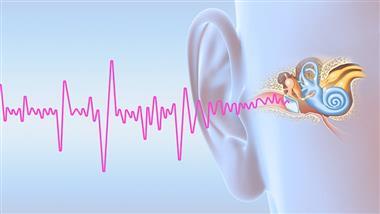
Auditory signals are sent from small structures in the ear to the cochlea and are transmitted to a structure in the brain called the dorsal cochlear nucleus. The dorsal cochlear nucleus has the capability of boosting or reducing sound, which may be compromised after multiple exposures to loud noise.
Researchers found that repetitive exposure to loud noise also alters brain plasticity. The development of tinnitus may also result from infection, medications and age.8 Tinnitus can also be a symptom of Meniere’s disease, a condition affecting the balance mechanism in the inner ear.
A buildup of earwax in the outer ear may cause pressure and affect the development of tinnitus. Hypertension, anxiety and stress are also associated with the development of the condition. After exposure to loud noise, you may find a short period of time where sound is subdued and it feels like the world turned down the volume.
During this period, your dorsal cochlear nucleus may try to compensate by boosting the auditory signal. While successful, it may result in a memory that triggers tinnitus, often in a specific sound frequency.
The consequence is hearing sound when there is no sound, as your dorsal cochlear nucleus continues to boost an auditory signal. Researchers have now identified a mineral that may prevent the dorsal cochlear nucleus from permanently turning up the dial and triggering chronic tinnitus.
Magnesium Supplementation May Reduce Symptoms
Studies have demonstrated an improvement in hearing when participants, who suffer from sensorineural or noise-induced hearing loss, are supplemented with magnesium.9
Magnesium intake in the U.S. is well below recommended levels,10 which may increase your potential risk of tinnitus. In the video above, I review the importance of choosing the right type of magnesium supplement.
To determine if using magnesium supplementation could reduce symptoms, participants with chronic tinnitus were asked to take a magnesium supplement for three months. The 26 individuals evaluated and recorded their symptoms daily, using the Tinnitus Distress Rating Scale.
Researchers also administered the Tinnitus Handicap Inventory before and after the intervention. Of the 26 participants who enrolled, 19 finished the study.11
Participants who ranked their symptoms as “slight” or greater on either scale before the supplementation, experienced a significant decrease in the severity of their symptoms after the intervention was completed.
The researchers concluded that magnesium supplementation had a beneficial effect. Magnesium helps maintain normal nerve function, including the nerves that are involved in hearing. However, while magnesium may help reduce tinnitus and hearing loss, taking supplementation is not a reason to purposefully expose yourself to loud noises.
Magnesium is also a powerful glutamate inhibitor. Glutamate is a neurotransmitter produced by hair cells in your inner ear when they are affected by sound waves. If glutamate is unregulated by a deficiency in magnesium, it may affect the development of tinnitus.12
Magnesium also helps to relax blood vessels, which may improve blood flow to the cochlea in the inner ear.13 Improved blood flow may help transport protective antioxidants to the inner ear.
Download this Article Before it Disappears
Magnesium Deficiency May Affect More Health Conditions
Animal studies demonstrate a deficiency in magnesium increases the risk of noise-induced hearing loss, but magnesium deficiency affects far more than your hearing. Magnesium is involved in the metabolism of carbohydrates and energy production, creation of DNA and RNA, and is a structural component in bone, cells walls and chromosomes.14
Symptoms of overt magnesium deficiency are relatively rare, as the mineral is plentiful in many foods and your body is able to limit excretion through your kidneys when your supply is limited. However, while overt deficiency is rare, many Americans do not get enough magnesium from their diet, which may contribute to symptoms related to low levels of the mineral.
Several health conditions may increase your risk of magnesium deficiency or low levels that contribute to symptoms, including gastrointestinal disorders that may lead to depletion of magnesium, age-related reduction in absorption, health conditions such as diabetes, which may cause your body to excrete more magnesium, and chronic alcoholism.15 Low levels of magnesium, in turn, can contribute to the development of:
| Metabolic syndrome | Hypertension | Diabetes |
| Cardiovascular disease | Heart arrhythmias | Osteoporosis |
| Complications in pregnancy | Pre-eclampsia and eclampsia | Asthma |
| Stroke | Endothelial dysfunction | Migraine headaches |
Psychiatric Disorders and Stress Associated With Tinnitus
Many adults who suffer from tinnitus also have coexisting psychiatric disorders that range from anxiety to personality disorders. In fact, some researchers suggest tinnitus is not simply a condition affecting the auditory system, but rather is neuropsychiatric in nature, which would explain why it often occurs alongside cognitive and behavioral symptoms.
Depression affects 62% of people with tinnitus.16 Stress is both a predictor and coexisting condition in people who suffer from tinnitus. In one study, stress was a strong predictor of the severity of the symptoms.17 Many people who suffer from tinnitus notice their first symptoms occur during a stressful life event, such as a sickness in a family member, accident or surgery, divorce or being laid off. As noted in the Journal of Neurology, Neurosurgery and Psychiatry:18
“These events can heighten the brain’s arousal, and the tinnitus may be noted cortically [by the cerebral cortex]. This interaction between reduced auditory sensation and brain compensation might explain why some people are very bothered by their tinnitus and others just adjust to it.”
Other Vitamins Impact Hearing Loss and Tinnitus
Other vitamins also impact hearing loss and tinnitus. These include:19,20
| Vitamin C — Vitamin C may protect against noise-induced hearing loss. Food sources include citrus fruits, tomatoes, broccoli and strawberries.21 |
| Beta-carotene — Increased intake is associated with better hearing at speech and high frequencies. Food sources include orange colored foods such as carrots, pumpkin and winter squash.22 |
| Antioxidants — These help neutralize reactive oxygen species involved in the progression of tinnitus. Food sources include wild blueberries, pecans, artichokes, cilantro, cranberries and blackberries.23 |
| Lipoic acid — Reduces age-related hearing loss and is found in spinach, broccoli and animal organ meats.24 |
| Folate and vitamin B12 — Important to the health of nerve cells, these vitamins reduce levels of homocysteine linked to higher risk of hearing problems. Food sources include lentils, chickpeas, spinach and asparagus.25 |
| Melatonin — A hormone critical for sleep, it is also effective against hearing loss resulting from loud noise. You may boost your melatonin naturally by practicing healthy sleep habits. |
| Ginkgo biloba — An herbal supplement that may protect against hearing loss and reduce severity of tinnitus symptoms. |
| Coenzyme Q10 (CoQ10) — Antioxidant that supports mitochondrial function and may reduce noise-induced hearing loss. Found in beef, herring, chicken, sesame seeds and broccoli.26 |
| Zinc — A mineral important to your nervous system, zinc has antioxidant and anti-inflammatory properties. Food sources include oysters, beef, chicken, cashews and almonds.27 |
| Taurine — May help reduce the severity of tinnitus and has demonstrated a protective effect in hearing loss associated with medication use. Food sources include seafood and meat. Your body can metabolize taurine from cysteine, but age reduces this ability.28 |
Specific Noise Frequencies May Combat Tinnitus
While there is no cure for the condition, some are able to acclimate to the tinnitus so it isn’t as disruptive to their daily lives. Essentially, a tinnitus retraining therapy program can help retrain your brain to “tune out” the noise generated by your nerve cells. The type of sound used in the therapy is determined by how the condition is experienced; some suffer from a constant high-pitched ringing, while others hear a steady series of swooshing sounds.
Tinnitus retraining therapy, also called habituation, works by conditioning your brain as you listen to background noise or music during your waking hours. This is intended to distract your brain from tinnitus and help the brain to effectively “forget” it’s occurring.29
However, it’s important to choose the right type of environmental noise to treat your specific tinnitus. Your therapy will account for spectral density of sound, which is how power from sound signals are distributed through frequencies. The sound of your tinnitus operates at different frequencies, and so will the sound used in your therapy.
White noise is like the sound of a fan, which appears to work best for people who suffer from tinnitus that sounds like a shushing. White noise combines high and low frequencies, much like a sound equalizer. Pink noise may sound like a waterfall, or rain on a roof, and may help relax your mind and encourage more restful sleep.30
Red/brown noise is any sound that mimics Brownian motion, or a random placement of particles in liquid and the subsequent collisions between fast moving atoms and molecules. This type of sound is best suited for tinnitus that responds well to low sounds, like thunder.
Tips to Protect Your Hearing
It’s estimated that half of cases of hearing loss are avoidable.31 Protecting yourself from loud noises is the first step in preventing both tinnitus and hearing loss. Eating a healthy and varied diet of whole foods can help prevent age-related hearing loss by optimizing your intake of vitamin rich foods. The following recommendations may also help prevent hearing loss or tinnitus:
| Turn down the volume on personal audio devices. |
| Download a decibel meter app for your smartphone, which will flash a warning if the volume is turned up to a potentially damaging level. |
| Wear earplugs when you visit noisy venues. If you work in a noisy environment, be sure to wear ear protection at all times. |
| Use carefully fitted noise-canceling earphones/headphones, which may allow you to listen comfortably at a lower volume. |
| Limit the amount of time you spend engaged in noisy activities. |
| Take regular listening breaks when using personal audio devices. |
| Restrict the daily use of personal audio devices to less than one hour. |
| If you live in a very noisy area, you may want to consider moving. If moving is not an option, consider adding acoustical tile to your ceiling and walls to buffer noise. Double-paneled windows, insulation, heavy curtains and rugs can also help reduce noise volume. |
| Use sound-blocking headphones to eliminate occasional sound disturbances such as that from traffic or lawnmowers. Wear ear protection when using your lawnmower or leaf blower. |
- 1, 2 American Tinnitus Association, Understanding the Facts
- 3, 4, 5 Daily News, June 7, 2016
- 6 Daily Mail, February 22, 2011
- 7 CNN March 22, 2017
- 8 NIH. Tinnitus May 1, 2023
- 9, 11 International Tinnitus Journal, 2011; 16(2):168
- 10, 14, 15 Oregon State University Micronutrient Information Center, Magnesium
- 12 Tinnitus Formula, Magnesium, Your Health and Tinnitus
- 13, 19 Life Extension, Hearing Loss and Tinnitus, Targeted Nutritional Therapies
- 16, 18 Journal of Neurology, Neurosurgery & Psychiatry. The Neuropsychiatry of Tinnitus
- 17 Psychotherapy and Psychosomatics, 2012;81(5):324
- 20 Life Extension Greater Intake of Beta-Carotene, Vitamin C, Magnesium Associated With Lower Risk of Hearing Loss
- 21 Oregon State University Micronutrient Information Center, Vitamin C
- 22 Oregon State University Micronutrient Information Center, Carotenoids
- 23 Superfoodly, ORAC Values: Antioxidant Values of Foods & Beverages
- 24 Oregon State University Micronutrient Information Center, Lipoic Acid
- 25 Oregon State University Micronutrient Information Center, Folate
- 26 Oregon State University Micronutrient Information Center, CoEnzyme Q10
- 27 Oregon State University Micronutrient Information Center, Zinc
- 28 Life Extension, The Forgotten Longevity Benefits of Taurine
- 29, 30 Sanuthera, White Noise, Pink Noise — What Color Is Your Tinnitus?
- 31 World Health Organization, February 27, 2015
Is Zinc Deficiency Behind the Dramatic Spike in Yeast Infections?
Reproduced from original article:
https://articles.mercola.com/sites/articles/archive/2024/02/07/zinc-deficiency-yeast-infections.aspx
The original Mercola article may not remain on the original site, but I will endeavor to keep it on this site as long as I deem it to be appropriate.
Analysis by Dr. Joseph Mercola February 07, 2024
STORY AT-A-GLANCE
- Three out of four women will have a vaginal yeast infection in their lifetime and an estimated 140 million women worldwide suffer recurrent infections
- According to recent research, vaginal yeast infections may be triggered by zinc insufficiency. Candida feeds on zinc, and when zinc is low, it releases an inflammatory zinc-scavenging protein called pH-regulated antigen (Pra1). Pra1-induced inflammation is what causes the hallmark burning and itching that goes along with a vaginal yeast infection
- In a pilot study, commercially available zinc-containing vaginal cream prevented yeast reinfection in five out of six women. A larger clinical trial is planned to confirm the results
- Other supplements that can be helpful in the treatment of Candida include caprylic acid, berberine, echinacea, pau d’arco and aloe vera gel
- A yeast infection will produce an odorless, white, curd-like discharge from your vagina along with itching and swelling of the vagina and vulva, while cloudy, foul-smelling urine and frequent painful urination are hallmarks of a urinary tract infection. Common causes and treatments of UTIs are also addressed
Three out of four women will have a vaginal yeast infection in their lifetime and an estimated 140 million women worldwide suffer recurrent infections.1 Recurrent infections can have a significantly detrimental impact on quality of life, and because resistance against existing treatments is on the rise, women are in dire need of viable treatment alternatives.
Most vaginal yeast infections are caused by a yeast called Candida albicans, the same fungus that is also responsible for yeast infections — also known as thrush — in the mouth, throat and gut.
The video above features an interview I did with Dr. Leon Chaitow back in 2016, in which he reviews how Candida can affect your health. Vaginal yeast infections in women is just one potential outcome.
Interestingly, according to recent research,2,3,4 zinc deficiency may be what’s allowing thrush to flourish, and this is something we did not know back in 2016. As it turns out, Candida feeds on zinc, and when zinc is low, it releases a zinc-scavenging protein called pH-regulated antigen (Pra1) to take advantage of what little zinc is available.
The problem is that Pra1 triggers inflammation in the host. The Pra1-induced inflammation is what causes the hallmark burning and itching that goes along with vaginal yeast infection.
Vaginal Zinc Cream Effectively Prevents Reinfection
In experiments, the researchers found that inflammation could be prevented in mice by manipulating genes in the yeast that blocked production of Pra1. Giving the mice a low-dose vaginal zinc gel produced the same results.
Lastly, they tested a commercially available zinc-containing vaginal cream (sold under the brand name Juvia) in six women who’d had recurring vaginal yeast infections at least once every three months. The cream was applied nightly for two weeks, and then twice a week for another 10 weeks.
In a pilot study, commercially available zinc-containing vaginal cream prevented yeast reinfection in five out of six women. A larger clinical trial is planned to confirm the results.
At the end of the three-month study, five of the six women had not experienced reinfection. The team is now planning to conduct a larger clinical trial to confirm the effectiveness of the zinc treatment. In a media press release, research leader Duncan Wilson, Ph.D., of the University of Exeter’s MRC Centre for Medical Mycology, commented:5
“Recurring thrush can be deeply distressing and problematic, and we urgently need new treatments. Our new finding on zinc is very exciting, because it suggests that simple provision of zinc could block the production of the inflammatory Pra1 molecule, but we’re not in the position to make treatment recommendations at this stage.
We need larger scale trials to confirm the effect. Please don’t apply any products that are not designed for the genital area, as zinc can be toxic at high concentrations and it could be extremely unsafe.”
Signs and Symptoms of Candida
Candida albicans is a very pervasive yeast. Most people have it in their system, and for most, it poses no problem at all. However, if your immune system becomes disrupted from exposure to antibiotics, lack of sleep or eating too much sugar, Candida can begin to grow out of control.
One major — and clearly visible — clinical sign of Candida is a white coating on your tongue. When your microbial balance is normal, your tongue is typically clean and pink. Early intervention at this point could potentially avert many cases of thrush.
Aside from that, the symptoms of Candida overgrowth typically begins in the gut, with things like bloating, constipation or diarrhea. The normal flora in your gut produces biotin, which suppresses the ability of yeast to change into more aggressive forms.
So-called mycelial forms of yeast actually put down tiny “roots” that penetrate the mucus membrane of your gut, thereby allowing toxins from your gut to spill out and cause systemwide symptoms, such as unusual, persistent fatigue, sudden development of food sensitivities, unusual aches and pains that do not appear to have a determinable cause (such as an injury), dry skin patches, and vaginal yeast infections in women.
So, while yeast is not problematic per se — it’s a normal part of healthy gut flora — it becomes problematic when it’s not kept in check and starts to turn into the mycelial form. It’s quite likely that women who suffer recurrent vaginal infections have dysregulated gut flora, and that’s why they never experience full recovery.
Download this Article Before it Disappears
How to Control Candida
To control the Candida yeast you need to starve it. This will suppress it naturally rather than using drugs to kill it outright. Candida can be viewed as a free-loader that takes advantage of your dietary and lifestyle mistakes. Things that will promote Candida overgrowth include anything that will suppress your immune function, such as:
- Eating too much refined sugar and processed foods
- Drugs such as antibiotics, steroid hormones and oral contraceptives; by changing your microbiome, they predispose Candida to grow into its more invasive form
- Lack of restorative sleep
- Lack of fresh air, physical activity and exercise
As noted by Chaitow in 2016:6
“The … overarching approach to all these chronic problems is to … enhance immune function, whichever way you can … It can be just better lifestyle, better sleep, more exercise and improved, enhanced diet.
Stop feeding the yeast, stop damaging your immune function, and replenish the gut flora as best [as] possible. The yeast, controlled, takes care of itself. You don’t have to kill it … We have this natural wonderful symbiosis with our gut flora. It keeps us alive. It keeps us healthy. But if we damage it, we pay the price …
The diet is the key. The diet needs to be as unprocessed as possible … The Mediterranean Diet is the ideal one. It’s fish (not farmed fish if possible) [and] lean meat … The agricultural industry is the main user of antibiotics [so] that’s where we’re most at risk …
Vegetables, fruits — not too much of the very sweet fruits at the beginning of the anti-Candida program, but certainly fruits like papaya are wonderful.
The avoidance of anything that is going to provoke fermentation. Sugar is key to avoid. At the beginning, that even covers things like honey in the first month or two of an anti-Candida program.
I think it’s quite a simple process. It’s healthy lifestyle, healthy diet. The program has to be coupled initially by trying to encourage more normal gut flora. We go straight into the prebiotics and probiotics. That needs to be accompanied by change in diet and avoiding antibiotics wherever possible.”
To those basic guidelines we can now add the recommendation to boost your zinc intake. Making sure you’re not zinc deficient will also help prevent Candida overgrowth in the first place. Only in severe and/or intractable cases do I recommend using an antifungal drug like Nystatin, which is a relatively benign drug with few side effects.
Useful Supplements
Chaitow recommends a number of supplements that can be useful against Candida, including:
• Caprylic acid, a medium-chain triglyceride (MCT) with eight carbons (which is why it’s also known as C8). While it’s found in coconut oil, you can also buy MCT oil, either straight C8 or in combination with capric acid (C10). No other food source converts to ketones more readily than C8, and ketones are a magnificent, efficient fuel for your body. Caprylic acid is also a potent antifungal, and Chaitow recommends it in lieu of antifungal drugs.
• Aloe vera gel contains a mucopolysaccharide with powerful immune benefits:
◦ Antifungal properties — Aloe vera contains compounds that have antifungal activities, which can help in inhibiting the growth of Candida, the yeast responsible for vaginal candidiasis. Studies have shown that aloe vera can be effective against several Candida species, including Candida albicans, which is commonly involved in vaginal yeast infections.
◦Anti-inflammatory effects — Vaginal candidiasis can cause inflammation and irritation. Aloe vera has anti-inflammatory properties that can help reduce these symptoms. It soothes the inflamed tissues, providing relief from itching and discomfort associated with the infection.
◦ Healing properties — Aloe vera is well-known for its healing and regenerative properties. It can help in the repair of damaged tissue in the vaginal area caused by the yeast infection. This is due to the presence of glycoproteins and polysaccharides in aloe vera, which are known to aid in skin healing and regeneration.
◦ Immune-boosting effects — The immune-modulating properties of aloe vera can be beneficial in fighting off infections, including yeast infections. By boosting the body’s immune response, aloe vera can help in quicker resolution of the infection.
◦ Moisturizing effect — Aloe vera is a natural moisturizer, which can help in maintaining the natural moisture balance in the vaginal area. This is important because both excessive dryness and excessive moisture can contribute to the conditions that promote yeast overgrowth.
◦ pH balancing — Maintaining the natural pH of the vagina is crucial for its health. Aloe vera can help in maintaining the vaginal pH, thus creating an environment less conducive for the growth of Candida.
◦ Natural and gentle — Aloe vera is a natural and gentle remedy, which makes it suitable for sensitive areas like the vaginal region. It is less likely to cause irritation or adverse reactions compared to some chemical-based treatments.
How to Tell a Yeast Infection and a Urinary Tract Infection Apart
If you’re a woman, it can in some cases be difficult to tell whether you’re suffering from a vaginal yeast infection or a urinary tract infection (UTI). Both cause pain and discomfort, but there are key differences by which you can tell them apart.7
A yeast infection will produce an odorless, white, curd-like discharge from your vagina along with itching and swelling of the vagina and vulva, while cloudy, foul-smelling urine and frequent painful urination are hallmarks of a UTI.
In severe cases, a UTI can also cause fever, chills, nausea and vomiting, which typically never happens if you have a yeast infection. In rare cases, a severe UTI can also trigger acute psychosis, especially in those already suffering from major depressive disorder with psychotic features.8 It’s also known to induce delirium in elderly patients,9 and those with Alzheimer’s appear to be at increased risk.10
How to Treat UTIs
UTIs are most often caused by Escherichia coli bacteria,11 which can be introduced into your urinary tract in a number of ways, such as via your own feces or during sexual intercourse. The urethra, which carries urine out of your body from your bladder, is much shorter in women than in men, which is one reason why women tend to get more UTIs.
If not effectively treated, UTIs can progress to kidney infections, sepsis and even death. Deaths from UTIs increased by 2.4-fold from 1990 to 2019. One of the reasons for this is because many of the bacteria responsible for UTIs have developed resistance to the antibiotics used to treat them.12 According to a 2019 study,13 more than 92% of UTI-causing bacteria are now resistant to one or more commonly used antibiotics, and nearly 80% are resistant to two or more.
The good news is you don’t need antibiotics. Methylene blue is a highly effective agent against UTIs; it kills virtually any pathogen in your bladder without disrupting the microbiome the way antibiotics do. Cranberries can also be helpful. Research published in the Cochrane Database of Systematic Reviews noted that the proanthocyanidins in cranberries help prevent E. coli from sticking to the urothelial cells lining the bladder.14
How to Reduce Your Risk of UTIs
As with yeast infections, eating a diet that promotes a healthy gut flora will help reduce your risk of UTIs. Aside from that, commonsense hygiene is also important, as you want to avoid harmful bacteria from entering your urethra.
For example, make sure you wipe from front to back to prevent bacteria from entering your urethra, or better yet, install a bidet, which allows you to rinse off your genitals after each bathroom break, and pat dry. Also cleanse male and female genital areas prior to sexual intercourse.
If you’re prone to UTIs, avoid hot tubs and Jacuzzis, especially public ones, and take showers instead of baths. Also drink plenty of pure, filtered water every day, urinate when you feel the need (don’t resist the urge to go) and avoid using feminine hygiene sprays, which may irritate your urethra.
Raw Poultry Responsible for Most UTIs
Lastly, use caution when handling raw poultry, as researchers have conclusively demonstrated that a majority of UTIs are caused by exposure to contaminated chicken. I reported this in “What Are the Primary Causes and Potential Complications of Urinary Tract Infections?”
In short, in most cases, the UTI-causing E. coli is introduced to your body from the food you eat, primarily concentrated animal feeding operation (CAFO) chicken, but also, potentially, pork and beef. According to one study, E. coli from food may be responsible for 640,000 UTIs in the U.S. each year, and numbers may be higher in areas near CAFOs. To avoid this risk, follow these guidelines:15
| Never wash raw chicken, as it spreads bacteria around. If needed, pat the chicken with a paper towel while still in its packaging rather than rinsing it |
| Place raw chicken on the lowest shelf of your refrigerator or freezer to prevent bacteria-laden juice from dripping onto other foods |
| Refrigerate at 40 degrees F. or lower for no more than two days, or freeze at zero degrees F. |
| Use a designated cutting board for chicken; do not cut vegetables on this board |
| Thoroughly wash your hands after handling raw chicken |
| Do not place the cooked meat on the same plate used to hold the raw chicken |
| Cook the chicken until internal temperature reaches 165 degrees F. |
- 1, 3, 5 University of Exeter December 6, 2023
- 2 Science Translational Medicine December 6, 2023; 15(725)
- 4 Study Finds January 22, 2024
- 6 Transcript. A Special Interview With Dr. Leon Chaitow. 2016
- 7 Medical News Today August 10, 2019
- 8 Journal of Clinical Psychiatry April 2014; 75(4): 379-385
- 9 Cureus December 2022; 14(12): e32321
- 10 Alzheimer’s Association October 21, 2011
- 11, 13 International Journal of Health Sciences March-April 2019; 13(2): 48-55
- 12 Scientific American February 1, 2023
- 14 Cochrane Library, April 17, 2023
- 15 Real Simple March 1, 2023
Surprise! Everything You’ve Been Told About Salt Is Wrong
Reproduced from original article:
https://articles.mercola.com/sites/articles/archive/2024/01/24/salt-health-effects.aspx
The original Mercola article may not remain on the original site, but I will endeavor to keep it on this site as long as I deem it to be appropriate.
Analysis by Dr. Joseph Mercola January 24, 2024

STORY AT-A-GLANCE
- Eating lots of salt will not make you thirsty or cause greater urine output. A study involving Russian cosmonauts reveal eating more salt actually lowered their thirst — yet increased hunger
- As your salt intake increases, your glucocorticoid hormone level rises, causing greater water availability (hence lower thirst) and increased fat and muscle breakdown — an energy-intensive process resulting in increased hunger
- A high-salt diet will not increase your risk of heart disease. Having the correct potassium to sodium balance influences your risk for high blood pressure and heart disease to a far greater extent than high sodium alone
Do you believe high amounts of salt provoke thirst and contribute to high blood pressure and heart disease? If so, you’re likely wrong. Studies have consistently failed to support either of these notions, showing the converse is actually true. Here’s a summary of findings that may surprise you:
• Eating large amounts of salt will not make you thirsty or cause greater urine output (which could lead to dehydration). A study1 involving Russian cosmonauts reveal eating more salt actually lowered their thirst — yet increased hunger.2,3
Animal research4 support these results, showing a high-salt diet resulted in increased metabolism, forcing the animals to eat 25% more calories just to maintain weight. This suggests salt may have a surprising influence on your weight
• Evidence shows having the correct potassium to sodium balance influences your risk for high blood pressure and heart disease to a far greater extent than high sodium alone, and processed foods are typically low in potassium and high in sodium
• Studies suggest a low-salt diet can actually worsen cardiovascular disease and raise rather than lower the risk for early death among patients at high risk of heart disease5
• The vast majority, approximately 71%, of your salt intake comes from processed food.6 Hence, if you avoid processed foods, you have virtually no risk of consuming too much salt.7 Eating a whole food diet will also ensure a more appropriate sodium-to-potassium ratio
• When lowering salt in processed foods, many manufacturers started adding monosodium glutamate (MSG) instead — a flavor enhancer associated with obesity, headaches, eye damage,8 fatigue and depression. Due to its ability to overexcite neurons, MSG may even raise your risk for neurological disorders such as Alzheimer’s, Parkinson’s and Lou Gehrig’s disease
Counterintuitive Results Show How Poor Our Understanding of Salt Is
It’s pretty bizarre that our understanding about salt is this poor, yet that’s what can happen when you assume the science is settled and you’ve got it all figured out. As reported by The New York Times:9
“If you eat a lot of salt — sodium chloride — you will become thirsty and drink water, diluting your blood enough to maintain the proper concentration of sodium. Ultimately you will excrete much of the excess salt and water in urine. The theory is intuitive and simple.
And it may be completely wrong … [Research] contradicts much of the conventional wisdom about how the body handles salt and suggests that high levels may play a role in weight loss.”
The research is the culmination of a quest by Jens Titze, a kidney specialist at Vanderbilt University Medical Center, who in 1991 became puzzled by the discovery that astronauts’ urine output followed a seven-day cycle. There seemed to be no rhyme or reason for why their urine output would increase and decrease in this cyclical manner.
Your Body Maintains a Constant Sodium Balance Regardless of Salt Intake
Then, in 1994, Titze studied the urine output patterns of a crew on the Mir station, discovering a 28-day rhythm in sodium retention — and that the amount of sodium in the astronauts’ bodies was completely unrelated to their urine output. This was a truly puzzling finding. As noted in the featured article:10
“The sodium levels should have been rising and falling with the volume of urine. Although the study wasn’t perfect — the crew members’ sodium intake was not precisely calibrated — Dr. Titze was convinced something other than fluid intake was influencing sodium stores in the crew’s bodies. The conclusion, he realized, ‘was heresy’ …
When the crew ate more salt, they excreted more salt; the amount of sodium in their blood remained constant, and their urine volume increased. ‘But then we had a look at fluid intake, and were more than surprised,’ he said.
Instead of drinking more, the crew were drinking less … when getting more salt. So where was the excreted water coming from? ‘There was only one way to explain this phenomenon,’ Dr. Titze said. ‘The body most likely had generated or produced water when salt intake was high.'”
Download this Article Before it Disappears
Salt Has Surprising Metabolic Effects
The other puzzling finding was that the astronauts complained of being constantly hungry when given higher amounts of salt. Interestingly, urine tests revealed they were producing higher amounts of glucocorticoid hormones, which affect both your metabolism and immune function.
Follow-up animal testing confirmed the results, showing the more salt the mice were given, the less water they drank and the more food they required to avoid weight loss. The reason why then became apparent. As the salt intake increased, the animals produced higher amounts of glucocorticoid hormones, causing increased fat and muscle breakdown.
These broken-down muscle proteins are then converted into urea, which is known to help your body excrete waste via urine. Through some still-unknown mechanism, this urea also helps your body retain water. In other words, a side effect of higher salt consumption is that it frees up water for your body to use.
However, this process is energy-intensive, which is why the animals required more food when on a high-salt diet and why the astronauts complained of hunger. Titze believes the increase in glucocorticoid hormones are also somehow responsible for the bizarre cyclical fluctuations in urine output.
“Scientists knew that a starving body will burn its own fat and muscle for sustenance. But the realization that something similar happens on a salty diet has come as a revelation,” The New York Times reports.11
“People do what camels do, noted Dr. Mark Zeidel, a nephrologist at Harvard Medical School who wrote an editorial accompanying Dr. Titze’s studies. A camel traveling through the desert that has no water to drink gets water instead by breaking down the fat in its hump.
One of the many implications of this finding is that salt may be involved in weight loss. Generally, scientists have assumed that a high-salt diet encourages a greater intake of fluids, which increases weight. But if balancing a higher salt intake requires the body to break down tissue, it may also increase energy expenditure.”
As noted by Dr. Melanie Hoenig, nephrologist and assistant professor of medicine at Harvard Medical School, “The work suggests that we really do not understand the effect of sodium chloride on the body.”12
Sodium/Potassium Ratio Is Key to Normalize Your Blood Pressure
While salt has gotten a bad rap, suspected of increasing your risk for high blood pressure and heart disease, research shows the real key to relaxing your arteries and reducing your blood pressure is actually the ratio of sodium to potassium you have — not your sodium intake alone.13
Potassium is a naturally occurring mineral your body uses as an electrolyte (substance in solution that conducts electricity), and it is vital for optimal health and normal functioning. Most of your potassium resides inside your cells, unlike sodium, which resides outside your cells.
Potassium works in your body to relax the walls of your arteries, keep your muscles from cramping and lower your blood pressure.14 The reduction in blood pressure with added potassium has also been associated in studies with a reduced risk of stroke.15
Research in 201416 found that women without high blood pressure who consumed the most potassium (nearly 3,200 milligrams per day) had a 21% reduced risk of stroke. Women who consumed the most potassium were also 12% less likely to die during the study period than those who consumed the least.
A meta-analysis published in 1997, which analyzed 29 trials, also found that low levels of potassium resulted in higher systolic blood pressure readings.17 Subsequent studies have found similar results.18,19
How’s Your Sodium/Potassium Balance?
It’s generally recommended that you consume five times more potassium than sodium, but most Americans eat twice as much sodium as potassium. If you’re eating mostly processed foods and few fresh vegetables, your sodium-to-potassium balance is virtually guaranteed to be inversed. Imbalance in this ratio not only can lead to high blood pressure but also contribute to a number of other health problems, including:
| Kidney stones | Memory decline |
| Cataracts | Osteoporosis |
| Erectile dysfunction | Stomach ulcers |
| Rheumatoid arthritis | Stomach cancer |
One simple way to check your ratio is to use my customized version of the free nutrient tracker, cronometer.com/mercola, which will calculate your sodium-to-potassium ratio automatically based on the foods you enter.
A great deal of good could come from revising public health recommendations to focus on a high-quality diet rich in potassium rather than sodium reduction, as potassium helps offset the hypertensive effects of sodium. Potassium also has other important health benefits.
Other Health Benefits of Potassium
Adequate amounts of potassium are associated with quicker recovery from exercise and improved muscle strength.20,21 As an electrolyte, potassium helps to regulate the fluid balance in your cells and throughout your body.22 This fluid balance is essential to maintaining life, preventing dehydration at the cellular level and maintaining brain function.23
For example, potassium is important in the transmission of nerve impulses in your brain, spinal cord and peripheral nervous system.24 Nerve impulses transmitting information from one nerve to the next happens as the result of electrical activity. This activity is what an electrocardiogram measures as it tracks heart activity.
Low levels of potassium have also been linked with high levels of insulin and glucose, which are associated with metabolic syndrome and type 2 diabetes.25 These results have been found in several studies,26 leading researchers to recommend dietary choices that boost potassium levels.
Your KEY Strategy — Eat Real Food
Getting nutrients from your food instead of supplements is preferable as your food contains more than a single nutrient and in different forms. For instance, potassium found in fruits and vegetables is potassium citrate or potassium malate, while supplements are often potassium chloride.
Green vegetable juicing is an excellent way to ensure you’re getting enough nutrients for optimal health, including potassium. Particularly potassium-rich foods include:
| Swiss chard, 1 cup = 1 gram potassium | Lima beans, 1 cup = 1 gram |
| Avocado, 1/2 Florida variety = 0.8 gram | Dried apricots, 1/2 cup = 0.9 gram |
| Baked potato, 1 large = 0.9 gram | Winter squash, 1 cup = 0.9 gram |
| Cooked spinach, 1 cup = 0.8 gram | Beets, 1 cup = 0.4 gram |
The citrate and malate forms help produce alkali, which may promote bone health27 and preserve lean muscle mass as you age.28 Bone loss may lead to brittle bones or even osteoporosis. While potassium in fruits and vegetables may help build bone health, potassium chloride may not. As researcher Dr. Bess Dawson-Hughes from Tufts University explains:29
“If you don’t have adequate alkali to balance the acid load from the grains and protein in a typical American diet, you lose calcium in the urine and you have bone loss … When the body has more acid than it is easily able to excrete, bone cells get a signal that the body needs to neutralize the acid with alkali … And bone is a big alkali reservoir, so the body breaks down some bone to add alkali to the system.”
Research by Dawson-Hughes found that people who were in the neutral range for net acid excretion, meaning they had a fairly healthy balance for bone and muscle health, were eating just over eight servings of fruits and vegetables per day along with 5.5 servings of grains. When they rounded this out, it came to about half as many grains as fruits and vegetables.
For many Americans, a simple recommendation to increase your alkali (and potassium) while reducing acid is to eat more vegetables and fewer grains and processed foods in general.30 When cooking from scratch, you have complete control over how much salt you add.
Healthy Versus Unhealthy Salt
When you do use salt, make sure its unrefined and minimally processed. My personal favorite is Himalayan pink salt, rich in naturally occurring trace minerals needed for healthy bones, fluid balance and overall health. The same cannot be said for modern table salt.
Salt is a nutritional goldmine provided you consume the right kind. Salt provides two elements — sodium and chloride — that are essential for life. Your body cannot make these elements on its own, so you must get them from your diet. Some of the many biological processes for which natural salt is crucial include:
| Being a major component of your blood plasma, lymphatic fluid, extracellular fluid and even amniotic fluid |
| Carrying nutrients into and out of your cells and helping maintain your acid-base balance |
| Increasing the glial cells in your brain, responsible for creative thinking and long-term planning. Both sodium and chloride are also necessary for the firing of neurons |
| Maintaining and regulating blood pressure |
| Helping your brain communicate with your muscles so that you can move on demand via sodium-potassium ion exchange |
| Supporting the function of your adrenal glands, which produce dozens of vital hormones |
Natural salt typically contains 84% sodium chloride and 16% naturally-occurring trace minerals, including silicon, phosphorous and vanadium. Processed (table) salt, on the other hand, contains over 97% sodium chloride; the rest is man-made chemicals such as moisture absorbents and flow agents. A small amount of iodine may also be added.
Some European countries, where water fluoridation is not practiced, also add fluoride to their salt.31 In France for example, 35% of table salt sold contains either sodium fluoride or potassium fluoride, and use of fluoridated salt is widespread in South America.
Besides these basic differences in nutritional content, the processing also radically alters the chemical structure of the salt. So, while you definitely need salt for optimal health, not just any salt will do. What your body needs is natural, unprocessed salt, without added chemicals.
- 1 Journal of Clinical Investigation May 1, 2017; 127(5): 1932-1943
- 2 American Thinker May 9, 2017
- 3 The Week May 9, 2017
- 4 Journal of Clinical Investigation May 1, 2017; 127(5): 1944-1959
- 5 New York Post December 30, 2012
- 6 US News May 9, 2017
- 7 American Journal of Public Health 2013 February; 103(2): e3
- 8 Experimental Eye Research 2002 Sep;75(3):307-15
- 9, 10, 11 New York Times May 8, 2017
- 12 Babwnews.com May 14, 2017
- 13 Advances in Nutrition, 2014; 5:712
- 14 Harvard Health Publications, January 23, 2017
- 15, 16 Stroke 2014; 45(10):2874
- 17 Journal of the American Medical Association 1997;277(20):1624
- 18 Journal of Human Hypertension 2003; 17(7):471
- 19 BMJ 2013; 346:f1378
- 20 Journal of Internal Medicine 2002;252(1):56
- 21 Sports Medicine 1991; 11(6):382
- 22 Berkeley University, Fluid and Electrolyte Balance
- 23 Nursing Standard, 2008; 22(47):50
- 24 Springer Link. The Role of Potassium
- 25 Johns Hopkins Medicine March 2, 2011
- 26 Expert Reviews in Endocrinology and Metabolism 2011;6(5):665
- 27 New York Times, November 24, 2009
- 28 American Journal of Clinical Nutrition 2008; 87(3):662
- 29, 30 Nutrition Action, September 16, 2015 (Archived)
- 31 Poisonfluoride.com Fluoridated Salt FAQ
Zinc protects prostate cells by acting as a tumor suppressor
Reproduced from original article:
https://www.naturalhealth365.com/zinc-protects-prostate-cells-by-acting-as-a-tumor-suppressor.html
by: December 11, 2023
 (NaturalHealth365) In the landscape of male cancers, prostate cancer looms large, ranking as the second most common cancer after skin malignancies among American men. The American Cancer Society’s projections for 2023 paint a stark picture, with approximately 288,300 new cases of prostate cancer and about 34,700 deaths attributed to the disease.
While the incidence of prostate cancer saw a significant decline between 2007 and 2014, reflecting changes in screening recommendations, a recent shift has emerged. Since 2014, the overall incidence rate has risen by 3% per year, with an even more notable 5% annual increase in advanced-stage prostate cancer cases. This nuanced scenario sets the stage for exploring proactive strategies, with recent studies spotlighting zinc as a potential guardian against this prevalent disease.
Elevating health defenses against prostate woes
Long heralded for its integral role in immune function and cellular metabolism, this trace mineral has been a stalwart ally in maintaining health. Traditionally, the recommended daily intake for men has stood at 11 mg, sourced from either dietary choices or supplements. Yet, recent research unveils a tantalizing prospect: a higher daily zinc dosage might wield the ability to quell prostate tumors, act as a preventive shield against cancer, and fortify defenses against advanced prostate disease.
Crucial to note is the revelation that zinc levels are notably lower in cancerous prostate tissue, adding a layer of significance to the mineral’s potential role in prostate health.
Prostate tissues boast higher concentrations of zinc than any other part of the body, with approximately 10 to 15 times the amount found elsewhere. This revelation fuels the emerging narrative that a strategic elevation in zinc intake could be a game-changer in the fight against prostate-related health concerns.
What does science have to say about zinc?
Researchers have long suspected that zinc offers at least some protection against prostate cancer, and now science is backing them up. Studies suggest that high concentrations of zinc can cause apoptosis of damaged prostate cells that could otherwise turn cancerous.
Researchers also found that zinc actually alters the biological makeup of prostate cells, significantly reducing the chance of malignancy. Conversely, researchers examining existing prostate cancer cells find that zinc levels are lower in malignant cells than in non-cancerous prostate cells.
How to use zinc to keep cancer away
The benefits of zinc can be achieved by taking the mineral as a dietary supplement or by consuming it through one of several food sources. Oysters are perhaps the highest food source for zinc, with 74 mg per serving. Grass-fed beef is next, followed by baked beans, and yogurt (preferably of organic varieties).
It is important to note that taking too much zinc is not only non-beneficial, but it can also have a harmful effect on a person’s health and immune system. In fact, a study published in the Journal of the National Cancer Institute found that consuming zinc in amounts of 150 mg per day or more actually increased a man’s risk of developing advanced prostate cancer.
Naturally, if you’re dealing with a cancer diagnosis – seek the advice of a trusted, holistic medical professional.
Sources for this article include:
NIH.gov
Cancer.org
NIH.gov
Lifeextension.com
PCF.org
DrFuhrman.com
NIH.gov
NIH.gov
A-Fib, Potassium and Magnesium
Reproduced from original OMNS article (OrthoMolecular News Service):
http://orthomolecular.org/
Subscribe to the free Orthomolecular Newsletter: http://orthomolecular.org/subscribe.html
Go to the OMNS Archive: http://orthomolecular.org/resources/omns/index.shtml
Orthomolecular Medicine News Service, November 30, 2023
A Personal Report by Dwight Kalita, PhD
OMNS (November 30, 2023) Atrial fibrillation (Afib)is a worldwide epidemic affecting 37 million people, and its rising prevalence will most certainly account for increasing public health costs. I am 76 years old and have had A-fib for almost 10 years. During that time various cardiologists gave me 2 ablations and 5 cardioversions, but the Afib always returned. I have been on numerous drugs, all of which caused serious side effects and non of which ever cured my Afib.
From 11/3/2022 to 11/10/22, my heart monitor recorded a 6% burden of A-fib episodes with a 150bpm maximum rate. These on-and-off episodes continued despite taking Dofetilide (antiarrhythmic) and Diltiazem (calcium channel blocker for blood pressure) since April 22, 2022. In April, 2023 I read a European medical article “Association of IV Potassium and Magnesium Administration with Spontaneous Conversion of A-Fib in the ER Department” in JAMA Oct. 2022. After thinking about this article, I decided to see if the combined, oral administration of magnesium (Mg), potassium (K), and Dofetilide would help prevent my chronic A-fib episodes that I have experienced for almost 10 years.
I began taking the following around April 15, 2023: electrolyte powder: one scoop per day of 1000 mgs potassium citrate, 120 mgs magnesium citrate, plus very small amounts of other mineral complexes. I have been taking 500 mgs of magnesium taurate orally for 5-6 years but continued to experience on and off Afib episodes. When I had an episode that lasted more than 20 minutes, I took 2 grams of magnesium IV and that always converted me back to sinus rhythm. Then I read the above JAMA article about IV magnesium and potassium together converting ER Afib patients in Europe so I began taking both nutrients orally. That oral combo nutrient program of magnesium and potassium is what really eliminated my Afib!
Within one week of taking the above mineral supplements with Dofetilide, my heart palpitations and A-fib episodes disappeared. My two EKG “sinus” reports since beginning K and Mg supplements confirm this observation as well as home-Kardia monitoring. I have also not needed to take any 2-gram magnesium IV treatments to convert my A-fib episodes since I have not had any episodes for the last 6 months. I eliminated Diltiazem because of stomach pain and diarrhea side effects; but my blood pressure has actually improved since the introduction of the K1000 potassium supplement.
My quarterly blood work measuring Mg/K remains within normal levels since beginning the mineral supplementation program. My local cardiologist as well as one at the Cleveland Clinic both approve of my new drug/nutrient treatment plan. And best of all since beginning this treatment plan, I have had no side effects and no more A-fib episodes whatsoever. It is now very clear to me that my 76-year-old heart cells need extra magnesium/potassium supplementation in order to live a life free of the very debilitating disease called atrial fibrillation.
(Readers may contact Dwight Kalita at dkalita@embarqmail.com)
Related reading:
Khan AM, Lubitz SA, Sullivan LM, et al. Low Serum Magnesium and the Development of Atrial Fibrillation in the Community: The Framingham Heart Study. Circulation. 2013; 127 (1): 33-38. https://www.ncbi.nlm.nih.gov/pmc/articles/PMC3541701/
Dean C. Atrial Fibrillation: Remineralize Your Heart, 2015. https://drcarolyndean.com/ https://www.drcarolyndean.net/introducing-atrial-fibrillation-remineralize-your-heart-by-dr-carolyn-dean/
Nutritional Medicine is Orthomolecular Medicine
Orthomolecular medicine uses safe, effective nutritional therapy to fight illness. For more information: http://www.orthomolecular.org
Find a Doctor
To locate an orthomolecular physician near you: http://orthomolecular.org/resources/omns/v06n09.shtml
The peer-reviewed Orthomolecular Medicine News Service is a non-profit and non-commercial informational resource.
Editorial Review Board:
Albert G. B. Amoa, MB.Ch.B, Ph.D. (Ghana)
Seth Ayettey, M.B., Ch.B., Ph.D. (Ghana)
Ilyès Baghli, M.D. (Algeria)
Barry Breger, M.D. (Canada)
Ian Brighthope, MBBS, FACNEM (Australia)
Gilbert Henri Crussol, D.M.D. (Spain)
Carolyn Dean, M.D., N.D. (USA)
Ian Dettman, Ph.D. (Australia)
Susan R. Downs, M.D., M.P.H. (USA)
Ron Ehrlich, B.D.S. (Australia)
Hugo Galindo, M.D. (Colombia)
Gary S. Goldman, Ph.D. (USA)
William B. Grant, Ph.D. (USA)
Claus Hancke, MD, FACAM (Denmark)
Patrick Holford, BSc (United Kingdom)
Ron Hunninghake, M.D. (USA)
Bo H. Jonsson, M.D., Ph.D. (Sweden)
Dwight Kalita, Ph.D. (USA)
Felix I. D. Konotey-Ahulu, M.D., FRCP (Ghana)
Peter H. Lauda, M.D. (Austria)
Fabrice Leu, N.D., (Switzerland)
Alan Lien, Ph.D. (Taiwan)
Homer Lim, M.D. (Philippines)
Stuart Lindsey, Pharm.D. (USA)
Pedro Gonzalez Lombana, M.D., Ph.D. (Colombia)
Victor A. Marcial-Vega, M.D. (Puerto Rico)
Juan Manuel Martinez, M.D. (Colombia)
Mignonne Mary, M.D. (USA)
Joseph Mercola, D.O. (USA)
Jorge R. Miranda-Massari, Pharm.D. (Puerto Rico)
Karin Munsterhjelm-Ahumada, M.D. (Finland)
Sarah Myhill, MB, BS (United Kingdom)
Tahar Naili, M.D. (Algeria)
Zhiyong Peng, M.D. (China)
Isabella Akyinbah Quakyi, Ph.D. (Ghana)
Selvam Rengasamy, MBBS, FRCOG (Malaysia)
Jeffrey A. Ruterbusch, D.O. (USA)
Gert E. Schuitemaker, Ph.D. (Netherlands)
Thomas N. Seyfried, Ph.D. (USA)
Han Ping Shi, M.D., Ph.D. (China)
T.E. Gabriel Stewart, M.B.B.CH. (Ireland)
Jagan Nathan Vamanan, M.D. (India)
Andrew W. Saul, Ph.D. (USA), Editor-In-Chief
Associate Editor: Robert G. Smith, Ph.D. (USA)
Editor, Japanese Edition: Atsuo Yanagisawa, M.D., Ph.D. (Japan)
Editor, Chinese Edition: Richard Cheng, M.D., Ph.D. (USA)
Editor, Norwegian Edition: Dag Viljen Poleszynski, Ph.D. (Norway)
Editor, Arabic Edition: Moustafa Kamel, R.Ph, P.G.C.M (Egypt)
Editor, Korean Edition: Hyoungjoo Shin, M.D. (South Korea)
Editor, Spanish Edition: Sonia Rita Rial, PhD (Argentina)
Editor, German Edition: Bernhard Welker, M.D. (Germany)
Associate Editor, German Edition: Gerhard Dachtler, M.Eng. (Germany)
Assistant Editor: Michael Passwater (USA)
Contributing Editor: Thomas E. Levy, M.D., J.D. (USA)
Contributing Editor: Damien Downing, M.B.B.S., M.R.S.B. (United Kingdom)
Contributing Editor: W. Todd Penberthy, Ph.D. (USA)
Contributing Editor: Ken Walker, M.D. (Canada)
Contributing Editor: Michael J. Gonzalez, N.M.D., Ph.D. (Puerto Rico)
Technology Editor: Michael S. Stewart, B.Sc.C.S. (USA)
Associate Technology Editor: Robert C. Kennedy, M.S. (USA)
Legal Consultant: Jason M. Saul, JD (USA)
Comments and media contact: drsaul@doctoryourself.com OMNS welcomes but is unable to respond to individual reader emails. Reader comments become the property of OMNS and may or may not be used for publication.
This article may be reprinted free of charge provided 1) that there is clear attribution to the Orthomolecular Medicine News Service, and 2) that both the OMNS free subscription link http://orthomolecular.org/subscribe.html and also the OMNS archive link http://orthomolecular.org/resources/omns/index.shtml are included.
Riordan Clinic | Orthomolecular.org
3100 N Hillside Ave
Wichita, Kansas 67219
United States
Most People Don’t Reach Micronutrient Requirements Through Food Alone
Reproduced from original article:
https://articles.mercola.com/sites/articles/archive/2023/11/20/micronutrient-deficiencies.aspx
The original Mercola article may not remain on the original site, but I will endeavor to keep it on this site as long as I deem it to be appropriate.
Analysis by Dr. Joseph Mercola November 20, 2023
STORY AT-A-GLANCE
- Most adolescents are not getting adequate nutrient intake from diet alone — a finding confirmed from other studies in developed countries such as Spain, France, Portugal and Germany
- Three-quarters of adolescents consumed less than 54% of the recommended amounts of healthy foods like fruits, vegetables and dairy products
- Nearly three-quarters of the youth exceeded the recommended limit for sweet and salty snacks — by 453%
- When nutrient intake was considered from diet alone, adolescents often consumed less than recommended amounts of the fat-soluble vitamins A, D and E along with the water-soluble vitamins folate, biotin and pantothenic acid
- The use of dietary supplements helped to increase the adolescents’ intake of vitamins and minerals, particularly magnesium and vitamin C, but this isn’t a replacement for a healthy, nutrient-rich diet
While it’s possible to get all the vitamins and minerals your body needs by eating a healthy diet, most people fall short. The issue isn’t typically a matter of quantity but quality — many people are eating energy-rich, nutrient-poor foods, setting them up for an excess of omega-6 fats from seed oils and sugar while important micronutrients are lacking.
For instance, among children and adults with high intakes of added sugars — more than 25% of their caloric intake — dietary intake of vitamins A, C and E and magnesium were low.1 Research published in Critical Reviews in Food Science and Nutrition also suggested that more than 80% of the U.S. population is at risk of certain nutrient inadequacies.2
Among adolescents, who are growing rapidly and have an increased need for nutrients as a result, low vitamin and mineral intake is also common, according to a study in BMC Nutrition.3
Many Adolescents Missing Out on Important Vitamins and Minerals
The study involved 342 Slovenian adolescents with an average age of 15.4 years. In addition to collecting data on eating habits, body height and mass and micronutrient intake the researchers assessed participants’ use of dietary supplements, including multivitamins consumed in popular drinks.
When nutrient intake was considered from diet alone, adolescents often consumed less than recommended amounts of the fat-soluble vitamins A, D and E along with the water-soluble vitamins folate, biotin and pantothenic acid. Minerals such as iodine, chromium and molybdenum were also low.
The adolescents weren’t getting enough of these nutrients because three-quarters of them consumed less than 54% of the recommended amounts of healthy foods like fruits, vegetables and dairy products.4 At the same time, nearly three-quarters of the youth exceeded the recommended limit for sweet and salty snacks — by 453% — and the recommended amount of meat products by 320%.5
Sodium intake was also high, “most likely due to excessive consumption of meat/meat products (except female DS [dietary supplement] users) and sweet/salty snacks.”
The use of dietary supplements helped to increase the adolescents’ intake of vitamins and minerals, particularly magnesium and vitamin C. However, the team stated, “Although DS use improved micronutrient intake in adolescents (especially vitamin C and magnesium), activities on public-health interventions should be focus to improve their diets.”6
Overall, the study stressed that adolescents are not getting adequate nutrient intake from diet alone — a finding confirmed from other studies in developed countries such as Spain, France, Portugal and Germany. The researchers concluded:7
“After reviewing and summarizing nutrient deficiencies in adolescents from different studies, almost the entire spectrum of nutrients has been identified as those with inadequate intake (e.g. minerals calcium, magnesium, iron, zinc, potassium, and iodine, and vitamins D, K, E, C, folic acid, B2, B6, B12), making it difficult to highlight the most important ones.”
Children and Adults Are Lacking in Nutrients, Too
Other age groups are also lacking in important nutrients needed for optimal health, potentially compromising immune system function, exacerbating chronic disease and hindering growth and development.8
One study suggested that, globally, 56% of preschool-aged children, or 372 million, are deficient in at least one of three micronutrients. Among non-pregnant women of reproductive age, 69%, or 1.2 billion people, are deficient.9
While most individuals with micronutrient deficiencies live in low- and middle-income countries, close to half (48%) of women and children in high-income countries also have at least one micronutrient deficiency.10 A computer analysis of diets from 20 people, including professional and amateur athletes and sedentary adults, also revealed that each one fell short of meeting recommended micronutrient levels.11
“Food alone in all 20 subjects did not meet the minimal Recommended Daily Allowances (RDA) micronutrient requirements for preventing nutrient-deficiency diseases,” the team concluded.12
Download this Article Before it Disappears
Nutrient Levels in Food Are Falling
Many nutrient deficiencies are the result of poor dietary choices or lack of access to healthy foods. However, foods are also generally less nutritious than they used to be. It’s interesting to note that even in 1936, concerns were raised about nutrient levels in food. An excerpt from the 74th USA Congressional Record from that year states:13
“Laboratory tests prove that the fruits, the vegetables, the grains, the eggs and even the milk and the meats of today are not what they were a few generations ago (which doubtless explains how our forefathers thrived on a selection of foods that would starve us today).
It is bad news to learn from our leading authorities that 99% of the American people are deficient in these minerals, and that a marked deficiency in any one of the more important minerals actually results in disease. Any upset of the balance, any considerable lack of one or another element, however microscopic the body requirement may be, and we sicken, suffer, and shorten our lives.”
Nutrient declines have only continued. In one analysis of 43 garden crops from 1950 to 1999, “apparent, statistically reliable declines” were detected for six nutrients — protein, calcium, riboflavin, vitamin C, phosphorus and iron. The declines ranged from 6% for protein to 38% for riboflavin.14
A study that analyzed nutritional quality changes in wheat from 1850 to 2016 also found nutrient levels had dropped. While the amount of carbohydrates in wheat increased, protein content and other nutrients, including manganese, iron, zinc and magnesium, declined.15,16
Common Nutrient Deficiencies
In the U.S., it’s estimated that 1 in 3 Americans are deficient in at least 10 minerals, putting them at risk of chronic diseases such as heart disease and diabetes.17 Even at a subclinical level, being deficient in vitamins and minerals can cause a range of symptoms, ranging from fatigue and irritability to heart palpitations and pain.18 Common nutrient deficiencies include:
1. Vitamin D — An estimated 40% of Europeans are deficient in vitamin D, while 13% are severely deficient.19 Among older Americans, up to 100% may be deficient, in large part due to less time spent outdoors.20
The only way to gauge whether you might need to supplement, and how much to take, is to get your level tested, ideally twice a year, in the early spring, after the winter, and early fall when your level is at its peak and low point. Vitamin D is best obtained via sensible sun exposure, but supplementation may be necessary for some people.
2. Magnesium — It’s estimated that more than half of the U.S. population may not be consuming enough magnesium.21 You only need about 150 milligrams (mg) to 180 mg a day to prevent deficiency, but optimal levels are closer to the 600 mg/day level. For comparison, the RDA for magnesium is around 310 mg to 420 mg per day depending on your age and sex.22
Dark green leafy vegetables are a good source of magnesium, and juicing your greens is an excellent way to boost your intake, although supplementation is likely necessary for most people.
3. Vitamin K2 — Known for its role in bone and heart health, vitamin K2 is found in grass fed animal products such as meat, eggs, liver and dairy, as well as in fermented foods, including sauerkraut, certain cheeses and the fermented soy food natto — items that many Americans do not consume enough of.
4. Vitamin B12 — A water-soluble vitamin also known as cobalamin, vitamin B12 plays a role in numerous biochemical reactions and neurological functions in your body, including DNA synthesis.23 Your body can’t make vitamin B12 on its own, so it must be obtained via your diet or supplementation.
It’s been suggested that nearly two-fifths of Americans may have lower than ideal B12 levels, with 9% deficient and 16% below 185 pmol/L, which is considered marginally deficient.24 While vegetarians and vegans are susceptible since B12 is derived from animal products, even meat eaters may be deficient, as problems with absorption are common.
5. Vitamin A — An estimated 51% of adults are not consuming enough vitamin A,25 increasing their risk of degenerative diseases like macular degeneration, a leading cause of blindness in the U.S.26
Vitamin A is a group of nutrients that falls into two different categories: retinoids found in animal foods and carotenoids found in plant foods. The two are chemically different and provide different health benefits, but both are necessary for optimal health. Plant foods high in beta-carotene include sweet potatoes, carrots, cantaloupe and mangoes.27 Animal foods rich in vitamin A include liver, egg yolks and grass fed butter.
Can a Multivitamin Make Up for Nutrient Deficiencies?
No dietary supplement can replace a healthy diet full of nutrient-dense whole foods. But if you’re not eating right, or you suspect you have nutrient deficiencies, a multivitamin may help to fill in the gaps. In one study, a team of researchers from Oregon State University found a significant positive effect when older men used multivitamins. The multivitamin group had improved biomarkers of nutrition while the placebo group did not.28
In fact, nutrition biomarkers fell in some of the placebo participants, which “suggests that food alone was not enough to keep their vitamin and carotenoid levels up,” Tory Hagen, principal investigator and Helen P. Rumbel Professor for Healthy Aging Research at the Linus Pauling Institute explained.29
Daily multivitamin use in older adults may also give memory a boost. In one study, researchers estimated that taking a multivitamin improved performance by “the equivalent of 3.1 years of age-related memory change” compared to placebo30 and could not only help maintain cognitive functioning but potentially enhance it later in life.
Since multivitamins contain both water- and fat-soluble vitamins, it’s generally recommended you take half your daily dose in the morning, with breakfast, and the other half with your main meal. Be sure that you’re not using a multivitamin to replace real food, however.
Dietary supplements should be used in addition to a healthy lifestyle, not in place of it. You can also work with a holistic health care provider to help you identify any nutrient deficiencies in your body and use targeted supplements and foods to address them.
- 1 Linus Pauling Institute, Micronutrient Information Center
- 2 Crit Rev Food Sci Nutr. 2010 Mar;50(3):228-58. doi: 10.1080/10408391003626223
- 3 BMC Nutrition volume 9, Article number: 110 (2023)
- 4, 5, 7 BMC Nutrition volume 9, Article number: 110 (2023), Results
- 6 BMC Nutrition volume 9, Article number: 110 (2023), Conclusions
- 8, 9 The Lancet Global Health November 2022 Volume 10, Issue 11, E1590-E1599, Findings
- 10 The Lancet Global Health November 2022 Volume 10, Issue 11, E1590-E1599, Discussion
- 11, 13 J Int Soc Sports Nutr. 2006; 3(1): 51–55
- 12 J Int Soc Sports Nutr. 2006; 3(1): 51–55., Conclusion
- 14 J Am Coll Nutr. 2004 Dec;23(6):669-82. doi: 10.1080/07315724.2004.10719409
- 15 Scientific Reports volume 10, Article number: 21828 (2020)
- 16 National Geographic May 3, 2022
- 17 Amazon, The Mineral Fix
- 18 Nutrients. 2017 Jul; 9(7): 655., Abstract
- 19 European Journal of Clinical Nutrition volume 74, pages 1498–1513 (2020)
- 20 J Aging Gerontol. 2014 Dec; 2(2): 60–71
- 21 Oregon State University, Micronutrient Inadequacies, Magnesium
- 22 National Institutes of Health, Magnesium
- 23 Journal of Clinical Nephrology & Kidney Diseases August 31, 2018
- 24 Agricultural Research August 2000
- 25 Oregon State University, Micronutrient Inadequacies, Vitamin A
- 26 U.S. CDC, Macular Degeneration
- 27 National Institutes of Health, Vitamin A, Sources Of Vitamin A, Table 2
- 28 Nutrients 2023, 15(12), 2691; doi: 10.3390/nu15122691
- 29 Oregon State University June 14, 2023
- 30 The American Journal of Clinical Nutrition July 2023, Volume 118, Issue 1, Pages 273-282, Results
What Are the Key Micronutrients for Your Brain?
Reproduced from original article:
https://articles.mercola.com/sites/articles/archive/2023/10/09/brain-nutrients.aspx
The original Mercola article may not remain on the original site, but I will endeavor to keep it on this site as long as I deem it to be appropriate.
Analysis by Dr. Joseph Mercola Fact Checked October 09, 2023

STORY AT-A-GLANCE
- Micronutrients refer to food-based vitamins and minerals your body requires for optimal functioning. The four primary types are water-soluble vitamins, fat-soluble vitamins, macrominerals and trace minerals
- Micronutrients catalyze enzymatic processes, have antioxidant activity and modulate your immune system
- Long-term micronutrient deficiencies can contribute to the development of neurodegenerative processes and neurological diseases such as Alzheimer’s disease, Parkinson’s disease, Huntington’s disease and amyotrophic lateral sclerosis (ALS)
- Some of the most important micronutrients involved in Alzheimer’s disease are vitamins A, B, C, D and E, selenium, copper, zinc, iron and manganese. In the case of copper, iron and manganese, elevated levels are typically the problem
- In the case of Parkinson’s disease, key micronutrients include vitamins A, D, E, B1, B6, B9 and C
Micronutrients refer to food-based vitamins and minerals your body requires for optimal functioning, and even mild deficiencies can contribute to chronic disease. Micronutrients can be divided into four primary types:
- Water-soluble vitamins such as B vitamins and vitamin C
- Fat-soluble vitamins such as vitamins A, D, E and K
- Macrominerals such as calcium, magnesium, sodium and potassium (minerals your body needs in larger amounts)
- Trace minerals such as iron, zinc, copper and selenium (minerals your body needs in very small amounts)
Micronutrient Deficiencies Can Drive Neurodegeneration
A recent scientific review1,2 published in the peer-reviewed journal Nutrients discusses the role of micronutrients in neurological disorders specifically, noting that long-term deficiencies may be involved in the cause and subsequent development of neurodegenerative processes and neurological diseases such as Alzheimer’s disease, Parkinson’s disease, Huntington’s disease and amyotrophic lateral sclerosis (ALS).
As noted in this paper, the primary function of micronutrients is their “catalytic effect in enzyme systems, either as cofactors or as components of metalloenzymes.” Other essential roles include antioxidant activity and immune modulation.
When you’re deficient in micronutrients, especially long term, peripheral nerve damage and/or damage to the central nervous system can result, which in turn can contribute to a variety of neurological diseases, including Alzheimer’s and Parkinson’s.
Key Nutrients Involved in Alzheimer’s Disease
While any number of nutrients can impact your risk for Alzheimer’s disease, some of the most important players are vitamins A, B, C, D, and E, selenium, copper, zinc, iron and manganese. In the case of copper, iron and manganese, elevated levels are typically the problem. As explained by the authors:3
“Elevated levels of Hcy [homocysteine] are associated with cognitive impairment. Because of the involvement of vitamins B9, B12, and B6 in Hcy metabolism, hypovitaminosis of these vitamins [i.e., lack of these vitamins] lead to hyperhomocysteinemia [elevated homocysteine].
Substitution of these vitamins helps to decrease the levels of Hcy. However, it has been reported that high doses of vitamins B9, B12, and B6 do not influence the cognition of patients with mild AD [Alzheimer’s disease].
Other vitamins are also associated with AD pathogenesis: thiamine (B1) deficiency has been observed in patients with cognitive impairment, and supplementation improved the symptoms. Vitamin B12 has a direct effect on tau proteins — it inhibits their fibrilization. Vitamin B3 (niacin) may have protective properties against AD and other types of cognitive decline.
Prolonged treatment with vitamin E is in consideration as beneficial in the management of AD, but the outcome is still unclear. Vitamin A inhibits amyloid-β plaque formation.
Vitamin D hypovitaminosis is acknowledged as a risk factor for AD. The pathogenic and therapeutic effects of vitamin D are not yet fully known, but its neuroprotective and anti-inflammatory functions are crucial. It was proposed as a potential therapeutic option for individuals with AD.
Detection of copper can be useful when diagnosing and preventing AD. Significantly higher levels of copper have been found in the brain tissue of AD patients. Copper supports oxidative stress, and it induces neurofibrillary tangle formation by tau hyperphosphorylation.
Another element involved in the pathogenesis of AD is zinc. Low plasmatic levels of zinc are repeatedly associated with decreases in learning ability and memory. Zinc status affects the progression of AD.
The neurotoxicity of manganese can also be associated with AD: it influences the function of astrocytes and the synthesis and degradation of glutamate. Monitoring of manganese can be one of the strategies for preventing AD.
The correlation of higher selenium levels with higher cognitive abilities in the elderly was reported. It is also believed that selenium deficiency may be linked to AD causation. Imbalance in iron metabolism and its accumulation also participates in AD development. One of the proposed novel strategies for Alzheimer’s disease prevention is a diet rich in antioxidants.”
Download this Article Before it Disappears
Important Notes on Iron
Unfortunately, this review does not go into detail about iron. The key issue with iron is you don’t want elevated iron levels. Most adults have excessive iron and do not need more.
Instead, they need to lower their iron, which is easily done by donating blood on a regular basis. What’s more, low ferritin is typically a sign that copper insufficiency is preventing proper iron recycling. In this case, increasing copper will allow the stored iron to recycle, thereby correcting the problem. To learn more about the hazards of high iron and simple ways to screen for and lower it, please see “Why Managing Your Iron Level Is Crucial to Your Health.”
Key Nutrients Involved in Parkinson’s and ALS
In the case of Parkinson’s disease, key micronutrients include:4
| Vitamin A |
| Vitamin D — Has anti-inflammatory effects and lowers oxidative stress. Deficiency is associated with dopaminergic neuronal death. according to the authors, it’s been “proven that adequate vitamin D serum levels might avoid Parkinson’s disease onset and possibly improve clinical outcomes.”
Higher serum concentration of vitamin D has also been shown to improve motor symptoms, and getting at least 15 minutes or more of sunlight exposure per week is associated with a lower risk of Parkinson’s |
| Vitamin E — Improves the function of the dopaminergic receptors, and higher levels are associated with lower Parkinson’s incidence. Vitamin E-rich diets have been shown to be protective, reducing the risk of Parkinson’s more than carotenoids or vitamin C |
| Thiamine (B1) — Low thiamine speeds up the degeneration of dopaminergic neurons. Thiamine and folate play important roles in the olfactory system, and many Parkinson’s patients develop impaired taste and smell, which is indicative of a deficiency in one or both of these B vitamins |
| B6 — Low B6 is a known risk factor for Parkinson’s |
| Folate (B9) — Elevated homocysteine is a risk factor for Parkinson’s and induces dopaminergic neuron death in Parkinson’s patients. B6, B9 and B12 help keep homocysteine levels in check |
| Vitamin C — Parkinson’s patients routinely have lower plasma vitamin C levels than healthy controls |
The featured paper also reviews the key micronutrients involved in ALS and other motor neuron diseases, myasthenia gravis (an autoimmune disorder affecting the neuromuscular junction), multiple sclerosis (MS), Huntington’s disease (a neurodegenerative disorder resulting in involuntary movements and cognitive impairment), epilepsy, ischemic stroke, myopathy (a muscle disorder), neuropathy, restless leg syndrome and injuries to the central and peripheral nervous systems.
Signs and Symptoms of Nutrient Deficiency
In most cases, symptoms of micronutrient deficiencies do not become apparent until your body is severely depleted, and even then, they can be difficult to identify if there’s no test available.
Oftentimes, symptoms are nonspecific, and include things like frequent infections and skin problems, and as your health deteriorates, more micronutrients are used up, thereby speeding up their depletion. Some micronutrient deficiencies do have more identifiable symptoms, though, such as:
| Anemia (iron, copper and/or B12 deficiency) | Scurvy (vitamin C) |
| Osteomalacia or softening of the bones (vitamin D) | Pellagra (niacin) |
| Hemorrhagic diseases (vitamin K) | Night blindness (vitamin A) |
Your Brain Needs Glucose for Optimal Function
It’s important to recognize that, of all the organs in your body, your brain has the highest energy requirement, and as you age, the mitochondrial genes that drive energy production become less active, leaving your brain more susceptible to disease.5
The mitochondria tend to be less dense and more fragmented, and generate much lower amounts of energy. That does not mean that neurodegeneration is a given, however. You can effectively prevent this fate by eating correctly and having a healthy lifestyle in general.
Free radicals catalyzed by excessive reactive oxygen species (ROS) formed at the level of the mitochondria are typically extremely harmful, and one of the most effective ways to minimize them is to make sure you’re eating enough healthy carbs, such as fruit, because glucose is the optimal fuel for creating energy in your mitochondria.
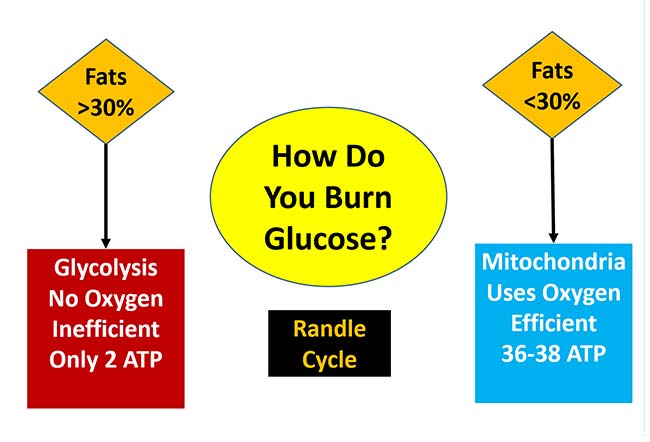
Your mitochondria can only burn one fuel at a time — either fat or glucose. As illustrated above, fats are broken down in a process called beta oxidation into acetyl-co A, which gets fed into the Krebs cycle. Carbs are broken down to pyruvate, which cannot enter the electron transport chain until they are converted to Acetyl-Co-A by pyruvate dehydrogenase.
The key here is that there’s a stealth switch that controls which of these fuels your mitochondria will burn. The switch has been given the name the Randle Cycle, but it is more helpful to visualize it as a railroad switch that changes the tracks of the train. The train can only travel down one track: not both. This is because only one type of fuel can be burned at a time.
Burning glucose in your mitochondria creates more energy and fewer ROS, raises your metabolic rate, and produces carbon dioxide, which protects against oxidative (reductive) stress and oxygenates cells. All of these things will help protect your brain function.
In a best-case scenario, you will metabolize, or burn, glucose in your mitochondria with minimal reductive stress. When you do this, you will only generate 0.1% ROS.
This route is also incredibly efficient at energy production, creating 36 to 38 adenosine triphosphates (ATP) for every molecule of glucose that is metabolized. However, for this to occur, you need to consume less than 30 to 40% of your calories as fat. When you consume significantly more than that amount, the switch changes to burn fat in your mitochondria and your ability to burn glucose will be impaired.
Chronically oxidizing fats as your primary fuel will also tend to increase your cortisol level, resulting in chronic inflammation, both of which accelerate the aging process.
So, in summary, burning glucose in your mitochondria creates more energy and fewer ROS, and raises your metabolic rate. It also produces carbon dioxide as a byproduct, which protects against oxidative (reductive) stress and oxygenates cells. All these things will help protect your brain function.
For more details about the Randle Cycle and how your metabolism works, see “Crucial Facts About Your Metabolism” and “Crucial Facts About Your Metabolism, Part 2.”
Gut Problems Also Likely Cause of Parkinson’s Disease
A new study6 in the October 2023 issue of Molecular Psychiatry showed that the presence of damaged mitochondrial DNA in the bloodstream is sufficient to cause all symptoms of Parkinson’s disease. The mitochondrial debris is then activated by the endotoxin (lipopolysaccharide) receptor TLR4.
Endotoxin is produced in your gut when you eat fermentable carbs that you are unable to digest in your stomach and small intestine. The carbs then travel to the large intestine, where they fuel the growth of gram-negative bacteria that grow and die. When they die, the endotoxin in their cell wall is released, activating the TLR4 receptor.
The Ray Peat approach is to increase the amount of simple carbs in your diet so your mitochondria can be optimally fueled. But there is strict caution to avoid fermentable carbs for the very reason that they can create endotoxin and activate the TLR4 receptor.
When introducing carbs, it is important to do it slowly, and make sure you are not having digestive symptoms like belching, bloating or gas, which are signs that the carbs aren’t being digested in your upper digestive system. If this is the case, you will need to use small amounts of fruit juices without pulp until your gut can digest the carbs without symptoms.
Lion’s Mane Mushroom May Protect Your Cognitive Function
In addition to basic micronutrients, a number of other supplements can also help protect your cognitive function. One interesting one is lion’s mane mushroom (Hericium erinaceus), which has a long history of use in traditional medicine.
Buddhist monks, for example, traditionally used lion’s mane mushroom tea to enhance brain function and heighten focus. In modern times, several studies have confirmed lion’s mane’s neuroprotective and cognition-enhancing effects, including the following:
| A 2023 study7 found that Lion’s mane extract can enhance memory by promoting neuron projections and connections to other neurons. |
| In a 2020 study,8 patients with mild Alzheimer’s disease who were given three 350-milligram capsules of lion’s mane mushroom per day for 49 weeks improved their cognitive test scores. |
| An epidemiological study9 published in 2017, which included 13,230 participants 65 years of age and older, found those who ate mushrooms at least once a week had “a lower risk of incident dementia, even after adjustment for possible confounding factors.” The greatest risk reduction was among those ate mushrooms three times or more per week. |
| A similar but smaller study10 published in 2019 reported that those who ate the most mushrooms had a 43% lower risk of developing mild cognitive impairment, independent of confounding factors such as alcohol consumption, cigarette smoking and high blood pressure. |
| A 2016 study found extracts from lion’s mane mushroom reduced symptoms of memory loss in mice and prevented neuronal damage caused by amyloid beta plaques known to accumulate in the brain with Alzheimer’s disease. |
| A 2010 study11 involving seniors between the ages of 70 and 74 found higher intakes of fruits, vegetables, grain products and mushrooms improved cognitive performance. |
You can consider adding mushrooms like lion’s mane to your diet as they can be an excellent addition to nearly any meal. They complement all kinds of grass-fed meats and wild-caught fish, go well in nearly any salad and can be added to soups, casseroles and other meals.
However, it is crucial to choose organically grown mushrooms as fungi easily absorb air and soil contaminants. Alternatively, you could opt for an organic supplement or extract.
- 1, 4 Nutrients September 25, 2023; 15(9): 4129
- 2 Medical News Today October 2, 2023
- 3 Nutrients September 25, 2023; 15(9): 4129, Section 6.1.1
- 5 Cell Reports May 29, 2018; 23(9): 2550-2558
- 6 Molecular Psychiatry October 2, 2023
- 7 Journal of Neurochemistry, 2023; doi: 10.1111/jnc.15767
- 8 Frontiers in Aging Neuroscience, 2020;12
- 9 Journal of the American Geriatrics Society, 2017;65(7)
- 10 Journal of Alzheimer’s Disease, 2019;68(1)
- 11 British Journal of Nutrition, 2010;104(8)
The Wide-Ranging Health Benefits of Quercetin
Reproduced from original article:
https://articles.mercola.com/sites/articles/archive/2023/10/05/health-benefits-of-quercetin.aspx
The original Mercola article may not remain on the original site, but I will endeavor to keep it on this site as long as I deem it to be appropriate.
Analysis by Dr. Joseph Mercola Fact Checked October 05, 2023

STORY AT-A-GLANCE
- Quercetin is a natural antihistamine with anti-inflammatory, antioxidant and antiviral properties
- This natural flavonoid is useful for boosting heart health, relieving allergy symptoms, supporting liver health and more
- Quercetin acts as a zinc ionophore, helping to shuttle zinc through the cellular membrane and into the cell, which is crucial for stopping virus replication
- Rich sources of quercetin include apples — especially the skins — onions, broccoli, cherries, berries and green tea
- I recommend keeping quercetin in your medicine chest for times when you feel you’re coming down with something, such as a cold or influenza
Quercetin is one of more than 4,000 known flavonoids,1 compounds that contribute to the bitterness, astringency, flavor, aroma and oxidative stability of many fruits, berries and vegetables.
Quercetin, in particular, is a plant pigment and natural antiviral agent2 found in foods such as onions, apples, plums and green tea, which also combats inflammation and works as a natural antihistamine.
I recommend keeping quercetin in your medicine chest for times when you feel you’re coming down with something, such as a cold or influenza. However, there’s also good reason to include plenty of quercetin-rich foods in your diet on a regular basis, as it offers multiple benefits to your health.
Quercetin Supports Heart Health
Quercetin exerts a range of biological activities that have a positive role in heart disease, including:3
| Anti-inflammatory | Antihypertensive | Vasodilator effects |
| Antiobesity | Antihypercholesterolemic | Antiatherosclerotic |
In one study of 30 men with coronary heart disease, consuming quercetin-rich red grape polyphenol extract led to an increase in flow-mediated dilation of arteries, which can signal improved endothelial health.4 It also inhibits platelet aggregation and has vasorelaxant properties that help lower blood pressure and prevent cardiac hypertrophy, in which the heart muscles thickens.
Another benefit to quercetin is its potential to lower uric acid levels,5 elevated levels of which are linked to an increased risk of heart disease and stroke,6 not to mention gout insulin resistance and Type 2 diabetes. Dr. David Perlmutter told Yahoo:7
“While we’ve known for decades about how uric acid increases the risk of gout, this new understanding about the role it plays in stroke is really encouraging, since there’s so much we can do to bring our uric acid levels under control. In fact, there’s great research showing how the nutrient quercetin can substantially lower uric acid levels.”
Perlmutter suggests supplementing with 500 milligrams (mg) of quercetin along with 100 mg of luteolin for a gout-lowering effect similar to that induced by the gout drug Allopurinol.8
This natural compound is also useful for optimizing cholesterol levels, as it may help inhibit oxidation of low-density lipoprotein (LDL). It also has blood pressure-lowering effects. A study on rats found daily supplementation reduced systolic blood pressure by 18% and diastolic by 23%.9
In addition, a six-week trial on overweight humans at high risk of heart disease also found that quercetin — at a dose of 150 mg per day — reduced systolic blood pressure and oxidized LDL levels.10 It may even support a healthy weight via multiple antiobesity effects. According to Pharmacognosy Review:
“Quercetin has a specific feature which inhibits fat accumulation in maturing human fat cells and simultaneously triggers apoptosis (programmed destruction) in existing fat cells. In addition, quercetin also blocks the uptake of glucose from the blood, blocks the fat cell production, and enhances fat cell necrosis.”
Quercetin Offers Allergy Relief
In the video above, chiropractor Dr. Jin Sung highlights quercetin’s role in seasonal allergies, noting that it demonstrates the greatest anti-allergy activity among flavonoids and works by modulating the release of histamine from basophils and mast cells.11
In a study comparing quercetin with herbal water on histamine release from mast cells, quercetin inhibited cells’ release of histamine by 95% to 97%.12 Other research shows quercetin supplementation may reduce allergy symptoms such as sneezing, runny nose and itchy eyes.13 The half-life of quercetin is 3.5 to 7.5 hours, so for best results you may want to take it in divided doses.
Sung recommends a dose of 500 mg to 1,000 mg two to four times a day during allergy season to help manage the symptoms, starting with the lowest dose — 500 mg, twice a day — and gradually increasing if necessary.14
Synergistic supplements for allergy relief, which you can take along with quercetin, include stinging nettle, butterbur extract, mangosteen extract, ginger, vitamin C and vitamin D.15
Download this Article Before it Disappears
Powerful Antiviral Effects
In addition to offering antioxidant, anti-inflammatory, anticancer, antimicrobial and immune-modulating properties, quercetin acts as a zinc ionophore.16 These work by shuttling zinc through the cellular membrane and into the cell, which is crucial for stopping virus replication. This is part of what makes it so useful during cold and flu season due to its antiviral effects.
Quercetin was initially found to provide broad-spectrum protection against SARS coronavirus in the aftermath of the 2003 SARS epidemic.17,18,19 A number of studies have also shown quercetin, when used early, also lowers your risk of hospitalization and death from COVID-1920 and improves clinical outcomes.
In one study, patients with COVID-19 who received quercetin along with standard care recovered faster and had less severe symptoms.21
Other viruses known to respond to quercetin include adenovirus, herpes simplex virus, Japanese encephalitis virus, and respiratory syncytial virus (RSV).22 If you’re prone to colds and flu, you could consider taking quercetin for a couple of months before cold and flu season hits to boost your immune system.
Quercetin likely drives zinc into the cell to inhibit viral replication and also works synergistically with vitamin C, which enhances plasma quercetin levels,23 so consider using both together for best results. According to a Frontiers in Immunology review article:24
“There is evidence that vitamin C and quercetin co-administration exerts a synergistic antiviral action due to overlapping antiviral and immunomodulatory properties and the capacity of ascorbate to recycle quercetin, increasing its efficacy.”
Help to Keep Gray Hair Away
Research suggests the use of onion juice as a natural, topical treatment to support hair regrowth,25 and one reason could be due to quercetin. In addition to helping reduce inflammation,26 quercetin enhances the expression of the antioxidant enzyme catalase27 in your scalp, which helps break down hydrogen peroxide that contributes to cell damage and thinning hair.28
By breaking down hydrogen peroxide, catalase — and by extension, quercetin — may also be beneficial for slowing down hair graying. Hydrogen peroxide is a well-known tool for bleaching your hair, but many people aren’t aware that your hair cells make hydrogen peroxide, too.
As you age, the amount produced increases, which researchers believe ultimately bleaches out your hair pigment, turning your hair gray and then white.29
Quercetin is well known for maintaining oxidative balance in the body, both by inhibiting and alleviating oxidative stress.30 This is another way that it may help keep gray hair away. Oxidative stress is the state in which your body’s free radicals (from pollution, poor diet, stress) outnumber your antioxidant defenses (from healthy diet).
Graying hair may be an indicator of oxidative stress-induced damage.31 Research has also shown that people with premature graying had a higher level of pro-oxidants and lower levels of antioxidants than those with normal hair.32 As researchers noted in the FASEB Journal, compounds that slow oxidative stress, such as quercetin, may be useful for slowing down or stopping hair graying.33
Support for Vision, Liver Health and Tumor Regression
Other reasons to embrace quercetin-rich foods include its promise for helping to protect vision, with researchers describing its potential effects on degenerative retinal diseases, noting, “Some polyphenols, especially flavonoids (e.g., quercetin and tannic acid), could attenuate light-induced receptor damage and promote visual health benefits.”34
Additional research published in the August 2019 issue of Phytotherapy Research concluded quercetin has a beneficial impact on nonalcoholic fatty liver disease (NAFLD) “by ameliorating inflammation, oxidative stress and lipid metabolism.”35
It may also be useful for fighting cancer. According to research published in 2016, quercetin may trigger tumor regression by interacting with your DNA and activating the mitochondrial pathway of apoptosis (the programmed cell death of damaged cells).36 Quercetin was found to induce cytotoxicity in leukemic cells, and the effect was dose-dependent.
Limited cytotoxic effects were also found in breast cancer cells. Overall, quercetin increased the lifespan of at least 40% of mice with cancer fivefold compared to untreated controls. The authors attributed these effects to quercetin’s direct interaction with DNA and its activation of the mitochondrial pathway of apoptosis, and suggested quercetin’s potential use as a cancer therapy adjunct deserves further exploration.
Quercetin may also act as a senolytic agent against senescence-mediated cancer growth.37 Cellular senescence is a dynamic and multistep process associated with alterations in metabolic activity and gene expression.38 This can compromise tissue regeneration and contribute to aging.
On the other hand, by removing senescent cells, which are similar to nonreplicating cancer cells that secrete powerful proinflammatory cytokines that destroy your health, age-related dysfunction can be attenuated and potentially extend lifespan.
What Are the Best Sources of Quercetin?
Quercetin is found in many foods, including citrus fruits, green leafy vegetables, broccoli, apples, onions, green tea, red grapes, dark cherries and berries, such as blueberries and cranberries. Among these, the highest levels are found in apples — especially the skins — onions, broccoli, cherries, berries and green tea.39
For an especially concentrated source, consider onion skins. They may have 77 times more quercetin than the flesh.40,41 While consuming onion skins may be unpalatable, consider sipping on a broth made from onion peels for more potent therapeutic effects. Quercetin is also found in medicinal products such as Ginkgo biloba, St. John’s Wort (Hypericum perforatum) and elderberry (Sambucus canadensis).
If you’re using quercetin in supplement form, consider taking it at night (with zinc) before you go to bed and you haven’t eaten for at least three to four hours. If you are metabolically flexible, you will dive into nutritional ketosis while you sleep.
The other benefit of taking quercetin at night is to take advantage of its senolytic action to remove senescent cells. You can further optimize quercetin’s senolytic properties if you take it while you are fasting.
- 1 Nutrients. 2010 Dec; 2(12): 1231–1246
- 2 Journal of Infectious Diseases and Preventive Medicine May 24, 2014; 2: 111
- 3, 4, 10, 22, 39 Pharmacogn Rev. 2016 Jul-Dec; 10(20): 84–89
- 5 British Journal of Nutrition January 20, 2016
- 6 Cureus. 2021 Sep; 13(9): e18172
- 7, 8, 41 Yahoo September 22, 2023
- 9 Br J Pharmacol. 2001 May; 133(1): 117–124
- 11, 14, 15, 16 YouTube, Dr. Jin W. Sung May 10, 2022
- 12 J Herb Pharmacother. 2003;3(4):41-54
- 13 European Review for Medical and Pharmacological Sciences 2022; 26: 4331-4345
- 17 Journal of Virology Sep 2004, 78 (20) 11334-11339
- 18 Bioorg Med Chem. 2006 Dec 15;14(24):8295-306
- 19 Maclean’s February 24, 2020
- 20 International Journal of General Medicine June 8, 2021; 14: 2359-2366
- 21 Int J Gen Med. 2021; 14: 2807–2816
- 23 Journal of the American Dietetic Association 2011 Apr;111(4):542-9
- 24 Frontiers in Immunology June 19, 2020 DOI: 10.3389/firmmu.2020.01451
- 25 J Dermatol. 2002 Jun;29(6):343-6. doi: 10.1111/j.1346-8138.2002.tb00277.x
- 26, 28 Woman’s World July 23, 2023
- 27, 30 Molecules. 2019 Mar; 24(6): 1123
- 29 FASEB J. 2009 Jul;23(7):2065-75
- 31, 33 FASEB J. 2006 Jul;20(9):1567-9
- 32 Int J Trichology. 2015 Jul-Sep;7(3):91-4
- 34 Molecules. 2021 Jun 4;26(11):3407. doi: 10.3390/molecules26113407
- 35 Phytotherapy Research August 26, 2019 DOI: 10.1002/ptr.6486
- 36 Scientific Reports April 12, 2016; 6 Article Number: 24049
- 37 Nutrition Research, 2022; 104
- 38 Frontiers in Cell and Developmental Biology, 2021; doi: 10.3389/fcell.2021.645593
- 40 Journal of Cleaner Production September 10, 2019
Why You Should Never Take Antacids for Digestive Reflux
Reproduced from original article:
https://articles.mercola.com/sites/articles/archive/2023/09/27/never-take-antacids-for-digestive-reflux.aspx
The original Mercola article may not remain on the original site, but I will endeavor to keep it on this site as long as I deem it to be appropriate.
Analysis by Dr. Joseph Mercola Fact Checked September 27, 2023
STORY AT-A-GLANCE
- Proton pump inhibitors (PPIs) inhibit acid production in your stomach and are routinely used to treat acid reflux. An estimated 15% of the U.S. population are on PPIs. Antacids like Tums neutralize acid in your stomach but don’t block production. They’re the least harmful, as their effects are temporary. Be sure to read the ingredients list, however, as many acid neutralizing medications contain aluminum hydroxide, a toxic compound that impairs your body’s zeta potential
- If you regularly suffer from heartburn or acid reflux, inhibiting acid production is actually the last thing you want to do
- Acid reflux occurs when contents from your stomach back up into your esophagus, causing stomach acid to irritate the lining of your esophagus. However, excess acid is not the problem. Low acid is, because the lower esophageal sphincter (LES) is pH sensitive and only closes once sufficient acidity is present in the stomach
- Other causes of heartburn include hiatal hernia, medications and foods that relax the LES, foods that irritate the stomach, obesity, smoking and helicobacter pylori infection
- PPIs and antacids are inadvisable as none of the potential underlying causes involves excess stomach acid. What you need is more acid. Long term use of PPIs can compromise your health, as insufficient stomach acid has been linked to asthma, GI-related issues, skin diseases, depression, gallbladder disease, migraines, macular degeneration, osteoporosis and a variety of autoimmune conditions
Americans spend a whopping $13 billion a year on over-the-counter (OTC) antacids (acid neutralizers) and prescription proton pump inhibitors (PPIs), which are the most popular antireflux medications on the market.1 It’s estimated that over 27% of Americans are taking antacids, and more than 15% are on PPIs.2,3
PPI drugs like Nexium, Prevacid and Prilosec inhibit acid production in your stomach and are routinely used to treat acid reflux, a condition affecting about 20% of the U.S. population.4 Once prescribed, your doctor may keep you on a PPI drug for years, despite label warnings suggesting they be used only for short periods.
Antacids like Tums neutralize acid in your stomach but don’t block production. As such, they’re the least harmful, as their effects are temporary. That said, many acid neutralizing medications contain aluminum hydroxide, a toxic compound that impairs your body’s zeta potential,5 so be sure to read the ingredients.
If you regularly suffer from heartburn or acid reflux and are using prescription PPIs or OTC antacids, you’ll want to pay careful attention to this article, as inhibiting acid production is the last thing you want to do.
In a September 16, 2023, Substack article,6 A Midwestern Doctor took a deep dive into the problems caused by acid-suppressing medications, and how to properly address acid reflux.
As noted in that article, PPIs top the list of medications that are routinely prescribed despite providing minimal benefit and causing real harm. I’ll review some of the highlights from that article here, but if you want more, I highly recommend reading his article, “Stomach Acid Is Good For You,”7 in its entirety.
The Primary Cause of Acid Reflux
Acid reflux occurs when contents from your stomach back up into your esophagus, causing stomach acid to irritate the lining of your esophagus. Other common names for this condition include acid indigestion, acid regurgitation, heartburn and gastroesophageal reflux disease (GERD).
If you experience acid reflux symptoms more than twice a week, you very likely have reflux disease or GERD, which involves bloating, burning pain in your chest and gut discomfort.
Now, because stomach acid is involved, and the word “acid” connotes the idea of “burning,” it’s commonly believed that excess stomach acid is the problem. Indeed, the entire antacid industry is built around this idea.
Acid reflux occurs when contents from your stomach back up into your esophagus, causing stomach acid to irritate the lining of your esophagus. However, excess acid is not the problem. Low acid is, because the lower esophageal sphincter is pH sensitive and only closes once sufficient acidity is present in the stomach.
Unfortunately, that’s completely backward. Acid reflux is typically caused by a deficiency in stomach acid, not excess. How is this possible? It’s rather simple, actually. As explained by A Midwestern Doctor:8
“The lower esophageal sphincter is pH sensitive and only closes once sufficient acidity is present in the stomach (which makes sense since otherwise food would not be able to get to the stomach in the first place, but once it’s there, you need a way to keep it from getting back into the throat).”
Other Causes of Heartburn
When low acid is not the cause of heartburn, the culprit can any of the following:
| A hiatal hernia — The hernia basically forces the LES open, allowing gastric juices to back up into your throat9 | Helicobacter pylori infection10 — One 2012 study found 82.5% of GERD patients tested positive for H. pylori infection11 |
| Obesity12 | Smoking, by interfering with the LES function13 |
| Certain medications can relax the LES, including bronchodilators, calcium channel blockers (blood pressure meds), valium, nitroglycerine and opioids14 | Foods, including fats, chocolate, caffeinated beverages, peppermint and spearmint, sugar, onions and alcohol can also weaken the LES15 |
| Foods that irritate your stomach can trigger reflux. Common irritants include citrus fruits, tomato, spicy foods, carbonated beverages, coffee and high-lectin foods16 |
In all these cases, the solution is to address the underlying problem, which would be to fix the hernia, treat the H. pylori infection, lose weight, quit smoking, minimize use of the offending drug (be sure to discuss alternatives with your doctor) and not eat the foods that are causing your LES to relax or that irritate your stomach.
OTC antacids and PPIs are entirely the wrong approach, regardless of the underlying cause, because none of the underlying causes of acid reflux have anything to do with excess stomach acid.
These drugs will reduce what little acid you have, leaving less to be regurgitated, but they basically ensure you’ll never get better. What’s worse, over time, low acid can contribute to a whole host of other health problems.
Download this Article Before it Disappears
The Purpose of Stomach Acid
Stomach acid serves several important functions, such as breaking down proteins, killing ingested pathogens, ensuring optimal nutrient absorption and regulating the rest of the digestion process.
If you use acid blockers, you’re compromising your entire digestive system, which can have downstream effects. For example, poor protein digestion increases your risk of food allergies.17 As reported by A Midwestern Doctor, there are clear links between insufficient stomach acid and a variety of health conditions, the following in particular:18
| Asthma | GI-related issues |
| Skin diseases | Depression |
| Gallbladder disease | Migraines |
| Macular degeneration | Osteoporosis |
| Autoimmune conditions, including but not limited to Celiac disease, Type 1 juvenile diabetes, Grave’s disease (hyperthyroid), lupus, multiple sclerosis (MS), rheumatoid arthritis and ulcerative colitis |
Low stomach acid can also have a detrimental impact on your immune function by allowing harmful pathogens such as bacteria and viruses to enter your GI tract. For example, a 2021 systematic review19 found that patients taking PPIs had a 77% higher risk of dying from COVID infection than those who did not take these drugs.
Low stomach acid has also been linked to impaired nutrient absorption, an 80% increased risk of stomach cancer,20 19% increased risk of death,21 28% increased risk of a major cardiac event,22 74% increased risk of kidney disease23 (and a 142% increased risk of death for these patients), 37% increased risk for pneumonia24 and a 33% increased risk for dementia.25
So, one of the take-home messages from this is that acid reflux is also a warning sign that other bodily systems may be adversely impacted. The good news is that all these related conditions can be improved by addressing the acid reflux the right way, which is to increase the acidity of your stomach so that the pH-sensitive esophageal sphincter can close properly.
What Causes Stomach Acid Insufficiency?
Before we address how to increase stomach acid, let’s review why it happens in the first place. Stomach acid production is known to decrease with age, and diet likely plays an important role in that decline. Stomach acid is made from hydrogen and chloride, and processed foods frequently do not contain the dietary sources of these components.
Hydrogen-rich foods include fresh fruits, vegetables, proteins and whole grains,26 while high amounts of chloride are found in salt, seaweed, rye, tomatoes, lettuce, celery and olives.27
Certain autoimmune conditions can also attack acid producing cells in your stomach, causing production to decline. H. pylori infections in your stomach will lower acid production as well. Mitochondrial dysfunction may also be a major part of the puzzle. As explained by A Midwestern Doctor:
“Stomach acid production is an energy intensive process (hence the cells which make stomach acid having a large number of mitochondria), and I have long suspected that mitochondrial dysfunction … is partly responsible for declining stomach acid levels.”
Importantly, PPIs will shut down acid production, and the longer you’re on them, the less acid your body will produce. As a result, it can be extremely difficult to stop using these drugs.
As soon as you stop taking them, you’ll experience rebound, and the rebound won’t stop until your stomach acid level is normalized and the LES starts closing properly, which in some long-term use cases can take up to two years.28
Talk to Your Doctor About Getting Off PPIs
Considering the dangers posed by PPIs, you do need to get off these drugs though. The best and safest way to do that is to work with your doctor to lower the dose you’re taking while simultaneously implementing the following lifestyle modifications:
- Avoid reflux triggers and/or any food that irritates your stomach
- Avoid processed foods and sugar
- Eat a Mediterranean diet, focused on fruits, healthy fats, lean meats, nuts and vegetables. Research published in the Journal of the American Medical Association Otolaryngology — Head & Neck Surgery found a Mediterranean diet was as effective as PPIs in treating acid reflux symptoms29
- Reseed your gut with beneficial bacteria from traditionally fermented foods or a high-quality probiotic supplement
- Thoroughly chew each bite of food
Once you get down to the lowest dose of the PPI, you can start substituting with an over-the-counter H2 blocker like Pepcid (famotidine) which appears to be the safest of all the options out there. Then, gradually wean off the H2 blocker over the next several weeks.
Natural Remedies for Treating Occasional Reflux Problems
If you suffer from occasional heartburn, indigestion and other minor reflux symptoms, forgo the PPIs and OTC antacid medications and try one or more of the following nondrug alternatives instead:30,31,32,33,34
| Aloe juice — The juice of the aloe plant naturally helps reduce inflammation, which may ease symptoms of acid reflux. Drink about one-half cup of aloe juice before meals. To avoid its laxative effect, look for a brand in which the laxative component has been removed. |
| Apple cider vinegar (raw, unfiltered) — Take 1 tablespoon of raw unfiltered apple cider vinegar in a large glass of water before or directly after meals. |
| Astaxanthin — When compared to a placebo, this potent antioxidant was found to reduce symptoms of acid reflux, especially for individuals with pronounced H. pylori infection.35 The researchers concluded a daily dose of 40 mg of astaxanthin was effective for reflux reduction. |
| Baking soda — One-half to 1 teaspoon of baking soda (sodium bicarbonate) in an 8-ounce glass of water or orange juice will help neutralize your stomach acid and ease the burn of acid reflux. While I do not advise this as an ongoing remedy, it is effective on an “emergency” basis when you are in excruciating pain. |
| Ginger root — Ginger has a gastroprotective effect by suppressing H. pylori. It also accelerates gastric emptying which, when impaired, contributes to heartburn. Add two or three slices of fresh ginger root to 2 cups of hot water and let it steep for several minutes. Drink it about 20 minutes prior to your meal. |
| Sauerkraut — Consuming sauerkraut or cabbage juice will stimulate your body to produce stomach acid. |
| Glutamine — The amino acid glutamine has been shown to address gastrointestinal damage caused by H. pylori. Glutamine is found in many foods, including beef, chicken, dairy products, eggs, fish and selected fruits and vegetables. L-glutamine is widely available as a supplement. |
| Ripe papaya or a papain supplement — Papaya contains papain, an enzyme useful for breaking down both protein and carbohydrates. |
| Fresh pineapple or bromelain supplement — Bromelain is a proteolytic enzyme found in pineapple that helps digest proteins. |
| Pepsin supplement — Like bromelain, pepsin is a proteolytic enzyme involved in protein digestion.36 |
| Betaine HCI supplement — Betaine HCl is the hydrochloride salt of betaine, not to be confused with betaine or trimethylglycine (TMG). As noted in a 2020 review paper:37 “… the most common recommendation for the use of betaine HCl supplements is usually implemented using an empirical test for low stomach acid whereby increasing doses of betaine HCl are given during sequential meals until such time as an uncomfortable sensation is noticed by the patient.
Along with improvements in symptoms of dyspepsia (or laboratory analysis of improved protein digestion), the lack of side effects acts as an empirical confirmation that low gastric acid production was contributing to poor digestion and/or dyspeptic symptoms.” |
| Bitters — Bitters have a long history of use in herbal medicinal traditions to promote digestion and/or to relieve digestive complaints.38 |
| Slippery elm — Slippery elm coats and soothes your mouth, throat, stomach and intestines, and contains antioxidants that may help address inflammatory bowel conditions. Because it stimulates nerve endings in your gastrointestinal tract, it is useful for increasing mucus secretion, which has a protective effect against ulcers and excess acidity. |
| Vitamin D — Vitamin D is important for your gut health. Once your vitamin D levels are optimized, you will benefit from your body’s production of about 200 antimicrobial peptides that will help eradicate gut infections. |
| Zinc — Your stomach needs zinc to produce stomach acid, so make sure your body has the necessary raw ingredients. The recommended daily amount for adults is 8 to 11 mg. Zinc rich foods include oysters, lobster, beef, cashew nuts, beans and raw yogurt. A zinc supplement can be used if you rarely eat these foods.39 |
- 1 Time September 7, 2017
- 2, 5, 6, 7, 8, 9, 14, 15, 16, 18, 28 Midwestern Doctor Substack September 16, 2023
- 3 Therapeutic Advances in Gastroenterology 2018; 11: 1756284818777943
- 4 The Surgical Clinic. What Is GERD?
- 10 Acta Biomedica 2018; 89(Suppl 8): 40–43, H. pylori and reflux disease
- 11 JSLF April-June 2012; 16(2): 260–263
- 12 Acta Biomedica 2018; 89(Suppl 8): 40–43, Conclusion
- 13 Acta Biomedica 2018; 89(Suppl 8): 40–43, Reflux disease and esophagitis, definition and pathophysiology and Conclusion
- 17, 33, 37, 38 Integr Med February 2020; 19(1): 32-36
- 19 World Journal of Clinical Cases April 26, 2021; 9(12): 2763-2777
- 20 Cancers July 2022; 14(13): 3052
- 21 Gastroenterology June 30, 2022; 163(4): 852-861
- 22 International Journal of Cardiology August 10, 2013; 167(3):965-974
- 23 British Journal of Clinical Pharmacology December 23, 2020; 87(7): 2967-2976
- 24 Ann Pharmacother May 2022; 56(5):524-532
- 25 Neurology August 9, 2023 DOI: 10.1212/WNL.0000000000207747
- 26 Life Persona 10 Foods Containing Hydrogen
- 27 Mount Sinai Chloride in Diet
- 29 Journal of the American Medical Association Otolaryngology – Head & Neck Surgery September 7, 2017; doi: 10.1001/jamaoto.2017.1454
- 30 Health January 25, 2016
- 31 Everyday Roots, 15 Natural Remedies for Heartburn & Severe Acid Reflux
- 32, 36, 39 Medical News Today 6 Ways to Increase Stomach Acid
- 34 Drugwatch PI Alternatives
- 35 Phytomedicine June 2008; 15(6-7): 391-9