Processed Food
now browsing by category
This Silent Health Crisis Is Now Affecting Nearly 800 Million People
Reproduced from original article:
https://articles.mercola.com/sites/articles/archive/2026/08/25/chronic-kidney-disease-worldwide.aspx
Analysis by Dr. Joseph Mercola August 25, 2026

Story at-a-glance
- Chronic kidney disease now affects an estimated 788 million adults worldwide, roughly one in seven adults, making it one of the largest and fastest-growing chronic health challenges on the planet
- Most people with kidney disease are in the early stages and often have no obvious symptoms, allowing damage to progress silently for years before it’s discovered
- Kidney disease extends far beyond the kidneys themselves; impaired kidney function contributes to more than one in 10 cardiovascular deaths worldwide by increasing strain on the heart and blood vessels
- High fasting blood sugar, high blood pressure, and excess body weight were identified as leading contributors to kidney disease-related disability and premature death, highlighting the importance of metabolic health
- Taking action early by improving blood sugar control, supporting healthy blood pressure, eating potassium-rich whole foods, staying physically active, and monitoring kidney function offers the best opportunity to preserve kidney health long term
Chronic kidney disease is a gradual loss of your kidneys’ ability to filter waste, balance fluids, and regulate the minerals your body depends on. What makes it so dangerous is how quietly it begins. Early on, you may notice nothing at all, or you may shrug off vague signs like fatigue, swelling in your legs or feet, or subtle changes in urination. By the time the damage makes itself obvious, much of it has often already been done.
That silence is exactly what makes a recent global analysis so unsettling. Drawing on health data spanning more than three decades and hundreds of countries and territories, researchers set out to measure how far this condition has actually spread, and what they uncovered suggests it has become one of the most widespread chronic threats to human health, with consequences that reach well past the kidneys and into the heart itself.1
The detail that deserves your attention most, though, isn’t the sheer size of the problem. It’s that the majority of people whose kidneys are already in trouble have no idea, because the early stages do their damage without raising an alarm. That gap, between how common this condition has become and how rarely it gets caught in time, is the real story. And it starts with what this landmark analysis revealed about the true scope of the crisis.
Kidney Disease Quietly Became One of the World’s Biggest Health Threats
Published in The Lancet, this global analysis examined chronic kidney disease trends across 204 countries and territories between 1990 and 2023. Researchers drew on published studies, household surveys, treatment registries, and national health records to determine how many adults were affected, how many died from the condition, and which risk factors contributed most heavily to the burden of disease.2
Their findings revealed that chronic kidney disease is no longer a niche medical problem; it’s become one of the largest health challenges facing adults worldwide.
• The number of affected adults more than doubled in three decades — According to the analysis, 788 million adults were living with chronic kidney disease in 2023, compared to 378 million in 1990. Researchers reported that the global prevalence reached 14.2% of adults, meaning roughly one in seven adults now has some level of kidney damage or impaired kidney function.3
For you, that reframes the question — kidney disease is no longer a problem confined to a high-risk few, which means the odds it’s relevant to you personally are higher than you might assume.
• Most people are stuck in the silent stages — The overwhelming majority of cases occurred in stages 1 through 3. These are the earlier phases of kidney disease, when the kidneys still perform much of their job but damage has already begun. Researchers estimated that stage 1 through stage 3 disease accounted for a combined prevalence of 13.9% of adults worldwide.
This matters because early kidney disease rarely causes obvious symptoms. You can feel completely normal while damage progresses in the background. That creates a challenge, but it also creates an opportunity. If you identify the problem early, you have a much larger window to address the factors that drive further decline.
• Kidney disease reaches far beyond the kidneys themselves — The analysis found that chronic kidney disease ranked as the ninth leading cause of death globally in 2023, accounting for approximately 1.48 million deaths. Researchers also calculated that impaired kidney function contributed to 11.5% of cardiovascular deaths worldwide.
Unhealthy kidneys place extra stress on your entire circulatory system. Your kidneys help regulate fluid levels, blood pressure, and numerous chemical signals throughout the body. As kidney function declines, the strain extends to the heart and blood vessels, increasing the likelihood of serious cardiovascular problems.
• Blood sugar emerged as the biggest contributor to kidney-related health loss — When researchers compared risk factors, high fasting blood glucose accounted for the largest share of kidney-related disability-adjusted life years — a measure that combines years lost to illness and to premature death — at 31.9%. High systolic blood pressure (24.5%) and excess body weight (23.5%) followed closely behind, while dietary factors accounted for 17.6%.
Because these figures come from an observational analysis, they show how strongly each factor is associated with kidney-related health loss — not that any one directly causes it. Even so, improving blood sugar control, maintaining healthy blood pressure, and managing excess weight may help address the factors contributing the greatest share of kidney-related health loss worldwide.
• Age dramatically increased the burden, but the trend affected all adults — Researchers observed that both the prevalence and severity of chronic kidney disease rose steadily with age. More advanced stages became increasingly common among older adults, while the contribution of high blood pressure to kidney-related disease burden also increased with advancing age.
Yet the findings were not limited to seniors. The study focused on adults beginning at age 20, highlighting that kidney damage often develops decades before severe symptoms appear. If you think of kidney health as a long-term challenge rather than an old-age problem, you gain a major advantage. Every positive step you take today gives your kidneys a better chance of functioning well years from now.
Support Your Kidney Health and Lower Your Risk
The findings from this global analysis point to a simple reality: Chronic kidney disease rarely begins in the kidneys alone. The biggest contributors were high blood sugar, high blood pressure, and excess body weight. That means the most effective strategy is to address the metabolic and lifestyle factors that place stress on your kidneys year after year.
High blood pressure deserves special attention because it doesn’t just accompany kidney disease — it also contributes to it. Over time, elevated pressure damages the tiny blood vessels inside your kidneys, reducing their ability to filter waste efficiently, while declining kidney function often pushes blood pressure even higher. The earlier you address the factors that strain both your blood vessels and your kidneys, the greater your opportunity to preserve kidney function for decades.
The following strategies are for prevention and early-stage risk reduction; anyone with diagnosed kidney disease should treat potassium, protein, and fluid targets as clinician-directed, because the right numbers flip once function is significantly impaired.
1. Make blood sugar control your first priority — High fasting blood sugar was the largest contributor to kidney disease burden worldwide. When blood sugar remains elevated, excess glucose damages the small blood vessels that allow your kidneys to filter waste effectively. Focus on improving metabolic health with whole foods, adequate protein, and healthy carbohydrates that match your activity level.
For most adults, that means approximately 250 grams of carbohydrates daily, with higher amounts if you’re physically active. Prioritize ripe fruit, root vegetables, and other nutrient-dense carbohydrate sources while eliminating ultraprocessed foods, including seed oils and sugary beverages.
Because protein is essential for maintaining muscle and metabolic health, aim for roughly 0.8 grams of protein per pound (or 1.76 grams per kilogram) of ideal body weight, with approximately one-third coming from collagen-rich sources like slow-cooked meats or bone broth.
2. Improve your blood pressure by improving your metabolism — High blood pressure ranked among the leading contributors to chronic kidney disease worldwide. Yet blood pressure often reflects deeper metabolic problems rather than an isolated condition. Excess weight, poor blood sugar control, chronic stress, and nutrient imbalances all place additional strain on your blood vessels and kidneys.
If you’re carrying excess weight, improving body composition often reduces pressure on both systems simultaneously. Daily movement, strength training, adequate sleep, and stress reduction support healthy blood pressure while helping protect your kidneys from further wear and tear. Even a daily walking routine creates meaningful improvements over time.
3. Restore a healthy sodium-to-potassium balance — Many people focus exclusively on reducing salt, but healthy blood pressure depends heavily on maintaining the proper balance between sodium and potassium. The larger problem is that most dietary sodium comes from ultraprocessed foods that contain very little potassium while delivering excess sugar, phosphate additives, seed oils, and other compounds that increase your kidneys’ workload.
Instead of aggressively restricting salt, focus on removing ultraprocessed foods and replacing them with whole-food potassium sources such as ripe fruit, root vegetables, and well-cooked greens. This strategy supports fluid balance, healthy blood pressure, and kidney function at the same time. It also reduces exposure to additives that place additional stress on kidney tissue.
One important exception: If you already have diagnosed kidney disease, especially stage 3b or beyond, don’t increase dietary potassium without checking with your doctor and knowing your latest labs. Once kidney function is significantly reduced, the kidneys can’t clear potassium efficiently, and too much can become dangerous. The advice to raise potassium applies to prevention and early-stage risk reduction, not to established, more advanced disease.
4. Optimize vitamin D through sensible sun exposure and daily movement — Vitamin D helps regulate the hormonal system that controls blood pressure and fluid balance. When vitamin D levels remain low, that system may become overstimulated, which research has linked to increased tension in your blood vessels and added strain on your kidneys.
Regular sun exposure helps to support vitamin D production, cellular energy generation, and healthy circulation. Aim for a vitamin D level between 60 and 80 ng/mL (150 to 200 nmol/L). If you still consume significant amounts of seed oils and other sources of linoleic acid (LA), avoid intense sun exposure until you have reduced those foods for at least six months.
This is because LA is a polyunsaturated fat that oxidizes easily, builds up in your skin, and increases your risk of skin damage. Pair sunlight with regular movement. An hour of walking, cycling, swimming, or similar activity each day improves circulation, supports healthy blood sugar levels, and reduces pressure on your kidneys’ filtering units. If you’re just getting started, even 10-minute sessions create momentum.
5. Stay hydrated, reduce unnecessary kidney stress, and screen early — For healthy kidneys, hydration helps dilute and remove waste while lowering kidney-stone risk, and thirst is usually a reliable guide. If you’ve been diagnosed with kidney disease, fluid needs can change — sometimes downward — so follow your doctor’s guidance rather than thirst alone.
Pale yellow urine also generally reflects adequate hydration. If you have a history of kidney stones, pay attention to foods high in oxalates, including spinach, sweet potatoes, and figs.
Pairing oxalate-containing foods with calcium-rich foods helps bind oxalates in your digestive tract so fewer reach your kidneys. At the same time, reduce phosphorus from processed foods, colas, and fast-food meats, since excess phosphorus disrupts mineral balance and places additional strain on kidney tissue.
If you have high blood pressure, diabetes, obesity, a family history of kidney disease, or other metabolic risk factors, make kidney screening part of your routine. Ask specifically for two tests: an eGFR (estimated glomerular filtration rate), which estimates how much blood your kidneys filter each minute, and a urine albumin-to-creatinine ratio (uACR), which catches protein leaking through damaged filters — often the earliest warning sign, before eGFR has budged.
Because early-stage kidney disease often produces no symptoms, these simple tests help identify problems long before significant damage occurs.
If you are considering kidney-function or vitamin D testing, talk to your health care provider about whether they’re appropriate for you.
FAQs About Chronic Kidney Disease
Q: What is chronic kidney disease and why is it called a silent health crisis?
A: Chronic kidney disease is a gradual loss of kidney function that often develops without obvious symptoms. Many people remain unaware they have it because early-stage kidney disease rarely causes noticeable problems. By the time symptoms become clear, significant damage has often already occurred.
Q: How common is chronic kidney disease?
A: According to the global analysis published in The Lancet, an estimated 788 million adults were living with chronic kidney disease in 2023. The condition now affects roughly one in seven adults worldwide and has more than doubled in prevalence since 1990.
Q: What are the biggest factors driving chronic kidney disease?
A: The leading contributors identified in the research were high fasting blood sugar, high blood pressure, and excess body weight. These metabolic factors damage the blood vessels that supply the kidneys and increase the strain placed on the kidneys over time.
Q: How does kidney disease affect the rest of the body?
A: Kidney disease affects far more than waste filtration. The kidneys help regulate blood pressure, fluid balance, and numerous chemical signals throughout your body. As kidney function declines, the risk of cardiovascular disease rises substantially. Researchers estimated that impaired kidney function contributes to 11.5% of cardiovascular deaths worldwide.
Q: What are the most important steps to protect kidney health?
A: Focus on addressing the root causes of kidney damage before permanent decline occurs. Maintain healthy blood sugar levels, improve blood pressure through better metabolic health, restore a healthy sodium-to-potassium balance with whole foods, optimize vitamin D through sensible sun exposure and regular movement, stay hydrated, and monitor kidney function early if you have risk factors such as diabetes, obesity, high blood pressure, or a family history of kidney disease.
This article is for informational purposes only and does not constitute medical advice. Consult a qualified health care provider before making changes to your health regimen.
Eating the wrong food is putting your immune system into attack mode
Reproduced from original article:
https://www.naturalhealth365.com/why-your-immune-system-treats-your-lunch-like-a-foreign-invader.html
by: June 12, 2026
 (NaturalHealth365) Most people understand that packaged, processed foods are not ideal for health. Far fewer understand what actually happens inside the body when those foods arrive. But a landmark McMaster University study has confirmed that the immune system actively responds to ultra-processed foods as though they are foreign threats.
Published in Nutrition and Metabolism, the study followed more than 6,000 Canadian adults. Researchers measured C-reactive protein, white blood cell counts, and other immune biomarkers through in-person clinical assessments. Notably, associations held firm after adjusting for physical activity, smoking, income, and education.
“Our bodies are seeing these as non-foods, as some kind of other element,” said senior author Anthea Christoforou.
The white blood cell finding that reframes how to think about processed food
Specifically, white blood cells are the body’s primary immune defense. Their numbers rise when the immune system detects a foreign substance that the body does not recognize. The McMaster finding places ultra-processed foods squarely in that category.
Furthermore, a separate 2025 analysis of 34,016 US adults confirmed the pattern across nine different immune-inflammation biomarkers. All of them shifted unfavorably in proportion to ultra-processed food intake.
Most importantly, those associations remained strong across all demographic groups after adjusting for major confounders.
What the immune system is responding to
Ultra-processed foods contain hundreds of ingredients that did not exist in the human food supply until recent decades. Emulsifiers break down the gut lining’s protective mucus layer. Additionally, artificial colors and preservatives introduce chemical structures that the immune system has no established tolerance for.
Consequently, the gut immune system stays in a state of constant low-grade alert in daily consumers of these products. The gut houses roughly 70% of the body’s total immune activity.
Moreover, as gut barrier integrity weakens, bacterial components cross into the bloodstream, triggering a systemic immune response that compounds the local one.
Why this matters for everyone, not just people managing chronic illness
Western medicine rarely discusses food as an immune system stressor in a clinical appointment. A patient with elevated white blood cell counts and CRP gets investigated for infection, autoimmune disease, or cancer. Nobody asks what percentage of daily calories comes from packaged, ultra-processed sources.
In fact, the McMaster data show that dietary pattern alone produces immune biomarker elevations that would concern any clinician. No disease diagnosis is required to trigger the response. Furthermore, a chronically activated immune system depletes resources available for genuine threats and accelerates cellular aging.
Steps that reduce the immune burden of the modern food environment
Remove the most immunologically active ultra-processed ingredients, starting with emulsifiers. Polysorbate 80, carboxymethylcellulose, and carrageenan appear in dozens of products marketed as healthy options. Choosing products without these compounds on the label removes one of the most direct daily immune stressors. Specifically, the gut lining begins recovering within days when these compounds are consistently removed.
Rebuild gut barrier integrity as a direct immune defense strategy. Research supports the use of L-glutamine to maintain intestinal cell integrity. Similarly, zinc carnosine has demonstrated direct protective effects on gut barrier function in human trials.
A diet rich in prebiotic fiber from organic vegetables, legumes, and whole grains feeds the beneficial bacteria that produce the short-chain fatty acids that keep the gut lining sealed.
Replace ultra-processed foods with organic whole food alternatives that actively support immune resilience. Wild-caught fish supplies omega-3 fatty acids that resolve inflammation rather than simply suppressing the immune response. Organic dark leafy greens, berries, and fermented foods such as sauerkraut and kimchi reduce chronic immune activation and train the gut immune system toward tolerance.
The immune system deserves better than a daily foreign invader
Over 60% of the average American’s daily calories come from ultra-processed foods. Every meal heavy in these products places a demand on the immune system that the immune system was never designed to sustain.
Ultraprocessed Foods Linked to 4 in 10 Cardiovascular Deaths and Increased Mortality Risk
Reproduced from original article:
https://articles.mercola.com/sites/articles/archive/2026/04/25/ultraprocessed-foods-cardiovascular-deaths.aspx
Analysis by Dr. Joseph Mercola April 25, 2026

Story at-a-glance
- Nearly 38% of cardiovascular deaths in Canada are linked to ultraprocessed foods. These products contribute to 96,000 new heart disease cases and 17,400 deaths each year
- Eating just one additional daily serving of ultraprocessed food raises your risk of obesity by 7%, abdominal fat by 5%, and Type 2 diabetes by 12%
- Ultraprocessed foods increase cognitive decline risk by 16% and stroke risk by 8%, with the strongest effects seen in Black participants
- Processed meat products like hot dogs and deli meats are linked to a 43% higher risk of death from neurodegenerative diseases and a 13% higher all-cause mortality risk
- Even small amounts of ultraprocessed food trigger inflammation, oxidative stress, and mitochondrial dysfunction that accelerate aging and drain your energy daily
Ultraprocessed foods dominate grocery store shelves today in the form of frozen dinners, packaged snacks, and fast-food items. While they offer convenience, they are engineered to hijack your appetite and flood your system with harmful compounds. These products, stripped of real nutrition and loaded with additives, trans fats, and artificial ingredients, are slowly clogging your arteries and setting you up for a heart attack or stroke.
According to a study, nearly 38% of all cardiovascular disease deaths in Canada are directly linked to ultraprocessed food consumption. That means over 17,400 Canadian lives are lost each year because of food choices that seem harmless but are quietly destroying your heart and arteries.
But it goes beyond heart disease — ultraprocessed foods damage your overall health, worsening your metabolic function, increasing inflammation, and compromising gut function. Every single packaged snack or sugary drink you consume adds up, leading you toward obesity, diabetes, neurodegenerative diseases, and even early death.
Canadian Study Points to Ultraprocessed Foods as a Massive Cause of Heart Disease
An analysis from the Department of Nutrition at the University of Montreal, commissioned by the Heart and Stroke Foundation of Canada, set out to measure how much of Canada’s heart disease and stroke burden is driven by ultraprocessed foods. They used national health data to model the impact of these foods on adults over age 20.1
• The research identified high numbers of deaths and disability tied to processed food intake — The team linked food intake data from the Canadian Community Health Survey to new cases of cardiovascular disease, deaths from heart disease and stroke, and years of life lost or spent disabled.
• Ultraprocessed foods cause nearly 100,000 cases of heart disease annually — In 2019 alone, ultraprocessed foods contributed to 96,043 cases of cardiovascular disease, 17,417 deaths, and nearly 389,000 years of life lost or spent living with chronic heart-related conditions.
• Over one-third of heart disease deaths came from eating ultraprocessed foods — The study, a first of its kind,2 was modeled using real national health data and validated risk models, not guesses or projections.
• Reducing ultraprocessed food consumption could save thousands of lives each year — According to the authors, if Canadians cut their intake of these foods by 50%, there would be 45,914 fewer new cardiovascular disease cases annually. It would also save 8,314 lives every single year.
• Men are hit hardest by ultraprocessed food-related heart problems — The highest levels of processed food consumption were seen in young men aged 20 to 24 and adults over 80. Unsurprisingly, the study found that 61% of new heart disease and stroke cases connected to these foods occurred in men. Additionally, men accounted for 52% of the related deaths.
• The damage builds up from youth and compounds with age — Poor eating habits create health problems later, with symptoms like high blood pressure, fatigue, and shortness of breath appearing when damage is already underway.
Ultraprocessed foods are engineered to make you overeat. These foods are packed with industrial ingredients like refined sugars, trans fats, and chemicals designed to override your fullness signals. The result? Overeating, weight gain, and chronic inflammation, which damage your artery walls and raise your blood clot risk.
Your Brain Also Suffers When You Eat Ultraprocessed Foods
The featured study adds to the growing evidence associating ultraprocessed food with adverse health outcomes. Another study published in Neurology3 also points out how these products damage brain function and increase the likelihood of stroke.
Focusing on cognitive decline and stroke risk in adults across the U.S., researchers from Harvard Medical School, Massachusetts General Hospital, Yale School of Medicine, and University of Alabama at Birmingham4 used data from the REasons for Geographic and Racial Differences in Stroke study (REGARDS), tracking both Black and White adults over time.
• The study found sharp increases in risk — More than 14,000 adults without cognitive impairment and over 20,000 adults without prior strokes were tracked for years. The researchers found that for every 10% increase in ultraprocessed food consumption, cognitive impairment risk jumped by 16%, and stroke risk rose by 8%.
The study found that the relationship between ultraprocessed food intake and stroke risk was strongest in Black participants.
• Cognitive decline was tracked over several years through measurable tests — The participants were observed from 2003 to 2007; they repeatedly underwent testing as well. Researchers used memory and verbal fluency tests to monitor changes, and found that participants who ate the most ultraprocessed foods scored worse over time. They showed increasing forgetfulness and trouble recalling simple words.
• The participants who consumed the least processed food had better brain health — Prioritizing whole foods like fresh fruits and vegetables maintained stronger memory and mental sharpness throughout the study. This means swapping processed foods for simple, home-cooked meals could preserve your cognitive health for decades.
This shows that even relatively modest yet healthy changes in your diet will have a significant impact on your brain health. According to Dr. W. Taylor Kimberly, a neurologist at Massachusetts General Hospital and the study’s senior study author:5
“What you’re talking about is one or two meals a week. If you can exchange that from an ultraprocessed meal to an unprocessed food or meal, that is associated with a measurable reduction in the risk of stroke or cognitive impairment. It’s not only what we eat that matters, but how the food is processed before we eat it.”
Study Looked at How Different Types of Ultraprocessed Foods Lead to Higher Mortality Risk
Another research published in the British Medical Journal (BMJ)6 examined how different varieties of ultraprocessed foods affect your risk of death from all causes over time. The study used data from two massive U.S. cohort studies — the Nurses’ Health Study and the Health Professionals Follow-up Study. More than 74,000 women and nearly 40,000 men were tracked for up to 34 years, all starting without cancer, heart disease, or diabetes.
• Higher ultraprocessed food consumption meant a clear increase in early death — The participants were healthy adults at the start, but those eating the highest amounts of ultraprocessed foods faced a 4% higher risk of dying from any cause compared to those who consumed the least.
• Processed meat products were the biggest culprits — Hot dogs, sausages, and deli meats were linked to a staggering 43% higher risk of death from neurodegenerative diseases, and a 13% higher risk of dying from all causes.
• The numbers show population-wide impact — In the highest quarter of consumption, the mortality rate reached 1,536 deaths per 100,000 persons each year, compared to 1,472 in the lowest quarter. Though the difference may look small on paper, over time this translates into tens of thousands of preventable deaths.
• Switching to diet drinks is not a safe option — The study revealed that sugar-sweetened and artificially sweetened beverages were almost equally harmful, with hazard ratios of 1.09 and 1.08, respectively. In other words, swapping regular soda for diet versions still disrupts your metabolism and spikes insulin, leading to fat gain and metabolic dysfunction — even without calories.
Ultraprocessed products trigger systemic inflammation, harming the cells lining your arteries and upsetting hormonal balance. They also increase free radicals in your body, which are unstable molecules that damage your cells, DNA, and membranes. Over time, oxidative stress speeds up aging, weakens immunity, and makes you more vulnerable to chronic disease and infections.
The research found that even participants with high overall diet quality, measured by the Alternative Healthy Eating Index, still experienced higher mortality if they consumed ultraprocessed foods. This means you cannot offset the damage — the key is to completely eliminate these products from your diet.
Ultraprocessed Foods Are Associated with 32 Adverse Health Effects
An umbrella review, also published in the BMJ,7 combined data from 45 pooled analyses, covering almost 10 million people worldwide. The research included adults and children, looking at different adverse health parameters and how ultraprocessed foods directly contribute to these health risks.
The researchers found that 32 out of 45 analyses (71%) confirmed a strong link between consuming these foods and 32 adverse health outcomes, including mental health disorders, respiratory diseases, digestive issues, metabolic problems, and cancer.8
• Certain groups faced higher risks than others — Adults aged 30 to 50 were most affected long-term, but the danger was evident across all ages. Children and teens who ate more ultraprocessed foods had higher rates of wheezing and breathing problems, while seniors faced accelerated health declines.
• The most dangerous outcomes were early death and chronic disease — For every 10% increase in ultraprocessed food consumption, there was a 12% higher risk of developing Type 2 diabetes and a 21% higher chance of dying from any cause. Meanwhile, cardiovascular death rates surged by 50% among those with the highest intake compared to the lowest.
• Mental health issues also skyrocketed with higher consumption — Those who consumed more ultraprocessed foods were 48% more likely to suffer from anxiety and 53% more likely to experience depression and other mood disorders. Sleep problems were also common.
• Even small daily increases in ultraprocessed foods added up quickly — Every additional serving increased obesity risk by up to 7%, abdominal obesity by 5%, and Type 2 diabetes by 12%. If weight and metabolism are already concerns for you, these foods are quietly making things worse.
• All types of ultraprocessed foods carried risks, but some were worse — The worst offenders were ready-to-eat meat products — processed meat products drove death rates up by as much as 43%. Frozen dinners and sugary drinks also led to severe effects. Even foods like dairy-based desserts and packaged savory snacks contributed to respiratory and cognitive problems.
• The biological damage begins with gut disruption and chronic inflammation — Chemical additives, including emulsifiers and artificial sweeteners, harm the gut microbiome, sparking inflammation throughout the body. This damages arteries, weakens immunity, and raises the risk of blood clots and arterial plaques.
Processed food consumption also floods the body with free radicals, which harm DNA and weaken cell membranes. Over time, this accelerates aging, mental decline, and heart disease.
The research proved that moderate but consistent exposure builds up year after year, undermining your health and accelerating aging and disease. Every processed snack, soda, or frozen meal adds to that cumulative harm.
Eliminate Ultraprocessed Foods Now to Protect Your Overall Health
If you’re feeling tired, foggy, or noticing small signs like forgetfulness, shortness of breath, or weight gain, your daily food choices are the first place to look. All the studies featured above make it clear that ultraprocessed foods are not harmless; they are directly contributing to heart disease, stroke, memory decline, and even early death.
The good news is that you have control — the solution is to change your diet habits, one step at a time. Here’s what I recommend you do right now to help reverse the damage and protect your body:
1. Clear your kitchen of ultraprocessed foods — Go through your pantry and fridge and toss out packaged snacks, sugary beverages, frozen dinners, deli meats, and breakfast bars — even if they say “organic” or “low-fat.”
If you’re unsure whether it’s ultraprocessed or not, ask yourself — is this made with ingredients I wouldn’t cook with at home? If the answer is yes, it needs to go. Removing temptation makes it easier for you to succeed without relying on willpower alone.
2. Switch to whole foods as the foundation of every meal — If you’re someone who loves convenience, you need easy, go-to replacements. Focus on simple foods like eggs, grass fed beef, wild-caught fish, fresh fruits, well-cooked vegetables, root vegetables, and white rice if your gut tolerates it. Always aim for minimally processed foods that are recognizable.
3. Ditch sodas and artificially sweetened beverages completely — If you’re someone who loves flavored drinks, make your own fruit-infused water with lemon, berries, or cucumber.
4. Plan your snacks and meals — One of the biggest reasons people fall back into bad habits is lack of preparation. Planning your meals will save your health — Pre-cut vegetables, boil eggs, batch-cook meats, and have fruit ready to grab. If you’re someone who travels a lot, pack your own food. Trust me, nothing derails your progress faster than hunger and no options.
5. Track your energy and brain clarity daily — Make it a habit to check in with yourself every morning and evening. How’s your focus? Do you feel energized or sluggish? Write it down. If you’re someone who likes structure, turn it into a challenge for 30 days. The more you track, the more you’ll notice how much removing ultraprocessed foods is improving your life. Watching that progress builds confidence and keeps you moving forward.
Frequently Asked Questions (FAQs) About Ultraprocessed Foods
Q: How do ultraprocessed foods affect my heart health?
A: Ultraprocessed foods cause chronic inflammation, raise blood pressure, and damage arteries. One study found that these products contribute to 38% of heart disease deaths and nearly 100,000 new cases annually in Canada.
Q: Do ultraprocessed foods harm my brain?
A: Yes. Research shows a 16% higher risk of cognitive impairment and an 8% increased risk of stroke for every 10% increase in ultraprocessed food consumption, especially impacting memory and focus.
Q: Which ultraprocessed foods are the most dangerous?
A: Processed meat products like hot dogs, sausages, and deli meats carry the highest risk, raising the chance of neurodegenerative death by 43% and all-cause mortality by 13%.
Q: Is it OK to consume diet sodas or artificially sweetened drinks?
A: No. Both sugar-sweetened and artificially sweetened beverages are equally harmful, disrupting metabolism, increasing insulin resistance, and raising your risk of chronic disease.
Q: What’s the best way to reduce the damage from ultraprocessed foods?
A: Clear your kitchen, switch to whole foods, plan meals, eliminate sodas, and track your energy and mental clarity daily to reverse the damage and protect your health.
Black Cumin Oil’s Benefits Come with a Linoleic Acid Tradeoff
Reproduced from original article:
https://articles.mercola.com/sites/articles/archive/2026/02/09/black-cumin-seed-oil-linoleic-acid.aspx
Analysis by Dr. Joseph Mercola February 09, 2026

Story at-a-glance
- Black cumin seed oil has a long history of traditional use, and its benefits trace to thymoquinone. However, it also contains the omega-6 fat linoleic acid (LA), which exposes you to risks that may outweigh its benefits
- Thymoquinone makes up only about 0.1% to 0.9% of black cumin seed oil, so obtaining meaningful amounts through this oil requires consuming substantial quantities of LA
- Black cumin seed oil contains roughly 50% to 62% LA by weight, placing it in the same high-LA category as other vegetable oils, such as cottonseed oil
- Typical dosing of 1 to 3 teaspoons daily delivers roughly 2.5 to 7.5 grams of LA, representing a meaningful increase over an already elevated modern baseline intake
- Standardized thymoquinone extracts are a better alternative, commonly sold as 5%, 10%, or 20% formulations. These allow you to obtain benefits from a traditional remedy without the LA burden
For thousands of years, black cumin (Nigella sativa, sometimes also referred to simply as “black seed oil”) has been used across the Middle East, North Africa, South Asia, and the Mediterranean as part of traditional medical systems, particularly during periods of illness and physical strain. Modern research has identified thymoquinone as the compound responsible for many of its observed effects.1
But here’s the problem — while thymoquinone has documented therapeutic effects, delivering it through black cumin seed oil introduces a metabolic burden that may outweigh those benefits, particularly in a modern environment already saturated with metabolic stressors. Recognizing the difference between the compound and the oil is important, especially if your goal is long-term health.
What Research Shows About Thymoquinone’s Activity
Before we get into the composition of black cumin oil, let’s look at the benefits of thymoquinone itself. This bicyclic aromatic quinone comprises only 0.1% to 0.9% of black cumin oil by weight, or roughly 1 to 9 milligrams (mg) per gram of oil. Studies evaluating the effects of isolated thymoquinone have found that it has the following biological actions:2,3,4
• Antioxidant protection — Thymoquinone increases the activity of endogenous antioxidant systems that protect cells from oxidative damage. Animal and cellular studies show higher levels and activity of enzymes such as superoxide dismutase, catalase, and glutathione-related defenses following thymoquinone administration, alongside reductions in lipid peroxidation markers such as malondialdehyde.
• Modulation of inflammatory signaling — The compound inhibits nuclear factor kappa B (NF-κB) activation and reduces cyclooxygenase-2 (COX-2) expression, two molecular switches that drive chronic inflammatory responses when persistently activated. In animal models of inflammation, thymoquinone administration was also found to decrease tissue levels of proinflammatory cytokines.
• Direct antimicrobial activity — Thymoquinone disrupts bacterial cell walls and membranes, interferes with microbial reproductive cycles, and strengthens host immune defenses. Research documents effectiveness against both Gram-positive organisms (such as Staphylococcus aureus, Bacillus subtilis, and Listeria monocytogenes) and Gram-negative bacteria (such as Escherichia coli, Pseudomonas aeruginosa, and Salmonella).
• Metabolic and cellular stress responses — Thymoquinone influences systems inside your cells that help manage energy use and respond to physical stress. These systems include metabolic “sensors” that adjust how cells handle fuel when demand rises or when damage needs to be controlled.
In animal studies, thymoquinone has been associated with steadier blood sugar markers, improved control of oxidative stress, and reduced signs of tissue strain when the body is challenged by toxins, inflammation, or metabolic disruption.
• Hepatoprotective effects — Multiple animal studies demonstrate that thymoquinone reduces biochemical markers of liver injury and improves antioxidant status in models of chemically induced liver damage. These effects include normalization of liver enzymes, restoration of glutathione levels, and reduced histological signs of tissue injury, indicating direct cellular protection rather than indirect systemic effects.
• Regulation of programmed cell death in abnormal cells — In cancer-related experimental models, thymoquinone has been shown to influence apoptotic pathways by altering the balance of pro- and antiapoptotic proteins, activating enzymes called caspases that carry out this process, and affecting mitochondrial signaling. These effects have been observed across multiple cancer cell types in controlled experimental settings.
Why Black Cumin Seed Oil Raises Concern
If thymoquinone is beneficial, you may be wondering why, then, I don’t recommend black cumin seed oil as the way to obtain this compound. The explanation comes down to composition. Black cumin oil is made up of roughly 50% to 62% linoleic acid (LA) by weight, which means that more than half of every teaspoon you consume consists of LA, regardless of how the oil is produced or positioned for use.
• The oil’s LA content may vary by region, but always remains high — Analysis of black cumin oil from different geographic origins reveals LA content of approximately 58% in Chinese-sourced seeds and as high as 61% in Ethiopian varieties. This means that to obtain meaningful amounts of thymoquinone from black cumin seed oil, you will also consume substantial amounts of LA.
• Comparable to other problematic seed oils in fatty acid makeup — When placed alongside other commonly discussed seed oils, black cumin oil aligns closely with oils already recognized for their high LA content. Cottonseed oil, for example, contains approximately 50% to 55% LA. It’s one of the oils your body handles least efficiently, and research has linked it to rising rates of coronary heart disease.5
• LA from black cumin oil is metabolized the same as any other seed oil — The body does not distinguish LA from different sources. Once consumed, LA from black cumin oil enters the same inflammatory and oxidative pathways as LA from soybean, corn, or cottonseed oil. Its “natural” or “medicinal” label doesn’t change its impact on metabolism.
• Historical use does not offset biochemical reality — Discussions around black cumin oil often highlight its traditional applications or therapeutic folklore. But health outcomes are shaped by biochemical exposure, not historical narrative. The oil’s fatty acid profile is what determines how it affects the body — not its place in ancient medicine.
• Quantifying the LA burden — Supplement guidance commonly suggests 1 to 3 teaspoons of black cumin oil daily, which corresponds to approximately 5 to 15 milliliters (mL) of oil. At an LA content of around 55%, a single teaspoon, or about 5 mL, delivers roughly 2.5 grams of LA. Increasing the dose to 3 teaspoons raises that amount to approximately 7.5 grams per day.
To put those numbers into context, historical dietary data show that LA intake increased from roughly 7 grams per day to about 15 grams per day during the period preceding the rise in chronic heart disease. Adding 2.5 to 7.5 grams of LA through black cumin oil supplementation represents an increase of approximately 15% to 50% on top of existing intake.
Taken together, these figures make the classification clear. Black cumin seed oil is a high-LA seed oil by composition, exposure level, and metabolic contribution. Understanding this classification allows you to evaluate its use based on measurable intake rather than on historical reputation, setting the stage for a more informed discussion about how and when such an oil fits into a long-term health strategy.

Save This Article for Later – Get the PDF Now
How LA Undermines Your Health
LA is an omega-6 polyunsaturated fat (PUF) that played only a minor role in the human diet for most of history. Your body needs it in very small amounts — about 1% to 2% of daily calories cover biological requirements. However, LA makes up more than 15% to 25% of the typical American’s caloric intake today, largely because processed vegetable oils like soybean, corn, and canola dominate packaged foods and restaurant meals.
I consider LA the most damaging ingredient in the modern diet and have published extensively on its effects across multiple peer-reviewed publications. My landmark paper in the World Journal of Clinical Oncology detailed the mechanisms through which chronic LA exposure drives disease processes at the cellular and systemic levels.6
• Your body builds LA directly into your tissues — Unlike carbohydrates or many proteins that are quickly burned or excreted, LA becomes a structural component of cell membranes, lipoproteins, and intracellular organelles. Once incorporated, it remains biologically active for extended periods and participates in metabolic processes that influence energy production, redox balance, and cellular signaling.
• LA breaks down easily during normal metabolism — As your body uses oxygen to produce energy, LA oxidizes and forms highly reactive byproducts known as oxidized linoleic acid metabolites (OXLAMs). These include molecules such as 4-hydroxynonenal, which bind to proteins, DNA, and membrane lipids.
These reactions interfere with normal cellular operations by altering enzyme activity, damaging structural proteins, and disrupting signaling pathways that regulate growth, repair, and programmed cell death.
• Mitochondria take a direct hit from LA oxidation — Mitochondrial function relies on the electron transport chain (ETC), proteins that create ATP. When your diet is rich in LA, it becomes embedded in the inner mitochondrial membrane. LA deposited here oxidizes readily, damaging the ETC protein complexes, interfering with electron flow, and lowering ATP output. This raises cellular stress and weakens energy production at its source.
• Oxidation products spread beyond the mitochondria — These reactive compounds do not stay contained. They circulate through tissues and contribute to whole-body oxidative stress and chronic low-grade inflammation. Research shows they impair insulin signaling in fat tissue, drain antioxidant reserves like glutathione in the liver, and damage lipoproteins in ways that promote further oxidation.
• A defining feature of LA is its exceptionally long half-life in tissues — Once stored in adipose tissue and cellular membranes, LA has a half-life of approximately two years, meaning it can take several years for levels to meaningfully decline even after your intake is reduced. This is why metabolic disturbances linked to excess LA often continue long after dietary changes begin.
Because LA turns over so slowly in the body, any increase in intake adds to the existing cellular burden rather than clearing quickly. Raising LA exposure through supposed therapeutic sources like black cumin seed oil only contributes to membrane instability, mitochondrial strain, and oxidative load that isolated bioactive compounds cannot reverse.
To learn more about how LA fuels rising rates of chronic disease, I encourage you to check out my recent paper or read “Linoleic Acid and Its Links to Chronic Disease.”
Better Ways to Manage Chronic Disease
Managing chronic disease risk means choosing approaches that support repair and stability without quietly adding to the same burdens you are trying to reduce. Here’s an alternative way to obtain the benefits of thymoquinone, along with additional strategies that make chronic disease management easier:
1. Use standardized thymoquinone extracts — Thymoquinone is widely available in concentrated extract form, which allows you to obtain the compound without the LA load that comes with whole black cumin seed oil.
These extracts are produced with defined levels of standardization, making intake more predictable and avoiding the need to consume large amounts of oil to reach meaningful doses. Commercial formulations commonly include:
• 5% thymoquinone extracts, providing roughly 10 mg of thymoquinone per 200 mg capsule
• 10% thymoquinone extracts, offering higher concentrations in the same capsule size
• 20% thymoquinone extracts, which can deliver approximately 25 to 65 mg per capsule
2. Choose anti-inflammatory foods — Diets heavy in processed seed oils, refined sugars, or ultraprocessed foods place constant strain on inflammatory and metabolic systems. Shifting toward whole, minimally processed foods helps reduce this and supports the same metabolic and signaling pathways targeted by bioactive compounds like thymoquinone.
3. Vary supportive plant compounds rather than relying on a single one — Your body responds better when different plant-derived compounds are used over time instead of repeating the same input every day. Rotating herbs such as ginger, turmeric, and garlic across the week engages a wider range of antioxidant and inflammatory pathways.
4. Give your mitochondria extra support — Your cells need a steady rhythm of light, activity, and rest to stay strong. Get sunlight daily — but to protect your skin, avoid midday exposure until you’ve eliminated vegetable oils for at least six months. This not only boosts vitamin D but also helps your mitochondria create energy. Walk often, add some resistance training, and move your body every day — you don’t need to be an athlete, just consistent.
Protect your sleep as much as you protect your diet. And consider niacinamide, a simple B vitamin, at 50 milligrams three times a day. It helps your mitochondria clear out the backlog of unused fuel, restoring clean energy production. This step is inexpensive, safe, and one of the fastest ways to get your system running smoothly again.
5. Clear out everyday toxins from your food, water, and home — The chemicals you eat, drink, and breathe add up over time. Filter your water to reduce heavy metals, fluoride, and industrial contaminants. Remove plastics and synthetic chemicals that disrupt your hormones, and swap harsh cleaners and artificial fragrances for natural options. Lowering this daily burden gives your body more room to do its normal cleanup and repair work.
These steps keep your attention on the root causes of chronic disease — oxidative stress, inflammation, poor metabolic signaling, and weakened immune balance — and give you tools you can use every day to support long-term health. For more strategies, check out “Global Death Rates from Chronic Disease Decline While US Progress Stalls.”
Frequently Asked Questions (FAQs) About Black Cumin Oil
Q: Why is black cumin seed oil a health concern if it’s being promoted for health benefits?
A: Black cumin seed oil contains a beneficial compound called thymoquinone, but the oil itself is made up of about 50% to 62% linoleic acid (LA). When you take the oil to obtain thymoquinone, you also increase your LA intake, which adds to your overall metabolic burden. That matters if your goal is long-term health rather than short-term effects from a single compound.
Q: Does the body handle LA differently if it comes from a “medicinal” oil?
A: Your body processes LA based on its chemical structure, not its source or traditional use. LA from black cumin seed oil enters the same metabolic pathways as LA from soybean, corn, or cottonseed oil.
Q: How much LA do I actually get from black cumin seed oil?
A: A typical dose of 1 teaspoon of black cumin seed oil provides roughly 2.5 grams of LA. Three teaspoons provide about 7.5 grams. When you compare that to historical intake levels, this represents a significant increase on top of what you are likely already consuming from your regular diet.
Q: What makes LA such a concern for long-term health?
A: LA becomes part of your cell membranes and other tissues after you consume it. Because it turns over very slowly, it can take years for tissue levels to decline even after intake is reduced. During that time, it remains chemically active and prone to oxidation, contributing to ongoing metabolic stress and increased risk of chronic disease.
Q: Is there a way to get thymoquinone without increasing my LA intake?
A: Yes. Thymoquinone is available in standardized extract form, which delivers the compound without the LA load present in black cumin seed oil. Standardized extracts contain defined concentrations of thymoquinone, such as 5%, 10%, or 20%.
The Real Reason Your Arteries, Kidneys, and Bones Age Too Fast
Reproduced from original article:
https://articles.mercola.com/sites/articles/archive/2026/01/28/phosphate-additives-health-risks.aspx
Analysis by Dr. Joseph Mercola January 28, 2026

Story at-a-glance
- Modern diets hide excessive phosphate additives in ultraprocessed foods, which are absorbed rapidly and efficiently, disrupting natural mineral balance and overwhelming organs far more severely than refined sugar
- Industrial phosphate additives enhance texture, flavor, and shelf life, increasing total intake by 40% or more compared to natural sources, leading to widespread hidden overconsumption
- Chronic phosphate overload hardens arteries, stresses kidneys, elevates blood pressure, and accelerates aging, even when blood tests appear normal or phosphate levels stay within conventional ranges
- Elevated phosphate triggers excess fibroblast growth factor-23 (FGF-23), harming the heart, hormones, and metabolism, while weakening bones and increasing fracture risk through calcium imbalance
- Avoiding ultraprocessed foods and choosing whole, natural ingredients lowers phosphate load, improves cardiovascular and kidney function, restores mineral balance, and promotes long-term health and vitality
Most people have learned, one way or another, to be cautious about refined sugar. They know it drives insulin resistance, weight gain, inflammation, and fatty liver disease. They also know fructose is especially dangerous when separated from the fiber and nutrients found in whole fruit. Refined sugar has become a known villain because it’s obvious and measurable and tied to cravings we recognize immediately.
But the modern diet contains something far more elusive, a compound that quietly weaves itself through the food supply and affects the body in deeper, more systemic ways than people realize. That compound is phosphate — specifically, the industrial phosphate additives added to processed foods.
The challenge is that added phosphate doesn’t register in the mind the way sugar does. It doesn’t taste sweet, spike cravings, or create the obvious sensation of “I probably shouldn’t be eating this.”
And because manufacturers aren’t required to list the amount of inorganic phosphate, only the ingredient name, consumers never know how much phosphate they’re ingesting. They also don’t know how it behaves once it enters the bloodstream, or how dramatically it differs from the natural phosphorus found in real whole foods.
How Processing Changed the Way Humans Encounter Phosphorus
For most of human history, dietary phosphorus arrived through traditional foods like meat, fish, eggs, dairy, nuts, seeds, and plants. In these forms, phosphorus is absorbed slowly and incompletely.1 Plant sources often bind it in phytate, which humans don’t digest efficiently. As a result, your body only absorbs around 60% of the phosphate found in real, whole foods.2
• Animal foods contain bioavailable phosphorus — However, the presence of fat, protein, and other minerals slows the rate at which it appears in the bloodstream. This slow, steady pattern mirrors the body’s natural design and allows the kidneys, bones, and hormones to maintain equilibrium without effort.
• The industrial food system changed the phosphorus dynamic almost overnight — Manufacturers discovered that phosphate additives were incredibly useful for preserving moisture, improving texture, adjusting acidity, stabilizing mixtures, and extending shelf life.3 They injected these additives into deli meats, marinated chicken, processed cheeses, canned soups, protein drinks, powdered creamers, and nearly every cola on the market.4
In fact, research shows that if you eat a diet that’s mainly comprised of ultraprocessed ingredients, your phosphate intake goes up by 41% above the normal range.5
• Modern humans routinely absorb two or three times more phosphate than their bodies were built to handle — Again, phosphate is hidden, and it also dissolves rapidly and is absorbed with near-perfect efficiency. This unnatural speed and completeness of absorption overwhelm the regulatory systems designed to maintain mineral balance. Eventually, health problems arise.
What Excess Phosphate Does to Your Arteries
The blood vessels are one of the first places phosphate begins to exert its effects. When phosphate levels rise too often, the arteries respond by absorbing calcium into their walls, forming microscopic deposits that grow over time. This process is called vascular calcification, and it turns soft, flexible blood vessels into stiffer, more rigid tubes.6
• Your heart suffers as a result from excess phosphate intake — It needs to work harder to push blood through the vessels; as a result, blood pressure rises, and the risk of heart attack and stroke increases long before a person notices anything is wrong.
According to a 2024 study, high serum phosphate levels increase your risk for cardiovascular death by as much as 44%. The same increased odds are also seen with coronary atherosclerosis.7
• Testing for phosphate levels can be hard — The most troubling part is that these changes can occur even when phosphate levels remain within the “normal” range on a blood test. Clinical norms are based on overt deficiency and kidney disease thresholds, not on the subtle long-term effects of chronic overload. As explained in one study, diagnosis remains to be a complicated matter due to the presence of various hormones, minerals, and cofactors that influence serum phosphate levels.8
• Excess phosphate ages your body faster — A diet high in phosphate additives can push the body into a state of accelerated aging without ever tripping a diagnostic alarm. This is why phosphate overload is so dangerous — it leaves almost no trace until the damage is already advanced.
How does high phosphate intake cause advanced aging? While there’s no solid evidence yet, researchers theorize that it creates cytotoxic effects in multiple organs. In addition, apoptosis is triggered, causing unwanted cell death, which accelerates aging.9
Save This Article for Later – Get the PDF Now
The Hidden Burden on the Kidneys
Your kidneys are your body’s primary phosphate regulators. Their job is to remove excess phosphate from the blood and maintain stable levels throughout the day through a complex interaction with other organs such as your intestines, bones, and several endocrine factors.10 But kidneys evolved under conditions in which phosphorus arrived slowly, bundled inside complex foods. The sudden, repeated surges created by phosphate additives place a burden on them they were never meant to carry.
• Excess phosphate weakens kidneys over time — This constant strain can impair filtration, contribute to kidney tissue damage, and increase the risk of chronic kidney disease11 even in individuals who have never had high blood sugar, high blood pressure, or any other classic risk factor.
• The damage slowly creeps up on you — Phosphate overload has quietly become one of the most under-recognized kidney stressors in the modern diet. In fact, the American Kidney Fund classifies it as a symptom, rather than a cause of kidney damage.12
And because the early stages of kidney dysfunction are nearly impossible to feel,13 many people don’t realize the connection between their food choices and their kidney health until they are already experiencing measurable decline.
• Processed beverages harm your kidneys — In particular, cola consumption has been repeatedly linked to increased kidney risk. Even diet colas — those with zero sugar — deliver phosphoric acid directly into the bloodstream, creating a phosphate load similar to what occurs when someone consumes fast food or processed meats.
The lack of calories does nothing to protect the kidneys. In fact, many people unknowingly consume more phosphate after switching to diet soda, believing they have made a healthier choice.
A Hormonal Disturbance Few People Have Heard Of
When phosphate rises beyond what the kidneys can eliminate easily, the bones step in by releasing a hormone called fibroblast growth factor-23 (FGF-23).14 Its purpose is protective — it tells the kidneys to excrete more phosphate and helps prevent dangerously high levels from circulating in the blood.15
• When FGF-23 stays chronically elevated, it becomes harmful in its own right — Research links high FGF-23 to left ventricular hypertrophy, vascular dysfunction, and disordered mineral metabolism.16 It’s also been associated with other conditions, such as end-stage kidney disease, cardiovascular mortality, and all-cause mortality.17
What makes this finding important is that FGF-23 reacts primarily to dietary phosphate, especially phosphate additives. People who eat mostly whole foods have dramatically lower levels.18 However, those who regularly consume processed foods, frozen meals, convenience meats, and sodas often have chronically elevated FGF-23 without knowing it, even if they’re generally healthy.19
This chronic elevation acts as an internal stress signal, a sign that the body is constantly fighting to keep up with an unnatural mineral load.
• Testing for FGF-23 isn’t mainstream — Most doctors never test for FGF-23, and most patients never hear the term. Yet it may be one of the most important biomarkers of long-term health in a world saturated with processed food.20
The Surprising Impact on Bone Health
People often associate phosphate with bone strength because of its role in bone formation, but the relationship becomes distorted when intake is excessive. Bones rely on a careful balance between calcium and phosphate, and when phosphate intake rises too high, the body pulls minerals from the skeleton to compensate. This imbalance can contribute to lower bone density and a greater risk of fractures over time.21
• Soda consumption weakens your bones — Studies consistently show that heavy cola consumption is associated with weaker bones, especially in women.22 Again, this effect appears even with diet colas, confirming that it’s not sugar — but phosphoric acid — that drives the mineral imbalance.23 Over decades, this cumulative stress weakens the skeleton in ways people rarely associate with their beverage choices.
Colas sit at the center of the phosphate problem not just because of sugar, but because of their phosphate content. The tangy, biting flavor people recognize comes directly from phosphoric acid, one of the most absorbable forms available. A single soda can deliver a phosphate load equivalent to an entire day’s worth of natural phosphorus from whole foods. And because sodas are consumed quickly and often without food, the impact is even more pronounced.
• This creates a perfect storm — Sugar damages the liver and metabolism, while phosphate damages the heart, kidneys, and bones. Diet soda removes one of these threats but leaves the other fully intact. Many people who avoid sugar still harm their vascular and kidney health every day through phosphate exposure alone.
Why This Problem Is So Invisible
One reason phosphate overload has gone unnoticed for so long is that it doesn’t trigger immediate symptoms. There is no energy crash, no digestive discomfort, no jittery feeling.24 Unlike sugar or caffeine, you can’t feel phosphate as it enters your bloodstream. You only feel it years later when your blood pressure is higher, your kidney function is lower, or your arteries show signs of calcification.
• Phosphate is rarely listed on food labels — Nutrition facts panels almost never list the amount of phosphorus or phosphate in a product. The only clues appear in the ingredient list as chemicals with the term “phos” in their names.
Some foods contain five or six different phosphate additives, each contributing to the overall load. Most consumers have no idea how to interpret these words, and many assume they are harmless because they appear in foods marketed as healthy or low-fat. As noted in one study:25
“The USDA [United States Department of Agriculture] Branded Foods Products Database (BFPD) contains label information about food and beverage content for foods sold in the U.S. Picard et al. reported that of the 3,466 foods in the BFPD, 52% contained inorganic and organic phosphate additives, but only a small fraction listed phosphate content on the label.”
• Inorganic phosphate is hidden everywhere — Even people who avoid junk food often consume phosphate through items like flavored yogurts, nut milks, deli meats, vegan cheeses, and protein powders. The modern food system has found a way to slip phosphate into nearly every category, and the cumulative effect is what accelerates aging.
The Path Back to Balance
Reducing phosphate overload doesn’t require elaborate strategies or precise counting. It simply requires shifting more of the diet toward real, whole foods and away from products whose ingredient lists sound like chemistry sets.
• Dietary suggestions — Look for organic fresh meats instead of injected or marinated meats. Other changes you can make include choosing grass fed whole dairy instead of processed cheeses or creamers, and water or tea instead of sodas. In the video above, bioenergetics expert Georgi Dinkov provides some recommendations, specifically when it comes to choosing cuts of meat.
• Health improvements can be rapid — When people shift away from ultraprocessed food (especially sodas), their kidneys begin to recover, their blood pressure often improves, and their arteries experience less mineral stress. FGF-23 levels also fall. The body moves closer to the mineral environment it was designed to thrive in.
• Understanding phosphate isn’t about fear — Ultimately, it’s about awareness. Once people know where it hides and how it behaves, they naturally begin choosing foods that support long-term health rather than undermine it.
The Final Word on Phosphate
Phosphate overload is one of the most significant, least-discussed drivers of premature aging in the modern diet. Unlike sugar, which people can taste and measure and resist, phosphate sneaks in through everyday foods people never think to question. It stiffens arteries, stresses kidneys, disrupts hormones, weakens bones, and raises blood pressure — all quietly, without obvious symptoms.
Once you recognize this, your relationship with food changes. You start noticing the patterns. You start seeing the “phos” ingredients for what they are. And you gain the ability to protect your long-term health in a way most people never will.
Frequently Asked Questions (FAQs) About Phosphate on Bone Health
Q: What makes phosphate additives more harmful than natural phosphorus found in whole foods?
A: Industrial phosphate additives are absorbed almost completely and rapidly, unlike natural phosphorus from meats, plants, or dairy, which is digested slowly. This rapid absorption overwhelms the body’s natural mineral regulation systems, leading to long-term harm.
Q: How does excess phosphate affect the heart and arteries?
A: Chronic phosphate overload causes calcium deposits to form in artery walls (vascular calcification), stiffening blood vessels and increasing blood pressure. Research links high phosphate levels to a 44% higher risk of cardiovascular death and accelerated aging.
Q: In what ways does phosphate harm the kidneys and bones?
A: Phosphate surges strain the kidneys’ filtration capacity, contributing to chronic kidney disease, even in healthy individuals. High phosphate also disrupts calcium balance, weakening bones and increasing fracture risk, especially among heavy soda drinkers.
Q: Why is phosphate overload so hard to detect?
A: Phosphate doesn’t produce immediate symptoms and isn’t fully measured on standard nutrition labels or blood tests. Most ultraprocessed foods and drinks contain hidden phosphate under ingredients with “phos” in their names.
Q: How can people reduce phosphate intake and protect their health?
A: Choose whole, unprocessed foods — fresh meats, whole dairy, and water or tea instead of sodas. Reducing phosphate-rich processed foods lowers blood pressure, supports kidney recovery, improves mineral balance, and slows premature aging.
- 1 NIH, Phosphorus
- 2 Semin Nephrol. 2013 Mar;33(2):180–190
- 3, 22, 25 Nutrients. 2023 Aug 9;15(16):3510
- 4, 5 J Ren Nutr. 2013 Feb 8;23(4):265–270.e2
- 6 Circ Res. 2011 Sep 2;109(6):697-711
- 7 Arterioscler Thromb Vasc Biol. 2024 Mar;44(3):584-602
- 8 Nutrients 2023, 15(5)
- 9 FASEB J. 2010 Sep;24(9):35623571
- 10 Vitamins and Hormones Volume 120, 2022, Pages 47-78
- 11 National Kidney Foundation, Kidney Failure Risk Factor: Serum Phosphorus
- 12 American Kidney Fund, High Phosphorus (Hyperphosphatemia)
- 13 Cleveland Clinic, Kidney Failure
- 14 Int. J. Mol. Sci. 2020, 21(22), 8810
- 15 Kidney International (2009) 76 (Suppl 114), S34–S42
- 16 J. Vasc. Dis. 2025, 4(4), 39
- 17 Hypertension. 2020 Jul;76(1):236-243
- 18 Physiol Rev. 2012 Jan;92(1):131-155
- 19 J Ren Nutr. 2014 Jan;24(1):10.1053/j.jrn.2013.09.003
- 20 J Nephrol. 2020 Mar 4;33(3):509-527
- 21 Oregon State University, Bone Health in Brief
- 23 Nutr J 20, 41 (2021)
- 24 Nutrients. 2023 Feb 28;15(5):1236
Are Processed Plant-Based Foods Bad for Your Heart? Here’s What Research Says
Reproduced from original article:
https://articles.mercola.com/sites/articles/archive/2026/02/03/processed-plant-based-foods-heart-disease-risk.aspx
Analysis by Dr. Joseph Mercola February 03, 2026
Story at-a-glance
- Not all plant-based foods support heart health — ultraprocessed items may actually increase cardiovascular risk despite their “vegan” label
- A large French cohort study of over 63,000 adults found an approximately 40% reduction in cardiovascular disease risk when participants ate minimally processed, nutrient-rich plant foods
- There was also a 38% increase in overall cardiovascular disease risk when diets were dominated by ultraprocessed, low-quality plant-based foods, even if they appeared “healthy”
- Key red flags include: high sodium in vegan meats and deli slices, seed oils that damage mitochondrial function, refined starches/sugars, and gut-disrupting additives like methylcellulose and gums
- The most protective plant-based diets are built from whole foods with minimal processing, like legumes, vegetables, fruits, and whole grains
You ordered the Impossible Burger. You’ve swapped whole milk for oat milk. You even started reading labels — so why did your latest blood work show warning signs your doctor didn’t expect?
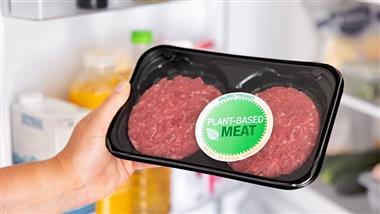
Many health-conscious people assume a plant-based diet automatically protects their heart. They then turn to vegan or vegetarian products sold in supermarkets, including fake meats, nut milks, and packaged snacks. But watch out — some of these plant-based foods can actually do more damage to your health. Let’s dive into the reasons why most highly processed plant-based foods are bad for your heart.
What Do Recent Studies Say About Processed Plant-Based Diets and Heart Disease?
A large French study published in The Lancet found that it’s not just about what you eat — how your food is made matters just as much. The research, which was conducted as part of the large-scale, web-based NutriNet-Santé project, followed 63,835 adults for nearly a decade. The study authors wanted to answer an important question: Which plant-based diets actually protect against heart attacks and strokes and which ones don’t?1,2
What made this study different from most is that it didn’t just look at whether people ate more plants or less meat — it also looked at the nutritional quality of the plant-based foods. Most importantly, it looked at how processed those foods were. In other words, a diet made up of frozen veggie nuggets, flavored soy drinks, and processed plant-based snacks might be plant-based, but is it heart-healthy?
• The participants’ diets were evaluated — Through online questionnaires, participants provided detailed records of what they ate and drank over a period of at least three days. The researchers then categorized their diets by the proportion of plant- versus animal-based foods, while also factoring in nutritional quality and the degree of food processing.
• How the diets were scored — To analyze the data, the researchers used four different types of plant-based diets:
◦ Healthy plant-based and unprocessed (hPDI-UnPF) — Fresh veggies, fruits, legumes, etc.
◦ Healthy plant-based and ultraprocessed (hPDI-UPF) — Packaged “healthy” snacks and plant-based frozen meals
◦ Unhealthy plant-based and unprocessed (uPDI-UnPF) — Sugary drinks and white bread (but not heavily processed)
◦ Unhealthy plant-based and ultraprocessed (uPDI-UPF) — Sweets, chips, and sugary plant-based products
They then tracked the participants’ health over time to see which diet types led to more or fewer heart problems.
• The study revealed a clear pattern — The researchers found that the people who mostly consumed nutritious plant-based, minimally processed foods (hPDI-UnPF) had 44% lower risk of coronary heart disease and 32% lower risk of overall cardiovascular disease.
On the other hand, the uPDI-UPF diet was the worst for heart health. People who ate high amounts of unhealthy and heavily processed plant foods had a 46% higher risk of heart disease and 38% higher risk of overall cardiovascular disease.3
What Is an ‘Unhealthy’ Plant-Based Diet (UPDI), and How Is It Different from a Healthy One?
To put it simply, an Unhealthy Plant-Based Diet Index (uPDI) refers to a plant-based diet that includes mostly low-quality plant foods that are heavily processed or high in added sugars and refined carbs. While these foods technically come from plants, they don’t offer the same health benefits as whole, nutrient-rich plant foods.
A separate U.S. study, published in the American Journal of Preventive Cardiology, reinforced these findings — with an even more alarming twist. Conducted by researchers from Johns Hopkins Bloomberg School of Public Health and the University of Washington, the research took a deep dive into how plant-based diets relate to silent, early signs of heart disease.4,5
• Gathering the data — Between 1999 and 2004, researchers looked at data from 7,708 adults who participated in the National Health and Nutrition Examination Survey (NHANES), a large, nationally representative health study in the U.S. They took note of what the people ate over a 24-hour period.
• The diets were grouped into three plant-based indices — These were categorized based on how plant-based the diets were and whether the plant foods were mostly healthy or unhealthy:
◦ Overall Plant-Based Diet Index (PDI) — The total amount of plant foods eaten.
◦ Healthy Plant-Based Diet Index (hPDI) — Diets rich in whole plant foods like fruits, vegetables, whole grains, legumes, and nuts.
◦ Unhealthy Plant-Based Diet Index (uPDI) — Diets high in sugary drinks, sweets, refined grains, and fried starchy foods (like fries) and white bread.
• Measuring heart health — Instead of looking at full-blown heart attacks or disease, the researchers focused on “subclinical cardiovascular disease,” which are early signs of heart trouble that don’t yet cause symptoms but can be detected through biomarkers in the blood. Using blood samples from the participants, the researchers tested for:
◦ Cardiac Troponin I (cTnI), a marker for subtle heart muscle damage.
◦ Cardiac Troponin T (cTnT), another protein released during heart strain.
◦ NT-proBNP, a protein that is released when the heart is under stress, and is often used to detect or predict heart failure.
Elevated levels of these biomarkers suggest that the heart may be under strain — even if a person feels perfectly fine.
• What the study findings revealed — The results were stark: People whose diets were mostly made up of unhealthy plant foods had 65% higher odds of having elevated troponin I — the same biomarker of damage that doctors look for after a heart attack. Think of troponins like a smoke alarm for your heart — when heart muscle cells are stressed or damaged, they release these proteins into your bloodstream. Even small increases can be signs of subclinical (hidden) heart disease.
“Up to 50% of individuals with no apparent history of cardiac issues have subclinical levels of troponins. While these levels are not of immediate concern, they may be interpreted as a warning sign of potential future issues,” Medical News Today reports.6
On the other hand, people who had higher hPDI scores had a much lower risk of having elevated cTnI levels. Those in the highest group for healthy plant eating had about 50% lower odds of heart stress compared to those in the lowest group. This table summarizes these findings:
| Index | Focus | Examples | Health impact |
|---|---|---|---|
| hPDI | Nutrient-dense, minimally processed plant foods | Lentils, chickpeas, berries, and leafy greens | Supports lower cardiovascular risk |
| uPDI | Ultraprocessed, low-nutrient plant-based foods | Vegan pastries, sweetened plant milks, sugary cereals, fake meats | Linked to higher cardiac biomarkers |
| NOVA 4 | Industrially processed (UPFs) across all categories | Vegan nuggets, ready-to-eat meals, plant-based sodas, additive-laden bars | Strongly linked to chronic disease risk |
Take note that the table also includes the NOVA classification — a global system that sorts foods by their level of industrial processing. But why does this matter? Simply put, NOVA Group 4 is where most “plant-based” convenience foods live — and where the highest cardiovascular risks hide.
NOVA group 4 includes ultraprocessed foods (UPFs), which often carry the biggest risk due to added sugars, preservatives, emulsifiers, and other synthetic ingredients. Many uPDI-scoring foods fall into this group and both the French and U.S. studies back up this distinction.
The common thread between these two studies is simple but often missed: Eating “plant-based” doesn’t automatically protect your heart. It depends on what kind of plant-based foods you’re eating, how they’re made, and what else comes along with them. So what exactly is in these foods that makes them so harmful? Let’s break down the four biggest culprits.
Save This Article for Later – Get the PDF Now
Why Processed Vegan Foods Raise Cardiovascular Risk
The problem with many processed vegan foods isn’t that they’re plant-based — it’s how they’re made. The packaging might look clean and green, but what’s inside tells a different story. Excessively high sodium, polyunsaturated fats (PUFs), refined starches, and chemical additives all stack up to create a metabolic mess that quietly damages your heart.
• Let’s start with sodium — Although conventional medical advice recommends limiting sodium intake, the fact is you still need it to support various physiological functions, including helping generate and conduct the electrical signals that control your heartbeat. Hence, instead of completely limiting it, it’s best to acquire it from natural, unprocessed food sources and is balanced by a high potassium intake — this supports healthy physiology.
Unfortunately, most ultraprocessed, plant-based foods, such as meat substitutes in particular, have excessively high amounts, disrupting your sodium-to-potassium ratio. According to Dr. Jayne Morgan, a cardiologist at Hello Heart:
“Many plant-based meats are heavily seasoned to mimic meat flavors. This often means very high sodium levels, which is a major contributor to hypertension,” she said. “A plain chicken breast might have 70 mg of sodium [in four ounces of chicken], while a processed plant burger could have 400–600 mg of sodium!”7
• Linoleic acid (LA) is another major red flag — Many processed plant-based foods — especially vegan dressings, cheese alternatives, and “healthy” snacks — are made with seed oils like sunflower, safflower, or canola. These oils are extremely high in linoleic acid (LA), a polyunsaturated omega-6 fat that, in excess, disrupts mitochondrial function.
Your mitochondria are the energy factories inside every cell. When excess linoleic acid accumulates, it interferes with how these factories burn fuel — like putting the wrong gasoline in your car. The result is sluggish energy production and cellular debris that triggers inflammation.
Your body stores LA in fat tissue, where it gradually degrades into harmful byproducts. These compounds inflame blood vessel walls and sabotage your cells’ ability to produce energy efficiently. Most modern plant-based processed foods are loaded with LA, making them a hidden metabolic threat — even when labeled “heart-healthy.”
• Refined starches and sugars add another layer of concern — Packaged vegan pastries, sweetened plant drinks, and “healthy” granola bars spike blood sugar and insulin levels. Over time, this worsens triglyceride profiles and contributes to metabolic dysfunction (a state where your body struggles to properly regulate blood sugar, fat storage, and energy production), especially in people with poor gut health or underlying insulin resistance.
• And then there are the additives — Ingredients like methylcellulose, carrageenan, gums, and modified starches are often used to thicken, bind, or stabilize processed vegan products. There’s emerging evidence suggesting these compounds may disrupt the gut lining, alter the microbiome, and trigger inflammation, all of which contribute to cardiovascular stress over time.
• Processing also strips away fiber — While whole plant foods like legumes, vegetables, and fruits are naturally rich in fiber that supports digestion, satiety, and blood sugar balance, most processed vegan products strip that fiber out. When manufacturers refine grains, extract plant proteins, or create meat substitutes from isolates, they remove the fiber that feeds your gut bacteria and helps stabilize metabolic health.
What’s left is often a fast-digesting, low-fiber food that spikes blood sugar and leaves you hungrier sooner. Over time, a diet low in fiber and high in ultraprocessed foods contributes to microbiome imbalance, insulin resistance, and inflammation, which quietly accelerate cardiovascular disease.
Together, these factors paint a clear picture: Processed vegan foods often mimic the nutrient profile of ultraprocessed junk food. They’re marketed as healthy alternatives, but functionally they deliver the same metabolic and cardiovascular consequences as the products they aim to replace.
How Can You Spot Ultraprocessed Vegan Foods at the Store?
It’s easy to get fooled by packaging that screams “plant-based” or “100% vegan.” But beware, because many of these prepackaged foods are ultraprocessed — and that’s something you can’t spot from the front of the box. You’ve got to flip it over and read the label.
• Start with the ingredient list — A good rule of thumb is this: The longer it is, the more processed the food probably is. Look for short lists with five or fewer recognizable, whole-food ingredients. When you see words like methylcellulose, gums, carrageenan, or “natural flavors,” be cautious. These are often used in plant-based meats, cheeses, and snacks to create texture or enhance flavor and they indicate a high degree of industrial processing.
• Check the sodium content — A heart-healthy food ideally stays under 300 mg of sodium per serving. Many vegan deli slices, burgers, and cheese alternatives blow past that — some reaching 500 to 600 mg or more per serving. If you eat these items daily, your sodium intake can spike fast, especially if you’re stacking them with sauces or condiments that also pack a salty punch.
• Beware of seed oils — If you see sunflower oil, soybean oil, or safflower oil high on the ingredient list, that’s a sign to put the item back. Even if the front of the package says “plant-based” or “cholesterol-free,” these oils silently sabotage your cardiovascular health behind the scenes. Even in your home, consider eliminating all seed oils and switching to healthier fats instead like coconut oil, ghee, or grass fed butter.
• Don’t forget to look at sugars and starches — A surprising number of plant-based snacks are just refined carbs in disguise — vegan cookies, “clean” energy bars, sweetened nut milks, and grain-based cereals with added sugar. These products spike blood glucose and increase triglyceride levels over time.
Who Should Be Most Cautious with Processed Plant-Based Foods?
If you’re dealing with high blood pressure, heart failure, or chronic kidney disease (CKD), continuing to eat ultraprocessed vegan foods is a risky bet. The excessive sodium packed into vegan deli slices, faux meats, and convenience meals puts additional strain on your blood vessels and kidneys — systems that are already compromised in these conditions. Even “healthier” plant-based frozen meals can push your sodium intake well beyond safe daily limits, especially if you’re relying on them multiple times a week.
People with high LDL cholesterol, or those with a family history of cardiovascular disease, also need to read the fine print. Hydrogenated seed oils are routinely added to vegan cheeses, spreads, and mock meats to simulate richness or texture. But these oils aren’t neutral. They interfere with cholesterol metabolism and promote plaque buildup inside your arteries.
The same goes for athletes and highly active individuals who rely on convenience foods. You might assume that you’re making clean choices by going plant-based, but many of those grab-and-go options are metabolic landmines. High refined carb loads, low-quality protein blends, and oxidized fats found in bars, shakes, and prepackaged “performance” snacks can impair recovery and fuel systemic inflammation. If you’re training hard, your cells need clean-burning fuel — processed vegan snacks won’t give you that.
Even if you’re metabolically healthy, eating ultraprocessed plant-based foods daily carries risks that compound over time. The harm isn’t always immediate. Elevated cardiac biomarkers, insulin resistance, and triglyceride spikes (which cause plaque buildup) can build silently, especially when meals are built around processed items instead of whole, nourishing foods.
What to Eat Instead — A Whole-Food Plant-Forward Plan
If your goal is to eat in a way that supports your heart, metabolism, and long-term energy, then it’s time to move away from the processed plant-based hype and build meals around simple, whole ingredients. This doesn’t mean you need to give up on plant-forward eating — it just means you need to get smarter about which plants you’re eating and how they’re prepared.
Here’s what a single day of eating might look like if you’re focusing on nutrient-dense, minimally processed, low-PUF plant-forward meals (If you’re vegan, you can skip the eggs and dairy):
• Breakfast — Well-cooked rice porridge, topped with fresh berries and a drizzle of raw honey or maple syrup. Add a boiled egg or a slice of raw cheese for balanced protein.
• Lunch — Lentil and well-cooked vegetable bowl (carrots, squash, and greens) tossed in coconut oil, and served with sourdough bread. Sprinkle with fresh herbs for added flavor and color.
• Snack — An in-season piece of fruit with a drizzle of honey, paired with a cup of warm herbal tea.
• Dinner — Braised lentils or mung beans slow-cooked with caramelized onions, carrots, and fresh herbs, served over a bed of well-cooked root vegetables like turnips, beets, or sweet potatoes. Pair this with a side of sautéed dark leafy greens (such as collards or mustard greens) cooked gently in coconut oil, grass fed ghee, or butter for digestibility and better fat profile.
This type of eating plan emphasizes low-inflammatory fats, stable blood sugar, and digestible starches to support your mitochondria, gut lining, and cardiovascular system. There’s no reliance on fake meat, emulsified cheeses, or ultraprocessed snacks — just real food in real form, prepared in a way your body actually recognizes.
Frequently Asked Questions (FAQs) About Ultraprocessed Plant-Based Foods and Heart Health
Q: Are processed vegan foods bad for heart health?
A: Many are. Processed vegan foods often contain high amounts of sodium, polyunsaturated fats from seed oils, and inflammatory additives such as gums and emulsifiers. These compounds contribute to elevated blood pressure, impaired cholesterol profiles, and early cardiac stress markers. Even though they’re free from animal products, that doesn’t make them heart-safe.
Q: Is a whole-food plant-based diet good for your heart?
A: Yes — when built around minimally processed, nutrient-dense ingredients like legumes, leafy vegetables, fruit, and tubers. The NutriNet-Santé study showed a nearly 40% lower risk of cardiovascular disease in people who consistently ate high-quality, low-processed plant foods.
Q: Do plant-based meats have too much sodium?
A: Absolutely. Many meat alternatives contain 400 to 600 mg of sodium per patty, compared to around 70 mg in plain cooked chicken. That sodium load adds up quickly and can disrupt your sodium-to-potassium ratio, particularly if you’re eating these products more than once per day.
Q: What is the unhealthy plant-based diet index (uPDI)?
A: The uPDI is a research-based scoring system that classifies plant-based diets based on food quality. Diets high in ultraprocessed plant products like sweetened beverages, packaged snacks, and refined grains score higher on the uPDI and are associated with increased cardiovascular risk. In contrast, healthy versions (hPDI) emphasize whole, nutrient-dense foods and show protective effects.
Q: What processed foods count as plant-based?
A: Think: vegan nuggets, faux cheeses, snack bars, sweetened oat or almond milks, instant noodles labeled “plant-based,” and prepackaged deli slices. These may be meat-free but are still loaded with additives, unhealthy oils, and refined starches. Their level of industrial processing, not the absence of animal products, determines the risk.
Q: What are the risks of plant-based meats?
A: Beyond sodium and seed oils, these products often include inflammatory ingredients like methylcellulose and carrageenan. Over time, regular consumption raises your risk of heart disease, metabolic dysfunction, and digestive issues.
Q: Do processed plant-based snacks spike blood sugar?
A: Yes. Many vegan snack bars and cereals are built on refined grains and added sugars, which digest quickly and spike glucose levels. This contributes to insulin resistance and increased triglycerides — two key drivers of cardiovascular disease.
Q: Are plant-based burgers safe to eat daily?
A: They’re not ideal for everyday meals. Most are loaded with sodium, seed oils, and binding agents. Occasional use might be manageable, but a daily habit increases your intake of harmful fats and additives that undermine cardiovascular and metabolic health.
Alternative Sweetener Sorbitol Drives Hidden Liver Fat Buildup
Reproduced from original article:
https://articles.mercola.com/sites/articles/archive/2026/01/15/sorbitol-liver-damage.aspx
Analysis by Dr. Joseph Mercola January 15, 2026

Story at-a-glance
- Sorbitol, a common sugar alcohol in sugar-free and “diet” products, drives liver fat buildup even when your gut bacteria are healthy, making it a hidden contributor to fatty liver disease
- When your microbiome is weakened from antibiotics, stress, or ultraprocessed foods, sorbitol slips through your gut unchanged and reaches your liver, where it triggers rapid fat production
- Sorbitol is converted into fructose inside your liver, bypassing normal metabolic controls and overwhelming your ability to process sugar safely
- Strengthening your gut bacteria, eliminating vegetable oils and alcohol, and increasing choline-rich foods help protect your liver from sorbitol-driven damage
- Simple daily steps — removing sorbitol-containing products, restoring gut balance, supporting vitamin D metabolism, and using whole-food carbs — give you direct control over your liver health
Fatty liver disease has become a major metabolic threat, and it often develops quietly while you feel nothing more than fatigue or vague abdominal discomfort. Fat starts building inside your liver long before symptoms feel serious, and if nothing interrupts that process, the damage moves toward inflammation, scarring, and even liver failure. Many people discover the problem only after it has already progressed.
A study published in Science Signaling points to an unexpected driver hiding in everyday foods.1 Sorbitol shows up in sugar-free gums, flavored waters, low-calorie snacks, and countless “diet” products many assume are safe, but the evidence shows this sweetener places significant strain on your metabolism.
Sorbitol shifts your internal chemistry quickly once it enters your system. Your gut and liver work together to handle sugar exposure, and when that balance breaks down, your metabolism changes. This turns hidden artificial sweeteners into a much bigger issue and highlights how strongly your gut health shapes your liver health. Once you see how sorbitol behaves inside your body, you can start using strategies that protect your liver instead of overwhelming it.
Sorbitol Overload Rewires Your Liver Within Days
The Science Signaling study investigated how sorbitol behaves inside the body and why it triggers fatty liver changes when gut bacteria fail to break it down.2 The researchers used adult zebrafish because these animals absorb sugar alcohols directly through their intestines, allowing scientists to watch sorbitol move through the gut-liver pathway in real time.
• High sorbitol intake triggers liver fat even with a healthy microbiome — The fish had intact metabolisms before the experiment, which allowed the team to isolate how sorbitol exposure altered liver function. They found that even standard diets triggered liver fat when gut microbes were removed via antibiotic treatment.
However, fish given high sorbitol doses developed the same fat buildup, even when their microbiome was still present. This means sorbitol exposure overwhelms your system enough to bypass normal defenses.
• The loss of gut bacteria caused sorbitol to build up rapidly in the intestines and bloodstream — Antimicrobial-treated fish showed a “substantial accumulation of lipid” in the liver after only seven days, indicating fatty liver.
Without microbiota, the intestine produced sorbitol from glucose and left it untouched, allowing it to move directly into the bloodstream. This means imbalanced gut microbiota or frequent antibiotic exposure increases your vulnerability to sorbitol-driven liver fat.
• The liver converted excess sorbitol into fructose, which triggered metabolic stress — Sorbitol overloaded the liver’s fructose-processing pathway and activated an enzyme called glucokinase, which accelerates glucose breakdown and fat production. Sorbitol tricks your liver into behaving as if you consumed a large dose of fructose, even if you didn’t. This increases the risk of liver fat accumulation, especially if you already deal with metabolic challenges.
• Sorbitol-derived fructose reached unusually high levels when gut bacteria were missing — Metabolic tracing revealed that fructose created from sorbitol was roughly 15 times higher in microbiome-depleted fish compared to controls. That means your gut bacteria act like a metabolic shield. When that shield weakens, sorbitol slips through and forces your liver into fat-storage mode.
• Excess sorbitol also pushed the liver to store more glycogen and create more fat — Sorbitol-driven activation of glucokinase boosted glucose storage and pushed remaining glucose into pathways that produce fatty acids and triglycerides. They measured increased expression of fat-production genes, confirming that sorbitol accelerates the exact biochemical steps that worsen liver disease.
How Sorbitol Overload Disrupts Metabolism
The study showed that an enzyme in your intestine turns glucose into sorbitol. Under normal conditions, your gut bacteria break down that sorbitol before it goes anywhere important. But when those bacteria are missing or weakened, the sorbitol slips through untouched and travels straight to your liver. Once it gets there, another enzyme turns it into fructose. This is a problem because fructose skips your body’s usual safety checks and pushes your liver to create fat very quickly, leaving it overloaded.
• Sorbitol flips a switch inside your liver that speeds up fat production — After sorbitol turns into fructose, a molecule called fructose-1-phosphate signals your liver to activate glucokinase, an enzyme that makes your liver process sugar faster and turn more of it into fat. This is why even short bursts of sorbitol exposure trigger noticeable changes in liver fat.
•The microbiome proved to be the deciding factor for protection — When the team reintroduced sorbitol-degrading Aeromonas bacteria into microbiome-depleted fish, liver fat storage decreased dramatically. This means your microbiome determines how well you handle sorbitol.
If your gut bacteria break it down, your liver stays protected. If they don’t, sorbitol reaches your liver and fuels fat accumulation. This gives you a powerful, actionable insight: protecting your gut diversity is one of the best defenses against hidden metabolic stressors like sorbitol.
Save This Article for Later – Get the PDF Now
Steps to Protect Your Liver from Sorbitol Overload
Your first priority is to stop the flood of sorbitol before it reaches your liver. The research shows that the real problem starts in your gut, not your liver, which means your daily choices determine whether sorbitol is broken down safely or whether it slips through and triggers fat buildup.
If you already struggle with bloating, irregular digestion, sugar cravings, fatigue, or a history of heavy antibiotic use, you’re more vulnerable to sorbitol escaping your gut and overwhelming your liver. The following steps help you remove the stressors creating the damage instead of simply working around the symptoms.
1. Reduce or eliminate sorbitol-containing processed foods — If you rely on sugar-free gum, flavored waters, low-calorie snacks, or “diabetic-friendly” packaged foods, you’re likely taking in more sorbitol than your system can handle. Removing these products lowers the strain on your microbiome and stops excess sorbitol from reaching your liver. You protect yourself immediately by choosing whole foods rather than processed ones with hidden artificial sweeteners.
2. Strengthen your gut bacteria so sorbitol breaks down before it reaches your liver — Your microbiome acts as your internal sorbitol filter, and when it’s depleted, sorbitol slips past your gut defenses. If you notice digestive issues, use antibiotics, or have a history of restrictive diets or ongoing stress, assume your gut bacteria need rebuilding.
Start by avoiding ultraprocessed foods, including vegetable oils, which are high in linoleic acid (LA), a polyunsaturated fat that oxidizes and injures your mitochondria. If your diet is filled with ultraprocessed foods, your gut microbes will be skewed toward the harmful strains.
In addition, your body’s preferred energy source is glucose, and that comes from carbs. Aim for a steady intake of around 250 grams of healthy carbs from fruit and rice to restore gut balance. Later, once your digestion is stronger, add root vegetables, legumes and well-tolerated whole grains.
3. Remove the major stressors that injure your liver in the first place — If your liver isn’t working the way it should, the goal is not just symptom relief — it’s removing what caused the damage. Your liver handles detoxification, hormone processing, and fat metabolism, and when it’s overloaded, everything else falls behind. The two biggest stressors are vegetable oils and alcohol. The LA in vegetable oils like soybean, canola, corn, sunflower, and generic “vegetable oil” is a mitochondrial poison.
Alcohol adds another layer of damage by breaking down into substances that injure liver cells directly. Alcohol and LA follow the same toxic pathway in your liver, creating harmful aldehydes that cause mitochondrial damage and fatty liver disease. Give your liver breathing room by removing both. For cooking, switch to grass fed butter, ghee, tallow, or coconut oil.
4. Move out liver fat by increasing choline intake — Your liver relies on choline to package and move fat out of its cells. Without enough choline, fat piles up inside the liver and triggers dysfunction. Pastured egg yolks and grass fed beef liver offer the highest levels. If you rarely eat these foods, assume your liver is working without enough support.
FAQs About Sorbitol and Your Liver
Q: What makes sorbitol harmful to your liver?
A: Sorbitol disrupts your metabolism by slipping past your gut bacteria and reaching your liver unchanged. Once there, your liver converts it into fructose, which triggers rapid fat creation and glycogen buildup. Even short-term exposure pushes your liver into fat-storage mode.
Q: Why does gut health determine how your body handles sorbitol?
A: Your gut bacteria normally break down sorbitol before it enters your bloodstream. If your microbiome is depleted from antibiotics, stress, restrictive dieting, or ultraprocessed foods, sorbitol passes through untouched and overwhelms your liver.
Q: Can sorbitol cause liver fat even if my gut bacteria are healthy?
A: Yes. High doses of sorbitol overwhelm your microbiome’s protective capacity. The study found that even fish with intact gut bacteria developed significant liver fat when sorbitol intake was high.
Q: What steps help protect my liver from sorbitol-driven damage?
A: You lower risk by removing sorbitol-containing products, rebuilding gut bacteria with balanced carbs and whole foods, eliminating vegetable oils and alcohol, increasing choline-rich foods, and supporting metabolic repair through sunlight and proper vitamin D balance.
Q: Why is sorbitol riskier than most people realize?
A: Sorbitol looks harmless on labels, but your gut and liver treat it very differently. When it bypasses your microbiome, your liver converts it into fructose and rapidly stores fat. This hidden metabolic load makes sorbitol far more damaging than many people expect.
Severe Diverticulitis Is Rising Rapidly Among Younger Adults
Reproduced from original article:
https://articles.mercola.com/sites/articles/archive/2025/12/18/early-onset-diverticulitis-young-adults.aspx
Analysis by Dr. Joseph Mercola December 18, 2025

Story at-a-glance
- Diverticulitis, once considered a disease of aging, is now surging among adults under 50, with younger patients facing more severe and complicated cases than ever before
- Researchers from UCLA and Vanderbilt University found that early-onset diverticulitis hospitalizations rose sharply from 2005 to 2020, while procedures like abscess drainage more than doubled
- Younger adults have an 82% lower risk of death compared to older patients, but far higher odds of requiring invasive interventions — proof that the disease is becoming more disruptive, not less
- Processed foods, seed oils, chronic stress, and disrupted gut bacteria are key drivers of early inflammation in your colon, damaging your intestinal barrier and setting the stage for diverticulitis
- You can protect your gut by removing seed oils, eating easy-to-digest whole foods, rebuilding beneficial bacteria like Akkermansia, and supporting mitochondrial energy production to restore gut balance and long-term colon health
Diverticulitis has quietly become a younger person’s disease. Once linked almost exclusively to aging, it’s now showing up with growing frequency in adults who are decades away from retirement. Many people in their 30s and 40s are discovering that persistent abdominal discomfort, bloating, or unpredictable bowel habits aren’t just stress or diet-related annoyances but signs of deeper inflammation brewing in the colon.
At its core, diverticulitis is inflammation in small pouches that develop along weak spots in your colon wall. These pouches often remain harmless for years, but when inflammation sets in, they become painful and disruptive. If left unaddressed, infection or rupture can follow, setting off a cascade of complications that demand urgent care. What’s changed is how early in life this process begins — and how aggressively it’s progressing.
The reality is that younger adults are living in an environment that strains gut health at every level — ultraprocessed foods, chronic stress, poor sleep, and environmental toxins all chip away at the delicate balance of bacteria and energy production that keeps your colon strong. This imbalance fuels inflammation, weakens intestinal barriers, and sets the stage for diseases that used to appear only later in life.
This reversal in age trends mirrors what’s happening with colorectal cancer, which is also rising among younger adults. The parallel patterns raise serious questions about what’s driving gut inflammation across the population — from diet and environmental toxins to microbiome disruption.
Understanding why this pattern is emerging — and what’s driving the increase in serious colon inflammation among younger adults — is the first step toward reversing it. The latest research sheds light on exactly how this change unfolded and what it reveals about the health habits shaping modern digestion.
Younger Adults Now Face a Faster, Harder-Hitting Form of Diverticulitis
A comprehensive analysis published in Diseases of the Colon & Rectum examined over 5.2 million hospital admissions for diverticulitis between 2005 and 2020.1 The research, led by UCLA’s Shineui Kim and Vanderbilt University’s Dr. Aimal Khan, sought to understand how diverticulitis is changing across generations. What they discovered marks a major shift in who this disease affects.
While diverticulitis was once considered a disorder of aging, the study found that 16% of all hospitalizations were now in adults under 50 — a number that has grown steadily year after year.2 Even more alarming, complicated cases in this younger group — those involving abscesses, perforations, or other severe infections — increased from 18.5% to 28.2% over the study period.
• Younger patients are being hospitalized more often — and with more serious disease — The data show a clear trend toward earlier and more aggressive forms of diverticulitis. Younger adults are ending up in hospitals not for mild inflammation, but for the kind that leads to dangerous internal infections. Complicated diverticulitis is far more serious than the uncomplicated type, which is often treated at home with dietary adjustments.
The complicated form frequently requires procedures like percutaneous drainage — where a radiologist inserts a tube through your skin to remove infected fluid — or even colectomy, surgery to remove a portion of the colon. The sharp rise in these serious cases indicates that whatever is driving this disease is becoming more potent in younger populations.
• Fewer younger adults are undergoing colon removal, but more are requiring invasive drainage procedures — Interestingly, colectomy rates among younger patients fell dramatically — from 34.7% to 20.3% — while the number needing drainage procedures more than doubled, climbing from 12.7% to 28.6%.
This shift suggests that while physicians are becoming more skilled at saving healthy colon tissue, they’re treating increasingly complex infections that require high-tech interventions. These patients recover faster and leave the hospital sooner, but the disease itself appears more aggressive and unpredictable.
• Hospital stays are shorter, costs are lower — but the disease is hitting a younger, more active population — The study found that younger adults with diverticulitis had 0.28 fewer days in the hospital on average and paid roughly $1,900 less per visit than older patients. On the surface, this sounds like an improvement, but it hides a deeper concern.
These are people in their working years, with careers and families, now sidelined by a disease that was once associated with retirement age. The direct costs of shorter stays don’t reflect the broader loss of productivity, chronic gut discomfort, or the emotional toll of recurring flare-ups.
• Younger patients show lower death rates but higher odds of needing serious interventions — Mortality among younger patients was significantly lower than in older adults, with early-onset diverticulitis linked to an 82% lower risk of death during hospitalization. However, younger patients had 29% higher odds of needing colectomy and 58% higher odds of requiring percutaneous drainage.
This combination — low mortality but high intervention rates — points to a disease that is less deadly but far more disruptive. That means the risk isn’t necessarily dying from diverticulitis but living with its complications or undergoing repeated hospitalizations.
• The findings reveal an unsettling connection between lifestyle and gut inflammation — There are several possible drivers behind this generational shift. Diets high in processed foods, refined carbohydrates, and seed oils inflame your colon and weaken its structure. Sedentary behavior and chronic stress further strain gut function, while obesity increases pressure inside your colon.
Over time, these factors could trigger the formation of weak spots where diverticula — tiny bulging pouches — develop. Once inflamed or infected, they cause pain, bloating, and fever. Without prompt management, these weak spots can rupture, leading to severe infection or sepsis.
A Growing Overlap with Early-Onset Colorectal Cancer Raises Urgent Questions
This rise in early-onset diverticulitis mirrors the concerning increase in colorectal cancer among younger Americans.3 Both conditions involve inflammation, bacterial imbalance, and damage to the lining of your colon. This parallel trend hints at shared underlying causes — perhaps linked to environmental toxins, gut microbiome disruption, or long-term dietary changes that promote chronic inflammation. If you’ve ever assumed colon problems only develop later in life, this research proves that assumption is dangerously outdated.
• Modern living could be reshaping your microbiome in ways that set the stage for inflammation — While the paper didn’t focus on microbiome analysis, it raises logical questions about the role of gut bacteria in this disease shift. Processed diets, excessive alcohol use, and exposure to seed oils damage the delicate balance of bacteria in your colon.
When oxygen-loving bacteria dominate, they release endotoxins that irritate your colon wall. Over time, this weakens the tissue, forming small outpouchings that become infection sites during stress, illness, or constipation. This imbalance might explain why younger people — who grew up during the rise of ultraprocessed foods — are increasingly vulnerable.
• New management approaches reflect progress, but prevention remains the real goal — Doctors are now reserving surgery for the most severe cases, focusing instead on targeted antibiotics and minimally invasive drainage techniques. These improvements have reduced hospital stays and costs, but they do nothing to address why more young adults are getting sick in the first place.
• Your everyday choices influence whether this disease progresses — or doesn’t start at all — The findings underscore how daily habits — what you eat, how long you sit, and how you manage stress — affect the health of your colon. Reducing processed foods, avoiding seed oils, and eating easy-to-digest carbohydrates that nourish beneficial bacteria protect against early colon inflammation.
Taking control of your gut health isn’t about reacting to disease — it’s about preventing it. The data from UCLA and Vanderbilt offer both a warning and an opportunity: the disease is getting younger, but awareness gives you the power to stay ahead of it.
Save This Article for Later – Get the PDF Now
How to Protect Your Gut and Stop Diverticulitis Before It Starts
If you’ve ever felt a dull ache or pressure in your abdomen after eating, or dealt with unexplained bloating and constipation that just won’t go away, you’re not alone. Diverticulitis doesn’t appear out of nowhere — it builds slowly as inflammation damages your colon wall and your gut bacteria fall out of balance.
The cause almost always traces back to a disrupted microbiome and low cellular energy production. Your gut health depends on how well your cells generate energy to maintain an oxygen-free environment where beneficial bacteria thrive. When that energy falters, harmful bacteria take over, inflammation rises, and diverticulitis follows. Below are five focused steps to rebuild your gut, restore balance, and support lasting colon health.
1. Eliminate inflammatory fats and restore cellular energy — The first step to healing your colon is to stop consuming the fats that destroy it. Seed oils — corn, soybean, sunflower, safflower, and canola — contain linoleic acid (LA), which accumulates in your tissues and breaks down into toxic byproducts that damage your gut lining.
When consumed in excess, these oils also disrupt your mitochondria — the tiny energy factories inside your cells — making it harder for your gut to stay oxygen-free. Without that oxygen-free balance, harmful bacteria begin to dominate.
Replace seed oils with tallow, ghee, or grass fed butter. By doing this, you lower oxidative stress, protect mitochondrial function, and give your gut the energy it needs to repair. Aim to keep daily LA intake under 5 grams, ideally closer to 2 grams. When my Mercola Health Coach app launches, the Seed Oil Sleuth feature will help you track this down to the tenth of a gram.
2. Rebuild your gut microflora to lower inflammation — Your gut is the command center of your metabolism, and when it’s inflamed, every system in your body feels it. Low energy, brain fog, mood swings, and poor digestion all trace back to one root problem — a damaged microbiome. The first step is to restore your gut terrain before you overload it with fiber or raw vegetables.
Fiber has value once your gut is healed, but in a damaged state it fuels the wrong bacteria, triggering more inflammation instead of repair.
Start simple. Fruit and white rice are gentle carb sources that nourish your cells without feeding endotoxin-producing microbes. Once your digestion steadies, layer in cooked root vegetables, then legumes, and finally whole grains. Healing always follows sequence — your gut needs to calm before it can handle complexity.
As balance returns, beneficial bacteria like Akkermansia muciniphila begin to flourish. Akkermansia produces mucin, a gel-like barrier that protects your intestinal wall and prevents toxins from leaking into your bloodstream. As it grows, it encourages colonies of other species that generate butyrate — the short-chain fat that heals your gut lining, lowers inflammation, and stabilizes your appetite.
To support this ecosystem, eat polyphenol-rich fruits such as blueberries, pomegranates, and cherries. Avoid seed oils and ultraprocessed foods that poison Akkermansia and destroy your microbial diversity. The goal is simple: rebuild your gut’s protective terrain so beneficial bacteria thrive and endotoxin-producing strains starve.
3. Support your mitochondria to maintain a healthy gut environment — Your gut health depends on energy — specifically, the energy your mitochondria produce inside every cell lining your digestive tract. When mitochondrial output drops, your colon loses its ability to maintain the oxygen-free environment your beneficial bacteria depend on.
Oxygen leaks in, suffocating the good and empowering the bad. Those oxygen-tolerant pathogens release endotoxins that inflame your gut and further choke off energy production, locking you into a vicious metabolic loop. To break that loop, you need to restore your energy metabolism.
Aim for roughly 250 grams of healthy carbohydrates each day. Glucose is your body’s preferred fuel, and your mitochondria cannot function optimally without it. The problem isn’t carbs — it’s eating them when your gut terrain is still inflamed. If you feel bloated, sluggish, or tired after meals, that’s a signal your gut is releasing too many endotoxins and your mitochondria are underperforming.
Once your digestion steadies, those same carbohydrates — from fruits, root vegetables, and properly prepared starches — become therapeutic. They feed butyrate-producing microbes, which in turn fuel your colon cells directly. This closed loop — carbs feeding bacteria, bacteria producing butyrate, butyrate energizing cells — is how you repair your gut from the inside out.
When your mitochondria and microbiome are synchronized, oxygen stays where it belongs, inflammation recedes, and your colon regains its natural rhythm and resilience. That’s how true healing begins: by restoring the flow of energy through every level of your biology.
4. Use targeted therapies to calm inflammation and revive damaged cells — Certain natural compounds help lower inflammation and protect cellular health. Dimethyl sulfoxide (DMSO) is one example. It enhances circulation, reduces oxidative stress, and stabilizes damaged tissues, making it useful for inflammatory conditions that affect your gut.
DMSO penetrates deeply into cells and acts as a carrier molecule, helping oxygen and nutrients reach areas where circulation is poor while easing swelling and discomfort.
When used properly, it helps restore your colon’s integrity and reduce the inflammation that drives diverticulitis. Pair this with magnesium to relax your gut muscles and ease spasms, and you support both cellular repair and smoother digestion.
5. Reinforce daily habits that nurture your colon long term — Healing your gut isn’t a quick fix — it’s the result of consistent daily choices. Limit antibiotics to absolute necessity, as they wipe out both harmful and beneficial bacteria. Eat slowly, chew thoroughly, and avoid eating late at night to give your digestive system time to rest.
Move your body throughout the day; walking after meals improves blood flow and reduces internal pressure on your colon wall. Manage stress with proper breathing, restorative sleep and positive thinking.
If you stay consistent with these steps, you’ll feel your digestion shift — less bloating, steadier energy, and a calmer gut. You’ll be rebuilding your microbiome, recharging your mitochondria, and strengthening your body’s most powerful defense against diverticulitis: a colon that’s energized, balanced, and resilient from the inside out.
FAQs About Diverticulitis in Young Adults
Q: Why are more younger adults developing diverticulitis?
A: Hospital data show a sharp rise in early-onset diverticulitis, meaning adults under 50 are now being hospitalized more often — and with more severe cases. This shift is linked to lifestyle and environmental changes such as diets high in processed foods and seed oils, chronic stress, poor sleep, and disrupted gut microbiomes. These factors weaken your intestinal barrier, fuel inflammation, and trigger infection in your colon’s weak spots much earlier in life.
Q: What are the warning signs of diverticulitis I should look for?
A: Common symptoms include abdominal pain (often on the lower left side), bloating, constipation, diarrhea, and occasional bleeding. In more advanced or “complicated” cases, you might experience fever, chills, or severe tenderness in your abdomen — signs that an abscess or infection could be forming. If these occur, immediate medical attention is required.
Q: How can I lower my risk of developing diverticulitis?
A: Focus on rebuilding your gut terrain and supporting mitochondrial energy production. Remove seed oils from your diet, since LA from these oils inflames and weakens your colon wall. Eat easy-to-digest carbohydrates such as fruit and white rice while your gut heals, then reintroduce root vegetables, legumes, and whole grains slowly. Movement and stress management also play major roles in maintaining gut health.
Q: What role do gut bacteria like Akkermansia and compounds like butyrate play in gut healing?
A: Akkermansia muciniphila strengthens your intestinal barrier by producing mucin, a protective gel that shields your gut lining. As it thrives, it supports other beneficial bacteria that create butyrate — a short-chain fatty acid that repairs your gut lining, lowers inflammation, and stabilizes appetite and blood sugar. Together, they help restore a balanced, oxygen-free environment where healthy microbes flourish.
Q: What practical steps can I take today to prevent or manage diverticulitis naturally?
A: Start by cutting all seed oils and ultraprocessed foods. Replace them with whole, nutrient-dense meals using tallow, ghee, or grass fed butter. Support your microbiome with polyphenol-rich fruits like blueberries and pomegranates, and move your body regularly to reduce pressure inside your colon. Manage stress daily and get restorative sleep. Consistency is key — these habits lower inflammation, strengthen your gut barrier, and protect against future flare-ups.
Your prescription drugs may be contaminated: 580,000 bottles recalled
Reproduced from original article:
https://www.naturalhealth365.com/your-prescription-drugs-may-be-contaminated-580000-bottles-recalled.html
by: November 6, 2025

(NaturalHealth365) The U.S. Food and Drug Administration (FDA) has recalled over 580,000 bottles of prazosin hydrochloride – a widely prescribed blood pressure medication – after testing revealed contamination with N-nitroso Prazosin impurity C, a potentially cancer-causing nitrosamine compound exceeding acceptable safety limits.
New Jersey-based Teva Pharmaceuticals and drug distributor Amerisource Health Services initiated voluntary nationwide recalls in October 2025 affecting 1 mg, 2 mg, and 5 mg capsules. The FDA classified this as a Class II recall, meaning the contaminated medication “may cause temporary or medically reversible adverse health consequences,” though the probability of serious harm is considered remote.
According to the FDA’s enforcement report (available at FDA.gov), nitrosamines are potentially cancer-causing chemicals that can form during drug manufacturing or storage. Long-term exposure may increase the risk of liver, stomach, and lung cancers.
A pattern of pharmaceutical contamination
This recall follows another high-profile medication safety alert just days earlier, when Ascend Laboratories pulled over 140,000 bottles of atorvastatin (generic Lipitor) due to improper tablet dissolution. These back-to-back incidents expose a troubling pattern: nitrosamine contamination has triggered massive recalls of valsartan, losartan, metformin, ranitidine, and varenicline (Chantix) since 2018.
The timing couldn’t be worse. America is the world’s largest pharmaceutical market, and prescription drug dependence has reached unprecedented levels. According to recent data, 61% of Americans currently take at least one prescription medication, 27% take four or more, and nearly 90% of adults over 65 regularly use prescription drugs. The U.S. consumes 8% of the world’s prescription drugs despite representing just 4% of the global population.
With 6.7 billion total prescriptions dispensed across the U.S. in 2022 and Americans spending more per capita on prescription drugs than any other country, the stakes for pharmaceutical safety have never been higher. When manufacturing quality controls fail, hundreds of millions of people face potential exposure to carcinogenic contaminants.
The hidden nitrosamine threat beyond medications
While pharmaceutical contamination makes headlines, most Americans remain unaware of pervasive nitrosamine exposure from unexpected everyday sources.
Processed and cured meats contain high nitrosamine levels. Bacon, hot dogs, deli meats, and sausages treated with nitrite preservatives form nitrosamines during cooking – especially when fried at high temperatures. The crispy, well-done edges contain the highest concentrations.
Drinking water harbors nitrosamine contamination. When water treatment facilities use chloramine disinfection, nitrosamines form as byproducts when chloramine reacts with organic matter. The predominant compound formed is N-nitrosodimethylamine (NDMA), classified as probably carcinogenic to humans.
Cosmetics and personal care products were major sources. Until recent regulations, over 40% of tested cosmetics, shampoos, and lotions contained N-nitrosodiethanolamine at concentrations up to 260 mg/kg. While banned in the EU, contamination remains a concern in products from unregulated markets.
Tobacco smoke delivers concentrated nitrosamine exposure. Cigarettes and smokeless tobacco contain tobacco-specific nitrosamines classified as carcinogenic to humans. Secondhand and thirdhand smoke (residue on surfaces) also expose non-smokers.
Simple steps to reduce your cancer risk naturally
Eliminate processed meats entirely. No amount is safe. Replace with organic, unprocessed proteins like wild-caught fish, 100% grass-fed beef, and pasture-raised poultry.
Install quality water filtration. Reverse osmosis or activated carbon filters remove nitrosamines from drinking water. Don’t rely solely on municipal treatment.
Choose clean personal care products. Use EWG’s Skin Deep database to verify products are free from nitrosamine precursors. Avoid products containing DEA, TEA, or other ethanolamines.
Support liver detoxification. Your liver processes nitrosamines through specific pathways. Optimize function with milk thistle, N-acetyl cysteine, glutathione, and organic cruciferous vegetables rich in sulforaphane.
Consume protective compounds. Vitamin C blocks nitrosamine formation in the stomach. Green tea polyphenols, resveratrol, and curcumin provide additional protection against DNA damage from nitrosamine exposure.
Address chronic inflammation. Nitrosamines cause cancer partly through oxidative stress and inflammation. Anti-inflammatory diets emphasizing omega-3 fatty acids, antioxidants, and organic whole foods reduce susceptibility to carcinogenic damage.
The complete cancer defense strategy Western medicine ignores
Nitrosamine exposure from contaminated drugs, processed foods, water, cosmetics, and air represents just one category of cancer-causing threats most people face daily.
Discover how to detect cancer cells before they become life-threatening and which hidden infections dramatically increase cancer risk. Learn which “healthy” foods actually feed cancer growth and access vitamin C therapy protocols with 30+ years of clinical experience. Understand emotional and energetic cancer triggers; the liver-cancer connection; and natural protocols to successfully eliminate cancer cells from your body.
Sources for this article include:
FDA.gov
FDA.gov
6abc.com
FDA.gov
NIH.gov
CDC.gov
Singlecare.com
Scientists prove no safe amount of processed foods exists
Reproduced from original article:
https://www.naturalhealth365.com/scientists-prove-no-safe-amount-of-processed-foods-exists.html
by: | July 10, 2025
 (NaturalHealth365) A recent study published in Nature Medicine has shattered the myth that processed foods are safe in moderation. After analyzing data from millions of people worldwide, researchers have discovered that even tiny amounts of processed meats, sugar-sweetened beverages, and trans fats create measurable increases in your risk of diabetes, heart disease, and cancer.
The findings are so alarming that they challenge everything we’ve been told about “balanced” diets and moderation. There is no safe threshold — any consumption of these foods begins damaging your body immediately.
The “moderation myth” has been completely destroyed
Using advanced burden-of-proof meta-regression methods, researchers from the Institute for Health Metrics and Evaluation analyzed dose-response relationships between ultra-processed foods and chronic diseases. What they found should terrify anyone who thinks they’re eating “in moderation.”
The shocking numbers:
- Processed meat: Just 0.6 grams daily (less than a single bite) increases diabetes risk by 11%
- Sugar-sweetened beverages: As little as 1.5 grams daily (half a teaspoon) raises diabetes risk by 8%
- Trans fats: Consuming just 0.25% of daily calories from trans fats increases heart disease risk by 3%
These aren’t large portions — we’re talking about amounts so small they seem insignificant. Yet your body treats them as toxic substances that immediately begin wreaking havoc on your metabolism and cardiovascular system.
Your body has a low tolerance for these toxic chemical compounds
The research reveals that processed foods contain compounds that function like biological weapons inside your body:
Processed meats transform into cellular destroyers: When you eat processed meats, your body is flooded with N-nitroso compounds, polycyclic aromatic hydrocarbons, and heterocyclic amines — chemicals directly implicated in tumor development. These aren’t natural substances your body can handle — they’re industrial byproducts that attack your cells at the molecular level.
Sugar drinks become metabolic chaos: Sugar-sweetened beverages remain the primary source of added sugars in most diets, triggering immediate weight gain, cardiovascular damage, and insulin resistance. Each sip sends your blood sugar skyrocketing while flooding your liver with more sugar than it can process.
Trans fats launch inflammatory warfare: Artificial trans fats were specifically designed to solidify vegetable oils for food manufacturing. Your body has no mechanism to process these synthetic molecules, so they lodge in your arteries and trigger systemic inflammation that directly leads to coronary heart disease.
The continuous damage effect that never stops
What makes this research particularly terrifying is the discovery that risk increases continuously at every level of consumption. There’s no plateau where the damage stops — the more you consume, the more your disease risk escalates.
The steepest damage occurs at the lowest intake levels, meaning that the first bite of processed food delivers the biggest hit to your health. This explains why people who think they’re being “good” by limiting processed foods to weekends or special occasions are still experiencing significant health damage.
The food industry has been lying to you for decades
For years, food manufacturers have promoted the idea that their products are safe “as part of a balanced diet.” This study disproves the claim. Even tiny amounts of these foods trigger measurable disease processes that compound over time.
The research team noted that their findings “support existing public-health recommendations urging reductions in consumption of processed meat, sugar-sweetened beverages, and industrial trans fats.” But reduction isn’t enough — the data shows that complete elimination is the only way to stop the damage.
Your body knows how to heal when you stop poisoning it
The encouraging truth is that your body possesses incredible healing abilities when you remove these toxic foods from your diet. Research shows that people who eliminate processed foods experience rapid improvements in inflammation markers, blood sugar control, and cardiovascular function.
Real food creates real health: Choose organic whole foods, wild-caught fish, grass-fed meats, and fresh, locally grown vegetables. These foods provide nutrients your body recognizes and can use for healing and energy production.
Hydration without destruction: Replace sugar-sweetened beverages with filtered water, herbal teas, or naturally flavored sparkling water. Your metabolism will stabilize, and your energy levels will soar.
Healthy fats repair damage: Use organic coconut oil, extra virgin olive oil, avocado oil, and other natural fats that support cellular function instead of destroying it. These fats help repair the damage caused by years of consuming trans fats.
The truth about what’s really killing us
This study confirms what holistic healthcare providers have known for decades: the Standard American Diet is systematically destroying our health, one bite at a time.
The fact that even minimal consumption triggers disease processes suggests these aren’t truly “foods” at all — they’re chemical products designed for shelf stability and profit rather than human health.
With diabetes, heart disease, and cancer rates skyrocketing globally, this research provides the missing link between diet and disease. We now have proof that processed foods are toxic in any amount.
Take back control of your health
The evidence is overwhelming: processed foods are killing us in measurable ways, even in amounts most people consider harmless. While this study focuses on documenting the damage, the solution requires understanding how to rebuild your health from the cellular level up.
Your cardiovascular system can heal when you give it the right tools and stop bombarding it with toxic substances. But with heart disease remaining the leading cause of death globally, you need more than basic dietary advice — you need comprehensive strategies that address all aspects of cardiovascular health.
The encouraging news is that your heart is incredibly resilient when supported properly.
Sources for this article include: