Heart
now browsing by category
Uncovering ‘The Big Secret’ About Medicine, Food, and the Power You Still Hold
Reproduced from original article:
https://articles.mercola.com/sites/articles/archive/2026/11/21/the-big-secret-corporate-control.aspx
Analysis by Dr. Joseph Mercola November 21, 2026
Story at-a-glance
- “The Big Secret” documentary portrays how the U.S. healthcare system was reshaped by corporate and pharmaceutical forces, replacing natural healing with a drug-centered, profit-driven medical monopoly
- The shift began with the Flexner Report, backed by Carnegie and Rockefeller interests, which redefined medical legitimacy and opened the door to corporate control over healthcare
- Modern medicine has wrongly vilified cholesterol, leading to widespread statin use that can undermine hormone health, cognitive function, and metabolic resilience
- Industrial agriculture, glyphosate, and processed foods strip essential minerals from the food supply. This has been linked to widespread nutritional deficiency and chronic disease across generations
- The real “big secret” is that health can restore itself once you eliminate what disrupts it and provide the inputs it’s always required
In the modern era of medicine, where innovation is often equated with progress, many people assume that the dominant healthcare model in the United States reflects the best that science has to offer. Yet despite this, chronic illness continues to rise, and more Americans than ever rely on daily medication to maintain a semblance of health.
What part of this equation remains unresolved, and what has the system failed to account for? The documentary above, “The Big Secret,”1 answers this question by exploring the deeper forces shaping American healthcare and invites you to reconsider many of the assumptions you’ve long accepted without question.
Through interviews with physicians, researchers, and health advocates, it follows the trail of influence that has quietly determined how doctors are trained, how treatments are chosen, how the foundations of care were built, and how those foundations continue to shape health outcomes today.
The Making of a Medical Monopoly
For most of history, healing was guided by direct observation, traditional wisdom, and a blend of natural therapies drawn from plants, minerals, and food. That changed at the turn of the 20th century, when industrial and financial interests began reshaping medicine into a centralized, pharmaceutical-first system. What emerged was a model built not around patient health, but around patentable products, standardized protocols, and institutional control.2
• The Flexner Report laid the groundwork for corporate control — The push began with the Carnegie Foundation, which commissioned educator Abraham Flexner in 1908 to conduct a sweeping review of American medical schools. Though Flexner had no medical training, he visited every school in the country and produced a report that would become the blueprint for what would count as “real” medicine in the United States.
• The report sidelined entire healing systems that didn’t conform — The Flexner Report, published in 1910, called for stricter admissions, standardized training, and a closer alignment with laboratory science. While framed as a push for quality, the reform wiped out much of the therapeutic diversity that once defined American medicine.
At the time, schools taught homeopathy, naturopathy, herbalism, nutritional therapy, and other empirical, non-drug-based approaches. The Flexner Report dismissed them not for poor outcomes, but for failing to fit the narrow research model promoted by industrial interests. Its adoption signaled the collapse of a pluralistic system and the rise of a pharmaceutical-centered medical order.
• Rockefeller interests steered medical education toward patented treatments — The Rockefeller Foundation, already heavily invested in the growing pharmaceutical industry, saw the report as a perfect opportunity. Using their vast financial resources, the Rockefeller Foundation began offering grants to medical schools, but only those that adopted the Flexner model and rejected alternative approaches.
They began to steer the entire medical education system toward a model that favored patented drug treatments over nutritional or holistic care. Schools that taught homeopathy, naturopathy, or nutrition were denied funding and accreditation. With the inability to compete financially, over half of them eventually closed.
• The American Medical Association (AMA) was installed as the official gatekeeper — Through strategic lobbying and financial backing, the Rockefeller Foundation pushed for laws that granted regulatory authority to the AMA, a private membership organization that previously held no official power.
This gave the AMA the ability to accredit medical schools and oversee licensure standards at the state level. With this new authority, it became the gatekeeper of what would be considered legitimate medicine in the United States. As explained in the documentary:
“Unfortunately, the AMA was also heavily influenced by the Rockefeller Foundation … Consequently, the AMA promoted allopathic medicine to the point that it became the only approved form of medicine taught in the U.S. Consequently, doctors began prescribing the Rockefeller Foundation’s patented medicines to manage, not cure, illnesses and diseases.”3
• Doctors are legally incentivized to follow pharmaceutical protocols — If a doctor recommends a natural or unconventional treatment and a patient suffers an adverse outcome, they face the threat of malpractice suits and professional sanctions. But if the same doctor prescribes an approved pharmaceutical, no matter how harmful or ineffective, it is often legally defensible.
Because these drugs are the “standard of care,” doctors are protected by liability insurance and institutional guidelines. This has created a climate where risk-avoidance overrides innovation, and protocol compliance replaces independent thinking.
• Even journals were captured by industry — Scientific journals, increasingly reliant on drug company advertising and sponsorship, skewed publication in favor of products with commercial potential. Research that challenged dominant drug narratives was sometimes buried, while favorable studies, regardless of quality, were widely promoted.
• Alternative approaches are excluded by insurance and medical boards — Insurance systems are structured to reimburse mainly AMA-approved treatments, which primarily include drugs, surgeries, and diagnostic tests. Nutritional therapy, detoxification, and lifestyle-based interventions are often denied coverage, even if they outperform drugs in safety or efficacy.
• Educational systems suppress therapeutic diversity — Medical students are rarely taught about prevention, nutrition, or holistic strategies. Their training is shaped by pharmaceutical models that equate symptom suppression with care. This tunnel vision is the predictable outcome of a system engineered to reward profitable treatments, not those that restore autonomy or health.
This healthcare structure remains intact today. And the deeper you look at it, the clearer it becomes that the purpose of this system was never to eliminate disease, but to build a permanent, profitable industry around managing it.
Rethinking Cholesterol, Heart Disease, and Cognitive Decline
Modern medicine has framed cholesterol as a primary threat to health. From routine checkups to national guidelines, patients are taught to fear high numbers and suppress them with medication. Doctors reinforce this view through routine statin prescriptions, and entire treatment protocols revolve around reducing cholesterol to prevent heart disease. But this narrative was built more on commercial interest than biological truth.
• Cholesterol is actually essential for cellular and neurological function — Cholesterol plays a structural and metabolic role in every cell. It stabilizes cell membranes, regulates permeability, and serves as a building block for steroid hormones, including estrogen, testosterone, and cortisol. Your body also uses cholesterol to synthesize vitamin D and produce bile acids necessary for digestion.4
Nowhere is its importance more evident than in the brain, which houses nearly a quarter of your body’s total cholesterol despite accounting for just a few percent of its mass. Neurons depend on cholesterol for synapse formation and communication. Without it, cognitive function suffers.
• Suppressing cholesterol can introduce metabolic instability — Over time, the campaign to lower cholesterol may have driven levels below what’s needed for optimal function. Dr. Peter Glidden, a naturopathic doctor featured in the documentary, explained:
“Low cholesterol levels are associated with an increased chance of death, an increased chance of cancer, high percentage of birth defects, peripheral neuropathy, short temper and aggressive behavior, kidney failure, and dementia.”5
• Statins may not prevent heart attacks and can undermine key systems — Statins are a class of drugs that inhibit HMG-CoA reductase, an enzyme in the liver involved in cholesterol synthesis. By blocking this enzyme, statins lower total and LDL cholesterol levels, which has led to their widespread use as a preventive measure for cardiovascular disease. Yet the evidence for their benefit is limited.
For people without a prior history of heart disease, statins may offer little to no reduction in mortality or heart attack risk. Even in higher-risk populations, the absolute benefit is small, and often eclipsed by the drugs’ side effects, which have been reported to include muscle pain, fatigue, liver dysfunction, memory loss, mood disruption, and reduced hormone levels, among others.
• Cholesterol thresholds were redefined to expand drug markets — Guidelines for what constitutes “high cholesterol” have steadily shifted. Numbers once considered normal are now treated as risky, not because of new evidence but due to committee decisions that may have been shaped by pharmaceutical advisors.
Each downward revision expands the pool of statin candidates and the market. The redefinition of normal into pathological has been one of the most profitable moves in modern medicine.
• The rise in Alzheimer’s parallels low-fat, low-cholesterol policies — Alzheimer’s disease, now one of the leading causes of death in older adults, was reportedly virtually unheard of before 1940. Since the 1980s, its incidence has soared in tandem with low-fat dietary guidelines and widespread statin use.
Experts interviewed in the film describe Alzheimer’s as a manmade epidemic triggered by the chronic starvation of the brain’s most essential lipid, not an inevitable consequence of aging. These trends suggest the disturbing possibility that modern policies intended to protect the brain have helped dismantle it instead.
• Overlooked strategies point to broader metabolic dysfunction — For example, Jonathan V. Wright, M.D., an expert in natural medicine, noted that regular blood donation may lower the risk of heart attack and stroke, likely by reducing iron overload and oxidative stress. These outcomes, he said, surpass what statins offer, yet they’re rarely promoted because they can’t be patented or monetized.
• Glyphosate could be the real driver behind lipid disruptions — While cholesterol has been vilified, the real metabolic threat may lie elsewhere. The film notes a tight correlation between glyphosate exposure through GMO corn and soy and rising LDL levels. Cholesterol levels may rise not because of saturated fat or eggs, but as a biological response to environmental toxins. Meanwhile, heart attack trends don’t always track with cholesterol levels, calling into question the entire lipid hypothesis.
For a deeper look at how to restore healthy cholesterol levels without pharmaceuticals, check out “Lower Cholesterol, Naturally and Safely — No Statins Required.” Talk with your healthcare provider before changing any medication.
How Did Nutritional Collapse Contribute to the Rise of Chronic Disease?
The modern health crisis was shaped by a long sequence of changes to how food is grown, processed, and delivered. The documentary traces how the food system has been reshaped by political and corporate forces, stripping food of its essential nutrients, altering its biochemical nature, and creating a population dependent on a system that no longer feeds the body what it needs to stay well.
• Industrial agriculture severed the soil-nutrition link — Diverse, biologically active topsoil was flattened under heavy machinery and drenched in synthetic fertilizer. Crops were bred for speed, size, and uniformity, not nutrient density. These can result in a food supply that looks the same but no longer delivers the same materials your body requires to function.
• The body cannot make minerals, and neither can plants — Among the most essential of the missing inputs in food today are minerals, which come from soil and are often absorbed when microbial life converts them into bioavailable forms. When those microbes are destroyed, plants grow, but their nutritional core can be hollow.
According to the film, between 1950 and 1999, data from the U.S. Department of Agriculture (USDA) showed significant reductions in protein, calcium, phosphorus, iron, riboflavin, and vitamin C in 43 common crops. The losses have continued since and may have affected human health.
“The more deficient we are, the sicker we get. And this is why everybody’s getting sicker. It’s because of mineral deficiencies, which have been accelerated by agribusiness,” said Dr. Peter Glidden, a holistic health expert.
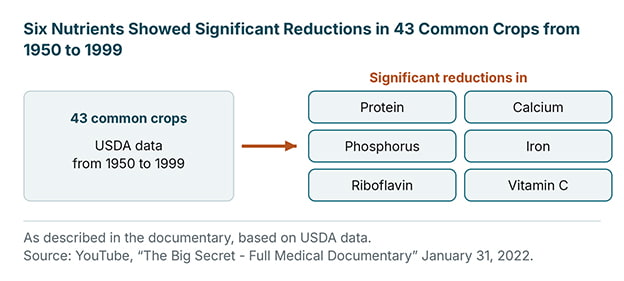
Figure 1. According to the documentary, USDA data showed significant reductions in six nutrients across 43 common crops from 1950 to 1999.
• Government policy made the problem worse — When industrial farming began to exhaust the topsoil, the response was not ecological restoration but chemical replacement. Nitrogen, phosphorus, and potassium were added back to grow large, fast-yielding plants. But those were only three of the many essential minerals required for human health.
To make food cheaper and more shelf-stable, it was refined, extruded, sweetened, and preserved. Nutrients were stripped, fats were hydrogenated, and flavor was recreated through additives. What the population consumed became a simulation of food — high in calories, low in substance. And as people became sicker, they were told to eat less and move more, rather than to investigate what had been taken away.
• This same period saw the rise of high-fructose corn syrup (HFCS) — As corn subsidies pushed down the cost of raw material, food companies replaced traditional sugars with this lab-made sweetener that bypasses normal insulin regulation and floods the liver with unbuffered fructose. This has been linked to fat buildup, mitochondrial stress, and fatty liver disease. HFCS also has been associated with metabolic syndrome.
• Glyphosate may have turned our food into slow poison — Introduced as a weed killer for genetically modified (GM) crops, glyphosate can act as a mineral chelator and microbial toxin. As explained by Raymond Francis, a chemist and registered consultant:
“Glyphosate is the main component of weed killers like Roundup. It is a very toxic chemical that has already been linked to irreversible metabolic damage, infertility, obesity, learning disabilities and birth defects.
In 2009, American farmers sprayed 57 million pounds of glyphosate on food crops, mainly on genetically engineered corn and soy crops. U.S. farmers are now using so much glyphosate that researchers are finding it in the rain, in the air, in the streams, and our water supplies.”6
• Scientific warnings were buried and regulators looked away — Researchers who warned about glyphosate faced censorship, funding loss, and legal threats. Regulators relied on industry studies and approved its use, critics say, without long-term safety data. As with pharmaceuticals, profit signaled safety. This is how GMO crops designed for glyphosate tolerance quietly flooded the food supply without public awareness or consent.
To understand how corporate interests like Big Tobacco helped design the modern food system, read “The Hidden History of Our Modern Food System — How Big Tobacco Shaped What We Eat.”
What Is Fluoridation — And Why Is It Still Used in Our Water Supply?
Fluoride is added to drinking water to purportedly reduce cavities across the population. This narrative has led most people to assume it’s both safe and beneficial. But did you know the chemical that enters most municipal water systems is not even the pharmaceutical-grade sodium fluoride used in controlled clinical settings?7
• Industrial waste rebranded as a public health tool — Hexafluorosilicic acid has been called hazardous waste at its point of origin. If disposed of conventionally, it would require costly toxic waste management. Instead, it’s rerouted into the water supply, rebranded as a health intervention, and distributed into homes, schools, and hospitals. According to the film:
“Fluoridation of the drinking water supply is done to get rid of the toxic waste hexafluorosilicic acid from the smokestack scrubbers of aluminum and fertilizer factories. This practice has caused cancer and brain damage for almost 50 years.
The aluminum and fertilizer industries would have to pay a fortune to dispose of the hexafluorosilicic acid if it were not for the municipal water fluoridation … Dr. Dean Burk of the National Cancer Institute said fluoridation is a form of public mass murder, and he also said, ‘In point of fact, fluoride causes more human cancer death and causes it faster than any other chemical.’”8
• Linked to lower IQ in children — Dozens of studies, including large meta-analyses, show consistent associations between higher fluoride exposure (above 1.5 mg/L in drinking water) and lower childhood IQ. The most vulnerable window may be during prenatal and early-life development, when the blood-brain barrier is immature and the brain is highly sensitive to chemical interference.9,10
• May disrupt thyroid function at higher exposure levels — Fluoride may compete with iodine in the thyroid gland, impairing hormone production. Higher fluoride exposure was associated with higher thyroid-stimulating hormone (TSH) levels in children, starting around 2.5 mg/L in drinking water. In adults, a few studies have linked fluoride exposure to hypothyroidism.11
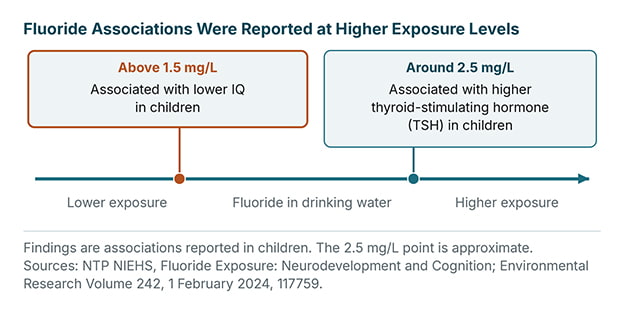
Figure 2. Studies in children have reported associations with lower IQ above 1.5 mg/L and with higher TSH around 2.5 mg/L of fluoride in drinking water.
• Shielded by professional alliances and industry influence — The American Dental Association (ADA) remains one of fluoridation’s most active defenders, citing historical dental benefits while downplaying toxicological risks. But critics say the ADA receives financial support from chemical industry stakeholders, and investigations have revealed conflicts of interest and selective data use.
• Delivered without consent, dose control, or monitoring — Fluoride exposure is not prescribed, not adjusted for age or body weight, and not subject to individual opt-out. Infants, pregnant women, and the medically vulnerable are exposed daily, with no individual-level system in place to track cumulative impact. Unlike pharmaceuticals, which require informed consent, fluoridation happens passively; one dose fits all.
The promise of public health is to protect, not expose. And yet fluoride remains in the water, raising concerns about neurodevelopment, hormone balance, and metabolic health across generations, with no informed consent and no end in sight. To see how I’ve challenged this practice directly, read “My Open Letter to the American Dental Association.”
Cancer — A Potentially Preventable Crisis Ignored by Modern Medicine
Cancer rates keep rising, despite decades of medical advances. The documentary implicates glucose and promotes the ketogenic diet as a solution. But while it rightly exposes the failures of the modern cancer model, it miscasts glucose as the enemy. In my view, the real issue isn’t sugar — it’s mitochondrial damage caused by fat overload and oxidative stress.12
• Progress in cancer outcomes remains elusive — Despite hundreds of billions of dollars poured into research, the survival has barely improved for many cancers. Patients still endure largely the same chemotherapy, radiation, and surgery protocols developed decades ago, often with harsh side effects and poor long-term results.
The documentary argues this stagnation isn’t due to a lack of knowledge. It’s the product of a medical model that deliberately obscures workable, non-pharmaceutical solutions to protect the pharmaceutical status quo.
• The role of glucose in cancer — The film emphasizes that cancer’s metabolic engine is glucose-dependent, noting that malignant cells burn through sugar at nearly 200 times the rate of normal tissue. This observation has shaped alternative strategies aimed at restricting glucose to slow cancer growth.
However, this framing overlooks an important nuance — glucose is not inherently carcinogenic, and sugar metabolism itself is not the root cause of cancer. In fact, glucose is the most efficient fuel for mitochondrial ATP production per oxygen molecule and plays an essential role in maintaining redox balance, nuclear integrity, and antioxidant defenses.
• The ketogenic diet restricts glucose, but may come at a cost — Ketogenic diets induce a metabolic state called ketosis, which lowers insulin and blood glucose while raising ketone levels. The documentary promotes this shift as a way to exploit cancer’s rigid metabolism and starve tumors of fuel.
Some early studies have shown promise in stabilizing aggressive cancers through dietary ketosis, and fasting can mimic similar effects short-term. However, long-term ketosis is not without risk, and it is not universally beneficial. Ketogenic metabolism relies on beta-oxidation and increased fat intake, which can raise mitochondrial oxidative stress, reduce electron transport efficiency, and impair metabolic flexibility.
A review of meta-analyses found that ketogenic diets can increase LDL cholesterol in some groups, cause greater fat-free mass loss, and appear less favorable than low-carbohydrate patterns for cardiovascular mortality. These tradeoffs may not be justified in individuals whose mitochondria are capable of oxidizing glucose cleanly and efficiently through restored metabolic pathways.13
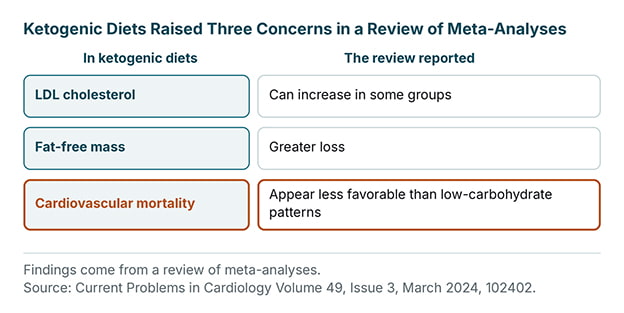
Figure 3. A review of meta-analyses reported that ketogenic diets can increase LDL cholesterol in some groups, cause greater fat-free mass loss, and appear less favorable than low-carbohydrate patterns for cardiovascular mortality.
• Metabolic dysfunction can stem from fat overload, not carbohydrate excess — The core issue is not that your body is using glucose. It’s because your mitochondria can’t use it properly. One overlooked cause is lipid-induced insulin resistance, which occurs when excess fat blocks glucose uptake via the Randle cycle.
When fat oxidation dominates, glucose metabolism is suppressed, lactate accumulates, and cells shift toward anaerobic pathways. These are hallmarks of the cancer phenotype. Rather than cutting glucose, restoring glucose utilization by reducing fat intake and supporting mitochondrial repair may be the more biologically sound solution.
• A real solution supports, not starves, glucose metabolism — Instead of chronic carb restriction, the path forward lies in restoring the cell’s ability to use glucose well. This includes improving mitochondrial membrane composition, restoring enzyme function, reducing linoleic acid, and supporting nutrient cofactors required for clean glucose combustion. In this view, glucose isn’t a toxin but a vital energy substrate that’s being poorly handled due to upstream damage.
For a deeper look at how glucose fuels cellular resilience and why it deserves to be reclaimed, not restricted, read “Glucose — The Ideal Fuel for Your Cells.”
The Big Secret — Health Was Always in Your Hands
The most striking message in “The Big Secret” isn’t about hidden toxins or corrupt institutions. It’s about power, specifically the biological power each person carries. Despite decades of dependency, censorship, and regulatory control, the most potent force in medicine remains your body’s ability to repair, regulate, and recover. The film argues that the system didn’t just overlook this truth. It was designed to suppress it.
• The health system was engineered to manage symptoms, not restore function — Chronic disease is framed as inevitable and treatment means lifelong medication. Nutrient-poor food is normalized, possible metabolic poisons like fluoride are defended, and biological dysfunction is treated as fate. But this framing serves institutions, not individuals. Real healing begins not with more control, but with fewer interferences and the return of what your body needs to thrive.
• The root inputs of health are simple, unprofitable, and biologically potent — Achieving optimal health doesn’t begin with a pill. It starts with minerals, real food, movement, metabolic renewal, clean water, light, rest, and community. These fundamentals don’t generate recurring revenue, but they recalibrate biology at the source, potentially reversing patterns that pharmaceuticals only manage.
• Censorship has silenced the strategies that may work — The film documents how clinicians who promote natural healing are often discredited, censored, or removed. Therapies that bypass pharmaceutical dependence are dismissed not because they threaten the medical business model. Reclaiming your health means seeking out what the system tries hardest to hide.
• Health is not fragile, and it’s not inherited from institutions — You are not broken by default. Health isn’t a privilege tied to income, insurance, or expert access. It’s something you build through choices once you understand how the system works, and more importantly, how to step outside of it.
The film’s final warning is also its core message — the greatest threat to the medical industry isn’t a competitor. It’s the informed individual, someone who no longer waits to be “saved,” no longer accepts decline as normal, and no longer forgets that biology was built for resilience.
This article is for informational purposes only and does not constitute medical advice. Consult a qualified healthcare provider before making changes to your health regimen.
Frequently Asked Questions (FAQs) About Today’s Medical Myths and Hidden Health Truths
Q: Do statins actually prevent heart attacks?
A: For people without prior cardiovascular disease, statins may offer little to no benefit in preventing heart attacks. They lower cholesterol levels but can come with significant side effects, including muscle pain, memory loss, liver dysfunction, and CoQ10 depletion. In many cases, lifestyle changes offer more protection with fewer risks.
Q: Why are alternative treatments discouraged in mainstream medicine?
A: Alternative and natural treatments are often excluded from insurance coverage and medical education in part because they can’t be patented or monetized. Doctors face legal and financial disincentives for recommending anything outside of pharmaceutical protocols, even when safer or more effective options exist.
Q: How does medical training shape the way doctors treat disease?
A: Most medical schools focus heavily on pharmaceuticals, surgery, and disease management, not prevention, nutrition, or root-cause treatment. Over time, this has created a system where doctors are exceptionally skilled at stabilizing symptoms but underequipped to address root causes.
Q: Why is chronic disease so common today?
A: Chronic diseases like cancer, diabetes, and heart disease are rising, likely due to a combination of nutrient-depleted food, chemical exposure, pharmaceutical overuse, and a healthcare model that treats symptoms rather than causes. Poor soil quality, processed diets, environmental toxins, and sedentary lifestyles also contribute to systemic breakdown.
Q: What’s the biggest health myth today?
A: One of the biggest myths is that chronic disease is inevitable and must be managed with lifelong drugs. In reality, many diseases are rooted in reversible dysfunctions linked to environmental and dietary factors. Health isn’t something granted by institutions. It’s something rebuilt by removing interference and restoring what your body truly needs.
- 1, 2, 3, 5, 6, 7, 8, 12 YouTube, “The Big Secret – Full Medical Documentary” January 31, 2022
- 4 StatPearls [Internet], Biochemistry, Cholesterol
- 9 Public Health Volume 219, June 2023, Pages 73-84
- 10 NTP NIEHS, Fluoride Exposure: Neurodevelopment and Cognition
- 11 Environmental Research Volume 242, 1 February 2024, 117759
- 13 Current Problems in Cardiology Volume 49, Issue 3, March 2024, 102402
Micro- and Nanoplastics in the Blood Linked to Increased Heart Attack Risk Factors
Reproduced from original article:
https://articles.mercola.com/sites/articles/archive/2026/11/04/microplastics-heart-attack-risk.aspx
Analysis by Dr. Joseph Mercola November 04, 2026
Story at-a-glance
- People having the most severe type of heart attack were far more likely to have micro- and nanoplastics in the blood flowing through their coronary arteries than people with stable heart disease or normal coronary arteries, suggesting these particles are linked to more advanced cardiovascular damage
- Tiny plastic particles don’t simply circulate through your bloodstream; research shows they damage the protective lining of your blood vessels, increase oxidative stress, trigger chronic inflammation and make artery-clogging plaque more likely to become unstable
- Smoking and exposure to air pollution were strongly associated with higher levels of plastic particles in the bloodstream, showing that multiple environmental exposures work together to increase stress on your cardiovascular system
- Many of your largest sources of plastic exposure are within your control, including your drinking water, food packaging, plastic food containers and other everyday products, giving you practical opportunities to lower your overall exposure
- Replacing plastic where possible, filtering your drinking water, choosing fresh whole foods, reducing seed oils high in linoleic acid and supporting healthy blood vessels through lifestyle habits all help reduce the biological conditions linked to cardiovascular disease
Heart disease remains the leading cause of death worldwide, and coronary artery disease sits at the center of that problem. Coronary artery disease, meaning the arteries that supply your heart become narrowed or blocked by fatty plaque, is characterized by chest pain, shortness of breath, fatigue and, in some cases, a sudden heart attack when blood flow stops completely. Left untreated, it raises your risk of permanent heart muscle damage, heart failure and death.
One of the most important questions you can ask is not only what causes plaque to build up, but what hidden environmental factors are making that process worse. High blood pressure, smoking, poor diet, sedentary living — researchers have been studying these risk factors for decades. Yet cardiovascular events still strike people who appear to be managing those risks.
That gap between known risk factors and real-world outcomes has pushed scientists to look more closely at the materials we encounter every single day without thinking twice. Two recent studies now connect that search to something found in nearly every modern environment: plastic.
Heart Attack Patients Carried Far More Plastic Particles in Their Coronary Blood
A study published in the European Heart Journal investigated whether micro- and nanoplastics are present in the blood flowing through the coronary arteries and whether their levels differ between people with different forms of coronary artery disease.1 The researchers analyzed blood collected during coronary angiography, a procedure that allows doctors to examine the arteries supplying the heart.
They also compared plastic levels with markers of inflammation, smoking history and air pollution exposure to better understand how these factors are connected.
The study included 61 adults: 19 people experiencing an ST-segment elevation myocardial infarction (STEMI), the most severe type of heart attack — caused by a complete blockage of a coronary artery that cuts off blood flow entirely — 20 people with chronic coronary syndromes, meaning stable narrowing of the coronary arteries, and 22 people whose coronary arteries appeared normal.
• People having heart attacks carried far more plastic particles and a greater variety of plastics — Detectable micro- and nanoplastics were found in 84.2% of patients experiencing a STEMI, compared with 40% of patients with chronic coronary syndromes and 31.8% of people whose coronary arteries appeared normal. Researchers also found that heart attack patients carried a median of three different types of plastic, while the other groups typically had none to two.
Polyethylene — the plastic commonly used in grocery bags, food packaging and bottles — appeared in 97% of patients with detectable plastics. Other plastics, including polypropylene, polystyrene, polyethylene terephthalate (PET) and nylon 66, also appeared much more frequently in the STEMI group.
• The highest plastic concentrations appeared exactly where blood flow became blocked — Researchers measured how much plastic was present and where those particles were concentrated. In patients having a STEMI, plastic concentrations were highest in blood collected from the coronary artery just upstream of the blockage, before doctors crossed it with the catheter. Concentrations were lower in blood collected after the blockage and lower still in blood drawn from the arm.
This pattern suggests the particles accumulate where blood flow becomes impaired rather than circulating evenly throughout the body. To strengthen confidence in the findings, the researchers also tested catheters, tubing and other medical equipment for contamination and found no detectable background plastics. In addition, some participants in every study group had no detectable plastics at all, showing the results reflected genuine biological differences rather than contamination.
• Higher plastic levels went hand in hand with stronger inflammation — Patients with the greatest plastic burden also had significantly higher levels of two inflammatory proteins that act as chemical messengers for the immune system. Persistently elevated levels of these proteins are associated with unstable plaque inside the arteries and a greater likelihood of heart attacks.
Rather than appearing as an isolated finding, higher plastic exposure consistently clustered with stronger inflammatory activity throughout the study population.
• Smoking was the strongest predictor of plastic particles in the blood — After accounting for multiple cardiovascular risk factors, smoking history remained the only independent predictor of detectable micro- and nanoplastics, increasing the odds nearly sixfold.
This finding suggests cigarette smoke serves as an important route of exposure or influences how these particles accumulate within the body. For smokers, this means tobacco exposure isn’t simply affecting the lungs and blood vessels — it also appears closely linked to the amount of plastic circulating through the coronary arteries.
• Air pollution and plastic exposure appeared to reinforce each other — Researchers also found that patients exposed to PM2.5 concentrations above 15 micrograms per cubic meter were more likely to have detectable plastics in their blood. PM2.5 refers to extremely small airborne particles that are small enough to travel deep into your lungs and enter your bloodstream.
Every participant who both smoked and experienced PM2.5 exposure above that threshold had detectable micro- and nanoplastics in their coronary blood.
Together, these findings suggest environmental exposures don’t occur one at a time. Instead, smoking, air pollution and plastic exposure appear to accumulate together, creating conditions associated with more severe cardiovascular disease.
Tiny Plastic Particles Disrupt Blood Vessels Long Before a Heart Attack Occurs
A review published in Particle and Fibre Toxicology examined laboratory and animal research investigating what happens after micro- and nanoplastics enter the bloodstream.2 Unlike the first study, which documented where plastic particles were found in people with heart disease, this review focused on the biological damage those particles cause.
The researchers explained how plastics spread through the body, injure blood vessels, interfere with normal heart function and trigger the chain of events that contributes to cardiovascular disease. Understanding these mechanisms gives you a clearer picture of why reducing plastic exposure matters long before symptoms appear.
• The smallest plastic particles travel farther and cause greater disruption — Researchers explained that nanoplastics are much smaller than ordinary microplastics, allowing them to pass through biological barriers that normally protect your organs. Once inside the bloodstream, they travel beyond the digestive tract and reach the heart, blood vessels and other tissues.
Their extremely small size also makes them easier for cells to absorb through several transport pathways, allowing them to accumulate inside tissues where they interfere with normal cellular function. The review also notes that plastic particles often carry chemical additives from manufacturing along with pollutants picked up from the environment, exposing your body to far more than plastic alone.
• Plastic particles weaken the protective lining of your blood vessels — Healthy arteries depend on a thin layer of cells called the endothelium, which forms a smooth lining that helps regulate blood flow, blood pressure, clotting and inflammation. According to the review, micro- and nanoplastics injure these cells, reducing their survival and impairing their ability to function normally.
The particles also trigger oxidative stress, meaning harmful unstable molecules overwhelm your body’s antioxidant defenses and damage proteins, fats and DNA inside blood vessel cells. At the same time, plastic exposure reduces nitric oxide production. Nitric oxide is a natural signaling molecule that keeps arteries relaxed and flexible. When nitric oxide levels fall, blood vessels become stiffer, circulation declines and conditions become more favorable for cardiovascular disease.
• Chronic inflammation turns your immune system against your arteries — Inflammation normally helps your body fight infection and repair injuries, but the review found that plastic particles keep this response switched on for far too long. Instead of resolving, the inflammatory response stays switched on, with immune cells continuing to release chemical messengers that damage blood vessel tissue from within.
Over time, this ongoing inflammation damages the arteries rather than protecting them, creating an environment that supports cardiovascular disease.
• Immune cells begin building plaque that becomes increasingly unstable — According to the review, chronic inflammation encourages immune cells to absorb cholesterol and transform into foam cells, which are fat-filled cells that accumulate inside artery walls. Foam cells form one of the earliest building blocks of atherosclerotic plaque and continue fueling its growth.
Persistent inflammation also weakens the fibrous cap that covers these fatty deposits. As that protective cap becomes thinner and more fragile, plaque becomes much more likely to rupture, triggering the formation of blood clots that block blood flow to the heart or brain.
• Multiple biological changes work together to increase cardiovascular risk — Rather than causing a single type of damage, micro- and nanoplastics affect several protective systems at once. The review describes injury to blood vessel cells, excessive oxidative stress, reduced nitric oxide production, chronic inflammation, plaque formation and plaque instability as interconnected processes that reinforce one another.
Together, these mechanisms help explain why plastic exposure is associated with progressively worsening cardiovascular health instead of one isolated problem.
Reduce the Plastic Burden Before It Reaches Your Bloodstream
The research points to a simple idea: the fewer micro- and nanoplastics you take into your body, the less opportunity they have to circulate through your blood vessels. At the same time, lowering inflammation and protecting your blood vessels gives your cardiovascular system a stronger foundation. Every change doesn’t have to happen overnight. Each step you take removes another source of exposure and moves you toward better long-term health.
The encouraging news is that many of your biggest sources of microplastic exposure are already within your control. The water you drink, the food packaging you use and many of your daily product choices all influence how much plastic enters your body.
That’s exactly why I wrote my book, Microplastics Cure, which is available for preorder. In it, I explain what current research reveals about how these tiny particles accumulate, why your body has such a difficult time removing them once they’re stored in tissues and the practical, science-based steps you can take to lower your exposure.
If everything feels overwhelming, don’t try to change your entire lifestyle in one day. Focus on one habit at a time. The goal isn’t perfection. It’s making steady progress that adds up over months and years.
1. Start with cleaner drinking water — Your drinking water is one of the most consistent sources of daily exposure, making it one of the smartest places to begin. I recommend installing a high-quality filtration system that’s specifically designed to remove microplastics, pharmaceutical residues and other emerging contaminants.
Many standard pitcher filters improve taste and reduce chlorine, but they aren’t designed to capture the smallest plastic particles. A properly designed filtration system lowers your exposure every day without requiring you to think about it.
2. Choose fresh, minimally processed foods whenever possible — Highly processed foods typically undergo more manufacturing, packaging and handling, creating additional opportunities for contamination with microplastics. I recommend building your meals around fresh fruits, vegetables, properly raised animal foods and other minimally processed whole foods.
Buying loose produce instead of individually wrapped items also reduces unnecessary plastic exposure before food even reaches your kitchen.
3. Improve the quality of the air you breathe every day — The first study found that higher exposure to fine particulate air pollution occurred alongside greater detection of plastics in coronary blood. If you live near busy roads, industrial areas or regions affected by wildfire smoke, keep your windows closed during poor air-quality days and use a high-quality HEPA air purifier indoors.
If you smoke, quitting is one of the most powerful steps you can take because the research identified smoking as the strongest predictor of detectable plastics in coronary blood.
4. Support your blood vessels by lowering chronic inflammation — The studies showed that higher plastic exposure was associated with inflammatory activity that damages blood vessels. You help counter that by building your diet around foods that actively support your blood vessels — leafy greens, berries, pasture-raised eggs and grass fed butter — while maintaining healthy blood sugar, getting regular movement, sleeping well and spending time outdoors.
These habits strengthen the cells lining your arteries and reduce many of the same biological processes linked to cardiovascular disease. Another important step is avoiding excess linoleic acid (LA), the polyunsaturated fat found in seed oils such as soybean, corn, sunflower, safflower and canola oil.
When LA becomes damaged through oxidation, it produces harmful compounds that injure cell membranes and activate inflammatory pathways throughout your body, including your blood vessels, liver and nervous system. Reducing your intake of these oils removes a persistent source of chronic inflammation and helps protect the arterial lining that micro- and nanoplastics are actively working to damage.
5. Reduce unnecessary plastic contact throughout your home — Small changes add up over time. Choose wooden, stainless steel or glass kitchen tools instead of plastic whenever practical. Store leftovers in glass containers, avoid heating food in plastic and replace worn plastic cutting boards and scratched food containers that shed more particles as they age.
If you’re just getting started, pick one room in your home each month and gradually replace plastic items with safer alternatives. That steady approach makes lasting progress much easier than trying to change everything at once.
FAQs About Micro- and Nanoplastics and Heart Attack Risk Factors
Q: What are microplastics and nanoplastics, and why are they a concern for my heart?
A: Microplastics are tiny fragments of plastic, while nanoplastics are even smaller particles that are invisible to the naked eye. Research suggests these particles don’t simply pass through your digestive system. They enter your bloodstream, reach your blood vessels and heart, and trigger biological changes such as inflammation, oxidative stress and damage to the lining of your arteries that are associated with cardiovascular disease.
Q: Did researchers actually find plastic particles inside the arteries of people having heart attacks?
A: Yes. Researchers detected micro- and nanoplastics directly in blood collected from the coronary arteries during heart procedures. People experiencing the most severe type of heart attack had both higher levels of plastic particles and a greater variety of plastic types than people with stable coronary artery disease or normal coronary arteries.
Q: How do tiny plastic particles damage my blood vessels?
A: Laboratory research shows these particles injure the cells lining your arteries, increase oxidative stress, reduce nitric oxide production that helps blood vessels stay flexible and activate long-lasting inflammation. Together, these effects encourage plaque to grow and become more unstable, increasing the likelihood of dangerous blood clots.
Q: What increases your exposure to micro- and nanoplastics?
A: The studies identified smoking and exposure to fine air pollution as important factors associated with higher levels of plastics in the bloodstream. Everyday sources such as drinking water, food packaging and plastic food containers also contribute to ongoing exposure, making your daily habits an important part of reducing your overall plastic burden.
Q: What are the most effective ways to reduce my plastic exposure?
A: Focus first on the biggest sources you can control. Drink filtered water from a filtration system designed to remove microplastics, choose fresh whole foods over heavily packaged processed foods, avoid heating food in plastic containers, reduce unnecessary plastic products in your home, improve indoor air quality and lower chronic inflammation by eating a whole-food diet and avoiding seed oils high in LA. Small, consistent changes made over time have the greatest impact.
This article is for informational purposes only and does not constitute medical advice. Consult a qualified healthcare provider before making changes to your health regimen.
Hidden heart problem brewing years before the first warning sign
Reproduced from original article:
https://www.naturalhealth365.com/hidden-inflammation-reshapes-the-heart-years-before-the-first-warning-sign.html
by: September 28, 2026
 (NaturalHealth365) Most of us imagine heart trouble arriving all at once, with crushing chest pain and a frantic drive to the emergency room. Yet for many people, the real story starts a decade or more earlier.
A slow, low-grade fire burns inside the body without a single symptom, fed by ordinary pressures like worry, belly fat, and cigarette smoke. Now, blood samples and heart scans from nearly half a million adults show what that fire does over time, and the heart muscle literally starts to change shape.
Everyday pressure leaves a physical mark on the heart
Researchers at Imperial College London examined health records from 488,079 adults in the UK Biobank. The team followed many of them for about 15 years, measuring long-term inflammation with a blood marker called GlycA. Unlike a quick spike from a cold or a cut, GlycA reflects a steady, simmering immune response that lingers.
The results were hard to miss. People in the top fifth for inflammation faced a 43% greater risk of heart attack, stroke, heart failure, or heart-related death than people in the bottom fifth. Interestingly, the danger stayed fairly flat at lower levels, then climbed sharply once inflammation passed the middle of the range.
A thicker, smaller heart has to work harder
Heart scans from about 70,000 participants revealed what that extra risk looks like on the inside. People with more inflammation tended to have smaller heart chambers and thicker heart walls. Their hearts also filled with blood less easily between beats.
As a result, each beat pushed out less blood, so the heart made up the difference by beating faster. In other words, the heart was compensating, and compensation can hold for years before something gives.
Sadly, these changes often develop with no symptoms, which helps explain why so many people feel fine right up until a heart failure diagnosis.
Belly fat, cigarettes, and money worries keep the fire going
The team tested 177 lifestyle, environmental, and body measurements to see what drives inflammation. Fat stored around the trunk had the strongest tie, followed by smoking, emotional distress, and financial strain. Depression and the deep belly fat that wraps around the organs also ranked near the top.
Stress, in other words, kept showing up in different forms. Frequent daytime napping also landed among the habits most tied to higher inflammation, while regular exercise and a healthier diet lined up with lower levels.
Put simply, several of the strongest drivers are things you can actually change, and quitting smoking remains one of the most powerful steps of all.
Your genes load the dice, but daily habits still steer the outcome
Genetics added another layer to the story. Some people’s bodies reacted more strongly to smoking, excess fat, poor mental health, and hardship, while others seemed naturally more resilient. Two people with identical habits can carry very different levels of inflammation.
Still, the researchers stress that genes or a hard stretch of life do not make heart disease inevitable. Because the study observed people rather than testing a treatment, the findings show a strong link, not proof of cause.
Even so, inflammation responds to the same daily choices that feed the problem, and a family history of heart trouble simply raises the stakes on acting sooner.
Cooling hidden inflammation starts at home
Shrink the fat around your middle, one meal at a time. Trunk fat topped every other factor, so trimming your waistline ranks among the most direct ways to calm inflammation. Build meals around organic vegetables, eggs, wild-caught fish, and pasture-raised meats. Meanwhile, cut back on sugary drinks and refined flour. A brisk walk after dinner helps too, and research suggests steady movement lowers inflammation over time.
Give your nervous system a daily off switch. Because emotional distress ranked so high, treat stress relief as heart care rather than a luxury. Five minutes of slow breathing, a stroll outside, or a call with a close friend can help settle stress hormones. Some people also turn to calming herbs like ashwagandha or holy basil (tulsi). In fact, research suggests ashwagandha can lower cortisol in stressed adults.
Season generously with anti-inflammatory spices. Turmeric, ginger, rosemary, and garlic all contain compounds that research suggests help calm inflammation. Pair turmeric with a pinch of black pepper for better absorption, and add fresh ginger to soups or teas. Oily fish like salmon and sardines, along with extra virgin olive oil, pair well with these spices. For extra heart support, hawthorn berry tea has a long history in traditional herbal medicine.
Guard your nighttime sleep. Frequent daytime napping often signals that nighttime rest is falling short. Aim for a steady bedtime, a cool, dark bedroom, and dim screens an hour before bed. Magnesium-rich foods like pumpkin seeds and leafy greens can also help your body unwind. If you still wake up exhausted, ask a healthcare provider to check for sleep apnea.
Heart protection that starts long before the first symptom
Most routine checkups never measure the slow, simmering inflammation these participants carried for years. That means the first sign of trouble often arrives far too late.
Sources for this article include:
Astaxanthin — A Therapeutic Agent in Cardiovascular Disease
Reproduced from original article:
https://articles.mercola.com/sites/articles/archive/2026/09/12/astaxanthin-cardiovascular-benefits.aspx
Analysis by Dr. Joseph Mercola September 12, 2026

Story at-a-glance
- Heart disease develops quietly over years as blood vessels lose resilience under oxidative and inflammatory stress, long before symptoms appear
- Astaxanthin supports heart health by protecting cell membranes and blood vessels from damage at the cellular level, rather than targeting surface-level markers alone
- Research shows astaxanthin helps maintain flexible blood vessels, steady blood flow, and healthier heart tissue during periods of high stress or reduced oxygen
- The benefits of astaxanthin depend on using natural sources and having it present before and during cardiovascular strain, not after damage has already occurred
- Reducing oxidative stress through diet, improving sleep timing, and supporting natural vitamin D production all reinforce the same vascular repair pathways astaxanthin supports
Cardiovascular disease accounts for roughly 30% of all deaths worldwide.1 But before the dramatic event at the end of the timeline, there’s often a quiet biological drift that occurs. You rarely feel this shift as it unfolds. It typically shows up subtly in routine patterns, then compounds year after year until the damage becomes visible and difficult to reverse.
Much of that long arc traces back to how blood vessels respond to ongoing metabolic and environmental pressure. When the inner lining of your arteries loses resilience, circulation suffers, tissues receive less oxygen, and stress accumulates in places designed for constant flow.
Researchers have spent decades trying to interrupt this process, often focusing on single markers while missing the underlying drivers that keep the cycle active. That gap explains the renewed interest in compounds that work at the cellular level. Some nutrients influence how cells handle stress, repair themselves, and maintain structure under pressure.
When that foundation improves, downstream markers tend to follow. Astaxanthin, a naturally occurring red pigment found in certain marine foods and microalgae, stands out in this context because it supports the basic structures that protect cells under stress while reinforcing the systems that keep blood vessels and your heart functioning over time.
Astaxanthin Targets the Core Drivers of Heart Disease
A review published in the Journal of King Saud University examined astaxanthin as a nutraceutical for cardiovascular health, with a primary focus on atherosclerosis, blood pressure, lipid levels, and metabolic stress.2 The researchers evaluated how astaxanthin affects the biological processes that actually damage arteries over time, including oxidative stress and chronic inflammation, which directly affect your long-term heart risk.
The paper draws from animal research and human clinical trials involving adults with imbalanced blood fats, diabetes, high blood pressure, or elevated cardiovascular risk factors. These are the same categories many people fall into long before a diagnosis like heart attack or stroke appears on their chart.
• Astaxanthin consistently improved lipid patterns tied to plaque buildup — Across human trials summarized in the paper, astaxanthin supplementation lowered triglycerides and raised HDL cholesterol, often referred to as “good cholesterol,” because it helps remove excess cholesterol from artery walls.
• Improvements occurred without the tradeoffs seen with other antioxidants — Astaxanthin differs from beta-carotene and vitamin E, which failed to improve cardiovascular outcomes in large trials and, in some cases, worsened oxidative stress at higher doses. This comparison helps explain why astaxanthin shows benefits where other antioxidants fell short.
Why did vitamin E and beta-carotene fail where astaxanthin succeeds? Location matters. Most antioxidants float in the watery parts of cells or accumulate in fat stores, leaving membranes vulnerable. Astaxanthin is uniquely shaped to span the entire cell membrane, anchoring at both the inner and outer surfaces.
This positioning lets it intercept damage right where it starts — at the membrane itself. Additionally, high-dose vitamin E actually becomes a pro-oxidant under certain conditions, generating the very damage it’s supposed to prevent. Astaxanthin doesn’t share this liability.
• Blood vessel function improved alongside lipid changes — Animal studies reviewed in the paper showed reductions in systolic blood pressure and improved endothelial function. The endothelium is the thin inner lining of all your blood vessels — think of it as the “skin” inside your arteries. When it’s healthy, vessels relax easily, blood flows smoothly, and plaque has trouble gaining a foothold.
When it’s damaged, arteries stiffen, blood pressure rises, and the conditions for heart disease take hold. With astaxanthin, arteries stayed more flexible instead of stiffening under pressure. Most lipid and oxidative stress improvements appeared after four to 12 weeks of consistent supplementation.
• Astaxanthin works by neutralizing damaging molecules before they injure arteries — Oxidative stress involves unstable molecules that attack fats, proteins, and DNA inside your blood vessels. Think of oxidative stress like a fire spreading through dry brush. Unstable molecules called free radicals steal electrons from healthy cells, damaging them and triggering a chain reaction.
Astaxanthin acts like a fire break — it donates electrons freely, satisfying these unstable molecules before they damage your artery walls.
Unlike many antioxidants that float outside cells, astaxanthin spans the entire cell membrane, anchoring itself across the fatty layer that lines blood vessels. This positioning lets it shield vulnerable fats from oxidation, which slows plaque formation. Astaxanthin also activates a cellular switch that turns on your own antioxidant enzymes, including glutathione-related systems.
• Inflammation reduction plays a central role — Astaxanthin lowers inflammatory activity inside artery walls, slowing one of the earliest structural changes that leads to plaque formation. When immune cells absorb too much damaged cholesterol, they swell up and become trapped in artery walls — researchers call these bloated cells “foam cells” because of their bubbly appearance under a microscope.
These foam cells are the foundation of arterial plaque, the buildup that narrows arteries over time. Taken together, the paper shows that astaxanthin supports healthier cholesterol handling, steadier blood pressure, and stronger vessel walls through mechanisms that match how cardiovascular disease actually develops.
Why Form and Timing Matter for Real Cardiovascular Protection
A review published in the journal Marine Drugs set out to evaluate astaxanthin specifically through the lens of cardiovascular disease, with an emphasis on oxidative stress, inflammation, blood flow, and clot risk.3
Researchers studied what happens when blood flow to the heart stops and then suddenly returns — a situation doctors call ischemia-reperfusion injury. This mimics what occurs during a heart attack or heart surgery. Surprisingly, much of the damage happens not during the blockage itself, but when blood flow returns and floods oxygen-starved tissue. Astaxanthin showed remarkable protective effects during this key window.
• Astaxanthin protected the heart muscle during oxygen deprivation — In multiple animal studies summarized in the review, astaxanthin administration before an induced cardiac event limited the amount of heart tissue damaged during the period of extreme stress, helping preserve more healthy heart muscle.
• Protection increased with dose in controlled experimental settings — The review reports a clear dose-response relationship in several studies, where higher astaxanthin exposure led to greater reductions in tissue damage and oxidative markers.
Astaxanthin provided the strongest protection when present in tissues before vascular injury occurred. Human safety data summarized in the paper report no significant adverse effects across a wide dosing range, including effects on blood pressure, clotting, or liver markers.
• Blood flow dynamics improved independently of cholesterol changes — One unique finding emphasized in this paper is improved arterial blood flow and delayed clot formation in animal models, even when lipid levels were not the primary variable.
This finding separates astaxanthin from the cholesterol-focused approach that dominates conventional cardiology. Astaxanthin improves circulation directly, not just by changing lipid numbers on a lab report. In blood clot models, astaxanthin delayed vessel blockage without interfering with normal clotting needed for wound repair.
Why Astaxanthin Works Upstream of Cardiovascular Damage
Astaxanthin is a compound that strengthens heart cells, stabilizes blood vessels, and improves flow before damage escalates into clinical disease.4 Astaxanthin stands out because it targets oxidative stress and inflammation at their source, not downstream damage.
• Cell membranes remained intact under extreme oxidative pressure — Astaxanthin embeds across the lipid membrane, anchoring both ends and preventing breakdown when reactive molecules attack. This means your cells hold their shape instead of leaking and failing under stress.
Astaxanthin increased nitric oxide, the molecule that signals blood vessels to relax and widen. At the same time, it reduced peroxynitrite — a harmful compound formed when nitric oxide reacts with free radicals. Peroxynitrite stiffens arteries and damages tissue, so this dual action keeps vessels flexible while preventing collateral damage.
• Astaxanthin interrupts the inflammatory chain reaction in arteries — As explained in a review published in The American Journal of Cardiology, cardiovascular disease worsens when reactive oxygen and nitrogen species overwhelm blood vessels, activating inflammatory switches that drive endothelial dysfunction, plaque growth, and rhythm disturbances such as atrial fibrillation.5
Unlike vitamin E and beta-carotene, which failed in human trials, astaxanthin belongs to a class of oxygenated carotenoids that directly neutralize these reactive molecules and break destructive chain reactions before they damage vessel walls, making it a strong candidate for addressing a long-standing gap in cardiovascular treatment.
• Astaxanthin shows broad cardiovascular actions — A 2017 review published in Food & Function explains that astaxanthin influences multiple cardiovascular pathways at once, including oxidative stress control, inflammation reduction, blood pressure regulation, lipid handling, glucose balance, kidney protection, and plaque development.6
How to Address the Root Causes of Cardiovascular Damage
Many heart problems build over time through oxidative stress, chronic inflammation, damaged blood vessel lining, and poor cellular energy handling. Fixing those drivers first changes the trajectory, because lipid patterns, blood pressure, and circulation often improve as downstream effects. If you’re already seeing warning signs on labs, or you simply want stronger long-term protection, these steps keep the focus on causes, not symptoms.
1. Lower oxidative stress at the cellular level first — Oxidative damage injures artery walls and sets plaque processes in motion, and one of the biggest drivers is excess linoleic acid (LA) from seed oils. Many Americans consume far more LA than their tissues can safely handle, which fuels inflammation and mitochondrial dysfunction that pushes heart disease forward.
You lower that burden by cutting ultraprocessed foods and seed oils — keeping your LA intake below 5 grams per day. If you can get it under 2 grams, the benefit is even stronger.
To help measure your intake, I recommend you sign up for the Pax health platform, which contains the Seed Oil Sleuth. This feature helps calculate the LA in your food to a tenth of a gram. As oxidative stress drops, blood vessels regain flexibility instead of staying irritated and stiff.
Here’s where astaxanthin and seed oil reduction work together: Excess LA from seed oils makes your cell membranes more vulnerable to oxidation. Astaxanthin embeds in those same membranes and protects them. But if you’re constantly flooding your body with unstable fats, you’re fighting an uphill battle. Reducing seed oil intake lowers the oxidative burden, while astaxanthin reinforces the membranes you’re trying to protect.
2. Build blood vessel resilience — Reducing LA from seed oils and using more stable fats like grass fed butter, ghee, and tallow lowers oxidative stress in vessel walls, which helps preserve normal structure and function over time. Also support vessel flexibility with habits that reinforce circulation and relaxation.
Daily walking keeps blood moving across vessel walls, which signals them to stay elastic instead of stiff. Adequate magnesium intake also helps vessels relax appropriately rather than over-tightening under stress. When membranes are stable and vessels stay responsive, circulation improves naturally and the strain on artery walls drops.
3. If you use astaxanthin, choose the source that matches human nutrition — Astaxanthin occurs naturally in certain marine foods, including wild salmon, sardines, trout, shrimp, and krill, where it plays a protective role in those organisms. Including these foods regularly helps you obtain astaxanthin in a form your body already recognizes.
Krill oil offers a convenient way to obtain astaxanthin alongside omega-3 fats, since the astaxanthin in krill helps protect those delicate omega-3s from oxidation. This combination delivers cardiovascular benefits from multiple angles simultaneously.
If you decide to use an astaxanthin supplement, I strongly recommend products made from the Haematococcus pluvialis microalgae, not versions produced from petrochemicals or genetically engineered yeast. This keeps your intake aligned with the forms studied in cardiovascular research and avoids unnecessary exposures tied to synthetic production, while preserving the benefit profile linked to natural astaxanthin.
Most human studies showing cardiovascular benefits used doses between 4 and 12 milligrams (mg) daily of natural astaxanthin from Haematococcus pluvialis. Higher doses (up to 24 mg) have been studied safely, but the sweet spot for most people appears to be 8 to 12 mg daily, taken with a fat-containing meal to enhance absorption.
4. Use astaxanthin strategically during periods of higher cardiovascular stress — Astaxanthin provides the most value when oxidative and inflammatory stress rise. Intense exercise, emotional stress, frequent travel, and disrupted sleep all place extra strain on blood vessels and heart tissue. These are the moments when oxidative damage accumulates fastest — and when astaxanthin’s protective effects matter most.
Using astaxanthin consistently during these higher-demand phases helps reinforce cellular defenses when damage is most likely to occur. This shifts astaxanthin from a passive supplement to an active support tool matched to real-world stress patterns.
5. Restore circadian alignment with sunlight, vitamin D, and proper sleep — Your blood vessels follow a circadian rhythm. For instance, untreated sleep apnea and disrupted sleep cause a sharp nighttime drop in blood vessel function, increasing vulnerability to heart attacks and other cardiac events.7 Supporting healthy sleep timing and morning light exposure helps stabilize that rhythm.
As you begin to eliminate seed oils, avoiding harsh midday sun for at least six months gives your skin time to clear stored LA, which improves sun tolerance and lowers burn risk during peak midday exposure. As that process completes, gradual midday sun exposure supports natural vitamin D production, reinforcing vascular function, energy balance, and overnight repair.
FAQs About Astaxanthin and Heart Disease
Q: Why does cardiovascular disease develop so gradually?
A: Cardiovascular disease usually develops over many years through ongoing stress on blood vessels. Factors such as oxidative stress, chronic inflammation, and impaired cellular energy slowly weaken the artery lining, reducing circulation efficiency long before noticeable symptoms appear.
Q: What makes astaxanthin different from other antioxidants studied for heart health?
A: Astaxanthin acts at the cellular level, protecting cell membranes and interrupting damaging oxidative and inflammatory processes before they escalate. Unlike antioxidants that failed in large trials, astaxanthin works upstream by stabilizing cells and supporting normal vessel function under stress.
Q: How does astaxanthin support blood vessel and heart function?
A: Research shows astaxanthin helps preserve flexible blood vessels, supports healthy blood flow, and protects heart tissue during periods of reduced oxygen or increased stress. These effects align with how cardiovascular damage actually develops, rather than focusing on isolated markers alone.
Q: Why does the form and timing of astaxanthin matter?
A: The benefits of astaxanthin depend on using biologically appropriate forms and having it present during periods of higher oxidative or inflammatory stress. Natural sources and consistent use during demanding phases, such as intense exercise or disrupted sleep, align best with the research findings.
Q: How do lifestyle factors like diet, sleep, and sunlight fit into cardiovascular protection?
A: Lowering oxidative stress through diet, supporting daily circulation with movement, and maintaining healthy circadian rhythms all reinforce blood vessel repair. Proper sleep timing and regular sunlight exposure support vascular function and vitamin D production, helping protect your heart.
Q: How much astaxanthin should I take, and when?
A: Most research showing cardiovascular benefits used 4 to 12 mg daily of natural astaxanthin. Because astaxanthin is fat-soluble, taking it with a meal containing healthy fats (like grass fed butter or pastured eggs) improves absorption. Consistency matters more than timing — daily use builds tissue levels over weeks, providing ongoing protection rather than acute effects.
- 1, 2 Journal of King Saud University November 6, 2025
- 3, 4 Marine Drugs 2011, 9(3), 447-465
- 5 The American Journal of Cardiology May 22 2008, Volume 101, Issue 10, Supplement, S58-S68
- 6 Food & Function January 1, 2017, 8(1):39-63
- 7 Journal of the American Heart Association, November 6, 2025, Volume 14, Number 22
How ‘Eccentric’ Exercise Opens Up a Whole New World of Fitness
Reproduced from original article:
https://articles.mercola.com/sites/articles/archive/2026/07/17/eccentric-exercise.aspx
Analysis by Dr. Joseph Mercola July 17, 2026

Story at-a-glance
- Eccentric exercise — movements where your muscles lengthen under tension, such as walking downstairs, or lowering into a squat — builds greater force with less oxygen demand and less cardiovascular strain than conventional exercise
- Muscle soreness after eccentric exercise usually comes from inflammation and irritation in connective tissue rather than widespread muscle destruction, and your body rapidly adapts after only one or two sessions
- Elderly women who performed descending stair walking twice weekly for 12 weeks improved blood pressure, insulin sensitivity, cholesterol markers, and lower-body strength more than women who focused on ascending stairs
- Short home-based eccentric exercise routines involving movements such as chair squats, wall pushups, and heel drops improved strength, flexibility, and mental health, while more than 90% of participants continued exercising afterward
- Eccentric training improves balance, coordination, joint stability, and injury resistance because your muscles and nervous system learn how to absorb force more efficiently during real-life movement
You perform eccentric exercise every day without realizing it. Every time you walk downstairs, lower yourself into a chair, hike downhill, or set down a heavy object, your muscles resist force while lengthening instead of shortening. Think of your bicep when you slowly lower a heavy grocery bag to the counter; the muscle is working hard, but it’s stretching out rather than bunching up. That’s eccentric.
That single difference — lengthening under tension rather than shortening — fundamentally changes how your body responds to exercise. Research by Kazunori Nosaka, published in the Journal of Sport and Health Science, suggests it may be the most efficient path to building strength without taxing your heart and lungs.1
For years, eccentric exercise carried a bad reputation because of delayed onset muscle soreness, often called DOMS — the stiffness and tenderness that peak one to three days after unfamiliar exercise. Many people interpret that soreness as muscle destruction and avoid the movements that cause it. Nosaka’s review directly challenges that belief, reframing eccentric exercise as something far more useful than a source of pain to be feared.
Eccentric training has long been associated with athletes and bodybuilders, but the research points in a different direction. The people who gain the most are often those who feel furthest from a traditional gym routine — older adults, sedentary people, anyone restarting after a long break, and those managing joint pain or chronic conditions. That is why researchers now argue eccentric exercise belongs in mainstream fitness rather than remaining a niche method.
Your Muscles Rapidly Adapt to Eccentric Exercise
Nosaka’s analysis examined how eccentric exercise affects strength, soreness, athletic performance, and long-term health outcomes. The paper focused heavily on the idea that muscle soreness scares many people away from exercise unnecessarily. According to the review, muscle damage from eccentric exercise drops dramatically after your body adapts to it once or twice.
• How eccentric exercise works in ordinary daily life — Lowering yourself into a chair, walking downstairs, hiking downhill, and slowly lowering weights all rely on eccentric contractions. During these movements, your muscles lengthen while resisting force.
That creates greater physical stress on the muscle fibers without the same oxygen demand or cardiovascular strain seen in conventional exercise. The paper explained that eccentric contractions generate more than 20% greater force than concentric contractions, meaning the shortening phase of movement such as pushing or lifting.
• Lower physical strain creates a major advantage for beginners and older adults — One of the most practical findings involved energy demand. Eccentric exercise required lower oxygen consumption and produced lower heart rates compared to concentric exercise at the same workload. If you feel intimidated by hard workouts, fatigue easily, or struggle with joint pain, your muscles still receive a strong stimulus without exhausting your cardiovascular system.
• Muscle soreness doesn’t mean your muscles are destroyed — DOMS is commonly blamed on torn muscle fibers, but the picture is more nuanced. Much of the soreness comes from inflammation and irritation in the connective tissue surrounding the muscle — the fascia and tendons that hold everything together — rather than from widespread damage to the muscle fibers themselves.
Connective tissue acts like the support web around muscle fibers. When it becomes irritated after unfamiliar exercise, you feel stiffness, tenderness, and reduced mobility.
• The body rapidly builds protection against soreness — Nosaka described something called the “repeated bout effect.” After one session of eccentric exercise, your muscles and nervous system adapt quickly and future workouts produce far less soreness and stiffness. Even low-intensity eccentric exercise created this protective effect. In practical terms, your hardest workout is usually the first one. Once your body learns the movement, recovery becomes much easier.
• Small doses of eccentric exercise still created measurable improvements — The paper emphasized that severe muscle soreness isn’t required for progress. That’s important because many people still believe exercise only works if they feel wrecked afterward. The review explained that gradual progression works best:
◦Start with lighter resistance
◦Use fewer repetitions
◦Slow the movement down
◦Focus on control before speed or heavy loading
Why Eccentric Exercise Improves Heart Health, Brain Function, and Long-Term Physical Resilience
The benefits don’t stay limited to gym performance or muscle soreness. The paper explained that eccentric exercise reshaped cardiovascular health, metabolic function, and physical resilience in ways that carried directly into daily life.
• Descending stairs produced surprisingly large health improvements — One of the most interesting findings involved elderly obese women who performed descending stair walking twice weekly for 12 weeks.2 Compared to ascending stairs, the descending group achieved greater improvements in blood pressure, insulin sensitivity, cholesterol markers, and lower-body strength.
Researchers reported a 10% reduction in resting heart rate and a 9% drop in systolic blood pressure in the descending stair group. LDL cholesterol fell 13% while muscle strength improved 34%.
• Simple home programs produced high long-term adherence — Another study discussed in the review used a five-minute home-based eccentric routine involving chair squats, wall pushups, chair reclines, and heel drops.3 After eight weeks, participants improved flexibility, strength, and mental health while maintaining very high adherence. More than 90% continued regular exercise afterward.
• Eccentric exercise offers benefits beyond muscle strength alone — Eccentric exercise improves balance, mobility, and even cognitive function, meaning how well your brain handles memory, focus, and processing speed. The reason appears to be that lowering yourself under control demands constant feedback between brain and muscle, turning each repetition into a small skill-building exercise rather than a mindless rep.
• Athletes rely heavily on eccentric strength during competition — Team sports such as soccer and rugby place enormous eccentric stress on the body because athletes constantly decelerate, change direction, and absorb force.
The review explained that eccentric training improves deceleration control, power production, and injury resistance. That matters outside of sports too. Every time you catch yourself from falling, step off a curb, or stabilize your body during movement, eccentric strength protects your joints and connective tissues.
• One unusual nervous system effect stood out in the research — Eccentric training improved strength in the opposite untrained limb through something called the cross-education effect. Training one side of the body helped strengthen the other side too. Researchers believe nervous system adaptations inside the brain and spinal cord drive this effect.
This works because strength isn’t only stored in muscle tissue; it’s also encoded in the neural pathways that control movement, and those pathways serve both sides of the body. That finding has major implications for rehabilitation after injury or surgery because someone with one immobilized limb still benefits from training the healthy side.
How to Use Eccentric Exercise to Build Strength, Stability, and Injury Resistance Safely
Your body loses strength, balance, and resilience when you avoid resistance and controlled loading for years. That decline doesn’t start in old age. It starts the moment your muscles stop receiving enough challenge to maintain coordination, connective tissue strength, and efficient energy production.
Eccentric exercise addresses that root problem directly because it teaches your muscles and nervous system how to absorb force instead of simply producing it. That’s one of the missing pieces in many conventional exercise programs. You don’t need extreme workouts to rebuild strength and physical confidence. You need consistent, controlled exposure that your body adapts to over time.
1. Start with slow lowering exercises instead of aggressive workouts — If you’re sedentary or restarting exercise after a long break, begin with slow lowering movements because they create strength without exhausting your cardiovascular system. Lower yourself slowly into a chair for five repetitions. Descend stairs carefully instead of rushing.
Slowly lower yourself during a wall pushup instead of dropping quickly. Perform controlled heel drops off a stair while holding a railing — drop only as far as comfortable, and avoid bouncing at the bottom.
Slow body-weight squats with a three- to five-second lowering phase work extremely well because they strengthen your legs while training balance and control. Reverse lunges and controlled step-downs from a stair also teach your muscles to absorb force safely. Treat each repetition like skill practice rather than punishment. That mindset improves consistency fast.
2. Build tolerance gradually so soreness doesn’t overwhelm you — One reason people quit exercise programs is because they start too aggressively. Severe soreness creates fear and breaks momentum. The research showed your body adapts rapidly once exposed to eccentric exercise, but progression still matters. Start with:
•Five to 10 slow repetitions
•One or two sets
•Chair squats before weighted squats
•Wall pushups before floor pushups
•Short downhill walks instead of steep hikes
Mild soreness one or two days later is a normal sign of adaptation; your body is building the machinery to handle the load. But if soreness lingers past three days, or if it sharply limits your normal movement, that’s a signal to scale back the next session rather than quit entirely. The goal is steady exposure, not a heroic single workout.
3. Use eccentric walking to strengthen your body during daily life — You don’t need a gym membership to benefit from eccentric exercise. Controlled downhill walking, descending stairs, and forward lunge-style walking create strong eccentric loading in your legs while fitting naturally into everyday routines. If you spend most of your day sitting, build movement into activities you already do.
Lower yourself slowly into chairs instead of collapsing into them. Carry groceries while controlling the lowering phase instead of dropping them quickly onto counters or the floor. Walk downstairs deliberately instead of relying entirely on elevators and escalators. Those movements strengthen the muscles that protect your knees, hips, and balance during normal life.
4. Train your nervous system with controlled movement patterns — Eccentric exercise forces your brain and muscles to communicate more efficiently because your body needs to constantly control force, balance, and positioning. That matters if you notice stiffness, poor coordination, or reduced confidence during movement.
Slow negative pullups, controlled lunges, and single-leg step-downs all challenge your nervous system in a productive way. Instead of rushing through repetitions, focus on smooth movement and posture. Pause briefly during the lowering phase of a squat or pushup. Your body learns stability through repetition and control, not chaos.
5. Support recovery with movement, sunlight, and metabolic health — Your recovery capacity depends heavily on cellular energy production. Poor sleep, processed foods, inactivity, and excess seed oils interfere with that process and leave your muscles less resilient under stress. I recommend pairing eccentric exercise with habits that improve the function of your mitochondria — the energy-producing structures inside your cells — and recovery efficiency.
Prioritize daily sunlight exposure, especially early morning light, to support circadian rhythm and cellular energy production. Eat enough protein — about 0.8 grams per pound (or 1.76 grams per kilogram) of lean body mass — with one-third from collagen-rich foods to support connective tissue recovery.
Include whole-food carbohydrates that help maintain metabolic function and muscle glycogen instead of relying on restrictive low-carb approaches that lower exercise tolerance over time.
FAQs About Eccentric Exercise
Q: What exactly is eccentric exercise?
A: Eccentric exercise happens when your muscles lengthen while resisting force. Common examples include walking downstairs, lowering into a chair, hiking downhill, or slowly lowering a weight during a squat or pushup. Unlike conventional lifting movements that focus on pushing or pulling, eccentric movements train your body to absorb force under control. That improves strength, balance, coordination, and joint stability during everyday life.
Q: Why does eccentric exercise make you sore at first?
A: The soreness usually comes from inflammation and irritation in connective tissue surrounding the muscle rather than widespread muscle destruction. This delayed soreness, often called DOMS, tends to peak one to three days after unfamiliar exercise. The good news is your body adapts quickly. Even one or two eccentric workouts dramatically reduce future soreness through the repeated bout effect.
Q: Why is eccentric exercise useful for older adults and beginners?
A: Eccentric movements place a strong training stimulus on muscles without demanding as much oxygen or cardiovascular effort as conventional exercise. That makes them especially useful if you fatigue easily, have joint discomfort, or feel intimidated by intense workouts. Simple eccentric routines improve blood pressure, insulin sensitivity, lower-body strength, balance, and mobility in older adults.
Q: What are some simple eccentric exercises I can do at home?
A: Some of the most effective eccentric exercises require little or no equipment. Even five-minute home routines improved flexibility, strength, and mental well-being in sedentary participants. Examples include:
•Slow chair squats
•Controlled step-downs from stairs
•Heel drops
•Wall pushups with a slow lowering phase
•Reverse lunges
•Downhill walking
Q: How do I start eccentric exercise without overdoing it?
A: Start slowly and focus on control instead of intensity. Begin with five to 10 repetitions and one or two sets using body-weight movements. Lower yourself slowly during each repetition and stop before soreness becomes excessive. Consistency matters more than pushing to exhaustion. Your muscles and nervous system adapt surprisingly fast when the workload increases gradually.
Developing a Fatty Liver Increases Your Risk of Mortality
Reproduced from original article:
https://articles.mercola.com/sites/articles/archive/2026/07/28/fatty-liver-disease.aspx
Analysis by Dr. Joseph Mercola July 28, 2026
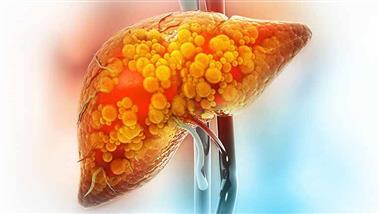
Story at-a-glance
- Fatty liver disease affects nearly 25% of adults globally and progresses silently, leading to cirrhosis, heart disease, diabetes, and liver cancer
- Research shows that fatty liver disease significantly increases mortality risk, especially from endocrine disorders and during the first year after diagnosis
- Cardiovascular disease ranks as a top threat for people with fatty liver disease, with advanced liver fibrosis substantially increasing the risk of serious adverse events
- Excessive fructose consumption from processed foods triggers de novo lipogenesis (fat creation) in the liver and promotes insulin resistance, even without alcohol consumption
- Treatment focuses on addressing root causes through dietary changes, regular physical activity, weight management, muscle-building, and addressing metabolic imbalances like insulin resistance
Fatty liver disease is becoming a widespread condition, affecting nearly 25% of adults globally.1 In other words, about one in every four people around you likely have a fatty liver without even realizing it.
As the name implies, fatty liver is characterized by an abnormal buildup of fat in your liver cells, which triggers inflammation, damages healthy tissue, and eventually leads to permanent scarring known as cirrhosis. Most people living with fatty liver disease don’t experience clear symptoms at first, but as it worsens, fatigue, persistent abdominal discomfort, or unexplained weight loss begin to appear.
Without proper intervention, fatty liver disease progresses to severe liver damage and also significantly raises your risk of heart disease, Type 2 diabetes, and even liver cancer. Even more alarming, research shows that it is directly linked to increased mortality, even in its earlier stages.
Linoleic Acid and Choline Deficiency — A Deadly Combination That Leads to Fatty Liver Disease
In the context of fatty liver disease, excessive linoleic acid (LA) intake is one of the biggest factors because of how it affects your cellular health. Alongside this issue is the lack of choline from your diet. I cover these topics in a study I wrote, which I will share more about in the near future.
• Excess LA creates toxic metabolites — When LA, an omega-6 polyunsaturated fat (PUF), becomes peroxidized, it creates metabolites such as 4-hydroxynonenal (4-HNE), which is a reactive aldehyde known to affect mitochondrial membrane integrity that leads to a buildup of fat in the liver.
As noted in a Nutrients study, “[A] few studies suggested that omega-6 PUFA is related to chronic inflammatory diseases such as obesity, nonalcoholic fatty liver disease and cardiovascular disease.”2
• Choline deficiency contributes to fat buildup — Choline helps maintain cell membrane integrity, and research shows that if there’s a deficiency, fat accumulates in the liver because of impaired very low-density lipoprotein (VLDL) secretion.3
Your liver produces VLDL to transport fat and cholesterol to the cells throughout your body by way of your bloodstream.4 But if there’s not enough phosphatidylcholine (which is synthesized via enough choline intake), fat stays in the liver instead.
• LA and choline deficiency undermine your health — According to independent nutrition researcher Chris Masterjohn, Ph.D., eating foods high in LA while not getting enough choline creates a vicious cycle that ends up with fatty liver disease:5
“I currently believe that dietary fat, whether saturated or unsaturated, and anything that the liver likes to turn into fat, like fructose and ethanol, will promote the accumulation of fat as long as we don’t get enough choline.
Once that fat accumulates, the critical factor igniting an inflammatory fire to this fat is the consumption of too much PUFA (polyunsaturated fat from vegetable and perhaps fish oils).”
Excess Fructose — Another Factor Linked to Fatty Liver Disease
As noted earlier, fatty liver disease is on the rise in America. The original assumption is that alcohol consumption contributed to this pervasive public health issue. However, research shows that you don’t even need to drink to develop fatty liver disease, and another culprit is a common ingredient excessively used in most processed foods — fructose.
• Too much processed fructose harms your liver — Your liver is able to handle modest amounts of fructose by converting it into energy. But when it suddenly receives an influx beyond what is normal (example, when you consume a sweetened drink), your liver undergoes de novo lipogenesis, which means it creates new fat.
• Increased risk of insulin resistance — Consuming high amounts of processed fructose makes your cells more susceptible to insulin resistance. Under normal conditions, insulin helps move sugar from the bloodstream into your cells to be used as energy. But once your cells don’t respond to insulin as they used to, the sugar remains in your blood, causing blood sugar levels to rise and contribute to disease.
• Excess refined sugar shifts your body’s metabolic priorities — To make matters worse, the fructose-driven processes in your liver reduce your body’s ability to burn fat because the bulk of the metabolic effort is aimed at managing the incoming flood of sugar. If this becomes chronic, your body will create more fat that it can comfortably use, increasing your risk of health issues such as heart disease and fatigue.
To be clear, fructose by itself isn’t necessarily harmful. It’s also found in fruits, which contribute to optimal health. The difference is that fruit also contains dietary fiber, vitamins, and other bioactive compounds that slow down fructose absorption. It’s really only processed and refined fructose that is problematic.
So, to protect your liver from developing fatty deposits, even if you’re not drinking alcohol, the solution is obvious — choosing natural sources of sweetness is better compared to processed drinks and foods.
A Deeper Look Into Cause-Specific Mortality Findings
A study published in the Journal of Hepatology6 set out to uncover exactly how fatty liver disease relates to different causes of death. Instead of solely focusing on common cardiovascular or liver-related outcomes, the researchers dug deeper, looking into a wide range of medical issues to show if some conditions were more sharply elevated than others under the influence of fatty liver disease.
• Endocrine-related issues stand out — One noteworthy finding by the study is a noticeable increase in the likelihood of death from endocrine-related causes for people dealing with fatty liver disease.
Endocrine disorders involve hormonal imbalances in organs like the pancreas or thyroid. While you may think of heart or liver complications whenever you hear the phrase “fatty liver disease,” this study showed that hormone-related mortalities were also significantly higher in patients diagnosed with fatty liver disease. Specifically, the risk for these endocrine causes of death are three times more than that of individuals without fatty liver disease.
• Fatty liver disease makes you more susceptible to other chronic conditions — The researchers also addressed deaths attributed to infections, gastrointestinal disease (excluding direct liver conditions), and mental health disorders.
Infections and gastrointestinal problems saw an elevated risk overall, theorizing that fatty liver disease sets off a chain reaction that reduces resilience to certain bacterial or viral threats, as well as creating an environment that is more prone to digestive imbalances.
Furthermore, the researchers noted that the risk of mortality specifically from mental health conditions was not meaningfully increased. However, this is still a noteworthy finding nonetheless.
• Liver cirrhosis causes a cascade of disease — One aspect that deserves mention is the comparison of mortality risk in different subgroups who also suffered from cirrhosis.
Those with advanced cirrhosis showed the greatest vulnerability when it came to non-liver causes of death, even beyond what people usually imagine from hearing “cirrhosis.” Once the liver is significantly compromised, the effects on multiple organ systems become more pronounced.
• The earlier you get treatment, the better the outcome — The research indicated that the mortality hazard was particularly high during the first year after participants received their fatty liver disease diagnosis. That means if you’re diagnosed with this condition, it would be wise to take positive steps sooner rather than later — the health and lifestyle changes you choose will have the biggest impact in those early months.
• Fatty liver disease sets the stage for more severe outcomes — The authors proposed that the metabolic environment surrounding fatty liver disease fosters widespread inflammation and an overload of fatty substances in the bloodstream, which wears down tissues beyond the liver. This chronic state of bodily “alert” reduces a person’s ability to handle secondary complications like infections or hormonal imbalances in the thyroid or pancreas.
Overall, these findings shed light on how fatty liver disease escalates health risks in ways that go well beyond heart or cancer concerns. By uncovering which conditions spike the most, medical professionals and affected patients will be able to adopt a more targeted approach to prevention and eventual healing.
Additional Insights Into Fatty Liver Disease-Related Mortality
A supporting study published in Clinical Molecular Hepatology7 focused on the different ways fatty liver disease impacts a person’s survival. Similar to the Journal of Hepatology study, the researchers assessed which ailments hit hardest, investigating the relative importance of heart complications, cancer, liver failure, and diabetes-related deaths. In addition, they analyzed how those risks shift when fatty liver disease progresses and interacts with other conditions.
• Cardiovascular disease ranks as a top threat — This finding is not just in terms of incidence, but also how often it resulted in mortality for people with fatty liver disease. This challenges the assumption that liver complications always dominate the list, hinting that heart health could be even more urgent for this group.
The team also looked at extra-hepatic cancers, which means cancers that develop outside the liver. According to their findings, extra-hepatic malignancies rose markedly in fatty liver disease patients, intensifying the likelihood of fatal outcomes in that population compared to those who don’t have it.
• A big part of the puzzle is advanced fibrosis — For some people, fat accumulation gradually causes a chain reaction, scarring the liver extensively. This reduces the organ’s ability to detoxify and regulate essential metabolic processes.
The researchers observed that, once the scarring reaches a certain threshold, the risk of serious complications — heart attacks, strokes, and aggressive cancer developments — increases even more than expected from fatty liver disease alone. They also highlighted that metabolic factors, such as high blood sugar or lipid abnormalities, further compound these dangers.
• Certain genetic and hormonal factors influence risk of complications — Carrying variants of the PNPLA3 gene ramps up the severity of fatty liver disease and speeds up its progression. For context: PNPLA3 is involved in how the liver handles fats, so if the gene is slightly altered, fat piles up more rapidly, leading to extra stress on the body.
Another point the researchers stressed involves thyroid function — having low thyroid hormone levels or even borderline levels heighten the all-cause mortality risk in fatty liver disease cases. That link is rooted in how thyroid hormones help control metabolism. If your metabolism slows or becomes erratic, more fat accumulation occurs, fueling inflammatory processes that eventually jeopardize your health.
• Sarcopenia also increases mortality — Muscle tissue is metabolically active, so losing it not only slows metabolism but also undermines the body’s ability to process glucose, regulate insulin, and maintain robust immune defenses.
By tracking patients who had both fatty liver disease and significant muscle loss, the researchers found a higher death rate that extended beyond liver issues alone. This finding shows that maintaining healthy muscle mass — through strength training or adequate protein intake — will be beneficial for those who already have a compromised liver profile.
• Healthy lifestyle adjustments protect your liver — Losing weight was deemed hugely impactful, specifically when people combined healthy eating with consistent physical activity. Essentially, when you burn excess body fat, the inflammatory load on the liver drops.
Less stored fat means less likelihood of insulin resistance, which the study pinpointed as a driver of advanced disease. Meanwhile, the researchers observed that people who followed a healthy diet noticed sharper reductions in their overall mortality risk.
• Chronic inflammation is a central factor — Fatty deposits, once they accumulate enough, trigger inflammatory cells to release substances that undermine vascular integrity, hamper immune responses, and encourage unchecked cell growth. Over time, that escalates everything from minor arterial plaque formation to the emergence of malignant tumors.
Practical Strategies to Fight Fatty Liver Disease
If you’re dealing with fatty liver disease, addressing the core reasons behind it is important to achieve lasting improvement. No one-size-fits-all approach exists, but committing to different targeted, meaningful lifestyle shifts will set you on a path toward healing. Here are my recommendations:
1. Improve your diet — The most immediate way to tackle the root cause of fatty liver is by switching to a healthy diet. Focus your meals on whole, unprocessed foods, especially vegetables, fruits, lean proteins, and healthy carbohydrates. Remember to boost your choline intake as well, which is found in pastured egg yolks, arugula, and grass fed beef liver.
Lastly, remove ultraprocessed foods and anything that contains high-fructose corn syrup and other added sugars.
2. Prioritize physical activity — Exercise is one of the best things you can do for your health. Aim for at least 30 minutes of moderate-intensity activity most days of the week, such as brisk walking, cycling, or swimming.
Increased physical activity helps your body burn off excess fat stores, especially around your liver, and boosts insulin sensitivity, directly reducing the inflammatory cycle caused by fatty liver disease.
3. Actively manage your weight — In relation to the previous point, excess body weight is a culprit in fatty liver development. Losing even a modest amount — around 7% to 10% of your total body weight — has dramatic benefits.8
If you’re obese or overweight, set achievable, incremental weight goals rather than extreme dieting. Steady, consistent reduction is the most effective way to reverse liver fat accumulation.
4. Build and maintain muscle mass — Muscle isn’t just for strength — it’s crucial for metabolism. Engage in resistance training at least twice weekly to build and preserve your muscle mass. This boosts your body’s ability to process sugar, regulate insulin, and reduce harmful fat deposits. Essentially, healthy muscle mass directly supports liver function by lowering systemic inflammation and improving overall metabolism.
5. Address underlying metabolic imbalances — If you’re diabetic, pre-diabetic, or insulin-resistant, improving your blood sugar control is essential. Pay close attention to your carbohydrate intake, choosing complex carbs (like white rice) over simple sugars. To understand the impact of carbohydrates on your metabolic health, read the article “The Hidden Health Benefit of Carbohydrates.”
6. Consider citicoline supplementation — As noted earlier, choline deficiency creates fatty deposits in your liver because the organ is not able to send the produced VLDL throughout your body. To boost your intake, consider taking supplements. However, not just any choline supplement will do — I recommend citicoline because most forms of choline supplements have poor availability.
Citicoline is the immediate precursor for the synthesis of phosphatidylcholine, and increased intake helps your fat to be transported out of your liver. Formulations differ depending on the manufacturer, ranging from 500 to 2,500 mg per day. To find out your ideal dose, consult with your health care provider because choline toxicity, while rare, is a real condition.9
Frequently Asked Questions About Fatty Liver Disease and Chronic Disease
Q: What exactly is fatty liver disease, and why is it a concern?
A: Fatty liver disease occurs when excess fat accumulates in liver cells, leading to inflammation, damage, and eventually, cirrhosis. It significantly increases risks for health complications such as heart disease, Type 2 diabetes, liver cancer, and endocrine disorders. This leads to higher overall mortality rates.
Q: What are the common signs of fatty liver disease?
A: Initially, fatty liver disease usually shows no clear symptoms, making early detection challenging. As it advances, symptoms like fatigue, persistent abdominal discomfort, and unexplained weight loss appear. Early screening and proactive treatment will greatly improve outcomes.
Q: How does fatty liver disease affect health beyond liver damage?
A: Beyond liver damage, fatty liver disease significantly elevates the risk of cardiovascular diseases, endocrine-related deaths, gastrointestinal issues, infections, and extra-hepatic cancers. The chronic inflammation associated with fatty liver disrupts multiple organ systems, leading to heightened vulnerability to other health problems.
Q: What lifestyle factors contribute most to fatty liver disease?
A: Dietary factors, especially excessive fructose from sugary foods and drinks, play a major role. High fructose intake triggers fat creation in the liver, promotes insulin resistance, and reduces fat-burning capacity, exacerbating liver fat accumulation. Other critical factors include obesity, physical inactivity, and loss of muscle mass (sarcopenia).
Q: What are the best ways to treat or reverse fatty liver disease?
A: Fatty liver disease can be effectively treated or reversed by adopting a healthy diet rich in whole foods, engaging in regular physical activity, losing excess body weight, maintaining muscle mass through resistance training, and addressing underlying metabolic conditions, such as insulin resistance or diabetes. Early intervention significantly improves prognosis.
- 1 Hepatology. 2023 Jan 3;77(4):1335–1347
- 2 Nutrients 2020, 12(11), 3365; doi: 10.3390/nu12113365
- 3 Oregon State University Linus Pauling Institute, “Choline”
- 4 Endotext, “Introduction to Lipids and Lipoproteins,” January 14, 2024
- 5 Chris Masterjohn Ph.D. Substack.com, November 23, 2010
- 6 Journal of Hepatology, March 24, 2025
- 7 Clin Mol Hepatol. 2022 Nov 22;29(Suppl):S43–S57
- 8 PLoS One. 2022 Feb 17;17(2):e0263931
- 9 NIH, “Choline”
Studies reveal how to lower blood pressure by drinking a delicious traditional beverage
Reproduced from original article:
https://www.naturalhealth365.com/a-cup-of-red-tea-is-quietly-rivaling-what-blood-pressure-drugs-are-built-to-do.html
by: July 18, 2026
 (NaturalHealth365) In Egypt, people brew karkade from a deep red flower and drink the tea at celebrations. In West Africa, the same flower turns into bissap. But, what’s really important to understand is how this traditional tea can help you with blood pressure concerns.
Mexican households call the drink agua de jamaica, and across the Caribbean, the same red brew becomes sorrel at Christmas. None of these traditions borrowed from one another, yet each of them reaches for the same plant to improve blood pressure readings.
A pattern too consistent across cultures to ignore
A team published an umbrella review in Complementary Therapies in Medicine in early 2025. The review compiled all reliable meta-analyses on hibiscus sabdariffa, the flower behind karkade, bissap, and jamaica.
Instead of running a fresh trial, the researchers combined results already gathered from thousands of participants across dozens of studies. Their goal was to settle years of conflicting headlines once and for all.
Earlier hibiscus trials had produced a frustrating mix of strong results and shrugs. Small sample sizes and inconsistent amounts made the picture blurry. But pooling everything together let a real signal separate from the noise for the first time.
The blood pressure numbers landed close to medication territory
Hibiscus lowered both systolic and diastolic blood pressure across the pooled data, and the drop scaled with the amount consumed. Researchers compared the effect directly against certain blood pressure medications and found the gap smaller than most people would expect from a beverage.
Few food-based interventions get anywhere close to that comparison.
The benefit also grew with time. People who kept drinking hibiscus for six weeks or longer saw stronger results than those who tried the tea briefly.
Older adults showed some of the largest improvements of anyone studied.
The heart was not the only system that responded
Cholesterol moved in the right direction too. Total cholesterol and LDL cholesterol decreased across the pooled trials, while HDL cholesterol increased modestly.
In addition, fasting blood sugar improved alongside those changes. That pattern suggests one flower was touching several connected systems at once, rather than fixing a single number in isolation.
Researchers pointed to the deep red anthocyanins in hibiscus as the likely thread connecting these results. Those same antioxidant compounds give the tea a distinctive color and much of the activity behind these findings. Their effects on inflammation and oxidative stress may explain why so many unrelated cultures noticed a heart benefit without ever knowing the underlying chemistry.
Turning centuries of tradition into a daily habit that works
Three cups of brewed hibiscus daily, steeped for at least five minutes, matched the range tied to the strongest results in this review. A standard tea bag holds roughly 1 to 2 grams of dried hibiscus, so three cups lands squarely in that window without any guesswork involved.
Cold brewing works as an alternative for anyone who finds hot tea unappealing in summer. The process takes several hours to extract a similar concentration of anthocyanins. Drinking hibiscus between meals rather than alongside them appears to support steadier absorption, based on patterns across the pooled trials.
One caution matters here. Anyone already taking blood pressure medication should speak with a doctor before adding daily hibiscus, since the two together can occasionally push numbers lower than intended.
What four unrelated cultures got right long before science caught up
Karkade, bissap, jamaica, and sorrel never needed a peer-reviewed journal to know something was working. The pooled data from this review essentially confirms what generations of home cooks already trusted, using tools those cooks never had access to. That kind of convergence between old tradition and new evidence is rare enough to take seriously.
Sources for this article include:
Chronic Kidney Disease: A Hidden Threat to Your Heart
Story at-a-glance
- Chronic kidney disease often develops silently for years, but even early kidney damage sharply increases your risk of heart attack, stroke, heart failure, and dangerous heart rhythm problems
- Two common tests called eGFR and UACR reveal hidden kidney stress long before symptoms appear and provide an early warning sign that your cardiovascular system is already under strain
- Researchers discovered that damaged kidneys release microscopic particles into the bloodstream that directly injure heart muscle cells, weaken heart contractions, and disrupt the electrical timing of the heartbeat
- Chronic inflammation, fluid overload, high blood sugar, excess sodium retention and overactivation of the nervous system create a destructive cycle that damages both the kidneys and the heart simultaneously
- Daily habits that improve metabolic health, including stable blood sugar, regular movement, lower intake of seed oils, restorative sleep, and healthy circulation, help reduce long-term stress on both organs before irreversible damage develops
Your kidneys do far more than filter waste. They shape your blood pressure, your circulation, your fluid balance, and even the rhythm of your heartbeat. When they start to falter, the damage rarely announces itself. There’s no chest pain, no dramatic warning sign, no clear moment when something feels wrong. Instead, kidney function slips downward year after year while you continue to feel mostly fine, which is exactly what makes chronic kidney disease so dangerous.
Here’s what most people don’t realize: when kidneys start failing, the first organ to suffer often isn’t the kidneys. It’s the heart. Long before dialysis ever enters the conversation, injured kidneys begin reshaping the cardiovascular system. Most adults can recite their cholesterol number from memory, yet very few could tell you whether their kidneys are filtering normally or already under stress.
The tests that would reveal the answer are inexpensive, widely available, and often already sitting inside routine bloodwork, but the results rarely get explained in a way that connects them to heart attack, stroke, or heart failure risk. Recent research has uncovered something startling: damaged kidneys actively release particles into the bloodstream that travel to the heart and injure cardiac muscle cells directly.
The kidneys aren’t just failing alongside the heart; they’re actively damaging it. Understanding this connection gives you something powerful: the chance to intervene while the damage is still reversible.
2 Simple Kidney Tests Reveal Hidden Heart Danger
Harvard Health Publishing examined the growing evidence linking chronic kidney disease to cardiovascular disease and explained why doctors now view the kidneys and heart as deeply connected systems rather than separate organs.1 Dr. John Ostrominski from Harvard-affiliated Brigham and Women’s Hospital stressed that chronic kidney disease often goes unnoticed even though it affects about 1 in 7 U.S. adults.
Early chronic kidney disease often develops silently because the kidneys compensate for damage over long periods. You might feel normal while kidney function steadily declines. Once symptoms finally appear, they often include swelling in the legs or ankles, fatigue, trouble breathing, exercise intolerance, and changes in urination. By that stage, substantial damage has already occurred. This is exactly why early testing changes outcomes.
You gain a chance to slow progression before the disease starts affecting circulation, fluid balance, and heart function.
• Two screening tests give an early warning long before a medical emergency develops — The first test is estimated glomerular filtration rate, called eGFR, which measures how effectively your kidneys filter waste from your blood. A score of 90 or higher is considered normal, while values below 60 signal impaired kidney function.
The second test is the urine albumin-to-creatinine ratio, called UACR, which checks whether protein leaks into your urine. Healthy kidneys keep protein inside your bloodstream. Once albumin starts leaking into urine, it signals structural kidney damage.
• Protein leakage in urine strongly predicts future heart problems — Ostrominski explained that elevated UACR levels reveal cardiovascular strain and future heart risk. According to the report, both low eGFR scores and high UACR values are strongly linked with greater risk of heart attacks, strokes, heart failure, and atrial fibrillation, which is an irregular heartbeat rhythm. That means a simple urine test gives you an early look at whether your blood vessels and circulation are already under stress.
• High blood pressure and diabetes damage the kidneys through direct physical strain — Elevated blood pressure forces the body to hold onto more sodium and fluid, increasing pressure inside the tiny blood vessels within the kidneys. Over time, this chronic stress damages the filtration system itself.
Diabetes creates a second layer of injury because prolonged exposure to high blood sugar thickens and damages microscopic kidney blood vessels called capillaries. Once those delicate filters stiffen and narrow, waste removal slows and inflammation rises.
• The kidneys and heart create a feedback loop that worsens both diseases together — Healthy kidneys help regulate blood pressure, fluid levels, and mineral balance, all of which directly affect heart function. When kidney function declines, fluid builds up more easily, blood pressure rises further, and the heart works harder to move blood throughout your body.
That extra strain increases the likelihood of heart enlargement, rhythm disturbances, and heart failure. At the same time, weakened heart function reduces blood flow back to the kidneys, which accelerates additional kidney damage.
• Metabolic dysfunction sits at the center of this entire process — Cardiovascular-kidney-metabolic syndrome, often shortened to CKM syndrome, links obesity, diabetes, high blood pressure, kidney disease, and cardiovascular disease together because they share the same underlying metabolic drivers.2 Excess body fat, poor blood sugar regulation, chronic inflammation, and impaired energy production damage multiple organ systems simultaneously.
Tiny Kidney Particles Damage the Heart Directly
Research published in Circulation investigated why so many people with chronic kidney disease develop heart failure even when doctors aggressively manage blood pressure, diabetes, and cholesterol.3 Researchers studied blood samples from 35 patients with moderate to advanced kidney disease and compared them to healthy controls.
Instead of focusing only on conventional risk factors, the team examined microscopic particles called extracellular vesicles, tiny membrane-covered packages released by cells into the bloodstream.
Think of extracellular vesicles as microscopic mail packages sealed in membrane envelopes. Cells normally use them to send routine messages to other cells. But when kidneys are damaged, they start mailing toxic cargo — genetic instructions and stress signals — that travel through the bloodstream and get opened by heart muscle cells, which then begin shutting down.
These extracellular vesicles carried genetic material and stress signals from injured kidney tissue directly into circulation. Once these particles reached heart muscle cells, they triggered cell death and interfered with the heart’s ability to contract normally. Researchers repeatedly described the kidney-derived vesicles as “cardiotoxic,” meaning directly harmful to heart tissue itself. That changes the entire understanding of kidney disease because the kidneys actively send damaging signals throughout the body.
• The study found direct evidence of heart muscle injury — Researchers exposed healthy heart muscle cells to extracellular vesicles taken from patients with kidney disease. Those cells rapidly showed increased apoptosis, which is programmed cell death. The heart cells began shutting themselves down after exposure to these kidney-derived particles.
Healthy control vesicles didn’t create the same damage. That confirmed the harmful effect came specifically from the diseased kidneys rather than from normal circulation.
• Heart contraction strength also weakened significantly — The study examined how well heart muscle cells squeezed and relaxed after exposure to kidney-derived vesicles. Researchers found impaired contractility, meaning the heart cells struggled to pump efficiently.
Calcium handling inside the cells also became disrupted. Calcium acts like an electrical timing signal that tells heart muscle when to contract and relax. Once calcium balance breaks down, the heartbeat loses efficiency and stability. Over time, this creates the conditions for heart failure and rhythm disturbances.
• The harmful particles carried specific microRNAs linked to tissue damage — MicroRNAs are tiny genetic regulators that switch certain cellular programs on or off. They work like dimmer switches on your genes. Each one can turn down specific cellular activities, including the genes that tell heart muscle how to contract properly. When the wrong microRNAs flood into heart cells, they essentially dim the lights on the machinery that keeps your heartbeat strong.
The researchers identified distinct microRNAs inside the extracellular vesicles that directly interfered with genes responsible for healthy heart contraction. When researchers inserted these microRNAs into laboratory-grown human heart cells, the cells showed the same toxic effects seen earlier in the study. This gave scientists a clearer explanation for how kidney disease physically alters heart tissue at the molecular level.
• The kidney itself appeared to be the source of these toxic signals — Researchers traced the microRNAs back to injured kidney tissue rather than the liver, heart, or immune cells. The strongest signals came from specific kidney cells damaged during chronic disease progression.
That finding reinforced the idea that chronic kidney disease acts as an active driver of heart failure instead of simply existing alongside it. The more severe the kidney dysfunction became, the stronger the cardiovascular injury markers appeared.
• Removing these harmful particles improved heart function in early animal research — Researchers used mice with chronic kidney disease and pharmacologically reduced circulating extracellular vesicles. Heart function improved significantly after the vesicles were depleted. Researchers also observed improvement in heart failure progression. This suggests that reducing the biological stress signals released by damaged kidneys directly lowers strain on the heart.
Researchers described these kidney-derived microRNAs as promising biomarkers for earlier disease detection and future therapies. These microscopic signals could eventually help identify cardiovascular damage years before a major cardiac event occurs.
Tracking kidney function, improving metabolic health, lowering inflammation, and reducing long-term stress on circulation become much more meaningful once you understand that silent kidney injury physically reshapes heart tissue over time.
Kidney Disease Changes Your Entire Cardiovascular System
A 2023 review published in Cardiovascular Research by the European Renal and Cardiovascular Medicine Working Group examined the growing cardiovascular burden inside chronic kidney disease across all stages.4 Researchers explained that cardiovascular complications become the leading cause of death in people with advanced kidney disease and regular dialysis treatment.
The review also highlighted a striking reality: many people with progressive kidney disease die from heart complications before their kidneys fail completely. That means protecting your cardiovascular system early becomes just as important as preserving kidney function.
• Cardiovascular danger rises step-by-step as kidney function declines — Researchers cited a meta-analysis involving more than 1 million individuals showing that death risk climbed sharply as kidney filtration rates worsened.5 Compared to a healthy reference filtration rate, mortality risk increased 18% at moderate kidney impairment, 57% at more advanced decline, and more than tripled in severe kidney dysfunction. Protein leakage into urine independently raised cardiovascular death risk too.
• Heart enlargement begins surprisingly early in kidney disease — The review discussed left ventricular hypertrophy, often shortened to LVH, which means the main pumping chamber of the heart becomes enlarged and thickened from chronic strain. Researchers found LVH already appears in earlier kidney disease stages and affects roughly 70% to 80% of patients with kidney failure on dialysis.
An enlarged heart muscle becomes stiffer, less efficient, and more vulnerable to heart failure and rhythm problems over time.
• Fluid overload places continuous stress on the heart and blood vessels — Damaged kidneys struggle to remove excess sodium and water efficiently. As fluid accumulates, blood pressure rises and the heart must pump harder against greater resistance. Researchers emphasized that volume overload alone doubles death risk in dialysis patients, even independent of other cardiovascular risk factors.
• Inflammation emerged as one of the strongest hidden drivers of damage — The review explained that chronic low-grade inflammation becomes almost universal in advanced kidney disease. Oxidative stress, gut microbiome disruption, metabolic acidosis, and retained waste compounds called uremic toxins all fuel inflammatory signaling. Uremic toxins are waste products the kidneys normally remove.
Once these compounds accumulate, they damage blood vessels, impair nitric oxide production, and increase oxidative injury throughout the cardiovascular system. Researchers noted that inflammation predicted cardiovascular death more strongly than LDL cholesterol in some kidney disease populations.
• The nervous system also becomes trapped in a chronic stress state — Researchers found sympathetic nervous system activity rises dramatically in kidney disease patients and becomes extremely elevated during dialysis treatment. Your sympathetic nervous system controls your “fight-or-flight” response.
Once chronically activated, it raises heart rate, constricts blood vessels, and increases blood pressure around the clock. The review linked this excessive sympathetic activation to higher rates of heart enlargement, arrhythmias, and cardiovascular death.
• Anemia further weakens oxygen delivery and strains the heart — Failing kidneys produce less of a hormone that stimulates red blood cell production. As anemia develops, oxygen delivery throughout the body drops. To compensate, the heart works harder and pumps faster, gradually increasing workload and accelerating structural heart changes. Researchers linked anemia directly to left ventricular hypertrophy and cardiovascular hospitalization risk in kidney disease patients.
• Sedentary behavior sharply increased cardiovascular risk — The review found limited physical activity was extremely common in both kidney disease and dialysis populations because of fatigue, illness burden, and reduced exercise tolerance.
Yet researchers consistently observed that higher physical activity levels strongly associated with lower cardiovascular mortality and fewer hospitalizations. One walking-based intervention reduced hospitalization risk by 29% over 36 months in dialysis patients.6 Movement improves circulation, blood pressure regulation, metabolic health, and mitochondrial energy production all at once.
Lower the Stress Load on Your Kidneys and Heart
Your kidneys and heart respond to the environment you create every single day. Years of metabolic dysfunction, high blood pressure, excess blood sugar, inflammatory foods, poor circulation, and chronic stress gradually damage the tiny blood vessels that keep both organs alive.
Once kidney tissue becomes injured, the research showed those damaged kidneys begin sending harmful signals directly into the bloodstream that weaken heart function too. That means the earlier you reduce the stress load on your body, the better your chances of slowing this cycle before it gains momentum.
1. Track your kidney numbers like a personal health score — Many people track weight or cholesterol but ignore the numbers that reveal silent kidney stress. It’s important to keep track of your eGFR and UACR values the same way you do your blood pressure. Those two markers often change years before symptoms appear.
Create a simple habit tracker on your phone or calendar and record your blood pressure and kidney labs whenever you get bloodwork done. Watching those numbers improve gives you direct feedback that your daily habits are reducing strain on your circulation and filtration system instead of damaging them further.
2. Lower blood sugar spikes before they injure tiny blood vessels — Chronic high blood sugar acts like fine sandpaper on the microscopic blood vessels inside your kidneys, gradually scarring the delicate filters they depend on. That same damage weakens circulation throughout your entire cardiovascular system. Your body runs far more efficiently when blood sugar stays stable.
Build meals around high-quality protein, collagen-rich foods, fruit, root vegetables, and other healthy carbohydrates instead of ultraprocessed foods, like seed oils, and sugary snacks.
If your digestion is compromised, with regular bloating or irregular bowel movements, begin with easier-to-digest carb sources like whole fruit and white rice before introducing harder-to-digest starches. Most adults need about 250 grams of carbohydrates per day from whole-food sources. This steady fuel supply turns your mitochondria back on and keeps your metabolism resilient.
3. Remove the inflammatory oils that damage cellular energy production — Seed oils, including soybean, corn, sunflower, safflower, and canola oils, are high in the polyunsaturated fat linoleic acid (LA), which places enormous oxidative stress on blood vessels, mitochondria, and kidney tissue when consumed in excess. Restaurant foods, packaged snacks, salad dressings, sauces, and processed convenience meals flood your body with these unstable fats that accumulate in tissues over time.
Replace those oils with grass fed butter, ghee, or tallow. If you eat animal protein, prioritize lower-PUFA ruminant meats instead of conventionally raised chicken or pork. Small daily swaps create a measurable reduction in inflammatory stress over months and years.
4. Use movement to improve circulation and metabolic function every day — Both organs run on the same fuel: steady, healthy blood flow. Every hour you spend sitting, that flow slows — and both kidneys and heart pay the price. Focus less on exhausting workouts and more on daily movement consistency because your body responds best to repetition.
Start with 20 minutes of walking daily and build toward an hour, along with resistance training twice a week. Also work in regular daily activity, like yardwork and frequent standing instead of sitting.
5. Restore your circadian rhythm to reduce chronic stress signals — Poor sleep and artificial light exposure raise stress hormones, worsen blood sugar regulation, and increase blood pressure strain on your kidneys and heart. Morning sunlight exposure helps reset your body clock and improves cellular energy production. I recommend getting outside shortly after sunrise and again near solar noon when possible.
However, if your diet has been high in seed oils, avoid peak sun exposure (10 a.m. to 4 p.m.) until you have removed them for at least six months, as excess LA stored in tissues increases susceptibility to sunburn and oxidative stress. At night, lower blue light exposure from phones, tablets, and televisions to support melatonin production inside your mitochondria.
FAQs About Kidney Disease and Your Heart
Q: How do I know if my kidneys are affecting my heart?
A: Most people don’t feel symptoms early on. Hidden kidney stress often shows up first through abnormal eGFR and UACR test results, which reveal declining filtration function and protein leakage into urine. Research showed these changes strongly predict higher risk of heart attack, stroke, heart failure, and irregular heartbeat rhythms long before severe symptoms appear.
Q: What causes chronic kidney disease to damage the heart?
A: Damaged kidneys increase fluid retention, raise blood pressure, disrupt mineral balance, and trigger chronic inflammation. Research also found injured kidneys release microscopic particles into the bloodstream that directly damage heart muscle cells and weaken your heart’s ability to contract efficiently. Over time, this creates a feedback loop where kidney dysfunction and heart strain worsen each other simultaneously.
Q: What are the early warning signs of chronic kidney disease?
A: Early chronic kidney disease often stays silent for years. As damage progresses, common symptoms include swelling in the ankles or legs, fatigue, shortness of breath, exercise intolerance, muscle cramps, fluid retention, and changes in urination patterns. Many people discover kidney dysfunction only after routine blood or urine testing.
Q: What lifestyle changes help protect both the kidneys and the heart?
A: The most effective strategies focus on reducing the root causes driving metabolic and vascular stress. Stable blood sugar, lower blood pressure, regular movement, restorative sleep, and reducing inflammatory processed foods all lower strain on both organs. Daily walking, resistance training, whole-food carbohydrates, adequate protein, and avoiding seed oils help improve circulation, mitochondrial energy production, and long-term cardiovascular resilience.
Q: Why does inflammation matter so much in kidney disease?
A: Inflammation damages blood vessels, stiffens arteries, and increases oxidative stress throughout the cardiovascular system. Researchers found inflammation becomes extremely common as kidney function declines because waste compounds, called uremic toxins, begin accumulating in the bloodstream. Chronic inflammation also increases sympathetic nervous system activity, raises blood pressure, and accelerates heart enlargement and heart failure risk.
How Balance Impacts Your Heart and Brain Health
Reproduced from original article:
https://articles.mercola.com/sites/articles/archive/2026/06/13/how-balance-impacts-heart-and-brain-health.aspx
Analysis by Dr. Joseph Mercola June 13, 2026

Story at-a-glance
- Balance is a foundational skill your body uses constantly, from standing up and reaching to walking across a room. It’s also a powerful indicator of overall health, especially heart and brain function
- Research shows that impaired balance predicts future cardiovascular events, including heart attack and stroke, even in adults with no prior heart conditions
- Poor balance in older adults is also strongly linked to increased dementia risk. Those with lower balance times face significantly higher rates of Alzheimer’s and vascular dementia
- To assess your balance at home, try doing simple tests like standing on one leg for 10 seconds or completing the “timed up and go” test in under 12 seconds
- Incorporate activities like heel-to-toe walking, chair-supported squats, stability ball use, gentle tai chi or yoga, and ankle strengthening exercises into your daily workout routine to improve your balance
Every time you get up from a chair, turn to reach for something, or walk across a room, you rely on balance, an ability so automatic that it’s easy to overlook. But these ordinary movements depend on constant input and coordination from your brain, muscles, joints, inner ear, and cardiovascular system. When that connection starts to weaken, balance is often the first thing to falter.
Balance is not just important for avoiding falls and staying independent. Several studies have shown that it’s a powerful indicator of overall health, closely tied to both heart and brain function.1,2 These findings highlight why it’s essential to protect your balance before it begins to decline.
Poor Balance Signals Higher Risk of Cardiovascular Disease
A September 2024 study published in the Journal of the American Heart Association, conducted by researchers from Umeå, Sweden, set out to determine whether impaired balance predicts future cardiovascular disease (CVD) in older adults. Researchers followed 4,927 individuals, all age 70 and without any history of heart attack, angina, or stroke at baseline.3
• How balance was measured — The participants underwent balance testing under two conditions — standing quietly with eyes open and with eyes closed. Their sway was recorded in millimeters, both side-to-side (lateral) and forward-backward (anterior-posterior). These measurements were analyzed alongside other clinical data, including blood pressure, body weight, and medication use.
• Lateral sway was a consistent predictor of CVD — Participants who swayed more from side to side during balance tests were more likely to be hospitalized for heart attack, stroke, or angina in the years that followed. For every 1 millimeter of added lateral sway during the test with eyes open, the risk of developing cardiovascular disease increased by about 1.4%. The risk rose by about 1.5% per millimeter when the test was done with eyes closed.
• The more you sway, the higher your risk — The results showed that participants in the top quarter for lateral sway had a significantly higher rate of cardiovascular events compared to those in the lowest quarter. This means that even small increases in sway added up to a meaningful difference in future health outcomes.
• Unsteady forward-backward movement mattered too — Among those tested with eyes closed, people who had faster and more erratic movement in the forward-backward direction were also more likely to develop CVD. These patterns reflected instability that wasn’t visible during regular medical visits.
• Balance testing outperformed some traditional risk markers — Side-to-side sway, especially during eyes-closed tests, ranked among the four strongest predictors of cardiovascular disease, along with being male and taking medications for high blood pressure or clot prevention. These four factors together explained 61% of the risk across the population. Balance alone accounted for about 10% of that risk.
• The results were consistent and reliable — Even after removing participants with very short follow-up periods, the findings didn’t change. Just 1 millimeter more sway still raised the risk of cardiovascular disease by up to 1.8%, depending on test conditions.
Impaired Balance in Older Adults Is Strongly Linked to Cognitive Decline
Beyond heart health, balance reflects how well the brain integrates sensory and motor signals. In older adults, impaired balance is an early indicator of cognitive dysfunction, even before memory loss or disorientation appears. A January 2024 analysis published in The Journal of Prevention of Alzheimer’s Disease evaluated 143,788 community-dwelling Korean adults and found strong evidence linking balance impairment to the future onset of dementia.4
• Balance testing predicted future dementia — Those who showed balance impairment at age 66 had significantly higher rates of new-onset dementia compared to those with normal balance. The dementia rate was more than twice as high in those who could stand on one leg for less than 10 seconds versus those who could hold the position for 20 seconds or longer.
• Higher risk of both Alzheimer’s and vascular dementia — Participants with poor balance faced an 83% higher risk of all-cause dementia compared to those with normal balance. Their risk of Alzheimer’s disease was 80% higher, and the risk of vascular dementia was almost three times higher.
• Shorter balance time meant higher dementia risk — Even small reductions in balance performance showed a continuous, stepwise relationship with dementia risk. People in the “cautious” category (10 to 19 seconds of one-leg standing) still had a 28% higher dementia risk compared to those who could balance for 20 seconds or longer.
• White matter damage and cortical atrophy may explain the link — Poor balance was associated with structural brain changes often seen in early cognitive decline, including white matter lesions and gray matter atrophy in regions tied to motor and memory functions. These changes weaken both physical and cognitive processing, reducing adaptability in daily life.
• Microvascular disease contributes to cognitive and motor decline — Vascular-related damage in the frontal-subcortical circuits (which regulate movement and decision-making) explains why balance issues often accompany executive dysfunction, slowed thinking, and increased dementia risk. These shared neural pathways suggest that the same biological disruptions that undermine stability also degrade cognition.
• A non-cognitive early marker for dementia — Because balance testing is simple, noninvasive, and predictive, the authors propose it as a valuable screening tool for identifying dementia risk in older adults, especially in those who have not yet shown signs of cognitive impairment.
Gait and Leg Strength Also Predict Dementia Risk
Supporting the findings from the January 2024 analysis, an August 2024 study published in the Journal of Gerontology5 confirms that poor balance, reduced walking speed, and lower body weakness are strong predictors of future dementia. Drawing from over 9,000 older adults tracked for up to 15 years, the study found that simple physical tests already used in routine geriatric assessments offer insight into cognitive vulnerability before symptoms appear.
• Impaired balance predicted up to a threefold increase in dementia risk — Older adults who struggled to maintain a semi-tandem stance (standing with one foot slightly ahead of the other, heel beside toe) had a two to three times higher risk of developing dementia compared to those with stable balance.
• Slower walking speed signaled significantly elevated risk — Participants with slower gait at baseline had a 52% to 73% greater likelihood of dementia onset. The walking test, long known for predicting frailty and mortality, also proved to be a powerful early marker of cognitive decline.
• Lower limb strength mattered too — Poor performance on the chair stand test, an indicator of leg strength and neuromuscular coordination, was linked to a 56% higher risk of dementia. This adds to growing evidence that physical frailty and cognitive deterioration share overlapping biological pathways.
• Risk consistent across sex, age, and genetic risk — The associations were consistent regardless of participant sex, age, or presence of the APOE ε4 gene, a major genetic risk factor for Alzheimer’s. These findings support the role of motor testing as a universal tool for early dementia screening.
To learn more about why balance matters as you age, read “Balance Function Serves as a Key Marker for Healthy Aging.”
Assess Your Balance with These Simple Tests
Adults, especially those over 50, should ideally test and train their balance before trouble begins. As reported by the Associated Press, the basic at-home tests below offer powerful insights into your ability to balance and overall health:6
• Standing on one leg — Dr. Greg W. Hartley, a physical therapy professor at the University of Miami, recommends a simple balance test that involves standing on one leg for 10 seconds. If you’re able to hold it without wobbling, you’re likely within a safe range. Struggling with the test, however, is a signal to seek medical evaluation.
For more insight into what one-leg balance tells you about your health, check out “Balancing on One Leg Reveals Important Clues About Your Neuromuscular Health.”
• Timed walking tests gauge — The “timed up and go” test (TUG) offers a quick check of your functional balance. You rise from a chair, walk 10 feet (3 meters), turn around, walk back, and sit down. You should ideally complete this in under 12 seconds. Taking more than 15 seconds marks impaired balance.
5 Daily Exercises to Enhance Your Balance
Don’t wait until you lose your footing — start improving your balance now to support your heart, brain, and overall health. I recommend starting with the five strategies below, which you can fit seamlessly into your daily routine. If you’re just starting out, begin with exercises 1 through 3 and gradually add the others as your confidence grows.
1. Walk heel-to-toe like you’re on a tightrope — Take 20 slow, deliberate steps in a straight line, placing the heel of one foot directly in front of the toes of the other. Keep your arms relaxed and your eyes fixed on a point ahead. This improves your brain’s spatial processing and enhances coordination.
2. Do chair-supported squats — Stand with your feet hip-width apart. While you’re holding the back of a chair, lower yourself as if sitting down. Begin with five reps and increase gradually.
3. Use a stability ball — Sit or kneel on a stability ball for 30 seconds, adding time as your balance improves. This activates deep core muscles and builds full-body stability.
4. Perform gentle Tai Chi or yoga — You don’t need to join a class. Just a few minutes of slow, controlled breathing and movement done at home is enough. These practices blend breathing, movement, and balance to improve coordination and body awareness.
5. Build ankle strength — Weak ankles cause instability. Sit in a chair and try writing the alphabet in the air with your foot. Strengthen your ankles by tracing the alphabet with your foot while seated or doing toe raises while standing.
Frequently Asked Questions (FAQs) About Balance
Q: What does balance reveal about overall health?
A: Balance reflects the integrity of your nervous, muscular, and cardiovascular systems. Research shows that poor balance is linked to a higher risk of heart disease, stroke, and cognitive decline.
Q: What does it mean if I sway while trying to stand still?
A: Swaying side to side, especially when your eyes are closed, could be a sign that your brain and body aren’t working together as smoothly as they should. Even small increases in sway have been linked to a higher risk of heart problems and memory decline.
Q: Can poor balance really predict dementia?
A: Yes. Several large-scale studies have found that impaired balance in midlife is associated with a significantly higher risk of developing Alzheimer’s or vascular dementia years later, even before memory issues begin.
Q: How can I test my balance at home?
A: Try standing on one leg for 10 seconds or completing the “timed up and go” test. Struggling with either is a sign to focus on balance training and seek further evaluation.
Q: What’s the best way to improve my balance daily?
A: Incorporate simple movements into your routine, like heel-to-toe walking, chair squats, stability ball exercises, and ankle drills. These small, consistent practices make a big difference over time.
Sudden Sharp Chest Pain? Here’s What Could Be Causing It
Reproduced from original article:
https://articles.mercola.com/sites/articles/archive/2026/05/20/sudden-sharp-chest-pain.aspx
Analysis by Dr. Joseph Mercola May 20, 2026

Story at-a-glance
- Not all sudden chest pain signals a heart attack — less than 6% of emergency room visits for chest pain are life-threatening, according to a 2016 JAMA study
- Precordial catch syndrome, often triggered by poor posture or growth spurts, causes short, stabbing chest pain but is harmless and usually resolves on its own within minutes
- Digestive issues like gastritis and gastroesophageal reflux disease (GERD) cause chest discomfort that mimics heart conditions; triggers include spicy food, alcohol, nonsteroidal anti-inflammatory drugs (NSAIDs), and stress
- Other non-cardiac causes include panic attacks, rib strain, or costochondritis — these are painful but generally self-limiting and improve with rest, posture correction, or over-the-counter medications
- Life-threatening causes like pulmonary embolism or aortic dissection require urgent care; if chest pain radiates or includes fainting or breathlessness, seek emergency help immediately
Have you ever experienced feeling a sudden, sharp pain in your chest? For most people, their immediate response would be to seek urgent care. Although this seems like a wise move, there are cases when it might not be necessary. In fact, among patients who visit the ER to have themselves checked because of chest pain, less than 6% actually involve life-threatening conditions, a 2016 study from the Journal of the American Medical Association (JAMA) notes.1
Even so, being able to recognize the difference between serious and harmless chest pain is essential. Not only does it provide insights into your physical health, but it also helps quell your anxiety and gives you peace of mind.
Precordial Catch Syndrome — A Common Cause of Chest Pain
One possible cause of sudden, intense pain in your chest is precordial catch syndrome. Also called chest wall twinge syndrome or Texidor’s twinge, this is a stabbing pain often felt whenever you breathe in. An article in The Hearty Soul explores what triggers this condition.2
• What is precordial catch syndrome? Alarming as it seems, precordial catch syndrome is actually harmless, and is not associated with lung or heart disease. Rather, the pain is triggered when a nerve is being pinched or irritated, particularly the intercostal nerves located between your ribs.
According to Dr. Joe Whittington, a board-certified emergency physician, “Precordial catch syndrome is not well understood, but it is believed to be related to irritation or inflammation of the nerves in the chest wall.” The good news is that because it’s localized to a specific nerve pathway, the sensation doesn’t spread to other parts of your body.
• What triggers it? Poor posture, such as slouching while sitting, and sometimes even mild physical activities like walking are linked to precordial catch syndrome. Whittington said that tension in the chest muscles and muscle spasms could also trigger pain.
• Who’s at risk of precordial catch syndrome? Most commonly, it impacts older children and young adults. It frequently emerges during growth spurts. However, the pain becomes less intense by the time you reach your 20s. In most cases, the syndrome stops completely.
• How long does the pain occur? One reassuring aspect of precordial catch syndrome is it passes quickly. Typically, these sharp, stabbing sensations only last a few seconds to three minutes at most. But although brief, the intensity often leads you to avoid taking deep breaths, which heightens your anxiety and discomfort.
Interestingly, despite the instinct to breathe shallowly, deliberately taking slow, deep breaths and adjusting your posture to sit or stand upright will actually help the pain disappear faster. If you’re currently dealing with these unsettling episodes, just relax and breathe deeply to help the muscles release tension quicker, alleviating nerve irritation and rapidly easing the pain.
Digestive Issues Could Also Be Linked to Chest Pain
However, precordial catch syndrome is not the only condition associated with chest pain. It can also arise because of other factors, such as your digestion.
• Gastritis is another possible cause of pain — Basically, this refers to inflammation in the stomach, caused by Helicobacter pylori infection, using nonsteroidal anti-inflammatory drugs (NSAIDs) or alcohol intake.3 Eating spicy foods and smoking cigarettes could also cause gastritis.4
• Other symptoms occur aside from chest pain — When you have gastritis, you also get stomach upset, abdominal cramps, and indigestion. Even though it’s not serious, the inflammation could either be acute or last for months. Consult your healthcare provider, as untreated gastritis leads to peptic ulcer disease, gastric lymphoma, or gastric carcinoma.5
• Gastroesophageal reflux disease (GERD) could also trigger heartburn — As the name implies, heartburn causes intense burning sensations in your chest. GERD occurs when the esophageal sphincter, a valve at the bottom of the esophagus (the tube connecting your throat to your stomach),6 doesn’t close correctly, causing stomach acid to travel back up your throat. It triggers irritation, inflammation, and that painful burning feeling in your chest.7
• GERD triggers and accompanying symptoms — Ingesting spicy foods, caffeine, or alcohol triggers heartburn. According to Medical News Today, the pain sometimes radiates to the neck. Other symptoms also occur, such as:8
◦Upset stomach
◦Partially regurgitating food
◦Feelings of fullness or bloating
◦Excess gas and burping
◦A sour taste in the mouth, especially after burping
While it’s not exactly a cardiovascular issue, there’s emerging research suggesting that GERD might be linked to a higher risk of heart problems. Read more in this article, “How GERD Impacts Heart Health.”
6 Common Causes of Sharp Chest Pain You Need to Recognize
When most people feel chest pain, their thought immediately goes to the worst-case scenario — heart attack. But this isn’t always the cause. I’ll provide insights on how to identify a heart attack, but before that, let’s look at a couple of cardiovascular conditions that cause chest pain, plus three that are not heart-related.9
• Pericarditis — This is a condition wherein the pericardium, a thin membrane surrounding your heart, is inflamed. According to Medical News Today, “Pericarditis causes a sharp, sudden pain in the center or left side of the chest that tends to worsen when a person breathes deeply.” Lying down makes the pain worse, and shifting positions — sitting up or leaning forward — eases the pain.
If you have this condition, you might feel chest pressure, breathing difficulties, heart palpitations, and fatigue as well. A mild fever and swelling in your abdomen or chest are also possible symptoms.
• Angina — When there’s reduced blood flow to your heart due to an underlying cardiovascular issue, chest pain occurs. This condition is called angina, and is a symptom of an underlying heart problem rather than a disease in itself.
As opposed to a stabbing pain, angina feels like there’s pressure on your chest, as if it’s being squeezed. The pain sometimes radiates to other areas of your body, such as your neck, jaw, arms or shoulders, and back. Other symptoms like nausea, breathlessness, pain in the lower chest or abdomen, and fatigue occur as well.
• Panic attacks — Feeling stressed or anxious often leads to muscle spasms and strained breathing patterns, which result in brief yet intense chest pain. A panic attack comes with different symptoms, such as palpitations, numbness or tingling, trembling or shaking, and feeling hot or cold.
• Fractures and strains — These usually occur when you do strenuous activities, such as lifting a heavy object or doing an exercise movement incorrectly. Fractured, bruised, or broken ribs also arise due to these injuries, and take weeks to heal.
• Pleuritis — This condition occurs when the lining of your chest and lungs is inflamed due to a bacterial or viral infection, rheumatoid arthritis, or a collapsed lung. The pain is sharp and brief, and occurs when you breathe, sneeze, or cough.
• Costochondritis — When the cartilage between your ribs and breastbone becomes inflamed due to viral infections, chest injury, harsh coughing or strenuous exercise, it could lead to chest pain. “In most cases, it is a self-limiting condition that resolves on its own with time,” Whittington said. However, it might last for weeks or months. Managing costochondritis requires rest, hot or cold packs, and over-the-counter pain medications.10
Recognizing Serious Causes of Sudden Chest Pain Could Save Your Life
An article from the Cleveland Clinic sheds light on two less common but extremely serious medical conditions associated with sudden sharp chest pain — pulmonary embolism and aortic dissection.11
• Pulmonary embolism occurs when a blood clot travels to the lungs — This blocks blood flow and causing sharp, intense chest pain. It’s immediately dangerous, and is not something you should wait out. Oftentimes, it comes with symptoms like shortness of breath, rapid heartbeat, and dizziness or fainting.
• Aortic dissection involves a tear in the aorta — This is your body’s largest artery and is responsible for transporting blood from your heart to the rest of your body. The pain from an aortic dissection is distinctively severe and described as “tearing” or “ripping,” typically radiating to your back.
• When is chest pain considered an emergency? If the pain eases up after a few minutes and you don’t have other symptoms, it’s likely not an urgent matter. Just schedule an appointment with your physician to have it checked out. However, if there are other serious symptoms like excessive sweating or nausea, have yourself checked out immediately.
If you have risk factors for heart disease, like high cholesterol or high blood pressure, or if you have a family history of heart attack, it’s a good idea to have yourself checked as well if you experience sudden chest pain.
How Do You Know if It’s a Heart Attack?
In the U.S., a heart attack occurs every 40 seconds.12 Also known as a myocardial infarction, this occurs when blood flow to the heart becomes suddenly blocked. This causes a lack of oxygen going to your heart, damaging it and causing it to die.13,14
• Heart attack occurs when there’s a blockage in your artery — Coronary heart disease, which involves plaque building up in the arteries, is often a contributing factor. The plaque buildup narrows the arteries, completely or partially blocking blood flow.
• Common symptoms of a heart attack — Aside from chest pain that feels as if someone is putting pressure or squeezing your heart, you will also feel weak or lightheaded and have difficulty breathing. The pain also radiates to your jaw, back, or neck, as well as your arms and shoulders.
• Symptoms come and go and in varying intensities — Low levels of oxygen in the blood, known as hypoxemia, also occur, as well as pulmonary edema, which is fluid accumulation in the lungs. If the heart cannot supply blood to the body, a sudden drop in blood pressure, or cardiogenic shock, might also occur.
• Men and women experience different symptoms — Women are more likely to experience unconventional symptoms such as fatigue and nausea, in contrast to men who commonly manifest classic signs, including chest pain.
Knowing the symptoms of a heart attack is important for you to get emergency medical care without delay. For more information, read “How to Spot and Treat a Heart Attack.”
Practical Steps to Address the Root Causes of Your Chest Pain
Feeling sudden, sharp chest pain is alarming, but knowing what’s causing your discomfort will help you to address it effectively and regain control over your health. These practical, actionable steps will help you tackle the non-heart related causes of your chest pain, improving your comfort and giving you peace of mind:
1. Fix your posture to relieve nerve irritation — If you’re experiencing precordial catch syndrome, posture is often the hidden trigger. When you’re hunched over your desk or phone for long periods, nerves in your chest wall could get pinched or irritated.
Throughout the day, remind yourself to sit or stand up straight, aligning your spine comfortably. By consistently practicing good posture, you’ll significantly reduce nerve irritation and decrease episodes of sharp chest pain.
2. Ease muscle tension with gentle stretching — Muscle strain and tension commonly cause chest pain, especially after physical exertion or repetitive tasks. To tackle this, incorporate gentle chest-opening stretches into your daily routine.
A simple doorway stretch — standing in a doorway, placing your hands on either side, and gently stepping forward — releases muscle tightness and relieves tension. Making stretching a relaxing daily habit reduces muscular chest pains and enhances your overall well-being.
3. Adjust your diet to prevent digestive discomfort — GERD-related chest pain is triggered by spicy dishes, caffeine, alcohol, and fatty meals. I recommend noting which foods seem to provoke your symptoms and gradually reducing them. Eating smaller, more frequent meals and avoiding heavy meals before bedtime also dramatically reduces reflux episodes. By adjusting your diet, you’ll reduce digestive-induced chest discomfort, providing lasting relief.
4. Manage stress and anxiety effectively — Anxiety and panic are frequent culprits behind sharp chest pains. Recognizing anxiety as a trigger allows you to respond proactively.
Start by practicing controlled, deep breathing — slowly inhale for four seconds, hold for four, then exhale for four seconds. Try using mindfulness or meditation techniques, like the Emotional Freedom Techniques (EFT), as well. Consistent stress-management habits greatly diminish anxiety-related chest pain and boost your emotional resilience.
5. Stay active, but respect your limits — Physical activity is beneficial, but overly strenuous workouts or sudden intense exercise could cause muscle strain or trigger chest pains.
The key is to listen to your body. If you’re frequently experiencing exercise-related chest discomfort, gradually scale back intensity and duration. Then slowly increase your workouts as you grow stronger. Regular, moderate exercise like walking, swimming, or yoga maintains muscle health and cardiovascular fitness, reducing the risk of muscular chest pain while keeping your heart healthy and strong.
For cardiovascular-related pain, you must act quickly to ensure your safety and survival. One strategy I recommend is having methylene blue and melatonin on hand, particularly if you’re at high risk of heart attack, as these compounds help increase your chances of survival. Read “What Is the Difference Between a Heart Attack and Cardiac Arrest?” to learn more, as well as get useful tips on how to protect your heart health.
Frequently Asked Questions (FAQs) About Chest Pain
Q: Is all sudden sharp chest pain a sign of a heart attack?
A: No. While chest pain can be alarming, less than 6% of ER visits for chest pain are due to life-threatening conditions like heart attacks, according to a 2016 JAMA study.
Q: What is precordial catch syndrome, and should I be worried?
A: Precordial catch syndrome is a harmless condition that causes short, stabbing chest pain, often triggered by poor posture. It usually resolves on its own within minutes and poses no serious health risk.
Q: Can digestive issues really cause chest pain?
A: Yes. Conditions like gastritis and GERD can mimic heart pain. Triggers include spicy foods, alcohol, NSAIDs, and stress. These types of pain often come with bloating, heartburn, or indigestion.
Q: What are some non-cardiac causes of chest pain?
A: Panic attacks, costochondritis, muscle strain, and rib injuries can cause chest pain. These conditions are usually not dangerous and respond well to rest, posture correction, and over-the-counter medication.
Q: When should I seek emergency care for chest pain?
A: Seek immediate help if your chest pain feels crushing, radiates to your back, jaw, or arms, or is accompanied by symptoms like fainting, breathlessness, or cold sweats. These may indicate serious conditions like a pulmonary embolism or aortic dissection.
- 1 JAMA Intern Med. 2016;176(7):1029-1032
- 2, 4, 10 The Hearty Soul, April 11, 2025
- 3, 5 BMJ Best Practice, February 21, 2025
- 6 Aurora Health Care, Chronic acid reflux (Gastroesophageal reflux disease)
- 7, 8, 9 Medical News Today, January 31, 2025
- 11 Cleveland Clinic, November 6, 2025
- 12 CDC Heart Disease Facts
- 13 CDC, About Heart Attack Symptoms, Risk, and Recovery
- 14 Medical News Today, July 18, 2025