Arthritis
now browsing by category
How Methylene Blue Can Help Promote Healthier Skin
Reproduced from original article:
https://articles.mercola.com/sites/articles/archive/2024/07/31/methylene-blue-skin-health.aspx
Analysis by Dr. Joseph Mercola July 31, 2024

STORY AT-A-GLANCE
- Methylene blue is a versatile medicine with multiple health benefits, including promoting skin health, boosting brain function and managing conditions like osteoarthritis. It works by enhancing mitochondrial function and acting as an antioxidant
- Research suggests methylene blue can help promote youthful skin by reducing reactive oxygen species, stimulating cell proliferation and upregulating antioxidant defenses. It may also aid in wound-healing through photodynamic therapy
- Beyond skin health, methylene blue shows promise in boosting brain health, managing osteoarthritis pain, providing general pain relief, reducing risk of vasoplegia after heart surgery and promoting overall mitochondrial health
- Methylene blue may help mitigate tissue damage after a heart attack by reducing reperfusion injury. For nonacute treatments, low doses of 0.5 to 1 mg per kilogram of body weight are recommended
- When using methylene blue, it’s crucial to select pharmaceutical-grade (USP) product, as other grades contain impurities. Proper dosing is typically 0.5 to 1 mg per kilogram of body weight, with an upper limit of 4 mg for acute treatment
Methylene blue may be one of the most important medicines people need to have in their homes. In fact, it’s on the World Health Organization’s “Model List of Essential Medicines.”1
First synthesized in 1876 by German chemist Heinrich Caro,2 methylene blue can help save lives. In fact, it’s found in every hospital in the world, and used in surgeries, treating methemoglobinemia and as a staining tool for experiments. But that’s not all — research suggests that it may help promote healthy skin and even overall wellness.
How Methylene Blue Works to Benefit Your Health
Before diving into how methylene blue can help promote skin health, it’s important to have a basic understanding of how it works. In my interview with Francisco Gonzalez-Lima, Ph.D., an expert on methylene blue, he mentions that this drug has several mechanisms of action, but the most notable one is its effect on the electron transfer chain, which can promote mitochondrial health. He explains:
“Our body uses electrons as part of the electron transport chain that happens inside mitochondria, and these electrons, moved along through the mitochondria, are generated from electron donors that we produce by the foods that we eat.
All the foods that we eat, the only way they contribute to energy is by producing electron donors. They donate these electrons to the electron transport inside the mitochondria. The ultimate electron acceptor in nature is oxygen. That’s why the process of removing electrons from a compound is referred to as oxidation.
In mitochondria, this process is called oxidative phosphorylation. The electron transport is coupled with the phosphorylation of adenosine to eventually produce the adenosine triphosphate molecule (ATP). Methylene blue is an electron cycler. It’s an auto-oxidizing compound.
So, methylene blue donates its electrons directly to the electron transport chain, it obtains electrons from surrounding compounds, and maintains oxygen consumption and energy production. By doing this, it helps oxygen to be fully reduced into water.
So, it becomes two things that are often not found together. It acts as an antioxidant, because oxygen is neutralized into water by donating electrons to the electron transport, and it produces energy, because when the electron transport pumps are moving along oxidative phosphorylation, you have an increase in ATP formation.”
Methylene Blue Can Help Promote Youthful Skin
In a study3 published in Scientific Reports, researchers sought to learn how methylene blue can help promote skin health. What prompted this line of thought was a prior study, wherein they discovered methylene blue “stimulated cell proliferation and delayed senescence in skin fibroblasts from patients with Hutchinson-Gilford progeria syndrome,” a rare genetic disorder that causes accelerated aging.
To test the hypothesis, the researchers applied methylene blue on 2D primary dermal fibroblasts, as well as reconstructed 3D human skin models. They also tested other well-known reactive oxygen species (ROS) scavengers — N-Acetyl-L-cysteine (NAC), MitoQ and MitoTEMPO — to serve as a baseline for the effectiveness of methylene blue.4
What they discovered about methylene blue’s potential was nothing short of striking. According to their findings, methylene blue was “the most effective in reducing mitochondrial ROS and promoting skin cell proliferation.”5
In addition, they found that methylene blue may help delay or reverse phenotypes from skin cells from elderly participants. Using a different test, they extracted two dermal fibroblast lines from participants over 80 years old and treated these with methylene blue for four weeks. They discovered that methylene blue helped suppress gene expression related to aging, as well as reduced mitochondrial superoxide (believed to be the original ROS6) levels similar to young cells.7
Aside from these findings, the researchers noted that methylene blue can help upregulate Nrf2 expression, an “essential regulator of antioxidant defense system,” which contributes to reduced overall ROS.
“In summary, MB at nanomolar concentration is potent to scavenge free radicals and stimulate cell proliferation in both young and old dermal fibroblasts.
MB treatment on 3D reconstructed skin models provides strong evidence of its potential for improving skin viability, increasing skin hydration and thickness, promoting skin elastin and collagen synthesis, and protecting the skin matrix through the inhibition of enzymatic degradation by MMP. Altogether, our study suggests that MB can be a promising agent for use in antiaging cosmetics,” they concluded.
Other published research support these findings. In one example, published in The FASEB Journal,8 methylene blue was found to help increase the lifespan of fibroblast samples and cell proliferation, all the while reducing aging markers.9

Save This Article for Later – Get the PDF Now
Methylene Blue May Also Help Facilitate Wound-Healing
Making you appear youthful is not the only application of methylene blue. In a 2020 study,10 researchers noted that it may be used as a photosensitizer to treat infected wounds via photodynamic therapy (PDT).
For the experiment, five patients of varying ages were selected, and all of them had infected wounds lasting between one and three months. Before PDT was administered, the wounds were cleaned, then methylene blue was applied to the affected area and covered with film before being exposed to light. After repeated sessions, researchers noted reduced wound secretions, suggesting that the process also helped eliminate antibiotic-resistant bacteria.11
For context, PDT is a two-stage treatment that uses light energy (typically a laser) to activate a photosensitizer, an inert drug that becomes toxic to cancerous tissue once exposed to light. But as noted by the Mayo Clinic, PDT can also be used to eliminate viruses, fungi and bacterial infections.12
Other Beneficial Applications of Methylene Blue
Methylene blue has also been shown to have several other health benefits, including:
| Boosting brain health — Research13 suggests that methylene blue’s ability to cross the blood-brain barrier makes it a promising aid for Alzheimer’s disease, Parkinson’s disease and brain injuries.
Methylene blue has been found to bypass the Complex I/III activity in the electron transfer chain and directly reducing the production of free radicals rather than scavenging them. Animal tests also suggest that it can partially restore the membrane in Complex III-inhibited mitochondria.14 |
| Managing osteoarthritis — In a 2021 study,15 researchers recommended methylene blue for treating osteoarthritis. Using animal test models, they discovered that it helped reduce pain and joint deterioration. The test group that received methylene blue also had a lower number of osteophytes (bone spurs), which form when bone is damaged by arthritis.16
In another study,17 osteoarthritic test animals injected with methylene blue experienced better weight distribution between each knee, as well as reduced swelling. Methylene blue also helped suppress biomarkers related to the progression of osteoarthritis, such as tumor necrosis factor alpha and interleukin 6. Pain was also reduced. |
| Relieving pain — In connection with the benefit mentioned above, research suggests that methylene blue may generally alleviate pain. According to a study18 published in Frontiers in Neuroscience, methylene blue inhibits suppresses nitric oxide (NO) production (since NO is a proinflammatory mediator) that can lead to pain relief. |
| Reducing risk of vasoplegia — A complication that can occur after heart surgery, vasoplegia is characterized by low blood pressure despite a normal heartbeat,19 and methylene blue seems to help in this regard.
In a 2010 review,20 researchers noted that intravenous administration of methylene blue before cardiac surgery can help lower the risk of vasoplegic syndrome in high-risk patients. If complications do occur, severity is lessened. Methylene blue was also shown to be used for post-cardiac operations, helping decrease mortality. It’s believed that methylene blue applies these benefits by inhibiting guanylate cyclase, a class of enzymes that control bacteria in humans,21 thus lowering vascular smooth muscle relaxation. |
| Promoting mitochondrial health — Methylene blue may help boost your body’s antioxidant capabilities, according to a study22 published in the International Journal of Molecular Sciences.
Researchers noted that upon administration, methylene blue helped boost hydrogen peroxide production and subsequent activation of the Nrf2/ARE signaling pathway. This resulted in the activation of antioxidant genes that helped decrease mitochondrial DNA damage in the context of cisplatin administration, a drug used for cancer treatment that can damage kidney function.23 |
| Preventing further environmental damage of sunscreens — I generally don’t recommend using sunscreen, as it will hamper vitamin D production. Instead, it’s far better to cover up your skin with clothing once you’ve reached your ideal sun exposure time.
However, if you absolutely want to use a sunscreen, such as if you’re going to be outdoors for long periods of time, your safest bet is to use a product containing zinc oxide and/or titanium dioxide that doesn’t contain nanosized particles. In addition to these ingredients, consider a sunscreen that has methylene blue, as it has been shown to be safe for coral reefs. Most sunscreens sold today contain oxybenzone, a chemical that can damage aquatic ecosystems.24 |
Methylene Blue May Help After a Heart Attack
While heart attack can cause sudden death, survivors face the serious threat of reperfusion injury, where cellular dysfunction and decay may worsen following the restoration of blood flow. Administering methylene blue can help mitigate this tissue damage, but it’s important to avoid overdose.
For nonacute, longer-term treatments, including managing dementia and post-stroke, as well as cognitive enhancement and overall health optimization, low doses of 0.5 milligrams (mg) to 1 mg per kilogram of body weight are recommended.
Additionally, keep 10 mg of sublingual melatonin on hand. Like methylene blue, it can minimize reperfusion injury when taken immediately after a heart attack or stroke. According to a report from The Conversation:25
“Laboratory studies of heart attack … have shown that melatonin does indeed protect the heart from damage after a heart attack. Similar studies have shown that when rats’ hearts are deprived of oxygen, as occurs in a heart attack, providing the heart with melatonin had a protective effect.”
The Correct Methylene Blue Matters
Based on what’s been published about methylene blue, it’s a compound well worth having in your medicine cabinet. But, don’t just go out and get any methylene blue you can find. Selecting the right product is important, and there are three types typically sold — industrial-grade, chemical-grade (laboratory-grade) and pharmaceutical-grade.
The only one you should use is the pharmaceutical-grade variety. Other types of methylene blue, such as the one found in pet stores, are meant for keeping aquariums clean. Industrial-grade methylene blue contains impurities, and only 10% to 25% is real methylene blue.
Chemical-grade methylene blue is used for staining experiments by laboratories. While it has higher purity, it’s still not suitable for health applications, as it can contain lead, cadmium and arsenic. When ingested, these impurities can accumulate in your body over time, causing toxicity.
Pharmaceutical-grade methylene blue is 99% pure, and is the one used for intravenous administration and oral ingestion. They are marked USP, or United States Pharmacopeia. However, you may need a prescription to purchase it. Once you have this type, I recommend buying a stainless-steel spoon that measures 8 to 10 mg for accurate measurements.
Generally, dosing is between 0.5 mg and 1 mg per kilogram of body weight, with an upper limit of 4 mg for acute treatment of things like cyanide poisoning, for which methylene blue is the only antidote. It has a half-life of 12 to 13 hours, so taking it once a day is sufficient.
According to Gonzalez-Lima, USP methylene blue has better purity than the European pharmaceutical-grade one. Moreover, taking it with ascorbic acid can improve absorption. You probably won’t find pharmaceutical-grade methylene blue at your local pharmacy, but many compounding pharmacies carry them. If you have trouble finding a reliable source, simply ask your physician to write you a prescription to a compounding pharmacy.
With regard to cosmetic use, a small number of companies have started manufacturing topical creams and lotions that contain methylene blue.
- 1 WHO Model List of Essential Medicines 2023, page 4
- 2 D J Med Sci 2020;6(3):136-145 (PDF)
- 3 Scientific Reports volume 7, Article number: 2475 (2017), Abstract
- 4, 5 Scientific Reports volume 7, Article number: 2475 (2017), Results
- 6 J Clin Biochem Nutr. 2015 Jan; 56(1): 1–7, Abstract
- 7 Scientific Reports volume 7, Article number: 2475 (2017), MB Reduces Aging Signs in Old Skin Cells
- 8 FASEB J. 2008 Mar;22(3):703-12, Abstract
- 9 Cells. 2021 Dec; 10(12): 3379, MB in Skin Aging
- 10, 11 Photodiagnosis and Photodynamic Therapy Volume 32, December 2020, 102051, Abstract
- 12 Mayo Clinic, Photodynamic Therapy
- 13 Cells. 2021 Dec; 10(12): 3379, MB in Brain Aging
- 14 Antioxidants (Basel). 2021 Feb; 10(2): 305, Abstract
- 15 Acta Pharmacologica Sinica volume 43, pages 417–428 (2022), Result
- 16 NHS, Osteophyte (Bone Spur)
- 17 Exp Ther Med. 2018 Apr; 15(4): 3856–3864, Abstract
- 18 Front Neurosci. 2021; 15: 663650, The MB-Induced Interruption of iNOS/NO-NF-κB Signaling
- 19 Critical Care volume 22, Article number: 174 (2018), Abstract
- 20 J Anaesthesiol Clin Pharmacol. 2010 Oct-Dec; 26(4): 517–520, Methylene Blue in Catecholamine Refractory Vasoplegia
- 21 Cellular Signalling Volume 23, Issue 12, December 2011, Pages 1921-1926, Conclusions and Perspectives
- 22, 23 Int J Mol Sci. 2023 Apr; 24(7): 6118, Abstract
- 24 Personal Care Insights, March 2, 2022
- 25 The Conversation, March 30, 2022
Tasty and Healthy Bright Green Drink With No Powdery Aftertaste
Reproduced from original article:
https://articles.mercola.com/sites/articles/archive/2024/03/02/celery-juice.aspx
The original Mercola article may not remain on the original site, but I will endeavor to keep it on this site as long as I deem it to be appropriate.
Analysis by Dr. Joseph Mercola March 02, 2024

STORY AT-A-GLANCE
- Celery isn’t just a pretty, green vegetable perfectly formed to hold cheese or peanut butter. Instead, it’s a nutrient-packed piece of produce that you may want to ensure is part of your weekly dietary plan
- Celery is packed with vitamins and phytonutrients that can help lower your blood pressure and aid in gut regularity. It has antidiabetic properties, limits the risk of endothelial cell injury, has cardioprotective effects, and improves learning and memory in animals with beta-amyloid peptide-induced amnesia
- The compound apigenin found in celery enhances brain neurons, promoting stronger and more sophisticated connections in the lab, and offering an alternative treatment for neurodegenerative diseases
- Researchers are also interested in two compounds in celery — apigenin and luteolin — for potential cancer-fighting properties, both as adjuvant chemotherapeutic agents and in cancer prevention by inducing apoptosis and autophagy
- Note that celery has previously made the Dirty Dozen for high pesticide content, but in 2023 dropped to No. 15. Choose organically grown celery and don’t use celery extract or celery seed if you are pregnant or have active kidney inflammation
Celery isn’t just a pretty, green vegetable perfectly formed to hold cheese or peanut butter. Instead, it’s a nutrient-packed piece of produce that you may want to ensure is part of your weekly dietary plan. Forbes Health1 touches on three of the benefits of celery juice, but there are even more, especially when you include celery seeds.
Celery (Apium graveolens) is part of the parsley family (Apiaceae) and is typically added in small amounts to soups and stews or can be found on vegetable trays or in salads. Wild celery is native to the Mediterranean,2 and while we use it as food today, people in ancient Egypt, Rome and China likely used it medicinally and wove the leaves into victory crowns for athletes.
Celery may have gotten its big culinary break in the 1600s in France and Italy when it was used to help extend meals to feed families, and likely made its way to the U.S. in the 1800s where Dutch immigrants grew it first in Michigan. Most people either like it or can take it or leave it, but the flavor isn’t strong enough to develop true detractors.
Celery Juice May Influence Your Blood Pressure and Gut Health
Celery has long been considered a “diet” food, containing roughly 12 calories in every two medium-sized stalks.3 Yet, while it’s also high in fiber and low in sugar, there are several other health benefits to eating celery or drinking the juice. Celery is a rich source of antioxidants, phytosterols, flavones and flavanols and:4
| Calcium | Phosphorus | Potassium |
| Vitamin C | Folate | Beta-carotene |
| Vitamin A | Lutein and zeaxanthin | Vitamin K |
In 2019, the celery juice movement was growing, having picked up a large audience on Instagram, thanks to Anthony Williams, the self-proclaimed “Medical Medium” and self-described originator of the “Global Celery Juice Movement.”
In 2019, The Guardian5 reported that sales had jumped 454% in the U.S. According to Verified Market Reports,6 sales in 2020 were just under $5 million and Future Market Insights7 reports in 2023 the market size was $14.6 million and anticipated to grow to $27 million by 2033.
While the origin of the celery movement is somewhat murky, celery does offer several health benefits and a couple of cautions. Let’s start with the benefits. When celery is consumed in juice form, it may or may not provide digestive and gut health benefits, depending on whether the pulp has been removed. Celery fiber is a good source of nutrition for beneficial bacteria in your gut and helps regulate bowel movements.
If you’re making celery juice at home, consider keeping the fiber in the juice to help aid in regularity and support your gut microbiome.8 Another health benefit attributed to celery juice is the reduction of high blood pressure, which affects 48.1% of all adults in the U.S.9 One of the nutritional components in celery that appears to affect blood pressure are phthalides, which is a phytochemical known to relax the arterial walls and improve blood flow.10
Two papers report the blood pressure-lowering effect of celery, including a case study11 on a 74-year-old man who didn’t respond well to antihypertensive medications but whose pressure dropped from 150/80 to 118/82 after drinking celery juice for six months and receiving chiropractic care for neck pain.
The second 2020 paper12 included 24 participants, which after measuring the data, the writers concluded that “there is a significant effect of celery juice on blood pressure reduction in hypertension patients …”
Apigenin: A Flavonoid That Enhances Neuronal and Arterial Health
Apigenin is a flavone, which is a biologically active class of flavonoids. Parsley is highest in apigenin, having 215.5 mg per 100 grams (roughly 3.5 ounces).13 The vegetable with the next highest amount is celery hearts, with 19.1 mg per 100 grams of celery. A 2019 paper14 explored the potential of flavonoids, including apigenin, and reported key findings in lab, animal, and human studies.
The team noted that there have been a high number of studies that indicated apigenin has several interesting pharmacological and nutraceutical activities, including antioxidant properties and a low intrinsic toxicity compared with other structurally similar flavonoids.15 Interest in apigenin has increased over the years, and with it, studies into the potential benefits it has in the human body.
Apigenin has demonstrated antidiabetic properties which may be attributed to inhibition of alpha-glucosidase activity, increased insulin secretion and the ability to neutralize reactive oxygen species in the cell. Apigenin can also supply moderate amounts of nitric oxide to endothelial cells, which researchers believe reduces arterial and venous dysfunction from hyperglycemia and limits the risk of endothelial cell injury.16
Animal studies have demonstrated a cardioprotective effect in diabetic cardiomyopathy-induced mice and protected against myocardial injury in rats by mitigating myonecrosis, cell death and oxidative stress. Data suggest that the antioxidant, anti-inflammatory, anti-amyloidogenic, neuroprotective and cognitive enhancing properties present an interesting potential in the prevention and treatment of Alzheimer’s disease.17
The writers reported on several animal studies that indicated apigenin improved spatial learning and memory and provided neurovascular protection in an animal model with beta-amyloid peptide-induced amnesia.
Another reason apigenin is significant to health is because it enhances brain neurons. One study18 demonstrated that when it was applied to human stem cells in a petri dish, the stem cells turned into neurons 25 days later. The researchers found that the synapses connecting the neurons were “stronger and more sophisticated,” something that did not happen without apigenin. Stronger neuron synopsis bolsters several aspects of brain function.
The researchers noted that the flavone binds to estrogen receptors, which in turn affects the development, function and plasticity of the nervous system. In the past, estrogen-based therapies have been limited because of the increased risk of tumors and cardiovascular problems, but researchers believed that apigenin may be an alternative for the treatment of neurodegenerative diseases, such as schizophrenia, Alzheimer’s, Parkinson’s and depression.
“We show a new path for new studies with this substance,” points out Stevens Rehen, lead author of the paper. “Moreover, flavonoids are present at high amounts in some foods, and we can speculate that a diet rich in flavonoids may influence the formation of neurons and the way they communicate within the brain.”19
Download this Article Before it Disappears
Seeds and Stalks Are Nutrient-Rich Sources of Phytonutrients
In addition to neuronal and arterial effects, researchers are interested in apigenin for potential cancer-fighting properties, both as an adjuvant chemotherapeutic agent20 and in cancer prevention by inducing apoptosis and autophagy.21 Specifically, preclinical findings22 published in 2012 suggested it has potential in the treatment of progestin-dependent breast disease.
Research23 has also found that apigenin inhibits the growth of pancreatic cancer cells in the lab, which may suggest a potential as an adjuvant treatment in pancreatic cancer, which has a 12% five-year relative survival rate in the U.S.24 A high intake of flavonoids, including apigenin, luteolin and quercetin, are associated with cancer prevention and specifically lung cancer.25
Another compound found in celery — luteolin — is also linked to chemoprotective properties. Researchers wrote that “Luteolin’s anticancer property is associated with the induction of apoptosis, and inhibition of cell proliferation, metastasis and angiogenesis.”26 It also sensitizes cancer cells to chemotherapy and suppresses cell survival.
Celery has been used as a natural remedy for several types of acute and chronic conditions. Many of the biological and chemical properties have a variety of activities. A 2015 paper27 reported that a fully standardized preparation called Celery Seed Extract, using plants sourced from Northern India, was at least as effective as common anti-inflammatory medications aspirin, ibuprofen and Naproxen in suppressing arthritis.
The extract also reduced existing inflammation in an animal model and protected the gastric lining against irritation normally triggered by nonsteroidal anti-inflammatory drugs (NSAIDs). Unlike other dietary supplements, the available data suggested that the Celery Seed Extract was less likely to alter the metabolism of prescription medications and thus may be a potential natural option for use in the treatment of arthritis and other inflammatory diseases.
Take Care When Adding Celery Juice to Your Diet
Celery is a wonderfully refreshing and crunchy snack. While the high fiber may make it difficult to get too much of the whole veggie in your diet, you may be able to drink enough celery juice to trigger one or two health concerns. Celery has been on the Environmental Working Group’s Dirty Dozen, which lists the top 12 fruits and vegetables that are most contaminated with pesticides.
In 2013, celery was No. 2 on the Dirty Dozen list;28 in 2023, it had dropped to No. 15,29 which continues to make the case for purchasing organically grown celery. This is especially important when you are juicing the light green stalks, as you’ll be chugging more celery than you can normally eat, thus increasing your exposure to toxins. Another thing to note is that if you cook it, the technique you use affects the nutritional content.
When boiled or blanched, celery loses more of the antioxidants than when it’s steamed for 10 minutes.30 Consistent consumption of celery seed, juice or extract can increase thyroid hormone output and potentially produce hyperthyroidism, as demonstrated in a case report in 2019.31 In 2018, SFGate also noted:32
“Substances that interfere with the uptake of iodine into the thyroid, called goitrogens, can cause goiter, or enlargement of the thyroid. Celery can act as a goitrogen if eaten in very large quantities, especially if it’s not cooked.”
Celery also contains a compound called psoralens that can increase sensitivity to ultraviolet light when it contacts your skin.33 The area where the celery juice contacts your skin will develop a rash in 12 to 36 hours after exposure to the sun, which can last three to five days but may remain hyperpigmented for months.
Women who are pregnant should avoid celery seeds since they can induce uterine contractions and people with active kidney inflammation should avoid celery seed.34 Finally, it’s important to remember that no one food is a magic bullet. Instead, it’s important to consume a varied and balanced diet of raw, organic food groups to attain optimal health.
- 1, 8 Forbes Health, January 2, 2024
- 2 NPR, June 13, 2016
- 3, 4 USDA Department of Agriculture, Celery, Raw
- 5 The Guardian, February 13, 2019
- 6 Verified Market Reports, Celery Juice Market Overview
- 7 Future Market Insights, Celery Juice Market
- 9 Centers for Disease Control and Prevention, Facts About Hypertension
- 10 Phytotherapy Research, 2019;33(12)
- 11 Journal of Chiropractic Medicine, 2021;20(2)
- 12 Journal of Physics, 2020;1477
- 13 Oregon State University, Flavonoids
- 14 International Journal of Molecular Sciences, 2019; 20(6)
- 15 International Journal of Molecular Sciences, 2019; 20(6) Section 3.1
- 16 International Journal of Molecular Sciences, 2019; 20(6) Section 3.2.1
- 17 International Journal of Molecular Sciences, 2019; 20(6) Section 3.2.2
- 18, 19 EurekAlert! December 10, 2015
- 20 Cell and Bioscience, 2017;7(50)
- 21 Journal of Cancer Prevention, 2016;21(4), Abstract
- 22 Hormones and Cancer, 2012;3(4)
- 23 Molecular Cancer, 2006;5
- 24 Cancer.net, Pancreatic Cancer: Statistics
- 25 International Journal of Molecular Sciences, 2019; 20(6) Section 3.2.4
- 26 Current Cancer Drug Targets, 2008;8(7)
- 27 Progress in Drug Research, 2015; 70
- 28 LocalHarvest. February 28, 2013
- 29 Environmental Working Group, Full List
- 30 Food Science and Technology, 2011;44(1)
- 31 International Journal of Preventive Medicine, 2019;10
- 32, 33 SFGate, December 27, 2018
- 34 Mount Sinai, Celery Seed Precautions
The Broad-Spectrum Antiviral Effects of Willow Bark Extract
Reproduced from original article:
https://articles.mercola.com/sites/articles/archive/2023/12/26/willow-bark.aspx
The original Mercola article may not remain on the original site, but I will endeavor to keep it on this site as long as I deem it to be appropriate.
Analysis by Dr. Joseph Mercola December 26, 2023
STORY AT-A-GLANCE
- Willow bark is perhaps most widely known as aspirin’s forerunner, but it appears to have powerful antiviral effects as well
- Willow bark extract has broad-spectrum, antiviral effects against coronaviruses and enteroviruses
- Willow bark is effective against both enveloped and nonenveloped viruses, causing the viruses to cluster together rather than spread apart
- In a study, willow bark broke down the enveloped coronaviruses, while the nonenveloped enteroviruses were “locked down,” meaning their genome wasn’t released and they couldn’t reproduce
- Willow bark extract is often used as a remedy for pain and inflammation, including that related to low back pain, osteoarthritis, tendinitis, bursitis and headaches
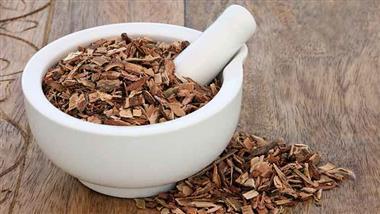
Willow bark is perhaps most widely known as aspirin’s forerunner, but it appears to have powerful antiviral effects1 as well. Willow bark contains salicylates, including salicylic acid — the acetylated form of which is now the active ingredient in aspirin — and its derivative salicin. But willow bark deserves accolades even apart from this contribution.
Used for medicinal purposes for more than 3,500 years,2 willow bark was revered in ancient Egypt, South America, Greece and China. Hippocrates used willow bark for pain and inflammation in the 4th century B.C., while the ancient Egyptians relied on willow bark as a painkiller and antipyretic, or fever reducer.
1763 marked the year the first clinical study involving willow bark was performed, which confirmed its effectiveness as an antipyretic. To this day, much of the research surrounding this natural compound centers on its anti-inflammatory and pain-relieving effects, but willow bark’s antiviral effects are receiving increasing attention.
Willow Bark Extract Inhibits Viruses
Researchers in Finland set out to investigate the antiviral properties of willow (Salix spp.) bark extract against coronaviruses and enteroviruses. Broad-spectrum antiviral effects were noted, with the team revealing willow bark is effective against both enveloped and non-enveloped viruses. Further, it stopped the viruses in different ways.
When viewing viruses treated with willow bark extract under a microscope, the viruses clustered together rather than spreading apart. Willow bark then worked to break down the enveloped coronaviruses, while the non-enveloped enteroviruses were “locked down,” meaning their genome wasn’t released and they couldn’t reproduce.3
Speaking with Phys.org, study author Varpu Marjomäki with the University of Jyväskylä explained, “The extracts acted through distinct mechanisms against different viruses. But the extracts were equally effective in inhibiting the enveloped as well as nonenveloped viruses.”4
Interestingly, when several commercial reference compounds, including salicin and salicylic acid, were tested against OC43, a strain of coronavirus responsible for 15% to 30% of mild upper respiratory tract infections in humans, and CVA9, a strain of coxsackievirus, none was effective, which means willow bark compounds may act synergistically. According to the study:5
“This suggests that any of the commercial reference compounds do not individually contain high enough antiviral activity. This became more evident after fractionation of the bark extract when we observed that all fractions except fraction number 1 contained very high virucidal activities.
Those active fractions contained various interesting chemical groups, of which many are known to contain biological activities. The bioactive properties of these bark extracts and broad-spectrum antiviral activity are thus likely to be due to the synergistic effects of the different detected flavonoids, hydroxycinnamic acid derivatives, and procyanidins.”
What Else Is Willow Bark Good For?
Willow bark extract is often used as a remedy for pain and inflammation, including that related to low back pain, osteoarthritis, tendinitis, bursitis and headaches. One meta-analysis of randomized controlled trials found willow bark was more effective than placebo in relieving pain and improving physical status in people with arthritis. The willow bark was also safe, as no differences in adverse events were found.6
White willow bark (Salix alba) may also work better than placebo for short-term pain relief in people with low back pain.7 Further, willow bark at a daily dose of 240 milligrams reduced pain as well as a daily dose of the now-banned nonsteroidal anti-inflammatory drug (NSAID) Vioxx.8
Willow bark is also known to down regulate inflammatory factors, is useful for sports performance, and often is added to weight loss products.9 Material derived from willow bark also has antibacterial and antibiofilm properties, making it potentially useful for treatment of infected chronic wounds.10
“Traditional folklore claims that willow bark provides a major defense against surrounding pathogens,” researchers wrote in the Journal of Agricultural and Food Chemistry.11 Indeed, lignin, a major component in willow bark, is effective against multiple food-borne and pathogenic microorganisms. Again, willow bark appears to relieve pain and inflammation via multiple mechanisms that work together to offer health benefits. As noted in Phytotherapy Research:12
“Although willow bark extracts are generally standardized to salicin, other ingredients in the extracts including other salicylates as well as polyphenols, and flavonoids may also play prominent roles in the therapeutic actions. Adverse effects appear to be minimal as compared to non-steroidal anti-inflammatory drugs including aspirin.”
Download this Article Before it Disappears
Could Aspirin Fight COVID?
Aspirin is derived from willow bark compounds, so it stands to reason that it, too, may offer benefits against infection. According to Thrombosis Research:13
“The therapy of rheumatism began thousands of years ago with the use of decoctions or extracts of herbs or plants such as willow bark or leaves, most of which turned out to contain salicylates. Following the advent of synthetic salicylate, Felix Hoffman, working at the Bayer company in Germany, made the acetylated form of salicylic acid in 1897. This drug was named “Aspirin” and became the most widely used medicine of all time.”
Aspirin is a staple medicine that is frequently recommended as a remedy to control inflammation and prevent blood clots. There’s also evidence it could have helped limit the COVID-19 pandemic death toll, had it not been downplayed and ignored.
According to research published in April 2021, aspirin reduced COVID-19 patients’ need for mechanical ventilation by 44%, ICU admission by 43% and mortality by 47%.14 Based on this research, it appears COVID-19-related hospital deaths could have been cut nearly in half had aspirin been routinely used. Study author Dr. Jonathan Chow commented on the results, stating:15
“The results of the study do not really surprise us because we know that COVID causes excess clot formation and we know that aspirin is a very potent blood thinner. So, when you have a disease that causes clots and a medication that thins your blood, that may lead to the protective effects that we found.”
A narrative review published in Biomedicines also suggested:16
“… [A] strong pathophysiological rationale for a potential therapeutic role for ASA [acetylsalicylic acid (aspirin)] in COVID-19 has been advocated because of its anti-inflammatory, antiplatelet aggregation and anticoagulant effects, as well as its modulation of the immune system and possible inhibition of viral replication and/or entry.”
Aspirin Has Demonstrated Anti-Infective Properties
Aspirin’s anti-infective properties are also being explored.17 It turns out aspirin has properties that influence the immune response along with offering anti-infective and antibiofilm activity. The compound may be useful against bacteria, viruses, fungi and parasites, targeting conditions such as:18
| Sars-CoV-2 | Viral hepatitis |
| Viral infections | HIV |
| Tuberculosis | Leprosy |
| Mycobacteria | Pneumonia |
| Liver abscess | Gastroenteritis |
| Endocarditis | Endotoxins |
| Sepsis | Prosthetic joint infections |
Aspirin even has potential as an anticancer agent, with daily use associated with a reduced risk of colorectal cancer.19 Interestingly, aspirin also lowers biomarkers of inflammation as well as increases autophagy, similar to fasting, according to a study in mice.20
The study showed that aspirin, or its active metabolite salicylate, caused autophagy by inhibiting the acetyltransferase activity of EP300, which is a specific gene, also known as p300, that codes for proteins that regulate the activity of many genes in tissues throughout your body. It plays an essential role in controlling cell growth and division, prompting cells to mature and take on specialized functions.
Was Aspirin the Target of a Discrediting Campaign?
While I cannot prove it, I suspect aspirin has been (and still is) the target of a discrediting campaign because it competes with newer, far more expensive blood thinners and pain relievers.
For decades, a daily regimen of low-dose so-called “baby aspirin” (81 milligrams), was recommended to prevent and treat heart attack, stroke and angina (chest pain) in those 50 and older. Pharma started attacking aspirin in the 1970s when NSAIDs were introduced as patented far more expensive, but not more effective, alternatives.
The discrediting campaign increased in 2014, when the U.S. Food and Drug Administration started warning against the use of aspirin as a primary preventive for these conditions in those with no history of cardiovascular disease, due to potential side effects and the lack of data to support its use.21
In late 2021, the United States Preventive Services Task Force (USPSTF), a physician group that issues guidance for medical best practices, also updated its guidance to formally discourage people 60 and older from using an aspirin regimen to prevent a first heart attack or stroke.22
Once NSAIDs hit the market in the 1970s, aspirin needed to be downplayed to justify these expensive patented drugs. That’s still the case today. It’s also competing against pricey anticoagulants such as Xarelto (rivaroxaban) and Eliquis (apixaban).
The average retail price for a monthly supply of Eliquis or Xarelto is around $550. A month’s supply of generic heparin is about $30, and warfarin (another generic) is around $19.23 Meanwhile, you can pick up a bottle of 300 baby aspirins, a 10-month supply, for less than $15. That’s a monthly cost of $1.50.24
Should You Take Aspirin or Willow Bark?
I’m convinced of the prophylactic value of aspirin, and I take 325 mg per day. I find its prometabolic, antilipolytic, anti-inflammatory, anticortisol and anti-estrogen effects very appealing, and its safety is well-established.
Aspirin also plays a role in mitochondria function25 and also has other health benefits. Importantly, it helps increase the oxidation of glucose as fuel for your body while inhibiting the oxidation of fatty acids, specifically linoleic acid.
The variety I use is not a tablet but, rather, is 99% pure USP aspirin. if you do decide to use aspirin, be sure to avoid coated extended-release varieties due to the additives they contain. Immediate-release aspirin is the preferred version.
If you are sensitive to aspirin, it would be best to use a salicylic acid or willow bark supplement. When you consume aspirin, the acetylsalicylic acid is metabolized in your body into salicylic acid, which is the compound responsible for the anti-inflammatory, pain-relieving and antithrombotic effects of aspirin. This can be found in willow bark.
Look for a clean, high-quality willow bark supplement. Further, since the research suggests that some of willow bark’s healing properties are due to synergistic effects, it’s possible it may offer benefits above and beyond salicylic acid.
- 1, 5 Front. Microbiol., 08 November 2023, Sec. Virology
- 2, 6 Life (Basel). 2023 Oct; 13(10): 2058
- 3, 4 Phys.org November 8, 2023
- 7, 8 Cochrane Database Syst Rev. 2014 Dec; 2014(12): CD004504
- 9, 12 Phytother Res. 2015 Aug;29(8):1112-6. doi: 10.1002/ptr.5377. Epub 2015 May 22
- 10, 11 J. Agric. Food Chem. 2023, 71, 44, 16554–16567
- 13 Thromb Res. 2003 Jun 15;110(5-6):255-8. doi: 10.1016/s0049-3848(03)00379-7
- 14 Anesthesia & Analgesia April 2021; 132(4): 930-941
- 15 General Surgery News August 4, 2021
- 16, 17 Biomedicines. 2022 Feb; 10(2): 263
- 18 Biomedicines. 2022 Feb; 10(2): 263., Figure 1
- 19 Nat Rev Clin Oncol. 2012 Apr 3;9(5):259-67. doi: 10.1038/nrclinonc.2011.199
- 20 Cell Rep. 2018 Feb 27; 22(9): 2395-240
- 21 American College of Cardiology May 5, 2014
- 22 AAFP October 21, 2021
- 23 Talk to Mira, Cost of Blood Thinners in 2021
- 24 Walmart Aspirin Prices
- 25 Biochem Biophys Res Commun. 2017 Jan 8; 482(2): 346–351
Vitamin K Protects Against Diabetes
Reproduced from original article:
https://articles.mercola.com/sites/articles/archive/2023/06/05/vitamin-k-protects-against-diabetes.aspx
The original Mercola article may not remain on the original site, but I will endeavor to keep it on this site as long as I deem it to be appropriate.
Analysis by Dr. Joseph Mercola Fact Checked June 05, 2023
STORY AT-A-GLANCE
- Canadian researchers identified a protective role vitamin K plays against diabetes following past research implicating vitamin K in the development of the disease. Diabetes was the seventh leading cause of death in 2017 and total health care costs were $327 billion in 2019
- The researchers found vitamin K in large quantities in beta cells where insulin is produced and discovered it plays an important role in maintaining calcium, which prevents a disturbance in insulin secretion
- Vitamin K is a fat-soluble vitamin and important to lowering the inflammatory response, bone metabolism, preventing mineralization of the arterial system, and preventing heart attack, stroke, peripheral vascular disease and cancer
- Other important factors in the development of diabetes include carbohydrate intake, artificial sweeteners, seed oils and statin medications. Addressing these factors as well as increasing omega-3 fat consumption and ensuring you are not deficient in vitamin C and magnesium can also help prevent diabetes
In a May 2023 paper, Canadian researchers announced they had newly identified a protective role that vitamin K plays against diabetes.1 In 2019, diabetes was the seventh leading cause of death in the U.S.,2 a disease which affected approximately 37.3 million people in 2019.3
How Diabetes Affects Public Health
According to the CDC,4 the total number of existing cases of diabetes steadily increased from 2001 to 2020 and similar trends were seen when the population was examined by ethnic group, education level, race, age and sex. The CDC further broke down the data by the percentage of adults with diagnosed diabetes in each state.
When this table is compared against 2021 data of obese adults,5 it is apparent that many of the states with higher numbers of obese adults also have higher percentages of adults with diagnosed diabetes.
In 2017,6 it was estimated the total health care cost for people diagnosed with diabetes was $327 billion. The total direct cost in 2017 was $237 billion, which rose dramatically from $188 billion in 2012. In 2018 diabetes was responsible for 8.25 million hospital discharges, 17 million emergency room visits and 62,012 people with end-stage kidney disease.
One of the hallmark signs of diabetes is high blood sugar, which happens for several reasons. For example, the pancreas may not make enough insulin, which is the hormone that helps glucose move from the bloodstream into the cells to be used for energy. The cells may also become insulin resistant, a significant risk factor for which is overeating carbohydrates and added sugars. These spike your insulin level and gradually increase resistance.
Sugar and carbohydrate can cause a hormonal response, which changes metabolism and is a primary cause of weight gain.7,8 In essence, this data supports the statement that you cannot out-exercise your diet and therefore your risk for Type 2 diabetes. According to the CDC,9 the daily mean percentage of carbohydrate intake for men and women is 45.9% and 47.4% respectively.
The current Dietary Guidelines for Americans, 2020-2025, lists the upper limit for carbohydrates at 65%,10 although the limits were based on nearly 20-year-old data. According to the 2020 guidelines, the “Estimates are based on Estimated Energy Requirements (EER) set by the Institute of Medicine. Source … 2005.”
Vitamin K and Gamma Carboxylation Protects Insulin Production
Scientists know that vitamin K is necessary for gamma-carboxylation of glutamic acids that occurs in the cells and affects protein secretion.11 Past clinical studies have also implicated vitamin K in the development of diabetes, yet the underlying mechanism has remained unclear.
Vitamin K is best known for the role it plays in blood clotting. The gamma-carboxylation reaction is essential to the process of blood clotting and scientists have suspected this process may also have other functions in the body.12 Past studies show a link between a lower intake of vitamin K and an increased risk of Type 2 diabetes.
Researchers from the University of Montreal first determined that vitamin K was present in large quantities in beta cells — where insulin is produced — and involved in gamma-carboxylation. Then, using an animal model, they identified the role vitamin K plays in the gamma-carboxylation inside the beta cells and how the presence of vitamin K may help protect against diabetes. Julie Lacombe conducted the laboratory work and commented in a press release:13
“We were able to identify a new gamma-carboxylated protein called ERGP. Our study shows that this protein plays an important role in maintaining physiological levels of calcium in beta cells in order to prevent a disturbance of insulin secretion. Finally, we show that vitamin K through gamma-carboxylation is essential for ERGP to perform its role.”
The researchers point out that this is the first time in 15 years a new vitamin K-dependent protein has been identified. This potentially opens a new area of research in the role vitamin K plays in the body, as well as new therapeutic applications for diabetes.
Download this Article Before it Disappears
More Health Benefits From Vitamin K
Vitamin K is a fat-soluble vitamin that significantly influences your health.14 Since your body stores very little, it’s rapidly depleted without regular dietary intake. Several common drugs can also deplete levels of vitamin K, which makes ensuring adequate consumption even more important.
Vitamin K is involved in several bodily functions, including bone metabolism and preventing blood vessel mineralization. This means it plays a particularly important role in the prevention of osteoporosis, heart disease and bleeding disorders.
There are two main forms of vitamin K and several subtypes, which can make matters a little confusing. The difference between vitamins K1 and K2 was clearly established in the 2004 Rotterdam study,15 which focused on the effect the vitamins had on heart health. While vitamin K1 has no real effect on heart disease, vitamin K2 is important to the cardiovascular system.
Vitamin K1 plays other roles. In a 2020 study,16 researchers found older individuals with low levels of vitamin K1 had a higher probability of mobility issues and disability than those with higher levels. One of the reasons vitamin K2 plays an important role in bone and heart health has to do with complex biochemical reactions involving the enzymes matrix gla-protein and osteocalcin.
“Gla” stands for glutamic acid, which binds to calcium in the cells of the arterial walls and removes it from the lining of your blood vessels.17 It then helps facilitate the integration of calcium into the bone matrix.
Calcium deposits in the arteries are responsible for atherosclerosis, commonly called hardening of the arteries, which slowly blocks blood flow. This is a common cause of heart attacks, strokes and peripheral vascular disease. Vitamin K2 also helps move calcium into tooth enamel and plays a role in preventing tooth decay.18
Vitamin K2 plays a role in cancer prevention, as noted in the 2010 European Prospective Investigation into Cancer and Nutrition study.19 People with higher intakes of vitamin K2 also had lower cancer risk and mortality. Evidence has also suggested20 that vitamin K2 can reduce the risk of Non-Hodgkin lymphoma by 45% as compared to those with the lowest intake of vitamin K2. The researchers attribute this role to the vitamin’s ability to inhibit inflammatory cytokines.
The inflammatory response is crucial in many chronic diseases and diseases of aging, and research has suggested both vitamin K1 and K2 have anti-inflammatory properties. In one analysis,21 researchers found vitamin K helps protect against chronic aging conditions, cardiovascular disease and inflammation.
Another study22 demonstrated a reduction in C-reactive protein, a common biomarker used to evaluate inflammation in patients with rheumatoid arthritis. Vitamin K2 may also play a role in chronic kidney disease. One clinical trial23 demonstrated four weeks of supplementation with vitamin K2 MK-7 significantly reduced calcification in the participants’ blood vessels.
Vitamin K2 MK-7 has also demonstrated benefits in participants with age-related macular degeneration.24 In a 2012 paper,25 researchers revealed the role vitamin K2 serves as a mitochondrial electron carrier, which helps maintain normal ATP production in mitochondrial dysfunction like that found in Parkinson’s disease.
Multiple Factors Contribute to Diabetes
There were an estimated 96 million adults diagnosed with prediabetes in 2019. However, this may only be a matter of semantics as many are suffering from what the late Dr. Joseph Kraft calls “diabetes in situ.”26 I believe any fasting blood sugar that regularly measures over 90 suggests insulin resistance and Kraft suggested 8 out of 10 Americans were insulin resistant based on data from 14,384 patients.
The risks of prediabetes include being overweight and inactivity.27 One factor that significantly increases your risk of obesity, and therefore Type 2 diabetes, is artificial sweeteners. A 2018 animal study28 confirmed that artificial sweeteners raise your risk of obesity and diabetes.
Other studies29 have demonstrated that women who consume artificial sweeteners feel hungrier and consume more food than those who drink sugar-sweetened beverages. This research showed30 the body is not fooled by artificial sweeteners, which is another reason why they promote, rather than prevent, obesity.
During the COVID-19 pandemic, there was a 17% rise in deaths in people with diabetes.31 During the pandemic, 39.5% of all deaths related to COVID occurred in those with diabetes.32 Inactivity and a poor diet fueled the diabetic crisis during the pandemic. Diets that focus on ultraprocessed foods and fast foods are at the root of the problem as they are loaded with dangerous seed oils, misleadingly named “vegetable oils.”
Yet, the American Diabetes Association continues to recommend seed oils like canola “as part of a healthy balanced diet.”33 These oils are rich in omega-6 linoleic acid, which is the most common fat in the American diet. An important take-home message is that linoleic acid is not digested. Instead, it is stored while saturated fat is mostly burned or oxidized and used up.34 This aptly illustrates the importance of the type of fat you eat.
Secondary effects from some medications can also increase the risk of developing diabetes. One of the most significant of those medications is statins. These are cholesterol-lowering medications with a long history of adverse events and side effects that could double the risk of diabetes with long-term use.35
Ensuring your bedroom is pitch black is a simple way to reduce your risk of chronic disease. A real-world study36 in individuals aged 63 to 84 found those who were exposed to light during sleep were more likely to be obese and have high blood pressure or diabetes.
Strategies to Reduce Your Risk or Reverse High Blood Sugar
Eating a balanced, healthy diet of fresh, organically raised fruits and vegetables and steering clear of artificial sweeteners and all processed foods is the best way to take control of your glucose levels. The timing of your meals also matters.
Time-restricted eating (TRE) is a simple yet powerful intervention for weight loss. TRE mimics the eating habits of our ancestors and restores your body to a more natural state that allows a host of metabolic benefits to occur.37 If you’re overweight or obese, I recommend limiting your eating window to six to eight hours per day instead of the more than 12-hour window most people use.
As mentioned, one of the most important strategies to reduce your risk for diabetes or reverse the disease is to reduce your LA intake. Many people will experience weight loss as a “side effect” of reducing intake of LA. Ideally, consider cutting LA down to below 7 grams per day, which is close to what our ancestors used to get before all of these chronic health conditions, including obesity, diabetes, heart disease and cancer, became widespread.
To do so, you’ll need to avoid nearly all ultraprocessed foods, fast foods and restaurant foods, as virtually all of them contain seed oils. The easiest way to do this is to prepare the majority of your food at home so you know what you are eating.
Also, be aware that, because animals are fed grains that are high in linoleic acid,38 it’s also hidden in “healthy” foods like chicken and pork, which makes these meats a major source that should be avoided. Olive oil is another health food that can be a hidden source of linoleic acid, as it’s often cut with cheaper seed oils. Instead, use tallow, ghee or butter to cook with. Ghee is better than butter as it has a higher smoke point.
Still Other Strategies
Several other strategies can also help improve blood sugar control and protect your overall health. One is to pay attention to the type of fat in your diet.
While omega-6 linoleic acid primarily found in vegetable/seed oils, nuts and seeds are damaging in the amounts consumed by Americans, most people don’t get enough omega-3 fatty acids. Omega-3 fats are found in fatty, cold-water fish such as wild-caught Alaskan salmon, anchovies, sardines, mackerel and herring.
It’s best to avoid farmed salmon as there is an exaggerated potential for contamination, including pollution, disease, toxicity and inferior nutritional quality. Most farmed fish are also fed genetically engineered corn and soy, which is a completely unnatural diet for marine life and loaded with hazardous omega-6 fat that is stored in the flesh, raising the consumers’ intake of omega-6 fat.
A December 2020 study39 showed adults who test positive for glutamic acid decarboxylase (GAD65) antibodies can significantly reduce the risk of adult-onset Type 1 diabetes by eating omega-3-rich fatty fish. Type 1 diabetes is an autoimmune condition and the researchers found that those who did not eat fatty fish were twice as likely to develop the disease.40
Other nutrient deficiencies associated with the development of diabetes include vitamin C, vitamin D and magnesium. With vitamin C, one study showed that supplementation may help lower glucose levels.41 Likewise, other studies show that vitamin D supplementation can be an ally against diabetes.42
Magnesium is also an often-overlooked nutrient. Deficiency is associated with Type 2 diabetes and heart disease43 and low levels may be the greatest predictor of heart disease.44 Magnesium deficiency is linked to a higher risk of insulin resistance since it impairs the body’s ability to regulate blood sugar.45
In one study46 of prediabetics, those with the highest magnesium intake lowered their risk for blood sugar and metabolic problems by 71% when compared to those with the lowest intake. To compound the problem, high serum levels of insulin, which is common in insulin resistance, lead to further magnesium loss.47
- 1, 11 Cell Reports, 2023; 42(5)
- 2 Diabetes Association, Statistics About Diabetes, Deaths
- 3 Centers for Disease Control and Prevention, National and State Diabetes Trends, section 1
- 4 Centers for Disease Control and Prevention, National and State Diabetes Trends
- 5 CDC, Nutrition, Physical Activity, and Obesity: Data, Trends and Maps Choose Obesity/Weight Status, Adults who have obesity, View by total and 2021
- 6 Diabetes Research Institute Foundation, Diabetes Statistics Section 3
- 7 American Society for Nutrition, September 13, 2021 bullets
- 8 The American Journal of Clinical Nutrition, 2021;114(6)
- 9 Centers for Disease Control and Prevention, Diet/Nutrition
- 10 Dietary Guidelines for Americans, 2020 – 2025, Download PDF
- 12, 13 NewsWise, May 18, 2023
- 14 Oregon State University, Vitamin K
- 15 Journal of Nutrition, 2004;134(11)
- 16 The Journals of Gerontology, 2020; 75(4)
- 17 Thrombosis and Haemostasis, 2008;100(4)
- 18 Steve Lin, Use Vitamin K2 to Remineralize Your Teeth
- 19 American Journal of Clinical Nutrition, 2010;91(5)
- 20 Science Daily, April 21, 2010
- 21 Anti-Inflammatory Actions of Vitamin K, April 22, 2016
- 22 Modern Rheumatology, 2012;23(5)
- 23 BMC Nephrology, 2017;18(191)
- 24 Dermato-Endocrinology, 2014;6(1)
- 25 Science, 2012;336(6086)
- 26 The Fat Emperor, May 10, 2015
- 27 CDC, December 30, 2022, Section 3
- 28 US News, April 23, 2018
- 29 JAMA Nutrition, Obesity, and Exercise 2021;4(9)
- 30 The Journal of Physiology 2013 Nov 15;591(22)
- 31 Reuters, August 12, 2021
- 32 CDC, MMWR Weekly 2020;69(28) Subhead 2 para 3
- 33 American Diabetes Association, Fats, Monounsaturated fat
- 34 Haidut.me October 22, 2019
- 35 Diabetes Metabolism Research and Reviews, 2019;35(8)
- 36 Sleep, 2023, 46(3)
- 37 Science November 16, 2018; 362(6416): 770-775
- 38 Journal of Dairy Science January 2018; 101(1): 222-232
- 39 Diabetes Care, 2020;44(2)
- 40 Healio, December 31, 2020 para 4
- 41 NPS Medicinewise. February 25, 2019
- 42 McMaster University October 2, 2018
- 43 Reuters, December 30, 2016
- 44 New Hope Network January 31, 2013 para 1
- 45 World Journal of Diabetes, 2015;6(10)
- 46 Nutrients, 2013;5(10) Abstract 4 lines from bottom
- 47 Diabetic Medicine, 1995;12(8)
More Health Benefits of Quercetin Revealed
Reproduced from original article:
https://articles.mercola.com/sites/articles/archive/2022/11/09/quercetin-benefits.aspx
The original Mercola article may not remain on the original site, but I will endeavor to keep it on this site as long as I deem it to be appropriate.
Analysis by Dr. Joseph Mercola Fact Checked November 09, 2022

STORY AT-A-GLANCE
- Quercetin has been shown to combat inflammation and acts as a natural antihistamine. Several studies have highlighted quercetin’s ability to prevent and treat both the common cold and influenza
- Another, less known benefit and use for quercetin includes the prevention and/or treatment of high blood pressure, cardiovascular disease, metabolic syndrome, certain cancers, gout, arthritis and mood disorders
- A review of quercetin’s effect on metabolic syndrome found it significantly reduced fasting plasma glucose when taken for at least eight weeks at a dosage of 500 milligrams per day or more
- Other recent research found quercetin has a beneficial impact on nonalcoholic fatty liver disease by ameliorating inflammation, oxidative stress and lipid metabolism
- Quercetin also has the ability to trigger tumor regression by interacting with your DNA and activating the mitochondrial pathway of apoptosis (the programmed cell death of damaged cells)
Quercetin1 is an antioxidant flavonol found naturally in foods such as apples, plums, red grapes, green tea, elder flower and onions, just to name a few.2 According to a 2022 LinkedIn report,3 the quercetin market is growing rapidly as its health benefits are becoming more widely known, with a projected global market of $406 million by 2027.
Quercetin has been shown to combat inflammation and acts as a natural antihistamine. In fact, its antiviral capacity appears to be the primary focus of many studies looking at quercetin’s benefits, and a number of studies have highlighted quercetin’s ability to prevent and treat both the common cold and influenza.4,5,6
But there are also other, less known benefits and uses for this supplement, including the prevention and/or treatment of:7
| High blood pressure8 | Cardiovascular disease9 |
| Metabolic syndrome10 | Certain kinds of cancer11 |
| Nonalcoholic fatty liver disease (NAFLD)12 | Gout13 |
| Arthritis14 | Mood disorders15 |
| Longevity, thanks to its senolytic benefits (clearing out damaged and worn-out cells)16,17 |
Additionally, quercetin is also helpful for aluminum-induced neurodegenerative changes, such as those seen in Alzheimer’s, Parkinson’s and amyotrophic lateral sclerosis (ALS). As noted in a 2016 study:18
“Administration of quercetin (10 mg/kg body wt/day) reduced aluminum (10 mg/kg body wt/day)-induced oxidative stress (decreased ROS production, increased mitochondrial superoxide dismutase (MnSOD) activity).
In addition, quercetin also prevents aluminum-induced translocation of cyt-c, and up-regulates Bcl-2, down-regulates Bax, p53, caspase-3 activation and reduces DNA fragmentation …
Further electron microscopic studies revealed that quercetin attenuates aluminum-induced mitochondrial swelling, loss of cristae and chromatin condensation. These results indicate that treatment with quercetin may represent a therapeutic strategy to attenuate the neuronal death against aluminum-induced neurodegeneration.”
Quercetin Improves Metabolic Syndrome Traits
Among the most recent papers on this powerful antioxidant is a review19 published in the March 2019 issue of Phytotherapy Research, which looked at nine randomized controlled trials investigating quercetin’s effect on metabolic syndrome.
Metabolic syndrome refers to a cluster of conditions (including high blood pressure, high blood sugar, high triglyceride levels and fat accumulation around the waist) that raise your risk for Type 2 diabetes, heart disease and stroke.
While pooled findings found no effect on fasting plasma glucose, insulin resistance or hemoglobin A1c levels, further subgroup analyses revealed quercetin supplementation “significantly reduced” fasting plasma glucose in studies lasting at least eight weeks and in which dosages of at least 500 milligrams (mg) per day were used.
In studies that included people over the age of 45, “significant” reductions in insulin were also found when using a dosage of 500 mg per day or more. An earlier study,20 published in 2011, looked at quercetin’s effects on certain traits of metabolic syndrome.
This study focused specifically atherosclerosis and inflammation in men with the APOE genotype 3/3, 3/4 and 4/4, and found quercetin significantly decreased waist circumference, postprandial systolic blood pressure, postprandial triacylglycerol, and increased HDL-cholesterol compared to placebo. Here, participants were given 150 mg of quercetin per day for eight weeks.
Research21 on obese rats published in 2008 also found that quercetin supplementation at doses of 2 mg per kilo or 10 mg/kg of body weight for 10 weeks improved systolic blood pressure, triglyceride, total cholesterol and free fatty acid levels. The 10 mg/kg dose also improved the animals’ inflammation status. As noted by the authors:
“In conclusion, both doses of quercetin improved dyslipidemia, hypertension, and hyperinsulinemia in obese Zucker rats, but only the high dose produced antiinflammatory effects in VAT together with a reduction in body weight gain.”
One of the first studies22 to demonstrate quercetin’s beneficial effects on blood pressure was published in 2007. As reported by the authors:
“Epidemiological studies report that quercetin … is associated with reduced risk of coronary heart disease and stroke … Men and women with prehypertension and stage 1 hypertension were enrolled in a randomized, double-blind, placebo-controlled, crossover study to test the efficacy of 730 mg quercetin/d for 28 d[ays] vs. placebo.
Blood pressure at enrollment was … 148 +/- 2/96 +/- 1 in stage 1 hypertensive subjects … Reductions in systolic (-7 +/- 2 mm Hg), diastolic (-5 +/- 2 mm Hg), and mean arterial pressures (-5 +/- 2 mm Hg) were observed in stage 1 hypertensive patients after quercetin treatment … These data are the first to our knowledge to show that quercetin supplementation reduces blood pressure in hypertensive subjects.”
Similarly, a January 2020 systematic review23 of 17 studies concluded quercetin “significantly decreased” blood pressure in human subjects. Those who took it for eight weeks or more also had “significantly” improved high-density lipoprotein cholesterol and triglycerides.
Quercetin Improves Diabetes-Induced NAFLD
Other recent research24 published in the August 2019 issue of Phytotherapy Research concluded quercetin has a beneficial impact on NAFLD “by ameliorating inflammation, oxidative stress and lipid metabolism.”
Diabetes can play a role in NAFLD as well, showing just how influential insulin resistance is in the development of chronic diseases of all kinds. As explained in the abstract:
“Multiphase pathological processes involve in Type 2 diabetes (T2DM)‐induced nonalcoholic fatty liver disease (NAFLD). However, the therapies are quite limited. In the present study, the hepatoprotective effects and underlying mechanisms of quercetin in T2DM‐induced NAFLD were investigated …
The results revealed that quercetin alleviated serum transaminase levels and markedly reduced T2DM‐induced histological alterations of livers. Additionally, quercetin restored superoxide dismutase, catalase, and glutathione content in livers.
Not only that, quercetin markedly attenuated T2DM‐induced production of interleukin 1 beta, interleukin 6, and TNF‐α. Accompanied by the restoration of the increased serum total bile acid and the decreased liver total bile acid, quercetin could reduce lipid accumulation in the liver … These findings suggested that quercetin might be a potentially effective drug for the treatment of T2DM‐induced NAFLD.”
Quercetin Helps Modulate Gene Expression
According to research25 published in 2016, quercetin even has the ability to trigger tumor regression by interacting with your DNA and activating the mitochondrial pathway of apoptosis (the programmed cell death of damaged cells).
Quercetin was found to induce cytotoxicity in leukemic cells, and the effect was dose-dependent. Limited cytotoxic effects were also found in breast cancer cells. Overall, quercetin increased the life span in cancer-ridden mice fivefold compared to untreated controls.
The authors attributed these effects to quercetin’s direct interaction with DNA and its activation of the mitochondrial pathway of apoptosis, and suggested quercetin’s potential use as a cancer therapy adjunct deserves further exploration.
More recent research26 in the journal Molecules also highlights quercetin’s epigenetic influence and ability to:
- Interact with cell-signaling pathways
- Modulate gene expression
- Influence the activity of transcription factors
- Modulate microRNAs
MicroRNAs used to be considered “junk” DNA. Far from being useless, research has now revealed that “junk” DNA is actually microRNA and plays a crucial role in regulating genes that make the proteins that build your body.
The microRNA function as “on/off” switches for the genes. Depending on the microRNA input, a single gene can code for any of more than 200 protein products. Quercetin’s ability to module microRNA may also help explain its cytotoxic effects, and why it appears to improve cancer survival (at least in mice).
Quercetin Is a Powerful Antiviral
As mentioned, one of the most well-studied attributes of quercetin is its antiviral capacity, which have been attributed to three main mechanisms of action:
- Inhibiting the virus’ ability to infect cells
- Inhibiting replication of already infected cells
- Reducing infected cells’ resistance to treatment with antiviral medication
For example, research27 published in 2007 found it lowered cyclists’ risk of upper respiratory track infections following intensified exercise.
Here, cyclists who received a daily dose of 1,000 mg of quercetin in combination with vitamin C (which enhances plasma quercetin levels28,29) and niacin (to improve absorption) for five weeks were significantly less likely to contract a viral illness after bicycling three hours a day for three consecutive days, compared to untreated controls. While 45% of the placebo group got sick, only 5% of the treatment group did.
In another study30 funded by the U.S. Defense Advanced Research Projects Agency (DARPA), published in 2008, animals treated with quercetin were challenged with a highly pathogenic H1N1 influenza virus. Again, the treatment group had significantly lower morbidity and mortality than the placebo group. A number of other studies have also confirmed quercetin’s effectiveness against a variety of viruses, including the following:
| A 1985 study found quercetin inhibits infectivity and replication of herpes simplex virus type 1, polio-virus type 1, parainfluenza virus type 3 and respiratory syncytial virus.31 |
| A 2010 animal study found that quercetin inhibits both influenza A and B viruses. Two other important discoveries were made. Firstly, the viruses were unable to develop resistance to quercetin, and secondly, when used concomitant with antiviral drugs (amantadine or oseltamivir), the effect was significantly amplified — and it prevented drug-resistance from developing.32 |
A 2004 animal study investigating quercetin’s effect on influenza used a strain of the H3N2 virus. According to the authors:33
|
| Another 2016 study found quercetin offered protection against influenza A virus H1N1 by modulating protein expression. More specifically, the regulation of heat shock proteins, fibronectin 1 and prohibitin was instrumental in reducing viral replication.34 |
| A third study published in 2016 found quercetin inhibited a wide spectrum of influenza strains, including H1N1, H3N2 and H5N1. According to the authors, “This study indicates that quercetin showing inhibitory activity in the early stage of influenza infection provides a future therapeutic option to develop effective, safe and affordable natural products for the treatment and prophylaxis of [influenza A viruses] infections.”35 |
| In 2014, researchers noted that quercetin appears to be “a promising treatment for the common cold,” caused by the rhinovirus, adding that “Quercetin has been shown to reduce viral internalization and replication in vitro, and viral load, lung inflammation and airways hyper-responsiveness in vivo.”36
By attenuating oxidative damage, it also lowers your risk of secondary bacterial infections, which is actually the primary cause of influenza-related deaths. Importantly, quercetin increases mitochondrial biogenesis in skeletal muscle, which suggests part of its antiviral effects are due to enhanced mitochondrial antiviral signaling. |
| A 2016 animal study37 found quercetin inhibited mouse dengue virus and hepatitis virus. Other studies have confirmed quercetin’s power to inhibit both hepatitis B38 and C39 infection. |
Most recently, a March 2020 study40 in the Microbial Pathogenesis journal found quercetin “provides comprehensive protection against Streptococcus pneumoniae infection,” both in vitro and in vivo, primarily by neutralizing pneumolysin (PLY),41 one of the toxins released from pneumococci that encourages S. pneumoniae infection to blossom in the first place. As reported by the authors in Microbial Pathogenesis:
|
Quercetin Combats Inflammation and Boosts Immunity
Aside from its antiviral activity, quercetin is also known for boosting immunity and combating inflammation. As noted in a 2016 study42 in the journal Nutrients, mechanisms of action include (but is not limited to) the inhibition of:43
• Lipopolysaccharide (LPS)-induced tumor necrosis factor α (TNF-α) production in macrophages. TNF-α is a cytokine involved in systemic inflammation, secreted by activated macrophages, a type of immune cell that digests foreign substances, microbes and other harmful or damaged components
• LPS-induced mRNA levels of TNF-α and interleukin (IL)-1α in glial cells, which results in “diminished apoptotic neuronal cell death”
• The production of inflammation-producing enzymes
• Calcium influx into the cell, which in turn inhibits:
◦ Pro-inflammatory cytokine release
◦ Histamine and serotonin release from intestinal mast cells release44
According to this paper, quercetin also stabilizes mast cells, has cytoprotective activity in the gastrointestinal tract, and “a direct regulatory effect on basic functional properties of immune cells,” which allows it to inhibit “a huge panoply of molecular targets in the micromolar concentration range, either by down-regulating or suppressing many inflammatory pathways and functions.”45
Quercetin May Be a Useful Supplement for Many
Considering its wide-ranging benefits, quercetin may be a useful supplement for many, either acutely or more long-term. It’s one of the supplements I recommend keeping in your medicine chest for times when you feel you’re “coming down” with something, be it the common cold or influenza.
If you’re prone to colds and flu, you could consider taking it for a couple of months before cold and flu season hits to boost your immune system. More long-term, it appears useful for those with metabolic syndrome, although it would be foolish to rely on any given supplement without also addressing more fundamental strategies such as diet and exercise.
As explained in my 2015 interview with Dr. Robert Lustig, sugar has been shown to be a causative factor in insulin resistance, which is a hallmark of metabolic syndrome and a risk factor for virtually all chronic disease.
If you have one or more of the conditions that make up metabolic syndrome, you’d be wise to limit your total sugar consumption to 15 grams per day. If you’re healthy, and want to stay that way, your daily sugar limit would be around 25 grams.
- 1, 15 Fitoterapia 2015 Oct;106:256-71
- 2 Superfoodly, 100 Quercetin Foods
- 3 LinkedIn. Quercetin Raw Material Supply in Q4 of 2022 September 6, 2022
- 4 Antiviral Research, Volume 94, Issue 3 June 2012, Pages 258-271
- 5 Viruses 2016 8(1), 6
- 6 European Journal of Pharmaceutical Sciences Volume 37, Issues 3-4 28 June 2009, Pages 329-333
- 7 Genetic Lifehacks December 17, 2019
- 8 J Am Heart Assoc. 2016 Jul 12;5(7). pii: e002713
- 9 Int J Mol Sci. 2019 Dec 3;20(23). pii: E6093
- 10, 19 Phytotherapy Research March 8, 2019; 33(5)
- 11, 25 Scientific Reports April 12, 2016; 6 Article Number: 24049
- 12, 24 Phytotherapy Research August 26, 2019 DOI: 10.1002/ptr.6486
- 13 Br J Nutr. 2016 Mar 14;115(5):800-6
- 14 J Am Coll Nutr. 2017 Jan;36(1):9-15
- 16 EBioMedicine. 2019 Sep;47:446-456
- 17 BMB Rep. 2019;52(1):47–55
- 18 Neuroscience 2016 Jun 2;324:163-76
- 20 Nutrition, Metabolism & Cardiovascular Diseases 2013; 23: 403-409 (PDF)
- 21 Obesity (Silver Spring). 2008 Sep;16(9):2081-7
- 22 Journal of Nutrition 2007 Nov;137(11):2405-11
- 23 Nutrition Reviews January 6, 2020 DOI: 10.1093/nutrit/nuz071
- 26 Molecules 2019 Dec 23;25(1). pii: E63
- 27 Academia. 2007
- 28 Journal of the American Dietetic Association 2011 Apr;111(4):542-9
- 29, 36 Journal of Infectious Diseases and Preventive Medicine May 24, 2014; 2: 111
- 30 American Journal of Physiology August 1, 2008
- 31 Journal of Medical Virology January 1985 DOI: 10.1002/jmv.1890150110
- 32 Antiviral Research 2010 Nov;88(2):227-35
- 33 Experimental Lung Research 2005; 31(5)
- 34 Journal of Agricultural and Food Chemistry 2016; 64(21): 4416-4425
- 35 Viruses 2016 Jan; 8(1): 6
- 37 Asian Pacific Journal of Tropical Medicine January 2016; 9(1): 1-7
- 38 Virologica Sinica August 2015; 30(4): 261-268
- 39 Hepatology 2009 Dec;50(6):1756-64
- 40 Microbial Pathogenesis March 2020; 140: 103934
- 41 Clinical & Experimental Immunology November 2004; 138(2): 195-201
- 42 Nutrients 2016 Mar; 8(3): 167, 5.2.1 Animal Models
- 43, 45 Nutrients 2016 Mar; 8(3): 167, 5.1.2 Mechanism of Action
- 44 Nutrients 2016 Mar; 8(3): 167, Table 1: Mast cell
How Potassium Can Help Your High Blood Pressure
Reproduced from original article:
https://articles.mercola.com/sites/articles/archive/2022/09/18/how-potassium-can-help-prevent-hypertension.aspx
The original Mercola article may not remain on the original site, but I will endeavor to keep it on this site as long as I deem it to be appropriate, and will not be bullied into removing it.
Analysis by Dr. Joseph Mercola Fact Checked September 18, 2022
STORY AT-A-GLANCE
- Nearly half — 47% — of all Americans have high blood pressure costing about $131 billion each year in direct medical costs
- Many who have hypertension do not have it under control, which affects your microvascular system, triggering damage to your eyes, kidneys, heart and sexual performance
- By ensuring you have enough potassium in your daily diet you may prevent hypertension or reduce your dependence on medication to control it
According to the Centers for Disease Control and Prevention (CDC), nearly one-half — 47% — of Americans have high blood pressure (hypertension).1 Hypertension carries a high cost to your health. It is a major risk factor for cardiovascular disease and stroke,2 which are in the first and fifth position for leading causes of death in the U.S.3
The financial burden is over $131 billion each year in direct medical costs and lost work days, but does not include a number of other health conditions worsened by hypertension, including kidney disease and cognitive decline.
Only 1 in 4 of those with hypertension have their blood pressure under control.4 Unfortunately, while blood pressure monitoring has become commonplace at dentists’ and eye doctors’ offices, the CDC estimates 1 in 3 people are not aware they have hypertension.5
There are several ways to reduce your blood pressure without drugs, which I discuss below. Among them is balancing your potassium level, as this electrolyte has a significant effect on muscle contraction and arterial wall relaxation, but most Americans barely get half of the recommended daily allowance.6
What Is High Blood Pressure?
When your physician takes your blood pressure, he uses a sphygmomanometer to measure the amount of pressure your heart exerts to push blood through your arterial system. The top number represents the highest pressure and the bottom number is the lowest pressure needed. These numbers are related to the elasticity and diameter of your arterial walls.
When the pressure required to circulate your blood is high, it places an abnormal amount of stress on your heart muscle and smaller arteries, and reduces the amount of oxygen delivered to the smallest blood vessels in your body. Both of these consequences account for many of the secondary effects of hypertension.
Your blood pressure reading can vary throughout the day, so one high reading is not a concern. It is only when your blood pressure is consistently or chronically higher than normal that significant health conditions may occur.
The validity of your blood pressure reading will be affected by the size of the blood pressure cuff, the position of the cuff on your arm and whether you’re nervous. Measuring your blood pressure in both arms at the same office visit may also give your vital information about your circulatory health.
A number of studies have revealed that a significant difference between your right and left arm pressure may indicate circulatory problems that raise your risk for stroke, peripheral artery disease or other cardiovascular problems.
While small differences between your arms is normal, researchers found when there is a difference of 5 points in the systolic reading (top number) it doubled the risk of dying from heart disease in the following eight years.7 The difference suggests the presence of plaque in the artery supplying the arm with the higher pressure.8
In a meta-analysis evaluating mortality rates of over 17,000 participants with inter-arm systolic blood pressure differences, researchers found participants with less than 10 points difference compared to those with greater than 10 point difference between arms suffered a 58% increased risk of death from cardiovascular disease.9 However, when the difference increased to 15 points, the risk increased to 88%.
Potassium Level Impacts High Blood Pressure
Potassium is a naturally occurring mineral that your body uses as an electrolyte, or substance in solution that will conduct electricity, and is vital for normal functioning.
Diarrhea, vomiting, excessive sweating (such as when using a sauna) and some drugs may deplete or disrupt your potassium balance. But, the most common reason your potassium levels are not within normal limits is due to poor dietary choices.
The average reported intake of potassium from food is about half of the 4,700 milligrams (mg) recommended.10 Research demonstrates that these low levels of potassium may have a significant impact on blood pressure, especially as it relates to the amount of salt normally found in a Western diet.
Dr. Paul Whelton, professor of epidemiology at Tulane School of Public Health and Tropical Medicine, did an analysis in 1997 of over 29 trials that demonstrated low levels of potassium resulted in higher systolic blood pressure readings.11 Studies performed since then have found similar results.12,13 According to Whelton’s research:14
“The results support the premise that low potassium intake may play an important part in the genesis of high BP. Increased potassium intake should be considered as a recommendation for prevention and treatment of hypertension, especially in those who are unable to reduce their intake of sodium.”
Potassium works in your body to relax the walls of your arteries, keep your muscles from cramping, and lowers your blood pressure.15 The reduction in blood pressure with added potassium has also been associated in studies with a reduced risk of stroke.16
The Many Benefits of Potassium
Research has found that women without hypertension who consumed the most potassium (nearly 3,200 mg/day) had a 21% reduced risk of stroke. Further, women who consumed the most potassium were 12% less likely to die during the study period than those who consumed the least.17 According to the study’s lead researcher:18
“Potassium may play a role in improving blood vessel function in our brains. This could allow better oxygenation of our brain tissue, and prevent tissue death that occurs from lack of oxygen to the brain …
The effect of potassium consumption on reduced stroke risk could also be due to a better diet overall, though we did not investigate this in our study.”
Potassium should be the third most abundant mineral in the human body. Adequate amounts of potassium are also associated with quicker recovery from exercise and improved muscle strength.19,20 As an electrolyte, potassium helps to regulate the fluid balance in your cells and throughout your body.21
Fluid balance is essential to maintaining life, preventing dehydration at the cellular level and maintaining brain function.22 Potassium is important in the transmission of nerve impulses in your brain, spinal cord and peripheral nervous system.23
Nerve impulses transmitting information from one nerve to the next happens as the result of electrical activity. This activity is what an electrocardiogram measures as it tracks heart activity.
Low levels of potassium have been linked with high levels of insulin and glucose, associated with metabolic syndrome and Type 2 diabetes.24 These results have been found in several studies,25 leading researchers to recommend dietary choices that boost potassium levels and reduce the risk of type 2 diabetes.
Effects of High Blood Pressure on Your Body
Unfortunately, 20% of people who suffer with high blood pressure are unaware of the condition, significantly increasing their potential risk of health problems. With uncontrolled or poorly controlled hypertension, you increase the risk of significant health effects that reduce your quality of life and have a negative effect on the length of your life.
Hypertension increases your risk of stroke as it can cause blood vessels in your brain to rupture or clog more easily. In both instances, oxygen supply to a portion of the brain ceases and a stroke results.26 The increased workload on the heart muscle may result in heart failure, and damage to the arteries supplying the heart muscle with oxygen may result in a heart attack.
Hypertension may damage the smaller arteries, reducing the amount of oxygen delivered and severely impacting the ability of organs to function, such as your kidneys and eyes. This may result in kidney failure and vision loss. The damage to smaller blood vessels is called microvascular disease and may lead to angina, or chest pain when the heart muscle doesn’t get enough oxygen, and sexual dysfunction.
Atherosclerosis is another form of damage to the arterial system from hypertension that may result in peripheral vascular disease. The narrowing of the arteries may occur in the legs, arms, stomach and head, triggering pain and fatigue.
Sodium/Potassium Ratio Is Key
The key to relaxing your arterial walls and reducing your blood pressure is the sodium to potassium ratio. In the United States and many other developed countries, salt has been vilified as a primary cause of high blood pressure and heart disease. According to research presented at last year’s American Heart Association meeting,27 excessive salt consumption contributed to 2.3 million heart-related deaths worldwide in 2010.
However, it’s important to realize that most Americans and other Westerners get the majority of their sodium from commercially available table salt and processed foods — not from natural unprocessed salt. So, not only is the ratio between potassium and sodium important, so is the type of sodium consumed.
If you eat a lot of processed foods and not many vegetables, there’s a good chance your sodium-to-potassium ratio is unbalanced. If you’re not sure, try using cronometer.com/mercola, which allows you to enter the foods you eat and then calculates the ratio automatically. It’s generally recommended that you consume five times more potassium than sodium, but most Americans get the opposite ratio, eating two times more sodium than potassium.
This ratio is more important than your overall salt intake. A better strategy to promote public health would be to forgo the strict sodium reduction element and focus recommendations instead on a high-quality diet rich in potassium, as this nutrient helps offset the hypertensive effects of sodium. Imbalance in this ratio can not only lead to hypertension (high blood pressure) but also contribute to a number of other diseases, including:
| Kidney stones | Memory decline | Cataracts |
| Osteoporosis | Erectile dysfunction | Stomach ulcers |
| Rheumatoid arthritis | Stomach cancer |
Why a Balanced Diet Is Your Best Option
Getting nutrients from your food instead of supplements is preferable as your food contains more than a single nutrient and in different forms. For instance, potassium found in fruits and vegetables is potassium citrate or potassium malate, while supplements are often potassium chloride. The citrate and malate forms help produce alkali, which may promote bone health28 and preserve lean muscle mass as you age.29
Bone loss may lead to brittle bones or even osteoporosis. While potassium in fruits and vegetables may help build bone health, potassium chloride may not. As researcher Dr. Bess Dawson-Hughes from Tufts University explains:30
“If you don’t have adequate alkali to balance the acid load from the grains and protein in a typical American diet, you lose calcium in the urine and you have bone loss … When the body has more acid than it is easily able to excrete, bone cells get a signal that the body needs to neutralize the acid with alkali … And bone is a big alkali reservoir, so the body breaks down some bone to add alkali to the system.”
Research by Dawson-Hughes found that people who were in the neutral range for net acid excretion, meaning they had a fairly healthy balance for bone and muscle health, were eating just over eight servings of fruits and vegetables a day along with 5.5 servings of grains.
When they rounded this out, it came to about half as many grains as fruits and vegetables. For many Americans a simple recommendation to increase your alkali (and potassium) while reducing acid is to eat more vegetables and fewer grains.31
Other Drug-Free Methods to Control Blood Pressure
Here are several suggestions to help keep your blood pressure under control and reduce your risk of organ damage.
| Address insulin and leptin resistance to impact magnesium and nitric oxide — High blood pressure is associated with insulin resistance, which results from eating a diet too high in sugar. As your insulin level rises, so does your blood pressure. Insulin stores magnesium, but if your insulin receptors are blunted and your cells grow resistant to insulin, you can’t store magnesium so it passes out of your body through urination.
Magnesium stored in your cells relaxes muscles. If your magnesium level is too low, your blood vessels will constrict rather than relax, and this constriction raises your blood pressure. Fructose also elevates uric acid, which drives up your blood pressure by inhibiting the nitric oxide in your blood vessels. (Uric acid is a byproduct of fructose metabolism. In fact, fructose typically generates uric acid within minutes of ingestion.) Nitric oxide helps your vessels maintain their elasticity, so nitric oxide suppression leads to increases in blood pressure. If you’re healthy, and want to stay that way, the general rule is to keep your total fructose intake to 25 grams per day or less. If you’re insulin resistant and/or have high blood pressure, keep your total fructose to 15 grams or less per day until your condition has resolved. |
| Eat real food — A processed food diet, loaded with net carbohydrates (non-fiber carbs like sugar, fructose and grains) and trans fat (margarines and vegetable oils) is a recipe for hypertension. Instead, make whole, ideally organic foods the focus of your diet.
Also remember to swap non-fiber carbs for healthy fats such as avocados, butter made from raw, grass-fed organic milk, organic pastured egg yolks, coconuts and coconut oil, raw nuts such as pecans and macadamia, grass-fed meats and pasture raised poultry. To learn more about healthy eating, please see my optimal nutrition plan. |
| Mind your sodium to potassium ratio — According to Lawrence Appel, lead researcher on the DASH diet and director of the Welch Center for Prevention, Epidemiology and Clinical Research at Johns Hopkins, your diet as a whole is the key to controlling hypertension — not salt reduction alone.
He believes a major part of the equation is this balance of minerals, i.e., most people need less sodium and more potassium, calcium and magnesium. According to Appel,32 “Higher levels of potassium blunt the effects of sodium. If you can’t reduce or won’t reduce sodium, adding potassium may help. But doing both is better.” Indeed, maintaining a proper potassium to sodium ratio in your diet is very important, and hypertension is but one of many side effects of an imbalance. A processed food diet virtually guarantees you’ll have a lopsided ratio of too much sodium to potassium. Making the switch from processed foods to whole foods will automatically improve your ratios. Include foods high in potassium such as sweet potatoes, tomatoes, spinach, beets, black beans, wild caught salmon, edamame, butternut squash, Swiss chard, apricots, cantaloupe, mushrooms and tuna.33 |
| Load up on veggies — Juicing is a simple way to increase the amount of vegetables in your diet, and many NO3-rich veggies (which raise your nitric oxide level) are suitable for juicing, such as beets, kale, celery, spinach, carrots and more. Allicin-rich garlic, leeks, shallots and chives also help improve your blood pressure, and are easy to add to salads and various dishes. |
| Optimize your vitamin D level |
| Boost your animal-based omega-3 intake — The best way to boost your omega-3 is to eat plenty of oily fish that are low in mercury and other pollutants. Good options include wild caught Alaskan salmon, sardines and anchovies. Alternatively, take a high-quality krill oil or fish oil supplement. Krill oil has advantages over fish oil, which is why I prefer it. |
| Consider intermittent fasting — Intermittent fasting is one of the most effective ways I’ve found to normalize your insulin/leptin sensitivity. It’s not a diet in conventional terms, but rather a way of scheduling eating in such a way as to promote efficient energy use.
Essentially, intermittent fasting means eating your calories during a specific window of the day, and choosing not to eat food during the rest. When you eat, your body reacts by elevating insulin and leptin. |
| Exercise regularly — A comprehensive fitness program can go a long way toward regaining your insulin sensitivity and normalizing your blood pressure. To reap the greatest rewards, I recommend including high intensity interval exercises in your routine.
I also recommend training yourself to breathe through your nose when exercising, as mouth breathing during exercise can raise your heart rate and blood pressure, sometimes resulting in fatigue and dizziness. |
| Avoid smoking and other forms of pollution — Smoking is known to contribute to high blood pressure, as are other forms of air pollution, even noise pollution. To address these, avoid smoking, consider using ear plugs during sleep if you live in a noisy neighborhood (provided you cannot move), and take steps to improve your indoor air quality. |
| Walk barefoot — Going barefoot will help you ground to the earth. Experiments show that walking barefoot outside (also referred to as Earthing or grounding) improves blood viscosity and blood flow, which help regulate blood pressure. So, do yourself a favor and ditch your shoes now and then.
Grounding also calms your sympathetic nervous system, which supports your heart rate variability. This in turn promotes homeostasis, or balance, in your autonomic nervous system. In essence, anytime you improve heart rate variability, you’re improving your entire body and all of its functions. |
| Address your stress — The connection between stress and hypertension is well documented, yet still does not receive the emphasis it deserves. In fact, it has been shown that people with heart disease can lower their risk of subsequent cardiac events by over 70% simply by learning to manage their stress.
Suppressed negative emotions such as fear, anger and sadness can severely limit your ability to cope with the unavoidable every day stresses of life. It’s not the stressful events themselves that are harmful, but your lack of ability to cope. The good news is, strategies exist that quickly and effectively transform your suppressed, negative emotions, and relieve stress. My preferred method is the Emotional Freedom Techniques (EFT), an easy to learn, easy to use technique for releasing negative emotions. EFT combines visualization with calm, relaxed breathing, while employing gentle tapping to “reprogram” deeply seated emotional patterns. |
- 1, 4 CDC. Facts About Hypertension. July 12, 2022
- 2 CDC. Heart Disease and Stroke. September 8, 2022
- 3 Centers for Disease Control and Prevention, Leading Causes of Death
- 5 CDC. 5 Surprising Facts About High Blood Pressure. November 9, 2020
- 6 Harvard Medical School, Potassium Lowers Blood Pressure
- 7 Daily Mail, May 23, 2016
- 8 Harvard Health Publications, March 5, 2014
- 9 Clinical and Experimental Hypertension, 2016;28(3): 317
- 10 U.S. Department of Agriculture Food Research Group, Potassium Intake of the U.S. Population
- 11 Journal of the American Medical Association 1997;277(20):1624
- 12 Journal of Human Hypertension 2003; 17(7):471
- 13 BMJ 2013; 346:f1378
- 14 NIH. Database of Abstracts of Reviews. 1997
- 15 Harvard Health Publications, January 23, 2017
- 16, 17 Stroke 2014; 45(10):2874
- 18 MedicineNet September 4, 2014
- 19 Journal of Internal Medicine 2002;252(1):56
- 20 Sports Medicine 1991; 11(6):382
- 21 Berkeley University, Fluid and Electrolyte Balance
- 22 Nursing Standard, 2008; 22(47):50
- 23 Eastern Kentucky University, Neurons and the ervous System
- 24 Johns Hopkins Medicine, March 2, 2011
- 25 Expert Reviews in Endocrinology and Metabolism, 2011;6(5):665
- 26 CDC. About Stroke. May 4, 2022
- 27 Bloomberg, March 21, 2013
- 28 New York Times, November 24, 2009
- 29 American Journal of Clinical Nutrition 2008; 87(3):662
- 30, 31 The Free Library. 2 Little? 2 Nutrients to Get More Of
- 32 USA Today. Diet and Blood Pressure: It’s Not About the Salt. May 18, 2014
- 33 Prevention, April 12, 2016
The Countless Health Benefits of Curcumin
Reproduced from original article:
https://articles.mercola.com/sites/articles/archive/2022/06/13/health-benefits-of-curcumin.aspx
The original Mercola article may not remain on the original site, but I will endeavor to keep it on this site as long as I deem it to be appropriate, and will not be bullied into removing it.
Analysis by Dr. Joseph Mercola Fact Checked June 13, 2022
STORY AT-A-GLANCE
- Curcumin is the compound in turmeric that makes the rhizome a yellow-gold color. Turmeric has been used in traditional medicine for 4,000 years and there have been over 3,000 papers published on it within the last 25 years
- In the raw state, curcumin has poor bioavailability; but new delivery systems can raise serum concentrations. Curcumin has neuroprotective properties, showing evidence of improving memory, learning, mitigating cognitive impairment and positively affecting those with multiple sclerosis (MS), ALS, Huntington’s, stroke and autism
- Anti-inflammatory properties may help with pain control in those with osteoarthritis or after surgery. The safety and nontoxicity of curcumin, even at high doses, have been documented in human trials
- Researchers have also found that curcumin has a unique property which both promotes and suppresses angiogenesis, which is important in wound healing and cancer treatment
Interest in curcumin is growing as the discovery of new delivery systems increases the bioavailability of the compound.1 Curcumin is the major biologically active polyphenolic compound of turmeric. Turmeric has long been used in Indian cuisine and medicinal use in traditional Chinese medicine and Ayurvedic medicine.2 Curcumin is the compound that gives turmeric its yellow color.
Studies have suggested that curcumin is a powerful ally in the treatment of several conditions, such as mood disorders and pain control. Importantly, curcumin can cross the blood-brain barrier3 and has potent neuroprotective properties, which suggests it could be useful for neurodegenerative disorders. The cosmetic and fabric industry also uses turmeric and curcumin.4
In its raw form, curcumin has a very poor absorption rate. Generally, just 1% of the product is absorbed by your body.5 Researchers have investigated a variety of different methods to improve absorption. This has included formulations to optimize bioavailability and delivery methods.
Those that appeared to improve the absorption include delivery as a nanoparticle, combination with polylactic-co-glycolic acid, liposomal encapsulation, and taken orally with piperine,6,7 the active ingredient in black pepper.
Consumer Interest in Curcumin Rises as Bio Delivery Improves
Turmeric is derived from the rhizome of a plant in the ginger family native to Southeast Asia. Curcumin is used in supplements and also in cosmetic products designed to reduce inflammation, which may help acne, eczema, and even slow the appearance of skin aging.8 Rising interest has created a market, which experts believe will grow to $191.89 million by 2028.9
This represents a compound annual growth rate (CAGR) of 16.1% from 2021 to 2028. Product demand has also risen in the food industry, which uses turmeric for natural flavoring and coloring.10 The antioxidant and anti-inflammatory properties of turmeric and curcumin are the basis of many of the health claims and foundation for many of the research studies evaluating the compound’s ability to impact many bodily systems.11
However, poor bioavailability of the supplement has hindered scientific study as it is nearly impossible to raise serum concentrations by consuming the supplement alone.12 New drug delivery techniques have included a nanoparticle system, which researchers have found “increases all the biological and pharmacological benefits of curcumin.”13
Several nanoencapsulation techniques were developed to overcome the low therapeutic effects of the compound. To date, many of these are still being researched to find a promising therapeutic candidate for consumer use.14 Other research has focused on compounds that may be administered concurrently that could enhance absorption.
One study found when curcumin was combined with piperine, the major active component of black pepper, it increased the bioavailability of the combination by 2000%.15 However, studies have also shown that piperine inhibits enzymes used to metabolize some drugs and thereby raises the plasma concentration, which can trigger severe adverse side effects.16
Curcumin Has Neuroprotective Properties
Natural plants have been used for medicinal purposes throughout history, and turmeric is no exception. There is evidence it was used in human health as far back as 4,000 years ago and there have been over 3,000 papers published on it within the last 25 years.17
One animal study18 analyzed the effect that curcumin may have on learning and spatial memory in adult and aged mice. The researchers found the animals receiving curcumin performed significantly better than those who did not. They believe the results show that curcumin helps mitigate the cognitive impairment associated with a decrease in brain cell proliferation and neuroblast differentiation.
Several papers have suggested evidence that curcumin plays a role in the prevention and treatment of other neurodegenerative diseases, such as Alzheimer’s disease,19 Parkinson’s disease20 and memory impairment without dementia.21 Other brain disorders that have been positively affected by the administration of curcumin include multiple sclerosis, Huntington’s disease, stroke, autism and amyotrophic lateral sclerosis (ALS).22
Researchers have also found older adults who took the supplement for at least four weeks showed a significant improvement in working memory, general fatigue and contentedness.23 A second study24 examined the effects of curcumin on individuals who had no history of dementia. They followed 40 people between the ages of 50 and 90 years who had mild memory complaints for 18 months.
The data showed25 that those who took curcumin had significant improvements in memory and attention, as well as mild improvement in mood and significantly fewer amyloid and tau signals in the amygdala and hypothalamus, areas of the brain that control some memory and emotional functions. The study’s first author, Dr. Gary Small, said in a press release:26
“Exactly how curcumin exerts its effects is not certain, but it may be due to its ability to reduce brain inflammation, which has been linked to both Alzheimer’s disease and major depression.”
One meta-analysis27 of six short-term, placebo-controlled clinical trials showed that curcumin “appears to be safe, well-tolerated and efficacious among depressed patients,” and could serve as a “novel antidepressant.”
Curcumin also has shown an effect on neuropsychiatric disorders. According to the Anxiety and Depression Association of America,28 anxiety disorder is one of the most common mental illnesses and may develop from a complex set of risk factors.
A second study29 of 123 people diagnosed with major depressive disorder compared curcumin intervention groups to a placebo group. They found those using curcumin experienced improvements without a difference in outcome using three different doses of curcumin. Additionally, three of the trials also reported significant antianxiety effects.
Another literature review30 assessed the benefits of curcumin on several psychiatric disorders. The researchers wrote that the influence of curcumin on several biological activities may be responsible for the results. Additionally, many of these biological activities “are dysregulated in several neuropsychiatric disorders.”31
Anti-Inflammatory Properties Promote Pain Control
Arthritis is a common diagnosis that affects up to 54.4 million people in the U.S. A 2019 report from the Arthritis Foundation32 estimates this number will increase 49% to 78.4 million people by 2040. Additionally, they estimate the number whose activities are limited due to arthritis will jump from 43.5% with the condition in 2015 to 52% by 2040.
People often turn to anti-inflammatory and pain medications to help relieve the pain and discomfort from arthritis. The Arthritis Foundation33 lists several pain relief options to potentially improve activity levels, including topical and oral nonsteroidal anti-inflammatory drugs, steroids, hyaluronic acid, platelet-rich plasma and stem cell injections. Yet, many of these treatments have a list of side effects and are not always well-tolerated.
The safety and nontoxicity of curcumin, even at high doses, have been documented in human trials.34 Curcumin has been studied for pain relief in those with osteoarthritis, which is the most common form of arthritis.35 In one study36 of 139 people with knee osteoarthritis, researchers compared those taking curcumin against those taking diclofenac twice-daily for 28 days.
On Days 14 and 28 there were no statistically significant differences between people taking curcumin and those taking diclofenac in pain measurements. Additionally, the people taking curcumin had fewer episodes of flatulence, statistically significant weight loss and did not require an H2 blocker to reduce excess stomach acid, which 28% of those using diclofenac did.
Researchers found that curcumin had an effect on reducing pain similar to diclofenac, but was better tolerated and had fewer side effects. Similar results have been found in studies that evaluate curcumin for pain control after surgery.
One study37 looked at patient-reported outcomes after laparoscopic cholecystectomy and despite issues with bioavailability, those taking curcumin had better mean pain scores during the first and second week after surgery and better fatigue scores in the first three weeks.
In an animal study,38 researchers found that curcumin reduced the perception of pain in “incision-induced inflammation, nociceptive sensitization, spontaneous pain and functional gait abnormalities.” A second animal study39 found similar results, including pain relief in a dose-dependent manner. Additionally, curcumin treatment appeared to facilitate recovery.
Curcumin: Endothelial Angiogenesis Suppression and Generation
Researchers have also found that curcumin has a unique property in which it both promotes and suppresses angiogenesis. One study40 published by the University of California-Riverside41 demonstrated that curcumin could promote vascular tissue growth, which may eventually be used to help regenerate injured tissue or to heal chronic wounds.
According to 2020 estimates,42 nearly 2.5% of the U.S. experiences chronic wounds and an analysis43 of Medicare data in 2018 identified roughly 8.2 million people with chronic wounds that may or may not have been infected. The estimated cost of treatment ranges from $28.2 billion to $96.8 billion.
The research was built on hyaluronic acid hydrogels, which earlier research44 showed were highly stable, even after being injected through a fine clinical needle or undergoing sterilization. Additionally, they showed good biocompatibility in lab testing. The researchers synthesized curcumin magnetic nanoparticles which they dispersed in a hyaluronic acid hydrogel.45
When tested in stem cell culture, they found it promoted vascular endothelial growth factor (VEGF) and vascular tissue growth. The magnetic properties allowed the scientists to direct the movement of the nanoparticles to the desired location.
They believe this suggests a unique delivery system to help heal injured tissue and concluded, “Overall, our magnetic hydrogels integrated the desirable properties of cytocompatibility and angiogenesis with magnetic guidance, thus proving to be promising for improving tissue regeneration.”46
As the researchers from the University of California noted in a press release,47 curcumin has also demonstrated the ability to suppress cell growth in malignant tumors. Researchers have found this in several types of cancer, including small cell lung cancer,48 breast cancer,49 pancreatic cancer50 and ovarian cancer.51
Effect on Inflammation May Improve Eye Health
The anti-inflammatory effects of curcumin may also affect eye health. Eye conditions can be difficult to treat and may affect your eyesight. Anterior uveitis52 is an eye condition that can result from trauma or is associated with other health conditions such as tuberculosis, rheumatoid arthritis and viral infections. In some cases, there is no obvious underlying cause.
In one study,53 patients with anterior uveitis received a 375 mg dose of curcumin three times a day for 12 weeks. There were 32 participants who completed the 12-week study and results showed that curcumin was effective in reducing symptoms and recurrences in the following three years.
In addition to being a potent antioxidant,54 curcumin also boosts the function of your own antioxidant enzymes.55,56,57 Overall, curcumin appears to be powerful, cost-effective and has a low toxicity profile.
As such, it could be a valuable supplement, especially for the aging population. In younger people, the beneficial impact on pathways that help reverse insulin resistance, metabolic syndrome and obesity58,59 are worth noting. In all, I believe curcumin is a valuable nutritional addition worthy of consideration for all-around good health since inflammation drives so many different disease processes.
- 1 Pharmaceutics, 2021;13(10)
- 2 National Center for Complementary and Integrative Health, Turmeric Background
- 3 Annals of Indian Academy of Neurology, 2008;11(1) Beta Amyloid Plaques para 2 50% down the page
- 4 Natural Products and Bioprospecting, 2017;7(1)
- 5 Cancer Research Treatment 2014; 46(1): 2
- 6 Nutrition Facts, April 11, 2022
- 7 Planta Medica, 1998;64(4)
- 8, 9, 10 GrandView Research, October 2021
- 11, 15 Foods, 2017;6(10)
- 12 The Guardian, May 22, 2022
- 13, 14 Frontiers in Pharmacology, May 1, 2020
- 16 Journal of Pharmacology and Experimental Therapeutics, 2002; 302(2)
- 17 Herbal Medicine: Biomolecular and Clinical Aspects
- 18 Journal of Medicinal Food, 2014; 17(6)
- 19 Annals of Indian Academy of Neurology, 2008;11(1)
- 20 Current Pharmaceutical Design, 2012;18(1)
- 21 University of California, January 23, 2018
- 22 Biofactors, 2019; 45(5)
- 23 Journal of Psychopharmacology, 2015;29(5)
- 24 The American Journal of Geriatric Psychiatry, 2018;26(3)
- 25, 26 UCLA Newsroom, January 22, 2018
- 27 Journal of the American Medical Directors Association 2017 Feb 21. pii: S1525-8610(16)30675-2 Intro and Concl
- 28 Anxiety and Depression Association of America, Did You Know?
- 29 Journal of Affective Disorders January 1, 2017; 207: 188-196
- 30, 31 Journal of Psychopharmacology 2017; doi.org/10.1177/0269881116686883
- 32 Arthritis Foundation, Arthritis By the Numbers
- 33 Arthritis Foundation, Comparing Pain Medications for Osteoarthritis
- 34 APS Journal, 2013;15(1)
- 35 Centers for Disease Control and Prevention, Osteoarthritis first line
- 36 Trials, 2019;20(214)
- 37 Surgical Endoscopy, 2011; 25
- 38 Anesthesia and Analgesia, 2014;118(6)
- 39 Scientific Reports, 2014; 4(4932)
- 40, 46 ACS Applied Material and Interfaces, 2022;14(9)
- 41, 45, 47 Science Daily, April 6, 2022
- 42 Advances in Wound Care, 2021; 10(5)
- 43 Advances in Wound Care, 2019; 8(2)
- 44 Biomed Research International, 2015; doi.org/10.1155/2015/871218 Abstract
- 48 PLOS|One, 2012; doi.org/10.1371/journal.pone.0037960
- 49 Journal of Breast Cancer, 2013;16(2)
- 50 Experimental Therapeutics, Molecular Targets, and Chemical Biology, 2007;67(8)
- 51 Clinical Cancer Research, 2007;13(11)
- 52 American Optometric Association, Anterior Uveitis
- 53 Phytotherapy Research, 1999; 13(4)
- 54 Advances in Experimental Medicine and Biology 2007; 595:105-125
- 55 Toxicological and Environmental Chemistry 2013; 95(6)
- 56 Metabolic Brain Disease, 2018;33(2)
- 57 Biomedicine, 2019;9(4)
- 58 Frontiers in Pharmacology, June 12, 2019
- 59 Toxicology and Applied Pharmacology, 2016;304
Benefits of Sunshine on Your Bare Skin
Reproduced from original article:
https://articles.mercola.com/sites/articles/archive/2022/06/04/benefits-of-sunshine.aspx
The original Mercola article may not remain on the original site, but I will endeavor to keep it on this site as long as I deem it to be appropriate, and will not be bullied into removing it.
Analysis by Dr. Joseph Mercola Fact Checked June 04, 2022
STORY AT-A-GLANCE
- Health care officials’ recommendations to avoid sun exposure unless you’re slathered in sunscreen have deprived humans of their fundamental need for sunlight
- Dr. Paul Saladino, author of “The Carnivore Code,” delves into the many reasons why sunlight is so essential it could even be described as a nutrient
- Nitric oxide is produced in response to UVA and this leads to vasodilation; there are also beta endorphins produced in your skin when it’s exposed to UVA and UVB
- Exposure to UV light has benefits to the immune system; it affects cellular differentiation and can improve wound healing
- Outdoor workers have been found to have a decreased risk of melanoma skin cancer compared to indoor workers; consumption of linoleic acid from seed oils may increase your risk of sunburn and skin cancer
- The key to gaining the benefits of sunlight while minimizing the risk of sunburn is to gradually build up what Saladino refers to as your solar callus
Health care officials’ recommendations to avoid sun exposure unless you’re slathered in sunscreen have deprived humans of their fundamental need for sunlight. In the video above, Dr. Paul Saladino, author of “The Carnivore Code,” a book on nose-to-tail animal-based eating, and host of the Fundamental Health Podcast, delves into the many reasons why sunlight is so essential it could even be described as a nutrient.
“It’s been a critical part of our evolution throughout our existence,” he states.1 “Sunlight, real sunlight, is essential for optimal human life. You cannot be an optimal human without … adequate levels of real outdoor ultraviolet infrared visible spectrum light from the sun in the sky when you are not wearing sunscreens.”2
If more people spent time in the sun — not getting sunburned, but getting gradual exposure and gradually building up your skin’s tolerance — Saladino explains that rates of many types of cancers would likely go down and there would be fewer cardiovascular disease deaths and fewer cases of seasonal affective disorder, while improvements would be seen in many other diseases, such as rheumatoid arthritis and schizophrenia.3 This is the power of the sun.
Cancer Rates Rise With Distance From the Equator
When you put on sunscreen to “protect” your skin from the sun, you’re not only exposing your body to toxic chemicals in the sunscreen but also inhibiting the complex interactions that occur between ultraviolet (UV) light from the sun and your skin.
Nitric oxide, for instance, is produced in response to UVA and this leads to vasodilation. There are also beta endorphins produced in your skin when it’s exposed to UVA and UVB,4 and strong associations with cancer can be found depending on your location in relation to the equator.
“With increasing distances from the equator,” Saladino says, “we know that there are higher rates of colon, breast, pancreas, ovary, brain and kidney cancers, and the blood cancer multiple myeloma — as you move farther from the equator.”5 Tuberculosis is another disease that’s been correlated with sun exposure.6 In 1903, Niels Ryberg Finsen was awarded a Nobel Prize7 for his use of solar heliotherapy, or exposure to sunlight, to treat diseases such as tuberculosis.
“Once the anti-tuberculosis drugs were developed this type of therapy fell out of favor, but there were solariums there were these hospitals throughout the desert southwest. I went to medical school at the University of Arizona in Tucson and some of the places I did rotations were previously hospitals for tuberculosis patients who were put into the sun, and there was some improvement in their disease,” Saladino explains.8
Exposure to UV light also has benefits to the immune system. “It affects cellular differentiation. It can improve wound healing … I don’t think many people think about putting their wounds in the sun to help with healing, but the sun does help.”9
Sunlight Benefits From Vitamin D and Beyond
The fact that your skin produces vitamin D in response to sun exposure is another clue that it’s beneficial. Vitamin D upregulates your ability to fight infections, as well as chronic inflammation, and produces over 200 antimicrobial peptides (AMPs), one of which is cathelicidin, a naturally occurring broad-spectrum antibiotic.
The cathelicidin antimicrobial peptide, or CAMP, is made by immune cells and skin and gut cells, which act as a barrier to infection.10 A wealth of data also show that vitamin D levels are strongly correlated with the severity of SARS-CoV-2 infection.11 Saladino has visited the Hadza tribe in Africa, who are among the best still-living representations of the way humans have lived for tens of thousands of years.
He credits their regular sun exposure, as well as their native diet, for their lack of chronic diseases seen in modernized societies:12
“There is good observational epidemiological research that levels of vitamin D above 30 nanograms per milliliter (ng/mL) were quite protective and if we think about this evolutionarily, groups like the Hadza and the Maasai evolve at the equator. They have a lineage there that is many hundreds, thousands of years old.
Their vitamin D averages around 46 to 48 ng/mL, which I suggest is an evolutionarily appropriate level and probably good for most humans.”
To ward off infection and prevent chronic diseases, the level you’re aiming for is between 60 and 80 ng/mL, with 40 ng/mL being the low cutoff point for sufficiency to prevent a wide range of diseases, including cancer. The key is to get your vitamin D from the sun, not supplements. It’s important to understand that vitamin D is not the only benefit of sunlight. In fact, vitamin D is more than likely a biomarker or surrogate for sun exposure, which is also intricately involved in melatonin production.
During the day, if you get proper sun exposure, near-infrared rays from the sun penetrate deep into your body and activate cytochrome c oxidase, which in turn stimulates the production of melatonin inside your mitochondria. Your mitochondria produce ATP, the energy currency of your body. A byproduct of this ATP production is the creation of reactive oxidative species (ROS), which are responsible for oxidative stress and free radicals.
Excessive amounts of ROS will damage the mitochondria, contributing to suboptimal health, inflammation and chronic health conditions such as diabetes, obesity and thrombosis (blood clots). But melatonin essentially mops up ROS that damage your mitochondria. So by getting plenty of sun exposure during the day, your mitochondria will be bathed in melatonin, thereby reducing oxidative stress.13,14 Saladino adds:15
“I would advise you to get your vitamin D from real sunlight because of the other benefits of real sunlight — endorphins, nitric oxide, perhaps other cholesterol molecules like cholesterol sulfate. We don’t even, I think, understand all of the benefits of being in the sun. There are so many associations with latitude that suggest it could be deeper than vitamin D.”
Sunlight May Affect Your Microbiome
To understand solar energy, it helps to be aware that 39% of the solar spectrum is what we see as visible light. The majority of the solar spectrum, 54.3%, is infrared,16 which is not visible but rather felt as heat. Ultraviolet light accounts for only 6.8% of the solar spectrum, and vitamin D is specifically produced in response to UVB radiation, which is only a small part of the ultraviolet spectrum.
It’s the exposure to this full spectrum light that yields the most benefits, of which most are likely still unknown. Melatonin, for instance, is produced inside your mitochondria in response to near-infrared radiation, which is part of the infrared spectrum. Exposure to another type — narrow bank ultraviolet B, or NB-UVB — leads to another little-known benefit — modulation of the human intestinal microbiome.17
Study participants were divided into groups that took vitamin D supplements during the winter prior to the study and those who did not. They were then exposed to NB-UVB three times during a one-week period.
Not only did vitamin D levels increase in both groups, but the light exposure significantly increased alpha and beta diversity in the group that didn’t take vitamin D, and bacteria from several families were enriched. The researchers proposed that a skin-gut axis may exist that affects the gut microbiome, and it appears to be mediated by sunlight:18
“This is the first study to show that humans with low 25(OH)D serum levels display overt changes in their intestinal microbiome in response to NB-UVB skin exposure and increases in 25(OH)D levels, suggesting the existence of a novel skin-gut axis that could be used to promote intestinal homeostasis and health.”
Melanoma Is Not Always a Sun-Associated Cancer
The question many have with regard to sun exposure is whether it will increase skin cancer risk. Melanoma is considered to be the deadliest form of skin cancer, but data do not support the common rhetoric that it’s caused by sunlight.
In one study of outdoor workers and skin cancer risk in Europe, although they had more UV exposure both during work and leisure time and less sunscreen use compared to indoor workers, “No significant associations were found for melanoma.”19 “This finding is corroborated many times in the literature,” Saladino said. “There is a lot of literature to suggest that there are perhaps multiple roads to melanoma, not all of which are related to the sun.”20
Likewise, in a rapid review published in The Lancet it’s noted that outdoor workers have been found to have a decreased risk of melanoma compared to indoor workers, “suggesting that chronic sunlight exposure can have a protective effect.” It’s also noted that while some melanomas do form on areas of the skin exposed to sun, others form on areas that rarely see the sun.
“So clearly getting burned when you were a kid is a bad thing. You don’t want that to happen, but is melanoma truly a sun-associated cancer? I would say no. I think there is clear evidence that melanoma is not always associated with the sun,” Saladino says.21
Melanoma Linked to Linoleic Acid
Saladino points out a study from 1987,22 during which samples of fat tissue were taken from 100 melanoma patients and 100 people without melanoma and analyzed for fatty acids.
Not only is there an increase in linoleic acid in the tissue of all the subjects, but the percentage of polyunsaturated fatty acids (PUFAs) is significantly higher in the melanoma patients’ tissue. “The suggestion is made that increased consumption of dietary polyunsaturates may have a contributory effect in the etiology of melanoma,” the researchers concluded.23
Linoleic acid is the primary fat found in omega-6 polyunsaturated fats, including vegetable/seed oils, and accounts for about 80% of the fat composition of vegetable oils. Omega-6 fats must be balanced with omega-3 fats in order to not be harmful, but most Americans don’t eat that way.
Most of the omega-6 people eat, including seed oils, has been damaged and oxidized through processing. Once oxidized, it generates oxidized linoleic acid metabolites, which are mutagenic, carcinogenic, cytotoxic and atherogenic.24 According to Saladino:25
“Is it possible that increased linoleic acid consumption could be causing fragility to cell membranes and that could be leading to oxidative damage in the sun leading to DNA damage and then more melanocytic nevi precursor lesions or melanoma or could the same thing be happening with squamous and basal?
I would say yes. It’s not supported by literature yet because there haven’t been any studies looking at this. We need many more studies with linoleic acid … I have major concerns that linoleic acid found in seed oils is one of the biggest drivers of chronic disease in humans.”
Linoleic acid is found in virtually every processed food, including restaurant foods, sauces and salad dressings, as well as “healthy” foods like chicken, pork and some olive oil, so eliminating these foods in your diet is another stepping stone to good health.
Build Up Your Solar Callus
The key to gaining the benefits of sunlight while minimizing the risk of sunburn is not to use sunscreen, which typically contains endocrine-disrupting chemicals, but rather to build up what Saladino refers to as your solar callus:26
“If you are light skin, cover up, get a small amount of sun exposure, develop your solar callus … get that UVA and UVB into the different layers of your skin. Get that UVB-producing melanin gradually dark and gradually think about being in the sun. As a piece of homework that is my prescription for you, get into the sun gradually … this is your chance to fill up your sun reserves.
That’s vitamin D and other compounds that are produced from the sun in your skin and stored in your body but do that gradually. If you’re going to be out in the sun too long to safely be in the sun without burning based on your relative amount of melanin in your skin, then cover yourself.”
Be aware, however, that your diet also plays a significant role in your propensity for sunburn. High intake of linoleic acid raises your risk for sunburn while eliminating seed oils from your diet will dramatically reduce your risk of sunburn and skin cancer, as susceptibility to UV radiation damage is controlled by the level of PUFAs in your diet.
It’s almost like a dial. The PUFAs control how rapidly your skin burns, and how rapidly you develop skin cancer. Saladino points out that psoralens, which are found in certain plant foods like celery and parsnips, can also be problematic, as they make your skin more sensitive to sunlight. The take-home message, however, that Saladino stresses is this:27
“Do not fear the sun, my friends. Don’t get burned, but do not fear the sun — put it on your whole body, see how it feels … If you are in a place where you cannot get sun for much of the year either consider moving or I would consider a tanning bed look for perhaps a tanning bed that has some level of UVA and UVB that mimics the sun.”
- 1 YouTube, CarnivoreMD, The Sun Episode May 10, 2022, 3:30
- 2 YouTube, CarnivoreMD, The Sun Episode May 10, 2022, 9:43
- 3 YouTube, CarnivoreMD, The Sun Episode May 10, 2022, 19:11
- 4 YouTube, CarnivoreMD, The Sun Episode May 10, 2022, 20:50
- 5 YouTube, CarnivoreMD, The Sun Episode May 10, 2022, 20:13
- 6 PLoS One. 2013; 8(3): e57752
- 7 NobelPrize.org, The Nobel Prize in Physiology or Medicine 1903
- 8 YouTube, CarnivoreMD, The Sun Episode May 10, 2022, 23:14
- 9 YouTube, CarnivoreMD, The Sun Episode May 10, 2022, 24:55
- 10 Medical Xpress December 31, 2019
- 11 Nutrients. 2021 Oct; 13(10): 3596
- 12 YouTube, CarnivoreMD, The Sun Episode May 10, 2022, 27:35
- 13 Physiology February 5, 2020 DOI: 10.1152/physiol.00034.2019
- 14 YouTube, MedCram, Sunlight: Optimize Health and Immunity January 21, 2022
- 15 YouTube, CarnivoreMD, The Sun Episode May 10, 2022, 30:19
- 16 Journal of Photobiochemistry and Photobiology February 2016; 155: 78-85
- 17, 18 Front Microbiol. 2019; 10: 2410
- 19 J Eur Acad Dermatol Venereol. 2016 Apr;30 Suppl 3:5-11. doi: 10.1111/jdv.13603
- 20 YouTube, CarnivoreMD, The Sun Episode May 10, 2022, 38:18
- 21 YouTube, CarnivoreMD, The Sun Episode May 10, 2022, 38:46
- 22, 23 Nutr Cancer. 1987;9(4):219-26. doi: 10.1080/01635588709513930
- 24 YouTube June 13, 2020
- 25 YouTube, CarnivoreMD, The Sun Episode May 10, 2022, 39:52
- 26 YouTube, CarnivoreMD, The Sun Episode May 10, 2022, 53:05
- 27 YouTube, CarnivoreMD, The Sun Episode May 10, 2022, 1:03
Hidden Jeopardy of Vegetable Oils That Few People Suspect
Reproduced from original article:
https://articles.mercola.com/sites/articles/archive/2022/05/12/effects-of-vegetable-oil-on-our-health.aspx
The original Mercola article may not remain on the original site, but I will endeavor to keep it on this site as long as I deem it to be appropriate, and will not be bullied into removing it.
Analysis by Dr. Joseph Mercola Fact Checked May 12, 2022

STORY AT-A-GLANCE
- Replacing dangerous vegetable oils such as corn oil, soybean oil and canola oil with healthy fats such as lard, butter or coconut oil is a simple way to boost your health and reduce your risk of chronic disease, including cancer
- Vegetable oils are a concentrated source of omega-6 linoleic acid, which has led to a severe imbalance between the omega-6 to omega-3 ratio in most people’s diets. This imbalance appears to be why vegetable oils promote cancer
- Consumption of saturated animal fats such as butter, lard and beef tallow fell by 27% between 1970 and 2014, while consumption of vegetable oils rose by 87%
- Historically, mankind consumed omega-3 and omega-6 at a ratio of 1-to-1. Today, most get 25 times more omega-6 than omega-3, and this imbalance has been linked to heart disease, gastrointestinal diseases, inflammatory conditions and cancer, especially neuroblastoma, breast, prostate, colon and lung cancer
- Your body metabolizes omega-3 and omega-6 PUFAs into eicosanoids (hormone-like substances), and as a general rule, omega-3 eicosanoids are anti-inflammatory while omega-6 eicosanoids have proinflammatory effects. Part of the benefits of omega-3 fats is that they block the proinflammatory effects of omega-6 eicosanoids
This article was previously published November 25, 2019, and has been updated with new information.
Dietary fats are a crucial component of a healthy diet, but the devil’s in the details, and the type of fats you choose can make a world of difference. Replacing dangerous oils with healthy fats is one simple way to boost your health and reduce your risk of chronic disease.
Sadly, the fats that promote ill health are the very ones we’ve been told are the healthiest, and vice versa. Among the absolute worst types of fat you can eat are vegetable oils such as corn oil, soybean oil, sunflower and canola oil, found in most processed foods and restaurant meals.
According to the 2017 U.S. Department of Agriculture report,1 “U.S. Trends in Food Availability,” consumption of saturated animal fats such as butter, lard and beef tallow fell by 27% between 1970 and 2014, while consumption of vegetable oils rose by 87%. Intake of salad and cooking oils specifically rose by a remarkable 248%.
In my view, processed vegetable oils, rich in omega-6 polyunsaturated fatty acids (PUFAs), are the most dangerous dietary factor of them all, taking a greater toll on human health than high fructose corn syrup even.
Not only have vegetable oils been linked to heart disease, gastrointestinal diseases such as irritable bowel disorder, and inflammatory conditions such as arthritis, they’ve also been linked to cancer, especially neuroblastoma, breast, prostate, colon and lung cancer.2
Vegetable Oils — A Hidden Cause of Cancer
In a November 8, 2019, Medium article,3 Maria Cross, a nutritionist with a master of science degree, discusses the science behind vegetable oils and what makes them carcinogenic. She explains:
“There are two classes of PUFA: omega-6 and omega-3. Although functionally distinct and non-interchangeable, these two classes are perpetually engaged in a metabolic balancing act, pushing and pulling as they compete for absorption in the body.
There is nothing intrinsically wrong with omega-6 PUFAs: we need them … If omega-6 fat is essential to health, it makes no sense that it can also cause cancer …
That’s why scientists believe that it is not omega-6 per se that is to blame; it’s the balance between the two groups of PUFA that is out of kilter and wreaking havoc on our bodies. We evolved on, and are genetically adapted to, a diet that provides more or less equal amounts of omega-3 and omega-64 …
With the industrialization of our diets, and the vast quantities of vegetable cooking oils that go into them, the ratio between omega-6 and omega-3 has shifted enormously and we consume up to 25 times5 more omega-6 than omega-3 …
There can only be consequences, and indeed there are: experimental data6 supports the theory that it is this skewed balance between the two PUFAs that influences the development of a tumor.”
How Lopsided PUFA Ratios Promote Cancer
The cancer connection is also reviewed in a 2016 paper,7 “Role of Diets Rich in Omega-3 and Omega-6 in the Development of Cancer,” which points out that “Omega-6 and omega-3 PUFAs often compete with one another for metabolism and act in an opposing manner.”
Your body metabolizes omega-3 and omega-6 PUFAs into eicosanoids, which are hormone-like substances, and as a general rule, omega-3 eicosanoids are anti-inflammatory while omega-6 eicosanoids have proinflammatory effects.8 Part of the benefits of omega-3 fats is that they block the proinflammatory effects of omega-6 eicosanoids.
As noted in the 2016 paper9 cited above, “several studies have demonstrated that omega-6 PUFAs induce progression in certain types of cancer,” while “omega-3 PUFAs possess a therapeutic role against certain types of cancer.”
Table 1 in that paper lists eight known mechanisms by which omega-3 lowers your risk of cancer. For example, omega-3 has been shown to inhibit insulin-like growth factor (IGF) and down-regulate growth factor receptors involved in cancer.
Omega-3 fats also reduce angiogenesis and cell-to-cell adhesion, improve the structure and function of cells, combat inflammation (which is a hallmark of cancer10) and induce cancer cell apoptosis (cell death).11 Table 2 in that same paper lists the pro-tumor mechanisms of omega-6 fats, which include:12
- Creation of reactive species that damage DNA
- 17-beta-estradiol epoxidation, which in turn generates a carcinogenic compound
- Enhancing the genotoxic effects of other compounds
As explained in my book, “Superfuel,” co-written with James DiNicolantonio, Pharm.D., omega-6 also inhibits cardiolipin, an important component of the inner membrane of your mitochondria that needs to be saturated in DHA in order for it to function properly.13
Cardiolipin can be likened to a cellular alarm system that triggers apoptosis (cell death) by signaling caspase-3 when something goes wrong with the cell. If the cardiolipin is not saturated with DHA, it cannot signal caspase-3, and hence apoptosis does not occur. As a result, dysfunctional cells are allowed to continue to grow, which can turn into a cancerous cell.
Vegetable Oils Exacerbate Virtually All Chronic Disease
Cancer is by far not the only health risk associated with vegetable oils. As mentioned, they promote virtually all chronic disease by throwing your omega-3 to omega-6 ratio off kilter. But they also influence your disease risk in other ways.
Importantly, vegetable oils degrade when heated, forming extremely toxic oxidation products, including cyclic aldehydes.14 Cyclic aldehydes cause oxidized low-density lipoprotein (LDL) associated with heart disease. They also crosslink tau protein and create neurofibrillary tangles, thereby contributing to the development of neurodegenerative diseases.
As explained by Dr. Cate Shanahan in her book, “Deep Nutrition: Why Your Genes Need Traditional Food,”15 in order to understand how dietary fats affect your health you need to understand how fats oxidize.
The omega-6 PUFAs found in vegetable oils have highly perishable bonds that react with oxygen, creating a free radical cascade that turns normal fatty acids in your body into dangerous high-energy molecules that zip around, wreaking havoc in a way similar to that of radiation.
What’s more, many of the vegetable oils produced today — especially corn and soy oil — are genetically engineered and a significant source of glyphosate exposure, and glyphosate has also been linked to gut damage and other health problems.
Shanahan’s book also expounds on the hazards of 4-hydroxynonenal (4HNE), which forms during the processing of most vegetable oils. 4HNE is highly toxic, especially to your gut bacteria, and consumption of 4HNE has been correlated with having an obesogenic balance of gut flora.
4HNE causes cytotoxicity and DNA damage, and instigates free radical cascades that damage the mitochondrial membrane. As Shanahan in 2017:
“You can’t design a better delivery vehicle for a toxin that’s going to destroy your health slowly over the course of maybe 10, 20 years, depending on the genetics of your antioxidant system capacity.”
Shanahan also notes that organic vegetable oil is not the answer, as 4HNE occurs even if the oil is obtained from organic crops. It’s an intrinsic byproduct of the refining and processing of the oil, no matter how healthy the oil initially was.
The omega-6 found in vegetable oils also damages the endothelium (the cells lining your blood vessels), allowing LDL and very low-density lipoprotein (VLDL) particles to penetrate into the subendothelium.
In other words, these oils get integrated into your cell and mitochondrial membranes, and once these membranes are impaired, it sets the stage for all sorts of health problems.
They also make cell membranes less fluid, which impacts hormone transporters in the cell membrane and slows your metabolic rate, and inhibit the removal of senescent cells — aged, damaged or crippled cells that have lost the ability to reproduce and produce inflammatory cytokines that rapidly accelerate disease and aging.
Vegetable oils also strip your liver of glutathione (which produces antioxidant enzymes), thereby lowering your antioxidant defenses,16 and inhibit delta-6 desaturase (delta-6), an enzyme involved in the conversion of short-chained omega-3s to longer chained omega-3s in your liver.17
Address Your Omega-6 to Omega-3 Ratio
Marine-based omega-3 is one of the most important fats in the human diet, as docosahexaenoic acid (DHA) and eicosapentaenoic acid (EPA) are actually key structural elements of cells, including your brain cells, and not just simple fuel. If you don’t have enough DHA and EPA, your body’s ability to repair and maintain healthy cell structures is seriously impaired.
The key that many overlook is the importance of getting the ratio of omega-3 to omega-6 right. Simply adding in more omega-3 might not be sufficient if you’re not also taking steps to significantly lower your omega-6 intake, and vegetable oils are a primary source.
As noted in the 2002 paper,18 “The Importance of the Ratio of Omega-6/Omega-3 Essential Fatty Acids”:
“Excessive amounts of omega-6 polyunsaturated fatty acids (PUFA) and a very high omega-6/omega-3 ratio, as is found in today’s Western diets, promote the pathogenesis of many diseases, including cardiovascular disease, cancer, and inflammatory and autoimmune diseases, whereas increased levels of omega-3 PUFA (a low omega-6/omega-3 ratio) exert suppressive effects.
In the secondary prevention of cardiovascular disease, a ratio of 4/1 was associated with a 70% decrease in total mortality. A ratio of 2.5/1 reduced rectal cell proliferation in patients with colorectal cancer, whereas a ratio of 4/1 with the same amount of omega-3 PUFA had no effect.
The lower omega-6/omega-3 ratio in women with breast cancer was associated with decreased risk. A ratio of 2–3/1 suppressed inflammation in patients with rheumatoid arthritis, and a ratio of 5/1 had a beneficial effect on patients with asthma, whereas a ratio of 10/1 had adverse consequences.
These studies indicate that the optimal ratio may vary with the disease under consideration. This is consistent with the fact that chronic diseases are multigenic and multifactorial.
Therefore, it is quite possible that the therapeutic dose of omega-3 fatty acids will depend on the degree of severity of disease resulting from the genetic predisposition. A lower ratio of omega-6/omega-3 fatty acids is more desirable in reducing the risk of many of the chronic diseases of high prevalence in Western societies …”
Since most processed foods and restaurant foods contain these oils, ridding your diet of them means ditching processed fare and restaurant meals, and cooking from scratch using healthier cooking fats. While you do need omega-6, it should be in its unprocessed form, not industrial vegetable oils. Good sources are whole, raw plant seeds and tree nuts.
Healthiest Fats for Cooking
While the devil’s in the details, and the details may be complicated, the simplest way to understand what a healthy diet consists of is to think back 100 years or so and consider what food was back then, and how it was prepared.
What you’re aiming for is real food — whole food that is as close to its natural state as possible. This may be particularly important when it comes to fats. Again, ditching vegetable oils and any food cooked with it can go a long way toward lowering inflammation and mitochondrial and cellular damage, which will protect you from a variety of common killers, including cancer. As for what to replace the vegetable oils with, the following are among your healthiest options:
• Grass fed tallow — This is probably the best fat to cook with.
• Coconut oil is another excellent cooking oil that is loaded with health benefits.
• Olive oil — Authentic olive oil contains healthy fatty acids that can help lower your risk of heart disease. While the standard recommendation has been to avoid using olive oil for cooking and to only use it cold, recent research19 in which 10 popular cooking oils were compared contradicts this advice, showing extra-virgin olive oil actually scored best for both oxidative stability and lack of harmful compounds produced when heated.
A word of caution is warranted, however. Fake olive oil abounds,20 so it’s important to take the time to investigate your sources. Many are adulterated with cheap vegetable oils or nonhuman grade olive oils,21 which are harmful to health in a number of ways.
• Organic butter (preferably made from organic grass fed raw milk) instead of margarines and vegetable oil spreads — Butter is a healthy whole food that has received an unwarranted bad rap.
• Organic ghee is even better, as you remove the milk solids that many have problems with — Ghee is pure fat with no carbs and is what I personally use. The best way to make it is to place it in a glass container in a dehydrator and don’t heat it higher than 100 degrees F. to preserve the quality.
You can suck off the milk solids with a glass baster. Once you have the ghee you don’t even need to refrigerate it as it is stable at room temperature for many weeks.
To round out your healthy fat intake, be sure to eat raw fats, such as those from avocados, raw nuts, raw dairy products and olive oil. Also increase your animal-based omega-3 fat intake by eating more sardines, anchovies, mackerel, herring or wild-caught Alaskan salmon, or take a supplement such as krill oil.

Daily dose of baking soda may help combat autoimmune disease
Reproduced from original article:
www.naturalhealth365.com/autoimmune-disease-baking-soda-3415.html
by: Lori Alton, staff writer | May 25, 2020
 (NaturalHealth365) According to the National Institutes of Health, over 23 million Americans currently live with some type of autoimmune disease – which can encompass such potentially debilitating conditions as rheumatic arthritis, lupus, irritable bowel disease, type 1 diabetes, psoriasis, multiple sclerosis and Hashimoto’s thyroiditis. Autoimmune diseases – which arise when the immune system mistakenly attacks the body’s own organs, tissues and cells – are notoriously complex and difficult to treat.
But encouraging research shows that a common, familiar household staple – baking soda – can function as a potent weapon against them.
A recent study not only revealed baking soda’s ability to fight autoimmune disease – but showcased its ability to work at the cellular and molecular level. For a lowly cooking ingredient, baking soda seems to have some highly sophisticated and powerful effects!
Can baking soda help those suffering with autoimmune disease?
Baking soda, also known as bicarbonate of soda, has a variety of household and medical uses.
It has long been used as a natural toothpaste, a non-toxic deodorant and a cheap, quick-acting antacid to treat heartburn. In addition, some nephrologists advise small daily doses of baking soda to slow the progression of chronic kidney disease.
After clinical studies affirmed baking soda’s beneficial effects on chronic kidney disease, researchers wondered what other conditions it could improve. And they soon had their answer.
Do NOT ignore the health dangers linked to toxic indoor air. These chemicals – the ‘off-gassing’ of paints, mattresses, carpets and other home/office building materials – increase your risk of headaches, dementia, heart disease and cancer.
Get the BEST indoor air purification system – at the LOWEST price, exclusively for NaturalHealth365 readers. I, personally use this system in my home AND office. Click HERE to order now – before the sale ends.
In a study conducted by scientists at Medical College of Georgia at Augusta University and published in April 2018 in Journal of Immunology, the team found that drinking baking soda in water every day for two weeks helped to reduce the destructive inflammation of autoimmune disorders.
The key to baking soda’s action was the way it affected mesothelial cells on the exterior of the spleen. These specialized immune cells have microvilli that sense the environment and warn when an immune response is needed in order to defend against invading pathogens.
But in autoimmune disorders, this response can be inappropriate, excessive and damaging.
Baking soda helped the cells to convey the message that a protective immune response need not be triggered. In the words of study co-author Dr. Paul O’Connor, the compound helped reassure the immune system that there was no pathogen to be fought. “It’s most likely a hamburger, not a bacterial infection,” explained Dr. O’Connor.
It’s official: Baking soda reduces the inflammatory actions of cells
Bicarbonate of soda also affects the population of immune cells called macrophages, which engulf and destroy pathogens. The scientists found that it shifted the macrophage population to a higher percentage of anti-inflammatory M2 macrophages, while decreasing pro-inflammatory M1 macrophages.
Although the initial research was conducted on rats, the researchers studied healthy human volunteers as well. And these human participants also experienced an anti-inflammatory response from the baking soda.
In addition, the group who took baking soda had more inflammation-regulating T cells, which discourage the immune system from attacking tissue.
The researchers concluded that baking soda was a “cheap, relatively safe, effective and … noninvasive method to activate cholinergic anti-inflammatory pathways, which may be of benefit to patients suffering from a multitude of inflammatory disease states.”
In a separate study published in Proceedings of the National Academy of Sciences, researchers found that baking soda could specifically benefit rheumatoid arthritis – an autoimmune condition. The scientists concluded that baking soda and water helped reduce inflammation and disease severity.
Baking soda’s antiviral effects are currently being studied
Scientists have found that certain pH-dependent viruses – which happen to include some influenza viruses and coronaviruses – are most able to replicate and spread under acid conditions (pH6.0) and are deactivated completely at pH 8.0.
Baking soda raises acidic pH to higher alkaline levels – a fact with exciting implications for possibly slowing the spread of COVID-19 and other viral infections. While clinical studies have yet to be performed, cell and animal studies attest to the effects of alkalinity on viruses.
In fact, baking soda has been used to fight a pandemic in the past. In 1918 and 1919, Dr. Edward R. Hays – a physician with the U.S. Health Department – utilized baking soda against the Spanish flu, claiming that it could lead to a resolution of symptoms within 36 hours.
In addition to antiviral and inflammation-fighting effects, baking soda can improve general health in myriad other ways. According to noted doctor and author Dr. Eddy Bettermann, baking soda increases bicarbonates in the blood – in turn increasing carbon dioxide and helping with oxygenation of body organs.
And Dr. Lynda Frassetto of the University of California notes that baking soda can reduce acidic wastes in the body – which show up as cholesterol, fatty acids, uric acid, phosphate and kidney stones.
How much baking soda should I take?
While the University of Georgia scientists did not reveal the daily amount of baking soda used in the study, many natural health experts recommend half a teaspoon of baking soda dissolved in a cup or two of water a day.
Of course, check with your doctor before using baking soda to treat kidney disease, autoimmune disorders or any other medical condition. It is especially important to seek your physician’s guidance if you have high blood pressure, as baking soda is very high in sodium.
Health warning: To avoid possible gastric rupture, don’t take baking soda when your stomach is excessively full – such as after a huge meal.
While autoimmune disease can be a formidable foe, the simple, old-fashioned remedy of baking soda in water may emerge as a front-line defense against it.
Sources for this article include: