Exercise
now browsing by category
Food, Not Lack of Exercise, Fuels Obesity
Reproduced from original article:
https://articles.mercola.com/sites/articles/archive/2026/09/18/food-not-exercise-drives-obesity.aspx
Analysis by Dr. Joseph Mercol September 18, 2026
Story at-a-glance
- Obesity is not caused by lack of exercise, as people in wealthier nations burn more calories daily yet still gain more fat
- Eating ultraprocessed foods is strongly linked to higher body fat because they disrupt hunger signals and make calories easier to store
- Body fat percentage, not BMI, is the most accurate way to measure obesity and related health risks
- Modern ultraprocessed diets and lower immune demands in industrialized countries lower resting energy needs, making fat storage more likely
- You can restore your metabolism by removing vegetable oils, eating the right carbs for your gut health, reducing estrogen and EMF exposure, and avoiding ultraprocessed foods
Obesity has become one of the leading drivers of disease worldwide, claiming more than 4 million lives each year.1 In the U.S. alone, rates have climbed steadily over the past century, transforming a condition once rare into one of the most pressing public health threats. Excess body fat is not just about appearance. It’s tied to a cascade of serious health problems including Type 2 diabetes, heart disease, liver failure, and shortened lifespan.
Most people are told the same thing: if you want to lose weight, you need to eat less and move more. That message has dominated public health campaigns for decades, yet the crisis continues to worsen. The reason is simple — the advice is incomplete. Research published in the Proceedings of the National Academy of Sciences (PNAS) analyzed energy expenditure in 4,213 adults across 34 populations on six continents.2
The findings shattered conventional wisdom, showing that people in wealthier nations actually burn more calories each day than traditional farming or hunter-gatherer groups. Despite this, they carry significantly more body fat. The implication is undeniable: what you eat matters far more than how many calories you burn.
Industrialized diets dominated by ultraprocessed foods disrupt natural satiety signals, alter metabolism, and make it easier for your body to absorb and store calories as fat. These foods are engineered for convenience and taste, but the trade-off is metabolic dysfunction and widespread obesity. Understanding why food, not lack of exercise, fuels obesity is the first step toward reclaiming your health.
Diet Explains Obesity More Than Lack of Movement
The goal of the PNAS study was to answer a long-debated question: is obesity driven more by eating too much or by moving too little? This study is one of the largest to use direct measurements of daily energy expenditure among different populations, ranging from hunter-gatherer groups to highly industrialized societies.
• Obesity was higher in industrialized populations despite higher energy burn — The participants from wealthier nations were heavier, with greater body fat percentages and higher body mass indexes (BMIs) compared to those in less developed regions.
Surprisingly, these groups also burned more calories overall. This finding directly contradicts the popular belief that sedentary lifestyles are the main cause of weight gain. The data showed that the rise in obesity was far more connected to food intake than to physical inactivity.
• Ultraprocessed foods were strongly linked to body fat — For the 25 populations with available dietary data, the percentage of ultraprocessed foods in the diet had a strong positive relationship with body fat.
These foods, which are industrial formulations with multiple additives, were not just convenient — they altered how calories were absorbed and stored. By contrast, traditional diets in farming and foraging groups, which included more whole foods and fewer additives, were associated with leaner body composition.
• Eating more explained most of the weight gain — Researchers found that taking in more calories was about 10 times more important for obesity than how much energy people burned each day. Even when people in developed countries weren’t gaining or losing weight during the testing period, they were still eating more overall. This showed that the type and quality of food played a bigger role in fat gain than activity levels.
• Processed foods changed how the body handled calories — The study noted that modern food processing makes calories easier for your body to absorb. Instead of passing some of those calories through digestion, more of them get stored as energy. On top of that, ultraprocessed foods confuse your body’s hunger signals, making it easy to overeat even when you’ve had enough.
• Men and women gained fat differently — When researchers compared men and women, the patterns didn’t look the same. For women, burning more energy didn’t mean having less body fat. For men, those who burned more had only slightly less fat, and the effect was small. Overall, living in a wealthier, more industrialized country had a much bigger impact on fat gain than differences in daily calorie burn.
Food, Not Activity, Was the Strongest Predictor of Obesity
The take-home message of the study is clear: while daily physical activity is important for cardiovascular health, mental health, and longevity, it does not explain the obesity epidemic. Instead, the types of food available, especially ultraprocessed items loaded with additives and polyunsaturated fats like linoleic acid (LA), drive body fat accumulation.
• Body fat percentage told the real story — The study showed that measuring body fat gave a clearer picture of obesity than using BMI alone. BMI often went up in developed countries because people had more muscle or bone mass, not just fat. But body fat percentage rose regardless, making it a better measure of health risks linked to obesity.
• Lower infection rates changed energy use — Another finding was that people in wealthier countries burned slightly fewer calories at rest. The researchers suggested this could be because their immune systems weren’t working as hard. In traditional societies where parasites and infections were common, the immune system needed more energy, which raised calorie burn even without extra activity.
• Modern diets influenced metabolism — The researchers discussed how modern diets further lower basal metabolic rates. This could be another hidden way food drives obesity: by reducing resting energy needs while simultaneously increasing calorie absorption. Unlike in traditional diets where fiber and whole foods limited fat storage, modern diets shifted the balance toward energy accumulation in fat cells.
How to Take Back Control of Your Weight by Fixing the Root Cause
If you’re struggling with weight gain, cravings, or fatigue, it’s not because you’re lazy or lacking willpower. Your body is working against you because your cells are not making energy the way they should. The research is clear: the main driver of obesity is not lack of exercise but the foods you eat and how they change your metabolism.
When your mitochondria — the tiny powerhouses inside your cells — are poisoned by modern food and environmental toxins, your body shifts into fat storage mode instead of energy-burning mode. The good news is you can reverse this by removing the stressors that block energy production. Here are five steps you can take to restore your metabolism and finally feel in control of your weight again:
1. Eliminate vegetable oils to reduce LA buildup — Start by cutting out vegetable oils like canola, soybean, sunflower, safflower, corn, and grapeseed. These oils are hidden in almost all restaurant meals and packaged foods. If you eat out often, this one change could be life-altering. Replace them with grass fed butter, ghee, or tallow.
Avoid chicken and pork, since they are loaded with LA, and focus on grass fed beef or lamb. Every time you swap out a vegetable-oil-heavy meal for a healthy fat source, you give your mitochondria room to breathe again.
You live in a world engineered to make you overeat ultraprocessed foods. These products are designed to override your natural hunger cues and push you into fat storage. If you’re serious about fixing your metabolism, cook at home whenever possible, where you control the ingredients. Always read labels, even on “organic” or “healthy” foods, since many are loaded with hidden vegetable oils and additives.
2. Eat enough healthy carbs to heal your gut and fuel your cells — Carbs aren’t the enemy — your body runs best on glucose, and glucose comes from carbs. The real problem is eating the wrong kinds when your gut isn’t ready.
Your gut is like the command center for metabolism. If it’s inflamed, it floods your body with endotoxins — harmful bacterial byproducts that choke off mitochondrial function. If you notice bloating, loose stools, or fatigue after meals, your gut is likely overproducing endotoxins.
Avoid high-fiber foods until your gut heals, because fiber feeds harmful bacteria in a damaged microbiome. In that case, stick with gentle, easy-to-digest carbs like fruit and white rice until your digestion steadies. Once things are stable, slowly reintroduce root vegetables, then legumes, and eventually whole grains.
Aim for 250 grams of healthy carbs a day to fuel your metabolism and thyroid. Cut ultraprocessed carbs completely, since they inflame your gut and drain energy. Over time, the right carbs help beneficial gut bacteria thrive, producing butyrate — a compound that heals your gut lining, reduces inflammation, and keeps cravings in check.
3. Lower your exposure to estrogen and endocrine disruptors — Excess estrogen throws your metabolism into chaos, affecting both men and women. If you’re storing fat around your waist or struggling with low energy, estrogen dominance could be playing a role. Ditch plastic containers — a common source of endocrine-disrupting chemicals — stop heating food in plastic, and switch to glass or stainless steel.
Reduce exposure to receipts and toxic personal care products. If you’re on estrogen replacement therapy or birth control, understand that these are powerful endocrine disruptors that add to the problem. Supporting your progesterone levels with natural progesterone helps balance estrogen and boosts your thyroid and metabolism.
4. Reduce electromagnetic field (EMF) exposure to protect cellular energy — If you sleep next to your phone or keep your Wi-Fi on overnight, your mitochondria are under constant stress. EMFs raise calcium levels inside cells, slowing down energy production. To fix this, put your phone on airplane mode when you sleep — or better yet in a Faraday bag — turn off Wi-Fi at night, and keep devices out of your bedroom.
If you spend hours on Bluetooth earbuds, know that they constantly beam EMFs directly into your brain. Switching to wired headphones and using wired internet when possible takes an enormous burden off your energy system.
5. Take back control of your food environment — Each time you choose a whole, unprocessed food over a packaged product, you support your energy and your long-term health. Your path forward is not about starving yourself or spending endless hours at the gym.
It’s about clearing out the modern toxins that poison your energy system and replacing them with foods and habits that let your body work the way it was designed. Once you do that, your metabolism begins to run smoothly again, and weight loss becomes a natural byproduct of a body that is finally working for you, not against you.
FAQs About the Main Drivers of Obesity
Q: Is lack of exercise the main reason for obesity?
A: No. Research published in PNAS showed that people in developed nations actually burn more calories than traditional farming or hunter-gatherer groups, yet still have higher rates of obesity. The main driver is food intake and the way modern diets alter metabolism, not reduced activity.
Q: Why are ultraprocessed foods so harmful?
A: Ultraprocessed foods are designed for convenience and taste but are packed with additives, vegetable oils, and refined ingredients that disrupt hunger cues and make calories easier to absorb. This leads to overeating and pushes your body to store fat instead of burning it efficiently.
Q: What is more accurate, BMI or body fat percentage?
A: The study found that body fat percentage is a far better indicator of obesity than BMI. BMI often rises due to more muscle or bone mass, but body fat percentage reflects true fat gain and health risks.
Q: How do modern environments affect metabolism?
A: People in wealthier countries burned slightly fewer calories at rest because their immune systems weren’t working as hard. Lower infection rates, combined with ultraprocessed diets, shifted the body’s energy balance toward fat storage.
Q: What steps can I take to restore my metabolism?
A: You can fix the root causes by eliminating vegetable oils, eating enough healthy carbs to support gut health, reducing exposure to estrogen-like chemicals, limiting EMF exposure, and taking back control of your food environment. These steps allow your cells to produce energy efficiently again, making weight loss a natural outcome of restored health.
– Sources and References
Unspoken solution for cataracts, macular degeneration and diabetic neuropathy
Reproduced from original article:
https://www.naturalhealth365.com/how-regular-movement-cuts-the-risk-of-three-major-eye-diseases.html
by: September 16, 2026
 (NaturalHealth365) An estimated 43.3 million people worldwide are completely blind. Shockingly, another 295 million live with moderate to severe vision impairment. Behind those numbers are millions of people who can no longer read a prescription label, recognize a grandchild’s face across a room, or drive safely after dark.
As the world’s population continues to age, those numbers are projected to climb even higher in the decades ahead. Most advice aimed at protecting eyesight focuses on diet, screen breaks, and regular checkups. But a new UK Biobank analysis of more than 77,000 adults just added a factor almost nobody mentions in the same breath as eye health: how much people move.
The advice gap nobody’s filling
Ask an eye doctor how to protect vision and movement rarely comes up. The conversation tends to stay inside familiar territory: eat more leafy greens, wear sunglasses, get checked every year. Useful, but incomplete, and the missing piece turns out to matter more than expected.
Cardiologists talk about exercise constantly. Eye doctors almost never do, even though the eyes run on some of the smallest, most easily damaged blood vessels in the body.
A massive study, and a split result nobody expected
Researchers tracked 77,644 adults using wrist-worn accelerometers, an objective measure far more reliable than self-reported exercise. Over a median follow-up of 6.2 years, they recorded new cases of cataract, diabetic retinopathy, age-related macular degeneration, and glaucoma, then compared outcomes against how much moderate-to-vigorous activity each person logged.
Three of the four diseases responded. Higher activity levels were linked to a meaningfully lower risk of cataracts, the most common cause of treatable vision loss worldwide.
Diabetic retinopathy risk fell sharply as activity climbed toward roughly 250 minutes a week. Age-related macular degeneration risk dropped too, though more modestly, plateauing once activity reached 300 to 400 minutes weekly.
Glaucoma didn’t move at all. Statistically, the connection between activity and glaucoma risk was essentially zero.
Why one disease refused to cooperate, and what that reveals
That gap isn’t a flaw in the research, but a clue about how these diseases work.
Cataracts, diabetic retinopathy, and macular degeneration all share a common thread: blood flow, oxidative stress, and the small vessels that feed the eye’s most fragile tissue.
Movement improves circulation and reduces the oxidative damage tied to all three, which lines up with why exercise helped.
Glaucoma operates differently, driven largely by internal eye pressure and by mechanical stress on the optic nerve, a pathway general fitness doesn’t reach the same way. Whatever protects one part of the eye apparently has little say over another.
Overlooked habits working against healthy eyes
While movement quietly helps three major eye diseases, a handful of everyday habits work just as quietly against all four.
Poorly controlled blood sugar is the single biggest driver of diabetic retinopathy, and the damage accumulates for years before a person notices any change in vision.
Long, uninterrupted stretches of screen time reduce blink rate and dry out the eye’s surface. That habit often comes paired with the same prolonged sitting already tied to serious cancer risk.
Neither problem made the list of four diseases studied here, yet both compound discomfort and make early symptoms harder to notice. Skipping regular sleep disrupts the eye’s own repair processes, since much of the fluid clearance and tissue repair inside the eye happens during rest.
Smoking doubles or triples the risk of macular degeneration in most large studies, making smoking cessation one of the most modifiable risk factors that still gets treated as an afterthought.
Eye health deserves a much bigger seat at the table
Vision loss doesn’t only affect what a person sees. Studies have linked vision loss to higher rates of falls, social isolation, depression, and even faster cognitive decline in older adults. This is understandable, considering that a huge share of how people navigate the world and stay connected depends on sight.
Three of the four leading causes of vision loss studied here turned out to be at least partly influenced by something as ordinary as a daily walk. Given the scale of vision loss worldwide, a genuinely modifiable factor like that deserves far more attention than current eye health advice typically provides.
Early signs of eye trouble people tend to explain away
Glaucoma earns a reputation as the sneak thief of sight because the disease rarely causes pain or obvious symptoms until permanent damage has occurred.
Gradually narrowing peripheral vision, often blamed on tiredness or clumsiness, is frequently the first sign of glaucoma damage. Needing progressively more light to read comfortably, or noticing halos around headlights at night, can point to early cataract formation.
Straight lines that appear wavy or distorted, particularly in central vision, are a hallmark early sign of macular degeneration. Blurred or fluctuating vision that tracks with blood sugar swings deserves attention as a possible early marker of diabetic retinopathy.
None of these signs confirm a diagnosis on their own, and none replace a dilated eye exam. Taken together, they’re worth mentioning at the next appointment rather than dismissing as normal aging.
Practical ways to protect vision starting today
Aim for at least 150 minutes of moderate activity weekly, spread across most days. Brisk walking counts, and the data suggests benefits accumulate well before reaching an elite fitness level. Pairing that movement with the same recovery habits that reduce muscle damage during other kinds of exercise helps keep a walking routine sustainable long term.
Get blood sugar checked regularly, especially if you have a family history of diabetes. Diabetic retinopathy develops silently, and catching elevated blood sugar early can protect the eyes years before symptoms appear.
Give screens regular breaks using the 20-20-20 rule. Every 20 minutes, look at something 20 feet away for 20 seconds, giving overworked eye muscles and a drying ocular surface time to recover.
Treat sleep as part of an eye care routine rather than a separate, unrelated habit. Consistent, adequate rest supports the overnight repair processes inside the eye that daytime habits alone can’t replace.
What one study can and can’t promise
No single analysis proves that walking more will prevent blindness, and the researchers behind this one were careful to say so. The data does show that a factor almost never discussed at an eye exam moved the needle on three of the four leading causes of vision loss studied.
Sources for this article include:
How ‘Eccentric’ Exercise Opens Up a Whole New World of Fitness
Reproduced from original article:
https://articles.mercola.com/sites/articles/archive/2026/07/17/eccentric-exercise.aspx
Analysis by Dr. Joseph Mercola July 17, 2026
Story at-a-glance
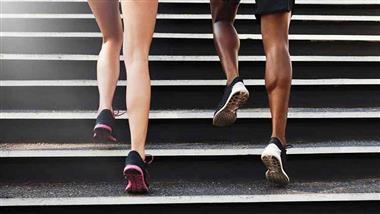
- Eccentric exercise — movements where your muscles lengthen under tension, such as walking downstairs, or lowering into a squat — builds greater force with less oxygen demand and less cardiovascular strain than conventional exercise
- Muscle soreness after eccentric exercise usually comes from inflammation and irritation in connective tissue rather than widespread muscle destruction, and your body rapidly adapts after only one or two sessions
- Elderly women who performed descending stair walking twice weekly for 12 weeks improved blood pressure, insulin sensitivity, cholesterol markers, and lower-body strength more than women who focused on ascending stairs
- Short home-based eccentric exercise routines involving movements such as chair squats, wall pushups, and heel drops improved strength, flexibility, and mental health, while more than 90% of participants continued exercising afterward
- Eccentric training improves balance, coordination, joint stability, and injury resistance because your muscles and nervous system learn how to absorb force more efficiently during real-life movement
You perform eccentric exercise every day without realizing it. Every time you walk downstairs, lower yourself into a chair, hike downhill, or set down a heavy object, your muscles resist force while lengthening instead of shortening. Think of your bicep when you slowly lower a heavy grocery bag to the counter; the muscle is working hard, but it’s stretching out rather than bunching up. That’s eccentric.
That single difference — lengthening under tension rather than shortening — fundamentally changes how your body responds to exercise. Research by Kazunori Nosaka, published in the Journal of Sport and Health Science, suggests it may be the most efficient path to building strength without taxing your heart and lungs.1
For years, eccentric exercise carried a bad reputation because of delayed onset muscle soreness, often called DOMS — the stiffness and tenderness that peak one to three days after unfamiliar exercise. Many people interpret that soreness as muscle destruction and avoid the movements that cause it. Nosaka’s review directly challenges that belief, reframing eccentric exercise as something far more useful than a source of pain to be feared.
Eccentric training has long been associated with athletes and bodybuilders, but the research points in a different direction. The people who gain the most are often those who feel furthest from a traditional gym routine — older adults, sedentary people, anyone restarting after a long break, and those managing joint pain or chronic conditions. That is why researchers now argue eccentric exercise belongs in mainstream fitness rather than remaining a niche method.
Your Muscles Rapidly Adapt to Eccentric Exercise
Nosaka’s analysis examined how eccentric exercise affects strength, soreness, athletic performance, and long-term health outcomes. The paper focused heavily on the idea that muscle soreness scares many people away from exercise unnecessarily. According to the review, muscle damage from eccentric exercise drops dramatically after your body adapts to it once or twice.
• How eccentric exercise works in ordinary daily life — Lowering yourself into a chair, walking downstairs, hiking downhill, and slowly lowering weights all rely on eccentric contractions. During these movements, your muscles lengthen while resisting force.
That creates greater physical stress on the muscle fibers without the same oxygen demand or cardiovascular strain seen in conventional exercise. The paper explained that eccentric contractions generate more than 20% greater force than concentric contractions, meaning the shortening phase of movement such as pushing or lifting.
• Lower physical strain creates a major advantage for beginners and older adults — One of the most practical findings involved energy demand. Eccentric exercise required lower oxygen consumption and produced lower heart rates compared to concentric exercise at the same workload. If you feel intimidated by hard workouts, fatigue easily, or struggle with joint pain, your muscles still receive a strong stimulus without exhausting your cardiovascular system.
• Muscle soreness doesn’t mean your muscles are destroyed — DOMS is commonly blamed on torn muscle fibers, but the picture is more nuanced. Much of the soreness comes from inflammation and irritation in the connective tissue surrounding the muscle — the fascia and tendons that hold everything together — rather than from widespread damage to the muscle fibers themselves.
Connective tissue acts like the support web around muscle fibers. When it becomes irritated after unfamiliar exercise, you feel stiffness, tenderness, and reduced mobility.
• The body rapidly builds protection against soreness — Nosaka described something called the “repeated bout effect.” After one session of eccentric exercise, your muscles and nervous system adapt quickly and future workouts produce far less soreness and stiffness. Even low-intensity eccentric exercise created this protective effect. In practical terms, your hardest workout is usually the first one. Once your body learns the movement, recovery becomes much easier.
• Small doses of eccentric exercise still created measurable improvements — The paper emphasized that severe muscle soreness isn’t required for progress. That’s important because many people still believe exercise only works if they feel wrecked afterward. The review explained that gradual progression works best:
◦Start with lighter resistance
◦Use fewer repetitions
◦Slow the movement down
◦Focus on control before speed or heavy loading
Why Eccentric Exercise Improves Heart Health, Brain Function, and Long-Term Physical Resilience
The benefits don’t stay limited to gym performance or muscle soreness. The paper explained that eccentric exercise reshaped cardiovascular health, metabolic function, and physical resilience in ways that carried directly into daily life.
• Descending stairs produced surprisingly large health improvements — One of the most interesting findings involved elderly obese women who performed descending stair walking twice weekly for 12 weeks.2 Compared to ascending stairs, the descending group achieved greater improvements in blood pressure, insulin sensitivity, cholesterol markers, and lower-body strength.
Researchers reported a 10% reduction in resting heart rate and a 9% drop in systolic blood pressure in the descending stair group. LDL cholesterol fell 13% while muscle strength improved 34%.
• Simple home programs produced high long-term adherence — Another study discussed in the review used a five-minute home-based eccentric routine involving chair squats, wall pushups, chair reclines, and heel drops.3 After eight weeks, participants improved flexibility, strength, and mental health while maintaining very high adherence. More than 90% continued regular exercise afterward.
• Eccentric exercise offers benefits beyond muscle strength alone — Eccentric exercise improves balance, mobility, and even cognitive function, meaning how well your brain handles memory, focus, and processing speed. The reason appears to be that lowering yourself under control demands constant feedback between brain and muscle, turning each repetition into a small skill-building exercise rather than a mindless rep.
• Athletes rely heavily on eccentric strength during competition — Team sports such as soccer and rugby place enormous eccentric stress on the body because athletes constantly decelerate, change direction, and absorb force.
The review explained that eccentric training improves deceleration control, power production, and injury resistance. That matters outside of sports too. Every time you catch yourself from falling, step off a curb, or stabilize your body during movement, eccentric strength protects your joints and connective tissues.
• One unusual nervous system effect stood out in the research — Eccentric training improved strength in the opposite untrained limb through something called the cross-education effect. Training one side of the body helped strengthen the other side too. Researchers believe nervous system adaptations inside the brain and spinal cord drive this effect.
This works because strength isn’t only stored in muscle tissue; it’s also encoded in the neural pathways that control movement, and those pathways serve both sides of the body. That finding has major implications for rehabilitation after injury or surgery because someone with one immobilized limb still benefits from training the healthy side.
How to Use Eccentric Exercise to Build Strength, Stability, and Injury Resistance Safely
Your body loses strength, balance, and resilience when you avoid resistance and controlled loading for years. That decline doesn’t start in old age. It starts the moment your muscles stop receiving enough challenge to maintain coordination, connective tissue strength, and efficient energy production.
Eccentric exercise addresses that root problem directly because it teaches your muscles and nervous system how to absorb force instead of simply producing it. That’s one of the missing pieces in many conventional exercise programs. You don’t need extreme workouts to rebuild strength and physical confidence. You need consistent, controlled exposure that your body adapts to over time.
1. Start with slow lowering exercises instead of aggressive workouts — If you’re sedentary or restarting exercise after a long break, begin with slow lowering movements because they create strength without exhausting your cardiovascular system. Lower yourself slowly into a chair for five repetitions. Descend stairs carefully instead of rushing.
Slowly lower yourself during a wall pushup instead of dropping quickly. Perform controlled heel drops off a stair while holding a railing — drop only as far as comfortable, and avoid bouncing at the bottom.
Slow body-weight squats with a three- to five-second lowering phase work extremely well because they strengthen your legs while training balance and control. Reverse lunges and controlled step-downs from a stair also teach your muscles to absorb force safely. Treat each repetition like skill practice rather than punishment. That mindset improves consistency fast.
2. Build tolerance gradually so soreness doesn’t overwhelm you — One reason people quit exercise programs is because they start too aggressively. Severe soreness creates fear and breaks momentum. The research showed your body adapts rapidly once exposed to eccentric exercise, but progression still matters. Start with:
•Five to 10 slow repetitions
•One or two sets
•Chair squats before weighted squats
•Wall pushups before floor pushups
•Short downhill walks instead of steep hikes
Mild soreness one or two days later is a normal sign of adaptation; your body is building the machinery to handle the load. But if soreness lingers past three days, or if it sharply limits your normal movement, that’s a signal to scale back the next session rather than quit entirely. The goal is steady exposure, not a heroic single workout.
3. Use eccentric walking to strengthen your body during daily life — You don’t need a gym membership to benefit from eccentric exercise. Controlled downhill walking, descending stairs, and forward lunge-style walking create strong eccentric loading in your legs while fitting naturally into everyday routines. If you spend most of your day sitting, build movement into activities you already do.
Lower yourself slowly into chairs instead of collapsing into them. Carry groceries while controlling the lowering phase instead of dropping them quickly onto counters or the floor. Walk downstairs deliberately instead of relying entirely on elevators and escalators. Those movements strengthen the muscles that protect your knees, hips, and balance during normal life.
4. Train your nervous system with controlled movement patterns — Eccentric exercise forces your brain and muscles to communicate more efficiently because your body needs to constantly control force, balance, and positioning. That matters if you notice stiffness, poor coordination, or reduced confidence during movement.
Slow negative pullups, controlled lunges, and single-leg step-downs all challenge your nervous system in a productive way. Instead of rushing through repetitions, focus on smooth movement and posture. Pause briefly during the lowering phase of a squat or pushup. Your body learns stability through repetition and control, not chaos.
5. Support recovery with movement, sunlight, and metabolic health — Your recovery capacity depends heavily on cellular energy production. Poor sleep, processed foods, inactivity, and excess seed oils interfere with that process and leave your muscles less resilient under stress. I recommend pairing eccentric exercise with habits that improve the function of your mitochondria — the energy-producing structures inside your cells — and recovery efficiency.
Prioritize daily sunlight exposure, especially early morning light, to support circadian rhythm and cellular energy production. Eat enough protein — about 0.8 grams per pound (or 1.76 grams per kilogram) of lean body mass — with one-third from collagen-rich foods to support connective tissue recovery.
Include whole-food carbohydrates that help maintain metabolic function and muscle glycogen instead of relying on restrictive low-carb approaches that lower exercise tolerance over time.
FAQs About Eccentric Exercise
Q: What exactly is eccentric exercise?
A: Eccentric exercise happens when your muscles lengthen while resisting force. Common examples include walking downstairs, lowering into a chair, hiking downhill, or slowly lowering a weight during a squat or pushup. Unlike conventional lifting movements that focus on pushing or pulling, eccentric movements train your body to absorb force under control. That improves strength, balance, coordination, and joint stability during everyday life.
Q: Why does eccentric exercise make you sore at first?
A: The soreness usually comes from inflammation and irritation in connective tissue surrounding the muscle rather than widespread muscle destruction. This delayed soreness, often called DOMS, tends to peak one to three days after unfamiliar exercise. The good news is your body adapts quickly. Even one or two eccentric workouts dramatically reduce future soreness through the repeated bout effect.
Q: Why is eccentric exercise useful for older adults and beginners?
A: Eccentric movements place a strong training stimulus on muscles without demanding as much oxygen or cardiovascular effort as conventional exercise. That makes them especially useful if you fatigue easily, have joint discomfort, or feel intimidated by intense workouts. Simple eccentric routines improve blood pressure, insulin sensitivity, lower-body strength, balance, and mobility in older adults.
Q: What are some simple eccentric exercises I can do at home?
A: Some of the most effective eccentric exercises require little or no equipment. Even five-minute home routines improved flexibility, strength, and mental well-being in sedentary participants. Examples include:
•Slow chair squats
•Controlled step-downs from stairs
•Heel drops
•Wall pushups with a slow lowering phase
•Reverse lunges
•Downhill walking
Q: How do I start eccentric exercise without overdoing it?
A: Start slowly and focus on control instead of intensity. Begin with five to 10 repetitions and one or two sets using body-weight movements. Lower yourself slowly during each repetition and stop before soreness becomes excessive. Consistency matters more than pushing to exhaustion. Your muscles and nervous system adapt surprisingly fast when the workload increases gradually.
The Fast-Track Path to Clearing Vegetable Oils from Your Skin
Reproduced from original article:
https://articles.mercola.com/sites/articles/archive/2026/06/08/clearing-vegetable-oils-from-your-skin.aspx
Analysis by Dr. Joseph Mercola June 08, 2026

Story at-a-glance
- Linoleic acid (LA), the primary polyunsaturated fat in vegetable oils and commonly found in processed foods, accumulates in skin tissue and increases your risk of sun-induced oxidative damage
- Once stored in body fat, LA leaks into circulation for years, continuously influencing your skin cell membranes even after your dietary intake of LA has stopped
- Pentadecanoic acid (C15:0), found in grass fed dairy and ruminant animals, helps displace LA from cell membranes, reduces lipid peroxidation, and supports mitochondrial and structural integrity
- Supplementing with 2 grams of C15:0 per day, combined with a low-LA diet and metabolic support, significantly shortens LA clearance from two to three years to 12 to 18 months
- Proper sun exposure becomes safer once LA has been displaced from skin membranes, but caution is needed during early clearance stages to avoid UV-induced inflammation from residual LA
Linoleic acid (LA) is the most abundant fat in the modern diet, not because your body requires it in large amounts, but because it’s the primary omega-6 polyunsaturated fat (PUF) in vegetable oils used throughout the food supply. While often marketed as heart-healthy, LA accumulates in your tissues over time and integrates into cell membranes, including the keratinocytes that make up your skin.
As keratinocytes migrate toward the skin’s surface, they carry LA with them. Once exposed to sunlight, LA breaks down easily into reactive byproducts that increase your risk of skin damage.1 The good news is, a promising solution exists in an odd-chain saturated fat found in full-fat dairy and ruminant animals — pentadecanoic acid (C15:0). Unlike LA, C15:0 supports cellular integrity and protects the skin from oxidative stress.
The Adipose Trap — Why Diet Alone Takes Too Long
LA creates a persistent metabolic challenge that defies simple dietary changes. Once consumed, it’s absorbed into adipose tissue and stored in triglyceride reserves, where it lingers far longer than most people realize.2
• Adipose tissue turns over slowly — Triglycerides are continually broken down through lipolysis and reassembled through re-esterification, yet radiocarbon dating studies show that the average triglyceride molecule in subcutaneous fat remains in place for approximately two years. In other words, the LA you consumed one or two summers ago may still be entering your bloodstream today.3,4
• Skin cells renew on a much shorter timescale — Keratinocytes complete their journey from the basal layer (the deepest part of the epidermis where new skin cells form) to the stratum corneum (the outermost layer made of dead skin cells) in roughly 28 days.5 During this process, they assemble membranes using fats transported through the bloodstream by the protein albumin.6
This lipid supply reflects not only your current diet, but also what’s being released from fat stores. This means that even if dietary LA has been completely removed, keratinocytes will continue to incorporate it into their membranes as long as it’s still being released from storage.
• The body has no built-in mechanism to speed up LA removal — The body lacks a mechanism to specifically target or rapidly eliminate stored LA, nor does it flag it for disposal based on its instability. As a result, clearance proceeds at the natural pace of adipose turnover.
• This mismatch in turnover rates creates a metabolic bottleneck — Enzymes involved in phospholipid synthesis prioritize lipid abundance over quality. So as long as LA dominates the bloodstream, it will continue to be used.
This is why dietary changes often fall short. While removing seed oils is important, it does not address the backlog that continues to influence tissue composition. This is where approaches, such as incorporating specific fats that reshape membrane competition and accelerate turnover, offer a meaningful advantage.
What Is C15:0 and How Does It Help Clear LA from Your Skin?
C15:0 plays an important role in cellular stability, mitochondrial health, and metabolic regulation. It has been proposed as a recognized essential fat, since the body cannot synthesize it in sufficient quantities to meet physiological needs. Yet, most people consume only 100 to 200 milligrams of C15:0 daily, primarily from dairy fat.7
• C15:0 is chemically stable and resists oxidation — C15:0 contains no double bonds, making it highly resistant to peroxidation. This contrasts sharply with LA, which has reactive bis-allylic bonds and breaks down easily into damaging lipid peroxides. C15:0 helps build membranes that are less vulnerable to oxidative stress.8
• C15:0 integrates directly into membrane phospholipids — It occupies the sn-1 position of key phospholipids like phosphatidylcholine (PC) and phosphatidylethanolamine (PE), the same structural slot typically taken by palmitic acid or LA. This integration reduces LA’s presence in cells that turn over quickly, including keratinocytes.9
• It suppresses lipid recycling by altering enzymatic competition — As circulating C15:0 increases, acyl-CoA and lysophosphatidylcholine acyltransferase (LPCAT) enzymes, which play key roles in phospholipid remodeling, preferentially incorporate C15:0 over PUFs. This reduces the chance of LA being reincorporated into cell membranes. Over time, this reduces LA availability for skin cells and helps restore healthier lipid balance.10
• It influences fat-burning and anti-inflammatory signaling — C15:0 partially activates PPAR-α and PPAR-δ, two nuclear receptors that regulate lipid oxidation, inflammation, and mitochondrial function. Activation of PPAR-α upregulates CPT1, the enzyme for transporting long-chain fats into mitochondria, thereby promoting β-oxidation and accelerating the clearance of stored fats, including LA released from adipose tissue.11
• It activates AMP-activated protein kinase (AMPK) — AMPK acts as a cellular switch that flips on when energy reserves run low. Once activated, it boosts mitochondrial activity, initiates the removal of damaged or dysfunctional components, and promotes β-oxidation. AMPK also dampens mTOR signaling, a growth-promoting pathway that drives fat storage and cellular expansion. Together, these shifts promote faster lipolytic turnover.12,13,14
How Long Does It Take C15:0 to Push LA Out of Your Skin?
C15:0 acts quickly once circulating levels rise, integrating efficiently into the blood lipid pool and shifting the body’s lipid supply within weeks. From there, the process of displacing LA from skin tissue unfolds across several biological layers — plasma, cell membranes, and ultimately adipose tissue.
• Circulating levels rise within weeks — In a 12-week randomized controlled trial, just 200 milligrams per day (mg/day) of C15:0 raised its concentration in plasma phospholipids by 1.9 micrograms per milliliter (mg/mL). This study suggests that even modest doses are efficiently absorbed and incorporated into circulating lipids over time.15
• What a study on EPA tells us — Since no direct human studies exist on how fast C15:0 displaces LA from skin membranes, we can look to similar fats that compete at the same biological sites to estimate timing and effect. One of the best-established examples comes from eicosapentaenoic acid (EPA), an omega-3 fat.
In one trial, a dose of 1.8 g/day of EPA reduced LA content in platelet membranes by 15% within two weeks. Although EPA and C15:0 differ structurally, both act on the same enzymatic targets during membrane assembly, making this study a useful benchmark for modeling displacement kinetics in the absence of direct human data on C15:0.16
• Red blood cell (RBC) membranes turn over rapidly — In vitro studies show that saturated fats like C15:0 are quickly esterified into RBC membrane phospholipids. Since keratinocytes draw from the same circulating fatty acid pool, this rapid renewal offers an early indication of how fast C15:0 becomes available for skin membrane remodeling.
• Modeling membrane turnover at 2 grams per day — Based on the EPA displacement kinetics,17 2 g/day of C15:0, which is 10 to 20 times the current average intake, can be used as the modeled dose to initiate meaningful LA displacement in keratinocyte membranes.
At this intake, circulating lipids reach saturation within three to four weeks. This allows membrane remodeling to begin within a single skin renewal cycle. Below is a projected timeline of LA displacement in the epidermis:
◦ Weeks 0 to 4 — Around 10% reduction in LA in newly formed keratinocyte phospholipids.
◦ Weeks 4 to 12 — About 25% to 30% cumulative reduction as successive skin layers cycle out.
◦ Months 3 to 6 — Progress plateaus until adipose LA supply wanes.
• C15:0 cuts the clearance timeline in half — This modeling shows that 2 g/day of C15:0, combined with LA restriction, can cut the effective half-life of adipose LA from 12 months to about six months. This reduces the time required to clear up over 80% of mobilizable LA to roughly 12 to 18 months, helping stabilize the skin’s lipid profile far sooner.
• Individual factors influence your remodeling timeline — Individuals with over 30% body fat typically carry a larger reservoir of stored LA, which extends the time required to fully remodel skin membranes even with consistent C15:0 intake and strict LA restriction.
In addition, genetic differences in fat metabolism, such as fatty acid desaturase (FADS) gene variants or reduced LPCAT enzyme activity, may reduce C15:0’s effect during membrane assembly. These variables don’t negate the benefits; they just mean the timeline may stretch closer to 24 months for some.
The Skin Benefits of Accelerated LA Clearance
When LA saturates skin membranes, it increases your susceptibility to oxidative stress. Upon UV exposure, LA breaks down into lipid peroxides like 4-hydroxynonenal (4-HNE), which damage DNA, compromise mitochondrial function, and fuel inflammation. The higher your skin’s LA content, the more destructive this reaction becomes.18,19
• Displacing LA with C15:0 measurably lowers this risk — As the skin remodels over successive renewal cycles and adipose leakage slows, the burden of UV-induced 4-HNE drops substantially. The table below outlines the projected timeline for this shift, inferred from linear relation between membrane LA and 4-HNE generation:20
| Timeframe | What’s Happening Biologically | Estimated Reduction in UV-Driven 4-HNE Burden |
|---|---|---|
| 0 to 1 month | C15:0 enters circulation; first new keratinocyte layer forms with less LA | ~10% |
| 1 to 3 months | LA levels fall further as skin continues to renew with C15:0-rich membranes | ~25% |
| 3 to 12 months | Skin keeps improving, but LA released from fat slows additional progress | ~30% to 45% |
| 12 to 18 months | Most stored LA is cleared; skin maintains a more stable, low-LA membrane state | More than 60% |
• This shift brings forward your “don’t-burn” window by about a year — The C15:0 protocol compresses your skin’s vulnerable period to 12 to 18 months. While this doesn’t eliminate all UV risks, it significantly lowers your skin’s baseline sensitivity to sun damage.21
• Sunlight becomes safer once your lipid profile stabilizes — LA removal doesn’t mean avoiding sunlight. In fact, once your skin has remodeled away from PUF dominance, sun exposure supports circadian alignment, nitric oxide release, vitamin D production, and mitochondrial energy output.
Take a deeper dive into the benefits of C15:0 to your health in “C15:0 — Found in Dairy — May Be an Essential Fat.”
How to Do the C15:0 Protocol
Clearing LA from your skin requires more than adding the right nutrient — it depends just as much on subtracting the wrong ones. The steps below outline how to properly implement the protocol, monitor your progress, and support your body’s lipid turnover mechanisms along the way:
1. Keep LA intake less than 2% of your calorie intake — Eliminate industrial seed oils, including soybean, corn, sunflower, safflower, cottonseed, canola, and grapeseed oil. These fats are widely used in packaged foods, restaurant meals, condiments, and processed snacks.
LA also accumulates in the fat of grain-fed animals, particularly poultry and pork, where it reaches levels comparable to seed oils. These sources should be avoided or replaced with pasture-raised alternatives to prevent ongoing exposure through hidden dietary fats.
Learn more about how to lower your LA intake in “Linoleic Acid — The Most Destructive Ingredient in Your Diet.”
2. Take 2 grams of C15:0 per day, divided with meals — Use a pure pentadecanoic acid powder or a verified high-C15 butter or ghee concentrate. Split the dose between meals to maintain even plasma levels and maximize tissue uptake.
3. Track your status every three months — Use an RBC or dried-blood-spot test to confirm that your C15:0 levels are 0.4% or more and your LA is less than 5% of your total fats. These markers confirm that remodeling is occurring. If your numbers plateau, reassess for hidden LA intake or inconsistent dosing.
4. Support fat turnover with lifestyle strategies — Promote the release and clearance of stored LA from adipose tissue by incorporating intermittent fasting, high-intensity workouts, and heat exposure through sauna use or hot baths.
For high-intensity exercise, limit sessions to no more than 75 minutes per week, as research shows longer durations undermine longevity and recovery. If using intermittent fasting, avoid long-term restrictive protocols that depress thyroid function and metabolic rate; short, occasional fasts are safer and more sustainable.
5. Ease into sun exposure until at least your second summer — Until adipose LA is largely depleted, skin remains vulnerable to UV-triggered oxidative stress. During this window, avoid midday sun, especially between 11 a.m. and 3 p.m., and instead focus on early morning or late afternoon sun exposure.
Once LA levels decline and membrane composition stabilizes, your skin becomes more resilient. At that point, you can begin to increase midday exposure gradually without burning.
Avoid using conventional sunscreens, which block vitamin D synthesis and contain ingredients that interfere with endocrine or skin health. Instead, build your tolerance with timed, progressive exposure and support internal protection through dietary antioxidants like astaxanthin, niacinamide, and vitamin E, along with saturated fats from ghee, butter, and tallow.
For a deeper understanding of how to safely approach sun exposure, read “Beyond Vitamin D Production — How Sensible Sun Exposure Supports Overall Health.”
Frequently Asked Questions (FAQs) About Clearing LA from Your Skin
Q: Why is linoleic acid harmful to my skin?
A: LA is highly unstable and prone to oxidation. When integrated into skin cell membranes, it generates toxic byproducts like 4-HNE upon sun exposure, which damage DNA and accelerate skin aging.
Q: How does C15:0 help clear out LA?
A: C15:0 is a stable saturated fat that integrates into cell membranes in place of LA. It supports structural integrity and resists oxidation. By competing at key enzymatic sites, C15:0 helps displace LA from skin tissues and accelerates its clearance from fat stores, especially when combined with a low-LA diet.
Q: How long does it take to remove LA from my skin using C15:0?
A: At a dose of 2 grams per day, C15:0 begins altering skin membrane composition within one skin renewal cycle (about four weeks). Over the course of 12 to 18 months, it can remove more than 80% of mobilizable LA from tissues, cutting the typical clearance timeline in half.
Q: What are the best food sources of C15:0?
A: C15:0 is naturally found in full-fat dairy and ruminant fat, particularly in butter and ghee. However, typical intake from food is only 100 to 200 mg per day, which is well below the effective 2-gram daily dose needed for membrane remodeling. Supplementation with pure pentadecanoic acid powder or tested high-C15 butterfat concentrates is usually necessary.
Q: Is sun exposure safe during the C15:0 protocol?
A: Sunlight is beneficial once your membrane composition stabilizes. However, early in the protocol, when LA is still leaking from your fat stores, the skin remains vulnerable to UV-induced damage. During this window, practice caution when spending time outdoors.
- 1 Nutrients. 2023 Jul 13;15(14):3129
- 2, 4 Nature. 2011 Sep 25;478(7367):110–113
- 3 Nature Reviews Endocrinology volume 7, Page 694 (2011)
- 5 National Cancer Institute, Layers of the Skin
- 6 Science Direct, Fatty Acid Transport
- 7, 8, 9, 12 Nutrients. 2023 Oct 30;15(21):4607
- 10, 11 J Biol Chem. 1992 Jun 25;267(18):12673-81
- 13 Nat Rev Mol Cell Biol. 2017 Oct 4;19(2):121–135
- 14 Annu Rev Nutr. 2014 May 15;34:31–55
- 15 J Nutr. 2024 Sep;154(9):2763-2771
- 16, 17 Clin Sci (Lond). 1985 Apr;68(4):449-54 (Archived)
- 18 Oxid Med Cell Longev. 2014 May 8;2014:360438
- 19 Biomolecules 2023, 13(9), 1291
- 20, 21 Biomolecules. 2023 Jan 10;13(1):145
Knee Pain? Strength Training and Home Exercises Will Help
Reproduced from original article:
https://articles.mercola.com/sites/articles/archive/2026/05/23/exercises-for-knee-pain.aspx
Analysis by Dr. Joseph Mercola May 23, 2026

Story at-a-glance
- Knee pain affects one in four U.S. adults and often stems from osteoarthritis, a degenerative joint condition that causes stiffness, swelling, and pain — especially when you’re inactive or avoid movement
- Falling into inactivity worsens the problem, as muscle weakness adds stress to the knee joint, making everyday movements like walking or standing more painful over time
- A March 2024 NIH-backed study found strength training throughout life cuts knee arthritis risk, with up to 23% lower odds of knee pain or degeneration — even among light or occasional lifters
- The right combination of strengthening and stretching exercises is beneficial for your knees, as it eases pain by helping to improve the way the joint moves and functions
- The sooner you start smart strength training, the better, since it builds resilience, restores mobility, and reduces pain without requiring intense workouts, fancy equipment, or a gym membership
Roughly one in four adults in the U.S. is living with knee pain,1 often caused by osteoarthritis — an increasingly common joint disorder that affects over 32 million Americans today.2 The condition is characterized by cartilage breakdown in the knee, leading to stiffness, swelling, and a grinding or aching pain that tends to worsen with inactivity and disrupts your ability to move, sleep, and function.
Once knee pain sets in, many people fall into a spiral of inactivity that worsens muscle weakness, leading to more pressure on the joint and more damage. They start avoiding stairs, long walks, and even standing for too long. However, being sedentary makes the pain worse, not better. The key is to identify the best exercises that will help protect your knees without causing any pain.
Strength Training Helps You Dodge Knee Pain Later in Life
A March 2024 study published in Arthritis & Rheumatology examined whether long-term strength training reduces the risk of knee osteoarthritis and chronic knee pain.3 The researchers pulled data from the Osteoarthritis Initiative, a well-established multi-center study funded by the National Institutes of Health (NIH). Their goal is to see if people who had consistently lifted weights or done resistance training over their lifetime experienced less knee trouble as they got older.
• This analysis focused on 2,607 adults between ages 45 and 79 — The researchers found that those who lifted weights even just occasionally across their adult life had a significantly lower risk of developing radiographic knee osteoarthritis (visible signs of joint degeneration), frequent knee pain, and symptomatic osteoarthritis (pain and joint damage together) compared to those who didn’t exercise at all.
• Participants who had done strength training for any period had 17% to 23% lower odds of knee problems — The longer and more consistently someone trained, the better their outcomes were. For instance, participants who reported lifting weights during all four life stages — ages 12 to 18, 19 to 34, 35 to 49, and 50 and above — had the lowest overall odds of knee issues.
Importantly, the benefit wasn’t limited to those training intensely. Even light or moderate training appeared to offer protection.
• Strength training builds the muscles around your knees, particularly your quadriceps and hamstrings — These muscles act like shock absorbers, distributing the impact your knees would otherwise take alone. Without that support, your knees take a beating with every step, jump, or bend.
Over time, that wears out cartilage, strains ligaments, and sets the stage for degeneration. But with strong, balanced muscles, the joint moves more smoothly and with far less internal friction.
The takeaway is that if you want your knees to keep working, you need to make them work now, but smartly. Strength training is not about how much weight you lift. It’s about building the kind of resilience that carries you through decades of movement without pain.
Resistance Training Is Safe and Effective for Aging Knees
An earlier systematic review published in Sports Health reported similar findings.4 The researchers set out to identify if there’s a specific “dose” of resistance training — like number of sessions, sets, reps, or intensity — that leads to the best results. They combed through 12 high-quality randomized controlled trials (RCTs) involving over 1,400 participants.
• Most participants were older women with painful knees — The participants in these trials were mostly women (over 70%) with an average age ranging from about 52 to 71 years old. They all had symptomatic knee osteoarthritis (KOA), meaning their knees caused them real discomfort or limited their daily activities.
• Resistance training led to real improvements in pain and function — Across the board, resistance training consistently led to less pain and better physical function for these individuals. In fact, 11 of the 12 studies reviewed showed meaningful improvement with strength training compared to those who did nothing or did other non-strength approaches.
• Participants saw meaningful changes in just eight to 12 weeks — Those who stuck with a structured resistance training program three times a week began to experience noticeable improvements in pain and function within two to three months — a short period with significant payoffs.
• Doing 24 sessions led to the best results — When participants completed about 24 total training sessions (for example, three times a week over eight weeks), they were much more likely to experience strong reductions in pain and better movement in their knees.
• Resistance training matched or outperformed more complex therapies — One study5 found that strength training was just as effective as proprioceptive (balance and body awareness) training. This means using simple tools like weights or resistance bands gave people real, noticeable gains in movement and pain relief — no fancy equipment needed.
• The most effective plans used moderate weights with progressive intensity — Programs that saw the biggest results included two to three sets of eight to 12 reps at 50% to 60% of a person’s maximum strength, gradually increasing intensity. This progressive method helped people build strength without overwhelming the joint.
If you’re dealing with knee pain and are hesitant to start resistance training, remember that it doesn’t require a gym, a trainer, or heavy weights. It just takes a plan, a little structure, and the willingness to progress at your own pace. For more useful pointers on doing resistance training, read “It’s Never Too Late to Begin Resistance Training.”
These Basic Exercises Also Benefit Your Knees
According to an article from Harvard Health Publishing,6 the right combination of strengthening and stretching exercises is beneficial for your knees, as it eases pain by helping to improve the way the joint moves and functions. It also addresses one of the most common misconceptions about knee pain — that the knee itself is always the problem.
In fact, knee pain isn’t just an issue with your joints. According to Dr. Lauren Elson, an instructor in physical medicine and rehabilitation at Harvard Medical School, it’s also a side effect of weakness in muscles around the hip or tightness in the leg muscles. She adds that doing exercises that work a variety of muscles, including the hip abductors, hamstrings, and quadriceps, will help knee pain. Here are a few examples, which you can do at the gym or in the comfort of your home:7,8,9
• Side-leg raises
1. Lie down on your right side, with your legs straight. Keep your right forearm bent upward, then place your head on your hand.
2. Slowly lift your left leg upward, keeping it straight.
3. Pause, and then slowly lower your leg. Repeat this on the left side.
If you need to make this exercise easier, don’t lift your leg too high. Try resting your back against a wall as well.
• Single-leg lift
1. Lie on the floor on your back. Keep one leg extended, with the foot flexed slightly. Keep your hands at your sides.
2. Tighten your thigh muscles then lift your leg slowly until your knees are aligned.
3. Pause, then bring your leg back down. Finish all repetitions, then repeat with the other leg.
• Hamstring stretch
1. Lie on the floor on your back with your hands at your sides. Hold your right leg behind the thigh, using both hands.
2. With your left leg extended, lift your right foot upward. Keep your right foot flexed and straighten your right leg as much as possible until you feel a stretch along the back of the right thigh.
3. Hold for 10 to 30 seconds, then lower your leg.
4. Do the same movement with the other leg. Do three to four repetitions.
• Seated knee extension
1. Sit down straight on a chair with your back straight and feet flat on the floor. Place your hands on your thighs.
2. Exhale and then slowly lift your right foot, keeping it at the level of your hip. However, don’t lock your knee.
3. Pause and then lower your foot. Repeat with the other leg. Do 10 repetitions per leg.
• Quadriceps stretch
1. Stand with your feet apart, at least shoulder-width. Bend your right knee, bringing your heel backward toward your right buttock.
2. Reach back and hold your foot with your right hand.
3. Hold this stretch for 10 to 30 seconds, then slowly lower your foot to the floor and repeat with the other leg. Do three to four repetitions.
• Foam rolling — This technique involves using a cylindrical foam roller to apply pressure along the muscles and fascia (the connective tissue that wraps around them). Foam rolling helps break up knots and release tension that tugs on the knee joint from above and below. The result? Less pulling on the joint, more comfort, and greater ease moving through daily activities.
• Low-impact cardio exercises — Cycling, swimming, and water aerobics are great options because they allow you to move your joints smoothly while reducing stress. Even simply walking outdoors is a great low-impact cardio.
• Resistance bands — One basic exercise you can do is side-steps. Simply put the band around your legs, above the knees, then step side to side. This will strengthen your thigh muscles and hip.
Elson gives a clear rule — If you feel pain that wakes you at night, doesn’t go away with movement, or worsens during a workout, it’s time to stop and reassess. But if your muscles feel mildly sore or tired the day after exercising, that’s a green light. It means you’re making progress, and your body is adapting.
Dos and Don’ts When Exercising with Knee Pain
If you’re going to exercise when you have knee pain, remember to consult your physician to make sure that the intensity and types of exercises are appropriate for you. The website US News provides a few additional dos and don’ts for you to keep in mind:10
Do:
• Try water exercises — The buoyancy of water supports your weight and makes it more comfortable for your knees. These low-impact exercises reduce stress on the joints while allowing you to get cardiovascular, joint, and overall health benefits.
• Lighten the load — Running, jumping, or deep squats will put heavy strain on your knees. Stick to gentler activities that don’t cause further harm to your knees.
• Walk outdoors — Start with short walks and gradually increase your distance. It’s important to wear supportive shoes to protect your knees and maintain a steady pace. Make sure that the walking surface is even — there shouldn’t be too much uphill or downhill paths, to reduce your risk of tripping and falling.
• Use the right equipment — Elliptical machines and stationary bikes help you do knee-friendly exercises without putting too much load on your knees.
Don’t:
• Rest too much — Staying sedentary for long periods of time weakens the muscles in the leg and worsens knee pain.
• Run — This high-impact exercise puts too much stress on every joint in your body, including the knees.
• Bend your knees too much — Lunges and squats strain your knee joints and worsen the pain.
• Keep exercising if you feel pain — Although muscle fatigue is normal during or after a workout, sudden sharp or shooting pain are a sign that you’ve exerted too much, and you need to stop doing the exercise immediately.
Fix the Real Cause of Knee Pain Through Strength and Constant Movement
If your knees hurt, the problem isn’t just “your knees.” The deeper cause usually starts with weak or imbalanced muscles, poor movement patterns, or years of avoiding the kind of movement that actually protects your joints. Most people are told to rest, ice, and wait — but that approach only dulls symptoms while the root issues keep getting worse.
Whether your pain is from arthritis, poor alignment, or just years of wear, there’s one thing you need to understand — your knees need better support, not less movement. Here are five strategies for you to follow:
1. Start building strength around your knees — even if it’s just with bodyweight — Muscle weakness is the single biggest driver of knee pain. You need to strengthen the quadriceps, glutes, and hamstrings to take pressure off the joint. If you’re just getting started, begin with bodyweight movements like sit-to-stands, glute bridges, or step-ups onto a low stair. If you’ve got resistance bands, even better.
2. Work on your hips, not just your knees — Having weak outer hip muscles (your gluteus medius, for example) throws off your alignment and forces your knees to cave inward when you move. For more hip exercises that help build flexibility, reduce pain and prevent injuries, read “Want to Know How to Loosen Your Tight Hip Muscles?”
3. Use a rotation of joint-friendly cardio — Low-impact options like stationary cycling, swimming, or using an elliptical increase circulation and flush inflammation without grinding your joints.
4. Stretch daily to release tension that pulls on the joint — Spend five to 10 minutes a day stretching key muscle groups, including hamstrings, calves, and hip flexors. Hold each stretch for 20 to 30 seconds and breathe through it.
5. Track what works, as well as what causes flare-ups — If you’re unsure which exercises are helping, start a simple log. Write down what you did, how long it took, and how your knees felt after. Over time, you’ll spot patterns. This builds confidence and gives you a clear roadmap. That feedback loop is what keeps you going.
No matter your age — whether you’re 28 or 68 — it’s not too late to rebuild the support your knees need. What matters most is that you start, and that you keep going. Even a few minutes a day, done consistently, is enough to start changing how your knees feel and function.
Frequently Asked Questions (FAQs) About Exercises for Knee Pain
Q: How common is knee pain, and what causes it?
A: Roughly one in four adults in the U.S. suffers from knee pain, with osteoarthritis being the leading cause. This condition breaks down the cartilage in your knees, leading to stiffness, swelling, and pain that worsens with inactivity.
Q: Does being inactive help or hurt knee pain?
A: Being inactive actually makes knee pain worse. Avoiding movement weakens the muscles that support your knees, increasing joint pressure and damage. Smart, consistent movement is key to breaking this cycle.
Q: Can strength training really prevent or reduce knee pain?
A: Yes. A 2024 study found that people who lifted weights — especially those who trained across all life stages — had 17% to 23% lower odds of developing knee osteoarthritis and chronic pain compared to those who never trained.
Q: What type of exercises are best for managing knee pain?
A: Resistance training that strengthens the quads, hamstrings, and hips is most effective. Even basic bodyweight moves, light weights, or using resistance bands will help improve stability, reduce friction, and protect your joints.
Q: How soon can I see improvements, and do I need a gym?
A: Many people see pain relief and better mobility within eight to 12 weeks of starting a structured resistance program — about 24 sessions total. You don’t need to visit a gym; at-home exercises with proper form and consistency work just as well.
- 1 The New York Times, March 26, 2025
- 2 Arthritis Foundation, Osteoarthritis
- 3 Arthritis Rheumatol. 2024 March; 76(3): 377-383
- 4 Sports Health. 2019;12(2):200-206
- 5 J Orthop Sports Phys Ther. 2009 Jun;39(6):450-7
- 6, 7 Harvard Health Publishing, August 1, 2024
- 8 Wright Physical Therapy, March 19, 2025
- 9 Harvard Health Publishing, March 24, 2025
- 10 US News, April 22, 2022
Why You Get Headaches During Exercise Even When You Stay Hydrated
Reproduced from original article:
https://articles.mercola.com/sites/articles/archive/2026/05/09/exercise-induced-headaches.aspx
Analysis by Dr. Joseph Mercola May 09, 2026

Story at-a-glance
- Exercise headaches affect up to 26% of adults and occur even when properly hydrated, often due to how the brain manages heat during physical exertion
- Your brain cools itself by increasing blood flow, which raises pressure in your skull that triggers headaches, especially if you’re new to exercise or increase intensity too quickly
- Warning signs include vision problems, nausea or thunderclap headaches that come on suddenly; these require medical evaluation to rule out serious conditions
- Prevention strategies include warming up slowly, staying well-hydrated before and during workouts, exercising in cool environments and gradually building fitness levels
- Most exercise headaches are harmless and typically improve over time as your cardiovascular system adapts to physical stress
It’s common to be perfectly hydrated and still get hit with a brutal headache right after a workout. For some, it starts as a subtle throb on both sides of the head. For others, it’s a sudden pounding that stops them in their tracks. These are known as exercise-induced headaches, which some describe as “the worst headache of my life.” They affect up to 26% of adults, depending on the study.1
While exercise headaches don’t always mean something is seriously wrong, they’re also not something to brush off. When your brain sends up a signal like that, it’s worth listening. What’s frustrating is how unpredictable they often feel. You drink water, fuel properly, get enough sleep and still end up sidelined by pain. So, what’s actually going on?
The answer has less to do with how hydrated you are and more to do with how your body regulates pressure and blood flow under stress. You don’t need to give up your workouts to stop the cycle. You just need to understand what’s driving these headaches in the first place. That’s where the science comes in.
An article in The Conversation explored why some people develop exertion headaches despite staying hydrated and exercising regularly.2 It examined current theories and findings to help explain what’s actually going on inside your body when these headaches strike.
• Exercise headaches affect people differently based on how fit they are — These headaches are more common in people new to intense workouts or those who ramp up too fast. They usually happen after a physically demanding session. But what’s considered “strenuous” really depends on your current fitness level, so even moderate effort could trigger them if you’re not yet adapted.
• The pain lasts from a few minutes to two full days — However, they sometimes go away in time. The article notes that some people stop getting these headaches after a few months of consistent training. That’s because your cardiovascular system slowly becomes better at handling physical stress and regulating blood flow to your brain.
• A key cause appears to be how your brain handles heat — Unlike the rest of your body, your brain doesn’t sweat. To cool down, it redirects more blood flow to your head during exercise. This creates higher pressure in your skull, which triggers pain.
Further, during exercise, your arteries and veins widen to deliver more blood and oxygen to your muscles and organs. The same thing happens in your brain, but in a confined space, this creates extra pressure, especially when you’re already hot or dehydrated. When it’s hot outside, your body sends even more blood to your brain in an attempt to cool it down. This overcompensation results in increased intracranial pressure and worsens the headache.
• Dehydration compounds the problem, but isn’t always the main trigger — While many people assume they’re getting these headaches from not drinking enough water, hydration alone isn’t the whole story. However, dehydration puts extra stress on your cardiovascular system, which could make your brain’s cooling response more aggressive — and more painful.
• Gradual fitness improvements reduce headache risk over time — People who build up slowly tend to report fewer and milder exercise headaches, likely because their blood vessels become more efficient at dilating and contracting with less pressure buildup.
Vision Problems and Nausea Are Red Flags You Shouldn’t Ignore
Although most exercise headaches are harmless, some are tied to dangerous conditions like brain hemorrhages, infections, or elevated brain pressure.3 If you’re experiencing these headaches for the first time, or if they’re sudden and severe, you should get evaluated. The Cleveland Clinic also broke down how exertion headaches differ from typical head pain.4
• Some symptoms mimic migraines and need to be taken seriously — While throbbing pain on both sides of the head is common, the Cleveland Clinic highlights more serious symptoms like vision changes, nausea and vomiting. If you’re seeing blind spots, getting dizzy or feeling sick to your stomach after workouts, that’s not something to push through.
• Unlike general tension headaches, exertion headaches often feel like a strong pulsing sensation — This typically builds quickly during or after physical activity. They also sometimes feel like a thunderclap — sudden and explosive. These details matter because understanding your symptoms helps you communicate more clearly with your doctor if you need to seek help. Underlying conditions are rare but important to rule out.
• If you’ve never had one before, don’t brush it off — First-time exertion headaches, especially if severe or paired with other neurological symptoms, should be evaluated by a medical professional. Confusion, fainting, extreme drowsiness or a headache that lasts more than two days are all red flags.
Once you understand what’s triggering your symptoms and get the green light from your doctor, you’ll be more confident about pushing forward with your workouts without worrying about the next headache hitting out of nowhere.
Why Pushing Too Hard Too Soon Sets You Up for Headaches
According to Dr. Ashhar Ali, a neurologist at Henry Ford Health, starting a workout program too aggressively runs the risk of causing your brain and body to react negatively.5 If your system isn’t yet conditioned for exertion, the added pressure from overexertion could show up as a headache. The fix is simple but requires patience: start slow and give your body time to adapt.
• Dehydration is a major driver of head pain — While it’s possible to get an exercise headache even if you drink plenty of water, Ali emphasizes the systemic impact of dehydration on your brain. It doesn’t just leave you tired, it alters fluid balance, increases body strain and heightens the chances of blood vessel dilation in your head, triggering that pounding sensation. “Headaches are another side effect of not drinking enough water,” he warns.6
• Heat overload during workouts makes things worse — Exercising in hot environments, whether outdoors in direct sun or indoors with poor airflow, is another trigger. What’s more, your clothing choice matters. Heavy fabrics, dark colors, or non-breathable materials trap heat and force your body to work harder to cool down. That extra burden increases pressure in the brain, leading to pain.
• Altitude training isn’t for everyone, and it’s a problem if you’re not used to it — Working out at higher elevations, especially while traveling, is a serious headache trigger. The oxygen is thinner at higher altitudes, and your brain has to work harder to compensate.
For people not acclimated to these conditions, the change in oxygen pressure often results in sharp, exertion-related headaches. Ideally, take a few days to adjust before attempting intense exercise in these conditions.
• These headaches are often mistaken for something else — People frequently misattribute these headaches to stress or muscle tension, when in fact, it’s the training environment and pace that’s to blame. This misdirection leads many to overlook simple fixes like resting, hydrating, staying cool, or adjusting their workout intensity.
How to Stop Headaches from Derailing Your Workouts
If you’re dealing with headaches after a strength-training session, or even just an intense walk, it’s not in your head, at least not the way you think. The problem isn’t always hydration or a poor night’s sleep. Often, it’s how your brain responds to overheating, overexertion or sudden pressure changes.
The good news? You don’t have to live with it, and you don’t have to quit your workouts either. These are direct ways to fix the root of the issue and keep your head clear while you train. Here’s what I recommend if you’re trying to avoid exercise-induced headaches:
1. Start with a slow warm-up and build intensity over time — You wouldn’t go from zero to sprint in five seconds, and your brain doesn’t like it either. Give your blood vessels time to adapt by easing into your workout. Start with gentle movements, low weights, or a light walk. If you’ve been sedentary or are just getting back into fitness, your body needs time to relearn how to regulate pressure and blood flow.
2. Fix your hydration before, during and after training — If you’re even slightly dehydrated, your body has to work harder to pump blood, especially to your brain. That raises your risk for pain. Don’t just sip water once your headache starts, get ahead of it. Drink throughout the day, not just right before or during your session.
If you sweat a lot or train outside, you’ll want to consider a mineral-rich hydration option like coconut water or a homemade mix of water, sea salt, and fruit juice to replenish what you lose. Overall, just listen to your thirst. A good rule of thumb is to check your urine. It should be a pale yellow color — if it’s dark, you’re dehydrated.
3. Control your workout environment — If you’re exercising in a hot, stuffy room or wearing heavy or dark-colored clothes, you’re setting yourself up for overheating. Switch to natural breathable fabrics and avoid workouts in extreme heat. If you’re indoors, use a fan or open a window. Your brain doesn’t cool itself like your skin, so anything that prevents heat buildup helps protect you.
4. Adjust your workouts at high altitude or during travel — If you’re in the mountains or somewhere with thinner air, your brain is working overtime just to get enough oxygen. It’s easy to push too hard without realizing it. If you’re not used to high elevations, avoid intense training the first few days. Focus on lower-impact options like walking, yoga or light bodyweight exercises while your body adjusts.
FAQs About Exercise Headaches
Q: Why do I get a headache after working out, even when I drink water?
A: Exercise headaches aren’t always caused by dehydration alone. Your brain can’t cool down by sweating like the rest of your body, so it sends more blood to your head to regulate temperature. That increases pressure inside your skull, which triggers pain, especially if you ramp up intensity too fast.
Q: Are exercise-induced headaches dangerous?
A: Most of the time, no. They usually fade within a few hours to two days and tend to improve over time as your cardiovascular system adapts. However, if it’s your first headache, or if the pain is sudden and severe, lasts longer than two days or comes with symptoms like nausea, vision changes, or confusion, you should get checked to rule out more serious conditions.
Q: Who is most likely to get these headaches?
A: People who are new to intense workouts, pushing too hard too fast, training in high heat or altitude, or wearing heat-trapping clothes are more likely to experience exercise headaches. Dehydration and poor conditioning are also major contributors.
Q: How do I stop these headaches from happening again?
A: Start with a slow warm-up, stay hydrated throughout the day, train in a cool environment and avoid high-intensity workouts in extreme heat or thin air.
Q: What symptoms should I look out for?
A: Red flags include a thunderclap headache (sudden and extreme pain), fainting, stiff neck, confusion, vomiting or vision issues. If any of these show up, or if the headache lasts more than 48 hours, it’s important to get evaluated for more serious conditions like vascular spasms or brain bleeds.
Flexibility Gains Don’t Take Hours — Just 2 Minutes
Reproduced from original article:
https://articles.mercola.com/sites/articles/archive/2026/04/18/two-minutes-stretching-routine.aspx
Analysis by Dr. Joseph Mercola April 18, 2026

Story at-a-glance
- Tight hamstrings affect your entire body’s movement patterns and signal deeper issues in how your nervous system controls mobility and stability
- Flexibility gains don’t require long sessions; it takes just two minutes of daily targeted exercises to significantly improve your ability to touch your toes
- Proper breathing techniques and postural alignment are more important than intense stretching for establishing lasting flexibility improvements
- Short, consistent 30-second mobility drills are more effective than occasional long stretching sessions for reprogramming movement patterns
- Track your progress visually by marking how far your hands reach down your legs to build motivation and maintain consistent practice
When you can’t touch your toes, it signals a breakdown in how your body moves, stabilizes, and protects itself. That restriction doesn’t stay local. Over time, it pulls on your lower back, tightens your hips, and throws off the balance of your entire spine. What looks like a simple flexibility issue is often the first clue that your nervous system no longer feels safe allowing full range of motion.
Touching your toes isn’t just about stretching your legs. It’s about restoring the natural coordination between your muscles, joints, breath, and brain. The good news is, you don’t need an hour-long yoga session or a gym membership to do it. Newer protocols — like the ones you’ll see here — use breathwork, postural resets, and short daily movement cues to quickly reprogram your body’s response to stretching. These methods focus on safety, not strain.
What’s most exciting is how fast the improvements start to show. Meaningful flexibility gains happen in just minutes a day. These aren’t passive, forceful stretches. They’re targeted strategies that teach your body to move better and feel more supported, with less pain and more control.
In the sections ahead, you’ll see how three different sources each approached the same goal — improving toe-touch flexibility — but did it through different techniques. Whether you’re a beginner, dealing with pain or just want to move better as you age, lasting change doesn’t take long, it takes the right kind of repetition.
2 Minutes a Day Is Enough to Rebuild Flexibility
According to a feature in Fit & Well, mobility coach Roger Frampton has developed a minimalist routine designed to improve flexibility, spinal mobility and functional movement patterns in just two minutes per day.1 The goal is to retrain your body to hinge, fold, and move in ways it was designed to do. Touching your toes is about more than flexibility; it’s a full-body coordination test that reveals tightness and mechanical breakdowns up and down the back side of your body.
• Tight hamstrings don’t always mean you’re doing something wrong — Frampton points out that many people who are physically strong or active, such as runners, develop shortened hamstrings as a result of their specific sport.
“Your hamstrings have become tight for a purpose: to make you more springy when you run,” he explains. So, the goal of improving flexibility isn’t to undo this, but to balance strength with range of motion. The key is knowing when limited flexibility is protective and when it’s restrictive.
• The toe-touch test works as a self-assessment tool — Rather than labeling yourself as “inflexible,” Frampton recommends using a structured way to measure your flexibility over time. He suggests doing a toe-touch test first thing in the morning, with three specific rules: feet together, legs straight, and no warm-up beforehand.
This gives you a consistent baseline. Track improvement by marking how far down your hands reach on your legs, or even against props like a boot or chair. Gamifying the test taps into motivation and self-efficacy.
• A simple 30-second floor drill improves results immediately — The routine itself is shockingly easy. Sit on the floor with your legs straight and press your knees down. Try to lift your heels off the ground while reaching forward and hold for 30 seconds.
If that’s too hard, place a book under your knees. Then stand up and repeat the toe-touch test. “Hopefully you’ve got a lower mark,” Frampton says, meaning you reached farther down in just one round. He recommends doing three sets of this each day.
• Stacking micro-practices helps rewire movement without overloading your brain — This 30-second drill is effective because it combines spinal flexion, hamstring lengthening, and nervous system retraining in one compact movement.
When practiced daily, your body adapts quickly, without needing long sessions or formal workouts. That makes this method especially useful if you’re short on time, recovering from stiffness, or overwhelmed by complex exercise routines.
• Frampton’s method uses hinge mechanics to correct movement patterns at the root — One of the foundational exercises involves holding a broomstick along your spine to learn how to bend from your hips rather than rounding your back.
This teaches proper hip hinge movement, which is essential for injury prevention, lifting and athletic function. It also shifts the effort away from your lower back and builds a safer, more balanced movement pattern that supports long-term flexibility.
The Real Fix Isn’t More Stretching, It’s Rewiring How You Move
If you’ve ever felt like stretching doesn’t work for you, you’re not alone — and you’re not broken. The problem usually isn’t your muscles. It’s the way your nervous system has adapted to poor posture, shallow breathing, and overcompensation patterns. That’s why stretching harder often backfires. The real solution is to retrain how your body organizes movement. And according to physical therapist and strength coach Zac Cupples, that starts with your breath.
Cupples created a step-by-step flexibility protocol that zeroes in on your core’s alignment and breathing mechanics, not just hamstring length. His approach uses short, specific exercises to build not just mobility but trust in your own body again.2
• Start with the “lower rib and pubic bone press” to reset your breathing and core engagement — Lie face down with a soft pad or pillow under your ribs and pelvis. Stretch one arm and the opposite leg out to the side, keeping the other arm tucked by your chest and that same-side knee bent.
Turn your head toward the outstretched arm. Now inhale slowly through your nose and exhale gently through your mouth. As you breathe out, press slightly into the ground with your elbow and knee to lift your chest — just a little — without losing contact with the pillow. Hold for five breaths and repeat four sets on each side daily.
• Use the “back muscle relaxer” to decompress your spine and reduce back tension — If your lower back feels tight when you fold forward, your spine isn’t the problem — it’s your positioning. Lie on your back with your knees bent and feet flat. Raise your arms overhead to about 120 degrees, palms up.
Your goal is to keep the top of your pelvis in contact with the floor. If it pops up, place a book under your feet to adjust. Inhale silently, then exhale while gently pressing through your heels and reaching your arms farther. This helps flatten your back and calm unnecessary spinal tension.
• Reclaim hamstring mobility with reciprocal inhibition drills — Cupples doesn’t ask you to yank on tight hamstrings. Instead, he teaches your nervous system to stop guarding. Lie on your back with your hips bent 90 degrees. Spread your arms wide at 100 degrees. On each exhale, slowly lower one leg toward the floor without arching your back. Keep alternating legs.
This activates your quads while letting your hamstrings finally let go. Do two to three sets of eight to twelve leg lowers per side, twice daily.
• Finish with the “progressive toe touch” to integrate all gains in real-world movement — Now it’s time to stand up and reconnect your breath to your reach. Place ramps or books under your heels. Wedge a yoga block between your knees. With soft knees — not locked — hinge forward at your hips and let your arms dangle.
Don’t force anything. Inhale and shift weight toward your outer heels, exhale and shift it toward your inner heels. Breathe through five sets of five breaths, twice a day. This trains your body to touch your toes without bracing or flinching.
• Measure small wins to keep motivation high — This plan works in two to four weeks, but you don’t need to wait that long to see change. Mark how far you reach on your pants, your legs or a mirror. Repeat the test every few days. Watching your fingertips drop even half an inch lower builds motivation.
Stretch Smarter, Not Longer — Your Progress Starts in 30 Seconds
Improving flexibility doesn’t require marathon stretch sessions or painful pulls. A practical guide from Nerd Fitness flips that script by introducing four short drills to do in under two minutes total — each just 30 seconds long.3 The goal is to rewire how your body perceives movement, tension and safety. This makes the approach both effective and accessible, especially if you’ve ever felt “too stiff” to make progress or gave up when conventional stretching didn’t work.
This method is designed for people who sit a lot, feel tight in the hamstrings or back, or who want a fast, low-stress way to feel looser and more mobile. Each movement targets a different area of your body. The program also uses gamification: you measure how far down your legs your fingers reach — knees, shins, ankles or floor — to see small improvements and stay motivated.
• Use the standing toe touch to trigger safe lengthening in your entire back body — Stand with your feet hip-width apart and knees soft. Slowly fold forward as far as you comfortably can. Don’t force it. Hold the bottom position for 30 seconds.
• Loosen your spine with the cat/camel stretch — Get on all fours with your hands under shoulders and knees under hips. Inhale as you arch your back and lift your tailbone and chest (camel), then exhale as you round your spine toward the ceiling and tuck your pelvis (cat). Flow slowly between the two, matching each phase to your breath. This mobilizes your spine and creates smoother movement between your hips and shoulders.
• Activate your side body with the star stretch — Stand tall, feet wide, and reach your arms out like a star. Tilt to one side, reaching your hand toward your opposite foot while keeping the other arm straight up. Return to the center, then repeat on the other side. Each side gets 15 seconds. This opens up your obliques, lats, and outer thighs — areas that are often overlooked but important for full-body flexibility.
• Reinforce hip mobility and spine decompression with the “moon the sky” drill — Begin in a low squat with your chest close to your knees and arms hanging. Slowly straighten your legs, keeping your hands under your feet and your spine relaxed. You’ll feel a deep stretch through the back of your legs and hips. Then lower back down. Repeat slowly for 30 seconds. This move trains proper hip hinging, which is essential for bending safely and effectively.
This entire routine takes less than two minutes. Try doing it three times a week or even daily if you prefer. It’s especially useful right after workouts or during transitions, like after sitting for long periods. Short, consistent practice builds a sustainable habit and avoids overwhelming your brain or body.
Touching Your Toes Starts with Fixing How You Move
If you’re frustrated with how stiff your body feels, or you’ve just assumed you’re “not flexible,” it’s time to shift that mindset. The issue isn’t just your muscles being short. It’s usually a lack of coordination between your breath, posture, and nervous system. That means you don’t need hours of stretching or expensive gear.
You need a smarter plan that targets the real source of the problem. Here’s what to do if you’re trying to gain mobility and finally touch your toes — without force, frustration, or flaring up old injuries:
1. Fix your breathing and posture first — Most flexibility problems start with bad posture and shallow breathing. If your ribcage is stuck or your hip flexors are always bracing, no amount of stretching will help. Lie on your stomach with a small pillow under your ribs and hips.
Slowly inhale through your nose while gently pressing your chest off the ground using your elbow and opposite knee. This re-teaches your core to stabilize without tension and sets up the rest of your body to move more freely.
2. Use short bursts of stretching instead of long holds — If you hate stretching, it’s probably because you’re overdoing it or doing it wrong. Try 30-second sessions, like the Nerd Fitness standing toe touch.
Flex the front of your thighs, keep your knees straight, and bend just past where it’s comfortable — then stop. That’s enough. The goal is progress, not punishment. Repeat this three times, once a day. It’s more effective than one long, painful stretch you dread and never repeat.
3. Reprogram your back and hamstrings together — Sitting all day trains your back and hamstrings to stay locked up. You need to teach them to relax. Lie on your back with hips bent and arms reaching up. Exhale slowly as you flatten your spine into the floor and lower one leg at a time. Alternate sides.
This resets tension patterns while keeping your spine protected. If you’re always fighting your body during a stretch, it’s because your brain doesn’t feel safe. This drill fixes that.
4. Track your progress with visual cues — Make flexibility measurable. Use chalk, tape, or your pant leg to mark how far you reach — then recheck after each stretch session. Watching your reach improve just a little bit each time builds momentum. This trick taps into gamification. It’s a reward loop your brain responds to, and it keeps you coming back.
5. Layer stretches around your real life — You don’t have to block off 30 minutes. Just stack stretches into your routine. Do one right after brushing your teeth. Another while your coffee brews. A third after sitting too long. If you’re consistent, you’ll notice more changes from five minutes of smart mobility than an hour of random effort.
This approach respects your time, reduces mental overload and makes success easier to maintain. You don’t need to be born bendy to touch your toes — you just need a system that works with your body, not against it.
FAQs About Improving Flexibility
Q: Can you really improve flexibility in just two minutes a day?
A: Yes. Research-backed routines show that even 30-second daily drills — if done consistently — improve your ability to touch your toes and reduce back pain. The key isn’t how long you stretch but how often and how smartly you move. Techniques that combine breath, posture, and muscle coordination help rewire how your nervous system allows flexibility.
Q: What’s the real cause of limited flexibility?
A: It’s not just tight muscles — it’s your nervous system protecting you. Poor posture, shallow breathing, and movement habits signal your body to limit range of motion. That’s why forcing a stretch doesn’t work. You need to retrain your brain to feel safe allowing movement again. Posture resets and breathing drills are more effective than aggressive stretches.
Q: What kind of stretches or movements work best?
A: Short, targeted drills like seated toe reaches, reciprocal leg lowers, and standing hinging movements are ideal. These techniques don’t just pull on tight spots — they help your body organize movement more efficiently. The goal is to teach your body how to fold, not to force it to. A good example is the “moon the sky” drill that trains safe hip hinging.
Q: How do I stay motivated to keep stretching daily?
A: Make it a game. Use chalk, tape, your pants or props to track how far your hands reach during a toe-touch test. Recheck your reach after each drill to measure progress in real time. This simple visual feedback loop triggers your brain’s reward system, making it easier to stick with the habit and feel encouraged.
Q: When should I fit these exercises into my day?
A: Stack them around daily tasks, like after brushing your teeth, before sitting down to work or while waiting for your coffee to brew. These “micro-practices” reduce mental load and make it easier to be consistent. Just two to five minutes a day is enough to see lasting improvements without needing a gym or yoga class.
Exercise Triggers More Brain-Boosting Protein in Fit People
Reproduced from original article:
https://articles.mercola.com/sites/articles/archive/2026/04/18/exercise-brain-derived-neurotrophic-factor.aspx
Analysis by Dr. Joseph Mercola April 18, 2026

Story at-a-glance
- Your brain produces more of a key growth protein during exercise only after your fitness improves, meaning the same workout becomes more powerful for your focus and mental clarity over time
- A 12-week training period is the tipping point where your brain begins responding more strongly, so short bursts of exercise without consistency fail to deliver full cognitive benefits
- Higher fitness levels lead to faster thinking, better attention, and improved decision-making during and after exercise, directly improving how you perform in daily tasks
- The biggest brain benefits occur during exercise itself — not at rest — showing that pushing your body appropriately activates real-time improvements in brain function
- Starting with simple, consistent movement like daily walking builds the foundation your brain needs to unlock stronger responses, making long-term consistency more important than intensity
If you’ve ever finished a workout and wondered why your mind still feels foggy instead of sharp, your fitness level may be the reason. A 2026 study published in Brain Research found that your brain doesn’t respond to exercise the same way when you’re out of shape.1 Exercise triggers the release of brain-derived neurotrophic factor (BDNF), a protein that works like fertilizer for your brain.
Just as fertilizer helps roots grow stronger and deeper, BDNF strengthens the connections between brain cells, helping you think more clearly, focus longer, and adapt faster. But how much BDNF your brain produces during a workout depends heavily on your fitness level. For anyone dealing with mental fatigue, poor focus, or slower thinking, this insight hits close to home.
You read the same paragraph three times. You lose your train of thought mid-sentence in a meeting. You reach for coffee at 2 p.m. not because you’re tired, but because your brain feels like it’s running through mud. These symptoms often reflect reduced efficiency in the prefrontal cortex, the part of your brain that handles concentration, impulse control, and complex tasks. When this system underperforms, daily work feels harder, distractions increase, and decision-making suffers.
Left unchecked, this decline in cognitive sharpness affects productivity, mood, and long-term brain resilience. What becomes clear is that exercise alone isn’t the full story — your level of fitness determines how powerful that exercise becomes for your brain. Here’s what the research found — and why it changes the way you should think about every workout.
Getting Fitter Rewires How Your Brain Responds to Exercise
The Brain Research study followed sedentary adults through a 12-week cycling program to see how exercise changes the brain’s response to physical activity.2 Researchers tracked three things simultaneously: BDNF levels, cognitive performance, and real-time brain activity using neuroimaging. The goal was to find out whether getting in shape changes how your brain reacts during exercise, not just over time but in the moment you move.
The study included adults who exercised less than 30 minutes a day and placed them into two groups: one completed a structured cycling program, while the other stayed inactive. The training group gradually increased intensity from light to more demanding sessions.
By the end, their cardiovascular fitness improved significantly, as measured by VO2 max — essentially a score for how efficiently your heart, lungs, and muscles use oxygen during exertion. The higher your VO2 max, the more capacity your body has to fuel both physical and mental performance. The control group showed no improvement. That distinction set up a clear comparison between a “trained” and “untrained” brain response.
• Fitness changed how strongly the brain responded during exercise — The biggest shift appeared not at rest, but during exertion. After 12 weeks, the trained group showed a significant increase in serum BDNF only after intense exercise, not before it.
This means your brain doesn’t upgrade its response until you build a stronger engine. The more fit participants became, the larger the spike in this brain-supporting protein when they exercised. Researchers confirmed this link by showing a direct correlation between improved fitness scores and higher BDNF increases.
• Higher fitness translated into measurable brain performance changes — Alongside these biological changes, participants improved how their brains handled tasks that require focus and control. Reaction times dropped, meaning faster thinking, and performance improved on attention and inhibition tasks — the kind of mental skills you rely on to stay focused and avoid distractions.
These gains showed up consistently after exercise sessions — direct evidence that a fitter body produces a sharper mind in real time. Using brain imaging, the study also tracked activity in the prefrontal cortex — the area responsible for decision-making, attention, and impulse control.
As BDNF increased, activity patterns in this region shifted during tasks that required focus and inhibition. In plain terms, your brain became more efficient at handling demanding mental work after exercise, especially once you were fitter.
• Timing mattered — results only appeared after consistent training — Interestingly, the benefits didn’t show up halfway through the program. At week 6, there was no meaningful connection between fitness gains and BDNF response. During those early weeks, your body is building the cardiovascular infrastructure, like stronger blood vessels, more efficient oxygen delivery, and improved mitochondrial function, that eventually allows your brain to produce a stronger BDNF response.
Only after the full 12 weeks did the effect become clear. That tells you something important: your brain doesn’t always respond instantly to lifestyle changes. It adapts gradually, and the payoff comes after sustained effort. If progress feels slow early on, that is part of the process, not a failure.
• The strongest effects showed up in those who improved the most — Participants who reached higher fitness levels saw the largest increases in BDNF after exercise. This creates a self-reinforcing cycle: higher fitness triggers a stronger brain response, which sharpens your thinking and focus, which makes staying consistent with training feel less like willpower and more like momentum. You aren’t just building endurance — you’re building a brain that responds more efficiently to every effort.
• Different forms of this brain protein serve different roles — The researchers measured two types of BDNF: plasma BDNF and serum BDNF. Think of plasma BDNF as your brain’s quick-release dose — it spikes right after you move. Serum BDNF reflects your body’s deeper reserves, how much of this protein your system is capable of manufacturing and storing. The key finding was that fitness expanded those reserves, so fitter people had a bigger supply to draw from each time they exercised.
BDNF supports several key processes inside your brain: it improves blood flow, strengthens connections between brain cells, and supports energy production at the cellular level. As your fitness improves, your body amplifies this response, delivering more resources to the parts of your brain that handle complex thinking. That is why the same workout produces stronger mental benefits once you’re in better shape.
Build Your Fitness to Unlock Your Brain’s Full Potential
So, what does this mean for your daily routine? Your brain doesn’t fully respond to exercise until your body reaches a higher level of fitness. That’s the root issue. If your workouts are inconsistent or your mental clarity doesn’t improve, the missing piece isn’t effort — it’s adaptation.
Once your fitness improves, your brain produces stronger signals that sharpen focus, speed up thinking, and improve control. That means the goal isn’t random exercise. The goal is building capacity over time so your brain starts working with you instead of against you.
1. Commit to a 12-week progression, not random workouts — If you jump between routines or stop after a few weeks, your brain won’t reach the point where it upgrades its response. The research shows the real shift happens around the 12-week mark. Set a simple rule: train consistently for three months before judging results. Track your sessions like a scoreboard. Each completed workout is a point. The goal is consistency, not perfection.
2. Train across intensities to improve your results — Your brain responds more when your body faces a range of demands. Include low, moderate, and high-effort sessions each week. For example, mix easy sessions where you can talk comfortably with harder sessions where your breathing becomes heavy.
A routine that includes walking, strength training, heart-rate-raising movement, and coordination provides full-body benefits. This variety pushes your system to adapt, which strengthens the brain response tied to focus and decision-making.
3. Measure progress using effort and capacity, not just time — Fitness isn’t about how long you move — it’s about how your body performs. Pay attention to how hard a workout feels and how quickly you recover. If you notice that the same workout feels easier over time, your fitness is improving. That improvement is what drives the stronger brain response seen in the research.
4. Start with walking and build gradually without overdoing intensity — Daily walking works as a powerful entry point because it improves mood regulation and energy production without placing excessive stress on your system. If you’re new to exercise, start small. Add five minutes each week until you reach 30 minutes, then hold that level for a month before building toward one hour a day.
Avoid pushing intense exercise too frequently. Pounding yourself with hard workouts too often backfires and slows progress.
5. Use post-exercise focus as feedback that you’re on the right track — After a workout, pay attention to how your mind feels. Sharper thinking, better focus, and quicker reactions signal that your brain is responding. Early on, this effect might feel weak. As your fitness improves, it becomes stronger and more noticeable.
That is your real-time proof that your efforts are working. Stick with this long enough and your workouts stop feeling like a chore. They become a tool that sharpens how you think, how you make decisions, and how you perform every day.
FAQs About How Exercise Improves Your Brain Function
Q: Why doesn’t exercise improve my brain function right away?
A: Your brain doesn’t upgrade its response immediately because it depends on your fitness level, not just the act of exercising. The research shows that stronger brain benefits — including higher BDNF release — only appear after consistent training over about 12 weeks. Early workouts still matter, but the real shift happens once your body adapts and becomes more efficient.
Q: What is BDNF and why does it matter for my brain?
A: BDNF is a protein that supports brain cell growth, communication, and energy use. It acts like a signal that helps your brain become faster, sharper, and more resilient. Higher levels during exercise are linked to better focus, quicker thinking, and improved control over distractions.
Q: How does being more fit change the way your brain works?
A: As your fitness improves, your brain produces a stronger BDNF response during exercise. This leads to better performance on tasks that require attention, decision-making, and impulse control. The same workout becomes more powerful for your brain once you’re in better shape.
Q: How long does it take to see real brain benefits from exercise?
A: The study found no meaningful changes halfway through the program at six weeks. The major improvements showed up after 12 weeks of consistent training. This timeline highlights that your brain adapts gradually, and the benefits build over time with steady effort.
Q: What’s the best way to start improving brain benefits from exercise?
A: Start with consistent movement and build gradually. Daily walking is an effective entry point because it improves energy and mood without overwhelming your system. As your fitness improves, add variety and intensity in a balanced way. The key is staying consistent long enough for your brain to adapt and respond more strongly.
CoQ10 Supplementation Enhances Peak Power Production in Trained Athletes
Reproduced from original article:
https://articles.mercola.com/sites/articles/archive/2026/04/01/coq10-for-athletic-performance.aspx
Analysis by Dr. Joseph Mercola April 01, 2026

Story at-a-glance
- Intense training rapidly drains the cellular energy systems your muscles rely on, which causes power to drop and recovery to slow long before you feel overtrained
- Coenzyme Q10 (CoQ10) is required for energy production inside mitochondria, and repeated high-intensity exercise lowers available CoQ10 faster than your body can replace it
- Studies in trained and elite athletes show that supporting CoQ10 improves strength, helps maintain power as fatigue builds, and reduces signs of muscle damage after hard workouts
- Blood levels of CoQ10 don’t reflect how much reaches muscle cells, and delivery into mitochondria is the true bottleneck for performance and recovery benefits
- CoQ10 forms designed for better cellular delivery provide more usable energy with lower doses, making training feel smoother and recovery more reliable
Hard training taxes your body faster than most people realize. During intense exercise, muscle cells dramatically increase energy turnover, and that surge places immediate strain on the systems that keep power output stable. When those systems fall behind, performance drops first, followed by slower recovery and lingering soreness that compounds over time.
At the center of this breakdown is coenzyme Q10 (CoQ10, also known as ubiquinone), a fat-soluble compound your cells rely on to turn fuel into usable energy inside mitochondria. You get small amounts from foods like organ meats, red meat and fatty fish, but levels steadily decline with age, ongoing stress and repeated high training loads.
When demand outpaces supply, muscles lose efficiency long before you feel “overtrained.” This disconnect appears often in conversations about performance and recovery. People assume fatigue means they need more effort, stimulants or more rest days, when the real problem is depleted cellular fuel.
Once that gap widens, every workout feels heavier than it should, and progress slows despite consistent training. This is why researchers began testing CoQ10 strategies under real training stress, measuring how changes in energy availability show up as differences in power, fatigue, and muscle damage.
CoQ10 Boosts Real-World Training Performance
A study published in the journal Antioxidants evaluated whether two weeks of CoQ10 use changed strength output, fatigue perception, and muscle damage after repeated bouts of strenuous training.1 The researchers focused on training conditions that mirror real-world physical stress rather than idealized lab protocols, which matters if you lift, train hard, or perform physically demanding work.
The researchers set out to answer a practical question: When training intensity spikes, does supporting cellular energy reduce breakdown and improve performance, or does the body simply hit a wall regardless of support? One hundred healthy, male firefighters from Granada, Spain, took part in the trial. This group trains regularly but still experiences fatigue, soreness, and performance drop-offs when workloads rise, which mirrors what many active adults face.
• Participants taking CoQ10 consistently outperformed the placebo group — Those receiving 200 milligrams (mg) per day of CoQ10 completed more repetitions and lifted heavier average loads during high-intensity circuit weight training.
Even though the CoQ10 group did more work, their ratings of perceived exertion stayed similar to the placebo group — they worked harder without feeling like they were pushing harder. Improvements showed up within the two-week supplementation window, not after months of use.
• Objective strength and power metrics confirmed the performance effect — Researchers measured peak power, movement speed, and force during bench press exercises. CoQ10 users showed higher peak power and force at several points during testing.
Power levels stayed higher even as fatigue accumulated. While both groups experienced declines during later sessions, the CoQ10 group maintained higher values across multiple sets and test days. This reflects better resilience rather than just a one-time boost.
• CoQ10 reduced signs of muscle damage — Blood tests showed lower markers of muscle breakdown after hard exercise in the supplemented group, indicating the muscles were better protected from training stress. The clearest separation between groups showed up after the second day of intense training, when cumulative fatigue peaked.
This suggests CoQ10 helps most when recovery demands stack up. Strenuous exercise increases free radical production inside muscle fibers, which damages membranes and proteins. CoQ10 reduced this oxidative burden, limiting leakage of muscle proteins into the bloodstream.
• Mitochondrial energy production explained much of the effect — CoQ10 sits inside the mitochondrial electron transport chain, which drives adenosine triphosphate (ATP) production, meaning the fuel your muscles run on. Higher availability supports sustained contraction under load. By supporting mitochondrial function, CoQ10 helped muscles recycle energy faster between contractions.
This explains why power and speed dropped less across sets. Improved blood flow also contributed to performance stability. The study linked CoQ10 use to better nitric oxide signaling and vasodilation, which improves oxygen and nutrient delivery during exercise. Better delivery means less early fatigue.
Intense Exercise Rapidly Drains Antioxidant Reserves
Similarly, research published in Redox Report: Communications in Free Radical Research examined how one bout of intense exercise alters oxidative stress and cellular balance.2 The study investigated how 40 minutes of sustained high-intensity running affected biochemical and cellular stress markers in trained athletes, and whether one month of CoQ10 supplementation could alter those responses.
The focus was on what happens inside blood and immune cells immediately after hard endurance work. Instead of asking whether athletes ran faster, the study measured changes in blood chemistry, antioxidant status, and cellular stress signals before exercise, immediately after, and during recovery. Participants included 21 competitive rugby players who completed both placebo and CoQ10 phases.
• The most immediate change involved sharp shifts in blood chemistry after exercise — Following a single high-intensity run, markers of muscle damage rose markedly, showing acute muscle stress. At the same time, more than 75% of participants showed a drop in CoQ10 levels after exercise.
• This depletion happened fast and consistently — Researchers documented a 3.6% to 4.5% drop in circulating CoQ10 immediately after exercise when no supplementation was used. That rate confirms that endurance stress drains antioxidant reserves during a single session, not over weeks — one reason why overdoing intense exercise often backfires.
• Supplementation preserved antioxidant availability — After one month of CoQ10 use, athletes maintained stable circulating CoQ10 levels following the same exercise bout. This shows a buffering effect, meaning reserves stayed available under stress. Measurements showed that intracellular reactive oxygen species fell significantly during the recovery window at 90 and 150 minutes after exercise in the supplemented group.
• Cells stayed more stable under stress — Key measures showed that the cells’ energy systems remained intact after intense exercise, and athletes using CoQ10 recovered more smoothly.
At the same time, a protective enzyme that helps shield blood fats from damage dropped sharply without supplementation but stayed steadier with CoQ10, while other antioxidant enzymes still declined — showing CoQ10 helped preserve function rather than simply boosting overall antioxidant levels.
CoQ10 Sharpens Peak Power Beyond Training Alone
Related research tested whether CoQ10 adds measurable power gains on top of elite training. The study, published in the Journal of the International Society of Sports Nutrition, investigated whether six weeks of daily CoQ10 supplementation increased maximum power output in young, highly trained athletes preparing for the 2012 Olympic Games.3
Participants included 100 German Olympic-level athletes, including both men and women across multiple sports, who were randomly assigned to receive either 300 mg of CoQ10 or placebo while continuing their individualized training programs.
• Both groups improved, but CoQ10 consistently widened the gap — As expected, structured training increased power in everyone, yet the CoQ10 group improved significantly more than placebo when results were adjusted for body weight. From baseline to six weeks, the placebo group increased peak power by 8.5%, while the CoQ10 group improved by 11%. While a 2.5% advantage seems small, at Olympic margins it separates finalists from medalists.
• Power levels rose in a progressive, stepwise pattern — Measurements taken at three time points showed steady gains at three weeks and larger gains by six weeks in the CoQ10 group. This pattern suggests accumulation inside muscle tissue rather than a short-lived boost. Athletes from rowing, swimming, track and field, canoeing, hockey, and even golf showed similar directional improvements. This indicates the effect is not sport-specific but energy-system specific.
• Muscles were able to make and reuse energy more efficiently — During hard exercise, energy levels usually fall quickly, which leads to faster fatigue. By supporting energy production inside muscle cells, the bottleneck that slows performance was reduced. Heavy training pulls CoQ10 out of circulation and into muscle tissue, where it’s immediately used. This explains why elite athletes often show lower plasma levels despite high internal demand.
How CoQ10 Delivery Has Evolved — And Why Delivery Matters
For many years, I recommended — and personally used — ubiquinol, the reduced form of CoQ10. Compared with standard ubiquinone, ubiquinol does raise blood levels more efficiently in many people, and clinical trials using both forms show meaningful benefits for energy production, exercise performance, and cardiovascular support. If you have been using conventional CoQ10 or ubiquinol and noticed improvements, that response is real and supported by published research.
What has become clearer over time, however, is that circulating levels tell only part of the story. CoQ10 needs to ultimately reach the inside of your cells — and specifically your mitochondria — to support ATP production. Delivery into those tissues determines how efficiently a given dose translates into usable cellular energy. CoQ10 encounters two physiological hurdles along the way:
1. Barrier No. 1: Limited oral absorption — CoQ10 is classified as a Biopharmaceutics Classification System (BCS) Class IV compound. That designation means it has both poor water solubility and poor membrane permeability. A 2023 study published in Pharmaceutics reported that oral CoQ10 absorption averages only 2% to 3% due to low solubility and large molecular size.4 Ubiquinol improves early absorption modestly, with estimates in the 4% to 6% range.
That difference explains why ubiquinol often produces higher plasma levels. This absorption advantage is meaningful at the bloodstream level, but it does not automatically guarantee efficient tissue delivery.
2. Barrier No. 2: Limited transport from blood into cells — After absorption, CoQ10 needs to cross additional biological membranes to enter muscle cells and then the mitochondria themselves. Experimental data show that only a fraction of circulating CoQ10 ultimately enters cells. A 2012 study reported that substantially higher extracellular concentrations of native CoQ10 were required to achieve comparable intracellular or mitochondrial levels in laboratory models.5
A review published in Antioxidants also noted that, despite differences in plasma levels, clinical studies often show no major differences in overall bioavailability outcomes between ubiquinone and ubiquinol.6 In practical terms, both forms can work — yet both rely on the same fundamental transport processes once in circulation.
This does not mean conventional CoQ10 or ubiquinol are useless. The athletic performance trials discussed earlier clearly demonstrate benefits with standard oral dosing. It does mean, however, that intracellular transport remains a physiological bottleneck. Increasing dosage can partially compensate for that limitation, but higher amounts are not always the most efficient or practical long-term strategy.
Understanding these two barriers has shifted the focus away from debating which chemical form is “better” and toward a more important question: how efficiently can CoQ10 reach the inside of your cells where it is actually used? With a more effective delivery method, even greater benefits — at lower doses — could be achieved.
Emerging Solutions: How Lipid Nanoparticle Technology Improves CoQ10 Delivery
Conventional CoQ10 and ubiquinol can support energy production, as the clinical trials discussed earlier demonstrate. The next step in the evolution of supplementation focuses not on changing the molecule itself, but on improving how efficiently it reaches the inside of your cells.
Lipid nanoparticle (LNP) technology was developed to enhance intracellular transport of fat-soluble compounds. These microscopic lipid-based carriers are designed to improve stability, support membrane crossing, and facilitate delivery into the intracellular space. Instead of relying entirely on passive diffusion after intestinal absorption, LNP systems aim to:
• Improve transport across biological membranes
• Enhance cellular uptake
• Protect the compound during circulation
• Increase the proportion of a dose that reaches tissues
Delivery-system research shows that lipid-based nanoparticle platforms can substantially improve intracellular uptake compared with conventional oral preparations of poorly soluble compounds. While exact percentages depend on formulation and study model, the key principle is efficiency: a greater proportion of the ingested dose reaches the cellular compartment where CoQ10 functions.
Improved delivery shifts the emphasis from simply raising blood levels to supporting tissue availability. In practical terms, this may allow meaningful cellular concentrations at lower total doses compared with standard formulations.
So, if you decide to supplement CoQ10, you may want to consider not only the chemical form and dosage, but also how effectively the product is designed to support intracellular transport. Advances in delivery technology represent an effort to build on the proven foundation of conventional CoQ10 by significantly improving the pathway between ingestion and cellular use.
How to Support Cellular Energy During Hard Training
Fatigue, slow recovery, and stalled progress usually trace back to one problem: your cells aren’t producing energy fast enough to meet demand. Intense training drains CoQ10 faster than your body replaces it, and when that gap widens, power drops and recovery takes longer.
High-intensity workouts work best when used strategically rather than every day, so adequate recovery and regular moderate movement, such as walking, still matter. But during hard training blocks, correcting that energy shortfall first makes every other part of training feel easier and more sustainable.
1. Correct the cellular energy deficit — If you train hard, work long hours or feel unusually wiped out after workouts, the issue is not effort or motivation. Your muscles are short on usable energy. Supporting CoQ10 levels restores the fuel required for ATP production inside mitochondria, which directly affects strength, stamina, and recovery.
2. Choose CoQ10 based on cellular delivery, not blood numbers — What matters most is how much CoQ10 actually reaches your cells, not how high it appears in circulation. CoQ10 supplements that use LNP delivery address the bottleneck problems explained earlier and deliver more usable energy where it counts.
3. Adjust intake for medications and chronic energy strain — Statin medications interfere with your body’s ability to produce CoQ10, making supplementation especially important. Ongoing conditions linked to high energy demand, such as heart disease, diabetes, amyotrophic lateral sclerosis (ALS, better known as Lou Gehrig’s disease), chronic fatigue, or autism, also increase CoQ10 requirements.
FAQs About CoQ10 and Exercise Performance
Q: Why does intense exercise lead to faster fatigue and slower recovery?
A: Hard training sharply increases energy demand inside muscle cells. When energy production cannot keep up, power drops first, followed by longer recovery times and lingering soreness. This happens well before you feel truly overtrained.
Q: What role does CoQ10 play in exercise performance?
A: CoQ10 is required for energy production inside mitochondria, the structures that generate ATP, the fuel muscles rely on during exercise. When CoQ10 levels fall due to age, stress, or repeated intense training, muscles lose efficiency and fatigue sets in faster.
Q: Why don’t blood CoQ10 levels tell the whole story?
A: Blood levels show how much CoQ10 is circulating in your bloodstream, but they do not fully reflect how much reaches your muscle cells or mitochondria, where energy production takes place. Exercise performance and recovery depend on intracellular availability, not just plasma concentration.
Conventional CoQ10 and ubiquinol can raise blood levels and have demonstrated clinical benefits. However, optimizing how efficiently CoQ10 moves from the bloodstream into cells may enhance those benefits. In other words, circulation is important — but cellular delivery ultimately determines how effectively CoQ10 supports energy production.
Q: How did CoQ10 affect trained athletes in the studies discussed?
A: Studies found that CoQ10 supplementation improved strength, helped athletes maintain power as fatigue built up, reduced signs of muscle damage, and stabilized cellular stress after intense exercise. The benefits were most noticeable during repeated or cumulative training stress.
Q: Why is lipid nanoparticle (LNP) technology more efficient in delivering CoQ10?
A: The lipid nanoparticle (LNP) delivery system crosses biological barriers and delivers this compound directly into the intracellular space. It allows far more CoQ10 to reach cells where energy is produced, making it a more efficient and practical option for supporting performance and recovery.
- 1 Antioxidants May 31, 2023, 12(6), 1193
- 2 Redox Report: Communications in Free Radical Research 2018 May 8;23(1):136–145
- 3 Journal of the International Society of Sports Nutrition 2013, Volume 10, Article Number 24
- 4 Pharmaceutics 2023, 15(10), 2499
- 5 PLoS One. 2012 Mar 14;7(3):e33712
- 6 Antioxidants (Basel). 2020 May 5;9(5):386
Walking Lunges Improve Leg Strength and Overall Stability
Reproduced from original article:
https://articles.mercola.com/sites/articles/archive/2026/03/26/walking-lunges-benefits-guide.aspx
Analysis by Dr. Joseph Mercola March 26, 2026

Story at-a-glance
- Lunges are an effective single-leg exercise that strengthens multiple muscle groups, improves balance, and highlights strength asymmetries that double-leg exercises like squats may hide
- Research shows that longer steps and stride-based lunges increase muscle activation, particularly in the glutes, which are essential for hip and pelvic stability
- Lunges target hamstrings, quadriceps, glutes, hip abductors, calves, and core muscles, making them a comprehensive lower-body exercise suitable for all fitness levels
- Beginners can start with two to three sets of 10 to 12 reps per leg, progressing gradually by adding sets, reducing reps, and incorporating dumbbells over time
- Common mistakes include letting the knee extend past toes, leaning forward, knee misalignment, and improper stance width, all of which increase injury risk
When it comes to leg exercises, squats are usually the first exercise that comes into mind, and for good reason. The Cleveland Clinic highlights squats as a “foundational exercise” because of its ability to target several muscle groups at once, leading to better stability and flexibility.1 But have you ever considered adding lunges into the mix?
If you’ve never done lunges — or rarely did them — it’s time to change this habit. This overlooked exercise could be one of the best things you can do to boost your overall fitness, and there’s published research to back up this claim.
How Lunges Strengthen Your Leg Muscles
There’s a reason why lunges are a popular exercise. According to exercise physiologist Jason Machowsky, interviewed for an article on Nike.com, “Lunges are great for single-leg strengthening, which can be helpful for highlighting asymmetries that may be masked by a double-leg exercise.”2 He also noted that it can help improve overall balance, as shown in a study published in the Journal of Functional Morphology and Kinesiology.3
• Step length and stride pattern shape lunge effectiveness — The study included 20 healthy young adults who performed four variations of weighted forward lunges — short step without stride (short-step stationary lunge), short step with stride (short-step walking lunge), long step without stride (long-step stationary lunge), and long step with stride (long-step walking lunge).
By tracking electrical activity in major leg muscles, including the quads, hamstrings, calves, and both the gluteus maximus and gluteus medius, the researchers painted a picture of which patterns produced the strongest muscle activation.
Essentially, longer steps triggered more muscle activity across nearly every muscle group, and adding a stride further increased activation in the glute muscles that stabilize your hips during movement. If you’re looking to maximize your gains from lunges, keep this information in mind.
• Stride length determines how hard your thigh and hip muscles work — The researchers explain that “Lower-extremity muscle activity is generally greater in forward lunges with a long step compared to a short step, and greater in lunges with a stride compared to without a stride.” In other words, taking a bigger step forces your front leg to absorb more of your body weight, which makes the front thigh and hip muscles work harder to control the descent.
• Stride-based lunges strengthen the muscles that stabilize your hips — The study reports that stride-based lunges — performed by stepping forward and then driving back to the starting position — produced significantly higher activation in both the gluteus maximus and gluteus medius than non-stride versions. That distinction is noteworthy because these muscles are central to pelvic stability.
• Balanced muscle recruitment strengthens both prime movers and stabilizers — The quadriceps and gluteus maximus showed high to very high activity across the long-step and stride variations, while the hamstrings, adductors, and calves showed moderate activation. That combination provides a balanced strength effect — your biggest power producers do most of the heavy lifting, while the smaller stabilizing muscles still engage enough to support balance.
• Step length builds overall strength while stride boosts glutes — Step length had a broader impact on multiple muscle groups, whereas stride patterns specifically amplified glute activation. So, if your primary goal is bigger or stronger quads, the long step matters most. If your focus is better hip stability, adding a stride is the top priority. Understanding these differences lets you choose what your legs need.
• Longer steps increase overall leg demand, stride increases hip power — When you take a longer step, your center of mass shifts farther forward, increasing the torque — or rotational force — demand on the knee and hip joints, which explains the higher quadriceps, hamstring, and calf activity.
The paper links stride-based increases in glute activation to the additional momentum created when you push back to the starting position, which requires more power from the hip extensors to counter the forward movement.
• Hip stability supports smoother walking and stair climbing — The gluteus medius fires more intensely during stride lunges because your pelvis needs to stabilize while your body travels through a larger range of motion. If the gluteus medius does not do its job, the pelvis drops on one side, which strains the knee and lower back. Stronger activation here directly translates into smoother walking, easier stair climbing, and greater confidence during balance challenges.
How to Do Walking Lunges — A Step-by-Step Guide for Beginners
As noted earlier, walking lunges are a great way to strengthen your balance and overall fitness in your lower body. Here’s an overview of how to do them:4
1. Start by standing straight, with your arms at your sides.
2. From this position, step forward with your left leg to a position that is comfortable for you.
3. Keeping a straight back, lunge down, then as you come up, step forward with your right foot and perform another lunge.
4. Continue to alternate legs as seen in the video above.
What’s great about doing walking lunges is that even if you’ve already plateaued, you can increase the difficulty. One simple way of doing this is by holding dumbbells to increase the intensity.
Walking Lunges vs. Stationary Lunges — Which Is Better?
When it comes to lunges, the walking variation is one of the most popular, but it’s not the only one. You can also do it from a stationary position, or in reverse. While reverse lunges are a popular variation, does reversing the movement provide any benefit? Based on a study published in Physical Therapy Rehabilitation Science, the differences are negligible.5
According to the analysis, the range of motion in the knee and angle were greater in forward lunges compared to reverse lunges. In practical terms, that means forward lunges tend to bend the knee more and place slightly greater mechanical demand on the joint. However, the researchers did not conclude that reverse lunges are inferior, per se. In fact, reverse lunges can be a better choice if you need less joint stress, more control, or a modification based on a musculoskeletal condition.
The table below compares walking, stationary, and reverse lunges so you can match the variation to your specific goal — whether that’s improving balance, protecting your knees, or building strength efficiently:
| Lunge type | Balance demand | Knee friendliness | Why pick it |
|---|---|---|---|
| Walking | High (dynamic) | Moderate | Best carryover to gait, coordination, and space control |
| Stationary (in-place) | Medium | Medium | Great when space is limited; easier when using heavy weights6 |
| Reverse | Medium | Often higher | Less stress on the front knee; reduced tension on the quadriceps7 |
Muscles Worked When Doing Lunges
Walking lunges strengthen multiple muscle groups at once while also improving balance and stability. Machowsky lists them one by one below:8
• Hamstrings — Lunges primarily target the hamstrings, which are found on the back of your thigh bone. They help power up your legs’ ascent to a standing position. “Sometimes people tend to underutilize their glutes or hamstrings and overuse their quads,” he said.
• Gluteus maximus — Often called glutes, these are basically the muscles located in your buttocks. These activate during the concentric (rising) phase of the lunge.
• Quadriceps — Located in the front of the thigh bone, the “quads” are another main driver in the concentric and eccentric (lowering) phase of the lunge. You’ll feel higher activation in your quads when your front knee moves farther forward during the movement.
• Hip abductors — A group composed of the gluteus medius, gluteus minimus, and tensor fasciae latae, the hip abductors help maintain stability in the pelvis and trunk to retain an upright posture.
• Calves — These muscles on your shin bones help stabilize both of your feet throughout the entire lunge.
• Core — Several muscles are activated in your core, namely the transverse abdominis, obliques, rectus abdominis, lumbar spinal erectors, and multifidi. They help stabilize your body as you lunge.
Setting Up Your Lunges Program: Sets, Repetitions, and Progressions
Now that you know how walking lunges can benefit your overall fitness, it’s time to incorporate it into your workout routine. They can be performed by most people — barring any serious injuries — including beginners all the way up to high-level athletes. Considering this, here are some basic routines you can follow, depending on your fitness level:
• Beginner — Start with just two to three sets with 10 to 12 repetitions per leg.9 Do these two to three days per week.
• Intermediate — Do three to five sets with six to 10 repetitions per leg. Rest for a minute or two between sets.10 Add light to moderate dumbbells, twice a week.
• Expert — Do five sets with 10 repetitions per leg using moderate weight. This helps with building more muscle.11 Go with even heavier dumbbells, twice a week.
Common Mistakes When Doing Lunges (and How to Fix Them)
It’s normal to make mistakes when practicing exercises you’re not familiar with. That said, continuing down this road will eventually lead to bad habits that are hard to correct. So, it’s helpful to review your technique from time to time. Keep these tips from Verywell Fit in mind:12
1. Knee extending past your toes — Be mindful of your forward knee so that it does not go past your toes. This can aggravate the knee joint and lead to injury.
2. Leaning forward — Throughout the lunge, it’s important to keep your back straight along with an upright torso. If you find yourself leaning forward, tuck in your core before you take a step. Also, use your own body weight first to practice proper form.
3. Knee misalignment — The back knee needs to be in line with your body and pointed to the floor. If you have balance problems, you’ll notice that your knees can turn inward or outward, which can lead to knee pain. When this happens, shorten your stance until you can do lunges properly.
4. Improper stance — Feet that are too close together put more force on your knees, which can cause injury. Conversely, having your feet too wide apart will make you lose stability. Find the right width to create the proper balance.
Who Needs To Be Cautious of Lunges?
According to physical therapist Christina Ruggeri, interviewed for a Harvard Health article, lunges can be safely done by most people, including seniors. However, she stressed that you need to “have the leg strength to do it correctly to prevent injury.” Here are some guidelines to remember:13
• Don’t strain your muscles — Ruggeri noted that straining can lead to muscle or tendon injuries, which can take several weeks to completely heal. This will greatly set your fitness goals back.
• Modify the movement to match your ability — If a full lunge feels too challenging, don’t skip it altogether. Shorten the range of motion instead. Lower your back knee only partway toward the floor, then return to standing. As your strength and stability improve, increase the depth little by little.
If balance feels unsteady, position yourself next to a wall for light support. You may also hold a railing or cane. When your right foot steps forward, hold the support with your left hand to steady your body. To reduce strain, place your front foot on a low step or sturdy platform. This adjustment decreases how far you need to lower your body.
You can also build strength with simpler movements first. Try standard squats. For an even gentler option, use a sit-to-stand. Stand in front of a chair, lower yourself as if you plan to sit, lightly touch the chair with your hips, then stand back up. Aim for two sets of 10 repetitions. If that feels too difficult, place a firm pillow on the chair to raise the seat height. Remove the pillow once you can complete the movement with control.
• When to avoid dumbbells — Don’t add weights to your routine if you have chronic instability problems or an ankle injury.14
• Safety first — If you develop pain in your knee, hip, or ankle, stop doing lunges right away and reassess your technique.15
Frequently Asked Questions (FAQs) About Walking Lunges
Q: Do walking lunges improve balance or stability?
A: Yes. Walking lunges improve balance because they train one leg at a time while your body moves forward. Research shows that stride-based lunges increase activation of the gluteus medius, a key muscle for pelvic stability. Stronger hip stabilizers help keep you steady during walking and other movements.
Q: Which muscles do walking lunges work the most?
A: Walking lunges mainly work the quadriceps, gluteus maximus, and hamstrings. Research shows the quads and glutes have the highest activation, especially with longer steps and stride variations. Calves, hip stabilizers, and core muscles assist throughout the movement.
Q: How many walking lunges should I do?
A: Beginners should start with two to three sets of 10 to 12 reps per leg, two to three times weekly. Intermediate and advanced lifters can increase to three to five sets and add dumbbells. Heavier loads and five sets of 10 reps per leg are suggested for experienced exercisers.
Q: Are walking lunges bad for your knees?
A: Only if done improperly. Poor form, such as letting the knee move too far past the toes or allowing it to cave inward, can strain the joint. When performed with proper alignment, walking lunges are considered moderately knee-friendly.
Q: Should beginners start with reverse lunges instead?
A: Often, yes. Reverse lunges tend to be smoother on the front knee and easier to control. They may be a better starting option for beginners or anyone with knee sensitivity.
- 1 Cleveland Clinic, January 16, 2026
- 2, 8 Nike, What Muscles Do Lunges Work?
- 3 J Funct Morphol Kinesiol. 2025 Jan 22;10(1):42
- 4 YouTube, What’s Up Dude, March 27, 2021
- 5 Phys Ther Rehabil Sci 2021;10:98-105
- 6 BRF, December 17, 2024
- 7 Athlean-X, Reverse Lunges vs. Forward Lunges
- 9 Ace Fitness, March 15, 2018
- 10 VBA Fitness, How Many Sets And Reps For Lunges To Optimize Your Leg Workouts
- 11 Set for Set, May 19, 2022
- 12, 14, 15 Very Well Fit, Dumbbell Lunges: Proper Form, Variations, and Common Mistakes
- 13 Harvard Health Publishing, October 28, 2025