Cholesterol
now browsing by category
Studies reveal how to lower blood pressure by drinking a delicious traditional beverage
Reproduced from original article:
https://www.naturalhealth365.com/a-cup-of-red-tea-is-quietly-rivaling-what-blood-pressure-drugs-are-built-to-do.html
by: July 18, 2026
 (NaturalHealth365) In Egypt, people brew karkade from a deep red flower and drink the tea at celebrations. In West Africa, the same flower turns into bissap. But, what’s really important to understand is how this traditional tea can help you with blood pressure concerns.
Mexican households call the drink agua de jamaica, and across the Caribbean, the same red brew becomes sorrel at Christmas. None of these traditions borrowed from one another, yet each of them reaches for the same plant to improve blood pressure readings.
A pattern too consistent across cultures to ignore
A team published an umbrella review in Complementary Therapies in Medicine in early 2025. The review compiled all reliable meta-analyses on hibiscus sabdariffa, the flower behind karkade, bissap, and jamaica.
Instead of running a fresh trial, the researchers combined results already gathered from thousands of participants across dozens of studies. Their goal was to settle years of conflicting headlines once and for all.
Earlier hibiscus trials had produced a frustrating mix of strong results and shrugs. Small sample sizes and inconsistent amounts made the picture blurry. But pooling everything together let a real signal separate from the noise for the first time.
The blood pressure numbers landed close to medication territory
Hibiscus lowered both systolic and diastolic blood pressure across the pooled data, and the drop scaled with the amount consumed. Researchers compared the effect directly against certain blood pressure medications and found the gap smaller than most people would expect from a beverage.
Few food-based interventions get anywhere close to that comparison.
The benefit also grew with time. People who kept drinking hibiscus for six weeks or longer saw stronger results than those who tried the tea briefly.
Older adults showed some of the largest improvements of anyone studied.
The heart was not the only system that responded
Cholesterol moved in the right direction too. Total cholesterol and LDL cholesterol decreased across the pooled trials, while HDL cholesterol increased modestly.
In addition, fasting blood sugar improved alongside those changes. That pattern suggests one flower was touching several connected systems at once, rather than fixing a single number in isolation.
Researchers pointed to the deep red anthocyanins in hibiscus as the likely thread connecting these results. Those same antioxidant compounds give the tea a distinctive color and much of the activity behind these findings. Their effects on inflammation and oxidative stress may explain why so many unrelated cultures noticed a heart benefit without ever knowing the underlying chemistry.
Turning centuries of tradition into a daily habit that works
Three cups of brewed hibiscus daily, steeped for at least five minutes, matched the range tied to the strongest results in this review. A standard tea bag holds roughly 1 to 2 grams of dried hibiscus, so three cups lands squarely in that window without any guesswork involved.
Cold brewing works as an alternative for anyone who finds hot tea unappealing in summer. The process takes several hours to extract a similar concentration of anthocyanins. Drinking hibiscus between meals rather than alongside them appears to support steadier absorption, based on patterns across the pooled trials.
One caution matters here. Anyone already taking blood pressure medication should speak with a doctor before adding daily hibiscus, since the two together can occasionally push numbers lower than intended.
What four unrelated cultures got right long before science caught up
Karkade, bissap, jamaica, and sorrel never needed a peer-reviewed journal to know something was working. The pooled data from this review essentially confirms what generations of home cooks already trusted, using tools those cooks never had access to. That kind of convergence between old tradition and new evidence is rare enough to take seriously.
Sources for this article include:
What berberine does to your metabolic health in 12 weeks
Reproduced from original article:
https://www.naturalhealth365.com/why-berberine-may-be-the-most-underrated-metabolic-health-tool-most-people-have-never-heard-of.html
by: July 13, 2026 (NaturalHealth365) Berberine has been used in traditional medicine for over 3,000 years. In fact, natural healing experts knew the value of this substance long before understanding the dangers of any metabolic issue.
What makes berberine unusual among natural compounds is that the modern clinical literature has largely confirmed what traditional practitioners already observed. For example, a major meta-analysis published in Frontiers in Pharmacology in July 2025 provides the most comprehensive summary to date of how berberine affects key markers of metabolic disease.
Researchers synthesized results from multiple randomized placebo-controlled trials examining berberine’s effects on metabolic syndrome. Metabolic syndrome is the cluster of conditions that includes high blood sugar, elevated triglycerides, excess abdominal fat, and abnormal cholesterol.
What berberine does to blood sugar and cholesterol
The results across outcomes were consistent and statistically significant. Berberine reduced fasting plasma glucose meaningfully. The effect on two-hour glucose tolerance was even more pronounced, with a reduction of 1.606 mmol/L. That is a clinically relevant shift in one of the markers most closely linked to the progression of type 2 diabetes.
On the lipid side, LDL cholesterol decreased by an average of 0.495 mmol/L, and total cholesterol decreased by 0.451 mmol/L. Triglycerides, which many functional medicine practitioners consider a more sensitive marker than LDL, declined by 0.367 mmol/L. Waist circumference, a direct measure of visceral fat, shrank by an average of 3.27 centimeters.
Why berberine works so well
Berberine activates an enzyme called AMPK, which functions as a master metabolic switch inside cells. When AMPK switches on, cells become more responsive to insulin. Fat burning increases, glucose production in the liver slows, and cholesterol synthesis decreases. That simultaneous effect across multiple pathways explains why berberine tends to improve several markers at once.
Berberine also modulates the gut microbiome in ways that improve metabolic function independently of AMPK. This adds a second layer of benefit that most pharmaceutical metabolic drugs lack. The compound’s ability to shift gut bacterial populations toward healthier strains links the metabolic and digestive benefits through a single mechanism.
How holistic healthcare providers use berberine
Many holistic physicians have used berberine for blood sugar support, cholesterol management, and gut health for decades. Many practitioners consider berberine the most clinically validated botanical compound for metabolic support available without a prescription.
Several head-to-head trials have found comparable blood glucose reductions between berberine and Metformin, the most widely prescribed diabetes drug in the world. Berberine, however, has a significantly different side-effect profile.
Holistic practitioners also use berberine for gut infections caused by bacteria and parasites, for small intestinal bacterial overgrowth, and as support for insulin resistance related to PCOS. The antimicrobial properties are well documented.
The compound’s ability to shift the gut microbiome composition toward healthier populations links these digestive and metabolic uses to the same underlying mechanism.
How to use berberine effectively
The standard amount is 500 mg taken two to three times daily with meals, not all at once. Taking berberine with food improves absorption and reduces the mild digestive discomfort some people experience with higher single amounts.
Most clinical trials showing significant improvements in blood sugar and lipid levels lasted 8 to 12 weeks of consistent daily use. Berberine requires sustained use to produce meaningful change rather than offering immediate effects.
Combining berberine with specific nutrients amplifies the metabolic benefit. Berberine absorption improves when taken with fat-containing foods, since the compound is fat-soluble.
Milk thistle, specifically the compound silymarin, supports liver function alongside the metabolic improvements. Alpha lipoic acid, a well-researched antioxidant for insulin sensitivity, pairs naturally with berberine for people focused on metabolic health.
Quality sourcing matters for a compound this potent. Berberine is available in capsule, tablet, and liquid extract form from dozens of online and health food store suppliers. Products standardized to 97% berberine hydrochloride provide the form used in most clinical trials.
Berberine also occurs naturally in goldenseal root, barberry bark, and Oregon grape. All three are widely available as dried herbs and tinctures for people who prefer whole-plant preparations.
What the evidence adds up to
Few natural compounds have the depth of clinical trials that berberine has accumulated. The 2025 meta-analysis synthesized dozens of randomized controlled trials and found statistically significant improvements across every major metabolic marker except blood pressure. That breadth of effect, at amounts most adults tolerate well, is why berberine has earned a central place in holistic medicine.
Practitioners managing metabolic health without pharmaceutical dependency increasingly reach for berberine first.
What most people do not realize is that chronically elevated blood sugar, triglycerides, and insulin resistance are the primary drivers of fatty liver disease. These are the exact same markers that berberine addresses most directly. Fatty liver now affects an estimated 30% of adults worldwide, and most cases develop silently through the same metabolic dysfunction that berberine’s clinical data targets at the root.
Sources for this article include:
Lower Cholesterol, Naturally and Safely — No Statins Required
Reproduced from original article:
https://articles.mercola.com/sites/articles/archive/2026/04/27/lower-cholesterol-naturally-and-safely.aspx
Analysis by Mary Ann Rollano, RN April 27, 2026

Story at-a-glance
- Cholesterol is essential for hormone production, brain function, and cell health, and about 80% of it is made by your body — not consumed in food. High triglycerides, not total cholesterol, pose a stronger risk for heart attack — raising risk by 80% — making triglyceride-to-HDL ratio a better heart disease predictor
- Newer science shows chronic inflammation — not LDL alone — may be the real cause of plaque buildup in arteries, shifting focus to markers like ApoB and CRP
- Natural options like garlic, artichoke, bergamot, plant sterols, green tea, and oats have been shown in clinical studies to lower LDL cholesterol and improve heart markers
- Red yeast rice can lower LDL by up to 33%, but it contains a statin-like compound with the same side effects and potential kidney toxins like citrinin
- Lifestyle changes like cutting sugar, walking daily, and sleeping well can activate the Pareto Principle — where 20% of effort yields 80% of results in lowering cholesterol. Exercise improves five key metabolic biomarkers — glucose, HDL, triglycerides, blood pressure, and waist size — each linked to long-term cardiovascular health
Your body knows how to heal. Think about it — if a poor diet and lifestyle can contribute to an unhealthy body, it stands to reason that a nutrient-rich diet and lifestyle can conversely contribute to a healthy body. That’s not too hard to figure out.
What is hard to figure out is what is bad for your health and what is good. Are statins good or are they bad? Should you take them? Are there alternatives? If so, what are they? There are many conflicting stories because cholesterol metabolism is complex, making it a perpetually confusing topic. You deserve to understand your health before blindly accepting treatments.
I get a lot of questions about cholesterol, statin drugs, and how to lower cholesterol without taking statins. The good news is that certain plants and lifestyles have been scientifically proven to lower cholesterol. So, let’s break it all down. In this post, I cover:
- What is cholesterol, and why do we need it?
- Triglycerides and their relationship to cholesterol.
- How triglycerides and cholesterol interact.
- The Pareto Principle, cholesterol, and statins.
- Herbs and plants with evidence for cholesterol-lowering effects.
- Key metabolic biomarkers.
- With the proper knowledge and approach, you have the power to control your health.
What Is Cholesterol?
Cholesterol is a fatty, waxy substance found in every cell in the body. Roughly 20% comes from dietary sources, while 80% is primarily manufactured in the liver and other cells. Cholesterol metabolism studies show that this ratio can vary slightly depending on individual factors like genetics, diet, and lifestyle.
Excess sugar, particularly artificial sugars, refined carbohydrates, and genetic errors of liver metabolism, are mainly to blame for high cholesterol. Plant fibers can lower cholesterol, so a diet high in fruits and vegetables and whole grains with minimal fats helps maintain normal cholesterol levels.
• Types of cholesterol:
1. Low-density lipoprotein, LDL, is often called bad cholesterol because high levels are theorized to build plaque in the arteries.
2. High-density lipoprotein, HDL, is called the good cholesterol because it helps to remove excess cholesterol from the bloodstream and returns it to the liver for disposal.
3. Very low-density lipoprotein, VLDL, mainly carries triglycerides in the blood and is less commonly measured.
• Why do we need cholesterol? Cholesterol is present in every cell of the human body and is essential for cellular metabolism.
• Cholesterol is essential for several biological functions:1
◦ Cell membrane structure — Cholesterol is a key component of cell membranes, providing stability.
◦ Hormone production — The building block for steroid hormones, including sex hormones (estrogen, testosterone), cortisol, and aldosterone.
◦ Vitamin D synthesis — When the skin is exposed to sunlight, the body uses cholesterol to make vitamin D.
◦ Bile acid production — Cholesterol is converted into bile acids in the liver, which help digest fats.
• Cholesterol and brain health:
◦ Myelin sheath formation — Cholesterol is a major component of myelin, the protective sheath around nerve fibers that speeds up electrical signaling.
◦ Neurotransmitter function — It is involved in the communication between neurons, supporting the function of neurotransmitters like dopamine and serotonin.
◦ Cell signaling — Cholesterol is crucial for forming “lipid rafts,” specialized areas in cell membranes that facilitate cell signaling in the brain.
◦ Learning and memory — Proper cholesterol metabolism in the brain is necessary for synaptic plasticity, learning, and memory.
Triglycerides and Their Relationship to Cholesterol
Triglycerides, another type of fat (lipid) in the blood, come from foods and are synthesized in the liver. Triglycerides also come from extra calories your body does not need right away. Excess calories are converted to triglycerides and stored as fat in the body for later use. While cholesterol is used for structural and hormonal functions, triglycerides serve primarily as an energy source:
• Energy storage — Excess calories from food are converted into triglycerides and stored in fat cells for later use.
• Transport — Triglycerides circulate in the blood within lipoproteins, especially very-low-density lipoproteins (VLDL), which also carry some cholesterol.
How Triglycerides and Cholesterol Interact
• Both are transported in the bloodstream via lipoproteins (VLDL, LDL, HDL).
• VLDL particles mainly carry triglycerides but also transport cholesterol. As triglycerides are removed from VLDL, the particles become LDL, which is richer in cholesterol.
• HDL particles help remove excess cholesterol from tissues and return it to the liver for disposal.
So while cholesterol is used for building cell walls, hormone production, and other structural and metabolic functions, triglycerides are used primarily for energy supply and storage.
In a blood test, the total cholesterol level includes LDL, HDL, triglycerides, and sometimes VLDL, and means very little as a combined total. High triglycerides are more concerning because people with high triglyceride levels have an 80% higher risk of having a heart attack compared to people with normal triglyceride levels.2
Inflammation, fibrinogen, triglycerides, homocysteine, belly fat, triglyceride to HDL ratios, and high glycemic levels are the underlying drivers of heart disease.3
“Emerging science is showing that cholesterol levels are a poor predictor of heart disease and that standard prescriptions for lowering it, such as ineffective low-fat/high-carb diets and serious, side-effect-causing statin drugs, obscure the real causes of heart disease.”~ The Great Cholesterol Myth
The Pareto Principle and Cholesterol
The Pareto Principle states that 80% of outcomes often stem from just 20% of causes, also known as the 80/20 rule. While commonly used in business, this principle can be metaphorically applied to biology and health, especially when identifying the key drivers behind complex issues.
As I mentioned, about 80% of the body’s cholesterol is made in the liver, while only 20% comes directly from the diet. Statins target this liver production by blocking the enzyme HMG-CoA reductase, which seems logical on the surface. But this approach overlooks why the liver is overproducing cholesterol in the first place — it treats the symptom, not the cause.
In truth, suppressing that 80% of cholesterol production without addressing the underlying 20% of triggers of metabolic disorders, such as insulin resistance, chronic inflammation, stress, and hormonal imbalances, can be counterproductive.
Even though dietary cholesterol accounts for just 20%, certain foods (like excess sugar, refined carbs, trans fats, and high-fructose corn syrup) can prompt the liver to increase its cholesterol output. A small subset of poor dietary choices may be responsible for most of the problem — a textbook 80/20 scenario.
For many people, small, focused lifestyle changes — such as eliminating processed foods, walking regularly, or improving sleep — can lead to significant improvements in cholesterol levels. Thus, 20% of your effort may yield 80% of the results.
Herbs and Plants with Evidence for Cholesterol-Lowering Effects
Anna McIntyre writes in “The Complete Herbal Tutor”:4
• Antioxidant herbs protect arteries, inhibit the formation of atherosclerotic plaque, lower cholesterol, and help prevent cardiovascular disease.
• Useful herbs include hawthorn, cayenne, amalaki, guggulu, bilberry, elderberry, ginger, turmeric, evening primrose, Chinese Angelica, and licorice.
• Shiitake and reishi mushrooms and oats contain beta-glucans, which help lower cholesterol.
• A clove of garlic a day can substantially lower cholesterol levels.
• Red clover reduces its absorption.
• Artichoke leaves help lower cholesterol by helping the liver’s metabolism of cholesterol.
Some of these herbs and plants studied for their potential to lower cholesterol levels are listed below in more detail. They are the most researched options, with scientific evidence and study findings cited here.5,6,7,8
• Red yeast rice (Monascus purpureus)
◦ Red yeast rice contains monacolin K, a compound chemically identical to the statin drug lovastatin, with all the risks and side effects of taking a statin.9
◦ Multiple randomized clinical trials and systematic reviews have shown that red yeast rice can reduce total cholesterol and LDL cholesterol by 10% to 33%.
◦ It is considered one of the most effective natural products for lowering cholesterol, but quality and safety concerns exist due to variability in monacolin K content and potential contamination with citrinin, a nephrotoxin (kidney-damaging substance).
• Plant sterols and stanols
◦ Found naturally in plant-based foods like fruits, vegetables, nuts, oils, seeds, and grains.
◦ A 2022 network meta-analysis found that plant sterol supplementation leads to modest LDL and total cholesterol reductions.
◦ They work by blocking cholesterol absorption in the small intestine.
• Bergamot (Citrus bergamia)
◦ Bergamot extract and its polyphenols have shown promising lipid-lowering effects.
◦ A 2022 systematic review and meta-analysis found significant decreases in total cholesterol, LDL cholesterol, and triglycerides, and an increase in HDL cholesterol. However, a small number of studies limit the evidence.
• Artichoke (Cynara scolymus)
◦ Randomized trials have shown reductions in total cholesterol by up to 18.5% compared to placebo.
◦ The evidence base is limited but promising, with good safety profiles reported in studies.
• Fenugreek (Trigonella foenum-graecum)
◦ Several trials, mainly from India, have shown reductions in total cholesterol ranging from 15% to 33%.
◦ Some studies also found reductions in LDL cholesterol, though methodological quality varies.
• Guggul (Commiphora mukul)
◦ Some randomized trials have reported 10% to 27% reductions in total cholesterol.
◦ Although results have been inconsistent, and quality concerns exist, it remains one of the more extensively studied herbal options.
• Garlic (Allium sativum)
◦ Ancient history and a wealth of modern research support the use of garlic. More than 3,000 scientific papers cover its chemistry, pharmacology, and clinical uses.10
◦ The therapeutic uses of garlic are extensive, but those specific to the cardiovascular system include reducing elevated cholesterol, preventing atherosclerosis and hypertension, treating poor circulation to the legs, and improving overall blood flow through antiplatelet actions.
• Red clover (Trifolium pratense)
◦ Systematic reviews have found significant reductions in total cholesterol and increases in HDL cholesterol in postmenopausal women, but effects on LDL cholesterol are inconsistent.
• Green tea (Camellia sinensis)
◦ An American Journal of Clinical Nutrition meta-analysis suggests that green tea significantly reduces total cholesterol, including LDL or “bad” cholesterol, to 2.19 mg/dL in the blood. However, green tea didn’t affect HDL, or “good” cholesterol.11
Biomarkers and Blood Work
When examining blood work to evaluate cardiac risk and metabolic health, cholesterol alone is insufficient. These parameters and other risk factors, such as diabetes, cardiovascular issues, and liver function, all need to be considered.
High LDL cholesterol was once thought to contribute to plaque buildup in the arteries, which could lead to the plaque becoming dislodged at some point, leading to a heart attack or stroke. Newer schools of thought don’t point to LDL as causing plaque buildup in the arteries but rather to chronic inflammation as being the cause.12
The newer cardiovascular assessment blood tests measure a specific protein called Apolipoprotein B (ApoB) within the LDL, which directly counts the number of atherogenic (plaque-producing) particles in the blood.
If ApoB is not measured, C-reactive protein (CRP) may be measured. CRP measures overall inflammation in the body and screens for cardiovascular risk. That’s important because many chronic diseases result from chronic inflammation. Metabolic biomarkers are key indicators of overall cellular health and disease risk.
The specific thresholds depend on your risk factors, and each lab has its parameters, but for reference, these are the normal ranges from LabCorp:
• LDL
◦ Optimal — <100 mg/dL
◦ Near-optimal — 100 to 129 mg/dL
◦ Borderline high — 130 to 159 mg/dL
◦ High — 160 to 189 mg/dL
◦ Very high — ≥190 mg/dL
• HDL Cholesterol
◦ Optimal — >39 mg/dL
• VLDL Cholesterol Cal
◦ Optimal — 5 to 40 mg/dL
• Triglycerides
◦ Optimal — 0 to 149 mg/dL
• Apolipoprotein B (ApoB)
◦ Optimal — <130 mg/dL
• C-reactive protein (CRP)
◦ < 1.0 mg/dL or 10.0 mg/L
Relationship of Total Cholesterol to HDL
“Neither type of cholesterol is inherently bad or good. Both are necessary for good health. They need to be balanced in the body. Divide your total cholesterol by your HDL cholesterol. If the resulting number is 4 or less, you are at low risk, regardless what your total cholesterol number is. The ratio of total cholesterol to HDL is a much better predictor of risk than simply your total cholesterol number.13” ~ Christiane Northrup, M.D., The Wisdom of Menopause
Key Metabolic Biomarkers
In her book “Good Energy,” Casey Means, M.D., writes about the five specific biomarkers to evaluate for overall metabolic health.14 Research shows that exercise improves all five of the following basic biomarkers of metabolism:
• Glucose levels above 100 mg/dL — Twelve-week exercise programs of either high-intensity running (40 minutes per week) or low-intensity running (150 minutes per week) both brought participants’ blood sugar from the prediabetic range (100 mg/dL or greater) to the nondiabetic range.
• HDL cholesterol less than 40 mg/dL — A 2019 review of the literature showed that exercise increased HDL cholesterol, “with exercise volume, rather than intensity, having a greater influence.” Meanwhile, “raising HDL levels pharmacologically has not shown convincing clinical benefits.”
• Triglycerides above 150 mg/dL — Numerous studies have demonstrated that physical activity effectively lowers triglyceride levels. In a 2019 study, an eight-week moderate aerobic exercise program significantly reduced triglyceride levels in participants. Furthermore, even a single session of intense aerobic exercise has been found to decrease triglyceride levels the following day.
This positive effect could be due to the increased activity of hepatic lipase in the liver, an enzyme that facilitates the absorption of triglyceride from the bloodstream.
• Blood pressure of 130/85 mm Hg or higher — Research has shown the effects of exercise among populations with high blood pressure were similar to the effects of commonly used medications.
(Note: blood pressure parameters considered high used to be above 140/90 mm Hg. This study15 changed that. The top number (systolic) measures artery pressure during a heartbeat; the bottom (diastolic) measures it between beats. Both are important but know systolic pressure can spike with stress. Blood pressure should be measured in both arms over time — not based on a single reading — especially before starting medication.)
• A waistline of more than 35 inches for women and 40 inches for men — Not surprisingly, regular exercise can help decrease obesity by increasing energy expenditure and promoting weight loss.
Research shows a clear inverse relationship between the amount of movement people do each week and the size of their waistline: more movement, smaller waist circumference. What’s more, lower activity (fewer than 5,100 steps per day) yields a 2.5 times higher risk of central obesity than higher activity (more than 8,985 steps per day).
Key Takeaways
With the proper knowledge and approach, you have the power to control your health.
• Reduce sugar, HFCS, refined carbohydrates, and other highly processed foods.
• Eat a diet high in vegetables, whole grains, especially oats, beans, legumes, pulses (such as beans, lentils, chickpeas), good fats, and oily fish.
• Take regular aerobic exercise and daily walking.
• There is no “one size fits all” diet for heart health. Eat whole foods without preservatives and additives, and concentrate on plant foods.
One important caveat:
• Statins lower LDL cholesterol quickly by blocking an enzyme (HMG-CoA reductase) the liver uses to make cholesterol. Results are often seen in 4 to 6 weeks.
• Diet and lifestyle can be highly effective, but changes may take 3 to 6 months or more. The degree of improvement depends on adherence, genetics, and overall health.
Live life well.
About Author
Mary Ann Rollano is a writer, registered nurse, and award-winning tea specialist with 40 years of experience in health and wellness. Passionate about the four pillars of health — physical, emotional, spiritual, and social harmony — she blends her expertise in tea, herbs, and nutrition to inspire meaningful connections and happier, healthier lives. Connect with her through her Steeped Stories newsletter.
- 1 ScienceDirect. (n.d.). Cholesterol metabolism. In Agricultural and Biological Sciences. Elsevier
- 2, 14 Means, C., & Means, C. (2024). Good energy: The surprising connection between metabolism and limitless health. Avery.
- 3 Bowden, J., & Sinatra, S. T. (2020). The great cholesterol myth, revised and expanded: Why lowering your cholesterol won’t […]. Fair Winds Press
- 4 McIntyre, A. (2019). The complete herbal tutor: The definitive guide to the principles and practices of herbal medicine. Gaia Books
- 5 National Center for Complementary and Integrative Health. (n.d.). High cholesterol and natural products: What the science says. NCCIH Clinical Digest
- 6, 7 J Fam Pract. 2003 Jun;52(6):468-78
- 8 Nutrients 2025, 17(5), 877; doi: 10.3390/nu17050877
- 9 EFSA Journal, 16(8), 5368. doi: 10.2903/j.efsa.2018.5368
- 10 Hoffmann, D. (2003). Medical herbalism: The science and practice of herbal medicine. Healing Arts Press
- 11 The American Journal of Clinical Nutrition Volume 94, Issue 2, August 2011, Pages 601-610
- 12 Circulation, 147(14), 1053-1063. doi: 10.1161/CIRCULATIONAHA.122.061010
- 13 Northrup, C. (2021). The wisdom of menopause: Creating physical and emotional health during the change (4th ed.). Bantam
- 15 NIH, December 13, 2017
Stunning discovery reveals how to dramatically reduce several heart-risk factors naturally
Reproduced from original article:
https://www.naturalhealth365.com/surprising-discovery-about-a-common-fruit-leaves-researchers-stunned.html
by: March 2, 2026
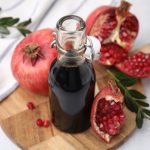 (NaturalHealth365) Most people walk right past this fruit in the produce aisle, drawn instead to whatever superfood has captured this month’s headlines. Yet researchers have spent decades quietly building a case that pomegranate can do something most cardiologists haven’t caught up with yet: directly target several of the most dangerous risk factors for heart disease simultaneously, without a prescription.
A systematic review and dose-response meta-analysis published in Nutrition, Metabolism and Cardiovascular Diseases has now delivered the most comprehensive verdict yet on this ancient fruit’s cardiovascular potential. Analyzing 53 randomized controlled trials involving 2,306 participants, researchers confirmed that regular pomegranate supplementation produces measurable, statistically significant improvements across multiple cardiovascular risk factors at once.
What 53 clinical trials are quietly telling us
The findings are difficult to dismiss. Pomegranate supplementation substantially reduced both systolic and diastolic blood pressure, lowered body weight, BMI, fasting blood glucose, and total cholesterol, while simultaneously raising HDL cholesterol, which helps keep arterial walls clean. Most pharmaceutical drugs are considered a clinical success if they move just one of these markers in isolation. Pomegranate moved all of them.
Blood pressure reductions were consistent across both healthy and at-risk participants, regardless of whether they used pomegranate juice, standardized extract, or peel. Higher amounts – 1,000 mg or more daily – tended to produce stronger effects, and benefits deepened the longer supplementation continued, with the most pronounced results appearing beyond ten weeks of consistent use.
Why researchers can no longer ignore what pomegranate does inside your arteries
The explanation isn’t coincidence or folk wisdom. The answer lies in biochemistry, an area modern research is only beginning to fully map. Pomegranate is extraordinarily rich in polyphenols, particularly anthocyanins and hydrolyzable tannins called punicalagins, whose antioxidant capacity exceeds that of vitamins E, A, and C combined, making this fruit one of the most potent natural defenders of the cardiovascular system ever studied.
These compounds go after the root causes of heart disease – oxidative stress and chronic inflammation – rather than masking symptoms after the damage has already taken hold.
What makes this particularly significant is that pomegranate’s polyphenols appear to work through several pathways simultaneously, relaxing blood vessel walls, improving blood flow, and reducing the oxidation of LDL cholesterol, a process that transforms ordinary plaque into something far more dangerous. Beyond the arteries themselves, emerging evidence suggests that pomegranate actively reshapes the gut microbiome in ways that further support metabolic and cardiovascular health, a connection that conventional cardiology has barely begun to explore, let alone discuss with patients.
Natural solutions for a stronger heart
Consider adding organic pomegranate juice or extract to your daily routine, and make organic the non-negotiable standard. Research suggests that around 8–10 ounces of pomegranate juice daily, or a standardized extract of 1,000 mg or more, produces the most meaningful cardiovascular benefits, though consistency matters.
Conventionally grown pomegranates are routinely treated with pesticides that accumulate in the fruit’s polyphenol-rich peel and juice, potentially undermining the very antioxidant pathways you’re trying to support, so always seek out certified organic sources. The data make clear that benefits accumulate over weeks, not days, which means this is a long-game strategy rather than a quick fix, and one that rewards patience.
Build an anti-inflammatory diet around pomegranate rather than treating this fruit as a standalone solution. Processed vegetable oils, excess fructose, and refined carbohydrates create the chronic inflammation that injures arterial walls in the first place, and no amount of supplementation fully compensates for a diet built on those foundations. Wild-caught fatty fish, organic dark leafy greens, and extra-virgin olive oil create the anti-inflammatory environment where pomegranate’s polyphenols can do their most meaningful work.
Strengthen your cardiovascular protocol with targeted nutrients that address what pomegranate alone cannot. Magnesium glycinate deserves serious attention, as research supports the mineral’s role in blood pressure regulation and the hundreds of enzymatic reactions the heart depends on daily.
CoQ10 is non-negotiable for anyone on statins for high cholesterol, since statins actively deplete this critical compound that fuels the heart muscle’s energy production – a fact most prescribing physicians fail to mention. Nattokinase rounds out a serious cardiovascular protocol by supporting healthy, unrestricted blood flow through the arterial system, addressing sluggish circulation that quietly increases the risk of clots over time.
What your cardiologist won’t bring up at your next appointment
Most cardiologists have 15 minutes with you, a prescription pad, and treatment guidelines shaped by pharmaceutical input. There is no slot in that appointment for a conversation about pomegranate polyphenols, functional lab tests that detect arterial damage years before a heart attack, or why the cholesterol number they’re fixated on may be the least important thing on your results sheet.
That gap is exactly what Jonathan Landsman’s Cardiovascular Docu-Class was built to fill. Thirty-two presentations from researchers and holistic healthcare providers who have spent their careers asking the questions conventional cardiology refuses to ask, including which specific nutrients are depleted by the most commonly prescribed heart medications, how gum disease silently drives cardiovascular risk, why your eyes may be the earliest warning system for heart failure, and what functional testing reveals about inflammation and arterial health that a standard lipid panel completely misses.
When pomegranate alone can move blood pressure, cholesterol, and blood sugar markers across 53 clinical trials, the potential of a comprehensive, root-cause approach to cardiovascular health – one that addresses the inflammation, oxidative stress, and nutrient deficiencies that actually drive heart disease – is worth taking seriously.
Bottom line: A rigorous analysis of 53 clinical trials confirms that pomegranate supplementation meaningfully improves blood pressure, cholesterol, blood sugar, and body composition – all at once, through root-cause mechanisms that pharmaceutical interventions rarely address. Most patients will never hear about this from their doctor, which makes understanding the full cardiovascular picture more important than ever.
Sources for this article include:
Statins, Cholesterol, and the Real Cause of Heart Disease
Reproduced from original article:
https://articles.mercola.com/sites/articles/archive/2026/02/13/statin-cholesterol-heart-disease.aspx
Analysis by A Midwestern Doctor February 13, 2026
Story at-a-glance
- Despite decades of statin use costing approximately $25 billion annually in America alone, heart disease remains the leading cause of death, suggesting the cholesterol hypothesis that drives statin prescriptions is fundamentally flawed
- Studies show that lowering cholesterol with statins does not reduce heart disease, and yet these findings are ignored while statin guidelines are created by experts paid by pharmaceutical manufacturers
- Malcolm Kendrick’s clotting model provides a superior explanation for heart disease: atherosclerotic plaques result from repeated damage to blood vessel linings which the body repairs with layers of clots
- The medical establishment dismisses widespread reports of statin injuries as “nocebo effects,” paralleling how COVID-19 vaccine injuries were dismissed as “anxiety,” despite extensive evidence corroborating the injuries
- The actual causes of heart disease — fine particulate matter from pollution and cigarettes, lead exposure, chronic stress, and endothelial damage — receive minimal research funding because effective interventions cannot be patented and sold as expensive pharmaceuticals like statins
Frequently in science, fundamental facts are altered to create a profitable industry. Recently, I showed how this occurs with blood pressure: rather than causing arterial damage, high blood pressure is a response to arterial damage that ensures damaged arteries can still deliver blood to the tissues.
In turn, rather than helping patients, aggressively lowering blood pressure can be quite harmful. In this article, I will look at the other half of the coin, statins, cholesterol, and heart disease — something that harms so many Americans, it was poignantly discussed by Comedian Jimmy Dore.
Cholesterol and Heart Disease
Frequently, when an industry harms many people, it will create a scapegoat to deflect blame. Once this happens, a variety of other sectors will jump on the bandwagon and create an unshakable societal dogma.
For example, the health of a population (or if they are being poisoned by environmental toxins) determines how easily an infectious disease can sweep through a population and who is susceptible to it, but reframing infectious diseases as a “deficiency of vaccines” it both takes the (costly) onus off the industries to clean up the society and simultaneously allows them to get rich promoting the pharmaceutical products that “manage” each epidemic and the even larger epidemic of chronic diseases caused by those vaccines (discussed in detail here).
Note: The major decline in infectious illness credited to vaccines was actually the result of improved public sanitation; when the data are examined (e.g., for smallpox) those early vaccination campaigns made outcomes worse, not better.
In the 1960s and 1970s, a debate emerged over the causes of heart disease. On one side, John Yudkin effectively argued that the sugar being added to our food by the processed food industry was the chief culprit.1 On the other side, Ancel Keys (who attacked Yudkin’s work) argued that it was due to saturated fat and cholesterol.2
Note: Leaders in the field of natural medicine have made a strong case that this spike came from the mass adoption of seed oils3 (which thanks to our unprecedented political climate is at last being discussed on the mainstream news4). Likewise, some attribute this increase to the advent of water chlorination.5
Ancel Keys won, Yudkin’s work was largely dismissed, and Keys became nutritional dogma. A large part of Key’s victory was based on his study of seven countries (Italy, Greece, Former Yugoslavia, Netherlands, Finland, America, and Japan), which showed that as saturated fat consumption increased, heart disease increased in a linear fashion.
However, this result was simply a product of the countries Keys chose (e.g., if Finland, Israel, the Netherlands, Germany, Switzerland, France, and Sweden had been chosen, the opposite correlation would have been found).
Fortunately, it’s gradually become recognized that Keys did not accurately report his data. For example, recently an unpublished 56-month randomized study of 9,423 adults living in state mental hospitals or a nursing home (which made it possible to rigidly control their diets) that Keys directed was unearthed.6
It found that replacing half of one’s animal (saturated) fats with seed oil (e.g., corn oil) lowered their cholesterol, but for every 30 points it dropped, their risk of death increased by 22% (which roughly translates to each 1% drop in cholesterol raising the risk of death by 1%).
Note: Another (unpublished) study from the 1970s (of 458 Australians), found that partially replacing dietary saturated fat with seed oils increased the risk of dying by 17.6%.7
Likewise, recently, one of the most prestigious medical journals in the world published internal sugar industry documents.8 They showed the sugar industry had used bribes to make scientists place the blame for heart disease on fat so Yudkin’s work would not threaten the sugar industry.9 Remarkably, it is now generally accepted that Yudkin was right, but nonetheless, our medical guidelines are still largely based on Key’s work.
Likewise, the need to lower cholesterol to prevent heart disease is still a dogma within cardiology,10,11,12,13,14,15 despite things like this Lancet study16 which in 1986 showed:
“During 10 years of follow-up from Dec 1, 1986 to Oct 1, 1996, a total of 642 participants died. Each 1 mmol/L increase in total cholesterol corresponded to a 15% decrease in mortality (risk ratio 0—85 [95% Cl 0·79—0·91]).”
Statins Marketing
Once a drug is identified that can “beneficially” change a number, medical practice guidelines will inevitably shift to prioritizing treating that number in more and more people. For example, this is what happened with blood pressure:

Prior to statins, it was difficult to reliably lower cholesterol, but once they were introduced, research rapidly emerged arguing for a greater and greater need to lower cholesterol (and put more people on statins).

Note: In 2008 to 2009, 12% of Americans over 40 reported taking a statin, whereas in 2018 to 2019, that figure increased to 35%,17 and Americans now spend approximately 25 billion annually on statins.18
In tandem, a cancel culture (reminiscent of what we saw with the COVID vaccines) has been created where anyone who challenges the use of Statins is immediately labeled as a “statin denier” accused of being a mass murderer, and effectively canceled. Here, dissident cardiologist Aseem Malhotra discusses the dirty parallels between these two industries with Joe Rogan:
As such, beyond doctors being forced to follow these guidelines, patients often are too. Ideological doctors will retaliate against patients who do not take statins (similar to how unvaccinated patients were reprehensibly denied essential medical care during COVID-19), employers sometimes require cholesterol numbers to meet a certain threshold for employment, and life insurance policies often penalize those with “unsafe” cholesterol numbers.

Save This Article for Later – Get the PDF Now
Statin Injuries
This status quo is inexcusable as statins have a very high rate of injury. For example, the existing studies find between a 5% to 30% rate of injuries,19 and Dr. Malhotra, having gone through all the existing evidence estimates that 20% of statin users are injured by them.
Likewise, statins are well known for having a high percentage of patients discontinue the drugs due to their side effects (e.g., one large study found 44.7% of older adults discontinue the drugs within a year of starting them,20 while another large study of adults of all ages found 47% discontinued within a year).21
Statins in turn, are linked to a large number of complications that have been well-characterized (e.g., mechanistically) and described throughout the medical literature.22,23,24,25,26,27,28 One group of side effects are those perceived by the patient (which often make them want to stop using the medications). These include:
• A high incidence of muscle pain29,30,31,32,33,34,35
• Fatigue36,37 especially with exertion and exercise38
• Muscle inflammation (whose cause remains “unknown”)39,40
• Autoimmune muscle damage41,42,43,44
• Psychiatric and neurologic issues such as depression, confusion, aggression, and memory loss45,46,47,48,49,50,51,52,53
• Severe irritability54
• Sleep issues55
• Musculoskeletal disorders and injuries56,57
• Sudden (sensorineural) hearing loss58
• Gastrointestinal distress59
The other group are those not overtly noticed by the patient. These include:
• Type 2 diabetes60,61,62,63,64 particularly in women65,66,67
• Cancer68,69,70,71
• Liver dysfunction and failure72,73
• Cataracts74,75
• ALS-like conditions and other central motor disorders (e.g., Parkinson’s disease and cerebellar ataxia)76,77,78,79,80
• Lupus-like syndrome81
• Susceptibility to herpes zoster (shingles)82,83,84
• Interstitial cystitis85
• Polymyalgia rheumatica86
• Kidney injury87,88
• Renal failure89
From the start, I noticed statin patients often reported numbness, muscle pain, or cognitive issues after starting these drugs, which resolved once they stopped. When this was brought up with their doctors, the response was often hostile, with doctors insisting statins couldn’t be the cause, (citing their own experience of never having seen this happen to a patient) or claiming the patient needed to continue the medication regardless to avoid a heart attack.
In turn, as the years went by, I saw increasingly elaborate excuses being created to protect the statins from an ever-increasing awareness of their dangers. A common one was the “nocebo effect” — the idea that negative expectations caused the reported symptoms. For example, I lost count of how many doctors I knew who cited this 2016 study90 when patients stated they had been injured.
The nocebo effect is the opposite of the placebo effect. While the placebo effect occurs when a person experiences positive outcomes from a treatment because they believe it will help, the nocebo effect happens when negative outcomes arise simply because a person expects harm from a treatment, even if the treatment itself is harmless or ineffective.
This theory was used to dismiss patients’ experiences despite the fact that many were unaware of possible side effects until they occurred and then looked them up.
If you take this story and replace “statin” with COVID-19 vaccines, you will see it is essentially what everyone has experienced over the last four years (e.g., I lost count of how many times vaccine myocarditis was diagnosed as “anxiety”).
Note: Two adverse event reporting systems exist for adverse reactions to pharmaceuticals, MedWatch91 and FAERS.92 Like VAERS, they suffer from severe underreporting (it is estimated only 1% to 10% of adverse events are reported to them), but nonetheless, thousands of (ignored) reports can be found there of the common injuries which result from statins.93
‘Cholesterol’ Plaques
Many medical beliefs emerge from the pharmaceutical marketing departments. For example, the widespread belief that depression is due to a “chemical imbalance” is actually false and never had any evidence supporting it.
Likewise, they made us believe heart disease results from fat clogging the arteries, much like it does for a drain pipe, as this metaphor is easy for everyone to visualize and immediately elicits a sense of disgust.

However, given that there is no link between cholesterol and heart disease, is it necessarily true? Malcolm Kendrick MD, in turn, discovered that the well-known risk factors for heart disease do not corroborate the standard model.94 For example, to calculate the risk of heart disease, England combines the adjustable risks for heart disease (e.g., age) with the conditions commonly associated with causing heart disease.95

Likewise, in a 2017 study, the records of 378,256 English patients were analyzed by an AI system to identify which characteristics were associated with the highest risk of a cardiovascular event over the next 10 years. The ten greatest risk factors (in order) were:96

From this, Kendrick concluded that the common thread was that many of these (e.g., lupus or cortisol) are associated with damage to blood vessels and impaired microcirculation (a consequence of such damage) rather than with cholesterol.97
Presently, cardiology believes cholesterol somehow gets into a blood vessel and then damages it (leaving an atherosclerotic plaque). Kendrick saw that a forgotten model (that the medical profession largely buried) provides a much better explanation of the causes of heart disease:
1.Blood vessels get damaged.
2.The body repairs the damage with cholesterol containing clots.
3.As clots heal, they are pulled inside the blood vessel wall, and a new layer of endothelium (blood vessel lining) grows over them.
4.As this occurs multiple times in the same area, the damage (plaques) under the blood vessel becomes more abnormal.

Some of the key points of evidence he uses to support this argument are:98
• Most of the risk factors for heart disease overlap with things that would be expected to damage the blood vessel lining (endothelium).
• Plaques tend to form at arterial branch (junction) points, which are the parts of the artery that are subjected to the greatest shear stress.99
• When you examine the components of a plaque, they are found to contain the same debris found in blood clots.100,101,102
• There is no established mechanism for how cholesterol from the bloodstream can get under the endothelium. However, red blood cells (which play a key role in forming clots103) contain a large amount of cholesterol (50% of the total amount in the bloodstream104), and hence will bring it into clots that form.
• Plaques contain cholesterol crystals. These crystals can form only from free cholesterol,105 which is present in red blood cells, but not from the “bad” cholesterol that circulates in the bloodstream (contained within lipoproteins). Likewise, much of the cholesterol found in atherosclerotic plaques is free cholesterol.106
• The remnants of lipoproteins that are found in plaques are not cholesterol lipoproteins, but rather lipoprotein A, something the body uses to repair damage to the arterial walls.107 This is supported by the fact elevated blood lipoprotein A levels are associated with increased lipoprotein remnants in plaques108 and that the specific marker of lipoprotein A is found to concentrate in atherosclerotic plaques.109
Lipoprotein A in turn is problematic because while it can patch and repair arterial damage, it also makes clots resistant to subsequent degradation, guaranteeing that they will eventually be pulled under the endothelium and transformed into an atherosclerotic plaque (which may in turn explain why elevated lipoprotein A levels are associated with a three-fold increase in the risk of a heart attack or stroke110).
In short, a strong case can be made that our entire heart disease model rests on a variety of correlations that were erroneously assumed to demonstrate causation. Sadly, while the “correlation is not causation” mantra is frequently used to dismiss anything that challenges the orthodoxy, you will frequently find overtly false correlations that support the medical industry’s bottom line being treated as unquestionable dogmas.
Note: One of the best examples is the widespread belief vaccines eliminated infectious disease, even though no correlation exists (whereas public sanitation directly correlates with the elimination of infectious diseases).

The Causes and Treatments of Heart Disease
Kendrick’s model essentially argues the following:
• Most cardiovascular disease results from the blood vessel lining becoming damaged (due to the atherosclerotic lesions) and losing the ability to perform the normal functions (e.g., nitric oxide secretion) that allow it to protect the circulation.
• Inflammation and periods of prolonged and severe stress (e.g., from mental illness, cigarettes, or extreme social oppression) frequently damage the endothelium and hence contribute to heart disease.
• Heart attacks are due to blood clots (which frequently are a result of damaged endothelium) interrupting a critical blood supply to the heart.
Remarkably, most of Kendrick’s model is in complete agreement with the conventional cardiovascular disease paradigm, he just emphasizes stress and inflammation rather than cholesterol and prioritizes treating the functional impairments of the blood vessels (e.g., reduced nitric oxide synthesis).
Note: Kendrick argues the small benefits experienced from statins are likely due to the drugs also having anti-inflammatory effects111 and increasing endothelial nitric oxide.112
Similarly, smoking is well recognized to cause heart disease because it damages the blood vessels (e.g., by creating plaques and impairing their ability to make nitric oxide113), but we rarely ask why or note that similar damage has been repeatedly demonstrated with fine particulates from coal mines,114 breathing air in crowded cities,115 cooking with a wood burning stove116 or being exposed to wildfire smoke.117
Likewise, lead is quite damaging to the endothelium,118,119 rapidly enters the bloodstream once inhaled,120 and a strong correlation exists between lead use in gasoline and heart disease in America.121
Note: It’s estimated that around 400,000 deaths each year in America are due to lead exposure122 and in a study of 868 men, it was observed that high levels of lead exposure (assessed by its presence in the bones) increased their risk of dying by over 700%,123 particularly since lead returns to the bloodstream as aging bones break down.
Sadly, as you cannot sell drugs for any of these causes of heart disease, they rarely get mentioned, and instead almost all of the research and discussions on heart disease are directed at cholesterol.
Conclusion
Kendrick presciently argued that because of how much money has been invested in establishing the cholesterol hypothesis, the industry will never let it go. This, in short, accounts for why we continue to spend billions each on these drugs despite their benefit being almost nonexistent (e.g., unbiased research shows taking statins for five years, on average, only extends life by 3 to 4 days124 — and only in men)125 and their harms being common and immense.
Fortunately, we have at last reached a point where real progress is being made. For example, despite immense institutional pushback, MAHA recently updated the Federal Dietary Guidelines to at last correct the 50-year-mistake created by Key’s doctored data and acknowledge the importance of consuming healthy animal fats.

The insatiable greed which birthed the unconscionable COVID vaccines and their mandates has at last opened the public’s eyes to the marketing myths the pharmaceutical industry has bombarded us from birth with so we perpetually consume their products. Because of that, we at last have a once in a lifetime opportunity to correct many of these disastrous policies, and as MAHA’s recent revision of the food pyramid shows (which I never imagined would occur), change is actually happening.
Unfortunately, decades of other disastrous health policies also need to be fixed, and for that to happen, it is essential we bring awareness to each of them. I sincerely thank each of you for allowing me to share the truth about statins with you; so many people I know have been hurt by them, and with your help, we can at last end this.
Author’s Note: This is an abridged version of a longer article about the great cholesterol scam which goes into greater detail on the dangers of statins, the actual causes of heart disease, and the natural ways to safely heal the arterial system and prevent heart disease. That article and its additional references can be read here.
A Note from Dr. Mercola About the Author
A Midwestern Doctor (AMD) is a board-certified physician from the Midwest and a longtime reader of Mercola.com. I appreciate their exceptional insight on a wide range of topics and I’m grateful to share them. I also respect AMD’s desire to remain anonymous since AMD is still on the front lines treating patients. To find more of AMD’s work, be sure to check out The Forgotten Side of Medicine on Substack.
Berberine and Diabetes — How It Works, What the Studies Show, and Safe Dosing
Reproduced from original article:
https://articles.mercola.com/sites/articles/archive/2026/02/04/berberine-benefits-blood-sugar-diabetes.aspx
Analysis by Dr. Joseph Mercola February 04, 2026

Story at-a-glance
- A 2022 meta-analysis of 37 randomized trials found that berberine lowered glycated hemoglobin by 0.63% and fasting glucose by 0.82 mmol/L, with consistent results across diverse patient groups
- Earlier researchers also highlighted how berberine lowers blood sugar and harmful blood fats while also reducing liver fat and markers linked to kidney damage
- Berberine limits fat cell development and dampens inflammation as well, effects that may support weight control and improved insulin sensitivity
- In a 13-week randomized study, researchers showed that berberine’s blood sugar-lowering abilities are on par with the effects of the diabetes drug metformin
- Clinical studies support taking 500 mg of berberine with meals up to three times daily, starting with lower doses and increasing gradually; however, there are safety precautions to keep in mind
Berberine has a legacy that spans more than 2,200 years1 — this bitter, golden compound has been a cornerstone of traditional medicine across China, India, and the Middle East.2 Initially prized for its ability to combat infections and inflammation, berberine’s blood sugar-lowering effect was first noted in 500 AD, and was rediscovered in 1988 when diabetic patients given berberine to treat diarrhea experienced improved blood sugar control.3
This plant-derived alkaloid’s unique ability to impact everything from metabolic health to immune defenses has turned it into a subject of growing global interest, inspiring researchers to uncover even more of its wide-reaching benefits.
The Common Thread Behind Berberine’s Benefits
Before we look at the clinical studies, it helps to understand one well-established biological pathway that explains why berberine is so often discussed in metabolic research. In particular, alkaloids like berberine are capable of activating the AMP-activated protein kinase (AMPK) signaling pathway.4
The AMPK pathway is widely described in scientific literature as the body’s internal energy sensor. Its role is to monitor cellular energy levels and help regulate how the body uses and stores fuel. When cellular energy is low, AMPK becomes activated. Once turned on, it helps the body:
• Increase glucose (sugar) uptake into cells
• Promote fat burning over fat storage
• Reduce glucose production in the liver
• Lower inflammation and oxidative stress
This shared pathway is frequently highlighted in research on berberine and other natural compounds for their ability to support metabolic balance. If you want to know how this happens, read “The Neuroprotective Benefits of Berberine,” where I go into detail on the whole process of AMPK activation.
Berberine Safely Lowers Blood Sugar
A 2022 systematic review and meta-analysis published in Frontiers in Pharmacology examined 37 randomized controlled trials involving 3,048 patients with Type 2 diabetes to evaluate the glucose-lowering effects and safety of berberine.5 Researchers assessed berberine’s impact on fasting plasma glucose (FPG), glycated hemoglobin (HbA1c), and two-hour postprandial blood glucose (2hPBG), as well as its safety profile compared to standard oral hypoglycemic agents (OHAs).
• Berberine significantly lowered blood sugar markers — Across all studies, berberine reduced FPG by an average of 0.82 mmol/L, HbA1c by 0.63%, and 2hPBG by 1.16 mmol/L. These improvements were statistically significant and consistent across subgroups with different baseline glucose levels.
• Effectiveness linked to baseline glucose — Patients with higher starting FPG and HbA1c saw greater reductions, suggesting berberine’s benefits are most pronounced in individuals with poorly controlled diabetes.
• Safety profile was favorable — Berberine did not increase the risk of adverse events or hypoglycemia. In fact, the risk of hypoglycemia was lower compared to some conventional drugs, likely because berberine’s insulin-stimulating effect is glucose-dependent.
Save This Article for Later – Get the PDF Now
Berberine Reduces Cholesterol and Has Protective Qualities
A separate earlier review in Acta Pharmaceutica Sinica B examined how berberine helps manage Type 2 diabetes and related metabolic complications. Researchers analyzed clinical trials, animal studies, and lab experiments to uncover its effects and mechanisms.6 They reviewed data from newly diagnosed Type 2 diabetes patients, individuals with poorly controlled diabetes, and animal models of both Type 1 and 2 diabetes.
• Berberine lowers blood sugar as effectively as metformin — In clinical studies, patients taking 0.5 grams of berberine two to three times daily showed significant drops in fasting blood glucose and A1c levels.
• It also improves cholesterol and lipid profiles — Multiple trials showed berberine reduced triglycerides by up to 35%, total cholesterol by 29%, and low-density lipoprotein (LDL) cholesterol by 25%. It also decreased fat buildup in the liver, helping patients with fatty liver disease.
• Berberine reduces sugar absorption in the gut — Acting as an alpha-glucosidase inhibitor, berberine slows carbohydrate breakdown and limits sugar spikes after meals. This gut-level action further helps with post-meal blood sugar control.
• May repair damaged insulin-producing cells or islets — In early-stage diabetes, berberine lowers insulin levels by improving sensitivity. In later stages, it may help restore beta-cell function, offering hope for patients with poor insulin production.
• Protects organs and reduces complications — In animal studies, berberine improved blood flow and reduced irregular heart rhythms by increasing nitric oxide (NO) production. It also lowered markers of kidney damage, suggesting protective effects against diabetic nephropathy.
Berberine Supports Weight Management
A 2023 review published in Biology examined how berberine influences fat storage. The study details mechanisms that could explain berberine’s potential to promote healthy weight management and enhance insulin sensitivity.7
• Berberine boosts GLP-1, a hormone linked to appetite and blood sugar — This alkaloid increases levels of glucagon-like peptide-1 (GLP-1), a gut hormone that helps the pancreas release insulin after meals and may promote feelings of fullness. Higher GLP-1 levels are associated with better blood sugar control and appetite regulation.
• It blocks new fat cell formation — Berberine reduces the activity of key transcription factors that normally turn precursor cells into fat cells. By interrupting this process, berberine may help prevent excess fat buildup, especially in organs like the liver.
• Calms inflammation from visceral fat — Excess belly fat releases inflammatory signaling molecules such as tumor necrosis factor-alpha (TNF-α), interleukin-6 (IL-6), and monocyte chemoattractant protein-1 (MCP-1). These substances interfere with how insulin works. Berberine helps suppress their release, improving insulin response and metabolic balance.
• Slows fatty acid production — Berberine reduces the expression of enzymes like fatty acid synthase (FAS) and acetyl-CoA carboxylase (ACC), which are involved in making new fat. This supports healthier lipid metabolism and may also help reduce fat accumulation in the liver.
For more insights on how berberine can be a helpful tool for reducing your weight, read “Is This a Natural Option for Harmful ‘Skinny’ Injections?”
A Promising Natural Berberine Derivative
In a randomized phase 2 trial published in JAMA Network Open in March 2025, researchers tested a compound, berberine ursodeoxycholate (HTD1801), for its ability to control blood sugar in overweight or obese adults with Type 2 diabetes. The study compared two doses of HTD1801 with placebo over a 12-week period.8
• High-dose HTD1801 lowered blood sugar significantly — The participants were randomly assigned to receive either a placebo, low-dose HTD1801 (500 milligrams twice daily), or high-dose HTD1801 (1,000 mg twice daily). The researchers found that patients taking 1,000 milligrams twice daily saw HbA1c drop by 1 percentage point, fasting glucose fall by about 20 mg/dL, and after-meal glucose decrease by about 23 mg/dL.
This effect was significantly greater than placebo and approached the efficacy of common diabetes drugs like metformin.
• More patients reached treatment targets — 55.9% of patients in the high-dose group achieved A1c below 7.0%, compared with just 15.2% in the placebo group. Nearly 30% of treated patients reached below 6.5%, a target often associated with remission thresholds. The participants given HTD1801 also had better insulin sensitivity and reduced total and LDL cholesterol levels, pointing to wider metabolic benefits beyond glucose control.
• An ideal solution for patients seeking natural options — HTD1801 combines berberine with ursodeoxycholate, a bile acid that helps absorption and supports liver health. If confirmed in larger studies, it may be recommended to people who prefer plant-based therapies or can’t tolerate metformin.
Metformin vs. Berberine — Similarities and Differences
In a pilot clinical study published in Metabolism (2008), researchers from Shanghai Jiaotong University and Pennington Biomedical Research Center investigated how berberine compares to metformin, one of the most common diabetes drugs prescribed today.9 Researchers enrolled 84 adults with Type 2 diabetes: 36 who were newly diagnosed and received either berberine or metformin, and 48 whose blood sugar remained high despite existing treatments and received berberine as an add-on.
• Berberine matched metformin in lowering blood sugar — Among the newly diagnosed group, berberine led to significant improvements: HbA1c dropped from 9.5% to 7.5%, fasting glucose from 10.6 to 6.9 mmol/L, and post-meal glucose from 19.8 to 11.1 mmol/L — nearly identical to the reductions seen with metformin.
• Insulin resistance improved dramatically — In a second group of 48 patients with poorly controlled diabetes, adding berberine to their existing treatments lowered fasting insulin by 28% and improved insulin sensitivity (HOMA-IR) by 45%, suggesting berberine enhances how well the body uses insulin.
• Comparable safety profile with some GI side effects — About one-third of patients reported mild digestive issues like bloating or diarrhea, mostly in the first few weeks. No liver or kidney damage was observed. The researchers noted that reducing the dose from 500 to 300 mg per dose helped most patients tolerate it better.
• A potential new class of oral anti-diabetic agents — Unlike metformin and sulfonylureas, berberine is chemically distinct and works through different mechanisms. The authors suggest berberine may improve glucose metabolism by increasing glycolysis and reducing sugar absorption in the gut — offering a complementary or alternative approach to current drugs.
Berberine and metformin both help lower blood sugar, but they work in slightly different ways. This table breaks down how they compare — from how well they lower A1c and cholesterol, to side effects and regulatory status:
| Feature | Berberine | Metformin |
|---|---|---|
| How it works | Helps cells burn sugar and fat (AMPK); affects gut and sugar breakdown | Reduces liver sugar production; also activates AMPK and affects the gut |
| Average A1c drop | About 0.6% on average; larger drops in newly diagnosed patients | About 1.0% to 2.0%, depending on the dose |
| Cholesterol effects | Can lower triglycerides and total cholesterol in some people | Modest drops in triglycerides and LDL cholesterol |
| Digestive side effects | Some people report bloating or constipation; newer forms cause fewer issues | Nausea and diarrhea are common at first, but often improve with gradual dosing |
| Evidence strength | Many small to medium studies; new versions still in development | Backed by decades of strong clinical trials and real-world data |
Although metformin remains the most commonly prescribed oral medication for managing Type 2 diabetes today, there’s emerging research about its side effects, some of which are concerning. For example, long-term use has been associated with vitamin B12 deficiency. Recent research has also demonstrated how taking metformin can reduce the benefits of exercise.
What the Research Says So Far
Across the discussed studies, berberine has consistently showed its ability to lower blood sugar, improve insulin sensitivity, and reduce LDL cholesterol and triglycerides — benefits that rival some prescription drugs. While not yet a mainstream therapy in Western medicine, it holds strong appeal for those exploring plant-based alternatives or complementary treatments.
The table below summarizes key outcomes from five major studies evaluating berberine’s impact on blood sugar, insulin resistance, lipids, and safety profile:
| What was measured | Study type and details | Results (effect size and timeframe) | Source |
|---|---|---|---|
| HbA1c (long-term blood sugar control) | Meta-analysis of 37 RCTs (3,048 patients) | Average drop of 0.63% in HbA1c; stronger effects in people with higher baseline levels | Frontiers in Pharmacology (2022)10 |
| Fasting and post-meal blood sugar | Same meta-analysis as above | Fasting glucose dropped by 0.82 mmol/L (~15 mg/dL); post-meal sugar by 1.16 mmol/L | Frontiers in Pharmacology (2022)11 |
| Newly diagnosed Type 2 diabetes | 13-week RCT; 500 mg berberine 3x/day | HbA1c dropped by 2%; fasting glucose by 3.8 mmol/L; post-meal glucose by 8.8 mmol/L | Metabolism Journal (2008)12 |
| Berberine derivative (HTD1801) | 12-week Phase 2 RCT; 1,000 mg twice daily | HbA1c dropped by 1.0%; fasting glucose dropped ~20.5 mg/dL; improved cholesterol; fewer GI side effects | JAMA Network Open (2025)13 |
| Cholesterol and triglycerides | Clinical reviews and human trials | Triglycerides ↓ up to 35%; LDL ↓ 25%; total cholesterol ↓ 29%; less liver fat (NAFLD improvement) | Acta Pharmaceutica Sinica B14 |
How To Take Berberine
Berberine can be an effective aid for controlling blood sugar and cholesterol, but to achieve optimal results, proper intake is important. Like any supplement, the way you take it and the brand you select can significantly impact its effectiveness.
1. Don’t take it on an empty stomach — Studies recommend taking berberine three times daily with meals — breakfast, lunch, and dinner. Consuming it with food can help lessen digestive discomfort and enhance absorption.15
2. Titrate slowly for better gut tolerance — If you’re new to berberine, begin with a small dose, such as 300 to 500 mg once daily, and gradually increase to two or three times per day as tolerated.16
3. Look for third-party testing — Select supplements that show the United States Pharmacopeia (USP) or NSF International certification or provide a Certificate of Analysis (COA) from an accredited laboratory. These documents verify the product’s purity, potency, and absence of contaminants like lead and harmful bacteria.17
4. Talk to your doctor — Even though berberine is generally safe, it can interact with medications, especially those used to treat blood sugar, blood pressure, or cholesterol. If you’re currently taking prescription drugs or managing a condition like diabetes, kidney disease, or liver issues, talk to your doctor before adding berberine to your routine.18
|
4 safety tips when taking berberine |
|
Is Berberine Safe for Everyone?
Berberine can offer big benefits, but just like any supplement, it’s not one-size-fits-all. Before you add it to your daily routine, here are a few things to watch out for to make sure it’s the right fit for your body.19
• Digestive issues are the most common side effect — Many people notice common symptoms like nausea, bloating, constipation, or diarrhea when they begin.
• Avoid if pregnant, breastfeeding, or very young — Berberine isn’t recommended for pregnant or nursing women, as it may cross the placenta or enter breastmilk. It should also not be used in infants or young children, due to possible safety concerns in developing systems.
• Be careful if you take other medications — Berberine can interact with drugs like metformin, blood thinners, cyclosporine, and statins. It uses some of the same liver enzymes as these medications, which can alter their processing.
Berberine Offers Promise for Diabetes Care
Berberine may play a valuable role in supporting Type 2 diabetes, however, many trials to date have been short-term, typically lasting no longer than 12 weeks.20 To understand how berberine works over the long run, scientists are calling for larger, longer clinical trials.
Improved absorption is another research priority. Some newer formulations, such as HTD1801, combine berberine with bile acids to increase bioavailability and reduce side effects. Early trials show encouraging results, but these need confirmation in larger studies.21 Once more research has been conducted, berberine could evolve from a niche supplement into a meaningful part of Type 2 diabetes management.22
Frequently Asked Questions (FAQs) About Berberine and Diabetes
Q: Does berberine lower A1c in people with Type 2 diabetes?
A: Yes. In a 2022 meta-analysis of 37 randomized controlled trials, berberine lowered HbA1c (hemoglobin A1c) by an average of 0.63 percentage points. People with higher starting A1c saw even greater drops.
Q: How does berberine work to improve insulin resistance?
A: Berberine activates AMPK (AMP-activated protein kinase), an enzyme that helps cells burn sugar and fat for energy. It also reduces liver sugar production and improves the function of your gut and mitochondria.
Q: Berberine vs. metformin — Which is more effective for blood sugar?
A: Metformin is the most widely used diabetes medication approved by the U.S. Food and Drug Administration (FDA). It usually lowers HbA1c by 1 to 2%. Berberine may show similar results in some cases — especially in newly diagnosed patients.
Q: What dose was used in studies, and how should it be taken?
A: Most clinical trials used 500 milligrams of berberine, taken three times a day with meals. If side effects like gas or diarrhea occurred, the dose was reduced to 300 mg per meal.
Q: How quickly does berberine start working?
A: Changes in FPG and HbA1c were often seen by weeks 4 or 5. Most studies saw full benefits after 12 to 13 weeks of consistent use.
Q: Can you combine berberine with prescription diabetes drugs?
A: Some studies added berberine to existing medications and saw extra benefits. But because it can further lower blood sugar, always speak with your doctor to avoid hypoglycemia or low blood sugar.
Q: Does berberine help with weight loss or cholesterol?
A: Berberine lowered LDL, triglycerides, and total cholesterol in many studies. While weight-loss effects varied, it reduced fat buildup and inflammation in some trials.
- 1 JOID, Volume 1, No. 1, February 2025
- 2, 7 Biology (Basel). 2023 Jul 8;12(7):973
- 3, 6, 14 Acta Pharm Sin B, 2012;2(4):327-333
- 4 Front Pharmacol. 2025 Feb 3:16:1534634
- 5, 10, 11 Front Pharmacol. 2022 Nov 16:13:1015045
- 8, 13, 20, 21 JAMA Netw Open. 2025 Mar 3;8(3):e2462195
- 9, 12, 15, 22 Metabolism. 2008 May; 57(5): 712–717
- 16, 18, 19 Cleveland Clinic, June 10, 2025
- 17 Supernatural Man’s Vitality Blog, February 26, 2025
Egg Yolk Compound Shows Promise in Osteoporosis Management
Reproduced from original article:
https://articles.mercola.com/sites/articles/archive/2025/10/22/egg-yolk-compounds-osteoporosis.aspx
Analysis by Dr. Joseph Mercola October 22, 2025

Story at-a-glance
- Egg yolk proteins influence bone health by reducing bone breakdown and encouraging new bone growth, offering natural support against osteoporosis
- Research shows that certain egg yolk compounds shut down harmful “switches” in bone-destroying cells, helping prevent fractures and bone fragility
- The smallest protein fragments in eggs were found to be the most powerful, easily entering cells to trigger bone-building activity
- One egg yolk compound not only protected bones but also repaired fractures and improved strength in models of age-related bone loss and brittle-bone disease
- Choosing pasture-raised, low-linoleic acid eggs and combining them with collagen-rich foods and key nutrients like vitamin D, magnesium, and vitamin K2 helps build stronger bones and maintain independence as you age
Bone loss is silent until it isn’t. You wake up shorter, your back aches after simple chores, or a small misstep leads to a crack you didn’t see coming. Osteoporosis means bones lose strength and structure, which raises the odds of hip, spine, and wrist fractures and chips away at independence. Left unchecked, it reshapes daily life in ways that touch how you move, sleep, and even breathe.
Standard care leans on drugs that slow breakdown. That approach helps some people, yet it often leaves you stuck between trade-offs and side effects you didn’t sign up for. You want a path that supports everyday strength without significant risks or complexity. Your bones are living tissue that respond to the signals you send through food, sunlight, movement, and habits.
Your plan needs to restore balance — reducing excess breakdown while encouraging steady rebuilding. Food isn’t just fuel here. It’s information. Certain nutrients and proteins tell bone-building cells to get to work, and the right daily choices stack those messages in your favor.
Your job is straightforward: support your body’s natural repair systems and remove roadblocks that keep bones fragile. Eggs, long regarded as a dietary staple, are emerging as an unexpected ally in this fight. In the next section, you’ll see how this specific food source sends clear “build” signals to your skeleton and why that matters for real-world resilience.
Egg Yolk Proteins Help Guard Your Bones from Breaking Down
In a study published in Food Science of Animal Products, researchers tested whether proteins from egg yolks — broken down into smaller pieces called peptides — could affect osteoclasts, which are the cells that wear away bone. The big question was whether these natural compounds could slow or stop the bone loss that leads to osteoporosis.1
• Egg compound leads to less bone breakdown — The researchers discovered that certain water-soluble peptides in egg yolk cut down the number of bone-destroying cells. When they looked at the smallest peptides, the effect was even stronger. These tiny protein fragments not only reduced the number of cells that erode bone but also caused older ones to die off. In plain terms, that means less bone being eaten away and a better chance of keeping your skeleton strong.
• Egg compounds shut off harmful “switches” — Inside bone-destroying cells are pathways, like on/off switches, that tell them when to start breaking down bone. The smallest egg yolk peptides shut these switches off, stopping the damage at the root. If those switches stay on, bones get weaker and fractures become more likely.
• Multiple signals were stopped at once — These peptides didn’t just block one message — they cut off several signals that normally keep bone-eating cells alive and aggressive. That makes them more powerful than many drugs, which usually only work on one pathway at a time.
• The domino effect was interrupted — Normally, once those destructive messages start, they spread like falling dominoes until bone-eating enzymes get activated. With egg yolk peptides in play, that cascade was blocked before it could do damage. The end result: stronger, more resilient bones.
• Egg yolk isn’t just a food — It contains natural compounds that fight one of the biggest drivers of bone loss. Adding eggs to your diet gives your body another tool to help protect bone density and lower your risk of fractures, without relying only on risky medications.
Egg Yolk Proteins Build Stronger Bones from the Inside Out
A study published in the Journal of Functional Foods similarly looked at how natural proteins from egg yolks affect the cells in your body that create new bone.2 While earlier research showed that egg yolk proteins slow down bone breakdown, this one highlighted their role in helping bones grow stronger.
• Results showed stronger bone growth — The researchers found that egg yolk proteins helped bone-forming cells grow faster and deposit more calcium and minerals. The bones became denser and tougher, which lowers your risk of fractures.
• Small protein pieces worked best — The strongest effects came from the tiniest pieces of egg yolk protein. Because they’re so small, they easily get inside cells and kick-start the changes needed to build stronger bone tissue.
• Bone-building signals were switched on — The egg yolk proteins acted like a switch inside bone cells, telling them to grow, mature, and lay down more minerals. That signal made the cells work harder at reinforcing the skeleton, creating an ongoing cycle of bone building.
• A more balanced bone cycle — What makes this important is how it fits with the earlier findings. Some egg yolk compounds slowed bone breakdown, while these proteins boosted bone growth. Working together, they give your body both defense and rebuilding power, leaving your bones stronger than before.
Eggs contain special proteins that help your bones both resist damage and rebuild themselves. Adding eggs to your diet gives you a natural way to support bone strength, keep your mobility, and protect your independence as you age.
Save This Article for Later – Get the PDF Now
Egg Yolk Protein D2 Sparks Real Bone Repair
In a study published in Regenerative Therapy, researchers identified a protein fragment from egg yolk, known as D2, that works after being swallowed and digested.3 Scientists tested it in animals with broken bones, age-related bone loss similar to menopause, and a genetic brittle-bone condition. In each case, D2 made bones stronger and tougher — exactly what you want if you need bones that hold up in daily life.
• Broken bones healed faster and stronger — Animals given the egg yolk protein daily after a fracture grew a thicker healing bridge over the break during the first month. These repairs also had denser bone in key areas, and strength tests showed they withstood more force within two weeks compared to untreated fractures. That translates into repairs that hold up better in daily movement.
• Age-related bone loss improved — In animals mimicking postmenopausal bone loss, the egg yolk protein restored some of the bone that had been lost and made the spine stronger after just a few weeks of use. Fractures in these animals also healed more steadily when the egg yolk protein was given, meaning faster recovery and fewer setbacks.
• Fragile bone disease improved — In animals bred to mimic brittle-bone disease, treatment with the egg yolk protein boosted bone volume and restored strength that had been lost. Even bone-forming cells in the lab began producing more of the key structural proteins after only a short exposure to the compound, pointing to a direct effect at the level of bone repair.
• The egg yolk protein survived digestion and spread through the body — Tests confirmed that the egg yolk protein remained active after being swallowed and entered the bloodstream, reaching organs where it could be used. That makes it practical for use outside of a lab or hospital setting.
Animals given the egg yolk protein for two weeks showed no weight changes or unusual behavior. Routine blood tests revealed no toxicity, and some measures even improved, such as lower triglycerides. This supports its role as a safe option for ongoing use.
• Bone-building cells multiplied — In both mouse and human cells, the egg yolk protein encouraged bone-forming cells to grow and mature while depositing more minerals. Even at very tiny amounts, the effect was strong, showing how powerful this protein fragment is at guiding cells to build bone.
Unlike treatments that only reduce bone breakdown, the egg yolk protein actively built new bone and improved its quality. The result was thicker healing tissue, tougher repaired fractures, and stronger bones overall — evidence of regeneration, not just protection.
How to Strengthen Your Bones Naturally with Food-Based Solutions
If your bones are thinning or you’re worried about osteoporosis, the real problem isn’t just low calcium — it’s the imbalance between bone breakdown and bone building. What the research on egg yolk proteins shows is that food has the power to help correct that imbalance at the cellular level. Your goal isn’t only to stop bone loss but also to encourage new bone growth so your skeleton stays strong. Here’s how to put this knowledge into action in your daily life.
1. Choose the right kind of eggs — Not all eggs are created equal. Factory-farmed eggs from corn- and soy-fed hens are loaded with linoleic acid (LA), a polyunsaturated fat that stirs up inflammation and damages your mitochondria — the tiny power plants inside your cells.
If you eat more than four of these eggs daily, you’re likely blowing past the recommended limit of 5 grams of LA. Switch to pasture-raised eggs, or better yet, eggs from hens that forage on grass and bugs. Some farms even use custom feed that produces eggs with far lower LA levels. These are the eggs that give you bone-strengthening compounds without the hidden damage.
2. Get collagen into your diet — About one-third of your bone structure is made of collagen, so you need a steady supply. Aim for protein to make up about 15% of your daily calories, with one-third of that coming from collagen.
The simplest way is to drink homemade bone broth from organic, grass fed bones. You can also slow-cook or pressure-cook cuts of meat rich in gelatin, or add high-quality collagen or gelatin supplements. Giving your body collagen means giving your bones the building blocks they rely on to stay tough and flexible.
3. Cover your nutrient bases — Calcium is important, but it only works well when paired with vitamin D, magnesium, and vitamin K2. Together, this combination makes sure calcium ends up in your bones and teeth — not stuck in your arteries, where it drives heart disease.
Egg yolks are especially valuable here because they are one of nature’s richest sources of vitamin K2 in the form of MK-4, the most bioactive and fast-acting subtype found in foods. This form of K2 is rare in the modern diet, yet it plays a central role in shuttling calcium into bones and away from soft tissues. Including pasture-raised egg yolks in your diet means you aren’t just getting bone-supporting proteins, you’re also giving your body one of the planet’s most potent natural sources of MK-4.
Get calcium from real foods like raw grass fed dairy, pasture-raised egg yolks, and even powdered eggshells. Add fermented foods, get daily sunlight exposure and consider a high-quality magnesium supplement — since it’s difficult to get enough from food alone — to keep your vitamin and mineral intake balanced so your bones use calcium efficiently.
4. Use movement and recovery as bone signals — Your bones respond to pressure. Walking, lifting weights, or even active gardening tells your body to “make this skeleton stronger.” But don’t forget rest — your body needs downtime to put nutrients like collagen, calcium, and egg-derived proteins to work. The cycle of stress and recovery is what drives bones to rebuild, just like it does with muscles.
5. Cut back on foods that weaken bones — Highly processed foods, sugary drinks, and packaged snacks all drive inflammation that speeds up bone loss. Every time you swap soda for water or trade fast food for whole food, you shift the balance in favor of bone building.
If you struggle with making big changes, start small. Add one more pasture-raised egg meal each week or cook up a pot of bone broth. Over time, these small changes add up, making your bones stronger and your daily life more stable.
FAQs About Egg Yolk Compounds for Osteoporosis
Q: How do eggs help protect against osteoporosis?
A: Egg yolks contain special proteins that influence bone cells directly. Some of these proteins slow down the cells that break down bone, while others stimulate the cells that build new bone. Together, they help restore balance in your skeleton, reducing bone loss and encouraging steady rebuilding.
Q: What kind of eggs should I eat for bone health?
A: Not all eggs are equal. Factory-farmed eggs from corn- and soy-fed hens are high in LA, a fat that damages your mitochondria and weakens your health. To get the bone benefits without the downsides, choose pasture-raised eggs or eggs from hens that forage naturally. These have far lower LA levels and more beneficial nutrients.
Q: Besides eggs, what other foods support stronger bones?
A: Your bones are one-third collagen and nearly all of your body’s calcium is stored in them. That means you need collagen-rich foods like bone broth, gelatin, and slow-cooked cuts of meat, along with calcium from raw grass fed dairy, egg yolks, and powdered eggshells. Pair these with vitamin D from sunlight exposure, magnesium, and vitamin K2 to make sure calcium gets delivered to your bones instead of your arteries.
Q: Can egg yolk compounds actually repair broken bones?
A: Yes, animal studies showed that a protein fragment from egg yolk not only improved bone strength but also sped up fracture healing. In models of postmenopausal bone loss and brittle-bone disease, this compound restored bone volume and durability. The research suggests egg yolk compounds don’t just protect bone — they actively rebuild it.
Q: What lifestyle habits make the biggest difference for bone health?
A: Bones respond to both movement and rest. Weight-bearing exercise like walking or resistance training tells your body to strengthen bones, while rest allows nutrients like collagen and calcium to do their repair work. Cutting out processed foods and sugary drinks reduces inflammation, and making small, steady changes — like swapping soda for water or adding an extra pasture-raised egg meal — keeps your bones stronger over time.
One Participant Died in CRISPR’s First Cholesterol Trial. Why It Wasn’t the Story.
© GreenMedInfo LLC. This work is reproduced and distributed with the permission of GreenMedInfo LLC.
Want to learn more from GreenMedInfo? Sign up for the newsletter here:
www.greenmedinfo.com/greenmed/newsletter
Reproduced from original article:
https://greenmedinfo.com/content/one-participant-died-crisprs-first-cholesterol-trial-why-it-wasnt-story
Posted on: Monday, November 10th 2025 at 11:15 am
Written By: Sayer Ji, Founder
This article is copyrighted by GreenMedInfo LLC, 2025

Originally published on www.sayerji.substack.com
How regulators approved irreversible genetic editing for a disease modifiable through reversible food-based mechanisms–while a fatal adverse event remained background detail.
Read, comment, and share the X post dedicated to this article: https://x.com/sayerjigmi/status/1987605914610794637?s=20
Introduction: The Narrative We Were Given
On November 8th, WIRED published a headline that captured the promise of medical progress: “A Gene-Editing Therapy Cut Cholesterol Levels by Half.“[1]
Notwithstanding the intellectual bankruptcy of treating high cholesterol as the primary driver of heart disease–a premise demonstrably contradicted by five decades of epidemiological data showing the cholesterol-mortality paradox–within hours, The Washington Post confirmed the story: “A promising step toward editing people’s genes to treat a common disease.”[2] Followed by a battery of similarly exuberant headlines.

The narrative was compelling. CRISPR Therapeutics’ experimental therapy, CTX310, offered the tantalizing prospect of a one-time genetic edit replacing lifelong medication (increasingly linked to hundreds of adverse effects). A molecular snip. A permanent fix. Progress.
Yet buried in both reports–and more tellingly, in the details neither outlet emphasized–was a different story: one that reveals how institutions minimize adverse signals when the narrative of innovation is at stake, and how a technology that permanently rewrites human biology is being normalized without the scrutiny such permanence demands.

THE BURIED SIGNAL
What Happened in the Trial
According to WIRED, the Phase 1 trial enrolled just fifteen participants with uncontrolled cholesterol and triglycerides despite medication.[1] Each received a single intravenous infusion of CTX310–a formulation of CRISPR-Cas9 mRNA packaged in lipid nanoparticles (LNPs), delivered directly to the liver to disable the ANGPTL3 gene, which regulates lipid metabolism.
Within two weeks, those given the highest dose saw approximately a 50 percent reduction in cholesterol and triglyceride levels, effects that persisted through the 60-day observation window.[1]
The trial, published in the New England Journal of Medicine in November 2025, was described by study co-author Steven Nissen of Cleveland Clinic as a “revolution in progress.”[1]

The Death
Yet buried mid-article in WIRED, this detail appeared:
“One trial participant, a 51-year-old man, died six months after receiving the lowest dose of the treatment… The death was related to his existing heart disease, not the experimental CRISPR treatment.”[1]
The Washington Post provided additional clinical context:
“A 51-year-old man with a rare genetic condition that causes high cholesterol died suddenly while on a walk, but it was not deemed related to the treatment by study investigators because he died six months after receiving the lowest dose of the treatment.”[2]
The Post notes the man had “four coronary stents between ages 32-41 and a bypass surgery at 48”–significant cardiovascular disease, certainly. But the death itself was sudden, and the attribution of causality rested entirely on investigator judgment rather than independent analysis or autopsy data.[2]
Why This Attribution Matters
In a fifteen-person trial, one death represents 6.7 percent mortality–a rate that would typically trigger serious scrutiny.
Yet the published trial conclusion stated the therapy was “associated with few adverse events.”[3]
The discrepancy reveals a crucial mechanism: narrative minimization and willful disregard of the precautionary principle. A fatal event in a first-in-human genetic editing trial was reframed–through careful word choice and structural omission–into a story of safety and progress.
THE LEGITIMACY OF CONCERN
Why Independent Causality Assessment Matters
The attribution that the death was “unrelated” to treatment relies on several assumptions that warrant scrutiny:
1. Timing Does Not Exclude Causality
Six months post-dosing is plausible for delayed treatment-related harm, especially with a novel, irreversible intervention:
- CRISPR-edited liver cells may generate chronic inflammatory signals over time
- Lipid nanoparticles have been documented to trigger delayed immune responses, including interferon production and complement activation
- Off-target genetic edits in cardiac tissue (if LNPs distributed there) could manifest as arrhythmia or ischemia weeks or months later
As Fyodor Urnov, director of technology and translation at UC Berkeley’s Innovative Genomics Institute, told The Washington Post:
“The particular gene-editing technology used… could result in edited cells that are still able to make a mutated version of the protein — and that could trigger a harmful immune reaction.”[2]
Delayed immune activation is a known risk of LNP delivery (Ndeupen et al., 2021). The 6-month sudden death, while attributed to CVD, cannot be definitively ruled out as treatment-related without autopsy or immune marker data.
2. No Independent Adjudication
The causality attribution comes solely from the study sponsors’ investigators–researchers funded and employed by CRISPR Therapeutics.[3]
Standard practice for first-in-human trials, especially those involving irreversible genetic modification, requires independent adjudication by external safety boards. No such review is mentioned in published reports.
This creates a structural conflict of interest: the very researchers whose company benefits from trial success are the ones determining whether a death is “related” to treatment.
3. No Transparent Data
The Australian and New Zealand Clinical Trials Registry for this study explicitly states:
“Will the study consider sharing individual participant data? — No.”[4]
This means independent scientists cannot review:
- Autopsy findings (if performed)
- Off-target mutation analysis
- Immune markers (cytokines, inflammatory proteins)
- Cardiac imaging
- Any other data that might clarify mechanism
In gene-editing trials–where off-target effects may take months to manifest–such opacity is scientifically indefensible.
Parallel Safety Signals in Related Programs
The Washington Post contextualizes this death within a broader pattern:
- Intellia Therapeutics paused its CRISPR trial after a participant developed “severe liver toxicity” and subsequently died.[2]
- Verve Therapeutics halted a similar base-editing study in 2024 after patients developed low platelets and liver injury linked to lipid nanoparticle carriers.[2]
These parallel signals–all involving the same delivery technology (LNPs), similar tissue targets (liver), and similar adverse events (immune and hepatic toxicity)–suggest a class effect rather than isolated coincidence.
THE TRANSGENIC THRESHOLD
CRISPR as More Than a Medical Tool
While CRISPR is often framed as a precision instrument for treating disease, CTX310 crosses into transgenic territory–and the distinction matters philosophically and practically.
Transgenic means an organism has genetic material permanently integrated into its genome. Once edited, those cells carry the change indefinitely. The edit cannot be reversed, detoxified, or withdrawn.
This is fundamentally different from drug therapy:
- Drugs are temporary modulators; stop taking them, and the effect dissipates
- Genetic edits are permanent rewrites of the biological code
But the implications extend far beyond the individual recipient.
A landmark study by Cai et al. (2015) published in Nature Cell Biology titled ‘Soma-to-Germline Transmission of RNA in Mice Xenografted with Human Tumour Cells: Possible Transport by Exosomes’ demonstrates a mechanism that classical genetics long considered impossible: somatic (body) cells can transfer genetic information directly to germline (reproductive) cells through exosome-mediated pathways.

The study found that exosomes–nanoparticles released by all cells–can carry RNA and DNA molecules from somatic tissue into mature sperm cells, where this information is stored and transmitted to the next generation. As the authors note, this reveals ‘a flow of information from somatic cells to gametes,’ demonstrating that ‘spermatozoa act as vectors not only of their own genome, but also of foreign genetic information.’
The implications for in vivo CRISPR editing are profound and concerning:
If CRISPR-edited liver cells generate exosomes containing edited RNA and off-target mutation sequences, these information-carrying particles could theoretically enter the germline and be transmitted to offspring–making the edits heritable and transgenerational, even if not formally a germline edit.
This means:
- A single person’s CRISPR treatment could permanently alter their descendants’ genomes
- Off-target mutations induced in somatic tissue could propagate across generations
- Unintended consequences could manifest not in the treated individual but in their children or grandchildren
- The 12-month trial follow-up would be utterly inadequate to detect multi-generational harm
The CTX310 trial registry makes no mention of:
- Exosome monitoring
- Germline genetic analysis in offspring
- Long-term multigenerational tracking
- Reproductive safety protocols
This silence is itself revealing. The institutional apparatus approving permanent genetic edits has not even accounted for the possibility–now experimentally validated–that somatic edits could become heritable through natural exosome-mediated mechanisms.
We may be deploying irreversible technology based on incomplete understanding of its transmission pathways.

The LNP-mRNA Parallel
CTX310 uses a delivery system strikingly similar to mRNA vaccine platforms:
- Synthetic RNA (either instructing cells to make viral protein, or to edit their own DNA)
- Encapsulated in lipid nanoparticles for cellular uptake
- Introduced directly into the human body to reprogram cell behavior
- Promoted as “safe and effective” based on short-term endpoints while long-term consequences remain unstudied
The critical difference:
- mRNA vaccines are largely believed to produce only transient protein expression (cells stop making viral protein after days/weeks) – although recent research titled “Expression of SARS‑CoV‑2 Spike Protein in Cerebral Arteries: Implications for Hemorrhagic Stroke Post‑mRNA Vaccination“, reveals the presence of spike protein in cerebral arteries up to 17 months after the last mRNA vaccination.
- CRISPR edits the genome itself (the edit remains in the cell and its descendants indefinitely).
The Washington Post notes that similar LNP technologies have triggered delayed immune responses, suggesting that the delivery mechanism itself–not just the genetic cargo–carries inherent risks.[2]

Transgenic vs. Transhumanistic: The Philosophical Distinction
CTX310 operates at the intersection of two different uses of CRISPR:
Transgenic (Restoring Function): Editing out ‘disease-causing mutations,’ restoring metabolic function.
Transhumanistic (Enhancing Capacity): Transcending biological limits–optimizing intelligence, appearance, aging, or human performance beyond natural capacity.
CTX310 presents as transgenic but operates as infrastructure for transhumanistic ends–establishing precedent for permanent edits for lifestyle conditions affecting millions.
The Alternative CRISPR Obscures: Food as Gene Expression Modulator
Research documents that food modulates gene expression through exosome-mediated pathways–the same mechanism by which genetic information transmits across generations.
Plant exosomes containing non-coding RNAs:
- Cross kingdom barriers into human cells
- Directly target and modulate gene expression without altering DNA
- Survive digestion and circulate systemically
- Transmit information to germline cells (Cai et al., 2015)
A 2012 study (Zhang et al.) showed rice-derived miR-168a targets LDLRAP1, modulating LDL receptor expression in lipid pathways–overlapping with but distinct from CTX310’s ANGPTL3 target.

If food can modulate LDL receptor expression reversibly with the result of safely improving blood lipid profiles, permanent genetic editing is unnecessary.
Food-based interventions:
- Modulate without editing DNA
- Are reversible
- Transmit through the same exosome pathways
- Accumulate evolutionary refinement
- Distribute through accessible food systems
The evidence supporting this alternative is substantial. GreenMedInfo’s research database documents over 500 peer-reviewed studies demonstrating safe and effective food-based and lifestyle approaches to modulating blood lipid profiles–without permanent genetic modification, without adverse events, and without institutional dependency. These interventions span nutritional strategies, plant compounds, behavioral modifications, and food-based information transfer through exosome mechanisms. The clinical efficacy and safety profile of these approaches are extensively documented and verifiable.
Yet regulators approved permanent genetic editing for a condition these reversible, food-based mechanisms already address safely and effectively.
The Institutional Choice
By approving CTX310–permanent genetic edit for a lifestyle disease already addressable through reversible food-based mechanisms–regulators establish:
- Permanent modification is preferable to lifestyle choice
- Corporate one-time interventions are preferable to food-based autonomy
- Irreversible technological control supersedes reversible biological regulation
This is institutional preference for centralizing control over human biology through pharmaceutical systems rather than distributing agency through food-based mechanisms.
The irony: Using irreversible technology to treat what food–refined through millennia–already addresses reversibly.
We are choosing permanent institutional control over biological autonomy.
THE INSTITUTIONAL PATTERN
How Adverse Signals Are Minimized
This trial does not exist in isolation. It operates within a larger institutional apparatus that has demonstrably minimized adverse signals across multiple pharmaceutical domains.
The most instructive historical parallel is cholesterol research:
Over 50 years (1970s-2025), systematic institutional mechanisms:
- Corporate funding of researchers — Statin manufacturers funded researchers who promoted the cholesterol hypothesis
- Editorial board capture — Medical journals published selective studies, with editorial boards stacked with industry-funded researchers
- Media amplification without scrutiny — Major outlets reported breakthroughs verbatim without investigating trial design
- Surrogate endpoint approval — Regulatory agencies approved statins based on LDL reduction (a lab value) rather than patient outcomes
- Systematic reframing of contradictory evidence — When data emerged showing low cholesterol correlates with higher mortality, it was reframed as “reverse causation” rather than investigated
Result: $200 billion in statin sales while 350+ documented adverse health effects–depression, suicide, infection mortality, cancer–remained systematically minimized or reframed.[5]
The Cholesterol Conspiracy: How Big Pharma’s $200 Billion Lie Is Killing Us
Sayer Ji · Aug 20

Read, comment and share this article on X: https://x.com/sayerjigmi/status/1958232219996065910
The Same Apparatus, Operating in Real Time
The cholesterol pattern is not historical–it’s operating now, in November 2025. Consider the melatonin case:
In early November, the American Heart Association released preliminary, non-peer-reviewed data claiming melatonin caused heart failure risks. Within hours, major media outlets amplified the findings:
Severity bias: Only counted prescription melatonin use (rare in U.S.), not the millions using over-the-counter supplements
Uncontrolled confounders: Failed to account for Ambien, Lunesta, trazodone–pharmaceuticals with documented cardiometabolic risks commonly used by insomnia patients
Methodological flaws: Non-representative sample, no peer review
Yet ~900 peer-reviewed studies document melatonin’s extensive therapeutic profile, including extensive research on its cardioprotective properties. A 2022 meta-analysis found melatonin broadly cardioprotective, not cardiotoxic.[6]
The pattern is identical: attack what cannot be monetized (melatonin: inexpensive, non-patentable), protect what generates profit (Ambien: patent-protected, despite FDA boxed warnings for sleepwalking, sleep-driving, death).
This demonstrates the apparatus operating in observable real time–the same mechanisms that buried cholesterol harm for 50 years are now minimizing melatonin safety and advancing CRISPR approval.
Sayer Ji · Nov 6
.jpg)
Read, share, and comment on the X post dedicated to this article here: https://x.com/sayerjigmi/status/1986629181216821364
THE STAKES OF PERMANENCE
Why 12 Months Is Inadequate
The CTX310 trial followed participants for 12 months post-treatment. For a permanent genetic edit, this window is inadequate to assess:
Off-Target Mutations Documented rates in peer-reviewed literature range from 0.01% to several percent, depending on guide RNA design and delivery method. In a liver containing ~240 billion cells, even a 0.1% off-target rate means 240 million cells with unintended edits.[7]
These mutations cannot manifest as disease immediately; carcinogenesis typically requires years.
Immune System Activation Lipid nanoparticles trigger innate immune responses (TLR activation, interferon production, complement activation). Delayed or chronic immune dysregulation may not become clinically apparent for months or years.[8]
The sudden cardiac death at six months may represent a delayed immune cascade.
Epigenetic Instability Permanent edits to one gene can trigger downstream epigenetic shifts affecting other genes. Long-term metabolic or cardiovascular consequences may emerge years later.
Historical Precedent Gene therapy history demonstrates this risk:
- 1999: Jesse Gelsinger died 4 days after adenoviral gene therapy from immune reaction
- Recent: Patients receiving AAV gene therapies developed liver inflammation and immune toxicity months to years post-treatment
The 12-month follow-up captures none of this.
THE QUESTION OF TRANSMISSION
What We Don’t Know
A critical gap in published trial reporting: Are the edits heritable?
If CTX310 affects stem cell populations or germline tissues (however unlikely, given liver targeting), the edits could theoretically transmit to offspring–creating the first generation of deliberately edited humans.
Additionally, preclinical data (Cossetti et al., 2014) raise the theoretical possibility of exosome-mediated RNA/DNA transfer from somatic to germline cells. No human data exist. CTX310 trial did not assess germline penetration or exosome cargo.
The trial registry makes no mention of:
- Reproductive assessments
- Germline penetration of LNPs
- Offspring monitoring
- Exosome-mediated off target effecxts
This silence itself is informative. If transmission risk had been rigorously excluded, it would be reported. The absence suggests it was not comprehensively studied.

THE DEEPER LAYER
CRISPR as a Mirror
At its essence, CRISPR is believed by its proponents to not be inherently transgenic or transhumanistic. It is a tool–capable of restoring biological integrity or of rewriting what it means to be human, they say.
Assuming this is true, technology is morally neutral. One thing is certain, the consciousness wielding it is not.
The current trajectory–from mRNA vaccines to gene-editing therapies–signals a civilizational shift:
- From asking, “How do we support the body’s inherent intelligence?”
- To asking, “How do we override it?”
This is not progress. It is a choice–one made not through democratic deliberation but through the quiet normalization of permanent genetic modification, framed as medical necessity. Even when natural, time-tested, safe, effective and food-based approaches are freely available, and have their own robust body of science backing them up. Consult my book REGENERATE and enroll in the next cohort (November 24 – November 30, 2025) of my free masterclass — REGENERATE YOURSELF — to learn more on this topic.
Biological Sovereignty
There exists what might be called a code of life–the accumulated wisdom of billions of years of evolution, encoded in DNA. This code carries not just mechanical instruction but evolutionary memory, biological wisdom.
When we permanently alter this code:
- Without adequate safety assessment
- Without true informed consent (which requires understanding consequences we cannot predict)
- Without respecting the autonomy of future generations who will carry these edits indefinitely
We are making a metaphysical choice, not merely a medical one.
We are asserting: Our current understanding of biology is sufficient to improve upon evolution. Our institutions are trustworthy enough to make permanent decisions for all descendants. Our wisdom exceeds billions of years of accumulated intelligence.
This is not empirically justified. It is ideological.
Conclusion: The True Experiment
The real experiment here is not on cholesterol.
It’s on consent.
Fifteen people received a permanent genetic alteration under the banner of innovation. One died, and the death was minimized. The rest became data points in humanity’s unfolding experiment in self-reengineering.
Yet for the public, the message was simple: “Cholesterol cut in half.”–a surrogate marker, not a health outcome. This follows the familiar pattern that normalized statin prescriptions: reduce a laboratory value, frame it as medical progress, and rely on media to distribute the claim without scrutiny. Mainstream outlets obliged, their reporting reflecting the interests of their primary advertisers: pharmaceutical corporations.
Such reductionism–wrapped in techno-optimism and delivered through trusted medical journals and mainstream media–is how irreversible technologies are normalized without resistance.
Not through force. Through the illusion of care.
The question is not whether CRISPR will be deployed. It will be.
The question is whether we will demand genuine transparency, genuine safety assessment, and genuine consent before we allow permanent rewriting of human biology.
The data from WIRED, The Washington Post, and the trial itself suggest we will not.
But the story is still being written. And we are still characters in it.
Final Note on Principles and Evidence
My ongoing conversations with researchers including Paul Werbos (inventor of back-propagation within artificial intelligence systems) and engagement with voices in the regenerative medicine community confirm that serious scientists with humanitarian intentions believe there may be legitimate applications in monogenic rare diseases–cystic fibrosis, sickle cell disease, and others where single-gene mutations cause severe disease without alternative treatment. (Note: even in these so-called “incurable conditions,” here is profound hope for nutrition-based epigenetic reversal of misfolded proteins from ‘mutated genes.’ Learn more here)
I remain deeply skeptical of CRISPR, especially at this highly preliminary and experimental stage, for reasons this article details: inadequate safety assessment, institutional capture of regulatory processes, and the systematic choice of permanent technological control over reversible biological mechanisms. That skepticism is grounded both in evidence and ideology.
But I acknowledge I am not omniscience. The future may reveal applications I cannot currently envision. Legitimate scientists disagree about CRISPR’s appropriate scope, and most important is to maintain open debate instead of canceling one another, which is the beginning of all violence, intellectual and otherwise, in my opinion.
What I will not do is treat that disagreement as a reason to accept permanent genetic editing for problems already solved reversibly. The existence of legitimate debate about monogenic applications does not validate the institutional choice to edit genes for a lifestyle disease.
References
[1]: Emily Mullin, “A Gene-Editing Therapy Cut Cholesterol Levels by Half,” WIRED, November 8, 2025.
[2]: Carolyn Y. Johnson, “How a ‘One and Done’ Gene-Editing Treatment Could Lower Cholesterol,” The Washington Post, November 8, 2025.
[3]: Luke J. Laffin et al., “Phase 1 Trial of CRISPR-Cas9 Gene Editing Targeting ANGPTL3,” New England Journal of Medicine, November 8, 2025.
[4]: ANZCTR Trial Registration: ACTRN12623000809639, “A Safety and Tolerability Study Evaluating CTX310 in Subjects With Refractory Dyslipidemias,” registered July 27, 2023, updated May 11, 2025.
[5]: Sayer Ji, “The Cholesterol Conspiracy: How Big Pharma’s $200 Billion Lie Is Killing Us,” GreenMedInfo, 2025. For peer-reviewed evidence on cholesterol and mortality: Korean study (12.8M adults); U.S. study (19,000 adults, LDL <70 = 37% higher death risk); depression and suicide correlation (Swedish study, 80,000 adults; MRFIT study, 350,000 men); infection mortality (ICU study, 46% higher in lowest cholesterol quintile).
[6]: Reiter RJ, Tan D-X, Rosales-Corral S. “Melatonin: A mitochondria-targeted antioxidant and bioenergetic modulator,” Journal of Pineal Research, 2022;73:e12805. GreenMedInfo Melatonin Research Database documents ~1,000 peer-reviewed studies on melatonin benefits.
[7]: Off-target mutation rates documented in: Cho et al., “Analysis of off-target effects of CRISPR/Cas-derived RNA-guided endonucleases and nickases,” Genome Research, 2014; zebrafish studies (1.1-2.5% off-target rates); animal models (up to 6% structural variants). In 240 billion liver cells: 0.1% = 240 million unintended edits.
[8]: Ndeupen S, Qin Z, Fontes-Garfias C, et al. (2021). “The mRNA-LNP platform’s lipid nanoparticle component used in preclinical vaccine studies is highly inflammatory.” iScience, 24(12), 103479. The study documents TLR activation, interferon production, and inflammatory responses to the lipid nanoparticle component–responses particularly concerning for permanent genetic editing where delayed immune activation could manifest as hepatic or cardiac toxicity beyond standard trial follow-up windows.

Understanding the Importance of B Vitamins for Health
Reproduced from original article:
https://articles.mercola.com/sites/articles/archive/2025/10/29/b-vitamins-health-benefits.aspx
Analysis by Dr. Joseph Mercola October 29, 2025

Story at-a-glance
- B vitamins are essential for daily energy production, nerve function, and brain health, but your body does not store most of them, making steady intake key
- Deficiencies in individual B vitamins cause specific problems, including nerve damage from thiamine shortage, skin and mouth issues from riboflavin deficiency, and mood changes or anemia from low B6
- Too little folate raises cancer risk, while too much folic acid from supplements or fortified foods fuels the growth of precancerous cells, showing that balance is key
- Certain groups — including older adults, vegans, gastric bypass patients, and those taking medications like metformin or omeprazole — face higher risks of B vitamin deficiencies
- Alcohol, overcooking, and processed foods destroy B vitamins, making it important to rely on whole foods, balanced supplements if necessary, and careful cooking to protect your energy and long-term health
Your body runs on B vitamins the way a car runs on fuel — without them, everything slows down, sputters, and eventually stalls. Unlike fat-soluble vitamins that linger in your tissues, B vitamins wash out quickly, which means you need to replace them daily to keep your cells working. They’re the quiet helpers behind energy production, nerve function, and even mood balance, and when you don’t get enough, the warning signs show up fast: fatigue, brain fog, irritability, and tingling in your hands or feet.
These nutrients are packed into everyday foods like grass fed beef, liver, mushrooms, spinach, and pastured eggs, yet even with a varied diet, modern habits often work against you. Alcohol drains thiamine, food processing strips away riboflavin and folate, and overcooking destroys delicate compounds your body depends on. Supplements help fill the gaps, but taking too much of one vitamin while ignoring the others creates its own problems.
Because these nutrients touch nearly every system in your body, from blood production to brain health, the consequences of deficiency are severe. That’s why scientists have spent decades studying how shortages lead to diseases and how balance — not excess — protects long-term health. With that foundation in mind, let’s look at what research uncovered about how B vitamins keep your energy systems running at full capacity.
Energy, Brain Health, and the Overlooked Power of B Vitamins
A paper published in The Permanente Journal examined all eight members of the B complex — thiamine (B1), riboflavin (B2), niacin (B3), pantothenic acid (B5), pyridoxine (B6), biotin (B7), folate (B9), and cobalamin (B12).1 These vitamins were shown to be essential for both breaking food down into usable energy and building key compounds inside cells. Because they’re water-soluble and not stored in your body, they should be replenished every day.
• Deficiencies were linked to specific and severe outcomes — Low levels of these vitamins trigger widespread dysfunction. Thiamine deficiency was tied to nerve and brain disorders such as Wernicke-Korsakoff syndrome, characterized by confusion, poor coordination, and permanent memory loss.
Riboflavin deficiency caused skin problems, mouth sores, fatigue, and anemia. Niacin deficiency led to pellagra, known for the “three Ds” — dermatitis, diarrhea, and dementia. Even moderate deficiencies slowed energy metabolism, leaving people with weakness, low concentration, and depression.
• Thiamine protects your nerves and muscles — Your body turns thiamine into an active form that’s needed to turn food into energy and to make a brain chemical that controls memory and muscle movement. Without it, you risk brain fog, memory loss, and muscle weakness. Heavy drinking makes this worse because alcohol blocks thiamine from being absorbed and used.
• Riboflavin helps other vitamins do their jobs — Riboflavin acts like a switch that activates other B vitamins, including niacin, folate, and B6. Without enough riboflavin, those vitamins lose their power too. It also defends your cells from damage during energy production. The review showed that adding riboflavin back into the diet reversed problems like fatigue and skin issues caused by deficiency.
• Niacin keeps your DNA and cholesterol in balance — Niacin comes from food or the amino acid tryptophan and helps make compounds that repair DNA and regulate fats in your blood. Without enough, people develop pellagra, marked by diarrhea, dementia, and skin rashes. But too much (over 3 grams a day) harms your liver and causes burning flushes. The safer form, nicotinamide, was shown to treat pellagra without those side effects.
• B6 supports your mood and blood health — In its active form, B6 helps make brain chemicals that regulate mood. Low B6 is tied to anemia, seizures in infants, and depression in adults. The paper also warned that common medications like anticonvulsants and the Parkinson’s disease drug levodopa block B6 activity, making deficiencies more likely if you take them.
Lack of B Vitamins Shuts Down Your Energy Supply
Missing B vitamins means your cells can’t properly run the citric acid cycle and electron transport chain — your body’s main ways of turning food into energy.2 Neurons, which are the hungriest cells in your body, are the first to fail. That explains why deficiencies often start with neurological problems like brain fog, nerve pain, or confusion.
• Replacing them early prevents lasting harm — The researchers stressed that symptoms such as fatigue, low mood, or nerve tingling can be reversed if you restore B vitamins quickly. In serious thiamine deficiency, they even recommended IV treatment before eating carbs to prevent brain damage. Riboflavin and niacin shortages were also shown to be correctable with diet or supplements.
• The takeaway is steady intake, not mega-doses — Most B vitamins are safe, but your body flushes out the extras. The problem isn’t usually taking too much in one day — it’s not getting enough every day. The focus should be on consistent daily intake from whole foods and modest, balanced supplements if necessary.
Save This Article for Later – Get the PDF Now
The Overlooked Risks of B Vitamin Imbalances
According to Tufts University, vitamin B deficiencies raise cancer concerns, while excess intake creates new risks.3 People who chronically consume too little folate face a significantly higher risk of colon cancer, with possible links to pancreatic and post-menopausal breast cancers as well. Joel Mason, senior scientist at Tufts, explained that folate acts like “a fertilizer for cell growth,” meaning that while normal levels protect your DNA, too much folic acid could accelerate the growth of precancerous cells into tumors.
The terms folate and folic acid are often used interchangeably, but they’re not the same. Folic acid is the synthetic version of folate, or vitamin B9. While folate is found naturally in foods like leafy greens, folic acid is found in supplement form as well as in fortified foods, such as cereal and bread. Keep in mind that it’s extremely rare to get too much folate from foods, but it is possible to get too much folic acid from supplements and fortified foods.
• Certain groups were identified as more vulnerable — Older adults experience reduced absorption of vitamin B12 as part of the aging process, leaving them more prone to anemia, fatigue, and neurological decline. Vegans face steady risk because vitamin B12 is not found in plant foods, making supplementation or fortified options essential.
People who had undergone gastric bypass surgery were also flagged, as changes in their digestive system often caused deficiencies — especially of thiamine, leading to weakness, confusion, eye problems, or permanent nerve damage if untreated.
• Common medications interfered with absorption — Drugs that many people rely on daily, such as the diabetes medication metformin and acid-blockers like omeprazole, directly inhibited the body’s ability to absorb vitamin B12. Over time, this meant higher chances of developing nerve issues, fatigue, and even irreversible neurological damage. Mason emphasized that long-term use of these drugs could quietly increase deficiency risk, even when diets seemed adequate.
• Toxicity from supplementation was highlighted with real-world cases — The article described how women in the 1980s who used very high doses of vitamin B6 (up to 200 milligrams (mg) daily) for perimenstrual pain developed permanent nerve damage, compared with the safe daily allowance of about 2 mg.
Similarly, high doses of niacin, sometimes prescribed for cholesterol, triggered severe flushing, rashes, and itching. These examples reinforced the warning that “more is not necessarily better in all instances.”
• The overall message pointed to moderation and steady intake — Adequate amounts of B vitamins are important for energy, mood, nerve health, and disease prevention, but pushing intake too far in either direction — too little or too much — creates harm. The guidance was simple: a well-rounded diet or a modest supplement is often enough to meet daily needs, while megadoses or overlapping supplements introduce unnecessary risks.
Everyday Habits That Drain Your B Vitamin Levels
A report from Victoria State Government’s Better Health Channel emphasized how fragile B vitamins really are.4 These nutrients are easily destroyed by alcohol, overcooking, and food processing. White flour and other refined foods lose the nutrient-rich outer layers where B vitamins naturally occur. In other words, the way your food is processed or prepared often strips away what your body desperately needs.
• Your body can’t store most of these vitamins for long — Unlike fat-soluble vitamins that linger in your liver and fat tissues, the B group (with the exception of B12 and folate) should be eaten consistently. The report warned that “a person who has a poor diet for a few months may end up with B-group vitamins deficiency.” That often translates into feeling run down, irritable, and weak in a surprisingly short window of time if your diet is lacking.
• Deficiency symptoms are serious and differ by vitamin — Thiamin shortage triggered beriberi, a disease that damages nerves, muscles, and the heart. Riboflavin deficiency showed up as cracked lips, sore throats, and skin disorders. Pyridoxine deficiency was linked to anemia, mood disturbances, and seizures in infants. Each vitamin deficiency expressed itself differently, but all carried a heavy toll on energy, mood, and physical function.
• Interactions between vitamins made balance key — The Better Health Channel highlighted how folate and B12 depend on each other to work properly. Overloading on one while neglecting the other causes cascading problems, including anemia and nerve injury. This means your strategy should not be to megadose a single B vitamin but to ensure consistent, balanced intake across the whole B family.
Simple Steps to Keep Your B Vitamins in Balance
If you want to protect your energy, brain function, and overall health, you need to think about how you’re replenishing B vitamins every single day. These nutrients don’t stay stored in your body, and if you’re not paying attention, a deficiency creeps up faster than you realize.
Fortunately, supporting your B vitamin status doesn’t require complicated strategies. With a few practical adjustments, you can make sure your cells have what they need to produce energy and keep your nervous system strong. Here are five straightforward steps to take:
1. Rely on whole foods first — I always recommend that you get your B vitamins from real food as much as possible. Grass fed beef, liver, pastured eggs, mushrooms, leafy greens, and asparagus give you a broad spectrum of B vitamins in their most usable forms. If you’re a plant-based eater, you need to pay special attention to vitamin B12 because it’s only found in animal foods — fortified foods or a balanced supplement help fill that gap.
2. Use a balanced B-complex supplement when needed — If your diet isn’t giving you enough variety, a high-quality B-complex is an easy safeguard. I recommend 50 mg of niacinamide (a safe form of vitamin B3) three to four times a day, spaced evenly, to keep your NAD⁺ levels steady. This supports energy production and protects your cells from stress.
3. Space your intake throughout the day — Because B vitamins are water-soluble and flush out of your body quickly, it makes sense to take them in small amounts at different times instead of one large dose. Think of it like sipping water instead of chugging a gallon all at once — it keeps your system balanced and consistently fueled.
4. Watch your cooking and alcohol habits — Long cooking times, boiling food, and excess alcohol use all destroy B vitamins before they even reach your bloodstream. If you’re serious about preserving these nutrients, cook vegetables lightly, avoid overcooking meats, and cut back on or eliminate alcohol. Even moderate drinking blocks thiamine and B12 absorption, which directly robs you of energy and brain health.
5. Keep your intake balanced — One of the biggest mistakes many people make is megadosing on a single B vitamin while ignoring the rest. For example, too much folic acid masks a B12 deficiency, which silently damages your nerves. Aim for variety: leafy greens for folate, grass fed beef for B12, bananas and potatoes for B6, mushrooms for B3, and pastured eggs for riboflavin. Balance is the key to getting the benefits without the risks.
FAQs About B Vitamins
Q: Why do I need B vitamins every day?
A: B vitamins are water-soluble, meaning your body doesn’t store most of them for long. You have to replenish them daily to keep your cells making energy, protecting your nerves, and supporting mood and brain health. Without them, symptoms like fatigue, brain fog, and irritability show up quickly.
Q: What are the biggest risks if I’m deficient in B vitamins?
A: Deficiency leads to different problems depending on which vitamin is low. Thiamine deficiency causes nerve and brain damage, riboflavin shortage brings skin and mouth problems, and low niacin results in pellagra with diarrhea, dementia, and skin rashes. B6 and B12 deficiencies affect mood, blood health, and memory. In severe cases, these deficiencies cause permanent damage.
Q: Can I take too many B vitamins?
A: Yes. While your body flushes out small excess amounts, megadoses cause harm. High B6 intake has caused permanent nerve damage, and large amounts of niacin have triggered liver problems and painful flushing. Too much folic acid also masks a B12 deficiency, allowing silent nerve injury. Balance — not excess — is the safest approach.
Q: Who is most at risk for B vitamin deficiencies?
A: Older adults often absorb less B12 as they age, vegans lack natural B12 sources in their diet, and gastric bypass patients are prone to thiamine and other deficiencies. People taking common drugs like metformin or omeprazole also absorb less B12, raising the risk of fatigue, anemia, and nerve damage over time.
Q: What’s the best way to keep my B vitamin levels healthy?
A: Start with food: grass fed beef, liver, mushrooms, leafy greens, eggs, and asparagus are rich sources. If you’re vegan, add fortified foods or a supplement for B12. Take a balanced B-complex if your diet is lacking, and spread doses throughout the day. Avoid overcooking food and limit alcohol, which both destroy B vitamins. The goal is steady, balanced intake from whole foods and modest supplements if necessary.
Reverse metabolic syndrome in 12 weeks by eating more calories from almonds
Reproduced from original article:
https://www.naturalhealth365.com/here-is-how-eating-more-calories-can-reverse-metabolic-syndrome-in-12-weeks.html
by: June 18, 2025
 (NaturalHealth365) What if reversing metabolic syndrome was as simple as reaching for the right snack? Scientists at Oregon State University have recently demonstrated that consuming a handful of almonds daily can significantly improve your health in ways that should prompt every doctor to reconsider their treatment approach.
Published in Nutrition Research, this 12-week study tracked people with metabolic syndrome and discovered something remarkable: those who ate just 2 ounces of almonds daily – about 45 nuts – showed dramatic improvements in cholesterol levels, waist circumference, and gut inflammation.
This matters because metabolic syndrome affects nearly 40% of American adults and makes them three times more likely to suffer heart attacks or strokes.
What happened when scientists fed people more calories
The Oregon State researchers split 77 people aged 35-60 with diagnosed metabolic syndrome into two groups. One group ate 320 calories worth of almonds daily. The control group ate crackers with identical calories but lacking the healthy fats, protein, and micronutrients found in almonds.
After just 12 weeks, the almond group showed:
Cardiovascular improvements:
- Significant decreases in total cholesterol
- Major reductions in LDL cholesterol
- Noticeable waist circumference reduction
Gut health benefits:
- Dramatic improvements in intestinal inflammation markers
- Better gut barrier function in participants with baseline inflammation
- Reduced inflammatory compounds like calprotectin and myeloperoxidase
Nutritional transformation:
- Marked increases in vitamin E levels
- Enhanced intake of magnesium, copper, biotin, and healthy fats
- Better overall nutrient status across multiple categories
What 9 out of 10 Americans don’t get enough of
Here’s something shocking: More than 90% of Americans don’t get enough vitamin E, a nutrient crucial for heart health, nerve function, and blood clotting regulation. Just one ounce of almonds provides 50% of daily vitamin E needs – the highest amount in any tree nut.
“Even factoring in those who take supplements, vitamin E remains a nutrient of concern in the U.S.,” notes co-author Maret Traber. “Consuming almonds could help fill this gap.”
The study participants showed improved vitamin E-to-cholesterol ratios within weeks, indicating better cardiovascular protection at the cellular level.
Why almonds work so well
Lead researcher Laura Beaver explains: “The changes in cholesterol levels suggest that a metabolic shift occurred in people who snacked on almonds daily.” This isn’t just about individual nutrients – it’s almonds’ unique combination working synergistically:
- Healthy fats improve lipid metabolism
- Fiber and polyphenols support gut barrier function
- Protein provides satiety without weight gain
- Concentrated micronutrients fill critical gaps that most people don’t even know they have
Participants managed to add 320 calories daily without packing on pounds. How? Almonds’ protein and fiber kept them satisfied longer, naturally crowding out cravings for junk food.
Other natural solutions to combat metabolic syndrome
Almonds aren’t the only game-changer. Several other natural approaches have demolished metabolic syndrome in clinical trials:
Chromium and magnesium: Chromium picolinate (200-400 mcg daily) helps cells effectively use insulin, while magnesium (400-600 mg daily) can help lower blood pressure and inflammation levels.
Intermittent fasting: The simple 16:8 eating window has been shown to reverse insulin resistance and shrink waistlines in multiple studies. People often see changes in cholesterol within 2-3 months.
Green Tea Extract: EGCG extract (400-500 mg daily) specifically targets belly fat while improving how cells respond to insulin. It even helps clear fat from the liver.
Berberine: Berberine works just as well as the diabetes drug metformin for blood sugar control, and also improves cholesterol levels and reduces inflammation. Most people take 500 mg twice daily.
Quick HIIT sessions: Just 15-20 minutes of high-intensity intervals three times a week can help reverse insulin resistance and improve every metabolic marker within three months.
Why food beats pills every time
This almond research upends Western medicine. Instead of masking symptoms with drugs, we’re seeing real root-cause healing through nutrition.
Dr. Emily Ho puts it perfectly: “Unless there is concern about nut allergies, it’s easy to recommend a handful or two of almonds as a healthy snack, especially for people concerned about their metabolic disease risk.”
Think about it – 45 almonds cost less than a typical supplement, need no prescription, and deliver benefits that extend way beyond metabolic syndrome. Additionally, people noticed real changes within weeks simply by swapping their usual snacks.
The bigger picture beyond almonds
Here’s what gets exciting: almonds work best as part of a complete strategy. Getting nutrients from whole foods creates effects you can’t replicate with just isolated supplements.
The nutrients in almonds work together synergistically, acting as a team. This same principle applies to other whole foods and lifestyle changes that target multiple metabolic pathways simultaneously.
For anyone dealing with metabolic syndrome, this research proves you don’t have to accept declining health or rely solely on medications with side effects. Simple, sustainable changes can create real improvements.
The key is consistency and combining approaches that make sense together. Your body responds better to comprehensive support than isolated interventions. If you’re ready to discover comprehensive strategies for cardiovascular health that go beyond simple dietary changes, the Cardiovascular Docu-Class features 22 leading experts who reveal advanced approaches to reversing heart disease, clearing arterial plaque, and optimizing circulation naturally, including the latest research on how nutrition directly impacts cardiovascular function.
Your heart doesn’t have to settle for gradual decline. Sometimes the most powerful healing comes in small, consistent amounts.
Sources for this article include: