Oils
now browsing by category
The Medicine in Olive Oil, and Why Most Bottles Contain Almost None of It
Reproduced from original article:
https://articles.mercola.com/sites/articles/archive/2026/11/20/olive-oil-polyphenols-benefits.aspx
Analysis by A Midwestern Doctor November 20, 2026
Story at-a-glance
- For thousands of years, olive oil was valued as much as a medicine as a food, and modern research has largely supported that reputation. In large randomized trials, adding extra virgin olive oil to a Mediterranean diet lowered rates of heart attacks, strokes, diabetes, and atrial fibrillation
- Those benefits come not from the oil’s fat, but from a small fraction of compounds (e.g., polyphenols) that refining destroys and that degrade with time, heat, and light. Two bottles labeled extra virgin can differ more than tenfold in them, which means the right oil delivers its benefits in a teaspoon, and the wrong one delivers little at any dose
- One of these compounds, oleocanthal, was discovered because it stings the throat the same way ibuprofen does, and it was then found to block the same enzymes. In clinical trials, olive oil has lowered markers of inflammation, the Mediterranean diet has the most evidence of any diet for rheumatologic patients, and in a small trial, olive oil applied directly to arthritic knees relieved pain better than an NSAID gel
- Olive oil has long been one of the most commonly faked foods, but testing shows the larger problem today is genuine oil that has gone stale or rancid before it reaches the shelf
- In this article, I will review the science behind olive oil’s medicinal compounds, how to recognize fresh oil, the lab-tested oils that contain the most of them, and what research has found on olive leaf extract
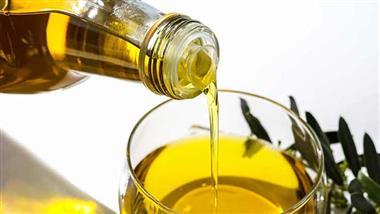
Olive oil is little more than the juice of a fruit, yet few foods have been prized, traded, or counterfeited for as long, and across the ancient Mediterranean it was valued as much for healing as for eating.1 Hippocrates called it “the great healer” and described over 60 medical uses for it.2 Into the 20th century, pharmacies in the U.S. and Europe sold olive oil to be taken for digestive problems and high blood pressure.3
The modern case for it was put to a direct test in a randomized Spanish trial of 7,447 people at high cardiovascular risk, where those assigned a Mediterranean diet supplemented with extra virgin olive oil had roughly 30% fewer heart attacks, strokes, and cardiovascular deaths than those advised to cut their fat intake.4
They were also 40% less likely to develop diabetes5 and 38% less likely to develop atrial fibrillation,6 and in a second Spanish trial of 1,002 patients who already had heart disease, the diet led to fewer major cardiovascular events over seven years than the low-fat diet cardiologists have long recommended.7
The key point, however, is that these results were seen in people eating fresh, genuine olive oil (participants in the first trial were given a liter of extra virgin olive oil each week),8 whereas much of the olive oil sold in America is stale or not truly extra virgin. As such, many Americans who adopt a Mediterranean diet likely never receive its full benefit, because the oil at its center is missing the compounds responsible for most of it.
The Medicine Is Not the Fat
Roughly 70% of olive oil’s fat is oleic acid, a monounsaturated fat far more stable than the polyunsaturated fats that dominate seed oils.9 But the fat is not where the medicine is. Bottles labeled “olive oil,” “pure,” or “light” are mostly refined oil,10 yet still contain about as much oleic acid as the best extra virgin oil.11 What they lack is the remaining 2% of the oil,12 a mix of over a hundred compounds that refining destroys and which research credits for most of olive oil’s benefits.
The most significant are the polyphenols, which in extra virgin olive oil are the most abundant natural antioxidants and have been linked to slowing the progression of diseases driven by oxidative stress, such as cardiovascular disease, cancer, and the degenerative diseases of aging.13
Their effects are well enough established that in 2012, European regulators approved a health claim stating that olive oil polyphenols protect blood fats from oxidative damage. The claim can only be made for oils containing at least 5 milligrams (mg) of hydroxytyrosol and its related compounds per 20 grams of oil, the amount it specifies be consumed daily.14 Sadly, relatively few oils on the shelf state whether they meet it. The most notable of these compounds are:
- Hydroxytyrosol — one of the oil’s most potent antioxidants, and the compound the European health claim is built on.
- Oleocanthal — the source of the sting at the back of the throat, which inhibits the same enzymes as ibuprofen (discussed below).
One of the least appreciated aspects of olive oil is that many of its most valuable compounds do not exist in the olive. The fruit instead contains oleuropein, a compound so bitter that a fresh olive is inedible until cured, which an enzyme converts into oil-soluble compounds (e.g., oleocanthal) only once the olives are crushed. In essence, the bitterness that makes a raw olive inedible becomes the oil’s medicine, and much of that medicine is made in the mill.
Even then, less than 1% of the olive’s phenolics end up in the bottle, so polyphenol content varies enormously, from roughly 50 to 800 mg per kilogram depending on the olive variety, where it was grown, how ripe it was at harvest, and how it was milled, whereas the European health claim requires about 250 mg per kilogram. Filtering and storage then reduce these compounds further.
This means two bottles legally labeled extra virgin can differ more than tenfold in the very compounds the research credits for olive oil’s benefits, and it also means that the dose required depends entirely on the oil. In a typical supermarket oil at the health claim’s threshold, 20 grams (about 1.5 tablespoons) a day is needed to reach it, whereas in a lab-tested oil containing 1,000 mg per kilogram, a single teaspoon does.
This matters because Americans tend to assume that if something is good for them, more of it has to be better (olive oil “shots” being the latest example), when the compounds that make olive oil medicinal are found in small amounts and work in small amounts. The goal is not to consume more oil but to consume the right one.
The Natural Anti-Inflammatory
One of olive oil’s most important medicinal properties was discovered by taste. In 1999, Gary Beauchamp, a researcher who studies the chemistry of taste and smell, sampled freshly pressed oil at a conference in Sicily and immediately recognized the burn it left at the back of his throat.15
He had just spent months swallowing ibuprofen for a pharmaceutical study, which produces an unusual sting felt only in the throat, and his team traced the sting to a compound they named oleocanthal and found that despite looking nothing like ibuprofen, it inhibits the same COX-1 and COX-2 enzymes that produce the prostaglandins responsible for swelling and pain.16
At equal concentrations in the lab, oleocanthal blocked 41% to 57% of COX activity, compared to 13% to 18% for ibuprofen.17
In people, the evidence is strongest for joint disease. Of the existing diets, the Mediterranean diet has the most research supporting its use for autoimmune disorders,18,19 and we have found it frequently helps rheumatologic patients. In a randomized trial of 51 rheumatoid arthritis patients, those who switched to a Cretan Mediterranean diet had less inflammatory activity, better physical function, and more vitality after 12 weeks, whereas those who stayed on their usual diet saw no change.20
Olive oil also appears to work when applied directly to the joints. In a small double-blind trial of patients with knee osteoarthritis, olive oil rubbed onto the knee relieved pain more effectively than an NSAID gel,21 and in another trial, olive oil applied with ultrasound worked as well as an NSAID gel for knee pain in female athletes, and faster.22 More broadly, across 15 randomized trials, olive oil lowered C-reactive protein, and in seven, interleukin-6, two of the body’s key markers of inflammation.23
Note: The amount of oleocanthal in a dietary dose is modest (50 grams of fresh oil provides roughly 10% of the ibuprofen dose used for pain relief).24
However, many of the diseases we struggle with are driven by a low-grade inflammation that never fully shuts off, so a small daily dose of a natural anti-inflammatory may be far more useful than an occasional large one, particularly since regular NSAID use carries considerable side effects. The hidden costs of conventional pain medications, and the overlooked alternatives to them, are discussed here.
This also means you can taste whether your oil contains it, as the sting grows stronger as oleocanthal levels rise,25 which is why Mediterranean tasters have long graded prized oils as “one-cough” or “two-cough,”26 whereas an oil with no sting at all likely contains very little.
Why the Oil Delivers Them Better Than a Pill
Unlike many plant compounds, olive oil’s polyphenols are unusually well absorbed (roughly 40% to 95% for hydroxytyrosol and tyrosol).27 Most importantly, the oil itself appears to be the best delivery system for these compounds.
When olive oil polyphenols were given in water, in yogurt, or even added to refined olive oil, they were absorbed less effectively than when they occurred naturally in extra virgin oil,28 and researchers have cautioned that olive oil’s phenolics work synergistically, so a single compound pulled out of the oil may not behave the same way on its own.29 This mirrors the situation with turmeric and the curcumin in it.
The Brain and Cancer
Since chronic inflammation plays a role in arthritis, cancer, cardiovascular disease, and Alzheimer’s, olive oil’s anti-inflammatory compounds have been studied in each. When over 92,000 American nurses and health professionals were followed for 28 years, those consuming more than half a tablespoon of olive oil a day had a 29% lower risk of dying from neurodegenerative disease and a 17% lower risk of dying from cancer than those who rarely consumed it.30
Notably, the amounts involved were small (the highest category averaged about 9 grams a day), and the study began in 1990, long before anyone paid attention to polyphenol counts, so most participants were buying whatever their supermarket carried. This suggests even an ordinary bottle may provide meaningful benefits, and a fresh, high-polyphenol one may provide more.
Brain: In the lab, oleocanthal disrupted the formation of the tau tangles seen in Alzheimer’s and protected neurons from amyloid fragments, while in mice it increased the brain’s clearance of beta-amyloid.31 In a small six-month trial of 25 adults with mild cognitive impairment, those given a high-polyphenol extra virgin oil (standardized to roughly 1,200 mg/kg) showed improved blood–brain barrier function and brain connectivity, which those given refined olive oil did not.32
Note: Why decades of amyloid-focused drug research has delivered so little, and the forgotten approaches which have shown promise for Alzheimer’s disease, are discussed here.
Cancer: A 2015 Rutgers and Hunter College lab study found that oleocanthal killed pancreatic, breast, and prostate cancer cells in culture in as little as 30 minutes by rupturing their lysosomes, while leaving healthy cells unharmed.33 Likewise, in a secondary analysis of the randomized Spanish trial, women given extra virgin olive oil developed breast cancer at roughly a third of the rate of those advised to cut their fat intake, though this finding rested on a small number of cases (35 in total).34
Fraudulent and Stale Oil
Since genuine extra virgin olive oil is expensive to produce and difficult for consumers to verify, it has long been one of the most commonly faked foods. Since Canada began testing retail olive oils in 1997, over 20% have proven fraudulent,35 and in November 2023, Spanish and Italian police seized over 260,000 liters of oil diluted with lampante (the lowest, inedible grade) and sold as extra virgin.36
However, criminal adulteration is only a small part of the problem. Far more often, the oil is genuine olive oil that simply is not extra virgin, because it was made from poor olives or has gone rancid by the time it reaches the shelf. When UC Davis tested imported “extra virgin” oils sold in California, 69% failed the standard, typically for defects such as rancid, fusty, or musty flavors,37 and a later study of oils sold to restaurants found 60% failed sensory standards despite nearly all passing the standard chemistry tests.38
As such, the greater risk for most people is not buying fake oil, but buying genuine olive oil too old or poorly made to deliver the benefits seen in the research.
Finding Oil That Contains the Medicine
Since olive oil degrades from the moment it is pressed, freshness is the most important thing to select for:
- A harvest date — Most oils in American stores list only a “best by” date (typically set 18–24 months after bottling), which says little about when the olives were picked. A growing number of producers print a harvest date, and UC Davis researchers recommend using oil within 15 to 18 months of it.39 Freshness frequently trumps brand.
- Packaging — In a year-long storage study, oil kept in dark glass retained its phenolic compounds far better than oil kept in clear plastic exposed to light.40 Choose dark glass or tins, avoid the top shelf (closest to the store lights), and keep the bottle in a dark cabinet away from the stove.
- Early harvest — Since polyphenols decline as olives ripen,41 early-harvest oils are more bitter, more pungent, and richer in them.
- Your senses — A good extra virgin oil should taste fresh and fruity, with some bitterness and a peppery sting. The most common defects are easy to recognize once you know them:42 rancid oil smells stale, like old walnuts; fusty oil has a heavy, fermented smell; musty oil smells damp, like a basement; winey oil has a sour, vinegar-like sharpness.
For those seeking olive oil specifically for its medicinal properties, the only reliable option at present is to buy from producers who harvest early, mill immediately, lab-test each batch, and publish the results (e.g., a small number of producers make oil that typically tests at 500 to over 1,000 mg/kg, and the oil used in the brain trial above was standardized to 1,200 mg/kg).43
These are intensely bitter, so they are best taken raw, a small spoonful at a time or drizzled over finished food, particularly since olive oil’s polyphenols only partly survive cooking (an oil sautéed at home lost 40% of them at 248°F and 75% at 338°F).44
Note: Olive oil’s linoleic acid content also varies by variety and ripeness, from roughly 3% to 21% (the greatest variability of any of its fatty acids),45 and it rises as the fruit ripens.46 The varieties behind many of the highest-polyphenol oils (e.g., Spain’s Picual, its most widely grown variety) sit near the bottom of that range, whereas the mild Arbequina oils that dominate supermarket shelves and much of California47 sit toward the top,48 so choosing an early-harvest, high-polyphenol oil generally also selects for the lowest linoleic content.
So, while anyone who consumes large amounts of olive oil puts themselves at risk of excessive dietary linoleic acid, it is particularly unwise to do so with an oil of unknown variety (which describes most supermarket bottles), as its linoleic content may be several times higher than the most medicinal olive oils. Unfortunately, relatively few olive oil brands source low linoleic acid olives.
For an everyday oil, independent testing of common brands found that price was a poor predictor of quality.49 Once a bottle is opened, oxygen begins to degrade the oil each time it is uncapped, so it should be kept tightly sealed, kept away from heat (e.g., an oven), and used within a couple of months.
Note: Olive oil’s effects may be significant enough to reduce the need for medication. In a six-month randomized crossover trial of patients with high blood pressure, those using extra virgin olive oil required 48% less blood pressure medication than when using sunflower oil, and 8 of the 23 participants no longer needed it at all.50
Those taking blood pressure or diabetes medications who add a high-quality olive oil to their diet should monitor their levels and work with their healthcare provider, as their doses may need to be adjusted.
Olive Leaf Extract
The oleuropein that makes raw olives inedible is far more concentrated in the olive tree’s leaves, and they have a long medical history of their own. By the early 1900s, the British Pharmaceutical Codex listed olive leaves as a remedy for fevers, noting that a decoction of them had been used as a substitute for quinine in obstinate cases.51
In an eight-week randomized trial of adults with stage 1 high blood pressure, 500 mg of olive leaf extract twice a day lowered blood pressure about as much as captopril (a commonly prescribed blood pressure drug), while also lowering triglycerides, which the drug did not,52 and in overweight middle-aged men, 12 weeks of olive leaf polyphenols improved insulin sensitivity by 15% and the responsiveness of the cells that produce insulin by 28% compared to placebo.53
Olive leaf extract also has a broad antimicrobial profile in laboratory studies, while human data and clinical experience are strongest for viral infections. Shortly after Morton Walker created the market for it with his 1997 book Olive Leaf Extract: Nature’s Antibiotic,54 I asked colleagues about their experiences with it, and they told me that while it could work for other infections, it worked best for viral ones.
Over the years, many patients have told me they found it helpful during viral illnesses, and it has been studied most closely for herpes.
For example, in a randomized double-blind trial of 66 patients with cold sores, a 2% olive leaf extract cream healed the lesions in an average of 2.8 days, compared to 5.0 days for 5% acyclovir cream (the standard treatment),55 and a second randomized trial found an olive leaf gel matched acyclovir for pain relief and healing.56 These findings are from research conducted in clinical settings. Results may not apply to all individuals.
Note: The olive leaf extracts available vary considerably, as the concentrated extracts are viewed as the most potent (though also the most likely to cause reactions in sensitive individuals), while the more balanced ones are often better tolerated and seen as suited to a wider range of situations.
Conclusion
Many Americans have likely never tasted a truly fresh olive oil, and have grown so used to stale, mild oil that the bitterness and sting of the real thing may read as a defect, when those are the very qualities that make it medicine. Since a high-polyphenol oil delivers those benefits in a fraction of the amount a supermarket bottle would require, learning what fresh olive oil should taste like is one of the most reliable ways to make sure you are getting what the research describes.
Author’s note: This is an abridged version of a longer article which goes into greater detail on the history of olive oil fraud and the testing that exposes it, the specific brands I use, how I use olive oil in my own diet (including a healthy “potato chip” we’ve found tastes better than the real thing), and the olive leaf extracts I use. That article and its additional references can be read here.
This article is for informational purposes only and does not constitute medical advice. Consult a qualified healthcare provider before making changes to your health regimen.
A Note from Dr. Mercola About the Author
A Midwestern Doctor (AMD) is a board-certified physician from the Midwest and a longtime reader of Mercola.com. I appreciate their exceptional insight on a wide range of topics and I’m grateful to share them. I also respect AMD’s desire to remain anonymous since AMD is still on the front lines treating patients. To find more of AMD’s work, be sure to check out The Forgotten Side of Medicine on Substack.
- 1, 12, 15, 35 Mueller T. Extra Virginity: The Sublime and Scandalous World of Olive Oil. W. W. Norton, 2011
- 2, 17, 26, 29, 31 Int J Mol Sci. 2014 Jul 11;15(7):12323-12334
- 3, 11 Royal Society of Chemistry, February 21, 2017
- 4 N Engl J Med. 2018 Jun 21;378(25):e34
- 5 Ann Intern Med. 2014 Jan 7;160(1):1-10
- 6 Circulation. 2014 Jul 1;130(1):18-26
- 7 Lancet. 2022 May 14;399(10338):1876-1885
- 8 University of Barcelona, February 2013
- 9, 27, 28 Antioxidants (Basel). 2020 Jul 28;9(8):685
- 10 Antioxidants (Basel). 2020 Jun 20;9(6):543
- 13 Food Res Int. 2014;62:1062-1068
- 14 Commission Regulation (EU) No 432/2012, Official Journal of the European Union, May 16, 2012
- 16, 24, 25 Nature. 2005 Sep 1;437(7055):45-46
- 18 Biomedicines. 2020 Jul 8;8(7):201
- 19 Nutrients. 2025;17(8):1383
- 20 Ann Rheum Dis. 2003 Mar;62(3):208-214
- 21 J Clin Rheumatol. 2012 Mar;18(2):99-101
- 22 Avicenna J Phytomed. 2016 Sep-Oct;6(5):535-541
- 23 Nutrients. 2015 Sep 11;7(9):7651-7675
- 30 J Am Coll Cardiol. 2022 Jan 18;79(2):101-112
- 32, 43 Nutrients. 2022 Nov 30;14(23):5102
- 33 Mol Cell Oncol. 2015;2(4):e1006077
- 34 JAMA Intern Med. 2015 Nov;175(11):1752-1760
- 36 Europol, November 2023
- 37 Olive Oil Times, July 14, 2010
- 38 UC Davis News, September 18, 2012
- 39 UC Davis Magazine, November 30, 2016
- 40 J Am Oil Chem Soc. 2019;96(4):381-389
- 41 Molecules. 2021 Feb 20;26(4):1115
- 42 Consumer Reports, June 21, 2024
- 44 Antioxidants (Basel). 2020 Jan 16;9(1):77
- 45 Front Plant Sci. 2021;12:653997
- 46 6th International Postharvest Symposium, Antalya, Turkey, April 8-12, 2009
- 47 UC Davis News, Super-High-Density Olive Sector Thriving in California, Study Finds
- 48 Acta Hortic. 2014;1057:619-626
- 49 ConsumerLab.com, October 12, 2026
- 50 Arch Intern Med. 2000 Mar 27;160(6):837-842
- 51 British Pharmaceutical Codex, 1911, Olea Europaea
- 52 Phytomedicine. 2011 Feb 15;18(4):251-258
- 53 PLoS One. 2013;8(3):e57622
- 54 Townsend Letter, May 2001
- 55 Explore (NY). 2022 May-Jun;18(3):287-292
- 56 Sci Rep. 2024;14:29989
Unlocking Nature’s Healing Potential — The Power of DMSO and Botanical Combinations
Reproduced from original article:
https://articles.mercola.com/sites/articles/archive/2026/08/27/power-of-dmso-and-botanical-combinations.aspx
Analysis by A Midwestern Doctor August 27, 2026

Story at-a-glance
- DMSO is an “umbrella remedy” capable of treating a wide range of challenging ailments due to its combination of therapeutic properties (e.g., reducing inflammation, improving circulation, and reviving dying cells). It also rapidly transports substances dissolved in it through the skin and throughout the body
- These benefits are also seen when DMSO is combined with a variety of natural therapies — in many cases, allowing the mixture to treat challenging conditions neither could treat alone
- DMSO is commonly combined with natural carrier oils and botanicals such as essential oils and herbal extracts
- These combinations are commonly used to create natural skin care products which rejuvenate the skin and cure numerous skin conditions such as acne, psoriasis, eczema, and lipomas. They also enhance DMSO’s ability to heal injured tissues, reduce inflammation, and treat acute or chronic pain (e.g., arthritis or migraines)
- This article will review the basics of botanical DMSO combinations, the literature supporting it, and show how these mixtures can be used to treat many additional challenging medical conditions
Over the last year, I’ve worked to bring the public’s attention to dimethyl sulfoxide (DMSO) a forgotten natural therapy which rapidly treats a wide range of conditions and that many studies have shown is very safe (provided it’s used correctly), and most importantly (thanks to the 1994 DSHEA act which legalized all natural therapies)1 is now readily available.
Since I believe DMSO has immense potential to offer the medical community and individual patients, I’ve diligently worked to compile evidence that best supports its rediscovery. As such, throughout this series, I’ve presented over a thousand studies that DMSO effectively treats:
• Strokes, paralysis, and many other neurological or circulatory disorders (discussed here).
• Chronic pain and tissue injuries, such as sprains, burns and non-healing wounds (discussed here).
• Numerous autoimmune and contractile disorders (discussed here).
• Head conditions, such as tinnitus, vision loss, dental problems, and sinusitis (discussed here).
• Internal organ diseases, such as pancreatitis, infertility, liver cirrhosis, and endometriosis (discussed here).
• Skin conditions, such as varicose veins, acne, hair loss, ulcers, and skin cancer (discussed here).
• Many different cancers (discussed here).
• Lung disorders, including asthma, COPD, pulmonary fibrosis, and cystic fibrosis (discussed here).
• Infections, including chronic bacterial infections, herpes, and shingles (discussed here).
DMSO Combination Therapies
DMSO’s ability to treat a wide range of illnesses results from its having a variety of highly unusual properties that appear to address the root causes of disease (e.g., it greatly improves circulation). One of DMSO’s most noteworthy properties is its ability to enhance the effects of other substances, which in many cases makes it possible to surmount major dilemmas traditionally seen with those therapies.
DMSO’s unique ability to function as a vehicle is due to the fact that it can pass through biological membranes without damaging them,2 so once it contacts the skin, it rapidly spreads throughout the body.3 At the same time, simultaneously it readily dissolves most substances and is able to bring them with it into the body. This is very useful as it allows you to:
• Apply a medication topically or orally that would typically require an IV or injection.
• Make drugs become much more potent and able to treat conditions that otherwise will not respond to (e.g., these mixtures can penetrate and treat antibiotic-resistant bacteria or chemotherapy resistant cancers).
• Allow lower doses of a drug to be used, which are often much less toxic and in many cases, counteract the toxicity of the blended medication (as DMSO protects tissue from injury) — all of which make it incredibly useful for reducing the harm of chemotherapy.
Note: While DMSO cannot be patented, combinations can. As such, while DMSO alone is “unsafe,” “ineffective,” and “unproven” many “safe and effective” DMSO pharmaceutical combinations exist, including many approved by the FDA.
Natural Combination Studies
A large volume of scientific literature exists on DMSO being used in combination with pharmaceutical drugs, and many approved DMSO products also incorporate natural agents such as menthol, camphor, lavandin, lavender oil, coriander oil, arnica, and capsicum. Many natural agents, including numerous botanicals, have also been shown to synergistically combine with DMSO in many conditions.
• Neurological conditions:
◦ In rats with Alzheimer’s disease, DMSO and Ginkgo biloba extract (GBE), administered for 14 days, improved learning and memory.4
◦ In 31 patients with postherpetic neuralgia, DMSO and Chinese herbal medicines reduced pain scores and improved symptoms more effectively than standard medical therapy.5
• Dermatological conditions:
◦ In 33 patients with severe psoriasis, an extract of camptotheca nuts dissolved in 70% DMSO was a “quick, effective and convenient treatment,” as a year later, 21 had a complete resolution of the disease.6
◦ A hospital dermatology department reported that DMSO and 0.05% lithospermum (purple gromwell) effectively treated viral warts.7
◦ DMSO mixed with linethol (a flaxseed concentrate with anti-inflammatory, regenerative, and wound-healing properties) treated burns.8
• Infectious diseases:
◦ A 2023 clinical trial gave an oral DMSO spray containing zinc iodide, ginger extract, propolis extract, and xylitol to patients with mild or moderate COVID-19.9 Compared to placebo, this treatment caused significant improvements in clinical symptoms, recovery time, and viral clearance.
◦ DMSO with food-grade vinegar was found to be an effective treatment for 406 patients with fungal athlete’s foot (59% DMSO, 41% vinegar given 3 to 4 times a day for 3 to 5 days)10 and 100 patients with jock itch (40% DMSO, 60% vinegar).11
◦ DMSO mixed with a variety of different plant extracts was highly effective at inhibiting the growth of Candida infections isolated from patients with mouth cancers (whereas it was resistant to many antifungals).12
◦ DMSO with papaya enzyme and nitrofurazone was found to treat suppurative wounds.13
Note: DMSO also significantly increased the ability of Annona muricata seed extracts to eliminate mosquitoes in the water, and after 6 hours, 0.5mg/L killed 62% of larvae and 100% of pupae.14
•Dental conditions:
◦ 50% DMSO and 1 mg/ml oleanolic acid (which is found within many plants, including olives15) in 30 extracted human teeth with enterococcus faecalis infections rapidly reduced bacteria levels, within 24 hours, completely eliminating them.16,17,18
◦ DMSO in a gel with 10% glucosamine hydrochloride, nettle juice, and Kalanchoe juice effectively treated periodontitis in animals, reducing inflammation and speeding tissue repair.19
Note: Many studies have also shown DMSO enhances the absorption of plant extracts (e.g., for ginseng20,21).
Healing with Natural DMSO Combinations
As there is an almost infinite number of natural substances that could be combined with DMSO, it has not been possible to research them. Fortunately, the ease, safety, and efficacy of these combinations have inspired many to take their health into their own hands and explore combining DMSO with many proven natural remedies. Key discoveries with these combinations from the DMSO community include:
• Carrier oils and topical bases — In addition to diluting DMSO with a liquid, it is sometimes mixed with a thicker substance, of which three are commonly used:
◦ Aloe vera — This rehydrates the skin, thereby counteracting the dryness sometimes experienced with chronic DMSO use, and in many cases extenuates DMSO’s healing properties.
Most commonly they are used together to soothe the skin (e.g., for sunburns, eczema, or acne), for wound healing (e.g., in a mouthwash taken a few times a day for a molar abscess), often in combination with calendula, but has also shown promise for prostatitis (where it is typically rectally administered) and complex regional pain syndrome (where it is massaged into the affected area).
◦ Castor oil — This is frequently used for musculoskeletal and eye issues, so before long it became combined with DMSO for those situations. This combination is thought to be excellent for rheumatic complaints (e.g., spinal issues, joint pain, and painful previously fractured bones), something many readers have attested to22,23,24,25,26,27,28,29,30,31,32 along with eye issues (e.g., cataracts), which likewise many found worked.33,34,35,36,37,38
This combination is also used for other musculoskeletal issues (e.g., healing tendons and scar tissue) and amongst the 80 or so readers who’ve reported using it, I’ve also heard success stories for many other conditions (e.g., neuropathies, fungal infections, facial skin issues, eczema, rashes, and an umbilical hernia, etc.).39
◦ Coconut oil — This is most commonly used to prevent skin irritation or dryness from DMSO (especially from chronic use), and for skin issues (e.g., acne, eczema, chapped skin) or cosmetic preparations. Typically it’s advised to start with using 10% to 20% coconut oil, whereas in therapeutic applications, 50% is often needed. Finally, MCT oil is sometimes used when a more substantial therapeutic effect is required (e.g., for joint pain).
Note: I have a strong suspicion that coconut or MCT oil DMSO combinations would be quite helpful for Alzheimer’s, as each has been shown in clinical trials to improve dementia,40 and many readers have reported success from all three individually for Alzheimer’s.
• Essential oils — Many essential oils have been combined with DMSO and frequently produced therapeutic results greater than those seen with the oil alone. These include:
◦ Frankincense — Known for its anti-inflammatory and pain relieving properties, it is often used for conditions like knee pain, back pain, and sciatica. Additionally, when rubbed onto the roof of the mouth, it can promote parasympathetic activation (which for example helps cancer patients if done twice a day).
◦ Tea tree — Tea tree oil is known for its antibacterial, antiparasitic, and antifungal (and to a lesser extent antiviral) activity. As such, it is one of the most common antimicrobials mixed with DMSO and used to treat a wide range of infections (e.g., sprayed into wounds, for folliculitis or, as a reader reported,41 an angular cheilitis which had not responded to 15 years of natural and conventional therapies), along with many other conditions such as insect bites.
◦ Peppermint — This cooling oil relaxes muscles and blood flow. It is often used alone or with DMSO to relieve pain, headaches (including migraines), and nerve inflammation (e.g., sciatica) or swallowed for digestion.
◦ Lavender — This frequently used oil is quite helpful for muscle cramps and joint pain, reduces anxiety, improves sleep, and sometimes is used for asthma attacks, and is frequently mixed into DMSO creams or gels.
◦ Other essential oils — Commonly combined with DMSO include Eucalyptus (joint/muscle soreness or asthma), Myrrh (back and knee pain), Black Pepper (circulation enhancement), Wintergreen (pain relief), Clary Sage (cramps, particularly menstrual ones), and Sweet Birch (muscle relaxation).
Note: Given their potency, it is important to dilute essential oils when combining them with DMSO.
• Botanicals — In addition to essential oils, many other botanicals have been successfully combined with DMSO:
◦ Arnica and comfrey — These heal musculoskeletal injuries, and when combined with DMSO, relieve aches, pain, and bruising, heal ligament or tendon injuries (e.g., sprains, tennis elbow, and Achilles tendon pain) and support tissue repair, with some reporting greatly accelerated healing (e.g., recoveries in 1 to 2 weeks instead of months).
◦ Turmeric — As turmeric is a highly potent (but safe) anti-inflammatory agent, and the active ingredient in it (curcumin) absorbs poorly, it is well-suited for being combined with DMSO. There, it is often used to treat conditions such as joint inflammation, gastritis, knee pain, and general pain (e.g., three readers found it immediately, and often permanently, eliminates pain).42,43,44
Note: One reader used it with ginger to eliminate a lipoma,45 while another used it with a green tea extract to eliminate a seborrheic keratosis.46
◦ Cayenne pepper (Capsicum) — At low doses, this is generally done for pain relief (particularly neuropathic pain and migraines) or to improve circulation.
◦ Cannabinoids — CBD oil’s uses (particularly reducing seizures, inflammation, pain, and neuropathies) are enhanced in DMSO combinations. Multiple readers47,48,49 have reported this combination helped their arthritis, pain, and neuropathies (e.g., thumb arthritis that was scheduled for surgery,50 or cancer pain from chemotherapy and metastases).51
◦ Amygdalin — This is a natural cancer therapy (also known as B17 or laetrile) from apricot kernels that the FDA successfully blacklisted and erased from memory. At the time it was in use, many integrative doctors observed a significant synergy when it was mixed with DMSO in IVs and routinely used that combination to treat cancer, and it has been rediscovered in Germany.
Note: Hematoxylin (a common dye) combined with DMSO produces an incredibly potent (and safe) cancer combination. Additionally, when combined with DMSO, ivermectin becomes much more effective for eliminating cancer.
◦ Sulforaphane — I’ve received a compelling report that this combination improves Parkinson’s.
◦ Eyebright (Euphrasia rostkoviana) — This is one of the top DMSO combinations for eye health (e.g., cataracts) and has anti-inflammatory and antioxidant properties. Additionally, blueberry extract, l-Carnosine, l-Carnitine, and taurine are sometimes used to enhance the efficacy of DMSO eye drops (e.g., one reader reported52 that they eliminated their cataracts).
Note: DMSO alone is frequently observed to be a highly effective treatment for a variety of degenerative and inflammatory eye conditions.
Creating Your Own Home Remedies
Despite having now gone through thousands upon thousands of studies with DMSO, there is still a great deal I do not understand about the substance, particularly the innumerable number of things it can be combined with.
Fortunately, excluding cases where there is a remarkable and unexpected synergy (e.g., DMSO and hematoxylin treating cancer) these combinations behave in a fairly predictable pattern. As long as you are mindful to avoid common issues (e.g., using too much of an irritating or acidic substance), these combinations are relatively safe and often quite effective.
For example, many individuals want alternatives to chemical cosmetics that avoid their toxicity and do not irritate or deplete the skin, but find natural formulations often do not “do enough.” However, when combined with DMSO, these common ingredients (e.g., many of which I listed above) not only become more effective, but in many cases are able to rejuvenate and restore the skin, in many cases displaying remarkable antiaging effects (e.g., skin tightening).
As such, a wide range of effective cosmetic DMSO blends have been developed that not only free users from harmful chemical formulations, but also often allow them to heal a variety of challenging skin issues. Likewise, DMSO has been combined with a variety of other natural agents, which have produced remarkable results, in many cases making it possible to cure incurable conditions. These include:
• Many vitamins and antioxidants, greatly increasing their potency and making it possible to treat many conditions, including fatigue, osteoarthritis, stubborn infections, lost smell, tinnitus, asthma, or COPD.
• Numerous minerals, many of which are used to treat infections or heal injuries.
• Natural Metabolites, many of which are used to restore the body (e.g., treating chronic fatigue or strengthening weakened tissue).
• Amino acid combinations reliably treating Down Syndrome and learning disabilities. Additional neurotransmitter combinations were later discovered to soothe the nervous system, improving sleep and anxiety.
• Oxidative therapies (e.g., chlorine dioxide or hydrogen peroxide) are becoming much more potent for eliminating infections (e.g., Lyme or toenail fungus) when combined with DMSO. They are also frequently found to treat cancer.
• Hematoxylin and a few other dyes have demonstrated significant anticancer activity with DMSO.
• DMSO significantly improves the ability of detoxification therapies (particularly metal chelating agents) to eliminate toxins from the body.
Finally, many other body therapies (e.g., acupuncture, hypnosis, meditation, and massage) become significantly more effective when combined with DMSO. As such, practitioners in parts of Europe frequently combine the two.
Conclusion
The remarkable potential of DMSO combination therapies represents a paradigm shift in how we approach natural healing and wellness. What we’ve discovered through thousands of studies and countless patient experiences is that DMSO doesn’t just treat symptoms — it appears to address fundamental healing mechanisms at the cellular level, creating a foundation for the body’s own restorative processes to flourish.
The beauty of these natural combinations lies not only in their therapeutic efficacy but in their accessibility. Unlike complex pharmaceutical interventions that require specialized medical facilities and extensive oversight, many of these DMSO combinations can be safely prepared and used at home, empowering individuals to take an active role in their own health journey.
Perhaps most encouraging is the growing community of practitioners, researchers, and patients who are documenting their successes with these therapies. From chronic pain relief to cancer treatment, from wound healing to neurological recovery, the consistent reports of improvement across such a wide spectrum of conditions suggest we’re witnessing the emergence of a truly transformative approach to medicine.
As we move forward, the integration of DMSO combination therapies into mainstream healthcare holds tremendous promise. The scientific foundation is solid, the safety profile is well-established when used properly, and the therapeutic potential appears virtually limitless. For those seeking natural, effective alternatives to conventional treatments, DMSO combinations offer hope, healing, and most importantly, the opportunity to reclaim control over one’s health without relying upon a malignant medical system.
The future of medicine may well be found in this remarkable solvent’s ability to unlock the healing potential that has always existed within nature — we simply needed the right key to access it.
Author’s Note: This is an abridged version of a longer article which goes into much greater detail on what each of the natural DMSO combinations can do and how to prepare them at home. That article, along with resources and protocols for obtaining and using DMSO can be read here. Additionally, a companion article explaining how DMSO interacts with a wide range of substances and the synergistic pharmaceutical combinations which have been discovered can be read here.
A Note from Dr. Mercola About the Author
A Midwestern Doctor (AMD) is a board-certified physician from the Midwest and a longtime reader of Mercola.com. I appreciate AMD’s exceptional insight on a wide range of topics and am grateful to share it. I also respect AMD’s desire to remain anonymous since AMD is still on the front lines treating patients. To find more of AMD’s work, be sure to check out The Forgotten Side of Medicine on Substack.
- 1 Wikipedia, Dietary Supplement Health and Education Act of 1994, Accessed August 2025
- 2 Annals of the New York Academy of Sciences, 243: 7-19
- 3 Annals of the New York Academy of Sciences, 141: 85-95
- 4 Acta Academiae Medicinae Zunyi. 2002, (06) (Archived)
- 5 Chinese Journal of Clinical Rational Drug Use. 2019, (24) (Archived)
- 6 Chinese Medical Journal, Sept 1975
- 7 Jilin Medical Journal. 1986, (04) (Archived)
- 8 Derzh. Med. Inst., L’vov, 1982
- 9 In Vivo. 2023 Sep 3;37(5):2155-2160
- 10 Central Plains Medical Journal. 1989, (06) (Archived)
- 11 Shaanxi Traditional Chinese Medicine Correspondence Course. 1989, (04) (Archived)
- 12 International Journal of Innovations in Biological and Chemical Sciences, Volume 9, 2016, 24-30
- 13 Klin Khir (1962). 1987:(1):48-9
- 14 Rev. peru biol. [online]. 2020, Volume 27, No. 2, Pages 215-224
- 15 Wikipedia, Oleanolic acid, Accessed August 2025
- 16 Southwest Medical University, 2016 (Archived)
- 17 Shenzhen Journal of Integrated Traditional Chinese and Western Medicine. 2019 (Archived)
- 18 Shandong Medical Journal. 2016, (29) (Archived)
- 19 FPO GOU VPO Stavropol State Medical Academy, 2010
- 20, 21 Strait Pharmaceutical Journal. 2015, (12) (Archived)
- 22, 23 A Midwestern Doctor, October 13, 2024
- 24 A Midwestern Doctor, April 5, 2024
- 25 A Midwestern Doctor, October 13, 2024
- 26 A Midwestern Doctor, July 16, 2024
- 27 A Midwestern Doctor, July 16, 2024
- 28 A Midwestern Doctor, July 4, 2024
- 29 A Midwestern Doctor, June 26, 2024
- 30 A Midwestern Doctor, June 21, 2024
- 31 A Midwestern Doctor, May 5, 2024
- 32 A Midwestern Doctor, April 29, 2024
- 33 A Midwestern Doctor, July 4, 2024
- 34 A Midwestern Doctor, July 4, 2024
- 35 A Midwestern Doctor, July 1, 2024
- 36 A Midwestern Doctor, June 21, 2024
- 37 A Midwestern Doctor, November 18, 2024
- 38 A Midwestern Doctor, November 18, 2024
- 39 A Midwestern Doctor, April 29, 2024
- 40 Alzheimers Dement (N Y). 2022 Mar 14;8(1):e12259
- 41 A Midwestern Doctor, 2024
- 42, 43 A Midwestern Doctor, July 15, 2024
- 44 A Midwestern Doctor, November 7, 2024
- 45 A Midwestern Doctor, October 13, 2024
- 46 A Midwestern Doctor, October 29, 2024
- 47 A Midwestern Doctor, April 21, 2024
- 48, 50 A Midwestern Doctor, January 28, 2024
- 49, 51 A Midwestern Doctor, October 13, 2024
- 52 A Midwestern Doctor, June 9, 2024
Fed a Lie — The Truth About Seed Oils
Reproduced from original article:
https://articles.mercola.com/sites/articles/archive/2026/05/23/fed-lie-truth-about-seed-oils.aspx
Analysis by Dr. Joseph Mercola May 23, 2026
Story at-a-glance
- Ultraprocessed vegetable oils have quietly become one of the most dominant and pernicious ingredients in the modern diet. They have driven a dramatic rise in linoleic acid (LA) intake over the past century
- The documentary, “Fed a Lie: The Truth About Seed Oils,” reveals how marketing, subsidies, and flawed science replaced traditional animal fats with industrially produced oils made from soy, corn, cottonseed, and other crops
- Clinical and epidemiological studies have linked seed oil consumption to increased oxidative stress, inflammation, mitochondrial damage, cancer risk, and cardiovascular dysfunction, despite being touted as “healthy” fats
- Ancestral populations thrived on diets rich in saturated fat but free from processed seed oils. This allowed for low rates of chronic disease, even with widely varying macronutrient profiles
- To reduce your exposure to seed oils and help counter the effects of excess LA, focus on avoiding processed foods, switching to traditional fats for cooking, and supporting your body’s natural defenses with nutrients like C15:0
Chronic illness has become a normal part of everyday life for many Americans. You likely know someone living with heart disease, diabetes, autoimmune issues, or ongoing mental health challenges. These problems are showing up earlier, lasting longer, and affecting more people than in the past. While many factors contribute to this trend, one of the most influential is what we eat every day.
Over the last century, the American diet has undergone a dramatic transformation. Home-cooked meals made from simple, whole ingredients have steadily given way to ultraprocessed products — foods engineered for convenience, mass production, and longer shelf life. These changes didn’t happen all at once, and most people weren’t aware they were even happening.
Today, many of the ingredients found in everyday packaged foods are far removed from anything found in a traditional kitchen. The featured documentary, “Fed a Lie: The Truth About Seed Oils,” takes a closer look at one of the most impactful shifts in our diet — how industrial seed oils became a foundation of the modern food supply and what that means for long-term health.1
The Rise of Seed Oils in the Modern Diet
The featured video lays out the historical pathway that caused the industrial seed oils to dominate the American food supply, drawing on historical records, government data, and expert interviews. These oils were later marketed as “vegetable oils” to make them sound healthy, but they are extracted from crops like soybeans, corn, and cottonseed. This change took place over the span of about a century, but its effects are still unfolding.2
• From trace amounts to a daily staple — In 1865, Americans consumed almost no seed oils. Fats came mostly from animals in the form of lard, tallow, and butter. By 2014, the average person was consuming about 65 grams of vegetable oils per day. As noted by Dr. Paul Saladino in “Fed a Lie”:
“The average American consumes 3 to 5 tablespoons of seed oils per day, and it’s in almost all ultraprocessed food — salad dressings, it’s in cookies, it’s in cakes, it’s in crackers, it’s in breads, it’s in plant milks.
To consume the equivalent of 3 to 5 tablespoons of corn oil, we would have to eat 60 to 70 ears of corn. To consume the equivalent of 3 to 5 tablespoons of soybean oil, we’re looking at more than 2 pounds of soybeans. Amounts that would never ever have encountered historically as human.
So, what we have here is a very striking discordance between what we have done for hundreds of thousands of years and what we’re eating today in our diets — incredibly evolutionary and consistent consumption of seed oils, which are just easy to consume today.”3
• Seed oils are the single most processed food on the planet — “Seeds, nuts, [and] beans can only be made into an oil in a factory. It needs to go through so many industrial steps in order to create the oil,” explains Nina Teicholz, Ph.D., the author of New York Times bestseller, “The Big Fat Surprise.”
Saladino adds that the process involves heating the oils to 500 degrees F, which causes them to become “rancid, oxidized, or rusted in the colloquial sense.” To make them palatable, they have to be deodorized before sale.
• Seed oils are industrial products by design — Cottonseed oil, which is the first of its kind, had originally been used as a lubricant for machinery during the Industrial Revolution. According to Teicholz:
“After we had hunted all the whales out of the ocean — we hunted the whales mainly for their fat — when we lost that source of fat, it had to be replaced. Cottonseed oil came in to fill that need for all kinds of machinery, for making candles and soaps, and that was it. Then, Procter & Gamble came along and said, ‘Let’s try to sell this as a food stuff.'”4
• Crisco marked the beginning of industrial oils as food — The first major shift came in 1911 with the release of Crisco, which was sold as fake lard but made entirely of vegetable oils, originally cottonseed oil. “Butter and lard, and even tallow, began to be replaced and supplanted, and this is what took off in the 20th century,” Dr. Chris Knobbe notes in the interview.
• Crisco replaced traditional fats through marketing, not merit — In 1913, two years after Crisco was introduced, a book titled “The Story of Crisco” was published to describe how quickly the product took over American kitchens. This book was written by the former vice president of the American Heart Association (AHA), with messaging that implied animal fats were harmful, despite being part of the human diet for generations.
“And so, the nation’s cookbook has been hauled out and is being revised. Upon thousands of pages the word lard and butter have been crossed out and the word Crisco written in their place,” Teicholz says. “It was the earnest aim of the makers of Crisco to produce a strictly vegetable product without adding a hard and consequently indigestible animal fat.”5
• Procter & Gamble’s donation transformed the AHA overnight — The American Heart Association was described as a small, struggling organization with little public presence and limited ability to influence health policy. Cardiologists were rare because heart disease was less common, and the group lacked the funding to operate on a national level.
That changed when Procter & Gamble gave the AHA $1.7 million (equivalent to $20 million today) in 1948. With that donation, the AHA quickly expanded its research programs and public messaging. The timing and scale of this gift marked a turning point, positioning the organization to promote dietary guidelines that aligned closely with the food industry’s interests.
• What started as an economic decision became a medical directive — American housewives had already begun switching to seed oils because they were cheaper than animal fats. But once the AHA began promoting these oils as heart-healthy, the shift accelerated. What had been a matter of cost now carried the weight of medical authority, reinforcing the idea that vegetable oils were the responsible choice for families.
• Government policy and subsidies helped entrench seed oils in the food system — Starting in the 1970s, federal dietary guidelines warned against saturated fat and encouraged the use of polyunsaturated oils (PUFAs). At the same time, farm subsidies favored crops like soy and corn, making their industrial byproducts cheap and abundant.
Food companies adopted these oils across the board because they were inexpensive and easy to use in mass production. Once seed oils became standard in processed food and institutional cooking, they were almost impossible to avoid.
What Replacing Animal Fats with Seed Oils Really Did to Public Health
The widespread adoption of vegetable oils is one of the most consequential dietary shifts in modern history, yet their impact on public health remains deeply controversial. For decades, experts have debated whether these oils are truly beneficial or if they have fueled the very diseases they were meant to prevent.6
• The Ancel Keys Hypothesis featured flawed science and cherry-picked data — One of the most influential studies supporting the diet-heart hypothesis was the Seven Countries Study, led by Ancel Keys in the 1950s,7 which suggested a correlation between saturated fat intake and heart disease.
His findings laid the foundation for dietary guidelines that demonized animal fats and promoted vegetable oils as a healthier alternative. However, the study was purely observational and could not establish causation.
As explained in the documentary, Keys “cherry-picked his countries to get the desired results that he wanted.” Countries like Switzerland, France, and Germany, where people consumed high levels of saturated fat but had low rates of heart disease, were excluded. Instead, Keys focused on countries that had been ravaged by war and were eating lower-fat diets at the time of data collection.
• Early warnings ignored: The Rose Corn Oil Trial — This is one of the earliest clinical trials to examine seed oil effects on heart health and was conducted in 1956. Participants were given 19 teaspoons of corn oil daily and followed for three years.
The study was stopped early because the group consuming corn oil experienced significantly more deaths. At the end of the study, the researchers concluded, “[U]nder the circumstances of this trial, corn oil cannot be recommended as a treatment of ischemic heart disease. It is most unlikely to be beneficial, and it is possibly harmful.”
• Clinical trials in the 1980s linked seed oils to cancer — In the early 1980s, a series of high-quality clinical trials began to show a connection between seed oil consumption and cancer, particularly colon cancer.
The documentary notes that this was in a dozen clinical trials, and the results were strong enough to prompt high-level meetings at the National Institutes of Health (NIH). Top scientists involved could not agree on an explanation for the cancer findings, but they chose to overlook them, citing the perceived benefits of cholesterol reduction.
• Toxicity concerns from animal studies were dismissed — Teicholz shared that animal research linked seed oils to liver damage and the formation of toxic oxidation products. However, these findings, like the human data on cancer, were not integrated into official guidance. Instead, institutional decision-making prioritized cholesterol reduction above all else.
• Lowering cholesterol showed no benefit — Seed oils do lower low-density lipoprotein (LDL) and total cholesterol, but that reduction has not translated into better outcomes.
“In large clinical trials, the most rigorous kind of evidence on 76,000 people, lowering your LDL cholesterol by consuming seed oils has never been shown to have any benefit for death from heart disease or death from any cause,” Teicholz notes.8
• Calls for updated research go unanswered — Despite these warning signs, high-quality studies comparing seed oils to saturated fats have not been funded. As Saladino states, “no pharmaceutical company will ever fund a study looking at saturated fat versus seed oils today.” As a result, the public is left relying on outdated and incomplete data, while the known risks continue to be downplayed or ignored.
Together, these studies and years of misguided dietary guidelines point to a deeper issue — industry influence and poor-quality science have shaped public health advice in ways that have harmed long-term health. For a closer look at how vegetable oils affect the body, check out “Vegetable Oils Wreck Your Gut.”
How Does Excess LA Impact Your Health?
The shift toward industrial seed oils has caused a sharp increase in dietary LA, now the most abundant fat in the modern diet. Understanding what happens after LA enters the body reveals how this one ingredient quietly erodes your health over time.9,10,11
• LA builds up in the body and drives oxidative damage — Unlike other fats that are quickly metabolized or excreted, LA embeds itself in body fat and cell membranes. Its chemical structure makes it highly susceptible to oxidation, and once oxidized, it generates harmful byproducts. Knobbe explains:
“These seed oil components, the omega-6 linoleic acid, accumulate in our bodies. It accumulates in our fat. It accumulates in our cell membranes. And this sets up this environment that is prooxidative, pro-inflammatory, toxic, and nutrient-deficient …
Many people know that arsenic, for example, is a very damaging molecule. It’s a very dangerous poison, and it’s dangerous because it’s a prooxidant, and if the dose is high enough, it’ll kill you very fast. But if the dose is really low, then it behaves just like vegetable oils. They’re both prooxidative. So arsenic kills us through oxidation, vegetable oils ultimately maim and kill us mostly through oxidation.”12
• LA stays in the body for years, not days — I discussed this same issue in my reviews, published in the journal Nutrients13 and Advances in Redox Research.14 As explained in these papers, the half-life of LA in the body is about 680 days, meaning it takes up to six years to replace 95% of it. Because it gets stored in adipose tissue and incorporated into the lipid bilayers of cells, its presence is long-lasting and difficult to reverse.
• Oxidized LA metabolites (OXLAMs) drive systemic oxidative stress — When LA is heated, stored, or metabolized in excess, it forms OXLAMs, damaging breakdown products that are biologically active. OXLAMs like 4-hydroxynonenal (4-HNE) are generated during lipid peroxidation and damage DNA, proteins, mitochondria, and even stem cells. These oxidized byproducts have been linked to cardiovascular disease, cancer, and neurodegenerative conditions.
• Stored LA contributes to mitochondrial injury — Mitochondria use a special fat called cardiolipin to help generate energy. As LA dominates the diet, it becomes a major building block of cardiolipin, making it fragile and prone to oxidation. The result is impaired energy production, increased oxidative stress, and higher vulnerability to chronic disease. This damage shows up in high-energy organs like the heart and brain, contributing to widespread dysfunction.
• Excess LA fuels chronic inflammation — Once oxidized, LA and its metabolites act like molecular triggers for inflammation. My papers detail how these compounds damage cell membranes and trigger inflammatory cascades that affect the liver, cardiovascular system, and nervous system. Animal models show that dietary seed oils rich in LA promote liver injury, endothelial dysfunction, and oxidative damage in the brain.
• Cardiovascular damage is amplified by LA oxidation — The oxidation of LA in LDL particles is a key step in the formation of atherosclerotic plaque. The byproduct 4-HNE, for instance, is not only a mutagen and mitochondrial toxin but also a direct contributor to foam cell formation and endothelial dysfunction.
Reducing LA intake could be one of the most powerful steps you take for long-term cardiovascular and metabolic health. Learn more in “Linoleic Acid — The Most Destructive Ingredient in Your Diet.”
Lessons We Can Learn from Ancestral Diets
Traditional societies consumed diets that were high in saturated animal fats yet showed no signs of chronic illness. The featured documentary emphasizes that populations around the world thrived on widely different diets, as long as the ingredients were traditional, minimally processed, and free from modern additives like seed oils.15
• Ancestral diets were rich in saturated fat, yet people were free of chronic disease — The Maasai of Kenya and Tanzania were documented in the 1970s as consuming a diet of milk, meat, and blood, with two-thirds of their calories coming from animal fat. In the South Pacific, the Tokelau population lived on a diet based heavily on coconut and fish, with saturated fat making up about 50% of their intake. Despite the high fat content, both groups had low rates of heart disease, diabetes, and obesity.
• LA levels in body fat have changed dramatically — The average level of LA in human adipose tissue was around 2.8% in people eating natural diets. But in the U.S., levels rose sharply to 9.1% in 1959 and climbed to 21.5% by 2008. These changes reflect how deeply industrial seed oils have altered the makeup of human tissue over just a few generations.
• Bethany Hamilton’s story highlights what’s possible without seed oils — In the documentary, professional surfer Bethany Hamilton describes the benefits she experienced after removing seed oils from her diet. She reported more consistent energy, better sleep, and stronger athletic performance. Her fourth pregnancy, which followed the dietary shift, was her healthiest yet. She also observed that her children became more emotionally stable and resilient.
Take a deeper look at how traditional diets supported long-term health in “The Ancestral Wisdom That Supported Better Health in the Past.”
How to Reduce Your LA Exposure and Mitigate Its Effects
Lowering your intake of industrial seed oils starts with knowing where they hide. Even people who avoid fried foods and fast food end up eating large amounts of LA simply because it’s in so many packaged products, often where you’d least expect it. Below are key tips from the documentary, along with some of my own recommendations, to help you reduce your LA exposure and protect yourself from its damaging effects:16
•Shop the perimeter, skip the processed center — Avoid the central aisles of the grocery store where most processed and ultraprocessed products are shelved. Items like crackers, cookies, chips, salad dressings, and plant-based milks often contain soybean, canola, sunflower, or safflower oil, even when marketed as “heart-healthy.” Instead, focus on unprocessed animal foods, fresh produce, and items that don’t come with long ingredient lists.
• Clean out your cooking oils — Many homes still stock common seed oils like canola, sunflower, and safflower. Toss them out and replace them with traditional fats such as butter, ghee, and coconut oil for cooking. They’re stable, naturally rich in fat-soluble vitamins, and don’t contribute to oxidative stress the way seed oils do.
• Skip ultraprocessed foods and restaurant meals — Many restaurant meals are loaded with seed oils, as they’re used in sauces, dressings, marinades, and other ingredients across nearly every item on the menu. Even meals that appear healthy often contain multiple sources of LA. Cooking at home gives you full control over your ingredients and makes it easier to avoid hidden oils.
The same goes for ultraprocessed meals. You don’t have to overhaul your diet overnight. Start by swapping out one food or snack at a time. Focus on finding a few reliable products made without seed oils and rebuild your pantry from there. Once LA sources are out of your kitchen and off your plate, maintaining a cleaner, more nourishing way of eating becomes far more sustainable.
• Track your LA intake with smart tools — I recommend keeping your LA intake below 5 grams per day — 2 grams or less is even better. To monitor your intake, use an online nutrition tracker like my upcoming Health Coach app, which launches in early July.
• Explore the benefits of C15:0 — This odd-chain saturated fat, found in full-fat dairy, is a metabolically protective compound. Early research suggests that C15:0 supports mitochondrial function, reduces inflammation, and helps counteract some of the cellular stress triggered by LA overload.17,18 Take pure pentadecanoic acid or high-C15:0 butter or ghee concentrate. Split the dose between meals to maintain consistent plasma levels and minimize tissue uptake.
Frequently Asked Questions (FAQs) About Seed Oils
Q: What are seed oils, and why are they harmful?
A: Seed oils (often marketed as “vegetable oils”) include soybean, corn, canola, cottonseed, sunflower, and safflower oils. They are highly processed industrial products made through chemical extraction, deodorization, and high-heat refining. These oils are rich in linoleic acid (LA), an omega-6 polyunsaturated fat that accumulates in the body and drives oxidative stress, inflammation, and cellular damage.
Q: How much LA is too much?
A: Most people consume 15 to 20 grams of LA per day, largely without realizing it. I recommend keeping intake below 5 grams per day, and ideally under 2 grams. This requires avoiding processed foods, checking ingredient labels carefully, and cooking with traditional fats.
Q: If seed oils are so harmful, why are they still used?
A: Seed oils are cheap, shelf-stable, and widely available due to decades of government subsidies and outdated dietary guidelines. They’re also profitable for food manufacturers. Most public health agencies continue to focus on cholesterol metrics rather than long-term clinical outcomes, which has delayed reform.
Q: Can I reverse the effects of LA once it’s stored in my body?
A: LA has a half-life of about 680 days, meaning it can take up to six years to replace 95% of it. The sooner you reduce your intake, the sooner your body begins offloading stored LA. Supporting your metabolism with nutrient-dense whole foods and minimizing oxidative stress help mitigate the damage over time.
Q: What fats should I use instead of seed oils?
A: Stick to traditional, stable fats like butter, ghee, tallow, and coconut oil. These fats are less prone to oxidation and have been consumed safely for generations across cultures.
- 1, 2, 3, 4, 5, 6, 8, 9, 12, 15, 16 YouTube, Heart & Soil, “The Truth About Seed Oils | FED A LIE | Full Documentary” November 23, 2024
- 7 Proceedings of the Nutrition Society. 2022;81(4):279-287
- 10, 13 Nutrients 2023, 15(14), 3129
- 11, 14 Advances in Redox Research Volume 15, June 2025, 100128
- 17 Nature. 2011 Sep 25;478(7367):110–113
- 18 Nutrients. 2023 Oct 30;15(21):4607
Statins, Cholesterol, and the Real Cause of Heart Disease
Reproduced from original article:
https://articles.mercola.com/sites/articles/archive/2026/02/13/statin-cholesterol-heart-disease.aspx
Analysis by A Midwestern Doctor February 13, 2026
Story at-a-glance
- Despite decades of statin use costing approximately $25 billion annually in America alone, heart disease remains the leading cause of death, suggesting the cholesterol hypothesis that drives statin prescriptions is fundamentally flawed
- Studies show that lowering cholesterol with statins does not reduce heart disease, and yet these findings are ignored while statin guidelines are created by experts paid by pharmaceutical manufacturers
- Malcolm Kendrick’s clotting model provides a superior explanation for heart disease: atherosclerotic plaques result from repeated damage to blood vessel linings which the body repairs with layers of clots
- The medical establishment dismisses widespread reports of statin injuries as “nocebo effects,” paralleling how COVID-19 vaccine injuries were dismissed as “anxiety,” despite extensive evidence corroborating the injuries
- The actual causes of heart disease — fine particulate matter from pollution and cigarettes, lead exposure, chronic stress, and endothelial damage — receive minimal research funding because effective interventions cannot be patented and sold as expensive pharmaceuticals like statins
Frequently in science, fundamental facts are altered to create a profitable industry. Recently, I showed how this occurs with blood pressure: rather than causing arterial damage, high blood pressure is a response to arterial damage that ensures damaged arteries can still deliver blood to the tissues.
In turn, rather than helping patients, aggressively lowering blood pressure can be quite harmful. In this article, I will look at the other half of the coin, statins, cholesterol, and heart disease — something that harms so many Americans, it was poignantly discussed by Comedian Jimmy Dore.
Cholesterol and Heart Disease
Frequently, when an industry harms many people, it will create a scapegoat to deflect blame. Once this happens, a variety of other sectors will jump on the bandwagon and create an unshakable societal dogma.
For example, the health of a population (or if they are being poisoned by environmental toxins) determines how easily an infectious disease can sweep through a population and who is susceptible to it, but reframing infectious diseases as a “deficiency of vaccines” it both takes the (costly) onus off the industries to clean up the society and simultaneously allows them to get rich promoting the pharmaceutical products that “manage” each epidemic and the even larger epidemic of chronic diseases caused by those vaccines (discussed in detail here).
Note: The major decline in infectious illness credited to vaccines was actually the result of improved public sanitation; when the data are examined (e.g., for smallpox) those early vaccination campaigns made outcomes worse, not better.
In the 1960s and 1970s, a debate emerged over the causes of heart disease. On one side, John Yudkin effectively argued that the sugar being added to our food by the processed food industry was the chief culprit.1 On the other side, Ancel Keys (who attacked Yudkin’s work) argued that it was due to saturated fat and cholesterol.2
Note: Leaders in the field of natural medicine have made a strong case that this spike came from the mass adoption of seed oils3 (which thanks to our unprecedented political climate is at last being discussed on the mainstream news4). Likewise, some attribute this increase to the advent of water chlorination.5
Ancel Keys won, Yudkin’s work was largely dismissed, and Keys became nutritional dogma. A large part of Key’s victory was based on his study of seven countries (Italy, Greece, Former Yugoslavia, Netherlands, Finland, America, and Japan), which showed that as saturated fat consumption increased, heart disease increased in a linear fashion.
However, this result was simply a product of the countries Keys chose (e.g., if Finland, Israel, the Netherlands, Germany, Switzerland, France, and Sweden had been chosen, the opposite correlation would have been found).
Fortunately, it’s gradually become recognized that Keys did not accurately report his data. For example, recently an unpublished 56-month randomized study of 9,423 adults living in state mental hospitals or a nursing home (which made it possible to rigidly control their diets) that Keys directed was unearthed.6
It found that replacing half of one’s animal (saturated) fats with seed oil (e.g., corn oil) lowered their cholesterol, but for every 30 points it dropped, their risk of death increased by 22% (which roughly translates to each 1% drop in cholesterol raising the risk of death by 1%).
Note: Another (unpublished) study from the 1970s (of 458 Australians), found that partially replacing dietary saturated fat with seed oils increased the risk of dying by 17.6%.7
Likewise, recently, one of the most prestigious medical journals in the world published internal sugar industry documents.8 They showed the sugar industry had used bribes to make scientists place the blame for heart disease on fat so Yudkin’s work would not threaten the sugar industry.9 Remarkably, it is now generally accepted that Yudkin was right, but nonetheless, our medical guidelines are still largely based on Key’s work.
Likewise, the need to lower cholesterol to prevent heart disease is still a dogma within cardiology,10,11,12,13,14,15 despite things like this Lancet study16 which in 1986 showed:
“During 10 years of follow-up from Dec 1, 1986 to Oct 1, 1996, a total of 642 participants died. Each 1 mmol/L increase in total cholesterol corresponded to a 15% decrease in mortality (risk ratio 0—85 [95% Cl 0·79—0·91]).”
Statins Marketing
Once a drug is identified that can “beneficially” change a number, medical practice guidelines will inevitably shift to prioritizing treating that number in more and more people. For example, this is what happened with blood pressure:

Prior to statins, it was difficult to reliably lower cholesterol, but once they were introduced, research rapidly emerged arguing for a greater and greater need to lower cholesterol (and put more people on statins).

Note: In 2008 to 2009, 12% of Americans over 40 reported taking a statin, whereas in 2018 to 2019, that figure increased to 35%,17 and Americans now spend approximately 25 billion annually on statins.18
In tandem, a cancel culture (reminiscent of what we saw with the COVID vaccines) has been created where anyone who challenges the use of Statins is immediately labeled as a “statin denier” accused of being a mass murderer, and effectively canceled. Here, dissident cardiologist Aseem Malhotra discusses the dirty parallels between these two industries with Joe Rogan:
As such, beyond doctors being forced to follow these guidelines, patients often are too. Ideological doctors will retaliate against patients who do not take statins (similar to how unvaccinated patients were reprehensibly denied essential medical care during COVID-19), employers sometimes require cholesterol numbers to meet a certain threshold for employment, and life insurance policies often penalize those with “unsafe” cholesterol numbers.

Save This Article for Later – Get the PDF Now
Statin Injuries
This status quo is inexcusable as statins have a very high rate of injury. For example, the existing studies find between a 5% to 30% rate of injuries,19 and Dr. Malhotra, having gone through all the existing evidence estimates that 20% of statin users are injured by them.
Likewise, statins are well known for having a high percentage of patients discontinue the drugs due to their side effects (e.g., one large study found 44.7% of older adults discontinue the drugs within a year of starting them,20 while another large study of adults of all ages found 47% discontinued within a year).21
Statins in turn, are linked to a large number of complications that have been well-characterized (e.g., mechanistically) and described throughout the medical literature.22,23,24,25,26,27,28 One group of side effects are those perceived by the patient (which often make them want to stop using the medications). These include:
• A high incidence of muscle pain29,30,31,32,33,34,35
• Fatigue36,37 especially with exertion and exercise38
• Muscle inflammation (whose cause remains “unknown”)39,40
• Autoimmune muscle damage41,42,43,44
• Psychiatric and neurologic issues such as depression, confusion, aggression, and memory loss45,46,47,48,49,50,51,52,53
• Severe irritability54
• Sleep issues55
• Musculoskeletal disorders and injuries56,57
• Sudden (sensorineural) hearing loss58
• Gastrointestinal distress59
The other group are those not overtly noticed by the patient. These include:
• Type 2 diabetes60,61,62,63,64 particularly in women65,66,67
• Cancer68,69,70,71
• Liver dysfunction and failure72,73
• Cataracts74,75
• ALS-like conditions and other central motor disorders (e.g., Parkinson’s disease and cerebellar ataxia)76,77,78,79,80
• Lupus-like syndrome81
• Susceptibility to herpes zoster (shingles)82,83,84
• Interstitial cystitis85
• Polymyalgia rheumatica86
• Kidney injury87,88
• Renal failure89
From the start, I noticed statin patients often reported numbness, muscle pain, or cognitive issues after starting these drugs, which resolved once they stopped. When this was brought up with their doctors, the response was often hostile, with doctors insisting statins couldn’t be the cause, (citing their own experience of never having seen this happen to a patient) or claiming the patient needed to continue the medication regardless to avoid a heart attack.
In turn, as the years went by, I saw increasingly elaborate excuses being created to protect the statins from an ever-increasing awareness of their dangers. A common one was the “nocebo effect” — the idea that negative expectations caused the reported symptoms. For example, I lost count of how many doctors I knew who cited this 2016 study90 when patients stated they had been injured.
The nocebo effect is the opposite of the placebo effect. While the placebo effect occurs when a person experiences positive outcomes from a treatment because they believe it will help, the nocebo effect happens when negative outcomes arise simply because a person expects harm from a treatment, even if the treatment itself is harmless or ineffective.
This theory was used to dismiss patients’ experiences despite the fact that many were unaware of possible side effects until they occurred and then looked them up.
If you take this story and replace “statin” with COVID-19 vaccines, you will see it is essentially what everyone has experienced over the last four years (e.g., I lost count of how many times vaccine myocarditis was diagnosed as “anxiety”).
Note: Two adverse event reporting systems exist for adverse reactions to pharmaceuticals, MedWatch91 and FAERS.92 Like VAERS, they suffer from severe underreporting (it is estimated only 1% to 10% of adverse events are reported to them), but nonetheless, thousands of (ignored) reports can be found there of the common injuries which result from statins.93
‘Cholesterol’ Plaques
Many medical beliefs emerge from the pharmaceutical marketing departments. For example, the widespread belief that depression is due to a “chemical imbalance” is actually false and never had any evidence supporting it.
Likewise, they made us believe heart disease results from fat clogging the arteries, much like it does for a drain pipe, as this metaphor is easy for everyone to visualize and immediately elicits a sense of disgust.

However, given that there is no link between cholesterol and heart disease, is it necessarily true? Malcolm Kendrick MD, in turn, discovered that the well-known risk factors for heart disease do not corroborate the standard model.94 For example, to calculate the risk of heart disease, England combines the adjustable risks for heart disease (e.g., age) with the conditions commonly associated with causing heart disease.95

Likewise, in a 2017 study, the records of 378,256 English patients were analyzed by an AI system to identify which characteristics were associated with the highest risk of a cardiovascular event over the next 10 years. The ten greatest risk factors (in order) were:96

From this, Kendrick concluded that the common thread was that many of these (e.g., lupus or cortisol) are associated with damage to blood vessels and impaired microcirculation (a consequence of such damage) rather than with cholesterol.97
Presently, cardiology believes cholesterol somehow gets into a blood vessel and then damages it (leaving an atherosclerotic plaque). Kendrick saw that a forgotten model (that the medical profession largely buried) provides a much better explanation of the causes of heart disease:
1.Blood vessels get damaged.
2.The body repairs the damage with cholesterol containing clots.
3.As clots heal, they are pulled inside the blood vessel wall, and a new layer of endothelium (blood vessel lining) grows over them.
4.As this occurs multiple times in the same area, the damage (plaques) under the blood vessel becomes more abnormal.

Some of the key points of evidence he uses to support this argument are:98
• Most of the risk factors for heart disease overlap with things that would be expected to damage the blood vessel lining (endothelium).
• Plaques tend to form at arterial branch (junction) points, which are the parts of the artery that are subjected to the greatest shear stress.99
• When you examine the components of a plaque, they are found to contain the same debris found in blood clots.100,101,102
• There is no established mechanism for how cholesterol from the bloodstream can get under the endothelium. However, red blood cells (which play a key role in forming clots103) contain a large amount of cholesterol (50% of the total amount in the bloodstream104), and hence will bring it into clots that form.
• Plaques contain cholesterol crystals. These crystals can form only from free cholesterol,105 which is present in red blood cells, but not from the “bad” cholesterol that circulates in the bloodstream (contained within lipoproteins). Likewise, much of the cholesterol found in atherosclerotic plaques is free cholesterol.106
• The remnants of lipoproteins that are found in plaques are not cholesterol lipoproteins, but rather lipoprotein A, something the body uses to repair damage to the arterial walls.107 This is supported by the fact elevated blood lipoprotein A levels are associated with increased lipoprotein remnants in plaques108 and that the specific marker of lipoprotein A is found to concentrate in atherosclerotic plaques.109
Lipoprotein A in turn is problematic because while it can patch and repair arterial damage, it also makes clots resistant to subsequent degradation, guaranteeing that they will eventually be pulled under the endothelium and transformed into an atherosclerotic plaque (which may in turn explain why elevated lipoprotein A levels are associated with a three-fold increase in the risk of a heart attack or stroke110).
In short, a strong case can be made that our entire heart disease model rests on a variety of correlations that were erroneously assumed to demonstrate causation. Sadly, while the “correlation is not causation” mantra is frequently used to dismiss anything that challenges the orthodoxy, you will frequently find overtly false correlations that support the medical industry’s bottom line being treated as unquestionable dogmas.
Note: One of the best examples is the widespread belief vaccines eliminated infectious disease, even though no correlation exists (whereas public sanitation directly correlates with the elimination of infectious diseases).

The Causes and Treatments of Heart Disease
Kendrick’s model essentially argues the following:
• Most cardiovascular disease results from the blood vessel lining becoming damaged (due to the atherosclerotic lesions) and losing the ability to perform the normal functions (e.g., nitric oxide secretion) that allow it to protect the circulation.
• Inflammation and periods of prolonged and severe stress (e.g., from mental illness, cigarettes, or extreme social oppression) frequently damage the endothelium and hence contribute to heart disease.
• Heart attacks are due to blood clots (which frequently are a result of damaged endothelium) interrupting a critical blood supply to the heart.
Remarkably, most of Kendrick’s model is in complete agreement with the conventional cardiovascular disease paradigm, he just emphasizes stress and inflammation rather than cholesterol and prioritizes treating the functional impairments of the blood vessels (e.g., reduced nitric oxide synthesis).
Note: Kendrick argues the small benefits experienced from statins are likely due to the drugs also having anti-inflammatory effects111 and increasing endothelial nitric oxide.112
Similarly, smoking is well recognized to cause heart disease because it damages the blood vessels (e.g., by creating plaques and impairing their ability to make nitric oxide113), but we rarely ask why or note that similar damage has been repeatedly demonstrated with fine particulates from coal mines,114 breathing air in crowded cities,115 cooking with a wood burning stove116 or being exposed to wildfire smoke.117
Likewise, lead is quite damaging to the endothelium,118,119 rapidly enters the bloodstream once inhaled,120 and a strong correlation exists between lead use in gasoline and heart disease in America.121
Note: It’s estimated that around 400,000 deaths each year in America are due to lead exposure122 and in a study of 868 men, it was observed that high levels of lead exposure (assessed by its presence in the bones) increased their risk of dying by over 700%,123 particularly since lead returns to the bloodstream as aging bones break down.
Sadly, as you cannot sell drugs for any of these causes of heart disease, they rarely get mentioned, and instead almost all of the research and discussions on heart disease are directed at cholesterol.
Conclusion
Kendrick presciently argued that because of how much money has been invested in establishing the cholesterol hypothesis, the industry will never let it go. This, in short, accounts for why we continue to spend billions each on these drugs despite their benefit being almost nonexistent (e.g., unbiased research shows taking statins for five years, on average, only extends life by 3 to 4 days124 — and only in men)125 and their harms being common and immense.
Fortunately, we have at last reached a point where real progress is being made. For example, despite immense institutional pushback, MAHA recently updated the Federal Dietary Guidelines to at last correct the 50-year-mistake created by Key’s doctored data and acknowledge the importance of consuming healthy animal fats.

The insatiable greed which birthed the unconscionable COVID vaccines and their mandates has at last opened the public’s eyes to the marketing myths the pharmaceutical industry has bombarded us from birth with so we perpetually consume their products. Because of that, we at last have a once in a lifetime opportunity to correct many of these disastrous policies, and as MAHA’s recent revision of the food pyramid shows (which I never imagined would occur), change is actually happening.
Unfortunately, decades of other disastrous health policies also need to be fixed, and for that to happen, it is essential we bring awareness to each of them. I sincerely thank each of you for allowing me to share the truth about statins with you; so many people I know have been hurt by them, and with your help, we can at last end this.
Author’s Note: This is an abridged version of a longer article about the great cholesterol scam which goes into greater detail on the dangers of statins, the actual causes of heart disease, and the natural ways to safely heal the arterial system and prevent heart disease. That article and its additional references can be read here.
A Note from Dr. Mercola About the Author
A Midwestern Doctor (AMD) is a board-certified physician from the Midwest and a longtime reader of Mercola.com. I appreciate their exceptional insight on a wide range of topics and I’m grateful to share them. I also respect AMD’s desire to remain anonymous since AMD is still on the front lines treating patients. To find more of AMD’s work, be sure to check out The Forgotten Side of Medicine on Substack.
America’s Favorite Cooking Oil Shows Strong Link to Obesity
Reproduced from original article:
https://articles.mercola.com/sites/articles/archive/2026/01/22/soybean-oil-obesity-link.aspx
Analysis by Dr. Joseph Mercola January 22, 2026
Story at-a-glance
- Soybean oil dominates the U.S. food supply. Americans’ intake has increased from about 2% to nearly 10% of calories over a century, alongside sharp rises in obesity and diabetes
- A recent study published in the Journal of Lipid Research found soybean oil drives obesity independent of calories by generating liver oxylipins that track with weight gain, revealing LA metabolism, not food intake, as the key driver of fat accumulation
- Soybean oil promotes oxidative stress, mitochondrial damage, gut permeability, and long-lasting inflammatory byproducts that continue to affect your metabolism for years due to LA’s extended half-life in body fat
- Soy contains additional disruptive compounds, including phytoestrogens, phytic acid, enzyme inhibitors, lectins, saponins, and goitrogens, along with frequent glyphosate residues
- Reducing LA intake means eliminating sources of soybean and other vegetable oils from your diet, and replacing them with stable fats like ghee, tallow, butter, or coconut oil
From restaurant meals to packaged staples, soybean oil is almost everywhere in the modern diet. In the United States, it’s the most widely consumed oil, with intake climbing from roughly 2% of total calories to nearly 10% over the last century.1 During this period, adult obesity has surged to more than 42%, while Type 2 diabetes and other metabolic disorders have increased in parallel.2,3
Despite these trends, soybean oil and other vegetable oils rich in polyunsaturated fats (PUFs), particularly omega-6 linoleic acid (LA), have long been framed as “healthy” replacements for animal fats like butter and lard. Public health messaging has reinforced this idea for decades, and even as evidence has piled up against it, the myth has been hard to dismantle.
To get a clearer picture of what soybean oil is really doing inside the body, a team of researchers at the University of California, Riverside (UCR), recently set out to look beyond calorie content alone and examine the biological effects linked to consuming it. Their findings, published in the Journal of Lipid Research,4 provide more insights into why soybean oil has been consistently linked to the obesity epidemic.
New Insights on the Link Between Soybean Oil and Obesity
The UC Riverside team used two groups of male mice — normal mice and genetically modified mice with an altered version of a liver protein called HNF4α. This protein acts as a master regulator of metabolism in the liver, controlling which genes get turned on or off. The modified mice produce a different form of HNF4α than normal mice, and as a result, their livers produce much lower levels of certain enzymes that break down LA into other compounds.5
• Both groups were fed high-fat diets for up to 35 weeks — Some mice received a diet where 10% of calories came from LA using a mixture of soybean oil and coconut oil, while others received a diet based primarily on coconut oil, where only 2% of calories came from LA. A third group ate standard low-fat laboratory chow as a control. The total fat content and total calories were identical between the two high-fat diets.
• Normal mice gained far more weight despite identical food intake — Wild-type mice on the soybean oil diet gained back 411% of their starting weight compared to 370% on coconut oil. The modified mice, however, gained much less weight on the soybean oil diet than normal mice did, and their weight gain on soybean oil was essentially the same as on coconut oil. All the mice ate the same amount of food regardless of which diet they received, ruling out overeating as an explanation.
• Soybean oil drives obesity-linked oxylipins through LA metabolism — A key finding was the sharp contrast in oxylipin production. Oxylipins are oxidized metabolites derived from LA as well as alpha-linolenic acid, another fatty acid in soybean oil. Wild-type mice produced more oxylipins, which have been associated with weight gain, fatty liver disease, and metabolic dysfunction.
The study suggests the issue is not just LA intake but what the body converts it into, since wild-type mice generated proinflammatory oxylipins, while the genetically altered mice produced fewer of these compounds due to reduced expression of key enzyme families responsible for converting LA into oxylipins.
• Only liver oxylipins, not blood oxylipins, matched body weight — The researchers also found that oxylipins in liver tissue, not those in the bloodstream, tracked with body weight. That suggests standard blood tests miss early diet-driven metabolic shifts.
Even the lean modified mice showed elevated oxylipins on a low-fat diet, but without obesity. So oxylipins looked necessary for weight gain but not sufficient on their own, meaning other liver proteins decide whether oxylipins translate into visible metabolic harm.
• Blocking oxylipin production failed unless the key oxylipins were reduced — To test causality, researchers treated wild-type mice on soybean oil with a chemical that blocks a final step in oxylipin production. The treatment shifted some oxylipins, but not the four most tied to obesity.
Those levels stayed high, and treated mice gained as much weight as untreated soybean-oil mice. This supported the idea that these specific oxylipins are necessary for soybean oil’s fattening effect.
• The findings explain why seed oils hit some bodies harder than others — The study points to a mechanism where weight gain depends not on how much fat or how many calories you eat, but on what specific compounds your liver produces after you’ve eaten that fat.
Researchers are digging deeper to understand how oxylipins promote weight gain and to see if similar effects occur with other LA-rich oils like corn, sunflower, and safflower oils. According to Frances Sladek, a UCR professor of Cell Biology:
“It took 100 years from the first observed link between chewing tobacco and cancer to get warning labels on cigarettes. We hope it won’t take that long for society to recognize the link between excessive soybean oil consumption and negative health effects.”6
While LA is technically essential, modern consumption levels far exceed biological needs, and that overload creates biochemical damage that continues for years. It doesn’t simply act as a benign source of energy; it becomes raw material for metabolic byproducts that actively shape your weight and health outcomes over time.
How Does Soybean Oil Influence Weight?
Understanding how soybean oil might promote weight gain requires looking at what happens to LA once it enters your body. LA has multiple double bonds in its chemical structure, which make it highly reactive and vulnerable to damage from oxygen, heat, and normal metabolic processes. When LA is oxidized, it breaks down into compounds that can push your metabolism toward dysfunction. Aside from oxylipin, other LA byproducts include:7,8,9
• Oxidized linoleic acid metabolites (OXLAMs) create lasting cellular damage — OXLAMs are created when LA is exposed to oxidative stress. These include aldehydes, such as 4-hydroxynonenal (4-HNE), malondialdehyde (MDA), and acrolein, which bind to proteins, DNA, and membranes, altering their structure and function.
• LA overload destabilizes cardiolipin and weakens energy production — Cardiolipin is a key fat in the inner mitochondrial membrane that stabilizes energy generation. When LA intake is high, LA replaces more stable fats in cardiolipin, making the membrane fragile and vulnerable to oxidative damage. This disrupts energy production, leaving cells to either shut down or destroy damaged mitochondria altogether.
• LA disrupts your gut microbiome and weakens the intestinal barrier — High‑LA diets have been shown to kill off beneficial gut bacteria while allowing harmful strains to expand, making your gut more prone to inflammation. Researchers also found that LA causes the intestinal epithelial barrier to become porous, increasing gut permeability so toxins can move into circulation and raise susceptibility to inflammatory conditions such as colitis.
• Stored LA keeps producing inflammatory signals for years — Once incorporated into your body fat, LA has a long half-life of around two years. This means that even if you stop consuming soybean oil today, your tissues will continue producing inflammatory metabolites for months or even years afterward. This chronic exposure is what turns LA into a persistent metabolic disruptor.
Taken together, these pathways show how chronic high LA intake gradually shifts your metabolic terrain. For a deeper look at how industrial seed oils affect your health, read “Linoleic Acid and Its Links to Chronic Disease.”
Save This Article for Later – Get the PDF Now
Other Compounds in Soy That Threaten Your Health
The concerns around soybean oil go beyond its LA content and downstream metabolic effects. Soybeans contain a range of biologically active compounds — many of which remain present even after processing — that can interfere with nutrient absorption, hormone balance, digestion, and thyroid function, including:
• Phytoestrogens — These compounds mimic estrogen by binding to estrogen receptors in your body. Chronic intake may suppress testosterone, interfere with reproductive hormones, and contribute to hormone-sensitive cancers such as breast cancer.10
• Phytic acid — A compound that binds to minerals such as calcium, magnesium, iron, and zinc, reducing your ability to absorb them, which can affect your metabolic function, mitochondrial activity, and enzyme systems.11 Soybeans are among the highest sources of phytic acid, and standard cooking methods don’t reduce it significantly.
• Enzyme inhibitors — These compounds interfere with protein digestion by blocking key enzymes in your gut, limiting your ability to access essential amino acids needed for muscle repair, detoxification, neurotransmitter production, and immune health.
• Saponins, soyatoxin, lectins, and oxalates — All of these are antinutrients that irritate the gut lining, increase intestinal permeability, and may trigger immune responses. While small amounts may not pose a threat, the widespread inclusion of soy in processed foods means these compounds are consumed far more often than people realize.
• Goitrogens — Substances that interfere with iodine uptake and block the synthesis of thyroid hormones. This disrupts thyroid function over time, particularly in individuals with borderline iodine status or underlying thyroid issues. Goitrogens are present in all unfermented soy, whether organic or not.12
• GMO and glyphosate exposure — Around 95% of soybeans grown in the U.S. are genetically engineered to tolerate glyphosate, the active ingredient in Roundup. These GMO crops are heavily sprayed, increasing the likelihood of glyphosate residues in finished products, including soybean oil.13 Chronic glyphosate exposure is linked to microbiome disruption, impaired liver detoxification, and possible endocrine effects.14
If soybean oil shows up regularly in your dressings, baked goods, fried foods, or packaged snacks, then you’re likely being exposed to these disruptive bioactive compounds. Learn more about soybean oil’s side effects in “Soybean Oil Linked to Genetic and Neurological Damage.”
Smarter Dietary Choices and Simple Swaps to Lower Your LA Load
While you can’t undo years of accumulated LA overnight, you can stop adding more today. The goal is straightforward — reduce your intake of LA from all sources, with soybean oil being the most pervasive but far from the only culprit. I recommend keeping your total LA intake below 5 grams per day, and ideally under 2 grams. Here’s where to start:
1. Eliminate soybean oil from your diet — Cutting down on soybean oil begins with knowing where it shows up. It’s not just the bottle in your pantry — refined soybean oil is baked, fried, blended, and sprayed into a wide range of everyday foods. Manufacturers rely on it because it’s cheap, shelf-stable, and neutral in flavor.
Labels don’t always say “soybean oil” outright. Instead, you’ll see vague terms like “vegetable oil” or “soy lecithin,” often tucked into products marketed as organic, natural, or “heart-healthy.” Unless you check every ingredient list, it’s easy to miss. Here’s where soybean oil frequently hides in your diet:
| Category | Common Products That Contain Soybean Oil |
|---|---|
| Condiments and dressings | Mayonnaise, salad dressings, marinades, dipping sauces, and sandwich spreads |
| Packaged snacks | Chips, crackers, popcorn, pretzels, granola bars, and trail mix |
| Baked goods | Breads, bagels, muffins, cookies, tortillas, and pastries |
| Frozen and convenience foods | Pizza, microwave meals, frozen dinners, meat substitutes, and non-dairy creamer |
| Restaurant foods | Fried items, grilled foods, commercial breads, and buns, and salad dressings |
| Pantry staples | Peanut butter, powdered soup mixes, boxed rice, or pasta dishes |
| Health foods and supplements | Protein bars, energy drinks, plant-based shakes, and soy lecithin in capsules |
| Infant and toddler products | Baby formula, toddler snacks, and puffed cereals |
If you’re busy or overwhelmed, use a barcode-scanning grocery app or an AI ingredient checker to flag hidden seed oils fast. To track your intake, I recommend you download my Mercola Health Coach app when it’s available this year. It has a feature called the Seed Oil Sleuth, which monitors your LA intake to a tenth of a gram so you can stay in charge of your metabolism.
2. Replace your cooking fats with stable, low-LA options — Use fats like ghee, grass fed butter, beef tallow, or coconut oil for daily cooking. These options are low in linoleic acid and far more resistant to heat damage than vegetable oils. Coconut oil is well-suited for medium-heat cooking and baking, while ghee and tallow offer better stability at high temperatures and add rich flavor to roasted vegetables, stir-fries, and seared meats.
Here’s a quick guide to common cooking fats and oils, their typical smoke points, and how they hold up under heat:15,16,17
| Fat/Oil | Typical Smoke Point | Stability/Suitability for Cooking |
|---|---|---|
| Ghee (clarified butter) | ~ 485°F (≈ 252°C) | Highly heat‑stable saturated fat, good for high-heat cooking and searing |
| Beef tallow/lard | ~ 374-420°F (≈ 190-216°C) | More stable for roasting or frying than most seed oils |
| Coconut oil | ~ 350-400 °F (≈ 177-204 °C) | Reasonably stable for moderate heat cooking and baking, low in LA |
| Extra-virgin olive oil (EVOO) | ~ 375-405°F (≈ 191-207°C) | Suitable for low-heat cooking or finishing dishes, but high in MUF |
| Soybean oil (refined) | ~ 450-495°F (≈ 232-257°C) | Widely used seed oil; heat-stable, but exposes you to high LA load |
| Canola oil/generic vegetable oil (seed-oil blend) | ~ 400-450°F (≈ 204-232°C) | Common cooking oil; high LA/PUF load, stable under heat, but contributes to LA overconsumption |
| Refined sunflower oil | ~ 450°F (≈ 232°C) | Another common seed oil high in LA; similar issues as with soybean oil |
| Peanut oil (refined) | ~ 450°F (≈ 232°C) | Frequently used for frying, but still delivers high PUF and LA content |
3. Choose low-LA animal proteins and skip high-PUF meats — When buying meat, prioritize grass fed beef, lamb, and bison over chicken or pork. Ruminant animals like cows and sheep metabolize LA differently, converting it into more stable saturated fats rather than storing it.
In contrast, poultry and pigs deposit dietary LA directly into their fat and muscle tissue, meaning their meat reflects whatever corn- or soy-based feed they consumed. If you eat eggs, look for pasture-raised options from hens not fed corn or soy. These eggs are significantly lower in PUFs and a better match for a metabolically supportive diet.
4. Cut back on olive oil, nuts, and seeds — Many popular whole foods are surprisingly high in linoleic acid. Almonds, walnuts, pecans, sunflower seeds, pumpkin seeds, and most nut butters are all concentrated sources. If you’re regularly snacking on trail mix, blending nut butters into smoothies, or using seed oils in homemade recipes, it’s easy to push your LA intake far beyond safe limits.
Even macadamia nuts, though lower in LA, are still rich in oleic acid, a monounsaturated fat (MUF) that oxidizes easily during storage or cooking. Large amounts of MUFs have been shown to disrupt mitochondrial function and increase oxidative stress.
Olive oil, another common MUF source, comes with similar risks, especially when heated. The soybean oil vs. olive oil comparison is often used to frame olive oil as the better choice, but that doesn’t mean it’s ideal. Most commercially available olive oils are also diluted or adulterated with cheap, oxidized seed oils, making them far from clean.
5. Get your omega-3s and carbohydrates from cleaner sources — Flaxseed is often promoted as a plant-based omega-3 source, but in a high-LA environment, it’s largely ineffective. Excess LA blocks the enzymes your body needs to convert plant omega-3s into the usable forms EPA and DHA. Flax is also high in fragile PUFs and contains lignans, which are plant estrogens that can disrupt hormone balance when consumed in large amounts.
Instead, focus on small oily fish like sardines, mackerel and anchovies, as well as wild-caught salmon. These deliver preformed long-chain omega-3s without the need for conversion. When it comes to carbs, prioritize fruit, root vegetables, and white rice over packaged or fried products. If your digestion is strong, build in fiber-rich plant foods like legumes, cooked vegetables, and well-tolerated whole grains to support gut health and stable energy.
6. Take control when eating out — Most restaurant kitchens default to soybean or canola oil for frying, grilling, baking, and dressings. Ask what oils are used and request butter or no added fat when possible. Grilled foods may seem safe, but they’re often marinated or brushed with seed oil blends before hitting the heat.
For salads, bring your own dressing or stick to lemon juice, vinegar, and salt. Planning ahead is the only reliable way to stay clear of high-LA cooking oils when you’re not in charge of the kitchen.
Get more tips on how to lower your LA exposure in “Historical Rise of Cancer and Dietary Linoleic Acid — Mechanisms and Therapeutic Strategies.”
Frequently Asked Questions (FAQs) About Soybean Oil
Q: Does soybean oil cause weight gain?
A: Yes, animal studies show that soybean oil promotes weight gain independent of calorie intake. In the UC Riverside study, mice fed identical calorie amounts gained significantly more weight on a soybean oil-rich diet than those on a coconut oil-based diet. The difference wasn’t caused by eating more but by how their bodies metabolized LA, the dominant fat in soybean oil.
Q: Is soybean oil inflammatory?
A: Yes. Soybean oil is the largest dietary source of LA in the U.S., and high LA intake is strongly associated with chronic inflammation. When LA is oxidized — either during cooking or inside the body — it forms toxic byproducts like oxylipins and aldehydes (e.g., 4-HNE, MDA, and acrolein).
These byproducts damage mitochondria, activate inflammatory signaling, and continue circulating for years due to LA’s long half-life in fat tissue. LA also disrupts the gut microbiome and weakens the intestinal barrier, both of which contribute to systemic inflammation.
Q: Is high-oleic soybean oil different?
A: High-oleic soybean oil has been engineered to contain more MUF (oleic acid) and less LA. While it may generate fewer oxidized LA byproducts, it’s still not ideal. Oleic acid itself is prone to oxidation, especially with heat and long storage, and high intakes of MUFs have also been linked to impaired mitochondrial function.
Additionally, high-oleic oils still come from genetically modified soybeans and may carry similar risks related to glyphosate exposure and antinutrients unless explicitly purified.
Q: How much soybean oil is “okay”?
A: Ideally, none. LA is technically essential, but your biological requirement is extremely low — ideally under 2 grams per day. The average American consumes 10 times that amount. Removing soybean oil from your diet is the most effective way to stay within that range.
Q: What are good soybean oil alternatives?
A: Grass fed butter, ghee, beef tallow, and coconut oil are all excellent options for cooking. These fats resist oxidation, contain minimal PUFs, and support better mitochondrial and metabolic function. Avoid common substitutes like canola, corn, or sunflower oil, as they are also high in LA.
- 1, 6 UC Riverside, November 26, 2025
- 2 NIDDK, Overweight and Obesity Statistics
- 3 Life 2025, 15(6), 873
- 4, 5, 7 Journal of Lipid Research 28 October 2025, 100932
- 8 Nutrients. 2023 Jul 13;15(14):3129
- 9 Gut Microbes. 2023 Jul 3;15(1):2229945
- 10 Ger Med Sci. 2014 Dec 15;12:Doc18
- 11 J Food Sci Technol. 2013 Apr 24;52(2):676-684
- 12 Baillieres Clin Endocrinol Metab. 1988 Aug;2(3):683-702
- 13 Non GMO Project, May 26, 2023
- 14 Ecotoxicology and Environmental Safety Volume 271, February 2024, 115965
- 15 Evolving Table, October 19, 2023
- 16 Claudia’s Concept, Cooking Guidelines: Oil and Ghee Smoke Point
- 17 The Spruce Eats, June 6, 2024
Obesity Drives Alzheimer’s Through Fat Vesicles and Leptin
Reproduced from original article:
https://articles.mercola.com/sites/articles/archive/2025/12/02/obesity-drives-alzheimers.aspx
Analysis by Dr. Joseph Mercola December 02, 2025

Story at-a-glance
- Obesity increases Alzheimer’s risk by altering how fat-derived vesicles communicate with the brain, causing amyloid proteins to misfold and form toxic plaques that damage neurons and impair cognition
- Specific lipids from obese individuals, including sphingolipids and ceramides, create oxidative stress in brain cells, reduce mitochondrial energy production, and accelerate the formation of sticky amyloid aggregates
- Excessive fat consumption promotes Alzheimer’s development, though balanced, controlled intake at lower concentrations helps inhibit amyloid aggregation and reduce disease risk
- Leptin resistance from obesity prevents this protective hormone from reaching the brain, disabling the cleanup process that normally breaks down amyloid proteins while worsening inflammation and cognitive decline
- Cellular health restoration requires eliminating four key factors — excess linoleic acid from vegetable oils, endocrine-disrupting chemicals, electromagnetic fields, and endotoxins in the gut
Despite advances in health care, the obesity epidemic in America continues to worsen. According to the latest data from the Centers for Disease Control and Prevention (CDC), 40.3% of adults are already obese,1 and nearly 7 out of 10 U.S. adults meet the criteria for obesity under a new, more comprehensive definition published in JAMA Network Open.2
The new standard — previously proposed by an international panel of experts in The Lancet Diabetes & Endocrinology3 — goes beyond body mass index (BMI) to include waist and hip measurements that reveal hidden fat conventional BMI misses.
The implications of these figures are serious, as excess body fat increases the risk of other health complications, such as diabetes and stroke.4
Now, new research shows that obesity is also a risk factor in the development of Alzheimer’s disease.5 Based on the findings, excess body fat alters how amyloid proteins fold, causing them to clump and eventually cause cognitive issues.6
Obesity Drives Brain Plaque Formation Through the Vesicles
In a study published in Alzheimer’s & Dementia: The Journal of the Alzheimer’s Association, researchers investigated how fat tissue communicates with the brain through microscopic particles known as vesicles. These are tiny cellular packages inside or outside the cell, and they carry fats, proteins, and genetic material.
The study’s focus was on whether these vesicles, released from human fat cells, influence the buildup of amyloid plaques — sticky clusters of protein thought to play a role in the development of Alzheimer’s disease.7
The researchers analyzed vesicles from adults with varying body fat levels and looked at how the fat-derived particles affected the behavior of amyloid proteins. Amyloid proteins are normally harmless, but when they begin to clump together, they form plaques that interfere with neuron communication.
• Obesity is a risk factor for Alzheimer’s disease — The team found that vesicles taken from people with more body fat changed the way amyloid molecules are assembled. These altered vesicles made amyloid clump faster and form denser, more toxic structures that are harder for the brain to clear away.
What makes this finding important is that it shows how your body fat obstructs cellular communication. The study revealed that when fat cells are overloaded, they send distorted signals through your vesicles. These signals carry lipids that change how brain proteins behave. In this case, those changes accelerate Alzheimer’s disease.
• The specific lipids inside the vesicles were not random — Obese individuals had vesicles rich in certain sphingolipids and ceramides — types of fats that directly influence inflammation and cell death. These compounds act like biological irritants, creating oxidative stress in neurons. Over time, that environment makes it easier for amyloid to stick together.
• The researchers also explored how these vesicles affect brain cells in a controlled lab setting — When human neural cells were exposed to vesicles from obese individuals, they observed increased cellular stress and decreased mitochondrial activity.
As you know, mitochondria are the cell’s energy factories. When they slow down, neurons lose energy, and their ability to process and clear waste — like amyloid — drops sharply. This loss of cellular energy is the same foundational issue that drives many chronic diseases, from diabetes to neurodegeneration.
• The study uncovered that these vesicles alter how amyloid folds at the molecular level — Normal amyloid proteins are flexible, but once these lipid-filled vesicles interact with them, the proteins take on a rigid structure — an abnormal configuration known to trigger plaque formation. This misfolding is what makes amyloid sticky, causing it to glue together into toxic aggregates that choke neurons.
Essentially, the lipid content of your fat vesicles rewires the shape of a brain protein that determines whether your neurons stay healthy or die.
• Too much fat of any kind is harmful — Another notable observation made by the researchers is how both saturated fat and unsaturated fat, at high levels, drive Alzheimer’s disease. In other words, even if you think you’re getting healthy fat from your diet, too much of it will eventually cause a reaction similar to consuming unhealthy fat:8
“[T]he convergent finding is that both saturated and unsaturated fatty acids can promote Aβ fibrillization at relatively high concentrations approaching lipotoxic conditions.”
• Striking a balance in fat consumption is important — In relation to the point above, controlling your fat intake can lower the risk of Alzheimer’s disease. According to the researchers:9
“Crucially some lipids exhibit concentration-dependent biphasic effects — promoting aggregation at higher levels yet inhibiting it at lower doses — highlighting the need for nuanced control of lipid microenvironments when considering therapeutic interventions or interpreting disease mechanisms.”
Another Study Examines the Obesity Angle of Alzheimer’s Disease
In a paper published in the International Journal of Molecular Sciences, researchers analyzed how obesity-driven changes in leptin directly increase the risk of dementia and Alzheimer’s disease. For context, leptin is a hormone produced by your body’s fat tissue that signals when you have eaten enough. From there, they focused on a concept called leptin resistance, which “perpetuates diseases such as dementia.”10
• What happens to your body when it begins to resist leptin — The researchers noted that leptin is strongly linked to impaired memory, slower learning, and higher risk for brain degeneration. Normally, leptin travels through the bloodstream to the brain, where it interacts with neurons in areas responsible for memory and learning, such as the hippocampus.
In healthy individuals, leptin supports the formation of new connections between brain cells and protects neurons from stress. But in people with obesity, the brain ignores leptin. The result is a double whammy — hunger control worsens, leading to more weight gain, while the brain loses one of its key protective hormones.
• Leptin influences how brain cells handle amyloid-beta — In normal conditions, leptin helps reduce amyloid levels by activating a cleanup process that breaks the protein down. However, once leptin resistance sets in, that cleanup machinery stalls. Amyloid proteins then start clumping faster, disrupting neural communication and fueling inflammation throughout the brain.
• Your weight plays a role in the secretion of leptin — The researchers showed that leptin production is affected by fat mass, and once your body becomes resistant to it, your risk of Alzheimer’s disease increases:11
“It has been shown that leptin is secreted by adipocytes and circulates in plasma in proportion to fat mass, and changes in body weight are associated with the possibility of developing AD [Alzheimer’s disease]. Therefore, it is not surprising that different investigations try to relate dysfunctional levels in leptin signalling with AD.
Thus, in some studies, low plasma leptin levels in old age have been found to be associated with an increased risk of cognitive decline and AD development.”
• Inflammation drives leptin resistance — As found in another study, obesity creates low-grade inflammation throughout the body.12 With this in mind, the featured study noted that this chronic state prevents leptin from crossing the blood-brain barrier (BBB) and into the central nervous system (CNS):13
“Low-grade inflammation due to obesity drives human C-reactive protein (CRP) production by hepatocytes in vitro and in vivo in humans. It has been found that peripheral human CRP can reduce the amount of human leptin that enters the CNS, preventing its transport across the BBB and into the median eminence. Furthermore, once inside the CNS, it reduces the physiological function of human leptin.”
Save This Article for Later – Get the PDF Now
Tackle Obesity to Protect Your Brain Health
When it comes to managing obesity, the usual advice is to “eat less and move more.” However, this glosses over many important things that need to be addressed to help you lose weight effectively. The real issue runs deeper than restricting calories — it’s a cellular energy dysfunction. At its core, your mitochondria aren’t working efficiently, and that’s what drives stubborn fat, constant hunger, and low energy.
Fortunately, there’s hope to turn things around. You can rebuild your cellular health by targeting what’s interfering with it. As I discuss in my book “Your Guide to Cellular Health,” there are four major factors involved. I call them the Four E’s:
•Excess linoleic acid (LA) from vegetable oils
•Estrogen overload and endocrine-disrupting chemicals (EDCs)
•Electromagnetic fields (EMFs)
•Endotoxins from an unhealthy gut
Together, these elements act like toxins that suffocate your mitochondria and throw your metabolism into chaos. When you clear them out, your body’s natural energy systems start working again. Here’s how to do it, step-by-step.
1. Minimize vegetable oil intake — Seed oils are hiding everywhere, such as in restaurant meals, processed snacks, “healthy” dressings, and baked goods. These oils are loaded with LA, a toxin that damages your mitochondria when eaten excessively. Once your mitochondria are saturated with LA, your body can’t burn fuel efficiently, and fat begins to oxidize and impact cellular function. To start reversing the damage of LA:
•Eliminate industrial vegetable oils such as canola, soybean, sunflower, safflower, corn, and grapeseed from your pantry.
•Next, replace them with metabolically friendly fats like grass-fed butter, tallow, and ghee.
•Avoid conventionally grown chicken and pork, which are often high in LA due to their ultraprocessed feed.
•Cook your own food using healthy fats since most restaurants use vegetable oils.
•Check ingredient labels carefully — vegetable oils lurk in items like almond butter, hummus, and gluten-free chips.
Reducing LA intake is one of the fastest ways to improve mitochondrial efficiency and shift your metabolism from storing fat to burning it. I recommend keeping your overall consumption below 5 grams a day, but if you can keep it below 2 grams, that’s even better.
2. Cut back exposure on endocrine disruptors — Excess estrogen affects everyone. Too much of it interferes with thyroid function and suppresses mitochondrial activity. EDCs, which are synthetic chemicals that mimic estrogen, make the problem worse. They’re found in plastics, receipts, cosmetics, tap water, and even certain medications. You can reduce your exposure from EDCs by making a few key swaps:
•Use glass and/or stainless-steel containers instead of plastic. In addition, never heat your food in plastic.
•Choose natural personal care products without chemical fragrances or parabens.
•Limit exposure to synthetic estrogens found in birth control pills and hormone replacement therapies.
•Support hormonal balance by maintaining adequate progesterone levels — progesterone counteracts excess estrogen and promotes healthy metabolism.
3. Shield your cells from EMF damage — Electromagnetic fields emitted by cellphones, 5G towers, Wi-Fi routers, and Bluetooth devices interfere with how your cells handle calcium. Essentially, too much intracellular calcium triggers oxidative stress. You can protect yourself from EMFs with these lifestyle changes:
•Keep your phone in airplane mode when not in use, especially during your sleep.
•Turn off Wi-Fi at night and move electronics out of your bedroom.
•Choose wired internet connections whenever possible.
•Avoid Bluetooth earbuds that constantly bathe your brain in invisible radiation.
•Spend time grounding outdoors. This means walking barefoot on soil or sand to help discharge excess electrical stress naturally.
4. Repair your gut to reduce endotoxins — Gut health is an important pillar of optimal wellness, as it influences every aspect of your metabolism. When harmful bacteria overgrow, they release endotoxins — compounds that damage mitochondria and trigger inflammation throughout your body. This gut-driven toxicity slows metabolism and disrupts energy balance. To fix your gut, follow these recommendations:
•If you have gut problems, temporarily avoid high-fiber foods since fiber feeds bad bacteria in a damaged gut.
•Focus on simple, gentle carbohydrates like ripe fruit and white rice until symptoms calm down. Aim for 200 to 250 grams of healthy carbohydrates a day.
•Once your digestion stabilizes, gradually reintroduce cooked vegetables, roots, and starches. These feed beneficial bacteria that produce short-chain fatty acids like butyrate, which strengthen the gut lining and restore healthy immune balance.
Frequently Asked Questions (FAQs) About Obesity’s Influence on Alzheimer’s Disease
Q: How does obesity increase the risk of Alzheimer’s disease?
A: Obesity alters how the body communicates at the cellular level. Fat cells release vesicles, which are microscopic carriers of fats and proteins, that distort how brain proteins fold. These changes cause amyloid proteins to clump faster and form plaques in the brain, disrupting neuron communication and contributing to Alzheimer’s disease development.
Q: What role do vesicles and lipids play in Alzheimer’s disease?
A: Vesicles from obese individuals are high in harmful fats such as sphingolipids and ceramides, which promote inflammation and oxidative stress in the brain. These conditions make amyloid proteins more likely to stick together and form toxic plaques, accelerating neurodegeneration.
Q: How does leptin resistance connect obesity to dementia?
A: Leptin is a hormone that regulates hunger and supports brain health. In obesity, the brain becomes resistant to leptin, reducing its protective effects. This leads to impaired memory, slower learning, and an increased buildup of amyloid proteins, all of which heighten the risk for Alzheimer’s disease.
Q: What lifestyle factors can worsen or improve brain health related to obesity?
A: Excessive fat intake — whether from healthy or unhealthy sources — can promote harmful amyloid buildup. Balancing fat consumption and reducing obesity-related inflammation are key. Moreover, addressing cellular energy dysfunction through healthier mitochondrial function can protect both metabolic and brain health.
Q: What practical steps can help prevent obesity-related brain damage?
A: Addressing the four E’s will help manage obesity and restore optimal cellular health:
•Excess linoleic acid — Reduce intake to less than 5 grams per day.
•Endocrine disruptors (EDCs) — Products such as plastics hamper thyroid function.
•Electromagnetic field (EMF) exposure — Radiation emitted from these devices affects intracellular calcium, resulting in oxidative stress.
•Endotoxins — Harmful bacteria release these toxic byproducts, affecting mitochondrial function. Repair gut function to minimize production.
- 1 NCHS Data Brief No. 508, September 2024
- 2 JAMA Network Open October 15, 2025; 8;(10):e2537619
- 3 The Lancet Diabetes & Endocrinology January 14, 2025
- 4 NIH, Health Risks of Overweight and Obesity
- 5 Houston Methodist, October 2, 2025
- 6 NeuroscienceNews, October 2, 2025
- 7, 8, 9 Alzheimers Dement. 2025 Oct;21(10):e7060370603
- 10, 11, 13 Int J Mol Sci. 2022 May 6;23(9):5202
- 12 Cureus. 2022 Feb 28;14(2):e22711
Krill Oil Helps Preserve Muscle and Boost Your Energy Levels
Reproduced from original article:
https://articles.mercola.com/sites/articles/archive/2025/09/10/krill-oil-muscle-energy.aspx
Analysis by Dr. Joseph Mercola September 10, 2025

Story at-a-glance
- Krill oil helps preserve muscle and boost energy in elderly adults and people who are trying to lose weight (especially when reducing calories significantly over time)
- A recent study found that people taking 4 grams of krill oil daily retained more muscle strength and size while fasting compared to those who took a placebo
- In adults over 65, krill oil improved grip strength, thigh muscle thickness, and neuromuscular response — even without added exercise — after just six months of use
- Krill oil helped muscle cells burn fat more efficiently and increased levels of leucine, a key amino acid that signals your body to build new muscle tissue
- Krill oil also activated genes that help transport sugar into muscle cells for energy use, supporting both metabolic health and muscle performance from the inside out
Krill oil, a marine-sourced oil extracted from tiny shrimp-like creatures living in the Antarctic, has become widely popular due to its omega-3 fats and astaxanthin content. It has been widely studied and recognized for its cardiovascular, cognitive, and anti-inflammatory benefits.
Now, newer research points to yet another distinct advantage from this impressive marine oil — the ability to preserve muscle health and promote optimal energy levels.
Krill Oil Helps Retain Your Muscle While Losing Weight
A recent clinical trial from the University of Glasgow, published in the journal Obesity, investigated krill oil’s benefits during weight loss, particularly in helping protect muscle mass and strength. The first of its kind, this study focused on adults who were doing alternate-day fasting to lose weight by reducing their calorie intake without long-term starvation or nutrient deficiency.1,2
• The research participants — The study followed 41 male and female adults between the ages of 25 and 65 who had a higher-than-average body mass index (BMI), putting them in the overweight or obese categories. These individuals were randomly assigned to receive either a placebo or 4 grams per day of krill oil.
• All participants followed an alternate-day fasting regimen — On fasting days, they were only allowed to eat 500 calories during a two-hour window. On non-fasting days, they could eat normally — though binge eating or overeating was prohibited. The experiment was conducted over an eight-week period.
• What stood out was the difference in physical function between the two groups — The participants who took krill oil retained significantly more muscle mass and strength than those who didn’t. The krill oil group also performed better in a common physical test that measures how quickly someone can rise out of a chair — a useful indicator of lower body strength and coordination.
• Another standout performance metric was handgrip strength — This simple measure is actually a strong predictor of overall health outcomes, especially in older adults. In fact, I’ve written an article on how grip strength is a reliable biomarker of your biological age. In this study, participants taking krill oil maintained more of their grip strength than those who were given a placebo.
• Biologically, the krill oil group also showed improved markers of metabolic health — They had higher blood levels of omega-3 fats, specifically eicosapentaenoic acid (EPA) and docosahexaenoic acid (DHA) — nutrients known to help reduce inflammation and support muscle integrity. The study also noted a reduction in systolic blood pressure in the krill oil group, which supports heart health during weight loss.
Your muscles are critical not just for strength, but for metabolism, blood sugar control, and long-term weight maintenance. Losing too much is a serious health risk — which is why krill oil is beneficial for anyone planning to lose weight. According to Stuart Gray, Ph.D., professor at the University of Glasgow and one of the co-authors of this study:
“In this study we have found that krill oil can help to preserve our muscle mass and strength as we lose weight. As maintenance of muscle is very important for our overall health and quality of life, these are extremely exciting findings.”3
Krill Oil Also Helped Older Adults Build Muscle Strength and Thickness
Gray was also one of the authors of a previous study that investigated krill oil’s muscle-boosting benefits, this time on healthy older adults. Published in Clinical Nutrition, the randomized, double-blind, placebo-controlled clinical trial sought to find out how krill oil affects muscle strength, size, and function in this age group — and whether long-term supplementation could help offset the age-related decline in muscle quality and performance.4
• The researchers focused on 102 men and women, all aged 65 or older — The selected participants were relatively inactive — reporting less than one hour of physical activity per week — which made them ideal candidates for studying interventions aimed at preserving muscle health. One group received a placebo, while the test group took 4 grams of krill oil every day for six months.
• Muscle function indicators were measured — At both the start and end of the study, the researchers measured thigh strength, grip strength, muscle thickness, and markers of metabolic health in the blood — all indicators of muscle function.
• What happened next was measurable and meaningful — After six months, the krill oil group showed a 9.3% increase in thigh muscle strength, a 10.9% boost in grip strength, and a 3.5% increase in thigh muscle thickness — all relative to the placebo group.
• These improvements matter in daily life — Thigh strength plays a major role in your ability to climb stairs, stand from a chair, or walk with stability. Grip strength, as mentioned above, is directly tied to longevity and daily function. Meanwhile, a 3.5% boost in muscle size in this age group is a significant gain, not just maintenance.
• The researchers also tracked changes in blood levels of EPA and DHA —The krill oil group showed a 214% increase in EPA and a 36% increase in DHA in red blood cells. Their overall omega-3 index — the marker used to assess long-term omega-3 status — jumped by 61% as well. These numbers confirm that the body was not only absorbing the nutrients, but also incorporating them into cell membranes where they can actually change the way muscle functions.
• Another interesting outcome was a 17% increase in what’s known as the M-Wave — This is a measurement that reflects how excitable muscle membranes are. To put it simply, it shows that the muscles were more responsive and better primed to contract, pointing to better neuromuscular communication and more effective movement.
Save This Article for Later – Get the PDF Now
So How Does Krill Oil Achieve These Results?
According to Gray and his team, there are several mechanisms by which krill oil imparts these impressive benefits on muscle health.
• EPA and DHA play a direct role in muscle protein synthesis — This is the process your body uses to build new muscle tissue. These omega-3s help activate pathways inside your cells that control muscle growth and repair. EPA and DHA also reduce inflammation, which tends to increase with age and is known to accelerate muscle breakdown. By dialing down inflammation while promoting growth, krill oil supports a stronger, more resilient muscular system.
• This supplement also contains choline — A lesser-known yet essential nutrient also found in eggs, choline is vital for cell membrane integrity and muscle contraction. The researchers noted that choline supports skeletal muscle metabolism and helps your muscles communicate with your nervous system. It also supports the production of acetylcholine — a neurotransmitter essential for muscle control and coordination.
• Krill oil has astaxanthin, too — Similar to choline, this potent antioxidant helps benefit your skeletal muscle metabolism. However, astaxanthin is found in krill oil, but not fish oil — highlighting the advantages of this supplement over other marine oils.
For anyone over 65, this study shows that krill oil offers a real, measurable way to fight the natural muscle loss that comes with aging. And it does so with the help of nutrients your body actually uses to support better performance from the inside out.
Krill Oil Boosts Your Energy and Optimizes Protein Building
As mentioned above, your muscles play an essential role in many areas of your health, including your energy utilization — and according to a 2024 study published in the journal Frontiers in Nutrition, daily krill oil supplementation helps enhance this function by helping your muscles burn fat, process sugars, and build protein.5,6
• Twenty adult participants were involved in this study — They were given either 1 gram of krill oil per day, equivalent to roughly four servings of fatty fish or a placebo for seven weeks. Researchers collected thigh muscle samples from the participants before and after supplementation.
• Remarkable changes emerged after supplementation — They found that the muscle cells in people taking krill oil showed increased oxidation of oleic acid — a type of monounsaturated fat (MUF) — meaning their muscles burned fat more efficiently. And the more oleic acid the participants burned, the lower their low-density lipoprotein (LDL) cholesterol (also known as “bad” cholesterol) levels were.
• The krill oil group also accumulated more leucine — This is a key amino acid needed to build muscle tissue. These results show that krill oil increased protein synthesis inside your muscle cells.
• The experiments showed no effect on glucose metabolism, but a closer look shows a different story — When the researchers examined the genes inside the muscle cells, they found that krill oil had switched on genes that help bring sugar into the cells and turn it into energy. Simply put, while the muscles didn’t appear to use more sugar right away, the cells were clearly getting ready to do so by boosting the tools they need to process sugar more efficiently.
These findings show that krill oil not only supports strength, but also leads to efficient energy production by burning fat and carbs, even helping cholesterol balance. The researchers conclude:
“[O]ur findings indicate that krill oil supplementation positively impacts lipid metabolism and cellular energy regulation in human skeletal muscle cells. The observed increase in fatty acid oxidation, upregulation of metabolic pathways, and changes in the proteomic profile suggest enhanced metabolic function and improved protein synthesis.
These and other findings highlight the potential treatment of metabolic disorders and enhancement of skeletal muscle performance by krill oil supplementation.”7
How to Maintain Your Muscle Health and Energy While Losing Weight or During Aging
If you’re fasting, cutting calories, or simply getting older, your body naturally starts to lose muscle, which drains your energy, slows your metabolism, and raises your risk of weight regain and frailty. Thankfully, you don’t have to just accept that decline. Here are some steps to protect your strength, energy, and overall function.
1. Add krill oil to your daily routine — As these studies show, krill oil gives your muscles the raw materials — like omega-3s, astaxanthin, and choline — to preserve energy, reduce breakdown, and trigger protein-building activity. However, make sure to choose reputable brands that prioritize quality and purity and pay attention to dosage.
There is what’s called the Omega-3 Paradox, wherein too much omega-3s also leads to negative health effects. Specifically, daily omega-3 supplementation exceeding 1 gram has been linked to increased AFib risk, especially in those with pre-existing heart conditions. Lower doses and whole food sources appear safer. So, start with lower doses and increase them only under medical guidance.
2. Eliminate vegetable oils and ultraprocessed foods from your diet — I recommend replacing them with real, whole foods. Processed foods contain linoleic acid (LA)-rich vegetable oils that disrupt your metabolic pathways and alter how your body stores fat. Instead, cook your meals using tallow, grass fed butter, ghee, or coconut oil.
3. Consider your protein and collagen intake — I suggest aiming for 0.8 grams of protein per pound of your ideal body weight and balancing that amount so that about one-third comes from collagen. This will help support muscle maintenance. If you exercise frequently, you might need to slightly increase your intake.
4. Consume healthy whole carb sources — Carbohydrates from healthy food sources are the ideal fuel for your body. Aim for 200 to 250 grams of carbs per day from white rice, whole fruits and vegetables. If you have severe gut issues, sip dextrose water to provide your cells with a steady source of easy-to-digest, healthy carbohydrates for energy.
5. Stay physically active — The study participants who gained strength were inactive at the start, so even light movement will help your body use the nutrients in krill oil better. Daily walks, standing more often, or light resistance training will keep your muscles engaged and responsive.
6. Use chair-stand or grip tests to track your progress — Grip strength and how fast you can stand up from a chair are powerful indicators of muscle health. Try doing these weekly. Watching your time improve or your grip become stronger will give you confidence and show that what you’re doing is working.
Frequently Asked Questions (FAQs) About Krill Oil
Q: How does krill oil help protect muscle during weight loss?
A: Krill oil supplies your body with omega-3 fatty acids, astaxanthin, and choline—nutrients that help reduce muscle breakdown and support muscle repair. Studies show that people who took krill oil during intermittent fasting kept more muscle mass and strength compared to those who didn’t.
Q: Does krill oil improve strength and mobility in older adults?
A: Yes. Research involving adults over 65 found that taking 4 grams of krill oil daily for six months led to stronger grip strength, thicker thigh muscles, and better performance in mobility tests, even without added exercise.
Q: What makes krill oil different from fish oil?
A: Krill oil contains omega-3s bound to phospholipids, which are more easily absorbed by your body. It also contains astaxanthin (a powerful antioxidant) and choline, both of which support muscle energy, coordination, and performance.
Q: Does krill oil boost energy levels in muscles?
A: Yes. In muscle samples, krill oil increased fat burning and helped muscles store more leucine, an amino acid used to build new muscle. It also activated genes that improve the use of sugar for energy — key for staying energized and strong.
Q: Who benefits most from taking krill oil?
A: If you’re trying to lose weight, fasting, or are in your senior years, krill oil can help protect your muscle, keep your energy steady, and support your metabolism. It’s especially valuable for older adults or anyone at risk of muscle loss.
Essential Oil Compounds Show Blood Sugar and Antifungal Benefits
Reproduced from original article:
https://articles.mercola.com/sites/articles/archive/2025/11/08/vicks-plant-essential-oil-compounds.aspx
Analysis by Dr. Joseph Mercola November 08, 2025

Story at-a-glance
- Compounds in the essential oil of the Vicks plant act on the same enzyme targeted by Type 2 diabetes drugs, helping your body maintain steadier blood sugar and improve insulin sensitivity naturally
- The plant’s essential oil contains more than 30 bioactive compounds that work together to support metabolic balance, immune defense, and cellular protection against oxidative stress
- Studies show that essential oil from Vicks plant effectively inhibits drug-resistant fungi responsible for stubborn skin, nail, and lung infections, offering a safe, natural alternative to synthetic antifungal medications
- Beyond personal health, Vicks plant supports ecological wellness by improving soil quality, repelling pests, and helping clean polluted environments through a process called phytoremediation
- Simple ways to use Vicks plant include diffusing its essential oil, applying diluted blends for skin support, and growing it at home for ongoing access to a natural remedy that promotes whole-body balance
Few plants bridge the worlds of folk wisdom and modern science as elegantly as Plectranthus neochilus — better known as Vicks plant, lobster flower, or in Brazil, boldo-rasteiro. This aromatic member of the mint family, instantly recognizable by its pungent, menthol-like scent and fleshy leaves, has long been part of traditional healing practices across Brazil and southern Africa.
Healers once relied on it to calm the stomach, ease headaches, and clear the liver — but scientists are now uncovering a much broader spectrum of benefits hidden in its essential oil. Research is revealing that this resilient herb is far more than a household digestive aid. Its complex blend of bioactive compounds interacts with key biological pathways that influence metabolic balance, immunity, and microbial defense.
Studies show that what was once used to soothe the gut could also support blood sugar regulation and protect against fungal infections. What makes this discovery remarkable is that a simple, time-honored garden plant — the same one many grow for its mosquito-repelling aroma — holds measurable therapeutic power.
The new evidence doesn’t replace its traditional uses; it expands them, showing how deeply nature’s chemistry aligns with human biology. This growing body of research has opened a new chapter for Plectranthus neochilus, one that invites a closer look at how its essential oils work within your body to restore strength and balance.
Essential Oils Act Like Natural Blood Sugar Balancers
A study in Current Pharmaceutical Analysis found that compounds from the essential oil of Vicks plant help regulate blood sugar in a way similar to prescription medications for Type 2 diabetes.1 Using advanced computer models, researchers showed that these natural molecules interact with an enzyme that breaks down hormones responsible for insulin release. When this enzyme is blocked, your body keeps more of these hormones active, allowing for steadier blood sugar control after meals.
• One compound stood out as especially powerful — Citronellyl butyrate, one of the main components in the plant’s oil, was the strongest at blocking the enzyme — performing almost as well as several diabetes drugs currently on the market. Other natural compounds, like citronellol and linalool, also showed strong effects and were found to be easily absorbed, well-tolerated, and safe for further development.
• The compounds act like a key fitting perfectly into a lock — Researchers described how these plant molecules attach tightly to the enzyme, forming stable bonds that block its activity. By doing so, they stop the breakdown of beneficial hormones that control both insulin release and appetite — two major factors in healthy metabolism.
• The plant’s oils are easily absorbed by your body — Because these compounds dissolve in fats, they pass through cell membranes quickly and reach the tissues involved in blood sugar regulation. This helps explain why essential oils produce effects relatively fast when used properly — either inhaled or taken in small, safe doses.
• Natural compounds could offer a safer way to support healthy metabolism — In the study’s simulations, citronellyl butyrate showed activity nearly identical to a class of diabetes drugs known as gliptins.
That means this simple herb could become a natural option for maintaining blood sugar without the common side effects linked to synthetic drugs. By helping your body use insulin more efficiently and keeping blood sugar stable, Vicks plant shows that ancient herbal remedies still have much to teach modern medicine.
Plant-Based Essential Oil Shows Strong Action Against Drug-Resistant Fungi
The same essential oil that shows promise for balancing blood sugar also demonstrates impressive power in another area of health — fighting fungal infections that resist conventional treatment. Research published in the International Journal of Complementary & Alternative Medicine tested the antifungal strength of essential oils from Vicks plant and Tagetes erecta (marigold).2
The study targeted fungi responsible for common but stubborn skin, nail, and lung infections that are increasingly resistant to conventional antifungal drugs. These infections are especially dangerous for people with weakened immune systems, such as those undergoing cancer treatment, living with HIV, or recovering from organ transplants.
• The essential oil of Plectranthus neochilus showed strong antifungal power, while marigold oil did not — The researchers measured the smallest amount of oil needed to stop fungal growth. Vicks plant oil stopped the fungi Rhizopus stolonifera at just 125 micrograms per milliliter, a level considered “promising” for antifungal activity.
In contrast, marigold oil showed no significant activity, even at much higher concentrations above 1,000 micrograms per milliliter. This makes Vicks plant a clear standout for natural antifungal applications.
• The plant’s antifungal strength comes from its unique blend of compounds — The essential oil contained more than 30 natural compounds known for their antimicrobial and cell-protective properties. Caryophyllene oxide, in particular, has been widely studied for use in antifungal creams, foods, and cosmetics because it damages fungal membranes and prevents their growth.
• The oil’s compounds appear to work together to boost their effectiveness — Instead of acting alone, these molecules interact synergistically — meaning they reinforce one another’s effects. This teamwork allows the oil to punch holes in the fungal cell wall, causing the cells to lose their structure and die. Unlike synthetic drugs that target only one pathway, this multi-targeted attack makes resistance far less likely, providing a major advantage for long-term use.
• Researchers believe this oil could replace or enhance current antifungal drugs — Modern antifungals are losing effectiveness and often cause serious side effects, including liver toxicity and nausea. By contrast, Vicks plant essential oil was described as both safe and effective at low concentrations. Its ability to fight fungus that causes skin and respiratory infections, as well as food spoilage, positions it as a sustainable, natural alternative for both medical and agricultural use.
• This study was the first to document antifungal activity in Vicks plant oil — The authors emphasized its potential as a dual-purpose tool — for protecting human health and preventing fungal damage in crops and stored foods. This familiar aromatic plant — often grown for its mosquito-repelling scent — could also be one of the most promising natural defenses against fungal infections in a world facing rising drug resistance.
Save This Article for Later – Get the PDF Now
Vicks Plant Shown to Support Both Human and Environmental Health
Researchers in Brazil reviewed decades of research to understand how the same plant that fights infection and balances metabolism also strengthens ecosystems and supports sustainable agriculture.3
Published in Ciência e Natura, this review examined prior studies on the plant’s chemical composition, pharmacological benefits, and ecological importance. The authors aimed to consolidate what is known about its active compounds, its medicinal uses in traditional practices, and its applications in agriculture and environmental restoration.
• The plant contains powerful antioxidant, antiparasitic, and antimicrobial compounds — Vicks plant is rich in natural chemicals that protect cells from oxidative stress. Oxidative stress refers to damage caused by free radicals, unstable molecules that harm tissues and accelerate aging.
These compounds neutralize free radicals and also inhibit the growth of harmful bacteria and fungi, explaining why the plant has been used traditionally to treat infections and promote liver and digestive health. The review noted its activity against a parasite responsible for schistosomiasis, a parasitic disease caused by blood flukes that live in freshwater snails and infect humans through the skin.
• Beyond medicine, the review revealed ecological and agricultural applications — Vicks plant proved valuable for pest management, natural soil improvement, and even urban landscaping. The plant also adapts easily to poor soil and drought conditions, suggesting it could be used for reforestation or pollution control through phytoremediation — a process where plants absorb and detoxify environmental pollutants.
• Vicks plant is a sustainable economic resource — Its combination of resilience, medicinal potency, and environmental benefits makes it suitable for small-scale farmers, herbal product manufacturers, and natural health practitioners. The researchers noted that industrial-scale extraction of its essential oil could support both health and ecological industries without harming the environment.
By validating folk remedies through chemical and pharmacological evidence, the review demonstrates that this plant offers more than symptom relief — it represents a holistic approach to health that integrates body, environment, and sustainability.
How to Use Vicks Plant for Whole-Body Balance
If you’ve been struggling with blood sugar swings, stubborn fungal issues, or sluggish energy, the first thing to focus on is balance — inside and out. The studies above show that Vicks plant works by targeting the same biological roots that cause metabolic stress and immune weakness. You can use this information in real life to strengthen your system naturally and safely. Here are five practical ways to start:
1. Support your metabolic balance through a healthy lifestyle — Essential oils from Vicks plant are just one supportive tool in a much larger strategy to support long-term metabolic health. To truly lower your diabetes risk, you need to focus on restoring mitochondrial function — your cells’ ability to make energy efficiently. That means eliminating processed foods, especially those made with vegetable oils high in linoleic acid (LA), which damage mitochondria and reduce cellular energy.
You also need to eat enough healthy carbohydrates — aim for about 250 grams per day from sources like root vegetables, fruit, and white rice — to fuel your mitochondria properly. Environmental factors like endocrine-disrupting chemicals in plastics and electromagnetic fields (EMFs) interfere with mitochondrial repair, so reducing your exposure to these hidden stressors is just as important as what you eat.
Essential oils help, but only when your broader lifestyle supports energy production at the cellular level.
2. Use essential oils strategically to support overall balance and resilience — Essential oils are concentrated plant extracts that work through both scent and skin absorption to influence your body’s stress response, immune activity, and energy metabolism. The key is consistency and moderation — just a few drops diffused in your home or blended with a carrier oil like coconut have measurable effects on mood, focus, and relaxation.
Essential oil compounds from Vicks plant, lavender, rosemary, and citrus each offer unique benefits, from promoting calm to supporting immune defense. When used intentionally, essential oils help create an environment that keeps your body’s natural systems — including blood sugar control, digestion, and immune health — functioning in harmony.
3. Target fungal issues at the source — not just the symptoms — Chronic yeast or fungal infections, whether on your skin, nails, or in your gut, often signal deeper imbalance. You can support healing by keeping your internal terrain less hospitable to fungal growth: limit ultraprocessed foods, include fermented foods like sauerkraut or kefir, and apply diluted essential oil blends topically to affected areas.
This approach helps your body correct the underlying imbalance rather than relying solely on synthetic antifungal creams that lose effectiveness over time.
4. Grow your own healing garden — You don’t need a tropical climate to cultivate Vicks plant — it thrives in poor soil and sunlight. Keeping the plant at home gives you easy access to its leaves for teas and tinctures while adding a natural air purifier to your environment. Growing it also builds the confidence that you can take control of your own health through simple, daily choices.
5. Adopt natural daily rhythms to restore your body’s balance — Stress throws your blood sugar, hormones, and immunity off track. Build simple rhythms into your day — wake with sunlight exposure, eat at consistent times, and unplug from screens at night. Pair this with five minutes of breathing, stretching, or gratitude journaling to calm your nervous system.
Just as Vicks plant compounds help restore internal balance at the cellular level, your routines restore harmony at the system level. When you focus on building strength at the root — your metabolism, gut, and immune system — the rest of your health follows naturally.
FAQs About Vicks Plant for Health
Q: What is Vicks plant, and why is it gaining attention in modern research?
A: Vicks plant (Plectranthus neochilus), also known as lobster flower or boldo-rasteiro in Brazil, is a fragrant herb from the mint family long used in traditional medicine for digestion, headaches, and liver support. Modern studies show that its essential oils contain compounds with measurable effects on blood sugar regulation, antifungal defense, and antioxidant protection, making it important for both medicinal and ecological uses.
Q: How does Vicks plant support healthy blood sugar levels?
A: Research published in Current Pharmaceutical Analysis found that compounds in the plant’s essential oil — especially citronellyl butyrate — work similarly to prescription diabetes drugs by blocking an enzyme that breaks down hormones involved in insulin release.4 This helps your body maintain steadier blood sugar after meals and improves insulin sensitivity naturally.
Q: What makes essential oil from Vicks plant effective against fungal infections?
A: A study in the International Journal of Complementary & Alternative Medicine showed that the oil was highly effective at stopping the growth of a fungus responsible for skin and lung infections.5 Its antifungal strength comes from a mix of natural compounds. Because these compounds work together through multiple mechanisms, the fungus is less likely to develop resistance compared with synthetic antifungal drugs.
Q: Does Vicks plant offer benefits beyond medicine?
A: Yes. A review published in Ciência e Natura found that Vicks plant contributes to environmental health as well as human wellness. It improves soil quality, repels pests naturally, tolerates drought, and helps clean polluted environments through phytoremediation — a process where plants absorb and detoxify contaminants. This makes it valuable not only for herbal medicine but also for sustainable agriculture and ecological restoration.
Q: How can I safely use Vicks plant and its essential oil at home?
A: You can grow Vicks plant easily in sunny areas or containers, then use its leaves to make teas, tinctures, or infused oils. The essential oil can be diffused for stress relief or diluted with a carrier oil for topical use to support skin and immune health. Like all concentrated plant extracts, essential oils should be used in moderation and not ingested directly unless under expert guidance.
Regular, consistent use as part of a balanced lifestyle — alongside a nutrient-rich diet and stress management — helps reinforce the plant’s benefits for metabolism, immunity, and overall resilience.
Gut Microbes Linked to Stronger Muscles and Healthier Aging
Reproduced from original article:
https://articles.mercola.com/sites/articles/archive/2025/11/01/gut-microbes-muscle-strength-healthy-aging.aspx
>Analysis by Dr. Joseph Mercola November 01, 2025

Story at-a-glance
- A new study in Scientific Reports identified specific gut microbes that enhanced grip strength, coordination, and muscle growth in aging mice, increasing muscle weight by over 150% and boosting growth-related markers
- Aside from boosting muscle, beneficial microbes improved energy metabolism and reduced inflammation. This helps maintain mitochondrial function and protects against muscle breakdown
- Earlier research showed that germ-free mice had smaller, weaker muscles and impaired metabolism, but restoring gut microbes or supplementing short-chain fatty acids (SCFAs) reversed many of these deficits
- Nutrition plays a central role in shaping your microbiome. Fiber-rich vegetables, resistant starches, polyphenol-dense fruits, and herbs like red ginseng promote microbial diversity
- Beyond diet, other strategies include supplementing with probiotics, prebiotics, synbiotics, and next-generation microbes like Akkermansia, as well as experimental fecal microbiota transplantation (FMT)
Your ability to walk with steady strength is one of the clearest markers of healthy aging. Strong muscles are essential for protecting your independence, regulating metabolism, and lowering the risks that come with frailty. The age-related loss of muscle, known as sarcopenia, is one of the most serious threats to healthy aging because it erodes your capacity to move freely and maintain vitality.1
For years, exercise has been recognized as the foundation of muscle health, but researchers are uncovering another influence you may not have considered — the gut microbiome. Growing evidence suggests these microbes are shaping your muscles in ways that determine how well you move later in life.
A recent preclinical animal study published in the journal Scientific Reports2 set out to explore this gut-muscle connection more closely, asking whether certain microbes are linked to stronger muscles and healthier aging. The results add a new layer to how you understand strength — not only as something built through movement, but also as something nurtured within.
New Study Finds Gut Microbes Support Muscle Resilience with Age
In the featured study, researchers sought to determine whether gut microbes from healthy humans impact muscle strength. The team used fecal microbiota transplantation (FMT) to introduce new microbial communities into animals whose native gut bacteria had first been eradicated.3
• Microbiota transfer tested in controlled conditions — To reduce the effect of the mice’s own microbial background, the researchers first cleared their intestinal bacteria with a short course of antibiotics and antifungals. They then introduced a pooled mixture of gut microbes via FMT from healthy adults who had not taken antibiotics or probiotics for at least six months and who ate a regular diet.
• Performance tested with standard strength measures — Over the next three months, the mice were evaluated using two established methods. The Rotarod test measured how long they could balance on a rotating rod, while the wire suspension test assessed how long they could hold onto a thin wire using their front paws. These tools are typically used to gauge motor coordination, balance, and grip strength.
• Microbial transplants led to varied outcomes — Some mice improved their strength and endurance, others showed little change, and some declined. By grouping the animals into “strengthened,” “unchanged,” and “weakened” categories, the team linked these differences directly to the microbial communities that had established in their intestines.
• Gut samples revealed higher microbial diversity than stool — The animals that improved carried more diverse microbial populations compared with those that declined. Species richness, a measure of how many different types of bacteria are present, rose by 9% to 15% after FMT when researchers analyzed intestinal contents, rather than stool alone.
This broader microbial variety allowed them to identify specific bacteria that were closely linked to muscle improvements. Stool alone, they found, did not capture the full picture of microbial diversity in the gut.
• Three species consistently linked to strength — Across both motor tests, mice with better performance carried higher levels of Lactobacillus johnsonii, Limosilactobacillus reuteri, and Turicibacter sanguinis. Their abundance followed a stepwise pattern — the more of these microbes present, the greater the improvements in muscle performance.
• Direct probiotic supplementation boosted muscle function — To confirm the effect, the researchers introduced L. johnsonii and L. reuteri into a new group of older mice, which better represented aging physiology. Over three months, both strains enhanced grip and coordination, while the combination produced the largest gains.
• Muscle tissue confirmed structural and growth benefits — In the dual-strain group, muscle weight increased by 157% compared with controls. Microscopic analysis showed larger fibers in the gastrocnemius, soleus, and extensor digitorum longus muscles, confirming tangible strength gains.
Growth-related markers supported these findings. Follistatin, which counteracts myostatin to promote muscle development, nearly doubled in the L. johnsonii group, while insulin-like growth factor 1 (IGF-1) increased most in mice receiving both strains together.
• The microbial effects extended to metabolism and inflammation — Mice that received the probiotics had lower triglycerides, total cholesterol, and LDL cholesterol compared with controls. Inflammatory signaling also shifted. Levels of interleukin-6 (IL-6) were elevated in the L. johnsonii group but reduced in the group that received both strains, suggesting that the combination helped ease systemic inflammation.
This study is the first to show that specific gut microbes directly improve muscle strength. It also revealed that examining microbes from the intestinal tract, rather than stool alone, is important for pinpointing the species most relevant to muscle function. Together, these findings position the gut as a new frontier for preserving strength and resilience with age.
Previous Research Highlights Microbes as Key to Muscle Health
Several earlier studies have already examined how the gut microbiome relates to muscle health and aging, and these investigations laid the groundwork for the 2025 research by establishing key mechanisms and highlighting connections across animal and human models.
• A 2019 study in Science Translational Medicine established the foundation — Researchers compared mice raised without any gut microbes (germ-free) to mice that had a normal, healthy microbiome. The germ-free mice had smaller muscles, less strength in their grip, and changes in the activity of genes that normally control muscle growth and breakdown.4
They also showed weaker communication between nerves and muscles, linked in part to lower levels of acetylcholine, the chemical messenger that nerves use to signal muscle fibers. Moreover, they exhibited disrupted energy metabolism with reduced mitochondrial function and an unusual buildup of glycogen, the form in which muscles normally store sugar for fuel.
• Short-chain fatty acids (SCFAs) protect muscle from wasting — When gut bacteria ferment dietary fibers, they produce acetate, propionate, and butyrate, which provide fuel to muscle cells, protect mitochondria, and reduce oxidative stress. The researchers found that supplementing germ-free mice with SCFAs improved muscle mass and strength while lowering the expression of atrophy-related genes.
Butyrate in particular was shown to preserve muscle mass in aging models, enhance mitochondrial proteins, improve glucose tolerance, and stimulate IGF-1 production. Acetate supported glucose uptake and glycogen storage, further stabilizing energy supply in muscle tissue. These findings demonstrate that a diet feeding SCFA-producing bacteria has direct consequences for your muscular resilience.5
• A 2023 Gut Microbes review extended these insights across species — Drawing on both animal and human research, the review confirmed that gut microbes are deeply involved in maintaining muscle and metabolic health as people age. The authors described how certain bacteria produce SCFAs when they break down dietary fiber. These SCFAs act as fuel for muscle cells and help mitochondria work more efficiently.6
The review also noted that age-related shifts in the microbiome reduce diversity, make the gut lining more permeable, and allow bacterial molecules such as lipopolysaccharides (LPS) to enter circulation. This process triggers inflammatory chemicals, including TNF-α and IL-6, which interfere with muscle-building pathways and accelerate muscle loss.
• Probiotics showed measurable benefits in muscle mass and function — Strains such as Lactobacillus plantarum TWK10, L. paracasei PS23, L. reuteri, and Bifidobacterium longum improved muscle mass, endurance, and strength in animal studies. Human trials and a meta-analysis cited in the review found similar improvements in body composition and physical performance, though effects varied by strain and dosage.7
• Prebiotics and lifestyle factors further supported the gut-muscle axis — Oligosaccharide supplementation reduced inflammation and increased muscle mass in animal models. The review also noted that vitamin D and calcium intake improved gut barrier function and microbial diversity, while physical activity increased the abundance of beneficial taxa such as Bacteroides and improved musculoskeletal health.8
Together, these studies demonstrate that your gut microbes are active regulators of muscle biology. This sets the stage for targeted strategies that help preserve muscle function and vitality throughout your lifespan.
Save This Article for Later – Get the PDF Now
Dietary Strategies to Nourish Your Gut Microbes
As research continues to reveal how gut microbes shape muscle health and aging, it’s worth asking what you can actually do to support them. A 2025 review in Genome Medicine evaluated multiple microbiome-based strategies for healthy aging, and among them, diet stood out as the most practical and effective. The authors identified the following foods and nutrients that optimize gut health:9
• Fiber-rich foods — Whole plant foods provide the fibers that feed gut microbes, supporting a more diverse and balanced microbiome. Examples include broccoli, Brussels sprouts, cauliflower, and leafy greens. These deliver a broad range of fibers that different microbes use to thrive, creating a more resilient gut ecosystem.
However, if your gut is compromised, introducing large amounts of fiber too quickly will worsen symptoms like bloating, discomfort, and irregularity. A disrupted microbiome may not yet have the capacity to process fiber efficiently, which means even healthy foods trigger negative reactions.
My recommendation is to first work on restoring balance by removing dietary disruptors, such as seed oils high in linoleic acid (LA), ultraprocessed foods, and excess sugars, while also minimizing unnecessary antibiotics and other substances that disrupt the microbiome.
At the same time, focus on healing your gut lining with gentler carbohydrates like white rice or whole fruits to let your gut adjust without causing trouble. As your gut improves, add more veggies, whole grains or starches. Resistant starches like cooked-then-cooled potatoes or green bananas, in particular, fuel butyrate production.
• Polyphenol-rich fruits and vegetables — Polyphenols from colorful plants, including berries, grapes, apples, and leafy greens, stimulate the growth of beneficial gut bacteria. The researchers noted:
“[P]olyphenols accumulated in the large intestine have been found to modulate the microbiome composition through antimicrobial effects or prebiotic-like action of metabolites generated through polyphenol metabolism in the colon.
For instance, the intake of diets rich in anthocyanin and procyanidin B2 is known to increase butyrate-producing bacteria and alleviate age-associated changes in aging rodent models.
Furthermore, a polyphenol-rich diet, supplemented with specific probiotics, was found to alleviate chronic low-grade inflammation, thereby reducing biological inflammaging, accompanied by an increase in probiotic bacteria and SCFAs in the gut microbiome of adults aged 50 years and older.”10
• Red ginseng — The review highlighted red ginseng as an antioxidant-rich herb that exerts antiaging effects by reducing oxidative stress, promoting the growth of healthy gut bacteria, and reinforcing the intestinal barrier. According to the researchers:
“Studies with specific probiotic-fermented ginseng interventions have also demonstrated antiaging properties attributed to upregulation of specific genes linked to antioxidant activity and positive modulations in gut microbiome communities.”11
However, while the review contained several recommendations I agree with, it also endorsed foods and nutrients that I do not support based on their LA content and long-term impact on health:12
• Polyunsaturated fats (PUFs) — The review described PUFs as part of “healthy fats” for older adults. However, research has shown that excess PUFs, especially omega-6 LA from vegetable oils, damages mitochondrial function and drives oxidative stress. Oils such as soybean, corn, safflower, and sunflower should be avoided. Omega-3s, while beneficial, need to be consumed in moderation as well.
• Certain nuts and seeds — Although the review praised nuts and seeds as beneficial fat sources, many of them are high in LA. Peanuts, sunflower seeds, and similar varieties contribute to the very imbalance I warn against.
• Olive oil — Often promoted as a healthier alternative to seed oils, olive oil is high in monounsaturated fat, mainly oleic acid. Excess oleic acid produces lipid byproducts that disrupt mitochondria, slow energy production, and promote fat buildup in the liver and muscles. While its polyphenols offer some protection, they cannot fully offset these effects.13
When olive oil is exposed to heat, it oxidizes quickly, and many store-bought versions are diluted with cheaper vegetable oils. If you choose to include it in your diet, use only small amounts, unheated, and in high-quality cold-pressed varieties. Stable saturated fats such as grass fed butter, ghee, tallow, or coconut oil are more reliable sources of fat.
When you consistently choose foods that build microbial diversity while avoiding those that disrupt it, you create conditions that keep your muscles more resilient, your metabolism steadier, and your capacity for vitality intact as the years go by.
Microbial Interventions Beyond Diet
Alongside dietary choices, the Genome Medicine review outlined several other ways to influence your gut microbiome to support aging. Some of these approaches are already accessible, while others remain under study and represent the next wave of innovation in longevity science:14
• Probiotics — The researchers noted that probiotic supplementation in aging models and older adults restores gut barrier integrity, lowers inflammatory markers, and supports healthier metabolism. Moreover, multistrain formulations outperform single strains for bowel function and overall well-being in older cohorts.
Some of the strains that were noted to be beneficial for aging include B. longum, L. paracasei, L. rhamnosus, L. plantarum, and L. fermentum. For guidance on selecting probiotic supplements and using them effectively, check out “The Science of Probiotics — How Beneficial Bacteria Support Health.”
• Prebiotics — Prebiotics such as galactooligosaccharides (GOS) were reported to improve mucus thickness, enhance epithelial integrity, and increase SCFA production. These changes supported both microbial diversity and intestinal resilience. However, it’s important to first optimize your gut health before taking prebiotics to keep them from nourishing harmful microbes instead of the beneficial ones.
• Synbiotics — Combinations of probiotics and prebiotics, known as synbiotics, improved blood lipid profiles and gastrointestinal health in older adults. The review emphasized their role in promoting synergy between microbial growth and beneficial fermentation processes.
• Next-generation probiotics — Species such as Akkermansia muciniphila and Faecalibacterium prausnitzii were identified as promising “next-gen” probiotics. Early studies suggest they protect against muscle wasting and age-related inflammation, with effects tied to improved metabolic and immune function.
If you’ve been following my articles, you know I’ve previously underscored the importance of these microbes, particularly Akkermansia, as keystone species for gut health. Clinical trials have demonstrated that Akkermansia supplementation improves insulin sensitivity, lowers cholesterol, reduces body fat, and reinforces the intestinal lining.15,16
Learn more about the benefits of Akkermansia, how to choose a high-quality supplement, and the dietary steps that help it thrive in “Gut Microbes Influence How You Handle Stress.”
• FMT — In the research highlighted above, FMT served as a way to test what happens when an entire community of gut microbes from a healthy donor is introduced into another host. This method involves transferring stool, with all of its living bacteria, into the recipient’s gut to reestablish microbial balance.
While FMT is still in the experimental stage, early evidence links it to improvements in gut health, muscle performance, immune function, and aspects of aging. Learn more about this emerging therapy in “‘Crapsules’ — The Latest Feces Transplant Pill.”
These emerging tools show that your microbiome is influenced in far more ways than diet alone. What you do to care for your microbes today directly influences how well your body performs in the years ahead.
Frequently Asked Questions (FAQs) About Gut Microbes and Muscle Aging
Q: How are my gut microbes connected to my muscle strength?
A: Your microbes produce metabolites, regulate inflammation, and influence how efficiently your muscles use energy. When your microbiome is balanced, your muscles stay stronger, recover faster, and resist age-related decline.
Q: What does research show about specific microbes improving muscle strength?
A: The featured study shows that Lactobacillus johnsonii and Lactobacillus reuteri directly enhanced grip strength, coordination, and muscle fiber growth in aging mice. When given together, these strains produced the greatest effects, including more than a 150% increase in muscle weight and higher levels of growth-related signals like follistatin and IGF-1.
Q: What foods do I need to focus on to improve both my gut and my muscles?
A: You benefit most from fiber-rich vegetables, colorful fruits, resistant starches, and polyphenol-rich foods like berries and apples. These feed beneficial bacteria that generate SCFAs, which directly support your muscle metabolism and resilience.
Q: Are there foods I need to avoid if I want my gut to support my muscles?
A: Yes. Seed oils high in LA, like soybean, corn, safflower, and sunflower, disrupt your mitochondria and damage your microbiome. Be careful with nuts and seeds that are high in LA, as well as olive oil, since excess oleic acid burdens your metabolism, and many commercial products are adulterated.
Q: What role does Akkermansia play in muscle and healthy aging?
A: Akkermansia muciniphila is a next-generation probiotic species linked to reduced inflammation, stronger gut barrier function, and healthier metabolism. By supporting this keystone microbe through diet or targeted supplementation, you give your body an important ally in protecting muscle strength and resilience as you age.
- 1 Saudi Med J. 2019;40(6):568-574
- 2, 3 Sci Rep 15, 30179 (2025)
- 4, 5 Sci Transl Med. 2019 Jul 24;11(502):eaan5662
- 6, 7, 8 Gut Microbes. 2023 Oct 6;15(2):2263207
- 9, 10, 11, 12, 14 Genome Medicine volume 17, Article number: 75 (2025)
- 13 Cell Reports April 22, 2025, Volume 44, Issue 4, 115527
- 15 Gut Microbes, November 23, 2021;13(1)
- 16 Nat Med. 2019 Jul 1;25(7):1096-1103