Joints
now browsing by category
Knee Pain? Strength Training and Home Exercises Will Help
Reproduced from original article:
https://articles.mercola.com/sites/articles/archive/2026/05/23/exercises-for-knee-pain.aspx
Analysis by Dr. Joseph Mercola May 23, 2026

Story at-a-glance
- Knee pain affects one in four U.S. adults and often stems from osteoarthritis, a degenerative joint condition that causes stiffness, swelling, and pain — especially when you’re inactive or avoid movement
- Falling into inactivity worsens the problem, as muscle weakness adds stress to the knee joint, making everyday movements like walking or standing more painful over time
- A March 2024 NIH-backed study found strength training throughout life cuts knee arthritis risk, with up to 23% lower odds of knee pain or degeneration — even among light or occasional lifters
- The right combination of strengthening and stretching exercises is beneficial for your knees, as it eases pain by helping to improve the way the joint moves and functions
- The sooner you start smart strength training, the better, since it builds resilience, restores mobility, and reduces pain without requiring intense workouts, fancy equipment, or a gym membership
Roughly one in four adults in the U.S. is living with knee pain,1 often caused by osteoarthritis — an increasingly common joint disorder that affects over 32 million Americans today.2 The condition is characterized by cartilage breakdown in the knee, leading to stiffness, swelling, and a grinding or aching pain that tends to worsen with inactivity and disrupts your ability to move, sleep, and function.
Once knee pain sets in, many people fall into a spiral of inactivity that worsens muscle weakness, leading to more pressure on the joint and more damage. They start avoiding stairs, long walks, and even standing for too long. However, being sedentary makes the pain worse, not better. The key is to identify the best exercises that will help protect your knees without causing any pain.
Strength Training Helps You Dodge Knee Pain Later in Life
A March 2024 study published in Arthritis & Rheumatology examined whether long-term strength training reduces the risk of knee osteoarthritis and chronic knee pain.3 The researchers pulled data from the Osteoarthritis Initiative, a well-established multi-center study funded by the National Institutes of Health (NIH). Their goal is to see if people who had consistently lifted weights or done resistance training over their lifetime experienced less knee trouble as they got older.
• This analysis focused on 2,607 adults between ages 45 and 79 — The researchers found that those who lifted weights even just occasionally across their adult life had a significantly lower risk of developing radiographic knee osteoarthritis (visible signs of joint degeneration), frequent knee pain, and symptomatic osteoarthritis (pain and joint damage together) compared to those who didn’t exercise at all.
• Participants who had done strength training for any period had 17% to 23% lower odds of knee problems — The longer and more consistently someone trained, the better their outcomes were. For instance, participants who reported lifting weights during all four life stages — ages 12 to 18, 19 to 34, 35 to 49, and 50 and above — had the lowest overall odds of knee issues.
Importantly, the benefit wasn’t limited to those training intensely. Even light or moderate training appeared to offer protection.
• Strength training builds the muscles around your knees, particularly your quadriceps and hamstrings — These muscles act like shock absorbers, distributing the impact your knees would otherwise take alone. Without that support, your knees take a beating with every step, jump, or bend.
Over time, that wears out cartilage, strains ligaments, and sets the stage for degeneration. But with strong, balanced muscles, the joint moves more smoothly and with far less internal friction.
The takeaway is that if you want your knees to keep working, you need to make them work now, but smartly. Strength training is not about how much weight you lift. It’s about building the kind of resilience that carries you through decades of movement without pain.
Resistance Training Is Safe and Effective for Aging Knees
An earlier systematic review published in Sports Health reported similar findings.4 The researchers set out to identify if there’s a specific “dose” of resistance training — like number of sessions, sets, reps, or intensity — that leads to the best results. They combed through 12 high-quality randomized controlled trials (RCTs) involving over 1,400 participants.
• Most participants were older women with painful knees — The participants in these trials were mostly women (over 70%) with an average age ranging from about 52 to 71 years old. They all had symptomatic knee osteoarthritis (KOA), meaning their knees caused them real discomfort or limited their daily activities.
• Resistance training led to real improvements in pain and function — Across the board, resistance training consistently led to less pain and better physical function for these individuals. In fact, 11 of the 12 studies reviewed showed meaningful improvement with strength training compared to those who did nothing or did other non-strength approaches.
• Participants saw meaningful changes in just eight to 12 weeks — Those who stuck with a structured resistance training program three times a week began to experience noticeable improvements in pain and function within two to three months — a short period with significant payoffs.
• Doing 24 sessions led to the best results — When participants completed about 24 total training sessions (for example, three times a week over eight weeks), they were much more likely to experience strong reductions in pain and better movement in their knees.
• Resistance training matched or outperformed more complex therapies — One study5 found that strength training was just as effective as proprioceptive (balance and body awareness) training. This means using simple tools like weights or resistance bands gave people real, noticeable gains in movement and pain relief — no fancy equipment needed.
• The most effective plans used moderate weights with progressive intensity — Programs that saw the biggest results included two to three sets of eight to 12 reps at 50% to 60% of a person’s maximum strength, gradually increasing intensity. This progressive method helped people build strength without overwhelming the joint.
If you’re dealing with knee pain and are hesitant to start resistance training, remember that it doesn’t require a gym, a trainer, or heavy weights. It just takes a plan, a little structure, and the willingness to progress at your own pace. For more useful pointers on doing resistance training, read “It’s Never Too Late to Begin Resistance Training.”
These Basic Exercises Also Benefit Your Knees
According to an article from Harvard Health Publishing,6 the right combination of strengthening and stretching exercises is beneficial for your knees, as it eases pain by helping to improve the way the joint moves and functions. It also addresses one of the most common misconceptions about knee pain — that the knee itself is always the problem.
In fact, knee pain isn’t just an issue with your joints. According to Dr. Lauren Elson, an instructor in physical medicine and rehabilitation at Harvard Medical School, it’s also a side effect of weakness in muscles around the hip or tightness in the leg muscles. She adds that doing exercises that work a variety of muscles, including the hip abductors, hamstrings, and quadriceps, will help knee pain. Here are a few examples, which you can do at the gym or in the comfort of your home:7,8,9
• Side-leg raises
1. Lie down on your right side, with your legs straight. Keep your right forearm bent upward, then place your head on your hand.
2. Slowly lift your left leg upward, keeping it straight.
3. Pause, and then slowly lower your leg. Repeat this on the left side.
If you need to make this exercise easier, don’t lift your leg too high. Try resting your back against a wall as well.
• Single-leg lift
1. Lie on the floor on your back. Keep one leg extended, with the foot flexed slightly. Keep your hands at your sides.
2. Tighten your thigh muscles then lift your leg slowly until your knees are aligned.
3. Pause, then bring your leg back down. Finish all repetitions, then repeat with the other leg.
• Hamstring stretch
1. Lie on the floor on your back with your hands at your sides. Hold your right leg behind the thigh, using both hands.
2. With your left leg extended, lift your right foot upward. Keep your right foot flexed and straighten your right leg as much as possible until you feel a stretch along the back of the right thigh.
3. Hold for 10 to 30 seconds, then lower your leg.
4. Do the same movement with the other leg. Do three to four repetitions.
• Seated knee extension
1. Sit down straight on a chair with your back straight and feet flat on the floor. Place your hands on your thighs.
2. Exhale and then slowly lift your right foot, keeping it at the level of your hip. However, don’t lock your knee.
3. Pause and then lower your foot. Repeat with the other leg. Do 10 repetitions per leg.
• Quadriceps stretch
1. Stand with your feet apart, at least shoulder-width. Bend your right knee, bringing your heel backward toward your right buttock.
2. Reach back and hold your foot with your right hand.
3. Hold this stretch for 10 to 30 seconds, then slowly lower your foot to the floor and repeat with the other leg. Do three to four repetitions.
• Foam rolling — This technique involves using a cylindrical foam roller to apply pressure along the muscles and fascia (the connective tissue that wraps around them). Foam rolling helps break up knots and release tension that tugs on the knee joint from above and below. The result? Less pulling on the joint, more comfort, and greater ease moving through daily activities.
• Low-impact cardio exercises — Cycling, swimming, and water aerobics are great options because they allow you to move your joints smoothly while reducing stress. Even simply walking outdoors is a great low-impact cardio.
• Resistance bands — One basic exercise you can do is side-steps. Simply put the band around your legs, above the knees, then step side to side. This will strengthen your thigh muscles and hip.
Elson gives a clear rule — If you feel pain that wakes you at night, doesn’t go away with movement, or worsens during a workout, it’s time to stop and reassess. But if your muscles feel mildly sore or tired the day after exercising, that’s a green light. It means you’re making progress, and your body is adapting.
Dos and Don’ts When Exercising with Knee Pain
If you’re going to exercise when you have knee pain, remember to consult your physician to make sure that the intensity and types of exercises are appropriate for you. The website US News provides a few additional dos and don’ts for you to keep in mind:10
Do:
• Try water exercises — The buoyancy of water supports your weight and makes it more comfortable for your knees. These low-impact exercises reduce stress on the joints while allowing you to get cardiovascular, joint, and overall health benefits.
• Lighten the load — Running, jumping, or deep squats will put heavy strain on your knees. Stick to gentler activities that don’t cause further harm to your knees.
• Walk outdoors — Start with short walks and gradually increase your distance. It’s important to wear supportive shoes to protect your knees and maintain a steady pace. Make sure that the walking surface is even — there shouldn’t be too much uphill or downhill paths, to reduce your risk of tripping and falling.
• Use the right equipment — Elliptical machines and stationary bikes help you do knee-friendly exercises without putting too much load on your knees.
Don’t:
• Rest too much — Staying sedentary for long periods of time weakens the muscles in the leg and worsens knee pain.
• Run — This high-impact exercise puts too much stress on every joint in your body, including the knees.
• Bend your knees too much — Lunges and squats strain your knee joints and worsen the pain.
• Keep exercising if you feel pain — Although muscle fatigue is normal during or after a workout, sudden sharp or shooting pain are a sign that you’ve exerted too much, and you need to stop doing the exercise immediately.
Fix the Real Cause of Knee Pain Through Strength and Constant Movement
If your knees hurt, the problem isn’t just “your knees.” The deeper cause usually starts with weak or imbalanced muscles, poor movement patterns, or years of avoiding the kind of movement that actually protects your joints. Most people are told to rest, ice, and wait — but that approach only dulls symptoms while the root issues keep getting worse.
Whether your pain is from arthritis, poor alignment, or just years of wear, there’s one thing you need to understand — your knees need better support, not less movement. Here are five strategies for you to follow:
1. Start building strength around your knees — even if it’s just with bodyweight — Muscle weakness is the single biggest driver of knee pain. You need to strengthen the quadriceps, glutes, and hamstrings to take pressure off the joint. If you’re just getting started, begin with bodyweight movements like sit-to-stands, glute bridges, or step-ups onto a low stair. If you’ve got resistance bands, even better.
2. Work on your hips, not just your knees — Having weak outer hip muscles (your gluteus medius, for example) throws off your alignment and forces your knees to cave inward when you move. For more hip exercises that help build flexibility, reduce pain and prevent injuries, read “Want to Know How to Loosen Your Tight Hip Muscles?”
3. Use a rotation of joint-friendly cardio — Low-impact options like stationary cycling, swimming, or using an elliptical increase circulation and flush inflammation without grinding your joints.
4. Stretch daily to release tension that pulls on the joint — Spend five to 10 minutes a day stretching key muscle groups, including hamstrings, calves, and hip flexors. Hold each stretch for 20 to 30 seconds and breathe through it.
5. Track what works, as well as what causes flare-ups — If you’re unsure which exercises are helping, start a simple log. Write down what you did, how long it took, and how your knees felt after. Over time, you’ll spot patterns. This builds confidence and gives you a clear roadmap. That feedback loop is what keeps you going.
No matter your age — whether you’re 28 or 68 — it’s not too late to rebuild the support your knees need. What matters most is that you start, and that you keep going. Even a few minutes a day, done consistently, is enough to start changing how your knees feel and function.
Frequently Asked Questions (FAQs) About Exercises for Knee Pain
Q: How common is knee pain, and what causes it?
A: Roughly one in four adults in the U.S. suffers from knee pain, with osteoarthritis being the leading cause. This condition breaks down the cartilage in your knees, leading to stiffness, swelling, and pain that worsens with inactivity.
Q: Does being inactive help or hurt knee pain?
A: Being inactive actually makes knee pain worse. Avoiding movement weakens the muscles that support your knees, increasing joint pressure and damage. Smart, consistent movement is key to breaking this cycle.
Q: Can strength training really prevent or reduce knee pain?
A: Yes. A 2024 study found that people who lifted weights — especially those who trained across all life stages — had 17% to 23% lower odds of developing knee osteoarthritis and chronic pain compared to those who never trained.
Q: What type of exercises are best for managing knee pain?
A: Resistance training that strengthens the quads, hamstrings, and hips is most effective. Even basic bodyweight moves, light weights, or using resistance bands will help improve stability, reduce friction, and protect your joints.
Q: How soon can I see improvements, and do I need a gym?
A: Many people see pain relief and better mobility within eight to 12 weeks of starting a structured resistance program — about 24 sessions total. You don’t need to visit a gym; at-home exercises with proper form and consistency work just as well.
- 1 The New York Times, March 26, 2025
- 2 Arthritis Foundation, Osteoarthritis
- 3 Arthritis Rheumatol. 2024 March; 76(3): 377-383
- 4 Sports Health. 2019;12(2):200-206
- 5 J Orthop Sports Phys Ther. 2009 Jun;39(6):450-7
- 6, 7 Harvard Health Publishing, August 1, 2024
- 8 Wright Physical Therapy, March 19, 2025
- 9 Harvard Health Publishing, March 24, 2025
- 10 US News, April 22, 2022
Home Exercises Ease Knee Pain as Effectively as Physical Therapy, Study Finds
Reproduced from original article:
https://articles.mercola.com/sites/articles/archive/2026/01/22/knee-pain-exercises-home-therapy.aspx
Analysis by Dr. Joseph Mercola January 22, 2026

Story at-a-glance
- A new trial in The New England Journal of Medicine found that exercise, whether done at home or with a physical therapist, helped reduce knee pain in adults with osteoarthritis and meniscal tears
- Supervised physical therapy (PT) offered a modest short-term advantage over home exercise. Much of PT’s value may come from the attention and interaction with therapists rather than the specific therapeutic interventions
- Avoiding movement worsens knee arthritis over time by weakening muscles and stiffening joint structures, while regular exercise helps maintain mobility and reduce discomfort
- Surgery, including arthroscopy and meniscectomy, often fails to outperform exercise and carries long-term risks, making structured movement a better starting point
- Gentle, joint-friendly exercises like sit-to-stands, mini squats, leg raises, step-ups, cycling, and pool walking can help strengthen your knees and support long-term function
Knee pain shapes how you move through the day, interrupts sleep, and often grows harder to ignore with time. For many adults, especially those over 45, the source of that pain is osteoarthritis, a gradual wearing down of the joint’s cartilage that affects around 654 million people worldwide.1 As cartilage thins and wears down, it leaves the knee more vulnerable to damage.
One common result is a meniscal tear, which is characterized by the fraying or splitting of the meniscus, the rubbery disc that cushions the knee and absorbs shock with every step.2 Together, osteoarthritis and meniscal tears form a painful duo that causes stiffness, swelling, and reduced mobility, and even results in up to 400,000 arthroscopic partial meniscectomies (a surgery to remove part of the meniscus) annually in the United States.3
Yet research has shown that outcomes from surgery aren’t always better than those from structured exercise or physical therapy (PT) for knee pain. This has prompted a deeper look into how these conditions are managed. Now, a study published in The New England Journal of Medicine (NEJM) brings new insights into the role of exercise and therapy in easing knee pain, highlighting the benefits of movement as the first course of action.4
Key Takeaways from the NEJM Knee Pain Study
In the featured study, called the Treatment of Meniscal Problems in Osteoarthritis (TeMPO) Trial, researchers ran a large multisite randomized controlled trial to test how different exercise delivery strategies influence knee pain tied to meniscal tears and osteoarthritis. The trial enrolled 879 adults ages 45 to 85 with imaging-confirmed meniscal tears, osteoarthritis changes, and ongoing knee pain.5
• Participants followed the same 12-week exercise plan across four delivery models — Everyone was prescribed 100 minutes of exercise per week, split into 25-minute sessions four times weekly for 12 weeks. One group did the full program at home. A second group did the same home program plus three weekly text messages and mailed pamphlets to support adherence.
A third group did home exercise with the same text support and added in-clinic sham PT visits that matched therapist time and attention without real biomechanical treatment, using inactive ultrasound, inert lotion, and minimal-force manual contact.
A fourth group did home exercise with text support and attended standard in-clinic PT that included supervised strengthening and functional work, stretching, and manual therapy from licensed therapists.
• Pain improved substantially in every group by three months — The primary measure tracked changes in knee pain over three months using the Knee Injury and Osteoarthritis Outcome Score (KOOS) pain subscore, a validated scale where scores range from 0 to 100, with lower numbers indicating more pain.
At the start of the trial, participants averaged a pain score of 46 out of 100, a level that significantly affects daily activities. By three months, every group showed an improvement in pain scores of more than one standard deviation. This degree of change represents meaningful relief that participants could feel in their everyday movements.
• Supervised physical therapy vs. home exercise — The group doing home exercises alone improved by nearly the same amount as the group receiving standard physical therapy plus home exercises. The difference was only 2.5 points on the 100-point scale, well below the 8-point threshold considered meaningful to patients.
Similarly, adding motivational text messages to home exercises made virtually no difference, with groups differing by just 0.1 points. Even more striking, participants who received sham physical therapy reported pain improvements nearly identical to those receiving standard physical therapy, with only a 0.7-point difference between these groups.
• Secondary measures supported these findings — Rates of treatment failure, defined as needing surgery, injection, or failing to show an 8-point improvement in pain, were similar across all groups. Between about 29% and 36% of participants met the failure criteria at three months, regardless of intervention type.
Among those who improved initially, most maintained benefits at 12 months, with treatment durability ranging from around 77% in the home-only group to nearly 89% in the standard PT group.
• At six months, a slight divergence appeared — At the six-month mark, participants in the standard physical therapy group showed a slightly larger improvement in KOOS pain scores compared to those in the home-exercise-only group.
However, this short-term divergence was not observed between standard and sham PT groups. Both had nearly identical outcomes throughout all time points. These patterns suggest that any small advantage seen at six months with standard physical therapy might be tied more to continued interaction with a provider than to the therapy content itself.
• Adherence rates were remarkably similar across all groups — Participants performed at least three sessions per week in about 76% to 82% of the weeks. This suggests that the act of committing to regular exercise, combined with the structure and attention that comes from enrolling in a trial, may drive much of the benefit. According to the researchers:
“Changes in KOOS pain subscores with home exercise plus text messages plus sham physical therapy and those with home exercise plus text messages plus standard physical therapy were virtually identical across all time points.
These findings suggest that contextual effects are likely to explain the small apparent differences in pain between home exercise and home exercise plus text messages plus standard physical therapy over a period of 12 months. Previous research has shown that 60 to 80% of the total effect of physical therapy for knee osteoarthritis can be attributed to contextual effects.”6
Is Exercise Really Safe for Knee Arthritis?
Many people with osteoarthritis worry that too much movement or the wrong way might make their knees worse. It’s an understandable concern — if the joint’s protective cartilage is already thinning, it’s easy to imagine that moving would only grind the bones together and speed up the damage. But the way osteoarthritis works doesn’t follow that simple mechanical logic.7,8,9
• Pain during movement does not mean cartilage is being “rubbed away” — Cartilage has no pain receptors. The discomfort you feel comes from inflamed synovial lining (a specialized tissue that produces the synovial fluid lubricating the joint), irritated tendons and ligaments stressed by altered mechanics, fatigued muscles working overtime, and increased pressure on bone beneath damaged cartilage.10,11
• Appropriate exercise does not speed cartilage loss — Studies tracking cartilage thickness show people with knee osteoarthritis who exercise regularly do not lose cartilage faster than sedentary individuals. Some evidence even points to protective effects, with the right kind of movement helping maintain function and reduce discomfort.
Exercise increases circulation in the joint capsule, helping synovial fluid distribute nutrients and remove waste. This natural lubrication effect is important, especially if the knee already shows signs of cartilage loss. Low-impact activity improves flexibility, preserves range of motion, and builds strength in a way that protects the joint from further strain.12,13
• Avoiding movement backfires and worsens decline — When you avoid using your knee because of discomfort, the muscles surrounding it weaken rapidly, particularly the quadriceps muscles on the front of the thigh that are essential for knee stability. Weaker muscles mean less shock absorption with each step, placing greater stress on the joint structures themselves.
Range of motion decreases as you move less, with the joint capsule and surrounding tissues tightening and becoming stiffer. This stiffness then makes movement more painful when you do attempt it, reinforcing the cycle of avoidance. As a result, cardiovascular fitness declines, weight often increases, and the systemic inflammation associated with inactivity can worsen joint symptoms.14
• Even with more advanced osteoarthritis, exercise can be safe and helpful when done carefully — You may need to scale movements, use supportive equipment, or avoid activities that involve sudden directional changes or deep knee bends. The key is consistency and control, not intensity. The goal isn’t to push through pain, but to move regularly within your limits and build from there.
Aside from exercise, there are other simple ways to strengthen and protect your knees over time. To learn more about strategies that support joint health and may lower your risk of problems later on, read “Common Knee Problems and How to Address Them.”

Save This Article for Later – Get the PDF Now
Exercises for Knee Pain — The PT-Backed Workout Plan
A consistent and well-structured exercise routine builds the muscle support your knee needs while improving mobility, stability, and daily function. This plan is designed to be accessible for beginners and scalable over time. All exercises are low-impact, joint-friendly, and aligned with physical therapy strategies used in clinical settings for osteoarthritis of the knee.
Warm-Up and Mobility
Before you begin doing knee strengthening exercises, it helps to prepare the joint with gentle movements. A short warm-up increases blood flow, activates surrounding muscles, and improves range of motion.
1. Start with 60 to 90 seconds of marching in place, allowing your arms to swing lightly.
2. Follow that with heel slides, either lying down or seated. Slowly slide your heel toward your glutes and return to the start, eight to 12 times per side. This helps restore flexion at the knee without compressing the joint.
Strength Block
Below are five exercises that you can build your routine around. They target key muscle groups that support knee alignment and absorb joint load, particularly the quadriceps, gluteus medius, and hamstrings.15
• Sit-to-stand
1. Start by sitting near the front edge of a sturdy chair, feet flat on the floor and about hip-width apart.
2. Keep your chest upright, shoulders relaxed, and head facing forward.
3. Cross your arms over your chest or place your hands on your thighs if needed.
4. Lean your torso slightly forward to shift weight over your feet, then press evenly through both legs to stand up tall. Avoid locking your knees at the top.
5. Pause briefly, then lower yourself back down with control, keeping your weight balanced and your movements steady.
6. Repeat for three sets of five repetitions. If you need extra support, place your hands lightly on a nearby chair back or countertop to help with balance.
• Mini squats at a countertop
1. Stand tall with your feet about shoulder-width apart and your hands resting lightly on a countertop for support. Keep your chest lifted and your eyes forward.
2. Slowly bend your knees and lower your hips into a mini squat, going only as far as feels comfortable. Pause for a couple of seconds at the bottom, then press through your feet to return to standing.
3. Keep your heels on the ground throughout the movement. Focus on keeping your knees aligned with your toes, not drifting forward or collapsing inward. Use the countertop as needed to help with balance.
4. Repeat for three sets of five repetitions.
• Straight-leg raise
1. Lie on your back on the floor or a yoga mat, with your legs extended and your arms resting by your sides. Keep both legs straight and relaxed to start.
2. Tighten the muscles on the front of one thigh, then slowly lift that leg about 12 inches off the ground, keeping the knee straight. Hold at the top for three seconds, then lower the leg back down with control.
3. Repeat for two sets of 15 repetitions on each leg.
• Side-lying leg raise
1. Lie on your side with your legs extended and stacked, keeping your hips aligned and your body in a straight line. Rest your upper hand in front of you on the floor to help maintain balance.
2. Keeping your top leg straight, slowly lift it to about hip height. Pause and hold for two to three seconds, then lower it back down with control
3. Repeat for two sets of 15 repetitions on each leg. Focus on steady movement and avoid rolling your hips backward as you lift.
• Step-ups
1. Stand in front of a low, stable step or platform, such as the bottom step of a staircase or a sturdy yoga block. Keep your posture upright and use a handrail or nearby counter for balance if needed.
2. Lift one foot and place it fully on the step. Press through that leg to bring your other foot up so that you’re standing on the step. Then step back down with control, returning to your starting position.
3. Repeat for one to two sets of 10 repetitions, switching legs each time or alternating sides.
4. You can also perform this movement sideways by stepping up and down laterally. If you choose the side-step version, focus on keeping your hips level and your movements steady.
Low-Impact Cardio
Adding aerobic movement improves circulation, supports weight management, and maintains overall endurance without straining your joints. Choose one of the following at a light-to-moderate effort:16
• Cycling — Be sure to adjust the seat so that your knee stays slightly bent when the pedal is at its lowest point. If you’re riding outdoors, padded cycling gloves can help absorb vibration. Avoid handlebars that force you to hunch forward, as this can add unnecessary strain to your hands, wrists, and elbows.
• Elliptical — Start with 10-minute sessions during the first few weeks, then gradually increase by five to 10 minutes each week. Begin with the lowest resistance and incline settings to give your joints time to adjust.
• Pool-walking or swimming — Consider taking a class with an instructor who can help you learn proper technique. Choose a swimming stroke that feels comfortable on your joints and doesn’t aggravate your symptoms.
Freestyle is often a good option for people with hip or knee arthritis since it keeps the legs relatively straight. In contrast, breaststroke involves more knee and hip bending, which may increase discomfort for some individuals.
Cool Down and Flexibility
End with light stretching to promote recovery and preserve your range of motion:17
• Calf stretch
1. Step into a staggered stance, with your affected leg straight behind you and your other leg bent in front. Hold onto a wall or chair for balance.
2. Lean forward slowly until you feel a stretch in the calf of your back leg. Hold for 30 seconds, then relax. Repeat five times.
• Hamstring stretch
1. Stand tall and place the foot of your affected leg on a low step.
2. Hinge forward at your hips until you feel a stretch along the back of your thigh, keeping your back straight and your hips level.
3. Hold for 20 to 30 seconds, then return to standing. Repeat five times.
• Quad stretch
1. Stand straight while holding a firm support.
2. Loop a towel around the ankle of your affected leg.
3. Keeping your back straight, gently pull the towel to bring your heel toward your bottom until you feel a stretch along the front of your thigh.
4. Hold for 20 to 30 seconds, then release. Repeat five times.
How Often Should You Do Knee Exercises?
In the TeMPO trial, participants completed 100 minutes per week, split into four 25-minute sessions combining strength, mobility, and functional moves. People who exercised three or more times weekly saw meaningful improvement in their symptoms. Adherence was strongest when sessions were spread across the week, not stacked into one or two days, making three days per week a practical target.18
• Tracking your sessions helps maintain consistency — In the trial, participants filled out home-exercise logs every two weeks, reporting how many days they completed the exercises.19
While you don’t need to log each workout formally, writing down the days you exercise or setting reminders can help you stay accountable. Even simple tools like a calendar, habit-tracking app, or sticky notes on your bathroom mirror can reinforce the habit until it becomes routine.
• As your symptoms change, so should your routine — If you feel stable and are moving without discomfort, you might add an extra repetition, increase time under tension, or raise the number of sets. If soreness lingers into the next day or your joint feels swollen or unusually stiff, scale the intensity down or give yourself an extra rest day. The goal is to stay active without overloading the joint. Let your symptoms guide your pace, not your willpower.
• Fitting exercise into your day depends less on time than on rhythm — Pairing it with other habits, like doing your strength block after brushing your teeth or stretching while watching the news, makes it easier to sustain. If mornings are hectic, aim for short sessions in the evening. If your afternoons drag, movement can be a natural energy reset.
• When to pause and see a clinician — There may be moments when your joint flares up or something doesn’t feel right. If pain becomes sharp, catches suddenly, or doesn’t settle with rest, it’s time to check in with a clinician.
The same goes for swelling that doesn’t improve after a day or two, or if you notice the joint giving way or locking during movement. These symptoms may signal a more complex issue that needs medical evaluation before continuing with your routine.
To help you stay consistent, the following table summarizes the full home exercise routine covered earlier:
Home Routine for Knee Support
| Phase | Exercise | Instructions |
|---|---|---|
| Warm-up (3 to 5 min) | March in place | Light arm swing, steady pace — 60 to 90 seconds |
| Heel slides | Lying or seated, slide heel toward glutes — 8 to 12 reps per side | |
| Strength block (8 to 12 min) | Sit-to-stand | From a chair, stand and sit with control — 3 sets of 5 reps |
| Mini squats (at counter) | Shallow squat, hold briefly — 3 sets of 5 reps | |
| Straight-leg raise | Lift leg ~12 in, hold 3 sec — 2 sets of 15 reps per leg | |
| Side-lying leg raise | Lift top leg to hip height, hold 2 to 3 sec — 2 sets of 15 reps per leg | |
| Step-ups | Step up, then down — 1 to 2 sets of 10 reps, alternating legs | |
| Optional cardio (10 to 20 min) | Cycling / elliptical / pool walking | 10 to 20 minutes at light-to-moderate effort (RPE 4 to 6/10) |
| Adjust equipment for comfort and joint alignment | ||
| Cool-down (3 to 5 min) | Calf stretch | Staggered stance, lean forward — hold 30 sec, repeat 1× per leg |
| Hamstring stretch | Foot on step, hinge at hips — hold 20 to 30 sec, repeat 1× per leg | |
| Quadriceps stretch | Towel around ankle, pull heel toward glute — hold 20 to 30 sec, repeat 1× per leg |
Should You Still Consider Knee Surgery?
As highlighted in the TeMPO trial, many patients who’ve undergone surgical reconstruction reported pain and function outcomes after one year that were similar to those seen with in-clinic physical therapy, home exercise, or a combination of the two. This outcome mirrors those reported in earlier research.
• A landmark study showed arthroscopy is no better than placebo for knee osteoarthritis — In 2002, a placebo-controlled trial evaluated 180 patients with knee osteoarthritis who were randomly assigned to one of three procedures — arthroscopic débridement (where damaged cartilage is trimmed and loose material is removed), arthroscopic lavage (where the joint is flushed out with fluid), or a placebo surgery in which no actual treatment was done.20
Pain levels, physical function, and mobility were tracked for two years across all groups. The results showed no clinically meaningful differences between the surgical and placebo groups at any time point. According to the authors:
“In this controlled trial involving patients with osteoarthritis of the knee, the outcomes after arthroscopic lavage or arthroscopic débridement were no better than those after a placebo procedure.”21
• A double-blind Finnish trial found meniscectomy matched sham surgery — Research published in 2013 also found no benefit from arthroscopic knee surgery for degenerative meniscal tears. In this multicenter, double-blind study, 146 middle-aged patients without osteoarthritis were randomly assigned to undergo either arthroscopic partial meniscectomy or a simulated sham procedure.
At the 12-month follow-up, both groups reported similar improvements in pain relief, knee function, and quality of life. There were no statistically or clinically meaningful differences between real and placebo surgery. The results strongly suggest that the perceived benefit of surgery was due to placebo or natural recovery, not the operation itself.22
• Arthroscopic meniscectomy raises long-term risk and knee replacement brings its own hazards — Research shows that arthroscopic knee surgery involving meniscectomy is linked to a threefold higher risk of later total knee replacement. Total knee replacement is sometimes recommended for knee osteoarthritis, yet it also carries real risks and tradeoffs.23 As researchers noted in the Journal of Arthritis:
“Total knee replacement (TKR) is often the end-point of many causes of knee pain and is used with increasing frequency. However, there are a wide variety of problems associated with TKR including ongoing pain, patient dissatisfaction and the need for revision surgery … TKR should be avoided unless absolutely necessary …”24
Taken together, these studies show that surgery often doesn’t outperform exercise for knee pain and function. Building strength and movement by exercising regularly and properly is, therefore, a more preferable starting point than surgery.
How to Protect Your Knees from Wear and Tear
Preventing knee osteoarthritis involves addressing the factors that contribute to cartilage breakdown and joint stress before they accumulate into irreversible damage. While you can’t change your age or genetics, there’s a lot you can do to reduce stress on your knees, including:
1. Maintain a healthy weight — Excess body weight increases the load on your knees and speeds up cartilage breakdown. The heavier you are, the more stress each step puts on the joint surfaces. Obesity also contributes to chronic inflammation and higher cytokine levels, which further degrade cartilage over time.
Research shows nearly 90% of people undergoing knee replacement are overweight or obese, and those in the most severe obesity category tend to need surgery seven years earlier than their normal-weight peers.25
2. Address injuries promptly and completely — Knee injuries like anterior cruciate ligament (ACL) tears and meniscal damage often happen from sudden stops, twists, or trauma, but the long-term damage comes when they’re not properly rehabilitated.
Even a minor injury can lead to altered mechanics that strain the knee over time. Full recovery isn’t just about pain resolution; it means restoring strength, mobility, and alignment to avoid compensatory wear and tear down the line.
3. Support joint health through nutrition — Cartilage is made up of collagen and other connective tissue proteins that rely on proper nourishment. Bone broth, collagen, and glucosamine supplements offer raw materials that may support repair and reduce inflammation.
Cruciferous vegetables like broccoli and Brussels sprouts also contain sulforaphane, which blocks joint-degrading enzymes. Optimizing vitamin D levels helps as well, as it regulates inflammation and maintains bone and cartilage strength. Low vitamin D levels are common in those with knee osteoarthritis.26
4. Consider mind-body exercises — Low-impact movements like yoga and tai chi help improve balance, coordination, joint awareness, and neuromuscular control, all of which support healthier movement patterns and reduce strain on the knees. They also enhance flexibility and build strength without compressing the joints.27
Frequently Asked Questions (FAQs) About Knee Pain
Q: Is it OK to exercise with knee arthritis?
A: Yes. Knee osteoarthritis exercises are not only safe when done properly, they are also an effective way to manage pain, protect joint function, and maintain mobility. Avoiding movement actually weakens the muscles that support your knee, which leads to greater stress on the joint and often worsens discomfort over time.
Q: What are the best exercises for knee pain?
A: The best knee pain relief exercises are ones that strengthen the muscles around your knee without irritating the joint. Focus on movements like sit-to-stands, mini squats, step-ups, straight-leg raises, and side-lying leg lifts. These target the quadriceps, glutes, and hamstrings, which are essential for stability and shock absorption.
Q: How many times a week should I do knee exercises?
A: Three times per week is an ideal target for most people with knee pain. That frequency allows enough stimulation to build strength while giving your joints time to recover.
Q: Is physical therapy better than exercising on my own?
A: Both approaches can be effective. The TeMPO trial showed that people who followed a structured home exercise program improved almost as much as those receiving supervised physical therapy. The main difference came down to consistency and support.
If you prefer guidance, need help modifying movements, or feel unsure about how to start, working with a physical therapist can be helpful. Otherwise, a solid home program is a strong option.
Q: What cardio is easiest on sore knees?
A: Cycling, elliptical machines, and water-based movement are all low-impact and well-tolerated by most people with knee arthritis. These activities reduce joint strain while still promoting circulation and cardiovascular health. Choose whichever one feels most comfortable and start with shorter sessions to gauge your response.
- 1 JAMA 2023;330;(16):1568-1580
- 2 Mayo Clinic, Torn Meniscus
- 3, 4, 5, 6, 18, 19 N Engl J Med. 2025 Oct 30;393(17):1694-1703
- 7 Arthritis Foundation, Benefits of Exercise for Osteoarthritis
- 8 NHS Inform, Exercises for Osteoarthritis of the Knee
- 9 Musculoskeletal Care. 2021 Dec;19(4):399-435
- 10 HSS, Synovitis
- 11 Healthcare (Basel). 2024 Aug 19;12(16):1648
- 12, 14 InformedHealth.org [Internet]. May 15, 2024
- 13 Orthop J Sports Med. 2023 Jun 5;11(5):23259671231172773
- 15 Cleveland Clinic, January 22, 2025
- 16 Arthritis Foundation, 14 Ways to Work Out With Arthritis
- 17 NHS, Exercises for Osteoarthritis of the Knee
- 20, 21 N Engl J Med. 2002 Jul 11;347(2):81-8
- 22 N Engl J Med. 2013 Dec 26;369(26):2515-24
- 23, 24 Journal of Arthritis November 25, 2016
- 25 ANZ Journal of Surgery April 12, 2022, Discussion
- 26 J Orthop Surg Res. 2025 Aug 23;20:794
- 27 Arthritis Rheum. 2009 Nov 15;61(11):1545–1553
How to Make Squats Easier on Your Knees
Reproduced from original article:
https://articles.mercola.com/sites/articles/archive/2024/11/08/how-to-make-squats-easier-on-your-knees.aspx
Analysis by Dr. Joseph Mercola November 08, 2024

STORY AT-A-GLANCE
- Squatting is an effective functional exercise that engages the entire body. It requires no equipment, can be done almost anywhere and is naturally incorporated into daily activities like sitting down
- For individuals with knee issues, doing squats can be challenging and painful. The good news is it can be modified to reduce knee strain while you gradually strengthen your muscles
- Knee pain while squatting results from various factors, such as poor technique, muscle weakness, tightness in surrounding muscles or pre-existing joint issues like osteoarthritis
- Modified squat variations, including shallow squats, forward torso lean and outward toe rotation, reduces strain on the knees, allowing you to do this exercise more comfortably and without pain
- Additional strategies for safe, effective and pain-free squatting are included below
Squats are one of the most effective functional exercises you can do. It requires no equipment, is easy to perform and can be done almost anywhere. While it’s often thought of as a leg exercise, squats actually engage your entire body, including your core.
We unconsciously incorporate squats into our daily routines, from picking something up from the floor to lowering ourselves onto chairs or sitting up. In many cultures worldwide, squatting remains a common posture for various activities like dining, using the restroom, cooking or resting.
For those with knee issues, however, the thought of doing squats might seem challenging. But the good news is you can do it without pain. The key is learning to modify your technique to reduce strain on your knees while gradually strengthening the muscles that support them. With time, these modifications help you squat with less discomfort and greater ease.
What Causes Knee Pain While Squatting?
Our bodies are naturally built to squat without pain. If you’re experiencing discomfort, the issue could stem from your muscle strength, flexibility, joint health or technique. One common reason is poor form, which unintentionally places excessive strain on your knees, leading to discomfort or injury. Over time, repetitive squatting with improper form worsens this strain, causing chronic knee pain.1
Another factor is weakness in the muscles that support the knee joint. If your quadriceps, hamstrings and glutes aren’t strong enough to properly stabilize your body, your knees will end up compensating for that lack of strength. This added stress on the knee joint causes pain, especially during movements like squatting that require a coordinated effort from multiple muscles.2
Pre-existing joint issues such as arthritis or cartilage damage are also a major factor for pain while doing squats. Arthritis, particularly osteoarthritis, wears down the cartilage cushioning your knee joint. Without that cushioning, the bones in your knee rub against each other, leading to pain and inflammation, making movements more difficult and painful.3
Tight muscles or tendons, particularly in the hips and ankles, contribute to knee pain as well. When your body lacks flexibility in these areas, the movement patterns during a squat are altered, putting stress on the knees. Tightness in the hip flexors, for example, prevents your hips from moving freely, forcing the knees to take on more of the load.4
Previous knee injuries, such as ligament tears, pulled hamstrings or tendon strains, also make squatting painful. Even after healing, the knee could remain sensitive to stress, or scar tissue could limit mobility. This leads to compensatory movement patterns that stress the joint in new ways, causing pain and discomfort.5,6
Lastly, overexertion plays a significant role. Engaging in repetitive squatting exercises, whether for work, sports or workouts, without allowing your body enough time to recover causes inflammation in the tendons and ligaments around the knee. Over time, this leads to chronic pain and injury.7
Try These Knee-Friendly Squat Variations
If you’re experiencing knee pain, modified squat variations are an effective way to safely include this fundamental exercise in your fitness regimen. Also referred to as squat regressions, these adjustments allow you to perform squats with reduced stress on your joints while still targeting the important muscle groups involved. Here are several modified squat variations recommended by experts for those dealing with knee discomfort:8,9,10,11
| Shallow squats — This variation is ideal for people with kneecap pain, osteoarthritis and those recovering from anterior cruciate ligament (ACL) surgery, as it limits the amount of pressure on the joints.
Instead of dropping into a deep squat, lower yourself only to the point where you feel comfortable. This prevents your knees from bearing too much of the load. Stand in front of a mirror and lower yourself slowly. When you reach a point where your knees start to feel strained, make a mental note and aim to only squat to that depth for now. Having an object like a chair behind you serves as a guide to how low you’re going while still practicing good form. Focus on staying within a comfortable, pain-free range as you build strength. Over time, you’ll find that you’re able to squat a little deeper without discomfort. |
| Forward torso lean — Shifting your torso forward and pushing your hips back while squatting alleviates some of the strain placed on your knees and transfers more of the load to your glutes and hamstrings. This variation is also recommended if you have kneecap pain or osteoarthritis, or if you’ve undergone ACL reconstruction. However, if you have lower back problems, this version is not for you, as it increases the demand on your lower spine.
To get the most out of this variation, keep your core engaged and avoid excessive arching in your lower back. Focus on pushing your hips backward while keeping your knees stable, making sure that the movement is coming from your hips rather than the knees. Like other squat variations, start slow and focus on form rather than depth. |
| Outward toe rotation — Another easy way to modify your squat is by turning your toes outward by about 30 degrees. This adjustment allows for a more stable stance, distributing the weight more evenly across your hips and thighs, and prevents the knees from buckling inward, which places unnecessary strain on the joints.
However, it’s important not to over-rotate your feet, because if your toes are angled too far outward (more than 45 degrees), you will lose stability and balance, so find an angle that feels comfortable for you. This variation works well for those with kneecap pain or recovering from post-ACL injury, but it could cause discomfort if you have arthritis. |
| Wide stance — By stepping your feet slightly wider than shoulder-width apart, you engage your glutes and hamstrings more, which takes some of the load off your knees. However, be careful not to step out more than 1.5 times your shoulder width, as it will cause your knees to collapse inward and increase your risk of knee pain.
Adding a resistance band around your thighs increases the challenge and further engages your glute muscles, making this variation even more effective. It’s a great way to build lower-body strength without overloading your knees, especially if you’re dealing with kneecap pain. |
| Box squat — This variation is ideal for beginners or those with mobility and stability issues. To perform a box squat, stand in front of a box or bench with your feet shoulder-width apart. Begin the squat by pushing your hips back, slowly lowering your body until you lightly sit on the box. Once seated, pause for a second, then drive through your heels to return to a standing position.
The box provides support and controls your depth, ensuring you don’t squat too low, which aggravates knee pain. This variation not only reduces the load on your knees but also encourages proper form. It builds strength in your quads, glutes and hamstrings while improving balance as well. |
| Wall squat — Also known as the wall sit, this static squat variation builds lower-body strength and muscle endurance without the dynamic movement of a traditional squat, making it a good option for those rehabbing from a knee injury or easing into squatting.
To perform this, stand with your back flat against a wall and your feet a few inches away from the wall, shoulder-width apart. Slowly slide down the wall, bending your knees until your thighs are at a 45-degree angle.12 Don’t push yourself to go too deep or do the usual 90-degree angle for wall squats, as it could make your knee pain worse. Hold the position for 10 seconds, then push through your heels to stand back up.13 |
| Assisted squat — An assisted squat uses support from equipment like resistance bands or TRX straps, or even from stable surfaces such as a table or door frame. This allows you to perform a full range of motion while maintaining good form and reducing the load on your knees and legs. To do this, simply grab onto the stable surface and slowly lower yourself into a squat while keeping your feet shoulder-width apart. |
| Goblet squat — One of the primary goals of the goblet squat is to have your elbows touch the insides of your knees at the lowest point of the squat. This encourages your knees to stay aligned with your toes, preventing them from angling inward and putting extra stress on the knee joint. It’s also effective for strengthening the legs, glutes and core.
To perform a goblet squat, hold a kettlebell or dumbbell close to your chest with both hands. Stand with your feet shoulder-width apart, toes slightly pointed outward. Squat down by pushing your hips back and bending your knees, keeping the weight close to your body. Engage your core and keep your back straight. Push through your heels to return to standing.14 |
Save This Article for Later – Get the PDF Now
Additional Tips for Safe and Pain-Free Squatting
In addition to modifying your squat technique, follow these safety reminders and tips while doing squats to minimize knee pain and get the best results:15,16,17
1. Listen to your body — Pay close attention to how your knees feel during and after doing squats. If you experience sharp or persistent pain, it’s essential to stop and reassess your technique or take a break. Listening to your body helps prevent further injury and allows you to adjust your routine accordingly.
2. Warm up properly — A good warm-up increases blood flow to your muscles and lubricates your joints, preparing them for the work ahead.18 Start with some light cardio to get your heart rate up, followed by dynamic stretches that mimic the squatting movement like leg swings and walking lunges.
3. Choose proper footwear — Wearing supportive and well-cushioned shoes significantly impacts your squat performance and knee pain. Select footwear that provides stability and adequate arch support, as poor-quality footwear causes misalignment and increases stress on your knees. Avoid worn-out shoes, as they compromise your footing and balance.
4. Focus on your form — Maintaining proper form is important for any exercise. Always make sure your knees are aligned with your toes while doing squats, and avoid letting them cave inward. Engaging your core and glutes during the exercise allows you to maintain good posture and reduces stress on your knees. Consider exercising in front of a mirror or recording your squats to check your alignment and make necessary adjustments.
5. Improve your flexibility — Tight muscles in your hips, calves and ankles restrict your range of motion and place additional strain on your knees. Incorporating regular stretching or yoga into your routine enhances flexibility and leads to smoother, more controlled movements.
6. Allow yourself to recover — Don’t underestimate the importance of recovery. Overtraining leads to fatigue and poor form, and eventually exacerbates pain or causes injury. Make sure you’re getting adequate rest between workouts and consider incorporating recovery techniques like foam rolling or massage.
7. Consult a professional if you have persistent knee pain — If you continue to experience knee pain despite making adjustments to your squats, consult a physical therapist or healthcare professional. They will help identify underlying issues, assess your movement patterns and provide personalized guidance to address the pain and prevent further injury.
- 1, 5 Knee Pain Centers of America, October 6, 2024
- 2 Physical Therapy in Sport Volume 49, May 2021, Pages 149-156
- 3 Knee Pain Explained, Knee Pain When Squatting
- 4 Greater Pittsburgh Orthopaedic Associates, Hip Pain and Knee Pain: What’s the Connection?
- 6 Alliance Physical Therapy Partners, “How do you know if you have knee scar tissue and what can you do about it?”
- 7 Cleveland Clinic, Hyperextended Knee
- 8 The New York Times, September 10, 2024
- 9 Fitness Education Online, September 04, 2024
- 10 ISSA, February 15, 2023
- 11 Muscle and Fitness, The Three Best Squat Variations for Bad Knees
- 12 Med Sci Sports Exerc. 2009 Apr;41(4):879-88
- 13 Cleveland Health Clinic, April 5, 2023
- 14 VeryWell Fit, May 19, 2024
- 15 Arthritis Knee Pain Centers, “How to Manage Knee Pain When Squatting”
- 16 Hinge Health, April 26, 2024
- 17 Fairfield Physiotherapy, “Are You Squatting for Success?”
- 18 J Exerc Rehabil. 2018 Feb; 14(1): 78–82
How to Diagnose and Treat Osteoarthritis
Reproduced from original article:
https://articles.mercola.com/sites/articles/archive/2024/06/07/how-to-diagnose-and-treat-osteoarthritis.aspx
Analysis by Dr. Joseph Mercola June 07, 2024

STORY AT-A-GLANCE
- Osteoarthritis (OA) is often described as a “wear and tear” disease because it typically involves the breakdown of joint cartilage due to repetitive use and load over time
- However, the understanding of osteoarthritis has evolved, and it is now recognized as a more complex condition influenced by a combination of factors beyond just mechanical wear and tear
- Growing recognition among medical professionals suggests osteoarthritis should be considered a systemic disease, not just a localized joint condition
- Maintaining a healthy weight is a key part of osteoarthritis prevention; avoiding linoleic acid in seed oils can help you avoid obesity
- Homemade bone broth is rich in collagen, making it a natural food to support joint health; collagen is a major component of cartilage, the tissue that’s degraded in OA
Osteoarthritis (OA), the most common form of arthritis, is a degenerative joint disease that affects 32.5 million U.S. adults.1 Worldwide, about 595 million people are living with the condition, a 132% increase since 1990.2
Osteoarthritis occurs when the protective cartilage that cushions the ends of your bones wears down over time. Although osteoarthritis can damage any joint, the knee joint is most frequently affected, followed by the hip and hand.3 While there’s no known cure for osteoarthritis, it typically progresses slowly.
This means you can take steps to reduce further damage from the disease, like avoiding obesity and making collagen-rich bone broth. Scientists are also working on methods for early detection, which would allow treatment to begin before joint damage occurs.
Osteoarthritis Is Often Diagnosed After the Damage Is Done
Osteoarthritis is typically diagnosed based on a combination of clinical symptoms, physical examinations and diagnostic tests, including X-rays. Key symptoms of osteoarthritis include:
- Joint pain and tenderness — Affected joints may hurt during or after movement.
- Stiffness — Joint stiffness may be most noticeable upon waking up in the morning or after a period of inactivity.
- Loss of flexibility — There may be a loss of flexibility in the affected joint.
- Grating sensation — You might feel a grating sensation or hear a popping or crackling sound, when you use the joint.
- Bone spurs — These extra bits of bone, which feel like hard lumps, can form around the affected joint.
Your doctor will ask about any such symptoms and how long you’ve had them, as well as whether you’ve had past injuries or engage in activities that could contribute to joint damage. For instance, according to the Osteoarthritis Action Alliance (OAAA):4
“Certain occupations (e.g., construction, healthcare, farming, law enforcement, first responders, military) involving prolonged standing, squatting, lifting, kneeling, and repetitive motion with resultant excessive mechanical stress on a joint, raises the risk of OA and can worsen symptoms.
Osteoarthritis and back pain are the most common diagnoses related to disability-caused separation from the military, both during periods of peacetime and war.
High impact professional sports (e.g., hockey, soccer, and football), where there is not only repetitive loading with excessive force, but also increased joint trauma puts players at risk of OA. In addition to elite-level athletes (soccer, long-distance running, weightlifting and wrestling), non-elite soccer athletes are also at risk of developing OA.”
X-rays are commonly used to diagnose osteoarthritis, as they can reveal changes in joint structure. The problem is that by the time osteoarthritis is visible on an X-ray, the joint is already damaged. Research suggests, however, that earlier diagnosis may be possible.
Blood Biomarkers May Reveal Osteoarthritis Eight Years Before X-Rays Can
Researchers from Duke University conducted a study to find blood markers that could predict the development of knee osteoarthritis in women before any joint damage is visible on X-rays.5 In a group of 200 women, they found that just six specific blood proteins were able to indicate a 77% chance of developing OA, up to eight years before it could be seen on X-rays.
Predicting OA based on these blood markers was more accurate than using age, body mass index (BMI) or reports of knee pain, all of which showed much lower accuracy (51% for age and BMI, 57% for knee pain). The findings suggest that the joint tissue may already be undergoing changes long before OA is visible on an X-ray, hinting at an ongoing inflammatory process or “OA continuum.”
Moreover, the majority of the blood proteins that indicated the potential onset of OA also suggested the possibility of OA getting worse. So, the early changes leading to OA and the worsening of OA once it’s begun may share similar underlying processes.
“This tells us that there is an osteoarthritis continuum,” lead study author Dr. Virginia Byers Kraus told The New York Times. “You’re already on an escalator that’s leading you up the path to symptoms and X-ray changes way before we thought.”6 One day, a blood test may be used to diagnose osteoarthritis in its early stages, when treatment may be able to stop joint damage from occurring.
Save This Article for Later – Get the PDF Now
Osteoarthritis Is Caused by More Than Wear and Tear
Osteoarthritis is often described as a “wear and tear” disease because it typically involves the breakdown of joint cartilage due to repetitive use and load over time. However, the understanding of osteoarthritis has evolved, and it is now recognized as a more complex condition influenced by a combination of factors beyond just mechanical wear and tear.
While excessive or abnormal forces on your joints can accelerate the breakdown of cartilage, biomechanical imbalances that place uneven stresses on your joints can also contribute. Further, although osteoarthritis is not a traditional inflammatory arthritis like rheumatoid arthritis, inflammation does play a role. Chemicals in the joint can cause inflammation and damage to the cartilage and surrounding structures. According to OAAA:7
“Osteoarthritis is not simply caused by ‘wear and tear’ of the joint but is rather a complex disorder characterized by molecular, anatomic and physiologic changes. As such a complex disease, there are a variety of risk factors — both modifiable and non-modifiable — that contribute to its onset and progression, some of which can be mediated with appropriate management strategies.”
There is growing evidence, for instance, linking metabolic syndrome — a cluster of conditions including high blood pressure, high blood sugar excess body fat around the waist and abnormal cholesterol levels — to an increased risk of osteoarthritis.8
Extra body weight also increases the stress on weight-bearing joints like the knees and hips, increasing osteoarthritis risk, but adipose (fat) tissue also produces inflammatory substances that may contribute to joint deterioration. In fact, the Osteoarthritis Research Society International (OARSI) defines osteoarthritis as:9
“A disorder involving movable joints characterized by cell stress and extracellular matrix degradation initiated by micro- and macro-injury that activates maladaptive repair responses including pro-inflammatory pathways of innate immunity.
The disease manifests first as a molecular derangement (abnormal joint tissue metabolism) followed by anatomic, and/or physiologic derangements (characterized by cartilage degradation, bone remodeling, osteophyte formation, joint inflammation and loss of normal joint function), that can culminate in illness.”
Age is also a primary risk factor, as the cumulative effects of use on your joints are often compounded by an age-related decrease in the body’s ability to heal and maintain tissue. Hormonal changes, particularly during menopause, also play a significant role in the development of osteoarthritis in women. Genetics may also predispose individuals to osteoarthritis, influencing the durability of cartilage and the body’s repair mechanisms.
Is Osteoarthritis a Systemic Disease?
Growing recognition among medical professionals suggests osteoarthritis should be considered a systemic disease, not just a localized joint condition. Writing in Aging Clinical and Experimental Research, one team of scientists proposed renaming the disease “systemic OA” to move away from the perception that it’s focused solely on joints. They explained:10
“Its pathogenic mechanisms involve a variety of systemic conditions that contribute to joint damage. These include metabolic dysfunction, chronic low-grade inflammation, neuroplastic pain, and the influence of the central nervous system in the development of neuropathic pain.
Besides, OA can negatively affect other aspects of health, such as quality of life, reduced physical activity, social isolation, depression, and anxiety. OA can be considered a complex system in which pathological interactions involve not only obesity and metabolic dysfunction, but also fragility syndrome, sarcopenia, neurological complications, and systemic energy redistribution.”
This has implications for the way osteoarthritis is treated as well, since conventional treatment typically relies on support care, such as medications, physical therapy and heating pads.11 Instead, the researchers noted that medical care for OA should be “more holistic and personalized.”12
In addition to considering individual factors like genetics, lifestyle must be addressed, and resolving obesity should be a primary treatment, along with maintaining muscle health to support the joints.
Tips for Osteoarthritis Prevention
Maintaining a healthy weight is a key part of osteoarthritis prevention. Reducing body weight if you’re overweight can decrease the stress on weight-bearing joints like hips and knees and lower inflammation levels associated with obesity. Obesity is also a leading cause of knee replacements. One Australian study of 56,217 patients showed that, of the patients who received a knee replacement due to osteoarthritis, 31.9% were overweight and 57.7% were obese.13
Consuming too much linoleic acid (LA) in seed oils is a primary factor driving the overweight and obesity epidemics. At a molecular level, excess LA consumption also damages your metabolism and impedes your body’s ability to generate energy in your mitochondria.
Examples of seed oils high in LA include soybean, cottonseed, sunflower, rapeseed (canola), corn and safflower. To limit LA in your diet, you’ll need to avoid most processed foods.
Injury prevention is also important, as it’s estimated that up to 12% of OA cases result from injuries caused by automobile or military accidents, falls or sports.14 “Proper precautions such as stretching and strengthening exercises, appropriate footwear and other devices, along with supportive workplace or athletic team policies, can help reduce onset and progression of OA in occupational and sports settings,” OAAA notes.
Consuming specific anti-inflammatory and healing foods is another strategy to support overall health and osteoarthritis prevention. Cruciferous vegetables like broccoli, Brussels sprouts, cauliflower and cabbage, for instance, contain a compound called sulforaphane, which also helps reduce the risk of osteoarthritis,15 in part by blocking enzymes that are linked to joint destruction.
A team of researchers from the University of East Anglia published a study in the journal Arthritis and Rheumatism that showed substances in cruciferous vegetables could slow the progression of osteoarthritis, or possibly prevent it.16
Sulforaphane did this by inhibiting metalloproteinases that have been implicated in the development and progression of osteoarthritis. The researchers found it also blocked inflammation to protect against cartilage destruction both in the lab and animal models.
Other natural compounds, like turmeric, are useful for relieving osteoarthritis pain. A 2021 randomized trial compared turmeric against paracetamol, a painkiller also known as acetaminophen.
Bioavailable turmeric extract was as effective as paracetamol against osteoarthritis pain and symptoms in the knee and was safe and more effective in reducing tumor necrosis factor alpha (TNF alpha) and C-reactive protein (CRP).17 Acupuncture is another natural strategy that’s useful for pain relief and improving function in osteoarthritis.18
Bone Broth for Joint Health
Considering the underlying pathological processes leading to osteoarthritis start long before its symptoms, taking steps to support your joint health early on makes sense. One way to do this is by making homemade bone broth. Bone broth is made by simmering animal bones and connective tissue, which releases collagen and other nutrients into the broth.
Collagen is a major component of cartilage, the tissue that’s degraded in OA. While there are plenty of collagen supplements on the market, bone broth is by far the least expensive option. Collagen accounts for about 30% of the total protein in your body.
One of its primary functions is to provide structural support and strength to your tissues, such as skin, bones, tendons, ligaments and cartilage,19,20,21 allowing them to stretch while still maintaining tissue integrity. As such, collagen is crucial for repairing soft tissue, muscle and connective tissue, all of which tend to get weaker and less elastic with age.
Further, bone broth may help reduce joint pain and stiffness,22 including osteoarthritis pain.23 It helps reduce joint pain and inflammation, in part, courtesy of chondroitin sulfates, glucosamine and other compounds extracted from the boiled down cartilage.
To make homemade bone broth, simply place bones in an Instant Pot, fill the pot with pure, filtered water — just enough to cover the bones — add salt and other spices to taste, then set it to cook on high for two hours if the bones are from a concentrated animal feeding operation (CAFO) or four hours if organic and grass fed.
Using bones from CAFO beef can be problematic due to potential heavy metal contamination. So, when cooking these bones in the Instant Pot, it’s best to limit the time to two hours to avoid introducing heavy metals into your broth.
If you’re using beef bones from grass fed organic sources, you can safely cook them for four hours. Using bones from an organic source is even more important if you’re using chicken, as CAFO chickens tend to produce stock that doesn’t gel,24 which raises questions about the quality of the collagen you’re getting.
You can further customize your bone broth to align with specific health goals and nutritional needs. For instance, if you’re looking to support joint health, consider adding other ingredients that are rich in collagen such as chicken feet to maximize the health benefits.
- 1 Osteoarthritis Action Alliance, OA Prevalence and Burden
- 2 The Lancet Rheumatology September 2023
- 3 WHO, Osteoarthritis July 14, 2023
- 4, 7, 9 Osteoarthritis Action Alliance, OA Pathogenesis and Risk Factors
- 5 Science Advances April 26, 2024, Volume 10, Issue 17
- 6, 11 The New York Times May 2, 2024 (Archived)
- 8 J Clin Endocrinol Metab. 2024 Mar 14:dgae169. doi: 10.1210/clinem/dgae169. Online ahead of print
- 10, 12 Aging Clin Exp Res. 2024; 36(1): 45
- 13 ANZ Journal of Surgery, 2022;92(7-8)
- 14 Osteoarthritis Action Alliance, OA Prevention
- 15 CNN Health August 29, 2013
- 16 Arthritis & Rheumatism 2013;65(12)
- 17 Trials, 2021;22(105)
- 18 Annals of Internal Medicine 2004 Dec 21;141(12):901-10
- 19 Bone 2010 Mar;46(3):827-3
- 20 PLoS One 2014 Jun 13;9(6):e99920
- 21 J Agric Food Chem. 2010 Jan 27;58(2):835-41
- 22 Curr Med Res Opin. 2008 May;24(5):1485-96
- 23 Curr Med Res Opin. 2006 November; 22(11):2221-32
- 24 Weston A. Price January 1, 2000
Chia seeds boost your immune system and protect your heart
Reproduced from original article:
https://www.naturalhealth365.com/chia-seeds-boost-your-immune-system-and-protect-your-heart.html
by: July 6, 2023
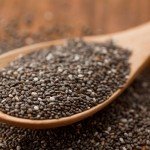 (NaturalHealth365) Chia seeds may be small, but they are bigger than life when it comes to nutrition. These potent powerhouses pack plenty of omega-3 fatty acids, antioxidants, magnesium, fiber, iron, zinc, and calcium.
While known scientifically as the dried seeds of the Salvia hispanica plant, the seeds are much better known by their common name of chia seeds, thanks in no small part to the popular “chia pet” gift line of terra cotta figures. Historically, these seeds have been used to help with a wide range of conditions, and more recent scientific research is providing evidence that backs up what generations have known about this tiny seed’s health benefits.
7 ways chia seeds can help you build a healthy body
Compared to the more commonly known flaxseed, chia seeds offer up more omega-3 fatty acids, fiber, calcium, and phosphorus. Many of the seed’s most significant health benefits stem from its high fiber content.
Here is a look at just seven of the health benefits you can expect to reap from adding these tiny seeds to your regular diet:
1. Reduced risk of heart disease
As the largest producer of chia seeds worldwide, Australia is also home to a majority of the research conducted on the health benefits of chia seeds. In one such study, animals fed chia seeds exhibited significantly better heart health than those not receiving chia seeds. This is likely due to the large quantity of alpha-linolenic acid (ALA) they contain, a type of omega-3 fatty acid that must be obtained through diet. Chia seeds are considered by far the best natural, plant-based source of ALA.
2. Protection against cervical and breast cancer
French researchers also linked high ALA content to lowered risk of breast cancer, according to a study published in the European Journal of Cancer in 2000. In a 2013 study further analyzing these results, scientists found that ALA, the primary fatty acid found in chia seeds, had the ability to induce “cell suicide” in breast and cervical cancer cells without affecting nearby healthy cells.
3. Better insulin sensitivity
Along with improving cardiovascular health, the same Australian study showed that chia seed consumption is linked to improved glucose tolerance and insulin sensitivity.
Lowered insulin sensitivity is associated with insulin resistance and eventual pre-diabetes and type 2 diabetes. It is known that the risk of developing this disease is greatly diminished when adopting healthier eating habits.
4. Immune-boosting capabilities
The ancient Aztecs and Mayans prized chia seeds for their medicinal properties, using them to treat colds and the flu. Modern-day research out of the University of the Valley of Guatemala determined chia seeds have an antioxidant rating much higher than other good dietary sources of antioxidants, including blackberries, mango, pineapples, or grapes.
Chia seeds contain significant amounts of nutrients – including vitamin C, certain flavonols, vitamin E, lignin, and phenolic acids – known to boost the immune system with powerful antioxidants.
5. Improved joint health
The Aztecs also believed that the chia seed was essential for good joint health. Even today, you will find a wealth of anecdotal evidence backing the belief that these tiny seeds are good for the joints. Research shows many of the prominent nutrients found in these seeds possess strong anti-inflammatory and anti-rheumatic properties, making the case that these little seeds are indeed good for healthy joints.
6. Enhanced athletic performance
Athletes are frequently told to load up on carbs to pump up endurance and stamina, but research shows that these seeds offer a healthier alternative to sugary drinks and white flour foods. In one such study, highly trained male athletes were divided into groups provided with a chia drink loaded with omega-3s or given Gatorade.
The researchers found no significant difference when measuring performance after the treatments, suggesting that there would be no “good” reason to consume Gatorade, especially when the chia drink offers a healthier alternative to sugary beverages with unwanted (toxic) ingredients.
7. Healthy hair and skin
The antioxidants found in these seeds are known to slow skin aging by eliminating free radicals. In addition, you will get a number of nutrients, including protein and several minerals and vitamins known to promote healthy hair growth.
How adding these seeds can maximize your health benefits
If you are ready to harvest the benefits of chia seeds, follow a few recommendations to avoid any unwanted side effects common with high-fiber foods, such as bloating and gastrointestinal distress. Avoid consuming more than the recommended two tablespoons of whole seeds daily.
There are many ways to add these seeds to your diet. Consider adding toasted chia to salads for a bit of crunch, blend soaked seeds with fresh fruit to make jam, replace a small amount of the flour with chia seeds in your favorite bread recipe, or throw some soaked seeds into a healthy smoothie.
Also, be sure to drink plenty of clean (purified) water when consuming chia seeds. Research has shown little nutritional difference between whole versus ground seeds, so choose whichever you prefer.
Sources for this article include:
Can You Pass the Flexibility Test?
Reproduced from original article:
https://articles.mercola.com/sites/articles/archive/2023/01/06/flexibility-test.aspx
The original Mercola article may not remain on the original site, but I will endeavor to keep it on this site as long as I deem it to be appropriate.
Analysis by Dr. Joseph Mercola Fact Checked January 06, 2023
STORY AT-A-GLANCE
- Theresa Larson, physical therapist and movement health expert, shared a simple five-stretch test that determines if you have sufficient flexibility in your neck, back, hips, calves and ankles
- Shortened and tight muscles can lead to joint immobility, loss of function, and pain such as upper crossed syndrome from sitting hunched over a computer that results in upper back pain and chest muscle tightness
- Stretching is part of a well-balanced fitness routine and should be done at the end of your workout, after active recovery or active cooldown. Since your muscles are warmed up, be careful not to overstretch and cause microtears in the muscle, tendon or ligaments
- Low back pain is one of the most common complaints that brings patients to their physician and causes missed days at work. Refrain from using a standing toe touch to stretch your lower back since it increases the load on your lower back. Instead, use these three gentle stretches
There are many benefits to staying physically active, one of which is maintaining flexibility. According to one 2018 study published in The Lancet,1 the percentage of people with insufficient levels of activity remained stable from 2001 to 2016, measuring roughly 28.5% across the world. The highest prevalence of inactivity was in high-income Western countries, which measured at 42.3% using data from 358 surveys across 168 countries and including 1.9 million participants.
According to data from the CDC,2 information from 2017 through 2020 showed the overall prevalence of inactivity was 25.3% across the U.S. However, while this was the overall prevalence, the CDC then broke down the information by location, race and ethnicity. According to the January 2022 map, there were seven states in which the level of inactivity was 30% or greater, and there were no states in which inactivity was less than 15%.
When levels of inactivity are this high, it’s also likely that people’s flexibility has been negatively impacted. Sitting at a computer all day can stretch the muscles in the upper back and shorten the chest muscles, leading to hunched shoulders and upper back pain.3 This is called upper crossed syndrome (UCS).
This is just one challenge that results from shortened muscles that negatively affects joints and increases pain. Before jumping into a stretching program, let’s discover exactly what makes you flexible and then take a simple test to determine how flexible you are now.
What Is Flexibility and How Important Is It?
A bodily joint is defined as the area where two or more bones meet. While many are mobile, some are not. Different types of joints are defined by their function, movement, structure or anatomical location.4
Your body uses these joints to allow you to move. Without movement, muscles, tendons and ligaments become tight and short. This reduces your range of motion or ability to move the way you normally would. While flexibility and mobility are related, they are also different.
Mobility describes the way in which your joints move through a full range of motion while flexibility is how well your muscles can stretch or lengthen. Flexibility gives you greater mobility to do things like pick things up off the floor or grab something off a high shelf. Your body requires practice to maintain flexibility and mobility in the same way that you need to move weight to gain strength or do aerobic exercise for cardiovascular endurance.
Some studies demonstrate that stretching can reduce the severity of chronic insomnia5 and improve subjective sleep.6 It also helps reduce pain7 and has a positive impact on your mental health.8
Increasing your range of motion can also lower your risk of minor, everyday injuries as well as reduce the potential risk of performance-related injury.9 Maintaining flexibility and mobility also helps your body to work correctly and improve your posture, which in turn can reduce upper and lower back pain.
Importantly, better flexibility can help improve balance and guard against falls in the elderly10 and increases the potential to live independently as you age. One study from the University of Saskatchewan11 demonstrated that stretching for 30 minutes at each session can help reduce blood pressure, possibly even better than going for a brisk walk.
Test Your Flexibility
Theresa Larson is a physical therapist and an expert on movement health. She spoke with a reporter from The New York Times12 and shared a flexibility test that consists of five simple stretches. However, it’s important to note that as with anything else, you can have too much of a good thing.
Experts estimate that approximately 20% of the population are hypermobile or have a larger range of motion than expected, for example, the ability to touch your thumb to your inner forearm or place your hands flat on the floor without bending your knees. The trait is a result of a variation in the type of collagen the body produces.13 The following is a simple test14 that will help determine the areas of your body that may need some attention.
1. Back, hips and hamstrings — Tight muscles in these areas can cause your hips and pelvis to rotate, flattening the lower back and increasing your risk of foot, knee and back pain. Larson recommends testing these muscles with a simple toe touch. If you’re able to touch your toes while keeping your legs straight, then you likely have enough flexibility in those areas.
However, it’s important to know that people with short arms may not be able to touch their toes and people who can get their hands to the floor may be hypermobile in those joints or simply have long arms.
2. Neck — Sitting for long hours at a desk hunched over a computer can cause your neck muscles to become tight. This can trigger neck pain, shoulder pain and headaches.15 Larson recommends testing how far you can turn your head to one side while sitting in a chair. Normal range of motion should allow you to move about 90 degrees or get your chin near your shoulder.
3. Thoracic spine — Your thoracic spine is in the middle of your back. When the muscles supporting this area become tight, your lumbar spine may attempt to compensate, which in turn causes low back pain.16 Larson uses a test called the open book stretch to evaluate the flexibility of your upper and middle back.
Start by lying on your side with your legs stacked on top of each other and your knees bent. Straighten both arms in front of you with your hands together. Keeping your legs, pelvis and lower arms still, slowly move your top arm until it’s extended to the other side of your body. If you can touch your top arm to the floor behind you without your pelvis and legs moving, you have good flexibility in your thoracic spine.
4. Calves and ankles — Chronically wearing shoes with heels, overuse and a lack of stretching can lead to tight calf muscles, which affects your feet and the way you walk. Tight calf muscles can result in Achilles tendonitis, plantar fasciitis and forefoot problems.17 This simple test requires a ruler or measuring tape that you lay on the floor with the zero end against the wall.
Stand approximately 1 foot from the wall. Keep your left foot in place and move the right foot back, dropping to your right knee. Position your left foot so your front knee can touch the wall without your heel coming off the floor. If you can maintain this stance with your toes 4 inches from the wall, it indicates you have good flexibility in your calf and ankle.
5. Hips — Sitting at a desk all day can cause the external rotator muscles in your hips to tighten, which affects your lower back and legs. Test your flexibility by lying on your back with your right foot on the ground and your knee bent. Cross your left leg over your right knee with your ankle at the knee. Lift your right leg off the ground using your hands. If you can touch your hamstrings with your hands, you have adequate flexibility in your hip external rotator muscles.
Should You Stretch Before or After Exercise, or Both?
Stretching is an important part of a well-balanced fitness routine. But the question is, when exactly should you stretch? Should it be before or after your workout, or both? Most people believe that stretching before exercise helps prevent injury, but scientific evidence does not support this theory. An editorial in the British Journal of Sports Medicine18 listed some observations that refute the idea that stretching before exercise can make you less prone to injury.
- Most injuries occur during eccentric contraction within a normal range of motion; therefore, increasing your range of motion before exercise is unlikely to prevent injury
- Even mild stretching can cause damage at the cytoskeletal level
- Stretching appears to increase pain tolerance, which could encourage injury
As noted in the paper, “It does not seem prudent to decrease one’s tolerance to pain, possibly create some damage at the cytoskeletal level and then exercise this damaged anesthetized muscle. Of note, there is no basic science evidence to suggest that stretching would decrease injuries.”
In fact, the key to injury prevention is warming up your muscles and not stretching them. By the same token, active recovery is more beneficial after a workout than simply immediately stopping and stretching.19 It’s generally accepted that a quick warm-up is advisable before you start your workout.
While stretching before working out is unlikely to provide any significant protection, it is part of a well-rounded fitness program and will improve your flexibility and mobility over time. Consider incorporating stretching into your active recovery at the end of your workout.
Because your muscles are already warmed up, be sure not to overstretch. Your body has physical limitations and when pushed too far, you can cause microtears in the muscles, tendons and ligaments20 without improving flexibility.
When stretching, I believe dynamic, functional and active isolated stretching (AIS)21 is best. AIS uses gentle pressure, as you hold each stretch for just two seconds to work with your body’s natural physiological makeup to improve circulation and increase elasticity.
I typically recommend avoiding static stretching, as it reduces blood flow in the tissue and creates localized ischemia and lactic acid buildup, which is what you want to avoid.22 I also do not recommend ballistic stretching, as the uncontrolled movement increases your risk of muscle tears.23
Address Low Back Pain With Stretches
Lower back pain is one of the most common complaints patients bring to their physicians as well as one of the most common reasons people miss days at work.24 It can range from a dull constant ache to shooting pain. It might begin suddenly or come on slowly as you age. One of the risk factors for lower back pain is tight muscles, which respond well to gentle stretching.
Your back and abdominal core muscles help support much of your body’s weight. You’ll find that low-impact activity can often help reduce pain and speed healing. While you might be tempted to loosen your lower back muscles using a standing toe touch, there are multiple reasons why this is bad for your back.
The standing toe touch stretches your hamstrings, but it also increases the burden on your lower back during the exercise. If you already have an injury, it can increase the risk for aggravation or further injury.25 Instead, consider these three gentle stretches to mobilize your lower back if you are having pain.
1. Cobra pose — This traditional beginner yoga pose is a gentle backbend position accomplished from a face-down, on-the-floor exercise.26 The goal is to strengthen the spine while opening the chest. It is also an excellent counter activity to relieve upper crossed syndrome that occurs when you are working over a desk.
Begin by lying on the floor on your stomach, stretching your legs behind you and placing the tops of your feet on the floor.27 Put your hands under your shoulders and keep your elbows close to your body. Press the tops of your feet, thighs and lower pelvis firmly into the floor while straightening your arms to lift your chest.
Go only as high as you can while maintaining connection from your lower pelvis through your toes on the floor. Start by holding this for 15 seconds, building to 30 seconds as you grow stronger. Inhale on the way up and exhale with your release on the way down.
2. Cat-cow pose — This basic yoga pose is breath-synchronized, and it warms up the spinal muscles.28 Begin with your knees and hands on the floor and your back straight in a table position. Your shoulders should be over your wrists, and your knees directly under your hips, with your weight balanced on all four evenly.
Move into a concave position as you inhale through your abdomen, tipping your belly toward the floor and lifting your eyes toward the ceiling. Exhale while drawing your belly button toward your spine and slowly move into an arched back position with your chin resting on your chest. Do not hold in the cat or cow position but move gently and smoothly through both.
3. Child pose — This pose is a resting pose used between more rigorous yoga exercises.29 Start by kneeling with your feet together while sitting on your heels. Move your knees apart so they are as wide as your hips.
Exhale while lowering your body down between your thighs. Lengthen your lower back away from your pelvis and lay your hands on the floor, palms up along your body. In the beginning, start with 30 seconds and work up to two to three minutes as you’re comfortable.
- 1 The Lancet, 2018; 6(10)
- 2 Centers for Disease Control and Prevention, Adult Physical Inactivity Prevalence Maps by Race/Ethnicity
- 3 National Academy of Sports Medicine, Correcting Upper Crossed Syndrome
- 4 Bodytomy, Joints in the Body
- 5 Sleep, 2018;41(1)
- 6 Brazilian Journal of Psychiatry, 2019;41(1)
- 7 Journal of Rehabilitation Medicine, 2007;39(2)
- 8 Colorado State University, June 23, 2021
- 9 Sports Medicine, 1997;24(5)
- 10 Osteoporosis international, 2009; 20(7)
- 11 EurekAlert! January 14, 2021
- 12, 14 The New York Times, December 9, 2022
- 13 Scientific American, July 1, 2015
- 15 Spine Health, March 21, 2017
- 16 Body Dynamics, March 9, 2022
- 17 Neuhaus Foot and Ankle, How Tight Calves Affect Your Feet
- 18 British Journal of Sports Medicine 2000; 34(5) Page 324 (PDF)
- 19 Very Well Fit, May 29, 2020
- 20 SantaCruz Core, July 8, 2017
- 21 Stretching USA, Aaron Mattes
- 22 Applied Physiology and Nutritional Metabolism, 2016;41(1):1
- 23 Liberty University, Honor Thesis A Review of Stretching Techniques and Their Effects on Exercise
- 24 Health Policy Institute, Chronic Back Pain
- 25 Training Cor: Standing Toe Touch is Bad for Your Back
- 26 Yogapedia, Cobra Pose
- 27, 29 Yoga Journal, January 7, 2019
- 28 Do You Yoga, Holistic Benefits of Cat/Cow
Want to Know How to Loosen Your Tight Hip Muscles?
Reproduced from original article:
https://articles.mercola.com/sites/articles/archive/2023/01/06/how-to-loosen-tight-hip-muscle.aspx
The original Mercola article may not remain on the original site, but I will endeavor to keep it on this site as long as I deem it to be appropriate.
Analysis by Dr. Joseph Mercola Fact Checked January 06, 2023
STORY AT-A-GLANCE
- Sitting for long periods can cause your hip flexors to shorten up and become tight, leading to problems with posture and back pain
- Exercises that target your hip muscles will help to open your hips to build flexibility, reduce pain and prevent injuries
- Hip exercises and stretches may help reduce patellofemoral pain (PFP) and iliotibial (IT) band syndrome
In the course of a typical workout, many people neglect to include exercises that focus on building hip strength. Yet, this is extremely important, as weak hip muscles can set off a cascade of negative changes in your mobility. If your hip muscles are weak, you may experience poor hip motion.
In turn, this may lead to pain in your hips, knees and back. There are several primary muscles in your hips that deserve strengthening. Your gluteus maximus (which is on the back of your hip or buttocks) and the gluteus medius, which is the primary muscle on the side of your hip, are two of them.
Your hip flexors — the rectus femoris and the iliopsoas — should also be tended to, especially if you sit at a desk for long hours.
Sitting for long periods can cause your hip flexors to shorten up and become tight, leading to problems with posture and back pain. In addition, weak hip flexors may contribute to foot, ankle and knee injuries.1,2
How to Loosen Tight Hip Muscles
Sitting is a primary culprit in tight hips and thighs because the muscles are rarely extended (although they may also become tight from working out). To lengthen and strengthen these muscles, try this move created by Suzanne Bowen, creator of BarreAmped, an internationally taught barre technique chosen by Fitness Magazine and Natural Health Magazine as the best barre workouts in 2015.3
You’ll need a chair or kitchen counter for support. Start out in a kneeling lunge position with your right foot in front and leg bent at the knee in a 90-degree angle. Your left knee should be a few inches behind your left hip. To do the exercise, Bowen recommends:4
“1. Press forward a few inches into your right leg just until you feel a gentle stretch in the opposite hip.
If you have very tight hips, this might be as far as you go. (Protect the front knee by making sure it doesn’t extend out beyond the toes.) For a more advanced stretch, straighten the left leg behind you and then press forward.
2. When you’re ready to move on, reposition the rear leg as needed so you can stretch your right leg straight out in front of you. Keep your back straight and lean a few inches forward from the hips and feel the stretch in the right hamstring.”
Hold each position for two to five deep breaths, then switch sides.
8 More Stretches for Tight Hips
The stretches that follow, compiled by lifestyle media publisher POPSUGAR, will help to open your hips to build flexibility, reduce pain and prevent injuries. Athletes and dancers commonly stretch their hips for optimum performance, but virtually everyone, including desk workers, can benefit immensely.5
1. Happy Baby (opens your hips)
- Begin lying flat on your back. Bend both knees and hold the outside edges of your flexed feet with your hands. Keep your arms on the outsides of your legs.
- Gently use your upper body strength to equally press both knees to the floor below your armpits. Try not to tense your shoulders or chest, but keep everything relaxed.
- Stay here for five deep breaths.
2. Extended Wide Squat (stretches both hips at once)
- Stand with your feet slightly wider than your hips. Bend your knees and lower your hips down toward the ground. If your heels don’t touch the ground, roll up a towel or the back of your mat and place it under your heels for support.
- Bring your palms together at your heart center and firmly press your elbows against the inside of your knees. This will help to open your hips even further.
- After five breaths, release the hands to the floor and walk them away from your feet to increase the stretch in the hips and lower back. Hold for another five breaths.
3. Open Lizard (for hip flexors and outer hips)
• Come into a lunge position with your right knee forward. Lower your left knee to the floor and rest your hands on the ground under your shoulders.
• Slowly lower your right knee to the right so you’re resting on the outside of your right flexed foot. Keep your arms straight, pressing your chest forward to increase the stretch.
• Hold like this for five breaths and then repeat on the left side.
4. Wide-Legged Split (stretches your hips, hamstrings and inner thighs)
• From Wide Squat, place your hands on the floor in front of you and inch your feet apart, making sure to keep your heels wider than your toes. Keep the soles of your feet flat on the ground to protect your knees.
• As your hips get lower, you can prop yourself up with your forearms and then move down to your shoulders. If your shoulders are on the ground, turn your head to the side and rest your cheek on the ground so you don’t bruise your chin.
• Stay here for five deep breaths, then walk your feet back together.
5. Butterfly (stretches both hips at once)
• Sit on the ground, bend both knees and bring your feet together. Using your hands, open your feet up like a book. Use your leg muscles to press your knees down toward the floor.
• Lengthen your spine, drawing your belly button inward. Relax your shoulders and gaze either in front of you or toward your feet. Stay here for five breaths, and then slowly fold forward, drawing your torso toward your legs. Remember to try to keep your spine straight.
• Rest your hands on your feet, pressing your knees down with your arms, or if you want more of a stretch, extend your arms out in front of you. Stay here for another five breaths.
6. Head to Knee (for hips and hamstrings)
• Sit on the ground with your legs out in front of you. Bend your right knee and pull the sole of your foot against your left inner thigh.
• Sitting with a tall spine, reach both hands to your left foot and stack your torso on top of your left thigh. If you can’t reach your hands to your foot, rest your hands on your shin or knee. Try not to round your back.
• Stay here for at least five breaths, relaxing your shoulders away from your ears. Then do the other side.
7. Pigeon (opens your knees one at a time)
• Sit with your right knee bent and your left leg extended behind you. Pull the right heel in toward your left hip, or if your hips are more open, inch your right foot away from you.
Make sure your left hip is always pointing down toward the mat. If it begins to open up toward the ceiling, draw your right foot back in toward your body.
• Stay here with your hands resting on your right thigh or your hips, or walk your hands out in front of you, allowing your torso to rest over your right knee. Hold here, breathing into any areas of tightness and tension for at least five breaths.
• Repeat this pose with the left knee bent.
8. Double Pigeon (an intense stretch for your glutes)
• Sit on the floor with your legs straight out in front of you. Bend your left knee, and place your knee, shin and foot on the floor so they’re parallel with your pelvis.
Bend your right knee, and place it on top so your knees, shins and ankles are stacked. You’ll know you’re doing it right when you gaze down and see that your legs make a little triangle.
• You may find your top knee to be high up toward the ceiling. It’s OK, it just means that your hips are tight, so just stay where you are and breathe.
• To make this pose more intense, place your hands in front of your shins and walk them out as far as you can, folding your chest toward your legs.
• Stay here for five breaths, slowly release and then switch legs so your left knee is on top.
Improve Hip Mobility in 2 to 5 Minutes a Day
Your hip joint is a ball-and-socket joint that needs regular movement to keep in top working condition. If you’re mostly sedentary, your hip health and mobility can quickly suffer.
In the video above, BJ Gaddour, director of Men’s Health Fitness, demonstrates a sequence of hip exercises to improve mobility by moving your hips through their full range of motion. If you spend a few minutes doing these every day, you’ll experience stronger, more flexible hips.
Hip Exercises May Reduce Knee Pain
Pain, at one point in your body, may originate from problems occurring elsewhere. In the case of knee pain, the problem may actually start in your hips. For instance, patellofemoral pain syndrome (PFP), which frequently occurs in runners, occurs when your thigh bone starts rubbing against the back of your knee cap while running.
According to a pilot study, this type of pain can be reduced or even eliminated simply by strengthening your hips. Participants took part in a hip-strengthening program done twice weekly for six weeks, with major improvements in pain levels. Indiana University motion analysis expert Tracy Dierks, Ph.D., explained:6
“The results indicate that the strengthening intervention was successful in reducing pain, which corresponded to improved mechanics …
The leg was going through more motion, suggesting that the (pain) guarding mechanism was reduced, and coordination or control of many of these peak or maximum angles in the leg were improved in that they were getting closer to occurring at the same time.”
Stretches to Relieve Iliotibial (IT) Band Syndrome
Your IT band runs along the outside of your leg, and attaches at your hip and just below and on the outside of your knee. It helps stabilize your knee joint during movement.
One of the most common sports injuries, especially among runners, is IT band syndrome, which occurs when this ligament becomes tight and/or inflamed. Tight muscles in your hips can be a major contributing factor. When your IT band is tight, just about any kind of knee movement can become painful as the IT band is pulling your knee out of alignment. Stretches that can help prevent this condition include:
• Cross-legged stretch — Standing on the floor, hook your left foot behind the right. Bending forward at the waist, and pressing your left big toe down into the floor, twist your body slightly to the left while holding on to your right leg with your hands.
Done correctly, you’ll feel your IT band stretching on the outside of your right leg. Hold the stretch for a moment, then uncross your legs and repeat on the other side.
• Wall stretch — Stand about an arm’s length from the wall. Step forward with your left leg and backward with your right. Bend your left knee, pressing down on your right heel. Hold for 20 to 30 seconds, then switch legs.
A foam roller can also be used. Below is a quick Runner’s World video demonstrating a simple foam roller exercise to loosen your IT band.
Increasing Range of Motion in Your Hips Is Crucial
In the elderly, decreased hip mobility is a leading cause of falls, making regular hip exercises crucial to maintaining your independence and health. The exercises that follow will help strengthen your hips and improve flexibility — even people with hip osteoarthritis can benefit. For a demonstration, please see the video above, created by CTC Healthcare.
Flexibility Exercises for Hips
| Single knee hugging — Lying on your back, grab your right knee and pull it toward your chest until you feel a stretch. Hold for 20 seconds. Repeat on the left side. |
| Bilateral knee hugging — Lying on your back, grab both knees and pull them toward your chest. Hold for 20 seconds. |
| “Cobra pose” — Lie face down on the floor, hands parallel to your shoulders. Straighten your arms, lifting your upper torso off the floor. Your lower back should be arched, with your pelvis making contact with the floor. Hold for 20 seconds, then lower yourself back down. |
| Hip flexion with abduction/adduction — Lying on your back, bring one knee up toward your chest. Holding your knee with both hands, roll your knee from one side to the other for 20 seconds. Repeat on the other side. |
| External hip rotation — Lying on your back, pull your right knee toward your chest. Place your right hand on the knee and your left hand on the ankle. Gently pull your right ankle in the direction of your head. Hold for 30 seconds, then repeat on your left leg. |
| Internal hip rotation — Lying face down, bend your knees 90 degrees and let your feet fall outward. Hold for 30 seconds. |
Strengthening Exercises for Hips
• “The Clam” — Lie on your side, feet together and knees slightly bent. Raise your top knee as far as you can, then lower back down. Repeat 15 times, then switch to the other side.
• Bridging — Lying on your back, with your feet flat on the floor, raise your hips toward the ceiling. Pause for a few seconds before lowering back down. Repeat five times.
• Knee pivots — Lie on your side, feet together and knees slightly bent. Raise your top knee and foot. Holding your knee in a raised position, pivot your foot up and down. Repeat 15 times, then switch to the other side.
• Heel pivots — Lie on your side, feet together and knees slightly bent. Raise your top knee and foot. Holding your foot in a stationary position in the air, pivot your knee up and down. Repeat 15 times, then switch to the other side.
What You Must Know About Gluten
Reproduced from original article:
https://articles.mercola.com/sites/articles/archive/2022/09/19/what-you-must-know-about-gluten.aspx
The original Mercola article may not remain on the original site, but I will endeavor to keep it on this site as long as I deem it to be appropriate, and will not be bullied into removing it.
Analysis by Dr. Joseph Mercola Fact Checked September 19, 2022
STORY AT-A-GLANCE
- Before you decide if a gluten-free diet is right for you, it’s important to understand how gluten and wheat may be affecting your health
- Although gluten-free foods were once reserved for people with a wheat allergy or celiac disease, this style of eating has become increasingly popular among people who have no medical reason to avoid gluten
- If you notice unpleasant physical symptoms such as headaches, joint pain or nausea after eating glutinous foods, you may want to consider if the consumption of gluten could be a factor in your symptoms
- Switching to a gluten-free diet, especially if you tend to eat a lot of gluten-free processed foods that contain rice, may increase your exposure to arsenic
- Due to the reality of cross-contamination, not all foods labeled as gluten-free actually test out as being free of gluten
A few years ago, the term “gluten free” was mostly associated with wheat allergy and celiac disease. Those afflicted with either condition who adopted a gluten-free diet often reported a resurgence of health and well-being.
Today, gluten-free eating continues to attract attention, and there are likely more wheat-tolerant people eating gluten-free food than those who medically need it. Eating trends aside, here’s what you need to know about gluten.
What Is Gluten?
Gluten is a protein found in wheat and cereal grains that is made up of glutenin and gliadin molecules. In the presence of water, these substances form an elastic bond that gives bread and other baked goods a springy, stretchy and spongy consistency. Because gluten gives dough elasticity, comparable gluten-free items are often dense and tend to crumble easily.
Gluten is found not only in wheat, but also other grains like barley, oats, rye and spelt. Beyond the whole grains known to be glutinous, gluten can hide in processed foods under a variety of names, including, but not limited to:1
- Hydrolyzed vegetable protein (HVP)
- Malts
- Natural flavoring
- Starches
- Texturized vegetable protein (TVP)
While many foods such as whole fruits and vegetables are naturally gluten free, as are most dairy and meat products, grocery stores are full of gluten-containing products. Many of them fall into the category of ultraprocessed foods. Some of the most common gluten-laced foods include:
| Beer | Cookies | Processed broth |
|
Bouillon |
Crackers and other snack foods | Sausages and hot dogs |
| Bread (white and wheat) | Lunch meat | Seasoning mixes |
| Cereal | Pasta | Soy sauce |
Obviously, wheat-containing foods like wheat bran, wheat flour, wheat germ and wheat starch also contain gluten. Even though many think otherwise, white bread is also a source of wheat because it is made from wheat flour after the bran and germ are removed. Furthermore, because wheat is often used as a thickening agent, gluten is commonly found in canned soups and bottled sauces, as well as salad dressings.
How Gluten Can Negatively Impact Your Health
Gluten is known for its tendency to impede proper nutrient breakdown and absorption of foods, regardless of whether they do or do not contain gluten. Proper digestion can be impeded in the presence of gluten because in excess amounts it forms a glued-together constipating lump in your gut.
Some people react negatively to even small amounts of gluten because their body identifies it as a toxin, which causes their immune cells to overreact and attack it. In this scenario, the continued consumption of gluten will create inflammation and damage to the lining of the small intestine that may trigger more serious health issues over time, particularly if you have celiac disease.
Left unchecked, excessive gluten consumption and the inflammation that results may predispose you to malabsorption, nutrient deficiencies, osteoporosis and neurological and psychological conditions, as well as its potentially negative effects on your joints, liver, nervous system, skin and more.2
Beyond this, the Celiac Disease Foundation asserts undiagnosed celiac disease may contribute to the development of “autoimmune disorders like Type 1 diabetes and multiple sclerosis (MS), dermatitis herpetiformis (an itchy skin rash), anemia, osteoporosis, infertility and miscarriage … epilepsy and migraines, short stature and intestinal cancers.”3
Signs of Gluten Intolerance
Signs of gluten intolerance include bloating, belly pain, diarrhea, fatigue and a general feeling of being unwell. Beyond this, other noticeable warning signs of your body’s inability to handle gluten may include:
- Anxiety
- Confusion
- Headache
- Joint or muscle pain
- Nausea
While just 1 in 100 people worldwide have celiac disease, countless others may simply be undiagnosed, including an estimated 2.5 million Americans.4 Lack of a proper diagnosis may put you at risk of long-term health complications, some of which were mentioned above.
If you think you might have celiac disease or gluten sensitivity, it’s best to talk to your health practitioner before you go gluten free. Once you have avoided gluten for a while, it becomes difficult to establish a conclusive relationship between gluten and your health problems.
You have a better chance for an accurate diagnosis of gluten-related illness if you are actively eating gluten at the time of the testing. Blood tests are usually the first step toward confirming celiac disease.5 If the blood tests and your symptoms indicate celiac, your doctor will likely suggest a biopsy of the lining of your small intestine to confirm the diagnosis.
If you suspect your body may not be able to tolerate gluten, pay attention to how you feel immediately after eating it. Feeling poorly after eating glutinous food may be a signal your body cannot handle gluten. For best results, you may want to keep a food diary, and you will definitely want to discuss your symptoms with your health practitioner.
Most Packaged Gluten-Free Food Is Glorified Junk Food
While the availability of gluten-free food options can be perceived as a help for those affected by a wheat allergy or celiac disease, I advise you approach a gluten-free diet and lifestyle cautiously. The reason: Most processed, packaged gluten-free food is glorified junk food.
I say that because packaged gluten-free foods are some of the most ultraprocessed foods on the planet. They lack fiber and are often loaded with toxic amounts of sugar, salt and unhealthy fats, which increase the number of empty calories derived from these foods. About this aspect of gluten-free foods, U.S. News and World Report states:6
“[G]luten-free packaged foods have one important thing in common with their glutinous counterparts: The majority of them are absolute junk.
These include empty-calorie chips, crackers and bars that are high in starchy carbs and sugar, while low in fiber; breads made from the least nutritious starches on the planet and held together by food gums; and high-glycemic cereals made from white rice flour or refined corn that’s been sprinkled with vitamin dust.”
You Might Gain Weight on a Conventional Gluten-Free Diet
Given the higher amounts of sugar in many packaged gluten-free foods, it’s common for people to gain weight after going on a gluten-free diet. With respect to eating gluten-free and weight gain, nutrition communications expert Rachel Begun, a scientific/medical advisory council member for Beyond Celiac, said:7
“Now that we have an ample supply of gluten-free foods on the market, we’re seeing extended weight gain. Many gluten-free products are high in … sugar, while also being low in nutrients. When people go gluten free and eat too much of these highly processed, low-nutrient foods they’re likely to gain weight.
There’s also a ‘health halo’ surrounding gluten-free right now. It’s important that consumers understand that just because something is gluten free doesn’t necessarily mean it’s healthful or is a good option for weight loss.”
Watch Out: Arsenic Often Found in Rice-Based Gluten-Free Food
If you decide to go gluten free, but are not doing so in response to a diagnosed medical condition such as a wheat allergy or celiac disease, proceed carefully to avoid unintentionally damaging your health.
Registered dietitian Laura Moore, who is on the nutrition faculty at the University of Texas School of Public Health in Houston, warns, “If you go completely gluten-free without the guidance of a nutritionist, you can develop deficiencies pretty quickly.”8
Part of how that can happen, especially if you eat a mostly processed food diet, relates to the enrichment and fortification of foods, which is a common practice in the food industry. The simple fact is fewer gluten-free foods are enriched or fortified with nutrients like folic acid and iron, as compared to products containing wheat.9,10
Rather than depend on processed foods for these and other vital nutrients, I recommend you eat a whole-food diet and take a high-quality supplement as needed. Beyond that, Consumer Reports says eating gluten free may increase your exposure to arsenic.
This is the case mainly due to the use of rice flour in many gluten-free foods and the uptake of arsenic in most of the world’s rice crops.11 As such, you may want to think twice before choosing rice-based gluten-free products and risking exposure to a known cancer-causer like arsenic.12 About this, Consumer Reports stated:13
“About half of the gluten-free products Consumer Reports purchased contained rice flour or rice in another form. In 2012, we reported on our tests of more than 60 rices and packaged foods with rice (such as pasta, crackers and infant cereal).
We found measurable levels of arsenic in almost every product tested. Many of them contained worrisome levels of inorganic arsenic, a carcinogen.”
In your attempts to avoid rice-containing gluten-free foods, you’ll also want to steer clear of nonorganic products containing corn starch, corn flour, potato starch, potato flour and soy. That’s because most conventional corn and soy crops are genetically engineered, while conventional potato crops are heavily sprayed with toxic herbicides and pesticides.
Not All Packaged Food Labeled Gluten-Free Is Free of Gluten
Another potential obstacle to gluten-free eating is the unfortunate reality that many packaged gluten-free foods have been found to be tainted with gluten.
“Cross-contamination can occur,” Andrea Levario, senior public policy advocate for the Human Rights Campaign in Washington, D.C., explains. “Gluten-free products may be manufactured on the same equipment used for wheat or other gluten-containing products.”14
The potential for cross-contamination is also of concern in instances where wheat is grown next to other grains, such as oats. Even though some suggest oats are a gluten-free food, you have to be careful to ensure the brand you purchase is certified gluten free.
Otherwise, it is very likely the oats were grown in or near wheat fields, in which case the product may be contaminated. A 2014 study published in the European Journal of Clinical Nutrition15 evaluated 158 food products labeled as gluten-free over a three-year time frame.
When testing for the presence of gluten, the researchers discovered 5% of the packaged items they tested — including some certified gluten-free — failed to meet the limit set by the U.S. Food and Drug Administration (FDA) for less than 20 parts per million of gluten. If you have questions about foods labeled as gluten-free, I encourage you to contact the manufacturer.
“They should be transparent about what tests they use to determine whether a product is gluten-free,” said study author and registered dietitian Tricia Thompson, founder of Gluten Free Watchdog and creator of the Gluten-Free Dietitian website. “If they insist that it’s proprietary information, that should set off an alarm.”16
Finally, take care when purchasing food items labeled “wheat free,” because being wheat-free doesn’t automatically make a food gluten-free. That’s because barley, rye and spelt-based ingredients, all of which contain gluten, may be used in products labeled wheat free.
Is a Gluten-Free Diet Right for You?
Whether or not you have a medical reason for choosing a gluten-free diet, nearly everyone can benefit from this style of eating. Grains, even whole sprouted varieties, tend to cause problems not only because of the presence of gluten, but also due to concerns around fructans, glyphosate contamination and wheat hybridization.
Furthermore, grains may damage your skin. Grains also have high net carbs and many people eat too many carbs. A healthier approach would be to reduce your consumption of grain-based carbs and increase your intake of healthy fats, thereby training your body to burn fat for fuel. (Be sure to moderate your protein intake, too.)
Becoming a fat burner will free you from the cycle of energy highs and lows that often result from overindulging in carbs.
While reducing your carb consumption may be a challenge, eating a gluten-free diet is relatively easy to do. You can accomplish this by focusing on whole, unprocessed foods that are naturally wheat- and gluten-free. As always, I recommend eating foods as close to their natural state as possible.
For that reason, I advise you forego the packaged gluten-free foods found online and in grocery stores. Below are a few of the foods you may enjoy on a naturally gluten-free diet:
| Avocados | MCT oil | Organic fruits and vegetables |
| Coconut oil | Nuts (macadamias, pecans and walnuts) | Organic, grass fed meat |
| Fish (anchovies, herring, sardines and wild-caught Alaskan salmon) | Olives and olive oil | Organic, raw, grass fed dairy products (kefir and yogurt) |
| Grass-fed butter | Organic pastured eggs | Seeds (chia, pumpkin and sunflower) |
- 1 Knowgluten. A Gluten-Free Beginner’s Guide
- 2 Mayo Clinic March 6, 2018
- 3, 4 Celiac Disease Foundation, What Is Celiac Disease
- 5 Beyond Celiac, Celiac Testing and Diagnosis
- 6 U.S. News and World Report October 14, 2014
- 7 Today’s Dietitian, Weight Gain and the Gluten-Free Diet
- 8, 9, 13, 14, 16 Consumer Reports November 2014
- 10 Harvard School of Public Health, Gluten: A Benefit or Harm to the Body?
- 11 Chemistry World August 22, 2017
- 12 American Cancer Society, Arsenic and Cancer Risk
- 15 European Journal of Clinical Nutrition October 1, 2014: 1-4 [PDF]
Vitamin C Lowers Mortality in Severe Sepsis
Reproduced from original article:
https://articles.mercola.com/sites/articles/archive/2022/09/06/vitamin-c-thiamine-and-hydrocortisone-for-sepsis.aspx
The original Mercola article may not remain on the original site, but I will endeavor to keep it on this site as long as I deem it to be appropriate, and will not be bullied into removing it.
Analysis by Dr. Joseph Mercola Fact Checked September 06, 2022

STORY AT-A-GLANCE
- Sepsis is a last-ditch effort by your immune system to fight an infection in your body; it can lead to multiple organ failure and death unless promptly treated
- While viruses, fungi and parasites all have the ability to trigger sepsis, bacterial infections are the most common cause. The most common types of infection triggering sepsis are respiratory and urinary tract infections
- Each year, an estimated 1.7 million Americans get sepsis and nearly 270,000 die as a result. The reason for its high mortality rate is because sepsis is often overlooked; many are unfamiliar with its signs and symptoms. It’s also notoriously difficult to treat
- In 2017, a critical care physician announced the discovery of a simple and inexpensive way to treat sepsis using an intravenous cocktail of vitamin C and thiamine in combination with hydrocortisone
- A 2019 study using vitamin C only found it lowered mortality risk in patients with severe sepsis, and reduced the number of days spent in intensive care and overall hospital stay
One of the leading causes of death in American hospitals is something many are still unfamiliar with: septicemia (sepsis or septic shock). Also known as blood poisoning among lay people, sepsis1 is a last-ditch effort by your immune system to fight an infection in your body, which can lead to multiple organ failure and death unless promptly treated. As explained by the National Institute of General Medical Sciences:2
“The body releases immune chemicals into the blood to combat the infection. Those chemicals trigger widespread inflammation, which leads to blood clots and leaky blood vessels. As a result, blood flow is impaired, and that deprives organs of nutrients and oxygen and leads to organ damage.
In severe cases, one or more organs fail. In the worst cases, blood pressure drops, the heart weakens, and the patient spirals toward septic shock. Once this happens, multiple organs — lungs, kidneys, liver — may quickly fail, and the patient can die.”
While viruses, fungi and parasites all have the ability to trigger sepsis, bacterial infections are currently the most common cause. The most common types of infection triggering sepsis are respiratory and urinary tract infections.3 That said, research4 has demonstrated the number of fungal-induced sepsis infections is on the rise.
The problem is that sepsis is often overlooked as many are unfamiliar with its signs and symptoms. It’s also notoriously difficult to treat. A successful outcome relies on early detection and rapid treatment.
Sepsis Is the Costliest Condition Treated in the US
Each year, an estimated 1 million Americans get sepsis5 — a dramatic increase from 1.1 million just 14 years ago in 20086,7 — and nearly 270,000 of them die as a result, a substantial dip from the nearly half a million that were dying every year in 2014.8,9,10 According to data11 from two hospital cohorts, 34.7% to 55.9% of American patients who died in hospitals between 2010 and 2012 had sepsis at the time of their death (depending on which inpatient population they were in).
Experts are now calling for recognition12 of sepsis as a distinct cause of death, hoping this will result in better clinical practice guidelines. They also stress the importance of awareness in the community and the emergency room. To this end, September 13 has been designated as the annual “World Sepsis Day” to raise awareness.13
Conventional treatment, which is typically focused on high doses of antibiotics that further contribute to antibiotic resistant bacteria, is also a tremendous financial burden. A U.S. government report14,15 published in 2016 found sepsis was the most expensive condition treated in the U.S., racking up $23.7 billion in health care costs each year; by 2022 that number had risen to $62 billion just for treatment and care.16
The good news is there’s an inexpensive treatment that has been shown to be very effective against sepsis. The bad news is the number of hospitals that have adopted it as standard of care is still limited.
Vitamin C Concoction — An Inexpensive Cure for Sepsis
In 2017, news emerged about a critical care physician who claimed to have discovered a simple and inexpensive way to treat sepsis using an intravenous (IV) cocktail of vitamin C and thiamine (vitamin B1) in combination with the steroid hydrocortisone.17,18
The precise protocol used was 200 mg of thiamine every 12 hours, 1,500 mg of ascorbic acid every six hours, and 50 mg of hydrocortisone every six hours.19
The doctor in question, Dr. Paul Marik, former chief of pulmonary and critical care medicine at Sentara Norfolk General Hospital in East Virginia, published a small retrospective before-after clinical study20,21,22 showing that giving septic patients this simple IV cocktail for two days reduced mortality from 40% to 8.5%.
Sentara Norfolk General Hospital, where Marik worked, has since made the protocol its standard of care for sepsis, and others are starting to join in. Unfortunately, many hospitals are still dragging their heels, waiting for more clinical trials to be completed.
This despite the fact that the treatment is harmless in and of itself, meaning it won’t make the patient any worse than he or she already is. A 2018 review23 of the available research presents a hypothetical model for why and how the Marik protocol actually works, discussing how each of the three components are known to impact the biological processes involved in sepsis.
As noted in that review,24 reception of the treatment has been mixed, with some critical care leaders embracing it while others aren’t using it at all. What this means is that your ability to receive this potentially life-saving treatment is dependent on the hospital where you end up.
On the upside, “Enthusiasm for this drug combination in sepsis has grown rapidly” since the release of Marik’s initial study results, and much larger studies are now underway.
One of them was the VICTAS study25 (Vitamin C, Thiamine and Steroids in Sepsis), sponsored by Emory University, which expected to have about 2,000 participants, but ended up with only 501.26 The projected completion date for this study was October 2021, but it ended early for unexplained “administrative” reasons, and concluded that the treatment didn’t “significantly increase ventilator- and vasopressor-free days within 30 days.”
However, the authors noted that the study may not have lasted long enough to detect a “clinically important difference,” so the lack of “significant” effects could be attributed to that. While I wouldn’t ordinarily include a study like this in one of my articles, I think it’s important to note that they didn’t complete it, so the presumed lack of positive results shouldn’t be used to discredit Marik’s work.
What to Do if Your Doctor Refuses to Administer This
If your doctor refuses to consider Marik’s protocol offhand, convince him or her to review the recent studies cited here that show this works.27,28,29,30,31,32,33,34,35,36 Simply look up the references in the endnotes to the previous sentence (references 24 through 33) and make copies to take to your doctor.
Alternatively, you can go to PubMed37 directly and type in “vitamin C” and “sepsis” in the search engine and you will get a list of the available research.
These articles are completely free to download. I hope you never need to access them, but if you do, you can print them and use the information to convince your medical team to use these simple life-saving strategies. If they refuse, I would strongly suggest you take control of the situation and find another doctor and/or hospital that will.
Vitamin C Alone May Lower Mortality Risk
More recently, a study38,39,40,41 led by Dr. Alpha “Berry” Fowler was published in the October 2019 issue of JAMA. The study is not reflective of the Marik protocol per se, as it only used IV vitamin C, but its results are still tantalizing.
Fowler and his team sought to investigate the effectiveness of vitamin C infusion on organ failure scores and biomarkers of inflammation and vascular injury in patients with severe sepsis and acute respiratory failure.
Curiously, while the vitamin C infusion had no detectable influence on these end points, those who received the treatment did have a higher chance of survival, and spent less time in the hospital. As reported by NPR:42
“If you read the study summary, vitamin C didn’t help the patients. But if you dig deep into the paper, you will find that the people who got the treatment were much more likely to survive … The rub comes from the way the study … was designed.”
While vitamin C alone had no impact on organ failure scores and biomarkers of inflammation, when the researchers looked at 46 secondary endpoints, they discovered the mortality rate for the treatment group actually dropped from 46% to 30%. As noted by NPR:43
“If death had been the primary endpoint of the study, this result would have been highly significant. The conclusion would strongly support the hypothesis that vitamin C is an effective treatment of sepsis.
But there’s a catch. Since Fowler and his colleagues looked at 46 secondary endpoints, it’s likely that something would randomly pop up as statistically significant. It’s as though they had 46 bites at the apple to find something meaningful …
What patients really care about, of course, is … whether they live or die. Fowler tells NPR that he now rues his decision to select an endpoint that seemed more likely to show a benefit …
Though he’s now bound by the rules of experimental design to downplay the mortality results, he personally feels a sense of success. ‘We’re all whooping and hollering because of what we found,’ he says.”
Fowler’s team also found that, on average, those who received vitamin C had by day 28 spent three fewer days in the intensive care unit than the placebo group (seven days compared to 10). By day 60, the treatment group had also spent seven fewer days in the hospital overall —15 days compared to 22.44
Vitamin C, Thiamine and Steroids Have Synergistic Effects
When asked for comment on Fowler’s study, Marik pointed out vitamin C and corticosteroids have a synergistic effect. In other words, Fowler’s study cannot really be used to judge the effectiveness of vitamin C, thiamine and steroids in combination, as it only used one of the three ingredients.
Vitamin C is well-known for its ability to prevent and treat infectious diseases on its own. Influenza,45 encephalitis and measles46 have all been successfully treated with high-dose vitamin C, and previous research has shown it effectively lowers proinflammatory cytokines and C-reactive protein.47,48,49
To investigate the mechanism of action for vitamin C in sepsis with and without steroids, Marik, in collaboration with John Catravas, Ph.D., a pharmacology researcher at Old Dominion University, and others performed a study50 in which endothelial cells from lung tissue were exposed to lipopolysaccharide — a type of endotoxin found in patients with sepsis — in the absence or presence of ascorbic acid and hydrocortisone.
Interestingly, when either vitamin C or the steroid were administered in isolation, very little improvement in endothelial barrier function occurred. When administered together, however, the infection was successfully eradicated and the cells were restored to normal.
The addition of thiamine is also important. Not only is thiamine required for metabolism of some of the metabolites of vitamin C, thiamine deficiency syndrome (beriberi) has many similarities to sepsis, and thiamine deficiency is relatively common in critically ill patients.51
Studies have also shown thiamine can be helpful for a long list of diseases and disorders, including mitochondrial disorders,52 heart failure,53 delirium,54 thyroid fatigue and Hashimoto’s (a thyroid autoimmune disorder).55 These and other health effects may help explain why thiamine works so well in conjunction with vitamin C and hydrocortisone for sepsis.
Marik told NPR that Fowler’s study does highlight two important things, though. First, that there are no side effects of vitamin C infusion in critically ill patients and, second, a lowered mortality risk. “You can argue about all the statistical nuances, but that’s what the study showed,” Marik told NPR.56
Potential Contraindication
While vitamin C and thiamine administration is incredibly safe, it may be contraindicated if you happen to be glucose-6-phosphate dehydrogenase (G6PD) deficient, which is a genetic disorder.57 G6PD is an enzyme your red blood cells need to maintain membrane integrity.
High-dose IV vitamin C is a strong prooxidant, and giving a prooxidant to a G6PD-deficient individual can cause their red blood cells to rupture, which could have disastrous consequences.
Fortunately, G6PC deficiency is relatively uncommon, and can be tested for. People of Mediterranean and African descent are at greater risk of being G6PC deficient. Worldwide, G6PD deficiency is thought to affect 400 million individuals, and in the U.S. an estimated 1 in 10 African-American males have it.58
Know the Signs and Symptoms of Sepsis
One of the most important steps you can take to protect your health is to recognize the symptoms of sepsis and seek immediate medical attention if you suspect it.
It is important not to make a diagnosis at home. Instead communicate your concerns with a medical professional so that proper testing and treatment can be implemented. Common signs and symptoms of sepsis include the following.59,60,61 Many of these symptoms may be confused with a bad cold or the flu. However, they tend to develop much more rapidly than you would normally expect.
| A high fever with chills and shivering | Rapid heartbeat (tachycardia) |
| Rapid breathing (tachypnea) | Unusual level of sweating (diaphoresis) |
| Dizziness | Confusion or disorientation |
| Slurred speech | Diarrhea |
| Difficulty breathing, shortness of breath | Severe muscle pain |
| Low urine output | Cold and clammy skin |
| Skin rash | Nausea and/or vomiting |
The Sepsis Alliance recommends using the acronym TIME to remember some of the more common symptoms:62
- T — Temperature higher or lower than normal?
- I — Have you now or recently had any signs of an infection?
- M — Are there any changes in mental status, such as confusion or excessive sleepiness?
- E — Are you experiencing any extreme pain or illness; do you have a “feeling you may die?”
Post-Sepsis Syndrome
While some will recover fully from sepsis, for many the problems do not end at discharge from the hospital. Survivors may suffer physical, psychological and/or neurological consequences for the rest of their lives. For some survivors, their immune function can remain depressed for as long as a year after their recovery, resulting in frequently recurring infections.
The combination of symptoms is called post-sepsis syndrome and usually last between six and 18 months. Symptoms of post sepsis syndrome may include:63,64
| Lethargy (excessive tiredness) | Changes in peripheral sensation | Repeated infections at the original site or a new infection |
| Poor mobility | Muscle weakness | Shortness of breath |
| Chest pains | Swollen limbs | Joint and muscle pains |
| Depression, mood swings, anxiety or sadness | Hair loss | Dry flaking skin and nails |
| Taste changes | Poor appetite | Changes in vision |
| Difficulty swallowing | Reduced kidney function | Feeling cold |
| Excessive sweating | Post-traumatic stress disorder | Flashbacks and nightmares |
| Poor concentration and clouded thinking | Insomnia | Short-term memory loss |
There is no specific treatment for post-sepsis syndrome, but most get better over time. The U.K. Sepsis Trust65 recommends managing individual symptoms and supporting optimal health as you’re recovering.
Not all medical professionals are aware of post-sepsis syndrome, so it may be helpful to talk about your symptoms and ask for a referral to someone who may help manage your mental, physical and emotional challenges.
How to Reduce Your Risk of Sepsis
Again, part of what makes sepsis so deadly is people typically do not suspect it, and the longer you wait to treat it, the deadlier it gets.66 If you develop an infection, stay alert to symptoms of sepsis and seek immediate medical attention if they appear. Even health care workers can miss the signs and delay treatment.
While health care workers have a responsibility to prevent infections that could potentially turn septic and to educate patients about warning signs of sepsis, you can lower your own risk by:
• Promptly treating urinary tract infections (UTIs) — UTIs are the second most common type of infection,67 and one-quarter of sepsis cases are related to UTIs.68
Conventional treatment typically involves antibiotics, but research69,70 shows that UTIs caused by E. coli — which comprise71 90% of all UTIs — can be successfully treated with D-Mannose, a naturally occurring sugar that’s closely related to glucose.
• Properly cleaning skin wounds — About 1 in 10 sepsis cases are due to skin infections, so always take the time to properly clean and care for wounds and scrapes. Wash the wound with mild soap and water to clean out dirt and debris, then cover with a sterile bandage. Diabetics should follow good foot care to avoid dangerous foot infections.
• Caring for any chronic illness affecting your risk of sepsis — Research has found illnesses that increase your risk may include chronic lung disease, chronic kidney disease, diabetes, stroke and cardiovascular disease.72
• Avoiding nail biting — One study found 46.9% of the participants were nail biters.73 Exposure of the delicate skin underneath the nail, transferred from your mouth or acquired from the environment, increases your risk of infection.
• Avoiding infections in hospitals — When visiting a health care facility, be sure to wash your own hands, and remind doctors and nurses to wash theirs (and/or change gloves) before touching you or any equipment being used on you.
If you have to undergo a colonoscopy or other testing using a flexible medical scope, remember to call and ask how they clean their scopes and what kind of cleaning solution they use.
If the answer is glutaraldehyde (brand name Cidex), find another hospital or clinic — one that uses peracetic acid. This preliminary legwork will significantly decrease your risk of contracting an infection from a contaminated scope.
- 1 Centers for Disease Control and Prevention, What is Sepsis?
- 2, 59 National Institute of General Medical Sciences, Sepsis
- 3, 64 World Sepsis Day, Sepsis
- 4 Expert Review of Anti-Infective Therapy 2012; 10(6):701
- 5 NIH. Sepsis
- 6 CDC Inpatient Care for Septicemia or Sepsis
- 7 Mayo Clinic, Sepsis
- 8 PharmacoEconomics. 2004;22(14):895-906
- 9 NIH.gov Sepsis Fact Sheet
- 10 Advisory Board, May 21, 2014
- 11 JAMA, 2014; 312(1):90
- 12, 60 World Sepsis Day, Sepsis FAQ
- 13 World Sepsis Day
- 14 HCUP Statistical Brief #204, May 2016, Table 1
- 15 Sepsis Alliance News, July 30, 2016
- 16 Persown. The Economic Burden of Sepsis
- 17 NPR March 23, 2017
- 18 NBC4i.com March 23, 2017
- 19, 20 Chest June 2017; 151(6): 1229-1238
- 21 Dr. Malcolm Kendrick, January 28, 2017
- 22 Science Daily June 26, 2017
- 23 Critical Care 2018; 22: 283
- 24 Critical Care 2018; 22: 283, Ascorbic acid, corticosteroids and thiamine for the treatment of sepsis in current practice
- 25 Clinical Trials VICTAS, Clinical trial identifier: NCT03509350
- 26 JAMA. February 23, 2021
- 27 J Clin Med. 2019 Apr 9;8(4). pii: E478
- 28 Ann Intensive Care. 2019 May 20;9(1):58
- 29 J Thorac Dis. 2019 Apr;11(4):1562-1570
- 30 Trials. 2019 Jul 11;20(1):420
- 31 Crit Care. 2019 Jul 30;23(1):265
- 32 Nutrients. 2019 Aug 23;11(9). pii: E1994
- 33 Journal of Clinical Medicine January 16, 2019’ 8(1): E102
- 34 Indian Journal of Anaesthesia December 2018; 62(12): 934-939
- 35 Nutrients November 14, 2018; 10(11): E1762
- 36 Critical Care October 29, 2018; 22(1): 283
- 37 Pubmed
- 38 JAMA October 1, 2019;322(13):1261-1270
- 39, 44 Health Canal October 1, 2019
- 40 Science Daily October 1, 2019
- 41 Medical Xpress October 1, 2019
- 42, 43, 56 NPR October 1, 2019
- 45 Journal of Manipulative and Physiological Therapeutics 1999 Oct;22(8):530-3
- 46 Clinical Guide to the Use of Vitamin C by Fredrick R. Klenner, MD
- 47 Journal of Translational Medicine 2012; 10: 189
- 48 Riordan Clinic Press Release October 2012
- 49 Naturalhealth365.com November 22, 2016
- 50 Chest 2017 Nov; 152(5): 954–962
- 51 Critical Care 2018; 22: 283, Thiamine
- 52 Mayo Clinic, Thiamine
- 53 Heart Failure July 2013, DOI: 10.1111/chf.12037
- 54 Innovations in Clinical Neuroscience 2013 Apr; 10(4): 26–32
- 55 Thyroidpharmacist.com February 3, 2015
- 57, 58 NIH.gov Glucose-6-Phosphate Dehydrogenase Deficiency
- 61 Medical News Today, October 23, 2018
- 62 Sepsis Alliance, December 14, 2018
- 63, 65 Sepsis Trust, Post Sepsis Syndrome
- 66 Consumer Reports, August 23, 2016
- 67 Medline Plus UTI’s
- 68 Journal of Global Infectious Diseases 2009 Jan-Jun; 1(1): 57–63
- 69 Urology Research 1983;11(2):97-102
- 70 Kresser Institute September 22, 2016
- 71 Transl Androl Urol 2017 Jul; 6(Suppl 2): S142–S152.
- 72 Plos|One, 2012;7(10)
- 73 Acta Derm Venereol 2014; 94: 67–71
Broccoli Compound May Solve Antibiotic Resistance Problem
Reproduced from original article:
https://articles.mercola.com/sites/articles/archive/2022/08/04/diindolylmethane-health-benefits.aspx
The original Mercola article may not remain on the original site, but I will endeavor to keep it on this site as long as I deem it to be appropriate, and will not be bullied into removing it.
Analysis by Dr. Joseph Mercola Fact Checked August 04, 2022

STORY AT-A-GLANCE
- Cruciferous vegetables have long been cherished for their health benefits. Broccoli, cabbage, collards, Brussels sprouts, cauliflower, kale and bok choy, just to name a few, contain several plant compounds that are important for optimal health, including powerful chemoprotective compounds
- One of the most well-known of these is sulforaphane, an organic sulfur. Sulforaphane supports normal cell function and division while causing apoptosis (programmed cell death) in several types of cancer
- Another important phytochemical found in cruciferous veggies is indole-3 carbinol (I3C), which is converted into diindolylmethane (DIM). DIM boosts immune function and, like sulforaphane, has anticancer properties
- Recent research has found DIM effectively inhibits antibiotic-resistant biofilms and significantly boosts the effectiveness of antibiotics. Pseudomonas aeruginosa and Acinetobacter baumannii are both resistant to multiple drugs. DIM was able to inhibit biofilm formation in these bacteria by 65% to 70%
- When DIM was combined with the antibiotic tobramycin, biofilm growth of P. aeruginosa was diminished by 98%. Applied topically to infected wounds, DIM with or without the antibiotic gentamycin allowed for significantly faster healing, while treatment with gentamycin alone had no effect
Cruciferous vegetables have long been cherished for their health benefits. Broccoli, cabbage, collards, Brussels sprouts, cauliflower, kale and bok choy, just to name a few, contain several plant compounds that are important for optimal health, including powerful chemoprotective compounds.
One of the most well-known of these is sulforaphane, an organic sulfur. Studies have shown sulforaphane supports normal cell function and division while causing apoptosis (programmed cell death) in colon,1 liver,2 prostate,3 breast4 and tobacco-induced lung cancer.5 Just three servings of broccoli per week may reduce a man’s risk of prostate cancer by more than 60%.6
Another important phytochemical found in cruciferous veggies is indole-3 carbinol (I3C),7 which in your gut is converted into diindolylmethane (DIM). DIM in turn boosts immune function and, like sulforaphane, plays a role in the prevention and treatment of cancer.8,9
Cruciferous Compound Can Break Antibiotic Resistance
Interestingly, researchers now believe that DIM may be a potent weapon against antibiotic-resistant pathogens as well.10,11 Israel21c.org reports:12
“A phytochemical derived from cruciferous vegetables, such as broccoli, breaks down the biofilm that lets bacteria resist antibiotics, according to a study from Ben-Gurion University in Israel … The paper,13 co-authored by researchers from Near East University and Girne American University in Cyprus, was published in the journal Pharmaceutics.
The scientists found that phytochemical 3,3′-diindolylmethane (DIM) successfully broke down the biofilms protecting pathogens including Acinetobacter baumannii and Pseudomonas aeruginosa 65% and 70% of the time, respectively …
When the team introduced DIM into an infected wound, it sped up the healing process significantly. ‘Our findings show promise for other avenues of research in addition to known classes of antibiotics,’ said [professor Ariel] Kushmaro.”
Antibiotic Resistance Is a Serious Problem
This could potentially be the breakthrough we’ve been searching for. Antimicrobial resistance has been on the rise for decades, thus making infections that were previously easy to treat a serious threat again. According to the World Health Organization, antimicrobial resistance is “one of the top 10 global public health threats facing humanity,”14 and the primary cause for this man-made epidemic is the widespread misuse of antibiotics.
Antibiotic overuse occurs not just in human medicine, but also in food production. In fact, agricultural uses account for about 80% of all antibiotic use in the U.S.,15 so it’s a major source of human antibiotic consumption.
Animals are often fed antibiotics at low doses for disease prevention and growth promotion, and those antibiotics are transferred to you via meat and other animal products, and even via the manure used as crop fertilizer.
Many pathogens have also developed resistance to more than one drug, so-called pan-resistance, which makes treating them even more problematic. And, while pan-resistant superbugs are increasing, the development of new antibiotics to tackle them has come to a near halt. According to the WHO:16
“In 2019 WHO identified 32 antibiotics in clinical development that address the WHO list of priority pathogens, of which only six were classified as innovative. Furthermore, a lack of access to quality antimicrobials remains a major issue. Antibiotic shortages are affecting countries of all levels of development and especially in health care systems.
Antibiotics are becoming increasingly ineffective as drug-resistance spreads globally leading to more difficult to treat infections and death. New antibacterials are urgently needed — for example, to treat carbapenem-resistant gram-negative bacterial infections as identified in the WHO priority pathogen list.
However, if people do not change the way antibiotics are used now, these new antibiotics will suffer the same fate as the current ones and become ineffective.”
DIM for Pan-Resistant Bacteria
The four pathogenic bacteria investigated in the study17 cited above — Pseudomonas aeruginosa, Acinetobacter baumannii, Serratia marcescens and Providencia stuartii — are all gram-negative bacteria, and in the initial investigation, DIM reduced biofilm formation in all four by as much as 80%.
Of these, Pseudomonas aeruginosa and Acinetobacter baumannii are both resistant to multiple drugs, so in follow-up tests they focused on these two specifically. As previously noted, DIM was able to inhibit biofilm formation in these bacteria by 65% to 70%. When DIM was combined with the antibiotic tobramycin, biofilm growth of P. aeruginosa was diminished by 98%.
Nonhealing wounds are often infected with pan-resistant bacteria, and it’s the biofilm that prevents the tissues from healing back together. To test whether DIM could work topically in these scenarios, the researchers infected puncture wounds on pigs with P. aeruginosa, and then applied a cream containing either DIM alone, the antibiotic gentamycin alone, or DIM plus gentamycin combined.
Wounds treated with DIM for 10 days healed significantly better than untreated wounds, thanks to a significant reduction in biofilm formation, and the combination of DIM plus antibiotic worked even better. Wounds treated with gentamycin alone saw no improvement.
When to Use This Phytochemical
Just like high-dose vitamin C, which is another potent weapon to treat infections, especially when used IV, I don’t believe that DIM should be used every day as a prophylactic to prevent infections. It should be used only when needed to treat antibiotic resistant infections as it will likely do so without any of the side effects of potent antibacterials.
Other Health Benefits of Cruciferous Vegetables
While you may not be able to treat a pan-resistant infection with a few servings of broccoli, the fact that this food may offer a solution to the pressing problem of antibiotic-resistance is exciting, and just goes to show that nature has answers to many of our problems — including problems we’ve created ourselves.
That said, cruciferous veggies have many other health benefits that are worth taking note of, and which you can obtain simply by including more of them in your diet. In addition to its anticancer benefits, I3C — the precursor to DIM — is also a powerful antioxidant, and can help balance both male and female hormones, thereby supporting reproductive health in both sexes.
I3C also supports your liver’s detoxification processes, and helps heal liver damage by supporting the reproduction of normal, healthy cells. Sulforaphane, meanwhile, has been shown to have antidiabetic properties and improves blood pressure.18 It also supports healthy kidney function19 and gut health20 by normalizing DNA methylation.
In simple terms, DNA methylation21 is the process by which a methyl group (one carbon atom attached to three hydrogen atoms) is added to part of a DNA molecule. This is a crucial part of normal cell function as it allows cells to “remember who they are and where they have been.” DNA methylation also suppresses viral- and other disease-related gene expression.
Just realize that broccoli is not a “magic” bullet. In fact, some physicians, like Dr. Paul Saladino, present powerful arguments that nearly all vegetables are to be avoided (but not fruits). This is because the hormetic benefits from their phytochemicals can be obtained in other lifestyle measures.
The most important lifestyle measure would be to avoid all seed oils. If you only limited your diet changes to keep your seed oil less than 2% of your daily calories as confirmed by Cronometer, I strongly believe your health would improve exponentially more than regularly having the finest organic/biodynamic vegetables.
This is largely because excess LA (linoleic acid) is the most pernicious toxin in our food supply and is responsible for most all of our chronic diseases. Other lifestyle measures to improve your health would include exercise, regular sun exposure on bare skin, and sauna. Having said that, compounds found in broccoli and other cruciferous veggies have been shown to:
| Lower your risk of obesity22 |
| Suppress inflammation — In part by reducing (by as much as 73%) reactive oxygen species that cause cell damage,23 and in part through the creation of short chain fatty acids (SCFAs).24 The fiber in cruciferous veggies is broken down into SCFAs by gut bacteria, and SCFAs have been shown to lessen your risk of inflammatory diseases |
| Improve Type 2 diabetes by reducing glucose production — In one study, patients with dysregulated diabetes who received broccoli sprout extract in addition to metformin had up to 10% lower fasting blood glucose levels than the placebo group.25 Sulforaphane also lowers your risk of other health problems associated with Type 2 diabetes, such as heart disease and stroke |
| Support healthy liver function and lower your risk of nonalcoholic fatty liver disease26 |
| Reduce risk of osteoarthritis27 — In part by blocking enzymes linked to joint destruction28 |
| Improve allergies and asthma by reducing oxidative stress in your airways and countering cell damage caused by pollution and allergens29 |
| Improve verbal communication and decrease repetitive behaviors in children with autism — This effect is thought to be related to sulforaphane’s ability to trigger a heat-shock response — a biological effect that protects cells from stress during a fever. Previous research has shown that, in some autistic people, repetitive behaviors decline during fevers.
In one study, positive results from sulforaphane were observed within as little as four weeks. Communication improved, as did symptoms of hyperactivity and irritability. By the end of the 18-week study, about half (15 of 29) of those receiving sulforaphane experienced improved ability to interact socially30 |
| Improve chemically-induced colitis and leaky gut31 |
| Inhibit Helicobacter pylori (H. pylori), the bacteria thought to cause gastric ulcers32 |
| Increase your free testosterone level33 |
| Protect muscles against exercise-induced damage34 |
| Facilitate detoxification of chemical pollutants35,36,37 |
| Protect against neurodegenerative diseases such as Parkinson’s and Alzheimer’s disease38 |
| Promote healthy, beautiful skin (a side effect of improved liver function and detox). Sulforaphane also helps protect your skin against damage from UV radiation39 |
How to Optimize the Benefits of Broccoli
To get the most out of your broccoli, lightly steam it for three to four minutes until it’s tough-tender. Do not steam longer than five minutes. This will allow you to get the most bioavailable sulforaphane out of it. If you opt for boiling, blanch the broccoli in boiling water for no more than 20 to 30 seconds, then immerse it in cold water to stop the cooking process.
If you want to augment the sulforaphane content even further, pair broccoli and other cruciferous veggies with a myrosinase-containing food40 such as mustard seed,41 daikon radishes, wasabi, arugula or coleslaw. Of these, mustard seed is the most potent.
If you’re not a fan of mature cruciferous vegetables, then consider broccoli sprouts instead. They actually pack a greater punch in terms of nutrition, so you don’t have to eat as much. According to researchers at Johns Hopkins University, a mere 5 grams (0.17 ounces) of broccoli sprouts contain concentrations of the compound glucoraphanin equal to that found in 150 grams (5.2 ounces) of mature broccoli.42
Sprouts can also contain up to 100 times more enzymes than raw fruits and vegetables, allowing your body to extract more vitamins, minerals, amino acids and essential fats from the foods you eat. You can easily and inexpensively grow broccoli sprouts at home, indoors, and you don’t have to cook them. They are eaten raw, usually as an addition to salad or juice.
– Sources and References
- 1 Cancer Research March 1, 2000:60(5):1426-33
- 2 Medical News Today March 4, 2016
- 3 Science Direct Aug. 2012
- 4 Clinical Cancer Research May 1, 2010; 16(9):2580-90
- 5 Cancer Research September 15, 2005; 65(18):8548-57
- 6 Selfhacked.com, Sulforaphane as a Panacea
- 7 Superfoods.scientific.research.com Indole 3 Carbinol Benefits and Side Effects
- 8 Nutrition and Cancer 2004;50(2):161-7
- 9 Journal of Biomedical Research 2014 Sep; 28(5): 339–348
- 10, 13, 17 Pharmaceutics 2022; 14(5): 967
- 11 Medical News Today July 18, 2022
- 12 Israel21c.org July 12, 2022
- 14, 16 WHO Antimicrobial Resistance
- 15 Food Safety News February 24, 2011
- 18 American Journal of Hypertension 2012 Feb;25(2):229-35
- 19 Am J Hypertens February 2012
- 20 Dr. Amy Yasko, H. Pylori: Another piece of the puzzle Parts 1 and 2
- 21 Nature Education 2008; 1(1): 116
- 22 Deacon Chronicle January 24, 2018
- 23 Diabetes August 4, 2008
- 24 Science Daily September 29, 2015
- 25 New Scientist June 14, 2017 (Archived)
- 26 Vanduyn Center February 12, 2020
- 27 Arthritis & Rheumatism 2013 Dec;65(12):3130-40
- 28 Live Science May 30, 2013
- 29 Respir Res. 2015; 16(1): 106. September 15, 2015
- 30 PNAS 2014 Oct 28; 111(43): 15550–15555
- 31 Journal of Functional Foods October 2017; 37: 685-698
- 32 Oncology Times January 25, 2006; 28(2): 27-29
- 33 Magnum Health May 5, 2022
- 34 SuppVersity November 12, 2012
- 35 Cancer Prevention Research 2014; 7(8): 813-823
- 36 Johns Hopkins Press Release June 16, 2014
- 37 NPR June 18, 2014
- 38 Oxid Med Cell Longev. 2013; 2013: 415078
- 39 PNAS October 30, 2007; 104(44): 17500-17505
- 40 American Institute for Cancer Research November 7, 2013
- 41 Food Chemistry June 1, 2013; 138(2-3):1734-41
- 42 Proc Natl Acad Sci U S A. 1997 Sep 16;94(19):10367-72