Insulin
now browsing by category
Vitamin D Deficiency and Fatty Liver — A Growing Health Concern with Actionable Solutions
Reproduced from original article:
https://articles.mercola.com/sites/articles/archive/2026/10/09/vitamin-d-deficiency-and-fatty-liver.aspx
Analysis by Dr. Joseph Mercola October 09, 2026

Story at-a-glance
- Vitamin D deficiency is strongly linked to fatty liver disease, a growing metabolic disorder that often develops silently until serious damage occurs
- Research in aging mice suggests that vitamin D influences liver fat metabolism at the genetic level, helping restore fat-burning genes while dialing down fat-storage ones. These findings point to a potential role in supporting liver health as you age
- In a study of aged mice, a vitamin D3-enriched diet significantly reduced liver fat accumulation, and in cultured liver cells, vitamin D helped restore normal mitochondrial structure — effects seen only in the older, vitamin D-insufficient animals
- A 2021 research review highlights vitamins E, B12, and folate, which are involved in fat metabolism, antioxidant defense, and inflammatory balance in the liver
- Practical solutions include eliminating vegetable oils, which are high in linoleic acid, strategic sun exposure, testing your vitamin D levels (aiming for 60 to 80 ng/mL) and combining vitamin D3 with magnesium and K2 when supplementing
One of the fastest-rising metabolic disorders today affects your liver, quietly and without warning. Fatty liver disease is becoming increasingly common worldwide, yet most people have no idea their liver is in trouble until serious damage sets in.
This isn’t just a condition that strikes the unhealthy or overweight. A growing body of research is uncovering hidden drivers behind fatty liver, including something that rarely gets enough attention: nutrient depletion. And topping that list is vitamin D.
Vitamin D is often framed as a bone-health vitamin, but that’s just a fraction of the story. Your liver relies on it to manage fat metabolism, regulate inflammation and maintain energy production inside your cells. As your vitamin D levels drop, which happens with age and indoor living, your liver’s ability to function properly may begin to falter.
Additional research shows another layer: In animal and cell studies, vitamin D appears to act on liver metabolism at the genetic level, not just support it. If those findings hold up in people, they could have meaningful implications for how liver health is supported during aging and metabolic stress.
Vitamin D Flips a Key Mitochondrial Switch Linked to Liver Fat in Aging Mice
A 2024 animal and cell study published in Experimental & Molecular Medicine investigated how vitamin D3 supplementation can affect age-related fatty liver disease in mice.1 Researchers focused on the role of a mitochondrial protein called Mic60, which helps keep your liver cells’ energy systems working. The goal was to understand how aging disrupts this process and whether vitamin D could help restore it.
• Older animals with low vitamin D had more fat in the liver — The study looked at 22-month-old mice — elderly by mouse standards — compared with young adult mice. Older mice fed a standard diet had lower vitamin D levels and much higher fat accumulation in their livers, while those fed a vitamin D3-enriched diet (20,000 IU per kilogram of feed, compared with 1,000 IU/kg in the standard diet) for 18 weeks saw marked improvement. In addition, liver fat accumulation and the abnormal increase in liver weight were both significantly reduced.
• Fat-burning genes dropped with age, but vitamin D restored them — In older animals, genes that break down fat, such as PPARα and CPT-1, were significantly suppressed. These are also the same ones your liver uses to burn fat for energy. In the aged mice, vitamin D supplementation reversed this pattern, restoring these genes, and lowering genes that drive fat uptake and storage. This dual action appeared to shift the aged mouse liver away from fat storage and back toward fat-burning.
• Blood fatty acid levels tracked with vitamin D status — Circulating free fatty acid levels were inversely related to vitamin D levels, with lower free fatty acids in the mice that had higher vitamin D, suggesting less incoming fat reaching the liver. This points to a better balance between fat uptake and fat breakdown, a stability that is often disrupted in older adults with metabolic issues.
• Vitamin D helped restore mitochondrial structure — Levels of Mic60, a protein that helps organize the mitochondria’s inner folds (cristae), were reduced in the livers of older mice. When Mic60 is depleted, mitochondria lose their normal structure and liver cells, beginning the fat-accumulation process. Vitamin D restored Mic60 levels in the aged mice, and in cultured liver cells, electron microscope imaging showed vitamin D helped mitochondria recover their normal structure after Mic60 was depleted. The researchers also found that the vitamin D receptor binds directly to the gene that makes Mic60, switching it on.
• Aging cells hoard fat, but vitamin D countered it — To see how cellular aging affects this protein, researchers treated human liver-derived cells (HepG2) with the drug doxorubicin to push them into an aged, senescent state. Mic60 levels dropped, and the cells began storing fat and showing signs of cellular aging. Vitamin D prevented the fat buildup and restored Mic60 levels, although the study did not report that it reversed the markers of cellular aging themselves.*
It’s worth keeping in mind that these findings come from mice and cultured cells. The authors themselves note that further studies are needed to determine whether the loss of Mic60 plays the same role in age-related fatty liver disease in humans.2
*These findings are from laboratory or animal research and may not directly apply to human health.
How Vitamins Interact with Liver Metabolism at a Molecular Level
In a 2021 review article published in Liver Research, scientists summarized research on how key vitamins relate to the progression of fatty liver disease.3 They explored how deficiencies in vitamins D, E, B9 and B12, among others, may disrupt liver metabolism. The authors noted that impaired vitamin metabolism is believed to play a critical role in disease progression, with inadequate levels potentially contributing to a cascade of inflammation, insulin resistance, and oxidative stress.
• Connections exist between vitamin levels and the severity of liver damage — The studies reviewed found that lower blood levels of vitamin D were associated with more severe fat accumulation and inflammatory liver damage, while low vitamin B12 was associated with elevated liver enzymes. However, the authors noted B12’s protective role remains controversial. Insufficient vitamin E intake was linked to a higher grade of fat buildup in the liver.
• Different vitamins impact your liver in very different ways — Vitamin E is described as a powerful antioxidant that may help cool down inflammation, limit fat uptake into liver cells, and protect cells from dying. The authors also caution that high-dose vitamin E has been linked to increased mortality in one study, and that its safety and effectiveness need further evaluation.
Meanwhile, vitamin D is involved in regulating immune responses and insulin sensitivity, while folate supports one-carbon (methylation) metabolism, and B12 acts as a cofactor in mitochondrial fat handling — processes that help your liver metabolize nutrients and fats. The review suggests each of these vitamins may play a distinct role in fatty liver disease, with deficiencies linked to worse outcomes.
• Vitamin D deficiency was linked to insulin resistance and poor liver function — The researchers noted that vitamin D deficiency appears in 55% of people with fatty liver disease, and that low levels of this nutrient may contribute to insulin resistance, one of the main drivers behind fat buildup in your liver.
Experimental models suggest that vitamin D may support how the pancreas secretes insulin and how cells throughout the body respond to it. The authors propose that when vitamin D runs low, insulin resistance may worsen, which in turn favors fat storage in the liver over fat burning.
• Vitamin D also modulated the immune system’s activity in the liver — Your liver is deeply involved in your immune function. The review describes how vitamin D helps regulate immune cells in the liver, especially through a family of toll-like receptors that are often activated by toxins and bacterial fragments in the blood. In animal studies, vitamin D deficiency increased activation of these receptors, which in turn. triggered inflammatory signaling that contributed to fat buildup and inflammation in the liver.
• Vitamin deficiencies may worsen metabolic stress on the liver — Without enough of these nutrients, your liver may struggle to balance fat metabolism, manage oxidative stress, and keep inflammation in check. These disruptions are compounded by modern diets and environmental stressors, which is why a nutrient-dense whole food diet matters for liver health. The authors are clear, however, that vitamin supplementation trials have produced inconsistent results so far, and that more clinical trials are needed to confirm whether these nutrients can change the course of fatty liver disease.
How to Support Your Liver Health and Raise Your Vitamin D Levels
Understanding how vitamin D interacts with your liver at the cellular level gives you a reason to act early and support your liver health before problems progress.
If you’ve been diagnosed with fatty liver disease, or you suspect your liver is under stress from poor metabolic health, work with your health care provider — and know that addressing the underlying drivers, such as inflammation, oxidative stress, and the metabolic imbalances that keep your liver stuck in survival mode, is key.
Most people focus only on reducing fat in their liver, but they overlook a factor research increasingly links to fatty liver disease: vitamin depletion. Because your liver stores and regulates key vitamins, deficiencies can make it harder for your liver to recover. Emerging research, much of it in animal and cell models, suggests vitamin D may play a role in calming inflammation, supporting insulin sensitivity and limiting fat buildup in liver cells. To give your liver the support it needs, here’s where to start:
1. Start by fixing the root: Cut out vegetable oils — If you’re still using canola, soybean, sunflower or generic “vegetable oil,” you’re flooding your cells with linoleic acid (LA), a polyunsaturated fat that oxidizes easily, builds up in your skin and increases your risk of skin damage if you get sun exposure during peak hours (10 a.m. to 4 p.m.).
Cut these oils from your diet for four to six months before getting high-intensity midday sun exposure. Replace them with healthier fats like tallow, grass fed butter, and ghee. As LA levels in your tissues gradually drop, your skin becomes less prone to sunburn, and your liver has one less metabolic stressor to contend with.
2. Use sunlight strategically to rebuild your vitamin D stores — Your skin was designed to make vitamin D from the sun. To raise your vitamin D levels naturally, spend time in direct sunlight with bare skin exposed daily, ideally outside peak hours if you’re still transitioning off vegetable oils. Again, once you’ve been off them for four to six months, solar noon becomes the optimal time. Use the “sunburn test” — cover up just before your skin starts to turn pink.
This lets you harness the sun’s benefits without burning, while supporting the healthy vitamin D levels your liver and immune system rely on.
3. Test your vitamin D levels and personalize your approach — Get your vitamin D levels tested at least twice a year and aim for a level between 60 and 80 ng/mL (150 to 200 nmol/L). This isn’t just about bone health — it’s about supporting healthy insulin sensitivity, inflammatory balance, and immune function. Testing gives you a starting point and helps you track real progress. That said, talk to your health care provider about whether this testing is appropriate for you.
4. Supplement smart: If you supplement, pair vitamin D3 with magnesium and K2 — If you’re indoors often or live far from the equator, supplementation is often needed to maintain healthy levels, and vitamin D3 appears to work best when combined with magnesium and vitamin K2.
In fact, an analysis of GrassrootsHealth participant data found that people taking neither magnesium nor vitamin K2 needed 244% more supplemental vitamin D for half of them to reach 40 ng/mL, compared with those taking both.4 These nutrients appear to work as a team, with vitamin K2 helping direct calcium to your bones and away from your arteries.
5. Use food to replenish liver-supportive vitamins — Real nourishment starts with real food. Eat liver-supportive nutrients daily, like pasture-raised eggs and grass fed beef liver. Think of your meals as nutrient delivery systems, not just fuel, but repair tools your liver depends on. Everyday food choices are one of the most powerful tools you have to support your liver: give it what it’s missing, and remove what’s hurting it.
FAQs About Vitamin D and Fatty Liver Disease
Q: What’s the real connection between vitamin D and fatty liver disease?
A: Vitamin D appears to play a key role in keeping your liver metabolically active. Research in mice and liver cells found that the vitamin D receptor directly switches on the gene for Mic60, a protein that helps your mitochondria keep their structure and burn fat. In that research, low vitamin D in aged mice went hand in hand with a shift toward fat storage — a silent shift that may contribute to the development of fatty liver disease, even in people who eat reasonably well or don’t drink alcohol.
Q: What does the research show about vitamin D supplementation and liver fat?
A: The evidence comes mainly from animal and cell research. In a study of aged mice, a vitamin D3-enriched diet significantly reduced liver fat accumulation and restored levels of Mic60, and in cultured liver cells vitamin D prevented the fat buildup triggered by cellular aging. The effects were seen only in the older animals, which had insufficient vitamin D levels to begin with — young mice showed no such benefit. Whether the same holds true in people, particularly older adults who don’t get enough sun or have low vitamin D levels, still needs to be confirmed in human studies.
Q: What other vitamins are important for liver health?
A: In addition to vitamin D, a review from Liver Research highlights vitamins E, B12, folate (B9), C, and A as potential contributors to liver health.5 Vitamin E may help calm inflammation. B12 and folate are involved in fat metabolism and gene expression. Vitamin C supports antioxidant defenses and may help limit oxidative stress in liver cells, though the review notes its link to fatty liver disease remains debated. Each vitamin appears to play a unique role in keeping your liver resilient against metabolic stress.
Q: What does the vitamin D receptor do in the liver?
A: The vitamin D receptor (VDR) is how vitamin D exerts many of its effects. According to the Liver Research review, VDR is found at high levels in the liver’s immune cells and in hepatic stellate cells — the cells mainly responsible for liver scarring — where it has been reported to counter TGF-β signaling, the main pro-scarring pathway in the liver.6 In the Experimental & Molecular Medicine study, silencing VDR in liver cells also lowered levels of the mitochondrial protein Mic60, while vitamin D treatment brought them back up.7 Together, these findings suggest vitamin D may help support healing and immune balance in the liver at the genetic level.
Q: How do I raise my vitamin D levels and support my liver naturally?
A: Start by cutting out vegetable oils like canola, soybean, and sunflower oil. These flood your system with LA, which may add to the metabolic burden on your liver. Spend time in the sun each day, exposing your skin until just before it starts to turn pink (not burn).
Test your vitamin D levels regularly and aim for 60 to 80 ng/mL. If you need to supplement, pair D3 with magnesium and K2. And eat real food rich in liver-supportive nutrients like pastured eggs and whole fruits.
This article is for informational purposes only and does not constitute medical advice. Consult a qualified health care provider before making changes to your health regimen.
Developing a Fatty Liver Increases Your Risk of Mortality
Reproduced from original article:
https://articles.mercola.com/sites/articles/archive/2026/07/28/fatty-liver-disease.aspx
Analysis by Dr. Joseph Mercola July 28, 2026
Story at-a-glance
- Fatty liver disease affects nearly 25% of adults globally and progresses silently, leading to cirrhosis, heart disease, diabetes, and liver cancer
- Research shows that fatty liver disease significantly increases mortality risk, especially from endocrine disorders and during the first year after diagnosis
- Cardiovascular disease ranks as a top threat for people with fatty liver disease, with advanced liver fibrosis substantially increasing the risk of serious adverse events
- Excessive fructose consumption from processed foods triggers de novo lipogenesis (fat creation) in the liver and promotes insulin resistance, even without alcohol consumption
- Treatment focuses on addressing root causes through dietary changes, regular physical activity, weight management, muscle-building, and addressing metabolic imbalances like insulin resistance
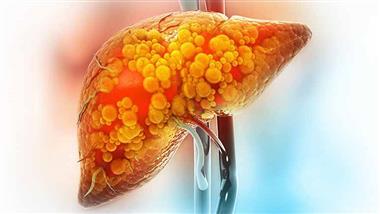
Fatty liver disease is becoming a widespread condition, affecting nearly 25% of adults globally.1 In other words, about one in every four people around you likely have a fatty liver without even realizing it.
As the name implies, fatty liver is characterized by an abnormal buildup of fat in your liver cells, which triggers inflammation, damages healthy tissue, and eventually leads to permanent scarring known as cirrhosis. Most people living with fatty liver disease don’t experience clear symptoms at first, but as it worsens, fatigue, persistent abdominal discomfort, or unexplained weight loss begin to appear.
Without proper intervention, fatty liver disease progresses to severe liver damage and also significantly raises your risk of heart disease, Type 2 diabetes, and even liver cancer. Even more alarming, research shows that it is directly linked to increased mortality, even in its earlier stages.
Linoleic Acid and Choline Deficiency — A Deadly Combination That Leads to Fatty Liver Disease
In the context of fatty liver disease, excessive linoleic acid (LA) intake is one of the biggest factors because of how it affects your cellular health. Alongside this issue is the lack of choline from your diet. I cover these topics in a study I wrote, which I will share more about in the near future.
• Excess LA creates toxic metabolites — When LA, an omega-6 polyunsaturated fat (PUF), becomes peroxidized, it creates metabolites such as 4-hydroxynonenal (4-HNE), which is a reactive aldehyde known to affect mitochondrial membrane integrity that leads to a buildup of fat in the liver.
As noted in a Nutrients study, “[A] few studies suggested that omega-6 PUFA is related to chronic inflammatory diseases such as obesity, nonalcoholic fatty liver disease and cardiovascular disease.”2
• Choline deficiency contributes to fat buildup — Choline helps maintain cell membrane integrity, and research shows that if there’s a deficiency, fat accumulates in the liver because of impaired very low-density lipoprotein (VLDL) secretion.3
Your liver produces VLDL to transport fat and cholesterol to the cells throughout your body by way of your bloodstream.4 But if there’s not enough phosphatidylcholine (which is synthesized via enough choline intake), fat stays in the liver instead.
• LA and choline deficiency undermine your health — According to independent nutrition researcher Chris Masterjohn, Ph.D., eating foods high in LA while not getting enough choline creates a vicious cycle that ends up with fatty liver disease:5
“I currently believe that dietary fat, whether saturated or unsaturated, and anything that the liver likes to turn into fat, like fructose and ethanol, will promote the accumulation of fat as long as we don’t get enough choline.
Once that fat accumulates, the critical factor igniting an inflammatory fire to this fat is the consumption of too much PUFA (polyunsaturated fat from vegetable and perhaps fish oils).”
Excess Fructose — Another Factor Linked to Fatty Liver Disease
As noted earlier, fatty liver disease is on the rise in America. The original assumption is that alcohol consumption contributed to this pervasive public health issue. However, research shows that you don’t even need to drink to develop fatty liver disease, and another culprit is a common ingredient excessively used in most processed foods — fructose.
• Too much processed fructose harms your liver — Your liver is able to handle modest amounts of fructose by converting it into energy. But when it suddenly receives an influx beyond what is normal (example, when you consume a sweetened drink), your liver undergoes de novo lipogenesis, which means it creates new fat.
• Increased risk of insulin resistance — Consuming high amounts of processed fructose makes your cells more susceptible to insulin resistance. Under normal conditions, insulin helps move sugar from the bloodstream into your cells to be used as energy. But once your cells don’t respond to insulin as they used to, the sugar remains in your blood, causing blood sugar levels to rise and contribute to disease.
• Excess refined sugar shifts your body’s metabolic priorities — To make matters worse, the fructose-driven processes in your liver reduce your body’s ability to burn fat because the bulk of the metabolic effort is aimed at managing the incoming flood of sugar. If this becomes chronic, your body will create more fat that it can comfortably use, increasing your risk of health issues such as heart disease and fatigue.
To be clear, fructose by itself isn’t necessarily harmful. It’s also found in fruits, which contribute to optimal health. The difference is that fruit also contains dietary fiber, vitamins, and other bioactive compounds that slow down fructose absorption. It’s really only processed and refined fructose that is problematic.
So, to protect your liver from developing fatty deposits, even if you’re not drinking alcohol, the solution is obvious — choosing natural sources of sweetness is better compared to processed drinks and foods.
A Deeper Look Into Cause-Specific Mortality Findings
A study published in the Journal of Hepatology6 set out to uncover exactly how fatty liver disease relates to different causes of death. Instead of solely focusing on common cardiovascular or liver-related outcomes, the researchers dug deeper, looking into a wide range of medical issues to show if some conditions were more sharply elevated than others under the influence of fatty liver disease.
• Endocrine-related issues stand out — One noteworthy finding by the study is a noticeable increase in the likelihood of death from endocrine-related causes for people dealing with fatty liver disease.
Endocrine disorders involve hormonal imbalances in organs like the pancreas or thyroid. While you may think of heart or liver complications whenever you hear the phrase “fatty liver disease,” this study showed that hormone-related mortalities were also significantly higher in patients diagnosed with fatty liver disease. Specifically, the risk for these endocrine causes of death are three times more than that of individuals without fatty liver disease.
• Fatty liver disease makes you more susceptible to other chronic conditions — The researchers also addressed deaths attributed to infections, gastrointestinal disease (excluding direct liver conditions), and mental health disorders.
Infections and gastrointestinal problems saw an elevated risk overall, theorizing that fatty liver disease sets off a chain reaction that reduces resilience to certain bacterial or viral threats, as well as creating an environment that is more prone to digestive imbalances.
Furthermore, the researchers noted that the risk of mortality specifically from mental health conditions was not meaningfully increased. However, this is still a noteworthy finding nonetheless.
• Liver cirrhosis causes a cascade of disease — One aspect that deserves mention is the comparison of mortality risk in different subgroups who also suffered from cirrhosis.
Those with advanced cirrhosis showed the greatest vulnerability when it came to non-liver causes of death, even beyond what people usually imagine from hearing “cirrhosis.” Once the liver is significantly compromised, the effects on multiple organ systems become more pronounced.
• The earlier you get treatment, the better the outcome — The research indicated that the mortality hazard was particularly high during the first year after participants received their fatty liver disease diagnosis. That means if you’re diagnosed with this condition, it would be wise to take positive steps sooner rather than later — the health and lifestyle changes you choose will have the biggest impact in those early months.
• Fatty liver disease sets the stage for more severe outcomes — The authors proposed that the metabolic environment surrounding fatty liver disease fosters widespread inflammation and an overload of fatty substances in the bloodstream, which wears down tissues beyond the liver. This chronic state of bodily “alert” reduces a person’s ability to handle secondary complications like infections or hormonal imbalances in the thyroid or pancreas.
Overall, these findings shed light on how fatty liver disease escalates health risks in ways that go well beyond heart or cancer concerns. By uncovering which conditions spike the most, medical professionals and affected patients will be able to adopt a more targeted approach to prevention and eventual healing.
Additional Insights Into Fatty Liver Disease-Related Mortality
A supporting study published in Clinical Molecular Hepatology7 focused on the different ways fatty liver disease impacts a person’s survival. Similar to the Journal of Hepatology study, the researchers assessed which ailments hit hardest, investigating the relative importance of heart complications, cancer, liver failure, and diabetes-related deaths. In addition, they analyzed how those risks shift when fatty liver disease progresses and interacts with other conditions.
• Cardiovascular disease ranks as a top threat — This finding is not just in terms of incidence, but also how often it resulted in mortality for people with fatty liver disease. This challenges the assumption that liver complications always dominate the list, hinting that heart health could be even more urgent for this group.
The team also looked at extra-hepatic cancers, which means cancers that develop outside the liver. According to their findings, extra-hepatic malignancies rose markedly in fatty liver disease patients, intensifying the likelihood of fatal outcomes in that population compared to those who don’t have it.
• A big part of the puzzle is advanced fibrosis — For some people, fat accumulation gradually causes a chain reaction, scarring the liver extensively. This reduces the organ’s ability to detoxify and regulate essential metabolic processes.
The researchers observed that, once the scarring reaches a certain threshold, the risk of serious complications — heart attacks, strokes, and aggressive cancer developments — increases even more than expected from fatty liver disease alone. They also highlighted that metabolic factors, such as high blood sugar or lipid abnormalities, further compound these dangers.
• Certain genetic and hormonal factors influence risk of complications — Carrying variants of the PNPLA3 gene ramps up the severity of fatty liver disease and speeds up its progression. For context: PNPLA3 is involved in how the liver handles fats, so if the gene is slightly altered, fat piles up more rapidly, leading to extra stress on the body.
Another point the researchers stressed involves thyroid function — having low thyroid hormone levels or even borderline levels heighten the all-cause mortality risk in fatty liver disease cases. That link is rooted in how thyroid hormones help control metabolism. If your metabolism slows or becomes erratic, more fat accumulation occurs, fueling inflammatory processes that eventually jeopardize your health.
• Sarcopenia also increases mortality — Muscle tissue is metabolically active, so losing it not only slows metabolism but also undermines the body’s ability to process glucose, regulate insulin, and maintain robust immune defenses.
By tracking patients who had both fatty liver disease and significant muscle loss, the researchers found a higher death rate that extended beyond liver issues alone. This finding shows that maintaining healthy muscle mass — through strength training or adequate protein intake — will be beneficial for those who already have a compromised liver profile.
• Healthy lifestyle adjustments protect your liver — Losing weight was deemed hugely impactful, specifically when people combined healthy eating with consistent physical activity. Essentially, when you burn excess body fat, the inflammatory load on the liver drops.
Less stored fat means less likelihood of insulin resistance, which the study pinpointed as a driver of advanced disease. Meanwhile, the researchers observed that people who followed a healthy diet noticed sharper reductions in their overall mortality risk.
• Chronic inflammation is a central factor — Fatty deposits, once they accumulate enough, trigger inflammatory cells to release substances that undermine vascular integrity, hamper immune responses, and encourage unchecked cell growth. Over time, that escalates everything from minor arterial plaque formation to the emergence of malignant tumors.
Practical Strategies to Fight Fatty Liver Disease
If you’re dealing with fatty liver disease, addressing the core reasons behind it is important to achieve lasting improvement. No one-size-fits-all approach exists, but committing to different targeted, meaningful lifestyle shifts will set you on a path toward healing. Here are my recommendations:
1. Improve your diet — The most immediate way to tackle the root cause of fatty liver is by switching to a healthy diet. Focus your meals on whole, unprocessed foods, especially vegetables, fruits, lean proteins, and healthy carbohydrates. Remember to boost your choline intake as well, which is found in pastured egg yolks, arugula, and grass fed beef liver.
Lastly, remove ultraprocessed foods and anything that contains high-fructose corn syrup and other added sugars.
2. Prioritize physical activity — Exercise is one of the best things you can do for your health. Aim for at least 30 minutes of moderate-intensity activity most days of the week, such as brisk walking, cycling, or swimming.
Increased physical activity helps your body burn off excess fat stores, especially around your liver, and boosts insulin sensitivity, directly reducing the inflammatory cycle caused by fatty liver disease.
3. Actively manage your weight — In relation to the previous point, excess body weight is a culprit in fatty liver development. Losing even a modest amount — around 7% to 10% of your total body weight — has dramatic benefits.8
If you’re obese or overweight, set achievable, incremental weight goals rather than extreme dieting. Steady, consistent reduction is the most effective way to reverse liver fat accumulation.
4. Build and maintain muscle mass — Muscle isn’t just for strength — it’s crucial for metabolism. Engage in resistance training at least twice weekly to build and preserve your muscle mass. This boosts your body’s ability to process sugar, regulate insulin, and reduce harmful fat deposits. Essentially, healthy muscle mass directly supports liver function by lowering systemic inflammation and improving overall metabolism.
5. Address underlying metabolic imbalances — If you’re diabetic, pre-diabetic, or insulin-resistant, improving your blood sugar control is essential. Pay close attention to your carbohydrate intake, choosing complex carbs (like white rice) over simple sugars. To understand the impact of carbohydrates on your metabolic health, read the article “The Hidden Health Benefit of Carbohydrates.”
6. Consider citicoline supplementation — As noted earlier, choline deficiency creates fatty deposits in your liver because the organ is not able to send the produced VLDL throughout your body. To boost your intake, consider taking supplements. However, not just any choline supplement will do — I recommend citicoline because most forms of choline supplements have poor availability.
Citicoline is the immediate precursor for the synthesis of phosphatidylcholine, and increased intake helps your fat to be transported out of your liver. Formulations differ depending on the manufacturer, ranging from 500 to 2,500 mg per day. To find out your ideal dose, consult with your health care provider because choline toxicity, while rare, is a real condition.9
Frequently Asked Questions About Fatty Liver Disease and Chronic Disease
Q: What exactly is fatty liver disease, and why is it a concern?
A: Fatty liver disease occurs when excess fat accumulates in liver cells, leading to inflammation, damage, and eventually, cirrhosis. It significantly increases risks for health complications such as heart disease, Type 2 diabetes, liver cancer, and endocrine disorders. This leads to higher overall mortality rates.
Q: What are the common signs of fatty liver disease?
A: Initially, fatty liver disease usually shows no clear symptoms, making early detection challenging. As it advances, symptoms like fatigue, persistent abdominal discomfort, and unexplained weight loss appear. Early screening and proactive treatment will greatly improve outcomes.
Q: How does fatty liver disease affect health beyond liver damage?
A: Beyond liver damage, fatty liver disease significantly elevates the risk of cardiovascular diseases, endocrine-related deaths, gastrointestinal issues, infections, and extra-hepatic cancers. The chronic inflammation associated with fatty liver disrupts multiple organ systems, leading to heightened vulnerability to other health problems.
Q: What lifestyle factors contribute most to fatty liver disease?
A: Dietary factors, especially excessive fructose from sugary foods and drinks, play a major role. High fructose intake triggers fat creation in the liver, promotes insulin resistance, and reduces fat-burning capacity, exacerbating liver fat accumulation. Other critical factors include obesity, physical inactivity, and loss of muscle mass (sarcopenia).
Q: What are the best ways to treat or reverse fatty liver disease?
A: Fatty liver disease can be effectively treated or reversed by adopting a healthy diet rich in whole foods, engaging in regular physical activity, losing excess body weight, maintaining muscle mass through resistance training, and addressing underlying metabolic conditions, such as insulin resistance or diabetes. Early intervention significantly improves prognosis.
- 1 Hepatology. 2023 Jan 3;77(4):1335–1347
- 2 Nutrients 2020, 12(11), 3365; doi: 10.3390/nu12113365
- 3 Oregon State University Linus Pauling Institute, “Choline”
- 4 Endotext, “Introduction to Lipids and Lipoproteins,” January 14, 2024
- 5 Chris Masterjohn Ph.D. Substack.com, November 23, 2010
- 6 Journal of Hepatology, March 24, 2025
- 7 Clin Mol Hepatol. 2022 Nov 22;29(Suppl):S43–S57
- 8 PLoS One. 2022 Feb 17;17(2):e0263931
- 9 NIH, “Choline”
Insulin Resistance Is Driving 12 Types of Cancer, Researchers Say
Reproduced from original article:
https://articles.mercola.com/sites/articles/archive/2026/04/14/insulin-resistance-cancer.aspx
Analysis by Dr. Joseph Mercola April 14, 2026
Story at-a-glance
- Machine learning research shows insulin resistance is linked to higher risk across at least 12 cancer types, positioning metabolic dysfunction as an early warning signal rather than a late-stage problem
- Insulin resistance often develops years before diabetes, meaning symptoms such as fatigue, abdominal weight gain, and unstable blood sugar reflect deeper changes that influence long-term disease risk
- Metabolic health predicts cancer risk more accurately than body weight alone, highlighting the importance of tracking markers like HOMA-IR instead of relying on the scale
- High insulin levels and chronic inflammation create conditions that favor abnormal cell growth, explaining how disrupted energy metabolism contributes to cancer development across multiple organs
- Removing seed oils, supporting steady carbohydrate intake, restoring gut health, reducing environmental stressors and tracking HOMA-IR improves insulin sensitivity and gives you measurable control over your long-term metabolic risk
Insulin resistance — a metabolic condition characterized by fatigue, abdominal weight gain, brain fog, and unstable blood sugar — now sits at the center of cancer research. Unlike a single blood test result, insulin resistance reflects how your cells respond to insulin over time.
This means glucose struggles to enter cells efficiently. Your mitochondria — the thousands of tiny power plants inside each cell that convert food into usable energy — lose their steady fuel supply, and energy production becomes erratic.
From a clinical perspective, insulin resistance often develops years before diabetes appears, which explains why many people live with symptoms without recognition. When insulin signaling breaks down, chronic inflammation and elevated insulin levels create biological signals that encourage abnormal cell growth and disrupt normal cellular repair.
Now, a large-scale analysis has used machine learning to connect this metabolic dysfunction directly to cancer incidence — revealing which cancers are most affected, why body weight alone misses the real risk, and how insulin resistance acts as an early warning signal across multiple organs.1
AI Model Reveals Insulin Resistance as a Cancer Risk Signal
For a study published in Nature Communications, researchers built a machine-learning model that predicts insulin resistance before diagnosable disease develop.2 Instead of relying on one lab test, the model looked at everyday health data — things like age, blood sugar, and triglycerides.
It calculated whether someone’s Homeostatic Model Assessment of Insulin Resistance (HOMA-IR) score crosses a level that signals meaningful insulin resistance. HOMA-IR is a simple score calculated from fasting blood sugar and insulin levels that estimates how resistant your cells have become to insulin. The model was applied to the UK Biobank, which tracks long-term health data from adults ages 40 to 69.3
Among the 372,395 people who didn’t have cancer at the start, 51,193 were diagnosed during follow-up. Individuals flagged as insulin resistant consistently showed higher rates of diabetes, heart problems, and several cancers. This tells you risk builds years before diagnosis — which means prevention is still possible.
• Certain cancers showed stronger links to insulin resistance — Researchers reported connections to 12 cancer types overall, with the largest increases seen in uterine cancer (about 134% higher risk), kidney cancer (about 56% higher risk) and esophagus cancer (about 46% higher risk).
Pancreatic cancer risk rose roughly 29%, colon cancer 18%, and breast cancer 13% — all in individuals flagged as insulin resistant. Insulin resistance was not tied to one organ — it appeared across multiple systems, shifting it from a blood sugar issue into a whole-body metabolic warning signal.
• Metabolic health mattered more than body weight alone — People with higher body weight but no insulin resistance didn’t show the same risk pattern. Meanwhile, those with insulin resistance did — even when body weight looked similar. This means your metabolic function — how your body handles energy — provides more meaningful information than the number on a scale.
The connection between insulin resistance and cancer showed up in younger adults and older adults alike. The effect also stood out in people with a history of smoking, especially former smokers, where insulin resistance amplified risk. Your past exposures and current metabolic health interact, which explains why risk looks different from one person to another.
• Insulin resistance showed clear early disease timelines — Over several years of follow-up, people flagged as insulin resistant developed diabetes far more often, with more hospital admissions related to metabolic disease. One analysis showed more than seven-fold higher odds of developing diabetes during follow-up. That timeline highlights something important: insulin resistance shows up long before major disease, giving you measurable signals to act on.
• High insulin acts like a growth signal inside your body — When cells stop responding well to insulin, your body releases more of it to compensate. Elevated insulin then interacts with growth pathways that control how cells divide and survive. When that signal stays high for years, it creates conditions where abnormal cells gain an advantage — one of the earliest steps in tumor development.
Specifically, elevated insulin activates the IGF-1 (insulin-like growth factor) signaling pathway, which tells cells to grow and divide faster — and suppresses the normal “self-destruct” signals that clear out damaged cells before they become dangerous.
• Ongoing inflammation creates a favorable environment for tumors — Insulin resistance often exists alongside chronic low-grade inflammation. This type of inflammation changes the environment around cells so damaged cells persist longer than they should. Metabolic stress and cancer risk move together because they share the same biological environment.
• Machine learning creates a practical “digital biomarker” for early action — Researchers described the concept of AI-derived insulin resistance as a digital biomarker — a single score that combines multiple metabolic signals into one risk indicator.
Instead of waiting for disease, this approach allows earlier monitoring and more targeted screening. That makes insulin resistance something visible and measurable over time, giving you a clearer way to track improvement rather than guessing about your metabolic health.
How to Remove the Drivers of Insulin Resistance
The research makes the risk clear — but it also reveals something empowering: insulin resistance is measurable and reversible. Insulin resistance develops when your cells struggle to receive glucose and mitochondria — the part of your cells responsible for producing energy — lose steady fuel. The priority is removing what blocks insulin signaling. When cellular energy production recovers, the entire disease trajectory shifts — including cancer risk.
As metabolic function improves, your cells produce more ATP (adenosine triphosphate) — the energy currency that powers virtually every cellular process — inflammatory signals drop and the reinforcing cycle between insulin resistance and mitochondrial dysfunction begins to reverse. The following steps address the root cause.
1. Remove damaged fats that disrupt insulin signaling — Vegetable oils — including soybean, corn, and canola — are loaded with linoleic acid (LA), a polyunsaturated fat that damages your mitochondria. Over time, excess LA disrupts metabolism and fuels inflammation. The biggest sources to eliminate first are vegetable oils, salad dressings, fast foods, and processed snack foods — most of which rely heavily on soybean and canola oil.
Replace those oils with stable, nourishing fats such as grass fed butter, ghee, or tallow. Aim to keep daily LA intake under 5 grams, ideally closer to 2 grams. When my Mercola Health Coach app launches, the Seed Oil Sleuth feature will help you track this down to the tenth of a gram.
2. Consume carbohydrates your gut tolerates well — Most adults need around 250 grams of carbohydrates daily to support cellular energy, and steady glucose availability reduces metabolic stress that drives insulin resistance.
However, if you’re bloated, constipated, or gassy, jumping straight into high-fiber foods feeds certain gut bacteria that release endotoxins — inflammatory fragments that slip through a weakened gut lining into your bloodstream. This increased endotoxin load triggers systemic inflammation and worsens insulin signaling. Gentle carbohydrates such as whole fruit and white rice deliver reliable glucose without overwhelming digestion.
3. Progress slowly toward microbiome-supportive carbohydrates — After digestion stabilizes, introduce resistant starch foods such as cooked-and-cooled potatoes or green bananas, then foods like onions, garlic and leeks that feed butyrate-producing bacteria. Short-chain fats such as butyrate help colon cells maintain an oxygen-free environment that supports insulin sensitivity and metabolic stability.
4. Reduce environmental stressors that block metabolic recovery — Plastics release hormone-disrupting chemicals that interfere with metabolic signaling, so shift food storage toward glass or stainless steel to lower exposure. Limiting unnecessary electromagnetic field (EMF) exposure by increasing distance from devices and turning them off when not in use reduces ongoing cellular stress.
Keep your phone out of the bedroom at night, use speaker mode for calls, avoid working with a laptop directly on your body, and turn off your home Wi-Fi at night. When these exposures decline, cells regain the stability required for efficient glucose use.
5. Use movement to clear glucose and retrain insulin response — Regular movement — especially walking and strength training — drives muscle cells to pull glucose from your bloodstream without large insulin spikes. This lowers insulin demand and improves sensitivity. Consistent movement expands mitochondrial capacity, helping break the cycle where insulin resistance and low cellular energy reinforce each other.
6. Track HOMA-IR — a simple test for insulin resistance — Recognizing insulin resistance early is essential, as it’s a warning sign for your metabolic health — one that often precedes Type 2 diabetes. The HOMA-IR test is a valuable diagnostic tool that helps assess insulin resistance through a simple blood test, so you can spot issues early and make necessary lifestyle changes.
Created in 1985, it calculates the relationship between your fasting glucose and insulin levels to evaluate how effectively your body uses insulin. Unlike other more complex tests, HOMA-IR requires just one fasting blood sample, making it both practical and accessible. The HOMA-IR formula is as follows:
HOMA-IR = (Fasting Glucose x Fasting Insulin) / 405, where
• Fasting glucose is measured in mg/dL
• Fasting insulin is measured in μIU/mL (microinternational units per milliliter)
• 405 is a constant that normalizes the values
If you’re using mmol/L for glucose instead of mg/dL, the formula changes slightly:
HOMA-IR = (Fasting Glucose x Fasting Insulin) / 22.5, where
• Fasting glucose is measured in mmol/L
• Fasting insulin is measured in μIU/mL
• 22.5 is the normalizing factor for this unit of measurement
Anything below 1.0 is considered a healthy HOMA-IR score. If you’re above that, you’re considered insulin resistant. The higher your values, the greater your insulin resistance. Conversely the lower your HOMA-IR score, the less insulin resistance you have, assuming you are not a Type 1 diabetic who makes no insulin.
Interestingly, my personal HOMA-IR score stands at a low 0.2. This low score is a testament to my body’s enhanced efficiency in burning fuel, a result of increased glucose availability. By incorporating additional carbohydrates into my diet, I provided my cells with the necessary energy to operate more effectively.
This improved cellular function has significantly boosted my metabolic health, demonstrating how strategic dietary adjustments lead to better insulin sensitivity and overall metabolic performance.
FAQs About Insulin Resistance and Cancer
Q: What is insulin resistance and why does it matter for cancer risk?
A: Insulin resistance happens when your cells stop responding well to insulin, which forces your body to release more of it. Over time, high insulin and chronic inflammation create biological signals that support abnormal cell growth. Research shows insulin resistance is linked to higher incidence of multiple cancers, making it an early metabolic warning sign.
Q: Which cancers are most strongly linked to insulin resistance?
A: The strongest links appeared with uterine, kidney, and esophagus cancers, with elevated risk also seen for pancreas, colon, and breast cancers. This shows insulin resistance affects the entire body rather than a single organ system.
Q: Why is metabolic health more important than body weight alone?
A: Body weight doesn’t fully explain risk. People with higher weight but healthy insulin sensitivity didn’t show the same risk pattern, while individuals with insulin resistance did. This means how your body handles energy provides more useful insight than the number on a scale.
Q: How does insulin resistance contribute to disease over time?
A: Insulin resistance often develops years before diabetes and other chronic diseases appear. During that time, mitochondria receive inconsistent fuel, inflammation increases, and cellular repair declines. This long timeline creates an opportunity to detect and reverse metabolic dysfunction early.
Q: What steps improve insulin sensitivity and lower long-term risk?
A: Key strategies include removing seed oils and other damaged fats, consuming carbohydrates that support steady cellular energy, restoring gut health gradually, reducing environmental stressors such as plastics and EMFs, moving regularly to clear glucose, and tracking HOMA-IR to measure progress. These steps improve mitochondrial energy production and restore healthy insulin signaling.
Newly Discovered Coffee Compounds Outperform Diabetes Drug
Reproduced from original article:
https://articles.mercola.com/sites/articles/archive/2026/03/06/coffee-compounds-outperform-diabetes-drug.aspx
Analysis by Dr. Joseph Mercola March 06, 2026

Story at-a-glance
- Scientists identified six previously unknown compounds in roasted Arabica coffee beans, and three of them slowed carbohydrate digestion more effectively in lab tests than the diabetes drug acarbose
- These coffee compounds work by blocking the same digestive enzyme that turns starch into glucose, helping sugar enter your bloodstream more gradually instead of spiking sharply after meals
- The discovery shows your daily cup of coffee contains measurable bioactive molecules that directly interact with blood sugar metabolism
- Lab testing confirmed consistent enzyme-blocking effects, strengthening the evidence that these compounds are biologically active rather than random plant chemicals
- Long-term blood sugar control still depends on correcting insulin resistance and restoring cellular energy production, not relying on coffee alone
Scientists recently discovered new compounds in roasted coffee beans — and in lab tests, some of them outperformed a common diabetes medication at slowing down carbohydrate digestion. The drug they compared it to, acarbose, works by blocking an enzyme in your gut that breaks starch down into sugar. The enzyme is called alpha-glucosidase — it sits in the lining of your small intestine and snips complex starches into simple glucose molecules.
When that enzyme is slowed, sugar enters your bloodstream more gradually after a meal instead of all at once. That’s a big deal for anyone dealing with blood sugar issues. What makes this finding stand out is that these aren’t compounds scientists already knew about.
The research team identified six previously unknown molecules in coffee, isolated three of them, and put them to the test. The results were striking enough to warrant a closer look at what’s actually going on inside your morning cup — and what it means for blood sugar management.
Scientists Found New Coffee Compounds That Slow Sugar Spikes
In the study published in Beverage Plant Research, scientists didn’t just separate coffee into random chemicals and hope something worked.1 They first tested roasted Arabica coffee extracts to see which parts actually slowed the enzyme that breaks down carbohydrates. Then they focused only on the parts that showed real effects. That matters because it means these compounds were selected based on performance, not chance.
• They split coffee into pieces and tested each one — The researchers divided a concentrated coffee extract into 19 different parts and tested each part to see if it could slow the sugar-releasing enzyme. Only a small group showed strong activity. Instead of wasting time on inactive parts, they zoomed in on the ones that clearly made a difference. Think of it like testing 19 keys and quickly figuring out which few actually open the lock.
• They discovered three completely new coffee compounds — From the most active group, the team isolated three brand-new natural compounds that hadn’t been described before. They named them caffaldehydes A, B and C. Each one was carefully tested to see how strongly it slowed the enzyme that breaks starch into sugar.
All three new compounds shared the same main structure, but they had slightly different fatty acid “tails” attached. The version with the longer fatty acid tail showed the strongest enzyme blocking — think of it like a longer key that fits more snugly into the enzyme’s active site, making it harder for starch molecules to get in. That shows how even small chemical differences change how powerfully a natural compound works in your body.
• All three compounds outperformed a common diabetes drug — The scientists compared the three newly identified coffee compounds to acarbose, a medication used to slow carbohydrate digestion. In lab testing, each of the three compounds blocked the enzyme more effectively than acarbose under the same conditions. In simple terms, it took less of each coffee compound to achieve the same level of enzyme slowdown as the drug, with one compound showing the strongest effect of all.
• They found three more hidden compounds without fully isolating them — After identifying the main three, the researchers used advanced scanning technology to search for similar compounds in the rest of the coffee extract. They identified three additional new compounds that looked structurally related to the first group. These were found even though they were present in much smaller amounts. This tells you coffee contains more active molecules than previously recognized.
• They confirmed how these compounds work in the body — The targeted enzyme sits in your digestive tract and helps turn complex carbohydrates into glucose. When this enzyme slows down, sugar enters your bloodstream more gradually instead of flooding it all at once. The study clearly states that the three main compounds were responsible for this enzyme-blocking effect in the tested extract.
The researchers ran the enzyme tests multiple times and reported consistent results. The numbers stayed close across repeated experiments, which means the effect was reliable in the laboratory setting.
How to Fight Diabetes at the Source
You just learned that specific compounds in roasted Arabica coffee block the same enzyme targeted by a common diabetes drug. That matters. But isolated lab findings are only part of the picture. Enzyme-blocking is one layer of blood sugar control. The deeper question is why your cells aren’t handling glucose properly in the first place. If you want steady blood sugar, you have to correct the root problem: impaired glucose handling driven by mitochondrial dysfunction and insulin resistance.
Your mitochondria are the energy generators inside every cell — when they work well, they efficiently convert glucose into adenosine triphosphate (ATP), the molecule your cells actually run on. Focus first on restoring cellular energy production, because when your cells burn fuel efficiently, glucose doesn’t linger in your bloodstream and cause damage. Here are six direct steps you can take.
1. Get more from your coffee by drinking it clean — The compounds in this study came from roasted Arabica beans, which means regular brewed coffee is a natural source. But how you prepare and drink it matters. Choose organic, single-origin Arabica beans to minimize pesticide exposure. Grind them fresh and brew with filtered water.
Skip artificial creamers, flavored syrups, and sugar — these add inflammatory ingredients that work against the very blood sugar benefits you’re trying to gain. If you use a creamer, opt for grass fed dairy, including whole milk or cream. Black coffee or coffee with clean fats keeps those bioactive compounds front and center without sabotaging your metabolism.
2. Increase carbohydrates strategically — Most adults need 250 grams of carbohydrates daily for optimal cellular energy, and more if you’re physically active. If you restrict carbohydrates long term, you drive reductive stress — an excess of electrons that jams up your mitochondria’s energy-producing machinery — and impair mitochondrial ATP production.
Start with easily digested carbs like fruit and white rice, especially if your gut health is compromised. Then, gradually add in root vegetables, non-starchy vegetables, starchy vegetables like squash or sweet potatoes, beans and legumes, and finally minimally processed whole grains — only if your gut can handle them. Gradual increases restore metabolic flexibility.
3. Remove seed oils completely and replace them with stable fats — Excess linoleic acid (LA) from seed oils disrupts mitochondrial energy production and promotes insulin resistance. That’s a root driver of unstable blood sugar.
Eliminate seed oils, including corn, soybean, canola, sunflower, and safflower oils, along with commercial salad dressings, packaged snacks like crackers, and most restaurant foods. Replace them with grass fed butter, ghee or tallow. Lowering tissue LA over time improves cellular energy efficiency and reduces oxidative stress.
4. Build muscle with adequate protein and collagen — Muscle tissue absorbs glucose directly from your bloodstream — the more lean mass you carry, the more capacity your body has to clear excess blood sugar without relying heavily on insulin. Aim for 0.8 grams per pound of ideal body weight, or 1.76 grams per kilogram.
One-third of that intake should come from collagen sources, like bone broth. This supports structural integrity and metabolic resilience. If you’re over 40, this step becomes even more important because muscle loss accelerates insulin resistance.
5. Use sunlight and targeted movement to improve glucose handling — Daily sun exposure enhances mitochondrial function and nitric oxide production. Morning light sets your circadian rhythm and improves metabolic signaling. Combine that with one hour of walking daily — start gradually with 15 minutes and work your way up — and progressive strength training. Movement improves insulin sensitivity immediately.
Sunlight amplifies cellular energy production. If you’ve been regularly consuming seed oils, avoid midday sun exposure (10 a.m. to 4 p.m.) for at least the first six months after eliminating them, as LA stored in skin tissue increases your risk of sunburn.
6. Know Your HOMA-IR score — a simple test for insulin resistance — Recognizing insulin resistance early is essential, as it’s a warning sign for your metabolic health — one that often precedes Type 2 diabetes. The HOMA-IR (Homeostatic Model Assessment of Insulin Resistance) test is a valuable diagnostic tool that helps assess insulin resistance through a simple blood test, so you can spot issues early and make necessary lifestyle changes.
Created in 1985, it calculates the relationship between your fasting glucose and insulin levels to evaluate how effectively your body uses insulin. Unlike other more complex tests, HOMA-IR requires just one fasting blood sample, making it both practical and accessible. The HOMA-IR formula is as follows:
HOMA-IR = (Fasting Glucose x Fasting Insulin) / 405, where
• Fasting glucose is measured in mg/dL
• Fasting insulin is measured in μIU/mL (microinternational units per milliliter)
• 405 is a constant that normalizes the values
If you’re using mmol/L for glucose instead of mg/dL, the formula changes slightly:
HOMA-IR = (Fasting Glucose x Fasting Insulin) / 22.5, where
• Fasting glucose is measured in mmol/L
• Fasting insulin is measured in μIU/mL
• 22.5 is the normalizing factor for this unit of measurement
Anything below 1.0 is considered a healthy HOMA-IR score. If you’re above that, you’re considered insulin resistant. The higher your values, the greater your insulin resistance. Conversely the lower your HOMA-IR score, the less insulin resistance you have, assuming you are not a Type 1 diabetic who makes no insulin.
Interestingly, my personal HOMA-IR score stands at a low 0.2. This low score is a testament to my body’s enhanced efficiency in burning fuel, a result of increased glucose availability. By incorporating additional carbohydrates into my diet, I provided my cells with the necessary energy to operate more effectively.
This improved cellular function has significantly boosted my metabolic health, demonstrating how strategic dietary adjustments lead to better insulin sensitivity and overall metabolic performance.
If you drink coffee daily, recognize that it contains bioactive compounds that interact with glucose metabolism. But don’t rely on coffee alone. Real metabolic recovery requires correcting insulin resistance, restoring mitochondrial energy production, and removing the environmental stressors that sabotage your cells. When you address the root, the numbers follow.
FAQs About Newly Discovered Coffee Compounds
Q: What did scientists discover in coffee beans?
A: Researchers identified six previously unknown natural compounds in roasted Arabica coffee beans. Three of these were isolated and tested in the lab, where they slowed the same digestive enzyme targeted by the diabetes drug acarbose. The coffee compounds worked more strongly than the drug under identical lab conditions.
Q: How do these coffee compounds affect blood sugar?
A: They slow down an enzyme in your digestive tract that breaks starch into glucose. When that enzyme is slowed, sugar enters your bloodstream more gradually after a meal instead of spiking quickly. Slower absorption helps reduce sharp blood sugar swings.
Q: Does this mean coffee cures diabetes?
A: No. The study was done in a laboratory setting, not in human clinical trials. It shows that roasted Arabica coffee contains bioactive compounds that influence carbohydrate digestion. It doesn’t prove that drinking coffee alone reverses diabetes. Blood sugar control depends on overall metabolic health.
Q: Why is insulin resistance the real issue to address?
A: Insulin resistance means your cells don’t respond properly to insulin, forcing your body to produce more of it to manage blood sugar. Over time, this leads to chronically elevated insulin and glucose levels. Measuring your HOMA-IR score gives a clearer picture of how well your body handles glucose and whether you’re improving.
Q: What practical steps support healthy blood sugar regulation?
A: Choose clean, organic Arabica coffee without added sugars or artificial creamers. Eliminate seed oils to reduce metabolic stress. Eat adequate carbohydrates to support cellular energy, especially from whole fruits and digestible starches. Build muscle with sufficient protein, including collagen. Get daily sunlight and consistent movement to improve mitochondrial function and insulin sensitivity.
Insulin Resistance — What It Is and How to Fight It
Reproduced from original article:
https://articles.mercola.com/sites/articles/archive/2026/03/01/insulin-resistance-what-it-is-how-to-fight-it.aspx
Analysis by Dr. Joseph Mercola March 01, 2026
Story at-a-glance
- Insulin resistance occurs when cells don’t respond properly to insulin, causing elevated blood sugar and increased insulin production that leads to diabetes, heart disease, and cancer
- Diet significantly impacts insulin sensitivity, with processed foods containing linoleic acid (found in seed oils) promoting inflammation and worsening insulin resistance
- Mitochondrial dysfunction plays a key role in insulin resistance, as these cellular “power plants” become less efficient when overloaded with linoleic acid and refined sugars
- Doctors measure insulin resistance using HOMA-IR (a simple blood test) or, less commonly, the more expensive hyperinsulinemic-euglycemic clamp method
- Improving insulin sensitivity involves eating whole foods, consuming 200 to 350 grams of healthy carbohydrates daily, avoiding processed foods, choosing healthy fats and exercising regularly
Have you ever wondered why some people gain weight easily or struggle with high blood sugar? It could involve insulin resistance. This happens when your body’s cells don’t respond well to insulin, a hormone that controls your blood sugar. If left unchecked, it leads to serious issues like Type 2 diabetes, heart disease, and even some cancers.
In the video above, Dr. Peter Attia, who received his medical degree from Stanford and completed surgical residency at the eminent Johns Hopkins Hospital, interviews Dr. Ralph DeFronzo, a distinguished diabetes researcher and clinician.1 They discuss what insulin resistance is and how it impacts specific organs — along with how to accurately check if you have it. But here’s the good news: you can improve your insulin sensitivity with simple changes, especially to your diet.
What Is Insulin Resistance?
Insulin is like a key that unlocks your cells so they can take in sugar (glucose) from your blood. When you eat, your body turns food into sugar, which enters your bloodstream. Insulin then moves that sugar into your cells to give you energy. But when you have insulin resistance, your cells don’t respond well to insulin.
It’s like the locks on your cells are rusty — the key doesn’t work right. As a result, sugar builds up in your blood, and your body pumps out more insulin to try to fix it. Over time, this leads to high blood sugar and too much insulin, which isn’t good for you.
• Why should you care? Insulin resistance isn’t just a small problem — it’s linked to serious health risks. If your cells can’t use insulin properly, you could face:
◦ Type 2 diabetes — Too much sugar in your blood damages your body over time.
◦ Heart disease — High insulin levels harm your blood vessels.
◦ Certain cancers — Some studies suggest insulin resistance might increase cancer risks, like breast or colon cancer.
The bright side? You can fight back by understanding what’s going on and making smart choices, like tweaking your diet.
• How does diet improve your insulin sensitivity? What you eat has a significant impact on how well your body uses insulin. Let’s break it down and see how your diet either helps or hurts your insulin sensitivity.
• What’s the deal with linoleic acid (LA)? One important thing to watch is a fat called linoleic acid (LA). You find it in seed oils that are common in processed foods like chips, fried snacks, and baked goods. A little LA is OK, but too much harms your cellular energy production and causes inflammation — think of it as your body getting irritated inside.
This irritation makes insulin resistance worse. To help your body out, cut back on these processed foods and go for healthier fats instead, like ghee, tallow, and grass fed butter.
• How does redox balance fit in? Another piece of the puzzle is something called redox balance. Imagine it as a seesaw in your cells that keeps everything working smoothly. When this seesaw tips out of balance, it interferes with how your cells use insulin. Eating foods packed with antioxidants — like colorful fruits and veggies — helps keep that seesaw steady and supports your insulin sensitivity.
Insulin Resistance — A Problem with Your Cells’ Energy Factories
Now, let’s dig a little deeper. Insulin resistance isn’t just about sugar — it’s tied to how your cells make energy. Here’s what you need to know.
• What causes insulin resistance? Your cells have tiny power plants called mitochondria that turn sugar into energy. When these power plants don’t work right, it’s called mitochondrial dysfunction. Think of it like a factory with broken machines — it can’t keep up. This interferes with how your cells use insulin, leading to insulin resistance.
Seed oils play a big role here, as LA is a mitochondrial poison that compromises your cellular energy production. Once rare, seed oils are now everywhere in processed foods — like baked goods, frozen meals, and salad dressings. Refined sugar also plays a role.
Unlike natural sugars in fruits that come with fiber and nutrients, refined sugars offer no nutritional benefits and significantly increase health risks. Eating too much refined sugar overworks your mitochondria, making them less efficient. Over time, this tips your body toward insulin resistance.
• How does redox imbalance make it worse? There’s also something called redox imbalance. Inside your cells, there’s a balance between helpful and harmful particles. Too much refined sugar or unhealthy fats (like LA) throw this off, creating stress that damages your mitochondria. It’s like overloading a circuit — things start to break down. This stress makes it harder for insulin to do its job, pushing you closer to insulin resistance.
• Why does this matter for your health? When your mitochondria struggle, insulin resistance leads to bigger problems:
◦ Type 2 diabetes — Your blood sugar stays high because cells can’t use it.
◦ Heart issues — Damaged energy production affects your heart and vessels.
◦ Brain health — Some experts even call Alzheimer’s “Type 3 diabetes” because of insulin resistance in the brain.
The fix? Diet and lifestyle changes help your mitochondria work better and improve your insulin sensitivity.

Save This Article for Later – Get the PDF Now
Using HOMA-IR to Spot Insulin Resistance Early
One of the simplest and most reliable ways to gauge how well your body handles insulin is through a test called HOMA-IR, short for Homeostatic Model Assessment of Insulin Resistance.
Unlike other cumbersome procedures, HOMA-IR only requires two basic blood tests done first thing in the morning before you eat: one for fasting glucose and one for fasting insulin levels. These tests are relatively affordable and widely available at most labs. Armed with those numbers, you then plug them into a straightforward formula to get your HOMA-IR score:
HOMA-IR = (Fasting Glucose in mg/dL × Fasting Insulin in μU/mL) / 405
The goal is to see just how hard your body is working to keep your blood sugar in check. If your HOMA-IR is higher than 1.0, it’s generally a warning sign that you might be edging into insulin resistance territory. The lower your score, the better your insulin sensitivity, so even values that hover around 1.0 deserve some attention if you’re looking to optimize your health.
The beauty of HOMA-IR lies in its simplicity. You don’t have to schedule multiple visits or endure complicated test procedures. You wake up, don’t eat or drink anything other than water, head to the lab for a quick blood draw, and get your results shortly after. Alternatively, Mercola Labs has a dried blood spot card that allows you to prick your finger after you get up and put drops of blood on a card and mail it in, which is far more convenient and less expensive.
It’s a far cry from the gold-standard research method known as the euglycemic hyperinsulinemic clamp, introduced by DeFronzo in 1979, where participants are hooked up to an IV for hours. In the clamp procedure, researchers administer insulin and glucose simultaneously, measuring exactly how much glucose is needed to keep blood sugar at a steady level when insulin is being pumped in.
Although extremely accurate, this process is time-consuming and inconvenient, making it unfeasible for routine monitoring in a clinical or everyday setting. It’s also pricey, costing an average of $1,000 for a single test. Consequently, it’s primarily confined to research settings.
That’s why HOMA-IR remains such a powerful tool in both scientific research and personal health management: it balances accuracy with practicality. It’s not a perfect snapshot — no single test can capture the full complexity of your metabolic health — but it’s solid enough to highlight when your body starts resisting insulin’s signals.
I found it shocking that both DeFronzo — who invented the euglycemic hyperinsulinemic clamp test — and Attia, one of the smartest biohackers out there, failed to acknowledge that the HOMA-IR test is the pragmatic, simple, inexpensive way to measure insulin resistance, as opposed to the test that DeFronzo invented.
By using the HOMA-IR test and catching those early warnings, you can make diet and lifestyle tweaks long before you slip into more serious issues. For most people, if your HOMA-IR creeps above 1.0, it’s time to pay closer attention to factors like sugar intake, seed oils, plastic exposure, and gut health.
Over time, as you dial in these elements of your routine, you can retest HOMA-IR and see if your score drops. That direct feedback can be a potent motivator to keep you on track toward a healthier, more energetic life.
Practical Tips to Boost Your Insulin Sensitivity
Ready to make some changes? Here’s how to improve your insulin sensitivity through diet:
1. Eat more whole foods, including healthy carbs — Carbohydrates play a key role in supporting your mitochondrial function. Glucose, derived from carbohydrates, serves as your cells’ preferred fuel source for energy production. Instead of restricting carbs, focus on eating 200 to 350 grams of the right types, such as whole fruits, root vegetables and well-tolerated whole grains. If you have dysbiosis, avoid fiber until your gut is healed.
2. Cut back on processed foods — Avoid processed foods — they’re full of LA-rich seed oils and refined sugars that drive inflammation and worsen insulin resistance.
3. Pick healthy fats — Swap out canola, corn, and soybean oil for healthy fats like grass fed butter, tallow, and ghee.
4. Move your body — Exercise isn’t food, but it helps your cells use insulin better. A daily walk does wonders.
Small steps like these help your body respond to insulin again and lower your health risks. Start small: swap store-bought baked goods for fresh fruit or take a daily walk outside. You can make a big difference in your health with these positive changes.
FAQs — Your Top Insulin Resistance Questions Answered
Q: What foods help insulin sensitivity?
A: Prioritize healthy carbohydrates like fruit and root vegetables, and avoid seed oils high in linoleic acid. Skip processed foods high in refined sugar and unhealthy fats.
Q: How do doctors check for insulin resistance?
A: They often use HOMA-IR, a simple test that involves fasting blood sugar and insulin levels. While the hyperinsulinemic-euglycemic clamp is considered the gold standard, HOMA-IR is less expensive and more practical for routine use.
Q: Can exercise fix insulin resistance?
A: Yes, moving your body helps your cells use insulin better. Even daily walks help improve insulin sensitivity.
Q: What are the long-term health risks associated with insulin resistance?
A: Insulin resistance is linked to serious conditions like Type 2 diabetes, heart disease, and even some cancers. Addressing insulin resistance through diet and lifestyle changes is important for preventing these chronic illnesses.
How Molecular Hydrogen Fights Inflammation and Reverses Fatty Liver Disease
Reproduced from original article:
https://articles.mercola.com/sites/articles/archive/2025/12/28/hydrogen-therapy-reverses-fatty-liver-disease.aspx
Analysis by Dr. Joseph Mercola December 28, 2025
Story at-a-glance
- Molecular hydrogen acts as a selective antioxidant that targets only harmful free radicals, helping to calm inflammation without disrupting essential cellular signaling
- Research discussed by Tyler LeBaron shows that hydrogen therapy reverses non-alcoholic fatty liver disease (NAFLD) by restoring mitochondrial function and reducing fat accumulation in the liver
- Hydrogen’s small molecular size allows it to penetrate deep into cells, including mitochondria and your brain, where it supports energy production and reduces oxidative stress
- Short, pulsed use of hydrogen — through hydrogen-rich water or inhalation — produces stronger benefits than continuous exposure, improving your body’s ability to adapt and heal naturally
- Using hydrogen alongside simple lifestyle changes such as limiting seed oils, eating nutrient-dense foods, and getting daily sunlight enhances liver health, boosts energy, and supports long-term metabolic balance
Non-alcoholic fatty liver disease, or NAFLD, has become one of the fastest-growing metabolic disorders worldwide, quietly affecting millions of adults who often feel perfectly healthy. Unlike alcohol-related liver damage, this condition stems from excess fat stored in your liver due to modern lifestyle factors — poor diet, inactivity, and chronic stress — that overwhelm your body’s ability to manage oxidative stress.
What makes it so insidious is that most people have no idea it’s happening until significant damage has already occurred. You might notice subtle signs first — low energy, brain fog, or mild abdominal discomfort — but these are easy to dismiss. Beneath the surface, your liver is struggling to keep up with the flood of inflammation and metabolic waste that builds when your cells are out of balance.
Left unchecked, this dysfunction doesn’t stop at your liver. It sets the stage for diabetes, heart disease, and even neurodegenerative disorders, all rooted in the same cellular breakdown. Addressing that root cause requires more than symptom relief — it demands restoring cellular balance where the problem begins. That’s what makes molecular hydrogen so remarkable.
As Tyler LeBaron, MSc., Ph.D., founder of the Molecular Hydrogen Institute, explains on Chemaine’s Model Health podcast, this simple molecule helps your body repair itself by regulating oxidative stress and supporting mitochondrial energy production.1
I’ve interviewed LeBaron myself, and as he explains, molecular hydrogen acts as a precision tool for inflammation control, protecting healthy cells while allowing your immune system to function as designed. By understanding how molecular hydrogen rebalances these core cellular processes, you gain a powerful strategy for protecting your liver — and your overall health — from the ground up.
Hydrogen Restores Cellular Balance and Protects Against Inflammation
In the discussion, LeBaron explains that molecular hydrogen (H2) is far more than a simple antioxidant. Unlike conventional antioxidants that indiscriminately neutralize free radicals, hydrogen works selectively. It targets the most harmful species — especially hydroxyl radicals — without disturbing the free radicals your body actually needs for signaling and immune defense. This precision allows it to calm inflammation without suppressing necessary repair processes.
• Hydrogen therapy has profound protective effects during stroke and cardiac injury — In the 2007 Nature Medicine study that inspired LeBaron’s research path, rats exposed to a stroke model were given low concentrations of hydrogen gas (about 2%).2
This small dose reduced brain injury dramatically by limiting oxidative damage. LeBaron notes that this finding ignited the entire field of hydrogen research, as it showed hydrogen could be administered safely and still exert measurable, therapeutic effects on living tissue.
• Molecular hydrogen has been studied as a treatment for NAFLD — LeBaron describes research showing that hydrogen-rich water reduced fat accumulation in animal models of fatty liver. Low-dose hydrogen water offered minimal benefit, but higher concentrations significantly improved liver function and reduced inflammation. Follow-up clinical trials mirrored these results in humans, showing measurable drops in liver fat and improved body composition within weeks.
• Participants with metabolic syndrome saw major after consuming hydrogen water three times daily — This group — characterized by abdominal obesity, high triglycerides, and insulin resistance — experienced reduced oxidative stress and enhanced mitochondrial efficiency, along with improvements in body fat, lipid profiles, and inflammation markers.
• Hydrogen’s effects involve fine-tuned control of oxidative and inflammatory pathways — Hydrogen activates the body’s master antioxidant switch. When turned on, this switch increases the production of protective enzymes like glutathione and superoxide dismutase — your cells’ natural shields against oxidative stress.
At the same time, hydrogen inhibits a signaling molecule that triggers chronic inflammation. The result is not immune suppression but recalibration: inflammation quiets where it’s excessive yet stays strong when needed for healing.
• Hydrogen’s selective action helps prevent cell death caused by oxidative overload — This process is known as apoptosis. In studies where cells were stressed with toxins or lack of oxygen, hydrogen exposure reduced apoptosis rates dramatically.
This protective effect stems from its ability to neutralize unstable molecules that attack DNA, proteins, and cell membranes. By eliminating only these harmful radicals, hydrogen spares beneficial molecules like nitric oxide, which are vital for blood flow and immune communication.
Hydrogen Therapy Is Easy to Use and Safe, Even at High Doses
Tablets that produce hydrogen when dropped into water create a cloudy, effervescent drink. LeBaron explains that the cloudiness shows active hydrogen gas in solution and that drinking it while still cloudy ensures the highest dose.
Room temperature water dissolves hydrogen best, and consuming it immediately after the tablet finishes dissolving maximizes benefits. Unlike other therapies that require IV drips or expensive devices, hydrogen offers an accessible, nontoxic option you can use daily at home.
• The molecule’s small size gives it a unique advantage — It diffuses through cell membranes, crosses your blood-brain barrier, and reaches mitochondria directly. LeBaron points out that hydrogen’s bioavailability is unmatched — it penetrates areas where larger antioxidants, such as vitamins C or E, can’t go.
Once inside your mitochondria — the energy factories of your cells — it helps restore normal energy production. This mitochondrial support is key for chronic fatigue, liver disease, and metabolic decline, all of which share a common thread: energy dysfunction caused by oxidative stress.
• Hydrogen’s anti-inflammatory benefits extend beyond your liver — They also support neurological, cardiovascular, and immune function. LeBaron reports that animal and human studies reveal improvements in cognitive performance, reduced anxiety, and faster recovery after injury.
Hydrogen’s adaptogenic nature — its ability to help your body adapt to stress — means it raises antioxidant defenses when needed but steps back when balance is restored. This prevents the “overcorrection” that often happens with high-dose antioxidant supplements.
• For those living with chronic pain, fatigue, or inflammatory conditions, hydrogen therapy represents a way to take back control — It doesn’t replace a healthy lifestyle, but it enhances your body’s ability to repair itself.
When paired with other energy-supportive habits like adequate sunlight, nutrient-rich foods, and reduced seed oil intake, hydrogen accelerates recovery and resilience. LeBaron’s research underscores a key point: the route to healing chronic inflammation isn’t suppression — it’s restoration of balance at the cellular level.
• Hydrogen works because it aligns with how your body naturally regulates stress and energy production — Unlike drugs that target one pathway or symptom, hydrogen communicates with your body’s own systems, teaching them to recalibrate. This precision makes it effective for a wide range of issues, from NAFLD and cardiovascular damage to neuroinflammation and fatigue.
Save This Article for Later – Get the PDF Now
Less Is More When It Comes to Benefits
It’s tempting to think that more hydrogen equals faster healing, but in this case, less is often more. Hydrogen therapy works best when it’s pulsed — periods of exposure followed by periods without. This intermittent approach enhances your body’s adaptive response and prevents tolerance, where your cells stop reacting as strongly.
• Pulse your intake — Drink hydrogen-rich water at specific times instead of sipping it throughout the day.
• Time your inhalation — Keep hydrogen gas sessions short (one to three hours) rather than continuous exposure.
• Take breaks — Give your body several hours each day without hydrogen supplementation so it recalibrates its signaling pathways.
• Not all hydrogen products deliver therapeutic doses — Measuring hydrogen concentration accurately requires gas chromatography, something most companies don’t do.
So, for those using molecular hydrogen at home, you’ll need to be cautious about product claims. The most reliable way to verify claims is to cross-reference methods verified in clinical trials. These include certain hydrogen-generating tablets that have been shown to produce therapeutic levels of hydrogen.
When used with intention, molecular hydrogen is one of the simplest, safest, and most effective ways to calm inflammation, repair your liver, and restore energy from the inside out. Your body already knows how to heal — hydrogen just gives it the spark to remember how.
How to Use Molecular Hydrogen to Heal Inflammation and Fatty Liver
If you’re dealing with chronic inflammation, fatigue, or a sluggish liver, it’s not just about easing discomfort — it’s about restoring energy at the cellular level. When oxidative stress overwhelms your system, your cells lose the ability to generate clean energy, setting the stage for insulin resistance and liver fat buildup.
Molecular hydrogen helps reset that system by teaching your body how to regulate inflammation, repair mitochondria, and restore balance from the inside out. Here’s how to make it work for you — safely, effectively, and sustainably.
1. Start with hydrogen-rich water daily to restore cellular balance — Drop one hydrogen tablet into a glass of room temperature water and drink it immediately after the tablet fully dissolves and the water turns cloudy. That cloudy look signals the presence of active hydrogen gas — the component that triggers healing.
If you’re dealing with liver inflammation, brain fog, or chronic fatigue, take hydrogen-rich water two to three times per day, at least an hour apart. This rhythmic “pulsing” gives your cells time to adapt and strengthens their internal defense systems rather than overwhelming them.
2. Use the right delivery method and timing — Hydrogen-rich water made from properly formulated tablets offers the most consistent and convenient way to supplement. Drink it immediately after preparation — don’t let it sit, or the hydrogen gas will dissipate.
If you prefer inhalation, keep sessions short — around one to three hours — rather than continuous exposure. Research and experience from experts like LeBaron show that pulsed use leads to better long-term results, as your cells respond more effectively when hydrogen is introduced intermittently rather than constantly.
3. Combine hydrogen therapy with habits that lower oxidative stress — Even the most powerful molecule can’t offset daily damage from poor diet, alcohol, and inactivity. Limit linoleic acid (LA) from seed oils to less than 3 grams per day and avoid alcohol — it’s a mitochondrial toxin that directly impairs liver recovery. Get natural sunlight exposure daily to recharge your cellular energy production. Pair hydrogen with these habits, and you’ll multiply its benefits, improving liver function, focus, and energy throughout the day.
4. Support your liver’s energy metabolism instead of depriving it — Starving your body with restrictive diets or extended fasting weakens mitochondrial function — the very system hydrogen helps heal. Focus on feeding your liver with healthy carbohydrates to maintain steady energy and promote fat metabolism — about 250 grams daily.
If your digestion is weak, start with easy-to-digest options like fruit and white rice before adding more fiber-rich whole foods. Once your liver has the energy and nutrients it needs, hydrogen will amplify its repair and detox capacity more efficiently.
5. Use hydrogen before mental or physical stress — Timing hydrogen intake around stressful events — such as before exercise, travel, or emotionally intense days — helps significantly reduce oxidative stress buildup. Drink hydrogen-rich water about 30 minutes before those stressors to buffer free radical surges. This approach gives your body extra resilience when it needs it most, improving energy, focus, and recovery afterward.
FAQs About Molecular Hydrogen
Q: What makes molecular hydrogen different from other antioxidants?
A: Unlike conventional antioxidants that indiscriminately neutralize all free radicals, molecular hydrogen targets only the most harmful species — particularly hydroxyl radicals — while preserving the beneficial ones your body needs for normal signaling and immune function. This selective action reduces inflammation without disrupting vital repair processes, making it safer and more effective for long-term use.
Q: How does molecular hydrogen help reverse fatty liver disease?
A: Hydrogen works by restoring balance at the cellular level. It reduces oxidative stress, calms inflammation, and improves mitochondrial energy production — the root causes of fat buildup in the liver. Studies show that hydrogen-rich water decreases liver fat and inflammation, while improving metabolism and body composition within weeks.
Q: What’s the best way to take molecular hydrogen?
A: Hydrogen-rich water made from properly formulated tablets is the most reliable and convenient delivery method. Drink it as soon as the tablet fully dissolves and the water turns cloudy — this ensures you’re getting active hydrogen gas.
Q: Is more hydrogen always better?
A: No. Hydrogen therapy works best when used intermittently or “pulsed.” Your body responds more effectively when hydrogen exposure alternates with rest periods. Drink it at specific times rather than continuously throughout the day, and limit inhalation sessions to one to three hours. This pattern enhances your body’s adaptive response and prevents tolerance.
Q: What lifestyle habits make hydrogen therapy more effective?
A: Hydrogen works best when paired with supportive lifestyle choices. Limit LA from seed oils to under 3 grams per day, avoid alcohol, and get daily sunlight exposure to boost mitochondrial energy production. Eat nourishing carbohydrates to keep your liver fueled, and use hydrogen before stressful events or exercise to reduce oxidative stress. These habits amplify hydrogen’s ability to restore energy, calm inflammation, and protect your liver and brain.
Essential Oil Compounds Show Blood Sugar and Antifungal Benefits
Reproduced from original article:
https://articles.mercola.com/sites/articles/archive/2025/11/08/vicks-plant-essential-oil-compounds.aspx
Analysis by Dr. Joseph Mercola November 08, 2025

Story at-a-glance
- Compounds in the essential oil of the Vicks plant act on the same enzyme targeted by Type 2 diabetes drugs, helping your body maintain steadier blood sugar and improve insulin sensitivity naturally
- The plant’s essential oil contains more than 30 bioactive compounds that work together to support metabolic balance, immune defense, and cellular protection against oxidative stress
- Studies show that essential oil from Vicks plant effectively inhibits drug-resistant fungi responsible for stubborn skin, nail, and lung infections, offering a safe, natural alternative to synthetic antifungal medications
- Beyond personal health, Vicks plant supports ecological wellness by improving soil quality, repelling pests, and helping clean polluted environments through a process called phytoremediation
- Simple ways to use Vicks plant include diffusing its essential oil, applying diluted blends for skin support, and growing it at home for ongoing access to a natural remedy that promotes whole-body balance
Few plants bridge the worlds of folk wisdom and modern science as elegantly as Plectranthus neochilus — better known as Vicks plant, lobster flower, or in Brazil, boldo-rasteiro. This aromatic member of the mint family, instantly recognizable by its pungent, menthol-like scent and fleshy leaves, has long been part of traditional healing practices across Brazil and southern Africa.
Healers once relied on it to calm the stomach, ease headaches, and clear the liver — but scientists are now uncovering a much broader spectrum of benefits hidden in its essential oil. Research is revealing that this resilient herb is far more than a household digestive aid. Its complex blend of bioactive compounds interacts with key biological pathways that influence metabolic balance, immunity, and microbial defense.
Studies show that what was once used to soothe the gut could also support blood sugar regulation and protect against fungal infections. What makes this discovery remarkable is that a simple, time-honored garden plant — the same one many grow for its mosquito-repelling aroma — holds measurable therapeutic power.
The new evidence doesn’t replace its traditional uses; it expands them, showing how deeply nature’s chemistry aligns with human biology. This growing body of research has opened a new chapter for Plectranthus neochilus, one that invites a closer look at how its essential oils work within your body to restore strength and balance.
Essential Oils Act Like Natural Blood Sugar Balancers
A study in Current Pharmaceutical Analysis found that compounds from the essential oil of Vicks plant help regulate blood sugar in a way similar to prescription medications for Type 2 diabetes.1 Using advanced computer models, researchers showed that these natural molecules interact with an enzyme that breaks down hormones responsible for insulin release. When this enzyme is blocked, your body keeps more of these hormones active, allowing for steadier blood sugar control after meals.
• One compound stood out as especially powerful — Citronellyl butyrate, one of the main components in the plant’s oil, was the strongest at blocking the enzyme — performing almost as well as several diabetes drugs currently on the market. Other natural compounds, like citronellol and linalool, also showed strong effects and were found to be easily absorbed, well-tolerated, and safe for further development.
• The compounds act like a key fitting perfectly into a lock — Researchers described how these plant molecules attach tightly to the enzyme, forming stable bonds that block its activity. By doing so, they stop the breakdown of beneficial hormones that control both insulin release and appetite — two major factors in healthy metabolism.
• The plant’s oils are easily absorbed by your body — Because these compounds dissolve in fats, they pass through cell membranes quickly and reach the tissues involved in blood sugar regulation. This helps explain why essential oils produce effects relatively fast when used properly — either inhaled or taken in small, safe doses.
• Natural compounds could offer a safer way to support healthy metabolism — In the study’s simulations, citronellyl butyrate showed activity nearly identical to a class of diabetes drugs known as gliptins.
That means this simple herb could become a natural option for maintaining blood sugar without the common side effects linked to synthetic drugs. By helping your body use insulin more efficiently and keeping blood sugar stable, Vicks plant shows that ancient herbal remedies still have much to teach modern medicine.
Plant-Based Essential Oil Shows Strong Action Against Drug-Resistant Fungi
The same essential oil that shows promise for balancing blood sugar also demonstrates impressive power in another area of health — fighting fungal infections that resist conventional treatment. Research published in the International Journal of Complementary & Alternative Medicine tested the antifungal strength of essential oils from Vicks plant and Tagetes erecta (marigold).2
The study targeted fungi responsible for common but stubborn skin, nail, and lung infections that are increasingly resistant to conventional antifungal drugs. These infections are especially dangerous for people with weakened immune systems, such as those undergoing cancer treatment, living with HIV, or recovering from organ transplants.
• The essential oil of Plectranthus neochilus showed strong antifungal power, while marigold oil did not — The researchers measured the smallest amount of oil needed to stop fungal growth. Vicks plant oil stopped the fungi Rhizopus stolonifera at just 125 micrograms per milliliter, a level considered “promising” for antifungal activity.
In contrast, marigold oil showed no significant activity, even at much higher concentrations above 1,000 micrograms per milliliter. This makes Vicks plant a clear standout for natural antifungal applications.
• The plant’s antifungal strength comes from its unique blend of compounds — The essential oil contained more than 30 natural compounds known for their antimicrobial and cell-protective properties. Caryophyllene oxide, in particular, has been widely studied for use in antifungal creams, foods, and cosmetics because it damages fungal membranes and prevents their growth.
• The oil’s compounds appear to work together to boost their effectiveness — Instead of acting alone, these molecules interact synergistically — meaning they reinforce one another’s effects. This teamwork allows the oil to punch holes in the fungal cell wall, causing the cells to lose their structure and die. Unlike synthetic drugs that target only one pathway, this multi-targeted attack makes resistance far less likely, providing a major advantage for long-term use.
• Researchers believe this oil could replace or enhance current antifungal drugs — Modern antifungals are losing effectiveness and often cause serious side effects, including liver toxicity and nausea. By contrast, Vicks plant essential oil was described as both safe and effective at low concentrations. Its ability to fight fungus that causes skin and respiratory infections, as well as food spoilage, positions it as a sustainable, natural alternative for both medical and agricultural use.
• This study was the first to document antifungal activity in Vicks plant oil — The authors emphasized its potential as a dual-purpose tool — for protecting human health and preventing fungal damage in crops and stored foods. This familiar aromatic plant — often grown for its mosquito-repelling scent — could also be one of the most promising natural defenses against fungal infections in a world facing rising drug resistance.
Save This Article for Later – Get the PDF Now
Vicks Plant Shown to Support Both Human and Environmental Health
Researchers in Brazil reviewed decades of research to understand how the same plant that fights infection and balances metabolism also strengthens ecosystems and supports sustainable agriculture.3
Published in Ciência e Natura, this review examined prior studies on the plant’s chemical composition, pharmacological benefits, and ecological importance. The authors aimed to consolidate what is known about its active compounds, its medicinal uses in traditional practices, and its applications in agriculture and environmental restoration.
• The plant contains powerful antioxidant, antiparasitic, and antimicrobial compounds — Vicks plant is rich in natural chemicals that protect cells from oxidative stress. Oxidative stress refers to damage caused by free radicals, unstable molecules that harm tissues and accelerate aging.
These compounds neutralize free radicals and also inhibit the growth of harmful bacteria and fungi, explaining why the plant has been used traditionally to treat infections and promote liver and digestive health. The review noted its activity against a parasite responsible for schistosomiasis, a parasitic disease caused by blood flukes that live in freshwater snails and infect humans through the skin.
• Beyond medicine, the review revealed ecological and agricultural applications — Vicks plant proved valuable for pest management, natural soil improvement, and even urban landscaping. The plant also adapts easily to poor soil and drought conditions, suggesting it could be used for reforestation or pollution control through phytoremediation — a process where plants absorb and detoxify environmental pollutants.
• Vicks plant is a sustainable economic resource — Its combination of resilience, medicinal potency, and environmental benefits makes it suitable for small-scale farmers, herbal product manufacturers, and natural health practitioners. The researchers noted that industrial-scale extraction of its essential oil could support both health and ecological industries without harming the environment.
By validating folk remedies through chemical and pharmacological evidence, the review demonstrates that this plant offers more than symptom relief — it represents a holistic approach to health that integrates body, environment, and sustainability.
How to Use Vicks Plant for Whole-Body Balance
If you’ve been struggling with blood sugar swings, stubborn fungal issues, or sluggish energy, the first thing to focus on is balance — inside and out. The studies above show that Vicks plant works by targeting the same biological roots that cause metabolic stress and immune weakness. You can use this information in real life to strengthen your system naturally and safely. Here are five practical ways to start:
1. Support your metabolic balance through a healthy lifestyle — Essential oils from Vicks plant are just one supportive tool in a much larger strategy to support long-term metabolic health. To truly lower your diabetes risk, you need to focus on restoring mitochondrial function — your cells’ ability to make energy efficiently. That means eliminating processed foods, especially those made with vegetable oils high in linoleic acid (LA), which damage mitochondria and reduce cellular energy.
You also need to eat enough healthy carbohydrates — aim for about 250 grams per day from sources like root vegetables, fruit, and white rice — to fuel your mitochondria properly. Environmental factors like endocrine-disrupting chemicals in plastics and electromagnetic fields (EMFs) interfere with mitochondrial repair, so reducing your exposure to these hidden stressors is just as important as what you eat.
Essential oils help, but only when your broader lifestyle supports energy production at the cellular level.
2. Use essential oils strategically to support overall balance and resilience — Essential oils are concentrated plant extracts that work through both scent and skin absorption to influence your body’s stress response, immune activity, and energy metabolism. The key is consistency and moderation — just a few drops diffused in your home or blended with a carrier oil like coconut have measurable effects on mood, focus, and relaxation.
Essential oil compounds from Vicks plant, lavender, rosemary, and citrus each offer unique benefits, from promoting calm to supporting immune defense. When used intentionally, essential oils help create an environment that keeps your body’s natural systems — including blood sugar control, digestion, and immune health — functioning in harmony.
3. Target fungal issues at the source — not just the symptoms — Chronic yeast or fungal infections, whether on your skin, nails, or in your gut, often signal deeper imbalance. You can support healing by keeping your internal terrain less hospitable to fungal growth: limit ultraprocessed foods, include fermented foods like sauerkraut or kefir, and apply diluted essential oil blends topically to affected areas.
This approach helps your body correct the underlying imbalance rather than relying solely on synthetic antifungal creams that lose effectiveness over time.
4. Grow your own healing garden — You don’t need a tropical climate to cultivate Vicks plant — it thrives in poor soil and sunlight. Keeping the plant at home gives you easy access to its leaves for teas and tinctures while adding a natural air purifier to your environment. Growing it also builds the confidence that you can take control of your own health through simple, daily choices.
5. Adopt natural daily rhythms to restore your body’s balance — Stress throws your blood sugar, hormones, and immunity off track. Build simple rhythms into your day — wake with sunlight exposure, eat at consistent times, and unplug from screens at night. Pair this with five minutes of breathing, stretching, or gratitude journaling to calm your nervous system.
Just as Vicks plant compounds help restore internal balance at the cellular level, your routines restore harmony at the system level. When you focus on building strength at the root — your metabolism, gut, and immune system — the rest of your health follows naturally.
FAQs About Vicks Plant for Health
Q: What is Vicks plant, and why is it gaining attention in modern research?
A: Vicks plant (Plectranthus neochilus), also known as lobster flower or boldo-rasteiro in Brazil, is a fragrant herb from the mint family long used in traditional medicine for digestion, headaches, and liver support. Modern studies show that its essential oils contain compounds with measurable effects on blood sugar regulation, antifungal defense, and antioxidant protection, making it important for both medicinal and ecological uses.
Q: How does Vicks plant support healthy blood sugar levels?
A: Research published in Current Pharmaceutical Analysis found that compounds in the plant’s essential oil — especially citronellyl butyrate — work similarly to prescription diabetes drugs by blocking an enzyme that breaks down hormones involved in insulin release.4 This helps your body maintain steadier blood sugar after meals and improves insulin sensitivity naturally.
Q: What makes essential oil from Vicks plant effective against fungal infections?
A: A study in the International Journal of Complementary & Alternative Medicine showed that the oil was highly effective at stopping the growth of a fungus responsible for skin and lung infections.5 Its antifungal strength comes from a mix of natural compounds. Because these compounds work together through multiple mechanisms, the fungus is less likely to develop resistance compared with synthetic antifungal drugs.
Q: Does Vicks plant offer benefits beyond medicine?
A: Yes. A review published in Ciência e Natura found that Vicks plant contributes to environmental health as well as human wellness. It improves soil quality, repels pests naturally, tolerates drought, and helps clean polluted environments through phytoremediation — a process where plants absorb and detoxify contaminants. This makes it valuable not only for herbal medicine but also for sustainable agriculture and ecological restoration.
Q: How can I safely use Vicks plant and its essential oil at home?
A: You can grow Vicks plant easily in sunny areas or containers, then use its leaves to make teas, tinctures, or infused oils. The essential oil can be diffused for stress relief or diluted with a carrier oil for topical use to support skin and immune health. Like all concentrated plant extracts, essential oils should be used in moderation and not ingested directly unless under expert guidance.
Regular, consistent use as part of a balanced lifestyle — alongside a nutrient-rich diet and stress management — helps reinforce the plant’s benefits for metabolism, immunity, and overall resilience.
The Importance of Getting Regular Health Tests
Reproduced from original article:
https://articles.mercola.com/sites/articles/archive/2025/08/16/importance-of-getting-regular-health-tests.aspx
Analysis by Dr. Joseph Mercola August 16, 2025

Story at-a-glance
- Regular lab testing provides precise, actionable insights that enable early detection of possible diseases to improve long-term health outcomes
- Iron overload testing is crucial since excess iron is more common than deficiency; check serum ferritin levels and GGT enzyme levels for accuracy
- Hormone testing reveals metabolic health by measuring cortisol for stress levels, testosterone for mortality risk, and insulin resistance through HOMA-IR calculations
- Comprehensive biomarker monitoring includes vitamin D levels, complete thyroid panel beyond thyroid-stimulating hormone (TSH), and NAD+ testing for cellular function
- Biannual gut microbiome testing provides insights into bacterial balance, enabling smarter dietary decisions
When was the last time you had a thorough assessment of your health? Guessing about the current state of your health can lead to risky assumptions and dangerous oversights. Without concrete information, symptoms are likely to be misinterpreted or dismissed, allowing underlying issues to progress unnoticed. On the other hand, too much intake of a specific nutrient will also lead to health issues.
Lab testing removes uncertainty by providing precise, actionable insights into your health. By leveraging data-driven results, you gain clarity about your body’s true state, enabling you to select the optimal strategy to boost your health and proactively address concerns. The following are the tests I recommend that you take to keep you updated on what’s happening inside your body.
How to Test for Iron
One good reason why I recommend taking regular tests is to catch an unsuspecting health problem affecting many people — iron overload. In fact, it’s more widespread than iron deficiency. In addition, I’ve also written a paper about the duality of iron as a toxin and a nutrient, which will be published in the future. The recommendations I mention below stem from the findings of that specific research.
• How iron is normally tested — Checking for excess iron is straightforward and starts with a basic serum ferritin test, which shows how much iron your body has stored. This test reveals if your iron storage has reached higher-than-normal levels.
For context, transferrin refers to a protein produced in your liver that transports (hence the “transfer” in the name) iron molecules it binds to, transporting it to tissues. One example is your bone marrow, which requires iron to create new blood cells.1
• Transferrin saturation (TSAT) — While a serum ferritin test is a cornerstone test, it shows an incomplete picture. It works best alongside a TSAT test.
TSAT levels — calculated as serum iron divided by total iron-binding capacity (TIBC) then multiplied by 100 — shows the current amount of transferrin protein that’s bound to iron. Thus, it shows you the current iron levels you have available for erythropoiesis, commonly known as red blood cell production.
• Results to watch out for — When it comes to serum ferritin levels, I believe that the ideal range is between 30 and 100 ng/mL (nanograms per milliliter). This is sufficient for hemoglobin synthesis and avoids iron accumulation that can lead to oxidative stress in your body.

As for TSAT, my research indicates that the ideal range is between 25% and 35%. If regular tests show a range above 35%, you likely have iron overload. At 35% to 40%, iron that isn’t bound by transferrin protein — also known as toxic non-transferrin-bound iron (NTBI) — will damage your vital organs.2 In fact, TSAT ranges between 45% and 55% are linked to a 60% to 67% increase in all-cause mortality.
•Ideal ranges — To summarize, healthy results should show TSAT levels between 25% and 35%, alongside serum ferritin levels between 30 and 100 ng/mL.
Now, if your combined results show TSAT levels below 20% and serum ferritin levels below 15 micrograms per liter (µg/L), you likely have depleted iron reserves. Conversely, TSAT levels above 45% and ferritin levels above 100 ng/mL indicate excess iron. Taken altogether, serum ferritin not only serve as diagnostic markers — they also function as risk predictors.

• Other tests that detect iron — A comprehensive assessment usually includes an iron panel, complete blood count (CBC), gamma-glutamyl transferase (GGT), and a metabolic panel to fully understand your body’s iron status and overall health.
A healthy ferritin level is between 20 and 40 ng/mL. If results show that you’re below 20 ng/mL, you’re deficient in iron, which isn’t what you also want to happen. Conversely, you want your ferritin below 100 ng/mL, which is the maximum cut off.
• GGT test — This refers to the enzyme mainly produced by the liver, and is responsible for breaking down medications and toxins. When too much iron builds up in your body, it can harm your liver cells, causing GGT levels to rise significantly in your bloodstream.
What’s great about this test is that it also gives you insights on your excess free iron, as well as your risk for sudden death, insulin resistance, and cardiometabolic disease. Once you have your results, refer to the table below to know where you stand:
| Ideal GGT Level, units per liter (U/L) | Average level, above which your risk for chronic disease increases significantly | “Normal” GGT Level | |
|---|---|---|---|
| Men | Less than 16 U/L | 25 U/L | Up to 70 U/L |
| Women | Less than 9 U/L | 18 U/L | Up to 45 U/L |
Fine-Tuning Your Lifestyle for Longevity
Testing for possible nutrient deficiencies (or overload) is just one aspect of the big picture. You also need to test for other biomarkers, such as your hormones (testosterone, cortisol, and insulin) to detect your current stress levels. Doing so will lead to better metabolic health management.
• How cortisol is measured — Cortisol is produced by your adrenal glands, and it can be detected via your blood, urine, or saliva. Once samples are provided, be sure to follow your doctor’s instructions to generate the most accurate results possible.3
According to the Cleveland Clinic, cortisol in the blood, urine, or saliva are at their highest during the early morning and then decline afterward — midnight is the lowest point.4
• What your cortisol levels tell you about your health — In addition to measuring your stress levels, cortisol tests help rule out other conditions. For example, Addison’s disease occurs when your body isn’t producing enough cortisol. Conversely, Cushing’s syndrome is marked by high cortisol levels. Tumors are also marked by elevated cortisol.5
Finding out your current cortisol levels is important for overall health. It drastically accelerates aging and even contributes to muscle degradation over time. Lastly, it contributes to inflammation and a weakened immune system.
• The importance of testosterone — In a previous article, I cited research showing the link between sex hormones and mortality risk in men. Basically, if your testosterone levels drop by 213 ng/dL (nanograms per deciliter), you have a higher risk of all-cause mortality. In addition, testosterone levels below 153 ng/dL were associated with increased cardiovascular mortality risk.
• Ideal testosterone range — To find out your current levels, you’ll need to have your blood tested. That said, what’s a healthy range? In this article, I mentioned 300 to 1,000 ng/dL as a baseline.
• Testing for insulin resistance — In addition to cortisol, another crucial test that I recommend you take is measuring your insulin resistance. This is essential because results will serve as warning signs for your metabolic health. That said, insulin resistance is measured via the Homeostatic Model Assessment of Insulin Resistance (HOMA-IR) test. It calculates how your fasting glucose and insulin levels interact, and finds out how your body uses insulin.
• Interpreting HOMA-IR results — Below is a breakdown on how the HOMA-IR test is calculated. A score below 1 means you are currently insulin-sensitive and functioning well. Anything above that means that you currently have insulin resistance.
HOMA-IR = (Fasting Glucose x Fasting Insulin) / 405, where
◦ Fasting glucose is measured in mg/dL
◦ Fasting insulin is measured in μIU/mL (microinternational units per milliliter)
◦ 405 is a constant that normalizes the values
If you’re using mmol/L for glucose instead of mg/dL, the formula changes slightly:
HOMA-IR = (Fasting Glucose x Fasting Insulin) / 22.5, where
◦ Fasting glucose is measured in mmol/L (millimoles per liter)
◦ Fasting insulin is measured in μIU/mL, and
◦ 22.5 is the normalizing factor for this unit of measurement
Save This Article for Later – Get the PDF Now
Testing for Other Important Biomarkers
So far, I’ve covered the importance of having your iron, cortisol, insulin resistance, and testosterone levels tested. While they may seem like a lot, there’s still a few more tests that need to be done.
• Monitor your vitamin D — This nutrient is a crucial contributor to optimal health, and I’ve espoused its importance for many years now. Considering this, a simple blood test is all you need to know your current levels.
My recommended range is between 60 ng/mL and 80 ng/mL, and the cutoff for sufficiency is around 40 ng/mL. Once you’ve confirmed your level, you’ll know how much sun exposure or supplementation (if needed) is necessary for you to reach the ideal range. Then, retest in the next three to four months to make sure you’ve hit your goals.
• Don’t forget your thyroid hormones — Your endocrine system is a complex network of glands and organs that regulate hormone production. Among the many hormones produced in your body, the ones produced in the thyroid are perhaps the most important because they help regulate metabolism and are found in nearly every physiological process within you.
• Understanding thyroid antibodies — Examples include thyroglobulin antibodies (TgAb) and thyroid peroxidase antibodies (TPOAb). Results will give you deeper insight into whether autoimmune processes are attacking your thyroid gland. Pairing these antibody results with symptoms helps you make meaningful connections and clarifies what’s really going on with your body, particularly if you’re dealing with an autoimmune condition.
• Traditional thyroid assessments aren’t effective anymore — Testing for thyroid-stimulating hormone (TSH) alone often misses underlying issues. That’s because TSH levels fluctuate significantly and you’ll even appear relatively normal even when you’re actually experiencing severe symptoms.
For instance, individuals with Hashimoto’s thyroiditis might have completely normal hormone levels yet feel persistently unwell. Similarly, basal body temperature is also an unreliable indicator of thyroid health, as it can be influenced by multiple factors unrelated to thyroid function.
• How to test thyroid function — A full thyroid assessment should show the following results:
◦Low TSH
◦T3 levels in the upper range
◦rT3 levels in the lower range
◦Moderate T4 levels
However, note that even “normal” results will not guarantee that your thyroid is functioning properly. For deeper insight, test for rT3 and cholesterol. Small amounts of rT3 are normal and act as a buffer against thyroid overactivity. On the other end, elevated rT3 is problematic because it competes with T3, reducing your metabolic rate. Elevated cholesterol levels also usually signal suboptimal thyroid function.
Importance of NAD+ Testing
Nicotinamide adenine dinucleotide (NAD+) is an important molecule in your body. It plays a role in converting food to energy, as well as maintaining DNA integrity and proper cell function.
• A new test will come out soon — I’m excited to announce the upcoming Mitochondrial Wellness Test Kit, which will provide a snapshot of your latest mitochondrial function. While helpful, certain specialized tests will be needed to understand the nuances of your health.
• Current NAD+ testing is unsatisfactory — NAD+ rapidly deteriorates once it’s outside your cells, making accurate measurement tricky. Because of this fragility, samples require immediate handling and specialized techniques to avoid losing accuracy.
Typically, precise NAD+ measurement demands blood samples to be drawn and analyzed swiftly within the same specialized research facility — something not possible at most regular clinics. Transporting samples between labs also compromises results significantly due to degradation. However, these challenges haven’t stopped our mission to deliver valuable health insights.
• NAD+ testing standards will rise — My team and I have developed an innovative approach that bypasses the complexity of direct NAD+ measurement. Instead, our method evaluates your NAD+ status indirectly by examining the redox balance among these essential markers — acetoacetate and betahydroxybutyrate, lactate and pyruvate, and the oxidized and reduced forms of glutathione.
• The test will be affordable — I’m proud to share that this cutting-edge NAD+ test is inexpensive, giving more people access to their current cellular health. More announcements will be made once this product is available.
Assessing Your Gut Health
Another crucial aspect of your health that needs to be tested regularly is your gut function. As you know, certain gut strains are beneficial, while others aren’t. Thus, figuring out which bacteria are dominating your gut will give you an insight to what’s happening.
• Gut Microbiome Wellness Test Kit — Just like the Mitochondrial Wellness Test Kit, my team and I will be releasing the Gut Microbiome Wellness Test Kit. It’s uniquely crafted to help you gain insights into your gut bacteria’s profile. It will seamlessly pair with the upcoming Mercola Health Coach app, providing you with a seamless end-to-end journey — from collecting your sample to interpreting your results.
To paint a picture of this process, you’ll need to send over a fecal sample. Afterward, you’ll be provided with a detailed breakdown of key bacterial species, allowing you to make smarter dietary and lifestyle decisions. To encourage broad access among the public, we’re also giving it an affordable price tag.
• Frequency of gut microbiome testing — One major reason why we’ve made this test affordable is to encourage repeat testing, ideally twice a year. This is needed to see whether your situation has improved or worsened, and you cannot know what your status is if a single test already requires a significant amount of cash.
Tips on Addressing Nutritional and Hormonal Deficiencies
The reason why I recommend you get yourself screened is to help save you time and money. For example, if one vitamin is already at an optimal range, you can focus your effort on others that need more attention. That said, I recommend going through the following articles. They contain helpful strategies to help you maintain optimal health after you’ve completed your tests:
- Everything You Need to Know About Vitamin D for Your Health
- High Iron Levels Threaten Bone Health and Increase Fracture Risk
- How Low Testosterone Affects Men’s Health
- Blocking Cortisol Extends Lifespan by Improving Mitochondrial Function
- Key Nutrients to Support Optimal Thyroid Health
- The Crucial Role of NAD+ in Optimal Health
- Unlocking the Secrets of Gut Health
Frequently Asked Questions (FAQs) About Regular Health Screenings
Q: Why is guessing about your health risky?
A: Guessing or relying on symptoms alone can result in serious health issues going undetected, delaying necessary treatments and reducing your chances of successful recovery. Accurate lab testing removes uncertainty, providing clear insights into your health status.
Q: What tests are essential for assessing iron overload?
A: Begin with a serum ferritin test, which reveals how much iron your body stores. For a comprehensive view, consider an iron panel, Complete Blood Count (CBC), gamma-glutamyl transferase (GGT), and a metabolic panel to fully evaluate your iron levels and overall health risks.
Q: Why is it important to monitor cortisol and testosterone levels?
A: Cortisol levels reflect stress and inflammation, significantly influencing aging, muscle health, and immune function. Testosterone is linked directly to mortality risk, cardiovascular health, and overall vitality. Regularly testing these hormones helps detect and manage imbalances early, protecting your long-term health.
Q: How can you accurately assess your thyroid health?
A: Traditional testing methods, like TSH levels or basal body temperature alone, often fail to identify underlying thyroid conditions such as Hashimoto’s thyroiditis. Testing thyroid antibodies (TgAb and TPOAb), along with a comprehensive panel (TSH, T3, T4, reverse T3, cholesterol), provides a clearer picture and helps target autoimmune-related thyroid issues.
Q: How do NAD+ and gut microbiome tests contribute to overall wellness?
A: Measuring NAD+ indirectly through redox balance markers provides critical insights into mitochondrial and cellular health, influencing energy and metabolic functions. Gut microbiome testing identifies beneficial and harmful bacterial strains, guiding informed dietary and lifestyle adjustments. Both tests are designed to be affordable, accessible, and offer actionable results for improving overall wellness.
Linoleic Acid, Mitochondria, Gut Microbiome, and Metabolic Health — A Mechanistic Review
Reproduced from original article:
https://articles.mercola.com/sites/articles/archive/2025/07/21/linoleic-acid-mitochondrial-damage-metabolic-health.aspx
Analysis by Dr. Joseph Mercola July 21, 2025

Story at-a-glance
- Linoleic acid (LA), a fat found in vegetable oils, accumulates in your tissues and disrupts mitochondrial function, which drains your energy and slows your metabolism
- This fat becomes toxic when oxidized, producing harmful byproducts that damage DNA, enzymes, and the machinery your cells need to generate energy
- Excess LA damages your gut by interfering with colon cell metabolism, harming beneficial microbes, and promoting inflammation linked to insulin resistance and obesity
- LA’s half-life in body fat is about two years, meaning the damage builds up slowly and requires long-term dietary changes to reverse
- Cutting out vegetable oils, eating gut-repairing whole foods, and switching to stable fats like grass fed butter and tallow are key steps to restoring your metabolic health
A century ago, linoleic acid (LA) wasn’t a major part of the human diet. Today, it dominates. Hidden in nearly every processed food and most restaurant meals, this polyunsaturated fat — found in vegetable oils like soybean, corn, and canola — has quietly become the most consumed fat in the modern world.
You’ve likely been told it’s healthy, even essential. But the truth is, LA behaves very differently inside your body than other fats. Unlike saturated fats, it’s chemically unstable. It breaks down easily, especially when exposed to heat, light, or oxygen — turning into toxic byproducts that your body struggles to clear. And unlike fats your body uses for energy, this one gets stored in your tissues and builds up over time, where it quietly interferes with energy production, gut health, and hormone regulation.
If you’ve been dealing with low energy, unexplained weight gain, or insulin resistance, there’s a good chance this hidden ingredient is working against you. Most people don’t realize that the foods they’ve been told are heart-healthy, like certain oils, nuts and packaged snacks, are loading their cells with something they weren’t designed to handle in such high amounts.
In my mechanistic review, published in Advances in Redox Research, I broke down exactly how LA disrupts your mitochondria — the energy engines inside every one of your cells.1 What the research revealed changed how I look at metabolic disease entirely.

Too Much LA Throws Your Metabolism Into Chaos

My paper looks closely at how high intake of LA disrupts mitochondrial function, damages gut balance, and triggers insulin resistance.2 It’s a mechanistic review, meaning it synthesizes a wide range of cellular, biochemical, and metabolic evidence to show exactly how LA breaks energy production inside your cells.
The figure above shows how your mitochondria get thrown off balance when making energy. When there’s too much fuel coming in, it overloads your system and causes a backup at key points called Complex I and II. This leads to reductive stress, where electrons leak out and create harmful byproducts like reactive oxygen species (ROS).
On the flip side, if the system is damaged or can’t keep up, “oxidative stress” occurs, also producing harmful waste. Both situations disrupt energy flow and increase the risk of cell damage. The figure highlights the importance of keeping this process in balance for healthy energy production and overall cellular function.
• LA does damage in two directions at once — I detailed how LA creates both oxidative and reductive stress. Oxidative stress is when your body produces too many free radicals. Reductive stress, by contrast, is when your cells build up too many unused electrons because the mitochondria can’t process them fast enough. This combination wrecks the redox balance that your body depends on to generate clean, efficient energy.
• The damage starts at the mitochondria — your body’s energy centers — LA embeds itself into a special fat called cardiolipin, found in the inner membrane of your mitochondria. Cardiolipin holds energy-generating protein complexes together, kind of like scaffolding. But LA is chemically unstable and easily oxidized.
Once inside cardiolipin, it sets off chain reactions that weaken mitochondrial structure, unravel protein complexes, and reduce adenosine triphosphate (ATP) output — your body’s core energy currency.
• Reductive stress quietly sabotages your energy long before symptoms appear — When your diet contains too much LA — from fried foods, processed snacks, salad dressings, and even “healthy” nuts, pork and chicken — it leads to constant overloading of the mitochondria with electrons.
The problem is that the mitochondrial transport chain can’t keep up. Electrons back up and spill over, generating ROS and worsening oxidative damage. This imbalance is a hidden engine behind fatigue, weight gain, and poor metabolic flexibility.
Why Macronutrient Balance Matters for Redox Health

The figure above illustrates how the balance of protein, carbs, and fat in your diet help protect your mitochondria from the kind of energy overload LA creates. The example in the figure uses a common ratio — about 15% protein, 55% carbs, and 30% fat — to demonstrate how a balanced mix of macronutrients keeps your metabolism running smoothly.
• Carbs and fats take different pathways to get broken down for energy, but both eventually fuel your mitochondria — As they’re processed, they generate molecules that feed electrons into your mitochondria to make ATP. If you eat too much of any one macronutrient — especially fat — it overwhelms the system. Your mitochondria can’t process the excess electrons fast enough, creating a traffic jam that leads to reductive stress and oxidative damage.
• When your diet is more balanced, energy flows through your mitochondria in a steadier way — This reduces the risk of cellular stress and improves metabolic flexibility. This helps explain why even high-fat diets marketed as “healthy” backfire if they’re rich in unstable fats like LA — they push your mitochondria past their limit.
• LA doesn’t just sit in your tissues — it poisons your energy over time — Unlike other fats that your body burns or clears quickly, LA sticks around. It builds up in your fat stores and stays there for years, literally. As noted in my review, the half-life of LA in body fat is estimated to be two years. That means every meal high in LA adds to a long-term problem that your body can’t easily reverse.
• LA pushes your system into dysfunction — While LA is essential in small amounts, excessive intake, over time, floods your mitochondria with reactive molecules. When the supply of electrons from fat breakdown exceeds the mitochondria’s capacity to use them, your energy system crashes from the inside out. The result is poor glucose handling, inflammation, and insulin resistance — what many people chalk up to aging, but is actually preventable damage.
Save This Article for Later – Get the PDF Now
Your Mitochondria Need These Nutrients to Run

The table above shows the essential nutrients your mitochondria need to turn food into usable energy. These include key B vitamins like niacinamide (B3), thiamine (B1), and riboflavin (B2), which act like spark plugs in your cellular engine. They help fuel the chain of reactions that powers ATP production.
• It also includes CoQ10, a compound your body makes but needs more of as you age or if you take statin drugs — CoQ10 helps shuttle electrons inside your mitochondria and reduces oxidative stress.
• Magnesium plays a starring role too — Magnesium helps stabilize ATP and supports hundreds of enzymes involved in metabolism and insulin sensitivity.
• The nutrient amounts listed in the table are general estimates — Your specific needs depend on your diet, health history, and how much stress your system is under. Making sure you get enough of these cofactors helps restore mitochondrial balance and improves how your body handles energy.
Cardiolipin — Your Energy Stabilizer — Gets Hijacked by LA

Cardiolipin isn’t just any fat. It’s unique in structure and key for keeping your mitochondria’s inner membrane stable.
The figure above shows where cardiolipin lives inside your mitochondria and why it matters for energy production. On the left, you see a simplified diagram of a mitochondrion, highlighting its key parts: the outer membrane, inner membrane, the folds called cristae, and the inner space known as the matrix. In the center, the zoomed-in view of the inner membrane points out spots rich in cardiolipin (marked in magenta), especially around the curved edges of the cristae.
These areas help keep the mitochondrial folds stable and support the formation of energy-producing protein clusters. On the right, the figure compares a typical fat molecule with cardiolipin. Unlike regular fats that have two tails, cardiolipin has four, giving it unique properties that help hold proteins in place, keep the membrane flexible, and power essential energy processes. This figure helps explain why cardiolipin is so important for keeping your mitochondria — and your cells — running smoothly.
My review shows how LA infiltrates cardiolipin and makes it highly vulnerable to oxidation. Once oxidized, cardiolipin can’t hold the mitochondrial protein complexes together anymore. This instability ruins the structure needed for ATP production and accelerates cellular aging.
• This process explains why many “healthy” high-fat diets fail over time — While keto or very low-carb diets often seem to work at first by lowering blood sugar, the LA-rich fats they rely on overload your cell “engines.” Breaking down these fats floods your mitochondria with more fuel molecules than they can handle, clogging the energy-production system, slowing ATP creation, and ramping up internal wear-and-tear.

• Once LA oxidizes, it turns into something far more dangerous — The figure above shows how eating too much LA sets off a chain reaction that damages your mitochondria and drains your energy. When you eat a lot of LA, it gets built into the inner membrane of your mitochondria, the part of your cells that makes energy. But LA is fragile. Under stress — especially when your mitochondria are overloaded and energy flow backs up — LA starts to oxidize.
When LA breaks down inside your body, it doesn’t just disappear — it turns into harmful byproducts. One of the worst is called 4-HNE, a sticky, reactive compound that latches onto important parts of your cells like enzymes, DNA, and the machinery inside your mitochondria. Think of it like grease gumming up an engine. It clogs the system that helps your cells make energy. Over time, this damage builds up, draining your energy and stressing your cells even more.
Your Gut Suffers Too, Starting with Your Colon Cells

The figure above shows what happens when your gut microbiome is in balance — and what happens when it’s not. On the left, you see a healthy gut filled with diverse, friendly bacteria that break down fiber into short-chain fatty acids (SCFAs) like butyrate. These compounds feed the cells lining your colon, strengthen your gut barrier, reduce inflammation, and support better blood sugar control. This is how fiber is supposed to work when your gut is healthy.
• LA triggers a cascade that increases inflammation from your gut outward — The right side of the figure tells a different story — one that starts with too much LA in your diet. LA interferes with the ability of colon cells to burn butyrate for fuel, which leaves more oxygen in your gut.
That extra oxygen disrupts the environment, harming helpful bacteria and allowing harmful ones to take over — a condition called dysbiosis. In this inflamed state, the same fiber that normally helps you actually makes things worse by fueling the wrong microbes.
• As dysbiosis deepens, harmful bacteria flourish — They produce toxic byproducts like lipopolysaccharide (LPS), which break through your gut lining and enter your bloodstream. This triggers your immune system, leading to chronic, low-grade inflammation.
Over time, this inflammatory cascade makes insulin resistance worse and raises your risk for problems like fatty liver, obesity, and diabetes. This is known as the fiber paradox — where fiber’s benefits depend entirely on the state of your microbiome.
Insulin Resistance Becomes Inevitable When LA Is High

The table above shows the main tools used to measure insulin resistance and check how well your cells are managing their internal energy chemistry, known as redox balance. One common method is HOMA-IR, a calculation based on fasting insulin and glucose levels that gives a rough idea of how sensitive your cells are to insulin. While it’s convenient for everyday use, it’s not as precise as the gold-standard glucose clamp test, which measures exactly how well your body clears sugar under controlled conditions.
• The table also lists blood markers that reflect how your mitochondria are handling energy — These include ratios like lactate to pyruvate and others that show the balance between NAD⁺ and NADH — a key part of your cell’s energy-making process. When this balance is off, it signals redox stress and early signs of metabolic trouble.
• This is where LA comes in — When your diet is high in LA, it disrupts how your mitochondria produce energy. As that process breaks down, your cells stop responding to insulin the way they should. Your pancreas makes more insulin to compensate, but that only makes things worse. Blood sugar rises, fat starts to build up, and your cells become more inflamed and energy-starved — a downward spiral triggered by too much LA.
Cutting Out LA Helps Restore Your Mitochondria

For more details on the risks of excessive LA intake, read the simplified version of my review. If your energy’s been crashing, your metabolism feels stuck, or your gut hasn’t been right in years, there’s a good chance vegetable oils are part of the problem. You don’t need a lab test to confirm it — just look at what’s in your pantry or what you’ve been eating out.
Getting rid of the LA that’s buried in so many processed foods is the first and most important step to undoing the metabolic damage and giving your cells a chance to function normally again. Here’s what I recommend you do to take back control:
1. Ditch vegetable oils completely — The most direct way to reverse mitochondrial dysfunction is to stop the flood of LA coming in every day. That means eliminating all vegetable oils like soybean, corn, sunflower, safflower, cottonseed, grapeseed, canola, rice bran and peanut oil.
These are hiding in nearly every processed food, packaged snack, and restaurant meal, especially fried foods and dressings. Start reading labels, cook at home more, and treat every elimination as an investment in your energy.
2. Switch to safe fats that don’t damage your mitochondria — Your body needs fat to function — you just need the right kind. Replace those unstable omega-6 fats with stable, saturated fats like grass fed butter, ghee, beef tallow and coconut oil. These fats resist oxidation, don’t overload your mitochondria with electrons, and help restore proper redox balance inside your cells. I use them regularly because they support energy, hormones, and brain health without contributing to inflammation.
3. Eat more foods that repair your gut and feed your colon cells — If your gut’s been compromised by LA, you’ll want to focus on foods that restore the oxygen balance in your colon and support butyrate production. High-quality carbs like sweet potatoes, carrots, squash, and rice are rich in fermentable fibers that fuel this process. But here’s the catch: as mentioned, if your gut is already damaged, throwing in lots of fiber too soon will make symptoms worse. That’s the fiber paradox.
If you’re struggling with bloating, cramping, constipation or loose stools, start by healing your gut first — then introduce fiber-rich foods slowly, in small amounts. Once tolerated, these fibers help reinforce your gut lining, lower inflammation, and recalibrate your immune system. You’ll feel the difference in everything from digestion to energy and mood.
4. Cut back on olive oil, nuts and seeds — even the so-called healthy ones — Nuts and seeds are often seen as health foods, but many, like walnuts, almonds, pecans, sunflower, and pumpkin seeds — are loaded with LA. Even macadamia nuts and olive oil, while lower in LA, are rich in monounsaturated fats that oxidize easily under heat or light.
That oxidation stresses your mitochondria and disrupts energy production. Olive oil is also commonly adulterated with cheaper vegetable oils. If you snack on nut butters or drizzle olive oil over everything, it’s time to rethink those habits.
5. Stay consistent, because LA takes years to clear — This isn’t something you fix in a week. Since LA has a half-life of about two years, it means the fats stored in your tissues now will still affect your mitochondria years from today. But every LA-free meal you eat moves you forward.
Every time you say no to fried foods, chips, or commercial salad dressing, you’re giving your cells a break and slowly offloading the oxidative burden. Think of this like a slow, steady cleanup — each step compounds and helps rebuild your metabolism from the inside out.
FAQs About Linoleic Acid
Q: Why is LA considered harmful if it’s labeled as “heart-healthy”?
A: While LA is essential in small amounts, modern diets overload your body with it, mainly from vegetable oils. In excess, LA embeds itself in your mitochondria, oxidizes, and creates toxic byproducts that damage energy production, promote inflammation, and drive insulin resistance.
Q: What are the signs that LA is damaging my metabolism?
A: If you experience chronic fatigue, weight gain, blood sugar issues, gut problems, or difficulty losing fat despite a healthy diet, LA could be a hidden factor. It accumulates in your fat tissue, disrupts mitochondrial function, and lingers in your body for years, slowing energy output and triggering inflammation.
Q: How does LA affect gut health?
A: LA interferes with the metabolism of colon cells, which alters the gut environment by raising oxygen levels, harming beneficial microbes and favoring the growth of harmful bacteria. This shift leads to dysbiosis and increases the production of inflammatory compounds that breach your gut lining and enter your bloodstream, contributing to systemic inflammation.
Q: What foods should I avoid to lower my LA intake?
A: Steer clear of vegetable oils like soybean, corn, safflower, sunflower, and canola oils. Also limit high-LA foods such as processed snacks, fried foods, salad dressings, and even chicken, pork, nuts, seeds, and olive oil.
Q: How long does it take to get LA out of my body?
A: LA has a half-life of about two years, so it takes time to clear. However, every LA-free meal you eat helps reduce your oxidative burden, improve mitochondrial function, and restore metabolic health day by day.
Bay Leaves Help Lower Blood Sugar and Improve Cholesterol Levels
Reproduced from original article:
https://articles.mercola.com/sites/articles/archive/2025/05/19/bay-leaves-lowering-blood-sugar.aspx
Analysis by Dr. Joseph Mercola May 19, 2025
Story at-a-glance
- According to research, consuming as little as 1 gram of bay leaves daily can lower fasting glucose by up to 26% and reduces LDL cholesterol by 40%, offering natural support for metabolic health
- Insulin sensitivity improves with regular bay leaf intake, as studies show it protects pancreatic beta cells and enhances the body’s ability to regulate blood sugar
- Liver and kidney function benefit from bay leaf extract, which reduces inflammation, improves enzyme balance, and prevents diabetes-related organ damage
- Powerful antioxidants in bay leaves fight oxidative stress and inflammation, lowering the risk of metabolic dysfunction, heart disease, and complications linked to diabetes
- Try adding bay leaves to your meals, brewing them into tea, or using them in powdered form to provide an easy, natural way to regulate blood sugar and improve overall health
Bay leaves (Laurus nobilis L.) have been a staple in traditional medicine and cooking for centuries, but modern research now reveals something far more important about this common herb. Studies show that bay leaves significantly lower blood sugar levels and improve cholesterol, making them a powerful tool for managing your metabolic health.
Bay leaves also contain beneficial compounds that help protect cells from oxidative stress, which is one of the key drivers of inflammation and chronic disease. This ability to support both glucose metabolism and lipid balance makes them an overlooked but valuable addition to a health-conscious diet.
Bay Leaves Protect Your Organs While Lowering Blood Sugar
A 2021 animal study published in the Annals of Medicine and Surgery journal1 examined how bay leaf helps mitigate the damage caused by diabetes, particularly in the pancreas, liver and kidneys — organs that are often severely affected by the disease. Over four weeks, diabetic rats were given bay leaf extract, and their blood sugar levels, insulin response and organ function were closely monitored.
- Bay leaf extract led to a significant drop in blood sugar — The rats that received the bay leaf extract experienced a significant drop in blood sugar, bringing their glucose levels much closer to normal compared to diabetic rats that received no treatment.
- Pancreatic beta cells were better preserved — These cells are responsible for producing insulin. In untreated diabetic rats, these insulin-producing cells were severely damaged, leading to insulin dysfunction and uncontrolled blood sugar. In contrast, rats that received bay leaf extract showed stronger insulin production and healthier pancreatic tissue.
- Untreated diabetic rats had severe liver damage — The liver, which helps regulate glucose and lipid metabolism, often becomes inflamed and overloaded with fat in diabetics. The researchers found that rats that didn’t receive bay leaf extract had liver necrosis (cell death), fatty deposits and structural degeneration.
- Bay leaf extract-treated rats had improved liver function — Their liver enzyme (AST, ALT, and GGT) levels, key markers of liver function, improved significantly, suggesting reduced liver stress and better overall metabolic control. Liver enzymes are critical for detoxification and metabolic health, and when elevated, it means the liver is under strain. Bay leaf-treated rats had levels that were closer to those of healthy rats.
- Remarkable improvements were also seen in kidney function — Diabetes causes kidney damage due to high blood sugar and inflammation, often resulting in diabetic nephropathy. In this study, untreated diabetic rats had kidney damage, inflammation, and abnormal structural changes. Bay leaf extract prevented much of the damage, helping reduce cellular stress and maintain normal kidney architecture in the treated rats.2
What Makes Bay Leaves So Powerful?
Bay leaves have a positive effect on insulin signaling, which is one of the key mechanisms behind its antidiabetic effects. Insulin is the hormone responsible for moving sugar from the bloodstream into cells, but when you have diabetes, your cells become resistant to insulin’s effects.
- Bay leaves improve insulin signaling — In the animal study above, bay leaf extract was found to enhance insulin sensitivity. This leads to lower blood sugar levels and improves glucose metabolism, key factors in preventing long-term complications of diabetes.
- Potent antioxidants in bay leaves — 1,8-cineole, α-terpinyl acetate and linalool in bay leaves help reduce oxidative stress, which is a major driver of diabetic complications. High blood sugar generates free radicals, unstable molecules that damage cells and accelerate disease progression. Bay leaf’s potent antioxidants help neutralize free radicals.
- Bioactive compounds in bay leaves help regulate lipid metabolism — In diabetes, cholesterol and triglyceride levels often become dangerously unbalanced, increasing the risk of heart disease. The study showed that rats treated with bay leaf extract had better lipid profiles (reduced LDL cholesterol and triglycerides and increased HDL cholesterol), which helped support heart health and overall metabolic stability.
This research provides compelling evidence that bay leaves are more than just a spice — they’re a powerful tool for metabolic health. “We believe that further preclinical research into the utility of L. nobilis treatment may indicate its suitability as a potential treatment in diabetic patients,” the study authors wrote.3
Save This Article for Later – Get the PDF Now
Human Research Confirms Results
Previous research has demonstrated these effects in humans as well. A study published in the Journal of Clinical Biochemistry and Nutrition4 examined the effects of bay leaf consumption on blood sugar and cholesterol levels in Type 2 diabetics. Their primary goal was to determine whether bay leaves could naturally help control glucose levels and improve lipid profiles in people who are at risk of diabetes and heart disease.
- Different bay leaf doses were tested over a 30-day period — The study involved 40 participants, all diagnosed with Type 2 diabetes. They were divided into four groups, each receiving a different amount of bay leaves (1, 2 or 3 grams of ground bay leaves in capsule form) or a placebo. After just 10 days, significant changes were already evident in the groups taking bay leaves, and more significant improvements were seen after 30 days.
- Bay leaves help regulate glucose more effectively over time — Participants consuming bay leaves saw fasting blood sugar levels drop by 21% to 26%, with the most significant reductions occurring in those taking 1 or 3 grams daily. Even more interesting, these lower blood sugar levels persisted for 10 days after stopping bay leaf consumption, indicating a lasting effect.
- Cholesterol levels also saw major improvements — Across all bay leaf groups, total cholesterol levels dropped between 20% and 24%, with the biggest reductions seen in LDL cholesterol (“bad” cholesterol). LDL levels plummeted by as much as 40%, a decrease that rivals the effects of some cholesterol-lowering medications.
- Triglycerides decreased significantly — In the 1-gram group, triglycerides dropped by 34%, while the 2-gram group saw a 25% reduction. Even after stopping bay leaf consumption, their levels remained lower than before the study, reinforcing the long-term benefits.
- HDL cholesterol levels soared — The researchers found that HDL “good” cholesterol rose by 19% to 29%, improving participants’ overall heart health. This shift in cholesterol ratios is crucial, as high LDL and low HDL levels are key drivers of heart disease, stroke and other cardiovascular problems.
The researchers noted that none of the participants were taking insulin, and they all continued their usual diabetes medications and diets during the study. This setup allowed them to identify how bay leaves affected the diabetics’ health beyond the effects of their existing treatments.
Another interesting aspect is that the most notable benefits were observed in the 1-gram group. They had the most consistent improvements across blood sugar, cholesterol, and triglycerides. This suggests that even a small daily amount of bay leaves provides meaningful health benefits, making it easy to incorporate into a regular diet.5
What Else Is Bay Leaf Good For?
Bay leaves are an excellent source of vitamins A and C, iron, manganese, copper and calcium — all of these are antioxidants with free radical-scavenging abilities, and positively impact your eyesight, bones, blood and more.6 Below are other health benefits associated with bay leaves.
- Pain relief — In traditional medicine, bay leaves are used for alleviating digestive issues, like ulcer pain, heartburn, gas and colic. It’s also helpful in easing arthritis and headaches.7
- Protects against pathogenic bacteria — A study published in the Journal of Pathogen Research tested the antimicrobial and antioxidant properties of bay leaves against multiple bacterial strains, including Staphylococcus aureus, Escherichia coli (E.coli) and Pseudomonas aeruginosa. The results revealed strong antibacterial effects, particularly against S. aureus and E. coli.8
- Bioactive compounds provide immune support — Researchers attribute these effects to the flavonoids (kaempferol, myricetin and quercetin), polyphenols, and essential oils found in bay leaves, which all have well-documented anti-inflammatory and immune-supporting properties.
- Inhibits bacterial growth — The monoterpenes and sesquiterpenes in bay leaves also disrupt bacterial membranes and inhibit their ability to grow and multiply.9
For more interesting trivia on bay leaves and how they benefit your health, read “Are Bay Leaves Good for You?”
How to Add Bay Leaves to Your Diet
If you’re looking for a natural way to improve your blood sugar levels and cholesterol, adding bay leaves to your diet is one of the easiest steps you can take. The best part? You don’t need much. As the studies above demonstrate, even a small amount daily makes a big difference. Here are tips to get the most out of bay leaves and improve your overall health:
1. Use whole bay leaves in cooking — The simplest way to start using bay leaves is to cook with them regularly. Add a couple of whole bay leaves to soups, stews, rice or slow-cooked meats. The leaves will infuse your food with their beneficial compounds while enhancing flavor. Just remember to remove them before serving, as they are not meant to be eaten whole.
2. Brew bay leaf tea — If you prefer a more direct way to consume bay leaves, make a tea by simmering two or three dried bay leaves in hot water for 10 minutes. This allows the active compounds to extract fully. Drink this tea daily to help regulate blood sugar and reduce oxidative stress. You can also add a squeeze of lemon or a teaspoon of raw honey if you want to enhance the taste.
There are other types of tea that are beneficial for diabetics. Learn more about them in my article, “Study Shows Tea Can Reduce Risk and Progression of Diabetes.”
3. Use ground bay leaves for maximum benefits — If you want a more concentrated effect, use ground bay leaves instead of whole ones. Sprinkle a small amount into sauces, curries or even mix it into a smoothie. This method ensures you consume the beneficial compounds directly without having to remove the leaves later.
4. Combine bay leaves with other antioxidant-rich foods — Bay leaves work even better when paired with other antioxidant-rich foods. Since oxidative stress contributes to insulin resistance and cholesterol imbalances, eating more fresh fruits, vegetables, and healthy fats alongside bay leaves further reduces inflammation and protects your cells.
Adding other herbs and spices to your meals gives you even more metabolic support. One example is cinnamon — read more about it in this article, “Cinnamon — An Ancient Spice That May Be Beneficial for Prediabetics.”
5. Be consistent and give it time — The studies on bay leaves showed significant improvements within 30 days, but these benefits are best sustained through long-term use. Make bay leaves a regular part of your meals and be patient as your body gradually improves insulin sensitivity, lowers LDL cholesterol and balances blood sugar levels. Like any natural approach, consistency is key.
Bay leaves offer a simple, natural way to support metabolic health, and incorporating them into your diet requires minimal effort. Whether you add them to your meals, brew them into tea, or use them as a seasoning, they are a powerful tool for improving glucose regulation and protecting your heart.
If you’re struggling with diabetes, there are other herbs and spices that will help manage your blood sugar levels. Read “These Herbs and Spices Can Help Deter Diabetes” for more information.
Frequently Asked Questions (FAQs) About Bay Leaves
Q: How do bay leaves help lower blood sugar?
A: Bay leaves improve insulin sensitivity, allowing the body to use insulin more effectively. This leads to better glucose control and lower fasting blood sugar levels by up to 26%.
Q: Can bay leaves improve cholesterol levels?
A: Yes, studies show bay leaves reduce LDL (“bad”) cholesterol by up to 40% while increasing HDL (“good”) cholesterol by 19% to 29%, supporting heart health and metabolic balance.
Q: How do bay leaves support liver and kidney function?
A: Research found that bay leaf extract reduces liver inflammation, improves enzyme balance, and prevents kidney damage linked to diabetes, helping protect these organs from long-term deterioration.
Q: What is the best way to consume bay leaves for health benefits?
A: You can use whole bay leaves in cooking, brew them into tea, or take them in ground form. Studies suggest 1 to 3 grams daily for optimal metabolic support.
Q: Do bay leaves have other health benefits beyond blood sugar and cholesterol control?
A: Yes, bay leaves contain powerful antioxidants that fight oxidative stress and inflammation, which helps reduce the risk of heart disease, metabolic dysfunction, and bacterial infections.