Kidney
now browsing by category
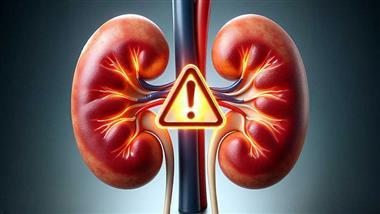
Did You Know? High Blood Pressure Causes Kidney DamageDid You Know? High Blood Pressure Causes Kidney Damage
Story at-a-glance
- About 1 in 5 adults with high blood pressure already has kidney damage, even if they feel completely fine
- High blood pressure silently destroys kidney function by narrowing blood vessels and trapping toxins in your body
- Older adults with high blood pressure are three times more likely to develop chronic kidney disease, yet most aren’t screened early
- Cutting all salt is not the solution — what matters most is improving your sodium-to-potassium ratio by eating whole, unprocessed foods
- Simple daily habits like breathing exercises, vitamin D optimization, and short walks help lower blood pressure and protect your kidneys long term
About 1 in 5 U.S. adults with high blood pressure already has chronic kidney disease — and most don’t know it.1 This link between high blood pressure and kidney failure isn’t something you feel. There’s no sudden warning. No flashing red light. It creeps in over time, with silent pressure damaging blood vessels deep inside your kidneys until they no longer filter waste effectively. That damage builds slowly — until one day, it doesn’t.
You might be told to watch your salt or take a pill, but that’s just the surface. What’s really happening inside your body is far more complex — and far more dangerous when ignored. Your kidneys are caught in a feedback loop: pressure restricts blood flow, your kidneys retain more fluid, and that extra fluid raises pressure even higher. If you’re in your 50s or 60s, or you’ve been told your blood pressure is “a little high,” this matters even more.
Most kidney decline goes undiagnosed until it’s advanced, and by then, your options are limited. But there are ways to intervene — if you understand what’s happening early enough. To do that, you need to see what researchers have uncovered about how high blood pressure quietly erodes kidney health from the inside out.
High Blood Pressure Hijacks Your Kidneys Long Before Symptoms Show Up
According to the National Institute of Diabetes and Digestive and Kidney Diseases (NIDDK), high blood pressure damages your kidneys by gradually narrowing and hardening the tiny blood vessels inside them.2 These vessels are responsible for filtering out waste and excess fluid. As they stiffen and shrink, they can’t do their job properly, which causes waste to build up in your bloodstream. This buildup leads to more fluid retention, which raises your blood pressure even further, creating a vicious cycle of damage.
• This damage often happens with no warning signs — Most people don’t realize their kidneys are under strain until the disease is already advanced. Early on, you won’t feel pain. You won’t see clear symptoms. But inside your body, the pressure is suffocating your kidneys’ filtering system. By the time symptoms like swelling (edema), fatigue, or changes in urination show up, the damage is often severe.
• This is a major public health crisis hiding in plain sight — Nearly 108 million adults in the U.S. — almost half — have high blood pressure. Of those, roughly 1 in 5 already has some level of kidney disease. That’s over 20 million Americans walking around with a damaged filtration system and no idea it’s happening.
• High blood pressure is the second leading cause of kidney failure in the U.S. — Only diabetes causes more kidney damage.3 Once kidneys fail, your only options are dialysis or a transplant. And even with treatment, quality of life drops sharply. The burden isn’t just physical — it’s financial and emotional, too. Keeping blood pressure in check is far easier than treating full-blown kidney failure.
• Specific populations face even higher risks — Black adults are hit hardest. While they make up just 13% of the U.S. population, they account for 35% of all kidney failure cases.4 Food access, chronic stress, underdiagnosis, and lack of preventive care all contribute to the disproportionate damage in Black communities.
• Regular testing is the only way to catch early kidney damage — NIDDK recommends checking your glomerular filtration rate (GFR) through a blood test and looking for albumin (a type of protein) in your urine. Healthy kidneys don’t let protein leak into your urine. If they do, that’s a red flag that damage has already started.
Your kidneys rely on healthy blood flow to filter waste and regulate fluid balance. When high blood pressure restricts this flow, kidneys struggle to perform one of their most important roles: clearing out toxins. That failure doesn’t just impact the kidneys — it backs up waste into the bloodstream, affects every organ system, and leads to systemic dysfunction.
Older Adults with High Blood Pressure Are at Sharply Higher Risk for Kidney Failure
Public health researcher Edmond Kubi Appiah analyzed data from the National Health and Nutrition Examination Survey (NHANES), which included over 4,000 U.S. adults.5 His findings exposed a widespread failure in how health care professionals screen for chronic kidney disease (CKD) in people with high blood pressure. His research showed that high blood pressure triples your risk of kidney disease once you’re over 60, even when controlling for other health issues.
• Older adults were the most affected group in this analysis — For people in their 60s and older, high blood pressure drastically increased the likelihood of developing CKD. Even among participants with similar incomes, ethnic backgrounds, diabetes status, or medication use, those with high blood pressure still had much higher odds of kidney damage. According to Appiah, “That is not just a clinical statistic — it is a wake-up call.”
• Routine care is missing the window for early kidney damage detection — Appiah called out a critical flaw in current medical practice: doctors often treat high blood pressure as a heart issue while ignoring the kidneys. Appiah stressed that this leads to delayed detection and missed intervention opportunities. He wrote, “If we are not actively looking for it — especially in patients with high blood pressure — we are missing a crucial window for prevention.”
• The lack of testing allows CKD to quietly progress toward organ failure — Kidney damage builds slowly, with no obvious warning signs in early stages. According to Appiah, once symptoms like fatigue, swelling, or changes in urination show up, it’s often too late to reverse the damage. He urged doctors to screen all older adults with high blood pressure using two simple tools:
◦eGFR (estimated glomerular filtration rate) — A blood test that measures how well your kidneys are filtering waste.
◦Urine albumin — A urine test that checks for protein leakage, an early indicator of kidney damage.
These tests are inexpensive, noninvasive, and widely available, but underused in routine care for older adults with high blood pressure.
• Early intervention means better outcomes and lower costs — Treating CKD once it becomes advanced is expensive and life-altering. Appiah emphasized that integrating kidney screening into routine blood pressure management would prevent massive downstream suffering. “We cannot afford to ignore the silent progression of CKD in older adults,” he wrote. “Especially when one of its biggest risk factors, hypertension, is already in the exam room.”
• The call to action is clear: expand the narrative — Appiah challenged the health care system to rethink how it frames blood pressure. “Let us start by expanding the narrative around high blood pressure to include the kidneys,” he urged. “Let us normalize early kidney screenings for hypertensive patients.”
Aging Doesn’t Cause Kidney Disease, but High Blood Pressure Accelerates the Damage
In a study published in Advances in Kidney Disease and Health, researchers examined how aging affects kidney function and whether conditions like high blood pressure play a direct role in accelerating damage.6 While some decline in kidney filtration happens naturally with age, the paper found that up to one-third of older adults maintain normal kidney function into later life — as long as chronic conditions like high blood pressure aren’t present.
• Healthy aging doesn’t lead to kidney failure — The researchers emphasized that when older adults avoid diseases like high blood pressure and diabetes, their kidney function tends to stay relatively stable. This directly contradicts the widespread assumption that kidney decline is an inevitable part of aging. In fact, the study found that healthy elderly participants had lower, but still normal, filtration rates when measured by inulin clearance, a precise method for testing kidney function.
• The real risk comes when age meets disease — When high blood pressure is added to the picture, the decline in kidney function becomes more aggressive and clinically significant. The study noted that chronic high blood pressure doesn’t just raise numbers — it physically changes the structure of the kidney’s filtration system. Over time, the increased pressure stiffens and scars blood vessels, reducing your kidneys’ ability to clear waste efficiently.
• Preventive lifestyle habits make the biggest difference — The paper highlighted several lifestyle strategies that help preserve kidney health in older adults — even those with mild age-related decline.
These include exercise to support healthy blood flow and improve blood pressure control and careful monitoring of medication side effects to ensure the kidneys aren’t being harmed by drugs. These strategies help extend the period of functional kidney health, reduce medication dependency, and improve overall quality of life.
• Aging doesn’t guarantee disease but neglect does — This study challenges the belief that kidney failure is an automatic part of growing older. It’s not your age — it’s what your blood pressure is doing to your kidneys behind the scenes. And the sooner you catch that damage, the more control you have over the outcome.
How to Protect Your Kidneys by Lowering Blood Pressure the Right Way
If you’re dealing with high blood pressure or even just concerned about kidney health as you age, the first thing to understand is this: your kidneys are being strained by pressure that builds up over time — not just from salt, but from stress, poor nutrient balance, and lifestyle patterns that silently weaken your filtration system.
This isn’t about short-term fixes. You need a plan that restores balance at the root level, starting with what you eat and how you live each day. Here are five simple, proven steps you can take right now to stop the damage and give your kidneys the support they need to keep working for the long haul.
1. Fix your sodium-to-potassium ratio by eating real food — The problem isn’t salt itself — it’s ultraprocessed food. Most people get their sodium from boxed snacks, canned goods, deli meat, and fast food, which are stripped of potassium.
Your body needs potassium to relax blood vessels and lower pressure. If you’re eating mostly whole, unprocessed foods — like ripe fruit, root vegetables, and well-cooked leafy greens — you’ll naturally get more potassium and less sodium, the way your kidneys were designed to handle.
2. Skip the low-salt diet and focus on nutrient density — Cutting salt too aggressively backfires. It increases insulin levels, worsens your cholesterol ratios, and puts your body into a stress state that makes high blood pressure harder to control. If you’ve been told to cut all salt, you’ve been misled.
Instead, focus on eliminating ultraprocessed foods and use a small amount of high-quality mineral salt on meals made from scratch. That way, you’re not stressing your system or spiking insulin just to chase lower numbers.
3. Use simple breathing exercises to lower your stress response — High blood pressure isn’t just physical — it’s emotional. Chronic stress triggers hormones that tighten blood vessels and drive your pressure up. Try this: box breathing. Inhale for four seconds, hold for four, exhale for four, and hold again for four. Do this for 10 minutes a day. It’s free, easy, and trains your nervous system to stop overreacting. You’ll feel calmer, and your blood pressure will follow.
4. Get your vitamin D levels into the optimal range — Vitamin D helps regulate the renin-angiotensin system, a hormone network that directly controls blood pressure. If your vitamin D levels are too low, this system becomes overactive, driving up pressure and damaging your kidneys. Make sure you’re getting regular sun exposure, but avoid peak hours (10 a.m. to 4 p.m.) if you consume linoleic acid (LA) from vegetable oils.
LA is a polyunsaturated fat that oxidizes easily, builds up in your skin and increases your risk of skin damage. Cut these oils from your diet for at least six months before getting peak sun exposure. Get your vitamin D levels tested at least twice a year and aim for a level between 60 and 80 ng/mL (150 to 200 nmol/L). Consider a vitamin D3 supplement if you don’t get sun exposure regularly.
5. Move more — but start with what’s doable for you — If you’re already active, aim for an hour of moderate aerobic movement daily, like walking, cycling, or swimming. But if you’re starting from zero, don’t overthink it. Even 10-minute walks after meals are beneficial. The key is consistency. Your kidneys will thank you for every step.
FAQs About High Blood Pressure and Your Kidneys
Q: How does high blood pressure damage your kidneys?
A: High blood pressure narrows and hardens the tiny blood vessels inside your kidneys, which reduces blood flow and impairs their ability to filter waste. As filtration slows down, waste and fluid build up in your body, which pushes blood pressure even higher — creating a vicious cycle of damage that eventually leads to kidney failure.
Q: Who is most at risk for high blood pressure-related kidney disease?
A: Adults over 60 are at significantly higher risk, especially if they already have high blood pressure. Black Americans are also disproportionately affected, accounting for 35% of kidney failure cases despite being just 13% of the U.S. population. Lack of screening, limited access to care, and dietary stressors contribute to this imbalance.
Q: What are the early signs of kidney damage?
A: Most people experience no symptoms in the early stages of chronic kidney disease. As damage progresses, you might notice swelling in your ankles or face, fatigue, dry or itchy skin, changes in urination, or brain fog. Unfortunately, by the time symptoms appear, significant damage has usually already occurred.
Q: What lifestyle changes help prevent or reverse kidney damage from high blood pressure?
A: Focus on eating whole, potassium-rich foods to balance sodium intake, avoid ultraprocessed meals, and ditch the low-salt dogma. Incorporate daily breathing exercises to lower stress, optimize vitamin D through sun exposure and testing, and engage in regular movement — even short walks help. These steps restore vascular function and protect your kidneys at the root level.
Q: What tests should you ask for to catch kidney damage early?
A: Get your eGFR (estimated glomerular filtration rate) tested through a blood panel and check your urine albumin levels. These simple, inexpensive tests detect early-stage kidney decline long before symptoms appear. Ask for them if you have high blood pressure, especially if you’re over 60 or in a high-risk group.
This Silent Health Crisis Is Now Affecting Nearly 800 Million People
Reproduced from original article:
https://articles.mercola.com/sites/articles/archive/2026/08/25/chronic-kidney-disease-worldwide.aspx
Analysis by Dr. Joseph Mercola August 25, 2026

Story at-a-glance
- Chronic kidney disease now affects an estimated 788 million adults worldwide, roughly one in seven adults, making it one of the largest and fastest-growing chronic health challenges on the planet
- Most people with kidney disease are in the early stages and often have no obvious symptoms, allowing damage to progress silently for years before it’s discovered
- Kidney disease extends far beyond the kidneys themselves; impaired kidney function contributes to more than one in 10 cardiovascular deaths worldwide by increasing strain on the heart and blood vessels
- High fasting blood sugar, high blood pressure, and excess body weight were identified as leading contributors to kidney disease-related disability and premature death, highlighting the importance of metabolic health
- Taking action early by improving blood sugar control, supporting healthy blood pressure, eating potassium-rich whole foods, staying physically active, and monitoring kidney function offers the best opportunity to preserve kidney health long term
Chronic kidney disease is a gradual loss of your kidneys’ ability to filter waste, balance fluids, and regulate the minerals your body depends on. What makes it so dangerous is how quietly it begins. Early on, you may notice nothing at all, or you may shrug off vague signs like fatigue, swelling in your legs or feet, or subtle changes in urination. By the time the damage makes itself obvious, much of it has often already been done.
That silence is exactly what makes a recent global analysis so unsettling. Drawing on health data spanning more than three decades and hundreds of countries and territories, researchers set out to measure how far this condition has actually spread, and what they uncovered suggests it has become one of the most widespread chronic threats to human health, with consequences that reach well past the kidneys and into the heart itself.1
The detail that deserves your attention most, though, isn’t the sheer size of the problem. It’s that the majority of people whose kidneys are already in trouble have no idea, because the early stages do their damage without raising an alarm. That gap, between how common this condition has become and how rarely it gets caught in time, is the real story. And it starts with what this landmark analysis revealed about the true scope of the crisis.
Kidney Disease Quietly Became One of the World’s Biggest Health Threats
Published in The Lancet, this global analysis examined chronic kidney disease trends across 204 countries and territories between 1990 and 2023. Researchers drew on published studies, household surveys, treatment registries, and national health records to determine how many adults were affected, how many died from the condition, and which risk factors contributed most heavily to the burden of disease.2
Their findings revealed that chronic kidney disease is no longer a niche medical problem; it’s become one of the largest health challenges facing adults worldwide.
• The number of affected adults more than doubled in three decades — According to the analysis, 788 million adults were living with chronic kidney disease in 2023, compared to 378 million in 1990. Researchers reported that the global prevalence reached 14.2% of adults, meaning roughly one in seven adults now has some level of kidney damage or impaired kidney function.3
For you, that reframes the question — kidney disease is no longer a problem confined to a high-risk few, which means the odds it’s relevant to you personally are higher than you might assume.
• Most people are stuck in the silent stages — The overwhelming majority of cases occurred in stages 1 through 3. These are the earlier phases of kidney disease, when the kidneys still perform much of their job but damage has already begun. Researchers estimated that stage 1 through stage 3 disease accounted for a combined prevalence of 13.9% of adults worldwide.
This matters because early kidney disease rarely causes obvious symptoms. You can feel completely normal while damage progresses in the background. That creates a challenge, but it also creates an opportunity. If you identify the problem early, you have a much larger window to address the factors that drive further decline.
• Kidney disease reaches far beyond the kidneys themselves — The analysis found that chronic kidney disease ranked as the ninth leading cause of death globally in 2023, accounting for approximately 1.48 million deaths. Researchers also calculated that impaired kidney function contributed to 11.5% of cardiovascular deaths worldwide.
Unhealthy kidneys place extra stress on your entire circulatory system. Your kidneys help regulate fluid levels, blood pressure, and numerous chemical signals throughout the body. As kidney function declines, the strain extends to the heart and blood vessels, increasing the likelihood of serious cardiovascular problems.
• Blood sugar emerged as the biggest contributor to kidney-related health loss — When researchers compared risk factors, high fasting blood glucose accounted for the largest share of kidney-related disability-adjusted life years — a measure that combines years lost to illness and to premature death — at 31.9%. High systolic blood pressure (24.5%) and excess body weight (23.5%) followed closely behind, while dietary factors accounted for 17.6%.
Because these figures come from an observational analysis, they show how strongly each factor is associated with kidney-related health loss — not that any one directly causes it. Even so, improving blood sugar control, maintaining healthy blood pressure, and managing excess weight may help address the factors contributing the greatest share of kidney-related health loss worldwide.
• Age dramatically increased the burden, but the trend affected all adults — Researchers observed that both the prevalence and severity of chronic kidney disease rose steadily with age. More advanced stages became increasingly common among older adults, while the contribution of high blood pressure to kidney-related disease burden also increased with advancing age.
Yet the findings were not limited to seniors. The study focused on adults beginning at age 20, highlighting that kidney damage often develops decades before severe symptoms appear. If you think of kidney health as a long-term challenge rather than an old-age problem, you gain a major advantage. Every positive step you take today gives your kidneys a better chance of functioning well years from now.
Support Your Kidney Health and Lower Your Risk
The findings from this global analysis point to a simple reality: Chronic kidney disease rarely begins in the kidneys alone. The biggest contributors were high blood sugar, high blood pressure, and excess body weight. That means the most effective strategy is to address the metabolic and lifestyle factors that place stress on your kidneys year after year.
High blood pressure deserves special attention because it doesn’t just accompany kidney disease — it also contributes to it. Over time, elevated pressure damages the tiny blood vessels inside your kidneys, reducing their ability to filter waste efficiently, while declining kidney function often pushes blood pressure even higher. The earlier you address the factors that strain both your blood vessels and your kidneys, the greater your opportunity to preserve kidney function for decades.
The following strategies are for prevention and early-stage risk reduction; anyone with diagnosed kidney disease should treat potassium, protein, and fluid targets as clinician-directed, because the right numbers flip once function is significantly impaired.
1. Make blood sugar control your first priority — High fasting blood sugar was the largest contributor to kidney disease burden worldwide. When blood sugar remains elevated, excess glucose damages the small blood vessels that allow your kidneys to filter waste effectively. Focus on improving metabolic health with whole foods, adequate protein, and healthy carbohydrates that match your activity level.
For most adults, that means approximately 250 grams of carbohydrates daily, with higher amounts if you’re physically active. Prioritize ripe fruit, root vegetables, and other nutrient-dense carbohydrate sources while eliminating ultraprocessed foods, including seed oils and sugary beverages.
Because protein is essential for maintaining muscle and metabolic health, aim for roughly 0.8 grams of protein per pound (or 1.76 grams per kilogram) of ideal body weight, with approximately one-third coming from collagen-rich sources like slow-cooked meats or bone broth.
2. Improve your blood pressure by improving your metabolism — High blood pressure ranked among the leading contributors to chronic kidney disease worldwide. Yet blood pressure often reflects deeper metabolic problems rather than an isolated condition. Excess weight, poor blood sugar control, chronic stress, and nutrient imbalances all place additional strain on your blood vessels and kidneys.
If you’re carrying excess weight, improving body composition often reduces pressure on both systems simultaneously. Daily movement, strength training, adequate sleep, and stress reduction support healthy blood pressure while helping protect your kidneys from further wear and tear. Even a daily walking routine creates meaningful improvements over time.
3. Restore a healthy sodium-to-potassium balance — Many people focus exclusively on reducing salt, but healthy blood pressure depends heavily on maintaining the proper balance between sodium and potassium. The larger problem is that most dietary sodium comes from ultraprocessed foods that contain very little potassium while delivering excess sugar, phosphate additives, seed oils, and other compounds that increase your kidneys’ workload.
Instead of aggressively restricting salt, focus on removing ultraprocessed foods and replacing them with whole-food potassium sources such as ripe fruit, root vegetables, and well-cooked greens. This strategy supports fluid balance, healthy blood pressure, and kidney function at the same time. It also reduces exposure to additives that place additional stress on kidney tissue.
One important exception: If you already have diagnosed kidney disease, especially stage 3b or beyond, don’t increase dietary potassium without checking with your doctor and knowing your latest labs. Once kidney function is significantly reduced, the kidneys can’t clear potassium efficiently, and too much can become dangerous. The advice to raise potassium applies to prevention and early-stage risk reduction, not to established, more advanced disease.
4. Optimize vitamin D through sensible sun exposure and daily movement — Vitamin D helps regulate the hormonal system that controls blood pressure and fluid balance. When vitamin D levels remain low, that system may become overstimulated, which research has linked to increased tension in your blood vessels and added strain on your kidneys.
Regular sun exposure helps to support vitamin D production, cellular energy generation, and healthy circulation. Aim for a vitamin D level between 60 and 80 ng/mL (150 to 200 nmol/L). If you still consume significant amounts of seed oils and other sources of linoleic acid (LA), avoid intense sun exposure until you have reduced those foods for at least six months.
This is because LA is a polyunsaturated fat that oxidizes easily, builds up in your skin, and increases your risk of skin damage. Pair sunlight with regular movement. An hour of walking, cycling, swimming, or similar activity each day improves circulation, supports healthy blood sugar levels, and reduces pressure on your kidneys’ filtering units. If you’re just getting started, even 10-minute sessions create momentum.
5. Stay hydrated, reduce unnecessary kidney stress, and screen early — For healthy kidneys, hydration helps dilute and remove waste while lowering kidney-stone risk, and thirst is usually a reliable guide. If you’ve been diagnosed with kidney disease, fluid needs can change — sometimes downward — so follow your doctor’s guidance rather than thirst alone.
Pale yellow urine also generally reflects adequate hydration. If you have a history of kidney stones, pay attention to foods high in oxalates, including spinach, sweet potatoes, and figs.
Pairing oxalate-containing foods with calcium-rich foods helps bind oxalates in your digestive tract so fewer reach your kidneys. At the same time, reduce phosphorus from processed foods, colas, and fast-food meats, since excess phosphorus disrupts mineral balance and places additional strain on kidney tissue.
If you have high blood pressure, diabetes, obesity, a family history of kidney disease, or other metabolic risk factors, make kidney screening part of your routine. Ask specifically for two tests: an eGFR (estimated glomerular filtration rate), which estimates how much blood your kidneys filter each minute, and a urine albumin-to-creatinine ratio (uACR), which catches protein leaking through damaged filters — often the earliest warning sign, before eGFR has budged.
Because early-stage kidney disease often produces no symptoms, these simple tests help identify problems long before significant damage occurs.
If you are considering kidney-function or vitamin D testing, talk to your health care provider about whether they’re appropriate for you.
FAQs About Chronic Kidney Disease
Q: What is chronic kidney disease and why is it called a silent health crisis?
A: Chronic kidney disease is a gradual loss of kidney function that often develops without obvious symptoms. Many people remain unaware they have it because early-stage kidney disease rarely causes noticeable problems. By the time symptoms become clear, significant damage has often already occurred.
Q: How common is chronic kidney disease?
A: According to the global analysis published in The Lancet, an estimated 788 million adults were living with chronic kidney disease in 2023. The condition now affects roughly one in seven adults worldwide and has more than doubled in prevalence since 1990.
Q: What are the biggest factors driving chronic kidney disease?
A: The leading contributors identified in the research were high fasting blood sugar, high blood pressure, and excess body weight. These metabolic factors damage the blood vessels that supply the kidneys and increase the strain placed on the kidneys over time.
Q: How does kidney disease affect the rest of the body?
A: Kidney disease affects far more than waste filtration. The kidneys help regulate blood pressure, fluid balance, and numerous chemical signals throughout your body. As kidney function declines, the risk of cardiovascular disease rises substantially. Researchers estimated that impaired kidney function contributes to 11.5% of cardiovascular deaths worldwide.
Q: What are the most important steps to protect kidney health?
A: Focus on addressing the root causes of kidney damage before permanent decline occurs. Maintain healthy blood sugar levels, improve blood pressure through better metabolic health, restore a healthy sodium-to-potassium balance with whole foods, optimize vitamin D through sensible sun exposure and regular movement, stay hydrated, and monitor kidney function early if you have risk factors such as diabetes, obesity, high blood pressure, or a family history of kidney disease.
This article is for informational purposes only and does not constitute medical advice. Consult a qualified health care provider before making changes to your health regimen.
Why Phosphate-Loaded Sodas Hammer Your Metabolism Harder Than Sugar
Reproduced from original article:
https://articles.mercola.com/sites/articles/archive/2026/08/24/phosphate-loaded-sodas-metabolism-damage.aspx
Analysis by Dr. Joseph Mercola August 24, 2026

Story at-a-glance
- A single can of cola floods your system with nearly 100% absorbable inorganic phosphate, triggering hormonal shifts that disrupt vitamin D, calcium balance, and kidney function
- Phosphate in soda raises levels of FGF23, a hormone that accelerates vascular calcification, weakens bones, and increases your long-term risk of heart attack or stroke, even if your labs are normal
- Unlike natural sources, phosphate additives in soda are rapidly absorbed and bypass digestive safeguards, placing a silent burden on your kidneys and arteries with every sip
- When combined with high-fructose corn syrup (HFCS), soda creates a metabolic double hit — HFCS promotes liver fat, raises uric acid, and drives insulin resistance, while phosphate sabotages hormonal and mineral balance
- Replacing soda with sparkling citrus water, magnesium glycinate, and vitamin K2 helps support your bones, protect your heart, and reverse the silent damage phosphate leaves behind
A single can of cola delivers more than just refined sugar — it delivers a metabolic ambush that your body absorbs within minutes. While most people know to worry about the high-fructose corn syrup (HFCS) lurking in soft drinks, few realize that the real damage comes from the phosphate hidden in plain sight.
Phosphoric acid is added to cola for flavor and shelf life, but what it delivers is a rapid spike in inorganic phosphate, a form your body absorbs almost entirely. Your bloodstream reacts fast. Within just 30 to 60 minutes, phosphate levels surge — and with them, a hormone called fibroblast growth factor 23 (FGF23). That one surge sets off a hormonal chain reaction that disrupts calcium absorption, suppresses vitamin D, stresses your kidneys, and begins laying the groundwork for hardening of your arteries.
Unlike the sugar in soda, phosphate acts more like a stealth hormone disruptor. It hijacks your endocrine system with every sip. And it doesn’t matter how healthy you think you are. Even young adults with no chronic conditions have shown elevated FGF23 levels within hours of a single phosphate load.
What’s worse, this phosphate exposure is virtually unregulated by your body. While natural food sources contain phosphate bound in protein or phytate, which slows absorption, sodas deliver inorganic phosphates that enter your system quickly. This largely bypasses your digestive safeguards and leaves your organs to clean up the mess.
It’s a burden your kidneys never signed up for and one your arteries pay for over time. That’s why the real danger in soda isn’t just about sugar — it’s about what happens when fructose and phosphate collide in the same can. Let’s take a closer look at the two ingredients side by side.
What’s Really in a Can of Cola?
When you crack open a can of soda, you’re not just sipping something sweet. You’re taking in a concentrated mix of biologically active compounds that hit your metabolism hard. Each 12-ounce serving of cola contains ingredients that work against your health in different ways — and some are far more damaging than they appear.
• High-fructose corn syrup (HFCS-55, ~39 grams of total sugar) — HFCS-55 is made of roughly 55% fructose and 45% glucose. While glucose raises blood sugar and stimulates insulin, it’s the fructose component that does the deeper damage. Your liver takes the hit first.
Fructose gets funneled directly into your liver’s fat-making process, increasing your liver’s fat load and elevating triglycerides. At the same time, it spikes uric acid, which increases oxidative stress, raises blood pressure, and damages mitochondria. Over time, this combination drives insulin resistance — the foundational defect in obesity, diabetes, and cardiovascular disease.
• Phosphoric acid (~50 to 60 milligrams (mg) of elemental phosphorus) — This is where things turn hormonal. Unlike phosphate found in whole foods, the phosphate in cola is inorganic and nearly 100% bioavailable. That means your body absorbs almost all of it, quickly. Within minutes, it forces your kidneys and bones to compensate.
You’ll see a spike in FGF23 — a hormone that lowers vitamin D, impairs calcium metabolism, and forces your kidneys to waste phosphate in an effort to protect your bloodstream. Repeated exposure increases vascular stiffness and elevates cardiovascular risk, even in people without existing kidney problems.
• Caffeine, caramel color, and artificial flavors — Don’t dismiss the trace components. Caffeine itself increases calcium loss in your urine, compounding the calcium-phosphate imbalance created by phosphoric acid.
Caramel color, especially the ammonia-sulfite processed kind, adds another layer of risk by introducing advanced glycation end products (AGEs). These compounds contribute to inflammation, oxidative stress, and tissue aging. Artificial flavors may seem harmless, but their unknown interactions with your gut and liver remain poorly studied.
Each of these ingredients hits a different pathway — metabolic, endocrine, vascular — but the real problem is how they interact. Fructose depletes adenosine triphosphate (ATP) and raises uric acid. Phosphate hijacks your hormone signaling. Add caffeine and AGEs, and you’ve got a cocktail that does far more than add inches to your waistline.
How Inorganic Phosphate Hijacks Your Hormones and Stresses Your Kidneys
When you eat whole foods, like meat, eggs, or legumes, the phosphate they contain is naturally bound to proteins or plant compounds like phytate. Your body takes its time breaking those down, and you only absorb about 40% to 60% of the phosphate in a typical meal. That’s a manageable load.
But the phosphate in soda doesn’t play by those rules. Phosphoric acid is a form of inorganic phosphate that’s not bound to anything. It bypasses digestion and enters your bloodstream at nearly 100% absorption. Within 30 to 60 minutes, your blood phosphate level spikes. And your body scrambles to respond.
• FGF23 is the hormone that flips your metabolism into damage control — This sudden phosphate flood triggers a spike in FGF23.1 This hormone is produced by your bones to get rid of excess phosphate, but FGF23 suppresses the enzyme 1α-hydroxylase, which your kidneys need to convert vitamin D into its active form, calcitriol. Without calcitriol, your body struggles to absorb calcium, shutting down bone turnover and starving your cells of calcium even when your diet is sufficient.
• Your body tries to rebalance, and your skeleton pays the price — As calcium levels drop, your parathyroid glands kick in. They release parathyroid hormone (PTH), which pulls calcium out of your bones to bring blood levels back up. But this leaching process weakens bone structure over time. If you’re regularly drinking cola, your bones are constantly being tapped to fix a problem that started in your soda can.
• A silent source of wear and tear on your kidneys — With every phosphate spike, your kidneys start dumping phosphate into your urine to keep blood levels in check. This ongoing flush seems protective, but it comes at a cost: micro-damage, oxidative stress, and accelerated wear on delicate filtering structures. Over time, even small, repeated injuries add up, especially if you’re already dealing with other metabolic stressors like insulin resistance or high uric acid.
How Phosphate Hardens Your Arteries and Raises Your Risk of a Heart Attack
You don’t need kidney disease for phosphate to wreck your heart. Even if your lab tests look normal, chronically high phosphate levels, like the ones triggered by regular soda consumption, quietly damage your blood vessels and heart over time. The damage starts in your bloodstream, but it doesn’t stay there.
• Your arteries aren’t supposed to turn into bone, but that’s what happens — Under normal conditions, smooth muscle cells in your arterial walls stay flexible and elastic. But when exposed to persistently elevated phosphate, those same cells begin expressing genes typically seen in bone-forming cells. This process turns pliable arteries into rigid, calcium-laced pipes. Once this transformation begins, it’s extremely difficult to reverse.
• Your hormonal defense system collapses — High phosphate doesn’t just activate bone-building pathways in your arteries. It also disrupts the protective feedback loop between FGF23 and a protein called α-Klotho.2
These two normally work together to regulate phosphate and calcium balance. But when phosphate keeps flooding your system, this balance breaks. Klotho levels drop, oxidative stress goes up, and arterial walls stiffen.3 That stiffening drives up blood pressure and reduces blood flow, setting the stage for a heart attack or stroke.
• Phosphate raises your risk of dying from heart disease — A 2024 meta-analysis showed that people in the highest phosphate quartile had a 44% greater risk of cardiovascular death compared to those with lower phosphate levels, even if their kidney function was perfectly normal.4 This isn’t about end-stage disease or rare cases. It’s about everyday exposures, like the phosphate in your soda, quietly eroding your cardiovascular resilience year after year.
The Collateral Damage You Don’t See — Kidney Strain, Bone Loss, and Faster Aging
The impact of high-phosphate sodas goes far beyond your arteries. What starts as a seemingly harmless beverage choice quickly spreads into a web of silent damage that hits multiple systems in your body. If you’re drinking cola regularly, you’re stacking the odds against your kidneys, bones, and even your longevity.
• Phosphate overload speeds up kidney decline, even before symptoms show up — If you already have mild kidney dysfunction, high-phosphate intake pushes that damage into overdrive. Diets rich in inorganic phosphate, like what’s found in sodas and ultraprocessed foods, accelerate the progression of chronic kidney disease.5
Your kidneys are forced to work overtime to dump excess phosphate from your bloodstream, which increases oxidative stress and causes scarring in the nephrons — the tiny filters inside your kidneys that clean your blood. Over time, this leads to progressive loss of kidney function, even in people who aren’t diabetic or hypertensive. And because kidney damage is largely symptomless until advanced stages, you may not even know it’s happening.
• Soda pulls calcium out of your skeleton and leaves it brittle — Women who drink cola four or more times per week have significantly lower BMD in the hip, one of the most fracture-prone areas of the skeleton.6 The combination of high phosphate and low calcium absorption makes bones porous and weak, raising the risk of osteoporosis and fractures.
• Excess phosphate accelerates the biological clock — Phosphate affects you down to the cellular level. High phosphate levels activate mTOR, a key regulator of growth and metabolism.7
While mTOR has beneficial roles in controlled settings, chronic overactivation leads to DNA damage,8 increased cellular replication errors, and premature senescence — a state where cells stop dividing and enter a permanent state of aging. This isn’t just about disease — it’s about quality of life. Phosphate-laden sodas rob you of resilience, making it harder for your body to recover, repair, and maintain the energy you need to thrive.
Fructose in Soda Still Damages Your Metabolism
Fructose in soda isn’t off the hook. You’ll find about 22 grams of it in every can of HFCS-sweetened soda, and that’s more than enough to create metabolic chaos in the wrong context. But unlike phosphate, which hits hard no matter what, you do have some leverage when it comes to fructose’s effects.
• Fructose goes straight to your liver and turns into fat — Unlike glucose, which is used by nearly every cell in your body, fructose has a narrow processing window — it’s metabolized almost entirely in your liver.
When your liver is already loaded with energy (especially in sedentary or overfed states), it begins converting that fructose into fat. This results in fat droplets building up inside your liver cells and elevates triglycerides in your bloodstream. Over time, this fat buildup contributes to insulin resistance, fatty liver disease, and rising cardiovascular risk.
• Fructose metabolism generates uric acid as a byproduct — High uric acid levels drive inflammation. They impair nitric oxide availability in your blood vessels, reducing their ability to relax and regulate pressure. Elevated uric acid also promotes oxidative stress through the generation of reactive oxygen species (ROS), further damaging the endothelium — the delicate lining of your arteries. This sets the stage for high blood pressure, kidney strain, and accelerated aging.
•Fructose feeds the wrong microbes and fuels leaky gut — Too much fructose also disrupts your gut. It feeds opportunistic bacteria in your small intestine, creating dysbiosis — a microbial imbalance that weakens your gut barrier. When that happens, endotoxins seep into your bloodstream. These toxic fragments drive systemic inflammation, contributing to joint pain, brain fog, and autoimmune flare-ups.
• Fructose isn’t harmful in small, buffered doses — The damage from fructose largely depends on how and when you consume it. When eaten with fiber-rich whole foods like fruit, fructose does far less harm. The fiber slows absorption, and the nutrients in whole fruit counterbalance the inflammatory effects. But in soda, you’re drinking a fast-acting dose with zero buffering — just straight metabolic stress.
How to Protect Yourself from the Hidden Damage in Soda
If you’ve been drinking soda regularly, even just a few cans per week, your body is already dealing with the consequences. That phosphate-fructose combo doesn’t just affect your blood sugar or waistline. It hijacks your hormones, leaches calcium from your bones, stiffens your arteries, and stresses your kidneys.
But the good news is, you’re not stuck. You can take control starting today by removing the source and supporting your body’s natural defenses. Whether you’re an athlete using energy drinks, a parent reaching for a cola, or just looking to break a soda habit, these steps will help you protect your metabolism and cellular health.
1. Swap soda for sparkling water with fresh citrus — If you’re drinking cola — even the diet kind — you’re getting a dose of inorganic phosphate that hits your bloodstream fast. Switch to sparkling mineral water and squeeze in some lemon or lime. You’ll get flavor, hydration, and a small amount of citrate, which helps support kidney function without adding phosphate or HFCS.
2. Ditch phosphate-loaded energy drinks and reach for coconut water with sea salt — If you’re an athlete or just someone who relies on energy drinks or sports colas, those are hammering your kidneys and arteries every time you sip. Coconut water mixed with a pinch of sea salt offers natural electrolytes without the phosphate hit, helping your cells rehydrate and recover without metabolic fallout.
3. Use maple-salt rice bars instead of commercial gels — If you’re using sports gels or preworkout drinks with cola flavoring or phosphoric acid, it’s time to upgrade. Cook some white rice, mix in a little maple syrup and sea salt, press it into a pan, and let it chill. You’ll get slow-burning carbs, no added phosphate, and a better energy profile that doesn’t disrupt your insulin response.
4. Shield your system with magnesium glycinate — If you drink soda now and then — maybe socially or during travel — take 200 to 400 mg of magnesium glycinate with it. This helps bind phosphate, restore calcium balance, and reduce the risk of vascular and kidney damage. It’s a simple tool to soften the metabolic blow.
5. Use vitamin K2 (MK-7) daily to guard your arteries — Vitamin K2 activates matrix-Gla protein, which prevents calcium from getting deposited in soft tissues like your arteries. I recommend 100 to 200 micrograms per day. If you’ve ever had a history of soda drinking, this is a long-term investment in your vascular health. If you’ve already been exposed for years, don’t panic. Your body has the capacity to recover, but only if you remove the drivers and give it the nutrients it needs to repair.
FAQs About Phosphate-Loaded Sodas
Q: What makes soda harmful beyond the sugar content?
A: While HFCS in soda is damaging to liver and metabolic health, the phosphate — especially in the form of phosphoric acid — delivers a faster and more disruptive blow. Inorganic phosphate is absorbed almost instantly, spiking the hormone FGF23, which suppresses vitamin D, disrupts calcium metabolism, and stresses your kidneys and arteries.
Q: How does phosphate affect my bones and heart?
A: Inorganic phosphate triggers hormonal shifts that leach calcium from your bones, weaken your skeleton, and harden your arteries. The rise in FGF23 and drop in active vitamin D impair calcium handling, while high phosphate levels drive smooth muscle cells in your arteries to behave like bone cells, increasing cardiovascular risk even in healthy individuals.
Q: What are the long-term risks of drinking cola regularly?
A: Regular soda consumption increases your risk for chronic kidney disease, osteoporosis, vascular calcification, and premature aging. Studies show that even people without kidney disease experience microdamage to their filtering systems and a significant increase in cardiovascular mortality risk when phosphate levels remain elevated.
Q: Is HFCS still a problem in soda?
A: Yes. HFCS in soda drives fat production in your liver, raises uric acid, and fuels gut dysbiosis. However, the effects of fructose are context-dependent — fructose in fruit behaves differently than HFCS in soda due to the presence of fiber and protective nutrients. In soda, fructose is unbuffered, rapidly absorbed, and synergistically harmful alongside phosphate.
Q: What can I do to protect myself if I’ve been drinking soda?
A: Eliminate soda and similar phosphate-loaded drinks. Replace them with sparkling water and natural electrolyte options like coconut water with sea salt. Use magnesium glycinate (200 to 400 mg) to buffer phosphate exposure and consider taking vitamin K2 (100 to 200 mcg daily) to help prevent calcium from depositing in your arteries. These steps support bone, kidney, and cardiovascular recovery.
- 1 Pflugers Arch. 2024 Nov 27;477(3):495-508
- 2 Scientific Reports November 13, 2024
- 3 Nutrients 2024, 16(11), 1599
- 4 Bone 2016 Nov 12;100:87-93
- 5 Clinical Journal of the American Society of Nephrology March 20, 2025
- 6 The American Journal of Clinical Nutrition October 2006, Volume 84, Issue 4, Pages 936-942
- 7 J Am Soc Nephrol. 2016 Feb 12;27(9):2810-2824
- 8 Nutrients 2025, 17(9), 1587
Women with Kidney Disease Are Undertreated and Left Behind by Decades of Male-Dominated Research
Reproduced from original article:
https://articles.mercola.com/sites/articles/archive/2026/08/18/women-chronic-kidney-disease.aspx
Analysis by Dr. Joseph Mercola August 18, 2026
Story at-a-glance
- Chronic kidney disease affects 844 million people worldwide, yet women are less likely than men to be tested, diagnosed, referred to specialists, or receive treatments that have been adequately studied in female patients
- Up to 30% to 50% of chronic kidney disease cases go undiagnosed in high-income countries, and women are up to twice as likely as white men to remain undiagnosed even when kidney damage is present
- Women account for about 55% of the global chronic kidney disease population but represented only 45.4% of participants in kidney disease clinical trials, creating major gaps in knowledge about how treatments affect women
- Social and economic factors, including caregiving responsibilities, financial barriers, and delayed access to specialist care, contribute to poorer kidney disease outcomes for many women as the condition progresses
- Protecting kidney health includes addressing contributing factors, such as high blood pressure, poor mineral balance, vitamin D deficiency, physical inactivity, and ultraprocessed food consumption, while using routine blood and urine testing to detect problems before permanent damage occurs
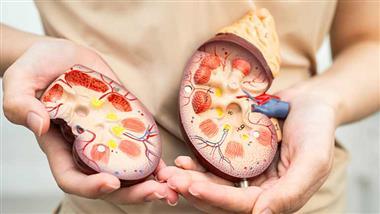
Chronic kidney disease, characterized by damaged kidneys that gradually lose their ability to filter waste from your blood, affects 844 million adults worldwide and is projected to become the fifth leading cause of death globally by 2040.1 The condition often develops silently, but common signs include fatigue, swelling in your legs or ankles, changes in urination, high blood pressure, and difficulty concentrating. Left unchecked, it increases your risk of heart disease, kidney failure, dialysis, and premature death.
Yet the most unsettling problem with chronic kidney disease is not how widespread it’s become — it’s who the medical system keeps overlooking. A growing body of evidence points to a pattern that has gone largely unexamined for decades: women living with kidney disease are diagnosed less often, enrolled in research less often, and treated based on data that was rarely gathered with them in mind.
The result is a mismatch between who actually develops the disease and whose bodies shaped what doctors know about treating it. How that gap formed, why it has stubbornly resisted correction, and what it means for the millions of women managing kidney disease today is the story the newest research is finally beginning to tell.
Women Face Delays at Every Stage of Kidney Disease Care
A Series review paper (the second of three papers) published in The Lancet examined how biological sex influences kidney health, disease progression, diagnosis, treatment, and outcomes.2
They concluded that current treatment approaches often ignore important differences between women and men, even though those differences affect how kidney disease develops and how treatments perform.
• Women encounter barriers even when disease is present — Chronic kidney disease remains one of the most underdiagnosed health conditions worldwide, and women face an additional burden. In this featured Series published in The Lancet, researchers reported that up to 30% to 50% of chronic kidney disease cases go undiagnosed in high-income countries.
Women and nonwhite individuals are up to twice as likely to remain undiagnosed as white men, while nine out of 10 people who have chronic kidney disease don’t know they have the condition.
• Testing and referrals happen less often for women — Women are less likely to receive kidney disease testing, specialist referrals, and cardiovascular risk management even when their clinical results are similar to those of men. From a practical standpoint, this means you could have the same laboratory findings as a male patient yet be less likely to receive the same level of attention or follow-up care.
• Research participation does not reflect who actually has the disease — Fewer than 45% of participants in kidney disease trials are women, and representation falls to roughly one-third in some studies involving kidney medications. If treatments are tested primarily in men, doctors have less information about how those therapies affect women in real-world settings.
• Important treatment differences emerge when scientists examine women separately — The paper described several examples where women responded differently than men. In the SONAR trial, the drug atrasentan provided greater kidney protection in women, but women also experienced more heart failure events.
In the REGENCY trial, which involves lupus nephritis, a kidney disease caused by autoimmune dysfunction, women responded substantially better to the drug obinutuzumab, while men achieved better outcomes without treatment. These findings suggest that averaging results across both sexes can hide clinically important differences that directly affect treatment decisions.
• Biology helps explain why one-size-fits-all medicine falls short — Genetics, hormone levels, kidney structure, and drug metabolism differ between women and men. Drug metabolism refers to how your body absorbs, processes, and eliminates medications.
Because those processes differ between sexes, the same medication can produce different benefits, risks, and side effects. The researchers argue that future studies should routinely analyze women and men separately so treatment recommendations better reflect how real patients respond.
Nearly 3 Decades of Research Left Women Underrepresented
For an analysis published in Clinical Kidney Journal, researchers examined 192 chronic kidney disease clinical trials registered on ClinicalTrials.gov and published between 1995 and 2022.3 Together, those studies included 147,136 participants.
Instead of looking at how a specific treatment worked, the researchers asked a different question: Were women being enrolled in kidney disease trials at rates that matched how often women actually experience the disease? The answer revealed a persistent mismatch that stretched across nearly three decades of research.
• The numbers showed a consistent enrollment gap — Across all 192 trials, women accounted for 66,875 participants, or 45.4% of those enrolled. At first glance, that might sound reasonably balanced. However, the researchers compared trial participation against the real-world burden of disease and found women represented about 55% of the global chronic kidney disease population.
To measure this discrepancy, they calculated something called the participation-to-prevalence ratio. That score compares how many women are enrolled in studies versus how many women actually have the disease. A perfect match would score 1.0. Instead, the average score was 0.75, showing women consistently appeared in trials at lower rates than expected.
• The imbalance remained regardless of study design — Underrepresentation remained similar whether studies focused on earlier or later stages of kidney disease, whether participants received dialysis or not, whether trials were funded by industry or other organizations, and whether the intervention involved drugs, devices, or other approaches.
Europe showed the largest imbalance, with a participation-to-prevalence ratio of just 0.65. Even more concerning, the researchers found no meaningful improvement between 1995 and 2022. Decades passed without solving the problem.
• Researchers rarely analyzed women separately — If you enjoy tracking your own health data, imagine combining your results with someone else’s and not separating them again. That’s essentially what happened in most of these trials. Only 39 of the 192 studies, just 20%, reported effectiveness outcomes separately for women and men.
When researchers fail to separate results by sex, important differences become invisible. The review found only one trial that identified a meaningful difference between women and men after performing sex-specific analysis. That finding alone illustrates how much information remains hidden when investigators don’t look.
• Safety data were almost completely missing — Not a single trial reported adverse events — unwanted reactions or complications that occur during treatment — separately for women and men. This matters because the paper highlighted evidence from broader drug-safety databases showing that women often experience different side effects than men due to differences in how medications move through and interact with the body.
Factors such as hormone levels, body composition, and drug metabolism influence those responses. Without sex-specific safety reporting, doctors and patients are left with an incomplete picture of risk.
• The study identified practical fixes for the future — The researchers outlined several ways to improve research quality. They argued that clinical trials should plan sex-specific analyses before studies begin, include enough women to make those analyses meaningful, and remove enrollment barriers that disproportionately affect women.
The authors also noted that caregiving responsibilities, communication barriers, and study designs that unintentionally favor male participation all contribute to lower enrollment rates. Addressing those obstacles would give women a stronger voice in research and generate treatment data that better reflects the patients who actually live with the disease.
The Hidden Barriers That Limit Women’s Access to Advanced Kidney Care
A commentary published in Kidney International Reports examined a puzzling pattern seen around the world: women appear frequently in the earlier stages of kidney disease, yet men dominate dialysis and transplant programs.4
The authors reviewed findings from the Chronic Kidney Disease Outcomes and Practice Patterns Study (CKD-DOPPS) and explored why women become less visible as disease progresses. The paper looked at the human side of health care access and the factors that influence who ultimately receives advanced treatment.
• Disease progression tells only part of the story — According to the analysis, men experienced a faster decline in kidney function in CKD-DOPPS clinics located in Brazil, France, Germany, and the U.S., helping explain why more men reached kidney replacement therapy, meaning dialysis or transplantation. However, the researchers emphasized that biology alone doesn’t explain the entire gap.
They pointed out that many important events occur before a patient ever reaches a specialist kidney clinic, including whether primary care providers recognize the disease and whether patients receive timely referrals. For you as a patient, this highlights the importance of identifying kidney problems early rather than waiting until advanced disease develops.
• Family responsibilities often compete with personal health — Researchers surveyed kidney specialists from 22 countries and found recurring themes that limited women’s access to advanced care. Economic inequality, caregiving duties, and family responsibilities repeatedly surfaced as obstacles. Many women spend years helping spouses, children, parents, and grandchildren while delaying their own medical appointments.
The paper suggests that this pattern contributes to later diagnoses, fewer specialist visits, and reduced access to treatment when compared with men.
• Social support and financial resources influence outcomes — Women were less frequently employed than men, creating additional challenges in health care systems where insurance or health care access is tied to employment status. Men were also more likely to be married, which often translates into greater logistical support during illness.
Transportation, appointment scheduling, treatment adherence, and emotional support all become easier when another person helps coordinate care. These factors aren’t medical measurements, but they still influence who receives treatment and when.
• Pregnancy complications create an overlooked warning sign — Another important finding centered on hypertensive disorders of pregnancy, including preeclampsia and pregnancy-induced high blood pressure. These conditions involve elevated blood pressure during pregnancy and are associated with a greater risk of future kidney disease and cardiovascular disease.
The global number of pregnancies affected by these disorders increased from 16.3 million to 18.08 million between 1990 and 2019. That means a pregnancy complication from years ago isn’t simply a past event. It can serve as an early warning sign that your kidneys deserve closer monitoring later in life.
• Earlier intervention offers one of the biggest opportunities for change — Unlike many discussions that focus only on dialysis or transplantation, this paper emphasized the value of acting long before severe disease develops. Identifying high-risk women earlier, especially those with a history of pregnancy-related complications, creates opportunities to slow disease progression and reduce future complications.
They also suggested that educating primary care providers about kidney disease risk factors could improve recognition and treatment at earlier stages. Viewed through that lens, one of the most powerful tools isn’t a new drug or procedure. It’s recognizing risk sooner and responding before kidney damage advances.
Take Charge of Your Kidney Health Before Problems Escalate
One of the biggest lessons from this research is that many women don’t receive timely testing, referrals, or treatment, which means that, until the system catches up, knowing your own numbers and asking for the right tests is a form of self-protection. High blood pressure deserves special attention because it’s both a major cause of kidney disease and a consequence of declining kidney function.
Over time, elevated pressure damages the tiny blood vessels inside your kidneys, reducing their ability to filter waste efficiently. The earlier you address the factors that drive high blood pressure and kidney strain, the greater your opportunity to protect kidney function for years to come.
• Restore a healthy sodium-to-potassium balance — If you’re dealing with high blood pressure, focus on mineral balance rather than simply eliminating salt. Blood pressure regulation depends heavily on the balance between sodium and potassium. The larger problem is that most sodium comes from ultraprocessed foods that contain very little potassium.
Replacing those foods with whole foods such as ripe fruit, root vegetables, and well-cooked greens helps restore this balance and reduces stress on your kidneys. At the same time, eliminating ultraprocessed foods lowers exposure to phosphate additives, excess sugar, seed oils, and other compounds that increase your kidneys’ workload.
• Optimize your vitamin D status through sensible sun exposure — Vitamin D helps regulate the hormonal system that controls blood pressure and fluid balance. When vitamin D levels remain low, that system may become overstimulated, which can increase vascular tension and place additional strain on your kidneys. Regular sun exposure is the most effective way to maintain healthy vitamin D levels.
If you still consume seed oils and other major sources of linoleic acid (LA), avoid intense midday sun for at least six months, since LA is a polyunsaturated fat that oxidizes easily, builds up in your skin, and increases your risk of skin damage. Aim for a vitamin D level between 60 and 80 ng/mL (150 to 200 nmol/L) and monitor it throughout the year. If regular sunlight isn’t available, vitamin D3 supplementation helps maintain healthy levels.
• Move every day and lower your stress response — Regular movement improves circulation, supports healthy blood sugar levels, and reduces pressure on your kidney’s filtering units. An hour of walking, cycling, swimming, or similar activity each day supports kidney health without excessive strain. If you’re just getting started, even 10-minute sessions create momentum.
I also recommend addressing the emotional side of high blood pressure. Chronic stress triggers hormones that constrict blood vessels and drive blood pressure upward.
One simple strategy is box breathing: inhale for four seconds, hold for four seconds, exhale for four seconds, and hold again for four seconds. Practice for 10 minutes daily to help calm your nervous system and reduce unnecessary pressure on your blood vessels.
• Reduce kidney stress from stones and excess phosphorus — If you have a history of kidney stones, pay attention to your oxalate intake. Foods particularly high in oxalates include spinach, almonds, peanut butter, sweet potatoes, and figs. Pairing oxalate-containing foods with calcium-rich foods helps bind oxalates in your digestive tract so fewer reach your kidneys. Low-oxalate greens such as kale work well for this purpose.
Boiling high-oxalate foods and discarding the cooking water further lowers the oxalate load. At the same time, reduce phosphorus from processed foods, colas, and fast-food meats. Excess phosphorus disrupts mineral balance and places additional strain on kidney tissue.
• Stay hydrated and screen early if risk factors apply to you — Hydration helps your kidneys dilute waste products and reduces the risk of stone formation. Thirst is usually a reliable guide, while pale yellow urine generally reflects adequate hydration. If you have high blood pressure, diabetes, obesity, a history of pregnancy-related blood pressure disorders, or a family history of kidney disease, make kidney screening part of your routine health maintenance.
Here, self-advocacy matters more than you might expect. Because women are tested and referred less often than men even when their lab values match a man’s, the most reliable protection is to ask by name. At your next checkup, request two specific tests: eGFR (estimated glomerular filtration rate, a blood test of how well your kidneys filter) and urine albumin (which checks for protein leaking into your urine).
Ask what the numbers are rather than waiting to be told something is wrong. These simple tests detect damage long before symptoms appear, and finding problems early gives you a far greater opportunity to slow progression before permanent damage occurs. The system may not flag you, so flag yourself. Lastly, talk to your health care provider about whether this testing is appropriate for you.
FAQs About Women and Kidney Disease
Q: Why are women less likely to receive a kidney disease diagnosis?
A: Research shows women are less likely to be tested, referred to specialists, and enrolled in studies that guide kidney disease treatment. As a result, many women remain undiagnosed even when signs of kidney disease are present. In high-income countries, an estimated 30% to 50% of chronic kidney disease cases go undiagnosed, and women face an even greater risk of being overlooked.5
Q: Why does it matter that women are underrepresented in kidney disease research?
A: Women make up about 55% of the global chronic kidney disease population but represented only 45.4% of participants in kidney disease clinical trials. When treatments are tested primarily in men, researchers have less information about how those therapies affect women, including differences in effectiveness, side effects, and long-term outcomes.6
Q: What factors increase a woman’s risk of kidney disease?
A: High blood pressure, diabetes, obesity, and a family history of kidney disease are well-known risk factors. Women with a history of preeclampsia or pregnancy-related high blood pressure also face a higher risk later in life. These pregnancy complications often serve as early warning signs that kidney function deserves closer monitoring.
Q: How does high blood pressure damage the kidneys?
A: High blood pressure places constant stress on the tiny blood vessels that filter waste from your blood. Over time, that pressure damages the kidneys’ filtration system, reducing their ability to remove waste and regulate fluid balance. Kidney disease can also worsen high blood pressure, creating a cycle that accelerates further damage.
Q: What are the most important steps to protect kidney health?
A: Focus on the root causes of kidney damage by maintaining a healthy sodium-to-potassium balance, avoiding ultraprocessed foods, optimizing vitamin D levels, staying physically active, managing stress, staying hydrated, and monitoring kidney function if you have risk factors. Early screening with blood and urine tests offers one of the best opportunities to identify problems before permanent kidney damage develops.
This article is for informational purposes only and does not constitute medical advice. Consult a qualified health care provider before making changes to your health regimen.
Chronic Kidney Disease: A Hidden Threat to Your Heart
Story at-a-glance
- Chronic kidney disease often develops silently for years, but even early kidney damage sharply increases your risk of heart attack, stroke, heart failure, and dangerous heart rhythm problems
- Two common tests called eGFR and UACR reveal hidden kidney stress long before symptoms appear and provide an early warning sign that your cardiovascular system is already under strain
- Researchers discovered that damaged kidneys release microscopic particles into the bloodstream that directly injure heart muscle cells, weaken heart contractions, and disrupt the electrical timing of the heartbeat
- Chronic inflammation, fluid overload, high blood sugar, excess sodium retention and overactivation of the nervous system create a destructive cycle that damages both the kidneys and the heart simultaneously
- Daily habits that improve metabolic health, including stable blood sugar, regular movement, lower intake of seed oils, restorative sleep, and healthy circulation, help reduce long-term stress on both organs before irreversible damage develops
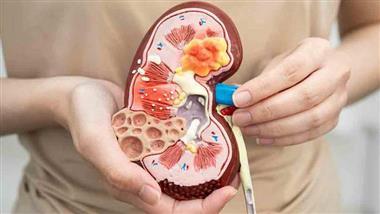
Your kidneys do far more than filter waste. They shape your blood pressure, your circulation, your fluid balance, and even the rhythm of your heartbeat. When they start to falter, the damage rarely announces itself. There’s no chest pain, no dramatic warning sign, no clear moment when something feels wrong. Instead, kidney function slips downward year after year while you continue to feel mostly fine, which is exactly what makes chronic kidney disease so dangerous.
Here’s what most people don’t realize: when kidneys start failing, the first organ to suffer often isn’t the kidneys. It’s the heart. Long before dialysis ever enters the conversation, injured kidneys begin reshaping the cardiovascular system. Most adults can recite their cholesterol number from memory, yet very few could tell you whether their kidneys are filtering normally or already under stress.
The tests that would reveal the answer are inexpensive, widely available, and often already sitting inside routine bloodwork, but the results rarely get explained in a way that connects them to heart attack, stroke, or heart failure risk. Recent research has uncovered something startling: damaged kidneys actively release particles into the bloodstream that travel to the heart and injure cardiac muscle cells directly.
The kidneys aren’t just failing alongside the heart; they’re actively damaging it. Understanding this connection gives you something powerful: the chance to intervene while the damage is still reversible.
2 Simple Kidney Tests Reveal Hidden Heart Danger
Harvard Health Publishing examined the growing evidence linking chronic kidney disease to cardiovascular disease and explained why doctors now view the kidneys and heart as deeply connected systems rather than separate organs.1 Dr. John Ostrominski from Harvard-affiliated Brigham and Women’s Hospital stressed that chronic kidney disease often goes unnoticed even though it affects about 1 in 7 U.S. adults.
Early chronic kidney disease often develops silently because the kidneys compensate for damage over long periods. You might feel normal while kidney function steadily declines. Once symptoms finally appear, they often include swelling in the legs or ankles, fatigue, trouble breathing, exercise intolerance, and changes in urination. By that stage, substantial damage has already occurred. This is exactly why early testing changes outcomes.
You gain a chance to slow progression before the disease starts affecting circulation, fluid balance, and heart function.
• Two screening tests give an early warning long before a medical emergency develops — The first test is estimated glomerular filtration rate, called eGFR, which measures how effectively your kidneys filter waste from your blood. A score of 90 or higher is considered normal, while values below 60 signal impaired kidney function.
The second test is the urine albumin-to-creatinine ratio, called UACR, which checks whether protein leaks into your urine. Healthy kidneys keep protein inside your bloodstream. Once albumin starts leaking into urine, it signals structural kidney damage.
• Protein leakage in urine strongly predicts future heart problems — Ostrominski explained that elevated UACR levels reveal cardiovascular strain and future heart risk. According to the report, both low eGFR scores and high UACR values are strongly linked with greater risk of heart attacks, strokes, heart failure, and atrial fibrillation, which is an irregular heartbeat rhythm. That means a simple urine test gives you an early look at whether your blood vessels and circulation are already under stress.
• High blood pressure and diabetes damage the kidneys through direct physical strain — Elevated blood pressure forces the body to hold onto more sodium and fluid, increasing pressure inside the tiny blood vessels within the kidneys. Over time, this chronic stress damages the filtration system itself.
Diabetes creates a second layer of injury because prolonged exposure to high blood sugar thickens and damages microscopic kidney blood vessels called capillaries. Once those delicate filters stiffen and narrow, waste removal slows and inflammation rises.
• The kidneys and heart create a feedback loop that worsens both diseases together — Healthy kidneys help regulate blood pressure, fluid levels, and mineral balance, all of which directly affect heart function. When kidney function declines, fluid builds up more easily, blood pressure rises further, and the heart works harder to move blood throughout your body.
That extra strain increases the likelihood of heart enlargement, rhythm disturbances, and heart failure. At the same time, weakened heart function reduces blood flow back to the kidneys, which accelerates additional kidney damage.
• Metabolic dysfunction sits at the center of this entire process — Cardiovascular-kidney-metabolic syndrome, often shortened to CKM syndrome, links obesity, diabetes, high blood pressure, kidney disease, and cardiovascular disease together because they share the same underlying metabolic drivers.2 Excess body fat, poor blood sugar regulation, chronic inflammation, and impaired energy production damage multiple organ systems simultaneously.
Tiny Kidney Particles Damage the Heart Directly
Research published in Circulation investigated why so many people with chronic kidney disease develop heart failure even when doctors aggressively manage blood pressure, diabetes, and cholesterol.3 Researchers studied blood samples from 35 patients with moderate to advanced kidney disease and compared them to healthy controls.
Instead of focusing only on conventional risk factors, the team examined microscopic particles called extracellular vesicles, tiny membrane-covered packages released by cells into the bloodstream.
Think of extracellular vesicles as microscopic mail packages sealed in membrane envelopes. Cells normally use them to send routine messages to other cells. But when kidneys are damaged, they start mailing toxic cargo — genetic instructions and stress signals — that travel through the bloodstream and get opened by heart muscle cells, which then begin shutting down.
These extracellular vesicles carried genetic material and stress signals from injured kidney tissue directly into circulation. Once these particles reached heart muscle cells, they triggered cell death and interfered with the heart’s ability to contract normally. Researchers repeatedly described the kidney-derived vesicles as “cardiotoxic,” meaning directly harmful to heart tissue itself. That changes the entire understanding of kidney disease because the kidneys actively send damaging signals throughout the body.
• The study found direct evidence of heart muscle injury — Researchers exposed healthy heart muscle cells to extracellular vesicles taken from patients with kidney disease. Those cells rapidly showed increased apoptosis, which is programmed cell death. The heart cells began shutting themselves down after exposure to these kidney-derived particles.
Healthy control vesicles didn’t create the same damage. That confirmed the harmful effect came specifically from the diseased kidneys rather than from normal circulation.
• Heart contraction strength also weakened significantly — The study examined how well heart muscle cells squeezed and relaxed after exposure to kidney-derived vesicles. Researchers found impaired contractility, meaning the heart cells struggled to pump efficiently.
Calcium handling inside the cells also became disrupted. Calcium acts like an electrical timing signal that tells heart muscle when to contract and relax. Once calcium balance breaks down, the heartbeat loses efficiency and stability. Over time, this creates the conditions for heart failure and rhythm disturbances.
• The harmful particles carried specific microRNAs linked to tissue damage — MicroRNAs are tiny genetic regulators that switch certain cellular programs on or off. They work like dimmer switches on your genes. Each one can turn down specific cellular activities, including the genes that tell heart muscle how to contract properly. When the wrong microRNAs flood into heart cells, they essentially dim the lights on the machinery that keeps your heartbeat strong.
The researchers identified distinct microRNAs inside the extracellular vesicles that directly interfered with genes responsible for healthy heart contraction. When researchers inserted these microRNAs into laboratory-grown human heart cells, the cells showed the same toxic effects seen earlier in the study. This gave scientists a clearer explanation for how kidney disease physically alters heart tissue at the molecular level.
• The kidney itself appeared to be the source of these toxic signals — Researchers traced the microRNAs back to injured kidney tissue rather than the liver, heart, or immune cells. The strongest signals came from specific kidney cells damaged during chronic disease progression.
That finding reinforced the idea that chronic kidney disease acts as an active driver of heart failure instead of simply existing alongside it. The more severe the kidney dysfunction became, the stronger the cardiovascular injury markers appeared.
• Removing these harmful particles improved heart function in early animal research — Researchers used mice with chronic kidney disease and pharmacologically reduced circulating extracellular vesicles. Heart function improved significantly after the vesicles were depleted. Researchers also observed improvement in heart failure progression. This suggests that reducing the biological stress signals released by damaged kidneys directly lowers strain on the heart.
Researchers described these kidney-derived microRNAs as promising biomarkers for earlier disease detection and future therapies. These microscopic signals could eventually help identify cardiovascular damage years before a major cardiac event occurs.
Tracking kidney function, improving metabolic health, lowering inflammation, and reducing long-term stress on circulation become much more meaningful once you understand that silent kidney injury physically reshapes heart tissue over time.
Kidney Disease Changes Your Entire Cardiovascular System
A 2023 review published in Cardiovascular Research by the European Renal and Cardiovascular Medicine Working Group examined the growing cardiovascular burden inside chronic kidney disease across all stages.4 Researchers explained that cardiovascular complications become the leading cause of death in people with advanced kidney disease and regular dialysis treatment.
The review also highlighted a striking reality: many people with progressive kidney disease die from heart complications before their kidneys fail completely. That means protecting your cardiovascular system early becomes just as important as preserving kidney function.
• Cardiovascular danger rises step-by-step as kidney function declines — Researchers cited a meta-analysis involving more than 1 million individuals showing that death risk climbed sharply as kidney filtration rates worsened.5 Compared to a healthy reference filtration rate, mortality risk increased 18% at moderate kidney impairment, 57% at more advanced decline, and more than tripled in severe kidney dysfunction. Protein leakage into urine independently raised cardiovascular death risk too.
• Heart enlargement begins surprisingly early in kidney disease — The review discussed left ventricular hypertrophy, often shortened to LVH, which means the main pumping chamber of the heart becomes enlarged and thickened from chronic strain. Researchers found LVH already appears in earlier kidney disease stages and affects roughly 70% to 80% of patients with kidney failure on dialysis.
An enlarged heart muscle becomes stiffer, less efficient, and more vulnerable to heart failure and rhythm problems over time.
• Fluid overload places continuous stress on the heart and blood vessels — Damaged kidneys struggle to remove excess sodium and water efficiently. As fluid accumulates, blood pressure rises and the heart must pump harder against greater resistance. Researchers emphasized that volume overload alone doubles death risk in dialysis patients, even independent of other cardiovascular risk factors.
• Inflammation emerged as one of the strongest hidden drivers of damage — The review explained that chronic low-grade inflammation becomes almost universal in advanced kidney disease. Oxidative stress, gut microbiome disruption, metabolic acidosis, and retained waste compounds called uremic toxins all fuel inflammatory signaling. Uremic toxins are waste products the kidneys normally remove.
Once these compounds accumulate, they damage blood vessels, impair nitric oxide production, and increase oxidative injury throughout the cardiovascular system. Researchers noted that inflammation predicted cardiovascular death more strongly than LDL cholesterol in some kidney disease populations.
• The nervous system also becomes trapped in a chronic stress state — Researchers found sympathetic nervous system activity rises dramatically in kidney disease patients and becomes extremely elevated during dialysis treatment. Your sympathetic nervous system controls your “fight-or-flight” response.
Once chronically activated, it raises heart rate, constricts blood vessels, and increases blood pressure around the clock. The review linked this excessive sympathetic activation to higher rates of heart enlargement, arrhythmias, and cardiovascular death.
• Anemia further weakens oxygen delivery and strains the heart — Failing kidneys produce less of a hormone that stimulates red blood cell production. As anemia develops, oxygen delivery throughout the body drops. To compensate, the heart works harder and pumps faster, gradually increasing workload and accelerating structural heart changes. Researchers linked anemia directly to left ventricular hypertrophy and cardiovascular hospitalization risk in kidney disease patients.
• Sedentary behavior sharply increased cardiovascular risk — The review found limited physical activity was extremely common in both kidney disease and dialysis populations because of fatigue, illness burden, and reduced exercise tolerance.
Yet researchers consistently observed that higher physical activity levels strongly associated with lower cardiovascular mortality and fewer hospitalizations. One walking-based intervention reduced hospitalization risk by 29% over 36 months in dialysis patients.6 Movement improves circulation, blood pressure regulation, metabolic health, and mitochondrial energy production all at once.
Lower the Stress Load on Your Kidneys and Heart
Your kidneys and heart respond to the environment you create every single day. Years of metabolic dysfunction, high blood pressure, excess blood sugar, inflammatory foods, poor circulation, and chronic stress gradually damage the tiny blood vessels that keep both organs alive.
Once kidney tissue becomes injured, the research showed those damaged kidneys begin sending harmful signals directly into the bloodstream that weaken heart function too. That means the earlier you reduce the stress load on your body, the better your chances of slowing this cycle before it gains momentum.
1. Track your kidney numbers like a personal health score — Many people track weight or cholesterol but ignore the numbers that reveal silent kidney stress. It’s important to keep track of your eGFR and UACR values the same way you do your blood pressure. Those two markers often change years before symptoms appear.
Create a simple habit tracker on your phone or calendar and record your blood pressure and kidney labs whenever you get bloodwork done. Watching those numbers improve gives you direct feedback that your daily habits are reducing strain on your circulation and filtration system instead of damaging them further.
2. Lower blood sugar spikes before they injure tiny blood vessels — Chronic high blood sugar acts like fine sandpaper on the microscopic blood vessels inside your kidneys, gradually scarring the delicate filters they depend on. That same damage weakens circulation throughout your entire cardiovascular system. Your body runs far more efficiently when blood sugar stays stable.
Build meals around high-quality protein, collagen-rich foods, fruit, root vegetables, and other healthy carbohydrates instead of ultraprocessed foods, like seed oils, and sugary snacks.
If your digestion is compromised, with regular bloating or irregular bowel movements, begin with easier-to-digest carb sources like whole fruit and white rice before introducing harder-to-digest starches. Most adults need about 250 grams of carbohydrates per day from whole-food sources. This steady fuel supply turns your mitochondria back on and keeps your metabolism resilient.
3. Remove the inflammatory oils that damage cellular energy production — Seed oils, including soybean, corn, sunflower, safflower, and canola oils, are high in the polyunsaturated fat linoleic acid (LA), which places enormous oxidative stress on blood vessels, mitochondria, and kidney tissue when consumed in excess. Restaurant foods, packaged snacks, salad dressings, sauces, and processed convenience meals flood your body with these unstable fats that accumulate in tissues over time.
Replace those oils with grass fed butter, ghee, or tallow. If you eat animal protein, prioritize lower-PUFA ruminant meats instead of conventionally raised chicken or pork. Small daily swaps create a measurable reduction in inflammatory stress over months and years.
4. Use movement to improve circulation and metabolic function every day — Both organs run on the same fuel: steady, healthy blood flow. Every hour you spend sitting, that flow slows — and both kidneys and heart pay the price. Focus less on exhausting workouts and more on daily movement consistency because your body responds best to repetition.
Start with 20 minutes of walking daily and build toward an hour, along with resistance training twice a week. Also work in regular daily activity, like yardwork and frequent standing instead of sitting.
5. Restore your circadian rhythm to reduce chronic stress signals — Poor sleep and artificial light exposure raise stress hormones, worsen blood sugar regulation, and increase blood pressure strain on your kidneys and heart. Morning sunlight exposure helps reset your body clock and improves cellular energy production. I recommend getting outside shortly after sunrise and again near solar noon when possible.
However, if your diet has been high in seed oils, avoid peak sun exposure (10 a.m. to 4 p.m.) until you have removed them for at least six months, as excess LA stored in tissues increases susceptibility to sunburn and oxidative stress. At night, lower blue light exposure from phones, tablets, and televisions to support melatonin production inside your mitochondria.
FAQs About Kidney Disease and Your Heart
Q: How do I know if my kidneys are affecting my heart?
A: Most people don’t feel symptoms early on. Hidden kidney stress often shows up first through abnormal eGFR and UACR test results, which reveal declining filtration function and protein leakage into urine. Research showed these changes strongly predict higher risk of heart attack, stroke, heart failure, and irregular heartbeat rhythms long before severe symptoms appear.
Q: What causes chronic kidney disease to damage the heart?
A: Damaged kidneys increase fluid retention, raise blood pressure, disrupt mineral balance, and trigger chronic inflammation. Research also found injured kidneys release microscopic particles into the bloodstream that directly damage heart muscle cells and weaken your heart’s ability to contract efficiently. Over time, this creates a feedback loop where kidney dysfunction and heart strain worsen each other simultaneously.
Q: What are the early warning signs of chronic kidney disease?
A: Early chronic kidney disease often stays silent for years. As damage progresses, common symptoms include swelling in the ankles or legs, fatigue, shortness of breath, exercise intolerance, muscle cramps, fluid retention, and changes in urination patterns. Many people discover kidney dysfunction only after routine blood or urine testing.
Q: What lifestyle changes help protect both the kidneys and the heart?
A: The most effective strategies focus on reducing the root causes driving metabolic and vascular stress. Stable blood sugar, lower blood pressure, regular movement, restorative sleep, and reducing inflammatory processed foods all lower strain on both organs. Daily walking, resistance training, whole-food carbohydrates, adequate protein, and avoiding seed oils help improve circulation, mitochondrial energy production, and long-term cardiovascular resilience.
Q: Why does inflammation matter so much in kidney disease?
A: Inflammation damages blood vessels, stiffens arteries, and increases oxidative stress throughout the cardiovascular system. Researchers found inflammation becomes extremely common as kidney function declines because waste compounds, called uremic toxins, begin accumulating in the bloodstream. Chronic inflammation also increases sympathetic nervous system activity, raises blood pressure, and accelerates heart enlargement and heart failure risk.
Statins, Cholesterol, and the Real Cause of Heart Disease
Reproduced from original article:
https://articles.mercola.com/sites/articles/archive/2026/02/13/statin-cholesterol-heart-disease.aspx
Analysis by A Midwestern Doctor February 13, 2026
Story at-a-glance
- Despite decades of statin use costing approximately $25 billion annually in America alone, heart disease remains the leading cause of death, suggesting the cholesterol hypothesis that drives statin prescriptions is fundamentally flawed
- Studies show that lowering cholesterol with statins does not reduce heart disease, and yet these findings are ignored while statin guidelines are created by experts paid by pharmaceutical manufacturers
- Malcolm Kendrick’s clotting model provides a superior explanation for heart disease: atherosclerotic plaques result from repeated damage to blood vessel linings which the body repairs with layers of clots
- The medical establishment dismisses widespread reports of statin injuries as “nocebo effects,” paralleling how COVID-19 vaccine injuries were dismissed as “anxiety,” despite extensive evidence corroborating the injuries
- The actual causes of heart disease — fine particulate matter from pollution and cigarettes, lead exposure, chronic stress, and endothelial damage — receive minimal research funding because effective interventions cannot be patented and sold as expensive pharmaceuticals like statins
Frequently in science, fundamental facts are altered to create a profitable industry. Recently, I showed how this occurs with blood pressure: rather than causing arterial damage, high blood pressure is a response to arterial damage that ensures damaged arteries can still deliver blood to the tissues.
In turn, rather than helping patients, aggressively lowering blood pressure can be quite harmful. In this article, I will look at the other half of the coin, statins, cholesterol, and heart disease — something that harms so many Americans, it was poignantly discussed by Comedian Jimmy Dore.
Cholesterol and Heart Disease
Frequently, when an industry harms many people, it will create a scapegoat to deflect blame. Once this happens, a variety of other sectors will jump on the bandwagon and create an unshakable societal dogma.
For example, the health of a population (or if they are being poisoned by environmental toxins) determines how easily an infectious disease can sweep through a population and who is susceptible to it, but reframing infectious diseases as a “deficiency of vaccines” it both takes the (costly) onus off the industries to clean up the society and simultaneously allows them to get rich promoting the pharmaceutical products that “manage” each epidemic and the even larger epidemic of chronic diseases caused by those vaccines (discussed in detail here).
Note: The major decline in infectious illness credited to vaccines was actually the result of improved public sanitation; when the data are examined (e.g., for smallpox) those early vaccination campaigns made outcomes worse, not better.
In the 1960s and 1970s, a debate emerged over the causes of heart disease. On one side, John Yudkin effectively argued that the sugar being added to our food by the processed food industry was the chief culprit.1 On the other side, Ancel Keys (who attacked Yudkin’s work) argued that it was due to saturated fat and cholesterol.2
Note: Leaders in the field of natural medicine have made a strong case that this spike came from the mass adoption of seed oils3 (which thanks to our unprecedented political climate is at last being discussed on the mainstream news4). Likewise, some attribute this increase to the advent of water chlorination.5
Ancel Keys won, Yudkin’s work was largely dismissed, and Keys became nutritional dogma. A large part of Key’s victory was based on his study of seven countries (Italy, Greece, Former Yugoslavia, Netherlands, Finland, America, and Japan), which showed that as saturated fat consumption increased, heart disease increased in a linear fashion.
However, this result was simply a product of the countries Keys chose (e.g., if Finland, Israel, the Netherlands, Germany, Switzerland, France, and Sweden had been chosen, the opposite correlation would have been found).
Fortunately, it’s gradually become recognized that Keys did not accurately report his data. For example, recently an unpublished 56-month randomized study of 9,423 adults living in state mental hospitals or a nursing home (which made it possible to rigidly control their diets) that Keys directed was unearthed.6
It found that replacing half of one’s animal (saturated) fats with seed oil (e.g., corn oil) lowered their cholesterol, but for every 30 points it dropped, their risk of death increased by 22% (which roughly translates to each 1% drop in cholesterol raising the risk of death by 1%).
Note: Another (unpublished) study from the 1970s (of 458 Australians), found that partially replacing dietary saturated fat with seed oils increased the risk of dying by 17.6%.7
Likewise, recently, one of the most prestigious medical journals in the world published internal sugar industry documents.8 They showed the sugar industry had used bribes to make scientists place the blame for heart disease on fat so Yudkin’s work would not threaten the sugar industry.9 Remarkably, it is now generally accepted that Yudkin was right, but nonetheless, our medical guidelines are still largely based on Key’s work.
Likewise, the need to lower cholesterol to prevent heart disease is still a dogma within cardiology,10,11,12,13,14,15 despite things like this Lancet study16 which in 1986 showed:
“During 10 years of follow-up from Dec 1, 1986 to Oct 1, 1996, a total of 642 participants died. Each 1 mmol/L increase in total cholesterol corresponded to a 15% decrease in mortality (risk ratio 0—85 [95% Cl 0·79—0·91]).”
Statins Marketing
Once a drug is identified that can “beneficially” change a number, medical practice guidelines will inevitably shift to prioritizing treating that number in more and more people. For example, this is what happened with blood pressure:

Prior to statins, it was difficult to reliably lower cholesterol, but once they were introduced, research rapidly emerged arguing for a greater and greater need to lower cholesterol (and put more people on statins).

Note: In 2008 to 2009, 12% of Americans over 40 reported taking a statin, whereas in 2018 to 2019, that figure increased to 35%,17 and Americans now spend approximately 25 billion annually on statins.18
In tandem, a cancel culture (reminiscent of what we saw with the COVID vaccines) has been created where anyone who challenges the use of Statins is immediately labeled as a “statin denier” accused of being a mass murderer, and effectively canceled. Here, dissident cardiologist Aseem Malhotra discusses the dirty parallels between these two industries with Joe Rogan:
As such, beyond doctors being forced to follow these guidelines, patients often are too. Ideological doctors will retaliate against patients who do not take statins (similar to how unvaccinated patients were reprehensibly denied essential medical care during COVID-19), employers sometimes require cholesterol numbers to meet a certain threshold for employment, and life insurance policies often penalize those with “unsafe” cholesterol numbers.

Save This Article for Later – Get the PDF Now
Statin Injuries
This status quo is inexcusable as statins have a very high rate of injury. For example, the existing studies find between a 5% to 30% rate of injuries,19 and Dr. Malhotra, having gone through all the existing evidence estimates that 20% of statin users are injured by them.
Likewise, statins are well known for having a high percentage of patients discontinue the drugs due to their side effects (e.g., one large study found 44.7% of older adults discontinue the drugs within a year of starting them,20 while another large study of adults of all ages found 47% discontinued within a year).21
Statins in turn, are linked to a large number of complications that have been well-characterized (e.g., mechanistically) and described throughout the medical literature.22,23,24,25,26,27,28 One group of side effects are those perceived by the patient (which often make them want to stop using the medications). These include:
• A high incidence of muscle pain29,30,31,32,33,34,35
• Fatigue36,37 especially with exertion and exercise38
• Muscle inflammation (whose cause remains “unknown”)39,40
• Autoimmune muscle damage41,42,43,44
• Psychiatric and neurologic issues such as depression, confusion, aggression, and memory loss45,46,47,48,49,50,51,52,53
• Severe irritability54
• Sleep issues55
• Musculoskeletal disorders and injuries56,57
• Sudden (sensorineural) hearing loss58
• Gastrointestinal distress59
The other group are those not overtly noticed by the patient. These include:
• Type 2 diabetes60,61,62,63,64 particularly in women65,66,67
• Cancer68,69,70,71
• Liver dysfunction and failure72,73
• Cataracts74,75
• ALS-like conditions and other central motor disorders (e.g., Parkinson’s disease and cerebellar ataxia)76,77,78,79,80
• Lupus-like syndrome81
• Susceptibility to herpes zoster (shingles)82,83,84
• Interstitial cystitis85
• Polymyalgia rheumatica86
• Kidney injury87,88
• Renal failure89
From the start, I noticed statin patients often reported numbness, muscle pain, or cognitive issues after starting these drugs, which resolved once they stopped. When this was brought up with their doctors, the response was often hostile, with doctors insisting statins couldn’t be the cause, (citing their own experience of never having seen this happen to a patient) or claiming the patient needed to continue the medication regardless to avoid a heart attack.
In turn, as the years went by, I saw increasingly elaborate excuses being created to protect the statins from an ever-increasing awareness of their dangers. A common one was the “nocebo effect” — the idea that negative expectations caused the reported symptoms. For example, I lost count of how many doctors I knew who cited this 2016 study90 when patients stated they had been injured.
The nocebo effect is the opposite of the placebo effect. While the placebo effect occurs when a person experiences positive outcomes from a treatment because they believe it will help, the nocebo effect happens when negative outcomes arise simply because a person expects harm from a treatment, even if the treatment itself is harmless or ineffective.
This theory was used to dismiss patients’ experiences despite the fact that many were unaware of possible side effects until they occurred and then looked them up.
If you take this story and replace “statin” with COVID-19 vaccines, you will see it is essentially what everyone has experienced over the last four years (e.g., I lost count of how many times vaccine myocarditis was diagnosed as “anxiety”).
Note: Two adverse event reporting systems exist for adverse reactions to pharmaceuticals, MedWatch91 and FAERS.92 Like VAERS, they suffer from severe underreporting (it is estimated only 1% to 10% of adverse events are reported to them), but nonetheless, thousands of (ignored) reports can be found there of the common injuries which result from statins.93
‘Cholesterol’ Plaques
Many medical beliefs emerge from the pharmaceutical marketing departments. For example, the widespread belief that depression is due to a “chemical imbalance” is actually false and never had any evidence supporting it.
Likewise, they made us believe heart disease results from fat clogging the arteries, much like it does for a drain pipe, as this metaphor is easy for everyone to visualize and immediately elicits a sense of disgust.

However, given that there is no link between cholesterol and heart disease, is it necessarily true? Malcolm Kendrick MD, in turn, discovered that the well-known risk factors for heart disease do not corroborate the standard model.94 For example, to calculate the risk of heart disease, England combines the adjustable risks for heart disease (e.g., age) with the conditions commonly associated with causing heart disease.95

Likewise, in a 2017 study, the records of 378,256 English patients were analyzed by an AI system to identify which characteristics were associated with the highest risk of a cardiovascular event over the next 10 years. The ten greatest risk factors (in order) were:96

From this, Kendrick concluded that the common thread was that many of these (e.g., lupus or cortisol) are associated with damage to blood vessels and impaired microcirculation (a consequence of such damage) rather than with cholesterol.97
Presently, cardiology believes cholesterol somehow gets into a blood vessel and then damages it (leaving an atherosclerotic plaque). Kendrick saw that a forgotten model (that the medical profession largely buried) provides a much better explanation of the causes of heart disease:
1.Blood vessels get damaged.
2.The body repairs the damage with cholesterol containing clots.
3.As clots heal, they are pulled inside the blood vessel wall, and a new layer of endothelium (blood vessel lining) grows over them.
4.As this occurs multiple times in the same area, the damage (plaques) under the blood vessel becomes more abnormal.

Some of the key points of evidence he uses to support this argument are:98
• Most of the risk factors for heart disease overlap with things that would be expected to damage the blood vessel lining (endothelium).
• Plaques tend to form at arterial branch (junction) points, which are the parts of the artery that are subjected to the greatest shear stress.99
• When you examine the components of a plaque, they are found to contain the same debris found in blood clots.100,101,102
• There is no established mechanism for how cholesterol from the bloodstream can get under the endothelium. However, red blood cells (which play a key role in forming clots103) contain a large amount of cholesterol (50% of the total amount in the bloodstream104), and hence will bring it into clots that form.
• Plaques contain cholesterol crystals. These crystals can form only from free cholesterol,105 which is present in red blood cells, but not from the “bad” cholesterol that circulates in the bloodstream (contained within lipoproteins). Likewise, much of the cholesterol found in atherosclerotic plaques is free cholesterol.106
• The remnants of lipoproteins that are found in plaques are not cholesterol lipoproteins, but rather lipoprotein A, something the body uses to repair damage to the arterial walls.107 This is supported by the fact elevated blood lipoprotein A levels are associated with increased lipoprotein remnants in plaques108 and that the specific marker of lipoprotein A is found to concentrate in atherosclerotic plaques.109
Lipoprotein A in turn is problematic because while it can patch and repair arterial damage, it also makes clots resistant to subsequent degradation, guaranteeing that they will eventually be pulled under the endothelium and transformed into an atherosclerotic plaque (which may in turn explain why elevated lipoprotein A levels are associated with a three-fold increase in the risk of a heart attack or stroke110).
In short, a strong case can be made that our entire heart disease model rests on a variety of correlations that were erroneously assumed to demonstrate causation. Sadly, while the “correlation is not causation” mantra is frequently used to dismiss anything that challenges the orthodoxy, you will frequently find overtly false correlations that support the medical industry’s bottom line being treated as unquestionable dogmas.
Note: One of the best examples is the widespread belief vaccines eliminated infectious disease, even though no correlation exists (whereas public sanitation directly correlates with the elimination of infectious diseases).

The Causes and Treatments of Heart Disease
Kendrick’s model essentially argues the following:
• Most cardiovascular disease results from the blood vessel lining becoming damaged (due to the atherosclerotic lesions) and losing the ability to perform the normal functions (e.g., nitric oxide secretion) that allow it to protect the circulation.
• Inflammation and periods of prolonged and severe stress (e.g., from mental illness, cigarettes, or extreme social oppression) frequently damage the endothelium and hence contribute to heart disease.
• Heart attacks are due to blood clots (which frequently are a result of damaged endothelium) interrupting a critical blood supply to the heart.
Remarkably, most of Kendrick’s model is in complete agreement with the conventional cardiovascular disease paradigm, he just emphasizes stress and inflammation rather than cholesterol and prioritizes treating the functional impairments of the blood vessels (e.g., reduced nitric oxide synthesis).
Note: Kendrick argues the small benefits experienced from statins are likely due to the drugs also having anti-inflammatory effects111 and increasing endothelial nitric oxide.112
Similarly, smoking is well recognized to cause heart disease because it damages the blood vessels (e.g., by creating plaques and impairing their ability to make nitric oxide113), but we rarely ask why or note that similar damage has been repeatedly demonstrated with fine particulates from coal mines,114 breathing air in crowded cities,115 cooking with a wood burning stove116 or being exposed to wildfire smoke.117
Likewise, lead is quite damaging to the endothelium,118,119 rapidly enters the bloodstream once inhaled,120 and a strong correlation exists between lead use in gasoline and heart disease in America.121
Note: It’s estimated that around 400,000 deaths each year in America are due to lead exposure122 and in a study of 868 men, it was observed that high levels of lead exposure (assessed by its presence in the bones) increased their risk of dying by over 700%,123 particularly since lead returns to the bloodstream as aging bones break down.
Sadly, as you cannot sell drugs for any of these causes of heart disease, they rarely get mentioned, and instead almost all of the research and discussions on heart disease are directed at cholesterol.
Conclusion
Kendrick presciently argued that because of how much money has been invested in establishing the cholesterol hypothesis, the industry will never let it go. This, in short, accounts for why we continue to spend billions each on these drugs despite their benefit being almost nonexistent (e.g., unbiased research shows taking statins for five years, on average, only extends life by 3 to 4 days124 — and only in men)125 and their harms being common and immense.
Fortunately, we have at last reached a point where real progress is being made. For example, despite immense institutional pushback, MAHA recently updated the Federal Dietary Guidelines to at last correct the 50-year-mistake created by Key’s doctored data and acknowledge the importance of consuming healthy animal fats.

The insatiable greed which birthed the unconscionable COVID vaccines and their mandates has at last opened the public’s eyes to the marketing myths the pharmaceutical industry has bombarded us from birth with so we perpetually consume their products. Because of that, we at last have a once in a lifetime opportunity to correct many of these disastrous policies, and as MAHA’s recent revision of the food pyramid shows (which I never imagined would occur), change is actually happening.
Unfortunately, decades of other disastrous health policies also need to be fixed, and for that to happen, it is essential we bring awareness to each of them. I sincerely thank each of you for allowing me to share the truth about statins with you; so many people I know have been hurt by them, and with your help, we can at last end this.
Author’s Note: This is an abridged version of a longer article about the great cholesterol scam which goes into greater detail on the dangers of statins, the actual causes of heart disease, and the natural ways to safely heal the arterial system and prevent heart disease. That article and its additional references can be read here.
A Note from Dr. Mercola About the Author
A Midwestern Doctor (AMD) is a board-certified physician from the Midwest and a longtime reader of Mercola.com. I appreciate their exceptional insight on a wide range of topics and I’m grateful to share them. I also respect AMD’s desire to remain anonymous since AMD is still on the front lines treating patients. To find more of AMD’s work, be sure to check out The Forgotten Side of Medicine on Substack.
The Real Reason Your Arteries, Kidneys, and Bones Age Too Fast
Reproduced from original article:
https://articles.mercola.com/sites/articles/archive/2026/01/28/phosphate-additives-health-risks.aspx
Analysis by Dr. Joseph Mercola January 28, 2026

Story at-a-glance
- Modern diets hide excessive phosphate additives in ultraprocessed foods, which are absorbed rapidly and efficiently, disrupting natural mineral balance and overwhelming organs far more severely than refined sugar
- Industrial phosphate additives enhance texture, flavor, and shelf life, increasing total intake by 40% or more compared to natural sources, leading to widespread hidden overconsumption
- Chronic phosphate overload hardens arteries, stresses kidneys, elevates blood pressure, and accelerates aging, even when blood tests appear normal or phosphate levels stay within conventional ranges
- Elevated phosphate triggers excess fibroblast growth factor-23 (FGF-23), harming the heart, hormones, and metabolism, while weakening bones and increasing fracture risk through calcium imbalance
- Avoiding ultraprocessed foods and choosing whole, natural ingredients lowers phosphate load, improves cardiovascular and kidney function, restores mineral balance, and promotes long-term health and vitality
Most people have learned, one way or another, to be cautious about refined sugar. They know it drives insulin resistance, weight gain, inflammation, and fatty liver disease. They also know fructose is especially dangerous when separated from the fiber and nutrients found in whole fruit. Refined sugar has become a known villain because it’s obvious and measurable and tied to cravings we recognize immediately.
But the modern diet contains something far more elusive, a compound that quietly weaves itself through the food supply and affects the body in deeper, more systemic ways than people realize. That compound is phosphate — specifically, the industrial phosphate additives added to processed foods.
The challenge is that added phosphate doesn’t register in the mind the way sugar does. It doesn’t taste sweet, spike cravings, or create the obvious sensation of “I probably shouldn’t be eating this.”
And because manufacturers aren’t required to list the amount of inorganic phosphate, only the ingredient name, consumers never know how much phosphate they’re ingesting. They also don’t know how it behaves once it enters the bloodstream, or how dramatically it differs from the natural phosphorus found in real whole foods.
How Processing Changed the Way Humans Encounter Phosphorus
For most of human history, dietary phosphorus arrived through traditional foods like meat, fish, eggs, dairy, nuts, seeds, and plants. In these forms, phosphorus is absorbed slowly and incompletely.1 Plant sources often bind it in phytate, which humans don’t digest efficiently. As a result, your body only absorbs around 60% of the phosphate found in real, whole foods.2
• Animal foods contain bioavailable phosphorus — However, the presence of fat, protein, and other minerals slows the rate at which it appears in the bloodstream. This slow, steady pattern mirrors the body’s natural design and allows the kidneys, bones, and hormones to maintain equilibrium without effort.
• The industrial food system changed the phosphorus dynamic almost overnight — Manufacturers discovered that phosphate additives were incredibly useful for preserving moisture, improving texture, adjusting acidity, stabilizing mixtures, and extending shelf life.3 They injected these additives into deli meats, marinated chicken, processed cheeses, canned soups, protein drinks, powdered creamers, and nearly every cola on the market.4
In fact, research shows that if you eat a diet that’s mainly comprised of ultraprocessed ingredients, your phosphate intake goes up by 41% above the normal range.5
• Modern humans routinely absorb two or three times more phosphate than their bodies were built to handle — Again, phosphate is hidden, and it also dissolves rapidly and is absorbed with near-perfect efficiency. This unnatural speed and completeness of absorption overwhelm the regulatory systems designed to maintain mineral balance. Eventually, health problems arise.
What Excess Phosphate Does to Your Arteries
The blood vessels are one of the first places phosphate begins to exert its effects. When phosphate levels rise too often, the arteries respond by absorbing calcium into their walls, forming microscopic deposits that grow over time. This process is called vascular calcification, and it turns soft, flexible blood vessels into stiffer, more rigid tubes.6
• Your heart suffers as a result from excess phosphate intake — It needs to work harder to push blood through the vessels; as a result, blood pressure rises, and the risk of heart attack and stroke increases long before a person notices anything is wrong.
According to a 2024 study, high serum phosphate levels increase your risk for cardiovascular death by as much as 44%. The same increased odds are also seen with coronary atherosclerosis.7
• Testing for phosphate levels can be hard — The most troubling part is that these changes can occur even when phosphate levels remain within the “normal” range on a blood test. Clinical norms are based on overt deficiency and kidney disease thresholds, not on the subtle long-term effects of chronic overload. As explained in one study, diagnosis remains to be a complicated matter due to the presence of various hormones, minerals, and cofactors that influence serum phosphate levels.8
• Excess phosphate ages your body faster — A diet high in phosphate additives can push the body into a state of accelerated aging without ever tripping a diagnostic alarm. This is why phosphate overload is so dangerous — it leaves almost no trace until the damage is already advanced.
How does high phosphate intake cause advanced aging? While there’s no solid evidence yet, researchers theorize that it creates cytotoxic effects in multiple organs. In addition, apoptosis is triggered, causing unwanted cell death, which accelerates aging.9
Save This Article for Later – Get the PDF Now
The Hidden Burden on the Kidneys
Your kidneys are your body’s primary phosphate regulators. Their job is to remove excess phosphate from the blood and maintain stable levels throughout the day through a complex interaction with other organs such as your intestines, bones, and several endocrine factors.10 But kidneys evolved under conditions in which phosphorus arrived slowly, bundled inside complex foods. The sudden, repeated surges created by phosphate additives place a burden on them they were never meant to carry.
• Excess phosphate weakens kidneys over time — This constant strain can impair filtration, contribute to kidney tissue damage, and increase the risk of chronic kidney disease11 even in individuals who have never had high blood sugar, high blood pressure, or any other classic risk factor.
• The damage slowly creeps up on you — Phosphate overload has quietly become one of the most under-recognized kidney stressors in the modern diet. In fact, the American Kidney Fund classifies it as a symptom, rather than a cause of kidney damage.12
And because the early stages of kidney dysfunction are nearly impossible to feel,13 many people don’t realize the connection between their food choices and their kidney health until they are already experiencing measurable decline.
• Processed beverages harm your kidneys — In particular, cola consumption has been repeatedly linked to increased kidney risk. Even diet colas — those with zero sugar — deliver phosphoric acid directly into the bloodstream, creating a phosphate load similar to what occurs when someone consumes fast food or processed meats.
The lack of calories does nothing to protect the kidneys. In fact, many people unknowingly consume more phosphate after switching to diet soda, believing they have made a healthier choice.
A Hormonal Disturbance Few People Have Heard Of
When phosphate rises beyond what the kidneys can eliminate easily, the bones step in by releasing a hormone called fibroblast growth factor-23 (FGF-23).14 Its purpose is protective — it tells the kidneys to excrete more phosphate and helps prevent dangerously high levels from circulating in the blood.15
• When FGF-23 stays chronically elevated, it becomes harmful in its own right — Research links high FGF-23 to left ventricular hypertrophy, vascular dysfunction, and disordered mineral metabolism.16 It’s also been associated with other conditions, such as end-stage kidney disease, cardiovascular mortality, and all-cause mortality.17
What makes this finding important is that FGF-23 reacts primarily to dietary phosphate, especially phosphate additives. People who eat mostly whole foods have dramatically lower levels.18 However, those who regularly consume processed foods, frozen meals, convenience meats, and sodas often have chronically elevated FGF-23 without knowing it, even if they’re generally healthy.19
This chronic elevation acts as an internal stress signal, a sign that the body is constantly fighting to keep up with an unnatural mineral load.
• Testing for FGF-23 isn’t mainstream — Most doctors never test for FGF-23, and most patients never hear the term. Yet it may be one of the most important biomarkers of long-term health in a world saturated with processed food.20
The Surprising Impact on Bone Health
People often associate phosphate with bone strength because of its role in bone formation, but the relationship becomes distorted when intake is excessive. Bones rely on a careful balance between calcium and phosphate, and when phosphate intake rises too high, the body pulls minerals from the skeleton to compensate. This imbalance can contribute to lower bone density and a greater risk of fractures over time.21
• Soda consumption weakens your bones — Studies consistently show that heavy cola consumption is associated with weaker bones, especially in women.22 Again, this effect appears even with diet colas, confirming that it’s not sugar — but phosphoric acid — that drives the mineral imbalance.23 Over decades, this cumulative stress weakens the skeleton in ways people rarely associate with their beverage choices.
Colas sit at the center of the phosphate problem not just because of sugar, but because of their phosphate content. The tangy, biting flavor people recognize comes directly from phosphoric acid, one of the most absorbable forms available. A single soda can deliver a phosphate load equivalent to an entire day’s worth of natural phosphorus from whole foods. And because sodas are consumed quickly and often without food, the impact is even more pronounced.
• This creates a perfect storm — Sugar damages the liver and metabolism, while phosphate damages the heart, kidneys, and bones. Diet soda removes one of these threats but leaves the other fully intact. Many people who avoid sugar still harm their vascular and kidney health every day through phosphate exposure alone.
Why This Problem Is So Invisible
One reason phosphate overload has gone unnoticed for so long is that it doesn’t trigger immediate symptoms. There is no energy crash, no digestive discomfort, no jittery feeling.24 Unlike sugar or caffeine, you can’t feel phosphate as it enters your bloodstream. You only feel it years later when your blood pressure is higher, your kidney function is lower, or your arteries show signs of calcification.
• Phosphate is rarely listed on food labels — Nutrition facts panels almost never list the amount of phosphorus or phosphate in a product. The only clues appear in the ingredient list as chemicals with the term “phos” in their names.
Some foods contain five or six different phosphate additives, each contributing to the overall load. Most consumers have no idea how to interpret these words, and many assume they are harmless because they appear in foods marketed as healthy or low-fat. As noted in one study:25
“The USDA [United States Department of Agriculture] Branded Foods Products Database (BFPD) contains label information about food and beverage content for foods sold in the U.S. Picard et al. reported that of the 3,466 foods in the BFPD, 52% contained inorganic and organic phosphate additives, but only a small fraction listed phosphate content on the label.”
• Inorganic phosphate is hidden everywhere — Even people who avoid junk food often consume phosphate through items like flavored yogurts, nut milks, deli meats, vegan cheeses, and protein powders. The modern food system has found a way to slip phosphate into nearly every category, and the cumulative effect is what accelerates aging.
The Path Back to Balance
Reducing phosphate overload doesn’t require elaborate strategies or precise counting. It simply requires shifting more of the diet toward real, whole foods and away from products whose ingredient lists sound like chemistry sets.
• Dietary suggestions — Look for organic fresh meats instead of injected or marinated meats. Other changes you can make include choosing grass fed whole dairy instead of processed cheeses or creamers, and water or tea instead of sodas. In the video above, bioenergetics expert Georgi Dinkov provides some recommendations, specifically when it comes to choosing cuts of meat.
• Health improvements can be rapid — When people shift away from ultraprocessed food (especially sodas), their kidneys begin to recover, their blood pressure often improves, and their arteries experience less mineral stress. FGF-23 levels also fall. The body moves closer to the mineral environment it was designed to thrive in.
• Understanding phosphate isn’t about fear — Ultimately, it’s about awareness. Once people know where it hides and how it behaves, they naturally begin choosing foods that support long-term health rather than undermine it.
The Final Word on Phosphate
Phosphate overload is one of the most significant, least-discussed drivers of premature aging in the modern diet. Unlike sugar, which people can taste and measure and resist, phosphate sneaks in through everyday foods people never think to question. It stiffens arteries, stresses kidneys, disrupts hormones, weakens bones, and raises blood pressure — all quietly, without obvious symptoms.
Once you recognize this, your relationship with food changes. You start noticing the patterns. You start seeing the “phos” ingredients for what they are. And you gain the ability to protect your long-term health in a way most people never will.
Frequently Asked Questions (FAQs) About Phosphate on Bone Health
Q: What makes phosphate additives more harmful than natural phosphorus found in whole foods?
A: Industrial phosphate additives are absorbed almost completely and rapidly, unlike natural phosphorus from meats, plants, or dairy, which is digested slowly. This rapid absorption overwhelms the body’s natural mineral regulation systems, leading to long-term harm.
Q: How does excess phosphate affect the heart and arteries?
A: Chronic phosphate overload causes calcium deposits to form in artery walls (vascular calcification), stiffening blood vessels and increasing blood pressure. Research links high phosphate levels to a 44% higher risk of cardiovascular death and accelerated aging.
Q: In what ways does phosphate harm the kidneys and bones?
A: Phosphate surges strain the kidneys’ filtration capacity, contributing to chronic kidney disease, even in healthy individuals. High phosphate also disrupts calcium balance, weakening bones and increasing fracture risk, especially among heavy soda drinkers.
Q: Why is phosphate overload so hard to detect?
A: Phosphate doesn’t produce immediate symptoms and isn’t fully measured on standard nutrition labels or blood tests. Most ultraprocessed foods and drinks contain hidden phosphate under ingredients with “phos” in their names.
Q: How can people reduce phosphate intake and protect their health?
A: Choose whole, unprocessed foods — fresh meats, whole dairy, and water or tea instead of sodas. Reducing phosphate-rich processed foods lowers blood pressure, supports kidney recovery, improves mineral balance, and slows premature aging.
- 1 NIH, Phosphorus
- 2 Semin Nephrol. 2013 Mar;33(2):180–190
- 3, 22, 25 Nutrients. 2023 Aug 9;15(16):3510
- 4, 5 J Ren Nutr. 2013 Feb 8;23(4):265–270.e2
- 6 Circ Res. 2011 Sep 2;109(6):697-711
- 7 Arterioscler Thromb Vasc Biol. 2024 Mar;44(3):584-602
- 8 Nutrients 2023, 15(5)
- 9 FASEB J. 2010 Sep;24(9):35623571
- 10 Vitamins and Hormones Volume 120, 2022, Pages 47-78
- 11 National Kidney Foundation, Kidney Failure Risk Factor: Serum Phosphorus
- 12 American Kidney Fund, High Phosphorus (Hyperphosphatemia)
- 13 Cleveland Clinic, Kidney Failure
- 14 Int. J. Mol. Sci. 2020, 21(22), 8810
- 15 Kidney International (2009) 76 (Suppl 114), S34–S42
- 16 J. Vasc. Dis. 2025, 4(4), 39
- 17 Hypertension. 2020 Jul;76(1):236-243
- 18 Physiol Rev. 2012 Jan;92(1):131-155
- 19 J Ren Nutr. 2014 Jan;24(1):10.1053/j.jrn.2013.09.003
- 20 J Nephrol. 2020 Mar 4;33(3):509-527
- 21 Oregon State University, Bone Health in Brief
- 23 Nutr J 20, 41 (2021)
- 24 Nutrients. 2023 Feb 28;15(5):1236
Common Dry-Cleaning Chemical Linked to Liver Damage
Reproduced from original article:
https://articles.mercola.com/sites/articles/archive/2025/11/25/tetrachloroethylene-pce-liver-damage.aspx
Analysis by Dr. Joseph Mercola November 25, 2025

Story at-a-glance
- A widely used grease remover and dry-cleaning chemical called tetrachloroethylene (PCE) has been linked to liver fibrosis, a condition that causes scarring and loss of liver function even in people who don’t drink alcohol or have obesity
- Researchers found that people with measurable levels of PCE in their blood were three times more likely to have liver fibrosis, and for every tiny one-nanogram-per-milliliter increase in PCE, the risk increased fivefold
- PCE exposure often occurs through inhaling fumes from dry-cleaned clothes, contaminated air, or drinking water, and the chemical can also enter through the skin, affecting the liver, kidneys, heart, and nervous system
- Long-term exposure to PCE has been linked not only to liver disease but also to nerve damage, reproductive issues, and several cancers, including those of the bladder and liver, prompting the EPA to begin phasing it out
- Lower your risk of liver damage by switching to solvent-free wet cleaning, letting dry-cleaned clothes air out before use, replacing household products that contain PCE, and supporting liver repair through clean nutrition, hydration, and sun exposure
Liver disease can arise from certain factors, such as alcohol consumption, a high-fructose diet, excessive fat buildup in the organ, and diseases like hepatitis B or C. But now, research reveals another possible cause — and it’s found in many everyday products like household degreasers and dry-cleaned clothes.
This chemical, known as tetrachloroethylene (PCE), is used to remove grease from metal parts, fabrics, and household surfaces. PCE is now under intense scrutiny after new findings reveal that it can lead to liver damage, particularly liver fibrosis.
Researchers Link PCE to Hidden Liver Damage
A recent study published by researchers from Keck Medicine of USC analyzed PCE exposure affects the liver. The study, published in Liver International,1 examined data from the National Health and Nutrition Examination Survey (NHANES), a long-running health survey that tracks chemical exposure and disease trends in the United States.2
• Conducting the study — The researchers measured PCE exposure by analyzing blood samples from 1,614 adults aged 20 and older collected between 2017 and 2020 — the most recent data available. They found that about 7% of the population had measurable levels of PCE in their bloodstream, which is a clear sign of ongoing environmental exposure.
• Comparing PCE levels — The researchers next compared individuals with detectable PCE in their blood to those without it. What they found was striking — those exposed to this chemical were three times more likely to develop significant liver fibrosis. This implies that even people who don’t drink alcohol or are obese could still develop liver scarring due to this invisible environmental toxin. In addition, these findings remained consistent regardless of age, sex, race, ethnicity, or education level.
• What is liver fibrosis? Simply put, fibrosis refers to scarring that disrupts the liver’s ability to filter toxins and regulate metabolism. It’s characterized by appetite loss, nausea, unexplained weight loss, and weakness. When fibrosis becomes severe and extensive, it leads to liver cirrhosis.3
• The higher the levels, the greater the risk — For every single nanogram per milliliter increase of PCE in the bloodstream — an amount so tiny it’s measured in billionths of a gram — the risk of liver fibrosis increased fivefold. This indicates that even small, consistent exposures could have serious long-term effects, making it particularly concerning for those regularly exposed to the chemical.
• PCE exposure overrides typical liver disease risk factors — Notably, when this chemical was present, alcohol use and liver fat accumulation associated with obesity and other health conditions did not seem to contribute to significant liver fibrosis. According to Dr. Brian P. Lee, hepatologist and liver transplant specialist with Keck Medicine and the study’s lead author:
“Patients will ask, how can I have liver disease if I don’t drink and I don’t have any of the health conditions typically associated with liver disease, and the answer may be PCE exposure. The findings suggest that exposure to PCE may be the reason why one person develops liver disease while someone with the exact same health and demographic profile does not.”4
Facts About PCE — What It Is and How You Can Become Exposed
The researchers of the featured study noticed something unexpected about the population most at risk — They found that those who had greater PCE exposure came from higher-income households.5 This is because these people were more prone to getting their clothes dry-cleaned. In fact, dry cleaning is one of the main sources of exposure to this chemical.6
• PCE is colorless and used in various products — Also called perchloroethylene or ethylene tetrachloride, this clear, colorless, human-made liquid has been used not just as a dry-cleaning solvent, but also in household goods and other industrial settings. It has numerous uses, such as for removing grease, a heat transfer medium, and a drying agent for metals.
• Its odor is defined as sweet and similar to ether — However, relying on smell to detect exposure is misleading because the odor threshold (the level at which a person notices the smell) varies greatly and usually appears long after toxic exposure has already occurred. That means you could be breathing dangerous levels of PCE without even realizing it.
• Contaminated air and water are also sources of PCE — This chemical is released into the air over time, especially from freshly dry-cleaned clothes that continue to emit fumes even after cleaning. It also contaminates drinking water when spills or improper disposal allow the chemical to seep through soil layers and enter the groundwater supply.7
• PCE can easily enter the body — It can be inhaled, absorbed through the skin, or even enter through contaminated water or food. Once inside your body, it affects multiple organs, including the liver, kidneys, heart, and nervous system.
• Previous studies have linked this chemical to liver damage — While the featured study did shed light on how PCE can lead to liver fibrosis, there are earlier studies that have warned about its liver-damaging effects. According to an archived report from Agency for Toxic Substances and Disease Registry (ATSDR), PCE exposure has been associated with conditions such as hepatomegaly (an enlarged liver) and hepatocellular injury (damage to liver cells).8
Laboratory and occupational studies have also shown elevated levels of liver enzymes, indicating cellular stress and inflammation. Workers exposed to high levels of PCE in dry-cleaning facilities were found to develop these changes far more often than those who were not exposed.
Save This Article for Later – Get the PDF Now
PCE’s Dangers Extend Beyond the Liver
Because of its toxic nature, the U.S. Environmental Protection Agency (EPA) has initiated a 10-year plan to phase out PCE use in dry cleaning and has either banned or tightly restricted its use in many workplaces. Still, the chemical continues to appear in certain products and remains widely used in countries that lack comparable safety regulations.9 This is particularly concerning, as PCE has been associated with a wide range of side effects. Although some are mild, others are severe and life-threatening.10
• Physical contact with the chemical is dangerous — When PCE comes into contact with your skin and eyes, it will lead to irritation and burning. The skin may develop rashes, blisters, redness, dryness, and cracking as well. When inhaled, it will irritate the nose, throat, and lungs.
• Prolonged exposure can lead to more serious effects — These include nerve damage, heart rhythm problems, and reproductive harm. Pulmonary edema, a dangerous buildup of fluid in the lungs, can also occur with chronic exposure. It causes difficulty breathing, making it a life-threatening condition.
• The central nervous system is one of the most sensitive targets of PCE toxicity — This means your brain and nerves respond to the chemical even before other organs show damage. People exposed to this chemical via air or water often develop symptoms like dizziness, blurred vision, confusion, and headaches.
These neurological symptoms occur because PCE acts like an anesthetic. It slows brain activity and interferes with neurotransmission (the process by which nerve cells communicate). What’s most troubling is that these symptoms often fade once someone leaves the contaminated environment, making it easy to overlook or misdiagnose.
For anyone who works with solvents, noticing recurring “brain fog” or lightheadedness after a shift could be a warning sign that the body is overloaded with toxins.
• Kidney damage was another major finding highlighted in the ATSDR report — Studies have documented increases in urinary proteins such as beta-2 microglobulin and lysozymes among chronically exposed workers, which are early warning signs of tubular injury in the kidneys.
• The reproductive system also appears highly vulnerable — PCE exposure has been linked to menstrual irregularities, changes in semen quality, reduced fertility, and adverse pregnancy outcomes, including miscarriages, stillbirths, and low birth weight. Although the evidence varies across populations, researchers consistently found that PCE crosses the placenta and even appears in breast milk.
• PCE is carcinogenic — The International Agency for Research on Cancer has classified it as a probable human carcinogen;11 it’s strongly linked to several cancers in both humans and animals, which is why it needs to be handled with extreme caution. According to the New Jersey Department of Health Hazardous Substance Fact Sheet:
“There is evidence that it causes cancer of the liver, esophagus, bladder, and other types of cancer in humans. It has also been shown to cause cancer of the liver and leukemia in animals.
There may be no safe level of exposure to a carcinogen, so all contact should be reduced to the lowest possible level.”12
Limit Your Exposure to These Liver-Damaging Chemicals
The researchers highlight the importance of their findings, particularly for people who are at high risk of liver damage. “If more people with PCE exposure are screened for liver fibrosis, the disease can be caught earlier and patients may have a better chance of recovering their liver function,” Lee said.13
• The easiest way to reduce the risk is to remove the main sources of PCE in your environment — For example, if you use dry cleaning services, switch to wet-cleaning or CO₂-based methods that don’t rely on solvents. When you need to dry-clean garments, hang them outside or in a well-ventilated space for at least 24 hours before wearing or storing them.
• Check your household chemicals as well — If you have household degreasers, adhesive removers, or stain removers that list “perchloroethylene,” “tetrachloroethylene,” or “PCE” on the label, get rid of them immediately. Every change you make — no matter how small — reduces the chemical load your liver has to process each day.
• Beware of other liver-damaging “forever chemicals,” too — In particular, exposure to polyfluoroalkyl or perfluoroalkyl chemicals (PFAS), which include PFOA and PFOS, has been associated with fatty liver disease. When these endocrine-disrupting chemicals accumulate in the liver tissues, they can accelerate metabolic changes that lead to fatty liver. Read more about it in “Toxic To-Go Containers Linked to Liver Disease.”
More Strategies to Protect Your Liver Health
Your liver is one of the largest and most vital organs in the body. It performs more than 500 vital functions, such as detoxification, energy regulation, bile production, nutrient storage, immune function, and more. Many of these processes take place simultaneously.14
Everything you eat, drink, breathe, and absorb through your skin eventually passes through the liver for evaluation and processing. Without its continuous work, your body’s internal balance, from metabolism to immunity, would unravel in a matter of days. Hence, it’s only prudent to take extra steps to keep it well-functioning. In addition to avoiding PCE, below are additional strategies to keep your liver healthy and thriving.
• Eliminate linoleic acid (LA) and alcohol from your diet — Consuming processed and junk foods loaded with soybean, canola, corn, or anything labeled “vegetable oil,” puts your liver under constant assault. Industrial seed oils are loaded with LA, which is metabolized into toxic byproducts called oxidized linoleic acid metabolites (OXLAMs). These are unstable, highly damaging molecules that disrupt cell membranes and set off chronic inflammation.
Meanwhile, alcohol is converted to acetaldehyde, a reactive aldehyde that interferes with your liver’s ability to detoxify, regenerate, and store energy. If you already have belly fat, insulin resistance, or elevated liver enzymes, it’s vital to cut out both seed oils and alcohol to give your liver a chance to heal.
• Prioritize choline-rich foods — Studies have shown that choline deficiency directly contributes to fatty liver disease and that restoring adequate levels helps reverse fat accumulation.15 The best food sources are pastured egg yolks (look for low-PUFA eggs) and grass fed beef liver.
• Maintain a healthy weight — Studies show that waist circumference is a stronger predictor of liver health than weight alone. Keeping your waistline in check and maintaining a healthy weight through a combination of a healthy diet and regular physical activity helps ease the pressure on your liver.16
• Be physically active — Incorporating movement in your life is linked to lower levels of liver enzymes, which are a key marker of liver damage and dysfunction. Taking short walks, even just 10 to 15 minutes after meals, helps lower blood sugar spikes, easing the metabolic load on your liver.
• Get adequate high-quality sleep — Maintain a consistent bedtime routine so you can get adequate, high-quality sleep at night. Getting enough rest at night allows your liver to repair and detoxify. It’s also important to get early morning sunlight to reset your circadian rhythm. Check out my top sleep tips for more strategies to get a good night’s sleep.
For a more comprehensive guide to maintaining a healthy liver, especially as you grow old, read “How to Keep Your Liver Healthy in Your 50s and Beyond.” It provides lifestyle and dietary strategies, along with evidence-based supplementation, that will help your liver stay resilient as you age.
Frequently Asked Questions (FAQs) About Tetrachloroethylene (PCE) and Liver Damage
Q: What is tetrachloroethylene (PCE) and where is it found?
A: Tetrachloroethylene, also known as perchloroethylene (PCE) or ethylene tetrachloride, is a colorless chemical commonly used in dry cleaning, metal degreasing, and some household cleaning products. It’s released into the air from freshly dry-cleaned clothes and can contaminate drinking water through spills or improper disposal that seep into soil and groundwater.
Q: How does PCE exposure affect your liver?
A: Exposure to PCE damages liver cells, leading to a condition called liver fibrosis, a buildup of scar tissue that disrupts the liver’s ability to filter toxins and regulate metabolism. Studies show that even small increases in PCE levels in the blood raise the risk of liver fibrosis significantly, even in people who don’t drink alcohol or have other common liver disease risk factors.
Q: What other health problems are linked to PCE exposure?
A: In addition to liver damage, PCE exposure affects the nervous system, kidneys, and reproductive organs. It’s been associated with dizziness, headaches, confusion, nerve injury, heart rhythm problems, and reduced fertility. Long-term exposure is also linked to several cancers, including bladder, liver, and lymphatic cancers.
Q: How can you limit your exposure to PCE?
A: To reduce your risk, switch from traditional dry cleaning to wet-cleaning or CO₂-based methods. Air out dry-cleaned clothing outdoors before wearing or storing it. Check household products like degreasers and stain removers — if they list “perchloroethylene” or “tetrachloroethylene,” replace them with safer alternatives.
Q: What are the best ways to protect and support your liver naturally?
A: You can protect your liver by eliminating alcohol and seed oils from your diet, as both add extra toxic stress. Eat choline-rich foods like pastured egg yolks and grass fed beef liver, get daily sunlight to support cellular energy production, and stay active with short walks after meals. These habits help your liver repair, detoxify, and maintain long-term health.
- 1 Liver International, November 2025, Volume 45, Issue 11, e70398
- 2, 4, 7, 9, 11, 13 News-Medical.net, October 23, 2025
- 3 Alpha Digestive and Liver Centre, Liver Fibrosis/Cirrhosis
- 5 Keck Medicine of USC, October 23, 2025
- 6, 12 NJ Health, Hazardous Substance Fact Sheet
- 8, 10 Agency for Toxic Substances and Disease Registry, May 26, 2023
- 14 Johns Hopkins Medicine, 5 Ways to Be Kind to Your Liver
- 15 Int. J. Mol. Sci. 2025, 26(15), 7159
- 16 Medscape, August 6, 2025
Types of Medications That Harm Your Kidneys
Reproduced from original article:
https://articles.mercola.com/sites/articles/archive/2025/07/28/medications-that-damage-kidneys.aspx
Analysis by Dr. Joseph Mercola July 28, 2025

Story at-a-glance
- Common medications like NSAIDs, antibiotics, acid blockers, and laxatives quietly damage your kidneys, even when used as directed
- Kidney symptoms often show up late, so damage is underway before you feel anything, especially if you’re older or taking multiple prescriptions
- NSAIDs reduce blood flow, antibiotics clog, or inflame kidney filters and proton pump inhibitors trigger immune reactions that harm kidney tissue
- Imaging contrast dyes used in CT or MRI scans sharply reduce kidney function in vulnerable people, particularly those with diabetes or dehydration
- Reviewing your medications regularly, leading a healthy lifestyle and using natural alternatives help reduce your kidney burden and prevent long-term harm
Kidney damage doesn’t always start with disease — it often starts with prescriptions. Many of the medications you’ve been told are safe are filtered through your kidneys, creating a constant workload that backfires over time. As drug use climbs, so does the hidden toll on this key organ.
Your kidneys handle far more than waste. They help balance fluids, regulate blood pressure, and support red blood cell production. But the more medications your body has to process, the more strain your kidneys are under, especially if you’re older, managing chronic illness, or taking multiple prescriptions.
Most people don’t think to question their medications until something goes wrong. But when kidney function declines, the signs often show up late, after the real damage has been done. That’s why catching the risk early matters. Let’s break down which drug classes pose the greatest kidney risks — and what to do to stay protected.
NSAIDs and Other Painkillers Are Tough on Your Kidneys
An article, published by AARP, highlighted how widely used medications, including both over-the-counter (OTC) and prescription drugs, damage your kidneys even when taken as directed.1 The most vulnerable include older adults, people with diabetes, and anyone who’s dehydrated or managing other illnesses. However, even people without diagnosed kidney issues are at risk if they take multiple medications or ignore dosage guidelines.
• Nonsteroidal anti-inflammatory drugs (NSAIDs) reduce blood flow to your kidneys — Drugs like ibuprofen and naproxen, often used to relieve pain, inflammation, or fever, work by blocking enzymes that cause inflammation. But they also reduce a hormone that keeps the blood vessels in your kidneys open. Without enough of that hormone, these vessels narrow, making it harder for blood to flow in. This leads to reduced kidney function, especially during illness or if you’re dehydrated.
• Don’t take them for too long — Clinical pharmacist Derek Owen, with the University of Chicago Department of Medicine, told AARP that NSAIDs shouldn’t be taken for more than 10 days in a row for pain, or more than three days for fever. These drugs seem harmless because they’re sold over the counter, but regular or prolonged use does real damage.
• Taking NSAIDs with blood pressure and water pills is dangerous — When NSAIDs are combined with ACE inhibitors (for blood pressure) and diuretics (to reduce swelling or fluid buildup), your kidneys are hit from multiple angles. This combination reduces blood flow and filtration pressure, leading to a dangerous drop in kidney function — often without early symptoms. It’s called the “triple whammy” for a reason.
• Get simple tests to check your kidneys — Your doctor can run basic lab tests to measure how well your kidneys are filtering waste and whether they’re leaking protein. Catching small changes early helps you adjust your medications before permanent damage occurs.
Antibiotics, Antivirals, and Immunosuppressants Are Powerful Drugs with Hidden Risks
Antibiotics, antivirals, and immunosuppressants come with serious risks for your kidneys. Even when taken as prescribed, these medications disrupt filtration, block urine flow or cause direct damage if not carefully managed.2
• Some antibiotics damage kidney cells directly — Drugs like tobramycin are especially hard on your kidneys. They build up inside the tiny filtering cells and cause structural damage. The longer these antibiotics are used, the greater the risk, which is why they’re usually only given in short courses under close supervision.
• Others block urine flow — Sulfonamides, another type of antibiotic, form crystals that don’t dissolve well in urine. If you’re dehydrated or your urine flow is slow, these crystals clog the tiny tubes in your kidneys, leading to inflammation, back pressure, and pain. Even if you don’t notice right away, your creatinine levels could start creeping up — a warning sign that filtration is slowing down.
• Doses need to match how well your kidneys are working — If your kidneys aren’t filtering properly and the dose isn’t adjusted, drugs like amoxicillin and ciprofloxacin build up and become harmful. In some cases, they even cause an allergic reaction in the kidneys, leading to swelling and more damage.3
• HIV and transplant drugs also harm your kidneys — Medications like tenofovir for HIV and cyclosporine to prevent organ rejection reduce blood flow in the kidneys and damage the same cells that handle waste removal. People taking these drugs are often on complex medication regimens, making it even more important to track kidney labs regularly.4
Save This Article for Later – Get the PDF Now
Proton Pump Inhibitors and Other Acid Suppressants Are Quiet Contributors to Chronic Kidney Trouble
Proton pump inhibitors (PPIs), such as omeprazole (Prilosec), esomeprazole (Nexium) and lansoprazole (Prevacid), are widely used to reduce stomach acid. They’re commonly taken for heartburn, indigestion, or ulcers, sometimes for years. But long-term PPI use is linked to chronic kidney disease.5
• They inflame your kidney’s filters — PPIs are associated with a condition called interstitial nephritis, an allergic-type reaction that causes swelling in the spaces between kidney structures. This leads to fatigue, swelling in your legs, and darker urine. Because the symptoms are sometimes mild or vague, they often go unnoticed until serious damage has occurred.
• People often stay on these drugs too long — Many start taking PPIs for temporary symptoms but never stop. If you’re using PPIs, taper off slowly and switch to famotidine (Pepcid), a safer option that not only avoids PPI-related heart risks but also helps block excess serotonin that disrupts energy and drives inflammation.
• Lifestyle changes often replace the need for acid blockers — Low stomach acid — not high — is often the actual problem behind acid reflux. The solution isn’t just symptom relief with drugs. It’s optimizing your mitochondrial function to restore the foundation that helps your stomach break down food, absorb nutrients, and protect you from pathogens.
Laxatives Seem Harmless but Quietly Hurt Your Kidneys
Stimulant laxatives like senna and osmotic types like Miralax work by pulling water into your intestines or speeding up how fast things move through your gut. But if you’re not drinking enough fluids — or if you use these products regularly — you lose too much water. That drop in body fluid also reduces blood flow to your kidneys, making it harder for them to do their job.6
• Long-term use often leads to kidney stones — When you’re dehydrated, your urine becomes more concentrated with minerals like calcium and oxalate. Over time, these minerals form crystals and turn into kidney stones. These stones often block urine flow, cause pain and damage the kidneys further if not treated.
• Frequent laxative use is more common than you think — Many people use laxatives several times a week, or even daily, without realizing it could be hurting their kidneys. This is especially true for older adults who are already prone to dehydration or who are on other medications that affect kidney function.
• There are safer, natural ways to manage constipation — Instead of relying on laxatives, try focusing on your gut health and increasing your intake of fiber-rich foods like fruit and vegetables. Drinking more water and moving your body daily also support regular bowel movements.
• Ask your doctor about safer options — If you feel like you can’t go without laxatives, talk to your integrative health care provider. You could have an underlying issue, like low stomach acid, a sluggish thyroid or imbalanced gut bacteria, that’s better off fixed naturally, without risking damage to your kidneys.
Imaging Contrast Dyes Overload Your Kidneys
Doctors often use contrast dyes during CT or MRI scans. These dyes highlight organs and blood vessels, but they also pass through your kidneys. In some people, especially those with diabetes, heart disease or reduced kidney function, these dyes reduce blood flow and damage the filters inside the kidneys.7
• Iodine-based contrast from CT scans trigger acute kidney problems — Some contrast agents contain iodine, which your kidneys have to filter out. In people with existing kidney concerns, this sudden workload leads to contrast-induced nephropathy, a condition where kidney function drops sharply within 48 hours of the scan.
• MRI dyes carry a different kind of risk — Gadolinium-based contrast dyes, used in MRI scans, have been linked to a rare condition called nephrogenic systemic fibrosis. This causes thickening of the skin and connective tissue, mainly in people with severely impaired kidney function.
• The risks go up if you’re sick or dehydrated — If you have a chronic illness, are already taking multiple medications or haven’t been drinking enough fluids, your kidneys could be too stressed to handle the extra load from imaging dyes. The effects don’t always show up right away but are often long-lasting.
How to Protect Your Kidneys
If you’re managing chronic pain, blood pressure, reflux, or inflammation with multiple medications, your kidneys are bearing the brunt, not because they’re weak, but because they’re forced to filter and excrete drug residues day after day. What starts as temporary relief quietly becomes permanent dependence, especially when no one revisits the original reason the drug was prescribed.
Breaking that cycle doesn’t begin with another pill. It starts by restoring your body’s own ability to function. Here’s how to take the pressure off your kidneys and reclaim control over your health:
1. Revisit the original reason for each drug — Was it for a short-term issue like post-surgery pain or an infection? Many people stay on medications for years simply because no one rechecked whether they still need them. If the root cause has resolved, the drug is likely doing more harm than good.
2. Watch for warning signs your kidneys are under strain — Fatigue, fluid retention, back pain, changes in urination, or brain fog all point to sluggish kidney function, especially if you’re on multiple medications. These symptoms are often dismissed as “just aging,” but they’re often your body’s early alert system. Don’t ignore them.
3. Support the systems that make medication unnecessary — Chronic symptoms like fatigue, bloating, reflux, or joint pain are often signs of deeper imbalances. Focus on restoring your body’s energy production, improving mitochondrial health, eating nutrient-dense carbs and avoiding vegetable oils that disrupt metabolism. As health improves, medications become easier to taper.
4. Switch out harmful drugs for safer strategies — NSAIDs damage kidney tissues over time but topical magnesium, turmeric, or gentle exercise offer relief without the risk. Acid blockers reduce stomach acid, but the real cause of reflux, for most people, is low stomach acid, not too much of it; switching to digestive bitters before meals to signal your body to start acid production could ease symptoms without long-term harm.
5. Make a medication review part of your routine — Set a calendar reminder every six months to review your medications with your doctor. Ask one powerful question: “Is this fixing the problem — or just covering up symptoms?” That single shift in thinking could help protect your kidneys for years to come.
When your treatment plan aligns with your biology — instead of working against it — most medications become optional, not mandatory. That’s the path to true healing and long-term kidney protection.
FAQs About Medications That Harm Your Kidneys
Q: Which types of medications are most likely to harm my kidneys over time?
A: Common culprits include NSAIDs (like ibuprofen and naproxen), antibiotics (such as tobramycin and sulfonamides), acid blockers (especially PPIs like omeprazole), certain antivirals, and immunosuppressants (like tenofovir and cyclosporine), laxatives and imaging contrast dyes. These drugs reduce kidney blood flow, cause inflammation, or block urine filtration, often without obvious symptoms at first.
Q: Why don’t most people realize their kidneys are being damaged by medications?
A: Kidney damage typically develops slowly and symptoms often appear late. Early signs, like fatigue, swelling, changes in urination or brain fog, are frequently mistaken for aging or other conditions. Without routine lab tests, many people remain unaware until permanent damage is done.
Q: How do NSAIDs and acid blockers affect kidney function?
A: NSAIDs reduce a hormone that keeps kidney blood vessels open, leading to restricted flow and lower filtration, especially during illness or dehydration. PPIs cause an inflammatory reaction in kidney tissues known as interstitial nephritis and are also linked to chronic kidney disease with long-term use.
Q: Does using laxatives or undergoing medical scans also affect kidney health?
A: Yes. Overuse of laxatives cause dehydration and kidney stone formation, while contrast dyes used in CT and MRI scans reduce kidney function, particularly in people with preexisting conditions or poor hydration. Both scenarios increase your risk of long-term kidney damage if not managed carefully.
Q: How do I protect my kidneys if I use these medications?
A: Start by reviewing each drug’s original purpose to see if it’s still necessary. Also watch for signs of kidney stress while supporting your body’s natural healing systems through diet and lifestyle. Taper off unnecessary medications and explore safer nondrug alternatives. Set a six-month reminder to review all prescriptions regularly.
Could Low Testosterone Be Secretly Driving Your Kidney Stone Risk?
Reproduced from original article:
https://articles.mercola.com/sites/articles/archive/2025/06/04/low-testosterone-kidney-stones-risk.aspx
Analysis by Dr. Joseph Mercola June 04, 2025

Story at-a-glance
- Low testosterone levels below 3.33 ng/mL increase kidney stone risk by 65%, regardless of other health factors like age, weight, or blood pressure
- Men aged 34 to 44 years old with low testosterone face a 29% higher risk of developing their first kidney stone compared to those with normal levels
- Maintaining testosterone above 360 ng/dL significantly reduces kidney stone risk, with protective benefits most pronounced in men over 40 years old
- Testosterone influences kidney stone formation possibly by affecting glycolate oxidase production, which catalyzes metabolites involved in stone development
- Natural ways to boost testosterone include reducing exposure to endocrine-disrupting chemicals, KAATSU training, optimizing diet, sunlight exposure, and balancing hormones with progesterone
Kidney stones form when substances like calcium oxalate, struvite, and uric acid crystallize in your urinary tract,1 often resulting from hormonal imbalances or metabolic disturbances.
Left untreated, kidney stones not only cause severe discomfort, but also trigger urinary tract infections (UTIs) and obstruct urine flow that eventually lead to kidney damage. Now, researchers have identified one significant risk factor linked to their formation — low testosterone levels.
Your Testosterone Levels Predict Kidney Stone Risk
In a study published in the International Journal of Impotence Research (IJIR), researchers examined how low testosterone affects your likelihood of developing kidney stones, especially as you age.2
The team followed 3,234 healthy adult males (primarily middle-aged) participating in health screenings over a 10-year period, specifically from 2010 to 2020. Each of them was tested for total testosterone along with scans to detect kidney stones, allowing researchers to analyze the relationship between the two variables.
• There is a threshold where kidney stone risk is dramatically increased — Findings revealed that once your testosterone levels drop below 3.33 ng/mL (nanograms per milliliter), the risk of kidney stones spikes by approximately 65% compared to men whose hormone levels remain within a normal range. Furthermore, this was regardless of age, body weight, cholesterol levels, or blood pressure.
This means that even if you’re otherwise healthy and physically fit, having low testosterone is already enough to put you at risk for kidney stones. As noted in the study, “low serum testosterone levels (<3.33 ng/mL) were significantly and independently related to kidney stones in men.”
• Other common factors ceased to be important — Low testosterone alone is uniquely capable of influencing kidney stone formation compared to other typical health biomarkers, such as blood pressure or cholesterol levels.
• Age impacts risk more than others — The strongest increase in kidney stone risk occurred among participants who exhibited the lowest testosterone levels coupled with older age. Specifically, the study found a pronounced jump among men over 50 who were simultaneously struggling with severely low testosterone.
The takeaway here is that older men, already naturally prone to hormonal decline, will benefit greatly by managing their testosterone to prevent kidney stone issues from complicating their health down the road.
The Link Between Age and Testosterone-Related Kidney Stones
In an earlier study, also published in IJIR, researchers explored how age influences the relationship between testosterone levels and kidney stone formation. They tested whether the risk of developing kidney stones associated with low testosterone changes across different age groups in men not using testosterone replacement therapy (TRT).3
The researchers combed through electronic health records and eventually selected 263,557 men across multiple health care institutions in the United States. All participants had documented testosterone levels below 300 ng/dL (nanograms per deciliter) and had never undergone TRT. This allowed the team to analyze the natural relationship between untreated low testosterone and kidney stone risk across various age groups.
• The impact of age — This factor (alongside low testosterone) dramatically affects your kidney stone risk. While young men between 18 and 24 years old with low testosterone showed virtually no increased risk, it climbed steadily with age.
Meanwhile, men aged 34 to 44 years old experienced the most significant spike, with a 29% greater likelihood of developing their first kidney stone compared to men with normal testosterone levels in this same group.
• Testosterone declines as you age — In relation to the point above, the study pinpointed how risk varied across different age groups. Younger adults, surprisingly, did not seem immediately vulnerable, which indicates hormonal influences likely require prolonged interaction with other factors to trigger kidney stone formation.
As you approach middle age, however, the body’s declining hormone levels begin to amplify the vulnerabilities.
• The risk plateaus past a certain age — Another notable discovery was how the danger for kidney stones declined again as men reached older ages. Although still elevated, the increased likelihood diminished somewhat among men over 55 years old.
Researchers theorize that this action occurs because older men often have other competing health factors or lifestyle changes that overshadow testosterone’s direct impact, making age-specific awareness particularly valuable if you’re currently navigating your mid-30s to early 50s.
• How kidney stones form isn’t still known — According to the authors, there’s no solid research explaining the formation of kidney stones. However, they are certain that men are “two times more likely than women to develop a kidney stone.”4
Save This Article for Later – Get the PDF Now
The Testosterone Threshold Leading to Kidney Stones
In a study published in Frontiers in Endocrinology, researchers investigated the range wherein testosterone levels influence kidney stone risks for men. They used a nationwide dataset database involving 6,633 adult males to define the range associated with the lowest likelihood of kidney stone formation.5
The researchers focused exclusively on adult men without preexisting hormonal therapies or prior kidney stones. From there, the analysis revealed a clear number — maintaining testosterone levels above approximately 360 to 422 ng/dL sharply reduces kidney stone risk. Conversely, dropping below this range will be bad for your health.
• The link between testosterone and kidney stones is clear — The authors divided testosterone measurements into four quartiles, effectively categorizing men into groups (lowest to highest hormone levels). Men with testosterone levels above 360 ng/dL — those in the highest quartile — experienced a significantly lower likelihood of developing kidney stones.
In contrast, men in the lowest testosterone group faced a nearly 47% increased risk compared to those whose levels exceeded the mentioned cutoff point.
• The protective benefits of higher testosterone are not evenly spread — Younger men between 20 and 40 years old did not see significant changes in kidney stone risk related to their testosterone levels.
Instead, the protection became most pronounced in men over the age of 40. Within this group, men whose testosterone remained above the 360 ng/dL threshold enjoyed the greatest advantage, highlighting that managing testosterone effectively in middle age significantly reduces your long-term kidney health risks.
• Testosterone’s effects on other common factors — The findings emphasize that while obesity and poor diet independently increase your risk for kidney stones, having low testosterone compounds these problems considerably. Other factors that interact with low testosterone include vascular disease, Type 2 diabetes, and osteoporosis.
Maintaining optimal testosterone levels supports your body’s metabolic health, making it easier to regulate body weight, which, as mentioned earlier, is a risk factor for stone prevention. To add, men with healthy testosterone levels typically have fewer metabolic disturbances, translating into fewer kidney-related complications down the road.
• A theory on how stones form — In previously published literature cited by the researchers,6,7 they noted that testosterone influences the production of glycolate oxidase, a liver enzyme that catalyzes “glycolate to glyoxylate and glyoxylate to oxalate, a key metabolite in kidney stone formation.”8 However, this is just an educated inference:
“As far as we know, the rat ethylene glycol model of urolithiasis relies on artificial mechanisms that are not comparable with the pathophysiology of naturally occurring stone disease in humans … However, in natural human stone formation, no evidence exists to show that stones form secondary to oxalate-induced renal injury and calcium oxalate crystals are deposited in the renal interstitium.”9
Natural Ways to Raise Your Testosterone Levels
After examining the research, one finding is clear — your testosterone levels influence your risk for developing kidney stones. Considering this, it’s important to be aware of the signs of low testosterone, such as fatigue, reduced libido, loss of muscle mass, and mood swings.
I recommend that you have your blood tested.10 Now, what’s a healthy range? In a previous article, I mentioned 300 to 1,000 ng/dL as a baseline. Having said that, how do you begin to raise your testosterone? In the video above, I share nine tips you can implement right away. Additional strategies are outlined below:
1. Reduce exposure to endocrine-disrupting chemicals (EDCs) — Your first step is to minimize your exposure to chemicals known to disrupt hormones, which are commonly found in plastics, nonstick cookware, personal care products, and pesticides.
Switch to glass or stainless steel containers instead of plastic, choose organic, sustainably produced food as often as you can, and look for personal care products labeled “paraben-free” and “phthalate-free.”
2. Start KAATSU training for hormonal balance — If you’re unsure where to begin exercising, I recommend KAATSU training. This approach temporarily restricts blood flow with specially designed bands, stimulating muscle growth and testosterone production without over-stressing your joints or muscles.11
3. Consider taking a niacinamide supplement — Also known as nicotinamide, this nutrient is important for optimal mitochondrial function. Moreover, research has shown that increasing intake helps with issues related to declining testosterone levels.12 In light of this, I recommend taking this combination for maximum effect:
- 50 milligrams (mg) three times a day
- 5 mg to 10 mg of DHEA orally once a day
- 50 mg of pregnenolone once a day
4. Prioritize sunlight exposure — Sun exposure does far more than boost vitamin D levels. It directly enhances your cellular energy health, a foundational step in supporting testosterone levels and even overall health. As noted in a study published in Cureus, vitamin D influences calcium balance. Moreover, participants with low vitamin D levels have also been found to have low testosterone levels.13
For optimal results, it’s important you get around one hour of exposure during solar noon (12 noon or 1 p.m.) during daylight savings time. However, there’s one caveat to this recommendation.
If you’ve been eating a diet high in linoleic acid (LA), you’ll need to avoid sunlight during peak hours (usually an hour before and after solar noon) for two to six months while following a low-LA diet. It usually takes two to three years to remove most of the LA in your skin, but there is a way to speed up the process.
5. Add raw, grass fed milk to your diet — I’ve recently discovered that C15:0, a special fat found in raw milk, helps flush out LA than just following a low-LA diet.
Specifically, increasing your C15:0 intake to 2 grams per day allows the keratinocytes in your skin to incorporate this healthy fat instead of LA within four weeks. This means that if you continue with this approach, the total LA should go down by 25% to 30% within three to four months.
When you keep it up for 12 to 18 months, the LA in your adipose tissue will go down by 80%. After doing this, whatever remaining ultraviolet risks on your skin come from direct DNA damage and can’t be fixed by your diet.
6. Incorporate a natural anti-estrogen like progesterone — Testosterone and estrogen must remain balanced to ensure optimal health, especially if you’re a middle-aged man experiencing hormonal shifts. In this case, progesterone is a natural hormone that safely counteracts excessive estrogen buildup. To administer it correctly, read the following sections.
Frequently Asked Questions (FAQs) About Testosterone and Kidney Stones
Q: What causes kidney stones and how are they linked to testosterone?
A: Kidney stones form when substances like calcium oxalate crystallize in the urinary tract. While the exact process is unknown, studies show a strong link between low testosterone levels and an increased risk of developing kidney stones. Specifically, testosterone levels below approximately 360 ng/dL significantly raise the risk.
Q: Does age affect how testosterone influences kidney stone risk?
A: Yes, age greatly impacts the relationship between testosterone and kidney stone risk. Men under 30 years old typically see less immediate risk from low testosterone, while middle-aged men (ages 34 to 55 years old) experience a dramatic increase in kidney stone risk if their testosterone is low. Interestingly, after age 55, the risk plateaus slightly, though it remains elevated.
Q: Can maintaining normal testosterone levels protect against kidney stones?
A: Maintaining testosterone levels at approximately 360 ng/dL can significantly reduce kidney stone risk, particularly for men over 40. Research identifies this as a safe threshold.
Q: How does testosterone interact with other kidney stone risk factors?
A: Low testosterone exacerbates the effects of other conditions like obesity, diabetes, and metabolic syndrome — each already known to increase kidney stone risk. Men experiencing both low testosterone and one of these conditions face a substantially higher risk than those with just one issue alone.
Q: Are there natural methods to boost testosterone and reduce kidney stone risk?
A: Yes. Natural ways to boost testosterone and lower kidney stone risk include reducing exposure to EDCs (found in plastics and pesticides), practicing blood-flow-restriction exercises (KAATSU training), prioritizing safe sunlight exposure, and balancing estrogen levels naturally, such as with progesterone.
- 1 Mayo Clinic, “Kidney Stones”
- 2 Int J Impot Res (2025)
- 3, 4 Int J Impot Res (2024)
- 5, 9 Front Endocrinol (Lausanne). 2022 May 2;13:863675
- 6 J Urol. 2001 Sep;166(3):1078-82
- 7 J Am Soc Nephrol. 1999 Nov:10 Suppl 14:S376-80
- 8 Biochemistry. 2008 Jan 24;47(8):2439–2449
- 10 Cleveland Clinic, “Testosterone Test”
- 11 J Int Med Res. 2021 Sep; 49(9): 03000605211039564
- 12 Nature Aging 2022; 2: 105-114
- 13 Cureus. 2023 Sep 24;15(9):e45856