Fat
now browsing by category
Research Undermines ‘Burn Fat to Lose Fat’ Claim in Obesity Treatment
Reproduced from original article:
https://articles.mercola.com/sites/articles/archive/2026/11/06/glucose-oxidation-fat-loss-research.aspx
Analysis by Dr. Joseph Mercola November 06, 2026

Story at-a-glance
- Animal research suggests that restoring glucose oxidation through the PDH enzyme — rather than burning more fat — may be a key driver of fat loss
- Obese mice lost fat while preserving muscle once PDH activity was restored, pointing to a metabolic pathway that may support weight control
- Human muscle studies show that people with flexible fuel switching burn fat during fasting and glucose after meals, while metabolically rigid muscle stays stuck and may favor fat storage
- Fitness-focused interventions improve insulin sensitivity, likely by strengthening mitochondrial function and restoring proper timing between fat use and glucose handling
- You can support this system by lowering dietary fat, increasing healthy carbohydrates, supporting PDH with key nutrients, and using strategic movement to rebuild metabolic flexibility
Obesity disrupts the way your body handles energy, and the consequences reach far beyond stubborn weight gain. It’s a metabolic state characterized by fatigue, rising blood sugar, reduced muscle quality, and a steady shift toward storing rather than burning fuel. Left unaddressed, obesity raises your risk of diabetes, cardiovascular disease, chronic inflammation, and a progressive decline in mitochondrial energy production.
This isn’t just about body size; it’s about a deep mismatch between the fuels you eat and the way your cells process them. What often gets overlooked is how your metabolism decides which fuel to use at any moment. That single decision point influences your energy, your hunger, your ability to build or preserve muscle, and whether your body moves toward healing or further dysfunction.
When that system falters, you feel it in everyday ways — like crashing after meals, needing caffeine to get through the afternoon, or gaining weight even when you restrict calories. This brings you to a central question that reshapes how you think about obesity: What if the real issue isn’t burning more fat, but restoring the ability to use glucose properly? That shift opens the door to a different understanding of metabolic repair — one rooted in cellular energy, not calorie math.
Restoring Glucose Oxidation Drives Fat Loss in Obese Mice
An analysis1 by bioenergetic researcher Georgi Dinkov unpacked the findings of a master’s thesis by Indiresh A. Mangra-Bala at the University of Alberta, which asked what happens to an obese body when you turn glucose burning back on?2 The work focused on pyruvate dehydrogenase (PDH), the enzyme that decides whether glucose enters your mitochondria to be burned for energy.
When PDH is shut down, your metabolism shifts into fat-storage mode. When PDH is restored, the entire energy system behaves differently. To test this, the thesis used dichloroacetate (DCA), a compound known for lifting the metabolic “brakes” that shut down PDH. DCA removes the block that forces your body to run on the wrong fuel. This points to something most people don’t hear: Fat loss may depend more on whether glucose burning is restored than on how hard you try to burn fat.
• Obese animals were used to mirror real metabolic dysfunction — Male and female mice were fed a high-fat diet for 10 weeks until they developed obesity — a model designed to mirror the stubborn metabolic rigidity people experience in real life. Keep in mind that this was a mouse study reported in a master’s thesis, not a peer-reviewed human trial.
Treatment didn’t begin until obesity was firmly in place, which makes the findings far more relevant to anyone trying to fix a long-standing weight issue. Once PDH was turned back on with DCA, the animals started losing weight in a favorable pattern: fat dropped, muscle stayed intact. The treated mice also ate and drank less, which may have contributed to the weight loss.
The intervention lasted four weeks after the animals were already obese, suggesting that metabolic repair is still possible even when dysfunction is advanced. If you feel like you’ve “gone too far” into weight gain or sluggish metabolism, this animal research suggests your energy system is still responsive.
• Fat loss increased without sacrificing muscle, and glucose tolerance improved — Measurements showed that “most of that loss came from fat rather than from muscle.”3 That detail is a big deal because muscle is your metabolic engine. Losing it slows energy production and makes every future attempt at weight loss harder. Protecting muscle while losing fat gives you better long-term control over hunger, energy, and body composition.
Blood sugar spikes also dropped and returned to normal faster after treatment in the high-dose group, although insulin sensitivity didn’t improve much. Better glucose tolerance means your body is actually using fuel instead of storing it.
• Simple nutrients may support this process without using DCA — DCA itself is an experimental compound that isn’t approved for treating obesity, and it has been linked to nerve damage and liver problems at higher doses or with long-term use, so it’s not something to try on your own.
Vitamin B1, magnesium, and niacinamide support PDH activity, and Dinkov suggests this combination could have produced effects similar to DCA’s, although the thesis didn’t test it. B1 and magnesium are cofactors PDH needs, and niacinamide helps raise the NAD+/NADH ratio, which may improve how well you burn glucose. This points to a practical, accessible, and nondrug way to support the same beneficial pathway.
• Lowering dietary fat may increase PDH activity — Fat intake directly influences the Randle cycle — the mechanism showing how excess fat blocks glucose oxidation by lowering the NAD+/NADH ratio. When your fat intake falls and your carbohydrate intake rises appropriately, PDH can reopen and your metabolism may shift toward higher energy production and easier fat loss.
These findings are from laboratory or animal research and may not directly apply to human health.
Metabolic Flexibility Shapes How Your Muscles Decide What Fuel to Burn
Once you understand how restoring PDH reopens your metabolic engine, the next question becomes: Why do some bodies switch fuels with ease while others stay locked in stress mode? A commentary published in the Journal of Clinical Investigation explored why some people effortlessly switch between burning fat and glucose while others stay stuck in a sluggish metabolic pattern.4
It discussed a study in which researchers grew muscle cells taken from 16 healthy young men to determine how these cells respond to glucose or fatty acids under controlled laboratory conditions.5 This approach allowed them to isolate muscle behavior without interference from hormones, digestion, or outside variables.
• Muscle cells behaved very differently based on the fitness and metabolic health of the person they came from — Lean and aerobically fit adults in earlier research showed greater metabolic flexibility: Their muscles relied more on fat during fasting and shifted toward burning glucose when insulin rose. In contrast, obese and sedentary individuals showed a narrow, rigid pattern. In the lab, muscle cells from leaner, more insulin-sensitive men ramped up fat burning more when given extra fatty acids.
In people with obesity, muscles did not shift effectively toward fat during fasting, and they did not shift effectively toward glucose when insulin increased. This locked-in pattern may help explain why some people gain fat even when they’re doing everything “right.”
• Healthy muscle adapts quickly, while metabolically inflexible muscle does not — Muscle from fit individuals showed a high level of reliance on fat during fasting. When insulin entered the picture, their muscles suppressed fat burning and switched to glucose with ease.
Obese individuals had heavier dependence on glucose at the wrong time. Their muscles also failed to increase glucose oxidation effectively when insulin was present. This mismatch can trap the body in a cycle where fat stays stored and glucose lingers in the bloodstream.
• The presence of excess fatty acids disrupts fuel switching — Elevated fatty acids in the blood can blunt insulin’s ability to stimulate glucose oxidation, creating a pattern similar to what is seen in Type 2 diabetes. When muscles face chronically high fatty acid exposure, they become less able to suppress fat burning when insulin rises and less able to burn glucose efficiently.
The body can end up in metabolic deadlock. This suggests dietary choices that increase fatty acid load can interfere with how your muscles manage energy.
• Even triglyceride storage inside muscle varies between individuals — Endurance-trained athletes often have high levels of intramuscular triglycerides, yet they burn through these stores efficiently thanks to superior mitochondrial capacity.
Their muscles treat fat as a high-quality reserve fuel. In contrast, sedentary individuals accumulate fat inside muscle cells but use it poorly, which is associated with insulin resistance. This contrast helps you understand why two people with similar muscle fat levels experience very different metabolic outcomes.
• Mitochondria may be a central player behind fuel choice — The ability to switch between fuels likely depends on how well mitochondria regulate specific enzymes that serve as decision points for glucose and fat entry into energy pathways. When mitochondrial function declines, these switches become sluggish. This suggests that improving mitochondrial performance can improve your metabolic flexibility.
People with metabolically inflexible muscle also show lower oxidative enzyme activity in their muscle tissue, but exercise training can improve this by strengthening mitochondrial performance. This means your muscle doesn’t just burn calories; it learns. The more often you move, the more responsive your fuel systems become, reinforcing a virtuous cycle that supports fat loss, stable energy, and metabolic ease.
Enhanced Fat Use During Fasting Strengthens Metabolic Health
Improved fat use during fasting might look, at first glance, like a return to the old “burn fat to lose fat” message, but a study published in Diabetes points to a more nuanced picture. Better insulin sensitivity went hand in hand with the body’s improved ability to use fat after an overnight fast — a sign of healthier fuel use, not a rule that you need to force fat burning.
This fits with the idea introduced earlier: real metabolic change begins when you repair impaired glucose handling, not when you chase fat as your primary fuel. Before digging deeper into the findings, it’s important to address a common misunderstanding around fasting and time-restricted eating (TRE). Many people assume that anything involving fasting automatically strengthens metabolism.
But fasting changes how your body uses energy in ways that deserve careful attention. Short fasting windows, like TRE, help some people feel lighter and more focused, but longer fasts often trigger stress responses that shut down healthy glucose metabolism.
If you’ve ever noticed hair loss, fatigue, or irritability after adopting an aggressive fasting routine, that may be a sign your carbohydrate intake is too low to support stable energy. You might think the fatigue means your body is “burning fat,” but often it means your metabolism is under strain. If that’s you, widening your eating window and ensuring your carbohydrate intake is around 250 grams a day helps stabilize energy production.
And in cases of serious exhaustion or metabolic burnout, eating every four hours often works better than fasting. Your body performs best when it has enough healthy carbohydrates — fruit, white rice, cooked vegetables — to keep glucose oxidation open. With that context, the findings from the Diabetes study become even more meaningful.
• The study tested whether improving fitness changes how your body uses fat — Researchers examined how moderate physical activity combined with calorie reduction influenced fat oxidation and insulin-stimulated glucose disposal in obese adults. The goal was to see whether better use of fat during fasting improved insulin sensitivity, which is the body’s ability to move sugar out of the bloodstream efficiently.
By isolating both fasting metabolism and insulin-driven metabolism, the researchers identified which changes mattered most for restoring healthier energy balance. The group included 25 men and women with a BMI over 30, all of whom completed 16 weeks of structured physical activity along with reduced calorie intake.
After the intervention, the researchers measured glucose disposal during controlled laboratory conditions to determine how well insulin worked in their muscle tissue. Their findings revealed that these adults improved insulin sensitivity at a meaningful level, and the strongest predictor of that improvement was better fat oxidation during fasting.
• Fat oxidation increased significantly as fitness improved — The researchers reported a rise in fasting fat oxidation from 1.16 to 1.36 milligrams (mg) per minute per kilogram of fat-free mass, which reflects a shift toward using stored fat more efficiently when food intake is low. This shift meant that the proportion of total energy coming from fat increased from 38% to 52% during fasting.
That improvement occurred alongside a 19% increase in VO2 max, a measure of aerobic fitness. The connection between greater fitness and improved fat use suggests that muscles that burn fat more efficiently at the right time also tend to respond better to insulin.
• Insulin sensitivity improved at an impressive rate — Glucose disposal increased from 6.70 to 9.51 mg per minute per kilogram of fat-free mass, representing a 49% improvement in how effectively insulin moved glucose into muscle cells. Participants also lost body fat, but the shift in fat oxidation was the factor most closely tied to the improvement in how their bodies handled glucose.
The study identified enhanced fasting fat oxidation as the single strongest predictor, accounting for 52% of the variance in improved insulin sensitivity. Restoring proper timing and flexibility in fat use may be one path toward better blood sugar control.
• Improved metabolism likely reflects changes inside the muscle itself — Although the study did not provide detailed molecular mechanisms, the pattern of results fits with established physiology: improved aerobic capacity strengthens mitochondrial function, allowing muscle cells to oxidize fat more efficiently during fasting and store glycogen more effectively after meals.
Better mitochondrial performance during exercise also encourages healthier glucose uptake, reinforcing insulin sensitivity. This creates a positive loop where your body becomes better at switching between fuels throughout the day.
Over the 16-week period, repeated aerobic activity appeared to train muscle tissue to prefer fat during fasting and respond more effectively to insulin afterward. This gradual retraining suggests that steady, moderate movement carried out consistently — combined in this study with calorie reduction — can support metabolic repair without extreme restrictions or punishing exercise routines.
Restore Your Metabolism by Fixing How Your Cells Use Fuel
You deserve a path that works with your biology instead of against it and addresses the root problem: your cells aren’t using glucose efficiently. When glucose oxidation slows, your metabolic rate drops, your fat storage rises, and your energy sinks.
The good news is that you have direct control over the signals that turn this system back on. These steps give you a clear plan to support PDH activity, improve glucose oxidation, and support steady, sustainable fat loss without the crash-or-burn approach that failed you in the past.
1. Lower your dietary fat intake so your cells stop blocking glucose oxidation — If you eat a high-fat diet, especially from seed oils, your system can end up stuck in the Randle cycle, which restricts glucose from entering your energy pathways. By lowering your fat intake and choosing healthy fat sources like tallow, ghee, and grass fed butter, you may help free up PDH to work properly. This shift allows your body to burn sugar cleanly, which may support fat loss.
2. Increase your carb intake to support mitochondrial energy production — If your gut is compromised, start with fruit or white rice before moving into cooked vegetables and other starches as your gut tolerates them. Carbs are protein-sparing and are essential for optimal mitochondrial adenosine triphosphate (ATP) production, your body’s energy currency.
Gradually increase your carbs until you reach a stable range that supports your energy — usually around 250 grams per day for most adults. You may notice that your body temperature rises, your mood improves, and your cravings weaken because your cells are getting the fuel they need.
3. Support PDH with nutrients that activate glucose oxidation — If you’ve struggled with low energy or slow fat loss, supporting the PDH activity with vitamin B1, magnesium, and niacinamide may help. Vitamin B1 acts as a cofactor for PDH and may also inhibit pyruvate dehydrogenase kinase (PDK), which itself inhibits PDH. Thus, B1 indirectly supports energy production by keeping PDH active.
Niacinamide converts to NAD+ in your body, thereby affecting the NAD+ to NADH ratio, which is key for metabolic processes. For magnesium, I recommend finding a dose that works for you. Increase magnesium citrate until your stools loosen, then back off slightly and switch to glycinate or malate. This combination may strengthen your ability to burn glucose efficiently.
4. Use movement strategically to reinforce metabolic flexibility — If you’re sedentary or only doing high-intensity workouts, shift your strategy. Moderate movement, especially walking and strength training, signals your muscle cells to improve their glucose handling. Aim to walk about an hour a day. Even 20 to 30 minutes of walking after meals can help your mitochondria shift their fuel patterns and may add to the fat loss benefits of better glucose oxidation.
5. Strengthen your metabolic environment so PDH stays active and glucose oxidation remains steady — If your metabolism feels sluggish or your energy dips throughout the day, stabilize your environment in ways that directly support the PDH pathway. A simple starting point is sunlight exposure, which boosts cellular energy production and may help your body shift toward cleaner glucose use.
If you’re still eating seed oils, avoid intense midday sun until you’ve been off them for four to six months. Reduce seed oils aggressively because excess linoleic acid (LA) can interfere with normal mitochondrial function and disrupt your fuel selection signals.
If you still feel stuck after correcting your diet, low-dose pharmaceutical-grade methylene blue from a compounding pharmacy may support mitochondrial energy transfer at just 5 mg once daily. It’s essential to emphasize that the appropriate and legal way to use methylene blue is through a prescription from a qualified physician.
If you’re contemplating the use of methylene blue for your health, I strongly encourage you to consult with your doctor to determine if it’s suitable for your specific needs and circumstances. These steps strengthen the foundational conditions your body needs to keep PDH active and your metabolism flexible, making fat loss easier and more predictable.
FAQs About the ‘Burn Fat to Lose Fat’ Claim
Q: Why does this research challenge the idea that you need to burn fat to lose fat?
A: Because it suggests that restoring glucose oxidation — rather than forcing fat burning — may be what drives meaningful fat loss. In obese mice, switching PDH back on led to fat loss while largely preserving muscle.
Q: What does PDH actually do, and why does it matter for my weight?
A: PDH is the enzyme that decides whether glucose enters your mitochondria to be burned for energy. When it’s blocked, your metabolism shifts into fat-storage mode. When it’s restored, energy production may rise, and in animal research, blood sugar handling improved and fat loss followed.
Q: How does lowering dietary fat help improve glucose metabolism?
A: Excess fat, especially LA from seed oils, drives the Randle cycle — the mechanism by which burning fat suppresses glucose oxidation. Reducing fat intake may free up PDH to function, helping your body use glucose more cleanly and increasing metabolic energy.
Q: Why does improving metabolic flexibility matter?
A: Metabolic flexibility is your body’s ability to shift between burning glucose and fat at the right times. Studies showed that people who switch fuels easily have better insulin sensitivity, higher aerobic fitness, and less body fat.
Q: What practical steps can I take to improve glucose oxidation and fat loss?
A: Lower dietary fat intake, increase healthy carbohydrates, support PDH with nutrients like vitamin B1, magnesium, and niacinamide, incorporate regular walking (about an hour a day) and strength training, and create a metabolic environment that supports mitochondrial energy production. These steps support the fuel-selection system that makes sustainable fat loss possible.
This article is for informational purposes only and does not constitute medical advice. Consult a qualified health care provider before making changes to your health regimen.
Developing a Fatty Liver Increases Your Risk of Mortality
Reproduced from original article:
https://articles.mercola.com/sites/articles/archive/2026/07/28/fatty-liver-disease.aspx
Analysis by Dr. Joseph Mercola July 28, 2026
Story at-a-glance
- Fatty liver disease affects nearly 25% of adults globally and progresses silently, leading to cirrhosis, heart disease, diabetes, and liver cancer
- Research shows that fatty liver disease significantly increases mortality risk, especially from endocrine disorders and during the first year after diagnosis
- Cardiovascular disease ranks as a top threat for people with fatty liver disease, with advanced liver fibrosis substantially increasing the risk of serious adverse events
- Excessive fructose consumption from processed foods triggers de novo lipogenesis (fat creation) in the liver and promotes insulin resistance, even without alcohol consumption
- Treatment focuses on addressing root causes through dietary changes, regular physical activity, weight management, muscle-building, and addressing metabolic imbalances like insulin resistance
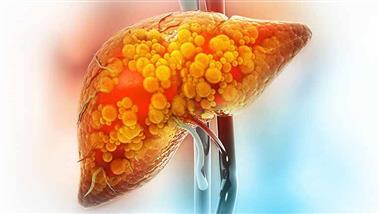
Fatty liver disease is becoming a widespread condition, affecting nearly 25% of adults globally.1 In other words, about one in every four people around you likely have a fatty liver without even realizing it.
As the name implies, fatty liver is characterized by an abnormal buildup of fat in your liver cells, which triggers inflammation, damages healthy tissue, and eventually leads to permanent scarring known as cirrhosis. Most people living with fatty liver disease don’t experience clear symptoms at first, but as it worsens, fatigue, persistent abdominal discomfort, or unexplained weight loss begin to appear.
Without proper intervention, fatty liver disease progresses to severe liver damage and also significantly raises your risk of heart disease, Type 2 diabetes, and even liver cancer. Even more alarming, research shows that it is directly linked to increased mortality, even in its earlier stages.
Linoleic Acid and Choline Deficiency — A Deadly Combination That Leads to Fatty Liver Disease
In the context of fatty liver disease, excessive linoleic acid (LA) intake is one of the biggest factors because of how it affects your cellular health. Alongside this issue is the lack of choline from your diet. I cover these topics in a study I wrote, which I will share more about in the near future.
• Excess LA creates toxic metabolites — When LA, an omega-6 polyunsaturated fat (PUF), becomes peroxidized, it creates metabolites such as 4-hydroxynonenal (4-HNE), which is a reactive aldehyde known to affect mitochondrial membrane integrity that leads to a buildup of fat in the liver.
As noted in a Nutrients study, “[A] few studies suggested that omega-6 PUFA is related to chronic inflammatory diseases such as obesity, nonalcoholic fatty liver disease and cardiovascular disease.”2
• Choline deficiency contributes to fat buildup — Choline helps maintain cell membrane integrity, and research shows that if there’s a deficiency, fat accumulates in the liver because of impaired very low-density lipoprotein (VLDL) secretion.3
Your liver produces VLDL to transport fat and cholesterol to the cells throughout your body by way of your bloodstream.4 But if there’s not enough phosphatidylcholine (which is synthesized via enough choline intake), fat stays in the liver instead.
• LA and choline deficiency undermine your health — According to independent nutrition researcher Chris Masterjohn, Ph.D., eating foods high in LA while not getting enough choline creates a vicious cycle that ends up with fatty liver disease:5
“I currently believe that dietary fat, whether saturated or unsaturated, and anything that the liver likes to turn into fat, like fructose and ethanol, will promote the accumulation of fat as long as we don’t get enough choline.
Once that fat accumulates, the critical factor igniting an inflammatory fire to this fat is the consumption of too much PUFA (polyunsaturated fat from vegetable and perhaps fish oils).”
Excess Fructose — Another Factor Linked to Fatty Liver Disease
As noted earlier, fatty liver disease is on the rise in America. The original assumption is that alcohol consumption contributed to this pervasive public health issue. However, research shows that you don’t even need to drink to develop fatty liver disease, and another culprit is a common ingredient excessively used in most processed foods — fructose.
• Too much processed fructose harms your liver — Your liver is able to handle modest amounts of fructose by converting it into energy. But when it suddenly receives an influx beyond what is normal (example, when you consume a sweetened drink), your liver undergoes de novo lipogenesis, which means it creates new fat.
• Increased risk of insulin resistance — Consuming high amounts of processed fructose makes your cells more susceptible to insulin resistance. Under normal conditions, insulin helps move sugar from the bloodstream into your cells to be used as energy. But once your cells don’t respond to insulin as they used to, the sugar remains in your blood, causing blood sugar levels to rise and contribute to disease.
• Excess refined sugar shifts your body’s metabolic priorities — To make matters worse, the fructose-driven processes in your liver reduce your body’s ability to burn fat because the bulk of the metabolic effort is aimed at managing the incoming flood of sugar. If this becomes chronic, your body will create more fat that it can comfortably use, increasing your risk of health issues such as heart disease and fatigue.
To be clear, fructose by itself isn’t necessarily harmful. It’s also found in fruits, which contribute to optimal health. The difference is that fruit also contains dietary fiber, vitamins, and other bioactive compounds that slow down fructose absorption. It’s really only processed and refined fructose that is problematic.
So, to protect your liver from developing fatty deposits, even if you’re not drinking alcohol, the solution is obvious — choosing natural sources of sweetness is better compared to processed drinks and foods.
A Deeper Look Into Cause-Specific Mortality Findings
A study published in the Journal of Hepatology6 set out to uncover exactly how fatty liver disease relates to different causes of death. Instead of solely focusing on common cardiovascular or liver-related outcomes, the researchers dug deeper, looking into a wide range of medical issues to show if some conditions were more sharply elevated than others under the influence of fatty liver disease.
• Endocrine-related issues stand out — One noteworthy finding by the study is a noticeable increase in the likelihood of death from endocrine-related causes for people dealing with fatty liver disease.
Endocrine disorders involve hormonal imbalances in organs like the pancreas or thyroid. While you may think of heart or liver complications whenever you hear the phrase “fatty liver disease,” this study showed that hormone-related mortalities were also significantly higher in patients diagnosed with fatty liver disease. Specifically, the risk for these endocrine causes of death are three times more than that of individuals without fatty liver disease.
• Fatty liver disease makes you more susceptible to other chronic conditions — The researchers also addressed deaths attributed to infections, gastrointestinal disease (excluding direct liver conditions), and mental health disorders.
Infections and gastrointestinal problems saw an elevated risk overall, theorizing that fatty liver disease sets off a chain reaction that reduces resilience to certain bacterial or viral threats, as well as creating an environment that is more prone to digestive imbalances.
Furthermore, the researchers noted that the risk of mortality specifically from mental health conditions was not meaningfully increased. However, this is still a noteworthy finding nonetheless.
• Liver cirrhosis causes a cascade of disease — One aspect that deserves mention is the comparison of mortality risk in different subgroups who also suffered from cirrhosis.
Those with advanced cirrhosis showed the greatest vulnerability when it came to non-liver causes of death, even beyond what people usually imagine from hearing “cirrhosis.” Once the liver is significantly compromised, the effects on multiple organ systems become more pronounced.
• The earlier you get treatment, the better the outcome — The research indicated that the mortality hazard was particularly high during the first year after participants received their fatty liver disease diagnosis. That means if you’re diagnosed with this condition, it would be wise to take positive steps sooner rather than later — the health and lifestyle changes you choose will have the biggest impact in those early months.
• Fatty liver disease sets the stage for more severe outcomes — The authors proposed that the metabolic environment surrounding fatty liver disease fosters widespread inflammation and an overload of fatty substances in the bloodstream, which wears down tissues beyond the liver. This chronic state of bodily “alert” reduces a person’s ability to handle secondary complications like infections or hormonal imbalances in the thyroid or pancreas.
Overall, these findings shed light on how fatty liver disease escalates health risks in ways that go well beyond heart or cancer concerns. By uncovering which conditions spike the most, medical professionals and affected patients will be able to adopt a more targeted approach to prevention and eventual healing.
Additional Insights Into Fatty Liver Disease-Related Mortality
A supporting study published in Clinical Molecular Hepatology7 focused on the different ways fatty liver disease impacts a person’s survival. Similar to the Journal of Hepatology study, the researchers assessed which ailments hit hardest, investigating the relative importance of heart complications, cancer, liver failure, and diabetes-related deaths. In addition, they analyzed how those risks shift when fatty liver disease progresses and interacts with other conditions.
• Cardiovascular disease ranks as a top threat — This finding is not just in terms of incidence, but also how often it resulted in mortality for people with fatty liver disease. This challenges the assumption that liver complications always dominate the list, hinting that heart health could be even more urgent for this group.
The team also looked at extra-hepatic cancers, which means cancers that develop outside the liver. According to their findings, extra-hepatic malignancies rose markedly in fatty liver disease patients, intensifying the likelihood of fatal outcomes in that population compared to those who don’t have it.
• A big part of the puzzle is advanced fibrosis — For some people, fat accumulation gradually causes a chain reaction, scarring the liver extensively. This reduces the organ’s ability to detoxify and regulate essential metabolic processes.
The researchers observed that, once the scarring reaches a certain threshold, the risk of serious complications — heart attacks, strokes, and aggressive cancer developments — increases even more than expected from fatty liver disease alone. They also highlighted that metabolic factors, such as high blood sugar or lipid abnormalities, further compound these dangers.
• Certain genetic and hormonal factors influence risk of complications — Carrying variants of the PNPLA3 gene ramps up the severity of fatty liver disease and speeds up its progression. For context: PNPLA3 is involved in how the liver handles fats, so if the gene is slightly altered, fat piles up more rapidly, leading to extra stress on the body.
Another point the researchers stressed involves thyroid function — having low thyroid hormone levels or even borderline levels heighten the all-cause mortality risk in fatty liver disease cases. That link is rooted in how thyroid hormones help control metabolism. If your metabolism slows or becomes erratic, more fat accumulation occurs, fueling inflammatory processes that eventually jeopardize your health.
• Sarcopenia also increases mortality — Muscle tissue is metabolically active, so losing it not only slows metabolism but also undermines the body’s ability to process glucose, regulate insulin, and maintain robust immune defenses.
By tracking patients who had both fatty liver disease and significant muscle loss, the researchers found a higher death rate that extended beyond liver issues alone. This finding shows that maintaining healthy muscle mass — through strength training or adequate protein intake — will be beneficial for those who already have a compromised liver profile.
• Healthy lifestyle adjustments protect your liver — Losing weight was deemed hugely impactful, specifically when people combined healthy eating with consistent physical activity. Essentially, when you burn excess body fat, the inflammatory load on the liver drops.
Less stored fat means less likelihood of insulin resistance, which the study pinpointed as a driver of advanced disease. Meanwhile, the researchers observed that people who followed a healthy diet noticed sharper reductions in their overall mortality risk.
• Chronic inflammation is a central factor — Fatty deposits, once they accumulate enough, trigger inflammatory cells to release substances that undermine vascular integrity, hamper immune responses, and encourage unchecked cell growth. Over time, that escalates everything from minor arterial plaque formation to the emergence of malignant tumors.
Practical Strategies to Fight Fatty Liver Disease
If you’re dealing with fatty liver disease, addressing the core reasons behind it is important to achieve lasting improvement. No one-size-fits-all approach exists, but committing to different targeted, meaningful lifestyle shifts will set you on a path toward healing. Here are my recommendations:
1. Improve your diet — The most immediate way to tackle the root cause of fatty liver is by switching to a healthy diet. Focus your meals on whole, unprocessed foods, especially vegetables, fruits, lean proteins, and healthy carbohydrates. Remember to boost your choline intake as well, which is found in pastured egg yolks, arugula, and grass fed beef liver.
Lastly, remove ultraprocessed foods and anything that contains high-fructose corn syrup and other added sugars.
2. Prioritize physical activity — Exercise is one of the best things you can do for your health. Aim for at least 30 minutes of moderate-intensity activity most days of the week, such as brisk walking, cycling, or swimming.
Increased physical activity helps your body burn off excess fat stores, especially around your liver, and boosts insulin sensitivity, directly reducing the inflammatory cycle caused by fatty liver disease.
3. Actively manage your weight — In relation to the previous point, excess body weight is a culprit in fatty liver development. Losing even a modest amount — around 7% to 10% of your total body weight — has dramatic benefits.8
If you’re obese or overweight, set achievable, incremental weight goals rather than extreme dieting. Steady, consistent reduction is the most effective way to reverse liver fat accumulation.
4. Build and maintain muscle mass — Muscle isn’t just for strength — it’s crucial for metabolism. Engage in resistance training at least twice weekly to build and preserve your muscle mass. This boosts your body’s ability to process sugar, regulate insulin, and reduce harmful fat deposits. Essentially, healthy muscle mass directly supports liver function by lowering systemic inflammation and improving overall metabolism.
5. Address underlying metabolic imbalances — If you’re diabetic, pre-diabetic, or insulin-resistant, improving your blood sugar control is essential. Pay close attention to your carbohydrate intake, choosing complex carbs (like white rice) over simple sugars. To understand the impact of carbohydrates on your metabolic health, read the article “The Hidden Health Benefit of Carbohydrates.”
6. Consider citicoline supplementation — As noted earlier, choline deficiency creates fatty deposits in your liver because the organ is not able to send the produced VLDL throughout your body. To boost your intake, consider taking supplements. However, not just any choline supplement will do — I recommend citicoline because most forms of choline supplements have poor availability.
Citicoline is the immediate precursor for the synthesis of phosphatidylcholine, and increased intake helps your fat to be transported out of your liver. Formulations differ depending on the manufacturer, ranging from 500 to 2,500 mg per day. To find out your ideal dose, consult with your health care provider because choline toxicity, while rare, is a real condition.9
Frequently Asked Questions About Fatty Liver Disease and Chronic Disease
Q: What exactly is fatty liver disease, and why is it a concern?
A: Fatty liver disease occurs when excess fat accumulates in liver cells, leading to inflammation, damage, and eventually, cirrhosis. It significantly increases risks for health complications such as heart disease, Type 2 diabetes, liver cancer, and endocrine disorders. This leads to higher overall mortality rates.
Q: What are the common signs of fatty liver disease?
A: Initially, fatty liver disease usually shows no clear symptoms, making early detection challenging. As it advances, symptoms like fatigue, persistent abdominal discomfort, and unexplained weight loss appear. Early screening and proactive treatment will greatly improve outcomes.
Q: How does fatty liver disease affect health beyond liver damage?
A: Beyond liver damage, fatty liver disease significantly elevates the risk of cardiovascular diseases, endocrine-related deaths, gastrointestinal issues, infections, and extra-hepatic cancers. The chronic inflammation associated with fatty liver disrupts multiple organ systems, leading to heightened vulnerability to other health problems.
Q: What lifestyle factors contribute most to fatty liver disease?
A: Dietary factors, especially excessive fructose from sugary foods and drinks, play a major role. High fructose intake triggers fat creation in the liver, promotes insulin resistance, and reduces fat-burning capacity, exacerbating liver fat accumulation. Other critical factors include obesity, physical inactivity, and loss of muscle mass (sarcopenia).
Q: What are the best ways to treat or reverse fatty liver disease?
A: Fatty liver disease can be effectively treated or reversed by adopting a healthy diet rich in whole foods, engaging in regular physical activity, losing excess body weight, maintaining muscle mass through resistance training, and addressing underlying metabolic conditions, such as insulin resistance or diabetes. Early intervention significantly improves prognosis.
- 1 Hepatology. 2023 Jan 3;77(4):1335–1347
- 2 Nutrients 2020, 12(11), 3365; doi: 10.3390/nu12113365
- 3 Oregon State University Linus Pauling Institute, “Choline”
- 4 Endotext, “Introduction to Lipids and Lipoproteins,” January 14, 2024
- 5 Chris Masterjohn Ph.D. Substack.com, November 23, 2010
- 6 Journal of Hepatology, March 24, 2025
- 7 Clin Mol Hepatol. 2022 Nov 22;29(Suppl):S43–S57
- 8 PLoS One. 2022 Feb 17;17(2):e0263931
- 9 NIH, “Choline”
Kennedy Wants to End ‘War on Saturated Fats’ with New Dietary Guidelines
Reproduced from original article:
https://articles.mercola.com/sites/articles/archive/2026/01/31/new-dietary-guidelines-saturated-fats-whole-foods.aspx
Analysis by Dr. Joseph Mercola January 31, 2026

Story at-a-glance
- Nearly 90% of U.S. health care spending now goes toward chronic disease, much of it driven by dietary guidance that favored processed foods over real, nourishing meals
- The new Dietary Guidelines for Americans reverse decades of low-fat advice and no longer treat saturated fats from whole foods as dietary threats
- Highly processed foods and added sugars are now explicitly identified as harmful because they disrupt appetite control, energy balance, and long-term metabolic health
- Excess linoleic acid (LA) from seed oils damages mitochondria, and keeping intake under 3 grams per day supports brain function, energy production and overall resilience
- Building meals around real protein, natural fats, and personalized portions restores appetite regulation and gives you lasting control over your health
You followed the rules. You chose margarine over butter, skim milk over whole, and chicken breast over ribeye. And yet here we are: nearly 90% of U.S. health care spending now goes toward chronic disease.1 Federal health officials are finally admitting what you may have suspected — the rules were wrong.
If you feel frustrated that you followed advice that may have harmed you, you’re not alone. That single fact reframes the nutrition debate. When most medical dollars chase conditions that build slowly over years, the issue is not isolated choices or personal failure. It reflects a system of guidance and incentives that shaped how Americans eat every day.
In kitchens across America, people who believed they were doing everything right watched their health quietly deteriorate anyway. Weight creeps up. Energy crashes after meals. Blood sugar wobbles. These warning signs now appear in thirty-somethings — and progress silently for years before anyone calls it disease. These trends didn’t emerge overnight, and they didn’t arise from individual biology alone.
They followed decades of messaging that prioritized convenience, shelf life, and simplified rules over food quality and long-term physiology. For a long time, official advice encouraged people to fear certain foods while relying more heavily on manufactured alternatives. That framework influenced what showed up in cafeterias, pantries, and public programs nationwide.
Over time, it normalized eating patterns that supplied plenty of calories but failed to support the systems that regulate energy, appetite, and repair. Against this background, the latest Dietary Guidelines for Americans signal a clear change in direction. Federal agencies now acknowledge that earlier approaches missed the mark and contributed to today’s health crisis.
A Federal Reset That Rewrites What Healthy Eating Looks Like
An announcement released by the U.S. Department of Health and Human Services on January 7, 2026 details the Dietary Guidelines for Americans 2025–2030 as the most significant reset of U.S. nutrition policy in decades.2 Rather than focusing on single nutrients or calorie math, the guidance centers food quality and long-term health outcomes.
The document frames diet-driven chronic disease as a national emergency, not a personal failure. These guidelines shape school meals, military food, hospital menus and federal nutrition programs that influence what ends up on your plate.
• Chronic disease linked directly to past dietary guidance — Federal officials state that decades of nutrition advice emphasized low-quality, highly processed foods and pharmaceutical interventions instead of prevention. That guidance coincided with rising obesity, metabolic disease, and loss of physical readiness in young adults.
According to the report, diet-driven chronic disease now disqualifies many Americans from military service, limiting opportunity and national readiness. For everyday life, this explains why eating “by the rules” often failed to protect your health. If young adults can’t pass basic fitness requirements, imagine what’s happening inside the bodies of middle-aged Americans following the same dietary patterns.
• The population affected includes most American adults and children — The report highlights that more than 70% of American adults are overweight or obese and nearly 1 in 3 adolescents has prediabetes. Prediabetes means blood sugar stays chronically elevated, stressing organs and blood vessels long before diabetes appears.
Even at levels doctors don’t yet call diabetes, this elevated blood sugar quietly damages blood vessels, nerves, and organs, often for a decade before diagnosis. These conditions develop across the population, not just in high-risk groups. That framing removes blame and refocuses attention on food quality and policy decisions that affect everyone.
• A core finding is the return of protein as a dietary priority — The guidelines explicitly call for prioritizing protein at every meal.3 Protein-rich foods include meat, eggs, poultry, seafood and dairy, along with certain plant foods.
Adequate protein supports muscle mass, metabolic rate, and recovery, which directly affects how strong, resilient, and energetic you feel day to day. The document notes that earlier guidelines discouraged protein in favor of carbohydrates, a shift federal officials now describe as unsupported by modern nutrition science.
• Full-fat dairy and natural fats are no longer treated as dietary threats — Another key finding is the recommendation to consume full-fat dairy with no added sugars.4 Fat from whole foods improves satiety, meaning you feel satisfied sooner and stay full longer. This means you can stop white-knuckling your way through mid-afternoon cravings — your body will naturally tell you it’s had enough.
The guidance also calls for receiving most dietary fat from whole food sources such as meats, eggs, and dairy rather than industrial products. This reframes fat as a stabilizing part of meals instead of something to avoid or fear. But what makes whole foods fundamentally different from their processed counterparts? The answer lies in how your body actually processes them.
How Real Food Improves Health Outcomes
Federal officials emphasize that whole, nutrient-dense foods deliver proteins, fats, vitamins and minerals in forms your body recognizes and uses efficiently.5 Ultraprocessed foods, by contrast, supply unhealthy carbohydrates and additives that disrupt appetite control and metabolism. In simple terms, real food supports stable energy and repair, while processed food drives cycles of hunger and fatigue. That’s why food quality matters more than calorie counting.
• Highly processed foods and added sugars are clearly identified as harmful — For the first time, the guidelines directly call out highly processed packaged foods as dangerous to health. The announcement advises avoiding sugar-sweetened beverages such as soda and fruit drinks. It states that no amount of added sugar or artificial sweeteners like aspartame and sucralose is recommended as part of a healthy diet.
• Implementation focuses on personalization rather than rigid rules — The guidance stresses that people should eat the right amount for their age, sex, size and activity level. This approach recognizes individual differences instead of enforcing a single template and encourages adjustment based on feedback from energy levels, strength, and metabolic markers rather than blind adherence to numbers.
• The policy shift prioritizes prevention over treatment — The guidance states that food, not pharmaceuticals, should form the foundation of health. By focusing on real food, healthy fats, and reduced processing, the guidelines aim to lower disease burden and long-term costs. That focus directly affects your future health trajectory by emphasizing daily choices that compound over time.

Save This Article for Later – Get the PDF Now
Practical Steps to Fix the Real Problem, Not the Symptoms
Many people feel overwhelmed by nutrition advice because it focuses on rules instead of causes. The core issue is not calories, willpower, or genetics. The real problem is a food environment dominated by highly processed products that disrupt metabolism, weaken cellular energy, and crowd out real nourishment. When that foundation changes, health becomes easier to manage and far more predictable. Here is how those principles translate into clear, practical steps you can apply in daily life.
1. Eliminate linoleic acid (LA) to protect your mitochondria — While the new guidelines don’t specifically address seed oils, the underlying principle — prioritizing whole food fats over industrial alternatives — aligns with research on LA. Excess LA damages mitochondria, the structures inside your cells that produce energy, and this damage affects brain function, metabolic health, and long-term resilience.
When you consume excess LA, it gets incorporated into your cell membranes and mitochondrial membranes. Because LA is highly unstable (polyunsaturated), it oxidizes easily — think of it like a fat that goes rancid inside your cells. This oxidation creates harmful byproducts that impair your mitochondria’s ability to produce energy efficiently, leaving you fatigued and vulnerable to chronic disease.
To protect your health, LA intake needs to stay under 3 grams per day. That requires eliminating seed oils such as soybean, corn, sunflower, safflower, canola and cottonseed oils. It also means avoiding processed foods, fried foods and most restaurant meals, since these oils dominate commercial kitchens.
Stable fats — grass fed butter, ghee, and tallow — fuel your mitochondria cleanly, without the cellular rust that seed oils leave behind. To track intake accurately, downloading my Mercola Health Coach app once available allows you to use the Seed Oil Sleuth feature, which monitors LA intake down to a tenth of a gram.
2. Anchor every meal around real protein — Every meal works better when protein sets the foundation. Adequate protein stabilizes appetite, blood sugar, and energy. Meals built around grass fed meat, eggs, or dairy help you feel complete instead of leaving you hungry an hour later. When protein intake stays consistent throughout the day, hunger softens, cravings lose intensity and eating stops feeling urgent.
Most adults do best with about 0.8 grams of protein per pound of ideal body weight (about 1.76 grams per kilogram). Make sure roughly one-third of your protein comes from collagen-rich sources such as bone broth, pure gelatin powder without additives, oxtail, shanks, or grass fed ground beef that includes connective tissue.
3. Bring natural fats back onto your plate — Removing fat pushed people toward refined carbohydrates and constant snacking, which steadily damaged metabolic health. The low-fat era didn’t just remove butter; it replaced it with bagels, pretzels, and fat-free cookies loaded with sugar.
Restoring natural fats corrects that imbalance. Whole-food fats such as grass fed butter, ghee and tallow slow digestion and support satiety, while full-fat dairy improves nutrient absorption. As fats return, meals feel steadier and satisfaction lasts longer.
4. Eliminate highly processed foods at the source — Highly processed foods are designed to keep you eating past normal hunger cues, which is why trying to “just have less” usually fails. Removing them from your environment works more reliably than relying on restraint.
When the chips aren’t in the pantry, you can’t negotiate with yourself at 9 p.m. Remove the decision, and willpower becomes irrelevant. Replacing them with whole, recognizable foods allows your appetite and energy signals to normalize without constant effort.
5. Eat the right amount for your body, not a formula — Rigid calorie targets disconnect you from physical feedback. Eating the right amount restores that signal. Energy, warmth, strength, and recovery offer clearer guidance than numbers.
Constantly cold? Exhausted by 3 p.m.? Starving between meals? You’re probably eating too little. Feeling sluggish and heavy after eating? You may need simpler meals, not smaller ones. As a starting point, eat until you’re 80% full, then wait 20 minutes before deciding if you need more.
When you address the cause of poor health by rebuilding meals around real food, adequate protein, natural fats and low LA exposure, biology starts working with you instead of against you. That shift creates lasting leverage over health rather than an endless cycle of correction.
FAQs About the New Dietary Guidelines
Q: Does this mean butter is back?
A: It means federal dietary guidance no longer treats saturated fats from whole foods as dietary enemies. The new guidelines recognize that fats from foods like meat, eggs and full-fat dairy support satiety, nutrient absorption and metabolic stability, unlike industrial fats and refined carbohydrates that dominated earlier advice.
Q: Why did past dietary guidelines fail to protect health?
A: Earlier guidance emphasized highly processed foods and simplified rules rather than food quality and physiology. That approach coincided with rising obesity, prediabetes, and chronic disease, even among people who believed they were following official recommendations.
Q: Why is food quality more important than calorie counting?
A: Whole, nutrient-dense foods deliver protein, fats, vitamins, and minerals in forms your body uses efficiently. Highly processed foods disrupt appetite regulation and energy balance, leading to cycles of hunger and fatigue regardless of calorie intake.
Q: Why is eliminating LA so important?
A: Excess LA from seed oils damages mitochondria, the parts of cells that produce energy. Keeping intake under 3 grams per day by avoiding seed oils, fried foods and most restaurant meals protects brain function, metabolic health, and long-term resilience.
Q: What’s the simplest way to apply the new guidelines at home?
A: Build meals around real protein, use stable natural fats, eliminate highly processed foods, limit LA exposure and eat amounts that match your body’s energy and recovery signals rather than fixed formulas.
Meal Fat Content Influences Muscle Building After Exercise
Reproduced from original article:
https://articles.mercola.com/sites/articles/archive/2025/12/30/meal-fat-content-muscle-building.aspx
Analysis by Dr. Joseph Mercola December 30, 2025>

Story at-a-glance
- Low-fat protein after exercise delivers amino acids into your bloodstream faster, giving your muscles a stronger signal to repair and grow
- High-fat meals slow digestion and weaken your muscle-building response, even when the total amount of protein is the same
- A stronger and faster leucine surge from lean protein helps activate muscle repair more effectively, improving your recovery window
- Higher daily protein intake — around 0.8 grams per pound of ideal body weight — supports better muscle gain, fat loss, bone strength, and metabolic stability
- Simplifying your post-workout meal and choosing low-LA, low-fat protein sources help you recover more quickly and get better results from every training session
Muscle building depends on how quickly your body receives and uses amino acids after exercise, and that timing determines whether your workout translates into real progress or unnecessary soreness. Many people train hard but slow their own results with meal choices that interfere with this process. What you eat after training shapes the strength of your recovery signal, and the newest research underscores how sensitive this window is.
The structure of a meal — not just the amount of protein in it — influences the speed and effectiveness of muscle repair. Your body is constantly interpreting the nutrients you give it, and certain combinations accelerate the rebuilding phase while others hold it back. If you’ve ever wondered why similar workouts lead to completely different results from one person to another, this is one of the reasons.
Another piece that deserves attention is the level of daily protein intake needed to support consistent gains, especially if you train regularly. Many people mistake how much protein their body requires to maintain muscle and build more of it. The right intake supports stronger recovery, better composition changes, and a more resilient system overall.
Low-Fat Meals Trigger a Stronger Muscle-Building Signal
A recent study published in The American Journal of Clinical Nutrition investigated how different pork-based meals influence muscle protein synthesis after resistance training.1 While I don’t recommend pork due to its high level of linoleic acid (LA), the study reveals how different fat levels in your meals influence muscle growth.
The researchers compared three options — high-fat pork, low-fat pork, and a carbohydrate drink — to determine whether the fat content affects the body’s ability to repair and build muscle after exercise. This design allowed them to isolate fat as the key variable while keeping protein intake equal between the two pork meals.
• Healthy young adults completed exercise sessions before testing the meals — The study involved physically active adults who performed structured resistance exercise before consuming their assigned meal.2 Participants then underwent repeated blood draws and muscle biopsies, giving researchers highly accurate data on real-time muscle repair responses.
• Low-fat pork produced the strongest improvement in muscle-building activity — The low-fat pork meal triggered a sharper rise in myofibrillar protein synthesis, which is the process your body uses to repair and build muscle tissue after you train.
In contrast, the high-fat pork meal muted this muscle-building response so much that it looked similar to the carbohydrate drink. That means the fat in the meal affects your body’s ability to use the protein you just ate, even if the amount of protein is identical.3
• The most meaningful improvement was the faster leucine surge — Researchers reported that the low-fat meal produced a more rapid and higher peak in essential amino acids, especially leucine, compared to the high-fat meal.
Leucine acts like an ignition switch for muscle repair, and when it reaches your bloodstream quickly, your muscles begin rebuilding faster. With the high-fat meal, this leucine rise was delayed and smaller, which weakened the muscle-building signal. Faster amino acid absorption gives you an edge in rebuilding stronger muscle fibers.
• Time-based data showed slow digestion was the limiting factor — The high-fat pork slowed gastric emptying, meaning the food left the stomach more slowly. Slow emptying delays amino acid delivery into your bloodstream. By the time amino acids finally rose after the high-fat meal, the window for peak post-exercise sensitivity had already narrowed. If you train hard and expect optimal recovery, that timing mismatch works against you rather than for you.
• Additional signaling pathways confirmed the difference in response intensity — Measurements of pathways involved in muscle repair showed greater activation after the low-fat meal compared to the high-fat one. Although the mechanics varied across specific signaling proteins, the overall pattern matched the amino acid data: lean protein delivered a cleaner, stronger anabolic signal, while high-fat protein diluted that effect.
Higher Daily Protein Intake Strengthens Muscle, Bone, and Metabolic Health
A narrative review published in Nutrients investigated how eating protein well above the standard dietary recommendations affects trained adults who exercise regularly.4 The researchers evaluated how higher protein intake shapes lean mass, fat loss, metabolic markers, and bone health.
This review aimed to clarify whether consuming more protein than the minimum requirement delivers measurable physical benefits or simply exceeds what your body needs. Unlike narrow intervention trials, this work drew on controlled feeding studies, long-term training programs, and dietary assessments to determine how sustained high-protein intake affects whole-body physiology.
• Healthy, physically active adults showed distinct improvements with higher protein intake — The populations studied were composed largely of healthy adults who performed structured resistance or endurance training and had no chronic diseases affecting metabolism or muscle function. These individuals already consumed moderate protein before participating.
Across studies, those who increased daily protein intake experienced improvements in lean mass, reductions in fat mass, and measurable gains in bone-supportive markers. This indicates that higher protein intake supports multiple tissues, not just muscle.
The Recommended Dietary Allowance (RDA) is set at 0.8 grams of protein per kilogram of body weight, but many of the beneficial outcomes appeared at intakes two to three times higher. Most adults actually need about 0.8 grams of protein per pound of ideal body weight (or about 1.76 grams per kilogram).
• The greatest improvements involved increases in lean mass and decreases in body fat — The review found that elevated protein intake produced consistent increases in lean mass, meaning participants added more muscle tissue when they trained with higher protein intake. The improvements were not small; the researchers described significant increases in “fat-free body mass” across a range of training programs.
Fat mass reductions were also stronger in those consuming more protein, suggesting that protein supports a more favorable energy balance by increasing satiety and thermogenesis. Satiety refers to feeling full sooner and staying full longer, while thermogenesis refers to your body’s ability to generate heat by burning calories during digestion.
• Additional benefits appeared in strength performance and overall recovery — Higher protein intake supported better training quality by improving recovery markers and lowering soreness between workouts. Participants who consumed protein before sleep added strength and lean mass at a faster rate in several studies, as the amino acids delivered overnight supported continuous tissue repair.
Although the review did not quantify exact timelines, multiple trials demonstrated that protein consumed before bed enhanced the effect of evening training sessions. This gives you an actionable strategy: using pre-sleep protein to “extend” your anabolic window.
• Higher protein intake boosts muscle protein synthesis throughout the day, not just after workouts — This continuous elevation supports stronger remodeling of muscle tissue. Protein also enhances nitrogen balance, which reflects how effectively your body retains amino acids for tissue repair.
Nitrogen balance improves when you consume enough protein to exceed the amount your body breaks down. Enhanced nitrogen balance is associated with better recovery, stronger training adaptations, and increased functional capacity.
• Metabolic improvements reflected protein’s thermic and hormonal effects — Higher protein intake elevates diet-induced thermogenesis, meaning your body expends more energy digesting protein than digesting fat or carbohydrates. This effect supports fat loss by increasing total daily energy expenditure.
Protein-rich meals also stabilize blood sugar responses, supporting better metabolic health and preventing energy crashes that interfere with training. The review highlighted these effects as part of a broader metabolic advantage that high-protein diets offer active individuals.
Higher protein intakes also supported stronger bones when calcium intake was adequate. Protein stimulates bone-building pathways and supports the growth of muscle tissue, which applies healthy mechanical stress to bone. This dual effect promotes skeletal strength, offering you greater long-term resilience as you age or increase your training intensity.
Save This Article for Later – Get the PDF Now
Simple Ways to Strengthen Your Muscle-Building Response
Your body responds quickly when you give it the right inputs at the right time, and the research shows that what you eat after training influences how strongly you recover and how much strength you gain. If your workouts feel harder than they should or your progress has slowed, your post-exercise habits are often the limiting factor.
These steps address the real root cause: delayed amino acid delivery from high-fat meals and inadequate daily protein intake. If you train consistently, these changes give you a noticeable advantage.
1. Choose lean, low-LA protein within an hour after training — If you want faster recovery, choose protein sources that are both low in fat and naturally lower in LA. I do not recommend pork or chicken, as both tend to accumulate high levels of LA. High-fat meals slow digestion and delay amino acid delivery, weakening the muscle-building signal triggered by your workout.
Lean, low-LA options such as grass fed beef, bison, or a high-quality whey isolate give your muscles rapid access to the amino acids they need while reducing the oxidative stress associated with excessive LA intake.
2. Get enough high-quality protein — and balance it with collagen-rich sources — If you deal with tightness, stiffness, or slow recovery, increasing your protein intake gives your body the raw materials it needs for both muscle repair and connective tissue support. Most adults do best with about 0.8 grams of protein per pound of ideal body weight (about 1.76 grams per kilogram).
Red meat provides excellent complete protein, but muscle meat alone lacks key amino acids required for tendon, ligament, cartilage, and fascia health.
To fill this gap, make sure roughly one-third of your protein comes from collagen-rich sources such as bone broth, pure gelatin powder without additives, oxtail, shanks, or grass fed ground beef that includes connective tissue. These foods supply glycine, proline, and hydroxyproline — amino acids that strengthen joints, rebuild tissues, ease inflammation, and support deeper sleep.
3. Spread your protein evenly across your day — If most of your daily protein ends up at dinner, shifting toward even distribution helps your body stay in repair mode for longer. Your muscles respond more effectively when amino acids arrive in regular intervals rather than in one large meal. By having balanced portions at breakfast, lunch, your post-exercise meal, and dinner, you support steadier energy, stronger recovery, and higher training output.
4. Use protein before sleep if your goal is faster progress — with one important caveat — If you’re training intensely or feeling sore longer than you’d like, a small early-evening protein serving strengthens overnight repair. I normally advise avoiding food for at least three hours before bed, because late eating disrupts metabolic rhythms and interferes with natural nighttime repair. That remains the preferred rule.
If you want the added recovery benefit, finish this serving two to three hours before bed so digestion is complete before you lie down. Grass fed raw yogurt or pure gelatin powder stirred into warm herbal tea supplies a steady drip of amino acids through the night. This helps you wake up stronger, less sore, and more ready for training — without disrupting your circadian rhythm.
5. Keep your post-workout meal simple so your body absorbs amino acids without competition — If you load your plate with large, complex meals after training, your digestive system has to process too many nutrients at once, which distracts from the goal of driving amino acids into your bloodstream quickly. Your body works far more efficiently when the post-exercise meal is streamlined and easy to digest.
By limiting extras — heavy starches, added fats, or multiple side dishes — you give your system a clear pathway to absorb protein rapidly. That simplicity helps you activate muscle repair sooner, especially if your digestion tends to be sluggish after exercise. These shifts give you far more control over your training outcomes, allowing every workout to translate into stronger muscles, healthier connective tissue, better sleep, and steady long-term progress.
FAQs About Meal Fat Content and Muscle Building
Q: Why does the fat content of my post-workout meal matter for muscle building?
A: Fat slows digestion, which delays the rise of amino acids in your bloodstream. The featured research showed that even when protein amounts were identical, low-fat meals produced a stronger and faster muscle-building response than high-fat meals. When digestion slows, you miss the window of peak post-exercise sensitivity, weakening the anabolic signal your workout created.
Q: What type of protein is best to eat after training?
A: Lean, low-LA protein sources provide the fastest amino acid delivery. Grass fed beef, bison, or a high-quality whey isolate support rapid uptake. Pork and chicken are not ideal due to their high LA content, which introduces oxidative stress and reduces recovery efficiency.
Q: How much protein do I actually need each day?
A: Most adults need about 0.8 grams of protein per pound of ideal body weight (1.76 grams per kilogram) — far higher than the outdated RDA. Higher protein intake supports better muscle repair, stronger bones, greater fat loss, and more stable metabolic function, especially if you train regularly.
Q: Should I eat protein before bed?
A: A small, early-evening protein serving meaningfully improves overnight recovery. The key is timing: finish the serving two to three hours before bed to protect circadian rhythm. Options like grass fed raw yogurt or pure gelatin in warm herbal tea provide a slow, steady amino acid supply that supports nighttime tissue repair.
Q: How do I design a post-workout meal that truly supports recovery?
A: Keep it simple and easy to digest. Prioritize lean protein, avoid added fats, and limit heavy sides. Your digestive system can then focus on rapidly absorbing amino acids rather than processing a complex meal. This simplicity strengthens the muscle-building response and helps you recover faster between training sessions.
Obesity Drives Alzheimer’s Through Fat Vesicles and Leptin
Reproduced from original article:
https://articles.mercola.com/sites/articles/archive/2025/12/02/obesity-drives-alzheimers.aspx
Analysis by Dr. Joseph Mercola December 02, 2025

Story at-a-glance
- Obesity increases Alzheimer’s risk by altering how fat-derived vesicles communicate with the brain, causing amyloid proteins to misfold and form toxic plaques that damage neurons and impair cognition
- Specific lipids from obese individuals, including sphingolipids and ceramides, create oxidative stress in brain cells, reduce mitochondrial energy production, and accelerate the formation of sticky amyloid aggregates
- Excessive fat consumption promotes Alzheimer’s development, though balanced, controlled intake at lower concentrations helps inhibit amyloid aggregation and reduce disease risk
- Leptin resistance from obesity prevents this protective hormone from reaching the brain, disabling the cleanup process that normally breaks down amyloid proteins while worsening inflammation and cognitive decline
- Cellular health restoration requires eliminating four key factors — excess linoleic acid from vegetable oils, endocrine-disrupting chemicals, electromagnetic fields, and endotoxins in the gut
Despite advances in health care, the obesity epidemic in America continues to worsen. According to the latest data from the Centers for Disease Control and Prevention (CDC), 40.3% of adults are already obese,1 and nearly 7 out of 10 U.S. adults meet the criteria for obesity under a new, more comprehensive definition published in JAMA Network Open.2
The new standard — previously proposed by an international panel of experts in The Lancet Diabetes & Endocrinology3 — goes beyond body mass index (BMI) to include waist and hip measurements that reveal hidden fat conventional BMI misses.
The implications of these figures are serious, as excess body fat increases the risk of other health complications, such as diabetes and stroke.4
Now, new research shows that obesity is also a risk factor in the development of Alzheimer’s disease.5 Based on the findings, excess body fat alters how amyloid proteins fold, causing them to clump and eventually cause cognitive issues.6
Obesity Drives Brain Plaque Formation Through the Vesicles
In a study published in Alzheimer’s & Dementia: The Journal of the Alzheimer’s Association, researchers investigated how fat tissue communicates with the brain through microscopic particles known as vesicles. These are tiny cellular packages inside or outside the cell, and they carry fats, proteins, and genetic material.
The study’s focus was on whether these vesicles, released from human fat cells, influence the buildup of amyloid plaques — sticky clusters of protein thought to play a role in the development of Alzheimer’s disease.7
The researchers analyzed vesicles from adults with varying body fat levels and looked at how the fat-derived particles affected the behavior of amyloid proteins. Amyloid proteins are normally harmless, but when they begin to clump together, they form plaques that interfere with neuron communication.
• Obesity is a risk factor for Alzheimer’s disease — The team found that vesicles taken from people with more body fat changed the way amyloid molecules are assembled. These altered vesicles made amyloid clump faster and form denser, more toxic structures that are harder for the brain to clear away.
What makes this finding important is that it shows how your body fat obstructs cellular communication. The study revealed that when fat cells are overloaded, they send distorted signals through your vesicles. These signals carry lipids that change how brain proteins behave. In this case, those changes accelerate Alzheimer’s disease.
• The specific lipids inside the vesicles were not random — Obese individuals had vesicles rich in certain sphingolipids and ceramides — types of fats that directly influence inflammation and cell death. These compounds act like biological irritants, creating oxidative stress in neurons. Over time, that environment makes it easier for amyloid to stick together.
• The researchers also explored how these vesicles affect brain cells in a controlled lab setting — When human neural cells were exposed to vesicles from obese individuals, they observed increased cellular stress and decreased mitochondrial activity.
As you know, mitochondria are the cell’s energy factories. When they slow down, neurons lose energy, and their ability to process and clear waste — like amyloid — drops sharply. This loss of cellular energy is the same foundational issue that drives many chronic diseases, from diabetes to neurodegeneration.
• The study uncovered that these vesicles alter how amyloid folds at the molecular level — Normal amyloid proteins are flexible, but once these lipid-filled vesicles interact with them, the proteins take on a rigid structure — an abnormal configuration known to trigger plaque formation. This misfolding is what makes amyloid sticky, causing it to glue together into toxic aggregates that choke neurons.
Essentially, the lipid content of your fat vesicles rewires the shape of a brain protein that determines whether your neurons stay healthy or die.
• Too much fat of any kind is harmful — Another notable observation made by the researchers is how both saturated fat and unsaturated fat, at high levels, drive Alzheimer’s disease. In other words, even if you think you’re getting healthy fat from your diet, too much of it will eventually cause a reaction similar to consuming unhealthy fat:8
“[T]he convergent finding is that both saturated and unsaturated fatty acids can promote Aβ fibrillization at relatively high concentrations approaching lipotoxic conditions.”
• Striking a balance in fat consumption is important — In relation to the point above, controlling your fat intake can lower the risk of Alzheimer’s disease. According to the researchers:9
“Crucially some lipids exhibit concentration-dependent biphasic effects — promoting aggregation at higher levels yet inhibiting it at lower doses — highlighting the need for nuanced control of lipid microenvironments when considering therapeutic interventions or interpreting disease mechanisms.”
Another Study Examines the Obesity Angle of Alzheimer’s Disease
In a paper published in the International Journal of Molecular Sciences, researchers analyzed how obesity-driven changes in leptin directly increase the risk of dementia and Alzheimer’s disease. For context, leptin is a hormone produced by your body’s fat tissue that signals when you have eaten enough. From there, they focused on a concept called leptin resistance, which “perpetuates diseases such as dementia.”10
• What happens to your body when it begins to resist leptin — The researchers noted that leptin is strongly linked to impaired memory, slower learning, and higher risk for brain degeneration. Normally, leptin travels through the bloodstream to the brain, where it interacts with neurons in areas responsible for memory and learning, such as the hippocampus.
In healthy individuals, leptin supports the formation of new connections between brain cells and protects neurons from stress. But in people with obesity, the brain ignores leptin. The result is a double whammy — hunger control worsens, leading to more weight gain, while the brain loses one of its key protective hormones.
• Leptin influences how brain cells handle amyloid-beta — In normal conditions, leptin helps reduce amyloid levels by activating a cleanup process that breaks the protein down. However, once leptin resistance sets in, that cleanup machinery stalls. Amyloid proteins then start clumping faster, disrupting neural communication and fueling inflammation throughout the brain.
• Your weight plays a role in the secretion of leptin — The researchers showed that leptin production is affected by fat mass, and once your body becomes resistant to it, your risk of Alzheimer’s disease increases:11
“It has been shown that leptin is secreted by adipocytes and circulates in plasma in proportion to fat mass, and changes in body weight are associated with the possibility of developing AD [Alzheimer’s disease]. Therefore, it is not surprising that different investigations try to relate dysfunctional levels in leptin signalling with AD.
Thus, in some studies, low plasma leptin levels in old age have been found to be associated with an increased risk of cognitive decline and AD development.”
• Inflammation drives leptin resistance — As found in another study, obesity creates low-grade inflammation throughout the body.12 With this in mind, the featured study noted that this chronic state prevents leptin from crossing the blood-brain barrier (BBB) and into the central nervous system (CNS):13
“Low-grade inflammation due to obesity drives human C-reactive protein (CRP) production by hepatocytes in vitro and in vivo in humans. It has been found that peripheral human CRP can reduce the amount of human leptin that enters the CNS, preventing its transport across the BBB and into the median eminence. Furthermore, once inside the CNS, it reduces the physiological function of human leptin.”
Save This Article for Later – Get the PDF Now
Tackle Obesity to Protect Your Brain Health
When it comes to managing obesity, the usual advice is to “eat less and move more.” However, this glosses over many important things that need to be addressed to help you lose weight effectively. The real issue runs deeper than restricting calories — it’s a cellular energy dysfunction. At its core, your mitochondria aren’t working efficiently, and that’s what drives stubborn fat, constant hunger, and low energy.
Fortunately, there’s hope to turn things around. You can rebuild your cellular health by targeting what’s interfering with it. As I discuss in my book “Your Guide to Cellular Health,” there are four major factors involved. I call them the Four E’s:
•Excess linoleic acid (LA) from vegetable oils
•Estrogen overload and endocrine-disrupting chemicals (EDCs)
•Electromagnetic fields (EMFs)
•Endotoxins from an unhealthy gut
Together, these elements act like toxins that suffocate your mitochondria and throw your metabolism into chaos. When you clear them out, your body’s natural energy systems start working again. Here’s how to do it, step-by-step.
1. Minimize vegetable oil intake — Seed oils are hiding everywhere, such as in restaurant meals, processed snacks, “healthy” dressings, and baked goods. These oils are loaded with LA, a toxin that damages your mitochondria when eaten excessively. Once your mitochondria are saturated with LA, your body can’t burn fuel efficiently, and fat begins to oxidize and impact cellular function. To start reversing the damage of LA:
•Eliminate industrial vegetable oils such as canola, soybean, sunflower, safflower, corn, and grapeseed from your pantry.
•Next, replace them with metabolically friendly fats like grass-fed butter, tallow, and ghee.
•Avoid conventionally grown chicken and pork, which are often high in LA due to their ultraprocessed feed.
•Cook your own food using healthy fats since most restaurants use vegetable oils.
•Check ingredient labels carefully — vegetable oils lurk in items like almond butter, hummus, and gluten-free chips.
Reducing LA intake is one of the fastest ways to improve mitochondrial efficiency and shift your metabolism from storing fat to burning it. I recommend keeping your overall consumption below 5 grams a day, but if you can keep it below 2 grams, that’s even better.
2. Cut back exposure on endocrine disruptors — Excess estrogen affects everyone. Too much of it interferes with thyroid function and suppresses mitochondrial activity. EDCs, which are synthetic chemicals that mimic estrogen, make the problem worse. They’re found in plastics, receipts, cosmetics, tap water, and even certain medications. You can reduce your exposure from EDCs by making a few key swaps:
•Use glass and/or stainless-steel containers instead of plastic. In addition, never heat your food in plastic.
•Choose natural personal care products without chemical fragrances or parabens.
•Limit exposure to synthetic estrogens found in birth control pills and hormone replacement therapies.
•Support hormonal balance by maintaining adequate progesterone levels — progesterone counteracts excess estrogen and promotes healthy metabolism.
3. Shield your cells from EMF damage — Electromagnetic fields emitted by cellphones, 5G towers, Wi-Fi routers, and Bluetooth devices interfere with how your cells handle calcium. Essentially, too much intracellular calcium triggers oxidative stress. You can protect yourself from EMFs with these lifestyle changes:
•Keep your phone in airplane mode when not in use, especially during your sleep.
•Turn off Wi-Fi at night and move electronics out of your bedroom.
•Choose wired internet connections whenever possible.
•Avoid Bluetooth earbuds that constantly bathe your brain in invisible radiation.
•Spend time grounding outdoors. This means walking barefoot on soil or sand to help discharge excess electrical stress naturally.
4. Repair your gut to reduce endotoxins — Gut health is an important pillar of optimal wellness, as it influences every aspect of your metabolism. When harmful bacteria overgrow, they release endotoxins — compounds that damage mitochondria and trigger inflammation throughout your body. This gut-driven toxicity slows metabolism and disrupts energy balance. To fix your gut, follow these recommendations:
•If you have gut problems, temporarily avoid high-fiber foods since fiber feeds bad bacteria in a damaged gut.
•Focus on simple, gentle carbohydrates like ripe fruit and white rice until symptoms calm down. Aim for 200 to 250 grams of healthy carbohydrates a day.
•Once your digestion stabilizes, gradually reintroduce cooked vegetables, roots, and starches. These feed beneficial bacteria that produce short-chain fatty acids like butyrate, which strengthen the gut lining and restore healthy immune balance.
Frequently Asked Questions (FAQs) About Obesity’s Influence on Alzheimer’s Disease
Q: How does obesity increase the risk of Alzheimer’s disease?
A: Obesity alters how the body communicates at the cellular level. Fat cells release vesicles, which are microscopic carriers of fats and proteins, that distort how brain proteins fold. These changes cause amyloid proteins to clump faster and form plaques in the brain, disrupting neuron communication and contributing to Alzheimer’s disease development.
Q: What role do vesicles and lipids play in Alzheimer’s disease?
A: Vesicles from obese individuals are high in harmful fats such as sphingolipids and ceramides, which promote inflammation and oxidative stress in the brain. These conditions make amyloid proteins more likely to stick together and form toxic plaques, accelerating neurodegeneration.
Q: How does leptin resistance connect obesity to dementia?
A: Leptin is a hormone that regulates hunger and supports brain health. In obesity, the brain becomes resistant to leptin, reducing its protective effects. This leads to impaired memory, slower learning, and an increased buildup of amyloid proteins, all of which heighten the risk for Alzheimer’s disease.
Q: What lifestyle factors can worsen or improve brain health related to obesity?
A: Excessive fat intake — whether from healthy or unhealthy sources — can promote harmful amyloid buildup. Balancing fat consumption and reducing obesity-related inflammation are key. Moreover, addressing cellular energy dysfunction through healthier mitochondrial function can protect both metabolic and brain health.
Q: What practical steps can help prevent obesity-related brain damage?
A: Addressing the four E’s will help manage obesity and restore optimal cellular health:
•Excess linoleic acid — Reduce intake to less than 5 grams per day.
•Endocrine disruptors (EDCs) — Products such as plastics hamper thyroid function.
•Electromagnetic field (EMF) exposure — Radiation emitted from these devices affects intracellular calcium, resulting in oxidative stress.
•Endotoxins — Harmful bacteria release these toxic byproducts, affecting mitochondrial function. Repair gut function to minimize production.
- 1 NCHS Data Brief No. 508, September 2024
- 2 JAMA Network Open October 15, 2025; 8;(10):e2537619
- 3 The Lancet Diabetes & Endocrinology January 14, 2025
- 4 NIH, Health Risks of Overweight and Obesity
- 5 Houston Methodist, October 2, 2025
- 6 NeuroscienceNews, October 2, 2025
- 7, 8, 9 Alzheimers Dement. 2025 Oct;21(10):e7060370603
- 10, 11, 13 Int J Mol Sci. 2022 May 6;23(9):5202
- 12 Cureus. 2022 Feb 28;14(2):e22711
Visceral Fat Activity Drives Aggressive Endometrial Cancer
Reproduced from original article:
https://articles.mercola.com/sites/articles/archive/2025/11/29/visceral-fat-metabolism-cancer-risk.aspx
Analysis by Dr. Joseph Mercola November 29, 2025
Story at-a-glance
- Visceral fat — the deep fat around your organs — acts like a hormone-producing organ that fuels inflammation, disrupts metabolism, and increases the risk of aggressive endometrial cancer
- New research shows that fat activity, not fat amount, predicts cancer severity, meaning even women with moderate weight face higher risk if their fat is metabolically active
- Chronically inflamed visceral fat releases cytokines, fatty acids, and signaling molecules that promote tumor growth, insulin resistance, and immune suppression, creating a biological environment where cancer thrives
- You can calm overactive fat by eliminating seed oils, lowering stress hormones like cortisol, and supporting mitochondrial function through healthy carbs, restorative sleep, and natural progesterone balance
- Restoring metabolic health through consistent, daily habits helps deactivate inflammatory fat, lower cancer risk, and rebuild your body’s natural resilience and energy production
Cancer doesn’t always begin in the place you’d expect. Sometimes, it’s ignited by what’s happening deep inside your own fat tissue. Hidden beneath the surface, visceral fat — the kind that wraps tightly around your organs — behaves less like padding and more like an active organ, influencing hormones, metabolism, and even how your immune system responds to disease.
Endometrial cancer has long been linked to excess weight, but new evidence shows that the real danger comes from how metabolically active your fat is, not simply how much of it you have. This shift in understanding challenges decades of thinking about obesity and cancer risk. It’s not the scale that predicts your health trajectory — it’s what your fat is doing at the cellular level.
The deeper story here isn’t just about cancer; it’s about energy, inflammation, and the way modern lifestyles have altered how our bodies process fuel. When visceral fat becomes inflamed and hyperactive, it sends a steady stream of chemical signals that keep your system on alert — a biological alarm that doesn’t shut off.
Over time, that constant stress sets the stage for disease to take hold. In the next section, you’ll see how researchers have uncovered a direct connection between fat metabolism and cancer aggressiveness — and why understanding this relationship gives you powerful insight into protecting your own metabolic health.
Visceral Fat Behavior, Not Size, Predicts Cancer Aggressiveness
A study presented at the 38th Annual Congress of the European Association of Nuclear Medicine revealed that visceral fat is more than an innocent energy storehouse.1 Researchers from Haukeland University Hospital and the University of Bergen used advanced imaging to study 274 women diagnosed with endometrial cancer.
Their goal was to see whether fat activity, measured by glucose uptake — how much sugar the fat consumes for energy — predicted the aggressiveness of the disease. What they discovered changes how doctors understand obesity-related cancer risk: it’s not the volume of fat that matters most, but how metabolically active it is.
• Women with “hyperactive” fat faced more aggressive cancers — Patients whose visceral fat showed high glucose uptake were more likely to have advanced cancer stages and lymph node metastases.
This means that fat cells acting like overcharged engines — burning sugar and releasing inflammatory signals — were directly linked to cancer spreading faster. That distinction is key because women with similar body fat levels could have very different outcomes depending on how their fat behaves metabolically.
• Even women with moderate weight weren’t spared — The findings challenged the assumption that only obesity drives endometrial cancer progression. Some women with relatively modest body fat still showed intense metabolic activity in their visceral tissue — and those women faced worse disease outcomes.
The study showed “no strong correlation between the volume of visceral fat and its metabolic activity,” meaning you can’t judge your risk by body size alone.2 It’s the internal chemistry of the fat — its energy output and inflammatory signaling — that determines danger.
• Your body’s internal environment explains this link — Visceral fat acts like a hormone-producing organ, constantly sending chemical messages throughout your body. Visceral fat’s chronic inflammation leads to the release of cytokines and fatty acids that create a pro-tumor environment.
Cytokines are small proteins that act like distress signals, calling in immune cells, but when they’re overproduced, they push your body into chronic inflammation. This chronic inflammatory state damages healthy tissues, weakens immune surveillance, and allows cancer cells to grow unchecked.
• Inflamed fat drives insulin resistance, fueling cancer metabolism — Insulin resistance means your body no longer responds properly to insulin, the hormone that moves glucose into cells for energy.
As the researchers described, this metabolic disturbance floods your bloodstream with glucose and insulin, both of which act as growth fuel for cancer. The tumor cells, always hungry for energy, thrive in this environment. In essence, inflamed visceral fat turns your bloodstream into a steady food source for cancer cells.
• Signaling molecules act as secret messengers between fat and tumors — In healthy tissue, signaling molecules produced by fat cells help regulate metabolism, hunger, and immune balance.
But in inflamed visceral fat, these molecules become distorted messengers, sending “growth and survival” signals to nearby tumor cells. That cross-talk between fat and cancer creates a dangerous feedback loop — tumors grow faster, which further stresses your body’s metabolism, which in turn activates more inflammatory fat.
Understanding Visceral Fat Activity Matters for Metabolic Health
Active, inflamed fat isn’t just linked to cancer — it’s a driver of insulin resistance, cardiovascular disease, and premature aging. Recognizing that your internal fat chemistry matters more than your outward appearance empowers you to take meaningful steps to lower risk. Unlike genetic mutations, fat metabolism is modifiable through lifestyle changes — something entirely within your control.
• Technical advances could refine cancer risk prediction — Measuring fat metabolism is challenging because the signal from fat tissue is weaker than from other organs. However, the researchers emphasized that newer tools, including AI-assisted image analysis, could soon overcome these barriers.
These improvements would allow precise tracking of fat metabolism and its relationship with cancer progression — helping doctors monitor treatment effectiveness or detect early warning signs of relapse.
• Lifestyle choices influence how your fat behaves — Visceral fat activity responds dynamically to your habits. Diets high in processed oils and refined sugars activate inflammatory pathways, while whole foods rich in antioxidants, sunlight exposure, and restorative sleep help deactivate them. This means every decision — from the oils you cook with to how often you move — directly affects whether your internal fat acts as a healing ally or a metabolic saboteur.
• Researchers are now expanding on these findings — The researchers plan to study how fat metabolism interacts with circulating biomarkers such as cytokines, hormones, and tumor genetics.
Understanding those relationships could open doors to personalized therapies that target fat activity itself, not just the tumor. It’s a profound shift in thinking: instead of seeing fat as a passive symptom of obesity, science is beginning to view it as a metabolic participant in disease — one that you can influence with the right interventions.
Save This Article for Later – Get the PDF Now
Simple Daily Steps to Defend Against Fat-Driven Cancer
When you understand that active, inflamed visceral fat behaves like an engine of disease, not just storage tissue, the solution becomes clear — you have to quiet the engine. The goal isn’t weight loss for appearance’s sake; it’s restoring balance inside your body so that your fat stops releasing inflammatory molecules and starts functioning normally again.
Fortunately, your metabolism is adaptable. With the right changes, you can teach your body to shift from inflammatory energy production back to healthy cellular balance. Here’s how to start rebuilding that resilience step by step:
1. Eliminate seed oils to protect your mitochondria — If your diet includes vegetable oils like soybean, corn, sunflower, or canola, your visceral fat is constantly bathed in linoleic acid (LA) — a polyunsaturated fat that oxidizes easily and triggers toxic byproducts inside your cells.
Those byproducts damage your mitochondria, the tiny power plants that fuel your body, and drive the inflammation linked to cancer. Replace these oils with stable, saturated fats such as tallow, ghee, or grass fed butter. When you remove LA, your fat tissue slowly detoxifies, and its inflammatory signaling begins to subside.
2. Eat enough healthy carbs to heal your gut and fuel your cells — Carbs aren’t the enemy — your body runs best on glucose, and glucose comes from carbs. The real problem is eating the wrong kinds when your gut isn’t ready. Your gut acts as the command center for metabolism.
When it’s inflamed, it releases endotoxins — toxic bacterial byproducts that clog your mitochondria and stall energy production. If you notice bloating, loose stools, or fatigue after meals, your gut is likely overproducing these toxins.
Avoid high-fiber foods until your digestion steadies, since fiber feeds harmful bacteria in a damaged microbiome. Start with gentle, easy-to-digest carbs like fruit and white rice. As your gut heals, reintroduce root vegetables, then legumes, and eventually whole grains.
Aim for about 250 grams of healthy carbs per day to support your metabolism. Cut out ultraprocessed carbs entirely — they inflame your gut and drain energy. Over time, the right carbs help your beneficial bacteria make butyrate, a compound that repairs your gut lining, reduces inflammation, and stabilizes cravings.
3. Lower your exposure to estrogen and endocrine disruptors — Excess estrogen disrupts your metabolism and promotes fat storage, especially around your midsection. It also interferes with thyroid function and energy balance in both men and women. Start by reducing exposure to hidden sources of estrogenic chemicals. Ditch plastic containers, never heat food in plastic, and switch to glass or stainless steel.
Avoid handling receipts and minimize use of conventional personal care products filled with synthetic fragrances and parabens. If you’re using birth control pills or estrogen replacement, recognize that these add to your body’s estrogen load. Natural progesterone helps restore balance, counteracting estrogen’s metabolic slowdown and improving thyroid health and mood stability.
4. Reduce excess cortisol to shrink visceral fat and restore calm — Chronically high cortisol — your body’s main stress hormone — drives stubborn belly fat and keeps your metabolism stuck in “survival mode.” You can lower it through daily habits that signal safety to your brain.
Start with slow, deep breathing several times a day and get early morning sunlight to reset your cortisol rhythm. Include healthy carbohydrates with your meals to stabilize energy and calm your nervous system. Simple joys matter, too.
Laughter, music, time with pets, and doing something you genuinely enjoy all trigger biochemical changes that lower cortisol and tell your body it’s safe to relax. For deeper support, natural progesterone is one of the safest and most effective ways to block cortisol’s harmful effects, helping your body recover from stress overload and reestablish hormonal balance.
5. Rebuild consistency to retrain your metabolism for lasting health — Your metabolism thrives on rhythm. Eat meals at steady times to maintain stable blood sugar and hormonal patterns. Get morning sunlight to anchor your circadian rhythm and promote nighttime melatonin release for recovery. Avoid alcohol — it poisons mitochondria, spikes cortisol, and inflames visceral fat.
Focus on what you can sustain long term. Each time you choose real food over processed oils, walk instead of sit, or unwind instead of doomscrolling, you’re sending your metabolism a powerful message: it’s safe to function efficiently again. Over time, this consistency transforms your body’s inner chemistry — your fat calms down, your energy returns, and your terrain becomes resistant to chronic disease.
Your metabolism isn’t fixed; it’s trainable. By addressing the root cause — the inflammatory, energy-draining behavior of your visceral fat — you reclaim energy, reduce your long-term cancer risk, and strengthen the systems that keep you alive and vibrant.
FAQs About Visceral Fat and Endometrial Cancer
Q: What makes visceral fat more dangerous than regular body fat?
A: Visceral fat surrounds your internal organs and behaves like an active organ itself. Unlike subcutaneous fat under your skin, it releases inflammatory molecules and hormones that disrupt metabolism and weaken immune function. When it becomes inflamed and metabolically active, it drives insulin resistance and feeds cancer growth by flooding your body with glucose and inflammatory compounds.
Q: How is visceral fat linked to endometrial cancer?
A: Research from Haukeland University Hospital and the University of Bergen found that women whose visceral fat had higher metabolic activity were more likely to have aggressive or advanced endometrial cancer. The danger wasn’t related to fat quantity but to fat behavior — its glucose consumption, inflammatory signaling, and hormonal effects. These processes create an internal environment that supports tumor growth and spread.
Q: Can I have dangerous visceral fat even if I’m not overweight?
A: Yes. The study showed no strong correlation between the amount of visceral fat and its metabolic activity. This means even people with moderate weight can harbor metabolically “hot” fat that increases disease risk. Regular movement, balanced nutrition, and eliminating seed oils help keep this fat calm and inactive.
Q: What lifestyle changes help reduce visceral fat activity?
A: You can quiet inflamed visceral fat by eliminating seed oils, eating enough healthy carbohydrates to stabilize metabolism, reducing stress hormones like cortisol, and avoiding endocrine disruptors such as plastics and synthetic fragrances. These steps improve mitochondrial function, lower inflammation, and restore hormonal balance, helping your fat act like healthy tissue again.
Q: Why does balancing hormones like estrogen, progesterone, and cortisol matter for fat metabolism?
A: Excess estrogen and cortisol push your body into fat storage mode, especially around your waist. Natural progesterone helps counteract both, restoring calm and improving thyroid and mitochondrial function. Managing these hormones through lifestyle and targeted support lowers visceral fat activity and helps protect against diseases driven by metabolic inflammation, including cancer.
Studies Raise Questions About Keto’s Impact on Liver and Heart Health
Reproduced from original article:
https://articles.mercola.com/sites/articles/archive/2025/11/18/keto-diet-liver-heart-health-risks.aspx
Analysis by Dr. Joseph Mercola November 18, 2025

Story at-a-glance
- While short-term ketogenic diets may aid weight loss, new research links prolonged ketosis to liver stress, impaired insulin secretion, and cardiovascular problems
- Long-term fat reliance increases circulating free fatty acids, burdening the liver, disrupting glucose regulation, and weakening metabolic flexibility — key factors in overall energy stability and heart health
- Elevated liver enzymes and triglyceride levels on keto indicate hepatic overload. This signals that the body is struggling to manage excess fat turnover and oxidation
- Treat keto as a short-term metabolic intervention, not a lifestyle diet. Gradually reintroduce whole-food carbohydrates to support steady energy, hormonal balance, and overall metabolic health
- To support balanced metabolism and long-term liver and heart health, keep total fat below 30% of daily calories, eliminate seed oils from your diet, and consume sufficient dietary fiber
For several years, I recommended the ketogenic diet as a way to optimize your metabolic and mitochondrial health. Restricting carbohydrates and shifting the body to rely on fat for fuel seemed, at the time, to be a sound strategy for stabilizing blood sugar and enhancing endurance. Backed by a growing body of published research, it appeared to offer a logical and effective route toward better energy regulation and improved metabolic flexibility.
However, after studying the work of the late Ray Peat, Ph.D., my perspective shifted. His insights into the bioenergetic theory of health revealed how carbohydrate availability is tied to your body’s capacity to sustain healthy energy production. The more I examined his work, the clearer it became that long-term carbohydrate restriction could work against many of the very systems it was meant to support.
Your liver and heart appear to be especially vulnerable under the metabolic strain of a high-fat, low-carb diet. That vulnerability has come under closer scrutiny in a recent Science Advances study1 that examined how prolonged adherence to a ketogenic diet affects metabolic balance, insulin regulation, and organ function. Their findings raise important questions about whether keto side effects outweigh its benefits.
Does Keto Raise Liver Enzymes or Cause Fatty Liver?
In the featured study, researchers examined the long-term keto liver effects in mice for nearly a year. The goal was to determine whether a ketogenic diet, often promoted for weight management and metabolic improvement, might instead strain the liver’s ability to process and regulate fat over time and compromise overall metabolic health.2
• Liver distress emerged despite lower body weight — The study found that even though mice on the ketogenic diet gained less weight than those fed a high-fat, high-carb diet, their liver profiles revealed signs of distress. Plasma triglycerides and non-esterified fats (free fatty acids released from stored fat) were significantly elevated, pointing to hyperlipidemia, a state of excess circulating fat in the bloodstream.
Male mice also developed hepatic steatosis (fat accumulation in the liver), along with increased alanine aminotransferase (ALT) activity. ALT is an enzyme concentrated inside liver cells and plays a role in amino acid metabolism. When liver cells are damaged or die, ALT leaks into the bloodstream, raising measurable levels. Elevated ALT directly reflects hepatocellular injury and indicates that the liver is under metabolic or inflammatory stress.
• Broader metabolic stress accompanied liver injury — Mice on the ketogenic diet developed glucose intolerance, meaning their bodies were less able to keep blood sugar stable after eating, and impaired insulin secretion, showing that the pancreas was not releasing enough insulin to regulate glucose. Together, these findings indicate that liver stress was part of a whole-body imbalance.
In particular, the pancreatic β cells (the cells that make and release insulin) showed disruptions in protein trafficking within the endoplasmic reticulum and Golgi apparatus, which fold and package proteins for secretion. This dysfunction resembled what is seen in early diabetes, where the machinery for insulin release becomes compromised.
• Microscopic evidence confirmed cellular damage — Electron microscopy revealed lipotoxic injury in the liver cells. The Golgi apparatus appeared dilated and fragmented, and genes linked to protein stress responses were upregulated. This pattern shows that long-term exposure to high lipid levels not only drives fat buildup but also interferes with protein processing and communication within cells, further aggravating liver dysfunction.
• Animal findings suggest parallels to human liver responses — Although this work was conducted in mice, the core mechanisms involved in fat regulation, glucose control, and protein processing are highly conserved across species. The authors wrote that their findings “have relevant translational ramifications” and “caution against the systematic use of a KD as a health-promoting dietary intervention.” The table below summarizes the animal findings alongside their human relevance:
Liver Outcomes — Enzymes and Steatosis
| Aspect | Preclinical (Science Advances, 2025) |
Human Relevance (as noted by authors) |
|---|---|---|
| Population | Mice | Not studied directly; authors emphasized the need for human research to confirm whether similar effects occur |
| Exposure | Long-term ketogenic feeding (~1 year) | Prolonged high-fat intake under carbohydrate restriction may have comparable metabolic implications in humans, but further trials are required |
| Main signal | Marked hyperlipidemia, hepatic steatosis, elevated ALT, impaired glucose tolerance, and reduced insulin secretion | Findings carry “relevant translational ramifications,” suggesting caution when applying long-term ketogenic diets for metabolic health |
| Interpretation | Chronic ketogenic feeding stresses liver and pancreatic metabolism, indicating risk of liver injury and glucose dysregulation | Authors caution that extended ketogenic use could have harmful effects on metabolic health, especially regarding β-cell function, plasma lipid levels, and liver health |
• Metabolic deterioration extends beyond the liver — In his analysis of the Science Advances study, bioenergetic researcher Georgi Dinkov added that chronic ketogenic patterns not only damage the liver but also suppress overall energy metabolism by reducing lean muscle mass. This has far-reaching metabolic consequences, since muscle is the most metabolically active tissue in the body and a major driver of resting energy use. He explained:
“[T]he resting metabolic rate (RMR) is determined primarily by the ratio of lean mass to fat mass. Thus, as the amount of muscle loss overtakes the amount of fat loss with chronic ingestion of keto diets, the RMR drops significantly. As such, after the person stops the keto diet and goes back to even low-to-moderate carb diets, the formerly keto diet patient rapidly regains the weight lost as a result of the keto diet, and regains it mostly in the form of fat.
Since fat is not nearly as metabolically active as muscle tissue, the newly re-obesified person not only regains all of the lost weight, but almost always exceeds the initial weight before the keto diet was started and finds that they keep gaining weight even if they restrict the calories way below what they used to consume prior to the keto diet.
That is due to the fact that the RMR dropped as a result of the keto diet (and muscle loss) and the regular diet, which the former keto patient used to consume and maintain a stable (though high) weight on, becomes directly obesogenic due to the much lower RMR.”3
These keto side effects often develop silently, without obvious symptoms. If you notice rising liver enzymes or a dull ache under your right rib cage, it may signal that your liver is under stress from the metabolic load. That’s the time to reassess your macronutrient balance before the strain turns chronic.
Why Would LDL Jump on Keto and Who Are ‘Hyper-Responders’?
In a detailed review published in the American Journal of Preventive Cardiology, researchers from the Mayo Clinic examined a striking pattern among people who experience extreme cholesterol elevations while following a ketogenic diet. This group, often referred to as “hyper-responders,” shows a disproportionate increase in low-density lipoprotein (LDL) “bad” cholesterol and apolipoprotein B (apoB), the particles that actually carry cholesterol through the blood.4,5
• LDL levels spiked dramatically in keto followers — The study reviewed clinical records of 17 adults who presented with LDL cholesterol levels above 190 milligrams per deciliter (mg/dL) while adhering to a high-fat, very-low-carb diet. Before starting keto, their mean LDL level was about 129 mg/dL. After roughly 12 months of strict adherence, that value rose by an average of 245%.
• ApoB reflects the number of cholesterol-carrying particles — Each LDL particle contains one molecule of apolipoprotein B (apoB), a structural protein that anchors cholesterol and triglycerides within the particle. ApoB therefore reflects not just how much cholesterol is present, but how many LDL particles are circulating. The more particles you have, the greater the chance they’ll penetrate inflamed artery walls and promote atherosclerosis, or plaque buildup.
• Genetic predisposition amplified the effect — Ten of the 17 patients had family histories of early heart disease or inherited lipid disorders. Five underwent genetic testing, and two carried mutations in the LDL receptor (LDL-R) gene, which impairs the body’s ability to remove LDL from circulation.
This means LDL particles linger in the blood longer, compounding the cholesterol rise. The researchers suggested that both diet composition and genetic background contributed to the extreme lipid response.
• Lean individuals showed the greatest LDL surge — The largest LDL increases appeared in participants with lower body mass index (BMI). The authors proposed that when carbohydrate intake is severely restricted, leaner individuals rely more heavily on fat oxidation, burning fat for fuel.
This shift ramps up production of very-low-density lipoprotein (VLDL) particles, which transport triglycerides from the liver. As VLDL offloads its fat cargo, it converts into LDL and HDL, explaining why even metabolically healthy or athletic people may see dramatic LDL spikes during keto adaptation.
• Stopping keto reversed the effects — In the study, when patients stopped the ketogenic diet, their LDL levels dropped by an average of 220% within nine months. This rebound emphasizes why anyone with a family history of early heart disease, lipid metabolism variants, or an unexplained rise in LDL or apoB while on keto should do so under medical supervision with regular lipid monitoring.
While the authors blamed saturated fats for higher cardiovascular risk among those on a high-fat, low-carb diet, I believe this repeats the same flawed narrative that has misled the public for decades. I’ll expand on this later, but for now, remember that any discussion of keto’s heart effects needs to move beyond the outdated “saturated fat equals heart disease” myth. The issue appears less about saturated fat itself and more about the metabolic overload created by extreme fat consumption.
Save This Article for Later – Get the PDF Now
Are Heart Palpitations on Keto a Red Flag — or Just Electrolytes?
Keto heart palpitations are among the more common side effects people notice soon after beginning this diet, especially during the first days or weeks of carbohydrate restriction. While mild, short-lived palpitations often resolve, persistent or worsening irregularity can signal deeper strain on the cardiovascular system. Recognizing this connection allows you to support your metabolism without ignoring what your heart is telling you.6,7
• Electrolyte loss drives early palpitations — When carbohydrate intake drops sharply, insulin levels fall and glycogen (stored carbohydrate) is depleted. This shift prompts the kidneys to excrete water along with key minerals, such as sodium, potassium, and magnesium.
These are the body’s electrolytes, which regulate the electrical signals that control heartbeat and muscle contraction. As they drop, the heart’s rhythm can become irregular or faster than usual (tachycardia), especially if hydration is inadequate. Replenishing electrolytes typically stabilizes symptoms within days.
• Fat-based fuel changes cardiac metabolism — Because ketogenic diets push the heart to depend almost entirely on fat oxidation instead of glucose for fuel, this metabolic shift can have unintended effects on cardiac performance, including disturbances in the heart’s electrical rhythm.
Experimental studies in animals also indicate that long-term ketogenic feeding may promote adverse remodeling of the heart muscle — characterized by fibrosis and changes in tissue structure — that can interfere with normal electrical conduction and raise the likelihood of arrhythmias such as atrial fibrillation.8
• When to address symptoms — Occasional palpitations during keto adaptation often resolve with hydration and mineral-rich foods like leafy greens and bone broth. However, ongoing rapid or irregular heartbeats, chest tightness, or palpitations accompanied by dizziness or shortness of breath require prompt evaluation. These may reflect electrical or structural strain on the heart, especially in individuals with high cholesterol, high blood pressure, or pre-existing heart disease.
• Simple checks before medical evaluation — Ensure adequate hydration, avoid caffeine and stimulant intake, and reassess whether palpitations persist once electrolytes stabilize. Thyroid hormone dosing, anemia, and overtraining can also contribute. If the symptoms continue after addressing these factors, a medical evaluation is essential. A basic electrocardiogram (ECG) and blood panel can identify early electrical or metabolic disturbances before they progress.
Learn more about the cardiovascular effects of ketogenic diets in “The Ketogenic Diet Can Put Your Cardiovascular Health at Risk.”
Could a Higher-Carb, Lower-Fat Diet Be Safer for Your Heart and Liver?
The fact is, your body requires glucose to function properly. When carbohydrate intake drops too low for too long, your body compensates by producing glucose from cortisol through a process called gluconeogenesis. This involves breaking down amino acids from muscle tissue to create glucose for essential energy needs.
• Cortisol’s real role in metabolism — Cortisol belongs to a class of steroid hormones called glucocorticoids.9 The prefix gluco refers to glucose (sugar),10 while cortico indicates its origin in the adrenal cortex.11
Although commonly labeled a stress hormone, cortisol’s primary biological purpose is to raise blood sugar when glucose and glycogen (the liver’s stored form of glucose) run low. When this shortage is detected, cortisol activates the PEPCK enzyme, triggering gluconeogenesis.12
• Chronic cortisol elevation signals metabolic imbalance — When cortisol remains elevated due to prolonged carb restriction, it drives inflammation and weakens immune function.13 This persistent stress state undermines long-term metabolic and hormonal health. While low-carb diets may promote short-term weight loss or glycemic control, sustained glucose deprivation pushes the body into a stress-driven, catabolic mode, breaking down tissue to meet energy needs.
• The Randle Cycle explains fat-glucose competition — Insights from Peat’s bioenergetic framework and related metabolic research highlight the Randle Cycle, a cellular “fuel switch” that determines whether your mitochondria burn fat or glucose at a given time. Think of it as a railroad junction — only one train (fuel source) can pass at once.

• For efficient glucose metabolism, the fat load must remain moderate — When dietary fat exceeds about 30% of total calories — lower if you’re overweight — the body shifts toward fat oxidation. This suppresses glucose use inside mitochondria, forcing glucose to remain in the bloodstream and raising blood sugar.
Balancing carbohydrate and fat intake ensures the Randle Cycle stays aligned with energy demand rather than metabolic stress. In a previous interview I had with Dinkov, he explained:
“I’ve noticed that between 15% and 20% [dietary fat] is probably where most people, in their current health state, can metabolize the fat without causing problems for the glucose through the Randle cycle. Especially Type 2 diabetics.
Most of them are overweight or obese, which means they have two sources of fats — one through the diet and the second one from their fatty tissue, because there’s always some lipolysis going on. So for diabetic people, it’s probably a good idea to lower the intake of fat from the diet, because they already have a lot coming from their own bodies.
There’s so many clinics around the world that treat and even cure Type 2 diabetes by putting them on a really restrictive diet until they lose most of their fat. And then suddenly, the metabolism of glucose gets restarted. I think this directly shows you that the problem with glucose wasn’t the glucose itself.
It wasn’t the glucose that was fattening them up. They had too much fat in their bodies, and once you get rid of that fat, no matter how you do it, the problems when metabolizing glucose disappear which, to me, is a great testament to the Randle Cycle.”
Shifting from a chronically low-carb pattern to a more balanced, carbohydrate-inclusive diet is one of the simplest ways to restore metabolic stability. By doing so, you create an internal environment where both your heart and liver can function at their natural pace — energetic, steady, and free of the constant biochemical tension that defines long-term ketosis. For a deeper look at why glucose is the body’s cleanest, most efficient fuel, read “Glucose — The Ideal Fuel for Your Cells.”
Rebalancing Your Macronutrients for Optimal Metabolism
When it comes to adjusting your macronutrient intake, a sensible approach is needed. The goal is not to fear any one macronutrient but to use each in the right proportion to keep metabolism functioning optimally.
1. Moderate your fat intake — While you need to lessen your fat consumption, that doesn’t mean fats need to be removed from your diet entirely. Make no mistake, fats — especially from clean, stable sources — remain essential for optimal health. The goal is to keep total dietary fat below 30% of your daily calories.
2. Eliminate linoleic acid (LA) from your diet — Common sources include seed oils like soybean, corn, canola, sunflower, and safflower oils, from your diet. Keep your LA intake below 5 grams a day — and if possible, under 2 grams. Replace industrial oils with traditional fats that resist oxidation, such as butter, tallow, and coconut oil.
For decades, government dietary policies encouraged Americans to replace these traditional fats with so-called “heart-healthy” vegetable oils. These guidelines, based on outdated lipid theories, convinced much of the public that seed oils were safer than saturated fats. Yet modern biochemical and clinical evidence shows that LA oxidizes easily, producing toxic byproducts that damage cells, fuel inflammation, and increase oxidative stress.14,15
To help you keep track of your intake, I recommend you download the Mercola Health Coach app, which will be out this year. One of its main features is the Seed Oil Sleuth, which calculates your vegetable oil intake to the tenth of a gram.
3. Choose healthy carbohydrates — Replace refined starches and processed sugars with nutrient-dense, whole-food carbohydrates like ripe fruits, root vegetables, sweet potatoes, and white rice. These restore glycogen stores in your liver and muscles, regulate blood sugar, and reduce the stress-driven glucose production that occurs during low-carb restriction.
Including resistant starches such as green bananas or cooked-and-cooled potatoes also feeds beneficial bacteria, increasing short-chain fatty acids (SCFAs) like butyrate that calm inflammation and protect the gut lining.
4. Consume sufficient dietary fiber — It’s ideal to consume about 30 grams of fiber. However, if your gut is inflamed or imbalanced, increase fiber gradually since pathogenic bacteria can also ferment it, producing endotoxins.
As your gut flora normalizes, aim for 200 to 250 grams of carbohydrates from whole, unprocessed foods to fully support microbial diversity and mucosal healing. For an in-depth understanding of this approach, read “Butyrate — The Metabolic Powerhouse Fueling the Gut and Beyond.”
5. Know when to use keto — While increasing your carb intake can help promote better health, that doesn’t mean the ketogenic diet will never have a place in a wellness regimen. In fact, I still recommend it if you’re just getting your health back on track, as it’s initially useful to help you become more metabolically flexible. But, while short-term keto has several benefits, prolonged ketosis, as discussed throughout this article, can be problematic.
When using keto as a short-term metabolic reset, it’s important to monitor how your body responds. The table below outlines key markers that show whether the diet is supporting recovery or beginning to strain metabolic balance.
Key Markers to Watch on a Ketogenic Diet
When to WorryPractical Levers
| Marker | Typical Keto Effect | ||
|---|---|---|---|
| LDL/apoB | May rise sharply in “hyper-responders,” especially lean individuals | A large or sustained increase from baseline, especially with signs of oxidative stress or inflammation | Eliminate seed oils and other LA sources; prioritize stable fats like butter, tallow, and coconut oil; increase antioxidant-rich foods (vitamin E, polyphenols); optimize thyroid and liver function |
| Triglycerides | Commonly decrease during early keto adaptation | A paradoxical rise, often from excess calories, alcohol, or impaired fat oxidation | Avoid alcohol and reduce total fat intake; include more fiber and whole-food carbohydrates to improve fat clearance |
| HDL | Typically increases modestly | Not a concern unless paired with inflammation or high apoB | Maintain balanced nutrition and oxidative stability; HDL rise alone doesn’t offset metabolic stress |
| Arrhythmia symptoms | Palpitations often tied to electrolyte loss or thyroid shifts | Persistent palpitations, irregular ECG, chest tightness, or dizziness | Rehydrate; restore electrolytes (sodium, magnesium, potassium); address thyroid and adrenal balance; seek medical evaluation if symptoms persist |
Frequently Asked Questions (FAQs) About the Ketogenic Diet
Q: Does keto cause fatty liver or help reverse it?
A: The Science Advances study showed that long-term ketosis elevated free fatty acids, hyperlipidemia, and fat accumulation inside liver cells — classic signs of hepatic steatosis. These changes occurred even without weight gain, showing that fat overload, not calories alone, can injure the liver. In essence, keto may appear helpful early on, but extended use risks shifting the liver from fat-burning to fat-burdened.
Q: Can a ketogenic diet raise LDL even if I’m losing weight?
A: Yes. The Mayo Clinic review documented sharp LDL and apoB increases among “hyper-responders,” many of whom were lean and metabolically healthy. Weight loss itself doesn’t prevent this, because the rise in circulating fats reflects how the body processes fat for fuel under severe carb restriction — not just how much fat it stores.
Q: Why are my alanine aminotransferase (ALT) levels high after starting keto?
A: ALT is an enzyme found primarily in liver cells, and elevated levels usually signal that the liver is under stress. During the early stages of keto, fat breakdown accelerates, flooding the liver with free fatty acids to convert into ketones. This sudden metabolic load can temporarily raise ALT.
However, if levels stay elevated, it may indicate that excess fat is accumulating in liver cells or that oxidative stress is damaging them. Persistent ALT elevation means the liver is struggling to keep up with fat processing — a sign that the diet may be doing more harm than good.
Q: Are heart palpitations on keto normal?
A: Transient palpitations are common during the first days or weeks of carbohydrate restriction because of fluid and electrolyte losses. When glycogen stores drop, the kidneys excrete sodium, magnesium, and potassium — minerals essential for normal heart rhythm. If palpitations persist after hydration and electrolyte restoration, or are accompanied by dizziness or chest tightness, you should seek medical evaluation.
Q: What do U.S. guidelines say about high-fat patterns and heart risk?
A: For decades, U.S. dietary policy has promoted a low-saturated-fat approach for heart health, encouraging Americans to rely on so-called “heart-healthy” vegetable oils like soybean, corn, canola, and sunflower.
However, while moderating overall fat intake is wise, natural saturated fats from traditional sources like grass fed butter, eggs, and meat are not the problem. The real focus should be on eliminating unstable industrial oils and restoring a balanced, nutrient-dense diet that includes whole-food carbohydrates for sustained metabolic health.
- 1, 2 Sci. Adv. 11, eadx2752(2025)
- 3 Haidut, October 3, 2025
- 4 American Journal of Preventive Cardiology Volume 15, Supplement, September 2023, 100548
- 5 Am J Prev Cardiol. 2023 Apr 6;14:100495
- 6 Ketogenic, November 13, 2023
- 7 AFIP Foundation, “Can the Keto Diet Trigger Atrial Fibrillation? Exploring the Science Behind This Diet-Heart Connection”
- 8 Nutrition & Metabolism volume 17, Article number: 91 (2020)
- 9 StatPearls [Internet], Physiology, Cortisol
- 10 Dictionary, gluco-
- 11 Dictionary, cortico-
- 12 StatPearls [Internet], Physiology, Glucocorticoids, Function
- 13 Cleveland Clinic, Cortisol
- 14 Seven Countries Study, About the study
- 15 BMJ 2016;353:i1246
Krill Oil Attenuates Fatty Liver and Oxidative Stress in Obesity
Reproduced from original article:
https://articles.mercola.com/sites/articles/archive/2025/07/22/krill-oil-fatty-liver-oxidative-stress-obesity.aspx
Analysis by Dr. Joseph Mercola July 22, 2025

Story at-a-glance
- Krill oil lowered liver fat, deep belly fat, and triglyceride levels in obese mice, showing it helps reverse the core drivers of fatty liver disease
- Krill oil reduced oxidative stress and activated natural antioxidant enzymes, helping cells protect themselves from damage caused by fat overload
- Krill oil improved insulin sensitivity by lowering insulin levels and boosting adiponectin, a hormone that helps your body burn fat and use sugar properly
- Unlike fish oil, krill oil’s omega-3s are bound to phospholipids, making them easier to absorb and more effective at targeting inflammation and fat buildup
- Krill oil outperformed a prescription cholesterol drug in several key markers and did so without side effects, offering a safer way to restore metabolic health
Fatty liver disease is one of the earliest, and most overlooked, signs that your metabolism is in trouble. It often shows up without warning, quietly damaging your liver while setting the stage for insulin resistance, obesity and heart disease. And yet, most people don’t realize they have it until it’s advanced. The good news? Research is uncovering targeted, natural solutions that help reverse this trend. One of the most promising involves krill oil, a source of omega-3s many are missing.
Krill oil doesn’t just mask the symptoms, it helps reset the biological drivers of fat accumulation, inflammation, and oxidative stress at their core. Let’s explore how this unique marine oil, different from standard fish oil, helps protect your liver, optimize cholesterol metabolism, and support antioxidant defenses from the inside out.
Krill Oil Targets Fat, Inflammation, and Oxidative Stress at the Same Time
A 2024 study published in Nutrients examined the effects of krill oil supplementation on mice with diet-induced obesity and metabolic dysfunction.1 The goal was to see if krill oil could reduce fat buildup in the liver, optimize cholesterol, and lower oxidative stress, all key drivers of fatty liver disease and cardiovascular risk. Researchers also explored whether the compounds in krill oil interfere with specific enzymes that promote cholesterol synthesis and fat storage.
• The animals used in the study were fed a high-fat diet to simulate obesity and metabolic damage — The mouse model was designed to mirror what happens in humans who eat high-fat, high-calorie diets. These animals gained weight, accumulated visceral and liver fat, and developed blood markers tied to poor metabolic health.
Krill oil was given at a dose of 400 milligrams (mg) per kilogram (kg) daily for 60 days. Researchers tracked changes in blood cholesterol, triglycerides, liver enzyme levels, and oxidative stress markers to evaluate krill oil’s effects.
• Krill oil reduced liver fat and total triglycerides in a dose-dependent manner — Mice given krill oil had significantly less fat stored in their liver, with both liver weight and deep belly fat, similar to visceral fat in humans, dropping. Intracellular triglyceride levels also fell when krill oil was added to the diet. Liver triglycerides dropped from 0.73 mg/dL in obese mice to 0.59 mg/dL after krill oil supplementation. This suggests krill oil directly reduces fat production or increases fat breakdown in the liver.
• Krill oil significantly reduced oxidative stress inside liver cells — The researchers looked at signs of cell damage caused by fat breakdown. Mice on a high-fat diet had high levels of this damage, but krill oil helped lower it. It also boosted the body’s natural defense systems, like enzymes that help break down harmful substances and protect your cells.
• Krill oil improved insulin sensitivity in obese mice — Insulin resistance was measured using the HOMA-IR test, one of the most reliable ways to gauge how well your body handles insulin. The lower your score, the better your insulin sensitivity.
Krill oil reduced this score significantly, along with serum insulin levels, showing it helped the body respond better to insulin and process glucose more effectively. Adiponectin levels also rose — this hormone improves insulin sensitivity and fat metabolism — while leptin, which promotes fat storage, decreased.
• The strongest effects came from how krill oil modified key enzymes and proteins — Krill oil had its biggest impact by changing how certain enzymes and proteins work in the body. It lowered the activity of the main enzyme your liver uses to make cholesterol — the same one targeted by statin drugs, but without the side effects. Krill oil also reduced a protein that tells your body to make more fat.
Omega-3s in Krill Oil Are More Bioavailable Than Those in Fish Oil
Unlike fish oil, which carries omega-3s attached to triglycerides, krill oil binds eicosapentaenoic acid (EPA) and docosahexaenoic acid (DHA) to phospholipids — fat molecules that form the outer layer of your cells. This makes them easier for your cells to absorb and integrate into membranes. As a result, even though krill oil contains less EPA and DHA than fish oil by volume, it delivers more of them into your body where they’re actually needed.2
• Krill oil also contains astaxanthin, a potent antioxidant that resists rancidity — Astaxanthin doesn’t just provide the deep red color of krill oil. It plays an important protective role. Astaxanthin’s structure makes krill oil far more stable and resistant to oxidation than standard fish oil, which is known to go rancid easily.
• Krill oil matched or outperformed a pharmaceutical lipid-lowering drug — The researchers compared krill oil to fenofibrate, a prescription drug used to lower cholesterol.3 In many of the key markers — including LDL cholesterol, liver triglycerides, and antioxidant status — krill oil worked just as well or better, without the side effects seen with drugs like fenofibrate.
• Krill oil helped restore balance across multiple systems at once — What’s most impressive is how krill oil didn’t just target one issue — it simultaneously improved fat metabolism, cholesterol handling, oxidative stress, and inflammatory signaling. That kind of multi-targeted action is extremely beneficial. It makes krill oil uniquely suited for those dealing with metabolic dysfunction, fatty liver or insulin resistance.
Save This Article for Later – Get the PDF Now
How to Turn Around Fatty Liver and Metabolic Damage Naturally
If you’re dealing with signs of fatty liver, weight gain or blood sugar issues, it’s not just about eating less or moving more. These are signs that your metabolism is under stress — and the solution starts with restoring balance at the cellular level.
The buildup of fat in your liver, along with insulin resistance and inflammation, doesn’t happen overnight. It’s the result of mitochondrial dysfunction, poor fat metabolism, and oxidative damage. But there are steps you can take to change that — starting today.
1. Add krill oil to your daily routine — it works differently than fish oil — If you’re taking fish oil, consider switching to krill oil. Unlike fish oil, krill oil binds omega-3s like EPA and DHA to phospholipids — the same type of fat that makes up your cell membranes. That means your body absorbs it better where it’s needed most: your liver and cells. In the study, krill oil lowered liver fat, improved insulin sensitivity and reduced oxidative stress in just 60 days.4
2. Eat more foods that support fat metabolism, especially fatty fish — If you prefer food-based sources, prioritize wild-caught fish like Alaskan salmon, sardines, anchovies, and mackerel. These are naturally rich in omega-3s and low in contaminants. Getting omega-3s from food gives your body tools to manage inflammation and improve fat processing — especially in your liver.
3. Avoid low-quality omega-3 supplements that do more harm than good — Most fish oils on the market are prone to oxidation, meaning they go rancid easily — especially if stored poorly. Rancid oils produce harmful compounds that promote, rather than reduce, inflammation. Krill oil is naturally protected by astaxanthin, a powerful antioxidant that prevents it from breaking down and becoming toxic.
In addition, be aware of the omega-3 paradox — more isn’t always better. High doses, especially from supplements, have been linked to an increased risk of atrial fibrillation, a serious heart rhythm problem.5 You don’t need megadoses to see benefits. Stick with a food-first approach when possible, and keep supplemental krill oil in a moderate range — just enough to support liver repair and heart health without tipping the balance.
4. Balance your fat intake by eliminating vegetable oils — If you’re regularly eating processed foods made with soybean oil, canola oil, corn oil or sunflower oil, you’re flooding your body with linoleic acid (LA), which worsens inflammation and crowds out the benefits of omega-3s. Replace these oils with healthier options like grass fed butter, tallow, and ghee, and get your omega-3s from high-quality sources like krill oil or fatty fish.
5. Support your body’s natural antioxidant defenses — Oxidative stress plays a major role in liver damage and insulin resistance. Krill oil not only reduces the damage, it helps turn on your body’s own antioxidant systems — including powerful enzymes that act like clean-up crews inside your cells, breaking down harmful substances before they cause problems. Adding antioxidant-rich foods like berries, herbs, and colorful vegetables will further support this process.
If you’ve been struggling with belly fat, sluggish energy, or rising blood sugar levels, these aren’t random symptoms — they’re connected. Krill oil is a simple, science-backed tool that helps address the root causes, not just the symptoms. Use it as part of a broader lifestyle shift that nourishes your body instead of overwhelming it.
FAQs About Krill Oil and Fatty Liver
Q: How does krill oil help reduce fatty liver?
A: Krill oil lowers the amount of fat stored in the liver and reduces deep belly fat by improving how your body breaks down and uses fat. In a 60-day study, it significantly reduced liver weight and liver triglycerides in obese mice fed a high-fat diet. This suggests krill oil helps your liver burn fat more efficiently and slows the processes that lead to fatty liver disease.
Q: What impact does krill oil have on insulin resistance?
A: Krill oil improves insulin sensitivity by lowering blood insulin levels and increasing adiponectin, a hormone that helps your body use sugar and fat properly. It also reduced leptin, a hormone that promotes fat storage and is often elevated in obesity. Together, these changes help rebalance metabolism and reduce the drivers of weight gain and Type 2 diabetes.
Q: Why is krill oil better absorbed than fish oil?
A: Unlike fish oil, krill oil’s omega-3s are bound to phospholipids — the same type of fat found in your cell membranes. This makes them easier for your body to absorb and more effective at delivering omega-3s where they’re needed, like your liver, brain, and heart. As a result, even with lower EPA and DHA content than fish oil, krill oil delivers more usable omega-3s into your tissues.
Q: How does krill oil protect against oxidative stress?
A: Krill oil activates your body’s own antioxidant enzymes, which help neutralize harmful molecules before they damage your cells. This reduces oxidative stress, a key driver of inflammation, aging, and chronic disease. By lowering cellular stress inside your liver, krill oil supports overall metabolic health.
Q: What makes krill oil a safer supplement option?
A: Krill oil contains astaxanthin, a natural antioxidant that protects the oil from going rancid — a common problem with fish oils. Rancid omega-3 supplements create harmful byproducts that do more harm than good inside your body. With its superior stability, bioavailability and multi-targeted effects, krill oil is a safer, more effective option for long-term metabolic support.