Cancer
now browsing by category
Cancer is a word most people dread, but it only affects less than half of us. LeanMachine wants to be in the other half, and correct nutrition is the way to get there. Billions of dollars are spent on treatment drugs, but almost nothing is spent on prevention!
Your stomach cancer risk goes up with one “refreshing” choice
Reproduced from original article:
https://www.naturalhealth365.com/one-refreshing-daily-choice-sharply-raises-stomach-cancer-risk.html
by: September 30, 2026
 (NaturalHealth365) About two out of three adults in the U.S. drink at least one sugar-sweetened beverage every day. Whether the drink is a soda with lunch, a lemonade at a backyard party, or a “refreshing” sports drink after exercise, the habit rarely gets a second thought.
Yet fresh findings from two of the country’s longest-running health studies tie that single daily drink to a far higher risk of a cancer than most people would consider significant.
Just one drink separates high risk from low
Researchers at the Mass General Brigham Cancer Institute analyzed 112,284 adults from the Nurses’ Health Study and the Health Professionals Follow-Up Study. Both studies tracked diet, lifestyle, and health for decades, and 278 participants developed stomach cancer along the way. After adjusting for other risk factors, the team compared the heaviest and lightest sugary drink consumers.
The difference was significant. People who drank at least one serving a day had 2.45 times the risk of stomach cancer compared with people who drank less than one serving a month.
Among women who drank more than one sugary beverage daily, the risk climbed to roughly three times higher.
Sugary drinks already carry a long rap sheet
Earlier research has linked sugar-sweetened beverages to colorectal, breast, and liver cancers. Until now, however, almost nothing connected these drinks to stomach cancer in a population. According to the researchers, this study is the first to show that link here.
Stomach cancer ranks as the fifth leading cause of cancer death worldwide, so the new link carries real weight. Additionally, higher total fructose intake tracked with more stomach cancer, too.
Since fructose is the main sweetener in most of these drinks, the pattern points straight at the sugar.
The usual stomach cancer suspect was not behind the link
Infection with H. pylori, a common stomach bacterium, is a well-known driver of stomach cancer. Naturally, the researchers wondered whether sugary drinks simply went hand in hand with infection. In a subset of 940 participants with infection data, slightly more than a third showed signs of H. pylori.
Interestingly, sugary drink habits did not track with infection at all. In other words, the higher cancer risk did not appear to run through the bacterium everyone already blames. Instead, a daily sugar load seems to matter independently.
Healthy-looking bottles count too
Soda was not the only drink on the list. The study counted carbonated drinks, punch, lemonade, and sports drinks as sugar-sweetened beverages, and many people consider the last two fairly harmless. Sadly, a bright label and a fitness image don’t change what’s inside the bottle.
Because the study observed people rather than assigning drinks, the findings show a strong link, not proof of cause. The team also had limited data on family history, and the number of cancer cases was modest, so larger studies will need to confirm the pattern. Even so, decades of detailed tracking make the signal difficult to ignore.
Better choices start with what goes in your glass
Swap one sugary drink a day for sparkling water with fresh flavor. Add a squeeze of lemon or lime, a few crushed mint leaves, or sliced cucumber to plain sparkling water. The fizz scratches the same itch as soda without the sugar load. Once one swap feels easy, try a second.
Brew a pitcher of herbal iced tea for the week. Hibiscus, peppermint, and fresh ginger make bright, refreshing teas that need no sweetener. Research suggests hibiscus tea supports healthy blood pressure, and ginger has a long history of soothing the stomach. Keep a pitcher in the fridge so the healthy choice is also the easy one.
Feed your stomach lining with protective foods. Broccoli sprouts are rich in sulforaphane, and human studies suggest broccoli sprouts can help reduce H. pylori activity in the stomach. Garlic, cabbage, and fermented vegetables like sauerkraut add further support. Meanwhile, colorful produce rich in vitamin C helps protect stomach cells from damage.
Read labels before you trust a “healthy” drink. Look for added sugars listed as cane sugar, high-fructose corn syrup, fructose, or fruit juice concentrate. For workouts, plain water with a pinch of sea salt handles hydration for most people.
Cancer prevention that starts with the next glass you pour
Few people would ever connect a lunchtime lemonade to stomach cancer, which is exactly why prevention has to begin long before a diagnosis. If you want to learn more, Jonathan Landsman’s Stop Cancer Docu-Class explores natural approaches to lowering cancer risk, including lab tests that can reveal early warning signs years ahead of a typical diagnosis.
Remember, the small daily choices in this study are just the beginning.
Sources for this article include:
What years of nitrate warnings got wrong about your cancer risk
Reproduced from original article:
https://www.naturalhealth365.com/what-years-of-nitrate-warnings-got-wrong-about-your-colon-cancer-risk.html
by: September 23, 2026
 (NaturalHealth365) Nitrate and nitrite sound like the same word split two different ways. Most people treat them that way too, lumping beets, spinach, and cured deli meat into one vague category of “things with nitrates in them to worry about.”
But a 20-year Swedish study just drew a sharp line between the two, and only one side of that line came back looking dangerous.
What a large-scale, two-decade study finally revealed
Researchers at Karolinska Institutet tracked 82,009 middle-aged and older adults across two long-running Swedish cohorts. Detailed food and water intake data were linked to national cancer records from 1998 through 2022. Over that stretch, 3,170 people developed colorectal cancer.
Nitrate intake, abundant in leafy greens, beets, and drinking water, showed no association with colorectal cancer risk. Nitrite intake told a different story.
Comparing the highest fifth of nitrite consumers against the lowest, men showed a 23 percent higher risk of colorectal cancer. Women showed no such pattern.
Why the same word splits into two very different foods
Nitrate occurs naturally in soil and is absorbed by plants as they grow. That’s why vegetables carry most of the nitrate in a typical diet. Nitrite works differently, entering the diet mainly as a food additive used to fight bacterial growth and preserve color in bacon, hot dogs, and deli meats.
The body does convert some dietary nitrate into nitrite naturally, so the split isn’t absolute. Yet the surrounding context matters enormously. Vegetables arrive bundled with vitamin C, polyphenols, and fiber. Those compounds appear to block the chemical reaction that forms N-nitroso compounds, which turn nitrite dangerous in the gut.
Processed meat offers none of that protective packaging.
A risk that landed in one specific spot
The men who developed colorectal cancer from higher nitrite intake didn’t show risk spread evenly across the colon. Distal colon cancer, the section closest to the rectum, carried the strongest link. Men at the highest nitrite intake level faced a 50 percent higher risk there specifically.
That specificity matters. A risk concentrated in one anatomical location, rather than scattered everywhere at once, points toward a genuine local exposure effect.
Everyday sources of nitrite hiding in plain sight
A handful of common foods carry meaningful nitrite loads that rarely get flagged as part of any colon cancer conversation.
Bacon, hot dogs, and deli meats top the list, since curing salts containing sodium nitrite are standard across the processed meat industry. Some pepperoni and salami varieties carry particularly high concentrations, given how heavily cured meats depend on nitrite for both safety and shelf-stable color.
Certain canned meat products use the same curing chemistry, often without shoppers realizing the connection. Even some plant-based deli alternatives use added nitrite to mimic the color and preservation of traditional cured meat.
An open question about why men and not women
Researchers found this nitrite association in men but not women, a pattern they flagged as worth further study rather than fully explained. Differences in typical processed meat intake between the sexes remain one possibility. Hormonal factors affecting how the gut handles N-nitroso compounds, along with differences in statistical power, remain two more possibilities.
Whatever eventually explains that split, the practical takeaway doesn’t depend on solving that question first. Cutting back on nitrite-heavy processed meat benefits colon health no matter which biological pathway turns out to matter most.
Practical ways to cut nitrite without cutting vegetables
Keep eating organic nitrate-rich vegetables without hesitation. Spinach, beets, arugula, and lettuce showed zero association with colorectal cancer risk here. Their fiber and antioxidants actively work against the compounds that make nitrite risky elsewhere.
Limit processed meat to an occasional food rather than a daily staple. Swapping in fresh organic poultry, fish, or plant proteins on most days directly reduces nitrite exposure at the source.
Pair any processed meat that lands on the plate with vitamin C-rich foods. Citrus, bell peppers, and tomatoes eaten alongside cured meat may help block the same nitrosation reaction that vegetables’ own antioxidants interrupt.
The nitrate scare gets replaced with something more precise
Public concern about nitrates has circulated for years without much precision about which compound actually deserved the worry. A far more useful distinction now replaces that vague worry. The vegetables never needed defending, and the cured meat aisle deserves the scrutiny leafy greens have been catching instead.
Sources for this article include:
Europe Establishes Its First Clinical Guide for Photobiomodulation in Cancer Care
Reproduced from original article:
https://articles.mercola.com/sites/articles/archive/2026/09/08/photobiomodulation-europe-clinical-guide-cancer-care.aspx
Analysis by Dr. Joseph Mercola September 08, 2026

Story at-a-glance
- Photobiomodulation (PBM) is a light-based therapy that uses specific wavelengths to interact with body tissues, influencing cellular activity without heat and supporting recovery across both medical and general wellness settings
- In 2025, Europe released its first formal clinical guide for PBM in oncology, marking a shift toward standardized use of light-based supportive care across cancer treatment centers
- Clinical research shows PBM is most strongly supported for managing oral mucositis and radiation-related skin damage, two common cancer complications that can interfere with eating, speaking, and treatment continuity
- Beyond cancer care, PBM has been studied for wound healing, nerve pain, musculoskeletal recovery, skin health, and hair loss, with consensus reviews supporting its safety when properly applied
- Effective PBM depends on correct wavelength selection, dosing, and device quality, with red and near-infrared light delivering biologically active energy when used within established therapeutic ranges
Chemotherapy and radiation remain central to modern cancer treatment, yet they often place a heavy burden on the body, affecting everything from your ability to eat and speak to the health of your skin and nerves. For patients and clinicians alike, addressing these treatment-related complications continues to be a persistent challenge. In response, oncologists have begun exploring light-based approaches as a way to reduce these secondary burdens.
Light has shaped life on Earth since the first single-celled organisms used it to generate energy billions of years ago — and your cells still respond to specific wavelengths in ways that influence not just sleep-wake cycles but also healing. Photobiomodulation (PBM) is a treatment approach that harnesses this relationship between light and biology, with research backing its benefits in various medical fields.
Europe has taken a significant step in bringing this therapy into mainstream cancer care. In 2025, a released guide represents the first comprehensive European standard for using PBM in oncology, establishing standards for a therapy that many clinicians have yet to fully explore.1 This development reflects a broader shift in how supportive cancer care is being approached.
Europe Sets a Formal Framework for PBM in Oncology
In October 2025, the French-speaking Association for Supportive Care in Cancer (AFSOS) introduced the first European reference guide for the use of PBM in oncology. The announcement was made during the 16th National Congress of Oncology Supportive Care, held in Lille, France. This marks the first formal clinical standard for PBM in European oncology.2
• The guide sets clear clinical standards for PBM use — Led by Dr. Antoine Lemaire of Valenciennes General Hospital, the guide outlines when and how PBM should be integrated into supportive cancer care. It emphasizes that many clinicians remain unfamiliar with PBM despite its growing evidence base, and it positions the reference document as a tool to close this knowledge gap. The aim is to standardize usage, so patients receive consistent care across treatment centers.
• Well-established uses of PBM across supportive cancer care — Cancer treatments place significant stress on tissues that divide rapidly or rely on delicate structural integrity, such as the lining of the mouth, skin, nerves, and connective tissue. Among PBM’s applications in oncology, the strongest clinical support exists for treating mucositis and radiodermatitis, both of which are common and painful complications of cancer treatment.
Mucositis refers to the painful inflammation and ulceration of the mucous membranes lining the digestive tract, which can make eating and swallowing extremely difficult for patients undergoing chemotherapy or radiation. Radiodermatitis refers to skin damage caused by radiation exposure and can range from redness and dryness to blistering and open wounds. It is common in breast, head and neck, and pelvic cancers.3
• The guide also covers other applications where evidence is moderate but promising — These conditions span multiple types of tissue and treatment-related complications, including:4,5
◦Lymphoedema — Persistent swelling caused by impaired lymphatic drainage after surgery or radiation.
◦Xerostomia — Dry mouth resulting from salivary gland damage during head and neck radiation treatment.
◦Trismus — Restricted jaw movement linked to muscle or joint stiffness after radiation.
◦Osteoradionecrosis — Bone injury and breakdown caused by impaired blood flow after radiation.
◦Dysphagia — Difficulty swallowing due to tissue inflammation or neuromuscular impairment.
◦Dysphonia — Voice changes or hoarseness from irritation or injury to vocal structures.
◦Dysgeusia — Altered or reduced taste perception related to chemotherapy.
◦Chemotherapy-induced neuropathy and alopecia — Nerve pain, numbness, and hair loss triggered by cytotoxic drugs.
◦Palmoplantar erythroderma — Redness, swelling, and tenderness of the palms and soles linked to certain chemotherapies.
• PBM delivers low-intensity light to stimulate mitochondrial activity without heat — The guide describes PBM therapy as “a mechanism in which red, near infrared, or blue light is delivered to damaged target tissues.” The approach relies on controlled light exposure rather than thermal effects and is applied using devices selected according to tissue depth and treatment location.
However, while the guide includes blue light within its technical definition of PBM, I do not recommend artificial blue light exposure for therapeutic use, as it disrupts circadian signaling and has well-documented effects on sleep regulation, hormonal balance, and systemic health. For this reason, red and near-infrared wavelengths remain the focus of safer and more biologically aligned applications.
• Around 100 cancer centers in France are currently equipped with PBM devices — These clinics use either laser or light-emitting diode (LEDs) equipment. While lasers tend to deliver more focused penetration, LEDs provide broader diffusion, and both can be effective depending on the clinical need. The choice of tool, treatment duration, and dosing parameters all depend on the area being treated and the depth of tissue involvement.
Therapeutic dosing generally falls within the range of 10 to 12 joules per square centimeter, but each device has its own set of instructions to ensure the light reaches the target tissue at the correct strength. Sessions typically last about 20 minutes, often administered once or twice per week in protocols that span eight to 16 sessions. Adjustments are made based on symptom severity and location.
• The therapy is also expanding beyond oncology — Private clinicians increasingly use these devices in sports medicine and gynecologic care, while patient associations advocate for broader access. Some patients now request PBM directly, which raises the need for oncology clinicians to understand PBM and recognize appropriate indications within cancer care pathways.
• Despite growing adoption in clinical settings, PBM faces several barriers to wider use — The most pressing is the lack of dedicated reimbursement. At present, the cost of PBM is typically bundled into consultation fees, which limits its scalability.
The guide raises concerns about the rise of home-use PBM devices, noting that many sold online lack proper safety certification, deliver inadequate or poorly calibrated doses, or emit wavelengths that can pose health risks. While this caution is valid, it’s also important to recognize that not all consumer devices fall into this category.
When properly designed, dosed, and used with informed guidance, some at-home units can be a useful part of a broader therapeutic approach. The key is understanding how to choose equipment that’s both safe and effective. I’ll go into more detail later on how to evaluate devices and what to look for if you’re considering one for personal use.
By laying out clear protocols, validated use cases, and technical considerations, the new European guide brings much-needed structure to a therapy that has, until now, been applied unevenly across clinics. To understand why European oncologists are standardizing PBM protocols, it helps to grasp how light actually interacts with your cells.
Understanding the Science Behind Light
Not all light affects your body the same way. What matters is the wavelength — essentially, how long or short each wave of light is, measured in nanometers. Each part of the light spectrum interacts with your cells differently, and only a specific range carries the ability to penetrate deeply enough to influence healing, energy production, and inflammation without causing harm.
• Solar rays can be divided into three categories — Ultraviolet (UVA, UVB, and UVC) account for 7% of the solar spectrum. Visible light (violet, indigo, blue, green, yellow, orange, red), ranging from 400 to 700 nanometers, accounts for 39% of the spectrum. Invisible infrared (near-, mid-, and far-infrared) light, ranging from 700 to 10,000 nanometers, accounts for 54% of the spectrum.
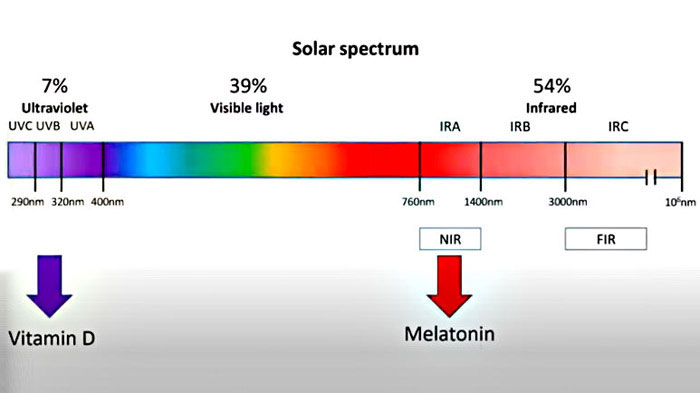
• This range is called the optical window — The ideal optical window is about halfway through the near-infrared range, between 600 and 900 nanometers. Within this optical window, the wavelengths are long enough to penetrate the body and reach deep into the tissues, but they’re not readily absorbed by hemoglobin, melanin, and water. The optical window sweet spot is around 800 to 810 nanometers.
• Penetration depth varies by wavelength — Red light starts around 600 nanometers. In the range of about 630 to 660 nanometers, red light typically reaches a few millimeters into tissue, making it relevant for skin and superficial structures. Meanwhile, near-infrared light begins above 700 nanometers. At around 800 to 850 nanometers, it penetrates much deeper, reaching muscles, joints, and other underlying tissues.
Longer wavelengths, closer to 1,050 nanometers, can penetrate even further, with research exploring their interaction with deeper tissue and neural structures, although these applications remain an active area of investigation.
• The key target within your cells is an enzyme called cytochrome c oxidase — This is a protein embedded in your mitochondria that acts as the final gatekeeper in cellular energy production. When this enzyme absorbs red or near-infrared light, it accelerates the production of adenosine triphosphate (ATP), the molecule your body uses for cellular energy. This increase in ATP supports everything from tissue repair to immune signaling and metabolic resilience.
• PBM influences melatonin production, but not the kind produced by your brain at night — Instead, near-infrared light stimulates melatonin synthesis inside the mitochondria, which account for roughly 95% of the melatonin produced in your body. By comparison, the melatonin secreted by the pineal gland during nighttime represents only 5% of your body’s total melatonin output.
Within mitochondria, melatonin serves as a powerful antioxidant. It neutralizes free radicals generated during normal energy production and helps protect mitochondrial structures from oxidative damage. Because mitochondria are present in nearly every cell, this mechanism helps explain why red and near-infrared light can exert effects across such a wide range of tissues.
• Nitric oxide is another key player — When light triggers its release from cellular storage sites, it leads to improved circulation by widening blood vessels and reducing inflammation. The result is better blood flow to damaged tissues, improved oxygen delivery, and support for immune and repair processes in areas under stress.
This broad impact on core biological functions has made PBM an area of growing interest in fields beyond oncology. To get a deeper look at how different wavelengths work in the body and what makes them therapeutically active, read “Exploring Benefits of Different Wavelengths of Light in Photobiomodulation.”
Other Health Benefits of PBM Beyond Cancer Care
A clinical consensus published in the Journal of the American Academy of Dermatology reviewed the available evidence on PBM and found that it shows therapeutic benefit for the following conditions:6
• Wound healing — Chronic wounds can persist for weeks or months due to poor blood flow, infection risk, or high levels of inflammation. This includes diabetic foot ulcers, venous leg ulcers, pressure ulcers (bedsores), and burns. PBM supports healing in these cases by improving circulation, reducing inflammation, and promoting tissue repair, especially when used alongside standard wound care.
• Peripheral nerve conditions — Damage to the peripheral nervous system can cause burning, tingling, numbness, or shooting pain in the limbs. PBM has been shown to help reduce nerve-related pain and restore some sensory function, particularly in cases of diabetic neuropathy or chemotherapy-induced nerve injury.
Additional studies have looked at its potential to relieve post-herpetic neuralgia (shingles-related nerve pain), improve bladder control, and stabilize blood pressure reflexes, though more data is needed in those areas.
• Musculoskeletal performance and recovery — PBM may influence muscle performance and fatigue depending on dose and wavelength. While further high-quality research is needed, these findings suggest promising uses in sports medicine and physical rehabilitation.
• Cognitive function and neurodegeneration — Though consensus was not reached for all neurological conditions, PBM has been studied for its effects on cognitive performance, memory, and attention. Applications explored in early or experimental studies include brain injury, dementia, chronic migraines, Alzheimer’s disease, and Parkinson’s disease.
I also finished a hypothesis paper, which has yet to be published, in which I propose that near-infrared light absorbed by mitochondria triggers local melatonin synthesis, which may activate powerful antioxidant defenses within brain cells. This mitochondrial melatonin system appears distinct from pineal melatonin and operates without circadian rhythms.
According to the model, near-infrared exposure initiates a cascade involving glutathione amplification and SIRT3 activation that offers targeted protection against oxidative stress. I believe this light-triggered mechanism could help defend neurons from age-related degeneration, particularly when combined with adequate intake of glutathione precursors like glycine and N-acetylcysteine (NAC).
• Dermatological and aesthetic uses — PBM has found a place in clinical dermatology, particularly for improving scar appearance and skin rejuvenation. In patients with androgenic alopecia, PBM has also been shown to promote hair regrowth when used at appropriate wavelengths and dosages.
• Oral applications — PBM has been described as generally well tolerated when used for maxillofacial conditions. While the consensus review did not detail specific clinical outcomes, separate research published in The Journal of the American Dental Association reports that PBM may be used as an adjunctive therapy in dental settings to support wound healing, reduce inflammation, and help manage pain.7
As with any biologically active therapy, outcomes depend not just on what condition is being treated, but on how the therapy is delivered. Understanding how to choose the right device — and how to dose it correctly — is essential for translating the science of PBM into safe, practical results.
Practical Guidance for Choosing a PBM Device and Using It Effectively
Using PBM to effectively improve your general wellness depends on both how much light is delivered and how it is delivered. Dose, wavelength, and device quality work together to determine whether PBM produces a meaningful biological response. The aim is to apply enough energy to activate cellular processes without exceeding the range where the effect begins to diminish. Here are some tips to keep in mind:
• Aim for the therapeutic middle range rather than going too low or too high — Research commonly uses doses between 5 and 50 joules per session, with a joule representing the amount of energy delivered in watts per second. This reflects a well-established principle in PBM: insufficient energy produces weak or no biological response, while excessive energy can reduce or inhibit the intended effect.
• Use about 25 joules per session for general whole-body wellness — This level can be reached using a large PBM panel and corresponds to roughly 10 minutes of exposure to the front of the body and 10 minutes to the back. This session length provides enough energy to support cellular signaling and tissue recovery without overwhelming the system.
• Match the device to your health goal, required depth, and daily routine — Consider what you intend to treat, how deep the light needs to reach, and how easily the device fits into your daily routine. Adjustable settings that control wavelength and dosage improve flexibility and help tailor sessions to your needs.
Always choose a clinically validated device from a reputable manufacturer to ensure safety, reliability, and accurate energy delivery. A practitioner trained in PBM can help tailor your dosing schedule based on individual health goals and response patterns.
• Choose a mixed red and near-infrared unit when you want both surface and deep-tissue effects — This device allows you to address both surface-level and deeper tissue issues simultaneously. However, achieving these combined benefits requires spending about 50% more time using the device compared to using a device that emits only near-infrared light.
• Select low-EMF, low-flicker devices to reduce unnecessary stress exposure — Mito Red is one example of a PBM manufacturer that has addressed several common concerns found in many light therapy devices. One of the key features is its extremely low electromagnetic field (EMF) output, measuring under 1 milligauss at a 6-inch distance and dropping to background levels beyond that.
In contrast, some infrared panels emit 5 to 10 gauss or more when used at close range, which may be a consideration for those sensitive to EMFs. They also eliminated light flicker, a subtle but measurable pulsing that tends to occur in infrared light devices and can affect neurological comfort over time. Visit their website to explore the full product line, including portable units, full-body panels for home use, commercial-grade panels, and red-light room systems.
• Consider using sauna therapy — Far infrared saunas, in particular, provide a practical way to deliver therapeutic wavelengths while also supporting detoxification through sweat. Learn more in “Infrared Sauna After Training Speeds Recovery and Supports Athletic Performance.”
• PBM complements natural light exposure — Regular time in natural sunlight remains the best way to receive a full spectrum of beneficial light wavelengths. But for many people, daily exposure is inconsistent or limited by season, lifestyle, or environment. PBM can be a great health investment to fill the gaps when natural light isn’t available, but it’s meant to supplement — not replace — sunlight exposure.
Frequently Asked Questions (FAQs) About Photobiomodulation
Q: What are the benefits of PBM in patients undergoing cancer treatment?
A: PBM is used in cancer care to help manage treatment-related side effects. Clinical research shows it may reduce the severity and duration of oral mucositis, ease pain in the mouth and throat, improve tolerance to radiation-related skin reactions, and support recovery of tissues affected by chemotherapy or radiation.
By helping preserve your ability to eat, speak, and maintain skin and nerve comfort, PBM may also reduce treatment interruptions and improve overall quality of life while you are undergoing cancer therapy.
Q: Why do red and near-infrared light matter more than other wavelengths?
A: Red and near-infrared wavelengths fall within a range that allows light to penetrate tissue without being excessively absorbed by skin pigment, blood, or water. This makes them better suited for interacting with deeper tissues compared to shorter wavelengths.
Q: Should I use blue light as part of PBM therapy?
A: Blue light is included in some technical definitions of photobiomodulation, but artificial blue light exposure can disrupt circadian signaling and sleep regulation. For this reason, focusing on red and near-infrared light aligns better with overall biological health outside tightly controlled medical settings.
Q: Can I use a PBM device at home?
A: Some at-home devices are designed to deliver appropriate wavelengths and doses, but quality varies widely. Look for clinically validated equipment with clear specifications and avoid devices that lack safety certification or accurate output information. Guidance from a knowledgeable practitioner helps reduce misuse.
Q: Does PBM replace spending time outdoors?
A: PBM does not replace natural sunlight. Time outdoors provides a broader spectrum of light and supports circadian health in ways devices cannot fully replicate. PBM works best as a supplement when regular outdoor light exposure is limited by the environment or schedule.
Cancer patients should avoid this food selection mistake
Reproduced from original article: https://www.naturalhealth365.com/why-the-color-orange-is-the-most-underrated-defense-on-your-plate.html
by: September 2, 2026
 (NaturalHealth365) Many people walk straight past the orange colored foods in the grocery store. On the other hand, greens like kale or arugula are thought to be a top priority for health reasons. But, there’s good reason to rethink the way you look at a carrot or sweet potato, especially if you have cancer.
A body of evidence involving cancer, cognition, eyesight, and heart health suggests that orange colored produce deserves far more credit than anyone has given in the past.
A pigment doing more than anyone gave credit for
A case-control study tracked 600 women recently diagnosed with breast cancer against 600 healthy women. Researchers compared years of dietary habits between the two groups using a detailed food frequency questionnaire. Women eating the most carotenoid-rich foods carried up to a seventy-five percent lower risk than women eating the least.
Carrots, sweet potatoes, and red peppers led the list of foods driving that pattern. The protection scaled directly with intake, growing stronger at every step up the quartile ladder. Lycopene, a related carotenoid found in tomatoes and watermelon, shows a separate tie to lower cancer risk in other large studies.
What carotenoids are quietly doing to your body
Carotenoids never limited their reach to breast tissue. A 2025 study of adults over fifty found that provitamin A carotenoids, concentrated in carrots and sweet potatoes, were linked to better cognitive function over time. An academic grant, not an industry sponsor, funded the analysis.
Eyesight tells a similar story. The government-funded Age-Related Eye Disease Study found that swapping beta-carotene for lutein and zeaxanthin lowered the risk of advanced macular degeneration. A more recent cohort also linked higher blood lycopene to lower cardiovascular death risk in adults with metabolic syndrome.
Skin health enters the picture too. Carotenoids provide the body with mild, natural protection against UV-driven oxidative stress from within.
One honest caveat belongs here. High-dose beta-carotene supplements raised lung cancer risk among smokers in past trials, a finding that surprised researchers at the time. The benefit clearly lives in whole food, not an isolated pill.
Turning the science into something you actually eat
Eat the whole vegetable, not the isolated nutrient. Choose organic carrots, sweet potatoes, red peppers, and pumpkin, which deliver carotenoids alongside fiber and dozens of other plant compounds researchers have not yet fully mapped. Roasting these vegetables in a bit of olive oil helps the body absorb more, since these pigments are fat-soluble.
Rotate red, orange, and yellow produce through the week. Tomatoes and watermelon bring lycopene, while carrots and squash bring beta-carotene, and each works through a slightly different pathway. Variety across the color spectrum covers more ground than repeating one vegetable daily.
Keep vitamin C, vitamin D, and zinc in the routine alongside carotenoid-rich foods. These nutrients support separate steps in immune defense and cellular repair, so carotenoids complement rather than replace them. A body low in any one of these building blocks misses the full benefit of the others.
Treat orange and red produce as a daily habit, not an occasional side dish. Consistency over years drove the results in the research above, not a single carotenoid-loaded meal. Small, repeated choices, like tossing extra carrots into a stir-fry or keeping cherry tomatoes on hand for snacking, add up in ways one large serving cannot match.
The produce aisle deserves a second look
Simply put, carotenoids are directly linked to lower cancer risk, sharper memory, protected eyesight, and a steadier heart. Yet, in too many cases, these foods get treated like background scenery next to trendier superfoods.
Sources for this article include:
Redefining Healing — A Holistic Approach to Cancer Care and Whole-Body Wellness
Reproduced from original article: https://articles.mercola.com/sites/articles/archive/2026/08/08/holistic-cancer-prevention-and-wellness.aspx
Analysis by Dr. Joseph Mercola August 08, 2026
Story at-a-glance
- Dr. Leigh Erin Connealy, founder of the Cancer Center for Healing, shared in an interview her holistic approach to cancer prevention, early detection, and integrative therapies for lifelong wellness
- The U.S. faces a worsening cancer burden alongside declining life expectancy, with rising chronic disease, childhood illness, and mental health issues intensifying overall cancer risk
- Cancer incidence has risen 80% since 1990, with aggressive cases now appearing more often in younger adults, highlighting the need for proactive, individualized prevention and monitoring
- Integrative therapies combine nutrient-dense ancestral diets, targeted supplementation, detoxification, oxygen-based treatments, and advanced biophysical modalities to strengthen defenses and create an internal environment less favorable to disease
- Lifelong wellness is built on intentional daily habits, including quality sleep, movement, nature exposure, and emotional balance. It’s important to start these habits even before conception to benefit future generations
Health is shaped by more than the absence of disease. It reflects how your body performs each day, how effectively it repairs and recovers, and how well daily habits nourish its needs. In many ways, modern life often undermines these foundations. Holistic healing responds to this reality by addressing the whole picture — the physical, mental, and environmental influences that determine long-term well-being.
Dr. Leigh Erin Connealy, founder of the Cancer Center for Healing and the Center for New Medicine in Irvine, California, and a physician with more than 30 years of experience in integrative medicine, explored these principles in an interview with Brittany and Anthony Xavier on “The Long Game.” In the featured video above, she shared her perspectives on prevention, longevity, and practical measures that support lasting health.1
The Worsening State of Health in the US
The United States faces a deepening health crisis despite investing more in medical care per person than any other nation. By almost every measure of population health — from life expectancy to rates of chronic disease and mental illness — the trend lines are moving in the wrong direction.2
• Poor global ranking despite high spending — According to Connealy, the U.S. ranked 69th in global healthcare performance in 2024, a position that reflects an overall decline in outcomes even as technology and treatment capabilities advance. Life expectancy has fallen for three consecutive years, underscoring the scale and persistence of the problem.
• This decline is not limited to older adults — Chronic conditions are emerging earlier in life. Connealy notes that autism in California is now diagnosed in one out of every 22 children, while in other states the rate is one in 35. Diabetes affects one in three children, a condition once considered rare in this age group. By the time they reach elementary school, 60% of young kids have at least one chronic illness.
• Mental health in young people is also deteriorating — Teenagers are now experiencing the highest recorded rates of anxiety and depression, and suicide has become a leading cause of death in this age group. Emotional health is inseparably linked to physical health, and the decline in both is creating a generation at greater risk for lifelong health struggles.
For a deeper look at how unaddressed underlying factors drive these patterns, see “The Cost of Ignoring the Root Cause of Chronic Disease.”
Cancer Is Striking Younger — Early Detection Must Go Beyond Standard Tests
Cancer develops silently over many years before it is formally diagnosed, progressing quietly without obvious symptoms. By the time most cancers are found, they have been growing, changing, and interacting with the body’s systems for a significant period.3
• Rising rates in younger adults — Between 1990 and 2019, there has been an 80% increase in cancer cases. Connealy notes that many of her new patients are in their 20s, 30s, and early 40s. These include advanced-stage diagnoses, such as Stage 4 colon cancer, which were once considered rare in these age groups. The shift challenges the long-standing view of cancer as a disease that primarily affects older individuals.
• Addressing cancer begins long before the moment of diagnosis — According to Connealy, she looks at the full span of a patient’s life in the years leading up to their illness to assemble a complete picture of the patient’s physical and environmental landscape during the period in which cancer is most likely to have begun. As she explains:
“There are some things I go through when I see a patient. I go back from inception to where they are right now, and everything that’s happened to them, meaning not just how they sleep, the water they drink, the food they eat, the exercise they do or don’t do, their mouth, and their stress over the last 8 to 10 years. So, I know everything about them. So, I’m trying to figure out all the things that contributed to the development because nothing is just one thing.”4
• Comprehensive early detection strategy — To identify cancer as early as possible and understand the factors influencing its development, Connealy uses a range of advanced diagnostic tools. These methods go beyond standard protocols and are selected to provide a comprehensive view of a patient’s health from multiple angles, including:5
◦Advanced blood testing — Measures inflammation, hormone balance, nutrient levels, and other internal markers that indicate cancer risk or progression.
◦Circulating tumor cell testing — Detects cancer activity in the blood before tumors become visible, using specialized international labs.
◦Whole-body MRI — Scans for solid tumors and abnormalities without radiation exposure, providing a broad view of the body.
◦Thermography and ultrasound — Identifies abnormal vascular patterns and tissue changes, especially useful for dense breast tissue.
◦Nutritional and toxic load analysis — Evaluates nutrient status and toxic elements inside cells to identify imbalances that may influence cancer risk.
◦Energy and frequency assessments — Uses noninvasive scanning to detect disruptions in the body’s electrical and energetic systems.
• Risk-specific screening is another hallmark of her approach — Testing recommendations are tailored based on a patient’s genetics, family history, and existing conditions. The intention is to apply the most appropriate and least invasive methods for each individual’s risk profile.
By combining a detailed life history, advanced laboratory and imaging technologies, and personalized screening protocols, Connealy builds a multifaceted view of each patient’s cancer risk and current health status. This thorough and individualized approach is designed to both detect disease earlier and provide the necessary information for developing a targeted, patient-specific management plan.
Integrative Therapies for Cancer Care and Prevention
In the interview, Connealy outlines a prevention and treatment approach that combines nutritional, detoxification, oxygenation, and other advanced therapies. Each strategy is tailored to the individual and designed to strengthen the body’s defenses, remove harmful influences, and create an internal environment less favorable to disease.6
• Personalized nutrition plans — Connealy emphasizes the role of food as a foundation for both cancer prevention and supportive care during treatment. In the interview, she stressed the importance of creating daily conditions that promote recovery and resilience, starting with diet.
“You need to really think about your food. You need to eat nutrient-dense food. And really, you eat like your ancestors ate,” she noted. She advises avoiding harmful fats such as seed oils, eliminating refined sugar, and choosing nutrient-dense options like high-quality protein, organic fruits and vegetables, and raw dairy from reliable sources.
• Targeted supplementation — Supplement choices follow what shows up in labs and history. Intravenous vitamin C is at the center of her protocol, used daily and in higher doses when needed. She recommends camu camu as a valuable whole-food source of this nutrient, particularly suited for younger individuals. Connealy also discusses progesterone as part of a presurgical protocol for women:
“Like a woman who’s going to have breast surgery, for example, the higher your progesterone, the better outcome you have for the surgery … If they’re young, you want them to do it in their luteal phase, which is their peak time before their menstrual cycle.”7
Learn more about how to supplement with progesterone in “What You Need to Know About Estrogen and Serotonin.”
• Detoxification therapies — Reducing your body’s toxic burden supports immunity and mitochondrial function. Connealy suggests simple at-home practices such as Epsom salt and baking soda baths, sometimes combined with clay, to encourage relaxation and assist detoxification.
She also recommends using an infrared sauna when available. If you’ve been following my work, you know I advocate for this as well — learn more in “Your Complete Guide to Detoxing Heavy Metals Naturally and Boosting Vitality.”
• Oxygen-based treatments — Connealy uses ozone to raise tissue oxygen delivery and reduce microbial stress, and incorporates hyperbaric oxygen therapy where appropriate to increase dissolved oxygen in plasma. These methods support energy production and recovery while other parts of the plan address nutrition, toxins, and infections.
• Physical and biophysical therapies — She also shares that she uses pulsed electromagnetic field (PEMF) therapy to stimulate cellular repair and promote energy production. Moreover, she uses intravascular laser therapy with different wavelengths to influence mitochondrial activity and blood properties from within the vasculature, and full-body red-light beds for broad photobiomodulation.
Learn more about these methods and other therapeutic approaches by visiting the Cancer Center for Healing’s Integrative Cancer Treatment page.8
Building Lifelong Wellness at Home Through Daily Lifestyle Habits
Daily decision-making is a central driver of long-term health. Connealy describes self-care as a continuous process rather than an occasional effort, and she links preventive strategies to the years before illness develops, extending even to the period before conception.9
• Building a strong health foundation before pregnancy — Optimizing the health of both parents prior to conception influences the health of future children. Beyond that stage, she advises patients to take an active role in their medical decisions, ask questions, and work with practitioners who tailor recommendations to each individual’s history and needs.
• Mental and emotional habits as part of healing — Emotional well-being is just as important as physical health. Thus, mindset practices are essential in both prevention and recovery plans. Affirmations before sleep help reinforce constructive beliefs at a subconscious level, while beginning the day with gratitude and intention sets a stable tone. Introducing your children to daily meditation for 10 to 15 minutes also helps calm their minds, improve focus, and support emotional regulation.
• Excellence over perfectionism — Connealy advises aiming for steady, sustainable progress rather than holding to rigid standards. Having a clear sense of purpose, personal values, and inner stability helps you maintain perspective and guide your decision-making during challenging times.
• Modeling healthy habits for children — Lead your children by example when teaching healthy behaviors. Explaining the reasons behind such choices helps them understand their value and encourages them to make informed decisions on their own.
• Prioritizing daily movement and time outdoors — Regular exposure to natural light, fresh air, and physical activity helps regulate sleep, elevate mood, and support physical development. Making these elements part of the family’s daily rhythm turns them into reliable, lasting habits.
By making these practices a consistent part of daily life, you create conditions where health is continually supported.
Frequently Asked Questions (FAQs) About Holistic Cancer Prevention and Wellness
Q: How can I tell if I’m at risk for cancer before I have symptoms?
A: Cancer often develops silently for years before diagnosis. Dr. Connealy advises getting advanced screening that looks beyond standard tests. Options include circulating tumor cell testing, whole-body MRI, thermography, and specialized blood panels that check for inflammation, hormone balance, nutrient status, and toxin exposure.
Q: Can nutrition really make a difference in cancer prevention and recovery?
A: Yes. Nutrient-dense, whole foods strengthen the immune system, support repair processes, and improve energy metabolism. Avoiding harmful fats like seed oils, eliminating refined sugar, and choosing high-quality protein, organic produce, and raw dairy from trusted sources are key steps.
Q: How do detox therapies like infrared sauna and Epsom salt baths help with healing?
A: These therapies promote relaxation, improve circulation, and support the removal of toxins through sweat and skin pathways. Adding clay to baths may further assist in binding impurities.
Q: What lifestyle changes should I make before getting pregnant to give my child the best start?
A: Improving nutrition, reducing toxin exposure, balancing hormones, and managing stress before conception benefits both parents and sets a healthier foundation for the child.
Q: What’s the best way to get my children involved in healthy routines?
A: Leading by example is most effective — modeling good eating habits, regular physical activity, and mindfulness. Explaining the reasons behind these habits helps children value and maintain them.
Geranylgeraniol — An Overlooked Driver of Healthy Aging
Reproduced from original article:
https://articles.mercola.com/sites/articles/archive/2026/07/31/geranylgeraniol-healthy-aging.aspx
Analysis by Dr. Joseph Mercola July 31, 2026
Story at-a-glance
- Geranylgeraniol (GG) is a naturally produced compound that helps regulate memory, metabolism, inflammation, and cellular repair, but your body makes less of it as you age
- Researchers found that GG supports important cellular signaling systems that help brain cells communicate, form memories and adapt to everyday stress
- Low GG levels are linked to many of the same biological changes seen in aging, including declining cellular energy, insulin resistance, chronic inflammation, and impaired tissue repair
- In laboratory research, GG’s metabolite, geranylgeranoic acid (GGA), has been shown to interfere with key survival mechanisms inside certain cancer cells — early findings that some researchers describe as a potential built-in check on uncontrolled cell growth
- Supporting the mevalonate pathway through nutrient-dense foods, regular sunlight exposure, movement, avoidance of ultraprocessed foods, and, for some people, targeted GG supplementation, may help support the cellular systems involved in healthy aging
Your body produces a compound that governs some of the most important processes in aging — cellular cleanup, energy production, metabolic signaling, and brain function — yet it rarely appears in conversations about healthy longevity. That compound is geranylgeraniol (GG, also called GGOH), and a review published in the Journal of Lipid Research makes a compelling case that it deserves far more attention than it gets.1
The problem isn’t that GG is rare or exotic. It’s made inside the mevalonate pathway, the pathway that produces coenzyme Q10 and cholesterol — the raw material your body then uses to make vitamin D and steroid hormones. This is also the pathway that statin drugs act on: by blocking an enzyme near the top of it, statins reduce not just cholesterol but everything downstream, GG and CoQ10 included.
Some researchers have proposed that this drop in GG and related compounds may contribute to the muscle aches some people experience on statins, a hypothesis that’s still being studied, but one that shows how central this pathway is.
Production declines with age, however, precisely when the need for cellular repair is highest. As that supply drops, the downstream effects ripple across multiple systems, and researchers now believe those ripple effects help explain why so many hallmarks of aging accelerate together rather than in isolation.
What makes this research particularly striking is how GG fits into a larger picture of aging as a systems-level failure rather than simple wear and tear. Muscle loss, insulin resistance, cognitive decline, chronic inflammation, and weakened immune defenses don’t happen randomly. They reflect coordinated breakdowns in energy production, protein maintenance, and cellular signaling, breakdowns that GG and its related metabolites appear to directly influence.
Your Brain and Metabolism Depend on This Hidden Pathway
The review examined prenols such as GG, and their metabolites, including geranylgeranoic acid, or GGA.2 GG is a naturally produced compound that serves as a building block for several cellular signaling molecules. As GG is metabolized, it also forms related compounds such as GGA, which carry out different biological functions. These compounds are active regulators of aging, metabolism, inflammation, cognition, and cellular stress responses instead of meaningless byproducts of cholesterol production.
• The paper tied aging directly to declining cellular energy and repair systems — Researchers described aging as a progressive loss of mitochondrial efficiency, rising oxidative stress, insulin resistance, chronic inflammation, and impaired proteostasis. Proteostasis refers to your body’s ability to maintain healthy proteins and remove damaged ones before they accumulate. When those systems weaken, cells lose resilience and tissues age more rapidly.
• Scientists identified the mevalonate pathway as a central control system for cellular survival — This pathway is often associated with cholesterol, but the review explained that it also regulates mitochondrial respiration, protein signaling, hormone-related pathways, and inflammatory control. Disruptions inside this pathway have been associated with diabetes, neurodegeneration, cardiovascular disease, sarcopenia, and other age-related disorders.
• GG helps important proteins do their jobs — Your cells contain thousands of proteins that act like workers carrying out specific tasks. Many of these proteins are inactive until a small lipid “tag” built from GG is attached to them, a process scientists call geranylgeranylation. That tag works like an ID badge: it lets the protein dock onto the right cell membrane and reach the location where it does its job.
When GG runs low, fewer badges get printed, so these proteins drift unanchored and can’t carry out tasks like relaying memory signals or coordinating cell growth.
• Research suggests the brain relies on an adequate supply of GG to support the connections involved in forming and maintaining memories — GG appears to play an important role in helping brain cells strengthen their connections with each other.
In laboratory cell studies, when brain cells were deprived of GG, important memory-related signaling processes stopped working properly. Restoring GG helped those processes recover, but simply adding cholesterol did not. This suggests that GG has unique functions in the brain that cholesterol can’t replace, highlighting that this pathway does much more than regulate cholesterol levels.
Researchers Linked GG to Multiple Hallmarks of Aging
Aging tissues often produce excessive inflammatory compounds. The paper described how prenol metabolites influence inflammatory signaling pathways and help regulate oxidative stress responses. Oxidative stress occurs when damaging reactive oxygen molecules overwhelm your body’s protective defenses, leading to injury inside proteins, fats, and DNA.
• The researchers also discussed insulin sensitivity and metabolic health — Insulin resistance rises steadily with age and disrupts how your cells process glucose for energy. The review connected prenol metabolism with markers of glucose regulation and metabolic signaling, based largely on preclinical research. Impaired glucose handling places continuous stress on mitochondria and accelerates inflammatory damage throughout the body.*
• Cancer biology emerged as another major theme — The review described how GGA, the oxidized form of GG, affects cancer cells differently than healthy tissue. Cells maintain themselves through autophagy, a recycling program that breaks down worn-out parts and reuses the materials. In healthy cells this process runs start to finish and leaves the cell renewed.
But in certain tumor cells, GGA appears to switch autophagy on and then jam it partway through. That half-finished, stalled cleanup turns toxic (cytotoxic means cell-damaging), and the cancer cell ends up destroying itself. The key is that GGA isn’t breaking a healthy process; it’s hijacking it specifically inside malignant cells.
Researchers have described this mechanism as acting almost like a built-in brake on cancer-cell growth, though this remains an early, laboratory-stage observation. Researchers noted that pathways related to prenol metabolism are often downregulated in malignant states. In other words, cancer cells frequently suppress these protective signaling systems because they interfere with uncontrolled growth.
The review linked GGA activity to inhibition of tumor growth, inflammatory signaling, and survival pathways inside cancer cells. These findings are early and haven’t been tested as a cancer therapy in people, but they’re a major reason researchers find this pathway so intriguing.
• Several longevity-related pathways overlapped throughout the review — Researchers discussed signaling systems that influence cell survival, metabolism, and stress adaptation. Dysregulation of these systems contributes to accelerated aging, metabolic dysfunction, and tumor progression. Prenol compounds influenced several of these pathways simultaneously, which explains why researchers increasingly view them as central regulators instead of secondary metabolites.
• Aging doesn’t happen because your body simply “wears out” — Researchers described it as a coordinated breakdown in energy production, protein maintenance, stress adaptation, and cellular signaling. GG and related metabolites appear deeply involved in many of those systems, especially in the brain, metabolic tissues, and inflammatory pathways.
*These findings are from laboratory or animal research and may not directly apply to human health.
Support Your Cellular Repair Systems Before They Decline Further
Your body already contains many of the systems required for healthy aging, stronger metabolism, and better cellular repair. The problem is that modern habits steadily drain those systems. Chronic stress, poor sleep, processed food, sedentary routines, excessive seed oils, and constant metabolic overload force your cells into survival mode instead of repair mode.
Focus on restoring the environment your cells need to produce energy efficiently because stronger mitochondrial function supports everything else downstream, including inflammation control, recovery, cognition, and metabolic health.
1. Support the mevalonate pathway with nutrient-dense foods — GG naturally occurs in foods like tomatoes, carrots, olives, and some grains, though food sources contain much smaller amounts than supplements. Focus on a nutrient-rich diet that supports the entire mevalonate pathway.
That pathway produces coenzyme Q10, steroid hormones, vitamin D, and other compounds your cells require for energy and repair. If your diet lacks enough whole foods and high-quality protein, your cells lose access to the raw materials required to maintain those systems.
2. Use targeted GG supplementation to support aging cells — Supplemental forms of GG provide much more concentrated support than food alone. Most commercial GG supplements contain 150 milligrams (mg) to 300 mg per softgel. In addition, a majority of the published research has used branded forms of trans-geranylgeraniol derived from annatto seeds, such as “GG-Gold.” These supplements are typically taken with or without food.
For people who are older, physically active, metabolically stressed, or recovering from years of poor dietary habits, concentrated GG is one way you can replenish a compound that your body produces less of with age.
Supplementation is one proposed way to replenish the supply, but it’s worth knowing that most of the evidence so far comes from cell and animal research, with human longevity data still limited. If you take a statin, talk with your clinician before adding GG, since the two interact with the same pathway.
3. Lower the metabolic stress that blocks cellular repair — Your cells struggle to maintain autophagy and mitochondrial function when your diet constantly floods your system with industrial fats and ultraprocessed foods, including soybean oil, corn oil, canola oil, or other vegetable oils.
These flood your cells with linoleic acid (LA), which can disrupt energy production and increase oxidative stress. Replace them with whole-food meals built around ruminant protein, root vegetables, fruit, and stable fats such as grass fed butter, ghee, or tallow. If your cells stop fighting inflammatory stress all day long, they redirect energy toward repair and recovery instead.
4. Use sunlight and movement to restore mitochondrial energy production — These habits won’t raise your GG directly, but they protect the cellular environment GG works within. Daily morning sunlight helps regulate circadian rhythm and mitochondrial energy production, and healthier mitochondria mean the mevalonate pathway, where GG is made, has the energy to keep running.
When your cells aren’t fighting inflammatory stress all day, more of that capacity goes toward the repair work GG-dependent proteins are meant to do.
I also recommend consistent movement because inactivity rapidly weakens mitochondrial function and insulin sensitivity. Start with walking outdoors after sunrise and continue building from there. If you sit most of the day, even short movement breaks improve glucose handling and reduce metabolic stress. Your body responds best to repeated signals of movement and light exposure instead of occasional bursts of exercise followed by long periods of inactivity.
5. Protect your mitochondria from constant inflammatory overload — Your mitochondria respond directly to sleep quality, blood sugar stability, stress load, and environmental toxins. Build simple habits that lower that burden every day. Prioritize consistent sleep, stable meal timing, and balanced carbohydrate intake instead of restrictive low-carb approaches that suppress metabolic flexibility.
Include enough protein to maintain muscle mass and make roughly one-third of that protein collagen-rich foods like bone broth. Small daily actions compound over time. Every time you improve cellular energy production, reduce inflammatory stress, and strengthen mitochondrial resilience, you help your body shift away from accelerated aging and back toward repair.
FAQs About GG and Healthy Aging
Q: What is GG?
A: GG is a compound your body naturally produces through the mevalonate pathway. This same pathway helps create cholesterol, coenzyme Q10, vitamin D, and other compounds needed for cellular function. Researchers have linked GG to healthy metabolism, brain function, inflammation control, and cellular stress responses.
Q: Why does GG matter as I get older?
A: GG production declines with age at the same time many age-related problems begin to accelerate. Lower levels are associated with disruptions in cellular signaling, energy production, inflammation control, and metabolic health. Researchers believe this decline helps explain why issues such as muscle loss, insulin resistance, cognitive decline, and chronic inflammation often develop together rather than separately.
Q: How does GG support brain health?
A: Laboratory research suggests that GG plays a role in helping brain cells strengthen and maintain their connections. These connections are necessary for learning, memory formation, and normal cognitive function. Scientists found that when GG levels fall, important memory-related signaling processes weaken, and restoring GG helps restore those functions.
Q: Can food provide enough GG?
A: GG naturally occurs in foods such as tomatoes, carrots, olives, and some grains. These foods contribute small amounts and support the broader metabolic pathways involved in GG production. Supplemental GG provides significantly higher amounts than food alone, which is why some people use it as a targeted strategy to support healthy aging.
Q: What lifestyle habits help preserve the systems GG supports?
A: The same habits that support mitochondrial health also support the biological systems influenced by GG. A nutrient-dense diet, regular sunlight exposure, daily movement, adequate sleep, stable blood sugar levels, and avoidance of ultraprocessed foods all help reduce the metabolic stress that accelerates aging. These habits strengthen cellular energy production and improve your body’s ability to repair and maintain itself over time.
This article is for informational purposes only and does not constitute medical advice. Consult a qualified health care provider before making changes to your health regimen.
Ancient Fruit Proven to Protect Your Heart, Fight Cancer, and Restore Vitality
Reproduced from original article:
https://articles.mercola.com/sites/articles/archive/2026/07/24/pomegranate.aspx
Analysis by Dr. Joseph Mercola July 24, 2026

Story at-a-glance
- Pomegranate is one of the most antioxidant-rich fruits on Earth, protecting your cells from oxidative stress — the same process that drives aging, inflammation, and chronic disease
- The peel contains 12 times more antioxidants than the juice or seeds, supporting heart health, blood sugar balance, and immune defense while fighting harmful bacteria and inflammation
- Compounds like punicalagins, ellagic acid, and urolithins work together to slow the growth of cancer cells, block tumor-feeding blood vessels, and balance hormones involved in breast and prostate cancers
- Research shows pomegranate’s unique nutrients support your brain, skin, and metabolism, helping maintain memory, collagen production, and healthy circulation as you age
- Using the whole fruit — seeds, juice, peel, and even seed oil — provides a safe, natural way to strengthen your body’s defenses, reduce inflammation, and promote longevity from the inside out
For centuries, the pomegranate has been prized as a symbol of vitality and longevity. Ancient cultures understood its connection to health long before science could explain why. Today, researchers are uncovering how the fruit’s rich store of natural compounds protects your body from the inside out — helping guard against chronic conditions that cut life short in the modern world.
Pomegranate is now recognized as one of the most nutrient-dense fruits on Earth, packed with antioxidants that defend your cells from oxidative stress — the process that drives aging, inflammation, and disease. It supports everything from heart health and metabolism to hormonal balance and immune resilience, offering a nutritional profile that few foods can match.
What makes pomegranate so remarkable is how it works on multiple levels. Its bioactive compounds don’t just fight damage after it occurs — they help regulate the very pathways that keep your blood vessels clear, your cells stable, and your tissues youthful. This is where modern biochemistry meets ancient wisdom: the idea that food itself holds the power to restore balance and extend vitality.
Pomegranate Peel Extract Delivers Broad Protective and Anticancer Effects
According to a review published in Food Science & Nutrition, pomegranate peel is richer in antioxidants, flavonoids, phenolic acids, and tannins than the edible portions of the fruit.1 The study revealed that the flavonoid content in the peel is about 12 times higher than in the juice or seeds, making it the most potent part of the plant for neutralizing free radicals and protecting against oxidative stress.
• Pomegranate peel supports metabolic and cardiovascular health through its antioxidant and antidiabetic activity — The peel’s polyphenols and tannins help lower cholesterol oxidation, improve lipid metabolism, and regulate blood sugar levels by inhibiting a certain enzyme.
This slows carbohydrate breakdown and supports more stable glucose control, which is important for preventing diabetes and cardiovascular disease. Pomegranate peel is also beneficial for maintaining blood pressure balance and protecting heart tissues from oxidative damage.
• The peel has strong antimicrobial and anti-inflammatory properties — Pomegranate peel naturally kills harmful bacteria and fungi, which explains why it’s long been used in traditional medicine to treat infections. It also helps calm inflammation and protects tissues from oxidative stress. Because of these properties, researchers say the peel could even be used in food preservation to keep products fresh longer and prevent spoilage.
• It supports brain and skin health too — Compounds in the peel protect brain cells by blocking enzymes that contribute to memory loss and other changes seen in Alzheimer’s disease. They also help skin heal faster, thanks to punicic acid — a compound that encourages collagen production and tissue repair. In short, the same fruit that protects your heart also supports your mind and skin.
• The peel shows early promise in fighting cancer — In lab tests, pomegranate peel extract slowed the growth and spread of several types of cancer cells, including lung, prostate, ovarian, and breast cancers.
It also reduced the formation of blood vessels that feed tumors and interfered with estrogen activity, which helps explain its effects in hormone-related cancers like breast and prostate. While these results are from cell studies, they suggest the peel could be a powerful, low-toxicity addition to cancer prevention research.
• Using pomegranate peel is good for your health and the planet — Instead of throwing it away, researchers suggest using pomegranate peel in teas, supplements, or functional foods. Doing so makes use of a part of the fruit that’s usually wasted — turning it into an inexpensive, sustainable source of antioxidants and other health-protective nutrients that support both people and the environment.
Pomegranate Stops Cancer Cells from Growing and Spreading
A review published in Molecules looked at how different parts of the pomegranate — like its juice, peel, and seeds — affect cancer.2 Researchers explained that compounds such as ellagic acid, punicalagins, and urolithins stop cancer cells from multiplying and trigger apoptosis, which is your body’s built-in process for removing damaged cells. This makes pomegranate a natural aid for cancer prevention.
• Pomegranate reduces inflammation and blocks the signals that help tumors grow — The same compounds calm inflammation and reduce oxidative stress — two main causes of DNA damage and tumor formation. The review noted that pomegranate’s polyphenols turn down several “master switches” of inflammation. It helps turn off the cellular “alarm bells” that keep tumors alive and growing.
• It helps balance hormones linked to breast and prostate cancers — The research also explained that pomegranate affects hormone-related cancers by reducing estrogen and testosterone activity.3 Its unique compounds, called urolithins, slow down the enzyme aromatase, which produces estrogen. This helps stop hormone-driven cancers, such as certain types of breast and prostate cancer, from spreading as quickly.
• Pomegranate affects genes that control how cells grow and die — Pomegranate compounds influence the genes inside cancer cells that regulate the cell cycle. In breast cancer cells, for example, these compounds increased genes that tell unhealthy cells to die and reduced genes that allow them to survive and multiply. That means pomegranate helps restore your body’s natural ability to clear out abnormal cells before they cause harm.
• Its antioxidants protect cells from damage that leads to cancer — Pomegranate is loaded with antioxidants — substances that stop the “rusting” of your cells caused by free radicals. By preventing this damage, pomegranate helps protect tissues throughout your body, including your skin, from the kind of stress that allows cancer cells to take hold.
Pomegranate Works Through Multiple Pathways to Stop Cancer at Its Source
Pomegranate targets dozens of cancer-related pathways simultaneously, according to a comprehensive scientific review published in Seminars in Cancer Biology.4 It examined studies on pomegranate’s bioactive compounds and their effects on cancer prevention and treatment. Pomegranate’s unique blend of phytochemicals — including ellagitannins, flavonoids, anthocyanins, and fatty acids — interferes with nearly every stage of cancer development.
These compounds block tumor initiation, suppress inflammation, slow cell division, and prevent metastasis, all without toxic effects on healthy tissue. This makes pomegranate a “multi-targeted natural therapy,” meaning it works across many biological systems at once rather than focusing on a single mechanism.
• Pomegranate fights more than a dozen types of cancer — Pomegranate extracts have demonstrated strong anticancer activity against breast, prostate, colon, lung, liver, pancreatic, ovarian, and blood cancers, among others. Each type of cancer involves a slightly different biological trigger, yet pomegranate’s compounds are versatile enough to address them all.
For example, in colon and prostate cancers, punicalagin and ellagic acid reduce tumor size and inhibit angiogenesis — the process by which tumors grow new blood vessels to feed themselves. In breast and ovarian cancers, the same compounds regulate hormone activity, reducing estrogen-driven cell growth. This versatility gives pomegranate a unique advantage over synthetic drugs that target only one pathway.
• The fruit’s anticancer effects rely on restoring cellular communication — Cancer cells survive because their signaling systems — pathways that control when to grow, divide, or die — go haywire. Pomegranate compounds reactivate “oncosuppressive” signaling, the built-in genetic programs that keep cell growth in check.
At the same time, they inhibit “oncogenic” signaling, the faulty communication that drives cancer progression. Restoring this balance allows normal cell cycles to resume and triggers natural cell death in cancerous cells. In other words, pomegranate helps your body’s internal communication system tell damaged cells to stop reproducing and self-destruct instead.
• Pomegranate is a safe, nontoxic ally in cancer prevention and therapy — Across animal and human studies, no significant toxicity was observed even at high doses of pomegranate juice, extract, or seed oil. In contrast to chemotherapy agents, which damage healthy cells and suppress your immune system, pomegranate strengthens cellular defense and enhances antioxidant capacity.
How to Use Pomegranate to Protect Your Health
If you’ve made it this far, you already understand how powerful pomegranate is. What you might not realize is how easy it is to start using it strategically — to protect your arteries, calm inflammation, and strengthen your body’s defenses against disease.5 The goal isn’t just to add pomegranate for the sake of it.
It’s to help correct the root causes of damage: oxidative stress, chronic inflammation, and hormonal imbalance. Whether you’re looking to support your heart, improve your skin, or keep cancer at bay, here’s how to use this ancient fruit as a daily defense system.
1. Start your day with fresh pomegranate, juice, or extract — You’ll get the strongest benefits when you eat the whole fruit because the seeds, pulp, and membrane work together to deliver fiber, antioxidants, and polyphenols that protect your heart and clean your arteries. If fresh pomegranate isn’t available, choose a cold-pressed, unsweetened juice or a standardized extract containing punicalagins — the key compounds that improve circulation and lower inflammation.
Try enjoying half a fruit daily or a small glass of juice in the morning when your body’s natural detox systems are most active. If you’re avoiding sugar, use the extract form instead to get the benefits without the sweetness.
2. Use the peel — not just the fruit — The peel holds more antioxidants than any other part of the fruit. You can dry it, powder it, and add it to smoothies or tea. Simply steep a teaspoon of powdered peel in hot water with lemon for a rich, earthy tea that supports blood sugar balance, gut health, and immunity. This is one of the easiest ways to lower inflammation from the inside out.
3. Combine pomegranate with healthy fats to boost absorption — Many of pomegranate’s antioxidants are fat-soluble, meaning they’re absorbed better when eaten with healthy fats. Try pairing pomegranate seeds with full-fat grass fed yogurt. This not only improves nutrient uptake but also helps stabilize blood sugar and keeps you full longer.
4. Consider pomegranate seed oil for extra protection — The oil extracted from pomegranate seeds contains punicic acid, a rare omega-5 fatty acid with strong anti-inflammatory and hormone-balancing effects. You can find it in capsule form or as a cold-pressed oil. It supports skin elasticity, helps regulate estrogen activity, and supports cancer prevention.
5. Use pomegranate daily as part of a “longevity routine” — Think of this fruit as your cellular insurance policy. You can rotate between fresh pomegranate seeds, juice, extract, or peel tea throughout the week. Add them to yogurt, side dishes, or smoothies. If you’re older or under high stress, daily use becomes even more important — your body produces more free radicals under strain.
Making pomegranate a consistent part of your diet supports steady energy, smoother skin, sharper focus, and stronger immunity over time.
FAQs About Pomegranate
Q: Why is pomegranate considered one of the healthiest fruits on Earth?
A: Pomegranate is packed with antioxidants — especially polyphenols and tannins — that protect your cells from oxidative stress, which drives aging, inflammation, and chronic disease. Unlike many fruits, it also supports heart health, balances hormones, strengthens immunity, and helps prevent DNA damage, giving it a full-body protective effect.
Q: What makes pomegranate peel so powerful?
A: The peel contains about 12 times more antioxidants than the juice or seeds. Studies show it helps lower cholesterol oxidation, balance blood sugar, and calm inflammation. It also fights harmful bacteria and fungi, protects brain cells, and supports skin repair by boosting collagen production. Researchers even found it slows the growth of several cancer cell types in lab studies.
Q: How does pomegranate help prevent cancer?
A: Pomegranate’s compounds — like ellagic acid, punicalagins, and urolithins — work through multiple pathways to stop cancer from forming and spreading. They reduce inflammation, block tumor-feeding blood vessels, slow cell division, and interfere with estrogen activity linked to breast and prostate cancers.
Q: Is pomegranate safe to use regularly?
A: Yes. Research shows pomegranate juice, extract, and seed oil are nontoxic even at high doses. Unlike chemotherapy drugs that harm healthy cells, pomegranate strengthens cellular defenses, enhances antioxidant capacity, and supports your body’s natural repair systems without side effects.
Q: What’s the best way to include pomegranate in your diet?
A: Eat the whole fruit whenever possible — seeds, pulp, and all — for maximum benefits. You can also drink unsweetened juice, take a standardized extract, or use the peel in tea or powder form. Pairing pomegranate with healthy fats, like full-fat grass fed yogurt, improves nutrient absorption. Using pomegranate daily helps protect your arteries, fight inflammation, support hormone balance, and promote longevity.
Study Links Fiber Consumption to Epigenetic Changes with Anticancer Effects
Reproduced from original article:
https://articles.mercola.com/sites/articles/archive/2026/07/29/fiber-consumption-and-epigenetic-changes-anticancer-effects.aspx
Analysis by Dr. Joseph Mercola July 29, 2026

Story at-a-glance
- Fiber byproducts — short-chain fatty acids — physically attach to DNA regions, influencing how genes are turned on or off through epigenetic regulation
- A comprehensive review of 11 meta-analyses found that higher fiber consumption correlates with reduced risk of several cancers, including gastric, esophageal, ovarian, and endometrial tumors
- Fiber helps regulate hormone pathways and curbs inflammation, with studies showing it may reduce estrogen reabsorption, lowering the risk of hormone-related cancers like breast cancer
- Research indicates modern diets often lack adequate fiber, leading to chronic metabolic strain and disrupted digestive processes, making fiber optimization an important public health strategy
- People with compromised gut health should introduce fiber gradually, starting with easily digestible carbohydrates like white rice and fruit juices before progressing to more fibrous foods. In severe cases, start with dextrose water
Millions of adults in the U.S. fail to meet their daily dietary fiber requirements, a fact that often goes unnoticed until serious health issues emerge. According to a study published in Nature Metabolism by scientists investigating gene activity, certain molecules from fiber appear to latch onto specific regions in your DNA.1 This means you get more than digestive support: your body’s own genetic processes are influenced by the fiber on your plate.
You might not know that grains, vegetables and fruits containing this carbohydrate help maintain everything from heart function to cellular repair. Research published in Nutrients journal points to an even stronger connection between fiber intake and reduced cancer rates, underscoring how important it is to get enough of this unassuming nutrient.2
Some people believe fiber only matters for regularity, but these carbohydrates are also tied to hormone regulation, immune support, and overall metabolic stability.3 You deserve to see real results when you change your eating habits, and fiber offers that in straightforward ways. However, it’s important to get your gut healthy before adding fiber to your diet.
Fiber’s Role in Influencing Your Genes
A study published in Nature Metabolism4 set out to investigate how specific substances derived from dietary fiber interact with human cells at the genetic level. The main focus was on normal colon tissue and colorectal cancer (CRC) cells, giving researchers a chance to see whether these fiber-related compounds triggered beneficial or disruptive responses.
Unlike many broad dietary studies, this one narrowed its lens onto molecular events that happen inside cells when they come into contact with byproducts of fiber digestion, such as the short-chain fatty acids (SCFAs) propionate and butyrate. Researchers conducted lab experiments on normal, non-cancerous cells and CRC cells to gauge whether these fiber byproducts encourage healthy development or slow down malignant growth.5
The findings showed that these compounds could physically attach to certain spots on the cell’s DNA “packaging,” which includes proteins known as histones.6 This attachment caused changes in how genes get turned on or off, a phenomenon called epigenetic regulation. For the healthy cells, gene regions associated with normal growth and stable functioning lit up more consistently, while genes connected to uncontrolled proliferation stayed relatively quiet.
Researchers noted that this pattern was far more pronounced when cells were exposed to higher doses of the fiber byproducts for a set period. One interesting detail is that the CRC cells exhibited a different response profile.7 When they encountered these same fiber-derived substances, genes tied to cancerous or aggressive behaviors were frequently dialed down.
The investigators emphasized that this doesn’t necessarily mean fiber alone stops cancer, but it suggests that certain molecules from fiber help guide cells away from harmful pathways. Another angle involved mapping how each DNA segment responded, showing that the compounds often targeted regions controlling growth. Scientists also noticed differences in how strongly these fiber-related molecules bonded to the cell’s genetic “landing sites.”8
In normal cells, the bonding was robust in areas that encouraged stability, meaning the system kept essential genetic circuits running smoothly. In CRC cells, binding patterns leaned toward shutting down or reconfiguring problematic circuits. This dual nature indicated that these fiber byproducts could sense if the cell was healthy or abnormal, then adjust accordingly.
Further analysis examined which genes were hit the hardest. Some controlled how fast cells multiply, while others governed defensive functions like apoptosis — the process that tells defective cells to self-destruct.9 This entire chain of events underscores how something as basic as eating enough fiber might help your body harness anticancer protection at the cellular level.
The Protective Role of Fiber in Reducing Cancer Risk
An umbrella review published in the journal Nutrients10 examined 11 large-scale meta-analyses that focused on the role of dietary fiber in reducing the likelihood of several common cancers. These meta-analyses collectively assessed a wide range of patient data, aiming to link dietary patterns to measurable shifts in cancer incidence.
Investigators compared individuals who regularly ate ample amounts of fiber — often exceeding the typical intake recommended by many national guidelines — to those whose eating habits were comparatively low in fiber.
Some of the analyses concentrated on populations that were already at higher risk for malignancies, while others looked at generally healthy adults who maintained diverse diets. The researchers behind this umbrella review11 looked for consistent patterns across different age groups and geographic regions.
They came away with a strong conclusion: the more fiber people consumed, the lower their chance of developing certain cancers, especially gastric, esophageal, ovarian, and endometrial tumors.
Investigators noted that in several meta-analyses, people with higher fiber consumption had a reduced likelihood of gastric cancer.12 Gastric refers to your stomach itself, and these findings are especially notable since stomach cancers often go unnoticed until they are advanced. The authors emphasized that even moderate increases in total daily fiber showed a measurable shift in the overall incidence of gastric tumors.
For endometrial cancer (cancer of the uterine lining), the researchers saw a consistent link with robust fiber intake.13 Endometrial tissue is highly responsive to hormonal factors, and disruptions in estrogen or other hormones set the stage for irregular growth.
According to the review, “Since estrogen stimulation is also a strong causative factor for endometrial cancer, the estrogen-inhibiting and pro-excretory effects of dietary fiber play a protective role against endometrial carcinogenesis.”14
Ovarian cancer findings stood out as well.15 While less common than breast or lung cancer, ovarian malignancies are typically more aggressive when they appear. The researchers suggested, “Dietary fiber may hinder the progression of ovarian cancer by modifying bacterial macroflora and enhancing excretion, resulting in reduced serum levels and availability of estrogens, and ultimately reducing the bioavailability of steroid hormones.”16
The authors also revisited a handful of studies about breast cancer.17 Those showed that greater fiber ingestion tracked closely with fewer instances of tumor growth, especially in postmenopausal individuals. One explanation offered across several discussions within the umbrella review was that dietary fiber might reduce estrogen reabsorption.
By preventing excessive hormone recirculation, fiber could help maintain balanced hormone levels, thus diminishing the conditions under which abnormal breast cells would flourish.
Beyond these disease-specific details, some of the meta-analyses examined an intriguing aspect of how fiber moderates inflammation.18 When inflammation runs rampant, it feeds the growth of malignant cells in various tissues. While the reviewed papers did not universally measure inflammatory markers, a few singled out fiber’s ability to keep inflammation in check.
In terms of a biological mechanism, fiber might help regulate hormone pathways for endometrial and breast tissues and also curb ongoing oxidative stress in the digestive tract.19 As an umbrella review, it drew from numerous research angles without fixating on one single mechanism, yet the unifying message is that a fiber-rich meal plan lowers the odds of several distinct cancers.
Fresh Perspectives on Fiber’s Benefits
A narrative review published in the journal Nutrients took a sweeping look at why people in modern society lag behind on daily fiber consumption and how this shortfall affects overall health.20 The researchers compiled evidence from diet surveys, biochemical studies, and broader population observations to uncover a pattern: people living in regions where fiber intake is minimized often report more issues with overall metabolic balance.
By highlighting this gap, the authors wanted to raise awareness about a mismatch between the way individuals eat today and what the body has evolved to handle. The review did not only examine those with obvious diseases; it also investigated generally healthy adults whose diets rely heavily on pre-packaged, refined products.
The key takeaway was that when fiber levels stayed low for months or years, the authors saw stronger signs of what they described as chronic metabolic strain.
The paper also touched on a specific area often overlooked in everyday health conversations: the structural role of fiber in digestive flow.21 Although many might assume fiber is just about “keeping things moving,” the authors explained that a lack of fibrous foods disrupts the way intestinal muscles contract and relax. This manifests as unpredictable bowel habits, occasional abdominal discomfort, and an overall sense of sluggishness.
Such shifts, they noted, are rarely instant but tend to build over a gradual period, especially when someone’s diet consistently leans on highly processed fare. Overall, the Nutrients narrative review22 underscored how the everyday process of choosing fibrous foods sets off a series of protective events.
Instead of discussing fiber solely for digestion, it emphasized how a well-structured diet based on both soluble and insoluble sources helps stabilize metabolic routines that impact long-term vitality. According to the authors:23
“Given the plethora of scientific evidence that corroborate the multiple and varied health benefits of dietary fiber, and the risks associated with a diet that lacks fiber, the optimization of fiber within our diets represents an important public health strategy to improve both metabolic and overall health. If implemented successfully, this strategy would likely result in substantial future health benefits for the population.”
Strengthening Your Gut (and Overall) Health with Butyrate
As mentioned above, when fiber is digested, it produces byproducts called SCFAs, which have distinct physiological effects and play an important role in human health. One particular type, butyrate, stands out for its unique properties that promote metabolic health.
Butyrate is produced by certain beneficial bacteria in your gut. When you nourish these bacteria with specific types of fiber, they ferment the fiber and release butyrate. Butyrate, in turn, helps nourish your colon cells, which rely on it as a main energy source.
Having optimal butyrate levels keeps your gut lining resilient, and is key for keeping unwanted substances out of your bloodstream. When you support your colon cells with butyrate, you help maintain tight junctions in your gut, which stop large particles or toxins from passing into your body. That’s why a shortage of butyrate weakens your intestinal barrier.
Butyrate also plays a role in curbing inflammation. When your gut lining weakens and allows pathogenic particles to slip through, your immune system goes into overdrive. This triggers extra inflammation, which spreads over time and affects not just your digestion but also your metabolism and mood.
However, remember that the goal isn’t to completely seal off your gut wall — it’s partially permeable because you need it to absorb nutrients, water, and other key substances. Rather, you want it to be selective. Your gut lining must let in the vitamins and minerals you need, yet block harmful germs and toxins. By promoting butyrate production through fiber-rich eating habits, you help your gut do exactly that, all while fueling the cells that keep your digestion on track and your health protected.
Having an Unhealthy Gut Microbiome Wrecks Your Butyrate Production
Butyrate is indeed a metabolic powerhouse, and there’s solid research supporting its multiple benefits for fat oxidation (helping curb obesity),24 glucose and insulin levels,25 and even brain health.26 However, keep in mind that your butyrate production relies on how healthy your gut microbiome is.
Your gut microbiome contains both helpful and not-so-helpful bacteria, and the balance between them can make or break your overall health. When the balance tilts in the wrong direction, you get what’s known as dysbiosis. This means you could have too many harmful bacteria or insufficient beneficial bacteria, which then leads to reduced butyrate production and a weaker gut barrier.
Over time, low butyrate production increases your risk for various health problems, from digestive disorders to struggles with body weight, fatigue, and blood sugar management. This stresses the importance of having a varied and fiber-filled diet, as it is essential in improving your gut environment to promote good health.
And while butyrate supplements do exist and could be an acceptable substitute, it is actually more cost-effective and sustainable if you encourage your own gut bacteria to produce it. Again, this can be done by gradually easing into a fiber-rich diet, which I’ll further discuss below.
Simple Ways to Boost Your Daily Fiber
If your daily meals revolve around processed snacks or quick grab-and-go options, you might notice sluggish digestion, uneven energy, and stubborn weight issues. I’ve seen so many individuals struggle with these exact concerns, and more often than not, the root cause is an overconsumption of processed foods and a steady lack of whole foods rich in dietary fiber.
What’s more, beneficial bacteria groups like Faecalibacterium prausnitzii and Roseburia, which produce butyrate, thrive on fiber-rich diets, so when you skip whole fruits and vegetables and rely on low-fiber options like processed foods, you starve these good bacteria, limiting their ability to ferment the fibers that create butyrate. Overall, your digestive rhythms get thrown off, gut healing slows down, and metabolic balance shifts in an unhelpful direction.
However, keep in mind that if your gut health is poor, simply increasing your fiber intake to promote SCFA production is highly counterproductive. Why? Because when you eat fiber with an imbalanced gut microbiome, the bad bacteria will ferment the fiber and produce endotoxins — a mitochondrial poison that undermines metabolism and cellular function.
Hence, to truly benefit from a high-fiber diet, you need to first heal and seal your gut so that beneficial bacteria can thrive, and getting enough carbs is an important part of that process. Here are five steps to safely add fiber into your life and increase your butyrate production effectively:
1. Begin with gradual carbohydrate increases — Start by aiming for around 200 to 350 grams of carbohydrates each day. This range helps support cellular energy by giving your body the fuel it needs without pushing your system too hard. If you don’t know your current carbohydrate intake, you might try tracking your meals for a day or two to get a rough baseline. Then, work up slowly to land within that zone.
2. Start with simple, easy-to-digest carbs — If your gut is sensitive or compromised, avoid jumping straight into whole grains or raw vegetables. Instead, begin with easier-to-digest carbohydrate sources like white rice, whole fruits, or fruit juices with pulp. This helps reduce digestive strain while allowing your body to adjust gradually.
3. Support your gut with dextrose water (if needed) — If you experience extreme bloating, intense discomfort, or chronic irregularity, consider using dextrose (glucose) water for a short time. Sipping small amounts throughout the day can help stabilize energy levels while giving your gut time to heal. This step should only be used for one to two weeks before moving on to fiber-containing foods.
4. Gradually introduce fiber-rich foods — Once your gut starts to feel more stable, begin adding more fibrous carbs. After white rice and whole fruits, try root vegetables before progressing to leafy greens or whole grains. This gradual approach allows your gut bacteria and mitochondria to adjust without overwhelming your system.
5. Expand your diet with variety — Once your digestion feels balanced — meaning bowel habits, bloating, and overall comfort are under control — diversify your fiber sources. Slowly introduce non-starchy vegetables, starchy options like sweet potatoes or squash, legumes, and eventually whole grains. A wide variety of fiber-rich foods helps support beneficial gut bacteria and keeps your diet both nourishing and satisfying.
- 1, 4, 5, 6, 7, 8, 9 Nature Metabolism January 9, 2025
- 2, 10, 11, 12, 13, 14, 15, 16, 17, 18, 19 Nutrients. 2023 May 30;15(11):2545. doi: 10.3390/nu15112545, Conclusion
- 3, 20, 21, 22, 23 Nutrients. 2020 Oct 21;12(10):3209
- 24 Gut. 2018 Jul;67(7):1269-1279
- 25 Front Endocrinol (Lausanne). 2023 Feb 24;14:1098881
- 26 Neuroscience Letters, Volume 625, June 20, 2016, Pages 56-63
Will cancer patients benefit from consuming lycopene
Reproduced from original article:
https://www.naturalhealth365.com/cancer-risk-drops-sharply-with-an-everyday-fruit-most-diets-barely-include.html
Edit Lang, staff writer July 27, 2026
 (NaturalHealth365) Summer means tomatoes piled high at farm stands, sliced onto sandwiches, and simmered into sauce on the stove. Most people treat that seasonal abundance as a simple pleasure rather than a health strategy worth taking seriously. Yet a sweeping new analysis suggests tomatoes deserve credit for something far bigger than flavor alone.
Researchers combined data from more than 100 studies spanning decades of research. They found a clear link between lycopene, the pigment that gives tomatoes their red color, and a meaningfully lower risk of cancer.
The largest review yet ties lycopene to lower cancer risk
Published in Frontiers in Nutrition in early 2025, this systematic review pulled together 121 prospective studies. Together, they tracked outcomes for more than 108,000 people diagnosed with cancer. The research also captured over 10,000 cancer deaths.
People with the highest lycopene intake had a 5% lower risk of developing cancer overall. Notably, people with the highest measured blood lycopene levels had an even higher 11% lower risk. That gap suggests how much lycopene the body actually absorbs matters as much as how much gets eaten.
The protective pattern held for prostate cancer specifically. As lycopene intake rose, prostate cancer risk fell in a straight line. Researchers found no plateau in that relationship.
Tomatoes may lower the odds of dying from cancer too
Beyond preventing new cancer cases, lycopene appeared to influence survival. People with higher tomato intake had an 11% lower risk of cancer death. Higher lycopene intake specifically was linked to a 16% lower risk.
Blood lycopene levels told a similar story. People with the highest levels had a 24% lower risk of dying from cancer than those with the lowest levels. That protective link even extended to lung cancer deaths, where high blood lycopene corresponded to a 35% lower mortality risk.
Interestingly, the mortality benefit did not increase endlessly with more lycopene. Protection peaked at daily intakes between 5 and 8 milligrams. That amount roughly equals one to two medium tomatoes, before the benefit leveled off.
Reading the findings with an honest eye
Every study included here tracked real people over time rather than assigning tomatoes in a controlled trial. Because of that design, researchers can identify a strong association. They cannot fully rule out that people who eat more tomatoes also live healthier lives in other ways.
Most of the included research came from Western countries. As a result, the research team cautioned against assuming identical results in every population worldwide, since diet, genetics, and lifestyle patterns vary widely across regions. Still, the consistency across 121 separate studies, spanning follow-up periods as long as three decades, gives this pattern real weight.
Making lycopene work harder in the kitchen
Pair fresh tomatoes with a healthy fat like avocado to boost absorption. Lycopene is fat-soluble, so a few slices of avocado alongside raw tomato help the body take up the pigment. Olive oil, nuts, or a drizzle of tahini work just as well when avocado is not on hand.
Rotate in other lycopene-rich foods for variety. Pink grapefruit, guava, and watermelon each carry meaningful amounts of the same pigment. Spreading intake across several foods throughout the week keeps meals interesting while still building toward that protective range.
Pair tomatoes with the rest of a produce-forward plate. Colorful vegetables bring their own distinct antioxidants that appear to work alongside lycopene rather than compete with the pigment. A plate built around variety, rather than any single ingredient, tends to serve long-term health best.
Cancer risk involves more than any single nutrient
Lycopene offers a genuine, well-documented piece of the cancer prevention puzzle, but no single compound tells the whole story. Inflammation, toxin exposure, and genetic factors all shape risk long before symptoms ever appear.
Sources for this article include:
What Niacinamide Studies May Reveal About Cancer as a Metabolic Disease
Reproduced from original article:
https://articles.mercola.com/sites/articles/archive/2026/06/30/niacinamide-cancer.aspx
Analysis by Dr. Joseph Mercola June 30, 2026
Story at-a-glance
- Glioblastoma is considered one of the most aggressive brain cancers, with survival often limited to about a year, largely because tumors adapt by rewiring how they use nutrients and energy
- Tumors divert vitamin B3 (niacinamide) away from normal energy production into a pathway that supports their survival, suggesting a metabolic weakness that could potentially be targeted
- This altered pathway may drain key cellular resources, meaning cancer cells appear to burn through materials they need to grow, which may create an opportunity to disrupt their fuel supply
- In a Science Advances study, high-dose vitamin B3 therapy was associated with improved short-term outcomes in patients, with over 80% showing no disease progression at six months in early findings, along with stronger immune activity against tumors
- Supporting your body’s energy production and immune response through diet, lifestyle, and structured nutrient intake may help influence the same metabolic systems cancer depends on
Glioblastoma stands as one of the most aggressive brain cancers, with median survival ranging from just 12 to 15 months after diagnosis.1 This disease is characterized by persistent headaches, seizures, memory loss, confusion, and progressive neurological decline.
Once it takes hold, it disrupts normal brain function and often resists standard treatments, leaving patients with limited options and a steep decline in quality of life.
What makes this even more alarming is how little progress has occurred in extending survival, despite decades of research and treatment advances. Most patients receive a combination of surgery, chemotherapy, and radiation, along with steroids to control brain swelling.
Yet the drugs used to manage symptoms don’t act in isolation; they interact with the biology of the tumor itself in ways researchers are only beginning to map. At the same time, a growing body of research challenges the long-standing view of cancer as purely a genetic disease. Scientists now show that cancer cells rewire how they use nutrients and energy to support uncontrolled growth.
A common B vitamin sits unexpectedly at the center of this story — not because it directly treats cancer, but because of what tumors do when they encounter it, and what happens when you use that against them. Understanding how tumors hijack this nutrient pathway opens a new perspective on cancer itself, one that shifts attention away from mutations alone and toward the metabolic machinery keeping tumors alive.
Steroids and Niacinamide Expose a Metabolic Weakness in Tumors
A study published in Science Advances investigated how dexamethasone, a steroid routinely given to brain tumor patients, reshapes metabolism inside glioblastoma cells.2 Instead of focusing only on tumor size or growth, the researchers zoomed in on how cells handle niacinamide, a form of vitamin B3 that normally fuels cellular energy production.
They used advanced tools like metabolomics, which is a way to measure chemical changes inside cells, to map what happens after steroid exposure. This suggests cancer is not just about genes; it’s about how your cells process fuel.
• Tumors reroute niacinamide away from energy production — To understand why this matters, think of NAD+, the molecule your cells rely on to produce energy, as your cells’ master battery charger — present in every cell in your body and essential for hundreds of metabolic reactions. When something diverts the raw material needed to make it, cellular energy production suffers across the board.
In laboratory models (multiple glioblastoma cell lines) and human tumor samples, scientists found a dramatic shift: niacinamide stopped feeding into NAD+ and instead got converted into a different compound called N1-methylnicotinamide.*
In simple terms, the tumor diverts a key fuel source away from energy production and into a side pathway. In human patients, the study reported about a sevenfold higher buildup of this compound in tumor tissue compared to surrounding healthy brain. That suggests the tumor may be actively rewiring how it uses nutrients to survive.
• This metabolic detour becomes even more pronounced in real patients — When researchers gave labeled niacinamide to patients before surgery, they tracked exactly where it went. Inside tumor tissue, about 40% of that niacinamide ended up as N1-methylnicotinamide, while a smaller portion supported NAD+ production. That imbalance shows the tumor strongly favors this altered pathway.
This reveals a key insight: cancer cells fundamentally change how they handle nutrients you consume.
• Steroid treatment amplifies the problem inside tumors — Dexamethasone, the steroid routinely given to reduce brain swelling and keep patients comfortable, appears to accelerate the very metabolic process that helps the tumor survive. It does this by increasing the activity of an enzyme called NNMT, which acts like a switch that pushes niacinamide down the pathway the tumor has hijacked rather than toward energy production.
The study showed that steroid exposure consistently raised both the enzyme levels and the buildup of the altered metabolite in tumor cells. This effect appeared across different tumor models, showing it’s not a rare event. That means a common treatment you might assume is harmless in terms of metabolism actually reshapes how cancer cells operate at a deep level.
• Tumors accumulate far more of this compound than normal brain tissue — In studies involving animal models, levels of N1-methylnicotinamide were about 10 times higher in tumors than in healthy brain tissue. Even more striking, steroid treatment boosted this compound by 85% in tumors but not in normal brain.*
That selectivity tells you something important: the tumor environment reacts very differently to the same signal. This difference opens the door to targeting cancer without affecting healthy tissue in the same way.
Metabolic Stress Reveals a Targetable Weakness in Tumors
The researchers tested what happens when methionine, an amino acid needed for this pathway, is restricted. Under these conditions, laboratory tumor cell models showed reduced ability to maintain key chemical reactions and demonstrated slower growth.* So, when you remove part of the fuel supply that supports this altered pathway, the tumor struggles — disrupting the fuel may disrupt the system.
• The process drains key cellular resources — Converting niacinamide into N1-methylnicotinamide consumes methyl groups; think of these as your body’s universal keys, needed to switch genes on and off, neutralize toxins, and keep cells replicating properly. When the tumor burns through them to run this pathway, it’s depleting a resource every cell in your body depends on.
The study showed a drop in a ratio that reflects the cell’s ability to carry out these reactions. When this ratio falls, the cell’s internal balance gets disrupted. This means the tumor is burning through resources in a way that weakens its own system under the right conditions.
• Scientists identified a new way to detect tumors using this pathway — Because tumors produce so much of this altered compound, researchers developed an imaging approach using labeled niacinamide to visualize tumors in real time. This gives clinicians a clearer way to see where tumors are active based on metabolism, not just structure. That shifts diagnosis from “what it looks like” to “how it behaves,” which gives a more precise picture.
• This research reframes cancer as a metabolic problem you can influence — By showing that glioblastoma cells actively divert a key nutrient away from energy production, the study highlights a core weakness in cancer metabolism. When you think about your own health, this reinforces a powerful concept: how your body processes nutrients influences disease at a cellular level.
Understanding that gives you a clearer path to take control, step by step, by focusing on the systems that drive cellular energy rather than just the symptoms you see on the surface.
• Excess niacinamide acts like a metabolic “drain” that weakens tumor fuel systems — In a related commentary, bioenergetic researcher Georgi Dinkov explains that when niacinamide levels rise, they saturate the enzyme responsible for making NAD+ and get redirected into another pathway that consumes methyl groups from methionine.3
Think of it this way: the tumor is running a metabolic process that backfires on itself. To handle all that niacinamide, it has to spend methyl groups — the same chemical currency it needs for dozens of other essential functions. Flood the system with niacinamide and you’re essentially forcing the tumor to spend faster than it can earn, draining its own reserves.
That’s the methyl sink. Framed this way, the same process observed in the study becomes a target; increasing niacinamide intake may help pressure the tumor’s fuel system by draining some of the inputs it needs to grow.
• This mechanism mimics methionine restriction, which has been associated with reduced tumor metabolism in research — Dinkov’s commentary highlights that excess niacinamide effectively forces the body into a state similar to methionine restriction, a strategy that has shown promise in slowing cancer growth in research and improving metabolic health. By consuming methionine through this pathway, tumor cells lose access to a key amino acid that acts as a metabolic regulator.
This reinforces what the study demonstrated when methionine restriction reduced tumor growth, but translates it into a practical insight: shifting how your body uses nutrients can recreate the same metabolic pressure on cancer cells without relying only on dietary restriction.
You may wonder whether this means you should also restrict methionine in your diet — a question the research raises but doesn’t fully resolve. Low-methionine diets have been studied in cancer contexts and show promise, but the more practical takeaway here is that niacinamide may create similar metabolic pressure without requiring strict dietary restriction.
High-Dose Vitamin B3 Improves Short-Term Tumor Control
If the first study provided insight on how tumors exploit niacinamide, the second asked a more direct question: could deliberately flooding the system with vitamin B3 help counteract that exploitation and influence outcomes in real patients? A study published in the Journal of Neuro-Oncology evaluated whether adding high-dose niacin, a form of vitamin B3, to standard glioblastoma treatment improves outcomes.4
Patients received niacin in controlled-release form alongside surgery, radiation, and chemotherapy. The goal was to determine whether boosting a key nutrient could shift how the disease behaves in real people, not just lab models.
Note that this study used niacin, a form of vitamin B3 that causes flushing at higher doses, rather than niacinamide, the non-flushing form discussed in the first study. Both are forms of vitamin B3 and share metabolic connections, but they act through somewhat different pathways. The clinical trial doses here were also far higher than general supplementation recommendations, and were medically supervised.
• Patients with newly diagnosed glioblastoma showed improved disease control — The study included adults between 18 and 75 years old who were newly diagnosed and eligible for standard treatment. Researchers found that adding niacin was associated with improvement in short-term outcomes.
Specifically, 82.3% of patients showed no disease progression at six months, compared to the typical rate of about 53.9% seen with standard care alone.5 That’s a 28% absolute improvement, which stands out in a disease where progress has remained stagnant for decades.
Put simply: with standard care, roughly half of patients see their tumor progress within six months. With the addition of high-dose niacin, that dropped dramatically; more than four out of five patients held stable through that same window. In a disease where every stable month matters, that’s a meaningful shift.
• Most patients maintained stability during a key early window — The six-month mark matters because glioblastoma often progresses rapidly after treatment begins. In this study, the majority of patients held stable through that window. This suggests niacin may have helped delay tumor progression during one of the most vulnerable phases of the disease. This translates into more time with controlled disease and fewer immediate setbacks.
Patients in this study received niacin at the start of standard therapy rather than later in disease progression. That timing aligns with the observed improvements in early disease control. It suggests that influencing metabolism and immune activity upfront may create a stronger impact than waiting until the tumor advances further.
• Higher doses reached a defined threshold for safety and effectiveness — Researchers gradually increased niacin doses from 500 milligrams (mg) up to 3,000 mg per day to identify the optimal range. They determined that 2,000 mg daily provided the best balance between effectiveness and tolerability. Side effects were mostly mild, with flushing being the most common.
• Niacin restored immune cell function that tumors suppress — The study reported that niacin improved the activity of immune cells responsible for attacking cancer. Glioblastoma weakens these cells, reducing their ability to respond. Niacin appeared to reverse that suppression, allowing immune cells to recognize and target tumor cells more effectively.
Study author Wee Yong, Ph.D., explained, “Niacin treatment rejuvenates immune cells so they can do what they are supposed to do: attack and kill the cancer cells.”6 The tumor had shut down the immune response, and niacin helped switch it back on.
• The findings highlight a combined metabolic and immune strategy — By improving both disease control and immune activity, the study points to a dual-action effect. Instead of targeting the tumor from a single angle, niacin supports internal systems that influence how the tumor grows and how your body responds. This reinforces a key takeaway: changing how your body processes nutrients and supports immune function may influence the trajectory of the disease.
Target the Metabolic and Immune Drivers Behind Tumor Growth
Everything described above points to the same conclusion: glioblastoma isn’t just a tumor problem, it’s a systems problem. The tumor wins because two things break down simultaneously — your cells’ ability to produce energy efficiently, and your immune system’s ability to recognize and fight back. The steps below address both of those foundations.
They are not a substitute for medical treatment, but they work on the same metabolic terrain the research describes. Research suggests that addressing both systems may influence how the disease behaves. Strengthening energy pathways while supporting immune activity may help alter the internal environment that tumors depend on. Here are the steps that address that foundation directly:
1. Restore steady cellular energy with adequate carbohydrates — Cells rely on consistent fuel to maintain efficient energy production. Daily carbohydrate intake of about 250 grams supports mitochondrial function and may help reduce exposure to stress-driven pathways.
If digestion feels compromised, starting with whole fruit and white rice helps ease the transition before adding more complex carbohydrates. This step supports general mitochondrial health rather than directly targeting the niacinamide pathway, but stable cellular energy production is the foundation everything else builds on.
2. Strengthen immune response with nutrient-dense vitamin B3 sources — The study showed that niacin improved immune cell function that tumors had suppressed. Regular intake of whole-food sources of vitamin B3 such as grass fed beef supports both energy production and immune readiness.
Consistency matters because immune cells require steady nutrient availability to stay active and responsive. Grass fed beef liver is particularly worth including; it contains dramatically more niacin per serving than muscle meat and also provides other B vitamins that support the same energy pathways discussed in the research.
3. Eliminate seed oils to reduce metabolic and immune disruption — Excess linoleic acid (LA) from vegetable oils like soybean, corn, sunflower, and canola interferes with mitochondrial function and increases inflammatory stress. Removing these oils and replacing them with stable fats such as grass fed butter, ghee, or tallow reduces one of the major drivers of cellular dysfunction. This change supports both energy production and immune signaling.
4. Optimize protein intake to support repair and immune resilience — Protein intake around 0.8 grams per pound (or 1.76 grams per kilogram) of lean body mass supports tissue repair, enzyme production, and immune cell function. Including roughly one-third from collagen-rich sources like slow-cooked meats or bone broth helps maintain structural and metabolic balance without overwhelming the system.
5. Use structured niacinamide intake to reinforce energy metabolism — Small, evenly spaced doses support steady NAD+ production instead of overwhelming your system at once. A practical approach involves about 50 mg of niacinamide taken three times per day, spaced evenly — upon waking, midday, and before bed.
This is niacinamide, the non-flushing form of vitamin B3, used here to support NAD+ production and mitochondrial energy metabolism as a general health practice. This is distinct from the high-dose niacin used in the clinical trial, which was medically supervised and targeted immune activation at doses up to 2,000 mg daily. Do not attempt to replicate the clinical protocol without physician oversight.
*These findings are based on laboratory and animal research. Results from these models may not directly apply to human health outcomes.
This article is for informational purposes only and does not constitute medical advice. Consult a qualified healthcare provider before making changes to your health regimen.
FAQs About Niacinamide and Cancer
Q: What makes glioblastoma so difficult to treat?
A: Glioblastoma is an aggressive brain cancer that grows rapidly and disrupts normal brain function, leading to symptoms like seizures, memory loss, and confusion. Standard treatments have remained largely unchanged for decades, with average survival still around 12 to 15 months. The tumor also resists therapy by changing how it uses nutrients and suppressing the immune system.
Q: How does niacinamide affect cancer metabolism?
A: Research suggests tumors may divert niacinamide away from energy production and into a pathway that drains key cellular resources while supporting the tumor’s survival. Paradoxically, this may create a vulnerability — the same pathway that helps the tumor also depletes materials it depends on, which is why researchers see it as a potential target.
Q: Why is cancer now being viewed as a metabolic disease?
A: New findings suggest cancer may not be driven only by genetic mutations. Tumors actively rewire how they use nutrients and produce energy. This could mean that the internal environment of your cells, including how nutrients like vitamin B3 are processed, could directly influence whether cancer grows or struggles.
Q: Can vitamin B3 improve outcomes in glioblastoma?
A: Clinical research found that adding high-dose niacin to standard treatment improved short-term disease control. About 82.3% of patients had no tumor progression at six months, compared to roughly 53.9% with standard care alone. The study also suggested niacin may have helped restore immune cell activity and support the body’s ability to attack the tumor.
Q: What practical steps support healthier cellular energy and immune function?
A: The most effective approach focuses on restoring how your cells produce energy and how your immune system responds. This includes maintaining steady carbohydrate intake, avoiding vegetable oils that disrupt mitochondrial function, eating nutrient-dense foods rich in vitamin B3, optimizing protein intake, and using structured niacinamide intake to support NAD+ production. These steps may support the same metabolic pathways highlighted in the research.