Hair
now browsing by category
The Hidden Link Between Vitamins and Hair Loss
Reproduced from original article:
https://articles.mercola.com/sites/articles/archive/2025/03/29/vitamin-deficiencies-hair-loss.aspx
Analysis by Dr. Joseph Mercola March 29, 2025

STORY AT-A-GLANCE
- Vitamin deficiencies often cause hair loss, with nutrients like vitamins D, B12, A and iron playing key roles in maintaining healthy hair growth cycles
- Vitamin D supports hair follicle development, while B vitamins help produce keratin — the protein that forms hair structure
- Iron carries oxygen to hair follicles; deficiency causes poor growth, but too much is also harmful, with ideal serum ferritin levels being 20 to 40 ng/mL
- Vitamin A regulates scalp health through sebum production; both deficiency and excess cause hair problems like dryness or thinning
- A nutrient-rich whole foods diet is the best approach to addressing vitamin-related hair loss, with supplement used only when necessary after proper testing
Picture this: you step out of the shower, glance down and see a tangle of hair circling the drain — more than usual. You wonder, “What’s happening to my hair?” While stress or family genes could be culprits, there’s another common reason you might not have thought of: vitamin deficiencies. Your hair acts like a window to your overall health, dropping hints about what’s going on inside your body.
When it thins or falls out more than normal, it’s often a signal that you’re low on some key nutrients. Nutrients like vitamins D, B12 and A, and iron, keep your hair looking full and healthy. If you don’t get enough, your locks could suffer as a result.
Understanding Your Hair’s Growth Cycle
Hair growth follows a structured cycle with three phases: the growth phase (anagen), the transition phase (catagen) and the resting phase (telogen). This process ensures continuous renewal, much like a plant that sprouts, matures and eventually sheds to allow new growth. Vitamins are indispensable to this cycle, acting as nutrients that sustain hair health.
For example, vitamin D supports healthy hair follicles, while B vitamins contribute to keratin production — the protein that forms your hair’s structure. Insufficient levels of these nutrients disrupt the cycle, causing hair to enter the resting phase prematurely and resulting in increased shedding or thinning. In short, vitamins are the foundation for robust hair growth; without them, the cycle falters.
What Are the Benefits of Vitamin D for Your Hair?
Widely recognized for supporting bone health, vitamin D also plays a key role in hair vitality. It promotes the development of cells that develop into hair follicles, the microscopic structures responsible for hair growth. Vitamin D levels are often low in people with hair loss.1 A deficiency impairs follicle production, leading to thinning hair. Consider vitamin D as the catalyst that initiates healthy hair renewal.
• Identifying a vitamin D deficiency — Signs like excessive hair loss, along with fatigue or muscle pain, may point to low vitamin D levels. The best way to know if you’re in an optimal or deficient state is to get your vitamin D level tested. I recommend doing this twice a year. Regular monitoring is key to keeping your vitamin D level in a healthy range, ideally between 60 to 80 ng/mL (150 to 200 nmol/L).
• Strategies to boost vitamin D — The best way to boost your vitamin D level is with regular sun exposure. However, I must caution you about sun exposure during peak hours if you consume dietary seed oils. These oils, which are rampant in processed and fast food, are packed with linoleic acid (LA). When LA accumulated in your skin interacts with the sun’s ultraviolet (UV) rays, it triggers inflammation and DNA damage.
It’s best to avoid direct sunlight during peak hours (10 a.m. to 4 p.m.) until you’ve cut back on seed oils for six months. This gives your body time to clear some of the accumulated LA. If sun exposure isn’t possible, vitamin D3 supplementation is often necessary. Remember to have your vitamin D levels tested and, based on your test results, adjust your sun exposure or your supplement dose accordingly to maintain a vitamin D level between 60 to 80 ng/mL (150 nmol/L to 200 nmol/L).

Save This Article for Later – Get the PDF Now
How Do B Vitamins Help Your Hair Stay Strong?
Biotin (B7) helps make keratin, the protein your hair’s built from. Not enough, and your hair might get brittle or thin.2 Think of biotin as the builder stacking strong bricks for your hair. Vitamin B12 keeps your blood cells healthy, carrying oxygen to your hair roots. When these vitamins are low, hair becomes weak, grows slowly or break easily.
• Signs of deficiency — Thinning hair with symptoms like fatigue or pale skin often signal a B vitamin shortage. Hair loss and red, scaly rashes (especially on your face) are common signs you may need more biotin.
• Increasing B Vitamin Intake — To increase vitamin B12, incorporating B12-rich foods, such as grass fed meat and dairy, into your diet. Vegetarians and vegans, who are particularly at risk for vitamin B12 deficiency due to dietary restrictions, should consider supplements. Oral or intramuscular vitamin B12 supplements help restore adequate levels, depending on the severity of the deficiency.
Oral supplementation is generally effective for mild to moderate deficiency, with dosages ranging from 1,000 to 2,000 micrograms daily. Intramuscular injections, typically administered monthly, may be more suitable for patients with severe deficiency or those with malabsorption issues. Pastured egg yolk is one of the best sources of biotin. Since biotin is water-soluble, your body will not store it. Hence, your intake must remain consistent.
Why Does Iron Matter for Your Hair Growth?
Iron is essential for hair health, helping red blood cells carry oxygen to hair follicles.3 Without enough iron, follicles can’t get the oxygen they need, slowing growth and causing shedding. While too little iron contributes to thinning hair, having either too much or too little iron has serious repercussions. The fact is, iron deficiency is commonly checked for, but iron overload is a far more common problem, yet is often overlooked or ignored.
• Detecting low iron — Hair loss along with fatigue, memory problems or pale skin could mean an iron deficiency.4 A straightforward blood test, known as a serum ferritin test, provides valuable insights into your iron status. You want your ferritin level below 100 ng/mL; the ideal range is 20 to 40 ng/mL. Below 20 ng/mL is an indicator that you are iron deficient, while a level above100 ng/mL indicates inflammation, high iron or both.
• Boosting iron levels — Eat iron-rich foods like grass fed red meat and pair them with vitamin C from citrus fruits to improve absorption.5 Before considering supplements, be sure to get a serum ferritin blood test, as too much iron is harmful.
How Does Vitamin A Help or Hurt Your Hair?
Vitamin A keeps your scalp healthy by controlling sebum production, the natural oil that moisturizes hair.6 Too little dries out hair, while too much contributes to thinning and scalp issues. Vitamin A is like a dial that needs to be set just right for optimal hair growth.
• Recognizing vitamin A imbalance — Dry, brittle hair is often a sign you need more vitamin A, but thinning or scalp irritation could signal excess.7
• How to boost vitamin A levels — To optimize your vitamin A status, focus on consuming a variety of vitamin A-rich foods. Good sources include liver, egg yolks, butter from grass fed cows, and orange and yellow vegetables like sweet potatoes and carrots. These foods provide either preformed vitamin A or provitamin A carotenoids that your body can convert to active vitamin A.
While supplementation can be beneficial if you’re deficient, it’s important not to exceed recommended intake levels, due to negative effects from excessive supplementation. If you’re concerned about your vitamin A status, consider having your levels tested before starting any supplementation regimen.
Supporting Hair Health Through Nutrition
Your hair often reflects your inner health, with thinning or shedding hinting at deficiencies in vitamins D, B12 or A, and possibly iron. Each plays a unique role in hair growth, strength and scalp health. The good news? Fixing these gaps is simple. A diet rich in nutrients, based on a variety of whole foods, gives your hair what it needs.
If hair loss continues, however, see a holistic doctor, as a blood test is useful for spotting nutrient deficiencies, leading to targeted treatments like diet changes or supplements to get your hair growth and overall health back on track.
Frequently Asked Questions About Vitamins and Hair Loss
Q: Which vitamins are most important for hair growth?
A: Vitamin D, vitamin B12, biotin, iron and vitamin A are key nutrients for hair health, supporting follicles, hair strength and scalp health.
Q: How should I get these vitamins?
A: Sunlight is the best source of vitamin D. Vitamin B12-rich foods include grass fed meat and dairy. Pastured egg yolk is one of the best sources of biotin, while iron-rich foods include grass fed red meat. Good sources of vitamin A include liver, egg yolks, butter from grass fed cows, and orange and yellow vegetables like sweet potatoes and carrots.
Q: How can I identify a vitamin deficiency?
A: Watch for thinning hair, fatigue or pale skin. Ask for a blood test from your doctor to confirm any nutrient deficiencies.
Q: Can supplements quickly fix hair loss?
A: While certain supplements support hair health, diet comes first. Be sure to prioritize dietary changes, with a focus on fresh, whole foods, and use supplements only when needed.
Q: What causes excessive hair shedding?
A: Some shedding is normal, but nutrient deficiencies often worsen it. Hair shedding is also triggered by hormonal changes (pregnancy, menopause, thyroid disorders), stress, certain medications, sudden weight loss, seasonal changes and underlying health conditions like autoimmune disorders.
Unlocking the Power of Methylene Blue
Reproduced from original article:
https://articles.mercola.com/sites/articles/archive/2025/01/08/power-of-methylene-blue.aspx
Analysis by Dr. Joseph Mercola January 08, 2025
STORY AT-A-GLANCE
- Methylene blue enhances cellular energy production by integrating into the electron transport chain, cycling between oxidized and reduced forms to improve mitochondrial efficiency and resolve metabolic issues
- Clinical trials show methylene blue’s role in treating neurological conditions, including slowing progression of Alzheimer’s at doses of 16 mg daily
- Studies indicate methylene blue’s effectiveness in treating septic shock, reducing mortality rates, shortening hospital stays and improving blood pressure without significant adverse effects
- Research reveals methylene blue’s anticancer properties, particularly in chemoresistant ovarian tumors, by selectively targeting cancer cell mitochondria while sparing healthy cells from damage
- Safe dosage ranges from 5 mg to 50 mg daily, but requires medical supervision due to potential interactions with SSRIs and risks for those with kidney issues or G6PD deficiency
Few substances have captured my attention as profoundly as methylene blue. Earlier this year, I engaged in an in-depth discussion with Georgi Dinkov, a respected expert in metabolic health, who shed light on the multifaceted benefits of this remarkable compound.1
Methylene blue, a quinone-like molecule, is not just another supplement; it’s a powerful agent that can play an important role in cellular metabolism. By accepting and donating electrons, methylene blue enhances mitochondrial function, addressing issues like reductive stress that are often overlooked in conventional medicine.
This conversation with Dinkov highlights methylene blue’s role in reaching optimal health and treating a myriad of conditions, ranging from mental health disorders to acute medical emergencies.
Methylene Blue and the Electron Transport Chain
Methylene blue has the ability to integrate seamlessly into the electron transport chain (ETC), which plays a role in cellular energy generation. Unlike traditional antioxidants that either donate or accept electrons and subsequently require excretion, methylene blue possesses the unique capability to cycle between its oxidized and reduced forms indefinitely.
This continuous electron transfer process ensures sustained improvement in mitochondrial efficiency, which is key for energy production and overall cellular health. Dinkov emphasized that methylene blue acts as an emergency oxidant, stepping in to accept electrons even when essential co-actors like NAD+ are deficient.
This makes methylene blue capable of resolving metabolic issues associated with electron buildup and reductive stress. By maintaining the flow of electrons within the ETC, methylene blue prevents the stagnation that leads to cellular dysfunction and various health problems.
Methylene Blue for Enhanced Brain Health
The therapeutic potential of methylene blue is vast and varied, extending across a spectrum of neurological and psychological conditions. Dinkov shared insights into several studies where methylene blue, even at relatively low doses of 15 to 50 milligrams (mg), demonstrated significant benefits in treating treatment-resistant depression and psychosis.2
These findings are groundbreaking, suggesting that methylene blue enhances cognitive function and stabilizes mood by improving mitochondrial performance and reducing oxidative stress in the brain. Methylene blue enhances the benefits of niacinamide (vitamin B3) on brain health and metabolism.3 Furthermore, in terms of neurodegenerative diseases, methylene blue has shown remarkable promise.
A modified version of methylene blue, developed by a UK-based company, has been patented for Alzheimer’s treatment. Clinical trials have reported an astounding 80% reversal of Alzheimer’s symptoms in participants, according to Dinkov, highlighting methylene blue’s ability to not only halt but also reverse cognitive decline.4
These applications underscore the compound’s role in enhancing brain health by ensuring efficient energy production and mitigating the damaging effects of oxidative stress. A stabilized form of methylene blue known as hydromethylthionine (LMTM) also shows promise in treating mild to moderate Alzheimer’s disease.5
Unlike traditional methylene blue, LMTM is a stabilized dihydromesylate salt, which offers improved pharmacokinetic properties, including better brain uptake and longer half-life in humans. The study involved 1,162 patients across two Phase III trials and revealed a concentration-dependent activity of LMTM on cognitive decline and brain atrophy.
Notably, the optimal therapeutic dose was identified around 16 mg a day, which maximizes cognitive benefits without the diminishing returns observed at higher doses of 150 to 250 mg per day. This plateau effect underscores that beyond a certain concentration, no additional benefits are observed, aligning with the study’s findings that higher doses do not confer extra advantages.
Moreover, LMTM demonstrated significant benefits both alone and as an add-on to existing Alzheimer’s treatments. Patients receiving LMTM showed reduced cognitive decline and slower brain atrophy compared to those with lower plasma levels. This suggests that even at lower, more manageable doses, LMTM effectively slows the progression of Alzheimer’s by enhancing mitochondrial function.
Save This Article for Later – Get the PDF Now
Methylene Blue’s Life-Saving Benefits in Septic Shock
Expanding methylene blue’s therapeutic applications, a systematic review and meta-analysis published in Critical Care Explorations evaluated the efficacy and safety of methylene blue in patients with septic shock,6 a condition with high mortality rates.
The analysis included six randomized controlled trials encompassing 302 patients and sought to determine whether methylene blue administration could improve outcomes compared to placebo or usual care.
The findings suggest that methylene blue may significantly reduce short-term mortality, shorten the duration of vasopressor use by approximately 31 hours and decrease hospital length of stay by about two days.
Additionally, methylene blue was associated with an increase in mean arterial pressure at six hours post-administration. Importantly, the study did not find an increase in adverse events.
Methylene blue functions by inhibiting endothelial and inducible nitric oxide synthase, thereby counteracting the profound vasodilation characteristic of septic shock. By restoring vascular tone, methylene blue helps maintain adequate organ perfusion and oxygenation, which are necessary for patient survival.
Methylene Blue for Cancer Treatment — Targeting Ovarian Tumors
Research is also exploring methylene blue as a treatment for ovarian cancer, particularly in cases resistant to conventional chemotherapies. A study published in Cancers (Basel) used a carboplatin-resistant ovarian cancer tumor model in mice to assess the impact of methylene blue on tumor growth.7
The findings revealed a significant in vivo reduction in tumor proliferation among mice treated with methylene blue compared to those receiving carboplatin alone or no treatment. Specifically, methylene blue demonstrated superior tumor suppression, highlighting its effectiveness against chemoresistant ovarian tumors.
Further in vitro analyses provided insights into the mechanisms underlying methylene blue’s anticancer effects. The study examined the impact of methylene blue on mitochondrial energetics in both cancerous and normal cell lines. Methylene blue altered the oxygen consumption rate and mitochondrial membrane potential in the ovarian cancer cells, suggesting enhanced mitochondrial respiration and induction of apoptosis.
In contrast, normal cells exhibited a markedly different response, with less pronounced changes in mitochondrial function, indicating a selective targeting of cancer cell mitochondria by methylene blue.
The combination of methylene blue with a mixture of lipoic acid and hydroxycitrate and carboplatin was investigated to evaluate synergistic effects. While the combination therapy showed a modest enhancement in tumor response compared to methylene blue alone, the difference was not statistically significant. Importantly, the metabolic therapies did not induce toxicity or weight loss in the treated mice, underscoring the favorable safety profile of methylene blue-based treatments.
By targeting the altered mitochondrial function and inducing apoptosis in chemoresistant cancer cells, methylene blue offers a novel approach that could improve treatment outcomes for patients facing limited options. The differential response between cancerous and normal cells also suggests that methylene blue selectively targets tumor metabolism, minimizing harm to healthy tissues.
Methylene Blue in Emergency Situations, Including Heart Attack
Beyond its chronic health benefits, methylene blue proves invaluable in acute medical emergencies. Dinkov elaborated on its effectiveness in treating conditions such as cyanide and carbon monoxide poisoning. In these scenarios, methylene blue acts swiftly to restore cellular respiration by accepting electrons and facilitating the utilization of oxygen, thereby reversing the toxic effects of these poisons.
I also recommend having methylene blue readily available at home in case of a heart attack. While sudden death is the most common symptom of heart disease, surviving individuals face the serious threat of reperfusion injury, where cellular dysfunction and death may worsen following the restoration of blood flow.
Methylene blue administration significantly mitigates tissue damage; however, proper dosage is important to avoid overdose. Administer methylene blue within minutes of the cardiac event to meet the critical time threshold.
In cases of stroke or heart attack, even a single dose below 50 mg may be life-saving. This rapid benefit makes methylene blue an essential tool in emergency medicine, offering a quick and efficient means to counteract metabolic crises.
I strongly advocate for the inclusion of methylene blue in emergency kits, as its ability to stabilize metabolic function swiftly provides an additional layer of protection against sudden, life-threatening metabolic disturbances. The potential of methylene blue to act as a universal antidote in various poisoning scenarios underscores its significance in both medical and emergency settings.
Methylene Blue and Antiaging Benefits
The antiaging properties of methylene blue is another exciting frontier that Dinkov passionately discussed.8 Studies have indicated that methylene blue reverses aging in human cells by maintaining optimal mitochondrial function and reducing oxidative damage, which are key factors in the aging process. Daily doses ranging from 5 mg to 50 mg help achieve the necessary concentration for these benefits without causing discoloration in urine or tissues.
Moreover, when combined with red light therapy, methylene blue’s effects are significantly amplified. This synergy promotes cellular rejuvenation and longevity by enhancing mitochondrial efficiency and reducing oxidative stress, thereby combating the visible signs of aging and supporting overall cellular health.
Dinkov mentioned an innovative approach where methylene blue is used in a dilution similar to mouthwash as an oral rinse, offering antiseptic benefits without the harsh side effects of conventional mouthwashes.9 This application not only leverages methylene blue’s metabolic benefits but also integrates it into daily routines for enhanced health and longevity.
Beyond the primary benefits discussed, methylene blue exhibits several other promising properties that could significantly enhance various aspects of health and medicine. Dinkov mentioned that methylene blue acts as a powerful aromatase inhibitor at sub-micromolar concentrations, which could have implications in managing hormone-related conditions.10
Additionally, methylene blue’s ability to enhance the flow of electrons within the electron transport chain makes it a versatile supplement for addressing a wide range of metabolic disturbances. Dinkov also introduced the concept of the “Methylene Blue Test of Health,” where the dosage at which an individual’s urine begins to turn blue serves as an indicator of their metabolic health.11
A lower dosage threshold for this coloration suggests better metabolic function, while higher thresholds may indicate underlying health issues such as cancer or diabetes, which are characterized by extreme reduction states in cells.
This innovative approach provides a simple yet effective method for individuals to monitor their metabolic health and take proactive measures to address any issues. As research continues to unfold, the full spectrum of methylene blue’s benefits will likely expand, positioning it as a cornerstone in both preventative and therapeutic health strategies.
Safety and Dosage Considerations
While the benefits of methylene blue are substantial, Dinkov highlighted the importance of appropriate dosing to avoid severe adverse effects that may occur with high doses, particularly serotonin syndrome — a fatal condition caused by excessive serotonin levels in the brain.
Methylene blue is a potent monoamine oxidase type A (MAO-A) inhibitor, which may dangerously elevate serotonin levels when combined with selective serotonin reuptake inhibitors (SSRIs) or other serotonergic drugs. I would advise strong caution for anyone ever to take an SSRI drug, as I don’t believe anyone benefits from them.
Further, at doses exceeding 30 mg to 50 mg, methylene blue may cause temporary blue discoloration of urine and, occasionally, the tongue. Although harmless, this effect is startling if unexpected. High doses may also interfere with pulse oximeter readings, leading to inaccurate assessments of blood oxygen levels.
Individuals with severe renal insufficiency should use methylene blue with caution and under close medical supervision, as impaired kidney function affects drug clearance. Additionally, methylene blue is contraindicated for patients with glucose-6-phosphate dehydrogenase (G6PD) deficiency due to the risk of hemolytic anemia.
Common side effects associated with methylene blue include mild and transient gastrointestinal discomfort, such as nausea and diarrhea. Allergic reactions, ranging from skin rashes to life-threatening anaphylaxis, are also possible. Neurological effects like headaches and confusion may occur.
Cardiovascular effects, though less common, may include increased blood pressure and palpitations. Furthermore, methylene blue interacts with various medications, particularly antidepressants and antimalarials, altering their efficacy or causing adverse reactions.
To mitigate these risks, Dinkov recommends lower daily doses of methylene blue, typically between 5 mg to 15 mg, especially for long-term use. These dosages are sufficient to harness its metabolic benefits without significantly increasing the risk of serotonin syndrome. Additionally, Dinkov pointed out that while higher doses (up to 50 mg) have shown efficacy in certain therapeutic applications, they must be approached with caution and under professional supervision.
If you’re considering methylene blue supplementation, consult with a knowledgeable health care professional to tailor the dosage to your specific needs and avoid harmful interactions with other medications.
My Recommendations for Methylene Blue Use
There are three types of methylene blue typically sold — industrial-grade, chemical-grade (laboratory-grade) and pharmaceutical-grade. The only one you should use is the pharmaceutical-grade variety in solid, capsule or tablet form. Avoid using any solutions of methylene blue as dissolving it in water leads to a significant decrease in its effectiveness after 48 to 72 hours.
Methylene blue is a popular choice in aquarium maintenance due to its antifungal, antiparasitic and oxygen-transporting capabilities. It’s commonly used to alleviate fish stress, combat fungal infections and eliminate external parasites like Ich (white spot disease). However, aquarium-grade methylene blue often contains harmful contaminants, including heavy metals, which pose serious health risks to your aquatic pets.
To ensure the safety and well-being of your pets, I strongly advise against using methylene blue products designed for aquariums in any pet-related applications. Instead, choose pharmaceutical-grade methylene blue, which undergoes rigorous testing to confirm it is free from harmful impurities.
Personally, I have eliminated my regular intake of methylene blue, finding that daily walks by the ocean are an excellent way to manage reductive stress naturally. However, in scenarios where I might not have access to the ocean, I would consider taking 5 mg of methylene blue daily, adjusting to 3 mg if I were 75 pounds lighter in weight, and doing so six days a week.
It’s essential to emphasize that the appropriate and legal way to use methylene blue is through a prescription from a qualified physician. If you’re contemplating the use of methylene blue for your health, I strongly encourage you to consult with your doctor to determine if it’s suitable for your specific needs and circumstances.
How DMSO Safely Eliminates ‘Incurable’ Pain
Reproduced from original article:
https://articles.mercola.com/sites/articles/archive/2025/01/03/dmso-chronic-pain.aspx
Analysis by A Midwestern Doctor January 03, 2025

STORY AT-A-GLANCE
- NSAIDs (e.g., ibuprofen) and opioids are the standard for pain management but pose significant risks, causing tens of thousands of deaths annually
- Dimethyl sulfoxide (DMSO) provides powerful pain relief, even helping individuals disabled by conditions like failed spine surgeries or severe arthritis regain health
- It is also effective for hard-to-treat pain cases like complex regional pain syndrome, trigeminal neuralgia, fibromyalgia, migraine headaches and post-surgical pain
- DMSO works through multiple mechanisms to relieve pain, including blocking nerve conduction, reducing inflammation, relaxing muscles, and improving circulation
- Unlike opioids where tolerance develops over time, DMSO often becomes more effective with continued use, and many patients require it less frequently or not at all as their conditions resolve
- This article reviews the science behind DMSO, clinical evidence from thousands of cases, and home treatment protocols for pain, arthritis, and injuries, plus tips on sourcing DMSO
Decades of research have demonstrated DMSO treats a wide range of illnesses, and recently, I’ve provided extensive evidence for how it treats:
| Challenging neurological conditions (e.g., strokes, Down syndrome, dementia, brain and spinal cord injuries) | Many autoimmune conditions |
| Eye, ear, nose, and mouth disorders | A myriad of skin disorders |
| Tissue injuries | Disorders of the internal organs |
However, while DMSO often produces remarkable results for those conditions (e.g., over the last few months, I’ve received more than a thousand testimonials from readers who tried using DMSO with great results), it is best known for its use in treating pain. This is because:
- The response it creates is rapid and dramatic, to the point multiple people with chronic untreatable pain have shared with me it “left them laughing because it was so unbelievable.”
- It accelerates the healing of acute and chronic injuries linked to chronic pain.
- It also helps chronic rheumatic diseases like arthritis.
Why DMSO Stands Out
Drugs like NSAIDs and opioids are linked to severe side effects, including tens of thousands of deaths each year.1 NSAIDs cause heart, kidney, and stomach damage, while opioids carry addiction and overdose risks.2
In contrast, DMSO has demonstrated remarkable safety for over 60 years without a single death reported. Its side effects, most commonly mild skin irritation or a garlic-like odor, are minor and temporary. Even at doses 30 times higher than normal, studies show no toxicity.3
DMSO’s unique combination of safety, efficacy, and versatility makes it a transformative option for pain relief and injury recovery — proving that effective medicine doesn’t have to come with dangerous trade-offs.
This program about DMSO on 60 Minutes, for example, provides a context to how impactful it has been for many Americans in pain:
How DMSO Treats Pain
In addition to rapidly treating injuries4 or autoimmune conditions5 (which are often the root cause of pain) DMSO’s has a few therapeutic properties that make it uniquely suited to safely treat a wide variety of pain conditions.
• Conduction blocking — Many different nerves exist in the body. One group, known as the “small fibers” are responsible for transmitting specific sensations and they (particularly the C fibers) are frequently linked to debilitating chronic pain syndromes (e.g., small fiber neuropathy — characterized by sensations of pins-and-needles, pricks, tingling, and numbness alongside burning pain and electrical shocks).
Note: The five most common symptoms of COVID vaccine injuries, in order, are fatigue, post-exertional malaise, brain fog, small fiber neuropathy, and dysautonomia.
DMSO selectively blocks the conduction of the small fibers, thereby stopping the pain without causing significant damage to the rest of the body or having a tolerance develop to it (rather DMSO typically becomes more effective with time). To illustrate:
| A study found 5% to 10% DMSO blocked the after discharges of C-fibers6 (a process associated with painful stimuli). |
| DMSO has been observed to suppress NMDA and AMPA induced ion fluxes in neurons,7 each of which are receptors linked to chronic pain (e.g., NMDA is linked to central pain sensitization8).
Note: This property has been hypothesized to account for DMSO treating complex regional pain syndrome and cancer pain.9 |
| DMSO has also been observed to block sodium and calcium ions’ entry into cells10 (likewise, many local anesthetics work by blocking sodium ion entry). This effect has also been proposed to explain how DMSO can help cancer pain.11 |
| DMSO has also been reported to significantly enhance the potency of local anesthetics.12,13,14,15 |
| In a human study, 50% DMSO was found to produce partial anesthesia (numbness) to pin pricking sensation.16 |
| Isolated sciatic nerves immersed in 6% DMSO for 30 to 120 minutes developed a temporary 40% decrease in conduction velocity.17 A complete blocking of condition has also been observed with 75% DMSO in radial nerves18 and with 5% DMSO in small peripheral nerve fibers.19 |
• Choline esterase inhibition — Acetylcholinesterase inhibitors increase acetylcholine (the neurotransmitter of the parasympathetic nervous system) by blocking their degradation. Numerous studies show DMSO is an effective acetylcholine esterase inhibitor,20,21,22,23,24,25,26 and that it blocks the inhibitory effects of the sympathetic nervous system.27
Chronic pain has been linked to excessive sympathetic activity, and counterbalancing that with an acetylcholinesterase inhibitor has shown promise for treating chronic pain.28 However, unlike those drugs, DMSO does not have a risk of creating excessive acetylcholine levels (possibly because at higher doses it instead blocks cholinergic transmission,29 or because it is a competitive rather than irreversible inhibitor30).
• Anti-inflammatory — Many of my colleagues who used DMSO in practice find it to be one of the most effective anti-inflammatory agents out there. DMSO in turn, has been repeatedly shown to:31,32
◦ Reduce inflammatory cytokines, prostaglandins, and pathologic inflammatory responses to tissue injury.
◦I ncrease anti-inflammatory prostaglandins.
◦ Neutralize (scavenges) free radicals, which are both a cause and result of chronic inflammation and a common cause of tissue injury, degenerative illness, and chronic pain.
Research also shows DMSO prevents experimentally induced edema,33,34,35 (including severe forms36), allergic eczema,37 contact dermatitis,38,39 tissue necrosis,40,41 granuloma formation,42 arthritis,43,44,45 and joint stiffness following injury.46
Since inflammation is a key cause of pain (e.g., “chronic inflammatory pain” is well recognized47), this likely accounts for some of DMSO’s analgesic properties.
• Muscle relaxation — DMSO tends to relax skeletal muscle48 while simultaneously enhancing the contraction of other muscles49 (e.g., 3% to 6% DMSO enhances the contraction of the heart and stomach).
DMSO applied topically to the skin of patients produces electromyographic evidence of muscle relaxation 1 hour after application,50 while another study found 50% DMSO prevented the contraction of frog skeletal muscles.51
A 1966 study found that (as shown by electromyography) muscles in spasm will relax within 60 minutes of topical application. It also found that this relaxation could be used to treat headaches associated with cervical disease and complex regional pain syndrome.52
As muscle tension is a frequent cause of pain and musculoskeletal disorders, this property likely accounts for some of its efficacy for those conditions.
• Circulatory enhancement — DMSO removes blood clots and increases blood circulation53 and has been recognized to eliminate the pain associated with blood clots. This aligns with Chinese medicine’s view that poor blood flow causes sharp, piercing pain.54
Note: One of the most common side effects of vaccinations is them creating tiny blood clots (discussed further here), which then trigger microstrokes throughout the body that can often be detected with an appropriate neurological examination. To this point, many of the injuries reported from the original smallpox vaccine matched the same unusual pains and neurological symptoms associated with blood stasis in Chinese Medicine.
Save This Article for Later – Get the PDF Now
Treating Pain with DMSO
As opioids are seen as the gold standard for pain control, there is very little awareness research has shown a comparable analgesic exists. To illustrate:
• A 1983 study55 using a common research metric (how mice respond to heat and tail flicks) found that DMSO produced an analgesic effect comparable in strength to morphine.
However, this effect was assessed to be due to a different mechanism as an opioid receptor blocker (naloxone) did not affect DMSO’s ability to eliminate pain, DMSO did not produce any of the side effects seen with opioids, and DMSO’s effect lasted far longer (4 to 6 hours and in some cases over 24 hours — whereas in contrast morphine typically lasted less than 2 hours).
Note: Another mouse study using similar tests also found that DMSO blocks pain.56
However, unlike other analgesics (pain killers), DMSO has a variety of unique properties. These include:
• It treats a very wide range of pain conditions, including ones other analgesics can’t address. For example, case reports exist of DMSO treating phantom pain57 (pain outside the body where an amputated limb had previously existed).
• Rather than the body developing a resistance to it (which is what commonly happens with opioids), DMSO often becomes more effective at eliminating pain with subsequent doses, and in many cases, is needed less and less frequently (or not at all because the condition is resolved).
Because of this, while acute pain rapidly responds to DMSO, chronic pain conditions often take 4 to 7 days of applications for DMSO to begin taking effect and 6 to 8 weeks for lasting relief to occur (e.g., to quote one patient, “after twenty-four DMSO injections, I was completely pain-free”).
• In many cases, as is seen with other applications of DMSO, due to DMSO rapidly spreading throughout the body, the effect is systemic. For example, one study found 65% of patients experienced pain relief if DMSO was applied at the site of pain,58 whereas 61.5% experienced comparable relief when DMSO was applied somewhere further away in the body. Because of this, DMSO has been found to help a wide range of pain conditions.
Headaches
Tension headaches (e.g., those caused by muscular tension of the neck) and sinus headaches tend to respond to DMSO (with relief typically lasting 4 to 6 hours), whereas migraine and cluster headaches are less responsive to DMSO. For example, these results were reported59 by two doctors:

Note: Many headaches are incorrectly categorized as migraine headaches. Additionally, while I have received reports of readers with life-changing improvements in migraine headaches, those headaches typically only respond to DMSO if it’s applied during the early stages of the headache.
• Stanley Jacob MD reported on 59 patients with headaches from a variety of causes, of whom over 75% responded to DMSO.
This included 13 out of 17 patient with years of chronic neck pain from cervical arthritis that triggered headaches, (who then required a gradually decreasing DMSO dose), 4 out of 5 patients with sinus headaches improved from DMSO, 2 out of 2 patients with temporal arteritis (causing severe head pain) who fully recovered after DMSO and 26 out of 35 patients who’d had trigeminal neuralgia for more than a year with numerous failed treatments (13 of whom then had a full recovery).60
• Another study found DMSO both relaxes the cervical musculature and alleviates tension headaches.61
Fibromyalgia
The pioneer of DMSO reported that DMSO helped 70% of Fibromyalgia patients62 (with none experiencing side effects), and there are many published examples of it healing this condition.63
Over the years, I have also heard of quite a few cases of individuals with fibromyalgia having a massive improvement in their quality of life from DMSO but simultaneously, I’ve also seen quite a few cases where it needed to be done slowly for a sensitive patient (as otherwise the initial detoxification response was too much for the individual).
Note: This principle is also important to keep in mind when working with other “sensitive patients.”
Spinal Pain
Many of the most profound benefits from DMSO are found in patients with spinal issues (e.g., spinal stenosis, a failed back surgery, surgical scars, severe arthritis, previous spinal cord injuries, or bulging discs), and numerous testimonies (e.g., many can be found in the 1980 Congressional hearing on DMSO64) exist of individuals who had been in years of crippling pain suddenly getting their lives back because of how effectively DMSO treated their pain and restored their mobility.
However, while I frequently read case reports of this (and I’ve now received dozens from readers), I have only located one that specifically evaluated it. In that 1968 study,65 38 patients with lumbar and cervical disc problems received conventional (nonsurgical) treatments, and half also received DMSO — which was found to halve the required treatment time.
Note: Topically applied DMSO is often extremely helpful for herniated discs (and much safer than systemic steroids). Additionally, a few people found injecting DMSO mixed with lidocaine into the vertebral musculature was quite helpful for spinal pain.
Additionally, there are also many instances of quadriplegics who initially took DMSO to alleviate their chronic pain and then gradually regained motor function as a “side effect” of DMSO. In turn, there are many cases of individuals overcoming lifelong paraplegia, (including cases where their “miraculous” improvement could be traced to DMSO as it stopped once DMSO was withdrawn).
Complex Regional Pain Syndrome
Complex regional pain syndrome (CRPS) is a chronic pain condition involving autonomic and inflammatory issues, often triggered by trauma like surgery and linked to small fiber neuropathy. Its causes remain unclear, and treatment usually relies on multiple drugs targeting symptoms.
DMSO is one of the few effective alternative therapies for CRPS, as it blocks pain from small fibers. Unfortunately, its potential for treating CRPS remains largely overlooked.
Note: Complex regional pain syndrome was an adverse event associated with the HPV vaccine.
The supporting evidence is as follows:
| A 1985 study demonstrated that 50% DMSO reduced the inflammation associated with CRPS and improved symptoms associated with the condition.66 |
| A 1996 study of 32 patients with acute CRPS (e.g., heat, redness, pain, swelling, reduced range of motion) gave them 50% DMSO or placebo for 2 months, and a significant improvement was seen in the DMSO group.67 |
| A 2003 study randomized 64 patients with CRPS to receive topical 50% DMSO and 67 patients to receive N-acetylcysteine (NAC) for 17 weeks to a year. This study found that DMSO was a cost effective therapy that produced good to excellent results for the patients, especially when their CRPS was associated with inflammatory symptoms and when it was done earlier in the illness.68 |
| Another 2003 study of 146 patients also comparing 50% DMSO to NAC (over 24 months) found DMSO was effective, particularly for hot (inflammatory) CRPS.69 |
| A 2012 study gave 29 patients (who had had CRPS for less than a year) 50% topical DMSO and found DMSO significantly reduced their pain (with results approaching a complete absence of pain), brought back the functionality of the affected limb and improved their quality of life.70 |
| A 2012 study used a combination of treatments including 50% DMSO for CRPS and found this combination was effective for treating the condition.71 |
| Finally, a 2005 review of the existing therapies for CRPS concluded 50% DMSO had evidence of efficacy and, compared to the other treatment options, was the least likely to cause harm.72 |
Cancer Pain
Many cancer patients experience severe pain (which increases as the cancer becomes terminal), and in 10% to 20% of cases, it does not respond to standard opioid management.73 In many cases however, it does to DMSO. For example:
• A study included two older patients with cancer pain DMSO, one of whom had an excellent response to treatment and one who had a good response.74
• Another study found that of 7 patients with metastatic cancer pain, DMSO gave 2 a full remission and 2 a partial remission.75
• One of the most well known examples was Otis Bowen MD (a popular second term Indiana governor) who “illegally” used topical DMSO to treat his wife’s pain from terminal multiple myeloma and then publicly denounced the FDA’s absurd embargo on it at the AMA’s 1981 national meeting.76
Remarkably, a few years later, Bowen became Reagan’s Secretary of Health and Human Services, but even then, with this highly ethical doctor at the helm of the HSS, DMSO was unable to overcome the FDA’s prohibition of it.77
Note: For decades, the FDA has relentlessly stonewalled life-changing natural therapies to protect the medical industry from competition, and one of their most egregious campaigns was directed towards DMSO.
Surgical Pain
Since DMSO both accelerates wound healing and reduces pain,78 it is uniquely suited to post-operative pain. Numerous studies support this. For example:
• A rat study found administering DMSO into a wound before closing it significantly reduced the subsequent pain and guarding the rats had, suggesting this approach could address a common complication of surgery.79
• A 1967 study found that DMSO applied to the incision sites of thoracotomy (open chest surgery) patients in concentrations of 60% to 80% resulted in significant pain relief, and reduction of the opioids needed (which in turn led to fewer gastrointestinal complications).
These patients as a group were able to cough more effectively, move more easily both in and out of bed, resume early motion of the arm and shoulder, and in general enjoy a more rapid and less complicated postoperative course.80
• Another study gave 90% DMSO to 64 postpartum women with episiotomy pain and found that over half had pain relief and a reduction in swelling and that there was a significant improvement in mobility (with some patients who had left the hospital then requesting to resume DMSO to alleviate subsequent pain).81
Conclusion
Since the pharmaceutical industry revolves around indefinitely selling pills that temporarily “treat” an illness, pain is one of its most coveted markets. DMSO’s remarkable ability to safely eliminate pain (and that being well-known to hundreds of thousands of Americans over 60 years) hence provides some of the most substantial proof I know of that effective therapies are being deliberately withheld from us to protect the medical monopoly.
Fortunately, the internet’s rapid dissemination of information which challenges prevailing narratives, and the unprecedented ascendency of the Make America Healthy Again has created a window to break this medical monopoly. As such, the results many are now having from DMSO are providing critical first hand experiences that will open eyes to the dysfunctional medical paradigm we are stuck within, and I am immensely grateful to see that this is happening in my lifetime.
Author’s note: This is an abridged version of a longer article that goes into greater detail on the data discussed here, how DMSO is used for pain, arthritis and musculoskeletal injuries (e.g., sprains), and provides guidance for personal DMSO use (e.g., dosing, therapeutic precautions and where to obtain it). That article and its additional references can be read here.
A Note from Dr. Mercola About the Author
A Midwestern Doctor (AMD) is a board-certified physician from the Midwest and a longtime reader of Mercola.com. I appreciate AMD’s exceptional insight on a wide range of topics and am grateful to share it. I also respect AMD’s desire to remain anonymous since AMD is still on the front lines treating patients. To find more of AMD’s work, be sure to check out The Forgotten Side of Medicine on Substack.
- 1 Br J Gen Pract. 2016 Apr;66(645):172–173
- 2 The Forgotten Side of Medicine, October 27, 2023
- 3 Ann N Y Acad Sci. 1975 Jan 27;243:497-506 (Archived)
- 4, 31, 64, 78 The Forgotten Side of Medicine, September 29, 2024
- 5 The Forgotten Side of Medicine, October 20, 2024
- 6, 18 Exp Neurol. 1969 Jun;24(2):272-6
- 7 Exp Neurol. 2001 Jul;170(1):180-5
- 8 Anesthesia & Analgesia 97(4):p 1108-1116, October 2003
- 9, 11 Inflamm Allergy Drug Targets. 2010 Sep;9(4):306-12
- 10 J Pharmacol Exp Ther. 1995 Jun;273(3):1273-86
- 12, 13 Amazon, The Persecuted Drug: The Story of DMSO
- 14 Ann N Y Acad Sci. 1967 Mar 15;141(1):524-31
- 15 American Academy of Ophthalmology and Otolaryngology, Volume 71, Issue 6, 918 – 922
- 16 JAMA. 1965 Sep 6:193:796-804
- 17 Annals of the New York Academy of Sciences, 141: 242-247
- 19 Headache. 1966 Oct;6(3):101-8
- 20, 48 Proc Soc Exp Biol Med. 1966 May;122(1):103-7
- 21 Nature. 1966 Oct 22;212(5060):405
- 22, 29, 49 Ann N Y Acad Sci. 1975 Jan 27:243:337-57
- 23, 30 Biochem Pharmacol. 1983 Jan 1;32(1):151-8
- 24 Brain Res. 1991 Dec 6;566(1-2):329-32
- 25 ACS Chem Neurosci. 2017 Dec 20;8(12):2618-2625
- 26 Brain Research, Volume 566, Issues 1–2, 6 December 1991, Pages 329-332
- 27 Japanese Journal of Pharmacology, Volume 18, Issue 1, 1968, Pages 86-88
- 28 Alzheimers Dement (N Y). 2019 Jun 4:5:175-183
- 32, 53 The Forgotten Side of Medicine, September 15, 2024
- 33, 37, 38, 39, 41 Pharmacology. 1969;2(5):313-9. doi: 10.1159/000136034
- 34, 56 Pharmacol Res. 2008 Jun;57(6):419-25
- 35 In DMSO Symposium, Vienna, pp. 18-24. 1966
- 36 Ann Allergy. 1966 Nov;24(11):633-5
- 40 Ann N Y Acad Sci. 1967 Mar 15;141(1):280-90
- 42, 43 Curr Ther Res Clin Exp. 1968 Sep;10(9):486-92
- 44 DMSO, Attenuation of Adjutant Arthritis in Rats by Treatment with Oxygen Radical Scavengers, Part 1
- 45 Am J Vet Res. 1998 Sep;59(9):1149-52
- 46 Clin Orthop Relat Res. 1988 Aug:(233):304-10
- 47 Anesthesia and Analgesia in Laboratory Animals, Second Edition, 2008
- 50, 52, 61 In DMSO symposium. Vienna: Berlin, Saladruck, Volume 21, 1966
- 51 Annals of the New York Academy of Sciences, 141: 310-325
- 54 The Forgotten Side of Medicine, March 31, 2024
- 55 Ann N Y Acad Sci. 1983:411:19-27
- 57, 63 Amazon, The DMSO Handbook for Doctors
- 58 Die Medizinische Welt, March 1, 1969, 11:606-609
- 59, 74 Ann N Y Acad Sci. 1967 Mar 15;141(1):572-85
- 60 Headache: The Journal of Head and Face Pain, 5: 78-81
- 62 DMSO, Fibromyalgia Syndrome
- 65 Przegl Lek. 1968;24(2):298-300
- 66 Unfallchirurg. 1985 Jul;88(7):330-2
- 67 Acta Anaesthesiol Scand. 1996 Mar;40(3):364-7
- 68 Pharmacoeconomics. 2003;21(2):139-48
- 69 Pain. 2003 Apr;102(3):297-307
- 70 Farm Hosp. 2012 Sep-Oct;36(5):385-91
- 71 Neuromodulation. 2012 Mar-Apr;15(2):144-50; discussion 150
- 72 J Fam Pract. 2005 Jul;54(7):599-603
- 73 Pain Ther. 2023 Apr 13;12(3):645–654
- 75 Annals of the New York Academy of Sciences, 141: 506-516
- 76 The New York Times, November 8, 1985
- 77 Wikipedia, Otis Bowen
- 79 Int Wound J. 2014 Apr 21;13(2):252–256
- 80 Ann N Y Acad Sci. 1967 Mar 15;141(1):493-5
- 81 Annals of the New York Academy of Sciences, 141: 403-405
Can Onion Juice Reverse Thinning Hair and Slow Graying?
Reproduced from original article:
https://articles.mercola.com/sites/articles/archive/2024/04/06/onion-juice-reverse-thinning-hair-slow-graying.aspx
Analysis by Dr. Joseph Mercola April 06, 2024

Story at-a-glance
- With powerful anti-inflammatory properties, onions have the potential to calm inflammatory conditions, including alopecia areata, which causes hair loss in about 2% of the world’s population
- Onion juice led to re-growth of terminal coarse hairs — the type that grows on your scalp and forms your eyelashes and eyebrows — after just two weeks in people with alopecia areata
- By four weeks, 73.9% of those applying onion juice had hair re-growth, which increased to 86.9% by week six
- Low-level laser therapy (LLLT), which uses near-infrared light, is another promising option to stimulate hair growth
- Near-infrared-based LLLT stimulates your mitochondria to release nitric oxide (NO) and boost adenosine triphosphate (ATP) production, which is the energy currency of the cell; together, your mitochondria, NO and ATP work in concert to promote healing effects, such as DNA repair and cellular regeneration
Onions are a veritable superfood, rich in antioxidants and organosulfur compounds that help ward off chronic disease. Still, splashing onion juice on your scalp probably hasn’t crossed your mind — but perhaps it should. With powerful anti-inflammatory properties, onions have the potential to calm inflammatory conditions, including alopecia areata, which causes hair loss in about 2% of the world’s population.1
While the causes of hair loss — and hair graying — are complex, there’s little harm in giving onion juice a try. Plus, research supports its use as a natural, topical treatment to support hair re-growth.2 That said, there are other more powerful options you can also consider, like the use of near-infrared light therapy, which stimulates cellular activity, promoting hair growth.3
Near-Infrared Light Therapy Stimulates Hair Growth
Over the past few decades, more than 5,000 studies have been published about red and near-infrared light therapy, also known as photobiomodulation (PBM), for a wide range of ailments, from combating wrinkles and cellulite to hair regrowth and much more. As about 40% of sunlight is in the near-infrared spectrum, it strongly supports the idea that this is an important frequency to be exposed to.
Low-level laser therapy (LLLT), which uses near-infrared light, is one promising option to stimulate hair growth. “The ‘optical window’ for biological tissue is approximately 650-1200 nm [nanometers]. The tissue penetration is maximum at these wavelengths, and thus red or near-infrared light (600–950 nm) is utilized in LLLT,” researchers wrote in the Journal of Cutaneous and Aesthetic Surgery.4
Essentially, what you’re doing with near-infrared-based LLLT is stimulating your mitochondria to release nitric oxide (NO) and boosting adenosine triphosphate (ATP) production, which is the energy currency of the cell. Increased ATP production may energize hair follicles, potentially reversing hair thinning and promoting more robust hair growth.
Together, your mitochondria, NO and ATP work in concert to promote healing effects, such as DNA repair and cellular regeneration. Near-infrared light therapy can also improve blood flow to your scalp, ensuring that hair follicles receive a steady supply of oxygen and nutrients. This enhanced circulation can support the health of hair follicles, making them more likely to produce hair.
Near-infrared light therapy might extend the anagen, or growth, phase of the hair growth cycle, leading to longer, denser hair. In fact, studies show LLLT stimulates hair growth in both men and women, with effectiveness similar to the hair loss medication minoxidil (Rogaine).5 Researchers explained:6
“It [LLLT] is assumed to stimulate anagen phase re-entry in telogen hair follicles (HFs), prolong the duration of anagen phase, and increase rates of proliferation in active anagen HFs. In addition, it also helps to promote reparative regeneration, which occurs during wound healing, and physiological regeneration, which occurs during the hair cycle, which relies heavily on cell proliferation.
These laser actions may normalize physiological regeneration of scalp HFs affected in various hair loss disorders such as male and female AGA, alopecia areata (AA), and chemotherapy-induced hair loss.”
You can learn more about the benefits of near-infrared light in my interview with Brian Richards, founder of SaunaSpace, above. While you can gain benefits via sauna use — specifically a near-infrared sauna using high-powered incandescent light bulbs — be aware that the typical infrared sauna sold in the U.S. is far-infrared. These low-energy wavelengths provide virtually no photobiomodulation health benefits.
Onion Juice Twice Daily Helps Hair Growth
Alopecia areata is an autoimmune skin disease. In those affected, the immune system attacks healthy hair follicles, leading to varying degrees of hair loss. Both genetics and environmental factors play a role, but in the early stage, alopecia areata is associated with inflammation in the upper dermis skin layer.7
Garlic has been used as a topical treatment for the condition,8 and since onions share many chemical similarities with garlic, researchers with Baghdad Teaching Hospital in Iraq investigated the effects of onion juice on the skin disease.
For the study, 23 people with alopecia areata applied onion juice twice daily for two months. A control group of 15 people applied tap water over the same period. Significant differences were found, with onion juice leading to re-growth of terminal coarse hairs — the type that grows on your scalp and forms your eyelashes and eyebrows — after just two weeks.
By four weeks, 73.9% of those applying onion juice had hair re-growth, which increased to 86.9% by week six. Significantly more men (93.7%) experienced hair re-growth than women (71.4%). For comparison, only 13% of those in the tap water group had hair re-growth.9
“The present study showed that the use of crude onion juice gave significantly higher results with regard to hair re-growth than did tap water (P<0.0001), and that it can be an effective topical therapy for patchy alopecia areata,” the researchers concluded.10
Onion juice’s effectiveness of 86.9% is better than that of commonly used topical and systemic therapies for alopecia areata, including BCG immunotherapy, which has an effectiveness rate of 69%, and topical immunotherapy, which is 58% effective.11
Save This Article for Later – Get the PDF Now
Why Does Onion Juice Stimulate Hair Growth?
It’s possible, the Baghdad Teaching Hospital team suggested, that onion’s benefits to hair growth are due to antigenic competition, which refers to the inhibition of the immune system’s response to one antigen when another antigen is administered. They explained:12
“Previous reports have stated that onion can induce allergic contact dermatitis in some individuals; however, more recent studies showed that onion extract can inhibit skin allergic reactions, suggesting that onion juice may induce an immunological reaction, possibly as a mild form of dermatitis that can stimulate hair re-growth through antigenic competition.
… If there were a relative lack of T-suppressor cells in the lymphocytic infiltrate of alopecia areata, the generation of non-specific T-suppressor cells might inhibit the ongoing autoimmune reaction. Another possible mechanism, is that onions belong to the genus Allium, which is rich in sulphur and phenolic compounds, both of which are known skin irritants. Onion may cause an irritant contact dermatitis.”
Quercetin, an antioxidant flavonoid in onions, may also be involved, helping to reduce inflammation.13 Quercetin also enhances the expression of the antioxidant enzyme catalase14 in your scalp, which helps break down hydrogen peroxide that contributes to cell damage and thinning hair.15
Can Quercetin Help Keep Gray Hair Away?
By breaking down hydrogen peroxide, catalase — and by extension, quercetin — may also be beneficial for slowing down hair graying. Hydrogen peroxide is a well-known tool for bleaching your hair, but many people aren’t aware that your hair cells make hydrogen peroxide, too.
As you age, the amount produced increases, which researchers believe ultimately bleaches out your hair pigment, turning your hair gray and then white.16
Quercetin is well known for maintaining oxidative balance in the body, both by inhibiting and alleviating oxidative stress.17 This is another way that it may help keep gray hair away. Oxidative stress is the state in which your body’s free radicals (from pollution, poor diet, stress) outnumber your antioxidant defenses (from healthy diet).
Graying hair may be an indicator of oxidative stress-induced damage.18 Research has also shown that people with premature graying had a higher level of pro-oxidants and lower levels of antioxidants than those with normal hair.19 As researchers noted in the FASEB Journal, compounds that slow oxidative stress may be useful for slowing down or stopping hair graying:20
“We conclude that oxidative stress is high in hair follicle melanocytes and leads to their selective premature aging and apoptosis. The graying hair follicle, therefore, offers a unique model system to study oxidative stress and aging and to test antiaging therapeutics in their ability to slow down or even stop this process.”
What Causes Hair Loss and Graying Hair?
A combination of genetics and your environment — diet, stress, pollution and more — affect the health of your hair and the rate at which it turns gray. Desmond Tobin, Ph.D., from the University of Bradford in England, has suggested that each hair follicle has something like a biological clock that either slows or stops the activity of melanocytes.21 He believes your genetics have a large influence on how quickly your hair loses pigment.
The color of your hair is determined by melanocyte stem cells that produce pigment. As you age, the number goes down. This means your hair doesn’t take on a gray pigment but loses pigment and becomes gray. After there is complete loss, your hair turns white.22
In 2005, Harvard Medical School researchers suggested failure of melanocyte stem cells23 to produce melanocytes could be behind gray hair.24 In 2020, another team of researchers revealed that stress could also turn hair gray.25
Scientists exposed mice to three different types of stressors, including psychological stress. During the testing of each one, they found that melanocytes were depleted, leading to white hair on the mice, regardless of the phase of hair growth.
They discovered the melanocyte stem cells had receptors that respond to noradrenaline. This is a neurotransmitter produced by the body during a high stress response, commonly called a “flight-or-fight response.”
Noradrenaline is produced by the adrenal glands, but even removing the adrenal glands did not prevent the mice from turning gray. It is also produced by the sympathetic nervous system, which the team showed supplies hair follicles. By blocking noradrenaline from the sympathetic nervous system, the researchers could prevent the graying of their hair.26,27
In an accompany editorial, researchers explain that the many anecdotal reports of stress-induced gray hair may, in fact, have a scientific explanation after all:28
“It has been said that Marie Antoinette’s hair went completely white on the night before her beheading. This story might be apocryphal, but rapid greying of the hair is now widely referred to as Marie Antoinette syndrome. It is often assumed to be caused by stress — a phenomenon perhaps best exemplified by photographs of heads of state before and after they held office.
… Signaling from the sympathetic nervous system of mice when subjected to stress leads to the depletion of a stem-cell population in their hair follicles. This discovery sheds light on why stress turns hair prematurely grey.”
What Else Works for Hair Loss and Gray Hair?
There are many other natural strategies to help stimulate hair growth — and prevent hair loss and premature graying in the first place. There is a significant association between tobacco use and graying of hair, for instance.29 Cigarette smoking is also linked to premature hair graying, with the onset of gray hair occurring before the age of 30.30
Vitamin B12 deficiency is also linked to premature gray hair, and there is at least one report of pigmentation returning to hair after the vitamin deficiency was resolved.31 As for hair loss, ginsenosides, the major bioactive compounds in ginseng, are known to promote hair growth.32
There are three cycles of hair growth.33 The anagen phase is the growth phase in which the matrix cells of the hair follicle are fully pigmented and undergoing vigorous growth activities. Catagen is the resting phase, when activity decreases.
In the third phase, telogen, the hair detaches from the follicle and falls out. During normal hair cycles, about 90% of hair follicles are in the anagen phase, 1% are in the catagen phase and 9% are in the telogen phase. In the International Journal of Molecular Sciences, it’s noted:34
“In the field of dermatology, ginseng and ginsenosides have been shown to regulate the expression and activity of major proteins involved in hair-cycling phases. The promotion of hair growth and prevention of hair loss by ginseng and its metabolites are associated with the induction of anagen and delaying of catagen phases.”
Pine bark extract is another natural compound heralded for its ability to improve hair density. A double blind, randomized, placebo‐controlled study revealed pine bark extract increased hair density by 30% among postmenopausal women after two months of treatment, and 23% after six months, with researcher suggesting it “might have the potential to reduce hair loss in postmenopausal women.”35
Another option is scalp massage. While this will feel relaxing to you, the stretching of skin on your scalp is a form of mechanical stress that may lead to increased hair thickness.36 Adding diluted rosemary oil to your scalp massage may improve results even more, with research showing it works as well as minoxidil to increase hair count in people with hair loss.37
If you want to give onion juice a try to increase hair growth, simply place a couple of onions in a blender, then strain off the juice. Apply it to your scalp, especially the roots, and let it sit for 30 minutes before rinsing and washing your hair.38
It’s a good idea to test this out first, however, by applying a small amount to an area of your skin. If redness or itching occurs, try diluting the onion juice with water or coconut oil to see if the irritation resolves.
Harness the Power of Near-Infrared Light for Hair Loss
As mentioned, near-infrared light therapy is a powerful tool if you’re struggling with hair loss. You can gain many of these benefits by using a zero-EMF near-infrared sauna as described in my interview with Richards. While SaunaSpace offers this type of sauna, it’s a significant investment.
If this is out of reach, you can build your own starter sauna that will provide benefits, but will not protect you from EMFs. The core of the sauna is four 250-watt Philips incandescent bulbs, which can be purchased for less than $40.
If you already have an infrared sauna, you can turn it into a near-infrared one by removing the bench and installing SaunaSpace bulb panels. I described how to do this in “The Stunning Health Benefits of Sauna Therapy.”
Richards recommends staying in the sauna for 20 to 30 minutes, or until you reach subjective fatigue, which is a sign you’ve maxed out the benefits you’re going to get. It’s not about reaching a point of suffering — just that point where you’re feeling mildly anxious and tired and want to get out.
As for frequency, research has consistently shown that the effects are dose-dependent, so the more often you do it, the greater the benefits — to a point. The sweet-spot seems to be right around four times a week, because you’ll also be losing minerals along with toxins. So, you need to rehydrate and replenish those minerals.
- 1 Nat Rev Dis Primers. 2017 Mar 16; 3: 17011., Abstract
- 2, 9 J Dermatol. 2002 Jun;29(6):343-6. doi: 10.1111/j.1346-8138.2002.tb00277.x
- 3 J Cutan Aesthet Surg. 2021 Oct-Dec; 14(4): 385–391
- 4, 6 J Cutan Aesthet Surg. 2021 Oct-Dec; 14(4): 385–391., Intro
- 5 J Cutan Aesthet Surg. 2021 Oct-Dec; 14(4): 385–391., Abstract
- 7 Australas J Dermatol. 2013 Aug;54(3):184-91. doi: 10.1111/ajd.12065. Epub 2013 Jun 28
- 8 J Clin Aesthet Dermatol. 2020 Aug; 13(8): 23–27
- 10 J Dermatol. 2002 Jun;29(6):343-6. doi: 10.1111/j.1346-8138.2002.tb00277.x, Abstract
- 11, 12 J Dermatol. 2002 Jun;29(6):343-6. doi: 10.1111/j.1346-8138.2002.tb00277.x, Discussion
- 13, 15, 38 Woman’s World July 23, 2023
- 14 Molecules. 2019 Mar; 24(6): 1123., Section 2.2
- 16 FASEB J. 2009 Jul;23(7):2065-75
- 17 Molecules. 2019 Mar; 24(6): 1123
- 18, 20 FASEB J. 2006 Jul;20(9):1567-9
- 19 Int J Trichology. 2015 Jul-Sep;7(3):91-4
- 21, 24 Library of Congress, Why does hair turn gray?
- 22, 25, 26, 28 Nature, January 22, 2020
- 23 Science. 2005 Feb 4;307(5710):720-4. doi: 10.1126/science.1099593. Epub 2004 Dec 23
- 27 Nature volume 577, pages 676–681 (2020)
- 29 Niger J Surg. 2014 Jul;20(2):83-6
- 30 Indian Dermatol Online J. 2013 Apr;4(2):90-2
- 31 Arch Dermatol. 1986 Aug;122(8):896-9
- 32 Int J Mol Sci. 2018 Sep; 19(9): 2703
- 33 Clinical, Cosmetic and Investigational Dermatology, 2017
- 34 Int J Mol Sci. 2018 Sep; 19(9): 2703., Conclusions
- 35 Health Sci Rep. 2023 Jan; 6(1): e1045
- 36 Eplasty. 2016; 16: e8
- 37 Skinmed. 2015 Jan-Feb;13(1):15-21
Prunes or Plums — Which Has More Benefits?
Reproduced from original article:
https://articles.mercola.com/sites/articles/archive/2024/03/22/prunes-or-plums.aspx
Analysis by Dr. Joseph Mercola March 22, 2024
STORY AT-A-GLANCE
- Once known as prunes, dried plums are now the more palatable name for the fruit that, whether fresh or dried, contains numerous compounds that impart amazing health advantages
- Studies show that a single serving or about five dried plums may help prevent bone loss in older, osteopenic postmenopausal women
- Plums are loaded with flavonoid polyphenolic antioxidants, primarily lutein and cryptoxanthin, as well as neochlorogenic and chlorogenic acid, but the nutrients are highly concentrated in the dried fruits
- The vitamin C is destroyed when plums are dried, but they become significantly higher in other antioxidants and contain significantly higher concentrations of most of the other nutrients found in the fresh fruit
If you know anyone with osteoporosis, you may be familiar with some of the more overt signs, such as broken bones, weak grip strength or back pain. People with this condition may develop a “stooped” posture or even become shorter because their bones are literally being compressed.
There’s good news, though, as a study revealed dramatic and positive effects from dried plums. Scientists found that “dried plum not only protects against but more importantly reverses bone loss in two separate models of osteopenia,” another name for bone loss and the forerunner of osteoporosis.
Osteoporosis affects both males and females, although more women than men. One study describes it as a “debilitating disorder” exacerbated by age:
“As the demographic shift to a more aged population continues, a growing number of men and women will be afflicted with osteoporosis and a search for potential non-pharmacological alternative therapies for osteoporosis is of prime interest.
Aside from existing drug therapies, certain lifestyle and nutritional factors are known to reduce the risk of osteoporosis.
Our [three]-month clinical trial indicated that the consumption of dried plum daily by postmenopausal women significantly increased serum markers of bone formation, total alkaline phosphatase, bone-specific alkaline phosphatase and insulin-like growth factor-I by 12, 6, and 17%, respectively.”1
Ironically, several drugs taken for osteoporosis taken for five years or more have been shown to actually cause esophageal cancer, according to an Oxford study.2 However, in exploring non-pharmacological alternative therapies, researchers discovered dried plums may not only protect against, but reverse, the condition.
Researcher Bahram H. Arjmandi, Ph.D., from Florida State University, said that over his entire career, he’d examined many fruits, including figs, dates, strawberries and raisins, but none of them come close to having the effe
ct on bone density that dried plums or prunes have.
He added that in terms of bone health, this particular food is exceptional.3 Studies show that a single serving of dried plums may help prevent bone loss in older, osteopenic postmenopausal women as well as the previous recommendation of two servings, equating 100 grams or eight to 10 dried plums.4
Plum History and Description
Closely related to apricots, peaches and almonds, plums are an ancient fruit that experts believe may have originated in China, but were cultivated by Alexander the Great in Mediterranean regions by around 65 B.C.
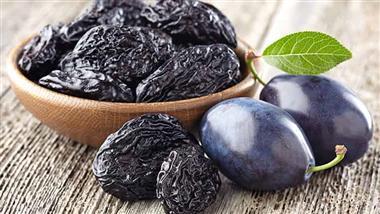
Plums are about the size of limes, but that’s the only similarity. They’re dark purple (some have a golden tinge) with smooth, rather dull skins and sweet, delectable flesh inside, wrapped around a single, large pit, the main criteria for a drupe. Prunes are simply dried plums, the latter name thought to be more palatable.
All prunes are plums, but the reverse is not always the case. The high sugar content in plums allows them to be dried without fermentation. Further, like all dried fruit, dried plums are dehydrated by natural-drying, sun-drying and the use of dehydrators. Medical Daily clarifies:
“So if dried plums are just plums with the water taken out of them, why do they lower our colon cancer risk while fresh plums don’t? Not only does dried plum retain both soluble and insoluble fiber from its original form, but it also contains more sorbitol than fresh plums.”5
Far more than just a tasty snack, these juicy little fruits are loaded with flavonoid polyphenolic antioxidants, primarily lutein and cryptoxanthin, as well as neochlorogenic and chlorogenic acid, which can help prevent cell damage from oxidation of lipid molecules.
All cell membranes, including those in your brain, are mainly composed of fat-containing lipids, found to inhibit LDL cholesterol oxidation and making them a significant factor in helping prevent chronic disease.6
A Comparison of Nutritional Attributes Between Plums and Prunes
Plums contain 26% of the reference dietary intake (RDI) in vitamin C; 13% in vitamin K; and 11% in vitamin A, or retinol, as well as iron, potassium, thiamine, riboflavin and calcium, plus vitamin B6 and niacin to metabolize one of their most serious drawbacks: high natural sugar and carbohydrate content.
As for prunes, a 1-cup serving gives you 87% of the RDI of vitamin K. The Guardian notes that soluble fiber helps slow down the absorption of glucose, which stabilizes blood sugar levels.7
Because prunes are a concentrated source of the nutrients and phytonutrients found in plums, their antioxidant potential is six times that of the fresh fruit. Prunes are also significantly higher in antioxidants than many other dried or fresh fruits or vegetables. Comparing the two, Healthy Eating observes:
“Although most of the vitamin C in plums is destroyed during the drying process, prunes contain significantly higher concentrations of most of the other nutrients found in the fresh fruit.
One cup of pitted prunes provides 129 percent, 36 percent, 27 percent and 9 percent of the daily recommendations for vitamin K, potassium, vitamin A and iron, respectively. Vitamin K is vital to the function of several proteins involved in blood coagulation, and vitamin A promotes healthy vision.”8
These vitamins, minerals and phytonutrients have several benefits throughout your entire body, including your skin and improved vision due to the high iron, of which a deficiency can cause hair loss.
Save This Article for Later – Get the PDF Now
Fiber: Good for Gut Health and Colorectal Cancer Prevention
Bone health isn’t the only benefit of this oft-neglected fruit, though. Studies indicate dried plums can lower your risk of colon cancer.
One factor that helps give plums and prunes such high marks in this category is fiber, crucial for moving food along smoothly through your colon for elimination, but also the natural chemicals sorbitol and isatin, both helpful for relieving constipation. These three ingredients are why prunes have the (earned) reputation as a laxative. Media outlet Chatelaine notes that fiber:
“Helps to … [optimize] cholesterol by soaking up excess bile in the intestine and then excreting it. Bile is made from cholesterol in the liver in order to digest fat.
When the body excretes bile along with the fiber from prunes and plums, the liver must use cholesterol in the body to make more bile thereby lowering the amount in circulation in the body. Soluble fiber may also inhibit the amount of cholesterol manufactured by the liver in the first place.”9
Plums contain 2 grams of fiber in a 1-cup serving, which also helps produce beneficial gut microbiota. One of the big differences between fresh and dried plums is that the dried version contains 12 grams of fiber, which, compared to fresh plums, is about half of the RDI needed for an entire day (although I believe about 50 grams per 1,000 calories consumed is ideal).
According to Alimentary Pharmacology and Therapeutics, prunes are even more effective than psyllium as a laxative.10 Plus, the sorbitol pulls moisture into your digestive tract to help bring about a bowel movement.11 That’s where its effectiveness as a colorectal cancer preventive comes in.
More Benefits From Plums and Prunes
An online resource called Colon Cleansing and Constipation recommends stewed prunes to alleviate constipation, or infrequent bowel movements. Eating them regularly can help prevent subsequent stomach pain and hemorrhoids. All of these can become serious enough to necessitate surgery.
Aside from skin cancers, colorectal cancer is the third most common cancer in the U.S. It encompasses both rectal and colon cancer, which together have stricken around 140,000 people in the U.S., and more than 50,000 die from it every year, according to the American Society for Gastrointestinal Endoscopy.12
Medical Daily mentioned one study that found eating dried plums can help lower your risk for colon cancer by maintaining good gut bacteria in your colon, adding that “a diet high in [certain] red meats can increase colon cancer risk while a diet high in fruits … [and] vegetables … can reduce colon cancer risk.”13
A FASEB Journal study backed up the gut bacteria benefit, noting that their data supported their initial hypothesis:
“Diet is known to alter metabolism and composition of colon microbiota, which has major implications for disease prevention and treatment … The hypothesis tested by this experiment was that consumption of dried plums would promote retention of beneficial microbiota and patterns of microbial metabolism throughout the colon, and that by doing so would reduce colon cancer incidence.”14
Fructose in Plums and Prunes
It takes around 4 pounds of fresh plums to produce 1 pound of dried plums, and both are very versatile. You can chop them up to add to raw grass fed yogurt, blend them in smoothies and shakes and add them to salads and vegetable dishes. In fact, just about anything you use raisins for, prunes are a tasty, healthy alternative.
Eating plums and prunes may also help alleviate problems related to obesity, heart disease and diabetes. However, whether it’s fresh plums or dried prunes you crave, make sure you consume these in moderation, as they both contain high amounts of sugar. Nutritionist Anshul Jaibharat cautions:
“Prunes are high in natural sugar, so too many may not be good for people watching their weight. After all, excess of anything is stored as fat in your body. Prunes have such high nutritional values ensuring that you can eat just one piece and still gain measurable nutrients.”15
However, the sorbitol, which is a sugar alcohol, is not a source of ethanol, the substance found in alcoholic beverages. It’s a natural substance found in many fruits and vegetables, and is about 50% as sweet as sugar.16
Plums are often used to make the French form of Armagnac, a quickly distilled version of cognac with a raw, earthy body. They also end up soaked in brandy for several desserts, including brûlée. The sugar (and, for the former, alcohol) content in these, however, is considerable and outweighs the nutritional benefits that the fruit provides.
Additionally, prune juice is often loaded with high-fructose corn syrup and, even if it’s not, will still be a significant source of fructose without the fiber benefits, so be aware that consuming the whole fruit is preferable.
- 1 Ageing Res Rev. 2009 April;8(2):122-7
- 2 BMJ. 2010 September 1;341:c4444
- 3, 11, 15 NDTV May 11, 2016
- 4 Osteoporos Int 27, 2271–2279 (2016), Abstract
- 5, 13 Medical Daily September 29, 2015
- 6, 9 Chatelaine January 15, 2016
- 7 The Guardian February 16, 2013
- 8 Healthy Eating
- 10 Alimentary Pharmacology and Therapeutics April 13, 2011
- 12 Gastrointestinal Endoscopy Volume 63, Issue 4, April 2006, Pages 546-557, Introduction
- 14 FASEB Journal April 2015
- 16 Livestrong, October 3, 2017
Can This Probiotic Fix Your Gut and Hair?
Reproduced from original article:
https://articles.mercola.com/sites/articles/archive/2024/01/22/probiotics-lactobacillus.aspx
The original Mercola article may not remain on the original site, but I will endeavor to keep it on this site as long as I deem it to be appropriate.
Analysis by Dr. Joseph Mercola January 22, 2024
STORY AT-A-GLANCE
- The probiotic bacteria Lactobacillus reuteri help upregulate the hormone oxytocin, a chemical messenger that plays important roles in the male and female reproductive systems and influences aspects of human behavior, including sexual arousal, recognition, trust and interpersonal bonding
- L. reuteri also upregulate systemic immune responses, thereby promoting wound healing, mental health, metabolism and myoskeletal maintenance
- Aged mice fed L. reuteri-containing probiotic yogurt experienced skin and hair changes that mimic the peak health and reproductive fitness seen in younger animals, including thicker dermis, and thicker, shinier, more lustrous fur. In contrast, age-matched controls that ate chow alone had dull fur and suffered from occasional alopecia and dermatitis
- L. reuteri have antimicrobial, immune-boosting and immune-regulating effects, and strengthen the intestinal barrier. Lactobacilli also benefit your health by breaking down dietary fiber into beneficial short-chain fatty acids, breaking down phytonutrients, promoting the growth of other beneficial gut microbes, maintaining an appropriate pH level in your gut, and inhibiting endotoxin production
- Mental health problems have in recent years been linked to gut health and immune function, and studies have confirmed that different species of Lactobacillus can help prevent and/or treat these conditions
Probiotic supplements have long been promoted for their ability to improve your gastrointestinal health. However, as noted in a 2016 paper,1 gut bacteria also “exert effects beyond the local boundaries of the gastrointestinal tract to include distant tissues and overall health.”
For example, the probiotic bacteria Lactobacillus reuteri help upregulate the hormone oxytocin, a chemical messenger that plays important roles in the male and female reproductive systems and influences aspects of human behavior, including sexual arousal, recognition, trust and interpersonal bonding.2
L. reuteri also upregulate systemic immune responses, thereby promoting wound healing, mental health, metabolism and myoskeletal maintenance.3 Some of these effects are achieved through competitive inhibition, which is when beneficial bacteria crowd out harmful ones.
Beneficial bacteria like L. reuteri also serve important signaling functions, and as a whole, your gut microbiome interacts with various systems of your body via immune-endocrine-brain signaling networks.
As such, probiotics “provide novel therapeutic strategies to stimulate powerful homeostatic pathways and genetic programs, stemming from the coevolution of mammals and their microbiome,” the 2016 paper4 concludes.
Lactobacillus Reuteri Induce Healthy Glow
An earlier study, published in 2013,5 found that aged mice fed a commercially-available vanilla-flavored L. reuteri-containing probiotic yogurt experienced skin and fur changes that mimic the “peak health and reproductive fitness characteristic of much younger animals,” including a thicker dermis, and thicker, shinier, more lustrous coats.
These changes were largely attributed to a bacteria-induced interleukin-10-dependent mechanism in the males and a more acidic pH in the skin of the females. In contrast, age-matched controls that ate chow alone had dull fur and suffered from occasional alopecia and dermatitis.
Results were also reproduced using purified L. reuteri in water. The researchers point out that healthy-looking fur (and hair in humans) also tend to be a sign of good fertility, and is a recognized sign of health in general, both among animals and humans:
“In a previous GI immune-related study, we documented changes in fur appearance in mice treated with probiotics. Similar ‘probiotic’ organisms dominate under natural conditions during infancy and fertility in many animal species.
Taken together these facts lead us to hypothesize that probiotics may play a role in effecting the ‘glow of health’ associated with youth and reproductive fitness. Further, we postulated that feeding of probiotic organisms recapitulates these beneficial integumentary effects characteristic of youth within aged adult animals …
Using published data of Ravel et al (2011) for vaginal microbiome and pH levels of human females, we found that an acidic vaginal pH correlated with Lactobacillus sp abundance and peak fertility, estimated to be 25 years of age in women.
Taken together with our earlier data, this led us to postulate that probiotic bacteria induce host physiological changes including a more acidic pH resulting in radiant skin and shiny hair signaling peak health and fertility and thus a good reproductive investment.”
The primary bacterium responsible for the healthy glow in this study was again from the genus of lactobacillus — gram-positive, anaerobic bacteria that metabolize carbohydrates to produce lactic acid. Lactobacillus is the largest genus within the lactic acid bacteria (LAB) group.6
This genus is best known for its ability to promote gastrointestinal health and modulate the immune system, making it valuable in the treatment of GI issues such as inflammatory bowel diseases,7,8 but as these two (and other) studies show, their influence is quite extensive and includes most if not all of your body.
Antimicrobial, Anti-Inflammatory and Immune Regulatory Effects
As detailed in the 2018 paper, “Role of Lactobacillus Reuteri in Human Health and Diseases,” L. reuteri’s mechanisms of action include:9
• Antimicrobial effects, as it produces several antimicrobial molecules, including organic acids, ethanol and reuterin. As a result, L. reuteri can effectively inhibit the colonization of pathogenic microbes and remodel the composition of your commensal microbiota (opportunistic pathogens).
Importantly, studies10,11 have shown L. reuteri and L. rhamnosus GG can lower the risk of staph infections and sepsis during wound healing when applied topically. L. rhamnosus GG was found to promote cell migration, resulting in more rapid wound closure, while L. reuteri increased cell division rates, thereby aiding in the wound healing.
The idea of placing live bacteria on an open wound is questionable, but since the extract of killed bacteria proved to have a similar effect, the researchers suggest bacterial extracts may eventually be used in wound care.
Another double-blind, placebo-controlled study12,13 found that use of L. reuteri prodentis-containing lozenges improved the efficacy of standard treatment for chronic periodontitis (scaling and root planing) by 53%.
• Immune-boosting and immune-regulating effects — Some L. reuteri strains are known to inhibit the production of proinflammatory cytokines while simultaneously promoting regulatory T cell development and function.
• Strengthening the intestinal barrier, thereby decreasing microbial translocation from the gut lumen to other tissues. As a result, a wide variety of diseases rooted in systemic inflammation may be ameliorated.
Lactobacilli also benefit your health by:
• Breaking down dietary fiber into beneficial short-chain fatty acids.
• Breaking down phytonutrients such as polyphenols, which have anti-inflammatory and antioxidant benefits.
• Promoting the growth of other beneficial gut microbes, including bacteria that produce butyrate, which is a fuel source for the cells in your gut lining and inhibits inflammation.14
• Maintaining an appropriate pH level in your gut by producing lactate and acetate from dietary fiber. And, by balancing the acidity in your gut, they encourage the proliferation of beneficial and harmless (commensal) bacteria while minimizing the harmful ones.
Download this Article Before it Disappears
Strain-Specific Benefits
Specific Lactobacillus strains have also been shown to be particularly beneficial for certain health conditions. For example:15
| L. acidophilus is recommended in the treatment of ulcerative colitis. |
| L. plantarum may ameliorate irritable bowel disease (IBD), irritable bowel syndrome (IBS), heart disease, cancer and gastrointestinal problems. It’s also been shown to decrease pathological hallmarks of Alzheimer’s, including amyloid plaques and tangles.16 |
| L. reuteri can be useful in the treatment of infant colic and leaky gut, and for the prevention of urogenital disease, dental caries and food sensitivities. |
| L. casei can help prevent antibiotic-associated diarrhea and clostridium difficile infections, and improve your body’s glucose response. |
| Preliminary animal research suggests L. paracasei might be able to prevent Type 2 diabetes by influencing genes involved in glucose metabolism.17 |
| L. rhamnosus has been shown to help women lose weight.18 |
| A probiotic milk product containing L. acidophilus, L. casei, Bifidobacterium bifidum and L. fermentum was shown to lower highly sensitive c-reactive protein levels (a marker of inflammation) by 18% after 12 weeks in elderly patients diagnosed with Alzheimer’s.19
Meanwhile, those who got a placebo saw a 45% increase in hs-CRP. The placebo group also continued to decline cognitively, while those who got the probiotics saw significant improvement in their mini-mental state examination (MMSE) scores. |
| L. helveticus may help improve memory.20 |
Lactobacillus Regulates Your Mood Too
In addition to the above mentioned effects, mental health problems have in recent years also been linked to gut health and immune function, and several studies21 have found that different strains of the Lactobacillaceae22 family in particular are diminished in people with anxiety and depression.
Others have confirmed that different species of Lactobacillus can help prevent and/or treat these conditions — so much so, Lactobacillus has been dubbed a “psychobiotic.”23 For instance, one 2011 study24 found L. rhamnosus has a marked effect on GABA levels in certain brain regions and lowers the stress-induced hormone corticosterone, resulting in reduced anxiety- and depression-related behavior.
Most recently, researchers at the University of Virginia School of Medicine discovered that two strains of Lactobacillus bacteria — L. intestinalis and L. murinus — help dampen stress responses by modulating levels of an immune mediator called interferon gamma (IFNγ). As explained by the authors:25
“… we found that the Lactobacillus species themselves, and not the disrupted microbial communities, are protective from environmental stressors. Further, we determine that Lactobacillaceae are maintaining homeostatic IFNγ levels which are mediating these behavioral and circuit level responses …
By utilizing mice lacking Lactobacilli from birth, we found that Type 1 adaptive immunity is important as a primary mediating factor in stress resistance.
Building off a body of work showing that Lactobacillus is necessary for the maintenance of systemic IFNγ, we further demonstrate that both Lactobacilli and IFNγ are necessary for resilience to environmental stressors.”
Lactobacillus Inhibits Endotoxin Production
Lactobacillus also inhibits the growth of gram-negative endotoxin-producing bacteria through a process known as competitive inhibition,26 and eliminating endotoxin is crucial for health in several respects.
Endotoxin, also known as lipopolysaccharide (LPS), is produced by gram-negative bacteria in your gut. As explained in several previous articles, endotoxin is one of several factors that destroy mitochondrial function, promotes glycolysis and, ultimately, cancer metabolism.
When complex carbs aren’t digested in your stomach, they travel down to the intestine where they feed these gram-negative bacteria, and as the bacteria grow, multiply and die, they release LPS, which can result in leaky gut, allergic reactions, organ dysfunction and even sepsis.
Endotoxin also catalyzes a series of metabolic reactions that convert tryptophan in your gut to serotonin. Most people think serotonin is good, but mostly, especially higher levels, it is not good for your health. You do not want high levels of serotonin because it’s an antimetabolite.
This means it suppresses your body’s ability to create energy in your mitochondria in the electron transport chain, so you become tired and fatigued, your metabolic rate slows and you gain weight.
To address this vicious cycle, you need to heal and seal your gut. Beneficial bacteria such as Bifidobacteria and Lactobacillus, and beneficial yeast like Saccharomyces boulardii, can all help rein in the endotoxin production through competitive inhibition.
Probiotics such as these also strengthen your intestinal barrier (the “seal” part of “heal and seal your gut”) by increasing mucus production, stimulating release of antimicrobial peptides, and increasing tight junction integrity.27
At the same time, you also want to strictly limit your intake of refined sugar and most starches, as these types of carbs tend to feed the bacteria that produce endotoxin, especially if your microbiome is less than optimal. Alcohol is also best avoided, as it too can promote the growth of gram-negative bacteria and the accumulation of endotoxin.
As explained in a 2008 study,28 when gram-negative bacteria metabolize alcohol, they can also produce acetaldehyde, which increases intestinal permeability to endotoxin. In other words, the acetaldehyde facilitates the endotoxins’ entry into your blood circulation.
How to Feed the Lactobacillus in Your Gut
The greater the diversity of your gut microbiome, the more likely you are to be able to maintain overall good health as the beneficial bacteria will maintain homeostasis and make sure opportunistic pathogens (commensal bacteria) won’t get the upper hand.
There are three primary ways to increase the number of Lactobacilli and other beneficial bacteria in your gut:29
- Take a high-quality probiotic supplement that contains one or more strains.
- Consume fermented foods such as unpasteurized yogurt or kefir made from raw milk, sour cream, and fermented vegetables such as sauerkraut.
- Eat foods that promote proliferation of Lactobacilli, such as dietary fiber, Konjac flour, wheat bran, buckwheat, barley, apples, walnuts, artichoke, and chokeberry.
- 1, 3, 4 Int. Rev. Neurobiol 2016; 131:91-126
- 2 Cleveland Clinic Oxytocin
- 5 PLOS One January 16, 2013; 8(1): e53867
- 6 Frontiers in Immunology 2022; 13: 840245
- 7 American Journal of Translational Research 2020; 12(5): 1569–1583
- 8 Gastrointestinal and Liver Physiology November 1, 2010
- 9 Frontiers in Microbiology 2018; 9: 757
- 10 Applied Environmental Microbiology September 2014; 80(18): 5773-5781
- 11 Medical News Today August 3, 2017
- 12 Journal of Clinical Periodontology DOI: 10.1111/jcpe.12155
- 13 Medical News Today August 19, 2013
- 14, 15, 17, 20, 22, 27, 29 Atlas Biomed Lactobacillus
- 16 Journal of Clinical and Diagnostic Research 2017 Aug; 11(8): KC01–KC05
- 18 Wellnessresources.com January 4, 2014
- 19 Frontiers in Aging Neuroscience November 10, 2016 (PDF)
- 21, 23 Brain, Behavior and Immunity January 2024; 115: 458-469, Introduction
- 24 Proc Natl Acad Sci U S A. 2011 Sep 20;108(38):16050-5
- 25 Brain, Behavior and Immunity January 2024; 115: 458-469
- 26 Frontiers in Immunology April 6, 2022; 13 DOI: 10.3389/fimmu.2022.840245, Competitive Resistance section
- 28 Alcohol August 2008; 42(5): 349-361
The Amazing Benefits of Dairy Fat
Reproduced from original article:
https://articles.mercola.com/sites/articles/archive/2023/12/26/dairy-fat-benefits.aspx
The original Mercola article may not remain on the original site, but I will endeavor to keep it on this site as long as I deem it to be appropriate.
Analysis by Dr. Joseph Mercola December 26, 2023
STORY AT-A-GLANCE
- Studies have repeatedly failed to find an association between full-fat dairy and cardiovascular events. Instead, full-fat dairy actually reduces your risk of cardiovascular events and deaths thereof. Dairy products are also associated with lower risks of Type 2 diabetes, liver disease and more
- Whole-fat dairy contains the odd-chain saturated fats (OCFAs) pentadecanoic acid (C15:0) and heptadecanoic acid (C17:0), which have significant health benefits
- OCFAs are found only in small amounts in certain foods, primarily dairy fat, and your body only makes C17:0. Researchers now believe C15:0 may be an essential fat, as your body cannot make it
- Higher circulating levels of OCFAs in the blood is associated with lower risks of obesity, chronic inflammation, cardiovascular disease, metabolic syndrome, Type 2 diabetes, NASH, COPD, pancreatic cancer and all-cause mortality
- OCFAs do not have an inhibitory effect on glucose burning because they are not converted to acetyl-CoA; rather, they enter the Krebs Cycle as succinyl-CoA. What this means in practical terms is that you don’t need to restrict your consumption of full fat dairy, as it won’t affect your ability to burn glucose
Do you avoid whole milk, or better yet, raw milk, because of its saturated fat content? If so, you may be missing out on one of the greatest health foods there is. Studies1 have repeatedly failed to find an association between full-fat dairy and cardiovascular events. Instead, they’ve found the opposite — full-fat dairy reduces your risk of cardiovascular events and deaths thereof.
Dairy products are also associated with lower risks of Type 2 diabetes,2 liver disease and more. One of the reasons for these health benefits is because whole-fat dairy contains health promoting compounds such as:3
| Specific amino acids | Unsaturated, medium-chain, and branched-chain fats |
| Odd-chain saturated fats — pentadecanoic acid (C15:0) and heptadecanoic acid (C17:0) | Phospholipids |
| Vitamins and minerals | Probiotics |
Odd-Chain Saturated Fats From Dairy Are Likely Essential Fats
Of these, the odd-chain saturated fats (OCFAs) are of particular importance. In fact, recent research4 suggests these are likely one of the most essential fats in the human diet, unlike linoleic acid (LA) that most foods are loaded with. It’s virtually impossible to become deficient in LA outside of a laboratory diet.
The same cannot be said for the OCFAs. You need to get them from dairy, because that’s the primary source. As noted in the 2020 scientific report, “Efficacy of Dietary Odd-Chain Saturated Fatty Acid Pentadecanoic Acid Parallels Broad Associated Health Benefits in Humans: Could It Be Essential?”:5
“Dietary odd-chain saturated fatty acids (OCFAs) are present in trace levels in dairy fat and some fish and plants. Higher circulating concentrations of OCFAs, pentadecanoic acid (C15:0) and heptadecanoic acid (C17:0), are associated with lower risks of cardiometabolic diseases, and higher dietary intake of OCFAs is associated with lower mortality.
Population-wide circulating OCFA levels, however, have been declining over recent years. Here, we show C15:0 as an active dietary fatty acid that attenuates inflammation, anemia, dyslipidemia, and fibrosis in vivo, potentially by binding to key metabolic regulators and repairing mitochondrial function.
This is the first demonstration of C15:0’s direct role in attenuating multiple comorbidities using relevant physiological mechanisms at established circulating concentrations.
Pairing our findings with evidence that (1) C15:0 is not readily made endogenously, (2) lower C15:0 dietary intake and blood concentrations are associated with higher mortality and a poorer physiological state, and (3) C15:0 has demonstrated activities and efficacy that parallel associated health benefits in humans, we propose C15:0 as a potential essential fatty acid.”
Dietary Guidelines Got It Backward
The low-fat recommendation has been around for more than 40 years, and since that time cholesterol levels and heart disease rates have gone in the opposite direction of what was intended.
As noted in the featured paper,6 in the two decades following that recommendation, average intake of whole fat milk dropped more than fourfold, from 283 grams to 65 grams a day, yet prevalence of obesity, Type 2 diabetes, metabolic syndrome and nonalcoholic fatty liver disease (NAFLD) rose to new heights.
Meanwhile, researchers kept finding that people who consumed whole fat milk had lower risks of obesity, Type 2 diabetes and cardiovascular diseases. Clearly, something was off. At the same time, consumption of LA skyrocketed as saturated fats were replaced with processed seed oils, and we now have robust evidence showing that excessive LA is a key driver of these chronic diseases, as it destroys mitochondrial function and metabolism.
In short, the U.S. dietary guidelines discouraged consumption of what now appears to be a TRULY essential fat — odd-chained saturated fats found in milk — while encouraging consumption of what was believed to be an essential fat, but in fact is one of the most destructive ingredients in the modern diet.
Contrary to popular belief, LA is not an essential fat, in part because it’s found in most foods, making it near-impossible to become deficient. Odd-chained saturated fats, on the other hand, are found only in small amounts in certain foods, primarily milk, and your body only makes C17:0. It doesn’t appear to make any C15:0 endogenously,7 which means you have to get it from your diet.
Download this Article Before it Disappears
Milk Fats 101
As you can see by the list above, whole milk contains several different kinds of fat. About 68% of the fats are even-chain saturated fats (ECSFs), the primary ones being:8
- Myristic acid (C14:0)
- Palmitic acid (C16:0)
- Stearic acid (C18:0)
The odd-chain saturated fat (OCFA) pentadecanoic acid (C15:0) represents only 1% of the fat content, and heptadecanoic acid (C17:0) makes up 0.5% of the total.9
OCFAs Linked to Lower Disease Risk
Previous studies have shown that higher dietary intake of OCFAs, and subsequently higher circulating levels of OCFAs in the blood, is associated with LOWER risks of:10
| Obesity | Chronic inflammation |
| Cardiovascular disease | Metabolic syndrome |
| Type 2 diabetes | Nonalcoholic steatohepatitis (NASH) |
| Chronic obstructive pulmonary disease (COPD) | Pancreatic cancer |
| All-cause mortality |
In the video above, Dr. Paul Saladino reviews studies showing similar benefits for butter. For example, one eight-week-long randomized controlled trial found people who ate about 1.5 tablespoons of butter per day had lower levels of inflammation (based on inflammatory markers) at the end of the trial.
A Closer Look at OCFAs
To get a better idea of how OCFAs affect human health and prevent disease, the featured Scientific Reports paper conducted a series of in vitro and in vivo studies using 99% pure OCFAs. First, OCFAs were tested for peroxisome proliferator-activated receptor (PPAR) agonist activity.
There are three primary PPARs: α (alpha), δ (delta) and γ (gamma). PPARs are transcription factors known to reduce triglyceride levels when activated.11 They’re also involved in the regulation of metabolism and inflammation, and they do that by detecting and responding to the presence of dietary fats.12
Agonists are compounds that activate a given receptor, so what they were looking for was whether OCFAs might work by activating PPARs.
They also assessed the impact of OCFAs on mitochondrial function and the production of reactive oxygen species (ROS). Mitochondrial dysfunction is at the heart of all disease, and elevated ROS production, which is indicative of inflammation, is another hallmark of most, if not all, disease states.
OCFAs were also tested across a variety of human cell systems mimicking chronic inflammatory and fibrotic disease states. Next, the effects of oral OCFA supplementation were studied in in vivo models of cardiometabolic, inflammatory, liver, hematologic, and fibrotic diseases. Here’s a summary of what they found:13
| C15:0 is a dual, partial agonist for PPARα (65.8%) and PPARδ (52.8%). Effective concentrations of C15:0 needed to reach half-maximum activities for PPARα and PPARδ were 11.5 and 2.7 micrometer (µM), respectively. |
| C15:0 repaired mitochondrial function and reduced mitochondrial ROS production in a dose-response u-curve. Mitochondrial function and reduced ROS were found in cells supplemented at doses of 10 µM, 20 µM and 50 µM, but at C15:0 concentrations of 100 µM and 200 µM, there were no differences in ROS production compared to non-supplemented controls. |
| C15:0 reduced proinflammatory and profibrotic states in the human cell systems tested. C17:0 also had these effects, but to a lesser degree.
According to the authors, “this study … supports that a relatively minor increase in C15:0 concentrations (e.g. from 2.2 µM to 6.7 µM) can positively impact its anti-inflammatory and antifibrotic activities.” On a side note, µM is a unit of measure, not a dose. To convert µM to milligrams (mg), divide it by 1,000. So, a concentration of 2.2 µM equates to 0.0022 mg and 6.7 µM is 0.0067 mg. |
| Daily supplementation of C15:0 at a dose of 5 mg per kilo of bodyweight lowered inflammation, glucose and cholesterol levels in obese mice. |
| Daily supplementation of C15:0 at a dose of 35 mg per kilo of bodyweight improved hemolytic anemia in rabbits with diet-induced hypercholesterolemia, anemia and NASH, decreasing the loss of red blood cells and lowering new red blood cell production.
This dose also resulted in lower cholesterol, triglycerides, globulins, and platelets compared to non-supplemented diseased controls. Liver health indices also improved to the point they matched that of healthy controls. They had less severe liver fibrosis, and unlike the diseased controls, they did not progress from Stage 2 to Stage 3 fibrosis. |
| C15:0 had no off-target pharmacological activities and was noncytotoxic across the 12 human cell systems tested. |
| C17:0 is a PARδ agonist, with a maximum activity of 39.8%. To achieve half-maximum PPARδ activity, a concentration of 17.4 µM was required. |
| The ECSFs myristic acid (C14:0) and palmitic acid (C16:0) had similar activity as C15:0. Both are agonists for PPARα and PPARδ, leading the researchers to hypothesize that “carbon chain length may be a determinant of PPARα/δ binding.” |
| None of the saturated fatty acids had PPARγ agonist activity at concentrations below 100 µM. |
What Dose of OCFA Will Achieve These Benefits?
To assess the dose required to achieve these kinds of benefits, they gave an oral dose of C15:0 at 35 mg per kilo of body weight to Sprague Dawley rats. Within 30 minutes, plasma concentrations of C15:0 were increased. Maximum concentration (20 µM) was achieved at one hour post-ingestion, and plasma levels remained above baseline for 24 hours.
“Thus, a single oral dose of C15:0 at 35 mg/kg succeeded in achieving our targeted active plasma concentrations in this rodent model, between 2.5 to 5 µg/ml (equivalent to 6.7 to 20 µM), from 1 to 8 hours post-dose,” the authors write.14 “Plasma total C17:0 levels also increased, albeit less so than C15:0, following a single oral dose of C15:0.”
To further evaluate the safety of C15:0, rats were dosed orally once a day for 14 days with increasing doses, up to 350 mg per kilo of body weight. No abnormalities were found, and there were also no significant differences in body weights, organ weight-to-body weight ratios, abnormal chemistry values or histologic observations between those who got the C15:0 and the controls.
C15:0 Is Likely an Essential Fat
Based on the findings from this investigation, the researchers concluded that C15:0 (but not C17:0) is most likely an essential fatty acid:15
“Essential fatty acids are defined as active dietary fatty acids that: (1) are required to maintain a healthy physiological state, (2) are not made at adequate levels endogenously, and (3) require dietary intake in order to maintain healthy concentrations in the body.
Given our demonstration of C15:0 and C17:0 as active dietary fatty acids, we reviewed the literature for evidence supporting or negating C15:0 and C17:0 as potential essential fatty acids.
Due to reported direct correlations between dietary C15:0 intake and circulating C15:0 concentrations, indicative of primarily diet-based drivers of circulating C15:0, and evidence of endogenous production of C17:0, only C15:0 had supportive evidence across all three criteria that were consistent with a potential essential fatty acid …
Chronic low-grade inflammation, driven by proinflammatory chemokines and cytokines, contributes to cardiometabolic comorbidities and the aging process.
Here, daily oral supplementation with C15:0 and C17:0 lowered proinflammatory states in obese mice with metabolic syndrome, as well as lowered proinflammatory biomarkers in primary human cell systems mimicking chronic inflammation …
Dyslipidemia and hyperglycemia are components of metabolic syndrome, a cluster of conditions impacting approximately 1 in 3 people globally. Metabolic syndrome increases the risk of type 2 diabetes, heart disease, and all-cause mortality.
In our studies, daily oral C15:0 supplementation over 12 weeks lowered total cholesterol and glucose in an in vivo model with metabolic syndrome.”
Dairy Fat — It Does Your Body Good
The take-home from all of this is that diary fat is a crucial source of an essential fat — pentadecanoic acid or C15:0 — that your body needs and cannot make.
A long list of studies16,17 through the years have shown that this and other OCSFs improve mitochondrial function and increase ATP production,18 lower your risk of obesity,19 diabetes20,21,22 and cardiovascular disease,23 including the risk of heart problems in diabetics,24 promote healthy hair growth,25,26 lower inflammation and much more.
While you can drink whole fat milk, it has 4% fat. Butter has 20 times the fat concentration of whole fat milk, and ghee 25 times the fat as whole fat milk. It is far easier to get these odd chain saturated fats by eating a healthy butter. Ghee is easer and has 25% more fat than butter.
A reasonable dose for most people is 1 tablespoon of butter a day. You can increase that, but it would be unwise to go over 5 tablespoons a day. Unlike raw milk, high quality butters are far more difficult to purchase commercially. About the only way you can is to purchase directly from the farmer.
If you are looking for an easier commercial solution, you can purchase 1 pound of organic ghee for about $20 a pound, including shipping.
Milk Fats Do Not Inhibit Glucose Metabolism
Interestingly, OCFAs are only partially metabolized via the beta-oxidation pathway that ECFAs use. In this pathway, fats are first converted to acetyl-CoA, which allows them to enter the Krebs Cycle. OCFAs, in contrast, are first converted into succinic acid, then succinyl-CoA, which then enters the Krebs Cycle and helps support electron transfer at complex II in the mitochondria. As explained by Georgi Dinkov, an expert on bioenergetic medicine:27
“Since rising levels of acetyl-CoA has an inhibitory effects on pyruvate dehydrogenase (PDH), eating a diet high in fat with mostly even-chain fats would result in reduction of glucose metabolism, even if all the fats are of the SFA type, as per the Randle Cycle.
However, if those fats are of the odd-chain species and enter the Krebs Cycle as succinic acid (i.e. without effect on the acetyl-CoA/CoA ratio), then virtually no such reduction of glucose metabolism is expected to occur and, in fact, PA [pentadecanoic acid] was described in … Japanese studies as stimulating mitochondrial function and ATP production, which ultimately resulted in improved hair growth.
The Japanese researchers even filed a patent for treating hair-loss with PA and in that patent they opined that other odd-chain fatty acids with similar length, especially the C17:0 fat … would have similarly beneficial effects on hair-growth through increasing mitochondrial function (OXPHOS).”
Put another way, as I’ve described in several previous articles, including “Crucial Facts About Your Metabolism,” when your fat intake is too high (likely above 35 grams or so), then your body’s ability to metabolize (burn) glucose in your mitochondria is reduced. Instead, it gets shuttled into the glycolysis pathway, which is extremely inefficient and produces far fewer ATP molecules per molecule of glucose. That’s what Dinkov is talking about here.
What’s fascinating is that OCFAs do not have this inhibiting effect on glucose burning, because they are not converted to acetyl-CoA but rather enter the Krebs Cycle as succinyl-CoA. What this means in practical terms is that you don’t need to restrict your consumption of full fat dairy, as it won’t affect your ability to burn glucose.
Equally interesting, excessive consumption of other dietary fats has been shown to lower your plasma level of C15:0 and C17:0.28 So, there are more reasons than one to make sure your total fat intake isn’t too high.
- 1 The Lancet November 24, 2018; 392(10161): 2288-2297, DOI: 10.1016/S0140-6736(18)31812-9, Page 2
- 2 PLOS Medicine October 10, 2018, DOI: 10.1371/journal.pmed.1002670
- 3 The Lancet November 24, 2018; 392(10161): 2288-2297
- 4, 5, 6, 8, 9, 10 Scientific Reports 2020; 10: 8161
- 7 Scientific Reports March 23, 2017; 7: Article number 44845
- 11 J Adv Pharm Technol Res October-December 2011; 2(4): 236-240
- 12, 13 Scientific Reports 2020; 10: 8161, Results
- 14 Scientific Reports 2020; 10: 8161, Oral C15:0 achieved active concentrations in vivo
- 15 Scientific Reports 2020; 10: 8161, There is supportive evidence of C15:0 as a potential essential fatty acid
- 16, 23, 27 Haidut.me December 5, 2023
- 17 Scientific Reports 2020; 10: 8161, See reference list
- 18, 25 International Journal of Cosmetic Science June 1993; 15(3): 125-131
- 19 Pediatric Obesity May 2020; 15(5):e12612
- 20 Med J Islam Repub Iran December 18, 2017; 31: 110
- 21 NPR April 18, 2016
- 22 Clinical Nutrition June 18, 2021; 40(8): 4988-4999
- 24 Deseret News July 14, 2023
- 26 J-Stage 1995; 37(6): 800-806
- 28 The International Journal of Biochemistry & Cell Biology February 2022; 143: 106135
The Wide-Ranging Health Benefits of Quercetin
Reproduced from original article:
https://articles.mercola.com/sites/articles/archive/2023/10/05/health-benefits-of-quercetin.aspx
The original Mercola article may not remain on the original site, but I will endeavor to keep it on this site as long as I deem it to be appropriate.
Analysis by Dr. Joseph Mercola Fact Checked October 05, 2023

STORY AT-A-GLANCE
- Quercetin is a natural antihistamine with anti-inflammatory, antioxidant and antiviral properties
- This natural flavonoid is useful for boosting heart health, relieving allergy symptoms, supporting liver health and more
- Quercetin acts as a zinc ionophore, helping to shuttle zinc through the cellular membrane and into the cell, which is crucial for stopping virus replication
- Rich sources of quercetin include apples — especially the skins — onions, broccoli, cherries, berries and green tea
- I recommend keeping quercetin in your medicine chest for times when you feel you’re coming down with something, such as a cold or influenza
Quercetin is one of more than 4,000 known flavonoids,1 compounds that contribute to the bitterness, astringency, flavor, aroma and oxidative stability of many fruits, berries and vegetables.
Quercetin, in particular, is a plant pigment and natural antiviral agent2 found in foods such as onions, apples, plums and green tea, which also combats inflammation and works as a natural antihistamine.
I recommend keeping quercetin in your medicine chest for times when you feel you’re coming down with something, such as a cold or influenza. However, there’s also good reason to include plenty of quercetin-rich foods in your diet on a regular basis, as it offers multiple benefits to your health.
Quercetin Supports Heart Health
Quercetin exerts a range of biological activities that have a positive role in heart disease, including:3
| Anti-inflammatory | Antihypertensive | Vasodilator effects |
| Antiobesity | Antihypercholesterolemic | Antiatherosclerotic |
In one study of 30 men with coronary heart disease, consuming quercetin-rich red grape polyphenol extract led to an increase in flow-mediated dilation of arteries, which can signal improved endothelial health.4 It also inhibits platelet aggregation and has vasorelaxant properties that help lower blood pressure and prevent cardiac hypertrophy, in which the heart muscles thickens.
Another benefit to quercetin is its potential to lower uric acid levels,5 elevated levels of which are linked to an increased risk of heart disease and stroke,6 not to mention gout insulin resistance and Type 2 diabetes. Dr. David Perlmutter told Yahoo:7
“While we’ve known for decades about how uric acid increases the risk of gout, this new understanding about the role it plays in stroke is really encouraging, since there’s so much we can do to bring our uric acid levels under control. In fact, there’s great research showing how the nutrient quercetin can substantially lower uric acid levels.”
Perlmutter suggests supplementing with 500 milligrams (mg) of quercetin along with 100 mg of luteolin for a gout-lowering effect similar to that induced by the gout drug Allopurinol.8
This natural compound is also useful for optimizing cholesterol levels, as it may help inhibit oxidation of low-density lipoprotein (LDL). It also has blood pressure-lowering effects. A study on rats found daily supplementation reduced systolic blood pressure by 18% and diastolic by 23%.9
In addition, a six-week trial on overweight humans at high risk of heart disease also found that quercetin — at a dose of 150 mg per day — reduced systolic blood pressure and oxidized LDL levels.10 It may even support a healthy weight via multiple antiobesity effects. According to Pharmacognosy Review:
“Quercetin has a specific feature which inhibits fat accumulation in maturing human fat cells and simultaneously triggers apoptosis (programmed destruction) in existing fat cells. In addition, quercetin also blocks the uptake of glucose from the blood, blocks the fat cell production, and enhances fat cell necrosis.”
Quercetin Offers Allergy Relief
In the video above, chiropractor Dr. Jin Sung highlights quercetin’s role in seasonal allergies, noting that it demonstrates the greatest anti-allergy activity among flavonoids and works by modulating the release of histamine from basophils and mast cells.11
In a study comparing quercetin with herbal water on histamine release from mast cells, quercetin inhibited cells’ release of histamine by 95% to 97%.12 Other research shows quercetin supplementation may reduce allergy symptoms such as sneezing, runny nose and itchy eyes.13 The half-life of quercetin is 3.5 to 7.5 hours, so for best results you may want to take it in divided doses.
Sung recommends a dose of 500 mg to 1,000 mg two to four times a day during allergy season to help manage the symptoms, starting with the lowest dose — 500 mg, twice a day — and gradually increasing if necessary.14
Synergistic supplements for allergy relief, which you can take along with quercetin, include stinging nettle, butterbur extract, mangosteen extract, ginger, vitamin C and vitamin D.15
Download this Article Before it Disappears
Powerful Antiviral Effects
In addition to offering antioxidant, anti-inflammatory, anticancer, antimicrobial and immune-modulating properties, quercetin acts as a zinc ionophore.16 These work by shuttling zinc through the cellular membrane and into the cell, which is crucial for stopping virus replication. This is part of what makes it so useful during cold and flu season due to its antiviral effects.
Quercetin was initially found to provide broad-spectrum protection against SARS coronavirus in the aftermath of the 2003 SARS epidemic.17,18,19 A number of studies have also shown quercetin, when used early, also lowers your risk of hospitalization and death from COVID-1920 and improves clinical outcomes.
In one study, patients with COVID-19 who received quercetin along with standard care recovered faster and had less severe symptoms.21
Other viruses known to respond to quercetin include adenovirus, herpes simplex virus, Japanese encephalitis virus, and respiratory syncytial virus (RSV).22 If you’re prone to colds and flu, you could consider taking quercetin for a couple of months before cold and flu season hits to boost your immune system.
Quercetin likely drives zinc into the cell to inhibit viral replication and also works synergistically with vitamin C, which enhances plasma quercetin levels,23 so consider using both together for best results. According to a Frontiers in Immunology review article:24
“There is evidence that vitamin C and quercetin co-administration exerts a synergistic antiviral action due to overlapping antiviral and immunomodulatory properties and the capacity of ascorbate to recycle quercetin, increasing its efficacy.”
Help to Keep Gray Hair Away
Research suggests the use of onion juice as a natural, topical treatment to support hair regrowth,25 and one reason could be due to quercetin. In addition to helping reduce inflammation,26 quercetin enhances the expression of the antioxidant enzyme catalase27 in your scalp, which helps break down hydrogen peroxide that contributes to cell damage and thinning hair.28
By breaking down hydrogen peroxide, catalase — and by extension, quercetin — may also be beneficial for slowing down hair graying. Hydrogen peroxide is a well-known tool for bleaching your hair, but many people aren’t aware that your hair cells make hydrogen peroxide, too.
As you age, the amount produced increases, which researchers believe ultimately bleaches out your hair pigment, turning your hair gray and then white.29
Quercetin is well known for maintaining oxidative balance in the body, both by inhibiting and alleviating oxidative stress.30 This is another way that it may help keep gray hair away. Oxidative stress is the state in which your body’s free radicals (from pollution, poor diet, stress) outnumber your antioxidant defenses (from healthy diet).
Graying hair may be an indicator of oxidative stress-induced damage.31 Research has also shown that people with premature graying had a higher level of pro-oxidants and lower levels of antioxidants than those with normal hair.32 As researchers noted in the FASEB Journal, compounds that slow oxidative stress, such as quercetin, may be useful for slowing down or stopping hair graying.33
Support for Vision, Liver Health and Tumor Regression
Other reasons to embrace quercetin-rich foods include its promise for helping to protect vision, with researchers describing its potential effects on degenerative retinal diseases, noting, “Some polyphenols, especially flavonoids (e.g., quercetin and tannic acid), could attenuate light-induced receptor damage and promote visual health benefits.”34
Additional research published in the August 2019 issue of Phytotherapy Research concluded quercetin has a beneficial impact on nonalcoholic fatty liver disease (NAFLD) “by ameliorating inflammation, oxidative stress and lipid metabolism.”35
It may also be useful for fighting cancer. According to research published in 2016, quercetin may trigger tumor regression by interacting with your DNA and activating the mitochondrial pathway of apoptosis (the programmed cell death of damaged cells).36 Quercetin was found to induce cytotoxicity in leukemic cells, and the effect was dose-dependent.
Limited cytotoxic effects were also found in breast cancer cells. Overall, quercetin increased the lifespan of at least 40% of mice with cancer fivefold compared to untreated controls. The authors attributed these effects to quercetin’s direct interaction with DNA and its activation of the mitochondrial pathway of apoptosis, and suggested quercetin’s potential use as a cancer therapy adjunct deserves further exploration.
Quercetin may also act as a senolytic agent against senescence-mediated cancer growth.37 Cellular senescence is a dynamic and multistep process associated with alterations in metabolic activity and gene expression.38 This can compromise tissue regeneration and contribute to aging.
On the other hand, by removing senescent cells, which are similar to nonreplicating cancer cells that secrete powerful proinflammatory cytokines that destroy your health, age-related dysfunction can be attenuated and potentially extend lifespan.
What Are the Best Sources of Quercetin?
Quercetin is found in many foods, including citrus fruits, green leafy vegetables, broccoli, apples, onions, green tea, red grapes, dark cherries and berries, such as blueberries and cranberries. Among these, the highest levels are found in apples — especially the skins — onions, broccoli, cherries, berries and green tea.39
For an especially concentrated source, consider onion skins. They may have 77 times more quercetin than the flesh.40,41 While consuming onion skins may be unpalatable, consider sipping on a broth made from onion peels for more potent therapeutic effects. Quercetin is also found in medicinal products such as Ginkgo biloba, St. John’s Wort (Hypericum perforatum) and elderberry (Sambucus canadensis).
If you’re using quercetin in supplement form, consider taking it at night (with zinc) before you go to bed and you haven’t eaten for at least three to four hours. If you are metabolically flexible, you will dive into nutritional ketosis while you sleep.
The other benefit of taking quercetin at night is to take advantage of its senolytic action to remove senescent cells. You can further optimize quercetin’s senolytic properties if you take it while you are fasting.
- 1 Nutrients. 2010 Dec; 2(12): 1231–1246
- 2 Journal of Infectious Diseases and Preventive Medicine May 24, 2014; 2: 111
- 3, 4, 10, 22, 39 Pharmacogn Rev. 2016 Jul-Dec; 10(20): 84–89
- 5 British Journal of Nutrition January 20, 2016
- 6 Cureus. 2021 Sep; 13(9): e18172
- 7, 8, 41 Yahoo September 22, 2023
- 9 Br J Pharmacol. 2001 May; 133(1): 117–124
- 11, 14, 15, 16 YouTube, Dr. Jin W. Sung May 10, 2022
- 12 J Herb Pharmacother. 2003;3(4):41-54
- 13 European Review for Medical and Pharmacological Sciences 2022; 26: 4331-4345
- 17 Journal of Virology Sep 2004, 78 (20) 11334-11339
- 18 Bioorg Med Chem. 2006 Dec 15;14(24):8295-306
- 19 Maclean’s February 24, 2020
- 20 International Journal of General Medicine June 8, 2021; 14: 2359-2366
- 21 Int J Gen Med. 2021; 14: 2807–2816
- 23 Journal of the American Dietetic Association 2011 Apr;111(4):542-9
- 24 Frontiers in Immunology June 19, 2020 DOI: 10.3389/firmmu.2020.01451
- 25 J Dermatol. 2002 Jun;29(6):343-6. doi: 10.1111/j.1346-8138.2002.tb00277.x
- 26, 28 Woman’s World July 23, 2023
- 27, 30 Molecules. 2019 Mar; 24(6): 1123
- 29 FASEB J. 2009 Jul;23(7):2065-75
- 31, 33 FASEB J. 2006 Jul;20(9):1567-9
- 32 Int J Trichology. 2015 Jul-Sep;7(3):91-4
- 34 Molecules. 2021 Jun 4;26(11):3407. doi: 10.3390/molecules26113407
- 35 Phytotherapy Research August 26, 2019 DOI: 10.1002/ptr.6486
- 36 Scientific Reports April 12, 2016; 6 Article Number: 24049
- 37 Nutrition Research, 2022; 104
- 38 Frontiers in Cell and Developmental Biology, 2021; doi: 10.3389/fcell.2021.645593
- 40 Journal of Cleaner Production September 10, 2019
Lavender Oil Vs. Hair Growth Pharmaceutical: Which One Won?
Reproduced from original article:
https://articles.mercola.com/sites/articles/archive/2023/09/25/lavender-oil-vs-hair-growth-pharmaceutical.aspx
The original Mercola article may not remain on the original site, but I will endeavor to keep it on this site as long as I deem it to be appropriate.
Analysis by Dr. Joseph Mercola Fact Checked September 25, 2023

STORY AT-A-GLANCE
- Researchers from Korea compared lavender oil’s effects as a hair growth stimulant to the drug minoxidil (Rogaine)
- Lavender oil worked as well as minoxidil to significantly increase the number of hair follicles, deepen hair follicle depth and thicken the dermal layer
- In another study, massaging a mixture of essential oils, including lavender, into the scalp daily led to improvements in 44% of alopecia areata patients, compared to 15% of those in the control group
- Traditionally, lavender oil is used for stress relief and fatigue, and evidence suggests it may be effective for cellular growth, skin reproduction and alopecia areata, an autoimmune disease that causes hair loss
- Peppermint oil also works “remarkably” well to promote hair growth compared to saline and jojoba oil, and regrows hair “even faster than” minoxidil
A healthy head of hair is widely regarded as a sign of beauty and vitality. So, for the significant number of men and women who experience hair loss and hair thinning, negative psychological consequences, including low self-esteem, anger and depression,1 are common.
Hair also serves some important biological purposes, including cushioning your head against blows, keeping your scalp warm and providing a natural cover from excess sun. Heavy metals, including arsenic, mercury and zinc, are also excreted in your hair, serving as a detoxification aid.
With hair loss having effects that are more than skin deep, researchers have been on the hunt for products to stimulate hair growth. Here nature once again provides, with lavender oil coming out on top against the hair loss drug minoxidil (Rogaine).
Researchers Pit Lavender Oil Against FDA-Approved Hair Drug
In a study on mice, researchers from Korea set out to determine lavender oil’s effects as a hair growth stimulant compared to minoxidil, a drug approved by the U.S. Food and Drug Administration that’s the most common treatment for androgenetic alopecia, a common form of hair loss.
There are three cycles of hair growth.2 The anagen phase is the growth phase in which the matrix cells of the hair follicle are fully pigmented and undergoing vigorous growth activities. Catagen is the resting phase, when activity decreases.
In the third phase, telogen, the hair detaches from the follicle and falls out. During normal hair cycles, about 90% of hair follicles are in the anagen phase, 1% are in the catagen phase and 9% are in the telogen phase.
In the case of pattern hair loss, “There appears to be a dysfunction and imbalance in hair cycling, resulting in a reduced length of anagen phase, increased proportion of hair in catagen/telogen phase and a shift toward the production of fine, short hairs,” researchers explained in Clinical, Cosmetic and Investigational Dermatology.3
Topical minoxidil works by inducing resting hair follicles into the anagen phase, shortening the telogen phase and prolonging the anagen phase. This leads to an increase in hair follicle volume.4
Lavender oil, meanwhile, also has a number of active effects, due to compounds including linalyl acetate — which relaxes nerves — linalool, an antifungal, and geraniol. Traditionally, lavender oil is used for stress relief and fatigue, and evidence suggests it may be effective for cellular growth, skin reproduction and alopecia areata, an autoimmune disease that causes hair loss.5
Lavender Oil Works Better Than Rogaine for Hair Growth
For the Korean study, researchers applied lavender oil at concentrations of 3% or 5%, with minoxidil or jojoba oil as a control to the fur of mice five times a week for four weeks. Both lavender oil groups as well as the minoxidil group had a significantly increased number of hair follicles, deepened hair follicle depth and thickened dermal layer.6
“These results indicated that LO [lavender oil] has a marked hair growth-promoting effect, as observed morphologically and histologically … Thus, LO could be practically applied as a hair growth-promoting agent,” the researchers noted.7
Past research has found aromatherapy using lavender oil increased hair growth rates in people with alopecia areata.8 Massaging a mixture of essential oils, including lavender, into the scalp daily led to improvements in 44% of alopecia areata patients, compared to 15% of those in the control group.
“Treatment with these essential oils was significantly more effective than treatment with the carrier oil alone,” researchers wrote in Archives of Dermatology.9
Download this Article Before it Disappears
Peppermint Oil Also Promotes Hair Growth
Treatments for hair loss are limited and those that are available are saddled with risks. Minoxidil, which was originally created as a drug for high blood pressure, may cause increased heart rate, difficulty breathing, weight gain, edema and dermatitis, itching and scaling of the scalp.10
Nontoxic support for hair loss is therefore urgently needed, and, along with lavender oil, peppermint oil is one such option. In a similar study on mice, researchers applied minoxidil, jojoba oil, saline or 3% peppermint oil to mice for four weeks.
Out of all the treatments, peppermint oil worked best, leading to the “most prominent hair growth effects.” This included a significant increase in dermal thickness, follicle number and follicle depth. Two biomarkers for enhanced hair growth — alkaline phosphatase and gene expression of insulin-like growth factor-1 — also significantly increased.
Not only did peppermint oil “remarkably” promote hair growth compared to saline and jojoba oil, but it did so “even faster than” minoxidil.11 “These results suggest that PEO [peppermint oil] induces a rapid anagen stage and could be used for a practical agent for hair growth,” the team explained.12 One way it works to promote hair growth is by relaxing vascular muscle, promoting blood circulation.13
Onion Juice Reverses Thinning Hair
Hair loss has complex underlying causes. It can occur with age and genetic factors, but stress and nutritional imbalances also play a role.14 In the case of alopecia areata, however, the immune system attacks healthy hair follicles, leading to varying degrees of hair loss.
Both genetics and environmental factors play a role in this autoimmune condition, but in the early stage, alopecia areata is associated with inflammation in the upper dermis skin layer.15 As such, topical garlic16 and onion juice may help. In one study, 23 people with alopecia areata applied onion juice twice daily for two months.
A control group of 15 people applied tap water over the same period. Significant differences were found, with onion juice leading to regrowth of terminal coarse hairs — the type that grows on your scalp and forms your eyelashes and eyebrows — after just two weeks.
By four weeks, 73.9% of those applying onion juice had hair re-growth, which increased to 86.9% by week six. Significantly more men (93.7%) experienced hair regrowth than women (71.4%). For comparison, only 13% of those in the tap water group had hair regrowth.17
“The present study showed that the use of crude onion juice gave significantly higher results with regard to hair regrowth than did tap water (P<0.0001), and that it can be an effective topical therapy for patchy alopecia areata,” the researchers concluded.18
Onion juice’s effectiveness of 86.9% is better than that of commonly used topical and systemic therapies for alopecia areata, including BCG immunotherapy, which has an effectiveness rate of 69%, and topical immunotherapy, which is 58% effective.19
Onions are rich in anti-inflammatory quercetin, which also enhances the expression of the antioxidant enzyme catalase20 in your scalp. This helps break down hydrogen peroxide that contributes to cell damage and thinning hair.21 Antigenic competition — the inhibition of the immune system’s response to one antigen when another antigen is administered — may also help explain onion’s hair growth-stimulating effects. According to the team:22
“Previous reports have stated that onion can induce allergic contact dermatitis in some individuals; however, more recent studies showed that onion extract can inhibit skin allergic reactions, suggesting that onion juice may induce an immunological reaction, possibly as a mild form of dermatitis that can stimulate hair re-growth through antigenic competition.
… If there were a relative lack of T-suppressor cells in the lymphocytic infiltrate of alopecia areata, the generation of non-specific T-suppressor cells might inhibit the ongoing autoimmune reaction. Another possible mechanism, is that onions belong to the genus Allium, which is rich in sulphur and phenolic compounds, both of which are known skin irritants. Onion may cause an irritant contact dermatitis.”
Three More Natural Options for Hair Loss
Applying potentially toxic topical drugs to your scalp is not the only option to stimulate hair growth. Other nontoxic options include:
- Ginseng — This herb and its active compounds ginsenosides are known to promote hair growth.23 They help regulate the expression and activity of proteins involved in hair-cycling phases, including the induction of anagen and delaying of catagen phases.24
- Pine bark extract — This natural compound is heralded for its ability to improve hair density. A double blind, randomized, placebo‐controlled study revealed pine park extract increased hair density by 30% among postmenopausal women after two months of treatment, and 23% after six months, with researchers suggesting it “might have the potential to reduce hair loss in postmenopausal women.”25
- Scalp massage — The relaxing stretching of skin on your scalp is a form of mechanical stress that may lead to increased hair thickness.26 Adding diluted rosemary oil to your scalp massage may improve results even more, with research showing it also works as well as minoxidil to increase hair count in people with hair loss.27 If you prefer, lavender oil or peppermint oil can also be used.
Nutritional factors should also be considered. When researchers assessed patients from the Center for Dermatology and Hair Diseases who arrived with complaints of hair loss, they found that 38% of the women had a biotin deficiency.28 Biotin is a cofactor for an enzyme that is crucial in the metabolism of glucose, fatty acids and amino acids. It’s also used in the production of hormones and cholesterol.29
You can find biotin in spinach, broccoli and sweet potatoes, as well as egg yolks, organ meats and dairy products. Malnutrition, iron deficiency anemia and thyroid disease are also linked to hair loss, as is telogen effluvium, which is when hair falls out after a major body stress. Side effects from some drugs, medical illness and a fungal infection of the scalp can also cause hair loss.
So, while applying lavender and peppermint oils, and onion juice, topically may help to support hair regrowth, it’s important to assess the underlying reasons why your hair is falling out, and seek a comprehensive lifestyle strategy to resolve it.
- 1, 4, 5, 6, 7 Toxicol Res. 2016 Apr; 32(2): 103–108
- 2, 3 Clinical, Cosmetic and Investigational Dermatology, 2017
- 8 Gülhane Tıp Derg 2015;57: 233–23
- 9 Arch Dermatol. 1998 Nov;134(11):1349-52. doi: 10.1001/archderm.134.11.1349
- 10 Toxicol Res. 2014 Dec; 30(4): 297–304
- 11, 13 Toxicol Res. 2014 Dec; 30(4): 297–304., Discussion
- 12 Toxicol Res. 2014 Dec; 30(4): 297–304., Abstract
- 14 Toxicol Res. 2016 Apr; 32(2): 103–108., Intro
- 15 Australas J Dermatol. 2013 Aug;54(3):184-91. doi: 10.1111/ajd.12065. Epub 2013 Jun 28
- 16 J Clin Aesthet Dermatol. 2020 Aug; 13(8): 23–27
- 17 J Dermatol. 2002 Jun;29(6):343-6. doi: 10.1111/j.1346-8138.2002.tb00277.x
- 18 J Dermatol. 2002 Jun;29(6):343-6. doi: 10.1111/j.1346-8138.2002.tb00277.x, Abstract
- 19, 22 J Dermatol. 2002 Jun;29(6):343-6. doi: 10.1111/j.1346-8138.2002.tb00277.x, Discussion
- 20 Molecules. 2019 Mar; 24(6): 1123., Section 2.2
- 21 Woman’s World July 23, 2023
- 23 Int J Mol Sci. 2018 Sep; 19(9): 2703
- 24 Int J Mol Sci. 2018 Sep; 19(9): 2703., Conclusions
- 25 Health Sci Rep. 2023 Jan; 6(1): e1045
- 26 Eplasty. 2016; 16: e8
- 27 Skinmed. 2015 Jan-Feb;13(1):15-21
- 28 International Journal of Trichology, 2016;8(2)
- 29 National Institutes of Health, Biotin
Do Redheads Need Less Vitamin D?
Reproduced from original article:
https://articles.mercola.com/sites/articles/archive/2023/09/05/do-redheads-need-less-vitamin-d.aspx
The original Mercola article may not remain on the original site, but I will endeavor to keep it on this site as long as I deem it to be appropriate.
Analysis by Dr. Joseph Mercola Fact Checked September 05, 2023
STORY AT-A-GLANCE
- Just 1% to 2% of the global population has red hair, which is caused by a mutation of the melanocortin 1 receptor (MC1R), a gene located on chromosome 16
- Due to their naturally fair skin and lighter complexion, redheads are able to produce vitamin D more effectively than most people
- Redheads are at a greater risk for skin cancer even without sun exposure, and are also likely to be more sensitive to temperature changes, pain and painkillers
- Regardless of whether you possess the MC1R gene, your body needs a certain amount of vitamin D for optimal health, so be sure to check your level, particularly if you live in a northern climate and are experiencing the “winter blues”
Editor’s Note: This article is a reprint. It was originally published January 27, 2018.
Between 1% to 2%, or just 76 to 152 million people, of the global population has red hair. This unique hair color is caused by a mutation of the melanocortin 1 receptor (MC1R), a gene located on chromosome 16. MC1R is a protein involved in regulating your hair and skin color, as well as eye hue. As a recessive trait, the mutated gene must be inherited from both parents to produce a child with red hair.
Variations in the MC1R gene are responsible for a range of reddish hair color — from “strawberry blond” to brown hair with red hues — and fair skin that may or may not be heavily freckled. Due to the type of melanin their bodies produce, redheads are at a greater risk of developing skin cancer even if they avoid sun exposure.
On the positive side, their pale skin and sensitivity to ultraviolet (UV) light helps redheads produce vitamin D more efficiently than their blonde or brunette counterparts.
The History of Red Hair
While data on the exact distribution of redheads worldwide is unavailable, red hair seems to occur more frequently among northern and western Europeans and their descendants. Jacky Colliss Harvey, author of “A History of the Redhead,” told The Washington Post the MC1R gene originated in Central Asia and “thrives mainly in remote regions and closed communities such as Ireland, Scotland and coastal regions of Scandinavia.”1
Redhead characteristics, says Harvey, are due to “a mutation in the MC1R gene that fails to produce sun-protective, skin-darkening eumelanin and instead causes pale skin, freckles and red hair.” Indeed, your eye, hair and skin color are determined by a protein called melanin, of which there are two kinds:2
- Eumelanin — If you produce mostly eumelanin, you tend to have brown or black hair and dark skin that tans easily. Eumelanin also protects your skin from damage caused by the sun’s UV rays.
- Pheomelanin — If you produce mostly pheomelanin, you will likely have blond or red hair, freckles and light-colored skin that tans poorly. Due to the lack of protection from UV radiation afforded by pheomelanin, you will have an increased risk of skin damage caused by sun overexposure.
Professor Jonathan Rees, grant chair of dermatology at Scotland’s University of Edinburgh, and one of a team of scientists to identify the MC1R gene variants in humans,3 suggests Northern European countries are home to a greater proportion of redheads than anywhere else in the world. He believes the biggest concentrations of redheads are found in Ireland and Scotland.
“If you’re in northern Europe, you get used to seeing people with different hair color,” says Rees. “[I]f you just think about Asia, it’s very, very rare to see somebody with red hair. And in most of Africa, it is exceedingly rare to see somebody with red hair. It is an unusual trait globally.”4
Redheads May Need Less Vitamin D Than Others
Due to their naturally fair skin, redheads are able to produce vitamin D more effectively than most people.5 Even though vitamin D can be obtained naturally through sensible exposure to the sun, modern lifestyles and weather conditions in many parts of the world make it nearly impossible for some to obtain sufficient amounts. Given their genetic predisposition, redheads are able to produce it on their own. Said Harvey:6
“As our distant ancestors migrated to settle the cool, gray climes of Northern Europe, redheads had a signal advantage over their darker peers: Their pale skin produced vitamin D more efficiently from the wan sunlight, strengthening their bones and making women more likely to survive pregnancy and childbirth.”
The Daily Mail suggests having red hair and pale skin offers an important health advantage to those who possess it:7
“Redheads, it would seem, boast a genetic [secret] weapon which enables them to fight off certain debilitating and potentially deadly illnesses more efficiently than blondes or brunettes. A pale complexion permits more sunlight into the skin, where it encourages the production of vitamin D. This helps to prevent rickets, a disease which progressively weakens bone structures, and the lung disease tuberculosis, which can be fatal.”
Despite its name, vitamin D is not a regular vitamin. It’s actually a steroid hormone obtained primarily from sun exposure. Its ability to influence genetic expression produces many of its wide-ranging health benefits. Vitamin D is so important, research suggests simply increasing vitamin D3 levels in the general population could lower rates of chronic diseases such as depression, diabetes, heart disease, hypertension, obesity and more.
Beyond contributing to strong bones, sufficient amounts of vitamin D can help reduce your risk of several types of cancer. Furthermore, vitamin D strengthens your immune system, which protects you from colds and the flu by helping your body attack and destroy bacteria and viruses.
Download this Article Before it Disappears
Sufficient Vitamin D Is Necessary for Optimal Health
Regardless of whether you possess the MC1R gene, your body needs a certain amount of vitamin D to promote and safeguard your health. The optimal vitamin D level for general health is in the 40 to 80 nanograms per milliliter (ng/ml) range; 60 to 80 ng/ml appears to be ideal.
While the ideal way to raise your vitamin D is by regularly and sensibly exposing large amounts of your skin to sunshine, that might not be possible where you live. If so, you will want to take an oral vitamin D3 supplement along with vitamin K2 and magnesium, to ensure maximum effectiveness.
You can determine your maintenance dose by measuring your blood level. Ideally, check your vitamin D level twice a year, in winter and summer, when your levels will be at their lowest and highest. As a general guideline, vitamin D experts recommend 4,000 IUs per day for adults, but that applies only if you are already in the therapeutic range. If your levels are low, you may need 8,000 IUs or more per day to start.
Particularly during the winter months, you’ll want to keep an eye on your levels. Lack of UV exposure can bring out the “winter blues,” leading to feelings of depression. If you notice your mood and energy levels are down, you may not be getting enough vitamin D.
Even if you live in an area receiving year-round sun, you are at risk of missing out on vitamin D from natural sun exposure if you spend most of your time indoors, use topical sunscreens or wear long clothing for religious reasons.
Redheads at Greater Risk for Melanoma
If you possess the MC1R gene, you are at a greater risk of developing melanoma, the deadliest form of skin cancer.8 Many have mistakenly assumed the increased risk is related to the fact that fair-skinned people possess the type of melanin that gives them less “natural sunscreen” against the sun’s UV rays. It follows then that the sun would be more damaging to redheads, thereby putting them at increased risk of skin cancer.
The problem with this widely held belief is that melanoma often appears on skin that is not exposed to sun, which suggests there must be another explanation. In fact, research suggests redheads have an increased melanoma risk whether they spend time in the sun or not.
A 2012 study published in the journal Nature,9 among mice bred to be susceptible to cancer, 50% of those with golden-yellow hair (the “redheads”) developed melanoma within a year based on zero exposure to UV light.
This was a far higher incidence rate than occurred among albino or black mice. Even though the researchers initially thought their lights may have been emitting UV radiation, they realized UV light exposure was not the culprit. Instead, the pheomelanin pigment itself, which they say may contribute to damage from oxidative stress in the skin cells, is what triggers cancer.
With respect to subsequent research, published in JAMA Dermatology in 2016,10 Dr. David Fisher, director of the melanoma program at Massachusetts General Hospital, stated, “It’s been known for several decades that UV chemically excites [MC1R-variant] pheomelanin and triggers release of reactive oxygen species, while the brown-black eumelanin has some capacity to absorb UV and is also very good at quenching antioxidant damage in cells.”11
Sensitivity to Temperature, Pain Are Redhead Characteristics
Redheads are also likely to be more sensitive to temperature changes and pain than those with darker hair and skin. Research12,13 conducted at the University of Louisville, in Kentucky, compared the pain tolerance of 30 red-headed volunteers to that of 30 brunettes. The redheads began to feel pain at around 43 degrees F, whereas those with darker hair did not begin to shiver until the temperature dropped near freezing.
The research team believes the MC1R gene may cause a redhead’s temperature-detecting response to become overactivated, resulting in them being more sensitive to cold. This study also involved the use of lidocaine, an anesthetic that works to decrease pain by temporarily numbing the area. Its use was shown to be significantly less effective in redheads. The study authors stated:14
“In summary, redheads are more sensitive to thermal pain than women with dark hair, but do not show differences in baseline electrical pain thresholds. Furthermore, redheads are more resistant to the analgesic effects of subcutaneous lidocaine. These results extend the previous observation that redheads are more resistant to volatile anesthetics.
Mutations of the melanocortin 1 receptor, or as a consequence thereof, therefore seem to modulate pain sensitivity. It remains unclear whether this modulation occurs at a central or peripheral level or both.”
If You Possess MC1R You May Need More Anesthetic
Dr. Daniel Sessler, who was previously associated with the University of Louisville and now chairs the department of outcomes research at Cleveland Clinic, suggested the study confirmed anecdotal evidence he’d gathered indicating redheads were more sensitive to certain types of pain. He stated:15
“After a previous study, we received more than 100 communications from redheads who claimed that anesthesia often failed or that unusually high doses of local anesthetics were required to achieve adequate analgesia. It suggested that the redhead gene may have some role in the pain pathway. That redheads are subject to sunburn and skin cancer must be linked to the difference in pain sensitivity.”
Sessler also heard from redheads with respect to dental pain and their anxiety and fear about going to the dentist. As a result, he suggests that if you have red hair and are considering a dental or surgical procedure requiring an anesthetic, you should talk to your doctor about the likelihood that you may be somewhat resistant to anesthetics.
“Because they’re resistant, many redheads have had bad experiences,” Sessler said. “If they go to the dentist or have a cut sutured, they’ll need more local anesthetic than other people.”16
A study published in the Journal of the American Dental Association17 involving 144 people, 85 of whom possessed variants of the MC1R gene, found participants with MC1R to be more anxious and fearful, as well as more avoidant, of dental care. The study authors said:
“Participants with MC1R gene variants reported significantly more dental care–related anxiety and fear of dental pain than did participants with no MC1R gene variants. They were more than twice as likely to avoid dental care as were the participants with no MC1R gene variants, even after [we] controlled for general trait anxiety and [gender].”
Other research18,19,20 suggests bearers of the MC1R gene are more sensitive to painkillers. Apparently, the same MC1R mutation that is responsible for red hair and fair skin also releases a hormone in the brain that has the ability to mimic endorphins. While endorphins have multiple functions, one of their primary roles relates to providing pain relief.
If you are a redhead, this mimicking ultimately affects how your body receives pain signals from your brain, causing you to have a heightened sensitivity to prescription opioid painkillers. As a result, you may be able to take smaller doses while achieving the same level of pain tolerance as others.21
- 1, 6 The Washington Post June 12, 2015
- 2 National Institutes of Health January 16, 2018
- 3 Nature Genetics November 1995; 11(3):328-30
- 4 BBC News October 2, 2013
- 5 Verify World Redhead Day
- 7 DailyMail.com, Why redheads have a head start in the health stakes
- 8 International Journal of Molecular Sciences June 2013; 14(6): 12222–12248
- 9 Nature October 31, 2012
- 10 JAMA Dermatology 2016; 152(7): 751-753
- 11 PLOS Blogs April 7, 2016
- 12, 14 Anesthesiology March 2005; 102(3): 509–514
- 13, 15 The Guardian September 11, 2005
- 16 The New York Times August 6, 2009
- 17 The Journal of the American Dental Association July 2009; 140(7): 896-905
- 18 BMJ 2010; 341: c6931B
- 19 Journal of Medical Genetics July 2005; 42(7): 583–587
- 20 Proceedings of the National Academy of Sciences of the USA April 15, 2003; 100(8): 4867–4872
- 21 Medical Daily August 18, 2015