Omega-6
now browsing by category
Liposomal Carnosine Is Essential for Detoxing Linoleic Acid
Reproduced from original article:
https://articles.mercola.com/sites/articles/archive/2024/02/05/liposomal-carnosine.aspx
The original Mercola article may not remain on the original site, but I will endeavor to keep it on this site as long as I deem it to be appropriate.
Analysis by Dr. Joseph Mercola February 05, 2024

STORY AT-A-GLANCE
- Carnosine is a dipeptide found in meat. The highest concentrations of carnosine are found in your muscles, brain, central nervous system and gastrointestinal tract
- If you’re a vegetarian or vegan, you will have lower levels of carnosine in your muscles. This is one reason why many strict vegans who do not properly compensate for this tend to have trouble building muscle
- Carnosine binds to advanced lipoxidation endproducts (ALEs) that form from oxidized seed oils in your diet, making it a crucial aid in the detoxification of linoleic acid (LA)
- Thanks to its ability to scavenge 4-hydroxynonenal (4HNE), carnosine is also protective against obesity, diabetes, cardiovascular disease and Alzheimer’s disease, just to name a few
- The best way to optimize your carnosine level is to eat organic grass fed beef. When it comes to carnosine supplements, your best bet is liposomal versions as they have the highest bioavailability
Carnosine is a dipeptide found in meat. It’s not found in any plant foods. Dipeptide means it’s made up of two amino acids, in this case beta-alanine and histidine. The highest concentrations of carnosine are found in your muscles, brain, central nervous system1 and gastrointestinal tract,2 which gives you an indication of its potential importance.
Unfortunately, it’s also one of the top 10 most common nutrient deficiencies, especially among vegans. If you’re a vegetarian or vegan, you will have lower levels of carnosine in your muscles. This is one reason why many strict vegans who do not properly compensate for this tend to have trouble building muscle.
Carnosine also binds to advanced lipoxidation endproducts (ALEs) that form from oxidized seed oils in your diet, making it a crucial aid in the detoxification of linoleic acid (LA).
Carnosine’s Physiological Roles
Carnosine has several physiological roles and benefits. For example, it:3
| Provides athletic benefits — Approximately 99% of carnosine is found in muscle tissue where it facilitates lactic acid detoxification, improves muscle contraction and muscle relaxation and enhances endurance |
| Alleviates diabetic nephropathy by protecting podocyte and mesangial cells4 |
| Modulates energy metabolism in macrophages and microglia by restoring and/or enhancing the basal conditions |
| Has antioxidant properties and scavenges reactive oxygen species (ROS) and aldehydes created by peroxidation of fatty acid cell membranes during oxidative stress5 |
|
Regulates the activity of stem cells |
| Modulates glucose metabolism |
| Enhances the degradation and/or scavenging of nitric oxide (NO) |
| Promotes wound healing |
| Opposes glycation6 |
| Slows down the aging process by prolonging the life of cells and preserving cellular homeostasis7 |
| Regulates osmotic pressure |
| Modulates glutamate production and transport |
| Modulates brain metabolism |
| Chelates heavy metals8 |
| Acts as a pH buffer9 |
| Acts as a neurotransmitter |
| Protects olfactory receptor neurons in the elderly |
Beef, Liposomal Carnosine and Precursors Are the Best Sources
Interestingly, a June 2023 paper10 in the medical journal Pharmaceuticals reviewed the science behind carnosine with the aim of developing new delivery systems for carnosine-based drugs. As noted in this paper:
“Because of its well-demonstrated multimodal pharmacodynamic profile, which includes anti-aggregant, antioxidant, and anti-inflammatory activities, as well as its ability to modulate the energy metabolism status in immune cells, this dipeptide has been investigated in numerous experimental models of diseases, including Alzheimer’s disease, and at a clinical level.
The main limit for the therapeutic use of carnosine is related to its rapid hydrolysis … [This is the] reason why the development of new strategies, including the chemical modification of carnosine or its vehiculation into innovative drug delivery systems (DDS), aiming at increasing its bioavailability and/or at facilitating the site-specific transport to different tissues, is of utmost importance.”
Delivery systems currently in use or in development include intraperitoneal injections, intranasal sprays and oral administration of various nanoformulations. But while the drug industry is keen on figuring out how to profit from carnosine by making it into a drug, you certainly don’t need a drug to get these benefits.
Simply eating organic grass fed beef is one of the most efficient ways to raise your carnosine level.11 This is one of many reasons why cultured beef is not a viable substitute for real beef. Not only does fake beef lack carnosine but also B vitamins, retinol, long-chain omega-3 fatty acids, taurine, creatine and bioavailable forms of iron and zinc.12
Most carnosine supplements aren’t very effective either because the carnosine is rapidly broken down into its constituent amino acids by certain enzymes. Your body then reformulates those amino acids back to carnosine in your muscles.
An exception to this is liposomal carnosine, which appears to work quite well. Another alternative is to supplement with beta-alanine, which is the rate limiting amino acid in the formation of carnosine. According to a 2021 paper,13 daily intake of beta-alanine can raise the carnosine content of skeletal muscle by as much as 80%.

Download this Article Before it Disappears
Carnosine Protects Against LA-Induced Oxidative Stress
One benefit not expounded upon in the Pharmaceuticals paper is carnosine’s ability to reduce LA-induced oxidative stress. While your body will slowly eliminate stored LA over time, provided you reduce your intake, carnosine can help reduce the oxidative damage caused by LA while your body is cleaning itself out. I take liposomal carnosine every day before meals to help detoxify LA.
The omega-6 fat LA is highly susceptible to oxidation, and as the fat oxidizes it breaks down into harmful sub-components such as ALEs and oxidized LA metabolites (OXLAMs). These ALEs and OXLAMs are what cause most of the damage.
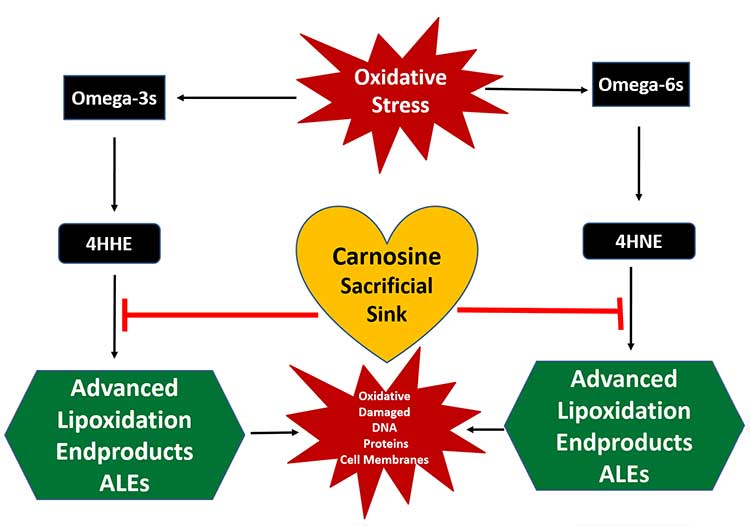
Carnosine binds to ALEs like a magnet and acts as a sacrificial sink. It’s basically a substitute target for these profoundly damaging molecules. In this way, carnosine allows your body to excrete the ALEs from your body before they damage your mitochondria, DNA or proteins. (Another molecule that protects against LA-induced damage is carbon dioxide). The illustration below shows how carnosine works in this regard.
Carnosine May Be Protective Against a Wide Range of Diseases
A more detailed explanation of how carnosine protects against reactive oxygen species (ROS) and how that helps protect against oxidative stress-related pathologies is given in a 2021 paper in the journal Antioxidants:14
“A study that examined the effect of carnosine on oxidative stress in human kidney tubular epithelial (HK-2) cells indicated that carnosine decreased NADPH oxidase (NOX) 4 expression and increased total superoxide dismutase (T-SOD) activity, thus reducing the production of intracellular ROS, relieving the oxidative stress of cells, and ultimately inhibiting the mitochondrial pathway of apoptosis.
Ability of carnosine to protect against pathologies characterized by oxidative stress has been shown in a number of conditions … Carnosine changes the reactivity of superoxide anion by forming a charge-transfer complex with the superoxide radical and also by reducing the efficiency of hydroxyl radicals, creating a compound less reactive than the hydroxyl radical.
One of the mechanisms to protect organisms from oxidative stress is the chelation of transition metals, preventing them from participating in deleterious processes involving ROS … Interestingly, when comparing metals involved in free radical generation, carnosine was found to have a greater antioxidant activity coupled with copper than iron …
At physiological concentrations, carnosine directly reacts with superoxide anion similar to ascorbic acid. In physiological conditions, carnosine was found to reduce oxidative damage and to improve antioxidant activity of different antioxidative enzymes …
Experiments on aged rats showed that therapy with 250 mg/kg/carnosine per day significantly decreased oxidative stress and increased activity of antioxidative enzymes … In similar model of aged rats, carnosine increased liver vitamin E, which further demonstrates its importance in defending the organism from free radicals.
Rising data indicate that carnosine acts as a scavenger of reactive and cytotoxic carbonyl species including 4-hydroxynonenal (HNE). HNE is an aldehyde generated endogenously by lipid peroxidation of unsaturated fatty acids that act as ‘toxic second messengers,’ extending the harmful potential of free radicals.
HNE is considered an important biomarker of oxidative stress and accumulating data indicate that it may modulate signaling pathways of cell proliferation, apoptosis, and inflammation.”
How Carnosine Protects Against Alzheimer’s
As noted in the Pharmaceuticals paper,15 one of the pathologies that carnosine is protective against is Alzheimer’s disease. In my November 2021 interview with Tucker Goodrich, he explained the role of HNE, specifically, in Alzheimer’s, and why it’s so important to get rid of it.
“In heart failure, Alzheimer’s, and AMD [age-related macular degeneration], one of the things they see is an inability of the cell to produce enough energy. The mitochondria are getting damaged. HNE does that damage. It damages 24% of the proteins in the cell, primarily around energy production.
One of the ways your cells produce energy is they basically ferment glucose into pyruvate outside of the mitochondria. This is a perfectly normal part of metabolism and they produce something called pyruvate. A molecule called pyruvate dehydrogenase takes pyruvate into the mitochondria and converts it to acetyl-CoA so the mitochondria can burn it very efficiently for fuel.
Well, one of the things HNE does is it breaks pyruvate dehydrogenase, and they see this in Alzheimer’s where their cells are no longer able to produce enough energy. This is why your cells are dying in Alzheimer’s.
The beta amyloid plaques in Alzheimer’s disease are induced by HNE. There’s a great model that came out of Harvard a couple of years ago showing that.
Even the critical, the most important part of the mitochondria, complex 5, — ADP synthase — which is what takes all the energy coming from your mitochondria and turns it into ATP, which is what fuels the rest of your body — is damaged by HNE. This is a huge issue. There’s no more fundamental problem in aging and health than protein damage.”
Carnosine is the most effective scavenger of HNE, so optimizing your level can go a long way toward protecting against the HNE-induced damage that promotes Alzheimer’s.
Carnosine — A Promising Therapeutic for Obesity-Related Conditions
Elevated HNE has also been found in obese and diabetic patients,16 so there’s reason to suspect carnosine can be important in the treatment of these conditions as well. Another disease where elevated HNE plays a role is atherosclerosis. As noted in the 2021 Antioxidants paper:17
“… emerging studies have indicated that these reactive aldehydes are more than simply markers of oxidative stress.
Rather, it is suggested that these reactive species may play a significant pathogenic role in obesity-associated disorders such as insulin resistance and a carnosine analog alleviates the production or enhances the removal of reactive carbonyl species, providing promising new therapeutic compounds for cardiovascular and metabolic diseases related to obesity.”
Take Control of Your Health by Lowering Your LA Intake
As detailed in several previous articles, the evidence strongly suggests excessive LA is driving most if not all modern diseases, including heart disease and cancer. Fortunately, the solution is simple. Just lower your LA intake.
The easiest way to do this is to use an online nutritional calculator such as Cronometer to calculate your daily intake. Cronometer will tell you how much omega-6 you’re getting from your food down to the 10th of a gram, and you can assume 90% of that is LA. Anything over 10 grams is likely to cause problems. I keep my intake below 5 grams a day.
Since there’s no downside to limiting your LA, you’ll want to keep it as low as possible, which you do by avoiding high-LA foods. Keep in mind you’ll never be able to get to zero, and you wouldn’t want to do that either. You do need some LA, but since it’s found in most foods, and since you need only small amounts, there’s really no way to end up with a deficiency.
- 1, 3, 10, 15 Pharmaceuticals June 2023; 16(6): 778
- 2, 4, 5, 6, 7, 8, 9, 13, 14, 16, 17 Antioxidants July 2021; 10(7): 1037
- 11 Science Direct, Carnosine; Nutritional Supplements and Metabolic Syndrome
- 12 Animal Frontiers April 15, 2023
What’s the Best Predictor of Heart Disease?
Reproduced from original article:
https://articles.mercola.com/sites/articles/archive/2024/01/18/predictors-atherosclerosis.aspx
The original Mercola article may not remain on the original site, but I will endeavor to keep it on this site as long as I deem it to be appropriate.
Analysis by Dr. Joseph Mercola January 18, 2024
STORY AT-A-GLANCE
- High total cholesterol and/or elevated low-density lipoprotein (LDL) cholesterol do not cause atherosclerosis
- Low levels of high-density lipoprotein (HDL) cholesterol are associated with both atherosclerosis and insulin resistance, and insulin resistance appears to be the foundational cause of heart disease. As such, the fasting insulin test is one of the best predictors of atherosclerosis
- Insulin resistance is primarily driven by excessive consumption of the omega-6 fat linoleic acid (LA). High LA intake is also associated with elevated levels of oxidized LDL — found in atherosclerosis plaque — further confirming this link
- One theory is that oxidized LDL protects your body from oxidative damage by sacrificing itself. If true, it may be beneficial to have higher, rather than lower, LDL levels
- The apoB test can also be helpful in assessing your atherosclerosis risk. As mentioned above, apoB is the primary carrier for LDL, and research over the past decade shows it’s an accurate predictor of cardiovascular risk when apoB is high and LDL is normal
Is high total cholesterol and/or elevated low-density lipoprotein (LDL) cholesterol indicative of elevated heart disease risk? According to Dr. Paul Saladino, the answer is no. With regard to total cholesterol, as far back as 1977, with the publication of the Framingham Study,1 no correlation between heart disease and total cholesterol could be found.
Low levels of high-density lipoprotein (HDL) cholesterol was associated with coronary heart disease, but not high LDLs or total cholesterol. However, as noted by Saladino, low HDL is also associated with insulin resistance, and he believes this is part of the confusion.
Saladino suspects that what has been blamed on LDL (atherosclerosis) is due to insulin resistance, i.e., metabolic dysfunction. Insulin resistance/metabolic dysfunction, in turn, is primarily driven by excessive consumption of the omega-6 fat linoleic acid (LA).
High LA intake also raises your levels of oxidized LDL, which are what you find in atherosclerosis plaque. In the video above, Saladino and Dr. Nadir Ali specifically discuss the role of oxidized LDL, and why it is not a direct cause of atherosclerosis, as commonly thought.
Summary of Available LDL Tests
But before I summarize Saladino’s and Ali’s discussion, let’s take a look at the available LDL-related tests, as there’s more to LDLs than the total amount.
- A regular LDL cholesterol blood test (LDL-C), which measures the total amount of LDL cholesterol in your blood
- A nuclear magnetic resonance lipoprofile (NMR lipoprofile) test, which measures the size of the LDL particles (LDL-P), which is thought to be more predictive of your cardiovascular risk, even if you have low total cholesterol2
- Oxidized LDL (oxLDL) test, which measures the level of LDLs that have been damaged by oxidation
- The apolipoprotein B (apoB) test, which measures the number of apoB particles in your blood. ApoB is a protein involved in the metabolism of lipids and the primary carrier for LDL. This test is a good predictor of cardiovascular risk, and does so far more accurately than the standard cholesterol panel
- Advanced lipid testing, which measures the amounts of large-buoyant LDLs (lbLDL) and small-dense LDLs (sdLDL), with the sdLDLs being associated with insulin resistance and heart disease3
High LDL Does Not Cause Atherosclerosis
When it comes to LDL cholesterol, the most important factor is the level of oxidized LDL, as oxLDLs are primarily what you find in atherosclerosis plaque.4 Unfortunately, most doctors will simply prescribe a statin drug or PCSK9 inhibitor if LDLs are high, to reduce the total LDL.
As noted by Ali in the short video above, this is a serious mistake. The primary question that needs to be asked is why is LDL oxidized in the first place, and how can you prevent that oxidation from taking place?
“Is the oxidized LDL a bad player?” Ali asks, “[or] is it there to protect us from oxidative injury? Rather than letting the important cells get oxidized, is the LDL sacrificing itself in protecting the body? Then, your whole paradigm changes …
LDL is not a bad player — it’s trying to protect us. What I need to figure out is how do I prevent this oxidative injury in the first place, and an argument that should surface is that, maybe I should have more LDL around so that oxidative injury can be … prevented, rather than having less LDL? These are the kinds of fundamental questions that science should be asking.”
Download this Article Before it Disappears
Oxidized LDL May Be a Protective Mechanism
Saladino agrees, saying that LDL “is probably a repository for oxidized phospholipids,” much like lipoprotein(a) (Lp(a)). He cites research showing that the more polyunsaturated fats (PUFAs) you consume — such as LA — the higher your Lp(a) and oxidized LDL.
So, your LDL may in fact have a protective rather than injurious role. It may protect you from the harmful effects of LA and other PUFAs. What this means, then, is that high oxidized LDL may be a marker of high PUFA consumption, and it’s the PUFAs, LA in particular, that are driving the atherosclerotic disease process.
The primary way to prevent atherosclerosis, then, is to radically reduce your LA intake by eliminating seed oils from your cooking, and avoiding processed foods (which are loaded with seed oils) and restaurant foods (as most are cooked in seed oils).
When it comes to measuring your oxLDL, the Boston Heart test called oxidized phospholipids on APO-B (OxPL/apoB) appears to be a better choice than the traditional oxLDL. The oxLDL tends to be inaccurate because it’s just a proxy for APO-B and the LDL number, while the OxPL/apoB test gives you a truer measure of your oxidized LDLs.
The ApoB Test
Aside from oxLDL, the apoB test can also be helpful in assessing your atherosclerosis risk. As mentioned above, apoB is the primary carrier for LDL, and research over the past decade shows it’s an accurate predictor of cardiovascular risk when apoB is high and LDL is normal. As reported by The Washington Post:5
“The standard cholesterol panel calculates the total quantity or concentration of ‘bad’ cholesterol or LDL in the blood, in milligrams per deciliter (technically, LDL-C). Because cholesterol is a fatty substance and thus not water-soluble, it must be carried around in little particles known as lipoproteins.
Testing for apoB, a protein on the outside of LDL-carrying particles, counts the number of these lipoprotein particles in the blood. In addition to LDL, it also captures other types of cholesterol such as IDL (intermediate-density lipoproteins) and VLDL (very low-density lipoproteins), which carry triglycerides.
Why is this important? As our understanding of heart disease improves, scientists are recognizing that apoB particles are more likely to become lodged in the arterial wall and cause it to thicken and eventually form atherosclerotic plaques. Thus, the total number of apoB particles matters more than the overall quantity of cholesterol that they carry.
In a majority of people, apoB and LDL-C track fairly closely, says Allan Sniderman, a professor of cardiology at McGill University in Montreal. But some people have a ‘normal’ amount of LDL-C, but a high concentration of apoB particles — a condition called ‘discordance,’ which means they are at greater risk.”
sdLDL — Another Helpful Predictor of Atherosclerosis
Measuring your sdLDL-C can also be helpful, as explained by Dr. Eric Berg, a chiropractor, in the video above. The small-dense type of LDLs are indicative of inflammation inside your arteries, which is a hallmark of atherosclerosis. As noted by Berg, potential causes of this inflammation include:
- Seed oils
- Processed foods and junk foods
- Smoking
- Low vitamin E
- High glucose levels
Unfortunately, Berg lumps high-carb diets into these risk factors and recommends a ketogenic diet to avoid elevated sdLDL, but as I’ve explained in previous articles, high glucose levels are not necessarily a sign that you’re eating too many (healthy) carbs.
In summary, when you consume significantly more than 30% fat, a metabolic switch called the Randle Cycle switches from burning glucose in your mitochondria to burning fat instead. As a result, glucose backs up into your bloodstream, thereby raising your blood sugar.
Glucose is actually a cleaner and far more efficient fuel than dietary fats, provided it’s metabolized in your mitochondria and not through glycolysis. For a refresher, refer back to “Crucial Facts About Your Metabolism” and “Important Information About Low Carb, Cortisol and Glucose.”
Atherosclerosis Is a Consequence of Metabolic Dysfunction
In the video directly above, Saladino debates LDL cholesterol with Dr. Mohammed Alo, a cardiologist and personal trainer. While Alo argues for the conventional LDL-atherosclerosis connection, Saladino highlights evidence showing that it’s not LDL per se that is the cause, but rather insulin resistance in combination with high oxLDL, both of which are caused by high LA intake.
For this reason, Saladino believes one of the best assessments of your heart disease risk is a fasting insulin test, as your insulin sensitivity is such a foundational factor of your metabolic function. The OxPL/apoB test mentioned earlier would be a good complement.
If you have high fasting insulin, you are insulin resistant and hence have some degree of metabolic dysfunction (and, of course, mitochondrial dysfunction). Ideally, you want a fasting insulin level of 3 mcg/mL or less.
Most definitely, do not go by the “normal” ranges offered by labs in this case. Many will list levels as high as 24 mcg/mL as normal, when in fact that’s a clear sign of serious insulin resistance and metabolic dysfunction.
If you’re already eating a healthy diet, exercising, and all of your metabolic parameters look good, yet you have an insulin level of 7 or 8, the core culprit may be stress, because when cortisol goes up, insulin rises with it. Cortisol release is a rescue mechanism to ensure you don’t die from low blood sugar.
To assess whether stress is at play, keep an eye on your white blood cell count. Chronically depleted white blood cells are often a sign of chronic stress and high cortisol.
You can also get an AM cortisol test after fasting for 12 to 16 hours. You don’t want to fast longer than that because, after 16 hours of fasting, cortisol will naturally start to rise. An ideal AM cortisol range is between 15 and 17. If your fasting AM cortisol is below 15, it’s a sign you’ve become stuck in a long-term stress response.
High LA Intake Promotes Atherosclerosis
So, to summarize, Saladino argues that insulin resistance is the primary root cause for atherosclerosis — not elevated LDL or total cholesterol — and the primary driver of insulin resistance is excessive LA intake from seed oils. Lowering your LA intake is the foundational strategy to embrace.6
Low levels of high-density lipoprotein (HDL) is a proxy for insulin resistance, and if you have low HDL, then LDL tracks well with cardiovascular disease. But if you have normal HDL (65 to 85 mg/dL), then you typically have good insulin sensitivity and the correlation with LDL and atherosclerosis vanishes.
The Keto Trial Match Analysis7 presented in mid-December 2023 (video below) confirms this, as they found no relationship between elevated LDL levels and arthrosclerosis plaque.
Other Tests to Assess Your Metabolic Health
In addition to the tests already mentioned, other blood tests that can help you assess your metabolic health include the following. Additional information about these and other lab tests can be found in my interviews with Dr. Nasha Winters and Dr. Bryan Walsh.
• Fasting glucose — The ideal range is between 82 and 88 milligrams per deciliter (mg/dL), based on the available literature, while nonfasting glucose should ideally be between 82 and 130 mg/dL.
• Gamma-glutamyl transferase (GGT), a powerful predictor of mortality, also should not be above 20 U/L. GGT is a liver enzyme involved in glutathione metabolism and the transport of amino acids and peptides.
Not only will the GGT test tell you if you have liver damage, it can also be used as a screening marker for excess free iron and is a great indicator of your sudden cardiac death risk.
GGT is highly interactive with iron. Excessive iron will tend to raise GGT, and when both your serum ferritin and GGT are high, you are at significantly increased risk of chronic health problems, because then you have a combination of free iron, which is highly toxic, and iron storage to keep that toxicity going.
Cysteinylglycine is liberated from glutathione via GGT. That, in the presence of iron or copper, initiates the Fenton reaction. That’s when you get massive oxidative stress.
• The Intermountain health risk score is a mortality risk score created based on the basic blood chemistry markers of tens of thousands of patients in a hospital setting, including complete blood count (CBC), sodium, potassium bicarbonate, mean platelet volume and other basics. Based on these markers, you end up with a 30-day, a one-year and a five-year mortality risk.
A risk score calculator is freely available on the Intermountain website, where you can also find more information about this score.8 Simply enter your variables and it will calculate your score for you.
• Coronary artery calcium (CAC) scan — This test provides images of your coronary arteries. Existing calcium deposits, an early sign of coronary artery disease, will show up on these images, and can therefore reveal your risk of heart disease before other warning signs become apparent.9
For even more information about cholesterol, and why high cholesterol and/or high LDL are not risk factors for heart disease, check out the video below by Dr. Ken Berry.
- 1 American Journal of Medicine May 1977; 62(5): 707-714
- 2 Front. Nuci. Med July 13, 2022; 2
- 3 Health Matters LDL Size
- 4 Mediators of Inflammation 2013; 2013: 714653
- 5 Washington Post January 8, 2024
- 6 Chem Phys Lipids January 1998; 91(1): 1-11
- 7 Citizens Science Foundation December 13, 2023
- 8 Intermountain Risk Scores
- 9 Hopkins Medicine CAC Test
Intro to the Bioenergetic Theory of Health
Reproduced from original article:
https://articles.mercola.com/sites/articles/archive/2023/12/31/bioenergetic-theory-of-health.aspx
The original Mercola article may not remain on the original site, but I will endeavor to keep it on this site as long as I deem it to be appropriate.
Analysis by Dr. Joseph Mercola December 31, 2023
STORY AT-A-GLANCE
- While insulin resistance is routinely identified as a root cause of most chronic diseases, it too is only a symptom of a deeper problem. At the root will be impaired cellular energy production in the mitochondria
- Insulin resistance occurs when the cells are unable to properly oxidize or burn glucose
- When your body shifts into fat burning this results in lowering your metabolic rate, which is antithetical to optimal health. For optimal health, you need a high metabolic rate, and this is facilitated when your metabolism speeds up when you’re burning glucose in your mitochondria
- A general baseline for most average-sized people is between 150 grams and 250 grams of healthy carbs per day. If you’re very active, it could be as high as 500 or 600 grams a day. Keep in mind that as you increase carbs, you also need to cut down fat. Fat intakes above 30 to 40% or so of daily calories will tend to inhibit glucose metabolism
- Healthy carb choices include fresh whole fruit, fruit juice, root vegetables such as potatoes, sweet potatoes, parsnips and carrots, white rice, raw honey and maple syrup
In this video, I interview independent health researcher Jay Feldman, who has a podcast called “The Energy Balance Podcast.” I recently came to understand the importance of the late Ray Peat’s work, which I had previously dismissed for over three decades, largely due to confirmational bias.
Peat was a biologist and physiologist, and a cofounder of the prometabolic diet based on the bioenergetic theory of health.1 After re-exploring his work, I’ve come to realize just how ahead of his time he was. Feldman is among the few health researchers out there who has also embraced Peat’s work and understands it at a level that allows him to explain it in layman’s terms.
As some of you may know, I’m in the process of creating a master class in preparation for the next pandemic crisis, which I believe is inevitable, and it became obvious to me that Peat’s work is a really crucial component of being metabolically resilient and prepared for the next crisis.
You don’t have to wait for my master class to learn about Peat’s work, however. You can just dive into Feldman’s podcast. There are more than 100 episodes and I suggest starting at Episode 1 and working your way up. Feldman does a terrific job teaching you how to easily and practically implement these strategies.
What Causes Disease?
Well before I encountered Peat’s work, I was convinced most chronic disease was rooted in insulin resistance. I still think that’s a primary problem, but I’m convinced it’s not caused by excess sugar. High linoleic acid (LA) levels are the primary factor that drives insulin resistance, and LA is clearly far more damaging than sugar, especially in the long term.
As explained by Feldman, insulin resistance occurs when the cells are unable to properly oxidize or burn glucose, resulting in a backlog of glucose metabolites and a buildup of glucose in the cells, along with the production of lactate.
This forces the cells to rely on fatty acid oxidation, and the combination of fatty acid oxidation and glucose buildup prevents the cells from taking up more glucose, causing elevated blood sugar. It’s a symptom of a deeper problem, namely impaired energy production in the mitochondria:
“I always come back to the idea that the amount of cellular energy available is what’s going to drive our health, and the lack of energy is what’s going to lead to disease processes, dysfunction, degeneration.
When it comes to insulin resistance, I think there’s a bit of a misnomer. It’s a helpful term for encapsulating a larger idea, but we get caught up in the idea of insulin.
If we’re going to say that there’s one driver [of disease], it’s typically a lack of energy caused by issues with energy production, or inefficiencies in producing energy, due to mitochondrial dysfunction, and that causes insulin resistance.
Those things go hand in hand. When we’re talking about insulin resistance, we’re talking about a situation where the cells aren’t able to properly use glucose, so the glucose builds up. And regardless of how much insulin we have, it’s really hard to get more glucose into the cells, and we see rising blood sugar and all of the other downstream effects.
So, insulin resistance is there. I think it’s just a matter of what we call it. Do we call insulin resistance the fundamental problem, or energy dysfunction — low metabolism issues with energy production?
From my view, I would say that’s where we start, and insulin resistance is an effect of that. And the only reason why I would make that distinction is because we can get caught up in the idea that insulin is the problem and things that increase insulin will cause the cells to stop responding to insulin.
We need to figure out why the cells aren’t responding to insulin, and if we get down to that deeper layer, it comes back to an issue with producing energy.”
That said, Feldman agrees that fasting insulin is a good marker for health, in that it provides you with a good estimate of the efficiency of your cellular energy production. So, provided you’re consuming a healthy amount of carbohydrates, your fasting insulin is a good marker for how well you’re using that glucose and how well you’re producing energy.
Understanding the Underlying Problem
Just keep in mind that while you can lower your fasting insulin by avoiding carbs, that won’t fix the underlying energy production problem. In fact, if you’re on a low-carb diet, you’re causing insulin resistance. Sometimes you might not realize it because your insulin and glucose levels are so suppressed. Eventually, however, you might notice that your glucose level starts to rise.
As explained by Feldman, the underlying problem is not that you’re eating too many carbs. It’s that you cannot properly burn carbs. That’s what caused your glucose and insulin levels to be elevated in the first place. Cutting carbs will lower glucose and insulin, making it appear that all is well, but can you burn carbs? That’s the question.
If you’ve been on a ketogenic diet for some time and are experiencing deleterious effects like sleep disturbances, anxiety, a drop in testosterone and/or T3, reduced energy and exercise performance, then you may have “stealth insulin resistance.”
In other words, your cellular energy production is fundamentally impaired and the low-carb diet was just a Band-Aid masking the symptoms. The real problem persists, because carbs were never the driver of insulin resistance in the first place. An inability to properly oxidize (burn) the carbs was.
Download this Article Before it Disappears
How to Safely Add Carbs Back In
So, how do you bring carbs back in so that you actually improve your ability to use them and minimize negative effects? First and foremost, avoid omega-6-rich polyunsaturated seed oils, as they effectively interfere with energy production and the utilization of glucose. Instead, use monounsaturated and saturated fats.
Next, add carbs back in very slowly, to allow for the upregulation of enzymes that increase carb utilization and conversion to energy. Start by adding easily digestible carbs that won’t cause intestinal irritation or endotoxin production, such as whole fruits.
If you have microbial overgrowth in your gut, you’re producing a lot of endotoxin. In this case, you need to be careful about introducing fermentable carbohydrates, including fruit fibers, so fruit juice may be a better choice than whole fruit. Just be mindful of the juice you select. Apple juice, for example, has fermentable carbs.
Assuming you don’t have an underlying digestive problem, whole fruit is a great place to start. If you start eating whole fruit and notice an increase in gas or bloating, gurgling or belching, or if you feel sluggish or lethargic afterward, you likely have an intestinal issue such as SIBO (small intestinal bacterial overgrowth). You can also try having whole fruit sometimes and fruit juice at other times and see if you notice a major difference.
“If you feel a lot better with the fruit juice, then that’s a pretty clear sign that you are having some issues with fermentable carbohydrates,” Feldman says. In this case, you need to restore your microbiome before you add in more carbs. In the interview, we also discuss the use of antibiotics, either herbal or pharmaceutical, to treat small intestinal bacterial overgrowth (SIBO), so for more information on that, listen to the interview.
“Typically, we want [gas and bloating] to be minimal. This is central. In the same way we can’t overstate the importance of avoiding PUFA, we cannot overstate how much endotoxin — these bacterial byproducts — destroy your health.
You see it in every chronic health condition. In every degenerative condition you see this mild endotoxemia. You see it in fatty liver disease and diabetes, obesity, atherosclerosis.
This is one of the main reasons why people feel better on a low-carb diet or when they’re fasting. They’re avoiding anything that’s feeding the [bacteria in the] intestines. So, if you are one of those people who felt way better and lost weight and noticed a bunch of improvements [on a low-carb diet], there are two main reasons why that would be the case.
One is reductions in endotoxin … The other possible reason is, if they were extremely insulin resistant going in, they were having a lot of trouble using glucose, and so switching to fat and ketones led to a lot of relief.
That’s likely also a situation where your utilization of the carbohydrates is going to have to be ramped up slowly, and your capacity for that might be a little bit lower. So, we want to work on resolving that issue. It could be caused by endotoxin, polyunsaturated fats, by nutrient deficiencies, a lack of sleep and other forms of stress.
If you didn’t have these major benefits on low-carb, you might be able to bring in the carbs much faster and feel much better quicker. But that’s why it’s all dependent on the individual’s context.”
Quick Summary of How to Start
Feldman recommends starting with one piece of fruit with each meal for a week or two. If your appetite increases and you feel better overall, that’s a good sign that your metabolic rate is increasing. As long as you’re feeling good, increase to two pieces of fruit per meal and go from there. If you’re having negative effects, decrease your intake and go slower.
Feldman suggests the baseline for most average-sized people is between 150 grams and 250 grams of healthy carbs per day. If you’re very active, it could be as high as 500 or 600 grams a day. Keep in mind that as you increase carbs, you also need to cut down fat, as fat intake above 30 to 40% or so of daily calories will inhibit glucose metabolism. Other healthy carb choices include:
- Organic dried fruits without added sugars, additives or preservatives
- Root vegetables: potatoes, sweet potatoes, parsnips, carrots
- White rice (well-cooked) and ideally consumed with saturated fat to prevent the rice from feeding bad bacteria
- Raw honey
- Maple syrup
Carbs that may be tolerated by some but not others include grains that are traditionally processed, fermented, soaked and/or sprouted. Sourdough bread is one example. On the more harmful end are unprocessed whole grains and brown rice, as they’re high in anti-nutrients that impair all aspects of digestion.
They contain anti-nutrients like trypsin and amylase inhibitors, phytic acid and oxlates, which can inhibit the digestion of protein and starch while also reducing vitamin and mineral absorption. Most grains are also high in LA. And, of course, processed foods are also on the list of carbs to avoid.
Troubleshooting
Hopefully, if all goes well, you’ll make this transition and realize that both your glucose and fasting insulin are still at healthy levels, or maybe even lower than before. But what if you’ve made the transition to a higher-carb, lower-fat diet, and still have a fasting insulin level of 7 or 8?
Ideally, it should be below 3. Maybe you’re also gaining weight and still feeling sluggish. What’s going on? In short, these are all signs that you’re still metabolically inflexible. So, now what?
“There are a number of things I would go to,” Feldman says, “but again, the question is, what is causing the issue with [not] converting those carbohydrates to energy?
We talked about endotoxin being a huge one. If someone’s already cut out the polyunsaturated fats, endotoxin is really common, so we want to make sure that we’ve fixed everything up gut-wise. If not, that would be my target.
If that’s doing pretty well, and we’re generally not overstressing, we’re getting some good comfortable movement in, we’re eating carbohydrates from the right sources, and we’re still not seeing the benefits that we were looking for, we’re still not seeing the restoration of insulin sensitivity, then I might look for some other support for glucose metabolism.
That could be B vitamins … I know you’ve talked a lot about niacinamide. Thiamine is another one that is crucial for producing energy from carbohydrates … Supplementing with those would be potentially warranted there.
I would also look at other hormonal indications. I’d look at thyroid status at that point, because if we’ve made some of these shifts but we’re not seeing the conversion from T4 to T3, or we’re not seeing good thyroid hormone production, that could be a higher level issue that’s causing a ton of things farther down the chain, and that can include insulin resistance.
If that’s the case, I would look toward doing everything we can to restore that … I would also look at the steroid sex hormone production for women, maybe there’s too much estrogen, maybe not enough progesterone. That can be another huge factor here that can drive or contribute to insulin resistance.
For men, I’d be looking at low testosterone. There’s certainly a place for things like pregnenolone, progesterone, maybe a bit of DHEA to help support that hormonal state as well.”
Why Glucose Is the Ideal Fuel
As explained in the interview, glucose is the optimal fuel for creating energy in your mitochondria. Two byproducts of that process are metabolic or deuterium depleted water, and carbon dioxide. While commonly thought of as a waste product, Peat has made abundantly clear that carbon dioxide is a massively important molecule, and a far superior vasodilator than nitric oxide.
When you are low on carbon dioxide, you can’t be optimally healthy, and if you’re oxidizing (burning) fat in your mitochondria rather than glucose, you’re not going to generate as much carbon dioxide, which also protects proteins from being glycosylated, and lipids from being oxidized. Carbon dioxide also counteracts ROS and RNS (reactive nitrogen species). That’s not the only reason glucose is a better fuel than fat, though. As explained by Feldman:
“I think it’s always helpful to put this in the larger biological context. In any situation where we are starved, where we’re under major stress, when things are dysfunctional, we shift into fat oxidation, fat burning. And this includes when we’re not eating anything. This is why when we’re fasting, we will shift into ketosis, and we can mimic those states by going on a low-carb, high-fat diet, and low protein.
The biological context there is that our bodies view that as a situation when we’re under stress, when we don’t have a lot of fuel available, when we’re in a famine, when we need to survive for a long period of time. In a situation like that, we want to decrease our metabolic rate.
We don’t want to use a lot of energy on reproduction, cognition, digestion, growth and repair. We want to conserve energy because we don’t know when we’re getting food. So, everything around fat burning involves a slowing of the metabolic rate, and we see this again on that bigger picture level.
We see it when we look at thyroid hormone conversion, which gets impaired when we’re low in carbohydrate intake. We see it in terms of testosterone, and we also see it on the mitochondrial level, because on the mitochondrial level, that’s where this all starts.
That’s how our body senses whether it’s burning the fats or the carbs. When it’s burning fats, it has a number of different places that slow down the actual respiration, that slow down the conversion from the fats to energy. And again, this is all healthy and adaptive in that it allows us to survive if we’re starving.
But it’s not ideal for thriving. It’s not ideal for optimal function. It’s not ideal for reproduction. Our bodies don’t want to reproduce if there’s no food available. It’s not ideal for high-level cognition.
When we zoom into the mitochondria, what we see is that the primary difference between glycolysis, the starting of burning carbs and the bad oxidation of the fats, is a difference in the amount of NADH and FADH2 that gets produced.
And when we finish out through the Krebs cycle, and then go to the electron transport chain, depending on the length of the fatty acid, there will be considerably more, sometimes 250% more FADH2 relative to NADH than if we were to oxidize glucose.
What happens is, because we have this major drop off of electrons at Complex 2 through the FADH2, relative to Complex 1, we end up with reverse electron transport. [This is] reductive stress, and that’s because Complex 1 and Complex 2 both use the CoQ electron acceptor.
If you’re favoring Complex 2, you’re going to reduce the amount of electrons that can be dropped off at Complex 1, and you’re going to reduce the amount of electrons at Complex 1 that can keep going down the chain.
So, you get a buildup there, and you get this reverse electron transport and major production of ROS at Complex 1. The other thing that happens is, because of this buildup at Complex 1, the NADH can’t drop off its electrons, so you get buildup of NADH, relative to NAD.
Our bodies are really smart when they see this, because this then affects everything further up the chain. It affects various steps of the Krebs cycle. There are three different steps that need the NAD, so each of those get reduced. So, we’re slowing the activity through the Krebs cycle. We’re getting buildup of citrate, for example, that increases the synthesis of fat, and that gets built up even further.
We end up with a buildup of acetyl-coA that reduces the conversion of pyruvate to acetyl-coA, which also is dependent on NAD, so we’ve got two ways that that’s being inhibited.
And then when you look back up at glycolysis, there’s a number of steps there that get inhibited as well due to this high NADH to NAD ratio, this highly reduced state of the mitochondria. That is just a part of the natural braking mechanism that happens to make sure that when we’re burning fats, we’re doing it slowly. We also produce a lot of ROS, which slows this down.
As a result of this, you’ll eventually induce things like uncoupling, which will fully stop ATP production. So, we’ve got a number of different mechanisms that basically are signals. It’s telling our body that when we’re burning fats, we need to slow everything down, we need to slow our metabolic rate, and we’re going to produce a lot more ROS. We’re going to be slowing things down in the electron transport chain.
This is not ideal if energy is the currency of our health, if that’s what allows us to function and get us out of this constant stress state … That’s the crux of this difference between the carb and fat burning. And then we have the CO2 as the cherry on top … because it protects against the oxidative stress, or reductive stress, as well as being the main thing that oxygenates the cell, which keeps respiration going faster.
Again, that’s another braking mechanism. The cell will take up less oxygen because it’s producing less CO2, which it needs for that uptake of oxygen itself. I was in the low-carb sphere as well and got hooked on the idea that sugar burning is the one that’s the unhealthy and produces all the oxidative stress and everything, but totally missed what’s actually going on.”
Simple Way to Gauge Your Metabolic Rate
Feldman also takes a deeper dive into how glucose and fat burning affects your thyroid function but, basically, when you burn fat in the mitochondria, you inhibit your thyroid gland, which in turn invites weight gain, as your thyroid is your main metabolic regulator.
So, the answer to many a sluggish thyroid is not thyroid hormone supplementation, but eating the correct fuel so that your body has the energy it needs, and your thyroid doesn’t need to downregulate your metabolic rate. He also notes that many people are simply not eating enough calories. Low-calorie diets will also suppress your metabolism, for all the same reasons as detailed above.
While the ideal amount of calories vary based on your age, metabolic rate, physical activity and more, as a starting place, Feldman suggests using a typical calorie calculator to estimate your daily calorie requirement, and if you’re eating fewer calories than that and are gaining weight or maintaining your weight, your metabolism is low.
After you’ve estimated your daily calorie requirement, calculate how much protein you need. The formula for that is 0.6 to 0.8 grams of protein per pound of lean body mass or ideal body weight. The amount of protein you need should be about 15% of your daily calories. Then divide the rest into 45% to 65% healthy carbs and 20% to 40% healthy fats. In closing, Feldman has the following advice:
“If someone’s insulin resistant, they’re not using the carbs coming in, and if they’re not going to fix it, then sure, we might as well avoid carbs for a period of time. But I would say the better route is to work on fixing it. And in the vast majority of cases, the people who are in that state are not coming from a whole food, fruit, root vegetables, low PUFA fat sources type of diet …
So my suggestion would be, just go to that. We don’t even have to over-complicate it … just shift toward whole food, low PUFA, easily digestible foods, away from the grains. For the vast majority of people that gets them to where they need to go without needing something as restrictive and inherently stressful as keto and carnivore.
If that is the only way for someone to move forward, if it’s that or sticking with what they’re doing, then yeah, do it. Do keto or carnivore. There is an inherent long-term negative to it. There’s inherent stress that comes with it, but if that is the route that someone needs to go to make a change, then I think it’s fine to start there. I would just say let’s not stick with that long-term.
I’d really prefer to shift to including healthy carbohydrates as soon as possible. And that’s because whether the stress is for three months or a year, it’s always going to be a negative. What happens is, we have these major benefits from reducing the endotoxin, and relief from throwing carbs into an insulin resistant state, but once you’ve attained those benefits, the negatives will start to creep in.
I’d rather get all of those benefits without the negatives. I’d rather lower endotoxin by taking out grains and raw vegetables, raw leafy greens, those kinds of things, lowering fiber if we need to, but keeping carbohydrates so we can avoid the stress. I’d way rather get that benefit in that way as opposed to just taking out all carbohydrates.”
More Information
To check out more of Feldman’s work, visit his website, JayFeldmanWellness.com. Again, I recommend starting with Episode 1 and working your way up for a life-changing, immersive-learning experience on implementing bioenergetic medicine. Each episode has show notes and links to studies cited. You can also listen to his podcast on Apple Podcasts, Google Podcasts, Stitcher and Spotify. Just search for “The Energy Balance Podcast.”
How to Produce the Healthiest Foods Imaginable
Reproduced from original article:
https://articles.mercola.com/sites/articles/archive/2023/12/31/food-production.aspx
The original Mercola article may not remain on the original site, but I will endeavor to keep it on this site as long as I deem it to be appropriate.
Analysis by Dr. Joseph Mercola December 31, 2023
STORY AT-A-GLANCE
- Low-carb/high-fat diets ultimately backfire because they inhibit glucose metabolism, which is the most efficient form of energy production in the mitochondria; they also impair thyroid function
- One of the reasons why ketogenic and carnivore diets are usually helpful for a time is because, if implemented properly, you’re radically reducing your intake of omega-6 fats, linoleic acid (LA) in particular, which is one of the primary drivers of ill health
- LA is a primary driver of disease, in large part due to its detrimental effect on mitochondrial function and, hence, energy production
- Your body has a certain amount of energy and a number of biological processes that it can turn on or turn off with that energy pool. The more energy you have available, the more functions your body can turn on. When your energy production is lower than required to maintain all functions, your body must downregulate certain functions, which ultimately results in problems
- One of the easiest ways to assess how much energy your body is producing is to take your body temperature. Take your temperature 30 to 40 minutes after breakfast and midday. You want to see a rise in temperature
The interview above features Ashley Armstrong, who’s an expert in two areas. One is producing some of the healthiest food in the United States, and the second is understanding how your body uses it and how to select the right types of food to optimize your biology, based on the late biologist and thyroid expert, Ray Peat’s, principles of bioenergetic medicine. She also is a certified personal trainer with a Ph.D., MS and BS in engineering.
Like many others who are trying to improve their health, Armstrong tried low-carb diets, fasting, keto and even carnivore diets in the past. But while these all led to improvements initially, they didn’t eliminate them, which ultimately led her to investigate Peat’s principles.
“Ray Peat, he honestly saved my life and I owe so much to that man,” she says. “I’m forever grateful for him. The biggest wake-up for me was measuring my body temperature. I was on a carnivore diet and measured my body temperature — it was 96.5 degrees Fahrenheit.
I was like, wow, no wonder my hair is thinning. No wonder my complexion is so pale. No wonder I’m not sleeping through the night. There was just a number of red flags. That body temperature measurement just woke me up. It’s what I needed to [realize] I’m not thriving, I’m just surviving.
I’ve been implementing Dr. Peat’s principles for over three years now. I have more energy in life than I think I’ve ever had, even as a teenager. And it’s just amazing to see how being not restricted with your food, just being strategic with macros, types of food, how powerful that can be for your energy production.”
The Problem With Low-Carb and Keto
As I’ve detailed in previous articles over the past year, low-carb/high-fat diets ultimately backfire because they inhibit glucose metabolism, which is the most efficient form of energy production in your mitochondria; they also impair thyroid function. Your thyroid is crucial for energy production, and if your thyroid doesn’t work, you’re down the creek without a paddle.
One of the reasons for this is because ketogenic diets increase the stress hormones — cortisol, glucagon and adrenaline. On the other hand, one of the reasons why ketogenic and carnivore diets are usually helpful for a time is because, if implemented properly, you’re radically reducing your intake of omega-6 fats, linoleic acid (LA) in particular, which is one of the primary drivers of ill health.
Energy Production Is Key for Overall Health
As explained by Armstrong, the best way to understand the bioenergetic principle is to think of your body as a system. It has a certain amount of energy, and a number of biological processes that it can turn on or turn off with that energy source.
The greater your energy pool, the more functions your body can turn on. When your energy production is lower than required to maintain all functions, your body must downregulate certain functions, which ultimately results in problems. The human body is designed to promote survival, so it’s going to prioritize things like your heart rate.
Functions that aren’t necessarily vital for survival in the immediate moment, like sex hormone production, reproductive function, digestion, sleep and high cognitive thinking, get downregulated first. When you increase energy production, however, your body can then expend energy on those functions and bring them “back online.”
Download this Article Before it Disappears
Using Body and Pulse Measurements as Guides
As explained by Armstrong, one of the easiest ways to assess how much energy your body is producing is to take your body temperature.
“High stress hormones can keep your waking body temperature elevated,” she says, “so you’ve got to do your waking temperature 30 to 40 minutes after breakfast, and then I like to do midday. You want to see that temperature rise.
For many who are on low-carb or who are living on stress hormones, they’re going to have potentially high waking body temperature, but after breakfast, that temperature may drop. That’s because the food you’re consuming is lowering your stress hormones and your actual body temperature is then better exposed.
So we want to see that body temperature rise. And I love how both of us are so passionate about linoleic acid. As human linoleic acid consumption has gone up, human body temperature has gone down. So, the types of fats that we are consuming in our diet is impacting energy production in a negative way.
It’s shown with obesity rates out the roof. It’s shown with the decline in our body temperature. It’s shown with the decline in our healthy life expectancy, which is bizarre as a First-World country. There are just so many profound effects.
But when we just think of it as energy production — the more energy we can give our body to be able to perform functions, the better it’s going to function. I asked this question to someone who is really adamant about fasting. I said, ‘If you’ve got two bodies, one body that’s fasted and the other body that is fed nourishing food, which body is going to thrive and function better?’
It’s obvious. If you add a third person fed more of a standard American diet, of course maybe fasting is going to make you feel better, but you can elevate yourself a step above. You don’t have to rely on fasting to increase energy production. Your body is not going to increase energy when you’re not [putting] energy in.”
Indeed, when it comes to fasting, one of the primary benefits is that it lowers the fuel for gram-negative bacteria that produce endotoxin in your gut. Low-carb does this as well. Endotoxin, estrogen, LA and stress hormones will all decrease your mitochondrial function, mediated in big part by your thyroid function. Those are the big things that need to be reduced to enhance your mitochondrial function and energy production within the mitochondria.
How LA Harms Your Energy Production
As mentioned, LA is a primary driver of disease, in large part due to its detrimental effect on mitochondrial function and, hence, energy production. Your body can use both fat and glucose for energy. Muscle, in particular, will use fat for fuel, as will your heart. So, fat is not bad, but it’s important to realize that different fats affect your body in different ways, so it’s crucial to get the right fats. Armstrong explains:
“The different types of fatty acid molecules have drastically different structures and those impact the internal environment inside of us. They impact how your body is producing energy. The more saturated we can become, the better our internal environment is going to be.
When someone goes low-carb, maybe they reduce the amount of packaged food that they’re eating that contains a ton of vegetable oil and linoleic acid, and so potentially they’re resaturating some of their tissues.
But when you learn about what livestock are being fed these days, then you realize that a high animal fat diet can still contain quite a bit of PUFAs [polyunsaturated fats] and linoleic acid, depending on what those animals ate. So, think it’s important to consider the amount of each macronutrient that you’re intaking because that can have profound impacts on your energy production.
Saturating your tissues is going to take you to the next level, but adding in appropriate levels of carbohydrates is going to allow you to take your consciousness and energy production level to the next level [beyond that].”
The types of carbs you eat matter, however. I’m convinced the ideal carbohydrate is fresh, ripe fruit. Ripe is the key here. Of course, some fruits are better than others. Watermelon, for example, is among the best. Watermelon with feta cheese and a little mint on top makes for a delicious snack.
Aside from containing a lot of water, watermelon also contains a substance called citrulline, which converts into arginine, a precursor for nitric oxide (NO). NO is important to your body, but the caveat is that it needs to come from real food. Drugs like Cialis or Viagra, which act by increasing NO, will accelerate your path toward premature death. Artificial citrulline and other synthetic amino acids that raise NO are also best avoided.
“In Michigan, I rely a lot on frozen fruit,” Armstrong says. “In the summertime I’ll go to strawberry fields and pick strawberries when fresh and then freeze a ton of them. Same thing with blueberries and peaches. And then I rely on a lot of apples in the winter because apples are abundant around here and can be stored.”
Juices also have their place. Cold-pressed, pulp-free orange juice, for example, is a good choice. The reason you want pulp-free is because if you’re like most people, you have gram-negative, endotoxin bacteria in your gut that will thrive on the pulp, hence increasing endotoxin production.
So, if you have an unhealthy microbiome, pulp-free orange juice is a great carb that will gently and safely allow you to enter the higher carb world. As your microbiome improves, then you can transition to whole fruits and berries, which is, I believe, far superior to juices.
How to Produce the Best Eggs
Segueing into the topic of food production, Armstrong’s farm produces some of the highest quality eggs I’ve ever come across, and the feed recipe I use for my own chickens came from her. But I recently discovered something that could make them even better, and that is to allow the chickens to scratch for their own food.
Their ideal food is insects fresh from the ground, and while I previously thought chickens couldn’t get enough food this way, meaning you had to give them something, that may actually not be true.
Unfortunately, in places where the ground freezes, chickens will not be able to sustain themselves on insects, and you definitely do NOT want to feed your chickens dehydrated bugs. Why? Because the bugs are raised on corn and soy, making them very high in LA.
But in places like South Florida, for example, you can easily produce top-notch eggs, quality-wise, by allowing your chickens to peck for insects, without giving them any supplemental feed. Armstrong is also making plans to let her chickens forage for bugs year-round:
“I think that would be the ideal condition, and I have an image in my head of what I want to bring our farm to in the future — a greenhouse where we’ve got fodder growing on the ground and a worm farm … so [the chickens] will get abundant bugs in the winter. That’s what I want to move towards, but that requires a lot of financial investment. So we’ll get there one day.”
The Feed Has Dramatic Impacts on Animal Foods
The feed Armstrong developed, which I’ve been using as well, results in eggs that have about 75% less LA than conventional eggs. When it comes to conventional eggs, the LA is really the only problem. When the chickens are fed an ideal diet, the yolk in the egg is one of the best, most nutritious foods imaginable. The only thing that comes close is organ meat.
Egg yolks are the ultimate food; the problem is 99.99% of the eggs produced in this country are not that good. I don’t care if they say free range, grass fed, organic, it doesn’t matter. They’re terrible because they have four times more LA than they should. As noted by Armstrong:
“It’s important to consider organic soybeans have the same amount of linoleic acid as non-organic soybeans. Whether it’s grown conventionally, organically does not change the fatty acid composition of soybeans. You don’t want to be eating eggs from chickens fed a bunch of soy vegetable oil and other high omega-6 PUFA foods.”
According to Armstrong, the feed of the chickens may even determine the eggs’ allergenicity. In other words, if you’re allergic to eggs, you could potentially be able to eat the eggs from correctly-fed chickens.
“What is soy high in? Phytoestrogens that can be very problematic for some people. If a chicken is eating phytoestrogens that can be problematic for humans, those get passed through into the eggs. We have a number of customers that cannot eat any other eggs, but they’re totally fine with our eggs. And it’s because of the diet of the chicken.
So if you have allergic reactions or problems with eggs, try a different source where they’re not fed soy. Some people can be allergic to corn as well, and that allergenicity can pass through the egg as well. But it seems like soy is the biggest culprit.
But be careful of many corn and soy-free feeds, because those are high-PUFA ingredients like sunflower, flax, fish oil, vegetable oil and safflower oil. And so, just be really careful of your source, and ask what the chickens are eating. But yes, allergenicity of eggs I think really depends on what the chicken eats.”
LA-Rich Animal Feed Is Now Impacting Human Energy Production and Health
All of that said, it’s still crucial to ensure your chickens have enough food, be it fresh insects or a carefully planned feed that is low in LA and high in healthy saturated fats and other nutrients.
“Your chicken is not going to thrive if it’s underfed,” Armstrong says. “Your chicken is not going to thrive if it doesn’t have food. I am trying to boost the metabolic rate of our chickens as high as possible. Just like us, chickens are monogastric single stomach animals, the types of fat that they are fed, the types of fat that we are fed impacts the types of fat inside of us.
This is a little bit different for ruminant animals — cows, goats — but for monogastric chickens, pigs, their diet is very important. And this is why I am so passionate about it, because we have been lied to and convinced that saturated fat is bad for us.
So, you’ve seen a huge push for PUFAs in our diet. This is going beyond just human dietary choices. This is impacting our livestock food. And this is having profound impacts on not only livestock health, but also the food that we’re consuming …
Even in the dairy industry, they’re creating things called rumen-protected fats. They are PUFAs that in a typical rumen digestion system can go through the process called hydrogenation, which turns the PUFA into saturated fat.
They are designing rumen-protected fats so that the PUFA is passed through the rumen. The PUFA content of milk is increasing. That means any dairy fat — butter, cream, whole milk. The PUFA content of beef fat is increasing. And this is by design … Lard and chicken fat from conventional animals has the same amount of PUFA as canola oil.
This is profound. We have changed the types of fat inside of us. I think the linoleic acid content of humans has increased 136%. That is changing how our body is making energy inside of us. The types of fat we consume day-to-day have a long life inside of us — 600 days. So, the types of fat we’re consuming day to day impacts our energy production for years to come.
It’s unfortunate because this is just the reality for a lot of people, and that’s why I’m so passionate about it. Our food system is designed in a way that is not setting us up for success. That’s why I want to try to change it by going back to how our food was produced 100 years ago, where there was appropriate amounts of PUFAs in foods, small amounts, and saturated fat was the predominant fat source for both livestock and humans.”
High PUFA Diets Shut Down Your Metabolism
As explained by Armstrong, in nature, animals increase their PUFA consumption up to a certain amount to initiate torpor, which means their metabolism is so downregulated that they can survive the winter without eating. Think about that. Can you function optimally if your diet is one meant for hibernation? In that state, you have to eat fewer and fewer calories to avoid weight gain, which results in undernourishment and poor energy production.
“I try to keep my PUFA consumption as low as possible,” Armstrong says. “You can easily track that in Cronometer and see what your total PUFA, total linoleic acid content is per day. If you have four conventional eggs, you’re already at about 5 grams of linoleic acid in a day. And I would want people to be lower than that. All foods contain some amount of linoleic acid, so even milk is going to have a little bit.”
There’s no question that LA is NOT an essential fat, even though it’s categorized as such. It’s not essential because nearly all foods contain it. It’s virtually impossible to become deficient in LA if you eat food, regardless of what that food is.
Another fat that likely IS essential, but isn’t widely recognized as such, is the odd-chain saturated fats (OCFAs) found primarily in dairy. You can learn more about this in “The Amazing Benefits of Dairy Fat.” There’s also evidence suggesting that if you don’t get enough OCFAs in your diet, then high saturated fat intake might become problematic.
So, you need these odd-chain saturated fats. That’s why you need butter. You need milk. These are essential. Your optimized biology and health is dependent on these foods, because, again, the OCFAs help increase your body’s energy pool. They boost energy production, which will improve how your entire body functions.
In the interview we also discuss how dairy improves the health benefits of eggs, as the calcium in the dairy reduces the conversion of tryptophan in the egg white into serotonin. Serotonin is another compound you simply do not want too much of.
You also want to make sure you’re having enough carbohydrates with that meal. Carbohydrate oxidation produces 50% more carbon dioxide (CO2), so simply having carbs with your eggs will raise your CO2 level, which is very important for health.
“So, for breakfast, have eggs, milk, some honey or maple syrup and fruit. Boom, there you go. You’re drastically reducing the conversion of tryptophan to serotonin and it’s a simple meal,” Armstrong says.
More Information
We discuss a lot more in this interview than what I’ve covered here, so for more fascinating details, be sure to listen to the whole interview. For example, we discuss the pros and cons of egg whites, and why most cheese sold in the U.S. is less than healthy, as many cheese producers are using a microbial rennet made by Pfizer that is derived from mold that eats genetically modified corn and soy.
We also discuss various ideas for improving the feed of chickens, and how to maintain maximum egg production in the winter with incandescent lights and red light therapy.
If you want to purchase eggs from Armstrong’s farm, Angel Acres Egg Co., visit angel-acresfarm.com. She’s also started a new private member food system that offers milk, cheese, low-PUFA pork and low-PUFA chicken, called Nourish Cooperative. Both will ship farm-fresh food right to your door.
Vitamins A, B, C, D, E — What About Vitamin F?
Reproduced from original article:
https://articles.mercola.com/sites/articles/archive/2024/01/01/vitamin-f.aspx
The original Mercola article may not remain on the original site, but I will endeavor to keep it on this site as long as I deem it to be appropriate.
Analysis by Dr. Joseph Mercola January 01, 2024

STORY AT-A-GLANCE
- In the early 20th century, Casimir Funk, a Polish chemist, came up with the term “vitamine” — a compound that contains “amine,” which is Latin for nitrogen
- After Funk discovered vitamines, nutrition scientist Elmer McCollum revealed an “accessory” substance in certain fats that was needed for rats to grow; this substance was called vitamin A, for accessory
- McCollum and others named a nutrient vitamin B, for beriberi, while the different B vitamins were eventually numbered in the order they were discovered
- Vitamins were then named alphabetically until vitamin E; next came vitamin K, which is necessary for blood coagulation — or koagulation, as it was written in a German journal; rather than naming it vitamin F, the K abbreviation stuck
- Vitamin F did end up making a comeback, as it was used to name the essential fatty acids (EFAs) alpha-linolenic acid (ALA) and linoleic acid (LA)
Have you ever wondered what happened to vitamin F? We have vitamins A through E, and vitamin K, but vitamin F seems long forgotten. Getting to the bottom of the mystery requires digging into the history of vitamins, including how they came to be and the strategies used in naming them.
While it’s easy to take the knowledge of water- and fat-soluble vitamins for granted, it wasn’t until 1912 that the idea of vitamins came to be, setting the stage for more in-depth studies into these important nutritional compounds.
Nutrition Discoveries Came Before Vitamins
Humans have long had intrinsic knowledge that the foods they eat are tied to their health. In 1772, the discovery of nitrogen led to experiments on the element in food, followed by the discovery of an “animal substance” called protein in 1839. National Geographic reported:1
“For decades, historian Kenneth Carpenter writes, protein was considered the sole nutrient for human health despite emerging knowledge that fruits, vegetables, and milk eased conditions like scurvy and rickets. While these afflictions were common among those with limited diets, researchers still blamed other factors, like infections, tainted food, or even sea air.”
Around this time, it was recognized that beriberi, a disease now known to be caused by a vitamin B1 (thiamine) deficiency, may have a dietary link. Not only were poor people more likely to suffer from it than wealthier people, but those in prison who were fed white rice often developed the condition.
In the early 20th century, Casimir Funk, a Polish chemist, soon began to conduct experiments on pigeons, which revealed that those fed white rice grew ill. Their condition was reversed, however, when they ate rice bran and yeast. He suggested a “vitamine” — a compound that contains “amine,” which is Latin for nitrogen — was missing in the white rice diet, causing the pigeons to become sick. National Geographic continued:2
“The discovery of vitamins sent a shockwave through the scientific community, suggesting that diseases might be caused by nutritional deficiencies — and cured by adequate amounts of the newly discovered compounds. ‘A monotonous diet ought to be avoided,’ Funk declared. Researchers rushed to isolate other micronutrients associated with diseases like rickets, scurvy, goiters, and more.”
Vitamins Were Named Alphabetically — Until This
After Funk discovered vitamines, nutrition scientist Elmer McCollum revealed an “accessory” substance in certain fats that was needed for rats to grow. This substance was called vitamin A, for accessory. From there, McCollum and others named Funk’s rice bran nutrient vitamin B, for beriberi, while the different B vitamins were eventually numbered in the order they were discovered. As National Geographic noted:3
“The ‘e’ used in Funk’s new term was eventually dropped after scientists recognized that not all the compounds were nitrogen-containing amines. But the custom of naming vitamins alphabetically in order of discovery continued.
Today, four fat-soluble vitamins (A, D, E, and K) and nine water-soluble vitamins (Vitamin C and the eight B vitamins—B1 [thiamin], B2 [riboflavin], B3 [niacin], B5 [pantothenic acid], B6 [pyridoxine], B7 [biotin], B9 [folate], and B12 [cobalamin] — are considered essential to human growth and health.”
After vitamin E was discovered, Carl Peter Henrik Dam, a Danish biochemist, bucked the system with vitamin K, which is necessary for blood coagulation — or koagulation, as it was written in a German journal in which his research was published. Rather than naming it vitamin F, the K abbreviation stuck.
Download this Article Before it Disappears
Essential Fatty Acids Are Sometimes Called Vitamin F
Vitamin F did end up making a comeback, as it was used to name the essential fatty acids (EFAs) alpha-linolenic acid (ALA) and linoleic acid (LA).4 However, EFAs are need in substantial amounts, not trace amounts, which meant they didn’t meet the criteria to be called vitamins. For the record, Britannica defines vitamins as “any of several organic substances that are necessary in small quantities for normal health and growth in higher forms of animal life.”5
“Scientists discovered ALA and LA in the 1920s and mistook them for a vitamin they called vitamin F. The label stuck even though they were later found to be fats,” Cleveland Clinic reported.6 As explained by Nils Hoem, Ph.D., — a research scientist with Aker Biomarine, the largest krill oil company in the world — the plant-based omega-3 fats ALA and LA are both polyunsaturated fats (PUFAs) that are considered essential in conventional medicine.7
However, the amount of LA that many people consume in ultraprocessed foods has increased dramatically since its discovery. History shows that our lopsided consumption of ALAs began in the early 1900s, when people were discouraged from eating natural animal fats such as butter and lard.8 This led to a significant increase — more than two-fold — in the intake of LA, largely from vegetable oils.9
LA is an 18-carbon molecule. ALA also has 18 carbons. Since your body cannot make these fats, you must get them from your diet. That said, since LA is found in nearly every food, it’s virtually impossible to become deficient in LA. In fact, most people consume far too much LA, as it’s abundant in most ultraprocessed foods.
Others, such as the omega-3s EPA and DHA, which have 20 and 22 carbons respectively, can be synthesized in your body, provided you have enough available delta-6-desaturase, an enzyme responsible for their conversion.
The problem is that there’s competitive inhibition for that enzyme, so when you have 10-fold (1,000%) more omega-6 in your system, as many people do, then the delta-6-desaturase will be used to convert the omega-6 into arachidonic acid, instead of converting the ALA into EPA.
Since processed foods are loaded with omega-6 fats, it radically skews the omega-3 to omega-6 ratio and inhibits your body’s innate ability to synthesize beneficial EPA and DHA. Again, when you have large quantities of LA in your diet, it inhibits the enzyme, delta-6 desaturase, that converts ALA into EPA and then DHA.
So, it’s important to lower your LA intake as much as possible so your body can more easily convert any plant-based omega-3, found in flax, hemp and chia seeds, into the animal-based omega-3 fats EPA and DHA.
This competition for delta-6 becomes a moot point if you reduce your LA intake to only 1% to 2% of daily calories. But most people consume 20% to 25% of their calories in the form of LA, which means they have stored up this fat in their cells.
Restricting LA intake will balance out your omega-3s naturally, but increasing your intake of animal-based omega-3s is also important, as it can essentially push the omega-6 out of your membranes.
What About Vitamins G, H, I and J?
Other compounds once held the titles of the now-defunct vitamins G, H and J, although it seems I didn’t make the cut. According to The Globe and Mail:10
“Vitamin G is an obsolete name for riboflavin (now B2). H was the original name for biotin (now B7). There is no record of a historical vitamin I. Vitamin J has been associated with either riboflavin or the non-essential substance catechol, and M is an obsolete name for folic acid (B9).
Substances formerly referred to as vitamins L (anthranilic acid), N (thioctic or alpha-lipoic acid), O (carnitine), and P (flavonoids) are other examples of nutrients that do not meet the modern definition of a vitamin.”
More recently, vitamin G has been used to stand for “green space,” which is closely linked to physical and mental health and longevity.11
Vitamin Deficiencies Are Common
Despite widespread knowledge about the importance of vitamins for human health, many people are lacking in a variety of these compounds. Even at a subclinical level, being deficient in vitamins and minerals can cause a range of symptoms, ranging from fatigue and irritability to heart palpitations and pain.12 Common vitamin deficiencies include:
1. Vitamin D — Despite its name, vitamin D is not a regular vitamin. It’s a steroid hormone that your body is designed to obtain primarily through sun exposure, not via your diet. Worldwide, about 1 billion people are deficient in vitamin D, while an estimated 50% have vitamin D insufficiency.13
Older Americans tend to have the highest levels of vitamin D deficiency. In the U.S., 61% of older adults are deficient, rising to 90% in Turkey and 96% in India.14 In 2014, however, older Americans were already so deficient in vitamin D that it was estimated that as many as 100% of them were deficient, in large part due to less time spent outdoors.15
Vitamin D is necessary not only for healthy bones but for health throughout the body. As a powerful epigenetic regulator, vitamin D influences that activity of more than 2,500 genes, and vitamin D receptors are present all over the body, including in the intestine, pancreas, prostate and immune system cells.16 As noted in a systematic review published in Frontiers in Nutrition:17
“Previous association studies reported that vitamin D deficiency is also an important risk factor for SARS-CoV-2, weak muscle strength, cardiovascular disease, multiple sclerosis, upper respiratory tract infection, certain cancers, and other disease. In turn, these complications may increase the burden of global disease. Therefore, preventing vitamin D deficiency is a very important and urgent public health issue.”
I’ve long recommended a vitamin D level of 60 to 80 ng/ml (150-200 nmol/L) for optimal health and disease prevention. A level upward of 100 ng/mL also appears safe and beneficial for certain conditions, especially cancer.
However, the only way to gauge whether you might need to supplement, and how much to take, is to get your level tested, ideally twice a year, in the early spring, after the winter, and early fall when your level is at its peak and low point. Vitamin D is best obtained via sensible sun exposure, but supplementation may be necessary for some people.
2. Vitamin K2 — Known for its role in bone and heart health, vitamin K2 is found in grass fed animal products such as meat, eggs, liver and dairy,18 as well as in fermented foods, including sauerkraut, certain cheeses and the fermented soy food natto — items that many Americans do not consume enough of.
Vitamin K2, menaquinone, which is synthesized by intestinal bacteria, works synergistically with calcium, magnesium and vitamin D to build strong, healthy bone. Vitamin K2 directs calcium to your bones and prevents it from being deposited in your soft tissues, organs and joint spaces. Vitamin K2 also activates the protein hormone osteocalcin, produced by osteoblasts, which is needed to bind calcium into the matrix of your bone.
3. Vitamin B12 — A water-soluble vitamin also known as cobalamin, vitamin B12 plays a role in numerous biochemical reactions and neurological functions in your body, including DNA synthesis.19 Your body can’t make vitamin B12 on its own, so it must be obtained via your diet or supplementation.
It’s been suggested that nearly two-fifths of Americans may have lower than ideal B12 levels, with 9% deficient and 16% below 185 pmol/L, which is considered marginally deficient.20 While vegetarians and vegans are susceptible since B12 is derived from animal products, even meat eaters may be deficient, as problems with absorption are common.
4. Vitamin A — An estimated 51% of adults are not consuming enough vitamin A,21 increasing their risk of degenerative diseases like macular degeneration, a leading cause of blindness in the U.S.22
Vitamin A is a group of nutrients that falls into two different categories: retinoids found in animal foods and carotenoids found in plant foods. The two are chemically different and provide different health benefits, but both are necessary for optimal health. Plant foods high in beta-carotene include sweet potatoes, carrots, cantaloupe and mangoes.23 Animal foods rich in vitamin A include liver, egg yolks and grass fed butter.
If you think you may be missing out on important vitamins in your diet, the best way to boost your intake is via organic, whole foods. If you’re not eating right, a high-quality multivitamin may help fill in any gaps, with research suggesting they may improve biomarkers of nutrition compared to placebo.24,25
When choosing a multivitamin, be sure to look for a manufacturer that has checks and balances in place to ensure the quality of the product. And remember, since multivitamins contain both water- and fat-soluble vitamins, it’s generally recommended to take half your daily dose in the morning, with breakfast, and the other half with your main meal.
- 1, 2, 3 National Geographic November 9, 2023 (Archived)
- 4, 6 Cleveland Clinic, Vitamin F
- 5 Britannica, vitamin
- 7 Bitchute, Interview With Nils Hoem June 21, 2023
- 8, 9 BMJ Open Heart August 22, 2018
- 10 The Globe and Mail December 5, 2011
- 11 BMC Public Health. 2006; 6: 149
- 12 Nutrients. 2017 Jul; 9(7): 655
- 13, 14 National Library of Medicine, StatPearls, Vitamin D Deficiency, Epidemiology
- 15 J Aging Gerontol. 2014 Dec; 2(2): 60–71
- 16 Nutrients. 2021 Oct; 13(10): 3596. Intro
- 17 Frontiers in Nutrition March 17, 2023, Discussion
- 18 NIH. Vitamin K
- 19 Journal of Clinical Nephrology & Kidney Diseases August 31, 2018
- 20 USDA August 2000
- 21 Oregon State University, Micronutrient Inadequacies, Vitamin A
- 22 U.S. CDC, Macular Degeneration
- 23 National Institutes of Health, Vitamin A, Sources Of Vitamin A, Table 2
- 24 Oregon State University June 14, 2023
- 25 Nutrients 2023, 15(12), 2691; doi: 10.3390/nu15122691
Cancer Treatment From a Metabolic Perspective
Reproduced from original article:
https://articles.mercola.com/sites/articles/archive/2023/12/10/metabolic-health.aspx
The original Mercola article may not remain on the original site, but I will endeavor to keep it on this site as long as I deem it to be appropriate.
Analysis by Dr. Joseph Mercola December 10, 2023
STORY AT-A-GLANCE
- Most chronic diseases affecting us today, including heart disease, dementia, obesity, diabetes and cancer are rooted in metabolic dysfunction
- October 10 is the International Metabolic Health Day. Celebrate by assessing your metabolic health and cleaning up your diet
- One of the best ways to identify metabolic flexibility and health is a fasting insulin test. Ideally, you want it to be below 3
- If you’re already eating a healthy diet, exercising, and all of your metabolic parameters look good, yet you have an insulin level of 7 or 8, stress may be the culprit, because cortisol raises insulin. Cortisol release is actually a rescue mechanism to ensure you don’t die from low blood sugar
- The Metabolic Terrain Institute of Health will be a truly integrated residential oncology hospital and metabolic research institute. Once funding has been secured, they expect to be up and running within 18 months
In this interview, Dr. Nasha Winters, a naturopathic physician who specializes in supporting patients with cancer, discusses the importance of optimizing your metabolic health because, as she notes:
“All the diseases affecting us today — cardiovascular disease, dementias and Alzheimer’s, obesity, diabetes, cancer — all of these things have a common denominator, which is metabolic [dysfunction].”
In July 2022, a study1 in the Journal of the American College of Cardiology from Tufts showed that 14 out 15 Americans, over 93% of the population, are metabolically inflexible. While this is bad news, for sure, current statistics are likely even worse.
The study used data from 2018, prior to the pandemic, which radically worsened metabolic health, so, in all likelihood, well over 95%, or 19 out of 20 people, are now metabolically unfit.
Needless to say, the health care costs associated with metabolic dysfunction will eventually bankrupt us, both individually and nationally, if we don’t begin to address metabolic health in earnest.
What Is Metabolic Health Really About?
As noted by Winters, conventional medicine pays lip service to metabolic health, but so many of the guidelines are misguided and miss the mark. The five conventional factors of metabolic health are blood sugar, cholesterol, triglycerides, waist circumference and blood pressure,3 but what conventional medicine considers “normal” is often far from optimal.
“The ranges that our standard of care is giving are just too lax. They’re still saying it’s normal to have a blood glucose of 100. But that’s kind of the highway to the next step of things. They’re focused more on the overall cholesterol and overall LDL, but really the issues we want to look at are more the triglycerides and the HDL.”
Most doctors and laymen are also completely unaware of how linoleic acid (LA), an omega-6 fat found in seed oils and most processed foods, decimate mitochondrial function and metabolic health.
I suspect less than 0.5% of Americans have optimally healthy LA levels, and simply getting people to dramatically reduce their LA intake could go a long way toward improving metabolic health and lowering our chronic disease burden. So, we have a way to go when it comes to educating people on how to become metabolically healthy.
Key Metabolic Health Tests
One of the best ways to identify metabolic flexibility and health is a fasting insulin test. Ideally, you want it to be below 3. My last fasting insulin test was 1.4. I’ve been educating people on how to resolve their insulin resistance with diet and exercise for several decades now, but what do you do if you’re already eating a healthy diet, exercising, and all of your metabolic parameters look good, yet you have an insulin level of 7 or 8?
In this case, the core culprit may be stress, because when cortisol goes up, insulin rises with it. Cortisol release is actually a rescue mechanism to ensure you don’t die from low blood sugar.
To identify tease out if stress is a culprit, Winters typically starts with a complete blood count (CBC) test, because chronically depleted white blood cells is often a sign of chronic stress and high cortisol.
She also recommends getting an AM cortisol test after fasting for 12 to 16 hours. You don’t want to fast longer than that, because after 16 hours of fasting, cortisol will naturally start to rise.
“That morning cortisol and that fasted state is going to tell us a lot,” she says. “[AM cortisol of] 15 to 17 is my happy place range. There is a problem if it’s lower … If somebody has low [cortisol, i.e., below 15, fasting], that could elude they’ve been in a long-term stress response … I often see that.
I see that in folks who’ve really been through the wringer with a lot of conventional oncology therapies, for instance. It really wipes them out over time. In the beginning, cortisol will be elevated. If people are revving above the 17 mark, they’re kind of in a ‘run from the saber-tooth tiger’ [mode] on a pretty regular basis.
[Using] an adrenal stress index (ASI) test, where you’re checking [your cortisol] first thing in the morning, mid-morning, mid-afternoon and right before bed, you can see the pattern of the circadian rhythm, and a lot of people in our world today have what we call a switched circadian rhythm.
Cortisol and their insulin are actually really high at night, which makes it difficult to fall asleep and stay asleep … The other thing that can happen is the diurnal rhythm starts to spike early.
That 3 a.m. wake up call, when you’re waking with a busy brain, that’s going to shoot up your cortisol and insulin levels as well and create this dawn effect with elevations in your blood glucose and insulin levels. So we can get a little bit detective-like with this and really understand the pattern of the individual so we know where to best support them.”
Download this Article Before it Disappears
Carbs Help Normalize Cortisol
Importantly, if you’ve been on a strict low-carb diet long term, you’re much more likely to have elevated cortisol. Low-carb is technically anything under 150 grams of carbs a day, but some people take it below 50 grams or even 20 grams.
Provided you’re generally healthy, you need carbs to minimize your cortisol response. I detailed the reasons for this in “Important Information About Low Carb, Cortisol and Glucose.”
As mentioned, most people are metabolically inflexible and could definitely benefit from a temporary low-carb approach. The key word there is “temporary.” Provided you don’t have cancer, once you’ve regained your metabolic flexibility, I recommend raising your carb intake to about 55% or so, and lowering your fat intake to 30% or less of your daily calories.
“If you have dealt with a cancer diagnosis and you have a different metabolic process than you do in a non-cancer environment, you may need to restrict carbs in that window,” she says.
“People like myself and the folks that I train, we know to watch for when we need to alter the diet to the individual’s needs. I recognize the differences in the metabolism of somebody who’s dealing with cancer and the metabolism of somebody who’s not. And so when you get yourself flexible in the healthy state, you have and should be able to tolerate carbohydrates.”
Should You Stay on Low-Carb, or Transition Out?
That said, certain cancer patients may benefit from staying on a low-carb diet relatively long term to avoid recurrence and/or metastasis. Winters explains:
“There is biochemical individuality, epigenetic individuality. So for instance, some of the phenotypes such as the ADIPOQ gene, the ACSL1 gene, those basically wire you to be diabetic …
In the oncology world, if we see PIK3CA 3-kinase issues, that is 100% pushed by glycolytic [metabolism] and it’s in 70% of cancer types. It also makes for a much more aggressive and progressing cancer and a much higher recurrence rate. So we’re very, very careful with folks [who have] that …
You can also retest, because over time, when you’re treating that body, it may no longer express that in its tissues. So we check that periodically … A lot of people think that it is static and forever, but you can change that with whatever therapies you’re introducing into the system. And if that changes, then you can obviously change the way you’re going to feed it or not feed it …
My husband has a lot of those SNIPS around the diabetes. Everyone in his family dies of diabetes, complications of diabetes and cancer. He loves protein. He is incredibly active. He’s incredibly fit. But if he gets too much red meat, his insulin goes sky high. So he has the genes for that.
We have this belief system that, ‘I’m not taking any carbs in [so my insulin will be low]’ but gluconeogenesis can come from even too much protein in certain phenotypes …
I would love to be a vegetarian, that’s what my palate wants, but my body says no way. And as I’m moving into perimenopause, my body needs different things. I know I need more protein now … my body then uses the gluconeogenesis of the protein to fuel me versus that of the simple carbs.”
So are there any signs to look for that might indicate it’s appropriate to add more carbs back in? Winters suggests checking your heart rate variability (HRV), “because that’s going to show you the interplay between stress and insulin.”
“If it starts to drop below 70, you’ve got some issues. You really want it above 70 to show that you’ve got optimal regulation of your nervous system and of your metabolic system. It’s a very elegant, simple [test] …
One other clue is, if you have a difficult time falling asleep, that’s a metabolic insulin issue more often than not. And if you have a hard time staying asleep, if you wake often after you’ve gone deep into sleep, that often suggests a cortisol problem.
So, that’s where we start to go, OK, your cortisol is spiking, you might need a little more carbohydrate into your evening meal to help you keep that cortisol down throughout the night.”
How to Improve Your HRV
As for how to improve your HRV, Winters offers the following suggestions:
| Eat your last meal at least two hours before bed. | Take a walk after each meal, even if it’s only for 10 minutes, to help your body process the food. |
| Optimize your sleep — Sleep in pitch darkness and eliminate all electronic devices from your bedroom. | Watch the sunrise and sunset. |
| Turn the Wi-Fi off at night. | If you’re exposed to electronic screens before sunrise or after sunset, mitigate the blue light by wearing blue blocking glasses or install blue blocker software like IRIS. |
Linoleic Acid Is a Metabolic Saboteur
In July 2023, I published a peer-reviewed paper on LA. In the process of getting it published, one of the peer-reviewers brought up a really good point. Initially, my coauthor and I suggested the reason why LA is so inflammatory is because it’s converted into arachidonic acid, which is a classic proinflammatory omega-6 fat.
As it turns out, that’s not the case, and the reviewer supplied good data showing that. Now, LA does cause inflammation, but not by way of arachidonic acid. LA has two double bonds, and these double bonds are highly perishable and susceptible to oxidative damage, and when those double bonds are damaged, they produce oxidative metabolites and toxic reactive aldehydes that damage the tissues.
So, that’s one mechanism. But there’s an even more fundamental component, and that is that PUFAs, LA in particular, are antimetabolic. The fat gets integrated into your cellular machinery and decimates your mitochondrial function through reductive stress.
Yet another mechanism is that PUFAs increase intracellular calcium concentrations, which in turn increases superoxide and nitric oxide, which when combined forms into peroxynitrite — one of the most damaging free radicals we know of. So, I believe excessive LA consumption is a primary driver of chronic disease, including cancer.
The main source of LA is processed food, which is probably why sugar got the blame, as processed foods are notoriously high in both sugar and PUFAs. Sugar is not the culprit, however. LA is. So, cutting out LA is, I believe, one of the most effective ways to improve your metabolic health.
Keep in mind that this can take years, as the half-life of LA is in your body is 650 days. That said, you’ll likely start feeling better within a few weeks or months. If you are diligent about limiting your LA intake to 5 grams or less a day (mine is below 2 grams), you could in less than three years get your LA to a healthy level.
Ambitious Goals
Winters has several ambitious goals, one of which is to develop a sophisticated commercial assay to assess mitochondrial function, because we really don’t have a good tool for that as of yet.
“We’ve got some good surrogates, but we think we’re on the right track to get something more tangible … that can really help elucidate what’s happening with the patient, to actually show us if we’re being effective with whatever therapies we’re using, and also give us an early warning sign if we need to change gears,” Winters says.
“I think that’s one of the big things, especially in the oncology world. By the time it’s big enough and loud enough to capture our attention, that can be life-taking for many people. So, we want to be ahead of that.”
Winters suspects mitochondria are nonhomogenous, in that they may be tissue specific, and some of the novel delivery systems they’re investigating can, in fact, target mitochondria in specific tissues.
“I think we’re going to get to a very intricate and specific approach here,” she says. “We’ve got a lot of interest and passion to get some answers to know how to individuate the therapies in a way that’s meaningful, and stop that confusion of ‘Why does it work in this person, not in this person, and why does this diet work here and not here?’ I think we’re going to get much closer to those answers.”
Winters is also building a research institute in Arizona, which will be funded entirely by private donations and research grants. It’ll be housed in an Arizona State University complex. They’ve also acquired a 1,200-acre piece of land an hour and a half further south, which will be the home of a regenerative farming project and the Metabolic Terrain Institute of Health, which will be both a hospital and a research center.
“It’ll be the first of its kind — a truly residential, truly integrative oncology hospital and research institute,” Winters says. “There are places where you can go and stay and get ‘alternative therapy,’ but most of them are separated out.
You cannot also get your metronomic chemo, your biopsy, your tissue assays, along with your hyperbarics, hyperthermia, mistletoe, along with dietary interventions that are specific to your [case].
You have to go to multiple places to get all of that taken care of today, and maybe even multiple countries, because we’re limited in some of the things we can access here in the United States. So, we want to have a place where people can come, do a deep dive assessment and actually start their treatment, and then be able to go back home.
We are envisioning folks staying with us two to three weeks to get the full workup, initiate the program, and then getting them sent back home to the growing number of clinicians we are training worldwide in how to support patients with this metabolic approach.
So it’s more than just a hospital or a clinic. It’s more than just a lab. It’s a movement. It’s about changing health care as we know it, and it’s about impacting oncology outcomes in a way that we’ve never been able to do before.”
Once the funding is secured, they expect to be up and running in as little as 18 months. The institute will not accept any kind of insurance. Instead, they are fundraising for patient grants so that patients who don’t have the financial means can still get the care they need.
As noted by Winters, “Right now, truly integrative oncology care is only available to those with resources, and that shouldn’t be the case.” If you feel so inclined, consider making a donation to the Metabolic Terrain Institute of Health instead of throwing your money away at Pink Ribbon fundraisers.
More Information
You can learn more about Winters’ approaches in her 2017 book, “The Metabolic Approach to Cancer: Integrating Deep Nutrition, the Ketogenic Diet and Nontoxic Bio-Individualized Therapies.”
If you would like to engage her services, or more specifically, have your clinician consult with her, visit website, drnasha.com. At the bottom of the homepage, you’ll find a patient resource section with free tools. Go ahead and download the free guide describing the five steps to take when diagnosed with cancer.
Your clinician will need to go to the doctor section to sign up for a consultation. Should your doctor refuse to consider a consultation to learn about some of the options, Winters may be able to help you find a local physician that is receptive to collaboration.
Two Common Mistakes Athletes Make
STORY AT-A-GLANCE
- Runners can jeopardize their life by drinking too much water during a long-distance event. An estimated 10% to 20% of people have inappropriate secretion of antidiuretic hormone and retain fluid even though they’re overhydrated. As a result, they can lose consciousness and may die unless treated with concentrated salt solutions
- The treatment for overhydration is to give a high-saline IV (3% to 5% sodium). The sodium will absorb and help expel the excess water through urination, typically resulting in rapid recovery
- For non-athletes who are metabolically inflexible and have insulin resistance, a low-carb diet can help you regain your metabolic flexibility
- Dr. Mercola believes that once you’ve regained your metabolic flexibility, scientific evidence suggests a diet higher in carbs (primarily from ripe fruit) and restricting fat to about 30% of calories can optimize energy production and minimize harmful reactive oxygen species (ROS) production
In this interview, Timothy Noakes, Ph.D., a physician and sports medicine researcher in South Africa, clarifies common confusions about sports hydration and high-carb diets.
Noakes graduated from medical school in Cape Town, South Africa, in 1974, and received his research degree a few years later. Since then, he’s published more than 750 papers and a number of books, including the groundbreaking, “Waterlogged: The Serious Problem of Overhydration in Endurance Sports.”
“Waterlogged” countered the conventional view that you should drink as much as you can, even before you feel thirsty, to optimize your hydration. As it turns out, that can be dangerous advice for endurance athletes.
Overhydration Can Be Deadly
In early 1981, Noakes wrote an article arguing that runners must drink as much as they possibly can tolerate when running. “I’d been pushing that story for about 10 years,” he says.
A few months later, he received a letter from a woman who’d competed in the Comrades Marathon, a 56-mile South African ultramarathon. Some 40 miles into the race, she started losing her cognitive faculties and her husband took her to a medical facility.
Doctors declared that she was dehydrated and gave her 2 liters of intravenous normal saline (0.9% NaCl), at which point she lost consciousness and had an epileptic seizure. Her blood sodium was 112 units, well below the normal 140. Had she been given more dilute saline at this point, she may have died. Fortunately, the attending doctor restricted fluids and just waited. It took four days for her to regain consciousness.
“She’d been told she’d lost a lot of salt … and that this was the problem. I said to her, ‘Well, I have no idea, because this is the first case ever reported.’ But obviously, I was interested to find out [more]. So, I started phoning around and studying it.
Turned out there was another athlete who’d suffered a similar problem in the same race. And then I found another two cases. So, by 1985, I had four cases and it was clear to me that all had drunk too much fluid during the race …
The reason is because as the blood sodium concentration drops, the fluid expands the brain, and so the brain volume starts to increase. Ultimately, the pressure rises, stopping the blood flowing in or flowing out. As a consequence, the part of the brain that controls breathing herniates through the base of skull, and then you stop breathing. So that’s the cause of death. You stop breathing.”
According to Noakes, the treatment for overhydration is to give a high-saline IV (3% to 5% NaCl). Your kidneys cannot hold that much sodium, so it’s released into your urine where it helps expel the excess water through urination. Basically, the sodium acts as a diuretic. People usually make a rapid recovery within minutes to hours with this treatment.
Why Some Are Prone to Dangerous Overhydration
Because of all this, Noakes reversed his position on hydration during marathons, and published a paper on the dangers of fluid overload in 1985. Alas, the sports drinks industry in the U.S. was taking off at that time, and American runners were told to drink as much as possible, so his advice was not well-received.
“I predicted that the first person who would die from this condition would be a female runner in an American race,” Noakes says, “and that’s exactly what happened. In 1993, a runner in a California marathon died after the race. And again, she finished the race, she was semi-conscious, and then she was treated and the treatment was wrong.
Ultimately, we were able to prove that the condition doesn’t occur in everyone who overdrinks. Most people who overdrink simply pass more urine … What happens in this condition is that they’ve got inappropriate hormone secretion, antidiuretic hormone, and they retain fluid even though they’re overhydrated …
I think it’s genetic, in the sense that you either have it or you don’t. I think about 10% to 20% of people have that condition, so that when they overdrink, the body doesn’t recognize it as being overhydrated. It still thinks it’s dehydrated …
They’re running along and not passing urine, so they think, ‘My gosh, I’m dehydrated, so I must drink more.’ And that fluid is retained because this hormone is so powerful at retaining water. Ultimately, the brain swells and they lose consciousness.
Provided you leave them alone or give them a solid high-sodium infusion, they’re fine, but if you give them a low-sodium infusion, you’re going to kill them. I was demonized for saying all this. Eventually I wrote ‘Waterlogged,’ which … describes the whole history of what happened and [why] you should just drink to thirst.”
Download this Article Before it Disappears
Prosecuted for Breaking With Dietary Convention
Noakes also broke with conventional nutritional advice when he started recommending a high-fat diet. One day, he read a book called “The New Atkins for the New You,” and realized his dietary advice was likely completely wrong.
He decided to try the Atkins diet, which is a high-fat, high-protein, low-carb diet, and “had spectacular results,” including reversing his Type 2 diabetes. He recounts what happened next.
“I joined Twitter and did this very famous tweet [about the benefits of a low-carb diet] which caused me to be charged by the medical profession in South Africa for unprofessional behavior.
I had to go to court for over four years. Eventually I won the case and proved that the low carbohydrate diet has plenty of evidence behind it. It’s not unscientific. It’s in fact the most scientifically studied diet in the world.
So I won that case … At the same time, I was asked to start helping some other people with research and we started delving deeper, doing studies that I hadn’t done before on low carbohydrate diets.
Essentially, we are on the cusp of proving that humans don’t need carbohydrates … but when you come from an athletic background, you can’t believe that. Well, we’ve taken it to the extreme and we’ve shown that athletes who eat a high-fat diet, their performance is perfect, it’s completely normal.
So, my opinion is that the dietary macronutrient composition — the amount of carbohydrate and amount of fat you’re eating — has no effect on your athletic performance with one exception.
But the reason you burn carbohydrate is very clear to me. You burn carbohydrates to regulate your blood glucose concentration. That’s the key element of metabolism — to regulate your blood glucose.”
It is interesting that as a long-distance runner, Noakes developed diabetes. I used to believe that cardio was the cure for diabetes. It is well-known now that this is simply not the case. Food choices are responsible for causing diabetes.
However, excess carbs and not enough fat are not the reason someone develops diabetes. It is interesting to note that in 1890, about 2.8 people per 100,000 had diabetes. Today that number is likely north of 30,000 if you include those with prediabetes. That is a more than 100,000 times increase in a little over 130 years.
Increases in sugar intake or carbs did not cause this. It was the introduction of seed oils that caused severe mitochondrial dysfunction, causing the body to burn fatty acids rather than glucose. While limiting carbs can help when one develops diabetes, the solution is to radically reduce seed oils and every milligram of processed foods.
Athletes Don’t Need Carbs, Research Shows
Noakes believes humans didn’t have the need to regulate blood glucose until more recently, because we evolved eating mostly high-fat, high-protein diets. “We didn’t have a need to regulate blood glucose concentration because we weren’t eating stuff that was raising it,” he says.
I have great respect for Noakes and he is a kind and wonderful human being, but I believe that he is seriously mistaken on this point. He is just as confused as I was a few years ago on this issue. While fats can clearly fuel endurance cardio participants, that is entirely different from understanding what the best and most optimal fuel is for the mitochondria.
Noakes believes that over the last 50 years or so, we started eating very large quantities of carbs, but because our biology isn’t designed to cope with all those carbs, the coping mechanism is to burn it as soon as it’s consumed to lower the blood glucose level.
Sadly, the data simply don’t support Noakes’ assertion. From 1935 to 2016, the percentage of calories from sugar in the American diet rose only marginally from 22.5% to 24%. That’s an increase of just 1.5 percentage points.
Meanwhile, the consumption of seed oil skyrocketed from around 7% of total calories, which is still three times the recommended daily allowance (RDA), to a staggering 29% — nearly one-third of the modern American diet. So, while sugar edged up slightly, seed oils experienced exponential growth over the same time. Noakes continues:
“That’s why, when we study athletes who are eating a high carbohydrate diet … you see they’re burning so much carbohydrate, but they’re burning it to get rid of it, not because they need to use it,” Noakes says.
“We are the first people in 100 years to show that fat-adapted athletes can burn fat at very high rates in high intensity exercise, to the point where you could run a two-hour marathon burning fat alone. That’s what the data suggests.
We haven’t had a person run a two-hour marathon on a high fat diet, but the amount of energy required by Elliot Kipchoge when he runs a sub-two-hour marathon, is about 80 kilojoules per minute. Fat can provide 76 kilojoules per minute at least.
So he could run that race just burning fat, which of course conflicts with everything we’re taught. So that’s where we’re at, at the moment, and I’m working vigorously on finalizing the documents which prove that humans don’t need carbohydrates for exercise.
They can do very well with a minimum amount of carbohydrate … all you need is just to maintain your blood glucose concentration. Your blood glucose concentration is under stress during exercise, because even if you’re fully fat adapted, you can’t quite generate enough glucose to maintain your blood glucose for more than about three or four hours.
So, ultimately, if you don’t have carbs and if you’re a low-carb athlete, after about four hours you run into trouble. We are testing that hypothesis. We want to determine the minimum amount of carbohydrates you need, much as we determine the minimum amount of fluids you need during exercise.”
Processed Food Is a Primary Driver of Ill Health
I also embraced low-carb early on, and wrote a best-selling book called “Fat for Fuel.” So, I really understand the concept. I’ve endorsed it and recommended it. And, while my current recommendations have changed somewhat, I still think there’s great value in low-carb, primarily because most Americans are metabolically inflexible and insulin resistant. If that applies to you, a low-carb diet can help you regain your metabolic flexibility.
That said, since I wrote “Fat for Fuel,” I’ve come across additional information that has forced me to reconsider the value of staying on a low-carb, high-fat diet long-term. The late Ray Peat, a pioneer of bioenergetic medicine, advocated a relatively high glucose diet, but with specific types or carbs.
It is important to have carbs that have fructose in them, as fructose is an important fuel with many beneficial effects if it is consumed in the form of whole foods. The best foods with fructose are fruits and honey. Conversely, starches are long polymers of glucose with virtually no fructose.
Starches like white rice and white or red potatoes can be safely consumed if well-cooked, but most other starches are not digested in your small intestine, but travel to your large intestine where they are digested and form endotoxin, which is highly problematic for your health.
Curiously, evidence suggests both low-fat, high-carb, and high-fat, low-carb diets work equally well for Type 2 diabetes, but this would be extraordinary extremes, as health blogger Denise Minger points out in a lecture I plan to post soon.
I suspect the reason for that is because both diets tend to be whole food-based, so it’s really the avoidance of processed food that makes the biggest difference, and the single most destructive ingredient in processed food, based on my current understanding, is the omega-6 fat linoleic acid (LA).
So, to be clear, what Noakes is finding is that you don’t need carbohydrates to compete effectively in endurance events. I think that’s probably true, but the reason I went into medicine was because I have a passion to be healthy and to live as long as I can and teach others how to do that. And for a healthy life span, I now believe that optimizing glucose metabolism in your mitochondria is the key.
Glucose Appears To Be an Optimal Fuel for Health
Up until recently, I was convinced that fat was the ideal fuel to burn as a substrate in your mitochondria, but Peat’s work suggests that’s not true. What’s more, while you could technically survive without carbohydrates, because your body can make glucose from other substrates, that comes at a significant price.
The supposition is that to optimize longevity, you must optimize mitochondrial efficiency, and to do that, you want to burn the fuel that creates the most ATP and the least amount of ROS. If you have forward electron flow in the mitochondria, you can get to 99.9% efficiency.
Reductive stress facilitates reversal electron flow in the mitochondria, which raises ROS generation 30 to 40 times, and one of the things that contributes to reductive stress is beta oxidation of fat.
When beta oxidation occurs, the electrons don’t jump to Complex 1 in the electron transport chain; they jump to Complex 2, which contributes to reductive stress. And, while LA is the worst culprit, causing the greatest amount of reductive stress, even healthy saturated fats will have this effect.
In addition to creating far less ROS, burning glucose in your mitochondria will also generate far more carbon dioxide and metabolic water, as opposed to creating lactate when it is burned in glycolysis.
What’s more, when your glucose level gets too low, you’re going to secrete cortisol. Cortisol creates glucose by stripping amino acids from your bones, brain and muscles. So, the danger of going low-carb long-term is that you can end up with chronically elevated cortisol, which leads to a lot of complications, including sarcopenia (muscle loss).
I believe Noakes’ observation may be related to the fact he was working with cardiac cells, which are an exception to most tissues in your body, as at rest, heart cells are designed to burn fat, not sugar. Noakes comments:
“The focus for my Ph.D. was, what was the fuel that made the heart perform the best? And I came to the conclusion that glucose and insulin were actually the optimum, but the very first experiment I did was to add ketones to glucose and the heart functioned a lot better.
I left it at that and didn’t deal with it any further, unfortunately, because Richard Veech did exactly the same experiments 10 years or so later, and came to the conclusion that ketone metabolism was crucial for whole body metabolism.
If I read the introduction to his article, therapeutic potentials of mild ketosis flow directly from a thorough understanding of their metabolic effects, particularly upon mitochondrial redox states, energetics and substrate availability …
There’s a lovely book, ‘Ketones, the Fourth Fuel,’ written by Travis Christofferson, in which he talks about [Otto] Warburg … Hans Krebs [and] Veech … They were the three people who really promoted ketone metabolism and its understanding.
So I’m not the authority, but it seems to me that ketones do have a special role in mitochondrial metabolism, and do exactly what you’re suggesting the carbohydrates do …
Veech came up to the conclusion that ketones had a special role in minimizing mitochondrial electron overflow, as you suggested, and oxidative stress. But I haven’t really studied closely enough all his research …”
How Much Fat Is Too Much?
An expert in the Randle cycle, Noakes agrees that high amounts of fat inhibit glucose metabolism, which is why you cannot simply add more carbs if you’re eating high amounts of fat. Your body simply won’t be able to burn those extra carbs for fuel.
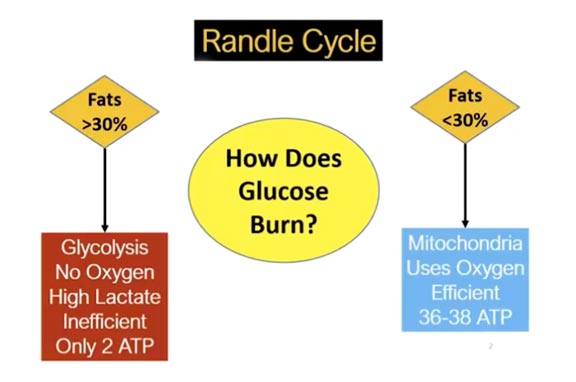
The Randle cycle is going to inhibit the oxidation of glucose in the mitochondria, resulting in weight gain, reduced energy production and other problems. If you’re metabolically impaired, as most people are, your fat intake may need to be as low as 10% to 15% initially, to prevent glycolysis from occurring.
Over time, you can then raise your fat intake to about 30% and still maintain healthy glucose metabolism. Unless you minimize your LA intake and get your total fat content below 30%, you really can’t go high-carb, because the end result is predictable. It’ll lead to diabetes, especially you have high tissue levels of LA, because the glucose cannot be metabolized in your mitochondria and will go to glycolysis instead.
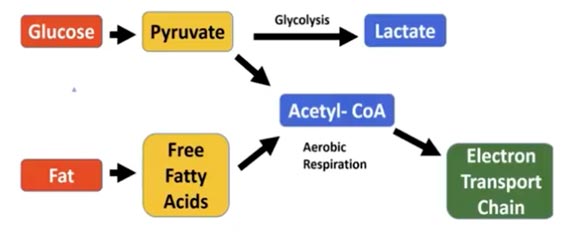
You also cannot load in just any type of carbohydrates. Most grains are loaded with LA and are therefore best avoided. Resistant starches also need to be limited, as they fuel the production of endotoxins in your gut.
The best carbs are ripe fruits. In addition to being a source of carbohydrates, ripe fruits also contain high levels of potassium, which will balance your sodium. Other healthy carbs include white rice and well-cooked potatoes.
Noakes’ Model: Muscle Glycogen Determines Fat Metabolism
Interestingly, in 1999, Noakes did a study showing that it’s not the Randle cycle that determines fat metabolism but, rather, the muscle glycogen content. In other words, the amount of glycogen in your muscles determines how much fat you burn. He explains:
“We made people glycogen depleted, and then we infused glucose. The glucose infusion made no difference. They refused to burn the extra glucose because they were burning so much fat when the glycogen was low.
In fact, I found an old paper [showing] that the best way to normalize your glucose tolerance is to get your muscle glycogen to zero, or as low as possible, and that fits my model.
My model is that when you take carbohydrate, the first thing you do is you try to burn it, so you inhibit fat oxidation, and then you dump it into muscle … and then you’ve got to exercise, get rid of it, and you cannot stop muscle glycogen burning. You cannot.
You can do what you like, it doesn’t stop muscle glycogen use. So, you can infuse glucose at high rates, the muscles will still burn the glycogen. If there’s glycogen in the muscle, it will be burned. And you have to ask why, when there’s so much fat to be oxidized?
So that’s the model that I see. I see the human as being loving to burn fat, and we’ve destroyed that by feeding them linoleic acid and carbs for too long. That’s how I see it.”
Why Strength Training Is so Important
Importantly, muscle glycogen is only used in the muscle. The glycogen cannot be excreted or secreted into your bloodstream. Only glycogen in the liver can do that. This makes a strong case for resistance training and building significant muscle mass. Like me, Noakes switched from running to doing resistance training when he got older:
“I’ve also shifted to weights and resistance training and it’s astonishing. When I look back, the benefits I get as a 74-year-old from resistance training are equal to the benefits I used to get at running as a 20 year old or a 30 year old. Today I can’t get those benefits from running anymore.
You have to change. And I’ve met a lot of endurance athletes who’ve told me that once they crossed 60, they reduced the running or the cycling and moved into resistance training, with huge benefits.”
Life Requires Constant Adaptation
In conclusion, Noakes correctly (and humbly) admits that when it comes to diet and exercise, we cannot make absolute statements that will be correct and always apply to everyone. We have an obligation to experiment and discover what works best for us, in the moment, and realize that what was best a few years ago may no longer be ideal.
To give you a personal example, when I shifted over from high-fat, low-carb to relatively high-carb, low-fat (upping my carbs from 150 grams a day to 400 or 500 grams) I lost 10 pounds, my body fat decreased 3% and my fasting blood sugar went down 10 points.
So, my body was telling me, “This is something I want to do.” It was clear that, from a blood work perspective and biological parameters, I was moving in the right direction. That intrigued me, because I like to test these theories out on myself before I start espousing them to others.
Before that, I was convinced that long-term high fat, low carb dieting was the way to go. My experience told me I hadn’t completely nailed it and needed to refine my recommendations further, which is why I’m now presenting more information about the benefits of higher-carb, lower-fat diets.
The caveat is that you need to be mindful of the types of carbs you add in, and to avoid seed oils. Unless you lower the LA, high-carb is not going to be a good strategy. Also, if you’re not exercising enough, eating 500 grams of carbs is going to be a disaster.
To learn more about Noakes’ work, please visit thenoakesfoundation.org. Also consider sponsoring his research efforts by making a donation, or become a research participant by filling out an anecdotal data collection form.
Omega-3 — A Simple Way to Lower Your Risk of Disease
Reproduced from original article:
https://articles.mercola.com/sites/articles/archive/2023/11/12/omega-3-to-lower-your-risk-of-disease.aspx
The original Mercola article may not remain on the original site, but I will endeavor to keep it on this site as long as I deem it to be appropriate.
Analysis by Dr. Joseph Mercola November 12, 2023
STORY AT-A-GLANCE
- The Omega-3 Index test measures the amount of EPA and DHA, the two long-chain omega-3s found in marine sources, in red blood cell membranes, expressed as a percentage of the total fatty acids in the membrane
- Most Americans have an index of 4% to 5% of EPA/DHA in their red blood cell membranes, and the target is between 8% to 12%. To raise your index from 5% to 8%, you need roughly 1,000 mg to 1,200 mg of EPA/DHA per day
- Higher omega-3 index has been linked to better health across the board, and appears to lower the risk of most, if not all, chronic diseases
- Another ratio commonly referred to is the omega-6 to omega-3 ratio, but this ratio is not nearly as useful or important as the omega-3 index
- EPA and DHA help thin the blood, lower the risk of stroke and heart attack, lower serum triglyceride levels, blood pressure and inflammation, add structural stability to the mitochondrial membrane and aid mitochondrial energy processes
In this video, I interview William (Bill) Harris, Ph.D., an internationally recognized expert on omega-3 fatty acids. He’s been studying omega-3s since 1980 and has published more than 300 scientific papers on fatty acids and health.
Three years ago, he founded the Fatty Acid Research Institute (FARI)1 in South Dakota, which specializes in epidemiological research, where they look at the relationship between blood omega-3 levels and risk for disease. He’s also a faculty member of the University of South Dakota School of Medicine.
“We’re trying to build a case that omega-3 levels in the blood are as, if not more, important than knowing your cholesterol level when it comes to your health and being able to control it,” he says.
The Omega-3 Index
What he’s referring to is the level of omega-3 in your red blood cell membranes. Two decades ago, his team developed a red blood cell membrane-based omega-3 test called the Omega-3 Index. You can take the Omega-3 Index test at their website for only $49.95.
The Index measures the amount of EPA and DHA, the two long-chain omega-3s found in marine sources, in red blood cell membranes, expressed as a percent of the total fatty acids in the membrane.
“We thought that was absolutely the best way to assess your body’s omega-3 status, and so we’ve been using that ever since,” he says. Harris has conducted correlation studies showing the Omega-3 Index test reflects the status of the heart in heart transplant patients, for example. Commenting on the usefulness of the index, Harris says:
“It responds very well to increased intake of EPA and DHA, like a good biomarker should, and higher levels have been linked to better health across the board of a variety of disease conditions, so I think it really is meaningful.”
Higher Omega-3 Consistently Linked to Better Health
Harris goes on to discuss the relevance of epidemiological, population-based studies, which is where you look at large datasets of people. The Framingham Study is one classic example, where they sought to determine why so many men were dying of heart attacks in a Boston suburb in the 1940s.
Healthy men and women were recruited and data were collected on their lifestyles, diet and bloodwork. Participants were then followed for decades, to see who died of heart attack. The Framingham studies developed the concept of risk factors, which for heart attack include high blood pressure and smoking.
In the mid-1970s, offspring of participants in the original Framingham study were recruited for additional research. This is known as the Framingham Offspring Study, and it included Omega-3 Index testing of stored blood samples.
“The people, on average, were about 65 at the time that blood was drawn in the early 2000s. We then asked the question, ‘If you have a high (or low) omega-3 index at that age, does that predict any disease outcomes?’ Yes, it does. It predicts risk for Alzheimer’s disease. It predicts risk for heart disease. It predicts risk for death from any cause.
With higher levels of omega-3, people live longer. That’s a microcosm of the kinds of studies we work on at the Fatty Acid Research Institute because there have been 50 or 60 Framingham-type studies all around the world. [A]lmost all have measured omega-3 levels and disease outcomes. This is our sandbox!”
Download this Article Before it Disappears
What About the Omega-6 to Omega-3 Ratio?
Another ratio commonly referred to is the omega-6 to omega-3 ratio, but Harris doesn’t think this ratio is nearly as useful or important as the omega-3 index. For starters, it’s not very precise because there are other omega-3 fats besides EPA and DHA, such as DPA and ALA.
There are also seven different types of omega-6 fatty acids, and we don’t know a whole lot about them. One exception is linoleic acid (LA), which I’ve written about on many occasions. I also cowrote a paper on LA2 with Christopher D’Adamo, which was published in the peer-reviewed journal Nutrients in July 2023.
“So, when you say omega-6 or omega-3, you don’t really know what the denominator is and what the numerator is, and it presumes that all the omega-3s behave the same and have the same health benefits, and all the omega-6s have the same health benefits or detriments, which is really not true,” Harris explains.
“That’s not very nuanced in my view, because we’ve seen some studies where some omega-6 fatty acids are apparently good. They’re associated with better outcomes, whereas, others are not. So, to pool them into one metric where you don’t know how it’s made up is another reason I don’t like this particular ratio.
I guess the third one is, you can have a high level of omega-6 and a high omega-3, or a low omega-3 and a low omega-6 and have exactly the same ratio. It’s really the amount that’s there that’s the most important. What we’re lacking in America, or in the West in general, is the long-chain omega-3s. That’s the biggest problem.
I hate to distract from that problem by digging into the omega-6 side of it because some people could say, ‘Well, I can fix my ratio just by eating less omega-6 and not increasing my omega-3,’ and I don’t think that’s going to help.”
The counterargument to that would be that there are enzymes, desaturases and elongases, that take the baseline essential fats — ALA and LA — and convert these precursors into the long chains products, EPA/DHA and ARA, and if you overwhelm the system with LA, you essentially monopolize those enzyme systems and the omega-3 products are harder to make.
If you consume preformed long-chain omega-3s, then that is not an issue, but if you don’t, then excessive omega-6s will prevent the conversion of omega-3. Limiting omega-6 can, in this way, be somewhat helpful, as it allows for the shorter chain omega-3 (ALA) to be converted to the longer chain EPA and DHA. Harris responds:
“That’s true, but there are certain metabolites of even arachidonic acid that are beneficial. For example, lipoxgenase A1 is anti-inflammatory, and prostacyclin prevents platelet aggregation.
There are metabolites of linoleic acid itself that don’t go through arachidonic that have at least beneficial relationships with blood pressure and inflammation. It’s a much more complicated system, I think, than just omega-6 is bad, omega-3 is good. It’s just much more nuanced than that.”
OmegaQuant does offer an omega-6 to omega-3 ratio test called Omega-3 Index plus Omega-6/Omega-3 Ratio. But when it comes to addressing a bad ratio, Harris still believes the best way to do that is to increase your EPA and DHA intake, as opposed to merely lowering your omega-6 intake.
Why Omega-3s Are so Beneficial to Health
So, what is it about omega-3 EPA and DHA that makes them so important for health? In summary, these fatty acids:
| Help thin the blood, which discourages inappropriate clotting that can lead to a stroke or heart attack |
| Lower serum triglyceride levels |
| Help lower blood pressure, in part by improving the health of the lining of your blood vessels so that they can relax better |
| Have several anti-inflammatory effects — For example, provided you have enough EPA and DHA in your membranes, when an inflammatory insult occurs, metabolites of the EPA and DHA — resolvins and protectins — will be synthesized. As their names imply, these metabolites help protect against and resolve inflammation. If you do not have sufficient omega-3, the inflammatory response persists longer and can become chronic |
| Help the mitochondrial membrane process energy — Improving the fluidity and flexibility of the mitochondrial membrane allows enzymes and the other proteins embedded in the membrane to operate more smoothly |
| Add structural stability to cell membranes throughout the body — Importantly, if the membrane is loaded with monounsaturated or saturated fats, the omega-3 cannot get in there. The membrane will then be stiffer in that area, which impedes the activity of essential receptors, enzymes, transporters and other proteins that control the flow of nutrients into and waste products out of the cell.
With the proper amount of omega-3, the membranes allow these agents to move freely, making everything work as it should |
Why Fish Oil Is Not an Ideal Omega-3 Source
While most reach for fish oil to increase their omega-3 level, this isn’t the best choice. In fact, most “fish oils” on the market today are actually synthetic ethyl esters, which are different from the triglyceride and phospholipid forms omega-3 found in sea foods, which are roughly 50/50 triglycerides and phospholipids. Krill oil also delivers omega-3 primarily in the phospholipid form. Harris explains:
Yesterday I spoke to a few hundred people at the Documenting Hope Conference in Orlando and was able to share my latest insights on how to optimize your health and prepare for the next crisis. I was surprised that people fly in from around the world to see me.
“Yes, there are two natural forms. The omega-3s are found in triglycerides, which we classically think of as oils. A triglyceride has three fatty acids on each molecule. Typically, in most fish that are rich in omega-3, one of those three will be EPA or DHA, so about 30% of the fish oil will be omega-3. That’s the triglyceride.
The other natural form that marine omega-3s are found in is phospholipids. Phospholipids are the primary constituents of cell membranes, and it’s in the cell membrane where the omega-3s do their primary work.
There are two spots for fatty acids on a phospholipid, and it depends on the fish, but typically about maybe 20% to 30% of the phospholipids have EPA and DHA. Those two forms are natural. You get both triglycerides and phospholipids when you eat a salmon steak or any other “oily” fish; these are the highest in omega-3.
The ethyl ester is a completely synthetic product. It starts out as a raw fish oil. That’s where that EPA and DHA molecules comes from in the first place, but at the refinery, all the fatty acids get chopped off of the triglyceride backbone. Then they throw away the monounsaturates, the saturates and the small amount of omega-6s, and that leaves the omega-3s by themselves.
The omega-3s have to be hooked to something before encapsulation, and so the favorite thing is to hook them up to ethanol (alcohol) to make “ethyl esters.” When all they have in the vat is now omega-3 ethyl esters, then they can pack more EPA and DHA into each capsule, so the concentration is higher.
Virtually all of the pharmacologic products that are omega-3-based are ethyl esters, and they have been used since the mid-1990s. But there is nothing “natural” about an ethyl ester.
I guess there’s debate on how effective they are. We do know that if you take the ethyl ester on an empty stomach, you’re not really going to absorb it. They’re very poorly absorbed.
Their absorption can be improved if you take the ethyl ester with a fatty meal, because that will stimulate the digestive juices and allow some of it to be absorbed, but it’s not the best form for absorption. Triglycerides and phospholipids are much better forms for absorption.”
Are Ethyl Esters Beneficial?
In the Italian GISSI-Prevenzione Trial,3 published in 1999, heart attack survivors were given one capsule of Omacor (an ethyl ester form with 840 mg of EPA+DHA per 1 g capsule) a day. After two to three years of follow-up, they reported a tremendous drop in cardiovascular death and all-cause mortality.
However, there was no placebo group. They merely compared it to standard of care. It was also an open-label trial, with no objective assessment of compliance.4 Moreover, the study was funded by companies that sell the product, so there’s a conflict of interest there that may have influenced the results.
Indeed, since then, several studies have used Omacor (or Lovaza, the US version) and have produced mixed results. Some showed no benefit at all, others were positive. An example of the latter is the REDUCE-IT Study, which used an EPA-only ethyl ester called Vascepa, made by Amarin. Patients at high risk for heart disease were given 4 grams a day.
Compared to placebo, at the five-year mark, the treatment group had a 25% lower risk of cardiovascular disease, nonfatal heart attacks and all-cause mortality. That was a very positive outcome. However, the placebo was an indigestible mineral oil, which may have confounded results. Did Vascepa really improve health, or did the “placebo” increase the risk of cardiac events?
“That’s been hotly debated,” Harris says. “Of course, if your placebo really is harmful, even if your drug does nothing, it will look like the latter is doing great because it’s doing better than the placebo, which is supposed to be neutral.
Well, there is considerable evidence now that at least some of the apparent benefit of the EPA ethyl ester was derived from a worsening of outcomes in the placebo group. Taking 4 grams, almost a teaspoon of mineral oil a day for five years, well, that’s just not natural at all.”
See Me Speak Live in Miami Next Sunday
Next Sunday I will be speaking at the Everything Matters Event in Miami. It will be a very small event of only a few hundred people at the Sacred Space in Miami and we will be diving deep into the world of quantum healing and spiritual connection. For the first time ever I will be sharing my spritiual journey and my latest insights on how to optimize your health through bioidentcal progesterone therapy that I just learned last week and am using myself to balance my hormones.
It is a rare opportunity to hear me speak as the next time I am scheduled to speak will be at Biohacking in June next year. You will also have an opportunity to have dinner with me on Sunday evening. And one of the biggest surprises is that the tickets for this event are 95% less expensive than Biohacking. The dinner and admission is only $200 next week and is $5000 at Biohacking. My guess is that tickets for the event will sell out today.
So come and see me speak live and have dinner with me next Sunday at the Everything Matters Event in Miami. You can enjoy the warm weather and sunshine with temperatures projected to be 82 for a high and 72 for a low in lovely south Florida. It will likely be the last opportunity to hear me speak before the next crisis hits. Hope to see you there.
How Much Omega-3 Do You Need?
So, in summary, the best sources of omega-3 DHA and EPA are cold-water fatty fish like wild-caught Alaskan salmon (farm-raised salmon has omega-3 but in lower amounts than it used to since farmers have been adding vegetable oils to the salmon feed), mackerel, herring, sardines and krill oil.
The next question is, how much do you need for optimal health and disease prevention? This brings us back to the Omega-3 Index. Most Americans have an index of 4% to 5% of EPA/DHA in their red blood cell membranes, and the target is thought to be between 8% and 12%.
From Harris’ studies, raising your index from 5% to 8%, you need roughly 1,000 mg to 1,200 mg of EPA/DHA per day. As for the ratio of EPA to DHA, Harris says the general recommendation is either a 60-to-40 or 40-to-60 mix. “Just don’t do a 10-to-90 mix.” The ratio is a nonissue if you’re getting your omega-3s from fatty fish, which provide these fatty acids in a fairly balanced amount.
“Personally, I try to eat fish a couple of times a week,” Harris says. “But I don’t always succeed, so I do what a lot of people do. I take a supplement. I take about 1,400 mg a day, EPA and DHA.”
The best way to determine the dose you need is to do an Omega-3 Index test, available from OmegaQuant. It’s a dried blood spot test and the kit is sent to your home. The basic test is about $50, and you get your results about five days after it’s received in the lab. After a few months of supplementing, retest to see where you’re at, and adjust your dose accordingly. In closing, Harris notes:
“Again, my mantra is the Omega-3 index. EPA and DHA [levels] are what need to be improved, need to be increased. It’s not a silver bullet, but it’s one thing you CAN do something about cheaply, safely, easily, quickly. There’s not a disease yet that we’ve seen that has not benefited from having a higher omega-3.”
NAFLD Has Become a Health Emergency Among Children
Reproduced from original article:
https://articles.mercola.com/sites/articles/archive/2023/10/31/nafld-health-emergency-children.aspx
The original Mercola article may not remain on the original site, but I will endeavor to keep it on this site as long as I deem it to be appropriate.
Analysis by Dr. Joseph Mercola October 31, 2023
STORY AT-A-GLANCE
- NAFLD is characterized by excess fat buildup in your liver. Without proper treatment, it can lead to serious liver problems including nonalcoholic steatohepatitis (NASH), which causes inflammation and fibrosis, or scarring of the liver. NAFLD also increases the risk of other health conditions, including cardiovascular disease
- The first documented cases of nonalcoholic fatty liver disease (NAFLD) didn’t come about until 1980. Today, NAFLD affects 32.4% of people globally, and it’s the most common cause of liver transplant in adults under the age of 50
- NAFLD also affects up to 9.6% of American children aged 2 to 19, making it as common as asthma. In 15- to 19-year-olds, prevalence is as high as 17.3%. Prevalence among children 0 to 17 has risen 168.3% since 2017, with a particularly precipitous rise starting in 2020
- The dramatic rise in NAFLD in early 2020 may in part be due to the COVID lockdowns, which had the effect of raising childhood obesity rates by 8.3% to 13.4%, depending on the age group
- Maternal obesity and high consumption of diet soda and/or junk food during pregnancy have both been linked to NAFLD in offspring, and one theory is that artificial sweeteners may be programming the metabolism of the fetus to favor fat storage over energy production
Fatty liver disease used to be a disease seen almost exclusively in the elderly, primarily heavy drinkers. The first documented cases of nonalcoholic fatty liver disease (NAFLD) didn’t come until I was in medical school in 1980.1 At the time, the researchers described it as a “hitherto unnamed liver disease of unknown cause.”
In June 2023, scientists proposed rebranding NAFLD to “metabolic dysfunction-associated steatotic liver disease,” to highlight its relation to other metabolic conditions such as diabetes. What connects all metabolic conditions is that your body is not converting food to energy in an efficient manner.
In the video above, independent health researcher Jay Feldman investigates the true causes of NAFLD. This is Part 2 of an eight-part series. It’s like a master’s course on NAFLD, as he goes over virtually everything you could possibly want or need to know about it. If you or someone you know is currently struggling with NAFLD, I strongly encourage you to view all eight episodes.
In the featured episode, he explains why fructose is NOT the main culprit as commonly thought, how your liver produces fat from both fructose and dietary fats, and how impaired energy production in your mitochondria results in NAFLD.
What Is NAFLD?
NAFLD is characterized by excess fat buildup in your liver. Without proper treatment, it can lead to serious liver problems including nonalcoholic steatohepatitis (NASH), which causes inflammation and fibrosis, or scarring of the liver.
NASH may lead to cirrhosis, which increases the risk of liver cancer, and end-stage liver disease. NAFLD also increases the risk of other health conditions, including cardiovascular disease, which is the No. 1 cause of death in people with NAFLD. NAFLD often has no symptoms, although it may cause fatigue, jaundice, swelling in the legs and abdomen, mental confusion and more.
Your liver carries out more than 500 functions that are essential for health. This includes the production of bile (which breaks down dietary fats and carries away waste), converting excess glucose into glycogen, and regulating amino acids in the blood. It’s also important for detoxification, helping to clear your blood of toxins.
The good news is that your liver, more than almost any other tissue in your body, has phenomenal regeneration capabilities. Even if 90% of it has been removed, it can regrow to its normal size. NAFLD can also be successfully reversed in its early stages via lifestyle changes, like healthy eating and exercising.
NAFLD Prevalence Has Skyrocketed
Today, NAFLD affects 32.4% of people globally,2 and it’s the most common cause of liver transplant in adults under the age of 50.3 NAFLD also affects up to 9.6% of American children aged 2 to 19,4 making it as common as asthma.5 In 15- to 19-year-olds, prevalence is as high as 17.3%.6
What’s particularly strange is that the skyrocketing prevalence in children and teens is quite new. As illustrated in the graph below from Trilliant Health,7 prevalence of NAFLD has risen 168.3% since 2017, with a particularly precipitous rise starting in 2020.
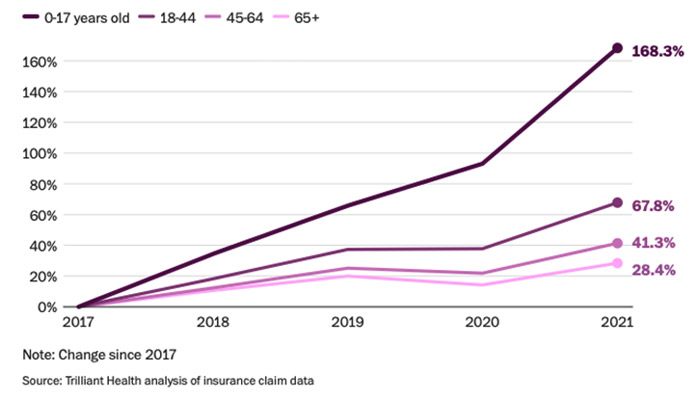
Download this Article Before it Disappears
Obesity Is a Primary Risk Factor for NAFLD
As reported in a March 2021 paper on pediatric NAFLD:8
“The largest risk factor for NAFLD is obesity. Obesity and NAFLD in children are often associated; however, they are not concomitant.
In a 2019 study in 408 children with obesity using whole liver magnetic resonance imaging–proton density fat fraction, the prevalence rate of NAFLD was 26.0%, or roughly one in every four children. In the Teen LABS study of adolescents with obesity severe enough to warrant weight loss surgery, the prevalence rate of NAFLD was higher at 59%.”
The dramatic rise in NAFLD in early 2020 may in part be due to the COVID lockdowns, which had the effect of raising childhood obesity rates by 8.3% to 13.4%, depending on the age group.9
Artificial Sweeteners May Impair Metabolism
That said, NAFLD also occurs in an estimated 8% of normal weight children.10 Inherited predisposition may be part of the problem. But the environment in utero can also influence a child’s risk of NAFLD,11 and this is a far more likely explanation for the recent explosion in prevalence among children.
Maternal obesity and high consumption of diet soda and/or junk food have both been linked to NAFLD in offspring. Artificial sweeteners may be programming the metabolism of the fetus to favor fat storage over energy production.
Maternal obesity and high consumption of diet soda and/or junk food during pregnancy have both been linked to NAFLD in offspring, and one theory is that artificial sweeteners may be programming the metabolism of the fetus to favor fat storage over energy production.12
Babies are also routinely fed unnaturally high amounts of sweeteners in infant formula and baby food. In recent years, the baby formula industry has started marketing formula made with corn syrup solids instead of lactose from cow’s milk. It’s said to be better for babies with sensitivity to lactose.
However, recent research13 suggests formula made with corn syrup solids significantly increases your child’s risk of obesity by age 4, and by extension NAFLD, and those who consume the highest amounts of formula have the highest risk.
So-called “transition formula” and “toddler milk” also contain higher amounts of sugar than regular cow’s milk. Both products are pure marketing inventions that have no nutritional basis. Meanwhile, research14 has shown that consumption of unsweetened cow’s milk is associated with a lower risk of NAFLD.
The Role of Diet
Indeed, our modern diet is probably the most important driver of this condition. As reported by The Washington Post:15
“… many doctors believe that our modern lifestyle — diet, the increase in sedentary activities related to technology and environmental exposures — is to blame. One of the liver’s jobs is to filter toxins, and when something in the body is out of balance, the organ can become damaged and fail …
A little fat in the liver is normal, but when more than 5% of its cells contain fat, the organ’s ability to do its job is impeded, and pediatric specialists say some children they treat have livers with 30 to 40% or even as high as 60% fat …
Some pediatric experts theorize there’s a mismatch between our genetics and the highly processed and sugary foods that have come to dominate childhood diets.
Nutritional surveys show that meals eaten by kids changed radically in a generation, going from very little ultra-processed foods in the early 1980s … to more than 67%16 in recent years. Such diets lead to hormonal changes and other stresses on our bodies.
‘It creates a time bomb, and it is killing our kids,’ said Barry M. Popkin, a professor of nutrition at the Gillings School of Global Public Health at the University of North Carolina at Chapel Hill.”
The Washington Post goes on to cite a January 2022 systematic review17 that found “a parallel but delayed rise” in noncommunicable diseases with rising prevalence of ultraprocessed foods.
Between 1800 and 2019, processed and ultraprocessed foods rose from less than 5% to more than 60%. This radically altered the macronutrient content of our diets. Sugar and seed oil (or “vegetable oil”) consumption rose dramatically, while saturated fat from animals dropped.
Ditch the Fast Food to Protect Your Child’s Health
Of these, I believe the transition from saturated animal fats to seed oils has played the biggest role. As detailed in “Linoleic Acid — The Most Destructive Ingredient in Your Diet,” seed oil is the primary source of linoleic acid (LA), which destroys your mitochondrial function.
I’m convinced excessive LA consumption is the biggest contributor to chronic disease in the Western world, including NAFLD. To understand how LA undermines your health, and that of your children, please read through that article and watch the video included in it. Both provide a comprehensive overview of how LA drives chronic disease of all kinds.
To avoid LA, you’ll need to avoid processed foods, fast foods and most restaurant foods, and focus on real, whole, organically grown foods instead. Processed foods are also routinely contaminated with glyphosate, which can contribute to liver problems. Disturbingly, recent testing revealed 95% of school lunch items had detectable levels of glyphosate,18 so, if at all possible, provide your child with homemade lunches.
A shocking 100% of meals also contained heavy metals at levels up to 6,293 times higher than the maximum levels allowed in drinking water. Meanwhile, most of the meals were “abysmally low” in essential nutrients.
Fast food also contains extremely low amounts of essential nutrients, especially B vitamins. In fact, zero amounts of vitamin B9 or B12 were detected in the top 10 fast foods sampled.19
That’s rather remarkable, considering B12-rich foods include beef and chicken, both of which are staples in fast food, yet fast food beef and chicken provide no B12 at all! If that doesn’t convince you that fast food meat is nowhere near the same as grass fed organic meat, I don’t know what will.
Fatty liver can also be driven by excess sugar when, in addition to seed oils, you are consuming more than 35% or so of your calories as fat. This is likely why this condition is now found even in young children.
Nutrients That Help Combat NAFLD
Upping your intake of specific nutrients can also be helpful if you have NAFLD. Examples include:
| Choline — Choline is important for normal liver function and liver health by moving fat out of your liver. It also helps maintain membrane integrity and manages cholesterol metabolism, including low density lipoproteins (LDL) and very low-density lipoproteins (VLDL). Choline deficiency has been shown to enhance abnormal fat deposits in your liver, causing NAFLD.20
In fact, some experts believe NAFLD is largely the result of shunning choline-rich foods like liver and egg yolks,21 which is then worsened by consuming too much LA. You can increase your intake by consuming more choline-rich foods, such as organic pastured egg yolks, grass fed beef liver, wild-caught Alaskan salmon and krill oil. Arugula is also an excellent source. |
| Vitamin B12 and folic acid may also be protective and have been found to decrease the progression of NASH.22 |
| Niacinamide, also known as nicotinamide (NAM) — Niacinamide is a precursor to nicotinamide adenine dinucleotide (NAD+), a vital signaling molecule that’s believed to play an important role in longevity. Supplementation has also been found to decrease oxidative stress and prevent fatty liver.23 |
| N-acetylcysteine (NAC) — NAC is a precursor needed for glutathione biosynthesis. It’s used as an antidote for acetaminophen toxicity, which causes liver damage by depleting glutathione. Research published in Hepatitis Monthly has shown NAC supplementation helps improve liver function in patients with NAFLD.24 |
| Milk thistle — This herb contains silymarin and silybin, antioxidants that are known to help protect your liver from toxins and even help regenerate liver cells.25 |
| CoQ10 — CoQ10 keeps your mitochondria healthy and plays a crucial role in the production of ATP, the cellular energy required to keep you alive. Supplementing with CoQ10, or the natural form called ubiquinol, has been shown to improve NAFLD by reducing oxidative stress and inflammation.26 |
Remember that supplements should always be used in combination with a healthy lifestyle, including eating right and exercising. If you’re overweight, losing 7% to 10% of your body weight can improve NAFLD, including lowering liver fat content, liver inflammation and fibrosis.27
- 1, 5, 7, 12, 15 Washington Post October 3, 2023 (Archived)
- 2 The Lancet Gastroenterology & Hepatology September 2022; 7(9): 851-861
- 3, 4, 6, 8, 10, 11 Clinical Liver Disease March 2021; 17(3): 196–199
- 9 JAMA 2021;326(14):1434-1436
- 13 American Journal of Clinical Nutrition October 2022; 116(4): 1002–1009
- 14 Frontiers in Nutrition 2023; 10: 1119118
- 16 JAMA 2021;326(6):519-530
- 17 Frontiers of Nutrition January 13, 2022
- 18 Moms Across America September 28, 2022
- 19 Moms Across America October 18, 2023
- 20 Oregon State University Linus Pauling Institute
- 21 chrismasterjohnphd.com November 23, 2010
- 22 Journal of Hepatology, 2022; doi: 10.1016/j.hep.2022.06.033
- 23 The Journal of Nutritional Biochemistry May 21, 2022
- 24 Hepatitis Monthly, 2010; 10(1):12
- 25 Indian J Biochem Biophys. 2006 Oct;43(5):306-11
- 26 Journal of Prescribing Practice. 2020;2(4)
- 27 Curr Obes Rep. 2019 Sep; 8(3): 220–228
Are Your Adrenal Glands Affecting Your Thyroid?
Reproduced from original article:
https://articles.mercola.com/sites/articles/archive/2023/10/26/adrenal-glands-thyroid.aspx
The original Mercola article may not remain on the original site, but I will endeavor to keep it on this site as long as I deem it to be appropriate.
Analysis by Dr. Joseph Mercola October 26, 2023
STORY AT-A-GLANCE
- One of the primary functions of your thyroid is to produce hormones — thyroxine (T4) and triiodothyronine (T3) — that regulate your metabolic rate
- Elevated reverse T3 (rT3) may be a sign of nutrient deficiency, because when there’s a scarcity of nutrients, your body is forced to slow down metabolism
- Your adrenals produce more than 50 hormones, including cortisol, aldosterone and adrenaline. Like thyroid hormones, these hormones play important roles in your metabolism
- Weeklong fasting significantly deteriorates thyroid function, as do low-carb eating and time-restricted eating (TRE). All three of these strategies will activate your adrenals, trigger cortisol release and down-regulate your thyroid function and metabolism
- Fatigue and low energy are commonly blamed on “adrenal fatigue,” but more often than not, cortisol production is normal. It’s just that the cortisol is being degraded and/or too much is being converted into inactive cortisone, and instead of converting back to cortisol, the cortisone is metabolized into metabolites. Inflammation, obesity and other factors associated with poor health accelerate these conversions
In the video above, independent health researcher Jay Feldman, who specializes in the bioenergetic theory of health, reviews how to analyze and assess your thyroid function using a combination of blood work and symptoms such as body temperature and pulse rate. He also discusses the causes of Hashimoto’s hypothyroidism, which is an autoimmune condition that causes impaired thyroid function.
Jay is my recommended teacher to learn more about Ray Peat’s bioenergetic medicine and how it impacts every aspect of your health, from, thyroid health, energy levels, weight and blood sugar control, and virtually every chronic illness. I would strongly recommend visiting his YouTube channel and watching all of his podcasts, but start from the beginning, rather than watching the most recent first.
Below, another video by Dr. Peter Attia provides a comprehensive overview of your endocrine systems, which include your thyroid, adrenals and sex hormones. He reviews the basic biology and feedback cycles that regulate hormone production, as well as the possible treatments for deficiencies, such as hormone replacement therapy (HRT).
My summary of these two videos will focus primarily on the thyroid and adrenal systems. For additional details not covered here, I highly recommend viewing the videos.
Thyroid Basics
Your thyroid is a butterfly-shaped gland located at the front of your neck just below your larynx (Adam’s apple). The two lobes are located on either side of your trachea (windpipe). One of the primary functions of your thyroid is to produce hormones — thyroxine (T4) and triiodothyronine (T3) — that regulate your metabolic rate.
Your thyroid is regulated by thyroid-stimulating hormone (TSH) produced in your pituitary gland, located at the bottom of your brain. TSH tells your thyroid how much hormone to secrete, in response to your body’s needs. As circulating T4 drops, TSH rises and when T4 rises, TSH goes down. When everything is working as it should, this maintains a stable level of T4 in your body.
Your pituitary also responds to thyrotropin-releasing hormone (TRH) released from your hypothalamus, which is located just above the pituitary gland. This network is known as the hypothalamic-pituitary-thyroid axis (HTP), and it adapts to the ever-changing metabolic changes and needs of your body.
Thyroid Testing
While a complete discussion of thyroid testing is beyond the written part of this article, I strongly encourage you to review Jay’s excellent comments on thyroid testing in his video above. Some of the highlights are that typically TSH is used to diagnose thyroid disease but it is frequently misused for the reasons Jay lists in his video.
TSH is only reliable to diagnose hypothyroidism and when your TSH is high, it means you very likely have hypothyroidism. However, when you lower your TSH this does not mean your thyroid dose is correct. It is a mistake to use TSH as an indicator of sufficiency of your thyroid hormone replacement. You need other lab tests and monitoring of clinical symptoms to make this assessment.
Download this Article Before it Disappears
Treating Hypothyroidism
One of the ways you can differentiate a natural medical doctor from a conventional medical doctor is the type of thyroid replacement they use. Virtually all conventional physicians prescribe T4 which is thyroxine and the brand name is Synthroid. This does not have any T3. Most natural medical physicians will prescribe a combination of T4 and T3 or use a desiccated thyroid preparation.
However the next step up would be the approach of a bioenergetic clinician that would not use any thyroid hormone until they addressed the reason why the person was hypothyroid in the first place.
Let me give you an example. One of my best friends is clinically hypothyroid. She has an elevated cholesterol level which is a very common symptom and before thyroid testing evolved was used to diagnose hypothyroidism. She also had delayed deep tendon reflexes which is another common symptom.
One could easily justify putting her on thyroid replacement therapy but that would be a mistake. Why? Because she is underweight as her hypothyroidism is a result of not getting enough calories. When you fail to give your body the amount of calories it needs it will slow down your metabolic rate. Giving her thyroid hormone will dramatically worsen her health as she will be overriding her body’s protective reflex to keep her alive.
Understanding the Function of Thyroid Hormones
T4 is an inactive prohormone and T3 is the active hormone. The “3” and “4” refers to the number of iodine molecules each has. T4 makes up most of the hormones produced by your thyroid. Enzymes called deiodinases in your liver and kidneys then convert the T4 into active T3.
As the name implies, deiodinases remove iodine molecules, so they convert the T4 to T3 by removing an iodine molecule. There are three deiodinases, named D1, D2 and D3. D1 and D2 convert T4 to T3; they just do it in different areas of the cell. D3, however, converts T4 into reverse T3 (rT3).
Reverse T3 will occupy the same receptors but won’t activate them. As a result, rT3 blocks the beneficial effects of T3. Typically, having elevated levels of rT3 is a sign of chronic inflammation and other disease processes.
As explained by Attia, rT3 is very similar to regular T3. The difference is, it does not activate the receptors that T3 activates. So, rT3 will occupy the same receptors but won’t activate them. As a result, rT3 blocks the beneficial effects of T3. Typically, having elevated levels of rT3 is a sign of chronic inflammation and other disease processes.
According to Attia, high rT3 may also be a sign of nutrient deficiency, because when there’s a scarcity of nutrients, your body is forced to slow down metabolism. By blocking active T3, metabolism slows and growth processes are inhibited, because those processes require a lot of energy and there’s not enough energy available.
The Importance of Measuring rT3
Attia also points out that assessing your thyroid function based on TSH alone can be misleading. If T4 is being shunted into rT3 rather than T3, you’ll end up with symptoms that are near-indistinguishable from hypothyroidism, or low thyroid function, but the underlying mechanism is different and hence the treatment can backfire.
The problem is that hypothyroidism is typically treated with synthetic T4 supplementation, with the assumption that most people will convert that T4 into T3, via the D1 and D2 enzymes. As T3 increases, it will provide all the associated health benefits, while also suppressing TSH and TRH, thereby bringing everything back into homeostasis.
However, in some cases this doesn’t work. The patient takes T4 hormone, yet feels worse, even if TSH improves. In this case, the T4 may simply be converted into rT3 by way of D3 enzyme, which is the exact opposite of what you want. As rT3 rises, the beneficial effects of T3 are blocked, growth and development is inhibited and metabolism slows to a crawl. Hence, the reason you’re feeling so lousy.
Inflammation and insulin resistance are two factors that tend to drive this state. In cases like this, it may be far better to take T3, as that will bypass the erroneous conversion from T4 to rT3. T3 is available either as a compounded slow-release T3 formula, or as desiccated thyroid, which contains both T3 and T4.
Adrenal Gland Basics
Your adrenals are two triangular-shaped glands situated on top of each kidney. They produce more than 50 hormones, including cortisol, aldosterone and adrenaline. Like thyroid hormones, these hormones play important roles in your metabolism.
The primary differences between the two are that adrenal hormones regulate your physical and mental responses to stress, and affect your mood, immune function and blood pressure, while thyroid hormones regulate your body temperature, energy and tissue growth.
While many bodily systems can be assessed using blood tests, there are no blood tests that can give you an accurate picture of your adrenal function. While cortisol is frequently tested using blood, what’s being measured is your total cortisol, which includes both free and bound cortisol.
Most of the cortisol in your body is bound to various proteins and does not exert biological activity, so “high cortisol” on a blood test doesn’t tell you much. What matters is the free cortisol because that’s what has biological activity. One of the best tests for this is a urine test (DUTCH test), taken several times over 24 hours.
The DUTCH test will measure the amount of free cortisol, cortisone and their metabolites, alpha-tetrahydrocortisol (a-THF), beta-tetrahydrocortisol (b-THS) and tetrahydrocortisone (THE). These metabolites are important because that’s how you can assess your adrenal output.
Adrenal Fatigue Is Rare
Fatigue and low energy are commonly blamed on “adrenal fatigue,” the idea being that your adrenal output of cortisol can become insufficient from long-term stress. According to Attia, this is rarely the case, even if free cortisol is low, and you can tell that by the metabolite levels.
Cortisol production is often normal, but the cortisol is either a) being degraded, b) too much of it is being converted into inactive cortisone, or c) instead of converting back to cortisol, the cortisone is metabolized into THE.
Enzymes called reductases regulate the conversion of cortisol and cortisone into their respective metabolites. Inflammation, obesity and other factors associated with poor health accelerate these conversions.
So, if you are feeling lousy and have no energy but your cortisol and cortisone metabolites indicate that production of these hormones is normal, then you need to address the underlying factors, i.e., the obesity, insulin and leptin resistance, and inflammation.
Low-Carb and Fasting Are Ill-Advised
As noted by Attia, weeklong fasting significantly deteriorates thyroid function, and that can be explained by the lack of nutrients during a fast. While he does not address this, the same applies to low-carb eating and time-restricted eating (TRE). All three of these strategies will activate your adrenals, trigger cortisol release and down-regulate your thyroid function and metabolism.
So, while low-carb and various fasting regimens can be helpful in the short term to address extreme obesity, I now believe there are safer, albeit slower, ways to address that.
As explained in “Important Information About Low Carb, Cortisol and Glucose,” elevated cortisol is highly problematic, as it breaks down your lean muscle, bones and brain to make amino acids that your liver then converts to glucose. It also promotes inflammation and is a primary driver of aging.
If cortisol is chronically elevated, you will likely die prematurely, as it is highly catabolic, meaning it will break down your body tissues. Cortisol is released when your body doesn’t have enough glucose available, so it’s important to eat enough healthy carbs and not deprive your body of glucose for extended periods.
Are Your Adrenals Affecting Your Thyroid?
Your thyroid and adrenals work in tandem, so dysfunction in one can affect the other. For example, if you have low thyroid function and your adrenals aren’t producing enough cortisol, it can worsen your symptoms. Since both are involved in metabolism, dysfunction in either your thyroid or adrenals can also produce very similar symptoms, such as fatigue, memory impairment and low mood.
In the video above, Dr. Jinaan Jawad, a specialist in chiropractic and functional medicine, reviews how adrenal dysfunction can affect your thyroid function. Jawad likes to think of your adrenals as the “battery backup” for your thyroid. If your adrenals are overtaxed, your thyroid function will suffer.
If you’re hypothyroid and on hormone replacement therapy, yet still experience symptoms of low thyroid function, you could be shutting down too much cortisol. To address this, Jawad recommends avoiding adrenal stimulators, such as:
| Coffee, soda, energy drinks and other caffeinated and/or stimulating beverages |
| Refined sugars, high fructose corn syrup and artificial sweeteners. Jawad also recommends avoiding fruit, which I do not, for reasons I’ll review later |
| Nicotine |
| Alcohol |
| Any food you have an allergy or sensitivity to (example: dairy, wheat, corn, gluten or shellfish), as these foods will cause a release of histamine and inflammatory chemicals that active your fight-or-flight response |
| Seed oils (partially hydrogenated fats high in omega-6 linoleic acid) and any food made with them, which includes most processed and fast food. Examples include cottonseed oil, corn oil and canola oil. All of these oils inhibit adrenal hormone synthesis |
| Excessive exercise, as this keeps your body locked in fight-or-flight response |
Adaptogens for Adrenal Support
If you’re struggling with persistent stress, certain adaptogenic herbs can be useful. Adaptogens are unique in that they help your body adapt to stress, in part by regulating hormones and improving your immune function. Five of the most well-recognized adaptogens for adrenal support are:
• Ashwagandha, which helps your body adapt to stress by balancing your immune system, metabolism and hormonal systems. The root contains the highest concentration of active ingredients that modulate hormones, including thyroid hormone, estrogen, progesterone and testosterone.
• Rhodiola, which has been shown to be particularly beneficial for your nervous system. It has antidepressant and anti-anxiety benefits, and has been shown to reduce symptoms of burnout associated with work stress. Its energy and vitality-boosting effects can have clear benefits for those struggling with chronic fatigue. As an added boon, it tends to be fast-acting.
• Asian (Panax) ginseng — Like ashwagandha, Asian ginseng impacts thyroid hormones. More specifically, it contains properties that block production of excessive amounts of rT3. A study looking at the impact of ginseng injections found it produced healthy increases of T3 and T4 and a reduction in rT3.1
• Siberian ginseng (Eleutherococcus senticosus) — Its active components are called eleutherosides, which are thought to stimulate your immune system. Like Asian ginseng, Siberian ginseng is an adaptogen that’s traditionally been used to increase energy, stimulate the immune system and increase longevity.
It also has mild antidepressive effects, and is useful for insomnia, behavioral and memory problems, and has been shown to improve exercise endurance by improving oxygen utilization in your body.
• Tulsi — Highly revered in India for over 5,000 years, tulsi, also known as holy basil, has been valued for its many health-promoting properties. This herb is said to purify the mind, body and spirit, and has been cherished for its protective and uplifting nature.
Tulsi tea is an antioxidant-rich beverage with a complex and unique chemistry. It contains hundreds of beneficial phytochemicals — non-nutritive plant compounds with protective and health promoting properties. Working together, these compounds have adaptogenic and immune-enhancing properties that combat stress, bolster your immune system and promote healthy metabolism, including helping your body maintain an optimal level of blood sugar.