Cortisol
now browsing by category
Constantly Exhausted? Don’t Blame ‘Adrenal Fatigue’
Reproduced from original article:
https://articles.mercola.com/sites/articles/archive/2026/07/02/adrenal-fatigue-exhaustion.aspx
Analysis by Dr. Joseph Mercola July 02, 2026
Story at-a-glance
- Adrenal fatigue isn’t recognized as a real medical condition, but the symptoms people report — chronic exhaustion, salt cravings, brain fog — are very real and deserve closer investigation
- The adrenal glands don’t “burn out” from stress, but persistent overload disrupts your brain’s communication with them, leading to hormone imbalances and daily exhaustion
- Studies show no evidence that fatigue is caused by adrenal impairment; however, chronic stress does impact your hypothalamic-pituitary-adrenal (HPA) axis, affecting energy, sleep, and mood
- Caffeine doesn’t directly damage your adrenal glands, but overuse combined with stress and poor recovery can mimic the symptoms often blamed on adrenal fatigue
- Low energy might not be from your adrenals at all — thyroid issues, iron deficiency, poor sleep, or emotional stress could be the real reasons you’re always tired
Some would refer to this as “adrenal fatigue” — however, there are experts who say there’s no evidence backing up the existence of this condition. Let’s take a closer look to find out what truly causes adrenal fatigue — and how to ward off its symptoms.
What Is Adrenal Fatigue?
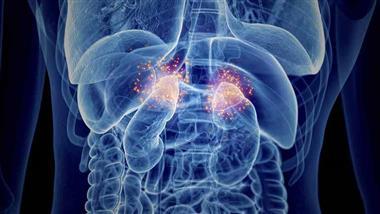
The adrenal glands are two triangular-shaped endocrine glands found on top of your kidneys. They are responsible for producing more than 50 hormones, including cortisol, adrenaline, and aldosterone. These adrenal hormones primarily regulate your physical and mental stress responses. They influence your metabolism, mood, immune function, and blood pressure. An article by LifeWorks Wellness Center explains:
“The adrenal glands help the body deal with any kind of stress — from emotional stress, to financial problems, to physical threats and relationship problems. They also play a major role in the body’s response to danger — the ‘fight or flight’ response which mobilizes the body’s resources to react to threat.”1
• Adrenal fatigue is said to occur when there’s too much stress — Excessive chronic stress “overstimulates” the adrenal glands, causing them to slow down. This could refer to physical, mental, or emotional stress. When the adrenal glands can no longer mount an adequate response, it’s referred to as adrenal fatigue.2
• What are the reported symptoms of adrenal fatigue? Tiredness or exhaustion is the primary symptom associated with this condition. Other symptoms vary, such as food cravings, difficulty recovering from sickness, foggy thinking, and having a hard time getting out of bed in the morning.3
• However, adrenal fatigue is not recognized as a legitimate medical condition — While the symptoms are all real, there is no solid scientific evidence to back up this theory.4 Dr. Raj Dasgupta, chief medical advisor for Garage Gym Reviews, explains:
“Adrenal fatigue is a term inappropriately used to explain feeling constantly tired, stressed, or burnt out. Adrenal fatigue is not a real medical diagnosis and multiple studies have shown that adrenal fatigue is not a medical condition. The adrenal glands don’t ‘wear out’ the way this theory suggests, and there is no scientific evidence to back it up.”5
A 2016 systematic review published in the journal BMC Endocrine Disorders that looked at 58 studies also found no evidence that adrenal impairment causes fatigue, dubbing this condition “a myth.”6
• There may be a different underlying cause for your symptoms — According to The Hearty Soul, “These symptoms could be caused by many other conditions. Instead of adrenal fatigue, other issues such as thyroid imbalances or iron deficiency could be the underlying cause of these symptoms. Lacking necessary nutrients in your diet may also contribute to persistent tiredness and related health concerns.”7
Don’t Confuse Adrenal Insufficiency with Adrenal Fatigue
One common assumption with adrenal fatigue is that it has something to do with having low cortisol (dubbed as “the stress hormone”). However, this is not an accurate term or concept.
• Cortisol testing does not accurately determine adrenal function — Cortisol is frequently checked through blood tests, but what’s being measured is your total cortisol, which includes both free and bound cortisol. Since most cortisol in your body is bound to proteins and inactive, “high cortisol” levels in blood tests may not be informative. Hence, while blood tests are able to assess many bodily systems, they do not provide a clear picture of adrenal function.
• Adrenal insufficiency is not the same as adrenal fatigue — Adrenal insufficiency is what’s called Addison’s disease. Unlike adrenal fatigue, this is a recognized medical condition that occurs when your body doesn’t make enough cortisol. Learn more about it in this article, “Comprehensive Treatment Options for Addison’s Disease.”
• Addison’s disease is rare but life-threatening — It requires proper treatment and management through hormone replacement therapy, and if not addressed can lead to shock, seizures, and even death. According to Georgi Dinkov, an expert on bioenergetic medicine, “If you have adrenal failure, unless you take cortisol shots you will die from hypoglycemia or Addison’s disease. So, it’s lethal.”
• Unlike adrenal fatigue, there’s a test that can accurately determine Addison’s disease — An adrenocorticotropic hormone (ACTH) test is used to check for problems with your adrenal glands. This test only recognizes extreme underproduction or overproduction of hormone levels, and does not work to check if your adrenal glands are overwhelmed by stress.
‘Adrenal Fatigue’ Could Actually Be a Dysfunction in Your HPA Axis
The fact is that chronic stress alone cannot cause your adrenal glands to stop working. Rather, when adrenal function changes, what’s really going on has to do with the signaling or communication mechanism between your brain and your adrenal glands in response to this chronic stress — not with adrenal gland function alone.
• This signaling system is called the hypothalamic-pituitary-adrenal (HPA) axis — This is your body’s primary stress response system, and is composed of the adrenal glands and the hypothalamus and pituitary glands in your brain. It works by facilitating the release of hormones into your glands to regulate stress responses. One study notes:8
“The HPA axis, the autonomic nervous system (ANS), and the immune system are not systems working apart from each other: they interact extensively in harmonizing the hormonal and inflammatory stress response.”
• Chronic stress keeps your HPA axis stuck in overdrive — The HPA axis is essential for regulating cortisol levels, and when you are stressed, your HPA axis is chronically activated, leading to elevated cortisol levels. When this happens consistently, even low-level but chronic stress will trigger fatigue, anxiety, inflammation, and binge-eating — symptoms commonly attributed to adrenal fatigue. According to an article in Harvard Health:
“Persistent epinephrine [adrenaline] surges can damage blood vessels and arteries, increasing blood pressure and raising risk of heart attacks or strokes. Elevated cortisol levels create physiological changes that help to replenish the body’s energy stores that are depleted during the stress response. But they inadvertently contribute to the buildup of fat tissue and to weight gain.
For example, cortisol increases appetite, so that people will want to eat more to obtain extra energy. It also increases storage of unused nutrients as fat.”9
• HPA dysfunction can be determined by a DUTCH test — Also known as the Dried Urine Test for Comprehensive Hormones, this is a comprehensive test conducted multiple times over a 24-hour period. It involves identifying your levels of free cortisol (the biologically active hormone), cortisone, and their metabolites to help determine HPA dysfunction.
Other Causes Associated with ‘Adrenal Fatigue’ Symptoms
If your energy levels are chronically deflated, and if you struggle with any of the symptoms mentioned above, it’s ideal to evaluate your lifestyle to see if there could be any other factors causing your symptoms.
• Fatigue usually arises from poor habits and mental struggles — The Hearty Soul notes that poor sleep, inadequate nutrition, and lack of exercise are common contributors to fatigue. Dealing with mental challenges like depression and anxiety also makes you feel sluggish and tired all the time.
• Some medical conditions could be responsible, too — Having underlying medical conditions like diabetes, anemia, or chronic infections could also lead to fatigue. Another common trigger is thyroid disorders.
• If your adrenals are overtaxed, your thyroid function will suffer — Dr. Jinaan Jawad, a specialist in chiropractic and functional medicine, describes your adrenals as the “battery backup” for your thyroid. These two systems are connected, and dysfunction in one often affects the other. For example, if you have low thyroid function and your adrenals aren’t producing enough cortisol, it could worsen your symptoms.
And since both are involved in metabolism, dysfunction in either your thyroid or adrenals also produces very similar symptoms, such as fatigue, memory impairment, and low mood.
Does Caffeine Trigger Adrenal Fatigue?
One common root cause that’s being associated with adrenal fatigue is caffeine intake, which is why many who believe they suffer from adrenal fatigue become cautious about drinking coffee to avoid “overstressing” their adrenal glands. However, the mechanism by which caffeine affects the adrenals is different than what you think.
• Caffeine alone doesn’t cause adrenal fatigue in the way most people assume — It’s not that your adrenals suddenly give up after too many espressos — it’s that excessive caffeine combined with stress, poor sleep, and other lifestyle pressures pushes your body into a state that feels like adrenal burnout.
• Caffeine works by blocking important receptors in your brain — These include adenosine and benzodiazepine,10 which are involved with hormone and mood regulation. Adenosine, for example, is a chemical that tells your body it’s time to slow down.
When caffeine blocks adenosine, you stay alert longer — but that alertness is artificial. The brain misinterprets this as a stress signal and triggers your adrenal glands to pump out stress hormones like adrenaline and cortisol. That’s why after a strong coffee, you feel wired — not just awake. You’ve turned on your internal stress switch.
• The more often this happens, the more your system stays in survival mode — Cortisol and adrenaline stay elevated longer than they’re supposed to, and your body never gets to recover. Over time, this creates the feeling associated with adrenal fatigue — tired but wired, moody, depleted, and relying on stimulants just to feel functional.
• Caffeine is just one of the adrenal stimulators — Jawad names coffee and other caffeine-containing beverages like soda and energy drinks as common stimulators, but they aren’t the only ones. Nicotine, refined sugars, seed oils, and any foods you have an allergy to or are sensitive to may have similar effects.11
5 Natural Herbs to Support Your Adrenal Health
If chronic stress is taxing your body, I recommend incorporating adaptogenic herbs into your lifestyle to help your body become more resilient to stress. These herbs work via hormone regulation and immune function support:
1. Ashwagandha — It helps your body adapt to stress by balancing your immune system, metabolism, and hormonal systems. The root contains the highest concentration of active ingredients that modulate hormones, including thyroid hormone, estrogen, progesterone, and testosterone.
2. Rhodiola — This herb has been shown to be particularly beneficial for your nervous system. It has antidepressant and antianxiety benefits, and may help reduce symptoms of burnout associated with work stress. Its energy and vitality-boosting effects can have clear benefits for those struggling with chronic fatigue. As an added boon, it tends to be fast-acting.
3. Asian (Panax) ginseng — Like ashwagandha, Asian ginseng impacts thyroid hormones. More specifically, it contains properties that block production of excessive amounts of rT3. A study looking at the impact of ginseng injections found it produced healthy increases of T3 and T4 and a reduction in rT3.12
4. Siberian ginseng (Eleutherococcus senticosus) — Its active components are called eleutherosides, which are thought to stimulate your immune system. Like Asian ginseng, Siberian ginseng is an adaptogen that’s traditionally been used to increase energy, stimulate the immune system, and increase longevity.
It also has mild antidepressive effects and is useful for insomnia, behavioral and memory problems, and has been shown to improve exercise endurance by improving oxygen utilization in your body.
5. Tulsi — Highly revered in India for over 5,000 years, tulsi, also known as holy basil, has been valued for its many health-promoting properties. This herb is said to purify the mind, body, and spirit, and has been cherished for its protective and uplifting nature. Learn more about its benefits in “Modern Studies Support the Benefits of This Ancient Herb.”
Frequently Asked Questions (FAQs) About Adrenal Fatigue
Q: Is adrenal fatigue a real medical condition?
A: No. Adrenal fatigue is not recognized by mainstream medicine as a legitimate diagnosis. While the symptoms are real — like chronic tiredness, poor stress tolerance, and brain fog — there’s no scientific evidence showing that the adrenal glands actually “burn out” from stress. Instead, the issue often lies in how your brain and adrenal glands communicate under long-term pressure.
Q: What causes the symptoms commonly linked to adrenal fatigue?
A: These symptoms are usually the result of chronic stress disrupting the hypothalamic-pituitary-adrenal (HPA) axis, not the adrenal glands themselves failing. Other root causes may include thyroid dysfunction, iron deficiency, poor nutrition, lack of sleep, or underlying health conditions that drain your energy over time.
Q: How does caffeine affect your adrenal health?
A: Caffeine doesn’t destroy your adrenal glands, but it can push your stress system into overdrive — especially if you’re already burned out. It blocks adenosine, a chemical that signals your brain to rest, triggering more cortisol and adrenaline. Overuse keeps your body in a wired, high-alert state that mimics adrenal fatigue symptoms.
Q: What’s the difference between adrenal fatigue and adrenal insufficiency?
A: Adrenal insufficiency (Addison’s disease) is a serious, medically recognized condition where your adrenal glands don’t produce enough cortisol. It can be diagnosed with lab testing and requires hormone therapy. Adrenal fatigue, by contrast, is a term used to describe stress-related symptoms but lacks scientific backing and diagnostic criteria.
Q: What are practical ways to restore energy and support adrenal health?
A: Start by improving sleep, managing stress, eating nutrient-rich whole foods, and moderating caffeine. Adaptogenic herbs like ashwagandha, rhodiola, and tulsi will help support hormone balance and stress resilience. Testing for thyroid, iron, and cortisol patterns with tools like the DUTCH test will offer deeper insight into what’s really draining your energy.
- 1, 2, 3 LifeWorks Wellness Center, Adrenal Fatigue Treatment
- 4, 7 The Hearty Soul, June 21, 2025
- 5 Verywell Mind, February 24, 2025
- 6 BMC Endocr Disord. 2016 Aug 24;16(1):48
- 8 Handbook of Clinical Neurology, Volume 175, 2020, Pages 55-64
- 9 Harvard Health Publishing, April 3, 2024
- 10 Heiditoy, Caffeine and Adrenal Fatigue. What’s the Buzz About?
- 11 YouTube, How Are The Adrenal Glands and The Thyroid Connected? May 13, 2019
- 12 Chinese Journal of Integrative Medicine, 2000, Volume 6, Pages 29-31
Cortisol Kill-Switch: Exercise Rewires Stress Biology
Reproduced from original article:
https://articles.mercola.com/sites/articles/archive/2026/06/12/exercise-cortisol-stress-biology.aspx
Analysis by Dr. Joseph Mercola June 12, 2026
Story at-a-glance
- A 12-month clinical trial found that consistent aerobic exercise lowered long-term cortisol levels, showing your body can reduce chronic stress when you train it regularly
- About 150 minutes per week of moderate-to-vigorous movement was enough to create measurable changes, making stress reduction achievable with a realistic routine
- Cortisol is not just a stress hormone but a survival tool that stabilizes blood sugar, yet chronically high levels shift your body into a constant state of dysfunction
- Exercise improves your stress response even without weight loss, meaning your internal systems become more resilient before you see physical changes
- Combining steady exercise, enough carbohydrates, and proper recovery helps break the stress cycle at its root so your body stops reacting as if it’s under constant threat
Many people think stress just lives in your mind, but your body tells a very different story. A growing body of research shows that chronic stress leaves a biological footprint, one that accumulates in your hormones, your heart, and your nervous system long before you feel it. Now, a 12-month clinical trial offers some of the clearest evidence yet that structured aerobic exercise can directly target that footprint at its source.1
What the findings reveal goes beyond the familiar advice to “exercise more to feel less stressed.” This is about measurable, lasting changes to the systems that control how your body produces and regulates stress hormones, changes that build slowly, require consistency, and work in ways that may surprise you.
A Year of Exercise Rewires Your Stress Hormone Production
Researchers tracked 130 adults for an entire year, long enough to see whether the body actually changes, or whether the stress benefits of exercise are just a temporary mood lift.2 This was a randomized clinical trial, meaning participants were split into two groups — one that exercised and one that did not — to clearly measure cause and effect. The goal was simple but powerful: find out if improving fitness changes how your body handles stress at a biological level, not just how you feel.
Adults between ages 26 and 58 who exercised less than 100 minutes per week at the start were assigned to either a structured exercise plan or a control group. The exercise group completed about 150 minutes per week of moderate-to-vigorous activity like brisk walking, jogging, or cycling. That breaks down to roughly 30 minutes a day, five days a week. The control group continued their normal habits, giving researchers a clear comparison point.
• Cortisol levels dropped in a measurable, long-term way — The most important result showed up in hair cortisol, which dropped significantly in the exercise group compared to the control group. Hair cortisol reflects stress hormone output over several months, not just a single moment. Researchers reported a clear reduction from baseline, with a statistically significant difference between groups.
• The improvement built slowly and required consistency — The change appeared after a full 12 months of consistent exercise, showing that your body rewires stress gradually, not overnight. During the first six weeks, participants exercised at moderate intensity, then increased effort as their fitness improved.
That progression matters because it shows your body adapts step by step. Each workout acts like a small training signal, and over time, those signals add up into a measurable shift in stress biology.
• Not all stress systems improved, which reveals how stress actually works — While cortisol dropped, other markers, including inflammation, heart rate variability (HRV), and brain responses to stress, didn’t change consistently. This tells you something: stress is not one single system. It involves multiple layers in your body, including your brain, nervous system, and hormones. Exercise directly impacted the hormone side, but other systems require different factors or longer timeframes to shift.
• Fitness improved even when body composition stayed the same — Participants increased cardiorespiratory fitness, meaning their heart and lungs became more efficient at delivering oxygen. However, body weight, body fat, and blood pressure did not significantly change in this trial.
That’s worth sitting with: your stress biology can fundamentally change before the scale moves an inch. Your internal systems adapt first. Even without major weight loss, your body becomes more resilient under stress.
• Repeated exercise trains your stress response like a muscle — Researchers call this “cross-stressor adaptation,” a clunky term for a simple idea: when your body faces physical stress repeatedly and survives it, it starts treating other stressors as less threatening too. Each workout temporarily raises stress signals, including cortisol. Then your body recovers. Over time, this cycle teaches your system to respond less aggressively to stress.
Think of it like exposure training. The more often your body faces controlled stress, the less reactive it becomes in daily life.
• Your brain and stress system become more efficient over time — Regular aerobic exercise leads to changes in the hypothalamic-pituitary-adrenal (HPA) axis, which is your body’s central stress control system. This system controls how much cortisol gets released and how quickly it shuts off. Think of the HPA axis as a thermostat. In chronically stressed people, the thermostat is stuck on “high.”
Exercise gradually resets the dial. That means faster recovery after stress instead of staying stuck in a high-alert state for hours.
If you think in terms of progression, this becomes easier to follow. Start with manageable sessions. Track your weekly minutes. Gradually increase intensity as your fitness improves. That structure turns stress reduction into something you actively build, not something you hope for. Each workout becomes a step toward lowering your long-term stress load, not just burning calories.
Use Exercise to Reset Your Stress System at the Source
Cortisol has become the villain of wellness culture, but strip away the branding and you’ll find a hormone that’s genuinely keeping you alive. This hormone acts as a built-in survival system. Its primary job is to keep your blood sugar stable so it doesn’t crash to dangerous levels.3 Without that protection, blood sugar could drop low enough to trigger a hypoglycemic coma. That’s how important cortisol is in the short term.
The problem starts when that system doesn’t shut off. When cortisol stays elevated all day, your body shifts into a constant stress state. Energy drops, sleep breaks down, and your metabolism slows. Instead of protecting you, cortisol starts working against you. That’s why the goal is not to eliminate cortisol. The goal is to bring it back under control by fixing the signals that keep pushing it higher, via exercise and other lifestyle changes.
1. Fuel your body with enough carbohydrates to stop stress-driven cortisol spikes — If you restrict carbohydrates, your body compensates by raising cortisol every time your blood sugar dips. That keeps you stuck in a stress loop. Move your intake toward about 250 grams of carbohydrates per day so your body has a steady fuel source. Start with easy-to-digest options like whole fruit and white rice.
Once your digestion feels stable — no bloating, no irregular bowel movements — expand to root vegetables, then legumes and other whole-food carbohydrates.
2. Match your exercise to your recovery instead of pushing nonstop intensity — Long endurance sessions, frequent high-intensity workouts, and constant cardio tell your body it’s under threat. That drives cortisol higher instead of lowering it. Shift your focus toward balanced movement. Walking, moderate aerobic sessions, swimming, or moderate strength work support your system without overwhelming it.
If you feel worse after a workout instead of better, that’s your signal to scale back. The goal is adaptation, not exhaustion.
3. Lock in a consistent weekly routine that trains your stress response — Your body needs repetition to change. The featured study used 150 minutes per week of moderate-to-vigorous aerobic movement and spread it across the week. You can break this into simple sessions so it feels manageable and repeatable.
Daily walking, ideally for one hour, is also recommended as part of your movement routine. Each session becomes a training signal that teaches your body how to handle stress more efficiently. When you stay consistent, your baseline cortisol starts to drop.
4. Progress your effort gradually so your body keeps adapting — Start at a pace that challenges you, then build from there. Increase intensity or duration step by step as your fitness improves. This progressive load trains your stress system to become more resilient. When your body adapts, it reacts less aggressively to everyday stress.
5. Respect recovery as part of the stress-reset process — Your body improves after the workout, when it recovers. Give yourself enough downtime between sessions. Eat enough, sleep well, and avoid stacking intense workouts back to back. This is where cortisol comes down and your system recalibrates. When recovery is dialed in, your body stops acting like every day is a threat.
FAQs About Exercise and Stress Biology
Q: How does exercise actually lower stress in my body?
A: Exercise lowers stress by reducing long-term cortisol levels, which reflect how much stress your body has been carrying over time. The study showed that consistent aerobic activity trains your stress system to become less reactive, so your body stops overproducing stress hormones in everyday situations.
Q: How much exercise do I need to see results?
A: The research used about 150 minutes per week of moderate-to-vigorous aerobic exercise, which breaks down to roughly 30 minutes a day, five days a week. This level of consistency is what led to measurable reductions in cortisol and improved fitness over time.
Q: Why didn’t all stress markers improve in the study?
A: Stress is controlled by multiple systems in your body, including hormones, your brain, and your nervous system. The study found that while cortisol dropped, other markers like inflammation and brain responses didn’t change consistently. This shows that exercise targets one key part of stress biology, but other systems require additional factors or more time to shift.
Q: Does exercise still work if you don’t lose weight?
A: Yes. Participants improved their cardiorespiratory fitness even without significant changes in body weight or body fat. This means your internal systems, especially how your body handles stress, improve before you see visible changes. Your resilience increases even if the scale doesn’t move.
Q: What’s the most important factor for reducing stress with exercise?
A: Consistency matters more than intensity. The study showed that stress reduction built gradually over 12 months of regular activity. Each workout acts as a training signal, and over time, those repeated signals teach your body to handle stress more efficiently and recover faster.
Simple Ways to Flush Out Damaging Excess Cortisol
Reproduced from original article:
https://articles.mercola.com/sites/articles/archive/2026/04/14/simple-ways-to-flush-cortisol.aspx
Analysis by Dr. Joseph Mercola April 14, 2026
Story at-a-glance
- Chronically high cortisol disrupts your metabolism, weakens your immune system, triggers blood sugar spikes, and leads to stubborn belly fat, poor sleep, and constant fatigue
- Simple daily habits like slow breathing, early morning sunlight, and eating healthy carbs reset your cortisol rhythm and help your body recover from stress overload
- Caffeine on an empty stomach, late-night screen exposure, and overtraining all send the wrong signals to your nervous system, keeping cortisol elevated when it should be winding down
- Enjoyable activities like laughter and time with pets aren’t just mood boosters — they trigger biochemical changes that lower cortisol and signal safety to your brain
- Natural progesterone is one of the safest and most effective ways to block cortisol and restore calm
Cortisol is built for emergencies, but modern life keeps it switched on 24/7. Designed to help you react fast in moments of danger, this hormone floods your system with energy when you need to fight or flee. But when the stress rarely stops, your cortisol doesn’t either. That’s when the very system meant to protect you begins to do damage.
You’re probably not sprinting from wild animals, but your body reacts the same way to constant deadlines, poor sleep, and emotional stress. Over time, that daily grind trains your body to live in survival mode. You stop recovering properly. Your energy dips. Your digestion slows. You store more fat, especially around your belly, and lose muscle even when you’re trying to stay active.
What makes this worse is how invisible it often is at first. You might feel tired, edgy, or wired at night. But underneath, your body is running on empty while cortisol stays elevated. And the longer that goes on, the more your hormone rhythms, metabolic function, and immune defenses unravel.
This isn’t about managing stress in the abstract — it’s about restoring your body’s ability to reset. If you’re feeling burned out, inflamed, or like your system is stuck in overdrive, there are simple, science-backed ways to flush out the excess and bring things back into balance.
Simple Habits That Help Flush Cortisol Naturally
A featured article in Vogue highlights advice from physician Dr. Liza Osagie-Clouard and registered dietitian Jodie Relf.1 It explores how to support your body’s natural cortisol-clearing processes through lifestyle changes, not medication. Their approach is built around simple tools — breathwork, sleep, movement, and blood sugar balance — that anyone can apply, even if you’re overwhelmed or short on time.
• People dealing with chronic stress symptoms benefit most from these changes — This information is aimed at people who feel “wired but tired,” have trouble sleeping, gain weight around the midsection, or struggle with irritability and sugar cravings. These signs point to cortisol overload, which is often worsened by morning coffee on an empty stomach or overtraining without proper rest.
• Breathwork stands out as a fast, drug-free tool to bring cortisol down — Dr. Osagie-Clouard recommends lengthening your exhale to shift your body into a parasympathetic state — the “rest and digest” mode that opposes stress activation. A quick version of this is the “parasympathetic sigh,” where you inhale, then take a second sip of air before slowly releasing it. This practice gives your nervous system the green light to relax and helps your body flush out excess cortisol naturally.
• Caffeine is a silent contributor to cortisol overload but timing matters — There’s a downside to relying on coffee to get through the morning fog, especially on an empty stomach. “Coffee is a stimulant which will raise cortisol levels,” says Relf. Having it before eating keeps you stuck in the stress cycle. Instead, wait until after breakfast, or reduce intake altogether if you already feel overstimulated. You don’t have to eliminate caffeine entirely, just shift when and how you drink it.
• Gentle exercise like walking reduces cortisol more effectively than high-intensity workouts — Forget marathon gym sessions. Regular, moderate movement helps balance cortisol levels without triggering more stress. The key is consistency, not intensity. People with polycystic ovary syndrome (PCOS) or adrenal imbalances often see the greatest benefit from low-impact activities, which also improve insulin sensitivity and emotional resilience.
Reset Your Hormones by Fixing Sleep, Stabilizing Blood Sugar, and Finding Joy
If you’re tossing and turning at night, your cortisol rhythm is likely reversed — too high in the evening and too low in the morning. The solution isn’t just sleep quantity but bedtime rituals. A consistent sleep-wake time, along with calming wind-down habits like dim lights or reading, help your cortisol follow its natural cycle again.
• Blood sugar swings worsen cortisol imbalances — balanced meals are key — Spiking your glucose leads to more cortisol as your body scrambles to restore balance. Try pairing carbs with healthy fats and protein to slow absorption. Instead of eating fruit alone, combine it with raw, grass fed yogurt to reduce the sugar spike. That simple change lessens the hormonal stress response and leaves you with steadier energy.
• Ashwagandha supports cortisol regulation if used consistently and wisely — As an adaptogen, ashwagandha helps your body become more resilient to stress. Research shows that 250 milligrams (mg) to 800 mg daily for eight weeks led to measurable drops in cortisol.2 But sourcing matters. Look for 100% organic ashwagandha root, free of fillers, additives, and excipients. Unfortunately, adulterated ashwagandha products have been found on the market, so buyer beware.
• Spirituality, laughter, and fun are underrated cortisol detoxifiers — For people with a spiritual practice, prayer has been shown to lower cortisol and increase calm during life stress.3 If you’re not spiritual, the same benefits show up through meditation, community connection, or simple pleasures like laughter.4
Chronically Elevated Cortisol Throws Off Nearly Every Major Body System
Often labeled merely as a stress hormone, cortisol fulfills many other functions within your body. Its main role is to act as a vital defense mechanism, ensuring that your blood glucose levels don’t plummet to hazardous lows. By maintaining these levels, cortisol safeguards you against the severe danger of a hypoglycemic coma.5
Although cortisol’s actions are beneficial in the short term, consistently high levels negatively impact your health. As noted by the Cleveland Clinic, cortisol is a master regulator that affects your metabolism, sleep rhythm, blood pressure, inflammation, and immune defense.6 Chronic high cortisol damages these systems one by one. When left unchecked, the result is often accelerated aging, insulin resistance, and persistent fatigue that no amount of rest can fix.
• This is especially dangerous for people with hormonal imbalances or metabolic issues — Cortisol’s wide-ranging effects become especially harmful when your body’s regulatory loop — managed by your brain and adrenal glands — breaks down. Your hypothalamus, pituitary gland, and adrenal glands work as a team to keep cortisol in balance. But chronic stress overrides this system, causing dysfunction that leads to everything from sleep disruption to hormone depletion.
• Cortisol pushes blood sugar up, then blocks insulin from doing its job — When you’re stressed, cortisol signals your liver to release glucose so you have immediate energy. That part is normal. The problem comes when that stress doesn’t end. Cortisol also suppresses insulin — the hormone that helps move sugar into your cells for fuel. That double action creates blood sugar spikes followed by crashes, which leave you wired, hungry, moody, and ultimately insulin resistant over time.
• Over time, your immune system stops responding to cortisol at all — Short bursts of cortisol help tamp down inflammation, which is how your body prevents overreaction to stress or infection. But with constant elevation, your immune system becomes desensitized to cortisol’s signal. That means more inflammation, more infections, and slower recovery from illness. You feel run down, get sick more often, and take longer to heal, even from minor cuts or colds.
• Cortisol throws off blood pressure regulation and muscle metabolism — Cortisol influences blood pressure, though the exact mechanics aren’t fully understood. What is known is that people with chronically high cortisol often have high blood pressure. Additionally, cortisol breaks down muscle tissue to free up amino acids for emergency energy use. In a prolonged stress state, this leads to muscle wasting, physical weakness, and slower metabolic function.
• Without action, elevated cortisol creates long-term metabolic damage — The longer cortisol remains out of balance, the more entrenched the damage becomes. Chronically high cortisol leads to conditions like Type 2 diabetes, osteoporosis, immune dysfunction, and in extreme cases, Cushing’s syndrome — a hormonal disorder marked by fat accumulation in the face and abdomen, muscle loss, and stretch marks.
Enjoyment, Breathwork, and Light Movement Lower Cortisol Fast
You don’t need expensive programs or clinical interventions to reduce cortisol — just daily behaviors that align with how your body naturally resets stress. Fun, healthy food, and movement are among the most underused remedies for stress overload.7
• Breathwork methods like the 4-7-8 technique directly influence the vagus nerve — This technique involves inhaling for four seconds, holding for seven, and exhaling for eight. Doing just a few rounds shifts your nervous system out of the “fight or flight” state and into the relaxation zone. Activating the vagus nerve — your body’s command switch for rest — lowers cortisol almost immediately and helps prevent your brain from getting stuck in stress loops.8
• Spending time with pets lowers stress markers through oxytocin release — Even a few minutes of petting a friendly dog or cat is enough to lower cortisol and increase oxytocin — a hormone linked to bonding, calmness, and trust.9 This is one of the fastest and most accessible ways to buffer cortisol spikes, especially if you feel isolated or overstimulated by daily demands.10
• Blue light exposure after sunset disrupts your body’s hormonal clock — Staring at phones or tablets at night keeps your brain locked in daytime mode. Blue light suppresses melatonin (your sleep hormone) and increases cortisol at exactly the wrong time. Shut off screens at least 60 minutes before bed or use blue-light blocking glasses to minimize the damage. Also opt for warmer, dimmer lighting in your home as it gets dark.
• Even food choices influence your cortisol rhythm — Fermented foods like kimchi, kefir, and sauerkraut are helpful for stress because they support gut health. Gut bacteria are directly linked to your brain’s emotional center, so improving your digestion improves how you process stress. Staying hydrated also helps — dehydration is a common trigger for temporary cortisol spikes, especially in the afternoon slump.
• Doing what you enjoy resets your stress response naturally — Whether it’s gardening, painting, or listening to music, joy acts as a cortisol buffer. Your body isn’t wired to stay in survival mode when you’re actively engaged in something meaningful. Fun isn’t optional — it’s a necessary signal that tells your brain you’re safe again.
Simple Steps to Reset Cortisol and Calm Your Stress System
If your stress feels like it’s running the show, you’re not imagining things — chronically high cortisol throws off everything from your mood to your metabolism. But it’s not permanent. You can reset your body’s stress response by making small, consistent changes that address the root cause: a nervous system stuck in overdrive, poor blood sugar control, and an overloaded lifestyle.
Whether you’re exhausted, wired, or feeling like your body just isn’t recovering like it used to, these are the steps I recommend to restore balance and help your body flush excess cortisol naturally. Here’s how to start:
1. Eat enough healthy carbs to stop cortisol spikes — If you’ve been cutting carbohydrates, your body is stuck in a stress pattern. Cortisol rises every time your blood sugar dips too low, so increasing healthy carbohydrate intake helps lower cortisol levels. Start by aiming for 250 grams of carbs per day, which supports sustained metabolic health and ensures that your mitochondria function efficiently.
Prioritize easy-to-digest options like fruit and white rice. When your gut is ready, meaning no bloating and no irregular bowel movements, gradually add in root vegetables, then legumes, additional vegetables, and well-tolerated whole grains.
2. Cut back on endurance exercise and overtraining — If you’re doing long cardio sessions, distance running, or frequent high-intensity interval training, you’re telling your body it’s constantly under threat. That pushes cortisol higher. Switch to shorter, gentle strength training, walking, dancing, or swimming. If you feel worse after a workout instead of better, that’s your body telling you it’s time to pull back.
3. Reset your nervous system with breathwork and rhythm — Use breathing techniques like the 4-7-8 method or a parasympathetic sigh to shift your body out of fight-or-flight mode. The 4-8 breathing technique — inhale for four seconds, pause, then exhale slowly for eight — also stimulates your vagus nerve and quickly lowers cortisol, guiding your body into a calmer, more restorative state.
This isn’t just mental — it’s physical. The longer your exhale, the more your vagus nerve activates, which tells your whole body, “You’re safe.” Do this before bed, when you’re feeling overwhelmed, or after meals to support digestion and hormone balance.
4. Make sleep non-negotiable — and fix your light exposure — Your cortisol rhythm depends on your circadian clock. That means getting bright morning sunlight and avoiding screens and dimming lights after sunset. Keep your bedtime and wake-up time as consistent as possible. If you’re dragging during the day, don’t depend on coffee — look at your sleep first. Rest is not a luxury. It’s how your body resets and clears out stress hormones.
5. Use natural progesterone to calm your brain and body — Natural progesterone is one of the most effective and affordable ways to bring your stress hormones back under control. Unlike synthetic progestins, natural progesterone is a hormone your body already recognizes and responds to. It acts directly as a cortisol blocker, helping lower the amount of cortisol circulating in your bloodstream and dialing down the stress response at its source.
FAQs About Cortisol
Q: What is cortisol, and why is it harmful when it’s too high for too long?
A: Cortisol is your body’s primary stress hormone. It’s designed to help you respond to immediate danger by raising blood sugar, blood pressure, and alertness. But when cortisol stays high for extended periods — due to ongoing stress, poor sleep, or overtraining — it disrupts nearly every system in your body. Long-term high cortisol contributes to belly fat, blood sugar imbalances, weakened immunity, sleep problems, and even muscle loss.
Q: How do I know if my cortisol is too high?
A: Common signs of chronically high cortisol include feeling wired but tired, difficulty falling asleep, belly fat that won’t budge, sugar and salt cravings, frequent illness, and irritability. You might also notice thinning hair, blood sugar crashes, or anxiety. These symptoms often worsen over time if the underlying stress isn’t addressed.
Q: What lifestyle habits help lower cortisol naturally?
A: Gentle daily habits like walking, breathwork (such as the 4-7-8 method), consistent sleep routines, and eating healthy carbohydrates all help your body reset cortisol levels. Avoiding blue light at night, reducing caffeine, and making time for joy or relaxation — like spending time with pets or enjoying hobbies — are also effective tools to calm your stress response.
Q: Why is sleep so important for cortisol balance?
A: Cortisol follows a daily rhythm — it should be highest in the morning and lowest at night. Poor or irregular sleep reverses that rhythm, making it harder for your body to recover and regulate inflammation. A fixed bedtime, morning sunlight, and avoiding screens at night help restore this natural cycle so cortisol doesn’t stay elevated after dark.
Q: How does natural progesterone help bring stress hormones back into balance?
A: Natural progesterone is a safe, effective, and affordable way to lower excess cortisol. It works as a direct cortisol blocker, reducing the amount of this stress hormone circulating in your system. Unlike synthetic progestins, natural progesterone supports your body’s own hormone rhythms without adding to the burden.
- 1 Vogue June 24, 2025
- 2 Cureus. 2019 Dec 25;11(12):e6466
- 3 Front Psychol. 2020 Jan 21;10:2933
- 4 Nurs Health Sci. 2018 Sep;20(3):304-312
- 5 StatPearls [Internet], Physiology, Cortisol
- 6 Cleveland Clinic, Cortisol
- 7, 8, 10 Mutual of Omaha June 20, 2024
- 9 Johns Hopkins Medicine, The Friend Who Keeps You Young
The Surprising Role of Cortisol in Alzheimer’s
Reproduced from original article:
https://articles.mercola.com/sites/articles/archive/2026/03/18/role-of-cortisol-in-alzheimers.aspx
Analysis by Dr. Joseph Mercola March 18, 2026

Story at-a-glance
- New research shows that people with Alzheimer’s have higher cortisol levels and a skewed cortisol-to-DHEA-S ratio, revealing that chronic stress drives early brain degeneration long before memory loss appears
- Cortisol, your body’s main stress hormone, damages neurons and disrupts energy metabolism when it stays elevated, while DHEA-S acts as a protective neurosteroid that helps your brain resist inflammation and oxidative stress
- Bioenergetic researcher Georgi Dinkov connected these findings to thyroid and metabolic health, showing that when your cells don’t produce enough energy, cortisol rises and accelerates cognitive decline
- Tracking your cortisol-to-DHEA-S ratio offers a powerful early warning sign for chronic stress and neurodegeneration, allowing you to take preventive action years before symptoms develop
- You can rebalance these hormones naturally by fueling your metabolism with adequate healthy carbohydrates, improving sleep and light exposure, reducing overtraining, practicing calming breathwork, and using natural progesterone to help quiet cortisol
Alzheimer’s disease doesn’t begin with memory loss — it begins years earlier with a slow, silent shift in your body’s stress chemistry. Long before neurons die, your brain’s hormonal balance starts to erode under constant pressure from everyday stress. The same hormones that once kept you alert and focused start working against you, wearing down your brain’s repair systems and disrupting the flow of energy your cells depend on.
Cortisol, the body’s main stress hormone, plays a central role in this process. When it stays high for too long, it drains your metabolic reserves and interferes with memory formation. Meanwhile, a second hormone called DHEA-S acts as cortisol’s natural counterbalance, helping protect neurons and stabilize brain function.
When the ratio between these two hormones tilts toward cortisol, your brain loses its resilience and becomes more vulnerable to aging and degeneration. This hormonal tug-of-war — shaped by stress, diet, and metabolism — has drawn new attention from researchers exploring why some people develop Alzheimer’s while others do not. The latest findings suggest that long-term hormonal imbalance, not just genetics or plaque buildup, could be one of the earliest warning signs of decline.
Understanding this relationship changes how you think about prevention. By strengthening your metabolism, restoring hormonal balance, and reducing chronic stress, you can support your brain’s ability to heal and adapt — long before symptoms appear. The new research provides a roadmap for how to start.
Stress Hormones Tip the Balance Toward Alzheimer’s
A clinical study published in Cureus examined 85 adults in Serbia — 45 with diagnosed Alzheimer’s disease and 40 healthy peers of similar age and sex — to determine how two hormones, cortisol and DHEA-S, relate to brain health.1 Cortisol is your body’s main stress hormone, while DHEA-S (dehydroepiandrosterone sulfate) acts as its built-in counterbalance — a neurosteroid that supports brain resilience and energy metabolism.
Unlike DHEA, which is the fast-acting, active form, DHEA-S is its sulfated storage form that circulates in your blood far longer and provides a more stable picture of long-term stress balance. By focusing on DHEA-S, the researchers could better gauge chronic stress effects on the brain rather than short-term fluctuations. The scientists wanted to know whether Alzheimer’s patients showed measurable differences in these hormones or in their ratio, which indicates how well your body manages prolonged stress.
• People with Alzheimer’s had higher cortisol levels but not lower DHEA-S — Those with Alzheimer’s showed cortisol levels averaging nearly 399 nanomoles per liter (nmol/L) — about 20% higher than healthy adults — yet their DHEA-S concentrations stayed roughly the same.
This imbalance means the stress response remains chronically activated without the brain’s natural protection. When cortisol dominates, neurons experience more inflammation and less regeneration. The study also noted that this skewed balance was strongest among participants aged 65 to 75, suggesting that middle-to-late adulthood is when stress hormones begin exerting their most damaging effects.
• The cortisol-to-DHEA-S ratio proved to be the real warning sign — Although each hormone alone tells part of the story, the researchers emphasized that their ratio — how much cortisol outweighs DHEA-S — offers a clearer window into chronic stress and brain decline.
In Alzheimer’s patients, that ratio climbed steeply, implying that the body’s defense system against cortisol’s toxicity was failing. This finding helps explain why some people with normal cortisol readings still experience cognitive decline: it’s the imbalance, not just the level, that matters.
• Men and women responded differently, revealing hormonal sensitivity — In healthy adults, men had significantly higher DHEA-S levels than women, meaning their brains could have greater protection from chronic stress. But that sex difference disappeared in those with Alzheimer’s.
The disease seemed to override normal hormonal patterns, flattening DHEA-S levels in both sexes. This means that once neurodegeneration begins, your brain’s ability to maintain hormonal balance — one of its self-defense tools — breaks down.
• Age changed the picture again, suggesting a nonlinear hormonal response — When researchers divided participants by age, they noticed that younger Alzheimer’s patients (60 to 65) had higher DHEA-S levels, which dropped sharply in the 66 to 75 group before rising again after age 75.
This unexpected curve points to a possible window of hormonal collapse, where midlife stress overwhelms the body’s compensatory systems. If you’re in this age range and facing chronic stress, that’s when intervention — stress reduction, adequate rest, and metabolic support — could be most protective for your brain.
Cortisol Acts Like an Overzealous Cleanup Crew That Damages What It’s Meant to Protect
Elevated cortisol increases inflammation and oxidative stress — chemical reactions that corrode neurons and disrupt communication between brain cells. It also suppresses the growth of new neurons in your hippocampus, the brain’s memory center, making it harder to store new information.
In contrast, DHEA-S supports neuronal survival, enhances energy metabolism, and shields brain tissue from the harmful effects of excessive cortisol. When cortisol wins this hormonal tug-of-war, brain networks lose their flexibility and begin to deteriorate.
• Why stress and memory loss are so tightly linked — Chronic cortisol elevation interferes with glucose uptake in brain cells, depriving them of the fuel needed to form memories. It also increases amyloid-beta and tau accumulation — the same proteins that define Alzheimer’s pathology.
Meanwhile, DHEA-S helps counter these effects by enhancing insulin sensitivity and calming overactive immune responses in your brain. In simple terms, one hormone burns your mental circuits, the other repairs them.
• A new biological marker for early intervention — Instead of waiting for memory loss or imaging changes, tracking your cortisol-to-DHEA-S ratio could signal early stress damage years before cognitive symptoms arise.
If your cortisol stays high while DHEA-S falls or stagnates, that’s a red flag. Supporting your metabolic health, prioritizing quality sleep, and restoring hormonal balance could help keep your brain’s internal environment stable long before Alzheimer’s develops.
Lowering Cortisol and Raising Metabolic Energy Could Reverse Brain Decline
In a commentary, bioenergetic researcher Georgi Dinkov analyzed the Cureus study showing that people with Alzheimer’s disease had significantly higher cortisol levels and a skewed cortisol-to-DHEA-S ratio compared to healthy adults.2 He explained that these results validate decades of bioenergetic research linking chronic stress, low metabolism, and neurodegeneration.
Dinkov emphasized that it’s not just elevated cortisol that drives decline — it’s the imbalance between cortisol and protective steroids such as DHEA, testosterone, and progesterone. When this ratio tips toward cortisol dominance, your body remains in a chronic “fight-or-flight” state that accelerates tissue breakdown and cognitive loss.
• Dinkov connected the findings to thyroid-driven metabolic stress — Building on the Cureus data, Dinkov explained that hypothyroidism — a sluggish thyroid that slows metabolic energy production — creates the same hormonal pattern seen in Alzheimer’s patients: high cortisol and suppressed DHEA-S.
When your metabolism slows, your body compensates by ramping up stress hormones to stay alert and energized. But this backfires over time, leading to chronic brain inflammation, poor glucose uptake, and reduced adenosine triphosphate (ATP) production — the energy currency your brain depends on.
• Your cortisol-to-DHEA-S ratio predicts long-term health better than any single hormone — According to Dinkov, this ratio — spotlighted by the Cureus research — is among the strongest predictors of all-cause mortality and neurodegenerative risk. Even when cortisol fluctuates throughout the day, the ratio reveals whether your stress and repair systems are balanced.
Dinkov suggested measuring cortisol and DHEA-S in hair or nails rather than blood, since these tissues reflect long-term hormonal patterns. For anyone trying to gauge chronic stress or cognitive risk, this offers a simple, objective biomarker that’s far more reliable than a one-time blood test.
• Natural compounds help restore hormonal balance and metabolic strength — Dinkov referenced several well-known substances — aspirin, niacinamide (vitamin B3), progesterone, pregnenolone, thyroid support, glycine, and emodin — that help correct the same imbalance observed in the Cureus study. These compounds work by lowering excess cortisol, improving mitochondrial energy output, and supporting the production of protective hormones.
Niacinamide, for instance, increases NAD+, which fuels cellular repair, while aspirin dampens inflammation and cortisol overproduction. Used together, these tools shift your body back into a “rest-and-repair” mode rather than the constant stress chemistry that drives brain aging.
• DHEA acts as a built-in cortisol regulator — Dinkov explained one of the key ways DHEA helps keep cortisol in check: it blocks the enzyme that turns inactive cortisol back “on” and boosts the one that clears excess cortisol from your body. This dual action makes DHEA a natural cortisol buffer that prevents the overactivation of stress pathways.
In other words, DHEA gives your brain a biochemical “cooling system,” stopping cortisol from overheating your neurons. Supporting DHEA through thyroid health, nutrition, and targeted supplementation helps restore this essential balance.
• Stress is a symptom of low energy, not just emotional strain — Dinkov described how the elevated cortisol levels observed in the Cureus Alzheimer’s cohort represent a deeper issue: energy failure. When your cells don’t make enough ATP — whether from poor thyroid output, nutrient deficiencies, or aging — they turn to cortisol to compensate.
The hormone breaks down tissue to release fuel, but that process worsens energy depletion over time. This self-reinforcing loop explains why chronic stress feels endless: it’s a metabolic, not psychological, trap. Dinkov concluded that maintaining a low cortisol-to-DHEA-S ratio protects more than memory — it sustains whole-body resilience.
People who keep this ratio balanced experience better sleep, stable mood, and slower biological aging. His message is practical: by restoring thyroid function, eating enough to prevent energy deficits, and lowering chronic inflammation, you directly influence the biochemical environment that determines whether your brain decays or endures.
Rebuild Your Energy System to Lower Cortisol and Protect Your Brain
If you wake up tired, crash midafternoon, or feel wired when you should be asleep, your body’s stress chemistry has taken over. The Cureus study3 and Dinkov’s review4 both point to the same conclusion: your brain suffers when your cells can’t make enough energy.
To fix that, you have to restore steady fuel, retrain your stress response, and help your body recognize that it’s no longer in survival mode. Here’s how to bring your hormones — and your energy — back into balance:
1. Feed your metabolism the fuel it’s been missing — Cutting carbs keeps your body trapped in a constant stress loop because cortisol spikes whenever blood sugar drops too low. Break that pattern by eating enough healthy carbohydrates — around 250 grams daily — to give your mitochondria a steady energy supply.
Start with gentle foods like fruit and white rice. When your digestion feels stable (no bloating or irregularity), add cooked root vegetables, then more vegetables, legumes, and well-tolerated whole grains. Once your body trusts it’s being fed regularly, cortisol naturally declines, and your energy and focus stabilize.
2. Move in ways that restore instead of deplete — Overdoing endurance exercise or high-intensity intervals keeps your body in fight-or-flight mode long after the workout ends. Cortisol stays elevated, recovery slows, and sleep suffers.
Replace long, punishing sessions with physical activities that build energy rather than drain it — strength training, walking outdoors, dancing, or swimming at an easy pace. Use how you feel afterward as your guide: if you finish feeling grounded and calm, you’ve helped your hormones, not hurt them.
3. Train your nervous system to shift out of stress — Your breath is the fastest lever you have to quiet cortisol and activate your parasympathetic, or “rest and digest,” system. Try rhythmic breathing patterns like 4-7-8 or 4-8 breathing — inhaling for four seconds, holding briefly, and exhaling slowly for seven to eight seconds.
The extended exhale stimulates your vagus nerve, lowering heart rate and cortisol while signaling safety to every organ. Practice before bed, after meals, or whenever tension rises. Over time, your body learns that it no longer needs to live in emergency mode.
4. Rebuild your circadian rhythm through light and sleep — Cortisol follows your light exposure, not your alarm clock. Get outside within an hour of waking to anchor your body’s circadian rhythm, and dim screens and overhead lighting at night so melatonin can rise naturally.
Keep your bedtime and wake-up times consistent — even on weekends — to lock in hormonal balance. Deep, regular sleep clears stress hormones, strengthens memory, and repairs brain tissue. If you’re dragging through the day, fix your light and sleep first instead of relying on caffeine.
5. Use natural progesterone to quiet the cortisol surge — Bioidentical progesterone acts as your body’s built-in cortisol brake, restoring calm where chronic stress has hijacked balance. Unlike synthetic versions, natural progesterone fits perfectly into your body’s own receptor system, lowering cortisol’s overstimulation and supporting deep rest.
FAQs About Cortisol and Alzheimer’s Disease
Q: What did the new Alzheimer’s study reveal about cortisol and DHEA-S?
A: Researchers found that people with Alzheimer’s disease had cortisol levels roughly 20% higher than healthy adults, while their DHEA-S levels stayed about the same. This created a skewed cortisol-to-DHEA-S ratio — meaning stress hormones were overpowering the brain’s natural defenses. That imbalance, not just genetics or amyloid buildup, appears to drive the early stages of brain decline.
Q: How are DHEA and DHEA-S different?
A: DHEA is the fast-acting form of the hormone, while DHEA-S is the stable, long-lasting form stored in your blood. Because DHEA-S changes slowly, it’s a better measure of long-term stress and brain resilience. It also acts as a neurosteroid, helping neurons resist inflammation and oxidative damage while buffering cortisol’s harmful effects.
Q: What did Georgi Dinkov’s analysis add to this research?
A: Dinkov explained that the Cureus study confirms a broader principle: high cortisol and low metabolic energy often go hand in hand. He connected these hormone shifts to thyroid sluggishness, nutrient depletion, and aging — all of which drain cellular energy and raise stress chemistry. He also noted that maintaining a low cortisol-to-DHEA-S ratio predicts not just better memory but longer life and greater overall resilience.
Q: What practical steps help lower cortisol and restore hormonal balance?
A: To calm your stress system, start by fueling your metabolism. Eat enough healthy carbohydrates — about 250 grams per day — to keep blood sugar stable. Cut back on overtraining, use rhythmic breathing to activate your vagus nerve, and rebuild your circadian rhythm by getting morning sunlight and sleeping on a consistent schedule. These changes lower cortisol naturally while improving energy and mental clarity.
Q: How does progesterone fit into this picture?
A: Natural progesterone acts as a built-in cortisol blocker. Your body recognizes it as a calming, balancing hormone that reduces overstimulation, helps you sleep deeply, and stabilizes mood. Natural progesterone effectively blocks cortisol by reducing blood concentrations, helping restore hormonal harmony, protecting your brain and body from the long-term effects of stress.
A Surprising Reason Why You May Need More Carbs in Your Diet
Reproduced from original article:
https://articles.mercola.com/sites/articles/archive/2025/12/28/surprising-reason-why-you-may-need-more-carbs.aspx
Analysis by Dr. Joseph Mercola December 28, 2025
Story at-a-glance
- A ketogenic diet can be very useful initially when transitioning people who are metabolically inflexible. However, continuing in ketosis long term can lead to problems, including stubborn weight gain or the inability to lose unwanted weight
- The reason for this has to do with cortisol. Your body needs glucose, and when deprived for too long, your body will release cortisol to stimulate the production of glucose by your liver. Cortisol also promotes inflammation and central obesity, so you don’t want chronically elevated cortisol levels
- Your metabolic rate is strongly affected by the type of sugar you consume. High-fructose corn syrup promotes ill health while whole fruit, raw honey, and pure organic cane sugar are readily metabolized without promoting weight gain
- When adding in more carbs, you also need to reduce your fat intake to avoid elevating your triglycerides
- Restricting dietary fat and/or blocking the oxidation of fat inside of the cell have strong therapeutic effects against cancer by forcing the cell out of its excessive fatty acid oxidation state
In this interview, Georgi Dinkov and I continue our discussion about diet, diving into some of the finer details that can make or break your health. Dinkov is a student of Ray Peat, who passed away around Thanksgiving 2022, leaving behind a legacy of iconoclastic wisdom on how to optimize biological health.
For example, a ketogenic diet can be very useful initially when transitioning people who are metabolically inflexible, which is about 95% of the population of the United States. So, in the short term, the vast majority of people can benefit from going keto. However, if you continue in ketosis long term, you’re going to run into problems.
Elevated Cortisol Leads to Central Obesity
As just one example, while weight loss is a typical response when going on a ketogenic diet, months later, maintaining that weight loss often becomes a struggle again. Dinkov experienced this firsthand. Once he started following Ray Peat’s recommendations, he lost the weight again and kept it off.
“My take is it’s an endocrine problem,” Dinkov says. “So if you’re struggling with weight you cannot lose, I think it’s a good idea to do a blood work [panel] for the steroids … Every single person that has been struggling with excessive weight that has emailed [me] their blood results, without exception, their cortisol is either high-normal or above the range, both the AM and the PM value.
Their thyroid is less than optimal, in fact, pretty bad for most people … They’re at the upper limit of normal. A very large number of people are basically hypothyroid … I think we are eating foods that are lowering our metabolic rate. We’re living an excessively stressful lifestyle.
That’s probably not a surprise for anybody. Many people think, well, stress is good for you. It’s good as a hormetic response in an acute situation, but not when you have chronically elevated cortisol. Every doctor will tell you if you have a chronic elevated cortisol, you will develop the so-called spectrum of Cushing syndrome …
One of the defining features of elevated cortisol is that you have central obesity. So that, to me, is really the problem. We have higher than desirable levels of stress, suboptimal diet, and we’re surrounded by a number of different endocrine disrupters which are now proven to reliably cause obesity in animal models, even in very small amounts. Most of those are found in plastics.”
Why I Changed My Mind About Low-Carb Diets
One of the foundational concepts of health that I’ve had to radically revise my thinking on, based on the work of the late Ray Peat and his student Georgi Dinkov, is the idea that eating a low-carb diet long-term is the best way to optimize your metabolic and mitochondrial health.
I now realize that this was misguided, and the reason for that has to do with the fact that your body requires glucose and if you aren’t eating it you will go into a hypoglycemic coma and die. Obviously, your body has safeguards to prevent that and the major one is the hormone cortisol.
In medical school, we learned that cortisol is a glucocorticoid. Gluco means glucose (sugar) and cortico means it comes from the adrenal cortex. It’s also another word for steroid. We were told that cortisol is responsible for maintaining glucose homeostasis but led to believe its primary purpose was for inflammation.
Well, that’s just not true. While cortisol certainly contributes to glucose balance, its primary purpose is to raise your blood sugar when it is too low and you don’t have enough glycogen reserves in your liver.

Save This Article for Later – Get the PDF Now
How Does Cortisol Work?
But just how does cortisol increase your blood sugar? It does it by breaking down your muscles, bones, and brain. It sacrifices your lean muscle mass to release amino acids that your liver converts to glucose in a process called gluconeogenesis.
So, ultimately, cortisol also is going to cause inflammation and impair your immune function. And it increases food cravings. So, you do not want your cortisol to be elevated. For a long time, I was a proponent of a low-carb diet, but now I realize that chronic low-carb is not a good idea.
As a fuel, glucose is vastly superior to fat, and this was something I simply got wrong. The same thing goes for fasting. Both low-carb and fasting are great interventions in the short-term for those who are overweight and metabolically inflexible.
However, once you’ve regained your metabolic flexibility, it is important to revise your strategy and add healthy carbs back in, or else these strategies will backfire and lead to decreased metabolic health, compromised mitochondrial function, and impaired metabolism.
Cortisol happens to be the primary aging hormone. If it is chronically elevated, you simply will die prematurely as it is highly catabolic, meaning it will break down your body tissues. To stay healthy as you age, you need to be anabolic and build healthy tissues like muscle and mitochondria. Elevated cortisol will seriously impair those efforts.
Important Cautions Before You Increase Carbs
So, it is clear that you need to be doing everything you can to keep your cortisol levels and chronic inflammation low. But it would also be a major mistake to increase your carb intake if you are still on a high-fat diet. I did this experiment in the mid-80s after I read the book by the Diamonds called Fit for Life.
They suggested having fruit only for breakfast which I tried. Then I did my lab work and found my fasting triglycerides and lipoprotein profiles had exploded for the worse. I prematurely concluded that a high fruit diet was nonsense and remained relatively low carb for nearly four decades.
This was until I encountered Ray Peat’s work and reevaluated my initial impression. I now understand that I was missing important parts of the strategy. And now I eat 3 to 4 pounds of watermelon (without the rind) virtually every morning at 5:30 as my first meal, followed by three eggs and eight ounces of white rice and two ounces of maple syrup 1 to 2 hours later.
That sounds like a lot of carbs, and it is. I have additional fruits later in the day and now my carb intake is about 475 grams a day and comprises about 60% of my daily calories. You might wonder what has happened to my weight and blood sugar with all these extra carbs.
Well, I thought my weight was good at 192 as I increased my muscle mass, but it has decreased by ten pounds to 182 with no change in muscle mass. My fasting blood sugar has dropped ten points. So far it seems to be working for me.
The Vital Metabolic Switch You Need to Understand
This is one of the most important principles in food science that I never learned or understood until later. My strong guess is that this is also true for most natural medicine clinicians. Low-carb diets have helped at least tens of millions of people improve their health for a very good reason and that is there is a stealth switch that controls what fuel your mitochondria can burn as they can only burn one fuel at a time, either fat or glucose.
The switch has been given the name the Randle Cycle, but it is more helpful to visualize it as a railroad switch that changes the tracks of the train, and the train can only travel down one track not both. This is because only one type of fuel can be burned at a time.
The best-case scenario is you metabolize, or burn, glucose in your mitochondria without any reductive stress (a term I will explain in my upcoming interview with Georgi Dinkov). When you do this, you will only generate 0.1% reactive oxygen species (ROS).
Not only does this route generate less ROS but is also incredibly efficient at energy production by creating 36 to 38 ATP for every molecule of glucose that is metabolized. It will also generate metabolic water and carbon dioxide which are also important for your health.
For this to occur you will need to consume less than 30% of your calories as fat. When you consume significantly more than that amount the switch changes to burn fat in your mitochondria and you will not be able to burn glucose until your fat decreases to less than 30% of calories.
Since glucose is unable to be shuttled into the mitochondria to burn it winds up backing up into your blood stream raising your blood sugar. This is a major contributor to diabetes. What little glucose is burned for fuel is done by using glycolysis which is a primitive pathway that bacteria and cancer cells use.
It is great we have this pathway as you absolutely need it for quick fuel when you are activating your type II muscle fibers. But if this is the primary way you burn glucose you are in a catastrophic metabolic state as you are creating loads of lactic acid as a waste product instead of healthy CO2, and you are only generating 2 ATP for every molecule of glucose, which is 95% less energy.
Lactic acid increases reductive stress, which causes reverse electron flow in the mitochondria and causes reductive stress which increase the ROS to 3% to 4% which is 30X to 40X more than when glucose is burned efficiently in the mitochondria. You likely don’t yet understand reductive stress, the opposite of oxidative stress, but will have done an interview with Georgi on this and will be posting it later this month.
How High-Fructose Corn Syrup Causes Disease
One factor that makes a big difference in your metabolic rate is the type of sugar you consume. Contrary to popular belief, there’s a dramatic difference between high-fructose corn syrup and cane sugar. They’re really two different foods. If the high-fructose corn syrup is properly processed to remove all starch, then it’s very similar to cane sugar because it’s about 55% fructose and 45% glucose.
However, studies have shown beverages sweetened with high-fructose corn syrup contain a tremendous amount of starch, which isn’t accounted for in the calories listed on the label. Once the starch is factored in, the caloric content of many sodas can easily quadruple that on the label, so you’re getting FAR more calories than you think.
Additionally, because the starch is made up of such tiny particles, they can enter your blood circulation unprocessed via your digestive system, causing an allergic reaction.
They can also trigger a low-grade inflammatory reaction, which will trigger the release of histamine, nitric oxide, and serotonin. As noted by Dinkov, if you’re sneezing and have itchy eyes even though it’s not allergy season, you may well be having a reaction to something you ate or drank, and high-fructose corn syrup may be the culprit.
Starch particles also serve as fuel for pathogenic bacteria in your gut, and the endotoxins from these bacteria contribute to inflammatory conditions. Small intestine bacterial overgrowth (SIBO) is one example of what can happen, especially if you’re on a proton pump inhibitor, as these drugs decrease the amount of stomach acid you’re producing. Stomach acid is there not only to help with digestion but also to keep bacteria in check.
“If you’re not producing a sufficient amount of acid, you’re going to get bacteria colonizing your small intestine, either from food or creeping up from the large intestine. And that’s not a good thing. Basically … the portion of the intestine that is supposed to be clean and just focused on absorbing food is now harboring a microbiome.
And then, if you give it any kind of a food that the bacteria can process, you’re increasing the turnover [which] result in the endotoxemia that is now accepted to cause a large number of diseases, especially cardiovascular disease, obesity, and neurological disease.
Alzheimer’s has been conclusively tied to chronic low-grade endotoxemia. They’re still claiming there’s a genetic component to it, but they’re now admitting that endotoxin is a causative factor in Alzheimer’s disease,” Dinkov says.
Can Cane Sugar Be Part of a Healthy Diet?
Most people who embrace natural health believe sugar is a pernicious evil, but Peat’s and Dinkov’s position is that the negative effects are primarily caused by high-fructose corn syrup, and that pure cane sugar can actually be a useful strategy to counteract some of the challenges that people can get into when on a strict low-carb diet. Dinkov explains:
“Cane sugar, if it’s pure, has a very different overall systemic health effect than high-fructose corn syrup … I think most of the sugar sold in the crystal form, especially organic ones, is pretty safe. Heavy metal contamination used to be a problem in sugar distillation but it looks like most of the western countries have sorted this out …
Now, some people that have an issue with sugar are saying, ‘Well, it’s just empty calories and whatnot.’ Multiple studies demonstrated that honey, which is very similar in composition to plain white sugar, does not trigger the normal hyperglycemic response that most of the other simple carbohydrates do. In fact, it improves the hyperglycemia in Type 2 diabetic patients despite being pure sugar.
I think that’s the greatest confirmation that we have that sugar is not evil. It depends how you’re getting it and in what form. One animal study demonstrated that rats, when given free access to [Mexican] Coke sweetened with cane sugar, they were eating the equivalent of 8,000 calories daily … without gaining an ounce of fat.
So sugar is not dangerous. It’s perhaps the only nutrient that we evolved to metabolize for fuel. But the other two micronutrients, even though we can metabolize them as fuel, come with a lot of strings attached …
If you’re oxidizing PUFA, then all hell breaks loose. If you’re oxidizing saturated fats, it’s far less dangerous. But in the long run it still puts you, due to the Randle cycle, into the semi-diabetic state because it decreases your insulin sensitivity.
So pure sugar is what we are meant to oxidize for fuel. If you get it from ripe fruit, great. If you can get it from [raw unadulterated] honey, probably just as good if not even better. But if not, then the pure white variety, preferably organic, that you get from the store, I think is a very good source of most of the carb calories that you intend to eat throughout the day.”
The Glucose-Cortisol Link
In my book “Fat for Fuel,” I argued that healthy saturated fats generate fewer free radical species in the electron transport chain than sugar. However, I’m starting to revise my views on this, based on Peat’s work.
The problem is that if your glucose level is low because you’re on a low-carb diet, your body is going to compensate by self-generating glucose, and that stimulus to make glucose is part of the obesity puzzle, because one of the ways in which your body produces glucose is by secreting cortisol.
And, as explained by Dinkov, if your cortisol is chronically elevated, you end up with central obesity and chronic inflammation, which clearly isn’t good. So, you’ve got to have a certain amount of glucose, and it’s best to get it from your diet rather than forcing your liver to make it, as cortisol is then also being churned out. Dinkov explains:
“If glucose is oxidized properly going through the Krebs Cycle and electron transport chain, it generates more carbon dioxide per molecule of glucose oxidized than do fats.
Now, carbon dioxide has this kind of controversial role in medicine. It used to be considered a metabolic byproduct that could be dangerous. People with chronic obstructive pulmonary disease have higher than normal levels of carbon dioxide in the blood.
But then, medicine started to look into this more closely, I think, over the last 10 years, outside of Dr. Pete’s research, and said, ‘Hm. Carbon dioxide seems to have a lot of positive effects in the body.’ One of them is vasodilation.
So basically, if your metabolism is not working properly, if you’re not oxidizing glucose properly, you’re not going to produce sufficient amounts of carbon dioxide. What happens then? Vasoconstriction. And since that is actually a problem, it raises blood pressure and all kinds of other things; all hell breaks loose. The body then releases an emergency vasodilator, known as nitric oxide. And that is now acquiring a bad reputation.
Even in mainstream medical circles, they’ve started seeing that people who are taking the drug nitroglycerin, which used to be the mainstream drug for angina — chest pain — for cardiovascular disease and blood pressure.
With nitroglycerin, you’ll quickly lower blood pressure. But over time, the inflammatory nature of nitric oxide ensures that these people actually get worse. And, in fact, most people who take nitroglycerin on a long-term basis die from a heart attack or ischemic stroke.
So, if you’re not eating enough glucose, your body will make it. And, in fact, the primary evolutionary role of cortisol, the acute role, is actually preventing blood glucose from dropping too low, because that will put you into a hypoglycemic coma.
In the longer run its secondary role is to dampen down inflammation. So really, the acute, the lifesaving role of cortisol on a daily basis, is to prevent you from dropping into a coma because your blood glucose went too low.
But we don’t want that process because it’s going to get the glucose from the tissues. So, we need glucose [in our diet]. I think even the ketogenic proponents are now getting to the point of saying, ‘We cannot be always in ketosis.’ In the long term, it’s not good.”
Will Sugar Feed Cancer?
Ketogenic diets have also been hailed for their ability to prevent and treat cancer, but even this may turn out to be a misunderstanding in the end.
“I think some of the ideas around glucose feeding cancer stem from two basic misunderstandings,” Dinkov says. “One is that cancer is an evil cell, genetically mutated, and that your only chance is to kill all of those cells because they’re not going away by themselves.
First of all, that’s not true. Spontaneous remissions of cancer are known, and they vary depending on the cancer. Prostate cancer has a pretty high rate of spontaneous remission … A paper that came about five years ago … from the MD Anderson Cancer Center in Texas … said it’s always been the position of medicine that cancerous mutations [happen] and after that, the cell becomes metabolically deranged.
But it looks like we’ve had it backwards. It’s the metabolic derangement that happens first, and, over time, this triggers the genetic mutations, because the cell, being in an energetic deficiency, cannot properly maintain its structure. That was a huge admission …
So what we need to be doing here is not trying to kill the cancer cell, because it is not a cancer cell. It is actually a normal cell that is metabolically deranged.
If we could compare it to anything, it’d be a diabetic cell [and] diabetes is now known to be caused by hyperlipidemia — too much fat in the body, too much fat in the blood. Basically, the cells are getting stuck in oxidizing fats, due to the Randle cycle.
And then, the glucose that’s floating around in diabetes, a good portion of it — because it cannot be metabolized — is being peed out … or you’re converting it into lactic acid. This [MD Anderson] paper said the exact same thing is happening in cancer.
We are seeing an abnormal rate of fatty acid oxidation, because the cell is stuck in the cycle due to oversupply of fat.
The glucose, the ‘cancer cell’ cannot actually metabolize it, but because the cell needs its glucose for a variety of purposes — not just synthesizing energy, but also synthesizing DNA and RNA, and those two … can only be synthesized from glucose, not from fats — the cancer cell says, ‘Oh, I’m in a state of extreme deficiency of glucose. Give me more.’
So, it increases the synthesis of these glucose transporters known as GLUT1 through GLUT4. Basically, that’s why when you give a patient with cancer a little bit of radioactive sugar, it accumulates mostly into the tumor, because the tumor has a much higher capacity for uptake of sugar.
However, and this is the key difference, it has a much lower capacity for oxidizing that sugar. So, you’re going to see a lot of radioactive sugar accumulation in the tumor, but most of it will get converted to lactic acid. So this paper that came out said, ‘We need to do something that gets the cell out of its stressed state.’
And I think we already agreed that excessive oxidation of fat is a stress state. Right? We don’t want to produce lactic acid, and as long as we are over-oxidizing fat, we will be producing lactic acid, and we will be uptaking more glucose …
Several studies have come out since then … and they said, ‘OK, how can we restrict the supply of fat?’ assuming the fat is the problem. There’s only really two macronutrients that can go to the cell. Assuming cancer is a metabolic disease, and assuming a cell can only oxidize fat or sugar, then if it’s not the sugar, it’s got to be the fat. There’s nothing else.
And if it’s not the mutations, if the mutations are secondary to the metabolic derangement, it’s got to be one of these two macronutrients that we can manipulate to actually try to cure the cancer. They already tried glucose restriction … That did not cure cancer. It did have a sensitizing effect to chemotherapy, but it did not result in actual cancer remission.
So now we’re back to the other micronutrient, restricting the supply of fat. Multiple studies … I have at least 30 on my blog … have shown that restricting lipolysis by administering the beta blocker propranolol … lowers lipolysis.
The way [propranolol] lowers blood pressure is by blocking adrenaline. If you’re blocking adrenaline, you’re also lowering lipolysis, because adrenaline is the primary activator of the hormone-sensitive lipase enzyme. Basically, you’re going to be restricting the supply of fat from your own tissues to the tumor.
What else can be done? Well, that’s not the only source of fat. You’re also getting it through the diet. Other studies have tried doing low-fat diets for cancer, and are getting actually good results. Not cure, but good results. The propranolol induced full remission in the cancer.”
Summary
Dinkov also cites research in which the beta oxidation inhibitor etomoxir, prescribed for heart disease, induced full remission in neuroglioblastoma, which is thought to be incurable. So, in summary, either restricting dietary fat or blocking the oxidation of fat inside the cell appears to have strong therapeutic effects against cancer by forcing the cell out of its excessive fatty acid oxidation state.
“And, once you do that, there’s no metabolic damage preventing the cell from oxidizing glucose,” Dinkov says. “It’s all functional. If you flood the cell with fat then, basically, that’s what the cell will oxidize, because it’s overabundant relative to the glucose that is getting to the cell. If you stop that process, or at least greatly restrict it, the cell starts oxidizing glucose again.”
The Devil in the Details
Here, I’d like to share a personal story. In an effort to adopt this new knowledge, I increased my carbohydrate intake to about 250 grams to 300 grams, depending on the day and the fruit availability. When I got my blood work back, I was surprised to find my triglycerides were in the low triple digits, just over 100, which is abnormal.
Normally, I’m closer to 50. In my clinical experience, elevated triglycerides is almost always related to excessive carbohydrate intake, which seems to conflict with what Dinkov just explained. But here’s the key: When you increase carbohydrates, you also have to lower fat. If you don’t, you could end up with complications, as just happened to me. So, now I’m lowering my fat intake. Dinkov confirms my experience:
“Most of the animal studies say, ‘High sugar diet causes this. High sugar diet causes that.’ But if you look at their diets, these animals are already on a high-fat diet. All they did was add more sugar on top of it. Well, of course, in a situation like that, you’re going to have an increase in the triglycerides, increase in LDL cholesterol, because the body can synthesize cholesterol from the sugars.
So, you’re going to get these biomarkers associated with cardiovascular disease to increase, but it’s actually not really a fair comparison. What you should be doing is keeping the diets isocaloric, the same. And also, not increase the total amount of calories, just replace some of that fat with sugar …
Another thing that is probably important is that since there’s always some baseline lipolysis going on, when you’re increasing the carbohydrate intake, the excess that cannot get metabolized will get converted to triglycerides and then stored.
When you are increasing the carbohydrate intake, you should be decreasing the amount of fat. If you’re not, then at least you should be taking something that stimulates the oxidation of carbohydrate so that it doesn’t result in the raising of triglycerides.
Aspirin, caffeine, especially vitamin B-3 niacinamide, all of these are known to lower triglycerides and, by now, the consensus mechanism of action is that all three of these components are increasing the oxidation of carbohydrates.
So, if you’re increasing carbohydrates and you’re getting an increase in triglycerides, two things, either you’re eating too much fat or your baseline metabolic rate is not where it should be, so you can use some metabolic stimulation from these substances.”
In addition to increasing the oxidation of glucose as fuel, aspirin, caffeine, and niacinamide may also inhibit the oxidation of fatty acids, specifically linoleic acid, and the most foundational strategy that anyone could implement to improve their health is to lower their linoleic acid, the omega-6 intake. These supplements will also lower inflammation, which in turn will lower your baseline cortisol.
The metabolite of aspirin, salicylic acid, also has an inhibitory effect on the enzyme 11-beta-hydroxysteroid dehydrogenase Type 1. This enzyme synthesizes active cortisol from the inactive precursor cortisone.
“So, aspirin will actually lower your synthesis of cortisol directly, not just by lowering inflammation, but also lowering the actual synthesis of cortisol,” Dinkov explains. “A study demonstrated that baby aspirin, 81-100 milligrams daily, decreased fatty acid oxidation by about 30% …
Aspirin also has an anti-lipolytic effect, not as strong as niacinamide, but it’s got these three different things that are basically helping to lower both the supply of fat to the cell and excessive oxidation of fats even at these tiny dosages.”
Be mindful about the aspirin you use, though. Immediate-release aspirin made with cornstarch is the preferred version that is now hard to find. Extended-release aspirin is not recommended due to the additives they put in it. Your best option would be to use a salicylic acid or willow bark supplement.
Benefits of Vitamin E
Dinkov also reviews the benefits of other supplements, such as vitamin E, which inhibits lipolysis, improves glucose metabolism, acts as an estrogen antagonist and helps counteract much of the damage caused by linoleic acid and other polyunsaturated fats (PUFAs).
According to Dinkov, research suggests your need for vitamin E can be directly calculated by your PUFA intake. You need about 2 milligrams of vitamin E from all sources per gram of PUFA that you’re eating. So, if you’re eating 50 grams of PUFA daily — which is about 10 times what you should be getting — you need about 100 mg of total tocopherol.
Importantly, PUFAs aren’t just the omega-6s. It’s also omega-3. In the interview, Dinkov goes into detail as to why omega-3 supplements such as fish oil are mostly garbage and shouldn’t be used. I also wrote an article about this very topic.
Whole food, in this case, small fatty fish and wild-caught Alaskan salmon are really your best bet. It’s virtually impossible to find fish oil that’s not rancid. So, to review, when you’re calculating your PUFA intake you also need to include your omega-3s. Ideally, your daily PUFA intake would be below 10 grams.
Dinkov’s Dietary Suggestions
In closing, Dinkov reviews some of his top dietary recommendations for optimal health. No. 1 is keeping PUFA intake below 10 grams; below 5 grams would be even better. No. 2 is to avoid high-fructose corn syrup when adding carbs. Stick with the simple sugars from ripe fruit, raw honey (make sure it’s not adulterated with high-fructose corn syrup, as many are) and/or pure organic cane sugar.
As for the macro composition of your diet, equal amounts of fat, healthy carbs, and protein seem to be best for otherwise healthy individuals, so he recommends getting one-third or 33% of your daily calories from each. If you have metabolic problems or some kind of inflammatory disease, he recommends cutting down on fats.
Lower fat intake will also allow your body to digest protein better, as bile acids are released in response to fat, and bile interferes with the absorption of protein. Next, he recommends adding:
- Vitamin E, based on your PUFA intake (as detailed above)
- Aspirin or willow bark extract
- Niacinamide at a dose of 50 mg to a max of 100 mg, three times a day. In addition to antiobesity effects, niacinamide will also help synthesize NAD+, which has important health benefits
- Caffeine — BC powder, sold as a headache remedy, contains both aspirin and caffeine. According to Dinkov, research has shown that taking caffeine with aspirin increases the blood concentrations of both and prolongs their effects. Taking 50 mg of aspirin with 50 mg of caffeine can raise your metabolic rate by about 7% and keep it elevated for up to 12 hours
- Copper — Copper is the rate limiting factor for cytochrome c oxidase (Complex 4). With aging, the amount of copper in that enzyme decreases while iron increases, and the less copper you have, the lower your metabolic rate. Ideally, get your copper from whole foods such as liver, oysters, shrimp, or acerola cherry. If using a supplement, bisglycinate is a good option with high bioavailability
How to Apply This When Using Time-Restricted Eating (TRE)
If you’re using time-restricted eating, or considering starting, then this final side note will be important. If you’re metabolically inflexible, insulin resistant, and unable to easily switch between burning sugar and fat as your primary fuel, then a TRE program, such as that described by Dr. Mindy Pelz in my interview with her, may be quite beneficial, and this is true whether you’re eating a ketogenic diet or not.
However, once you regain your metabolic flexibility, which can take anywhere from a few weeks to a few months, you will need to increase your eating window. The reason for this goes back to the glucose-cortisol connection, Dinkov explains in this interview. Your body needs glucose, and if you deprive it for too long, it will produce cortisol to stimulate your liver to make it.
This increased cortisol can contribute to chronic inflammation and cellular damage. Therefore, once you are no longer insulin resistant, it is best to vary your eating window between eight and 12 hours, and avoid going lower or higher than that window. It is also best to avoid eating before sunrise or after sunset and at least three hours before bedtime.
More Information
To learn more, be sure to listen to the entire interview, as we dive into far greater detail than what I’ve summarized here. Georgi is an absolute fire hydrant when it comes to biochemical details.
Also check out Georgi’s blog at www.haidut.me or follow him on Twitter. You can also obtain a major sampling of Ray Peat’s work for free by going to these two sites: wiki.chadnet.org/Ray-Peat and RayPeat.com.
The Importance of Getting Regular Health Tests
Reproduced from original article:
https://articles.mercola.com/sites/articles/archive/2025/08/16/importance-of-getting-regular-health-tests.aspx
Analysis by Dr. Joseph Mercola August 16, 2025

Story at-a-glance
- Regular lab testing provides precise, actionable insights that enable early detection of possible diseases to improve long-term health outcomes
- Iron overload testing is crucial since excess iron is more common than deficiency; check serum ferritin levels and GGT enzyme levels for accuracy
- Hormone testing reveals metabolic health by measuring cortisol for stress levels, testosterone for mortality risk, and insulin resistance through HOMA-IR calculations
- Comprehensive biomarker monitoring includes vitamin D levels, complete thyroid panel beyond thyroid-stimulating hormone (TSH), and NAD+ testing for cellular function
- Biannual gut microbiome testing provides insights into bacterial balance, enabling smarter dietary decisions
When was the last time you had a thorough assessment of your health? Guessing about the current state of your health can lead to risky assumptions and dangerous oversights. Without concrete information, symptoms are likely to be misinterpreted or dismissed, allowing underlying issues to progress unnoticed. On the other hand, too much intake of a specific nutrient will also lead to health issues.
Lab testing removes uncertainty by providing precise, actionable insights into your health. By leveraging data-driven results, you gain clarity about your body’s true state, enabling you to select the optimal strategy to boost your health and proactively address concerns. The following are the tests I recommend that you take to keep you updated on what’s happening inside your body.
How to Test for Iron
One good reason why I recommend taking regular tests is to catch an unsuspecting health problem affecting many people — iron overload. In fact, it’s more widespread than iron deficiency. In addition, I’ve also written a paper about the duality of iron as a toxin and a nutrient, which will be published in the future. The recommendations I mention below stem from the findings of that specific research.
• How iron is normally tested — Checking for excess iron is straightforward and starts with a basic serum ferritin test, which shows how much iron your body has stored. This test reveals if your iron storage has reached higher-than-normal levels.
For context, transferrin refers to a protein produced in your liver that transports (hence the “transfer” in the name) iron molecules it binds to, transporting it to tissues. One example is your bone marrow, which requires iron to create new blood cells.1
• Transferrin saturation (TSAT) — While a serum ferritin test is a cornerstone test, it shows an incomplete picture. It works best alongside a TSAT test.
TSAT levels — calculated as serum iron divided by total iron-binding capacity (TIBC) then multiplied by 100 — shows the current amount of transferrin protein that’s bound to iron. Thus, it shows you the current iron levels you have available for erythropoiesis, commonly known as red blood cell production.
• Results to watch out for — When it comes to serum ferritin levels, I believe that the ideal range is between 30 and 100 ng/mL (nanograms per milliliter). This is sufficient for hemoglobin synthesis and avoids iron accumulation that can lead to oxidative stress in your body.

As for TSAT, my research indicates that the ideal range is between 25% and 35%. If regular tests show a range above 35%, you likely have iron overload. At 35% to 40%, iron that isn’t bound by transferrin protein — also known as toxic non-transferrin-bound iron (NTBI) — will damage your vital organs.2 In fact, TSAT ranges between 45% and 55% are linked to a 60% to 67% increase in all-cause mortality.
•Ideal ranges — To summarize, healthy results should show TSAT levels between 25% and 35%, alongside serum ferritin levels between 30 and 100 ng/mL.
Now, if your combined results show TSAT levels below 20% and serum ferritin levels below 15 micrograms per liter (µg/L), you likely have depleted iron reserves. Conversely, TSAT levels above 45% and ferritin levels above 100 ng/mL indicate excess iron. Taken altogether, serum ferritin not only serve as diagnostic markers — they also function as risk predictors.

• Other tests that detect iron — A comprehensive assessment usually includes an iron panel, complete blood count (CBC), gamma-glutamyl transferase (GGT), and a metabolic panel to fully understand your body’s iron status and overall health.
A healthy ferritin level is between 20 and 40 ng/mL. If results show that you’re below 20 ng/mL, you’re deficient in iron, which isn’t what you also want to happen. Conversely, you want your ferritin below 100 ng/mL, which is the maximum cut off.
• GGT test — This refers to the enzyme mainly produced by the liver, and is responsible for breaking down medications and toxins. When too much iron builds up in your body, it can harm your liver cells, causing GGT levels to rise significantly in your bloodstream.
What’s great about this test is that it also gives you insights on your excess free iron, as well as your risk for sudden death, insulin resistance, and cardiometabolic disease. Once you have your results, refer to the table below to know where you stand:
| Ideal GGT Level, units per liter (U/L) | Average level, above which your risk for chronic disease increases significantly | “Normal” GGT Level | |
|---|---|---|---|
| Men | Less than 16 U/L | 25 U/L | Up to 70 U/L |
| Women | Less than 9 U/L | 18 U/L | Up to 45 U/L |
Fine-Tuning Your Lifestyle for Longevity
Testing for possible nutrient deficiencies (or overload) is just one aspect of the big picture. You also need to test for other biomarkers, such as your hormones (testosterone, cortisol, and insulin) to detect your current stress levels. Doing so will lead to better metabolic health management.
• How cortisol is measured — Cortisol is produced by your adrenal glands, and it can be detected via your blood, urine, or saliva. Once samples are provided, be sure to follow your doctor’s instructions to generate the most accurate results possible.3
According to the Cleveland Clinic, cortisol in the blood, urine, or saliva are at their highest during the early morning and then decline afterward — midnight is the lowest point.4
• What your cortisol levels tell you about your health — In addition to measuring your stress levels, cortisol tests help rule out other conditions. For example, Addison’s disease occurs when your body isn’t producing enough cortisol. Conversely, Cushing’s syndrome is marked by high cortisol levels. Tumors are also marked by elevated cortisol.5
Finding out your current cortisol levels is important for overall health. It drastically accelerates aging and even contributes to muscle degradation over time. Lastly, it contributes to inflammation and a weakened immune system.
• The importance of testosterone — In a previous article, I cited research showing the link between sex hormones and mortality risk in men. Basically, if your testosterone levels drop by 213 ng/dL (nanograms per deciliter), you have a higher risk of all-cause mortality. In addition, testosterone levels below 153 ng/dL were associated with increased cardiovascular mortality risk.
• Ideal testosterone range — To find out your current levels, you’ll need to have your blood tested. That said, what’s a healthy range? In this article, I mentioned 300 to 1,000 ng/dL as a baseline.
• Testing for insulin resistance — In addition to cortisol, another crucial test that I recommend you take is measuring your insulin resistance. This is essential because results will serve as warning signs for your metabolic health. That said, insulin resistance is measured via the Homeostatic Model Assessment of Insulin Resistance (HOMA-IR) test. It calculates how your fasting glucose and insulin levels interact, and finds out how your body uses insulin.
• Interpreting HOMA-IR results — Below is a breakdown on how the HOMA-IR test is calculated. A score below 1 means you are currently insulin-sensitive and functioning well. Anything above that means that you currently have insulin resistance.
HOMA-IR = (Fasting Glucose x Fasting Insulin) / 405, where
◦ Fasting glucose is measured in mg/dL
◦ Fasting insulin is measured in μIU/mL (microinternational units per milliliter)
◦ 405 is a constant that normalizes the values
If you’re using mmol/L for glucose instead of mg/dL, the formula changes slightly:
HOMA-IR = (Fasting Glucose x Fasting Insulin) / 22.5, where
◦ Fasting glucose is measured in mmol/L (millimoles per liter)
◦ Fasting insulin is measured in μIU/mL, and
◦ 22.5 is the normalizing factor for this unit of measurement
Save This Article for Later – Get the PDF Now
Testing for Other Important Biomarkers
So far, I’ve covered the importance of having your iron, cortisol, insulin resistance, and testosterone levels tested. While they may seem like a lot, there’s still a few more tests that need to be done.
• Monitor your vitamin D — This nutrient is a crucial contributor to optimal health, and I’ve espoused its importance for many years now. Considering this, a simple blood test is all you need to know your current levels.
My recommended range is between 60 ng/mL and 80 ng/mL, and the cutoff for sufficiency is around 40 ng/mL. Once you’ve confirmed your level, you’ll know how much sun exposure or supplementation (if needed) is necessary for you to reach the ideal range. Then, retest in the next three to four months to make sure you’ve hit your goals.
• Don’t forget your thyroid hormones — Your endocrine system is a complex network of glands and organs that regulate hormone production. Among the many hormones produced in your body, the ones produced in the thyroid are perhaps the most important because they help regulate metabolism and are found in nearly every physiological process within you.
• Understanding thyroid antibodies — Examples include thyroglobulin antibodies (TgAb) and thyroid peroxidase antibodies (TPOAb). Results will give you deeper insight into whether autoimmune processes are attacking your thyroid gland. Pairing these antibody results with symptoms helps you make meaningful connections and clarifies what’s really going on with your body, particularly if you’re dealing with an autoimmune condition.
• Traditional thyroid assessments aren’t effective anymore — Testing for thyroid-stimulating hormone (TSH) alone often misses underlying issues. That’s because TSH levels fluctuate significantly and you’ll even appear relatively normal even when you’re actually experiencing severe symptoms.
For instance, individuals with Hashimoto’s thyroiditis might have completely normal hormone levels yet feel persistently unwell. Similarly, basal body temperature is also an unreliable indicator of thyroid health, as it can be influenced by multiple factors unrelated to thyroid function.
• How to test thyroid function — A full thyroid assessment should show the following results:
◦Low TSH
◦T3 levels in the upper range
◦rT3 levels in the lower range
◦Moderate T4 levels
However, note that even “normal” results will not guarantee that your thyroid is functioning properly. For deeper insight, test for rT3 and cholesterol. Small amounts of rT3 are normal and act as a buffer against thyroid overactivity. On the other end, elevated rT3 is problematic because it competes with T3, reducing your metabolic rate. Elevated cholesterol levels also usually signal suboptimal thyroid function.
Importance of NAD+ Testing
Nicotinamide adenine dinucleotide (NAD+) is an important molecule in your body. It plays a role in converting food to energy, as well as maintaining DNA integrity and proper cell function.
• A new test will come out soon — I’m excited to announce the upcoming Mitochondrial Wellness Test Kit, which will provide a snapshot of your latest mitochondrial function. While helpful, certain specialized tests will be needed to understand the nuances of your health.
• Current NAD+ testing is unsatisfactory — NAD+ rapidly deteriorates once it’s outside your cells, making accurate measurement tricky. Because of this fragility, samples require immediate handling and specialized techniques to avoid losing accuracy.
Typically, precise NAD+ measurement demands blood samples to be drawn and analyzed swiftly within the same specialized research facility — something not possible at most regular clinics. Transporting samples between labs also compromises results significantly due to degradation. However, these challenges haven’t stopped our mission to deliver valuable health insights.
• NAD+ testing standards will rise — My team and I have developed an innovative approach that bypasses the complexity of direct NAD+ measurement. Instead, our method evaluates your NAD+ status indirectly by examining the redox balance among these essential markers — acetoacetate and betahydroxybutyrate, lactate and pyruvate, and the oxidized and reduced forms of glutathione.
• The test will be affordable — I’m proud to share that this cutting-edge NAD+ test is inexpensive, giving more people access to their current cellular health. More announcements will be made once this product is available.
Assessing Your Gut Health
Another crucial aspect of your health that needs to be tested regularly is your gut function. As you know, certain gut strains are beneficial, while others aren’t. Thus, figuring out which bacteria are dominating your gut will give you an insight to what’s happening.
• Gut Microbiome Wellness Test Kit — Just like the Mitochondrial Wellness Test Kit, my team and I will be releasing the Gut Microbiome Wellness Test Kit. It’s uniquely crafted to help you gain insights into your gut bacteria’s profile. It will seamlessly pair with the upcoming Mercola Health Coach app, providing you with a seamless end-to-end journey — from collecting your sample to interpreting your results.
To paint a picture of this process, you’ll need to send over a fecal sample. Afterward, you’ll be provided with a detailed breakdown of key bacterial species, allowing you to make smarter dietary and lifestyle decisions. To encourage broad access among the public, we’re also giving it an affordable price tag.
• Frequency of gut microbiome testing — One major reason why we’ve made this test affordable is to encourage repeat testing, ideally twice a year. This is needed to see whether your situation has improved or worsened, and you cannot know what your status is if a single test already requires a significant amount of cash.
Tips on Addressing Nutritional and Hormonal Deficiencies
The reason why I recommend you get yourself screened is to help save you time and money. For example, if one vitamin is already at an optimal range, you can focus your effort on others that need more attention. That said, I recommend going through the following articles. They contain helpful strategies to help you maintain optimal health after you’ve completed your tests:
- Everything You Need to Know About Vitamin D for Your Health
- High Iron Levels Threaten Bone Health and Increase Fracture Risk
- How Low Testosterone Affects Men’s Health
- Blocking Cortisol Extends Lifespan by Improving Mitochondrial Function
- Key Nutrients to Support Optimal Thyroid Health
- The Crucial Role of NAD+ in Optimal Health
- Unlocking the Secrets of Gut Health
Frequently Asked Questions (FAQs) About Regular Health Screenings
Q: Why is guessing about your health risky?
A: Guessing or relying on symptoms alone can result in serious health issues going undetected, delaying necessary treatments and reducing your chances of successful recovery. Accurate lab testing removes uncertainty, providing clear insights into your health status.
Q: What tests are essential for assessing iron overload?
A: Begin with a serum ferritin test, which reveals how much iron your body stores. For a comprehensive view, consider an iron panel, Complete Blood Count (CBC), gamma-glutamyl transferase (GGT), and a metabolic panel to fully evaluate your iron levels and overall health risks.
Q: Why is it important to monitor cortisol and testosterone levels?
A: Cortisol levels reflect stress and inflammation, significantly influencing aging, muscle health, and immune function. Testosterone is linked directly to mortality risk, cardiovascular health, and overall vitality. Regularly testing these hormones helps detect and manage imbalances early, protecting your long-term health.
Q: How can you accurately assess your thyroid health?
A: Traditional testing methods, like TSH levels or basal body temperature alone, often fail to identify underlying thyroid conditions such as Hashimoto’s thyroiditis. Testing thyroid antibodies (TgAb and TPOAb), along with a comprehensive panel (TSH, T3, T4, reverse T3, cholesterol), provides a clearer picture and helps target autoimmune-related thyroid issues.
Q: How do NAD+ and gut microbiome tests contribute to overall wellness?
A: Measuring NAD+ indirectly through redox balance markers provides critical insights into mitochondrial and cellular health, influencing energy and metabolic functions. Gut microbiome testing identifies beneficial and harmful bacterial strains, guiding informed dietary and lifestyle adjustments. Both tests are designed to be affordable, accessible, and offer actionable results for improving overall wellness.
Blocking Cortisol Extends Lifespan by Improving Mitochondrial Function
Reproduced from original article:
https://articles.mercola.com/sites/articles/archive/2025/01/09/blocking-cortisol.aspx
Analysis by Dr. Joseph Mercola January 09, 2025
STORY AT-A-GLANCE
- Research shows blocking cortisol with mifepristone extended fruit fly lifespan by over 100%, performing better than rapamycin by improving mitochondrial function through enhanced mitophagy processes
- Chronic elevated cortisol leads to muscle degradation, brain tissue damage and inflammation while weakening immune function, ultimately accelerating aging and compromising overall health
- Low-carb diets may unintentionally raise cortisol as the hormone triggers muscle and tissue breakdown for glucose production when blood sugar drops, suggesting healthy carbohydrates should be reintroduced for optimal health
- Cortisol acts as a defense mechanism to prevent dangerously low blood glucose levels, but its persistent elevation creates a cycle of food cravings and metabolic issues
- Natural progesterone effectively blocks cortisol by reducing blood concentrations and regulating adrenal activity, while also enhancing GABA function for stress reduction and better sleep
Have you ever considered how cortisol, often dubbed the “stress hormone,” impacts your aging process? Recent research using fruit flies — Drosophila melanogaster — sheds light on this intriguing connection.1 Scientists explored how blocking cortisol’s effects could extend lifespan.
By focusing on mated female flies, which naturally experience reduced longevity due to reproductive stresses, researchers investigated the benefits of mifepristone, a well-known anti-cortisol drug. Their findings revealed that mifepristone significantly increased the median lifespan of these flies by over 100%.
This dramatic extension suggests that cortisol plays a pivotal role in the aging process, and its inhibition could be a key strategy in promoting longevity. Understanding cortisol’s impact on lifespan not only offers insights into fundamental biological aging mechanisms but also opens avenues for developing interventions that could enhance healthspan in humans.
Cortisol Accelerates Aging
In the study with fruit flies, mifepristone was utilized for its ability to block cortisol by antagonizing the type II glucocorticoid receptor (GR).2 This action is key because cortisol, through the GR, influences various physiological processes that accelerate aging. As noted on Georgi Dinkov’s blog, which is inspired by the work of the late Ray Peat:3
“Yet another confirmation that cortisol, while being life-saving in acute stress situations, can shorten lifespan if chronically elevated. In fact, according to the study … antagonizing the effects of even normal cortisol levels may extend lifespan.
This corroborates Ray’s statement that all the symptoms of aging (and thus every chronic disease) can be reliably reproduced in even youthful organisms by the administration of sufficiently high doses of cortisol.”
Mifepristone is not easily available but is also known as RU-486 or the abortion pill. It terminates pregnancy by blocking progesterone but it also inhibits cortisol’s effects. Mifepristone helps mitigate the negative consequences of stress hormones on the body. Additionally, mifepristone activates PPARγ, a transcription factor involved in regulating metabolism and immune function, further contributing to its antiaging benefits.
This dual action not only enhances lifespan in fruit flies but also suggests therapeutic applications for humans. By targeting cortisol, mifepristone offers a promising approach to managing age-related decline and improving overall health.
Rapamycin, a prescription immunosuppressant drug with autophagy-stimulating properties, is another drug of considerable interest due to its ability to inhibit the mTOR pathway, a critical regulator of cell growth and metabolism.
In the same fruit fly study, rapamycin was tested alongside mifepristone to assess their combined effects on lifespan. While both drugs individually extended the median lifespan of mated female flies — rapamycin by approximately 81% and mifepristone by 114% — their combination did not yield additive benefits.4
Instead, combining these drugs reduced the lifespan extension achieved by either drug alone. This non-additive interaction suggests that mifepristone and rapamycin may operate through the same biological pathway to promote longevity. Dinkov explained:5
“The study compared the effects of cortisol blocking to the effects of the well-known life-extension drug rapamycin, which works by blocking the mTOR protein. In fact, blocking cortisol extended lifespan by 40%+ more, compared to rapamycin and without the known (and very dangerous) side effects of rapamycin (immunosuppression).”
Enhancing Mitochondrial Health Through Mitophagy
A cornerstone of the study’s findings lies in the improvement of mitochondrial function via mitophagy6 — the process by which damaged mitochondria are selectively degraded and recycled. Mitochondria, the powerhouses of the cell, are essential for energy production and overall cellular health.
As we age, mitochondrial dysfunction becomes more prevalent, contributing to various age-related diseases. The researchers employed a mito-QC mitophagy reporter to monitor this process in live flies. Both mifepristone and rapamycin were found to significantly activate mitophagy in the fat-body and midgut tissues of mated female flies.
This activation leads to the removal of dysfunctional mitochondria, thereby enhancing cellular efficiency and longevity. By promoting mitochondrial quality control, these drugs help maintain cellular health, reduce oxidative stress and delay the onset of age-related decline. This means ensuring optimal mitochondrial function could be a key strategy in promoting a longer, healthier life. Dinkov noted:7
“An interesting finding of the study was that the antiaging effects was due to improved mitochondrial function, so this suggests (again) that any benefit or risk from a specific substance is likely ultimately due to its effects on metabolism/mitochondria. And it just so happens that cortisol does suppress mitochondrial function, while simultaneously enhancing both fatty acid synthesis and fatty acid oxidation, as well as lipolysis.”
In addition, the study found that both mifepristone and rapamycin effectively reduced midgut hypertrophy in mated female flies. Midgut hypertrophy, or gut enlargement, is a physiological response to increased reproductive demands that comes at the cost of reduced lifespan. This hypertrophy is associated with inflammation and metabolic stress, which are detrimental to longevity.
By mitigating this enlargement, mifepristone and rapamycin help maintain gut health and reduce systemic inflammation. The study demonstrated that treating mated female flies with either drug brought midgut size back to levels comparable to virgin females, who naturally have longer lifespans.
This finding highlights the importance of maintaining gut integrity and reducing metabolic stress as important factors in promoting longevity. Supporting gut health through targeted therapies and lifestyle changes could be an effective way to enhance overall well-being and extend lifespan in humans as well.
Save This Article for Later – Get the PDF Now
The Detrimental Impact of Chronic Cortisol Elevation
Persistently high levels of cortisol exert harmful catabolic effects on your body, gradually leading to muscle degradation over time. This hormone not only compromises muscle integrity but also inflicts damage on brain tissue, contributing to the brain atrophy commonly associated with dementia and depression.8
Furthermore, in addition to speeding up the aging process, cortisol promotes the breakdown of stored fat through lipolysis, a process that heightens reductive stress and enhances the body’s capacity to produce cellular energy.
At first glance, the increase in lipolysis might appear advantageous, as it mobilizes stored fat for energy. However, this process fails to eliminate the harmful visceral fat that accumulates around internal organs, a fat depot known to trigger inflammation.
As a result, chronic excess cortisol not only fosters inflammation but also weakens your immune system, all while breaking down essential body tissues. This dual impact undermines overall health and accelerates the decline associated with aging.
The persistent presence of elevated cortisol leads to sustained inflammation, which is also harmful to various bodily functions. Inflammation is a key driver of numerous chronic diseases and significantly impairs immune function, making your body more susceptible to infections and illnesses.
The ongoing inflammatory state caused by excessive cortisol disrupts your body’s ability to repair and regenerate tissues, further exacerbating health issues and contributing to a decline in physical resilience.
In other words, high cortisol impairs your body’s anabolic functions, which are necessary for tissue growth and repair. Without the ability to effectively build and maintain tissues, your body becomes more vulnerable to injuries, degenerative conditions, and a general decline in physical capabilities, all of which are hallmarks of aging. Cortisol face and behavioral problems in children are also linked to elevated cortisol.
Beyond its physical degradation effects, cortisol also triggers the release of neurotransmitters that lead to food cravings.9 This hormonal surge increases the risk of developing unhealthy eating habits, such as overeating or craving high-sugar and high-fat foods. These poor dietary choices contribute to weight gain, further elevating cortisol levels and creating a vicious cycle that exacerbates both metabolic and psychological health issues.
Rethinking Low-Carb Diets Through Cortisol’s Lens
Often labeled merely as a stress hormone, cortisol fulfills many other functions within your body. Its main role is to act as a vital defense mechanism, ensuring that your blood glucose levels do not plummet to hazardous lows. By maintaining these levels, cortisol safeguards you against the severe danger of a hypoglycemic coma.10
Cortisol’s fundamental role has reshaped my perspective on low-carbohydrate diets. Although cortisol’s actions are beneficial in the short term, consistently high levels negatively impact your health. The very name “cortisol” hints at its biological significance and origins, emphasizing its connection to metabolic processes.
Cortisol is classified as a glucocorticoid steroid hormone, intricately linked to the regulation of glucose metabolism and synthesized in your adrenal cortex. When your blood sugar starts to drop and your liver’s glycogen stores are depleted, cortisol steps in. It triggers the breakdown of lean muscle, bone and even brain tissue into amino acids.
These amino acids are then converted into glucose by your liver through a process known as gluconeogenesis, ensuring your body continues to receive the necessary energy.
This biochemical pathway explains why maintaining a low-carb diet indefinitely may not be ideal for everyone. While reducing carbohydrate intake and intermittent fasting are effective short-term strategies for those dealing with weight management and metabolic challenges, it’s important to reintroduce carbohydrates once your metabolic flexibility improves.
Neglecting to do so leads to impaired metabolic health and weakened mitochondrial function, undermining your overall well-being.
Understanding cortisol’s dual role highlights the importance of balance. Short-term elevation of cortisol is protective and necessary for survival, especially during periods of low carbohydrate intake. However, chronic elevation leads to detrimental health effects, including muscle wasting, bone density loss and impaired cognitive function. Therefore, managing cortisol levels through a balanced diet and lifestyle is essential for long-term health and longevity.
Once your body adapts to improved metabolic flexibility, reintroducing carbohydrates becomes essential. This reintegration supports sustained metabolic health and ensures that your mitochondria function efficiently. By doing so, you prevent the adverse effects associated with prolonged low-carb dieting, such as decreased energy levels and compromised cellular function.
Striking the right balance allows cortisol to perform its protective roles without tipping into harmful territory, promoting a healthier, more resilient body.
Progesterone Is a Safe and Inexpensive Cortisol Blocker
One of the most powerful and accessible strategies to lower cortisol levels is through the use of natural progesterone, as opposed to its synthetic counterparts known as progestins. This endogenous hormone is celebrated for its robust anti-cortisol and anti-adrenaline effects, and is a hormone that nearly every adult should be on.
Progesterone operates on multiple fronts to mitigate stress impacts. Primarily, it neutralizes cortisol’s influence by reducing its concentration in your bloodstream. This direct antagonism not only diminishes the physical manifestations of stress but also fosters a sense of enhanced well-being and resilience.
Moreover, progesterone amplifies the function of GABA (gamma-aminobutyric acid), your brain’s chief inhibitory neurotransmitter. By boosting GABA activity, progesterone induces a calming effect, effectively easing anxiety and promoting mental tranquility.
Another critical mechanism by which progesterone combats stress is through the regulation of adrenal gland activity. It meticulously balances the secretion of stress hormones like cortisol and adrenaline, ensuring a more stable and controlled stress response. Additionally, progesterone plays a pivotal role in improving sleep quality, which is essential for maintaining optimal cortisol cycles and effective stress management.
The advantages of incorporating progesterone into your health regimen are extensive. Users often report a noticeable decline in anxiety and irritability, greater mood stability and better sleep patterns. Physical stress symptoms, including muscle tension and headaches, frequently lessen. Furthermore, optimized progesterone levels enhance cognitive performance during stressful periods, contributing to clearer thinking and improved focus.
However, it’s important to approach hormone therapy with caution. Progesterone supplementation should always be supervised by a health care professional to ensure appropriate dosing. Individual needs vary greatly, making personalized medical guidance indispensable for achieving the best outcomes.
Additionally, progesterone should be integrated into a holistic health strategy to reduce cortisol levels for maximum effectiveness. Combining hormone therapy with regular physical activity, a nutritious diet, and stress-reduction practices like meditation significantly enhance progesterone’s ability to regulate cortisol and manage stress comprehensively.
– Sources and References
What Is Cortisol Face, and How Can You Treat It?
Reproduced from original article:
https://articles.mercola.com/sites/articles/archive/2024/10/24/cortisol-face.aspx
Analysis by Dr. Joseph Mercola October 24, 2024
STORY AT-A-GLANCE
- “Cortisol face” is trending on social media, but it oversimplifies the serious health risks associated with chronically elevated cortisol levels, including diabetes, high blood pressure and accelerated aging
- Cortisol’s primary function is maintaining blood glucose levels. Prolonged elevation, whether from stress, excessive exercise or low-carb diets, negatively impacts overall health and longevity
- A study found women with acne had higher levels of cortisol and other hormones, highlighting the connection between stress, hormonal imbalances and skin health
- Moon face, a visible sign of cortisol excess, is linked to an increased risk of glucocorticoid-induced diabetes and high blood pressure. It often precedes or coincides with these conditions
- Increasing healthy carbohydrate intake helps lower cortisol levels. For those with compromised gut health, a gradual approach starting with dextrose may help restore gut and mitochondrial function. Progesterone also has anti-cortisol effects
You may have noticed the term “cortisol face” trending across social media platforms. Influencers claim facial puffiness and swelling are telltale signs of elevated cortisol levels, often starting their videos with catchy phrases like, “You’re not ugly, you just have cortisol face.”1
While this trend has brought attention to cortisol, it barely scratches the surface of the real health concerns associated with chronically high levels of this stress hormone. Maria Olenick, associate professor at Texas A&M University School of Nursing, cautions, “Although facial changes can occur with high cortisol, focusing solely on appearance trivializes the serious health risks associated with prolonged cortisol elevation.”2
This trend serves as a starting point for raising awareness about the wide-ranging effects of stress on your body and the importance of maintaining balanced cortisol levels for overall health.
Understanding the ‘Cortisol Face’ Phenomenon
The concept of cortisol face isn’t entirely baseless, but it’s not as straightforward as social media makes it seem. Skin effects commonly associated with cortisol face on social media platforms include:
| Facial puffiness — This is the most commonly mentioned symptom, with users describing a generally swollen or bloated appearance of their face. |
| Under-eye bags or swelling — Many claim that high cortisol leads to more prominent or puffy under-eye areas. |
| Facial rounding — Some users describe a rounder or “moon-like” face shape, which they attribute to cortisol-related fluid retention or fat redistribution. |
|
Skin dullness — A lack of skin radiance or glow is often mentioned as part of the cortisol face appearance. |
| Increased acne or breakouts — Users sometimes associate stress-related skin issues with the concept of “cortisol face.” |
| Accelerated aging signs — Some claim that high cortisol levels lead to more visible fine lines or wrinkles. |
| Redness or flushing — Increased facial redness is occasionally mentioned as a symptom. |
Cortisol can indeed affect your appearance when levels are consistently high. However, it’s just one piece of a complex puzzle.
Cortisol Is More Than a ‘Stress Hormone’
Cortisol, commonly known as the “stress hormone,” plays a far more vital role in your body than its nickname suggests. Its primary function is to serve as a critical safeguard, preventing your blood glucose from dropping to dangerous levels. This protects you from the life-threatening risk of a hypoglycemic coma.3
Gaining a deeper understanding of cortisol’s true purpose changed my approach to low-carb diets. While the hormone’s mechanism is protective in the short term, persistent elevation of cortisol levels has adverse effects on your health. The name “cortisol” itself provides insight into its nature and origin.
As a glucocorticoid steroid hormone, it’s linked to glucose metabolism and is produced in your adrenal cortex. When your blood sugar levels decline and your liver’s glycogen reserves are exhausted, cortisol takes action. It initiates the breakdown of lean muscle, bone and even brain tissue into amino acids. Your liver then transforms these amino acids into glucose through a process called gluconeogenesis.
This is why prolonged adherence to a low-carb diet is not optimal for everyone. Although both low-carb eating and fasting are effective short-term strategies for individuals grappling with weight issues and metabolic inflexibility, it’s essential to reintegrate carbohydrates once metabolic flexibility is reestablished. Failure to do so may result in diminished metabolic health and compromised mitochondrial function.
Save This Article for Later – Get the PDF Now
Acne: The Hormonal Culprits Behind Your Breakouts
Acne is one part of the cortisol face phenomenon backed by science. A study conducted at the Pomeranian Medical University in Szczecin, Poland, examined the hormonal profiles of young women with acne vulgaris, a common chronic inflammatory skin condition affecting about 9.4% of the world’s population.4
The researchers found that women with acne had significantly higher levels of several hormones compared to those without acne, including testosterone, androstenedione and, notably, cortisol. This connection between cortisol and acne severity isn’t just a coincidence. Your skin is a peripheral endocrine gland, capable of producing and responding to various hormones.
When you’re stressed, your body releases more cortisol, which increases sebum production in your skin. This excess oil creates an ideal environment for acne-causing bacteria to thrive, leading to more frequent and severe breakouts.
The fact is, acne isn’t just a superficial issue — it’s deeply connected to your body’s stress response system. Researchers observed that women with acne had higher levels of adrenocorticotropic hormone (ACTH) and cortisol compared to those without acne. This suggests that your body’s stress response might be working overtime, even if you don’t feel particularly stressed.
But it’s not just cortisol at play. The study also found elevated levels of prolactin in women with acne. Prolactin is another hormone that increases during times of stress, and in high concentrations, it stimulates the production of androgens — hormones known to increase sebum production and contribute to acne.
These hormonal imbalances create a vicious cycle. Stress leads to increased cortisol and prolactin, which then contribute to acne. The appearance of acne causes more stress and self-consciousness, leading to even higher levels of stress hormones. Breaking this cycle isn’t just about treating acne on the surface — it’s about addressing the underlying hormonal imbalances and stress responses in your body.
Moon Face Is a Well-Known Side Effect of Cortisol Excess
While cortisol face has earned buzzword status, moon face is a term for a serious side effect of corticosteroid use that many people experience. A study conducted in Saudi Arabia revealed that moon face is one of the most recognizable corticosteroid side effects — and a telltale sign of elevated cortisol levels in your body.5
It’s characterized by a rounded, puffy appearance of your face, often resembling a full moon. The study found that 61.1% of participants were aware of this side effect. If you’re taking corticosteroids or know someone who is, it’s crucial to be aware of this potential change in facial appearance. However, moon face is just the tip of the iceberg when it comes to the visible effects of elevated cortisol on your body.
For instance, 61.2% of participants also recognized truncal (central) obesity as a side effect. This means that in addition to facial changes, you might notice an increase in fat deposits around your midsection. The study also found that 54.4% of participants were aware that rounding of the upper back, often referred to as a “buffalo hump,” is possible. This change in body shape is another visible sign of cortisol’s impact on fat distribution.
Further, 55.2% of respondents knew that swelling in the lower legs is another side effect, which can further alter your body’s appearance. The study also highlighted several additional skin-related side effects, including skin thinning, which affected 24.3% of users.6 This thinning makes your skin more fragile and susceptible to damage.
Moreover, 17.3% of steroid users reported increased bruising, while 14.4% noticed slower wound healing. These effects are particularly concerning as they impact your skin’s ability to protect you from external threats and recover from injuries.
The study also found that a significant number of participants were aware of the potential for loss of skin color (53.1%) and thinning or depression of their skin (55.6%) as side effects of topical corticosteroid use.
Moon Face Is Linked to Diabetes and High Blood Pressure
The visible changes that occur aren’t just cosmetic concerns — they’re indicators of more serious underlying health issues related to cortisol excess. A study published in the Journal of the Endocrine Society revealed that patients who developed moon-like facies (MLF), or moon face, were at increased risk of developing glucocorticoid-induced diabetes, high blood pressure and body image disturbances.7
Specifically, patients who developed MLF had a significantly higher incidence of glucocorticoid-induced diabetes (48% versus 9.1%) and high blood pressure (36.8% versus 7.7%) compared to those without MLF. Even more concerning, MLF an independent risk factor for developing glucocorticoid-induced diabetes, even after adjusting for other known risk factors like age and dosage.
MLF often preceded or occurred simultaneously with the onset of diabetes, suggesting it’s an early indicator of metabolic problems. Patients with MLF also experienced significant body image disturbances, scoring lower on body image assessments compared to those without MLF. This psychological distress affects quality of life.
Moon face is also one of the hallmark signs of Cushing’s syndrome, which occurs when your body is exposed to high levels of cortisol for a long period of time.
Chronically high cortisol levels also damage brain tissue, contributing to conditions like dementia and depression.8 It may also accelerate aging9 — a factor often overlooked in longevity research — because high cortisol impedes the building of healthy tissues, which is crucial for healthy aging. Furthermore, it stimulates the release of neurotransmitters that trigger food cravings,10 leading to unhealthy eating habits.
This dual nature of cortisol — initially anti-inflammatory but proinflammatory when chronically elevated — underscores the importance of maintaining balanced levels. Whether triggered by chronic stress, excessive endurance exercise, a prolonged low-carb diet or even salt restriction, persistently high cortisol is not conducive to long-term health and longevity.
Increase Your Healthy Carb Intake to Lower Your Cortisol Level
In addition to stress management and adequate sleep, consuming more carbs is recommended for lowering cortisol. But it’s important to be mindful of the type of carbs you consume.
Steer clear of processed foods and snacks in your diet. These junk carbohydrates often contain ingredients like linoleic acid and high-fructose corn syrup (HFCS) that can wreak havoc on your gut microbiome and promote endotoxin production. This, in turn, significantly contributes to increased cortisol levels and inflammation in your body.
Beneficial bacteria in your gut are essential for digesting the healthy fibers found in nutritious carbohydrates like fruits, vegetables and grains. However, many people do not have a healthy concentration of beneficial gut bacteria. When this balance is disrupted, consuming these otherwise healthy foods makes you feel worse. This is because of an overgrowth of pathogenic bacteria that produce toxic endotoxins, which severely impair your mitochondrial function.
If you’re finding it challenging to tolerate healthy carbohydrates, consider trying pure glucose, also known as dextrose, for a few weeks. This approach is particularly beneficial if your digestive system is severely compromised and you’re struggling to consume any carbohydrates at all.
A high-dextrose diet gives your gut a chance to heal, conserving more cellular energy and gradually allowing you to reintroduce a wider variety of carbohydrates into your diet. This process helps restore your mitochondrial function over time.
For those with severely compromised gut health, start with dextrose water, sipping it slowly throughout the day. As your tolerance improves, progress to fruit juice with pulp or whole fruits. Eventually, as your gut health continues to improve, you’ll be able to incorporate more fiber-rich fruits, vegetables and starches into your diet.
This helps prevent your body from producing excessive cortisol. Additionally, you might want to consider progesterone. Its natural anti-cortisol and anti-adrenaline properties make it a valuable ally in the fight against chronic stress.
How to Use Progesterone
Before you consider using progesterone, it is important to understand that it is not a magic bullet, and that you get the most benefit by implementing a Bioenergetic diet approach that allows you to effectively burn glucose as your primary fuel without backing up electrons in your mitochondria that reduces your energy production. My new book, “Your Guide to Cellular Health: Unlocking the Science of Longevity and Joy” comes out very soon and covers this process in great detail.
Once you have dialed in your diet, an effective strategy that can help counteract estrogen excess is to take transmucosal progesterone (i.e., applied to your gums, not oral or transdermal), which is a natural estrogen antagonist. Progesterone is one of only four hormones I believe many adults can benefit from. (The other three are thyroid hormone T3, DHEA and pregnenolone.)
I do not recommend transdermal progesterone, as your skin expresses high levels of 5-alpha reductase enzyme, which causes a significant portion of the progesterone you’re taking to be irreversibly converted primarily into allopregnanolone and cannot be converted back into progesterone.
Ideal Way to Administer Progesterone
Please note that when progesterone is used transmucosally on your gums as I advise, the FDA believes that somehow converts it into a drug and prohibits any company from advising that on its label. This is why companies like Health Natura promotes their progesterone products as “topical.”
However, please understand that it is perfectly legal for any physician to recommend an off-label indication for a drug to their patient. In this case, progesterone is a natural hormone and not a drug and is very safe even in high doses. This is unlike synthetic progesterone called progestins that are used by drug companies, but frequently, and incorrectly, referred.
Dr. Ray Peat has done the seminal work in progesterone and probably was the world’s greatest expert on progesterone. He wrote his Ph.D. on estrogen in 1982 and spent most of his professional career documenting the need to counteract the dangers of excess estrogen with low LA diets and transmucosal progesterone supplementation.
He determined that most solvents do not dissolve progesterone well and discovered that vitamin E is the best solvent to optimally provide progesterone in your tissue. Vitamin E also protects you against damage from LA. You just need to be very careful about which vitamin E you use as most supplemental vitamin E on the market is worse than worthless and will cause you harm not benefit.
It is imperative to avoid using any synthetic vitamin E (alpha tocopherol acetate — the acetate indicates that it’s synthetic). Natural vitamin E will be labeled “d alpha tocopherol.” This is the pure D isomer, which is what your body can use.
There are also other vitamin E isomers, and you want the complete spectrum of tocopherols and tocotrienols, specifically the beta, gamma, and delta types, in the effective D isomer. As an example of an ideal vitamin E, you can look at the label on our vitamin E in our store. You can use any brand that has a similar label.
You can purchase pharmaceutical grade bioidentical progesterone as Progesterone Powder, Bioidentical Micronized Powder, 10 grams for about $40 on many online stores like Amazon. That is nearly a year’s supply, depending on the dose you choose.
However, you will need to purchase some small stainless steel measuring spoons as you will need a 1/64 tsp, which is 25 mg and a 1/32 tsp, which is 50 mg. A normal dose is typically 25-50 mg and is taken 30 minutes before bed, as it has an anti-cortisol function and will increase GABA levels for a good night’s sleep.
Unfortunately, this vendor frequently runs out of product, and if that’s the case, then you can use Simply Progesterone by Health Natura. It’s premixed with vitamin E and MCT oil. Again, while Health Natura states that its product is for “topical use only,” I recommend applying it transmucosally, by rubbing it on your gums.
If you are a menstruating woman, you should take the progesterone during the luteal phase or the last half of your cycle, which can be determined by starting 10 days after the first day of your period and stopping the progesterone when your period starts.
If you are a male or non-menstruating woman, you can take the progesterone every day for four to six months and then cycle off for one week. The best time of day to take progesterone is 30 minutes before bed as it has an anti-cortisol function and will increase GABA levels for a good night’s sleep.
This is what I have been personally doing for over a year with very good results. I am a physician so do not have any problems doing this. If you aren’t a physician, you should consult one before using this therapy, as transmucosal progesterone therapy requires a doctor’s prescription.
- 1, 2 Texas A&M Today September 3, 2024
- 3 StatPearls [Internet], Physiology, Cortisol
- 4 Cells. 2022 Dec; 11(24): 4078
- 5, 6 J Pharm Bioallied Sci. 2024 Apr;16(Suppl 2):S1612-S1618. doi: 10.4103/jpbs.jpbs_925_23. Epub 2024 Apr 16
- 7 J Endocr Soc. 2024 Mar 12; 8(5): bvae036
- 8 Front Aging Neurosci. 2019; 11: 43
- 9 Maturitas February 2023, Volume 168, Pages 13-19
- 10 Physiol Behav. 2019 Sep 1; 208: 112563
Salt Restriction Promotes Stress by Elevating Cortisol
Reproduced from original article:
https://articles.mercola.com/sites/articles/archive/2024/09/02/salt-restriction-elevated-cortisol.aspx
Analysis by Dr. Joseph Mercola September 02, 2024

STORY AT-A-GLANCE
- Low-salt diets are often recommended as a tool to avoid certain chronic diseases and protect health, but salt restriction, particularly unprocessed, natural salt, often backfires
- If you don’t consume enough salt, it may lead to elevated cortisol levels in your blood
- Cortisol, a stress hormone, plays a vital role in your health but can lead to severe health issues like muscle breakdown, inflammation and impaired immune function when chronically elevated
- In a study involving data from 181 countries, higher salt intake was linked to longer healthy life expectancy and lower overall death rates
- For optimal health, pay attention to the type of salt you eat and balance it properly with potassium; it’s generally recommended that you consume five times more potassium than sodium
Sodium is an essential nutrient for human health. It’s crucial for maintaining fluid balance, transmitting nerve impulses and contracting muscles. Sodium is naturally present in many foods, including vegetables, dairy products, meat and seafood. It’s also added to processed foods in the form of salt, a compound made up of sodium and chloride ions.
Low-salt diets are often recommended as a tool to avoid certain chronic diseases and protect health, but salt restriction, particularly unprocessed, natural salt, often backfires. In fact, if you don’t consume enough salt, it may lead to elevated cortisol levels in your blood.
Cortisol, a stress hormone, plays a vital role in your health but can lead to severe health issues like muscle breakdown, inflammation and impaired immune function when chronically elevated, which is why keeping your levels in check is so important — and why salt restriction can cause far more harm than good.
Low-Sodium Diet Increases Cortisol
Research published in the journal Steroids found that following a low-sodium diet decreased cortisol levels in urine.1 Meanwhile, another study found that increased dietary sodium intake increases cortisol excretion in urine, while total cortisol levels in the blood measured in the morning were slightly lower when participants consumed more salt.2 ZeroHedge reported:3
“A study published in Clinical Endocrinology in 20204 showed that an increase in salt consumption leads to a rise in cortisol levels in your urine and lower cortisol levels in your bloodstream. What does this potentially mean? Restricting your sodium intake may lead to higher levels of circulating cortisol.”
As noted Georgi Dinkov’s blog, which is inspired by the work of the late Ray Peat, “Once again, what we are told by medicine is healthy (e.g. salt restriction) turns out to be anything but:”5
“There is now evidence that salt restriction may not only be contributing to the stress response (HPA [hypothalamic-pituitary-adrenal] axis) but severe sodium restriction (as advocated by most doctors for people with blood pressure, diabetes, CVD [cardiovascular disease], CKD [chronic kidney disease], etc.) may be able to trigger the stress response ‘de-novo’ — i.e., in the absence of any stressful external/internal stimuli. How does salt restriction achieve that ‘feat’? Simple — by elevating cortisol levels.”
Another 2020 study, published in The Journal of Clinical Investigation Insight, revealed that on a high-salt diet, there was an increased excretion of glucocorticoids, which include cortisol. This suggests that a high-salt intake triggers your body to release more cortisol and other stress-related hormones, which are then excreted in higher amounts in urine.6
In another example, a study published in The Journal of Clinical Endocrinology and Metabolism in 2003 found, “In healthy subjects, dietary salt loading increases and sodium restriction decreases urinary free cortisol excretion” and “changes in cortisol metabolite excretion after salt loading were accompanied by a decrease in plasma cortisol concentration.”7,8 To Extract Knowledge from Matter explains:9
“Now, the study found that restricting salt intake decreased urinary cortisol excretion and this is what led to increase in the blood cortisol concentrations.
However, I am not convinced this is the whole story considering the fact that salt restriction is known to increase adrenaline release (a known stimulator of ACTH [Adrenocorticotropic hormone] and thus cortisol), and such it is likely that the elevation of blood cortisol was due to sodium restriction both increasing cortisol synthesis/release from adrenals and decreasing cortisol excretion.”
The Problem with Elevated Cortisol
Many people think of cortisol simply as a stress hormone, but that is not its primary role in your body. Cortisol serves as your body’s protective mechanism to keep your glucose levels from dropping dangerously low, preventing you from going into a hypoglycemic coma and dying.10
However, its mechanism of action contributes to its long-term consequences and makes elevated cortisol levels undesirable. It is also one of the factors that made me radically revise my recommendations about low-carb diets.
In a previous interview about cortisol and its association with carbohydrates and glucose, Georgi Dinkov, who is an expert on Peat’s work, an author and pioneer in nutrition, bioenergetic medicine, environmental factors and regenerative processes, commented:
“I think there’s hardly a chronic condition where you don’t see cortisol implicated, and usually, in the majority of cases, it is elevated cortisol, not low cortisol. In fact, the only situation in which low cortisol becomes problematic is probably Addison’s disease, which is adrenal failure. And that’s very rare.
Studies as far back as the 1950s and ‘60s demonstrated that you can produce every single phenotype of aging if you inject cortisol, or at least create a state of relative glucocorticoid excess in the animal. So, you can do it either by injecting synthetic or natural glucocorticoids, or you can do it by reducing the levels of the natural anti-cortisol steroids in the body.”
Elevated cortisol has harmful catabolic effects, meaning, muscles can get wasted away slowly over time. It’s also damaging to brain tissue and contributes to brain atrophy seen in dementia and depression.11 Elevated cortisol also accelerates aging,12 a fact not widely recognized in the longevity community and uses up stored fat in a process called lipolysis. This process increases reductive stress and your body’s ability to create cellular energy.
While this may sound like a great thing, the problem is that it doesn’t get rid of the harmful visceral fat found around your internal organs that causes inflammation. So, ultimately, chronic excess cortisol is going to cause inflammation and impair your immune function, while breaking down your body tissues.
Maintaining health as you age requires building healthy tissues, but chronically high cortisol levels hinder this process. Moreover, cortisol even stimulates the release of neurotransmitters that trigger food cravings,13 increasing the risk of unhealthy eating habits. For help with elevated cortisol, read my key strategies to reduce your cortisol levels.
Save This Article for Later – Get the PDF Now
More Reasons Why Low-Salt Advice Backfires
Your body strives to maintain an optimal level of sodium regardless of your intake, signifying its importance to health and vitality. Your body uses magnesium and calcium levels to control your sodium level. As your intake declines your body begins to pull sodium from your bone, and at the same time pulls out magnesium and calcium.
James DiNicolantonio, Pharm.D., author of “The Salt Fix,” who is also the coauthor of my book, “Superfuel: Ketogenic Keys to Unlock the Secrets of Good Fats, Bad Fats, and Great Health,” explains that the rise in high blood pressure, obesity and diabetes that began in the early 1900s parallels a reduction in salt intake, and low-salt diets are likely implicated in chronic disease like osteoporosis:14
“There is a large fraction of body sodium deposited in the bone, suggesting that bone might serve as a sodium reservoir, which is mobilized during homeostatic stress. Salt also has a crucial role in maintaining positive magnesium and calcium balance.
If a reduction in serum sodium occurs, the bone may be stripped of sodium (as well as magnesium and calcium) to maintain normal serum sodium levels. Indeed, a low-salt diet has been shown to lead to negative calcium and magnesium balance, which could result in osteoporosis. Thus, a low-salt diet may cause osteoporosis by stripping the bones of sodium, calcium, and magnesium.”
Further, according to DiNicolantonio, reducing your salt intake may, indeed, lower your blood pressure, but it can also worsen your total cholesterol to high-density lipoprotein (HDL) ratio, a better heart disease predictor than low-density lipoprotein (LDL). Triglycerides and insulin levels also increase, ultimately raising your heart disease risk despite better blood pressure readings.
Low-Salt Intake Causes Heart Problems, While Higher Salt Intake Increases Longevity
Additionally, salt deficiency can lead to insulin resistance because your body raises insulin levels to preserve salt, as higher insulin helps your kidneys retain more salt. Insulin resistance, in turn, is a hallmark of heart disease and most chronic diseases. DiNicolantonio and colleagues explained in the American Journal of Medicine:15
“There is evidence that a low-sodium diet may lead to a worse cardiovascular prognosis in patients with cardiometabolic risk and established cardiovascular disease.
Low-sodium diets may adversely affect insulin resistance, serum lipids, and neurohormonal pathways, leading to increases in the incidence of new cardiometabolic disease, the severity of existing cardiometabolic disease, and greater cardiovascular and all-cause mortality.
Although a high sodium intake also may be deleterious, there is good reason to believe that sodium intake is regulated within such a tight physiologic range that there is little risk to leaving sodium intake to inherent biology as opposed to likely futile attempts at conscious control.”
It’s also revealing that a New England Journal of Medicine study found those with the lowest risk for heart problems or death from any cause were consuming three to six grams of sodium a day16 — far more than U.S. daily recommended limits.
In another revealing study, researchers analyzed data from 181 countries on average salt consumption and compared it to healthy life expectancy at birth and age 60.17 Higher salt intake was linked to longer healthy life expectancy and lower overall death rates. According to the researchers:18
“Our observation of sodium intake correlating positively with life expectancy and inversely with all-cause mortality worldwide and in high-income countries argues against dietary sodium intake being a culprit of curtailing life span or a risk factor for premature death.”
The Importance of the Sodium to Potassium Ratio
The type of salt matters when it comes to its role in your health, and so does its relationship with potassium, a naturally occurring mineral your body uses as an electrolyte. It’s generally recommended that you consume five times more potassium than sodium, but most Americans get the opposite ratio, eating two times more sodium than potassium.
If you eat a lot of processed foods, which contain processed table salt, your sodium to potassium ratio is likely out of balance. While conventional health care practitioners may suggest you remedy this by limiting salt intake, focusing on increasing potassium is key. Research shows an association between higher potassium intake and lower blood pressure, regardless of sodium intake.19
Even the American Heart Association explains, “Foods with potassium can help control blood pressure by blunting the effects of sodium. The more potassium you eat, the more sodium you process out of the body.”20 Examples of potassium-rich foods include:21
| Spinach | Broccoli | Beet greens |
| Oranges | Coconut water | Tomatoes |
| Yogurt | Winter squash | Cantaloupe |
In addition to increasing your potassium intake, it’s possible to improve your sodium to potassium ratio just by switching the type of salt you eat — from table salt to natural varieties such as pink Himalayan. In the U.S., the majority of salt that’s consumed comes from processed foods. This processed salt contains 97.5% sodium chloride, with about 39% sodium.
Natural salt, however, is higher in potassium than processed salt. Compared to iodized white table salt, which contains 151.68 milligrams per kilogram (mg/kg) of potassium, pink Himalayan salt contains 2,085.71 mg/kg.22 If you’re unsure how much sodium or potassium you’re consuming, use a food tracking app such as Cronometer, which allows you to enter the foods you eat and calculate your sodium to potassium ratio automatically.
How Much Salt Is Ideal?
Your body has a built-in “salt thermostat” that lets you know how much you need by regulating your craving for salt. It’s a good idea to listen to your body and, if you’re craving salt, consume more. If you sweat profusely, either through exercise or sauna use, for example, or drink caffeinated beverages, you automatically will need more salt than usual.
A number of medical conditions can also increase sodium loss or prevent your body from absorbing salt well. This includes inflammatory bowel diseases, sleep apnea, adrenal deficiency, bariatric surgery, kidney diseases, hypothyroidism and celiac disease. So, if you have any of these, you may need a bit more salt in your diet to compensate.
That said, DiNicolantonio recommends eating about 3,500 mg of sodium daily,23 which is far more than the American Heart Association’s recommended maximum limit of 2,300 mg a day, and their “ideal limit” of less than 1,500 mg a day.24
If you’re not sure whether you’re eating the right amount of salt for your body, you can also get a fasting chemistry profile that shows your serum sodium. As a general rule, your ideal sodium level is 139, with an optimal range of 136 to 142. If it is much lower, you probably need to eat more natural salt. If it’s higher, you’ll likely want to restrict your processed salt intake.
There are also some salt-sensitive subpopulations that may need to limit their salt intake to 2,300 mg per day. This includes those with:
- Endocrine disorders
- High aldosterone levels
- Cushing’s syndrome
- Elevated cortisol
- Liddle syndrome, a rare condition affecting about 1 in 1 million individuals, causing them to retain too much salt. If treated with amiloride, salt intake probably does not need to be restricted
- 1 Steroids July-August 1998
- 2, 4 Clin Endocrinol (Oxf). 2020 Nov; 93(5): 539–545
- 3 ZeroHedge May 1, 2024
- 5, 8, 9 To Extract Knowledge from Matter June 6, 2024 (Archived)
- 6 JCI Insight February 27, 2020
- 7 The Journal of Clinical Endocrinology & Metabolism, Volume 88, Issue 9, 1 September 2003, Pages 4180–4185
- 10 StatPearls [Internet], Physiology, Cortisol
- 11 Neurology, 2018 Nov 20;91(21):e1961-e1970
- 12 Science Daily, November 10, 2011
- 13 Physiol Behav. 2019 Sep 1; 208: 112563
- 14 Youtube, Why a Low-Sodium Diet Might Wreck Your Health – Interview With Dr. James DiNicolantonio
- 15 Am J Med. 2013 Nov;126(11):951-5. doi: 10.1016/j.amjmed.2013.05.020. Epub 2013 Sep 18
- 16 New England Journal of Medicine August 14, 2014; 371:612-623
- 17, 18 Eur Heart J. 2021 Jun 1; 42(21): 2103–2112
- 19 American Journal of Physiology — Endocrinology and Metabolism April 4, 2017
- 20 American Heart Association, A Primer on Potassium
- 21 Harvard T.H. Chan School of Public Health, Potassium
- 22 Foods. 2020 Oct; 9(10): 1490, Table 2
- 23 Penguin Random House Canada, Excerpt From “The Salt Fix”
- 24 American Heart Association, Why Should I Limit Sodium?
Excessive Endurance Exercise Causes Hyper-Cortisol State
Reproduced from original article:
https://articles.mercola.com/sites/articles/archive/2024/03/22/hyper-cortisol-state.aspx
The original Mercola article may not remain on the original site, but I will endeavor to keep it on this site as long as I deem it to be appropriate.
Analysis by Dr. Joseph Mercola March 22, 2024

STORY AT-A-GLANCE
- Cortisol, known as a stress hormone, plays a vital role in our health but can lead to severe health issues like muscle breakdown, inflammation, and impaired immune function when chronically elevated. Understanding cortisol’s dual feedback mechanisms in the brain and body is essential
- Long-duration, high-intensity exercises like long-distance running can inadvertently increase the body’s cortisol levels, pushing the body into a chronic stress state
- An enzyme called 11β-HSD1, present in most body tissues, is central to producing cortisol and becomes the focus for understanding and potentially treating elevated cortisol levels linked to metabolic diseases
- While drug companies explore inhibitors of the 11β-HSD1 enzyme to manage conditions caused by high cortisol, alternatives like aspirin, emodin, and progesterone offer potential natural solutions, as all three inhibit the activity of 11β-HSD1
- To address elevated tissue cortisol, consider reducing the amount of endurance exercise you do, make sure you’re getting enough healthy carbs, and supplement with progesterone
Despite what blood tests show, your body might be experiencing high stress levels internally that can fuel health problems. Research is ongoing to find ways to manage this issue, including possible medical treatments and understanding the effects of lifestyle changes like exercise.
In a recent blog post, bioenergetic researcher Georgi Dinkov highlighted research1 showing that endurance exercises cause a hyper-cortisol state. In other words, exercises like long-distance running may be ruining your health by putting your body in a chronic stress state.
Chronically Elevated Cortisol Takes a Toll on Health
As you probably know, cortisol is a stress hormone, and while it has a crucial role in keeping you alive, it exacts a high price when chronically elevated. One of the functions of cortisol is to raise low blood sugar, but it does this by breaking down your muscles, bones and brain.
It sacrifices your lean muscle mass to release amino acids that your liver converts to glucose in a process called gluconeogenesis. So, ultimately, chronically elevated cortisol will increase inflammation and impair your immune function.
Cortisol is also the primary aging hormone. If it is chronically elevated, you simply will die prematurely as it is highly catabolic, meaning it breaks down tissues. To stay healthy as you age you need to be anabolic and build healthy tissues like muscle and mitochondria, and high cortisol will seriously impair those efforts.
Cortisol Feedback Mechanisms
Importantly, cortisol can behave differently in various parts of the body due to different feedback mechanisms.2 There’s a central mechanism in your brain that usually tells your body to slow down cortisol production when there’s enough (negative feedback).
However, outside the brain, in other parts of the body (peripheral feedback), the mechanism actually works the opposite way (positive feedback). This means that in these areas, elevated cortisol can actually lead to even more cortisol being produced.
There’s also a difference between the cortisol level in your blood versus that in your tissues. Even if blood tests show normal or low levels of cortisol, it’s possible to have high levels of cortisol in your tissues.
This can happen because of an enzyme called 11β-HSD1, which helps make cortisol and is found in most parts of the body. It’s the rate-limiting step in synthesizing cortisol, and as noted by Dinkov, evidence suggests the activity of the 11β-HSD1 enzyme in the tissues (not just the cortisol level in the blood) is a good indicator of whether someone might develop Type 2 diabetes. He writes:3
“This discrepancy between the peripheral and central feedback mechanism of cortisol is probably a major reason why most endocrinologists still do not want to admit the primary causative role cortisol plays in conditions such as diabetes II — i.e. the blood levels of cortisol in such people are often normal, or even low.
However, multiple studies have demonstrated that tissue expressions of 11β-HSD1 are not only predictive of developing obesity/diabetes in the future, but are also predictive of the course of already established diabetes.”
When you’re stressed or change your diet (like fasting or going on a low-carb diet), you can produce more cortisol, which in turn increases this enzyme, leading to even more cortisol. At that point, you’re in a vicious cycle.
Save This Article for Later – Get the PDF Now
Long-Term Keto Can Also Induce Chronically Elevated Cortisol
Download Interview Transcript | Video Link
This is also part of why I no longer recommend chronic keto or extended fasting for most people, especially once you’re metabolically flexible. When you don’t have enough glucose to fuel your mitochondria, when you deplete your glycogen level, then stress hormones — adrenaline and cortisol — are released to trigger endogenous production of glycogen.
Both of these stress hormones are pathologic, and if they’re continuously released at high levels to compensate for insufficient glucose due to a lack of healthy carbs, it will accelerate disease and premature death.
To learn more, listen to my interview with Dinkov above. This interview was previously featured in my June 2023 article, “Important Information About Low Carb, Cortisol and Glucose.”
Exercise and Cortisol
Drug companies are now exploring drugs that can block 11β-HSD1 as potential treatments for health issues linked to high cortisol in the tissues, like obesity and diabetes. However, evidence suggests certain types of exercise can also increase the level of 11β-HSD1 in tissues, subsequently leading to elevated tissue cortisol levels. As reported by Dinkov:
“As a result of this tacit admission that elevated cortisol is pathological for health (especially for metabolic conditions), a number of pharma companies are running clinical trials with 11β-HSD1 inhibitors as treatments for obesity, diabetes, dementia, sarcopenia, and even Cushing syndrome/disease.
One of the criticisms I have heard from endocrinologists in regards to the positive feedback mechanism of cortisol peripherally is that most of the evidence so far is from in-vitro experiments.
The in-vivo study4 [published in the Journal of Applied Physiology in October 2017] may be able to address that criticism by demonstrating that running daily for a few weeks doubled 11β-HSD1 expression in tissues, confirming once again that even ‘beneficial’ stress such as ‘endurance’ exercise is sufficient to cause peripheral state of high cortisol, which probably persists even after the stress/exercise stops since the increased expression of 11β-HSD1 is not known to downregulate on its own.”
While a specific drug called RU486 can help reduce these high tissue cortisol levels, it’s almost impossible to get. The good news is that other substances, such as aspirin, emodin and progesterone, inhibit the activity of 11β-HSD1 as well, hence lowering tissue cortisol. These three also increase the activity of a related enzyme called 11β-HSD2, which deactivates cortisol. So, they lower cortisol in two ways.
Many Can Benefit From Progesterone
Of those three, progesterone may be one of the most beneficial, as it has many other health benefits as well. It’s one of only four hormones I believe many adults can benefit from. (The other three are thyroid hormone T3, DHEA and pregnenolone.) As a general recommendation, I recommend taking 30 to 50 mg of bioidentical progesterone per a day, taken in the evening before bed, as it can also promote sleep.
For optimal bioavailability, progesterone needs to be mixed into natural vitamin E. The difference in bioavailability between taking progesterone orally without vitamin E and taking it with vitamin E is 45 minutes versus 48 hours. Another good reason for taking progesterone with vitamin E is because it binds to red blood cells, which allows the progesterone to be carried throughout your body and be distributed to where it’s needed the most.
Simply Progesterone by Health Natura is premixed with vitamin E and MCT oil. You can also make your own by dissolving pure USP progesterone powder into one capsule of a high-quality vitamin E, and then rub the mixture on your gums. Fifty milligrams of powdered progesterone is about 1/32 teaspoons.
Do not use synthetic vitamin E (alpha tocopherol acetate — the acetate indicates that it’s synthetic). Natural vitamin E will be labeled “d alpha tocopherol.” This is the pure D isomer, which is what your body can use. There are also other vitamin E isomers, and you want the complete spectrum of tocopherols and tocotrienols, specifically the beta, gamma, and delta types, in the effective D isomer.
I do not recommend transdermal progesterone, as your skin expresses high levels of 5-alpha reductase enzyme, which causes a significant portion of the progesterone you’re taking to be irreversibly converted primarily into allopregnanolone and cannot be converted back into progesterone.
If you’re taking it orally with vitamin E as the solvent, a significant portion will be non-metabolized, and the non-metabolized progesterone has potent pro-thyroid effects. It’s also a thermogenic steroid. It induces uncoupling, so you’ll be producing more heat, which is one of the effects of taking T3.
While not as potent as taking T3, it can raise your metabolic rate by about 10%. In addition to blocking cortisol, progesterone also helps deactivate adrenaline, another potent stress hormone. As noted by Dinkov in a previous interview about hormone replacement:
“There are human studies demonstrating that when you administer progesterone, even in its nonoptimal form — such as just the powder without the long-chain fatty acids and definitely without the tocopherols — even in that form, a single dose [100 to 200 mg] is sufficient to drop cortisol and adrenaline by about 60%.”
Key Take-Home
The key take-home from all of this is that endurance-type exercises can seriously backfire, causing chronically elevated cortisol, which will prematurely age you. Other research has also shown that engaging in endurance training, such as full-distance triathlons, when you’re in your 40s and 50s increases your risk of atrial fibrillation by 500% to 800%.
I reviewed this research in “Nailing the Sweet Spots for Exercise Volume.” One of the many findings in that study was that, once you get into your mid-40s and 50s, exercise should be fun and stress-reducing, not competitive.
Another take-home is that your cortisol may be elevated even if it looks normal in blood tests, thanks to the presence of 11β-HSD1, which helps make cortisol, in most of your body’s tissues. To counteract chronically elevated cortisol, you may consider:
- Reducing the amount of endurance exercise you engage in
- Making sure you’re getting enough healthy carbs in your diet, and not getting too much fat (ideally, keep your fat intake below 35% to avoid inhibiting glucose metabolism in the electron transport chain of your mitochondria)
- Supplement with progesterone, mixed with high-quality natural vitamin E