Nerves
now browsing by category
These Beverages Help Reduce Nerve Pain and Chronic Inflammation
Reproduced from original article:
https://articles.mercola.com/sites/articles/archive/2026/04/09/anti-inflammatory-drinks-nerve-pain.aspx
Analysis by Dr. Joseph Mercola April 09, 2026

Story at-a-glance
- Chronic inflammation quietly damages nerves, joints, and blood vessels, leading to long-term pain and illness, but natural anti-inflammatory drinks can provide gentle relief without harsh drug side effects
- Tart cherry juice, rich in anthocyanins and melatonin, has been clinically shown to reduce nerve pain, lower inflammation, and improve sleep, offering a safe, research-backed alternative
- Green and white teas are antioxidant powerhouses with catechins that protect nerve cells, calm inflammation, support circulation, and even provide antimicrobial benefits for long-term nerve and immune health
- Ginger tea and golden milk harness ancient healing compounds like gingerol, shogaol, and curcumin to ease inflammation, improve circulation, reduce oxidative stress, and promote tissue healing
- Fresh juices from carrots and celery hydrate the body, deliver antioxidants, and support nerve protection
If you’ve ever had the flu knock you out for days — head pounding, body aching, fever dragging you down — you know what inflammation feels like. That’s your immune system doing its job. Inflammation is the body’s immune response to infection, injury, or harmful stimuli; it is not a disease itself, but rather part of the healing process.
During influenza infection, symptoms such as fever, muscle aches, sore throat, and fatigue result from the body’s inflammatory reaction to the virus. As your immune system overcomes the invaders, inflammation recedes and symptoms vanish.
However, when inflammation sticks around for weeks or months and becomes chronic, it could harm multiple aspects of your health — one example in your nerve health.
The good news is, there are gentle, gut-friendly ways to help manage inflammation and support nerve health, starting with your diet. Below, I recommend six anti-inflammatory beverages that help ease nerve pain. These aren’t miracle cures, just practical, evidence-backed tools you can start using today.
1. Tart Cherry Juice
Made from the skin, flesh, and pit of Prunus cerasus, otherwise known as sour cherries, this beverage is often enjoyed on its own or blended into smoothies. Tart cherry juice has become popular in both kitchens and wellness routines and has even been dubbed a “superfood”1 due to its impressive nutrient profile.
• Tart cherry juice is one of the few drinks backed by published scientific research for easing nerve pain — In 2015, a study published in Integrative Medicine explored the effects of tart cherry juice on 12 primary care patients with peripheral neuropathy (PN).2
• For 14 days, each patient drank 4 ounces of tart cherry juice twice daily — The participants, who had endured severe pain spanning from five to 10 years, had tried medications like gabapentin, antidepressants, and narcotics without success. However, they saw significant improvements after drinking this beverage. According to the study:
“More than 50% of the patients reported a greater than 50% reduction in maximum pain … [and] none of the patients reported any side effects from the treatment.
The anti-inflammatory and analgesic effects of tart cherry, which have been seen in the treatment of arthritides, appear to be applicable to neuropathic pain as well, providing relief that is at least as good as conventional treatments, with no adverse effects.”3
• This pain-relieving effect is attributed to anthocyanins — These compounds are responsible for the deep red color of cherries and other fruits. These pigments do more than add vibrancy, they actively reduce oxidative stress that damages nerves, calm inflammatory signals that amplify pain, and stabilize nerve membranes to keep electrical signals in balance. Together, these actions help explain the rapid drop in pain levels observed in clinical studies.4
• Tart cherry juice also supports better sleep quality — Another way that this beverage helps boost your health is by alleviating insomnia. According to studies, the natural melatonin content in the fruits promotes better sleep, which further supports nerve health.5,6,7
Tart cherry juice has earned its place in the limelight — and for good reason. If you’re curious about what else this vibrant fruit will do for your well-being, read “Is Tart Cherry Worthy of the Hype?”
2. Green Tea
Made from the unoxidized leaves of the Camellia sinensis plant, green tea is known for its light, earthy flavor and subtle bitterness. Unlike black or oolong tea, green tea is minimally processed, which helps preserve its natural compounds.8 But green tea is not just a soothing beverage — it is also a well-studied source of powerful antioxidants.
• Green tea is one of the richest natural sources of polyphenols — These compounds don’t just fight inflammation — they also influence cell activity, cell communication, and other processes that maintain nerve health. As one study notes, “Evidence suggests that polyphenols inhibit pro-inflammatory transcription factors by interacting with proteins involved in gene expression and cell signaling, leading to protective effects against many inflammation-mediated chronic diseases.”9
• Among green tea’s most potent compounds are catechins — These are a type of flavonoid, which include epigallocatechin gallate (EGCG), epicatechin gallate (ECG), epigallocatechin (EGC), and epicatechin (EC).
Catechins have been linked to a wide range of health benefits, including easing nerve pain.10 These antioxidants reduce oxidative stress, calm inflammatory pathways, and help regulate cellular signaling. EGCG, specifically, has shown neuroprotective effects in studies, helping to preserve nerve structure and function.
• Green tea also supports metabolic and cardiovascular health — Its polyphenols help regulate blood sugar, improve circulation, and support heart health, all of which contribute to better nerve function in the long run.11
• It offers relaxation without the drowsiness — This beverage has L-theanine, which, as noted by The Hearty Soul, is an amino acid that promotes relaxation without drowsiness, making it a gentle way to reduce stress-induced inflammation.12
To get the most out of your green tea (or any type of tea for that matter), I recommend choosing loose-leaf versions instead of teabags. Apart from better flavor, loose-leaf teas also expose you to fewer contaminants, like microplastics — check out “Tea With or Without Plastic?” for more information.
3. White Tea
A rare and delicate tea variety made from the young buds and leaves of the Camellia sinensis plant, white tea is harvested only once a year during early spring. Unlike other teas that undergo oxidation and fermentation, white tea is simply dried via steaming, making it one of the least processed teas.13,14
• White tea supports immune defense — In a study conducted at Pace University, researchers found that white tea extract could neutralize bacteria and viruses in vitro, even better than green tea.15
• Rich in nerve-supportive antioxidants — Thanks to its high catechin content, white tea helps reduce oxidative stress and inflammation, both of which are key contributors to nerve damage and chronic pain.
• Offers broad-spectrum antimicrobial effects — The study found that white tea also has antifungal activity against both Penicillium chrysogenum and Saccharomyces cerevisiae. Milton Schiffenbauer, Ph.D., a microbiologist and one of the primary authors of the study, said: “Past studies have shown that green tea stimulates the immune system to fight disease. Our research shows white tea extract can actually destroy in vitro the organisms that cause disease.”
4. Ginger Tea
Ginger (Zingiber officinale) is a flowering plant native to tropical Asia, and is part of the same botanical family as turmeric and cardamom. The rhizome, valued for its strong, spicy, aromatic qualities and health benefits, is the primary part used. It has a long history of use in traditional medicine, and has been used for 5,000 years in culinary and medicinal traditions — fresh, dried, powdered, or pickled. It remains a staple in Ayurvedic and traditional medicine today.
Ginger is well-regarded for its ability to ease various conditions like nausea, vomiting, and even digestive problems. Apart from adding it raw to dishes, one of the best ways to reap its benefits is by steeping the root and making ginger tea.
• Ginger tea contains active compounds — Gingerol and shogaol are known to reduce oxidative stress, improve circulation, and ease nerve discomfort. As noted by The Hearty Soul, “Drinking a cup of freshly brewed ginger tea once or twice a day may reduce discomfort, especially for those dealing with diabetic neuropathy or arthritis.”16
• It modulates immune and inflammatory response — According to a study published in Frontiers in Nutrition, ginger’s bioactive compounds inhibit proinflammatory signals, boost anti-inflammatory cytokines, and activate pathways that help prevent chronic inflammation.17
• Ginger also improves oxidative stress tolerance — The compounds in this root crop help eliminate reactive oxygen species (ROS), increase antioxidant enzyme activity, and enhance the body’s overall antioxidant capacity, all of which support nerve health and reduce pain.18
5. Golden Milk
Golden milk has been part of Indian culture for centuries. It is an Ayurvedic drink that is traditionally made with turmeric, ginger, cinnamon, honey, and your choice of milk. Some recipes even call for black pepper, nutmeg, or other spices to enhance flavor and boost absorption.
• The signature golden hue comes from turmeric — This is a rhizome native to Southwestern Asia that’s long been used in traditional medicine. Turmeric possesses an earthy, slightly citrusy taste that blends beautifully with warming spices. But beyond its comforting flavors, it’s also jam-packed with health benefits and is known for helping ease inflammation in the body.19
• Curcumin is the star in golden milk — This is the active ingredient in turmeric, and is known for its potent anti-inflammatory and antioxidant effects.20 While it’s not highly bioavailable on its own, adding black pepper, which contains piperine, increases absorption by up to 2,000%.21
• Golden milk promotes pain relief and tissue healing — Curcumin has shown promise in reducing pain associated with arthritis and post-surgical recovery. It also helps regenerate damaged tissue by promoting angiogenesis (the formation of new blood vessels).22
• It also offers antimicrobial and immune support — Turmeric, ginger, and cinnamon are all known for their antibacterial, antiviral, and antifungal properties. This makes it a popular traditional remedy for colds, flu, and general immune support.23
6. Celery and Carrot Juice
Fresh vegetable juices made from celery and carrots offer a refreshing way to nourish your body with essential nutrients such as potassium, vitamin C, and beta-carotene. As The Hearty Soul suggests, combining fresh carrots and celery, then adding a splash of lemon or ginger, provides extra anti-inflammatory power to help ease nerve pain.24
• Carrots protect nerve cells — Their high antioxidant content, especially beta-carotene, helps shield nerve cells from oxidative damage and supports tissue repair.25
• Celery supports hydration and inflammation control — With its high-water content and mild anti-inflammatory properties, celery helps maintain fluid balance and calm inflammatory signals that contribute to nerve pain.26
• Vegetable juice helps ease tingling and numbness — Drinking a small glass regularly offers gentle, natural relief from symptoms like tingling, numbness, and discomfort associated with nerve issues.27
• Finding the right balance with vegetables — Some people with poor gut health experience unpleasant symptoms when consuming raw vegetables due to the high fiber content. If you have a severely compromised gut, the excessive fiber will end up feeding the pathogenic bacteria instead of the good ones.
This can make juicing seem like the better option. But while juicing delivers vitamins and minerals, without fiber, the sugars absorb quickly, which will also feed the wrong microbes and even risk spiking your blood sugar. Carrots, in particular, tend to be high in sugar.
A better approach is to restore your gut health first. Begin with gentler carbohydrates like ripe fruits or well-cooked then chilled white rice, which are easier to digest. As your gut strengthens, gradually add more complex carbohydrates like cooked vegetables and juices with pulp as tolerated.
Blending fruits and vegetables is another effective compromise since it retains the fiber. If you do juice, pair it with whole foods and sip it slowly instead of drinking it all at once to avoid overwhelming your gut and spiking your blood sugar. I also advise listening to your body for any signs of discomfort.
Simple Ways to Naturally Reduce Chronic Inflammation
If you’re living in chronic pain, it can feel like your body is working against you. But in reality, your body is trying to protect you — it’s just stuck in overdrive. While anti-inflammatory beverages help, pairing them with smart lifestyle habits is the key to lasting relief. Here are a few recommendations of steps to start today to tackle inflammation and pain at its root:
1. Cut back on seed oils — Many processed foods contain excess linoleic acid (LA), an omega-6 fat found in vegetable oils. Excessive amounts of LA disrupt your metabolism and gut health — major players in inflammation. You’re better off cooking with saturated fats like beef tallow or ghee, and eliminating as many processed foods as possible.
2. Limit EMF exposure — Electromagnetic fields (EMFs) from phones, Wi-Fi routers, and other devices may contribute to cellular stress. EMFs activate calcium channels in your cells, leading to oxidative damage. Reduce exposure by turning off devices at night, using airplane mode, and keeping electronics as far away from your body as possible.28
3. Support your gut — Your gut is home to trillions of bacteria, and when it is out of balance, it produces endotoxins — harmful substances that leak into your bloodstream and spark inflammation. Load up on fermented vegetables and cook your veggies in a gut-friendly way to strengthen your gut barrier.
4. Avoid endocrine disruptors — Plastics, personal care products, and teabags contain endocrine-disrupting chemicals (EDCs) like BPA and phthalates. These chemicals mimic estrogen and trigger inflammation. Choose glass containers, natural cleaning products, and organic foods, when possible, to reduce your exposure.29
5. Stay consistent with anti-inflammatory habits — Hydration, sleep, movement, and stress management all play a role in keeping inflammation in check. Combining these habits with the anti-inflammatory drinks listed above will amplify their effects.
The next time you reach for something to drink, it’s good to think about whether it’s going to “gut your gut” in the long run. Though these drinks are not guaranteed to cure any condition, they provide some form of relief and will complement your healthy lifestyle.
Frequently Asked Questions (FAQs) About Nerve Pain Relief
Q: What makes tart cherry juice effective for nerve pain relief?
A: Tart cherry juice is shown to lessen neuropathic pain. The anthocyanins it contains reduce oxidative stress and inflammation, while its melatonin content improves sleep.
Q: Why is green tea becoming the hot beverage of choice?
A: It contains epigallocatechin gallate (EGCG), a powerful antioxidant that improves circulation and protects cells from damage. It’s a healthier choice than trending sugary drinks.
Q: How does golden milk support pain relief?
A: Golden milk is rich in curcumin, the active compound in turmeric, which has well-documented anti-inflammatory properties that ease stiffness and discomfort. Blended with warm milk and spices, it’s also gentle on digestion, offering soothing comfort in a nourishing, cozy drink.
Q: Can ginger tea help with nerve pain?
A: There has been evidence that ginger tea’s compounds, gingerol and shogaol, help improve circulation and lower oxidative stress. These effects are especially helpful for diabetic neuropathy and arthritis.
Q: What are simple lifestyle changes I can adopt to naturally reduce chronic inflammation?
A: Along with choosing the beverages above, start by cutting back on seed oils, since excess LA drives inflammation. Support your microbiome with fiber-rich vegetables (added gradually if your gut is sensitive) and fermented foods. Beyond diet, limit screen time and EMF exposure, spend time in natural light, move daily, and get quality sleep — simple habits that calm stress and help keep inflammation in check.
- 1 Encyclopedia Britannica, Tart Cherry
- 2, 3 Integr Med (Encinitas). 2015 Feb;14(1):48–49
- 4, 5, 12, 16, 24, 25, 26, 27 The Hearty Soul, August 6, 2025
- 6 Am J Ther. 2018 Mar-Apr;25(2):e194–e201
- 7 J Brachial Plex Peripher Nerve Inj. 2017 Feb 16;12(1):e1–e6
- 8 Medical News Today, March 27, 2025
- 9 Front. Nutr., 21 September 2018
- 10 Medicine (Baltimore). 2020 Feb; 99(6): e19047. Introduction
- 11 Journal of Biological Chemistry Volume 293, Issue 33 p12877-12893 August 2018
- 13 Science Direct, White Tea
- 14 International Journal of Food Science, Nutrition and Dietetics (IJFS) ISSN 2326-3350 (Archived)
- 15 Science Daily, May 28, 2004
- 17, 18 Front Nutr. 2024 Jun 6:11:1364836
- 19 Philip Rabito, MD. “3 Best Anti-Inflammatory Drinks.” November 15, 2023
- 20 Neuropeptides, 2016;56:25 (Archived)
- 21 Cancer Research and Treatment, 2014;46(1) Bioavailability/Piperine
- 22 Trials, 2019;20(214)
- 23 Biomed Res Int. 2014 Apr 29;2014:186864
- 28 Open Journal of Veterinary Medicine, 11, 57-86. Abstract
- 29 World Wildlife Fund, Assessing Plastic Ingestion from Nature to People
What Makes All Vaccines So Dangerous?
Reproduced from original article:
https://articles.mercola.com/sites/articles/archive/2026/01/09/zeta-potential-vaccine-injuries-blood-sludging.aspx
Analysis by A Midwestern Doctor January 09, 2026

Story at-a-glance
- Vaccines often cause various side effects, making it hard to identify common causes — many of which overlap with other mysterious and “incurable” ailments
- Neurologist Andrew Moulden discovered that vaccines frequently trigger microstrokes, which can lead to a myriad of acute and chronic diseases
- Forgotten research from the 1960s shows that blood cell clumping is a root cause of many diseases — a belief also shared by Chinese Medicine
- Colloidal chemistry and zeta potential science reveal that positive charges around blood cells cause clumping. Agents with concentrated positive charges, such as aluminum and the COVID spike protein, are especially problematic
- Improving the physiologic zeta potential benefits a wide range of acute and chronic illnesses. A strong case can also be made that many conventional and holistic therapies work in part by enhancing zeta potential
Many medical problems stem from the diagnostic approach of physicians, especially with complex illnesses, which are often misdiagnosed and lead to ongoing patient struggles.
Complex conditions can present with varied symptoms across patients and resemble other illnesses (e.g., fibromyalgia vs. chronic fatigue syndrome). In turn, poorly trained physicians often default to psychiatric explanations, overlooking the actual causes.
As vaccine injuries have a wide range of symptoms, they have hence confused doctors for over 200 years (with many doctors in the past labeling them as “encephalitis”). Presently, I believe three main mechanisms underlie the myriad of chronic illnesses including vaccine injury:
• Immune dysfunction — Vaccines frequently cause chronic autoimmune disorders and varying degrees of immune suppression.
• Impaired circulation — Vaccines can impair fluid circulation by affecting the body’s zeta potential. This causes fluid clumping (i.e., micro blood clots and blood thickening) and obstructs blood flow in capillaries. Likewise, other factors can as well, and I believe one of the primary issues with COVID-19 and vaccine spike protein is that it carries a strong positive charge density, which triggers clumping in fluids throughout the body (hence why the vaccine became known as the “clot shot”).
• Cell danger response — When shocked, such as from a toxin or loss of blood flow, cells can enter a primitive state under threat, stopping normal mitochondrial function and creating inflammation. This temporary state can become chronic, underlying many severe conditions (particularly those which worsen rather than improve with treatment).
Treating this response has resolved conditions linked to vaccination, like autism, and, in complex illnesses, restoring health often requires first addressing the underlying cause of a patient’s illness and then resolving the cell danger response it triggers.
Note: While not the most potent tool for addressing each of these root cause illnesses, DMSO stands out for its broad therapeutic activity, which allows it to address all three.
This, I believe, accounts for why thousands of readers here have reported it was able to cure a myriad of seeming unrelated illnesses which did not respond to other therapies, but likewise why a fraction of people with those illnesses which typically responded to DMSO did not have a disease resolution from DMSO alone (as they required a stronger therapy to target the root cause of their illness).
While I always consider all three of these factors, I’ve long placed particular weight on circulatory obstructions, and I’ve long believed that patient outcomes would significantly improve if the medical system recognized and prioritized the zeta potential.
Andrew Moulden
Andrew Moulden was a Canadian neuroscientist and doctor specializing in neuropsychiatry. During his clinical training, he noticed that young children exhibited subtle neurological signs of stroke that his colleagues missed. Over time, he found these strokes often occurred soon after vaccination and could lead to severe neurological disorders like autism.
Note: Vaccine injury reports dating back to the early 1800s contain the same signs Moulden observed.
Moulden realized that the subtle stroke signs doctors look for in adults should also be assessed in children. Because these strokes in infants are often missed, many conditions are misdiagnosed or attributed to unknown causes. A major scientific challenge is making invisible issues visible. However, in neurology, disruptions in brain function, often due to impaired blood flow, can reveal stroke locations through careful physical examination.
Moulden found that cranial nerves in the brainstem, particularly in watershed areas with less redundant blood supply, were vulnerable to these strokes. Those strokes, caused by impaired blood flow, often due to increased blood thickness, were missed in infants, leading to conditions misdiagnosed or attributed to “unknown” causes. Key cranial nerves indicating vaccine-caused microstrokes (due to their blood supply) include:
• Cranial Nerve VI — Controls eye movement; damage causes inward eye resting or jerky side-to-side movement.1

Note: We’ve found CN VI is the nerve most frequently affected by COVID-19 injuries and I’ve lost count of how many people I know who developed subtle abnormalities in it after vaccinating.
• Cranial Nerve VII2 — Controls facial muscles; damage causes Bell’s Palsy,3 facial drooping, or asymmetry (e.g., this appeared to have happened to Justin Bieber during the COVID-19 vaccine campaign).

• Cranial Nerve IV — Levels eyes; damage causes head tilting to compensate for uneven eye height.4

Note: Often, you will see multiple cranial nerve issues on the same face (which suggests more parts of the brain lost their blood supply and hence that deeper neurological damage is also present). For example, cranial nerve deficits have long been observed after vaccine injuries and in autistic children.
Consider the case below of triplets who all received a hot pneumococcal vaccine,5,6 and in a few hours all had their cranial nerves stop functioning after which they rapidly became severely and permanently autistic — making it nearly irrefutable that this process caused their autism.
Once you know how to look for these symptoms (e.g., a loss of smooth eye motion), they are very easy to spot, and you will gradually become aware of how far-reaching the neurological damage resulting from vaccination can be (since any part of the brain can be affected). For example, these were two similar pictures readers sent in of their children who became severely disabled after vaccination.


Note: While cranial nerve issues are easiest to detect through observed motion, as the above pictures show, some of them can also be seen in static images. Remarkably, if you look at much older photos, facial asymmetries were much rarer. These pictures, for example, were collected by Forest Maready and mirror what I’ve seen (e.g., by looking at the walls of medical school class portraits and noticing how faces changed over the decades).7


Note: Decades of suppressed evidence link vaccines to sudden infant deaths. Moulden observed inward eye deviation before death and proposed vaccine-induced microstrokes affecting the CN VI nucleus disrupt the brain’s nearby respiratory center. Subsequent ICU studies show vulnerable infants can experience post-vaccination breathing cessation — survivable if monitored, fatal if unnoticed.”
Moulden’s work also suggested strokes were occurring in other watershed areas of the body, such as internal organs and speech centers. Evidence included:
• Autopsy studies show strokes in the internal organs of children with congenital rubella.
• Similar disease processes in teenagers and adults after HPV or anthrax vaccination (two particularly harmful vaccines).
• One of the most striking examples was the children of soldiers who received the anthrax vaccine and were born without limbs8 (thalidomide was also notorious for doing this by blocking the formation of new blood vessels9).

• Neurodegenerative processes in the elderly and psychiatric disorders being linked to detectable cranial nerve damage (something many of us also tragically witnessed after COVID vaccination).
Note: A major issue in conventional medicine is the failure to recognize that neurological damage can lead to psychiatric issues. Consequently, emotional changes in patients with nervous system injuries are often misattributed as the cause rather than a symptom of their illness.
Moulden thus began exploring which universal response was causing these microstrokes and how they could be treated. From this, he produced three videos describing the problem (which can be viewed here). Unfortunately, shortly before releasing a second series on the solutions for these injuries, he died under suspicious circumstances. However, we now have many clues as to what Moulden discovered.
Blood Sludging
In the medical world, a long-standing puzzle revolves around how small insults to the body can lead to widespread illness or even death. One key factor in this equation is blood sludging, a phenomenon observed for centuries where the blood clumps together and thickens under certain disease conditions. Melvin Knisely, Ph.D., in the mid-20th century made critical discoveries about this phenomenon.10
Knisely’s research, particularly with malaria-infected monkeys, revealed that certain severe illnesses could trigger significant blood sludging, starting in small vessels and eventually spreading to larger ones, which was typically fatal (unless prevented with the anticoagulant heparin).11 This thickening of blood can be likened to traffic jams, disrupting the body’s natural blood flow, and eventually leading to gridlock (death).
Additionally, he discovered that this systemic sludging could be seen externally through the eyes, providing a noninvasive way to assess this process throughout the body.

From this, Knisely discovered the greatest blood sludging was seen in critically ill hospital patients — something Pierre Kory, MD, also observed with point-of-care ultrasound, as once micro clots within the IVC became echogenic (visible), patients died shortly after.12 Likewise, multiple ultrasound researchers’ results showed blood sludging within patients.13,14
After learning of this, we attempted to replicate Knisely’s microscope and have been able to see the same sludging he observed 80 years ago in his patients. This video, for example, was taken from the eyes of a COVID-19 vaccine-injured patient:
Video Link
Likewise, this concept exists in other medical systems. Chinese Medicine, for example, ever since the (zeta potential-obstructing) smallpox vaccine was released, has come to view blood stasis as a primary cause of illness, and much of their blood stasis framework directly overlaps with the blood sludging model.
Note: Blood sludging was frequently observed in burns (which I believe explains why zeta potential restoring therapies and DMSO are so helpful for burns).

Save This Article for Later – Get the PDF Now
Zeta Potential
When particles are placed in water, one of three things can happen:
• They don’t mix (e.g., oil floats to the top, sand sinks to the bottom).
• They dissolve (e.g., salt).
• They form a colloidal suspension (e.g., milk) in which each particle is repelled from the other and evenly distributed.
In the case of colloidal suspensions, their stability is determined by what causes their particles to come together (gravity separating things by weight, the inherent molecular attraction between objects), and what pushes them apart.15

The first method (zeta potential alteration) refers to the difference in charge between the water ions (which coat the colloidal particles) and the surrounding water.

Because electrical repulsion due to zeta potential is easier to adjust externally, it is typically the factor focused on when trying to improve colloidal dispersion (e.g., to eliminate blood sludging).
One of the most effective agents for collapsing zeta potential is aluminum (which explains why it’s frequently used to separate organic matter from water in sewage plants or to clot bleeding wounds). Moulden thus concluded that aluminum’s widespread use in vaccines likely accounted for many of their side effects. Similarly, consider the effect the COVID-19 vaccine’s spike protein has on the blood.16

The key thing to understand about zeta potential is that when its repulsion no longer suffices to overcome the attractive forces in a colloidal system, it will clump together, initially in small clumps (termed agglomerations), and then as the zeta potential worsens, form larger clumps.
Note: The normal zeta potential of a red blood cell is around -15.7 millivolts.17 Additionally, as red blood cells age, they lose their negatively charged sialic acid, which worsens their zeta potential.18

Thomas Riddick, a pioneer in this field, discovered that the body maintains blood zeta potential near the agglomeration threshold so it can clot in case of bleeding.19 With further study, Riddick found the degree of blood sludging or loss of physiologic zeta potential significantly varied from person to person (due to modern life disrupting it), and Knisely’s grading scale for blood flow in the eyes could be used to accurately predict who was at risk of an arrhythmia, a stroke, or a fatal heart attack.20
Most importantly, Riddick discovered that once the colloidal dispersion of the blood was fixed, heart arrhythmias normalized, and circulatory problems greatly improved.
Note: Many readers have shared with me that restoring their zeta potential improved their atrial fibrillation.
Riddick gradually discovered blood sludging was widespread in America and eventually concluded our food and water supply were contaminated with positive ions that were destructive to zeta potential. He attributed this to:
• Potassium is being replaced by sodium in processed foods
• Aluminum is being used in municipal water systems
• Aluminum kitchenware
• Aluminum is being added to many foods (e.g., most salt has aluminum added to keep it from caking)
• Many medications (e.g., antacids) are full of aluminum and other problematic metals
• Many foods are stored in metal cans (acidic foods leach these metals)
Note: The first head of the FDA fought to stop aluminum from entering general use but was muscled out by industry.21
Riddick also performed experiments that showed consuming water stored in metallic aluminum significantly impaired microcirculation. Sadly, we are now witnessing an increasing trend of storing water in aluminum cans (but fortunately, a few zeta-potential restoring bottled water brands still exist — which a few readers have shared dramatically improved their health, illustrating how sensitive some individuals can be to minor improvements in zeta potential).
Lastly, in addition to these, I believe EMFs, certain chronic infections, and humanity’s lack of electrical grounding to the Earth are significantly impairing humanity’s zeta potential.22 Likewise, I believe Riddick’s model (like many preliminary ones) was incomplete as he never accounted for the effect mass vaccination was having on zeta potential.
Note: I believe Knisely’s observations of profound blood sludging in the eyes of severely ill hospital patients account for why IV saline (which improves zeta potential) so frequently benefits people who are sick enough to require hospitalization. Likewise, Knisely also observed that certain agents, such as hydroxychloroquine, reversed blood sludging.
This led him to suspect a significant degree of the anti-malarial benefit of hydroxychloroquine actually arose from it reducing blood sludging; I also suspect this property may account for hydroxychloroquine’s value in treating autoimmune conditions and COVID-19 (both conditions linked to poor zeta potential).
Vaccines, Microbes, and Zeta Potential
Riddick also concluded that bacterial metabolism of proteins lowers their zeta potential by decarboxylating them.
Many sewage treatment systems (e.g., septic tanks) work under this principle, as over time, decarboxylation (which removes negative charges) destroys the colloidal stability of the organic matter suspended in wastewater, causing it to sludge at the bottom where it can later be removed and disposed of (in many cases unfortunately ending up in our soil as a “fertilizer” — which creates a host of subsequent issues).
Riddick next assessed how zeta potential changed in humans during acute infections. Much like Knisely had observed in the eyes of his acutely ill patients, Riddick consistently observed a decrease in physiologic zeta potential there during an infectious condition.
These observations were important because they provided a means to explain why the elderly (who cannot tolerate a further drop in their zeta potential without passing into the agglomeration threshold) are so much more vulnerable to infections like influenza (rather than simply feeling crummy from an unpleasant but manageable increase in fluid stagnation).
Sadly, it also likely explains their greater susceptibility to vaccine injuries (e.g., I’ve admitted a few patients to the hospital who suffered a classic zeta-potential collapse from a pneumococcal vaccine and readers here have shared a few similar examples).
Lastly, many microbes carry positive charges, which allow them to adhere to the negatively charged surfaces of the body. These hence cause them to disrupt zeta potential once they’ve sufficiently reproduced in the body.
This is a major problem in Lyme disease and chronic mold toxicity, which in part explains why therapies for those diseases often fail unless something (e.g., treating zeta potential) is also done to address the fluid stagnation they create (particularly within the lymphatics, which is required to drain the released toxins so herxheimer reactions do not occur). Fortunately, there are many ways to address this.
Ozone, for instance, oxidizes those charges, and I believe this accounts for the dramatic improvements sometimes observed after one receives an oxidative therapy.
Similarly, a 2022 paper that showed the spike protein directly impaired blood cell zeta potential also found that ivermectin dispersed blood cells, in which the spike protein had clumped together (which may explain the instantaneous normalization of vital signs sometimes seen after ivermectin is given to severely ill hospital patients).23
Protein Misfolding
Since folded proteins are essentially colloidal suspensions, ions that disrupt zeta potential can also cause protein misfolding and denaturing (something that also happens to egg whites when they are heated in a pan). I believe this is a key reason why the plaques found in Alzheimer’s disease (which are misfolded proteins) are found to contain aluminum.24
Likewise, the COVID spike protein (produced by the vaccines) has been linked to protein misfolding diseases such as Creutzfeldt-Jakob Disease, amyloidosis, and unusual fibrous (amyloid) clots embalmers have found within the vaccinated, which appear to result from misfolded clotting proteins the body can’t break down.25
Note: I have now received reports of those conditions (including CJD) responding to DMSO.
Lastly, it is critical to recognize that this zeta potential applies to many fluids besides blood, and I believe its ability to alter lymphatic and cerebrospinal fluid circulation plays a major role in why:
• Zeta potential regimens can eliminate toxins such as neurodegenerative protein deposits and improve cognition.
• Chinese medicine attributes blood stasis to autoimmunity, as congested lymph fluid creates inflammation.
Likewise, other critical properties for health (e.g., sufficient water within the body existing in a negatively-charged liquid crystalline state) also go hand-in-hand with the existing physiologic zeta potential.
Conclusion
Healthy fluid circulation is essential for health, and the zeta potential concept begins to explain why so many different conditions can lead to similar symptomatology. In the case of vaccines, this model explains why:
• Vaccines consistently cause harm.
• There is so much variability in vaccine injuries.
• Vaccine damage is cumulative, as existing impairment of the microcirculation (and other fluid circulations) will progressively worsen with each successive vaccine.
• Many infectious diseases can sometimes cause similar (but not as severe) injuries as vaccines.
Likewise, it’s critical to recognize that less severe impairments of zeta potential can also have significant physiologic consequences, and that a strong argument exists many of the consequences of aging (e.g., cognitive impairment and increased frailty) ultimately result from increasing disruption to the physiologic zeta potential as aging kidneys lose the ability to selectively excrete problematic ions (which is why longevity doctors had so much success averting cognitive decline with simple zeta potential regimens).
The zeta potential concept profoundly changed my medical practice, and I now believe that many effective holistic therapies work in part because they can restore physiologic zeta potential.
Once you know to look for it, it is truly eye opening how many different illnesses result from fluid stagnation within the body and how much hospital care could be improved by monitoring for zeta potential shifts.
Author’s Note: This is an abridged version of a longer article that discusses the topics mentioned here in more detail. That article, along with additional links and references, can be read here. Additionally, a companion article on how to restore the physiologic zeta potential can be read here. Finally, a companion article discussing how DMSO can be used to treat a wide range of neurological disorders, including brain injuries, paralysis and dementia can be read here.
A Note from Dr. Mercola About the Author
A Midwestern Doctor (AMD) is a board-certified physician from the Midwest and a longtime reader of Mercola.com. I appreciate AMD’s exceptional insight on a wide range of topics and am grateful to share it. I also respect AMD’s desire to remain anonymous since AMD is still on the front lines treating patients. To find more of AMD’s work, be sure to check out The Forgotten Side of Medicine on Substack.
- 1 Wikipedia, Abducens nerve, Accessed December 2025
- 2 Wikipedia, Facial nerve, Accessed December 2025
- 3 Wikipedia, Bell’s palsy, Accessed December 2025
- 4 Wikipedia, Trochlear nerve, Accessed December 2025
- 5 A Midwestern Doctor, July 12, 2024
- 6 @cmccaff542, x.com, October 13, 2025
- 7 Forrest Maready, January 18, 2017
- 8 Children’s Health Defense, November 9, 2020
- 9 Wikipedia, Thalidomide, Accessed December 2025
- 10 Wikipedia, Melvin Henry Knisely, Accessed December 2025
- 11 Angiology. 1964 Sep:15:411-6
- 12 Wikipedia, Inferior vena cava, Accessed December 2025
- 13 Science, 24 Dec 1982,Vol. 218, Issue 4579, pp. 1321-1323
- 14 Am Heart J. 1992 Oct;124(4):961-5
- 15 Wikipedia, Van der Waals force, Accessed December 2025
- 16 IJVTPR, Vol. 2 No. 2 (2022): COVID Aftermath
- 17 Exp Parasitol. 2012 Mar 21;131(2):245-251
- 18 Biologia 68, 762-765 (2013)
- 19, 21 American Water Works Association, 53(8), 1007-1030
- 20 A Midwestern Doctor, May 16, 2023
- 22 Earthing.com, Accessed December 2025
- 23 Int J Mol Sci. 2022 Dec 7;23(24):15480
- 24 J Alzheimers Dis. 2011;23(4):567-98
- 25 Biosci Rep. 2021 Aug 27;41(8):BSR20210611
Resistance Training May Help Preserve Aging Nerves
Reproduced from original article:
https://articles.mercola.com/sites/articles/archive/2025/12/12/resistance-training-aging-nerves.aspx
Analysis by Dr. Joseph Mercola December 12, 2025

Story at-a-glance
- Resistance training for aging nerves helps older adults improve steadiness, reaction time, and daily movement confidence by strengthening communication between nerves and muscles
- A four-week hand-grip training program from Syracuse University showed that simple, consistent resistance exercise helps speed up how quickly nerves send signals to muscles, even in older adults
- While the approach supports nerve health, it’s not a cure for neuropathy or a guaranteed fall-prevention solution. Evidence remains early and based on short-term trials
- Do two to three resistance sessions each week at a moderate effort level. Include a short, five-minute grip routine to strengthen nerve signaling and improve coordination
- Pair your training with balanced, protein-rich meals to support muscle recovery and nerve function. Make sure to also prioritize safety — use proper form and stop if you feel pain, dizziness, or unusual tingling
As you get older, movements that once felt automatic begin to feel less fluid. A quick step to catch your balance or a reflexive reach to prevent a fall depends on how efficiently your nerves and muscles communicate. When that connection slows, coordination and reaction time decline. The good news is, resistance training for aging nerves helps keep that connection strong.
A study recently published in Medicine and Science in Sports and Exercise1 examined how physical training might help maintain nerve health over time. Their findings point to structured resistance training for older adults as a practical way to preserve steadiness, strength, and confidence in movement, helping you stay active and independent over time.2
What Changes in Your Nerves as You Age
Your aging nervous system changes gradually, even when you stay active and healthy. The nerves that control movement begin to lose efficiency, and the messages they send start to travel more slowly. This decline begins with the motor neurons, the nerve cells that connect your spinal cord to your muscles. Each of these neurons controls a group of fibers known as a motor unit, and with age, some of those connections are lost through a process called denervation.3
• The body tries to repair lost connections — When denervation occurs, the body compensates through motor unit remodeling, where surviving neurons branch out to reconnect to nearby fibers. This adjustment helps you keep using those muscles but comes at the cost of precision.
The fine control that once allowed effortless movement fades as these new connections transmit signals less efficiently. These subtle shifts in neuromuscular function contribute to the slower, less coordinated movements that many people notice with age.4
• The communication point between nerve and muscle also weakens — The neuromuscular junction, which acts as the relay point that converts nerve impulses into muscle contractions, also undergoes structural and functional changes over time, reducing the efficiency of signal transmission between nerves and muscle fibers. Even when your nerves still fire properly, fewer fibers respond to each impulse.5
• Nerve signals travel more slowly with age — Another measurable effect of aging is a reduction in nerve conduction velocity (NCV), which refers to how fast electrical impulses travel from nerve to muscle. In young adults, these signals move at about 60 to 70 meters per second.6
The rate steadily declines with age due to loss of myelin, the insulating sheath around nerve fibers, and the shrinking diameter of the axon, which is responsible for transmitting electrical impulses. This slowdown causes a subtle delay between intention and movement, often noticed when reacting to sudden changes in balance or motion.7
• Research confirms how aging nerves affect performance — In the featured study, conducted by researchers at Syracuse University, NCV was measured in 48 adults ranging from 18 to 84 years old. Participants completed a short, four-week nerve health exercise using simple hand-grip resistance tools three times per week.
After training, both young and older adults showed measurable improvements in NCV, averaging about a 5.6% increase in signal speed. The improvement among older participants showed that neural function is trainable later in life, even after decades of natural decline.8
This early finding strengthens the case for resistance training for aging nerves as a realistic strategy for maintaining reaction speed and movement confidence in daily life.
How Resistance Training May Help Nerve Health
Even short, structured practice prompts measurable improvements in how your nerves communicate with your muscles. Resistance training builds on that effect by recruiting more motor units at once, sharpening timing at the neuromuscular junction, and encouraging fast motor neurons to reconnect with fibers that have fallen silent. This re-engagement, known as reinnervation, helps restore communication that weakens over time.9,10
• The Syracuse University study measured these changes directly — As shown in the Syracuse University study described earlier, consistent grip training led to measurable improvements in NCV. The same principle applies across the body — regular resistance training strengthens communication between nerves and muscles, helping maintain coordination, steadiness, and control with age.
• Grip training was chosen for its simplicity and safety — It isolates a small muscle group, allows precise measurement, and is accessible for most adults. These short, focused sessions produced measurable nerve benefits before noticeable muscle growth, showing that neural adaptation happens first. Grip work can therefore, serve as a starting point while progressing toward a full-body routine of strength training for seniors that continues the same neural practice on a larger scale.
• Quicker nerve responses translate into better control — When nerves fire more rapidly, muscles react faster to changes in balance and posture. This quicker feedback loop helps the body adjust in time to prevent stumbles or recover from slips. In this way, resistance training and fall prevention go hand in hand. As explained by Professor Jason DeFreitas, one of the lead authors:
“When you lose fast neurons, you also lose the fast muscle fibers that are activated by them, and then your power, or the speed at which you can produce force, decreases. If you can reactivate those lost neurons, you can produce force faster again and that has practical implications so that a slip or a trip doesn’t become a terrible fall.”11
• Balance is multifactorial — While quicker signaling helps with balance and recovery reactions, fall prevention depends on many factors, including vision, posture, and coordination. Resistance work only supports one part of that system.12
Each session of nerve health exercises for older adults reinforces that responsiveness, keeping communication between nerves and muscles clear. Over time, it becomes a maintenance practice for your body’s electrical network, preserving coordination and confidence in motion.13
Save This Article for Later – Get the PDF Now
The Sweet Spot for Resistance Training
While the featured study used multiple weekly sessions to explore how exercise supports nerve health, broader research shows that when it comes to strength work, more isn’t always better. Resistance training is an important tool for protecting muscle, bone, and brain health as we age, but evidence suggests that overdoing it may actually shorten your lifespan.14
• Longevity benefits peak at 40 to 60 minutes strength training per week — In my interview with cardiologist James O’Keefe, he discussed findings from his research15 showing that vigorous exercise backfires, especially when done in high volumes. As shown in the graph below, there is a J-shaped relationship between strength training and all-cause mortality, where the benefits rise to about 40 to 60 minutes per week, then level off and eventually decline with higher volumes.

• How excessive exercise reduces your lifespan — Prolonged, high-intensity training places continuous stress on the body, increasing the risk of cardiac strain and musculoskeletal injury. Over time, this kind of overtraining interferes with recovery, leading to fatigue, lower performance, and a weakened immune response.
• Training over two hours weekly negates the advantage — When total strength training exceeds about 130 to 140 minutes per week, the longevity benefits drop to the same level as doing no strength work at all. In fact, training three to four hours a week is linked with poorer long-term survival than performing moderate amounts of resistance exercise.
• Excessive lifting leaves you worse off than being sedentary — Although regular movement is generally better than inactivity, O’Keefe’s findings suggest that very high volumes of intense strength training may actually reverse the benefits.
For reasons not yet fully understood, excessive lifting appears to strain the body enough to offset the advantages of exercise, leaving outcomes worse than in those who remain sedentary.
• Aim for 20 minutes twice a week, not more — The takeaway is to keep strength training short and focused, about 20 minutes twice a week on non-consecutive days, or roughly 40 minutes once a week. Treat it as one part of a balanced exercise routine rather than the main focus. Pairing moderate resistance work with steady, moderate-intensity activity such as walking supports overall health and longevity without overstressing the body.
• Even short weekly sessions protect against aging — This moderate approach aligns with research from Brigham Young University,16 which found that even small amounts of resistance training — about 10 to 50 minutes per week — were linked to longer telomeres, a marker of slower biological aging. These brief sessions deliver measurable anti-aging benefits without the risks that come with overtraining.
To learn more about the benefits of weight training for older adults and how to incorporate it into your workout routine, read “Strength Training Turns Back the Clock on Your Biological Age.”
A Simple 4-Week Beginner Resistance Training Plan for Seniors
Keeping the Goldilocks dose of resistance training in mind, this four-week plan combines strength, grip, and balance training to help your nerves and muscles work together more efficiently. Each session lasts about 20 to 30 minutes and can be done twice a week on non-consecutive days. Work at an effort level of about 5 to 7 on a 10-point scale — challenging but still controlled.
When you can complete the top of a repetition range with good form and your effort (Rate of Perceived Exertion or RPE) remains within that level, add a small amount of weight, one repetition, or one set. The goal is steady, repeatable practice that keeps your body responsive without pushing it to exhaustion.
Part 1 — Strength Anchors
Choose one exercise based on what you have access to, whether it’s machines at a gym, bands or dumbbells at home, or bodyweight exercises.
• Seated leg press17
1. Sit comfortably on the leg press machine with your back against the pad and your feet placed shoulder-width apart on the platform.
2. Hold the side handles for support. Press the platform away from you by straightening your legs, stopping just before your knees fully lock out.
3. Pause briefly, then lower the platform slowly and with control until your knees bend again to the starting position. Do two to three sets of eight to 10 repetitions.
• Seated row18
1. Sit tall at the seated row machine with your knees slightly bent and your feet braced against the platform.
2. Hold the handle with your arms extended and shoulders reaching slightly forward.
3. Pull the handle toward your waist, bringing your elbows back and squeezing your shoulder blades together.
4. Pause briefly, then return to the starting position in a slow, controlled motion. Do two to three sets of eight to 10 repetitions.
• Sit-to-stand19
1. Sit toward the front of a sturdy chair with your feet shoulder-width apart and your hands extended in front of you.
2. Press evenly through your feet to rise to a standing position without using your hands for support.
3. Pause briefly, then bend your knees and lower yourself back down slowly, keeping the movement steady and controlled. Do two sets of six to eight repetitions.
• Banded row20
1. Secure a resistance band at chest height and hold one end in each hand.
2. Step back 3 to 4 feet so the band is slightly stretched. Stand tall with your feet hip-width apart, your core engaged, and your weight balanced evenly between both feet.
3. Pull the band toward your torso, drawing your elbows back and squeezing your shoulder blades together.
4. Pause briefly, then return to the starting position with control. Do three sets of eight to 12 repetitions.
• Chair squats21
1. Stand in front of a sturdy chair or stool with your feet shoulder-width apart.
2. Lower yourself by bending your knees and hips until you lightly touch the chair with your glutes.
3. Press through your heels to return to a standing position. Do three sets of eight to 12 repetitions.
Part 2 — 5-Minute Grip Routine
This short protocol mirrors the Syracuse University trial that improved NCV after just four weeks and is light enough to perform more often without exceeding your total strength load. Using a soft-to-medium hand gripper or a rolled towel, follow these steps:
1. Begin with a 30-second warm-up of easy squeezes per hand.
2. Perform three rounds per hand of 10 to 12 slow squeezes, holding each squeeze for two seconds and releasing for two seconds. Rest 45 to 60 seconds between rounds.
3. For an added challenge, finish with a 20- to 30-second continuous squeeze per hand.
4. Repeat this routine three times per week.
Part 3 — Balance Add-Ons
These short coordination drills can be added at the end of either workout or practiced on separate days. They use minimal resistance, focus on control rather than effort, and take only three to five minutes to complete.
• Staggard-stance row22
1. Stand with one foot forward and the other back, holding a resistance band or dumbbell in one hand. Keep your torso upright and your core engaged.
2. Pull the band or weight toward your torso, squeezing your shoulder blade back while maintaining balance. Slowly return to the starting position.
3. Perform two sets of 10 repetitions on each side.
• Semi-tandem stance23
1. Stand upright beside a counter for support.
2. Position one foot slightly in front of the other so the heel of your front foot lines up with the arch of your back foot, keeping them close but not directly in line.
3. Lightly rest your hand on the counter for stability and balance your weight evenly between both feet.
4. Hold this position for the set time, then switch your stance and repeat. Perform two sets, holding the position for 20 to 30 seconds each time.
To help you stay consistent, the table below outlines a simple four-week structure you can follow:
Quick Table: 4-Week Resistance Training Plan
| Week | Main lifts (choose one track) | Grip routine | Balance add-ons |
|---|---|---|---|
| 1 | 2 × 8–10 (machine, band/dumbbell, or bodyweight) | 3 × 10 squeezes per hand | 2 × 20-sec holds |
| 2 | 3 × 8–10 (same track) | 3 × 10–12 squeezes per hand | 2 × 25-sec holds |
| 3 | 3 × 10–12 (add small load if RPE ≤7) | 3 × 12 squeezes + 20-sec hold | 2 × 30-sec holds |
| 4 | 3 × 10–12 (progress one lift) | 3 × 12 squeezes + 30-sec hold | 2 × 30-sec holds |
Safety Checklists and Red Flags
Before beginning any new strength or nerve health exercises, take a few minutes to review these essential safety points. They help you distinguish between normal effort and warning signs that need medical attention. By following these precautions, you can train safely and give your nerves and muscles the steady, healthy stimulation they respond best to.24,25,26
• Get medical clearance first if you have diagnosed peripheral neuropathy, diabetes with neuropathy, a recent surgery, or uncontrolled blood pressure.
• Start slowly and progress gradually — Begin with lighter resistance or fewer repetitions until your body adjusts, and focus on smooth, controlled movement over intensity.
• Maintain good form and breathing — Avoid holding your breath during effort, as this can raise blood pressure. Breathe out during exertion and in as you return to the starting position.
• Expect mild muscle soreness within 24 to 48 hours of new training. This is normal. However, nerve-related discomfort often feels burning, electric, or comes with numbness or tingling — do not push through those sensations.
• Stop immediately and contact a clinician if you experience sharp or electric pain, new numbness or tingling, marked weakness, chest pain, dizziness, or fainting.
The table below makes it easier to tell the difference between normal muscle soreness and warning signs of nerve pain.27
Pain vs. Normal Soreness
| Sensation | When it appears | What it feels like | What to do |
|---|---|---|---|
| Normal muscle soreness | 24 to 48 hours after new or challenging exercise | Dull, tender, or tight feeling that eases with movement | Stay active with light movement, rest, hydrate, and sleep well |
| Concerning nerve signs | During exercise or lasting beyond normal soreness | Burning, electric, numb, tingling, or sudden weakness | Stop immediately and consult a clinician before resuming activity |
How to Measure Progress at Home
Measuring small changes helps you see how your nerves and muscles are responding to consistent training. These simple checks can be done weekly with minimal equipment and give you feedback on coordination, control, and strength.
• Grip strength — You don’t need a clinic visit or costly equipment to measure your grip strength. A simple hand dynamometer, available online for around $25, offers a quick and reliable way to track changes in strength over time. It’s easy to use, noninvasive, and provides immediate feedback on how your hand and forearm muscles are performing.
A hand dynamometer measures the maximum force you generate when squeezing the handle. It’s designed for assessment rather than training, giving you an accurate snapshot of your current grip strength. Most models display results in pounds or kilograms, and digital versions make home tracking especially straightforward with clear, consistent readings. To use a dynamometer correctly, follow the manufacturer’s directions. In general:28
1. Adjust the handle so it fits comfortably in your hand.
2. Sit or stand with your elbow bent at about 90 degrees.
3. Squeeze the dynamometer as hard as you can, applying steady effort.
4. Repeat three times and record the average of your results.
Learn more about why your grip strength matters in “What Grip Strength Reveals About Your Brain, Mental Health, and Overall Well-Being.”
• 30-second chair stand — Sit in a sturdy chair and count how many full stands you can complete in 30 seconds. Track your progress over time, adding just one to three repetitions across four to eight weeks. Being able to do this shows meaningful improvement in both muscle strength and nerve efficiency.
• Timed up-and-go — Start seated, then stand and walk 10 feet (or about 3 meters). Turn, return to your chair, and sit down. Record your time and aim to move a little faster each week. This test reflects how well your body coordinates balance, nerve signaling, and leg strength during everyday movement.
Maintaining nerve health through movement works best when it’s supported by nutrition that helps your body rebuild and recover. A balanced diet, especially one that provides enough high-quality protein, reinforces the gains you make through resistance work. Protein gives your muscles the raw material to repair.29 To learn how to match your intake to your needs, read “How to Assess the Protein Needs of Older Adults.”
Frequently Asked Questions (FAQs) About Nerve Aging and Resistance Training
Q: Does resistance training help nerve health as you age?
A: Yes. Resistance training helps preserve nerve health by keeping motor neurons active and improving communication between nerves and muscles. Studies show that even short-term training helps increase nerve conduction velocity and strengthen coordination, helping older adults move with greater stability and control.
Q: How often should older adults do strength training for nerve benefits?
A: The ideal frequency is 20 to 30 minutes per session, twice a week on non-consecutive days. This schedule, totaling roughly 40 to 60 minutes per week, falls within the range linked to the best longevity and nerve health outcomes. It provides enough stimulation for your nervous system to adapt without fatigue or overtraining.
Q: Can grip training improve nerve conduction speed?
A: Yes. In the Syracuse University study, participants who practiced grip training three times per week improved nerve conduction velocity after four weeks. These simple hand exercises are an effective way to keep the nervous system active and responsive, especially when added to a full-body resistance program.
Q: What exercises support the neuromuscular junction in older adults?
A: Movements that involve controlled resistance, such as leg presses, rows, squats, and pushups, help maintain signal transmission at the neuromuscular junction, the site where nerves communicate with muscles. These exercises encourage more efficient nerve firing and muscular coordination.
Q: Is strength training safe if I have peripheral neuropathy?
A: Yes, with medical clearance and close attention to symptoms. Stick to low or moderate intensity, avoid holding your breath during effort, and stop if you experience burning, electric pain, or new numbness. Focus your nerve health exercises on stability and control rather than heavy lifting.
Q: What’s the difference between nerve pain and normal soreness after lifting?
A: Normal soreness feels like stiffness or mild tenderness 24 to 48 hours after exercise. Nerve pain often feels sharp, burning, or electric and may include numbness or tingling. Stop training and seek medical advice if you experience those symptoms.
Q: Do resistance bands provide similar nerve benefits as weights?
A: Yes. Resistance bands activate the same neuromuscular pathways as free weights when used with controlled effort. They’re particularly useful for at-home training, offering safe, progressive resistance that strengthens both muscles and nerves.
Q: Which lifts aid balance and fall prevention for seniors?
A: Exercises that integrate strength and coordination, such as sit-to-stands, staggered-stance rows, and semi-tandem balance holds, train both muscles and the nervous system. These movements enhance reflexes and improve how quickly your body responds to maintain balance.
- 1, 3, 8, 10 Medicine & Science in Sports & Exercise 57(10):p 2101-2107, October 2025
- 2, 11 News Medical, September 17, 2025
- 4 Curr Aging Sci. 2011 Dec;4(3):209-20
- 5 StatPearls [Internet]. Physiology, Neuromuscular Transmission
- 6, 7 StudyFinds, September 22, 2025
- 9 Syracuse University Today, September 17, 2015
- 12 Healthcare (Basel). 2024 Nov 29;12(23):2394
- 13 Gene Online, September 17, 2025
- 14, 15 Mo Med. 2023 Mar-Apr;120(2):155–162
- 16 Biology 2024, 13(11), 883
- 17 Mayo Clinic, Leg Press
- 18 Mayo Clinic, Seated Row
- 19 Hinge Health, March 28, 2025
- 20 Lit, November 9, 2023
- 21 MelioGuide, Chair Squats
- 22 Mountain Peak Fitness, One Arm Bent Over Row
- 23 More Life Health, Semi-Tandem Stance Balance Exercise
- 24 Better Health, Exercise Safety
- 25 Harvard Health Publishing, 10 Tips for Exercising Safely
- 26 Mayo Clinic, Fitness Program: 5 Steps to Get Started
- 27 Loma Linda University Health, Nerve Pain vs. Muscle Pain
- 28 Cathe, “How Strong Is Your Grip? How to Find Out and Why It Matters”
- 29 USDA MyPlate, Older Adults
Understanding the Importance of B Vitamins for Health
Reproduced from original article:
https://articles.mercola.com/sites/articles/archive/2025/10/29/b-vitamins-health-benefits.aspx
Analysis by Dr. Joseph Mercola October 29, 2025

Story at-a-glance
- B vitamins are essential for daily energy production, nerve function, and brain health, but your body does not store most of them, making steady intake key
- Deficiencies in individual B vitamins cause specific problems, including nerve damage from thiamine shortage, skin and mouth issues from riboflavin deficiency, and mood changes or anemia from low B6
- Too little folate raises cancer risk, while too much folic acid from supplements or fortified foods fuels the growth of precancerous cells, showing that balance is key
- Certain groups — including older adults, vegans, gastric bypass patients, and those taking medications like metformin or omeprazole — face higher risks of B vitamin deficiencies
- Alcohol, overcooking, and processed foods destroy B vitamins, making it important to rely on whole foods, balanced supplements if necessary, and careful cooking to protect your energy and long-term health
Your body runs on B vitamins the way a car runs on fuel — without them, everything slows down, sputters, and eventually stalls. Unlike fat-soluble vitamins that linger in your tissues, B vitamins wash out quickly, which means you need to replace them daily to keep your cells working. They’re the quiet helpers behind energy production, nerve function, and even mood balance, and when you don’t get enough, the warning signs show up fast: fatigue, brain fog, irritability, and tingling in your hands or feet.
These nutrients are packed into everyday foods like grass fed beef, liver, mushrooms, spinach, and pastured eggs, yet even with a varied diet, modern habits often work against you. Alcohol drains thiamine, food processing strips away riboflavin and folate, and overcooking destroys delicate compounds your body depends on. Supplements help fill the gaps, but taking too much of one vitamin while ignoring the others creates its own problems.
Because these nutrients touch nearly every system in your body, from blood production to brain health, the consequences of deficiency are severe. That’s why scientists have spent decades studying how shortages lead to diseases and how balance — not excess — protects long-term health. With that foundation in mind, let’s look at what research uncovered about how B vitamins keep your energy systems running at full capacity.
Energy, Brain Health, and the Overlooked Power of B Vitamins
A paper published in The Permanente Journal examined all eight members of the B complex — thiamine (B1), riboflavin (B2), niacin (B3), pantothenic acid (B5), pyridoxine (B6), biotin (B7), folate (B9), and cobalamin (B12).1 These vitamins were shown to be essential for both breaking food down into usable energy and building key compounds inside cells. Because they’re water-soluble and not stored in your body, they should be replenished every day.
• Deficiencies were linked to specific and severe outcomes — Low levels of these vitamins trigger widespread dysfunction. Thiamine deficiency was tied to nerve and brain disorders such as Wernicke-Korsakoff syndrome, characterized by confusion, poor coordination, and permanent memory loss.
Riboflavin deficiency caused skin problems, mouth sores, fatigue, and anemia. Niacin deficiency led to pellagra, known for the “three Ds” — dermatitis, diarrhea, and dementia. Even moderate deficiencies slowed energy metabolism, leaving people with weakness, low concentration, and depression.
• Thiamine protects your nerves and muscles — Your body turns thiamine into an active form that’s needed to turn food into energy and to make a brain chemical that controls memory and muscle movement. Without it, you risk brain fog, memory loss, and muscle weakness. Heavy drinking makes this worse because alcohol blocks thiamine from being absorbed and used.
• Riboflavin helps other vitamins do their jobs — Riboflavin acts like a switch that activates other B vitamins, including niacin, folate, and B6. Without enough riboflavin, those vitamins lose their power too. It also defends your cells from damage during energy production. The review showed that adding riboflavin back into the diet reversed problems like fatigue and skin issues caused by deficiency.
• Niacin keeps your DNA and cholesterol in balance — Niacin comes from food or the amino acid tryptophan and helps make compounds that repair DNA and regulate fats in your blood. Without enough, people develop pellagra, marked by diarrhea, dementia, and skin rashes. But too much (over 3 grams a day) harms your liver and causes burning flushes. The safer form, nicotinamide, was shown to treat pellagra without those side effects.
• B6 supports your mood and blood health — In its active form, B6 helps make brain chemicals that regulate mood. Low B6 is tied to anemia, seizures in infants, and depression in adults. The paper also warned that common medications like anticonvulsants and the Parkinson’s disease drug levodopa block B6 activity, making deficiencies more likely if you take them.
Lack of B Vitamins Shuts Down Your Energy Supply
Missing B vitamins means your cells can’t properly run the citric acid cycle and electron transport chain — your body’s main ways of turning food into energy.2 Neurons, which are the hungriest cells in your body, are the first to fail. That explains why deficiencies often start with neurological problems like brain fog, nerve pain, or confusion.
• Replacing them early prevents lasting harm — The researchers stressed that symptoms such as fatigue, low mood, or nerve tingling can be reversed if you restore B vitamins quickly. In serious thiamine deficiency, they even recommended IV treatment before eating carbs to prevent brain damage. Riboflavin and niacin shortages were also shown to be correctable with diet or supplements.
• The takeaway is steady intake, not mega-doses — Most B vitamins are safe, but your body flushes out the extras. The problem isn’t usually taking too much in one day — it’s not getting enough every day. The focus should be on consistent daily intake from whole foods and modest, balanced supplements if necessary.
Save This Article for Later – Get the PDF Now
The Overlooked Risks of B Vitamin Imbalances
According to Tufts University, vitamin B deficiencies raise cancer concerns, while excess intake creates new risks.3 People who chronically consume too little folate face a significantly higher risk of colon cancer, with possible links to pancreatic and post-menopausal breast cancers as well. Joel Mason, senior scientist at Tufts, explained that folate acts like “a fertilizer for cell growth,” meaning that while normal levels protect your DNA, too much folic acid could accelerate the growth of precancerous cells into tumors.
The terms folate and folic acid are often used interchangeably, but they’re not the same. Folic acid is the synthetic version of folate, or vitamin B9. While folate is found naturally in foods like leafy greens, folic acid is found in supplement form as well as in fortified foods, such as cereal and bread. Keep in mind that it’s extremely rare to get too much folate from foods, but it is possible to get too much folic acid from supplements and fortified foods.
• Certain groups were identified as more vulnerable — Older adults experience reduced absorption of vitamin B12 as part of the aging process, leaving them more prone to anemia, fatigue, and neurological decline. Vegans face steady risk because vitamin B12 is not found in plant foods, making supplementation or fortified options essential.
People who had undergone gastric bypass surgery were also flagged, as changes in their digestive system often caused deficiencies — especially of thiamine, leading to weakness, confusion, eye problems, or permanent nerve damage if untreated.
• Common medications interfered with absorption — Drugs that many people rely on daily, such as the diabetes medication metformin and acid-blockers like omeprazole, directly inhibited the body’s ability to absorb vitamin B12. Over time, this meant higher chances of developing nerve issues, fatigue, and even irreversible neurological damage. Mason emphasized that long-term use of these drugs could quietly increase deficiency risk, even when diets seemed adequate.
• Toxicity from supplementation was highlighted with real-world cases — The article described how women in the 1980s who used very high doses of vitamin B6 (up to 200 milligrams (mg) daily) for perimenstrual pain developed permanent nerve damage, compared with the safe daily allowance of about 2 mg.
Similarly, high doses of niacin, sometimes prescribed for cholesterol, triggered severe flushing, rashes, and itching. These examples reinforced the warning that “more is not necessarily better in all instances.”
• The overall message pointed to moderation and steady intake — Adequate amounts of B vitamins are important for energy, mood, nerve health, and disease prevention, but pushing intake too far in either direction — too little or too much — creates harm. The guidance was simple: a well-rounded diet or a modest supplement is often enough to meet daily needs, while megadoses or overlapping supplements introduce unnecessary risks.
Everyday Habits That Drain Your B Vitamin Levels
A report from Victoria State Government’s Better Health Channel emphasized how fragile B vitamins really are.4 These nutrients are easily destroyed by alcohol, overcooking, and food processing. White flour and other refined foods lose the nutrient-rich outer layers where B vitamins naturally occur. In other words, the way your food is processed or prepared often strips away what your body desperately needs.
• Your body can’t store most of these vitamins for long — Unlike fat-soluble vitamins that linger in your liver and fat tissues, the B group (with the exception of B12 and folate) should be eaten consistently. The report warned that “a person who has a poor diet for a few months may end up with B-group vitamins deficiency.” That often translates into feeling run down, irritable, and weak in a surprisingly short window of time if your diet is lacking.
• Deficiency symptoms are serious and differ by vitamin — Thiamin shortage triggered beriberi, a disease that damages nerves, muscles, and the heart. Riboflavin deficiency showed up as cracked lips, sore throats, and skin disorders. Pyridoxine deficiency was linked to anemia, mood disturbances, and seizures in infants. Each vitamin deficiency expressed itself differently, but all carried a heavy toll on energy, mood, and physical function.
• Interactions between vitamins made balance key — The Better Health Channel highlighted how folate and B12 depend on each other to work properly. Overloading on one while neglecting the other causes cascading problems, including anemia and nerve injury. This means your strategy should not be to megadose a single B vitamin but to ensure consistent, balanced intake across the whole B family.
Simple Steps to Keep Your B Vitamins in Balance
If you want to protect your energy, brain function, and overall health, you need to think about how you’re replenishing B vitamins every single day. These nutrients don’t stay stored in your body, and if you’re not paying attention, a deficiency creeps up faster than you realize.
Fortunately, supporting your B vitamin status doesn’t require complicated strategies. With a few practical adjustments, you can make sure your cells have what they need to produce energy and keep your nervous system strong. Here are five straightforward steps to take:
1. Rely on whole foods first — I always recommend that you get your B vitamins from real food as much as possible. Grass fed beef, liver, pastured eggs, mushrooms, leafy greens, and asparagus give you a broad spectrum of B vitamins in their most usable forms. If you’re a plant-based eater, you need to pay special attention to vitamin B12 because it’s only found in animal foods — fortified foods or a balanced supplement help fill that gap.
2. Use a balanced B-complex supplement when needed — If your diet isn’t giving you enough variety, a high-quality B-complex is an easy safeguard. I recommend 50 mg of niacinamide (a safe form of vitamin B3) three to four times a day, spaced evenly, to keep your NAD⁺ levels steady. This supports energy production and protects your cells from stress.
3. Space your intake throughout the day — Because B vitamins are water-soluble and flush out of your body quickly, it makes sense to take them in small amounts at different times instead of one large dose. Think of it like sipping water instead of chugging a gallon all at once — it keeps your system balanced and consistently fueled.
4. Watch your cooking and alcohol habits — Long cooking times, boiling food, and excess alcohol use all destroy B vitamins before they even reach your bloodstream. If you’re serious about preserving these nutrients, cook vegetables lightly, avoid overcooking meats, and cut back on or eliminate alcohol. Even moderate drinking blocks thiamine and B12 absorption, which directly robs you of energy and brain health.
5. Keep your intake balanced — One of the biggest mistakes many people make is megadosing on a single B vitamin while ignoring the rest. For example, too much folic acid masks a B12 deficiency, which silently damages your nerves. Aim for variety: leafy greens for folate, grass fed beef for B12, bananas and potatoes for B6, mushrooms for B3, and pastured eggs for riboflavin. Balance is the key to getting the benefits without the risks.
FAQs About B Vitamins
Q: Why do I need B vitamins every day?
A: B vitamins are water-soluble, meaning your body doesn’t store most of them for long. You have to replenish them daily to keep your cells making energy, protecting your nerves, and supporting mood and brain health. Without them, symptoms like fatigue, brain fog, and irritability show up quickly.
Q: What are the biggest risks if I’m deficient in B vitamins?
A: Deficiency leads to different problems depending on which vitamin is low. Thiamine deficiency causes nerve and brain damage, riboflavin shortage brings skin and mouth problems, and low niacin results in pellagra with diarrhea, dementia, and skin rashes. B6 and B12 deficiencies affect mood, blood health, and memory. In severe cases, these deficiencies cause permanent damage.
Q: Can I take too many B vitamins?
A: Yes. While your body flushes out small excess amounts, megadoses cause harm. High B6 intake has caused permanent nerve damage, and large amounts of niacin have triggered liver problems and painful flushing. Too much folic acid also masks a B12 deficiency, allowing silent nerve injury. Balance — not excess — is the safest approach.
Q: Who is most at risk for B vitamin deficiencies?
A: Older adults often absorb less B12 as they age, vegans lack natural B12 sources in their diet, and gastric bypass patients are prone to thiamine and other deficiencies. People taking common drugs like metformin or omeprazole also absorb less B12, raising the risk of fatigue, anemia, and nerve damage over time.
Q: What’s the best way to keep my B vitamin levels healthy?
A: Start with food: grass fed beef, liver, mushrooms, leafy greens, eggs, and asparagus are rich sources. If you’re vegan, add fortified foods or a supplement for B12. Take a balanced B-complex if your diet is lacking, and spread doses throughout the day. Avoid overcooking food and limit alcohol, which both destroy B vitamins. The goal is steady, balanced intake from whole foods and modest supplements if necessary.
Vitamin B6 Lawsuits in Australia: Science, Safety, and the Truth Behind the Headlines
Reproduced from original OMNS article (OrthoMolecular News Service):
http://orthomolecular.org/
Subscribe to the free Orthomolecular Newsletter: http://orthomolecular.org/subscribe.html
Go to the OMNS Archive: http://orthomolecular.org/resources/omns/index.shtml
Orthomolecular Medicine News Service, August 27, 2025
by Richard Z. Cheng, M.D., Ph.D
Editor-in-Chief, Orthomolecular Medicine News Service
Editor’s Note – OMNS receives many thoughtful reader questions, but our current platform doesn’t support public Q&A. To foster more dialogue, I’ll share selected letters and replies on my Substack (👉 https://substack.com/@rzchengmd). OMNS will continue publishing articles from our editors and authors; this Substack Q&A is simply a complementary channel. I hope OMNS will add interactive features in the future so all editors can join the conversation. – Richard Z. Cheng, M.D., Ph.D., Editor-in-Chief
Summary – Recent headlines from Australia report lawsuits alleging nerve damage from vitamin B6 supplements. Understandably, this has sparked public concern: If vitamin B6 (pyridoxine) is essential for life, how can it also be accused of causing serious harm? And could these cases be used to further restrict public access to this vital nutrient?
What’s missing in these situations is not the value of supplementation itself – nutrient therapy remains a critical tool for health – but the way it is applied. In integrative orthomolecular medicine (IOM), no nutrient should be ever used as a stand-alone intervention. B6, like any vitamin or mineral, is prescribed in the context of the whole person: paired with essential cofactors, integrated with dietary and lifestyle measures, adjusted for individual biochemistry, and monitored for both safety and effectiveness. When supplementation is isolated from this broader IOM framework, its benefits can be reduced, and the risk of side effects increases – a gap that conventional guidelines and unsupervised use too often overlook.
1. What Is Vitamin B6 and Why Do We Need It?
Vitamin B6 is crucial for:
- 🧠 Neurotransmitter synthesis – serotonin, dopamine, GABA (1,2)
- 🍽 Amino acid metabolism – energy and brain chemistry (1)
- 🛡 Immune function – supporting antibody production (3)
- 🧬 Gene regulation – via one-carbon metabolism (4)
- ❤️ Homocysteine control – with B12 and folate (5)
Deficiency can lead to depression, irritability, fatigue, poor immunity, cracked lips, and-in severe cases-anemia or seizures (1).
2. Why Is B6 Linked to Toxicity in the News?
Peripheral neuropathy (nerve damage) from B6 supplementation has been documented- but typically in cases of:
- High-dose pyridoxine HCl >200-500 mg/day for many months or years (6,7)
- Missing key nutrient cofactors (magnesium, B2, B12, folate)
- Underlying metabolism issues that impair conversion of pyridoxine to its active form P5P (8,9)
Key points:
- Most cases are reversible after stopping supplementation (6)
- Active P5P form appears to have a lower risk profile (8)
- The U.S. NIH Upper Limit is set at 100 mg/day (1), yet many clinical protocols use 50-200 mg/day safely under supervision (10,11)
3. Vitamin B6 Toxicity: Mechanisms
To better understand the controversy, it is important to review the biological mechanisms by which excessive B6 can rarely cause harm:
- Dose and Duration – Most cases involve long-term intake of pyridoxine hydrochloride at >200-500 mg/day for months or years (6,7).
- Impaired Conversion to P5P – Pyridoxine must be converted in the liver to its active form, pyridoxal-5′-phosphate (P5P). When conversion is impaired (due to genetic variants, liver detox stress, or toxins), unmetabolized pyridoxine may accumulate and act as a functional antagonist, blocking active B6 pathways (8,9).
- Cofactor Deficiencies as Amplifiers – Low magnesium, riboflavin (B2), B12, or folate can impair pyridoxine utilization, amplifying the risk of neuropathy (8,12).
- Reversibility – In most reported cases, symptoms improve or resolve after discontinuation of high-dose supplementation. Persistent neuropathy is rare and usually linked to extremely high or hidden intakes (6,8).
👉 These mechanisms reinforce the orthomolecular principle: nutrients like B6 should never be used in isolation, but rather in synergy with cofactors, tailored to individual biochemistry, and monitored for both safety and benefit.
4. Other Factors That May Increase B6 Sensitivity
Even moderate doses can cause problems if certain conditions are present:
- Poor diet – high in carbs, ultra-processed foods, and low in protein (1,3).
- Chronic toxin exposure – Environmental toxins (e.g., heavy metals, pesticides, solvents) and certain medications (e.g., isoniazid, hydralazine) (13).
- Deficiency of other B-vitamins – Low B2 (riboflavin) or B12 (8,9).
- Low magnesium or zinc (8,12).
- Liver detox impairment (9).
- Genetic variants.
Integrative orthomolecular practice always considers these co-factors-addressing them can both reduce toxicity risk and maximize therapeutic benefit from B6.
5. The Australian Lawsuits – What We Know
Media reports suggest long-term use of B6 before neuropathy symptoms.
However:
- Doses, forms, and co-nutrient context are not disclosed
- Literature shows dose and form are critical to safety (6,7)
- In orthomolecular practice, unsupervised high-dose pyridoxine without cofactors is poor practice
6. Australia’s Regulatory Climate
The Therapeutic Goods Administration (TGA) already has some of the world’s strictest supplement rules.
- Since 2022, warning labels are required on products with >10 mg/day B6, claiming neuropathy can occur even below 50 mg/day (14).
- In 2025, the TGA proposed making products with 50-200 mg/day “pharmacist-only” (14,15).
This approach ignores decades of safe clinical use and individualized dosing principles. The risk is that lawsuits may push regulators toward even tighter restrictions, reducing access to safe, effective nutrient therapy.
7. Real-World Cases: Lessons from Australia
Prof. Ian Brighthope, my colleague on the OMNS editorial board, recently highlighted a striking case of vitamin B6 toxicity in Australia. Dr. Mary Buchanan, a general practitioner, developed progressive muscle weakness and peripheral neuropathy after unknowingly consuming excess B6 from over-the-counter magnesium tablets.
“I couldn’t walk – 100 metres was a struggle,”she recounted. Even a year after stopping, her recovery has been slow and incomplete.
➡️ Read Prof. Bright hope’s article here
This case illustrates two key issues Prof. Brighthope has emphasized:
- Hidden intake sources – B6 is found not only in supplements but also in energy drinks, cereals, and weight-loss shakes, leading to cumulative exposure well beyond safe levels.
- Regulatory response – Australia’s Therapeutic Goods Administration (TGA) has mandated warning labels for products with >10 mg/day of B6, after recognizing that neuropathy has been reported even at lower intakes when multiple products are combined.
8. Integrative Orthomolecular Medicine’s Perspective
In IOM, B6 is:
- Personalized – Based on genetics, diet, symptoms (10).
- Synergistic – Always paired with magnesium, B2, B12, folate, zinc (8,10).
- Lifestyle-integrated – Supported by low-carb, nutrient-dense diet, toxin reduction, exercise, hormone balance.
- Clinically monitored – Doses above 50-100 mg/day used only with follow-up for symptoms or labs (1,10).
9. Hormones and B6 Need.
Thyroid, adrenal, and sex hormones can change how your body uses B6:
- Thyroid hormones – B6 intake can influence thyroid function; supplementation may lower high TSH in hypothyroidism (16).
- Adrenal hormones – Corticosteroids may increase B6 needs (17-19).
- Sex hormones – Estrogens may compete with B6; adequate B6 supports progesterone and testosterone synthesis (20).
10. Facts vs. Myths
✅ Facts
- Toxicity is rare and dose-dependent (6,8)
- Active P5P form is better tolerated (8)
- Most cases reverse after stopping (6)
🚫 Myths
- “Any dose above the RDA is dangerous”- false
- “All B6 forms are equally risky”- false
- “B6 toxicity is always permanent”- false
11. Safe Supplementation Guidelines
| Use Case | Form | Dose | Notes |
|---|---|---|---|
| General support | P5P or pyridoxine | 10-50 mg/day | Long-term safe (1) |
| Therapeutic (e.g., PMS, CTS) | P5P preferred | 100-200 mg/day | Monitor if >3 months (10,11) |
| Neuropathy present | Switch to P5P or stop | < 50 mg/day | Symptoms often reversible (6,8) |
Always pair B6 with magnesium, B2, B12, folate, and zinc for optimal effect (8,10)
12. Bottom Line
Vitamin B6 is an essential nutrient and, when used wisely, a safe and powerful health tool. The Australian lawsuits highlight a need for better education on form, dose, and synergy – not fear-driven restrictions that may deny people access to safe, effective therapy.
About the Author
Richard Z. Cheng, M.D., Ph.D. – Editor-in-Chief, Orthomolecular Medicine News Service
Dr. Cheng is a U.S.-based, NIH-trained, board-certified physician specializing in integrative cancer therapy, orthomolecular medicine, functional & anti-aging medicine. He maintains active practices in both the United States and China.
A Fellow of the American Academy of Anti-Aging Medicine and a Hall of Fame inductee of the International Society for Orthomolecular Medicine, Dr. Cheng is a leading advocate for nutrition-based, root-cause health strategies. He also serves as an expert reviewer for the South Carolina Board of Medical Examiners, and co-founded both the China Low Carb Medicine Alliance and the Society of International Metabolic Oncology.
Dr. Cheng offers online Integrative Orthomolecular Medicine consultation services.
📰 Follow his latest insights on Substack: https://substack.com/@rzchengmd
References
1. Office of Dietary Supplements – Vitamin B6 [Internet]. [cited 2025 Aug 9]. Available from: https://ods.od.nih.gov/factsheets/VitaminB6-HealthProfessional/
2. Kennedy DO. B Vitamins and the Brain: Mechanisms, Dose and Efficacy–A Review. Nutrients. 2016 Jan 27;8(2):68.
3. Wintergerst ES, Maggini S, Hornig DH. Contribution of selected vitamins and trace elements to immune function. Ann Nutr Metab. 2007;51(4):301-23.
4. Finkelstein JD. Methionine metabolism in mammals. J Nutr Biochem. 1990 May;1(5):228-37.
5. Malinow MR, Bostom AG, Krauss RM. Homocyst(e)ine, diet, and cardiovascular diseases: a statement for healthcare professionals from the Nutrition Committee, American Heart Association. Circulation. 1999 Jan 5;99(1):178-82.
6. Dalton K, Dalton MJ. Characteristics of pyridoxine overdose neuropathy syndrome. Acta Neurol Scand. 1987 July;76(1):8-11.
7. Albin RL, Albers JW, Greenberg HS, Townsend JB, Lynn RB, Burke JM, et al. Acute sensory neuropathy-neuronopathy from pyridoxine overdose. Neurology. 1987 Nov;37(11):1729-32.
8. Schellack N, Yotsombut K, Sabet A, Nafach J, Hiew FL, Kulkantrakorn K. Expert Consensus on Vitamin B6 Therapeutic Use for Patients: Guidance on Safe Dosage, Duration and Clinical Management. Drug Healthc Patient Saf. 2025 Apr 7;17:97-108.
9. Hadtstein F, Vrolijk M. Vitamin B-6-Induced Neuropathy: Exploring the Mechanisms of Pyridoxine Toxicity. Adv Nutr. 2021 Oct 1;12(5):1911-29.
10. Brush MG, Bennett T, Hansen K. Pyridoxine in the treatment of premenstrual syndrome: a retrospective survey in 630 patients. Br J Clin Pract. 1988 Nov;42(11):448-52.
11. Ellis JM, Folkers K. Clinical aspects of treatment of carpal tunnel syndrome with vitamin B6. Ann N Y Acad Sci. 1990;585:302-20.
12. Gröber U, Schmidt J, Kisters K. Magnesium in Prevention and Therapy. Nutrients. 2015 Sept 23;7(9):8199-226.
13. Parry GJ, Bredesen DE. Sensory neuropathy with low-dose pyridoxine. Neurology. 1985 Oct;35(10):1466-8.
14. Administration (TGA) TG. Peripheral neuropathy with supplementary vitamin B6 (pyridoxine) | Therapeutic Goods Administration (TGA) [Internet]. Therapeutic Goods Administration (TGA); 2022 [cited 2025 Aug 9]. Available from: https://www.tga.gov.au/news/safety-updates/peripheral-neuropathy-supplementary-vitamin-b6-pyridoxine
15. NewsGP [Internet]. [cited 2025 Aug 9]. newsGP – Sweeping vitamin B6 restrictions proposed. Available from: https://www1.racgp.org.au/newsgp/clinical/sweeping-vitamin-b6-restrictions-proposed
16. Li L, Wang J, Chen J. Relationship between vitamin B6 intake and thyroid function in US adults: NHANES 2007-2012 results. PLoS One. 2025;20(4):e0321688.
17. Chang HY, Tzen JTC, Lin SJ, Wu YT, Chiang EPI. Long-term prednisolone treatments increase bioactive vitamin B6 synthesis in vivo. J Pharmacol Exp Ther. 2011 Apr;337(1):102-9.
18. Mahuren JD, Dubeski PL, Cook NJ, Schaefer AL, Coburn SP. Adrenocorticotropic hormone increases hydrolysis of B-6 vitamers in swine adrenal glands. J Nutr. 1999 Oct;129(10):1905-8.
19. Allgood VE, Powell-Oliver FE, Cidlowski JA. The influence of vitamin B6 on the structure and function of the glucocorticoid receptor. Ann N Y Acad Sci. 1990;585:452-65.
20. Rose DP. The interactions between vitamin B6 and hormones. Vitam Horm. 1978;36:53-99.
Orthomolecular Medicine
Orthomolecular medicine uses safe, effective nutritional therapy to fight illness. For more information: http://www.orthomolecular.org
Find a Doctor
To locate an orthomolecular physician near you: http://orthomolecular.org/resources/omns/v06n09.shtml
The peer-reviewed Orthomolecular Medicine News Service is a non-profit and non-commercial informational resource.
Editorial Review Board:
Jennifer L. Aliano, M.S., L.Ac., C.C.N. (USA)
Albert G. B. Amoa, MB.Ch.B, Ph.D. (Ghana)
Seth Ayettey, M.B., Ch.B., Ph.D. (Ghana)
Ilyès Baghli, M.D. (Algeria)
Greg Beattie, Author (Australia)
Barry Breger, M.D. (Canada)
Ian Brighthope, MBBS, FACNEM (Australia)
Gilbert Henri Crussol, D.M.D. (Spain)
Carolyn Dean, M.D., N.D. (USA)
Ian Dettman, Ph.D. (Australia)
Susan R. Downs, M.D., M.P.H. (USA)
Ron Ehrlich, B.D.S. (Australia)
Hugo Galindo, M.D. (Colombia)
Gary S. Goldman, Ph.D. (USA)
William B. Grant, Ph.D. (USA)
Claus Hancke, MD, FACAM (Denmark)
Patrick Holford, BSc (United Kingdom)
Ron Hunninghake, M.D. (USA)
Bo H. Jonsson, M.D., Ph.D. (Sweden)
Dwight Kalita, Ph.D. (USA)
Felix I. D. Konotey-Ahulu, M.D., FRCP (Ghana)
Peter H. Lauda, M.D. (Austria)
Fabrice Leu, N.D., (Switzerland)
Alan Lien, Ph.D. (Taiwan)
Homer Lim, M.D. (Philippines)
Stuart Lindsey, Pharm.D. (USA)
Pedro Gonzalez Lombana, M.D., Ph.D. (Colombia)
Diana MacKay (Gifford-Jones), M.P.P. (Canada)
Victor A. Marcial-Vega, M.D. (Puerto Rico)
Juan Manuel Martinez, M.D. (Colombia)
Mignonne Mary, M.D. (USA)
Dr.Aarti Midha M.D., ABAARM (India)
Jorge R. Miranda-Massari, Pharm.D. (Puerto Rico)
Karin Munsterhjelm-Ahumada, M.D. (Finland)
Sarah Myhill, MB, BS (United Kingdom)
Tahar Naili, M.D. (Algeria)
Zhiwei Ning, M.D., Ph.D. (China)
Zhiyong Peng, M.D. (China)
Pawel Pludowski, M.D. (Poland)
Isabella Akyinbah Quakyi, Ph.D. (Ghana)
Selvam Rengasamy, MBBS, FRCOG (Malaysia)
Jeffrey A. Ruterbusch, D.O. (USA)
Gert E. Schuitemaker, Ph.D. (Netherlands)
Thomas N. Seyfried, Ph.D. (USA)
Han Ping Shi, M.D., Ph.D. (China)
T.E. Gabriel Stewart, M.B.B.CH. (Ireland)
Jagan Nathan Vamanan, M.D. (India)
Dr. Sunil Wimalawansa, M.D., Ph.D. (Sri Lanka)
Andrew W. Saul, Ph.D. (USA), Founding Editor
Richard Cheng, M.D., Ph.D. (USA), Editor-In-Chief
Associate Editor: Robert G. Smith, Ph.D. (USA)
Editor, Japanese Edition: Atsuo Yanagisawa, M.D., Ph.D. (Japan)
Editor, Chinese Edition: Richard Cheng, M.D., Ph.D. (USA)
Editor, Norwegian Edition: Dag Viljen Poleszynski, Ph.D. (Norway)
Editor, Arabic Edition: Moustafa Kamel, R.Ph, P.G.C.M (Egypt)
Editor, Korean Edition: Hyoungjoo Shin, M.D. (South Korea)
Editor, Spanish Edition: Sonia Rita Rial, PhD (Argentina)
Editor, German Edition: Bernhard Welker, M.D. (Germany)
Associate Editor, Arabic Edition: Ayman Kamel, DVM, MBA (Egypt)
Associate Editor, German Edition: Gerhard Dachtler, M.Eng. (Germany)
Assistant Editor: Michael Passwater (USA)
Contributing Editor: Thomas E. Levy, M.D., J.D. (USA)
Contributing Editor: Damien Downing, M.B.B.S., M.R.S.B. (United Kingdom)
Contributing Editor: W. Todd Penberthy, Ph.D. (USA)
Contributing Editor: Michael J. Gonzalez, N.M.D., Ph.D. (Puerto Rico)
Technology Editor: Michael S. Stewart, B.Sc.C.S. (USA)
Associate Technology Editor: Robert C. Kennedy, M.S. (USA)
Legal Consultant: Jason M. Saul, JD (USA)
Comments and media contact: editor@orthomolecular.org OMNS welcomes but is unable to respond to individual reader emails. Reader comments become the property of OMNS and may or may not be used for publication.
Click here to see a web copy of this news release: http://orthomolecular.activehosted.com/p_v.php?c=466&m=404&s=a8c8fe7bea3fdaa4efae896c7612b3de&d=0&v=2&l
This article may be reprinted free of charge provided 1) that there is clear attribution to the Orthomolecular Medicine News Service, and 2) that both the OMNS free subscription link http://orthomolecular.org/subscribe.html and also the OMNS archive link http://orthomolecular.org/resources/omns/index.shtml are included.
Riordan Clinic | Orthomolecular.org
3100 N Hillside Ave
Wichita, Kansas 67219
United States
The Heart’s Hidden Brain — Unveiling Its Nervous System
Reproduced from original article:
https://articles.mercola.com/sites/articles/archive/2024/12/28/intracardiac-nervous-system.aspx
Analysis by Dr. Joseph Mercola December 28, 2024

STORY AT-A-GLANCE
- The heart’s intracardiac nervous system (IcNS) is more complex than previously thought, featuring diverse neuronal types that contribute to its autonomous regulation of heart rhythm and function
- To study the IcNS, a recent study utilized zebrafish as a model organism due to their cardiac similarities to humans, providing valuable insights into human heart function
- Single-cell RNA sequencing has uncovered a variety of neurotransmitter receptors within the IcNS, indicating a sophisticated local control system capable of processing essential information for heart function
- Electrophysiological research has identified pacemaker-like neurons within the IcNS, which exhibit properties similar to central pattern generators, playing an important role in regulating heart rhythm
- Protecting the heart and its neural network through targeted lifestyle and dietary strategies is essential for preserving the IcNS’s ability to efficiently regulate heart rhythm and maintain optimal cardiac function
Cardiovascular disease (CVD) remains the foremost cause of death among European Society of Cardiology (ESC) member countries, responsible for over 3 million fatalities each year.1 Globally, CVD is also a leading cause of mortality, highlighting its profound impact on public health and underscoring the urgent need for innovative strategies to combat this pervasive issue.
The 2023 ESC Atlas of Cardiovascular Disease Statistics, published in the European Heart Journal,2 emphasizes that CVD accounts for 11% of the European Union’s total healthcare expenditure. Additionally, middle-income countries within the ESC framework experience a disproportionate burden, with higher mortality rates compared to their high-income counterparts.
Recent advancements3 reveal that the heart is equipped with its own intricate nervous system, known as the intracardiac nervous system (IcNS), which regulates heart rhythm and function. This groundbreaking discovery challenges the traditional view that the heart is solely regulated by the central nervous system, paving the way for novel diagnostic and treatment strategies to reduce the prevalence and mortality of CVD.
Understanding the Heart’s Nervous System — A Breakthrough in Cardiac Research
The heart’s nervous system is a fascinating and complex network essential for maintaining its rhythm and function. Traditionally, most studies have focused on the central nervous system’s control over the heart, but recent research highlights the importance of the IcNS, which acts as a localized “little brain,” integrating and processing signals independently to regulate heart function.
The study, published in Nature Communications,4 investigated the IcNS using adult zebrafish as the model organism due to their heart’s structural similarities to humans, including their four-chambered organization connected by valves. The scientists aimed to map the neural connections within the heart and determine how they influence heart rhythms.
Using advanced techniques such as single-cell RNA sequencing and electrophysiological analysis, they found a surprisingly diverse neuronal network within the IcNS, which includes parasympathetic and sympathetic neurons, sensory neurons, local regulatory interneurons and motor neurons. Among these, a subset of neurons displayed properties similar to natural pacemakers found in the central nervous system.
These neurons, concentrated near cardiac valves and particularly within the sinoatrial plexus, displayed unique firing properties capable of generating and maintaining rhythmic activity. Electrophysiological tests confirmed their ability to sustain and modulate heart rhythms independently. Molecular analysis also uncovered distinct signatures within IcNS neurons, which challenged the traditional view of the system as a simple relay.5
Instead, the IcNS functions as a sophisticated network capable of processing and integrating information locally within the heart using a combination of different neurotransmitter receptors and neuronal pathways, including cholinergic, adrenergic, glutamatergic and GABAergic pathways. This enables the IcNS to regulate essential cardiac functions, such as contraction strength, heart rate and the speed at which electrical signals travel through the heart tissue.6
“The classification and characterization of the IcNS presented here serve as a valuable resource for further exploration into the mechanisms underlying heart functionality and the pathophysiology of associated cardiac disorders,” the authors concluded.7 These findings underscore the IcNS’s use as a therapeutic target for treating conditions like arrhythmias and advancing cardiac care strategies.
Exploring the Connection Between the Heart and Brain
Going back to the European Heart Journal study introduced earlier, the researchers investigated the neural pathways linking the heart and brain to understand how they influence the body’s responses. They specifically identified the nerve cells connecting the heart’s pumping chambers (ventricles) to the brain region responsible for regulating breathing and heart rate.8
Using a mouse model, the study demonstrated how stimulating the heart-brain pathway triggered symptoms similar to fainting, including a sudden drop in heart rate, instability and collapse within seconds. These findings emphasize the pathway’s essential role in autonomic balance, which governs involuntary actions such as heart rate, digestion and respiratory rate. This bidirectional communication suggests that your heart actively participates in regulating your physiological state.
The mechanism behind this involves the area postrema, a region in the brain that monitors and adjusts vital functions without conscious effort. The nerve cells linking the heart to the area postrema create a feedback loop that ensures the body responds appropriately to various stimuli. For instance, during sudden stress or danger, this pathway triggers immediate changes in heart rate and breathing to help your body cope.
Furthermore, the study highlights the potential for developing new treatments based on these findings. Understanding how the heart and brain communicate opens the door to innovative approaches for preventing fainting episodes, especially in individuals with autonomic disorders. By targeting the specific nerve pathways identified in this research, medical interventions will more effectively manage and alleviate these conditions.9
Save This Article for Later – Get the PDF Now
Comprehensive Strategies to Protect Your Heart and Its Intricate Nervous System
Recent discoveries about the “heart brain” and its role in sustaining cardiac health and overall well-being underscore the importance of protecting both your heart and its intricate nervous system. To support overall heart health and ensure your IcNS remains robust and functional, consider these effective strategies:
| Avoid vegetable oils and processed foods — Vegetable oils, also called seed oils, are a primary source of linoleic acid, a type of omega-6 polyunsaturated fat (PUFA). Excessive LA intake is associated with almost all chronic diseases, including high blood pressure, obesity, insulin resistance and diabetes.
LA gets embedded in your cell membranes, causing oxidative stress, and remains there for up to seven years. The oxidative linoleic acid metabolites (OXLAMs) are responsible for significant cellular damage, particularly to endothelial cells. This damage contributes to vascular dysfunction, which is a key factor in the onset of cardiac arrest and heart attacks. To protect your heart and its neural network, I recommend radically reducing your LA intake by eliminating vegetable oils from your cooking. Avoid processed foods, which are often loaded with seed oils, as well as restaurant meals, since most are prepared using these unhealthy oils. |
| Optimize your nutrient intake — Provide your heart the fuel needed for optimal function and neural signaling by consuming a diet rich in targeted carbohydrates (250 to 300 grams daily for most adults) tailored to your microbiome. Include at least 0.8 grams of protein per pound of lean body mass, and ensure one-third of your protein intake is collagen-based. |
| Enhance cellular energy through sun exposure — Sun exposure stimulates the production of nitric oxide (NO), which dilates blood vessels, lowers blood pressure and protects the endothelium. NO also plays a key role in supporting the intracardiac nervous system (IcNS) by improving neural signaling and maintaining its regulatory functions.10 Additionally, sun exposure increases mitochondrial melatonin, boosting cellular energy production essential for the IcNS.
However, it’s important to approach sun exposure with care, especially if your diet is high in vegetable oils. These oils migrate to your skin and oxidize when exposed to sunlight, causing inflammation and DNA damage, which makes you more prone to sunburn. If you’re on a high-LA diet, I recommend avoiding intense sun exposure until you’ve reduced your seed oil intake for four to six months. As you reduce your LA intake, slowly increase your time outdoors. You’ll eventually be able to enjoy an hour or more during peak sunlight hours. Additionally, consider using pharmaceutical-grade methylene blue, under the guidance of a healthcare professional, to further support cellular energy processes. |
| Eliminate environmental toxins — Reduce exposure to electromagnetic fields (EMFs) and other environmental pollutants that interfere with your heart’s electrical signaling system. Use EMF protection devices and create a low-EMF sleep environment to maintain the integrity of your heart-brain communication. |
| Lower your insulin and blood sugar levels — Simple strategies to accomplish this include avoiding ultraprocessed foods and artificial sweeteners, significantly restricting your LA intake and getting regular exercise. |
| Address chronic stress — This raises both blood sugar and blood pressure, promotes blood clotting and impairs your repair systems. Cortisol, a key stress hormone, reduces endothelial cell production. |
| Optimize your gut health — Poor gut health leads to systemic inflammation, impairing the function of IcNS and increasing your risk of heart disease. Certain gut bacteria, particularly Oscillibacter, have also been associated with lower cholesterol levels and reduced heart disease risk.11 These bacteria break down cholesterol into smaller molecules that don’t raise heart disease risk.
Maintaining a diverse and balanced gut microbiome, especially fostering oxygen-intolerant bacteria like Akkermansia, strengthens intestinal defenses and overall health. The importance of gut health in heart disease prevention also extends beyond cholesterol management. Oxygen-intolerant bacteria produce beneficial short-chain fats that support intestinal health. However, modern lifestyle factors like vegetable oil consumption and exposure to toxins like endocrine-disrupting chemicals (EDCs) in plastics disrupt this delicate balance, leading to increased endotoxin production and systemic inflammation. To bring your gut microbiome back on track and reduce inflammation, incorporate fermented foods, such as grass fed yogurt, sauerkraut, kimchi or kefir, into your diet and consider taking a high-quality probiotic. |
| Take coenzyme Q10 — This powerful antioxidant is essential for cellular energy production, making it particularly beneficial for the cardiac muscles, which have about 5,000 mitochondria per cell.12 A study published in the journal Antioxidants (Basel)13 says that CoQ10 helps reduce oxidative stress, lowers the risk of death from cardiovascular causes and improves outcomes in patients undergoing coronary artery bypass surgery.
It also helps prevent the buildup of oxidized low-density lipoprotein (oxLDL) in arteries, reduces vascular stiffness and high blood pressure, improves endothelial function by cutting down on reactive oxygen species (ROS) and boosts NO levels. |
| Increase your magnesium levels — This mineral is vital for nerve conduction and maintaining heart rhythm, both of which are central to the IcNS’s proper function.14 |
- 1, 2, 8, 9 European Heart Journal, Volume 45, Issue 38, 7 October 2024, Pages 4019-4062
- 3, 4, 5, 6, 7 Nature Communications, 04 December 2024, Volume 15, Article number: 10483
- 10 Biochimica et Biophysica Acta (BBA) – Molecular Basis of Disease. Volume 1865, Issue 8, 1 August 2019, Pages 1949-1967
- 11 NIH, April 16, 2024
- 12 PeerJ. 2018; 6: e4790
- 13 Antioxidants (Basel). 2021 May; 10(5): 755
- 14 Asian Journal of Complementary and Alternative Medicine, 2023, Volume 11 Issue 02
Unlocking Nerve Health with Holistic Neuropathy Solutions
Reproduced from original article:
https://articles.mercola.com/sites/articles/archive/2025/01/06/diabetic-peripheral-neuropathy.aspx
Analysis by Dr. Joseph Mercola January 06, 2025

STORY AT-A-GLANCE
- Diabetic peripheral neuropathy (DPN) is a widespread complication of diabetes, leading to nerve damage that causes pain and numbness, significantly affecting quality of life
- Holistic treatments for DPN include vitamin supplementation, exercise, and stress relief techniques, which may provide additional symptom relief alongside conventional methods
- Schwann cells are crucial for nerve repair, but high glucose levels in diabetes disrupt their function, leading to nerve damage. Targeting these disruptions could offer new therapeutic strategies
- Effective management requires maintaining stable blood sugar, limiting linoleic acid intake to 5 grams daily, optimizing protein consumption, regular exercise, and practicing stress relief techniques
- Natural remedies such as vitamin B and D supplements, capsaicin creams, warm baths, meditation, and acupuncture can help alleviate symptoms and enhance overall well-being
Diabetic peripheral neuropathy, or DPN, is the most common cause of neuropathy worldwide, affecting approximately half of all diabetes patients, and its prevalence increases with the duration of diabetes.1
It is characterized by symmetric, sensory nerve damage that is typically distal-to-proximal, meaning the damage starts at the farthest points from the central nervous system (hands and feet) and gradually moves closer to the body’s core. This nerve damage leads to persistent pain and numbness.
Living with DPN can take a significant toll on your quality of life. The unrelenting pain associated with this condition can disrupt your sleep, affect your mood, and reduce your overall functionality. Studies have shown that up to 26.8% of individuals with diabetes experience pain or tingling due to DPN.2
Unfortunately, as noted in a March 2024 paper in the Journal of Pain Research, painful diabetic peripheral neuropathy is frequently misdiagnosed and underserved, leading to inadequate pain management and reduced quality of life for patients.3 This oversight emphasizes the need for a comprehensive approach in treating painful DPN, addressing both the underlying diabetes and the neuropathic pain symptoms.
Current conventional treatments for DPN primarily focus on controlling blood sugar levels and managing pain through medications. However, specific therapies are limited, and many patients continue to suffer despite these interventions. By exploring holistic treatments such as vitamin supplementation, exercise, and stress relief techniques, you might find additional ways to alleviate your symptoms and improve your quality of life.
In this article, I review the latest research on the diagnosis and treatment of DPN, with a particular emphasis on managing neuropathic pain. Understanding these holistic approaches could empower you to take a more active role in your health management and discover effective strategies for coping with this condition.
Diagnosis and Current Management of Diabetic Peripheral Neuropathy
DPN is a condition that requires careful diagnosis and management. Diagnosing DPN typically involves a clinical evaluation, which includes a thorough medical history and physical examination. Physicians often use nerve conduction studies to assess the electrical activity of nerves and determine the extent of nerve damage. These tests are crucial for confirming a diagnosis of DPN and evaluating its severity.
The conventional approach to managing DPN focuses on symptom relief, primarily through drugs, along with lifestyle modifications to control your glucose levels. As noted in the Journal of Pain Research:4
“The management of painful DPN involves treating its underlying cause via lifestyle modifications and intensive glucose control, targeting its pathogenesis, and providing symptomatic pain relief, thereby improving patient function and health-related quality of life.
Four pharmacologic options are currently approved by the US Food and Drug Administration (FDA) to treat painful DPN. These include three oral medications (duloxetine, pregabalin, and tapentadol extended release) and one topical agent (capsaicin 8% topical system).
More recently, the FDA approved several spinal cord stimulation (SCS) devices to treat refractory painful DPN. Although not FDA-approved specifically to treat painful DPN, tricyclic antidepressants, serotonin/norepinephrine reuptake inhibitors, gabapentinoids, and sodium channel blockers are common first-line oral options in clinical practice.”
The three drugs mentioned — duloxetine, pregabalin, and tapentadol — are primarily used to manage neuropathic pain. While these drugs can help alleviate pain, they often come with side effects and do not address the root cause of nerve damage.
Topical agents are also commonly prescribed to alleviate pain, while spinal cord stimulation (SCS) devices offer an alternative for patients who do not respond well to pharmacological treatments. These devices provide targeted pain relief by modulating pain signals before they reach your brain.5
Maintaining Healthy Blood Sugar Levels Is Crucial
Maintaining stable blood sugar levels is essential to prevent further nerve damage. This involves regular monitoring of blood glucose, adhering to a balanced diet, minimizing your linoleic acid (LA) consumption, and engaging in regular physical activity. These lifestyle changes are foundational in managing high blood sugar, which is one of the primary underlying causes of DPN.
Regular physical activity, a balanced diet, and weight management are also important strategies that support overall nerve health and can help mitigate pain symptoms. Additionally, maintaining healthy blood pressure and cholesterol levels helps reduce the risk of further complications.6
Other holistic approaches and natural remedies are also gaining attention for their potential benefits in managing DPN. These include vitamin supplementation, stress relief techniques, and alternative therapies like acupuncture. Such approaches aim to complement traditional treatments and offer additional symptom relief, enhancing the overall quality of life for those affected by DPN.
Save This Article for Later – Get the PDF Now
Schwann Cells: Guardians of Nerve Health in Diabetes
Why is maintaining stable blood sugar such a key facet of DPN treatment? An August 2024 study published in the journal Frontiers in Endocrinology provides the answer. As explained in this study, Schwann cells are essential for maintaining healthy nerves.7
These cells wrap around nerve fibers in the peripheral nervous system, providing support and helping nerves repair themselves after injury. Without Schwann cells, nerves struggle to function properly, leading to problems like numbness and pain.
In people with diabetes, high blood sugar levels disrupt how Schwann cells work. When glucose levels are consistently high, Schwann cells can’t support nerves as effectively. This is what leads to nerve damage, which is a major factor in diabetic peripheral neuropathy. The damaged nerves result in the painful symptoms that many diabetic patients experience, such as tingling, burning, and loss of sensation in the limbs.
The study also explored how high glucose affects Schwann cells at a molecular level. It turns out that high sugar levels trigger processes called apoptosis and autophagy in these cells. Apoptosis is a form of programmed cell death, while autophagy is a way for cells to recycle their components.
Both processes can lead to the demise of Schwann cells when they’re overactivated by high glucose. This cell death means that nerves lose their protective support, worsening the symptoms of neuropathy.8
Understanding these mechanisms is crucial for developing new treatments. By targeting the pathways that cause Schwann cells to die, researchers hope to find ways to protect these cells from high glucose levels. This could lead to therapies that not only alleviate the symptoms of diabetic peripheral neuropathy but also address the underlying nerve damage, offering better outcomes for patients.9
Potential of Natural Remedies in Managing Diabetic Neuropathy
The good news is that incorporating natural remedies can significantly alleviate the symptoms of DPN. Vitamins, particularly B and D supplements, play a pivotal role in supporting nerve health and providing pain relief.10
Vitamin B complex, which includes B1, B6, and B12, is essential for maintaining healthy nerves. Deficiencies in these B vitamins are closely linked to the development of peripheral neuropathy, and supplementing has been shown to reduce existing pain and help prevent further nerve damage.
Vitamin D is equally important as it contributes to nerve function and overall health. Research indicates that adequate levels of vitamin D can help manage pain associated with neuropathy by improving insulin sensitivity and reducing inflammation.11,12,13 A randomized clinical trial published in 2021 evaluated vitamin D supplementation as an add-on therapy for diabetic peripheral neuropathy.14
Sixty-eight patients (60.3% female, average age 65) were split into two groups: one receiving standard treatment plus a daily dose of 5,000 IU vitamin D, and the other receiving standard treatment alone for eight weeks. The vitamin D group showed significantly better outcomes, including:
- Greater pain reduction
- Better mood improvement (88.2% vs. 70.6%)
- Higher vitamin D levels at study end (40.02 ng/mL vs. 18.73 ng/mL)
Notably, higher vitamin D levels correlated with lower pain scores in the treatment group. The study concluded that adding vitamin D supplementation (5000 IU daily) to standard treatment is an effective way to improve pain and mood outcomes in diabetic neuropathy patients.
Sunlight exposure is your best source of vitamin D, but if you can’t make enough through sun exposure, vitamin D supplementation is certainly recommended. Just remember to take extra vitamin K2 and magnesium as well, as these three work in tandem.
Capsaicin creams offer another effective natural remedy for managing neuropathic pain. Capsaicin, the active component in chili peppers, works by depleting substance P, a neurotransmitter involved in sending pain signals to the brain.15 When applied topically, capsaicin creams can reduce the sensation of pain in the affected areas. It is recommended to start with a low concentration to minimize skin irritation and gradually increase usage for optimal results.
Warm baths are another simple yet effective method to relieve diabetic neuropathy symptoms. Soaking in warm water improves blood circulation and relaxes tense muscles, which can significantly reduce pain and discomfort.16
Adding Epsom salts to the bath may enhance the therapeutic effects of warm baths for diabetic neuropathy by improving blood circulation and relaxing muscles, although caution is advised to prevent burns due to reduced sensitivity to heat in neuropathy.
Meditation and acupuncture are also valuable for managing diabetic neuropathy. Meditation helps reduce stress and anxiety, which can exacerbate pain perception. Mindfulness and deep breathing techniques promote relaxation and improve overall well-being, making it easier to cope with chronic pain.17
Acupuncture, an ancient Chinese practice, involves inserting thin needles into specific points on the body to stimulate energy flow and release endorphins, the body’s natural pain relievers. This can lead to a noticeable decrease in neuropathic pain and an enhanced sense of calm.
Incorporating these natural remedies into a comprehensive treatment plan can provide additional relief for individuals managing diabetic peripheral neuropathy. By addressing both the physical and emotional aspects of the condition, these holistic approaches contribute to an improved quality of life.
Solutions for Diabetic Peripheral Neuropathy
If you are dealing with diabetic peripheral neuropathy, there are several steps you can take to alleviate your symptoms and improve your overall health. In addition to the recommendations already mentioned, the following strategies are also helpful as they will boost your mitochondrial health and cellular energy production throughout your body:
1. Control your blood sugar levels — Maintaining your blood glucose within a healthy range is vital. Consistently high blood sugar can damage your nerves, worsening neuropathy. Monitor your levels regularly, adhere to your prescribed treatment plan, and follow a balanced diet that includes 250 to 300 grams of targeted carbohydrates tailored to your microbiome.
A higher carbohydrate intake is necessary to support optimal metabolic function and cellular energy production. I go into great detail about how to select and incorporate more carbs into your diet in my new book, “Your Guide to Cellular Health: Unlocking the Science of Longevity and Joy.”
2. Limit dietary linoleic acid to 5 grams a day or less — Another key dietary component is to keep your LA intake below 5 grams a day. Excess LA causes whole-body inflammation, which is a significant factor in insulin resistance. When your cells become less sensitive to insulin, your body struggles to regulate blood sugar levels.
Over time, this forces your pancreas to make more insulin, eventually leading to pancreatic dysfunction and Type 2 diabetes.
3. Optimize protein intake — Ensuring adequate protein consumption is essential for nerve repair and overall cellular health. Aim for 0.8 grams of protein per pound of ideal bodyweight (i.e., the weight you ought to be based on your height, age and gender, not your current total weight), focusing on high-quality sources such as grass fed meats, eggs, and collagen-rich foods.
Balancing your protein intake supports muscle mass maintenance, metabolic health, and effective management of diabetic neuropathy by providing the necessary amino acids for cellular repair and regeneration.
4. Incorporate physical activity — Engaging in regular, low-impact exercises like walking, swimming, or cycling can improve blood flow to your nerves, reducing pain and discomfort. Exercise also helps in managing weight and improving insulin sensitivity, which are crucial for overall diabetic management.
Additionally, physical activity enhances mitochondrial function and cellular energy production, further supporting nerve health and resilience against neuropathic damage.
5. Practice stress relief techniques — Chronic stress can heighten the perception of pain and contribute to inflammation, exacerbating neuropathic symptoms.
Incorporate stress-reducing activities into your daily routine, such as meditation, deep breathing exercises, or spending time in nature, to help manage your symptoms more effectively. Reducing stress also supports cellular energy production and mitochondrial health, which are essential for maintaining nerve function and overall well-being.
Test Your Knowledge with Today’s Quiz!
Take today’s quiz to see how much you’ve learned from yesterday’s Mercola.com article.
What is one of the most efficient ways to assess your body’s energy production?
- 1 Clinical Therapeutics June 2018; 40(6): 828-849
- 2 Pain Medicine September 2007; 8(suppl_2): S50–S62
- 3, 4, 5, 6 J Pain Res. 2024 Mar 13;17:1005–1028
- 7, 8, 9 Front Endocrinol (Lausanne). 2024 Aug 12;15:1427679
- 10, 11, 15, 16, 17 Medical News Today, April 12, 2024
- 12 Frontiers in Nutrition March 9, 2021; 8
- 13 J Pain Res. 2020 Jan 16;13:171–179
- 14 Dove Press December 19, 2021; 2021: 3865-3875
The Multifaceted Benefits of Glycine on Aging and Chronic Inflammation
Reproduced from original article:
https://articles.mercola.com/sites/articles/archive/2024/10/26/health-benefits-of-glycine.aspx
Analysis by Dr. Joseph Mercola October 26, 2024

STORY AT-A-GLANCE
- Glycine, the smallest amino acid, plays an essential role in multiple physiological processes and has gained attention for its anti-inflammatory properties and ability to slow aging
- A systematic review of 50 studies, published in the journal GeroScience, found that glycine promotes healthy aging by improving cognitive functions and psychiatric symptoms
- Glycine supplementation was also shown to improve sleep quality, cognitive function and metabolic health in healthy adults, while also benefiting patients with chronic conditions
- Another recent study published in the International Journal of Molecular Sciences demonstrated glycine’s ability to reduce inflammation throughout the body, making it useful for managing chronic inflammatory conditions and supporting cellular repair mechanisms
- Practical ways to boost glycine intake include consuming collagen-rich foods and taking glycine powder; more tips are included below
Glycine is the simplest and smallest amino acid in your body, but don’t let its size fool you. This little molecule plays a big role in multiple physiological processes, from building proteins to supporting your immune system. A growing body of research also shows that glycine plays a far more significant role than previously thought.
Recently, glycine has gained attention in the scientific community for its anti-inflammatory properties and ability to slow down the aging process. This dual action makes glycine a compelling subject for those seeking natural ways to promote overall well-being and longevity, and transforms how we approach chronic diseases, aging and overall health maintenance.
Glycine’s Impact on Aging and Longevity
As the global population grows older, the need for safe interventions to maintain vitality becomes increasingly important. This prompted researchers to conduct a systematic review of 50 total studies to determine the effect of glycine administration on various physiological systems as we age. Published in GeroScience, the researchers noted:1
“Most studies (42 over 50) were randomized controlled trials (RCT), of which half were parallel-group trials. The majority of studies (41 over 50) reported oral glycine ingestion as the mode of delivery. Eighteen out of 50 studies were in healthy populations, 34 [out of] 50 in diseased populations and 2 [out of] 50 contained both healthy and diseased populations.
The mean or median age ranged from 21.5 to 41.4 years for healthy populations and 29.5 to 67 years for diseased populations. Glycine was administered for a period of one day (single bolus) to 14 days in healthy populations and up to 4 months in diseased populations.”
Their findings showed that glycine had the most pronounced effect on the nervous system, particularly in patients with psychiatric conditions. For instance, schizophrenic patients experienced notable improvements in psychiatric symptoms, cognition and sleep after long-term glycine supplementation.
This is largely attributed to glycine’s role as a co-agonist at the N-methyl-D-aspartate (NMDA) receptor, which is vital for neural communication and plasticity. The activation of NMDA receptors by glycine has been shown to enhance cognitive and neurological functions.
“Schizophrenia is hypothesized to result from the hypofunctioning of NMDA receptors. Several reports cited herein have particularly underscored the … effect of glycine on the NMDA receptor in eliciting positive neurological outcomes.”2
In addition to its effects on the nervous system, glycine demonstrated significant results in other physiological systems. In healthy populations, studies reported improved insulin responses, indicating benefits for metabolic health. For patients with chronic conditions, such as those undergoing hemodialysis, glycine supplementation improved handgrip strength and fat-free mass index, positively impacting muscle function and body composition.3
Glycine Improves Sleep and Cognitive Function in Healthy Adults
The GeroScience review4 also observed significant benefits of glycine supplementation on sleep quality and cognitive function in healthy individuals. Sleep disturbances become a common concern as you age, and glycine appears to offer a promising solution.
The researchers observed that those who took glycine before bedtime fell asleep faster and reported better sleep quality. They also experienced better cognitive function the next day. According to the authors:5
“Improved sleep quality, alertness and cognition, and decreased fatigue were observed in three populations receiving 3 grams per day oral administration of glycine 30 minutes to one hour before bedtime over two to four days.”
The study also highlighted glycine’s role in regulating body temperature, which is important for initiating and maintaining sleep. Glycine administration was found to promote hypothermia and vasodilation through its action on NMDA receptors in the suprachiasmatic nucleus (SCN), the master circadian pacemaker.6
Although these findings suggest that glycine may help maintain brain function as we age, the results were based on smaller studies, and the researchers acknowledged the need for larger, long-term trials to confirm these effects. Nevertheless, glycine’s ability to improve daytime cognitive function and promote restful sleep highlights it as a simple yet powerful tool for supporting healthy aging.7
Save This Article for Later – Get the PDF Now
Glycine — The Natural Solution to Chronic Inflammation
The quest for effective anti-inflammatory compounds has intensified in recent years, stemming from the alarming increase in chronic inflammatory conditions plaguing modern society. Traditional medications often come with unwanted side effects, leading researchers to explore nutritional approaches for managing inflammation. Glycine has emerged as a candidate in this search.
A paper published in the International Journal of Molecular Sciences,8 titled “Glycine: The Smallest Anti-Inflammatory Micronutrient,” highlights glycine’s ability to reduce inflammation throughout the body. These findings are important because inflammation is at the root of many chronic diseases. According to the authors:9
“Glycine could modulate the low-grade inflammatory process through pathways that involve some of its targets that have already been identified in different cells … For decades, glycine has been proposed as an anti-inflammatory agent and used as a therapeutic nutrient to treat inflammation related to diseases such as arthritis, gastric ulcers, melanoma, alcoholic liver disease and endotoxic shock.”
The study also references various clinical trials that underscore glycine’s therapeutic benefits. For instance, in patients with rheumatoid arthritis, glycine supplementation led to reduced joint pain and inflammation, with researchers noting that glycine decreased the production of inflammatory molecules in the body, leading to improved symptoms.10
Alcoholic liver disease is another condition where glycine shows benefits. In one clinical trial, patients with alcohol-induced liver damage who received glycine supplements saw improvements in liver function tests. Glycine appeared to protect liver cells from the harmful effects of alcohol, reducing inflammation and supporting the liver’s natural detoxification processes.11
Glycine’s impact extends to the nervous system, where it plays a neuroprotective role. By suppressing the activation of proinflammatory microglia cells, it helps prevent neuroinflammation.12 This protective effect on brain cells is beneficial for cognitive health as we age.
Metabolic health also benefits from glycine. In a clinical trial, individuals with metabolic syndrome who supplemented with glycine for three months saw improvements in several key health markers, including reduced inflammation, better insulin sensitivity and improved blood lipid profiles.13
Glycine’s influence on cellular repair mechanisms is particularly noteworthy. Glycine supports the production of glutathione, one of the body’s most powerful antioxidants.14 This boost in antioxidant capacity helps protect cells from damage caused by everyday stressors, slowing the aging process at a cellular level.
How Glycine Works Its Magic in Your Body
Glycine is efficient at calming down inflammation. According to the study in the International Journal of Molecular Sciences,15 it does this by putting the brakes on some important signals in your body that usually ramp up inflammation. Studies show it reduces the production of proinflammatory molecules like TNF-α and interleukin-6 while increasing anti-inflammatory factors such as IL-10. It also inhibits NF-κB from getting activated.
Glycine also binds to specific receptors in your cells called glycine-gated chloride channels.16 When these channels open, they allow chloride ions to flow into the cell, temporarily changing it to a negative electrical charge. This process, known as hyperpolarization, calms down overactive immune cells and nerve cells, which in turn is helpful for fighting inflammation and protecting your brain.
Glycine also aids your body in the production of an important antioxidant called glutathione, which protects your cells from damage.17 By helping your body make more glutathione, glycine is basically boosting your cellular defenses. Additionally, glycine influences the beneficial organisms living in your gut, known as your microbiome.18
A healthy gut microbiome is crucial for your overall health, from your immune system to your mood. So, to sum it up, here’s a quick list of how glycine boosts your health:
- Calms inflammation signals
- Inhibits overactive immune and nerve cells
- Boosts the production of protective antioxidants
- Helps balance your gut microbiome
Boosting Your Glycine Levels — Simple Strategies for Better Health
Here are some practical ways to increase your intake of this powerful amino acid:
- Eat more collagen- and gelatin-rich food — Glycine makes up nearly one-third of collagen and gelatin. Some good sources include homemade bone broth made with bones and connective tissue from grass fed, organically raised animals, and chicken broth made from organic chicken feet. The claws are particularly rich in collagen.
- Consider glycine supplements — Pure glycine is available in powder form, which has a mildly sweet flavor, offering an affordable, convenient way to boost your intake.
- Pair glycine with complementary nutrients — Vitamin C aids collagen synthesis, working synergistically with glycine. Foods rich in vitamin C include citrus fruits, bell peppers and leafy greens.
- Time your glycine intake strategically — For sleep benefits, take glycine about an hour before bedtime. If using glycine to support exercise recovery, consume it shortly after your workout.
- Support your body’s natural glycine production — Eating a varied diet rich in protein provides the building blocks your body needs to make glycine. Animal-based foods like lean meats and organic, pastured eggs from chickens fed a low-PUFA diet will raise your glycine levels, as they contain taurine, which increases glycine.
Remember, glycine is just one piece of the health puzzle. Combine these strategies with an anti-inflammatory diet, regular exercise and stress management techniques for maximum benefit.
- 1, 2, 3, 4, 5, 6, 7 GeroScience (2024) 46:219–239, doi: 10.1007/s11357-023-00970-8
- 8, 9, 10, 11, 12, 13, 14, 15, 16, 17, 18 Int J Mol Sci. 2023 Jul 8;24(14):11236. doi: 10.3390/ijms241411236
What Makes All Vaccines So Dangerous?
Reproduced from original article:
https://articles.mercola.com/sites/articles/archive/2024/06/14/what-makes-vaccines-so-dangerous.aspx
Analysis by A Midwestern Doctor June 14, 2024

STORY AT-A-GLANCE
- Vaccines often cause various side effects, making it hard to identify common causes. Neurologist Andrew Moulden discovered that vaccines frequently trigger microstrokes, which can lead to a myriad of acute and chronic diseases
- Forgotten research from the 1960s, shows that blood cell clumping is a root cause of many diseases — a belief also shared by Chinese Medicine
- Colloidal chemistry and zeta potential science reveal that positive charges around blood cells cause clumping. Agents with concentrated positive charges, such as aluminum and the COVID spike protein, are especially problematic
- Improving the physiologic zeta potential benefits a wide range of acute and chronic illnesses. A strong case can be made that many conventional and holistic therapies work in part by enhancing zeta potential
Many medical problems stem from the diagnostic approach of physicians, especially with complex illnesses, which are often misdiagnosed and lead to ongoing patient struggles.
Complex conditions can present with varied symptoms across patients and resemble other illnesses (e.g., fibromyalgia vs. chronic fatigue syndrome). In turn, poorly trained physicians often default to psychiatric explanations, overlooking the true causes.
Vaccine injuries have a wide range of symptoms and hence have confused doctors for over 200 years (with many doctors in the past labeling them as “encephalitis”).1 Presently, I believe three main mechanisms underlie the myriad of vaccine injury:
1. Immune dysfunction — Vaccines frequently cause chronic autoimmune disorders and varying degrees of immune suppression.
2. Cell danger response — Cells can enter a primitive state under threat,2 stopping normal mitochondrial function. This temporary state can become chronic, underlying many severe conditions. Treating this response has resolved conditions linked to vaccination, like autism.
3. Impaired circulation — Vaccines can impair fluid circulation by affecting the body’s zeta potential. This causes fluid clumping (i.e. micro blood clots and blood thickening) and obstructs blood flow in capillaries.
My focus was drawn to the zeta potential concept once I realized that many of the mysteries of COVID-19 (and later the COVID-19 vaccines) were due to the spike protein being extremely disruptive to the body’s zeta potential. I now believe that patient outcomes would significantly improve if the medical system prioritized the zeta potential.
Andrew Moulden
Andrew Moulden3 was a Canadian neuroscientist and doctor specializing in neuropsychiatry. During his clinical training, he noticed young children showing subtle neurological signs of strokes that his colleagues missed. Over time, he found these strokes often occurred soon after vaccination and could lead to severe neurological disorders like autism.
Note: Vaccine injury reports as far back as the early 1800s contain the same signs Moulden noticed.4
Moulden realized that the subtle stroke signs doctors look for in adults should also be assessed in children. Because these strokes in infants are often missed, many conditions are misdiagnosed or attributed to unknown causes. One scientific challenge is making “invisible” issues visible. In neurology, disruptions in brain function, often due to impaired blood flow, can reveal stroke locations through careful physical examination.
Moulden found that cranial nerves in the brainstem, particularly in watershed areas with less redundant blood supply, were vulnerable to strokes. These strokes, caused by impaired blood flow, often due to increased blood thickness, were missed in infants, leading to conditions misdiagnosed or attributed to unknown causes. Key cranial nerves indicating vaccine-caused microstrokes include:
• Cranial Nerve VI5 — Controls eye movement; damage causes inward eye resting or jerky side-to-side movement.

Note: We’ve found CN VI is the nerve most frequently affected by COVID-19 injuries.
• Cranial Nerve VII6 — Controls facial muscles; damage causes Bell’s palsy,7 facial drooping, or asymmetry (e.g., this appeared to have happened to Justin Bieber).8

• Cranial Nerve IV9 — Levels eyes; damage causes head tilting to compensate for uneven eye height.

Note: Often, you will see multiple cranial nerve issues on the same face (which suggests more parts of the brain lost their blood supply and hence that deeper neurological damage is also present).
Once you know how to look for these symptoms (e.g., a loss of smooth eye motion), they are very easy to spot, and you will gradually become aware of how far reaching the neurological damage that results from vaccination can be (as any part of the brain can be affected).

Moulden’s work also suggested strokes were also occurring in other watershed areas of the body, such as internal organs and speech centers. Evidence included:
- Autopsy studies showing strokes in internal organs of children with congenital rubella.
- Similar disease processes in teenagers and adults after HPV or anthrax vaccination.
- One of the most striking examples was the children of soldiers who received the anthrax vaccine10 and were born without limbs11 (thalidomide was also notorious for doing this by blocking the formation of new blood vessels).12
- Neurodegenerative processes in the elderly13 and psychiatric disorders being linked to cranial nerve damage.
Note: A major issue in conventional medicine is the failure to recognize that neurological damage can lead to psychiatric issues.14 Consequently, emotional changes in patients with nervous system injuries are often misattributed as the cause rather than a symptom of their illness.
Moulden thus began exploring what universal response was leading to these microstrokes and how they could be treated. From this, he produced three videos describing the problem (which can be viewed here). Unfortunately, shortly before releasing a second series on the solutions for these injuries, he died under suspicious circumstances. However, we now have many clues as to what Moulden discovered.
Blood Sludging
In the medical world, a long-standing puzzle revolves around how small insults to the body can lead to widespread illness or even death. One key factor in this equation is blood sludging, a phenomenon observed for centuries where the blood clumps together and thickens under certain disease conditions. Melvin Knisely, Ph.D.,15 in the mid-20th century made critical discoveries about this phenomenon.
Knisely’s research, particularly with malaria-infected monkeys, revealed that certain severe illnesses could trigger significant blood sludging,16 starting in small vessels and eventually spreading to larger ones, which was typically fatal (unless prevented with the anticoagulant heparin). This thickening of blood can be likened to traffic jams, disrupting the body’s natural blood-flow, and eventually leading to gridlock (death).
Additionally, he discovered that this sludging could be seen externally through the eyes, providing a non-invasive way to assess this process throughout the body.

From this, he discovered the greatest blood sludging was seen in critically ill hospital patients — something Pierre Kory MD also observed with point-of-care ultrasound, as once micro clots within the IVC17 became echogenic (visible), patients died shortly after.
Knisely’s grading scale for blood sludging severity correlated with disease prognosis, highlighting its clinical significance.
After learning of this, we attempted to replicate Knisely’s microscope and have been able to see the same sludging he observed 80 years ago in his patients. This video, for example was taken from the eyes of a COVID-19 vaccine-injured patient:
Save This Article for Later – Get the PDF Now
Zeta Potential
When particles are placed in water, one of three things can happen:
- They don’t mix (e.g., oil floats to the top, sand sinks to the bottom).
- They dissolve (e.g., salt).
- They form a colloidal suspension (e.g., milk) in which each particle is repelled from the other and evenly distributed.
In the case of colloidal suspensions, their stability is determined by what causes their particles to come together (gravity separating things by weight, the inherent molecular attraction between objects),18 and what pushes them apart.
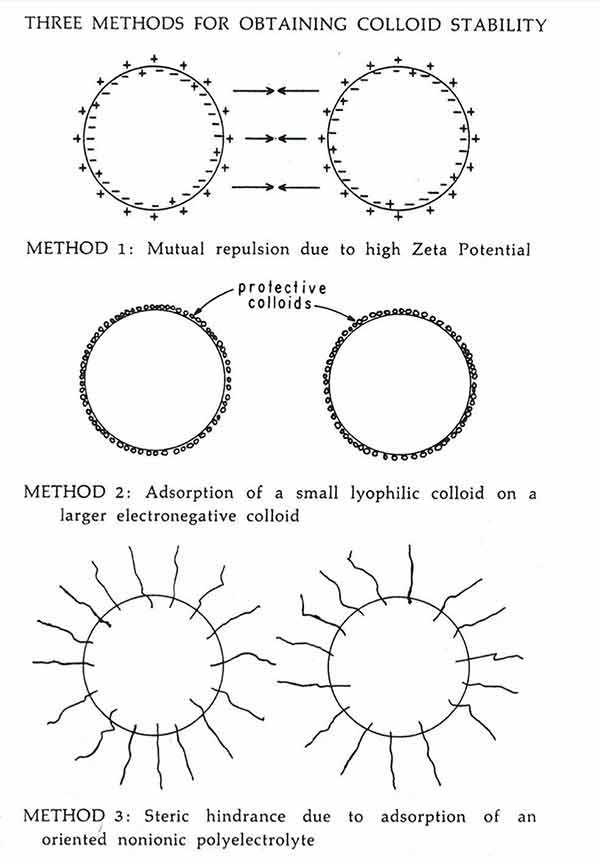
The first method (zeta potential) refers to the charge difference between the water ions (that coat the charged ions) and the charge of the surrounding water.
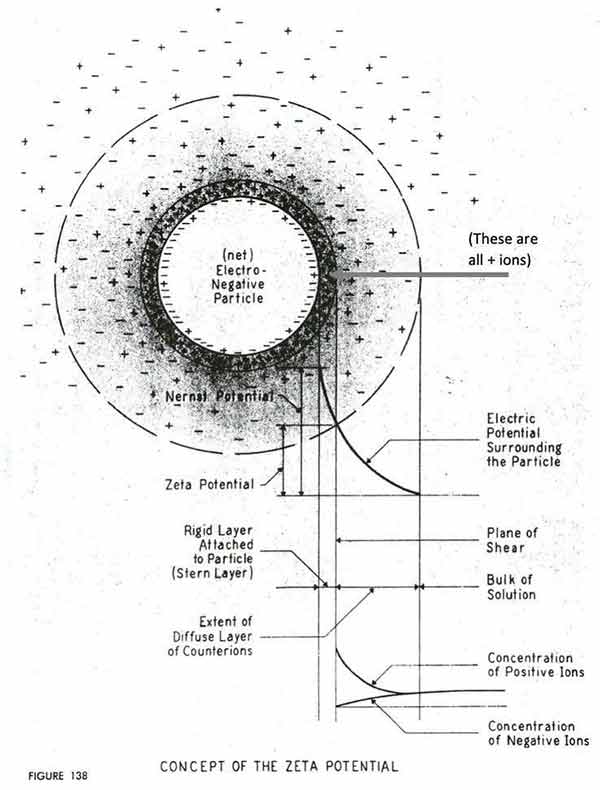
Because electrical repulsion due to zeta potential is easier to control, it is typically the factor focused on when trying to improve colloidal dispersion (e.g., to eliminate blood sludging).
One of the most effective agents for reducing zeta potential is aluminum (which explains why it’s frequently used to separate organic matter from water in sewage plants or to clot wounds). Moulden thus concluded aluminum’s widespread use in vaccines likely accounted for many of their side effects. Similarly, consider the effect the COVID-19 vaccine’s spike protein has on the blood.19
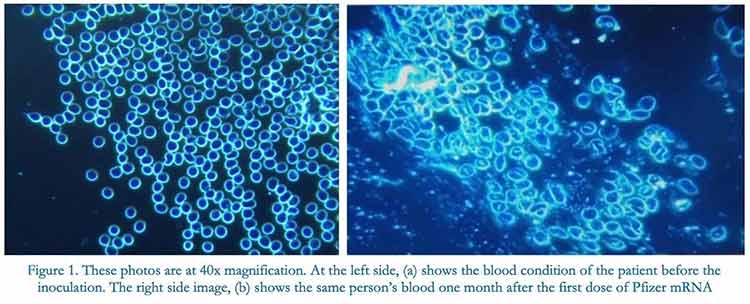
The key thing to understand about zeta potential is that when its repulsion no longer suffices to overcome the attractive forces in a colloidal system, it will clump together, initially in small clumps (termed agglomerations), and then as the zeta potential worsens, form larger clumps.
Note: The normal zeta potential of a red blood cell is around -15.7 millivolts.20 Additionally, as red blood cells age, they lose their negatively charged sialic acid,21 which worsens their zeta potential.
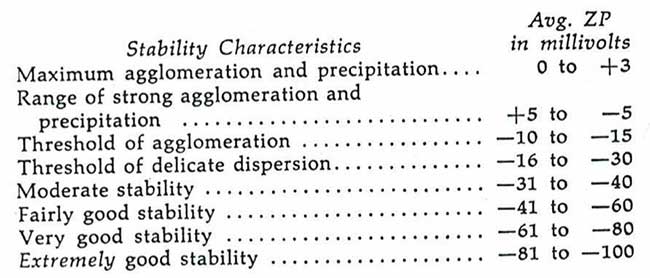
Thomas Riddick, a pioneer in this field,22 discovered that the body maintains blood zeta potential near the agglomeration threshold so it can clot in case of bleeding.
With further study, Riddick found the degree of blood sludging or loss of physiologic zeta potential significantly varied from person to person (due to modern life disrupting it), and Knisely’s grading scale for blood flow in the eyes could be used to accurately predict who was at risk of an arrhythmia, a stroke, or a fatal heart attack.
Most importantly, Riddick discovered that once the colloidal dispersion of the blood was fixed, heart arrhythmias normalized and circulatory problems greatly improved. For reference, this is the scale Knisely and Riddick (and now us) used to evaluate blood flow in the eyes.

Note: I believe Knisely’s observations of profound blood sludging in the eyes of severely ill hospital patients account for why IV saline (which improves zeta potential) so frequently benefits people who are sick enough to require hospitalization.
Likewise, Knisely also observed that certain agents, such as hydroxychloroquine, reversed blood sludging. This led him to suspect a significant degree of the anti-malarial benefit of hydroxychloroquine actually arose from it reducing blood sludging; I also suspect this property may account for hydroxychloroquine’s value in treating autoimmune conditions and COVID-19 (both conditions linked to poor zeta potential).
Riddick gradually discovered blood sludging was widespread in America and eventually concluded our food and water supply were contaminated with positive ions that were destructive to zeta potential. He attributed this to:
| Potassium being replaced by sodium in processed foods. |
| Aluminum being used in municipal water systems. |
| Aluminum kitchenware. |
| Aluminum being added to many foods (e.g. most salt has aluminum added to keep it from caking). |
| Many medications (e.g., antacids) are full of aluminum and other problematic metals. |
| Many foods are stored in metal cans (acidic foods leach these metals). |
Riddick also performed experiments that showed consuming water stored in aluminum significantly impaired microcirculation. Sadly, we are now witnessing a trend of storing water in aluminum cans. For this reason, I will never drink anything from an aluminum can (fortunately, a few zeta-potential restoring bottled water brands still exist).
Note: The first head of the FDA fought to stop aluminum from entering general use but was muscled out by industry.23
Lastly, in addition to these, I also believe vaccines, EMFs, certain chronic infections, and humans no longer being electrically grounded to the Earth24 are significantly impairing humanity’s zeta potential.
Note: As mentioned above, a case can also be made impaired zeta potential creates autoimmunity (e.g., aluminum causes both, and Chinese medicine believes blood stasis leads to autoimmunity).
Vaccines, Microbes and Zeta Potential
Riddick also concluded that bacterial metabolism of proteins lowers their zeta potential by decarboxylating them. Many sewage treatment systems (e.g., septic tanks) work under this principle, as over time, decarboxylation (which removes negative charges) destroys the colloidal stability of the organic matter suspended in wastewater, causing it to sludge at the bottom.
Riddick next assessed how zeta potential changed in humans during acute infections. Much like Knisely had observed in the eyes of his acutely ill patients, Riddick consistently observed a decrease in physiologic zeta potential during an infectious condition.
These observations were important because they provided a means to explain why the elderly (who cannot tolerate a further drop in their zeta potential) are so much more vulnerable to infections like influenza. Sadly, it also likely explains their greater susceptibility to vaccine injuries (e.g., I once admitted a patient to the hospital who suffered a classic zeta-potential collapse from a pneumococcal vaccine).
Lastly, many microbes carry positive charges, which allow them to adhere to the negatively charged surfaces of the body. These hence cause them to disrupt zeta potential once they’ve sufficiently reproduced in the body.
This is a major problem in Lyme disease and chronic mold toxicity, which in part explains why therapies for those diseases often fail unless something (e.g., treating zeta potential) is also done to address the fluid stagnation they create (particularly within the lymphatics).
Fortunately, there are many ways to address this. Ozone, for instance oxidizes those charges, and I believe this accounts for the dramatic improvements sometimes observed after one receives an oxidative therapy.
Similarly, a 2022 paper25 that showed the spike protein directly impaired blood cell zeta potential also found that ivermectin dispersed blood cells the spike protein had clumped together (which may explain the instantaneous normalization of vital signs sometimes seen after ivermectin is given to severely ill hospital patients).
Protein Misfolding
Since folded proteins are essentially colloidal suspensions, ions that disrupt zeta potential can also cause protein misfolding and denaturing (something that also happens to egg whites when they are heated in a pan). I believe this is a key reason why the plaques found in Alzheimer’s disease (which are misfolded proteins) are found to contain aluminum.26,27
Note: Since the clearance of Alzheimer’s plaques depends upon the brain’s glymphatic system,28 it is also possible that the improvement in cognitive decline that is frequently seen after improving zeta potential is due to improved cranial blood flow or cranial venous and lymphatic drainage.
Likewise, the COVID spike protein (produced by the vaccines) has been linked to protein misfolding diseases such as CJD, amyloidosis, and unusual fibrous29 (amyloid) clots embalmers have found within the vaccinated, which appear to result from misfolded blood proteins the body can’t break down.
Conclusion
Healthy fluid circulation is essential for health, and the zeta potential concept begins to explain why so many different conditions can lead to similar symptomatology. In the case of vaccines, this model explains why:
- Vaccines consistently cause harm.
- There is so much variability in vaccine injuries.
- Vaccine damage is cumulative, as existing impairment of the microcirculation (and other fluid circulations) will progressively worsen with each successive vaccine.
- Many infectious diseases can sometimes cause similar (but not as severe) injuries as vaccines.
The zeta potential concept profoundly changed my medical practice, and I now believe that many effective holistic therapies (e.g., EDTA chelation) work in part because they can restore physiologic zeta potential. Thank you for reading, and I sincerely hope the knowledge here can benefit you in the same way it has many of our patients.
Author’s note: This is an abbreviated version of a full-length article. For the entire read with much more specific details and sources, please click here.
A Note From Dr. Mercola About the Author
A Midwestern Doctor (AMD) is a board-certified physician in the Midwest and a longtime reader of Mercola.com. I appreciate his exceptional insight on a wide range of topics and I’m grateful to share them. I also respect his desire to remain anonymous as he is still on the front lines treating patients. To find more of AMD’s work, be sure to check out The Forgotten Side of Medicine on Substack.
- 1 The Forgotten Side of Medicine, May 10, 2024
- 2 The Forgotten Side of Medicine, June 24, 2024
- 3 The Forgotten Side of Medicine, March 31, 2024
- 4 The Forgotten Side of Medicine, July 24, 2023
- 5 Wikipedia, Abducens nerve
- 6 Wikipedia, Facial nerve
- 7 Wikipedia, Bell’s palsy
- 8 The Forgotten Side of Medicine, June 15, 2022
- 9 Wikipedia, Trochlear nerve
- 10 The Forgotten Side of Medicine, February 16, 2023
- 11 Children’s Health Defense, November 9, 2020
- 12 Wikipedia, Thalidomide
- 13 The Forgotten Side of Medicine, July 20, 2023
- 14 The Forgotten Side of Medicine, December 22, 2023
- 15 Wikipedia, Melvin H. Knisely
- 16 Angiology, 1964 Sep;15:411-6
- 17 Wikipedia, Inferior vena cava
- 18 Wikipedia, Van der Waals force
- 19 International Journal of Vaccine Theory, Practice, and Research, 2022;2:2
- 20 Exp Parasitol. 2012 Jun;131(2):245-51
- 21 Biologia, 2013;68:762–765
- 22 Journal Awwa, 1961, Aug;53:8
- 23 Harvey W. Wiley, 1929 (Archived)
- 24 Earthing, 2019, November
- 25 International Journal of Molecular Science, 2022 Dec; 23(24): 15480
- 26 Journal of Alzheimer’s Disease, 2011;23(4):567-98
- 27 Journal of Alzheimer’s Disease, 2020;73(4):1627-1635
- 28 Wikipedia, Glymphatic system
- 29 Bioscience Reports 2021 Aug 27;41(8):BSR20210611
Common Signs of Vitamin B1 Deficiency
Reproduced from original article:
https://articles.mercola.com/sites/articles/archive/2024/05/29/signs-of-vitamin-b1-deficiency.aspx
Analysis by Dr. Joseph Mercola May 29, 2024

STORY AT-A-GLANCE
- Thiamine, also known as vitamin B1, is an essential vitamin that your body cannot produce and must be obtained from diet or supplements
- Thiamine plays a crucial role in energy production by metabolizing glucose and is vital for nerve health and cognitive function
- It also aids in heart function by producing the neurotransmitter acetylcholine and supports digestive health by assisting in hydrochloric acid production
- Research suggests thiamine can help prevent complications in diabetes and supports immune function to protect against respiratory illnesses. Thiamine supplementation has also shown benefits in improving symptoms like fatigue in autoimmune diseases such as IBD and Hashimoto’s
- Initial signs of thiamine deficiency include fatigue, muscle weakness, poor appetite, digestive issues, brain fog, mood swings, and eye-related problems. Advanced deficiency can lead to beriberi, manifesting as either neurological issues (dry beriberi), cardiovascular problems (wet beriberi), gastrointestinal symptoms, or severe brain dysfunction (cerebral beriberi)
Thiamine (vitamin B1) is used by nearly all your cells and is essential for several functions in the body. Thiamine is considered an “essential” vitamin because your body can’t produce it on its own; it must be obtained from outside sources; be it diet or supplementation.
Health Benefits of Thiamine
Thiamine’s key health benefits and mechanisms of action include:
| Energy production — Thiamine plays a central role in metabolizing glucose to produce energy for the body. It is essential for the proper functioning of the Krebs cycle, a critical energy-producing pathway that converts proteins, fats, and carbohydrates into energy. |
| Nerve function — Thiamine is sometimes referred to as an “antistress” vitamin for its positive influence on your central nervous system. It aids in the maintenance of healthy nerve cells and supports the proper functioning of your nervous system.
Thiamine deficiency has been implicated in amyotrophic lateral sclerosis (ALS), with ALS patients having about 60% lower thiamine levels in their brains and peripheral nervous systems, resulting in severely impaired glucose metabolism.1 There’s also limited evidence suggesting high doses of thiamine and biotin can help reverse the pathology seen in Huntington’s disease, again by restoring glucose metabolism.2 |
| Heart health — Thiamine contributes to the correct functioning of the heart. It is involved in the production of the neurotransmitter acetylcholine, which is used to relay messages between the nerves and muscles and is essential for normal heart function. |
|
Cognitive function — Adequate levels of thiamine are associated with improved cognitive function. It helps in maintaining a healthy brain, particularly in older adults, and can help prevent disorders related to cognitive decline, including Alzheimer’s.3,4 As explained by the Alzheimer’s Association,5 “Thiamine helps brain cells produce energy from sugar. When levels fall too low, brain cells cannot generate enough energy to function properly.” Indeed, impaired glucose metabolism is a known hallmark of Alzheimer’s and other dementias, and researchers have postulated that this reduction in glucose metabolism is caused by a “decline in thiamine-dependent processes.”6 |
| Digestive health — Thiamine assists in the production of hydrochloric acid, which is essential for proper digestion. Adequate thiamine levels ensure efficient digestion of food and absorption of nutrients. |
| Prevention of diabetes complications — Research suggests thiamine can help prevent complications in people with diabetes by protecting against oxidative stress and possibly improving glucose tolerance. |
| Immune function — Thiamine is also important for healthy immune function. In addition to nutrients such as zinc and vitamins C and D, it helps protect against infectious respiratory illnesses.
Thiamine deficiency syndrome (beriberi) has also been implicated in other types of severe infections and bears many similarities to sepsis. This is one of the reasons why thiamine is such an important part of Dr. Paul Marik’s sepsis treatment.7 Sepsis, in turn, is a major contributor in influenza deaths in general, and a primary cause for COVID-19 deaths specifically. |
Thiamine in Alcohol Addiction and Autoimmune Conditions
Thiamine is frequently recommended and given to people struggling with alcohol addiction, as alcohol consumption reduces absorption of the vitamin in your gastrointestinal tract. An estimated 80% of alcoholics are deficient in thiamine and therefore more prone to the side effects and conditions listed above.8
Thiamine is also very important for those with autoimmune diseases such as inflammatory bowel disease (IBD) and Hashimoto’s (a thyroid autoimmune disorder).9 In case studies,10,11 thiamine supplementation has been shown to improve fatigue in autoimmune patients in just a few days.
Interestingly, in one of these studies,12 which looked at patients with IBD, patients responded favorably to supplementation even though they all had “normal” baseline levels.
The authors speculate that thiamine deficiency symptoms in such cases may be related to enzymatic defects or dysfunction of the thiamine transport mechanism (opposed to being an absorption problem), which can be overcome by giving large quantities of thiamine.
Save This Article for Later – Get the PDF Now
Thiamine Deficiency May Be Underestimated
While thiamine deficiency is often the result of alcohol misuse, chronic infections, poor nutrition and/or malabsorption, research suggests vitamin B1 availability has dramatically declined throughout the food chain in recent years,13 and that naturally affects your ability to get sufficient thiamine from your diet.
Adult men and women need 1.2 and 1.1 mg respectively each day.14 If you have symptoms of thiamine deficiency, you may need higher doses.
Considering both plants and wildlife are becoming increasingly thiamine-deficient,15 it’s logical to suspect that this deficiency is becoming more common in the human population as well. Unfortunately, statistics on thiamine deficiency in the U.S. population are not readily available in a direct, comprehensive format, so it’s hard to assess how widespread it might be.
Considering how crucial thiamine is for health and optimal biological functioning — and the rapid increase in conditions associated with thiamine deficiency — it’s important to evaluate your intake on an individual level. One way to do that would be to use an online nutritional calculator such as Cronometer. Another way to assess your status is by looking for signs and symptoms of deficiency.
Signs and Symptoms of Thiamine Deficiency
Early symptoms of thiamine deficiency include:16,17
| Fatigue/getting easily exhausted, due to its role in glucose metabolism and energy production |
| Muscle weakness, as thiamine is required for proper contraction and relaxation of muscles |
| Poor appetite and/or digestive problems, due to its impact on your digestive function |
| Brain fog, confusion and/or memory problems, as thiamine is essential for healthy brain function and cognition |
| Mood swings and irritability |
| Eye-related issues such as sensitivity to light, eye fatigue and involuntary eye movements |
| Nutrient malabsorption, as thiamine is involved in the absorption of other nutrients |
As your deficiency grows more severe, it can progress into one of four types of beriberi:18
- Paralytic or nervous beriberi (aka “dry beriberi”) — Damage or dysfunction of one or more nerves in your nervous system, resulting in numbness, tingling and/or exaggerated reflexes
- Cardiac (“wet”) beriberi — Neurological and cardiovascular issues, including racing heart rate, enlarged heart, edema, breathing problems and heart failure
- Gastrointestinal beriberi — Nausea, vomiting, abdominal pain and lactic acidosis
- Cerebral beriberi — Wernicke’s encephalopathy, cerebellar dysfunction causing abnormal eye movements, ataxia (lack of muscle coordination) and cognitive impairments. If left untreated, it can progress to Korsakoff’s psychosis, a chronic brain disorder that presents as amnesia, confusion, short-term memory loss, confabulation (fabricated or misinterpreted memories) and in severe cases, seizures
Are You Getting Enough B Vitamins?
If you have any of the signs listed above or discovered that your daily intake is insufficient using Cronometer, the solution is to eat more foods high in thiamine, such as wheatgerm and acorn squash, and/or take a supplement.
Thiamine insufficiency or deficiency can develop in as little as two weeks, as its half-life in your body is only nine to 18 days.
Evidence suggests thiamine insufficiency or deficiency can develop in as little as two weeks, as its half-life in your body is only nine to 18 days.19 Ideally, select a high-quality food-based supplement that contains a broad spectrum of B vitamins to avoid creating an imbalance. The following guidelines can also help protect or improve your thiamine status:
- Eat fermented foods — The entire B group vitamin series is produced within your gut provided you have a healthy gut microbiome. Eating real food, ideally organic, along with fermented foods will provide your microbiome with important fiber and beneficial bacteria to help optimize your internal vitamin B production as well.
- Avoid excessive alcohol consumption, as alcohol inhibits thiamine absorption, and frequent use of diuretics, as they will cause thiamine-loss.
- Avoid sulfite-rich foods and beverages such as nonorganic processed meats, wine and lager, as sulfites have antithiamine effects.
- Correct any suspected magnesium insufficiency or deficiency, as magnesium is required as a cofactor in the conversion of thiamine.
Daily Intake Recommendations
While individual requirements can vary widely, the typical daily intake recommendations for B vitamins are as follows:
| Nutrient | Supplement Recommendations |
|---|---|
| Thiamine (B1) | Adult men and women need 1.2 and 1.1 mg respectively each day.20 If you have symptoms of thiamine deficiency, you may need higher doses.
Thiamine is water-soluble and nontoxic, even at very high doses, so you’re unlikely to do harm. Doses between 3 grams and 8 grams per day have been used in the treatment of Alzheimer’s without ill effect. |
| Riboflavin (B2) | Suggested daily intake is about 1.1 mg for women and 1.3 mg for men.21 |
| Niacin (B3) | The dietary reference intake established by the Food and Nutrition Board ranges from 14 to 18 mg per day for adults. Higher amounts are recommended depending on your condition.
For a list of recommended dosages, see the Mayo Clinic’s website.22 I recommend taking 50 mg of niacinamide, a form of B3 that plays a crucial role in energy metabolism, three times a day. Niacinamide is also a precursor to NAD+, which is essential in the conversion of food to energy, maintaining DNA integrity and ensuring proper cell function. |
| Vitamin B6 | Nutritional yeast (not to be confused with Brewer’s yeast or other active yeasts) is an excellent source of B vitamins, especially B6.23
One serving (2 tablespoons) contains nearly 10 mg of vitamin B6, and the daily recommended intake is only 1.3 mg.24 |
| Inositol/Biotin (B8) | B8 is not recognized as an essential nutrient and no recommended daily intake has been set. That said, it’s believed you need about 30 mcg per day.25
Vitamin B8 is sometimes listed as biotin on supplements. Brewer’s yeast is a natural supplemental source.26 |
| Folate (B9) | Folic acid is a synthetic type of B vitamin used in supplements; folate is the natural form found in foods. (Think: Folate comes from foliage, edible leafy plants.)
For folic acid to be of use, it must first be activated into its biologically active form (L-5-MTHF). This is the form able to cross the blood-brain barrier to give you the brain benefits noted. Nearly half the population has difficulty converting folic acid into the bioactive form due to a genetic reduction in enzyme activity. For this reason, if you take a B-vitamin supplement, make sure it contains natural folate rather than synthetic folic acid. Nutritional yeast is an excellent source.27 Adults need about 400 mcg of folate per day.28 |
| Vitamin B12 | Nutritional yeast seasoning is also high in B12 and is highly recommended for vegetarians and vegans. One serving (2 tablespoons) provides about 67 mcg of natural vitamin B12.29
Sublingual (under-the-tongue) fine mist spray or vitamin B12 injections are also effective, as they allow the large B12 molecule to be absorbed directly into your bloodstream. |
- 1 Haidut.me June 28, 2023 (Archived)
- 2 Haidut.me February 24, 2023 (Archived)
- 3 Haidut.me July 12, 2022 (Archived)
- 4 Haidut.me August 27, 2021 (Archived)
- 5 Alzheimer’s Association, Korsakoff Syndrome
- 6 Businesswire July 7, 2022
- 7 Chest June 2017; 151(6): 1229-1238
- 8, 16, 18 alcoholrehabhelp.org Thiamine
- 9 Thyroidpharmacist.com August 23, 2023
- 10, 12 Journal of Alternative and Complementary Medicine 2013 Aug;19(8):704-8
- 11 Journal of Alternative and Complementary Medicine 2013; 00(00): 1-4 (PDF) (Archived)
- 13, 15 The Science Times January 31, 2021
- 14, 20 NIH Thiamin, February 9, 2023
- 17 Theheartysoul.com April 2, 2024
- 19 Journal of Thoracic Disease 2016 Jun; 8(6): 1062–1066, Thiamine Elimination and Associated Thiamine Insufficiency Syndromes
- 21 NIH Riboflavin May 11, 2022
- 22 Mayo Clinic Niacin
- 23 Self Nutrition Data, Nutritional Yeast (Archived)
- 24 NIH Vitamin B6 June 16, 2023
- 25 NIH Biotin January 10, 2022
- 26 Mount Sinai Health 2021
- 27 Chalkboard, Nutritional Yeast
- 28 NIH Folate November 1, 2022
- 29 USDA Nutritional Yeast Seasoning July 17, 2019