Adrenal
now browsing by category
Constantly Exhausted? Don’t Blame ‘Adrenal Fatigue’
Reproduced from original article:
https://articles.mercola.com/sites/articles/archive/2026/07/02/adrenal-fatigue-exhaustion.aspx
Analysis by Dr. Joseph Mercola July 02, 2026
Story at-a-glance
- Adrenal fatigue isn’t recognized as a real medical condition, but the symptoms people report — chronic exhaustion, salt cravings, brain fog — are very real and deserve closer investigation
- The adrenal glands don’t “burn out” from stress, but persistent overload disrupts your brain’s communication with them, leading to hormone imbalances and daily exhaustion
- Studies show no evidence that fatigue is caused by adrenal impairment; however, chronic stress does impact your hypothalamic-pituitary-adrenal (HPA) axis, affecting energy, sleep, and mood
- Caffeine doesn’t directly damage your adrenal glands, but overuse combined with stress and poor recovery can mimic the symptoms often blamed on adrenal fatigue
- Low energy might not be from your adrenals at all — thyroid issues, iron deficiency, poor sleep, or emotional stress could be the real reasons you’re always tired
Some would refer to this as “adrenal fatigue” — however, there are experts who say there’s no evidence backing up the existence of this condition. Let’s take a closer look to find out what truly causes adrenal fatigue — and how to ward off its symptoms.
What Is Adrenal Fatigue?
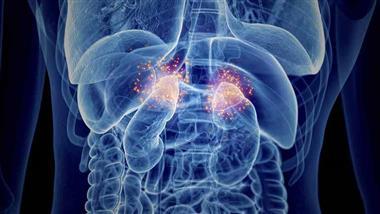
The adrenal glands are two triangular-shaped endocrine glands found on top of your kidneys. They are responsible for producing more than 50 hormones, including cortisol, adrenaline, and aldosterone. These adrenal hormones primarily regulate your physical and mental stress responses. They influence your metabolism, mood, immune function, and blood pressure. An article by LifeWorks Wellness Center explains:
“The adrenal glands help the body deal with any kind of stress — from emotional stress, to financial problems, to physical threats and relationship problems. They also play a major role in the body’s response to danger — the ‘fight or flight’ response which mobilizes the body’s resources to react to threat.”1
• Adrenal fatigue is said to occur when there’s too much stress — Excessive chronic stress “overstimulates” the adrenal glands, causing them to slow down. This could refer to physical, mental, or emotional stress. When the adrenal glands can no longer mount an adequate response, it’s referred to as adrenal fatigue.2
• What are the reported symptoms of adrenal fatigue? Tiredness or exhaustion is the primary symptom associated with this condition. Other symptoms vary, such as food cravings, difficulty recovering from sickness, foggy thinking, and having a hard time getting out of bed in the morning.3
• However, adrenal fatigue is not recognized as a legitimate medical condition — While the symptoms are all real, there is no solid scientific evidence to back up this theory.4 Dr. Raj Dasgupta, chief medical advisor for Garage Gym Reviews, explains:
“Adrenal fatigue is a term inappropriately used to explain feeling constantly tired, stressed, or burnt out. Adrenal fatigue is not a real medical diagnosis and multiple studies have shown that adrenal fatigue is not a medical condition. The adrenal glands don’t ‘wear out’ the way this theory suggests, and there is no scientific evidence to back it up.”5
A 2016 systematic review published in the journal BMC Endocrine Disorders that looked at 58 studies also found no evidence that adrenal impairment causes fatigue, dubbing this condition “a myth.”6
• There may be a different underlying cause for your symptoms — According to The Hearty Soul, “These symptoms could be caused by many other conditions. Instead of adrenal fatigue, other issues such as thyroid imbalances or iron deficiency could be the underlying cause of these symptoms. Lacking necessary nutrients in your diet may also contribute to persistent tiredness and related health concerns.”7
Don’t Confuse Adrenal Insufficiency with Adrenal Fatigue
One common assumption with adrenal fatigue is that it has something to do with having low cortisol (dubbed as “the stress hormone”). However, this is not an accurate term or concept.
• Cortisol testing does not accurately determine adrenal function — Cortisol is frequently checked through blood tests, but what’s being measured is your total cortisol, which includes both free and bound cortisol. Since most cortisol in your body is bound to proteins and inactive, “high cortisol” levels in blood tests may not be informative. Hence, while blood tests are able to assess many bodily systems, they do not provide a clear picture of adrenal function.
• Adrenal insufficiency is not the same as adrenal fatigue — Adrenal insufficiency is what’s called Addison’s disease. Unlike adrenal fatigue, this is a recognized medical condition that occurs when your body doesn’t make enough cortisol. Learn more about it in this article, “Comprehensive Treatment Options for Addison’s Disease.”
• Addison’s disease is rare but life-threatening — It requires proper treatment and management through hormone replacement therapy, and if not addressed can lead to shock, seizures, and even death. According to Georgi Dinkov, an expert on bioenergetic medicine, “If you have adrenal failure, unless you take cortisol shots you will die from hypoglycemia or Addison’s disease. So, it’s lethal.”
• Unlike adrenal fatigue, there’s a test that can accurately determine Addison’s disease — An adrenocorticotropic hormone (ACTH) test is used to check for problems with your adrenal glands. This test only recognizes extreme underproduction or overproduction of hormone levels, and does not work to check if your adrenal glands are overwhelmed by stress.
‘Adrenal Fatigue’ Could Actually Be a Dysfunction in Your HPA Axis
The fact is that chronic stress alone cannot cause your adrenal glands to stop working. Rather, when adrenal function changes, what’s really going on has to do with the signaling or communication mechanism between your brain and your adrenal glands in response to this chronic stress — not with adrenal gland function alone.
• This signaling system is called the hypothalamic-pituitary-adrenal (HPA) axis — This is your body’s primary stress response system, and is composed of the adrenal glands and the hypothalamus and pituitary glands in your brain. It works by facilitating the release of hormones into your glands to regulate stress responses. One study notes:8
“The HPA axis, the autonomic nervous system (ANS), and the immune system are not systems working apart from each other: they interact extensively in harmonizing the hormonal and inflammatory stress response.”
• Chronic stress keeps your HPA axis stuck in overdrive — The HPA axis is essential for regulating cortisol levels, and when you are stressed, your HPA axis is chronically activated, leading to elevated cortisol levels. When this happens consistently, even low-level but chronic stress will trigger fatigue, anxiety, inflammation, and binge-eating — symptoms commonly attributed to adrenal fatigue. According to an article in Harvard Health:
“Persistent epinephrine [adrenaline] surges can damage blood vessels and arteries, increasing blood pressure and raising risk of heart attacks or strokes. Elevated cortisol levels create physiological changes that help to replenish the body’s energy stores that are depleted during the stress response. But they inadvertently contribute to the buildup of fat tissue and to weight gain.
For example, cortisol increases appetite, so that people will want to eat more to obtain extra energy. It also increases storage of unused nutrients as fat.”9
• HPA dysfunction can be determined by a DUTCH test — Also known as the Dried Urine Test for Comprehensive Hormones, this is a comprehensive test conducted multiple times over a 24-hour period. It involves identifying your levels of free cortisol (the biologically active hormone), cortisone, and their metabolites to help determine HPA dysfunction.
Other Causes Associated with ‘Adrenal Fatigue’ Symptoms
If your energy levels are chronically deflated, and if you struggle with any of the symptoms mentioned above, it’s ideal to evaluate your lifestyle to see if there could be any other factors causing your symptoms.
• Fatigue usually arises from poor habits and mental struggles — The Hearty Soul notes that poor sleep, inadequate nutrition, and lack of exercise are common contributors to fatigue. Dealing with mental challenges like depression and anxiety also makes you feel sluggish and tired all the time.
• Some medical conditions could be responsible, too — Having underlying medical conditions like diabetes, anemia, or chronic infections could also lead to fatigue. Another common trigger is thyroid disorders.
• If your adrenals are overtaxed, your thyroid function will suffer — Dr. Jinaan Jawad, a specialist in chiropractic and functional medicine, describes your adrenals as the “battery backup” for your thyroid. These two systems are connected, and dysfunction in one often affects the other. For example, if you have low thyroid function and your adrenals aren’t producing enough cortisol, it could worsen your symptoms.
And since both are involved in metabolism, dysfunction in either your thyroid or adrenals also produces very similar symptoms, such as fatigue, memory impairment, and low mood.
Does Caffeine Trigger Adrenal Fatigue?
One common root cause that’s being associated with adrenal fatigue is caffeine intake, which is why many who believe they suffer from adrenal fatigue become cautious about drinking coffee to avoid “overstressing” their adrenal glands. However, the mechanism by which caffeine affects the adrenals is different than what you think.
• Caffeine alone doesn’t cause adrenal fatigue in the way most people assume — It’s not that your adrenals suddenly give up after too many espressos — it’s that excessive caffeine combined with stress, poor sleep, and other lifestyle pressures pushes your body into a state that feels like adrenal burnout.
• Caffeine works by blocking important receptors in your brain — These include adenosine and benzodiazepine,10 which are involved with hormone and mood regulation. Adenosine, for example, is a chemical that tells your body it’s time to slow down.
When caffeine blocks adenosine, you stay alert longer — but that alertness is artificial. The brain misinterprets this as a stress signal and triggers your adrenal glands to pump out stress hormones like adrenaline and cortisol. That’s why after a strong coffee, you feel wired — not just awake. You’ve turned on your internal stress switch.
• The more often this happens, the more your system stays in survival mode — Cortisol and adrenaline stay elevated longer than they’re supposed to, and your body never gets to recover. Over time, this creates the feeling associated with adrenal fatigue — tired but wired, moody, depleted, and relying on stimulants just to feel functional.
• Caffeine is just one of the adrenal stimulators — Jawad names coffee and other caffeine-containing beverages like soda and energy drinks as common stimulators, but they aren’t the only ones. Nicotine, refined sugars, seed oils, and any foods you have an allergy to or are sensitive to may have similar effects.11
5 Natural Herbs to Support Your Adrenal Health
If chronic stress is taxing your body, I recommend incorporating adaptogenic herbs into your lifestyle to help your body become more resilient to stress. These herbs work via hormone regulation and immune function support:
1. Ashwagandha — It helps your body adapt to stress by balancing your immune system, metabolism, and hormonal systems. The root contains the highest concentration of active ingredients that modulate hormones, including thyroid hormone, estrogen, progesterone, and testosterone.
2. Rhodiola — This herb has been shown to be particularly beneficial for your nervous system. It has antidepressant and antianxiety benefits, and may help reduce symptoms of burnout associated with work stress. Its energy and vitality-boosting effects can have clear benefits for those struggling with chronic fatigue. As an added boon, it tends to be fast-acting.
3. Asian (Panax) ginseng — Like ashwagandha, Asian ginseng impacts thyroid hormones. More specifically, it contains properties that block production of excessive amounts of rT3. A study looking at the impact of ginseng injections found it produced healthy increases of T3 and T4 and a reduction in rT3.12
4. Siberian ginseng (Eleutherococcus senticosus) — Its active components are called eleutherosides, which are thought to stimulate your immune system. Like Asian ginseng, Siberian ginseng is an adaptogen that’s traditionally been used to increase energy, stimulate the immune system, and increase longevity.
It also has mild antidepressive effects and is useful for insomnia, behavioral and memory problems, and has been shown to improve exercise endurance by improving oxygen utilization in your body.
5. Tulsi — Highly revered in India for over 5,000 years, tulsi, also known as holy basil, has been valued for its many health-promoting properties. This herb is said to purify the mind, body, and spirit, and has been cherished for its protective and uplifting nature. Learn more about its benefits in “Modern Studies Support the Benefits of This Ancient Herb.”
Frequently Asked Questions (FAQs) About Adrenal Fatigue
Q: Is adrenal fatigue a real medical condition?
A: No. Adrenal fatigue is not recognized by mainstream medicine as a legitimate diagnosis. While the symptoms are real — like chronic tiredness, poor stress tolerance, and brain fog — there’s no scientific evidence showing that the adrenal glands actually “burn out” from stress. Instead, the issue often lies in how your brain and adrenal glands communicate under long-term pressure.
Q: What causes the symptoms commonly linked to adrenal fatigue?
A: These symptoms are usually the result of chronic stress disrupting the hypothalamic-pituitary-adrenal (HPA) axis, not the adrenal glands themselves failing. Other root causes may include thyroid dysfunction, iron deficiency, poor nutrition, lack of sleep, or underlying health conditions that drain your energy over time.
Q: How does caffeine affect your adrenal health?
A: Caffeine doesn’t destroy your adrenal glands, but it can push your stress system into overdrive — especially if you’re already burned out. It blocks adenosine, a chemical that signals your brain to rest, triggering more cortisol and adrenaline. Overuse keeps your body in a wired, high-alert state that mimics adrenal fatigue symptoms.
Q: What’s the difference between adrenal fatigue and adrenal insufficiency?
A: Adrenal insufficiency (Addison’s disease) is a serious, medically recognized condition where your adrenal glands don’t produce enough cortisol. It can be diagnosed with lab testing and requires hormone therapy. Adrenal fatigue, by contrast, is a term used to describe stress-related symptoms but lacks scientific backing and diagnostic criteria.
Q: What are practical ways to restore energy and support adrenal health?
A: Start by improving sleep, managing stress, eating nutrient-rich whole foods, and moderating caffeine. Adaptogenic herbs like ashwagandha, rhodiola, and tulsi will help support hormone balance and stress resilience. Testing for thyroid, iron, and cortisol patterns with tools like the DUTCH test will offer deeper insight into what’s really draining your energy.
- 1, 2, 3 LifeWorks Wellness Center, Adrenal Fatigue Treatment
- 4, 7 The Hearty Soul, June 21, 2025
- 5 Verywell Mind, February 24, 2025
- 6 BMC Endocr Disord. 2016 Aug 24;16(1):48
- 8 Handbook of Clinical Neurology, Volume 175, 2020, Pages 55-64
- 9 Harvard Health Publishing, April 3, 2024
- 10 Heiditoy, Caffeine and Adrenal Fatigue. What’s the Buzz About?
- 11 YouTube, How Are The Adrenal Glands and The Thyroid Connected? May 13, 2019
- 12 Chinese Journal of Integrative Medicine, 2000, Volume 6, Pages 29-31
Adrenal Fatigue: What It Is and How to Treat It
Reproduced from original article:
https://articles.mercola.com/sites/articles/archive/2024/04/20/adrenal-fatigue.aspx
Analysis by Dr. Joseph Mercola April 20, 2024
STORY AT-A-GLANCE
- Adrenal fatigue describes a collection of symptoms such as body aches, fatigue, nervousness, sleep disturbances and digestive problems
- The theory is that chronic stress can overtax the adrenal glands, resulting in their functional decline and an inability to produce adequate hormones
- It’s long been assumed that if you have low cortisol, you’re suffering from “adrenal fatigue,” but we now know that this is not an accurate concept
- When adrenal function changes, what’s really going on has to do with the signaling between your brain and your adrenal gland in response to stress — not to adrenal gland function alone
- HPA axis dysfunction, which can be identified using the DUTCH test, may better describe where symptoms come from after prolonged exposure to stress
Adrenal fatigue describes a collection of symptoms such as body aches, fatigue, nervousness, sleep disturbances and digestive problems. The concept is based on the idea that your adrenal glands, which are small glands located on top of each kidney that produce hormones like cortisol, can become overworked.
The theory is that chronic stress can overtax the adrenal glands, resulting in their functional decline and an inability to produce adequate hormones necessary for optimal function. In other words, adrenal fatigue is the idea that your adrenal output of cortisol can become insufficient from long-term stress.
It’s important to note, however, that some experts do not believe adrenal fatigue is an actual medical syndrome.1 While the symptoms often attributed to adrenal fatigue are very real, their underlying causes may be something else entirely.
Adrenal Glands 101
Your adrenal glands are two triangular-shaped endocrine glands located atop each kidney. They produce over 50 hormones, such as cortisol, aldosterone and adrenaline. Like thyroid hormones, adrenal hormones are crucial for your metabolism.
Adrenal hormones primarily regulate your physical and mental stress responses and influence your metabolism, mood, immune function and blood pressure, but testing their function is complex.
As noted by Dr. Michael Greger in the NutritionFacts.org video above, “Saliva tests for adrenal hormone levels are not reliable, with studies showing so-called ‘adrenal fatigue’ patients having higher levels than controls, similar levels or lower levels, ‘an almost systematic finding of conflicting results.’”2
Further, although blood tests can assess many bodily systems, they do not provide a clear picture of adrenal function. Cortisol is frequently tested using blood, but what’s being measured is your total cortisol, which includes both free and bound cortisol.
Since most cortisol in your body is bound to proteins and inactive, “high cortisol” levels in blood tests may not be informative. Free cortisol, which is biologically active, is what’s important. One of the most effective tests for this is the Dried Urine Test for Comprehensive Hormones, or DUTCH test, performed multiple times over a 24-hour period.
Cortisol levels can vary significantly throughout the day, typically peaking in the morning and decreasing by evening, which is referred to as the diurnal rhythm. A single measurement like a blood draw cannot reveal if your diurnal pattern is dysfunctional. By taking multiple samples throughout the day, you can get a more accurate measure of your cortisol pattern.
Further, the DUTCH test evaluates levels of free cortisol, cortisone and their metabolites, alpha-tetrahydrocortisol (a-THF), beta-tetrahydrocortisol (b-THS), and tetrahydrocortisone (THE). These metabolites are important for assessing adrenal output and can help you understand what the underlying pathology is. While saliva tests allow you to check free cortisol, they still won’t show you the metabolites of cortisol. DUTCH, on the other hand, shows both.
Adrenal Insufficiency Versus Adrenal Fatigue
It’s long been assumed that if you have low cortisol, you’re suffering from “adrenal fatigue,” but we now know that this is not an accurate term or concept. When adrenal function changes, what’s really going on has to do with the signaling between your brain and your adrenal gland in response to stress — not to adrenal gland function alone.
Addison’s disease, or adrenal insufficiency, however, is a medical condition that occurs when your body doesn’t make enough cortisol. “The only situation in which low cortisol becomes problematic is probably Addison’s disease, which is adrenal failure. And that’s very rare,” says Georgi Dinkov, an expert on the work of the late Ray Peat, Ph.D., an author and pioneer in nutrition, bioenergetic medicine, environmental factors and regenerative processes.
“If you have adrenal failure, unless you take cortisol shots you will die from hypoglycemia or Addison’s disease. So, it’s lethal,” Dinkov notes. Many doctors use an ACTH (adrenocorticotropic hormone) test to check for problems with your adrenal glands. However, the ACTH test only recognizes extreme underproduction or overproduction of hormone levels. Greger explains:3
“There is an actual disease of adrenal insufficiency known as Addison’s disease, which is diagnosed with an ACTH stimulation test. You inject people with adrenocorticotropic hormone, the signal your brain uses to get your adrenal glands to pump out the stress hormone cortisol, and if your adrenals don’t respond, that shows your adrenal glands must be in trouble.
But inject those presumed to be suffering from chronic stress and fatigue with ACTH, and sometimes you even get a greater rise in cortisol, disproving the notion that stress causes the adrenals to ‘burn out.’”

Save This Article for Later – Get the PDF Now
Adrenal Fatigue Is Rare
Even if your free cortisol is low, adrenal fatigue is rarely the cause, according to Dr. Peter Attia. In reality, cortisol production is often normal, but the cortisol is either a) being degraded, b) too much of it is being converted into inactive cortisone, or c) instead of converting back to cortisol, the cortisone is metabolized into THE.
Enzymes called reductases regulate the conversion of cortisol and cortisone into their respective metabolites. Inflammation, obesity and other factors associated with poor health accelerate these conversions.
So, if you’re feeling lousy and have no energy but your cortisol and cortisone metabolites indicate that production of these hormones is normal, then you need to address the underlying factors, i.e., the obesity, insulin and leptin resistance, and inflammation.
Corticosteroids are often prescribed to people with adrenal fatigue — and it may make you feel better temporarily — but the boost they provide isn’t a sign that you needed more cortisol, and exposes you to another set of health risks. Greger said:4
“But wait, you were diagnosed with ‘AF,’ [adrenal fatigue] given corticosteroids, and now you feel great, so it must have been real. That’s the thing about corticosteroids, though. One of the side effects is a euphoric sense of well-being. The problem is that even low doses can increase the risk of osteoporosis, psychiatric and metabolic disorders, muscle damage, glaucoma, sleep disturbances, and cardiovascular diseases.”
Understanding HPA Axis Dysfunction
While both primary and secondary adrenal insufficiency can be diagnosed with a lab test, more subtle abnormalities in the hypothalamus-pituitary-axis (HPA) are more difficult to diagnose, as there’s no accepted medical test for it. The HPA axis is the primary stress response system. As described in the Journal of Undergraduate Neuroscience Education:5
“It [the HPA axis] is the neuroendocrine link between perceived stress and physiological reactions to stress. The primary function of the activated HPA axis is to release glucocorticoids that activate short-term physiological responses to stress.
While some stress is necessary for salubrious development and aging, when an individual exists in a chronic state of stress their ability to cope is compromised by dysregulation of HPA-axis and other peripheral physiological functions.”
To better describe where symptoms come from after prolonged exposure to stress, it’s important to look at the bigger picture of HPA axis dysfunction. This is the more accurate term describing what is happening here. According to Mark Newman, the founder of Precision Analytical Laboratory in Oregon, makers of the DUTCH test:6
“If a patient has low cortisol, we see many providers label that as ‘adrenal fatigue’ and work to try to increase cortisol. What we find when we look at the metabolites of cortisol in these patients (which is a better marker for overall cortisol production), is that about half of the patients with low free cortisol are making more than average amounts of cortisol.
They may be processing it more quickly. As in obesity, you get these huge productions of cortisol (metabolites), but when you only focus on the free cortisol, you can call someone ‘stage 3 adrenal fatigue’ who is literally making more cortisol than 90%, 95%, or 99% of the population in some situations (because obesity results in more cortisol production, but not more free cortisol). So it’s a more complex situation than that.”
Evaluation of free hormone plus metabolites gives a more complete picture and can prevent practitioners from misunderstanding what is wrong with a patient. As mentioned, the ACTH test only recognizes extremes, as shown by the top and bottom 2% of a bell curve.
This means your adrenal cortisol production could be functioning 20% below the mean, and your body experiencing symptoms of HPA dysfunction, yet the test will not recognize it. To identify HPA dysfunction, a comprehensive hormone panel like the DUTCH test is recommended.
Your Adrenals Work in Tandem With Your Thyroid
Thyroid function is another variable in cases of “adrenal fatigue,” as dysfunction in one can affect the other. For example, if you have low thyroid function and your adrenals aren’t producing enough cortisol, it can worsen your symptoms. Since both are involved in metabolism, dysfunction in either your thyroid or adrenals can also produce very similar symptoms, such as fatigue, memory impairment and low mood.
Dr. Jinaan Jawad, a specialist in chiropractic and functional medicine, describes your adrenals as the “battery backup” for your thyroid. If your adrenals are overtaxed, your thyroid function will suffer.7 If you’re hypothyroid and on hormone replacement therapy, yet still experience symptoms of low thyroid function, you could be shutting down too much cortisol. To address this, Jawad recommends avoiding adrenal stimulators, such as:
| Coffee, soda, energy drinks and other caffeinated and/or stimulating beverages | Refined sugars, high fructose corn syrup and artificial sweeteners |
| Nicotine | Alcohol |
| Any food you have an allergy or sensitivity to (example: dairy, wheat, corn, gluten or shellfish), as these foods will cause a release of histamine and inflammatory chemicals that active your fight-or-flight response | Seed oils (partially hydrogenated fats high in omega-6 linoleic acid) and any food made with them, which includes most processed and fast food.
Examples include cottonseed oil, corn oil and canola oil. All of these oils inhibit adrenal hormone synthesis |
| Excessive exercise, as this keeps your body locked in fight-or-flight response |
Five Natural Herbs to Support Your Adrenal Health
If chronic stress is taxing your body, adaptogenic herbs can help your body become more resilient to stress. They work, in part, via hormone regulation and immune function support. Five adaptogenic herbs for adrenal support include the following:
1. Ashwagandha, which helps your body adapt to stress by balancing your immune system, metabolism and hormonal systems. The root contains the highest concentration of active ingredients that modulate hormones, including thyroid hormone, estrogen, progesterone and testosterone.
2. Rhodiola, which has been shown to be particularly beneficial for your nervous system. It has antidepressant and anti-anxiety benefits, and may help reduce symptoms of burnout associated with work stress. Its energy and vitality-boosting effects can have clear benefits for those struggling with chronic fatigue. As an added boon, it tends to be fast-acting.
3. Asian (Panax) ginseng — Like ashwagandha, Asian ginseng impacts thyroid hormones. More specifically, it contains properties that block production of excessive amounts of rT3. A study looking at the impact of ginseng injections found it produced healthy increases of T3 and T4 and a reduction in rT3.8
4. Siberian ginseng (Eleutherococcus senticosus) — Its active components are called eleutherosides, which are thought to stimulate your immune system. Like Asian ginseng, Siberian ginseng is an adaptogen that’s traditionally been used to increase energy, stimulate the immune system and increase longevity.
It also has mild antidepressive effects and is useful for insomnia, behavioral and memory problems, and has been shown to improve exercise endurance by improving oxygen utilization in your body.
5. Tulsi — Highly revered in India for over 5,000 years, tulsi, also known as holy basil, has been valued for its many health-promoting properties. This herb is said to purify the mind, body and spirit, and has been cherished for its protective and uplifting nature.
Tulsi tea is an antioxidant-rich beverage with a complex and unique chemistry. It contains hundreds of beneficial phytochemicals. Working together, these compounds have adaptogenic and immune-enhancing properties that combat stress, bolster your immune system and promote healthy metabolism, including helping your body maintain an optimal level of blood sugar.
- 1 BMC Endocr Disord. 2016; 16(1): 48
- 2 NutritionFacts.org March 27, 2024, 1:14
- 3 NutritionFacts.org March 27, 2024, 1:30
- 4 NutritionFacts.org March 27, 2024, 2:06
- 5 J Undergrad Neurosci Educ. 2018 Spring; 16(2): R59–R60
- 6 Youtube, Dr. Mercola Interviews Mark Newman 2016
- 7 YouTube, How Are the Adrenal Glands and The Thyroid Connected
- 8 Chinese Journal of Integrated Traditional and Western Medicine January 2000; 6: 29-31
Are Your Adrenal Glands Affecting Your Thyroid?
Reproduced from original article:
https://articles.mercola.com/sites/articles/archive/2023/10/26/adrenal-glands-thyroid.aspx
The original Mercola article may not remain on the original site, but I will endeavor to keep it on this site as long as I deem it to be appropriate.
Analysis by Dr. Joseph Mercola October 26, 2023
STORY AT-A-GLANCE
- One of the primary functions of your thyroid is to produce hormones — thyroxine (T4) and triiodothyronine (T3) — that regulate your metabolic rate
- Elevated reverse T3 (rT3) may be a sign of nutrient deficiency, because when there’s a scarcity of nutrients, your body is forced to slow down metabolism
- Your adrenals produce more than 50 hormones, including cortisol, aldosterone and adrenaline. Like thyroid hormones, these hormones play important roles in your metabolism
- Weeklong fasting significantly deteriorates thyroid function, as do low-carb eating and time-restricted eating (TRE). All three of these strategies will activate your adrenals, trigger cortisol release and down-regulate your thyroid function and metabolism
- Fatigue and low energy are commonly blamed on “adrenal fatigue,” but more often than not, cortisol production is normal. It’s just that the cortisol is being degraded and/or too much is being converted into inactive cortisone, and instead of converting back to cortisol, the cortisone is metabolized into metabolites. Inflammation, obesity and other factors associated with poor health accelerate these conversions
In the video above, independent health researcher Jay Feldman, who specializes in the bioenergetic theory of health, reviews how to analyze and assess your thyroid function using a combination of blood work and symptoms such as body temperature and pulse rate. He also discusses the causes of Hashimoto’s hypothyroidism, which is an autoimmune condition that causes impaired thyroid function.
Jay is my recommended teacher to learn more about Ray Peat’s bioenergetic medicine and how it impacts every aspect of your health, from, thyroid health, energy levels, weight and blood sugar control, and virtually every chronic illness. I would strongly recommend visiting his YouTube channel and watching all of his podcasts, but start from the beginning, rather than watching the most recent first.
Below, another video by Dr. Peter Attia provides a comprehensive overview of your endocrine systems, which include your thyroid, adrenals and sex hormones. He reviews the basic biology and feedback cycles that regulate hormone production, as well as the possible treatments for deficiencies, such as hormone replacement therapy (HRT).
My summary of these two videos will focus primarily on the thyroid and adrenal systems. For additional details not covered here, I highly recommend viewing the videos.
Thyroid Basics
Your thyroid is a butterfly-shaped gland located at the front of your neck just below your larynx (Adam’s apple). The two lobes are located on either side of your trachea (windpipe). One of the primary functions of your thyroid is to produce hormones — thyroxine (T4) and triiodothyronine (T3) — that regulate your metabolic rate.
Your thyroid is regulated by thyroid-stimulating hormone (TSH) produced in your pituitary gland, located at the bottom of your brain. TSH tells your thyroid how much hormone to secrete, in response to your body’s needs. As circulating T4 drops, TSH rises and when T4 rises, TSH goes down. When everything is working as it should, this maintains a stable level of T4 in your body.
Your pituitary also responds to thyrotropin-releasing hormone (TRH) released from your hypothalamus, which is located just above the pituitary gland. This network is known as the hypothalamic-pituitary-thyroid axis (HTP), and it adapts to the ever-changing metabolic changes and needs of your body.
Thyroid Testing
While a complete discussion of thyroid testing is beyond the written part of this article, I strongly encourage you to review Jay’s excellent comments on thyroid testing in his video above. Some of the highlights are that typically TSH is used to diagnose thyroid disease but it is frequently misused for the reasons Jay lists in his video.
TSH is only reliable to diagnose hypothyroidism and when your TSH is high, it means you very likely have hypothyroidism. However, when you lower your TSH this does not mean your thyroid dose is correct. It is a mistake to use TSH as an indicator of sufficiency of your thyroid hormone replacement. You need other lab tests and monitoring of clinical symptoms to make this assessment.
Download this Article Before it Disappears
Treating Hypothyroidism
One of the ways you can differentiate a natural medical doctor from a conventional medical doctor is the type of thyroid replacement they use. Virtually all conventional physicians prescribe T4 which is thyroxine and the brand name is Synthroid. This does not have any T3. Most natural medical physicians will prescribe a combination of T4 and T3 or use a desiccated thyroid preparation.
However the next step up would be the approach of a bioenergetic clinician that would not use any thyroid hormone until they addressed the reason why the person was hypothyroid in the first place.
Let me give you an example. One of my best friends is clinically hypothyroid. She has an elevated cholesterol level which is a very common symptom and before thyroid testing evolved was used to diagnose hypothyroidism. She also had delayed deep tendon reflexes which is another common symptom.
One could easily justify putting her on thyroid replacement therapy but that would be a mistake. Why? Because she is underweight as her hypothyroidism is a result of not getting enough calories. When you fail to give your body the amount of calories it needs it will slow down your metabolic rate. Giving her thyroid hormone will dramatically worsen her health as she will be overriding her body’s protective reflex to keep her alive.
Understanding the Function of Thyroid Hormones
T4 is an inactive prohormone and T3 is the active hormone. The “3” and “4” refers to the number of iodine molecules each has. T4 makes up most of the hormones produced by your thyroid. Enzymes called deiodinases in your liver and kidneys then convert the T4 into active T3.
As the name implies, deiodinases remove iodine molecules, so they convert the T4 to T3 by removing an iodine molecule. There are three deiodinases, named D1, D2 and D3. D1 and D2 convert T4 to T3; they just do it in different areas of the cell. D3, however, converts T4 into reverse T3 (rT3).
Reverse T3 will occupy the same receptors but won’t activate them. As a result, rT3 blocks the beneficial effects of T3. Typically, having elevated levels of rT3 is a sign of chronic inflammation and other disease processes.
As explained by Attia, rT3 is very similar to regular T3. The difference is, it does not activate the receptors that T3 activates. So, rT3 will occupy the same receptors but won’t activate them. As a result, rT3 blocks the beneficial effects of T3. Typically, having elevated levels of rT3 is a sign of chronic inflammation and other disease processes.
According to Attia, high rT3 may also be a sign of nutrient deficiency, because when there’s a scarcity of nutrients, your body is forced to slow down metabolism. By blocking active T3, metabolism slows and growth processes are inhibited, because those processes require a lot of energy and there’s not enough energy available.
The Importance of Measuring rT3
Attia also points out that assessing your thyroid function based on TSH alone can be misleading. If T4 is being shunted into rT3 rather than T3, you’ll end up with symptoms that are near-indistinguishable from hypothyroidism, or low thyroid function, but the underlying mechanism is different and hence the treatment can backfire.
The problem is that hypothyroidism is typically treated with synthetic T4 supplementation, with the assumption that most people will convert that T4 into T3, via the D1 and D2 enzymes. As T3 increases, it will provide all the associated health benefits, while also suppressing TSH and TRH, thereby bringing everything back into homeostasis.
However, in some cases this doesn’t work. The patient takes T4 hormone, yet feels worse, even if TSH improves. In this case, the T4 may simply be converted into rT3 by way of D3 enzyme, which is the exact opposite of what you want. As rT3 rises, the beneficial effects of T3 are blocked, growth and development is inhibited and metabolism slows to a crawl. Hence, the reason you’re feeling so lousy.
Inflammation and insulin resistance are two factors that tend to drive this state. In cases like this, it may be far better to take T3, as that will bypass the erroneous conversion from T4 to rT3. T3 is available either as a compounded slow-release T3 formula, or as desiccated thyroid, which contains both T3 and T4.
Adrenal Gland Basics
Your adrenals are two triangular-shaped glands situated on top of each kidney. They produce more than 50 hormones, including cortisol, aldosterone and adrenaline. Like thyroid hormones, these hormones play important roles in your metabolism.
The primary differences between the two are that adrenal hormones regulate your physical and mental responses to stress, and affect your mood, immune function and blood pressure, while thyroid hormones regulate your body temperature, energy and tissue growth.
While many bodily systems can be assessed using blood tests, there are no blood tests that can give you an accurate picture of your adrenal function. While cortisol is frequently tested using blood, what’s being measured is your total cortisol, which includes both free and bound cortisol.
Most of the cortisol in your body is bound to various proteins and does not exert biological activity, so “high cortisol” on a blood test doesn’t tell you much. What matters is the free cortisol because that’s what has biological activity. One of the best tests for this is a urine test (DUTCH test), taken several times over 24 hours.
The DUTCH test will measure the amount of free cortisol, cortisone and their metabolites, alpha-tetrahydrocortisol (a-THF), beta-tetrahydrocortisol (b-THS) and tetrahydrocortisone (THE). These metabolites are important because that’s how you can assess your adrenal output.
Adrenal Fatigue Is Rare
Fatigue and low energy are commonly blamed on “adrenal fatigue,” the idea being that your adrenal output of cortisol can become insufficient from long-term stress. According to Attia, this is rarely the case, even if free cortisol is low, and you can tell that by the metabolite levels.
Cortisol production is often normal, but the cortisol is either a) being degraded, b) too much of it is being converted into inactive cortisone, or c) instead of converting back to cortisol, the cortisone is metabolized into THE.
Enzymes called reductases regulate the conversion of cortisol and cortisone into their respective metabolites. Inflammation, obesity and other factors associated with poor health accelerate these conversions.
So, if you are feeling lousy and have no energy but your cortisol and cortisone metabolites indicate that production of these hormones is normal, then you need to address the underlying factors, i.e., the obesity, insulin and leptin resistance, and inflammation.
Low-Carb and Fasting Are Ill-Advised
As noted by Attia, weeklong fasting significantly deteriorates thyroid function, and that can be explained by the lack of nutrients during a fast. While he does not address this, the same applies to low-carb eating and time-restricted eating (TRE). All three of these strategies will activate your adrenals, trigger cortisol release and down-regulate your thyroid function and metabolism.
So, while low-carb and various fasting regimens can be helpful in the short term to address extreme obesity, I now believe there are safer, albeit slower, ways to address that.
As explained in “Important Information About Low Carb, Cortisol and Glucose,” elevated cortisol is highly problematic, as it breaks down your lean muscle, bones and brain to make amino acids that your liver then converts to glucose. It also promotes inflammation and is a primary driver of aging.
If cortisol is chronically elevated, you will likely die prematurely, as it is highly catabolic, meaning it will break down your body tissues. Cortisol is released when your body doesn’t have enough glucose available, so it’s important to eat enough healthy carbs and not deprive your body of glucose for extended periods.
Are Your Adrenals Affecting Your Thyroid?
Your thyroid and adrenals work in tandem, so dysfunction in one can affect the other. For example, if you have low thyroid function and your adrenals aren’t producing enough cortisol, it can worsen your symptoms. Since both are involved in metabolism, dysfunction in either your thyroid or adrenals can also produce very similar symptoms, such as fatigue, memory impairment and low mood.
In the video above, Dr. Jinaan Jawad, a specialist in chiropractic and functional medicine, reviews how adrenal dysfunction can affect your thyroid function. Jawad likes to think of your adrenals as the “battery backup” for your thyroid. If your adrenals are overtaxed, your thyroid function will suffer.
If you’re hypothyroid and on hormone replacement therapy, yet still experience symptoms of low thyroid function, you could be shutting down too much cortisol. To address this, Jawad recommends avoiding adrenal stimulators, such as:
| Coffee, soda, energy drinks and other caffeinated and/or stimulating beverages |
| Refined sugars, high fructose corn syrup and artificial sweeteners. Jawad also recommends avoiding fruit, which I do not, for reasons I’ll review later |
| Nicotine |
| Alcohol |
| Any food you have an allergy or sensitivity to (example: dairy, wheat, corn, gluten or shellfish), as these foods will cause a release of histamine and inflammatory chemicals that active your fight-or-flight response |
| Seed oils (partially hydrogenated fats high in omega-6 linoleic acid) and any food made with them, which includes most processed and fast food. Examples include cottonseed oil, corn oil and canola oil. All of these oils inhibit adrenal hormone synthesis |
| Excessive exercise, as this keeps your body locked in fight-or-flight response |
Adaptogens for Adrenal Support
If you’re struggling with persistent stress, certain adaptogenic herbs can be useful. Adaptogens are unique in that they help your body adapt to stress, in part by regulating hormones and improving your immune function. Five of the most well-recognized adaptogens for adrenal support are:
• Ashwagandha, which helps your body adapt to stress by balancing your immune system, metabolism and hormonal systems. The root contains the highest concentration of active ingredients that modulate hormones, including thyroid hormone, estrogen, progesterone and testosterone.
• Rhodiola, which has been shown to be particularly beneficial for your nervous system. It has antidepressant and anti-anxiety benefits, and has been shown to reduce symptoms of burnout associated with work stress. Its energy and vitality-boosting effects can have clear benefits for those struggling with chronic fatigue. As an added boon, it tends to be fast-acting.
• Asian (Panax) ginseng — Like ashwagandha, Asian ginseng impacts thyroid hormones. More specifically, it contains properties that block production of excessive amounts of rT3. A study looking at the impact of ginseng injections found it produced healthy increases of T3 and T4 and a reduction in rT3.1
• Siberian ginseng (Eleutherococcus senticosus) — Its active components are called eleutherosides, which are thought to stimulate your immune system. Like Asian ginseng, Siberian ginseng is an adaptogen that’s traditionally been used to increase energy, stimulate the immune system and increase longevity.
It also has mild antidepressive effects, and is useful for insomnia, behavioral and memory problems, and has been shown to improve exercise endurance by improving oxygen utilization in your body.
• Tulsi — Highly revered in India for over 5,000 years, tulsi, also known as holy basil, has been valued for its many health-promoting properties. This herb is said to purify the mind, body and spirit, and has been cherished for its protective and uplifting nature.
Tulsi tea is an antioxidant-rich beverage with a complex and unique chemistry. It contains hundreds of beneficial phytochemicals — non-nutritive plant compounds with protective and health promoting properties. Working together, these compounds have adaptogenic and immune-enhancing properties that combat stress, bolster your immune system and promote healthy metabolism, including helping your body maintain an optimal level of blood sugar.
Biodistribution Study of Pfizer Covid-19 Injection suggests use of mRNA Vaccines should be suspended immediately
A biodistribution study of the Pfizer Covid-19 injection suggests a suspension of the use of mRNA ‘Vaccines’ is urgently required and blood donor organisations need to take a long hard look at their policies surrounding the acceptance of donations of blood from people who have received an mRNA based Covid-19 injection.
The Exposé is now censored by Facebook & Twitter. Let’s not lose touch, subscribe today to receive the latest news from The Exposé in your inbox…
Do you remember when public health and government officials assured everyone that the mRNA ‘vaccines’ function like traditional vaccine technologies? …meaning that they largely remain in the shoulder muscle where they are injected, with some portion going to the draining lymph nodes where an immune response is initiated.
Well, back in May 2021, I, along with some international colleagues, looked at a document that Pfizer had submitted to the Japanese health regulatory agency. It was a pre-clinical biodistribution study. This means it was an experiment done with an animal model to predict where the vaccine formulation might go when injected into people.
What I saw was startling.
Most of Pfizer’s vaccine spread throughout the body instead of staying at the injection site. This also meant there was the potential for toxicities that would never occur with traditional vaccines that largely remain at or close to the injection site. To ensure people could make a fully informed decision about whether to take the jab I went public with this information in a radio interview.
I wasn’t surprised by the systemic distribution of the vaccine per se. Being a vaccinologist, I knew that lipid nanoparticle delivery systems were originally designed to spread far and wide throughout the body with the hopes they could be a vehicle for gene therapy and/or drug delivery.
Instead, my surprise came from the fact that the data confirmed my historical understanding and contradicted public health messaging that the mRNA jabs behaved like traditional vaccines. Public statements by health officials made me assume the lipid nanoparticles had somehow been modified to stay at the injection site, which was news to me. This highlights one of the first rules of thumb when practicing science.
Transparently presented raw and/or peer-reviewed data are the cornerstones of objective science; not personal proclamations or data disseminated via media releases. In May 2021 I realized two things: 1. There was a lack of transparency about data supporting COVID-19 inoculations. 2. Incorrect messaging was being relayed to the public. As an academic public servant with relevant expertise, I spoke up when enquiries came from the public. I spoke the truth then and continue to do so.
As a result of this, a public campaign to impersonate and discredit me was mounted; it has not stopped and has likely caused irreparable harm to my career. Nobody involved in these personal attacks has ever been willing to talk to me about the scientific basis for my concerns. It is unfair to discredit a scientist based on a short interview for a lay audience in which only a tiny fraction of the messaging could be relayed.
My challenge to detractors then remains the same now: if you want to prove that I don’t know what I am talking about, then debate me in a moderated public forum. I contend that a real-time back-and-forth discussion of the science will show that I know exactly what I am talking about; I’m not sure the same would hold true for most of those participating in the smear campaign against me.
In that interview back in May 2021 I was asked if there might be a link between mRNA vaccines and cases of myocarditis that were being observed at increased frequency, especially among young males. My answer was yes and I started to present some potential mechanistic explanations for this, including Pfizer’s Japanese version of their biodistribution study.
Now, myocarditis is a publicly acknowledged side-effect of mRNA vaccines. Sadly, I have not received an apology from anyone who attacked me. Forgiving people is much easier when apologizing and seeking forgiveness is part of the resolution process. But this is no longer popular in our society, so I continue to struggle with forgiving those who relentlessly harass me. I need to do this to effectively move on.
In the meantime, the US Food and Drug Administration has been ordered by a court to release the data that they reviewed when authorizing Pfizer’s vaccine for emergency. Health Canada almost certainly would have reviewed the same information. It is unfortunate that the scientific community is only now starting to see reasonably transparent core data that were used to justify the rushed rollout of SARS-CoV-2 inoculations; an only due to a court order.
On March 1, 2022 an English version of the biodistribution study was released. It contains much more information than the Japanese version I had looked at. Also, this accurate English language translation has revealed inappropriate biases in the conclusions drawn by the study director. You can obtain the document from the website of Public Health and Medical Professionals for Transparency. Once at the website, enter the search term “185350”, which is the study number. What follows is a step-by-step breakdown of this study to help you understand its implications (page #s refer to this hyperlinked report).
Taking a Close Look at Pfizer’s Full Report of the Biodistribution Study
The study looked at the distribution of lipid nanoparticles (LNPs) manufactured by Acuitas Therapeutics, British Columbia, Canada. LNPs are essentially very tiny bubbles of fat that are used to deliver genetic material into our cells. In the case of Pfizer’s ‘vaccine’, the payload is a messenger RNA molecule that encodes the spike protein from SARS-CoV-2, which is the causative agent of COVID-19. When the mRNA gets into a cell, it uses the existing manufacturing capacity of the cell to make copies of the spike protein.
Of concern, Pfizer was never required to run a biodistribution study with the same ‘vaccine’ formulation that is being used in people. Instead, the study focused on the LNPs, which carried a mRNA encoding a protein that can be used in imaging studies; not the spike protein. Unfortunately, the expression of this protein was not evaluated, so we can not assess where the protein ended up in the body; only where the LNPs went.
Page 6: The title of the study is “A Tissue Distribution Study of a [3H]-Labelled Lipid Nanoparticle-mRNA Formulation Containing ALC-0315 and ALC-0159 Following Intramuscular Administration in Wistar Han Rats.” Rats are a commonly used animal model for pre-clinical research. In this case, three males and three females were euthanized at each of multiple timepoints to harvest a variety of tissues to quantify the amount of LNPs in them.
The mRNA in this study encoded ‘luciferase’; a protein that can be used to visualize where the mRNA is being converted into proteins. However, this analysis was not done in this particular experiment. “[3H]-labelled” means the LNPs were tritiated, or tagged with tritium. Tritium is a radioactive form of hydrogen.
This allowed the LNPs to be quantified in tissues by measuring radioactivity. “ALC-0315” is a fat-based molecule that helps to compact mRNA into a nanoparticle and also promotes the introduction of the mRNA into a cell. “ALC-0159“ is a molecule that contains polyethylene glycol (PEG). You might have heard a lot about PEG in the context of COVID-19 ‘vaccines’ since it is the component that has been most associated with causing anaphylactic shock (a severe hyperacute allergic reaction) in some recipients. It serves a couple of functions:
1. This is the commonly mentioned purpose: It helps to stabilize the mRNA molecules; if mRNA degrades before it gets into a cell, the protein that the immune system is supposed to target will never be produced.
2. This is the other function of PEG that you may never have heard about (but those who have followed mRNA vaccine technologies have known about for many years): It helps the LNPs avoid the immune system to promote wide-spread dissemination throughout the body. Yes, you read that correctly. But, don’t take my word for it. Check out this published peer-reviewed science as a few examples:
Watters, R.J., Kester, M., Tran, M.A., Loughran, T.P. & Liu, X. Chapter five – Development and Use of Ceramide Nanoliposomes in Cancer. In: Düzgüneş, N. (ed). Methods in Enzymology, vol. 508. Academic Press, 2012, pp 89-108
Suk, J.S., Xu, Q., Kim, N., Hanes, J. & Ensign, L.M. PEGylation as a strategy for improving nanoparticle-based drug and gene delivery. Advanced drug delivery reviews 99, 28-51 (2016)
Gabizon, A. & Martin, F. Polyethylene glycol-coated (pegylated) liposomal doxorubicin. Rationale for use in solid tumours. Drugs54 Suppl 4,15-21 (1997)
Papahadjopoulos, D. et al. Sterically stabilized liposomes: improvements in pharmacokinetics and antitumor therapeutic efficacy. Proc Natl Acad Sci U S A 88,11460-11464 (1991) Check out this quote: “This effect is substantially greater than that observed previously with conventional liposomes and is associated with a more than 5-fold prolongation of liposome circulation time in blood.”
Systemic distribution of LNPs was needed to try to replace genes in cells throughout the body, including the brain in order to treat things like Alzheimer’s disease and Parkinson’s disease. It was also necessary to deliver chemotherapeutic drugs to cancers that could have metastasized anywhere in the body, including the brain. However, this is not anywhere close to how a traditional vaccine technology behaves. Also, this wide distribution is accomplished by helping the LNPs avoid uptake by phagocytic cells, which are the cells of the immune system that promote induction of immune responses! I postulate that the mRNA inoculations would function better as vaccines if mRNAs could be stabilized without PEG.
Page 11 (section 5; Introduction): I have two serious concerns about this part.
- The aim of the study was to evaluate a single dose of the surrogate ‘vaccine’. This is very odd and suggests this experiment was run as an afterthought and was overly rushed. The proper way to do this type of study is to test a range of doses. The ideal situation is to reach a dose that is too high (i.e., it causes undesirable results) while simultaneously capturing ‘safe’ doses. This helps to inform proper dosing for subsequent studies, including those conducted with humans.
- Something is revealed here that was never revealed in the Japanese version of the document; namely that the first attempt to run the study was a failure due to overt toxicity. Rats were supposed to receive 100 μg of mRNA, but the study had to be truncated because the selected dose was causing obvious harm to the rats (see section 7.1 on page 19 of the report). The results were not formally discussed but some raw data were provided in the appendices.The study director noted that “a subsequent review of the data showed concentrations [of LNPs] were well detected in tissues”. The treatment caused an acute body weight loss of ~7% . Of the three males that were due to be euthanized at 48-hours post-inoculation, the treatment proved lethal for one, which was euthanized at 30 hours. Of the remaining two rats, they were showing clear signs of distress at 48 hours.As stated, “Additionally, animals 019M and 020M were hunched and piloerect from approximately 30 h post-dose onwards”. “Onwards” means up to 48 hours when they were euthanized to harvest tissues. In other words 3/3 (100%) of the rats were clearly sick by 30-hours post-jab and we have no idea whether this would have got worse or resolved beyond 48 hours.Only males were tested at the 100 μg dose, so we don’t know what it would have done to females.I have a real problem with this experiment. I conduct these kinds of studies all the time.If only a single dose of a treasured new medical intervention is going to be tested, one would always try to predict a dose that is going to place it in the ‘best light’. As such, Acuitas and Pfizer must have been confident in the safety of the 100 μg dose. The fact that they were wrong on this gamble is disconcerting and does not speak well of their knowledge of the safety margin of their own product.The study director contacted Acuitas to tell them the study was failing and the decision rendered was to repeat it at half the dose; multiple doses were still not considered, nor was expansion of the scope of the study done, despite obvious safety concerns, and signals that the experiment was too short. On the basis of this failed first attempt and an unwillingness to adjust course, regulatory agencies never should have let Pfizer proceed with their vaccine until a large array of safety questions were addressed experimentally.
Page 14 (section 6.3): Urine and fecal samples were collected but never analyzed (also see section 6.9.4). This is a shame considering the world-wide debate about potential shedding of mRNA ‘vaccine’ components and/or the spike protein they encode.
Page 15 (section 6.7): Blood cells were discarded from the blood samples. Therefore, the amount of LNPs in blood cells was presumably estimated by taking the total in whole blood and subtracting the amount in the plasma. This is unfortunate because an inappropriate conclusion was drawn about the irrelevance of blood cells as a destination for the LNPs. This is discussed below.
Pag 16 (section 6.8): It appears that some samples were analyzed while fresh; others were frozen, stored at -20oC for an unknown period of time, thawed and then analyzed. This would not be ideal for the stability of mRNAs, which might be one reason they and their protein products were not assessed in this study. These may also be less than ideal conditions for LNPs, but, presumably, they were OK for the radioactive tritium, which is what was measured. However, none of these issues were discussed nor were data provided to alleviate the concerns.
Page 18 (section 6.11): The wrong bones were taken from some rats so the correct ones were harvested from frozen and thawed carcasses. Again, it would be helpful to see analyses of LNP concentrations in tissues with and without a freeze-thaw to assure that they are equivalent. This should be standard practice when analyzing samples that have been handled differently.
Page 19 (section 7.1): Another aspect unique to the FDA’s version of the Pfizer biodistribution study is that it provides separate data for males and females. The data were pooled in the Japanese version, which hid important sex differences. Because the 100 μg dose of RNA was overly toxic, the study was truncated and re-started with a dose of 50 μg of RNA. However, the clinical observations reveal something disturbing.
Even at this lower dose, the mRNA ‘vaccine’ proved to be acutely toxic to one of the three females that was monitored beyond 24-hours post-injection. No obvious signs of illness were observed with the three males that were allowed to live past 24 hours (the endpoint was 48 hours).
Some may say it was only one female rat, but it is 1/3 (33.3%) of the female rats. Further, it is unknown whether others would have become visibly sick had the observation period been extended beyond 48 hours; especially when one understands that concentrations of LNPs were still rising in many female tissues (discussed below). Remember, in Canada, AstraZeneca’s COVID-19 ‘vaccine’ was deemed to be too unsafe for adults when public statements suggested it was causing dangerous blood clots in 1:55,000 people. So, writing off a 1:3 incidence of obvious toxicity in the pre-clinical study was unwise.
Also, although the numbers of rats used were far too small to draw any firm conclusions, these results suggest the mRNA ‘vaccine’ may have been more toxic in females, which could be due to a sex- or size difference. This is yet another reason why the study should have been repeated several times to build up the statistical power for proper analyses.
Biodistribution
Now for the biodistribution data. Table 1 spanning pages 23-24 is the same as the one in the Japanese document that I highlighted in May 2021. More telling, however, is table 2, spanning pages 25-26, because this separates the data for males and females. In assessing these data I will highlight some conclusions that were drawn by the study director.
Page 20: “The overall injection site concentrations and % dose values were higher in males than in females. Since concentrations in other tissues were broadly similar between the sexes, it is likely that the higher injection site values in males were a result of its more consistent identification and collection in males.” This fails to account for the fact that concentrations in tissues tended to peak or plateau at relatively early time points in males and were still climbing at the last time point in females. It also doesn’t consider the possibility that the LNPs might have been accumulating at higher concentrations than males in tissues that were not evaluated in the study.
Page 20: “the greatest mean tissue concentration and, in most instances, % of injected dose was found remaining in the injection site at each time point in both sexes.” Although technically true, the percentage of the injected dose was higher in the livers of males and females at 8- and 48-hours, respectively.
Further, this statement is highly misleading in that it draws attention away from the obvious. We were told that most of the dose would stay at the injection site. However, there was only one out of seven time points in males (i.e., 1-hour post-injection) where most of the dose was at the injection site (69%).
For the other seven time points and at all times in females, only a minority of the dose was detected at the injection site. In females, as little as 7% of the injected dose remained at the site of inoculation. This means the vast majority of the dose went somewhere else. Where did it go? The short answer is everywhere.
When I publicized these data from the Japanese study, many people tried to get the public to focus on the low percentages of the overall dose in most tissues. They were missing the point. These low percentages were because the ‘vaccine’ had spread so far and wide throughout the body; a little bit sprinkled everywhere.
Indeed, near the top of page 21, the study director concluded “Over 48 hours, [3H]-08-A01-C01 [this is the surrogate vaccine] distributed from the injection site to most tissues”. It is cherry-picking to try to compare the percentage of the total dose in something like the tiny adrenal glands to the large muscle in which the ‘vaccine’ bolus was injected. When the public were told that most of the dose remains at the injection site but only 7% of it could be detected there at a mere 15 minutes post-injection, then the messaging was wrong.
The proper way to assess distribution of a drug when telling people that most of the bolus is supposed to remain at the injection site would be to assess the percentage at the injection site versus ‘not at the injection site’. Here is this assessment for males (everything above the grey line represents the fraction of the dose that went somewhere else)…

Here is how much of the dose remained at the injection site in females…

The average proportion of the dose at the injection site across all time points for both sexes was only 29.7%. On this basis, I would not conclude that most of the dose stayed at the injection site.
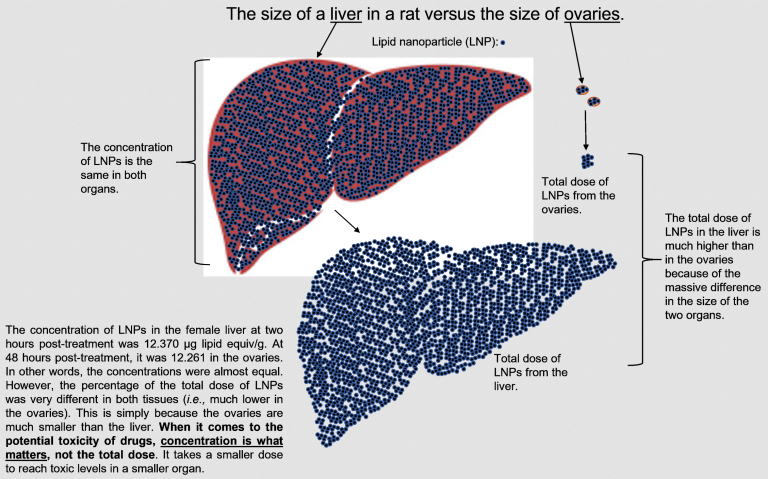
Also, focusing on the percentage of the dose that went to individual tissues loses sight of the fact that it is the concentration that matters. And the concentrations of LNPs in many tissues cannot be defined as insubstantial, especially when a safe concentration has never been established. Here is an illustration that I put together to highlight why the percentage of the total dose should not be used as a distraction from the concentration of the drug…

Here is an analogy to provide additional help…
Think about the risk of an accidental drug overdose in two people. One is a 250-pound man, the other is a 50-pound boy. They each accidentally consume the same high dose of a drug. In other words, 100% of the dose was found in the body of the man and 100% of the dose was found in the body of the boy. The percentage of the dose is equal but are they at equal risk of experiencing toxicity from an overdose? Obviously not. The tiny boy is at enhanced risk because the same high dose in a smaller body equals a higher concentration of the drug. The percentage of the drug given to the boy would have be scaled back a lot to avoid toxicity.
Looked at another way, let’s say the boy has consumed the minimum dose of a drug that causes toxicity. Would the same dose cause toxicity in the man? No, it would require a higher dose to be toxic.
In the same fashion, that is why dosage recommendations are lower for younger/smaller people. To prove this, go to your medicine cabinet and pull out a bottle of Aspirin or Tylenol or something similar. Look at the recommended dose for a child versus an adult. Children need lower total doses to achieve the same concentration of the drug once it is distributed in their body. Adult doses can potentially be toxic in children.
This same principle applies to the biodistribution of the lipid nanoparticles used to make mRNA vaccines. If a toxic dose were to be reached in the liver, the dose needed to cause toxicity in the vastly smaller ovaries would be much lower. Because the concentration of a drug is what matters.
Interestingly, the study director ignored that fact that the two-times higher dose of the mRNA ‘vaccine’ (100 μg) resulted in approximately two-times higher concentrations (that were toxic) in the various tissues as compared to the 50 μg dose; a classic dose-response effect. The percentage of the total doses reaching the tissues was almost equivalent between the 50 μg and 100 μg doses, but the latter proved more toxic because the concentrations were higher.
Page 20: “Mean plasma concentrations peaked by 4 hours post-dose in males and by 1 hour post-dose in females”. This is evidence of rapid systemic distribution with the kinetics accelerated in females.
Pages 20-21: “Concentrations were higher in plasma than in blood, with mean blood:plasma ratios generally ca. 0.5-0.6, indicating that the majority of the total radioactivity is associated with the plasma fraction.” Page 22: “and [3H]-08-A01-C01 did not associate with red blood cells.” But approximately one-third of the LNPs circulating in the blood were found in the cell fraction! Plus, the study director’s conclusion is based on the assumption that the ratio of cells to plasma in whole blood is ~50:50, but it is not; plasma represents a higher percentage. Here is a nice illustration from the University of Washington, Dept. of Laboratory Medicine, Specimen Procurement Section:

This means the amount of the LNPs in the cellular fraction was more likely ~40% of the total dose in the blood. How can one write this off as irrelevant? Further, the conclusion was that red blood cells weren’t a significant destination of the LNPs. Not only do the data contradict this assertion, it also fails to recognize that white blood cells and platelets make up <1% of whole blood. What if all the LNPs in the cellular fraction were in the white blood cells and/or platelets? This would represent a very high concentration of LNPs. Why wasn’t this studied? Instead, the cellular fraction was discarded. This is a very important question because white blood cells constitute a major component of the immune system. If they were to be negatively impacted, this would impede the vaccination effect. And if they aren’t killed but take up the mRNA, they would express the spike protein, which would then make them a target for spike-specific antibodies and/or T cells. Also, there have been reports of bleeding, blood clots, and thrombocytopenia (low platelet counts) post-‘vaccination’. The common factor with all of these is that they involve platelets, another component of the cellular fraction that was ignored. The question regarding the impact of LNPs on cells in the blood should have been addressed before there was any consideration of proceeding into human trials.
Page 22: The study director drew this overall biased conclusion: “The concentrations of [3H]-08-A01-C01 were greatest in the injection site at all time points”. Pardon me?!? Am I supposed to forget the statement on page 20 of the report, “the greatest mean tissue concentration and, in most instances, % of injected dose was found remaining in the injection site at each time point in both sexes”. This statement could only be applied to the data where results for males and females were pooled (i.e., the only data shown in the Japanese document), thereby hiding the fact that the % of the injected dose was higher in the liver than at the injection site at different times in males versus females.
Page 22: “The concentrations of [3H]-08-A01-C01 were greatest in the injection site at all time points, with levels peaking in the plasma by 1-4 hours post-dose and distribution mainly into liver, adrenal glands, spleen and ovaries over 48 hours.” I was lambasted by colleagues when I expressed concerns about biodistribution of LNPs to ovaries after seeing the Japanese document. But in the version of the document that was released by court-order, the study director concludes that the ovary is a main target organ for distribution of the LNPs! This concern is only enhanced when one looks at the kinetics of this biodistribution to the ovaries…

…the concentration of LNPs were rising almost exponentially at the conclusion of the study. How high would it have gone?
Page 21: “Maximum concentrations (Cmax) in liver and spleen were observed at 8 hours post-dose in males and 48 hours post dose in females, but were broadly similar and appeared to plateau at 8 hours post-dose when considering variability.” This conclusion needs to be corrected. The highest concentrations in female livers and spleens were observed at 48-hours post-treatment. But there is no way of knowing that these were maximal concentrations. In fact, the data suggest that maximum concentrations could be reached some time after 48 hours…


This idea of capturing a concentration plateau is based on averaging the values from males and females. In many of the male tissues, apparent peaks or plateaus appear to have been captured within 48 hours post-injection. However, the kinetics were different in females, with concentrations still rising in many cases. If one averages the post-peak values of males with rising values from females, it gives the false impression that a plateau has been captured.
This is very important because one of the key purposes of a biodistribution study is to determine when peak concentrations occur. Concerns related to potential toxicities can obviously not be allayed if only pre-peak concentrations have been captured; and this appears to be what happened with the females. Look at the following LNP concentrations over time in various tissues, with an emphasis on females (I already showed several other tissues above) and ask if you feel confident that a peak or plateau was captured. In other words, how confident are you that the concentrations would go no higher beyond 48 hours?


I question whether a peak was reached in male muscles…

All the Data are Indicative of Systemic Distribution
If a drug gets into the blood, one of the first places you should look for uptake is the spleen. This is because the spleen filters the blood. Indeed, with Pfizer’s ‘vaccine’ we see a rapid influx of LNPs into the blood and subsequent seeding of the spleen. Also, lymph nodes are designed to drain fluids from local tissues. So, if a drug seeds a tissue, one would expect to find it in the regional lymph nodes. In this study, the LNPs were found in two lymph nodes that were studied.
These lymph nodes drain distinct tissues (one drains the jaw region and the other drains fluids around the intestines). Although it was not stated, I assume the surrogate ‘vaccine’ was likely injected into one of the large muscles of the hind legs as this is what is commonly done. If true, the most relevant draining lymph node would be the popliteal node. Surprisingly, it looks like lymph nodes draining the injection site were not evaluated.
The fact that two ‘irrelevant’ lymph nodes had LNPs accumulating in them is suggestive of widespread dissemination into various tissues. I hypothesize that LNPs would have been found in most, if not all the lymph nodes in the rats. These results confirm a distribution pattern that is very different from traditional vaccine technologies where the dose would be concentrated at acute time points at the injection site, with some taken to the local draining lymph nodes.
6% of the Dose was in the Blood at Two Hours Post-Injection
No attempt was made by those conducting the biodistribution study to estimate the total amount of the dose of LNPs that were circulating in the blood, so I did this. We know the concentration per milliliter in the blood of males and females at each timepoint. So I took the average concentration across both sexes and picked the peak, which was at two hours after treatment. I estimated the total blood volumes (BV) in males and females using the formula BV (mL) = 0.06 x body weight + 0.77, which was derived from this study using the same strain of rats.
After plugging in the relevant numbers, I came up with a total average dose of blood-borne lipids of 1,290 μg; or ~6% of the total dose. This is substantial considering it represents a single time point in a dynamic tissue in which the LNPs are entering and exiting the blood throughout the duration of the study.
How the Study Should Have Been Conducted
As an expert in pre-clinical experimentation, I can assure you that Pfizer’s biodistribution study was of poor quality. It appears to have been rushed, with many corners cut, possibly in an effort to meet a deadline at ‘warp speed’. If one of my graduate students presented the data in Pfizer’s biodistribution study to their advisory committee and proposed to include it in their thesis, they would immediately be advised that it represented no more than a preliminary experiment; the type that is used to design much more informative and conclusive experiments. They would be required to expand its scope and repeat it multiple times. Here are some things I would recommend:
- The experiment should have been conducted independently at least three times to ensure the findings could be replicated and to provide sufficient statistical power to facilitate objective analyses.
- The experiment should have been run longer; specifically, until peak concentrations were clearly captured in all tissues.
- More doses should have been evaluated to determine when unwanted effects began and whether they could be mitigated.
- More tissues should have been assessed since there was evidence of extremely broad distribution. This should have included the lymph nodes draining the injection site, white blood cells, red blood cells, platelets, etc.
- Tissues should have been assessed for the presence of LNPs, plus the mRNA, plus the protein product; not just the LNPs. It would be helpful to know how long the mRNA remains intact versus how long the protein product and LNPs can be detected.
- Samples should have been analyzed to detect potential shedding. These samples should have included saliva, urine, feces and skin swabs.
- The study should have been run with the same formulation that is being used in people.
- A small-scale biodistribution study should have been incorporated into a phase I human clinical trial. If nothing else, it would have been very easy to monitor distribution in serial blood samples, as well as shedding samples, since these are all easy to obtain.
Repeated Dosing With Lipid Nanoparticles is Dangerous
Here is some information that is of concern considering that many people have already received three or four doses of an mRNA ‘vaccine’ in less than one year, with the potential for more on the horizon…
This might be news to many members of the public, but it is a long-accepted scientific fact that lipid nanoparticles used to deliver the mRNA in ‘vaccines’ can be toxic. In fact, that is the very reason why some big pharmaceutical companies strategically focused on using them as vaccine technologies instead of for gene therapies and to deliver drugs. A good quality vaccine, such as those used in the mandated childhood series, only require one or two doses for a person’s lifetime. It was assumed the same would hold true for mRNA vaccines. Repeated administration of lipid nanoparticles, especially over a limited period of time, is known to be toxic.
This was openly discussed with the media prior to the declared COVID-19 pandemic, but many people are either unaware of this or have forgotten. This included an interview with the Chief Executive Officer of Moderna and others in the biotechnology industry. Here are quotes from the hyperlinked article:
“In nature, mRNA molecules function like recipe books, directing cellular machinery to make specific proteins. Moderna believes it can play that system to its advantage by using synthetic mRNA to compel cells to produce whichever proteins it chooses. In effect, the mRNA would turn cells into tiny drug factories. It’s highly risky. Big pharma companies had tried similar work and abandoned it because it’s exceedingly hard to get RNA into cells without triggering nasty side effects.”; “Delivery — actually getting RNA into cells — has long bedeviled the whole field. On their own, RNA molecules have a hard time reaching their targets. They work better if they’re wrapped up in a delivery mechanism, such as nanoparticles made of lipids. But those nanoparticles can lead to dangerous side effects, especially if a patient has to take repeated doses over months or years. Novartis abandoned the related realm of RNA interference over concerns about toxicity, as did Merck and Roche”.
Indeed, there are many peer-reviewed scientific publications that have highlighted serious safety issues related to the administration of lipid nanoparticles used to deliver mRNAs. Some examples of toxicities that can be caused by lipid nanoparticles can be found here, here, and here. Remarkably, lipid nanoparticles used to deliver mRNAs have even been shown to be toxic to cells of the immune system that play a critical role in promoting vaccine-mediated immune responses. This would counteract the very immunization effect that is being sought. It could even, in theory, potentially cause counterproductive acute immunosuppression. A key question is to what degree are these toxicities additive? Unless lipid nanoparticles are definitively proven safe in humans, their repeated administration to people should be avoided.
Implications for Blood Donations
Blood donor organizations conduct fabulous, life-saving work. However, they need to take a long look at their policies surrounding mRNA-based vaccines. For example, Canadian Blood Services has the following policy: “Consistent with our eligibility criteria for other non-live vaccines, Canadian Blood Services accepts donations from otherwise eligible donors who have received a Health Canada-authorized COVID-19 vaccine, with no required deferral period following vaccination”. The problem is that mRNA ‘vaccines’ don’t function like traditional non-live vaccines. Pfizer’s own data suggest that their mRNA ‘vaccine’ circulates in the blood (in both the plasma and the cellular fraction) for at least 48 hours post-inoculation. Should blood containing variable quantities of a mRNA ‘vaccine’ that is still in its initial phase 3 human clinical trial be used in patients?
I strongly recommend that a simple time-course study evaluating the duration of circulation of lipid nanoparticles, mRNA, and the spike protein be conducted. This would allow a safe waiting period to be determined prior to accepting donations from individuals who have received a mRNA ‘vaccine’.
Practical Applications
What should be done with all this information? Well, I would suggest that you investigate the myriad of questions raised by Pfizer’s biodistribution study. Ask yourself if you have been presented with sufficient scientific evidence to address your queries. Do not settle for personal opinions, no matter how much of an ‘expert’ the person or organization appears to be. If you are not confident that systemic biodistribution of mRNA vaccines in people is a non-issue, then consider encouraging the promotion of research to provide definitive answers. Expecting public health officials to practice the precautionary principle is reasonable.
Further, encourage uncensored public discussions of the science between experts on both sides of the debate. After all, the full spectrum of scientific information should not be hidden from the public.
Finally, encourage health regulatory agencies to recruit unbiased scientists with pre-clinical research skills to carefully evaluate these early types of studies. It is challenging for a large company that is responsible for vast amounts of investor dollars to change course in the human clinical trial stages of research where massive amounts of money are one the line; much like trying to turn an oil tanker around. In contrast, there is much less invested at the earlier pre-clinical and translational stages due to the much lower cost of that type of research.
Changing course at this point is more akin to turning a speedboat around. Pre-clinical studies can be very informative and, if carefully critiqued, can be used to formulate important questions that can be answered with new, relatively inexpensive, easy and rapid experiments.
Unfortunately, most regulatory agencies and advisory committees that have been evaluating COVID-19 ‘vaccines’ have focused on the recruitment of clinically focused researchers. The many problems with Pfizer’s biodistribution study should have been obvious to a pre-clinical scientist.
Ideally, places like Health Canada should offer their regulatory scientists the equivalent of tenure in academia to ensure that they can maintain job security no matter how unpopular their reviews of submitted data may be.
In my continued effort to correct mis/dis-information, present information with greater transparency, and promote informed decision-making,
You can subscribe to Dr Bridle’s Substack here.