Artificial Sweeteners
now browsing by category
Artificial Sweeteners Tied to Faster Brain Aging and Decline
Reproduced from original article:
https://articles.mercola.com/sites/articles/archive/2025/11/05/artificial-sweeteners-brain-aging-cognitive-decline.aspx
Analysis by Dr. Joseph Mercola November 05, 2025
Story at-a-glance
- Artificial sweeteners are linked to faster memory loss and thinking decline, equal to 1.6 years of extra brain aging
- People under 60 who consume the most low or no-calorie sweeteners face the steepest drop in verbal fluency and overall cognition, making midlife a key time to cut them out
- Adults with diabetes are at even higher risk, with sharper declines in memory and global thinking skills when relying on artificial sweeteners and sugar substitutes
- The harmful effects were consistent across years of testing, showing that continued use steadily chips away at brain function
- You can protect your brain by eliminating artificial sweeteners, using natural options like fruit, honey, monk fruit, and dextrose, and focusing on foods that fuel steady energy
Artificial sweeteners are often promoted as smart swaps for sugar, yet they carry consequences that reach far beyond taste or calorie count. What looks like a harmless choice in your morning coffee or afternoon soda interferes with the very systems that keep your brain sharp and resilient.
Cognitive decline is not just about forgetting names or misplacing your keys. It starts with subtle changes in memory, language, and focus that erode your ability to stay independent. Over time, these problems build into serious conditions like dementia, where everyday decision-making and self-care become overwhelming.
Artificial sweeteners such as aspartame, saccharin, and erythritol are hidden in flavored drinks, protein shakes, yogurts, and “diet” desserts. Once you understand how frequently you encounter them, it becomes clear why so many people are unknowingly adding stress to their brain. Choosing these products means you’re exposing your nervous system to chemicals that alter communication between brain cells and strain your gut-brain connection.
Your daily choices about what to eat and drink are not small — they directly influence how well your memory, focus, and language skills hold up as you age. That’s why it’s worth examining the latest research on artificial sweeteners and the surprising way they accelerate brain aging.
Artificial Sweeteners Accelerate Cognitive Decline
Researchers followed 12,772 adults in Brazil for an average of eight years to determine how artificial sweeteners affect thinking and memory skills.1 Participants were civil servants, all age 35 or older at baseline, and they completed detailed food questionnaires and repeated cognitive testing. The study measured consumption of seven common artificial and no- or low-calorie sweeteners.
• Middle-aged adults were the most affected — The average age of participants was 52, and more than half were women. When researchers divided people into groups based on how much of alternative sweeteners they consumed, they found those in the highest group experienced a much faster decline in overall cognition compared to the lowest group. Importantly, this accelerated decline was strongest in people younger than 60, suggesting the risk is magnified during midlife.
• Faster brain aging showed up in specific thinking skills — People in the highest consumption group showed sharp declines in verbal fluency (the ability to think of and say words quickly) and memory. The researchers calculated that this decline was the equivalent of 1.6 years of extra aging in brain function. Even those in the middle consumption group experienced the equivalent of 1.3 years of aging over the study period, which means the risks weren’t limited only to heavy users.
• Diabetes increased the risks even further — Participants living with diabetes were especially vulnerable to the harms of artificial sweeteners. For them, memory and global cognition dropped more rapidly when intake was higher. This is important because people with diabetes are already encouraged to use artificial sweeteners as sugar substitutes, which could worsen long-term brain health. The results suggest that artificial sweeteners are far from a safe alternative for this group.
• Different sweeteners showed different levels of harm — When the researchers analyzed individual sweeteners, they found aspartame, saccharin, acesulfame-K, erythritol, sorbitol, and xylitol were each associated with a faster decline in cognition. Tagatose, however, did not show a clear link to cognitive decline. This suggests not all sugar substitutes carry the same level of risk, but most commonly used artificial sweeteners did.
• More sweetener intake was tied to faster decline over time — Participants were tested at the beginning of the study, again several years later, and at the end of the eight-year period. Those in the lowest group consumed about 20 milligrams (mg) per day, while the highest group averaged 191 mg daily — the equivalent of just one can of diet soda for aspartame.2
People in the higher intake groups showed a quicker drop in memory, verbal fluency, and processing speed compared to lighter users. Importantly, this link was observed in participants younger than 60, but not in older adults.
Artificial Sweeteners Interfere with Brain Signaling and Gut Health
Several of the compounds studied, including aspartame and saccharin, have been shown in other research to affect neurotransmitter activity.3,4 Neurotransmitters are your brain’s chemical messengers, controlling everything from memory formation to verbal processing. Changes in these pathways could explain why verbal fluency and memory were most affected in the study population.
• Metabolic strain is another likely mechanism — Artificial sweeteners are often used by people with diabetes or those trying to manage blood sugar. However, they disrupt your body’s normal insulin response and alter how cells use energy, which increases oxidative stress and harms neurons.5 This is especially concerning because neurons rely on stable energy supply to maintain communication networks required for memory and thinking skills.
• Researchers found brain effects even after accounting for other risks — The team adjusted the data for age, sex, high blood pressure, cardiovascular disease, and other lifestyle habits. Even after these adjustments, the association between sweetener intake and cognitive decline remained strong, showing that the results are not easily explained by other factors. This highlights that the sweeteners themselves are an independent factor in brain health.
• Aspartame harms the good bacteria in your gut — Aspartame disrupts your gut microbiome by depleting beneficial bacteria, weakening your natural defenses, and creating conditions that favor tumor growth.6 These bacteria normally produce protective compounds that help keep your brain and immune system strong. When their numbers drop, harmful microbes gain the upper hand, leaving your body more vulnerable to disease.
• Artificial sweeteners expose your brain to compounds that accelerate cognitive decline — The featured study shows the impact is measurable, long-term, and stronger in people already vulnerable, such as those with diabetes.7 Choosing natural sweeteners allows you to enjoy sweetness while avoiding the brain-aging effects documented in this research.

Save This Article for Later – Get the PDF Now
Simple Steps to Protect Your Brain from Artificial Sweeteners
If you’ve been reaching for diet soda, flavored water, or sugar-free desserts thinking they’re a better option than sugar, you now know they speed up brain aging instead of protecting your health. There are clear steps you can take right now to remove the risk and support your brain’s energy and memory systems. These changes are simple but powerful.
1. Cut out artificial sweeteners completely — Your first step is to stop using products that contain artificial sweeteners like aspartame, sucralose, saccharin, acesulfame-K, and neotame. Look at your flavored water, gum, yogurt, protein shakes, or “diet” snacks. If the label lists any of these names, replace it with something else. Removing these chemicals stops the constant assault on your brain’s memory and verbal fluency.
2. Replace sweetness with whole food alternatives — Instead of “zero calorie” drinks and treats, use real food sources of sweetness. Whole fruits, raw honey, or small amounts of maple syrup provide natural sugars that your body recognizes and uses for fuel.
Fresh fruit makes an easy dessert or snack, honey works well to lightly sweeten tea or drizzle over raw grass fed yogurt, and maple syrup can be added to organic oatmeal. These natural options not only satisfy cravings but also deliver vitamins, minerals, and plant compounds that support steady energy for your brain and body.
3. Support your gut to protect your brain — Your gut and brain communicate constantly. Artificial sweeteners disrupt this connection by altering your gut bacteria. Focus on eating simple, digestible carbs such as ripe fruits, white rice, and root vegetables — once your gut is healed enough to handle them. If your gut is still fragile, focus on fruit and white rice first to fuel your brain without feeding harmful bacteria. Protecting your gut environment directly improves how your brain functions.
4. Choose safer natural sweeteners at home — If you crave something sweet, prepare it yourself with ingredients that support health instead of harming it. Natural stevia from the whole plant, Luo Han Guo (also called monk fruit), and pure dextrose from clean cane sugar are reliable options. Using these alternatives allows you to enjoy sweetness without exposing your brain to the decline linked to artificial sweeteners.
5. Focus on energy, not restriction — Instead of thinking about what you’re giving up, pay attention to what you’re gaining — better focus, stronger recall, and sharper thinking. If you’ve been relying on low-calorie products, it’s time to fuel your body and brain with the right kind of carbohydrates and proteins.
Around 250 grams of carbs each day, combined with quality protein and fats like grass fed butter or ghee, provide the foundation for steady brain energy. Think of this not as a diet but as an upgrade to how your brain runs.
FAQs About Artificial Sweeteners and Your Brain
Q: How do artificial sweeteners affect brain health?
A: Artificial sweeteners speed up cognitive decline. A large study found that people who consumed the highest amounts experienced the equivalent of 1.6 extra years of brain aging in memory, verbal fluency, and overall thinking skills.8
Q: Who is most at risk from artificial sweeteners?
A: Middle-aged adults under 60 showed the strongest link between high intake and faster cognitive decline. People with diabetes were also more vulnerable, with sharper drops in memory and global cognition compared to those without diabetes.
Q: What can you use instead of artificial sweeteners?
A: Safer alternatives include whole fruits, raw honey, maple syrup, natural stevia in its plant form, Luo Han Guo (monk fruit), and pure dextrose from clean cane sugar. These options provide sweetness without the brain-aging effects linked to artificial sweeteners.
Q: What steps protect your brain if you’ve been using artificial sweeteners?
A: Eliminate products with artificial sweeteners, switch to whole food sweeteners, support your gut health, try natural substitutes at home, and focus on fueling your body with the right balance of carbs, protein, and healthy fats. These steps restore energy production and protect long-term brain function.
Decades of Research Confirms How Aspartame Harms Your Health
Reproduced from original article:
https://articles.mercola.com/sites/articles/archive/2024/07/22/aspartame-health-effects.aspx
Analysis by Dr. Joseph Mercola July 22, 2024

STORY AT-A-GLANCE
- Aspartame, an artificial sweetener 200 times sweeter than sugar, has been linked to numerous health problems including cancer, cardiovascular disease, Alzheimer’s, seizures and weight gain
- The methanol in aspartame breaks down into formaldehyde in the body, a known carcinogen. Multiple studies have associated aspartame consumption with increased cancer risk
- Aspartame can cause excitotoxicity in the brain, leading to neural damage. It’s been linked to behavioral and cognitive issues, headaches, anxiety, depression and increased dementia risk
- Despite being marketed for weight loss, studies show aspartame may actually contribute to weight gain, increased appetite and obesity-related diseases
- The WHO advises against using non-sugar sweeteners for weight management, stating they offer no nutritional value and may increase risks of Type 2 diabetes and heart disease
I’ve been sounding the alarm on artificial sweeteners — particularly aspartame — for many years, as I believe it is one of the most pernicious products ever to make its way into our food supply. Many people have been led to believe that swapping sugar for aspartame means they’re doing their health a favor. But on the contrary, this toxic sweetener is one of the worst food additives you can consume.
A recently published review1 investigates the long history of aspartame and the dozens of health problems associated with it. I guarantee that after reading the report, you’ll likely toss out all aspartame-containing products from your pantry.
Aspartame Has Been Wrecking People’s Health for Decades
Touted to be 200 times sweeter than sugar, aspartame is a low-calorie artificial sweetener primarily made up of aspartic acid and phenylalanine. It was first approved by the U.S. Food and Drug Administration (FDA) to be used in foods and beverages in 1981.2
Today, it’s added to almost 6,000 consumer products.3 Many diet beverages, sugar-free gum and candy, condiments such as ketchup and dressings, and even children’s medicines and vitamins contain aspartame. Aspartame’s claim to fame is it provides the same sweet flavor without added calories, hence making it ideal for those looking to shed excess weight.
But aspartame’s existence has been rife with controversy, as it appears that the risks outweigh the benefits. A review4 published by the nonprofit organization U.S. Right to Know enumerates multiple independent studies conducted over the past few decades since aspartame’s approval, associating this artificial sweetener with a long list of health problems. According to the featured review:
“Dozens of studies have linked the popular artificial sweetener aspartame to serious health problems, including cancer, cardiovascular disease, Alzheimer’s disease, seizures, stroke and dementia, as well as negative effects such as intestinal dysbiosis, mood disorders, headaches and migraines.
Evidence also links aspartame to weight gain, increased appetite and obesity-related diseases … This evidence raises questions about the legality of marketing aspartame-containing products, such as Diet Coke, as ‘diet’ drinks or weight-loss products.”5
What Makes Aspartame So Toxic to Your Health?
To understand how aspartame wreaks havoc in your body, it’s important to understand its composition. As mentioned, aspartame is primarily composed of aspartic acid and phenylalanine. To provide its sweetness, the phenylalanine has been modified to carry a methyl group. However, this bond, called a methyl ester, is very weak. It easily breaks off and forms methanol.
It’s true that methanol naturally occurs in fruits and vegetables, however, in these foods, it’s firmly bonded to pectin, allowing it to be safely passed through your digestive tract. The methanol in aspartame is different — it’s not bonded to anything that can help remove it from your body.
Instead, methanol acts like a Trojan horse and is carried into susceptible tissues throughout your body, including your brain and bone marrow. Here, the alcohol dehydrogenase (ADH) enzyme converts methanol into formaldehyde — this is what wreaks havoc on sensitive proteins and DNA.
What’s more, formaldehyde is a known carcinogen,6 which brings us to one of the most warned-about dangers of aspartame. Since formaldehyde is carcinogenic, then it makes sense that aspartame might be, too.
Save This Article for Later – Get the PDF Now
Aspartame Has Been Linked to an Increased Risk of Cancer
The U.S. Right to Know article7 highlights several studies linking aspartame to an increased risk of cancer. The most recent one is the World Health Organization’s International Agency for Research on Cancer’s (IARC) monograph8 on aspartame, published earlier this year.
“As announced in January, IARC found aspartame is possibly carcinogenic. The monograph notes that a minority of the working group supported classifying aspartame as ‘probably carcinogenic to humans,’ based on ‘a combination of limited evidence for cancer in humans and sufficient evidence for cancer in experimental animals, supported by the limited mechanistic evidence …’” U.S. Right to Know reports.
A 2022 PLOS study9 also found a link between aspartame and acesulfame-K, another artificial sweetener, and a higher risk of breast and obesity-related cancers. The study authors note, “These findings provide important and novel insights for the ongoing re-evaluation of food additive sweeteners by the European Food Safety Authority and other health agencies globally.”
The featured article further lists several more studies that point to aspartame’s carcinogenic potential, such as:
- A 2006 lifespan rat study10 published in Environmental Health Perspectives notes that aspartame “is a multipotential carcinogenic agent, even at a daily dose of … much less than the current acceptable daily intake.”
- A 2010 study11 published in the American Journal of Industrial Medicine confirms that this artificial sweetener is “a carcinogenic agent in multiple sites in rodents, and that this effect is induced in two species, rats (males and females) and mice (males).”
- A 2012 Harvard paper12 published in the American Journal of Clinical Nutrition found a positive link between aspartame intake and Non-Hodgkin lymphoma and multiple myeloma (among males), and leukemia (in both males and females).
Early animal studies on aspartame dating to the 1970s have already shown evidence of causing brain tumors, yet no follow-up studies were conducted on this matter.13 What’s more, further attempts to shed light on this potential hazard were either dismissed or swept under the rug. An article published in Vice magazine notes:14
“In 1996, John Olney, a professor of pathology and immunology at Washington University Medical School, claimed to have found epidemiological evidence15 that the introduction of aspartame in the U.S. was connected to an increase in an aggressive form of brain tumor called glioblastomas. But this was criticized for just being a correlation and dismissed by the FDA.”
Aspartame Harms Your Brain
Aspartame’s unnatural structure causes it to produce amino acids that, instead of being used by your body, harm you. These amino acids attack your cells and even cross your blood-brain barrier, leading to a toxic cellular overstimulation known as excitotoxicity.
In addition, aspartic acid can lead to neural damage. While aspartate is used as a neurotransmitter, having too much of it in your brain can kill neurons as it allows too much calcium in the cells. This influx triggers excessive amounts of free radicals, which kill the cells. Hence, it isn’t surprising that aspartame has been linked to a wide array of brain-related health issues. The featured article notes:16
“Aspartame side effects may also include behavioral and cognitive problems such as learning deficits, headache, seizure, migraines, irritable moods, anxiety, depression, and insomnia, according to the researchers of a 2017 study in Nutritional Neuroscience.17 ‘Aspartame consumption needs to be approached with caution due to the possible effects on neurobehavioral health.’”
Alzheimer’s disease, a severe form of dementia, is now a leading cause of death. According to a 2024 report18 by the Alzheimer’s Association, an estimated 6.9 million Americans are living with this illness. Unfortunately, aspartame intake may play a factor because of the methanol in it.
According to a two-part animal study19,20 published in the Journal of Alzheimer’s Disease in 2014, chronic exposure to methanol may lead to memory loss and Alzheimer’s disease symptoms. A separate study21 published in 2017 also found that people who consume diet soda on a daily basis had a three times higher risk of developing dementia and stroke as opposed to those who consumed it weekly or less. According to the study authors:
“Artificially sweetened beverages are typically sweetened with non-nutritive sweeteners, such as saccharin, acesulfame, aspartame, neotame or sucralose … Collectively, these synthetic substances are much more potent than sucrose, with only trace amounts needed to generate the sensation of sweetness.
Because our study was observational, we are unable to determine whether artificially sweetened soft drink intake increased the risk of incident dementia through diabetes mellitus or whether people with diabetes mellitus were simply more likely to consume diet beverages. Some studies have provided evidence for the former.”22
Aspartame Doesn’t Help With Weight Loss — It Actually Makes You Fat
Aspartame-containing products are usually marketed as “diet aids” that can help you achieve weight loss, but nothing could be further from the truth. The featured article also mentions this,23 and questions the legality of marketing these products as weight loss aids, when the science clearly points otherwise.
For example, a study published in the International Journal of Obesity found that ingesting aspartame and saccharin on a long-term basis can actually lead to “greater volumes of visceral, intermuscular, and subcutaneous adipose tissue.”24 A separate animal study, published in the British Journal of Nutrition, also found that test subjects that were given aspartame for seven weeks experienced increased body weight, fat accumulation and reduced insulin sensitivity.25
In May 2023, the WHO released a report advising against the use of “nonsugar sweeteners (NSS)” to manage body weight or minimize the risk of noncommunicable diseases (NCDs). The report also highlights that health problems may arise from these products, including Type 2 diabetes, heart disease and even increased risk of mortality.26 According to Francesco Branca, WHO director for nutrition and food safety:
“Replacing free sugars with NSS does not help with weight control in the long term. People need to consider other ways to reduce free sugars intake, such as consuming food with naturally occurring sugars, like fruit, or unsweetened food and beverages. NSS are not essential dietary factors and have no nutritional value. People should reduce the sweetness of the diet altogether, starting early in life, to improve their health.”27
The List of Health Problems Associated With Aspartame Is Extensive
The featured article mentions that many scientists have questioned aspartame’s approval, believing it was based on “suspect data and should be reconsidered.”28 I wholeheartedly agree with this, and no doubt you will too, once you see just how extensive the list of associated health problems is:
| Cancer29 | Brain tumors30 | Anxiety31 and learning deficits32 |
| Cardiovascular disease33 | Stroke, dementia34 and Alzheimer’s disease35 | Seizures36 |
| Headaches and migraines37 | Parkinson’s disease38 | Autism39 |
| Weight gain and obesity40 | Increased appetite41 | Diabetes and metabolic dysfunction42 |
| Pregnancy complications (ex: preterm birth)43 | Early menstruation44 | Sperm damage45 |
| Liver46 and kidney47 damage | Behavioral problems48 (irritability and depression) | Insomnia49 |
I encourage you to read the U.S. Right to Know article as it efficiently summarizes aspartame’s toxicity. It also provides links to investigative reports about the various health concerns, background information on how industry-funded research led to its approval, and the sordid ties between the FDA and the food industry that allowed this product to infiltrate our food supply.
Ditch Artificial Sweeteners and Control Your Sweet Cravings
Eliminating artificial sweeteners from your diet may be a challenge especially if you frequently crave sweet foods, but the good news is there are strategies to help you ditch them.
One strategy is to consume sour foods like fermented vegetables or water with lemon juice whenever you’re craving something sweet. You can also try drinking a glass of tea with citrus juice or eating a piece of fruit. Most fruits are naturally sweet and can be a great substitute for sweet cravings.
Being a smart shopper is also crucial — be vigilant about checking the ingredient lists on the packaging of foods and beverages. Take note that aspartame and other artificial sweeteners aren’t found in just “diet” products and other sugar-free products, but also in foods you might not expect like condiments, breakfast cereals and yogurt. Focus on consuming fresh, whole foods instead.
Finally, you can also try the Emotional Freedom Techniques (EFT) whenever you crave something sweet. This psychological acupressure tool will help you overcome the urge to consume unhealthy foods, and only involves tapping and voicing affirmations. The video above shows you how to do EFT to get rid of cravings.
- 1, 4 U.S. Right to Know, May 18, 2024
- 2 Aspartame, History and Controversy
- 3 Encyclopedia of Food Sciences and Nutrition (Second Edition), 2003, Pages 332-338
- 5, 28 U.S. Right to Know, May 18, 2024, Key facts about aspartame
- 6 National Cancer Institute, Formaldehyde and Cancer Risk
- 7 U.S. Right to Know, May 18, 2024, Aspartame studies point to serious health risks
- 8 IARC Monographs on the Identification of Carcinogenic Hazards to Humans, 2024, Volume 134, Aspartame, Methyleugenol, and Isoeugenol
- 9, 29 PLoS Med. March 24, 2022;19(3):e1003950
- 10 Environ Health Perspect. March 2006; 114(3): 379-385
- 11 Am J Ind Med. December 2010;53(12):1197-206
- 12 The American Journal of Clinical Nutrition, December 2012; 96(6): P1419-1428
- 13, 14 Vice, April 20, 2017
- 15 J Neuropathol Exp Neurol. November 1996;55(11):1115-23
- 16 U.S. Right to Know, May 18, 2024, Neurotoxicity, brain damage and mood disorders
- 17, 37, 48 Nutr Neurosci. 2018 Jun;21(5):306-316
- 18 Alzheimer’s Association, 2024 Alzheimer’s Disease Facts and Figures
- 19, 35 J Alzheimers Dis. 2014;41(4):1117-29
- 20 J Alzheimers Dis. 2014;41(4):1131-47
- 21, 22, 34 Stroke, April 20, 2017; 48(5)
- 23 U.S. Right to Know, May 18, 2024, Weight gain, increased appetite and obesity related problems
- 24 International Journal of Obesity, 2023, volume 47, 939-947
- 25 Br J Nutr. July 28, 2022; 128(2): 352-360
- 26, 27 World Health Organization (WHO), May 15, 2023
- 30 J Neuropathol Exp Neurol. 1996 Nov;55(11):1115-23
- 31 PNAS, December 2, 2022, 119 (49) e2213120119
- 32 Scientific Reports, 2023, volume 13, Article number: 14326
- 33 CMAJ July 17, 2017; 189(28), E929-E939
- 36 Neurology. 1992 May;42(5):1000-3
- 38 Nutritional Neuroscience, 2024, Volume 27, Issue 5
- 39 Nutrients 2023, 15(17), 3772
- 40 Appl Physiol Nutr Metab. January 2017;42(1):77-83
- 41 Yale J Biol Med. 2010 Jun; 83(2): 101-108
- 42 Diabetes Care, 2023;46(9):1681-1690
- 43 The American Journal of Clinical Nutrition, September 2010: 92(3); P626-633
- 44 Am J Clin Nutr. September 2015;102(3):648-54
- 45 Journal of Ilam University of Medical Sciences, 2019, 27(3), Page(s): 150-161
- 46 Nutr Res. May 2017:41:47-55
- 47 Clin J Am Soc Nephrol. January 2011;6(1):160-6
- 49 Eur J Clin Nutr. 2008 Apr;62(4):451-62
Top 5 Reasons Never to Use Splenda
© GreenMedInfo LLC. This work is reproduced and distributed with the permission of GreenMedInfo LLC.
Want to learn more from GreenMedInfo? Sign up for the newsletter here:
www.greenmedinfo.com/greenmed/newsletter
Reproduced from original article:
https://greenmedinfo.com/blog/top-5-reasons-never-use-splenda
Posted on: Saturday, June 29th 2024 at 8:45 pm
Written By: Sayer Ji, Founder
This article is copyrighted by GreenMedInfo LLC, 2024

Splenda is marketed as a no-calorie, no-guilt sugar substitute. Blood sugar stable, it “passes right through” the body, so it’s safe for diabetics AND you won’t gain weight! Are these claims masking the ugly truth about this chemical imposter? As mounting research shows, when it comes to our diet, there is no free lunch
Splenda’s Spurious Claims
The allure is plain to see: a sweetener made from sugar, that tastes like sugar, but has zero calories. If the marketing is to be believed, this product is better than the real thing. It’s everything we love, with all of the evils removed.
When it comes to product marketing, beware the free lunch. Despite claims by the manufacturers that Splenda use is part of a healthy lifestyle, research is piling up that tells a very different story.
From the myth-busting studies linking Splenda to diabetes and weight-gain to sobering research showing increased risks of cancer, and more, our sucralose research portal reveals 22 different signs of trouble associated with this artificial sweetener.
Before we dive into the top reasons to avoid Splenda, let’s separate fact from fiction regarding exactly what this false promise really is.
What IS Splenda?
The brand name “Splenda” refers to the chemical compound sucralose. The story of this substance does not attempt to conceal its bizarre origin: The year was 1974, when a chemist at a British college was told to “test” this new creation. Instead, he heard “taste,” which he did. The substance had an intensely sweet impact on the tongue, and like that, a new “food” was created for the public.
Seeing the actual chemical name of Splenda makes the synthetic product’s true nature much clearer:
1,6-dichloro-1,6-dideoxy-BETA-D-fructofuranosyl-4-chloro-4-deoxy-alpha-D-galactopyranoside
Although the product is touted as being derived from sugar, sucralose, aka Splenda, is not a form of sucrose, or cane sugar. Natural sugar is a hydrocarbon built around 12 carbon atoms. Sucralose is produced through substituting three hydroxyl groups (hydrogen + oxygen) with three chlorine atoms in the sugar (sucrose) molecule.
When sugar molecules are transformed into Splenda, they become chlorocarbons, the same chemical family as the deadly pesticide, DDT, disinfectants like Clorox Bleach, and the WWI poison gas, dichlorourea. Thanks to its sugary simulation, this dangerous toxicant has earned a place on grocery store shelves and in products worldwide.
Who’s Protecting You?
You may be thinking, “The FDA would never approve this if it wasn’t safe.” Common sense dictates that trying to pass toxic chemicals off as foods would never be allowed to happen in civilized society, right?
Sadly, our collective past has proven that regulatory safety nets often fail to protect consumer safety. Artificial sweeteners like sucralose and aspartame are approved for sale in 90 nations around the world, despite overwhelming evidence linking them to a wide range of serious health conditions, such as cancer, liver failure, and brain damage.
But as concerns about sucralose mount, the scientific consensus is taking notice. A recent Italian study linking Splenda to leukemia in mice prompted the Center for the Public Interest in Science to downgrade the safety classification for Splenda from “safe” to “caution.”
New evidence indicates that many of the associated health concerns present at even lower exposure levels than the manufacturers would have us believe. “Use caution” may prove to be an understatement with serious health consequences.
How Much is Too Much?
While manufacturers go to great lengths to cherry-pick studies in which damage occurs only in high doses, research shows the amount of Splenda required to cause toxic effects is much lower than current guidelines allow. In fact, the acceptable daily intake of Splenda may be set hundreds of times too high to ensure safety.
In 1998, the FDA approved an acceptable daily intake (ADI) for humans of 5 mg/kg per day, based on toxicity studies in rats measuring observed effect level. This safety limit was based on observations of the rats’ outward presentations of disease symptoms.
Since that time, much has been learned about the importance of what is unseen in our biological ecosystem, namely the trillions of microbes that constitute the microbiome. Research into the impact of Splenda on gut health concluded that the observation threshold for adverse effects to the microbiome of rats was 454 times lower than when initially measured, indicating that significant effects are expected in humans who are consuming far less than the advertised acceptable daily intake of Splenda.
Top 5 Reasons to Avoid Splenda
When you understand what Splenda is, and realize there is no regulatory safety net between you and harm, it makes understanding the facts about Splenda even more critical. Here are five alarming reasons to avoid this artificial sweetener.
- It’s toxic and carcinogenic
Regulatory agencies may be slow to recognize the signs, but our bodies know immediately what is food, and what is poison. A recent study published in the European Journal of Nutrition concluded that rats metabolize sucralose in the same way they metabolize other harmful drugs and toxins. The body treats Splenda as a poison, and works fast to remove it.
Scientists found other toxicological issues with long-term exposure to sucralose. Bowel enlargement, kidney mineralization, and changes to pelvic tissue were some of the side-effects of doses well within limits of the allowable daily intake level set for humans.
These findings do much to disprove the manufacturers claim that this substance merely passes, unaltered, through the digestive tract. The makers of Splenda argue that this “remarkably stable” chemical transits, unchanged, into the urine and feces, when in fact, up to 11% to 27% is absorbed into the body (FDA, 1999).
What effects will these accumulated chemicals have on our health? According to James Bowen, M.D:
“Any chlorocarbons not excreted intact from the body can cause immense damage to the processes of human metabolism and, eventually, our internal organs.”
Warning: Heating Splenda Increases the Risks
Recent findings add increased urgency to existing safety concerns surrounding Splenda’s heat-stability. Advertised as “ideal for baking”, results show that Splenda is even more dangerous when heated to a mere 248℉.
At this relatively low-heat level, Splenda degrades into toxic compounds like chloropropanol and deadly dioxins. This evidence presents a sharp contrast to the claim that Splenda can safely be used in high-heat processes.
- Increases risks of diabetes and obesity
Splenda is marketed as a way to “get a little sweetness in your life” without any of the concerns surrounding weight gain or sugar sensitivity. It’s becoming clear just how false this advertising really is. In fact, the trade-off may be far worse than the real thing.
Studies on human test subjects show that sucralose alters the body’s ability to process glucose, creating glucose intolerance, metabolic disturbances, and diabetes-promoting effects that are key factors in obesity. These harmful responses occur despite sucralose containing no calories and being classified as a ‘non-nutritive sweetener.’
In one such trial, a single dose of sucralose led to increases in plasma glucose concentrations, a 20% increase in insulin levels, a 22% greater peak insulin secretion rate, and a 7% decrease in insulin sensitivity.
This human study linked Splenda to diabetes-associated metabolic changes, including increased appetite and weight gain, calling into question its value as a sweetener for those suffering with, or wishing to prevent, blood sugar disorders.
If these sweeteners pass through the gut intact, and are mostly unabsorbed by the body, what could be responsible for these adverse impacts on gut function and insulin response?
It’s in the Microbiota
Researchers hypothesized, and later proved, that gut microbiota drove these adverse effects, including “increased weight and waist-to-hip ratio; higher fasting blood glucose, impaired glucose tolerance, and elevated markers of fatty liver disease.”
They observed significant changes to the gut bacterial composition of mice consuming artificial sweeteners, which brings us to the next reason to avoid Splenda: its effects on the all-important intestinal microbiome.
- Harms the GI tract
Research into the microbiome continues to yield breakthrough discoveries on the intimate relationship between the ‘enteric brain’ and the central nervous system. This connection may reveal previously unrecognized consequences of the use of this artificial sweetener. It’s negative impact on the microbiome is clear:
- Sucralose reduced the number of beneficial bacteria in the gastrointestinal tract (e.g., lactobacilli, bifidobacteria),
- While increasing the count of detrimental bacteria (e.g., enterobacteria).
- Adverse effects on gut flora did not return to normal (baseline) despite the allowance of a 3-month recovery period.
- Sucralose altered the pH of the gastrointestinal tract, a prime factor in the development of disease states
These findings coincide with a global uptick in inflammatory bowel disease, particularly evident in Canada, where Sucralose has been proposed to be a primary driver of this disturbing trend.
- Contaminates breast milk
The use of sucralose has grown so prevalent, even our most vulnerable populations are incapable of opting out of exposure. A recent government-funded study found sucralose contaminated 65% of all breast milk samples assayed.
The groundbreaking study, “Nonnutritive Sweeteners in Breast Milk“, found that sucralose survives maternal metabolism and enters breast milk in the majority of samples tested. The presence of non-nutritive sweeteners in the breast milk was irrespective of whether the mother knowingly consumed the substance.
Adequate proof of the safety of sucralose in infants is not available, and tests are unethical to perform in human subjects. This is one reason for the use of animals in surrogate risk assessments. One such assessment involves testing a chemical’s safety by determining the amount needed to kill 50% of rodents within a short time frame (“acute toxicity”), and then deducing an “acceptable level of harm” to humans. This is done primarily by adjusting for body weight differences between rodents and humans.
This outdated and misleading standard does not account for low-dose, chronic exposures over time, nor does it account for the synergistic toxicities of multiple chemical exposures occurring simultaneously in real-world situations. Until such rigorous testing can be performed, the use of non-nutritive sweeteners should be halted by those wishing to conceive, and women who are pregnant or breastfeeding.
- Suppresses Thyroid Function, Disrupts Hormones
A study published in the European Journal of Nutrition is the first study of its kind to evaluate the effects of Splenda on thyroid function and metabolism.
Their findings reveal that sucralose is an endocrine disruptor: it disrupts the body’s hormonal systems. In this study, resultant effects included thyroid hormone suppression, increased appetite, and weight gain.
The researchers believed that Splenda’s adverse effects would be reflected in “thyroid histopathology,” i.e. increased instances of thyroid lesions and tumors. Could this be one of the drivers behind the mysterious global uptick in thyroid cancer diagnoses?
In this study, researchers lament the widespread use of non-nutritive sweeteners, particularly concerning due to lack of research on their effects on thyroid:
“Non-nutritive sweeteners are the most widely used food additives worldwide. However, their metabolic outcomes are still a matter of controversy and their effect on the thyroid activity, a key regulator of metabolism, has not been previously studied.”
The chief aim of this study was to reveal the effect of “sweet-type flavor on selected parameters of thyroid activity.”
105 rats were divided into 3 groups that could consume, free-choice, one of three different diets. The three, wheat starch-based diets had identical caloric content, yet differed in the following ways:
- Diet #1 contained no sugar
- Diet #2 contained 10 grams of sucrose (cane sugar)
- Diet #3 contained .0167 grams of sucralose, enough to create the same sweet flavor intensity as Diet #2
Because previous research has established that carbohydrates directly affect thyroid, this study was designed to isolate only the difference between the artificial and natural sweetener. Results indicated that both the presence and type of sweet-flavor carrier effects thyroid activity.
Compared to the diet with cane sugar which stimulates thyroid activity, sucralose diminished thyroid hormone activity. Additionally, key hormone concentrations (T4 & T3) were lower for subjects eating sucralose than in either the sugary or non-sweet diets. Researchers determined that sucralose significantly altered the thyroid and metabolic functions of the animals, with symptoms resembling those of hypothyroidism.
This study proved sucralose is not metabolically inert, the claim often made when questions of toxicity are raised. The results provide compelling evidence that the difference in thyroid and metabolic effects observed between the study groups were due to sucralose’s significant and complex toxicological properties.
For more information and the latest medical research, check out GreenMedInfo’s sucralose research database.
Check out the research on the health benefits of natural sweeteners like honey, and stevia, a no-calorie alternative to synthetic sweeteners.
Sayer Ji is founder of Greenmedinfo.com, author of international best-seller REGENERATE: Unlocking Your Body’s Radical Resilience through the New Biology, co-founder of Stand for Health Freedom (501c4), and UNITE.live, a global, multi-media platform for conscious creators and their communities.
Disclaimer: This article is not intended to provide medical advice, diagnosis or treatment. Views expressed here do not necessarily reflect those of GreenMedInfo or its staff.
Aspartame & Cancer Stem Cells: How This “Sweet Treat” May Drive Aggressive Tumor Growth
© GreenMedInfo LLC. This work is reproduced and distributed with the permission of GreenMedInfo LLC.
Want to learn more from GreenMedInfo? Sign up for the newsletter here:
www.greenmedinfo.com/greenmed/newsletter
Reproduced from original article:
https://greenmedinfo.com/content/aspartame-cancer-stem-cells-how-sweet-treat-may-drive-aggressive-tumor-growth
Posted on: Saturday, May 11th 2024 at 3:00 am
Written By: GreenMedInfo Research Group
This article is copyrighted by GreenMedInfo LLC, 2024

A concerning new study reveals the artificial sweetener aspartame could be fueling aggressive cancer growth by promoting cancer stem cell populations in one of the most hard to treat cancers.
A new study has found that long-term exposure to the artificial sweetener aspartame may promote cancer growth by increasing cancer stem cell populations in tumors. Cancer stem cells can seed new tumors and are associated with aggressive disease that is treatment-resistant. This study adds to a growing body of evidence compiled on the Greenmedinfo.com database linking aspartame to 77 distinct diseases and exhibiting 12 different modes of toxicity. Some of the most concerning diseases associated with aspartame include brain cancer, leukemia, lymphoma, and premature death. Key toxic mechanisms of aspartame include carcinogenicity, neurotoxicity, and endocrine disruption. This new research, along with prior data, suggests that aspartame may be contributing to the epidemic of chronic diseases in aspartame-consuming populations and should be avoided.
Aspartame, the ubiquitous artificial sweetener found in everything from diet sodas to sugar-free gum, has long been the subject of public and scientific controversy. While regulators and many mainstream health organizations insist it is safe, a growing body of independent research suggests otherwise. Now, a concerning new study published in the journal Food and Chemical Toxicology has found that long-term exposure to aspartame may fuel aggressive cancer growth by promoting cancer stem cell populations.1
Cancer stem cells (CSCs) are a subpopulation of cells within tumors that can self-renew and differentiate into the heterogeneous cell types that comprise the tumor.2 CSCs are thought to be the driving force behind tumor initiation, progression, metastasis, and recurrence after therapy.3 Due to their unique properties, CSCs are often resistant to conventional treatments like chemotherapy and radiation, highlighting the need to find agents that specifically target and disable these dangerous cells.4
In the new study, researchers exposed human pancreatic cancer cells (PANC-1) to aspartame at a concentration of 300 μM (equivalent to 51.35 mg/L) for up to 8 weeks.1 They found that aspartame exposure significantly increased the CSC population in the PANC-1 cells compared to untreated controls. Aspartame treatment also enhanced the migration and invasion capacity of the cells, two hallmarks of highly aggressive cancer.1
Digging deeper, the researchers made the novel discovery that aspartame induced CSC enrichment through the upregulation of three key molecular signaling pathways: p21, Notch-1/NICD, and Sonic hedgehog/GLI1.1 By activating these pathways, aspartame increased expression of pluripotency markers like Oct3/4 and c-myc that help maintain the CSC population. While high concentrations of glucose (45 mM) also modestly increased Oct3/4, it did so only in the cytoplasm, whereas aspartame caused nuclear accumulation of Oct3/4, a more potent inducer of CSCs.1
Interestingly, the researchers found evidence that aspartame could be signaling through the sweet taste receptors T1R2/T1R3 on pancreatic cancer cells to mediate CSC enrichment.1 Silencing of T1R1 further enhanced CSC populations but reduced cell viability, suggesting T1R1 may play a regulatory role in aspartame-induced CSC promotion.
The study authors concluded that while aspartame may not be tumorigenic per se, it could promote the progression and aggressiveness of pre-existing cancers by expanding the CSC population.1 Given that pancreatic cancer is an exceptionally lethal malignancy with five-year survival rates below 10%, any factor that could worsen prognosis by fueling CSC activity is of great clinical concern.5
This new study adds to a growing body of research raising red flags about aspartame’s long-term safety. The Greenmedinfo.com database has assembled hard data from the National Library of Medicine linking aspartame to 77 distinct diseases.6 Some of the most concerning associated conditions include brain cancer, leukemia, lymphoma, lung cancer, liver cancer, ovarian cancer, and premature death.
The database also identifies 12 different pathological mechanisms by which aspartame may cause harm.6 In addition to its carcinogenic potential, aspartame exhibits neurotoxicity, cardiotoxicity, and endocrine-disrupting properties, among other toxic activities. For example, a study in rats found that long-term, low-dose exposure to aspartame (40 mg/kg/day) from prenatal life until death induced a significant increase in lymphomas, leukemias, and breast cancers, in line with its recently elucidated CSC-promoting properties.7
A growing number of studies also indicate that aspartame disrupts the gut microbiome and may thereby contribute to inflammatory bowel disease, metabolic syndrome, obesity, and other chronic illnesses in which gut dysbiosis is a known risk factor.8 Aspartame’s neurotoxic properties have been well documented, with studies linking it to neuronal injury, oxidative stress, and inflammation in the brain.9 Other studies have found that aspartame impairs spatial memory and increases risk of seizures.10,11
Taken together, the emerging picture is that regular consumption of aspartame, which millions of people around the world ingest on a daily basis as a presumed “healthier” alternative to sugar, may be anything but harmless. By promoting CSC populations, disrupting the gut microbiome, inducing neurotoxicity, and exhibiting other health-damaging properties, aspartame may be an important and underrecognized contributor to carcinogenesis and chronic disease in exposed populations. As such, avoidance of this synthetic chemical sweetener may be a key strategy for maintaining long-term health and resilience.
For additional research on natural substances that may combat CSCs and other toxic exposures, please visit the Greenmedinfo.com database. To view our general cancer database, covering over 13,000 studies and 1,083 natural substances with potential value, visit here.
For more information on the dangers of aspartame, visit our database on the subject here.

For a deep dive into the topic of cancer’s true causes and natural and integrative solutions, read the critically acclaimed, international best-selling book REGENERATE: Unlocking Your Body’s Radical Resilience through the New Biology whose primary focus is the topic of cancer.

References
1 Gezginci-Oktayoglu S et al. Aspartame induces cancer stem cell enrichment through p21, NICD and GLI1 in human PANC-1 pancreas adenocarcinoma cells. Food Chem Toxicol. 2021 Jul;153:112264.
2 Batlle E et al. Cancer stem cells revisited. Nat Med. 2017 Oct 6;23(10):1124-1134.
3 Phi LTH et al. Cancer Stem Cells (CSCs) in Drug Resistance and their Therapeutic Implications in Cancer Treatment. Stem Cells Int. 2018 Feb 28;2018:5416923.
4 Steinbichler TB et al. Therapy resistance mediated by cancer stem cells. Semin Cancer Biol. 2018 Dec;53:156-167.
5 Siegel RL et al. Cancer statistics, 2021. CA Cancer J Clin. 2021 Jan;71(1):7-33.
6 Greenmedinfo.com Aspartame Research Database. https://greenmedinfo.com/
7 Soffritti M et al. Life-span exposure to low doses of aspartame beginning during prenatal life increases cancer effects in rats. Environ Health Perspect. 2007 Sep;115(9):1293-7.
8 Bian X et al. The artificial sweetener acesulfame potassium affects the gut microbiome and body weight gain in CD-1 mice. PLoS One. 2017 Jun 8;12(6):e0178426.
9 Abhilash M et al. Long-term consumption of aspartame and brain antioxidant defense status. Drug Chem Toxicol. 2013 Apr;36(2):135-40.
10 Iyyaswamy A et al. Effect of chronic exposure to aspartame on oxidative stress in the brain of albino rats. J Biosci. 2012 Sep;37(4):679-88.
11 Ibi D et al. Antidepressant-like effect of trans-ferulic acid in the chronic unpredictable stress-depressed mouse model. Neuropharmacology. 2022 Jul 1;210:109005.

Aspartame Classified as ‘Possibly Carcinogenic’
Reproduced from original article:
https://articles.mercola.com/sites/articles/archive/2024/04/24/aspartame-cancer.aspx
Analysis by Dr. Joseph Mercola April 24, 2024
STORY AT-A-GLANCE
- Aspartame breaks down into methanol in your body, which is not safely bound like it is in fruits and vegetables. This can lead to symptoms of methanol poisoning, such as headaches, dizziness and vision problems
- Unlike animals, humans lack the protective mechanism to effectively convert methanol into harmless formic acid. Instead, it’s converted into carcinogenic formaldehyde
- The World Health Organization’s International Agency for Research on Cancer (IARC) classified aspartame as “possibly carcinogenic to humans” (Group 2B) in the summer of 2023
- Aspartame has been linked to various health issues beyond cancer, including metabolic disorders, neurological symptoms, mood disturbances, and exacerbated cortisol production which can adversely impact your neurobehavioral health, immune function and more
- To determine whether aspartame is to blame for your health problems, eliminate all artificial sweeteners from your diet for at least two weeks, then reintroduce it at high dosage to gauge your sensitivity
The artificial sweetener aspartame is primarily made up of aspartic acid and phenylalanine. The phenylalanine has been synthetically modified to carry a methyl group, which provides most of the sweetness. That phenylalanine methyl bond, called a methyl ester, is very weak, which allows the methyl group on the phenylalanine to easily break off and form methanol.
You may have heard the claim that aspartame is harmless because methanol is also found in fruits and vegetables. However, in fruits and vegetables, the methanol is firmly bonded to pectin, allowing it to be safely passed through your digestive tract. Not so with the methanol created by aspartame; it’s not bonded to anything that can help eliminate it from your body.
Symptoms of methanol poisoning include headaches, ear buzzing, dizziness, nausea, vision problems (including retinal damage and blindness), gastrointestinal disturbances, weakness, vertigo, chills, memory lapses, numbness, shooting pains in the extremities, behavioral disturbances and neuritis. Many of these are also experienced after aspartame consumption.
How Aspartame Wrecks Your Health
Methanol acts as a Trojan horse; it’s carried into susceptible tissues in your body, like your brain and bone marrow, where the alcohol dehydrogenase (ADH) enzyme converts it into formaldehyde, which wreaks havoc with sensitive proteins and DNA.
All animals — except humans — have a protective mechanism that allows methanol to be broken down into harmless formic acid. This is why toxicology testing on animals is a flawed model. It doesn’t fully apply to people.
Both animals and humans have small structures called peroxisomes in each cell that help detoxify a variety of chemicals. Peroxisome contains catalase, which help detoxify methanol specifically.
Other chemicals in the peroxisome convert the formaldehyde to formic acid, which is harmless, but this last step only occurs in animals. While humans have the same number of peroxisomes in comparable cells as animals, human peroxisomes cannot convert the toxic formaldehyde into harmless formic acid.
So, in humans, methanol is allowed to be transported in your body to susceptible tissues where this enzyme, ADH, then converts it to formaldehyde — a known carcinogen.
Aspartame Ruled ‘Possible’ Cause of Cancer
Considering formaldehyde is a recognized carcinogen, it makes sense that aspartame might be carcinogenic as well, and that’s precisely what the World Health Organization’s International Agency for Research on Cancer (IARC) has concluded.
Based on the available evidence, the IARC classified aspartame as “possibly carcinogenic to humans” (Group 2B) in the summer of 2023.1,2,3 As reported by the WHO:4
“After reviewing the available scientific literature, both evaluations noted limitations in the available evidence for cancer (and other health effects).
IARC classified aspartame as possibly carcinogenic to humans (Group 2B) on the basis of limited evidence for cancer in humans (specifically, for hepatocellular carcinoma, which is a type of liver cancer). There was also limited evidence for cancer in experimental animals and limited evidence related to the possible mechanisms for causing cancer.”
Save This Article for Later – Get the PDF Now
‘Safe’ Limit Is Unlikely To Be Safe
However, despite the risk, they didn’t recommend avoiding aspartame-containing products altogether. Based on research by the Food and Agricultural Organization’s Joint Expert Committee on Food Additives (JECFA), the IARC set the “safe” limit for aspartame at 40 milligrams per kilogram of body weight per day.
That means a person weighing 154 pounds (70 kilos) would have to drink more than 14 cans of diet soda to exceed the daily safety limit — assuming that’s the sole source of aspartame in their diet. I don’t know about you, but that hardly seems prudent considering all the other carcinogenic compounds people are exposed to and consume daily.
It’s also important to recognize that while the IARC and JECFA claim the evidence for carcinogenicity is “limited,” that doesn’t mean they’ve proven that it’s safe — at any level. As stated in the IARC’s report:5
“The Committee noted that statistically significant increases were reported for some cancers, such as hepatocellular, breast and hematological (non-Hodgkin lymphoma and multiple myeloma) cancers, in some cohort studies conducted with aspartame or beverages containing aspartame …
However, a consistent association between aspartame consumption and a specific cancer type could not be demonstrated. All the studies had limitations in how they estimate exposure, especially the ones that used non sugar sweeteners exposure as proxy for aspartame exposure.
Reverse causality, chance, bias and confounding by socioeconomic or lifestyle factors, or consumption of other dietary components, could not be completely ruled out.”
Note the IARC says they couldn’t find a consistent association between aspartame consumption and “a specific cancer type.” They did, however, find “statistically significant increases” in several different types of cancer.
In fact, three large-scale studies that reviewed the link between aspartame and liver cancer specifically ALL found it raised the risk. The IARC downplayed this trend, however, because “bias or confounding could not be ruled out as an explanation for the positive findings.”
Three animal studies also found “an increased incidence of malignant neoplasms or a combination of benign and malignant neoplasms in two species (mouse and rat),” but these were downplayed as well due to “concerns over the study design.” The take-home message is that you rely on the IARC/JECFA “safe” limit at your own risk, because both rodent and human studies indicate aspartame has carcinogenic potential.
FDA Issues Empty Assurances
In response to the IARC’s report and classification of aspartame as a possible carcinogen, the U.S. Food and Drug Administration issued a rebuttal stating it does not agree with the findings and will not update its recommendations. Here’s an excerpt of the FDA’s response, published the same day the IARC’s report was issued:6
“Aspartame being labeled by IARC as ‘possibly carcinogenic to humans’ does not mean that aspartame is actually linked to cancer …
FDA scientists reviewed the scientific information included in IARC’s review in 2021 when it was first made available and identified significant shortcomings in the studies on which IARC relied …
Aspartame is one of the most studied food additives in the human food supply. FDA scientists do not have safety concerns when aspartame is used under the approved conditions …”
Other Health Impacts of Aspartame
Cancer isn’t the only, or perhaps even primary, health concern of aspartame though. Studies have also linked aspartame and other artificial sweeteners to a range of other health problems, including:
| Digestive issues such as bloating, gas and diarrhea, and microbiome disruptions that contribute to poor gut health7 |
| Weight gain — Even the WHO warns against the use of artificial sweeteners for weight control, as the evidence shows they promote rather than inhibit weight gain8 |
| Metabolic disorders such as insulin resistance and Type 2 diabetes9 |
| Headaches10 and migraines11 |
| Neurological symptoms, including seizures12 and memory and learning problems13 |
| Mood disorders such as irritability, agitation, anxiety, and depression14,15 — A 1993 study16 found that individuals with preexisting mood disorders are particularly sensitive to aspartame, suggesting its use in this population should be discouraged.
The study was halted by the Institutional Review Board after 13 individuals had completed the trial because of the severity of reactions within the group of patients with a history of depression. Similarly, in 2008, researchers asserted that excessive aspartame ingestion might be involved in the pathogenesis of certain mental disorders, and may compromise learning and emotional functioning17 |
| Behavioral problems18 |
| Infertility, likely due to its effect on hormones and inflammation19 |
| Insomnia20 |
| Dizziness21 |
| Fatigue22 |
In addition to the conditions listed above, adverse events related to aspartame consumption reported to the FDA’s Adverse Events Reporting System (FAERS) also include:23
| Immune system disorders | Nervous system disorders |
| Respiratory disorders | Eye disorders |
| Renal and urinary disorders | Cardiac disorders |
Aspartame Elevates Cortisol
Aspartame also elevates cortisol, which can have adverse health consequences. As noted in one 2017 paper:24
“Aspartame acts as a chemical stressor by elevating plasma cortisol levels and causing the production of excess free radicals. High cortisol levels and excess free radicals may increase the brains vulnerability to oxidative stress which may have adverse effects on neurobehavioral health.”
In addition to chronic inflammation and neurobehavioral health consequences, cortisol can also lead to muscle breakdown and impaired immune function when chronically elevated. Cortisol is also the primary aging hormone.
If it is chronically elevated, you simply will die prematurely as it is highly catabolic, meaning it breaks down tissues. To stay healthy as you age you need to be anabolic and build healthy tissues like muscle and mitochondria, and high cortisol will seriously impair those efforts.
Importantly, cortisol can behave differently in various parts of the body due to different feedback mechanisms.25 There’s a central mechanism in your brain that usually tells your body to slow down cortisol production when there’s enough (negative feedback).
However, outside the brain, in other parts of the body (peripheral feedback), the mechanism actually works the opposite way (positive feedback). This means that in these areas, elevated cortisol can lead to even more cortisol being produced.
There’s also a difference between the cortisol level in your blood versus that in your tissues. Even if blood tests show normal or low levels of cortisol, it’s possible to have high levels of cortisol in your tissues. This can happen because of an enzyme called 11β-HSD1, which helps make cortisol and is found in most parts of the body.
It’s the rate-limiting step in synthesizing cortisol and evidence suggests the activity of the 11β-HSD1 enzyme in the tissues (not just the cortisol level in the blood) is a good indicator of whether someone might develop Type 2 diabetes,26 and again, Type 2 diabetes is another side effect that has been linked to aspartame consumption.
Is Aspartame Causing Your Health Problems?
Unfortunately, aspartame toxicity is not well-recognized by physicians, despite its frequency. Diagnosis is also hampered by the fact that it mimics several other common health conditions. It’s quite possible that you could be having a reaction to artificial sweeteners and not even know it.
To determine if you’re having a reaction to aspartame or other artificial sweeteners, take the following steps:
- Eliminate ALL artificial sweeteners from your diet for two weeks.
- After two weeks of being artificial sweetener-free, reintroduce your artificial sweetener of choice in a significant quantity (about three servings daily).
- Avoid other artificial sweeteners during this period.
- Do this for one to three days and pay close attention to how you feel, especially as compared to when you were not consuming artificial sweeteners.
- If you don’t notice a difference in how you feel after re-introducing your primary artificial sweetener for a few days, it’s a safe bet you’re able to tolerate it acutely, meaning your body doesn’t have an immediate, adverse response. However, this doesn’t mean your health won’t be damaged in the long run.
- If you’ve been consuming more than one type of artificial sweetener, you can repeat steps 2 through 4 with the next one on your list.
Report Side Effects to the FDA
If you do experience side effects from aspartame, please report it to the FDA (if you live in the United States). It’s easy to make a report — just go to the FDA Consumer Complaint Coordinator page, find the phone number for your state, and make a call to report your reaction.
- 1, 5 IARC Summary of Findings of the Evaluation of Aspartame June 2023
- 2 Lancet Oncology August 2023; 24(8): 848-850
- 3 Yahoo! Life July 14, 2023
- 4 WHO July 14, 2023
- 6 FDA Response to External Safety Reviews of Aspartame July 14, 2023
- 7, 8, 9, 19 NDTV April 9, 2024
- 10 Neurology February 1989
- 11 Headache February 1988
- 12, 14, 18, 24 Nutritional Neuroscience February 2017; 21(5): 1-11
- 13 Pharmacological Research 2006 Jan;53(1):1-5
- 15, 20, 21, 22 American Journal of Clinical Nutrition March 1986; 43(3): 464-469
- 16 Biological Psychiatry July 1993: 34(1); 13-17
- 17 European Journal of Clinical Nutrition 2008;62: 451–462
- 23 FAERS Public Database, Adverse Events for Aspartame, Reaction Groups
- 25, 26 Haidut.me February 26, 2024 (Archived)
NAFLD Has Become a Health Emergency Among Children
Reproduced from original article:
https://articles.mercola.com/sites/articles/archive/2023/10/31/nafld-health-emergency-children.aspx
The original Mercola article may not remain on the original site, but I will endeavor to keep it on this site as long as I deem it to be appropriate.
Analysis by Dr. Joseph Mercola October 31, 2023
STORY AT-A-GLANCE
- NAFLD is characterized by excess fat buildup in your liver. Without proper treatment, it can lead to serious liver problems including nonalcoholic steatohepatitis (NASH), which causes inflammation and fibrosis, or scarring of the liver. NAFLD also increases the risk of other health conditions, including cardiovascular disease
- The first documented cases of nonalcoholic fatty liver disease (NAFLD) didn’t come about until 1980. Today, NAFLD affects 32.4% of people globally, and it’s the most common cause of liver transplant in adults under the age of 50
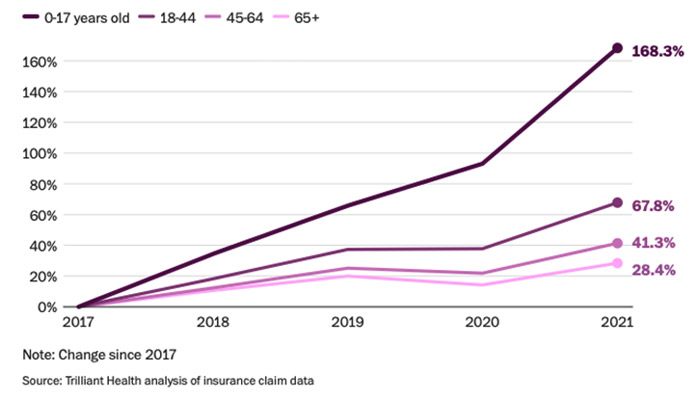
- NAFLD also affects up to 9.6% of American children aged 2 to 19, making it as common as asthma. In 15- to 19-year-olds, prevalence is as high as 17.3%. Prevalence among children 0 to 17 has risen 168.3% since 2017, with a particularly precipitous rise starting in 2020
- The dramatic rise in NAFLD in early 2020 may in part be due to the COVID lockdowns, which had the effect of raising childhood obesity rates by 8.3% to 13.4%, depending on the age group
- Maternal obesity and high consumption of diet soda and/or junk food during pregnancy have both been linked to NAFLD in offspring, and one theory is that artificial sweeteners may be programming the metabolism of the fetus to favor fat storage over energy production
Fatty liver disease used to be a disease seen almost exclusively in the elderly, primarily heavy drinkers. The first documented cases of nonalcoholic fatty liver disease (NAFLD) didn’t come until I was in medical school in 1980.1 At the time, the researchers described it as a “hitherto unnamed liver disease of unknown cause.”
In June 2023, scientists proposed rebranding NAFLD to “metabolic dysfunction-associated steatotic liver disease,” to highlight its relation to other metabolic conditions such as diabetes. What connects all metabolic conditions is that your body is not converting food to energy in an efficient manner.
In the video above, independent health researcher Jay Feldman investigates the true causes of NAFLD. This is Part 2 of an eight-part series. It’s like a master’s course on NAFLD, as he goes over virtually everything you could possibly want or need to know about it. If you or someone you know is currently struggling with NAFLD, I strongly encourage you to view all eight episodes.
In the featured episode, he explains why fructose is NOT the main culprit as commonly thought, how your liver produces fat from both fructose and dietary fats, and how impaired energy production in your mitochondria results in NAFLD.
What Is NAFLD?
NAFLD is characterized by excess fat buildup in your liver. Without proper treatment, it can lead to serious liver problems including nonalcoholic steatohepatitis (NASH), which causes inflammation and fibrosis, or scarring of the liver.
NASH may lead to cirrhosis, which increases the risk of liver cancer, and end-stage liver disease. NAFLD also increases the risk of other health conditions, including cardiovascular disease, which is the No. 1 cause of death in people with NAFLD. NAFLD often has no symptoms, although it may cause fatigue, jaundice, swelling in the legs and abdomen, mental confusion and more.
Your liver carries out more than 500 functions that are essential for health. This includes the production of bile (which breaks down dietary fats and carries away waste), converting excess glucose into glycogen, and regulating amino acids in the blood. It’s also important for detoxification, helping to clear your blood of toxins.
The good news is that your liver, more than almost any other tissue in your body, has phenomenal regeneration capabilities. Even if 90% of it has been removed, it can regrow to its normal size. NAFLD can also be successfully reversed in its early stages via lifestyle changes, like healthy eating and exercising.
NAFLD Prevalence Has Skyrocketed
Today, NAFLD affects 32.4% of people globally,2 and it’s the most common cause of liver transplant in adults under the age of 50.3 NAFLD also affects up to 9.6% of American children aged 2 to 19,4 making it as common as asthma.5 In 15- to 19-year-olds, prevalence is as high as 17.3%.6
What’s particularly strange is that the skyrocketing prevalence in children and teens is quite new. As illustrated in the graph below from Trilliant Health,7 prevalence of NAFLD has risen 168.3% since 2017, with a particularly precipitous rise starting in 2020.
Download this Article Before it Disappears
Obesity Is a Primary Risk Factor for NAFLD
As reported in a March 2021 paper on pediatric NAFLD:8
“The largest risk factor for NAFLD is obesity. Obesity and NAFLD in children are often associated; however, they are not concomitant.
In a 2019 study in 408 children with obesity using whole liver magnetic resonance imaging–proton density fat fraction, the prevalence rate of NAFLD was 26.0%, or roughly one in every four children. In the Teen LABS study of adolescents with obesity severe enough to warrant weight loss surgery, the prevalence rate of NAFLD was higher at 59%.”
The dramatic rise in NAFLD in early 2020 may in part be due to the COVID lockdowns, which had the effect of raising childhood obesity rates by 8.3% to 13.4%, depending on the age group.9
Artificial Sweeteners May Impair Metabolism
That said, NAFLD also occurs in an estimated 8% of normal weight children.10 Inherited predisposition may be part of the problem. But the environment in utero can also influence a child’s risk of NAFLD,11 and this is a far more likely explanation for the recent explosion in prevalence among children.
Maternal obesity and high consumption of diet soda and/or junk food have both been linked to NAFLD in offspring. Artificial sweeteners may be programming the metabolism of the fetus to favor fat storage over energy production.
Maternal obesity and high consumption of diet soda and/or junk food during pregnancy have both been linked to NAFLD in offspring, and one theory is that artificial sweeteners may be programming the metabolism of the fetus to favor fat storage over energy production.12
Babies are also routinely fed unnaturally high amounts of sweeteners in infant formula and baby food. In recent years, the baby formula industry has started marketing formula made with corn syrup solids instead of lactose from cow’s milk. It’s said to be better for babies with sensitivity to lactose.
However, recent research13 suggests formula made with corn syrup solids significantly increases your child’s risk of obesity by age 4, and by extension NAFLD, and those who consume the highest amounts of formula have the highest risk.
So-called “transition formula” and “toddler milk” also contain higher amounts of sugar than regular cow’s milk. Both products are pure marketing inventions that have no nutritional basis. Meanwhile, research14 has shown that consumption of unsweetened cow’s milk is associated with a lower risk of NAFLD.
The Role of Diet
Indeed, our modern diet is probably the most important driver of this condition. As reported by The Washington Post:15
“… many doctors believe that our modern lifestyle — diet, the increase in sedentary activities related to technology and environmental exposures — is to blame. One of the liver’s jobs is to filter toxins, and when something in the body is out of balance, the organ can become damaged and fail …
A little fat in the liver is normal, but when more than 5% of its cells contain fat, the organ’s ability to do its job is impeded, and pediatric specialists say some children they treat have livers with 30 to 40% or even as high as 60% fat …
Some pediatric experts theorize there’s a mismatch between our genetics and the highly processed and sugary foods that have come to dominate childhood diets.
Nutritional surveys show that meals eaten by kids changed radically in a generation, going from very little ultra-processed foods in the early 1980s … to more than 67%16 in recent years. Such diets lead to hormonal changes and other stresses on our bodies.
‘It creates a time bomb, and it is killing our kids,’ said Barry M. Popkin, a professor of nutrition at the Gillings School of Global Public Health at the University of North Carolina at Chapel Hill.”
The Washington Post goes on to cite a January 2022 systematic review17 that found “a parallel but delayed rise” in noncommunicable diseases with rising prevalence of ultraprocessed foods.
Between 1800 and 2019, processed and ultraprocessed foods rose from less than 5% to more than 60%. This radically altered the macronutrient content of our diets. Sugar and seed oil (or “vegetable oil”) consumption rose dramatically, while saturated fat from animals dropped.
Ditch the Fast Food to Protect Your Child’s Health
Of these, I believe the transition from saturated animal fats to seed oils has played the biggest role. As detailed in “Linoleic Acid — The Most Destructive Ingredient in Your Diet,” seed oil is the primary source of linoleic acid (LA), which destroys your mitochondrial function.
I’m convinced excessive LA consumption is the biggest contributor to chronic disease in the Western world, including NAFLD. To understand how LA undermines your health, and that of your children, please read through that article and watch the video included in it. Both provide a comprehensive overview of how LA drives chronic disease of all kinds.
To avoid LA, you’ll need to avoid processed foods, fast foods and most restaurant foods, and focus on real, whole, organically grown foods instead. Processed foods are also routinely contaminated with glyphosate, which can contribute to liver problems. Disturbingly, recent testing revealed 95% of school lunch items had detectable levels of glyphosate,18 so, if at all possible, provide your child with homemade lunches.
A shocking 100% of meals also contained heavy metals at levels up to 6,293 times higher than the maximum levels allowed in drinking water. Meanwhile, most of the meals were “abysmally low” in essential nutrients.
Fast food also contains extremely low amounts of essential nutrients, especially B vitamins. In fact, zero amounts of vitamin B9 or B12 were detected in the top 10 fast foods sampled.19
That’s rather remarkable, considering B12-rich foods include beef and chicken, both of which are staples in fast food, yet fast food beef and chicken provide no B12 at all! If that doesn’t convince you that fast food meat is nowhere near the same as grass fed organic meat, I don’t know what will.
Fatty liver can also be driven by excess sugar when, in addition to seed oils, you are consuming more than 35% or so of your calories as fat. This is likely why this condition is now found even in young children.
Nutrients That Help Combat NAFLD
Upping your intake of specific nutrients can also be helpful if you have NAFLD. Examples include:
| Choline — Choline is important for normal liver function and liver health by moving fat out of your liver. It also helps maintain membrane integrity and manages cholesterol metabolism, including low density lipoproteins (LDL) and very low-density lipoproteins (VLDL). Choline deficiency has been shown to enhance abnormal fat deposits in your liver, causing NAFLD.20
In fact, some experts believe NAFLD is largely the result of shunning choline-rich foods like liver and egg yolks,21 which is then worsened by consuming too much LA. You can increase your intake by consuming more choline-rich foods, such as organic pastured egg yolks, grass fed beef liver, wild-caught Alaskan salmon and krill oil. Arugula is also an excellent source. |
| Vitamin B12 and folic acid may also be protective and have been found to decrease the progression of NASH.22 |
| Niacinamide, also known as nicotinamide (NAM) — Niacinamide is a precursor to nicotinamide adenine dinucleotide (NAD+), a vital signaling molecule that’s believed to play an important role in longevity. Supplementation has also been found to decrease oxidative stress and prevent fatty liver.23 |
| N-acetylcysteine (NAC) — NAC is a precursor needed for glutathione biosynthesis. It’s used as an antidote for acetaminophen toxicity, which causes liver damage by depleting glutathione. Research published in Hepatitis Monthly has shown NAC supplementation helps improve liver function in patients with NAFLD.24 |
| Milk thistle — This herb contains silymarin and silybin, antioxidants that are known to help protect your liver from toxins and even help regenerate liver cells.25 |
| CoQ10 — CoQ10 keeps your mitochondria healthy and plays a crucial role in the production of ATP, the cellular energy required to keep you alive. Supplementing with CoQ10, or the natural form called ubiquinol, has been shown to improve NAFLD by reducing oxidative stress and inflammation.26 |
Remember that supplements should always be used in combination with a healthy lifestyle, including eating right and exercising. If you’re overweight, losing 7% to 10% of your body weight can improve NAFLD, including lowering liver fat content, liver inflammation and fibrosis.27
- 1, 5, 7, 12, 15 Washington Post October 3, 2023 (Archived)
- 2 The Lancet Gastroenterology & Hepatology September 2022; 7(9): 851-861
- 3, 4, 6, 8, 10, 11 Clinical Liver Disease March 2021; 17(3): 196–199
- 9 JAMA 2021;326(14):1434-1436
- 13 American Journal of Clinical Nutrition October 2022; 116(4): 1002–1009
- 14 Frontiers in Nutrition 2023; 10: 1119118
- 16 JAMA 2021;326(6):519-530
- 17 Frontiers of Nutrition January 13, 2022
- 18 Moms Across America September 28, 2022
- 19 Moms Across America October 18, 2023
- 20 Oregon State University Linus Pauling Institute
- 21 chrismasterjohnphd.com November 23, 2010
- 22 Journal of Hepatology, 2022; doi: 10.1016/j.hep.2022.06.033
- 23 The Journal of Nutritional Biochemistry May 21, 2022
- 24 Hepatitis Monthly, 2010; 10(1):12
- 25 Indian J Biochem Biophys. 2006 Oct;43(5):306-11
- 26 Journal of Prescribing Practice. 2020;2(4)
- 27 Curr Obes Rep. 2019 Sep; 8(3): 220–228
WHO declares popular artificial sweetener possible carcinogen
Reproduced from original article:
https://www.naturalhealth365.com/who-declares-popular-artificial-sweetener-possible-carcinogen.html
by: July 7, 2023
 (NaturalHealth365) The artificial sweetener aspartame has long been considered the dieter’s friend because of its ability to sweeten foods without the caloric or glucose impact of table sugar. Since 1974, some of the biggest brands in the food industry have used it to replace sugar in their “diet foods and drinks”.
However, a recent study raised some serious concerns about the use of aspartame for human consumption, leading the International Agency for Research on Cancer (IARC), an agency under the purview of the World Health Organization (WHO), to declare the substance “possibly carcinogenic to humans.”
And the big food brands are not very happy about it.
Editor’s note: We do NOT consider the World Health Organization a trustworthy health “authority” … but, when this corrupt agency declares artificial sweeteners a cancer trigger – you can imagine how bad this is for human health. We’ve been warning our readers about the danger for years!
Breaking News: Alarming evidence emerges as WHO considers declaring aspartame a potential carcinogen
Aspartame has long been the sugar replacement go-to for many major food brands. It was discovered by James Schlatter in 1965 and, by 1974, had gained favor with the Food and Drug Administration (FDA), which approved its use as a sweetener and dry base for gelatins, puddings, dairy, drinks, and other foods. In 1996, the FDA approved it as a general sweetener, and the big food brands eagerly jumped on the bandwagon.
While aspartame is considered a “diet food” product because it is up to 200 times sweeter than sugar but does not have the caloric impact of sugar, it is also found in other foods. Today, it is one of the most common sweeteners on the market, and the most popular mega brands in the world use it in their diet products.
Now the IARC is looking to add aspartame to its list, Group 2B, as “possibly carcinogenic to humans.” However, this is not the first issue raised about the substance. It has a long list of health conditions it is linked to, such as birth defects, diabetes, epilepsy, emotional disorders, migraine, and more.
Study reveals disturbing link between high aspartame consumption and elevated cancer risk
The IARC is poised to take a significant step forward, prompted by a groundbreaking study published in 2022 in PLOS Medicine. The study establishes a disturbing connection between high aspartame consumption and an elevated risk of obesity-related cancer and breast cancer. While the IARC’s evaluation does not consider safe consumption thresholds, it does rely on this study as a pivotal basis for its guidance.
Furthermore, mounting scientific evidence reveals that aspartame poses more harm than benefit to the human body. A study conducted in December 2022 has even linked this artificial sweetener to anxiety in mice, corroborating earlier research findings. Most concerning is that this particular study uncovered a potential transgenerational effect, with anxiety persisting for up to two generations.
These findings cannot be taken lightly, as they underscore that the dangers of aspartame reach far beyond temporary discomforts like headaches or stomach upsets. Scientific evidence paints a grave picture of the potential for severe damage to the human body.
What do major food brands say?
As expected, the major food brands are none too happy about the declaration. This has the potential to upset many mega food brand apple carts, and they are railing back. American Beverage, a trade association representing brands like Coca-Cola Co, PepsiCo, and others, issued a statement to Forbes defending the use of aspartame.
Naturally, they attempted to discredit the IARC by downplaying its ability to effectively assess food safety, saying that it is not a food safety agency. At the same time, it countered that the FDA is a food safety agency and it, as well as others, have found aspartame to be safe.
In 1981, the FDA set aspartame’s acceptable daily intake (ADI) as 50 milligrams per kilogram of body weight per day.
But this was 1981. Science has made tremendous strides in so many areas since then. For instance, in 1981, smoking was largely accepted. People were able to smoke on airplanes, in restaurants, and even in hospitals. Further, it wasn’t until the mid to late 1980s that scientific research established the dangers of smoking during pregnancy.
And the tobacco companies railed against those studies, too – but those studies were proven to be absolutely true.
We can’t hold on to research from decades ago just because it supports the agenda of mega food companies whose primary motivation is profit.
Cut your cancer risk by saying NO to aspartame
The best way to cut your cancer risk is to avoid the use of aspartame. That may be easier said than done, but it can be done.
Read food labels, even on foods that you would never suspect of having aspartame. It is added to many foods, even those that are not marketed as “diet” or “sugar-free.”
Focus on eating fresh organic foods. Avoid all highly processed foods and stick to fresh, organic fruits and vegetables, nuts, seeds, and grass-fed meats.
Avoid “diet” sodas and juices. Stick to water or make your own fresh juice. Beware of using water enhancers, though. Many contain aspartame. Again, read the labels.
Just say NO to aspartame. If enough people put those products down, it will spark changes in the food industry on a much larger scale.
Sources for this article include:
News-Medical.net
IARC.WHO.int
NIH.gov
Forbes.com
AmericanBeverage.org
Academic.OUP.com
LiveMint.com
7 Conditions Masquerading As Dementia
© GreenMedInfo LLC. This work is reproduced and distributed with the permission of GreenMedInfo LLC.
Want to learn more from GreenMedInfo? Sign up for the newsletter here:
www.greenmedinfo.com/greenmed/newsletter
Reproduced from original article:
https://greenmedinfo.com/blog/7-conditions-masquerading-dementia
Posted on: Monday, May 30th 2022
Written By: GMI Reporter
This article is copyrighted by GreenMedInfo LLC, 2022

More than 40% of dementia diagnoses have been shown to be wrong. Here’s what may really be going on.
Imagine this nightmare. For the last few years your mother has had serious memory problems. She gets lost driving. She repeats the same question to you over and over again. She can’t process new information. She loses her train of thought in mid-sentence. A CT scan comes back with a diagnosis of early Alzheimer’s disease. The doctors offer a prescription with little encouragement it will work.
Do you despair?
A new program from UCLA and the Buck Institute for Research on Aging offers new hope. In the first study of its kind, researchers have proved that natural therapies can not only slow the progress of dementia but can actually reverse it.
In a paper titled “Reversal of Cognitive Decline: A novel therapeutic program“ Dr. Dale Bredesen showed how 9 out of the 10 subjects diagnosed with dementia got their minds back.[i]
Dr. Bredesen is a professor of neurology at The Mary S. Easton Center for Alzheimer’s Disease Research at UCLA, as well as a professor at the Buck Institute. The study was supported by multiple entities including the National Institutes of Health.
Cognitive decline is a major fear as we age. According to the Alzheimer’s Association “dementia is a general term for loss of memory and other mental abilities severe enough to interfere with daily life.” Alzheimer’s disease – just one of many forms of dementia – accounts for 60 to 80 percent of dementia cases. It affects about 5.4 million Americans and 30 million people around the world. By 2050, it’s expected to grow to 160 million people globally, including 13 million Americans. There is no effective treatment for Alzheimer’s and it is already the third leading cause of death in the United States.
Dr. Bredesen believes that multiple factors influence the development of dementia and Alzheimer’s. In a small study, he and his colleagues designed personalized and comprehensive protocols to reverse memory loss in 10 patients.
The results were remarkable. Nine of the 10 participants showed improvement in their memories within three to six months of starting the program.
Six patients had had to discontinue working or were struggling with their jobs at the time they joined the study. ALL were able to return to work or continue working with improved performance.
The subjects included five patients with memory loss associated with Alzheimer’s disease. The others had amnestic mild cognitive impairment, and subjective cognitive impairment.
Only one patient, diagnosed with late stage Alzheimer’s, did not improve.
Doctors used a “systems approach” in treating the patients. They developed a complex, 36-point therapeutic program that includes comprehensive changes in diet, brain stimulation, exercise, optimization of sleep, specific pharmaceuticals and vitamins, and multiple additional steps that affect brain chemistry.
In a press release Dr. Bredesen stated:
The existing Alzheimer’s drugs affect a single target, but Alzheimer’s disease is more complex. Imagine having a roof with 36 holes in it, and your drug patched one hole very well—the drug may have worked, a single “hole” may have been fixed, but you still have 35 other leaks, and so the underlying process may not be affected much.
Dr. Bredesen’s approach is based on extensive testing of each patient to determine what is affecting the signaling network in his or her brain. The protocol is then personalized for the patient. A sample protocol for one of his patients in the study included:
- eliminating all simple carbohydrates;
- eliminating gluten and processed food;
- increasing vegetables, fruits, and non-farmed fish;
- reducing stress with yoga and meditation;
- taking melatonin each night;
- increasing sleep from 4-5 hours per night to 7-8 hours per night;
- taking methylcobalamin (vitamin B12), vitamin D, CoQ10, and fish oil each day;
- optimizing oral hygiene using an electric flosser and electric toothbrush;
- hormone replacement therapy;
- fasting for a minimum of 12 hours between dinner and breakfast;
- fasting for a minimum of three hours between dinner and bedtime; and
- exercising for a minimum of 30 minutes, 4-6 days per week.
Although the downside to the program is the complexity and the number of lifestyle changes required, Dr. Bredesen noted that the only side effect of the protocol was “improved health and an optimal body mass index, a stark contrast to the side effects of many drugs.”
What can you do when faced with a diagnosis of cognitive decline, dementia, or Alzheimer’s disease?
The UCLA protocol recognizes that dementia can have many causes and those causes are often reversible.
Sharp Again Naturally (www.sharpagain.org) is a non-profit organization formed in 2012 to educate the public and the medical community about the reversible causes of dementia.
Here are seven areas Sharp Again Naturally suggests you investigate before accepting a dementia or Alzheimer’s diagnosis. These are conditions that may cause memory loss and dementia but can be reversed:
1. Nutritional imbalances and deficiencies. Deficiencies of omega 3s, vitamin B12, vitamin C, magnesium, selenium, probiotics, and other nutrients frequently cause symptoms of Alzheimer’s and dementia.
Adhering to a balanced Mediterranean-style diet is associated with slower cognitive decline. It’s also linked to a reduced risk of Alzheimer’s.
Studies also show low vitamin D levels are linked to Alzheimer’s. Low folate (vitamin B9) may also lead to cognitive decline.
Adding coconut oil may rescue a brain from Alzheimer’s. And turmeric is known to boost working memory in just one dose.
2. Artificial food colors, flavors, and sweeteners. Artificial additives of all kinds may cause dementia symptoms.
Studies show the artificial sweetener aspartame impairs cognitive function and leads to memory loss.
3. Prescription medication side effects. Drugs, especially pain medications, and psychotropic drugs can severely disrupt cognition.
Statins are particularly harmful. In one study from the University of California – San Diego, 90 percent of patients who stopped taking statin drugs reported improvement in cognitive problems in a matter of weeks. In some of the patients a diagnosis of dementia or Alzheimer’s was reversed.
Another study showed that the sleep drug Ambien increased the risk of dementia in elderly patients.
4. Inflammation from low-level infections, mold, food allergies, and Lyme Disease. Inflammation is the body’s attempt to get rid of a toxic element or organism, and so it occurs in many different situations, even root canals and urinary tract infections.
Studies suggest that mental disorders result from neuroinflammation.
5. Stress and stagnation/inactivity. Stress elevates cortisol levels, leading to inflammation, and in turn to hormone imbalances, cognitive impairment, heightened blood sugar levels, hypertension, delayed healing time, and susceptibility to disease. The body’s self healing mechanisms depend on unimpeded flow of lymph, blood, and other fluids, all of which are promoted by exercise. Inactivity, by contrast, allows cellular shutdown and blockages, taxing the whole system and interfering with healing on every level.
One study showed that in patients younger than 65 years-old, 41% of dementia diagnoses were incorrect. Misdiagnosis occurred most frequently in patients with depression or alcohol abuse.
6. Thyroid and other hormonal imbalances. Many people diagnosed with Alzheimer’s or dementia simply have low levels of T3 thyroid hormone. However, standard thyroid tests completely miss T3 levels, and Synthroid (T4) doesn’t help. It is estimated that 10 to 15% of all nursing home residents may be there because of low T3.
7. Mercury and other heavy metal poisoning. So-called silver amalgam fillings contain 50 percent mercury, and that mercury is neither stable nor inert. It off-gasses, crosses the blood-brain barrier, and destroys neurons even without contact. Removing these fillings is hazardous unless done with mercury-safe protocols.
Annual flu shots are another source of these toxins. Research shows that people who took the flu shot for five consecutive years had 10 times or 1000 percent higher risk of developing Alzheimer’s Disease than people who only had one or two flu shots due to the accumulation of mercury and aluminum in the vaccines.
Most doctors are not expert in these causes of dementia or how to treat them. Sharp Again Naturally is building a medical advisory board and a database to get the word out. It also offers help finding functional medicine specialists, naturopaths, or doctors who practice integrative medicine who are familiar with these areas.
Click here for more information on natural approaches to preventing and overcoming dementia.
Additional References
[i] Dale E. Bredesen, “Reversal of Cognitive decline: A novel therapeutic program.” AGING, September 2014, Vol. 6, No. 9.
When You Cook with This, Toxic Compounds Are Released
Reproduced from original article:
https://articles.mercola.com/sites/articles/archive/2022/04/23/why-splenda-is-not-safe-for-consumption.aspx
The original Mercola article may not remain on the original site, but I will endeavor to keep it on this site as long as I deem it to be appropriate, and will not be bullied into removing it.
Analysis by Dr. Joseph Mercola Fact Checked April 23, 2022

STORY AT-A-GLANCE
- Cooking with sucralose generates chloropropanols, part of a class of toxins known as dioxins, which have been linked to cancer and endocrine disruption. Other toxic compounds created when sucralose is exposed to heat include polychlorinated dibenzo-p-dioxins and dibenzofurans
- Research shows sucralose — sold under brand names such as Splenda, Splenda Zero, Zero-Cal, Sukrana, Apriva, SucraPlus, Candys, Cukren and Nevella — is metabolized and accumulates in fat cells
- Many studies have linked artificial sweeteners to an increased risk for obesity, insulin resistance, Type 2 diabetes and metabolic syndrome — the very conditions for which the sweeteners are promoted
- Sucralose reduces gut bacteria by as much as 50%, preferentially targeting bacteria known to have important human health benefits. Splenda has also been shown to exacerbate gut inflammation and intensify symptoms in people with Crohn’s disease
- Research published in 2016 found male mice experienced a significant dose-related increase in malignant tumors and cancer of the blood, bone marrow and the lymphatic system when fed higher doses of sucralose
This article was previously published May 8, 2019, and has been updated with new information.
Are artificial sweeteners such as Splenda still part of your daily diet? If so, I would strongly recommend reconsidering. It’s important to realize that while artificial sweeteners have no (or very few) calories, they are still metabolically active,1 and not in a beneficial way.
For example, research2,3 published in the online version of the Journal of Toxicology and Environmental Health August 21, 2018, shows sucralose — sold under brand names such as Splenda, Splenda Zero, Zero-Cal, Sukrana, Apriva, SucraPlus, Candys, Cukren and Nevella — is metabolized and accumulates in fat cells.
Remarkably, artificial sweeteners have become so ubiquitous, research4 published in the April 2019 issue of Ecotoxicology and Environmental Safety refers to them as an “emerging” environmental contaminant, noting they have “high water persistence.”
According to this paper, artificial sweeteners are chemically stable in the environment and water supplies appear to be at greatest risk for contamination. The researchers looked at 24 environmental studies assessing the presence of artificial sweeteners in the environment from 38 locations around the world, including Europe, Canada, the U.S. and Asia.
“Overall, the quantitative findings suggested that the occurrence of non-nutritive artificial sweeteners is present in surface water, tap water, groundwater, seawater, lakes and atmosphere,” the paper states. What the ultimate ramifications for wildlife, especially marine life, and human health might be are still anyone’s guess.
Artificial Sweeteners Promote Obesity, Diabetes and More
As explained in the 2016 paper,5 “Metabolic Effects of Non-Nutritive Sweeteners,” many studies have linked artificial sweeteners to an increased risk for obesity, insulin resistance, Type 2 diabetes and metabolic syndrome. This is in stark contrast to what you’re told by industry, which continues to promote artificial sweeteners as a way to lower your risk of those conditions.
The paper presents several mechanisms by which artificial sweeteners promote metabolic dysfunction:
1.They interfere with learned responses that contribute to glucose control and energy homeostasis — Studies have demonstrated that when sweet taste and caloric intake are mismatched, your body loses its ability to properly regulate your blood sugar.
2.They interact with sweet-taste receptors expressed in digestive system that play a role in glucose absorption and trigger insulin secretion, thereby inducing both glucose intolerance and insulin resistance, which raises your risk of obesity. Sweet taste without calories also increases appetite6 and subjective hunger ratings.7
3.They destroy your gut microbiota — A 2008 study8 revealed sucralose (Splenda) reduced gut bacteria by as much as 49.8%, preferentially targeting bacteria known to have important human health benefits. Consuming as few as seven little Splenda packets may be enough to have a detrimental effect on your gut microbiome.
More recent research,9 published in the journal Molecules in October 2018, confirmed and expanded these findings, showing that all currently approved artificial sweeteners (aspartame, sucralose, saccharin, neotame, advantame and acesulfame potassium-k) disrupt the gut microbiome — in part by damaging the bacteria’s DNA, and in part by interfering with their normal activities.
Another 201810 found Splenda consumption may exacerbate gut inflammation and intensify symptoms in people with Crohn’s disease by promoting harmful gut bacteria. These results echoed those published in 2014,11 where they found Splenda may exacerbate symptoms of Crohn’s disease by augmenting “inflammatory activity at the biochemical level” and altering microbial-host interactions within the intestinal mucosa.
Similarly, research12 published in 2017 implicated sucralose in chronic liver inflammation by altering “the developmental dynamics of the gut microbiome.”
Why You Should Never Cook With Splenda
Splenda (sucralose) is frequently recommended for cooking and baking,13 and is often used in processed foods in which high heat was involved. This, despite the fact that scientists have warned about the dangers of heating sucralose for years.
In the 2013 paper,14 “Sucralose, a Synthetic Organochloride Sweetener: Overview of Biological Issues,” the authors state that “Cooking with sucralose at high temperatures … generates chloropropanols, a potentially toxic class of compounds.” This paper also warns the acceptable daily intake set for sucralose may in fact be hundreds of times too high to ensure safety.
The German Federal Institute for Risk Assessment (BfR) recently issued a report15 on the available data on sucralose, confirming that cooking with sucralose is likely a terrible idea, as chlorinated compounds are formed at high temperatures. As reported by MedicalXpress:16
“When sucralose (E 955) is heated to temperatures higher than 120 degrees C a gradual — and with further continuously increasing temperature — decomposition and dechlorination of the sweetener occurs.
Temperatures of between 120 degrees C [248 degrees Fahrenheit] and 150 degrees C [302 degrees F] are possible during industrial manufacturing and processing of foods, and are also reached in private households during cooking and baking of foods containing sucralose.
This may lead to the formation of chlorinated organic compounds with a health-damaging potential, such as polychlorinated dibenzo-p-dioxins (PCDD), dibenzofurans (PCDF) and chloropropanols.”
Chloropropanols, while still poorly understood, are believed to have adverse effects on your kidneys and may have carcinogenic effects.17 One good reason to be suspicious of chloropropanols is because they’re part of a class of toxins known as dioxins, and dioxins are known to cause cancer and endocrine disruption.
The fact that sucralose creates toxic dioxins when heated is also a concern for those who use vaping liquid containing this artificial sweetener. A 2017 study18 found sucralose contributes sweet taste only when used in a cartridge system, and chemical analysis showed the use of a cartridge system also raised the concentration of sucralose in the aerosol.
I find it interesting that these studies are now confirming what I suspected and published in my book, published over 10 years ago — “Sweet Deception” — which was an expose on Splenda.
Sucralose Shown to Have Carcinogenic Potential
Research19 published in 2016 in the International Journal of Occupational and Environmental Health tested the carcinogenic potential of sucralose by adding it to mouse feed, at various concentrations, starting at 12 days of gestation and continuing throughout their natural life span.
Results showed male mice experienced a significant dose-related increase in malignant tumors and hematopoietic neoplasias (cancer of the blood, bone marrow and the lymphatic system). The dosages tested were 0, 500, 2,000, 8,000 and 16,000 parts per million (ppm). The worst results occurred in males given 2,000 ppm and 16,000 ppm. According to the authors:
“These findings do not support previous data that sucralose is biologically inert. More studies are necessary to show the safety of sucralose, including new and more adequate carcinogenic bioassay on rats. Considering that millions of people are likely exposed, follow-up studies are urgent.”
Pregnant Women Beware
More recent research,20 published in 2018, revealed the artificial sweeteners sucralose and acesulfame-potassium transfer into breast milk — a crucial fact that pregnant women need to be mindful of, considering the harmful effects of these compounds. To determine whether the sweeteners could transfer into breast milk, the researchers enrolled 34 women who were exclusively breastfeeding.
Each of the women drank 12 ounces of Diet Rite Cola, which contains 68 milligrams (mg) of sucralose and 41 mg of acesulfame-potassium, before breakfast. Habitual use of artificial sweeteners was also assessed via a diet questionnaire. Breast milk samples were collected before ingestion and every hour thereafter for six hours. As reported by the authors:
“Owing to one mother having extremely high concentrations, peak sucralose and acesulfame-potassium concentrations following ingestion of diet soda ranged from 4.0 to 7387.9 ng/mL and 299.0 to 4764.2 ng/mL, respectively.”
This is believed to be the first time researchers have demonstrated that infants are in fact exposed to artificial sweeteners even when exclusively breastfed (if the mother consumes them). An accompanying commentary21 by pediatric experts notes:
“NNS [non-nutritive sweeteners] were present in the breast milk of all subjects in physiologically significant amounts, and … at concentrations well above the taste thresholds. Why is this important?
NNS or non-caloric artificial sweeteners (NCAS) are ubiquitous in the modern diet … Despite the approval by the FDA and European Food Safety Authority, concerns, admittedly largely unproven, persist about their safety … The concerns about NNS are three-fold.
First, that they may adversely alter taste preferences. Second, that the ultimate effect may be contrary to what is intended and their ingestion may increase food consumption. Third, that they may adversely alter the gut bacterial microbiome and its metabolites.
All of these concerns are magnified with early exposure in life. The evidence to support these concerns is either inductive or based on experimental models and emerging human data.”
‘Diet’ Beverages Linked to Risk of Stroke and Heart Attack
Another 2018 study22 by the American Heart Association (AHA) found that, compared to drinking none or just one “diet” drink per week, women over 50 who drank two or more artificially sweetened beverages per day had a:23
- 31% increased risk for ischemic stroke
- 29% increased risk of coronary heart disease
- 23% increased risk of all types of stroke
- 16% increased risk of early death
The risk is particularly high for women with no previous history of heart disease, those who are obese and/or African-American women. The study included more than 81,714 women from the Women’s Health Initiative Observational Study, a longitudinal study of the health of 93,676 postmenopausal women between the ages of 50 and 79. The mean follow-up time was close to 11.9 years. According to the authors:
“In women with no prior history of cardiovascular disease or diabetes mellitus, high consumption of ASB [artificially-sweetened beverages] was associated with more than a twofold increased risk of small artery occlusion ischemic stroke … High consumption of ASBs was associated with significantly increased risk of ischemic stroke in women with body mass index ≥30 …”
In an accompanying editorial,24 “Artificial Sweeteners, Real Risks,” Hannah Gardener, assistant scientist in the department of neurology at the University of Miami, and Dr. Michell Elkind at Columbia University, suggest drinking pure water instead of no-calories sweetened beverages, as it is by far the safest and healthiest low-calorie drink there is.
If you want some flavor, just squeeze a little bit of fresh lemon or lime into mineral water. In instances where your cooking, baking or beverage needs a little sweetener, be mindful of your choice.
Sucralose Linked to Liver, Kidney and Thymus Damage
Other recent research25 published in the journal Morphologie found sucralose caused “definite changes” in the liver of treated rats, “indicating toxic effects on regular ingestion.” The researchers warn these findings suggest sucralose should be “taken with caution to avoid hepatic damage.”
In other words, regularly using Splenda could damage your liver. Here, adult rats were given a much higher (yet nonlethal) oral dose of sucralose — 3 grams (3,000 mg) per kilo body mass per day for 30 days, after which the animals’ livers were dissected and compared to the livers of unexposed controls. According to the authors:
“Experimental rats showed features of patchy degeneration of hepatocytes along with Kupffer cells hyperplasia, lymphocytic infiltration, sinusoidal dilatation and fibrosis indicating a definite hepatic damage on regular ingestion of sucralose. Sinusoidal width was also found to be increased in experimental animals as compared to controls.”
Studies have also linked sucralose consumption to liver and kidney enlargement26,27 and kidney calcification.28,29 Another organ affected by sucralose is your thymus, with studies linking sucralose consumption to shrinkage of the thymus (up to 40%30,31) and an increase in leukocyte populations (immune system cells) in the thymus and lymph nodes.32
Sucralose Safety Has Been Repeatedly Questioned
As of April 12, 2022, there are 21,800 references to sucralose in the scientific search engine Google Scholar, so there’s no shortage of studies to review if you’re curious. Here’s a small sampling of papers raising questions about the safety of this artificial sweetener.
| Artificial Sweetener Such as Sucralose May Promote Inflammation in Human Subcutaneous Fat-Derived Mesenchymal Stromal Cells, 2017 33 — Research presented at GW Annual Research Days in 2017 shows sucralose consumption caused an increase in superoxide accumulation and cellular inflammation.
The sweetener also Increased expression of a specific sweet taste receptor. According to the researchers, “upregulation of adipogenic genes … cultured in near physiological concentrations of sucralose, indicate possible causality between increased fat deposition and sweetener use.” |
| The Non-Caloric Sweeteners Aspartame, Sucralose and Stevia sp. Induce Specific but Differential Responses to Compartmentalized Adipose Tissue Accumulation, 201734 — In this study, consumption of sucralose resulted in weight gain and elevated blood glucose and body fat accumulation. |
| Sucralose Activates an ERK1/2–Ribosomal Protein S6 Signaling Axis, 201635 — Sucralose was found to stimulate insulin secretion much like glucose, but through completely different and poorly understood pathways. According to the authors, these findings “will have implications for diabetes.” |
Changes in the Expression of Cell Surface Markers in Spleen Leukocytes in a Murine Model of Frequent Sucralose Intake, 201636 — This study found frequent sucralose intake may affect your immune function. According to the authors:
|
| Popular Sweetener Sucralose as a Migraine Trigger, 200637 — As noted by the authors, “This observation of a potential causal relationship between sucralose and migraines may be important for physicians to remember this can be a possible trigger during dietary history taking.
Identifying further triggers for migraine headaches, in this case sucralose, may help alleviate some of the cost burden (through expensive medical therapy or missed work opportunity) as well as provide relief to migraineurs.” |
Healthier Sugar Substitutes
Two of the best sugar substitutes are Stevia and Lo Han Kuo (also spelled Luo Han Guo). Stevia, a highly sweet herb derived from the leaf of the South American stevia plant, is sold as a supplement. It’s completely safe in its natural form and can be used to sweeten most dishes and drinks.
Lo Han Kuo is similar to Stevia, but is my personal favorite. I use the Lakanto brand vanilla flavor which is a real treat for me. The Lo Han fruit has been used as a sweetener for centuries, and is about 200 times sweeter than sugar.
A third alternative is to use pure glucose, also known as dextrose. Dextrose is only 70% as sweet as sucrose, so you’ll end up using a bit more of it for the same amount of sweetness, making it slightly more expensive than regular sugar. But, it is safer than regular sugar, which is 50% fructose.
So, dextrose is well worth it for your health as it does not contain any fructose whatsoever. Contrary to fructose, glucose can be used directly by every cell in your body and as such is a far safer sugar alternative.
– Sources and References
- 1, 14 Journal of Toxicology and Environmental Health, Part B, Critical Reviews 2013 Sep; 16(7): 399–451
- 2 Journal of Toxicology and Environmental Health, Part A, August 21, 2018; 81(18): 913-923
- 3 Inverse August 27, 2018
- 4 Ecotoxicology and Environmental Safety April 15, 2019; 170: 699-707
- 5 Physiol Behav. 2015 Dec 1; 152(0 0): 450–455
- 6 Physiol Behav. 1993 Mar; 53(3):459-66
- 7 Lancet. 1986 May 10; 1(8489):1092-3
- 8 Journal of Toxicology and Environmental Health 2008;71(21):1415-29
- 9 Molecules 2018; 23(10): 2454
- 10 Inflammatory Bowel Diseases April 23, 2018; 24(5): 1005-1020
- 11 Gastroenterology May 2014; 146(5), Supplement 1: S830
- 12 Frontiers in Physiology July 24, 2017
- 13 Splenda, Cooking and Baking With Splenda
- 15 BfR opinion No 012/2019 April 9, 2019
- 16 Medicalxpress April 15, 2019
- 17 Foodstandards.gov.au, Chloropropanols in Food
- 18 PLOS ONE October 2, 2017
- 19 International Journal of Occupational and Environmental Health 2016; 22(1): 7-17
- 20 J Pediatr Gastroenterol Nutr. 2018 Mar;66(3):466-470
- 21 J Pediatr Gastroenterol Nutr. 2018 Mar; 66(3): 371-372
- 22 Stroke February 14, 2018
- 23 Science Daily February 14, 2019
- 24 Stroke February 14, 2019, Artificial Sweeteners, Real Risks
- 25 Morphologie August 2, 2018 [Epub ahead of print]
- 26, 28, 30 New Scientist November 23, 1991
- 27, 29, 31 Pacific Health Info, January 29, 2005
- 32 FASEB April 1, 2015, abstract number 593.4
- 33 GW Annual Research Days 2017 Artificial Sweetener: Sucralose May Promote Inflammation in Human Subcutaneous Fat-derived Mesenchymal Stromal Cells
- 34 FASEB April 1, 2017; 31(1)
- 35 FEBS Open Bio December 7, 2016; 7(2)
- 36 FASEB April 1, 2016; 30(1), supplement
- 37 Headache 2006 Sep;46(8):1303-4
Study Links 2 Artificial Sweeteners as Dangerous to the Liver
Reproduced from original article:
https://articles.mercola.com/sites/articles/archive/2022/04/13/artificial-sweeteners-and-liver-disease.aspx
The original Mercola article may not remain on the original site, but I will endeavor to keep it on this site as long as I deem it to be appropriate, and will not be bullied into removing it.
Analysis by Dr. Joseph Mercola Fact Checked April 13, 2022

STORY AT-A-GLANCE
- Artificial sweeteners — specifically acesulfame potassium and sucralose — may interfere with your liver’s delicate detoxification process
- Acesulfame potassium and sucralose — brand name Splenda — inhibited the activity of P-glycoprotein (PGP), a “defense protein” that’s important for protecting organisms against environmental toxins
- The artificial sweeteners may bind to PGP, thereby inhibiting transport of compounds like xenobiotics, drugs and their metabolites, short-chain lipids and bile acids
- The findings could therefore have significant implications for people who take antidepressants, antibiotics and blood pressure drugs, which use PGP as a primary detoxification transporter
- PGP also plays a role in other body functions, including maintaining the blood-brain barrier, so the researchers stressed the need for further research to determine how artificial sweeteners may be affecting other organs beyond the liver
- A separate study found that people who consumed higher levels of the artificial sweetener aspartame had an increased risk of cancer
Evidence continues to grow that artificial sweeteners are dangerous for your health. On the heels of research linking artificial sweeteners to cancer1 comes another study revealing that they disrupt liver detoxification.
The latest research involves the non-nutritive sweeteners acesulfame potassium and sucralose, which are widely used as no-calorie sugar substitutes. Study author Laura Danner, a Medical College of Wisconsin doctoral student, estimated that 40% of Americans regularly consume artificial sweeteners.
“In fact, many people don’t realize that these sweeteners are found in light or zero-sugar versions of yogurts and snack foods and even in non-food products like liquid medicines and certain cosmetics,” she said in a news release.2
Artificial Sweeteners Disrupt Liver Detoxification
Your liver is a major organ for detoxification, responsible for more than 500 functions in your body.3 It’s via your liver that nutrients, medications and toxins are processed and, if necessary, sent back into your bloodstream to be eliminated by your bowel and kidneys. During phase II detoxification, your liver can even process toxins into less harmful substances that your body can get rid of more easily.4
In research presented at the American Society for Biochemistry and Molecular Biology’s annual meeting in April 2022, in Philadelphia, however, it was revealed that artificial sweeteners — specifically acesulfame potassium and sucralose — may interfere with your liver’s delicate detoxification process.
The study found that acesulfame potassium and sucralose — brand name Splenda — inhibited the activity of P-glycoprotein, a “defense protein” that’s important for protecting organisms against environmental toxins.5
For comparison, the well-known toxin DDT (dichloro-diphenyl-trichloroethane) has also been found to inhibit P-glycoprotein (PGP), which is one reason why researchers have stated, “Even in small amounts, these contaminants could interfere with the human body’s natural ability to defend itself.”6
The featured study’s lead author, Stephanie Olivier-Van Stichelen, Ph.D., explained that the potentially detrimental effects occur at common levels of exposure:7
“We observed that sweeteners impacted PGP activity in liver cells at concentrations expected through consumption of common foods and beverages, far below the recommended FDA maximum limits … To our knowledge, we are the first group to decipher the molecular mechanism by which non-nutritive sweeteners impact detoxification in the liver.”
For the study, liver cells and cell-free assays, which give insights into cellular processes like transport, were studied, revealing that the artificial sweeteners stimulated transport activity and may bind to PGP, thereby inhibiting transport of compounds like xenobiotics, drugs and their metabolites, short-chain lipids and bile acids.8
The findings could therefore have significant implications for people who take antidepressants, antibiotics and blood pressure drugs, which use PGP as a primary detoxification transporter.
Further, because PGP also plays a role in other body functions, including maintaining the blood-brain barrier, the researchers stressed the need for further research to determine how artificial sweeteners may be affecting other organs beyond the liver, as well as the extent to which they’re interfering with drug metabolism. According to Danner:9
“If future studies confirm that non-nutritive sweeteners impair the body’s detoxification process, it would be essential to study the potential interactions and determine safe levels of consumption for at-risk groups. It might also be important to include specific amounts non-nutritive sweeteners included on food labels so that people can better track their intake.”
Artificial Sweeteners Linked to Increased Cancer Risk
In a study of 102,865 adults from France, published in PLOS Medicine, dietary intakes and consumption of artificial sweeteners were obtained and analyzed for associations with cancer incidence. The large-scale cohort study found that people who consumed higher levels of artificial sweeteners had higher risk of overall cancer compared to nonconsumers.10
Among the artificial sweeteners studied, aspartame and acesulfame-K, in particular, were associated with increased cancer risk, while aspartame intake was linked to higher risks of breast cancer and obesity-related cancers, including stomach, liver, colon and rectal cancers.
Specifically, total cancer risks increased by 13% among artificial sweetener consumers, while the risk of breast cancer rose by 22% and the risk of obesity-related cancers increased up to 15%.11 “These results suggest that artificial sweeteners, used in many food and beverage brands worldwide, may represent a modifiable risk factor for cancer prevention,” the researchers noted.12
It’s a concerning finding, considering aspartame alone is used in 1,400 food products in France and more than 6,000 products around the globe. Its high level of sweetness — 200 times greater than sugar13 — and low calories makes it popular among people looking to make their drinks and meals sweeter, without the calories of a comparable amount of sugar. However, its safety has been debated from the start. According to the research team:14
“[E]xperts have urged for a re-evaluation by public health authorities of aspartame’s role in cancer development, based on previous and recent findings in animal models, in vitro studies, and, to a lesser extent, human data. Findings about other artificial sweeteners also raise questions regarding their potential role in carcinogenesis based on in vivo studies.”
Aspartame’s Long History of Carcinogenicity
In 2006, a study led by Dr. Morando Soffritti, a cancer researcher from Italy, found that even in low doses, animals were developing several different forms of cancer when fed aspartame.15
Sofritti is the head of the European Ramazzini Foundation of Oncology and Environmental Sciences, a well-respected, independent and nonprofit institution that has been dedicated to cancer prevention for more than three decades. “An exceedingly high incidence of brain tumors” has also been identified in aspartame-fed rats, compared to rats not fed aspartame.16 Further, U.S. Right to Know reported:17
“Harvard researchers in 2012 reported a positive association between aspartame intake and increased risk of non-Hodgkin lymphoma and multiple myeloma in men, and for leukemia in men and women.18
In a 2014 commentary in American Journal of Industrial Medicine, the Maltoni Center researchers wrote that the studies submitted by G. D. Searle for market approval ‘do not provide adequate scientific support for [aspartame’s] safety. In contrast, recent results … provide consistent evidence of [aspartame’s] carcinogenic potential.”
A 2020 study further supports the Ramazzini Institute’s (RI) original findings, revealing a statistically significant increase in total haematopoietic and lymphoid tissue tumors (HLTs) and total leukemias and lymphomas in female rats exposed to aspartame.
“After the HLT cases reevaluation, the results obtained are consistent with those reported in the previous RI publication and reinforce the hypothesis that APM [aspartame] has a leukaemogenic and lymphomatogenic effect,” the researchers explained.19
Again in 2021, a review of the Ramazzini Institute data further confirmed that aspartame is carcinogenic in rodents. The researchers noted that their findings “confirm the very worrisome finding that prenatal exposure to aspartame increases cancer risk in rodent offspring. They validate the conclusions of the original RI studies.”20
In response, they called on national and international public health agencies to reexamine aspartame’s health risks, particularly prenatal and early postnatal exposures.21
Artificial Sweeteners Disrupt Gut Microbiota
It’s now well-recognized that protecting the diversity of your gut microbiota is important for optimal health, and antibiotics disrupt gut microbiota significantly. Many are not aware, however, that artificial sweeteners including saccharine, sucralose, aspartame and acesulfame potassium may lead to shifts in gut microbiota similar to those caused by antibiotics.22
In 2021, for the first time, researchers revealed that artificial sweeteners may even promote antibiotic resistance via conjugative gene transfer, and gave insights into how artificial affects your body at a cellular level, even influencing the expression of genes. When exposed to artificial sweeteners at the single-cell level, researchers found disturbing changes in bacteria:23
“Bacteria exposed to the tested compounds exhibited increased reactive oxygen species (ROS) production, the SOS response, and gene transfer. In addition, cell membrane permeability increased in both parental bacteria under exposure to the tested compounds. The expression of genes involved in ROS detoxification, the SOS response, and cell membrane permeability was significantly upregulated under sweetener treatment.”
Disruption of gut microbiota has also been linked to nonalchoholic fatty liver disease (NAFLD), and artificial sweeteners may also have a role to play in this condition. NAFLD is the most common chronic liver disease in developed countries,24 characterized by a buildup of excess fat in your liver that is not related to heavy alcohol use.
While increased intake of toxic industrially processed seed oils plays a role in increasing incidence of NAFLD, artificial sweeteners’ ability to cause gut dysbiosis may be another culprit.25
Artificial sweeteners have also been shown to induce glucose intolerance by altering gut microbiota.26 Research led by Eran Elinav of the Weizmann Institute of Science in Rehovot, Israel, first showed that mice fed artificial sweeteners developed glucose intolerance after 11 weeks. They then revealed that altering the animals’ gut bacteria influenced their glucose response.
What’s more, a study published in Frontiers in Nutrition in 2022 found alterations in gut microbiota of offspring to mothers fed low doses of aspartame and even the natural herb stevia, stating that consumption of “sweet tastants have a lasting and intergenerational effect on gut microbiota, microbial metabolites and host health.”27
They’re Found in More Than Just Diet Beverages
Much of the research surrounding artificial sweeteners has focused on their use in beverages, with such drinks used as a proxy for estimating overall consumption levels. However, as the PLOS Medicine team noted, “A more precise assessment of exposure to artificial sweeteners from a broader range of ultraprocessed products (e.g., flavored yogurts, low-sugar snacks, ready-to-go meals, table-top sweeteners) appears necessary.”28
Further, little is known about the cumulative effects of exposures to different types of artificial sweeteners, even though millions of people consume multiple artificial sweeteners daily. The study was clear in its conclusion that, “Our findings do not support the use of artificial sweeteners as safe alternatives for sugar in foods or beverages …”29
If you’re interested in eliminating your exposures to these toxic products, be aware that they’re hidden in many products beyond beverages, including dairy products, ketchup, salad dressing, baked goods and medications.
For a simple trick to satisfy your sweet craving if one strikes — without reaching for an artificial sweetener — eat something sour. Sour taste, such as that from fermented vegetables or water spruced up with lemon or lime juice, helps to reduce cravings for sweets.
– Sources and References
- 1, 10, 12, 28, 29 PLOS Medicine March 24, 2022
- 2, 7, 8, 9 Newswise April 5, 2022
- 3 Johns Hopkins Medicine, Health, Liver: Anatomy and Functions
- 4 National Cancer Institute, Phase II Detoxification
- 5 Sci Adv. 2016 Apr; 2(4): e1600001
- 6 Los Angeles Times October 25, 2020
- 11 UPI March 24, 2022
- 13, 14 PLOS Medicine March 24, 2022, Intro
- 15 Environ Health Perspect. 2006 Mar;114(3):379-85
- 16 J Neuropathol Exp Neurol. 1996 Nov;55(11):1115-23
- 17 U.S. Right to Know March 25, 2022
- 18 The American Journal of Clinical Nutrition October 24, 2012
- 19 Acta Histochem. 2020 Jul;122(5):151548. doi: 10.1016/j.acthis.2020.151548. Epub 2020 May 20
- 20, 21 Environmental Health Volume 20, Article number: 42 (2021)
- 22, 23 The ISME Journal volume 15, pages 2117–2130 (2021)
- 24 Clin Gastroenterol Hepatol. 2019 Apr 4
- 25 EXCLI J. 2020; 19: 620–626
- 26 Nature. 13793. September 17, 2014
- 27 Front. Nutr., 14 January 2022