Eggs
now browsing by category
Egg Yolk Compound Shows Promise in Osteoporosis Management
Reproduced from original article:
https://articles.mercola.com/sites/articles/archive/2025/10/22/egg-yolk-compounds-osteoporosis.aspx
Analysis by Dr. Joseph Mercola October 22, 2025

Story at-a-glance
- Egg yolk proteins influence bone health by reducing bone breakdown and encouraging new bone growth, offering natural support against osteoporosis
- Research shows that certain egg yolk compounds shut down harmful “switches” in bone-destroying cells, helping prevent fractures and bone fragility
- The smallest protein fragments in eggs were found to be the most powerful, easily entering cells to trigger bone-building activity
- One egg yolk compound not only protected bones but also repaired fractures and improved strength in models of age-related bone loss and brittle-bone disease
- Choosing pasture-raised, low-linoleic acid eggs and combining them with collagen-rich foods and key nutrients like vitamin D, magnesium, and vitamin K2 helps build stronger bones and maintain independence as you age
Bone loss is silent until it isn’t. You wake up shorter, your back aches after simple chores, or a small misstep leads to a crack you didn’t see coming. Osteoporosis means bones lose strength and structure, which raises the odds of hip, spine, and wrist fractures and chips away at independence. Left unchecked, it reshapes daily life in ways that touch how you move, sleep, and even breathe.
Standard care leans on drugs that slow breakdown. That approach helps some people, yet it often leaves you stuck between trade-offs and side effects you didn’t sign up for. You want a path that supports everyday strength without significant risks or complexity. Your bones are living tissue that respond to the signals you send through food, sunlight, movement, and habits.
Your plan needs to restore balance — reducing excess breakdown while encouraging steady rebuilding. Food isn’t just fuel here. It’s information. Certain nutrients and proteins tell bone-building cells to get to work, and the right daily choices stack those messages in your favor.
Your job is straightforward: support your body’s natural repair systems and remove roadblocks that keep bones fragile. Eggs, long regarded as a dietary staple, are emerging as an unexpected ally in this fight. In the next section, you’ll see how this specific food source sends clear “build” signals to your skeleton and why that matters for real-world resilience.
Egg Yolk Proteins Help Guard Your Bones from Breaking Down
In a study published in Food Science of Animal Products, researchers tested whether proteins from egg yolks — broken down into smaller pieces called peptides — could affect osteoclasts, which are the cells that wear away bone. The big question was whether these natural compounds could slow or stop the bone loss that leads to osteoporosis.1
• Egg compound leads to less bone breakdown — The researchers discovered that certain water-soluble peptides in egg yolk cut down the number of bone-destroying cells. When they looked at the smallest peptides, the effect was even stronger. These tiny protein fragments not only reduced the number of cells that erode bone but also caused older ones to die off. In plain terms, that means less bone being eaten away and a better chance of keeping your skeleton strong.
• Egg compounds shut off harmful “switches” — Inside bone-destroying cells are pathways, like on/off switches, that tell them when to start breaking down bone. The smallest egg yolk peptides shut these switches off, stopping the damage at the root. If those switches stay on, bones get weaker and fractures become more likely.
• Multiple signals were stopped at once — These peptides didn’t just block one message — they cut off several signals that normally keep bone-eating cells alive and aggressive. That makes them more powerful than many drugs, which usually only work on one pathway at a time.
• The domino effect was interrupted — Normally, once those destructive messages start, they spread like falling dominoes until bone-eating enzymes get activated. With egg yolk peptides in play, that cascade was blocked before it could do damage. The end result: stronger, more resilient bones.
• Egg yolk isn’t just a food — It contains natural compounds that fight one of the biggest drivers of bone loss. Adding eggs to your diet gives your body another tool to help protect bone density and lower your risk of fractures, without relying only on risky medications.
Egg Yolk Proteins Build Stronger Bones from the Inside Out
A study published in the Journal of Functional Foods similarly looked at how natural proteins from egg yolks affect the cells in your body that create new bone.2 While earlier research showed that egg yolk proteins slow down bone breakdown, this one highlighted their role in helping bones grow stronger.
• Results showed stronger bone growth — The researchers found that egg yolk proteins helped bone-forming cells grow faster and deposit more calcium and minerals. The bones became denser and tougher, which lowers your risk of fractures.
• Small protein pieces worked best — The strongest effects came from the tiniest pieces of egg yolk protein. Because they’re so small, they easily get inside cells and kick-start the changes needed to build stronger bone tissue.
• Bone-building signals were switched on — The egg yolk proteins acted like a switch inside bone cells, telling them to grow, mature, and lay down more minerals. That signal made the cells work harder at reinforcing the skeleton, creating an ongoing cycle of bone building.
• A more balanced bone cycle — What makes this important is how it fits with the earlier findings. Some egg yolk compounds slowed bone breakdown, while these proteins boosted bone growth. Working together, they give your body both defense and rebuilding power, leaving your bones stronger than before.
Eggs contain special proteins that help your bones both resist damage and rebuild themselves. Adding eggs to your diet gives you a natural way to support bone strength, keep your mobility, and protect your independence as you age.

Save This Article for Later – Get the PDF Now
Egg Yolk Protein D2 Sparks Real Bone Repair
In a study published in Regenerative Therapy, researchers identified a protein fragment from egg yolk, known as D2, that works after being swallowed and digested.3 Scientists tested it in animals with broken bones, age-related bone loss similar to menopause, and a genetic brittle-bone condition. In each case, D2 made bones stronger and tougher — exactly what you want if you need bones that hold up in daily life.
• Broken bones healed faster and stronger — Animals given the egg yolk protein daily after a fracture grew a thicker healing bridge over the break during the first month. These repairs also had denser bone in key areas, and strength tests showed they withstood more force within two weeks compared to untreated fractures. That translates into repairs that hold up better in daily movement.
• Age-related bone loss improved — In animals mimicking postmenopausal bone loss, the egg yolk protein restored some of the bone that had been lost and made the spine stronger after just a few weeks of use. Fractures in these animals also healed more steadily when the egg yolk protein was given, meaning faster recovery and fewer setbacks.
• Fragile bone disease improved — In animals bred to mimic brittle-bone disease, treatment with the egg yolk protein boosted bone volume and restored strength that had been lost. Even bone-forming cells in the lab began producing more of the key structural proteins after only a short exposure to the compound, pointing to a direct effect at the level of bone repair.
• The egg yolk protein survived digestion and spread through the body — Tests confirmed that the egg yolk protein remained active after being swallowed and entered the bloodstream, reaching organs where it could be used. That makes it practical for use outside of a lab or hospital setting.
Animals given the egg yolk protein for two weeks showed no weight changes or unusual behavior. Routine blood tests revealed no toxicity, and some measures even improved, such as lower triglycerides. This supports its role as a safe option for ongoing use.
• Bone-building cells multiplied — In both mouse and human cells, the egg yolk protein encouraged bone-forming cells to grow and mature while depositing more minerals. Even at very tiny amounts, the effect was strong, showing how powerful this protein fragment is at guiding cells to build bone.
Unlike treatments that only reduce bone breakdown, the egg yolk protein actively built new bone and improved its quality. The result was thicker healing tissue, tougher repaired fractures, and stronger bones overall — evidence of regeneration, not just protection.
How to Strengthen Your Bones Naturally with Food-Based Solutions
If your bones are thinning or you’re worried about osteoporosis, the real problem isn’t just low calcium — it’s the imbalance between bone breakdown and bone building. What the research on egg yolk proteins shows is that food has the power to help correct that imbalance at the cellular level. Your goal isn’t only to stop bone loss but also to encourage new bone growth so your skeleton stays strong. Here’s how to put this knowledge into action in your daily life.
1. Choose the right kind of eggs — Not all eggs are created equal. Factory-farmed eggs from corn- and soy-fed hens are loaded with linoleic acid (LA), a polyunsaturated fat that stirs up inflammation and damages your mitochondria — the tiny power plants inside your cells.
If you eat more than four of these eggs daily, you’re likely blowing past the recommended limit of 5 grams of LA. Switch to pasture-raised eggs, or better yet, eggs from hens that forage on grass and bugs. Some farms even use custom feed that produces eggs with far lower LA levels. These are the eggs that give you bone-strengthening compounds without the hidden damage.
2. Get collagen into your diet — About one-third of your bone structure is made of collagen, so you need a steady supply. Aim for protein to make up about 15% of your daily calories, with one-third of that coming from collagen.
The simplest way is to drink homemade bone broth from organic, grass fed bones. You can also slow-cook or pressure-cook cuts of meat rich in gelatin, or add high-quality collagen or gelatin supplements. Giving your body collagen means giving your bones the building blocks they rely on to stay tough and flexible.
3. Cover your nutrient bases — Calcium is important, but it only works well when paired with vitamin D, magnesium, and vitamin K2. Together, this combination makes sure calcium ends up in your bones and teeth — not stuck in your arteries, where it drives heart disease.
Egg yolks are especially valuable here because they are one of nature’s richest sources of vitamin K2 in the form of MK-4, the most bioactive and fast-acting subtype found in foods. This form of K2 is rare in the modern diet, yet it plays a central role in shuttling calcium into bones and away from soft tissues. Including pasture-raised egg yolks in your diet means you aren’t just getting bone-supporting proteins, you’re also giving your body one of the planet’s most potent natural sources of MK-4.
Get calcium from real foods like raw grass fed dairy, pasture-raised egg yolks, and even powdered eggshells. Add fermented foods, get daily sunlight exposure and consider a high-quality magnesium supplement — since it’s difficult to get enough from food alone — to keep your vitamin and mineral intake balanced so your bones use calcium efficiently.
4. Use movement and recovery as bone signals — Your bones respond to pressure. Walking, lifting weights, or even active gardening tells your body to “make this skeleton stronger.” But don’t forget rest — your body needs downtime to put nutrients like collagen, calcium, and egg-derived proteins to work. The cycle of stress and recovery is what drives bones to rebuild, just like it does with muscles.
5. Cut back on foods that weaken bones — Highly processed foods, sugary drinks, and packaged snacks all drive inflammation that speeds up bone loss. Every time you swap soda for water or trade fast food for whole food, you shift the balance in favor of bone building.
If you struggle with making big changes, start small. Add one more pasture-raised egg meal each week or cook up a pot of bone broth. Over time, these small changes add up, making your bones stronger and your daily life more stable.
FAQs About Egg Yolk Compounds for Osteoporosis
Q: How do eggs help protect against osteoporosis?
A: Egg yolks contain special proteins that influence bone cells directly. Some of these proteins slow down the cells that break down bone, while others stimulate the cells that build new bone. Together, they help restore balance in your skeleton, reducing bone loss and encouraging steady rebuilding.
Q: What kind of eggs should I eat for bone health?
A: Not all eggs are equal. Factory-farmed eggs from corn- and soy-fed hens are high in LA, a fat that damages your mitochondria and weakens your health. To get the bone benefits without the downsides, choose pasture-raised eggs or eggs from hens that forage naturally. These have far lower LA levels and more beneficial nutrients.
Q: Besides eggs, what other foods support stronger bones?
A: Your bones are one-third collagen and nearly all of your body’s calcium is stored in them. That means you need collagen-rich foods like bone broth, gelatin, and slow-cooked cuts of meat, along with calcium from raw grass fed dairy, egg yolks, and powdered eggshells. Pair these with vitamin D from sunlight exposure, magnesium, and vitamin K2 to make sure calcium gets delivered to your bones instead of your arteries.
Q: Can egg yolk compounds actually repair broken bones?
A: Yes, animal studies showed that a protein fragment from egg yolk not only improved bone strength but also sped up fracture healing. In models of postmenopausal bone loss and brittle-bone disease, this compound restored bone volume and durability. The research suggests egg yolk compounds don’t just protect bone — they actively rebuild it.
Q: What lifestyle habits make the biggest difference for bone health?
A: Bones respond to both movement and rest. Weight-bearing exercise like walking or resistance training tells your body to strengthen bones, while rest allows nutrients like collagen and calcium to do their repair work. Cutting out processed foods and sugary drinks reduces inflammation, and making small, steady changes — like swapping soda for water or adding an extra pasture-raised egg meal — keeps your bones stronger over time.
CoQ10 Triumphs Over Ubiquinol in Heart Health Battle
Reproduced from original article:
https://articles.mercola.com/sites/articles/archive/2024/12/12/coq10-ubiquinol-heart-health.aspx
Analysis by Dr. Joseph Mercola December 12, 2024

STORY AT-A-GLANCE
- CoQ10 supplementation shows significant benefits in heart failure patients, leading to lower cardiovascular death rates and improved cardiac function, making it more effective than the reduced form, ubiquinol
- CoQ10 aids in the early recovery of cardiac function post-myocardial infarction by reducing inflammation through the inhibition of CCR2+ macrophage recruitment and suppression of the NLRP3/IL1β inflammatory pathway
- Intravenous administration of CoQ10 demonstrates promise in emergency ischemic conditions by rapidly increasing tissue penetration, reducing infarct size, and enhancing antioxidant capacity, offering protection during acute ischemia and reperfusion
- CoQ10 reduces inflammation via the NLRP3/IL1β pathway, which is crucial for heart health, and its anti-inflammatory properties help improve cardiac function and reduce fibrosis and hypertrophy
- CoQ10’s antioxidant properties protect against oxidative stress, providing a promising alternative to conventional heart failure treatments with fewer side effects and long-term benefits
Heart failure is a significant health concern, especially among older adults. The average one-year case fatality rate for heart failure patients is 33%, highlighting the serious nature of this condition.1 Prevalence rates vary widely however, from as low as 0.2% in a Hong Kong hospital study to as high as 17.7% in a U.S. Medicare population aged 65 and older between 2002 and 2013.2
Coenzyme Q10 (CoQ10) has been extensively researched for its role in heart health, and numerous studies suggest CoQ10 supplementation can significantly reduce cardiovascular mortality and improve cardiac function. These benefits are crucial, given the high prevalence and mortality rates associated with heart failure.
Interestingly, in a surprising reversal of long-held beliefs, recent research suggests that CoQ10 (ubiquinone) is more effective for heart health than its reduced form, ubiquinol.3 For years, health experts and supplement manufacturers have advocated for ubiquinol, claiming its superior bioavailability made it the obvious choice for those seeking cardiovascular benefits.
Their recommendation seemed logical: since ubiquinol is the active form of CoQ10 in the body, taking it directly should provide better results. However, emerging evidence challenges this conventional wisdom, indicating that the body may actually use standard CoQ10 more effectively for cardiac function. As noted by the authors:4
“A slightly better water solubility and a lack of understanding absorption and transfer of CoQ10 and CoQH2 have led to misleading interpretations pushing CoQH2 as more bioactive form.”
This finding not only questions our understanding of CoQ10 supplementation but also highlights how assumptions about bioavailability don’t always translate to real-world therapeutic benefits.
I was absolutely thrilled to come across this new study, which confirms what I concluded after delving into Ray Peat’s work. It has helped me recognize that reductive stress is a significant factor contributing to reverse electron flow in the electron transport chain (ETC). The solution to reductive stress lies in the use of oxidants. Examples of effective oxidants that can help remove excess electrons include quinones such as vitamin K2, methylene blue, and ubiquinone (CoQ10).
When we were selling ubiquinol, the studies seemed to support its use, so I took the initiative to confront the company about it. After three months, their chief scientists produced a 30-page PowerPoint presentation in an attempt to convince me that ubiquinol was superior. However, the scientific evidence I presented indicated that the oxidized form was actually more effective.
Now, with this new study providing objective confirmation of my conclusions from two years ago, I finally have the proof I needed.
CoQ10 Mechanisms of Action
CoQ10 is a vital supplement for cardiovascular health, known for its role in energy production and antioxidant protection. This compound is essential for the production of ATP, the energy currency of cells, and plays a crucial role in maintaining mitochondrial function.
Mitochondria, often referred to as the powerhouses of the cell, rely on CoQ10 to shuttle electrons during the process of energy generation. This function is particularly important in heart cells, which have high energy demands.
Conventional treatments for heart failure often fall short, leaving patients with limited options and significant side effects. CoQ10 offers a promising alternative, providing cardiovascular benefits with fewer adverse effects. Its ability to reduce heart failure mortality and improve cardiac function makes it a key player in heart health management.
By improving mitochondrial function and energy production, CoQ10 supports the heart’s ability to pump efficiently. Additionally, its antioxidant properties protect against oxidative stress, a major contributor to heart disease. This dual action not only aids in the prevention of heart failure but also supports recovery in those already affected.
CoQ10 has also been shown to aid in the early recovery of cardiac function following a myocardial infarction, commonly known as a heart attack. By reducing inflammation and oxidative stress, CoQ10 helps to preserve heart tissue and improve overall cardiac health. This makes it an important supplement for those at risk of or recovering from heart-related events.
CoQ10 Proven Superior in Lowering Heart-Related Deaths
Importantly, a recent scientific review of 28 studies found that CoQ10 is more effective than its reduced form, ubiquinol, in reducing deaths related to heart diseases.5 Participants who took CoQ10 supplements showed significantly lower rates of cardiovascular mortality compared to those who took ubiquinol.
CoQ10 enhances mitochondrial function, which is crucial for energy production in heart cells. By improving how mitochondria operate, CoQ10 ensures that the heart muscle gets the energy it needs to pump blood efficiently. This improvement in energy production directly contributes to better heart health and reduced mortality rates.
Moreover, CoQ10 is more stable and bioavailable than ubiquinol. This means that CoQ10 is easier for the body to absorb and use effectively. Higher bioavailability ensures that more of the supplement reaches the heart cells where it is needed most, providing greater benefits.
Long-term studies have shown that the positive effects of CoQ10 persist over time, offering sustained protection against heart failure. In contrast, ubiquinol does not demonstrate the same level of long-term benefits, making CoQ10 the preferred choice for ongoing heart health management.
CoQ10 supplementation is particularly important if you’re on a statin drug. Statins block HMG coenzyme A reductase in your liver, which is how they reduce cholesterol. But this is also the same enzyme that makes CoQ10, making deficiency highly likely. Statin-induced CoQ10 deficiency is in many cases responsible for the myopathic side effects attributed to these drugs (i.e., side effects involving loss of muscle control).
Save This Article for Later – Get the PDF Now
CoQ10 Aids in Early Recovery of Cardiac Function Post-Myocardial Infarction
Other recent research found that CoQ10 significantly reduces inflammation by inhibiting the recruitment of CCR2+ macrophages. CCR2+ macrophages are a type of immune cell that contribute to inflammation in the heart after a myocardial infarction, making their reduction crucial for recovery.6
Additionally, CoQ10 suppresses the NLRP3/IL1β inflammatory pathway. This pathway plays a key role in the body’s inflammatory response, and its inhibition by CoQ10 helps decrease overall inflammation, promoting better heart function after an infarction.7
The research also demonstrated that CoQ10 improves cardiac function and reduces both fibrosis and hypertrophy. Fibrosis refers to the stiffening of heart tissue, while hypertrophy is the enlargement of heart muscle cells. By mitigating these factors, CoQ10 supports a healthier heart structure and more efficient pumping action.8
Furthermore, CoQ10 enhances survival rates in models of myocardial infarction. This improvement in survival underscores the compound’s potential to not only aid in recovery but also to increase the likelihood of long-term survival following a heart attack.
CoQ10’s anti-inflammatory properties are therefore crucial for heart health. By targeting specific inflammatory pathways and reducing harmful immune cell activity, CoQ10 helps maintain a balanced inflammatory state, which is essential for the heart’s healing process and overall function after ischemic injury.
Intravenous CoQ10 Administration Shows Promise in Emergency Ischemic Conditions
Yet another 2024 study found that administering CoQ10 directly into the bloodstream can quickly boost its levels in vital organs.9 This rapid increase is crucial because it allows CoQ10 to act swiftly during emergencies like heart attacks or strokes.
When CoQ10 is given intravenously, it reaches the affected tissues much faster than when taken orally. This speedy delivery ensures that organs under stress from a lack of blood flow receive the necessary protection immediately. By enhancing the heart’s ability to function during acute ischemia, CoQ10 helps maintain essential energy production and prevents further damage.
In emergency situations, CoQ10 plays a significant role in reducing the size of the damaged area, known as the infarct. Smaller infarct sizes mean that less heart muscle is lost, which directly improves the heart’s overall function and the patient’s chances of recovery.10 This reduction in damage is a key factor in improving long-term outcomes for patients experiencing severe heart conditions.
Additionally, intravenous CoQ10 boosts the body’s antioxidant defenses, which help neutralize harmful free radicals created during ischemic events. By reducing oxidative stress, CoQ10 protects cells from further injury and supports the healing process.11 This enhanced antioxidant capacity is vital for minimizing the overall impact of the ischemic event on the body.
Given these benefits, intravenous CoQ10 stands out as a valuable treatment option in acute medical settings. Its ability to rapidly increase tissue concentrations, protect against immediate damage, and support long-term heart function makes it an essential tool for managing emergency ischemic conditions.12
CoQ10 Counteracts Reductive Stress
As mentioned earlier, reductive stress is a major factor that contributes to reverse electron flow in the electron transport chain, and CoQ10, being a potent oxidant, helps remove excess electrons.
Reductive stress is an important topic because it’s fundamental to optimizing your biology. In a nutshell, reductive stress means you have too many mobile electrons in the cell. Think of your body’s cells as tiny engines that need to process fuel (from the food you eat) efficiently.
Just like a car needs the right mixture of fuel and air to run smoothly, your cells need the right balance of electrons (which come from breaking down food) and carriers (like NAD) to transport these electrons. These carriers work like taxis moving passengers (electrons) around the city (your cell).
Reductive stress happens when there’s too much fuel coming in. When all the electron carriers are full, new electrons have nowhere to go, creating a traffic jam in your cells. This typically occurs when we flood our system with too many calories. Just as a car engine runs poorly with too much fuel and not enough air (called a “rich” mixture), your cells can’t function properly when overwhelmed with too much energy input.
This cellular traffic jam is what scientists call reductive stress, and it’s a key feature of metabolic syndrome and other health issues.
To understand how oxidants like CoQ10 helps in this instance, think of it as a traffic controller for those electrons. When you have reductive stress, oxidants open up new routes to help move the traffic along.
CoQ10 specifically has a unique ability to accept backed-up electrons and safely transport them through the cellular machinery, helping to clear the congestion. By providing these alternative pathways for electron flow, oxidants like CoQ10 help restore balance to the system. They essentially help convert those backed-up electron carriers back into their empty form (NAD+), making them available to transport more electrons again.
Optimizing Your Heart Health with CoQ10
If you’re new to CoQ10 supplementation, an initial dose of 200 to 300 mg per day is recommended. After about three weeks, when plasma levels typically reach their optimal plateau, you can transition to a maintenance dose of 100 mg daily, which is sufficient for most healthy individuals. However, if you maintain an active lifestyle, exercise frequently, or experience high stress levels, you might benefit from continuing with 200 to 300 mg daily.
Special consideration must be given to certain health conditions. Those taking statin medications should supplement with at least 100 to 200 mg of CoQ10 daily, and possibly more. Similarly, individuals managing chronic conditions such as heart disease, diabetes, ALS, chronic fatigue, or autism may require higher doses.
For optimal absorption, split your daily dose into two or three portions rather than taking it all at once, and take it with a healthy source of fat since CoQ10 is fat-soluble. While these guidelines provide a general framework, working with an integrative physician can help determine the most appropriate dosage for your specific needs.
Additionally, given the varying quality of supplements available in the market, it’s crucial to select a CoQ10 product specifically formulated for maximum absorption and bioavailability.
CoQ10 Outshines Ubiquinol in Enhancing Heart Health
CoQ10 significantly reduces heart-related deaths more effectively than Ubiquinol. Studies demonstrate that individuals taking CoQ10 supplements experience lower rates of cardiovascular mortality due to improved mitochondrial function and efficient energy production in heart cells.
The stability and bioavailability of CoQ10 ensure it is easily absorbed and utilized by the body. This higher bioavailability allows more of the supplement to reach heart cells, providing consistent and long-lasting benefits that surpass those of Ubiquinol.
CoQ10 plays a crucial role in the early recovery of cardiac function after a myocardial infarction. It reduces inflammation by inhibiting specific immune cells and inflammatory pathways, which helps preserve heart tissue and improves overall heart health following a heart attack.
Intravenous administration of CoQ10 offers rapid elevation of its levels in vital organs during emergency ischemic conditions. This swift delivery protects the heart muscle, reduces the size of damaged areas, and supports better long-term recovery, making CoQ10 an essential treatment option in acute medical settings.
Incorporating CoQ10 into your daily routine can optimize heart health. By selecting a high-quality supplement, determining the appropriate dosage based on age, and maintaining consistent supplementation, you can enhance energy production, boost immune responses, and protect your heart from damage.
- 1, 2 Heart 2022;108:1351-1360
- 3, 4, 5 Current Cardiology Reports (2023) 25:1759–1767
- 6, 7, 8 BMC Cardiovascular Disorders (2024) 24:76
- 9, 10, 11, 12 Life 2024, 14(1); 134
Osteoporosis warning: How bone loss signals inflammation and a risk of disease
Reproduced from original article:
https://www.naturalhealth365.com/osteoporosis-warning-how-bone-loss-signals-inflammation-and-a-risk-of-disease.html
by: November 23, 2024
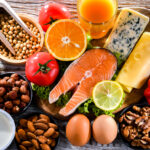 (NaturalHealth365) Osteoporosis, a disease in which bones become brittle and prone to breakage, is so widespread that 50 percent of all women over age 50 (and 25 percent of all over-50 men) will eventually suffer an osteoporosis-related bone fracture. A new study published in the Journal of Cachexia, Sarcopenia and Muscle reveals systemic inflammation and frailty as key contributors to osteoporosis and fracture risks.
Unfortunately, the consequences of osteoporosis extend even beyond the pain and disabling effect of broken bones. In fact, recent research highlights a shocking connection between osteoporosis and life-threatening conditions such as heart disease, Alzheimer’s disease, and cancer.
Fortunately, a combination of natural nutrients may help prevent osteoporosis – and offer protection against the devastating diseases that can accompany it.
Pro-inflammatory molecules released by bone loss are linked to increased risk of deadly diseases
The creation of bone is regulated by the actions of the body’s osteoblasts (bone cells that create new bone) and osteoclasts (cells that break down bone).
At about age 35, the “balancing act” begins to shift – and the rate of bone breakdown starts to overtake the rate of bone development, leading to bone loss. Researchers are now learning that aging bones contain more “senescent” cells – meaning they have stopped reproducing themselves and now exclusively promote the breakdown of bone tissue.
These senescent cells release pro-inflammatory molecules into the bloodstream, laying the groundwork for disease. Senescent bone cells have been found in plaque deposits in heavily calcified arteries.
And, having large numbers of senescent cells in the bones is linked in studies with accelerated aging – particularly affecting the brain. Finally, people with osteoporosis have an increased risk of cancer.
Keep in mind, when over-activated, the bone proteins that normally regulate bone maintenance and healing can lead to uncontrollable cell growth and replication.
Discover a natural way to strengthen your bones
The antioxidant vitamin C plays a critical role in preventing bone loss – which it does by preventing the oxidative stress that destroys bone structure. Vitamin C also plays a pivotal role in the formation and structure of bones by forming collagen and developing other bone proteins.
If the body’s need for vitamin C is unmet, insufficient collagen production can result – leading to easily fractured bones. Many natural health experts believe osteoporosis is a vitamin C deficiency or “scurvy of the bones.”
Bone-building vitamin C is found in citrus fruits, kiwi, strawberries, and bell peppers. However, supplementation may be necessary – especially if you have osteoporosis. By the way, for superior bioavailability (absorption), natural health experts advise using a liposomal form of vitamin C.
Boron reduces the loss of indispensable calcium from the bones
This little-known trace mineral packs a powerful punch when it comes to supporting bone health.
Simply put, boron helps the body produce and use vitamin D – a mainstay of bone health. The mineral also helps regulate calcium, magnesium, and phosphorus levels – all “MVPs” of bone maintenance and support.
A study published in the Federation of American Societies for Experimental Biology Journal showed that 3 mg of boron daily helped prevent calcium loss and bone demineralization in postmenopausal women.
Natural health experts may advise 3 to 6 mg of boron daily. You can increase your dietary boron intake by eating organic nuts, beans, avocados, and whole grains.
Calcium: The primary structural component of bones
Bones contain 99 percent of the body’s calcium stores – integral to bone building.
But, for your body to use calcium to build bone, you must have sufficient levels and adequate amounts of vitamin D. Deficiency in both minerals can cause bone loss and symptoms of muscle pain, muscle cramps, and weakness.
Calcium exists in sardines, including the bones, dark leafy greens, and cruciferous vegetables, such as Brussels sprouts. Most adults require between 1,000 and 1,200 mg of calcium a day.
Magnesium deficiency is a cause of “incalculable” suffering
Magnesium works in concert with calcium to suppress hormones that break down bones – while activating enzymes needed to produce new bone. Unfortunately, experts estimate that about half of all Americans fail to consume enough of this important mineral.
More than 40 percent of post-menopausal women have low magnesium blood levels, which can trigger excessive bone breakdown.
In one landmark study on magnesium benefits, the researchers lamented that the deficiency of such an “inexpensive, low-toxicity nutrient” is currently causing diseases that are a source of untold “suffering and expense” worldwide.
Eating organic dark leafy greens, potatoes, raisins, chocolate, pumpkin seeds, nuts, and avocados can help ramp up your dietary intake of magnesium. Of course, your holistic healthcare provider may recommend supplementing with magnesium to avoid shortfalls.
Most natural healers recommend 250 to 750 mg a day. Magnesium citrate, magnesium glycinate, and magnesium taurate are considered the most bioavailable forms.
Vitamin D helps improve calcium absorption
Vitamin D reduces the activity of the pro-inflammatory signaling molecules that are released from senescent bone cells during bone breakdown. Unsurprisingly, vitamin D shortfalls are bad news for your bones and the rest of your body.
Vitamin D deficiency has been identified as a major contributor to osteoporosis – as well as to cancer, heart disease, type 2 diabetes, and lowered cognitive functioning. This fat-soluble vitamin is found in cold-water fatty fish (like wild-caught salmon), as well as in mushrooms and egg yolks.
Because the body manufactures vitamin D in response to sunlight, many natural health experts advise getting 20 minutes of direct sunlight three or four times a week. However, supplementation may be necessary to maintain healthy vitamin D levels, especially in northern climates.
Just remember to opt for vitamin D3 (cholecalciferol) over vitamin D2.
Vitamin K2 directs calcium in the body
Vitamin K2’s job is to route calcium where it belongs – in the bones and teeth – while keeping it out of blood vessel walls (thereby helping to prevent heart disease).
Vitamin K2 improves bone mineral density and is particularly beneficial for improving bone mineral content of the femoral bone – which is particularly susceptible to fracture during falls. Researchers have found that vitamin K2 is synergistic with vitamin D3 – meaning that each nutrient enhances the beneficial effect of the other.
In an influential study published in Maturitas, supplementation with a combination of vitamins K2 and D3 protected and increased vertebral bone mass in postmenopausal women.
Food sources of vitamin K2 include liver, egg yolks, and natto, a food made from fermented soybeans.
Your doctor may recommend 100 mcg per day of vitamin K2 in the form of menaquinone-7, a highly available form of the nutrient.
Prescription drugs can jeopardize zinc supply
Zinc is needed for bone cells (osteoblasts) to create bone tissue – and is crucial for the entry of vitamin D into cells. And, yes, patients with osteoporosis have been found to have low levels of zinc.
Ironically, pharmaceutical osteoporosis drugs – such as Boniva and Reclast – actually rob the body of this important trace mineral. The RDA for zinc is 8 mg for women and 11 for men.
You can increase your dietary zinc intake by eating organic pumpkin seeds, chickpeas, nuts, yogurt, and cruciferous vegetables, such as broccoli. Grass-fed beef, oysters, and pasture raised poultry are also rich in zinc.
As with the other vitamins and minerals, consult your holistic doctor before supplementing with zinc.
With millions of people either suffering from osteoporosis – or at serious risk – it’s time to fight back. And, your best weapons in the battle to slow and reverse bone loss could be these non-toxic, natural micronutrients.
Sources for this article include:
NIH.gov
LifeExtension.com
SaveOurBones.com
UniversityHealthNews
Why Your Multivitamin May Be Harming Your Health
© GreenMedInfo LLC. This work is reproduced and distributed with the permission of GreenMedInfo LLC.
Want to learn more from GreenMedInfo? Sign up for the newsletter here:
www.greenmedinfo.com/greenmed/newsletter
Reproduced from original article:
https://greenmedinfo.com/content/why-your-multivitamin-may-be-harming-your-health
Posted on: Thursday, November 7th 2024 at 12:15 pm
Written By: Sayer Ji, FounderThis article is copyrighted by GreenMedInfo LLC, 2024

What comes to mind when you think of toxic waste disposal? Biohazard suits, lead-lined vaults, and burial deep underground? You might be shocked to learn that a dumping ground for these chemicals is a product that many people consume daily to ensure good health – and it may be in your medicine cabinet.
When it comes to dietary supplements, all products are not created equal. A label can identify the presence of a specific ingredient without indicating if it’s from a natural, bioavailable and biocompatible source, or from a synthetic, inorganic source. This is despite the fact that our bodies may not recognize these synthetic ingredients as food.
When a supplement contains an ingredient that is not bioavailable, the body either will not absorb or utilize it correctly. The best one can hope for is that the substance will pass, inert, through the body. But with certain ingredients, the material from which they are extracted is highly toxic, rendering a substance that can do more bodily harm than good.
Industrial waste products such as fluoride (a byproduct of aluminum manufacturing and known neurotoxin), and cobalt-60, a radioactive waste material culled from nuclear reactors, have been used for decades in broad-reaching applications to make our water “healthier” and our food “safer.”
With FDA-approval and cherry-picked, manufacturer-sponsored studies as “proof”, the unsuspecting public is lulled into a sense of safety regarding these practices. And these aren’t the only such hoaxes being perpetrated on the American people.
Hidden in Plain Sight
As with most things in our modern world, understanding this logic requires you to follow the money trail. The economics are simple: chemical byproducts and industrial waste are environmentally hazardous and in abundant supply. This makes them both difficult and costly to dispose of properly. Selling these waste products as cheap, raw materials is a BIG win for manufacturers. And repackaging them as health supplements can be extremely profitable.
.jpg) One of the most popular health supplements by category is the multivitamin. Consumed by adults and children alike, multivitamins are sold as veritable health insurance. If you don’t get enough of the recommended daily allowance of essential vitamins and minerals, taking a quality multivitamin can fill this dietary gap.
One of the most popular health supplements by category is the multivitamin. Consumed by adults and children alike, multivitamins are sold as veritable health insurance. If you don’t get enough of the recommended daily allowance of essential vitamins and minerals, taking a quality multivitamin can fill this dietary gap.
But not all vitamins on supermarket shelves are actually good for you. Some manufacturers source “healthy nutrients” that are toxic to the body, even in small quantities. This confounding trend is not limited to off-brand manufacturers looking to produce cheap knock-offs of “the good stuff”. Some of the most trusted name brands use ingredients that show up on global watch lists of hazardous substances we’ve been instructed to avoid for health and safety.
Disguised as healthy nutrients, the following toxic imposters are listed on the labels of popular multivitamins Centrum, One-A-Day, and Flintstones for Kids. As you will see, some of the biggest dangers to consumers are hidden in plain sight!
Sodium selenate/Sodium selenite
Sodium selenate, a byproduct of copper metal refining, is four times more toxic than the known killing drug, cyanide. Yet, it is proudly listed as a “nutrient” in many common health products.
Based on animal studies, we know that a mere 100 milligrams of the stuff are a fatal dose to most humans. The amount found in Centrum is 55 micrograms (mcg); that’s 5 mcg more than the EPA allows in a liter of drinking water before declaring it unsafe for human consumption!
Organically-bound selenium is the vital human nutrient that sodium selenate can not replace. Selenium is found in foods like nuts, seeds, and organic produce grown in selenium-rich soil. This naturally-occurring trace mineral is very different than the unbound, synthetic form being put into some multivitamins.
Organic selenium is known for its ability to boost the immune system, improve thyroid function, protect against heart disease, and even prevent cancer. Sodium selenite/selenate, on the other hand, has been shown to cause DNA damage associated with cancer and birth defects.
.jpg)
This mass market vitamin reveals a litany of toxic chemicals sold as “nutrients’
Cupric oxide
Cupric oxide is one of several derivative forms of “dietary copper”, a micronutrient needed to ensure proper growth and development of bones and connective tissues, as well as for maintaining the health of vital organs such as the brain and heart.
Organically, copper is found in a variety of foods, including dark leafy greens, organ meats, beans, nuts, dried fruits, nutritional yeast, as well as oysters and shellfish. The synthetic derivations found in many multivitamins are an entirely different kettle of fish!
For decades, cupric oxide was the principal source of dietary copper in supplements sold for livestock and companion animals. But an array of studies conducted as far back as the 1980’s on the bioavailability of cupric oxide determined it was not fit for animal consumption. This hasn’t stopped it from being fed to humans!
A summary of these studies published by The American Society for Nutritional Sciences ascertained that cupric oxide is not bioavailable due to it’s inability to permeate the gut wall. The fact that this form of copper is still being used in human health supplements and even baby formula, is particularly troubling since an estimated 61% of people in the U.S., U.K., and Canada have dietary deficits of this essential nutrient. Copper deficits are linked to heart disease, osteoporosis, and poor blood sugar metabolism, among other troubling disorders.
The dangers of this supplement go beyond the nutritional deficits caused by this deceptive masquerade. Cupric oxide is listed on the European Union’s Dangerous Substance Directive as a hazardous substance, for humans and the environment. Not surprising, considering its use as a chemical in industrial applications such as the production of rayon fabric and dry cell batteries.
Ferrous fumarate (aka iron)
With a list of side effects a mile long including nausea, vomiting, gastrointestinal discomfort, constipation, diarrhea, blackened stools, tooth discoloration, and anorexia, it should come as no surprise that this is the one ingredient in Flintstones vitamins to precipitate the warning on the label:
Keep this product out of reach of children. In case of accidental overdose, call a doctor or poison control center immediately.
However, it might surprise you to learn that the amount of ferrous fumarate in one Centrum vitamin is six times higher than the maximum EPA allowed limit for 1 liter of drinking water!
(1).gif) Another tip-off that this isn’t the iron Popeye was getting from spinach, is the fact that it is impossible to die from too much iron obtained from food. But ferrous fumarate is so toxic that accidental overdose is “a leading cause of fatal poisoning in children under 6.”
Another tip-off that this isn’t the iron Popeye was getting from spinach, is the fact that it is impossible to die from too much iron obtained from food. But ferrous fumarate is so toxic that accidental overdose is “a leading cause of fatal poisoning in children under 6.”
Ferrous fumarate is an industrial mineral that is not found in nature as food. A byproduct of iron mining, ferrous fumarate has drawn even more criticism as a supplement due to its interaction with vitamin C leading to ulceration of the GI tract, chronic inflammatory diseases, and cancer.
Adding to these concerns are the high doses present in many health supplements. Studies found high concentrations of iron to be associated with several pathologies, including cancer, diabetes, liver and heart disease.
Dishonorable Mention
In addition to the offenders already mentioned, the following common multivitamin ingredients have disturbing toxic rap sheets, and are found in dangerously high concentrations in most multivitamins.
Stannous chloride (tin)
In a 1983 study, it was determined that stannous chloride was “readily taken up by white blood cells and can cause damage to DNA.”
In small doses, it’s known to cause side effects such as skin irritation, headache, nausea, vomiting, and fatigue. In larger doses, severe growth retardation and cancer. While the EPA says a mere 4 mcg is the high-end limit for one liter of water to become undrinkable, you will find 10 mcg in one dose of Centrum.
Manganese sulfate
Manganese sulfate is often promoted as a supplement to prevent bone loss and anemia. The organic form of this essential nutrient helps with blood clotting, the formation of bones and connective tissues, as well as hormone regulation. Found in nuts, beans, seeds, and leafy greens, manganese is considered an essential nutrient. Manganese sulfate’s other claim to fame is its pervasive use as a chemical pesticide.
Even low doses of this chemical present significant neurological risk over time, as evidenced by reports of workplace exposure. Affected field workers showed loss of coordination and balance, along with an increase in reporting mild symptoms such as forgetfulness, anxiety, or insomnia.
In high concentrations, this supplement becomes a neurotoxin, presenting with Parkinson’s disease-like symptoms, including tremors and permanent memory loss. So why is the standard dose in a single Centrum more than four times the EPA safe consumption limit?
It should be noted that even if there aren’t extraordinary large amounts of these metals and toxicants in the vitamins you are taking, the age old justification that small amounts of chemicals or heavy metals won’t hurt you, i.e. “the dose makes the poison,” is now an outdated and disproved toxicological risk model. For instance, recent discoveries indicate that exceedingly small amounts of the following metals: “aluminium, antimony, arsenite, barium, cadmium, chromium (Cr(II)), cobalt, copper, lead, mercury, nickel, selenite, tin and vanadate,” exhibit estrogen receptor binding and stimulating properties, which has lead to them being described as ‘metalloestrogens’ with the capability to induce hormone reponse related carcinogenicity. This concept that, in some cases, the lower the dose concentration, or the lower the energy state, the higher the damage, has also been demonstrated with x-ray mammography, toxicants like glyphosate, and nanoparticles, to name but a few examples.
Who is Minding the Store?
It may seem unfathomable that these harmful, toxic chemicals could be allowed into our food and drug supply. The truth is, no one is minding the store. Loopholes abound, allowable limits are questionable, and even our organic food supply is not safe from subterfuge. Even organic infant formula can skirt regulatory oversight thanks to the numbers game.
.jpg) According to the USDA’s National Organic Program guidelines, any multi-ingredient product that contains 95% or more organic ingredients may be labeled organic. That means even the copper sulfate in Similac’s Advance Organic formula falls within the “contains less than 2%” ingredient list guideline, giving this noxious chemical a free pass.
According to the USDA’s National Organic Program guidelines, any multi-ingredient product that contains 95% or more organic ingredients may be labeled organic. That means even the copper sulfate in Similac’s Advance Organic formula falls within the “contains less than 2%” ingredient list guideline, giving this noxious chemical a free pass.
The public has a right to expect that any substance that is suspected of being harmful will be held to a high-level of scrutiny before it is approved for mass consumption. This basic, precautionary principle would minimize public risk until all known toxicological data has been thoroughly examined. Only when a determination that no serious health risks are present can be made, should a substance be allowed into mass-market products.
However, it is essentially the reverse of this model that is in effect today. Only when a substance has repeatedly demonstrated harm in already exposed populations, is it subject to the level of scrutiny that can precipitate its removal from FDA-approved products on store shelves. This means lobbying and corporate interests often prevail through the off-loading of harmful substances that are considered “innocent until proven guilty.” Guilt, in this instance, means acute or large-scale sickness suffered by the public.
Currently, no law forbids the use of any of these questionable substances in dietary supplements, despite copious laboratory research demonstrating their toxicity in animals, and significant clinical data demonstrating their actual or potential toxicity in humans. Don’t wait for the fallout to affect you before you act. Look for high-quality, organic supplements with food-grade sources, and a proven supply chain. Also consider using whole food concentrates and focusing on improving the quality of your food instead of focusing on taking supplements to try to counterbalance a deficient diet.

Is Eating Eggshells Beneficial?
Reproduced from original article:
https://articles.mercola.com/sites/articles/archive/2024/04/25/eating-eggshells.aspx
Analysis by Dr. Joseph Mercola April 25, 2024
STORY AT-A-GLANCE
- Eggshells contain protein, magnesium, selenium and numerous other trace compounds to help augment your bones and joints, negating the need to take a calcium supplement
- In spite of the calcium sources that are readily available, calcium deficiency is quite common, causing a condition known as hypocalcemia, evidenced by low levels of the mineral in your blood
- Symptoms of a calcium deficiency include fatigue, mood changes, muscle stiffness, spasms and lapses in memory
- Ground eggshells can be placed in several types of foods to give your calcium levels a quick boost without altering the taste, but preparing them correctly to eradicate bacteria is crucial
Editor’s Note: This article is a reprint. It was originally published December 11, 2017.
As you’ve cracked eggs over a skillet or mixing bowl over the years, it may never have occurred to you that the eggshell, and not just the egg, may offer considerable nutritional benefits. A study entitled “Eggshell Membrane: A Possible New Natural Therapeutic for Joint and Connective Tissue Disorders,” published in Clinical Interventions in Aging, supported this hypothesis. Researchers tested the concept of using natural eggshell membranes in supplement form, or NEM, as a:
“Novel dietary supplement as it contains naturally occurring glycosaminoglycans and proteins essential for maintaining healthy joint and connective tissues … 500 mg taken once daily, significantly reduced pain, both rapidly (seven days) and continuously (30 days).”1
It may interest you to know that the researchers involved in the study concluded that none of the participants exhibited any adverse effects in the course of the study. A significant percentage of the participants experienced considerable improvements, and the authors deemed the crushed eggshell treatment to be “well tolerated.”2
Learning that not only were eggshells from hens “suitable for human consumption” but even nutritious, the blogger behind Healthy Food Tribe notes that for others interested in the science behind it, it’s important to understand a few things, namely:3
- Crushed, powdered eggshells may be a good addition to your diet
- How to prepare them
- How to use and store them
Studies Analyze the Benefits of Eggshell Consumption
According to the International Journal of Food Sciences and Nutrition,4 the ingredient that makes eating eggshells beneficial is calcium, or more specifically, calcium carbonate. Perhaps not surprisingly, that’s what 95% of the total makeup of eggshells consist of,5 which is similar to your own bones and teeth.
Researchers noted that consuming just half an eggshell can supply you with the recommended reference daily intake (RDI)6 of calcium, an amount the U.S. Food and Drug Administration (FDA) has determined fulfills the nutrient needs by infants, children and adults.
In spite of the calcium sources that are readily available, calcium deficiency is quite common,7 causing a condition known as hypocalcemia. It’s evidenced by low levels of the mineral in your blood serum or plasma. Interestingly, anxiety and stress can contribute to this condition. Common symptoms of a calcium deficiency include:8
- Overall fatigue
- Muscle stiffness
- Muscle spasms
- Mood changes
- Memory lapses
How Low Calcium Levels Can Bring About Osteoporosis
Around 1 in 3 women and 1 in 5 men worldwide over the age of 50 experience an osteoporosis-related fracture. In fact, in 2000, 9 million such breaks were recorded, 1.6 million of them were hip fractures, which can be life-threatening, as 20% of the individuals who’ve had a hip fracture die within a year.9
One of the most sobering statistics about this condition, though, is that the remedy most people gravitate toward (because it’s the go-to remedy doctors recommend) is toxic drugs, the side effects of which can range from serious to devastating, including doubling your risk of esophageal cancer.10
While a number of studies stress how important it is for people suffering from osteoporosis to keep moving to maintain muscle strength and build bone density, drugs prescribed to remedy the problem may thicken bones to make them bulkier but more porous in the process, and therefore more prone to breakage. People also often take calcium tablets in an effort to strengthen their bones and teeth and help prevent fractures.
A report from The Institute of Medicine, now known as The National Academy of Medicine, noted that calcium may be one of the most abundant minerals in your body, accounting around 1% to 2% of your total body weight. According to the report, calcium has more uses other than just for your bones:
“Over 99 percent of total body calcium is found in teeth and bones. The remainder is present in blood, extracellular fluid, muscle, and other tissues, where it plays a role in mediating vascular contraction and vasodilation, muscle contraction, nerve transmission, and glandular secretion.”11
It’s important to understand, however, that if your calcium levels are not low, taking in too much will not only not help you, it may, in fact, do more harm than good. Further, poor-quality calcium supplements may contain toxic metals in harmful amounts, including lead, cadmium, aluminum and mercury, according to a Canadian study,12 even though they may be labeled as being naturally sourced.
Save This Article for Later – Get the PDF Now
How Eating Eggshells Can Lower Your Osteoporosis Odds
For all of these reasons, ground eggshells can be an excellent stand-in for calcium supplements, which many people, both men and women, are directed by their doctors to take when aging begins the natural but preventable process of leaching calcium from bones, making bones thinner and weaker — a condition known as osteoporosis. The study added:
“In vitro eggshell powder stimulates chondrocyte differentiation and cartilage growth. Clinical studies in postmenopausal women and women with senile osteoporosis showed that eggshell powder reduces pain and osteoresorption and increases mobility and bone density or arrests its loss.
The bioavailability of calcium from this source, as tested in piglets, was similar or better than that of food grade purified calcium carbonate. Clinical and experimental studies showed that eggshell powder has positive effects on bone and cartilage and that it is suitable in the prevention and treatment of osteoporosis.”13
Many foods contain calcium, the healthiest dairy options being hormone-free, grass fed raw milk, butter, yogurt and cheese, as well as green vegetables such as broccoli, cabbage, collard greens, spinach and kale, as well as canned sardines and salmon with bones intact, almonds and sesame seeds.
However, powdered eggshells add to your calcium intake dramatically. In addition, they contain magnesium and selenium, as well as trace amounts of potassium, zinc, manganese, iron and copper.14 The featured video notes that they also contain glucosamine, chondroitin and hyaluronic acid. The video also lists other compounds in the shell membrane, such as type I collagen.
“Eggshell membrane is primarily composed of fibrous proteins such as collagen type I … (as well as) glycosaminoglycans, such as dermatan sulfate and chondroitin sulfate and sulfated glycoproteins including hexosamines, such as glucosamine. Other components identified in eggshell membranes are hyaluronic acid, sialic acid, desmosine and isodesmosine, ovotransferrin, lysyl oxidase, lysozyme, and β-N-acetylglucosaminidase.”15
Best Procedure for Eggshell Consumption
The 2003 study explains that the best way to consume and digest eggshells is in powdered form, but first, they must be cleaned properly to get rid of any bacteria that may be hanging around. To say that eating eggshells right after peeling them is not recommended is a gross — in every sense of the word — understatement. Also keep in mind that organic, pastured eggs are not only recommended but crucial.
The best way to prepare eggshells is to powder them in a grinder, such as a coffee grinder or food processor, but again, make sure they’re organic, pastured and dried properly before you grind or eat them. Also, it’s important to remember NOT to remove the membrane, the ultrathin “skin” between the shell and the outer shell, as this is where the nutrition comes from. Luckily, preparing your eggshells is an easy process:
- Once you’ve used one or more organic eggs, save the shells, drop them into boiling water for about five minutes to clean them and remove bacteria.
- Spread the shells on a paper towel placed on a baking sheet to dry. Meanwhile, preheat your oven to 180 degrees Fahrenheit.
- Remove the paper towel, spread the shells out on the baking sheet and bake for around 10 minutes to further eradicate harmful bacteria. This step also serves to further dry them, which makes them easier to grind.
- Grind the dried, baked eggshells in a coffee grinder (or a good-quality blender that grinds them very finely) until they attain a powdery substance.
- Store the powder in an airtight container to keep out moisture.
Ways to Use Your Powdered Eggshells
I personally take one teaspoon of ground eggshells twice a day. They easily mix in water and have virtually no flavor. I love them because the extra calcium helps lower phosphate in my diet which is particularly challenging for kidney health. However, it is important to make sure you also add magnesium to balance the calcium otherwise you can develop a mineral imbalance that can lead to cramps.
According to one study,16 an eggshell contains around 2.07 grams of calcium. Therefore, adding half an eggshell to a smoothie can already get you close to the recommended reference daily intake of calcium (1,300 mg).17 This amount may be enough, since you’ll have to consider the calcium you get from your other meals, too.
Other ways to get the benefits of powdered eggshells, without affecting the flavor of the foods, include:18
- In homemade pasta sauce or salad
- In juice or even water; stir it in and drink it down quickly before it settles to the bottom of the glass
- Coffee, as powdered eggshells are said to reduce or even eliminate bitterness when it’s added to the grounds before brewing
Besides taking calcium through food or supplements, and aside from cleaning and crushing eggshells for consumption with food, you can also take the NEM supplements with the membrane intact to benefit your joints, although scientists say more studies are needed. Besides the dietary intake of eggshells, you may find it interesting to learn that animal husbandry and gardening gurus alike have taken advantage of the benefits obtained through eggshells, including:
- Composting
- Chicken feed
- Pest control in gardens
- Healthier tomatoes
- Bird feed
One of the most amazing things about this way of supplementing your diet is that it’s not just inexpensive, but it’s almost free. However, another caution is for moderation. More is not better in this regard, but if your calcium level isn’t where it should be, augmenting your intake with powdered eggshells is a viable option.
- 1, 2 Clin Interv Aging. 2009, 4:235-240
- 3 Healthy Food Tribe, “Can You Eat Eggshells for Calcium?”
- 4 International Journal of Food Sciences and Nutrition April 22, 2013 Pages 740-743
- 5, 14 UF IFAS, Concepts of Eggshell Quality
- 6 FDA Reference Daily Intakes 2016
- 7 Ann N Y Acad Sci. 2022 Jun; 1512(1): 10–28, Abstract
- 8 Cleveland Clinic, March 1, 2023
- 9 Geriatr Orthop Surg Rahabil. 2010 September;1(1):6-14
- 10 BMJ 2010 September 1;341:c4444
- 11 Institute of Medicine, 4. Calcium, Overview, 1997
- 12 Nutr Rev. 1994 March;52(3):95-7
- 13 Int J Pharmacol Res. 2003; 23(2-3):83-92
- 15 Youtube.com April 11, 2016
- 16 International Journal of Food Sciences and Nutrition April 22, 2013, Food Composition Analysis Pages 740-743
- 17 FDA, Vitamins and Minerals Chart
- 18 Int J Food Sci Nutr. 2013 September;64(6):740-3
How to Produce the Healthiest Foods Imaginable
Reproduced from original article:
https://articles.mercola.com/sites/articles/archive/2023/12/31/food-production.aspx
The original Mercola article may not remain on the original site, but I will endeavor to keep it on this site as long as I deem it to be appropriate.
Analysis by Dr. Joseph Mercola December 31, 2023
STORY AT-A-GLANCE
- Low-carb/high-fat diets ultimately backfire because they inhibit glucose metabolism, which is the most efficient form of energy production in the mitochondria; they also impair thyroid function
- One of the reasons why ketogenic and carnivore diets are usually helpful for a time is because, if implemented properly, you’re radically reducing your intake of omega-6 fats, linoleic acid (LA) in particular, which is one of the primary drivers of ill health
- LA is a primary driver of disease, in large part due to its detrimental effect on mitochondrial function and, hence, energy production
- Your body has a certain amount of energy and a number of biological processes that it can turn on or turn off with that energy pool. The more energy you have available, the more functions your body can turn on. When your energy production is lower than required to maintain all functions, your body must downregulate certain functions, which ultimately results in problems
- One of the easiest ways to assess how much energy your body is producing is to take your body temperature. Take your temperature 30 to 40 minutes after breakfast and midday. You want to see a rise in temperature
The interview above features Ashley Armstrong, who’s an expert in two areas. One is producing some of the healthiest food in the United States, and the second is understanding how your body uses it and how to select the right types of food to optimize your biology, based on the late biologist and thyroid expert, Ray Peat’s, principles of bioenergetic medicine. She also is a certified personal trainer with a Ph.D., MS and BS in engineering.
Like many others who are trying to improve their health, Armstrong tried low-carb diets, fasting, keto and even carnivore diets in the past. But while these all led to improvements initially, they didn’t eliminate them, which ultimately led her to investigate Peat’s principles.
“Ray Peat, he honestly saved my life and I owe so much to that man,” she says. “I’m forever grateful for him. The biggest wake-up for me was measuring my body temperature. I was on a carnivore diet and measured my body temperature — it was 96.5 degrees Fahrenheit.
I was like, wow, no wonder my hair is thinning. No wonder my complexion is so pale. No wonder I’m not sleeping through the night. There was just a number of red flags. That body temperature measurement just woke me up. It’s what I needed to [realize] I’m not thriving, I’m just surviving.
I’ve been implementing Dr. Peat’s principles for over three years now. I have more energy in life than I think I’ve ever had, even as a teenager. And it’s just amazing to see how being not restricted with your food, just being strategic with macros, types of food, how powerful that can be for your energy production.”
The Problem With Low-Carb and Keto
As I’ve detailed in previous articles over the past year, low-carb/high-fat diets ultimately backfire because they inhibit glucose metabolism, which is the most efficient form of energy production in your mitochondria; they also impair thyroid function. Your thyroid is crucial for energy production, and if your thyroid doesn’t work, you’re down the creek without a paddle.
One of the reasons for this is because ketogenic diets increase the stress hormones — cortisol, glucagon and adrenaline. On the other hand, one of the reasons why ketogenic and carnivore diets are usually helpful for a time is because, if implemented properly, you’re radically reducing your intake of omega-6 fats, linoleic acid (LA) in particular, which is one of the primary drivers of ill health.
Energy Production Is Key for Overall Health
As explained by Armstrong, the best way to understand the bioenergetic principle is to think of your body as a system. It has a certain amount of energy, and a number of biological processes that it can turn on or turn off with that energy source.
The greater your energy pool, the more functions your body can turn on. When your energy production is lower than required to maintain all functions, your body must downregulate certain functions, which ultimately results in problems. The human body is designed to promote survival, so it’s going to prioritize things like your heart rate.
Functions that aren’t necessarily vital for survival in the immediate moment, like sex hormone production, reproductive function, digestion, sleep and high cognitive thinking, get downregulated first. When you increase energy production, however, your body can then expend energy on those functions and bring them “back online.”
Download this Article Before it Disappears
Using Body and Pulse Measurements as Guides
As explained by Armstrong, one of the easiest ways to assess how much energy your body is producing is to take your body temperature.
“High stress hormones can keep your waking body temperature elevated,” she says, “so you’ve got to do your waking temperature 30 to 40 minutes after breakfast, and then I like to do midday. You want to see that temperature rise.
For many who are on low-carb or who are living on stress hormones, they’re going to have potentially high waking body temperature, but after breakfast, that temperature may drop. That’s because the food you’re consuming is lowering your stress hormones and your actual body temperature is then better exposed.
So we want to see that body temperature rise. And I love how both of us are so passionate about linoleic acid. As human linoleic acid consumption has gone up, human body temperature has gone down. So, the types of fats that we are consuming in our diet is impacting energy production in a negative way.
It’s shown with obesity rates out the roof. It’s shown with the decline in our body temperature. It’s shown with the decline in our healthy life expectancy, which is bizarre as a First-World country. There are just so many profound effects.
But when we just think of it as energy production — the more energy we can give our body to be able to perform functions, the better it’s going to function. I asked this question to someone who is really adamant about fasting. I said, ‘If you’ve got two bodies, one body that’s fasted and the other body that is fed nourishing food, which body is going to thrive and function better?’
It’s obvious. If you add a third person fed more of a standard American diet, of course maybe fasting is going to make you feel better, but you can elevate yourself a step above. You don’t have to rely on fasting to increase energy production. Your body is not going to increase energy when you’re not [putting] energy in.”
Indeed, when it comes to fasting, one of the primary benefits is that it lowers the fuel for gram-negative bacteria that produce endotoxin in your gut. Low-carb does this as well. Endotoxin, estrogen, LA and stress hormones will all decrease your mitochondrial function, mediated in big part by your thyroid function. Those are the big things that need to be reduced to enhance your mitochondrial function and energy production within the mitochondria.
How LA Harms Your Energy Production
As mentioned, LA is a primary driver of disease, in large part due to its detrimental effect on mitochondrial function and, hence, energy production. Your body can use both fat and glucose for energy. Muscle, in particular, will use fat for fuel, as will your heart. So, fat is not bad, but it’s important to realize that different fats affect your body in different ways, so it’s crucial to get the right fats. Armstrong explains:
“The different types of fatty acid molecules have drastically different structures and those impact the internal environment inside of us. They impact how your body is producing energy. The more saturated we can become, the better our internal environment is going to be.
When someone goes low-carb, maybe they reduce the amount of packaged food that they’re eating that contains a ton of vegetable oil and linoleic acid, and so potentially they’re resaturating some of their tissues.
But when you learn about what livestock are being fed these days, then you realize that a high animal fat diet can still contain quite a bit of PUFAs [polyunsaturated fats] and linoleic acid, depending on what those animals ate. So, think it’s important to consider the amount of each macronutrient that you’re intaking because that can have profound impacts on your energy production.
Saturating your tissues is going to take you to the next level, but adding in appropriate levels of carbohydrates is going to allow you to take your consciousness and energy production level to the next level [beyond that].”
The types of carbs you eat matter, however. I’m convinced the ideal carbohydrate is fresh, ripe fruit. Ripe is the key here. Of course, some fruits are better than others. Watermelon, for example, is among the best. Watermelon with feta cheese and a little mint on top makes for a delicious snack.
Aside from containing a lot of water, watermelon also contains a substance called citrulline, which converts into arginine, a precursor for nitric oxide (NO). NO is important to your body, but the caveat is that it needs to come from real food. Drugs like Cialis or Viagra, which act by increasing NO, will accelerate your path toward premature death. Artificial citrulline and other synthetic amino acids that raise NO are also best avoided.
“In Michigan, I rely a lot on frozen fruit,” Armstrong says. “In the summertime I’ll go to strawberry fields and pick strawberries when fresh and then freeze a ton of them. Same thing with blueberries and peaches. And then I rely on a lot of apples in the winter because apples are abundant around here and can be stored.”
Juices also have their place. Cold-pressed, pulp-free orange juice, for example, is a good choice. The reason you want pulp-free is because if you’re like most people, you have gram-negative, endotoxin bacteria in your gut that will thrive on the pulp, hence increasing endotoxin production.
So, if you have an unhealthy microbiome, pulp-free orange juice is a great carb that will gently and safely allow you to enter the higher carb world. As your microbiome improves, then you can transition to whole fruits and berries, which is, I believe, far superior to juices.
How to Produce the Best Eggs
Segueing into the topic of food production, Armstrong’s farm produces some of the highest quality eggs I’ve ever come across, and the feed recipe I use for my own chickens came from her. But I recently discovered something that could make them even better, and that is to allow the chickens to scratch for their own food.
Their ideal food is insects fresh from the ground, and while I previously thought chickens couldn’t get enough food this way, meaning you had to give them something, that may actually not be true.
Unfortunately, in places where the ground freezes, chickens will not be able to sustain themselves on insects, and you definitely do NOT want to feed your chickens dehydrated bugs. Why? Because the bugs are raised on corn and soy, making them very high in LA.
But in places like South Florida, for example, you can easily produce top-notch eggs, quality-wise, by allowing your chickens to peck for insects, without giving them any supplemental feed. Armstrong is also making plans to let her chickens forage for bugs year-round:
“I think that would be the ideal condition, and I have an image in my head of what I want to bring our farm to in the future — a greenhouse where we’ve got fodder growing on the ground and a worm farm … so [the chickens] will get abundant bugs in the winter. That’s what I want to move towards, but that requires a lot of financial investment. So we’ll get there one day.”
The Feed Has Dramatic Impacts on Animal Foods
The feed Armstrong developed, which I’ve been using as well, results in eggs that have about 75% less LA than conventional eggs. When it comes to conventional eggs, the LA is really the only problem. When the chickens are fed an ideal diet, the yolk in the egg is one of the best, most nutritious foods imaginable. The only thing that comes close is organ meat.
Egg yolks are the ultimate food; the problem is 99.99% of the eggs produced in this country are not that good. I don’t care if they say free range, grass fed, organic, it doesn’t matter. They’re terrible because they have four times more LA than they should. As noted by Armstrong:
“It’s important to consider organic soybeans have the same amount of linoleic acid as non-organic soybeans. Whether it’s grown conventionally, organically does not change the fatty acid composition of soybeans. You don’t want to be eating eggs from chickens fed a bunch of soy vegetable oil and other high omega-6 PUFA foods.”
According to Armstrong, the feed of the chickens may even determine the eggs’ allergenicity. In other words, if you’re allergic to eggs, you could potentially be able to eat the eggs from correctly-fed chickens.
“What is soy high in? Phytoestrogens that can be very problematic for some people. If a chicken is eating phytoestrogens that can be problematic for humans, those get passed through into the eggs. We have a number of customers that cannot eat any other eggs, but they’re totally fine with our eggs. And it’s because of the diet of the chicken.
So if you have allergic reactions or problems with eggs, try a different source where they’re not fed soy. Some people can be allergic to corn as well, and that allergenicity can pass through the egg as well. But it seems like soy is the biggest culprit.
But be careful of many corn and soy-free feeds, because those are high-PUFA ingredients like sunflower, flax, fish oil, vegetable oil and safflower oil. And so, just be really careful of your source, and ask what the chickens are eating. But yes, allergenicity of eggs I think really depends on what the chicken eats.”
LA-Rich Animal Feed Is Now Impacting Human Energy Production and Health
All of that said, it’s still crucial to ensure your chickens have enough food, be it fresh insects or a carefully planned feed that is low in LA and high in healthy saturated fats and other nutrients.
“Your chicken is not going to thrive if it’s underfed,” Armstrong says. “Your chicken is not going to thrive if it doesn’t have food. I am trying to boost the metabolic rate of our chickens as high as possible. Just like us, chickens are monogastric single stomach animals, the types of fat that they are fed, the types of fat that we are fed impacts the types of fat inside of us.
This is a little bit different for ruminant animals — cows, goats — but for monogastric chickens, pigs, their diet is very important. And this is why I am so passionate about it, because we have been lied to and convinced that saturated fat is bad for us.
So, you’ve seen a huge push for PUFAs in our diet. This is going beyond just human dietary choices. This is impacting our livestock food. And this is having profound impacts on not only livestock health, but also the food that we’re consuming …
Even in the dairy industry, they’re creating things called rumen-protected fats. They are PUFAs that in a typical rumen digestion system can go through the process called hydrogenation, which turns the PUFA into saturated fat.
They are designing rumen-protected fats so that the PUFA is passed through the rumen. The PUFA content of milk is increasing. That means any dairy fat — butter, cream, whole milk. The PUFA content of beef fat is increasing. And this is by design … Lard and chicken fat from conventional animals has the same amount of PUFA as canola oil.
This is profound. We have changed the types of fat inside of us. I think the linoleic acid content of humans has increased 136%. That is changing how our body is making energy inside of us. The types of fat we consume day-to-day have a long life inside of us — 600 days. So, the types of fat we’re consuming day to day impacts our energy production for years to come.
It’s unfortunate because this is just the reality for a lot of people, and that’s why I’m so passionate about it. Our food system is designed in a way that is not setting us up for success. That’s why I want to try to change it by going back to how our food was produced 100 years ago, where there was appropriate amounts of PUFAs in foods, small amounts, and saturated fat was the predominant fat source for both livestock and humans.”
High PUFA Diets Shut Down Your Metabolism
As explained by Armstrong, in nature, animals increase their PUFA consumption up to a certain amount to initiate torpor, which means their metabolism is so downregulated that they can survive the winter without eating. Think about that. Can you function optimally if your diet is one meant for hibernation? In that state, you have to eat fewer and fewer calories to avoid weight gain, which results in undernourishment and poor energy production.
“I try to keep my PUFA consumption as low as possible,” Armstrong says. “You can easily track that in Cronometer and see what your total PUFA, total linoleic acid content is per day. If you have four conventional eggs, you’re already at about 5 grams of linoleic acid in a day. And I would want people to be lower than that. All foods contain some amount of linoleic acid, so even milk is going to have a little bit.”
There’s no question that LA is NOT an essential fat, even though it’s categorized as such. It’s not essential because nearly all foods contain it. It’s virtually impossible to become deficient in LA if you eat food, regardless of what that food is.
Another fat that likely IS essential, but isn’t widely recognized as such, is the odd-chain saturated fats (OCFAs) found primarily in dairy. You can learn more about this in “The Amazing Benefits of Dairy Fat.” There’s also evidence suggesting that if you don’t get enough OCFAs in your diet, then high saturated fat intake might become problematic.
So, you need these odd-chain saturated fats. That’s why you need butter. You need milk. These are essential. Your optimized biology and health is dependent on these foods, because, again, the OCFAs help increase your body’s energy pool. They boost energy production, which will improve how your entire body functions.
In the interview we also discuss how dairy improves the health benefits of eggs, as the calcium in the dairy reduces the conversion of tryptophan in the egg white into serotonin. Serotonin is another compound you simply do not want too much of.
You also want to make sure you’re having enough carbohydrates with that meal. Carbohydrate oxidation produces 50% more carbon dioxide (CO2), so simply having carbs with your eggs will raise your CO2 level, which is very important for health.
“So, for breakfast, have eggs, milk, some honey or maple syrup and fruit. Boom, there you go. You’re drastically reducing the conversion of tryptophan to serotonin and it’s a simple meal,” Armstrong says.
More Information
We discuss a lot more in this interview than what I’ve covered here, so for more fascinating details, be sure to listen to the whole interview. For example, we discuss the pros and cons of egg whites, and why most cheese sold in the U.S. is less than healthy, as many cheese producers are using a microbial rennet made by Pfizer that is derived from mold that eats genetically modified corn and soy.
We also discuss various ideas for improving the feed of chickens, and how to maintain maximum egg production in the winter with incandescent lights and red light therapy.
If you want to purchase eggs from Armstrong’s farm, Angel Acres Egg Co., visit angel-acresfarm.com. She’s also started a new private member food system that offers milk, cheese, low-PUFA pork and low-PUFA chicken, called Nourish Cooperative. Both will ship farm-fresh food right to your door.
Selenium in your cancer prevention program
by: July 20, 2019

(NaturalHealth365) What does selenium have to do with your health? The answer may surprise you (and motivate you – in a whole new way!)
Let’s start with a discussion about cancer – the second leading cause of death in the United States, right behind heart disease. Experts predict that cancer will soon surpass heart disease as the leading killer of American adults.
No doubt, we can all agree: the need for a safe (non-toxic) methods of preventing and treating this deadly disease is truly urgent. This brings us to why we – at NaturalHealth365 – are pleased to feature studies like this one – from Nutrition and Cancer highlighting the importance of consuming enough selenium – on a regular basis. (Note: PubMed has over 1,500 studies on “selenium and cancer prevention.”)
An essential trace element found in various foods, soil and water, selenium helps to prevent cancer by enhancing our immune system, increasing protection against stress and disease plus suppressing the growth of cancerous cells.
Selenium enhances the power of a “master antioxidant” to help detoxify the body
One of selenium’s most vital functions is to help create antioxidant enzymes, or selenoproteins, that recycle glutathione, the body’s “master antioxidant” and detoxifier. In this way, selenium strikes a blow against the disease-causing oxidative stress – which contributes to chronic degenerative disease.
But selenium also has many more “tricks up its sleeve” when it comes to fighting cancer.
Do NOT ignore the health dangers linked to toxic indoor air. These chemicals – the ‘off-gassing’ of paints, mattresses, carpets and other home/office building materials – increase your risk of headaches, dementia, heart disease and cancer.
Unlike therapies that address only one specific stage or type of cancer, selenium is pleiotropic. This means that it combats cancer through multiple pathways and mechanisms, allowing it to target the disease in various forms and stages.
So important is selenium that low levels are linked with an eight-fold increased risk of cancers of the bladder, lungs, stomach, esophagus and liver.
And, supplementation has been shown to lower cancer risk, particularly cancers of the bladder, lung and colon.
Selenium’s extensive therapeutic “toolkit” allows it to prevent cancerous cells from developing into tumors
In addition to preserving the selenoproteins that recycle antioxidants, selenium regulates inflammatory molecules that contribute to cancer growth.
This versatile nutrient also helps to boost the immune system, detoxify carcinogens and heavy metals, protect DNA from cancer-causing mutations and inactivate molecules crucial to the development of cancer cells.
In addition, selenium induces apoptosis – the programmed death of cancer cells – meaning it may help check the uncontrolled reproduction that can help cancer spread so swiftly.
Finally, selenium regulates sex hormone receptors used by some cancers, thereby helping to suppress tumor invasion and growth. Peer-reviewed research has documented reductions in cancer risk through selenium supplementation.
One recent meta-analysis involving nine randomized controlled clinical trials and over 152,000 participants showed that selenium supplementation can cut cancer risk by 26 percent.
Participants who had low levels of selenium at the beginning of the study experienced an even larger (36 percent) reduction in risk – and those in high-risk populations experienced a sizeable 34 percent decrease as well.
Great NEWS: Three different forms of selenium join forces to fight cancer “across the board”
Selenium exists in three distinct forms, each with its own unique capabilities against cancer. While their names can be tongue-twisters, it’s worth noting their individual benefits.
Inorganic sodium selenite destroys the mitochondria that exist in tumor cells – while leaving the mitochondria of healthy cells unharmed. It also helps repair damaged DNA while boosting the immune response.
While it is not absorbed as well as organic forms of selenium, sodium selenite seems to do the best job of boosting crucial glutathione activity.
The second form, selenium-methyl L-selenocysteine, is an organic complex of selenium that contains the sulfur-containing amino acid cysteine.
This form suppresses tumor growth by inhibiting angiogenesis – the creation of new blood vessels that carry nutrients to tumors. It also induces the destruction of cancer cells, and has been shown to boost the effectiveness of chemotherapy drugs.
The third form, L-selenomethionine, is an organic compound of selenium that contains the amino acid L-methionine. This is the form most frequently used in clinical trials – and it has yielded extremely promising results.
In a landmark 1996 University of Arizona study, participants were given 200 mcg of L-selenomethionine a day in order to discern whether the complex could prevent skin cancer. The study did not yield any evidence at all that L-selenomethione could prevent basal or squamous cell skin cancer, per se.
But what it did do – slash the incidence of death from all cancers, by 50 percent – caused researchers to do a double take.
The results were so impressive that the team did something that is almost unprecedented in medical research: stopped the “blinded” phase of the study cold – so that all participants could immediately begin to take advantage of maximum protection against cancer.
And that’s not all.
A separate study showed that L-selenomethionine could reduce risk of prostate cancer by 63 percent – when a prior history of cancer existed – and by a whopping 74 percent in those with normal levels of PSA (prostate-specific androgen, which researchers use as a marker of prostate cancer).
How to decrease your risk of bladder cancer by nearly 40 percent
Over 70,000 Americans will be diagnosed with bladder cancer over this year alone – and 14,000 will lose their lives to the disease.
A recent review shows that selenium can substantially decrease the risk of the disease.
In a meta-analysis involving over 17,000 participants and published in Cancer Epidemiology and Prevention Biomarkers, the authors noted that selenium supplementation was associated with a 39 percent decrease in the risk of bladder cancer – when averaged out over both sexes.
When the researchers looked at the effects of selenium supplementation on women alone, they found that it reduced bladder cancer risk by a robust 45 percent. The team called for more study to further explore the benefits of selenium supplementation.
Proper nutrition can help raise selenium levels
The USDA advises that the adult daily allowance for selenium is 55 mcg a day.
You can increase your selenium levels by eating organic cage-free eggs, wild-caught salmon, halibut, poultry and grass-fed beef.
Vegans and vegetarians can obtain selenium through sunflower seeds and Brazil nuts. In fact, with a whopping 607 micrograms of selenium per cup, Brazil nuts are the single best source of this essential mineral.
If you think selenium supplementation might be right for you, check with your integrative healthcare provider before adding it to your health routine – to best advise you on the proper forms and dosages to take.
Sources for this article include: