Water
now browsing by category
Water gives us life, we die without it. But water contains Fluoride, Arsenic, Lead, Chlorine and many other toxins. Be careful what you drink!
Could Hydrogen-Rich Water Support Your Body’s Own GLP-1? Here’s What a Clinical Trial Found
Reproduced from original article:
https://articles.mercola.com/sites/articles/archive/2026/08/10/hydrogen-rich-water-glp-1.aspx
Analysis by Dr. Joseph Mercola August 10, 2026

Story at-a-glance
- In a small, eight-week trial, participants who drank 1 liter of hydrogen-rich water daily showed higher GLP-1 levels than those drinking plain water
- Participants who consumed hydrogen-rich water experienced substantially larger reductions in food cravings than those who drank regular water, which may make it easier to resist unnecessary snacking
- The strongest improvements occurred in physical hunger-related cravings, which may reflect an effect on the body’s appetite signals rather than simple appetite suppression, though the study did not test this mechanism directly
- Along with supporting appetite regulation, hydrogen-rich water improved subjective sleep quality and lowered both total cholesterol and LDL cholesterol without causing serious adverse effects
- Combining hydrogen-rich water with better gut health, adequate protein, easy-to-digest carbohydrates and the removal of seed oils may help create an environment where your body’s natural appetite-control system can work more effectively
Few hormones have attracted as much attention in weight-loss research as glucagon-like peptide-1, or GLP-1. This naturally occurring gut hormone helps regulate appetite, signals fullness to your brain, and influences blood sugar control after meals. The growing popularity of GLP-1 drugs has sparked a bigger question: Is there a way to support your body’s own production of this hormone without relying on medication?
Researchers in Serbia recently put one surprisingly simple candidate to the test — hydrogen-rich water.1 The people drinking it fared better than those drinking plain water. Moreover, what stood out was where they improved — in the appetite signals that often become dysregulated in obesity.
Just as compelling, researchers reported no serious adverse effects. Those findings raise an intriguing possibility. Instead of replacing the body’s appetite-regulating system the way medications do, molecular hydrogen appears to influence the pathways that help support it. To understand why that matters, let’s look at what happened when researchers tested hydrogen-rich water against a placebo, and how those changes affected appetite, metabolism, and sleep.
Hydrogen-Rich Water Appeared to Strengthen Natural Fullness Signals
The study, published in Medicina, investigated whether drinking hydrogen-rich water every day for eight weeks would affect food cravings, body composition, sleep quality, cholesterol levels, and GLP-1, a hormone involved in appetite regulation.2
The trial included 36 sedentary men and women with obesity who were randomly assigned to drink either 1 liter of hydrogen-rich water containing 15 milligrams (mg) of molecular hydrogen or regular water each day. Because the study was randomized, placebo-controlled, and double-blinded, neither participants nor researchers knew who received which drink until the study ended, helping strengthen the reliability of the findings.
That said, the trial involved a small number of participants, lasted only eight weeks, relied partly on self-reported questionnaires, and did not formally monitor diet or activity. The hydrogen-rich water was also supplied by a commercial hydrogen-product company that employed one of the study authors — all reasons to treat the results as preliminary.*
• The strongest appetite benefits showed up in craving scores — Participants who consumed hydrogen-rich water experienced a significantly greater reduction in overall food cravings than those who drank regular water. Researchers reported that total craving scores fell by 7.4 points in the hydrogen group compared to only 1.3 points in the placebo group.
For someone who constantly battles the urge to snack or overeat, that difference matters because fewer cravings often make healthy choices easier and require less willpower throughout the day.
• Physiological hunger signals improved the most — One of the largest improvements occurred in what researchers called “cravings as a physiological state.” This refers to hunger-driven urges that feel physical rather than emotional. The hydrogen group showed significantly greater improvements than the placebo group, suggesting participants experienced fewer intense signals pushing them toward food.
The statistical effect size was large, meaning the difference was substantial enough to stand out even in a relatively small study population.
• Women appeared to experience the greatest appetite-related benefits — Although improvements occurred across the study population, researchers found particularly strong effects among female participants.
The female subgroup showed significant improvements in both physiological cravings and overall craving scores, with large effect sizes compared to placebo. This finding suggests that hydrogen-rich water influenced appetite regulation more strongly in women, although additional studies are needed to determine exactly why.
• Participants achieved these improvements after only eight weeks of daily use — And without adding exercise programs, weight-loss drugs, or specialized diets. Researchers specifically instructed participants not to start other weight-management interventions during the study period, allowing the results to be attributed primarily to the hydrogen-rich water. The intervention required only three servings per day totaling 1 liter.
• The hormone changes may help explain why cravings declined — Researchers found that hydrogen-rich water produced a mild-to-moderate, but statistically significant increase (p = 0.05), in circulating GLP-1 levels while the placebo produced no meaningful change. Hydrogen influences systems that regulate hunger and fullness through multiple routes.
Molecular hydrogen is thought to act as a signaling molecule that may help regulate cellular communication, reduce oxidative stress, and support mitochondrial function — the energy-producing structures inside your cells. When those systems function more efficiently, appetite-regulating signals appear to work more effectively as well.
• Researchers also noted that hydrogen’s antioxidant and anti-inflammatory effects may help normalize hunger and satiety signals that become distorted in obesity — That means the body’s natural appetite-control system appears to work more like it was designed to work.
• The gut-brain connection may play a central role — Researchers discussed evidence that hydrogen affects communication between the digestive tract and the brain through the gut-brain axis. This network constantly exchanges information about hunger, fullness, and energy needs.
Researchers proposed that hydrogen may also influence neurotransmitters involved in appetite control and may improve the function of specialized intestinal cells that release GLP-1. By strengthening those signals, your brain receives clearer messages that enough food has been consumed.
*These findings are from research conducted in clinical settings. Results may not apply to all individuals.
Support Your Body’s Natural Appetite-Control System
If your goal is to reduce cravings and improve appetite control, start by supporting the biological systems that regulate hunger in the first place. The study suggests hydrogen-rich water helps support GLP-1 production and appetite regulation, but lasting results depend on more than a single intervention. Your cellular energy production, gut health, and overall metabolic function all influence how hungry you feel and how satisfied you remain after eating.
1. Use hydrogen-rich water correctly — If you decide to use hydrogen-rich water, preparation matters. Drop a hydrogen-generating tablet into room-temperature water and wait until it fully dissolves. Once the water turns cloudy, drink it immediately. That cloudy appearance indicates the hydrogen gas has been released into the water and is ready for consumption.
Look for products that produce roughly 8 to 10 parts per million (ppm) of hydrogen and undergo independent purity testing. Don’t wait too long after the tablet dissolves because hydrogen gas escapes quickly. Don’t swallow the tablet whole or consume partially dissolved fragments. These tablets are designed to react in water first, and the reaction generates heat that can irritate tissues if the tablet dissolves directly in your mouth or digestive tract.
Keep in mind that the featured study delivered 15 mg of molecular hydrogen per day through prepared water and product potency varies widely, so real-world intake is hard to standardize.
2. Use hydrogen strategically instead of continuously — During periods when cravings, poor sleep, or metabolic stress are most noticeable, daily use often makes the most sense. Once those symptoms improve and become more stable, consider taking occasional breaks before resuming use again.
I view this similarly to exercise training. Your body responds best when it remains adaptable. Short pauses help prevent your system from becoming overly accustomed to a single stimulus. The goal is to maintain responsiveness rather than creating dependency on any one intervention.
3. Remove the factors that interfere with cellular energy production — If seed oils remain a major part of your diet, appetite regulation becomes far more difficult. Soybean oil, corn oil, canola oil, sunflower oil, and similar seed oils are loaded with linoleic acid (LA), a fat that accumulates in tissues and contributes to oxidative stress and mitochondrial dysfunction.
Replace these oils with more stable fats such as grass fed butter, ghee, or tallow. At the same time, eliminate ultraprocessed foods and reduce restaurant meals whenever possible, since seed oils dominate most commercial food preparation. A practical goal is to lower daily LA intake below 5 grams and ideally closer to 2 grams over time.
4. Rebuild your metabolism by supporting healthy gut signaling and GLP-1 production — Your gut bacteria help convert carbohydrates into short-chain fatty acids, including butyrate. Butyrate serves as a primary fuel for the cells that line your colon and helps maintain the gut environment that supports healthy appetite regulation. A healthy gut microbiome also plays an important role in the production and release of hormones involved in fullness and satiety, including GLP-1.
Start with easy-to-digest carbohydrates such as whole fruit and white rice, then gradually expand your food choices as your gut health improves. Avoid overwhelming a compromised digestive system with large amounts of fiber too quickly, as this often increases digestive distress and endotoxin production.
Pair those carbohydrates with adequate protein — about 0.6 to 0.8 grams per pound of ideal body weight — and obtain roughly one-third of that protein from collagen-rich foods such as slow-cooked meats, homemade stock, or bone broth.
As your gut environment improves, the signals between your digestive tract and brain become more effective. Hunger becomes more predictable, fullness lasts longer, and your body’s natural appetite-control mechanisms are better able to do their job.
5. Track whether your cravings are actually changing — Use hydrogen-rich water during the part of the day when cravings usually hit hardest, then track what happens for two weeks. Rate your cravings from 1 to 10 before you drink it and again 30 to 60 minutes later. This gives you a simple way to see whether your appetite signals are improving.
Also, track your sleep quality, energy, and late-night snacking. The goal is to notice whether your body is becoming easier to work with. If cravings become less intense, meals feel more satisfying, and your appetite feels more predictable, those are signs your internal signals are moving in the right direction.
FAQs About Hydrogen-Rich Water and GLP-1
Q: What is GLP-1, and why is it important for appetite control?
A: GLP-1 is a hormone released by your gut after you eat. It helps signal fullness to your brain, slows the movement of food through your digestive tract, and supports healthy blood sugar regulation. When GLP-1 signaling works properly, you feel satisfied sooner and are less likely to overeat.
Q: Did hydrogen-rich water increase GLP-1 levels in the study?
A: Yes, though the increase was mild-to-moderate. Researchers found that participants who drank hydrogen-rich water for eight weeks experienced a statistically significant (p = 0.05) increase in circulating GLP-1 levels, while the placebo group did not. This increase was accompanied by reduced food cravings and improvements in several appetite-related measures.
Q: How much hydrogen-rich water did participants consume?
A: Participants drank 1 liter of hydrogen-rich water daily, divided into three servings throughout the day. The water provided a total of 15 mg of molecular hydrogen per day. Researchers instructed participants not to change their diet, exercise habits, or weight-loss strategies during the study.
Q: What benefits did participants experience besides higher GLP-1 levels?
A: In addition to higher GLP-1 levels, participants reported fewer food cravings and better subjective sleep quality. Researchers also found reductions in total cholesterol and LDL cholesterol, often called “bad” cholesterol. No serious adverse effects were reported during the trial.
Q: What else supports healthy GLP-1 signaling naturally?
A: Healthy GLP-1 production depends on more than a single supplement or beverage. Gut health, sufficient carbohydrates, healthy appetite signaling, and strong cellular energy production all play important roles. Reducing seed oil consumption, supporting your gut microbiome, and maintaining a nutrient-dense diet help create an environment where your body’s natural appetite-regulating systems function more effectively.
This article is for informational purposes only and does not constitute medical advice. Consult a qualified health care provider before making changes to your health regimen.
Why the Temperature of Your Drinking Water Matters
Reproduced from original article:
https://articles.mercola.com/sites/articles/archive/2025/07/10/cold-warm-room-temperature-drinking-water.aspx
Analysis by Dr. Joseph Mercola July 10, 2025
Story at-a-glance
- Water temperature influences how the body absorbs and responds to fluids, affecting digestion, circulation, hydration rate, and recovery depending on when and how different temperatures are consumed
- Cold water helps cool the body after exercise, provides a mild metabolic effect, and boosts alertness, but it interferes with digestion and triggers symptoms in sensitive individuals
- Room temperature water supports consistent daily hydration, is easier to absorb, and works well during meals or illness, especially when the digestive system or overall resilience is lower
- Warm water promotes digestive comfort, eases cramping and congestion, improves circulation, and supports relaxation, though it reduces thirst and slows intake during intense heat or physical activity
- There is no universally ideal temperature or fixed daily water intake; hydration needs and preferences vary based on climate, diet, activity level, and individual physiology; flexibility is more effective than rigid guidelines
Water is the most basic requirement for survival, yet despite its important role to overall health, around 75% of Americans live in a state of chronic dehydration.1 It’s a quiet, daily deficit that chips away at focus, energy, and long-term well-being. So it’s no surprise that much of the guidance around hydration focuses on how much to drink.
However, the temperature of your drinking water matters as well, not only for comfort or taste but also for how your body processes and responds to that water once it’s inside you. You may already have a preferred temperature that feels refreshing or soothing, but adjusting that choice to fit your body’s needs in different situations helps support specific health goals.
What Counts as Cold, Room Temp, and Warm Water?
The temperature of the water you drink often feels like a matter of preference, but there is a range that defines each category. Recognizing the differences in how water temperature affects your body begins with knowing where your usual preferences fall within these ranges and being aware of how subtle temperature shifts affect your comfort and well-being.2,3
• Cold water generally falls between 41 degrees F and 60 degrees F (5 degrees C to 15.5 degrees C) — This includes both refrigerated water and colder tap water, depending on the season and location. Many people associate this range with refreshment, especially during physical exertion or hot weather.
• Room temperature water is typically measured between 68 degrees F and 78 degrees F (20 degrees C to 25.5 degrees C) — While this range may seem broad, it reflects the natural variation in indoor environments across different climates and times of year. Water at this temperature feels neutral to most people, neither stimulating nor heavy. It is often easier to drink in larger volumes and is commonly used for daily hydration without much thought.
• Warm water ranges from approximately 100 degrees F to 130 degrees F (37.7 degrees C to 54.4 degrees C) — This is well below boiling, but noticeably heated when sipped. It is commonly used in herbal teas, traditional medicinal practices, and in routines meant to support digestion or relaxation. Warm water feels soothing when the body is under stress or discomfort, and is often chosen first thing in the morning or before sleep.
• Thermal perception is context-dependent — Environmental and internal conditions shape how water temperature is experienced. In colder settings, room temperature water may feel warm, while in tropical heat, it may seem tepid. The body’s perception also shifts throughout the day — what feels cool after activity may feel too cold in the morning, especially when transitioning out of sleep.
Aside from temperature, the quality of the water you drink matters just as much, if not more. Read “A New Toxic Chemical Is Lurking in America’s Drinking Water” to learn more.
What Are the Physiological Effects of Cold Water?
Cold water does more than offer a sense of refreshment — it interacts with the body in ways that influence temperature regulation, alertness, digestion, and overall comfort. Its effects depend not only on the water’s temperature but also on when and how it’s consumed.4,5
• It supports thermoregulation after exertion — After exercise, when the body is heated and under muscular strain, cold water helps lower core body temperature. This assists the body in returning to homeostasis, reduces cardiovascular stress, and accelerates recovery.6
• It produces a modest thermogenic effect — Because cold water is well below body temperature, the body uses energy to warm it to 98.6 degrees F (37 degrees C). Research suggests that the body uses about 5 calories to process every ounce of ice-cold water.7 While not significant enough to drive metabolism alone, it contributes to energy shifts following activity.
• It increases alertness and sensory stimulation — The crisp sensation of cold water may improve mental clarity and wakefulness, particularly during fatigue or heat exposure. In hot environments or after exertion, it encourages more frequent sipping, which helps sustain hydration through improved palatability.
• However, it may interfere with digestion when consumed around meals — Cold water slows gastric activity, particularly when meals are rich in fats. Lower temperatures cause fats to solidify, leading to slower transit and increased feelings of post-meal heaviness. This effect is especially relevant for those who experience sluggish digestion or eat high-fat meals.
• Cold water triggers vascular or esophageal sensitivity in some individuals — For those prone to migraines, the sharp drop in temperature from quickly drinking cold water provokes vascular changes linked to head pain. Similarly, in individuals with achalasia — a condition affecting the esophagus — cold water may worsen swallowing difficulties. Room temperature or warm water is often better tolerated in these cases.8,9
• Extremely cold water takes longer to be absorbed — This is particularly true when the stomach is empty or the digestive system is already under strain. While this delay is minor for most people, those recovering from illness, adjusting to travel, or managing sensitive digestion may feel better starting with water closer to body temperature. This is especially important when rehydration is urgent and consistent fluid intake is a priority.

Save This Article for Later – Get the PDF Now
How Room Temperature Water Promotes Everyday Hydration
Because it’s close to your internal temperature, room temperature water is absorbed efficiently. It doesn’t require warming or cooling, so there’s no extra strain on digestion or circulation. This smooth entry makes it easier to stay hydrated throughout the day.10,11
• Digestion responds well to room temperature water — Room temperature water supports regular movement through the gut. It helps keep things relaxed, which supports enzyme activity and nutrient absorption, especially around meals or right after waking up, when the body is transitioning from a fasted, restorative state into active digestion and movement.
• It’s useful during periods of physical sensitivity or lowered resilience — Room temperature water avoids triggering nausea, cramping, or bloating, which makes it a better choice in moments when the body is already working to maintain balance, like when you’re tired, sick, or dealing with a sensitive stomach. That’s why it’s often recommended in clinical or recovery settings.
• It helps rehydrate more quickly than cold water — Room temperature water is absorbed more rapidly than cold water, particularly when you’re dehydrated. Because it feels more neutral in the mouth and throat, it also encourages larger sips and steadier intake, helping you stay hydrated without resistance.
• There are times, however, when room temperature water may feel less satisfying — During periods of intense heat or after strenuous activity, it may not cool the body quickly enough to bring relief. In these cases, alternating with colder sips helps keep intake consistent.
Warm (or Hot) Water and Its Soothing Effects on the Body
Warm water has long been used in practices that emphasize internal regulation and digestive ease. It is often the first recommendation when the goal is to soothe discomfort or support recovery, and for many people, it provides a sense of calm that colder water does not evoke.12,13,14
• It promotes relaxation in the digestive tract — The warmth encourages relaxation in the smooth muscles of the gastrointestinal tract, which eases cramping, reduces pressure, and helps restore comfort after meals or during periods of digestive tension.
• It gently stimulates bowel movement and regularity — When consumed in the morning or on an empty stomach, warm water helps trigger the body’s natural urge to eliminate waste. The soft heat acts as a cue for circulation and movement, without creating the abrupt physiological responses that colder fluids sometimes cause.
• It helps ease respiratory discomfort during illness — When you’re congested or managing a sore throat, the steam and heat from warm water helps thin mucus and relieve irritation. This eases the effort of breathing, reduces the urge to cough, and promotes overall comfort during illness.
• It improves circulation — Circulation tends to improve with the intake of warm fluids, as the heat encourages blood vessels to dilate slightly, increasing the flow of oxygen and nutrients throughout the body. This is especially helpful during colder seasons, periods of fatigue, or in the early hours of the day when the body is transitioning from sleep. Improved circulation also reduces feelings of stiffness or sluggishness, especially when paired with movement or gentle stretching.
• There are situations where warm or hot water may be less appropriate — During high heat or physical activity, it reduces the sensation of thirst and slows overall water intake. This becomes a concern when fluid loss is high and needs to be replaced efficiently. In these cases, relying solely on warm water will leave your hydration needs unmet.
• It’s also important to remain within a safe temperature range — Water above 160 degrees F (71 degrees C) poses a risk of scalding the mouth, esophagus, or stomach lining. While most people naturally avoid liquids that feel too hot, there’s a variation in sensitivity, especially among children or older adults. Warm water is best consumed slowly and mindfully.
How Much Water Do You Need to Drink Daily?
The idea that every person needs to drink exactly eight glasses of water a day has become one of the most repeated recommendations in health. However, while it may serve as a convenient guideline, it doesn’t reflect how hydration works in real life. Fluid needs are dynamic and responsive, not fixed. Understanding how hydration actually works begins with recognizing the body’s built-in regulation systems and the wide range of factors that shape daily requirements.
• The “8×8” rule is outdated and unsupported by science — It likely emerged from a decades-old recommendation that was misinterpreted or taken out of context. As multiple reviews have shown, including work from researchers like Dr. Heinz Valtin and independent health experts, there is no strong scientific evidence requiring this exact amount for healthy individuals under typical conditions.15
• Thirst is not a late-stage warning sign — It is a highly sensitive physiological mechanism that activates well before the body is at risk of serious dehydration. Relying on thirst cues provides a more accurate reflection of what your body needs at any given moment. Your internal signals are tuned to respond to fluid shifts with a high degree of precision.16
• Hydration is not driven by water alone — Food, especially fruits, vegetables, and other beverages, contributes to total fluid intake. So do teas, broths, and fruit juices when consumed appropriately. Electrolyte balance, especially between sodium, potassium, and magnesium, plays a central role in how water moves in and out of cells.
Without those minerals, drinking large quantities of pure water actually interferes with hydration. Read “Current Hydration Guidelines Are Outdated” to learn more about balancing electrolytes to maintain optimal health.
• Overhydration mimics sodium deficiency and stresses the body — This is particularly relevant for people who force themselves to drink excessive amounts throughout the day without appetite for it. The stress on the kidneys, the dilution of electrolytes, and the potential for increased sympathetic nervous system activity all point to the importance of hydration quality over quantity.
• The most useful approach is to stay aware of your body’s signals — If you’re thirsty, drink. If you’re eating water-rich foods or moving through a humid environment, adjust accordingly. Use the color and frequency of your urine as a general guide, but not as a strict diagnostic tool. What matters most is that you’re consistently giving your body access to fluids it can use — at a temperature and in a form that feels right for you.
The same logic applies to temperature. There’s no universally superior choice between cold, room temp, or warm water. Each serves a purpose depending on your needs and your environment. The best water is the one you’re willing to drink consistently and the one your body responds to with ease and balance. Making adjustments based on experience leads to better hydration over time.
Frequently Asked Questions (FAQs) About Drinking Water Temperature
Q: Does the temperature of drinking water affect my hydration?
A: Yes. While all water contributes to hydration, the temperature influences how your body absorbs and responds to it. Room temperature water is typically absorbed faster, while cold water may be more appealing during physical activity or hot weather. Warm water may support digestion and circulation during rest or recovery.
Q: What benefits can I get from drinking cold water?
A: Cold water helps lower your core body temperature after exercise, creates a small metabolic boost, and increases alertness. It’s often preferred in warm environments or after physical exertion but may not be suitable for people with sensitive digestion, headaches, or esophageal conditions.
Q: Is room temperature water better for my digestion?
A: Room temperature water tends to be gentler on the stomach and supports smoother digestion and absorption. It encourages steady intake, especially when hydration is needed throughout the day or after waking up.
Q: What is the ideal temperature for drinking water?
A: There is no single ideal temperature. Cold, room temp, and warm water each have specific effects, and the best choice depends on your activity level, health status, and environment. The most effective water is the one you’re comfortable drinking consistently.
Q: How much water should I drink each day?
A: There is no fixed amount that applies to everyone. The common “8×8” rule is not based on scientific evidence. Your fluid needs vary with diet, activity, climate, and metabolism. Thirst is your most reliable guide, and foods like fruits, vegetables, and soups also contribute to hydration.
- 1 NCOA, January 2, 2025
- 2, 4, 7, 10, 13 Cleveland Clinic, March 17, 2022
- 3, 5, 11, 14 The Hearty Soul, May 9, 2025
- 6 Front Physiol. 2023 Jan 20;14:1006512
- 8 Cephalalgia. 2001 Apr;21(3):230-5
- 9 J Neurogastroenterol Motil. 2012 Oct 9;18(4):391–398
- 12 Cleveland Clinic, June 11, 2021
- 15, 16 Am J Physiol Regul Integr Comp Physiol. 2002 Nov;283(5):R993-1004. [PDF]
Arsenic in Water: A Hidden Heart Health Threat
Reproduced from original article:
https://articles.mercola.com/sites/articles/archive/2024/11/12/arsenic-in-drinking-water.aspx
Analysis by Dr. Joseph Mercola November 12, 2024

STORY AT-A-GLANCE
- Long-term exposure to arsenic in drinking water, even at levels below regulatory limits, may increase the risk of cardiovascular diseases, particularly ischemic heart disease, as highlighted by the California Teachers Study
- Arsenic exposure leads to oxidative stress and endothelial dysfunction, which are key contributors to heart disease, emphasizing the need for stricter regulatory standards
- The mechanisms by which arsenic causes damage include mitochondrial impairment and enzyme disruption, such as binding to sulfhydryl groups and substituting for phosphorus in biological reactions
- Strategies to limit arsenic exposure are important for health, including testing drinking water, making dietary adjustments and using cooking methods that reduce arsenic content in foods like rice
- Recognizing the diverse impacts of arsenic on health is essential for developing effective public health strategies to mitigate its risks
Could the arsenic in your drinking water be silently increasing your risk of heart disease? According to a recent study published in Environmental Health Perspectives,1 this alarming possibility is more than just a hypothesis — it’s a reality that warrants your attention.
Cardiovascular disease remains one of the leading causes of mortality worldwide.2 While much focus has been placed on factors like smoking, arsenic exposure from drinking water is emerging as a significant, yet underrecognized, contributor. This toxic element, naturally occurring in the Earth’s crust, has found its way into water supplies in various regions, including parts of the U.S., posing a hidden threat to heart health.
You might assume that existing regulatory limits on arsenic in water are sufficient to protect your health. However, the California Teachers Study challenges this assumption by revealing that even arsenic levels below the federal maximum contaminant level of 10 micrograms per liter (µg/L) elevate the risk of ischemic heart disease.3
This research highlights a critical gap in our current safety standards, suggesting what is deemed “safe” may not be protective against long-term cardiovascular risks.
California Teachers Study Links Arsenic in Water to Increased Heart Disease Risk
Long-term exposure to arsenic in drinking water significantly raises the risk of ischemic heart disease among women, according to a recent study. This research, conducted within the California Teachers Study cohort, tracked nearly 100,000 participants over more than two decades.
The findings revealed that women exposed to arsenic levels between 5 to 10 micrograms per liter had an 18% to 20% higher risk of developing ischemic heart disease compared to those with exposure below 1 microgram per liter.4 As mentioned, even arsenic concentrations below the federal maximum contaminant level of 10 micrograms per liter were linked to increased heart disease risk.
The study also explored how arsenic affects your body. It was found that arsenic exposure leads to oxidative stress and endothelial dysfunction. Oxidative stress occurs when there’s an imbalance between free radicals and antioxidants in your body, causing damage to cells. Endothelial dysfunction refers to the impaired function of the inner lining of blood vessels, which is important for maintaining vascular health.
These two factors play significant roles in the development of atherosclerosis, a condition where arteries become clogged with fatty substances, and high blood pressure, both of which are major contributors to heart disease.
Moreover, the research underscores the necessity for stricter regulatory standards on arsenic levels in drinking water. The current limits are not sufficient to prevent long-term cardiovascular risks, especially considering that a large portion of the population may be exposed to arsenic levels that pose a health threat. This study highlights the urgent need to reassess and lower the acceptable arsenic concentrations in public water supplies to better safeguard public health.
By identifying arsenic as a significant risk factor for cardiovascular disease, this study paves the way for new policies and interventions aimed at reducing arsenic exposure in communities. Ensuring cleaner water supplies and raising awareness about the sources and effects of arsenic will help mitigate the risks associated with this toxic element, ultimately protecting and improving heart health on a broader scale.5
Arsenic’s Mechanisms of Damage are Diverse and Impactful
Another study found that arsenic disrupts numerous essential enzymes in your body by binding to sulfhydryl groups. These groups are involved in the proper functioning of many enzymes that facilitate vital biochemical reactions. When arsenic attaches to these groups, it alters the enzyme’s structure and impairs its ability to work correctly, leading to a breakdown in various metabolic processes.6
Arsenic also substitutes for phosphorus in many biological reactions. Phosphorus is an essential component of ATP, DNA and other molecules that are vital for cellular energy and replication.7 By mimicking phosphorus, arsenic interferes with these critical functions, causing widespread cellular dysfunction. This substitution damages the integrity of DNA and disrupts energy production, which leads to cell death and contributes to the development of chronic diseases.8
Mitochondrial function is another area severely affected by arsenic exposure. Mitochondria, often referred to as the powerhouses of the cell, are necessary for generating the energy required for cellular functions.9 Arsenic impairs mitochondrial function by inhibiting key enzymes involved in the energy production cycle. This inhibition leads to decreased energy availability for cells, forcing them to work inefficiently and increasing the production of harmful byproducts like free radicals.10
In addition to disrupting enzymes and mitochondrial function, arsenic-induced oxidative stress damages proteins, lipids and DNA, which results in inflammation and contributes to the onset of various degenerative diseases, including heart disease, cancer and arthritis.11
These diverse mechanisms highlight the extensive impact arsenic has on your body. By interfering with fundamental biological processes, arsenic not only disrupts individual cellular functions but also contributes to the development of a wide range of chronic health conditions.12
Save This Article for Later – Get the PDF Now
Strategies to Limit Arsenic Exposure
Regular testing of drinking water helps ensure arsenic levels do not exceed safety standards. The U.S. Food and Drug Administration advises testing in the spring or early summer to detect potential contamination early and recommends using appropriate filtration methods to remove arsenic from water sources.13
In addition to monitoring water quality, adopting a varied and nutritious diet plays a significant role in minimizing arsenic exposure.14 Consuming a wide range of healthy foods not only provides essential nutrients but also reduces the accumulation of contaminants that may be present in specific food items. This balanced approach to eating supports overall health while mitigating the risks associated with arsenic exposure.
Moreover, specific strategies further lower arsenic intake from certain foods. For example, cooking rice by using excess water and draining it reduces arsenic content by up to 60%, although this method may also decrease some nutritional value.15 Parents should be mindful of infants’ diets, ensuring that rice cereal is not the sole grain source to prevent excessive arsenic exposure in young children.
By implementing these strategies, individuals can significantly reduce their arsenic exposure, thereby lowering the associated health risks.16 Regular testing, dietary diversity and mindful cooking practices are key steps in maintaining a safe and healthy environment free from harmful levels of arsenic.
Solutions to Reduce Arsenic in Drinking Water
To safeguard your heart health from arsenic exposure in drinking water, consider the following steps:
1. Install a reverse osmosis system — Reverse osmosis (RO) systems are highly effective at removing arsenic from your water supply. These systems use a semipermeable membrane to filter out arsenic and other contaminants, ensuring that the water you consume is clean and safe. By investing in an RO system for your home, you significantly reduce your exposure to harmful arsenic levels.
2. Regularly test your water quality — Use a home water testing kit or have your water analyzed by a certified laboratory to keep track of arsenic concentrations. Regular testing allows you to take timely action if arsenic levels rise, ensuring that your water remains safe for consumption.
3. Choose safe drinking water alternatives — If arsenic levels in your local water supply remain high despite filtration efforts, consider alternative sources for drinking and cooking water. Water from a trusted local source, such as a natural spring, may provide a safer option.
Protect Your Heart by Managing Arsenic Exposure
Arsenic in drinking water poses a significant risk to heart health, even at levels below current safety standards. Studies have shown that long-term exposure to arsenic increases the likelihood of developing ischemic heart disease by disrupting essential bodily functions.
Remember, arsenic primarily enters drinking water and certain foods, such as rice, which absorb arsenic more easily than other crops. Installing a reverse osmosis system can also effectively remove arsenic from your water. Regular water quality testing and choosing safe drinking water alternatives further minimize the risk of arsenic-related heart disease.
Taking proactive steps, such as maintaining a varied diet and using proper water filtration methods, empowers you to safeguard your health. By addressing arsenic exposure, you’ll significantly reduce your risk of heart disease and enhance your overall well-being.
- 1, 3, 4, 5 Environmental Health Perspectives October 23, 2024, Volume 132, Issue 10
- 2 BMJ 2011;342:d2431
- 6, 7, 8, 12 Oncotarget. 2017 Jan 18;8(14):23905-23926
- 9, 10, 11 World J Transl Med. Aug 12, 2014; 3(2): 96-111
- 13, 14, 15, 16 U.S. Food and Drug Administration, What You Can Do to Limit Exposure to Arsenic
‘We’re All Plastic People Now’: A Groundbreaking Documentary
Reproduced from original article:
https://articles.mercola.com/sites/articles/archive/2024/05/25/plastic-people.aspx
Analysis by Dr. Joseph Mercola May 25, 2024
STORY AT-A-GLANCE
- The documentary film “We’re All Plastic People Now” delves into how we have become the embodiment of the trash we created. Director Rory Fielding had four generations of his family’s blood tested for plastic-derived chemicals and found alarming results
- Many of the chemicals used to make plastic are endocrine disruptors, which mimic, block or interfere with your natural hormones, causing problems in various physiological functions, such as growth, metabolism and reproduction
- Some endocrine-disrupting chemicals are also considered estrogenic carcinogens, which mimic the effects of estrogen in the body, thus increasing your risk of estrogen-sensitive cancers
- Vote with your pocketbook and get your national and local government involved to catalyze changes in plastic use. More tips below on how to reduce your microplastic exposure are included
A plastic straw, a bottle of water, a plastic bag from the grocery — these single-use plastics seem so innocuous that people barely give them a second thought before tossing them out. Unfortunately, the development of this throwaway culture has contributed to the mounting burden of plastic waste that threatens the environment, wildlife and our very own bodies.
Discarded plastics are made primarily from petrochemicals1 and degrade into microscopic fragments called microplastics, which lurk everywhere, from the depths of our oceans to the food we eat and the air we breathe. It’s a sobering reality underscored by the Emmy Award-winning documentary featured above, “We’re All Plastic People Now.”
Plastic Pollution Has Become a Generational Burden
Produced and directed by Rory Fielding, “We’re All Plastic People Now” delves into how we have become the embodiment of the trash we created. It’s introduced by actor and ocean preservationist Ted Danson and featured at the 2024 Santa Fe Film Festival.2
While the film briefly illustrates the devastating impacts of microplastics on marine life, particularly sea turtles found with plastic-filled stomachs, it dives deeper into a more disturbing truth — humans are not separate from plastic pollution.
As David A. Davis, Ph.D., a researcher from the University of Miami who’s featured in the film, aptly puts it, “Water is life, so if the water is polluted and we have sentinel species like dolphins and sea turtles, if they’re also sick, we can anticipate that we’ll be sick, too.”
Studies have detected microplastics in human tissues, including the brain,3 lungs,4 kidney, liver5 and heart,6 as well as in human blood7 and stool.8 Even babies are exposed to microplastics starting from their mothers’ placenta to the breast milk they rely on for nourishment.9
Dr. Antonio Ragusa, the study’s lead researcher on microplastics in the placenta and one of the featured experts in the documentary, bluntly referred to humans as “cyborgs” because our bodies are no longer purely biological but have become part plastic.
This assertion is further confirmed in the film as Fielding had four generations of his family’s blood tested for plastic-derived chemicals. Their blood samples were submitted to Rolf Halden, Ph.D., an environmental engineer from Arizona State University. According to Halden’s analysis, Fielding and his family carry over 80 different chemicals in their body. He further explains:
“What we detected in the blood of all these participants are precursors of plastics, plastic constituents themselves, as well as degradation products of consumer plastics. These chemicals are known to be carcinogens, endocrine-disrupting chemicals, obesogens and neurodegenerative agents.”
Endocrine-Disrupting Chemicals Can Make Your Body ‘Go Awry’
Many of the chemicals used to make plastic are endocrine disruptors. As microplastics circulate in your body, they carry these chemicals and distribute them to your cells and tissues, where they can pose significant harm to your health. Dr. Leonardo Trasande, a pediatrician and director of the Center for Investigation of Environmental Hazards at New York University, noted in the film:
“We live in a world where we’re still not as aware of endocrine-disrupting chemicals as we should be. We’re talking about our natural hormones, our molecules that orchestrate all sorts of signaling of basic bodily functions, maintaining a healthy temperature, good metabolism, salt, sugar and even sex.
When we’re talking about endocrine-disrupting chemicals, we’re talking about synthetic chemicals that hack those molecular signals and make things go awry in the human body.”
Some of the endocrine-disrupting chemicals (EDCs) found in microplastics include bisphenol A (BPA), phthalates and polychlorinated biphenyls (PCBs). By mimicking, blocking or interfering with your natural hormones, EDCs can disrupt the function of your endocrine system, which leads to problems in various physiological functions such as growth, metabolism and reproduction.10
Some EDCs are also considered estrogenic carcinogens. Also known as xenoestrogens, these chemicals can mimic the effects of estrogen in the body.11 This results in abnormal stimulation of estrogen receptors, which then promotes cell proliferation and potentially contributes to the development and progression of estrogen-sensitive cancers, such as breast cancer12 and endometrial cancer.13
Another form of EDC found in microplastics is PFAS (per- and poly-fluoroalkyl substances), a group of about 5,000 ubiquitous chemicals in consumer products and used in industrial, electronic, firefighting and medical applications. They’re also known as “forever chemicals,” as they do not degrade naturally, persist in the environment and accumulate in people and wildlife.14
In the featured documentary, John Hocevar, director of Greenpeace Oceans Campaign, states, “PFAS chemicals can give us cancer … and they can damage our immune systems. PFAS can also interfere with fetal development, and they can harm our hormonal and reproductive systems.”
Save This Article for Later – Get the PDF Now
Can Plastics End the Future of Humanity?
In the documentary, Shanna Swan, Ph.D., a professor from Mount Sinai Hospital, sheds light on her research on phthalates, which she believes is one of the major culprits behind the decline in sperm count in the last 50 years. She purports that exposure to these chemicals causes phthalate syndrome, a condition wherein the male reproductive organs and fertility are affected depending on their mother’s exposure to phthalates while they’re in the womb. She explains:
“What [phthalates] are doing is they’re lowering testosterone. Initially, male and female have the same genital ridge … Around early first trimester, there starts to be differentiation of the males and females. All that’s happening very fast in early pregnancy, and that needs testosterone to be there at the right time and the right amount …
If the testosterone doesn’t come on board at the right time and there isn’t enough of it … let’s just say we call those males incompletely masculinized. And in the females, if testosterone gets in there when it shouldn’t or more than should be there, then the female starts producing more male-like genitals.
So, what you’re seeing is a decreasing of sex differences. So, the male becomes less completely a male, the female less completely a female.”
Halden further emphasizes the potential implications of the trend of decreasing sperm counts and loss of fertility, cautioning that we could be “playing with the future of humanity.”
“Essentially, we are allowing chemicals like plastic chemicals into our family planning,” Halden adds. “They [plastic chemicals] decide whether there is life or not. We don’t want to give more voting rights to chemicals as we plan in the future.”
Dr. Ragusa echoes this sentiment, stating, “Plastic can be the future for big oil companies. But not for us, not for humanity. For humanity, plastic is the end of the future.”
A Battle for Change in Southern Louisiana’s Cancer Alley
In an 85-mile stretch of land between New Orleans and Baton Rouge is an area known as “Cancer Alley.” In the area there are over 150 plastic plants and chemical industries. The cancer rates in this area are 50 times higher than the national average.15
The pervasive presence of estrogenic carcinogens in the surroundings likely contribute to these numbers. Moreover, exposure to plasticizers is also associated with oxidative stress, inflammation and DNA damage,16 all of which are also mechanisms of carcinogenesis.
Sharon Lavigne, founder of Rise St. James in Louisiana, lives in the middle of Cancer Alley. She shared that their community used to have beautiful trees before 19 petrochemical plants were built to replace them, with 12 of them located near Sharon’s home.
“I lost my sister-in-law [to] cancer. I lost my neighbor on both sides of me [to] cancer. We had so many people dying, it made me wonder what was going on …” Sharon says. “I felt like if another industry would come in here, it would be a death sentence for St. James [Parish].”
Her personal experience spurred her on to fight against further industrial expansion in her community. The documentary features how their group’s efforts successfully prevented the construction of what would’ve been the world’s largest plastic plant in their hometown.
Profit From Plastic Is Prioritized Over Public Health
Despite the mounting evidence of the dangers caused by microplastics, the industry is still planning to expand plastic production. According to Christy Leavitt, the plastics campaign director of Oceana, a nonprofit organization dedicated to ocean conservation:
“We’ve seen, over the last couple of decades, the amount of plastic production has increased rapidly, and so too has all of the plastic pollution … They’re looking towards a world where not only do we have the current amount of plastic that’s out there, but they want, in fact, triple the amount of that.”
She also revealed that recycling is no longer going to be enough to address the worsening plastic crisis. Halden elaborates on the economic challenges of recycling plastics, explaining that while the plastic industry’s narrative promotes recycling, it’s actually far more economical for them to produce virgin plastic.
The production of cheap plastic from fossil fuels is also being incentivized, causing companies to produce new ones instead of recycling. As for the logistic issues, Halden presented data from BeyondPlastics.org:17
“The things that we carry into recycling centers are only a small fraction of the overall plastic mass that we’re using. In past years, only about 9% of plastics actually arrived at recycling centers. Today, it’s only 5% of all the plastics that we make and consume.
But that’s not where the bad news ends because when the plastics arrive at the recycling center … they just put the plastic in a barge and ship it to a country that doesn’t have a solid waste disposal system. So, it ends up in the landfill, blows into the ocean and comes right back in our food.”
Moreover, NPR news correspondent Laura Sullivan, who also appears in the documentary, found internal documents revealing a stark contrast between the oil industry’s million-dollar promotion of plastic and recycling and its private doubts about the feasibility and cost-effectiveness of large-scale recycling initiatives.18
It’s Not Too Late to Address the Plastic Crisis
Toward the end of the documentary, the featured experts and environmental activists shared a similar sentiment — there is still hope for reducing plastic pollution and safeguarding the health of future generations.
According to Halden, it’s not the first time humanity has endangered our future with what we thought were innovative industrial advances, yet we’ve come up with solutions to mitigate the dangers before they completely destroy our planet. “Plastics is the next big challenge for us,” he declares positively.
Hocevar notes that the plastic problem has a very simple solution: We should just stop producing so much of it. One way to achieve this is by voting with your pocketbook. As Dr. Ragusa pointed out in the film, the major producers of plastics right now are big food and beverage manufacturers.
Refusing to buy their products can urge these companies to take accountability and change their plastic use. It will also go a long way toward reducing your own plastic waste. Leavitt highlighted the importance of getting the state and local government involved as well, “so that they’re actually requiring companies to change the way that single-use plastics are produced and used.”
What You Can Do to Lower Your Plastic Load
Plastic has become a huge part of our everyday life, but it doesn’t have to be that way. While it may seem hard to avoid, there are many ways you can reduce your plastic use to help protect the environment and your health. Here are some strategies to get you started:
| Avoid water in plastic bottles — In the documentary, Halden referred to water bottles as a time bomb, as they expose you to microplastics with every sip. If you do need to buy bottled water, choose products in glass bottles, which can be reused as well. |
| Filter and boil tap water — With microplastics contaminating our waterways, it’s important to avoid drinking water straight from the tap. Make sure your home has a good water filtration system to filter out these particles. If you have hard tap water in your area, boil it before using it for drinking or cooking, as research shows boiling for five minutes helps remove up to 90% of microplastics in the water.19 |
| Always opt for reusable alternatives — Avoid single-use plastic items like disposable straws, plastic bags and disposable plastic food and beverage packaging. Instead, choose reusable alternatives that are made from safer materials, such as glass, metal or paper. |
| Never microwave food in plastic containers — Heat causes the chemicals in plastic to leach into the food, so use glass or ceramic containers for microwaving. |
| Choose clothes made from natural fibers — Choose organic clothing and other textile products, such as those made from cotton, hemp, silk, wool or bamboo. Synthetic fabrics like polyester shed microfibers and xenoestrogens. If you do buy clothes made from synthetic fiber, wash them less frequently and use a microfiber filter in your washing machine to trap synthetic fiber and prevent them from entering the waterways. |
| Look for all-natural personal care products — Some makeup, skincare and body care products contain microbeads and plastic particles. Opt for all-natural, food-grade products to avoid risking your health. |
| Reduce, reuse and recycle whenever possible — Even though it’s revealed in the documentary that recycling alone may not be enough to tackle our waste problem, you should still do your part in repurposing products whenever you can. This, along with urging companies and politicians to take action, can help mitigate the plastic crisis. Remember that every effort counts. |
- 1 Applied Energy, 2023 September;1(345): 121307
- 2 Rory Fielding Films, “We’re All Plastic People Now”
- 3 Part Fibre Toxicol., 2020; 17: 24
- 4 Heliyon, 2024 Jan 30; 10(2): e24355
- 5 ACS Omega, 2022 Sep 27; 7(38): 34136–34153
- 6 Biomedicines, 2023 Feb; 11(2): 264
- 7 Environ Int., 2022 May:163:107199
- 8 Toxics., 2022 Aug; 10(8): 414
- 9 Anim Reprod., 2023; 20(2): e20230037, Abstract
- 10 National Institute of Environmental Health Sciences
- 11 Cancers 2022, 14(19): 4637
- 12 Environ Sci Pollut Res Int., 2018 Aug; 25(24):23624-23630
- 13 Environ Health Perspect., 2020 Dec;128(12):127005
- 14 Int J Environ Res Public Health, 2021 Dec; 18(23): 12550
- 15 University Network for Human Rights, July 2019, Executive Summary
- 16 Cells, 2021 Sep 9;10(9):2367
- 17 Beyond Plastics, May 22, 2023
- 18 NPR, September 11, 2020
- 19 Environ. Sci. Technol. Lett., 2024, 11(3): 273–279
Foods That Make You Fat
Reproduced from original article:
https://articles.mercola.com/sites/articles/archive/2024/03/13/foods-that-make-you-fat.aspx
The original Mercola article may not remain on the original site, but I will endeavor to keep it on this site as long as I deem it to be appropriate.
Analysis by Sally Fallon Morell March 13, 2024

STORY AT-A-GLANCE
- MSG in food is linked to weight gain, challenging mainstream views that label it safe
- Diet sodas, linked to overeating and metabolic issues, may contribute to weight gain
- Industrial seed oils can lead to weight gain and metabolic dysfunction, whereas saturated fats like butter and lard support weight loss and metabolic health
- Full-fat dairy products have been linked to less weight gain and better health outcomes
- Low-salt food alternatives can disrupt normal body functions and contribute to weight gain
We know that excess carbs like sugar and white flour can make us gain weight, but there are other culprits lurking in the food supply.
MSG
Recently the Washington Post published a puff piece on monosodium glutamate (MSG), claiming that we have nothing to fear from the artificial flavoring that adds umami “spark” to many dishes. The author, Aaron Hutchinson, marginalizes headaches and allergic reactions as minor symptom in a few hypersensitive people. Says Hutchinson:
“In addition to soup and eggs, MSG can be added to salad dressings, bread, tomato sauce, meats, popcorn, ‘an absolutely filthy martini,’ you name it. MSG is a great way to add flavor to just about anything except sweets. It’s particularly great with vegetables, too.”
He makes no mention of the real problem with MSG: weight gain. If you search “msg-induced obesity” at PubMed, you will come up with almost one hundred citations. It’s hard to get research animals to overeat and become obese — in order to study obesity — so scientists feed the rats, mice and hamsters MSG to make them eat more and put on weight.
Most of the citations are animal studies, not human trials, and the food industry has argued that the amount of MSG given to the animals is way more, as a function of body weight, than humans would ever eat. Or, they say, the association with weight gain and MSG is really an association of weight gain and processed foods, since MSG is in almost all processed foods.
What happens when we consume small amounts of MSG as a flavoring day after day after day? A 2008 study1 published in the journal Obesity provides confirmation that MSG indeed causes weight gain in humans, and not because of its inclusion in processed foods.
In this well-designed trial, researchers at the University of North Carolina at Chapel Hill studied 750 Chinese men and women, ages 40-59, living in three rural Chinese villages. Most of the study subjects prepared their meals at home without commercial processed foods and about 82% used MSG.
Those participants who used the highest amounts of MSG had nearly three times the incidence of overweight as those who did not use MSG, even when physical activity and caloric intake were accounted for.
MSG Is Not Metabolized in the Same Way as Glutamic Acid
What about the argument that the glutamic acid in MSG is the same as the essential amino acid glutamic acid that we get from protein foods? According to the Washington Post article, “The glutamate in MSG is chemically indistinguishable from glutamate present in food proteins. Our bodies ultimately metabolize both sources of glutamate in the same way.” The first sentence is true but the second sentence is false.
The glutamic acid in foods like meat is attached to various peptides and other compounds that release it when required and prevent it from overstimulating the nervous and endocrine systems; while the glutamic acid in MSG is “naked,” highly reactive and unmitigated by its milieu.
Americans consumed about one million pounds of MSG in 1950; today that number is three-hundred million pounds. Almost all processed and fast food contains MSG2 (usually not labeled), and the food industry certainly knows that the additive they use to make their food taste good is a major cause of the current obesity epidemic. The message to consumers is clear: to lose weight, it’s important to avoid all processed food, and certainly not add it to the foods you prepare at home.
Save This Article for Later – Get the PDF Now
Diet Sodas
As I have never met a diet soda-drinker who is slim, the results of a review study by Susie Swithers, Purdue University professor of psychological sciences and a behavioral neuroscientist, do not surprise me. Swithers found that consumption of diet soft drinks increases the likelihood of overeating.
One large study found that people who drink artificially sweetened sodas are more likely to experience weight gain than those who drink non-diet sodas. Other studies3 found that those who drink diet sodas have twice the risk of developing metabolic syndrome, often a precursor to cardiovascular disease, than those who abstained.
Use of diet sodas, sweetened with non-caloric sweeteners such as aspartame, sucralose and saccharin, has increased enormously over the last twenty-five years, as consumers try to steer clear of sugar and high fructose corn syrup. About 30% of American adults regularly consume these artificial sweeteners. What to drink if you need to watch your weight?
Try sour kombucha made with organic cane sugar — look for kombucha with less than 5 grams of sugar per serving. Or, make your own, letting it brew a long time (see my blog post “Kombucha Like Fine Champagne”4). Sparkling water with a squeeze of lemon and pinch of unrefined salt makes a refreshing and healthy soft drink. Herbal tea and bone broth are additional choices.
Industrial Seed Oils
When it comes to weight loss, not all fats and oils are the same. Many studies have shown that saturated animal fats are far less likely to cause weight gain than polyunsaturated vegetable oils.
For example, one study5 found that mice fed excessive corn oil had increased caloric intake and obesity. In another,6 rats were divided into different groups receiving diets with identical proportions of calories from fat, protein, and carbohydrate but different types of fats.
The rats in the group receiving fat from safflower oil had a 12.3% increase in total body weight compared to the rats eating traditional fats. Weight gain was lower in the rats fed a higher proportion of saturated fats. For the average human, a 12.3% increase in total body weight translates into 23 pounds.
Vegetable oils that have been heated are even more obesogenic. In a randomized trial on rabbits,7 three groups of rabbits were given access to identical foods, with only one difference: the first group of rabbits was fed unheated vegetable oil, the second group was fed vegetable oil that had been heated once, and the third group was fed vegetable oil that had been repeatedly heated multiple times — as happens in deep friers. Everything else about their diets was kept the same.
The surprising outcome was that compared to the group of rabbits eating unheated oil, the group eating single heated oil gained 6% more weight, and the group eating repeatedly heated oil gained 45% more weight — even though the rabbits eating heated oil actually consumed a slightly lower level of calories. It seems that foods fried in vegetable oil are dieters’ worst enemy. Why would polyunsaturated vegetable oils cause weight gain? As explained by Jeff Nobbs:8
“When we eat a diet high in polyunsaturated fatty acids, omega-6s and or linoleic acid, over time, this leads to mitochondrial dysfunction, primarily with our electron transport chain. And the ETC is a very important process that creates ATP or energy … if these processes become dysfunctional, this is really bad, because what happens is we can’t effectively or properly burn fat as fuel.
Another thing that we start to see is reduced fatty acid beta oxidation which also means that we become less efficient at using fat as fuel and as a result we begin to prioritize carbohydrates as fuel … we are consuming high amounts of vegetable oils, we become less efficient at using fat as energy, while also making our fat cells bigger and grow in size, which is exactly what we don’t want and this could be a huge reason why we’re gaining weight and why it’s so difficult for us to lose weight!”
Butter and Lard Are a Dieter’s Friend
Dieters are often reluctant to embrace saturated animal fats, believing the propaganda that butter and lard will make you fat. But the science suggests otherwise. For example, a study9 by Temple University School of Medicine provides welcome vindication for Atkins and other practitioners who insist that the best way to lose weight is to eat a lot of fat — animal fat.
The study took place in a clinical research center where every calorie eaten and spent was measured. After a week of typical eating, 10 obese patients with Type 2 diabetes followed a diet that limited carbohydrates to 20 grams per day but allowed unlimited protein and fat.
With carbs out of the diet, the patients spontaneously reduced their daily energy consumption by 1,000 calories per day. “When carbohydrates were restricted,” said lead researcher Guenther Boden, MD, “the subjects spontaneously reduced their caloric intake to a level appropriate for their height, did not compensate by eating more protein or fat, and lost weight. We concluded that excessive overeating had been fueled by carbohydrates.”
In addition to calorie reduction and weight loss, subjects experienced markedly improved glucose levels and insulin sensitivity as well as lower triglycerides and cholesterol. The interesting thing about this study was that the subjects did not consciously try to restrict calories or lose weight, showing that restricting carbs and increasing fat in the diet works better than will power.
Full-Fat Dairy Linked to Weight Loss
In yet another defeat for the low fat, you-must-suffer-to-lose-weight school of thought, a Swedish study10 has found that women who regularly consume at least one serving of full-fat dairy every day gained about 30% less weight than women who didn’t.
The researchers, from the Karolinska Institute in Stockholm, looked at the intake of whole, sour, medium- and low-fat milk, as well as cheese and butter for almost twenty-thousand Swedish women aged 40-55 years old — the age when most women should and do gain weight … but not too much.
The researchers reported that a regular and constant intake of whole milk, sour milk and cheese was significantly and inversely associated with weight gain (that is, those consuming whole-milk products did not gain much weight), compared to the other groups.
A constant intake of at least one daily serving of whole and sour milk was associated with 15% less weight gain, while cheese was associated with 30% less weight gain.
Two other studies have concluded that the consumption of whole fat dairy products is linked to reduced body fat. In one paper,11 middle aged men who consumed high-fat milk, butter and cream were significantly less likely to become obese over a period of 12 years compared to men who never or rarely ate high-fat dairy.
The second study12 is a meta-analysis of sixteen observational studies aimed at exploring the hypothesis that high-fat dairy foods contribute to obesity and heart disease risk. The researchers concluded that the evidence does not support this hypothesis; in fact, the reviewers found that in most of the studies, high-fat dairy consumption was associated with a lower risk of obesity.
The tragic practice of feeding reduced-fat milk to growing children, even prohibiting full-fat milk in schools and day care centers, in order to prevent weight gain, has no basis in science, as shown in a study13 from Canada.
Researchers followed over 2,700 children, ages 1 to 6. Children who got full-fat milk had a lower body mass index and also higher vitamin D status. Children who drank full-fat milk were less likely to end up hungry, and less likely to snack on high-calorie foods, suggested the researchers.
In U.S. schools, children have a choice of low-fat milk, which they hate, or chocolate milk made with skim milk powder and high fructose corn syrup — often containing almost as much sweetener as sodas! The message is clear: for weight loss, avoid all industrial seed oils and enjoy animal fats and full-fat dairy foods.
Low-Salt Foods
When you eat too much salt, you become thirsty and drink water so as to dilute the amount of sodium chloride in the bloodstream, keeping sodium at the proper levels and excreting the excess. This is the conventional view of the “salt equation.”
But experiments with mice found that mice burned more calories when they got more salt, eating 25% more just to maintain their weight. It seems that salt stimulates the production of more glucocorticoid hormones, which break down fat and muscle in the body.
In addition, salt-detecting neurons in the mouth control the urge to drink, and more salt results in a lower sensation of thirst. “The work suggests that we really do not understand the effect of sodium chloride on the body,” said a study author.14 “These effects may be far more complex and far-reaching than the relatively simple laws that dictate movement of fluid, based on pressures and particles.”
These results suggest that increasing salt may be a useful strategy for weight loss, as long as the diet contains sufficient levels of fat to mitigate increased feelings of hunger. The results also show the folly of the recent FDA push15 to get the food industry to lower salt content in processed foods.
The food industry isn’t complaining because they now have an additive they can use to make low-salt foods taste saltier: it’s called Senomyx. Senomyx and other flavor enhancers stimulate your taste buds without them actually tasting anything. Much like MSG, these flavor enhancers operate on the neurological level to produce these reactions.
Since they are not actually ingredients but rather “enhancers,” FDA does not require manufacturers to list them in the ingredients panel except as “artificial flavors.” Because very small amounts of the additives are used, Senomyx’s chemicals have not undergone the FDA’s usual safety approval process for food additives.
In fact, they are not flavors at all. They are chemicals that contain no flavor of their own, rather they activate or block taste receptors in your mouth. The chemicals can mimic or enhance the taste not only of salt, but also sugar and monosodium glutamate (MSG).
Already the industry is adding Senomyx to a huge number of products, from soups to coffee (for a salty taste) and from sodas to candies (for a sweet taste).16 So what could possibly go wrong?
Here’s one thing: your body has an absolute requirement for salt and if we don’t get the salt we need in our food, we just might eat and eat and eat salty-tasting foods in order to get the salt we need. Sounds like a great recipe for weight gain.
Can Water Make You Fat?
Those who write about the worldwide obesity epidemic have focused almost exclusively on life style issues such as consumption of high-calorie junk food and decreases in exercise. These remain plausible interpretations and are certainly contributing factors.
But new research opens up an entirely new theory — the disruption of weight regulation by hormone-disrupting contaminants. Japanese researchers17 have found that exposure to bisphenol A (BPA) in combination with insulin increases the number of fat cells in mouse cell tissue culture, and also causes the enlargement of fat cells.
Human exposure is widespread through consumption of water in plastic bottles. (Other sources are dental sealants, used on children’s teeth to “prevent cavities,” and foods packaged in plastic.)
Dr. Barry Durrant-Peatfield of the UK has also proposed the theory that even drinking water from the tap can make you fat — fluoridated water, that is. “There is no doubt that fluoride is enzyme disruptive and one thing it affects is thyroid hormones. As a result of this disruption, people can finish up with partial under-activity of the thyroid gland.”
According to Dr. Durrant-Peatfield, fluorine can replace iodine in the body, leading to thyroid problems and weight gain. He believes that children may be particularly susceptible to obesity if their mothers drank fluoridated water while pregnant.
He notes that UK obesity levels are highest in the West Midlands, the only area in England now fluoridated (Sunday Mercury, July 11, 2004). Yes, lots of compounds that make us gain weight are lurking in the food supply! If you want to lose weight, the very first assignment is to avoid them like the plague.
About the Author
Sally Fallon Morell is author of the best-selling cookbook Nourishing Traditions and many other books on diet and health. She is the founding president of the Weston A. Price Foundation (westonaprice.org) and a founder of A Campaign for Real Milk (realmilk.com). Visit her blog at nourishingtraditions.com.
- 1 Obesity 2008 Aug;16(8):1875-8
- 2 Nourishing Traditions, MSG and Free Glutamate: Lurking Everywhere
- 3 Purdue University July 11, 2013
- 4 Nourishing Traditions, Kombucha Like Fine Champagne
- 5 Nutrition. 2001 Feb;17(2):117-20
- 6 Journal of Nutrition 1993 Mar;123(3):512-9
- 7 Lipids in Health and Disease 2020; 19, Article number: 69
- 8 Jeff Nobbs May 7, 2020
- 9 Ann Intern Med. 2005 Mar 15;142(6):403-11
- 10 Am J Clin Nutr. 2006 Dec;84(6):1481-8
- 11 Scand J Prim Health Care. 2013 Jun;31(2):89-94
- 12 Eur J Nutr. 2013 Feb;52(1):1-24
- 13 The Telegraph November 16, 2016
- 14 New York Times May 8, 2017
- 15 New York Post October 13, 2021
- 16 Weston A. Price Senomyx
- 17 J Lipid Res. 2002 May;43(5):676-84
Two Common Mistakes Athletes Make
STORY AT-A-GLANCE
- Runners can jeopardize their life by drinking too much water during a long-distance event. An estimated 10% to 20% of people have inappropriate secretion of antidiuretic hormone and retain fluid even though they’re overhydrated. As a result, they can lose consciousness and may die unless treated with concentrated salt solutions
- The treatment for overhydration is to give a high-saline IV (3% to 5% sodium). The sodium will absorb and help expel the excess water through urination, typically resulting in rapid recovery
- For non-athletes who are metabolically inflexible and have insulin resistance, a low-carb diet can help you regain your metabolic flexibility
- Dr. Mercola believes that once you’ve regained your metabolic flexibility, scientific evidence suggests a diet higher in carbs (primarily from ripe fruit) and restricting fat to about 30% of calories can optimize energy production and minimize harmful reactive oxygen species (ROS) production
In this interview, Timothy Noakes, Ph.D., a physician and sports medicine researcher in South Africa, clarifies common confusions about sports hydration and high-carb diets.
Noakes graduated from medical school in Cape Town, South Africa, in 1974, and received his research degree a few years later. Since then, he’s published more than 750 papers and a number of books, including the groundbreaking, “Waterlogged: The Serious Problem of Overhydration in Endurance Sports.”
“Waterlogged” countered the conventional view that you should drink as much as you can, even before you feel thirsty, to optimize your hydration. As it turns out, that can be dangerous advice for endurance athletes.
Overhydration Can Be Deadly
In early 1981, Noakes wrote an article arguing that runners must drink as much as they possibly can tolerate when running. “I’d been pushing that story for about 10 years,” he says.
A few months later, he received a letter from a woman who’d competed in the Comrades Marathon, a 56-mile South African ultramarathon. Some 40 miles into the race, she started losing her cognitive faculties and her husband took her to a medical facility.
Doctors declared that she was dehydrated and gave her 2 liters of intravenous normal saline (0.9% NaCl), at which point she lost consciousness and had an epileptic seizure. Her blood sodium was 112 units, well below the normal 140. Had she been given more dilute saline at this point, she may have died. Fortunately, the attending doctor restricted fluids and just waited. It took four days for her to regain consciousness.
“She’d been told she’d lost a lot of salt … and that this was the problem. I said to her, ‘Well, I have no idea, because this is the first case ever reported.’ But obviously, I was interested to find out [more]. So, I started phoning around and studying it.
Turned out there was another athlete who’d suffered a similar problem in the same race. And then I found another two cases. So, by 1985, I had four cases and it was clear to me that all had drunk too much fluid during the race …
The reason is because as the blood sodium concentration drops, the fluid expands the brain, and so the brain volume starts to increase. Ultimately, the pressure rises, stopping the blood flowing in or flowing out. As a consequence, the part of the brain that controls breathing herniates through the base of skull, and then you stop breathing. So that’s the cause of death. You stop breathing.”
According to Noakes, the treatment for overhydration is to give a high-saline IV (3% to 5% NaCl). Your kidneys cannot hold that much sodium, so it’s released into your urine where it helps expel the excess water through urination. Basically, the sodium acts as a diuretic. People usually make a rapid recovery within minutes to hours with this treatment.
Why Some Are Prone to Dangerous Overhydration
Because of all this, Noakes reversed his position on hydration during marathons, and published a paper on the dangers of fluid overload in 1985. Alas, the sports drinks industry in the U.S. was taking off at that time, and American runners were told to drink as much as possible, so his advice was not well-received.
“I predicted that the first person who would die from this condition would be a female runner in an American race,” Noakes says, “and that’s exactly what happened. In 1993, a runner in a California marathon died after the race. And again, she finished the race, she was semi-conscious, and then she was treated and the treatment was wrong.
Ultimately, we were able to prove that the condition doesn’t occur in everyone who overdrinks. Most people who overdrink simply pass more urine … What happens in this condition is that they’ve got inappropriate hormone secretion, antidiuretic hormone, and they retain fluid even though they’re overhydrated …
I think it’s genetic, in the sense that you either have it or you don’t. I think about 10% to 20% of people have that condition, so that when they overdrink, the body doesn’t recognize it as being overhydrated. It still thinks it’s dehydrated …
They’re running along and not passing urine, so they think, ‘My gosh, I’m dehydrated, so I must drink more.’ And that fluid is retained because this hormone is so powerful at retaining water. Ultimately, the brain swells and they lose consciousness.
Provided you leave them alone or give them a solid high-sodium infusion, they’re fine, but if you give them a low-sodium infusion, you’re going to kill them. I was demonized for saying all this. Eventually I wrote ‘Waterlogged,’ which … describes the whole history of what happened and [why] you should just drink to thirst.”
Download this Article Before it Disappears
Prosecuted for Breaking With Dietary Convention
Noakes also broke with conventional nutritional advice when he started recommending a high-fat diet. One day, he read a book called “The New Atkins for the New You,” and realized his dietary advice was likely completely wrong.
He decided to try the Atkins diet, which is a high-fat, high-protein, low-carb diet, and “had spectacular results,” including reversing his Type 2 diabetes. He recounts what happened next.
“I joined Twitter and did this very famous tweet [about the benefits of a low-carb diet] which caused me to be charged by the medical profession in South Africa for unprofessional behavior.
I had to go to court for over four years. Eventually I won the case and proved that the low carbohydrate diet has plenty of evidence behind it. It’s not unscientific. It’s in fact the most scientifically studied diet in the world.
So I won that case … At the same time, I was asked to start helping some other people with research and we started delving deeper, doing studies that I hadn’t done before on low carbohydrate diets.
Essentially, we are on the cusp of proving that humans don’t need carbohydrates … but when you come from an athletic background, you can’t believe that. Well, we’ve taken it to the extreme and we’ve shown that athletes who eat a high-fat diet, their performance is perfect, it’s completely normal.
So, my opinion is that the dietary macronutrient composition — the amount of carbohydrate and amount of fat you’re eating — has no effect on your athletic performance with one exception.
But the reason you burn carbohydrate is very clear to me. You burn carbohydrates to regulate your blood glucose concentration. That’s the key element of metabolism — to regulate your blood glucose.”
It is interesting that as a long-distance runner, Noakes developed diabetes. I used to believe that cardio was the cure for diabetes. It is well-known now that this is simply not the case. Food choices are responsible for causing diabetes.
However, excess carbs and not enough fat are not the reason someone develops diabetes. It is interesting to note that in 1890, about 2.8 people per 100,000 had diabetes. Today that number is likely north of 30,000 if you include those with prediabetes. That is a more than 100,000 times increase in a little over 130 years.
Increases in sugar intake or carbs did not cause this. It was the introduction of seed oils that caused severe mitochondrial dysfunction, causing the body to burn fatty acids rather than glucose. While limiting carbs can help when one develops diabetes, the solution is to radically reduce seed oils and every milligram of processed foods.
Athletes Don’t Need Carbs, Research Shows
Noakes believes humans didn’t have the need to regulate blood glucose until more recently, because we evolved eating mostly high-fat, high-protein diets. “We didn’t have a need to regulate blood glucose concentration because we weren’t eating stuff that was raising it,” he says.
I have great respect for Noakes and he is a kind and wonderful human being, but I believe that he is seriously mistaken on this point. He is just as confused as I was a few years ago on this issue. While fats can clearly fuel endurance cardio participants, that is entirely different from understanding what the best and most optimal fuel is for the mitochondria.
Noakes believes that over the last 50 years or so, we started eating very large quantities of carbs, but because our biology isn’t designed to cope with all those carbs, the coping mechanism is to burn it as soon as it’s consumed to lower the blood glucose level.
Sadly, the data simply don’t support Noakes’ assertion. From 1935 to 2016, the percentage of calories from sugar in the American diet rose only marginally from 22.5% to 24%. That’s an increase of just 1.5 percentage points.
Meanwhile, the consumption of seed oil skyrocketed from around 7% of total calories, which is still three times the recommended daily allowance (RDA), to a staggering 29% — nearly one-third of the modern American diet. So, while sugar edged up slightly, seed oils experienced exponential growth over the same time. Noakes continues:
“That’s why, when we study athletes who are eating a high carbohydrate diet … you see they’re burning so much carbohydrate, but they’re burning it to get rid of it, not because they need to use it,” Noakes says.
“We are the first people in 100 years to show that fat-adapted athletes can burn fat at very high rates in high intensity exercise, to the point where you could run a two-hour marathon burning fat alone. That’s what the data suggests.
We haven’t had a person run a two-hour marathon on a high fat diet, but the amount of energy required by Elliot Kipchoge when he runs a sub-two-hour marathon, is about 80 kilojoules per minute. Fat can provide 76 kilojoules per minute at least.
So he could run that race just burning fat, which of course conflicts with everything we’re taught. So that’s where we’re at, at the moment, and I’m working vigorously on finalizing the documents which prove that humans don’t need carbohydrates for exercise.
They can do very well with a minimum amount of carbohydrate … all you need is just to maintain your blood glucose concentration. Your blood glucose concentration is under stress during exercise, because even if you’re fully fat adapted, you can’t quite generate enough glucose to maintain your blood glucose for more than about three or four hours.
So, ultimately, if you don’t have carbs and if you’re a low-carb athlete, after about four hours you run into trouble. We are testing that hypothesis. We want to determine the minimum amount of carbohydrates you need, much as we determine the minimum amount of fluids you need during exercise.”
Processed Food Is a Primary Driver of Ill Health
I also embraced low-carb early on, and wrote a best-selling book called “Fat for Fuel.” So, I really understand the concept. I’ve endorsed it and recommended it. And, while my current recommendations have changed somewhat, I still think there’s great value in low-carb, primarily because most Americans are metabolically inflexible and insulin resistant. If that applies to you, a low-carb diet can help you regain your metabolic flexibility.
That said, since I wrote “Fat for Fuel,” I’ve come across additional information that has forced me to reconsider the value of staying on a low-carb, high-fat diet long-term. The late Ray Peat, a pioneer of bioenergetic medicine, advocated a relatively high glucose diet, but with specific types or carbs.
It is important to have carbs that have fructose in them, as fructose is an important fuel with many beneficial effects if it is consumed in the form of whole foods. The best foods with fructose are fruits and honey. Conversely, starches are long polymers of glucose with virtually no fructose.
Starches like white rice and white or red potatoes can be safely consumed if well-cooked, but most other starches are not digested in your small intestine, but travel to your large intestine where they are digested and form endotoxin, which is highly problematic for your health.
Curiously, evidence suggests both low-fat, high-carb, and high-fat, low-carb diets work equally well for Type 2 diabetes, but this would be extraordinary extremes, as health blogger Denise Minger points out in a lecture I plan to post soon.
I suspect the reason for that is because both diets tend to be whole food-based, so it’s really the avoidance of processed food that makes the biggest difference, and the single most destructive ingredient in processed food, based on my current understanding, is the omega-6 fat linoleic acid (LA).
So, to be clear, what Noakes is finding is that you don’t need carbohydrates to compete effectively in endurance events. I think that’s probably true, but the reason I went into medicine was because I have a passion to be healthy and to live as long as I can and teach others how to do that. And for a healthy life span, I now believe that optimizing glucose metabolism in your mitochondria is the key.
Glucose Appears To Be an Optimal Fuel for Health
Up until recently, I was convinced that fat was the ideal fuel to burn as a substrate in your mitochondria, but Peat’s work suggests that’s not true. What’s more, while you could technically survive without carbohydrates, because your body can make glucose from other substrates, that comes at a significant price.
The supposition is that to optimize longevity, you must optimize mitochondrial efficiency, and to do that, you want to burn the fuel that creates the most ATP and the least amount of ROS. If you have forward electron flow in the mitochondria, you can get to 99.9% efficiency.
Reductive stress facilitates reversal electron flow in the mitochondria, which raises ROS generation 30 to 40 times, and one of the things that contributes to reductive stress is beta oxidation of fat.
When beta oxidation occurs, the electrons don’t jump to Complex 1 in the electron transport chain; they jump to Complex 2, which contributes to reductive stress. And, while LA is the worst culprit, causing the greatest amount of reductive stress, even healthy saturated fats will have this effect.
In addition to creating far less ROS, burning glucose in your mitochondria will also generate far more carbon dioxide and metabolic water, as opposed to creating lactate when it is burned in glycolysis.
What’s more, when your glucose level gets too low, you’re going to secrete cortisol. Cortisol creates glucose by stripping amino acids from your bones, brain and muscles. So, the danger of going low-carb long-term is that you can end up with chronically elevated cortisol, which leads to a lot of complications, including sarcopenia (muscle loss).
I believe Noakes’ observation may be related to the fact he was working with cardiac cells, which are an exception to most tissues in your body, as at rest, heart cells are designed to burn fat, not sugar. Noakes comments:
“The focus for my Ph.D. was, what was the fuel that made the heart perform the best? And I came to the conclusion that glucose and insulin were actually the optimum, but the very first experiment I did was to add ketones to glucose and the heart functioned a lot better.
I left it at that and didn’t deal with it any further, unfortunately, because Richard Veech did exactly the same experiments 10 years or so later, and came to the conclusion that ketone metabolism was crucial for whole body metabolism.
If I read the introduction to his article, therapeutic potentials of mild ketosis flow directly from a thorough understanding of their metabolic effects, particularly upon mitochondrial redox states, energetics and substrate availability …
There’s a lovely book, ‘Ketones, the Fourth Fuel,’ written by Travis Christofferson, in which he talks about [Otto] Warburg … Hans Krebs [and] Veech … They were the three people who really promoted ketone metabolism and its understanding.
So I’m not the authority, but it seems to me that ketones do have a special role in mitochondrial metabolism, and do exactly what you’re suggesting the carbohydrates do …
Veech came up to the conclusion that ketones had a special role in minimizing mitochondrial electron overflow, as you suggested, and oxidative stress. But I haven’t really studied closely enough all his research …”
How Much Fat Is Too Much?
An expert in the Randle cycle, Noakes agrees that high amounts of fat inhibit glucose metabolism, which is why you cannot simply add more carbs if you’re eating high amounts of fat. Your body simply won’t be able to burn those extra carbs for fuel.
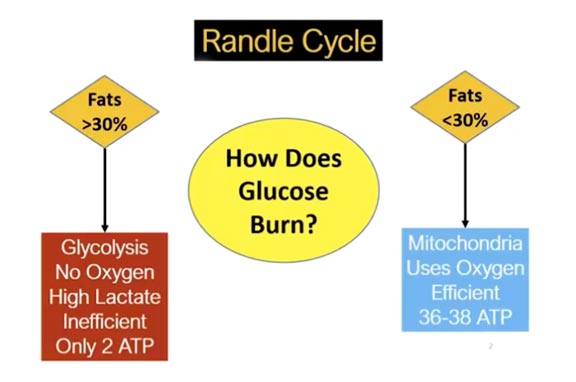
The Randle cycle is going to inhibit the oxidation of glucose in the mitochondria, resulting in weight gain, reduced energy production and other problems. If you’re metabolically impaired, as most people are, your fat intake may need to be as low as 10% to 15% initially, to prevent glycolysis from occurring.
Over time, you can then raise your fat intake to about 30% and still maintain healthy glucose metabolism. Unless you minimize your LA intake and get your total fat content below 30%, you really can’t go high-carb, because the end result is predictable. It’ll lead to diabetes, especially you have high tissue levels of LA, because the glucose cannot be metabolized in your mitochondria and will go to glycolysis instead.
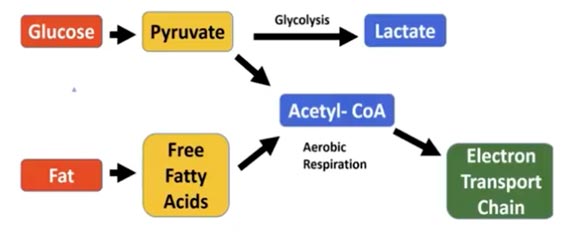
You also cannot load in just any type of carbohydrates. Most grains are loaded with LA and are therefore best avoided. Resistant starches also need to be limited, as they fuel the production of endotoxins in your gut.
The best carbs are ripe fruits. In addition to being a source of carbohydrates, ripe fruits also contain high levels of potassium, which will balance your sodium. Other healthy carbs include white rice and well-cooked potatoes.
Noakes’ Model: Muscle Glycogen Determines Fat Metabolism
Interestingly, in 1999, Noakes did a study showing that it’s not the Randle cycle that determines fat metabolism but, rather, the muscle glycogen content. In other words, the amount of glycogen in your muscles determines how much fat you burn. He explains:
“We made people glycogen depleted, and then we infused glucose. The glucose infusion made no difference. They refused to burn the extra glucose because they were burning so much fat when the glycogen was low.
In fact, I found an old paper [showing] that the best way to normalize your glucose tolerance is to get your muscle glycogen to zero, or as low as possible, and that fits my model.
My model is that when you take carbohydrate, the first thing you do is you try to burn it, so you inhibit fat oxidation, and then you dump it into muscle … and then you’ve got to exercise, get rid of it, and you cannot stop muscle glycogen burning. You cannot.
You can do what you like, it doesn’t stop muscle glycogen use. So, you can infuse glucose at high rates, the muscles will still burn the glycogen. If there’s glycogen in the muscle, it will be burned. And you have to ask why, when there’s so much fat to be oxidized?
So that’s the model that I see. I see the human as being loving to burn fat, and we’ve destroyed that by feeding them linoleic acid and carbs for too long. That’s how I see it.”
Why Strength Training Is so Important
Importantly, muscle glycogen is only used in the muscle. The glycogen cannot be excreted or secreted into your bloodstream. Only glycogen in the liver can do that. This makes a strong case for resistance training and building significant muscle mass. Like me, Noakes switched from running to doing resistance training when he got older:
“I’ve also shifted to weights and resistance training and it’s astonishing. When I look back, the benefits I get as a 74-year-old from resistance training are equal to the benefits I used to get at running as a 20 year old or a 30 year old. Today I can’t get those benefits from running anymore.
You have to change. And I’ve met a lot of endurance athletes who’ve told me that once they crossed 60, they reduced the running or the cycling and moved into resistance training, with huge benefits.”
Life Requires Constant Adaptation
In conclusion, Noakes correctly (and humbly) admits that when it comes to diet and exercise, we cannot make absolute statements that will be correct and always apply to everyone. We have an obligation to experiment and discover what works best for us, in the moment, and realize that what was best a few years ago may no longer be ideal.
To give you a personal example, when I shifted over from high-fat, low-carb to relatively high-carb, low-fat (upping my carbs from 150 grams a day to 400 or 500 grams) I lost 10 pounds, my body fat decreased 3% and my fasting blood sugar went down 10 points.
So, my body was telling me, “This is something I want to do.” It was clear that, from a blood work perspective and biological parameters, I was moving in the right direction. That intrigued me, because I like to test these theories out on myself before I start espousing them to others.
Before that, I was convinced that long-term high fat, low carb dieting was the way to go. My experience told me I hadn’t completely nailed it and needed to refine my recommendations further, which is why I’m now presenting more information about the benefits of higher-carb, lower-fat diets.
The caveat is that you need to be mindful of the types of carbs you add in, and to avoid seed oils. Unless you lower the LA, high-carb is not going to be a good strategy. Also, if you’re not exercising enough, eating 500 grams of carbs is going to be a disaster.
To learn more about Noakes’ work, please visit thenoakesfoundation.org. Also consider sponsoring his research efforts by making a donation, or become a research participant by filling out an anecdotal data collection form.
Cold Water Swimming: Is It Good for You, or Bad?
Reproduced from original article:
https://articles.mercola.com/sites/articles/archive/2023/10/09/cold-water-swimming.aspx
The original Mercola article may not remain on the original site, but I will endeavor to keep it on this site as long as I deem it to be appropriate.
Analysis by Dr. Joseph Mercola Fact Checked October 09, 2023

STORY AT-A-GLANCE
- Exposure to cold water offers mental and physical health benefits
- When your body senses cold temperatures, the sympathetic nervous system, which triggers your “fight-or-flight” response, is activated while blood levels of beta-endorphin and noradrenaline increase
- Research supports the use of cold water swimming to improve mood, relieve depression and boost well-being
- Cold exposure also increases whole-body metabolic rate, relieves pain and builds resilience to stress
- Cold shock can lead to hyperventilation, heart failure and stroke, so you should acclimate your body to cold water swimming gradually and always swim with a buddy
Taking a swim in cold water is a simple, low-cost way to boost your health — but there are some caveats involved. While you don’t want to shock your system or spend too long in very cold water, which poses a risk of hypothermia, exposure to cold water offers mental and physical health benefits.
When your body senses cold temperatures, the sympathetic nervous system, which triggers your “fight-or-flight” response, is activated while blood levels of beta-endorphin and noradrenaline increase. Noradrenaline is released in the brain, as well, and research suggests cold hydrotherapy may relieve depressive symptoms as a result.
“Due to the high density of cold receptors in the skin, a cold shower is expected to send an overwhelming amount of electrical impulses from peripheral nerve endings to the brain, which could result in an anti-depressive effect,” a review in Medical Hypotheses explains.1 This, however, is just the beginning of how cold water swimming, or even cold showers, may help optimize your health.
Swimming in Cold Water May Ease Depression
A team of U.K. researchers published a case study of a 24-year-old woman with depression and anxiety, whose symptoms didn’t improve after multiple medications. She tried weekly open water swimming in cold water, which led to an “immediate” mood boost after every swim. Further, she reported a “sustained and gradual” reduction in symptoms of depression as she continued swimming.
She was also able to reduce, and eventually stop, medications, and was medication-free at her one-year follow-up.2 She told researchers:3
“I really did struggle with depression and anxiety and have tried everything, CBT [cognitive behavioral therapy], talking, several different drugs and nothing worked or I feel numb and in a chemical fog. Although I didn’t enjoy the cold to start with, the effect it had was like a weight being lifted off my shoulders.
Open water swimming works for me, it gets me out and about in to the fresh air and has lifted my mood. I still feel down occasionally, but that is more part of what life throws my way rather than the state I was in before.”
In this case, it’s difficult to determine whether the beneficial effects were due to the cold water or another aspect of the activity, such as exercise, being outdoors, being in water, social encounters she had while swimming or all of the above.
But other research also supports the use of cold water swimming to improve mood. In a study of 61 swimmers who took part in a 10-week outdoor swimming course, increases in positive mood and decreases in negative mood were reported. Further, measures of “total mood disturbance” declined while well-being increased.4
Another study, noting cold water swimming’s potential for boosting self-esteem, reducing tiredness and improving mood and well-being, looked at the feasibility of adding the activity to depression treatment. Depressed patients who regularly participated in cold water swimming had increased well-being scores while measures of sleep quality improved.5 The team concluded:6
“This study indicates that it is possible and safe for patients with depression to participate in regular, supervised CWS [cold water swimming]. Furthermore, regular participation in CWS may improve sleep and well-being.”
In another example, 29 healthy adults participated in cold-water immersion along with breathing exercises and meditation for 10 days, reporting improvements in symptoms of stress, well-being and depression.7
Even taking progressively colder showers once or twice a day may be useful for relieving depression.8 While it’s unclear exactly why cold water exposure may boost mood, it’s believed it may release emotion-regulating neurotransmitters, including serotonin, cortisol, dopamine, norepinephrine and beta-endorphin.9
There Are Risks Involved in Cold Water Swimming
I am no fan cold thermogenesis which is more related to cold plunges than cold water swimming. Cold plunges activate stress hormones which may provide some temporary relief/benefit, but I believe will overall lower your resilience and health and I strongly discourage it. Most of us already have far too many stress hormones activated in our life and we don’t need more that we engage in electively.
I believe many of the benefits being ascribed to cold water swimming could have been achieved by warm water swimming. Movement and swimming are great activities that will generally promote your health, unless the temperature of the water is too cold.
Additionally, there are risks to cold water swimming, which shouldn’t be taken lightly. Cold shock can lead to hyperventilation, heart failure and stroke,10 while cold incapacitation, in which your muscles lose power, making swimming difficult, can lead to drowning.11
Another risk is that “cold water exposure activates both components of our autonomic nervous system, which have opposing effects,” explains Dr. Richard A. Friedman, director of the Psychopharmacology Clinic at Weill Cornell Medical College. A psychiatrist and swimmer who often encourages his patients to try swimming, Friedman wrote in The Washington Post:12
“How you enter the water matters. If you enter the water without getting your face wet, it triggers the sympathetic system, which increases heart rate and blood pressure, sometimes dramatically. In contrast, when cold water hits your face, you get the diving reflex, which activates the parasympathetic system via the vagus nerve, which lowers heart rate and slows things down.
The net effect of these two competing neural reflexes is highly variable. In some individuals with known or perhaps covert heart disease, it can trigger a potentially fatal cardiac arrhythmia — even in apparently young healthy people.”
As a safety precaution, Susan Dawson-Cook of U.S. Masters Swimming recommends gradually building up your tolerance to the cold water:13
“Adapting to the cold water is another important safety precaution. Don’t jump in expecting to swim for 45 minutes. Instead, build up how long you’re in the water gradually so your body can acclimate to how cold the water is.”
It’s not necessary to swim in ice water to gain benefits. Instead, start slowly around 70 degrees F and gradually work your way down to the 40s, giving your body a chance to acclimate in the process. Further, if you’re planning to try cold water swimming, be sure you have a buddy with you and always listen to your body. If you start to feel weak, nauseas or lightheaded, get out of the water and warm up immediately.
- 1, 8 Med Hypotheses. 2008;70(5):995-1001. doi: 10.1016/j.mehy.2007.04.052. Epub 2007 Nov 13
- 2 BMJ Case Rep. 2018; 2018: bcr2018225007
- 3 BMJ Case Rep. 2018; 2018: bcr2018225007., Patient’s perspective
- 4 Lifestyle Medicine November 10, 2020
- 5, 6 Nord J Psychiatry. 2023 Jun 28;1-6. doi: 10.1080/08039488.2023.2228290. Online ahead of print
- 7 Adv Mind Body Med. 2022;36(3):12-20
- 9 Bio Protoc. 2023 Sep 5; 13(17): e4794
- 10 National Weather Service, Cold Water Hazards and Safety
- 11 The Outdoor Swimming Society, Risks of Cold Water
- 12 The Washington Post September 11, 2023
- 13 U.S. Masters Swimming May 5, 2021
STARTLING discovery: Researchers detect microplastics in human hearts
Reproduced from original article:
https://www.naturalhealth365.com/startling-discovery-researchers-detect-microplastics-in-human-hearts.html
by: August 22, 2023
 (NaturalHealth365) In a truly unsettling revelation, recent reports have shed light on a concerning fact: the average person unwittingly ingests a weekly serving of microplastics equivalent to a whole credit card. Yes, you read that right – it’s like swallowing a mini credit card every week, weighing around five grams. But here’s the kicker: some of these pesky microplastics don’t simply pass through our bodies as expected; they decide to stick around.
As if that weren’t distressing enough, researchers have uncovered an even more troubling truth – microplastics have made their way into the very chambers of our hearts.
Shocking findings from medical research: Microplastics infiltrating the heart
The recent report highlighting how microplastics have made their way into heart tissue was made after analyzing patients before and after heart surgery. While there’s a hint of a possibility that some microplastics might find their way into heart tissue during medical procedures, the prevailing evidence suggests a more unsettling truth – it’s our consumer-driven world that’s primarily responsible for this intrusion.
These tiny microplastics navigate their way into the heart through body openings like the nose and mouth. And while it’s plausible that other organs might also host these minuscule invaders, the fact that they’re making their home in the heart is particularly worrisome. After all, the heart is the symbolic engine that keeps our body running smoothly.
Thousands of microplastic pieces found in human heart tissues and blood samples
This unsettling discovery unfolded through meticulous research conducted by a team from Beijing’s Capital Medical University. During surgeries, they collected tissue samples from patients’ hearts and gathered blood samples before and after these medical procedures. They employed a cutting-edge technique called laser direct infrared imaging to unveil the hidden truth.
Under this microscopic scrutiny, the researchers found tiny particles, measuring between 20 and 500 micrometers, lurking within the patients’ hearts. These microplastics comprised over half a dozen distinct types of plastics, ranging from polymethyl methacrylate to polyvinyl chloride. What’s particularly concerning is that the presence of polymethyl methacrylate couldn’t be attributed to accidental exposure during surgery.
Even more disconcerting, the majority of the collected samples contained tens of thousands of these minuscule microplastic pieces. To compound the issue, the patients’ blood samples were also found to be teeming with microplastics. However, it’s important to note that some tissue samples remained untouched by these intruders, hinting at the possibility of a healthy heart free from microplastics.
Tips to avoid microplastic consumption
While the full extent of harm caused by microplastics in the human body remains uncertain, the prevailing belief is that these tiny particles could have lasting and impactful consequences.
Contrary to common belief, microplastics are not limited to oceans and water bodies; they have become ubiquitous. While eliminating them entirely is impossible, you can make a difference by reducing your plastic consumption. Opt for glass bottle refills over disposable plastic water bottles.
To further safeguard against exposure, limit your consumption of certain seafood, including bivalves and bottom feeders like crabs or crayfish, which tend to bioaccumulate more unwanted substances. Also, avoid microwaving food or beverages in plastic containers, as this can release even more microparticles.
Taking preventive measures such as dusting and vacuuming with a HEPA filter can curtail microplastic circulation indoors, minimizing inhalation risk.
Sources for this article include:
Why Molecular Hydrogen Is a Superior Antioxidant
Reproduced from original article:
https://articles.mercola.com/sites/articles/archive/2023/07/23/why-molecular-hydrogen-superior-antioxidant.aspx
The original Mercola article may not remain on the original site, but I will endeavor to keep it on this site as long as I deem it to be appropriate.
Analysis by Dr. Joseph Mercola Fact Checked July 23, 2023
STORY AT-A-GLANCE
- Molecular hydrogen acts as a selective antioxidant, meaning it doesn’t indiscriminately suppress free radicals
- It uses your body’s biological systems and feedback loops to identify where and when you’re under oxidative stress, and when found, pathways are activated and key proteins released that cause your DNA to make the antioxidants themselves
- Molecular hydrogen is not intrinsically an antioxidant. Rather, it helps your body make its own endogenous antioxidants. This is what makes molecular hydrogen so unique
- Molecular hydrogen has been shown to have therapeutic benefits in more than 170 different animal disease models
- The reason it has such diverse benefits in so many different disease models is because all of them have excessive oxidative stress, redox dysregulation and inflammation as their root cause. By regulating the oxidative pathways, molecular hydrogen is able to address these root causes
In this interview, repeat guest Tyler LeBaron, MSc., Ph.D., reviews some of the many benefits of molecular hydrogen (H2). Perhaps most importantly, molecular hydrogen acts as a selective antioxidant, meaning it doesn’t indiscriminately suppress free radicals.
It uses your body’s own biological systems and feedback loops to identify where and when you’re under oxidative stress, and when found, antioxidant genes are stimulated and key antioxidants are transcribed from your DNA. So, molecular hydrogen is not in and of itself a direct radical-scavenging antioxidant. Rather, it helps your body make its own endogenous antioxidants. This is what makes molecular hydrogen so unique.
This is crucial because excessive antioxidants use can be deleterious and molecular hydrogen serves as a redox regulator, so, just like Goldilocks, you get just the right amount, not too much and not too little, which makes your cells very happy.
H2 Activates Nrf2 Pathway
One of the pathways activated by H2 when free radicals are present is the Nrf2 pathway. LeBaron explains:
“In your cell you have this protein, Nrf2, and it’s attached to Keap1. They’re always attached together. But when you get oxidative stress … it can cleave off.
[Oxidative stress] causes the cleaving off of the Nrf2 and the Keap1, and the Nrf2 can then diffuse into the nucleus [where] it binds to the ARE, the antioxidant response element of the DNA. [This triggers] the production of all these endogenous antioxidants — Phase 2 enzymes of detoxification and antioxidation — and there are over 200 of them.”
This is one of the primary benefits of molecular hydrogen. It’s also what makes molecular hydrogen so useful for such a wide variety of conditions. According to LeBaron, it’s been shown to have therapeutic benefits in more than 170 different animal disease models.
“What this means is, for example, there are lots of ways to induce diabetes in an animal model. Using these different models, we can show molecular hydrogen has therapeutic effects. And, yes, the Nrf2 in some cases seems to be extremely important. In fact, by using gene knockout or or interfering RNA, you can blunt the benefits of molecular hydrogen. So, the Nrf2 is very important,” LeBaron says.
Molecular Hydrogen Is an Important Nrf2 Regulator
Sulforaphane, found in broccoli, is another well-studied Nrf2 activator. But in contrast to sulforaphane (as well as other Nrf2 activators), molecular hydrogen does not disturb redox homeostasis within the cell by adding too many antioxidants.
Redox homeostasis is when there’s a specific balance between reducing and oxidizing reactions within the cell. Homeostasis is what you need for optimal cellular health, and either too many free radicals or too many antioxidants can have detrimental effects. When you add molecular hydrogen to a cell that is already at redox homeostasis, however, there’s no increase in Nrf2 or other proteins, so it doesn’t accidentally push it out of homeostasis. As explained by LeBaron:
“That’s important because we don’t want to have reductive stress. If you were to induce the Nrf2 pathway indiscriminately and just keep it going, that would be reductive stress and that would be problematic.
In fact, there are genetic mutations where the Nrf2 is hyperactivated, and that leads to all sorts of problems. Cancer sometimes can activate the Nrf2 really strongly … So what we really are talking about is the regulation of Nrf2.
When we administer molecular hydrogen to healthy cells, we don’t see changes in the Nrf2 level at the protein level. However, if we were to administer a toxin or some other stress, that’s when we would see that molecular hydrogen was able to induce the Nrf2 — and many other proteins, not just the Nrf2 — and provide a protective effect.
That is different than anything else out there. And it has this pretreatment effect as well. So, for example, in one study, they administered molecular hydrogen into a cell culture, and after that, they administered a common environmental toxin.
The exposure caused a decrease in the antioxidant status. So, you could see markers of increased oxidative stress, you could see decrease in superoxide dismutase levels, all these important antioxidants, as well as a decrease in NAD+ to NADH ratio. Having a high ratio is very important, and this stress caused a reduction in this ratio.
However, in the cells that were pretreated with molecular hydrogen, it prevented those reductions from happening, and it provided a protective effect for 24 hours even after the hydrogen gas was out of the cell culture and there was no molecular hydrogen left. That’s because molecular hydrogen works at the gene level, epigenetically even, modulating proteins, the signaling pathways and the phosphorylation cascades …
So, we’re not just activating Nrf2. We’re regulating its production so it’s not too high, not too low … [Molecular hydrogen is an] adaptogenic redox regulator, basically …
And, we are able to provide a protective effect for, say, 24 hours in this case, as opposed to only when it’s present. It’s amazing to think that molecular hydrogen is able to change how the genes express themselves so that it’s going to have favorable effects even after it’s out of the body.”
Download this Article Before it Disappears
Considerations When Administering Molecular Hydrogen
While there’s no risk of overdosing on molecular hydrogen, intermittent exposure produces the best results. It’s also important to get the optimal concentration of H2 molecules to your cells, at least a concentration of about 10 micromolar or higher at the cellular level.
Dose-dependent benefits are seen between 10 micromolar all the way up to 800 micromolar, which is considered the saturation level of molecular hydrogen in water at sea level. The therapeutic dose of regular hydrogen water is 0.5 milligrams per liter (mg/L). Saturation is reached at 1.57 mg/L, but some technologies such as tablets can give much higher levels.
So, when we talk about the “right” and “wrong” ways to take molecular hydrogen, it has to do with the concentration of H2 that you’re getting. For example, the “wrong” way to drink H2 water might be to take a few sips every few minutes, finishing it in an hour.
With each passing minute, the H2 concentration reduces, leaving you with next to nothing by the time you’re finished. You also won’t get that approximate 10 micromolar level concentration required to transcribe the DNA to produce your endogenous antioxidants.
When using molecular hydrogen tablets, which is my preferred method, the nanobubbles contain hydrogen gas, so once the bubbles are gone, you’ve lost most of the hydrogen. So, to ensure maximum concentration, you have to drink it as soon as the tablet has dissolved and the water is still cloudy-looking.
Hydrogen is the smallest-known molecule in the universe and it has no electrical charge, so it can easily penetrate any cell membrane once in your body. However, it will follow a concentration gradient, so when you drink hydrogen water, it’ll go to the stomach first, followed by the intestines and liver before entering your systemic circulation.
“Through Brownian motion and this diffusion gradient, it’ll be a passive diffusion, simple diffusion into the cells, where it’s going to induce effects,” LeBaron says.
“So going back to the tablets, the concentration of the hydrogen in the tablets is not just in dissolved form, but it’s in this quasi-suspended, micro-macro nano bubble form that has a lot of hydrogen density, so to speak, in the water.
So, it’s not going to be as stable. So, absolutely, in that case, you’ve got to drink it very, very quickly while it’s still cloudy. Otherwise, you’re going to lose a high percentage of the hydrogen …
Unfortunately, some hydrogen products do not reach that threshold of 0.5 mg/L. But with the tablets, because so much [hydrogen] is dissolved and a lot of that is in the suspended or quasi form, you have a very high volume of molecular hydrogen, which requires you to drink it faster, but you can get these higher doses of molecular hydrogen.”
What to Look for When Buying Molecular Hydrogen
When it comes to buying a high-quality H2 product, make sure it’s certified according to the International Hydrogen Standards Association (IHSA). This is your assurance that the product is truly capable of at least delivering the proper amount of molecular hydrogen. LeBaron explains:
“We published a paper showing how ORP [oxidation-reduction potential] is very inaccurate, especially if the pH is anything but neutral. So, with the tablets, you might measure something like 0.5 mg/L when really it’s 5 mg/L because of the pH. So, we really can’t use ORP-type meters or other methods.
It has to be gas chromatography. And IHSA uses the gold standard, gas chromatography, and then does a series of testing for safety and purity and a number of other things in order to be classified as a product that could be recommended and used in clinical studies.”
In the interview, LeBaron also does a quick review on the ideal dosing when using inhaled hydrogen. I’ve limited my summary to hydrogen water here, as this is the easiest way to get it, and in many cases, drinking hydrogen water is more effective than inhalation. Molecular tablets are also ideal when traveling, as you can simply drop one in a glass of water.
“In certain cases, it’s 100 times more effective, just looking at different protein expressions, for example,” LeBaron says. “But in other scenarios, the inhalation might be able to work on different pathways, different areas that the drinking cannot, and so they don’t really compete with each other and there could be an additive or synergistic benefit from them.
In the past, I would say most of the research has been done on drinking hydrogen water in clinical studies, and that’s still probably the case, but there are more and more clinical studies being done now with the inhalation of molecular hydrogen that are showing favorable effects.”
Molecular Hydrogen Protects Against Radiation Damage
One of the benefits of molecular hydrogen is that it helps protect against radiation damage, including X-rays from medical diagnostics and the gamma rays you’re exposed to during flights. Every time I fly, I take it just before takeoff, as it takes about an hour before the ARE enzymes are activated and you start producing endogenous antioxidants.
Then I take it once every hour for as long as I’m in the air. If you’re using tablets, put one tablet in 16 ounces of room temperature water and drink it as soon as it’s dissolved. Cold water will make the tablet dissolve slower, so you’ll lose some H2 while waiting for it to fully dissolve. Don’t use carbonated water as the carbon dioxide gas will lower the concentration of hydrogen gas that you can have in the water.
Alternatively, you could pretreat yourself by taking molecular hydrogen for two or three days beforehand. That way, by the time you’re exposed to the radiation, you’ll already have a level of built-in protection. If you need a CT scan, consider pretreating yourself for a couple of days and then take another dose about 30 minutes or so directly before the test.
Molecular Hydrogen Helps Ward Off EMF Damage
Molecular hydrogen may also help ward off some of the damage incurred by nonionizing electromagnetic fields (EMF). One theory advanced by Martin Pall, Ph.D., is that the primary danger of EMFs is the mitochondrial damage triggered by peroxynitrites, one of the most damaging types of reactive nitrogen species.
Low-frequency microwave radiation activates the voltage-gated calcium channels (VGCCs) in the outer membrane of your cells, causing them to open, thus allowing an abnormal influx of calcium ions. This activates nitric oxide, which is a precursor for peroxynitrite.1
What we need to do is decrease the excessive production of superoxide or nitric oxide. Then we could essentially prevent peroxynitrite formation. And that’s exactly what molecular hydrogen does. ~ Tyler LeBaron, MSc, Ph.D.
These potent reactive nitrogen species are associated with an increased level of systemic inflammation and mitochondrial dysfunction and are thought to be a root cause for many of today’s chronic diseases.
Clearly, limiting your EMF exposure should be your primary strategy, but if for whatever reason you cannot, then you may want to consider taking molecular hydrogen regularly to increase your endogenous antioxidants and limit the damage from peroxynitrite and other oxidative stressors. How does this work? LeBaron explains:
“One of the first studies, published in Nature Medicine in 20072 … found that in addition to [molecular hydrogen’s] ability to reduce hydroxyl radicals, [it could] reduce peroxynitrite. We see a reduction of the peroxynitrite levels, and we also see reductions — like in animals and tissue samples — of nitrotyrosine levels, which is a marker of the peroxynitrite as well.
Now, calcium signals can induce nitric oxide and activate various NOX enzymes to increase superoxide production, and then you have superoxide and nitric oxide, and they react instantaneously. If they come in contact with each other, they will form peroxynitrite. The only thing that limits how fast they react is the rate of diffusion.
So, what we need to do is … decrease the excessive production of superoxide or nitric oxide. Then we could essentially prevent peroxynitrite formation. And that’s exactly what molecular hydrogen does.
This is really fascinating because if you took other antioxidants and you put them in the presence of nitric oxide or superoxide, you could scavenge them. They would donate their electrons and neutralize them. That can be good, but it can also be bad, because your body makes and specifically uses things like superoxide to increase mitochondrial biogenesis, or nitric oxide for vasodilation.
So, we don’t want to just neutralize all of these. Hydrogen [is] selective, and if you put molecular hydrogen in the presence of superoxide or nitric oxide, there is no reaction. They don’t have a strong enough oxidizing power for hydrogen to react, so we don’t have to worry about that happening.
The question then is, how does hydrogen help with the superoxide and the nitric oxide when their levels are in excess production? That goes to this signal modulating effect. With superoxide, typically that’s from NADPH oxidase or NOX enzymes that can become hyperactivated.
Molecular hydrogen has this ability to down-regulate this NOX enzyme, so you end up producing less superoxide in the first place. And, if you have less superoxide, then you’re going to make less peroxynitrite.
And then, on the other side, when you have nitric oxide production, you have three main isozymes or enzymes. You have the neuronal nitric oxide synthase (nNOS), endothelial nitric oxide synthase (eNOS) and the inducible nitric oxide synthase (iNOS). eNOS, that’s in the endothelial cells, so typically, that’s good. You want more of that, you kind of lose that as you get older.
Incidentally enough, on a side note, molecular hydrogen can actually improve eNOS. So, we can have better blood perfusion and things in this way.
But the iNOS, specifically from macrophages, can be problematic. And hydrogen has this ability to down-regulate the activity of iNOS, of making this excessive nitric oxide production. So now you’re decreasing superoxide and nitric oxide levels, and consequently you get less peroxynitrite.”
How Molecular Hydrogen Can Optimize Exercise Performance
Molecular hydrogen can also be used to boost exercise endurance. LeBaron published a paper on this in the Canadian Journal of Physiology and Pharmacology a few years ago. There are also several others, including a systematic review and meta-analysis, that detail its favorable effects. As explained by LeBaron, it can help you push yourself harder, improve blood flow and reduce fatigue.
“One of the earliest studies found [molecular hydrogen could] prevent fatigue during a maximal isokinetic knee extension exercise. Isokinetic just means same speed, so you’re on a machine and you’re just doing these leg extensions. I think they did 50 in a row, and you just do them as hard as you can.
The group that took molecular hydrogen was able to maintain a higher force output during those 50 maximal isokinetic knee extensions. Also, they looked at exercising at around 70% your VO2 max, which is about close 70% of your max heart rate, and those who were doing this were able to exercise longer [and] had lower levels of lactate …
One interpretation is that molecular hydrogen may have improved the function of the mitochondria … Now, if we’re getting our ATP production from the mitochondria using aerobic respiration, then we don’t have to go through the anaerobic pathway of making lactate.
So that’s … why we’re seeing lactate decrease; we’re able to use the mitochondria to make ATP, so now we can exercise better, longer and have less fatigue, especially the perceived exertion.
There are also explanations in terms of lactate clearance and accelerating the Cori cycle and different things. But mitochondrial bioenergetics are probably a major target of molecular hydrogen …
[It’s also] protective, because when you exercise, you breathe a lot more and that’s going to make more free radicals. A lot of those free radicals are going to be very good for your body because it’s going to force you to make more antioxidants, it’s going to increase mitochondrial bioenergetics and all this stuff, but you’re still causing damage.
You’re still damaging DNA. With molecular hydrogen, you can negate or reduce the damaging effects of exercise while not inhibiting the benefits of exercise, and in fact, maybe even potentiating the benefits of exercises. This is the idea that hydrogen in some ways can act as an exercise mimetic. Not in the true sense, but maybe it’s a pseudo mimetic because it can activate some of the same metabolic pathways that exercise does.
And, in this case, it can maybe potentiate those benefits of exercise. Then again, to compare that to conventional antioxidants … taking high dose antioxidants can negate the benefits of exercise training.
Normally, with exercise you have improved insulin sensitivity, your glucose levels go down, you have better antioxidant status. Taking high levels of synthetic antioxidants can completely negate those benefits. So, again, hydrogen is superior because it doesn’t do that.”
How Molecular Hydrogen Rejuvenates Your Mitochondria
Interestingly, molecular hydrogen also induces heat shock protein responses, thereby mimicking some of the benefits of sauna therapy. One of the most important benefits of heat shock proteins is that they help refold misfolded proteins that no longer work properly and facilitates their removal if they can’t be properly refolded.
Some of LeBaron’s colleagues in Japan investigated this, showing molecular hydrogen is able to induce mtUPR, the mitochondrial unfolded protein response, which is thought to promote rejuvenation of the mitochondria. Molecular hydrogen has also been shown to upregulate collagen biosynthesis, which is important both for youthfulness and post-injury healing.
More Information
So, to recap, the reason molecular hydrogen can have such diverse benefits in so many different disease models is because, essentially, all of them have excessive oxidative stress, redox dysregulation and inflammation as their root cause.
By regulating the oxidative pathways, molecular hydrogen can address these root causes. It’s also selective and doesn’t create reductive stress by avoiding making excessive antioxidants if your body doesn’t need them.
For these reasons, it’s my absolute favorite antioxidant and, I believe, the best option for most. One potential contraindication would be if you have small intestinal bowel overgrowth (SIBO), as, theoretically, those bacteria may feed on the hydrogen. This has not been confirmed, but it’s a theoretical possibility. So, if you have SIBO, carefully evaluate how you feel after taking it.
If you want to take a deep dive into the science and application of molecular hydrogen, check out LeBaron’s courses, available at molecularhydrogeninstitute.org. The institute offers four levels of certification, plus an apprentice course, but you don’t have to be a health professional to take them.
“These courses are specifically designed to eradicate a lot of the misinformation, get the correct information out and allow you to think about how to use molecular hydrogen the best, how to optimize it and so on. So I think people are going to really like them,” he says.
Alarming government study reveals ‘forever chemicals’ taint almost half of U.S. tap water
Reproduced from original article:
https://www.naturalhealth365.com/alarming-government-study-reveals-forever-chemicals-taint-almost-half-of-us-tap-water.html
by: July 13, 2023
 (NaturalHealth365) As you probably know, our bodies are composed of approximately 60% to 70% water. It’s truly incredible how much water plays a fundamental role in our very existence. As we age, our bodies naturally experience water loss, underscoring the importance of adequate water intake to maintain our overall health and sustain optimal energy levels. Furthermore, water is vital in eliminating harmful toxins from our system.
Even most medical professionals widely agree that the average individual should consume more than six 8 oz glasses of water daily, depending on health status and activity levels. However, an intriguing revelation made by Patricia Bragg in her book “Water: The Shocking Truth That Can Save Your Life” challenges the safety of tap water for human consumption.
As far back as 2015, the federal government publicly acknowledged the potential hazards of fluoride, an additive commonly found in tap water. Yet, fluoride is not the sole concern regarding tap water quality. A recent government study has unveiled the presence of toxic “forever chemicals” in nearly half of the country’s tap water supply.
Think twice before drinking: The startling truth about PFAS in tap water
The Centers for Disease Control and Prevention (CDC) has just released a report based on data from the National Health and Nutrition Examination Survey (NHANES), and it’s quite eye-opening. According to their findings, per- and polyfluoroalkyl substances (PFAS) have been detected in the bloodstream of almost every single American. Imagine how bad this must be for a corrupt government “health” agency, like the CDC, to admit how toxic the bloodstream has become.
Now, you might wonder how these forever chemicals are making their way into our bodies. One of the primary routes of exposure is through water consumption, among other means. This means that the water we drink can potentially introduce these substances into our system.
The study referenced above holds tremendous significance, as it represents the first comprehensive nationwide attempt to assess the prevalence of PFAS in tap water across the United States. Its findings reveal a startling reality: there is a nearly 50% probability that the tap water flowing from your kitchen faucet contains these persistent chemicals, commonly known as forever chemicals, which have been linked to a wide range of health issues, including cancer.
Unfortunately, it appears that mainstream media outlets have only provided limited coverage of the study results. This restrained approach may stem from a desire to mitigate public outcry or prevent undue panic. Nevertheless, given the potential health implications associated with PFAS exposure, it is crucial to ensure that this issue receives the attention it deserves and that appropriate actions are taken to address it effectively.
Greater public awareness is the key to ensuring these chemicals get out of our environment.
Contaminated drinking water is nearly everywhere
It’s a harsh truth that might surprise many, but the reality is that contaminated drinking water is a widespread issue that affects not only specific regions but also extends across rural, suburban, and urban areas throughout the entire nation.
Now, you may be wondering why our drinking water has become unsafe for consumption. The answer lies in a combination of factors. Industrialization, with its accompanying manufacturing processes and chemical usage, has played a substantial role in introducing these contaminants into our water sources. For more information about this issue, watch the movie “Dark Waters” – which reveals the greed and corruption related to how forever chemicals have poisoned our water supply.
In addition, many would argue that ineffective (negligent) federal government agencies, often criticized as being influenced by corporate interests, fail to adequately regulate and truly protect public health. No doubt, this is a big part of the problem.
Where are the chemicals coming from?
The introduction of “forever chemicals” into our public and private water sources can be attributed to the products manufactured by corporations that have operated with limited oversight. This has allowed the unchecked use of these substances, leading to their widespread presence in our environment. Again, the movie “Dark Waters” does an excellent job at revealing how corporations ignore the dangers of their products.
To understand the current situation, it’s worth mentioning the landmark 1976 U.S. Supreme Court ruling in Buckley v. Valeo. This ruling established that political campaign contributions, including those from corporations, are considered a form of free speech. Unfortunately, this decision has had unintended consequences, enabling corporations to engage in financial contributions to political campaigns with the aim of influencing policy decisions in their favor.
As a result, politicians at both the federal and state levels often lack the financial incentive to regulate corporations effectively, including those that employ PFAS in a variety of consumer goods. From cooking pans to food packaging and clothing, these products can contain PFAS, and their disposal in landfills can lead to the contamination of groundwater and other water bodies. This ultimately compromises the quality of the water that Americans rely on for their ongoing health, biological functions, and overall survival.
Tips for consuming healthy drinking water
Bragg’s recommendation to distill tap water indeed presents an option for those concerned about water quality. Water distillers, although they can be a bit costly and produce some noise, offer a method to address potential health compromises resulting from toxic chemicals and impurities in tap water. The distillation process effectively eliminates these contaminants, providing a purified water source.
It’s important to note that distilled water lacks minerals naturally present in water. However, it’s entirely possible to obtain these minerals through other dietary sources. So, even though distilled water may not contain minerals, it can still be a viable option for drinking and other uses.
However, it’s understandable that not everyone may have the financial means to invest in water distillers. In such cases, using a water filter can still be a practical alternative to remove at least some of the harmful components found in tap water. For instance, a reverse osmosis filtration system is a great option. While it may not provide the same level of purification as distillation, a water filter can help improve the overall quality and safety of the water you consume.
Ultimately, the decision to distill water or use a water filter depends on your circumstances, preferences, and budgetary considerations. Regardless of the method chosen, take proactive steps to ensure the purity of your drinking water, safeguarding your health and well-being.
Sources for this article include:
Harvard.edu
Sciencedirect.com
NIH.gov
EPA.gov
Pressherald.com