Muscle
now browsing by category
Quick Technique Lowers Blood Pressure in Minutes
Reproduced from original article:
https://articles.mercola.com/sites/articles/archive/2023/07/03/inspiratory-muscle-strength-training.aspx
The original Mercola article may not remain on the original site, but I will endeavor to keep it on this site as long as I deem it to be appropriate.
Analysis by Dr. Joseph Mercola Fact Checked July 03, 2023
STORY AT-A-GLANCE
- Inspiratory muscle strength training can lower blood pressure, improve cardiovascular health and boost cognitive and physical performance in middle-aged adults who do not get the recommended amount of aerobic exercise
- Inspiratory muscle strength training (IMST) involves inhaling through a hand-held device that restricts air flow. By making you work harder to breathe in, you strengthen the muscles used for inhalation
- Most people breathe incorrectly and the ramifications for your health can be significant. One of the most common errors is over breathing, which depletes your carbon dioxide (CO2) reserves, thus lowering tissue oxygenation and causing airway and blood vessel constriction
- Mouth breathing has been linked to an increased risk of snoring, sleep apnea, asthma, abnormal facial development in children, poor oral hygiene, crooked teeth, poor posture, poor sports performance and attention-deficit hyperactivity disorder
- Another near-universal breathing abnormality is breathing vertically rather than horizontally. Correct breathing will cause your midsection to widen while not raising your shoulders or puffing out the upper part of your chest. This is the horizontal breath
Editor’s Note: This article is a reprint. It was originally published April 25, 2019.
The way you breathe has a significant impact on your health, and various breathing exercises have been shown to improve your health and well-being in a number of ways.
Researchers have found inspiratory muscle strength training — a technique that strengthens your respiratory musculature — can improve cardiovascular health, as well as cognitive and physical performance.
Inspiratory muscle strength training (IMST) involves inhaling through a hand-held device that restricts air flow. By making you work harder to breathe in, you strengthen the muscles used for inhalation. The inspiratory muscle trainer device was originally developed for people with respiratory conditions, and to help wean patients off mechanical ventilation.
As you might expect, your breathing muscles, including your diaphragm, will lose strength and atrophy from lack of use, just as other muscles in your body, and research1 shows that strengthening the breathing muscles improves weaning outcome in patients that have become too weak to breathe on their own after being on a ventilator.
How Inspiratory Muscle Strength Training Benefits Your Health
In the featured study, the preliminary results of which were presented at the annual Experimental Biology conference2 in Orlando, Florida, the researchers investigated how IMST might affect vascular, cognitive and physical health in middle-aged adults.
A previous study3 had shown patients with obstructive sleep apnea who used the device to perform 30 inhalations per day for six weeks lowered their systolic blood pressure by an average of 12 millimeters of mercury (mm/Hg).
As reported by Medical News Today,4 “Exercising for the same amount of time usually only lowers blood pressure by half that amount, and the benefits seem to exceed those normally achieved with hypertension medication.”
Intrigued by these findings, the researchers, led by Daniel Craighead, postdoctoral researcher at the University of Colorado Boulder’s Integrative Physiology of Aging Laboratory, decided to investigate whether IMST might be useful for middle-aged adults who resist exercise.5,6,7
Indeed, those who used IMST not only lowered their blood pressure and improved their vascular health, they also improved their exercise tolerance, assessed through treadmill tests, and cognitive performance, assessed through cognitive tests. Craighead commented on the results:8,9
“IMST is something you can do quickly in your home or office, without having to change your clothes, and so far it looks like it is very beneficial to lower blood pressure and possibly boost cognitive and physical performance.
High blood pressure is a major risk factor for cardiovascular disease, which is the number one cause of death in America. Having another option in the toolbox to help prevent it would be a real victory …
I think IMST has slowly evolved from something used only by a very sick population to being something that people can adopt as a part of their everyday lifestyle. Maybe they won’t do 30 minutes of aerobic exercise, but perhaps they’ll do five minutes of this and get some benefits.”
Over Breathing — One of the Most Common Breathing Errors
When it comes to breathing, most people actually do it incorrectly, and the ramifications for your health can be significant. One of the most common errors is over breathing. By breathing more than necessary, you deplete your carbon dioxide (CO2) reserves. While it’s important to remove CO2 from your body, you need a balance of oxygen and CO2 for optimal function.
CO2 is not just a waste product but has actual biological roles, one of which is assisting in oxygen utilization. When your CO2 level is too low, changes in your blood pH impair your hemoglobin’s ability to release oxygen to your cells. This is known as the Bohr effect.10,11
CO2 also helps relax the smooth muscles surrounding your blood vessels and airways, which is why over breathing results in both airway and blood vessel constriction. You can test this by taking five or six big breaths in and out of your mouth.
Most people will begin to experience some light-headedness or dizziness. While you might reason that taking bigger breaths through your mouth allows you to take more oxygen into your body, which should make you feel better, the opposite actually happens.
This is because you’re expelling too much CO2 from your lungs, which causes your blood vessels to constrict — hence the light-headedness. The reality is that the heavier you breathe, the less oxygen is delivered throughout your body due to lack of CO2.

Download this Article Before it Disappears
How Over Breathing Affects Your Health
Typical characteristics of over breathing include mouth breathing, upper chest breathing, sighing, noticeable breathing during rest and taking large breaths before talking. Normal breathing volume is between 4 and 7 liters of air per minute, which translates into 12 to 14 breaths per minute. Breathing more than this is often an indication of poor health.
For example, clinical trials12 involving asthmatics show they breathe between 10 to 15 liters of air per minute and people with chronic heart disease tend to breathe between 15 to 18 liters of air per minute. Mouth breathing in particular is also associated with a number of health problems, including:
| Dehydration |
| Snoring13 |
| Sleep apnea14,15,16,17 |
| Asthma18 — In one study,19 young asthma patients had virtually no exercise-induced asthma after exercising while breathing through their noses. However, they did experience moderate bronchial constriction after exercising while mouth breathing. Research shows mouth breathing may increase asthma morbidity by increasing sensitization to inhaled allergens20 |
| Abnormal facial development21 — Children who breathe through their mouths tend to develop longer faces with altered jaw structures22,23,24,25,26,27 |
| Poor oral hygiene — Loss of moisture dries out your saliva and contributes to poor oral hygiene; dehydration causes your airways to constrict and makes nose breathing even more difficult, creating a vicious cycle |
| Reduced oxygen delivery to your heart, brain and other tissues due to constricted arterial blood flow28 |
| Crooked teeth29 |
| Poor posture30 |
| Poor sports performance31 — This occurs primarily as a side effect of postural changes associated with mouth breathing that decrease muscle strength and inhibits chest expansion.32 Breathing through your nose also boosts air resistance by approximately 50% compared to breathing through your mouth.
As a result, you end up increasing your oxygen intake by 10% to 20% when nose breathing.33 The deeper and more rapid your breath (which is a hallmark of hyperventilation and mouth breathing), the more constricted your blood vessels will be and the less oxygen will be delivered to your tissues,34 and this lack of oxygen will also hamper sports performance |
| Attention-deficit hyperactivity disorder35 |
How to Breathe Properly
To minimize the problems associated with mouth breathing and over breathing, you need to breathe more lightly and through your nose. Ideally, your breath should be so light as to barely move the hairs inside your nose.
Breathing through your nose slows your breathing and makes it more regular, thereby improving oxygenation. Nasal breathing also activates your parasympathetic nervous system, which has a calming and blood pressure lowering effect.36,37
The following steps will help your breath become lighter. While you may feel a slight air shortage at first, this should be tolerable for most people. If it becomes uncomfortable, take a 15-second break and then continue.
- Place one hand on your upper chest and the other on your belly; feel your belly move slightly in and out with each breath, while your chest remains unmoving.
- Close your mouth and breathe in and out through your nose. Focus your attention on the cold air coming into your nose and the slightly warmer air leaving it on the out breath.
- Slowly decrease the volume of each breath, to the point it feels like you’re almost not breathing at all. The crucial thing here is to develop a slight air hunger. This simply means there’s a slight accumulation of carbon dioxide in your blood, which signals your brain to breathe.
After three or four minutes of air hunger, you’ll start experiencing the beneficial effects of CO2 accumulation, such as an increase in body temperature, a sign of improved blood circulation, and an increase in saliva, which is a sign of parasympathetic nervous system activation, which is important for stress reduction.
While mouth breathing tends to lead to over breathing, failure to exhale fully may also be part of the problem that’s causing you to over breathe. Oftentimes, it’s a combination of sucking in excessive air and exhaling incompletely. You’re your exhalation is incomplete, you end up with excess residual air in your lungs, and it is this that makes you feel short of breath.
The answer for this is not to breathe more but to breathe out more fully. You can train yourself to exhale more fully by making sure your exhale is slightly longer than your inhale, and by engaging your diaphragm to really squeeze the air out as you allow your midsection to collapse inward. The vertical breathing exercise below will also help strengthen your diaphragm, which will allow you to exhale more fully.
Vertical Breathing — Another Common Breathing Mistake
Another near-universal breathing abnormality is breathing vertically rather than horizontally. This is something clinical psychologist Belisa Vranich points out in her book “Breathe,” which details her breathing program.
Vertical breathing makes you feel a bit taller on the in-breath, as it raises your chest and shoulders. The problem is that this kind of breathing actually triggers your sympathetic nervous system. In other words, it triggers your stress response, which is the complete opposite of what you want.
Correct breathing will cause your midsection to widen while not raising your shoulders or puffing out the upper part of your chest. This is the horizontal breath. At first, you may find it difficult to take a proper breath, as your midsection and diaphragm may be tight. To relearn proper horizontal breathing, Vranich suggests the following exercise. In time, this exercise will teach your body to use the diaphragm to breathe.
- Begin by relaxing and unbracing your midsection.
- Take a deep breath in and actually feel the middle of your body get wider. Let your belly go.
- On the exhale, roll backward, tipping your hips underneath you while pressing your fingers gently into your belly, giving it a little squeeze.
As mentioned earlier, feeling short of breath is often caused by insufficient exhalation. Engaging your diaphragm and intercostals — the muscles that run between your ribs, allowing your chest wall to move — will allow you to take more complete in and out breaths.
The Link Between Athletic Endurance and CO2 Tolerance
While breathing through your mouth may be particularly tempting during physical exertion, try to avoid this tendency as it will actually diminish your fitness and endurance. Ideally, you would exercise only to the extent that you can continue breathing through your nose the vast majority of the time.
If you feel the need to open your mouth, then slow down and recover. This helps your body to gradually develop a tolerance for increased CO2. Dr. Konstantin Pavlovich Buteyko38 — the Russian physician after whom the Buteyko Breathing Method is named — discovered that the level of CO2 in your lungs correlates to your ability to hold your breath after normal exhalation.
This breath-holding capacity is known as your control pause or CP number. To identify your CP, which will give you an estimate of your CO2 tolerance, perform the following self-test.
1. Sit straight without crossing your legs and breathe comfortably and steadily.
2. Take a small, silent breath in and out through your nose. After exhaling, pinch your nose to keep air from entering.
3. Start your stopwatch and hold your breath until you feel the first definite desire to breathe.
4. When you feel the first urge to breathe, resume breathing and note the time. This is your CP. The urge to breathe may come in the form of involuntary movements of your breathing muscles, or your tummy may jerk or your throat may contract.
Your inhalation should be calm and controlled, through your nose. If you feel like you must take a big breath, then you held your breath too long.
The following criteria are used to evaluate your CP result:
• CP 40 to 60 seconds — Indicates a normal, healthy breathing pattern and excellent physical endurance.
• CP 20 to 40 seconds — Indicates mild breathing impairment, moderate tolerance to physical exercise and potential for health problems in the future (most folks fall into this category).
To increase your CP from 20 to 40, physical exercise is necessary. You might begin by simply walking with one nostril occluded. As your CP increases, begin incorporating jogging, cycling, swimming, weightlifting or anything else to build up an air shortage.
• CP 10 to 20 seconds — Indicates significant breathing impairment and poor tolerance to physical exercise; nasal breath training and lifestyle modifications are recommended. If your CP is less than 20 seconds, never have your mouth open during exercise, as your breathing is too unstable. This is particularly important if you have asthma.
• CP under 10 seconds — Serious breathing impairment, very poor exercise tolerance and chronic health problems.
Short CP times correlate with low tolerance to CO2 and chronically depleted CO2 levels. As a result, the shorter your CP, the more easily you’ll get breathless. The good news is that you will feel better and improve your exercise endurance with each five-second increase in your CP.
How to Increase Your CP and Boost Exercise Endurance
The following breath hold exercise will help increase your CP over time. While this exercise is perfectly safe for most, if you have any cardiac problems, high blood pressure, are pregnant, have Type 1 diabetes, panic attacks or any serious health concern, then do not hold your breath beyond the first urges to breathe.
Repeat this exercise several times in succession, waiting 30 to 60 seconds between rounds. Also, be sure to do it on a regular basis, ideally daily.
- Sitting up straight, take a small breath in through your nose and a small breath out. If your nose is quite blocked, take a tiny breath in through the corner of your mouth.
- Pinch your nose with your fingers and hold your breath. Keep your mouth closed.
- Gently nod your head or sway your body until you feel that you cannot hold your breath any longer.
- When you need to breathe in, let go of your nose and breathe gently through it, in and out, with your mouth closed. Calm your breathing as soon as possible.
For Optimal Health, Learn to Breathe Properly
As mentioned, a normal breathing volume is around 12 to 14 breaths per minute, but research39 published in the medical journal Breathe suggests an optimal respiration rate is in the range of just six to 10 breaths per minute, and done in a way that activates your diaphragm.
Slowing your breathing to 10 breaths per minute or less has been shown to beneficially impact your respiratory, cardiovascular, cardiorespiratory and autonomic nervous systems.40 As noted in the Breathe study:41
“Controlled, slow breathing appears to be an effective means of maximizing HRV [heart rate variability] and preserving autonomic function, both of which have been associated with decreased mortality in pathological states and longevity in the general population.”
Aside from the breathing techniques already mentioned, there are many others that can be equally helpful. Following is a short list of a few additional breathing methods you can try, all of which are backed by scientific evidence42 showing their beneficial influence on human health.
| Nadi Shodhana/Nadi Shuddhi (alternate nostril breathing) — With your right thumb, close the right nostril and inhale through your left nostril. Closing the left nostril, exhale through the right, following which, inhalation should be done through the right nostril. Closing the right nostril, breathe out through your left nostril. This is one round. The procedure is repeated for the desired number of rounds. |
| Surya Anuloma Viloma (right uninostril breathing) — Closing the left nostril, both inhalation and exhalation should be done through your right nostril, without altering the normal pace of breathing. |
| Chandra Anuloma Viloma (left uninostril breathing) — Similar to Surya Anuloma Viloma, breathing is done through your left nostril alone, by closing the right nostril. |
| Surya Bhedana (right nostril initiated breathing) — Closing the left nostril, inhalation should be done through your right nostril. At the end of inhalation, close the right nostril and exhale through the left nostril. This is one round. The procedure is repeated for the desired number of rounds. |
| Ujjayi (psychic breath) — Inhalation and exhalation are done through the nose at a normal pace, with partial contraction of the glottis, which produces a light snoring sound. You should be aware of the passage of breath through your throat during the practice. |
| Bhramari (female honeybee humming breath) — After a full inhalation, closing the ears using your index fingers, you should exhale making a soft humming sound similar to that of a honeybee. |
- 1 Critical Care 2011; 15(2): R84
- 2 Experimental Biology Conference Program, April 6-9, 2019
- 3 Sleep 2016 Jun 1;39(6):1179-85
- 4, 8 Medical News Today April 10, 2019
- 5 University of Colorado Boulder February 25, 2019
- 6, 9 Inverse.com April 9, 2019
- 7 Science Daily April 8, 2019
- 10 Buteyko.com FAQ
- 11 The Influence of the Carbon Dioxide Content of Blood on its Oxygen Binding
- 12 J Appl Physiol. 1995 Sep; 79(3): 892-901
- 13, 17 Ann Allergy Asthma Immunol. 1998 Oct;81(4):279-87; quiz 287-90
- 14 Eur Arch Otorhinolaryngol. 2011 Apr;268(4):533-9
- 15 Respiration. 2010;80(6):488-94
- 16 Acta Otolaryngol Suppl. 1996;523:228-30
- 18 MedicalNewsToday. What’s Wrong With Breathing Through the Mouth? September 22, 2017
- 19 American Review of Respiratory Disease July 1, 1978; 118(1):65-7
- 20 Allergy 2016 Jul;71(7):1031-6
- 21 Laryngoscope. 2007 Jun;117(6):1102-6
- 22 American Journal of Orthodontics April 1983; 83(4): 334-340
- 23 Angle Orthod 1990 Fall; 60(3): 167- 76
- 24 Laryngoscope 2010 Oct; 120(10): 2089-93
- 25, 32 Braz J Otorhinolaryngol. 2011 Sep-Oct; 77(5):656-62
- 26, 31 Bras Pneumol. 2011 Jul-Aug; 37(4)):471-9
- 27 Journal Pediatrics (Rio J) 2011 Jul-Aug; 87(4)):471-9
- 28 Western Journal of Medicine 1983 May; 138(5): 733–736
- 29 Saacks Orthodontics How Mouth Breathing Causes Crooked Teeth
- 30 Int J Orofacial Myology. 2000 Nov;26:13-23
- 33 Breathing and Sleep Center. The Benefits of Breathing Through Your Nose
- 34 American Journal of Psychiatry 1992 Nov;149(11):1589-91
- 35 Neuroreport 2013 Dec 4; 24(17): 935–940
- 36 Conf Proc IEEE Eng Med Biol Soc. 2007: 5323-5325
- 37 Indian J Med Research 2004 Aug;120(2):115-2
- 38 Buteyko.com
- 39, 40, 41 Breathe (Sheff). 2017 Dec; 13(4): 298–309
- 42 J Ayurveda Integr Med. 2018 Jan 30. pii: S0975-9476(17)30322-4
Important Information About Low Carb, Cortisol and Glucose
Reproduced from original article:
https://articles.mercola.com/sites/articles/archive/2023/07/02/georgi-dinkov-cortisol-part-1.aspx
The original Mercola article may not remain on the original site, but I will endeavor to keep it on this site as long as I deem it to be appropriate.
Analysis by Dr. Joseph Mercola Fact Checked July 02, 2023
STORY AT-A-GLANCE
- If your fat intake is higher than 30%, glucose will be metabolized through glycolysis and not in the mitochondria, which increases lactic acid. The fat percentage limit for most healthy people is likely around 35%, whereas diabetics and the obese may need to limit their fat intake to 15%
- Your body releases cortisol to produce endogenous glucose when your blood sugar is low. Cortisol breaks down your lean muscle, bones and brain to make amino acids that your liver then converts to glucose. Cortisol also promotes inflammation
- The best complex carbs are ripe fruits that grow in tropical conditions, such as oranges, tangerines, mango, melon, watermelon and grapes. Cooked starches such as potatoes and white rice are also good if well-cooked. Avoid resistant starches, as they promote endotoxin production in your colon
This interview features repeat guest Georgi Dinkov who is a virtual firehose of information and an expert on the work of the late Ray Peat,1,2 Ph.D., an author and pioneer in nutrition, bioenergetic medicine, environmental factors and regenerative processes.
Some of the information in this interview will challenge some of your long held views as it did mine. We all have conformational biases and I encourage you to let yours go for awhile and consider the possibility that some of this information might be true for you and others.
This is among the best interviews I’ve done in years, and we take deep dives into a wide variety of topics. The full interview is over three hours long, so I’m dividing it into two parts. This is Part 1.
This year, on a near-daily basis, I’ve been listening to Dinkov’s podcast for two to three hours at a stretch, and I sometimes repeat them two or three times, because each episode is just so chockful of information. If you want to get a deep understanding of biochemistry and bioenergetic medicine, his podcasts on his YouTube channel and blog contain a treasure trove of information that is well worth your time exploring.
The good news is that you don’t have to pay anything to learn this information. No books to purchase, no membership sites to join; it is free for the taking, at least for the time being. Georgi doesn’t have his own channel, but merely is a guest on other people’s channels, which makes him hard to deplatform.
But who knows what the future holds? If this material interests you even a bit I would encourage you to start listening while you can before it disappears. And, as mentioned, I would also strongly recommend that you listen to my podcast with Georgi multiple times as I am sure that 99.9% of listeners will not understand or fully understand this information unless you are exposed to it multiple times.
How Does Cortisol Work?
Most of us think of cortisol as the stress hormone, but that is not its primary purpose in your body, which is to make sure your glucose level never drops too low, as that could result in a hypoglycemic coma which could kill you prematurely.
Both low-carb and fasting are great interventions in the short-term for those who are overweight and metabolically inflexible, but when used chronically they can damage your metabolism and lead to health complications because they tend to cause chronic elevations in cortisol resulting in inflammation and catabolic lean muscle loss.
So, if you don’t have enough glucose in your bloodstream, your body makes glucose by secreting cortisol, which breaks down your lean muscles, bones and brain to make amino acids that then convert to glucose in your liver. In one of his recent podcasts, Dinkov explained that the primary benefit of anabolic steroids is that they’re anti-cortisol. That’s how anabolic steroids work to build muscle mass.
Cortisol also uses up stored fat in a process called lipolysis. While this may sound like a great thing, the problem is that it doesn’t get rid of the harmful visceral fat found around your internal organs that causes inflammation. It burns your good fat, the peripheral and subcutaneous fat, which is useful.
So, ultimately, chronic excess cortisol is going to cause inflammation and impair your immune function. It also increases food cravings. So, you do not want your cortisol to be elevated continuously in an effort to rescue you from hypoglycemia. Hence, a chronic low-carb diet is not a good idea for most people.
Cortisol is also one of the primary drivers of aging. It accelerates the aging process, which is something very few in the longevity community are even aware of. If it is chronically elevated, you simply will die prematurely as it is highly catabolic, meaning it will break down your body tissues. To stay healthy as you age you need to be anabolic and build healthy tissues like muscle and mitochondria. Elevated cortisol will seriously impair those efforts. Dinkov comments:
“I think there’s hardly a chronic condition where you don’t see cortisol implicated, and usually, in the majority of cases, it is elevated cortisol, not low cortisol. In fact, the only situation in which low cortisol becomes problematic is probably Addison’s disease, which is adrenal failure. And that’s very rare.
Studies as far back as the 1950s and ‘60s demonstrated that you can produce every single phenotype of aging if you inject cortisol, or at least create a state of relative glucocorticoid excess in the animal. So you can do it either by injecting synthetic or natural glucocorticoids, or you can do it by reducing the levels of the natural anti-cortisol steroids in the body.
Those are pregnenolone, progesterone and DHEA. In males, testosterone and also dihydrotestosterone. If you reduce the levels of those anti-cortisol steroids and keep the cortisol levels normal, you will still achieve the same kind of phenotype of aging. And that’s pretty much what happens to people as well.
It has been shown that cortisol levels do not decline with age unless you have adrenal failure, while the levels of all of these anti-cortisol, youth-promoting hormones decline with age. Multiple intervention studies have demonstrated that if you administer agents that oppose cortisol at the receptor level, or reduce its synthesis, you can achieve both health results and improve the way you look.”
High Cortisol Is Bad for Your Brain and Mental Health
Importantly, cortisol not only shreds lean muscle, but also brain tissue, so elevated cortisol promotes brain atrophy, which is a hallmark of both dementia and depression. Dinkov cites studies showing that administering anti-cortisol medication to people with treatment-resistant depression put them into remission within as little as 48 hours.
“So I think it’s a very good argument that cortisol is catabolic to the brain, and clearly, if it’s catabolic to the brain, it’s probably not going to improve your mood, if anything is going to worsen it,” he says.
Download this Article Before it Disappears
Important Cautions Before You Increase Carbs
So, it’s clearly important that you need to be doing everything you can to keep your cortisol levels and chronic inflammation low. But it would also be a major mistake to increase your carb intake if you are still on a high-fat diet. I did this experiment in the mid-‘80s after I read the book by Harvey and Marilyn Diamond, called “Fit for Life”.
They suggested having fruit only for breakfast, which I tried. Then I did my lab work and found my fasting triglycerides and lipoprotein profiles had exploded for the worse. I prematurely concluded that a high-fruit diet was nonsense and remained relatively low-carb, eating little to no fruit for nearly four decades.
I recently reevaluated this approach after encountering Ray Peat’s work. I now understand that I was missing important parts of the strategy. I decided to experiment with my eating and now incorporate healthy carbs, primarily from ripe fruit, a few times a day.
However, just because carbs appear to be a better fuel because they generate less reactive oxygen species in your mitochondria, one can’t indiscriminately increase carbs in your diet without paying strict attention to the amount of fat you are consuming, and just as importantly, the quantify and the type of carbs you are consuming. Failure to do may result in a decrease in your health and vitality.
The Vital Metabolic Switch You Need to Understand
This is one of the most important principles in food science that I had never learned or understood until recently. My strong guess is that this is also true for most natural medicine clinicians. That is why I created the figure below to help you visualize so you can better understand this vital concept.
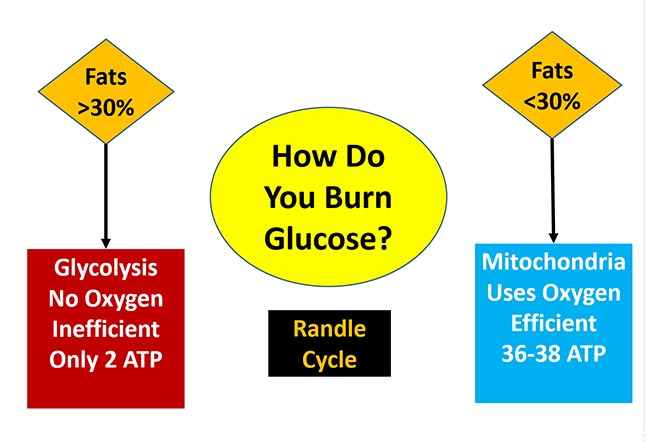
Low-carb diets have helped at least tens of millions of people improve their health for a very good reason, and that is there is a stealth switch that controls what fuel your mitochondria can burn, as they can only burn one fuel at a time: either fat or glucose.
The switch has been given the name the Randle Cycle, but it is more helpful to visualize it as a railroad switch that changes the tracks of the train, and the train can only travel down one track, not both. This is because only one type of fuel can be burned at a time.
The best-case scenario is you metabolize, or burn, glucose in your mitochondria without any reductive stress (a term I will explain in my upcoming interview with Georgi Dinkov). When you do this, you will only generate 0.1% reactive oxygen species (ROS).
Not only does this route generate less ROS, but it also is incredibly efficient at energy production by creating 36 to 38 ATPs for every molecule of glucose that is metabolized. It will also generate metabolic water and carbon dioxide, which are also important for your health.
For this to occur, as indicated in the figure above, you will need to consume less than 30% of your calories as fat. When you consume significantly more than that amount, the switch changes to burn fat in your mitochondria and you will not be able to burn glucose until your fat decreases to less than 30% of calories.
Since glucose is unable to be shuttled into the mitochondria to burn, it winds up backing up into your bloodstream, raising your blood sugar. This is a major contributor to diabetes. What little glucose is burned for fuel is done by using glycolysis, which is a primitive pathway that bacteria and cancer cells use.
It is great we have this pathway as you absolutely need it for quick fuel when you are activating your type II muscle fibers. But if this is the primary way you burn glucose, you are in a catastrophic metabolic state as you are creating loads of lactic acid as a waste product instead of healthy CO2, and you are only generating 2 ATPs for every molecule of glucose, which is 95% less energy.
Lactic acid increases reductive stress, which causes reverse electron flow in the mitochondria and causes reductive stress, which increases the ROS to 3 to 4%, which is 30 to 40 times more than when glucose is burned efficiently in the mitochondria.
Why Lactic Acid and CO2 Are so Important
Remember, when you are burning glucose efficiently in your mitochondria, the glucose is converted not only to 36 to 28 ATP, but when the electrons from the glucose are ultimately handed off to oxygen, metabolic water (deuterium-free) is made and, very importantly, carbon dioxide.
This is vital to understand, as carbon dioxide is a potent stimulator of mitochondrial biogenesis, which will increase the number of mitochondria that you have so you can make even more energy.
Conversely, when you are burning glucose far less efficiently in glycolysis, you are only generating two ATP and rather than creating life-sustaining carbon dioxide, you are generating life-damaging lactic acid, which will degrade your mitochondria and make them die sooner.
Too Much Dietary Fat Impedes Glucose Metabolism
Remember, the metabolic switch happens at about 30% fat. So, if you’re eating more than 30% fat you’re going to be mostly burning fat, and glucose metabolism (oxidation) will be inhibited. If you’re obese, the cutoff for fat is likely even lower. According to Dinkov:
“I’ve noticed that between 15% and 20% [dietary fat] is probably where most people, in their current health state, can metabolize the fat without causing problems for the glucose through the Randle cycle. Especially Type 2 diabetics.
Most of them are overweight or obese, which means they have two sources of fats — one through the diet and the second one from their fatty tissue, because there’s always some lipolysis going on. So for diabetic people, it’s probably a good idea to lower the intake of fat from the diet, because they already have a lot coming from their own bodies.
There’s so many clinics around the world that treat and even cure Type 2 diabetes by putting them on a really restrictive diet until they lose most of their fat. And then suddenly, the metabolism of glucose gets restarted. I think this directly shows you that the problem with glucose wasn’t the glucose itself.
It wasn’t the glucose that was fattening them up. They had too much fat in their bodies, and once you get rid of that fat, no matter how you do it, the problems when metabolizing glucose disappear which, to me, is a great testament to the Randle Cycle.”
You also don’t want fat to be too low, say, less than 15%. Between 15% and 30% might be the sweet spot, although, as noted by Dinkov, the ideal ratio of macronutrients isn’t known. That said, he believes, based on epidemiological studies, that an approximately equal ratio of calories from fat, carbs and protein (i.e., about 33% each) appears to be optimal for long-term health.
I respectfully disagree with this, as I believe 33% protein may be too high unless you weren’t eating many calories. Eating more than 35 to 40 grams of protein at a meal is likely counterproductive, as their absorption will be impaired, and you will be left with having to remove the ammonia and nitrogen, which could damage your kidneys.
At present, I believe that obtaining 15% of your overall calories from protein is probably about right when eating between 2,000 and 3,000 calories per day. Most people don’t need more than 120 grams of protein per day. Beyond that, you start burdening your kidneys. I’ve long used the formula of 1 gram per kilo of lean body mass (not total bodyweight), which Dinkov agrees seems to be an ideal way to determine your daily protein intake.
Weight Loss Rebound Explained
The Randle Cycle also helps explain why many people who lose large amounts of weight end up rebounding and gaining it all back, even when they’re still restricting calories. Dinkov explains:
“There’s always some baseline lipolysis going on. And in the rested state, your muscles prefer to oxidize fat. So, if you have a decent amount of muscle mass, you can burn most of this fat through this baseline lipolysis. The ratio of lean muscle mass to total body weight is the primary determinant of your basal metabolic rate. So, it’s very important to not lose lean muscle mass.
I think a lot of people get themselves in a situation where, through extreme fasting or extreme exercise, they lose a lot of body weight, but they’re not paying attention to how much they’re losing of each of the two components — fat mass and lean muscle mass.
Multiple studies have shown that over long-term fasting or a long-term exhaustive exercise, people lose a lot of body weight, but about 80% of that is lean muscle mass. So, they were much leaner, but their basal metabolic rate was much lower than what they started with because they lost most of their muscle mass.
So, when they went back to their normal lives and stayed on a reduced calorie regimen, they still regained all of their weight, and they were devastated. They said how is this possible?
Well, of course, what do you expect? Your basal metabolic rate went down by 50%. So, unless you stay on this severely restricted-calorie diet, you will regain all of those pounds.
So, the main thing is, maintain muscle mass, restrict a little bit of your dietary intake, and don’t overshoot with the lipolysis. Every time you stress yourself, you’re going to increase the rate of lipolysis. And if you float too much fat into the bloodstream, you will shut down the glucose oxidation, which will contribute to the lactic acid and all the other downstream effects mentioned.”
Not All Carbs Are Created Equal
When most people hear it’s OK to eat carbs, they think it’s an invitation to eat bread, pasta and processed foods and snacks. Nothing could be further from the truth. If your fat intake is over 30% and you throw junk carbs on there, you’re going to disrupt your lipoprotein profiles and increase your risk for heart disease, because you’re not metabolizing the carbs and are contributing to endotoxin production in your large intestine.
You also need to eat the right types of carbs to avoid endotoxin production, which is a major driver of increased cortisol and inflammation. High-fructose corn syrup (HFCS) is a processed carb that you should avoid. Most process including any processed foods that use HFCS because it is so cheap.
Other carbs to avoid would be resistant starches from legumes, beans, lentils, most grains, uncooked potatoes, green bananas, and pasta. Oatmeal can also cause trouble for many. You’ll know it’s incompatible with you if you get gas and/or constipation, or if it slows your digestion. Oatmeal is also high in linoleic acid (LA), which is why I avoid it.
The best complex carbs are ripe fruits that grow in tropical conditions, such as oranges, tangerines, mango, pineapple (keep intake moderate as it contains serotonin), melon, watermelon and grapes. Cooked starches such as potatoes and white rice are also acceptable. Potatoes contain oxalates, which can be problematic, but oxalates are water-soluble, so most will be radically lowered if you boil the potatoes.
If you have small intestinal bacterial overgrowth (SIBO), you may need to avoid starches like rice and potatoes, as you have inhibited ability to break down the starch into glucose. As a result, these kinds of starches may impede your recovery.
Incorporating Exercise for Optimal Results
The older you get, the more important your muscle mass becomes. Not only are strong muscles a requirement for mobility, balance, and the ability to live independently, but having reserve muscle mass will also increase your chances of survival3 when sick or hospitalized.
Muscle is lost far more easily and quicker than it’s built, so finding ways to continuously promote and maintain your muscle mass is crucial, especially as you get older.
Age-related loss of muscle mass is known as sarcopenia, and if you don’t do anything to stop it you can expect to lose about 15% of your muscle mass between your 30s and your 80s.4 An estimated 10% to 25% of seniors under the age of 70 have sarcopenia and as many as half those over the age of 80 are impaired with it.5
While declines in muscle mass and strength are relatively well-synchronized in the 35- to 40-year-old group, strength dramatically drops off as you get into the 75-year-old and over groups, with 85-year-olds usually seeing dramatic declines in strength and function relative to the decline in muscle size.
Blood Flow Restriction Training
One of the reasons I’m so passionate about blood flow restriction (BFR) training is because it has the ability to prevent and widely treat sarcopenia like no other type of training.
There are several reasons why BFR is far superior to conventional types of resistance training in the elderly. Importantly, it allows you to use very light weights, which makes it suitable for the elderly and those who are already frail or recovering from an injury. And, since you’re using very light weights, you don’t damage the muscle and therefore don’t need to recover as long.
I am also a huge fan of walking on the beach and typically go every day for about an hour. I also use the sauna and do targeted stretching daily.
More Information
To learn more, be sure to listen to the entire interview, and keep your eyes peeled for Part 2, which will follow shortly. Also check out Georgi’s blog at www.haidut.me or follow him on Twitter. He also has hundreds of videos on YouTube on a plethora of topics. A major sampling of Ray Peat’s work is also available for free on these two sites: wiki.chadnet.org/Ray-Peat and RayPeat.com.
Just Say No to Statins
Reproduced from original article:
https://articles.mercola.com/sites/articles/archive/2023/05/27/just-say-no-to-statins.aspx
The original Mercola article may not remain on the original site, but I will endeavor to keep it on this site as long as I deem it to be appropriate.
Analysis by Dr. Joseph Mercola Fact Checked May 27, 2023
STORY AT-A-GLANCE
- Widespread myths about lowering your cholesterol with statins to improve your heart health still permeate modern medicine
- A comprehensive review of the literature, published in 2018, found that LDL cholesterol does not cause heart disease, so statins’ ability to lower LDL is of dubious value
- Over a five-year period, taking a statin once you’ve had a heart attack will only increase your life expectancy by four days
- Just like COVID-19, they manipulated the statistics and grossly exaggerated statin benefits by conflating relative and absolute risks. If you take a statin, your chance of a heart attack is only 1.1% lower than if you’re not taking it: that is your absolute, not relative, risk
- Even though public health perpetuates the notion that lower LDL cholesterol is better, there’s no consistent relationship between lowering LDL with statins and death, heart attack or stroke
In the U.S. alone, 40 million adults take statin cholesterol-lowering medications in the mistaken belief that this will reduce their risk of heart disease.1 But lowering your cholesterol is not the panacea to heart health that you’ve been led to believe.
On “The Joe Rogan Experience,” Dr. Aseem Malhotra, an interventional cardiologist consultant from the U.K., speaks out about the overprescribing of statins for heart disease — and the widespread myths about cholesterol and your heart that still permeate modern medicine.2
Only Extremely High Levels Were a Problem
The Framingham Study, which began in 1948, involved 5,209 people from Massachusetts.3 It was instrumental in starting the myth that high total cholesterol is a major risk factor for heart disease, but what many people don’t realize is the correlation only existed if cholesterol was over 300 milligrams per deciliter (mg/dl). “Very few people have total cholesterol that high,” Malhotra says.4
Further, he believes, your cholesterol levels are 80% genetics. In your body, cholesterol is necessary for maintaining cell membranes and it plays a role in the immune system and synthesizing hormones and vitamin D.
In the Framingham Study, the majority of people with cholesterol levels over 300 mg/dl had a genetic condition called familial hyperlipidemia, which leads to very high levels of cholesterol. About 1 in 250 people have this condition, according to Malhotra.5
What also wasn’t widely publicized about the Framingham Study was what occurred in people who were in their 50s, 60s and beyond. In this age range, as cholesterol dropped, mortality rate increased. “So, the association of cholesterol and heart disease is quite weak, first and foremost,” Malhotra says.6
Malhotra and colleagues conducted a study to determine if a correlation exists with lowering LDL cholesterol and total cholesterol and preventing heart attacks and strokes, and no clear correlation was found. “This is based upon randomized, controlled trial data, so this is the most robust evidence you can get,” he says.7
LDL Cholesterol Doesn’t Cause Heart Disease
In the context of statins, Malhotra says, they do lower LDL cholesterol, but they also have anti-inflammatory and anti-clotting properties, and this is where any benefit comes in for preventing heart attacks and strokes. However, if you’re at low risk of heart disease, this benefit amounts to only about 1%. Among those who’ve had a heart attack, the benefits aren’t much better. Malhotra explains:8
“What are those benefits when you break them down in absolute terms? … Over a five-year period, if you take your statin religiously and don’t get side effects — because … the trials took out people with side effects — the best-case scenario is 1 in 83 for saving your life and 1 in 39 in preventing a further heart attack. Now, a lot of people find that quite underwhelming.”
He also points out that, over that five-year period, taking a statin once you’ve had a heart attack will only increase your life expectancy by four days.9 Further, a comprehensive review of the literature, published in 2018, found that LDL cholesterol does not cause heart disease, so statins’ ability to lower LDL is of dubious value:
“For half a century, a high level of total cholesterol (TC) or low-density lipoprotein cholesterol (LDL-C) has been considered to be the major cause of atherosclerosis and cardiovascular disease (CVD), and statin treatment has been widely promoted for cardiovascular prevention.
However, there is an increasing understanding that the mechanisms are more complicated and that statin treatment, in particular when used as primary prevention, is of doubtful benefit.”
The review delved into three reviews published by statin advocates, which claimed to support the LDL cholesterol-heart disease link.
However, the authors noted, serious errors were involved in their research, along with other “obvious falsification of the cholesterol hypothesis … the conclusions of the authors of the three reviews are based on misleading statistics, exclusion of unsuccessful trials and by ignoring numerous contradictory observations.”10 They further stated:11
“The idea that high cholesterol levels in the blood are the main cause of CVD is impossible because people with low levels become just as atherosclerotic as people with high levels and their risk of suffering from CVD is the same or higher.”
Download this Article Before it Disappears
Statins Don’t Protect Your Heart
Despite the questions surrounding their safety and effectiveness, statins are recommended for four broad patient populations:12
- Those who have already had a cardiovascular event
- Adults with diabetes
- Individuals with LDL cholesterol levels ≥190 mg/dL
- Individuals with an estimated 10-year cardiovascular risk ≥7.5% (based on algorithm that uses your age, gender, blood pressure, total cholesterol, high density lipoproteins (HDL), race and history of diabetes to predict the likelihood you’ll experience a heart attack in the coming 10 years)
Even though statins are prescribed for these sizeable groups, and “target” cholesterol levels have been achieved, a systematic review of 35 randomized, controlled trials found that no additional benefits were gained. An analysis in BMJ Evidence-Based Medicine by Malhotra and colleagues revealed:13
“Recommending cholesterol lowering treatment based on estimated cardiovascular risk fails to identify many high-risk patients and may lead to unnecessary treatment of low-risk individuals. The negative results of numerous cholesterol lowering randomized controlled trials call into question the validity of using low density lipoprotein cholesterol as a surrogate target for the prevention of cardiovascular disease.”
Even in the case of recurrent cardiovascular events — and despite an increase in statin use from 1999 to 2013 — researchers writing in BMC Cardiovascular Disorders noted, “there was only a small decrease in the incidence of recurrent CVD, and this occurred mainly in older patients without statins prescribed.”14
Cholesterol Treatment Trialists Monopolize Statin Debate
Rory Collins heads up the Cholesterol Treatment Trialists’ (CTT) collaboration, a group of doctors and scientists who analyze study data and report their findings to regulators and policymakers.15 Collins coauthored a 2008 study16 that claims statins lower your risk of heart attack by 36%.
Table 417 in this study shows the rate of heart attack in the placebo group was 3.1% while the statin group’s rate was 2% — a 36% reduction in relative risk. However, the absolute risk reduction — the actual difference between the two groups, i.e., 3.1% minus 2% — is only 1.1%, which isn’t very impressive.
In the real world, if you take a statin your chance of a heart attack is only 1.1% lower than if you’re not taking it, as Malhotra told Joe Rogan. Just like COVID-19, the drug companies manipulated their statistics and grossly exaggerated statin benefits by conflating relative and absolute risks.
Collins is also noteworthy, as he spearheaded an attack against Malhotra by contacting the British Medical Journal and demanding it retract one of Malhotra’s studies, which cited a statistic that statins cause side effects in 18% to 20% of people who take them.18 Rather than retract the study, an independent panel reviewed the study, calling only for a correction to be added:19
“The corrections explain that, although the 18-20% figure was based on statements in the referenced observational study by Zhang et al — which said that “the rate of reported statin related events to statins was nearly 18%,” the articles in The BMJ did not reflect necessary caveats and did not take sufficient account of the uncontrolled nature of the data of Zhang et al.”
Malhotra pointed out that, had the article been retracted, it would have been career-destroying for him, as it would have damaged his credibility. “I was on trial, essentially, for two months,” he says, “and it was very tough.” But when the panel came back, it voted 6-0, unanimous in favor of Malhotra’s study. “There was no call for retraction.”20
No Relationship Between LDL, Risk of Heart Attack
Other research has also found unimpressive results for statin treatment, including a systematic review and meta-analysis of 21 trials21 using similar criteria to the CTT.22
One of the authors, Maryanne Demasi, Ph.D., explained the study “found no consistent relationship between lowering LDL-C with statins and death, heart attack or stroke,” even though the “public health mantra about cholesterol has always been ‘the lower the better.’”23,24 It also once again highlighted the misleading nature of using relative risk reduction in place of absolute risk:25
“Statins are very effective at lowering LDL-C, but in some trials, that did not necessarily translate into a meaningful benefit for the patient. This contradicts the prevailing view, promoted by the CTT, that there is a strong “linear” relationship between lowering LDL-C and cardiovascular outcomes from statin therapy.
Our analysis also highlighted the significant difference in the relative risk reduction (RRR) and absolute risk reduction (ARR) of statin therapy on death, heart attack and stroke.
For example, if your baseline risk of having a heart attack is 2% and taking a drug reduces that risk to 1%, then in relative terms you halved your risk (50% RRR) which sounds impressive, but in absolute terms, you have only reduced your risk by 1% (ARR).
Our analysis showed that trial participants taking a statin for an average of 4.4 years, showed a 29% RRR in heart attacks, but the ARR was only 1.3%. If this is not effectively communicated to a patient, can they make a fully informed decision about their treatment?”
Statins Will Wreck Your Health
In short, statin drugs have not derailed the rising trend of heart disease, and instead have put users at increased risk of health conditions linked to their use, such as diabetes,26,27 dementia28 and others, including:
- Cancer29
- Cataracts30
- Musculoskeletal disorders, including myalgia, muscle weakness, muscle cramps, rhabdomyolysis and autoimmune muscle disease31
- Depression32
In the event you’re taking statins, be aware that they deplete your body of coenzyme Q10 (CoQ10) and inhibit the synthesis of vitamin K2. The risks of CoQ10 depletion can be somewhat offset by taking a coenzyme Q10 supplement or, if you’re over 40, its reduced form ubiquinol. But ultimately, if you’re looking to protect both your brain and heart health, avoiding statin drugs and instead optimizing your diet.
If you’re interested in learning more about your individual heart disease risk, don’t rely on total cholesterol or LDL on their own. You can get a more accurate idea of your risk of heart disease with the following tests:
| Omega-3 index | HDL/total cholesterol ratio |
| Fasting insulin level | Fasting blood sugar level |
| Triglyceride/HDL ratio | Iron level |
I personally would never take or prescribe a statin drug as there are far better options that directly address the underlying and foundational causes of high cholesterol. The primary one, as most of you know, is to radically reduce and ideally eliminate all processed foods.
This is because nearly all processed foods contain seed oils and processed sugar in the form of high fructose corn syrup, both of which contribute strongly to virtually every chronic degenerative disease, including the most common ones of heart disease, cancer and diabetes.
- 1 American Heart Association January 6, 2020
- 2 YouTube, PowerfulJRE, Cardiologist on the Over-Prescribing of Statins for Heart Disease April 29, 2023
- 3 Lancet. 2014 Mar 15; 383(9921): 999–1008
- 4 YouTube, PowerfulJRE, Cardiologist on the Over-Prescribing of Statins for Heart Disease April 29, 2023, 0:53
- 5 YouTube, PowerfulJRE, Cardiologist on the Over-Prescribing of Statins for Heart Disease April 29, 2023, 1:50
- 6 YouTube, PowerfulJRE, Cardiologist on the Over-Prescribing of Statins for Heart Disease April 29, 2023, 3:31
- 7 YouTube, PowerfulJRE, Cardiologist on the Over-Prescribing of Statins for Heart Disease April 29, 2023, 4:12
- 8 YouTube, PowerfulJRE, Cardiologist on the Over-Prescribing of Statins for Heart Disease April 29, 2023, 5:07
- 9 YouTube, PowerfulJRE, Cardiologist on the Over-Prescribing of Statins for Heart Disease April 29, 2023, 7:07
- 10 Expert Review of Clinical Pharmacology 2018, Volume 11, Issue 10
- 11 Expert Review of Clinical Pharmacology 2018, Volume 11, Issue 10, Conclusion
- 12, 13 BMJ Evidence-Based Medicine August 4, 2020 doi: 10.1136/bmjebm-2020-111413
- 14 BMC Cardiovasc Disord. 2018; 18: 209
- 15 CTT Collaboration, About
- 16 European Heart Journal February 1, 2008; 29(4): 499-508
- 17 European Heart Journal February 1, 2008; 29(4): 499-508, Table 4
- 18, 19 BMJ Independent statins review panel
- 20 YouTube, PowerfulJRE, Cardiologist on the Over-Prescribing of Statins for Heart Disease April 29, 2023, 11:50
- 21 JAMA Intern Med. 2022;182(5):474-481. doi: 10.1001/jamainternmed.2022.0134
- 22, 23, 25 Substack, Maryanne Demasi March 14, 2022
- 24 AHA/ACC/AACVPR/AAPA/ABC/ACPM/ADA/AGS/APhA/ASPC/NLA/PCNA Guideline on […]: Executive Summary. Journal of the American College of Cardiology. Page 4, #2
- 26 Medical News Today June 26, 2019
- 27 Diabetes Metabolism Research and Reviews May 24, 2019
- 28 Journal of Nuclear Medicine May 2021, 62 (supplement 1) 102
- 29 Cancer Epidemiol Biomarkers Prev. 2013 Sep;22(9):1529-37
- 30 Open Journal of Endocrine and Metabolic Diseases 2013, Vol. 3, No. 3
- 31 JAMA Intern Med. 2013;173(14):1318-1326
- 32 Annals of General Psychiatry, 2017;16:20
Training Strategies for Endurance and Maximum Longevity
Reproduced from original article:
https://articles.mercola.com/sites/articles/archive/2023/05/26/training-strategies-for-endurance-and-longevity.aspx
The original Mercola article may not remain on the original site, but I will endeavor to keep it on this site as long as I deem it to be appropriate.
Analysis by Dr. Joseph Mercola Fact Checked May 26, 2023
STORY AT-A-GLANCE
- If your goal is to optimize your cardiovascular health and longevity, focus on moderate-intensity exercise. The cardiovascular and mortality benefits of moderate activity continue to accrue in an inverse, dose-dependent manner
- For vigorous exercise, benefits such as cardiovascular health and longevity plateau at approximately 150 minutes/week. After that, your heart health may suffer, and you reap no additional reduction in mortality
- Moderate physical activity includes activities like walking, hiking, gardening, housework, dancing, shopping, golf, pickle ball, doubles tennis, volleyball and leisurely bike riding. As a general rule, you’re still able to speak and breathe through your nose during the activity
- Vigorous physical activity includes strenuous bicycling, running or swimming, high-intensity interval training (HIIT), singles tennis, basketball and other activities and sports that cause heart-pounding and breathlessness and make you sweat profusely
- People with low cardiorespiratory fitness have a greater risk of death than any other traditional risk factor for premature death, including age, diabetes, smoking, chronic kidney disease, hypertension, atrial fibrillation, obesity, history of cardiovascular disease and cancer
In the video above, Siim Land, author of “Metabolic Autophagy: Practice Intermittent Fasting and Resistance Training to Build Muscle and Promote Longevity,”1 reviews the findings of a new systematic review published in the March-April 2023 issue of Missouri Medicine.
The paper, titled “Training Strategies to Optimize Cardiovascular Durability and Life Expectancy,”2 reviewed studies published between 2011 and 2022 that assessed the effects of duration and intensity of exercise, and specific types of training or sports on long-term cardiovascular health and life expectancy.
Not surprisingly, a sedentary lifestyle was associated with an elevated risk of cardiovascular problems and shorter lifespans, and physical activity was associated with improved health and longer life. What was somewhat surprising was the type of physical activity that garnered the best results.
The authors concluded that high amounts of strenuous exercise were nowhere nearly as beneficial as moderate exercise, strength training and interactive sports or play. These results again refute the idea that if something is good, more must be better. In the case of exercise and physical activity, moderation is the key to optimal health and longevity.
A key finding here is that the benefits of vigorous high-intensity training plateau at a level much less than moderate exercise, and continuing to push past it doesn’t give you any additional benefit, and in fact may likely be counterproductive. On the other hand, the benefits of moderate activity continue to accrue, with no real endpoint.
Benefits of Vigorous Activity Plateau
A key piece of evidence for this was a Harvard School of Public Health study3 described as “a landmark, long-term, prospective, cohort study” that “evaluated the links between leisure-time physical activity duration and intensity with all-cause mortality and cause-specific mortality.”
If your goal is to optimize your cardiovascular health and longevity, more is better for moderate-intensity exercise, but not for vigorous exercise. For high-intensity exercise, optimal benefits plateau at approximately 150 minutes/week.
As explained in “Training Strategies to Optimize Cardiovascular Durability and Life Expectancy”:4
“This Harvard School of Public Health study that included 116,221 individuals assessed 15 times during 30 years of follow up suggests that if one’s goal is optimizing long-term CV [cardiovascular] health and overall longevity, more is better for moderate-intensity exercise.
However, the same cannot be said for vigorous exercise, where optimal benefits are achieved at approximately 150 minutes/week … For an individual whose goal is to decrease the risk of CVD and boost life expectancy, a routine of MPA appears to be adequate.
Although chronically performing very high doses of VPA (vigorous physical activity) may attenuate some of the benefits bestowed by less extreme efforts, this is relevant for only about 2.5% of the United States (U.S.) adult population.
This is not to say that VPA is harmful; it substantially reduces all-cause mortality and CVD mortality compared to a sedentary lifestyle. Yet, the magnitude of the mortality and CVD risk reductions with high doses of VPA do not appear to be as substantial as for high doses of MPA.
In the Lee study,5 chronically doing very high doses of moderate exercise reduced risks of all-cause mortality and CVD mortality at least two-fold better compared to chronically performing very high doses of vigorous exercise.”
Types of Exercise Evaluated
So, what counts as moderate physical activity and what’s considered vigorous? Here’s a summary breakdown:
- Moderate physical activity includes activities like walking, hiking, gardening, housework, dancing, shopping, golf, pickle ball, doubles tennis, volleyball and leisurely bike riding. As a rule, you’re still able to speak and breathe through your nose during the activity.
- Vigorous physical activity includes strenuous bicycling, running or swimming, high-intensity interval training (HIIT), singles tennis, basketball and other activities and sports that cause heart-pounding and breathlessness and makes you sweat profusely.
Download this Article Before it Disappears
How to Maximize Your Cardiovascular Health and Longevity
The graph below from “Training Strategies to Optimize Cardiovascular Durability and Life Expectancy” paper6 illustrates the difference in mortality benefit between the two modes of activity. Around 150 minutes (2.5 hours) or so per week, the maximum benefit that you can achieve from vigorous activity is reached, giving you a 17% reduction in mortality.

The benefits of moderate activity, however, continue to accrue, reaching a 35% reduction at around 850 minutes (14 hours) per week. In other words, the higher the dose of moderate activity, the lower your risk of death. So, in the case of moderate activity, there’s an inverse dose-dependent relationship, whereas with vigorous activity, benefits are maximized at 150 minutes.
The same relationships were found for cardiovascular health, but here the difference between moderate and vigorous activity was even more drastic.
For vigorous activity, the maximum benefit was again reached after 150 to 200 minutes, giving you a 15% reduced risk of cardiovascular disease and CVD-related death. Beyond that, the cardiovascular benefit actually started to disappear. As noted by the authors:7
“This fits well with the hypothesis of extreme exercise cardiotoxicity/cardiac overuse injury, which is particularly relevant for middle-aged and older individuals. A large amount of vigorous exercise, though required for attaining peak physical performance, may not be necessary for maximizing life expectancy and cardiac durability.
Very strenuous exercise acutely increases the risk of CVD events (myocardial infarction, sudden cardiac arrest) particularly for individuals who are in mid-life and beyond …”
Meanwhile, the cardiovascular benefit from moderate activity continues to accrue in an inverse linear progression, giving you a 40% reduced risk of cardiovascular disease and CVD-related death after 850 minutes a week. From the date reviewed in the paper, at no point does moderate activity become counterproductive. However, it is likely that at some point excess of even moderate physical activity becomes counterproductive.
Cardiorespiratory Fitness Is Good Gauge of Longevity
Another very large study included in this review was a Veterans Affairs study that followed 750,302 U.S. veterans for up to 20 years. Here, they found that cardiorespiratory fitness (CRF) — as measured by performance in treadmill testing — was strongly related to longevity “in a graded continuous manner.”
Those capable of attaining a peak exercise level of 14.3 metabolic equivalents (METs) had the best survival rates, and this was true for both men and women. As noted in “Training Strategies to Optimize Cardiovascular Durability and Life Expectancy”:8
“Compared with the lowest tertile of CRF, those in the highest tertile of CRF had a 45% lower mortality, highlighting the fact that fitness is one of the strongest predictors of survival.”
Importantly, and rather remarkably, people in the least fit cohort, those with a MET of 4.7, had a greater mortality risk than ANY other traditional risk factor for premature death, including age, diabetes, smoking, chronic kidney disease, hypertension, atrial fibrillation, obesity, history of cardiovascular disease and cancer!
Another meta-analysis cited, which assessed the results of 37 studies with nearly 2.3 million participants, concluded that each MET increase was associated with an 11% reduction in mortality.
How Strength Training Impacts Your Longevity
“Training Strategies to Optimize Cardiovascular Durability and Life Expectancy” also reviewed the literature on strength training. According to one recent comprehensive meta-analysis, 30 to 60 minutes of strength training per week reduced all-cause mortality by 17%, cardiovascular events by 18% and cancer by 9%.
That said, as with vigorous activity, more strength training is not necessarily better either. This suggests hard training should be three and no more than four times per week. The magic occurs in recovery. It is only when you rest that your body is optimally capable of building lean muscle mass. As noted in “Training Strategies”:
“In this recent comprehensive meta-analysis by Momma et al., the survival curves were J-shaped — benefits were completely lost at strength training durations of ~130 to 140 minutes/week, with possible harm at progressively higher doses.
Another meta-analysis showed that doing resistance-training sessions one or two times/week was associated with reduced risk of all-cause mortality, although increasing the frequency to three or more sessions/week was not.”
When strength training was combined with aerobic activities, even greater risk reductions in all-cause mortality, cardiovascular disease death and cancer mortality were obtained.
This synergy has been demonstrated in previous studies as well, and “strongly suggests that adding muscle-strengthening activities to routine of cardio activities may provide additional benefits for preventing disease and improving life expectancy,” the authors said.
Simple Tests to Gauge Your Fitness and Longevity
“Training Strategies” also reviews other aspects of fitness that can give you an idea of your fitness and premature death risk. For example:
•One-legged balance test — People who cannot stand on one leg for 10 seconds without losing their balance or having to put the raised foot on the floor have an 84% higher all-cause mortality risk than those who can successfully complete this test.
•Autonomous functioning (the sitting-rising test) — This test evaluates the nonaerobic components of physical fitness, such as flexibility, balance, muscle strength and body composition, all of which are important for optimal function and survival.
The test involves lowering yourself onto the floor and then rising back up. Start with a score of 10. As you lower yourself to the floor, subtract one point for each support used, such as a hand, forearm, knee or side of leg. As you rise back up, again subtract one point for each support used. The lower your final score, the higher your all-cause mortality risk.
Impacts of Socialization and Nature
Games and sports involving other people also had beneficial impacts on longevity. People who played soccer, badminton or tennis lived significantly longer than those who jogged, swam or cycled alone. So, the social aspects of sports also appear to have potent positive effects on health and life expectancy.
Nature therapy, or simply spending time in nature, also had a very positive impact. In one recent study cited, those who spent 120 minutes per week or more outdoors in parks, woods, countryside, lakes and beaches, were 59% more likely to report good health and 23% more likely to report well-being compared with those who reported spending no time in nature.
Gardening is one way to get closer to nature. Having a dog is another. With regard to dog ownership, there appears to be several factors that play into the benefits reaped. It counteracts loneliness, and it encourages physical activity, especially outdoors. My personal preference is to spend time walking on the ocean and then relaxing or playing in the salt water. As noted in “Training Strategies”:
“Exercise with a dog is virtually always done outside. Individuals who adopt a dog into their home compared to non-dog owners are approximately 14 times more likely to be recreational walkers and four times more likely to meet current exercise guidelines of 150 minutes/week.
Furthermore, a prospective register-based nationwide study from Sweden that included 3,432,153 individuals with 12 years of follow-up found that dog ownership for people who were otherwise living alone was associated with significant all-cause mortality reduction of 33%, and CVD mortality reduction of 36%.
People living in multiple-person households also benefited from dog ownership with less impressive but still highly significant reductions in risks of all-cause mortality and CVD mortality (11% and 15% reductions, respectively).”
Summary of My Updated Workout Recommendations
The findings in this meta-analysis have convinced me to tweak my own workout regimen to reduce the amount of vigorous exercise and strength training I do and make sure I am walking nearly every day and seeking to get 12,000 steps in.
Experimentation has also shown me that I really need to rest at least twice a week. Giving myself these rest periods has significantly boosted the quality of my sleep and ability to feel strong when I reengage my resistance training.
Overall, walking appears to be the absolute best form of exercise there is, in terms of making you fitter and increasing your life span. As noted in “Training Strategies”:
“Hunter-gatherer humans’ daily subsistence required large amounts MPA [moderate physical activity] with smaller doses of interspersed VPA [vigorous physical activity] — this is the activity pattern for which we remain genetically adapted. This evolutionary template would seem to be a logical guide to structuring an ideal activity pattern for promoting optimum health and longevity.”
So, focus on activities like daily walking, hiking, gardening and leisurely bike rides first. Again, more IS better when it comes to moderate-intensity activities like walking. For most I think that it is better to get your walking down before you start resistance training as it may be more important.
However, if you want to avoid facility and sarcopenia, you should be doing both. In my view walking is exponentially superior to running, as it is moderate, not vigorous activity, and burns the same calories for the distance traveled.
Next, add in two to four 30- to 60-minute strength training sessions per week. Building muscle is still a crucial component for longevity, as it counteracts frailty and increases your chances of survival during illness and hospitalization. To prevent injury, I recommend doing KAATSU (blood flow restriction training), which gives you the same or better results as conventional weight lifting with very light or no weights. If you have the time, also add in:
- A few short bouts of HIIT or some sort of team sport, which will help optimize your CRF. Remember, the benefits of high-intensity exercises either plateau or become counterproductive above 150 minutes a week
- Two hours or more per week outdoors
- Flexibility and balance training sessions like yoga or tai chi
Finally, make sure you rest and recover for a day or two after strenuous exertion. The recovery phase is just as important as the exertion phase in terms of producing a high level of fitness.
Stunning statin drug results linked to your risk of death revealed by cardiologist will SHOCK most cardiovascular patients
Reproduced from original article:
https://www.naturalhealth365.com/stunning-statin-drug-results-linked-to-your-risk-of-death-revealed-by-cardiologist-will-shock-most-cardiovascular-patients.html
by: May 11, 2023
 (NaturalHealth365) Statins (aka HMG-CoA reductase inhibitors) are a group of drugs used to lower cholesterol, and boy, are they popular in the Western healthcare model! Consistently ranked among the top ten most-prescribed drugs in the United States – along with other highly profitable drugs used to control lifestyle-related conditions like high blood pressure, diabetes, and heartburn – the global statins market reached a whopping $14.9 billion last year and is expected to exceed $18.1 billion by 2028.
As you may know, statins come with plenty of controversy. Over the past several decades, many opinion articles and peer-reviewed papers have been published regarding concerns such as overprescribing, harsh side effects, and the fact that the benefits vs. risks of statin drugs “[vary] considerably by age, sex, and statin type,” according to one January 2019 study published in Annals of Internal Medicine. (Frustrating then, isn’t it – that despite how much individual factors influence the necessity of a drug, Big Pharma and mainstream media outlets push the narrative of drugs being “safe and effective” for everyone.)
And in a recent interview on the popular podcast The Joe Rogan Experience, one cardiologist shares some shocking insights into the true dangers of this medication.
“Public health scandal:” Renowned British cardiologist sounds off on overprescribing of cholesterol-lowering drug, underreporting of side effects
Branded “controversial” by the most used search engines, Dr. Aseem Malhotra is a British cardiologist who is well-known for championing the fight against excess sugar consumption and overprescribing of medications – not the least of which is the overprescription of statins.
Sharing a clip of his recent interview with Joe Rogan, where he discussed his professional insights in detail, Dr. Malhotra recently wrote on Twitter: “The lack of transparency in the prescription of [cholesterol-lowering] statin drugs in relation to side effects is a public health scandal.” This rings especially true when we consider that research shared by the cardiologist during the interview reveals that statins do NOT appear to have a meaningful protective effect against heart disease death rates … in part because the drug makes people feel so lousy that as many as 50 percent of patients prescribed them stop taking them!
Dr. Malhotra also explains why statin side effects have been historically underreported in the literature. Referring to a process called a “pre-randomization running period,” Dr. Malhotra notes that participants were often enrolled before the trials officially started – and any participants who had side effects were excluded from the remainder of the trial. “The end result of those trials,” Dr. Malhotra says to a shocked Joe Rogan, “is therefore biased toward people who didn’t get side effects.”
For more information, watch a clip from the interview below:
These are the side effects of statin drugs that conventional healthcare providers don’t like to talk about
Informed medical consent requires that prescribing physicians ensure their patients understand the potential benefits and risks of the drugs or treatments they agree to take – otherwise, how could someone consent to an intervention if they don’t fully understand it?
With that in mind, here are some of the most well-known harsh side effects of statin drugs that everybody should be aware of:
- Muscle pain, spasms, and aches
- Severe muscle damage known as rhabdomyolysis
- Liver damage
- Diarrhea
- Nausea
- Fatigue
- Insomnia
- Increased blood sugar – which for many people results in the onset of type 2 diabetes
- Memory loss and confusion
Ask yourself: would you take a drug if you knew that the risks likely outweighed the benefits? Have millions of people around the world currently taken statins been offered the same opportunity to make that informed decision for themselves? Clearly, the answer to both questions would be “no.”
To discover the best heart health strategies, own the Cardiovascular Docu-Class, presented by Jonathan Landsman and featuring many of the top integrative healthcare providers in the world.
Sources for this article include:
Medlineplus.gov
Drugs.com
NIH.gov
Medicalnewstoday.com
Researchandmarkets.com
ACPjournals.org
Mayoclinic.org
Fitness Strategies That Are Creating World-Class Champions
Reproduced from original article:
https://articles.mercola.com/sites/articles/archive/2023/02/12/fitness-strategies-world-class-champions.aspx
The original Mercola article may not remain on the original site, but I will endeavor to keep it on this site as long as I deem it to be appropriate.
Analysis by Dr. Joseph Mercola Fact Checked February 12, 2023
STORY AT-A-GLANCE
- Sam Calavitta, aka Coach Cal, founder of The Treigning Lab, has put together much of the health science I’ve been teaching over the years into a unique training program that is getting extraordinary results
- The most central strategies are those that optimize ATP production (energy production) and mitochondrial function
- ATP (the energy currency of your cells) can be produced in three ways: aerobically in the mitochondria, anaerobically in the cytosol, or through phosphocreatine. Of these, the phosphocreatine pathway is the most effective in terms of boosting athletic performance, as it allows your body to use D-ribose, adenosine and phosphate to form ATP within your body at a higher level. Near-infrared light also boosts ATP production
- Mitochondrial function must also be optimized, or energy production cannot be elevated. Effective strategies include near-infrared sauna therapy and intermittent fasting
- Other strategies that help optimize fitness and athletic performance include sun exposure, boosting NAD+ with low-dose niacinamide, a cyclical ketogenic diet, intermittent fasting or time-restricted eating, addressing elevated iron levels, methylene blue and molecular hydrogen
In the video above, I interview Sam Calavitta, aka Coach Cal, founder of The Treigning Lab. We met through a biohacking conference in the fall of 2022. One of the organizers of the event introduced me to Miesha Tate, a professional and former Ultimate Fighting Championship (UFC Women’s Bantamweight champion) and mixed martial artist who in turn introduced me to Coach Cal.
He’s taken much of the health science I’ve been teaching over the years and put it together into a revolutionary training program that is producing extraordinary results. Here, we’ll review some of the strategies that can take your fitness to the next level.
Coach Cal’s Unique Approach Gets Results
Calavitta himself wrestled until he turned 40, at which point he switched to Ironman competitions, which is an entirely different paradigm in terms of energy expenditure.
“So, I had to figure out my energy systems,” Calavitta says. “I used a lot of the things that you have been preaching … in particular [strategies for] mitochondrial optimization.
I brought a lot of those practices into the sports, I brought them into Ironman, and I was able to hybridize Ironman training along with combat sports and wrestling, and came up with a very unique way of training athletes …
There’s a plethora of athletes who are seeking to get in to train with us … A huge portion of the UFC and Bellator athletes are my athletes … Almost the entire Olympic wrestling team, which this year [2022], won the first world title in wrestling in many years, beating out Russia [and] Iran.
Wrestling and combat sports are very weight-specific programs which tie right into many of your practices with intermittent fasting, with your meticulous directions on cyclic ketogenic diet, not overdoing it and things like that …
The Treigning Lab is known for some of the most magnificent body transformations ever seen. And … I appreciate your approach, [which is] ‘Treat the body the way God intended, and then sit back and watch the miracle take over.’ And it’s been really, really neat …
These athletes are the toughest athletes in the world, but they’re very cerebral and they appreciate being guided by expertise. And a lot of that expertise is directed by many of the things that you’ve taught me.
This is a young gal who fights in an organization overseas [see video for image]. We were able to bring her down from about 154 pounds to 125 pounds without ever bastardizing her hydration status or her caloric intake, all through many of the principles that were found in your book, ‘Fat for Fuel.’”
‘Proof of the Pudding’
Calavitta shows several other pictures of amazing body transformations in the video.
“That’s the influence that you’ve had on a huge plethora of different athletes,” he says. “You do a lot of health and wellness for the general population, but I don’t think you really understand the effect you’ve had on the world-class athletes … those who are truly listening to and appreciate the educational pieces that you put out daily, and your steadfast fight to let people facilitate the means to allow the human body to do what it can do.”
Frankly, I was unaware that so many elite athletes were using these principles that I’ve been teaching, and it was a real treat to see the kinds of results a person can get if they’re dedicated.
The good news is, you don’t have to be a professional athlete to get similar results — you just have to have a willingness to implement and follow through. If you’ve ever doubted or wondered what the strategies we discuss here can actually do for you, I think you’ll be inspired by Calavitta’s testimony, and the before-and-after pictures of his roster of athletes.
Download this Article Before it Disappears
Optimizing Energy Production
So, what are some of the most effective strategies in Calavitta’s toolbox? The most central strategies are those that optimize ATP production (energy production) in the mitochondria. This is a no-brainer, since you need optimal energy production in your cells order to perform at an optimal level physically.
“Basically, everything came down to ‘How can I optimize ATP production in these athletes, to allow their bodies to overtake that of an opponent?’” Calavitta says. “It came down to understanding that ATP could be produced in three main ways. One, aerobically in the mitochondria. Two, anaerobically in the cytosol. Or three, through phosphocreatine.”
Phosphocreatine is the phosphorylated form of creatine, which rapidly mobilizes reserves of high-energy phosphates in your skeletal muscle, heart and brain. Those phosphates, in turn, recycle adenosine triphosphate, which is the energy currency of your cells.
Of these three ATP producing pathways, the phosphocreatine pathway is the most effective in terms of boosting athletic performance, as it allows your body to use D-ribose, adenosine and phosphate to form ATP within your body at a higher level. That said, your mitochondrial function must also be optimized, or this energy boost cannot occur.
Near-Infrared Sauna Therapy for Mitochondrial Optimization
There are several ways to optimize mitochondrial function, but one of the most effective, as it provides more than one benefit, is near-infrared sauna therapy. First of all, it’s an effective detox strategy. Most people have toxins in their system — plasticizing chemicals, pesticides, flame retardants and heavy metals — and they need to be expelled.
Calavitta uses the Sauna Space near-infrared sauna bulbs with a wavelength of 700 to 960 nanometers. He also appreciates the science of electromagnetic field (EMF) damage, so he uses an EMF-free setup. He explains:
“I didn’t do that until I read your book ‘EMF*D.’ But when I understood what actually happens — the EMF damage, due to the voltage-gated calcium channels in the body, and the [subsequent] necrosis and breakdown of the cell, I thought ‘I can’t be using this with my athletes and having their cells break down.’
I want them in a state of autophagy, mitophagy and whatnot, to be able to clean out, replicate and rebuild. So, I took the far-infrared sauna, as you suggested, and outfitted it with seven of the Sauna Space bulbs, so I can get it up to 150 degrees.”
Autophagy is a really important built-in function your body has that most people fail to optimize. “Auto” means “self” and “phago” means “eat.” So, autophagy is the process by which your body removes damaged cellular parts so that they can then be replaced. Autophagy is activated through fasting, exercise and near-infrared sauna, and when you’re doing all three, you end up with a very efficient self-healing process.
Optimizing ATP Output With Photobiomodulation and Nutrition
Near-infrared sauna also has powerful photobiomodulation effects. As explained by Calavitta:
“Near-infrared light works in conjunction with chlorophyll to … convert ubiquinone to ubiquinol in the body, thereby allowing the ubiquinol to go through the bloodstream and be used in a very effective manner in the electron transport chain …
So, what I did is, I took the near-infrared light and I developed a protocol to use diindolylmethane — which is a metabolite of indole-3-carbinol, sulforaphane and chlorophyll [all of which are found in cruciferous vegetables] — and to administer the red [near-infrared] light in a very calculated fashion to put out a larger ATP production.
People say, ‘How do you know that?’ The thing is, I’m a mathematician, so I took your interview with Dr. Shallenberger, and I wrote the algorithm with a metabolic cart, to actually be able to calculate mitochondrial function and discreet ATP output within the human body. So, I’m not just telling you what we do with the red light, I’m telling you we can measure it, because what is measurable can be improved.”
Low-Dose Niacinamide Boosts NAD+
Calavitta also uses low-dose niacinamide (not niacin), 50 milligrams three times a day (or four times a day for bigger athletes), to boost nicotinamide adenine dinucleotide (NAD+), a crucial signaling molecule believed to play an important role in longevity.
It’s also important in the building and maintenance of muscle mass. When the NAD+ salvage pathways in muscle are impaired, mitochondrial dysfunction and decreased muscle mass ensue.
Many athletes get sold on intravenous NAD, which is extremely expensive, but oral supplementation with niacinamide has also been shown to significantly increase NAD, and at a fraction of the cost. Results doing this, he says, has been nothing short of spectacular.
“I implemented a very strict protocol, as per your suggestion, of one-sixty-fourth teaspoon, three times a day for the athletes,” Calavitta says.
“Their energy levels, which I have measured on the metabolic carts — in the way of resting metabolic rate, resting energy expenditure, metabolic efficiency crossover, as well as fat substrate and carbohydrate substrate use for fuels — have all been skyrocketing as a result of using this practice. My athletes call it the fountain of youth, and I myself use it.”
Sun Exposure for Vitamin D Optimization
Calavitta’s athletes also get an hour of sun exposure every day, which is the easiest and most effective way to optimize your vitamin D level, and then some. I think it’s one of the top two or three things everyone needs to do.
“I understand completely how this is going to be a game changer in my guys. I can’t have them going out there with low vitamin D. For my athletes, I want their vitamin D [level] between 80 ng/mL and 100 ng/mL.
I’ve actually seen athletes whose vitamin D levels were 21 ng/mL, and when we raised them up to the 80s and 90s, their performance absolutely went through the roof and were completely optimized. We try to steer clear of the supplementation with the D3-K2-magnesium cascade, if we can … So many people don’t understand that the D3 without the K2 is not going to end up, possibly, in the right tissues.”
Putting It All Together for Optimal Fuel Synthesis
Another practice Calavitta’s athletes have embraced is the cyclical ketogenic diet detailed in my book, “Fat for Fuel.”
“High-level athletes, with the amount of energy expenditure they have, there are certain things that have to be cycled in, otherwise we’re going to get a down-regulation in thyroid hormone, and I can follow that directly,” Calavitta says.
“By using the cyclical ketogenic diet and the intermittent fasting protocol, along with fasted training, the red-light therapy and the nutrients, we’re able to get some really fantastic pathways of fuel synthesis.
A lot of your fuels don’t just come from carbohydrates or glycolysis, but through … thiamine. Basically, what people don’t understand is that through many different pathways, even to be able to work within the mitochondria … you have to have thiamine in there …
So, all of these principles, the supplementation, [it’s about] reaching the mitochondria from an optimized performance of the facilities that are available to it …
One of the first things that I do with my athletes is reduce the linoleic acid (LA) [and] balance the ratios between omega-3s and omega-6s … We’re supposed to have, at best, a 3-to-1 [omega-3 to omega-6] profile. An outlier would be 6-to-1, and Americans are on average, anywhere from a 25-to-1 to 50-to-1 ratio. So, that’s a big one.”
He also checks iron levels to make sure they’re not elevated and he understands the important interplay and symbiotic relationship between iron and copper. As detailed in previous articles, more often than not, if you’re told you have low iron because your ferritin level is low, the real problem is copper deficiency, as copper deficiency prevents the proper recycling of iron.
Depending on their individual situation, an athlete may be placed on a blood donation schedule if iron is high, and if low on copper, copper-rich foods are added to their diet. Whole food vitamin C is an excellent choice if your copper needs a boost, such as acerola cherry and amla berry.
“So, being able to put all these pieces together, at the level that we have here … with all of the means that we’ve mentioned on this podcast, we’re able to see a complete picture of an individual, to enable their God-given potential to go to a level that is basically unsurpassable,” Calavitta says.
Other Tips and Tricks
Two additional strategies Calavitta has embraced are:
• Supplementing with methylene blue, which I think is one of the most exciting products available, with respect to mitochondrial function, especially for those who are tired all the time.
While it does not address the foundational cause of the problem, it’s a phenomenal crutch when you’re in a pinch or just need to get over a hump, as results are felt very rapidly, typically well within a couple of hours. As noted by Calavitta, its main benefit is its ability to bridge the gap when there’s a breakdown in the electron transport chain.
• Supplementing with molecular hydrogen tablets, to neutralize the free radical damage from ionized radiation during flights. It also helps athletes attenuate jet lag and water retention or edema. “People don’t understand how much oxidative damage actually happens when you’re flying,” he says. “I’m in a unique position because I measure everything and I’m able to see it. And I’m able to see the [decline in] performance that comes from it.”
More Information
To learn more about Coach Cal and all the performance and recovery tools he uses, check out TreigningLab.com and sign up for his newsletter. He also has a Treigning Lab phone app, available for both Apple and Android.
The Treigning Lab Recovery Center, located in Placentia, California, offers a variety of services, including hyperbaric oxygen therapy, full body cryotherapy, infrared light therapy, compression boots, hair and tissue mineral analysis and percutaneous hydrotomy.
How to Stay Fit for Life
Reproduced from original article:
https://articles.mercola.com/sites/articles/archive/2023/01/08/how-to-be-healthy-and-strong-in-old-age.aspx
The original Mercola article may not remain on the original site, but I will endeavor to keep it on this site as long as I deem it to be appropriate.
Analysis by Dr. Joseph Mercola Fact Checked January 08, 2023
STORY AT-A-GLANCE
- It is rarely too late to start resistance training; you can build muscle mass well after age 60. In 2022, I set a new personal record in the leg press for 600 pounds, far better than the 400-pound deadlift I did the year before
- Sarcopenia — age-related muscle loss — threatens a healthy lifespan. Skeletal muscle not only manages physical activity, but also plays a major role in metabolism, circulation and cognition
- Skeletal muscle acts as endocrine organ secreting myokines and transcription factors into the bloodstream, thereby regulating the function of other organs. It also has immune regulatory properties
- The loss of muscle mass is thought to be a primary driver of insulin resistance in older adults. Declining muscle strength and reduced physical activity also contribute to metabolic dysfunction
- In order to gain muscle mass though one needs a critical to eat enough protein. A minimum is about 1.2 grams per kilogram of body weight (0.54 grams/pound) per day. Athletes and the elderly could probably benefit from going up from that level to about 1.6 grams/kilogram (0.71 grams/pound)
This may be one of the most important articles I’ve ever written with respect to helping you understand how important resistance exercise is to not only slowing down the aging process but improving your overall metabolic health. We know this is important because studies have shown that over 75% of those over 65 do not exercise enough to stay healthy.
But, the key is to understand the type of exercise that will give you the greatest benefit for the time invested. If we had to engage in hard physical labor for our work we wouldn’t need to exercise. Formal exercise is only needed because most of us have long ago stopped engaging in manual labor. Modern society has allowed us to obtain food and shelter with relatively little effort. So, we need exercise to compensate for this if we hope to optimize our physical health.
I want to share my experience with you so you don’t make the same mistakes I did 50 year ago. To me the evidence is crystal clear: As you age you need to engage in some type of resistance training to compensate for the degeneration that typically accompanies aging and decreased physical activity. You can do cardio if you have the time, but not at the expense of building lean muscle mass. This is largely because aging accelerates muscle loss.
Understanding the Hazards of Sarcopenia
The medical term for age-related muscle loss is sarcopenia.1 Sarcopenia is derived from two Greek words: sarx (flesh) and penia (poverty).2 So, as you get older you will invariably start losing muscle mass, and if you don’t engage in resistance exercises, you will likely suffer metabolic diseases as well.
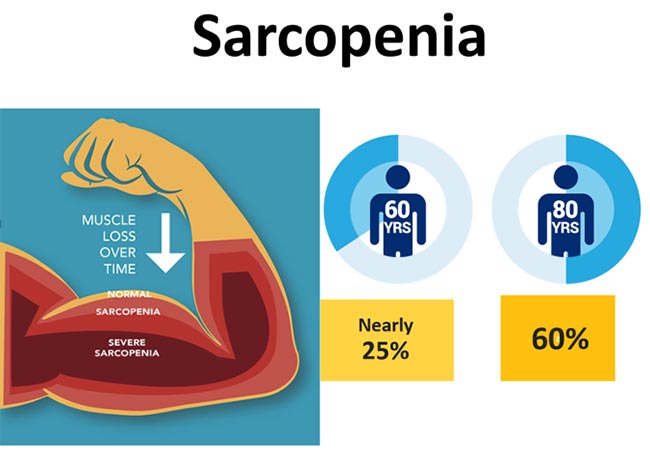
An estimated 25% of 60-year-olds have sarcopenia, and nearly two-thirds of those 80 years and older have lost serious amounts of muscle mass, which threatens a healthy lifespan and cuts down on your independence and quality of life.3,4 Sarcopenia leads to many functional limitations, including difficulties in walking, climbing stairs and carrying objects.5 The penalties of this functional decline include falls, disability, institutionalization6 and even death.7
One of the reasons I’m committed to lifelong exercise is because both of my parents died from frailty, and I’m determined to avoid sarcopenia, which took them prematurely. This was a powerful motivation for me to deeply study frailty so I could avoid their fate.
With society aging worldwide, the prevalence of sarcopenia increases the urgent need to establish prevention and intervention strategies. The U.S. Centers for Disease Control and Prevention now recognizes sarcopenia as an independently reportable medical condition.8
Skeletal muscles not only function to generate force and movement, but also play a major role in your metabolism, circulation and cognition, as seen in the following figure. Skeletal muscles also serve an important endocrine function. They secrete special cytokines (i.e., myokines) and transcription factors into the bloodstream, thereby regulating the function of other organs. It’s a metabolically active tissue with an important role in the maintenance of metabolic homeostasis.
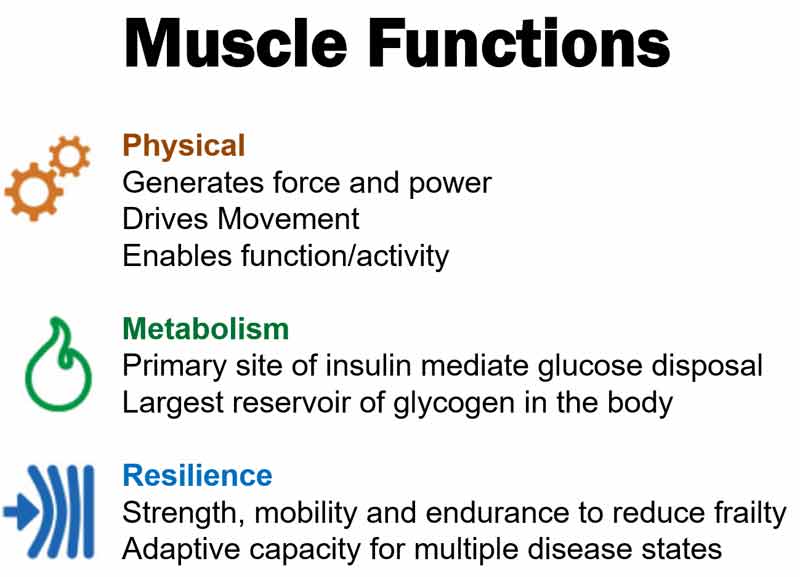
Sarcopenia Is a Major Driver of Insulin Resistance and Disease
Skeletal muscle is the most abundant tissue in your body, comprising 40%9 to 55%10 of your body mass, and is the primary sink of insulin-mediated glucose disposal. Muscle is also the major site for insulin-stimulated glucose uptake, as well as the main energy consumer of fat.11 After meals, about 80% of glucose is deposited in your skeletal muscle.12,13
The loss of muscle mass with advancing age is thought to be a primary driver of insulin resistance in older adults.14 Again, this is because muscle is the major tissue where insulin causes glucose to be absorbed.
But it doesn’t end there. Remember, muscle makes up nearly half of your body’s tissues, so once your body runs out of sugar in the form of glycogen, it uses fat, especially if you are metabolically flexible. So, muscle is also the main energy user of fat in your body.15 The declining muscle strength and progressive mobility impairment with age also tends to reduce daily physical activity, which also contributes to metabolic dysfunction.16,17
The loss of resilience as a result of sarcopenia is underappreciated as a major factor in the ability to recover from life’s inevitable challenges. It is clear that elderly with low muscle mass experience delayed recovery,18,19 and have higher rates of complications and infections following surgery,20 greater drug toxicity21 and higher disease-specific and all-cause mortality.22
Sarcopenia also predicts both the risk for community-acquired pneumonia in the elderly,23 as well as 90-day mortality in patients suffering from aspiration pneumonia.24
Muscle Play a Role in Your Immune Function Too
Muscle is increasingly recognized as an organ with immune regulatory properties. As such, skeletal muscle cells modulate immune function by signaling through different soluble factors, cell surface molecules or cell-to-cell interactions.25 It is also speculated that sarcopenia contributes to immunosenescence — the gradual deterioration of your immune system — which is a leading cause of death in the elderly.26
Additionally, recent reviews found strong evidence that frailty due to sarcopenia27 is a risk factor for adverse outcomes, such as longer hospital stay, functional decline at discharge and both in-hospital and medium, lower quality of life,28 and long-term mortality.29
My Strategy and Recommendation to Combat Sarcopenia
So, what can we do about this progressive decline in muscle loss that sets you up for frailty and metabolic catastrophe? Why, exercise, of course. But here’s a little-known fact: Despite the well-known benefits of resistance training, less than 10% of those under the age of 75 in the United States participate in muscle-strengthening activities.
I believe one of the main reasons for this low rate of participation is that over half of those who do exercise engage in conventional resistance training end up getting injured. Another reason is that conventional strength training is considerably less effective in healthy older adults than in young adults.
This blunted anabolic response to exercise training in older individuals30 is likely a result of the age‐related decline in muscle fiber perfusion.31
This has been known for a long time. Seventeenth century physician Dr. Thomas Sydenham, who is known as the “English Hippocrates,” recognized nearly 400 years ago that vascular health and aging are interdependent and inversely related.32 His famous quote is: “A man is as old as his arteries.”
Microcirculation is the term used to describe blood flow through the capillaries. The main function of the microcirculation is the delivery of oxygen and nutrients to tissues while removing CO2, metabolic debris and toxins. Researchers believe this is related to a decrease in muscle fiber microcirculation of Type II muscle fibers and their associated stem cells.
Studies have shown that Type II muscle fiber-associated stem cells are located at a greater distance to their nearest capillary in older compared with younger men.33 There are a large number of circulating growth factors that are regulators of stem cell function34 and the delivery of these signals to activate your muscle stem cells and promote muscle growth relies on how close they are to the capillaries.
Once your microcirculation becomes compromised with age, Type II muscle fibers and their associated stem cells will be unable to receive enough nutrients and oxygen. Thankfully, there is a solution to this dilemma, and it is called blood flow restriction (BFR) or KAATSU in Japan, which is where it originated.
How I Radically Changed My Exercise and Lean Muscle
Now, I am no stranger to exercise. I have been exercising since 1968, which is 54 years. The problem is that the first 43 years were exclusively cardio, and in my case long distance running. I like to compete, so I got relatively decent and was eventually able to run a 2:50 marathon, which was good enough back then to get me on the post-graduate University of Chicago Track Club.
Unfortunately, I didn’t realize that while cardiovascular exercise can lower your risk of heart disease, it is a highly catabolic activity and will actually lower your ability to build muscle. Below is a picture of me taken during my peak running condition. As you can see by the arrow, I had a “gigantic,” 10.5-inch arm circumference.
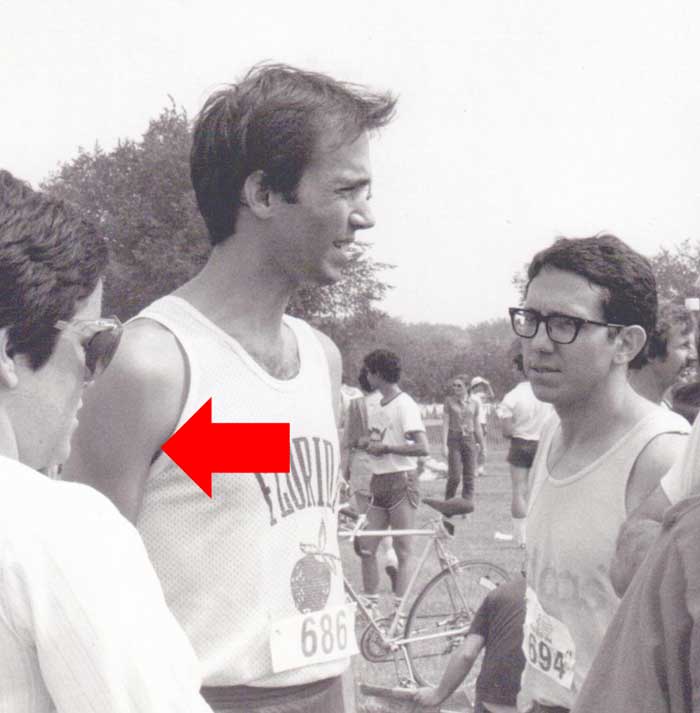
Contrast that to the picture below, taken December 8, 2020, where my arm circumference is 15 inches. I had just finished doing a PR video for the deadlift at 370 pounds. The video (below) was posted to Instagram on the same date.
The blue plates are 45 pounds each; the black ones are the same width as the blue ones, but are plastic and are 25 pounds; and the bar is 50 pounds. My team wanted me to do a story on how I did this to, hopefully, inspire you to similar, if not better, levels of strength.
I’m very proud to say that I’ve come even further since then and, now, even approaching 70, I’ve been able to regularly set personal records with some of the lifts that I’m doing, and have deadlifted four plates, which is 405 pounds.
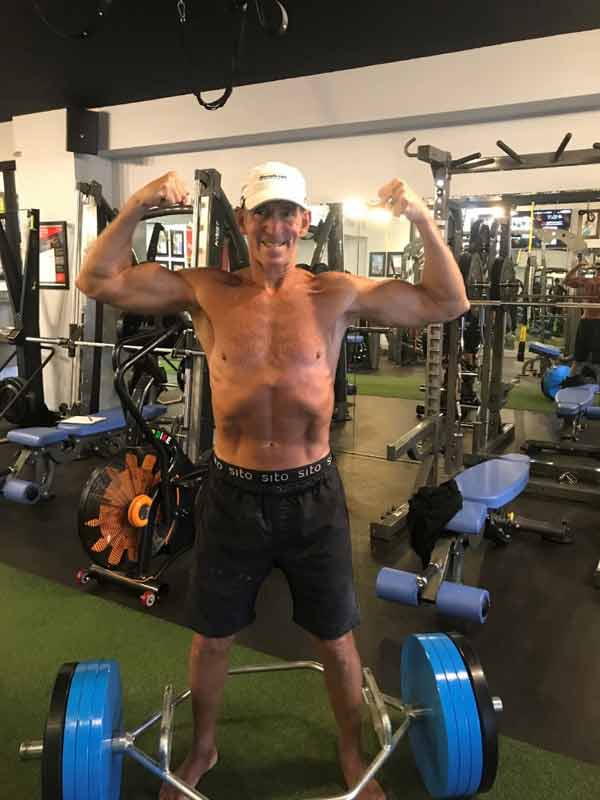
Watch Me Leg Press 600 Pounds
Without doubt, building muscle is one of the most important strategies to improve and safeguard your health, especially as you age. You need protein reserves to survive serious disease, and most of your protein is stored in muscle. If you have very little muscle, you’re going to pass away prematurely because you have no amino acid reserves.
As mentioned, your muscle is also a primary regulator of your metabolism. It’s a primary site for glucose disposal because of the GLUT4 insulin receptors embedded in the muscle cell membranes. These receptors lower your glucose levels after a meal and decrease your risk for diabetes. It also interfaces with your immune system and helps optimize it.
If you take away one tip from this article, let it be this — it is rarely too late to start resistance training. You can build muscle mass after 60, which is about when I started and, earlier in 2022, as you can see in the video above, I set a new personal record in the leg press for 600 pounds, a significant improvement over the 400-pound deadlift I did in 2021.
How did I do it? That’s the focus of this article, and the great news is that virtually anyone can use this strategy, even if you’re older, like me, or already a bit frail, or have previously experienced exercise injuries.
The BEST Strategy I Know of to Increase Muscle Size
There are loads of ways to increase your muscle mass but they mostly involve moving, pushing or pulling heavy weights or resistance bands. The problem with this strategy is that if you are not in good shape, and especially if you are elderly, there is a very high likelihood that you will get injured. In most cases, it is not if you will get injured but when.
The answer to this problem is an exercise strategy known as BFR or KAATSU. As the name implies, BFR involves modifying the arterial inflow and venous outflow while you’re working the muscle by placing an inflatable band around the extremity.35 It is not like a tourniquet that stops all your blood flow, which is dangerous.
BFR was developed by Dr. Yoshiaki Sato of Japan about 50 years ago. In Japan, where it’s widely popular, it’s known as KAATSU, meaning “training with added pressure.”36 However since Sato does not speak or write English, the first article published about it in the U.S. was about 25 years ago.37
Conventional resistance training typically uses resistance at 70% to 85% of your one-rep max, i.e., the maximum amount of weight you can lift only one time. Since this weight is relatively heavy and close to your limit, injuries are almost guaranteed.
BFR is different, as it is a low-intensity resistance training, using weights that are just 20% to 35% of your one-rep max. With weights this light, your risk of injury is largely eliminated. In many elderly and frail individuals, weights of just 1 or 2 pounds, or no weight other than your body, are all that is needed to achieve the benefits.
How BFR Works
BFR’s ability to achieve such remarkable physiological benefits is directly related to slowing venous blood flow from the muscle group being engaged and creating a relatively hypoxic environment or low oxygen pressures in the exercising muscle.
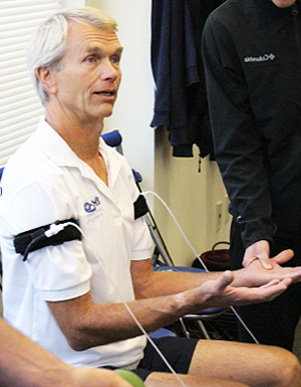
Venous flow moderation is optimally achieved by wrapping the extremity being exercised with an inflatable cuff or band.
The band needs to be tight enough to slow venous return to the heart, allowing venous blood to “pool” in the region of the limb that is being exercised, while loose enough to allow arterial blood to flow through.
With very light exercise, and in about 15 to 20 minutes, you get an exhaustive workout that sends a signal to your brain that says, “Hey, I’ve done something really hard here — you better help me recover and adapt to it.”
Your brain then sends out hormonal responses that cause your muscles and blood vessels to grow. Most would think that such light weights would be insufficient to provide any muscle strength improvements, but studies show a 36% to 40% increase in muscle strength after only 12 weeks, depending on your load and health.38
BFR Mimics Heavy Weight Training Without Any of the Risks
BFR training is frequently misunderstood as simply a conventional resistance training program with the addition of resistance bands. Nothing could be further from the truth.
Because the exercise is done with such low weights, there’s far less muscle fiber trauma and damage, especially relative to conventional strength training. This means you are able to recover much quicker, so you don’t have to dig yourself out of a hole the next few days. In most cases, you can exercise different body parts nearly every day and rapidly attain the metabolic and physical benefits.
To understand the mechanism of BFR you need to know that you have two basic types of muscle fibers. First you have slow-twitch oxidative (Type I) fibers designed for low-intensity long-lasting contractions. Secondly, you have fast-twitch glycolytic (Type II) fibers designed for high-intensity short-duration contractions. When you lose muscle, it typically occurs as a reduction in Type II muscle fibers.
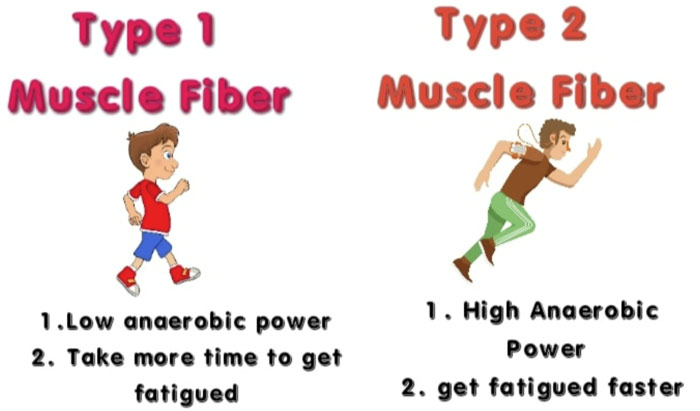
If you are going to increase muscle mass and strength in anyone, but especially the elderly, it is important to activate Type II muscle fibers during training, since these fibers have been shown to be far more responsive to growing muscle than Type I fibers39 and are generally much larger.
Weight training done at low weights will not activate Type II fibers — unless it’s done with BFR. Type I fibers are relatively more sensitive than type II fibers to hypoxia (low blood oxygen), as they have a greater oxygen consumption at rest compared to Type II fibers.40 BFR training takes advantage of this difference. Producing a relatively hypoxic environment in your muscles41 causes premature fatigue of the Type l fibers, thus forcing your body to rely on Type II fibers to continue the exercise.
At the same time, you’re also activating their associated muscle stem cells. This is likely one of the main mechanisms by which BFR can trigger muscle growth and prevent or prevent or treat sarcopenia. Simply moving light weights with high repetition without BFR will not engage Type II fibers because there is plenty of oxygen for the Type I fibers to work. Hence, the fast-twitch Type II fibers just aren’t called into action.
How BFR Affects Your Muscles and Overall Health
When you exercise and activate your Type 2 fibers with BFR, your muscles will generate a waste product called lactic acid or lactate, which is responsible for much of the metabolic magic. Activating Type 2 fibers also lowers the pH of the muscles. This is not because of lactic acid, but more related to the release of extra protons released in generating energy.42
Both lactate and proton accumulation are potent stimulators of growth hormone and insulin-like growth factor (IGF-1), which in turn leads to muscle growth.43 IGF-1 is a hormone that helps manage growth hormone (GH) in the body. It’s typically made by your liver, which is the largest contributor to IGF-1 circulating in your blood. However, when your liver secretes IGF-1, it will not act on those tissues that have capabilities of producing the hormone themselves, such as skeletal muscle.44
Interestingly, it is not the circulating levels of IGF-1 in your blood that cause your muscles to grow but, rather, the IGF-1 produced by your muscles when engaged in exercises like BFR, as that’s the key determinant for switching on the anabolic muscle building pathways.
While high levels of IGF-1 in your blood will inhibit autophagy and decrease your longevity,45 this does not appear to be the case when you increase IGF-1 in your muscle using anaerobic exercises like BFR. This IGF-1 does not leak out into your blood to suppress autophagy.46
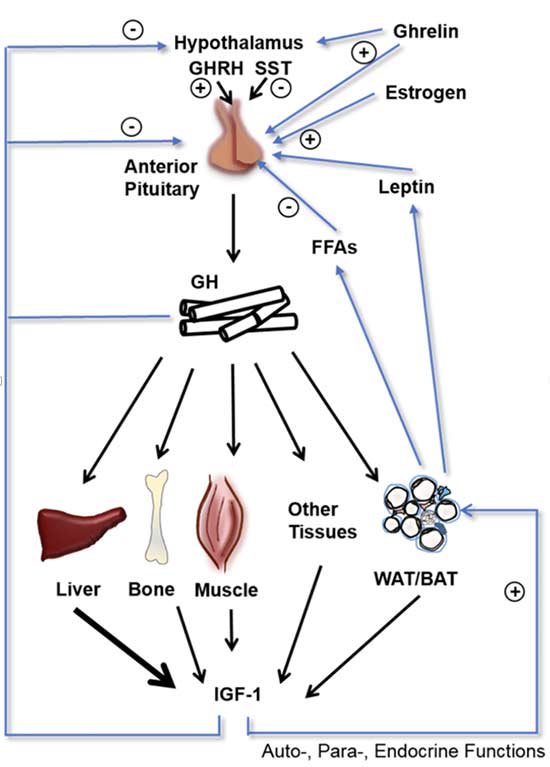
BFR will not only will add solid muscle mass, but also significantly increase your strength and endurance while reducing your body fat. For most people who are not competitive athletes, it’s really the only form of resistance training they need.
Competitive athletes also seem to benefit from BFR, but they would need to combine it with conventional strength training.47 In short, BFR works on a very simple principle: It tricks your body into believing that it’s moving far heavier weights than you’re actually using, and as a result generates compensatory metabolic responses, further detailed below.
Local and Systemic Effects of BFR
If you are elderly, what is really amazing is that your muscle growth with BFR is beyond what strength training with heavy weights can do. This is because you need good blood flow to your Type II muscle fiber stem cells, and as mentioned earlier, virtually everyone’s microcirculation decreases with age.
So, even if you send the signal to grow by doing conventional strength training, it won’t work as well if there isn’t enough capillary supply to your Type II fiber stem cells. BFR increases your microcirculation, your capillaries and venules and arterioles that are associated with them (see image below), largely because your muscles are working in a hypoxic (low oxygen) environment.
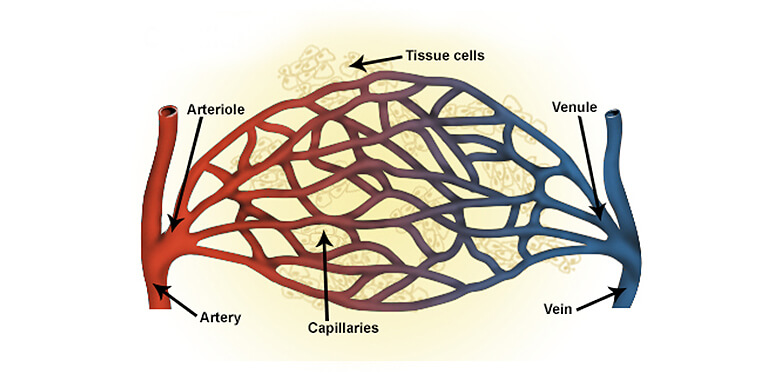 Microcirculation
How BFR Increases Your Microcirculation
This low oxygen tension causes the release of hypoxia-inducible factor-1 alpha (HIF-1 alpha),48 which in turn increases the hormone vascular endothelial growth factor (VEGF), which is one of the most powerful angiogenic signals in your body. It’s an extremely potent pro-blood vessel building cytokine or myokine. VEGF will help repair damage that has occurred to your blood vessels, improve elasticity and make them far more resilient to damage and accidents.
BFR has been shown to raise VEGF levels by 410% in young adults.49 Essentially it acts as “fertilizer” for growing new blood vessels and capillaries to your muscle stem cells. BFR training has been shown to increase muscle stem cells by 300% after eight days of training.50
Here is the KEY point: The VEGF released by BFR is systemic and carried in your blood to your entire body. It just doesn’t work on the limbs you are exercising. It increases blood vessel growth throughout your entire body, which seems to be the perfect antidote for Dr. Syndenham’s theory that a man is old as his arteries.
In short, BFR will help aging men have the arteries of boys. VEGF also increases microcirculation in your brain and heart. In Japan, BFR is frequently used for stroke and cardiac rehab precisely for this purpose.
BFR also increases the production of the important regulatory free radical, nitric oxide (NO), which further contributes to an increase in VEGF.51 NO is an important signaling molecule produced at high levels in muscle by neuronal nitric oxide synthase (nNOS). BFR, by way of increasing NO, has been found to stimulate muscle satellite stem cells and proliferation.52
There is a load of interest in NAD+, as it’s a primary fuel for longevity proteins, and it becomes depleted as you age. A combination of BFR along with 50 milligrams of niacinamide per day will radically increase NAMPT, which is the rate limiting enzyme for NAD+. Honoring your circadian rhythm is also an important part of the equation.
The Benefits of Osmotic Pressure

Metabolic stress, or the accumulation of metabolites during exercise, has been documented to be important for muscle growth.53,54,55 One of the most important metabolic stressors produced in BFR training is lactate, which I touched on earlier. The lactate released by the muscles is largely a result of Type II muscle fiber burning glucose into pyruvate and then converting pyruvate to lactate.
When you occlude the veins in BFR, you limit the venous blood flow return back to your heart, which allows the lactate to accumulate to high concentrations in your muscle,56 where it creates an osmotic pressure differential that requires the influx of water to normalize.
As you can see by the figure below, osmotic pressure is the pressure that must be applied to a solution to halt the flow of solvent molecules through a semipermeable membrane (osmosis). It is determined by how many molecules are in the solution. The more molecules, the higher the osmotic pressure.
This flow of water into the muscle57 contributes to intracellular swelling,58 which creates an acute and measurable increase in the size of the muscle that is typically quite visually obvious.
The mechanical pressures created by this cell swelling also trigger the activation of Type II muscle fiber stem cells, which causes muscle growth and further increases muscle protein synthesis and decreases protein breakdown in your muscles.59 So, the higher the lactate levels and swelling created with BFR training, the better the muscle-building results will be.
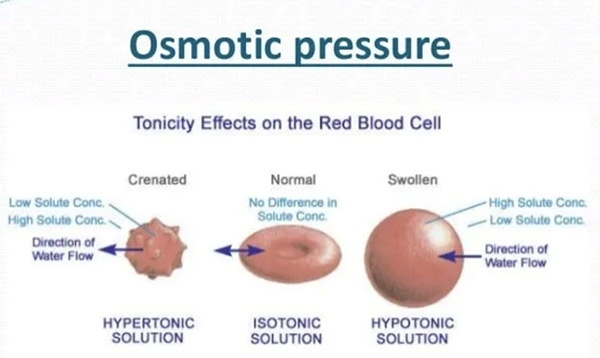
Interestingly, some of the lactate produced locally in your muscles actually diffuses into the bloodstream and crosses the blood brain barrier through monocarboxylate transporters (MCTs), and is utilized as fuel for the brain.60,61
Similar to ketones, lactate can be an important brain fuel, as at high lactate concentrations, up to 60% of the brain’s energy can come from lactate. Once the lactate reaches your brain — which occurs when you release the bands from your extremities — it increases brain derived neurotropic factor (BDNF),62 a member of brain growth factors that contributes to neuroplasticity and enhanced cognitive performance.63,64
I first learned about BFR in 2017 at a Beverly Hills biohacking event. I’ve been using it nearly every day for at least an hour a day since then and have compiled a number of insights in that time. The main difference between KAATSU and BFR is the tool you’re using. BFR can be done with restriction bands, but KAATSU uses a device that also provides intermittent and not just constant pressure.
From the start, I was really intrigued with the concept of BFR, so I purchased a KAATSU unit developed by Sato. In cycle mode, the KAATSU device produces 30 seconds of pressure followed by five seconds of no pressure, and does this for eight progressively increasing pressure steps per cycle. What this does is provide intermittent hypoxia, which catalyzes the steps I described above.
Since the intermittent hypoxia does not last more than 30 seconds, it does not damage your body, which can happen when you use the cheaper KAATSU bands or BRF bands that provide constant pressure. When I first started using BFR, I felt it was important enough to encourage people to get inexpensive bands that don’t provide intermittent compression. The BFR bands were only $15 and allowed far more people to access this powerful fitness strategy.
But after using the unit for five years, I have learned that when you use the cheap bands, or even KAATSU in the constant mode, you can get spastic large muscles. Using constant pressure increases the hypoxia time, and hence the lactic acid can build up to excessive levels. The only way to get the benefits without the downside is to avoid the constant mode and cheap bands.
This is why I only use the cycling KAATSU mode, not the constant mode or cheap bands, and why I now only recommend using the KAATSU intermittent hypoxia system, which is far safer and provides greater health benefits. Sato himself admits that the constant mode requires a lot of experience and know-how before it can be used safely. The cycling mode, however, is safe to use for anyone. “Even someone in their 80s can do the KAATSU cycle mode without risks,” he says.
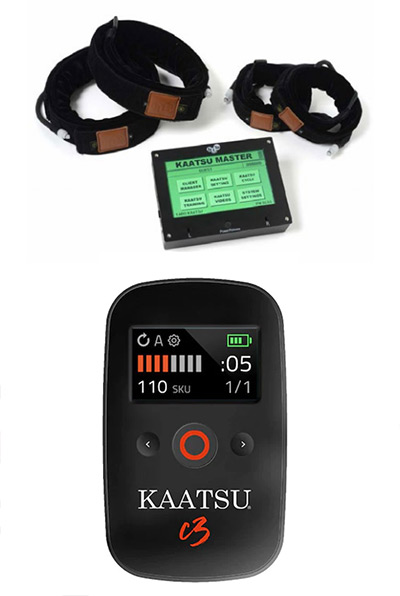 For a limited time, you can get 10% off the KAATSU band by using this link: www.kaatsu.com/go/NVIC
Since I first started using KAATSU, I have gained about 25 pounds of muscle mass after the age of 65, which is extraordinarily hard to do. I am convinced that this is largely a result of using KAATSU and getting enough protein, as I do not take any drugs at all, let alone performance-enhancing drugs.
If I had only done strength training without KAATSU, I would likely not have gained anywhere near as much muscle mass. Again, this is largely due to older people having decreased microcirculation to feed the Type 2 muscle stem cells. You need the VEGF to increase blood supply to these cells, and conventional strength training does not do that very well.
Why I Only Recommend KAATSU Cycle Mode
The KAATSU set is ideal as it is far easier to dial in to the correct pressures. You also get the benefit of intermittent pressure automatically, without having to adjust the bands yourself. With the KAATSU system you can control the tightness in two ways.
The initial tightness is after you manually tighten the bands. This is the base pressure and typically around 10 to 25 mm/Hg for the arms and 15 to 35 mm/Hg for the legs, depending on your age, vascular elasticity and physical condition.
The inflation pressure is what you set the compressor to pump the cuff up to. This ranges from 80 to 400 mm/Hg for both the arms and legs. KAATSU is the only unit that will cycle the inflation of the bands on and off, which, again, is far healthier for your muscles. Sato notes (see video above):
“I gradually increase the pressure on each set, personally, doing up to eight sets. The first set has no effect, but my muscles pump up significantly from the sixth to eighth sets. If you do that for two or three circuits, the KAATSU cycle mode will have the same effect as the KAATSU constant mode. Therefore, I recommend the KAATSU cycle mode to the general public.”
How to Determine Your Ideal Level of Resistance
Instead of using heavy weights that can increase your risk of injury during conventional strength training, BFR requires just 20% to 33% of the resistance used in conventional resistance training, which makes it much safer for everyone. This light weight is then combined with a high volume of repetitions while externally applied compression mildly restricts blood flow to the active skeletal muscles in the legs or arms.65
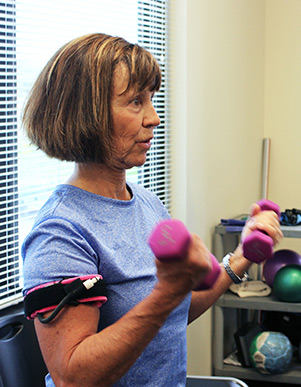
As for weight, your goal is to find the “sweet” spot. If you are elderly or have not been exercising regularly, this may mean no weights at all.
Ideally, you would have access to a variety of progressively increasing resistance movements to choose from, including body weight exercises. You typically won’t need to go higher than 25 pounds, though.
Once you have access to the weights, you can find the heaviest weight you can do for just one repetition of your planned exercise. This is your one-rep max (1RM).
Then you divide that weight by five (20%), four (25%) or three (33%). For example, if your max weight for a bicep curl is 25 pounds, you would select a 5-pound dumbbell to start.
If you don’t know your one-rep maximum, then it is always better to start too low, especially if this is your first time, as your tissues will need time to adapt to these pressures and movements. Eventually you will want to increase your weight so you notice the following signs during your KAATSU session.
|
Signs That You Are Using the Correct Weight
These two signs are an indication that you have activated your sympathetic nervous system by firing your Type II muscle fibers. This is because properly performed BFR is a high intensity exercise that will exhaust your Type I muscle fibers and activate your Type II fibers. You can also measure the circumference of your limb before and after the exercise. You should notice an increase of at least one-half inch and possibly 1 inch or more — or, alternatively, the muscle will most certainly feel tighter and appear more toned. Another great indication is that you will be able to do 30 reps the first set and then 15 to 20 reps the next and, most likely, are unable to do five to 10 reps in the last set because you are in muscle failure. It is important, though, not to fool yourself and stop just because it is hard. Muscle failure means that you are unable to do another rep if your life depended on it. |
Unless you are just starting (see warning box below), it is best to start by limiting your weight to only 20% of your 1RM and build up from there. By starting at a lighter weight, it will give your body a chance to adjust to BFR and avoid potential injuries.
An additional benefit is that if you stick with lighter weights you can train more frequently because you won’t cause as much muscle damage. For those interested in greater strength or muscle gains, you can increase to one-quarter and then to one-third the weight of your 1RM. If you are doing the exercises correctly, it will likely take you about three months to progress up to 33% of your 1RM. There is no need to go any higher than this.
If you don’t know your 1RM, then all you have to do is pick a weight you believe you can easily do 30 reps with and start there. If you can easily do all three sets at that weight, then it’s clearly too low a weight and you would benefit from increasing the resistance, especially if you don’t notice an increase of at least one-half inch in the circumference of your biceps after the exercise.
Conversely, if you are unable to complete 20 repetitions on your first set, the resistance is likely too high and needs to be decreased.
!WARNING FOR FIRST-TIME USERS
The only exception to these weight recommendations and initial pressure of the bands is when you are first starting out. It is important to realize that your tissues need time to adjust to BFR training. For the first session, you want to start with a light pressure, likely under 40%, and use only 10% of your 1RM. Then over the next two sessions increase to the minimum recommendations.
Important: You Need to Push Hard to Get the Benefits

It is important to recognize that the level of intensity you use is key. Muscle growth is highly dependent on metabolic factors, and training sets are ideally done to close to failure to achieve this.66,67
The number of repetitions completed during a training session is less important to cause long term changes in hypertrophy and strength than doing repetitions close to failure, which likely causes greater metabolic stress.
Perceived exertion is a major element here. You really need to push hard to muscle failure. This is a very subjective determination, but I hope the featured videos will give you an idea of the amount of intensity and effort one needs to put into this short exercise.
You can also notice if you are sweating and you are out of breath. Since BFR is a high intensity exercise and stimulates your sympathetic nervous system if done properly, this is precisely what you should be experiencing when you do BFR training.
A recent study in the elderly showed that physical weakness in aging may be due, at least in part, to impairments in brain and nerve function, rather than changes in the muscles themselves.68
The researchers did the study by asking participants to push to failure and once they said they had, they stimulated the muscle electrically and were still able to get the muscle to contract, which indicated that the muscle was not at full failure. In fact, in most cases the muscle was still able to contract about 25% more.
If you are unable to push close to failure, you will not receive the maximum benefits possible from BFR. Also, shorter recovery periods between exercises and sets will heighten the metabolic stimulus to enhance your body’s ability to build muscle and strength.69
Remember, you can start slowly and work your way up over time. Building muscle is a marathon, not a sprint. This is especially important if you are elderly or if you have been mostly sedentary; you likely will not need to use any weights.
You can start with just the weight of your body and gradually progress to 1- and 2-pound weights. But if you really are interested in triggering the benefits of reversing sarcopenia, then it is key to push hard — otherwise you will not achieve all the wonderful metabolic benefits that BFR has to offer you.
General KAATSU Workout Guidance
Although you can adapt KAATSU training to many types of resistance training, including machines, it seems the ideal way to implement it is by using simple dumbbells. Here’s some general workout guidance when using KAATSU.
Number of repetitions in each set:
|
Typically, upon starting KAATSU, you’ll notice a high perceived degree of difficulty. However, over a few weeks this perception of difficulty dampens as adaptation to training occurs.70 At that point, it becomes important to continue to push with the same level of intensity.
One of the major advantages of KAATSU versus high-load resistance training is that you cause far less muscle damage, which allows you to train more frequently. The frequency of training needs to be individualized as it varies widely. It can range from as little as twice a week up to three times a day, depending on your fitness and training goals.
Typically, the lower the percentage of 1RM used, the more frequently BFR can be done.71 Heart rate variability and the Oura ring can also be used to determine your ideal recovery periods. The Oura ring measures your heart rate all night and will tell you not only your lowest heart rate but also at what time it occurs. The higher your heart rate and the closer your lowest heart rate time is to awakening, the more recovery you need.
How to Perform BFR
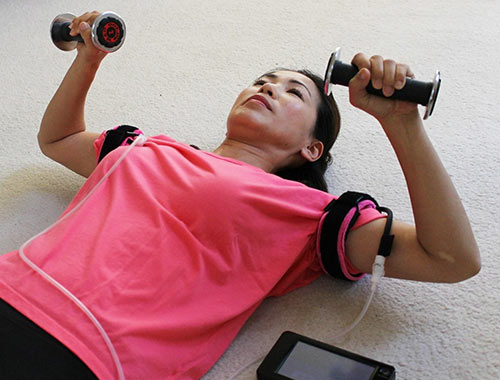
Begin by applying the bands to your upper arm, very close to your armpit, just where your bicep muscle begins and deltoid muscle ends.
On your legs, you can apply them right below your hips at the top of your quads, close to your groin. There are misconceptions that you need to put the bands close to the muscle you are seeking to focus on, but this is unnecessary.
There is a crossover training effect and your muscles that aren’t blood flow-restricted will also receive benefit once the bands deflate. In other words, you will gain benefits in your chest muscles even though you are only restricting your arm muscles.
Do not put the bands over your knees or elbows, as this could cause nerve damage. Only put the bands on your body as described above, because the goal is to increase your vascular elasticity and elicit a metabolic and hormonal response that ultimately leads to aesthetic and muscular improvement.
When you engage in the exercise properly, lactic acid will accumulate in the muscle, which will be associated with a burning-like pain due to the excess hydrogen ions being produced. It will clearly be uncomfortable, especially as you push to muscle fatigue. It is important to understand that this subjective sensation of discomfort will improve with time.
It will likely take four to six weeks to develop the strength and hypertrophy gains. Once achieved, a study72 in elderly participants showed that doing BFR training twice a week was sufficient to maintain the gains. When training decreased to once a week, the gains failed to be maintained.
If you are able to, there is benefit to doing BFR every day. You can just vary the number of exercises you do per day. It could be as simple as applying the bands to your legs and walking for 30 minutes, or putting them on your arms and swimming. It doesn’t have to involve weights. You can also use them in your favorite sport.
Get Stronger and Healthier With Age
In summary, the four key lifestyle strategies that have allowed me to get healthier with age are TRE in combination with a cyclical ketogenic diet (which I’ll review below); exercising while fasting; and using KAATSU in my strength training routine.
While doing any one of these in isolation would likely improve your health, when done in combination, they really catalyze synergistic changes that optimize your entire system. The best news of all is that it’s never too late to start. My transformation began in my 50s, and I feel better now at 69 than I did back then. You can transform your health and physique too. You just have to get started, and keep going!
Your Food Choices Are Crucial for Muscle Building
My understanding of optimizing nutrition for health has been a greater than five-decade journey. At the beginning, I fell into the low-fat diet myth and thought I was eating healthy with my grains and margarine alternatives, but I was fooled. The key here is that I was motivated to make the right choices: I simply lacked proper mentoring and information.
That was one of the primary reasons I started this website over 25 years ago. I believed that people didn’t need to make the same silly mistakes I made, and by sharing my insight I could save them needless pain and grief.
Another major mistake I made was never taking time off from eating. It seemed to make sense that you need to eat around the clock, and that going without food for days could wreck your health by losing muscle mass from inadequate protein intake. After researching this, I realized it was seriously wrong and counterproductive. Your body actually requires regular intervals when you aren’t eating, and failing to do so is a prescription for metabolic disaster.
Research by Satchidananda Panda, Ph.D., suggests 90% of people eat across more than 12 hours per day, and perhaps 50% of the population eat across 16 hours a day. There are even many who wake up in the middle of the night to eat.
This constant hunger occurs because when you’re using carbs rather than fat as your primary fuel, you need constant refueling as carbs burn so much quicker than fat. I wrote extensively about this in my best-selling book, “Fat for Fuel,” Since your body has a minute supply of stored carbs relative to fats, you need to eat far more frequently to avoid feeling ravenously hungry and tired as your body runs out of fuel.
The remedy for this is twofold: Eat a cyclical ketogenic diet (high in healthy fats and low in carbs, with higher amounts of carbs cycled in), and restrict the window of time in which you consume all your meals each day. Both of these strategies will help retrain your body to burn fat for fuel, which is a sign of metabolic flexibility that is crucial for optimal health, and once you can burn fat, hunger is significantly decreased and you can go without food far longer.
Time-Restricted Eating Is a Key Health Principle
Time-restricted eating (TRE) is one of the most important health principles of our time. Contrary to modern belief, your body isn’t designed to be fed throughout the day, and the near-continuous grazing that most engage in can have serious health consequences.
When you eat throughout the day and never skip a meal, your body adapts to burning sugar as its primary fuel, resulting in the downregulation of enzymes that utilize and burn stored fat.73,74 As a result, you become progressively more insulin resistant and start gaining weight. Many biological repair and rejuvenation processes also take place while you’re fasting, and this is another reason why all-day grazing triggers diseases while fasting prevents them.75
Even though TRE was a major breakthrough for me, I have recently come to realize that it is not for everyone. However, it is for most people as 95% of the people in the U.S. are metabolically inflexible. If you are insulin resistant than TRE is vital to implement but only until you become insulin sensitive.
If you continue TRE for too long, you will create inflammatory stressors by having your body generate cortisol to have your liver create glucose because your body is low in it. So once you become metabolically flexible it is important to increase your eating window to eight to10 hours or even 12 hours in the summer.
There are a number of different intermittent fasting regimes, some of which are more extreme than others, but all are based on the premise that you need to fast for periods of time. TRE is one of the easiest to follow as you simply abstain from food for 16 to 18 hours a day and eat all your meals within a window of six to eight hours. A six- to eight-hour window seems to be close to the metabolic ideal for most.
You Must Eat Adequate Protein to Increase Muscle Mass
Your muscle is made of protein and if you don’t supply enough of the raw material your body will not be able to generate new muscle tissue. Fortunately, there is an easy formula to follow that will supply the crucial amino acids your body needs to stimulate muscle protein synthesis.
The most important amino acids will be the branched chain amino acids, leucine being the key. You will need about three grams of leucine within one to two hours of your workout to activate mTOR, the anabolic signal and trigger to build tissue.
If you eat enough high-quality protein according to the following formula you will invariably have enough leucine. The minimum is about 1.2 grams of protein per kilogram of body weight (0.54 grams/pound) per day. Athletes and the elderly could benefit from even higher levels at 1.6 grams/kilogram (0.71 grams/pound).
Just be sure to avoid seeds and all nuts (except macadamia) as they are high in omega-6 fat linoleic acid (LA), which will cause other metabolic complications. Chicken and pork should also be avoided as they are monogastric animals that are fed commercial grains that are high in LA. They also have high LA levels in their tissues.
- 1 von Haehling S, Morley JE, Anker SD. From muscle wasting to sarcopenia and myopenia: update 2012. J Cachexia Sarcopenia Muscle 2012;3:213–217
- 2 I.H. Rosenberg Sarcopenia: origins and clinical relevance J. Nutr., 127 (5 Suppl) (1997), pp. 990S-991S
- 3 Aversa Z, et al The clinical impact and biological mechanisms of skeletal muscle aging. Bone. 2019 May 22;127:26-36. doi: 10.1016/j.bone.2019.05.021
- 4 Calcif Tissue Int. 2018; 103(1): 35–43. doi: 10.1007/s00223-018-0388-2
- 5 J. Gerontol. A Biol. Sci. Med. Sci., 64 (12) (2009), pp. 1333-1336. doi: 10.1093/gerona/glp130
- 6 J. Am. Geriatr. Soc., 51 (3) (2003), pp. 314-322
- 7 J. Gerontol. A Biol. Sci. Med. Sci., 71 (1) (2016), pp. 63-71
- 8 Fed Pract 2017 Jul 9;34(7):24-32
- 9 Cell Metab 2009 Dec;10(6):507-515
- 10 Cell Metab10:507–515
- 11 Cell Biol. 2005 Oct;37(10):2047-63
- 12 Diabetes 1982 Nov; 31(11): 957-963
- 13 N Engl J Med 1990; 322:223-228
- 14 Diabetes Care 2009 Nov; 32(suppl 2): S157-S163
- 15 Int. J. Biochem. Cell Biol. 2005, 37, 2047–2063
- 16 J. Gerontol. A Biol. Sci. Med. Sci. August 2018; 73(8): 1070-1077
- 17, 27 Redox Biol. August 2020; 35:101513
- 18 Surg Today. 2018; 48: 151–157
- 19 Ageing Research Reviews 2018 Nov;47:123-132
- 20 Liver Transpl. 2013 Dec; 19(12): 10.1002/lt.23752
- 21 Clin. Cancer Res. 2009 Apr 15;15(8):2920-2926
- 22 Cancer 2014 Sep 15;120(18):2910-2918
- 23 Arch Gerontol Geriatr. May-Jun 2019;82:100-105
- 24 J Am Geriatr Soc. 2017; 65: e18–e22
- 25 Autoimmun Rev. 2018; 17: 518–529
- 26 EBioMedicine. 2019 Nov;49:381-388
- 28 Age Ageing. 2019; 48: 16–31
- 29 Ageing Research Reviews 2019 Dec;56:100960
- 30 J Physiol 2015;593:2721–2734, doi:10.1113/JP270343
- 31 Toda N. Age‐related changes in endothelial function and blood flow regulation. Pharmacol Ther 2012;133:159–176, doi:10.1016/j.pharmthera.2011.10.004
- 32 Life Sciences Volume 118, Issue 2, 24 November 2014, Pages 97-109 doi: 10.1016/j.lfs.2014.09.009
- 33 J Cachexia Sarcopenia Muscle 2016; doi:10.1002/jcsm12105
- 34 Am J Physiol Cell Physiol 2013;304:C717–28
- 35, 65 Frontiers in Physiology 2019; 10: 533
- 36 Sports Med. 45, 313–325. doi: 10.1007/s40279-014-0288-1
- 37 Eur J Appl Physiol Occup Physiol. 1998;77:189–191
- 38 Front Physiol. 2019; 10: 446, Discussion: Muscle Strength
- 39 J Appl Physiol. 1996;81(5):2004–12
- 40 Microvasc Res. 1968;1:1‐14
- 41 J. Strength Cond. Res. 26 611–617. 10.1519/JSC.0b013e3182281c69
- 42 Robergs, RA, et al. Biochemistry of exercise-induced metabolic acidosis. Am J Physiol Regul Integr Comp Physiol 287: R502–R516, 2004
- 43 Clin Physiol Funct Imaging. 2015 May;35(3):197-202. doi: 10.1111/cpf.1214
- 44 FASEB J. (2012) 26:3691–702. 10.1096/fj.11-203026
- 45 Ekmekcioglu C Nutrition and longevity – From mechanisms to uncertainties. Crit Rev Food Sci Nutr. 2019 Oct 21:1-20. doi: 10.1080/10408398.2019.1676698
- 46 Musaro, A, et al Counteracting sarcopenia: the role of IGF-1 isoforms Aging (Albany NY). 2019 Jun 15; 11(11): 3410–3411. doi: 10.18632/aging.102027
- 47 J Hum Kinet. 2018 Dec; 65: 249–26
- 48 Cell 2019 Mar 7;176(6):1248-1264
- 49 Med Sci Sports Exerc. 2012 Nov; 44(11): 2077–2083
- 50 J Physiol 2012; 590(17): 4351–4361, Myogenic stem cell content Page 4355 (PDF)
- 51 Journal of Applied Physiology May 1, 1999; 86(5): 1513–1518
- 52 Mol BiolCell. 2000;11(5):1859–97
- 53 J Appl Physiol.2012;113(2):199–205
- 54 Schoenfeld BJ. Potential mechanisms for a role of metabolic stress in hypertrophic adaptations to resistance training. SportsMed. 2013;43(3):179–94
- 55 J Appl Physiol. 2010;108(6):1563–7
- 56 Med Hypotheses. 2012;78(1):151–4
- 57 J. Appl. Physiol. 2015;118:742–749. doi: 10.1152/japplphysiol.00054.2014
- 58 Nutrients. 2019 Apr; 11(4): 869. doi: 10.3390/nu11040869
- 59 Lang F, Busch GL, Ritter M, et al. Functional significance of cell volume regulatory mechanisms. Physiol Rev. 1998;78(1):247–306
- 60 Ther. Adv. Psychopharmacol. 2017;7:85–89. doi: 10.1177/2045125316675579
- 61 Brooks G.A. The Science and Translation of Lactate Shuttle Theory. Cell Metab. 2018;27:757–785. doi: 10.1016/j.cmet.2018.03.008
- 62 Neurosci. Lett. 2011;488:234–237
- 63 Med. Hypotheses. 2017;106:1–5
- 64 Neurosci. Lett. 2016 Sep 6;630:247-253
- 66 Sports Medicine 2013;43:179–194
- 67 Frontiers in Physiology June 2019 (PDF)
- 68 JAMA Network Open September 25, 2019
- 69 Medical Hypotheses February 2015;84:145–149
- 70 J Sports Sci. 2019 Aug;37(16):1857-1864
- 71 Frontiers in Physiology 2019; 10: 533, BFR-RE
- 72 Proceedings of the International Conference on Sports and Exercise Science 2009. Bangkok, Thailand Pages 336-341 (PDF)
- 73 Cell February 8, 2018; 172(4): 731-743.E12
- 74 Medical News Today February 8, 2018
- 75 Science November 16, 2018; 362(6416): 770-775, Page 1
Can You Pass the Flexibility Test?
Reproduced from original article:
https://articles.mercola.com/sites/articles/archive/2023/01/06/flexibility-test.aspx
The original Mercola article may not remain on the original site, but I will endeavor to keep it on this site as long as I deem it to be appropriate.
Analysis by Dr. Joseph Mercola Fact Checked January 06, 2023

STORY AT-A-GLANCE
- Theresa Larson, physical therapist and movement health expert, shared a simple five-stretch test that determines if you have sufficient flexibility in your neck, back, hips, calves and ankles
- Shortened and tight muscles can lead to joint immobility, loss of function, and pain such as upper crossed syndrome from sitting hunched over a computer that results in upper back pain and chest muscle tightness
- Stretching is part of a well-balanced fitness routine and should be done at the end of your workout, after active recovery or active cooldown. Since your muscles are warmed up, be careful not to overstretch and cause microtears in the muscle, tendon or ligaments
- Low back pain is one of the most common complaints that brings patients to their physician and causes missed days at work. Refrain from using a standing toe touch to stretch your lower back since it increases the load on your lower back. Instead, use these three gentle stretches
There are many benefits to staying physically active, one of which is maintaining flexibility. According to one 2018 study published in The Lancet,1 the percentage of people with insufficient levels of activity remained stable from 2001 to 2016, measuring roughly 28.5% across the world. The highest prevalence of inactivity was in high-income Western countries, which measured at 42.3% using data from 358 surveys across 168 countries and including 1.9 million participants.
According to data from the CDC,2 information from 2017 through 2020 showed the overall prevalence of inactivity was 25.3% across the U.S. However, while this was the overall prevalence, the CDC then broke down the information by location, race and ethnicity. According to the January 2022 map, there were seven states in which the level of inactivity was 30% or greater, and there were no states in which inactivity was less than 15%.
When levels of inactivity are this high, it’s also likely that people’s flexibility has been negatively impacted. Sitting at a computer all day can stretch the muscles in the upper back and shorten the chest muscles, leading to hunched shoulders and upper back pain.3 This is called upper crossed syndrome (UCS).
This is just one challenge that results from shortened muscles that negatively affects joints and increases pain. Before jumping into a stretching program, let’s discover exactly what makes you flexible and then take a simple test to determine how flexible you are now.
What Is Flexibility and How Important Is It?
A bodily joint is defined as the area where two or more bones meet. While many are mobile, some are not. Different types of joints are defined by their function, movement, structure or anatomical location.4
Your body uses these joints to allow you to move. Without movement, muscles, tendons and ligaments become tight and short. This reduces your range of motion or ability to move the way you normally would. While flexibility and mobility are related, they are also different.
Mobility describes the way in which your joints move through a full range of motion while flexibility is how well your muscles can stretch or lengthen. Flexibility gives you greater mobility to do things like pick things up off the floor or grab something off a high shelf. Your body requires practice to maintain flexibility and mobility in the same way that you need to move weight to gain strength or do aerobic exercise for cardiovascular endurance.
Some studies demonstrate that stretching can reduce the severity of chronic insomnia5 and improve subjective sleep.6 It also helps reduce pain7 and has a positive impact on your mental health.8
Increasing your range of motion can also lower your risk of minor, everyday injuries as well as reduce the potential risk of performance-related injury.9 Maintaining flexibility and mobility also helps your body to work correctly and improve your posture, which in turn can reduce upper and lower back pain.
Importantly, better flexibility can help improve balance and guard against falls in the elderly10 and increases the potential to live independently as you age. One study from the University of Saskatchewan11 demonstrated that stretching for 30 minutes at each session can help reduce blood pressure, possibly even better than going for a brisk walk.
Test Your Flexibility
Theresa Larson is a physical therapist and an expert on movement health. She spoke with a reporter from The New York Times12 and shared a flexibility test that consists of five simple stretches. However, it’s important to note that as with anything else, you can have too much of a good thing.
Experts estimate that approximately 20% of the population are hypermobile or have a larger range of motion than expected, for example, the ability to touch your thumb to your inner forearm or place your hands flat on the floor without bending your knees. The trait is a result of a variation in the type of collagen the body produces.13 The following is a simple test14 that will help determine the areas of your body that may need some attention.
1. Back, hips and hamstrings — Tight muscles in these areas can cause your hips and pelvis to rotate, flattening the lower back and increasing your risk of foot, knee and back pain. Larson recommends testing these muscles with a simple toe touch. If you’re able to touch your toes while keeping your legs straight, then you likely have enough flexibility in those areas.
However, it’s important to know that people with short arms may not be able to touch their toes and people who can get their hands to the floor may be hypermobile in those joints or simply have long arms.
2. Neck — Sitting for long hours at a desk hunched over a computer can cause your neck muscles to become tight. This can trigger neck pain, shoulder pain and headaches.15 Larson recommends testing how far you can turn your head to one side while sitting in a chair. Normal range of motion should allow you to move about 90 degrees or get your chin near your shoulder.
3. Thoracic spine — Your thoracic spine is in the middle of your back. When the muscles supporting this area become tight, your lumbar spine may attempt to compensate, which in turn causes low back pain.16 Larson uses a test called the open book stretch to evaluate the flexibility of your upper and middle back.
Start by lying on your side with your legs stacked on top of each other and your knees bent. Straighten both arms in front of you with your hands together. Keeping your legs, pelvis and lower arms still, slowly move your top arm until it’s extended to the other side of your body. If you can touch your top arm to the floor behind you without your pelvis and legs moving, you have good flexibility in your thoracic spine.
4. Calves and ankles — Chronically wearing shoes with heels, overuse and a lack of stretching can lead to tight calf muscles, which affects your feet and the way you walk. Tight calf muscles can result in Achilles tendonitis, plantar fasciitis and forefoot problems.17 This simple test requires a ruler or measuring tape that you lay on the floor with the zero end against the wall.
Stand approximately 1 foot from the wall. Keep your left foot in place and move the right foot back, dropping to your right knee. Position your left foot so your front knee can touch the wall without your heel coming off the floor. If you can maintain this stance with your toes 4 inches from the wall, it indicates you have good flexibility in your calf and ankle.
5. Hips — Sitting at a desk all day can cause the external rotator muscles in your hips to tighten, which affects your lower back and legs. Test your flexibility by lying on your back with your right foot on the ground and your knee bent. Cross your left leg over your right knee with your ankle at the knee. Lift your right leg off the ground using your hands. If you can touch your hamstrings with your hands, you have adequate flexibility in your hip external rotator muscles.
Should You Stretch Before or After Exercise, or Both?
Stretching is an important part of a well-balanced fitness routine. But the question is, when exactly should you stretch? Should it be before or after your workout, or both? Most people believe that stretching before exercise helps prevent injury, but scientific evidence does not support this theory. An editorial in the British Journal of Sports Medicine18 listed some observations that refute the idea that stretching before exercise can make you less prone to injury.
- Most injuries occur during eccentric contraction within a normal range of motion; therefore, increasing your range of motion before exercise is unlikely to prevent injury
- Even mild stretching can cause damage at the cytoskeletal level
- Stretching appears to increase pain tolerance, which could encourage injury
As noted in the paper, “It does not seem prudent to decrease one’s tolerance to pain, possibly create some damage at the cytoskeletal level and then exercise this damaged anesthetized muscle. Of note, there is no basic science evidence to suggest that stretching would decrease injuries.”
In fact, the key to injury prevention is warming up your muscles and not stretching them. By the same token, active recovery is more beneficial after a workout than simply immediately stopping and stretching.19 It’s generally accepted that a quick warm-up is advisable before you start your workout.
While stretching before working out is unlikely to provide any significant protection, it is part of a well-rounded fitness program and will improve your flexibility and mobility over time. Consider incorporating stretching into your active recovery at the end of your workout.
Because your muscles are already warmed up, be sure not to overstretch. Your body has physical limitations and when pushed too far, you can cause microtears in the muscles, tendons and ligaments20 without improving flexibility.
When stretching, I believe dynamic, functional and active isolated stretching (AIS)21 is best. AIS uses gentle pressure, as you hold each stretch for just two seconds to work with your body’s natural physiological makeup to improve circulation and increase elasticity.
I typically recommend avoiding static stretching, as it reduces blood flow in the tissue and creates localized ischemia and lactic acid buildup, which is what you want to avoid.22 I also do not recommend ballistic stretching, as the uncontrolled movement increases your risk of muscle tears.23
Address Low Back Pain With Stretches
Lower back pain is one of the most common complaints patients bring to their physicians as well as one of the most common reasons people miss days at work.24 It can range from a dull constant ache to shooting pain. It might begin suddenly or come on slowly as you age. One of the risk factors for lower back pain is tight muscles, which respond well to gentle stretching.
Your back and abdominal core muscles help support much of your body’s weight. You’ll find that low-impact activity can often help reduce pain and speed healing. While you might be tempted to loosen your lower back muscles using a standing toe touch, there are multiple reasons why this is bad for your back.
The standing toe touch stretches your hamstrings, but it also increases the burden on your lower back during the exercise. If you already have an injury, it can increase the risk for aggravation or further injury.25 Instead, consider these three gentle stretches to mobilize your lower back if you are having pain.
1. Cobra pose — This traditional beginner yoga pose is a gentle backbend position accomplished from a face-down, on-the-floor exercise.26 The goal is to strengthen the spine while opening the chest. It is also an excellent counter activity to relieve upper crossed syndrome that occurs when you are working over a desk.
Begin by lying on the floor on your stomach, stretching your legs behind you and placing the tops of your feet on the floor.27 Put your hands under your shoulders and keep your elbows close to your body. Press the tops of your feet, thighs and lower pelvis firmly into the floor while straightening your arms to lift your chest.
Go only as high as you can while maintaining connection from your lower pelvis through your toes on the floor. Start by holding this for 15 seconds, building to 30 seconds as you grow stronger. Inhale on the way up and exhale with your release on the way down.
2. Cat-cow pose — This basic yoga pose is breath-synchronized, and it warms up the spinal muscles.28 Begin with your knees and hands on the floor and your back straight in a table position. Your shoulders should be over your wrists, and your knees directly under your hips, with your weight balanced on all four evenly.
Move into a concave position as you inhale through your abdomen, tipping your belly toward the floor and lifting your eyes toward the ceiling. Exhale while drawing your belly button toward your spine and slowly move into an arched back position with your chin resting on your chest. Do not hold in the cat or cow position but move gently and smoothly through both.
3. Child pose — This pose is a resting pose used between more rigorous yoga exercises.29 Start by kneeling with your feet together while sitting on your heels. Move your knees apart so they are as wide as your hips.
Exhale while lowering your body down between your thighs. Lengthen your lower back away from your pelvis and lay your hands on the floor, palms up along your body. In the beginning, start with 30 seconds and work up to two to three minutes as you’re comfortable.
- 1 The Lancet, 2018; 6(10)
- 2 Centers for Disease Control and Prevention, Adult Physical Inactivity Prevalence Maps by Race/Ethnicity
- 3 National Academy of Sports Medicine, Correcting Upper Crossed Syndrome
- 4 Bodytomy, Joints in the Body
- 5 Sleep, 2018;41(1)
- 6 Brazilian Journal of Psychiatry, 2019;41(1)
- 7 Journal of Rehabilitation Medicine, 2007;39(2)
- 8 Colorado State University, June 23, 2021
- 9 Sports Medicine, 1997;24(5)
- 10 Osteoporosis international, 2009; 20(7)
- 11 EurekAlert! January 14, 2021
- 12, 14 The New York Times, December 9, 2022
- 13 Scientific American, July 1, 2015
- 15 Spine Health, March 21, 2017
- 16 Body Dynamics, March 9, 2022
- 17 Neuhaus Foot and Ankle, How Tight Calves Affect Your Feet
- 18 British Journal of Sports Medicine 2000; 34(5) Page 324 (PDF)
- 19 Very Well Fit, May 29, 2020
- 20 SantaCruz Core, July 8, 2017
- 21 Stretching USA, Aaron Mattes
- 22 Applied Physiology and Nutritional Metabolism, 2016;41(1):1
- 23 Liberty University, Honor Thesis A Review of Stretching Techniques and Their Effects on Exercise
- 24 Health Policy Institute, Chronic Back Pain
- 25 Training Cor: Standing Toe Touch is Bad for Your Back
- 26 Yogapedia, Cobra Pose
- 27, 29 Yoga Journal, January 7, 2019
- 28 Do You Yoga, Holistic Benefits of Cat/Cow
Want to Know How to Loosen Your Tight Hip Muscles?
Reproduced from original article:
https://articles.mercola.com/sites/articles/archive/2023/01/06/how-to-loosen-tight-hip-muscle.aspx
The original Mercola article may not remain on the original site, but I will endeavor to keep it on this site as long as I deem it to be appropriate.
Analysis by Dr. Joseph Mercola Fact Checked January 06, 2023
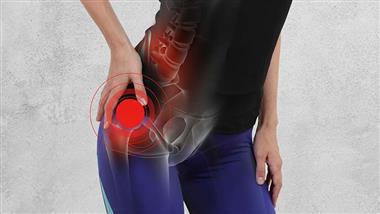
STORY AT-A-GLANCE
- Sitting for long periods can cause your hip flexors to shorten up and become tight, leading to problems with posture and back pain
- Exercises that target your hip muscles will help to open your hips to build flexibility, reduce pain and prevent injuries
- Hip exercises and stretches may help reduce patellofemoral pain (PFP) and iliotibial (IT) band syndrome
In the course of a typical workout, many people neglect to include exercises that focus on building hip strength. Yet, this is extremely important, as weak hip muscles can set off a cascade of negative changes in your mobility. If your hip muscles are weak, you may experience poor hip motion.
In turn, this may lead to pain in your hips, knees and back. There are several primary muscles in your hips that deserve strengthening. Your gluteus maximus (which is on the back of your hip or buttocks) and the gluteus medius, which is the primary muscle on the side of your hip, are two of them.
Your hip flexors — the rectus femoris and the iliopsoas — should also be tended to, especially if you sit at a desk for long hours.
Sitting for long periods can cause your hip flexors to shorten up and become tight, leading to problems with posture and back pain. In addition, weak hip flexors may contribute to foot, ankle and knee injuries.1,2
How to Loosen Tight Hip Muscles
Sitting is a primary culprit in tight hips and thighs because the muscles are rarely extended (although they may also become tight from working out). To lengthen and strengthen these muscles, try this move created by Suzanne Bowen, creator of BarreAmped, an internationally taught barre technique chosen by Fitness Magazine and Natural Health Magazine as the best barre workouts in 2015.3
You’ll need a chair or kitchen counter for support. Start out in a kneeling lunge position with your right foot in front and leg bent at the knee in a 90-degree angle. Your left knee should be a few inches behind your left hip. To do the exercise, Bowen recommends:4
“1. Press forward a few inches into your right leg just until you feel a gentle stretch in the opposite hip.
If you have very tight hips, this might be as far as you go. (Protect the front knee by making sure it doesn’t extend out beyond the toes.) For a more advanced stretch, straighten the left leg behind you and then press forward.
2. When you’re ready to move on, reposition the rear leg as needed so you can stretch your right leg straight out in front of you. Keep your back straight and lean a few inches forward from the hips and feel the stretch in the right hamstring.”
Hold each position for two to five deep breaths, then switch sides.
8 More Stretches for Tight Hips
The stretches that follow, compiled by lifestyle media publisher POPSUGAR, will help to open your hips to build flexibility, reduce pain and prevent injuries. Athletes and dancers commonly stretch their hips for optimum performance, but virtually everyone, including desk workers, can benefit immensely.5
1. Happy Baby (opens your hips)
- Begin lying flat on your back. Bend both knees and hold the outside edges of your flexed feet with your hands. Keep your arms on the outsides of your legs.
- Gently use your upper body strength to equally press both knees to the floor below your armpits. Try not to tense your shoulders or chest, but keep everything relaxed.
- Stay here for five deep breaths.
2. Extended Wide Squat (stretches both hips at once)
- Stand with your feet slightly wider than your hips. Bend your knees and lower your hips down toward the ground. If your heels don’t touch the ground, roll up a towel or the back of your mat and place it under your heels for support.
- Bring your palms together at your heart center and firmly press your elbows against the inside of your knees. This will help to open your hips even further.
- After five breaths, release the hands to the floor and walk them away from your feet to increase the stretch in the hips and lower back. Hold for another five breaths.
3. Open Lizard (for hip flexors and outer hips)
• Come into a lunge position with your right knee forward. Lower your left knee to the floor and rest your hands on the ground under your shoulders.
• Slowly lower your right knee to the right so you’re resting on the outside of your right flexed foot. Keep your arms straight, pressing your chest forward to increase the stretch.
• Hold like this for five breaths and then repeat on the left side.
4. Wide-Legged Split (stretches your hips, hamstrings and inner thighs)
• From Wide Squat, place your hands on the floor in front of you and inch your feet apart, making sure to keep your heels wider than your toes. Keep the soles of your feet flat on the ground to protect your knees.
• As your hips get lower, you can prop yourself up with your forearms and then move down to your shoulders. If your shoulders are on the ground, turn your head to the side and rest your cheek on the ground so you don’t bruise your chin.
• Stay here for five deep breaths, then walk your feet back together.
5. Butterfly (stretches both hips at once)
• Sit on the ground, bend both knees and bring your feet together. Using your hands, open your feet up like a book. Use your leg muscles to press your knees down toward the floor.
• Lengthen your spine, drawing your belly button inward. Relax your shoulders and gaze either in front of you or toward your feet. Stay here for five breaths, and then slowly fold forward, drawing your torso toward your legs. Remember to try to keep your spine straight.
• Rest your hands on your feet, pressing your knees down with your arms, or if you want more of a stretch, extend your arms out in front of you. Stay here for another five breaths.
6. Head to Knee (for hips and hamstrings)
• Sit on the ground with your legs out in front of you. Bend your right knee and pull the sole of your foot against your left inner thigh.
• Sitting with a tall spine, reach both hands to your left foot and stack your torso on top of your left thigh. If you can’t reach your hands to your foot, rest your hands on your shin or knee. Try not to round your back.
• Stay here for at least five breaths, relaxing your shoulders away from your ears. Then do the other side.
7. Pigeon (opens your knees one at a time)
• Sit with your right knee bent and your left leg extended behind you. Pull the right heel in toward your left hip, or if your hips are more open, inch your right foot away from you.
Make sure your left hip is always pointing down toward the mat. If it begins to open up toward the ceiling, draw your right foot back in toward your body.
• Stay here with your hands resting on your right thigh or your hips, or walk your hands out in front of you, allowing your torso to rest over your right knee. Hold here, breathing into any areas of tightness and tension for at least five breaths.
• Repeat this pose with the left knee bent.
8. Double Pigeon (an intense stretch for your glutes)
• Sit on the floor with your legs straight out in front of you. Bend your left knee, and place your knee, shin and foot on the floor so they’re parallel with your pelvis.
Bend your right knee, and place it on top so your knees, shins and ankles are stacked. You’ll know you’re doing it right when you gaze down and see that your legs make a little triangle.
• You may find your top knee to be high up toward the ceiling. It’s OK, it just means that your hips are tight, so just stay where you are and breathe.
• To make this pose more intense, place your hands in front of your shins and walk them out as far as you can, folding your chest toward your legs.
• Stay here for five breaths, slowly release and then switch legs so your left knee is on top.
Improve Hip Mobility in 2 to 5 Minutes a Day
Your hip joint is a ball-and-socket joint that needs regular movement to keep in top working condition. If you’re mostly sedentary, your hip health and mobility can quickly suffer.
In the video above, BJ Gaddour, director of Men’s Health Fitness, demonstrates a sequence of hip exercises to improve mobility by moving your hips through their full range of motion. If you spend a few minutes doing these every day, you’ll experience stronger, more flexible hips.
Hip Exercises May Reduce Knee Pain
Pain, at one point in your body, may originate from problems occurring elsewhere. In the case of knee pain, the problem may actually start in your hips. For instance, patellofemoral pain syndrome (PFP), which frequently occurs in runners, occurs when your thigh bone starts rubbing against the back of your knee cap while running.
According to a pilot study, this type of pain can be reduced or even eliminated simply by strengthening your hips. Participants took part in a hip-strengthening program done twice weekly for six weeks, with major improvements in pain levels. Indiana University motion analysis expert Tracy Dierks, Ph.D., explained:6
“The results indicate that the strengthening intervention was successful in reducing pain, which corresponded to improved mechanics …
The leg was going through more motion, suggesting that the (pain) guarding mechanism was reduced, and coordination or control of many of these peak or maximum angles in the leg were improved in that they were getting closer to occurring at the same time.”
Stretches to Relieve Iliotibial (IT) Band Syndrome
Your IT band runs along the outside of your leg, and attaches at your hip and just below and on the outside of your knee. It helps stabilize your knee joint during movement.
One of the most common sports injuries, especially among runners, is IT band syndrome, which occurs when this ligament becomes tight and/or inflamed. Tight muscles in your hips can be a major contributing factor. When your IT band is tight, just about any kind of knee movement can become painful as the IT band is pulling your knee out of alignment. Stretches that can help prevent this condition include:
• Cross-legged stretch — Standing on the floor, hook your left foot behind the right. Bending forward at the waist, and pressing your left big toe down into the floor, twist your body slightly to the left while holding on to your right leg with your hands.
Done correctly, you’ll feel your IT band stretching on the outside of your right leg. Hold the stretch for a moment, then uncross your legs and repeat on the other side.
• Wall stretch — Stand about an arm’s length from the wall. Step forward with your left leg and backward with your right. Bend your left knee, pressing down on your right heel. Hold for 20 to 30 seconds, then switch legs.
A foam roller can also be used. Below is a quick Runner’s World video demonstrating a simple foam roller exercise to loosen your IT band.
Increasing Range of Motion in Your Hips Is Crucial
In the elderly, decreased hip mobility is a leading cause of falls, making regular hip exercises crucial to maintaining your independence and health. The exercises that follow will help strengthen your hips and improve flexibility — even people with hip osteoarthritis can benefit. For a demonstration, please see the video above, created by CTC Healthcare.
Flexibility Exercises for Hips
| Single knee hugging — Lying on your back, grab your right knee and pull it toward your chest until you feel a stretch. Hold for 20 seconds. Repeat on the left side. |
| Bilateral knee hugging — Lying on your back, grab both knees and pull them toward your chest. Hold for 20 seconds. |
| “Cobra pose” — Lie face down on the floor, hands parallel to your shoulders. Straighten your arms, lifting your upper torso off the floor. Your lower back should be arched, with your pelvis making contact with the floor. Hold for 20 seconds, then lower yourself back down. |
| Hip flexion with abduction/adduction — Lying on your back, bring one knee up toward your chest. Holding your knee with both hands, roll your knee from one side to the other for 20 seconds. Repeat on the other side. |
| External hip rotation — Lying on your back, pull your right knee toward your chest. Place your right hand on the knee and your left hand on the ankle. Gently pull your right ankle in the direction of your head. Hold for 30 seconds, then repeat on your left leg. |
| Internal hip rotation — Lying face down, bend your knees 90 degrees and let your feet fall outward. Hold for 30 seconds. |
Strengthening Exercises for Hips
• “The Clam” — Lie on your side, feet together and knees slightly bent. Raise your top knee as far as you can, then lower back down. Repeat 15 times, then switch to the other side.
• Bridging — Lying on your back, with your feet flat on the floor, raise your hips toward the ceiling. Pause for a few seconds before lowering back down. Repeat five times.
• Knee pivots — Lie on your side, feet together and knees slightly bent. Raise your top knee and foot. Holding your knee in a raised position, pivot your foot up and down. Repeat 15 times, then switch to the other side.
• Heel pivots — Lie on your side, feet together and knees slightly bent. Raise your top knee and foot. Holding your foot in a stationary position in the air, pivot your knee up and down. Repeat 15 times, then switch to the other side.
The Best Foods for Your Skin
Reproduced from original article:
https://articles.mercola.com/sites/articles/archive/2022/12/12/best-foods-for-your-skin.aspx
The original Mercola article may not remain on the original site, but I will endeavor to keep it on this site as long as I deem it to be appropriate.
Analysis by Dr. Joseph Mercola Fact Checked December 12, 2022

STORY AT-A-GLANCE
- According to recent research, eating 2.25 cups of grape powder per day for two weeks, equal to 60 grapes a day, can help protect your skin against sunburn. After two weeks, one-third of study participants showed increased resistance to UV-induced skin erythema (reddening of the skin)
- Grape skins are rich in polyphenols, which are one of the primary components responsible for improving the resilience of your skin against UV damage
- Other polyphenol-rich foods include herbs like cloves, Mexican oregano, rosemary, spearmint and peppermint, elderberry, black olives, dark chocolate and cocoa powder
- Another powerful skin protector is astaxanthin, a carotenoid antioxidant derived from Haematococcus microalgae. Research has shown 16 weeks of astaxanthin supplementation can improve wrinkles, skin moisture and elasticity. Astaxanthin-rich foods include wild-caught Alaskan salmon, trout, krill (or krill oil), shrimp and crayfish
- Omega-3 fat is also important for skin health, while high omega-6 linoleic acid (LA) intake is a significant contributor to sunburn. To improve your skin and reduce your sunburn risk, strictly limit seed oils in your diet and eat more omega-3-rich fatty fish such as wild-caught Alaskan salmon, verified wild-caught sockeye salmon, sardines, anchovies, mackerel and herring. A krill oil supplement will provide you with both astaxanthin and omega-3
According to recent research,1,2 eating what amounts to a little over 60 grapes a day for two weeks can help protect your skin against sunburn. In the study, 29 volunteers were fed 70 grams of grape powder a day for two weeks, or the equivalent of three,126-gram servings of fresh grapes a day, with a three-fourth cup, or about 24 grapes, considered as one serving.3
After the two-week study period, one-third of study subjects (9 of 29) showed increased resistance to ultraviolet (UV)-induced skin erythema (reddening of the skin).
One in 10 retained this benefit for four weeks after they stopped eating the grape powder. Grape skins are rich in polyphenols, which are one of the primary components in grapes responsible for improving the resilience of your skin against UV damage.4 Polyphenols are also anti-inflammatory with antioxidant effects, and play a role in DNA repair mechanisms.5 As noted in a 2010 paper:6
“Chemoprevention refers to the use of agents that can inhibit, reverse, or retard the process of these harmful events in the UV-exposed skin. A wide variety of polyphenols or phytochemicals … have been reported to possess substantial skin photoprotective effects.
This review article summarizes the photoprotective effects of some selected polyphenols, such as green tea polyphenols, grape seed proanthocyanidins, resveratrol, silymarin and genistein, on UV-induced skin inflammation, oxidative stress, and DNA damage …
It is suggested that polyphenols may favorably supplement sunscreens protection, and may be useful for skin diseases associated with solar UV radiation-induced inflammation, oxidative stress and DNA damage.”
Polyphenols 101
Polyphenols are phytochemicals found in natural plant foods. More than 8,000 polyphenols have been identified in foods such as tea, wine, chocolate, fruits and vegetables. Antioxidants such as polyphenols help protect the cells in your body from free radical damage, thereby controlling the rate at which you age, and that includes your skin, where aging becomes quite visible.
If your body does not get adequate protection, free radicals can become rampant, causing impaired cell function that not only can lead to tissue degradation, but also put you at risk of chronic diseases.
Polyphenols are what give fruits, berries and vegetables their vibrant colors, and contribute to the bitterness, astringency, flavor, aroma and oxidative stability of the food. In the plant, they protect against ultraviolet radiation, pathogens, oxidative damage and harsh climatic conditions. In the human body, polyphenols have been shown to have a diverse array of biological properties,7,8 including the following:
| Protecting your skin against ultraviolet radiation, as demonstrated in the featured study9,10 |
| Fighting cancer cells and inhibiting angiogenesis11 (the growth of blood vessels that feed a tumor) — Several studies have demonstrated the usefulness of polyphenols in the prevention of cancer.12,13,14,15 Researchers believe the antioxidant effects of polyphenols help protect DNA from free radical damage, which can trigger cancer development. Polyphenols also reverse epigenetic markers in the DNA believed to reduce tumor growth |
| Promoting brain health and protecting against dementia16,17,18 |
| Fighting free radicals and reducing the appearance of aging |
| Reducing inflammation |
| Protecting your cardiovascular system,19 in part by inhibiting vascular endothelial growth factor (VEGF), which can cause complications with atherosclerotic plaques20 |
| Supporting normal blood sugar levels21 |
| Promoting normal blood pressure |
| Reducing your risk of osteoporosis, thanks to its positive effect on bone metabolism22,23 |
| Improving your gut health — Polyphenols appear to have a prebiotic effect, improving the beneficial bacteria living in your gut. Much of the research has been done on green tea, which plays an important role on balancing your gut flora by increasing good bacteria and reducing the number of bad bacteria.24,25,26,27 Researchers have also found improvements in gut flora with moderate consumption of red wine and chocolate28,29 |
How to Optimize the Polyphenol Content of Your Diet
Aside from grapes — where the polyphenols are found in the skin — many other foods also contain high amounts. In 2010, the European Journal of Clinical Nutrition published a list30 of the 100 richest dietary sources of polyphenols based on milligrams (mg) per 100 grams. Foods topping that list include:
| Cloves | Peppermint | Star anise |
| Cocoa powder | Mexican oregano | Celery seed |
| Dark chocolate | Flaxseed meal | Black elderberry |
| Chestnut seeds | Dried sage | Rosemary |
| Spearmint | Thyme | Blueberries |
| Blackcurrant | Capers | Black olives |
| Hazel nuts | Pecans |
You can further optimize the health benefits of these foods by eating them with a little bit of fat, as polyphenols are fat soluble.31 How the plant is grown can also influence its healing potential. As noted in 2004 paper,32 agricultural practices and industrial processes can reduce the health effects of the polyphenols in the food.
Research33 has shown organically grown foods contain statistically higher levels of polyphenols compared to conventionally grown varieties. Also, freeze-drying preserves higher phenol content than air-drying does.
Astaxanthin Also Protects Your Skin From UV Damage
Another powerful skin protector is astaxanthin, a carotenoid antioxidant derived from Haematococcus microalgae. The alga produces astaxanthin as a protective mechanism to shield itself from harsh UVs and other environmental stressors, and research has shown astaxanthin provides similar benefits in humans when consumed.34,35,36
As reported by Liver Doctor,37 research38 published in the Journal of Clinical Biochemistry and Nutrition in 2017 showed 16 weeks of astaxanthin supplementation protected against wrinkles and loss of skin moisture, and improved skin elasticity. It also helps lighten age spots by preventing the accumulation of too much melanin.39
“Additional studies have shown that astaxanthin inhibits the production of inflammatory chemicals by skin cells when they are exposed to UV radiation,” LiverDoctor.com writes.40
“The inflammatory chemicals break down collagen and elastin fibers, and increase the risk of pigmentation changes to the skin. The lead author of the study has stated that ‘Long term astaxanthin supplementation may prophylactically inhibit skin deterioration induced over time by environmental damage and consequently retard the skin aging process via its anti-inflammatory effect.'”
When it comes to UV radiation protection, astaxanthin specifically helps protect against UV-induced cell death. Unlike topical sun block, astaxanthin does not actually block UV rays, so it doesn’t prevent UVB from converting into vitamin D in your skin; it simply protects your skin against damage.
This protective effect is so potent studies even show it helps protect against total body irradiation,41 primarily by scavenging intracellular reactive oxygen species (ROS) and reducing cell apoptosis (programmed cell death), and burn-wound progression, by reducing oxidative stress-induced inflammation and mitochondrial-related apoptosis.42 You can learn more about astaxanthin’s skin benefits in “7 Nutrients to Boost Your Skin’s Natural SPF.”
Astaxanthin-Rich Foods
Foods that contain generous amounts of astaxanthin are restricted to seafoods that consume the microalgae, such as:
- Wild-caught Alaskan salmon
- Trout
- Krill (or krill oil)
- Shrimp
- Crayfish
If you rarely eat these foods, an astaxanthin supplement can be used. Just make sure it’s made from the Haematococcus pluvialis microalgae and not petrochemicals. While taking too many antioxidant supplements can be problematic, astaxanthin is far safer in this regard — in fact, it’s safe even in extremely high dosages — thanks to several unique features.
Unique Features of Astaxanthin
Astaxanthin is related to beta-carotene and lutein, but its unique molecular structure makes it both more potent and more widely usable than other carotenoids.
Importantly, while it donates electrons to neutralize free radicals, astaxanthin is not depleted by this electron donation. It has a massive surplus that allows it to remain active far longer — at least one order of magnitude longer than most other antioxidants.
The astaxanthin also remains intact, meaning there are no chemical reactions to break it down, which is what occurs in most other antioxidants. Another major difference is in the number of free radicals it can handle. Most antioxidants, such as vitamins C, E can typically handle only one free radical at a time.
Astaxanthin can address multiple free radicals simultaneously by forming an electron cloud around the molecule. This is known as the electron dislocation resonance. When free radicals try to steal electrons from the astaxanthin molecule, they’re simply absorbed into and neutralized by this electron cloud, all at once.
Astaxanthin also has the unique ability to protect both water- and fat-soluble parts of the cell. Carotenoids are typically divided into water-soluble or fat-soluble, but astaxanthin belongs to an in-between group that can interface between both water and fat.
This means the astaxanthin molecule can affect and expand the biolipid membrane of all cells. It’s not simply floating around in your bloodstream; it actually integrates into the cellular membrane. It also has the ability to cross the blood-brain barrier, which is part of its neuroprotective effects.
Another key feature is that it cannot function as a pro-oxidant. Many antioxidants will act as pro-oxidants (meaning they cause rather than combat oxidation) when present in sufficient concentrations. Astaxanthin, on the other hand, does not function as a pro-oxidant, even when present in high amounts, which makes it both safer and more beneficial. Lastly, it acts on at least five different inflammation pathways, making it a very potent anti-inflammatory.
Other Uses for Astaxanthin
In addition to its skin benefits, astaxanthin can also benefit your eye, brain, lung43 and heart health, and help prevent conditions such as cancer, metabolic syndrome, Type 2 diabetes, diabetic nephropathy, gastrointestinal disease, liver diseases, male infertility and HgCl₂-induced acute renal failure.44
Its potent anti-inflammatory effects also make it useful for inflammatory conditions and joint problems such as rheumatoid arthritis, carpal tunnel syndrome and tennis elbow. It’s also been shown to improve athletic performance, in part by ameliorating exercise-induced fatigue.
Omega-3 Versus Omega-6 for Skin Health
The third dietary factor for optimal skin health that I’ll cover in this article involves fat. Omega-3 fat is important for healthy skin. If your skin is rough, dry and wrinkly, you probably need more omega-3, as it helps regulate oil production in your skin, balance hydration, reduce inflammation and minimize the effects of sun damage and aging in general.45
High omega-3 intake will help protect your skin against UV damage, whereas high LA intake will INCREASE your risk of sunburn, as LA is highly perishable and readily oxidizes.
On the other side of this coin is omega-6 linoleic acid (LA). Like omega-3, LA gets integrated into your cell membranes, but unlike omega-3, LA impairs rather than optimizes cellular function. With regard to sun exposure, high omega-3 intake will help protect your skin against UV damage, whereas high LA intake will INCREASE your risk of sunburn, as LA is highly perishable and readily oxidizes.
So, to protect and improve your skin, you’ll want to eliminate as much LA from your diet as possible, and increase your omega-3 intake. This means you’ll need to:
• Avoid all seed oils, found in most processed foods, restaurant foods, condiments, pastries, conventional chicken and pork. Do not cook your food with seed oils; use butter, ghee, beef tallow or coconut oil instead.
• Eat more omega-3-rich fatty fish such as wild-caught Alaskan salmon, verified wild-caught sockeye salmon, sardines, anchovies, mackerel and herring. All of these are high in omega-3 while being low in contaminants. Canned Alaskan salmon is a less expensive than salmon steaks. As a general recommendation, try to get two servings of fatty fish per week.46
Avoid farm-raised salmon. Not only is farmed salmon one of the most contaminated foods on the market, but most are also loaded with harmful LA thanks to being fed genetically engineered (GE) corn and soy. Others are fed fishmeal, which is known to accumulate industrial chemicals like PCBs and dioxins.
Farmed salmon contain only half the omega-3 of wild salmon47,48,49 and one-fourth the vitamin D,50 while having more than 5.5 times the amount of omega-6.51,52 Farmed salmon are also routinely exposed to antibiotics and pesticides.
Alaska does not permit aquaculture, so all Alaskan fish are wild-caught. They also have some of the cleanest water and some of the best maintained and most sustainable fisheries. To verify authenticity, look for the state of Alaska’s “Wild Alaska Pure” logo. Sockeye salmon is now being farmed in certain areas of North America,53 so if you opt for sockeye, make sure it’s wild-caught.
Other Health Benefits of Omega-3 Fats
Beyond taking care of your skin, other health benefits of omega-3s include but are not limited to:
• Reducing inflammation, which can be helpful for those suffering with rheumatoid arthritis by reducing stiffness and pain.54 Women who suffer from menstrual pain may also experience milder pain55,56
• Optimizing muscle building and bone strength — Omega-3 fats help your body build healthy muscle mass, including people suffering from cancer who may experience cachexia.57 Omega-3 fats can also help improve your bone strength by improving the utilization of calcium in your body. This may lead to a reduction in the development of osteoporosis58
• Improving metabolic syndrome59 and insulin resistance60
• Improving mental health and behavior — Demonstrated benefits have been shown for children with attention deficit hyperactivity disorder (ADHD), including reduced aggression, hyperactivity,61 impulsivity,62 oppositional behavior63 and restlessness.64
Omega-3 is associated with lowered risk for other neurological/cognitive dysfunction as well, including: memory loss, brain aging, learning disorders and ADHD,65 autism and dyslexia66
• Protecting your vision — DHA is a major structural element in your eye and brain.67 Low levels of DHA may increase your risk for age related macular degeneration68
Summary
So, to summarize what we’ve reviewed here, foods that will nourish your skin and provide natural protection against sunburn include polyphenol-rich foods such as grapes, dark chocolate, cocoa, olives, green tea and certain herbs; astaxanthin from wild-caught Alaskan salmon, trout, shrimp and crayfish; and omega-3 fat from fatty fish.
A krill oil supplement will give you both astaxanthin and omega-3. At the same time, you also want to limit omega-6 LA as much as possible, which is done by avoiding the foodstuffs listed above.
- 1, 9 Antioxidants 2022; 11(12): 2372
- 2, 10 The Telegraph
- 3 Livestrong. Grapes Serving Size. December 26, 2019
- 4, 5, 6 Dermatology Research March 2010; 302(2): 71
- 7 Oxid Med Cell Longev. 2009 Nov-Dec; 2(5): 270–278
- 8 Global Healing Center, Polyphenols
- 11 Molecular Nutrition and Food Research March 2015: 59(3); 401-412
- 12 Pharmacological Research. 2012 Jun;65(6):565-76
- 13 Oxidative Medicine and Cellular Longevity, 2015, 1-14
- 14 National Cancer Institute, Tea and Cancer Prevention
- 15 Rev Physiol Biochem Pharmacol. 2007;159:79-113
- 16 Oxidative Medicine and Cellular Longevity July 6, 2009; 2(5): 270-278, Article ID: 897484
- 17 Curr Pharm Biotechnol. 2014;15(4):330-342
- 18 Oxidative Medicine and Cellular Longevity March 10, 2013; 2013: 1-18, Article ID 891748
- 19 The American Journal of Clinical Nutrition January 2005; 81(1): 292S-297S
- 20 Molecular Nutrition & Food Research December 25, 2014; 59(3), 401-412
- 21 Pacific College of Oriental Medicine August 1, 2014
- 22 Polyphenol Antioxidants and Bone Health: A Review, by Dr Venketeshwer Rao (Ed.), ISBN: 978-953-51- 0296-0
- 23 Nutrition Research July 2009; 29(7), 437-456
- 24 Microbiology And Immunology August 25, 2012; 56(11): 729-739
- 25 Research in Microbiology November 2006: 157(9); 876-884
- 26 Microbial Ecology in Health And Disease July 11, 2009; 3(6): 1990
- 27 Crit Rev Food Sci Nutr. 2012;52(10):936-48
- 28 American Journal of Clinical Nutrition June 2012; 95(6):1323-1334
- 29 American Journal of Clinical Nutrition January 2011; 93(1):62-72
- 30 European Journal of Clinical Nutrition November 3, 2010; 64: s112-s120
- 31, 32 The American Journal of Clinical Nutrition May 2004: 79(5); 727-747
- 33 Journal of Agricultural and Food Chemistry 2003; 51: 1237-1241 (PDF)
- 34 Food and Function 2014 Sep;5(9):1994-2003
- 35 Experimental Dermatology 2014 Mar;23(3):178-83
- 36 Photodermatol Photoimmunol Photomed. June 2008;24(3):134-41
- 37, 40 Liver Doctor Astaxanthin Protects Your Skin from the Sun
- 38 Clinical Biochemistry and Nutrition July 2017; 61(1): 33-39
- 39 CNN January 18, 2019
- 41 Stem Cell Res Ther. 2017; 8: 7
- 42 Scientific Reports January 27, 2017; 7 Article number: 41440
- 43 Food and Chemical Toxicology June 2013;56:450-458
- 44 Molecular Nutrition and Food Research 2011 Jan: 55(1):150-65
- 45, 46 Aveeno.com Omega-3 Skin Benefits
- 47 Scientific Reports 2016; 6 Article number 21892
- 48 Ecowatch October 8, 2016
- 49 CivilEats December 8, 2014
- 50 J Steroid Biochem Molecular Biol March 2007
- 51 Nutrition Data Wild Atlantic Salmon
- 52 Nutrition Data Farmed Atlantic Salmon
- 53 Fraser Farmed Sockeye
- 54 Arthritis Foundation, Fish Oil
- 55 European Journal of Clinical Nutrition 1995; 49(7):508-516
- 56 American Journal of Obstetrics and Gynecology 1996;17(4):1335-1338
- 57 Cancer 2004; 101(2): 370-378
- 58 Progress in Lipid Research, 1997; 36(2-3):131-151
- 59 Journal of Pediatrics, 2010; 157(3):395-400
- 60 Acta Cardiologica 2009; 64(3):321-327
- 61 Lipids, 2003; 38(10):1007-1021
- 62 Journal of Child Neurology 2012; 27(6):747-753
- 63 Acta Paediatrics 2010; 99(10):1540-1549
- 64 Nutrition 2012; 28(6):670-677
- 65 Nordic Journal of Psychiatry May 2, 2014
- 66 Alternative Medicine Review 2007 Sep;12(3):207-27
- 67 Pediatric Research, 1990; 27(1):89-97
- 68 Survey of Ophthalmology, 2014; 59(5): 532-539