Statins
now browsing by category
Uncovering ‘The Big Secret’ About Medicine, Food, and the Power You Still Hold
Reproduced from original article:
https://articles.mercola.com/sites/articles/archive/2026/11/21/the-big-secret-corporate-control.aspx
Analysis by Dr. Joseph Mercola November 21, 2026
Story at-a-glance
- “The Big Secret” documentary portrays how the U.S. healthcare system was reshaped by corporate and pharmaceutical forces, replacing natural healing with a drug-centered, profit-driven medical monopoly
- The shift began with the Flexner Report, backed by Carnegie and Rockefeller interests, which redefined medical legitimacy and opened the door to corporate control over healthcare
- Modern medicine has wrongly vilified cholesterol, leading to widespread statin use that can undermine hormone health, cognitive function, and metabolic resilience
- Industrial agriculture, glyphosate, and processed foods strip essential minerals from the food supply. This has been linked to widespread nutritional deficiency and chronic disease across generations
- The real “big secret” is that health can restore itself once you eliminate what disrupts it and provide the inputs it’s always required
In the modern era of medicine, where innovation is often equated with progress, many people assume that the dominant healthcare model in the United States reflects the best that science has to offer. Yet despite this, chronic illness continues to rise, and more Americans than ever rely on daily medication to maintain a semblance of health.
What part of this equation remains unresolved, and what has the system failed to account for? The documentary above, “The Big Secret,”1 answers this question by exploring the deeper forces shaping American healthcare and invites you to reconsider many of the assumptions you’ve long accepted without question.
Through interviews with physicians, researchers, and health advocates, it follows the trail of influence that has quietly determined how doctors are trained, how treatments are chosen, how the foundations of care were built, and how those foundations continue to shape health outcomes today.
The Making of a Medical Monopoly
For most of history, healing was guided by direct observation, traditional wisdom, and a blend of natural therapies drawn from plants, minerals, and food. That changed at the turn of the 20th century, when industrial and financial interests began reshaping medicine into a centralized, pharmaceutical-first system. What emerged was a model built not around patient health, but around patentable products, standardized protocols, and institutional control.2
• The Flexner Report laid the groundwork for corporate control — The push began with the Carnegie Foundation, which commissioned educator Abraham Flexner in 1908 to conduct a sweeping review of American medical schools. Though Flexner had no medical training, he visited every school in the country and produced a report that would become the blueprint for what would count as “real” medicine in the United States.
• The report sidelined entire healing systems that didn’t conform — The Flexner Report, published in 1910, called for stricter admissions, standardized training, and a closer alignment with laboratory science. While framed as a push for quality, the reform wiped out much of the therapeutic diversity that once defined American medicine.
At the time, schools taught homeopathy, naturopathy, herbalism, nutritional therapy, and other empirical, non-drug-based approaches. The Flexner Report dismissed them not for poor outcomes, but for failing to fit the narrow research model promoted by industrial interests. Its adoption signaled the collapse of a pluralistic system and the rise of a pharmaceutical-centered medical order.
• Rockefeller interests steered medical education toward patented treatments — The Rockefeller Foundation, already heavily invested in the growing pharmaceutical industry, saw the report as a perfect opportunity. Using their vast financial resources, the Rockefeller Foundation began offering grants to medical schools, but only those that adopted the Flexner model and rejected alternative approaches.
They began to steer the entire medical education system toward a model that favored patented drug treatments over nutritional or holistic care. Schools that taught homeopathy, naturopathy, or nutrition were denied funding and accreditation. With the inability to compete financially, over half of them eventually closed.
• The American Medical Association (AMA) was installed as the official gatekeeper — Through strategic lobbying and financial backing, the Rockefeller Foundation pushed for laws that granted regulatory authority to the AMA, a private membership organization that previously held no official power.
This gave the AMA the ability to accredit medical schools and oversee licensure standards at the state level. With this new authority, it became the gatekeeper of what would be considered legitimate medicine in the United States. As explained in the documentary:
“Unfortunately, the AMA was also heavily influenced by the Rockefeller Foundation … Consequently, the AMA promoted allopathic medicine to the point that it became the only approved form of medicine taught in the U.S. Consequently, doctors began prescribing the Rockefeller Foundation’s patented medicines to manage, not cure, illnesses and diseases.”3
• Doctors are legally incentivized to follow pharmaceutical protocols — If a doctor recommends a natural or unconventional treatment and a patient suffers an adverse outcome, they face the threat of malpractice suits and professional sanctions. But if the same doctor prescribes an approved pharmaceutical, no matter how harmful or ineffective, it is often legally defensible.
Because these drugs are the “standard of care,” doctors are protected by liability insurance and institutional guidelines. This has created a climate where risk-avoidance overrides innovation, and protocol compliance replaces independent thinking.
• Even journals were captured by industry — Scientific journals, increasingly reliant on drug company advertising and sponsorship, skewed publication in favor of products with commercial potential. Research that challenged dominant drug narratives was sometimes buried, while favorable studies, regardless of quality, were widely promoted.
• Alternative approaches are excluded by insurance and medical boards — Insurance systems are structured to reimburse mainly AMA-approved treatments, which primarily include drugs, surgeries, and diagnostic tests. Nutritional therapy, detoxification, and lifestyle-based interventions are often denied coverage, even if they outperform drugs in safety or efficacy.
• Educational systems suppress therapeutic diversity — Medical students are rarely taught about prevention, nutrition, or holistic strategies. Their training is shaped by pharmaceutical models that equate symptom suppression with care. This tunnel vision is the predictable outcome of a system engineered to reward profitable treatments, not those that restore autonomy or health.
This healthcare structure remains intact today. And the deeper you look at it, the clearer it becomes that the purpose of this system was never to eliminate disease, but to build a permanent, profitable industry around managing it.
Rethinking Cholesterol, Heart Disease, and Cognitive Decline
Modern medicine has framed cholesterol as a primary threat to health. From routine checkups to national guidelines, patients are taught to fear high numbers and suppress them with medication. Doctors reinforce this view through routine statin prescriptions, and entire treatment protocols revolve around reducing cholesterol to prevent heart disease. But this narrative was built more on commercial interest than biological truth.
• Cholesterol is actually essential for cellular and neurological function — Cholesterol plays a structural and metabolic role in every cell. It stabilizes cell membranes, regulates permeability, and serves as a building block for steroid hormones, including estrogen, testosterone, and cortisol. Your body also uses cholesterol to synthesize vitamin D and produce bile acids necessary for digestion.4
Nowhere is its importance more evident than in the brain, which houses nearly a quarter of your body’s total cholesterol despite accounting for just a few percent of its mass. Neurons depend on cholesterol for synapse formation and communication. Without it, cognitive function suffers.
• Suppressing cholesterol can introduce metabolic instability — Over time, the campaign to lower cholesterol may have driven levels below what’s needed for optimal function. Dr. Peter Glidden, a naturopathic doctor featured in the documentary, explained:
“Low cholesterol levels are associated with an increased chance of death, an increased chance of cancer, high percentage of birth defects, peripheral neuropathy, short temper and aggressive behavior, kidney failure, and dementia.”5
• Statins may not prevent heart attacks and can undermine key systems — Statins are a class of drugs that inhibit HMG-CoA reductase, an enzyme in the liver involved in cholesterol synthesis. By blocking this enzyme, statins lower total and LDL cholesterol levels, which has led to their widespread use as a preventive measure for cardiovascular disease. Yet the evidence for their benefit is limited.
For people without a prior history of heart disease, statins may offer little to no reduction in mortality or heart attack risk. Even in higher-risk populations, the absolute benefit is small, and often eclipsed by the drugs’ side effects, which have been reported to include muscle pain, fatigue, liver dysfunction, memory loss, mood disruption, and reduced hormone levels, among others.
• Cholesterol thresholds were redefined to expand drug markets — Guidelines for what constitutes “high cholesterol” have steadily shifted. Numbers once considered normal are now treated as risky, not because of new evidence but due to committee decisions that may have been shaped by pharmaceutical advisors.
Each downward revision expands the pool of statin candidates and the market. The redefinition of normal into pathological has been one of the most profitable moves in modern medicine.
• The rise in Alzheimer’s parallels low-fat, low-cholesterol policies — Alzheimer’s disease, now one of the leading causes of death in older adults, was reportedly virtually unheard of before 1940. Since the 1980s, its incidence has soared in tandem with low-fat dietary guidelines and widespread statin use.
Experts interviewed in the film describe Alzheimer’s as a manmade epidemic triggered by the chronic starvation of the brain’s most essential lipid, not an inevitable consequence of aging. These trends suggest the disturbing possibility that modern policies intended to protect the brain have helped dismantle it instead.
• Overlooked strategies point to broader metabolic dysfunction — For example, Jonathan V. Wright, M.D., an expert in natural medicine, noted that regular blood donation may lower the risk of heart attack and stroke, likely by reducing iron overload and oxidative stress. These outcomes, he said, surpass what statins offer, yet they’re rarely promoted because they can’t be patented or monetized.
• Glyphosate could be the real driver behind lipid disruptions — While cholesterol has been vilified, the real metabolic threat may lie elsewhere. The film notes a tight correlation between glyphosate exposure through GMO corn and soy and rising LDL levels. Cholesterol levels may rise not because of saturated fat or eggs, but as a biological response to environmental toxins. Meanwhile, heart attack trends don’t always track with cholesterol levels, calling into question the entire lipid hypothesis.
For a deeper look at how to restore healthy cholesterol levels without pharmaceuticals, check out “Lower Cholesterol, Naturally and Safely — No Statins Required.” Talk with your healthcare provider before changing any medication.
How Did Nutritional Collapse Contribute to the Rise of Chronic Disease?
The modern health crisis was shaped by a long sequence of changes to how food is grown, processed, and delivered. The documentary traces how the food system has been reshaped by political and corporate forces, stripping food of its essential nutrients, altering its biochemical nature, and creating a population dependent on a system that no longer feeds the body what it needs to stay well.
• Industrial agriculture severed the soil-nutrition link — Diverse, biologically active topsoil was flattened under heavy machinery and drenched in synthetic fertilizer. Crops were bred for speed, size, and uniformity, not nutrient density. These can result in a food supply that looks the same but no longer delivers the same materials your body requires to function.
• The body cannot make minerals, and neither can plants — Among the most essential of the missing inputs in food today are minerals, which come from soil and are often absorbed when microbial life converts them into bioavailable forms. When those microbes are destroyed, plants grow, but their nutritional core can be hollow.
According to the film, between 1950 and 1999, data from the U.S. Department of Agriculture (USDA) showed significant reductions in protein, calcium, phosphorus, iron, riboflavin, and vitamin C in 43 common crops. The losses have continued since and may have affected human health.
“The more deficient we are, the sicker we get. And this is why everybody’s getting sicker. It’s because of mineral deficiencies, which have been accelerated by agribusiness,” said Dr. Peter Glidden, a holistic health expert.
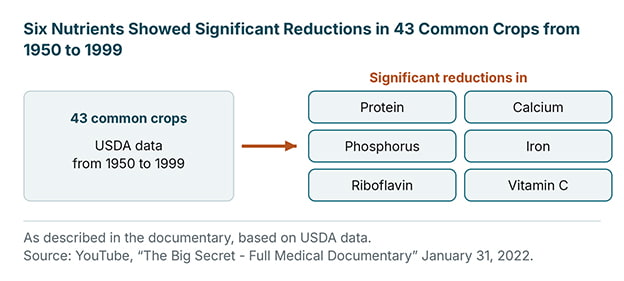
Figure 1. According to the documentary, USDA data showed significant reductions in six nutrients across 43 common crops from 1950 to 1999.
• Government policy made the problem worse — When industrial farming began to exhaust the topsoil, the response was not ecological restoration but chemical replacement. Nitrogen, phosphorus, and potassium were added back to grow large, fast-yielding plants. But those were only three of the many essential minerals required for human health.
To make food cheaper and more shelf-stable, it was refined, extruded, sweetened, and preserved. Nutrients were stripped, fats were hydrogenated, and flavor was recreated through additives. What the population consumed became a simulation of food — high in calories, low in substance. And as people became sicker, they were told to eat less and move more, rather than to investigate what had been taken away.
• This same period saw the rise of high-fructose corn syrup (HFCS) — As corn subsidies pushed down the cost of raw material, food companies replaced traditional sugars with this lab-made sweetener that bypasses normal insulin regulation and floods the liver with unbuffered fructose. This has been linked to fat buildup, mitochondrial stress, and fatty liver disease. HFCS also has been associated with metabolic syndrome.
• Glyphosate may have turned our food into slow poison — Introduced as a weed killer for genetically modified (GM) crops, glyphosate can act as a mineral chelator and microbial toxin. As explained by Raymond Francis, a chemist and registered consultant:
“Glyphosate is the main component of weed killers like Roundup. It is a very toxic chemical that has already been linked to irreversible metabolic damage, infertility, obesity, learning disabilities and birth defects.
In 2009, American farmers sprayed 57 million pounds of glyphosate on food crops, mainly on genetically engineered corn and soy crops. U.S. farmers are now using so much glyphosate that researchers are finding it in the rain, in the air, in the streams, and our water supplies.”6
• Scientific warnings were buried and regulators looked away — Researchers who warned about glyphosate faced censorship, funding loss, and legal threats. Regulators relied on industry studies and approved its use, critics say, without long-term safety data. As with pharmaceuticals, profit signaled safety. This is how GMO crops designed for glyphosate tolerance quietly flooded the food supply without public awareness or consent.
To understand how corporate interests like Big Tobacco helped design the modern food system, read “The Hidden History of Our Modern Food System — How Big Tobacco Shaped What We Eat.”
What Is Fluoridation — And Why Is It Still Used in Our Water Supply?
Fluoride is added to drinking water to purportedly reduce cavities across the population. This narrative has led most people to assume it’s both safe and beneficial. But did you know the chemical that enters most municipal water systems is not even the pharmaceutical-grade sodium fluoride used in controlled clinical settings?7
• Industrial waste rebranded as a public health tool — Hexafluorosilicic acid has been called hazardous waste at its point of origin. If disposed of conventionally, it would require costly toxic waste management. Instead, it’s rerouted into the water supply, rebranded as a health intervention, and distributed into homes, schools, and hospitals. According to the film:
“Fluoridation of the drinking water supply is done to get rid of the toxic waste hexafluorosilicic acid from the smokestack scrubbers of aluminum and fertilizer factories. This practice has caused cancer and brain damage for almost 50 years.
The aluminum and fertilizer industries would have to pay a fortune to dispose of the hexafluorosilicic acid if it were not for the municipal water fluoridation … Dr. Dean Burk of the National Cancer Institute said fluoridation is a form of public mass murder, and he also said, ‘In point of fact, fluoride causes more human cancer death and causes it faster than any other chemical.’”8
• Linked to lower IQ in children — Dozens of studies, including large meta-analyses, show consistent associations between higher fluoride exposure (above 1.5 mg/L in drinking water) and lower childhood IQ. The most vulnerable window may be during prenatal and early-life development, when the blood-brain barrier is immature and the brain is highly sensitive to chemical interference.9,10
• May disrupt thyroid function at higher exposure levels — Fluoride may compete with iodine in the thyroid gland, impairing hormone production. Higher fluoride exposure was associated with higher thyroid-stimulating hormone (TSH) levels in children, starting around 2.5 mg/L in drinking water. In adults, a few studies have linked fluoride exposure to hypothyroidism.11
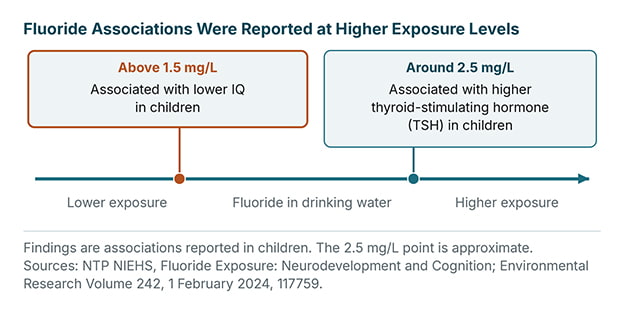
Figure 2. Studies in children have reported associations with lower IQ above 1.5 mg/L and with higher TSH around 2.5 mg/L of fluoride in drinking water.
• Shielded by professional alliances and industry influence — The American Dental Association (ADA) remains one of fluoridation’s most active defenders, citing historical dental benefits while downplaying toxicological risks. But critics say the ADA receives financial support from chemical industry stakeholders, and investigations have revealed conflicts of interest and selective data use.
• Delivered without consent, dose control, or monitoring — Fluoride exposure is not prescribed, not adjusted for age or body weight, and not subject to individual opt-out. Infants, pregnant women, and the medically vulnerable are exposed daily, with no individual-level system in place to track cumulative impact. Unlike pharmaceuticals, which require informed consent, fluoridation happens passively; one dose fits all.
The promise of public health is to protect, not expose. And yet fluoride remains in the water, raising concerns about neurodevelopment, hormone balance, and metabolic health across generations, with no informed consent and no end in sight. To see how I’ve challenged this practice directly, read “My Open Letter to the American Dental Association.”
Cancer — A Potentially Preventable Crisis Ignored by Modern Medicine
Cancer rates keep rising, despite decades of medical advances. The documentary implicates glucose and promotes the ketogenic diet as a solution. But while it rightly exposes the failures of the modern cancer model, it miscasts glucose as the enemy. In my view, the real issue isn’t sugar — it’s mitochondrial damage caused by fat overload and oxidative stress.12
• Progress in cancer outcomes remains elusive — Despite hundreds of billions of dollars poured into research, the survival has barely improved for many cancers. Patients still endure largely the same chemotherapy, radiation, and surgery protocols developed decades ago, often with harsh side effects and poor long-term results.
The documentary argues this stagnation isn’t due to a lack of knowledge. It’s the product of a medical model that deliberately obscures workable, non-pharmaceutical solutions to protect the pharmaceutical status quo.
• The role of glucose in cancer — The film emphasizes that cancer’s metabolic engine is glucose-dependent, noting that malignant cells burn through sugar at nearly 200 times the rate of normal tissue. This observation has shaped alternative strategies aimed at restricting glucose to slow cancer growth.
However, this framing overlooks an important nuance — glucose is not inherently carcinogenic, and sugar metabolism itself is not the root cause of cancer. In fact, glucose is the most efficient fuel for mitochondrial ATP production per oxygen molecule and plays an essential role in maintaining redox balance, nuclear integrity, and antioxidant defenses.
• The ketogenic diet restricts glucose, but may come at a cost — Ketogenic diets induce a metabolic state called ketosis, which lowers insulin and blood glucose while raising ketone levels. The documentary promotes this shift as a way to exploit cancer’s rigid metabolism and starve tumors of fuel.
Some early studies have shown promise in stabilizing aggressive cancers through dietary ketosis, and fasting can mimic similar effects short-term. However, long-term ketosis is not without risk, and it is not universally beneficial. Ketogenic metabolism relies on beta-oxidation and increased fat intake, which can raise mitochondrial oxidative stress, reduce electron transport efficiency, and impair metabolic flexibility.
A review of meta-analyses found that ketogenic diets can increase LDL cholesterol in some groups, cause greater fat-free mass loss, and appear less favorable than low-carbohydrate patterns for cardiovascular mortality. These tradeoffs may not be justified in individuals whose mitochondria are capable of oxidizing glucose cleanly and efficiently through restored metabolic pathways.13
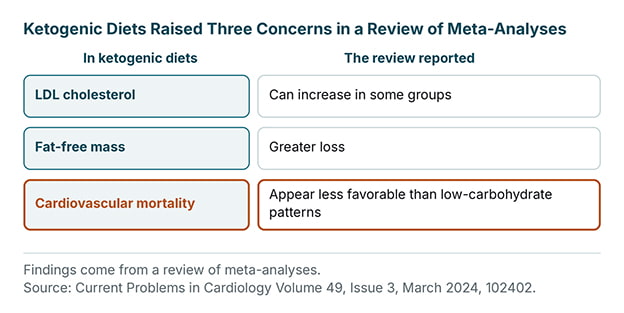
Figure 3. A review of meta-analyses reported that ketogenic diets can increase LDL cholesterol in some groups, cause greater fat-free mass loss, and appear less favorable than low-carbohydrate patterns for cardiovascular mortality.
• Metabolic dysfunction can stem from fat overload, not carbohydrate excess — The core issue is not that your body is using glucose. It’s because your mitochondria can’t use it properly. One overlooked cause is lipid-induced insulin resistance, which occurs when excess fat blocks glucose uptake via the Randle cycle.
When fat oxidation dominates, glucose metabolism is suppressed, lactate accumulates, and cells shift toward anaerobic pathways. These are hallmarks of the cancer phenotype. Rather than cutting glucose, restoring glucose utilization by reducing fat intake and supporting mitochondrial repair may be the more biologically sound solution.
• A real solution supports, not starves, glucose metabolism — Instead of chronic carb restriction, the path forward lies in restoring the cell’s ability to use glucose well. This includes improving mitochondrial membrane composition, restoring enzyme function, reducing linoleic acid, and supporting nutrient cofactors required for clean glucose combustion. In this view, glucose isn’t a toxin but a vital energy substrate that’s being poorly handled due to upstream damage.
For a deeper look at how glucose fuels cellular resilience and why it deserves to be reclaimed, not restricted, read “Glucose — The Ideal Fuel for Your Cells.”
The Big Secret — Health Was Always in Your Hands
The most striking message in “The Big Secret” isn’t about hidden toxins or corrupt institutions. It’s about power, specifically the biological power each person carries. Despite decades of dependency, censorship, and regulatory control, the most potent force in medicine remains your body’s ability to repair, regulate, and recover. The film argues that the system didn’t just overlook this truth. It was designed to suppress it.
• The health system was engineered to manage symptoms, not restore function — Chronic disease is framed as inevitable and treatment means lifelong medication. Nutrient-poor food is normalized, possible metabolic poisons like fluoride are defended, and biological dysfunction is treated as fate. But this framing serves institutions, not individuals. Real healing begins not with more control, but with fewer interferences and the return of what your body needs to thrive.
• The root inputs of health are simple, unprofitable, and biologically potent — Achieving optimal health doesn’t begin with a pill. It starts with minerals, real food, movement, metabolic renewal, clean water, light, rest, and community. These fundamentals don’t generate recurring revenue, but they recalibrate biology at the source, potentially reversing patterns that pharmaceuticals only manage.
• Censorship has silenced the strategies that may work — The film documents how clinicians who promote natural healing are often discredited, censored, or removed. Therapies that bypass pharmaceutical dependence are dismissed not because they threaten the medical business model. Reclaiming your health means seeking out what the system tries hardest to hide.
• Health is not fragile, and it’s not inherited from institutions — You are not broken by default. Health isn’t a privilege tied to income, insurance, or expert access. It’s something you build through choices once you understand how the system works, and more importantly, how to step outside of it.
The film’s final warning is also its core message — the greatest threat to the medical industry isn’t a competitor. It’s the informed individual, someone who no longer waits to be “saved,” no longer accepts decline as normal, and no longer forgets that biology was built for resilience.
This article is for informational purposes only and does not constitute medical advice. Consult a qualified healthcare provider before making changes to your health regimen.
Frequently Asked Questions (FAQs) About Today’s Medical Myths and Hidden Health Truths
Q: Do statins actually prevent heart attacks?
A: For people without prior cardiovascular disease, statins may offer little to no benefit in preventing heart attacks. They lower cholesterol levels but can come with significant side effects, including muscle pain, memory loss, liver dysfunction, and CoQ10 depletion. In many cases, lifestyle changes offer more protection with fewer risks.
Q: Why are alternative treatments discouraged in mainstream medicine?
A: Alternative and natural treatments are often excluded from insurance coverage and medical education in part because they can’t be patented or monetized. Doctors face legal and financial disincentives for recommending anything outside of pharmaceutical protocols, even when safer or more effective options exist.
Q: How does medical training shape the way doctors treat disease?
A: Most medical schools focus heavily on pharmaceuticals, surgery, and disease management, not prevention, nutrition, or root-cause treatment. Over time, this has created a system where doctors are exceptionally skilled at stabilizing symptoms but underequipped to address root causes.
Q: Why is chronic disease so common today?
A: Chronic diseases like cancer, diabetes, and heart disease are rising, likely due to a combination of nutrient-depleted food, chemical exposure, pharmaceutical overuse, and a healthcare model that treats symptoms rather than causes. Poor soil quality, processed diets, environmental toxins, and sedentary lifestyles also contribute to systemic breakdown.
Q: What’s the biggest health myth today?
A: One of the biggest myths is that chronic disease is inevitable and must be managed with lifelong drugs. In reality, many diseases are rooted in reversible dysfunctions linked to environmental and dietary factors. Health isn’t something granted by institutions. It’s something rebuilt by removing interference and restoring what your body truly needs.
- 1, 2, 3, 5, 6, 7, 8, 12 YouTube, “The Big Secret – Full Medical Documentary” January 31, 2022
- 4 StatPearls [Internet], Biochemistry, Cholesterol
- 9 Public Health Volume 219, June 2023, Pages 73-84
- 10 NTP NIEHS, Fluoride Exposure: Neurodevelopment and Cognition
- 11 Environmental Research Volume 242, 1 February 2024, 117759
- 13 Current Problems in Cardiology Volume 49, Issue 3, March 2024, 102402
Geranylgeraniol for Bisphosphonate-Related Osteonecrosis of the Jaw — A Second Critical Application
Reproduced from original article:
https://articles.mercola.com/sites/articles/archive/2026/05/17/geranylgeraniol-for-bronj-prevention.aspx
Analysis by Dr. Joseph Mercola May 17, 2026
Story at-a-glance
- Bisphosphonate-related osteonecrosis of the jaw (BRONJ) is a serious complication affecting patients taking osteoporosis and cancer medications like Fosamax, Boniva, and Zometa, and once the jaw bone dies, there is currently no effective treatment
- Bisphosphonates work by the same mechanism as statins — they inhibit the mevalonate pathway — which means they cause the same depletion of geranylgeraniol (GG) that leads to statin muscle problems
- Research shows that GG can reverse the negative effects of bisphosphonates on osteoblasts (bone-building cells), osteoclasts (bone-remodeling cells), fibroblasts, and endothelial cells — the key cell types involved in jaw bone health and healing
- A 2024 study demonstrated that GG incorporated into bone cement promoted osteoclast function and healing in an animal model of medication-related osteonecrosis of the jaw
- Anyone taking bisphosphonates for osteoporosis or cancer treatment should consider GG supplementation as a preventive measure, especially before dental procedures
If you’ve been following my work, you may have recently read my article on geranylgeraniol (GG) and its remarkable ability to reverse statin-induced muscle pain where CoQ10 has failed. Today, I want to share another critical application of this same compound — one that could help prevent a devastating condition that has left many patients with dead jaw bone and no effective treatment options. The condition is called bisphosphonate-related osteonecrosis of the jaw, or BRONJ for short. And the solution, once again, is GG.
What Are Bisphosphonates and Who Takes Them?
Bisphosphonates are a class of drugs prescribed primarily for osteoporosis and for preventing bone complications in cancer patients. You may know them by brand names like Fosamax (alendronate), Boniva (ibandronate), Actonel (risedronate), and Zometa or Reclast (zoledronic acid).
These drugs work by inhibiting osteoclasts, the cells responsible for breaking down old bone. By suppressing bone resorption, bisphosphonates can increase bone density and reduce fracture risk. For cancer patients with bone metastases, they can help prevent skeletal complications.
Millions of people take these medications. In fact, bisphosphonates are among the most commonly prescribed drugs for postmenopausal women with osteoporosis. But like all drugs, they come with risks, and one of the most serious is osteonecrosis of the jaw.
The Horror of Jaw Bone Death
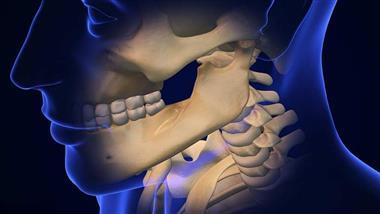
Osteonecrosis literally means “bone death.” When it occurs in the jaw, the bone tissue dies and becomes exposed through the gums, failing to heal. Patients develop painful, exposed bone in their mouth that can become infected, lead to tooth loss, and in severe cases require surgical removal of portions of the jaw.
The condition is diagnosed when a patient has exposed jaw bone that doesn’t heal within eight weeks, has a history of taking bisphosphonates or similar medications, and has no history of radiation therapy to the jaw area.
What makes BRONJ particularly insidious is that there is currently no reliable cure. Once the jaw bone dies, treatment options are limited to managing symptoms, controlling infection, and in some cases surgical debridement or removal of dead bone. Prevention is the only truly effective strategy.
The condition often develops after dental procedures — tooth extractions, implant placement, or other invasive dental work. This is why dentists now routinely ask patients about bisphosphonate use before performing procedures, and why some recommend “drug holidays” before dental surgery.
But what if there was a way to protect the jaw bone while still taking these medications? What if the same compound that reverses statin muscle damage could also prevent bisphosphonate jaw damage?
Same Mechanism, Same Solution
Here’s the key insight that connects these two seemingly different conditions: bisphosphonates and statins work through the same biochemical pathway.
Both drug classes inhibit enzymes in the mevalonate pathway. Statins block HMG-CoA reductase at the top of the pathway. Bisphosphonates — specifically the nitrogen-containing bisphosphonates like zoledronic acid — block farnesyl pyrophosphate synthase further down the pathway.
The end result is the same: depletion of geranylgeranyl pyrophosphate (GGPP), the activated form of GG. And when GGPP is depleted, the process of protein prenylation — essential for normal cell function — is impaired.
In muscle cells, this manifests as the muscle pain, weakness, and fatigue that statin patients experience. In the jaw bone, where there’s constant remodeling activity and exposure to oral bacteria, this manifests as impaired healing and eventual bone death.
A 2022 review published in Frontiers in Pharmacology1 explained the connection clearly: “Nitrogen-containing bisphosphonates suppress osteoclastic resorption by inhibiting farnesyl pyrophosphate synthase in the mevalonate pathway, leading to deficiency of the substrate for GTPase prenylation. The bone remodeling process is uncoupled, subsequently impairing bone healing and causing ONJ.”
The review went on to note that “targeted administration of geranylgeraniol (GGOH) represents a promising approach to mitigate BRONJ because GGOH is a substrate for GTPase prenylation.”
GG Reverses Bisphosphonate Damage to Jaw Cells
Multiple studies have demonstrated that GG can reverse the cellular damage caused by bisphosphonates in exactly the cell types that are critical for jaw bone health.
A 2011 study published in Oral Oncology2 was among the first to show that GG could reverse the negative biological effects of nitrogen-containing bisphosphonates on endothelial cells (which form blood vessels), fibroblasts (which form connective tissue), and osteogenic cells (which form bone). The researchers found that GG restored the viability and migration capacity of these cells after bisphosphonate treatment.
A 2021 study published in Frontiers in Cell and Developmental Biology3 investigated the specific mechanism by which bisphosphonates cause jaw bone problems. The researchers found that zoledronic acid (a potent bisphosphonate) both promoted the death of osteocytes (bone cells) and inhibited the ability of macrophages to clear dead cells — a process called efferocytosis that’s essential for proper healing.
Critically, the study found that “supplement with geranylgeraniol (GGOH), a substrate analog for geranylgeranylation of Rac1, could restore Rac1 homeostasis and rescue macrophage efferocytosis.” Rac1 (along with a closely related protein called Rac2) acts like an on-off switch that helps immune cells move, attach to damaged tissue, and clear away dead cells so healing can occur.
These proteins need to attach to cell membranes to work properly, and they need geranylgeraniol to do that. When bisphosphonates block this process, Rac signaling breaks down and immune cells cannot clean up damaged tissue. In other words, GG restored the normal healing process that bisphosphonates had disrupted.
A 2020 study4 examined the effects of zoledronic acid and GG on angiogenic (blood vessel-forming) gene expression in human osteoclasts. The researchers found that bisphosphonate treatment altered the expression of multiple genes involved in blood vessel formation — a key factor in bone healing. Addition of GG resulted in reduction of these altered gene expressions, suggesting it could help normalize the angiogenic response.
GG in Bone Cement Promotes Healing
Perhaps most exciting is a 2024 study published in the Journal of Oral Biology and Craniofacial Research5 that tested GG in an actual model of medication-related osteonecrosis of the jaw.
Researchers incorporated GG into bone cement pellets and tested their effects both in cell culture and in animals. They found that GG released from the bone cement increased osteoclast survival and metabolic activity and promoted resorption of calcified substrate — essentially restoring normal bone remodeling function.
In the animal model, released GG “limited the effects of the bisphosphonate and promoted healing.” The researchers noted that “GGOH from the infused cement carrier stabilizes bone structure and restores the ability of osteoclasts to remodel.”
The conclusion was encouraging: “These initial findings point to GGOH in a bone cement carrier as a useful therapeutic approach to prevent or mitigate the pathogenesis of MRONJ.”
While this specific delivery method (bone cement) is a clinical application that would need to be performed by a dental surgeon, the underlying principle is clear: GG can reverse bisphosphonate-induced damage to the cells responsible for jaw bone health and healing.
The Connection to Statin Myopathy
If you read my previous article on GG for statin-induced muscle problems, you’ll recognize the pattern. Both statins and bisphosphonates:
1. Inhibit the mevalonate pathway
2. Deplete geranylgeranyl pyrophosphate (GGPP)
3. Impair protein prenylation
4. Cause tissue damage (muscle or bone) through this mechanism
5. Can be counteracted by GG supplementation
This isn’t a coincidence — it’s biochemistry. These drugs work through the same fundamental mechanism, which is why they cause related problems and why the same solution addresses both.
The research on GG for statin myopathy is more advanced, with multiple in vivo studies and meta-analyses confirming that CoQ10 doesn’t work while GG does. The research on GG for BRONJ is still developing, with most studies being in vitro (cell culture) or in animal models. But the consistency of the findings across both conditions strongly supports the underlying mechanism.
Who Should Consider GG Supplementation?
Based on the available evidence, GG supplementation makes particular sense for:
• People taking bisphosphonates for osteoporosis — If you’re on Fosamax, Boniva, Actonel, or similar medications, GG supplementation may help protect your jaw bone, especially if you need dental procedures.
• Cancer patients receiving bisphosphonate therapy — High-dose intravenous bisphosphonates like Zometa carry a higher risk of BRONJ. Supplementation with GG could provide protective benefits.
• Anyone planning dental work while on bisphosphonates — Tooth extractions and implant placement are known triggers for BRONJ. GG supplementation before, during, and after dental procedures may help support normal healing.
• People taking statins who also take bisphosphonates — Many older adults take both drug classes. Both deplete GG through the same pathway. The combined depletion makes supplementation even more important.
Practical Recommendations
The practical recommendations for GG supplementation in the context of bisphosphonate use are similar to those for statin use:
• Dosing — 150 mg to 300 mg daily appears to be the range used in research.
• Form — Trans-geranylgeraniol from annatto seeds (often sold as “GG-Gold” or similar branded forms) has been the most studied.
• Timing around dental procedures — If you’re planning dental work, consider starting GG supplementation several weeks before the procedure and continuing during healing. Discuss this with your dentist and physician.
• Duration — Unlike some supplements that are taken only when symptomatic, GG supplementation may be most valuable as ongoing support while taking bisphosphonates, given that these drugs can persist in bone tissue for years.
• Safety — GG has demonstrated an excellent safety profile in research. It does not appear to interfere with bisphosphonates’ bone-building effects, similar to how it doesn’t interfere with statins’ cholesterol-lowering effects.
A Unified Approach to Mevalonate Pathway Support
The story of geranylgeraniol is really a story about understanding biochemistry rather than just treating symptoms. When we recognize that both statins and bisphosphonates deplete the same critical compound — and that this depletion causes problems in different tissues depending on which drug you’re taking — we can adopt a unified approach to protection.
• For statin users — GG addresses the root cause of muscle symptoms that CoQ10 couldn’t solve.
• For bisphosphonate users — GG supports the jaw bone health that these drugs compromise.
• For people taking both — GG replenishes what both drug classes deplete.
This is the kind of integrative thinking that conventional medicine often misses. Rather than treating statin myopathy and bisphosphonate jaw necrosis as completely separate conditions requiring separate solutions, we can recognize their common cause and address them together.
If you’re taking either statins or bisphosphonates — or especially if you’re taking both — GG deserves serious consideration as part of your supplement regimen. The research is clear, the mechanism is understood, and the safety profile is excellent. Discuss it with a healthcare provider familiar with integrative approaches, and take control of protecting your muscles and bones from pharmaceutical side effects.
FAQ
Q: What is bisphosphonate-related osteonecrosis of the jaw (BRONJ)?
A: BRONJ is a serious condition in which sections of jaw bone lose blood supply, die, and fail to heal. It occurs in some people who take bisphosphonate drugs for osteoporosis or cancer, especially after dental procedures such as tooth extractions. Once established, there is no consistently effective treatment, which makes prevention critical.
Q: How do bisphosphonates cause jaw bone damage?
A: Bisphosphonates block enzymes in the mevalonate pathway, a metabolic pathway your body uses to produce essential compounds. This blockade depletes geranylgeranyl pyrophosphate (GGPP), which cells need for protein prenylation, a process required for normal bone remodeling, immune cleanup, blood vessel growth, and tissue repair.
Q: Why does geranylgeraniol (GG) matter in BRONJ?
A: GG replenishes GGPP, the compound depleted by bisphosphonates. Research shows GG restores normal function in osteoclasts, osteoblasts, fibroblasts, endothelial cells, and immune cells that support jaw bone healing. By correcting the underlying biochemical disruption, GG targets the root cause rather than symptoms.
Q: What does research show about GG and jaw bone healing?
A: Cell and animal studies report that GG reverses bisphosphonate-induced cell death, restores immune cell cleanup of damaged tissue, and normalizes blood vessel-related gene activity. A 2024 animal study showed GG delivered through bone cement promoted bone remodeling and healing in a model of medication-related osteonecrosis of the jaw.
Q: Who may benefit most from GG supplementation?
A: Evidence suggests GG may help people who take bisphosphonates for osteoporosis or cancer, especially if you plan dental procedures or also take statins, which deplete GG through the same pathway. Human clinical trials remain limited, so you should discuss supplementation with your dentist and physician before use.
Lower Cholesterol, Naturally and Safely — No Statins Required
Reproduced from original article:
https://articles.mercola.com/sites/articles/archive/2026/04/27/lower-cholesterol-naturally-and-safely.aspx
Analysis by Mary Ann Rollano, RN April 27, 2026

Story at-a-glance
- Cholesterol is essential for hormone production, brain function, and cell health, and about 80% of it is made by your body — not consumed in food. High triglycerides, not total cholesterol, pose a stronger risk for heart attack — raising risk by 80% — making triglyceride-to-HDL ratio a better heart disease predictor
- Newer science shows chronic inflammation — not LDL alone — may be the real cause of plaque buildup in arteries, shifting focus to markers like ApoB and CRP
- Natural options like garlic, artichoke, bergamot, plant sterols, green tea, and oats have been shown in clinical studies to lower LDL cholesterol and improve heart markers
- Red yeast rice can lower LDL by up to 33%, but it contains a statin-like compound with the same side effects and potential kidney toxins like citrinin
- Lifestyle changes like cutting sugar, walking daily, and sleeping well can activate the Pareto Principle — where 20% of effort yields 80% of results in lowering cholesterol. Exercise improves five key metabolic biomarkers — glucose, HDL, triglycerides, blood pressure, and waist size — each linked to long-term cardiovascular health
Your body knows how to heal. Think about it — if a poor diet and lifestyle can contribute to an unhealthy body, it stands to reason that a nutrient-rich diet and lifestyle can conversely contribute to a healthy body. That’s not too hard to figure out.
What is hard to figure out is what is bad for your health and what is good. Are statins good or are they bad? Should you take them? Are there alternatives? If so, what are they? There are many conflicting stories because cholesterol metabolism is complex, making it a perpetually confusing topic. You deserve to understand your health before blindly accepting treatments.
I get a lot of questions about cholesterol, statin drugs, and how to lower cholesterol without taking statins. The good news is that certain plants and lifestyles have been scientifically proven to lower cholesterol. So, let’s break it all down. In this post, I cover:
- What is cholesterol, and why do we need it?
- Triglycerides and their relationship to cholesterol.
- How triglycerides and cholesterol interact.
- The Pareto Principle, cholesterol, and statins.
- Herbs and plants with evidence for cholesterol-lowering effects.
- Key metabolic biomarkers.
- With the proper knowledge and approach, you have the power to control your health.
What Is Cholesterol?
Cholesterol is a fatty, waxy substance found in every cell in the body. Roughly 20% comes from dietary sources, while 80% is primarily manufactured in the liver and other cells. Cholesterol metabolism studies show that this ratio can vary slightly depending on individual factors like genetics, diet, and lifestyle.
Excess sugar, particularly artificial sugars, refined carbohydrates, and genetic errors of liver metabolism, are mainly to blame for high cholesterol. Plant fibers can lower cholesterol, so a diet high in fruits and vegetables and whole grains with minimal fats helps maintain normal cholesterol levels.
• Types of cholesterol:
1. Low-density lipoprotein, LDL, is often called bad cholesterol because high levels are theorized to build plaque in the arteries.
2. High-density lipoprotein, HDL, is called the good cholesterol because it helps to remove excess cholesterol from the bloodstream and returns it to the liver for disposal.
3. Very low-density lipoprotein, VLDL, mainly carries triglycerides in the blood and is less commonly measured.
• Why do we need cholesterol? Cholesterol is present in every cell of the human body and is essential for cellular metabolism.
• Cholesterol is essential for several biological functions:1
◦ Cell membrane structure — Cholesterol is a key component of cell membranes, providing stability.
◦ Hormone production — The building block for steroid hormones, including sex hormones (estrogen, testosterone), cortisol, and aldosterone.
◦ Vitamin D synthesis — When the skin is exposed to sunlight, the body uses cholesterol to make vitamin D.
◦ Bile acid production — Cholesterol is converted into bile acids in the liver, which help digest fats.
• Cholesterol and brain health:
◦ Myelin sheath formation — Cholesterol is a major component of myelin, the protective sheath around nerve fibers that speeds up electrical signaling.
◦ Neurotransmitter function — It is involved in the communication between neurons, supporting the function of neurotransmitters like dopamine and serotonin.
◦ Cell signaling — Cholesterol is crucial for forming “lipid rafts,” specialized areas in cell membranes that facilitate cell signaling in the brain.
◦ Learning and memory — Proper cholesterol metabolism in the brain is necessary for synaptic plasticity, learning, and memory.
Triglycerides and Their Relationship to Cholesterol
Triglycerides, another type of fat (lipid) in the blood, come from foods and are synthesized in the liver. Triglycerides also come from extra calories your body does not need right away. Excess calories are converted to triglycerides and stored as fat in the body for later use. While cholesterol is used for structural and hormonal functions, triglycerides serve primarily as an energy source:
• Energy storage — Excess calories from food are converted into triglycerides and stored in fat cells for later use.
• Transport — Triglycerides circulate in the blood within lipoproteins, especially very-low-density lipoproteins (VLDL), which also carry some cholesterol.
How Triglycerides and Cholesterol Interact
• Both are transported in the bloodstream via lipoproteins (VLDL, LDL, HDL).
• VLDL particles mainly carry triglycerides but also transport cholesterol. As triglycerides are removed from VLDL, the particles become LDL, which is richer in cholesterol.
• HDL particles help remove excess cholesterol from tissues and return it to the liver for disposal.
So while cholesterol is used for building cell walls, hormone production, and other structural and metabolic functions, triglycerides are used primarily for energy supply and storage.
In a blood test, the total cholesterol level includes LDL, HDL, triglycerides, and sometimes VLDL, and means very little as a combined total. High triglycerides are more concerning because people with high triglyceride levels have an 80% higher risk of having a heart attack compared to people with normal triglyceride levels.2
Inflammation, fibrinogen, triglycerides, homocysteine, belly fat, triglyceride to HDL ratios, and high glycemic levels are the underlying drivers of heart disease.3
“Emerging science is showing that cholesterol levels are a poor predictor of heart disease and that standard prescriptions for lowering it, such as ineffective low-fat/high-carb diets and serious, side-effect-causing statin drugs, obscure the real causes of heart disease.”~ The Great Cholesterol Myth
The Pareto Principle and Cholesterol
The Pareto Principle states that 80% of outcomes often stem from just 20% of causes, also known as the 80/20 rule. While commonly used in business, this principle can be metaphorically applied to biology and health, especially when identifying the key drivers behind complex issues.
As I mentioned, about 80% of the body’s cholesterol is made in the liver, while only 20% comes directly from the diet. Statins target this liver production by blocking the enzyme HMG-CoA reductase, which seems logical on the surface. But this approach overlooks why the liver is overproducing cholesterol in the first place — it treats the symptom, not the cause.
In truth, suppressing that 80% of cholesterol production without addressing the underlying 20% of triggers of metabolic disorders, such as insulin resistance, chronic inflammation, stress, and hormonal imbalances, can be counterproductive.
Even though dietary cholesterol accounts for just 20%, certain foods (like excess sugar, refined carbs, trans fats, and high-fructose corn syrup) can prompt the liver to increase its cholesterol output. A small subset of poor dietary choices may be responsible for most of the problem — a textbook 80/20 scenario.
For many people, small, focused lifestyle changes — such as eliminating processed foods, walking regularly, or improving sleep — can lead to significant improvements in cholesterol levels. Thus, 20% of your effort may yield 80% of the results.
Herbs and Plants with Evidence for Cholesterol-Lowering Effects
Anna McIntyre writes in “The Complete Herbal Tutor”:4
• Antioxidant herbs protect arteries, inhibit the formation of atherosclerotic plaque, lower cholesterol, and help prevent cardiovascular disease.
• Useful herbs include hawthorn, cayenne, amalaki, guggulu, bilberry, elderberry, ginger, turmeric, evening primrose, Chinese Angelica, and licorice.
• Shiitake and reishi mushrooms and oats contain beta-glucans, which help lower cholesterol.
• A clove of garlic a day can substantially lower cholesterol levels.
• Red clover reduces its absorption.
• Artichoke leaves help lower cholesterol by helping the liver’s metabolism of cholesterol.
Some of these herbs and plants studied for their potential to lower cholesterol levels are listed below in more detail. They are the most researched options, with scientific evidence and study findings cited here.5,6,7,8
• Red yeast rice (Monascus purpureus)
◦ Red yeast rice contains monacolin K, a compound chemically identical to the statin drug lovastatin, with all the risks and side effects of taking a statin.9
◦ Multiple randomized clinical trials and systematic reviews have shown that red yeast rice can reduce total cholesterol and LDL cholesterol by 10% to 33%.
◦ It is considered one of the most effective natural products for lowering cholesterol, but quality and safety concerns exist due to variability in monacolin K content and potential contamination with citrinin, a nephrotoxin (kidney-damaging substance).
• Plant sterols and stanols
◦ Found naturally in plant-based foods like fruits, vegetables, nuts, oils, seeds, and grains.
◦ A 2022 network meta-analysis found that plant sterol supplementation leads to modest LDL and total cholesterol reductions.
◦ They work by blocking cholesterol absorption in the small intestine.
• Bergamot (Citrus bergamia)
◦ Bergamot extract and its polyphenols have shown promising lipid-lowering effects.
◦ A 2022 systematic review and meta-analysis found significant decreases in total cholesterol, LDL cholesterol, and triglycerides, and an increase in HDL cholesterol. However, a small number of studies limit the evidence.
• Artichoke (Cynara scolymus)
◦ Randomized trials have shown reductions in total cholesterol by up to 18.5% compared to placebo.
◦ The evidence base is limited but promising, with good safety profiles reported in studies.
• Fenugreek (Trigonella foenum-graecum)
◦ Several trials, mainly from India, have shown reductions in total cholesterol ranging from 15% to 33%.
◦ Some studies also found reductions in LDL cholesterol, though methodological quality varies.
• Guggul (Commiphora mukul)
◦ Some randomized trials have reported 10% to 27% reductions in total cholesterol.
◦ Although results have been inconsistent, and quality concerns exist, it remains one of the more extensively studied herbal options.
• Garlic (Allium sativum)
◦ Ancient history and a wealth of modern research support the use of garlic. More than 3,000 scientific papers cover its chemistry, pharmacology, and clinical uses.10
◦ The therapeutic uses of garlic are extensive, but those specific to the cardiovascular system include reducing elevated cholesterol, preventing atherosclerosis and hypertension, treating poor circulation to the legs, and improving overall blood flow through antiplatelet actions.
• Red clover (Trifolium pratense)
◦ Systematic reviews have found significant reductions in total cholesterol and increases in HDL cholesterol in postmenopausal women, but effects on LDL cholesterol are inconsistent.
• Green tea (Camellia sinensis)
◦ An American Journal of Clinical Nutrition meta-analysis suggests that green tea significantly reduces total cholesterol, including LDL or “bad” cholesterol, to 2.19 mg/dL in the blood. However, green tea didn’t affect HDL, or “good” cholesterol.11
Biomarkers and Blood Work
When examining blood work to evaluate cardiac risk and metabolic health, cholesterol alone is insufficient. These parameters and other risk factors, such as diabetes, cardiovascular issues, and liver function, all need to be considered.
High LDL cholesterol was once thought to contribute to plaque buildup in the arteries, which could lead to the plaque becoming dislodged at some point, leading to a heart attack or stroke. Newer schools of thought don’t point to LDL as causing plaque buildup in the arteries but rather to chronic inflammation as being the cause.12
The newer cardiovascular assessment blood tests measure a specific protein called Apolipoprotein B (ApoB) within the LDL, which directly counts the number of atherogenic (plaque-producing) particles in the blood.
If ApoB is not measured, C-reactive protein (CRP) may be measured. CRP measures overall inflammation in the body and screens for cardiovascular risk. That’s important because many chronic diseases result from chronic inflammation. Metabolic biomarkers are key indicators of overall cellular health and disease risk.
The specific thresholds depend on your risk factors, and each lab has its parameters, but for reference, these are the normal ranges from LabCorp:
• LDL
◦ Optimal — <100 mg/dL
◦ Near-optimal — 100 to 129 mg/dL
◦ Borderline high — 130 to 159 mg/dL
◦ High — 160 to 189 mg/dL
◦ Very high — ≥190 mg/dL
• HDL Cholesterol
◦ Optimal — >39 mg/dL
• VLDL Cholesterol Cal
◦ Optimal — 5 to 40 mg/dL
• Triglycerides
◦ Optimal — 0 to 149 mg/dL
• Apolipoprotein B (ApoB)
◦ Optimal — <130 mg/dL
• C-reactive protein (CRP)
◦ < 1.0 mg/dL or 10.0 mg/L
Relationship of Total Cholesterol to HDL
“Neither type of cholesterol is inherently bad or good. Both are necessary for good health. They need to be balanced in the body. Divide your total cholesterol by your HDL cholesterol. If the resulting number is 4 or less, you are at low risk, regardless what your total cholesterol number is. The ratio of total cholesterol to HDL is a much better predictor of risk than simply your total cholesterol number.13” ~ Christiane Northrup, M.D., The Wisdom of Menopause
Key Metabolic Biomarkers
In her book “Good Energy,” Casey Means, M.D., writes about the five specific biomarkers to evaluate for overall metabolic health.14 Research shows that exercise improves all five of the following basic biomarkers of metabolism:
• Glucose levels above 100 mg/dL — Twelve-week exercise programs of either high-intensity running (40 minutes per week) or low-intensity running (150 minutes per week) both brought participants’ blood sugar from the prediabetic range (100 mg/dL or greater) to the nondiabetic range.
• HDL cholesterol less than 40 mg/dL — A 2019 review of the literature showed that exercise increased HDL cholesterol, “with exercise volume, rather than intensity, having a greater influence.” Meanwhile, “raising HDL levels pharmacologically has not shown convincing clinical benefits.”
• Triglycerides above 150 mg/dL — Numerous studies have demonstrated that physical activity effectively lowers triglyceride levels. In a 2019 study, an eight-week moderate aerobic exercise program significantly reduced triglyceride levels in participants. Furthermore, even a single session of intense aerobic exercise has been found to decrease triglyceride levels the following day.
This positive effect could be due to the increased activity of hepatic lipase in the liver, an enzyme that facilitates the absorption of triglyceride from the bloodstream.
• Blood pressure of 130/85 mm Hg or higher — Research has shown the effects of exercise among populations with high blood pressure were similar to the effects of commonly used medications.
(Note: blood pressure parameters considered high used to be above 140/90 mm Hg. This study15 changed that. The top number (systolic) measures artery pressure during a heartbeat; the bottom (diastolic) measures it between beats. Both are important but know systolic pressure can spike with stress. Blood pressure should be measured in both arms over time — not based on a single reading — especially before starting medication.)
• A waistline of more than 35 inches for women and 40 inches for men — Not surprisingly, regular exercise can help decrease obesity by increasing energy expenditure and promoting weight loss.
Research shows a clear inverse relationship between the amount of movement people do each week and the size of their waistline: more movement, smaller waist circumference. What’s more, lower activity (fewer than 5,100 steps per day) yields a 2.5 times higher risk of central obesity than higher activity (more than 8,985 steps per day).
Key Takeaways
With the proper knowledge and approach, you have the power to control your health.
• Reduce sugar, HFCS, refined carbohydrates, and other highly processed foods.
• Eat a diet high in vegetables, whole grains, especially oats, beans, legumes, pulses (such as beans, lentils, chickpeas), good fats, and oily fish.
• Take regular aerobic exercise and daily walking.
• There is no “one size fits all” diet for heart health. Eat whole foods without preservatives and additives, and concentrate on plant foods.
One important caveat:
• Statins lower LDL cholesterol quickly by blocking an enzyme (HMG-CoA reductase) the liver uses to make cholesterol. Results are often seen in 4 to 6 weeks.
• Diet and lifestyle can be highly effective, but changes may take 3 to 6 months or more. The degree of improvement depends on adherence, genetics, and overall health.
Live life well.
About Author
Mary Ann Rollano is a writer, registered nurse, and award-winning tea specialist with 40 years of experience in health and wellness. Passionate about the four pillars of health — physical, emotional, spiritual, and social harmony — she blends her expertise in tea, herbs, and nutrition to inspire meaningful connections and happier, healthier lives. Connect with her through her Steeped Stories newsletter.
- 1 ScienceDirect. (n.d.). Cholesterol metabolism. In Agricultural and Biological Sciences. Elsevier
- 2, 14 Means, C., & Means, C. (2024). Good energy: The surprising connection between metabolism and limitless health. Avery.
- 3 Bowden, J., & Sinatra, S. T. (2020). The great cholesterol myth, revised and expanded: Why lowering your cholesterol won’t […]. Fair Winds Press
- 4 McIntyre, A. (2019). The complete herbal tutor: The definitive guide to the principles and practices of herbal medicine. Gaia Books
- 5 National Center for Complementary and Integrative Health. (n.d.). High cholesterol and natural products: What the science says. NCCIH Clinical Digest
- 6, 7 J Fam Pract. 2003 Jun;52(6):468-78
- 8 Nutrients 2025, 17(5), 877; doi: 10.3390/nu17050877
- 9 EFSA Journal, 16(8), 5368. doi: 10.2903/j.efsa.2018.5368
- 10 Hoffmann, D. (2003). Medical herbalism: The science and practice of herbal medicine. Healing Arts Press
- 11 The American Journal of Clinical Nutrition Volume 94, Issue 2, August 2011, Pages 601-610
- 12 Circulation, 147(14), 1053-1063. doi: 10.1161/CIRCULATIONAHA.122.061010
- 13 Northrup, C. (2021). The wisdom of menopause: Creating physical and emotional health during the change (4th ed.). Bantam
- 15 NIH, December 13, 2017
Statins, Cholesterol, and the Real Cause of Heart Disease
Reproduced from original article:
https://articles.mercola.com/sites/articles/archive/2026/02/13/statin-cholesterol-heart-disease.aspx
Analysis by A Midwestern Doctor February 13, 2026
Story at-a-glance
- Despite decades of statin use costing approximately $25 billion annually in America alone, heart disease remains the leading cause of death, suggesting the cholesterol hypothesis that drives statin prescriptions is fundamentally flawed
- Studies show that lowering cholesterol with statins does not reduce heart disease, and yet these findings are ignored while statin guidelines are created by experts paid by pharmaceutical manufacturers
- Malcolm Kendrick’s clotting model provides a superior explanation for heart disease: atherosclerotic plaques result from repeated damage to blood vessel linings which the body repairs with layers of clots
- The medical establishment dismisses widespread reports of statin injuries as “nocebo effects,” paralleling how COVID-19 vaccine injuries were dismissed as “anxiety,” despite extensive evidence corroborating the injuries
- The actual causes of heart disease — fine particulate matter from pollution and cigarettes, lead exposure, chronic stress, and endothelial damage — receive minimal research funding because effective interventions cannot be patented and sold as expensive pharmaceuticals like statins
Frequently in science, fundamental facts are altered to create a profitable industry. Recently, I showed how this occurs with blood pressure: rather than causing arterial damage, high blood pressure is a response to arterial damage that ensures damaged arteries can still deliver blood to the tissues.
In turn, rather than helping patients, aggressively lowering blood pressure can be quite harmful. In this article, I will look at the other half of the coin, statins, cholesterol, and heart disease — something that harms so many Americans, it was poignantly discussed by Comedian Jimmy Dore.
Cholesterol and Heart Disease
Frequently, when an industry harms many people, it will create a scapegoat to deflect blame. Once this happens, a variety of other sectors will jump on the bandwagon and create an unshakable societal dogma.
For example, the health of a population (or if they are being poisoned by environmental toxins) determines how easily an infectious disease can sweep through a population and who is susceptible to it, but reframing infectious diseases as a “deficiency of vaccines” it both takes the (costly) onus off the industries to clean up the society and simultaneously allows them to get rich promoting the pharmaceutical products that “manage” each epidemic and the even larger epidemic of chronic diseases caused by those vaccines (discussed in detail here).
Note: The major decline in infectious illness credited to vaccines was actually the result of improved public sanitation; when the data are examined (e.g., for smallpox) those early vaccination campaigns made outcomes worse, not better.
In the 1960s and 1970s, a debate emerged over the causes of heart disease. On one side, John Yudkin effectively argued that the sugar being added to our food by the processed food industry was the chief culprit.1 On the other side, Ancel Keys (who attacked Yudkin’s work) argued that it was due to saturated fat and cholesterol.2
Note: Leaders in the field of natural medicine have made a strong case that this spike came from the mass adoption of seed oils3 (which thanks to our unprecedented political climate is at last being discussed on the mainstream news4). Likewise, some attribute this increase to the advent of water chlorination.5
Ancel Keys won, Yudkin’s work was largely dismissed, and Keys became nutritional dogma. A large part of Key’s victory was based on his study of seven countries (Italy, Greece, Former Yugoslavia, Netherlands, Finland, America, and Japan), which showed that as saturated fat consumption increased, heart disease increased in a linear fashion.
However, this result was simply a product of the countries Keys chose (e.g., if Finland, Israel, the Netherlands, Germany, Switzerland, France, and Sweden had been chosen, the opposite correlation would have been found).
Fortunately, it’s gradually become recognized that Keys did not accurately report his data. For example, recently an unpublished 56-month randomized study of 9,423 adults living in state mental hospitals or a nursing home (which made it possible to rigidly control their diets) that Keys directed was unearthed.6
It found that replacing half of one’s animal (saturated) fats with seed oil (e.g., corn oil) lowered their cholesterol, but for every 30 points it dropped, their risk of death increased by 22% (which roughly translates to each 1% drop in cholesterol raising the risk of death by 1%).
Note: Another (unpublished) study from the 1970s (of 458 Australians), found that partially replacing dietary saturated fat with seed oils increased the risk of dying by 17.6%.7
Likewise, recently, one of the most prestigious medical journals in the world published internal sugar industry documents.8 They showed the sugar industry had used bribes to make scientists place the blame for heart disease on fat so Yudkin’s work would not threaten the sugar industry.9 Remarkably, it is now generally accepted that Yudkin was right, but nonetheless, our medical guidelines are still largely based on Key’s work.
Likewise, the need to lower cholesterol to prevent heart disease is still a dogma within cardiology,10,11,12,13,14,15 despite things like this Lancet study16 which in 1986 showed:
“During 10 years of follow-up from Dec 1, 1986 to Oct 1, 1996, a total of 642 participants died. Each 1 mmol/L increase in total cholesterol corresponded to a 15% decrease in mortality (risk ratio 0—85 [95% Cl 0·79—0·91]).”
Statins Marketing
Once a drug is identified that can “beneficially” change a number, medical practice guidelines will inevitably shift to prioritizing treating that number in more and more people. For example, this is what happened with blood pressure:

Prior to statins, it was difficult to reliably lower cholesterol, but once they were introduced, research rapidly emerged arguing for a greater and greater need to lower cholesterol (and put more people on statins).

Note: In 2008 to 2009, 12% of Americans over 40 reported taking a statin, whereas in 2018 to 2019, that figure increased to 35%,17 and Americans now spend approximately 25 billion annually on statins.18
In tandem, a cancel culture (reminiscent of what we saw with the COVID vaccines) has been created where anyone who challenges the use of Statins is immediately labeled as a “statin denier” accused of being a mass murderer, and effectively canceled. Here, dissident cardiologist Aseem Malhotra discusses the dirty parallels between these two industries with Joe Rogan:
As such, beyond doctors being forced to follow these guidelines, patients often are too. Ideological doctors will retaliate against patients who do not take statins (similar to how unvaccinated patients were reprehensibly denied essential medical care during COVID-19), employers sometimes require cholesterol numbers to meet a certain threshold for employment, and life insurance policies often penalize those with “unsafe” cholesterol numbers.

Save This Article for Later – Get the PDF Now
Statin Injuries
This status quo is inexcusable as statins have a very high rate of injury. For example, the existing studies find between a 5% to 30% rate of injuries,19 and Dr. Malhotra, having gone through all the existing evidence estimates that 20% of statin users are injured by them.
Likewise, statins are well known for having a high percentage of patients discontinue the drugs due to their side effects (e.g., one large study found 44.7% of older adults discontinue the drugs within a year of starting them,20 while another large study of adults of all ages found 47% discontinued within a year).21
Statins in turn, are linked to a large number of complications that have been well-characterized (e.g., mechanistically) and described throughout the medical literature.22,23,24,25,26,27,28 One group of side effects are those perceived by the patient (which often make them want to stop using the medications). These include:
• A high incidence of muscle pain29,30,31,32,33,34,35
• Fatigue36,37 especially with exertion and exercise38
• Muscle inflammation (whose cause remains “unknown”)39,40
• Autoimmune muscle damage41,42,43,44
• Psychiatric and neurologic issues such as depression, confusion, aggression, and memory loss45,46,47,48,49,50,51,52,53
• Severe irritability54
• Sleep issues55
• Musculoskeletal disorders and injuries56,57
• Sudden (sensorineural) hearing loss58
• Gastrointestinal distress59
The other group are those not overtly noticed by the patient. These include:
• Type 2 diabetes60,61,62,63,64 particularly in women65,66,67
• Cancer68,69,70,71
• Liver dysfunction and failure72,73
• Cataracts74,75
• ALS-like conditions and other central motor disorders (e.g., Parkinson’s disease and cerebellar ataxia)76,77,78,79,80
• Lupus-like syndrome81
• Susceptibility to herpes zoster (shingles)82,83,84
• Interstitial cystitis85
• Polymyalgia rheumatica86
• Kidney injury87,88
• Renal failure89
From the start, I noticed statin patients often reported numbness, muscle pain, or cognitive issues after starting these drugs, which resolved once they stopped. When this was brought up with their doctors, the response was often hostile, with doctors insisting statins couldn’t be the cause, (citing their own experience of never having seen this happen to a patient) or claiming the patient needed to continue the medication regardless to avoid a heart attack.
In turn, as the years went by, I saw increasingly elaborate excuses being created to protect the statins from an ever-increasing awareness of their dangers. A common one was the “nocebo effect” — the idea that negative expectations caused the reported symptoms. For example, I lost count of how many doctors I knew who cited this 2016 study90 when patients stated they had been injured.
The nocebo effect is the opposite of the placebo effect. While the placebo effect occurs when a person experiences positive outcomes from a treatment because they believe it will help, the nocebo effect happens when negative outcomes arise simply because a person expects harm from a treatment, even if the treatment itself is harmless or ineffective.
This theory was used to dismiss patients’ experiences despite the fact that many were unaware of possible side effects until they occurred and then looked them up.
If you take this story and replace “statin” with COVID-19 vaccines, you will see it is essentially what everyone has experienced over the last four years (e.g., I lost count of how many times vaccine myocarditis was diagnosed as “anxiety”).
Note: Two adverse event reporting systems exist for adverse reactions to pharmaceuticals, MedWatch91 and FAERS.92 Like VAERS, they suffer from severe underreporting (it is estimated only 1% to 10% of adverse events are reported to them), but nonetheless, thousands of (ignored) reports can be found there of the common injuries which result from statins.93
‘Cholesterol’ Plaques
Many medical beliefs emerge from the pharmaceutical marketing departments. For example, the widespread belief that depression is due to a “chemical imbalance” is actually false and never had any evidence supporting it.
Likewise, they made us believe heart disease results from fat clogging the arteries, much like it does for a drain pipe, as this metaphor is easy for everyone to visualize and immediately elicits a sense of disgust.

However, given that there is no link between cholesterol and heart disease, is it necessarily true? Malcolm Kendrick MD, in turn, discovered that the well-known risk factors for heart disease do not corroborate the standard model.94 For example, to calculate the risk of heart disease, England combines the adjustable risks for heart disease (e.g., age) with the conditions commonly associated with causing heart disease.95

Likewise, in a 2017 study, the records of 378,256 English patients were analyzed by an AI system to identify which characteristics were associated with the highest risk of a cardiovascular event over the next 10 years. The ten greatest risk factors (in order) were:96

From this, Kendrick concluded that the common thread was that many of these (e.g., lupus or cortisol) are associated with damage to blood vessels and impaired microcirculation (a consequence of such damage) rather than with cholesterol.97
Presently, cardiology believes cholesterol somehow gets into a blood vessel and then damages it (leaving an atherosclerotic plaque). Kendrick saw that a forgotten model (that the medical profession largely buried) provides a much better explanation of the causes of heart disease:
1.Blood vessels get damaged.
2.The body repairs the damage with cholesterol containing clots.
3.As clots heal, they are pulled inside the blood vessel wall, and a new layer of endothelium (blood vessel lining) grows over them.
4.As this occurs multiple times in the same area, the damage (plaques) under the blood vessel becomes more abnormal.

Some of the key points of evidence he uses to support this argument are:98
• Most of the risk factors for heart disease overlap with things that would be expected to damage the blood vessel lining (endothelium).
• Plaques tend to form at arterial branch (junction) points, which are the parts of the artery that are subjected to the greatest shear stress.99
• When you examine the components of a plaque, they are found to contain the same debris found in blood clots.100,101,102
• There is no established mechanism for how cholesterol from the bloodstream can get under the endothelium. However, red blood cells (which play a key role in forming clots103) contain a large amount of cholesterol (50% of the total amount in the bloodstream104), and hence will bring it into clots that form.
• Plaques contain cholesterol crystals. These crystals can form only from free cholesterol,105 which is present in red blood cells, but not from the “bad” cholesterol that circulates in the bloodstream (contained within lipoproteins). Likewise, much of the cholesterol found in atherosclerotic plaques is free cholesterol.106
• The remnants of lipoproteins that are found in plaques are not cholesterol lipoproteins, but rather lipoprotein A, something the body uses to repair damage to the arterial walls.107 This is supported by the fact elevated blood lipoprotein A levels are associated with increased lipoprotein remnants in plaques108 and that the specific marker of lipoprotein A is found to concentrate in atherosclerotic plaques.109
Lipoprotein A in turn is problematic because while it can patch and repair arterial damage, it also makes clots resistant to subsequent degradation, guaranteeing that they will eventually be pulled under the endothelium and transformed into an atherosclerotic plaque (which may in turn explain why elevated lipoprotein A levels are associated with a three-fold increase in the risk of a heart attack or stroke110).
In short, a strong case can be made that our entire heart disease model rests on a variety of correlations that were erroneously assumed to demonstrate causation. Sadly, while the “correlation is not causation” mantra is frequently used to dismiss anything that challenges the orthodoxy, you will frequently find overtly false correlations that support the medical industry’s bottom line being treated as unquestionable dogmas.
Note: One of the best examples is the widespread belief vaccines eliminated infectious disease, even though no correlation exists (whereas public sanitation directly correlates with the elimination of infectious diseases).

The Causes and Treatments of Heart Disease
Kendrick’s model essentially argues the following:
• Most cardiovascular disease results from the blood vessel lining becoming damaged (due to the atherosclerotic lesions) and losing the ability to perform the normal functions (e.g., nitric oxide secretion) that allow it to protect the circulation.
• Inflammation and periods of prolonged and severe stress (e.g., from mental illness, cigarettes, or extreme social oppression) frequently damage the endothelium and hence contribute to heart disease.
• Heart attacks are due to blood clots (which frequently are a result of damaged endothelium) interrupting a critical blood supply to the heart.
Remarkably, most of Kendrick’s model is in complete agreement with the conventional cardiovascular disease paradigm, he just emphasizes stress and inflammation rather than cholesterol and prioritizes treating the functional impairments of the blood vessels (e.g., reduced nitric oxide synthesis).
Note: Kendrick argues the small benefits experienced from statins are likely due to the drugs also having anti-inflammatory effects111 and increasing endothelial nitric oxide.112
Similarly, smoking is well recognized to cause heart disease because it damages the blood vessels (e.g., by creating plaques and impairing their ability to make nitric oxide113), but we rarely ask why or note that similar damage has been repeatedly demonstrated with fine particulates from coal mines,114 breathing air in crowded cities,115 cooking with a wood burning stove116 or being exposed to wildfire smoke.117
Likewise, lead is quite damaging to the endothelium,118,119 rapidly enters the bloodstream once inhaled,120 and a strong correlation exists between lead use in gasoline and heart disease in America.121
Note: It’s estimated that around 400,000 deaths each year in America are due to lead exposure122 and in a study of 868 men, it was observed that high levels of lead exposure (assessed by its presence in the bones) increased their risk of dying by over 700%,123 particularly since lead returns to the bloodstream as aging bones break down.
Sadly, as you cannot sell drugs for any of these causes of heart disease, they rarely get mentioned, and instead almost all of the research and discussions on heart disease are directed at cholesterol.
Conclusion
Kendrick presciently argued that because of how much money has been invested in establishing the cholesterol hypothesis, the industry will never let it go. This, in short, accounts for why we continue to spend billions each on these drugs despite their benefit being almost nonexistent (e.g., unbiased research shows taking statins for five years, on average, only extends life by 3 to 4 days124 — and only in men)125 and their harms being common and immense.
Fortunately, we have at last reached a point where real progress is being made. For example, despite immense institutional pushback, MAHA recently updated the Federal Dietary Guidelines to at last correct the 50-year-mistake created by Key’s doctored data and acknowledge the importance of consuming healthy animal fats.

The insatiable greed which birthed the unconscionable COVID vaccines and their mandates has at last opened the public’s eyes to the marketing myths the pharmaceutical industry has bombarded us from birth with so we perpetually consume their products. Because of that, we at last have a once in a lifetime opportunity to correct many of these disastrous policies, and as MAHA’s recent revision of the food pyramid shows (which I never imagined would occur), change is actually happening.
Unfortunately, decades of other disastrous health policies also need to be fixed, and for that to happen, it is essential we bring awareness to each of them. I sincerely thank each of you for allowing me to share the truth about statins with you; so many people I know have been hurt by them, and with your help, we can at last end this.
Author’s Note: This is an abridged version of a longer article about the great cholesterol scam which goes into greater detail on the dangers of statins, the actual causes of heart disease, and the natural ways to safely heal the arterial system and prevent heart disease. That article and its additional references can be read here.
A Note from Dr. Mercola About the Author
A Midwestern Doctor (AMD) is a board-certified physician from the Midwest and a longtime reader of Mercola.com. I appreciate their exceptional insight on a wide range of topics and I’m grateful to share them. I also respect AMD’s desire to remain anonymous since AMD is still on the front lines treating patients. To find more of AMD’s work, be sure to check out The Forgotten Side of Medicine on Substack.
How Statins Damage and Weaken the Heart
© GreenMedInfo LLC. This work is reproduced and distributed with the permission of GreenMedInfo LLC.
Want to learn more from GreenMedInfo? Sign up for the newsletter here:
www.greenmedinfo.com/greenmed/newsletter
Reproduced from original article:
https://greenmedinfo.com/content/how-statins-damage-and-weaken-heart
Posted on: Tuesday, January 13th 2026 at 12:00 pm
Written By: Sayer Ji, Founder
This article is copyrighted by GreenMedInfo LLC, 2026

What the Biomedical Literature Reveals About Cardiac Dysfunction and Cholesterol-Lowering Drugs
Statins are marketed as heart-protective drugs, yet their primary biological effects may weaken the heart itself.
For more than three decades, statins have been widely prescribed under the assumption that lowering cholesterol–specifically low-density lipoprotein (LDL)–translates into cardiovascular protection. Over time, this assumption has calcified into medical dogma, reinforced by clinical guidelines, pharmaceutical marketing, and statistical framings that favor surrogate markers over biological reality. Yet a growing body of biomedical evidence points to a far more uncomfortable conclusion.
This pattern of well-intended but scientifically oversold interventions is not unique to statins. It also appears in other areas of cardiovascular care, including common supplements–such as calcium–where presumed benefits have masked unanticipated harms, a topic I explore in depth elsewhere.
According to research indexed in PubMed and the National Library of Medicine, statin drugs are now associated with more than 350 documented adverse health effects, impacting nearly every major physiological system. These findings are not anecdotal or fringe. They are cumulative, reproducible, and increasingly difficult to reconcile with the claim that statins are biologically benign–let alone intrinsically cardioprotective.
The deeper issue is not merely the number of adverse effects, but their nature.
A drug that damages muscle tissue, impairs mitochondrial energy production, disrupts metabolic signaling, and injures peripheral nerves cannot logically be assumed to protect the most energy-demanding, nerve-dense muscle in the human body: the heart.
For more than a decade, beginning in 2012, I have been issuing public alerts about these overlooked risks. Through GreenMedInfo, I began systematically documenting and indexing the peer-reviewed literature linking statins to muscle injury, mitochondrial dysfunction, metabolic disruption, neurological harm, and paradoxical cardiovascular impairment. Today, thousands of published studies substanstiate these concerns, forming an evidentiary record that remains largely absent from mainstream patient risk-benefit discussions despite its clear clinical relevance.
Cholesterol Was Never the Enemy
Cholesterol’s vilification rests on a fundamental misinterpretation of biology. Cholesterol is not a metabolic toxin; it is a structural, functional, and protective molecule, essential for:
- Cell membrane integrity
- Hormone and vitamin D synthesis
- Immune defense and pathogen neutralization
- Myelin formation and nerve conduction
- Tissue repair at sites of injury
As one of my colleagues once wrote, Cholesterol: It’s All Good.
Low-density lipoprotein (LDL) cholesterol is frequently detected within atherosclerotic plaque, but its presence alone does not establish causation. Crucially, the cholesterol found in plaque is predominantly oxidized LDL (ox-LDL)–a form that is biologically and chemically distinct from native, healthy cholesterol. Ox-LDL increases in the body in parallel with oxidative stress and toxic burden, both of which are modifiable risk factors largely influenced by diet, metabolic health, environmental exposures, physical activity, and stress regulation. Garlic, for example, is one of a wide range of natural substances capable of mitigating LDL oxidation. There are 100 more you can explore here.

A substantial body of research demonstrates that endothelial injury precedes plaque formation, with damage driven by inflammation, oxidative stress, glycation, infection, and exposure to environmental toxins. Cholesterol accumulation appears downstream of these processes, not as their primary cause. Once again, addressing the root causes: endothelial dysfunction, or vitamin C deficiency, is the whole point. You can view my previous deep dive into the relationship between the heart disease epidemic and scurvy below:
What Really Causes Heart Disease — And Why Pennies’ Worth of Missing Nutrients May Prevent (and Reverse) It Sayer Ji · November 17, 2025

View and share the X thread dedicated to this article: https://x.com/sayerjigmi/status/1990406846864109770?s=20 Read full story Blaming cholesterol for heart disease is akin to blaming firefighters for a fire simply because they arrive at the scene. Meaningful prevention and cure require examining the conditions that give rise to pathology in the first place and removing them–while recognizing the adaptive, self-protective, and regenerative responses operating beneath the surface of symptoms.
The Scope of Statin Harm: A Pattern, Not a Coincidence

The GreenMedInfo statin database documents 350+ adverse health effects across more than 30 biological pathways.
These effects are not random. They cluster around a few central mechanisms, forming a coherent pattern of systemic injury.
The most heavily documented categories include:
- Muscle damage (myotoxicity) – over 80 studies
- Nerve damage (neurotoxicity) – over 50 studies
- Liver injury (hepatotoxicity)
- Endocrine and metabolic disruption
- Mitochondrial dysfunction and energy depletion
- Cognitive and psychiatric effects
- Cardiovascular damage, including heart failure and arrhythmias
This is not what a “targeted” therapy looks like. To the contrary, statin drugs appear to do one thing universally: harm the body, with the minor ‘side benefit’ in a certain subpopulation of users (e.g. anti-inflammatory properties), and even that is a stretch. To really did deep into this topic, read my article Cracking the Cholesterol Myth: How Statins Harm The Body and Mind

Statins are among the most well-documented myotoxic (muscle-damaging) drugs in modern medicine. Muscle injury may present as pain or weakness, but research shows that structural muscle damage often occurs silently, without abnormal blood markers.
This is particularly relevant to the heart.

The heart is a continuously active muscle with extraordinary mitochondrial demands. When energy production is impaired and muscle fibers are damaged, function declines–not immediately, but progressively.
Human studies have now demonstrated that statins can:
- Weaken cardiac muscle
- Impair diastolic function
- Increase risk of heart failure
See GreenMedInfo page on cardiomyopathy research
These outcomes are not paradoxical. They are biologically predictable.
Neurotoxicity: Undermining the Nervous System That Controls the Heart
Statins are also neurotoxic. Published studies associate their use with peripheral neuropathy, memory loss, cognitive impairment, depression, and mood disturbances.
This matters because:
- Roughly 25% of the body’s cholesterol resides in the brain
- Cholesterol is essential for myelin, synapse formation, and neuronal signaling
- The heart is one of the most highly innervated organs in the body

The autonomic nervous system governs heart rate, rhythm, and responsiveness. A drug that compromises nerve integrity cannot plausibly preserve cardiac coherence.
As neurologist David Perlmutter, MD, has observed:
“Cholesterol is not the enemy of the brain; it is one of its most critical building blocks.”
Mitochondrial Dysfunction: The Energy Crisis Beneath the Symptoms
Statins exert their primary effect by inhibiting the mevalonate pathway, which not only reduces cholesterol synthesis but also suppresses the production of coenzyme Q10, a molecule essential for mitochondrial ATP generation.
When mitochondria fail:
- Energy production declines
- Oxidative stress rises
- Repair mechanisms falter
- Degeneration accelerates
In the heart–arguably the most mitochondria-rich organ in the body–this translates into reduced resilience and increased vulnerability.
Heart disease, at its core, is increasingly understood as a bioenergetic failure, not a cholesterol excess.
When “Prevention” Accelerates Disease
Statin use has been independently associated with:
- Endothelial dysfunction
- Accelerated coronary and aortic calcification
- Increased risk of type 2 diabetes
This creates a disturbing loop: statins increase diabetes risk and then accelerate the cardiovascular complications associated with diabetes–despite being prescribed to prevent them.
The Smoking Gun: When Statins Were Shown to Weaken the Heart Itself
In 2009, a quietly published study in Clinical Cardiology delivered what should have triggered a seismic re-evaluation of statin therapy. Using advanced myocardial strain imaging–a sensitive echocardiographic technique capable of detecting early, subclinical dysfunction–researchers found that statin therapy was associated with a significant reduction in heart muscle performance, even in patients without overt cardiovascular disease .
Unlike conventional measures such as ejection fraction, which often remain normal until late-stage disease, strain imaging reveals how efficiently the heart muscle actually contracts. Across every measured view–four-chamber, two-chamber, long-axis, and global average–patients taking statins demonstrated significantly impaired myocardial strain compared to matched controls. In plain terms, their hearts were not contracting as well.

Most strikingly, the authors explicitly designed the study to assess myocardial effects independent of cholesterol lowering. The decline in cardiac function could not be attributed to lipid levels or underlying heart disease. It pointed instead to a direct drug effect–consistent with statins’ known ability to impair mitochondrial function, deplete coenzyme Q10, and induce myotoxicity. The implication was unavoidable: a class of drugs prescribed to protect the heart was measurably weakening it at the muscular and energetic level.
This finding should have set off alarm bells.
Instead, it was largely ignored.
Why? Because the result was politically and commercially inconvenient. It challenged the foundational assumption of modern cardiology–that statins are inherently cardioprotective–and did so using a methodology sensitive enough to expose damage before it could be dismissed as “clinically irrelevant.” Acknowledging such evidence would have raised uncomfortable questions about primary prevention, informed consent, and the long-term tradeoffs being imposed on tens of millions of asymptomatic individuals.
Rather than being integrated into clinical guidelines or patient disclosures, the study faded into obscurity–rarely cited, never headline-making, and absent from the risk-benefit conversations most patients are offered. Yet its implications remain profound. If statins reduce myocardial contractility silently, years before symptoms appear, then improved cholesterol numbers may come at the cost of diminished cardiac resilience.
In the context of a drug class defined by modest absolute benefits and widespread use, this study stands as a smoking gun–not because it claims catastrophe, but because it reveals a fundamental contradiction: a therapy that compromises heart muscle function cannot be assumed to protect the heart simply because it lowers cholesterol.
The Statistical Illusion of Benefit
Much of the perceived efficacy of statin drugs rests on relative risk reduction (RRR)–a statistical framing that can dramatically exaggerate clinical benefit. Relative risk compares percentages between two groups without revealing how small the underlying risk actually is. For example, a reduction in heart attack incidence from 2% to 1% may be promoted as a “50% reduction in risk,” even though the absolute risk reduction (ARR) is only 1 percentage point. To patients, this framing suggests a powerful intervention; in reality, the individual likelihood of benefit remains modest.
When outcomes are evaluated using absolute risk, the picture changes substantially. In primary prevention–where patients have no prior history of cardiovascular disease–the absolute reduction in events is often 1-2% over five or more years, yielding a number-needed-to-treat (NNT) that commonly exceeds 100. In practical terms, this means that more than one hundred people must take a statin for years for one person to avoid a nonfatal event–while the other 99 receive no measurable benefit.

At the same time, the number-needed-to-harm (NNH) for statins is frequently far lower. Adverse effects such as muscle injury, fatigue, insulin resistance, new-onset diabetes, cognitive impairment, and mood disturbances occur at rates that rival–or exceed–the absolute benefit claimed in prevention trials. These harms are often minimized, fragmented into categories, or dismissed as rare, despite consistent reporting in both clinical trials and post-marketing surveillance.
This asymmetry–small absolute benefit paired with comparatively common harm–raises profound ethical concerns about informed consent. Patients are rarely told the absolute likelihood of benefit, nor are they clearly informed that the statistical presentation used to justify treatment may overstate its real-world impact. Without transparent disclosure of absolute risk, number-needed-to-treat, and number-needed-to-harm, individuals cannot meaningfully weigh whether the trade-off aligns with their values, health status, and risk tolerance.
In such cases, the issue is not merely one of clinical judgment, but of ethical medical communication. When statistical framing substitutes persuasion for clarity, patients are deprived of true autonomy in decisions that affect their bodies, minds, and long-term health.
Biology Must Come Before Biomarkers
A drug that damages muscle, nerves, mitochondria, and metabolic signaling cannot logically protect the heart–no matter how favorable a cholesterol number may appear.
True cardiovascular prevention aligns with biology. It supports endothelial integrity, mitochondrial function, metabolic resilience, and the body’s innate repair mechanisms. It does not suppress a molecule essential to life in exchange for cosmetic improvements on a lab report. Emerging research highlights nature’s own heart healers–mechanisms that restore tissue health, strengthen vascular function, and activate intrinsic repair pathways in a way that biochemical suppression never does (see “Nature’s Heart Healers: New Research”).

The future of heart health will not be found in ever-lower cholesterol targets, but in addressing the upstream drivers of vascular injury: oxidative stress, inflammation, metabolic dysfunction, toxicity, and impaired cellular energy production. When these root causes are resolved, many so-called “risk markers” normalize naturally–without sacrificing physiological integrity.
Before accepting a medication linked to more than 350 documented adverse health effects, patients deserve transparency grounded in physiology rather than persuasion, and informed choice rather than fear-based compliance.
Visit the GreenMedInfo database HERE on Statin Drugs for more information.
For those seeking deeper understanding, the GreenMedInfo database offers a comprehensive research archive on statin drugs, which you can explore HERE.
For individuals who wish to modulate LDL cholesterol without compromising biological function, a range of natural, research-supported approaches is available HERE.
Finally, for those looking for a more in depth analysis of the cholesterol myth and the toxicity of statins, you can read my previous report on the topic below.
The Cholesterol Con: How Statins Became a Billion-Dollar Threat to Human Health Sayer Ji · April 18, 2025

Cholesterol on Trial: A Molecule Maligned, But Not Guilty Read full story Take Full Control of Your Health with the Gift of a GreenMedInfo.com Membership Do you have a passion for natural medicine? Consider becoming a member of the world’s largest natural health resource. One of the most powerful gifts you receive as part of a GreenMedInfo.com membership is Nature’s Evidence-Based Pharmacy — an instant-access e-book of more than 500 pages, covering hundreds of natural remedies for the most common health conditions. Think of it as the reference desk equivalent of GreenMedInfo itself: concise, comprehensive, and right at your fingertips whenever you need it. Retailing at $40 on its own, this invaluable tome is yours free with your membership — making it not just a resource, but an empowering tool for reclaiming control over your health

Please don’t join us out of charity alone — join us because this is an act of enlightened self-interest. Your membership unlocks a $300 value package that includes the Pharmacy, plus exclusive databases, advanced search tools, professional-grade PDF access, and much more. These are resources that can change lives, starting with your own.
Looking To Dive Deeper? JOIN The REGENERATE YOURSELF Masterclass
Join over 400,000 enrollees who have discovered practical ways to implement these groundbreaking concepts in their daily lives. This comprehensive online program translates cutting-edge science into actionable strategies for optimizing your health through the principles of the New Biology.
Get the entire course for an incredibly low price, including advanced modules here now.

Get Sayer Ji’s book REGENERATE in physical, digital or audiobook form, an international bestseller now in 6 languages.

References
1. Golomb BA, Evans MA. Statin adverse effects. Am J Cardiovasc Drugs. 2008.
2. Diamond DM, Ravnskov U. Statistical deception and statin trials. Expert Rev Clin Pharmacol. 2015.
3. Langsjoen PH, Langsjoen AM. CoQ10 depletion and statin cardiotoxicity. Biofactors. 2005.
4. Saremi A et al. Statin use and vascular calcification. Diabetes Care. 2012.
5. Golomb BA et al. Neuropsychiatric adverse effects of statins. CNS Drugs. 2012.
6. Ravnskov U et al. LDL cholesterol and mortality. BMJ Open. 2016.
7. Abramson JD et al. Statins for primary prevention. BMJ. 2013.

Probiotics Offer New Hope for Alzheimer’s and Other Neurodegenerative Diseases
Reproduced from original article:
https://articles.mercola.com/sites/articles/archive/2025/03/20/probiotics-alzheimers-neurodegenerative-diseases.aspx
Analysis by Dr. Joseph Mercola March 20, 2025

STORY AT-A-GLANCE
- Probiotics may influence brain function through the gut-brain axis, offering benefits for neurodegenerative diseases like Alzheimer’s and Parkinson’s by improving gut health and reducing inflammation
- Studies suggest a link between gut health and cognitive function, indicating that an improved gut microbiome enhances mental health and may reduce inflammation associated with neurodegeneration
- Research indicates that probiotics could play a role in managing Alzheimer’s and Parkinson’s, offering a noninvasive treatment option that helps slow or reverse cognitive decline
- Biologically, the action of probiotics involves several interconnected pathways. By restoring a healthy balance of gut bacteria, probiotics reduce the production of harmful substances like lipopolysaccharides (LPS) that trigger inflammation in the brain
- Further studies are needed to confirm the long-term benefits of probiotics in neurodegenerative disease management, emphasizing the importance of continued research in this area
Neurodegenerative diseases (NDs) are disorders characterized by the progressive loss of structure or function of neurons, leading to their eventual death. This decline disrupts essential brain functions, resulting in symptoms that significantly impair daily living and overall quality of life.
Common neurodegenerative diseases include Alzheimer’s disease, Parkinson’s disease, and amyotrophic lateral sclerosis (ALS).1 Individuals affected by these conditions often experience memory loss, impaired movement, and difficulties with speech and coordination. As the diseases advance, patients may face severe cognitive and physical challenges, necessitating extensive care and support.
Neurodegenerative diseases now affect millions worldwide, with Alzheimer’s alone responsible for approximately 60% to 70% of dementia cases.2 On the other hand, the prevalence of Parkinson’s disease is expected to double by 2040, underscoring a growing public health concern.3 Additionally, ALS affects about 2 per 100,000 people in Europe and the U.S., with no known cure currently available.4
Risk Factors Associated with Neurodegenerative Diseases
Understanding the underlying causes of NDs is complex, as they often involve a combination of factors. For example, genetic mutations can predispose individuals to conditions like Alzheimer’s and Parkinson’s. According to a review published in the NPJ Parkinson’s Disease journal, genetic factors are linked to 56% to 79% of the risk for developing Alzheimer’s disease.5
• Environmental toxins — Exposure to heavy metals and pesticides, may contribute to neuronal damage. According to the aforementioned study:
“Several studies have suggested that lead (Pb), arsenic (As), and methyl mercury (MeHg) are also neurotoxins and can disrupt brain function, cause cognitive dysfunction, and increase the risk of AD and PD by disrupting mRNA splicing, the ubiquitin-proteasome system, the electron transport chain, and oxidative stress.”6
• Lifestyle factors — Poor diet, lack of exercise and chronic stress exacerbate NDs by affecting overall brain health and function. The progression from these underlying causes to full-blown NDs involves a cascade of biological events. Neurons, the brain’s communication cells, begin to lose their structure and function due to factors like oxidative stress and inflammation.
This deterioration disrupts the brain’s ability to process information, leading to symptoms such as memory loss and impaired motor skills. Over time, the cumulative effect of these disruptions results in the characteristic decline associated with NDs.
• Diagnosing NDs can be challenging — Often, symptoms overlap with other conditions, making it difficult to pinpoint the exact disease. For instance, memory loss could be attributed to normal aging, stress, or other medical issues, leading to potential misdiagnosis. Additionally, the lack of definitive biomarkers for many NDs means that diagnosis often relies on clinical assessments and patient history, which can be subjective and vary between practitioners.
• Limitations in diagnostic tools complicate the process — Imaging techniques like MRI and CT scans show brain changes, but these are not always specific to NDs. Blood tests and genetic screenings may offer clues but are not conclusive.
As a result, patients may undergo a lengthy diagnostic journey, experiencing uncertainty and anxiety while seeking answers. This underscores the need for more precise and reliable diagnostic methods to improve early detection and treatment outcomes.
Beyond the immediate symptoms, neurodegenerative diseases lead to profound emotional and financial burden for patients and their families. The progressive nature of these disorders often results in loss of independence, increased healthcare costs and emotional stress. Addressing these multifaceted challenges is crucial in improving patient outcomes and enhancing the quality of life for those affected.
Breakthrough Research Shows Probiotics’ Role in Alzheimer’s Disease Management
A recent study published in the journal Nutrients7 investigated the impact of probiotics on individuals diagnosed with Alzheimer’s disease. The research, conducted by Taiwanese researchers, aimed to determine whether introducing specific beneficial bacteria could influence cognitive function and reduce disease markers.
• Investigating the effects of probiotics — The study involved 60 elderly participants who were diagnosed with Alzheimer’s disease. They were assigned to either a probiotic treatment group or a placebo group over a 12-week period.
The probiotic group consumed a milk product containing strains such as Lactobacillus acidophilus, Lactobacillus casei, Bifidobacterium bifidum, and Lactobacillus fermentum. The primary goal was to assess any changes in cognitive function and Alzheimer’s disease markers as a result of the probiotic intervention.
• Probiotics improve cognitive function — Significant improvements were seen in the group that received probiotics compared to the placebo group. The probiotic group showed a notable increase in their Mini-Mental State Examination (MMSE) scores, indicating enhanced cognitive function. In contrast, those who took the placebo experienced a decline in their MMSE scores over the same period.
• Probiotics’ positive effects against inflammation — The probiotic group demonstrated a reduction in inflammation markers, which are often elevated in Alzheimer’s patients. “Considering these findings, specific probiotics demonstrate robust and effective antioxidant capabilities,” the study authors report.8
Save This Article for Later – Get the PDF Now
Probiotics Reduce Inflammation and Oxidative Stress
The mechanism behind these improvements is believed to involve the gut-brain axis, a communication network between the gastrointestinal tract and the brain.
• Probiotics balance your gut health — Probiotics help maintain a healthy balance of gut microbiota, which in turn influence brain function. By promoting a diverse and balanced microbiome, probiotics may reduce systemic inflammation and oxidative stress, both of which are implicated in the progression of Alzheimer’s disease. For more information on how gut health affects your mental health, read “Gut Health’s Impact on Mental Well-Being.”
• Benefits of SCFAs — Short-chain fatty acids (SCFAs) are metabolites produced by beneficial bacteria in the gut. SCFAs have been shown to support brain health by providing energy to neurons and reducing inflammation. The increased abundance of Lactobacillus species in the probiotic group likely contributed to higher SCFA levels, fostering an environment conducive to cognitive stability and improvement.
• Benefits are observed in a short amount of time — Cognitive improvements were observed after just 12 weeks of probiotic supplementation, suggesting that the benefits of probiotics can manifest relatively quickly. This rapid response underscores the potential of probiotics as a viable intervention for slowing or even reversing aspects of cognitive decline in Alzheimer’s patients.
Comparing the effects of probiotics to other variables in the study, probiotics consistently outperformed the placebo in all measured outcomes. While both groups participated in the same environment and received similar care apart from the probiotic intervention, only the probiotic group showed meaningful improvements in physiological markers related to brain health. This stark contrast emphasizes the specific role that probiotics play in enhancing brain health.
Probiotics’ Mechanisms of Action Against Neurodegenerative Disorders
Biologically, the action of probiotics involves several interconnected pathways. By restoring a healthy balance of gut bacteria, probiotics reduce the production of harmful substances like lipopolysaccharides (LPS) that trigger inflammation in the brain.9
• Enhancing the integrity of the gut barrier — They prevent the leakage of proinflammatory agents into the bloodstream, which could otherwise reach the brain and exacerbate neuroinflammation.10
• Affecting neurotransmitter production — Probiotics influence the production of neurotransmitters such as dopamine and gamma-aminobutyric acid (GABA).11 These chemicals are crucial for mood regulation and cognitive function. By increasing the levels of these neurotransmitters, probiotics contribute to improved mental health and cognitive resilience against the degenerative processes of Alzheimer’s disease.
Four Ways to Support Your Brain Through Gut Health
Your gut microbiome acts as a second brain, directly influencing your cognitive function and neurological health, and how you nourish it plays a significant role in your risk for neurodegenerative conditions. For example, a study published in Scientific Reports showed that certain bacterial strains in the gut, such as Collinsella, Lachnospira, and Veillonella, increased the risk of Alzheimer’s disease.12
However, they also identified strains that provide protective benefits against Alzheimer’s disease, such as Eubacterium nodatum and Eisenbergiella. These produce short-chain fatty acids (SCFAs), particularly butyrate, from dietary carbohydrates.
Butyrate nourishes your colonic epithelial cells, reinforcing the intestinal barrier. SCFAs also stimulate mucin production, creating a protective shield against harmful bacteria. Akkermansia muciniphila also produces SCFAs, and research has shown that Alzheimer’s patients tend to have very low levels of this important keystone species.13 Here are four proven strategies geared toward optimizing the Akkermansia in your gut to enhance your brain health:
1. Increase Akkermansia through targeted diet and supplementation — Prioritize foods and supplements that promote the growth of Akkermansia. Include well-cooked, prebiotic-rich vegetables and fiber sources that nourish this crucial bacterium.
Consider high-quality supplements specifically designed to enhance Akkermansia levels, supporting gut barrier integrity and reducing brain inflammation. Avoid processed foods and high-fat diets that can hinder Akkermansia growth.
2. Enhance beneficial short-chain fatty acids — Focus on increasing butyrate-producing bacteria alongside Akkermansia to protect against amyloid buildup in the brain. Incorporate fermented foods and resistant starches that feed these beneficial microbes.
Tailor your carbohydrate intake to support your unique microbiome, aiming for at least 250 grams of targeted carbs daily, and adjust based on your activity level to optimize Akkermansia and short-chain fatty acid production.
3. Support your gut-brain connection — Optimize your gut barrier integrity to prevent inflammatory compounds from reaching your brain. This includes removing inflammatory processed foods and supporting the growth of protective bacteria like Akkermansia, which strengthens your intestinal lining.
Maintain a balanced diet with sufficient carbohydrates tailored to your microbiome, and use pharmaceutical-grade supplements as needed to sustain Akkermansia levels.
4. Address systemic inflammation by promoting Akkermansia diversity — Lower inflammation throughout your body by enhancing microbiome diversity, with a specific emphasis on increasing Akkermansia.
Eliminate vegetable oils and other proinflammatory fats that damage gut bacteria, and incorporate foods that reduce inflammatory markers while supporting Akkermansia growth. Regularly monitor biomarkers such as C-reactive protein levels to track your progress in reducing systemic inflammation and maintaining a healthy gut microbiome.
Additional Strategies to Prevent Alzheimer’s Disease
Aside from optimizing your gut health and Akkermansia levels, there’s a plethora of helpful Alzheimer’s prevention strategies, several of which are outlined below:
• Avoid gluten and casein (primarily wheat and pasteurized dairy, but not dairy fat, such as butter) — As noted in a 2022 study,14 your blood-brain barrier is negatively affected by gluten. When bacteria enter your bloodstream, the risk of Alzheimer’s disease increases. Other cognitive disorders are linked to a weakened blood-brain barrier as well, such as Parkinson’s disease, anxiety and depression.
• Make sure you’re getting enough animal-based omega-3 fats — Omega-3 fats, namely EPA and DHA, help by preventing cell damage caused by Alzheimer’s disease, thereby slowing down its progression and lowering your risk of developing the disorder. That said, omega-3s are PUFAs, so don’t overdo it.
• Optimize your vitamin D level with safe sun exposure — Strong links between low levels of vitamin D in Alzheimer’s patients and poor outcomes on cognitive tests have been revealed. In a 2023 study,15 increasing vitamin D reduced dementia risk by 40%.
The best way to get vitamin D is through sensible sun exposure, aiming for a blood level between 60 and 80 ng/mL. However, you need to purge vegetable oils from your body before going into the sun at solar noon. The LA in your skin oxidizes when exposed to sunlight, causing inflammation and skin damage.
To protect your skin, avoid sun exposure during solar noon for four to six months as you work on removing LA from your body. Stick to sunlight during early morning and late afternoon in the meantime. For additional skin defense, you can take astaxanthin, a low-dose aspirin or molecular hydrogen. Niacinamide cream will also lower your risk of skin damage.
• Keep your fasting insulin levels below 3 — Insulin resistance is linked to accelerated brain aging, as well as neurodegeneration.16
• Eat a nutritious diet, rich in folate — Vegetables, without question, are your best form of folate. Avoid supplements like folic acid, which is the inferior synthetic version of folate. Research shows that folate is a protective factor against Alzheimer’s disease.17
• Avoid and eliminate mercury and aluminum from your body — Dental amalgam fillings, which are 50% mercury by weight, are one of the major sources of heavy metal toxicity. Make sure you use a biological dentist to have your amalgams removed. Sources of aluminum include antiperspirants, nonstick cookware and vaccine adjuvants.
• Make sure your iron isn’t elevated and donate blood if it is — A study18 published in Aging Medicine shows that excess iron increases your risk of Alzheimer’s disease by initiating the Fenton reaction, leading to increased oxidative stress.
• Exercise regularly — Exercise triggers beneficial changes that support cognitive function. Particularly, it’s been shown to improve blood flow to the brain, leading to an increase in biomarkers related to improved neuronal plasticity and better cell survival.19
• Eat blueberries and other antioxidant-rich foods — Wild blueberries, which have high anthocyanin and antioxidant content, are known to guard against neurological diseases.
• Challenge your mind daily — Mental stimulation, such as learning to play a musical instrument, is associated with a decreased risk of Alzheimer’s.20
• Avoid anticholinergics and statin drugs — Drugs that block acetylcholine, a nervous system neurotransmitter, have been shown to increase your risk of dementia. These drugs include certain nighttime pain relievers, antihistamines, sleep aids, certain antidepressants, medications to control incontinence, and certain narcotic pain relievers.
Statin drugs are particularly problematic because they suppress the synthesis of cholesterol, deplete your brain of CoQ10 and neurotransmitter precursors, and prevent adequate delivery of essential fatty acids and fat-soluble antioxidants to your brain by inhibiting the production of the indispensable carrier biomolecule known as low-density lipoprotein.
Frequently Asked Questions (FAQs) About Probiotics and Neurodegenerative Diseases
Q: How do probiotics impact neurodegenerative diseases like Alzheimer’s?
A: Probiotics influence brain function through the gut-brain axis by restoring gut microbiome balance, reducing inflammation, and improving cognitive function. Studies suggest that beneficial bacteria can slow or even reverse aspects of cognitive decline in conditions like Alzheimer’s and Parkinson’s.
Q: What research supports the benefits of probiotics for Alzheimer’s patients?
A: A study published in Nutrients found that Alzheimer’s patients who took probiotics for 12 weeks showed improved cognitive function and reduced inflammation compared to a placebo group. These improvements were measured using the Mini-Mental State Examination (MMSE) and inflammatory markers.
Q: What mechanisms make probiotics beneficial for brain health?
A: Probiotics help reduce inflammation by lowering harmful substances like lipopolysaccharides (LPS), enhancing gut barrier integrity, and influencing neurotransmitter production (e.g., dopamine and GABA). They also promote the production of short-chain fatty acids (SCFAs), which support brain health.
Q: Can improving gut health help prevent neurodegenerative diseases?
A: Yes. A diverse gut microbiome, particularly the presence of beneficial bacteria like Akkermansia muciniphila, plays a crucial role in reducing inflammation and protecting against neurodegeneration. Consuming prebiotic-rich foods, fermented foods, and maintaining a fiber-rich diet can support gut health.
Q: What other lifestyle changes can support brain health and reduce Alzheimer’s risk?
A: In addition to probiotics, strategies like avoiding processed foods, eliminating heavy metal exposure (e.g., mercury and aluminum), maintaining optimal vitamin D and omega-3 levels, exercising regularly, and engaging in mental stimulation activities can help prevent cognitive decline and support brain health.
- 1 Int J Mol Sci. 2020 Dec 14;21(24):9500
- 2, 7, 8 Nutrients. 2023 Dec 20;16(1):16
- 3 Clinical Medicine, Volume 20, Issue 4, July 2020, Pages 393-398
- 4 Amyotrophic Lateral Sclerosis and Frontotemporal Degeneration, 20(3–4), 264–274
- 5, 6 NPJ Parkinsons Dis. 2021 Aug 11;7:70
- 9 Front Immunol. 2021 Feb 26;12:578386
- 10 Front Immunol. 2023 Apr 24;14:1143548
- 11 Front Microbiol. 2023 Aug 17;14:1216674
- 12 Scientific Reports, Volume 13, Article number: 5258 (2023)
- 13 Critical Reviews in Microbiology, 49(2), 151–176
- 14 Am J Lifestyle Med. 2022 Jan 11;16(1):32–35, Abstract
- 15 Alzheimers Dement (Amst). 2023 Mar 1;15(1):e12404, Highlights
- 16 Int J Mol Sci. 2021 Sep 15;22(18):9987, Abstract
- 17 Front Neurosci. 2021 Apr 14;15:661198, Abstract
- 18 Aging Med (Milton). 2024 Oct 22;7(5):649–667, Iron Overload/Accumulation and Increase Risk of AD
- 19 Front Aging Neurosci. 2023 Aug 4;15:1243869
- 20 Aging Ment Health. 2021 Apr;25(4):593-601
Statins Raise Glaucoma Risk
Reproduced from original article:
https://articles.mercola.com/sites/articles/archive/2025/02/10/statins-raise-glaucoma-risk.aspx
Analysis by Dr. Joseph Mercola February 10, 2025

STORY AT-A-GLANCE
- Research indicates statin use is associated with a 13% increased risk of glaucoma, with a greater risk for those aged 60 to 69
- Studies suggest that longer-term statin use (over three years) poses an increased risk for developing glaucoma compared to shorter durations of use
- Beyond glaucoma, statins have been linked to other side effects, including muscle pain (myopathy), an increased risk of Type 2 diabetes, cataracts, neurological issues and CoQ10 depletion
- Cholesterol plays essential roles in your body, such as building cell membranes and producing hormones; focusing on optimizing cholesterol levels rather than solely lowering them is important for overall health
- A comprehensive approach to heart health, including dietary changes, regular exercise, stress reduction and addressing root causes like insulin resistance, is a beneficial long-term strategy
Glaucoma is a serious eye condition that damages your optic nerve, the connection between your eye and your brain. This damage leads to irreversible vision loss and even blindness. Often, glaucoma is linked to increased pressure inside your eye, known as intraocular pressure (IOP).
This pressure harms the delicate nerve fibers of your optic nerve. Think of the optic nerve like a cable carrying visual information to your brain; if that cable is damaged, the signal gets lost, resulting in vision problems. There are different types of glaucoma, but the most common is open-angle glaucoma.
This type often develops slowly and painlessly, with no noticeable symptoms in the early stages. This makes it particularly dangerous, as people may not realize they have it until significant vision loss has occurred. Other, less common types of glaucoma exist, but open-angle glaucoma accounts for the vast majority of cases.
Several factors increase your risk of developing glaucoma. These include age (being older increases your risk), family history of glaucoma, certain ethnicities and high IOP. Now, research has revealed another risk factor: the use of statin medications.
The Link Between Statins and Glaucoma
Statins are a widely prescribed class of medications used to lower cholesterol levels in the blood. They work by blocking an enzyme in your liver that’s responsible for producing cholesterol. Recent research uncovered a link between statin use and an increased risk of developing glaucoma.
A 2024 study published in Ophthalmology Glaucoma examined data from the All of Us (AoU) Research Program, a large-scale research effort aimed at understanding health and disease.1 This study looked at 79,742 adults aged 40 and older who had high cholesterol (hyperlipidemia) and available electronic health record (EHR) data. The researchers analyzed the relationship between statin use and the occurrence of glaucoma within this group.
The AoU study found a notable association between statin use and an increased likelihood of having glaucoma.2 Specifically, they found that statin users had a 13% higher chance of having glaucoma compared to those who did not use statins, after adjusting for confounding variables.
The researchers also looked at how cholesterol levels and age play a role in this association.3 They found that the link between statin use and glaucoma was stronger in people with optimal or high low-density lipoprotein (LDL) cholesterol levels.
Those with optimal LDL who used statins had a 39% increased likelihood of glaucoma and those with high LDL had a 37% increased likelihood. Additionally, they found a stronger association in people aged 60 to 69, with a 28% increased likelihood of glaucoma for statin users in this age group. This indicates that age may be a factor in the risk associated with statin use and glaucoma.
Statin Use Duration and Glaucoma Risk
A key question in the statin-glaucoma connection is whether the duration of statin use plays a role. A 2023 study published in Scientific Reports investigated this using a large Japanese claims database.4 This study specifically looked at the relationship between statin use and open-angle glaucoma in Japanese patients with high cholesterol. The researchers used a nested case-control study design, comparing individuals who developed OAG with matched controls who did not.
The study examined statin exposure over two different timeframes: 12 months (Model 1) and 24 months (Model 2) prior to the diagnosis of OAG.5 The researchers found no significant association between statin use and the development of OAG in either model. However, other studies have suggested that longer-term statin use is associated with an increased risk of glaucoma.
For instance, a 10-year cohort study conducted in Australia investigated the long-term effects of statin use on glaucoma onset.6 This study used data from a large cohort of Australians aged over 45 and examined medication use through pharmaceutical claims records between 2009 and 2016.
This research differed from the previously discussed Japanese study by focusing on a longer follow-up period and a different population. The researchers defined glaucoma onset as three or more claims for anti-glaucoma medications.
They then compared these individuals with matched controls who had not been prescribed such medications. The study found that while overall statin use was not significantly associated with glaucoma onset, a different picture emerged when looking at the duration of use.
Specifically, the Australian study found that individuals who had used statins for more than three years had a 12% higher risk of developing glaucoma compared to those who had used them for less than one year.7 This finding suggests that the risk of glaucoma associated with statins may become more apparent with longer-term use.
Regular eye exams are important for detecting glaucoma early. Because the early stages of open-angle glaucoma are often symptom-free, a comprehensive eye exam is the best way to catch it before significant damage occurs.
During an exam, an eye doctor measures your IOP, examines your optic nerve and performs other tests to assess your eye health. Early detection is key to managing glaucoma and preserving your vision, however avoiding unnecessary statin usage is also important.
Save This Article for Later – Get the PDF Now
A Broader Look at Statin Risks
While this article focuses primarily on the link between statins and glaucoma, it’s important to acknowledge other side effects associated with these medications. Some individuals taking statins experience muscle pain or weakness, a condition known as myopathy. These muscular issues are thought to stem from mitochondrial dysfunction and alterations in muscle protein metabolism.
Statins are also linked to an increased risk of Type 2 diabetes, cataracts, neurological issues and CoQ10 depletion. For instance, a 2024 Lancet study confirmed that statins increase diabetes risk, with high-intensity statins raising the risk by 36%.8
Further, statins increase cataract risk by interfering with cholesterol biosynthesis in the lens epithelium. One study found that 1.9% of patients underwent cataract surgery during a three-year follow-up period.9
Notably, rosuvastatin was associated with a 1% higher incidence of cataract surgery compared to atorvastatin, likely due to its greater LDL cholesterol-lowering capacity. This suggests that more potent statins like rosuvastatin carry an increased risk of cataract formation.
In addition, statins are associated with an increased risk of hemorrhagic stroke,10 while research published in Scientific Reports also found a significant association between long-term use of anticholesterol drugs (primarily statins) and an increased risk of pancreatic cancer.11 This effect was particularly pronounced in individuals who had been using these drugs for more than five years.
Further, as mentioned, statin use depletes CoQ10, so, for individuals taking statins, supplementing with CoQ10 or its more bioavailable form, ubiquinol, is important. The recommended dosage varies from 100 to 200 milligrams (mg) daily for statin users to 30 mg to 1,200 mg for others, depending on health status and lifestyle factors. Consult with your health care provider to determine the appropriate dosage.
Cholesterol Is Your Body’s Essential Building Block
Before deciding to take statin drugs to lower cholesterol, it’s important to understand that cholesterol is actually a very important substance in your body. Think of cholesterol like tiny building blocks. They help form the walls of your cells, keeping them strong and flexible.
Cholesterol also helps make hormones your body needs, and it even plays a role in creating vitamin D from sunlight, which keeps your bones strong and your immune system healthy. In your gut, cholesterol helps make bile acids. These are like little helpers that absorb fats and fat-soluble vitamins from your food. Plus, cholesterol is important for creating a protective sheath around your nerves, which helps them send signals quickly throughout your body.
Having the right amount of cholesterol is essential for good health, especially as you age.12 Instead of just trying to lower your cholesterol as much as possible, it’s better to focus on keeping your levels in a healthy range. Further, heart disease often occurs when the lining of your arteries gets damaged by unhealthy food, smoking, pollution and stress.
When this happens, your body sends cholesterol to help repair the damage. So, cholesterol is often found in areas where arteries are damaged — it’s actually there to help heal, not cause harm.13 Remember, the goal is overall health, not achieving a particular number on a test result. That said, you get a more accurate idea of your risk of heart disease with the following tests:
| Omega-3 index | HDL/total cholesterol ratio | Fasting insulin level |
| Fasting blood sugar level | Triglyceride/HDL ratio | Iron level |
How to Protect Your Heart Naturally
While statins are primarily prescribed to lower LDL cholesterol, some experts argue that insulin resistance, not high LDL, is the primary driver of atherosclerosis, which underlies many heart diseases. Insulin resistance leads to a decline in your mitochondrial energy production, and this poor mitochondrial health underlies heart disease and many other chronic conditions.
Dietary factors, particularly the excessive consumption of linoleic acid (LA) in seed oils, are also intricately involved. The primary reason why excess LA is harmful to your health is because it disrupts your mitochondria — the tiny energy factories in your cells that produce adenosine triphosphate (ATP), the essential fuel that keeps your cells running and repairing themselves.
Without energy, your cells can’t repair and regenerate themselves. So, the fundamental issue underlying most chronic disease is that your cells are not producing enough energy.
In addition to LA, exposure to synthetic endocrine-disrupting chemicals (EDCs), estrogen and pervasive electromagnetic fields (EMFs) also impair your cells’ ability to generate energy efficiently. This energy deficit makes it challenging to sustain the oxygen-free gut environment necessary for beneficial bacteria like Akkermansia to flourish.
Meanwhile, your gut microbiome significantly impacts cholesterol levels, but a lack of cellular energy creates an environment in your gut that favors endotoxin-producing bacteria, further damaging mitochondria, triggering insulin resistance and creating a vicious cycle of worsening health.
By tackling the “Four E’s” — excess LA, estrogens (xenoestrogens found in everyday items like plastic), EMFs and endotoxins — you restore your cellular energy and start down the path toward optimal health.
Additionally, ensure you get quality sleep and effectively manage stress, as both play significant roles in your cardiovascular health. Getting regular sun exposure is another foundational aspect of health, but avoid high-intensity sun exposure until you’ve been off seed oils for about six months, as these oils significantly raise your risk of sunburn.
Avoiding a sedentary lifestyle is equally important. Simple activities like taking regular walks significantly enhance your health, supporting not only your heart but your entire body’s functionality. Incorporating these movements helps maintain flexibility, improve circulation and reduce your risk of chronic diseases.
This integrated strategy not only promotes a healthier heart but also allows you to live a longer, healthier life without relying on pharmaceutical interventions like statins.
- 1, 2, 3 Ophthalmology Glaucoma November-December 2024, Volume 7, Issue 6, Pages 563-571
- 4, 5 Scientific Reports volume 13, Article number: 11677 (2023)
- 6, 7 British Journal of Ophthalmology 2023;107:66-71
- 8 The Lancet Diabetes & Endocrinology March 27, 2024
- 9 BMJ 2023;383:e075837
- 10 Pharmaceutics 2024, 16(2), 214
- 11 Scientific Reports February 5, 2024
- 12 Front. Endocrinol., 12 June 2024, Discussion
- 13 YouTube, The Primal Podcast October 6, 2024, 0:21
How to Fix Your Heart Naturally with Saturated Fat and Cholesterol
Reproduced from original article:
https://articles.mercola.com/sites/articles/archive/2024/10/23/heart-health-saturated-fat-cholesterol.aspx
Analysis by Dr. Joseph Mercola October 23, 2024
STORY AT-A-GLANCE
- Cholesterol is vital for cellular function. The chemical formula remains constant, challenging the “good” vs “bad” cholesterol narrative. Your body produces cholesterol for essential purposes
- The link between saturated fat consumption and cholesterol levels is complex. Lipoproteins act as a “taxi system” for fats and cholesterol in your bloodstream
- LDL plays a crucial role in cellular health. The idea that it’s inherently harmful is misleading, as it delivers necessary nutrients to cells throughout your body
- Statins have limited benefits and significant side effects. Research suggests they only extend life by a few days while increasing diabetes risk and causing cognitive issues
- A holistic approach to heart health involves eating whole foods, managing stress, staying active and maintaining gut health. Enhancing mitochondrial function and gut ecosystem balance are crucial for cardiovascular health
Contrary to popular belief, cholesterol is not the enemy. In fact, it’s one of the most vital substances in your body. As Zoe Harcombe, Ph.D., explains in The Primal Podcast episode above, “You have no life, you have no cell form without cholesterol. It is that vital to the human body and that is not up for debate.”1
Every cell in your body requires cholesterol to function properly. The chemical formula for cholesterol is C27H46O, and it remains the same whether it’s labeled “good” or “bad” cholesterol. This fact alone should make you question the conventional wisdom about cholesterol. If your doctor talks about “good” and “bad” cholesterol, consider asking them to explain the chemical formula for each.
This simple question helps expose the flaws in the current narrative surrounding cholesterol and heart health. Remember, your body produces cholesterol for a reason — it’s essential for life itself. Instead of fearing cholesterol, it’s time to understand its crucial role in your health.
The Myth of Saturated Fat and Cholesterol
For decades, you’ve been told that eating saturated fat raises your cholesterol levels, particularly low-density lipoprotein (LDL) cholesterol, which is often labeled “bad.” However, Harcombe, who has a Ph.D. in public health nutrition, challenges this notion. “I don’t see how saturated fat can raise LDL cholesterol. I don’t know the biochemical mechanism by which that can happen.”2
In fact, the relationship between saturated fat intake and cholesterol levels is far more complex than previously thought. When you consume saturated fat, it doesn’t directly impact your cholesterol production. Your body processes fats in your digestive system, breaking them down and packaging them into chylomicrons — large lipoproteins that transport fats throughout your body.3
Meanwhile, cholesterol production occurs separately in every cell of your body, with your liver playing a significant role. The idea that eating saturated fat automatically raises cholesterol levels is an oversimplification that doesn’t align with the complex biochemical processes in your body.
Understanding Lipoproteins: The Cholesterol Taxi System
To truly grasp how cholesterol functions in your body, it’s crucial to understand lipoproteins. Harcombe explains them as a “taxi system” for fats and cholesterol in your bloodstream.4 Just as oil doesn’t mix with water, fats can’t freely circulate in your blood. Instead, your body packages them into lipoproteins. Think of them as taxis with a water-friendly exterior and a fat-friendly interior.
The main types of lipoproteins are chylomicrons, very low-density lipoprotein (VLDL), intermediate-density lipoprotein (IDL), LDL and high-density lipoprotein (HDL). Each plays a specific role in transporting fats and cholesterol throughout your body. When you hear about “LDL cholesterol” or “HDL cholesterol,” remember that these terms are misleading.
LDL and HDL are the taxis, not the cholesterol itself. This distinction provides a deeper understanding of how your body manages fats and cholesterol, and explains why simplistic “good” versus “bad” labels don’t accurately reflect the complex role of lipoproteins in your health.
The Truth About LDL and Heart Health
Contrary to popular belief, LDL plays a vital role in your body’s health. Each cell in your body has LDL receptors, which grab these taxis when they need the cargo inside. This cargo includes not just cholesterol but also triglycerides, phospholipids and proteins, all of which are necessary for cellular health and repair. The idea that LDL is inherently harmful doesn’t make sense from a biological standpoint.
Why would your body produce something designed to harm you? As Harcombe points out, “We’d have died out long ago if there was anything [detrimental] in real food or any serious malfunction in the body.”5 Instead of fearing LDL, it’s more productive to understand its role in your body’s intricate system of nutrient delivery and cellular maintenance.
Harcombe explains that the concept of “small dense LDL” versus “large fluffy LDL” is also largely unfounded. She argues that the endothelial wall in its natural, undamaged state does not allow anything to pass through, including LDL particles. The idea that small dense LDL penetrate the arterial wall more easily than large fluffy LDL is, according Harcombe, “complete and utter nonsense.”6
Instead, she suggests heart disease is more likely caused by damage to the endothelial wall from factors like poor diet, smoking, pollution, chemicals and stress. When damage occurs, your body sends cholesterol as part of the repair process. This is why cholesterol is often found at the site of arterial damage — it’s there to help, not harm.
Harcombe advises focusing on maintaining overall health rather than obsessing over LDL particle size or numbers. By shifting your perspective, you begin to appreciate LDL as a crucial component of your overall health rather than a threat to be eliminated.
The Problem with Cholesterol-Lowering Drugs
While statins are widely prescribed to lower cholesterol levels, their benefits are overstated while their risks are often downplayed. Dr. Harcombe cites research showing that taking a statin for five years might only extend your life by three to four days.7 Meanwhile, the side effects significantly impact quality of life.
Common side effects include muscle aches, memory loss, cognitive decline and a general loss of vitality. More seriously, statins raise blood glucose levels, increasing your risk of developing Type 2 diabetes. A study published in 2024 in The Lancet8 provided the most comprehensive evidence to date on this connection, confirming and expanding upon findings first hinted at in earlier research, including the landmark JUPITER trial from 2008.9
By analyzing individual participant data from 23 large, long-term, randomized, double-blind trials, The Lancet researchers were able definitively show that the risk of new-onset diabetes increases with statin intensity. Low to moderate-intensity statin therapy was associated with a 10% increased risk of new-onset diabetes, while high-intensity statin therapy raised the risk by 36%.
Harcombe also shares the story of Duane Graveline, an astronaut who experienced severe memory problems while on statins. His experience, detailed in the book “Lipitor: Thief of Memory,” highlights the cognitive impacts of these drugs.
Research published in Scientific Reports also found a significant association between long-term use of anticholesterol drugs (primarily statins) and an increased risk of pancreatic cancer.10 This effect was particularly pronounced in individuals who had been using these drugs for more than five years.
Understanding Cholesterol Tests
Harcombe reveals some surprising truths about cholesterol tests that you may not be aware of. Standard blood tests typically only measure total cholesterol and HDL cholesterol. LDL cholesterol is usually estimated rather than directly measured. This means your cholesterol test results may be far less accurate than you think.
Dr. Harcombe cites a study showing that typical cholesterol tests may be off by up to 20%.11 Additionally, your cholesterol levels naturally fluctuate throughout the year. They tend to be higher in winter months when your body is producing less vitamin D from sunlight exposure. This seasonal variation means the timing of your cholesterol test significantly impacts the results.
If you’re concerned about your cholesterol levels, Harcombe suggests getting tested in late summer or early fall when your levels are likely to be at their lowest. Remember, a single cholesterol test doesn’t provide a complete picture of your health.
While much attention is given to cholesterol, Harcombe emphasizes the importance of monitoring your triglyceride levels. Triglycerides are a type of fat found in your blood and are a valuable indicator of your overall health. High triglyceride levels are often associated with increased consumption of refined carbohydrates and sugars.
However, Harcombe cautions against becoming overly fixated on specific numbers. Instead, focus on maintaining a healthy lifestyle, including a diet low in processed carbohydrates and sugars. By doing so, your triglyceride levels are likely to naturally fall within a healthy range.
Remember, the goal is overall health, not achieving a particular number on a test result. That said, you get a more accurate idea of your risk of heart disease with the following tests:
| Omega-3 index | HDL/total cholesterol ratio | Fasting insulin level |
| Fasting blood sugar level | Triglyceride/HDL ratio | Iron level |
A Holistic Approach to Heart Health
Maintaining heart health involves more than just managing cholesterol levels or following a specific diet. Instead, adopt a holistic approach that includes several key factors. First, focus on eating real, whole foods rather than processed products. Pay attention to your sleep quality and manage stress levels, as both significantly impact your overall health.
While exercise is important, Harcombe suggests avoiding a sedentary lifestyle is even more crucial. She recommends incorporating natural movement throughout your day, and I agree that daily walks are an essential component of optimal health. Tending to your gut health is another key factor.
Anaerobic microorganisms are necessary for transforming indigestible plant matter into valuable fatty acids. These oxygen-intolerant bacteria flourish in environments devoid of oxygen, which necessitates sufficient cellular energy to sustain.
However, factors such as the consumption of seed oils and exposure to harmful substances like endocrine-disrupting chemicals (EDCs) found in plastics impair this energy production, making it challenging to preserve the ideal oxygen-free gut conditions.
This disruption leads to a shift in microbial populations, favoring oxygen-tolerant species over oxygen-intolerant ones. Notably, oxygen-tolerant microorganisms produce more potent endotoxins. Consequently, individuals with a higher proportion of oxygen-tolerant gut bacteria may experience more severe adverse reactions to plant-based carbohydrates due to increased endotoxin exposure.
It’s worth noting that septic shock is a significant contributor to mortality rates, with endotoxemia often being the underlying cause. In fact, one could argue that endotoxemia resulting in septic shock surpasses heart disease and cancer as the No. 1 cause of death.
For instance, heart disease or cardiac failure frequently serve as a catalyst for endotoxemia. Therefore, enhancing mitochondrial function and maintaining a balanced gut ecosystem are critical strategies for preventing cardiovascular disease at a foundational level. By following these principles, you’re likely to achieve better heart health naturally, without the need for pharmaceutical interventions.
Your body needs cholesterol and lipoproteins to function properly. Rather than trying to lower these vital substances, focus on providing your body with the nutrients it needs through a varied, whole-food diet. This approach not only supports heart health but also contributes to overall well-being.
By understanding the true role of cholesterol and lipoproteins in your body, it allows you to make informed decisions about your diet and health, free from the fear and misinformation that has dominated heart health discussions for decades.
- 1 YouTube, The Primal Podcast October 6, 2024, 0:21
- 2 YouTube, The Primal Podcast October 6, 2024, 24:57
- 3 YouTube, The Primal Podcast October 6, 2024, 26:39
- 4 YouTube, The Primal Podcast October 6, 2024, 41:27
- 5 YouTube, The Primal Podcast October 6, 2024, 46:51
- 6 YouTube, The Primal Podcast October 6, 2024, 38:33
- 7 YouTube, The Primal Podcast October 6, 2024, 35:14
- 8 The Lancet Diabetes & Endocrinology March 27, 2024
- 9 N Engl J Med 2008;359:2195-2207
- 10 Scientific Reports February 5, 2024
- 11 YouTube, The Primal Podcast October 6, 2024, 56:22
6 Healthy Lifestyle Habits That May Help Slow Memory Decline

STORY AT-A-GLANCE
- Some people notice changes in memory as they get older, which one study suggests you can influence by making lifestyle changes in diet, exercise, smoking, alcohol consumption, cognitive activity and social contact
- Each factor was categorized, and statistical analysis of the raw data demonstrated that each of the individual behaviors was associated with a slower decline in memory
- The researchers also looked at individuals with the APOE4 genotype, linked to memory decline and Alzheimer’s disease, finding that those who made positive changes in at least two to three of the lifestyle factors had a slower memory decline than those who did not
- Linoleic acid is a dietary factor that negatively influences overall health and brain health. This ubiquitous fat is the most destructive ingredient in your diet; a 2017 study found it was linked to worsening memory and learning ability in animals with Alzheimer’s-type disease
- Several more steps you might consider making to protect brain health and slow memory decline include eating more mushrooms, gaining better balance, good oral health, walking backward and steering clear of statin medications to name just a few
Research1 published in The BMJ has found links between a healthy lifestyle and memory decline in older adults using a 10-year, population based prospective cohort study. As people get older, some notice that they have changes in memory, like forgetting where they put their keys or having trouble remembering someone’s name.
For the most part, these changes don’t significantly impact a person’s daily life. Many people believe these are normal changes that occur with aging, and yet they don’t occur in everyone. It is normal for people of all ages to forget things occasionally, but progression to mild cognitive impairment, which is an early stage of loss of memory and other cognitive abilities, is not a normal part of aging.2
The prevalence of memory decline may be increasing. In a 1993 Spanish study3 of people aged 40 years and over, researchers found the prevalence of memory impairment was 3.6%, and in individuals 65 years and older it was 7.1%. According to the CDC, a more current measurement found that 1 in 10 U.S. adults aged 45 years and older reported having memory loss.4
While they are similar in nature, memory decline and dementia are two distinct conditions that affect how the brain functions. However, worsening memory loss is sometimes an early sign of Alzheimer’s disease,5 which affects an estimated 6 million Americans, 73% of which are 75 years and older. But there is hope, since data from the featured study indicates that making simple lifestyle choices can have a significant impact on your long-term brain health.
These Six Simple Steps Are Linked to Slower Memory Loss
A group of researchers from China were seeking to identify the types of lifestyle choices that might protect against memory loss as an individual ages.6 The researchers gathered participants aged 60 years or older from the northern, southern and western parts of China. In total, 29,072 people participated in the study. The researchers followed up with participants over a 10-year period, from 2009 to 2019.
Anyone who had a life-threatening disease, or hearing or vision loss, which are factors associated with cognitive decline, was excluded from the study. During the second phase, the people who were in Phase 1 who had available APOE genotyping, and who were not diagnosed with mild cognitive impairment or dementia, were included.
The researchers followed up with the participants four times over 10 years to look for links between memory in participants with normal cognitive function and lifestyle choices. Researchers used neuropsychological testing to identify cognitive performance at baseline, and at each follow-up during the 10-year period. Data for anyone who progressed to mild cognitive impairment or dementia was excluded in the main analysis.
The researchers analyzed six modifiable lifestyle factors, which included physical exercise, diet, alcohol, smoking, cognitive activity and social contact. In each category, individuals were ranked according to how much they participated in a particular factor. For example, people were categorized as currently smoking, never smoked or used to smoke.
After data collection, the researchers evaluated the association of each of these lifestyle factors against memory function. They found three distinct groups. Those who followed four to six of the lifestyle choices were in a favorable group, those who followed two to three were in an average group, and those who followed 0 to 1 were in the unfavorable group.
Statistical analysis of the raw data demonstrated that each of the individual behaviors was associated with a slower memory decline. After adjusting for health and socioeconomic factors, the individuals who had a healthy diet had the strongest protection against memory decline.7 This was followed by those who engaged in cognitive activity and then physical exercise.
The researchers began with the statement that “memory continuously declines as people age,” but the rate of that decline may be affected by lifestyle factors. Age-related memory decline is not always associated with Alzheimer’s disease or other types of dementia. Additionally, forgetfulness in old age may “be reversed or become stable rather than progress to a pathological state.”8
Results Were Also True for APOE4 Carriers
Factors that have been identified in past research that could affect memory include aging, chronic diseases, lifestyle patterns and the apolipoprotein (APOE) ε4 genotype.9 The researchers considered the APOE genotype because of its association with Alzheimer’s disease. APOE4 is a specific allele of the apolipoprotein E gene.
The APOE gene is involved in the production of a protein called apolipoprotein E, which plays a role in cholesterol metabolism and lipid transportation. The APOE gene has several alleles — or slight variations in the genetic sequencing — including APOE2, APOE3 and APOE4.
It is APOE4 that’s associated with an earlier and more rapid decline in memory and an increased risk of Alzheimer’s disease.10 People who inherit one copy of the APOE4 allele have an increased risk of developing Alzheimer’s disease and those who inherit two copies have an even higher risk.
However, the data from this study showed that while APOE4 genotype could increase your risk for developing dementia, those who carried APOE4 and had favorable or average lifestyles showed a slower memory decline as compared to those who had unfavorable lifestyles.11 In other words, while the gene can increase your risk, you have some control over whether that risk is expressed by how you take care of yourself.
Save This Article for Later – Get the PDF Now
Diet, Linoleic Acid and Memory Decline
I have long believed and talked about the difference that you can make in your health by making simple lifestyle choices in each of these same areas: nutrition, physical exercise, mental exercise, smoking, excessive alcohol and socialization. I would also suggest that there are other simple steps you can take to protect your memory and cognition, which I’ll discuss below.
But before moving further, I think we need to address one of the most destructive ingredients in your diet — linoleic acid. I take a more in-depth look at how linoleic acid destroys your health in “Linoleic Acid — The Most Destructive Ingredient in Your Diet.” But, if you don’t have time, let’s summarize the key points.
Fats are the primary building block of your cell membranes, which is why it’s important to eat the right type of fat for your health and longevity. Vegetable and seed oils are loaded with polyunsaturated fats (PUFAs), which are chemically unstable, making them highly susceptible to damage by oxygen species that are generated during energy production in the cells.
This damage causes them to form advanced lipoxidation end (ALE) products and free radicals that damage cell membranes, proteins, mitochondria and your DNA. Even worse, PUFAs are integrated into your cell membranes, where they can remain for five to seven years.
In the article linked above I explain why seed oils are far worse than sugar and how consuming LA can have a significant impact on your overall health, including increasing your risk of memory impairment and Alzheimer’s disease.
A 2017 study12 published in Scientific Reports from Temple University concluded that replacing olive oil with canola oil (a seed oil) was not justified. However, in the press release,13 the researchers admitted that canola oil was linked to worsening memory and learning ability in animals with Alzheimer’s disease.
Other Strategies That Can Protect Your Memory and Cognitive Health
As the featured study demonstrated, protecting your cognitive health and memory is as much a function of what you should do as it is what you shouldn’t do. Let’s look at some other steps you can take to help protect your memory and cognitive health.
| Mushrooms — As I discuss in “How Mushrooms Help Protect Your Brain,” these fungi contain ergothioneine and glutathione, also known as the “master antioxidant.” Both help protect against age-related diseases like heart disease, cancer and dementia. In countries with the highest levels of ergothioneine in the diet, individuals have the lowest risk of neurodegenerative diseases.
Data show that eating more than two portions of mushrooms in a week can reduce the risk of mild cognitive impairment by a significant percentage. Be sure to choose organic mushrooms or grow your own because fungi easily absorb air and soil contaminants. |
| 10-second balance test — This quick 10-second test is independently linked to all-cause mortality. Data also shows that if you cannot stand on one leg for 20 seconds you may have an increased risk of reduced cognitive function.
If you don’t have an underlying health condition that causes vertigo or loss of balance, you can improve your balance and stability, reducing your risk of falling and taking a step toward taking care of your brain health. I share six ways to improve your balance and stability in “Can You Pass the 10-Second Balance Test?“ |
| Address periodontal disease — Data show that periodontal disease may contribute to the development of Alzheimer’s. The risk of mild cognitive impairment and Alzheimer’s disease in those with periodontal disease is significantly higher than in those without periodontal disease. This underscores the importance of maintaining good oral health throughout your life. |
| Walking backward — A small study by researchers from London University has suggested that walking backward could boost your memory. Each time participants in the study walked backward consistently, they got more test answers correct, which suggested to researchers that there’s a link between time and space that is fundamental to the way our brain forms memory.
Walking backward is believed to have originated in ancient China. Today, it’s also used to build muscle, improve sports performance and promote balance. |
| Flavonol and choline — Nutrient deficiencies can impact memory function. A large-scale study of flavanol and epicatechin supplementation demonstrated that people with a baseline flavanol deficiency experienced improvements in memory. Choline is another essential nutrient that plays a role in memory, energy and metabolism.
Choline is necessary to make acetylcholine, which is a neurotransmitter involved in memory performance. Researchers have established a relationship between high dietary choline and better cognitive performance and low choline intake has been associated with an increase in anxiety. |
| Magnesium threonate — Researchers have found that some people’s brains shrink with age more than others, but now it’s believed that increasing synapses and their density could help prevent cognitive decline.
Scientists developed magnesium L-threonate in 2010, which is a patented compound with the ability to enhance working memory, short and long-term memory and learning. In 2016 they found that not only did it enhance performance, but it could reverse brain aging by more than nine years. |
| Avoid statins — Statins are promoted by Big Pharma to help protect against cardiovascular disease, yet they do not. People with early mild cognitive impairment and low to moderate cholesterol levels may more than double their risk of dementia when they use statin medications. The medication also contributes to a decline in metabolism in the brain’s posterior cingulate cortex, which is the region that declines significantly in early Alzheimer’s disease. |
| Shed excess body fat — Mounting evidence suggests that maintaining a healthy level of body fat and an increased level of muscle mass can affect your brain health and slow the rate of cognitive aging.
People with higher amounts of abdominal fat had lower levels of fluid intelligence with age while those with greater muscle mass were more protected against this decline. To fully understand your metabolism, and therefore the changes you can make to achieve a healthy weight see, “Crucial Facts About Your Metabolism.” |
- 1, 6 The BMJ, 2023; 380
- 2 Alzheimer’s Association, Mild Cognitive Impairment, line 1
- 3 Journal of Neurology, Neurosurgery and Psychiatry, 1993; 56(9)
- 4 Centers for Disease Control and Prevention, When to Talk to Your Doctor About Memory Loss, A growing problem – bullet 1
- 5 Alzheimer’s Association, Alzheimer’s Disease Facts and Figures
- 7 MDedge, Six Healthy Lifestyle Habits Linked to Slowed Memory Decline
- 8 The BMJ, 2023; 380 Introduction para 1
- 9 The BMJ, 2023; 380 Introduction para 2
- 10 The BMJ, 2023; 380 Comparison with other studies, para 3, 75% DTP – search “The APOE ε4 allele is reportedly correlated”
- 11 MDedge, Six Healthy Lifestyle Habits Linked to Slowed Memory Decline, Page 2, section 1, under the table
- 12 Scientific Reports, 2017;7
- 13 Temple University, December 7, 2017
Can Taking CoQ10 Prevent Heart Disease?
Reproduced from original article:
https://articles.mercola.com/sites/articles/archive/2024/01/15/coq10-heart-disease.aspx
The original Mercola article may not remain on the original site, but I will endeavor to keep it on this site as long as I deem it to be appropriate.
Analysis by Dr. Joseph Mercola January 15, 2024

STORY AT-A-GLANCE
- A number of studies support the use of CoQ10 for heart health; much of CoQ10’s cardioprotective effects involve its antioxidant effects and ability to produce ATP
- People who took CoQ10 were also less likely to experience a nonfatal or fatal heart attack over 12 months compared to those who did not
- Low levels of CoQ10 are associated with an increased risk of heart failure, with the severity of heart failure correlated with the severity of CoQ10 deficiency
- Supplementing with CoQ10 for eight to 12 weeks can significantly reduce CRP, tumor necrosis factor alpha (TNF-α) and IL-6, measures of widespread inflammation
- By the age of 65, your body typically produces only about half the amount it did at 25, so supplementation with CoQ10 or its reduced form ubiquinol is helpful in some cases
Coenzyme Q10 (CoQ10) is a fat-soluble antioxidant your body uses for energy production. While it’s found in nearly every cell in your body, the highest levels are in your heart, liver and kidneys.1 CoQ10 plays a role in the production of adenosine triphosphate (ATP),2 a compound involved in cells’ energy storage and the synthesis of nucleic acids.
CoQ10 must be present in the inner mitochondrial membrane in order for energy from carbohydrates and fats to be converted into ATP, which is the form of energy cells use.3 As a member of the ubiquinone family, humans can synthesize CoQ10 as well as consume it via their diet, in foods like grass fed beef, sardines and herring. It’s estimated that dietary CoQ10 accounts for about 25% of plasma CoQ10 levels.4
Genetic alterations in metabolism, poor diet, oxidative stress, chronic conditions, certain medications and aging can all interfere with CoQ10 production, however, leading to CoQ10 deficiency. If you don’t get enough of this important compound, your heart health could suffer, as CoQ10 is a key player in heart health. In fact, 75% of ischemic heart disease patients have low levels of CoQ10.5
CoQ10’s Role in Heart Health
Preventing heart disease requires a comprehensive approach involving healthy diet, daily movement and stress management. So, taking any supplement alone, including CoQ10, shouldn’t be considered a panacea to preventing heart disease. That said, heart health is CoQ10’s claim to fame.
Many conditions, including heart disease, appear to be rooted in mitochondrial dysfunction.6 Cardiac muscle cells have about 5,000 mitochondria per cell,7 where CoQ10 concentrates.
For further comparison, mitochondria make up about 35% of the volume of cardiac tissue and only 3% to 8% of the volume of skeletal muscle tissue.8 Brown University researchers conducted a study to determine which micronutrients are best for your heart.9 They unveiled an evidence-based map that quantifies the impact of micronutrients on cardiovascular outcomes.
Out of 27 micronutrients, three — omega-3 fats, folic acid and CoQ10 — came out on top. CoQ10 decreased all-cause mortality events, according to the Journal of the American College of Cardiology study.10 Much of CoQ10’s cardioprotective effects involve its antioxidant effects and ability to produce ATP.11 A number of studies support the use of CoQ10 for heart health, including the following conditions:
1. Heart attack — Taking CoQ10 daily within three days of a heart attack reduces the risk of a subsequent heart attack and chest pain, while lowering the likelihood of dying from heart disease.12 People who took CoQ10 were also less likely to experience a nonfatal or fatal heart attack over 12 months compared to those who did not.13
The number needed to treat, or NNT, which describes how many people have to take a particular drug to avoid one incidence of a medical issue, was 34 to prevent one nonfatal heart attack and 60 to prevent one fatal heart attack.
“Clinicians should consider adding coenzyme Q10 to the treatment regimen of high-risk patients of myocardial infarction,” the researchers wrote in Cureus. “… Using coenzyme Q10 as a supplement will improve the quality of life of such patients.”14
2. Heart failure — Supplementing with CoQ10 may improve heart failure, in which the heart cannot pump enough blood for your body. Low levels of CoQ10 are associated with an increased risk of heart failure, with the severity of heart failure correlated with the severity of CoQ10 deficiency.
“Emerging data suggest that the harmful effects of reactive oxygen species are increased in people with heart failure, and coenzyme Q10 may help to reduce these toxic effects because of its antioxidant activity,” according to a study published in the Cochrane Database of Systematic Reviews.15 Further, the Cureus study scientists also highlighted CoQ10’s potential for improving heart failure:16
“Coenzyme Q10 reduces admission in heart failure and reduces the episodes of pulmonary edema in heart failure … coenzyme Q10 improves 6 minute walk time in patients with heart failure … supplement of coenzyme Q10 reduces the risk of all cause-death, worsening of heart failure, and cardiovascular death.”
3. Atrial fibrillation (Afib) — Scavenging of reactive oxygen species (ROS) and a reduction in oxidative stress are an essential part of keeping the heart functioning normally,17 including helping to ward off Afib,18 an abnormal, often rapid, heart rhythm that occurs when the atria, your heart’s upper chambers, beat out of sync with the ventricles, the heart’s lower chambers. It’s a common symptom in those with heart failure or heart disease.
In one study, 102 patients with Afib were divided into two groups. One group was given a CoQ10 supplement while the other group was given a placebo. After 12 months of supplementation, 12 people in the placebo group had Afib episodes compared to only three people in the CoQ10 group.19 Levels of malondialdehyde, a known biomarker of oxidative stress, also went down significantly in the CoQ10 group.
4. Blood pressure — CoQ10 acts directly on your endothelium, dilating your blood vessels and lowering blood pressure.20,21 CoQ10 also decreases aldosterone, a hormone that makes you retain salt and water.22,23 When aldosterone goes down, excess salt and water are excreted through your kidneys, often causing your blood pressure to go down.
In a systematic review and meta-analysis of 17 trials, CoQ10 supplementation significantly decreased systolic blood pressure as well as diastolic blood pressure, though the diastolic was not statistically significant.24
5. Stroke — Systemic inflammation, oxidative stress and nerve cell damage play a role in stroke development. Research suggests supplementing with CoQ10 can reduce ischemic lesions and improve outcomes in patients who have been treated with a statin drug after having a stroke (statins reduce CoQ10 levels in your body).25
6. Lower inflammation — C-reactive protein (CRP) is a marker for inflammation, and when your CRP is elevated, it suggests you have a heightened risk for heart disease.26 CoQ10 supplementation was found to significantly reduce levels of circulating CRP, with researchers explaining:27
“This meta-analysis provides evidence for CoQ10 supplementation to reduce the level of inflammatory mediators in the general population and proposes that daily supplementation of 300-400 mg CoQ10 show superior inhibition of inflammatory factors.”
Two other markers for inflammation are gamma-glutamyl transferase (GGT),28 which is an early marker of heart failure, and N-terminal pro b-type natriuretic peptide (NT-proBNP).29
There’s an association between the levels of these two markers and ubiquinol, the reduced version of CoQ10 (aka ubiquinone). When ubiquinol is supplemented, both these markers go down and genes associated with them are downregulated.30,31
Supplementing with 60 milligrams (mg) to 500 mg of CoQ10 for eight to 12 weeks can also significantly reduce not only CRP but also tumor necrosis factor alpha (TNF-α) and IL-6;32,33 additional measures of widespread inflammation. Ubiquinol has also been found to improve vascular function in older adults, such that researchers suggested it “may hold promise for treating age-related vascular dysfunction.”34
Aging, Statins Are Two Drivers of CoQ10 Deficiency
Your production of CoQ10 peaks around the age of 25, then begins to decline. By the age of 65, your body typically produces only about half the amount it did at 25.35 In addition to aging, statin cholesterol-lowering drugs are also well known to deplete CoQ10.
Statins block HMG coenzyme A reductase in your liver, which is how they reduce cholesterol. But this is also the same enzyme that makes CoQ10, making depletion likely. Statin-induced CoQ10 deficiency may be responsible for the myopathic — or relating to muscle control — side effects often attributed to these drugs.
Interestingly, LDL cholesterol is the major carrier of CoQ10 in your circulation, so it’s also been suggested that the decrease in CoQ10 among statin users is related to the decrease in LDL.36
In addition to statins, beta-blockers for high blood pressure and tricyclic antidepressant medications may also lower levels of CoQ10, as can fibric acid derivatives for cholesterol, such as gemfibrozil (Lopid).37
Depending on your age and health status, supplementation may be necessary to keep your CoQ10 levels high enough for optimal health. Young people are able to use CoQ10 supplements quite well, but older people do better with ubiquinol, as it’s more readily absorbed.
If you take a statin drug, you need at least 100 mg to 200 mg of ubiquinol or CoQ10 per day, or more. Ideally, you’ll want to work with your physician to determine your ideal dose. However, generally the sicker you are, the more you need.
The suggested dose is usually 30 mg to 100 mg per day if you’re healthy, or 60 to 1,200 mg daily if you’re sick or have underlying health conditions.38 If you have an active lifestyle, exercise a lot or are under a lot of stress, you may want to increase your dose to 200 to 300 mg per day.
Download this Article Before it Disappears
CoQ10 May Boost Your Overall Health
It’s not only your heart health that benefits from CoQ10. The nutrient is also useful for age-related diseases, with some studies suggesting it can increase lifespan in animal models.39 Benefits have also been found for improving fertility in older women and reducing fertility decline in men.40 It may also stop the progression of nonalcoholic fatty liver disease (NAFLD)41 and help relieve migraine headaches.42
CoQ10 is also protective of the kidneys and may be useful in cases of acute kidney injury due to sepsis, drugs like nonsteroidal anti-inflammatories and other causes.43 In short, “CoQ10 is essential for the health of virtually all human tissues and organs,” as a review in the Journal of Pharmacy & BioAllied Sciences puts it,44 so if you’re older and don’t think you’re getting enough from diet alone, this is one supplement you may want to consider.
- 1 StudyFinds, Can Taking CoQ10 Prevent Heart Disease? December 5, 2023
- 2, 3, 4 Linus Pauling Institute, Coenzyme Q10
- 5, 11, 13, 14, 16 Cureus. 2021 Feb; 13(2): e13137
- 6 Integr Med (Encinitas). 2014;13(4):35-43
- 7 PeerJ. 2018;6:e4790
- 8 Am J Physiol Heart Circ Physiol. 2014;307(3):H346-52
- 9, 10 Journal of the American College of Cardiology December 13, 2022, Volume 80, Issue 24, Pages 2269-2285
- 12, 37 Mount Sinai, Coenzyme Q10
- 15 Cochrane Database Syst Rev. 2021; 2021(2): CD008684
- 17 Antioxidants (Basel). 2020;9(4)
- 18, 19 J Investig Med. 2015;63(5):735-9
- 20 Molecular Aspects of Medicine. 1994;15(1):s257-s263
- 21 Circ Res. 1989;65(1):1-21
- 22 Am J Physiol. 1965;208:1275-80
- 23 Molecular Aspects of Medicine. 1994;15(1):s265-s272
- 24 High Blood Press Cardiovasc Prev. 2018 Mar;25(1):41-50. doi: 10.1007/s40292-018-0247-2. Epub 2018 Jan 12
- 25 Nutr Neurosci. 2019;22(4):264-272
- 26 Clinics. 2016;71(4):235-42
- 27 Molecular Nutrition & Food Research April 28, 2023
- 28 Nutr Metab. 2016;13:37
- 29 Clin Res Cardiol. 2010;99(7):445-52
- 30 BMC Res Notes. 2014; 7: 427
- 31 Biofactors. 2015 Jan-Feb;41(1):35-43. doi: 10.1002/biof.1198
- 32 Pharmacol Res. 2017;119:128-136
- 33 Pharmacol Res. 2019;148:104290
- 34 Hypertension. 2018;71:1056–1063
- 35 Int J Mol Sci. 2020 Sep; 21(18): 6695
- 36 Int J Mol Sci. 2020 Sep; 21(18): 6695., 3. Clinical Consequences of CoQ10 Deficiency
- 38 Comprehensive Reviews in Food Science and Safety. 2020;19(2):574-594
- 39, 40 Nutrients. 2019 Sep; 11(9): 2221
- 41 Arch Med Res. 2014;45(7):589-95
- 42 Acta Neurol Scand. 2019 Mar;139(3):284-293. doi: 10.1111/ane.13051. Epub 2018 Dec 3
- 43 Cell Mol Biol Lett. 2022; 27: 57
- 44 J Pharm Bioallied Sci. 2011 Jul-Sep; 3(3): 466–467