BFR
now browsing by category
Weight Lifting or Cardio, Which Is Better at Preventing Diabetes and Obesity?
Reproduced from original article:
https://articles.mercola.com/sites/articles/archive/2026/01/10/weightlifting-vs-cardio-preventing-diabetes-obesity.aspx
Analysis by Dr. Joseph Mercola January 10, 2026

Story at-a-glance
- Resistance training was shown to be more effective than cardio for improving insulin sensitivity and reducing fat accumulation, making it a powerful strategy for preventing diabetes and obesity
- Endurance exercise strengthened cardiovascular and immune function, helping older adults maintain youthful, energetic immune cells that recover faster from illness and stress
- Overdoing intense workouts — especially high-volume cardio — increases stress hormones and reverses many of exercise’s benefits, while shorter, moderate sessions support steady progress without burnout
- Combining brief strength sessions with moderate daily movement creates the ideal balance for stabilizing blood sugar, boosting mitochondrial energy production and improving overall metabolic health
- Blood flow restriction (KAATSU) training enhances strength and muscle tone using light weights or bodyweight alone, offering a safe and effective option for older adults or those with joint pain
Insulin resistance is one of the most common — and overlooked — drivers of modern disease. It develops quietly over time, long before blood sugar tests show a problem, leaving you tired after meals, hungry too soon and stuck with belly fat that refuses to move. When ignored, it sets the stage for diabetes, heart disease, and premature aging.
Exercise remains a powerful way to restore insulin sensitivity and stabilize blood sugar naturally. But not all movement affects your metabolism in the same way. Some forms train your muscles to burn energy more efficiently, while others fine-tune your immune system and mitochondria — the energy factories inside your cells — to resist stress and inflammation.
New research is helping to pinpoint which types of exercise deliver the biggest benefits for metabolic health, longevity and cellular repair. The latest findings reveal that the way you move has a direct impact on how your body heals and regenerates — insights that could change the way you think about fitness, aging and disease prevention.
Weightlifting Reprograms Your Metabolism to Fight Insulin Resistance
A study published in the Journal of Sport and Health Science compared resistance (weightlifting-like) and endurance (wheel-running) exercise in obese mice fed a high-fat diet.1 Both exercise types limited overall fat gain versus sedentary controls, but resistance training produced greater improvements in glucose and insulin tolerance. In other words, resistance-trained mice managed blood sugar more effectively and displayed healthier insulin sensitivity than endurance-trained or sedentary mice.
• Resistance training reduced fat accumulation without major muscle growth — Mice in the resistance exercise group had significantly less visceral and subcutaneous fat than sedentary high-fat-diet mice.2
These benefits occurred without notable increases in muscle mass, showing that improved glucose control wasn’t driven by muscle growth alone. The metabolic benefits weren’t the result of “getting bigger,” but of training the body to use energy more intelligently. Even modest resistance work was enough to reprogram metabolism and sharpen insulin response.
• Endurance training boosted stamina, not metabolism — The endurance-trained mice developed stronger hearts and better exercise capacity, but their blood sugar and insulin sensitivity barely budged.
This shows that while cardio strengthens the cardiovascular system, it doesn’t have the same direct impact on metabolic repair that resistance training does. If your goal is to fix insulin resistance and stabilize energy, building muscle strength is far more effective than logging endless miles.
• Each training style worked through its own biological pathway — Both resistance and endurance exercise offered protection against fat gain, but the mechanisms were completely different.
Resistance training enhanced insulin sensitivity across multiple tests, while endurance training primarily influenced cardiovascular remodeling and protein signaling related to muscle endurance. The researchers found no measurable changes in mitochondrial function or insulin-signaling proteins, meaning the metabolic benefits from lifting came from whole-body adaptation rather than one isolated pathway.
• Shorter, focused resistance sessions proved highly effective — The resistance-trained mice achieved these metabolic benefits through brief, repeated effort-based lifting — not extended endurance sessions. For people managing blood sugar or insulin resistance, this means targeted strength training offers faster, more efficient improvements than longer, high-volume cardio routines.
• Resistance training trains your body to act younger — Lifting weights — or any form of resistance-based exercise — teaches your body to handle glucose like a metabolically healthy person again. It restores the sensitivity of your insulin receptors, reduces fat storage, and keeps energy steady throughout the day. In the context of modern sedentary living and processed diets, resistance exercise isn’t just about strength — it’s metabolic medicine.
Cardio Keeps Your Immune System Young and Energetic
While resistance training fine-tunes how your body handles blood sugar and fat, endurance exercise targets a different — but equally important — system: your immune defense. The next study reveals how steady, moderate cardio acts like a rejuvenation switch for your immune cells, keeping them energetic, adaptable and far more resistant to the effects of aging.
Published in Scientific Reports, the study examined how long-term endurance training affects immune system function in older adults.3 The study focused on natural killer (NK) cells, a key part of your immune defense that hunts down and destroys infected or abnormal cells.
As people age, these immune cells often lose energy and efficiency, leaving them more vulnerable to infections, cancer and slower recovery. Scientists sought to determine whether years of consistent cardio exercise could reverse or slow this decline.
• Trained older adults had stronger, more energetic immune cells — The researchers compared men over age 60 who had performed endurance training for decades with untrained men of the same age group.
Those who regularly engaged in endurance training showed dramatically improved NK cell metabolism — meaning their immune cells produced more energy and functioned like those of much younger adults. In short, their immune systems behaved as if they had “turned back the clock.” The trained group also had lower levels of chronic inflammation, an underlying factor in nearly every age-related disease.
• Endurance training helped immune cells make energy more efficiently — In people who regularly did cardio exercise, their NK cells produced energy in a cleaner, steadier way. They used oxygen to turn food into energy, which kept them active and strong for longer periods.
In comparison, people who didn’t exercise relied on a quicker, less efficient system that burned through sugar fast and left their immune cells tired. This is one reason older adults who stay active tend to bounce back from illness or injury much faster.
• Long-term cardio training helped the body resist stress and immune fatigue — When the researchers exposed the participants’ NK cells to common metabolic stressors, the trained group’s cells remained stable and continued functioning at a high level.
Inactive individuals had NK cells that were easily disrupted under the same conditions, showing weaker resilience. For anyone over 50, this means regular endurance activity doesn’t just maintain fitness — it teaches your immune system to handle stress better.
• The effects extended beyond immunity into cellular longevity — Endurance-trained participants showed enhanced mitochondrial density and efficiency — meaning they had more and healthier mitochondria in their NK cells.
Mitochondria act like rechargeable batteries that fuel every cellular process. With age, mitochondria often degrade, leading to fatigue, slower healing and increased disease risk. Regular cardio effectively recharged these “batteries,” improving the body’s energy economy at the most fundamental level.
• Too much cardio typically backfires — balance is key — Cardiologist Dr. James O’Keefe’s research found that doing intense exercise for four to seven hours a week actually erased many of its health benefits.4 Pushing too hard too often puts your body under chronic stress instead of helping it recover. The takeaway: find your exercise sweet spot with moderate, consistent activity that leaves you energized, not exhausted.

Save This Article for Later – Get the PDF Now
How to Supercharge Strength Gains with Blood Flow Restriction (KAATSU) Training
Blood flow restriction (BFR) training — also called KAATSU — was developed in Japan in 1966 by Dr. Yoshiaki Sato and has since become one of the most effective ways to build strength without heavy lifting. It involves placing soft cuffs or bands around your upper arms or thighs to gently restrict blood flow while exercising. This limited circulation triggers your body to adapt as though it were lifting heavy weights, even when you’re only using light resistance or bodyweight.
• The key is mild oxygen restriction that boosts growth signals — When blood flow is partially reduced, oxygen levels in the working muscles drop — a state called hypoxia. This low-oxygen environment activates powerful biochemical messengers known as myokines.
These anti-inflammatory compounds promote muscle growth, improve hormone balance and stimulate protein synthesis, the cellular process that builds new muscle fibers. Your body interprets this “low-oxygen challenge” as intense training, even though the actual load is light and joint-friendly.
• You gain strength and protect your joints at the same time — One of KAATSU’s greatest benefits is that it delivers measurable strength gains with very little mechanical stress.
Older adults, those recovering from injury or anyone hesitant to lift heavy weights can use BFR to maintain or increase muscle mass safely. Because the muscles still experience metabolic fatigue, you get the same cellular and hormonal benefits of heavy training — without the joint pain, muscle strain or long recovery times.
• The secret lies in how your body reacts to the “fake” stress — By briefly restricting venous blood flow, KAATSU tricks your muscles into working harder than they actually are. This encourages your vascular tissue to become more elastic and resilient.
When I interviewed KAATSU expert Steven Munatones, he explained that this “biohack” allows your muscles to work and your vascular tissue to become more elastic. You don’t feel the pain of heavy lifting, yet your muscle fibers and blood vessels are being trained just as effectively. The result is stronger muscles, healthier circulation and improved energy efficiency — especially in older adults.
• It’s simple to integrate KAATSU into everyday life — You can use BFR bands during strength workouts, walking sessions or even while doing light chores. The goal isn’t to fully cut off blood flow — just to apply gentle pressure that challenges your circulation.
Keep each session short, around 15 to 20 minutes, and focus on movements like squats, curls, lunges or pushups using minimal resistance. To learn more, check out my previous article, “How to Stay Fit for Life,” in which I review the science behind KAATSU and explain in greater detail how to use it.
• The main difference between KAATSU and BFR is the tool you’re using — BFR can be done with restriction bands, but KAATSU uses a device that also provides intermittent and not just constant pressure. The KAATSU set is ideal as it is far easier to dial in to the correct pressures. You also get the benefit of intermittent pressure automatically, without having to adjust the bands yourself.
I recommend the C4 model, because the C-series doesn’t have Bluetooth (which emits harmful electromagnetic fields). For a limited time, you can get 10% off any KAATSU equipment by using the promo code DRM.

How to Rebuild Metabolic and Immune Strength Through Exercise
If you’ve been pushing yourself through longer, harder workouts believing that more effort automatically means better results for weight loss or blood sugar control, it’s time to rethink your approach. Your body thrives on balance, not burnout.
Overdoing cardio or spending hours lifting often backfires — spiking stress hormones, exhausting your mitochondria and making insulin resistance worse. The best strategy for managing obesity and diabetes isn’t extremes on either end, but a smart blend of moderate activity and short, focused strength training sessions that keep your metabolism efficient and your energy steady. Here’s how to do it.
1. Lift weights briefly, but regularly — Keep strength sessions short — about 20 minutes twice a week — and focus on quality, not quantity. Compound exercises like squats, pushups and rows train multiple muscle groups at once, improving glucose uptake and metabolic efficiency. This type of resistance work “teaches” your muscles to absorb sugar instead of storing it as fat, helping stabilize your energy throughout the day.
2. Supercharge your results with KAATSU training — If you want to enhance your gains without adding stress or heavy loads, incorporate KAATSU into your strength routine. This method uses soft cuffs or bands around your arms or legs to gently restrict blood flow during exercise. The mild restriction encourages your muscles to work harder at a cellular level, helping you gain strength and endurance using only light weights or bodyweight movements.
You can even use it while walking, stretching, or performing simple mobility drills to boost circulation and speed recovery. For anyone looking to build strength safely and sustain progress long term, KAATSU is a smart way to do more with less effort.
3. Use moderate cardio to recharge your immune system — Walking, cycling or swimming at a comfortable pace strengthens your mitochondria and keeps your immune cells resilient. This type of moderate-intensity exercise increases mitochondrial density and oxygen efficiency, allowing your body to produce more energy with less strain.
Think of moderate cardio, such as one hour of daily walking, as your system’s “reset button” — it clears inflammation, enhances blood flow and keeps your cells functioning youthfully without overtaxing recovery.
4. Alternate intensity to protect your recovery — Mixing light, moderate and resistance-based workouts gives your cells time to adapt and repair. Avoid consecutive high-intensity days — alternate resistance sessions with moderate endurance-focused movement or active rest. This balance keeps cortisol, your primary stress hormone, in check and ensures your mitochondria aren’t overworked. When you finish a session, you should feel recharged, not depleted.
5. Fuel your workouts with real food and protect mitochondrial energy — Even the best training plan falters if your mitochondria are clogged by toxic fats. Eliminate vegetable oils like canola, soybean, corn, sunflower and safflower — all high in linoleic acid (LA), a polyunsaturated fat that disrupts cellular energy production.
Instead, cook with grass fed butter, ghee or tallow, and avoid high-LA meats like chicken and pork. This shift restores energy production and supports faster recovery. Pair this with nutrient-dense whole foods and healthy carbohydrates like fruit and root vegetables to sustain mitochondrial performance and stable blood sugar.
The secret to reversing insulin resistance and aging well isn’t relentless effort — it’s intelligent movement combined with metabolic care. Exercise should energize, not exhaust you. By pairing short resistance sessions with KAATSU, moderate cardio and mitochondrial support through whole-food nutrition, you’ll build lasting strength, endurance and vitality — without burning out your body in the process.
FAQs About the Best Type of Exercise for Preventing Diabetes and Obesity
Q: Which type of exercise is better for preventing diabetes and obesity — weightlifting or cardio?
A: Both resistance and endurance training are beneficial, but they work in very different ways. Resistance training was more effective at improving blood sugar control, insulin sensitivity and reducing body fat, while endurance training primarily improved cardiovascular function and stamina. In short, strength training is more effective for reversing insulin resistance, while cardio supports heart and immune health.
Q: How much exercise is ideal for balancing blood sugar without overtraining?
A: You don’t need long or intense workouts to see results. Just 20 minutes of focused resistance training twice a week, combined with moderate daily movement like brisk walking, provides metabolic and immune benefits. Pushing too hard — such as doing vigorous cardio for more than four to seven hours a week — backfires by increasing stress hormones and inflammation, which worsen insulin resistance.
Q: What is KAATSU training, and how does it help?
A: KAATSU, or BFR training, involves using soft cuffs or bands around your arms or legs to gently limit blood flow during exercise. This mild restriction triggers powerful muscle-building and anti-inflammatory signals, allowing you to gain strength using very light weights or even bodyweight. It’s especially useful for older adults, those with joint pain or injuries, and anyone who wants to maximize strength without heavy lifting.
Q: Why is moderate cardio still important if strength training works better for metabolism?
A: While lifting weights helps your body regulate glucose and reduce fat storage, cardio plays a key role in keeping your immune system strong and your mitochondria healthy. Moderate endurance activities like walking, cycling or swimming improve oxygen use and blood flow, helping your immune cells stay “younger” and more resilient. The key is to keep cardio moderate — enough to energize you, not exhaust you.
Q: How does diet tie into exercise for diabetes prevention and metabolic health?
A: Even the best exercise routine can’t outwork a poor diet. Protect your mitochondria by eliminating seed oils (like canola, soybean, corn and sunflower) and focusing on whole foods. Cook with healthy fats such as grass fed butter, ghee, or tallow, and include nutrient-rich carbs like fruits and root vegetables to fuel your workouts. Together, balanced nutrition and smart exercise retrain your metabolism to stay youthful, efficient and resilient.
Why KAATSU Is a Fitness Game Changer
Reproduced from original article:
https://articles.mercola.com/sites/articles/archive/2023/07/30/why-kaatsu-fitness-game-changer.aspx
The original Mercola article may not remain on the original site, but I will endeavor to keep it on this site as long as I deem it to be appropriate.
Analysis by Dr. Joseph Mercola Fact Checked July 30, 2023
STORY AT-A-GLANCE
- KAATSU, also known as blood flow restriction (BFR) training, involves partially obstructing blood flow to your extremities while exercising
- The intermittent hypoxia generates an increase in anti-inflammatory myokines, the muscle version of cytokines, which in turn provides a whole host of beneficial hormonal responses
- Aside from dramatically improving muscle tone and preventing sarcopenia (age-related muscle loss), KAATSU is also a wonderful tool for post-surgical rehabilitation, allowing you to regain physical function in a fraction of the time that you would normally anticipate
- It will also improve your metabolic flexibility, as it increases the number of glucose transporters that absorb blood sugar in your cell membranes
- As a result, your insulin level won’t go up and you won’t develop insulin resistance which in turn lowers the risk for virtually every chronic degenerative disease
- KAATSU is a specific type of BFR therapy, as it uses a device that automatically inflates and deflates the cuffs you place around your extremities. “Conventional” BFR uses static pressure from elastic or inflatable bands, and while that can provide benefits when used correctly, KAATSU’s cycling mode is far superior and provides biochemical benefits you cannot get from static pressure
Blood flow restriction (BFR) training, which I perceive to be the greatest innovation in exercise training in the last century, was developed in Japan by Dr. Yoshiaki Sato in 1966. There, it’s known as KAATSU, which means “additional pressure.” KAATSU was brought to the U.S. just over a decade ago by Steven Munatones, after he completed a 13-year mentorship by Sato.
In summary, BFR involves partially obstructing blood flow to your extremities while exercising. This intermittent hypoxia generates an increase in anti-inflammatory myokines, the muscle version of cytokines, which in turn provides a whole host of beneficial hormonal responses.
Aside from dramatically improving muscle tone and preventing sarcopenia (age-related muscle loss), KAATSU is also a wonderful tool for post-surgical rehabilitation, allowing you to regain physical function in a fraction of the time that you would normally anticipate.
Importantly, it will also improve your metabolic flexibility, so that you can seamlessly transition between burning fat and glucose as your primary fuel. It does this by increasing the number of glucose transporters, which absorb and lower your blood sugar in your cell membranes. As a result, your insulin level won’t go up and you won’t develop insulin resistance.
‘Conventional’ BFR uses static pressure from elastic or inflatable bands, and while that can provide benefits when used correctly, KAATSU’s cycling mode is far superior and provides biochemical benefits you cannot get from static pressure.
KAATSU is really a specific type of BFR therapy, as it uses a device that automatically inflates and deflates the cuffs you place around your extremities. “Conventional” BFR uses static pressure from elastic or inflatable bands, and while that can provide benefits when used correctly, KAATSU is far superior for several reasons, which we’ll review here.
How KAATSU Builds Muscle
One of the reasons I’m so excited about KAATSU is it’s ability to help build muscle mass and prevent sarcopenia. Sarcopenia is a progressive decline in muscle mass as you age, primarily due to the decrease in blood flow supply to muscle stem cells which are called satellite cells.
When your satellite cells don’t get the nourishment they require, it becomes very difficult to build muscle. Once you are over 50, this is always working against you, even if you’re doing hardcore resistance training. KAATSU solves this problem. It increases the blood supply to your satellite stem cells, which provides the necessary metabolic support needed to increase muscle protein synthesis and grow your muscles.
KAATSU has the added benefit of allowing older people, like me, to engage in relatively aggressive exercise with almost no risk of injury because you’re using very light weights, or if you’re frail and/or elderly, none at all. As explained by Munatones:
“KAATSU cycle is basically a very clever biohack that will allow the muscles to work and allow the vascular tissue to become more elastic. You don’t perceive the pain of heavy lifting, but your vascular tissue and muscle fibers are being worked out just as effectively, and you can do it for a longer period of time.
Putting the KAATSU bands on your legs and walking down to the beach, walking your dog or just walking around the neighborhood, standing, cleaning your windows of your house, folding your clothes, banging out emails, all of these things can be done with the KAATSU bands on your arms or legs. You’re getting the benefit of exercise.
Beta endorphins are being produced; hormones and metabolites are being produced as you’re doing simple things — and that is the way to get the older population in Japan, in the United States, around the world, to understand that you can stop sarcopenia, but you have to exercise. You don’t have to run a 10K, you don’t have to go down to Gold’s Gym. Just put on the KAATSU bands and live your life.”
What Makes KAATSU so Different From Standard BFR
As explained by Munatones, the KAATSU device inflates and deflates according to preset algorithms, creating pressure and releasing pressure at set intervals. In the standard KAATSU device, it’s 30 seconds of compression followed by five seconds of release, and each subsequent compression provides slightly more pressure.
This incremental increase in pressure is really where the magic lies, and it’s taken Sato more than 30 years of experimentation to find just the right “sweet spots” to trigger the greatest improvements.
“The second difference between standard BFR, as we know it in the physical therapy world, and KAATSU is the shape of the air bladder inside the band,” Munatones says. “With KAATSU, there is a narrow air bladder, and when it inflates, it inflates in an oval shape.
That oval shape means the pressure on the arterial flow is minimal, but the pressure on the Venus flow, from your limbs back to your torso, is much greater. That is the secret that Dr. Sato found. He wanted to engorge the vascular tissue of your limbs in blood. That’s the catalyst for all of these biochemical changes.”
This is why I no longer recommend using inexpensive BFR bands because conventional BFR will not produce benefits anywhere nearly as good. There’s risk of injury there, and you can’t get the same benefits. Unfortunately, many physical therapists still do not understand that BFR and KAATSU are really two different things. Munatones comments:
“The current state of the physical therapy market is more [focused on] muscle growth. Muscle hypertrophy is the goal of BFR. Sato and his team of cardiologists in Tokyo were also focused on muscle, but they were specifically focused on the vascular tissue. The key patent of Dr. Sato is the strengthening of the vascular tissue.
They knew that if they made our vascular tissue more elastic, basically antiaging, enabling our vascular tissue to be as elastic as it was when we were in our teens and our 20s, that would be a catalyst for hormonal production — everything from nitric oxide, vascular endothelial growth factor (VEGF), brain derived neurotropic factor (BDNF) and hundreds of other beneficial myokines.
So, their focus was engorging the limb in blood to the point where your hands or feet get pink, rosy, and in some cases, if you’ve been doing it long enough, a dark red. We want the vascular tissue of our arms and legs to be very, very much engorged in blood …
Engorged in blood, you feel that lactate, you feel that metabolic waste build up very efficiently. That’s the real focus. We focus on the vascular tissue and the resultant hormonal response as opposed to muscular strength.”
Download this Article Before it Disappears
Using KAATSU During Daily Activities Pays Dividends
I was surprised to find that most people don’t use KAATSU with any weight. They’re just wearing the bands while doing chores or activities of daily living, and that’s enough to see improvement.
“The non-athletes who start KAATSU doing average everyday things, once they see their increased strength, once they start looking in the mirror and seeing some definition in their arms, their core, their legs, they get motivationally excited to do more,” Munatones says.
“It’s really great to see this migration from a non-athlete, sedentary lifestyle, to a much more active one, and that drive is coming from inside themselves.
On the other side of the spectrum, you have the athletic population, that former college athlete, that former high school quarterback, or she might be a runner, a rower, a basketball player. Now they’re older and they know how to push themselves.
They typically are the exact opposite. They start lifting with heavy weights and say, ‘God, I can’t do much more than 10 minutes.’ I go, ‘Wait, wait, stop. Don’t be so aggressive. Be gentle, slow down. I’d rather you use the KAATSU cycle for 45 minutes than 10 minutes.’
And they go, ‘Oh, you mean I could still get the benefits of exercise, muscle building, stamina increase, if I slow down? If I don’t use heavy weights? If I’m not as intense?’ And I go, ‘Yes.’
So these former athletes start coming down the intensity scale. So it’s very interesting seeing the non-athletes sort of go up the intensity scale, and the former athletes or athletes come down the intensity scale. They all sort of meet in this happy median in the middle.”
KAATSU Eliminates Need for Recovery Days
An added boon is that you don’t need recovery days. You can use KAATSU every day if you want. I used to do conventional strength training twice a week and KAATSU five days a week. Now, I no longer do conventional strength training at all and I am able to train every day with KAATSU without the need for recovery days. At most, I use 30% of my one rep max, with KAATSU, which allows me to work out longer and more frequently.
“We call it ‘time under tension,'” Munatones says. “How much total time, let’s say, in a one-week period do you have the bands inflated on your arms? To do long-term sustained time under tension, you absolutely have to use the KAATSU cycle and you absolutely have to do it with non-intense, non-all-out vigorous movement.
Walking is great. Some people do Pilates, some people do yoga, some people actually just sit and watch Netflix. We have a lot of people who are older, they’re in retail, or they are in law enforcement. Let’s say they’re on their feet all day long and they come back home and they just want to be off their feet. They sit back on the couch, put the KAATSU bands on their legs and have a great recovery session.”
KAATSU During All Phases of Exercise
Anyone who’s familiar with exercise knows you start with a warmup, then you do the exercise itself, followed by a cool-down session. KAATSU can be beneficial during all of these phases. It is limb-specific, though. If you have the bands on your arms, it’s not going to warm up or help recovery in your legs. So place the bands on the limbs you’re working that day.
Never use arm bands and leg bands simultaneously. It’s either one or the other. Using it on arms and legs at the same time could cause a dangerous drop in blood pressure.
“Quite often, our elite athletes, our competitive athletes … use it before they get to the gym, before they get to the track, before they get to the pool, so when they start their traditional warmup, their vascular tissue is already ready to go.
And so, if we talk to our track athlete, they’ll say ‘I feel light on my feet.’ If we’re talking to a basketball player, volleyball player, they’ll say ‘I’m already jumping near my vertical leap max.’
So they’re using it before, they’re using it during, and very importantly, afterwards — after they’ve taken a shower, they could be hydrating, they could be talking with their friends. Whatever body part they focused on in that workout, they’re throwing the bands on, 30 seconds pressure on, five seconds pressure off.
During that five seconds, metabolic waste is being whooshed out and, therefore, they are ready for the next workout the next day. And that’s why, if you’re using KAATSU seven days a week, there really is no need for a rest day.”
On a side note, if you don’t want to use weights or a cable resistance machine, both of which can get pricey, loop resistance bands are an inexpensive alternative that work great. It’s like a giant rubber band and it comes in a variety of resistances, from 5 pounds of resistance all the way up to 300 pounds.
With KAATSU, all you need are two or three of the smallest bands, and you can do virtually every type of exercise with these bands that you can do on a cable resistance machine, which, in my view, is one of the best pieces of strength training equipment out there.
The Mind-Muscle Connection
KAATSU also helps with the mind-muscle connection. Most bodybuilders will tell you that you have to focus on the muscle you’re working. Just mindlessly moving through a range of motion with weight will not suffice. Sato was well aware of this as well. When you slow down the movement and focus on contracting the muscle, you’ll feel the lactate build up.
The same principle applies when rehabilitating from a stroke or an injury that’s affecting one side of your body. In this case, place the KAATSU band on the injured side, say the right arm, and then perform a movement with that arm. For example, you could hold a toothbrush or hairbrush, and then go through the movement of brushing your teeth or hair while focusing on the muscle involved in the movement.
“Boy, when I saw the effect of that mind-muscle focus on able-bodied people and then people who were injured or disabled, it really opened my eyes to what KAATSU can do for people,” Munatones says.
I’m really excited about KAATSU because, to me, it’s the ideal form of exercise for the elderly and those who have been sedentary for a long time and will die prematurely if they don’t get some type of exercise intervention. And again, while constant-pressure BFR bands can give you some benefits, it’s the regular and consistent releasing of pressure that activates the anti-inflammatory myokines, which I exponentially lower when wearing static bands.
When wearing the KAATSU bands for 45 minutes, you’re cycling the pressure on and off twice per minute, so you’re getting a lot of activations. With that, you’re also getting a lot of hormonal cascades. With constant-pressure BFR, your muscles will grow, but over time they’ll get spastic. I experienced this first-hand. So now, I never use constant tension. I always use cycle mode. As noted by Munatones:
“You use less weight, less resistance for more muscle, you do less intensity for better results. On the face of it, on the macro level, it doesn’t make sense. But if you look at it at a micro level, what is actually happening within the body as you engorge limb in blood, KAATSU makes a whole lot of sense.”
How Professional Athletes Use KAATSU
KAATSU is also a superior choice for athletes. I’ve already mentioned how they use it for warmups and cool downs. Many professional athletes also use KAATSU during practice, but with different protocols. Munatones explains:
“For example, if we’re working with Olympic track athletes, they could be using their bands while working on their starts, or that first hurdle on the hurdles. They typically will do a KAATSU cycle to warm up. If they’re doing a very specific motion in the starting blocks, they’ll use it in constant mode there, and then release the bands.
This is very important for athletes. We found that the human growth hormone, and most of the hormones that are released, are released about 12 to 15 minutes after you take off the bands. So the maximal production of hormones isn’t when you have the bands on. There’s a time delay. So what does that mean?
Now, when we share that information with a professional athlete, let’s say an NBA player who’s in the NBA dunk contest. Well, they’ll KAATSU, ideally, 15 minutes before they get on the court to do their dunk. They want to maximize their physicality when their hormones, their adrenaline, their beta endorphins, et cetera are flowing. You want to perform at that point in time.
So, we basically backdate; we go back and say, OK, let’s say at 12 noon, you know that your race is going to start, so let’s finish the KAATSU session at 11:45. That gives you enough time to put on your jersey, get ready, et cetera. Same thing in between periods, in between halves. We have everybody from high schoolers, to college athletes, to pros, that are using the bands.
This actually came from the Japanese pitchers who are using the bands in between innings. So it’s a nine-inning game. Let’s say they pitched six innings, they were recovering in between the first and second and third and fourth inning.
We did a test with the equivalent of the NCAA baseball players in Japan, and found, for those who use KAATSU exclusively, their pitch count and their number of innings that they pitched increased over the whole season versus the control group that did not use KAATSU during that season …
At the Olympics, especially for 100-, 200- and 400-meter runners, you’ve got three races: the preliminary heats, the semi-final heats and the final heats within one 36-hour period. They’re doing KAATSU in between the pre-lims and semi-finals, and between the semi-finals and finals, simply to get that body back to 100% as quickly as possible.
We also have professional-level arm wrestlers. In a tournament, you might have as many as five, six or seven arm matches within a very short period of time. As soon as they’re finished, we want that metabolic waste whooshed out. So they throw on the KAATSU bands on both arms and do some KAATSU [in between matches.”
KAATSU Is Ideal for People in Sedentary Professions
KAATSU is also being used by submariners, truck drivers and people in other sedentary professions.
“If you’re a submariner, you’re pretty confined for months on end. You’re living in a small space, obviously there’s some stress involved, just dog some simple bicep curls, hand clenches, tricep extensions and squats by your bunk,” Munatones says.
“These are all innovative ways we use KAATSU. For long distance haulers, truck drivers, this is an ideal way, in a confined space, that you can get a workout if you don’t have the luxury of going to the gym.
Or, you might be on a business trip. Maybe you’re at a convention and you’ve been on your feet all day. By the time you get back to your hotel room, you’re just exhausted. Throw it on there.
We’re in 49 countries around the world. It’s really a heartfelt labor of love that we’re doing. We hear so many stories that are really touching, and that drives us every single day. So if people are interested, they’re very welcome to attend our Tuesday and Thursday one-hour sessions.”
Whether you’re elderly, recovering from an injury, a professional athlete or someone in a sedentary profession, KAATSU can be a real game changer. To learn more, check out my previous article, “How to Stay Fit for Life,” in which I review the science behind KAATSU and explain in greater detail how to use it.
How to Best Optimize Your Muscular Health
Reproduced from original article:
https://articles.mercola.com/sites/articles/archive/2023/07/23/concentric-vs-eccentric-exercise.aspx
The original Mercola article may not remain on the original site, but I will endeavor to keep it on this site as long as I deem it to be appropriate.
Analysis by Dr. Joseph Mercola Fact Checked July 23, 2023
STORY AT-A-GLANCE
- Concentric exercise refers to movements where your muscle is shortened, whereas eccentric movement is when the muscles lengthen. Another way to think about it is moving with or against gravity. During the eccentric part of an exercise, you’re resisting the pull of gravity, and during the concentric part you’re moving against gravity
- Concentric exercise is preferred if you’re trying to improve mitochondrial biogenesis
- Eccentric exercise is typically superior to concentric exercise if you’re looking for strength, performance and hypertrophy (muscle enlargement)
- When doing blood flow restriction (BFR) training, concentric exercise tends to be the most effective
- During concentric exercise, the faster you’re able to lift something, the less amount of weight you’re able to lift. The heavier the weight, the slower the velocity. This relationship is inversed for eccentric exercise, so you’re able to lift far heavier weights eccentrically at a faster velocity
This interview features two repeat guests, Georgi Dinkov, a pro-metabolic expert and a student of the late Ray Peat’s work, and Tyler LeBaron, Ph.D., an adjunct professor of chemistry, exercise physiology, nutrition, and sports bioenergetics. LeBaron is also the founder of the Molecular Hydrogen Institute and as an elite athlete is more than qualified for this discussion. Peat was a biologist with a specialization in physiology.
A large part of our discussion revolves around the pros and cons of eccentric versus concentric exercise, but toward the end we also delve into important topics like the metabolism of cancer, if and when baking soda can be used to treat cancer, and how molecular hydrogen helps prevent stroke damage.
Admittedly this is a dense scientific discussion on the fine details of the specifics of resistance training as a form of health. I felt it was important to bring it to the public as it is somewhat controversial, but it clearly will only be useful for a small segment of the population.
So, if you aren’t interested in resistance training then let me reinforce right at the start, as we do mention it in the interview, but it is buried at the end, that the most important exercise you can do is regular movement throughout the day. If you are a wearing an Oura ring or step counter, you should be shooting for five to seven miles (10,000 to 15,000 steps) per day.
There was a compelling study published earlier this year that showed that moderate activity was far more important than vigorous activity at decreasing mortality. Ideally you can do this activity outside during the middle of the day with minimal clothing on so you can also get your daily sun exposure full of UVB, and near IR to optimize your health.
Since this interview has limited practical use for most of us, I am reposting my new summary of why KAATSU is likely the most important resistance training you can do after 40 to 50 years old. I would also encourage you to read the free article on Substack as it has all the specific details you need to know about KAATSU. If you are interested in purchasing the KAATSU please use the 10% off link that is in the Substack article.
I believe using KAATSU for the last few years is why I was recently able to win an arm-wrestling contest in June at the Orlando Biohacking event with Dr. Marcos De Andrade, who is nearly half my age and in great shape. I am actually doing a full interview with him as to why I believe I was able to beat him and will post that in a future article.
What Are Concentric and Eccentric Exercises?
Concentric exercise refers to movements where your muscle is shortened, whereas eccentric movement is when the muscles lengthen. During a bicep curl, for example, pulling the weight toward your chest is concentric contraction, and extending your arm back out to lower the weight is eccentric contraction.
Another way to think about it is moving with or against gravity. During the eccentric part of an exercise, you’re resisting the pull of gravity, and during the concentric part you’re moving against gravity.
Concentric Exercise Improves Mitochondrial Biogenesis
Dinkov is of the opinion that concentric exercise is preferred if you’re trying to improve mitochondrial biogenesis, or an increase in the quantity of your mitochondria. He feels that eccentric exercise could impair mitochondrial reproduction and explains:
“So, I make [three] main claims here. One is that — at least the studies that I’ve seen — concentric exercise increases mitochondrial biogenesis, the density and the size of the mitochondria a lot more than eccentric does.
The second thing is that concentric exercise has been shown to improve glucose uptake into the cell and reduce lactic acid. Third is that concentric exercise, but not so much eccentric … increases [and] allows muscle cells to synthesize a lot of these protective steroids.
In males, specifically testosterone, and in females, things like dehydroepiandrosterone, which is supposed to be predominantly of adrenal origin. Turns out that it’s not, and muscles can produce it as well.
While eccentric seems to be mostly good for hypertrophy and maybe in corroboration to that, during eccentric exercise only … muscles produce predominantly estrogen …
So you can get bulkier on eccentric exercise, but probably not stronger and not as metabolically healthy, if you assume that a good oxidation of glucose and production of these anti-catabolic hormones — such as propranolol, progesterone, DHA, testosterone from males and mostly DHA for women — is what we’re after. That’s really it in a nutshell.”
LeBaron comments:
“You did clarify one point … regarding the concentric versus eccentric in terms of the mitochondrial biogenesis that, yes, I would agree with. There’s a lot of data that would show that eccentric exercises — eccentric running, eccentric cycling — simply don’t have as much oxygen consumption. The O2 cost is a lot lower.
Also, during that eccentric exercise, you’re damaging the contractile proteins, you’re breaking down the architecture of the sarcomeres. So, yes, in those regards it doesn’t seem that there would be any stimulus — at least not near as much compared to concentric exercise — for mitochondria biogenesis, for oxygen uptake, ATP demands and everything. Eccentric exercises don’t require that.
I also agree with your statement regarding the hypertrophy aspect. I was telling Dr. Mercola that eccentric exercise is really key for hypertrophy and strength. Now, I would say then, what are the superiorities … of the eccentric exercise?”
Download this Article Before it Disappears
Benefits of Eccentric Exercise
According to LeBaron, in many studies, including meta-analyses and systemic reviews, eccentric exercise ends up being superior to concentric exercise in terms of strength, performance and hypertrophy (muscle enlargement). He explains:
“First off, if the eccentric exercise damages the muscular architecture, that damage to the muscle cells is one of the potent stimuli for anabolism (increasing muscle growth) and for muscle protein synthesis. It’s not the only one, of course. Metabolic waste and many other stimuli are also important, but eccentric exercise damaging the actual muscle fibers and is a potent stimulus.
In some of these studies, when they did just a concentric exercise without the eccentric portion, there was hardly any benefit in terms of increased strength and or increased hypertrophy, versus a group that did only eccentric and not the concentric portion.
So essentially, they’re doing half the amount of reps because they’re doing [only] the concentric portion. That’s halfway. The other group is only doing the lowering phase, right? So, essentially doing half the amount, they were able to improve just as much, if not often more in different parameters in terms of strength and hypertrophy.
The other part that was interesting is, doing that eccentric portion of the exercise seems to increase muscle hypertrophy longitudinally. Basically, you’re putting sarcomere, the functional unit of the muscle in series, and that could have some benefits. You have maybe more muscle growth at the distal lens of the muscle.
That could explain even some differences between why, say, power lifters who are lifting extremely heavy weight often do eccentric loading, their muscles, and the way they look is different than a bodybuilder where they’re trying to train their muscles to look a certain way versus for absolute strength.
So going back to what we agree with, yes, mitochondrial biogenesis, all the oxygen utilization, that makes much more sense for a concentric exercise. But I would still say in terms of muscle strength and hypertrophy, the eccentric exercise is very important.”
Concentric Movement May Be More Effective With BFR
Another interesting caveat highlighted by LeBaron is a study showing that when doing blood flow restriction (BFR) training, concentric exercise was the most effective.
This makes sense, LeBaron says, “because when you do an eccentric exercise with blood flow restriction, you’re not lifting very much weight.” Since the weight is so light, you’re not breaking down your muscle much, so the primary stimulus in that case is metabolic waste.
With BFR, you get a lot more metabolic waste when doing concentric movements, because during eccentric movement you’re not creating as much metabolic energy since it’s less demanding metabolically. “So, with BFR, concentric is probably more important than the eccentric phase, but not with standard resistance training,” LeBaron says.
Summary of Concentric Versus Eccentric Benefits
Dinkov comments:
“So … we can say that eccentric exercise is like a hormetic response, because you are damaging the muscle periodically and then you have an over-response by the growth, while the concentric exercise is mostly stimulating oxygen consumption and oxidation of glucose.
I have a counter example, because you said that powerlifters do a lot of eccentric. I’m originally from Bulgaria and one of the few sports that we used to be known for … was Olympic power lifting.
They never do eccentric exercise. They’re doing snatches. They’re doing a push and then drop. They never ever do, in the actual training portion, eccentric exercise. They don’t run either. They lift the weight once and they drop it.
And studies on that have shown that is probably the highest muscle contraction force per square inch that has been measured so far. How do you explain that? Or would you agree that concentric is better for strength, while eccentric is better for hypertrophy?”
LeBaron replies:
“I would say that they’re both true, but it’s not totally a paradox. It’s because now we’re talking about elite levels. And this goes into terms of specificity. In general, all in all, eccentric exercise is going to make you stronger and it’s going to grow your muscles more.
But when you start getting to that elite level, now you start talking about sports specificity. And if you’re going to do really, really well at eccentric exercise, you’re going to get really, really good at eccentric exercise — not necessarily maximal concentric, voluntary concentric action.
And so, when you take elite level athletes or people who are extremely well resistance-trained, and you have one group do 100% concentric, partial repetitions and isometric static holds, and another group that does just the eccentric portion, well then, at the end of the study … you’re going to find that the group that did the isometric is going to perform the best in isometric and not as well in the eccentric or concentric.
And the group that does the concentric performs the best in concentric, but not as well in isometric or eccentric. And the group that does eccentric is going to perform the best in eccentric, but not as well in the other two groups. And they’re both going to see these improvements …
I would still say that the eccentric group will probably see the least decrease in the other two, but still not as good as just the concentric. But again, this is the elite level.”
Eccentric Exercise Boosts Results for Nonathletes
LeBaron points out that the No. 1 recommendation he gives people who can’t do a pullup is to simply hold yourself over the bar and lower yourself down slowly. Doing this will allow you to perform a complete pullup much faster than if you were to train by trying to pull yourself up or doing jumping pullups.
The reason this works is because the eccentric exercise reduces neural inhibition while increasing muscle activation of the agonist muscles, which helps to activate those muscle fibers. You’re also engaging more Type 2 muscle fibers. But again, this is primarily true for untrained individuals, not elite-level athletes. Dinkov comments:
“So maybe in summary, we can say that eccentric exercise will allow you to apply lower amount of force for longer [period of time] … while concentric will create ability to apply much higher peak force … but for much shorter times.”
Force Velocity
LeBaron also points out that there is a force velocity relationship with our muscle fibers. If you were to create a graph to illustrate this relationship, on the Y axis you’d have the strength of contraction, and on the X axis you’d have velocity.
During concentric exercise, the faster you’re able to lift something, the less amount of weight you’re able to lift. There’s a curved, linear, inverse relationship where the heavier the weight, the slower the velocity.
“For strength training, it’s often good to work along this entire curve,” LeBaron says. “So sometimes you’re lifting at a lower weight, but you’re keeping that velocity along that curve so you can continue feeding your Type 2 muscle fibers and getting the recruitment of all fiber type distributions.”
This relationship is inversed for eccentric exercise.
“With the eccentric exercise, as the speed of contraction increases, the amount of weight that can be maneuvered also increases. So, you’re able to lift an enormous amount of weight eccentrically at a faster velocity,” LeBaron says.
Remedies for Delayed Onset Muscle Soreness
On a side note, according to LeBaron, delayed onset muscle soreness (DOMS) can largely be prevented by focusing on eccentric exercises. “We get what’s called the repeated bout effect, where doing a heavy day of eccentric exercise and then the very next day doing another set, it doesn’t really break down the muscular architecture even more,” he says.
In other words, there’s a protective effect. It could also help prevent injuries, and increase tendon strength, muscle motor neuron connection and muscle fibers. Of course, pro-metabolic interventions can also be used to address DOMS, including:
- Methylene blue
- Niacinamide
- Vitamin B1 (thiamine) — Taken one hour before exercise, 100 to 150 milligrams of vitamin B1 will inhibit lactic acid buildup
- Red and/or near-infrared light therapy, done as soon as possible after the precipitating event
Benefits of Lactate
That said, lactic acid isn’t necessarily a bad thing. It has certain benefits. LeBaron explains:
“It’s important that we recognize that lactic acid is never actually formed in the body, and almost all textbooks even get that wrong. Generally, they say that the lactic acid molecule is produced and then as soon as it shuttled out of the cell, it converts to lactate and the hydrogen ion.
But that’s actually not even true itself. That lactic acid is never formed, only lactate. That pyruvate is the end of glycolysis. You take pyruvate and you add onto that two hydrogens and two electrons. And so, the formation of lactate actually increases the pH of the body.
I just want to talk a little bit about the benefits of lactate … First off, if you were to take pyruvate and lactate dehydrogenase and put it in water to pH of 7 and make the reaction go forward, you’d actually see the pH of the water rise because, again, you are acquiring a hydrogen ion from the solution, so the pH rises.
That’s critical because it is the production of lactate that retards acidosis. Two reasons, one, because it’s [an] increase in intracellular pH from the production of formation of lactate from pyruvate. And then two, when it does go into the cell — it goes through the cell into the blood — it has to go through a transporter, this model carboxylate transporter, which requires another cation or a hydrogen ion in order to transport out.
So basically, for every lactate molecule that gets excreted into the blood, you are losing two hydrogen ions. And so the pH of the cells is able to maintain that higher pH a lot more effectively. And of course, the blood is full of bicarbonates and hemoglobin, and in many, buffering molecules in protein. So, it can easily handle that for the most part.
But the other big thing is that production of lactate causes regeneration of NAD+, so that the glycolysis can continue. That’s the No. 1 reason why we start producing lactate in the first place … So, you’re always able to regenerate that NAD+. That’s key.
And, this lactate is a neuromodulatory hormone that has so many benefits. It stimulates muscle protein synthesis, for example. It correlates with acid production and metabolic waste … which we know [stimulates] protein synthesis.
Lactate is a preferred energy source of the brain as well. It has very therapeutic effects in the brain … increasing BDNF, brain-derived neurotrophic factor. So, I love lactate. I think it’s great. The mitochondria can also uptake lactate. Mitochondrial lactate transporter can uptake and oxidize lactate as well.”
Myostatin in Eccentric Versus Concentric Exercise
According to Dinkov, several studies have shown that when you’re doing eccentric exercise, the amount of myostatin in the muscles initially decreases. Myostatin is a myokine (a cytokine produced in muscle) that inhibits muscle growth, so if you inhibit myostatin, you gain more muscle growth.
Eventually, however, myostatin levels return to baseline and in some cases even increases, which, according to one study, helps explain why long distance runners are never hypertrophic, meaning they’re typically very lean and don’t have bulky muscles.
“You see that effect even in shorter durations, such as high level high competitive rowing,” Dinkov says. “The heavyweights of the sport, in the first and second year look like bodybuilders, but after that, when they adapt, they start to look lean. One of the studies said that this is basically a result of the adaptive increase in myostatin, if you do chronic eccentric exercise, predominantly.”
LeBaron comments:
“Endurance runners are doing a lot of eccentric running, basically they’re hitting the ground. It’s a lot of muscle damage to their legs, yet they’re not huge. The muscles are very, very small … I agree with you that I think that with the myostatin, that is certainly what is happening initially.
Myostatin levels decrease and then it goes back to baseline and increase even further, which makes sense, because the eccentric exercise is a potent stimulator of hypertrophy. And so, the higher the hypertrophy, the higher the myostatin levels are going to be.
But that’s just one of the reasons. Some of those other reasons is, you’re still not doing your typical Type 2 muscle fiber recruitment. You’re running for hours at a time, and that’s not going to be the same stimulus. In fact, you’re activating AMPK, PGC-1alpha and the peroxisome proliferator-activated receptors, your PPAR gamma areas.”
Basically, you’re emulating fasting, and that’s not going to increase your muscle size. Interestingly, BFR inhibits myostatin, which is part of why it’s so effective for building muscle mass, despite the low weights.
Cancer Misconception Reviewed
Next, we transition to a discussion about cancer and the influence of pH. As noted by both LeBaron and Dinkov, many believe that cancer cells are acidic and can’t survive in an alkaline environment, but that’s incorrect. It’s a misconception that goes back to a false attribution to Dr. Otto Warburg.
Warburg never said that cancer can’t survive in an oxygen-rich or alkaline environment, and, in fact, his research shows the opposite is true. Acidic pH will kill cancer cells, whereas alkalization can induce cancer progression and metastasis.
The core thesis of pro-metabolic therapy for cancer is that mitochondria are dysfunctional because of excessive fatty acid oxidation. For most people consuming more than 30% dietary fat limits your ability to oxidize glucose in the mitochondria and your metabolism shifts to glycolysis which increases lactate.
The shift in the percentage of cells involved in glycolysis can contribute to the development of the cancer, and then eventual spread or metastasis. Dinkov points out that the cancer drug acetazolamide kills cancer by preventing the breakdown of carbon dioxide, which acidifies the cancer cell and induced apoptosis (cell death). This drug has been found to work on many types of cancer and is now in human trials.
Bicarbonate Can Be Helpful in Some Cases
A nondrug therapy that will also acidify your cells would be to take 1 teaspoon of bicarbonate a few times a day. Now, you’re probably thinking, wait a minute, bicarbonate is alkaline and increases pH, and to kill cancer we want to lower the pH. How do we reconcile this? LeBaron explains:
“We want to lower the pH of the cancer cell … to induce apoptosis. But the cancer cells are putting out a lot of acid … first interstitially, but very quickly [also] in the extracellular space. By taking bicarbonate, your body can regulate and buffer that extra acid load a lot more effectively.”
Basically, by retaining the acid within the cell, the pH of the cell is lowered. That said, not all cancers respond well to this.
“There are some studies where bicarbonate actually has the opposite effect because maybe you’re inducing alkalosis,” LeBaron warns. “When you have alkalosis, it’s making that gradient not as favorable because the pH of the cancer cell is already really high, and then the pH of the blood is high.
And so, it’s going to be contraindicated. I’m just saying if somebody has cancer, it’s not the best idea in every case to go get some extra bicarbonate. That may not be what you want to do.”
According to Dinkov, elevated lactate in the blood could be an indication that bicarbonate might be warranted. Many cancer patients have extremely low bicarbonate levels, so testing your bicarbonate level is also a good idea. You can also test your pH. Together, these tests can give you an indication of whether bicarbonate is a good idea for you specifically.
For more in-depth discussion about this and other cancer-related issues — including the risks of a chronic high-fat diet, which causes reductive stress, reverse electron transport and more free radicals — please listen to the interview.
Molecular Hydrogen Helps Prevent Stroke Damage
We also delve into some of the benefits of molecular hydrogen, which is one of LeBaron’s specialty since he is the founder of the Molecular Hydrogen Institute.
“Because I do research on hydrogen gas, I wanted to mention why hydrogen gas is so interesting … specifically in the realm of ischemia and reperfusion. Ischemia [is] … anytime there’s a stop in blood flow … where you don’t have oxygen present, so you have a hypoxic environment. That’s going to cause some free radical damage, because you get a mismatch between oxygen availability and the electron flow …
But most of the damage comes from the reperfusion side, where now the heart starts beating again [in the case of a heart attack] and you clear the blockage, and so the oxygen-rich blood is able to travel through those tissues. Well, now you’re waking up the mitochondria and they’re trying to get active again, and you end up producing a lot of free radicals and oxidative damage.
The first study that really showed us therapeutic effect of hydrogen gas was in Nature Medicine, published in 2007. It was a stroke model, and they found 2% hydrogen gas completely prevented the brain damage …
Hydrogen gas does a couple things, but it’s a pretreatment to improve the oxygen handling capacity of the mitochondria. And, in fact, some data indicates that molecular hydrogen somehow acts as an electron transport chain rectifier. This is extremely fascinating, because we talk about how the electron transport chain is so important.
We want forward electron transport so we can get ATP production, and we can get a little bit of free radicals that we can handle. Sometimes we can get a little bit of reverse electron transport chain, a little bit more free radicals, just for some hormetic effects. We don’t want to go too far out of that homeostatic range, and hydrogen gas is able to modulate this entire process as a rectifier.
It does so because in some cases it’s going to act as an electron sync and sometimes as an electron donor, to get things to go where it needs to be. If you look at the redox potential of the different complexes — complex 1, 2, 3 and 4 — and then you look at the redox potential of hydrogen gas at physiological pH, it’s right in line with where you would want it to be so that it can participate as a rectifier of the electron transport chain.”
More Information
For more details on the topics summarized here, be sure to listen to the entire interview. Also check out Dinkov’s blog at www.haidut.me or follow him on Twitter. He also has hundreds of videos on YouTube on a plethora of topics. A major sampling of Ray Peat’s work is also available for free on these two sites: wiki.chadnet.org/Ray-Peat and RayPeat.com.
If you want to take a deep dive into the science and application of molecular hydrogen, check out LeBaron’s courses, available at molecularhydrogeninstitute.org. The institute offers four levels of certification, plus an apprentice course, but you don’t have to be a health professional to take them.
How to Stay Fit for Life
Reproduced from original article:
https://articles.mercola.com/sites/articles/archive/2023/01/08/how-to-be-healthy-and-strong-in-old-age.aspx
The original Mercola article may not remain on the original site, but I will endeavor to keep it on this site as long as I deem it to be appropriate.
Analysis by Dr. Joseph Mercola Fact Checked January 08, 2023
STORY AT-A-GLANCE
- It is rarely too late to start resistance training; you can build muscle mass well after age 60. In 2022, I set a new personal record in the leg press for 600 pounds, far better than the 400-pound deadlift I did the year before
- Sarcopenia — age-related muscle loss — threatens a healthy lifespan. Skeletal muscle not only manages physical activity, but also plays a major role in metabolism, circulation and cognition
- Skeletal muscle acts as endocrine organ secreting myokines and transcription factors into the bloodstream, thereby regulating the function of other organs. It also has immune regulatory properties
- The loss of muscle mass is thought to be a primary driver of insulin resistance in older adults. Declining muscle strength and reduced physical activity also contribute to metabolic dysfunction
- In order to gain muscle mass though one needs a critical to eat enough protein. A minimum is about 1.2 grams per kilogram of body weight (0.54 grams/pound) per day. Athletes and the elderly could probably benefit from going up from that level to about 1.6 grams/kilogram (0.71 grams/pound)
This may be one of the most important articles I’ve ever written with respect to helping you understand how important resistance exercise is to not only slowing down the aging process but improving your overall metabolic health. We know this is important because studies have shown that over 75% of those over 65 do not exercise enough to stay healthy.
But, the key is to understand the type of exercise that will give you the greatest benefit for the time invested. If we had to engage in hard physical labor for our work we wouldn’t need to exercise. Formal exercise is only needed because most of us have long ago stopped engaging in manual labor. Modern society has allowed us to obtain food and shelter with relatively little effort. So, we need exercise to compensate for this if we hope to optimize our physical health.
I want to share my experience with you so you don’t make the same mistakes I did 50 year ago. To me the evidence is crystal clear: As you age you need to engage in some type of resistance training to compensate for the degeneration that typically accompanies aging and decreased physical activity. You can do cardio if you have the time, but not at the expense of building lean muscle mass. This is largely because aging accelerates muscle loss.
Understanding the Hazards of Sarcopenia
The medical term for age-related muscle loss is sarcopenia.1 Sarcopenia is derived from two Greek words: sarx (flesh) and penia (poverty).2 So, as you get older you will invariably start losing muscle mass, and if you don’t engage in resistance exercises, you will likely suffer metabolic diseases as well.
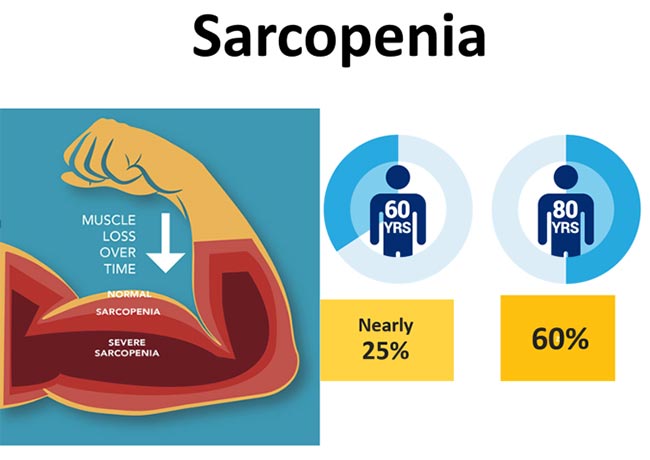
An estimated 25% of 60-year-olds have sarcopenia, and nearly two-thirds of those 80 years and older have lost serious amounts of muscle mass, which threatens a healthy lifespan and cuts down on your independence and quality of life.3,4 Sarcopenia leads to many functional limitations, including difficulties in walking, climbing stairs and carrying objects.5 The penalties of this functional decline include falls, disability, institutionalization6 and even death.7
One of the reasons I’m committed to lifelong exercise is because both of my parents died from frailty, and I’m determined to avoid sarcopenia, which took them prematurely. This was a powerful motivation for me to deeply study frailty so I could avoid their fate.
With society aging worldwide, the prevalence of sarcopenia increases the urgent need to establish prevention and intervention strategies. The U.S. Centers for Disease Control and Prevention now recognizes sarcopenia as an independently reportable medical condition.8
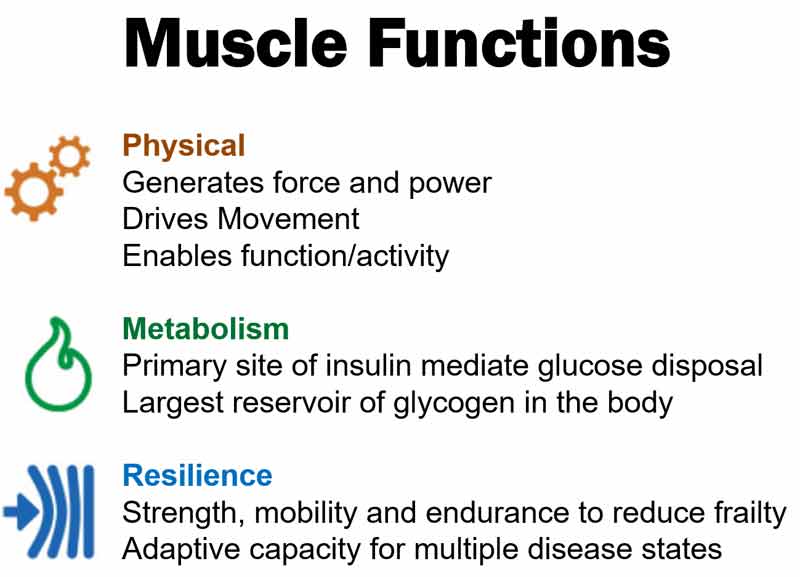
Skeletal muscles not only function to generate force and movement, but also play a major role in your metabolism, circulation and cognition, as seen in the following figure. Skeletal muscles also serve an important endocrine function. They secrete special cytokines (i.e., myokines) and transcription factors into the bloodstream, thereby regulating the function of other organs. It’s a metabolically active tissue with an important role in the maintenance of metabolic homeostasis.
Sarcopenia Is a Major Driver of Insulin Resistance and Disease
Skeletal muscle is the most abundant tissue in your body, comprising 40%9 to 55%10 of your body mass, and is the primary sink of insulin-mediated glucose disposal. Muscle is also the major site for insulin-stimulated glucose uptake, as well as the main energy consumer of fat.11 After meals, about 80% of glucose is deposited in your skeletal muscle.12,13
The loss of muscle mass with advancing age is thought to be a primary driver of insulin resistance in older adults.14 Again, this is because muscle is the major tissue where insulin causes glucose to be absorbed.
But it doesn’t end there. Remember, muscle makes up nearly half of your body’s tissues, so once your body runs out of sugar in the form of glycogen, it uses fat, especially if you are metabolically flexible. So, muscle is also the main energy user of fat in your body.15 The declining muscle strength and progressive mobility impairment with age also tends to reduce daily physical activity, which also contributes to metabolic dysfunction.16,17
The loss of resilience as a result of sarcopenia is underappreciated as a major factor in the ability to recover from life’s inevitable challenges. It is clear that elderly with low muscle mass experience delayed recovery,18,19 and have higher rates of complications and infections following surgery,20 greater drug toxicity21 and higher disease-specific and all-cause mortality.22
Sarcopenia also predicts both the risk for community-acquired pneumonia in the elderly,23 as well as 90-day mortality in patients suffering from aspiration pneumonia.24
Muscle Play a Role in Your Immune Function Too
Muscle is increasingly recognized as an organ with immune regulatory properties. As such, skeletal muscle cells modulate immune function by signaling through different soluble factors, cell surface molecules or cell-to-cell interactions.25 It is also speculated that sarcopenia contributes to immunosenescence — the gradual deterioration of your immune system — which is a leading cause of death in the elderly.26
Additionally, recent reviews found strong evidence that frailty due to sarcopenia27 is a risk factor for adverse outcomes, such as longer hospital stay, functional decline at discharge and both in-hospital and medium, lower quality of life,28 and long-term mortality.29
My Strategy and Recommendation to Combat Sarcopenia
So, what can we do about this progressive decline in muscle loss that sets you up for frailty and metabolic catastrophe? Why, exercise, of course. But here’s a little-known fact: Despite the well-known benefits of resistance training, less than 10% of those under the age of 75 in the United States participate in muscle-strengthening activities.
I believe one of the main reasons for this low rate of participation is that over half of those who do exercise engage in conventional resistance training end up getting injured. Another reason is that conventional strength training is considerably less effective in healthy older adults than in young adults.
This blunted anabolic response to exercise training in older individuals30 is likely a result of the age‐related decline in muscle fiber perfusion.31
This has been known for a long time. Seventeenth century physician Dr. Thomas Sydenham, who is known as the “English Hippocrates,” recognized nearly 400 years ago that vascular health and aging are interdependent and inversely related.32 His famous quote is: “A man is as old as his arteries.”
Microcirculation is the term used to describe blood flow through the capillaries. The main function of the microcirculation is the delivery of oxygen and nutrients to tissues while removing CO2, metabolic debris and toxins. Researchers believe this is related to a decrease in muscle fiber microcirculation of Type II muscle fibers and their associated stem cells.
Studies have shown that Type II muscle fiber-associated stem cells are located at a greater distance to their nearest capillary in older compared with younger men.33 There are a large number of circulating growth factors that are regulators of stem cell function34 and the delivery of these signals to activate your muscle stem cells and promote muscle growth relies on how close they are to the capillaries.
Once your microcirculation becomes compromised with age, Type II muscle fibers and their associated stem cells will be unable to receive enough nutrients and oxygen. Thankfully, there is a solution to this dilemma, and it is called blood flow restriction (BFR) or KAATSU in Japan, which is where it originated.
How I Radically Changed My Exercise and Lean Muscle
Now, I am no stranger to exercise. I have been exercising since 1968, which is 54 years. The problem is that the first 43 years were exclusively cardio, and in my case long distance running. I like to compete, so I got relatively decent and was eventually able to run a 2:50 marathon, which was good enough back then to get me on the post-graduate University of Chicago Track Club.
Unfortunately, I didn’t realize that while cardiovascular exercise can lower your risk of heart disease, it is a highly catabolic activity and will actually lower your ability to build muscle. Below is a picture of me taken during my peak running condition. As you can see by the arrow, I had a “gigantic,” 10.5-inch arm circumference.
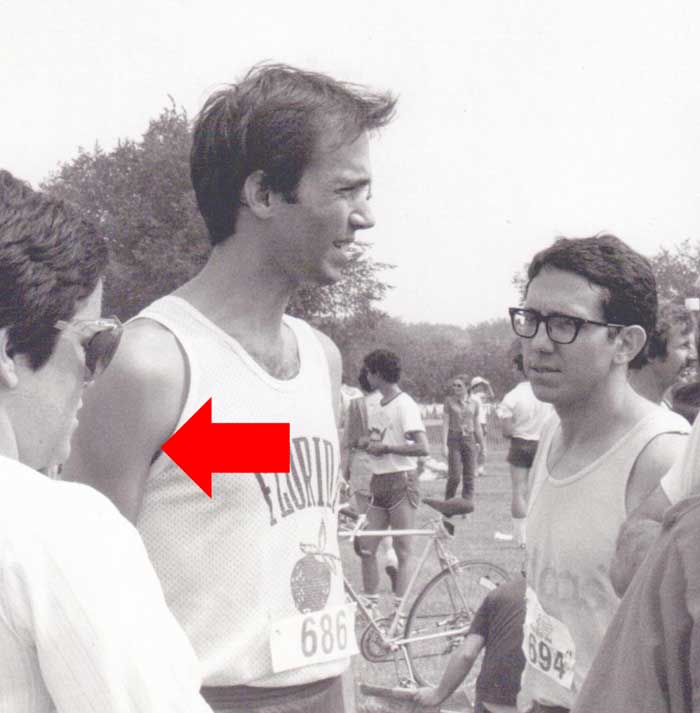
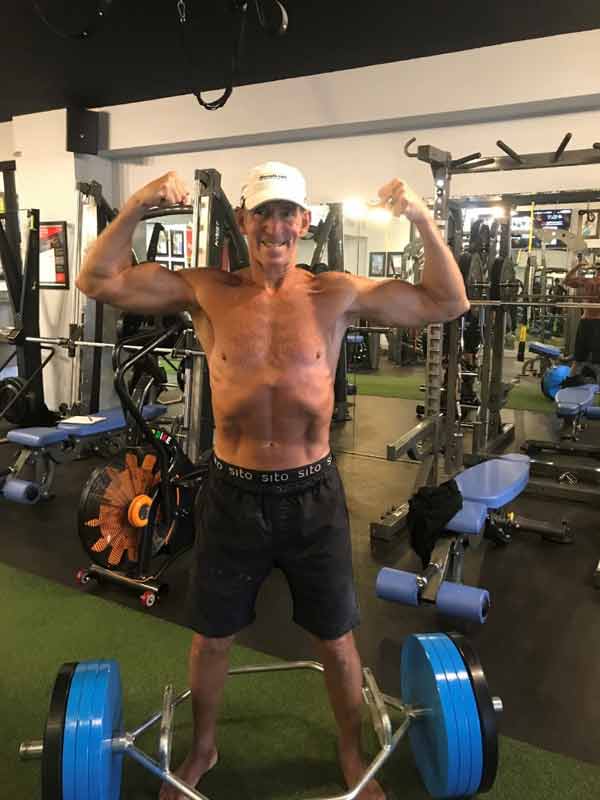
Contrast that to the picture below, taken December 8, 2020, where my arm circumference is 15 inches. I had just finished doing a PR video for the deadlift at 370 pounds. The video (below) was posted to Instagram on the same date.
The blue plates are 45 pounds each; the black ones are the same width as the blue ones, but are plastic and are 25 pounds; and the bar is 50 pounds. My team wanted me to do a story on how I did this to, hopefully, inspire you to similar, if not better, levels of strength.
I’m very proud to say that I’ve come even further since then and, now, even approaching 70, I’ve been able to regularly set personal records with some of the lifts that I’m doing, and have deadlifted four plates, which is 405 pounds.
Watch Me Leg Press 600 Pounds
Without doubt, building muscle is one of the most important strategies to improve and safeguard your health, especially as you age. You need protein reserves to survive serious disease, and most of your protein is stored in muscle. If you have very little muscle, you’re going to pass away prematurely because you have no amino acid reserves.
As mentioned, your muscle is also a primary regulator of your metabolism. It’s a primary site for glucose disposal because of the GLUT4 insulin receptors embedded in the muscle cell membranes. These receptors lower your glucose levels after a meal and decrease your risk for diabetes. It also interfaces with your immune system and helps optimize it.
If you take away one tip from this article, let it be this — it is rarely too late to start resistance training. You can build muscle mass after 60, which is about when I started and, earlier in 2022, as you can see in the video above, I set a new personal record in the leg press for 600 pounds, a significant improvement over the 400-pound deadlift I did in 2021.
How did I do it? That’s the focus of this article, and the great news is that virtually anyone can use this strategy, even if you’re older, like me, or already a bit frail, or have previously experienced exercise injuries.
The BEST Strategy I Know of to Increase Muscle Size
There are loads of ways to increase your muscle mass but they mostly involve moving, pushing or pulling heavy weights or resistance bands. The problem with this strategy is that if you are not in good shape, and especially if you are elderly, there is a very high likelihood that you will get injured. In most cases, it is not if you will get injured but when.
The answer to this problem is an exercise strategy known as BFR or KAATSU. As the name implies, BFR involves modifying the arterial inflow and venous outflow while you’re working the muscle by placing an inflatable band around the extremity.35 It is not like a tourniquet that stops all your blood flow, which is dangerous.
BFR was developed by Dr. Yoshiaki Sato of Japan about 50 years ago. In Japan, where it’s widely popular, it’s known as KAATSU, meaning “training with added pressure.”36 However since Sato does not speak or write English, the first article published about it in the U.S. was about 25 years ago.37
Conventional resistance training typically uses resistance at 70% to 85% of your one-rep max, i.e., the maximum amount of weight you can lift only one time. Since this weight is relatively heavy and close to your limit, injuries are almost guaranteed.
BFR is different, as it is a low-intensity resistance training, using weights that are just 20% to 35% of your one-rep max. With weights this light, your risk of injury is largely eliminated. In many elderly and frail individuals, weights of just 1 or 2 pounds, or no weight other than your body, are all that is needed to achieve the benefits.
How BFR Works
BFR’s ability to achieve such remarkable physiological benefits is directly related to slowing venous blood flow from the muscle group being engaged and creating a relatively hypoxic environment or low oxygen pressures in the exercising muscle.
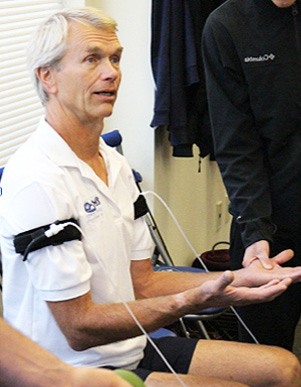
Venous flow moderation is optimally achieved by wrapping the extremity being exercised with an inflatable cuff or band.
The band needs to be tight enough to slow venous return to the heart, allowing venous blood to “pool” in the region of the limb that is being exercised, while loose enough to allow arterial blood to flow through.
With very light exercise, and in about 15 to 20 minutes, you get an exhaustive workout that sends a signal to your brain that says, “Hey, I’ve done something really hard here — you better help me recover and adapt to it.”
Your brain then sends out hormonal responses that cause your muscles and blood vessels to grow. Most would think that such light weights would be insufficient to provide any muscle strength improvements, but studies show a 36% to 40% increase in muscle strength after only 12 weeks, depending on your load and health.38
BFR Mimics Heavy Weight Training Without Any of the Risks
BFR training is frequently misunderstood as simply a conventional resistance training program with the addition of resistance bands. Nothing could be further from the truth.
Because the exercise is done with such low weights, there’s far less muscle fiber trauma and damage, especially relative to conventional strength training. This means you are able to recover much quicker, so you don’t have to dig yourself out of a hole the next few days. In most cases, you can exercise different body parts nearly every day and rapidly attain the metabolic and physical benefits.
To understand the mechanism of BFR you need to know that you have two basic types of muscle fibers. First you have slow-twitch oxidative (Type I) fibers designed for low-intensity long-lasting contractions. Secondly, you have fast-twitch glycolytic (Type II) fibers designed for high-intensity short-duration contractions. When you lose muscle, it typically occurs as a reduction in Type II muscle fibers.
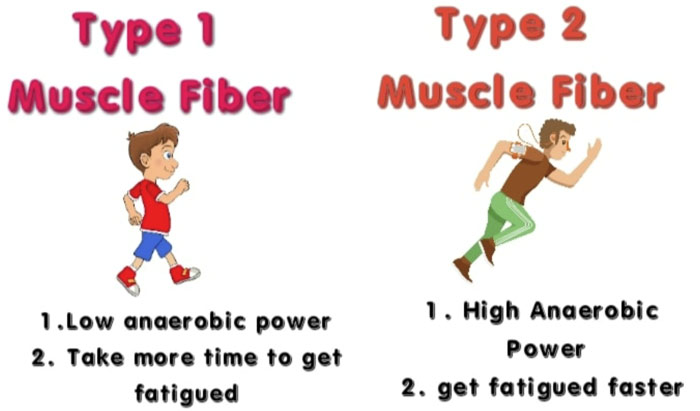
If you are going to increase muscle mass and strength in anyone, but especially the elderly, it is important to activate Type II muscle fibers during training, since these fibers have been shown to be far more responsive to growing muscle than Type I fibers39 and are generally much larger.
Weight training done at low weights will not activate Type II fibers — unless it’s done with BFR. Type I fibers are relatively more sensitive than type II fibers to hypoxia (low blood oxygen), as they have a greater oxygen consumption at rest compared to Type II fibers.40 BFR training takes advantage of this difference. Producing a relatively hypoxic environment in your muscles41 causes premature fatigue of the Type l fibers, thus forcing your body to rely on Type II fibers to continue the exercise.
At the same time, you’re also activating their associated muscle stem cells. This is likely one of the main mechanisms by which BFR can trigger muscle growth and prevent or prevent or treat sarcopenia. Simply moving light weights with high repetition without BFR will not engage Type II fibers because there is plenty of oxygen for the Type I fibers to work. Hence, the fast-twitch Type II fibers just aren’t called into action.
How BFR Affects Your Muscles and Overall Health
When you exercise and activate your Type 2 fibers with BFR, your muscles will generate a waste product called lactic acid or lactate, which is responsible for much of the metabolic magic. Activating Type 2 fibers also lowers the pH of the muscles. This is not because of lactic acid, but more related to the release of extra protons released in generating energy.42
Both lactate and proton accumulation are potent stimulators of growth hormone and insulin-like growth factor (IGF-1), which in turn leads to muscle growth.43 IGF-1 is a hormone that helps manage growth hormone (GH) in the body. It’s typically made by your liver, which is the largest contributor to IGF-1 circulating in your blood. However, when your liver secretes IGF-1, it will not act on those tissues that have capabilities of producing the hormone themselves, such as skeletal muscle.44
Interestingly, it is not the circulating levels of IGF-1 in your blood that cause your muscles to grow but, rather, the IGF-1 produced by your muscles when engaged in exercises like BFR, as that’s the key determinant for switching on the anabolic muscle building pathways.
While high levels of IGF-1 in your blood will inhibit autophagy and decrease your longevity,45 this does not appear to be the case when you increase IGF-1 in your muscle using anaerobic exercises like BFR. This IGF-1 does not leak out into your blood to suppress autophagy.46
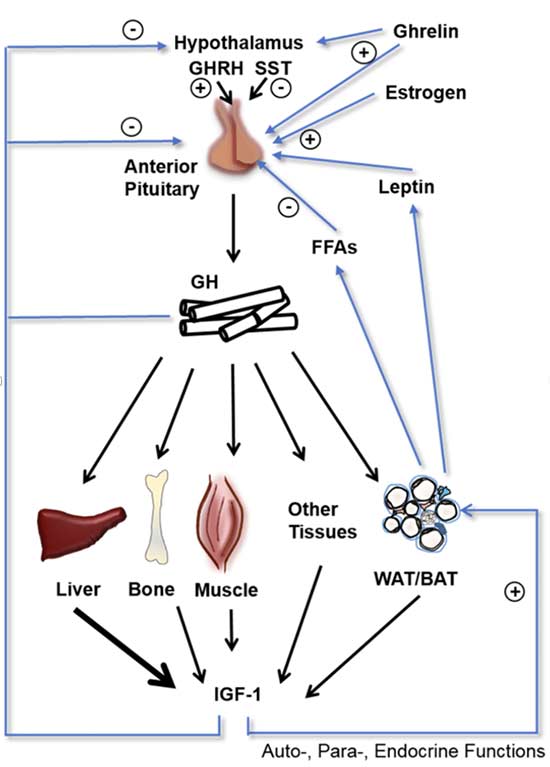
BFR will not only will add solid muscle mass, but also significantly increase your strength and endurance while reducing your body fat. For most people who are not competitive athletes, it’s really the only form of resistance training they need.
Competitive athletes also seem to benefit from BFR, but they would need to combine it with conventional strength training.47 In short, BFR works on a very simple principle: It tricks your body into believing that it’s moving far heavier weights than you’re actually using, and as a result generates compensatory metabolic responses, further detailed below.
Local and Systemic Effects of BFR
If you are elderly, what is really amazing is that your muscle growth with BFR is beyond what strength training with heavy weights can do. This is because you need good blood flow to your Type II muscle fiber stem cells, and as mentioned earlier, virtually everyone’s microcirculation decreases with age.
So, even if you send the signal to grow by doing conventional strength training, it won’t work as well if there isn’t enough capillary supply to your Type II fiber stem cells. BFR increases your microcirculation, your capillaries and venules and arterioles that are associated with them (see image below), largely because your muscles are working in a hypoxic (low oxygen) environment.
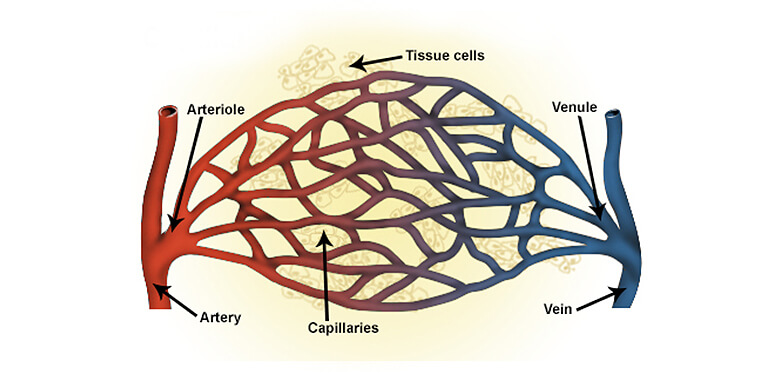 Microcirculation
How BFR Increases Your Microcirculation
This low oxygen tension causes the release of hypoxia-inducible factor-1 alpha (HIF-1 alpha),48 which in turn increases the hormone vascular endothelial growth factor (VEGF), which is one of the most powerful angiogenic signals in your body. It’s an extremely potent pro-blood vessel building cytokine or myokine. VEGF will help repair damage that has occurred to your blood vessels, improve elasticity and make them far more resilient to damage and accidents.
BFR has been shown to raise VEGF levels by 410% in young adults.49 Essentially it acts as “fertilizer” for growing new blood vessels and capillaries to your muscle stem cells. BFR training has been shown to increase muscle stem cells by 300% after eight days of training.50
Here is the KEY point: The VEGF released by BFR is systemic and carried in your blood to your entire body. It just doesn’t work on the limbs you are exercising. It increases blood vessel growth throughout your entire body, which seems to be the perfect antidote for Dr. Syndenham’s theory that a man is old as his arteries.
In short, BFR will help aging men have the arteries of boys. VEGF also increases microcirculation in your brain and heart. In Japan, BFR is frequently used for stroke and cardiac rehab precisely for this purpose.
BFR also increases the production of the important regulatory free radical, nitric oxide (NO), which further contributes to an increase in VEGF.51 NO is an important signaling molecule produced at high levels in muscle by neuronal nitric oxide synthase (nNOS). BFR, by way of increasing NO, has been found to stimulate muscle satellite stem cells and proliferation.52
There is a load of interest in NAD+, as it’s a primary fuel for longevity proteins, and it becomes depleted as you age. A combination of BFR along with 50 milligrams of niacinamide per day will radically increase NAMPT, which is the rate limiting enzyme for NAD+. Honoring your circadian rhythm is also an important part of the equation.
The Benefits of Osmotic Pressure

Metabolic stress, or the accumulation of metabolites during exercise, has been documented to be important for muscle growth.53,54,55 One of the most important metabolic stressors produced in BFR training is lactate, which I touched on earlier. The lactate released by the muscles is largely a result of Type II muscle fiber burning glucose into pyruvate and then converting pyruvate to lactate.
When you occlude the veins in BFR, you limit the venous blood flow return back to your heart, which allows the lactate to accumulate to high concentrations in your muscle,56 where it creates an osmotic pressure differential that requires the influx of water to normalize.
As you can see by the figure below, osmotic pressure is the pressure that must be applied to a solution to halt the flow of solvent molecules through a semipermeable membrane (osmosis). It is determined by how many molecules are in the solution. The more molecules, the higher the osmotic pressure.
This flow of water into the muscle57 contributes to intracellular swelling,58 which creates an acute and measurable increase in the size of the muscle that is typically quite visually obvious.
The mechanical pressures created by this cell swelling also trigger the activation of Type II muscle fiber stem cells, which causes muscle growth and further increases muscle protein synthesis and decreases protein breakdown in your muscles.59 So, the higher the lactate levels and swelling created with BFR training, the better the muscle-building results will be.
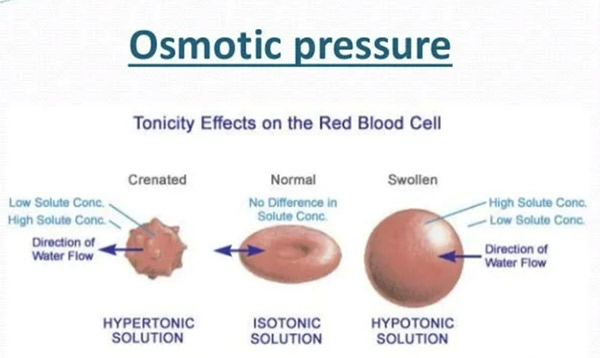
Interestingly, some of the lactate produced locally in your muscles actually diffuses into the bloodstream and crosses the blood brain barrier through monocarboxylate transporters (MCTs), and is utilized as fuel for the brain.60,61
Similar to ketones, lactate can be an important brain fuel, as at high lactate concentrations, up to 60% of the brain’s energy can come from lactate. Once the lactate reaches your brain — which occurs when you release the bands from your extremities — it increases brain derived neurotropic factor (BDNF),62 a member of brain growth factors that contributes to neuroplasticity and enhanced cognitive performance.63,64
I first learned about BFR in 2017 at a Beverly Hills biohacking event. I’ve been using it nearly every day for at least an hour a day since then and have compiled a number of insights in that time. The main difference between KAATSU and BFR is the tool you’re using. BFR can be done with restriction bands, but KAATSU uses a device that also provides intermittent and not just constant pressure.
From the start, I was really intrigued with the concept of BFR, so I purchased a KAATSU unit developed by Sato. In cycle mode, the KAATSU device produces 30 seconds of pressure followed by five seconds of no pressure, and does this for eight progressively increasing pressure steps per cycle. What this does is provide intermittent hypoxia, which catalyzes the steps I described above.
Since the intermittent hypoxia does not last more than 30 seconds, it does not damage your body, which can happen when you use the cheaper KAATSU bands or BRF bands that provide constant pressure. When I first started using BFR, I felt it was important enough to encourage people to get inexpensive bands that don’t provide intermittent compression. The BFR bands were only $15 and allowed far more people to access this powerful fitness strategy.
But after using the unit for five years, I have learned that when you use the cheap bands, or even KAATSU in the constant mode, you can get spastic large muscles. Using constant pressure increases the hypoxia time, and hence the lactic acid can build up to excessive levels. The only way to get the benefits without the downside is to avoid the constant mode and cheap bands.
This is why I only use the cycling KAATSU mode, not the constant mode or cheap bands, and why I now only recommend using the KAATSU intermittent hypoxia system, which is far safer and provides greater health benefits. Sato himself admits that the constant mode requires a lot of experience and know-how before it can be used safely. The cycling mode, however, is safe to use for anyone. “Even someone in their 80s can do the KAATSU cycle mode without risks,” he says.
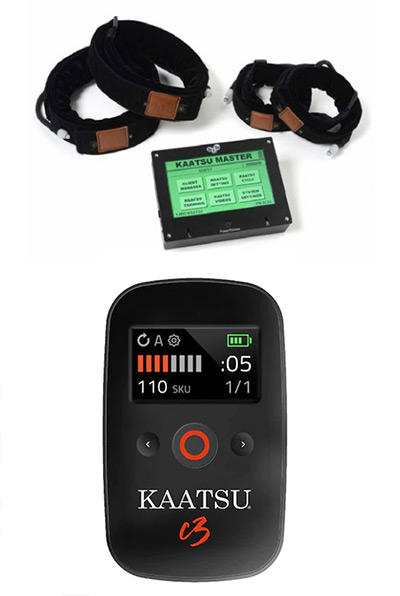 For a limited time, you can get 10% off the KAATSU band by using this link: www.kaatsu.com/go/NVIC
Since I first started using KAATSU, I have gained about 25 pounds of muscle mass after the age of 65, which is extraordinarily hard to do. I am convinced that this is largely a result of using KAATSU and getting enough protein, as I do not take any drugs at all, let alone performance-enhancing drugs.
If I had only done strength training without KAATSU, I would likely not have gained anywhere near as much muscle mass. Again, this is largely due to older people having decreased microcirculation to feed the Type 2 muscle stem cells. You need the VEGF to increase blood supply to these cells, and conventional strength training does not do that very well.
Why I Only Recommend KAATSU Cycle Mode
The KAATSU set is ideal as it is far easier to dial in to the correct pressures. You also get the benefit of intermittent pressure automatically, without having to adjust the bands yourself. With the KAATSU system you can control the tightness in two ways.
The initial tightness is after you manually tighten the bands. This is the base pressure and typically around 10 to 25 mm/Hg for the arms and 15 to 35 mm/Hg for the legs, depending on your age, vascular elasticity and physical condition.
The inflation pressure is what you set the compressor to pump the cuff up to. This ranges from 80 to 400 mm/Hg for both the arms and legs. KAATSU is the only unit that will cycle the inflation of the bands on and off, which, again, is far healthier for your muscles. Sato notes (see video above):
“I gradually increase the pressure on each set, personally, doing up to eight sets. The first set has no effect, but my muscles pump up significantly from the sixth to eighth sets. If you do that for two or three circuits, the KAATSU cycle mode will have the same effect as the KAATSU constant mode. Therefore, I recommend the KAATSU cycle mode to the general public.”
How to Determine Your Ideal Level of Resistance
Instead of using heavy weights that can increase your risk of injury during conventional strength training, BFR requires just 20% to 33% of the resistance used in conventional resistance training, which makes it much safer for everyone. This light weight is then combined with a high volume of repetitions while externally applied compression mildly restricts blood flow to the active skeletal muscles in the legs or arms.65
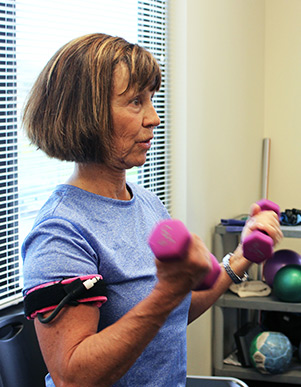
As for weight, your goal is to find the “sweet” spot. If you are elderly or have not been exercising regularly, this may mean no weights at all.
Ideally, you would have access to a variety of progressively increasing resistance movements to choose from, including body weight exercises. You typically won’t need to go higher than 25 pounds, though.
Once you have access to the weights, you can find the heaviest weight you can do for just one repetition of your planned exercise. This is your one-rep max (1RM).
Then you divide that weight by five (20%), four (25%) or three (33%). For example, if your max weight for a bicep curl is 25 pounds, you would select a 5-pound dumbbell to start.
If you don’t know your one-rep maximum, then it is always better to start too low, especially if this is your first time, as your tissues will need time to adapt to these pressures and movements. Eventually you will want to increase your weight so you notice the following signs during your KAATSU session.
|
Signs That You Are Using the Correct Weight
These two signs are an indication that you have activated your sympathetic nervous system by firing your Type II muscle fibers. This is because properly performed BFR is a high intensity exercise that will exhaust your Type I muscle fibers and activate your Type II fibers. You can also measure the circumference of your limb before and after the exercise. You should notice an increase of at least one-half inch and possibly 1 inch or more — or, alternatively, the muscle will most certainly feel tighter and appear more toned. Another great indication is that you will be able to do 30 reps the first set and then 15 to 20 reps the next and, most likely, are unable to do five to 10 reps in the last set because you are in muscle failure. It is important, though, not to fool yourself and stop just because it is hard. Muscle failure means that you are unable to do another rep if your life depended on it. |
Unless you are just starting (see warning box below), it is best to start by limiting your weight to only 20% of your 1RM and build up from there. By starting at a lighter weight, it will give your body a chance to adjust to BFR and avoid potential injuries.
An additional benefit is that if you stick with lighter weights you can train more frequently because you won’t cause as much muscle damage. For those interested in greater strength or muscle gains, you can increase to one-quarter and then to one-third the weight of your 1RM. If you are doing the exercises correctly, it will likely take you about three months to progress up to 33% of your 1RM. There is no need to go any higher than this.
If you don’t know your 1RM, then all you have to do is pick a weight you believe you can easily do 30 reps with and start there. If you can easily do all three sets at that weight, then it’s clearly too low a weight and you would benefit from increasing the resistance, especially if you don’t notice an increase of at least one-half inch in the circumference of your biceps after the exercise.
Conversely, if you are unable to complete 20 repetitions on your first set, the resistance is likely too high and needs to be decreased.
!WARNING FOR FIRST-TIME USERS
The only exception to these weight recommendations and initial pressure of the bands is when you are first starting out. It is important to realize that your tissues need time to adjust to BFR training. For the first session, you want to start with a light pressure, likely under 40%, and use only 10% of your 1RM. Then over the next two sessions increase to the minimum recommendations.
Important: You Need to Push Hard to Get the Benefits

It is important to recognize that the level of intensity you use is key. Muscle growth is highly dependent on metabolic factors, and training sets are ideally done to close to failure to achieve this.66,67
The number of repetitions completed during a training session is less important to cause long term changes in hypertrophy and strength than doing repetitions close to failure, which likely causes greater metabolic stress.
Perceived exertion is a major element here. You really need to push hard to muscle failure. This is a very subjective determination, but I hope the featured videos will give you an idea of the amount of intensity and effort one needs to put into this short exercise.
You can also notice if you are sweating and you are out of breath. Since BFR is a high intensity exercise and stimulates your sympathetic nervous system if done properly, this is precisely what you should be experiencing when you do BFR training.
A recent study in the elderly showed that physical weakness in aging may be due, at least in part, to impairments in brain and nerve function, rather than changes in the muscles themselves.68
The researchers did the study by asking participants to push to failure and once they said they had, they stimulated the muscle electrically and were still able to get the muscle to contract, which indicated that the muscle was not at full failure. In fact, in most cases the muscle was still able to contract about 25% more.
If you are unable to push close to failure, you will not receive the maximum benefits possible from BFR. Also, shorter recovery periods between exercises and sets will heighten the metabolic stimulus to enhance your body’s ability to build muscle and strength.69
Remember, you can start slowly and work your way up over time. Building muscle is a marathon, not a sprint. This is especially important if you are elderly or if you have been mostly sedentary; you likely will not need to use any weights.
You can start with just the weight of your body and gradually progress to 1- and 2-pound weights. But if you really are interested in triggering the benefits of reversing sarcopenia, then it is key to push hard — otherwise you will not achieve all the wonderful metabolic benefits that BFR has to offer you.
General KAATSU Workout Guidance
Although you can adapt KAATSU training to many types of resistance training, including machines, it seems the ideal way to implement it is by using simple dumbbells. Here’s some general workout guidance when using KAATSU.
Number of repetitions in each set:
|
Typically, upon starting KAATSU, you’ll notice a high perceived degree of difficulty. However, over a few weeks this perception of difficulty dampens as adaptation to training occurs.70 At that point, it becomes important to continue to push with the same level of intensity.
One of the major advantages of KAATSU versus high-load resistance training is that you cause far less muscle damage, which allows you to train more frequently. The frequency of training needs to be individualized as it varies widely. It can range from as little as twice a week up to three times a day, depending on your fitness and training goals.
Typically, the lower the percentage of 1RM used, the more frequently BFR can be done.71 Heart rate variability and the Oura ring can also be used to determine your ideal recovery periods. The Oura ring measures your heart rate all night and will tell you not only your lowest heart rate but also at what time it occurs. The higher your heart rate and the closer your lowest heart rate time is to awakening, the more recovery you need.
How to Perform BFR
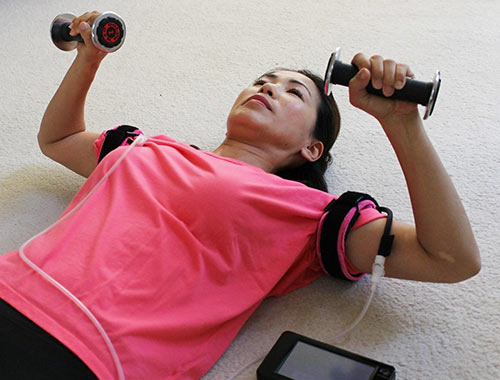
Begin by applying the bands to your upper arm, very close to your armpit, just where your bicep muscle begins and deltoid muscle ends.
On your legs, you can apply them right below your hips at the top of your quads, close to your groin. There are misconceptions that you need to put the bands close to the muscle you are seeking to focus on, but this is unnecessary.
There is a crossover training effect and your muscles that aren’t blood flow-restricted will also receive benefit once the bands deflate. In other words, you will gain benefits in your chest muscles even though you are only restricting your arm muscles.
Do not put the bands over your knees or elbows, as this could cause nerve damage. Only put the bands on your body as described above, because the goal is to increase your vascular elasticity and elicit a metabolic and hormonal response that ultimately leads to aesthetic and muscular improvement.
When you engage in the exercise properly, lactic acid will accumulate in the muscle, which will be associated with a burning-like pain due to the excess hydrogen ions being produced. It will clearly be uncomfortable, especially as you push to muscle fatigue. It is important to understand that this subjective sensation of discomfort will improve with time.
It will likely take four to six weeks to develop the strength and hypertrophy gains. Once achieved, a study72 in elderly participants showed that doing BFR training twice a week was sufficient to maintain the gains. When training decreased to once a week, the gains failed to be maintained.
If you are able to, there is benefit to doing BFR every day. You can just vary the number of exercises you do per day. It could be as simple as applying the bands to your legs and walking for 30 minutes, or putting them on your arms and swimming. It doesn’t have to involve weights. You can also use them in your favorite sport.
Get Stronger and Healthier With Age
In summary, the four key lifestyle strategies that have allowed me to get healthier with age are TRE in combination with a cyclical ketogenic diet (which I’ll review below); exercising while fasting; and using KAATSU in my strength training routine.
While doing any one of these in isolation would likely improve your health, when done in combination, they really catalyze synergistic changes that optimize your entire system. The best news of all is that it’s never too late to start. My transformation began in my 50s, and I feel better now at 69 than I did back then. You can transform your health and physique too. You just have to get started, and keep going!
Your Food Choices Are Crucial for Muscle Building
My understanding of optimizing nutrition for health has been a greater than five-decade journey. At the beginning, I fell into the low-fat diet myth and thought I was eating healthy with my grains and margarine alternatives, but I was fooled. The key here is that I was motivated to make the right choices: I simply lacked proper mentoring and information.
That was one of the primary reasons I started this website over 25 years ago. I believed that people didn’t need to make the same silly mistakes I made, and by sharing my insight I could save them needless pain and grief.
Another major mistake I made was never taking time off from eating. It seemed to make sense that you need to eat around the clock, and that going without food for days could wreck your health by losing muscle mass from inadequate protein intake. After researching this, I realized it was seriously wrong and counterproductive. Your body actually requires regular intervals when you aren’t eating, and failing to do so is a prescription for metabolic disaster.
Research by Satchidananda Panda, Ph.D., suggests 90% of people eat across more than 12 hours per day, and perhaps 50% of the population eat across 16 hours a day. There are even many who wake up in the middle of the night to eat.
This constant hunger occurs because when you’re using carbs rather than fat as your primary fuel, you need constant refueling as carbs burn so much quicker than fat. I wrote extensively about this in my best-selling book, “Fat for Fuel,” Since your body has a minute supply of stored carbs relative to fats, you need to eat far more frequently to avoid feeling ravenously hungry and tired as your body runs out of fuel.
The remedy for this is twofold: Eat a cyclical ketogenic diet (high in healthy fats and low in carbs, with higher amounts of carbs cycled in), and restrict the window of time in which you consume all your meals each day. Both of these strategies will help retrain your body to burn fat for fuel, which is a sign of metabolic flexibility that is crucial for optimal health, and once you can burn fat, hunger is significantly decreased and you can go without food far longer.
Time-Restricted Eating Is a Key Health Principle
Time-restricted eating (TRE) is one of the most important health principles of our time. Contrary to modern belief, your body isn’t designed to be fed throughout the day, and the near-continuous grazing that most engage in can have serious health consequences.
When you eat throughout the day and never skip a meal, your body adapts to burning sugar as its primary fuel, resulting in the downregulation of enzymes that utilize and burn stored fat.73,74 As a result, you become progressively more insulin resistant and start gaining weight. Many biological repair and rejuvenation processes also take place while you’re fasting, and this is another reason why all-day grazing triggers diseases while fasting prevents them.75
Even though TRE was a major breakthrough for me, I have recently come to realize that it is not for everyone. However, it is for most people as 95% of the people in the U.S. are metabolically inflexible. If you are insulin resistant than TRE is vital to implement but only until you become insulin sensitive.
If you continue TRE for too long, you will create inflammatory stressors by having your body generate cortisol to have your liver create glucose because your body is low in it. So once you become metabolically flexible it is important to increase your eating window to eight to10 hours or even 12 hours in the summer.
There are a number of different intermittent fasting regimes, some of which are more extreme than others, but all are based on the premise that you need to fast for periods of time. TRE is one of the easiest to follow as you simply abstain from food for 16 to 18 hours a day and eat all your meals within a window of six to eight hours. A six- to eight-hour window seems to be close to the metabolic ideal for most.
You Must Eat Adequate Protein to Increase Muscle Mass
Your muscle is made of protein and if you don’t supply enough of the raw material your body will not be able to generate new muscle tissue. Fortunately, there is an easy formula to follow that will supply the crucial amino acids your body needs to stimulate muscle protein synthesis.
The most important amino acids will be the branched chain amino acids, leucine being the key. You will need about three grams of leucine within one to two hours of your workout to activate mTOR, the anabolic signal and trigger to build tissue.
If you eat enough high-quality protein according to the following formula you will invariably have enough leucine. The minimum is about 1.2 grams of protein per kilogram of body weight (0.54 grams/pound) per day. Athletes and the elderly could benefit from even higher levels at 1.6 grams/kilogram (0.71 grams/pound).
Just be sure to avoid seeds and all nuts (except macadamia) as they are high in omega-6 fat linoleic acid (LA), which will cause other metabolic complications. Chicken and pork should also be avoided as they are monogastric animals that are fed commercial grains that are high in LA. They also have high LA levels in their tissues.
- 1 von Haehling S, Morley JE, Anker SD. From muscle wasting to sarcopenia and myopenia: update 2012. J Cachexia Sarcopenia Muscle 2012;3:213–217
- 2 I.H. Rosenberg Sarcopenia: origins and clinical relevance J. Nutr., 127 (5 Suppl) (1997), pp. 990S-991S
- 3 Aversa Z, et al The clinical impact and biological mechanisms of skeletal muscle aging. Bone. 2019 May 22;127:26-36. doi: 10.1016/j.bone.2019.05.021
- 4 Calcif Tissue Int. 2018; 103(1): 35–43. doi: 10.1007/s00223-018-0388-2
- 5 J. Gerontol. A Biol. Sci. Med. Sci., 64 (12) (2009), pp. 1333-1336. doi: 10.1093/gerona/glp130
- 6 J. Am. Geriatr. Soc., 51 (3) (2003), pp. 314-322
- 7 J. Gerontol. A Biol. Sci. Med. Sci., 71 (1) (2016), pp. 63-71
- 8 Fed Pract 2017 Jul 9;34(7):24-32
- 9 Cell Metab 2009 Dec;10(6):507-515
- 10 Cell Metab10:507–515
- 11 Cell Biol. 2005 Oct;37(10):2047-63
- 12 Diabetes 1982 Nov; 31(11): 957-963
- 13 N Engl J Med 1990; 322:223-228
- 14 Diabetes Care 2009 Nov; 32(suppl 2): S157-S163
- 15 Int. J. Biochem. Cell Biol. 2005, 37, 2047–2063
- 16 J. Gerontol. A Biol. Sci. Med. Sci. August 2018; 73(8): 1070-1077
- 17, 27 Redox Biol. August 2020; 35:101513
- 18 Surg Today. 2018; 48: 151–157
- 19 Ageing Research Reviews 2018 Nov;47:123-132
- 20 Liver Transpl. 2013 Dec; 19(12): 10.1002/lt.23752
- 21 Clin. Cancer Res. 2009 Apr 15;15(8):2920-2926
- 22 Cancer 2014 Sep 15;120(18):2910-2918
- 23 Arch Gerontol Geriatr. May-Jun 2019;82:100-105
- 24 J Am Geriatr Soc. 2017; 65: e18–e22
- 25 Autoimmun Rev. 2018; 17: 518–529
- 26 EBioMedicine. 2019 Nov;49:381-388
- 28 Age Ageing. 2019; 48: 16–31
- 29 Ageing Research Reviews 2019 Dec;56:100960
- 30 J Physiol 2015;593:2721–2734, doi:10.1113/JP270343
- 31 Toda N. Age‐related changes in endothelial function and blood flow regulation. Pharmacol Ther 2012;133:159–176, doi:10.1016/j.pharmthera.2011.10.004
- 32 Life Sciences Volume 118, Issue 2, 24 November 2014, Pages 97-109 doi: 10.1016/j.lfs.2014.09.009
- 33 J Cachexia Sarcopenia Muscle 2016; doi:10.1002/jcsm12105
- 34 Am J Physiol Cell Physiol 2013;304:C717–28
- 35, 65 Frontiers in Physiology 2019; 10: 533
- 36 Sports Med. 45, 313–325. doi: 10.1007/s40279-014-0288-1
- 37 Eur J Appl Physiol Occup Physiol. 1998;77:189–191
- 38 Front Physiol. 2019; 10: 446, Discussion: Muscle Strength
- 39 J Appl Physiol. 1996;81(5):2004–12
- 40 Microvasc Res. 1968;1:1‐14
- 41 J. Strength Cond. Res. 26 611–617. 10.1519/JSC.0b013e3182281c69
- 42 Robergs, RA, et al. Biochemistry of exercise-induced metabolic acidosis. Am J Physiol Regul Integr Comp Physiol 287: R502–R516, 2004
- 43 Clin Physiol Funct Imaging. 2015 May;35(3):197-202. doi: 10.1111/cpf.1214
- 44 FASEB J. (2012) 26:3691–702. 10.1096/fj.11-203026
- 45 Ekmekcioglu C Nutrition and longevity – From mechanisms to uncertainties. Crit Rev Food Sci Nutr. 2019 Oct 21:1-20. doi: 10.1080/10408398.2019.1676698
- 46 Musaro, A, et al Counteracting sarcopenia: the role of IGF-1 isoforms Aging (Albany NY). 2019 Jun 15; 11(11): 3410–3411. doi: 10.18632/aging.102027
- 47 J Hum Kinet. 2018 Dec; 65: 249–26
- 48 Cell 2019 Mar 7;176(6):1248-1264
- 49 Med Sci Sports Exerc. 2012 Nov; 44(11): 2077–2083
- 50 J Physiol 2012; 590(17): 4351–4361, Myogenic stem cell content Page 4355 (PDF)
- 51 Journal of Applied Physiology May 1, 1999; 86(5): 1513–1518
- 52 Mol BiolCell. 2000;11(5):1859–97
- 53 J Appl Physiol.2012;113(2):199–205
- 54 Schoenfeld BJ. Potential mechanisms for a role of metabolic stress in hypertrophic adaptations to resistance training. SportsMed. 2013;43(3):179–94
- 55 J Appl Physiol. 2010;108(6):1563–7
- 56 Med Hypotheses. 2012;78(1):151–4
- 57 J. Appl. Physiol. 2015;118:742–749. doi: 10.1152/japplphysiol.00054.2014
- 58 Nutrients. 2019 Apr; 11(4): 869. doi: 10.3390/nu11040869
- 59 Lang F, Busch GL, Ritter M, et al. Functional significance of cell volume regulatory mechanisms. Physiol Rev. 1998;78(1):247–306
- 60 Ther. Adv. Psychopharmacol. 2017;7:85–89. doi: 10.1177/2045125316675579
- 61 Brooks G.A. The Science and Translation of Lactate Shuttle Theory. Cell Metab. 2018;27:757–785. doi: 10.1016/j.cmet.2018.03.008
- 62 Neurosci. Lett. 2011;488:234–237
- 63 Med. Hypotheses. 2017;106:1–5
- 64 Neurosci. Lett. 2016 Sep 6;630:247-253
- 66 Sports Medicine 2013;43:179–194
- 67 Frontiers in Physiology June 2019 (PDF)
- 68 JAMA Network Open September 25, 2019
- 69 Medical Hypotheses February 2015;84:145–149
- 70 J Sports Sci. 2019 Aug;37(16):1857-1864
- 71 Frontiers in Physiology 2019; 10: 533, BFR-RE
- 72 Proceedings of the International Conference on Sports and Exercise Science 2009. Bangkok, Thailand Pages 336-341 (PDF)
- 73 Cell February 8, 2018; 172(4): 731-743.E12
- 74 Medical News Today February 8, 2018
- 75 Science November 16, 2018; 362(6416): 770-775, Page 1