Weight Loss
now browsing by category
The old calorie-counting method may work the first time, but bounces back into even more weight gain. Correct nutrition means minimal carbohydrate, moderate protein, healthy fats, Vitamin D3, combined with exercise for a great, healthy body.
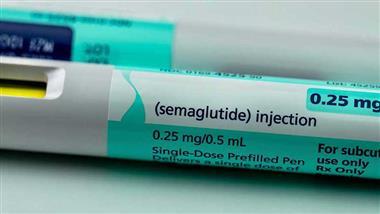
Wegovy Linked to Rare ‘Eye Stroke’ That Can Cause Sudden Blindness
Reproduced from original article:
https://articles.mercola.com/sites/articles/archive/2026/08/02/wegovy-eye-stroke-vision-loss-risk.aspx
Analysis by Dr. Joseph Mercola August 02, 2026
Story at-a-glance
- Researchers found that Wegovy showed the strongest reported association with a rare optic nerve injury that can cause sudden vision loss, raising new questions about the safety of high-dose semaglutide formulations
- Men using Wegovy showed the highest reported risk in the FDA safety database, with odds of optic nerve injury appearing substantially higher than those reported for women
- Analysis of more than 400,000 online discussions revealed that many GLP-1 users frequently reported fatigue, low energy, menstrual changes, chills and hot flashes — symptoms that receive far less attention than digestive side effects
- Real-world patient conversations and artificial intelligence analysis are helping researchers identify emerging drug safety signals much faster than conventional reporting systems alone
- Your body already produces its own GLP-1 hormone through gut microbes that generate butyrate, and restoring this natural system through better gut health supports appetite control and metabolic function without relying on injections
GLP-1 drugs have become some of the most widely prescribed weight-loss medications in the world, and interest in them continues to grow. Researchers are now studying these drugs not only for obesity and Type 2 diabetes, but also for a growing list of other conditions. As millions more people begin using them, scientists are gaining a clearer picture of how these medications affect the body outside the tightly controlled environment of clinical trials.
Much of the public conversation around drugs such as Wegovy and Ozempic focuses on weight loss results. Yet every medication produces effects that extend beyond its primary purpose. Some of those effects are expected and well documented. Others emerge only after large numbers of people begin using a drug in everyday life, creating opportunities for researchers to identify patterns that weren’t obvious during the approval process.
Two recent investigations approached this issue from very different angles. One examined reports submitted to a major federal safety database, while the other analyzed hundreds of thousands of online discussions from people sharing their experiences with these medications. Together, they offer a broader view of what researchers are learning as GLP-1 drugs move to mainstream use.
The findings reveal how modern safety monitoring extends far beyond conventional clinical trials and why researchers are paying close attention to new signals as these medications reach an ever-larger population. One of the most concerning discoveries involved a rare vision-threatening complication that appeared more frequently with one specific GLP-1 formulation than researchers expected.
Wegovy Showed the Strongest Signal for a Rare Eye Stroke Linked to Vision Loss
An analysis published in the British Journal of Ophthalmology examined more than 30.6 million reports submitted to the U.S. Food and Drug Administration’s (FDA) Adverse Event Reporting System between 2017 and 2024.1
They wanted to determine whether semaglutide drugs, including Wegovy, the weight-loss version, and Ozempic, the Type 2 diabetes version, were associated with ischemic optic neuropathy (ION), a condition that damages the optic nerve and threatens vision. Among 31,774 semaglutide-related reports, researchers searched for unusual patterns that might indicate a rare but serious safety concern.
• Wegovy stood out from every other semaglutide product — Although Ozempic generated more reports overall because it reached the market earlier, Wegovy showed by far the strongest association with optic nerve injury.
Researchers identified 28 reports linked to Wegovy and 47 linked to Ozempic, yet Wegovy produced a much stronger safety signal than would normally be expected. Statistical analysis showed that Wegovy users had nearly five times greater odds of reported optic nerve injury than Ozempic users after adjustments for other factors.2
• The difference between the drugs was substantial — Researchers use a measurement called a reporting odds ratio to identify unusual safety patterns. On this scale, a value near 1 means a side effect appears about as often as expected. Wegovy reached 74.89 and Ozempic 18.81 — both far above baseline, but Wegovy in a class of its own.
This means reports of optic nerve injury appeared far more frequently with Wegovy than researchers would expect to see by chance alone. Because both drugs contain semaglutide, the findings suggest that dose and formulation matter, not just the active ingredient itself.
• Men showed the highest reported risk. When researchers analyzed the reports by sex, male Wegovy users produced the strongest signal in the entire study, with odds more than 116 times higher than expected. Additional statistical analysis found that men had more than three times greater odds of reported optic nerve injury than women across semaglutide products. Researchers didn’t identify the reason for this difference, but the magnitude of the gap drew significant attention.
• Higher doses and faster absorption could help explain the findings — Wegovy is prescribed at higher doses than Ozempic, resulting in greater semaglutide exposure over time. The authors suggested that larger doses could contribute to blood pressure fluctuations, fluid loss and disturbances in autonomic nervous system function, which controls automatic processes such as heart rate and blood vessel regulation.
Reduced blood flow from these changes could place the optic nerve under stress because it depends on a continuous supply of oxygen and nutrients. Researchers also noted that no ION cases were reported for Rybelsus, the oral tablet — though far fewer people take it, so the absence isn’t conclusive. Still, its slower absorption and lower drug exposure fit the pattern that dose, not just the active ingredient, may drive the risk.
• Researchers believe the findings warrant urgent investigation despite important limitations — The FDA database can’t prove that Wegovy directly caused optic nerve injury, nor can it determine how frequently the complication occurs among all users. Reporting patterns can also be influenced by media coverage and public awareness.
Even so, the researchers described their findings as the first evidence of a formulation-dependent and dose-dependent association between semaglutide products and ION, with Wegovy showing the strongest signal observed to date. They called for urgent prospective studies to determine whether certain users face a greater risk and whether additional safeguards are needed.
Thousands of GLP-1 Users Reported Side Effects That Clinical Trials Overlooked
A study published in Nature Health by researchers at the University of Pennsylvania examined 410,198 Reddit posts discussing semaglutide and tirzepatide medications, such as Zepbound and Mounjaro, between May 2019 and June 2025.3 Like semaglutide, tirzepatide is used for weight loss and Type 2 diabetes, but it works on two appetite- and blood sugar-regulating hormones instead of one, which is why it is often described as a next-generation version of the same general drug class.
Using artificial intelligence (AI) to sort through the discussions, researchers identified 67,008 people who reported taking one of these drugs and analyzed the side effects they described in their own words. The goal was to determine whether patients were experiencing symptoms that clinical trials and official reporting systems fail to capture.
• Nearly half of users reported at least one side effect — Researchers found that 43.5% of users discussed one or more adverse effects while taking these medications. Digestive complaints dominated the conversations, but the study uncovered a much broader range of concerns than those typically highlighted in drug advertisements or prescribing information.
The findings suggest that everyday quality-of-life symptoms often become apparent only after large numbers of people begin using a medication in the real world.
• Fatigue emerged as one of the most frequently discussed problems — Many users described feeling unusually tired, drained, weak or lacking motivation after starting these medications. Fatigue ranked among the most common complaints in the dataset, yet it receives far less attention than nausea, vomiting or digestive symptoms.
For many people, persistent low energy affects exercise, work performance, concentration and daily productivity, making it a significantly disruptive side effect that’s reported by users.
• Women repeatedly reported changes in reproductive health and body temperature — Nearly 4% of users who discussed side effects also reported menstrual irregularities, including heavier bleeding, bleeding between cycles and changes in cycle timing.4 Researchers also identified recurring reports of chills, feeling unusually cold, hot flashes and fever-like sensations.
These symptoms are not widely recognized as hallmark side effects of GLP-1 drugs, yet they appeared often enough across discussions to stand out as an emerging signal that deserves further investigation.
• The study revealed a gap between clinical trials and everyday experience — Clinical trials excel at identifying major medical risks and measuring effectiveness, but they don’t always capture the symptoms that affect daily life the most. Online communities give people a place to compare experiences freely, creating a large body of information that helps researchers identify patterns that would otherwise remain hidden.
• AI is becoming an early warning system for drug safety — Researchers used advanced language models to recognize that different descriptions often referred to the same symptom, allowing them to organize hundreds of thousands of conversations into meaningful trends.
Study author Sharath Chandra Guntuku noted that well-known side effects appeared prominently in the analysis, confirming that the system was detecting genuine signals, while lesser-known symptoms came directly from patients without prompting.5
As GLP-1 drug use continues to expand, researchers believe this type of real-time monitoring could identify emerging concerns far faster than conventional safety systems, helping patients make more informed decisions about the risks of these medications.
Restore Your Body’s Natural GLP-1 System
The studies in this article raise important questions about the long-term safety of GLP-1 drugs. These drugs do produce weight loss, but they do it by flooding your body with a single synthetic signal at doses that may carry real costs. A different approach asks why your body stopped producing that signal well on its own, and works to restore it. Your gut microbes produce short-chain fatty acids (SCFAs), especially butyrate, which fuel specialized intestinal cells that release GLP-1 naturally.
When this system works properly, your body regulates hunger and metabolism through its own signals rather than through a drug. Many people produce very little butyrate, however, because modern diets and lifestyle habits disrupt the microbes responsible for making it. As butyrate levels fall, gut barrier function deteriorates, inflammation rises and the metabolic signals that help control appetite become less reliable. Rebuilding this system addresses the root cause rather than replacing it.
1. Restore butyrate production by eliminating seed oils — Your first goal is to create an environment where beneficial gut bacteria can thrive again. Seed oils high in linoleic acid (LA) interfere with colon health and make it harder for intestinal cells to use butyrate efficiently. As oxygen levels rise inside the colon, beneficial bacteria decline and inflammation increases.
I recommend reducing LA intake below 5 grams daily, with a target closer to 2 grams. Replace seed oils with more stable fats such as grass fed butter, ghee and tallow. As your gut environment improves, the bacteria responsible for producing butyrate regain their foothold, helping restore natural appetite regulation.
2. Calm your gut before increasing fiber intake — Your gut bacteria produce SCFAs when they ferment certain carbohydrates and fibers. But if you struggle with bloating, gas, abdominal discomfort or irregular bowel habits, avoid the temptation to immediately add large amounts of fiber. A damaged gut often responds poorly to aggressive fiber supplementation.
Start with simpler foods like fruit and white rice, which reduce excessive fermentation and endotoxin production. Endotoxins are inflammatory compounds released from certain gut bacteria that escape into circulation when your intestinal barrier becomes compromised. Allowing your gut lining to recover first creates a stronger foundation for rebuilding a healthy microbiome.
3. Gradually rebuild microbial diversity with the right carbohydrates — Once digestion becomes more predictable, begin expanding your intake of foods that nourish beneficial microbes. Most adults do best with roughly 250 grams of carbohydrates daily, with more needed by physically active individuals.
Begin with whole fruits, root vegetables and well-cooked starches such as white rice. These foods provide glucose needed for healthy cellular energy production while remaining relatively easy to digest. Add non-starchy vegetables next. Beans, legumes and minimally processed whole grains come later and only if your digestion tolerates them comfortably.
4. Feed the bacteria that specialize in making butyrate — Certain foods provide fuel for microbes that excel at butyrate production. Cooked-and-cooled potatoes and slightly green bananas are two of the easiest sources — a fist-sized portion most days is a reasonable start. Both contain resistant starch, a carbohydrate that resists digestion in the small intestine and arrives in your colon intact, where butyrate-making bacteria feast on it.
As butyrate-producing bacteria expand, your intestinal barrier becomes stronger, inflammatory compounds remain contained within your digestive tract and communication between your microbiome and metabolism improves. This process helps restore the natural signaling pathways that regulate appetite and body composition.
5. Activate your own GLP-1 production instead of relying on injections — Your intestine already produces GLP-1. Drugs such as Wegovy and Ozempic attempt to replicate a signal that your body evolved to create on its own. The real goal isn’t lifelong dependence on a medication but restoration of the biological systems that regulate hunger and metabolism naturally.
When your microbiome produces adequate amounts of butyrate and other beneficial SCFAs, the cells responsible for GLP-1 release receive the fuel they need to function properly. Appetite regulation may become more stable.
Metabolic health may improve. Fat loss may become easier to sustain because it’s driven by your body’s own physiology rather than by an external drug. My book, “Weight Loss Cure: Melt Fat Naturally with Your Own GLP-1,” now available in ebook and hard copy, explores this process in far greater detail and outlines practical strategies for restoring the natural GLP-1 system your body already possesses.
This article is for informational purposes only and does not constitute medical advice. Consult a qualified healthcare provider before making changes to your health regimen.
FAQs About Wegovy and Eye Risks
Q: What is the rare eye condition linked to Wegovy?
A: Researchers investigated a condition called ION, which occurs when blood flow to the optic nerve becomes reduced or blocked. The optic nerve carries visual information from your eye to your brain. When its blood supply is disrupted, symptoms such as sudden vision loss, blurred vision or blind spots can occur, and some cases result in permanent vision damage.
Q: How did Wegovy compare to Ozempic in the study?
A: Although both medications contain semaglutide, researchers found that Wegovy showed a much stronger safety signal for reported optic nerve injury. Statistical analysis suggested that Wegovy users had nearly five times greater odds of reported ION than Ozempic users. Researchers believe the higher doses used in Wegovy could play a role in this difference.
Q: Who appeared to face the greatest reported risk?
A: Men showed the strongest association with reported optic nerve injury in the FDA safety database. Male Wegovy users had the highest odds observed in the study, and researchers found that men had more than three times greater odds of reported ION than women across semaglutide products. The reason for this difference remains unclear.
Q: What side effects did GLP-1 users frequently discuss online?
A: In addition to common digestive complaints, users frequently reported fatigue, low energy, menstrual irregularities, chills, feeling unusually cold and hot flashes. Researchers identified these patterns after analyzing more than 400,000 Reddit posts discussing semaglutide and tirzepatide medications.
Q: Is there a way to support GLP-1 naturally without injections?
A: Your body already produces GLP-1 in specialized cells located in your intestine. These cells are fueled by butyrate, an SCFA produced by beneficial gut bacteria. Supporting butyrate production through improved gut health, reducing seed oil consumption, rebuilding microbial diversity and eating foods that nourish butyrate-producing bacteria helps restore your body’s own appetite-regulation system rather than relying solely on medications.
Weight-loss drug users are being exposed to serious bone damage risk
Reproduced from original article:
https://www.naturalhealth365.com/what-weight-loss-drug-users-are-losing-that-nobody-is-warning-them-about.html
by: May 31, 2026

(NaturalHealth365) Millions of Americans are taking Ozempic, Wegovy, and similar weight-loss drugs and watching the number on the scale drop. What most people are not watching is what is happening to their bones. New research presented at the 2026 annual meeting of the American Academy of Orthopaedic Surgeons has identified a troubling pattern in long-term GLP-1 users. To make matters worse, most prescribing physicians are not discussing the findings.
Researchers analyzed five years of medical records from more than 146,000 adults with obesity and type 2 diabetes. GLP-1 users developed osteoporosis at a 29% higher relative risk than nonusers (4.1% vs 3.2%).
The risk of osteomalacia, a condition involving bone softening, more than doubled. A separate February 2026 study in the Journal of Clinical Endocrinology & Metabolism found that older adults on GLP-1 drugs had an 11% higher risk of fragility fractures. That study compared them against those on other diabetes medications, and all differences were statistically significant.
The five-year data that drug commercials will never mention
Randomized controlled trial data adds further weight to the concern. A phase 2 randomized clinical trial found that 52 weeks of once-weekly semaglutide reduced hip bone mineral density by 2.6% compared to placebo. Lumbar spine density dropped by 2.1%. Bone resorption markers increased throughout the trial, while bone formation markers did not compensate.
The body was breaking down bone faster than rebuilding could keep pace, with no recovery signal while the drug remained active.
Roughly 12% of Americans are currently taking a GLP-1 medication. As many as 35% report interest in using one. That means tens of millions of people may be on a trajectory toward accelerated bone loss. Most have received no screening, no guidance on supplementation, and no discussion of how rapid, pharmaceutical-driven weight loss affects the skeleton over time.
Why appetite suppression quietly depletes the skeleton
The mechanism behind bone risk is not mysterious. When appetite drops dramatically, food intake falls, and with that drop goes the calcium, vitamin D, magnesium, and protein that bone tissue depends on to maintain density and repair cellular damage.
Bone is a dynamic system that continuously breaks down old tissue and rebuilds new tissue. That process requires a steady supply of specific nutrients to stay in balance.
When that nutrient supply is cut by appetite suppression, breakdown outpaces rebuilding. Weight loss compounds the problem because bones respond to mechanical load. Lighter bodies place less stress on the skeleton, and the skeleton responds by reducing density.
Every pound lost reduces the stimulus that tells bone cells to maintain mass.
Steps every GLP-1 user should take now
Make calcium, vitamin D, and protein non-negotiable daily priorities. Because appetite suppression reduces food intake, GLP-1 users face a real risk of falling below the nutrient thresholds bone maintenance requires. Calcium intake should reach 1,000 to 1,200 milligrams daily. Vitamin D blood levels should sit between 40 and 60 ng/mL.
Most people on standard amounts do not reach that target without testing and adjustment. Aim for protein intake of 1.2 to 1.6 grams per kilogram of body weight daily. That level supports both muscle preservation and the collagen matrix that gives bone structural integrity.
Treat resistance exercise as a medical intervention, not an optional habit. Mechanical load is one of the most powerful signals the body uses to maintain bone density. Weight-bearing and resistance training signal bone cells to remain active and rebuild bone. Research consistently confirms that resistance exercise preserves bone mineral density during weight loss. Even two to three sessions per week of bodyweight exercises or light free weights provide significant skeletal protection.
Support bone metabolism through targeted supplementation beyond calcium alone. Magnesium is required for calcium absorption and is frequently depleted alongside vitamin D. Vitamin K2 directs calcium into bone tissue rather than arterial walls, a distinction relevant to both bone health and cardiovascular protection.
In addition, collagen peptide supplementation has shown positive effects on bone mineral density in clinical trials, and the connective tissue framework that holds bone structure together also depends on adequate collagen.
The full picture matters as much as the number on the scale
Five years of data have confirmed what the mechanism always suggested. Drugs that suppress appetite and drive rapid weight loss also reduce the nutritional inputs and mechanical stimuli that bone tissue needs to stay strong.
Sources for this article include:
Weight-Loss Drugs Draw Thousands of Lawsuits Alleging Serious Harm
Reproduced from original article:
https://articles.mercola.com/sites/articles/archive/2026/04/27/glp-1-lawsuits.aspx
Analysis by Dr. Joseph Mercola April 27, 2026
Story at-a-glance
- Thousands of lawsuits claim GLP-1 weight-loss drugs caused severe injuries, including digestive shutdown, organ damage, vision loss, and neurological complications tied to nutrient depletion
- Rapid adoption — with more than 31 million U.S. adults using these medications — exposed safety patterns that were less visible when fewer people used them
- New regulatory warnings highlight risks beyond digestion, including psychiatric symptoms, and reduced effectiveness of oral contraceptives due to altered drug absorption
- The underlying mechanism behind both weight loss and harm centers on appetite suppression and slowed digestion, which disrupt nutrient intake, metabolic signaling and cellular energy
- Sustainable fat loss depends on restoring natural appetite regulation through gut repair, removal of metabolic stressors, and adequate protein and carbohydrate intake rather than suppressing hunger signals
More than 4,400 patients have filed lawsuits that claim serious harm from popular GLP-1 weight-loss drugs, according to reporting by USA Today.1 That figure represents only a small number of the estimated 12% of American adults — more than 31 million people — who use these medications.
GLP-1 — short for glucagon-like peptide-1 — is a hormone your gut naturally releases after eating to signal fullness and regulate blood sugar. These drugs flood your system with a synthetic version of that signal, keeping it turned on far longer than your body would on its own.
They slow digestion, reduce appetite, and alter blood-sugar signaling — mechanisms that explain both why the drugs suppress hunger so effectively and why the injuries showing up in court filings tend to cluster around the same biological systems.
Once you see how these drugs alter digestion, nutrient absorption, and brain signaling, the injuries described in court filings stop looking random — they follow a predictable biological pattern. Recent safety reporting has also expanded the risk picture well beyond digestion, with health authorities flagging psychiatric symptoms and reproductive concerns that most patients don’t anticipate.2
Meanwhile, conflicting research on some of these signals leaves people in a difficult position when trying to weigh the evidence for themselves. The legal filings, clinical reports, and regulatory warnings all point in the same direction: the conversation around these drugs needs to move past weight loss alone. Here is what the evidence actually shows — and what it means for your health decisions going forward.
Lawsuits Reveal the Real-World Toll Behind Rapid Drug Adoption
Thousands of lawsuits claim serious harm from GLP-1 weight-loss drugs such as Ozempic, Wegovy, and Mounjaro, according to USA Today.3 The population represented in these lawsuits included adults across the U.S., ranging from young adults to older patients, many of whom used the drugs for weight loss rather than diabetes treatment.
Findings showed that digestive injury dominated the claims, with 75% of federal lawsuits alleging gastroparesis — meaning the stomach stops moving food normally. Think of your stomach as a muscular bag that kneads and pushes food forward. Gastroparesis means that kneading slows or stops — food just sits there, fermenting and stretching the stomach wall.
Other lawsuits reported bowel slowdown, intestinal obstruction, gallbladder injury, and persistent vomiting that continued even after stopping the medication. That raises the question many patients don’t consider before starting treatment: what happens if your digestion doesn’t come back online after you stop?
• Legal data shows patterns across thousands of cases — Court reporting cited statements that about 18% of lawsuits allege ileus, a condition where bowel muscles fail to push food forward, and another 18% involve intestinal obstruction, meaning a physical blockage that stops movement through your gut.
Around 8% reported gallbladder injury, sometimes severe enough to require surgery to remove damaged tissue. Many plaintiffs reported multiple complications at once, which explains why totals exceed 100% across categories. This pattern highlights cumulative stress on digestion rather than a single isolated side effect.
• Stories illustrate life-altering consequences — Individual cases showed how symptoms escalate from discomfort to permanent change. One patient described hearing her colon rupture — a blockage caused the bowel to tear, which required removal of a large portion of the colon and months of recovery.
Another patient experienced severe vomiting that led to Wernicke’s encephalopathy, a neurological condition caused by vitamin B1 deficiency characterized by confusion, vision problems, and poor coordination. These examples show how nutrient depletion becomes a significant risk when appetite suppression persists.
• Vision injury adds a different category of risk — At least 110 plaintiffs alleged sudden blindness or severe vision changes after using GLP-1 drugs. One patient developed non-arteritic anterior ischemic optic neuropathy (NAION) — often called an “eye stroke” — meaning reduced blood flow damages the optic nerve and leads to permanent vision loss. Research found an increased risk of this condition among people prescribed semaglutide compared with those using other medications.4
• Rapid growth explains why these signals emerged now — Prescription data showed GLP-1 use rose from about 1 million prescriptions in early 2018 to about 9 million in 2022, with usage doubling again between 2024 and 2025 according to survey data.
These medicines existed for diabetes for years, yet widespread weight-loss use created a larger population exposed to long-term effects. When more people use a drug, complications become easier to detect — a reality that shifts the conversation from individual success stories to population-level safety.
• Mechanism centers on slowed digestion and nutrient disruption — GLP-1 drugs mimic a hormone that slows stomach emptying, triggers insulin signaling, and creates fullness that reduces food intake. In simple terms, food stays in your stomach longer, hunger drops, and calorie intake falls — but slower movement also increases risk of nausea, vomiting, and poor nutrient absorption when digestion stalls.
That biological trade-off explains why many lawsuits focus on conditions linked to impaired gut function.
• Legal debate centers on warnings and informed choice — Attorneys representing plaintiffs argued that “the full panoply of conditions that this set of drugs can cause are not fully warned of,” while drug manufacturers responded that the safety profile is well established and labeling reflects known risks.
Experts explained that proving causation will take years of litigation, yet the lawsuits already influence how patients evaluate risk versus benefit. For you, that means the decision to use these medications now includes legal, biological, and long-term metabolic considerations rather than weight loss alone.
New GLP-1 Warnings Expand Beyond Physical Side Effects
The pattern in U.S. courtrooms is echoed by regulators on the other side of the world — and the concerns they’re raising go beyond digestion entirely. New GLP-1 drug safety warnings issued by Australia’s Therapeutic Goods Administration focus on psychiatric risk signals and contraception concerns rather than the digestive injuries already widely discussed.5
As reported by Science Alert, 20 cases of suicidal thoughts were recorded in one year in Australia’s adverse-events database that coincided with GLP-1 use, signaling a safety concern that prompted regulatory attention and label review.6
• Research signals measurable increase in suicidal behavior risk — A 2024 study found a 106% increase in suicidal behavior associated with GLP-1 medicines, a statistic that stands out because it reflects behavioral outcomes rather than physical symptoms alone.7
Additional analysis of World Health Organization safety data also identified a link between semaglutide use and suicidal thoughts, reinforcing that this signal appears across multiple datasets rather than a single report.
• Contraception effectiveness emerges as another safety focus — Researchers highlighted concerns that GLP-1 medicines alter how oral contraceptive hormones absorb in the body, which affects whether hormone levels reach the threshold required to prevent pregnancy.
A review examining tirzepatide found a stronger impact on hormone absorption compared with other drugs in the same class, while more recent research in 2025 concluded that both tirzepatide and oral semaglutide influenced contraceptive hormone levels.8 This means a woman could be taking a birth control pill exactly as prescribed and still become pregnant.
• Brain-related effects connect to appetite and signaling changes — GLP-1 medicines influence brain pathways involved in appetite, reward, and mood regulation, which provides a biological explanation for why psychiatric symptoms appear in safety databases. Changes in blood-sugar signaling and appetite-control circuits interact with emotional regulation systems.
• Regulators shift focus toward proactive monitoring — Health authorities advised patients to report new or worsening depression, mood changes, or unusual behavior while using these medicines, reflecting a shift from passive awareness to active tracking.
Exploring Lifestyle Approaches That Support Metabolic Health
If these reports have you reconsidering whether the drug is worth the risk, the next question is practical: what actually works instead? The pattern in these reports keeps pointing back to the same problem — these drugs override your body’s signals instead of fixing what broke them in the first place. When appetite drops, digestion stalls, and energy fades, your body isn’t losing weight efficiently.
It’s shutting down to conserve resources. Real, lasting fat loss works the opposite way. It happens when your metabolism has what it needs to run, your gut communicates clearly, and your brain gets steady fuel — not when hunger simply gets switched off. This is the central topic of my new book, “Weight Loss Cure; Melt Fat Naturally With Your Own GLP-1.” Here’s a quick summary of how to work with your biology instead of against it.
1. Remove the metabolic stressor that suppresses appetite signals — If you are using prescription medication, discuss any changes with your healthcare provider to determine what approach is appropriate for you. Your body shifts from survival mode into repair mode only after that stress lifts.
When appetite returns, energy production stabilizes, brain function improves, and nutrient depletion stops progressing. Work with your prescribing physician to taper safely. Stopping abruptly can cause rebound appetite surges and blood sugar instability, particularly if you’ve been on the medication for more than a few months.
2. Support the body’s natural metabolic signaling through diet and lifestyle strategies — If you want weight loss without metabolic collapse, I recommend learning how to stimulate your own GLP-1 naturally. My book, “Weight Loss Cure; Melt Fat Naturally With Your Own GLP-1,” explains how to activate GLP-1 through diet and metabolic support rather than forcing it through drugs.
You learn how your gut controls appetite and fat loss by restoring the systems drug companies try to mimic with injections like Ozempic and Wegovy.
3. Repair gut integrity so Akkermansia regulates appetite again — Research suggests certain gut bacteria may be associated with metabolic signaling involved in appetite regulation. If chronic inflammation, excess seed oils, or prolonged metabolic stress have eroded your gut lining, Akkermansia loses its habitat — and the appetite-regulating signal it produces fades. Prioritize gut repair before fiber loading or supplements.
Start by eliminating seed oils and processed foods that drive inflammation, then add gut-supportive foods like homemade bone broth daily — the gelatin and amino acids, especially glycine and proline, help rebuild the mucosal lining that Akkermansia needs to colonize. Colostrum and slow-cooked connective tissue-rich meats also accelerate this repair process.
4. Create an environment where beneficial bacteria thrive — Your daily choices determine whether helpful microbes return. Focus first on eliminating seed oils, which are high in linoleic acid (LA). Excess LA damages the energy-producing machinery inside your cells — your mitochondria — by generating harmful byproducts called free radicals. When mitochondria can’t produce energy efficiently, every downstream process suffers, from gut repair to brain function.
Some individuals choose to monitor linoleic acid intake as part of a broader dietary approach discussed in the book. When my Pax health coaching platform launches, the Seed Oil Sleuth feature will help you track this down to the tenth of a gram. Replace those fats with grass fed butter, ghee, or tallow. After digestion stabilizes, introduce polyphenol-rich foods such as berries and inulin sources like leeks or garlic so your gut ecosystem rebuilds step by step.
5. Restore protein and carbohydrates to rebuild energy and tissue — If your appetite stayed suppressed for weeks or months, your body ran on a deficit. Increase protein gradually toward about 0.8 grams per pound of ideal body weight (or about 1.76 grams per kilogram), with one-third from collagen-rich sources such as bone broth, gelatin, oxtail, or connective-tissue-rich meats.
Pair that with gradual carbohydrate reintroduction — whole fruit first, then easy starches like white rice before complex carbs. Carbohydrate needs vary widely; the book discusses general examples rather than personal recommendations. Your brain interprets adequate glucose as a signal that the famine is over. Once that signal registers, your metabolism shifts from conservation — storing everything it can — to active repair and energy production.
FAQs About GLP-1 Drug Risks
Q: What are the main risks linked to GLP-1 weight-loss drugs?
A: Reports and lawsuits describe digestive shutdown, intestinal blockage, gallbladder injury, severe vomiting, nutrient deficiency, vision loss, and neurological damage. Safety warnings also highlight psychiatric symptoms and contraception concerns. The pattern shows these drugs affect multiple body systems tied to digestion, nutrient absorption, and brain signaling.
Q: Why do these drugs cause problems beyond weight loss?
A: GLP-1 drugs suppress appetite by slowing digestion and altering metabolic signaling. When digestion slows for long periods, nutrient intake drops and absorption changes. That disruption affects energy production, brain function, hormone balance, and gut integrity, which explains why complications extend beyond weight loss itself.
Q: Why are more safety concerns appearing now?
A: Use of these drugs increased rapidly, expanding from diabetes treatment into widespread weight-loss use. When millions more people take a medication, complications become easier to detect and report. Lawsuits, safety databases, and regulatory reviews now capture patterns that were less visible when fewer people used these drugs.
Q: Why do mental health and contraception concerns appear in safety warnings?
A: GLP-1 drugs influence brain pathways that regulate appetite, reward, and mood, which explains reported psychiatric symptoms. Slowed digestion also changes how oral medications absorb, including contraceptive hormones, which affects reliability during certain time periods such as starting treatment or increasing the dose.
Q: What approach supports weight loss without the same metabolic strain?
A: Aim to restore natural appetite regulation rather than suppress it. That includes removing metabolic stressors, repairing gut integrity, reducing seed oils, supporting beneficial bacteria, and rebuilding protein and carbohydrate intake so cellular energy improves. When your metabolism feels safe, appetite signals stabilize and fat loss occurs alongside recovery rather than depletion.
Hydrogen-Rich Water Reduces Cravings, Improves Sleep, and Raises GLP-1 in Obese Adults
Reproduced from original article:
https://articles.mercola.com/sites/articles/archive/2026/03/31/hydrogen-rich-water.aspx
Analysis by Dr. Joseph Mercola March 31, 2026

Story at-a-glance
- Drinking hydrogen-rich water daily for eight weeks reduced food cravings, improved sleep quality, and increased GLP-1, helping your body naturally regulate hunger, and fullness without strict dieting
- The biggest appetite changes occurred in physical hunger signals, meaning you feel less driven to eat even when food is available, making it easier to stay in control without relying on willpower
- Sleep improvements included falling asleep faster, fewer nighttime disruptions and better daytime energy, which directly supports healthier food choices and metabolic stability
- Hydrogen works at the cellular level by improving energy production, reducing oxidative stress, and restoring communication between your gut and brain, which resets how your body manages hunger and energy
- Supporting this process with the right habits — including hydrogen-rich water, avoiding seed oils, daily sunlight, and proper carbohydrate intake to restore butyrate and GLP-1 signaling — helps correct the root cause of cravings and metabolic dysfunction
If you’re battling constant cravings, broken sleep, and the feeling that your body is working against you no matter what you try — the problem isn’t willpower. It’s disrupted biology. Appetite dysregulation, poor satiety signaling, and sleep disturbances create a self-reinforcing cycle that no amount of discipline can override, because the signals telling you to eat, stay awake, and store fat are coming from inside your own cells.
A clinical trial from the University of Novi Sad in Serbia shows that a single, simple intervention — drinking hydrogen-rich water daily for eight weeks — shifted multiple systems tied to that cycle at once.1 Cravings dropped. Sleep improved. The appetite hormone GLP-1 increased.
And none of it required strict dieting, exercise programs, or medications. The findings reveal a change in how the body produces energy, manages stress, and communicates hunger signals — which sets the stage for understanding exactly how hydrogen-rich water works inside your body.
Hydrogen Water Shifts Hunger, Sleep, and Metabolism at Once
The study, published in the journal Medicina, followed 36 adults with obesity to determine how hydrogen-rich water affects appetite, sleep, body composition, and key metabolic markers like GLP-1, a gut-derived hormone that signals fullness to your brain and helps regulate blood sugar by slowing digestion and reducing appetite — the same hormone targeted by popular weight loss drugs like Ozempic.2
Participants consumed 1 liter per day, split into three doses, delivering a total of 15 milligrams (mg) of molecular hydrogen, while a control group drank identical-looking water with no hydrogen. The design was randomized, placebo-controlled, and double-blind, meaning neither participants nor researchers knew who received the active treatment, which strengthens the reliability of the findings.
• Hydrogen group experienced measurable changes in cravings, sleep, and hormones — The group drinking hydrogen-rich water showed significant reductions in food cravings, improvements in sleep quality, and increases in GLP-1 levels compared to the control group. These weren’t vague or subjective shifts alone.
Researchers used structured tools like the Food Cravings Questionnaire and Pittsburgh Sleep Quality Index to quantify changes in hunger and sleep patterns. At the same time, blood tests confirmed biochemical improvements, including cholesterol optimization and hormone changes tied directly to appetite control.
• Cravings dropped in a way you can actually feel day to day — One of the most striking findings involved appetite. The hydrogen group saw a meaningful reduction in total food cravings score, dropping by about 7.4 points compared to just 1.3 points in the control group.
That difference reflects fewer intrusive thoughts about food, less emotional eating, and better control over when and how much you eat. If you often feel like hunger drives your choices instead of the other way around, this is the exact shift that changes your daily experience.
• The strongest appetite changes showed up in physical hunger signals — Hydrogen-rich water had its biggest impact on cravings as a “physiological state,” meaning actual bodily hunger rather than habit or emotion.
This includes the internal signals that tell you to eat even when you’ve already had enough. When those signals calm down, you stop fighting yourself. Instead of relying on willpower, your body starts cooperating.
• Sleep improvements extended beyond just feeling rested — Participants didn’t just report better sleep in general terms. Specific areas improved, including how quickly they fell asleep, how often they woke up, and how they functioned during the day. Better sleep latency means you fall asleep faster.
Reduced disturbances mean fewer interruptions overnight. Improved daytime function means more stable energy and focus. When sleep improves across all these areas, your metabolism stabilizes, and your appetite becomes easier to manage.
• GLP-1 increased, directly changing how full you feel — Hydrogen-rich water significantly increased circulating GLP-1 levels compared to the placebo group, with a statistically meaningful effect size. When this hormone rises, you feel satisfied sooner and stay full longer. This is the same pathway targeted by many weight-loss drugs, but here it’s influenced through a simple dietary intervention.
Why Hydrogen Works Quickly and Targets the Root Cause of Cravings
All of these changes occurred within just eight weeks, with participants maintaining over 97% adherence to the protocol. That high compliance matters. It shows the intervention was easy to follow and fit into daily routines. You’re not looking at an extreme lifestyle overhaul. You’re looking at something that integrates into your current habits without friction.
• Women showed even stronger responses in key areas — Subgroup analysis revealed that many of the improvements, especially in cravings and GLP-1 levels, were more pronounced in women.
This suggests a biological sensitivity that could relate to hormonal differences, appetite regulation pathways, or metabolic factors. If you struggle with persistent cravings despite doing everything “right,” this finding highlights that your biology isn’t working against you permanently. It can shift.
• Hydrogen calms the cellular damage that drives false hunger signals — At a deeper level, hydrogen acts as a signaling molecule in your body, not just a passive substance. It influences pathways related to oxidative stress, which is the buildup of cellular damage from unstable molecules. When oxidative stress drops, the cells responsible for hunger and energy signaling can finally communicate clearly — so your brain gets accurate information about when you actually need food.
• Gut-brain communication plays a central role — Hydrogen influences the gut–brain axis — the communication network between your digestive system and your brain. Much of this signaling travels through the vagus nerve, a physical nerve pathway that runs from your brainstem down to your gut, carrying messages in both directions.
When hydrogen improves the chemical environment in your gut, clearer signals travel up this nerve to your brain, including the hormones and metabolites that tell you whether you’re genuinely hungry or already full.
• Neurotransmitters tied to cravings are directly affected — Researchers also identified changes in the glutamate-GABA-glutamine cycle, a brain chemistry loop that balances two opposing signals. Glutamate is the “fire up” signal that makes you alert and reactive; GABA is the “calm down” signal that keeps your responses in check.
When this balance is off, every food cue hits harder — the smell of bread, the sight of a snack — and cravings dominate your thinking. Hydrogen helped stabilize this cycle, meaning food stimuli lose their outsized grip on your attention.
• Cellular energy production improves at the same time — Hydrogen supports mitochondrial function, your cells’ energy production system, by acting as a selective antioxidant inside the mitochondria themselves. Your mitochondria generate energy through a chain of chemical reactions, and oxidative damage jams that chain at multiple points.
Hydrogen specifically neutralizes the most aggressive free radicals that cause that damage, without disrupting the beneficial ones your cells need for normal signaling. When this energy production system runs cleanly, your body stops relying on constant food intake as a backup fuel source.
How to Use Molecular Hydrogen to Fix Cravings and Restore Metabolic Control
Taken together, these mechanisms explain why the study participants didn’t just see one number change on a blood test — they felt different day to day. Their hunger quieted. Their sleep deepened. Their energy stabilized. The science points to a body that was finally producing energy efficiently, communicating accurately between gut and brain, and no longer flooding itself with false hunger signals.
That understanding matters, because it tells you exactly where to intervene. The steps below are designed to support each of these mechanisms directly — starting with hydrogen-rich water and extending into the dietary and lifestyle factors that determine whether your cells can actually use it.
1. Use hydrogen-rich water the right way — Drop one hydrogen tablet into a glass of room-temperature water and drink it immediately after it fully dissolves and turns cloudy. That cloudy appearance tells you the hydrogen gas is active and ready to work. Look for tablets that generate 8 to 10 parts per million (ppm) of hydrogen and are independently tested for purity.
Timing matters. Drink it right away, because hydrogen escapes quickly once dissolved. Avoid swallowing the tablet directly and don’t drink any remaining undissolved pieces. The reaction that releases hydrogen produces heat, and taking it dry risks burning tissue in your mouth, throat, or stomach. These tablets are designed to react in water, not inside your body.
2. Build consistency, then cycle your intake to stay responsive — Use hydrogen-rich water daily during periods when cravings, fatigue, or stress are high. Once your appetite and sleep stabilize, take short breaks for a few days or a couple of weeks. This keeps your body responsive instead of adapting and dulling the effect. Think of it the way you’d cycle any training stimulus — you want your metabolism to stay responsive, not adapted.
3. Eliminate the factors that block your cellular energy — If you consume seed oils, you’re working against yourself. Soybean oil, corn oil, canola oil, and similar vegetable oils flood your cells with linoleic acid (LA), a polyunsaturated fat that destabilizes mitochondrial membranes and increases oxidative stress. Replace these oils with stable saturated fats such as grass fed butter, ghee or tallow.
At the same time, remove ultraprocessed foods and most restaurant meals, since these almost always contain high amounts of seed oils. Your goal is to bring daily LA intake below 5 grams and ideally closer to 2 grams. To track your intake, download the upcoming Mercola Health Coach app, which includes the Seed Oil Sleuth feature that calculates LA exposure with precise accuracy.
4. Use sunlight to recharge your cellular energy daily — Get direct sun exposure every day, especially earlier in the day. Sunlight drives energy production at the cellular level and helps regulate your sleep-wake cycle. If your body is full of LA from years of seed oil consumption, your skin is more prone to burning during midday sun.
Avoid sunlight from 10 a.m. to 4 p.m. until you’ve reduced seed oils for at least six months, focusing instead on morning and late afternoon light. Once your tissues are free from these unstable fats, you’ll tolerate more sun safely. Over time, this strengthens your energy production and supports better appetite control.
5. Rebuild your metabolism by restoring butyrate and GLP-1 signaling — Your gut bacteria convert carbohydrates into short-chain fatty acids like butyrate. Butyrate acts as a fuel for your colon cells and plays a direct role in regulating appetite hormones. When your gut produces enough butyrate, natural GLP-1 secretion works properly, which improves satiety, stabilizes blood sugar, and supports healthy weight regulation.
Start with easy-to-digest carbs like whole fruit and white rice, then slowly increase fiber as your gut heals to avoid excess endotoxin production. Pair this with adequate protein, about 0.8 grams per pound of lean body mass (or 1.76 grams per kilogram), and make one-third from collagen-rich sources like slow-cooked meats or bone broth. When this system is working, your hunger signals normalize and your body stops pushing you to overeat.
FAQs About Hydrogen-Rich Water, Cravings, and Metabolism
Q: How does hydrogen-rich water reduce cravings?
A: Hydrogen-rich water works by improving how your body regulates hunger signals at the cellular level. In the study, participants experienced a measurable drop in cravings, especially physical hunger signals, not just emotional eating. This shift happens because hydrogen supports better communication between your gut and brain and helps normalize appetite hormones like GLP-1.
Q: What is GLP-1 and why does it matter for weight control?
A: GLP-1 is a hormone released in your gut that tells your brain you’re full and helps regulate blood sugar. When GLP-1 levels increase, you feel satisfied sooner and eat less without forcing it. This is the same hormone targeted by drugs like Ozempic, but in this case, your body increases it naturally.
Q: How quickly do the benefits of hydrogen-rich water show up?
A: The study showed noticeable improvements in just eight weeks. Participants reported better sleep, reduced cravings and improved metabolic markers within that timeframe. Because the approach fits easily into daily routines, adherence stayed above 97%, which means the results came from consistent, realistic use.
Q: Does hydrogen-rich water help with sleep as well as appetite?
A: Yes. Participants fell asleep faster, woke up less often and functioned better during the day. Better sleep directly supports appetite control because poor sleep increases hunger hormones and weakens decision-making around food.
Q: Why does gut health matter for controlling cravings and GLP-1?
A: Your gut bacteria produce compounds like butyrate when they break down carbohydrates and fiber. Butyrate fuels your colon cells and helps regulate GLP-1 production. When this system works properly, your body naturally controls hunger, improves insulin sensitivity and supports healthy weight regulation without relying on willpower.
Exploring the Link Between Niacin and Fatty Liver Disease
Reproduced from original article:
https://articles.mercola.com/sites/articles/archive/2026/02/24/niacin-choline-fatty-liver-disease.aspx
Analysis by Dr. Joseph Mercola February 24, 2026

Story at-a-glance
- Fatty liver disease is the most common liver disorder, driven by obesity, Type 2 diabetes, and insulin resistance. It often progresses silently for years before symptoms appear
- Niacin helps your body use energy better. It turns down a molecule called microRNA-93, which normally blocks two key proteins that help your cells make energy and burn fat. By restoring those proteins, niacin helps your mitochondria work more efficiently. This shift supports fat burning in your liver instead of fat storage
- Higher niacin intake has been linked to reduced liver fat, lower inflammation, improved insulin sensitivity, better cholesterol levels, and reduced long-term mortality in fatty liver patients
- Niacinamide is the better choice compared to niacin because of its function as an NAD+ precursor. The ideal dosage is 50 milligrams three times a day, ideally in powder form for precise intake. Niacinamide also doesn’t cause skin flushing
- Increasing choline intake is the best way to manage fatty liver disease. Research shows it helps transport fat out of the liver. While there are several types of choline supplements available, citicoline is the preferred one because of its high bioavailability
Fatty liver disease not caused by alcohol is quickly emerging as a major public health concern in the United States.1 It often develops silently over many years, with contributors like obesity, Type 2 diabetes, and insulin resistance. Symptoms — such as a swollen belly, unexplained weight loss, extreme fatigue, and pain in the upper right abdomen — usually don’t show up until the condition has progressed.2
But even if it’s advanced, it’s not too late. Fatty liver is a reversible condition, and addressing it can lead to real improvements in your health.
Many doctors will recommend GLP-1 agonists like Ozempic for patients with liver disease, especially when there is co-existing obesity or Type 2 diabetes.3 However, there are many downsides to this approach, such as poor mental health, lower bone and muscle density, and a host of digestive issues. Worse, you can rebound from Ozempic, which means you’ll regain the weight you’ve lost once you stop taking the drug.4
The good news is there are far safer, healthier alternatives. The most important remedy for fatty liver disease is choline, as your body simply cannot get rid of liver fat without it, and choline deficiency is rampant (We’ll get back to that later). Researchers are also looking into niacin for fatty liver disease treatment, and while the results are promising, this is an incomplete picture — niacinamide is the better alternative, which I’ll also explain below.
Where Niacin Fits Into the Picture of Fatty Liver Disease
In a study published in Metabolism, researchers from Korea discovered the role of microRNA-93 (miR-93) in attenuating fatty liver disease.5 For context, miR-93 is a unique ribonucleic acid (RNA) that helps suppress the expression of certain genes. To perform the experiment, the team used transcriptome analysis, allowing them to identify how the process unfolded.
They also used a screening system to test drugs that can modulate miR-93 expression, particularly niacin. A preprint of the study sheds further light on these findings:6
• At the center of the findings sits miR-93 — Micro RNAs act like molecular messengers inside cells. They do not build proteins themselves. Instead, they tell cells which instructions to ignore. In this study, miR-93 blocked a protein called SIRT1, which plays a central role in cellular energy regulation. When miR-93 levels rose, SIRT1 activity dropped, and liver metabolism shifted toward fat storage rather than fat use.
The researchers showed that when miR-93 rose, liver cells lost control over a major energy pathway known as the LKB1-AMPK system. When energy runs low, AMPK pushes cells to burn fat and restore balance. Suppressing SIRT1 shuts that system down. As a result, fat piled up in liver cells, mitochondria slowed, and metabolic stress increased.
• Animal data strengthened the hypothesis — Mice engineered to lack miR-93 resisted fatty liver even when fed a high-fat diet. These mice also had lower liver fat, less inflammation, improved insulin sensitivity, and stronger mitochondrial activity. In contrast, normal mice with elevated miR-93 developed classic fatty liver features.
• How niacin enters the picture — The authors reported that niacin treatment suppressed miR-93 expression in liver tissue. When miR-93 levels fell, SIRT1 activity rebounded. That rebound restored AMPK signaling and improved fat handling inside liver cells. In both human liver samples and mouse models, niacin reversed the molecular fingerprint tied to fatty liver disease.
• AMPK sits downstream of SIRT1 and amplifies the effect — When AMPK remains active, liver cells burn fat, regulate glucose, and maintain insulin sensitivity. When AMPK shuts down, fat accumulates and metabolic chaos follows. The study showed that niacin restored this pathway, starting at miR-93 suppression and ending with improved mitochondrial output.
Another important finding involves the mitochondria themselves. The researchers linked high miR-93 levels to impaired mitochondrial respiration. When they falter, the liver shifts into fat storage mode. Niacin restored mitochondrial efficiency by reopening the SIRT1-AMPK pathway, allowing liver cells to generate energy instead of hoarding fat.
Does Niacin Improve Liver Fat or Enzymes?
The Metabolism study isn’t the only published research to make the connection between niacin and improved liver fat turnover. In a 2024 study published in JAMA Network Open, researchers investigated a similar angle — the role of dietary niacin intake on long-term survival of people diagnosed with fatty liver disease.7
A total of 4,315 people aged 20 and older with fatty liver disease were selected using data from the National Health and Nutrition Examination Survey (NHANES), which was conducted between 2003 and 2018. Over a median follow-up of 8.8 years, 566 participants died from any cause and 197 died from cardiovascular causes.
• Participants who ingested more niacin had better mortality odds — Those who had the highest dietary niacin intake showed a significantly lower risk of death from all causes compared with those with the lowest intake.
Specifically, participants consuming 26.7 milligrams (mg) of niacin per day or more had a 30% lower risk of all-cause mortality than those consuming 18.4 mg per day or less, even after adjusting for age, sex, body mass index, smoking, alcohol intake, physical activity, and overall diet quality.
• Consistency played an important role — The survival advantage emerged over nearly a decade of follow-up. This suggests niacin intake supports long-term metabolic stability rather than producing short-lived effects.
• The research showed niacin’s role in nicotinamide adenine dinucleotide (NAD+) metabolism — It acts as a central cofactor in cellular energy production, DNA repair, and mitochondrial function. When NAD+ availability declines, cells struggle to produce energy efficiently. In fatty liver disease, this energy deficit drives cellular stress and systemic dysfunction.
Higher niacin intake supports NAD+ synthesis. More NAD+ improves mitochondrial efficiency, enhances oxidative metabolism, and stabilizes cellular stress responses.
• Another study reinforces the benefits of niacin — In a study published in Therapeutic Advances in Chronic disease,8 researchers investigated how nicotinamide (a different form of niacin9) can help improve fatty liver disease and overall metabolic health.
Alanine aminotransferase, a liver enzyme that rises when liver cells sustain injury, dropped by an average of 26.6% in the nicotinamide group compared with 0.74% in the control group over the same period.
• Beyond liver enzymes, lipid markers improved — Participants receiving nicotinamide showed statistically significant reductions in total cholesterol and low-density lipoprotein (LDL) cholesterol compared with controls. These changes matter because dyslipidemia accelerates fatty liver progression and cardiovascular risk among diabetics. Improving lipid balance reduces the metabolic pressure that feeds liver dysfunction.
• Insulin resistance also improved — The nicotinamide group demonstrated a significant reduction in insulin resistance indices compared to the control group by week 12. Insulin resistance drives fat accumulation in the liver and worsens glycemic control. Improving this marker directly supports better glucose handling and metabolic stability.
The Ideal Niacin Dosage for Fatty Liver Disease
Now that you’re familiar with the importance of niacin, the next step is figuring out the optimal intake amount, as the featured studies showcased different doses. For example, the researchers from the Metabolism study administered 200 mg per kilogram (kg) of weight in test mice.10 In the JAMA Network Open study, 26.7 mg produced health benefits, but this was only an average intake — not a definite dosing recommendation.11
For better guidance, the recommended dietary allowance for niacin is listed below. These dosages are what the Office of Dietary Supplements recommends for healthy individuals; if you’re deficient, you likely need more:12
| Age | Male | Female | Pregnancy | Lactation |
|---|---|---|---|---|
| Birth to 6 months | 2 mg | 2 mg | ||
| 7 to 12 months | 4 mg | 4 mg | ||
| 1 to 3 years | 6 mg | 6 mg | ||
| 4 to 8 years | 8 mg | 8 mg | ||
| 9 to 13 years | 12 mg | 12 mg | ||
| 14 to 18 years | 16 mg | 14 mg | 18 mg | 17 mg |
| 19 years and above | 16 mg | 14 mg | 18 mg | 17 mg |
• Recommended niacin formulations — Due to the various niacin supplements out in the market, it can get confusing from the viewpoint of consumers. Look for “timed release” preparations, as well as similar terms such as controlled release, slow release, sustained release, prolonged release, and long-acting niacin.13 That said, there’s ample reason to opt for niacinamide instead of niacin, as I’ll explain in the next section.
• Top food sources of niacin — While supplementation has been shown to help, it’s not the only option available — you can also get it from your diet. Some of the foods with the highest amounts of niacin include grass fed beef liver, chicken breast (make sure to look for pastured organic chickens), wild-caught sockeye salmon, and potatoes.14
Why Niacinamide Is the Superior Choice Compared to Niacin
Where does niacinamide enter the picture, you may wonder? While it sounds like niacin (and the two are often erroneously interchanged), this is where the similarities end. To set the record straight, I generally recommend niacinamide over niacin because it’s the best NAD+ precursor, as the immediate breakdown product of NAD+ is niacinamide.
• NAD+ is a key molecule that fuels energy production in your mitochondria — When NAD+ levels become low, your cells won’t be able to convert the food you eat into energy, which forces your body to break down muscle tissue to survive — not an ideal situation.
Next, when NAD is used up, it gets broken down into niacinamide (also known as nicotinamide), which is recycled. It’s converted into nicotinamide mononucleotide (NMN), and then back into NAD+. The process is outlined in the image below.

• Dosing recommendation of niacinamide — For optimal results, I recommend taking 50 mg of niacinamide three times a day. In addition to being a more direct way to increase NAD+, niacinamide is also far more cost-effective — it will only cost you $25 a month if you get it as a powder.
• Niacinamide powder is the optimal form to take — Generally, a 1/64 teaspoon of niacinamide powder is around 50 mg. For your convenience, you can easily buy a measuring set on amazon that contains a 1/64 teaspoon.
Now, the reason why I recommend it in powder form is because you can easily control your intake. Most supplements brands set the lowest dose at 500 mg, which isn’t ideal — this high a dose actually decreases NAD+ due to negative feedback on NAMPT, the rate-limiting enzyme for NAD+, which controls the amount of NAD+ your body produces.
• Niacinamide doesn’t cause skin flushing — Both niacin and niacinamide are forms of vitamin B3, and in the context of typical low-supplement dosages, they are routinely considered interchangeable. However, niacin causes flushing, which is a temporary side effect wherein the blood vessels become dilated, causing the skin to become more redder or pinker than usual. Niacinamide does not cause this.
Key Risks to Discuss with Your Doctor
While the studies show that niacin offers important benefits, it’s essential to be aware of the possible risks, especially at higher doses or when combined with certain medications. Discuss the following concerns with your healthcare provider:
• Liver injury — High-dose (or extended release) niacin has caused clinically significant hepatotoxicity, including severe cases. Risk rises with sustained-release forms, dose escalation, and self-medication without monitoring. If any of these apply to you, stop immediately and seek care for possible jaundice, dark urine, severe fatigue, or itchy skin.15
• Glycemia and insulin resistance — High-dose niacin can worsen glucose tolerance in some patients. Intensify glucose monitoring if used.16
• Uric acid and gout — Niacin can raise uric acid and precipitate gout flareups among susceptible individuals.17
• Drug combinations — There are certain medications that can interfere with niacin supplementation. For example, isoniazid and pyrazinamide (tuberculosis medications) hamper niacin production from tryptophan. Moreover, isoniazid can inhibit NAD production.18
Choline — A Cornerstone of Fatty Liver Management
While your liver may benefit from niacinamide, increasing choline intake is a far better foundational strategy. That’s because choline is required to transport fat out of the liver.
Your liver produces very low-density lipoprotein (VLDL), which transports triglycerides and some cholesterol from your liver to other tissues. VLDL assembly requires phosphatidylcholine, which depends on adequate choline availability. When hepatic (liver) choline/phosphatidylcholine is too low, VLDL secretion is impaired, so triglycerides are less efficiently exported and accumulate in liver cells, resulting in fatty liver disease.
• Food is the best source of choline — Egg yolks (especially pastured ones) are the richest and safest way to meet your choline needs. Other sources include organic muscle meats and wild-caught fish, which provide moderate amounts.
Vegetables that contain small amounts of choline include cruciferous vegetables, such as broccoli, cauliflower, and Brussels sprouts. For those who follow a plant-based diet, you’ll likely need to take a supplement to support your liver health, as you simply cannot eat enough vegetables to meet the needs of your liver.
• Take a choline supplement if diet alone isn’t enough — There are several choline supplements available on the market, but the only one I recommend is citicoline, primarily due to its superior bioavailability
• Recommended intake — Your choline intake will depend on your age. For example, adult men generally need 550 mg of choline per day, while adult women need 425 mg per day. Infants will need 125 to 150 mg per day while children (around 4 to 8 years old) will need 250 mg per day. Use this as a guide to know if you’re getting enough.
For a more in-depth understanding of how choline provides a vital line of defense for your liver, see “A Mortal Enemy of Your Liver, It’s Not Alcohol.”
Other Tips to Help Protect Your Liver from Further Damage
While the findings regarding niacin show promise, don’t rely on it alone to manage fatty liver disease. It would be wise to follow a holistic approach, as this can maximize your outcomes. Here are other strategies I recommend you follow:
1. Eliminate vegetable oils and alcohol right away — If your diet includes packaged or restaurant foods made with soybean, canola, corn, sunflower, or other vegetable oils, your liver is taking a nonstop hit. These oils are high in linoleic acid (LA), a fragile polyunsaturated fat (PUF) that drives fat accumulation in the liver and fuels oxidative damage.
Your body converts LA into oxidized linoleic acid metabolites (OXLAMs), which are unstable compounds that harm mitochondria and interfere with cellular energy production.
To protect your health, keep your LA intake to below 5 grams a day, but if you can keep it to below 2 grams, that’s even better. For better monitoring, sign up for the Mercola Health Coach app once it becomes available. It will contain the Seed Oil Sleuth, a feature that can help monitor the LA in your food to a tenth of a gram. In addition, use healthy fats like grass fed butter, ghee, tallow, or coconut oil when cooking your food.
Alcohol also compounds the problem. When metabolized, it becomes acetaldehyde, a toxic byproduct that damages liver cells from the inside out. If you’re already showing signs of fatty liver or insulin resistance, removing both vegetable oils and alcohol is one of the fastest ways to give your liver a chance to heal.
2. Move daily and focus on reducing waist size — There’s no need for intense workouts or long gym sessions. A 10- to 20-minute brisk walk after meals, daily stretching, and a couple of weekly strength or bodyweight sessions are enough to make a difference.
Regular movement lowers insulin levels and improves blood flow and oxygen delivery to the liver. A waist circumference over 40 inches for men or 35 inches for women signals excess visceral fat, which is strongly associated with liver fibrosis.
3. Make high-quality sleep a priority to calm inflammation — Poor and/or insufficient sleep robs your liver of the recovery time it needs. Aim for deep, uninterrupted rest in a dark, cool environment.
Stop eating at least three hours before sleeping to avoid nighttime blood sugar disruptions. Even modest improvements in sleep quality can lower inflammation and gradually improve insulin sensitivity, easing the burden on your liver. For additional information, read “Subtle Signs You Are Not Getting Enough Sleep.”
Frequently Asked Questions (FAQs) About the Link Between Niacin and Fatty Liver Disease
Q: Does niacin help with fatty liver disease?
A: Yes. Research shows niacin can improve fatty liver by restoring key metabolic pathways that promote fat-burning instead of fat storage. Higher dietary niacin intake has also been linked to better long-term outcomes in people with fatty liver disease.
Q: Is niacin safe if I already have fatty liver?
A: It can be safe at low to moderate intakes, especially from food. High-dose niacin, particularly without supervision, can stress the liver. Anyone with fatty liver disease is advised to use niacin only with medical guidance and monitoring.
Q: What dose of niacin is used for fatty liver?
A: There is no established treatment dose. Benefits have been seen at dietary intakes around 26.7 mg per day. Higher supplemental doses raise safety concerns and should only be used under medical supervision.
Q: Does niacin worsen blood sugar or insulin resistance?
A: High doses can worsen blood sugar control in some people. Lower doses and certain forms, such as nicotinamide, have been shown to improve insulin resistance. Monitoring is important if you have diabetes.
Q: What is niacinamide and why is it better than niacin?
A: Niacinamide is a form of vitamin B3 that helps your body produce NAD+, a critical molecule needed for mitochondrial energy production and healthy metabolism. It’s considered better than niacin because it’s a more direct and efficient NAD+ precursor, is easier to dose in smaller amounts, and does not cause the uncomfortable skin flushing that niacin often triggers. It is also generally better tolerated, whereas high-dose niacin can carry greater risks like liver strain.
Q: Why is choline important for the management of fatty liver disease?
A: Your liver produces very low-density lipoprotein, or VLDL, which transports triglycerides and some cholesterol from your liver to other tissues. When choline intake falls too low, your liver cannot package and export fat efficiently, so triglycerides remain in liver cells and accumulate over time, resulting in fatty liver disease. To boost intake, food sources are the best, such as egg yolks, organic muscle meats, and wild-caught fish.
- 1 AASLD, New MASLD Nomenclature
- 2 Mayo Clinic, Fatty Liver Disease
- 3 Cleveland Clinic, Metabolic Dysfunction-Associated Steatotic Liver Disease (MASLD)
- 4 Diabetes Obes Metab. 2022 May 19;24(8):1553-1564
- 5 UNIST, April 12, 2025
- 6, 10 Metabolism, Volume 169, August 2025, 156266
- 7, 11 JAMA Netw Open Published Online: February 1, 2024 2024;7;(2):e2354277
- 8 Ther Adv Chronic Dis. 2022 Feb 23;13:20406223221077958
- 9 Jinfiniti, December 21, 2024
- 12, 14, 16, 17, 18 Office of Dietary Supplements, Niacin
- 13 J Clin Lipidol. 2019 Nov-Dec;13(6):873-879
- 15 Journal of Investigative Medicine High Impact Case Reports Volume 12: 1–3
How Butyrate Fuels GLP-1 — Your Gut’s Built-In Weight Management System
Reproduced from original article:
https://articles.mercola.com/sites/articles/archive/2026/03/03/butyrate-and-glp-1-production.aspx
Analysis by Dr. Joseph Mercola March 03, 2026

Story at-a-glance
- Butyrate is a short-chain fatty acid (SCFA) produced when gut bacteria ferment dietary fiber. It serves as the primary fuel for colon cells, including L-cells that produce GLP-1
- When your gut produces enough butyrate, natural GLP-1 secretion works properly, supporting appetite control, insulin sensitivity, and weight regulation
- This butyrate-driven GLP-1 pathway represents your body’s built-in weight management system. My new book, “Weight Loss Cure; Melt Fat Naturally With Your Own GLP-1,” provides a step-by-step plan to rebuild butyrate production, restore natural GLP-1 signaling, and correct the root drivers of weight gain
- Low butyrate production disrupts GLP-1 signaling and contributes to obesity, insulin resistance, and metabolic disease
- Beyond weight regulation, butyrate also supports gut integrity, immune balance, and protection against chronic disease
Butyrate is a short-chain fatty acid (SCFA) produced in your gut when beneficial bacteria ferment dietary fiber that your body cannot digest on its own. While often described as a gut-health compound, butyrate also plays a central role in metabolic regulation and weight control.
As the primary energy source for colonocytes (the cells lining your colon), butyrate provides up to 70% of their energy needs.1 This includes enteroendocrine L-cells, the specialized cells responsible for producing glucagon-like peptide-1 (GLP-1) — a hormone that regulates appetite, insulin secretion, gastric emptying, and fat storage.
When your gut produces enough butyrate, L-cells receive the fuel they require to generate GLP-1 at appropriate levels. In this state, appetite regulation, blood sugar control, and energy balance function as designed. When butyrate production falls, GLP-1 output declines, and weight gain becomes more likely. This mechanism is the central topic of my new book, “Weight Loss Cure; Melt Fat Naturally With Your Own GLP-1,” available in hardcover as of today.
Butyrate Supports Natural GLP-1 Production and Weight Regulation
GLP-1 acts as a master regulator of metabolic health. It enhances insulin release after meals, suppresses glucagon, slows gastric emptying, and promotes satiety2,3,4,5 — all of which support blood sugar control and appetite regulation.
The butyrate–GLP-1 axis plays a key role in this natural system by fueling the L-cells that produce GLP-1. In addition to supporting GLP-1 signaling, butyrate also enhances energy expenditure by boosting fat oxidation and thermogenesis in brown adipose tissue.6,7 Animal studies reinforce these benefits: in mice fed a high-fat diet, butyrate supplementation significantly improved glucose metabolism and prevented weight gain.8
Pharmaceutical GLP-1 agonists attempt to mimic this effect, but your body already possesses a mechanism to produce GLP-1 on its own — provided L-cells receive sufficient fuel. Butyrate activates free fatty acid receptors on L-cells, which directly stimulate GLP-1 secretion.
Research shows that reduced butyrate availability leads to lower GLP-1 output, impaired insulin sensitivity, increased appetite, and greater fat accumulation.9 In this framework, obesity reflects a breakdown in microbial fuel delivery rather than a failure of calorie control alone.
Your ability to produce butyrate depends on a healthy ecosystem of anaerobic, fiber-fermenting bacteria. Poor dietary choices, environmental toxins, and antibiotic exposure disrupt this balance, reducing your gut’s capacity to generate butyrate and impairing GLP-1 signaling as a result.
In addition to its role in appetite regulation and GLP-1 signaling, butyrate also reduces inflammation, strengthens your gut barrier, supports immune system balance,10 and improves blood sugar control, insulin sensitivity and overall metabolic function. This isn’t just a backup system — it’s your original blueprint. Restoring it unlocks the metabolic harmony pharmaceuticals try to imitate.
Your Gut Was Built for This: Butyrate and GLP-1 Are the Natural Design
Pharmaceutical GLP-1 agonists are marketed as breakthroughs, but they’re merely stand-ins for a system your body already perfected: GLP-1 secretion driven by butyrate. Your L-cells are engineered to release GLP-1 in response to butyrate. When the gut microbiome is balanced and well-fed with fermentable fiber, GLP-1 production activates after meals to regulate appetite, support insulin release, and promote fat burning — all without a prescription.
This design evolved to work in harmony with ancestral diets rich in whole foods, fiber, and unprocessed carbohydrates. Disruption to this design — whether from ultraprocessed foods, antibiotics, or synthetic additives — breaks the microbial fuel line, not the hormonal hardware. When you restore butyrate production, you remove the blockages and letting your built-in weight regulation system function again, as intended.

Save This Article for Later – Get the PDF Now
Butyrate’s Role in Combating Metabolic Disorders
Metabolic disorders, including Type 2 diabetes, obesity and metabolic syndrome, disrupt how your body processes sugar (glucose) and manage energy, leading to serious health issues like heart disease, stroke, and kidney disease.
At the heart of these conditions is insulin resistance, wherein your cells fail to respond properly to insulin, the hormone that regulates blood sugar levels. This leads to high blood sugar levels, which damage various organs over time.
Research has shown that butyrate improves how your body responds to insulin and regulates blood sugar by activating pathways involved in energy metabolism and mitochondrial function.
By enhancing the activity of key metabolic regulators — AMP-activated protein kinase (AMPK), a cellular energy sensor, and peroxisome proliferator-activated receptors (PPARs), a group of nuclear receptors that control fat and glucose metabolism — butyrate boosts your ability to process glucose and improve cellular energy balance. It also supports pancreatic β-cells (beta-cells), which are essential for insulin production.11,12
The chronic inflammation associated with metabolic disorders exacerbates insulin resistance and glucose dysfunction. Butyrate helps counter this by reducing inflammation through the inhibition of histone deacetylases (HDACs), enzymes that regulate gene expression, and nuclear factor kappa B (NF-κB), a key transcription factor that drives inflammatory signaling — creating a healthier environment for cells to respond to insulin effectively.
The Integral Role of Butyrate in Gut Health and Immune Function
Butyrate also plays a vital role in overall gut health and immune function. Your gut, which houses 70% to 80% of the immune system,13 serves as a central hub for immune activity. Maintaining this relationship between your gut and immunity requires a balanced microbiome, an intact intestinal barrier and effective immune communication.
Butyrate is central to this harmony, acting as both a fuel source and a signaling molecule that bridges the gut environment with immune function. Regulatory T cells (Treg) are indispensable for immune tolerance, preventing the overactivation of the immune system and protecting against chronic inflammation.14
Butyrate enhances Treg function by promoting the expression of FOXP3, a transcription factor that stabilizes these cells. This mechanism helps maintain a balanced immune response, reducing the likelihood of autoimmune conditions and inflammatory damage.15
In addition, butyrate strengthens your gut-associated lymphoid tissue (GALT) by enhancing the production of immunoglobulin A (IgA), a mucosal antibody that forms a protective barrier over the gut lining.16 GALT plays a pivotal role in gut immunity by monitoring intestinal contents and triggering appropriate responses to pathogens while tolerating beneficial bacteria.17
As a signaling molecule, butyrate facilitates communication between the gut microbiota and immune cells. It also promotes the growth of beneficial bacteria strains like Faecalibacterium prausnitzii and Roseburia, which further support a healthy microbiome and immune system. This symbiotic relationship reduces the presence of harmful bacteria and minimizes unnecessary immune responses, preventing tissue damage from excessive inflammation.18,19
Your intestinal barrier is another cornerstone of immune health, preventing the translocation of pathogens, antigens and toxins into your bloodstream. Butyrate strengthens this barrier by upregulating tight junction proteins, such as claudin and occludin, which seal gaps between intestinal cells.20
Butyrate’s immunomodulatory effects also extend beyond the gut. By fine-tuning the activity of macrophages and dendritic cells, butyrate promotes a balance between immune activation and tolerance. This regulation is particularly important in preventing overreactions to harmless stimuli, such as dietary proteins or commensal bacteria, which leads to food allergies or autoimmunity.21
Butyrate Fights Inflammatory Bowel Disease (IBD)
Inflammatory bowel disease (IBD), which encompasses a range of conditions like Crohn’s disease and ulcerative colitis, causes chronic inflammation in your digestive tract. This ongoing inflammation leads to various uncomfortable and sometimes debilitating symptoms, including abdominal pain, persistent diarrhea, weight loss, fatigue, and even malnutrition.22
The exact cause of IBD is not fully understood, but it’s believed to involve a combination of genetic factors, immune system dysfunction, and environmental triggers.23 Because butyrate is produced directly in the colon, the site of inflammation in IBD, researchers have been investigating its benefits for managing these conditions.
Research24 shows that individuals with IBD often experience a “double hit” — a decline in butyrate-producing microbes and a diminished ability to utilize butyrate effectively. They also have reduced expression of butyrate receptors in the colon, which hampers butyrate uptake. Additionally, inflammatory cytokines like tumor necrosis factor-alpha (TNFα) reduce butyrate oxidation in intestinal epithelial cells, further impairing its utilization.
Decreased butyrate levels linked to IBD also affect aryl hydrocarbon receptor (AHR) activity, a key signaling pathway that promotes gut health by increasing interleukin-22 (IL-22) expression, which plays a protective role in maintaining epithelial integrity and reducing inflammation.
AHR activity is found to be lower in IBD patients, suggesting that reduced butyrate availability impairs this pathway. Experimental models further support this connection, demonstrating that AHR activation protects against colitis in mice,25 highlighting a mechanism by which restoring butyrate levels could improve IBD outcomes.
Clinical research has explored different methods of delivering butyrate directly to the colon, including enemas, which deliver the butyrate directly to the rectum and lower colon.26 Some clinical trials have demonstrated that butyrate enemas helped reduce inflammation, improve bowel movement frequency and enhance mucosal healing in some patients with ulcerative colitis.
These outcomes are attributed to butyrate’s ability to suppress pro-inflammatory signaling pathways, such as NF-κB, and promote the differentiation of regulatory T cells, which help modulate immune responses.27 Butyrate also strengthens your gut barrier by enhancing the expression of tight junction proteins, reducing intestinal permeability and preventing the translocation of harmful substances that exacerbate inflammation.28
Despite promising results, the effectiveness of butyrate for IBD varies from person to person, and more research is needed to determine the optimal dosage, delivery methods and specific types of IBD that respond best to this treatment.
How to Approach Fiber Intake to Boost Butyrate Production
Increasing fiber intake is a key step toward promoting butyrate production. However, this approach assumes you already have a balanced and functional gut microbiome. Unfortunately, most people today have compromised gut health due to exposure to metabolic toxins, processed foods and other environmental toxins. In such cases, consuming large amounts of fiber can do more harm than good.
This presents a complex challenge, as fiber is generally considered essential for gut health, as its fermentation by beneficial bacteria produces the SCFAs needed for cellular energy in the colon, gut barrier integrity and maintaining a low-oxygen environment.
However, in an imbalanced microbiome, this process is hijacked by harmful bacteria. When these bacteria dominate, they ferment fiber in ways that increase endotoxin production, perpetuating gut damage and metabolic dysfunction. Therefore, the key to leveraging fiber’s benefits while avoiding harm lies in restoring a healthy balance in your gut microbiome first.
Healing your gut starts with creating the optimal low-oxygen environment that beneficial, oxygen-intolerant bacteria need to thrive. An essential strategy is elevating carbon dioxide levels in your gut, which is achieved by increasing your carbohydrate intake, particularly easily digestible ones.
If your gut health is severely compromised, I recommend starting with white rice and whole fruits. After one to two weeks, transition to more complex carbohydrate sources like maple syrup and root vegetables, followed by starchy and non-starchy veggies, beans, legumes and whole grains.
This approach allows your microbiome to regain balance and ensures that fiber enhances, rather than disrupts, butyrate production. For more guidance on how to repair and optimize your gut health, I recommend exploring the strategies detailed in my new book, “Your Guide to Cellular Health.”
How to Tell It’s Working: A Timeline for Gut Restoration
As you rebuild your gut’s capacity to handle fiber, it helps to know what progress looks like and how to move forward confidently. As you reintroduce easily digestible carbohydrates and gradually build up to more complex fibers, here’s what to expect:
• In the first 7 to 14 days — Bloating may decrease, bowel movements normalize, and carb tolerance begins to improve. Your gut microbes shift toward more oxygen-sensitive species, laying the groundwork for butyrate production.
• After 3 to 4 weeks — Signs of progress include reduced sugar cravings, improved energy, more stable appetite signals, and better sleep. These changes reflect enhanced GLP-1 signaling, improved insulin response, and stabilized gut-brain communication.
• When to add more fiber — Once your digestion feels smoother and post-meal fatigue decreases, it’s safe to start introducing more prebiotic-rich foods, such as cooked-and-cooled potatoes, green bananas, oats, and legumes, which feed butyrate-producing bacteria without triggering inflammation.
Beyond Carbs and Fiber: Other Ways to Support Butyrate
Carbohydrate periodization isn’t the only way to build butyrate. These strategies also support production and microbial diversity:
1. Resistant starch — Found in green bananas, and cooked-and-cooled rice and potatoes, this form of starch resists digestion and feeds butyrate-producing bacteria directly.
2. Polyphenol-rich foods — Berries, pomegranate, and dark chocolate help modulate gut microbes and enhance SCFA output.
3. Ghee and butter — These dairy fats already contain small amounts of butyrate, giving your colonocytes a direct supply.
4. Fermented foods — While they don’t produce butyrate themselves, they can increase microbial diversity, which supports the ecosystem needed for butyrate fermentation.
For a personalized look at your microbiome, consider functional gut testing. Stool tests that measure SCFA levels, microbial diversity, and species abundance (e.g., Faecalibacterium prausnitzii, Roseburia) can identify if your butyrate production is low and help you track progress over time.
You can start putting these strategies into practice right now with my new book, “Weight Loss Cure; Melt Fat Naturally With Your Own GLP-1,” which provides a step-by-step plan to rebuild butyrate production, restore natural GLP-1 signaling, and correct the root drivers of weight gain. The hardcover edition is available starting today.
We’re also preparing a butyrate-support product designed to complement these foundational strategies. You can join the waitlist now, and when it becomes available, you’ll receive a $5 off coupon by email.
The Bottom Line
Your body already contains a highly effective system to manage weight and regulate your metabolic health. It depends on butyrate-fueled GLP-1 production, not injections. When your gut produces enough butyrate, L-cells function properly, appetite regulation stabilizes, insulin sensitivity improves, and weight control follows. Pharmaceutical substitutes attempt to replace a process that occur naturally with every meal. By restoring butyrate production, you restore metabolic control at its source.
FAQ about Butyrate and GLP-1 for Weight Management
Q: What is butyrate, and how does it affect your weight?
A: Butyrate is a short-chain fatty acid produced by beneficial gut bacteria when they ferment dietary fiber. It fuels colon cells, including L-cells that produce GLP-1 — a hormone that regulates appetite, insulin secretion and fat storage. Adequate butyrate supports GLP-1 production, helping your body naturally manage weight, curb hunger and maintain insulin sensitivity. Animal studies show that butyrate can prevent weight gain and metabolic damage from high-fat diets.
Q: Why is natural GLP-1 production better than pharmaceutical GLP-1 agonists?
A: GLP-1 drugs attempt to mimic a natural system already built into your gut. When L-cells have enough butyrate, they release GLP-1 in response to meals — a signal that tells your body to slow digestion, release insulin and stop eating. This self-regulating system works with your metabolism, not against it. Low butyrate disrupts this pathway, which is often overlooked in obesity and diabetes treatment.
Q: How does butyrate support metabolic health beyond weight control?
A: Butyrate enhances GLP-1 secretion, improves insulin sensitivity, reduces blood sugar levels and promotes fat burning by activating key metabolic regulators like AMPK and PPARs. It also boosts pancreatic β-cell function and lowers inflammation by inhibiting HDAC and NF-κB pathways.
Q: Can butyrate help with inflammatory bowel diseases?
A: Yes. People with IBD often have lower levels of butyrate-producing bacteria and fewer butyrate receptors in their gut lining, reducing the benefits of this anti-inflammatory compound. Research shows butyrate helps reduce inflammation, improve bowel function and support healing by restoring gut barrier integrity, enhancing regulatory T-cell activity and calming immune overactivation.
Q: How can you safely boost butyrate production if your gut is compromised?
A: If your microbiome is imbalanced, fiber alone can backfire by feeding harmful bacteria. The first step is restoring gut conditions that allow beneficial, fiber-fermenting microbes to thrive. Start by increasing easy-to-digest carbohydrates like white rice and whole fruits to promote the right microbial environment. Once stabilized, gradually add more fiber-rich foods that support butyrate production.
- 1 Clinical Nutrition, Volume 42, Issue 2, February 2023, Pages 61-75
- 2 Signal Transduction and Targeted Therapy, Volume 9, Article Number 234 (2024)
- 3 Int J Obes Relat Metab Disord. 2001 Jun;25(6):781-92
- 4 Adv Nutr. 2018 Feb 9;9(1):21-29
- 5 Pharmacological Research, Volume 160, October 2020, 105174
- 6 J. Agric. Food Chem. 2024, 72, 1, 449-460
- 7 Front Pharmacol. 2022 Feb 2:12:837509
- 8 JCI Insight. 2023 Feb 22;8(4):e166655
- 9 PLoS ONE 7(4): e35240
- 10, 24, 26, 27, 28 Clinical Nutrition, Volume 42, Issue 2, Page 61-75
- 11 Front Pharmacol. 2022 Feb 2;12:837509
- 12 Obes Rev. 2022 Jul 20;23(10):e13498
- 13 Nutrients. 2021 Mar 9;13(3):886
- 14, 15 Nature. 2013 Nov 13;504(7480):451-455
- 16 Science Direct, Gut-Associated Lymphoid Tissue
- 17 Mucosal Immunology Volume 14, Pages 793-802 (2021)
- 18 Biomedicine & Pharmacotherapy. Volume 167, November 2023, 115568
- 19 AMB Expr 11, 33 (2021)
- 20 Biology (Basel). 2021 Mar 9;10(3):205
- 21 J Inflamm Res. 2021 Nov 18;14:6025-6041
- 22, 23 StatPearls [Internet]. Inflammatory Bowel Disease
- 25 Int J Mol Med. 2018 Feb;41(2):868-876
Why Weight Loss Stalls When Your Cells Are Starving for the Wrong Fuel
Reproduced from original article:
https://articles.mercola.com/sites/articles/archive/2026/03/02/akkermansia-gut-health-weight-loss.aspx
Analysis by Dr. Joseph Mercola March 02, 2026

Story at-a-glance
- My new book, “The Weight Loss Cure,” offers a step-by-step guide to rebuilding your gut ecosystem so you can restore your body’s natural weight-control system — no injections required
- Your gut produces the same GLP-1 hormone that weight-loss drugs like Ozempic mimic, meaning your body already has the natural machinery for appetite control and fat burning
- Damage from seed oils and low-fiber diets weakens your gut barrier, disrupts GLP-1 signaling, and causes inflammation that blocks weight loss
- A key gut bacterium called Akkermansia muciniphila helps repair your gut lining, balance blood sugar, and promote natural fat loss — even in its pasteurized, non-living form
- Restoring gut health begins with repairing the barrier, reducing linoleic acid intake, and gradually reintroducing diverse fibers to produce “Gut Gems” like butyrate that calm inflammation and stabilize metabolism
I often hear from people frustrated that their weight loss has stalled. They’re eating less, exercising more, and yet the scale won’t move. Many turn to weekly injections like Ozempic, Wegovy, or Mounjaro, hoping for an easy fix. These drugs mimic a natural gut hormone called glucagon-like peptide-1 (GLP-1), which quiets appetite and steadies blood sugar. They work for a while — until they don’t. Once the shots stop, most people regain the weight.
What these drugs imitate, your body is already designed to do on its own. The problem isn’t a lack of willpower or medication — it’s that your gut and metabolism have stopped communicating properly. Your gut is more than a digestive tube; it’s your body’s metabolic command center. Inside it live trillions of microbes that decide whether you burn or store fuel.
In my new book “The Weight Loss Cure,” I explain how one microbe, Akkermansia muciniphila, acts as the missing link between your gut and lasting fat loss. People with higher levels of Akkermansia are naturally leaner, less inflamed, and more insulin-sensitive. This microbe strengthens your gut lining and stimulates the release of GLP-1 — the same hormone drug companies are charging thousands of dollars to mimic.
Modern eating habits have nearly erased this built-in advantage. Industrial seed oils packed with linoleic acid (LA) damage your gut lining and block the microbes that control your appetite. Low-fiber diets make the problem worse, starving the bacteria that produce the short-chain fatty acids (SCFAs) your metabolism depends on. When your gut barrier breaks down, inflammation rises, hunger surges, and fat loss stops.
That’s why I wrote “The Weight Loss Cure.” It’s a step-by-step guide to fixing your gut from the inside out so your body can do what it was always meant to — burn fat naturally. This sneak peek gives you the big picture, but if you’re serious about reclaiming your metabolism, reading my new book will show you exactly how to rebuild your gut ecosystem and reactivate your body’s own GLP-1 system — no injections required.
Your Gut Already Has the Machinery for Weight Loss
In “The Weight Loss Cure,” I show how the same intestinal L cells that GLP-1 drugs target already exist inside you. They’re nutrient sensors that tell your brain when you’ve eaten enough, balance your blood sugar, and release insulin. Instead of relying on synthetic hormones, you can restore your body’s natural version by healing your gut.
• Akkermansia muciniphila is your metabolic ally — This remarkable microbe, which I call “Akker,” lives deep in your intestinal mucus layer. It strengthens your gut wall and trains your immune system to calm down. Those with higher levels of Akker tend to stay naturally slim, even when their diets aren’t perfect. It’s one of nature’s best-kept secrets for appetite control.
• Heat-killed Akker works even better than live bacteria — In a human study, participants who took pasteurized Akker improved their insulin sensitivity by nearly 30% and lost more weight than those who took live bacteria.1 That’s because Akker’s surface proteins continue signaling your gut to release GLP-1 even after the bacteria are inactivated. Dead or alive, Akker’s communication system still works.
• Modern seed oils silence your gut’s natural weight-control signals — Seed oils high in LA weaken your colon’s protective lining and suffocate beneficial bacteria. These fragile fats make it harder for your gut cells to burn butyrate — the SCFA your microbes produce when they ferment fiber. The result is a gut full of oxygen that kills off the bacteria you rely on for metabolic balance. The more of these oils you eat, the hungrier and more inflamed you become.
• Fiber is your microbiome’s forgotten fuel — Most people eat less than 15 grams of fiber daily — less than half of what’s needed. Each type of fiber feeds a different set of microbes. When you skip fiber, you starve them, causing the mucus layer to thin and your gut barrier to leak. But here’s the catch: when that barrier is already damaged, adding more fiber too soon actually makes things worse.
Fermentable fibers that are normally helpful start feeding the wrong bacteria, producing excess gas, bloating, and discomfort. As these microbes overgrow, they release fragments like lipopolysaccharide (LPS) — a toxin that seeps through the compromised lining and fires up your immune system.
This sets off a feedback loop of irritation, inflammation, and slower metabolism. The first priority is to repair your gut lining; once it’s stable, reintroducing a variety of fibers helps repopulate the right microbes. Those fiber-fed bacteria then create “Gut Gems” — SCFAs like butyrate — that nourish your colon cells, quiet inflammation, and trigger GLP-1 release naturally.
Gut Gems Are Your Body’s Natural Appetite Regulators
In “The Weight Loss Cure,” you’ll learn that butyrate, acetate, and propionate are the clean-burning fuels that keep your colon healthy. When your colon cells burn these fats, oxygen levels drop, allowing Akker and other beneficial microbes to thrive. In return, those microbes generate more Gut Gems, creating a self-sustaining cycle of gut repair and appetite control.
• Your gut barrier is your metabolic firewall — Think of it as a security gate. It lets nutrients through but blocks toxins and bacterial fragments. When seed oils and inflammation weaken that barrier, toxins leak into the bloodstream, triggering insulin resistance and chronic fatigue. Strengthening it with Akker and Gut Gems seals that gate again, restoring metabolic calm.
• Postbiotics are a powerful complement to conventional probiotics — In “The Weight Loss Cure,” I explain how pasteurized bacteria and bacterial fragments — known as postbiotics — work in a unique way. Instead of colonizing your gut, they deliver targeted molecular signals that help strengthen your gut barrier, reduce inflammation, and support natural GLP-1 activity.
They’re also shelf-stable, acid-resistant, and easy to tolerate, making them an excellent addition to a gut-healing strategy alongside probiotic-rich foods and other microbiome-supporting nutrients.
• Simple daily habits supercharge your gut’s recovery — Walking after meals helps your gut cells use glucose efficiently and strengthens the barrier. Prioritizing deep, regular sleep keeps hormone rhythms steady, and managing stress keeps cortisol from interfering with GLP-1. These choices, though small, amplify everything you’re doing to heal your gut.
• The real cure is repair, not replacement — Once you understand how your gut controls your metabolism, you realize that you didn’t need an injection to begin with. You needed to fix the communication between your gut, your brain, and your cells. By cutting LA, adding fiber diversity, and using targeted postbiotics, you reignite the natural machinery that keeps you lean and energized.
Save This Article for Later – Get the PDF Now
Rebuild Your Gut to Activate Lasting Weight Loss
If you’re struggling with your weight, I wrote “The Weight Loss Cure” to help you understand that the real solution isn’t found in a syringe — it’s already inside you. Once your gut remembers how to function, your body follows. The result isn’t just weight loss — it’s freedom from the constant battle with food and fatigue.
The following steps are the foundation of “The Weight Loss Cure.” Reading my new book will give you the full blueprint for how to restore your gut’s natural weight-control system, repair your metabolism, and reclaim lasting energy.
1. Cut out excess LA that destroys your gut barrier — Seed oils like soybean, corn, safflower, sunflower, and canola flood your body with oxidized LA that inflames your colon and weakens the mucus layer. Aim to keep daily LA intake under 5 grams, ideally closer to 2 grams.
When my Mercola Health Coach app launches, the Seed Oil Sleuth feature will help you track this down to the tenth of a gram. Replace seed oils with grass fed butter, ghee, or tallow. Within weeks, your gut lining begins to rebuild, inflammation drops, and your microbiome can breathe again.
2. Feed your good bacteria like you’d feed a garden — Your microbiome thrives on prebiotic-rich plants such as green bananas, onions, cooked and cooled rice, and Jerusalem artichokes. Start with fruit and white rice if your digestion is sensitive, and increase diversity gradually. These foods nourish the microbes that produce Gut Gems and support Akker growth — the microbe that turns your gut into a fat-burning factory.
3. Use postbiotics to jump-start healing — Pasteurized Akker improves insulin sensitivity and lowers inflammation without the risks of live bacteria. Think of postbiotics as precision tools that wake up your gut cells, strengthen the barrier, and restore communication between your intestines and your brain’s appetite center.
4. Move and rest strategically — A 30- to 60-minute walk after meals helps keep blood sugar stable and strengthens gut integrity. Prioritize restorative sleep each night. If you’re wired or stressed, practice slow breathing before bed to lower cortisol and give your gut time to repair.
5. Layer in fiber and polyphenols for long-term balance — Once your gut calms, increase soluble and resistant fibers and add colorful polyphenols from berries, tea, and herbs. Fiber feeds your good bacteria, while polyphenols act like antioxidants for your gut, helping Akker bloom. Together, they rebuild your mucus layer and stabilize your metabolism.
FAQs About ‘The Weight Loss Cure’
Q: What is “The Weight Loss Cure” about?
A: My new book, “The Weight Loss Cure,” reveals how your gut — not your willpower — controls your weight. It explains how a little-known bacterium called Akkermansia muciniphila and the SCFAs it helps produce are the real drivers of natural fat loss.
When your gut barrier is damaged by seed oils, low fiber, and inflammation, those systems shut down. The book teaches you how to repair your gut so your body releases GLP-1 naturally — the same hormone drug companies mimic with injections like Ozempic and Wegovy.
Q: Why do GLP-1 weight-loss drugs eventually stop working?
A: These injections copy your body’s GLP-1 hormone, which tells your brain to stop eating and helps control blood sugar. They cause short-term fat loss, but once you stop using them, your natural GLP-1 system is still broken. The gut-brain communication that regulates appetite doesn’t get fixed. “The Weight Loss Cure” shows you how to restart that internal system so you can maintain a healthy weight without drugs.
Q: What role does Akkermansia play in fat loss?
A: Akkermansia lives in your gut’s mucus layer, where it repairs the barrier that protects you from toxins and helps release appetite-regulating hormones. People with higher levels of this microbe are leaner, more insulin-sensitive, and less inflamed. Even pasteurized, “heat-killed” Akkermansia — a postbiotic form — has been shown to improve insulin sensitivity by about 30% and support natural weight loss by enhancing GLP-1 signaling.
Q: What is the “fiber paradox,” and why does it matter?
A: Fiber feeds the beneficial microbes that make SCFAs like butyrate, which tighten your gut barrier and calm inflammation. However, if your gut lining is already damaged, too much fermentable fiber too soon feeds the wrong bacteria and causes gas, bloating, and irritation. This creates a cycle of leaky gut and inflammation. The solution is to repair your gut barrier first, then slowly add diverse fibers to rebuild a balanced microbiome.
Q: What steps can I take now to restore my gut and metabolism?
A: Start by cutting out seed oils high in LA, which inflame and weaken your gut lining. Replace them with stable fats like grass fed butter or ghee. Add prebiotic foods such as green bananas and onions to nourish beneficial microbes, and consider using postbiotics like pasteurized Akkermansia to jump-start healing. Support recovery with daily movement, restorative sleep, and stress management.
Once your gut heals, layer in a variety of fibers and colorful polyphenols to keep your metabolism strong and steady. Reading “The Weight Loss Cure” will walk you through this process step-by-step — helping you rebuild your gut ecosystem, restore natural appetite control, and achieve lasting fat loss from the inside out.
Berberine and Diabetes — How It Works, What the Studies Show, and Safe Dosing
Reproduced from original article:
https://articles.mercola.com/sites/articles/archive/2026/02/04/berberine-benefits-blood-sugar-diabetes.aspx
Analysis by Dr. Joseph Mercola February 04, 2026

Story at-a-glance
- A 2022 meta-analysis of 37 randomized trials found that berberine lowered glycated hemoglobin by 0.63% and fasting glucose by 0.82 mmol/L, with consistent results across diverse patient groups
- Earlier researchers also highlighted how berberine lowers blood sugar and harmful blood fats while also reducing liver fat and markers linked to kidney damage
- Berberine limits fat cell development and dampens inflammation as well, effects that may support weight control and improved insulin sensitivity
- In a 13-week randomized study, researchers showed that berberine’s blood sugar-lowering abilities are on par with the effects of the diabetes drug metformin
- Clinical studies support taking 500 mg of berberine with meals up to three times daily, starting with lower doses and increasing gradually; however, there are safety precautions to keep in mind
Berberine has a legacy that spans more than 2,200 years1 — this bitter, golden compound has been a cornerstone of traditional medicine across China, India, and the Middle East.2 Initially prized for its ability to combat infections and inflammation, berberine’s blood sugar-lowering effect was first noted in 500 AD, and was rediscovered in 1988 when diabetic patients given berberine to treat diarrhea experienced improved blood sugar control.3
This plant-derived alkaloid’s unique ability to impact everything from metabolic health to immune defenses has turned it into a subject of growing global interest, inspiring researchers to uncover even more of its wide-reaching benefits.
The Common Thread Behind Berberine’s Benefits
Before we look at the clinical studies, it helps to understand one well-established biological pathway that explains why berberine is so often discussed in metabolic research. In particular, alkaloids like berberine are capable of activating the AMP-activated protein kinase (AMPK) signaling pathway.4
The AMPK pathway is widely described in scientific literature as the body’s internal energy sensor. Its role is to monitor cellular energy levels and help regulate how the body uses and stores fuel. When cellular energy is low, AMPK becomes activated. Once turned on, it helps the body:
• Increase glucose (sugar) uptake into cells
• Promote fat burning over fat storage
• Reduce glucose production in the liver
• Lower inflammation and oxidative stress
This shared pathway is frequently highlighted in research on berberine and other natural compounds for their ability to support metabolic balance. If you want to know how this happens, read “The Neuroprotective Benefits of Berberine,” where I go into detail on the whole process of AMPK activation.
Berberine Safely Lowers Blood Sugar
A 2022 systematic review and meta-analysis published in Frontiers in Pharmacology examined 37 randomized controlled trials involving 3,048 patients with Type 2 diabetes to evaluate the glucose-lowering effects and safety of berberine.5 Researchers assessed berberine’s impact on fasting plasma glucose (FPG), glycated hemoglobin (HbA1c), and two-hour postprandial blood glucose (2hPBG), as well as its safety profile compared to standard oral hypoglycemic agents (OHAs).
• Berberine significantly lowered blood sugar markers — Across all studies, berberine reduced FPG by an average of 0.82 mmol/L, HbA1c by 0.63%, and 2hPBG by 1.16 mmol/L. These improvements were statistically significant and consistent across subgroups with different baseline glucose levels.
• Effectiveness linked to baseline glucose — Patients with higher starting FPG and HbA1c saw greater reductions, suggesting berberine’s benefits are most pronounced in individuals with poorly controlled diabetes.
• Safety profile was favorable — Berberine did not increase the risk of adverse events or hypoglycemia. In fact, the risk of hypoglycemia was lower compared to some conventional drugs, likely because berberine’s insulin-stimulating effect is glucose-dependent.
Save This Article for Later – Get the PDF Now
Berberine Reduces Cholesterol and Has Protective Qualities
A separate earlier review in Acta Pharmaceutica Sinica B examined how berberine helps manage Type 2 diabetes and related metabolic complications. Researchers analyzed clinical trials, animal studies, and lab experiments to uncover its effects and mechanisms.6 They reviewed data from newly diagnosed Type 2 diabetes patients, individuals with poorly controlled diabetes, and animal models of both Type 1 and 2 diabetes.
• Berberine lowers blood sugar as effectively as metformin — In clinical studies, patients taking 0.5 grams of berberine two to three times daily showed significant drops in fasting blood glucose and A1c levels.
• It also improves cholesterol and lipid profiles — Multiple trials showed berberine reduced triglycerides by up to 35%, total cholesterol by 29%, and low-density lipoprotein (LDL) cholesterol by 25%. It also decreased fat buildup in the liver, helping patients with fatty liver disease.
• Berberine reduces sugar absorption in the gut — Acting as an alpha-glucosidase inhibitor, berberine slows carbohydrate breakdown and limits sugar spikes after meals. This gut-level action further helps with post-meal blood sugar control.
• May repair damaged insulin-producing cells or islets — In early-stage diabetes, berberine lowers insulin levels by improving sensitivity. In later stages, it may help restore beta-cell function, offering hope for patients with poor insulin production.
• Protects organs and reduces complications — In animal studies, berberine improved blood flow and reduced irregular heart rhythms by increasing nitric oxide (NO) production. It also lowered markers of kidney damage, suggesting protective effects against diabetic nephropathy.
Berberine Supports Weight Management
A 2023 review published in Biology examined how berberine influences fat storage. The study details mechanisms that could explain berberine’s potential to promote healthy weight management and enhance insulin sensitivity.7
• Berberine boosts GLP-1, a hormone linked to appetite and blood sugar — This alkaloid increases levels of glucagon-like peptide-1 (GLP-1), a gut hormone that helps the pancreas release insulin after meals and may promote feelings of fullness. Higher GLP-1 levels are associated with better blood sugar control and appetite regulation.
• It blocks new fat cell formation — Berberine reduces the activity of key transcription factors that normally turn precursor cells into fat cells. By interrupting this process, berberine may help prevent excess fat buildup, especially in organs like the liver.
• Calms inflammation from visceral fat — Excess belly fat releases inflammatory signaling molecules such as tumor necrosis factor-alpha (TNF-α), interleukin-6 (IL-6), and monocyte chemoattractant protein-1 (MCP-1). These substances interfere with how insulin works. Berberine helps suppress their release, improving insulin response and metabolic balance.
• Slows fatty acid production — Berberine reduces the expression of enzymes like fatty acid synthase (FAS) and acetyl-CoA carboxylase (ACC), which are involved in making new fat. This supports healthier lipid metabolism and may also help reduce fat accumulation in the liver.
For more insights on how berberine can be a helpful tool for reducing your weight, read “Is This a Natural Option for Harmful ‘Skinny’ Injections?”
A Promising Natural Berberine Derivative
In a randomized phase 2 trial published in JAMA Network Open in March 2025, researchers tested a compound, berberine ursodeoxycholate (HTD1801), for its ability to control blood sugar in overweight or obese adults with Type 2 diabetes. The study compared two doses of HTD1801 with placebo over a 12-week period.8
• High-dose HTD1801 lowered blood sugar significantly — The participants were randomly assigned to receive either a placebo, low-dose HTD1801 (500 milligrams twice daily), or high-dose HTD1801 (1,000 mg twice daily). The researchers found that patients taking 1,000 milligrams twice daily saw HbA1c drop by 1 percentage point, fasting glucose fall by about 20 mg/dL, and after-meal glucose decrease by about 23 mg/dL.
This effect was significantly greater than placebo and approached the efficacy of common diabetes drugs like metformin.
• More patients reached treatment targets — 55.9% of patients in the high-dose group achieved A1c below 7.0%, compared with just 15.2% in the placebo group. Nearly 30% of treated patients reached below 6.5%, a target often associated with remission thresholds. The participants given HTD1801 also had better insulin sensitivity and reduced total and LDL cholesterol levels, pointing to wider metabolic benefits beyond glucose control.
• An ideal solution for patients seeking natural options — HTD1801 combines berberine with ursodeoxycholate, a bile acid that helps absorption and supports liver health. If confirmed in larger studies, it may be recommended to people who prefer plant-based therapies or can’t tolerate metformin.
Metformin vs. Berberine — Similarities and Differences
In a pilot clinical study published in Metabolism (2008), researchers from Shanghai Jiaotong University and Pennington Biomedical Research Center investigated how berberine compares to metformin, one of the most common diabetes drugs prescribed today.9 Researchers enrolled 84 adults with Type 2 diabetes: 36 who were newly diagnosed and received either berberine or metformin, and 48 whose blood sugar remained high despite existing treatments and received berberine as an add-on.
• Berberine matched metformin in lowering blood sugar — Among the newly diagnosed group, berberine led to significant improvements: HbA1c dropped from 9.5% to 7.5%, fasting glucose from 10.6 to 6.9 mmol/L, and post-meal glucose from 19.8 to 11.1 mmol/L — nearly identical to the reductions seen with metformin.
• Insulin resistance improved dramatically — In a second group of 48 patients with poorly controlled diabetes, adding berberine to their existing treatments lowered fasting insulin by 28% and improved insulin sensitivity (HOMA-IR) by 45%, suggesting berberine enhances how well the body uses insulin.
• Comparable safety profile with some GI side effects — About one-third of patients reported mild digestive issues like bloating or diarrhea, mostly in the first few weeks. No liver or kidney damage was observed. The researchers noted that reducing the dose from 500 to 300 mg per dose helped most patients tolerate it better.
• A potential new class of oral anti-diabetic agents — Unlike metformin and sulfonylureas, berberine is chemically distinct and works through different mechanisms. The authors suggest berberine may improve glucose metabolism by increasing glycolysis and reducing sugar absorption in the gut — offering a complementary or alternative approach to current drugs.
Berberine and metformin both help lower blood sugar, but they work in slightly different ways. This table breaks down how they compare — from how well they lower A1c and cholesterol, to side effects and regulatory status:
| Feature | Berberine | Metformin |
|---|---|---|
| How it works | Helps cells burn sugar and fat (AMPK); affects gut and sugar breakdown | Reduces liver sugar production; also activates AMPK and affects the gut |
| Average A1c drop | About 0.6% on average; larger drops in newly diagnosed patients | About 1.0% to 2.0%, depending on the dose |
| Cholesterol effects | Can lower triglycerides and total cholesterol in some people | Modest drops in triglycerides and LDL cholesterol |
| Digestive side effects | Some people report bloating or constipation; newer forms cause fewer issues | Nausea and diarrhea are common at first, but often improve with gradual dosing |
| Evidence strength | Many small to medium studies; new versions still in development | Backed by decades of strong clinical trials and real-world data |
Although metformin remains the most commonly prescribed oral medication for managing Type 2 diabetes today, there’s emerging research about its side effects, some of which are concerning. For example, long-term use has been associated with vitamin B12 deficiency. Recent research has also demonstrated how taking metformin can reduce the benefits of exercise.
What the Research Says So Far
Across the discussed studies, berberine has consistently showed its ability to lower blood sugar, improve insulin sensitivity, and reduce LDL cholesterol and triglycerides — benefits that rival some prescription drugs. While not yet a mainstream therapy in Western medicine, it holds strong appeal for those exploring plant-based alternatives or complementary treatments.
The table below summarizes key outcomes from five major studies evaluating berberine’s impact on blood sugar, insulin resistance, lipids, and safety profile:
| What was measured | Study type and details | Results (effect size and timeframe) | Source |
|---|---|---|---|
| HbA1c (long-term blood sugar control) | Meta-analysis of 37 RCTs (3,048 patients) | Average drop of 0.63% in HbA1c; stronger effects in people with higher baseline levels | Frontiers in Pharmacology (2022)10 |
| Fasting and post-meal blood sugar | Same meta-analysis as above | Fasting glucose dropped by 0.82 mmol/L (~15 mg/dL); post-meal sugar by 1.16 mmol/L | Frontiers in Pharmacology (2022)11 |
| Newly diagnosed Type 2 diabetes | 13-week RCT; 500 mg berberine 3x/day | HbA1c dropped by 2%; fasting glucose by 3.8 mmol/L; post-meal glucose by 8.8 mmol/L | Metabolism Journal (2008)12 |
| Berberine derivative (HTD1801) | 12-week Phase 2 RCT; 1,000 mg twice daily | HbA1c dropped by 1.0%; fasting glucose dropped ~20.5 mg/dL; improved cholesterol; fewer GI side effects | JAMA Network Open (2025)13 |
| Cholesterol and triglycerides | Clinical reviews and human trials | Triglycerides ↓ up to 35%; LDL ↓ 25%; total cholesterol ↓ 29%; less liver fat (NAFLD improvement) | Acta Pharmaceutica Sinica B14 |
How To Take Berberine
Berberine can be an effective aid for controlling blood sugar and cholesterol, but to achieve optimal results, proper intake is important. Like any supplement, the way you take it and the brand you select can significantly impact its effectiveness.
1. Don’t take it on an empty stomach — Studies recommend taking berberine three times daily with meals — breakfast, lunch, and dinner. Consuming it with food can help lessen digestive discomfort and enhance absorption.15
2. Titrate slowly for better gut tolerance — If you’re new to berberine, begin with a small dose, such as 300 to 500 mg once daily, and gradually increase to two or three times per day as tolerated.16
3. Look for third-party testing — Select supplements that show the United States Pharmacopeia (USP) or NSF International certification or provide a Certificate of Analysis (COA) from an accredited laboratory. These documents verify the product’s purity, potency, and absence of contaminants like lead and harmful bacteria.17
4. Talk to your doctor — Even though berberine is generally safe, it can interact with medications, especially those used to treat blood sugar, blood pressure, or cholesterol. If you’re currently taking prescription drugs or managing a condition like diabetes, kidney disease, or liver issues, talk to your doctor before adding berberine to your routine.18
|
4 safety tips when taking berberine |
|
Is Berberine Safe for Everyone?
Berberine can offer big benefits, but just like any supplement, it’s not one-size-fits-all. Before you add it to your daily routine, here are a few things to watch out for to make sure it’s the right fit for your body.19
• Digestive issues are the most common side effect — Many people notice common symptoms like nausea, bloating, constipation, or diarrhea when they begin.
• Avoid if pregnant, breastfeeding, or very young — Berberine isn’t recommended for pregnant or nursing women, as it may cross the placenta or enter breastmilk. It should also not be used in infants or young children, due to possible safety concerns in developing systems.
• Be careful if you take other medications — Berberine can interact with drugs like metformin, blood thinners, cyclosporine, and statins. It uses some of the same liver enzymes as these medications, which can alter their processing.
Berberine Offers Promise for Diabetes Care
Berberine may play a valuable role in supporting Type 2 diabetes, however, many trials to date have been short-term, typically lasting no longer than 12 weeks.20 To understand how berberine works over the long run, scientists are calling for larger, longer clinical trials.
Improved absorption is another research priority. Some newer formulations, such as HTD1801, combine berberine with bile acids to increase bioavailability and reduce side effects. Early trials show encouraging results, but these need confirmation in larger studies.21 Once more research has been conducted, berberine could evolve from a niche supplement into a meaningful part of Type 2 diabetes management.22
Frequently Asked Questions (FAQs) About Berberine and Diabetes
Q: Does berberine lower A1c in people with Type 2 diabetes?
A: Yes. In a 2022 meta-analysis of 37 randomized controlled trials, berberine lowered HbA1c (hemoglobin A1c) by an average of 0.63 percentage points. People with higher starting A1c saw even greater drops.
Q: How does berberine work to improve insulin resistance?
A: Berberine activates AMPK (AMP-activated protein kinase), an enzyme that helps cells burn sugar and fat for energy. It also reduces liver sugar production and improves the function of your gut and mitochondria.
Q: Berberine vs. metformin — Which is more effective for blood sugar?
A: Metformin is the most widely used diabetes medication approved by the U.S. Food and Drug Administration (FDA). It usually lowers HbA1c by 1 to 2%. Berberine may show similar results in some cases — especially in newly diagnosed patients.
Q: What dose was used in studies, and how should it be taken?
A: Most clinical trials used 500 milligrams of berberine, taken three times a day with meals. If side effects like gas or diarrhea occurred, the dose was reduced to 300 mg per meal.
Q: How quickly does berberine start working?
A: Changes in FPG and HbA1c were often seen by weeks 4 or 5. Most studies saw full benefits after 12 to 13 weeks of consistent use.
Q: Can you combine berberine with prescription diabetes drugs?
A: Some studies added berberine to existing medications and saw extra benefits. But because it can further lower blood sugar, always speak with your doctor to avoid hypoglycemia or low blood sugar.
Q: Does berberine help with weight loss or cholesterol?
A: Berberine lowered LDL, triglycerides, and total cholesterol in many studies. While weight-loss effects varied, it reduced fat buildup and inflammation in some trials.
- 1 JOID, Volume 1, No. 1, February 2025
- 2, 7 Biology (Basel). 2023 Jul 8;12(7):973
- 3, 6, 14 Acta Pharm Sin B, 2012;2(4):327-333
- 4 Front Pharmacol. 2025 Feb 3:16:1534634
- 5, 10, 11 Front Pharmacol. 2022 Nov 16:13:1015045
- 8, 13, 20, 21 JAMA Netw Open. 2025 Mar 3;8(3):e2462195
- 9, 12, 15, 22 Metabolism. 2008 May; 57(5): 712–717
- 16, 18, 19 Cleveland Clinic, June 10, 2025
- 17 Supernatural Man’s Vitality Blog, February 26, 2025
Why Arthritis Gets Worse in the Winter Months
Reproduced from original article:
https://articles.mercola.com/sites/articles/archive/2025/12/30/why-arthritis-worsens-in-winter.aspx
Analysis by Dr. Joseph Mercola December 30, 2025

Story at-a-glance
- Cold weather worsens arthritis symptoms by thickening joint fluid, slowing blood flow, and tightening muscles, which amplifies pain and stiffness
- Drops in barometric pressure cause tendons and muscles to expand, adding extra pressure to already inflamed joints and increasing discomfort
- Reduced sunlight during winter lowers vitamin D levels, weakening bones and increasing inflammation, while inactivity further restricts circulation
- Eliminating seed oils, boosting vitamin K2, optimizing vitamin D, and sipping warm bone broth help reduce inflammation, strengthen cartilage, and restore flexibility
- Daily movement, heat therapy, and sunlight exposure keep joints lubricated, improve circulation, and help you stay active and pain-free all winter long
Arthritis is one of the most common causes of chronic pain worldwide, and for millions of people, the suffering intensifies when temperatures drop. Cold air doesn’t cause arthritis, but it changes how your body feels it. When the temperature falls, the thick fluid that keeps your joints gliding smoothly turns sluggish. That’s when your knees ache, your fingers feel tight, and simple tasks like standing or opening a jar remind you that your joints aren’t happy.
When the air gets colder, your circulation slows and your muscles tighten. You might notice that your hands feel clumsy, your knees ache a little sooner, or your morning routine takes longer than it used to. These small shifts reflect how your body adapts to the season — conserving heat but at the cost of flexibility and comfort. Add shorter days, less sunlight, and reduced activity, and your joints start to feel the strain.
The impact of winter on arthritis goes beyond temperature. It’s a story of how lifestyle, environment, and biology collide. Understanding that connection gives you a powerful advantage — because once you know why the pain worsens, you can do something about it.
Cold Weather Thickens Joint Fluid and Strains Your Joints
In a Cedars-Sinai article, Dr. Mariko Ishimori explains that your joints “operate best in temperate weather,” and when temperatures fall, the synovial fluid inside them thickens.1 This fluid acts like motor oil for your body — keeping your joints smooth and cushioned.
When it becomes thick, your movements feel stiff, and even simple actions like walking or gripping an object trigger discomfort. The colder air doesn’t damage joints directly, but it alters their performance, making existing inflammation more noticeable.
• Barometric pressure drops create internal pressure on swollen joints — Changes in barometric pressure — the force exerted by the atmosphere — cause tendons and muscles to expand, putting added strain on joints that already have limited space. “A drop in barometric pressure can cause muscles and tendons to expand, which can put more stress on an already crowded joint,” Ishimori explains.
This physical expansion presses against sensitive joint capsules, making the surrounding tissues feel tight and sore. Many people living with arthritis even notice that their joints start aching before a storm hits, because they sense these atmospheric shifts sooner than the weather forecast does.
• Reduced circulation in the cold slows recovery and heightens pain — Low temperatures constrict blood vessels, decreasing the flow of oxygen and nutrients to your joints. Poor circulation means slower healing and greater stiffness, especially in your knees, hips, and hands.
Staying warm — layering clothing and soaking in hot baths — is important to counteract this restricted blood flow. Warming your body helps relax muscles, improve joint lubrication, and reduce stiffness. Even moderate heat therapy supports better mobility throughout the day.
• Movement remains the best natural remedy for winter stiffness — Exercise, according to Dr. Ishimori, is “the single best thing you can do to stave off arthritis pain.” Regular movement strengthens the muscles supporting your joints, releases endorphins that act as natural painkillers, and improves flexibility.
Start small with gentle stretches or short walks and gradually increase activity levels. Stretching before outdoor activity helps prevent injury and warms up tight tissues. For example, rolling your wrists and ankles or bending your knees helps prepare your body to handle temperature changes more comfortably.
• Nutrition and vitamin D play a major role in pain management — Eating anti-inflammatory foods and maintaining vitamin D levels help significantly reduce winter pain. Vitamin D deficiency, common even in sunny climates, contributes to bone loss and greater joint discomfort. Optimizing your vitamin D levels supports bone strength and helps control inflammation.
Eating nutrient-rich foods such as leafy greens, and fermented products also helps maintain your body’s natural defenses against winter joint stress.
• Maintaining a healthy weight protects your joints from further damage — Every pound of excess body weight wears down cartilage faster, increasing pain and stiffness in weight-bearing joints. Staying active through low-impact exercises such as swimming or walking, while adopting a nutrient-dense diet, helps relieve this pressure naturally.
Small, consistent actions — such as cutting processed foods and seed oils — help balance metabolism while easing physical strain. Even modest weight loss significantly reduces pain, showing how lifestyle changes directly affect joint resilience.
Cold Weather Habits and Immune Changes Drive Winter Joint Pain
A report from Proliance Orthopedic Associates focuses on how colder weather triggers multiple biological and behavioral changes that worsen arthritis. This includes lifestyle factors — reduced movement, dietary changes, and immune activity — that amplify inflammation. People often move less, eat more inflammatory foods, and spend less time in the sun during the winter months. Together, these behaviors make joints ache, muscles tighten, and pain feel more pronounced.
• Decreased physical activity leads to weaker muscles and stiffer joints — Shorter days and low temperatures discourage people from maintaining daily movement routines, which directly affects joint function. When muscles lose strength, they provide less support and shock absorption for joints, creating more friction and pain.
Reduced circulation from inactivity slows oxygen delivery and waste removal, compounding inflammation. It’s important to stay active through indoor-friendly workouts — swimming, yoga, treadmill walking, or tai chi — that maintain mobility and help your joints stay lubricated, even when you don’t feel like going outside.
• Immune system shifts during winter fuel inflammation — Cold weather doesn’t just chill your skin — it activates your immune system in subtle but significant ways. In autoimmune conditions like rheumatoid arthritis, this immune reactivity intensifies inflammatory cascades that damage joint tissue.
This overactivity increases stiffness and swelling, especially when combined with stress or poor diet. Keeping your immune system balanced through regular movement, nutrient-dense food, and consistent sleep routines helps blunt these winter flare-ups.
• Heat therapies restore comfort and circulation naturally — Tools like paraffin baths, warm compresses, saunas, and hot tubs help relax stiff tissues and restore flexibility. Heat increases blood flow to inflamed joints, flushing out inflammatory compounds while supplying oxygen and nutrients. Regular heat exposure encourages a feedback loop of comfort and confidence — when your joints feel looser, you’re more likely to move, and that movement maintains long-term function.
• Self-care and proactive management reduce flare-ups year-round — Joint pain is often manageable through daily choices, even without medical intervention. Staying hydrated, dressing warmly, and keeping your environment comfortable all help reduce stiffness.
Save This Article for Later – Get the PDF Now
How to Stop Winter from Making Your Arthritis Worse
Cold weather makes joint pain feel sharper and stiffness last longer, but that doesn’t mean you’re powerless against it. Winter affects your body in predictable ways — it slows circulation, thickens joint fluid, tightens muscles, and lowers vitamin D. On top of that, most people move less, eat differently, and spend more time indoors surrounded by dry heat and artificial light.
All of these factors increase inflammation and strain your joints. The good news is that by addressing the real cause of winter flare-ups — cellular inflammation and sluggish metabolism — you can stay flexible, comfortable, and active through the cold months. Here’s where to start:
1. Warm up from the inside out to protect your joints — When your body temperature drops, the synovial fluid in your joints thickens, making every movement feel stiff. Staying warm isn’t just about comfort — it directly affects how easily your joints move. Dress in layers, use a heating pad before bed, and take warm baths or short sauna sessions to improve circulation.
If you work at a desk, keep a small hot water bottle nearby for added warmth. Think of it as “priming the oil” in your joints before you start your day. Once your muscles are warm, even a short walk or light stretch session feels smoother and less painful.
2. Remove inflammatory seed oils and switch to healthier fats — Vegetable oils like soybean, corn, safflower, and sunflower oil are high in linoleic acid (LA) that feeds inflammation that worsens in cold weather. They increase oxidative stress and damage mitochondria — the tiny engines that produce energy in your cells.
During winter, when your circulation slows, your body has an even harder time clearing those inflammatory byproducts. Replace those oils with nourishing fats like grass fed butter, ghee, and tallow. These fats strengthen cellular membranes, reduce oxidative damage, and keep you warm by supporting efficient energy production.
3. Get your vitamin D and K2 balance right to prevent winter joint stiffness — Less sunlight in winter means less vitamin D, which leads to weaker bones and stiffer joints. Vitamin D works best alongside vitamin K2 — which directs calcium into bones and out of soft tissues like cartilage — and magnesium.
I recommend getting daily sunlight whenever possible, even for 15 minutes, to optimize your vitamin D levels. Test your vitamin D levels every six months, and aim for a range between 60 and 80 ng/mL (150 to 200 nmol/L). If your levels are lower, adjust your daily sunlight or supplement with vitamin D3 accordingly.
4. Sip warm bone broth throughout the day for joint nourishment and circulation — Cold weather reduces blood flow to your extremities, starving your joints of nutrients. Bone broth helps reverse that. Made from grass fed bones and cartilage-rich cuts like oxtail, it contains collagen, glycine, glucosamine, and chondroitin — compounds that rebuild cartilage and reduce pain.
Sip it warm throughout the day instead of cold drinks. The warmth promotes circulation while the nutrients repair the tissues that cushion your joints. If your mornings feel achy, start your day with a mug of broth instead of coffee.
5. Move daily — but adapt your routine for winter — Staying active keeps inflammation under control, but cold weather changes how your body responds to exercise. If long outdoor walks feel too harsh, switch to indoor activities like yoga, stretching, or short resistance sessions, such as blood flow restriction (BFR) training.
Movement keeps your lymphatic system — your body’s built-in waste-removal system — active and prevents swelling around your joints. Try this rhythm: stretch indoors, step outside for sunlight exposure, then return to a warm environment. The temperature contrast boosts blood flow, improves flexibility, and helps your joints “remember” how to move freely, even in winter.
If you feel every cold snap in your knees or fingers, these steps aren’t just about comfort — they’re about taking back control. When you warm your body, nourish your joints, and protect your mitochondria, winter stops being something you endure and becomes something you move through with confidence.
FAQs About Why Arthritis Feels Worse in the Winter
Q: Why does arthritis feel worse during the winter months?
A: Cold weather thickens the lubricating fluid inside your joints and slows circulation, making your movements feel stiff and painful. Drops in barometric pressure also cause muscles and tendons to expand, which puts more pressure on inflamed joints. Combined with reduced sunlight, lower vitamin D levels, and less physical activity, this creates a perfect storm for pain and inflammation.
Q: What can I do to reduce arthritis pain when it’s cold outside?
A: Start by keeping your body warm from the inside out. Dress in layers, use heating pads or warm baths, and move your body daily to keep joints lubricated. Gentle indoor exercises like yoga or stretching are ideal. Staying hydrated and maintaining a steady room temperature also make a noticeable difference.
Q: How does diet affect joint pain in winter?
A: Certain fats make inflammation worse, especially LA in seed oils like soybean, corn, sunflower, and safflower oil. Replacing them with nourishing fats like grass fed butter, ghee, or tallow reduces oxidative stress and supports joint health. Adding more anti-inflammatory foods — such as leafy greens, fermented vegetables and grass fed animal products — helps your body control inflammation and maintain flexibility.
Q: Why are vitamin D and K2 so important for joint health in winter?
A: Less sunlight means less vitamin D, which weakens bones and raises inflammation levels. Vitamin D works together with vitamin K2 to move calcium into bones instead of soft tissues like cartilage. Keeping both in balance strengthens your joints and helps prevent stiffness. Aim for daily sun exposure when possible, or consider supplementing to maintain optimal levels.
Q: What are simple habits that keep arthritis under control all winter?
A: Warm your body daily, eat nutrient-rich foods, move regularly, and avoid sitting for long periods. Sip bone broth to nourish your joints, stretch before outdoor activity, and use heat therapies to improve flexibility. Small, consistent changes — such as cutting out seed oils, keeping your vitamin D levels up, and staying warm — help you stay active and pain-free all season long.
– Sources and References