Muscle
now browsing by category
Can These Nutrients Help Prevent Muscle Wasting?
Reproduced from original article:
https://articles.mercola.com/sites/articles/archive/2022/11/25/how-to-prevent-sarcopenia.aspx
The original Mercola article may not remain on the original site, but I will endeavor to keep it on this site as long as I deem it to be appropriate.
Analysis by Dr. Joseph Mercola Fact Checked November 25, 2022<
STORY AT-A-GLANCE
- Age-related muscle loss, also called sarcopenia, begins at age 30 and affects at least half of the people over age 80; omega-3 fatty acids, the amino acid leucine, and the probiotic Lactobacillus paracasei PS23 help counteract sarcopenia
- Whey protein is high in leucine and has long been known as an excellent source of protein that is easily digested and absorbed. Leucine may regulate muscle protein turnover and is an effective way to optimize muscle growth when combined with resistance training
- Nicotinamide adenine dinucleotide (NAD+) is a substrate for important enzymes and impacts age-related amyloid protein aggregates in the muscle that affects muscle aging. Boost your levels through exercise, sauna bathing, fasting, and minimizing EMF exposure
- A Harvard study showed consuming protein is not enough to protect muscle mass, participants must also include strength training, which also improves basal blood flow in the lower extremities. This helps protect against functional impairment and metabolic syndrome
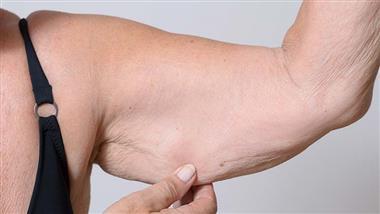
As you age, your body naturally tends to lose muscle. This condition is known as sarcopenia or muscle wasting. A 2022 study published in the journal Nutrients1 found increasing certain nutrients could lower your risk of sarcopenia as you age.
If you are not proactive, you can expect to lose approximately 15% of your muscle mass between your 30s and your 80s.2 An estimated3 10% to 25% of older adults under age 70 and half of those over age 80 have sarcopenia.
Even when you’re younger, if you are forced to stay in bed it can have a dramatic impact on your muscle mass. In one 2015 review,4 researchers found you could lose 5.2% of your muscle mass in the first two weeks of bed rest and by Day 23, you could have lost up to 10% of your quadriceps muscle mass. Strong muscles are required for mobility, balance and the ability to live independently.
Sarcopenia5 can increase the risk of falls and fractures, which ultimately can lead to hospitalization and surgery. It is important to know that sarcopenia is not related to your body mass. In other words, individuals who are obese can also lose muscle mass, which increases their risk for complications.
One meta-analysis6 of 35 studies and 58,404 people demonstrated the global prevalence of sarcopenia is 10% in men and women. Scientists understand the importance of muscle wasting as it relates to longevity and health. This led the Centers for Disease Control and Prevention7 to recognize it as an independently reportable medical condition.
When you have a reserve of muscle mass, it minimizes the challenges that result from muscle wasting8 if you become sick or hospitalized. Because muscle is lost far more easily and quickly than it’s built, it’s crucial to find ways to continuously promote and maintain muscle mass.
Nutritional Treatment Helps Counteract Sarcopenia
Researchers in the featured study9 knew that a variety of nutrients have shown effectiveness in supporting muscle. The randomized clinical trial was developed to analyze how effective two months of food high in omega-3 fats, leucine and probiotic Lactobacillus paracasei PS23 (LPPS23) would be on appendicular lean mass, inflammatory status, amino acid profile and muscle performance in people who were diagnosed with sarcopenia.
The researchers enrolled 60 participants who were within 4.8 years of 79.7 years and split them into an intervention or placebo group. The researchers prepared a customized diet schedule for both groups that provided 1.5 grams of protein per kilogram of body weight each day.10 Each group also received a dietary plan that consisted of approximately 30% lipids and 55% carbohydrates.
The researchers measured weight loss as compared to the individual’s weight history in the six months before their baseline visit. The subjects were questioned about how well they had followed their diet plan and physical activity recommendations. They also filled out a 24-hour dietary recall once a month.
The group that received the intervention took a supplement containing 500 mg of omega-3 fatty acid, 2.5 g of leucine and an LPPS23 probiotic. The control group received an isocaloric placebo. At the end of the study, the researchers measured body composition, physical performance, mood, blood pressure, muscle strength and functional status.
They concluded from the measurements that the intervention appeared to be a “valid strategy to counteract the progression of sarcopenia and sarcopenic-defining parameters in older adults.”11
Whey Protein Another Tool to Prevent Sarcopenia
As the featured study demonstrated, your diet plays a significant role in muscle development since your muscles need enough protein to stay viable. A 2011 paper12 published in the American Journal of Nutrition noted that the differences in digestion and absorption of dietary protein can modulate muscle growth.
So, while you need protein to build and maintain muscle, some proteins are more easily digested and absorbed than others. When you eat the right kind of protein it can make a difference in the potential risk for sarcopenia. The researchers in the featured study13 included the amino acid leucine in the intervention, which is also found in high concentrations in whey protein.14
Whey is a byproduct of cheese production and has long been acknowledged as an excellent source of protein. In the 2011 study, whey protein was compared to casein and casein hydrolysate, and was found to stimulate muscle protein growth the best, likely because of the leucine content.
One of the reasons that leucine is so important to prevent sarcopenia is that it helps regulate the turnover of protein in your muscle. A 1975 paper15 in the Journal of Clinical Investigation said leucine may also “play a pivotal role in the protein-sparing effect of amino acids.”
A more recent 2017 study16 explained the most effective way to optimize muscle building is to use a combination of resistance training followed by a protein meal, with leucine-rich whey being one of the most efficient proteins that can be used. However, a Harvard study demonstrated that simply taking leucine will likely be ineffective.17
Two groups of men over age 65 consumed either 0.8 grams of protein per kilo per day or 1.3 g of protein per kilo per day. The researchers found the high protein group did not experience an increase in lean muscle mass, or improve physical function or muscle strength, greater than the low protein group, most likely because they were not exercising.
Whey protein also contains glutathione, another important component in promoting and protecting muscle mass. It is thought to play an important role in muscle wasting, specifically in helping to modulate higher levels of oxidative stress18 often found in patients with sarcopenia. As noted in a 2012 review:19
“It has been suggested that oral antioxidant supplementation may contribute at reducing indices of oxidative stress both in animal and human models by reinforcing the natural endogenous defenses …
Antioxidants are substances able to inhibit the rate of oxidation. Mainly, antioxidant enzymes (e.g., catalase, superoxide dismutase (SOD), glutathione peroxidase, glutathione reductase) work to maintain a state of balance preventing the transformation of ROS and to convert them into more stable molecules (like water and molecular oxygen).”
NAD+ Combats Age-Related Muscle Deterioration
Studies have also proposed that mitochondrial dysfunction in the motor neurons may drive the development of sarcopenia. A 2021 paper20 published in Cell Reports compared the similarities between muscle aging and degenerative muscle diseases. The data revealed that protein aggregates deposit in skeletal muscle, which is a feature of muscle aging.
The researchers identified an amyloid-like protein that impairs mitochondrial function. While researchers have known that aggregated proteins could contribute to brain aging, this was the first time that data had shown it could contribute to muscle aging and directly damage the mitochondria.
The researchers first used a substance in worms and found it could reduce age-related amyloid protein aggregates.21 They found the same results in human muscle tissue from older subjects. They then went on to test nicotinamide adenine dinucleotide (NAD+) boosting nicotinamide riboside in aged mice and found it reduced the number and size of the amyloid aggregates within the skeletal muscle tissue.
NAD+ is a substrate for several important enzymes and is essential in metabolic processes, such as creating ATP in the mitochondria. A 2020 paper22 published in Endocrinology and Metabolism demonstrated that when the NAD+ salvage pathways in muscle are impaired, mitochondrial dysfunction and decreased muscle mass ensue.
If your NAD+ level is low, some simple lifestyle strategies can help. For example, exercise, fasting, minimizing electromagnetic field (EMF) exposure and sauna bathing can help improve your NAD+ levels. Exercise, heat exposure and fasting address low NAD+ because they are catabolic stressors that activate AMP protein kinase (AMPK).
This in turn activates an enzyme called NAMPT, which governs the NAD+ salvage pathway. Oxidative stress and inflammation can also deplete NAD+. Exercise, sauna and fasting can help reduce oxidative stress and inflammation, and as a result, less NAD+ is depleted.
The best way to increase NAD+ levels is to optimize your circadian rhythm by going to bed around 9 and getting up around 5 AM. The further you veer from these hours the more you challenge your circadian rhythm. It is also important to avoid blue light from screens and home lights after sunset and before sunrise.
Then you want to make sure you are doing regular strength training exercises. The best time to do them would be in the AM while you are fasting. You can also take niacinamide 50 mg powder three times a day. More is not better and will be counterproductive by inhibiting your longevity proteins (sirtuins). You can see my interview with Nichola Conlon for more details.
Strength Training Helps Preserve Muscle Mass and Heart Health
As the Harvard study23 demonstrated, consuming protein is not enough to protect your muscle mass. One study24 from the University of Michigan School of Public Health found those with lower muscle strength did not live as long as their peers with stronger muscles. After adjusting for confounding factors, the data continue to show those with low muscle strength had a 50% greater risk of dying early.
The data was pulled from a study of 8,326 men and women aged 65 and older. A loss of muscle in older adults may also be a primary driver of insulin resistance25 and declining strength may impact a reduction in daily physical activity, which also contributes to metabolic dysfunction.26
Researchers from the National Institute of Health and Nutrition in Tokyo, Japan,27 tested the hypothesis that a reduction in leg blood flow would be absent or minimal in people who regularly perform strength training exercises. They engaged a group of 104 men ages of 20 to 34 and 35 to 65 to compare whole-leg blood flow and vascular conductance between the groups.
The data showed no notable differences in the two age groups in those who used resistance training. However, there was a significant difference in the sedentary middle-aged group leading the team to conclude that a reduction in basal whole leg blood flow may be absent in men who routinely engage in resistance training.
The researchers suggested that resistance training could favorably influence leg perfusion. Lower levels of basal leg blood flow are associated with developing metabolic syndrome and functional impairment.28
I have been exercising for over 50 years. In the first 43 years, I exclusively used aerobic exercise. I didn’t realize that while it lowered the risk of heart disease, it is highly catabolic and eventually lowers the ability to build muscle. At the height of my running career, my upper arm circumference was 10.5 in.
However, contrast that with my arm circumference in December 2020 when it measured 15 inches. I stopped long-distance running and started resistance training. The results didn’t happen overnight, and I was well over 50 when I first began using resistance training.
The key to my success has been allowing time for significant recovery so the connective tissue and muscle can rebuild. I work with a trainer, but if you cannot afford a trainer, there are many great videos.
When you use resistance training and add the nutritional elements your body needs to grow muscles, you’ll reap the benefits. Remember to avoid doing the same exercise every day to allow the body to recover and repair so you get the benefits and avoid injuries.
- 1, 13 Nutrients, 2022;14(21)
- 2 Journals of Gerontology, 1995;50(5-8)
- 3 Journals of Gerontology, 2003; 58(10)
- 4 Extreme Physiology & Medicine 2015;4:16
- 5 Aging in Motion, What Is Sarcopenia?
- 6 Journal of Diabetes and Metabolic Disorders, 2017; 16
- 7 Federal Practitioner, 2017;34(7)
- 8 Current Opinions in Clinical Nutrition and Metabolic Care 2012; 15(1)
- 9 Nutrients, 2022;14(21) Abstract
- 10 Nutra-Ingredients, November 2, 2022
- 11 Nutrients, 2022;14(21) 5
- 12, 14 American Journal of Nutrition, 2011; 93(5): 997-1005
- 15 Journal of Clinical Investigation, 1975;56(5)
- 16 Journal of the International Society of Sports Nutrition, 2017, 43(14)
- 17, 23 JAMA Internal Medicine, 2018; 178(4)
- 18 Maturitas 2018;109
- 19 Journal of Aging Research, 2012;2012(316943)
- 20 Cell Reports, 2021;34(3)
- 21 Science Daily, January 20, 2021
- 22 Endocrinology and Metabolism, 2020;35(4) Section Mitochondrial dysfunction
- 24 University of Michigan School of Public Health, August 22, 2018
- 25 Diabetes Care, 2009;32(2)
- 26 Journals of Gerontology, 2018;73(8)
- 27, 28 Journal of Applied Physiology, October 1, 2005; doi.org/10.1152/japplphysiol.00061.2005
What Can Creatine Do for You?
Reproduced from original article:
https://articles.mercola.com/sites/articles/archive/2022/11/09/what-can-creatine-do-for-you.aspx
The original Mercola article may not remain on the original site, but I will endeavor to keep it on this site as long as I deem it to be appropriate.
Analysis by Dr. Joseph Mercola Fact Checked November 09, 2022
STORY AT-A-GLANCE
- Creatine has been used by athletes to improve performance as it’s immediately used by the body to convert ADP to ATP and supply energy muscles need for contraction
- Muscle mass is a significant key to longevity and while your body metabolizes creatine from high-protein foods, athletes can’t get enough to improve performance from only food
- Creatine triggers incremental muscle growth by increasing proteins that create muscle fiber and raising insulin-like growth factors needed to increase muscle mass. But it also helps athletes perform longer and harder, which also improves muscle development
- More strategies you can use to develop muscle include eating enough protein to build muscle mass, using resistance and aerobic training, and adding omega-3 fatty acids and leucine found in whey protein to your regimen
- Data also show that creatine helps provide energy to the brain and may improve cognitive performance; early work also shows it demonstrates neuroprotective effects in an experimental model that mimicking mild traumatic brain injury
There is no doubt — muscle mass is a significant key to longevity.1 If you’ve ever walked into a supplement store and asked about muscle mass, an employee has likely tried to sell you creatine. The promise is that you take it and suddenly you’re ripped. While the good news is that creatine is well studied and has benefits, it’s also accurate to say that if the promise sounds too good to be true, it likely isn’t true.
According to the National Institutes of Health,2 creatine is an amino acid your body produces in the muscle cells. It’s used to help store energy and serves as a phosphate donor in the conversion of ADP to ATP. In short, it helps supply the energy your muscles need for contraction.
Some people use it to boost their athletic performance since it helps the body produce energy rapidly. When you’re able to run faster or lift more weights, your muscle fibers rebuild stronger after your workout.
Creatine also helps pull more water into the body. One study published in 2003 found that there was a significant increase in total body water without a change in fluid distribution.3 Although the water gain increases your weight gain, it’s not muscle or fat gain.
Some people also find that creatine makes them feel bloated.4 Some people are sensitive to using creatine and feel bloated if they don’t drink enough water with the supplement. However, most of the time it goes away in just a few hours. Factors that affect bloating include how much water you drink, the intensity of your workout and your diet.
Reported Benefits of Creatine
According to The New York Times,5 there are roughly 20 different formulations of creatine you can purchase as a nutritional supplement. However, it is creatine monohydrate that has been studied more frequently, with strong evidence of health benefits.
Your body metabolizes creatine from high-protein foods. But, to get enough creatine to produce a performance benefit, you’d need to eat pounds of protein. A creatine supplement is not a replacement for protein as it is not a complete protein and cannot help your body repair after a workout.
Although many people do experience performance benefits and muscle growth, it does not have the same effect in all populations. A 2022 study6 published in the journal Nutrients evaluated the results of 16 randomized control trials for benefits associated with creatine supplements and found it was an efficient way to promote muscle growth in young healthy individuals who were undergoing adequate training.
However, the results of using creatine in individuals with muscular diseases were less conclusive. Jose Antonio, an associate professor of health and human performance at Nova Southeastern University in Florida, has studied creatine. He spoke with a reporter from The New York Times, saying,7 “There’s probably more data on creatine monohydrate than any other supplement in existence.”
Researchers began studying creatinine in exercise performance in the early 1990s. A literature review8 published in 2022, looked at 35 randomized controlled studies that in total included 1,192 participants. They concluded that creatine supplementation, when added to a resistance training program, could increase lean body mass. The results also showed that creatine worked better in men than women.
Eric Rawson, Ph.D., is a health, nutrition and exercise science professor at Messiah University in Pennsylvania. He also spoke with The New York Times reporter, saying that vegetarians and vegans may have a greater response to creatine supplements since their diet does not include as much creatine. Additionally, he said that while creatine may give athletes a boost, “whether it’s a 2 or 3 or 4% gain, no dietary supplements compare to proper training and sleep and nutrition habits.”9
Creatine may work by increasing proteins that create muscle fibers10 and raising insulin-like growth factor,11 which is a hormone that increases muscle mass. Data also suggest that creatine may help lower blood sugar levels.
One 12-week study evaluated participants who combined creatine and exercise after a high-carb meal and found the combination offered better blood sugar control than exercise alone.12 Greater movement of blood sugar into the cells may contribute to other data13 that show creatine reduces fatigue and increases energy when participants are sleep deprived.
More Ways to Build Muscle
However, as researchers have demonstrated, taking creatine alone is not enough to build strong muscle. And, the gains from using creatine are usually incremental. Once you reach your forties, you can lose roughly 1% of muscle mass each year, which corresponds to a 1% to 3% drop in strength.14
This is a crucial loss, as it significantly impacts your ability to remain independent as you age. Loss of muscle is also linked with a downward decline in health and an increased risk of premature death.15
Stewart Phillips, Ph.D., is a professor of kinesiology at McMaster University in Canada. He’s an expert in growing and maintaining muscle mass as you age. In an interview with Rhonda Patrick, Ph.D.,16 he discussed the body’s need for protein reserves to survive serious disease.
He explained that the recommended dietary allowance is the amount of protein you need to replace the amino acids your body loses. He believes you need 0.8 grams of protein per kilogram (kg) of body weight initially and goes on to say there is data from other scientists who suggest a minimum maybe closer to 1.2 grams per kg of body weight per day.
“And, you know, athletes and even older people could probably benefit from going up from that level to about 1.6,” he said.17 As you consider your needs, it’s important to make your calculation based on grams of lean body mass and not total body weight. This is because you do not need protein to maintain fat mass, only to maintain lean muscle mass.
The second pillar of gaining muscle strength and mass is to include aerobic and resistance exercises. Philips notes that you will achieve the largest gains if you go from doing nothing to doing something. In fact, he goes so far as to say that regular resistance training is the key to building muscle, even more so than adequate protein.
Finally, you need to give your body time to recover and repair the damage from resistance training. As your body recovers from the stress, it reaches a point where you’re better than you were in the beginning, and nutrition supports this process.
Consider These Nutritional Additions
Nutrition in combination with resistance and aerobic exercises is key to maintaining and developing muscle. The amino acids from proteins are particularly important as they are building blocks and play a vital role in new muscle growth. Leucine is another amino acid with anabolic properties.
Older people not only experience accelerated muscle loss but also require more protein to stimulate muscle synthesis as compared to younger people. The richest source of leucine is whey protein.18 Without whey, it can be difficult to consume enough leucine from diet alone.
A second addition to your nutritional intake that is often associated with heart health, is omega-3 fats. Phillips discussed19 a trial he designed of young women who used one leg brace for 2 weeks to trigger local disuse atrophy. Half the women in the trial took a high-dose omega-3 fat supplement and the other half received a placebo.
The group that took the omega-3 fats experienced less atrophy and returned to normal far quicker than the placebo group. Although not a nutritional supplement, integrating heat into your weekly workouts can also help protein synthesis20 and allow the proteins to function normally.
Creatine: Cognitive Performance and Healing Brain Injury?
In the interview, Phillips commented on using creatine regularly, “You know, the stuff now with creatine that they’re uncovering that makes me think, “Maybe this should be part of my regular routine.” Actually [it] has less to do with the muscle and more to do with the brain and cognitive performance.”21
Research has also demonstrated that creatine plays a critical role in brain function and in other tissues that have high energy demand.22 Children who have genetic errors of creatine synthesis present with severe neurological symptoms and patients with other neurodegenerative diseases benefit from creatine supplements.
For example, creatine has demonstrated beneficial effects in mice23 that have Parkinson’s-like disease. It prevented 90% of the typical drop in dopamine levels that are associated with several of the serious symptoms, including loss of muscle function and speech impairment.
Although early research suggested that creatine may help delay the progression of Huntington’s disease,24 a more recent study published in 2017 found data from 553 participants did not support the use of creatine to delay functional decline.25
Data does show that creatine plays a significant role in brain health and function as the brain requires a large amount of ATP to function.26 Although biological evidence27 and animal models28 demonstrate a positive effect after traumatic brain injuries, the data in humans is scarce.
In an experimental model29 mimicking the effects of a mild traumatic brain injury, one research team found supplementing with creatine helped cognitive processing during oxygen deprivation. They concluded, “This is the first demonstration of creatine’s utility as a neuroprotective supplement when cellular energy provision is compromised.”
Consider This Before Adding Creatine to Your Routine
It is important to choose creatine from a reputable manufacturer. Clinical trials that have lasted up to five years have reported no adverse effects in healthy individuals.30 However, it is important to stay within the recommended dose. More of a good thing does not make it a better thing.
Keep in mind that it’s not guaranteed that you will build muscle from using creatine. Consider creating specific goals for using the supplement so you are not disappointed. If you’re a vegan or a vegetarian, you might consider using creatine to help protect brain health.
- 1 American Journal of Medicine, 2014;127(6)
- 2 National Institutes of Health, Creatine, first box
- 3 Journal of Athletic Training, 2003; 38(1)
- 4 Tactical Elite, Does Creatine Make You Bloated?
- 5, 7, 9 The New York Times, October 24, 2022, [archived]
- 6 Nutrients, 2022; 14(6)
- 8 Nutrition, 2022; 103(111791)
- 10 Journal of Physiology, 2006;573(2)
- 11 International Journal of Sports Nutrition and Exercise Metabolism, 2008;18(4)
- 12 Amino Acids, 2008;34(2)
- 13 Psychopharmacology, 2006; 185 (1)
- 14 YouTube, FoundMyFitness, Minute 5:44
- 15 Medicine and Science in Sports and Exercise 2018;50(3)
- 16 YouTube, FoundMyFitness
- 17 YouTube, FoundMyFitness June 29, 2022, 13:29
- 18 Journal of the International Society of Sports Nutrition, 2017;14(43)
- 19 YouTube, FoundMyFitness June 29, 2022, 1:38:05
- 20 International Journal of Environmental Research and Public health, 2021;18(9)
- 21 YouTube, FoundMyFitness June 29, 2022, 1:47:33
- 22 Annual Review of Nutrition, 2007; 27
- 23 Experimental Neurology, 1999;157(1)
- 24 Pharmacology and Therapeutics, 2005;108(2)
- 25 Neurology, 2017;89(6)
- 26 The Royal Society Proceedings B, 2003;270(1529)
- 27 Concussion, 2017;2(2)
- 28 Institute of Medicine (US) Committee on Nutrition, Trauma, and the Brain
- 29 The Journal of Neuroscience, 2015;35(4)
- 30 Journal of the International Society of Sports Nutrition, 2007;4(6) Medical Safety of Creatine Supplementation para 2, 3
What You Must Know About Gluten
Reproduced from original article:
https://articles.mercola.com/sites/articles/archive/2022/09/19/what-you-must-know-about-gluten.aspx
The original Mercola article may not remain on the original site, but I will endeavor to keep it on this site as long as I deem it to be appropriate, and will not be bullied into removing it.
Analysis by Dr. Joseph Mercola Fact Checked September 19, 2022
STORY AT-A-GLANCE
- Before you decide if a gluten-free diet is right for you, it’s important to understand how gluten and wheat may be affecting your health
- Although gluten-free foods were once reserved for people with a wheat allergy or celiac disease, this style of eating has become increasingly popular among people who have no medical reason to avoid gluten
- If you notice unpleasant physical symptoms such as headaches, joint pain or nausea after eating glutinous foods, you may want to consider if the consumption of gluten could be a factor in your symptoms
- Switching to a gluten-free diet, especially if you tend to eat a lot of gluten-free processed foods that contain rice, may increase your exposure to arsenic
- Due to the reality of cross-contamination, not all foods labeled as gluten-free actually test out as being free of gluten
A few years ago, the term “gluten free” was mostly associated with wheat allergy and celiac disease. Those afflicted with either condition who adopted a gluten-free diet often reported a resurgence of health and well-being.
Today, gluten-free eating continues to attract attention, and there are likely more wheat-tolerant people eating gluten-free food than those who medically need it. Eating trends aside, here’s what you need to know about gluten.
What Is Gluten?
Gluten is a protein found in wheat and cereal grains that is made up of glutenin and gliadin molecules. In the presence of water, these substances form an elastic bond that gives bread and other baked goods a springy, stretchy and spongy consistency. Because gluten gives dough elasticity, comparable gluten-free items are often dense and tend to crumble easily.
Gluten is found not only in wheat, but also other grains like barley, oats, rye and spelt. Beyond the whole grains known to be glutinous, gluten can hide in processed foods under a variety of names, including, but not limited to:1
- Hydrolyzed vegetable protein (HVP)
- Malts
- Natural flavoring
- Starches
- Texturized vegetable protein (TVP)
While many foods such as whole fruits and vegetables are naturally gluten free, as are most dairy and meat products, grocery stores are full of gluten-containing products. Many of them fall into the category of ultraprocessed foods. Some of the most common gluten-laced foods include:
| Beer | Cookies | Processed broth |
|
Bouillon |
Crackers and other snack foods | Sausages and hot dogs |
| Bread (white and wheat) | Lunch meat | Seasoning mixes |
| Cereal | Pasta | Soy sauce |
Obviously, wheat-containing foods like wheat bran, wheat flour, wheat germ and wheat starch also contain gluten. Even though many think otherwise, white bread is also a source of wheat because it is made from wheat flour after the bran and germ are removed. Furthermore, because wheat is often used as a thickening agent, gluten is commonly found in canned soups and bottled sauces, as well as salad dressings.
How Gluten Can Negatively Impact Your Health
Gluten is known for its tendency to impede proper nutrient breakdown and absorption of foods, regardless of whether they do or do not contain gluten. Proper digestion can be impeded in the presence of gluten because in excess amounts it forms a glued-together constipating lump in your gut.
Some people react negatively to even small amounts of gluten because their body identifies it as a toxin, which causes their immune cells to overreact and attack it. In this scenario, the continued consumption of gluten will create inflammation and damage to the lining of the small intestine that may trigger more serious health issues over time, particularly if you have celiac disease.
Left unchecked, excessive gluten consumption and the inflammation that results may predispose you to malabsorption, nutrient deficiencies, osteoporosis and neurological and psychological conditions, as well as its potentially negative effects on your joints, liver, nervous system, skin and more.2
Beyond this, the Celiac Disease Foundation asserts undiagnosed celiac disease may contribute to the development of “autoimmune disorders like Type 1 diabetes and multiple sclerosis (MS), dermatitis herpetiformis (an itchy skin rash), anemia, osteoporosis, infertility and miscarriage … epilepsy and migraines, short stature and intestinal cancers.”3
Signs of Gluten Intolerance
Signs of gluten intolerance include bloating, belly pain, diarrhea, fatigue and a general feeling of being unwell. Beyond this, other noticeable warning signs of your body’s inability to handle gluten may include:
- Anxiety
- Confusion
- Headache
- Joint or muscle pain
- Nausea
While just 1 in 100 people worldwide have celiac disease, countless others may simply be undiagnosed, including an estimated 2.5 million Americans.4 Lack of a proper diagnosis may put you at risk of long-term health complications, some of which were mentioned above.
If you think you might have celiac disease or gluten sensitivity, it’s best to talk to your health practitioner before you go gluten free. Once you have avoided gluten for a while, it becomes difficult to establish a conclusive relationship between gluten and your health problems.
You have a better chance for an accurate diagnosis of gluten-related illness if you are actively eating gluten at the time of the testing. Blood tests are usually the first step toward confirming celiac disease.5 If the blood tests and your symptoms indicate celiac, your doctor will likely suggest a biopsy of the lining of your small intestine to confirm the diagnosis.
If you suspect your body may not be able to tolerate gluten, pay attention to how you feel immediately after eating it. Feeling poorly after eating glutinous food may be a signal your body cannot handle gluten. For best results, you may want to keep a food diary, and you will definitely want to discuss your symptoms with your health practitioner.
Most Packaged Gluten-Free Food Is Glorified Junk Food
While the availability of gluten-free food options can be perceived as a help for those affected by a wheat allergy or celiac disease, I advise you approach a gluten-free diet and lifestyle cautiously. The reason: Most processed, packaged gluten-free food is glorified junk food.
I say that because packaged gluten-free foods are some of the most ultraprocessed foods on the planet. They lack fiber and are often loaded with toxic amounts of sugar, salt and unhealthy fats, which increase the number of empty calories derived from these foods. About this aspect of gluten-free foods, U.S. News and World Report states:6
“[G]luten-free packaged foods have one important thing in common with their glutinous counterparts: The majority of them are absolute junk.
These include empty-calorie chips, crackers and bars that are high in starchy carbs and sugar, while low in fiber; breads made from the least nutritious starches on the planet and held together by food gums; and high-glycemic cereals made from white rice flour or refined corn that’s been sprinkled with vitamin dust.”
You Might Gain Weight on a Conventional Gluten-Free Diet
Given the higher amounts of sugar in many packaged gluten-free foods, it’s common for people to gain weight after going on a gluten-free diet. With respect to eating gluten-free and weight gain, nutrition communications expert Rachel Begun, a scientific/medical advisory council member for Beyond Celiac, said:7
“Now that we have an ample supply of gluten-free foods on the market, we’re seeing extended weight gain. Many gluten-free products are high in … sugar, while also being low in nutrients. When people go gluten free and eat too much of these highly processed, low-nutrient foods they’re likely to gain weight.
There’s also a ‘health halo’ surrounding gluten-free right now. It’s important that consumers understand that just because something is gluten free doesn’t necessarily mean it’s healthful or is a good option for weight loss.”
Watch Out: Arsenic Often Found in Rice-Based Gluten-Free Food
If you decide to go gluten free, but are not doing so in response to a diagnosed medical condition such as a wheat allergy or celiac disease, proceed carefully to avoid unintentionally damaging your health.
Registered dietitian Laura Moore, who is on the nutrition faculty at the University of Texas School of Public Health in Houston, warns, “If you go completely gluten-free without the guidance of a nutritionist, you can develop deficiencies pretty quickly.”8
Part of how that can happen, especially if you eat a mostly processed food diet, relates to the enrichment and fortification of foods, which is a common practice in the food industry. The simple fact is fewer gluten-free foods are enriched or fortified with nutrients like folic acid and iron, as compared to products containing wheat.9,10
Rather than depend on processed foods for these and other vital nutrients, I recommend you eat a whole-food diet and take a high-quality supplement as needed. Beyond that, Consumer Reports says eating gluten free may increase your exposure to arsenic.
This is the case mainly due to the use of rice flour in many gluten-free foods and the uptake of arsenic in most of the world’s rice crops.11 As such, you may want to think twice before choosing rice-based gluten-free products and risking exposure to a known cancer-causer like arsenic.12 About this, Consumer Reports stated:13
“About half of the gluten-free products Consumer Reports purchased contained rice flour or rice in another form. In 2012, we reported on our tests of more than 60 rices and packaged foods with rice (such as pasta, crackers and infant cereal).
We found measurable levels of arsenic in almost every product tested. Many of them contained worrisome levels of inorganic arsenic, a carcinogen.”
In your attempts to avoid rice-containing gluten-free foods, you’ll also want to steer clear of nonorganic products containing corn starch, corn flour, potato starch, potato flour and soy. That’s because most conventional corn and soy crops are genetically engineered, while conventional potato crops are heavily sprayed with toxic herbicides and pesticides.
Not All Packaged Food Labeled Gluten-Free Is Free of Gluten
Another potential obstacle to gluten-free eating is the unfortunate reality that many packaged gluten-free foods have been found to be tainted with gluten.
“Cross-contamination can occur,” Andrea Levario, senior public policy advocate for the Human Rights Campaign in Washington, D.C., explains. “Gluten-free products may be manufactured on the same equipment used for wheat or other gluten-containing products.”14
The potential for cross-contamination is also of concern in instances where wheat is grown next to other grains, such as oats. Even though some suggest oats are a gluten-free food, you have to be careful to ensure the brand you purchase is certified gluten free.
Otherwise, it is very likely the oats were grown in or near wheat fields, in which case the product may be contaminated. A 2014 study published in the European Journal of Clinical Nutrition15 evaluated 158 food products labeled as gluten-free over a three-year time frame.
When testing for the presence of gluten, the researchers discovered 5% of the packaged items they tested — including some certified gluten-free — failed to meet the limit set by the U.S. Food and Drug Administration (FDA) for less than 20 parts per million of gluten. If you have questions about foods labeled as gluten-free, I encourage you to contact the manufacturer.
“They should be transparent about what tests they use to determine whether a product is gluten-free,” said study author and registered dietitian Tricia Thompson, founder of Gluten Free Watchdog and creator of the Gluten-Free Dietitian website. “If they insist that it’s proprietary information, that should set off an alarm.”16
Finally, take care when purchasing food items labeled “wheat free,” because being wheat-free doesn’t automatically make a food gluten-free. That’s because barley, rye and spelt-based ingredients, all of which contain gluten, may be used in products labeled wheat free.
Is a Gluten-Free Diet Right for You?
Whether or not you have a medical reason for choosing a gluten-free diet, nearly everyone can benefit from this style of eating. Grains, even whole sprouted varieties, tend to cause problems not only because of the presence of gluten, but also due to concerns around fructans, glyphosate contamination and wheat hybridization.
Furthermore, grains may damage your skin. Grains also have high net carbs and many people eat too many carbs. A healthier approach would be to reduce your consumption of grain-based carbs and increase your intake of healthy fats, thereby training your body to burn fat for fuel. (Be sure to moderate your protein intake, too.)
Becoming a fat burner will free you from the cycle of energy highs and lows that often result from overindulging in carbs.
While reducing your carb consumption may be a challenge, eating a gluten-free diet is relatively easy to do. You can accomplish this by focusing on whole, unprocessed foods that are naturally wheat- and gluten-free. As always, I recommend eating foods as close to their natural state as possible.
For that reason, I advise you forego the packaged gluten-free foods found online and in grocery stores. Below are a few of the foods you may enjoy on a naturally gluten-free diet:
| Avocados | MCT oil | Organic fruits and vegetables |
| Coconut oil | Nuts (macadamias, pecans and walnuts) | Organic, grass fed meat |
| Fish (anchovies, herring, sardines and wild-caught Alaskan salmon) | Olives and olive oil | Organic, raw, grass fed dairy products (kefir and yogurt) |
| Grass-fed butter | Organic pastured eggs | Seeds (chia, pumpkin and sunflower) |
- 1 Knowgluten. A Gluten-Free Beginner’s Guide
- 2 Mayo Clinic March 6, 2018
- 3, 4 Celiac Disease Foundation, What Is Celiac Disease
- 5 Beyond Celiac, Celiac Testing and Diagnosis
- 6 U.S. News and World Report October 14, 2014
- 7 Today’s Dietitian, Weight Gain and the Gluten-Free Diet
- 8, 9, 13, 14, 16 Consumer Reports November 2014
- 10 Harvard School of Public Health, Gluten: A Benefit or Harm to the Body?
- 11 Chemistry World August 22, 2017
- 12 American Cancer Society, Arsenic and Cancer Risk
- 15 European Journal of Clinical Nutrition October 1, 2014: 1-4 [PDF]
Vitamin C Lowers Mortality in Severe Sepsis
Reproduced from original article:
https://articles.mercola.com/sites/articles/archive/2022/09/06/vitamin-c-thiamine-and-hydrocortisone-for-sepsis.aspx
The original Mercola article may not remain on the original site, but I will endeavor to keep it on this site as long as I deem it to be appropriate, and will not be bullied into removing it.
Analysis by Dr. Joseph Mercola Fact Checked September 06, 2022

STORY AT-A-GLANCE
- Sepsis is a last-ditch effort by your immune system to fight an infection in your body; it can lead to multiple organ failure and death unless promptly treated
- While viruses, fungi and parasites all have the ability to trigger sepsis, bacterial infections are the most common cause. The most common types of infection triggering sepsis are respiratory and urinary tract infections
- Each year, an estimated 1.7 million Americans get sepsis and nearly 270,000 die as a result. The reason for its high mortality rate is because sepsis is often overlooked; many are unfamiliar with its signs and symptoms. It’s also notoriously difficult to treat
- In 2017, a critical care physician announced the discovery of a simple and inexpensive way to treat sepsis using an intravenous cocktail of vitamin C and thiamine in combination with hydrocortisone
- A 2019 study using vitamin C only found it lowered mortality risk in patients with severe sepsis, and reduced the number of days spent in intensive care and overall hospital stay
One of the leading causes of death in American hospitals is something many are still unfamiliar with: septicemia (sepsis or septic shock). Also known as blood poisoning among lay people, sepsis1 is a last-ditch effort by your immune system to fight an infection in your body, which can lead to multiple organ failure and death unless promptly treated. As explained by the National Institute of General Medical Sciences:2
“The body releases immune chemicals into the blood to combat the infection. Those chemicals trigger widespread inflammation, which leads to blood clots and leaky blood vessels. As a result, blood flow is impaired, and that deprives organs of nutrients and oxygen and leads to organ damage.
In severe cases, one or more organs fail. In the worst cases, blood pressure drops, the heart weakens, and the patient spirals toward septic shock. Once this happens, multiple organs — lungs, kidneys, liver — may quickly fail, and the patient can die.”
While viruses, fungi and parasites all have the ability to trigger sepsis, bacterial infections are currently the most common cause. The most common types of infection triggering sepsis are respiratory and urinary tract infections.3 That said, research4 has demonstrated the number of fungal-induced sepsis infections is on the rise.
The problem is that sepsis is often overlooked as many are unfamiliar with its signs and symptoms. It’s also notoriously difficult to treat. A successful outcome relies on early detection and rapid treatment.
Sepsis Is the Costliest Condition Treated in the US
Each year, an estimated 1 million Americans get sepsis5 — a dramatic increase from 1.1 million just 14 years ago in 20086,7 — and nearly 270,000 of them die as a result, a substantial dip from the nearly half a million that were dying every year in 2014.8,9,10 According to data11 from two hospital cohorts, 34.7% to 55.9% of American patients who died in hospitals between 2010 and 2012 had sepsis at the time of their death (depending on which inpatient population they were in).
Experts are now calling for recognition12 of sepsis as a distinct cause of death, hoping this will result in better clinical practice guidelines. They also stress the importance of awareness in the community and the emergency room. To this end, September 13 has been designated as the annual “World Sepsis Day” to raise awareness.13
Conventional treatment, which is typically focused on high doses of antibiotics that further contribute to antibiotic resistant bacteria, is also a tremendous financial burden. A U.S. government report14,15 published in 2016 found sepsis was the most expensive condition treated in the U.S., racking up $23.7 billion in health care costs each year; by 2022 that number had risen to $62 billion just for treatment and care.16
The good news is there’s an inexpensive treatment that has been shown to be very effective against sepsis. The bad news is the number of hospitals that have adopted it as standard of care is still limited.
Vitamin C Concoction — An Inexpensive Cure for Sepsis
In 2017, news emerged about a critical care physician who claimed to have discovered a simple and inexpensive way to treat sepsis using an intravenous (IV) cocktail of vitamin C and thiamine (vitamin B1) in combination with the steroid hydrocortisone.17,18
The precise protocol used was 200 mg of thiamine every 12 hours, 1,500 mg of ascorbic acid every six hours, and 50 mg of hydrocortisone every six hours.19
The doctor in question, Dr. Paul Marik, former chief of pulmonary and critical care medicine at Sentara Norfolk General Hospital in East Virginia, published a small retrospective before-after clinical study20,21,22 showing that giving septic patients this simple IV cocktail for two days reduced mortality from 40% to 8.5%.
Sentara Norfolk General Hospital, where Marik worked, has since made the protocol its standard of care for sepsis, and others are starting to join in. Unfortunately, many hospitals are still dragging their heels, waiting for more clinical trials to be completed.
This despite the fact that the treatment is harmless in and of itself, meaning it won’t make the patient any worse than he or she already is. A 2018 review23 of the available research presents a hypothetical model for why and how the Marik protocol actually works, discussing how each of the three components are known to impact the biological processes involved in sepsis.
As noted in that review,24 reception of the treatment has been mixed, with some critical care leaders embracing it while others aren’t using it at all. What this means is that your ability to receive this potentially life-saving treatment is dependent on the hospital where you end up.
On the upside, “Enthusiasm for this drug combination in sepsis has grown rapidly” since the release of Marik’s initial study results, and much larger studies are now underway.
One of them was the VICTAS study25 (Vitamin C, Thiamine and Steroids in Sepsis), sponsored by Emory University, which expected to have about 2,000 participants, but ended up with only 501.26 The projected completion date for this study was October 2021, but it ended early for unexplained “administrative” reasons, and concluded that the treatment didn’t “significantly increase ventilator- and vasopressor-free days within 30 days.”
However, the authors noted that the study may not have lasted long enough to detect a “clinically important difference,” so the lack of “significant” effects could be attributed to that. While I wouldn’t ordinarily include a study like this in one of my articles, I think it’s important to note that they didn’t complete it, so the presumed lack of positive results shouldn’t be used to discredit Marik’s work.
What to Do if Your Doctor Refuses to Administer This
If your doctor refuses to consider Marik’s protocol offhand, convince him or her to review the recent studies cited here that show this works.27,28,29,30,31,32,33,34,35,36 Simply look up the references in the endnotes to the previous sentence (references 24 through 33) and make copies to take to your doctor.
Alternatively, you can go to PubMed37 directly and type in “vitamin C” and “sepsis” in the search engine and you will get a list of the available research.
These articles are completely free to download. I hope you never need to access them, but if you do, you can print them and use the information to convince your medical team to use these simple life-saving strategies. If they refuse, I would strongly suggest you take control of the situation and find another doctor and/or hospital that will.
Vitamin C Alone May Lower Mortality Risk
More recently, a study38,39,40,41 led by Dr. Alpha “Berry” Fowler was published in the October 2019 issue of JAMA. The study is not reflective of the Marik protocol per se, as it only used IV vitamin C, but its results are still tantalizing.
Fowler and his team sought to investigate the effectiveness of vitamin C infusion on organ failure scores and biomarkers of inflammation and vascular injury in patients with severe sepsis and acute respiratory failure.
Curiously, while the vitamin C infusion had no detectable influence on these end points, those who received the treatment did have a higher chance of survival, and spent less time in the hospital. As reported by NPR:42
“If you read the study summary, vitamin C didn’t help the patients. But if you dig deep into the paper, you will find that the people who got the treatment were much more likely to survive … The rub comes from the way the study … was designed.”
While vitamin C alone had no impact on organ failure scores and biomarkers of inflammation, when the researchers looked at 46 secondary endpoints, they discovered the mortality rate for the treatment group actually dropped from 46% to 30%. As noted by NPR:43
“If death had been the primary endpoint of the study, this result would have been highly significant. The conclusion would strongly support the hypothesis that vitamin C is an effective treatment of sepsis.
But there’s a catch. Since Fowler and his colleagues looked at 46 secondary endpoints, it’s likely that something would randomly pop up as statistically significant. It’s as though they had 46 bites at the apple to find something meaningful …
What patients really care about, of course, is … whether they live or die. Fowler tells NPR that he now rues his decision to select an endpoint that seemed more likely to show a benefit …
Though he’s now bound by the rules of experimental design to downplay the mortality results, he personally feels a sense of success. ‘We’re all whooping and hollering because of what we found,’ he says.”
Fowler’s team also found that, on average, those who received vitamin C had by day 28 spent three fewer days in the intensive care unit than the placebo group (seven days compared to 10). By day 60, the treatment group had also spent seven fewer days in the hospital overall —15 days compared to 22.44
Vitamin C, Thiamine and Steroids Have Synergistic Effects
When asked for comment on Fowler’s study, Marik pointed out vitamin C and corticosteroids have a synergistic effect. In other words, Fowler’s study cannot really be used to judge the effectiveness of vitamin C, thiamine and steroids in combination, as it only used one of the three ingredients.
Vitamin C is well-known for its ability to prevent and treat infectious diseases on its own. Influenza,45 encephalitis and measles46 have all been successfully treated with high-dose vitamin C, and previous research has shown it effectively lowers proinflammatory cytokines and C-reactive protein.47,48,49
To investigate the mechanism of action for vitamin C in sepsis with and without steroids, Marik, in collaboration with John Catravas, Ph.D., a pharmacology researcher at Old Dominion University, and others performed a study50 in which endothelial cells from lung tissue were exposed to lipopolysaccharide — a type of endotoxin found in patients with sepsis — in the absence or presence of ascorbic acid and hydrocortisone.
Interestingly, when either vitamin C or the steroid were administered in isolation, very little improvement in endothelial barrier function occurred. When administered together, however, the infection was successfully eradicated and the cells were restored to normal.
The addition of thiamine is also important. Not only is thiamine required for metabolism of some of the metabolites of vitamin C, thiamine deficiency syndrome (beriberi) has many similarities to sepsis, and thiamine deficiency is relatively common in critically ill patients.51
Studies have also shown thiamine can be helpful for a long list of diseases and disorders, including mitochondrial disorders,52 heart failure,53 delirium,54 thyroid fatigue and Hashimoto’s (a thyroid autoimmune disorder).55 These and other health effects may help explain why thiamine works so well in conjunction with vitamin C and hydrocortisone for sepsis.
Marik told NPR that Fowler’s study does highlight two important things, though. First, that there are no side effects of vitamin C infusion in critically ill patients and, second, a lowered mortality risk. “You can argue about all the statistical nuances, but that’s what the study showed,” Marik told NPR.56
Potential Contraindication
While vitamin C and thiamine administration is incredibly safe, it may be contraindicated if you happen to be glucose-6-phosphate dehydrogenase (G6PD) deficient, which is a genetic disorder.57 G6PD is an enzyme your red blood cells need to maintain membrane integrity.
High-dose IV vitamin C is a strong prooxidant, and giving a prooxidant to a G6PD-deficient individual can cause their red blood cells to rupture, which could have disastrous consequences.
Fortunately, G6PC deficiency is relatively uncommon, and can be tested for. People of Mediterranean and African descent are at greater risk of being G6PC deficient. Worldwide, G6PD deficiency is thought to affect 400 million individuals, and in the U.S. an estimated 1 in 10 African-American males have it.58
Know the Signs and Symptoms of Sepsis
One of the most important steps you can take to protect your health is to recognize the symptoms of sepsis and seek immediate medical attention if you suspect it.
It is important not to make a diagnosis at home. Instead communicate your concerns with a medical professional so that proper testing and treatment can be implemented. Common signs and symptoms of sepsis include the following.59,60,61 Many of these symptoms may be confused with a bad cold or the flu. However, they tend to develop much more rapidly than you would normally expect.
| A high fever with chills and shivering | Rapid heartbeat (tachycardia) |
| Rapid breathing (tachypnea) | Unusual level of sweating (diaphoresis) |
| Dizziness | Confusion or disorientation |
| Slurred speech | Diarrhea |
| Difficulty breathing, shortness of breath | Severe muscle pain |
| Low urine output | Cold and clammy skin |
| Skin rash | Nausea and/or vomiting |
The Sepsis Alliance recommends using the acronym TIME to remember some of the more common symptoms:62
- T — Temperature higher or lower than normal?
- I — Have you now or recently had any signs of an infection?
- M — Are there any changes in mental status, such as confusion or excessive sleepiness?
- E — Are you experiencing any extreme pain or illness; do you have a “feeling you may die?”
Post-Sepsis Syndrome
While some will recover fully from sepsis, for many the problems do not end at discharge from the hospital. Survivors may suffer physical, psychological and/or neurological consequences for the rest of their lives. For some survivors, their immune function can remain depressed for as long as a year after their recovery, resulting in frequently recurring infections.
The combination of symptoms is called post-sepsis syndrome and usually last between six and 18 months. Symptoms of post sepsis syndrome may include:63,64
| Lethargy (excessive tiredness) | Changes in peripheral sensation | Repeated infections at the original site or a new infection |
| Poor mobility | Muscle weakness | Shortness of breath |
| Chest pains | Swollen limbs | Joint and muscle pains |
| Depression, mood swings, anxiety or sadness | Hair loss | Dry flaking skin and nails |
| Taste changes | Poor appetite | Changes in vision |
| Difficulty swallowing | Reduced kidney function | Feeling cold |
| Excessive sweating | Post-traumatic stress disorder | Flashbacks and nightmares |
| Poor concentration and clouded thinking | Insomnia | Short-term memory loss |
There is no specific treatment for post-sepsis syndrome, but most get better over time. The U.K. Sepsis Trust65 recommends managing individual symptoms and supporting optimal health as you’re recovering.
Not all medical professionals are aware of post-sepsis syndrome, so it may be helpful to talk about your symptoms and ask for a referral to someone who may help manage your mental, physical and emotional challenges.
How to Reduce Your Risk of Sepsis
Again, part of what makes sepsis so deadly is people typically do not suspect it, and the longer you wait to treat it, the deadlier it gets.66 If you develop an infection, stay alert to symptoms of sepsis and seek immediate medical attention if they appear. Even health care workers can miss the signs and delay treatment.
While health care workers have a responsibility to prevent infections that could potentially turn septic and to educate patients about warning signs of sepsis, you can lower your own risk by:
• Promptly treating urinary tract infections (UTIs) — UTIs are the second most common type of infection,67 and one-quarter of sepsis cases are related to UTIs.68
Conventional treatment typically involves antibiotics, but research69,70 shows that UTIs caused by E. coli — which comprise71 90% of all UTIs — can be successfully treated with D-Mannose, a naturally occurring sugar that’s closely related to glucose.
• Properly cleaning skin wounds — About 1 in 10 sepsis cases are due to skin infections, so always take the time to properly clean and care for wounds and scrapes. Wash the wound with mild soap and water to clean out dirt and debris, then cover with a sterile bandage. Diabetics should follow good foot care to avoid dangerous foot infections.
• Caring for any chronic illness affecting your risk of sepsis — Research has found illnesses that increase your risk may include chronic lung disease, chronic kidney disease, diabetes, stroke and cardiovascular disease.72
• Avoiding nail biting — One study found 46.9% of the participants were nail biters.73 Exposure of the delicate skin underneath the nail, transferred from your mouth or acquired from the environment, increases your risk of infection.
• Avoiding infections in hospitals — When visiting a health care facility, be sure to wash your own hands, and remind doctors and nurses to wash theirs (and/or change gloves) before touching you or any equipment being used on you.
If you have to undergo a colonoscopy or other testing using a flexible medical scope, remember to call and ask how they clean their scopes and what kind of cleaning solution they use.
If the answer is glutaraldehyde (brand name Cidex), find another hospital or clinic — one that uses peracetic acid. This preliminary legwork will significantly decrease your risk of contracting an infection from a contaminated scope.
- 1 Centers for Disease Control and Prevention, What is Sepsis?
- 2, 59 National Institute of General Medical Sciences, Sepsis
- 3, 64 World Sepsis Day, Sepsis
- 4 Expert Review of Anti-Infective Therapy 2012; 10(6):701
- 5 NIH. Sepsis
- 6 CDC Inpatient Care for Septicemia or Sepsis
- 7 Mayo Clinic, Sepsis
- 8 PharmacoEconomics. 2004;22(14):895-906
- 9 NIH.gov Sepsis Fact Sheet
- 10 Advisory Board, May 21, 2014
- 11 JAMA, 2014; 312(1):90
- 12, 60 World Sepsis Day, Sepsis FAQ
- 13 World Sepsis Day
- 14 HCUP Statistical Brief #204, May 2016, Table 1
- 15 Sepsis Alliance News, July 30, 2016
- 16 Persown. The Economic Burden of Sepsis
- 17 NPR March 23, 2017
- 18 NBC4i.com March 23, 2017
- 19, 20 Chest June 2017; 151(6): 1229-1238
- 21 Dr. Malcolm Kendrick, January 28, 2017
- 22 Science Daily June 26, 2017
- 23 Critical Care 2018; 22: 283
- 24 Critical Care 2018; 22: 283, Ascorbic acid, corticosteroids and thiamine for the treatment of sepsis in current practice
- 25 Clinical Trials VICTAS, Clinical trial identifier: NCT03509350
- 26 JAMA. February 23, 2021
- 27 J Clin Med. 2019 Apr 9;8(4). pii: E478
- 28 Ann Intensive Care. 2019 May 20;9(1):58
- 29 J Thorac Dis. 2019 Apr;11(4):1562-1570
- 30 Trials. 2019 Jul 11;20(1):420
- 31 Crit Care. 2019 Jul 30;23(1):265
- 32 Nutrients. 2019 Aug 23;11(9). pii: E1994
- 33 Journal of Clinical Medicine January 16, 2019’ 8(1): E102
- 34 Indian Journal of Anaesthesia December 2018; 62(12): 934-939
- 35 Nutrients November 14, 2018; 10(11): E1762
- 36 Critical Care October 29, 2018; 22(1): 283
- 37 Pubmed
- 38 JAMA October 1, 2019;322(13):1261-1270
- 39, 44 Health Canal October 1, 2019
- 40 Science Daily October 1, 2019
- 41 Medical Xpress October 1, 2019
- 42, 43, 56 NPR October 1, 2019
- 45 Journal of Manipulative and Physiological Therapeutics 1999 Oct;22(8):530-3
- 46 Clinical Guide to the Use of Vitamin C by Fredrick R. Klenner, MD
- 47 Journal of Translational Medicine 2012; 10: 189
- 48 Riordan Clinic Press Release October 2012
- 49 Naturalhealth365.com November 22, 2016
- 50 Chest 2017 Nov; 152(5): 954–962
- 51 Critical Care 2018; 22: 283, Thiamine
- 52 Mayo Clinic, Thiamine
- 53 Heart Failure July 2013, DOI: 10.1111/chf.12037
- 54 Innovations in Clinical Neuroscience 2013 Apr; 10(4): 26–32
- 55 Thyroidpharmacist.com February 3, 2015
- 57, 58 NIH.gov Glucose-6-Phosphate Dehydrogenase Deficiency
- 61 Medical News Today, October 23, 2018
- 62 Sepsis Alliance, December 14, 2018
- 63, 65 Sepsis Trust, Post Sepsis Syndrome
- 66 Consumer Reports, August 23, 2016
- 67 Medline Plus UTI’s
- 68 Journal of Global Infectious Diseases 2009 Jan-Jun; 1(1): 57–63
- 69 Urology Research 1983;11(2):97-102
- 70 Kresser Institute September 22, 2016
- 71 Transl Androl Urol 2017 Jul; 6(Suppl 2): S142–S152.
- 72 Plos|One, 2012;7(10)
- 73 Acta Derm Venereol 2014; 94: 67–71
How Leucine in Whey Helps Prevent Muscle Loss
Reproduced from original article.
Dr Mercola’s web site has now been moved to https://mercola.substack.com.
Analysis by Dr. Joseph Mercola Fact Checked August 22, 2022

STORY AT-A-GLANCE
- The loss of muscle mass that occurs with age is known as sarcopenia, the most obvious cause of which is inactivity
- Your muscles need sufficient amounts of protein. Poor digestion can impede your ability to absorb protein, thereby contributing to sarcopenia
- Whey protein has been shown to stimulate muscle protein accretion and stave off sarcopenia the best, in part due to its higher leucine content, which helps regulate the turnover of protein in your muscle
- Whey protein also contains the master antioxidant glutathione. Glutathione is thought to play an important role in sarcopenia specifically, as patients with sarcopenia tend to have higher levels of oxidative stress
- The type of exercise you do can also make a big difference. Blood flow restriction (BFR) training is one of the best ways to prevent sarcopenia, and is the safest form of strength training for those who are frail and elderly
This article was previously published October 28, 2019, and has been updated with new information.
The loss of muscle mass that occurs with age is known as sarcopenia, the most obvious cause of which is inactivity. Sarcopenia can progress at a rate of approximately 0.8% skeletal muscle loss per year from the fifth decade in adult life.1 It has an estimated prevalence of 10% in adults older than 60 years,2 rising to more than 50% in adults older than 80 years.3,4
Your diet also plays a role, as your muscles need sufficient amounts of protein to stay viable, as does your ability to digest and absorb protein. As noted in a 2011 paper5 in the American Journal of Nutrition:
“Sarcopenia has been attributed to a diminished muscle protein synthetic response to food intake. Differences in digestion and absorption kinetics of dietary protein, its amino acid composition, or both have been suggested to modulate postprandial muscle protein accretion.”
In other words, while you need protein to build and maintain muscle, some protein is more easily digested and absorbed than others, so eating the right kind of protein can make a difference in your risk for sarcopenia.
Whey protein, a byproduct of cheese production, has long been acknowledged as an excellent source of protein. In this 2011 study, in which whey protein was compared to casein and casein hydrolysate, whey protein was found to stimulate muscle protein accretion (and hence stave off sarcopenia) the best — in part due to its higher leucine content.
The type of exercise you do can also make a big difference. I now believe blood flow restriction (BFR) training is one of the best ways to prevent sarcopenia. Taken together, leucine supplementation through whey and BFR can go a long way toward protecting your muscles as you age.
Leucine Regulates Protein Turnover in Muscle
One of the reasons why leucine is so important for the prevention of sarcopenia is because it helps regulate the turnover of protein in your muscle. According to a 1975 paper6 in The Journal of Clinical Investigation, leucine may also “play a pivotal role in the protein-sparing effect of amino acids.” As explained in a more recent study,7 published in 2017:
“Protein ingestion produces a strong anabolic stimulus that elevates muscle protein synthesis. The ability of a serving of protein to stimulate muscle protein synthesis (MPS) is dependent on absorption and blood kinetics of amino acids, amount of protein ingested, and the amino acid composition of the protein source.
Only the essential amino acids (EAA), especially leucine, initiate an immediate increase in MPS. Being a rapidly digested protein with a high leucine content, whey has been shown to stimulate MPS more than equal amounts of casein and soy in the first hours after exercise …
At the molecular level the mechanistic target of rapamycin complex 1 (mTORC1) and its substrates … are believed to largely be responsible for the protein synthetic response to resistance exercise and protein intake, with resistance exercise potentiating the effect of protein ingestion.”
In other words, the most effective way to optimize muscle building is to use a combination of resistance training followed by a protein meal, with leucine-rich whey being one of the most efficient.
Ori Hofmekler, author of “Unlock Your Muscle Gene: Trigger the Biological Mechanisms That Transform Your Body and Extend Your Life,” is an expert on how to use food to build muscle and improve your health, and we have previously discussed the profound benefits of whey protein for muscle building in particular.
It is important to understand, though, that simply taking leucine is likely to be ineffective, as demonstrated by a recent Harvard study.8 In it, men over the age of 65 with a daily intake of 0.8 grams of protein per kilo per day were compared to men receiving 1.3 grams of protein per kilo per day. They found the higher protein group did not increase lean body mass, muscle strength or physical function, most likely because they were not exercising.
The Importance of Glutathione for Prevention of Sarcopenia
Whey protein also contains another really important health component: glutathione. While many whole foods contain glutathione or its precursors, organic grass fed whey protein is one of the richest sources of this “master antioxidant.”
Glutathione is found in every cell of your body. It protects your cells from free radical damage, and is especially important for liver health. It differs from other antioxidants in that its intracellular and has the unique ability to optimize the activity of all other antioxidants.
It plays a crucial role in detoxification, and protects your cells form the damaging effects of radiation, chemicals and environmental pollutants. It’s also an essential factor in energy utilization and healthy immune function, and glutathione deficiency has been linked to a wide range of health problems, including Alzheimer’s9 and Parkinson’s,10 heart disease,11 autoimmune diseases,12 inflammatory conditions13 and mitochondrial dysfunction.14
Glutathione is thought to play an important role in sarcopenia specifically, as patients with sarcopenia tend to have higher levels of oxidative stress.15 As noted in the 2012 review,16 “Rationale for Antioxidant Supplementation in Sarcopenia:”
“Sarcopenia is an age-related clinical condition characterized by the progressive loss of motor units and wasting of muscle fibers resulting in decreased muscle function.
The molecular mechanisms leading to sarcopenia are not completely identified, but the increased oxidative damage occurring in muscle cells during the course of aging represents one of the most accepted underlying pathways.
In fact, skeletal muscle is a highly oxygenated tissue and the generation of reactive oxygen species is particularly enhanced in both contracting and at rest conditions.
It has been suggested that oral antioxidant supplementation may contribute at reducing indices of oxidative stress both in animal and human models by reinforcing the natural endogenous defenses …
Antioxidants are substances able to inhibit the rate of oxidation. Mainly, antioxidant enzymes (e.g., catalase, superoxide dismutase (SOD), glutathione peroxidase, glutathione reductase) work to maintain a state of balance preventing the transformation of ROS and to convert them into more stable molecules (like water and molecular oxygen).”
Prevent Muscle Wasting With BFR
While high-quality protein intake is important, to effectively build and maintain muscle you also need strength training. Unfortunately, many elderly individuals shy away from resistance training for fear of injury.
BFR is ideal in such situations, as the amount of weight you use is so low that your risk for injury is minimal. It is important to know that BRF involves exercising your muscles while partially restricting arterial inflow and fully restricting venous outflow in either both proximal arms or legs.17 Venous flow restriction is achieved by using thin elastic bands on the extremity being exercised.
By restricting the venous blood flow, you create a relatively hypoxic (low oxygen) environment in the exercising muscle, which in turn triggers a number of physiological benefits, including the production of hormones such as growth hormone and IGF-1, commonly referred to as “the fitness hormones.”18
It also increases vascular endothelial growth factor (VEGF), which acts as “fertilizer” for growing more blood vessels and improving their lining (endothelium).
I believe BRF is one of the best strategies available to address the epidemic of sarcopenia,19 and for most people who are not competitive athletes it may be the only form of resistance training they need.
It’s important to realize that sarcopenia is not just cosmetic, and it’s not just about frailty. Your muscle tissue, which makes up about half of your body’s tissues, is a metabolic organ, an endocrine organ. Your muscle tissue makes cytokines and myokines, and is a sink for glucose.
Insulin resistance and Type 2 diabetes accelerate sarcopenia, and research shows glucose fluctuations are independently associated with this condition. As noted in one 2019 study,20 “glucose fluctuations were significantly associated with a low muscle mass, low grip strength, and slow walking speed.”
BFR Effectively Counteracts Sarcopenia
The effectiveness of BFR for the prevention and reversal of muscle wasting is directly addressed in an April 2019 study21 in the Journal of Cachexia, Sarcopenia and Muscle:
“Muscle wasting leads to significant decrements in muscle strength, cardiorespiratory, and functional capacity, which increase mortality rates. As a consequence, different interventions have been tested to minimize muscle wasting.
In this regard, blood flow restriction (BFR) has been used as a novel therapeutic approach to mitigate the burden associated with muscle waste conditions.
Evidence has shown that BFR per se can counteract muscle wasting during immobilization or bed rest. Moreover, BFR has also been applied while performing low intensity resistance and endurance exercises and produced increases in muscle strength and mass.
Endurance training with BFR has also been proved to increase cardiorespiratory fitness. Thus, frail patients can benefit from exercising with BFR due to the lower cardiovascular and join stress compared with traditional high intensity exercises.
Therefore, low intensity resistance and endurance training combined with BFR may be considered as a novel and attractive intervention to counteract muscle wasting and to decrease the burden associated with this condition.”
Leucine Dosage and Timing
As mentioned, leucine is a branched-chain amino acid that serves multiple functions, one of which is signaling the mTOR mechanism, which causes protein to be created and builds your muscle. However, according to Hofmekler, for optimal results you need far higher amounts of leucine than the recommended daily allowance.
The reason for this is because most of the leucine is used up as an energy substrate or building block rather than an anabolic agent. The typical requirement for leucine to maintain body protein is 1 to 3 grams daily. However, to optimize its anabolic pathway, Hofmekler insists you need somewhere between 8 to 16 grams of leucine per day, in divided doses.22,23
Getting that amount of leucine from your regular diet could be pretty difficult. For example, one egg will provide you with 0.5 grams of leucine,24 which means you’d have to eat about 16 eggs to reach the 8-gram minimum.
For most, that simply wouldn’t be possible and would overdose you on protein (105 grams of protein from the eggs alone). High-quality whey, on the other hand, contains about 10% leucine (10 grams of leucine per 100 grams of protein).25 So, 80 grams of whey protein will give you 8 grams of leucine.
Ideally you’ll want to consume the whey about 30 to 60 minutes before exercise, and again about an hour after your workout. This will help increase both fat burning and muscle building.
A 2010 study26 found that consuming whey protein (20 grams of protein per serving) 30 minutes before resistance training boosts your body’s metabolism for as much as 24 hours after your workout.
Other Health Benefits of Whey Protein
Whey protein has undergone extensive study, revealing an impressive array of benefits over and above its ability to support healthy muscle growth. For example, studies show whey consumption may also:
- Help lower blood pressure and improve vascular function if you’re overweight and/or have high blood pressure27
- Support normal blood sugar levels and boost insulin sensitivity in Type 2 diabetics28
- Reduce inflammation,29 including inflammation associated with inflammatory bowel disease (IBD)30 — In the case of IBD, researchers have suggested its protective actions may be the due to its ability to stimulate intestinal mucin synthesis and modify the composition of the gut microbiome
- Help normalize your weight — Not only is whey protein very filling, thereby reducing hunger pangs31,32,33 it also boosts metabolism34 (allowing you to burn more calories) and helps maintain lean muscle mass while shedding excess fat stores35
Guidelines for Buying High-Quality Whey
Whey derived from cheese manufacturing that uses raw grass fed milk is the highest quality whey you can possibly find today. One of the most important components of the whey is glycomacropeptides (GMP), which have amazing immuno components that are critically important for your gut flora.
However, only whey produced from raw milk cheese contains GMP. Other varieties do not. Whey isolate is a clearly inferior form of whey that should be avoided, because once the fat has been removed, you lose some of the most important components of its immunological properties. So, to ensure you’re getting a high-quality product, make sure the whey you’re buying is:
| Organic (no hormones or genetically engineered ingredients) | Grass fed |
| Made from unpasteurized (raw) milk | Cold processed (as heat destroys whey’s fragile molecular structure) |
| Minimally processed | Full of rich, creamy flavor |
| Water soluble | Sweetened naturally, not artificially |
| Highly digestible — Look for medium chain fatty acids (MCTs), not long chain fatty acids |
Sarcopenia Is Not an Inevitable Outcome of Aging
While muscle loss occurs with age, it’s not an inevitable outcome — provided you take proactive measures. To summarize, the way you prevent it is by regularly engaging in some form of resistance training, and BFR has many advantages that makes it an ideal choice.
This is especially true for those who are older, frail or struggling with a condition that makes regular strength training difficult or potentially dangerous. In addition to that, you’ll want to make sure you’re getting enough high-quality protein.
Organic grass fed whey protein is ideal, as it provides high amounts of both leucine and glutathione, both of which are important for muscle growth and maintenance.
- 1 Appl Physiol Nutr Metabol. 2010; 35:707–12
- 2 J Diabetes Metab Disord. 2017; 16:21
- 3 Am J Epidemiol 1998; 147: 755–763
- 4 The Journals of Gerontology 2003; 58A(10): 911-916
- 5 American Journal of Nutrition March 2, 2011; 93(5): 997-1005
- 6 The Journal of Clinical Investigation 1975; 56(5): 1250-1261 (PDF)
- 7 Journal of the International Society of Sports Nutrition November 21, 2017, Article number 43
- 8 JAMA Intern Med. 2018 Apr; 178(4)
- 9 J Alzheimers Dis. 2014;40(3):519-29
- 10 The Michael J. Fox Foundation November 24, 2015
- 11 PLOS ONE 2009; 4(3): e4871
- 12 Dr. K. News Glutathione for Managing Autoimmune Disease
- 13 Gastroenterology April 1995; 108(4) Supplement 3: A906
- 14 J Inherit Metab Dis. 2005;28(1):81-8
- 15 Maturitas 2018 Mar;109:6-12
- 16 Journal of Aging Research Volume 2012 Article ID 316943
- 17 Frontiers in Physiology 2019; 10: 533
- 18 International Journal of KAATSU Training Research 2005;1(1):1-5, Page 4 (PDF)
- 19 J Gerontol A Biol Sci Med Sci 2012; 67: 28–40
- 20 Journal of Clinical Medicine 2019 Mar; 8(3): 319
- 21 Journal of Cachexia, Sarcopenia and Muscle 2019 Apr;10(2):257-262
- 22 American Journal of Clinical Nutrition, July 2017 Media Alert (PDF)
- 23 American Journal of Clinical Nutrition 2017 Jul;106(1):12-13
- 24 ENU Nutrition. How Much Lucine Is There in Eggs?
- 25 ENU Nutrition. How Much Lucine Is There in Whey Protein?
- 26, 34 Medicine and Science in Sports & Exercise May 2010; 42(5): 998-1003
- 27 Obesity 2010 Jul;18(7):1354-9
- 28 American Journal of Clinical Nutrition 2005 Jul;82(1):69-75
- 29 Nutrients 2015 Feb 9;7(2):1131-43
- 30 Journal of Dairy Science 2010 Apr;93(4):1364-71
- 31 American Journal of Clinical Nutrition 2008 May;87(5):1558S-1561S
- 32 European Journal of Clinical Nutrition 2014 Sep;68(9):980-6
- 33 Physiology and Behavior 2009 Mar 23;96(4-5):675-82
- 35 Nutrition and Metabolism 2008 Mar 27;5:8
Anticholinergic Drugs Increase Your Risk for Dementia
Reproduced from original article:
https://articles.mercola.com/sites/articles/archive/2022/08/04/anticholinergic-medication-and-dementia.aspx
The original Mercola article may not remain on the original site, but I will endeavor to keep it on this site as long as I deem it to be appropriate, and will not be bullied into removing it.
Analysis by Dr. Joseph Mercola Fact Checked August 04, 2022<

STORY AT-A-GLANCE
- While dementia and Alzheimer’s disease (the most advanced, severe and lethal form of dementia) are primarily diet- and lifestyle-driven, certain medications can also ramp up your risk
- One of the riskiest classes of drugs are anticholinergic drugs, prescribed for a wide variety of conditions, including depression, incontinence, insomnia, allergies and epilepsy
- Research assessing effects of 56 anticholinergics found statistically significant associations between dementia and anticholinergic antidepressants, anti-Parkinson’s drugs, antipsychotic drugs, bladder antimuscarinics and antiepileptic drugs
- In the highest exposure group (excess of 1,095 standardized daily doses over the past one to 11 years before diagnosis), the odds ratio for dementia was between 44% and 54%, with an average of 49%; anticholinergic antipsychotics raise risk by 70%
- A 2009 scientific review found all but two of 27 studies found an association between the anticholinergic activity of medications and either delirium, cognitive impairment or dementia
This article was previously published July 11, 2019, and has been updated with new information.
While dementia and Alzheimer’s disease (the most advanced, severe and lethal form of dementia) are primarily diet- and lifestyle-driven, certain medications can also ramp up your risk.
One of the riskiest classes of drugs are anticholinergic drugs, prescribed for such widely varying conditions such as depression, incontinence, insomnia, allergies and epilepsy.1 You can find a long list of anticholinergic drugs and the different conditions they’re used for on seniorlist.com.2
Anticholinergic drugs block acetylcholine, a neurotransmitter that performs important functions in your peripheral and central nervous systems, both as an activator and an inhibitor.3
For example, it triggers muscle contractions and pain responses, and is involved in the regulation of your endocrine system and REM sleep cycle. Of all the known neurotransmitters, acetylcholine is the most abundant.4
As reported by CNN,5 an observational study6 looking at anticholinergics and dementia risk “suggests that the link is strongest for … antidepressants such as paroxetine or amitriptyline, bladder antimuscarinics such as oxybutynin or tolterodine, antipsychotics such as chlorpromazine or olanzapine and antiepileptic drugs such as oxcarbazepine or carbamazepine.”
Study Highlights Risks of Anticholinergic Drugs
The research,7,8 published online in JAMA Internal Medicine, June 24, 2019, assessed data from 58,769 patients over the age of 55 diagnosed with dementia and 225,574 matched controls.
In all, the outcomes for 56 different anticholinergic drugs were assessed by looking at exposure to “standardized daily doses” of the drugs prescribed over the previous one to 11 years before the patient received a diagnosis of dementia.
After controlling for confounding variables that might influence the results, the researchers concluded “there were statistically significant associations of dementia risk with exposure to anticholinergic antidepressants, anti-Parkinson’s drugs, antipsychotic drugs, bladder antimuscarinics and antiepileptic drugs.”
Compared to those who did not use anticholinergic drugs, those in the lowest exposure group (taking between just one and 90 standardized doses over the previous one to 11 years), the adjusted odds ratio for dementia was, on average, 6%.
In the highest exposure group (excess of 1,095 standardized daily doses over the past one to 11 years before diagnosis), the odds ratio for dementia was between 44% and 54%, with an average of 49%. Even between the different types of anticholinergics there were significant variations in risk. Among those with the highest exposure:
- Anticholinergic antidepressants had an average adjusted odds ratio for dementia of 29%
- Antiepileptic drugs had an average adjusted odds ratio of 39%
- Anti-Parkinson’s drugs 52%
- Bladder antimuscarinic drugs (prescribed for overactive bladder9) 65%
- Antipsychotics 70%
Middle-Aged Individuals Urged to Minimize Exposure
The strongest associations were seen in those diagnosed with dementia before the age of 80. The adjusted odds ratio for those in the highest exposure group who were diagnosed with dementia after the age of 80 was 35%, while the odds for those diagnosed before the age of 80 was a whopping 81%.1011 As noted by the authors:
“Exposure to several types of strong anticholinergic drugs is associated with an increased risk of dementia. These findings highlight the importance of reducing exposure to anticholinergic drugs in middle-aged and older people.”
“No significant increases in risk” for dementia were found for anticholinergic antihistamines, muscle relaxants, antispasmodics (prescribed for gastrointestinal problems), antiarrhythmics and antimuscarinic bronchodilators.12
Avoiding Anticholinergics May Improve Cognition
While the authors of the featured JAMA study point out it cannot prove causality, it’s not the first study to find this link. There are quite a few of them in the medical literature, which you can find by searching PubMed.gov, the free online library of medicine run by the U.S. National Institutes of Health.13
Among them you’ll find the 2009 paper,14 “The Cognitive Impact of Anticholinergics: A Clinical Review,” which analyzed the results of 27 studies in which “anticholinergic activity was systematically measured and correlated with standard measurements of cognitive performance.”
According to the authors, “All but two studies found an association between the anticholinergic activity of medications and either delirium, cognitive impairment or dementia,” which led to the conclusion that:
“Medications with anticholinergic activity negatively affect the cognitive performance of older adults. Recognizing the anticholinergic activity of certain medications may represent a potential tool to improve cognition.”
Some Anticholinergics Clearly Worse Than Others
A case-control study15 published in 2018 in the BMJ — which like the featured JAMA study looked at the effects of various classes of anticholinergics — also found that antidepressant, urological and anti-Parkinson’s drugs posed the greatest risk. As noted by the authors:16
“It is well known that anticholinergics affect cognition, and guidelines suggest they are to be avoided among frail older people. Use of anticholinergic drugs among people with dementia is recognized as inappropriate by both the Beers and the Screening Tool of Older Persons’ potentially inappropriate Prescriptions (STOPP) criteria.
Over the past decade, prolonged exposure to anticholinergic drugs has been linked to long term cognitive decline or dementia incidence among community living cohorts and nursing home residents.”
Here, the researchers included 40,770 patients newly diagnosed with dementia, and compared their outcomes with their use of anticholinergic drugs four to 20 years before their diagnosis.
Each patient was compared to as many as seven matched controls who did not have dementia. The median age at diagnosis was 83 and the median drug exposure period was 7.1 years.17 The study had three stated objectives:18
- Assessing the effect of chronic anticholinergic drug use on dementia incidence
- Exploring whether observed effects are restricted to any particular drug class. Drugs were divided into three groups based on the “anticholinergic cognitive burden (ACB) scale,”19 where a score of 3 means the drug has “definite anticholinergic activity” and is known to significantly raise the risk of cognitive impairment
- Testing how the risk might vary based on the amount of exposure to any given drug class and the timing of use
The primary analysis found “a positive and significant association” between anticholinergics and dementia, regardless of their ACB score. Those with an ACB score of 1 and 2 had an odds ratio of 10% and drugs with an ACB score of 3 had an odds ratio of 11%.
The primary difference between the ACB classes were the dose-response effect. Drugs with an ACB score of 2 or 3 had a clear dose-dependent response, whereas drugs with a score of 1 did not.20 As for objective 2, the researchers found:
“When analyzed by class, there was a significant association between dementia incidence and any prescription of antidepressant, antiparkinson, or urological drugs with an ACB score of 3, but no association with antispasmodic, antipsychotic, antihistamine, or other drugs with an ACB score of 3.
Prescriptions for drugs with an ACB score of 2 were relatively rare, and so results are imprecise in this group, but there is some evidence for an association between dementia incidence and prescription of antiparkinson drugs.
We found positive associations for antidepressant drugs with an ACB score of 1 with an increased risk of dementia, but not with any other drugs with an ACB score of 1.”
Lastly, the timing of the drug exposure was assessed, looking at three different sets of time intervals: four to 10 years, 10 to 15 years, and 15 to 20 years of use before dementia diagnosis. For drugs with an ACB score of 3, the risk was “consistent” across all three exposure periods, although the strongest association was seen for ACB 3-class drugs used for 15 to 20 years before diagnosis. For this group, the odds ratio for dementia was between 10% and 24%, with an average of 17%.
Antidepressants and urological drugs with an ACB score of 3 “remained consistently significantly associated with dementia incidence,” with antidepressants having an average odds ratio of 19% and urological drugs 27%.21 For drugs with ACB scores of 1 and 2, the risks became more apparent closer to the date of diagnosis. As noted by the authors:
“[F]or antidepressants with an ACB score of 1, the association with dementia increased for prescriptions given in periods closer to a diagnosis of dementia. Similarly, the negative association between gastrointestinal drugs and dementia was not seen for exposures 15-20 years before the index date.”
Behavioral Changes Can Be an Early Sign of Dementia
As you can see, even within a single class of drugs, in this case, drugs broadly classified as anticholinergics, you find all sorts of factors that can increase or decrease their risks to any given individual.
Overall, however, anticholinergics as a group are risky, and the risk of dementia increases the longer you’re on them. Even if the drug in question has a low ACB score, if you’re on it for decades, the risk of dementia creeps up. It would be wise for everyone to be on the lookout for early signs of dementia, but especially so if you’re on an anticholinergic drug.
Now, dementia is not a disease in itself; it’s a term used to describe a number of different brain illnesses that may affect your memory, thinking, behavior and ability to perform everyday activities. Many people associate dementia with memory loss — and this is a red flag — however, not all memory problems are due to dementia or Alzheimer’s.
As noted by the Alzheimer’s Association,22 some causes of dementia-like symptoms (including memory loss), such as those related to thyroid problems and vitamin deficiencies, are reversible with proper treatment.
Before memory and thinking problems become obvious, people with dementia will often display changes in mood and behavior. A person may, for instance, stop doing something they’ve always loved to do, be it cooking a certain dish for your birthday or watching the evening news.
Apathy is another common sign, although some people may display more blatant changes like suddenly becoming sexually promiscuous or developing the habit of snatching food from other people’s plates.23,24
At the 2016 Alzheimer’s Association International Conference, a group of Alzheimer’s experts presented a 34-question checklist25 of signs of mild behavioral impairment (MBI), which they believe might help identify patients at high risk for Alzheimer’s.
Those with sudden mood or behavioral changes that persist tend to develop dementia at a faster rate.26,27 The MBI checklist was published in the Journal of Alzheimer’s Disease in 2017.28 You can find a copy of the questionnaire here.
Is It Age-Related Forgetfulness or Something More Serious?
Aside from that, the Alzheimer’s Association has also compiled a list29 of early signs and symptoms of Alzheimer’s, along with suggestions for how to determine whether you’re dealing with typical age-related changes or something more serious:
| Signs of Alzheimer’s/dementia | Typical age-related changes |
|---|---|
| Poor judgment and decision-making | Making a bad decision once in a while |
| Inability to manage a budget | Missing a monthly payment |
| Losing track of the date or the season | Forgetting which day it is and remembering it later |
| Difficulty having a conversation | Sometimes forgetting which word to use |
| Misplacing things and being unable to retrace steps to find them | Losing things from time to time |
As mentioned at the outset, Alzheimer’s is primarily diet- and lifestyle-driven. In fact, it shares many risk factors with heart disease, including insulin resistance and diabetes.
- 1, 16 BMJ 2018;361:k1315, Introduction section
- 2 Seniorlist.com Anticholinergic drugs
- 3, 4 Study.com Acetylcholine: Definition and Function
- 5 CNN June 25, 2019
- 6, 7 JAMA Internal Medicine June 24, 2019 [Epub ahead of print]
- 8 Eurekalert June 24, 2019
- 9 BMJ 2012;344:e2130
- 10, 11 JAMA Internal Medicine June 24, 2019 [Epub ahead of print], Additional analyses section
- 12 JAMA Internal Medicine June 24, 2019 [Epub ahead of print], Associations with dementia section
- 13 PubMed.gov Search results for “anticholinergic drugs cause dementia”
- 14 Clinical Interventions in Aging 2009; 4: 225–233
- 15 BMJ 2018;361:k1315
- 17 BMJ 2018;361:k1315, Results section
- 18 BMJ 2018;361:k1315, Selection of cases and controls section
- 19 IDND Anticholinergic Cognitive Burden List (ACB) (PDF)
- 20 BMJ 2018;361:k1315, Primary analysis section
- 21 BMJ 2018;361:k1315, Exposure by time before a diagnosis of dementia section
- 22 Alzheimer’s Association, What Is Dementia?
- 23, 26 The New York Times July 26, 2016
- 24, 27 The New York Times July 26, 2016 (Archived)
- 25, 28 J Alzheimers Dis. 2017; 56(3): 929–938
- 29 Alzheimer’s Association, 10 Early Signs and Symptoms of Alzheimer’s
Exercising Only on Weekends Still Reduces Risk of Death
Reproduced from original article:
https://articles.mercola.com/sites/articles/archive/2022/07/29/weekend-warriors.aspx
The original Mercola article may not remain on the original site, but I will endeavor to keep it on this site as long as I deem it to be appropriate, and will not be bullied into removing it.
Analysis by Dr. Joseph Mercola Fact Checked July 29, 2022

STORY AT-A-GLANCE
- The benefits of exercise are many, including reducing the risk of death; data show even weekend warriors had reduced all-cause and cause-specific mortality rates when compared to people who did not get 150 minutes of moderate exercise each week
- Exercise also promotes the benefits of quality sleep, stress reduction and improved mental health. It helps boost self-confidence and normalizes glucose, insulin and leptin levels
- The data are helpful for those who can’t exercise every day after work. Other activities that do not take an extended period but also improve longevity are balance exercises, sauna bathing and inspiratory muscle strength training
According to the Centers for Disease Control and Prevention,1 all adults should get at least 150 minutes of aerobic physical activity every week. They recommend 150 minutes of moderate-intensity or 75 minutes of vigorous-intensity exercise. However, according to the American Heart Association,2 only 1 in 5 adults and teenagers is meeting this goal.
Research3 published in July 2022 in JAMA Internal Medicine finds that even weekend warriors who pack 150 minutes of exercise into two days enjoy lower all-cause and cause-specific mortality rates. One study4 published in the European Journal of Preventive Cardiology showed that exercise variables are a powerful predictor of survival, and health care providers could consider using physiological age to motivate patients to exercise more.5
Another study6,7 looked at 8,000 middle-aged older adults and found that physical activity of any intensity or duration cut their risk of early death. The results from these studies are encouraging — exercise promotes longevity. However, it’s also important to remember that you cannot out-exercise your diet.
In other words, a diet based on processed junk food will reduce your chance of getting fit and staying healthy. The good news is that research published in the Journal of the American College of Cardiology8 demonstrates a diet of minimally processed foods markedly blunts an increase in inflammation, glucose and triglycerides after a single meal. Research also demonstrates those who pack their exercise into the weekend also experience benefits.9
Packing Exercise Into the Weekend Reduces Risk of Death
The researchers began by asking the question of whether getting all your physical activity within one to two sessions on the weekend versus getting it more often during the week would influence mortality.10 They gathered data from 350,978 adults, in which they did not find any significant differences in mortality rates.
However, when active groups were compared with physically inactive participants, the data showed that the active participants had lower mortality rates. The participants were adults who reported their physical activity to the U.S. National Health Interview Survey between 1997 and 2013.
They were grouped into those who got less than 150 minutes of exercise per week, classified as physically inactive, and those who were physically active who got more than 150 minutes of moderate or 75 minutes of vigorous activity per week. The active group was then further broken down into those who got all their exercise on the weekend and those who regularly exercised throughout the week.
The main outcome measures were mortality rates, including cardiovascular disease, cancer and all-cause mortality. The research suggests that active individuals have a lower rate of mortality than inactive individuals and that those who were weekend warriors or regularly active did not experience significant differences in all-cause or cause-specific mortality.
Leandro Rezende, adjunct professor of epidemiology in the department of preventive medicine at the Federal University of Sao Paulo in Brazil, wrote in an email to Pittsburgh Action News 4:11
“This is good news considering that the weekend warrior physical activity pattern may be a more convenient option for many people to achieve the recommended levels of physical activity.”
Exercise Does More Than Promote Longevity
While the results of this study identified how exercise promotes longevity, even in those who exercise only on the weekend, research also demonstrates that exercise has other significant benefits in your daily life. For example, sleep is essential to your overall health.
Yet, surveys12 conducted by the National Sleep Foundation found that at least 40 million Americans report experiencing sleep disorders and 60% have had sleep problems for a few nights a week or more.
However, this lack of sleep affects nearly every aspect of your physical and mental functioning, as well as your metabolism and risk for chronic disease.13 Research has found an association between exercise and an individual’s quality of sleep. Exercise increases total sleep time and delayed REM sleep onset.14
An analysis of 34 studies15 found mixed results for young adults and younger. However, in middle-aged and elderly adults, exercise promoted sleep efficiency, especially in populations of individuals with disease. They concluded, “Our review suggests that sleep and exercise exert substantial positive effects on one another.”16
Data has also proven that exercise has mental health benefits, reducing anxiety, stress and depression.17 In one study18 published in 2019, researchers evaluated the effect of exercise in 60 patients with Type 2 diabetes over 12 weeks. They found that regular aerobic training was an effective strategy for improving mental health, improving life quality and self-esteem.
Another study19 published in Frontiers in Pharmacology in 2017 wrote that although academics and health care professionals may view “exercise as medicine” skeptically, randomized controlled trials comparing exercise to antidepressants reported both were equally as effective. Exercise also has benefits for your skin, including promoting wound healing.20 It also may attenuate age-associated skin changes.21
Exercise also benefits those suffering from chronic diseases22 such as osteoarthritis,23 depression, anxiety and cancer.24 Additionally, exercise helps normalize your glucose, insulin and leptin levels,25 and boosts your self-confidence.26
One of the challenges to exercising people encountered throughout the week was a lack of time. CNN fitness contributor and certified strength and conditioning specialist Dana Santas, spoke with Pittsburgh Action News 4, acknowledging this, saying:27
“Understandably, they don’t want to sacrifice much-needed sleep by getting up early or lose invaluable family dinner time by going to the gym right after work. Those are valid concerns as we all need sleep to function. And family dinners not only represent quality time but also increase the odds of eating healthy as opposed to grabbing fast food.”
Practicing Balance Powers Your Independence
While time can be a challenge, there are several strategies you may consider that can easily be integrated into your daily routine and which have impressive benefits. A growing body of research has demonstrated that your balance is directly associated with longevity.28 A study29 published in the British Journal of Sports Medicine found that people who fail a 10-second one-leg stance balance test are nearly twice as likely to die in the following 10 years.
The researchers assessed 1,702 people between the ages of 51 and 75 from 2008 to 2020. During a seven-year median follow-up, the data showed those who could not perform a 10-second one-legged stance had lower survival rates, even after adjusting for body mass index, age, sex and other comorbidities.
The researchers believe that using a 10-second one-legged stance in addition to other prognostic information may offer the primary care provider important information during routine physical examinations of middle-aged and older adults.30 Internal medicine physician Michael Roizen, author of “The Great Age Reboot,” believes that your balance is so closely tied to longevity because of the required neurological connections. He says:31
“Keeping your balance requires more complicated connections than a 60-person family. You have sensors throughout your limbs that interact with position sensors in your ears and others in your eyes, all of which are integrated in an area in the back of your brain called your cerebellum and in motor nerves that send messages to all your skeletal muscles to keep you upright.”
Family-practice physician Dr. Danine Fruge, medical director at Pritikin Longevity Center, believes the one-legged stance test is a better indication of a person’s longevity than their ability to walk well. Three pathways appear to impact how balance is related to your longevity.32 What may be the most obvious connection is physical fitness.
More active people may be more active because they do not have underlying medical conditions. Roizen also believes that the connections that foster good balance are linked to cognitive function. Balance is associated with memory and spatial cognition,33 which may strengthen and boost neuroplasticity.
Finally, balance relies on proprioceptive signals, which are sent from your peripheral nervous system to your brain telling your body where it is in space. A person with poor balance will have lost some of their proprioceptive ability, which can be related to chronic illnesses such as diabetes or transient ischemic attacks (TIA).34
A lack of balance in the elderly can lead to falls associated with broken hips and a higher rate of death. While balance is linked to longevity, it is also practically necessary for older adults to remain independent and live at home.35 A loss of independence can lead to destructive behavior, depression and anger.
The simplest way to improve your balance is to practice balance. As a starting point, consider simply standing on one leg while facing a corner so you can catch yourself if you begin to lose your balance.
As you become more confident, practice while you’re doing other tasks that require upper-body movement, such as washing dishes. Take care to alternate the leg you are balancing on. The key is to keep the exercises challenging and to do them daily. One of the benefits of balance exercises is that you can easily incorporate them into your daily activities.
Sauna Use Mimics Cardiovascular Activity
Sauna bathing is another strategy that mimics exercise and can increase your longevity and health. Data36 show that men who used Finnish-style, dry heat sauna seven times per week had a significantly reduced risk of death from fatal heart problems as compared to those who only used it once a week.
Even after confounding factors were eliminated, such as cholesterol, smoking and high blood pressure, the results held true. Heat stresses your heart and body in a similar way to exercise and thus may prompt similar effects. This could include increasing blood flow to the heart and muscles and increasing muscle mass due to higher levels of heat shock protein and human growth hormone (HGH).37
A study38 published in 2018, looked at stroke risk over 14.9 years and found a dose-dependent effect. In other words, those who used the sauna longer had an increasingly reduced risk of stroke.
Heat stress from sauna bathing has also been shown to lower your risk of high blood pressure. In one study39 with a median follow-up of 24.7 years, data showed “Regular sauna bathing is associated with reduced risk of hypertension, which may be a mechanism underlying the decreased cardiovascular risk associated with sauna use.”
When you don’t have time for a full workout after work, consider popping into a sauna for 20 minutes. There are several different types of saunas from which to choose and different health benefits you receive from Finnish-style wet and dry saunas, near-infrared and far-infrared light sources.
Research has demonstrated that a sauna can modulate your autonomic nervous system,40 which governs your stress responses.41 Using a sauna during the week can go a long way toward improving your health and increasing your lifespan. While there are significant cardiovascular benefits, there are others as well, including pain reduction,42 increased metabolism,43 detoxification44 and stress reduction.45
IMST Promotes Brain and Heart Health
Inspiratory muscle strength training (IMST) is another form of exercise that can help lower blood pressure, improve cardiovascular health and boost cognitive and physical performance without taking more than five minutes each day.46 Researchers know that the way that you breathe has a significant impact on your health.
Inspiratory muscle training is a technique that helps strengthen your respiratory muscles by using a handheld device that restricts airflow. In other words, by breathing through the device, you must work harder to breathe, and this strengthens the muscles used for inhalation.
The trainer was originally developed for people who had respiratory conditions and to help wean patients off mechanical ventilation. As you might expect, any time you do not use your muscles, you lose strength, including your respiratory muscles.
Preliminary results from one study were presented at the Annual Experimental Biology Conference in 2019.47,48 The researchers analyzed how IMST could affect your cognitive, vascular and physical health. The researchers engaged middle-aged adults who were inactive and found those who used the device lowered their blood pressure and improved their vascular health.
The data also showed those using IMST improved their exercise tolerance as assessed on a treadmill test and showed improved cognitive testing as well. Several types of breathing techniques are helpful to improve your cardiovascular, respiratory and autonomic nervous systems.49 As noted in one study:50
“Controlled, slow breathing appears to be an effective means of maximizing HRV [heart rate variability] and preserving autonomic function, both of which have been associated with decreased mortality in pathological states and longevity in the general population.”
These are just a few of the ways that you can integrate activities throughout your day and week that have cardiovascular, respiratory, and cognitive benefits, all of which contribute to increasing your quality of life and longevity.
- 1 Centers for Disease Control and prevention, June 3, 2022
- 2 American Heart association, April 18, 2018
- 3, 9, 10 JAMA Internal Medicine, July 5, 2022; doi.org/1001/jamainternmed.2022.2488
- 4 European Journal of Preventive Cardiology, 2019; doi.org/10.1177/2047487319826400
- 5 Cleveland Health, February 15, 2019
- 6 American Journal of Epidemiology, 2019;188(3)
- 7 EurekAlert! January 14, 2019
- 8 Journal of the American College of Cardiology, 2008; 51(3)
- 11, 27 Pittsburgh Action News 4, July 11, 2022
- 12 American Psychological Association, Why Sleep Is Important
- 13 University of Michigan School of Public health, March 2, 2020
- 14 Sleep medicine reviews, 2000; 4(4)
- 15, 16 Advances in Preventive Medicine, 2017;2017
- 17 Maturitas, 2017;106
- 18 Health Psychology Research, 2019; 7(1)
- 19 Frontiers in Pharmacology, 2017; 8
- 20 Wounds, 2019;31(2)
- 21 Aging Cell, 2015;14(4)
- 22 Sports Medicine and Health Science, 2019;1(1)
- 23 Arthritis Foundation, Benefits of Exercise for Osteoarthritis
- 24 American Cancer Society, Exercise and the Cancer Patient
- 25 BMJ Open Sport and Exercise Medicine, 2016;2(1)
- 26 Neuropsychiatric Disease and Treatment, 2016;12:2617
- 28 NBC News, June 21, 2022
- 29, 30 British Journal of Sports Medicine, 2022; doi.org/10.1136/bjsports-2021-105360
- 31, 32, 34 Well and Good, July 9, 2022
- 33 Scientific Reports, 2017;7
- 35 Vantage, Reasons Independence is Important for Seniors
- 36 JAMA Internal Medicine 2015;175(4):542
- 37 Current Opinion in Endocrine and Metabolic Research, 2020;11
- 38 Neurology, 2018; 90(22)
- 39 American Journal of Hypertension 2017 Nov 1;30(11):1120
- 40 Complementary Therapies in Medicine 2019 Aug;45:190
- 41 Harvard Health Publishing March 2011, Updated May 1, 2018
- 42 Anesthesia and Pain Medicine, 2019;14(4)
- 43 International Journal of Environmental Research and Public Health, 2021;18(3)
- 44 Journal of Environmental and Public Health, 2012;2012
- 45 The Conversation, July 30, 2019
- 46 CU Boulder Today, February 25, 2019
- 47 Science Daily April 8, 2019
- 48 Inverse, April 9, 2019
- 49, 50 Breathe (Sheff). 2017 Dec; 13(4): 298
The Science Behind Time-Restricted Eating
Reproduced from original article:
https://articles.mercola.com/sites/articles/archive/2022/07/03/time-restricted-eating-science.aspx
The original Mercola article may not remain on the original site, but I will endeavor to keep it on this site as long as I deem it to be appropriate, and will not be bullied into removing it.
Analysis by Dr. Joseph Mercola Fact Checked July 03, 2022
STORY AT-A-GLANCE
- Time-restricted eating (TRE) is a form of intermittent fasting where you eat all of your meals for the day within a restricted window of time. Your eating window could range from two to eight hours a day, fasting for the remaining 16 to 22 hours
- Researchers found that eating all meals between 8 a.m. and 2 p.m. resulted in greater metabolic flexibility, reduced hunger and increased sense of fullness, resulting in weight loss
- In another study, an eight-hour time-restricted feeding schedule was found to produce mild caloric restriction and weight loss, without calorie counting
- Compared to controls, strength training athletes who trained while adhering to a time-restricted eating schedule saw a decrease in fat mass after eight weeks, while maintaining muscle mass and maximal strength
- A similar study found men who performed resistance training for eight weeks while eating all meals within four hours on non-workout days (four days a week) lowered their calorie intake while increasing strength and muscular endurance
This article was previously published August 9, 2019, and has been updated with new information.
Research overwhelmingly supports the notion that ditching the three square meals a day approach in favor of time-restricted feeding — a form of intermittent fasting — can do wonders for your health. Contrary to modern belief, your body isn’t designed to be fed throughout the day, and the near-continuous grazing that most engage in can have serious health consequences.
Research by Satchidananda Panda, Ph.D., suggests 90% of people eat for more than 12 hours a day, and over time this habit will wreak havoc on your metabolism and limit your ability to metabolize fat as a primary fuel.
When you eat throughout the day and never skip a meal your body adapts to burning sugar as its primary fuel, resulting in the downregulation of enzymes that utilize and burn stored fat.1,2
As a result, you become progressively more insulin resistant and start gaining weight. Efforts to lose weight also become ineffective for this very reason, since to lose body fat, your body must first be able to actually burn fat.
Many biological repair and rejuvenation processes also take place while you’re fasting, and this is another reason why all-day grazing triggers diseases while fasting prevents them.
What Is Time-Restricted Eating (TRE)?
Time-restricted eating is just what it sounds like. It’s a form of intermittent fasting where you eat all of your meals for the day within a restricted window of time, ranging from two to eight hours. That means you’re avoiding food (fasting) for 16 to 22 consecutive hours. Eating within a four- to six-hour window is likely close to metabolic ideal for most. As noted in the paper “A Time to Fast,” published in the November 2018 issue of Science:3
“Adjustment of meal size and frequency have emerged as powerful tools to ameliorate and postpone the onset of disease and delay aging, whereas periods of fasting, with or without energy intake, can have profound health benefits.
The underlying physiological processes involve periodic shifts of metabolic fuel sources, promotion of repair mechanisms, and the optimization of energy utilization for cellular and organismal health …
In general, both prolonged reduction in daily caloric intake and periodic fasting cycles have the power to delay the onset of disease and increase longevity.”
Fat-Burning Capacity Is Required for Weight Loss
As just mentioned, to shed body fat, your body must have the ability to burn fat for fuel. While it may seem like this ability should be inherent in everyone, all the time (since we know fat can be used as fuel), metabolic dysfunction triggered by an inappropriate diet and feeding schedule can prevent this. In a nutshell, to be an efficient fat-burner, you need to:
- Eat a diet with a higher fat-to-sugar ratio (i.e., more healthy fats and less net carbohydrates), and
- Restrict the timing of your meals so that you’re fasting for a greater number of hours than you’re eating
This will (over time) teach your body to burn fat for fuel again, rather than relying on fast-burning carbs, and in addition to burning dietary fats, your body will also start accessing and burning stored body fat.
While either of these strategies alone (fasting or eating a ketogenic diet) will shift your body from carb-burning to fat-burning, doing them together will yield the fastest results. To learn more about this, see “Why Intermittent Fasting Is More Effective Combined With Ketogenic Diet.”
How Time-Restricted Feeding Promotes Weight Loss
So, what’s the evidence that time-restricted eating actually promotes weight loss? Aside from a number of animal studies,4 consider the following research,5 published in the July 2019 issue of Obesity.
This study was founded on the premise that by eating earlier in the daytime, you properly align with the natural fluctuations in the circadian rhythm that regulates your metabolism. As a result, weight loss is enhanced.
The question it sought to answer was whether this benefit is mediated through increased energy expenditure or simply lower energy intake. To find out, 11 overweight participants first adhered to an early time-restricted eating schedule, eating all meals between 8 a.m. and 2 p.m. for four days.
For the next four days, they ate all meals between 8 a.m. and 8 p.m. They were also required to maintain a regular sleep schedule throughout. On the last day of each trial, energy expenditure and substrate oxidation levels were measured.
Results revealed meal-timing primarily facilitates weight loss by reducing appetite and increasing fat oxidation. Energy expenditure remained unaffected. As explained by lead author Courtney Peterson, Ph.D., associate professor of nutrition sciences at the University of Alabama at Birmingham:6
“We think the longer daily fast gives people’s bodies more time each day to dip into their fat reserves and burn fat. The body is typically maximally efficient at burning fat when people fast for at least 12-24 hours at a time.”
Overall, eating all meals earlier in the day, between 8 a.m. and 2 p.m., resulted in greater metabolic flexibility, lower ghrelin (known as the hunger hormone) levels, reduced hunger and increased sense of fullness, and this is thought to drive the weight loss.
TRE Improves Weight Loss in Obese Adults
Another study7 published in the Nutrition and Healthy Aging journal in 2018 examined how TRE — without counting calories — affects weight in obese adults. Here, they used an eight-hour restricted eating window.
Twenty-three overweight adults were instructed to eat however much food they wanted between 10 a.m. and 6 p.m. for 12 weeks. For the remainder of the day and night, they were only allowed water. Weight loss and metabolic parameters were compared to the historical records of a group of matched controls.
At the end of 12 weeks, body weight decreased by an average of 2.6% and energy intake decreased by 341 calories per day compared to controls. Systolic blood pressure also decreased by an average of 7 mm Hg.
According to the authors, their findings “suggest that 8-hour time restricted feeding produces mild caloric restriction and weight loss, without calorie counting. It may also offer clinical benefits by reducing blood pressure.”
How Restricted Feeding Affects Fat and Muscle in Fit Adults
Overweight individuals are not the only ones who stand to benefit from time-restricted feeding, as evidenced by a 2016 study8 in the Journal of Translational Medicine, which evaluated the effects of TRE on basal metabolism, strength, body composition, inflammation levels and cardiovascular risk factors in fit men. As explained by the authors:9
“Thirty-four resistance-trained males were randomly assigned to time-restricted feeding (TRF) or normal diet group (ND). TRF subjects consumed 100% of their energy needs in an 8-h period of time each day, with their caloric intake divided into three meals consumed at 1 p.m., 4 p.m., and 8 p.m.
The remaining 16 h per 24-h period made up the fasting period. Subjects in the ND group consumed 100% of their energy needs divided into three meals consumed at 8 a.m., 1 p.m., and 8 p.m. Groups were matched for kilocalories consumed and macronutrient distribution.”
Strength training consisted of a split routine with three weekly sessions on nonconsecutive days for eight weeks. All participants had engaged in continuous resistance training for at least five years before the study.10
Compared to controls, at the end of the eight-week study, the treatment group experienced a decrease in fat mass while maintaining muscle mass and maximal strength.11
Interestingly, while blood glucose and insulin decreased significantly, as expected, so did testosterone and insulin-like growth factor 1, two anabolic hormones.12 Unfortunately, no hypothesis is presented for these findings.
They also found that, aside from a reduction in triglycerides, the time-restricted feeding protocol did “not confirm previous research suggesting a positive effect of [intermittent fasting] on blood lipid profiles.”
The researchers address this in the discussion section of the study, postulating that this may be related to the fact that all of the subjects were “normolipemic athletes,” meaning their blood lipid profiles were normal to start with. Despite that, the authors conclude:
“Our results suggest that an intermittent fasting program in which all calories are consumed in an 8-h window each day, in conjunction with resistance training, could improve some health-related biomarkers, decrease fat mass, and maintain muscle mass in resistance-trained males.”
A similar study13 published in the European Journal of Sport Science found that men who performed resistance training for eight weeks while eating all meals within four hours on non-workout days (four days a week) lowered their calorie intake while still increasing strength and muscular endurance.
The Many Health Benefits of Intermittent Fasting
A large and growing body of medical research supports the use of time-restricted feeding (intermittent fasting), showing it has a wide range of biological benefits. Aside from facilitating fat loss while protecting and even promoting muscle strength, studies show various forms of fasting,14 including a variety of intermittent fasting protocols and time-restricted feeding, can:
| Promote insulin sensitivity,15,16 which is crucial for your health as insulin resistance or poor insulin sensitivity contributes to nearly all chronic diseases |
| Improve leptin sensitivity17 |
| Improve blood sugar management by increasing insulin-mediated glucose uptake rates18 |
| Lower triglyceride levels19 |
| Increase human growth hormone production (HGH) — Commonly referred to as “the fitness hormone,” HGH plays an important role in maintaining health, fitness and longevity, including promotion of muscle growth, and boosting fat loss by revving up your metabolism.
Research20,21 shows fasting can raise HGH by as much as 1,300% in women and 2,000% in men. The fact that it helps build muscle while simultaneously promoting fat loss explains why HGH helps you lose weight without sacrificing muscle mass, and why even athletes can benefit from intermittent fasting |
| Suppress inflammation and reduce oxidative damage |
| Promote multisystem regeneration22 by upregulating autophagy and mitophagy,23 natural cleansing processes necessary for optimal cellular renewal and function, and promoting regeneration of stem cells24 |
| Prevent or reverse Type 2 diabetes, as well as slow its progression |
| Improve immune function by regenerating damaged stem cells25,26 |
| Lower blood pressure27,28 |
| Reduce your risk of heart disease29 |
| Boost mitochondrial energy efficiency and biogenesis30 |
| Reduce your risk of cancer, in part by optimizing autophagy31 |
| Increase longevity32,33,34 — There are a number of mechanisms contributing to this effect. Normalizing insulin sensitivity is a major one, but fasting also inhibits the mTOR pathway,35 which plays an important part in driving the aging process |
| Regenerate the pancreas36 and improve pancreatic function |
| Improve cognitive function and protect against neurological diseases (such as dementia, Alzheimer’s disease37 and Parkinson’s disease38,39) thanks to the production of ketone bodies40 (byproducts of fatty acid breakdown, which are a healthy and preferred fuel for your brain) and brain-derived neurotrophic factor41 (BDNF, which activates brain stem cells to convert into new neurons, and triggers numerous other chemicals that promote neural health).
Animal research42 also shows intermittent fasting increases neurons resistance to excitotoxic stress |
| Eliminate sugar cravings as your body adapts to burning fat instead of sugar |
TRE Is Beneficial for Most
Contrary to longer fasts and calorie restriction, TRE is a strategy that can work for most people. Remember, you’re not actually limiting or counting calories — you can (theoretically) eat whatever you want in any amount — you’re simply restricting the time in which you eat all this food, although you will get better results by eating healthy nonprocessed foods and not consuming excessive carbs.
Weakness and lethargy, which are signs of undernourishment, should not occur. It’s a practice that should make you feel good and actually reduce your hunger over time.
Your hunger and craving for sugar will slowly dissipate as your body starts burning fat as its primary fuel. Once your body has successfully shifted into fat burning mode, it will be easier for you to fast for as long as 22 hours and still feel satiated. I typically fast for at least 18 hours a day and sometimes as much as 22 hours.
While time-restricted feeding and intermittent fasting will in theory work regardless of your diet, I do not recommend it if you’re eating a preponderance of processed foods. The quality of your diet is particularly important if you’re looking for more than mere weight loss.
It’s critical to avoid refined carbohydrates, sugar/fructose and grains. Focus your diet on vegetable carbohydrates, healthy protein in moderate amounts, and healthy fats such as butter, eggs, avocado, coconut oil, olive oil and raw nuts.
- 1 Cell February 8, 2018; 172(4): 731-743.E12
- 2 Medical News Today February 8, 2018
- 3 Science November 16, 2018; 362(6416): 770-775, Page 1
- 4 Medical News Today July 4, 2018
- 5 Obesity July 24, 2019; 27(8), Abstract
- 6 Inverse July 24, 2019
- 7, 28 Nutrition and Healthy Aging 2018; 4(4): 345–353, Abstract
- 8 Journal of Translational Medicine 2016; 14: 290
- 9 Journal of Translational Medicine 2016; 14: 290, Abstract Methods
- 10 Journal of Translational Medicine 2016; 14: 290, Methods Training
- 11 Journal of Translational Medicine 2016; 14: 290, Abstract Results
- 12 Journal of Translational Medicine 2016; 14: 290, Results and Discussion
- 13 European Journal of Sport Science 2017; 17(2): 200-207, Abstract
- 14 Science November 16, 2018; 362(6416): 770-775
- 15, 42 PNAS May 13, 2003; 100(10): 6216-6220, Abstract
- 16 Cell Metabolism June 5, 2018; 27(6): 1212-1221.e3
- 17 PLOS ONE 2014; 9(3): e92214
- 18 Journal of Applied Physiology July 28, 2005: 99(6); 2128-2136, Abstract
- 19 Medscape March 7, 2019
- 20 Intermountain Healthcare Press Release April 3, 2011
- 21 Nutrition, Metabolism & Cardiovascular Diseases November 2013; 23(11): 1050-1057
- 22 Cell Metabolism June 2015; 22(1)
- 23, 31 Clinics 2018; 73: e814s
- 24, 25 Cell Stem Cell June 5, 2014; 14(6): 810-823
- 26 USC News June 5, 2014
- 27 Journal of the American Society of Hypertension 2018; 12(1): 42-49 (PDF)
- 29 American Journal of Cardiology 2008 Oct 1;102(7):814-819
- 30 Frontiers in Physiology May 3, 2019, Caloric Restriction, Intermittent Fasting, and Mitochondrial Function
- 32 NIH.gov Press Release September 6, 2018
- 33 The Harvard Gazette November 3, 2017
- 34 Journals of Gerontology, Series A July 17, 2015; 70(9): 1097-1104
- 35 Aging 2018 Jul; 10(7): 1640–1648
- 36 Cell February 23, 2017; 168(5): 775-788
- 37 Neurobiology of Disease April 2007; 26(1): 212-220
- 38 Aging Research Reviews August 2006; 5(3): 332-353
- 39 Washington Post December 31, 2012
- 40 IUMB Life 2017; 69.5 DOI: 10.1002/iub.1627, Conclusion
- 41 Annual Review of Nutrition 2005;25:237-60
Sleep Like a Baby and Slash Stress, Anxiety and Depression
Reproduced from original article:
https://articles.mercola.com/sites/articles/archive/2022/06/11/ashwagandha-for-stress-and-anxiety.aspx
The original Mercola article may not remain on the original site, but I will endeavor to keep it on this site as long as I deem it to be appropriate, and will not be bullied into removing it.
Analysis by Dr. Joseph Mercola Fact Checked June 11, 2022
STORY AT-A-GLANCE
- Ashwagandha is a powerful adaptogenic herb that helps your body manage and adapt to stress by balancing your immune system, metabolism and hormonal systems
- Its anti-inflammatory, antitumor, antistress, antioxidant, immunomodulatory, hemopoietic and rejuvenating properties makes it one of the most important herbs in Ayurvedic medicine
- Compared to placebo, ashwagandha has been shown to significantly reduce symptoms of stress in those with a history of chronic stress. While perceived stress scale (PSS) scores in the control group declined by a modest 5.5% over 60 days, the treatment group receiving ashwagandha had a 44% reduction in PSS scores
- A 2014 systematic review of human trials concluded that treatment with ashwagandha “resulted in greater score improvements (significantly in most cases) than placebo in outcomes on anxiety or stress scales”
- While generally safe and well-tolerated, ashwagandha is contraindicated for, and should not be used by pregnant women, breastfeeding women or people taking sedatives
This article was previously published June 13, 2019, and has been updated with new information.
Known as a multipurpose herb and “rejuvenator” used in ancient Ayurvedic1 and Chinese medicine for thousands of years, ashwagandha2 (Withania somnifera) is a plant native to India with a host of bioactive functions.
Ashwagandha is one of the few true adaptogenic herbs that helps your body adapt to stress3 by balancing your immune system,4 metabolism and hormonal systems.5 As noted in the medical review, “Scientific Basis for the Therapeutic Use of Withania Somnifera (Ashwagandha)”:6
“Studies indicate ashwagandha possesses anti-inflammatory, antitumor, antistress, antioxidant, immunomodulatory, hemopoietic, and rejuvenating properties. It also appears to exert a positive influence on the endocrine, cardiopulmonary, and central nervous systems … Toxicity studies reveal that ashwagandha appears to be a safe compound.”
While some adaptogens are stimulants in disguise, this is not the case with ashwagandha. It can give your morning exercise a boost, yet when taken before bed it can help you get a good night’s sleep as well. It’s also capable of “intelligently” upregulating or downregulating your adrenal cortisol as needed, which makes it a valuable adjunct against stress and anxiety.
Ashwagandha Shown to Reduce Stress, Depression and Anxiety
In one placebo-controlled clinical trial,7 published in 2012, volunteers with a history of chronic stress who took 300 milligrams (mg) of a highly concentrated full-spectrum ashwagandha extract twice a day for 60 days reported significant reductions in stress, compared to controls who received a placebo.
While perceived stress scale (PSS) scores in the control group declined by a modest 5.5% over the 60 days, the treatment group receiving ashwagandha had a 44% reduction in PSS scores. And, as reported by the authors:8
“Furthermore, the decrease in the stress measure over the study period of 60 days was considerably higher in the Ashwagandha group than in the placebo group … In the Ashwagandha group, by Day 60 there was a significant reduction in scores corresponding to all of the item-subsets:
76.1% for the ‘Somatic’ item-subset, 69.7% for the ‘Anxiety and Insomnia’ item-subset, 68.1% for the ‘Social Dysfunction’ item-subset, 79.2% for the ‘Severe Depression’ item-subset.
In contrast, in the placebo control group, the corresponding reductions in scores were much smaller: 4.9%, 11.6%, –3.7% and –10.6%, respectively. As can be readily seen, the difference is at least 58 percentage points and as high as 89 percentage points.”
Blood testing also revealed the cortisol levels of the treatment group decreased by an average of 27.9% after 60 days of supplementation, while the placebo group had a reduction of just 7.9%. In conclusion, the researchers stated:9
“The findings suggest that high-concentration full-spectrum Ashwagandha root extract improves an individual’s resistance towards stress and thereby improves self-assessed quality of life. High-concentration full-spectrum Ashwagandha root extract can be used safely as an adaptogen in adults who are under stress.”
Other Studies Showing Antianxiety Benefits of Ashwagandha
Similar results were found in a 2009 study,10 in which patients diagnosed with moderate to severe anxiety lasting longer than six weeks who were treated with 300 mg of ashwagandha root for three months reported “significantly decreased” symptoms compared to those undergoing standard psychotherapy.
Beck anxiety inventory (BAI) scores decreased by 56.5% in the ashwagandha group after 12 weeks of treatment, compared to 30.5% in the psychotherapy group. According to the researchers:
“Significant differences between groups were also observed in mental health, concentration, fatigue, social functioning, vitality, and overall quality of life with the [naturopathic care] group exhibiting greater clinical benefit.”
A systematic review11 of five human trials published in 2014 also concluded that treatment with ashwagandha “resulted in greater score improvements (significantly in most cases) than placebo in outcomes on anxiety or stress scales.”
However, while all five studies supported this conclusion, the authors noted that “Current evidence should be received with caution because of an assortment of study methods and cases of potential bias.”
A fourth study,12 this one published in 2015, found “empirical evidence to support the traditional use of [ashwagandha] to aid in mental process engaging GABAergic signaling.” According to the authors:
“Our results provide evidence indicating that key constituents in [ashwagandha] may have an important role in the development of pharmacological treatments for neurological disorders associated with GABAergic signaling dysfunction such as general anxiety disorders, sleep disturbances, muscle spasms and seizures.”
Main Bioactive Compounds in Ashwagandha
Flavonoids and other compounds are the active ingredients that give ashwagandha its many powerful properties. These include but are not limited to:
• Withanolides — Naturally occurring steroids — have been shown13 to suppress pathways responsible for several inflammation-based illnesses, including arthritis, asthma, hypertension, osteoporosis14 and cancer.
Withanolides in ashwagandha also have immunomodulating properties,15 described as substances that can either stimulate or suppress your immune system to help fight infections, cancer and other diseases.
• Somniferin — One of the alkaloids in ashwagandha, helps promote relaxation and sound sleep. A study16 at the University of Tsukuba in Japan also found it relieves related problems such as insomnia and restless leg syndrome.
• Triethylene glycol — Found in the leaves of the ashwagandha plant, this compound has also been shown to induce sleep and combat insomnia.17
• Ashwagandholide — A dimeric withanolide found in ashwagandha root — has been shown18 to inhibit growth of several types of cancer (including gastric, breast, central nervous system, colon and lung). It also inhibits inflammation by inhibiting activity and lipid peroxidation of cyclooxygenase-2,19 an enzyme that speeds up production of inflammatory prostaglandins.20
The Many Health Benefits of Ashwagandha
If you suspect ashwagandha might be beneficial for other ailments beside anxiety and stress, you’d be absolutely correct. It’s not considered one of the most important herbs in Ayurvedic medicine for nothing. Importantly, a number of studies have shown it can treat several diseases and disorders better than medications, without all the side effects.
For example, studies show ashwagandha has antitumor and blood production (hemopoietic) capabilities, and benefits the cardiopulmonary, endocrine and central nervous systems, all “with little or no associated toxicity.”21 Ashwagandha has also been shown to:22,23,24,25,26,27
| Support healthy levels of total lipids, cholesterol and triglycerides that are already in the normal range |
| Enhance radiation therapy effects28 by reducing tumor GSH levels.29 It also reversed paclitaxel-induced neutropenia (low neutrophil count, a type of white blood cell) in mice30 |
| Counteract osteoporosis31 (reduced bone density) |
| Protect your brain from oxidative stress,32 and lower your risk of Alzheimer’s33, 34 |
| Improve memory and cognitive function by slowing down the deterioration of brain cells, repairing brain cell damage and rebuilding neuronal networks and synapses |
| Stimulate proper thyroid function35 and treat subclinical hypothyroid — In one double-blind, placebo-controlled study,36 ashwagandha was pitted against some of the most popular drugs targeted for hypothyroid patients. The study involved 50 participants with elevated serum thyroid hormone (TSH), all between the ages of 18 and 50.
Divided into two groups, each was given either ashwagandha treatments or starch as a placebo for eight weeks. According to the researchers, ashwagandha effectively and significantly normalized serum thyroid stimulating hormone (TSH), T3 and T4 levels, compared to placebo, stating such treatment may be beneficial for hypothyroid patients. As explained by Thyroid Advisor,37 ashwagandha “directs THS hormone to travel to the pituitary. TSH triggers the thyroid gland to produce sufficient amounts of T4 and T3.” Improved thyroid function will also help stabilize mood38 |
| Reduce blood pressure39 |
| Inhibit inflammation — In animal studies, ashwagandha was found to be more effective against inflammation than phenylbutazone40 or hydrocortisone41 |
| Protect nerve function and oxidation42 |
| Provide natural pain relief |
| Nourish and protect your liver |
| Increase red blood cell production |
| Improve adrenal function43 |
| Increase energy and endurance |
| Promote healthy immune function |
| Treatment aid for ADHD |
| Improve incontinence |
| Treatment aid for Type 2 diabetes as it helps restore insulin sensitivity |
| Improve conjunctivitis |
| Treatment aid for vitiligo |
| Ease symptoms of Parkinson’s disease |
| Improve hyperglycemia |
| Promote longevity44 |
| Improve cardiovascular health — Ashwagandha helps maintain your heart health through its regulation of blood circulation. It helps prevent blood clots, and helps keep blood pressure levels within the normal range, which prevents the stress from burdening your heart45 |
| Maintain youthful appearance of skin — Ashwagandha increases your estrogen levels, which in turn triggers the production of collagen. This allows the skin to keep its youthful appearance and helps in the production of natural oils. It also fights off free radicals that cause wrinkles, dark spots and blemishes46 |
| Aid wound healing — Ashwagandha root powder can be used topically as a poultice to help treat wounds. Mix the powder with water to make a smooth paste, and apply to the wound. It will help fight off bacteria, alleviate pain and speed up the healing process |
| Treat arthritis — Ashwagandha has been noted in Ayurvedic manuscripts as well as modern medicine as being an effective remedy for rheumatoid arthritis (Amavata) and osteoarthritis (Sandhi-gata Vata).47
According to one study,48 “Patients of rheumatoid arthritis receiving Ashwagandha root powder showed excellent response. Their pain and swelling completely disappeared. A double-blind placebo controlled study, combining Ashwagandha, turmeric and zinc showed significant improvement in pain and inflammation” |
| Support sexual and reproductive health in men and women — In men struggling with infertility, ashwagandha has been shown to balance their luteinizing hormone,49 which controls reproductive organ function in both men and women. Ashwagandha can also help boost testosterone levels in men,50 which can have a beneficial effect on libido and sexual performance.
In one placebo-controlled trial,51 men between the ages of 18 and 50 were given either a placebo or 300 mg of ashwagandha root extract twice a day in addition to participating in a strength training program. After eight weeks, those taking ashwagandha had greater increases in testosterone, muscle size and strength, compared to those taking a placebo. It’s also been shown to improve the quality of semen in infertile men,52 in part by inhibiting reactive oxygen species and improving essential metal concentrations, including zinc, iron and copper levels. Other research53 suggests ashwagandha improves semen quality by regulating important reproductive hormones. In otherwise healthy women, ashwagandha has been shown to improve arousal, lubrication, orgasm and overall sexual satisfaction.54 In addition, ashwagandha’s ability to rebalance hormones (including thyroid hormone, estrogen and progesterone) has been shown to improve polycystic ovary syndrome55 and relieve symptoms associated with menopause56 |
Possible Side Effects and Contraindications of Ashwagandha
While generally safe, well-tolerated and nontoxic, side effects can still occur. Memorial Sloan Kettering Cancer Center cites case reports showing side effects from ashwagandha may include:
- Nausea, headache, stomach irritation and loose stools
- Drowsiness
- Overactive thyroid
- Burning, itching and discoloration of skin/mucous membrane
- Irregular heartbeat, dizziness
While ashwagandha appears to be beneficial for thyroid problems, if you have a thyroid disorder, use caution and consult with your doctor, as you may need to tweak any medications you’re taking for it. Ashwagandha is also contraindicated57 for, and should not be used by:
- Pregnant women, as it may induce abortion
- Breastfeeding women, as it may have an effect on your child
- People taking sedatives, as ashwagandha may augment the sedative effects
Beware of Adulterated Ashwagandha Products
Needless to say, making sure you’re getting a high-quality product is of utmost importance. To ensure effectiveness, I recommend using 100% organic ashwagandha root, free of fillers, additives and excipients.
Ashwagandha oil58 is another form of ashwagandha that offers a wide variety of medicinal and practical uses. It’s usually mixed with other essential oils (or diluted in a safe carrier oil). Ashwagandha oil has antioxidant properties, and may be used for topical pain relief for those with arthritis and rheumatism.
Unfortunately, adulterated ashwagandha products have been found on the market, so buyer beware. A bulletin59 by the Botanical Adulterants Prevention Program reveals many ashwagandha root powders and root extracts manufactured in India are being adulterated by adding leaves, stems and aerial parts of the plant, without declaring this on the label.
In some tests, up to 80% of products were found to be adulterated in this manner. The fraudulent addition on undeclared plant material is a cost-saving strategy that results in an inferior product with questionable efficacy. The take-home message is, when buying ashwagandha, it’s worth doing your homework to make sure you’re getting a quality product.
Addressing Anxiety Without Drugs
Getting back to anxiety, it’s important to realize there are many ways to address this now pervasive problem.60 Ideally, drugs would be your last resort, not your first, as many can cause other severe problems.
While genetics, brain chemistry, personality and life events play a role in the development of anxiety disorders, stress is a common trigger. Anxiety is a normal response to stress, but in some people the anxiety becomes overwhelming and difficult to cope with, to the point that it affects their day-to-day living.61
A number of other situations and underlying issues can also trigger or exacerbate anxiety. This includes but is not limited to the following, and addressing these issues may be what’s needed to resolve your anxiety disorder. For more information about each, please follow the links provided:
| Traumatic life events — Research published in 2015 concluded traumatic life experiences were the single largest determinant of anxiety and depression, followed to a lesser extent by family history of mental illness and other social factors. In the link provided, you’ll find guidance on how to reprogram your body’s reactions to traumatic events using a simple tapping technique |
| Exposure to microwave radiation — Common sources include devices like cellphones, Wi-Fi routers, portable phones, smart meters, baby monitors and cellphone towers. Lowering your exposure to electromagnetic fields and microwaves is an important step if you’re struggling with anxiety or depression as it has been shown to have a direct impact |
| Food additives and food dyes — Food dyes of particular concern include Blue #1 and #2 food coloring; Green #3; Orange B; Red #3 and #40; Yellow #5 and #6; and the preservative sodium benzoate |
| GMOs and glyphosate exposure through your diet — Most nonorganic foods are contaminated with glyphosate these days, and glyphosate has been shown to produce anxiety and depression-like behaviors in mice by affecting gut microbiota62 |
| Gut dysfunction caused by imbalanced microflora |
| Low vitamin D63 |
| Lack of animal-based omega-3 — Research has shown a 20% reduction in anxiety among medical students taking omega-3s64 |
Lack of magnesium — Anxiety is one of a myriad symptoms of low magnesium, and as noted in the 2018 paper,65 “The Role of Magnesium in Neurological Disorders”:
|
| Use of artificial sweeteners |
| Excessive consumption of sugar and junk food |
| Improper breathing |
| Exposure to toxic mold |
- 1 Bioinformation 2008; 3(3): 100–110
- 2, 22, 57 Memorial Sloan Kettering Cancer Center, Ashwagandha
- 3 Indian J Psychol Med July 2012;34(3):255-62
- 4 Pharmacol Biochem Behav. 2003 Jun;75(3):547-55
- 5, 38 Thyromate, August 3, 2016
- 6, 21 Altern Med Rev. 2000 Aug;5(4):334-46
- 7, 8, 9 Indian J Psychol Med. 2012 July-September; 34(3):255-262
- 10 PLOS ONE Aug. 31, 2009;4(8):e6628
- 11 Journal of Alternative and Complementary Medicine 2014 Dec 1; 20(12): 901–908
- 12 J Ethnopharmacol Aug. 2, 2015;171:264-72
- 13 Curr Drug Targets 2011 October 1;12(11):1595-1653
- 14, 31 J Pharm Pharmacol. 2006 Apr;58(4):513-9
- 15 Journal of Biological Sciences 12(2):77-94,2014
- 16 PLOS One February 16, 2017
- 17 PLOS ONE 2017; 12(2): e0172508
- 18 J. Nat. Prod. 2006; 69(12): 1790-1792
- 19 Science Direct, Studies pertaining to cyclooxygenase-2
- 20 Medicinenet.com Medical Definition of Cox-2
- 23 The Renegade Pharmacist, Ashwagandha
- 24 Organic Facts, 15 Proven Benefits of Ashwagandha
- 25, 37 Thyroid Advisor 2017
- 26 My Gene Food, Ashwagandha Benefits
- 27 Science Direct, Ashwagandha studies
- 28 Cancer Letters 1995;95(1-2):189-193
- 29 Indian J Exp Biol. 1996;34(10):927-932
- 30 Indian J Physiol Pharmacol. Apr 2001;45(2):253-257
- 32 Global Healing Center, February 27, 2015
- 33 Phytother Res. 2010 2010 Jun;24(6):859-63
- 34 J Geriatr Psychiatry Neurol. 2010 March; 23(1):63
- 35 J Pharm Pharmacol. 1998 Sep;50(9):1065-8
- 36 The Journal of Alternative and Complementary Medicine. August 22, 2017
- 39 Studies on Ethno-Medicine October 2, 2017; 6(2): 111-115
- 40 Indian J. Exp. Biol. 1988; 26(11): 877‐882
- 41 Journal of Medicinal Plants Studies 2016, Vol. 4 Issue 1, Part B
- 42 Drug Metabol Drug Interact. 2003;19(3):211-22
- 43 BMJ Case Rep. 2012 Sep 17;2012
- 44, 47 Afr J Tradit Complement Altern Med. 2011; 8(5 Suppl): 208–213
- 45 Smart-publications.com, Ashwagandha: The Rejuvenating Antioxidant That Calms The Heart and Mind
- 46 Food.ndtv.com. September 13, 2016
- 48 Pharmacognosy Reviews. Vol 1, Issue 1, Jan- May, 2007
- 49, 53 Fertil Steril. 2010 Aug;94(3):989-96
- 50 Fertility and Sterility 2010 Aug;94(3):989-96
- 51 J Int Soc Sports Nutr. 2015 Nov 25;12:43
- 52 Reprod Biomed Online. 2011 May;22(5):421-7
- 54 Biomed Res Int. 2015;2015:284154
- 55 Integr Med Res. 2016 Dec;5(4):293-300
- 56 Ayu 2012 Oct-Dec; 33(4): 511–516
- 58 Ayurvedicoils.com Ashwagandha Oil September 2, 2016
- 59 American Botanical Council’s Botanical Adulterants Prevention Program, Adulteration of Ashwagandha Roots and Extracts
- 60 The CBHSQ Report, May 21, 2015
- 61 National Institute of Mental Health, What is Anxiety Disorder?
- 62 Neurotoxicol Teratol. 2018 May – Jun;67:44-49
- 63 Calmclinic.com, More Vitamin D, Less Anxiety?
- 64 Brain Behav Immun November 2011;25(8):1725-34
- 65 Nutrients 2018 Jun; 10(6): 730
How to Conquer Fatigue and Low Energy
Reproduced from original article:
https://articles.mercola.com/sites/articles/archive/2022/05/22/eat-for-energy.aspx
The original Mercola article may not remain on the original site, but I will endeavor to keep it on this site as long as I deem it to be appropriate, and will not be bullied into removing it.
Analysis by Dr. Joseph Mercola Fact Checked May 22, 2022
STORY AT-A-GLANCE
- To address fatigue and low energy, you need to improve your mitochondrial energy production
- Mitochondria have a mutually exclusive dual function. They produce energy, but they’re also environmental sensors that detect threats inside the body. When a threat is detected, the mitochondria downshift energy production to focus on self-defense
- Common threats that can result in reduced mitochondrial energy production include oxidative stress, poor nutrition, environmental toxins, psychological stress and sleep deprivation
- Mitochondrial capacity declines by about 10% with each decade of life, but it’s not a natural function of aging. Rather, the loss of mitochondria is due to a lack of hormetic stress. Mitochondria have to be challenged and stimulated in order to stay big and strong
- Light deficiency is an extremely common cause for fatigue. Sun exposure is required for melatonin production in your mitochondria, which protects them from damage. Red and infrared light also stimulate tissue-specific growth factors, directly stimulate ATP production at the mitochondria level, and act as signals to encourage mitochondria to grow bigger and stronger
In this interview, Ari Whitten, a return guest, discusses his latest book, “Eat for Energy: How to Beat Fatigue, Supercharge Your Mitochondria, and Unlock All-Day Energy.”
Whitten has also written an excellent book about infrared light exposure or photobiomodulation as a healing modality, called “The Ultimate Guide to Red Light Therapy: How to Use Red and Near-Infrared Light Therapy for Anti-Aging, Fat Loss, Muscle Gain, Performance, and Brain Optimization.”
As you might guess, the focus of his latest book is fatigue, and the foundational core for addressing that is to improve mitochondrial energy production. Your circadian rhythm also plays an important role. Whitten explains the premise of the book:
“It’s a collection of science-based strategies as far as what to eat, how to eat and when to eat, that can be tied in with any particular dietary pattern that you’ve already adopted. So, I’m not asking if you’re paleo or vegan or keto or Mediterranean. I’m not asking you to change that.
It’s dozens of strategies that you can incorporate into the dietary pattern of your choosing. So, I feel like it’s a really key piece of the puzzle for a lot of people. They can just immediately plug in with pretty minimal effort and get big results …
In the last 100 years, we’ve seen massively accelerating risks of dozens of diseases, and that is not the result of everybody being a unique individual and responding randomly to what’s going on. It’s not that everybody’s genetics just decided to express lots of disease.
It’s because the modern world changed in very fundamental ways, as far as diet, the modern lifestyle, as far as being sedentary, being in climate-controlled offices, losing all these forms of hormetic stressors, sleeping less, disrupting our circadian rhythm — these are the main drivers of pretty much all of these different chronic diseases.
And the answer isn’t to treat everybody as a unique individual and pretend like we don’t know all of these universal factors that are the actual root cause drivers of these diseases. It’s to address the foundation of these root cause drivers of diseases. That’s where you have to start.”
A New Understanding of Mitochondria
In high school and college biology courses, we’re taught to think of mitochondria as mindless energy generators that take in the food we eat, mostly carbs and fats, and then pump out cellular energy in form of the ATP. However, in the past five to 10 years, we’ve gained a whole new understanding of mitochondria, largely thanks to the work of Dr. Robert Naviaux, who runs a mitochondrial medicine lab at the University of California, San Diego.
“Naviaux, I think, is one of the most brilliant scientists and has created one of the biggest breakthroughs in medicine in the last century, arguably. He figured out that mitochondria have a second role, other than energy production, and that is in cellular defense.
In his words, mitochondria are the central hub of the wheel of metabolism. They are not just energy producers, but also environmental sensors, and they are constantly sampling the environment around them, figuring out what’s going on in the body.
And, basically, they’re asking one fundamental question: Are we under attack? Is there something we need to defend against? And this is the big key — these dual roles of energy production and cellular defense are mutually exclusive. So, to the degree that mitochondria are picking up on some dangers that are present, they turn down the dial on energy production.
And if the mitochondria are turning down the dial on energy production, subjectively on a macro level, us as an organism, a collection of trillions of these cells filled with mitochondria, feel the symptom of fatigue. We can think of our energy levels as largely a function of the degree to which our mitochondria are detecting the presence of dangers or threats in the body.”
Common threats your mitochondria might be responding to if you feel fatigued include oxidative stress, poor nutrition, environmental toxins, psychological stress and sleep deprivation, just to name a few.
What’s Your Resilience Threshold?
Most if not all stressors can be boiled down to oxidative stress, reactive nitrogen species, inflammation and purinergic signaling (a situation in which energy molecules leak out of the cell). Even something like psychological stress can cause this kind of reaction. But whether the stressor is serious enough to cause fatigue depends on your resilience threshold. What wipes one person out might not affect another.
“I like to think of fatigue as having two fundamental causes,” Whitten says. “One is all of these different kinds of environmental and lifestyle stressors. The other thing that interplays with, and is often left out by a lot of people, is what is happening at the cellular level inside of your body.
And the key thing to understand here is that our cells can either be filled with big, strong mitochondria, and lots of them, or weak, fragile, shrunken, broken, dysfunctional mitochondria, and very few of them.
It’s been shown in research that mitochondrial capacity declines by about 10% with each decade of life. If you look at older people, they generally have somewhere between 50% to 75% lower mitochondrial capacity than a young person.
But it’s not a natural function of aging, because we know from other research that when they look at mitochondrial capacity of healthy 70-year-olds, who are lifelong athletes, they don’t have lower mitochondrial capacity than an adult at 40 years old.
What that tells us is the loss of mitochondria is not a function of aging, per se. It’s a function of lack of hormetic stress in your life. Mitochondria have to be challenged and stimulated in order to stay big and strong.”
Other Factors That Influence Your Energy Levels
While mitochondrial dysfunction is a central issue in fatigue, other factors also come into play, including:
- Low muscle mass — Greater muscle mass contributes to metabolic flexibility and health, because muscle acts as a sink for glucose, thereby reducing your risk of insulin resistance. Low muscle mass, on the other hand, is a leading contributor to early death, and it’s a major contributor to low energy and fatigue
- Elevated blood sugar and insulin resistance — This primarily goes back to a poor diet high in processed foods and constant grazing throughout the day. Eating a whole food diet and implementing TRE can go a long way toward normalizing your insulin and blood sugar
- Lack of hermetic stress such as insufficient amounts of exercise
- Stress
- Poor gut health
How Your Diet Influences Your Energy Level
Naturally, your diet has a central influence on your energy level. One key driver of low energy and ill health is excessive omega-6 linoleic acid (LA) intake. LA contributes to insulin resistance, obesity and chronic inflammation, and as mentioned earlier, when mitochondria detect inflammation, they dial down energy production to shift resources toward self-defense.
High LA consumption has also been implicated in neurodegenerative diseases, cancer and many other chronic diseases. Processed food, which is not only high in LA but also sugar, can also considerably impact your energy levels by impairing your hormone regulation.
Circadian Rhythm Disruption Is a Common Culprit
According to Whitten, arguably one of the most important things you can do to improve your energy level is to optimize your circadian rhythm by consistently going to bed and rising in the morning at the same times. Another crucial factor is to get plenty of daytime sunlight exposure and to minimize artificial light exposure at night. As explained by Whitten:
“The circadian clock in your brain learns to distinguish what is day and what is night based on the differences in light intensity, along with the color of the wavelengths of that light. When you start your morning in indoor environments, under indoor lighting, looking at screens, and end your day in indoor environments with indoor lighting, looking at screens, you don’t have a big [light intensity] differential.”
Your circadian rhythm is also influenced by nutrient sensors throughout your body. While you use light to optimize the central clock in your brain, you use nutrition to optimize the peripheral clocks and sync them with the central clock. One way to do this is through time-restricted eating (TRE), where you eat all your meals within a six- to 10-hour window.
The Importance of Sun Exposure
Light deficiency is another extremely common cause for fatigue. Sun exposure triggers vitamin D production, which is important, but it also has many other functions and benefits that can directly impact your energy level.
For example, the vast majority of melatonin, some 95%, is produced in your mitochondria in response to sunlight (specifically red near-infrared light, which is what provides warmth). Melatonin is a potent anti-inflammatory, so sunlight allows you to target oxidative stress right where it’s needed the most.
“Melatonin is absolutely vital for protecting your mitochondria from harm and preventing them from accumulating damage as you age,” Whitten says. But swallowing melatonin is useless for this, as oral melatonin cannot reach the mitochondria.
Red and infrared light directly stimulate ATP production at the mitochondria level. These wavelengths also create a transient increase in reactive oxygen species, which are signaling molecules that instruct the mitochondria to grow bigger and stronger.
Sunlight also allows for the conversion of retinol (vitamin A) to retinoids, which is crucial for the function of vitamin D, and interacts with your malanocortin system, which involves alpha-melanocyte-stimulating hormone that helps regulate inflammation and appetite.
Sunlight also creates a surge of nitric oxide, which helps normalize your blood pressure and reduce your cardiovascular disease risk. Whitten cites a Swedish study that showed women with the lowest sun exposure had a cardiovascular disease risk equivalent to smoking a pack of cigarettes per day. Red and infrared light also have a long list of other health benefits.
Importantly, red and infrared light directly stimulate ATP production at the mitochondria level. These wavelengths also create a transient increase in reactive oxygen species, which are signaling molecules that instruct the mitochondria to grow bigger and stronger.
Red and infrared wavelengths also stimulate tissue-specific growth factors. So, in muscle cells, it increases insulin-like growth factor 1, which is a key growth factor for muscle growth. In your thyroid, it stimulates growth factors that help regenerate thyroid gland tissue in the brain.
In your skin, fibroblasts are stimulated by red and near-infrared light to increase collagen production. So, essentially, red and infrared light act as signals that trigger growth and regeneration at the cellular level, throughout your whole body.
“Our biology has evolved for millions of years to require adequate sun exposure in order to express normal health,” Whitten says. “Just to function normally, we require these different bioactive wavelengths and red and infrared light …
We know that hermetic stress, that doing exercise, doesn’t just protect the cells and the mitochondria from harm from exercise. It protects against a broad range of other stressors.
So, having a body that does exercise, that’s fit, protects you from oxidative damage that might occur from psychological stress or sleep deprivation or environmental toxins — things that are totally unrelated to the initial source of that hermetic stress that led to those adaptations.
I think what we have with melatonin is probably something that’s very similar. This is something critical for protecting our mitochondria from a broad range of, basically, every type of stressor. You got to have those melatonin levels charged up, and that’s a function of exposing your body to light.”
The Antiaging, Energy-Boosting Benefits of Methylene Blue
Methylene blue is the parent molecule for hydroxychloroquine and chloroquine, an off-patent drug commonly used to treat not only malaria but also COVID-19. Interestingly enough, this molecule has been shown to have antiaging benefits when used topically. There’s even a new cosmetics brand that uses it in their formulas. While it has a blue tint, when mixed with a carrier oil it does not stain your skin blue. According to Whitten, methylene blue:
“… has profound antiaging effects, anti-wrinkle effects and protects that skin from damage. It has mitochondrial protective effects … it’s neuroprotective, combats neurological disease and improves long-term brain health. It can also help increase energy …
It’s worth mentioning that there are some contraindications, there are some interactions with certain drugs that can be dangerous. Definitely, SSRIs [are contraindicated]. There’s also a strange medical condition called G6PD [that it’s contraindicated for].”
Methylene blue also contains important copper enzymes called ceruloplasmin, which acts as a copper storage in your body. Copper is extremely important from mitochondrial energy production, and methylene blue forms a buffer to oxidation, which allows the copper to work better.
More Information
To learn more, be sure to pick up a copy of “Eat for Energy: How to Beat Fatigue, Supercharge Your Mitochondria, and Unlock All-Day Energy.” The book addresses several foundational nutritional causes of fatigue and how to fix it, including:
| The influence of your circadian rhythm and how to optimize it via nutrition |
| TRE and how to sync your eating window with your waking-sleeping cycle |
| Calorie stacking — how stacking more of your daily calories towards the earlier part of the day results in increased energy levels (in part by enhancing neurotransmitters and hormones that are synced with the circadian rhythm) |
| How to optimize your body composition |
| How to optimize your gut health |
| Superfoods and supplements to optimize energy levels |
You can also learn more by tuning into his popular podcast, “The Energy Blueprint,” where every week he delves into a wide variety of health promoting strategies