Cataracts
now browsing by category
Reducing Oxidative Stress in the Lens Protects Against Cataracts
Reproduced from original article:
https://articles.mercola.com/sites/articles/archive/2024/12/02/reducing-oxidative-stress-lens-cataracts.aspx
Analysis by Dr. Joseph Mercola December 02, 2024

STORY AT-A-GLANCE
- Cataracts cause blurry vision and, without treatment, lead to blindness. It affects about 24.4 million Americans over 40 years old, and these numbers are expected to double by 2050
- A review published in Antioxidants explores cataract treatments targeting oxidative stress in the lens. One approach is by activating the Nrf2 pathway, enhancing glutathione production to protect lens health
- The researchers also explored two additional approaches — using cysteine analogs to boost glutathione levels and enhancing lens microcirculation to efficiently deliver nutrients to the eye’s core
- Your nutrient intake plays an important role in your eye health. Key nutrients for supporting vision and protecting against oxidative damage include lutein, vitamin C and astaxanthin
- Lifestyle strategies for healthy vision, such as avoiding blue light, quitting smoking and eliminating seed oils from your diet, are also included below
Cataracts are a condition that makes the lens of the eye cloudy, causing blurred vision, much like looking through a foggy window or a smudged camera lens. This occurs due to protein buildup in the eye’s lens. Without treatment, cataracts gradually worsen, leading to more vision loss and, eventually, blindness.1
Cataracts usually develop with age, and they’re very common among older adults. Statistics show that more than half of Americans aged 80 or older either have a cataract or have undergone cataract surgery. Besides aging, other risk factors include heavy alcohol use, smoking, diabetes, exposure to harmful substances, certain medications and eye injuries.2
Currently, about 24.4 million Americans over age 40 are affected by cataracts, and this number is expected to double to about 50 million by 2050.3 In response to this growing challenge, researchers at the University of Auckland, New Zealand, explored new strategies for cataract treatment by minimizing oxidative stress in the eye’s lens, offering hope to people diagnosed with this condition.4
New Research Highlights the Benefits of Nrf2 Pathway for Cataract Treatment
Published in October 2024 in the journal Antioxidants,5 the featured review focused on increasing levels of the antioxidant glutathione (GSH) within the lens, as it plays an essential role in neutralizing oxidative damage. The researchers emphasized that while glutathione is naturally present in high concentrations in young people with healthy lenses, aging and certain conditions like diabetes lead to a decline in glutathione levels.
This depletion leaves the lens vulnerable to oxidative stress, ultimately resulting in the formation of cataracts. The challenge, however, is how to effectively deliver glutathione to different regions of the lens, particularly the nucleus, which is the most affected by age.
The authors evaluated several methods for enhancing glutathione levels in the lens. One key approach is activating the Nrf2 pathway, which has been shown to protect the lens from oxidative damage by promoting the production of antioxidant enzymes. According to the researchers:6
“Nrf2 has been linked to many processes, including regulation of cellular stress responses, drug metabolism and defense against carcinogenesis and inflammatory insults. Importantly, Nrf2 functions as a major regulator of cellular resistance to oxidants, controlling 20 antioxidant genes, some of which involve the regulation of GSH homeostasis through synthesis and regeneration of GSH.”
Nrf2 operates as a transcription factor, meaning it moves into the cell’s nucleus to activate the expression of genes responsible for producing antioxidants. Under normal conditions, Nrf2 is bound to a protein called Keap1 in the cytoplasm, which keeps it inactive. However, when oxidative stress occurs, specific molecules modify Keap1, releasing Nrf2 and allowing it to enter the nucleus.
Once in the nucleus, Nrf2 binds to antioxidant response elements (ARE) on DNA. This binding activates several genes that enhance the cell’s antioxidant capacity, including those involved in synthesizing and regenerating GSH. Increased GSH helps neutralize reactive oxygen species (ROS) in the lens, preventing oxidative damage to lens proteins.
By promoting this cascade of antioxidant gene expression, Nrf2 strengthens the eye’s natural defenses against oxidative stress. The authors noted that this mechanism is particularly beneficial for targeting the cortex of the lens, where diabetic cataracts typically begin, as well as age-related damage.
Exploring the Benefits of Cysteine and Its Analogs
Alongside strategies that enhance antioxidant pathways like Nrf2, the researchers also examined cysteine and its analogs as a way to boost glutathione levels in the lens.7
Cysteine is the key amino acid needed for glutathione synthesis and is known for its strong antioxidant effects. It’s primarily produced through the transsulfuration pathway, where the enzyme cystathionine-beta-synthase (CBS) converts homocysteine into cystathionine, which then becomes cysteine. Direct cysteine uptake pathways also contribute to glutathione synthesis.
Studies on human and porcine lenses exposed to hydrogen peroxide show that oxidative stress increases CBS levels. This response appears to boost cysteine production, providing more GSH to help protect the lens’s cells from oxidative damage.8
The researchers analyzed two cysteine analogs — N-acetylcysteine (NAC) and N-acetylcysteine amide (NACA), which both delay cataract formation, according to animal studies. In particular, NAC delayed cataract formation in diabetic rats and reduced dense nuclear opacities in selenite-induced cataracts. However, the researchers noted that it has relatively low bioavailability and hydrophilicity.9
NACA, on the other hand, is a more lipophilic derivative of NAC. It has increased membrane permeability, making it effective at lower concentrations. Studies have demonstrated NACA’s ability to inhibit selenite-induced cataracts and protect against oxidative stress by enhancing GSH levels and inhibiting the formation of malondialdehyde, a marker of oxidative stress.10
Additionally, diNACA, a precursor to NACA, has emerged as a unique option for cataract prevention. Unlike NAC and NACA, which primarily work by increasing GSH, diNACA appears to protect lens proteins through mixed disulfide formation, providing an alternative pathway to counteract oxidative damage.

Save This Article for Later – Get the PDF Now
Exploring Lens Microcirculation Upregulation to Reduce Cataract Risk
The authors also examined11 the effects of enhancing the lens’s microcirculation system as a way to reduce oxidative stress and delay age-related nuclear cataracts. Unlike other tissues, the lens lacks a direct blood supply and instead relies on an internal microcirculation system to move essential nutrients and antioxidants to its core region. This system uses ion-driven flow to circulate water and ions throughout the lens.
The researchers observed that the microcirculation system could rapidly deliver nutrients like glucose and glutathione to the deeper layers of the lens, reaching the nucleus more efficiently. One approach for upregulating this microcirculation system is by adjusting the pressure inside the lens.
This is done using two specialized channels, TRPV1 and TRPV4, which naturally adjust the movement of water molecules in response to changes in pressure or fluid balance within the lens. Activating these channels keeps pressure optimal, helping more nutrients reach the lens’s core, where they protect against cataract-causing damage. The authors added:12
“[T]he upregulation of the microcirculation system could be coupled with the delivery of cysteine permeable analogs … This would ensure that these analogs are delivered to the lens nucleus, where they could cross the lipid bilayer and so bypass the need for a membrane transporter and alleviate oxidative stress in the region of the lens most impacted by age-related nuclear cataract.”
However, while these advancements offer noninvasive ways to slow cataract progression, cataract surgery remains a common solution when vision loss becomes severe. If you’re considering surgery, it is essential to weigh the risks involved in this procedure.
Cataract Surgery Is Not Risk-Free
Cataract surgery involves removing the clouded lens and replacing it with an artificial one. It’s one of the most common surgical procedures, but it is not without risk. Dry eyes occur in 42% of patients who underwent cataract surgery,13 while up to 21% experience droopy eyelids.14 Additional side effects include floaters, retinal detachment, eye infections, glaucoma, further vision loss and even secondary cataracts.15,16,17
I encourage considering one or more natural remedies before resorting to surgery. While scientific evidence on their effectiveness is limited — largely due to a lack of funding for research into nonprofitable natural compounds — that doesn’t mean they’re ineffective. Foods, nutrients and supplements can’t be patented, making them far less lucrative than medications, but they also carry minimal risk.
Adding more nutrients to your diet won’t harm you; at worst, you may not see an immediately noticeable effect. Keep in mind that natural approaches take weeks or months to show results, so patience and consistency are key to benefiting from them. Given their minimal risk, I believe natural remedies are a safer first step worth trying before surgery.
Key Nutrients for Your Eye Health
Certain nutrients play a particularly important role in maintaining eye health, reducing the risk of age-related issues and supporting clear vision. Here are three powerhouse nutrients that have been shown to promote eye health:
1. Lutein — Often called the “eye vitamin,” this carotenoid is naturally found in high concentrations in the retina and macula, where it helps filter out damaging blue light, which contributes to digital eye strain and oxidative stress over time. Lutein also acts as a protective antioxidant, reducing the risk of age-related macular degeneration (AMD) and cataracts.18
Your body can’t produce lutein on its own, so you need to get it from food or supplements. Dark, leafy greens like spinach, kale and Swiss chard are excellent sources, as are colorful fruits. Egg yolks are also a good source, with the added benefit of helping lutein absorption thanks to their fat content.19 Lutein also works better when combined with its sister compound, zeaxanthin, which is why you’ll often find them paired in supplements.20
2. Vitamin C — While most people associate vitamin C with immune health, it’s also an ally for visual health. This powerful antioxidant vitamin plays a role in building and maintaining collagen, the protein that gives structure to your eyes, particularly in the cornea21 and sclera (the white part of your eye).22
The lens of your eye contains a higher concentration of vitamin C than almost any other body tissue — about 20 times higher than in the blood. This isn’t by accident; your eyes need this vital nutrient to protect against UV damage and inhibit oxidative stress that leads to cataracts.23
Citrus fruits are obvious sources, but bell peppers, strawberries and broccoli are good sources. Regular intake of vitamin C has been linked to slower cataract progression and better overall eye health.
3. Astaxanthin — Another potent antioxidant, astaxanthin is found to have protective benefits against various eye conditions, including cataracts, age-related macular degeneration (AMD), cystoid macular edema, diabetic retinopathy, glaucoma and inflammatory eye conditions like retinitis, iritis, keratitis, and scleritis.24
Astaxanthin has also been shown to ameliorate light-induced damage, as well as damage to the photoreceptor cell, ganglion cell and neurons of the inner retinal layers. It also supports both visual acuity and maintains healthy eye pressure and energy levels.25
If you’re considering supplementation, I recommend starting with 4 milligrams (mg) per day and working your way up to about 8 mg per day — or more if you’re also suffering from chronic inflammation. Taking your astaxanthin supplement with a small amount of healthy fat, such as grass fed butter, coconut oil or low-PUFA eggs, will optimize its absorption.
Lifestyle Strategies That Help Protect Your Vision
Along with increasing your intake of the nutrients mentioned above, there are natural, common-sense lifestyle strategies I recommend adopting to protect your healthy vision, such as:
| Avoid blue light — Blue light, such as that from electronic screens, reduces melatonin in your lens, which causes cataracts. Avoiding blue light becomes even more important if you do opt for cataract surgery, as your natural lens has some built-in protection against blue light whereas the artificial lens does not.
UV-blocking artificial lenses are available through special order, but it’s not standard. So, if you do get cataract surgery, wear blue-blocking glasses when looking at screens and when in artificial lighting indoors. |
| Quit smoking — Smoking significantly increases free radical production throughout your body, putting your health — and especially your vision — at risk. For lifelong healthy vision, it’s essential to avoid the damage that smoking causes to your eyes. |
| Care for your cardiovascular system by getting regular exercise — High blood pressure damages the tiny blood vessels in your retina, restricting healthy blood flow. Maintaining a regular exercise routine is effective for lowering blood pressure and also plays a key role in balancing insulin and leptin levels, both of which are essential for eye health. |
| Maintain healthy blood sugar levels — Chronically elevated blood sugar damages your eyes and obstructs blood flow to your retina. One of the best ways to maintain healthy blood sugar is by eliminating ultraprocessed foods from your diet, as they’re typically loaded with harmful fats and processed sugar. |
| Avoid seed oils and processed foods — Your eyes are highly susceptible to and damaged by polyunsaturated fats (PUFAs) such as linoleic acid (LA), so avoid cooking with seed oils (aka vegetable oils) and stay clear of processed foods, fast food meals and most restaurant food. |
| Avoid aspartame — Vision problems are one of the many acute symptoms of aspartame poisoning. This substance is commonly found in “sugar-free” or “diet” products, such as diet sodas, low-calorie yogurts, sugar-free gum and other processed snacks and drinks.
Always check ingredient labels for aspartame or related brand names like NutraSweet or Equal to steer clear of this artificial sweetener. Opting for natural sweeteners like honey or maple syrup instead supports your health without the risks associated with aspartame. |
- 1, 2 NEI, Cataracts
- 3 The Washington Post, September 20, 2021
- 4, 5, 6, 7, 8, 9, 10, 11, 12 Antioxidants 2024, 13(10), 1193
- 13 Saudi J Ophthalmol. 2018 Oct 27;33(1):34–40
- 14 Eye. Volume 27, Pages 1098–1101 (2013)
- 15 Mayo Clinic, Cataract Surgery
- 16 All About Vision, Cataract Surgery Complications
- 17 StatPearls [Internet]. Cataract Surgery
- 18 Nutrients. 2013 May 22;5(5):1823–1839
- 19 The American Journal of Clinical Nutrition. Volume 71, Issue 5, May 2000, Pages 1187-1193
- 20 Nutrients. 2022 Feb 16;14(4):827
- 21 Experimental Eye Research Volume 198, September 2020, 108137
- 22 Pathologic Myopia. July 2021, Page 87–104
- 23 Nutrients. 2020 Oct 14;12(10):3142
- 24, 25 J Ophthalmol. 2022 May 20;2022:8071406
Are Your Eyeglasses Worsening Your Vision?
Reproduced from original article:
https://articles.mercola.com/sites/articles/archive/2024/08/07/are-your-eyeglasses-worsening-your-vision.aspx
Analysis by Dr. Joseph Mercola August 07, 2024

STORY AT-A-GLANCE
- It’s often said that wearing glasses won’t worsen your vision, but there are cases when wearing glasses can cause problems with your eyesight
- If your eyeglass prescription is based on your vision at 20 feet, then when you’re working on something up close, like your computer, your prescription is actually 20 times too strong; so, wearing those glasses while working all day will make your vision worse
- For presbyopia, commonly known as age-related farsightedness, I recommend avoiding reading glasses, as they may make vision worse
- Your eyes are highly susceptible to damage caused by linoleic acid, which should be avoided to protect vision health
- Carotenoids, including lutein, zeaxanthin and astaxanthin, are beneficial for your eyes and may protect against age-related macular degeneration, cataracts and other eye conditions
It’s a common concern that if you wear eyeglasses, your eyes may become “dependent” on them. Then, when you take off your glasses, your vision might seem worse than before you started wearing them. While according to the American Academy of Ophthalmology wearing glasses won’t worsen your vision,1 there are cases when wearing glasses can cause problems with your eyesight, even making vision worse.
This is particularly true if you wear the wrong glasses while doing work up close, such as on a computer. There are, however, a number of reasons why your vision may seem to worsen when you take your glasses off compared to before you started wearing them.
Why Might Your Eyesight Seem to Worsen After Wearing Glasses?
When you start wearing glasses, your brain adapts to the clearer and more focused vision they provide. Once you remove them, the sudden return to blurred vision can feel more pronounced because your brain has become accustomed to the clarity.
Further, glasses correct your vision by improving focus and detail. When you begin wearing them, you become more aware of what clear vision looks like. This increased awareness makes the contrast between corrected and uncorrected vision more noticeable. Glasses also help reduce eye strain by correcting your vision.
When you remove them, the strain from trying to focus without assistance can make your vision seem blurrier than before. The perception of worsening vision when you wear glasses can be more about your brain’s adaptation to corrected vision rather than a real decline in eye health.
Writing in The Conversation, James Andrew Armitage, professor of optometry at Deakin University in Geelong, Australia, and Nick Hockley, director of Deakin Collaborative Eye Care Clinic, said, “Some people sense an increasing reliance on glasses and wonder if their eyes have become ‘lazy’ … Once we are used to seeing clearly, our tolerance for blurry vision will be lower and we will reach for the glasses to see well again.”2
Reading Glasses for Presbyopia May Make Matters Worse
There are cases in which a reliance on glasses may worsen vision. For presbyopia, for instance, I recommend not wearing sunglasses and avoiding reading glasses. As you age, there’s a tendency to want to make font bigger to see text better, but I recommend resisting that temptation, as it’s only going to make matters worse.
People with presbyopia, commonly known as age-related farsightedness, have trouble focusing on objects close up. It commonly affects people beginning in their early- to mid-40s, progressively worsening until about age 65.3
If you have presbyopia, you may find that you need to hold books farther away in order to see them clearly. Other symptoms include blurred vision at a normal reading distance and eyestrain or headaches that occur after you’ve been reading or doing close-up work. The blurry close-up vision may be worse when you’re tired or in a dimly lit area.4
The conventional solution is typically reading glasses, which many keep with them throughout the day — in the kitchen, the car, the office and the bedroom — just to go about their daily activities. However, this may encourage your eyes to stay in one place instead of moving around — which is essential for healthy eyes.
Optometrist and eye health coach Taylor DeGroot uses a holistic, bioenergetic approach to eye health. In our interview, she noted, “Healthy eyes like to move a lot and they don’t like to just stay in one place and stare. That’s another bad habit people have. They stare and keep their eyes in one place. That’s also what glasses train the eyes to do.
Glasses have an optical center, so there’s one part in the glasses where you see most clearly. Glasses in a way are kind of visual confinement because they lock your eyes into one place.”
There’s also evidence that training your brain, namely targeting perceptual learning by repeatedly practicing a demanding visual task, may improve visual performance in people with presbyopia. In one study, the brain training enabled subjects to “overcome and/or delay some of the disabilities imposed by the aging eye.”5
A number of apps are available that offer this form of brain training for improved vision. In a study published in Scientific Reports, researchers explained that the vision benefits seemed to stem from changes in the brain — not in the eye itself:6
“This improvement was achieved without changing the optical characteristics of the eye. The results suggest that the aging brain retains enough plasticity to overcome the natural biological deterioration with age.”
In addition to avoiding reading glasses, also avoid squinting and simply blink instead. Blink multiple times until the text becomes clear, then relax your eyes to refocus. Brighter light may also help you read without increasing the font size on your tablet or computer, or using reading glasses. You can also use nutritional approaches to help stop the progression of many eye diseases, which I’ll discuss below.
Save This Article for Later – Get the PDF Now
Why You May Need Two Pairs of Glasses
In our interview, DeGroot highlighted little-known problems with prescription eyeglasses. If your prescription is based on your vision at 20 feet, then when you’re working on something up close, like your computer, your prescription is actually 20 times too strong. So, wearing those glasses while working all day will make your vision worse. She explains:
“If you’re doing your work and you’re using a prescription that’s set for 20/20, that glasses prescription is 20 times too strong for you. If you’re working on your computer, ideally you would be using a prescription that’s set for that distance.
I would say if you’re spending most of the day on the computer and you can go without the glasses, obviously, do that. But if your prescription is too high and you can’t see anything at near, just get another prescription that’s set for that distance.
I prefer two separate pairs of glasses. The problem with bifocals and progressives is that they lock your eyes. You can only see from a very specific part of the glasses, so that locks your eyes into that one position. That’s locking up your posture, and that’s also locking up the nervous system because eye movements obviously correlate with emotions.
When we think and access emotions, our eyes make certain movements. That’s actually how we access information. We use certain eye movements because the eyes are pattern addicts and so are the brain. When those two have to work together, the eyes are always working with the brain, basically because they’re part of it.
That’s why when you lock the eyes into any certain position, you’re not able to access your brain, your brain isn’t as fluid, your thinking isn’t as fluid, your body isn’t as fluid. That’s the big downside to wearing things like bifocals and progressives — they do lock your eyes into a certain position to see clearly.”
Important Carotenoids for Eye Health
Carotenoids, including lutein, zeaxanthin and astaxanthin, act as antioxidants, protecting your eyes from the damaging effects of oxidative stress and harmful light wavelengths. This protection helps prevent the development of age-related macular degeneration (AMD)7 and cataracts, which are common causes of vision impairment and blindness.
Lutein and zeaxanthin are concentrated in the macula,8 a small area of the retina responsible for central vision. They help filter out blue light from digital screens, which can damage your eyes over time. According to a team of researchers from Harvard Medical School and The University of Hong Kong, writing in the journal Nutrients:9
“As the peak wavelength of lutein’s absorption is around 460 nm which lies within the range of blue light, lutein can effectively reduce light-induced damage by absorbing 40% to 90% of incident blue light depending on its concentration.
The outer plexiform layer of the fovea, where the majority of axons of rod and cone photoreceptor cells are located, is the retinal layer having the highest density of macular carotenoids including lutein. Hence the photoreceptors are protected against photo-oxidative damages from blue light.”
While there are about 850 known carotenoids, most are not found in the human body10 and only lutein and zeaxanthin cross the blood-retina barrier to form macular pigment.11 Not only are higher blood levels of lutein and other carotenoids associated with a lower risk of AMD, but one study found people with the highest lutein and zeaxanthin intake had a 65% lower incidence of neovascular AMD compared to those who consumed the least.12
In another study, those who consumed to most lutein had a 50% lower likelihood of cataracts than those who consumed the least.13 Glaucoma, another leading cause of blindness worldwide, is also linked to lutein. A systematic review revealed that lutein enhanced neuroprotection of retinal ganglion cells, helping to preserve synaptic activity.14
Foods rich in lutein and zeaxanthin include leafy greens such as spinach and kale, as well as eggs and yellow and orange fruits and vegetables. Even eating just 60 grams of spinach — about 1/2 cup — daily for four weeks was found to protect the eyes by increasing macular pigment density.15,16 Following are 10 foods that are particularly rich sources of lutein.
| Dark leafy greens, such as spinach and kale | Carrots |
| Broccoli | Egg yolks |
| Red and yellow peppers | Sweet corn |
| Avocados | Raspberries |
| Cherries | Paprika |
Astaxanthin Is a Top Nutrient for Vision Health
Astaxanthin is another notable nutrient that has emerged as a top carotenoid for eye health and the prevention of blindness. Research shows it easily crosses into the tissues of your eye and exerts its effects safely and with more potency than any of the other carotenoids, without adverse reactions.
Astaxanthin improves many eye conditions, including retinal dysfunction caused by light, nonadvanced AMD and cataracts, while leading to improvements in visual acuity and vision-related functions.17
Krill oil is a great source of astaxanthin, but for higher doses a supplement works well. If you decide to give astaxanthin a try, I recommend starting with 4 milligrams (mg) per day and working your way up to about 8 mg per day — or more if you’re suffering from chronic inflammation.
Avoid Linoleic Acid to Protect Your Vision
Your eyes are highly susceptible to damage caused by polyunsaturated fats (PUFAs) such as linoleic acid (LA).18,19 This is one reason why it’s important to ignore the mainstream advice to eat vegetable oils, which are more accurately defined as seed oils.
Seed oils, such as soybean, cottonseed, sunflower, rapeseed (canola), corn and safflower, are high in LA and hidden in virtually every processed food, including restaurant foods, and there’s virtually nothing more destructive to your body in producing age-related macular degeneration20 and other chronic health problems.
LA is found in virtually every processed food, including restaurant foods, sauces and salad dressings, so to eliminate it you’ll need to eliminate most processed foods and restaurant foods from your diet. It’s also hidden in “healthy” foods like chicken and pork,21 as well as olive oil, which is often cut with cheaper seed oils.
DeGroot agrees, stating she believes it’s important to recognize this health threat and to make sure children aren’t overexposed, as LA builds up in tissues over time. Even at the age of 18, these lipids start building up in the eyes. “You can actually see it,” she says.
“One of the earliest ways that we can see degeneration in the eye is using a visual field test, because we’ll see parts of the visual field that are missing or little spots in the visual field that are missing before we actually see degeneration in the optic nerve.
That’s actually a really good early detection for glaucoma, because we’ll see the visual field defect before we see changes on the optic nerve. That’s one of the most sensitive tests we can do to catch things early.
With macular degeneration specifically, you see these spots that they call drusen, which is a buildup of calcium, lipids, and things like that. They’re very tiny, so you have to look very carefully in younger people. But it’s interesting how early these things actually start.”
Blue Light Is Another Threat to Healthy Eyes
Blue light emitted from digital screens may accelerate AMD, as it affects retinal and results in the death of photoreceptor cells in the macula.22 Retinal is essential in order to trigger photoreceptor cells to produce electrical signals. Kasun Ratnayake, from the University of Toledo, commented:23
“It’s toxic. If you shine blue light on retinal, the retinal kills photoreceptor cells as the signaling molecule on the membrane dissolves. Photoreceptor cells do not regenerate in the eye. When they’re dead, they’re dead for good.”
It’s important to note that blue light is likely only able to cause this damage if you have an excess of LA. If your LA levels are normal, blue light is far less likely to cause this damage. That said, it’s important to avoid blue light, as it reduces melatonin in your lens, which is a contributor to cataracts.
Avoiding blue light becomes even more important if you have cataract surgery, as your natural lens has some built-in protection against blue light whereas the artificial lens does not. UV-blocking artificial lenses are available through special order, but it’s not standard. So, if you’ve had cataract surgery, it’s especially important to wear blue-blocking glasses when you’re looking at screens and spending time in artificial lighting indoors.
If you’re interested in optimizing your vision instead of just relying on glasses to cover up the problem, search for a neuro-optometrist or an optometrist that specializes in vision therapy. They assess how your eyes work together and not just “Do you have 20/20 vision?” To find a vision therapist, check out the College of Optometrists in Vision Development’s website.
- 1 American Academy of Ophthalmology August 31, 2015
- 2 The Conversation April 7, 2024
- 3 Mayo Clinic, Presbyopia, Overview
- 4 Mayo Clinic, Presbyopia
- 5, 6 Scientific Reports volume 2, Article number: 278 (2012), Abstract
- 7 Med Hypotheses. 2003 Oct;61(4):465-72
- 8 Nutrients. 2020 Jun; 12(6): 1721, Distribution of Lutein in the Human Body
- 9 Nutrients. 2020 Jun; 12(6): 1721, Chemical Structures and Properties of Lutein
- 10 Nutrients. 2020 Jun; 12(6): 1721, Introduction
- 11 Curr Dev Nutr. 2019 Jul; 3(7): nzz066
- 12 Nutrients. 2020 Jun; 12(6): 1721, Lutein and AMD
- 13 Nutrients. 2020 Jun; 12(6): 1721, Lutein and Myopia
- 14 Nutrients. 2021 Jun 6;13(6):1949. doi: 10.3390/nu13061949, Abstract
- 15 Invest Ophthalmol Vis Sci. 1997 Aug;38(9):1795-801
- 16 NutritionFacts.org March 16, 2023
- 17 Life (Basel). 2023 Jan; 13(1): 77
- 18 Eur J Cell Biol. 1996 Nov;71(3):286-92
- 19 Experimental Eye Research, 79(5), 689–704. doi: 10.1016/j.exer.2004.07.009
- 20 Free Radic Biol Med. 2019 Dec;145:349-356. doi: 10.1016/j.freeradbiomed.2019.10.007. Epub 2019 Oct 9
- 21 Journal of Dairy Science January 2018; 101(1): 222-232
- 22 Scientific Reports, 8:10207
- 23 Fortune, August 15, 2018
What Can You Do to Help Prevent Cataracts?
Reproduced from original article:
https://articles.mercola.com/sites/articles/archive/2023/07/26/natural-remedies-for-cataracts.aspx
The original Mercola article may not remain on the original site, but I will endeavor to keep it on this site as long as I deem it to be appropriate.
Analysis by Dr. Joseph Mercola Fact Checked July 26, 2023
STORY AT-A-GLANCE
- Cataracts is an eye condition that causes your vision to blur due to a buildup of proteins on the lens of your eye. Left untreated, cataracts can result in progressive loss of vision and, ultimately, blindness
- The most common treatment for cataracts is surgery, but it’s not without risks. In 42% of cases, cataract surgery results in dry eyes, and in 20% of cases, it leaves the patient with a droopy eyelid
- Your eyes are significantly affected by blood sugar. Chronically high blood sugar from poor nutrition and lack of exercise can trigger long-term damage to your body and make you more prone to eye diseases, including cataracts, glaucoma and blindness
- Antioxidants found in leafy greens and colorful berries and vegetables can help prevent and/or treat cataracts. Key nutrients include carotenoids like lutein, zeaxanthin, astaxanthin and vitamin C
- Other natural remedies for cataracts include N-acetylcarnosine (NAC) drops and N-acetylcysteine amide (NACA) drops
In the video above, Dr. Eric Berg, a chiropractor and health educator, reviews what he believes are some of the best natural alternatives to prevent and/or treat cataracts.
Cataracts1 is an eye condition that causes your vision to blur due to a buildup of proteins on the lens of your eye. Left untreated, cataracts can result in progressive loss of vision and, ultimately, blindness.
Risk factors for cataracts include heavy alcohol use, smoking, older age, diabetes, toxic substances, certain medications and trauma to the eye.2 Signs and symptoms that cataracts are forming include:3,4
| Blurry, cloudy or foggy vision | Changes in color perception |
| Difficulty driving at night due to glare from lights | Sensitivity to sunlight |
| Nearsightedness | Double vision |
| Glasses and contacts no longer seem to improve your vision |
Cataract Surgery Is Not Risk-Free
The most common treatment for cataracts is surgery, but as noted by Berg, it’s not without risks. In 42% of cases, cataract surgery results in dry eyes, and in 20% of cases, it leaves the patient with a droopy eyelid. Other potential side effects include floaters, retinal detachment, eye infection, glaucoma, further vision loss and secondary cataracts.5
Like Berg, I would strongly encourage trying one or more natural remedies before resorting to surgery. He points out that scientific evidence showing the efficacy of natural remedies are typically scant, but that doesn’t mean they’re useless. The reason for this lack of scientific evidence is because few are willing to invest the funds required to study a compound that will never turn a profit.
You cannot patent foods or natural nutrients, for example, and supplements don’t hold a candle with respect to profitability compared to drugs. You cannot charge hundreds or thousands of dollars for a bottle of supplements. On the other hand, the risk you take by trying a natural remedy is near nonexistent.
Adding more nutrients to your diet is not going to hurt you. At worst, you won’t see a benefit. Keep in mind that when we’re talking about food, and even supplements, it’ll typically takes several weeks or months before effects become noticeable, so stay with it long enough to make a difference.
Your Eyes Are Affected by Blood Sugar
As explained by Berg, your eyes are significantly affected by blood sugar. Chronically high blood sugar from poor nutrition and lack of exercise can trigger long-term damage to your body and make you more prone to eye diseases, including cataracts, glaucoma and blindness.6,7,8 Berg explains:9
“When your blood sugar is high, it creates a lot of oxidative stress in different tissues, including the eyes. Our bodies produce [endogenous] antioxidants to protect against this oxidation and free radical damage. But certain things, like age and diet, can cause our bodies to make fewer antioxidants.
However, plants also make potent antioxidants that we can take advantage of to help counter the effects of oxidative stress. The two categories that we’re focusing on today are carotenoids and anthocyanins.”
Download this Article Before it Disappears
Carotenoids and Anthocyanins Support Eye Health
Carotenoids and anthocyanins are natural pigments found in fruits, berries and vegetables. Foods high in carotenoids include yellow, orange, red and purple fruits and vegetables, pasture-raised egg yolks and grass-fed meats.
Key carotenoids known for their protective effects on eye health include beta-carotene (a precursor for vitamin A), lutein, zeaxanthin and astaxanthin. I’ll review some of the benefits and mechanisms of action of lutein and astaxanthin further below.
Antioxidants found in leafy greens and colorful berries and vegetables can help prevent and/or treat cataracts. Key nutrients include carotenoids like lutein, zeaxanthin, astaxanthin and vitamin C.
Foods high in anthocyanins are red, purple and blue, such as bilberries, blueberries, blackberries, chokeberries, black currant and red cabbage (especially red cabbage sprouts), just to name a few. Berg’s homemade cataract remedy is a once-daily shake consisting of:
- 1 cup red, purple or blue berries of your choice
- 1 cup kefir (grass-fed, whole milk, unsweetened)
Kefir contains calcium and probiotics, both of which are thought to be protective against cataracts. Mix the two ingredients in a blender and either consume with a spoon or add a small amount of water to make it easier to drink. Also, consume a diet that is low in fructose, sucrose and other sugars, including lactose from milk, to prevent chronic elevations in blood sugar.
Antioxidant Eye Drops for Cataracts
Other natural remedies for cataracts mentioned by Berg include N-acetylcarnosine (NAC) drops. This should not be confused with N-acetylcycsteine, which is also known as NAC. N-acetylcarnosine has been shown to penetrate your cornea into the lens of your eye, where the cataract is located.
There, the NAC is metabolized into L-carnosine, which has an antioxidant effect on the cataract-affected lens. According to a systematic review by the Cochrane Library,10 “NAC eye drops may reverse or even prevent progression of cataract, thereby improving vision and quality of life.”
A 2017 study11 also found that N-acetylcysteine amide (NACA) drops were effective in reversing cataracts, while a 2022 study12 concluded oxysterol, an oxygenated cholesterol derivative, effectively reversed cataracts in mice. As reported by Medical News Today:13
“The researchers used oxysterol to attempt to alter the levels of alpha-crystallin B or alpha-crystallin A proteins present in the lenses of 26 mice. These proteins often cause cataracts to develop in aging.
The study showed that oxysterol improved lens opacity 61% of the time. This is a promising sign that oxysterol may be an effective, nonsurgical treatment for cataracts.”
Lutein Protects Against Eye Diseases
As mentioned earlier, lutein is a carotenoid that is really important for eye health and helps to protect against not only cataracts but also glaucoma and age-related macular degeneration (AMD), which is the No. 1 cause of blindness in the elderly.
Lutein concentrates in your macula, which is the part of your retina responsible for central vision. Along with zeaxanthin and mesa-zeaxanthin (a metabolite of lutein), these three carotenoids form the retinal macular pigment, which not only is responsible for optimizing your visual performance but also serves as a biomarker for the risk of macular diseases.14
Lutein is also found in the lens, where it helps protect against cataracts and other age-related eye diseases. Among carotenoids, lutein is the most efficient at filtering out blue light — the type that comes from cellphones, computers, tablets and LED lights. Blue light induces oxidative stress in your eyes, which increases the risk of cataracts and macular diseases. Lutein, however, acts as a shield against it.
Your body cannot make lutein, so you must get it from your diet. Following are 10 foods that are particularly rich sources of lutein.
| Dark leafy greens | Carrots | Broccoli |
| Egg yolks | Red and yellow peppers | Sweet corn |
| Avocados | Raspberries | Cherries |
| Paprika |
The word lutein comes from the Latin word “luteus,” which means “yellow.” If you remember this, it may help you pick out vegetables likely to contain higher amounts.
Lutein and zeaxanthin are often found together in foods, although zeaxanthin is far scarcer than lutein. According to a 1998 study in the British Journal of Ophthalmology,15 orange pepper had the highest amount of zeaxanthin of the 33 fruits and vegetables tested.
How Much Lutein and Zeaxanthin Do You Need?
While there’s no recommended daily intake for lutein and zeaxanthin, studies have found health benefits for lutein at doses between 6 milligrams (mg) and 20 mg per day16,17,18 and 2 mg per day for zeaxanthin.19
Research evaluating the effect of lutein, zeaxanthin and meso-zeaxanthin in combination, using a dose of 10 mg of lutein, 10 mg of meso-zeaxanthin and 2 mg of zeaxanthin per day for one year, found it helped improve vision in those who had normal vision at the outset.20
How to Optimize Lutein Absorption
Lutein and other carotenoids are fat-soluble, so to optimize absorption, be sure to add a little bit of healthy fat to your meal. For example, research shows that adding a couple of eggs — which contain both lutein and healthy fats — to your salad can increase the carotenoid absorption from the whole meal as much as ninefold.21,22 Egg yolks are also a primary source of choline, which helps counter dry eye.23
Ideally, opt for organically raised, free-range pastured eggs. Not only do they tend to have a better nutritional profile, by opting for pastured eggs you’ll also avoid pesticide exposure and genetically modified organisms.
Most commercially available eggs come from concentrated animal feeding operations (CAFOs), where the hens are not permitted to forage on pasture. Instead, they’re typically fed a diet of corn and soy, the vast majority of which are genetically engineered. CAFO eggs are also far more prone to cause foodborne illness caused by salmonella contamination.
If you live in an urban area, visiting a local health food store is typically the quickest route to finding high-quality local egg sources. Your local farmers market is another source for fresh free-range eggs. Cornucopia.org also offers a helpful organic egg scorecard24 that rates egg manufacturers based on criteria that are important for organic consumers.
You can often tell the eggs are free-range by the color of the egg yolk. Foraged hens produce eggs with bright orange yolks, indicative of higher amounts of lutein and zeaxanthin. Another way to boost absorption of lutein from your vegetables is to add some raw organic butter or coconut oil to your salad.
Vitamin C Combats Cataracts
Other nutrients are also beneficial for vision health. For instance, vitamin C is associated with a lower risk of cataracts. One study25 compared vitamin C intake and the progression of cataracts in more than 320 pairs of female twins over the course of a decade.
It found that those who ate more vitamin C-rich foods lowered their risk of cataracts by one-third. Interestingly, vitamin C supplements were not associated with a reduction in risk.
Citrus fruits such as kiwis, oranges, lemons, limes and grapefruits are well-known for being high in vitamin C, but the fruit with the highest concentration of all is actually acerola cherries (also known as Barbados cherries). Each cherry has only 1 calorie, but 80 mg of vitamin C and associated micronutrients.
Astaxanthin — The Most Powerful Promoter of Eye Health
Saving the best for last, astaxanthin is even more potent an antioxidant than both lutein and zeaxanthin, and many researchers believe it to be the most powerful antioxidant ever discovered for eye health.26,27
Astaxanthin is produced by the microalgae Haematococcus pluvialis when its water supply dries up, forcing it to protect itself from UV radiation. Besides the microalgae that produce it, the only other source are the sea creatures that consume the algae, such as wild salmon, shellfish and krill.
It’s been found to have protective benefits against a number of eye-related problems, including cataracts, AMD, cystoid macular edema, diabetic retinopathy,28 retinal arterial occlusion and venous occlusion, glaucoma,29 and inflammatory eye diseases such as retinitis, iritis, keratitis and scleritis.
Astaxanthin easily crosses into the tissues of your eye and exerts its effects safely and with more potency than any of the other carotenoids, without adverse reactions. Specifically, astaxanthin has been shown to ameliorate or prevent light-induced damage, photoreceptor cell damage,30 ganglion cell damage and damage to the neurons of the inner retinal layers.
Astaxanthin also helps maintain appropriate eye pressure levels that are already within the normal range and supports your eyes’ energy levels and visual acuity. Depending on your individual situation, you may want to take an astaxanthin supplement. I recommend starting with 4 mg per day and working your way up to about 8 mg per day — or more if you’re suffering from chronic inflammation.
Taking your astaxanthin supplement with a small amount of healthy fat, such as grass-fed butter, coconut oil, MCT oil or eggs, will optimize its absorption. Krill oil also contains high quality animal-based omega-3 fat in combination with naturally occurring astaxanthin, albeit at lower levels than what you’ll get from an astaxanthin supplement.
Other Natural Strategies That Help Protect Your Vision
Despite what your eye doctor may say, in my opinion, there are natural, common-sense strategies you can employ to help protect your healthy vision, starting with your diet. As discussed above, certain foods are more or less necessary for optimal vision and can go a long way toward protecting your eyesight throughout life.
This includes leafy greens and brightly colored vegetables, organic pastured egg yolks, black, blue and purple berries, and seafood rich in astaxanthin, such wild caught Alaskan salmon. Besides these dietary suggestions, here are a few other lifestyle strategies that can help optimize your eye health.
| Avoid blue light, such as that from electronic screens, as blue light reduces melatonin in your lens, which is a big cause for cataracts. Avoiding blue light becomes even more important if you have cataract surgery, as your natural lens has some built-in protection against blue light whereas the artificial lens does not.
(UV-blocking artificial lenses are available through special order, but it’s not standard.) So, if you get cataract surgery, wear blue-blocking glasses when looking at screens and when in artificial lighting indoors. |
| Quit smoking — Smoking ramps up free radical production throughout your body and puts you at risk for less-than-optimal health in many ways. If you want healthy vision for your whole life, you cannot afford to risk less-than-optimal eye health with cigarettes. |
| Care for your cardiovascular system by getting regular exercise — High blood pressure can cause damage to the miniscule blood vessels on your retina, obstructing free blood flow. A regular exercise program can go a long way toward reducing your blood pressure. It’s also critical for optimizing your insulin and leptin levels. |
| Normalize your blood sugar — As mentioned earlier, chronically elevated blood sugar can damage your eyes and obstruct blood flow to your retina. To keep your blood sugar in a healthy range, follow my comprehensive nutrition guidelines. |
| Avoid seed oils and processed foods — Your eyes are highly susceptible to and damaged by polyunsaturated fats (PUFAs) such as linoleic acid (LA), so avoid cooking with seed oils (a.k.a. vegetable oils) and stay clear of processed foods.
I’ve previously interviewed Dr. Chris Knobbe, an ophthalmologist who wrote a book on the historical progression of AMD, showing how it rose in tandem with the consumption of seed oils. His conclusion is that seed oils or high doses of omega-6, specifically LA, were the primary culprit not just in AMD but chronic diseases of all kinds. |
| Avoid aspartame — Vision problems are one of the many potential acute symptoms of aspartame poisoning. |
- 1, 13 Medical News Today, Cataracts
- 2, 3, 5 Landmark Senior Living, Cataracts
- 4 Money Control, Eye Health
- 6 NY State Department of Health, Diabetes Basics, What Complications are Caused by Diabetes?
- 7 Diabetes.org, Complications
- 8 Mayo Clinic, Diabetes Complications
- 9 YouTube Dr. Eric Berg April 3, 2023, Video notes
- 10 Cochrane Database Systematic Reviews February 2017; 2017(2): CD009493
- 11 BMC Ophthalmology 2017; 17: 54
- 12 IOVS May 2022; 63: 15
- 14 Nutrients. 2020 Jun; 12(6): 1721., 1.2 Distribution of Lutein in the Human Body
- 15 British Journal of Ophthalmology Aug 1998; 82(8): 907–910
- 16 Nutrients May 2013; 5(5): 1823-1839
- 17 Investigative Ophthalmology & Visual Science December 2006, Vol.47, 5227-5233
- 18 PLOS ONE December 30, 2019 DOI: 10.1371/journal.pone.0227048
- 19 Verywell Health December 9, 2022
- 20 Investigative Ophthalmology and Visual Sciences June 1, 2016;57(7):3429-39
- 21 Science Daily March 9, 2015
- 22 Time Magazine March 30, 2015
- 23 YouTube Dr. Eric Berg April 3, 2023
- 24 Cornucopia.org Organic Egg Scorecard
- 25 Opthalmology June 2016; 123(6): 1237-1244
- 26 Journal of the Science of Food and Agriculture May 1, 2001: 81(6); 559-568
- 27 Oxid Med Cell Longev. 2019; 2019: 3849692
- 28 J Ophthalmol. 2022; 2022: 8071406
- 29 Marine Drugs 2020 May; 18(5): 239
- 30 Antioxidants (Basel). 2020 Aug; 9(8): 729
Just Say No to Statins
Reproduced from original article:
https://articles.mercola.com/sites/articles/archive/2023/05/27/just-say-no-to-statins.aspx
The original Mercola article may not remain on the original site, but I will endeavor to keep it on this site as long as I deem it to be appropriate.
Analysis by Dr. Joseph Mercola Fact Checked May 27, 2023
STORY AT-A-GLANCE
- Widespread myths about lowering your cholesterol with statins to improve your heart health still permeate modern medicine
- A comprehensive review of the literature, published in 2018, found that LDL cholesterol does not cause heart disease, so statins’ ability to lower LDL is of dubious value
- Over a five-year period, taking a statin once you’ve had a heart attack will only increase your life expectancy by four days
- Just like COVID-19, they manipulated the statistics and grossly exaggerated statin benefits by conflating relative and absolute risks. If you take a statin, your chance of a heart attack is only 1.1% lower than if you’re not taking it: that is your absolute, not relative, risk
- Even though public health perpetuates the notion that lower LDL cholesterol is better, there’s no consistent relationship between lowering LDL with statins and death, heart attack or stroke
In the U.S. alone, 40 million adults take statin cholesterol-lowering medications in the mistaken belief that this will reduce their risk of heart disease.1 But lowering your cholesterol is not the panacea to heart health that you’ve been led to believe.
On “The Joe Rogan Experience,” Dr. Aseem Malhotra, an interventional cardiologist consultant from the U.K., speaks out about the overprescribing of statins for heart disease — and the widespread myths about cholesterol and your heart that still permeate modern medicine.2
Only Extremely High Levels Were a Problem
The Framingham Study, which began in 1948, involved 5,209 people from Massachusetts.3 It was instrumental in starting the myth that high total cholesterol is a major risk factor for heart disease, but what many people don’t realize is the correlation only existed if cholesterol was over 300 milligrams per deciliter (mg/dl). “Very few people have total cholesterol that high,” Malhotra says.4
Further, he believes, your cholesterol levels are 80% genetics. In your body, cholesterol is necessary for maintaining cell membranes and it plays a role in the immune system and synthesizing hormones and vitamin D.
In the Framingham Study, the majority of people with cholesterol levels over 300 mg/dl had a genetic condition called familial hyperlipidemia, which leads to very high levels of cholesterol. About 1 in 250 people have this condition, according to Malhotra.5
What also wasn’t widely publicized about the Framingham Study was what occurred in people who were in their 50s, 60s and beyond. In this age range, as cholesterol dropped, mortality rate increased. “So, the association of cholesterol and heart disease is quite weak, first and foremost,” Malhotra says.6
Malhotra and colleagues conducted a study to determine if a correlation exists with lowering LDL cholesterol and total cholesterol and preventing heart attacks and strokes, and no clear correlation was found. “This is based upon randomized, controlled trial data, so this is the most robust evidence you can get,” he says.7
LDL Cholesterol Doesn’t Cause Heart Disease
In the context of statins, Malhotra says, they do lower LDL cholesterol, but they also have anti-inflammatory and anti-clotting properties, and this is where any benefit comes in for preventing heart attacks and strokes. However, if you’re at low risk of heart disease, this benefit amounts to only about 1%. Among those who’ve had a heart attack, the benefits aren’t much better. Malhotra explains:8
“What are those benefits when you break them down in absolute terms? … Over a five-year period, if you take your statin religiously and don’t get side effects — because … the trials took out people with side effects — the best-case scenario is 1 in 83 for saving your life and 1 in 39 in preventing a further heart attack. Now, a lot of people find that quite underwhelming.”
He also points out that, over that five-year period, taking a statin once you’ve had a heart attack will only increase your life expectancy by four days.9 Further, a comprehensive review of the literature, published in 2018, found that LDL cholesterol does not cause heart disease, so statins’ ability to lower LDL is of dubious value:
“For half a century, a high level of total cholesterol (TC) or low-density lipoprotein cholesterol (LDL-C) has been considered to be the major cause of atherosclerosis and cardiovascular disease (CVD), and statin treatment has been widely promoted for cardiovascular prevention.
However, there is an increasing understanding that the mechanisms are more complicated and that statin treatment, in particular when used as primary prevention, is of doubtful benefit.”
The review delved into three reviews published by statin advocates, which claimed to support the LDL cholesterol-heart disease link.
However, the authors noted, serious errors were involved in their research, along with other “obvious falsification of the cholesterol hypothesis … the conclusions of the authors of the three reviews are based on misleading statistics, exclusion of unsuccessful trials and by ignoring numerous contradictory observations.”10 They further stated:11
“The idea that high cholesterol levels in the blood are the main cause of CVD is impossible because people with low levels become just as atherosclerotic as people with high levels and their risk of suffering from CVD is the same or higher.”
Download this Article Before it Disappears
Statins Don’t Protect Your Heart
Despite the questions surrounding their safety and effectiveness, statins are recommended for four broad patient populations:12
- Those who have already had a cardiovascular event
- Adults with diabetes
- Individuals with LDL cholesterol levels ≥190 mg/dL
- Individuals with an estimated 10-year cardiovascular risk ≥7.5% (based on algorithm that uses your age, gender, blood pressure, total cholesterol, high density lipoproteins (HDL), race and history of diabetes to predict the likelihood you’ll experience a heart attack in the coming 10 years)
Even though statins are prescribed for these sizeable groups, and “target” cholesterol levels have been achieved, a systematic review of 35 randomized, controlled trials found that no additional benefits were gained. An analysis in BMJ Evidence-Based Medicine by Malhotra and colleagues revealed:13
“Recommending cholesterol lowering treatment based on estimated cardiovascular risk fails to identify many high-risk patients and may lead to unnecessary treatment of low-risk individuals. The negative results of numerous cholesterol lowering randomized controlled trials call into question the validity of using low density lipoprotein cholesterol as a surrogate target for the prevention of cardiovascular disease.”
Even in the case of recurrent cardiovascular events — and despite an increase in statin use from 1999 to 2013 — researchers writing in BMC Cardiovascular Disorders noted, “there was only a small decrease in the incidence of recurrent CVD, and this occurred mainly in older patients without statins prescribed.”14
Cholesterol Treatment Trialists Monopolize Statin Debate
Rory Collins heads up the Cholesterol Treatment Trialists’ (CTT) collaboration, a group of doctors and scientists who analyze study data and report their findings to regulators and policymakers.15 Collins coauthored a 2008 study16 that claims statins lower your risk of heart attack by 36%.
Table 417 in this study shows the rate of heart attack in the placebo group was 3.1% while the statin group’s rate was 2% — a 36% reduction in relative risk. However, the absolute risk reduction — the actual difference between the two groups, i.e., 3.1% minus 2% — is only 1.1%, which isn’t very impressive.
In the real world, if you take a statin your chance of a heart attack is only 1.1% lower than if you’re not taking it, as Malhotra told Joe Rogan. Just like COVID-19, the drug companies manipulated their statistics and grossly exaggerated statin benefits by conflating relative and absolute risks.
Collins is also noteworthy, as he spearheaded an attack against Malhotra by contacting the British Medical Journal and demanding it retract one of Malhotra’s studies, which cited a statistic that statins cause side effects in 18% to 20% of people who take them.18 Rather than retract the study, an independent panel reviewed the study, calling only for a correction to be added:19
“The corrections explain that, although the 18-20% figure was based on statements in the referenced observational study by Zhang et al — which said that “the rate of reported statin related events to statins was nearly 18%,” the articles in The BMJ did not reflect necessary caveats and did not take sufficient account of the uncontrolled nature of the data of Zhang et al.”
Malhotra pointed out that, had the article been retracted, it would have been career-destroying for him, as it would have damaged his credibility. “I was on trial, essentially, for two months,” he says, “and it was very tough.” But when the panel came back, it voted 6-0, unanimous in favor of Malhotra’s study. “There was no call for retraction.”20
No Relationship Between LDL, Risk of Heart Attack
Other research has also found unimpressive results for statin treatment, including a systematic review and meta-analysis of 21 trials21 using similar criteria to the CTT.22
One of the authors, Maryanne Demasi, Ph.D., explained the study “found no consistent relationship between lowering LDL-C with statins and death, heart attack or stroke,” even though the “public health mantra about cholesterol has always been ‘the lower the better.’”23,24 It also once again highlighted the misleading nature of using relative risk reduction in place of absolute risk:25
“Statins are very effective at lowering LDL-C, but in some trials, that did not necessarily translate into a meaningful benefit for the patient. This contradicts the prevailing view, promoted by the CTT, that there is a strong “linear” relationship between lowering LDL-C and cardiovascular outcomes from statin therapy.
Our analysis also highlighted the significant difference in the relative risk reduction (RRR) and absolute risk reduction (ARR) of statin therapy on death, heart attack and stroke.
For example, if your baseline risk of having a heart attack is 2% and taking a drug reduces that risk to 1%, then in relative terms you halved your risk (50% RRR) which sounds impressive, but in absolute terms, you have only reduced your risk by 1% (ARR).
Our analysis showed that trial participants taking a statin for an average of 4.4 years, showed a 29% RRR in heart attacks, but the ARR was only 1.3%. If this is not effectively communicated to a patient, can they make a fully informed decision about their treatment?”
Statins Will Wreck Your Health
In short, statin drugs have not derailed the rising trend of heart disease, and instead have put users at increased risk of health conditions linked to their use, such as diabetes,26,27 dementia28 and others, including:
- Cancer29
- Cataracts30
- Musculoskeletal disorders, including myalgia, muscle weakness, muscle cramps, rhabdomyolysis and autoimmune muscle disease31
- Depression32
In the event you’re taking statins, be aware that they deplete your body of coenzyme Q10 (CoQ10) and inhibit the synthesis of vitamin K2. The risks of CoQ10 depletion can be somewhat offset by taking a coenzyme Q10 supplement or, if you’re over 40, its reduced form ubiquinol. But ultimately, if you’re looking to protect both your brain and heart health, avoiding statin drugs and instead optimizing your diet.
If you’re interested in learning more about your individual heart disease risk, don’t rely on total cholesterol or LDL on their own. You can get a more accurate idea of your risk of heart disease with the following tests:
| Omega-3 index | HDL/total cholesterol ratio |
| Fasting insulin level | Fasting blood sugar level |
| Triglyceride/HDL ratio | Iron level |
I personally would never take or prescribe a statin drug as there are far better options that directly address the underlying and foundational causes of high cholesterol. The primary one, as most of you know, is to radically reduce and ideally eliminate all processed foods.
This is because nearly all processed foods contain seed oils and processed sugar in the form of high fructose corn syrup, both of which contribute strongly to virtually every chronic degenerative disease, including the most common ones of heart disease, cancer and diabetes.
- 1 American Heart Association January 6, 2020
- 2 YouTube, PowerfulJRE, Cardiologist on the Over-Prescribing of Statins for Heart Disease April 29, 2023
- 3 Lancet. 2014 Mar 15; 383(9921): 999–1008
- 4 YouTube, PowerfulJRE, Cardiologist on the Over-Prescribing of Statins for Heart Disease April 29, 2023, 0:53
- 5 YouTube, PowerfulJRE, Cardiologist on the Over-Prescribing of Statins for Heart Disease April 29, 2023, 1:50
- 6 YouTube, PowerfulJRE, Cardiologist on the Over-Prescribing of Statins for Heart Disease April 29, 2023, 3:31
- 7 YouTube, PowerfulJRE, Cardiologist on the Over-Prescribing of Statins for Heart Disease April 29, 2023, 4:12
- 8 YouTube, PowerfulJRE, Cardiologist on the Over-Prescribing of Statins for Heart Disease April 29, 2023, 5:07
- 9 YouTube, PowerfulJRE, Cardiologist on the Over-Prescribing of Statins for Heart Disease April 29, 2023, 7:07
- 10 Expert Review of Clinical Pharmacology 2018, Volume 11, Issue 10
- 11 Expert Review of Clinical Pharmacology 2018, Volume 11, Issue 10, Conclusion
- 12, 13 BMJ Evidence-Based Medicine August 4, 2020 doi: 10.1136/bmjebm-2020-111413
- 14 BMC Cardiovasc Disord. 2018; 18: 209
- 15 CTT Collaboration, About
- 16 European Heart Journal February 1, 2008; 29(4): 499-508
- 17 European Heart Journal February 1, 2008; 29(4): 499-508, Table 4
- 18, 19 BMJ Independent statins review panel
- 20 YouTube, PowerfulJRE, Cardiologist on the Over-Prescribing of Statins for Heart Disease April 29, 2023, 11:50
- 21 JAMA Intern Med. 2022;182(5):474-481. doi: 10.1001/jamainternmed.2022.0134
- 22, 23, 25 Substack, Maryanne Demasi March 14, 2022
- 24 AHA/ACC/AACVPR/AAPA/ABC/ACPM/ADA/AGS/APhA/ASPC/NLA/PCNA Guideline on […]: Executive Summary. Journal of the American College of Cardiology. Page 4, #2
- 26 Medical News Today June 26, 2019
- 27 Diabetes Metabolism Research and Reviews May 24, 2019
- 28 Journal of Nuclear Medicine May 2021, 62 (supplement 1) 102
- 29 Cancer Epidemiol Biomarkers Prev. 2013 Sep;22(9):1529-37
- 30 Open Journal of Endocrine and Metabolic Diseases 2013, Vol. 3, No. 3
- 31 JAMA Intern Med. 2013;173(14):1318-1326
- 32 Annals of General Psychiatry, 2017;16:20
How Potassium Can Help Your High Blood Pressure
Reproduced from original article:
https://articles.mercola.com/sites/articles/archive/2022/09/18/how-potassium-can-help-prevent-hypertension.aspx
The original Mercola article may not remain on the original site, but I will endeavor to keep it on this site as long as I deem it to be appropriate, and will not be bullied into removing it.
Analysis by Dr. Joseph Mercola Fact Checked September 18, 2022
STORY AT-A-GLANCE
- Nearly half — 47% — of all Americans have high blood pressure costing about $131 billion each year in direct medical costs
- Many who have hypertension do not have it under control, which affects your microvascular system, triggering damage to your eyes, kidneys, heart and sexual performance
- By ensuring you have enough potassium in your daily diet you may prevent hypertension or reduce your dependence on medication to control it
According to the Centers for Disease Control and Prevention (CDC), nearly one-half — 47% — of Americans have high blood pressure (hypertension).1 Hypertension carries a high cost to your health. It is a major risk factor for cardiovascular disease and stroke,2 which are in the first and fifth position for leading causes of death in the U.S.3
The financial burden is over $131 billion each year in direct medical costs and lost work days, but does not include a number of other health conditions worsened by hypertension, including kidney disease and cognitive decline.
Only 1 in 4 of those with hypertension have their blood pressure under control.4 Unfortunately, while blood pressure monitoring has become commonplace at dentists’ and eye doctors’ offices, the CDC estimates 1 in 3 people are not aware they have hypertension.5
There are several ways to reduce your blood pressure without drugs, which I discuss below. Among them is balancing your potassium level, as this electrolyte has a significant effect on muscle contraction and arterial wall relaxation, but most Americans barely get half of the recommended daily allowance.6
What Is High Blood Pressure?
When your physician takes your blood pressure, he uses a sphygmomanometer to measure the amount of pressure your heart exerts to push blood through your arterial system. The top number represents the highest pressure and the bottom number is the lowest pressure needed. These numbers are related to the elasticity and diameter of your arterial walls.
When the pressure required to circulate your blood is high, it places an abnormal amount of stress on your heart muscle and smaller arteries, and reduces the amount of oxygen delivered to the smallest blood vessels in your body. Both of these consequences account for many of the secondary effects of hypertension.
Your blood pressure reading can vary throughout the day, so one high reading is not a concern. It is only when your blood pressure is consistently or chronically higher than normal that significant health conditions may occur.
The validity of your blood pressure reading will be affected by the size of the blood pressure cuff, the position of the cuff on your arm and whether you’re nervous. Measuring your blood pressure in both arms at the same office visit may also give your vital information about your circulatory health.
A number of studies have revealed that a significant difference between your right and left arm pressure may indicate circulatory problems that raise your risk for stroke, peripheral artery disease or other cardiovascular problems.
While small differences between your arms is normal, researchers found when there is a difference of 5 points in the systolic reading (top number) it doubled the risk of dying from heart disease in the following eight years.7 The difference suggests the presence of plaque in the artery supplying the arm with the higher pressure.8
In a meta-analysis evaluating mortality rates of over 17,000 participants with inter-arm systolic blood pressure differences, researchers found participants with less than 10 points difference compared to those with greater than 10 point difference between arms suffered a 58% increased risk of death from cardiovascular disease.9 However, when the difference increased to 15 points, the risk increased to 88%.
Potassium Level Impacts High Blood Pressure
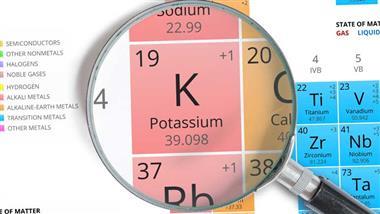
Potassium is a naturally occurring mineral that your body uses as an electrolyte, or substance in solution that will conduct electricity, and is vital for normal functioning.
Diarrhea, vomiting, excessive sweating (such as when using a sauna) and some drugs may deplete or disrupt your potassium balance. But, the most common reason your potassium levels are not within normal limits is due to poor dietary choices.
The average reported intake of potassium from food is about half of the 4,700 milligrams (mg) recommended.10 Research demonstrates that these low levels of potassium may have a significant impact on blood pressure, especially as it relates to the amount of salt normally found in a Western diet.
Dr. Paul Whelton, professor of epidemiology at Tulane School of Public Health and Tropical Medicine, did an analysis in 1997 of over 29 trials that demonstrated low levels of potassium resulted in higher systolic blood pressure readings.11 Studies performed since then have found similar results.12,13 According to Whelton’s research:14
“The results support the premise that low potassium intake may play an important part in the genesis of high BP. Increased potassium intake should be considered as a recommendation for prevention and treatment of hypertension, especially in those who are unable to reduce their intake of sodium.”
Potassium works in your body to relax the walls of your arteries, keep your muscles from cramping, and lowers your blood pressure.15 The reduction in blood pressure with added potassium has also been associated in studies with a reduced risk of stroke.16
The Many Benefits of Potassium
Research has found that women without hypertension who consumed the most potassium (nearly 3,200 mg/day) had a 21% reduced risk of stroke. Further, women who consumed the most potassium were 12% less likely to die during the study period than those who consumed the least.17 According to the study’s lead researcher:18
“Potassium may play a role in improving blood vessel function in our brains. This could allow better oxygenation of our brain tissue, and prevent tissue death that occurs from lack of oxygen to the brain …
The effect of potassium consumption on reduced stroke risk could also be due to a better diet overall, though we did not investigate this in our study.”
Potassium should be the third most abundant mineral in the human body. Adequate amounts of potassium are also associated with quicker recovery from exercise and improved muscle strength.19,20 As an electrolyte, potassium helps to regulate the fluid balance in your cells and throughout your body.21
Fluid balance is essential to maintaining life, preventing dehydration at the cellular level and maintaining brain function.22 Potassium is important in the transmission of nerve impulses in your brain, spinal cord and peripheral nervous system.23
Nerve impulses transmitting information from one nerve to the next happens as the result of electrical activity. This activity is what an electrocardiogram measures as it tracks heart activity.
Low levels of potassium have been linked with high levels of insulin and glucose, associated with metabolic syndrome and Type 2 diabetes.24 These results have been found in several studies,25 leading researchers to recommend dietary choices that boost potassium levels and reduce the risk of type 2 diabetes.
Effects of High Blood Pressure on Your Body
Unfortunately, 20% of people who suffer with high blood pressure are unaware of the condition, significantly increasing their potential risk of health problems. With uncontrolled or poorly controlled hypertension, you increase the risk of significant health effects that reduce your quality of life and have a negative effect on the length of your life.
Hypertension increases your risk of stroke as it can cause blood vessels in your brain to rupture or clog more easily. In both instances, oxygen supply to a portion of the brain ceases and a stroke results.26 The increased workload on the heart muscle may result in heart failure, and damage to the arteries supplying the heart muscle with oxygen may result in a heart attack.
Hypertension may damage the smaller arteries, reducing the amount of oxygen delivered and severely impacting the ability of organs to function, such as your kidneys and eyes. This may result in kidney failure and vision loss. The damage to smaller blood vessels is called microvascular disease and may lead to angina, or chest pain when the heart muscle doesn’t get enough oxygen, and sexual dysfunction.
Atherosclerosis is another form of damage to the arterial system from hypertension that may result in peripheral vascular disease. The narrowing of the arteries may occur in the legs, arms, stomach and head, triggering pain and fatigue.
Sodium/Potassium Ratio Is Key
The key to relaxing your arterial walls and reducing your blood pressure is the sodium to potassium ratio. In the United States and many other developed countries, salt has been vilified as a primary cause of high blood pressure and heart disease. According to research presented at last year’s American Heart Association meeting,27 excessive salt consumption contributed to 2.3 million heart-related deaths worldwide in 2010.
However, it’s important to realize that most Americans and other Westerners get the majority of their sodium from commercially available table salt and processed foods — not from natural unprocessed salt. So, not only is the ratio between potassium and sodium important, so is the type of sodium consumed.
If you eat a lot of processed foods and not many vegetables, there’s a good chance your sodium-to-potassium ratio is unbalanced. If you’re not sure, try using cronometer.com/mercola, which allows you to enter the foods you eat and then calculates the ratio automatically. It’s generally recommended that you consume five times more potassium than sodium, but most Americans get the opposite ratio, eating two times more sodium than potassium.
This ratio is more important than your overall salt intake. A better strategy to promote public health would be to forgo the strict sodium reduction element and focus recommendations instead on a high-quality diet rich in potassium, as this nutrient helps offset the hypertensive effects of sodium. Imbalance in this ratio can not only lead to hypertension (high blood pressure) but also contribute to a number of other diseases, including:
| Kidney stones | Memory decline | Cataracts |
| Osteoporosis | Erectile dysfunction | Stomach ulcers |
| Rheumatoid arthritis | Stomach cancer |
Why a Balanced Diet Is Your Best Option
Getting nutrients from your food instead of supplements is preferable as your food contains more than a single nutrient and in different forms. For instance, potassium found in fruits and vegetables is potassium citrate or potassium malate, while supplements are often potassium chloride. The citrate and malate forms help produce alkali, which may promote bone health28 and preserve lean muscle mass as you age.29
Bone loss may lead to brittle bones or even osteoporosis. While potassium in fruits and vegetables may help build bone health, potassium chloride may not. As researcher Dr. Bess Dawson-Hughes from Tufts University explains:30
“If you don’t have adequate alkali to balance the acid load from the grains and protein in a typical American diet, you lose calcium in the urine and you have bone loss … When the body has more acid than it is easily able to excrete, bone cells get a signal that the body needs to neutralize the acid with alkali … And bone is a big alkali reservoir, so the body breaks down some bone to add alkali to the system.”
Research by Dawson-Hughes found that people who were in the neutral range for net acid excretion, meaning they had a fairly healthy balance for bone and muscle health, were eating just over eight servings of fruits and vegetables a day along with 5.5 servings of grains.
When they rounded this out, it came to about half as many grains as fruits and vegetables. For many Americans a simple recommendation to increase your alkali (and potassium) while reducing acid is to eat more vegetables and fewer grains.31
Other Drug-Free Methods to Control Blood Pressure
Here are several suggestions to help keep your blood pressure under control and reduce your risk of organ damage.
| Address insulin and leptin resistance to impact magnesium and nitric oxide — High blood pressure is associated with insulin resistance, which results from eating a diet too high in sugar. As your insulin level rises, so does your blood pressure. Insulin stores magnesium, but if your insulin receptors are blunted and your cells grow resistant to insulin, you can’t store magnesium so it passes out of your body through urination.
Magnesium stored in your cells relaxes muscles. If your magnesium level is too low, your blood vessels will constrict rather than relax, and this constriction raises your blood pressure. Fructose also elevates uric acid, which drives up your blood pressure by inhibiting the nitric oxide in your blood vessels. (Uric acid is a byproduct of fructose metabolism. In fact, fructose typically generates uric acid within minutes of ingestion.) Nitric oxide helps your vessels maintain their elasticity, so nitric oxide suppression leads to increases in blood pressure. If you’re healthy, and want to stay that way, the general rule is to keep your total fructose intake to 25 grams per day or less. If you’re insulin resistant and/or have high blood pressure, keep your total fructose to 15 grams or less per day until your condition has resolved. |
| Eat real food — A processed food diet, loaded with net carbohydrates (non-fiber carbs like sugar, fructose and grains) and trans fat (margarines and vegetable oils) is a recipe for hypertension. Instead, make whole, ideally organic foods the focus of your diet.
Also remember to swap non-fiber carbs for healthy fats such as avocados, butter made from raw, grass-fed organic milk, organic pastured egg yolks, coconuts and coconut oil, raw nuts such as pecans and macadamia, grass-fed meats and pasture raised poultry. To learn more about healthy eating, please see my optimal nutrition plan. |
| Mind your sodium to potassium ratio — According to Lawrence Appel, lead researcher on the DASH diet and director of the Welch Center for Prevention, Epidemiology and Clinical Research at Johns Hopkins, your diet as a whole is the key to controlling hypertension — not salt reduction alone.
He believes a major part of the equation is this balance of minerals, i.e., most people need less sodium and more potassium, calcium and magnesium. According to Appel,32 “Higher levels of potassium blunt the effects of sodium. If you can’t reduce or won’t reduce sodium, adding potassium may help. But doing both is better.” Indeed, maintaining a proper potassium to sodium ratio in your diet is very important, and hypertension is but one of many side effects of an imbalance. A processed food diet virtually guarantees you’ll have a lopsided ratio of too much sodium to potassium. Making the switch from processed foods to whole foods will automatically improve your ratios. Include foods high in potassium such as sweet potatoes, tomatoes, spinach, beets, black beans, wild caught salmon, edamame, butternut squash, Swiss chard, apricots, cantaloupe, mushrooms and tuna.33 |
| Load up on veggies — Juicing is a simple way to increase the amount of vegetables in your diet, and many NO3-rich veggies (which raise your nitric oxide level) are suitable for juicing, such as beets, kale, celery, spinach, carrots and more. Allicin-rich garlic, leeks, shallots and chives also help improve your blood pressure, and are easy to add to salads and various dishes. |
| Optimize your vitamin D level |
| Boost your animal-based omega-3 intake — The best way to boost your omega-3 is to eat plenty of oily fish that are low in mercury and other pollutants. Good options include wild caught Alaskan salmon, sardines and anchovies. Alternatively, take a high-quality krill oil or fish oil supplement. Krill oil has advantages over fish oil, which is why I prefer it. |
| Consider intermittent fasting — Intermittent fasting is one of the most effective ways I’ve found to normalize your insulin/leptin sensitivity. It’s not a diet in conventional terms, but rather a way of scheduling eating in such a way as to promote efficient energy use.
Essentially, intermittent fasting means eating your calories during a specific window of the day, and choosing not to eat food during the rest. When you eat, your body reacts by elevating insulin and leptin. |
| Exercise regularly — A comprehensive fitness program can go a long way toward regaining your insulin sensitivity and normalizing your blood pressure. To reap the greatest rewards, I recommend including high intensity interval exercises in your routine.
I also recommend training yourself to breathe through your nose when exercising, as mouth breathing during exercise can raise your heart rate and blood pressure, sometimes resulting in fatigue and dizziness. |
| Avoid smoking and other forms of pollution — Smoking is known to contribute to high blood pressure, as are other forms of air pollution, even noise pollution. To address these, avoid smoking, consider using ear plugs during sleep if you live in a noisy neighborhood (provided you cannot move), and take steps to improve your indoor air quality. |
| Walk barefoot — Going barefoot will help you ground to the earth. Experiments show that walking barefoot outside (also referred to as Earthing or grounding) improves blood viscosity and blood flow, which help regulate blood pressure. So, do yourself a favor and ditch your shoes now and then.
Grounding also calms your sympathetic nervous system, which supports your heart rate variability. This in turn promotes homeostasis, or balance, in your autonomic nervous system. In essence, anytime you improve heart rate variability, you’re improving your entire body and all of its functions. |
| Address your stress — The connection between stress and hypertension is well documented, yet still does not receive the emphasis it deserves. In fact, it has been shown that people with heart disease can lower their risk of subsequent cardiac events by over 70% simply by learning to manage their stress.
Suppressed negative emotions such as fear, anger and sadness can severely limit your ability to cope with the unavoidable every day stresses of life. It’s not the stressful events themselves that are harmful, but your lack of ability to cope. The good news is, strategies exist that quickly and effectively transform your suppressed, negative emotions, and relieve stress. My preferred method is the Emotional Freedom Techniques (EFT), an easy to learn, easy to use technique for releasing negative emotions. EFT combines visualization with calm, relaxed breathing, while employing gentle tapping to “reprogram” deeply seated emotional patterns. |
- 1, 4 CDC. Facts About Hypertension. July 12, 2022
- 2 CDC. Heart Disease and Stroke. September 8, 2022
- 3 Centers for Disease Control and Prevention, Leading Causes of Death
- 5 CDC. 5 Surprising Facts About High Blood Pressure. November 9, 2020
- 6 Harvard Medical School, Potassium Lowers Blood Pressure
- 7 Daily Mail, May 23, 2016
- 8 Harvard Health Publications, March 5, 2014
- 9 Clinical and Experimental Hypertension, 2016;28(3): 317
- 10 U.S. Department of Agriculture Food Research Group, Potassium Intake of the U.S. Population
- 11 Journal of the American Medical Association 1997;277(20):1624
- 12 Journal of Human Hypertension 2003; 17(7):471
- 13 BMJ 2013; 346:f1378
- 14 NIH. Database of Abstracts of Reviews. 1997
- 15 Harvard Health Publications, January 23, 2017
- 16, 17 Stroke 2014; 45(10):2874
- 18 MedicineNet September 4, 2014
- 19 Journal of Internal Medicine 2002;252(1):56
- 20 Sports Medicine 1991; 11(6):382
- 21 Berkeley University, Fluid and Electrolyte Balance
- 22 Nursing Standard, 2008; 22(47):50
- 23 Eastern Kentucky University, Neurons and the ervous System
- 24 Johns Hopkins Medicine, March 2, 2011
- 25 Expert Reviews in Endocrinology and Metabolism, 2011;6(5):665
- 26 CDC. About Stroke. May 4, 2022
- 27 Bloomberg, March 21, 2013
- 28 New York Times, November 24, 2009
- 29 American Journal of Clinical Nutrition 2008; 87(3):662
- 30, 31 The Free Library. 2 Little? 2 Nutrients to Get More Of
- 32 USA Today. Diet and Blood Pressure: It’s Not About the Salt. May 18, 2014
- 33 Prevention, April 12, 2016
Statins Double Risk of Dementia, Are Linked to COVID Deaths
Reproduced from original article:
https://articles.mercola.com/sites/articles/archive/2021/07/28/statins-double-risk-of-dementia.aspx
Analysis by Dr. Joseph Mercola Fact Checked July 28, 2021
STORY AT-A-GLANCE
- Statins do not protect against cardiovascular disease and more than double the risk of dementia in some cases
- People with early mild cognitive impairment and low to moderate cholesterol levels who used lipophilic statins had more than double the risk of dementia compared to those who did not use statins
- Statin users also had significant decline in metabolism of the brain’s posterior cingulate cortex, which is the brain region that declines most significantly in early Alzheimer’s disease
- Among patients with Type 2 diabetes admitted to a hospital for COVID-19, those taking statins had significantly higher mortality rates from COVID-19 compared to those not taking the drugs
- People who take statins are more than twice as likely to be diagnosed with diabetes and those who take the drugs for longer than two years have more than triple the risk
The use of statin cholesterol-lowering medications has been on the rise for decades1 and they are among the most widely used drugs in the world. In the U.S., close to 50% of U.S. adults over 75 years old take a statin2 to lower their cholesterol in the misguided hope of preventing heart disease, heart attacks and stroke.
Not only is there strong evidence suggesting that statins are a colossal waste of money, but their use may also harm your brain health — more than doubling your risk of dementia in some cases.3
The benefit must clearly outweigh the risk when it comes to any drug treatment, but this is rarely the case with statins, which do not protect against cardiovascular disease and are linked to a number of health conditions4,5 including dementia, diabetes6 and even increased risk of death from COVID-19.7
Statins Doubled Risk of Developing Dementia
Statins’ effects on cognitive performance have previously been called into question, since lower levels of low-density lipoprotein (LDL) cholesterol are linked to a higher risk of dementia.8 The featured study, published in The Journal of Nuclear Medicine,9 involved people with mild cognitive impairment and looked into the effects of two types of statins: hydrophilic and lipophilic.
Hydrophilic statins, which include pravastatin (Pravachol) and rosuvastatin (Crestor), dissolve more readily in water, while lipophilic statins, such as atorvastatin (Lipitor), simvastatin (Zocor), Fluvastatin (Lescol), and lovastatin (Altoprev), dissolve more readily in fats.10 Lipophilic statins can easily enter cells11 and be distributed throughout your body, whereas hydrophilic statins focus on the liver.12
According to study author Prasanna Padmanabham of the University of California, Los Angeles, “There have been many conflicting studies on the effects of statin drugs on cognition. While some claim that statins protect users against dementia, others assert that they accelerate the development of dementia. Our study aimed to clarify the relationship between statin use and subject’s long-term cognitive trajectory.”13
Subjects were divided into groups based on cognitive status, cholesterol levels and type of statin used, and followed for eight years. Those with early mild cognitive impairment and low to moderate cholesterol levels at the start of the study who used lipophilic statins had more than double the risk of dementia compared to those who did not use statins.14
Further, this group also had significant decline in metabolism of the brain’s posterior cingulate cortex, which is the brain region that declines most significantly in early Alzheimer’s disease.15
Your Brain Needs Cholesterol
About 25% to 30% of your body’s total cholesterol is found in your brain, where it is an essential part of neurons. In your brain, cholesterol helps develop and maintain the plasticity and function of your neurons,16 and data from the Shanghai Aging Study revealed that high levels of LDL cholesterol are inversely associated with dementia in those aged 50 years and over.
“High level of LDL-C may be considered as a potential protective factor against cognition decline,” the researchers noted.17 They compiled a number of mechanisms on why lower cholesterol may be damaging for brain health, including the fact that lower cholesterol is linked with higher mortality in the elderly and may occur alongside malnutrition and chronic diseases, including cancer. As it specifically relates to brain health, however, they suggested:18
- Decreasing cholesterol levels in the elderly may be associated with cerebral atrophy, which occurs with dementia
- High LDL cholesterol may be beneficial by reducing neurons’ impairments or helping repair injured neurons
- Acceleration of neurodegeneration has occurred when neurons were short on cellular cholesterol or cholesterol supply
- Cholesterol plays an important role in the synthesis, transportation and metabolism of steroid hormones and lipid-soluble vitamins, and both of these are important to synaptic integrity and neurotransmission
Lower cholesterol levels were also associated with worse cognitive function among South Korean study participants aged 65 and over, and were considered to be a “state marker for AD [Alzheimer’s disease].”19
A U.S. study of more than 4,300 Medicare recipients aged 65 and over also revealed that higher levels of total cholesterol were associated with a decreased risk of Alzheimer’s disease, even after adjusting for cardiovascular risk factors and other related variables.20
Statins Increase Death Risk From COVID-19
The risks to brain health are only one red flag tied to statins. A concerning link was also uncovered among statins, diabetes and an increased risk of severe disease from COVID-19.21 Among patients with Type 2 diabetes admitted to a hospital for COVID-19, those taking statins had significantly higher mortality rates from COVID-19 within seven days and 28 days compared to those not taking the drugs.
The researchers acknowledged those taking statins were older, more frequently male and often had more comorbidities, including high blood pressure, heart failure and complications of diabetes. However, despite the limitations, the researchers found enough evidence in the over 2,400 participants to conclude:22
“… our present results do not support the hypothesis of a protective role of routine statin use against COVID-19, at least not in hospitalized patients with T2DM (Type 2 diabetes mellitus).
Indeed, the potentially deleterious effects of routine statin treatment on COVID-19-related mortality demands further investigation and, as recently highlighted, only appropriately designed and powered randomized controlled trials will be able to properly address this important issue.”
Statins Double — or Triple — Diabetes Risk
A connection already exists between statins and diabetes, to the extent that people who take statins are more than twice as likely to be diagnosed with diabetes than those who do not, and those who take the drugs for longer than two years have more than triple the risk.23,24
“The fact that increased duration of statin use was associated with an increased risk of diabetes — something we call a dose-dependent relationship — makes us think that this is likely a causal relationship,” study author Victoria Zigmont, a graduate researcher in public health at The Ohio State University in Columbus, said in a news release.25
The data also indicated that individuals taking statin medications had a 6.5% increased risk of high blood sugar as measured by hemoglobin A1c value,26 which is an average level of blood sugar measuring the past 60 to 90 days.
Researchers with the Erasmus Medical Center in The Netherlands also analyzed data from more than 9,500 patients, finding those who had ever used statins had a 38% higher risk of Type 2 diabetes, with the risk being higher in those with impaired glucose homeostasis and those who were overweight or obese.27
The researchers concluded, “Individuals using statins may be at higher risk for hyperglycemia, insulin resistance and eventually Type 2 diabetes. Rigorous preventive strategies such as glucose control and weight reduction in patients when initiating statin therapy might help minimize the risk of diabetes.”
But a far better strategy may be preventing insulin resistance in the first place, by avoiding statin drugs and eating a healthy diet. According to Dr. Aseem Malhotra, an interventional cardiologist consultant in London, U.K. — who has been attacked for being a “statin denier” after calling out the drugs’ side effects28 — and a colleague:29
“In young adults, preventing insulin resistance could prevent 42% of myocardial infarctions, a larger reduction than correcting hypertension (36 %), low high-density lipoprotein cholesterol (HDL-C) (31 %), body mass index (BMI) (21 %) or LDL-C (16 %).30
It is plausible that the small benefits of statins in the prevention of CVD come from pleiotropic effects which are independent of LDL-lowering. The focus in primary prevention should therefore be on foods and food groups that have a proven benefit in reducing hard endpoints and mortality.”
The Statin Scam
Even as saturated fats and cholesterol have been vilified, and statin drugs have become among the most widely prescribed medications worldwide, heart disease remains a top killer.31 Today, statin drugs to reduce cholesterol levels are recommended for four broad patient populations:32
- Those who have already had a cardiovascular event
- Adults with diabetes
- Individuals with LDL cholesterol levels ≥190 mg/dL
- Individuals with an estimated 10-year cardiovascular risk ≥7.5% (based on an algorithm that uses your age, gender, blood pressure, total cholesterol, high density lipoproteins (HDL), race and history of diabetes to predict the likelihood you’ll experience a heart attack in the coming 10 years)
Despite statins being prescribed for these sizable groups, and “target” cholesterol levels being achieved, a systematic review of 35 randomized, controlled trials found that no additional benefits were gained. According to an analysis in BMJ Evidence-Based Medicine:33
“Recommending cholesterol lowering treatment based on estimated cardiovascular risk fails to identify many high-risk patients and may lead to unnecessary treatment of low-risk individuals. The negative results of numerous cholesterol lowering randomized controlled trials call into question the validity of using low density lipoprotein cholesterol as a surrogate target for the prevention of cardiovascular disease.”
Even in the case of recurrent cardiovascular events, despite the increase in statin use from 1999 to 2013, researchers writing in BMC Cardiovascular Disorders noted, “there was only a small decrease in the incidence of recurrent CVD, and this occurred mainly in older patients without statins prescribed.”34
Statins Won’t Protect Your Heart Health
Statins are effective at lowering cholesterol, but whether this is the panacea for helping you avoid heart disease and extend your lifespan is a topic of heated debate. Again in 2018, a scientific review presented substantial evidence that high LDL and total cholesterol are not an indication of heart disease risk, and that statin treatment is of doubtful benefit as a form of primary prevention for this reason.35
In short, these drugs have done nothing to derail the rising trend of heart disease, while putting users at increased risk of health conditions like diabetes, dementia and others, such as:
- Cancer36
- Cataracts37
- Triple risk of coronary artery and aortic artery calcification38
- Musculoskeletal disorders, including myalgia, muscle weakness, muscle cramps, rhabdomyolysis and autoimmune muscle disease39
- Depression40
In the event you’re taking statins, be aware that they deplete your body of coenzyme Q10 (CoQ10) and inhibit the synthesis of vitamin K2. The risks of CoQ10 depletion can be somewhat offset by taking a Coenzyme Q10 supplement or, if you’re over 40, its reduced form ubiquinol. But ultimately, if you’re looking to protect both your brain and heart health, avoiding statin drugs and instead optimizing your diet may be the answer.
- 1, 34 BMC Cardiovasc Disord. 2018; 18: 209
- 2, 3, 12, 13 SciTechDaily June 28, 2021
- 4 Journal of Clinical Lipidology February 2017
- 5 The Lancet November 24, 2007
- 6 Current Diabetes Reports February 2, 2017
- 7, 21, 22 Diabetes and Metabolism, 2020; doi.org/10.1016/j.diabet.2020.10.001
- 8 Frontiers in Neurology November 12, 2018
- 9, 14, 15 Journal of Nuclear Medicine May 2021, 62 (supplement 1) 102
- 10 Harvard Health Publishing January 27, 2020
- 11 Front Cardiovasc Med. 2021; 8: 687585
- 16, 17, 18 Front Neurol. 2018; 9: 952
- 19 J Nutr Health Aging. 2002;6(5):320-3
- 20 Arch Neurol. 2004 May;61(5):705-14
- 23, 25, 26 Medical News Today June 26, 2019
- 24 Diabetes Metabolism Research and Reviews May 24, 2019
- 27 British Journal of Clinical Pharmacology March 5, 2019
- 28 Daily Mail March 2, 2019
- 29 BMC Med. 2016; 14: 4
- 30 Diabetes Care. 2009 Feb;32(2):361-6
- 31 JAMA. 2019;322(8):780-782. doi:10.1001/jama.2019.9161
- 32, 33 BMJ Evidence-Based Medicine August 4, 2020 DOI: 10.1136/bmjebm-2020-111413
- 35 Expert Review of Clinical Pharmacology, September 10, 2018
- 36 Cancer Epidemiol Biomarkers Prev. 2013 Sep;22(9):1529-37
- 37, 38 Open Journal of Endocrine and Metabolic Diseases 2013, Vol. 3, No. 3
- 39 JAMA Intern Med. 2013;173(14):1318-1326
- 40 Annals of General Psychiatry, 2017;16:20