Depression
now browsing by category
Glycine to Increase Longevity and Decrease Depression
Reproduced from original article:
https://articles.mercola.com/sites/articles/archive/2023/04/20/glycine-increase-longevity-decrease-depression.aspx
The original Mercola article may not remain on the original site, but I will endeavor to keep it on this site as long as I deem it to be appropriate.
Analysis by Dr. Joseph Mercola Fact Checked April 20, 2023
STORY AT-A-GLANCE
- Glycine has been shown to extend lifespan in animal studies and mitigate chronic disease and disability, thereby increasing healthspan
- Glycine has anticancer effects, reduces insulin and alleviates neuroinflammation; it may also protect against depression and is essential for collagen synthesis
- To gain all of glycine’s healing potential, doses of 10 to 20 grams a day may be optimal
- You need at least 12 grams of glycine daily for optimal collagen turnover, plus another 3 grams per day to form glutathione
- Excess methionine from eating animal products without the connective tissues decreases longevity, but adding glycine will reduce the methionine/glycine ratio to counter the negative side effects of excess methionine
- Glycine has neurotransmitter qualities, improves depression and is also useful for improving sleep quality by helping relaxation at night by being very similar to the neurotransmitter GABA
Glycine, a nonessential amino acid, meaning your body can make it, but most of us as we age are simply unable to make enough of it, especially if our dietary intake is low because we are not eating enough connective tissue and collagen in our diet.
New research is emerging showing glycine is a powerful longevity enhancer, one that’s not only inexpensive but also has a pleasant, slightly sweet flavor. In fact, glycine is sometimes used as a sugar substitute, and I personally take 1 teaspoon with each of my two meals and before bedtime for its health-enhancing qualities.
Research shows glycine extends lifespan in worms, mice and rats while improving health in models of age-related disease.1 If there were any doubt about its importance, consider that collagen — the most abundant protein in your body2 — is made mostly of glycine. It’s also a precursor to glutathione, a powerful antioxidant that declines with age.
As noted by Siim Land, author of “Metabolic Autophagy,” in the video above,3 however, there are two glycine benefits that appear key to its actions as a veritable fountain of youth — inducing autophagy and mimicking the longevity benefits of methionine restriction.4
How Glycine May Influence Aging
Glycine is a receptor for the enzyme glycine N-methyltransferase (GNMT), which plays a role in methionine clearance, according to a review published in Ageing Research Reviews.5 Glycine is the acceptor for GNMT, an enzyme responsible for methionine clearance. GNMT converts glycine to sarcosine, “an autophagy-inducing metabolite.”6
Further, in mice deficient in GNMT, levels of free methionine may be seven-fold higher, while S-adenosyl-L-methionine may increase by 35-fold.7 This matters, as methionine is involved in cancer cell growth and metabolism, while methionine restriction inhibits cancer cell growth.8
Methionine restriction has been shown to improve longevity, extending lifespan in mice while lowering levels of insulin, glucose and insulin-like growth factor 1. Limiting methionine also yields a host of additional antiaging benefits in ice, like reducing liver damage after exposure to dangerous amounts of acetaminophen and reducing overall frailty.9
“Since a low level of methionine signifies a low nutrient state, methionine restriction is thought to act as a caloric restriction mimetic,” the Ageing Research Reviews report explains.10 Glycine, in turn, the researchers noted, “may prolong life by serving as a methionine restriction mimetic.”11 It does this because it lowers the methionine/glycine ratio which may be more important than the absolute level of methionine consumption.
You Need Glycine for Collagen Synthesis
Indeed, in a study on mice using data from the National Institute on Aging’s Interventions Testing Program, a team of scientists revealed that feeding a diet with 8% glycine increased lifespan significantly, by 4% to 6%, in males and females, while offering additional benefits like reduced risk of dying from lung cancer.12
Some animal studies have shown up to a 28.4% median increase in lifespan when eating a diet containing 8% or 12% glycine.13 There are also direct antiaging effects via collagen synthesis. Land explains:14
“Glycine also has a very important role in antiaging directly by helping to reduce wrinkles, and collagen synthesis. Glycine makes up every third amino acid in collagen, which is why there is such a large requirement of glycine for optimal collagen turnover.
The less collagen or glycine you consume, the slower your collagen turnover is. Slow collagen turnover increases the damage that occurs to your collagen, such as glycation and oxidation, and reduces collagen deposition into tissues.
Collagen is the most abundant protein in the human body, making up approximately 30% of all your protein by mass. It makes up your hair, teeth, skin, nails, organs, arteries, cartilage, bones, tendons and ligaments. Collagen is literally the glue that holds you together. So making sure that you preserve your collagen is very important for slowing down aging, especially when it comes to wrinkles.
Starting at the age of 20 you lose just under 10% of your skin’s collagen content every decade. So, by the time you’re 75 years old you would have lost 50% of your skin’s collagen content … up until very recently it was thought that the collagen turnover was very slow and it only happened over the course of many years — over the entire lifespan.
However, recently it was shown that college turnover happens every day and is part of your daily protein turnover.”

Download this Article Before it Disappears
Glycine Protects Against Age-Related Disease
Also significant is glycine’s potential to mitigate chronic disease and disability, thereby increasing healthspan throughout your body. Glycine receptors exist in the central nervous system, for instance, which means glycine acts as a neurotransmitter.15 The Ageing Research Reviews study compiled multiple examples of glycine’s ability to fight age-related disease in animals, including:16
| Suppressed tumor growth in mice with melanoma17 | Decreased fasting glucose, insulin, triglyceride and insulin-like growth factor 1 in male rats18 |
| Preserved muscle mass and reduced inflammatory markers in mice with cancer cachexia19 | Improved endothelial function in older rats20 |
| Even intermittently restricting methionine leads to benefits like improved glucose homeostasis, reduced obesity and protection against fatty liver | Reduced weight gain and improved bone mineral density in a mouse model designed to mimic postmenopausal bone loss21 |
| Protected against cardiac hypertrophy22 | Alleviated neuroinflammation and protected against cognitive deficits in mice with neurodegeneration23 |
Human trials confirm what the animal models suggest — that glycine is protective against a range of chronic diseases. In a study of 60 people with metabolic syndrome, 15 grams of glycine a day for three months had reduced oxidative stress and improved systolic blood pressure.24
In older adults, limited availability of glycine and cysteine may lead to decreased synthesis of glutathione — composed of the three amino acids cysteine, glycine and glutamic acid — such that glutathione deficiency is widespread in this population.25 The lack of glutathione, perhaps driven by limited glycine, in older adults may be a key element driving the oxidative stress and mitochondrial dysfunction that lead to age-related degeneration. Land notes:26
“The benefits of glycine generally have to do with improving the blood sugar levels, fasting insulin levels, triglycerides, even lowering the demand for sleep, improving brain function and health, helping with just overall aspects of vitality.
… a lot of the longevity benefits come from the methane restriction and the autophagy stimulation that pretty much helps to clean out the cells from the dysfunctional components as well as boosting glutathione levels, which just enables the body to function with less inflammation and oxidative stress, which is very crucial for aging and it also pretty much buffers against the methionine toxicity.”
Glycine With NAC Supports Mitochondrial Health
Researchers at Baylor College of Medicine also looked into supplementation with a combination of glycine and N-acetylcysteine (NAC), two glutathione precursors known as GlyNAC when taken together.
They had previously shown that young mice deficient in glutathione had mitochondrial dysfunction, and supplementing with GlyNAC in older mice not only improved glutathione deficiency but also mitochondrial impairment, oxidative stress and insulin resistance.27
Additional previous research they conducted in HIV patients28 found GlyNAC supplementation improved “deficits associated with premature aging” in this population.29 This included improvements to oxidative stress, mitochondrial dysfunction, inflammation, endothelial dysfunction, insulin resistance, genotoxicity, strength and cognition.30
A subsequent pilot trial in older humans found similar results, with GlyNAC supplementation for 24 weeks correcting glutathione deficiency and improving multiple measures of health, including:31
| Mitochondrial dysfunction | Oxidative stress | Inflammation |
| Endothelial dysfunction | Insulin resistance | Genomic damage |
| Cognition | Strength | Gait speed |
| Exercise capacity | Body fat levels | Waist circumference |
Further, GlyNAC supplementation improved four of nine hallmarks of aging associated with most age-related disorders — mitochondrial dysfunction, inflammation, insulin resistance and genomic damage.32 Glycine, the team noted, is an important methyl-group donor. “Methyl groups are abundant in DNA and are important components of multiple cellular reactions. Glycine is also important for normal brain function.”33
In addition to supporting brain function,34 supplemental glycine may be useful for the “prevention and control of atherosclerosis, heart failure, angiogenesis associated with cancer or retinal disorders and a range of inflammation-driven syndromes, including metabolic syndrome.”35
Glycine’s Link to Depression
As a major neurotransmitter,36 glycine’s role in brain health is receiving increasing attention. The results of a 15-year study conducted by University of Florida researchers also suggest it may be involved in depression. The finding relates to a receptor called GPR158. When suppressed in mice, stress-induced depression is less likely.
When they determined the structure of GPR158, they realized it’s an amino acid receptor — for glycine. “We were barking up the completely wrong tree before we saw the structure,” study author Kirill Martemyanov told Medical News Today. “We said, ‘Wow, that’s an amino acid receptor. There are only 20, so we screened them right away and only one fit perfectly … it was glycine.”37
After learning that GPR158 binds to glycine and acts as a metabotropic glycine receptor, they named it mGlyR.38 The team explained in the journal Science:39
“Glycine signals through mGlyR to inhibit production of the second messenger adenosine 3′,5′-monophosphate. We further show that glycine, but not taurine, acts through mGlyR to regulate neuronal excitability in cortical neurons. These results identify a major neuromodulatory system involved in mediating metabotropic effects of glycine, with implications for understanding cognition and affective states.”
Glycine is also useful for improving sleep quality.40 “It can help to relax at night by being very similar to GABA,” Land says. “… It’s beneficial for … reducing the time it takes to fall asleep. People who ingested 3 grams of glycine within one hour before bedtime saw an improvement in subjective sleep quality, fell asleep faster and were less sleepy during the day.”41
How Much Glycine Is Enough?
To gain all of glycine’s healing potential, doses of 10, 15, or 20 grams a day may be necessary. Land suggests you need at least 12 grams of glycine daily for optimal collagen turnover, plus another 3 grams per day to form glutathione and other compounds:42
“Your body only makes 3 grams of glycine per day, and if you only consume around 2 to 3 grams of glycine from foods then it means that almost all of us are in a 10-gram glycine deficit every day,” he says.
“… I think most people would benefit for at least 5 to 10 grams of glycine a day, which is, uh kind of a moderate amount … if you are eating a lot of muscle meat … or you’re just interested in getting more of the benefits of glycine then you can take even up to 20 grams a day.”
In addition to supplements, collagen is an outstanding source of glycine. My personal preference is to use a less denatured (unhydrolyzed) organic collagen supplement, as it has a more balanced amino acid profile or, better yet, simply boost your collagen intake by making homemade bone broth using bones and connective tissue from grass fed, organically raised animals.
– Sources and References
- 1 Ageing Research Reviews March 31, 2023, Highlights
- 2 Cold Spring Harb Perspect Biol. 2011 Jan; 3(1): a004978
- 3 YouTube, Siim Land, Glycine Longevity Benefits Are Amazing – New Study Confirms April 5, 2023
- 4, 5, 6, 7, 8, 9, 10, 11 Ageing Research Reviews March 31, 2023
- 12 Aging Cell January 23, 2019
- 13 Ageing Research Reviews March 31, 2023, Table 1
- 14 YouTube, Siim Land, Glycine Longevity Benefits Are Amazing – New Study Confirms April 5, 2023, 5:49, 7:31
- 15 Ageing Research Reviews March 31, 2023, Intro
- 16 Ageing Research Reviews March 31, 2023, Table 2
- 17 Carcinogenesis, Volume 20, Issue 5, May 1999, Pages 793–798
- 18 The FASEB Journal April 1, 2011
- 19 Clinical Nutrition June 2014, Volume 33, Issue 3, Pages 448-458
- 20 Canadian Journal of Physiology and Pharmacology June 2015, Volume 93, Number 6
- 21 Amino Acids volume 48, pages 791–800 (2016)
- 22 Biochemical Pharmacology January 1, 2017
- 23 Journal of Neuroinflammation October 15, 2020
- 24 Canadian Journal of Physiology and Pharmacology June 17, 2013
- 25 Innov Aging. 2019 Nov; 3(Suppl 1): S416
- 26 YouTube, Siim Land, Glycine Longevity Benefits Are Amazing – New Study Confirms April 5, 2023, 5:49, 7:00
- 27 Clinical and Translational Medicine March 27, 2021, Abstract, Background
- 28, 30 Biomedicines September 30, 2020
- 29 Baylor College of Medicine March 29, 2021
- 31 Clinical and Translational Medicine March 27, 2021
- 32 Clinical and Translational Medicine March 27, 2021, Section 4.12
- 33, 34 Clinical and Translational Medicine March 27, 2021, Section 4.13
- 35 Medical Hypotheses January 15, 2019
- 36, 38, 39 Science March 30, 2023, Abstract
- 37 Medical News Today April 4, 2023
- 40 Neuropsychopharmacology. 2015 May; 40(6): 1405–1416
- 41 YouTube, Siim Land, Glycine Longevity Benefits Are Amazing – New Study Confirms April 5, 2023, 5:49, 8:50, 11:56
- 42 YouTube, Siim Land, Glycine Longevity Benefits Are Amazing – New Study Confirms April 5, 2023, 5:49, 8:50, 13:46
Nutritional Risk Factors in Suicide: How Vitamin D Can Help
Reproduced from original OMNS article (OrthoMolecular News Service):
http://orthomolecular.org/
Subscribe to the free Orthomolecular Newsletter: http://orthomolecular.org/subscribe.html
Go to the OMNS Archive: http://orthomolecular.org/resources/omns/index.shtml
Orthomolecular Medicine News Service, April 4, 2023
by Max Langen
OMNS (April 4, 2023) Globally, approximately 800,000 people die from suicide every year, [1,2] which seems shocking. This is more than the entire population of Seattle, Washington. In the age groups 15 to 29 and 15 to 44, suicide is the second and third leading cause of death. [2] According to experts, the number of attempted suicides is even 10 to 30 times higher (in some subgroups, it may even be up to 200 times higher). [2] In other words, there may be 8 to more than 24 million attempted suicides per year.
Besides the huge emotional pain the victims go through, almost all of these 800,000 people have relatives and friends who will often suffer from severe emotional trauma, shock, grief, pain, anger, guilt etc. after their loved one committed suicide. Thus, the amount of pain associated with and resulting from suicide and suicide attempts is immeasurably high. It is a worldwide emergency.
While suicide has many different causes and risk factors, many recent studies have suggested that low sunshine exposure and vitamin D deficiency may be a major factor in suicide. A recent meta-analysis of 20 studies showed a significant association between latitude and suicide. A higher latitude was associated with a higher prevalence of suicide. [1] In other words, more exposure to sunshine seems to be protective by reducing the risk of suicide.
Many additional studies have shown that vitamin D deficiency is associated with a higher risk of suicidal ideation, suicide attempts and completed suicide. [3-8] People who attempted suicide had significantly lower vitamin D levels than healthy controls. [6-8] A genetic predisposition to lower vitamin D levels was also associated with a higher risk of suicide attempts, which suggests that vitamin D may have a preventative potential against suicide attempts. [9] People with a genetic predisposition to lower vitamin D levels might require higher amounts of vitamin D to stay healthy.
A recent study of more than 1 million US veterans investigated whether there is an association between prescribed supplementation of vitamin D and suicide attempts or intentional self harm. The authors conducted a propensity score matching in order to reduce the risk of confounding and to make the vitamin D-treated groups and the control groups as comparable as possible. The results showed that vitamin D supplementation cut the risk of a suicide attempt or intentional self harm almost in half. [10]
Subgroup analyses also showed that those who had the lowest vitamin D levels pre supplementation had the strongest risk reduction with regard to suicide attempts or self harm. The stronger the deficiency, the greater the benefit from taking it. For example, in the group of veterans who had 0 to 19 ng/ml pre supplementation, the risk reduction due to supplementation of D3 was 64%. Among those who had a level of 20 to 39 ng/ml pre supplementation, each additional percentage point increase in average daily dosage of D3 was associated with a 9.6% reduction. Also, black veterans achieved an even higher reduction in risk due to supplementation of vitamin D than white veterans. This was likely due in part to the fact that dark skinned individuals get less vitamin D from sunlight so they tend to have a higher prevalence of deficiency, and thus benefit more from it. [10]
Our brain requires sufficient sunshine and vitamin D to function properly. With a deficiency of vitamin D and other nutrients, synthesis of neurotransmitters no longer functions correctly, inflammatory processes increase, [7] the brain no longer has the energy to adequately deal with the challenges in life, and thus depression may arise.
An insufficiency of vitamin D (< 30 ng/ml) affects 75% of the global adult population. [11,12] Since those who attempt suicide are more likely to have a deficiency of vitamin D, this suggests that a correction of this global vitamin D insufficiency might have the potential to help prevent hundreds of thousands of suicides and millions of suicide attempts per year.
This suggestion is further supported by five recent studies:
- A meta-analysis of 25 placebo-controlled RCTs with more than 7000 participants indicated that supplementation of vitamin D reduces negative emotions. [13]
- A meta-analysis of 3 RCTs with more than 150 diabetic patients showed that vitamin D improved depressive symptoms significantly more than a placebo. [14]
- A meta-analysis of 29 studies with more than 4500 participants showed that supplementation of vitamin D reduced the incidence of depression. A daily dose of >2800 IU was effective for the prevention and treatment of depression, especially among participants with low baseline levels. [15]
- A meta-analysis of 18 placebo-controlled RCTs confirmed that supplementation of vitamin D reduces symptoms of depression. Further, patients with more severe depression responded even better than those with less severe symptoms. [15]
- And finally, an umbrella meta-analysis showed that people with low vitamin D levels have a higher risk of developing depression than those with a sufficient level. Supplementation of (especially higher doses of) vitamin D reduced depression scores more than a placebo. [16]
Worldwide, more than 250 million people suffer from depression. The prevalence of depression among adults is estimated to be 5%. And this is the main cause of suicide. [2]
Unfortunately, while vitamin D deficiency is common among depressed patients and is likely one of the main causes of this severely disabling condition, many only receive antidepressants or psychotherapy. Without a doubt, antidepressants or psychotherapy may be helpful. However, such approaches do not correct nutrient deficiencies, which is why many patients do not respond to these therapies and don´t get well. These individuals will often be described as “treatment resistant”, which is a misleading statement that often causes them even more desperation. The reason they do not get well may be that the treatment they received is incorrect or incomplete. When severe nutrient deficiencies exist, the brain metabolism will not function correctly. Biochemical healing is only possible if all required nutrients are provided in adequate doses.
A double-blind placebo-controlled study showed that combined treatment with the antidepressant fluoxetine + vitamin D was significantly more effective in the treatment of depressive disorders than fluoxetine alone. [18] And interestingly, in a double-blind study with the omega-3 fatty acid EPA, the combination of fluoxetine + EPA was also significantly more effective for patients with major depressive disorder than fluoxetine monotherapy. [19]
“Dr. Carl C. Pfeiffer said that there is a nutritional alternative to nearly every drug, and Dr. Abram Hoffer cautioned that patients that use drugs only do not get well. I firmly agree.” — Andrew Saul, PhD.
When taking vitamin D, co-factors should not be forgotten. Without them, vitamin D can not be activated correctly and won’t work as intended. Also, if the cofactors are not considered, the risk of side effects is increased. Nutrients work together in the body, and the body requires all of them to support its metabolism (synergy). Therefore, in order to protect physical and mental health and make sure that all biochemical or metabolic processes (including in the brain) can be carried out as intended by nature, all nutrients need to be provided in adequate and coordinated doses.
Magnesium and vitamin K2 are among the most important cofactors. Half of all adults in the USA do not consume adequate magnesium, which explains why a deficiency of this mineral is extremely common, affecting many or most of the people in America and Europe. In fact, depending on the population, the rate of magnesium deficiency or insufficiency may range between 30 to 90%. [12,20] Something similar is true for vitamin K2. Up to 97% of older adults suffer from a deficiency or insufficiency of vitamin K2 [21] which is another huge public health challenge.
Interestingly, a deficiency of magnesium is another important cause of depression and treatment with magnesium has shown in RCTs to be effective. In recent studies, it significantly reduced symptoms of depression. [22,23] Thus the widespread undersupply of the cofactor magnesium is likely another major factor in suicidality. And even vitamin K2 is likely effective for depression. In a new RCT, supplementation of K2 significantly alleviated depression in women with polycystic ovary syndrome (PCOS). [24]
The protocol comprising vitamins D and K2, magnesium, and omega-3 fatty acids is helpful as a basis for excellent physical and mental health. If everyone got adequate amounts of these nutrients, we would likely see fewer cases of suicides and depression. Nutritional therapy / Orthomolecular medicine saves lives. The doses required are based on individual need. A qualified orthomolecular therapist who can provide medical advice may help finding the appropriate doses and can also help finding out whether individual contraindications exist. If the vitamin D blood level is known, this free vitamin D calculator can be used to help guide dosing: https://www.grassrootshealth.net/project/dcalculator
Long term supplementation of vitamin D (5000-10,000 IU/d) is safe for most adults. [25] This dose will bring the level of a typical adult up to 40-60 ng/ml, which will empower the body’s immune system to prevent viral infections and autoimmune disease, reduce the risk of cancer, and lower the risk of depression during the winter months. Also, the metabolism of vitamin D requires magnesium, so it is often helpful to take both together. [11,12] Magnesium (300-500 mg/d in citrate, malate, gluconate, or chloride form) and vitamin K2 (100 mcg/d for each 5000 – 10,000 IU/d D3) should be taken with vitamin D. It is best to find the appropriate dose for the individual, which can be based on lab testing. [11,12] Magnesium should be taken several hours apart from thyroid medications and some antibiotics.
And of course, several other nutrients also relevant for the prevention and treatment of depression. For example, niacin can be helpful for enhancing mental health. [26,27] Omega-3 fatty acids (walnuts, flaxseed meal/oil, and 300-600 mg/d of DHA & EPA) are helpful for health including brain function. [28-30] Eating disorders are a major risk factor in suicide. [31]
For people who are dealing with suicidal ideation, note that therapists who are working in this field often describe the experience that most of those who attempted suicide but survived are happy that they did! No matter how dark or hopeless things may look in a given moment, each situation can change and improve. There is always hope and everyone can find a new perspective or something worth living for. And please do not stay alone with these thoughts and feelings. You can talk (anonymously) to people or therapists who would really like to listen, to help you solve the challenges in life and find new perspectives. You can always find a good empathic person. Stay strong; the sun will come back to you.
In the United States, if someone you know is considering suicide, help is available by calling 988, available in English or Spanish every day 24 hours per day, or visit: https://988lifeline.org/help-someone-else. And here is a 4 minute Mayo Clinic Teen Suicide Prevention public service video: https://www.mayoclinic.org/vid-20141366
(Max Langen has found that his own health problems were greatly alleviated by orthomolecular medicine. He is currently working on a book about it, and has plans to qualify as a therapist.)
References:
1. An S, Lim S, Kim HW, et al. (2023) Global prevalence of suicide by latitude: A systematic review and meta-analysis. Asian J Psychiatr. 81:103454. https://pubmed.ncbi.nlm.nih.gov/36634498
2. Bachmann S (2018) Epidemiology of Suicide and the Psychiatric Perspective. Int J Environ Res Public Health 15:1425. https://pubmed.ncbi.nlm.nih.gov/29986446
3. Umhau JC, George DT, Heaney RP, et al. (2013) Low vitamin D status and suicide: a case-control study of active duty military service members. PLoS One. 8:e51543. https://pubmed.ncbi.nlm.nih.gov/23308099
4. Calderón Espinoza I, Chavarria-Avila E, Pizano-Martinez O, et al. (2022) Suicide Risk in Rheumatoid Arthritis Patients is Associated With Suboptimal Vitamin D Levels. J Clin Rheumatol. 28:137-142. https://pubmed.ncbi.nlm.nih.gov/35293886
5. Kim SY, Jeon SW, Lim WJ, et al. (2020) Vitamin D deficiency and suicidal ideation: A cross-sectional study of 157,211 healthy adults. J Psychosom Res. 134:110125. https://pubmed.ncbi.nlm.nih.gov/32388454
6. Gokalp G (2020) The association between low vitamin D levels and suicide attempts in adolescents. Ann Clin Psychiatry 32:106-113. https://pubmed.ncbi.nlm.nih.gov/32384132
7. Grudet C, Malm J, Westrin A, Brundin L (2014) Suicidal patients are deficient in vitamin D, associated with a pro-inflammatory status in the blood. Psychoneuroendocrinology 50:210-9. https://pubmed.ncbi.nlm.nih.gov/25240206
8. Atik D, Cander B, Dogan S, et al. (2020). Relationship between suicidal patients and vitamin D: A prospective case-control study. J Surg and Med. 4:766-770. https://dergipark.org.tr/en/pub/josam/issue/56766/727963
9. Wei YX, Liu BP, Qiu HM, et al. (2021) Effects of vitamin D-related gene polymorphisms on attempted suicide. Psychiatr Genet. 31:230-238. https://pubmed.ncbi.nlm.nih.gov/34412081
10. Lavigne JE, Gibbons JB. (2023) The association between vitamin D serum levels, supplementation, and suicide attempts and intentional self-harm. PLoS One. 18:e0279166. https://pubmed.ncbi.nlm.nih.gov/36724169
11. Reddy P, Edwards LR (2019) Magnesium Supplementation in Vitamin D Deficiency. American Journal of Therapeutics 26:e124-e132. https://pubmed.ncbi.nlm.nih.gov/28471760
12. Dean C (2017) The Magnesium Miracle. Ballantine Books. ISBN-13: 978-0399594441
13. Cheng YC, Huang YC, Huang WL. (2020) The effect of vitamin D supplement on negative emotions: A systematic review and meta-analysis. Depress Anxiety. 37:549-564. https://pubmed.ncbi.nlm.nih.gov/32365423
14. Putranto R, Harimurti K, Setiati S, et al. (2022) The Effect of Vitamin D Supplementation on Symptoms of Depression in Patients with Type 2 Diabetes Mellitus: A Systematic Review and Meta-Analysis of Randomized Controlled Trials. Acta Med Indones. 54:574-584. https://pubmed.ncbi.nlm.nih.gov/36624711
15. Xie F, Huang T, Lou D, et al. (2022) Effect of vitamin D supplementation on the incidence and prognosis of depression: An updated meta-analysis based on randomized controlled trials. Front Public Health. 10:903547. https://pubmed.ncbi.nlm.nih.gov/35979473
16. Srifuengfung M, Srifuengfung S, Pummangura C, et al. (2023) Efficacy and acceptability of vitamin D supplements for depressed patients: A systematic review and meta-analysis of randomized controlled trials. Nutrition 108:111968. https://pubmed.ncbi.nlm.nih.gov/36716601
17. Musazadeh V, Keramati M, Ghalichi F, et al. (2023) Vitamin D protects against depression: Evidence from an umbrella meta-analysis on interventional and observational meta-analyses. Pharmacol Res. 187:106605. https://pubmed.ncbi.nlm.nih.gov/36509315
18. Khoraminya N, Tehrani-Doost M, Jazayeri S, et al. (2013) Therapeutic effects of vitamin D as adjunctive therapy to fluoxetine in patients with major depressive disorder. Aust N Z J Psychiatry 47:271-275. https://pubmed.ncbi.nlm.nih.gov/23093054
19. Jazayeri S, Tehrani-Doost M, Keshavarz SA, et al. (2008) Comparison of therapeutic effects of omega-3 fatty acid eicosapentaenoic acid and fluoxetine, separately and in combination, in major depressive disorder. Aust N Z J Psychiatry 42:192-198. https://pubmed.ncbi.nlm.nih.gov/18247193
20. DiNicolantonio JJ, O’Keefe JH. (2021) Magnesium and Vitamin D Deficiency as a Potential Cause of Immune Dysfunction, Cytokine Storm and Disseminated Intravascular Coagulation in covid-19 patients. Mo Med. 118:68-73. https://pubmed.ncbi.nlm.nih.gov/33551489
21. Pizzorno L, Pizzorno J. (2022) Vitamin D (Like Every Nutrient) is a Team Player. Integr Med (Encinitas). 21:8-14. https://pubmed.ncbi.nlm.nih.gov/36644600
22. Afsharfar M, Shahraki M, Shakiba M, et al. (2021) The effects of magnesium supplementation on serum level of brain derived neurotrophic factor (BDNF) and depression status in patients with depression. Clin Nutr ESPEN. 42:381-386. https://pubmed.ncbi.nlm.nih.gov/33745609
23. Tarleton EK, Littenberg B, MacLean CD, et al. (2017) Role of magnesium supplementation in the treatment of depression: A randomized clinical trial. PLoS One 12:e0180067. https://pubmed.ncbi.nlm.nih.gov/28654669
24. Tarkesh F, Namavar Jahromi B, Hejazi N, Hoseini G. (2022) Effect of vitamin K2 administration on depression status in patients with polycystic ovary syndrome: a randomized clinical trial. BMC Womens Health 22:315. https://pubmed.ncbi.nlm.nih.gov/35883082
25. Grant WB (2021)Top Vitamin D Papers in 2021: Benefits ignored at a time they are most needed. Orthomolecular Medicine News Service http://orthomolecular.org/resources/omns/v18n02.shtml
26. OMNS (2005) Mental Health Treatment That Works. Orthomolecular Medicine News Service. http://orthomolecular.org/resources/omns/v01n11.shtml
27. Saul AW, Hoffer A, Foster HD (2023) Niacin: the Real Story, 2nd Ed. Basic Health Pub. ISBN-13: 978-1684429028
28. Healy-Stoffel M, Levant B (2018) N-3 (Omega-3) Fatty Acids: Effects on Brain Dopamine Systems and Potential Role in the Etiology and Treatment of Neuropsychiatric Disorders. CNS Neurol Disord Drug Targets. 17:216-232. https://pubmed.ncbi.nlm.nih.gov/29651972
29. Patrick RP, Ames BN (2015) Vitamin D and the omega-3 fatty acids control serotonin synthesis and action, part 2: relevance for ADHD, bipolar disorder, schizophrenia, and impulsive behavior. FASEB J. 29:2207-2222. https://pubmed.ncbi.nlm.nih.gov/25713056
30. Mehdi S, Manohar K, Shariff A, et al. (2023) Omega-3 Fatty Acids Supplementation in the Treatment of Depression: An Observational Study. J Pers Med. 13:224. https://pubmed.ncbi.nlm.nih.gov/36836458
31. Greenblatt JM (2011) Nutritional Risk Factors for Suicide. Psychology Today. https://www.psychologytoday.com/us/blog/the-breakthrough-depression-solution/201109/nutritional-risk-factors-suicide
Nutritional Medicine is Orthomolecular Medicine
Orthomolecular medicine uses safe, effective nutritional therapy to fight illness. For more information: http://www.orthomolecular.org
Find a Doctor
To locate an orthomolecular physician near you: http://orthomolecular.org/resources/omns/v06n09.shtml
The peer-reviewed Orthomolecular Medicine News Service is a non-profit and non-commercial informational resource.
Editorial Review Board:
Albert G. B. Amoa, MB.Ch.B, Ph.D. (Ghana)
Seth Ayettey, M.B., Ch.B., Ph.D. (Ghana)
Ilyès Baghli, M.D. (Algeria)
Barry Breger, M.D. (Canada)
Ian Brighthope, MBBS, FACNEM (Australia)
Gilbert Henri Crussol, D.M.D. (Spain)
Carolyn Dean, M.D., N.D. (USA)
Ian Dettman, Ph.D. (Australia)
Susan R. Downs, M.D., M.P.H. (USA)
Ron Ehrlich, B.D.S. (Australia)
Hugo Galindo, M.D. (Colombia)
Gary S. Goldman, Ph.D. (USA)
Michael J. Gonzalez, N.M.D., Ph.D. (Puerto Rico)
William B. Grant, Ph.D. (USA)
Claus Hancke, MD, FACAM (Denmark)
Patrick Holford, BSc (United Kingdom)
Ron Hunninghake, M.D. (USA)
Bo H. Jonsson, M.D., Ph.D. (Sweden)
Dwight Kalita, Ph.D. (USA)
Felix I. D. Konotey-Ahulu, M.D., FRCP (Ghana)
Peter H. Lauda, M.D. (Austria)
Alan Lien, Ph.D. (Taiwan)
Homer Lim, M.D. (Philippines)
Stuart Lindsey, Pharm.D. (USA)
Pedro Gonzalez Lombana, M.D., Ph.D. (Colombia)
Victor A. Marcial-Vega, M.D. (Puerto Rico)
Juan Manuel Martinez, M.D. (Colombia)
Mignonne Mary, M.D. (USA)
Joseph Mercola, D.O. (USA)
Jorge R. Miranda-Massari, Pharm.D. (Puerto Rico)
Karin Munsterhjelm-Ahumada, M.D. (Finland)
Tahar Naili, M.D. (Algeria)
Zhiyong Peng, M.D. (China)
Isabella Akyinbah Quakyi, Ph.D. (Ghana)
Selvam Rengasamy, MBBS, FRCOG (Malaysia)
Jeffrey A. Ruterbusch, D.O. (USA)
Gert E. Schuitemaker, Ph.D. (Netherlands)
Thomas N. Seyfried, Ph.D. (USA)
Han Ping Shi, M.D., Ph.D. (China)
T.E. Gabriel Stewart, M.B.B.CH. (Ireland)
Jagan Nathan Vamanan, M.D. (India)
Andrew W. Saul, Ph.D. (USA), Editor-In-Chief
Associate Editor: Robert G. Smith, Ph.D. (USA)
Editor, Japanese Edition: Atsuo Yanagisawa, M.D., Ph.D. (Japan)
Editor, Chinese Edition: Richard Cheng, M.D., Ph.D. (USA)
Editor, Norwegian Edition: Dag Viljen Poleszynski, Ph.D. (Norway)
Editor, Arabic Edition: Moustafa Kamel, R.Ph, P.G.C.M (Egypt)
Editor, Korean Edition: Hyoungjoo Shin, M.D. (South Korea)
Editor, Spanish Edition: Sonia Rita Rial, PhD (Argentina)
Editor, German Edition: Bernhard Welker, M.D. (Germany)
Associate Editor, German Edition: Gerhard Dachtler, M.Eng. (Germany)
Assistant Editor: Michael Passwater (USA)
Contributing Editor: Thomas E. Levy, M.D., J.D. (USA)
Contributing Editor: Damien Downing, M.B.B.S., M.R.S.B. (United Kingdom)
Contributing Editor: W. Todd Penberthy, Ph.D. (USA)
Contributing Editor: Ken Walker, M.D. (Canada)
Technology Editor: Michael S. Stewart, B.Sc.C.S. (USA)
Associate Technology Editor: Robert C. Kennedy, M.S. (USA)
Legal Consultant: Jason M. Saul, JD (USA)
Comments and media contact: drsaul@doctoryourself.com OMNS welcomes but is unable to respond to individual reader emails. Reader comments become the property of OMNS and may or may not be used for publication.
Click here to see a web copy of this news release: https://orthomolecular.activehosted.com/p_v.php?l=1&c=276&m=275&s=a8c8fe7bea3fdaa4efae896c7612b3de
This article may be reprinted free of charge provided 1) that there is clear attribution to the Orthomolecular Medicine News Service, and 2) that both the OMNS free subscription link http://orthomolecular.org/subscribe.html and also the OMNS archive link http://orthomolecular.org/resources/omns/index.shtml are included.
Riordan Clinic | Orthomolecular.org
3100 N Hillside Ave
Wichita, Kansas 67219
United States
Keep These B Vitamins on Your A-List
Reproduced from original article:
https://articles.mercola.com/sites/articles/archive/2023/02/20/b-vitamins-benefits.aspx
The original Mercola article may not remain on the original site, but I will endeavor to keep it on this site as long as I deem it to be appropriate.
Analysis by Dr. Joseph Mercola Fact Checked February 20, 2023
STORY AT-A-GLANCE
- B vitamins are a group of eight micronutrients that are not related to each other and play a significant role in maintaining optimal health. They are found in a variety of foods, but certain health factors may increase your body’s requirement
- B vitamins are pivotal to regulating the immune system and helping to prevent a dangerous cytokine storm during a COVID-19 infection. Nicotinamide adenine dinucleotide (NAD+) plays an important role in this process and niacin is a building block of NAD
- They are also neuroprotective, playing a role in lowering depression and anxiety, lowering the potential risk of vincristine-induced peripheral neuropathy associated with chemotherapy agents and potentially playing a role in nerve regeneration by supporting cell structures
- Review this list of foods containing the B vitamins and consider limiting sugar and eating fermented foods to increase your production and absorption of the B vitamins in a healthy gut
One group of eight micronutrients is commonly called B vitamins or B-complex vitamins. These are water-soluble vitamins your body requires for normal functioning. Because they are water-soluble, the body does not store them. Any excess vitamin B you consume during the day is excreted in the urine.
This also means that you must consume these vitamins each day to meet your body’s requirements. They are micronutrients because you only need them in small quantities, yet they play a significant role in optimal health. Despite belonging to the same complex of vitamins, they are not related.
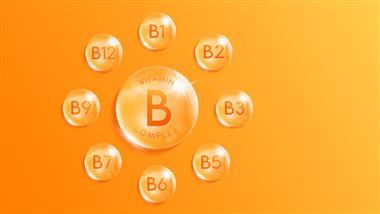
While they are found in a variety of foods, certain factors may increase your need for B vitamins. These factors include your age, dietary choices, genetics, medications, liver disease and alcohol use.1 The eight B vitamins and their function include:2
| B1 (thiamin) — Glucose metabolism and nerve function |
| B2 (riboflavin) — Metabolism, vision and skin health |
| B3 (niacin) — Skin health, carbohydrate and fat metabolism, nervous system and digestion |
| B5 (pantothenic acid) — Metabolism and red blood cell and steroid hormone production |
| B6 (pyridoxine) — Protein and carbohydrate metabolism, red blood cell production, creation of neurotransmitters and steroid hormone activity |
| B7 (biotin) — Carbohydrate and fat metabolism |
| B9 (folate) — Fetal nervous system, DNA synthesis, cell growth and forming red blood cells |
|
B12 (cobalamin) — Neurological function, mental ability and red blood cell production |
Irregulated Immune System Raises Risks Linked to COVID
Since 2020, the health condition that’s been at the top of many people’s minds has been COVID-19. I’ve written many articles reviewing how nutrients like vitamins C and D can help prevent and play a role in the treatment of this illness. Another nutrient known to influence your immune system and immune competence is the group of B vitamins.
One factor that makes COVID-19 dangerous for people with underlying medical conditions is it overactivates your immune system and triggers a cytokine or bradykinin storm. B vitamins play a role in modulating immune function, which means the immune system functions more effectively and minimizes this risk. Dr. Uma Naidoo, a nutrition expert from Harvard Medical school, explains it this way to Yahoo! Life:3
“You can think of the immune system as an army. Its job is to protect the body. But if the immune system army isn’t well-regulated, it can overreact and actually cause more damage — this overreaction is what often happens in COVID-19 and is referred to as the cytokine storm. Cytokines are inflammatory molecules released by immune cells. They are like the weapons of the immune system army.
So, if immune cells are soldiers, cytokines are guns and grenades. And in a poorly regulated immune system, the body’s cytokine storm induced by COVID causes lots of inflammation in the body, just as if little grenades were being tossed around. This is what causes the worst outcomes and death in COVID.”
A 2021 paper4 stresses the need to highlight the importance of B vitamins as they play a pivotal role in proper immune function. They assist in the activation of both the innate and adaptive responses, as well as reducing proinflammatory cytokines and preventing hypercoagulability. B vitamins not only contribute to a healthy immune system but potentially could prevent or reduce severe symptoms of COVID-19.
The paper detailed the various functions B vitamins have that may be useful in managing COVID-19 symptoms. This includes vitamin B1 deficiency that creates an inadequate antibody response, vitamin B5 and B6 deficiencies that may affect inflammation and vitamin B9 deficiency that adversely affects your adaptive immune response as B9 helps prevent the virus from binding to and gaining entry into your cells.
Niacin may be another missing piece to the COVID-19 puzzle. A 2021 paper5 awaiting peer review by Dmitry Kats, Ph.D., focuses specifically on niacin and raises the question of whether this vitamin may be a crucial player in the disease process.
Kats notes that a hallmark of COVID-19 is the cytokine storm, which can lead to multiple organ failure and death. By decreasing and controlling these damaging cytokines, you stand a good chance of thwarting the cytokine storm and the downstream damage that it causes. Nicotinamide adenine dinucleotide (NAD+) plays an important role in this process and niacin is a building block of NAD. As researchers in the 2021 paper explain:6
“NAD+ is released during the early stages of inflammation and has immunomodulatory properties, known to decrease the pro-inflammatory cytokines, IL-1β, IL-6 and TNF-α. Recent evidence indicates that targeting IL-6 could help control the inflammatory storm in patients with COVID-19.”
In addition to markedly decreasing proinflammatory cytokines, niacin has also been shown to:7
- Reduce the replication of several viruses, including vaccinia virus, human immunodeficiency virus, enteroviruses and hepatitis B virus
- Reduce neutrophil infiltration
- Have anti-inflammatory effect in patients with ventilator-induced lung injury
Lower Symptoms of Depression and Anxiety With B Vitamins
The need for strategies to lower anxiety and depression rose dramatically during the COVID-19 pandemic. Since it’s likely not the last pandemic in the coming months and years, this need will presumably not dissipate. Developing strategies to improve resilience is an important step to protecting your health and the health of your family.
A double-blind 2022 study8 engaged 478 college students over a five-year period during which the participants received one of three options: a lactose placebo pill, 1,000 microgram vitamin B12 tablet or 100 milligrams (mg) vitamin B6 tablet for one month. The researchers used questionnaires and specific visual tests that gave evidence of GABAergic inhibitory interactions to evaluate the symptoms of anxiety and depression.
Gamma-aminobutyric acid (GABA) is a chemical known to inhibit nerve impulses in the brain and thus lower excitability. Vitamin B6 is a coenzyme in the production of GABA and in other pathways that help reduce neural excitability. The participants consumed vitamin B6 or B12 at 50 times higher than the recommended daily dose.
However, as the researchers pointed out, recent evidence demonstrates that while the optimum level of vitamin B has not been established, it “certainly exceeds the Recommended Daily Allowance (RDA) and many individuals are borderline deficient.”9
The researchers found that B6 supplementation lowered anxiety and produced a trend toward lower levels of depression, and B12 supplementation also helped lower anxiety. While there were some limitations to the study, such as not doing a baseline or post-test serum analysis to determine if the participants were deficient or if the supplements raised the serum level, the researchers found that:10
“… nutrition-based interventions produce far fewer unpleasant side effects than drugs, and so in the future people might prefer them as an intervention. To make this a realistic choice, further research is needed to identify other nutrition-based interventions that benefit mental wellbeing, allowing different dietary interventions to be combined in future to provide greater results.”
Magnesium is another nutrient that has a powerful effect on depression and anxiety; so much so that Psychology Today calls it the “original chill pill.”11 Researchers have demonstrated that magnesium has a beneficial effect on an individual’s subjective perception of anxiety,12 and that magnesium was effective in the treatment of mild to moderate depression in adults without the need for monitoring for toxicity.13
Magnesium and vitamin B6 work even better in combination. A 2018 study14 highlighted the importance of these two nutrients on mental health. When taken together, animal studies have demonstrated they have a complementary effect on stress reduction.
The research was a Phase IV investigator-blinded trial in healthy adults who received either magnesium alone or a combination of magnesium and vitamin B6. They found those taking the combination had a 24% improvement in stress scores.
Download this Article Before it Disappears
Improves Cardiovascular and Neurological Systems
B vitamins are powerhouse nutrients also known to protect your brain and heart. Two that are frequently studied are vitamins B6 and B12. According to Drugs.com,15 one function of vitamin B6 is to help the body maintain normal levels of homocysteine. This is an amino acid that has been associated with dementia, stroke, osteoporosis and heart disease when it is above normal levels.16
A preliminary study17 in 2007 demonstrated that high levels of vitamin B6 helped lower levels of homocysteine in men with schizophrenia and schizoaffective disorder but not women. The data have not consistently shown that reducing homocysteine levels using vitamins B6 and B12 could reduce cardiovascular events.
However, a 2021 study18 assessed the effect of vitamins B6, B9 and B12 on homocysteine levels as it is also related to the risk of stroke, cardiovascular disorders and vascular death. The intervention demonstrated a risk reduction of 11% among stroke patients for the three risks, a 13% reduction for stroke and a 17% reduction for vascular death.
In addition to the effect on mental health, vitamins B6 and B12 have demonstrated properties that protect against peripheral neuropathy. A 2021 study19 sought to evaluate if B6 and B12 could prevent vincristine-induced peripheral neuropathy which occurs in 40% to 45% of patients receiving this chemotherapeutic agent.
Of the 102 patients enrolled, 81 completed the study during which the researchers found a significant difference in the incidence of peripheral neuropathy between the intervention and placebo groups. Data showed an absolute risk reduction of 30% and a relative risk reduction of 54% in the intervention group.
A 2021 paper20 published in BioMed Research International proposed that vitamins B1, B6 and B12 are key players in the protection of the neurological system against environmental influences. They suggest these vitamins may help nerve regeneration by supporting the development of cell structures.
How to Improve Your Vitamin B Status
I generally recommend getting most if not all your nutrition from locally and organically sourced real food. Depending on your situation and condition, however, you may need to consider supplements. Start by reviewing the following list of foods that contain B vitamins. If you find that you rarely or never eat foods rich in one or more of these nutrients, you may want to consider taking a high-quality, ideally food-based supplement.
Also, consider limiting sugar and eating fermented foods. B vitamins are produced within a healthy gut environment. Eating real food, including plenty of leafy greens and fermented foods, will provide your microbiome with important fiber and beneficial bacteria to help optimize your internal vitamin B production.
| Vitamin B1 — Pork, fish, nuts and seeds, beans, green peas and brown rice.21 The RDA is 1.1 mg for adult women and 1.2 mg for adult men. |
| Vitamin B2 — Eggs, organ meats, lean meats, green vegetables such as asparagus, broccoli and spinach.22 The RDA is 1.1 mg for adult women and 1.3 mg for men. Your body cannot absorb more than about 27 mg at a time, and some multivitamins or B-complex supplements may contain unnecessarily high amounts. |
| Vitamin B3 — Chicken, pork, brown rice, peanuts, avocados, sunflower seeds and pumpkin seeds.23 The dietary reference intake established by the Food and Nutrition Board ranges from 14 to 16 mg per day for adults. |
| Vitamin B5 — Beef, poultry, seafood, organ meats, eggs, milk, mushrooms, avocados, potatoes, broccoli, peanuts, sunflower seeds, chickpeas and brown rice.24 The RDA is 5 mg for adults over the age of 19. |
| Vitamin B6 — Turkey, beef, chicken, wild-caught salmon, sweet potatoes, potatoes, sunflower seeds, pistachios, avocados, spinach and bananas.25 Nutritional yeast is an excellent source of B vitamins, especially B6.26 One serving (2 tablespoons) contains nearly 10 mg of vitamin B6.
Not to be confused with Brewer’s yeast or other active yeasts, nutritional yeast is made from an organism grown on molasses, which is then harvested and dried to deactivate the yeast. It has a pleasant cheesy flavor and can be added to several different dishes. |
| Vitamin B9 — Fresh, raw, organic leafy green vegetables, especially broccoli, asparagus, spinach and turnip greens, and a wide variety of beans, liver, black-eyed peas and avocados.27 Folic acid is a synthetic type of B vitamin used in supplements; folate is the natural form found in foods.
For folic acid to be of use, it must first be activated into its biologically active form (L-5-MTHF). Nearly half the population has difficulty converting folic acid into the bioactive form due to a genetic reduction in enzyme activity. For this reason, if you take a B-vitamin supplement, make sure it contains natural folate rather than synthetic folic acid. Nutritional yeast is an excellent source.28 |
| Vitamin B12 — Vitamin B12 is found almost exclusively in animal tissues, including foods like beef and beef liver, lamb, snapper, venison, salmon, shrimp, scallops, poultry, eggs and dairy products.29 Nutritional yeast is high in B12,30 and is highly recommended for vegetarians and vegans. One serving (2 tablespoons) provides nearly 8 mcg of natural vitamin B12. |
- 1 Nutrients, 2016;8(11) Table 1
- 2 Better Health Channel, Vitamin B
- 3 Yahoo! Life, August 27, 2020
- 4 Maturitas, 2021; 144 para 3
- 5 OSF Preprints, Sufficient Niacin Supply: The Missing Puzzle Piece to COVID-19
- 6, 7 Maturitas, 2021; 144 Section 1.3, para 1, 45% DTP
- 8, 9 Human Psychopharmacology, 2022; doi: 10.1002/hup.2852
- 10 EurekAlert! July 19, 2022
- 11 Psychology Today, June 12, 2011
- 12 Nutrients, 2017;9(5)
- 13 PLOS ONE June 27, 2017
- 14 PLOS ONE, 2018;13(12)
- 15 Drugs.com, January 19, 2023, subhead 1 top 2 paras
- 16 Harvard Health, March 9, 2014 Para 1
- 17 Clinical Neuropharmacology, 2007 30(1) Results and Concl
- 18 Cureus, 2021;13(5)
- 19 Pharmaceutics and Pharmacology Research, 2021; doi: 10.31579/2693-7247/080
- 20 BioMed Research International, 2021; doi: 10.1155/2021/9968228
- 21 NIH, Thiamin
- 22 NIH.gov Riboflavin
- 23 NIH, Niacin
- 24 NIH, Pantothenic Acid
- 25 NIH, Vitamin B6
- 26, 28, 30 Nutrition Data, Nutritional Yeast
- 27 NIH, Folate
- 29 NIH, Vitamin B12
More Studies Show Fluoride Affects Brain and Disrupts Sleep
Reproduced from original article:
https://articles.mercola.com/sites/articles/archive/2023/02/09/fluoride-health-risks.aspx
The original Mercola article may not remain on the original site, but I will endeavor to keep it on this site as long as I deem it to be appropriate.
Analysis by Dr. Joseph Mercola Fact Checked February 09, 2023

STORY AT-A-GLANCE
- More than 400 animal and human studies show fluoride is a neurotoxic substance, and many have found harm at, or precariously close to, the levels millions of American pregnant women and children receive
- A 1 mg-per-day increase in the fluoride a mother gets from drinking water may lower the IQ of her child by 3.7 points
- Infants fed baby formula made with fluoridated water have lower IQs than those fed formula made with unfluoridated water. An increase of 0.5 mg/L of fluoride corresponds with a 4.4 point lower IQ score at age 3 to 4
- Fluoride may have an adverse impact on sleep by preferentially accumulating in the pineal gland, thereby inhibiting the production of melatonin
While water fluoridation was never adopted or has been eliminated in many areas around the world, including most of western Europe,1 many U.S. water systems2 still add fluoride chemicals such as fluorosilicic acid3 (also known as hydrofluorosilicic acid) to their municipal water supplies.
As detailed in Christopher Bryson’s book, “The Fluoride Deception,”4 water fluoridation as a public health measure (ostensibly to improve dental health) was invented by brilliant schemers who needed a way to get rid of toxic industrial waste.
They duped politicians with fraudulent science and endorsements, and sold them on a “public health” idea in which humans are essentially used to filter this poison through their bodies, while the vast majority simply goes down the drain.
Since the inception of water fluoridation in 1945, fluorosilicic acid suppliers have been making hundreds of millions of dollars each year5 selling a hazardous industrial waste for use as a water additive rather than having to pay for toxic waste disposal.
“Toxic Treatment: Fluoride’s Transformation from Industrial Waste to Public Health Miracle” in the March 2018 issue of Origins,6 a joint publication by the history departments at The Ohio State University and Miami University, notes:
“Without the phosphate industry’s effluent, water fluoridation would be prohibitively expensive. And without fluoridation, the phosphate industry would be stuck with an expensive waste disposal problem.”
Fluoride Is a Neurotoxic Endocrine Disruptor
We now know fluoride — which serves no essential biological function7 — actually acts as an endocrine disruptor.8 Exposure has been linked to thyroid disease,9 which in turn can contribute to obesity, heart disease, depression and other health problems.
More disturbingly, fluoride has been identified as a developmental neurotoxin that impacts short-term and working memory, and contributes to rising rates of attention-deficit hyperactive disorder10 and lowered IQ in children.11
In all, there are more than 400 animal and human studies showing fluoride is a neurotoxic substance.12 Many of these studies have found harm at, or precariously close to, the levels millions of American pregnant women and children receive.
Government-Funded Research Confirms Fluoride Lowers IQ
One of the most recent studies highlighting these dangers was a U.S. and Canadian government-funded observational study published in the August 19, 2019, issue of JAMA Pediatrics,13 which found that drinking fluoridated water during pregnancy lowers children’s IQ.
The research, led by a Canadian team of researchers at York University in Ontario, looked at 512 mother-child pairs living in six Canadian cities. Fluoride levels were measured through urine samples collected during pregnancy.
They also estimated the women’s fluoride consumption based on the level of fluoride in the local water supply and how much water and tea each woman drank. The children’s IQ scores were then assessed between the ages of 3 and 4. As reported by Fluoride Action Network (FAN):14
“They found that a 1 mg per liter increase in concentration of fluoride in mothers’ urine was associated with a 4.5-point decrease in IQ among boys, though not girls.
When the researchers measured fluoride exposure by examining the women’s fluid intake, they found lower IQ’s in both boys and girls: A 1 mg increase per day was associated with a 3.7 point IQ deficit in both genders.”
The findings were deemed so controversial, the study had to undergo additional peer-review and scrutiny before publication, making it one of the more important fluoride studies to date.
Its import is also demonstrated by the fact that it’s accompanied by an editor’s note15 explaining the journal’s decision to publish the study, and a podcast16 featuring the chief editors of JAMA Pediatrics and JAMA Network Open, in which they discuss the study.
An additional editorial17 by David Bellinger, Ph.D., a world-renowned neurotoxicity expert, also points out that “The hypothesis that fluoride is a neurodevelopmental toxicant must now be given serious consideration.” Few studies ever receive all of this added treatment.
Download this Article Before it Disappears
Fluoride Exposure From Infant Formula Lowers IQ
In October 2019, a Canadian study18 concluded that infants fed baby formula made with fluoridated water have lower IQs than those fed formula made with unfluoridated water. As explained by the authors:
“Consumption of infant formula reconstituted with fluoridated water can lead to excessive intake of fluoride in infants. We examined the association between water fluoride concentration and intellectual ability (IQ) among preschool children who lived in fluoridated or non-fluoridated cities in Canada and were either formula-fed or breastfed during the first six months after birth.”
Results revealed an increase of 0.5 milligrams of fluoride per liter (mg/L), which was the difference between the fluoridated and non-fluoridated regions, corresponded with a 4.4 point lower IQ score at age 3 to 4.
Not surprisingly, the researchers urge parents to avoid fluoridated water when reconstituting infant formula.
Fluoride Exposure Affects Sleep Patterns
Other recent fluoride research has discovered it can have an adverse impact on sleep. The study,19,20 published in the Environmental Health journal in 2019, found that chronic low-level fluoride exposure altered the sleep patterns of adolescents aged 16 to 19.
The hypothesis used to explain this effect is that fluoride is known to preferentially accumulate in the pineal gland, which might inhibit or alter the production of melatonin, the hormone that regulates sleep and wakefulness.
The study used data from the 2015-2016 National Health and Nutrition Examination Survey (NHANES) that included plasma fluoride and water fluoride measurements. None of the included individuals were prescribed medication for sleep disorders.
Each 0.52 mg/L increase in water fluoride was associated with a 197% higher odds21 of symptoms suggestive of sleep apnea, as well as a 24-minute later bedtime and 26-minute later waking time. According to the authors:22
“Fluoride exposure may contribute to changes in sleep cycle regulation and sleep behaviors among older adolescents in the U.S. …
The high accumulation of fluoride in pineal gland hydroxyapatite (among those chronically exposed) points to a plausible mechanism by which fluoride may influence sleep patterns. In adults, pineal gland fluoride concentrations have been shown to strongly correlate with degree of pineal gland calcification.
Interestingly, greater degree of pineal calcification among older adolescents and/or adults is associated with decreased melatonin production, lower REM sleep percentage, decreased total sleep time, poorer sleep efficiency, greater sleep disturbances and greater daytime tiredness.
While there are no existing human studies on fluoride exposure and melatonin production or sleep behaviors, findings from a doctoral dissertation demonstrated that gerbils fed a high fluoride diet had lower nighttime melatonin production than those fed a low fluoride diet. Moreover, their melatonin production was lower than normal for their developmental stage …
It is possible that excess fluoride exposure may contribute to increased pineal gland calcification and subsequent decreases in nighttime melatonin production that contribute to sleep disturbances. Additional animal and prospective human studies are needed to explore this hypothesis.”
Purify Your Water and Avoid Fluoride
Water is the only beverage you cannot live without. Unfortunately, pure water is hard to come by these days, as water pollution, inadequate water treatment and the addition of fluoride render most municipal water supplies untrustworthy.
To ensure purity, you really need to filter your own tap water. For guidance on selecting a suitable water filtration system for your home or apartment, see “How to Properly Filter Your Water.”
Water filtration is particularly important if your water is fluoridated and you are combating chronic disease (especially thyroid disease), have young children or are using your tap water to reconstitute infant formula.
Keep in mind that fluoride is very difficult to get out of the water once added. When shopping for a filtration system, make sure it’s specifically rated to filter out fluoride.
According to the Water Quality Association23 and others,24 filters capable of removing fluoride include reverse osmosis, deionizers and activated alumina adsorption media such as Berkey filters. Distillation, while not a form of filtration, will also remove fluoride. Carbon filters such as PUR and Brita will not filter out fluoride, and neither will water softeners.
- 1 Fluoride Alert
- 2 Fluoridealert.org March 22, 2016
- 3 CDC.gov Water Fluoridation Additives
- 4 Publishers Weekly, The Fluoride Deception
- 5 Global Newswire September 22, 2022
- 6 Origins March 2018; 11(6)
- 7 Int. J. Environ. Res. Public Health 2019; 16(18): 3431, Introduction
- 8, 9 National Research Council of the National Academies 2006, page 266
- 10 Environmental Health 2015; 14:17
- 11, 12 Fluoride Action Network, Effects of Fluoride on Brain
- 13 JAMA Pediatrics August 19, 2019; 173(10): 940-948
- 14 Fluoride Alert August 19, 2019
- 15 JAMA Pediatrics Editor’s Note August 19, 2019, Decision to Publish Study on Maternal Fluoride Exposure During Pregnancy
- 16 JAMA Pediatrics October 7, 2019 Podcast, Association Between Maternal Fluoride Exposure During Pregnancy and IQ Scores in Offspring in Canada
- 17 JAMA Pediatrics Editorial by David C. Bellinger August 19, 2019
- 18 Environmental Epidemiology October 2019; 3: 395-396
- 19 Environmental Health 2019; 18: 108
- 20 AJMC.com January 1, 2020
- 21 Environmental Health 2019; 18: 108, Results page 10
- 22 Environmental Health 2019; 18: 108, Conclusions and Discussion
- 23 WaterFilterGuru
- 24 Fluoridealert.org August 2012
Soybean Oil Linked to Genetic and Neurological Damage
Reproduced from original article:
https://articles.mercola.com/sites/articles/archive/2023/01/20/soybean-oil-side-effects.aspx
The original Mercola article may not remain on the original site, but I will endeavor to keep it on this site as long as I deem it to be appropriate.
Analysis by Dr. Joseph Mercola Fact Checked January 20, 2023
STORY AT-A-GLANCE
- Whether partially hydrogenated, organic or genetically modified to be low in linoleic acid, soybean oil can cause dysfunction at a cellular level
- Recent research warns soybean oil can cause neurological and metabolic changes associated with autism, Alzheimer’s, anxiety, depression, obesity, insulin resistance, Type 2 diabetes and fatty liver disease
- The animal study compared the health effects of diets high in conventional soybean oil, GE soybean oil low in linoleic acid and coconut oil. Both types of soybean oil had pronounced effects on the brain
- The soybean diets caused dysfunction in about 100 different genes in the hypothalamus, including one that is responsible for producing oxytocin, which has beneficial effects on your heart
- Potential health hazards of soybean oil include the harmful health effects of unfermented soy, the potential hazards of GE soy, the harm associated with glyphosate-contaminated food, and high amounts of processed omega-6 skewing your omega-3 to omega-6 ratio
Far worse than the biologic damage caused by refined sugar is the molecular havoc caused by processed vegetable oils. Soybean oil in particular has a questionable safety profile for several reasons, and processed foods are positively loaded with it.
Whether partially hydrogenated, organic or genetically modified to be low in linoleic acid, soybean oil can cause dysfunction at a cellular level. Unfortunately, many health authorities have insisted omega-6-rich vegetable oils like soybean oil are healthier than saturated animal fats such as butter and lard, and this myth has been a tough one to dismantle, despite the evidence against it.
An estimated 94% of the soybeans grown in the U.S. are genetically engineered (GE) to tolerate herbicides,1 primarily glyphosate (the active ingredient in Monsanto/Bayer’s Roundup), which cannot be washed off. As a result, most soybean-based products are contaminated with glyphosate, which compounds their toxicity.
Soybean Oil Linked to Genetic and Neurological Damage
Most recently, research2,3,4,5 published in the journal Endocrinology warns soybean oil — the most widely consumed cooking oil in America — can cause neurological and metabolic changes associated with:
| Autism | Alzheimer’s disease |
| Anxiety | Depression |
| Obesity | Insulin resistance |
| Type 2 diabetes | Fatty liver disease |
The study, done on mice, compared the health effects of diets high in conventional soybean oil, GE soybean oil low in linoleic acid and coconut oil. As reported by Neuroscience News:6
“The same UCR research team found in 2015 that soybean oil induces obesity, diabetes, insulin resistance, and fatty liver in mice. Then in a 2017 study, the same group learned that if soybean oil is engineered to be low in linoleic acid, it induces less obesity and insulin resistance.
However, in the study released this month, researchers did not find any difference between the modified and unmodified soybean oil’s effects on the brain. Specifically, the scientists found pronounced effects of the oil on the hypothalamus, where a number of critical processes take place.”
Your hypothalamus7 is a key regulator of homeostasis and metabolism in your body, and also plays a role in your stress response and hormone regulation.
According to the authors, the soybean diets (both conventional and GE), caused dysfunction in about 100 different genes in the hypothalamus, including one that is responsible for producing oxytocin, colloquially known as “the love hormone,” which has beneficial effects on your heart.
Other dysregulated genes included ones associated with “inflammation, neuroendocrine, neurochemical and insulin signaling.” The coconut oil diet had “negligible effect.”
The fact that GE soybean oil that is designed to be low in omega-6 linoleic acid had similar effects as conventional high-linolenic acid soybean oil effects suggests linoleic acid isn’t the problem, as previously suspected. The study also ruled out another suspected soybean chemical, stigmasterol, as coconut oil enriched in stigmasterol had no ill effects.
The team will continue their investigation in an effort to identify the real culprit behind these genetic effects. In the meantime, co-author Poonamjot Deol, an assistant project scientist at the University of California Riverside, urges people to “reduce consumption of soybean oil.”
Unfermented Soy Linked to Many Health Problems
The idea that unfermented soy in general and soybean oil in particular, are healthy is refuted by thousands of studies linking unfermented soy to a wide range of health problems. In her book, “The Whole Soy Story,” Dr. Kaayla Daniel details research implicating unfermented soy in the development of:8
| Malnutrition | Digestive distress |
| Immune system breakdown | Thyroid dysfunction |
| Cognitive decline | Reproductive disorders |
| Infertility | Cancer |
| Heart disease | Food allergies |
Fermented organic soy, on the other hand, has a number of important health benefits, and are the only soy products I recommend eating. Healthy options include:
- Tempeh — A fermented soybean cake with a firm texture and nutty, mushroom-like flavor.
- Miso — A fermented soybean paste with a salty, buttery texture (commonly used in miso soup).
- Natto — Fermented soybeans with a sticky texture and strong, cheese-like flavor.
- Soy sauce — Traditionally made by fermenting soybeans, salt and enzymes; beware that many varieties on the market today are made artificially, using a chemical process.
Problematic Components in Soy
While the featured Endocrinology study was unable to identify the exact soy compound responsible for the genetic damage, there are many plant chemicals found in soy that are capable of causing problems, including:
| Phytoestrogens (isoflavones) genistein and daidzein, which mimic and sometimes block the hormone estrogen — Isoflavones resemblance to human estrogen is why some recommend using soy therapeutically to treat symptoms of menopause.
However, most of us tend to be exposed to too many estrogen compounds and have a lower testosterone level than ideal, so I believe it’s important to limit your exposure to feminizing phytoestrogens. Even more importantly, there’s evidence9 isoflavones may disturb endocrine function, contribute to infertility and promote breast cancer, which is definitely a significant concern. As noted in a 2017 scientific review on dietary phytoestrogens:10
|
| Phytates, which block your body’s uptake of minerals — Phytic acid binds to metal ions, preventing the absorption of certain minerals, including calcium, magnesium, iron and zinc11 — all of which are co-factors for optimal biochemistry in your body.
This is particularly problematic for vegetarians, because eating meat reduces the mineral-blocking effects of these phytates. Sometimes phytic acid can be beneficial, especially in postmenopausal women and adult men, both of whom are prone to excessive iron, a potent oxidant capable of causing significant biological stress. However, phytic acid does not selectively inhibit iron absorption; it inhibits all minerals. This is very important to remember, as many already suffer from mineral deficiencies from inadequate diets. The soybean has one of the highest phytate levels of any grain or legume, and the phytates in soy are highly resistant to normal phytate-reducing techniques such as long, slow cooking. Only a long period of fermentation will significantly reduce the phytate content of soybeans. |
| Enzyme inhibitors, which hinder protein digestion. |
| Hemagglutinins,12 which cause red blood cells to clump together and inhibit oxygen takeup and growth.13 |
| Omega-6 fat (linolenic acid), which is pro-inflammatory — The massive overconsumption of highly refined vegetable oils such as soybean oil is largely due to the wrongful demonization of saturated fats. This has had the effect of turning the average American’s omega-3 to omega-6 ratio upside down, which is a major driver of chronic inflammation, which in turn is an underlying factor in virtually all chronic diseases. |
| “Antinutrients” such as saponins, soyatoxin, lectins and oxalates — While a small amount of antinutrients would not likely cause a problem, the amount of soy and soybean oil that many Americans are now eating is very high. |
| Goitrogens — Goitrogens,14 found in all unfermented soy whether it’s organic or not, are substances that block the synthesis of thyroid hormones and interfere with iodine metabolism, thereby interfering with your thyroid function. |
Another Major Hazard of GE Soybeans: Glyphosate
If you need yet another reason to reconsider your consumption of soybean oil, consider this: In addition to having an unhealthier nutritional profile than organic soybeans, Roundup Ready GE soy has been shown to contain high amounts of glyphosate.15
According to a 2014 study16,17 published in Food Chemistry, which looked at the compositional differences between various types of soybeans, glyphosate readily accumulates in Roundup Ready soybeans, and GE soybeans contained a mean glyphosate residue level of 3.3 milligrams per kilo. The most contaminated samples contained as much as 8.8 mg of glyphosate per kilo.
Meanwhile, a 2010 study18 in the journal Chemical Research in Toxicology found malformations in frog and chicken embryos occurred at 2.03 mg of glyphosate per kilo. The malformations primarily affected the face, skull, brain and spinal cord. According to this study:
“Organic soybeans showed the healthiest nutritional profile with more sugars, such as glucose, fructose, sucrose and maltose, significantly more total protein, zinc and less fiber than both conventional and GM-soy.
Organic soybeans also contained less total saturated fat and total omega-6 fatty acids than both conventional and GM-soy. GM-soy contained high residues of glyphosate and AMPA … Conventional and organic soybean batches contained none of these agrochemicals.
Using 35 different nutritional and elemental variables to characterize each soy sample, we were able to discriminate GM, conventional and organic soybeans without exception, demonstrating ”substantial non-equivalence” in compositional characteristics for ‘ready-to-market’ soybeans.”
It’s important to realize that once applied to crops, glyphosate actually becomes integrated into the cells of the plant, so it cannot be washed off. And, while the chemical industry is still defending the safety of glyphosate, mounting research suggests it can harm health in a number of different ways.
Importantly, the chemical has been shown to decimate beneficial gut bacteria. Glyphosate has also been shown to cause DNA damage19 and to act as an endocrine disruptor.20 For an overview of how glyphosate’s impact affects your health, see “Roundup May Be Most Important Factor in Development of Chronic Disease.”
Safeguard Your Health by Ditching Vegetable Oils
To recap, there are several potential health hazards of soybean oil to consider, either alone or in combination:
- The harmful health effects of unfermented soy
- The potential hazards of GE soy
- The harm associated with glyphosate contaminated food
- High amounts of processed omega-6 skewing your omega-3 to omega-6 ratio
If you want to avoid dangerous fats of all kinds, your best bet is to eliminate processed foods from your diet. My comprehensive nutrition plan offers helpful guidance for this process.
When cooking, coconut oil, butter, lard and ghee are healthy options. Also be sure to swap out margarines and vegetable oil spreads for organic butter, preferably made from raw grass fed milk. Butter is a healthy whole food that has received an unwarranted bad rap.
Other healthy fats to include in your diet are avocados, raw dairy products, olive oil, olives, organic pastured eggs and raw nuts. To further balance your omega-3 to omega-6 ratio you may also need a high-quality source of animal-based omega-3 fat, such as krill oil, if you’re not in the habit of eating small, fatty fish such as sardines, anchovies and mackerel, and/or wild caught Alaskan salmon.
- 1 Economic Research Service, Recent Trends in GE Adoption
- 2 Endocrinology January 8, 2020 DOI: 10.1210/endocr/bqz044
- 3 UC Riverside News January 17, 2020
- 4, 6 Neuroscience News January 17, 2020
- 5 manoramaonline.com January 18, 2020
- 7 Endocrineweb.com, Overview of the Hypothalamus
- 8 Amazon
- 9, 10 British Journal of Pharmacology June 2017; 174(11): 1263-1280
- 11 American Journal of Food Technology 2011; 6(3): 235-243
- 12 The Journal of Biological Chemistry 1965; 241(3): 684-689 (PDF)
- 13 Science Direct Hemagglutinins
- 14 Baillieres Clin Endocrinol Metab. 1988 Aug;2(3):683-702
- 15 Food Chemistry June 15, 2014; 153: 207-215
- 16 Food Chemistry 2014: 153; 207-215
- 17 Foodexposed.co.za January 23, 2014
- 18 Chemical Research in Toxicology 2010; 23(10):1586–1595
- 19 Archives of Toxicology 2012; 86: 805-813 (PDF)
- 20 Toxicology 2009; 262: 184-191 (PDF)
Antidepressants Rarely Outperform Sugar Pills
Reproduced from original article:
https://articles.mercola.com/sites/articles/archive/2022/10/20/antidepressants-outperform-placebo.aspx
The original Mercola article may not remain on the original site, but I will endeavor to keep it on this site as long as I deem it to be appropriate.
Analysis by Dr. Joseph Mercola Fact Checked October 20, 2022
STORY AT-A-GLANCE
- The serotonin hypothesis posits that low serotonin levels in your brain are responsible for symptoms of depression. However, there’s little to no evidence for this. A number of studies have debunked the serotonin hypothesis, which is the basis upon which drug makers market SSRI antidepressants like Prozac, Lexapro and Zoloft
- According to recent research, “The main areas of serotonin research provide no consistent evidence of there being an association between serotonin and depression, and no support for the hypothesis that depression is caused by lowered serotonin activity or concentrations”
- The primary effect of SSRIs is to superimpose an abnormal drug state over your symptoms, much like recreational drugs and alcohol would. The small benefits seen in some drug trials are due to emotional numbing
- This numbing effect comes at a steep price, as it also prevents you from experiencing emotional highs and does little to counteract the loss of energy, interest and motivation that are so characteristic of depression
- Researchers at the U.S. Food and Drug Administration recently published the most comprehensive analysis of antidepressant clinical trial data submitted to the FDA, including unpublished trials. The evidence showed antidepressants outperformed placebo in only 15% of patients, and almost exclusively in those with the most severe depression
As of 2018, 13.2% — approximately 1 in 8 — of American adults over the age of 18 were on antidepressant medication, with more than twice as many women taking them (17.7%) than men (8.4%).1 Curiously, though, only 7.2% had actually been diagnosed with a major depressive episode — a statistical discrepancy that hints at massive antidepressant overprescribing. As noted by Newsweek:2
“Although there is widespread agreement that SSRIs [selective serotonin reuptake inhibitors] help some people with severe depression, these patients are a small minority of people who take the drugs.”
While those statistics are already staggering, depression rates have further risen since then, thanks to COVID lockdowns and the unprecedented fearmongering that has been a hallmark of this pandemic. As reported in “What Does the Best Evidence Say About Antidepressants?” 22.4% of American adults reported symptoms of depression in June 2022, compared to 7.1% in 2017.
No Evidence to Back Serotonin Hypothesis
The fact that antidepressants are still being used to this extent is a testament to how effectively the drug industry manipulates doctors and patients alike with less than truthful propaganda, as independent studies have repeatedly shown these drugs work no better than placebo.
As Irving Kirsch — associate director of the Program in Placebo Studies and the Therapeutic Encounter at Beth Israel Deaconess Medical Center and Harvard Medical School and a long-time critic of antidepressants — told Newsweek:3
“People do get better on the drug — but in the vast majority of cases it’s not because of what’s in the drug. There are other treatments that are at least equally effective, and that don’t carry the risks.”
Indeed, a number of studies have solidly debunked the serotonin hypothesis, which is the basis upon which drug makers market SSRI antidepressants like Prozac, Lexapro and Zoloft.
In short, the idea is that low serotonin levels in your brain is responsible for symptoms of depression. The problem is, there’s little to no evidence for this. In fact, low serotonin is associated with long-term antidepressant use, which is basically the converse effect you’d expect if the serotonin theory was true. As reported in a systematic review published in Molecular Psychiatry July 20, 2022:4
“The serotonin hypothesis of depression is still influential. We aimed to synthesize and evaluate evidence on whether depression is associated with lowered serotonin concentration or activity in a systematic umbrella review of the principal relevant areas of research …
17 studies were included: 12 systematic reviews and meta-analyses, 1 collaborative meta-analysis, 1 meta-analysis of large cohort studies, 1 systematic review and narrative synthesis, 1 genetic association study and 1 umbrella review …
Two meta-analyses of overlapping studies examining the serotonin metabolite, 5-HIAA, showed no association with depression … One meta-analysis of cohort studies of plasma serotonin showed no relationship with depression, and evidence that lowered serotonin concentration was associated with antidepressant use …
One meta-analysis of tryptophan depletion studies found no effect in most healthy volunteers, but weak evidence of an effect in those with a family history of depression. Another systematic review and a sample of ten subsequent studies found no effect in volunteers.
No systematic review of tryptophan depletion studies has been performed since 2007. The two largest and highest quality studies of the SERT gene, one genetic association study and one collaborative meta-analysis, revealed no evidence of an association with depression, or of an interaction between genotype, stress and depression.
The main areas of serotonin research provide no consistent evidence of there being an association between serotonin and depression, and no support for the hypothesis that depression is caused by lowered serotonin activity or concentrations. Some evidence was consistent with the possibility that long-term antidepressant use reduces serotonin concentration.”
Researcher’s Personal Experience With Antidepressants
An interesting backstory to this serotonin paper is that one of its coauthors, Mark Horowitz, Ph.D., a research scientist at the University College London, was on the antidepressant Lexapro for 15 years. His incentive to dive deeper into the truth behind antidepressants emerged when he tried to wean off the drug and found he couldn’t.
Panic attacks, insomnia and debilitating depression actually forced him to move back with his parents. All of these symptoms were far worse than what he suffered before taking the drug, and many others find themselves in the same situation — they can’t quit the drug because of the side effects. In essence, the addictive nature of these drugs ensures you’ll be a lifelong cash cow for the drug maker.
“Ever since beginning his calamitous effort to get off SSRIs, Horowitz has devoted himself to disproving the claims used to justify their widespread use, and lobbying lawmakers to take a second look,” Newsweek writes.5 “He now describes himself as no more neurotic than anyone in a Woody Allen movie and believes he should never have been prescribed SSRIs in the first place.”
We’ve Been Lied to About Antidepressants
But if the serotonin hypothesis is false, what is it that makes antidepressants appear to be working? In short, it’s the placebo effect. As reported by Newsweek:6
“The pharmaceutical industry used [the serotonin hypothesis] … to market the drugs to consumers for many years … As a result, according to the study’s authors, between 85 and 90% of the public believe that low serotonin levels cause depression.
After reviewing data from previous studies involving hundreds of thousands of individuals, Horowitz and his colleagues concluded that there is little to no evidence that this is true. ‘The drug companies convinced us that if you’re sad, you should go to your doctor and seek treatment,’ Horowitz told Newsweek.
‘They’ve made us all believe that normal aspects of the human condition are a medical illness called major depressive disorder — that normal reactions to difficult situations are a chemical brain problem that needs a medical solution. They convinced people these are very ‘mild’ drugs that are very easy to stop. None of this is true’ …
Horowitz and the paper’s other co-authors … call for a fundamental reassessment of how mental illness is treated. ‘We have a mistaken view of what psychiatric drugs are doing,’ says Dr. Joanna Moncrieff, professor of Critical and Social Psychiatry at University College London.
She is also Horowitz’s boss and the lead author of the serotonin paper. ‘This idea that they work by targeting the underlying biological mechanisms that produce the symptoms of mental disorders is actually not supported by evidence for any type of mental disorder, whether that’s depression or schizophrenia or whatever,’ she told Newsweek.
Instead, she argues, the drugs change ‘normal brain states’ and ‘normal mental states and processes’ in ways not that much different than recreational drugs like alcohol.”
Negative Emotions Are Part of the Human Condition
As explained by Moncrieff, the primary effect of SSRI’s is to “superimpose an abnormal drug state” over your symptoms, much like recreational drugs and alcohol would. She also stresses that the small benefits seen in some drug trials are due to emotional numbing.
This numbing effect comes at a steep price, however, as it also prevents you from experiencing emotional highs, and does little to counteract the loss of energy, interest and motivation that are so characteristic of depression. Moncrieff continues:7
“It’s not helpful to think of depression as a brain disease. I think that we should be thinking of it as an emotional reaction to life circumstances and life events. And indeed, there is very strong evidence that people who suffer from adverse life events are much more likely to get depressed.”
Adverse life events tend to be stressful, and stress is strongly linked to depression. People with depression typically report experiencing a stressful episode, such as the death of a loved one, a job loss or onset of a chronic disease, shortly before the onset of their depression.
The question is how to treat it. While many psychiatrists believe stress can cause changes in the brain that can be reversed by antidepressants, others, like Moncrieff, Horowitz and Kirsch, believe psychotherapy that centers on strengthening coping skills and emotional resiliency is a far better — and safer — option.
Most Comprehensive Analysis to Date
In 2022, another team, which included researchers at the U.S. Food and Drug Administration, also came out with the most comprehensive analysis of antidepressant clinical trial data ever published.
This paper,8 published in The BMJ, included all antidepressant clinical trial data submitted to the FDA between 1979 and 2016, including unpublished trials. In all, 232 randomized, double-blind, placebo-controlled trials involving 73,388 patients diagnosed with depression were analyzed.
Here, the evidence showed antidepressants outperformed placebo in only 15% of patients, and almost exclusively in those with the most severe depression. In short, the reason many believe they’re getting a benefit from these drugs is because of the placebo effect and nothing else.
This supports previous research, which found the placebo effect accounts for anywhere between 30%9 and 67%10 of the antidepressant treatment effect, and that placebo is just as effective as antidepressants in those with mild to moderate depression.11
Drug Makers Use Placebo Effect to Their Advantage
As you might expect, such a strong placebo effect is a problem for drug makers who need to prove their drug works better than a sugar pill. To get around this problem, they devise studies that capitalize on the placebo effect while hiding that fact. As reported by Newsweek:12
“The FDA study provides a glimpse of the true power of the SSRI placebo effect and the efforts of the pharmaceutical industry to use these effects to bolster the data on their own drugs. To win approval for a new drug, FDA requires drug makers to submit the results from ‘two well-designed clinical trials’ that demonstrate the drug itself is more potent than the placebo effect …
But the rules place no limit on how many clinical trials a drug company can conduct to get those two positive results. And though negative trial results must be registered with the FDA, there is no requirement that drug companies publish them.
As a result, the failure rate of trials of antidepressants is far higher than most people understand, says Dr. Erick Turner, a former FDA clinical reviewer, who is now a professor of psychiatry and pharmacology at Oregon Health and Science University …
By 2015, Dr. Turner had left the agency for academia. He conducted a review of the publication status of 74 studies involving 12 antidepressant agents with 12,564 patients and found that the drugs beat the placebo in only 51% of the studies in the FDA files — an outcome that was not reflected in the published medical literature at the time.
Of 33 studies that had negative or questionable results, 22 were never published and 11 were published in a way that falsely conveyed a positive outcome … Even though half of the trial had failed, 94% of the published trials reported positive trial results.”
Antidepressants Are Not for Long-Term Use
Importantly, SSRIs, even when they do work for someone, should not be used for years on end. As noted in a recent PLOS ONE paper:13
“The real-world effect of using antidepressant medications does not continue to improve patients’ HRQoL [health-related quality of life] over time. Future studies should not only focus on the short-term effect of pharmacotherapy, it should rather investigate the long-term impact of pharmacological and non-pharmacological interventions on these patients’ HRQoL.”
Dr. Michael Thase, professor of psychiatry at UPenn’s Perelman School of Medicine, agrees. While he believes antidepressants can be helpful by interrupting the damaging release of glutamate in the brain, he also believes the drugs should not be used for more than six to nine months. Beyond that, you need to have another treatment plan in place.14
This could go a long way toward avoiding the withdrawal symptoms that afflict 56% of those trying to wean off SSRIs.15 Since 2004, the average duration patients stay on SSRIs has doubled,16 and avoiding withdrawal symptoms appears to be a huge part of this trend. Doctors and patients also often misconstrue withdrawal symptoms for a relapse of depression.
Limiting their duration of use will also minimize other risks to your health, as antidepressants come with a long list of potential side effects, including:17,18
- Self-harm, suicide and violence against others. Many mass shooters have been on antidepressants
- Increased risk of developing Type 2 diabetes,19 even after adjusting for risk factors such as body mass index20
- Thickening of the greater carotid intima-media (the lining of the main arteries in your neck that feed blood to your brain),21 which could contribute to the risk of heart disease and stroke. This is true both for SSRIs and antidepressants that affect other brain chemicals. Users of tricyclic antidepressants have a 36% increased risk of heart attack22
- An increased risk of dementia; as the dose increases, so does the risk for dementia23
- Depletion of various nutrients. In the case of tricyclic antidepressants this includes coenzyme Q10 and vitamin B12, which are needed for proper mitochondrial function. SSRIs have been linked to iodine and folate depletion24
Depression Treatments That Actually Work
If you’re at all interested in following science-based recommendations, you’d place antidepressants at the very bottom of your list of treatment candidates. Far more effective treatments for depression include:
| Exercise — A number of studies have shown exercise outperforms drug treatment. Exercise helps create new GABA-producing neurons that help induce a natural state of calm, and boosts serotonin, dopamine and norepinephrine, which helps buffer the effects of stress.
Studies have shown there is a strong correlation between improved mood and aerobic capacity, but even gentle forms of exercise can be effective. Yoga, for example, has received particular attention in a number of studies. One study found 90-minute yoga sessions three times a week reduced symptoms of major depression by at least 50%.25 |
| Nutritional intervention — Keeping inflammation in check is an important part of any effective treatment plan. If you’re gluten sensitive, you will need to remove all gluten from your diet. A food sensitivity test can help ascertain this. Reducing lectins may also be a good idea.
As a general guideline, eating a whole food diet as described in my optimal nutrition plan can go a long way toward lowering your inflammation level. A cornerstone of a healthy diet is limiting sugar of all kinds, ideally to no more than 25 grams a day. In one study,26 men consuming more than 67 grams of sugar per day were 23% more likely to develop anxiety or depression over the course of five years than those whose sugar consumption was less than 40 grams per day. Certain nutritional deficiencies are also notorious contributors to depression, especially:
|
| Vitamin D — Studies have shown vitamin D deficiency can predispose you to depression and that depression can respond favorably to optimizing your vitamin D stores, ideally by getting sensible sun exposure.33,34 In one study,35 people with a vitamin D level below 20 nanograms per milliliter (ng/mL) had an 85% increased risk of depression compared to those with a level greater than 30 ng/mL.
A double-blind randomized trial36 published in 2008 concluded that supplementing with high doses of vitamin D “seems to ameliorate [depression] symptoms indicating a possible causal relationship.” Other research37 also claims that low vitamin D levels appear to be associated with suicide attempts. For optimal health, make sure your vitamin D level is between 60 and 80 ng/mL year-round. Ideally, get a vitamin D test at least twice a year to monitor your level. |
| Light therapy — Light therapy alone and placebo were both more effective than Prozac for the treatment of moderate to severe depression in an eight-week study.38 Spending time outdoors in broad daylight is the least expensive and likely most effective option. |
| Probiotics — Keeping your gut microbiome healthy also has a significant effect on your moods, emotions and brain. |
| Emotional Freedom Techniques (EFT) — EFT is a form of psychological acupressure that has been shown to be quite effective for depression and anxiety.39,40,41,42 For serious or complex issues, seek out a qualified health care professional who is trained in EFT to guide you through the process.
That said, for most of you with depression symptoms, this is a technique you can learn to do effectively on your own. In the video below, EFT practitioner Julie Schiffman shows you how. Additional videos for a variety of specific depression symptoms can be found on Schiffman’s YouTube channel. |
Other Helpful Treatment Strategies
Additional strategies that can help improve your mental health include the following:43
| Minimize electromagnetic field (EMF) exposure — In 2016, Martin Pall, Ph.D., published a review44 in the Journal of Neuroanatomy showing how microwave radiation from cellphones, Wi-Fi routers and computers and tablets not in airplane mode is clearly associated with many neuropsychiatric disorders.
These electromagnetic fields (EMFs) increase intracellular calcium and trigger the production of extremely damaging free radicals by acting on your voltage gated calcium channels (VGCCs), and the tissue with the highest density of VGCCs is your brain. Once these VGCCs are stimulated they also cause the release of neurotransmitters and neuroendocrine hormones, which contribute to anxiety and depression. So, be sure to limit your exposure to wireless technology. Simple measures include turning your Wi-Fi off at night, not carrying your cellphone on your body unless it’s in airplane mode, and not keeping portable phones, cellphones and other electric devices in your bedroom. |
| Clean up your sleep hygiene — Make sure you’re getting enough high quality sleep, as sleep is essential for optimal mood and mental health. The inability to fall asleep and stay asleep can be due to elevated cortisol levels, so if you have trouble sleeping, you may want to get your saliva cortisol level tested with an Adrenal Stress Index test.
Adaptogens, herbal products that help lower cortisol and adjust your body to stress, can be helpful if your cortisol is running high. There are also other excellent herbs and amino acids that help you to fall asleep and stay asleep. For more tips and guidelines, see “Sleep — Why You Need It and 50 Ways to Improve It.” |
| Optimize your gut health — A number of studies have confirmed gastrointestinal inflammation can play a critical role in the development of depression.45 Optimizing your gut microbiome will also help regulate a number of neurotransmitters and mood-related hormones, including GABA and corticosterone, resulting in reduced anxiety and depression-related behavior.46
To nourish your gut microbiome, be sure to eat plenty of fresh vegetables and traditionally fermented foods such as fermented vegetables, lassi, kefir and natto. If you do not eat fermented foods on a regular basis, taking a high-quality probiotic supplement is recommended. Also remember to severely limit sugars and grains, to rebalance your gut flora. |
| Cognitive behavioral therapy (CBT) — CBT has been used successfully to treat depression.47,48 This therapy assumes mood is related to the pattern of thought. CBT attempts to change mood and reverse depression by directing your thought patterns. |
| Make sure your cholesterol levels aren’t too low for optimal mental health — You may also want to check your cholesterol to make sure it’s not too low. Low cholesterol is linked to dramatically increased rates of suicide, as well as aggression toward others.49
This increased expression of violence toward self and others may be due to the fact that low membrane cholesterol decreases the number of serotonin receptors in the brain, which are approximately 30% cholesterol by weight. Lower serum cholesterol concentrations therefore may contribute to decreasing brain serotonin, which not only contributes to suicidal-associated depression, but prevents the suppression of aggressive behavior and violence toward self and others. |
| Ecotherapy — Studies have confirmed the therapeutic effects of spending time in nature. Ecotherapy has been shown to lower stress, improve mood and significantly reduce symptoms of depression.50 Outdoor activities could be just about anything, from walking a nature trail to gardening, or simply taking your exercise outdoors. |
| Breathing exercises — Breath work also has enormous psychological benefits and can quickly reduce anxiety by increasing the partial pressure of carbon dioxide in your body. To learn more, see “Top Breathing Techniques for Better Health.” |
Helpful supplements — A number of herbs and supplements can also be used in lieu of drugs to reduce symptoms of anxiety and depression, such as:
|
Guidelines for Safe Drug Withdrawal
If you’re currently on an antidepressant and want to get off it, ideally, you’ll want to have the cooperation of your prescribing physician. It would also be wise to do some homework on how to best proceed.
Dr. Peter Breggin’s book, “Psychiatric Drug Withdrawal: A Guide for Prescribers, Therapists, Patients and Their Families,”54 and/or “The Antidepressant Solution: A Step-by-Step Guide to Overcoming Antidepressant Withdrawal, Dependence, and Addiction”55 by Dr. Joseph Glenmullen can be helpful.
You can also turn to an organization with a referral list of doctors who practice more biologically or naturally, such as the American College for Advancement in Medicine at www.ACAM.org. A holistic psychiatrist will have a number of treatment options in their tool box that conventional doctors do not, and will typically be familiar with nutritional supplementation.
Once you have the cooperation of your prescribing physician, start lowering the dosage of the medication you’re taking. There are protocols for gradually reducing the dose that your doctor should be well aware of. At the same time, it may be wise to add in a multivitamin and/or other nutritional supplements or herbs. Again, your best bet would be to work with a holistic psychiatrist who is well-versed in the use of nutritional support.
If you have a friend or family member who struggles with depression, perhaps one of the most helpful things you can do is to help guide them toward healthier eating and lifestyle habits, as making changes can be particularly difficult when you’re feeling blue — or worse, suicidal.
Encourage them to unplug and meet you outside for walks. We should not underestimate the power of human connection, and the power of connection with nature. Both, I believe, are essential for mental health and emotional stability.
If you are feeling desperate or have any thoughts of suicide and reside in the U.S., please call the National Suicide Prevention Lifeline by dialing 988, or call 911, or simply go to your nearest hospital emergency department.
You cannot make long-term plans for lifestyle changes when you are in the middle of a crisis. U.K. and Irish helpline numbers can be found on TherapyRoute.com. For other countries, do an online search for “suicide hotline” and the name of your country.
- 1 CDC NCHS Data Brief No. 377, September 2020
- 2, 3, 5, 6, 7, 12, 14, 15, 16 Newsweek September 21, 2022
- 4 Molecular Psychiatry July 20, 2022
- 8 BMJ 2022; 378: e067606
- 9 Dialogues in Clinical Neuroscience March 2002; 4(1): 105-113
- 10, 11 Neuropsychiatric Disease Treatment 2013; 9: 915-920
- 13 PLOS ONE April 20, 2022
- 17 Mayo Clinic, Monoamine Oxidase Inhibitors
- 18 Drugs.com, Zoloft Side Effects
- 19 PLOS One July 31, 2017
- 20 Diabetologia. 2012 Jan;55(1):63-72
- 21 Emory April 4, 2011
- 22 Indian J Pharmacol. 2015 May-Jun;47(3):256-62
- 23 J Clin Psychiatry. 2016 Jan;77(1):117-22; quiz 122
- 24 Wellness Resources October 9, 2017
- 25 Journal of Alternative and Complementary Medicine March 1, 2017; 23(3)
- 26 Scientific Reports July 27, 2017; 7, Article Number: 6287
- 27 Translational Psychiatry (2016) 6, e756
- 28 Psychother Psychosom. 2004 Nov-Dec;73(6):334-9
- 29 Nutritionfacts.org March 30, 2017
- 30 American Journal of Psychiatry January 1, 2017; 174(1): 42-50
- 31 Vice August 9, 2017
- 32 PLOS One June 27, 2017
- 33 The Journal of Nutrition, Health & Aging 1999, 3(1):5-7
- 34, 36 Journal of Internal Medicine 264(6); 599-609
- 35, 37 Michigan State University October 7, 2014
- 38 JAMA Psychiatry November 18, 2015. doi:10.1001/jamapsychiatry.2015.2235
- 39 Traumatology September 1, 2012; 18(3)
- 40 Depression Research & Treatment, 2012. doi:10.1155/2012/257172
- 41 Veteran Stress Project, EFT
- 42 Lissa Rankin April 15, 2013
- 43 Care2 March 11, 2017
- 44 Journal of Chemical Neuroanatomy September 2016; 75 Part B: 43-51
- 45, 47 Nat Rev Immunol. 2016 Jan; 16(1): 22–34
- 46 Proc Natl Acad Sci U S A. 2011 Sep 20;108(38):16050-5
- 48 Journal of Human Behavior in the Social Environment 2012; 22:463
- 49 Eur Psychiatry. 2003 Feb ;18(1):23-7
- 50 Depressionalliance.org, Ecotherapy
- 51 Nutrition. 2014 Jul-Aug; 30(0 0): S37–S42
- 52 Orvosi Hetilap 2011 Sep 11;152(37):1477-85
- 53 BMC Complement Altern Med. 2017; 17: 73
- 54 Psychiatric Drug Withdrawal: A Guide for Prescribers, Therapists, Patients and Their Families by Peter R. Breggin MD
- 55 The Antidepressant Solution: A Step-by-Step Guide to Overcoming Antidepressant Withdrawal, Dependence, and Addiction by Joseph Glenmullen
Why Standing May Be as Important as Exercise
Reproduced from original article:
https://articles.mercola.com/sites/articles/archive/2022/08/19/standing-benefits.aspx
The original Mercola article may not remain on the original site, but I will endeavor to keep it on this site as long as I deem it to be appropriate, and will not be bullied into removing it.
Analysis by Dr. Joseph Mercola Fact Checked August 19, 2022

STORY AT-A-GLANCE
- Sitting and other forms of prolonged, uninterrupted sedentary time promotes cardiometabolic disorders, obesity, depression and all-cause mortality in adults and in children are linked to obesity, anxiety and depressive symptoms
- More than two dozen chronic diseases, from diabetes and high blood pressure to back pain and deep vein thrombosis, have been linked to excessive sitting
- Children at standing desks burn 15% to 25% more calories during the school day than those who remain sitting; students were also less likely to report neck and shoulder discomfort when using standing desks
- In the workplace, standing desks have also been found to trigger increased brain activity and do not hinder cognitive performance as has been suggested
- If you want to take your fitness to the next level, make standing a workout of its own by standing on a wobble board at your standing desk
During the pandemic, the already largely sedentary American population moved even less, with daily steps plunging by an average of 20%.1 With more people working from home, the tendency to sit at a computer for long hours is taking a toll on both physical and mental health, but the upside is that many are increasingly realizing the important of daily movement.
While regular physical exercise is important, so, too, is doing virtually anything other than sitting — even standing. This is why many fitness trackers have goal settings for not only calories burned and steps taken in a day, but also reaching a standing-time goal.2
What Sitting Does to Your Body
Sitting is a behavior with a very low energy expenditure that’s associated with poor health outcomes in both adults in children. Sitting and other forms of prolonged, uninterrupted sedentary time promote cardiometabolic disorders, obesity, depression and all-cause mortality in adults and in children is linked to obesity, anxiety and depressive symptoms.3
Increased musculoskeletal symptoms are also associated with prolonged sitting,4 and being sedentary for long periods of time each day even appears to accelerate aging at the cellular level.
Among close to 1,500 older women included in one study, those who sat the longest were, on average, eight years older, biologically speaking, than women who moved around more often, with researchers concluding, “avoidance of a highly inactive lifestyle may provide health benefits at the cellular level.”5
Another study found that excessive sitting increases lung cancer risk by 54%, uterine cancer risk by 66% and colon cancer risk by 30%, with researchers noting:6
“Sedentary behavior contributes to an interrelated network of increased body fat, altered production of sex hormones, metabolic dysfunction, leptin, adiponectin and inflammation, encouraging cancer development.”
Separate research, published in the American Journal of Preventive Medicine, further found that sitting for more than three hours a day causes 3.8% of all-cause deaths in the 54 countries surveyed.7
Cutting your sitting time to less than three hours a day could increase your life expectancy by 0.2 years (about 2.4 months), the researchers concluded. More than 60% of people globally spend more than three hours a day sitting.8
Why You Should Break Free From ‘Chair Addiction’
“Chair addiction has become a hallmark of modernity,” according to Dr. James Levine, author of the book “Get Up!: Why Your Chair Is Killing You and What You Can Do About It,” and the inventor of the treadmill desk.9 “Sitting kills more people than smoking because more people sit excessively than smoke, and the health sequelae of sitting are more numerous,” he added.10
More than two dozen chronic diseases, from diabetes and high blood pressure to back pain and deep vein thrombosis, have been linked to excessive sitting, and fitting in an exercise session isn’t likely to offset excessive sitting’s harmful effects.11
It was during the Industrial Revolution, when people moved from agricultural communities to cities, that sedentary behaviors and many of their related health problems became common. Levine wrote in Mayo Clinic Proceedings:12
“Once the Industrial Revolution took hold, lethal sitting became inevitable. In the 1800s, factory production lines were invented to diminish the need for a worker to waste time walking. Soon after that, modern offices were developed with the premise that the fewer minutes workers moved during the workday, the less time was wasted.
The 1930s saw the rise of the archenemy — the office chair. Workplace automation and mechanization followed with the introduction of typewriters, Dictaphones, intercoms, and adding machines — all of which diminished movement. By the 1950s, mass-produced and affordable cars came onto the market and people forewent walking to work and drove.
Last came desk-based computerization and the conversion of active play to electronic play. It took nature 2 million years to design the walking, dynamic human, and it took those humans 200 years to reverse the art of nature and cram people all day long into chairs … The human genome has not substantially changed in 200 years, but over that time the humans’ default posture has changed from ambulatory to chair-based.”
Standing Benefits Mind and Body
One of the most obvious benefits of standing is that it increases energy expenditure, or calories burned, which can help to ward off obesity. Sitting increases metabolic rate by only 5% compared to lying down, but walking, even at a slow pace, increases energy expenditure 100%.13
According to Stand Up Kids, an organization whose mission is to bring a standing desk to every public school child within 10 years, children at standing desks burn 15% to 25% more calories during the school day than those who remain sitting — and the difference was even greater among children with obesity, who burned 25% to 35% more calories at standing desks.14
When standing desks were introduced to a fourth grade classroom at one school, standing time increased by 17 to 26 minutes per school day while sitting time decreased by 17 to 40 minutes.15 The students were also less likely to report neck and shoulder discomfort when using standing desks.
A study published in the Journal of Medicine and Sport also revealed that in first grade boys, lower levels of physical activity and higher levels of sitting time were linked to poorer reading skills.16
In the workplace, standing desks trigger increased brain activity and do not hinder cognitive performance as has been suggested.17 Other benefits of standing, reported by Stand Up Kids, include:18
- Prevention of the body’s tissue adaptation to static positions, such as short hip flexors and hamstrings, rounded upper back and poor shoulder position
- Prevention of orthopedic degradation and dysfunction, including back and neck pain, repetitive stress injuries, pelvic floor dysfunction and knee and hip disorders
- Increased creativity and educational test scores
- Increased engagement and active learning in the classroom
How to Gradually Break Free From Your Chair
Kelly and Juliet Starrett are the husband-and-wife team who founded Stand Up Kids. Kelly has a Ph.D. in physical therapy and is the author of “Deskbound: Standing Up to a Sitting World.” He is one of the leaders in the CrossFit movement and stresses the importance of proper body mechanics, both in and outside the gym.
His first book, “Becoming a Supple Leopard,” addresses biomechanical inadequacies that might increase your risk of injury. Juliet is a former competitive athlete, CrossFit authority and co-founder of the healthy movement website Mobility WOD. In 2016, I interviewed Kelly about his book, “Deskbound,” which helped me address some of my own movement challenges and is an eye-opening read about why standing is a simple way to radically improve your health.
If you’re not convinced, Kelly mentioned a study that found office workers who smoked to be healthier than nonsmokers simply because they got up every 30 minutes or so and walked outside to have a cigarette.19 “That activity was enough to be a considerable change in the function and health of the human being,” he said.
However, if you’re used to sitting for hours a day, be prepared for a gradual transition and avoid trying to switch to a standing desk “cold turkey.” The Starretts recommend first transitioning to a standing desk with a perching stool and sitting on that for 20 or 30 minutes, then gradually increasing your time.20
In addition, be sure your desk is adjusted to the proper height. Also, many people feel more comfortable having somewhere to put a foot on and off, such as a stepstool.
If you don’t have a standing desk, it’s possible to fashion one out of a regular desk by propping up your computer on a box or an overturned wastebasket. Or, if you have an island or breakfast bar in your kitchen, use that. If standing isn’t an option, you can reap many similar benefits by getting up from your chair every 20 minutes and taking a two-minute walk. For times when you do sit, “sit with skill,” the Starretts said.
They advise sitting on your sit bones, engaging your legs and trying to look over the chair. When you’re first starting out, divide your day into optional sitting and nonoptional sitting. Don’t worry about the times when you have to sit, but take stock of what they call “junk sitting” and try to whittle that down.
Try a Wobble Board While Standing
Standing is classified as a light-intensity activity when it’s “active” rather than “passive.”21 Active standing might include standing while doing dishes whereas passive standing is waiting in a line. If you want to take your fitness to the next level, make standing a workout of its own by standing on a wobble board at your standing desk.
This has added benefits for improving balance and posture while working your core muscles and boosting coordination. Beyond this, a transition to more active schools and offices, which promote not only standing but also more daily movement, could have far-reaching public health benefits, according to Levine.
“Offices can incentivize protocols for walking meetings, incentivize leg-based interactions (eg, walk across the office versus e-mail), and install walking tracks or treadmill desks. Active offices not only report improved health but less perceived stress and improved productivity.
Schools can be designed to promote active learning, and research demonstrates improvement to health, attentiveness, and educational outcomes. Bright, clean, attractive stairwells with visible prompts promote walking up steps better than do poorly lighted, dirty, dank ones.”22
The more you try to incorporate standing and movement into your day, gradually you’ll get used to the idea of standing and will find that you don’t automatically look for a chair the way you used to. You’ll be surprised by how many opportunities you have to move in a day if you start opening your eyes to them.
– Sources and References
- 1, 2 The Atlantic June 1, 2022
- 3, 4, 15 Int J Environ Res Public Health. 2019 Oct; 16(19): 3590
- 5 American Journal of Epidemiology January 18, 2017
- 6 BMJ January 21, 2015
- 7 American Journal of Preventive Medicine March 2016
- 8 The New York Times March 29, 2016
- 9, 10, 11, 12, 13, 22 Mayo Clinic Proceedings August 1, 2014
- 14, 18 Stand Up Kids, Standing vs. Sitting
- 16 Journal of Science and Medicine in Sport November 23, 2016
- 17 Hum Factors. 2020 Jun;62(4):603-612. doi: 10.1177/0018720819879310. Epub 2019 Oct 8
- 19, 20 Dan’s Plan January 6, 2017
- 21 Int J Environ Res Public Health. 2021 Aug; 18(16): 8460
What Does the ‘Best Evidence’ Say About Antidepressants?
Reproduced from original article:
https://articles.mercola.com/sites/articles/archive/2022/07/28/antidepressants-health-risks.aspx
The original Mercola article may not remain on the original site, but I will endeavor to keep it on this site as long as I deem it to be appropriate, and will not be bullied into removing it.
Analysis by Dr. Joseph Mercola Fact Checked July 28, 2022
STORY AT-A-GLANCE
- In June 2022, 22.4% of American adults reported symptoms of depression, compared to 7.1% in 2017. When the numbers were broken down in April 2022, half of young adults ages 18 to 24 reported feeling depressed; 22% ages 45 to 64 had depression symptoms; 9% of people age 65 or over reported feeling depressed
- Antidepressant drugs — the most widely used therapy for depression — are also among the least effective, and often make the situation worse, especially in the long term
- Studies have repeatedly shown antidepressants work no better than placebo for mild to moderate depression
- A 2017 systematic review of 131 placebo-controlled studies found that “all trials were at high risk of bias” and that clinical significance was questionable
- Antidepressants are neurotoxic and possible side effects include worsening depression, self-harm, violence and suicide, increased risk for diabetes, heart disease, heart attack, stroke and dementia, and depletion of various nutrients (depending on the type of drug you take)
This article was previously published April 4, 2019, and has been updated with new information.
In June 2022, 22.4% of American adults reported symptoms of depression, compared to 7.1% in 2017.1 When the numbers were broken down in April 2022, half of young adults ages 18 to 24 reported feeling depressed; 22% ages 45 to 64 had depression symptoms; 9% of people age 65 or over reported feeling depressed.2 While the rapid rise in depression has been attributed to the COVID-19 pandemic, the symptoms of depression have not changed.
Depression can interfere with personal and work relationships, reduce work or academic performance and affect physical health by impairing your ability to properly care for yourself and make good health decisions, including decisions about nutrition and sleep. Imbalances in nutrition, weight fluctuations and poor sleep habits may in turn compromise your immune function.3
The condition can also be lethal, as depression is a contributing factor in up to 70% of all suicides.4 In 2016, 44,965 Americans committed suicide.5 In 2020, 45,959 Americans died by suicide.6 Depression can also lead to self-harming behaviors such as drug or alcohol abuse,7 and 90% of people who struggle with suicidal thoughts experience a combination of depression and substance abuse.8
Unfortunately, antidepressant drugs — the most widely used therapy for depression — are also among the least effective. In fact, statistics suggest that far from being helpful, psychiatric drugs are making the situation worse.
According to research9,10 published in February 2017, 16.7% of the 242 million U.S. adults (aged 18 to 85) included in the survey reported filling at least one prescription for a psychiatric drug in 2013.
Twelve percent reported using an antidepressant; 8.3% used anxiolytics, sedatives and hypnotics; and 1.6% used antipsychotics. With nearly 17% of the adult population in the U.S. taking psychiatric drugs, it would be prudent to evaluate the larger ramifications of these types of medications.
In 2022, more than 24% of Americans (about 50 million) are taking a prescription mental health drug.11 And, while prescription rates for antidepressants and anxiolytics increased early during pandemic in 2020, they decreased near the end of that year, with researchers speculating that the decrease may have been due to fewer in-person doctor visits.12
Sadly, no matter what the prescription numbers are, statistics overwhelmingly fail to support the use of these drugs, yet they continue to be the leading form of treatment.
Medication Madness — A Psychiatrist Speaks Out
In a segment of Full Measure (above), award-winning investigative journalist Sharyl Attkisson interviewed psychiatrist and director of the International Center for Patient-Oriented Psychiatry, Dr. Peter Breggin. He is known to many as “the conscience of psychiatry,” as he was instrumental in preventing the return of lobotomy as a psychiatric treatment in the early 1970s.
Breggin is also the author of “Medication Madness,” in which he details the many hazards of psychiatric drugs. In his 50 years of practice, he has never placed a patient on drugs. In fact, he specializes in getting people off them, and wrote a book on psychiatric drug withdrawal, “Psychiatric Drug Withdrawal: A Guide for Prescribers, Therapists, Patients and Their Families.”13
When asked what he thinks people don’t know about psychiatric treatment, and ought to, Breggin responds, “They don’t know that all psychiatric drugs are neurotoxins. They don’t know that they aren’t correcting biochemical imbalances, they are causing biochemical imbalances.”
Prozac was the first selective serotonin reuptake inhibitor (SSRI), approved by the U.S. Food and Drug Administration (FDA) in 1987.14 Over the years, Prozac became the target of a number of lawsuits, as patients suffered all sorts of ill effects, from birth defects to suicide and serotonin syndrome, a condition caused by excess serotonin in the brain, leading to agitation, confusion, high blood pressure and more.15
Already by 1996, 35,000 complaints about the drug had been lodged with the FDA.16 In the early 1990s, Breggin was appointed by a federal court as the medical and scientific expert for the plaintiffs in all combined lawsuits facing Eli Lilly with regard to Prozac, a role that gave him access to corporate records.17 Breggin tells Attkisson:18
“Prozac … had amphetamine affects. The chief investigators said and wrote, ‘this drug has amphetamine like effects. We need to put this into the label. It can make depression worse, can make people agitated, make them angry, might increase the suicide rate,’ but the FDA wouldn’t allow onto the label what it’s chief investigator into adverse effects was telling them.
So, from the beginning, it was all a house of cards. And, as for it’s being useful, I looked it over, carefully analyzed the statistics and said the drug actually doesn’t work. It’s about as good as placebo.
Now, placebo will help anywhere between 40% and 80% of people, so it’s a huge effect and that especially with depression, because depression is not about a biochemical imbalance. It’s about hopelessness. Depression is part of the human experience.”
In Breggin’s view, “There is no promising medical treatment and probably there never can be,” for the simple reason that depression is primarily rooted in the complexity of human emotions and experiences. He believes one needs to avoid numbing and escapist behaviors such as drug and alcohol use, and implement strategies to support healthy brain function instead, in order to “be able to deal with your issues.”
Contrary to Popular Opinion, Antidepressants Don’t Work
In 2010, I interviewed medical journalist and Pulitzer Prize nominee Robert Whitaker about the use of psychiatric drugs, as he has written two books on this topic. I’ve included that interview here for your convenience. In it, Whitaker details the science showing antidepressants don’t work — and what actually does.
The available science has also brought Jacob Stegenga, a philosophy of science lecturer at the University of Cambridge and author of “Medical Nihilism,” to the same conclusion. In a recent essay, he notes:19
“Diving into the details of how antidepressant data are generated, analyzed and reported tells us that these drugs are barely effective, if at all … The best evidence about the effectiveness of antidepressants comes from randomized trials and meta-analyses of these trials.
The vast majority of these studies are funded and controlled by the manufacturers of antidepressants, which is an obvious conflict of interest. These trials often last only weeks — far less than the duration that most people are on antidepressants.
The subjects in these trials are selected carefully, typically excluding patients who are elderly, who have other diseases, or who are on several other drugs — in other words, the very kinds of people who are often prescribed antidepressants — which means that extrapolating the evidence from these trials to real patients is unreliable.
The trials that generate evidence seeming to support antidepressants get published, while trials that generate evidence suggesting that antidepressants are ineffective often remain unpublished …
To give one prominent example, in 2012 the U.K. pharmaceutical company GlaxoSmithKline pleaded guilty to criminal charges for promoting the use of its antidepressant Paxil in children (there was no evidence that it was effective in children), and for misreporting trial data … When analyzed properly, the best evidence indicates that antidepressants are not clinically beneficial.”
What Does the ‘Best Evidence’ Say About Antidepressants?
While some psychiatric drugs may be helpful for a small minority of people with very severe mental health problems, such as schizophrenia, it’s quite clear that a vast majority of people using these drugs do not suffer from the type of psychiatric illnesses that might warrant their prudent use.
Most are struggling with sadness, grief, anxiety, “the blues” and depression, which are in many ways part of your body’s communication system, revealing nutritional or sunlight deficiencies and/or spiritual disconnect, for example.
The underlying reasons for these kinds of troubles are manifold, but you can be sure that, whatever the cause, an antidepressant will not correct it. In fact, as noted by Breggin, studies20,21,22 have repeatedly shown antidepressants work no better than placebo for mild to moderate depression.
Irving Kirsch, associate director of the Program in Placebo Studies at Harvard Medical School, has conducted several meta-analyses of antidepressants in comparison to placebo, concluding there’s virtually no difference in their effectiveness. According to Kirsch, “The difference is so small, it’s not of any clinical importance.”23 For example:
In a 1998 meta-analysis24 that looked at 19 double-blind studies, Kirsch and colleagues noted that:
|
| Research published in 2008 found major discrepancies between published and unpublished research makes antidepressants appear far more beneficial and effective than the sum total of the research actually reveals them to be. Of 74 FDA-registered studies, 31% were never published.
As noted by the authors, “According to the published literature, it appeared that 94% of the trials conducted were positive. By contrast, the FDA analysis showed that 51% were positive … Selective reporting of clinical trial results may have adverse consequences for researchers, study participants, health care professionals and patients.” |
| A 2010 meta-analysis25 concluded that “The magnitude of benefit of antidepressant medication compared with placebo increases with severity of depression symptoms and may be minimal or nonexistent, on average, in patients with mild or moderate symptoms.” |
| In a 2011 paper,26 Kirsch notes that six-week trials have a higher success rate than eight-week trials — 55 versus 42% — which suggests long-term use of antidepressants is likely ineffective. |
| In a 2014 paper,27 Kirsch notes that “analyses of the published data and the unpublished data that were hidden by drug companies reveals that most (if not all) of the benefits are due to the placebo effect.” In this paper, he notes that two of his earlier meta-analyses28,29 actually revealed that when both published and unpublished trials were included, the placebo response accounted for a whopping 82% of the beneficial response to antidepressants.
A major benefit of evaluating FDA trial data was that all of the trials used the same primary measure of depression, which made the drug-to-placebo effects very easy to identify and compare. The primary measure of depression used in these studies was the Hamilton depression scale, a 17-item scale with a possible score of 0 to 53 points. The higher your score, the more severe your depression. Importantly, the mean difference between antidepressants and placebo was less than 2 points (1.8) on this scale. To illustrate just how insignificant of a difference this is, you can score a 6-point difference simply by changing sleep patterns without any reported change in other depressive symptoms. Simply fidgeting less results in a 4-point decrease in your depression score, so as noted by Stegenga in his essay,30 “a drug that simply made people sleep better and fidget less could lower one’s depression score by 10 points.” What’s more, clinical guidelines in the U.K. require antidepressants to lower depression scores by a mere 3 points,31 and this too reveals why and how the benefits of antidepressants have been overestimated and oversold. |
| Most recently, a 2017 systematic review with meta-analysis and trial sequential analysis of 131 placebo-controlled studies found that “all trials were at high risk of bias and the clinical significance seems questionable. SSRIs significantly increase the risk of both serious and non-serious adverse events. The potential small beneficial effects seem to be outweighed by harmful effects.”
None of the trials, even when reporting a positive result, met the threshold for clinical significance of 3 points on the depression score. |
Long-Term, Antidepressant Users Fare Much Worse
What’s more, research has shown that patients who do not take antidepressants fare better in the long term compared to those taking drugs,32 and research33 comparing exercise and drug treatment for depression suggests those not taking drugs have a lower risk of relapse. This risk is also addressed in Kirsch’s 2014 paper34 on antidepressants and the placebo effect.
“The serotonin theory is as close as any theory in the history of science to having been proved wrong. Instead of curing depression, popular antidepressants may induce a biological vulnerability making people more likely to become depressed in the future,” Kirsch writes.
Known Side Effects of Antidepressants
In addition to not working better than placebo, antidepressants also come with a long list of potential side effects, which include but are not limited to:35,36
| Worsening depression |
| Self-harm, violence and suicide |
| Increased risk of developing Type 2 diabetes,37 even after adjusting for risk factors such as body mass index38 |
| Thickening of the greater carotid intima-media (the lining of the main arteries in your neck that feed blood to your brain),39 which could contribute to the risk of heart disease and stroke. This was true both for SSRIs and antidepressants that affect other brain chemicals |
| An increased risk of heart attack, specifically for users of tricyclic antidepressants, who have a 36% increased risk of heart attack40 |
| An increased risk of dementia; as the dose increases, so does the risk for dementia41 |
| Depletion of various nutrients, including coenzyme Q10 and vitamin B12 — in the case of tricyclic antidepressants — which are needed for proper mitochondrial function. SSRIs have been linked to iodine and folate depletion42 |
Depression Treatments That Actually Work
If you’re at all interested in following science-based recommendations, you’d place antidepressants at the very bottom of your list of treatment candidates. Far more effective treatments for depression include:
| Exercise — A number of studies have shown exercise outperforms drug treatment. Exercise helps create new GABA-producing neurons that help induce a natural state of calm, and boosts serotonin, dopamine and norepinephrine, which helps buffer the effects of stress.
Studies have shown there is a strong correlation between improved mood and aerobic capacity, but even gentle forms of exercise can be effective. Yoga, for example, has received particular attention in a number of studies. One study found 90-minute yoga sessions three times a week reduced symptoms of major depression by at least 50%.43 |
| Nutritional intervention — Keeping inflammation in check is an important part of any effective treatment plan. If you’re gluten sensitive, you will need to remove all gluten from your diet. A food sensitivity test can help ascertain this. Reducing lectins may also be a good idea.
As a general guideline, eating a whole food diet as described in my optimal nutrition plan can go a long way toward lowering your inflammation level. A cornerstone of a healthy diet is limiting sugar of all kinds, ideally to no more than 25 grams a day. In one study,44 men consuming more than 67 grams of sugar per day were 23% more likely to develop anxiety or depression over the course of five years than those whose sugar consumption was less than 40 grams per day. Certain nutritional deficiencies are also notorious contributors to depression, especially:
|
| Vitamin D — Studies have shown vitamin D deficiency can predispose you to depression and that depression can respond favorably to optimizing your vitamin D stores, ideally by getting sensible sun exposure.51,52 In one study,53 people with a vitamin D level below 20 nanograms per milliliter (ng/mL) had an 85% increased risk of depression compared to those with a level greater than 30 ng/mL.
A double-blind randomized trial54 published in 2008 concluded that supplementing with high doses of vitamin D “seems to ameliorate [depression] symptoms indicating a possible causal relationship.” Recent research55 also claims that low vitamin D levels appear to be associated with suicide attempts. For optimal health, make sure your vitamin D level is between 60 and 80 ng/mL year-round. Ideally, get a vitamin D test at least twice a year to monitor your level. |
| Light therapy — Light therapy alone and placebo were both more effective than Prozac for the treatment of moderate to severe depression in an eight-weeklong study.56 Spending time outdoors in broad daylight is the least expensive and likely most effective option. |
| Probiotics — Keeping your gut microbiome healthy also has a significant effect on your moods, emotions and brain. |
| Emotional Freedom Techniques (EFT) — EFT is a form of psychological acupressure that has been shown to be quite effective for depression and anxiety.57,58,59,60 For serious or complex issues, seek out a qualified health care professional who is trained in EFT to guide you through the process.
That said, for most of you with depression symptoms, this is a technique you can learn to do effectively on your own. In the video below, EFT practitioner Julie Schiffman shows you how. |
Other Helpful Treatment Strategies
Here are several additional strategies that can help improve your mental health:
| Minimize electromagnetic field (EMF) exposure — In 2016, Martin Pall, Ph.D., published a review61 in the Journal of Neuroanatomy showing how microwave radiation from cellphones, Wi-Fi routers and computers and tablets not in airplane mode is clearly associated with many neuropsychiatric disorders.
These electromagnetic fields (EMFs) increase intracellular calcium and trigger the production of extremely damaging free radicals by acting on your voltage gated calcium channels (VGCCs), and the tissue with the highest density of VGCCs is your brain. Once these VGCCs are stimulated they also cause the release of neurotransmitters and neuroendocrine hormones, which contribute not only to anxiety and depression but also neurodegenerative diseases like Alzheimer’s. So, if you struggle with anxiety or depression, be sure to limit your exposure to wireless technology. Simple measures include turning your Wi-Fi off at night, not carrying your cellphone on your body unless it’s in airplane mode, and not keeping portable phones, cellphones and other electric devices in your bedroom. |
| Clean up your sleep hygiene — Make sure you’re getting enough high quality sleep, as sleep is essential for optimal mood and mental health. The inability to fall asleep and stay asleep can be due to elevated cortisol levels, so if you have trouble sleeping, you may want to get your saliva cortisol level tested with an Adrenal Stress Index test.
Adaptogens, herbal products that help lower cortisol and adjust your body to stress, can be helpful if your cortisol is running high. There are also other excellent herbs and amino acids that help you to fall asleep and stay asleep. |
| Optimize your gut health — A number of studies have confirmed gastrointestinal inflammation can play a critical role in the development of depression.62 Optimizing your gut microbiome will also help regulate a number of neurotransmitters and mood-related hormones, including GABA and corticosterone, resulting in reduced anxiety and depression-related behavior.63
To nourish your gut microbiome, be sure to eat plenty of fresh vegetables and traditionally fermented foods such as fermented vegetables, lassi, kefir and natto. If you do not eat fermented foods on a regular basis, taking a high-quality probiotic supplement is recommended. Also remember to severely limit sugars and grains, to rebalance your gut flora. |
| Visualization — Visualization and guided imagery have been used for decades by elite athletes before an event, successful business people and cancer patients — all to achieve better results through convincing your mind you have already achieved successful results.64,65 Similar success has been found in people with depression.66 |
| Cognitive behavioral therapy (CBT) — CBT has been used successfully to treat depression.67,68 This therapy assumes mood is related to the pattern of thought. CBT attempts to change mood and reverse depression by directing your thought patterns. |
| Make sure your cholesterol levels aren’t too low for optimal mental health — You may also want to check your cholesterol to make sure it’s not too low. Low cholesterol is linked to dramatically increased rates of suicide, as well as aggression toward others.69
This increased expression of violence toward self and others may be due to the fact that low membrane cholesterol decreases the number of serotonin receptors in the brain, which are approximately 30% cholesterol by weight. Lower serum cholesterol concentrations therefore may contribute to decreasing brain serotonin, which not only contributes to suicidal-associated depression, but prevents the suppression of aggressive behavior and violence toward self and others. |
| Ecotherapy — Studies have confirmed the therapeutic effects of spending time in nature. Ecotherapy has been shown to lower stress, improve mood and significantly reduce symptoms of depression.70 Outdoor activities could be just about anything, from walking a nature trail to gardening, or simply taking your exercise outdoors. |
| Breathing exercises — Breath work such as the Buteyko breathing technique also has enormous psychological benefits and can quickly reduce anxiety by increasing the partial pressure of carbon dioxide in your body. |
Helpful supplements — A number of herbs and supplements can be used in lieu of drugs to reduce symptoms of anxiety and depression. These include:
|
Guidelines for Safe Drug Withdrawal
If you’re currently on an antidepressant and want to get off it, ideally, you’ll want to have the cooperation of your prescribing physician. It would also be wise to do some homework on how to best proceed.
Breggin’s book, “Psychiatric Drug Withdrawal: A Guide for Prescribers, Therapists, Patients and Their Families,”75 and/or “The Antidepressant Solution: A Step-by-Step Guide to Overcoming Antidepressant Withdrawal, Dependence, and Addiction”76 by Dr. Joseph Glenmullen can be helpful.
You can also turn to an organization with a referral list of doctors who practice more biologically or naturally, such as the American College for Advancement in Medicine at www.acam.org. A holistic psychiatrist will have a number of treatment options in their tool box that conventional doctors do not, and will typically be familiar with nutritional supplementation.
Once you have the cooperation of your prescribing physician, start lowering the dosage of the medication you’re taking. There are protocols for gradually reducing the dose that your doctor should be well aware of. At the same time, it may be wise to add in a multivitamin and/or other nutritional supplements or herbs. Again, your best bet would be to work with a holistic psychiatrist who is well-versed in the use of nutritional support.
If you have a friend or family member who struggles with depression, perhaps one of the most helpful things you can do is to help guide them toward healthier eating and lifestyle habits, as making changes can be particularly difficult when you’re feeling blue — or worse, suicidal.
Encourage them to unplug and meet you outside for walks. We should not underestimate the power of human connection, and the power of connection with nature. Both, I believe, are essential for mental health and emotional stability.
If you are feeling desperate or have any thoughts of suicide, please call the National Suicide Prevention Lifeline, a toll-free number: 1-800-273-TALK (8255), or call the new, federal suicide and crisis hotline at 988.77 Or, simply go to your nearest hospital emergency department. You cannot make long-term plans for lifestyle changes when you are in the middle of a crisis.
- 1 Statista. June 2022
- 2 Forbes. 50% of Young Adults Report Symptoms of Depression. April 28, 2022
- 3 Family Health Psychiatric & Counseling Center. The Role of Exercise, Nutrition, and Sleep in the Battle Against Depression
- 4 Mental Health America, Suicide Statistics
- 5 National Center for Health Statistics, Depression
- 6 2020 USA General Statistics. Suicide
- 7 All About Depression, Major Depressive Disorder
- 8 Clinical Neuroscience Research, 2001;1(5):310
- 9 Jama Internal Medicine December 12, 2016
- 10 NBC News December 12, 2016
- 11 QuoteWizard Pandemic Fuels Rise in Mental Health Prescriptions. January 6, 2022
- 12 Front. Pharmacol., 27 April 2022
- 13, 75 Psychiatric Drug Withdrawal: A Guide for Prescribers, Therapists, Patients and Their Families by Peter R. Breggin MD
- 14, 15 Injury.findlaw.com, Prozac Lawsuits
- 16 UIA Inadequate Testing of Drugs
- 17 Breggin.com Legal Page
- 18 Full Measure March 17, 2019
- 19, 30, 31 Aeon, Do Antidepressants Work?
- 20 JAMA. 2010;303(1):47-53
- 21 PLOS Medicine February 26, 2008
- 22 Science Translational Medicine January 8, 2014: 6(218):218ra5
- 23 Quartz December 29, 2017
- 24 Prevention & Treatment 1998; 1(2), article ID 2a
- 25 JAMA 2010 Jan 6;303(1):47-53
- 26, 29 J Clin Psychiatry. 2011 Apr;72(4):464-7
- 27 Zeitschrift fur Psychologie 2014; 222(3): 128–134
- 28 PLoS Med. 2008 Feb;5(2):e45
- 32 Psychotherapy and Psychosomatics 2017;86:302-304
- 33 Psychosom Med. 2000 Sep-Oct;62(5):633-8
- 34 Z Psychology 2014; 222(3): 128–134
- 35 Mayo Clinic, Monoamine Oxidase Inhibitors
- 36 Drugs.com, Zoloft Side Effects
- 37 PLOS One July 31, 2017
- 38 Diabetologia. 2012 Jan;55(1):63-72
- 39 Emory April 4, 2011
- 40 Indian J Pharmacol. 2015 May-Jun;47(3):256-62
- 41 J Clin Psychiatry. 2016 Jan;77(1):117-22; quiz 122
- 42 Wellness Resources October 9, 2017
- 43 Journal of Alternative and Complementary Medicine March 1, 2017; 23(3)
- 44 Scientific Reports July 27, 2017; 7, Article Number: 6287
- 45 Translational Psychiatry (2016) 6, e756
- 46 Psychother Psychosom. 2004 Nov-Dec;73(6):334-9
- 47 Nutritionfacts.org March 30, 2017
- 48 American Journal of Psychiatry January 1, 2017; 174(1): 42-50
- 49 Vice August 9, 2017
- 50 PLOS One June 27, 2017
- 51 The Journal of Nutrition, Health & Aging 1999, 3(1):5-7
- 52, 54 Journal of Internal Medicine 264(6); 599-609
- 53, 55 Michigan State University October 7, 2014
- 56 JAMA Psychiatry November 18, 2015. doi:10.1001/jamapsychiatry.2015.2235
- 57 Traumatology September 1, 2012; 18(3)
- 58 Depression Research & Treatment, 2012. doi:10.1155/2012/257172
- 59 Veteran Stress Project, EFT
- 60 Lissa Rankin April 15, 2013
- 61 Journal of Chemical Neuroanatomy September 2016; 75 Part B: 43-51
- 62 Clin Exp Immunol. 2019 Sep; 197(3): 308–318
- 63 Proc Natl Acad Sci U S A. 2011 Sep 20;108(38):16050-5
- 64 Psychology Today, December 3, 2009
- 65 Applied Psychophysiology and Biofeedback 2000;25(2): 117
- 66 Psychology Today, October 26, 2011
- 67 Choosing Therapy. CBT for Depression: How It Works June 21, 2022
- 68 Journal of Human Behavior in the Social Environment 2012; 22:463
- 69 Eur Psychiatry. 2003 Feb;18(1):23-7
- 70 Depressionalliance.org, Ecotherapy
- 71 Neuropsychiatr Dis Treat. 2016; 12: 1715–1723
- 72 NIH. St. John’s Wort and Depression: In Depth. December 2017
- 73 Orvosi Hetilap 2011 Sep 11;152(37):1477-85
- 74 Evid Based Complement Alternat Med. 2021; 2021: 5516525
- 76 The Antidepressant Solution: A Step-by-Step Guide to Overcoming Antidepressant Withdrawal, Dependence, and Addiction by Joseph Glenmullen
- 77 SAMSHA 2022
The Countless Health Benefits of Curcumin
Reproduced from original article:
https://articles.mercola.com/sites/articles/archive/2022/06/13/health-benefits-of-curcumin.aspx
The original Mercola article may not remain on the original site, but I will endeavor to keep it on this site as long as I deem it to be appropriate, and will not be bullied into removing it.
Analysis by Dr. Joseph Mercola Fact Checked June 13, 2022
STORY AT-A-GLANCE
- Curcumin is the compound in turmeric that makes the rhizome a yellow-gold color. Turmeric has been used in traditional medicine for 4,000 years and there have been over 3,000 papers published on it within the last 25 years
- In the raw state, curcumin has poor bioavailability; but new delivery systems can raise serum concentrations. Curcumin has neuroprotective properties, showing evidence of improving memory, learning, mitigating cognitive impairment and positively affecting those with multiple sclerosis (MS), ALS, Huntington’s, stroke and autism
- Anti-inflammatory properties may help with pain control in those with osteoarthritis or after surgery. The safety and nontoxicity of curcumin, even at high doses, have been documented in human trials
- Researchers have also found that curcumin has a unique property which both promotes and suppresses angiogenesis, which is important in wound healing and cancer treatment
Interest in curcumin is growing as the discovery of new delivery systems increases the bioavailability of the compound.1 Curcumin is the major biologically active polyphenolic compound of turmeric. Turmeric has long been used in Indian cuisine and medicinal use in traditional Chinese medicine and Ayurvedic medicine.2 Curcumin is the compound that gives turmeric its yellow color.
Studies have suggested that curcumin is a powerful ally in the treatment of several conditions, such as mood disorders and pain control. Importantly, curcumin can cross the blood-brain barrier3 and has potent neuroprotective properties, which suggests it could be useful for neurodegenerative disorders. The cosmetic and fabric industry also uses turmeric and curcumin.4
In its raw form, curcumin has a very poor absorption rate. Generally, just 1% of the product is absorbed by your body.5 Researchers have investigated a variety of different methods to improve absorption. This has included formulations to optimize bioavailability and delivery methods.
Those that appeared to improve the absorption include delivery as a nanoparticle, combination with polylactic-co-glycolic acid, liposomal encapsulation, and taken orally with piperine,6,7 the active ingredient in black pepper.
Consumer Interest in Curcumin Rises as Bio Delivery Improves
Turmeric is derived from the rhizome of a plant in the ginger family native to Southeast Asia. Curcumin is used in supplements and also in cosmetic products designed to reduce inflammation, which may help acne, eczema, and even slow the appearance of skin aging.8 Rising interest has created a market, which experts believe will grow to $191.89 million by 2028.9
This represents a compound annual growth rate (CAGR) of 16.1% from 2021 to 2028. Product demand has also risen in the food industry, which uses turmeric for natural flavoring and coloring.10 The antioxidant and anti-inflammatory properties of turmeric and curcumin are the basis of many of the health claims and foundation for many of the research studies evaluating the compound’s ability to impact many bodily systems.11
However, poor bioavailability of the supplement has hindered scientific study as it is nearly impossible to raise serum concentrations by consuming the supplement alone.12 New drug delivery techniques have included a nanoparticle system, which researchers have found “increases all the biological and pharmacological benefits of curcumin.”13
Several nanoencapsulation techniques were developed to overcome the low therapeutic effects of the compound. To date, many of these are still being researched to find a promising therapeutic candidate for consumer use.14 Other research has focused on compounds that may be administered concurrently that could enhance absorption.
One study found when curcumin was combined with piperine, the major active component of black pepper, it increased the bioavailability of the combination by 2000%.15 However, studies have also shown that piperine inhibits enzymes used to metabolize some drugs and thereby raises the plasma concentration, which can trigger severe adverse side effects.16
Curcumin Has Neuroprotective Properties
Natural plants have been used for medicinal purposes throughout history, and turmeric is no exception. There is evidence it was used in human health as far back as 4,000 years ago and there have been over 3,000 papers published on it within the last 25 years.17
One animal study18 analyzed the effect that curcumin may have on learning and spatial memory in adult and aged mice. The researchers found the animals receiving curcumin performed significantly better than those who did not. They believe the results show that curcumin helps mitigate the cognitive impairment associated with a decrease in brain cell proliferation and neuroblast differentiation.
Several papers have suggested evidence that curcumin plays a role in the prevention and treatment of other neurodegenerative diseases, such as Alzheimer’s disease,19 Parkinson’s disease20 and memory impairment without dementia.21 Other brain disorders that have been positively affected by the administration of curcumin include multiple sclerosis, Huntington’s disease, stroke, autism and amyotrophic lateral sclerosis (ALS).22
Researchers have also found older adults who took the supplement for at least four weeks showed a significant improvement in working memory, general fatigue and contentedness.23 A second study24 examined the effects of curcumin on individuals who had no history of dementia. They followed 40 people between the ages of 50 and 90 years who had mild memory complaints for 18 months.
The data showed25 that those who took curcumin had significant improvements in memory and attention, as well as mild improvement in mood and significantly fewer amyloid and tau signals in the amygdala and hypothalamus, areas of the brain that control some memory and emotional functions. The study’s first author, Dr. Gary Small, said in a press release:26
“Exactly how curcumin exerts its effects is not certain, but it may be due to its ability to reduce brain inflammation, which has been linked to both Alzheimer’s disease and major depression.”
One meta-analysis27 of six short-term, placebo-controlled clinical trials showed that curcumin “appears to be safe, well-tolerated and efficacious among depressed patients,” and could serve as a “novel antidepressant.”
Curcumin also has shown an effect on neuropsychiatric disorders. According to the Anxiety and Depression Association of America,28 anxiety disorder is one of the most common mental illnesses and may develop from a complex set of risk factors.
A second study29 of 123 people diagnosed with major depressive disorder compared curcumin intervention groups to a placebo group. They found those using curcumin experienced improvements without a difference in outcome using three different doses of curcumin. Additionally, three of the trials also reported significant antianxiety effects.
Another literature review30 assessed the benefits of curcumin on several psychiatric disorders. The researchers wrote that the influence of curcumin on several biological activities may be responsible for the results. Additionally, many of these biological activities “are dysregulated in several neuropsychiatric disorders.”31
Anti-Inflammatory Properties Promote Pain Control
Arthritis is a common diagnosis that affects up to 54.4 million people in the U.S. A 2019 report from the Arthritis Foundation32 estimates this number will increase 49% to 78.4 million people by 2040. Additionally, they estimate the number whose activities are limited due to arthritis will jump from 43.5% with the condition in 2015 to 52% by 2040.
People often turn to anti-inflammatory and pain medications to help relieve the pain and discomfort from arthritis. The Arthritis Foundation33 lists several pain relief options to potentially improve activity levels, including topical and oral nonsteroidal anti-inflammatory drugs, steroids, hyaluronic acid, platelet-rich plasma and stem cell injections. Yet, many of these treatments have a list of side effects and are not always well-tolerated.
The safety and nontoxicity of curcumin, even at high doses, have been documented in human trials.34 Curcumin has been studied for pain relief in those with osteoarthritis, which is the most common form of arthritis.35 In one study36 of 139 people with knee osteoarthritis, researchers compared those taking curcumin against those taking diclofenac twice-daily for 28 days.
On Days 14 and 28 there were no statistically significant differences between people taking curcumin and those taking diclofenac in pain measurements. Additionally, the people taking curcumin had fewer episodes of flatulence, statistically significant weight loss and did not require an H2 blocker to reduce excess stomach acid, which 28% of those using diclofenac did.
Researchers found that curcumin had an effect on reducing pain similar to diclofenac, but was better tolerated and had fewer side effects. Similar results have been found in studies that evaluate curcumin for pain control after surgery.
One study37 looked at patient-reported outcomes after laparoscopic cholecystectomy and despite issues with bioavailability, those taking curcumin had better mean pain scores during the first and second week after surgery and better fatigue scores in the first three weeks.
In an animal study,38 researchers found that curcumin reduced the perception of pain in “incision-induced inflammation, nociceptive sensitization, spontaneous pain and functional gait abnormalities.” A second animal study39 found similar results, including pain relief in a dose-dependent manner. Additionally, curcumin treatment appeared to facilitate recovery.
Curcumin: Endothelial Angiogenesis Suppression and Generation
Researchers have also found that curcumin has a unique property in which it both promotes and suppresses angiogenesis. One study40 published by the University of California-Riverside41 demonstrated that curcumin could promote vascular tissue growth, which may eventually be used to help regenerate injured tissue or to heal chronic wounds.
According to 2020 estimates,42 nearly 2.5% of the U.S. experiences chronic wounds and an analysis43 of Medicare data in 2018 identified roughly 8.2 million people with chronic wounds that may or may not have been infected. The estimated cost of treatment ranges from $28.2 billion to $96.8 billion.
The research was built on hyaluronic acid hydrogels, which earlier research44 showed were highly stable, even after being injected through a fine clinical needle or undergoing sterilization. Additionally, they showed good biocompatibility in lab testing. The researchers synthesized curcumin magnetic nanoparticles which they dispersed in a hyaluronic acid hydrogel.45
When tested in stem cell culture, they found it promoted vascular endothelial growth factor (VEGF) and vascular tissue growth. The magnetic properties allowed the scientists to direct the movement of the nanoparticles to the desired location.
They believe this suggests a unique delivery system to help heal injured tissue and concluded, “Overall, our magnetic hydrogels integrated the desirable properties of cytocompatibility and angiogenesis with magnetic guidance, thus proving to be promising for improving tissue regeneration.”46
As the researchers from the University of California noted in a press release,47 curcumin has also demonstrated the ability to suppress cell growth in malignant tumors. Researchers have found this in several types of cancer, including small cell lung cancer,48 breast cancer,49 pancreatic cancer50 and ovarian cancer.51
Effect on Inflammation May Improve Eye Health
The anti-inflammatory effects of curcumin may also affect eye health. Eye conditions can be difficult to treat and may affect your eyesight. Anterior uveitis52 is an eye condition that can result from trauma or is associated with other health conditions such as tuberculosis, rheumatoid arthritis and viral infections. In some cases, there is no obvious underlying cause.
In one study,53 patients with anterior uveitis received a 375 mg dose of curcumin three times a day for 12 weeks. There were 32 participants who completed the 12-week study and results showed that curcumin was effective in reducing symptoms and recurrences in the following three years.
In addition to being a potent antioxidant,54 curcumin also boosts the function of your own antioxidant enzymes.55,56,57 Overall, curcumin appears to be powerful, cost-effective and has a low toxicity profile.
As such, it could be a valuable supplement, especially for the aging population. In younger people, the beneficial impact on pathways that help reverse insulin resistance, metabolic syndrome and obesity58,59 are worth noting. In all, I believe curcumin is a valuable nutritional addition worthy of consideration for all-around good health since inflammation drives so many different disease processes.
- 1 Pharmaceutics, 2021;13(10)
- 2 National Center for Complementary and Integrative Health, Turmeric Background
- 3 Annals of Indian Academy of Neurology, 2008;11(1) Beta Amyloid Plaques para 2 50% down the page
- 4 Natural Products and Bioprospecting, 2017;7(1)
- 5 Cancer Research Treatment 2014; 46(1): 2
- 6 Nutrition Facts, April 11, 2022
- 7 Planta Medica, 1998;64(4)
- 8, 9, 10 GrandView Research, October 2021
- 11, 15 Foods, 2017;6(10)
- 12 The Guardian, May 22, 2022
- 13, 14 Frontiers in Pharmacology, May 1, 2020
- 16 Journal of Pharmacology and Experimental Therapeutics, 2002; 302(2)
- 17 Herbal Medicine: Biomolecular and Clinical Aspects
- 18 Journal of Medicinal Food, 2014; 17(6)
- 19 Annals of Indian Academy of Neurology, 2008;11(1)
- 20 Current Pharmaceutical Design, 2012;18(1)
- 21 University of California, January 23, 2018
- 22 Biofactors, 2019; 45(5)
- 23 Journal of Psychopharmacology, 2015;29(5)
- 24 The American Journal of Geriatric Psychiatry, 2018;26(3)
- 25, 26 UCLA Newsroom, January 22, 2018
- 27 Journal of the American Medical Directors Association 2017 Feb 21. pii: S1525-8610(16)30675-2 Intro and Concl
- 28 Anxiety and Depression Association of America, Did You Know?
- 29 Journal of Affective Disorders January 1, 2017; 207: 188-196
- 30, 31 Journal of Psychopharmacology 2017; doi.org/10.1177/0269881116686883
- 32 Arthritis Foundation, Arthritis By the Numbers
- 33 Arthritis Foundation, Comparing Pain Medications for Osteoarthritis
- 34 APS Journal, 2013;15(1)
- 35 Centers for Disease Control and Prevention, Osteoarthritis first line
- 36 Trials, 2019;20(214)
- 37 Surgical Endoscopy, 2011; 25
- 38 Anesthesia and Analgesia, 2014;118(6)
- 39 Scientific Reports, 2014; 4(4932)
- 40, 46 ACS Applied Material and Interfaces, 2022;14(9)
- 41, 45, 47 Science Daily, April 6, 2022
- 42 Advances in Wound Care, 2021; 10(5)
- 43 Advances in Wound Care, 2019; 8(2)
- 44 Biomed Research International, 2015; doi.org/10.1155/2015/871218 Abstract
- 48 PLOS|One, 2012; doi.org/10.1371/journal.pone.0037960
- 49 Journal of Breast Cancer, 2013;16(2)
- 50 Experimental Therapeutics, Molecular Targets, and Chemical Biology, 2007;67(8)
- 51 Clinical Cancer Research, 2007;13(11)
- 52 American Optometric Association, Anterior Uveitis
- 53 Phytotherapy Research, 1999; 13(4)
- 54 Advances in Experimental Medicine and Biology 2007; 595:105-125
- 55 Toxicological and Environmental Chemistry 2013; 95(6)
- 56 Metabolic Brain Disease, 2018;33(2)
- 57 Biomedicine, 2019;9(4)
- 58 Frontiers in Pharmacology, June 12, 2019
- 59 Toxicology and Applied Pharmacology, 2016;304
Sleep Like a Baby and Slash Stress, Anxiety and Depression
Reproduced from original article:
https://articles.mercola.com/sites/articles/archive/2022/06/11/ashwagandha-for-stress-and-anxiety.aspx
The original Mercola article may not remain on the original site, but I will endeavor to keep it on this site as long as I deem it to be appropriate, and will not be bullied into removing it.
Analysis by Dr. Joseph Mercola Fact Checked June 11, 2022
STORY AT-A-GLANCE
- Ashwagandha is a powerful adaptogenic herb that helps your body manage and adapt to stress by balancing your immune system, metabolism and hormonal systems
- Its anti-inflammatory, antitumor, antistress, antioxidant, immunomodulatory, hemopoietic and rejuvenating properties makes it one of the most important herbs in Ayurvedic medicine
- Compared to placebo, ashwagandha has been shown to significantly reduce symptoms of stress in those with a history of chronic stress. While perceived stress scale (PSS) scores in the control group declined by a modest 5.5% over 60 days, the treatment group receiving ashwagandha had a 44% reduction in PSS scores
- A 2014 systematic review of human trials concluded that treatment with ashwagandha “resulted in greater score improvements (significantly in most cases) than placebo in outcomes on anxiety or stress scales”
- While generally safe and well-tolerated, ashwagandha is contraindicated for, and should not be used by pregnant women, breastfeeding women or people taking sedatives
This article was previously published June 13, 2019, and has been updated with new information.
Known as a multipurpose herb and “rejuvenator” used in ancient Ayurvedic1 and Chinese medicine for thousands of years, ashwagandha2 (Withania somnifera) is a plant native to India with a host of bioactive functions.
Ashwagandha is one of the few true adaptogenic herbs that helps your body adapt to stress3 by balancing your immune system,4 metabolism and hormonal systems.5 As noted in the medical review, “Scientific Basis for the Therapeutic Use of Withania Somnifera (Ashwagandha)”:6
“Studies indicate ashwagandha possesses anti-inflammatory, antitumor, antistress, antioxidant, immunomodulatory, hemopoietic, and rejuvenating properties. It also appears to exert a positive influence on the endocrine, cardiopulmonary, and central nervous systems … Toxicity studies reveal that ashwagandha appears to be a safe compound.”
While some adaptogens are stimulants in disguise, this is not the case with ashwagandha. It can give your morning exercise a boost, yet when taken before bed it can help you get a good night’s sleep as well. It’s also capable of “intelligently” upregulating or downregulating your adrenal cortisol as needed, which makes it a valuable adjunct against stress and anxiety.
Ashwagandha Shown to Reduce Stress, Depression and Anxiety
In one placebo-controlled clinical trial,7 published in 2012, volunteers with a history of chronic stress who took 300 milligrams (mg) of a highly concentrated full-spectrum ashwagandha extract twice a day for 60 days reported significant reductions in stress, compared to controls who received a placebo.
While perceived stress scale (PSS) scores in the control group declined by a modest 5.5% over the 60 days, the treatment group receiving ashwagandha had a 44% reduction in PSS scores. And, as reported by the authors:8
“Furthermore, the decrease in the stress measure over the study period of 60 days was considerably higher in the Ashwagandha group than in the placebo group … In the Ashwagandha group, by Day 60 there was a significant reduction in scores corresponding to all of the item-subsets:
76.1% for the ‘Somatic’ item-subset, 69.7% for the ‘Anxiety and Insomnia’ item-subset, 68.1% for the ‘Social Dysfunction’ item-subset, 79.2% for the ‘Severe Depression’ item-subset.
In contrast, in the placebo control group, the corresponding reductions in scores were much smaller: 4.9%, 11.6%, –3.7% and –10.6%, respectively. As can be readily seen, the difference is at least 58 percentage points and as high as 89 percentage points.”
Blood testing also revealed the cortisol levels of the treatment group decreased by an average of 27.9% after 60 days of supplementation, while the placebo group had a reduction of just 7.9%. In conclusion, the researchers stated:9
“The findings suggest that high-concentration full-spectrum Ashwagandha root extract improves an individual’s resistance towards stress and thereby improves self-assessed quality of life. High-concentration full-spectrum Ashwagandha root extract can be used safely as an adaptogen in adults who are under stress.”
Other Studies Showing Antianxiety Benefits of Ashwagandha
Similar results were found in a 2009 study,10 in which patients diagnosed with moderate to severe anxiety lasting longer than six weeks who were treated with 300 mg of ashwagandha root for three months reported “significantly decreased” symptoms compared to those undergoing standard psychotherapy.
Beck anxiety inventory (BAI) scores decreased by 56.5% in the ashwagandha group after 12 weeks of treatment, compared to 30.5% in the psychotherapy group. According to the researchers:
“Significant differences between groups were also observed in mental health, concentration, fatigue, social functioning, vitality, and overall quality of life with the [naturopathic care] group exhibiting greater clinical benefit.”
A systematic review11 of five human trials published in 2014 also concluded that treatment with ashwagandha “resulted in greater score improvements (significantly in most cases) than placebo in outcomes on anxiety or stress scales.”
However, while all five studies supported this conclusion, the authors noted that “Current evidence should be received with caution because of an assortment of study methods and cases of potential bias.”
A fourth study,12 this one published in 2015, found “empirical evidence to support the traditional use of [ashwagandha] to aid in mental process engaging GABAergic signaling.” According to the authors:
“Our results provide evidence indicating that key constituents in [ashwagandha] may have an important role in the development of pharmacological treatments for neurological disorders associated with GABAergic signaling dysfunction such as general anxiety disorders, sleep disturbances, muscle spasms and seizures.”
Main Bioactive Compounds in Ashwagandha
Flavonoids and other compounds are the active ingredients that give ashwagandha its many powerful properties. These include but are not limited to:
• Withanolides — Naturally occurring steroids — have been shown13 to suppress pathways responsible for several inflammation-based illnesses, including arthritis, asthma, hypertension, osteoporosis14 and cancer.
Withanolides in ashwagandha also have immunomodulating properties,15 described as substances that can either stimulate or suppress your immune system to help fight infections, cancer and other diseases.
• Somniferin — One of the alkaloids in ashwagandha, helps promote relaxation and sound sleep. A study16 at the University of Tsukuba in Japan also found it relieves related problems such as insomnia and restless leg syndrome.
• Triethylene glycol — Found in the leaves of the ashwagandha plant, this compound has also been shown to induce sleep and combat insomnia.17
• Ashwagandholide — A dimeric withanolide found in ashwagandha root — has been shown18 to inhibit growth of several types of cancer (including gastric, breast, central nervous system, colon and lung). It also inhibits inflammation by inhibiting activity and lipid peroxidation of cyclooxygenase-2,19 an enzyme that speeds up production of inflammatory prostaglandins.20
The Many Health Benefits of Ashwagandha
If you suspect ashwagandha might be beneficial for other ailments beside anxiety and stress, you’d be absolutely correct. It’s not considered one of the most important herbs in Ayurvedic medicine for nothing. Importantly, a number of studies have shown it can treat several diseases and disorders better than medications, without all the side effects.
For example, studies show ashwagandha has antitumor and blood production (hemopoietic) capabilities, and benefits the cardiopulmonary, endocrine and central nervous systems, all “with little or no associated toxicity.”21 Ashwagandha has also been shown to:22,23,24,25,26,27
| Support healthy levels of total lipids, cholesterol and triglycerides that are already in the normal range |
| Enhance radiation therapy effects28 by reducing tumor GSH levels.29 It also reversed paclitaxel-induced neutropenia (low neutrophil count, a type of white blood cell) in mice30 |
| Counteract osteoporosis31 (reduced bone density) |
| Protect your brain from oxidative stress,32 and lower your risk of Alzheimer’s33, 34 |
| Improve memory and cognitive function by slowing down the deterioration of brain cells, repairing brain cell damage and rebuilding neuronal networks and synapses |
| Stimulate proper thyroid function35 and treat subclinical hypothyroid — In one double-blind, placebo-controlled study,36 ashwagandha was pitted against some of the most popular drugs targeted for hypothyroid patients. The study involved 50 participants with elevated serum thyroid hormone (TSH), all between the ages of 18 and 50.
Divided into two groups, each was given either ashwagandha treatments or starch as a placebo for eight weeks. According to the researchers, ashwagandha effectively and significantly normalized serum thyroid stimulating hormone (TSH), T3 and T4 levels, compared to placebo, stating such treatment may be beneficial for hypothyroid patients. As explained by Thyroid Advisor,37 ashwagandha “directs THS hormone to travel to the pituitary. TSH triggers the thyroid gland to produce sufficient amounts of T4 and T3.” Improved thyroid function will also help stabilize mood38 |
| Reduce blood pressure39 |
| Inhibit inflammation — In animal studies, ashwagandha was found to be more effective against inflammation than phenylbutazone40 or hydrocortisone41 |
| Protect nerve function and oxidation42 |
| Provide natural pain relief |
| Nourish and protect your liver |
| Increase red blood cell production |
| Improve adrenal function43 |
| Increase energy and endurance |
| Promote healthy immune function |
| Treatment aid for ADHD |
| Improve incontinence |
| Treatment aid for Type 2 diabetes as it helps restore insulin sensitivity |
| Improve conjunctivitis |
| Treatment aid for vitiligo |
| Ease symptoms of Parkinson’s disease |
| Improve hyperglycemia |
| Promote longevity44 |
| Improve cardiovascular health — Ashwagandha helps maintain your heart health through its regulation of blood circulation. It helps prevent blood clots, and helps keep blood pressure levels within the normal range, which prevents the stress from burdening your heart45 |
| Maintain youthful appearance of skin — Ashwagandha increases your estrogen levels, which in turn triggers the production of collagen. This allows the skin to keep its youthful appearance and helps in the production of natural oils. It also fights off free radicals that cause wrinkles, dark spots and blemishes46 |
| Aid wound healing — Ashwagandha root powder can be used topically as a poultice to help treat wounds. Mix the powder with water to make a smooth paste, and apply to the wound. It will help fight off bacteria, alleviate pain and speed up the healing process |
| Treat arthritis — Ashwagandha has been noted in Ayurvedic manuscripts as well as modern medicine as being an effective remedy for rheumatoid arthritis (Amavata) and osteoarthritis (Sandhi-gata Vata).47
According to one study,48 “Patients of rheumatoid arthritis receiving Ashwagandha root powder showed excellent response. Their pain and swelling completely disappeared. A double-blind placebo controlled study, combining Ashwagandha, turmeric and zinc showed significant improvement in pain and inflammation” |
| Support sexual and reproductive health in men and women — In men struggling with infertility, ashwagandha has been shown to balance their luteinizing hormone,49 which controls reproductive organ function in both men and women. Ashwagandha can also help boost testosterone levels in men,50 which can have a beneficial effect on libido and sexual performance.
In one placebo-controlled trial,51 men between the ages of 18 and 50 were given either a placebo or 300 mg of ashwagandha root extract twice a day in addition to participating in a strength training program. After eight weeks, those taking ashwagandha had greater increases in testosterone, muscle size and strength, compared to those taking a placebo. It’s also been shown to improve the quality of semen in infertile men,52 in part by inhibiting reactive oxygen species and improving essential metal concentrations, including zinc, iron and copper levels. Other research53 suggests ashwagandha improves semen quality by regulating important reproductive hormones. In otherwise healthy women, ashwagandha has been shown to improve arousal, lubrication, orgasm and overall sexual satisfaction.54 In addition, ashwagandha’s ability to rebalance hormones (including thyroid hormone, estrogen and progesterone) has been shown to improve polycystic ovary syndrome55 and relieve symptoms associated with menopause56 |
Possible Side Effects and Contraindications of Ashwagandha
While generally safe, well-tolerated and nontoxic, side effects can still occur. Memorial Sloan Kettering Cancer Center cites case reports showing side effects from ashwagandha may include:
- Nausea, headache, stomach irritation and loose stools
- Drowsiness
- Overactive thyroid
- Burning, itching and discoloration of skin/mucous membrane
- Irregular heartbeat, dizziness
While ashwagandha appears to be beneficial for thyroid problems, if you have a thyroid disorder, use caution and consult with your doctor, as you may need to tweak any medications you’re taking for it. Ashwagandha is also contraindicated57 for, and should not be used by:
- Pregnant women, as it may induce abortion
- Breastfeeding women, as it may have an effect on your child
- People taking sedatives, as ashwagandha may augment the sedative effects
Beware of Adulterated Ashwagandha Products
Needless to say, making sure you’re getting a high-quality product is of utmost importance. To ensure effectiveness, I recommend using 100% organic ashwagandha root, free of fillers, additives and excipients.
Ashwagandha oil58 is another form of ashwagandha that offers a wide variety of medicinal and practical uses. It’s usually mixed with other essential oils (or diluted in a safe carrier oil). Ashwagandha oil has antioxidant properties, and may be used for topical pain relief for those with arthritis and rheumatism.
Unfortunately, adulterated ashwagandha products have been found on the market, so buyer beware. A bulletin59 by the Botanical Adulterants Prevention Program reveals many ashwagandha root powders and root extracts manufactured in India are being adulterated by adding leaves, stems and aerial parts of the plant, without declaring this on the label.
In some tests, up to 80% of products were found to be adulterated in this manner. The fraudulent addition on undeclared plant material is a cost-saving strategy that results in an inferior product with questionable efficacy. The take-home message is, when buying ashwagandha, it’s worth doing your homework to make sure you’re getting a quality product.
Addressing Anxiety Without Drugs
Getting back to anxiety, it’s important to realize there are many ways to address this now pervasive problem.60 Ideally, drugs would be your last resort, not your first, as many can cause other severe problems.
While genetics, brain chemistry, personality and life events play a role in the development of anxiety disorders, stress is a common trigger. Anxiety is a normal response to stress, but in some people the anxiety becomes overwhelming and difficult to cope with, to the point that it affects their day-to-day living.61
A number of other situations and underlying issues can also trigger or exacerbate anxiety. This includes but is not limited to the following, and addressing these issues may be what’s needed to resolve your anxiety disorder. For more information about each, please follow the links provided:
| Traumatic life events — Research published in 2015 concluded traumatic life experiences were the single largest determinant of anxiety and depression, followed to a lesser extent by family history of mental illness and other social factors. In the link provided, you’ll find guidance on how to reprogram your body’s reactions to traumatic events using a simple tapping technique |
| Exposure to microwave radiation — Common sources include devices like cellphones, Wi-Fi routers, portable phones, smart meters, baby monitors and cellphone towers. Lowering your exposure to electromagnetic fields and microwaves is an important step if you’re struggling with anxiety or depression as it has been shown to have a direct impact |
| Food additives and food dyes — Food dyes of particular concern include Blue #1 and #2 food coloring; Green #3; Orange B; Red #3 and #40; Yellow #5 and #6; and the preservative sodium benzoate |
| GMOs and glyphosate exposure through your diet — Most nonorganic foods are contaminated with glyphosate these days, and glyphosate has been shown to produce anxiety and depression-like behaviors in mice by affecting gut microbiota62 |
| Gut dysfunction caused by imbalanced microflora |
| Low vitamin D63 |
| Lack of animal-based omega-3 — Research has shown a 20% reduction in anxiety among medical students taking omega-3s64 |
Lack of magnesium — Anxiety is one of a myriad symptoms of low magnesium, and as noted in the 2018 paper,65 “The Role of Magnesium in Neurological Disorders”:
|
| Use of artificial sweeteners |
| Excessive consumption of sugar and junk food |
| Improper breathing |
| Exposure to toxic mold |
- 1 Bioinformation 2008; 3(3): 100–110
- 2, 22, 57 Memorial Sloan Kettering Cancer Center, Ashwagandha
- 3 Indian J Psychol Med July 2012;34(3):255-62
- 4 Pharmacol Biochem Behav. 2003 Jun;75(3):547-55
- 5, 38 Thyromate, August 3, 2016
- 6, 21 Altern Med Rev. 2000 Aug;5(4):334-46
- 7, 8, 9 Indian J Psychol Med. 2012 July-September; 34(3):255-262
- 10 PLOS ONE Aug. 31, 2009;4(8):e6628
- 11 Journal of Alternative and Complementary Medicine 2014 Dec 1; 20(12): 901–908
- 12 J Ethnopharmacol Aug. 2, 2015;171:264-72
- 13 Curr Drug Targets 2011 October 1;12(11):1595-1653
- 14, 31 J Pharm Pharmacol. 2006 Apr;58(4):513-9
- 15 Journal of Biological Sciences 12(2):77-94,2014
- 16 PLOS One February 16, 2017
- 17 PLOS ONE 2017; 12(2): e0172508
- 18 J. Nat. Prod. 2006; 69(12): 1790-1792
- 19 Science Direct, Studies pertaining to cyclooxygenase-2
- 20 Medicinenet.com Medical Definition of Cox-2
- 23 The Renegade Pharmacist, Ashwagandha
- 24 Organic Facts, 15 Proven Benefits of Ashwagandha
- 25, 37 Thyroid Advisor 2017
- 26 My Gene Food, Ashwagandha Benefits
- 27 Science Direct, Ashwagandha studies
- 28 Cancer Letters 1995;95(1-2):189-193
- 29 Indian J Exp Biol. 1996;34(10):927-932
- 30 Indian J Physiol Pharmacol. Apr 2001;45(2):253-257
- 32 Global Healing Center, February 27, 2015
- 33 Phytother Res. 2010 2010 Jun;24(6):859-63
- 34 J Geriatr Psychiatry Neurol. 2010 March; 23(1):63
- 35 J Pharm Pharmacol. 1998 Sep;50(9):1065-8
- 36 The Journal of Alternative and Complementary Medicine. August 22, 2017
- 39 Studies on Ethno-Medicine October 2, 2017; 6(2): 111-115
- 40 Indian J. Exp. Biol. 1988; 26(11): 877‐882
- 41 Journal of Medicinal Plants Studies 2016, Vol. 4 Issue 1, Part B
- 42 Drug Metabol Drug Interact. 2003;19(3):211-22
- 43 BMJ Case Rep. 2012 Sep 17;2012
- 44, 47 Afr J Tradit Complement Altern Med. 2011; 8(5 Suppl): 208–213
- 45 Smart-publications.com, Ashwagandha: The Rejuvenating Antioxidant That Calms The Heart and Mind
- 46 Food.ndtv.com. September 13, 2016
- 48 Pharmacognosy Reviews. Vol 1, Issue 1, Jan- May, 2007
- 49, 53 Fertil Steril. 2010 Aug;94(3):989-96
- 50 Fertility and Sterility 2010 Aug;94(3):989-96
- 51 J Int Soc Sports Nutr. 2015 Nov 25;12:43
- 52 Reprod Biomed Online. 2011 May;22(5):421-7
- 54 Biomed Res Int. 2015;2015:284154
- 55 Integr Med Res. 2016 Dec;5(4):293-300
- 56 Ayu 2012 Oct-Dec; 33(4): 511–516
- 58 Ayurvedicoils.com Ashwagandha Oil September 2, 2016
- 59 American Botanical Council’s Botanical Adulterants Prevention Program, Adulteration of Ashwagandha Roots and Extracts
- 60 The CBHSQ Report, May 21, 2015
- 61 National Institute of Mental Health, What is Anxiety Disorder?
- 62 Neurotoxicol Teratol. 2018 May – Jun;67:44-49
- 63 Calmclinic.com, More Vitamin D, Less Anxiety?
- 64 Brain Behav Immun November 2011;25(8):1725-34
- 65 Nutrients 2018 Jun; 10(6): 730