Gut
now browsing by category
Even Short Periods of Antibiotic Usage Affect Long-Term Gut Health
Reproduced from original article:
https://articles.mercola.com/sites/articles/archive/2026/09/17/short-periods-antibiotic-usage-affect-gut-health.aspx
Analysis by Dr. Joseph Mercola September 17, 2026
Story at-a-glance
- Bacteria develop antibiotic resistance through multiple mechanisms including intrinsic resistance, genetic mutations, and DNA transfer between bacteria, with resistant strains persisting in the gut for approximately one year
- Even brief antibiotic use permanently alters gut microbiome diversity, with resistant bacteria multiplying and beneficial strains being eliminated, creating long-term gut dysbiosis
- A country’s overall antibiotic consumption directly impacts an individual’s gut health. High antibiotic-use nations carry more antibiotic resistance genes even without taking antibiotics themselves
- Keystone strains are affected by antibiotics, and overall gut diversity is reduced as well
- Protecting gut health involves avoiding antibiotics, consuming probiotic-rich foods daily, reducing linoleic acid (LA) intake, supporting keystone bacteria, and considering natural antimicrobial alternatives
Antibiotic abuse is a pervasive public health concern around the world. According to the U.S. Centers for Disease Control and Prevention (CDC), 2.8 million cases of antibiotic-resistant infections are diagnosed yearly, and 35,000 people die from it.1 But how do bacteria evade antibiotics, exactly? As it turns out, bacteria are hardy microorganisms that adapt to antibiotics in different ways:2
• Intrinsic resistance — A change in structure or components through evolution eventually creates resistance.
• Acquired resistance — Bacteria begin to resist antibiotics through genetic mutations by “borrowing” DNA from bacteria already resistant.
• Genetic change — Bacteria are able to change protein production, which creates components that antibiotics cannot recognize and eventually eliminate.
• DNA transfer — Crosstalk occurs between different bacteria, allowing them to share resistant DNA through gene transference.
That said, taking antibiotics is one of the worst things you can do for your health. According to research, even using it for a short while already creates lasting changes in your gut microbiome, making recovery hard.
Brief Antibiotic Use Triggers Lasting Resistance in Your Gut
In a study published in Nature, researchers set out to pinpoint if short-term antibiotic use changes gut bacteria, specifically by creating antibiotic-resistant strains, and whether these have lasting effects afterward.3
• Antibiotics create resistant strains right away — The study involved 60 healthy adult participants who were given 500 milligrams of ciprofloxacin, a widely prescribed antibiotic, twice a day for five days. After analyzing stool samples over a 20-week period, the researchers had an alarming revelation — within just a few days, previously susceptible bacteria evolved into resistant strains capable of surviving the antibiotic treatment.
About 10% of gut bacteria populations rapidly developed resistance through a mutation in a gene known as gyrA. This mutation specifically altered an enzyme (DNA gyrase), rendering ciprofloxacin ineffective against these bacteria.
• The impact of gyrA — According to the study, out of 2.3 million genetic variants identified by reconstructing 5,665 genomes, 513 of those underwent sweeping changes in the gyrA gene. Moreover, a Medical Xpress report covering the featured study noted:
“Once established, gyrA sweeps persisted beyond 10 weeks and were predicted to remain detectable for up to a year. Additional resistance-associated mutations occurred in other genes, though these events were less common and appeared in fewer species.”4
• Resistant bacteria have distinguished abnormalities — Usually, bacteria that develop resistance suffer some loss of fitness — the ability of bacteria to adapt and survive.5
However, the gyrA mutation observed in the featured study virtually had no negative impact on bacterial function. In other words, these resistant bacteria didn’t pay a biological “price” for resistance, making their long-term persistence extremely likely.
• Drug-resistant bacteria multiply with speed and ease — The team observed that during the experiment, multiple unrelated bacterial species independently developed the same gyrA mutation. This indicates that bacteria quickly adapt and protect themselves from antibiotics.
The long-lasting nature of this resistance was equally concerning. Even 10 weeks after antibiotic treatment ended, resistant bacteria remained dominant in the participants’ guts. Using predictive models, the researchers projected that these strains would persist for approximately a year without any further antibiotic exposure.
• Beneficial strains are forced out — The researchers noted an important factor influencing resistance development — the population of the bacteria in your gut. Strains that started off with larger populations experienced more dramatic reductions in numbers during antibiotic treatment, followed by a rapid rise in resistant strains afterward.
• Bacterial traits that create resistance remain in your gut — You’re not in the clear yet even after stopping antibiotics and the microbiome has stabilized. According to the researchers, the bacteria living in your gut have been permanently altered by antibiotics, causing new bacteria that enter your body to gain resistance as well:
“Commensal populations may therefore act as reservoirs for resistance traits that could transfer to pathogenic bacteria through horizontal gene transfer beyond the interaction with antibiotics.”6
The key takeaway here is that even short-term antibiotic use sets the stage for resistant bacteria to persist and cause long-term gut dysbiosis. Knowing this, it becomes clear that avoiding antibiotics unless necessary is essential to preserving your gut microbiome and lowering your risk for antibiotic-resistant bacterial infections.
Your Country’s Antibiotic Use Impacts Your Personal Gut Health
In a similar study published in Nature Communications, researchers revealed how antibiotic use, this time on a nationwide perspective, shapes the human gut microbiome. They analyzed samples from 3,096 participants currently not taking antibiotics across 10 countries, specifically looking at antibiotic resistance genes (ARGs), which are markers indicating bacteria is able to withstand antibiotics.7
The researchers grouped these gut microbiomes into two distinct patterns, also known as “resistotypes,” based on how many and what type of ARGs they contained. The first resistotype included gut microbiomes with fewer resistance genes, while the second was marked by significantly higher levels of these resistance genes.
• Higher rates of antibiotic sales had countries carrying more resistant gut microbiomes — The researchers reported that people from countries where antibiotic sales were high, like Spain, Italy, and Greece, showed notably higher levels of ARGs in their gut microbiomes compared to people in countries with lower antibiotic sales, like the Netherlands and Denmark.
• Resistance genes are persistent — Even if antibiotic use dropped suddenly, the ARGs could linger for years or even decades in a population. That’s because these genes embed themselves deeply in the resident commensal bacteria — the beneficial microbes normally found in your gut.
The result? Countries that historically had high antibiotic use retain elevated resistance levels long after usage patterns shift, exposing generations of people to a higher risk for antibiotic-resistant infections.
• International travel influences antibiotic resistance — When travelers from low-resistance countries visited high-resistance countries, their gut microbiomes quickly adapted, acquiring new ARGs from local bacteria populations. Once back home, these bacteria continued to thrive and spread, creating localized pockets of resistance even in regions previously unaffected.
• Antibiotic use creates conditions ideal for spreading resistance — While antibiotics are intended to kill off harmful bacteria, they also create an environment favoring resistant strains. With fewer competitors, resistant bacteria begin to take over, embedding themselves firmly into your gut microbiome. “Antibiotic usage will impose a selective pressure, not just on the target pathogens, but the whole microbiome,” the researchers said.8
• Non-users have more diverse gut microbiomes — Unsurprisingly, the researchers noted that antibiotics significantly impact gut microbiome diversity:
“Focussing [sic] on the gut microbiome, we observed two distinct phenomena. The first, observed in healthy individuals not currently taking antibiotics, was a substantial difference in both median total ARG abundance (five-fold) and richness (four-fold) across countries.”9
Ultimately, this study shows how national policies affect public health. By advocating for responsible antibiotic guidelines while avoiding unnecessary prescriptions on your part, the risk for developing resistant strains will be lower, both for you and the public.
Antibiotics Intake During Childhood Alter Your Gut Health
A study published in Microbiome investigated how early-life antibiotic use affects gut bacteria in the long run. Specifically, researchers from China aimed to understand exactly how antibiotics given during childhood could permanently disrupt gut microbial networks, influencing overall health and metabolism into adulthood.10
The study used an animal model, providing a clear framework for observing long-term effects. Test subjects were given ceftriaxone — a commonly prescribed antibiotic for children — for eight consecutive days when they were four weeks old. Then, researchers closely monitored their gut bacteria and metabolism for 14 months, which is a timespan that equates to early adulthood in humans.
• Even a short course of antibiotics early in life significantly reduced the bacteria diversity — Moreover, that diversity never fully recovered. In simpler terms, their gut microbiome lost many important bacterial species permanently, becoming less robust and less effective at supporting healthy digestion and immune function.
• Substantial alterations in the microbial community’s structure occurred — The microbial network, which is the complex interactions among different bacterial species, was heavily simplified after antibiotic exposure.
Typically, a healthy gut has many diverse bacteria interacting like a dense, stable web. After antibiotics, however, researchers found fewer connections between bacterial species, meaning the microbial community became fragmented and fragile. This made the microbiome more vulnerable to future disruptions.
• Early administration significantly affects gut health during adulthood — Although antibiotics were only given briefly in early life, the damage persisted for at least 14 months, which is essentially a lifetime for the test subjects. In other words, the research implies that taking childhood antibiotics will affect gut health as time goes on.
• Keystone strains are affected — The study highlighted how early antibiotic treatment specifically removes “keystone” bacteria. This refers to “taxa with a high impact on the structure and functioning ecosystems.” In this case, keystones mean bacteria that help maintain balance and stability within the microbial community. When antibiotics wiped out these crucial players, the whole bacterial ecosystem fell apart and never fully repaired itself:
“[T]he numbers of keystones of the antibiotic group in the 1st–7th months were obviously less than those of control, indicating that antibiotic use obviously reduced the number of key species in gut MENs. The numbers of keystones in the 8th, 9th, 10th, and 12th months were similar between the two groups. But obvious fluctuations appeared in the 11th, 13th, and 14th months,” the researchers said.11
How to Protect Your Gut from Antibiotic Resistance
If you’ve taken antibiotics before — or if you live in an area where antibiotics use is widespread — protecting your gut bacteria is your top priority. As I’ve written before, your gut health shapes everything from your immune function, to your energy, and even mental health. The key approach here is preventing antibiotic resistance from taking a hold of your life. To do that, here are my recommendations:
1. Avoid unnecessary antibiotics — Antibiotics should be your last resort, not your first choice. If you’re experiencing minor infections, your body usually handles these naturally. Don’t fall for the advice that you always need them for colds or mild infections, because as the studies have noted, even short-term antibiotic use dramatically increases resistance and disrupts your gut ecosystem.
2. Eat probiotic-rich foods regularly — Incorporate homemade fermented foods like sauerkraut, kimchi, yogurt, and kefir into your diet every day using traditional methods and clean, organic ingredients. The probiotics found in these foods help rebuild and maintain a diverse and healthy microbiome, which strengthens your overall health.
3. Minimize your intake of linoleic acid (LA) — Found primarily in vegetable oils, nuts, and ultraprocessed foods, LA damages your gut lining and promotes inflammation, weakening your gut health further. Swap out all products containing this toxic fat for healthier alternatives like tallow, grass fed butter, coconut oil, or ghee. This one shift alone will already dramatically improve your gut’s resilience.
4. Support keystone gut bacteria — Keystone species are the backbone of your gut microbiome. Protect and nourish these essential bacteria, namely Akkermansia, by regularly consuming fiber-rich foods, like apples with their skins, onions, and asparagus. These foods act as prebiotics that directly feed beneficial gut bacteria, ensuring your microbiome stays balanced and resilient. Don’t forget to consume fermented foods as well to cover all your bases.
5. Consider natural antibiotics — Instead of fighting harmful bacteria with antibiotic drugs, I recommend trying natural options. Many foods you eat contain antimicrobial properties that even eliminate drug-resistant bacteria. Some examples include medicinal honey, garlic, ginger, and thyme essential oil. For a detailed explanation on these alternatives, read “Natural Options to Try Before Taking Antibiotics.”
Frequently Asked Questions About Antibiotics Usage and Resistance
Q: How do bacteria become resistant to antibiotics?
A: Bacteria develop resistance to antibiotics through several sophisticated biological strategies — intrinsic resistance, acquired resistance, genetic changes and gene transference. Each of these methods differ but the end result is the same, which is a compromised gut microbiome.
Q: Can short-term antibiotic use cause long-lasting effects on the gut?
A: Yes. Research has shown that short-term antibiotic use will have significant and lasting effects on the gut microbiome. Taking ciprofloxacin for just five days was enough for bacteria in the gut to develop resistance. Within days, bacteria that were once vulnerable evolved into strains capable of surviving the antibiotic. These resistant strains remained prevalent in the gut for at least ten weeks after treatment and were projected to persist for up to a year.
Q: How does national antibiotic use affect individual gut health?
A: The level of antibiotic use in each country directly impacts the gut health of its population. People in countries with high antibiotic consumption, such as Spain, Italy, and Greece, tend to carry more antibiotic resistance genes in their gut microbiomes, even if they have not personally taken antibiotics recently.
This widespread presence of resistance genes stems from environmental exposure, which affects everyone living in these areas. Furthermore, individuals who travel from countries with low antibiotic usage to high-use countries often acquire resistant bacteria during their stay.
Q: What are the long-term consequences of antibiotic use in childhood?
A: Using antibiotics during childhood can cause permanent damage to gut health. Research found that a short course of antibiotics significantly reduced the diversity of gut bacteria, and that this diversity never fully recovered, even after a prolonged period. The structure of the microbial network became fragmented, making the gut microbiome more vulnerable to future disturbances.
Q: What can I do to protect my gut health from antibiotic resistance?
A: Protecting your gut from the harmful effects of antibiotic resistance begins with avoiding antibiotics unless they are necessary. Incorporating probiotic-rich foods like yogurt, kimchi, and kefir into your daily diet helps maintain a healthy balance of beneficial bacteria.
Also, reducing your intake of linoleic acid, which is found in vegetable oils and many ultraprocessed foods, as it damages the gut lining and promotes inflammation. Additionally, using natural antimicrobials like garlic, medicinal honey, and ginger can offer effective alternatives to synthetic antibiotics in many cases, reducing your reliance on pharmaceutical drugs and helping preserve your gut’s natural defenses.
- 1 Centers for Disease Control and Prevention, About Antimicrobial Resistance
- 2 StatPearls, Antibiotic Resistance
- 3, 6 Nature, Volume 641, Pages 182–191 (2025)
- 4 Medical Xpress, April 25, 2025
- 5 Revive, Fitness or Bacterial Fitness
- 7, 8, 9 Nature Communications volume 14, Article number: 1191 (2023)
- 10, 11 Microbiome volume 12, Article number: 80 (2024)
Study Links Fiber Consumption to Epigenetic Changes with Anticancer Effects
Reproduced from original article:
https://articles.mercola.com/sites/articles/archive/2026/07/29/fiber-consumption-and-epigenetic-changes-anticancer-effects.aspx
Analysis by Dr. Joseph Mercola July 29, 2026

Story at-a-glance
- Fiber byproducts — short-chain fatty acids — physically attach to DNA regions, influencing how genes are turned on or off through epigenetic regulation
- A comprehensive review of 11 meta-analyses found that higher fiber consumption correlates with reduced risk of several cancers, including gastric, esophageal, ovarian, and endometrial tumors
- Fiber helps regulate hormone pathways and curbs inflammation, with studies showing it may reduce estrogen reabsorption, lowering the risk of hormone-related cancers like breast cancer
- Research indicates modern diets often lack adequate fiber, leading to chronic metabolic strain and disrupted digestive processes, making fiber optimization an important public health strategy
- People with compromised gut health should introduce fiber gradually, starting with easily digestible carbohydrates like white rice and fruit juices before progressing to more fibrous foods. In severe cases, start with dextrose water
Millions of adults in the U.S. fail to meet their daily dietary fiber requirements, a fact that often goes unnoticed until serious health issues emerge. According to a study published in Nature Metabolism by scientists investigating gene activity, certain molecules from fiber appear to latch onto specific regions in your DNA.1 This means you get more than digestive support: your body’s own genetic processes are influenced by the fiber on your plate.
You might not know that grains, vegetables and fruits containing this carbohydrate help maintain everything from heart function to cellular repair. Research published in Nutrients journal points to an even stronger connection between fiber intake and reduced cancer rates, underscoring how important it is to get enough of this unassuming nutrient.2
Some people believe fiber only matters for regularity, but these carbohydrates are also tied to hormone regulation, immune support, and overall metabolic stability.3 You deserve to see real results when you change your eating habits, and fiber offers that in straightforward ways. However, it’s important to get your gut healthy before adding fiber to your diet.
Fiber’s Role in Influencing Your Genes
A study published in Nature Metabolism4 set out to investigate how specific substances derived from dietary fiber interact with human cells at the genetic level. The main focus was on normal colon tissue and colorectal cancer (CRC) cells, giving researchers a chance to see whether these fiber-related compounds triggered beneficial or disruptive responses.
Unlike many broad dietary studies, this one narrowed its lens onto molecular events that happen inside cells when they come into contact with byproducts of fiber digestion, such as the short-chain fatty acids (SCFAs) propionate and butyrate. Researchers conducted lab experiments on normal, non-cancerous cells and CRC cells to gauge whether these fiber byproducts encourage healthy development or slow down malignant growth.5
The findings showed that these compounds could physically attach to certain spots on the cell’s DNA “packaging,” which includes proteins known as histones.6 This attachment caused changes in how genes get turned on or off, a phenomenon called epigenetic regulation. For the healthy cells, gene regions associated with normal growth and stable functioning lit up more consistently, while genes connected to uncontrolled proliferation stayed relatively quiet.
Researchers noted that this pattern was far more pronounced when cells were exposed to higher doses of the fiber byproducts for a set period. One interesting detail is that the CRC cells exhibited a different response profile.7 When they encountered these same fiber-derived substances, genes tied to cancerous or aggressive behaviors were frequently dialed down.
The investigators emphasized that this doesn’t necessarily mean fiber alone stops cancer, but it suggests that certain molecules from fiber help guide cells away from harmful pathways. Another angle involved mapping how each DNA segment responded, showing that the compounds often targeted regions controlling growth. Scientists also noticed differences in how strongly these fiber-related molecules bonded to the cell’s genetic “landing sites.”8
In normal cells, the bonding was robust in areas that encouraged stability, meaning the system kept essential genetic circuits running smoothly. In CRC cells, binding patterns leaned toward shutting down or reconfiguring problematic circuits. This dual nature indicated that these fiber byproducts could sense if the cell was healthy or abnormal, then adjust accordingly.
Further analysis examined which genes were hit the hardest. Some controlled how fast cells multiply, while others governed defensive functions like apoptosis — the process that tells defective cells to self-destruct.9 This entire chain of events underscores how something as basic as eating enough fiber might help your body harness anticancer protection at the cellular level.
The Protective Role of Fiber in Reducing Cancer Risk
An umbrella review published in the journal Nutrients10 examined 11 large-scale meta-analyses that focused on the role of dietary fiber in reducing the likelihood of several common cancers. These meta-analyses collectively assessed a wide range of patient data, aiming to link dietary patterns to measurable shifts in cancer incidence.
Investigators compared individuals who regularly ate ample amounts of fiber — often exceeding the typical intake recommended by many national guidelines — to those whose eating habits were comparatively low in fiber.
Some of the analyses concentrated on populations that were already at higher risk for malignancies, while others looked at generally healthy adults who maintained diverse diets. The researchers behind this umbrella review11 looked for consistent patterns across different age groups and geographic regions.
They came away with a strong conclusion: the more fiber people consumed, the lower their chance of developing certain cancers, especially gastric, esophageal, ovarian, and endometrial tumors.
Investigators noted that in several meta-analyses, people with higher fiber consumption had a reduced likelihood of gastric cancer.12 Gastric refers to your stomach itself, and these findings are especially notable since stomach cancers often go unnoticed until they are advanced. The authors emphasized that even moderate increases in total daily fiber showed a measurable shift in the overall incidence of gastric tumors.
For endometrial cancer (cancer of the uterine lining), the researchers saw a consistent link with robust fiber intake.13 Endometrial tissue is highly responsive to hormonal factors, and disruptions in estrogen or other hormones set the stage for irregular growth.
According to the review, “Since estrogen stimulation is also a strong causative factor for endometrial cancer, the estrogen-inhibiting and pro-excretory effects of dietary fiber play a protective role against endometrial carcinogenesis.”14
Ovarian cancer findings stood out as well.15 While less common than breast or lung cancer, ovarian malignancies are typically more aggressive when they appear. The researchers suggested, “Dietary fiber may hinder the progression of ovarian cancer by modifying bacterial macroflora and enhancing excretion, resulting in reduced serum levels and availability of estrogens, and ultimately reducing the bioavailability of steroid hormones.”16
The authors also revisited a handful of studies about breast cancer.17 Those showed that greater fiber ingestion tracked closely with fewer instances of tumor growth, especially in postmenopausal individuals. One explanation offered across several discussions within the umbrella review was that dietary fiber might reduce estrogen reabsorption.
By preventing excessive hormone recirculation, fiber could help maintain balanced hormone levels, thus diminishing the conditions under which abnormal breast cells would flourish.
Beyond these disease-specific details, some of the meta-analyses examined an intriguing aspect of how fiber moderates inflammation.18 When inflammation runs rampant, it feeds the growth of malignant cells in various tissues. While the reviewed papers did not universally measure inflammatory markers, a few singled out fiber’s ability to keep inflammation in check.
In terms of a biological mechanism, fiber might help regulate hormone pathways for endometrial and breast tissues and also curb ongoing oxidative stress in the digestive tract.19 As an umbrella review, it drew from numerous research angles without fixating on one single mechanism, yet the unifying message is that a fiber-rich meal plan lowers the odds of several distinct cancers.
Fresh Perspectives on Fiber’s Benefits
A narrative review published in the journal Nutrients took a sweeping look at why people in modern society lag behind on daily fiber consumption and how this shortfall affects overall health.20 The researchers compiled evidence from diet surveys, biochemical studies, and broader population observations to uncover a pattern: people living in regions where fiber intake is minimized often report more issues with overall metabolic balance.
By highlighting this gap, the authors wanted to raise awareness about a mismatch between the way individuals eat today and what the body has evolved to handle. The review did not only examine those with obvious diseases; it also investigated generally healthy adults whose diets rely heavily on pre-packaged, refined products.
The key takeaway was that when fiber levels stayed low for months or years, the authors saw stronger signs of what they described as chronic metabolic strain.
The paper also touched on a specific area often overlooked in everyday health conversations: the structural role of fiber in digestive flow.21 Although many might assume fiber is just about “keeping things moving,” the authors explained that a lack of fibrous foods disrupts the way intestinal muscles contract and relax. This manifests as unpredictable bowel habits, occasional abdominal discomfort, and an overall sense of sluggishness.
Such shifts, they noted, are rarely instant but tend to build over a gradual period, especially when someone’s diet consistently leans on highly processed fare. Overall, the Nutrients narrative review22 underscored how the everyday process of choosing fibrous foods sets off a series of protective events.
Instead of discussing fiber solely for digestion, it emphasized how a well-structured diet based on both soluble and insoluble sources helps stabilize metabolic routines that impact long-term vitality. According to the authors:23
“Given the plethora of scientific evidence that corroborate the multiple and varied health benefits of dietary fiber, and the risks associated with a diet that lacks fiber, the optimization of fiber within our diets represents an important public health strategy to improve both metabolic and overall health. If implemented successfully, this strategy would likely result in substantial future health benefits for the population.”
Strengthening Your Gut (and Overall) Health with Butyrate
As mentioned above, when fiber is digested, it produces byproducts called SCFAs, which have distinct physiological effects and play an important role in human health. One particular type, butyrate, stands out for its unique properties that promote metabolic health.
Butyrate is produced by certain beneficial bacteria in your gut. When you nourish these bacteria with specific types of fiber, they ferment the fiber and release butyrate. Butyrate, in turn, helps nourish your colon cells, which rely on it as a main energy source.
Having optimal butyrate levels keeps your gut lining resilient, and is key for keeping unwanted substances out of your bloodstream. When you support your colon cells with butyrate, you help maintain tight junctions in your gut, which stop large particles or toxins from passing into your body. That’s why a shortage of butyrate weakens your intestinal barrier.
Butyrate also plays a role in curbing inflammation. When your gut lining weakens and allows pathogenic particles to slip through, your immune system goes into overdrive. This triggers extra inflammation, which spreads over time and affects not just your digestion but also your metabolism and mood.
However, remember that the goal isn’t to completely seal off your gut wall — it’s partially permeable because you need it to absorb nutrients, water, and other key substances. Rather, you want it to be selective. Your gut lining must let in the vitamins and minerals you need, yet block harmful germs and toxins. By promoting butyrate production through fiber-rich eating habits, you help your gut do exactly that, all while fueling the cells that keep your digestion on track and your health protected.
Having an Unhealthy Gut Microbiome Wrecks Your Butyrate Production
Butyrate is indeed a metabolic powerhouse, and there’s solid research supporting its multiple benefits for fat oxidation (helping curb obesity),24 glucose and insulin levels,25 and even brain health.26 However, keep in mind that your butyrate production relies on how healthy your gut microbiome is.
Your gut microbiome contains both helpful and not-so-helpful bacteria, and the balance between them can make or break your overall health. When the balance tilts in the wrong direction, you get what’s known as dysbiosis. This means you could have too many harmful bacteria or insufficient beneficial bacteria, which then leads to reduced butyrate production and a weaker gut barrier.
Over time, low butyrate production increases your risk for various health problems, from digestive disorders to struggles with body weight, fatigue, and blood sugar management. This stresses the importance of having a varied and fiber-filled diet, as it is essential in improving your gut environment to promote good health.
And while butyrate supplements do exist and could be an acceptable substitute, it is actually more cost-effective and sustainable if you encourage your own gut bacteria to produce it. Again, this can be done by gradually easing into a fiber-rich diet, which I’ll further discuss below.
Simple Ways to Boost Your Daily Fiber
If your daily meals revolve around processed snacks or quick grab-and-go options, you might notice sluggish digestion, uneven energy, and stubborn weight issues. I’ve seen so many individuals struggle with these exact concerns, and more often than not, the root cause is an overconsumption of processed foods and a steady lack of whole foods rich in dietary fiber.
What’s more, beneficial bacteria groups like Faecalibacterium prausnitzii and Roseburia, which produce butyrate, thrive on fiber-rich diets, so when you skip whole fruits and vegetables and rely on low-fiber options like processed foods, you starve these good bacteria, limiting their ability to ferment the fibers that create butyrate. Overall, your digestive rhythms get thrown off, gut healing slows down, and metabolic balance shifts in an unhelpful direction.
However, keep in mind that if your gut health is poor, simply increasing your fiber intake to promote SCFA production is highly counterproductive. Why? Because when you eat fiber with an imbalanced gut microbiome, the bad bacteria will ferment the fiber and produce endotoxins — a mitochondrial poison that undermines metabolism and cellular function.
Hence, to truly benefit from a high-fiber diet, you need to first heal and seal your gut so that beneficial bacteria can thrive, and getting enough carbs is an important part of that process. Here are five steps to safely add fiber into your life and increase your butyrate production effectively:
1. Begin with gradual carbohydrate increases — Start by aiming for around 200 to 350 grams of carbohydrates each day. This range helps support cellular energy by giving your body the fuel it needs without pushing your system too hard. If you don’t know your current carbohydrate intake, you might try tracking your meals for a day or two to get a rough baseline. Then, work up slowly to land within that zone.
2. Start with simple, easy-to-digest carbs — If your gut is sensitive or compromised, avoid jumping straight into whole grains or raw vegetables. Instead, begin with easier-to-digest carbohydrate sources like white rice, whole fruits, or fruit juices with pulp. This helps reduce digestive strain while allowing your body to adjust gradually.
3. Support your gut with dextrose water (if needed) — If you experience extreme bloating, intense discomfort, or chronic irregularity, consider using dextrose (glucose) water for a short time. Sipping small amounts throughout the day can help stabilize energy levels while giving your gut time to heal. This step should only be used for one to two weeks before moving on to fiber-containing foods.
4. Gradually introduce fiber-rich foods — Once your gut starts to feel more stable, begin adding more fibrous carbs. After white rice and whole fruits, try root vegetables before progressing to leafy greens or whole grains. This gradual approach allows your gut bacteria and mitochondria to adjust without overwhelming your system.
5. Expand your diet with variety — Once your digestion feels balanced — meaning bowel habits, bloating, and overall comfort are under control — diversify your fiber sources. Slowly introduce non-starchy vegetables, starchy options like sweet potatoes or squash, legumes, and eventually whole grains. A wide variety of fiber-rich foods helps support beneficial gut bacteria and keeps your diet both nourishing and satisfying.
- 1, 4, 5, 6, 7, 8, 9 Nature Metabolism January 9, 2025
- 2, 10, 11, 12, 13, 14, 15, 16, 17, 18, 19 Nutrients. 2023 May 30;15(11):2545. doi: 10.3390/nu15112545, Conclusion
- 3, 20, 21, 22, 23 Nutrients. 2020 Oct 21;12(10):3209
- 24 Gut. 2018 Jul;67(7):1269-1279
- 25 Front Endocrinol (Lausanne). 2023 Feb 24;14:1098881
- 26 Neuroscience Letters, Volume 625, June 20, 2016, Pages 56-63
What Is Akkermansia — A Keystone Microbe in Your Gut (An Interview with Dr. Colleen Cutcliffe)
Reproduced from original article:
https://articles.mercola.com/sites/articles/archive/2026/07/26/akkermansia-microbiome-health-impacts.aspx
Analysis by Dr. Joseph Mercola July 26, 2026
- The composition of your gut microbiome may have an encompassing influence on your health, including metabolic, neurological, and digestive function
- The diversity of your microbiome varies depending on your diet, age, location, and other factors. Age-related loss of diversity may be a meaningful contributor to age-related changes in function and the onset of chronic conditions
- In conventional antibiotic treatment, roughly 20% to 30% of Clostridium difficile cases recur after initial therapy, and severe or refractory cases carry meaningful mortality risk. Fecal microbiota transplant (FMT) has been reported in some trials to have cure rates around 80% to 90%
- Akkermansia muciniphila is among the gut bacteria most studied as a key contributor to microbiome health
- Reduced integrity of the mucin layer has been associated with what researchers describe as leaky gut syndrome. Akkermansia muciniphila is among the strains most closely studied for its interaction with the mucin layer
The video above features an interview with Dr. Colleen Cutcliffe, a molecular biology scientist and the CEO and cofounder of Pendulum, a company creating microbiome products. This interview was done as part of my early explorations into the obligate anaerobe microbiome field. I was particularly drawn to Dr. Cutcliffe’s work with Akkermansia.
How Your Gut Microbiome May Influence Health
Yogurt and probiotics have been popular for decades, but what really catalyzed interest in the human microbiome was the advent of DNA sequencing. This allowed scientists to begin identifying and differentiating the various microorganisms found in the human body — along with the introduction of fecal transplants. As explained by Cutcliffe:
“One of the interesting things that people realized was that the gut microbiome has the ability to change symptoms and change diseases. This discovery largely came about as a result of research into fecal microbiome transplants (FMT), where you take feces from a healthy person and place it into a sick one.
That may sound really disgusting until you know that it actually has incredible medical value. Some of the first places where these fecal microbiome transplants were used were for treating Clostridium difficile infections.
[When] you take an antibiotic, it kills off most of the bacteria in your gut. This strain called Clostridium difficile now has no competitors, so it can start to divide and replicate. When it gets to high levels, it becomes extremely toxic and ultimately fatal.
What they found was that if you transplanted stool into these people who were suffering from this infection, and you basically inundated the microbiome with all these new competitors and were able to swamp out [C. difficile], you could save a person’s life better than the therapies that were being used.”
In conventional antibiotic treatment of C. difficile, recurrence has been reported in roughly 20% to 30% of patients, with materially higher rates in severe or refractory cases. FMT cure rates reported in published trials vary widely, but are generally in the range of 80% to 90%. Despite these positive outcomes, FMT has still not become standard of care for C. difficile infections.
Small, early-stage studies have explored FMT in other contexts as well, including metabolic, gastrointestinal, and neurological conditions, though the evidence base is preliminary and quality varies considerably. That said, a key, open question is: which of the many microorganisms transferred are responsible for the observed effects?
Potential Safety Concerns of FMT
Important safety questions remain, as there’s much we do not yet know about the microbiome. For example, a pathogenic microorganism that has not yet been fully characterized could be inadvertently transferred via FMT.
Your microbiome is made up not just of bacteria, but also viruses, bacteriophages, fungi, and yeast, and we don’t yet understand exactly how all these organisms affect human health, let alone their interactions.
What’s more, your microbiome changes depending on location, so the microbiome of someone living in the U.S. will not be the same as that of someone living in India or Norway. The reason for this is because your microbiome is heavily influenced by diet, medical interventions, toxic exposures, and the natural environment, all of which vary from one person and location to the next.
To address some of these issues, companies are now working on developing manufacturing processes to survey and clean up the stool, and then deliver the final product in pill form.
“There are several companies out there that are doing this kind of an intervention, which I think is a little bit safer than the pure stool,” Cutcliffe says.
Surveying the Human Gut Microbiome
Many scientists are now working on surveying the gut microbiome. It started with the American Gut Project, where academics from around the U.S. surveyed all the different parts of the human microbiome, not just the gut microbiome but also the microbiome in your nasal passages and ears, and on your skin.
“They’re trying to understand, what does the population look like? One of the really interesting high-level themes that’s come out is that the more so-called advanced or industrialized a country is, the less diverse their microbiome.
You can go into populations in the rainforest, where they’ve been relatively untouched by Western civilization, and they have incredibly diverse microbiomes, meaning they have lots and lots of different types of strains that are doing lots and lots of different activities.
As you get to more industrialized countries, like the United States, we have a less diverse population of strains. One of the other interesting things is that if you look at an individual as they age, younger people have a more diverse microbiome compared to people who are older.
So, one of the overriding theories is that this loss of diversity represents a loss in functionality that is tied to reduced health, and potentially even perpetuating disease. And so, can you give these [microorganisms] back and help people improve disease?
For example, as people age, many experience new food sensitivities that they didn’t used to have, or they experience more GI distress more frequently than they used to. Unfortunately, many feel like there’s nothing they can do about that; that it’s just part of aging. But that’s not true. It’s [due to] this depletion in the microbiome, and there is something that you can do about it.
Ultimately, all of these guys are housed inside your body, so you are in complete control over who’s living, who’s dying, who you’re feeding through the foods that you’re eating. You can get to a point where you’re sensitive to these foods because you’ve lost [certain] strains in your gut, but you can replenish them and get back to eating those foods.”
The traditional strategy has been to improve your diet, eat more real food. This will work over time, but it’s a slow process that can take many months. A more efficient strategy would be to repopulate your gut with essential strains in addition to the appropriate dietary changes. The question is which strains matter most.
What Is Akkermansia and What Does It Do?
Since it was first described 20 years ago, considerable research has been published on Akkermansia and its possible roles in health. Much of Cutcliffe’s work has focused on this bacterium, given the breadth of research interest in it. “Akkermansia is quickly becoming known as a keystone strain in your microbiome,” she states.
While the microbiome is an ecosystem of many strains, certain strains like Akkermansia appear to play disproportionate roles. Akkermansia was first described in 2004 by Derrien and colleagues in a study published in the International Journal of Systematic and Evolutionary Microbiology.1 Subsequent research has examined associations between Akkermansia levels and metabolic markers, including body weight. Here are examples:
• Associations with glycemic status — Observational research has linked low or absent Akkermansia levels to populations with prediabetes and Type 2 diabetes.
• Interacts with the gut mucin layer — Researchers have found through both human and animal studies that Akkermansia is a key strain associated with maintenance of the mucin layer.2 Cutcliffe describes it as “the ‘glue’ that keeps your gut lining strong.” She further explains:
“You have these epithelial cells and the junctions between them are held together by glue, which is called mucin. When the mucin layer gets too thin, you lose those tight junctions, and that’s where you can start to get things moving across that boundary that are not supposed to move across it.
So, it’s important to have a strong gut lining and Akkermansia is one of the strains we know of that is there at the mucin layer, both interacting with and helping regulate that layer. That’s why it’s of interest in research on a range of conditions.”
• Akkermansia and the gut-immune axis — Researchers have hypothesized that reduced mucin-layer integrity may contribute to immune dysregulation in some contexts. This remains an active area of investigation. Akkermansia helps support mucin-layer integrity, which in turn may influence what crosses the intestinal barrier.
• Akkermansia and gut-barrier function — When the mucin layer is thin, larger molecules may cross more readily. Some research suggests that supporting Akkermansia levels may help support mucin-layer function and, by extension, gut-barrier integrity.
How Akkermansia May Influence GLP-1 Signaling
Drug companies are now promoting injectable glucagon-like peptide 1 (GLP-1) agonists for weight loss, and these drugs can have troublesome side effects. Researchers have noted overlap between GLP-1 agonist activity and pathways involving Akkermansia, though the mechanisms and contexts differ substantially. Cutcliffe explains how Akkermansia is thought to influence GLP-1:
“When it was observed that people with Type 2 diabetes or prediabetes were low in Akkermansia, it was believed that it was because of this mucin deficiency. But as people started to study Akkermansia more, and the microbiome in general, what’s become clear is that it’s a lot more direct than just the mucin layer.
What happens in your body naturally, if you’ve got all the right microbes, is that you eat a meal, your microbiome metabolizes that food and generates postbiotics [excretions from beneficial bacteria] like butyrate [and] a protein called P9. Some of these postbiotics then signal your body to produce GLP-1.
All that signaling is happening from the microbiome directly to the L cells. And so you eat a meal, your microbiome digests them, these postbiotics get created and tell your L cells, ‘Hey, go produce GLP-1,’ and then you get a spike in GLP-1 in your body.
GLP-1 stimulates your body, too. It says, ‘We’ve got to metabolize the sugar in the bloodstream, release insulin.’ It also signals to your brain, ‘We just ate, we’re full, we don’t need to eat again.’ After a period of time, GLP-1 goes down — until the next time you eat a meal. Then it spikes again.
So, that’s the natural way of things. There are only two strains that have been published, to date, that have been shown to be able to stimulate L cells to produce GLP-1, and one of them is Akkermansia. It actually secretes three different [postbiotics] that stimulate L cells to produce GLP-1.
So, what’s been found is that if you are low or missing Akkermansia, your body is not naturally producing as much GLP-1 as it’s supposed to be. By giving people back Akkermansia, you can now have these physiological benefits of reducing A1C and lowering blood glucose spikes.
To be clear, the natural GLP-1 you produce is different from the drug. The drug is a mimic. It’s an analog. It looks like GLP-1. It gets injected into the bloodstream directly, which means that rather than the natural spike after you eat [followed by a decline], the [drug] is keeping those levels really high all the time.
So, this signaling of ‘we got to metabolize sugar in the blood and we’re full, we just ate’ is going on constantly. That’s why people experience these incredible, amazing overnight effects because that’s how those drugs are working. But if you actually have the right microbes, you can generate your body’s natural GLP-1 and get back into this natural cycle.”
Akkermansia and Food Cravings — Emerging Research
Early research has examined whether Akkermansia supplementation may influence food cravings, with some studies reporting effects on sugar-related cravings.
“What that tells us is that your microbiome has the ability to change your cravings, and that can really guide you to better eating habits and then, in turn, replenish the good microbes,” Cutcliffe says. “So, you end up being on a good cycle and getting off of that bad one.
To reiterate, the GLP-1 drugs are not what we’re talking about with the microbiome. They’re two different things. One is your body’s natural way to increase GLP-1. The other is a synthetic drug, and we are in no way suggesting that [Akkermansia] is a drug.
When you do it naturally, you’re not going to see that immediate overnight result because it’s not going to be hammering your body with high levels of GLP-1 signaling all the time. It’s going to do it the way your body naturally does it, which is that you eat a meal and then your body tells you we’re full. Over a period of time you will start to see the benefits. So, it’s not going to be an overnight change, but it will be a sustainable way.”
Probiotic Potency Explained: CFU, AFU, and TFU
When evaluating the potency of probiotics, there are three units of measurement you need to be aware of: colony forming units (CFU), active fluorescent units (AFU), and total fluorescent units (TFU).
• Colony forming units (CFU) — This is the most widely recognized and utilized metric for quantifying the number of viable bacteria or fungal cells in a probiotic product. One CFU represents a single microorganism capable of dividing and forming a colony under specific laboratory conditions. This measure is important because the activity of probiotics is associated with the number of live microorganisms that reach your gut.
Probiotic manufacturers typically list CFU counts on product labels, indicating the number of live organisms per serving. Higher CFU counts are often marketed as more potent, though the optimal CFU level can vary depending on the specific strains and the health context.
Consumers are also advised to check that the CFU amount listed on the label is specified as the CFU level at the end of shelf life (its expiration date).3 As noted by The Probiotics Institute,4 “The amount of probiotic (CFU) present on the ‘manufacturing date’ is not as important as the amount present at the ‘end of shelf life.'”
• Active fluorescent units (AFU) — This unit is a less conventional and not widely standardized measure in the context of probiotics, with the exception of Akkermansia. While CFU shows the number of bacteria that are alive, AFU refers to the total number of bacteria present, both dead and alive. It is primarily a unit used to measure enzymatic activity.
For instance, AFU could be used to evaluate the activity levels of specific enzymes produced by probiotics, which contribute to their function, such as breaking down lactose or producing vitamins. In some specialized applications, AFU is also used to assess the metabolic activity or functional potency of probiotic strains beyond mere viability.
Most companies that sell Akkermansia probiotics use AFU instead of CFU, and there’s a scientific reason for that. Akkermansia is a strict anaerobe and as such it plate-counts poorly under standard probiotic quality control conditions. Many viable-but-non-culturable (VBNC) cells aren’t captured by CFU even though they’re metabolically active.
Flow cytometry (AFU) was developed in part to address this conundrum. It labels cells with fluorescent dyes that distinguish intact membranes (live) from compromised ones, and counts each cell as it passes through a laser. In short, flow cytometry captures VBNC cells that plate counts miss.
• Total fluorescent units (TFU) — This unit measures the total bacterial mass including both live and dead cells through fluorescent labeling, and is typically used only for pasteurized products. Like AFU, TFU values are higher than CFU counts for the same sample since they include both viable and non-viable cells.
The primary difference between CFU, AFU, and TFU lies in what they measure: CFU quantifies the number of live microorganisms; AFU assesses the functional activity of those microorganisms; and TFU measures the total bacterial mass, regardless of their functional activity. While CFU is an indicator of the potential for colonization and survival of probiotics in the gut, AFU could offer additional insights into the functional capabilities of the probiotic strains.
Current Akkermansia Clinical Trials: Dosages and Applications
As research advances, numerous clinical trials are underway to evaluate the efficacy and safety of Akkermansia-based interventions.5 Published data in 2024 investigating Akkermansia have reported preliminary results,6 highlighting its potential across a range of health conditions, including infectious disease,7 immune-related disease,8 liver fibrosis,9 stress management,10 intestinal-related diseases,11 metabolic health,12 and brain function.13
These studies, which include both animal and human trials, have used therapeutic doses ranging from 100 million to 10 billion CFU per day.
In studies of obesity, Type 2 diabetes, and metabolic syndrome populations, doses around 10 billion CFU per day have been used. Researchers have examined effects on markers such as insulin sensitivity and glucose metabolism, with study sizes and durations varying.
Conversely, lower doses around 1 billion CFU per day have been examined for more gut-specific conditions and liver health,14 and even at these reduced levels, some studies report reductions in markers of intestinal inflammation.
*These findings are from research conducted in clinical settings, often in small or proof-of-concept trials. Results may not apply to all individuals.
Akkermansia Delivery and Form — What the Research Suggests
When choosing an Akkermansia probiotic, bacterial counts in the billions are typically used in published trials, though dose alone is not the whole story — the delivery method appears equally important.
For live formulations, delayed-release capsules and microencapsulation have been designed to help bacteria reach the colon intact. Without such protection, much of the live bacterial load may not survive the journey through the digestive tract.
Akkermansia is highly sensitive to oxygen, and these microbes thrive in oxygen-free environments, which makes the journey through the digestive tract challenging. Even a brief exposure to oxygen can be fatal for live cells, which is why formulations with delayed-release capsules or microencapsulation have been designed to protect the bacteria until they reach the colon.
Theoretically, a lower-dose probiotic that successfully reaches the colon may be more effective than a higher-dose product that does not, which is why the delivery method may be a far more important consideration than the labeled bacterial count.
If you are considering an Akkermansia supplement, formulations with timed-release capsules or microencapsulation have been designed to keep Akkermansia protected until it reaches the colon, typically within two to four hours.
Frequently Asked Questions About Akkermansia
Q: Does Akkermansia help with weight loss?
A: Research has examined and found associations between Akkermansia levels and metabolic markers, including body weight, appetite-related signaling, and gut health.
Q: Is Akkermansia safe?
A: Akkermansia is naturally present in a healthy microbiome. Available studies on Akkermansia supplementation, which remain limited in size and duration, have not identified serious adverse effects,15 though longer trials are needed to confirm long-term safety.
Q: Does Akkermansia cause diarrhea?
A: Akkermansia has not been linked to diarrhea in the published trial data to date. One study reported that its presence in the gut was associated with reduced occurrence of diarrhea in children.16 That said, as with any change to gut bacteria, sudden increases in any beneficial bacteria, including Akkermansia, may cause temporary digestive discomfort; gradual introduction is generally preferable.
Q: What causes low Akkermansia levels?
A: Low Akkermansia levels can be influenced by diet quality — high intake of processed foods, added sugars, and harmful fats like seed oils is associated with lower Akkermansia levels. Aging, antibiotic use, chronic stress, sedentary lifestyle,17 and metabolic conditions can also affect the composition of the gut microbiota,18 including Akkermansia levels.
This article is for informational purposes only and does not constitute medical advice. Consult a qualified health care provider before making changes to your health regimen.
- 1 Int J Syst Evol Microbiol . 2004 Sep;54(Pt 5):1469-1476
- 2 Front. Microbiol., 2024 Nov 5;15:1462220
- 3 U.S. National Institutes of Health, Office of Dietary Supplements, Probiotics, November 3, 2023
- 4 The Probiotics Institute, A Quick Guide for Choosing the Right Probiotic Product
- 5 NutraIngredients USA, Akkermansia muciniphila: Promising new human clinical trials for probiotics, March 4, 2024
- 6 NutraIngredients USA, March 4, 2024
- 7 Front. Microbiol., 06 February 2024, Sec. Infectious Agents and Disease, Vol. 15
- 8 Front. Microbiomes, 05 February 2024, Sec. Host and Microbe Associations, Vol. 3
- 9 NPJ Biofilms and Microbiomes 10(2024), Article 81
- 10 Microbiome Res Rep 2024;3:48
- 11 Microbiome Res Rep 2024;3:47
- 12 Microorganisms. 2024 Aug 9;12(8):1627
- 13 Critical Reviews in Microbiology, 49(2), 151–176
- 14 Scientific Reports, Vol. 11, Article 17898 (2021)
- 15 Foods 2024, 13(3), 442
- 16 Emerg Infect Dis. 2023 Jan; 29(1): 81–88
- 17 Int. J. Mol. Sci. 2023, 24(23), 16870
- 18 Nutrients. 2021 Jun; 13(6): 2045
How Long Poop Stays in Your Body May Impact Your Health, Study Finds
Reproduced from original article:
https://articles.mercola.com/sites/articles/archive/2026/07/01/poop-body-transit.aspx
Analysis by Dr. Joseph Mercola July 01, 2026

Story at-a-glance
- The amount of time stool stays inside your body strongly influences your gut bacteria, short-chain fatty acid production, inflammation levels, and metabolic health
- Researchers found that slower gut transit shifts bacteria away from carbohydrate fermentation and toward protein fermentation, increasing irritating compounds like ammonia and hydrogen sulfide inside the colon
- A simple blue stool test revealed that people with slower transit times had poorer blood sugar control after meals, higher visceral fat levels, and less favorable metabolic markers
- High-fat diets slow intestinal movement and create a gut environment linked to constipation, poorer energy production, and bacterial imbalance
- Your stool texture acts like a daily gut health report card, and improving movement, hydration, and easier-to-digest foods helps restore healthier bowel transit and a more balanced microbiome
Two people eat the same breakfast. In one, it’s fully processed and out within 14 hours. In the other, it sits inside the colon for over five days, fermenting, irritating the gut lining, and reshaping their metabolism. New research shows this difference may matter more than what they actually ate.
The speed at which food and waste travel through your digestive tract turns out to be one of the most overlooked drivers of your overall health. This single factor influences which bacteria thrive inside you, what byproducts they create, and how those byproducts affect everything from your colon lining to your blood sugar.
When waste lingers too long, your gut becomes a different ecosystem, one where the bacteria change what they eat, the helpful compounds they produce dwindle, and irritating byproducts accumulate against your colon wall. These changes ripple outward, affecting energy, metabolism, and even how your body stores fat. What makes this especially important is how much transit time varies from person to person, and how strongly your daily habits shape it.
Two people eating nearly identical diets can end up with very different gut environments simply because their digestive systems operate at different speeds. That growing recognition is why researchers now consider gut transit time a missing piece in understanding the microbiome, and the studies ahead reveal exactly how this hidden factor reshapes your health from the inside out.
Your Gut Bacteria Shift When Waste Sits Too Long
A review published in the journal Gut examined how whole gut transit time changes the makeup and behavior of the gut microbiome.1 Researchers analyzed evidence from population-wide studies and smaller clinical trials that measured how quickly food and waste moved through the digestive tract. The paper focused on the two-way relationship between gut bacteria and gut movement, showing that stool transit doesn’t just reflect gut health, it actively shapes it.
Researchers reported that the average whole gut transit time was about 28 hours, but the range between individuals was massive. Some people moved food through their digestive tract rapidly, while others retained waste much longer. The colon accounted for most of that delay. In some people, stool remained in parts of the colon for more than 80 to 130 hours.
• Slower transit changed what bacteria fed on inside the colon — Your gut bacteria have preferences. Given the choice, they ferment leftover carbohydrates first — the fibers and resistant starches that escape digestion higher up. But once those run out, hungry bacteria turn to their backup fuel: protein.
And not just protein from your food. They’ll also start breaking down the protective mucus layer of your gut lining itself. That shift matters because carbohydrate fermentation produces short-chain fatty acids (SCFAs), while protein fermentation produces substances linked to gut irritation and poorer colon conditions.
• SCFAs dropped as stool stayed in the body longer — The paper explained that beneficial compounds such as acetate, propionate, and butyrate declined during slower transit. These compounds serve as fuel for colon cells and help maintain the environment that healthy gut bacteria require. When those compounds fall, the colon becomes less acidic and more favorable to bacteria associated with protein breakdown and constipation.
• Protein fermentation created a very different gut environment — Researchers linked prolonged transit with higher levels of branched-chain fatty acids, ammonia, phenols, and hydrogen sulfide. The gut shifted from a cleaner-burning fuel system toward one that produced more irritating waste products. Some of these compounds damaged gut barrier function in laboratory studies discussed in the paper.
• Daily habits directly influenced transit speed — The researchers highlighted several lifestyle factors tied to slower bowel movement patterns. High-fat dietary patterns repeatedly correlated with constipation and prolonged colonic transit. Lower physical activity and aging also slowed movement through the digestive tract. In contrast, certain fibers, hydration, and movement improved stool output and accelerated transit.
• Different fibers behaved very differently inside the gut — Wheat bran consistently shortened transit time and increased stool bulk, while psyllium produced mixed effects depending on water intake and other factors. Researchers also found that particle size mattered. Coarse wheat bran stimulated bowel movement more effectively than finely ground bran because it mechanically stimulated the intestinal lining more strongly.
How Your Daily Gut Signals Reveal What’s Happening Inside Your Colon
Several studies discussed in the review showed that higher fluid intake improved stool frequency in constipated individuals consuming higher-fiber diets.2 Researchers emphasized that fiber without adequate hydration failed to produce the same improvements in bowel movement patterns.
• The microbiome also controlled gut movement — Gut bacteria themselves produced compounds that altered intestinal motility. SCFAs, gases, and other microbial byproducts directly influenced how quickly food and waste moved through the digestive tract. This means your microbiome affects transit time while transit time simultaneously reshapes your microbiome.
• Simple stool clues gave insight into deeper gut changes — Researchers repeatedly connected firmer stools with slower transit, higher gut pH, and greater protein fermentation. Softer stools generally reflected faster movement and higher SCFA production. That turns stool consistency into a simple daily feedback tool. Instead of ignoring bowel habits, you can use them as a real-time signal about the environment inside your colon.
• The findings explained why microbiome research often produces conflicting results — The authors argued that many disease-related microbiome patterns become confusing because researchers fail to account for transit time differences between participants. Two people eating similar diets could still produce very different microbiome profiles simply because food and waste moved through their bodies at different speeds.
A Simple Blue Stool Test Revealed Hidden Metabolic Problems
A separate study published in Gut investigated whether a “blue dye” method could accurately track how quickly food moved through the digestive tract and whether that timing connected to broader markers of health.3 Researchers analyzed 863 healthy adults and asked participants to eat blue-colored muffins, then record how long it took for blue stool to appear. That time measurement gave researchers a direct estimate of whole gut transit time.
• The study linked slower transit with poorer metabolic health — Participants with prolonged transit times showed less favorable responses to food after eating, higher visceral fat levels, and distinct microbiome patterns. Visceral fat is the deep abdominal fat that wraps around your liver, pancreas, and intestines — fundamentally different from the fat you can pinch under your skin.
This is the metabolically dangerous kind, the type tied to insulin resistance, chronic inflammation, and heart disease.
• Researchers discovered that transit time predicted gut function better than bowel frequency alone — Many people judge gut health based only on how often they use the bathroom. This study showed that stool frequency by itself missed important details. Transit time gave researchers far more information about microbiome activity and metabolic health than simply counting bowel movements.
Someone could still have daily bowel movements while waste remained inside the digestive tract much longer than expected. Some participants passed the blue dye in under 14 hours, while others required several days. The median transit time measured about 29 hours. Researchers classified anything slower than 58 hours as delayed transit.
• Shorter transit linked with healthier blood sugar and fat handling after meals — Researchers measured how participants responded metabolically after eating standardized meals. People with slower transit showed larger rises in blood triglycerides and blood sugar after meals.
Those spikes matter because repeated exaggerated blood sugar and fat responses strain metabolic health and increase Homeostatic Model Assessment of Insulin Resistance (HOMA-IR) over time, which reflects worsening insulin resistance.
• The findings challenged the assumption that more microbial diversity always equals better gut health — The study found that slower transit often increased microbial diversity. On the surface, that sounds beneficial because higher diversity usually gets framed as a sign of a healthy microbiome. However, the researchers showed that delayed transit also aligned with less favorable metabolic outcomes and slower gut movement. That means diversity alone doesn’t tell the whole story.
• Researchers showed that delayed transit affects the entire body, not just digestion — Longer retention of waste inside the digestive tract corresponded with broader metabolic dysfunction. The paper tied transit time to cardiometabolic markers, meaning markers linked to heart disease, blood sugar control, and fat metabolism.
In practical terms, your bowel movement patterns reflect far more than comfort. They provide insight into how efficiently your body processes food and regulates energy.
Rather than treating bowel habits as an embarrassing side issue, the study showed that transit time connects directly to microbiome function, body fat distribution, and post-meal metabolic control. That shifts the conversation away from simply “going regularly” toward understanding how efficiently your digestive system actually works.
Speed Up Waste Removal and Restore Healthier Gut Rhythm
Your gut bacteria respond to the environment you create every day. When stool sits inside your colon too long, the balance shifts toward protein breakdown, higher gut irritation, and poorer metabolic function. Faster, healthier transit supports SCFA production, steadier energy, and better blood sugar control. Small daily habits compound quickly here. Your bowel patterns reflect your food choices, movement, hydration, and metabolic health in real time.
1. Use movement to stimulate natural gut contractions — Your colon depends on physical movement to keep waste moving forward. Long periods of sitting slow gut motility — the wave-like muscle contractions that push food through your intestines — and increase stool retention. A daily walk after meals improves circulation to your digestive tract and mechanically stimulates bowel movement patterns.
If you work at a desk, set a timer and stand up every 30 to 45 minutes. Even five minutes of movement changes gut activity. Brisk walking works extremely well because it combines abdominal motion, blood flow, and nervous system stimulation at the same time. Strength training also improves transit by improving insulin sensitivity and overall metabolic function. Better metabolic health consistently aligned with healthier transit patterns in the research.
2. Lower unhealthy fat intake to improve gut movement and reduce bacterial stress — The research repeatedly linked slower transit with high-fat dietary patterns. Excess fat slows stomach emptying and intestinal movement, which leaves food sitting longer inside your digestive tract. That extra time changes the environment inside your colon and favors bacteria associated with slower transit and protein fermentation.
The type of fat matters enormously. Seed oils rich in linoleic acid (LA), including soybean, corn, canola, sunflower, and safflower oils, create additional stress on your mitochondria and gut lining. Ultraprocessed foods loaded with these polyunsaturated fats also tend to contain emulsifiers, additives, and damaged oils that disrupt gut bacteria and worsen inflammation.
Restaurant foods, packaged snacks, fried foods, salad dressings, and many “healthy” processed products remain some of the largest hidden sources of these fats. Even foods marketed as high protein or organic often contain seed oils that slow metabolic function and burden your gut environment.
Instead, focus on whole-food meals built around easier-to-digest carbohydrates and healthier fats in moderation. Grass fed butter, ghee, and tallow are far more stable for cooking than seed oils. Once you lower the constant intake of inflammatory fats, your gut environment becomes more favorable for healthier transit and steadier energy production.
3. Rebuild fiber tolerance gradually instead of forcing high-fiber foods too early — Fiber becomes a problem when the wrong bacteria dominate your gut. If you deal with daily bloating, gas, stomach pain, or bathroom urgency, your body is reacting to a microbial imbalance inside your digestive tract. The issue is not that your gut is “broken.” Your internal terrain shifted in a way that favors harmful bacteria over the beneficial ones you need.
Butyrate is one of the most powerful healing compounds your body makes inside your colon. It fuels the cells that seal up your gut lining, calms immune overactivation, and reduces whole-body inflammation. But you can’t produce butyrate without specific microbes.
These important bacteria feed on fermentable fibers found in foods like cooked-and-cooled potatoes, green bananas, Jerusalem artichokes, lentils, and oats — but you should only consume fiber-rich foods once your gut is stable enough to handle fiber safely.
This creates the fiber paradox. Your gut ultimately needs fiber for long-term health, but if you push high-fiber foods too early, symptoms worsen fast. Foods like beans, lentils, oats, and raw greens ferment aggressively when harmful bacteria dominate the environment. That fermentation increases gas, pressure, and irritation inside the gut lining.
Early on, simplify your carbohydrates. Whole fruits and white rice provide steady cellular fuel without heavily feeding bacterial overgrowth. As symptoms improve, layer foods back in stages. Start with peeled potatoes or cooked squash, then move toward root vegetables and eventually more fibrous foods once your gut becomes stable enough to tolerate them.
The long-term goal is still dietary diversity and healthy fiber intake, but the timing matters enormously. Rushing this process usually sets people back.
4. Use stool consistency as a daily health scorecard — Your stool texture gives you direct feedback about your internal gut environment. Firmer stools usually reflect slower transit and greater protein fermentation. Softer, well-formed stools generally reflect faster movement and better SCFA production. Pay attention to trends instead of obsessing over a single day. Think of it like tracking sleep or workout recovery.
Over time, you start connecting your bowel patterns with meals, hydration, stress, and activity levels. One simple challenge works well here: spend seven days tracking meal timing, hydration, movement, and stool consistency together. Within a week, many people spot at least one clear connection — the late dinner that delays the next morning, the day of low water that produces harder stools, the stressful meeting that derails everything.
5. Use hydration to keep waste moving through your gut — Water intake directly affects stool texture and bowel movement speed. When your body lacks adequate fluid, the colon pulls more water out of stool, leaving it harder, drier, and more difficult to pass. That slows transit time and increases retention inside the colon. Let thirst guide you instead of obsessively forcing massive amounts of water. Your urine color gives useful feedback here.
Pale yellow urine generally reflects healthy hydration, while darker urine usually signals that your body needs more fluid. Hydration also works together with movement and food choices. Whole fruits, properly cooked carbohydrates, and mineral-rich foods help maintain fluid balance inside your digestive tract. Once hydration improves consistently, stool often softens naturally and bowel movement patterns become more regular.
FAQs About Stool Transit Time
Q: How long does food and waste normally stay in your body?
A: Research reviewed in the journal Gut found that average whole gut transit time sits around 28 to 29 hours, but the range between people is enormous.4 Some individuals move waste through their digestive tract in less than 14 hours, while others retain it for several days. The colon accounts for most of that delay, and prolonged transit changes the internal chemistry of your gut in ways that affect far more than digestion.
Q: Why does slow stool transit affect gut health so strongly?
A: When waste remains inside the colon too long, gut bacteria run out of easy-to-ferment carbohydrates and begin breaking down proteins instead. That shift lowers beneficial SCFAs like butyrate and increases irritating compounds such as ammonia, phenols, and hydrogen sulfide. Over time, that environment stresses the gut lining and supports bacteria associated with constipation and slower transit.
Q: Why do high-fiber foods sometimes make gut symptoms worse?
A: This is the fiber paradox. Your gut needs fiber long term, but if harmful bacteria dominate your digestive tract, high-fiber foods ferment too aggressively and worsen bloating, gas, pressure, and bathroom urgency. Early on, easier-to-digest foods like whole fruit and white rice help stabilize the gut environment without heavily feeding bacterial overgrowth. As symptoms improve, more complex fibers get layered back in gradually.
Q: What are the biggest lifestyle factors that slow gut transit?
A: The research consistently linked slower transit with high-fat dietary patterns, lower physical activity, poor hydration, and aging. Seed oils rich in LA and ultraprocessed foods create additional stress on gut bacteria and cellular energy production. Long periods of sitting also slow intestinal contractions and increase stool retention inside the colon.
Q: What’s the easiest way to monitor gut transit at home?
A: Your stool consistency gives valuable clues about your internal gut environment. Firmer stools usually reflect slower transit and greater protein fermentation, while softer, well-formed stools generally reflect faster movement and healthier SCFA production. Tracking stool texture alongside movement, hydration, and meals for even one week often reveals patterns that explain chronic digestive symptoms.
Eating the wrong food is putting your immune system into attack mode
Reproduced from original article:
https://www.naturalhealth365.com/why-your-immune-system-treats-your-lunch-like-a-foreign-invader.html
by: June 12, 2026
 (NaturalHealth365) Most people understand that packaged, processed foods are not ideal for health. Far fewer understand what actually happens inside the body when those foods arrive. But a landmark McMaster University study has confirmed that the immune system actively responds to ultra-processed foods as though they are foreign threats.
Published in Nutrition and Metabolism, the study followed more than 6,000 Canadian adults. Researchers measured C-reactive protein, white blood cell counts, and other immune biomarkers through in-person clinical assessments. Notably, associations held firm after adjusting for physical activity, smoking, income, and education.
“Our bodies are seeing these as non-foods, as some kind of other element,” said senior author Anthea Christoforou.
The white blood cell finding that reframes how to think about processed food
Specifically, white blood cells are the body’s primary immune defense. Their numbers rise when the immune system detects a foreign substance that the body does not recognize. The McMaster finding places ultra-processed foods squarely in that category.
Furthermore, a separate 2025 analysis of 34,016 US adults confirmed the pattern across nine different immune-inflammation biomarkers. All of them shifted unfavorably in proportion to ultra-processed food intake.
Most importantly, those associations remained strong across all demographic groups after adjusting for major confounders.
What the immune system is responding to
Ultra-processed foods contain hundreds of ingredients that did not exist in the human food supply until recent decades. Emulsifiers break down the gut lining’s protective mucus layer. Additionally, artificial colors and preservatives introduce chemical structures that the immune system has no established tolerance for.
Consequently, the gut immune system stays in a state of constant low-grade alert in daily consumers of these products. The gut houses roughly 70% of the body’s total immune activity.
Moreover, as gut barrier integrity weakens, bacterial components cross into the bloodstream, triggering a systemic immune response that compounds the local one.
Why this matters for everyone, not just people managing chronic illness
Western medicine rarely discusses food as an immune system stressor in a clinical appointment. A patient with elevated white blood cell counts and CRP gets investigated for infection, autoimmune disease, or cancer. Nobody asks what percentage of daily calories comes from packaged, ultra-processed sources.
In fact, the McMaster data show that dietary pattern alone produces immune biomarker elevations that would concern any clinician. No disease diagnosis is required to trigger the response. Furthermore, a chronically activated immune system depletes resources available for genuine threats and accelerates cellular aging.
Steps that reduce the immune burden of the modern food environment
Remove the most immunologically active ultra-processed ingredients, starting with emulsifiers. Polysorbate 80, carboxymethylcellulose, and carrageenan appear in dozens of products marketed as healthy options. Choosing products without these compounds on the label removes one of the most direct daily immune stressors. Specifically, the gut lining begins recovering within days when these compounds are consistently removed.
Rebuild gut barrier integrity as a direct immune defense strategy. Research supports the use of L-glutamine to maintain intestinal cell integrity. Similarly, zinc carnosine has demonstrated direct protective effects on gut barrier function in human trials.
A diet rich in prebiotic fiber from organic vegetables, legumes, and whole grains feeds the beneficial bacteria that produce the short-chain fatty acids that keep the gut lining sealed.
Replace ultra-processed foods with organic whole food alternatives that actively support immune resilience. Wild-caught fish supplies omega-3 fatty acids that resolve inflammation rather than simply suppressing the immune response. Organic dark leafy greens, berries, and fermented foods such as sauerkraut and kimchi reduce chronic immune activation and train the gut immune system toward tolerance.
The immune system deserves better than a daily foreign invader
Over 60% of the average American’s daily calories come from ultra-processed foods. Every meal heavy in these products places a demand on the immune system that the immune system was never designed to sustain.
The Differences Between Prebiotics, Probiotics, and Postbiotics
Reproduced from original article:
https://articles.mercola.com/sites/articles/archive/2026/05/16/prebiotics-probiotics-postbiotics-differences.aspx
Analysis by Dr. Joseph Mercola May 16, 2026
Story at-a-glance
- The relationship between prebiotics, probiotics, and postbiotics is symbiotic, meaning they work together to support and maintain optimal gut health
- Prebiotics are nondigestible food components that promote the growth and activity of beneficial microorganisms in your intestines
- Probiotics are live beneficial bacteria that directly contribute to maintaining a healthy gut microbiome
- Postbiotics are bioactive compounds produced when your body digests prebiotics and probiotics; they’re also produced during the fermentation process
- Prebiotics fuel the growth of probiotics, which in turn produce postbiotics that offer additional health benefits
Among the many components that contribute to a healthy gut, prebiotics, probiotics, and postbiotics stand out as key players. These compounds play distinct yet interconnected roles in maintaining a balanced and healthy digestive system.
Prebiotics, the nondigestible fibers, serve as nourishment for beneficial bacteria. Probiotics, the live microorganisms, directly contribute to a healthy gut microbiome. Postbiotics, the bioactive compounds produced during fermentation, offer additional health benefits. Understanding the differences and functions of these three elements can help you make informed choices to optimize the health of your gut.
What Are Prebiotics?
Prebiotics are nondigestible food components that promote the growth and activity of beneficial microorganisms in your intestines. They are typically high-fiber compounds found in various plant-based foods and serve as food for probiotics and other beneficial bacteria in the gut.
According to the International Scientific Association of Probiotics and Prebiotics (ISAPP), a prebiotic is “a substrate that is selectively utilized by host microorganisms conferring a health benefit.”1 They help to ensure proper balance of gut microbiota by accelerating the growth of beneficial bacteria, such as Bifidobacteria and Lactobacilli, and suppressing growth of harmful bacteria.
Prebiotics also help increase the growth of beneficial bacteria while boosting production of short-chain fatty acids (SCFAs) like butyrate and propionate, which play a role in building the gut barrier,2 making it less permeable to disease-causing microorganisms.3 Further, butyrate has been shown to induce programmed cell death of colon cancer cells.4
In addition, prebiotics play a role in regulating immune response, controlling gene expression in bacterial cells and improving absorption of micronutrients. Research suggests prebiotics may be useful for treating multiple diseases, including:5
- Obesity
- Chronic enteritis
- Skin disease
- Autism
- Ulcerative colitis
In an animal study, dietary prebiotics were even found to have a significant effect on rapid eye movement (REM) and non-rapid eye movement (NREM) sleep cycles, which may positively affect your sleep quality.6 The study authors said:7
“Given that sufficient NREM sleep and proper nutrition can impact brain development and function, and that sleep problems are common in early life, it is possible that a diet rich in prebiotics started in early life could help improve sleep, support the gut microbiota and promote optimal brain/psychological health.”
Inulin is one type of water-soluble prebiotic fiber found in asparagus, garlic, leeks and onions. Other examples include fructo-oligosaccharides (FOS) and galacto-oligosaccharides (GOS). Common food sources of prebiotics include honey, fruits and vegetables, such as prunes and Jerusalem artichokes.
What Are Probiotics?
Many people are familiar with probiotics, or “good” bacteria in your gut. Probiotics can help restore healthy balance to your gut bacteria, which can be disrupted by factors such as antibiotics, poor diet and stress. While both probiotics and prebiotics are essential for gut health, they have distinct differences.
Probiotics are live beneficial bacteria that directly contribute to maintaining a healthy gut microbiome, while prebiotics are nondigestible food components that serve as food for the beneficial bacteria, helping them thrive and multiply. In terms of gut health, probiotics introduce beneficial bacteria into your gut, both restoring and maintaining a healthy microbial balance.
Prebiotics, on the other hand, promote the growth and activity of existing beneficial bacteria in your gut by providing them with the necessary nutrients. Traditionally fermented foods, including yogurt, kefir, sauerkraut, kimchi and miso, are naturally rich in probiotics.
Because up to 80% of your immune system is located in your gut, probiotics play a crucial role in immune system function, and a healthy gut is your first defense against disease and a major factor in helping you maintain optimal health and well-being. According to a review published in Cells:8
“Probiotic bacteria can interact and stimulate intestinal immune cells and commensal microflora to modulate specific immune functions and immune homeostasis. Growing evidence shows that probiotic bacteria present important health-promoting and immunomodulatory properties. Thus, the use of probiotics might represent a promising approach for improving immune system activities.”
Further, in addition to improving conditions like irritable bowel syndrome9 and ulcerative colitis,10 research published in JAMA Psychiatry11 adds more support to the importance of probiotics for mental health.
The study, by researchers with the Institute of Psychiatry, Psychology & Neuroscience at King’s College London, found supplementing with probiotics led to greater improvements in symptoms of depression compared to placebo, along with relieving anxiety symptoms as well.12
What Are Postbiotics?
Postbiotics are bioactive compounds produced when your body digests prebiotics and probiotics.13 They’re also produced during the fermentation process. This means that if you eat plenty of prebiotic and probiotic-rich foods, including fermented foods, you’ll likely also have higher levels of postbiotics in your gut. Examples of postbiotics include short-chain fatty acids, functional proteins, metabolites, and extracellular polysaccharides.
In my interview with Dr. Colleen Cutcliffe, a microbiome scientist, she explained, “What happens in your body naturally, if you’ve got all the right microbes, is that you eat a meal, your microbiome metabolizes that food and generates postbiotics [excretions from beneficial bacteria] like butyrate [and] a protein called P9.”
Postbiotics consist of non-living microbial products or metabolites, meaning they do not contain live bacteria. Still, they offer a range of health benefits, including antimicrobial properties that inhibit the growth of pathogenic bacteria in the gut and anti-inflammatory effects.
Postbiotics also strengthen the gut barrier by promoting the production of mucus and supporting the integrity of the intestinal lining, thereby preventing the translocation of harmful substances.
They also have anticancer potential, with researchers writing in Probiotics and Antimicrobial Proteins, “Postbiotics have recently emerged as a promising novel adjunct in breast cancer therapy, due to their immunomodulatory effects and the potential to mitigate the adverse effects of conventional treatments.”14
These beneficial compounds also have antiobesity effects. “Postbiotics are also able to prevent obesity by reducing hepatic insulin resistance and activating transcription factors that regulate glucose intolerance and adipose tissue inflammation,” according to a study published in Engineering in Life Sciences.15
Examples of postbiotics include SCFAs like butyrate, propionate and glucagon-like peptide-1 (GLP-1). In short, postbiotics are the beneficial byproducts of probiotic activity. They also offer many of the benefits of probiotics without the need for live bacteria, which can be advantageous for individuals who may not tolerate live microorganisms well, such as those who are immunocompromised.
The relationship between prebiotics, probiotics, and postbiotics is symbiotic, meaning they work together to support and maintain optimal gut health. Prebiotics fuel the growth of probiotics, which in turn produce postbiotics that offer additional health benefits.
Have You Heard of Akkermansia?
Akkermansia muciniphila is neither a prebiotic nor a conventional probiotic. Rather, it’s a specific keystone species of beneficial bacteria naturally present in the human gut. Akkermansia is not a postbiotic either, but can produce postbiotic compounds that provide additional health benefits.
Akkermansia is so beneficial that it should, ideally, constitute as much as 5% of your gut microbiome, if you’re healthy. However, DNA analyses suggest about one-third of people have few to no Akkermansia at all, and I suspect this is due to insufficient energy production (low metabolism) and resulting oxygen leakage in the gut.
Akkermansia is associated with many different health benefits, including enhanced gut barrier function, reduced inflammation and improved metabolic health.
Having higher levels of Akkermansia is also associated with lower weight, while lower levels of Akkermansia are linked to obesity. Interestingly enough, drugs like Ozempic closely mimic the effects of Akkermansia on GLP-1. Along with affecting insulin regulation, GLP-1 may influence the nervous system, leading to an appetite-reducing response. As explained by Cutcliffe:
“Some … postbiotics … signal your body to produce GLP-1. All that signaling is happening from the microbiome directly to the L cells. And so you eat a meal, your microbiome digests them, these postbiotics get created and tell your L cells, ‘Hey, go produce GLP-1,’ and then you get a spike in GLP-1 in your body.
GLP-1 stimulates your body too. It says, ‘We’ve got to metabolize the sugar in the bloodstream, release insulin.’ It also signals to your brain, ‘We just ate, we’re full, we don’t need to eat again.’ After a period of time, GLP-1 goes down — until the next time you eat a meal. Then it spikes again.
So that’s the natural way of things. There are only two strains that have been published, to date, that have been shown to be able to stimulate L cells to produce GLP-1, and one of them is Akkermansia. It actually secretes three different [postbiotics] that stimulate L cells to produce GLP-1.
So, what’s been found is that if you are low or missing Akkermansia, your body is not naturally producing as much GLP-1 as it’s supposed to be. By giving people back Akkermansia, you can now have these physiological benefits of reducing A1C and lowering blood glucose spikes.
To be clear, the natural GLP-1 you produce is different from the drug. The drug is a mimic. It’s an analog. It looks like GLP-1. It gets injected into the bloodstream directly, which means that rather than the natural spike after you eat [followed by a decline], the [drug] is keeping those levels really high all the time.
So, this signaling of ‘we got to metabolize sugar in the blood and we’re full, we just ate’ is going on constantly. That’s why people experience these incredible, amazing overnight effects because that’s how those drugs are working. But if you actually have the right microbes, you can generate your body’s natural GLP-1 and get back into this natural cycle.”
The good news is you can easily enhance the abundance of Akkermansia in your gut via dietary interventions,16 including supplementing with probiotics and prebiotics that promote Akkermansia growth in the gut.
Specific examples include Lactobacillus rhamnosus, Bifidobacterium animalis, Lactococcus lactis (probiotic) and oral fructo-oligosaccharides (a prebiotic). Eating more fiber is also important, as the short-chain fatty acids that form from fiber as it ferments in your intestines feed beneficial bacteria, including Akkermansia.
Why Mitochondrial Function Is Key to Successful Akkermansia Supplementation
When your cellular energy decreases, your body struggles to effectively eliminate oxygen from your colon. This has serious consequences for the normal inhabitants of your colon, which can be killed when oxygen levels rise. This is why Akkermansia supplementation alone is not a complete solution.
It is crucial to commit to a program designed to decrease mitochondrial toxins. This is because reduced mitochondrial function needs to be compensated for to ensure oxygen can be removed from the colon. If you fail to address this issue, even the best Akkermansia supplement with the most effective delivery system will have limited benefits. The newly introduced Akkermansia bacteria will likely be killed soon after arriving in your oxygen-rich colon environment.
This is one of the primary reasons why it’s vital to eliminate all seed oils from your diet for at least six months before starting an Akkermansia supplementation program. This preparatory period allows your body to recover mitochondrial function and create a more hospitable environment in your colon for the beneficial bacteria.
By taking these steps, you can maximize the potential benefits of Akkermansia supplementation and support overall gut health. Remember, addressing the root cause — mitochondrial function and colon oxygenation — is essential for the success of any gut health intervention.
Probiotic Potency Explained: CFU, AFU, and TFU
When evaluating the potency of probiotics, two units of measurement often come into discussion: Colony Forming Units (CFU) and Active Fluorescent Units (AFU). Understanding the distinction between these units is crucial for both consumers and healthcare professionals to assess the effectiveness and quality of probiotic supplements accurately.
• Colony Forming Units (CFU) — This is the most widely recognized and utilized metric for quantifying the number of viable bacteria or fungal cells in a probiotic product. One CFU represents a single microorganism capable of dividing and forming a colony under specific laboratory conditions. This measure is important because the therapeutic benefits of probiotics are directly related to the number of live microorganisms that reach your gut.
Probiotic manufacturers typically list CFU counts on product labels, indicating the number of live organisms per serving. Higher CFU counts are often marketed as more potent, though the optimal CFU dosage can vary depending on the specific strains and the health outcomes targeted.
It’s important to note that not all CFUs are equal; the efficacy of a probiotic also depends on the strains used and their ability to survive the acidic environment of the stomach to colonize the intestines.
• Active Fluorescent Units (AFU) — This unit is a less conventional and not widely standardized measure in the context of probiotics. While CFU shows the number of bacteria that are alive, AFU refers to the total number of bacteria present, both dead and alive. It is primarily a unit used to measure enzymatic activity.
For instance, AFU could be used to evaluate the activity levels of specific enzymes produced by probiotics, which contribute to their health benefits, such as breaking down lactose or producing vitamins. In some specialized applications, AFU is also used to assess the metabolic activity or functional potency of probiotic strains beyond mere viability.
However, because AFU is not a standardized metric in the probiotic industry, its use can lead to confusion and inconsistency in product labeling and efficacy claims.
• Total Fluorescent Units (TFU) — This unit measures the total bacterial mass including both live and dead cells through fluorescent labeling, and is typically used only for pasteurized products. Like AFU, TFU values are higher than CFU counts for the same sample since they include both viable and non-viable cells.
The primary difference between CFU, AFU and TFU lies in what they measure: CFU quantifies the number of live microorganisms; AFU assesses the functional activity of those microorganisms; and TFU measures the total bacterial mass, regardless of their functional activity.
While CFU provides a clear indicator of the potential for colonization and survival of probiotics in the gut, AFU could offer additional insights into the functional capabilities of the probiotic strains.
However, due to the lack of standardization and widespread recognition of AFU in the probiotic market, CFU remains the gold standard for assessing probiotic potency. Consumers are generally advised to focus on CFU counts and the specific strains included in a probiotic supplement to ensure they are selecting a product with proven efficacy for their health needs.
Current Akkermansia Clinical Trials: Dosages and Applications
As research advances, numerous clinical trials are underway to evaluate the efficacy and safety of Akkermansia-based interventions.17 Clinical trials investigating Akkermansia muciniphila employ a range of dosages to determine optimal therapeutic effects.
The typical dosages being tested span from 100 million to 10 billion CFUs per day. This wide range allows researchers to assess both the minimum effective dose and the potential benefits of higher bacterial concentrations.
For human trials focusing on metabolic health and obesity, a dosage of 10 billion CFU is often used.18 For example, a trial examining the impact of Akkermansia on insulin sensitivity in insulin resistant overweight and obese volunteers administered 10 billion CFUs daily.19
After three months, the treatment group had improved insulin sensitivity, reduced insulinemia and lower total cholesterol compared to the placebo group. They also lost 1.37 kilos of body fat and reduced their hip circumference by 2.63 centimeters compared to baseline measurements.
Blood markers of liver dysfunction and inflammation were also reduced, causing the researchers to concluded that “this proof-of-concept study shows that the intervention was safe and well-tolerated and that the supplementation with A. muciniphila improves several metabolic paramaters.”
Research exploring Akkermansia’s role in strengthening the gut barrier and preventing leaky gut syndrome and liver cirrhosis20 often employs a dosage of 1 billion CFUs per day.
Prebiotics, Probiotics, and Postbiotics Work Together to Promote Gut Health
Incorporating prebiotics, probiotics, and postbiotics into your daily diet can significantly enhance your gut health and overall well-being. Start by including a variety of high-fiber foods such as garlic, onions, kiwi and prunes to boost your intake of prebiotics. Add fermented foods like yogurt, kefir, sauerkraut, and kimchi to introduce beneficial probiotics.
With both anti-inflammatory and immune-modulatory properties, fermented papaya is another option that contains both prebiotics and probiotics, and may help stimulate the immune system in the colon.21
To benefit from postbiotics, continue consuming fermented foods and consider supplements that contain bioactive compounds. By integrating these elements into your diet, you can gain meaningful amounts of prebiotics, probiotics, and postbiotics to support balanced gut microbiota, strengthen your immune system and promote digestive and overall health.
- 1 ISAPP, What are prebiotics?
- 2 Int J Mol Sci. 2019 Jan 20;20(2):433
- 3 Inverse, The Science Behind Probiotics: How to Pick the One That Works Best
- 4 Factors Determining the Apoptotic Response of Colorectal Carcinoma Cells to Butyrate, a Fermentation Product Derived from Dietary Fiber (2009)
- 5 Cell Commun Signal. 2024 May 14;22:268, Prebiotics therapy
- 6, 7 Frontiers in Behavioral Neuroscience, January 10, 2017
- 8 Cells. 2023 Jan 2;12(1):184
- 9 Front Cell Infect Microbiol. 2022 Apr 1;12:859967
- 10 Cell Commun Signal. 2024 May 14;22:268
- 11, 12 JAMA Psychiatry. Published online June 14, 2023. doi: 10.1001/jamapsychiatry.2023.1817
- 13 Food Navigator May 9, 2024
- 14 Probiotics Antimicrob Proteins. 2024 May 17. doi: 10.1007/s12602-024-10288-2
- 15 Eng Life Sci. 2023 Oct 5;24(5):2300070
- 16 Nature Microbiology April 5, 2021; 6: 563-573
- 17 NutraIngredients USA, Akkermansia muciniphila: Promising new human clinical trials for probiotics, March 4, 2024
- 18 Gut Microbes November 23, 2021; 13(1)
- 19 Nat Med. 2019 Jul 1;25(7):1096–1103
- 20 NPJ Biofilms and Microbiomes volume 10, Article number: 81 (2024)
- 21 PLoS One. 2017 Jan 6;12(1):e0169240
The Ancient Bacterium That Eats Roundup
© GreenMedInfo LLC. This work is reproduced and distributed with the permission of GreenMedInfo LLC.
Want to learn more from GreenMedInfo? Sign up for the newsletter here:
www.greenmedinfo.com/greenmed/newsletter
Reproduced from original article:
https://sayerji.substack.com/p/how-bacillus-subtilis-is-quietly
A ubiquitous microorganism found in healthy soil and traditional foods the world over may be the missing link in restoring planetary and human health from the ground up.

One ancient and extremely powerful bacterium — in our soil, our fermented foods, and our own gut — is dismantling glyphosate, protecting our cardiovascular system, modulating our immunity, and reminding us that “germs” have always been the medicine
There is a quiet, almost poetic symmetry in the way Nature responds to human folly.
We have saturated our soils with a synthetic molecule designed to dismantle the shikimate pathway — the very pathway that bacteria in our guts depend on to make the amino acids that become our neurotransmitters, our connective tissue, our immune signals. We were told this molecule was safe for us because humans don’t possess the shikimate pathway. What we were not told, for decades, is that we are not only human. The 99% of our holobiont selves that is microbial in origin does possess the shikimate pathway. Glyphosate, by mechanism, is an antibiotic against the very organisms that make us who we are.
And yet, hidden within the same biosphere we have so casually poisoned, there exists a single, humble bacterium that can take this molecule apart — bond by bond — while at the same time producing some of the most therapeutically powerful biomolecules known to medicine. It lives in the soil beneath our feet. It lives in the fermented foods of every traditional cuisine that survived industrialization. It lives in the rhizospheres of our food crops. And — as researchers have come to recognize only in the past two decades — it lives in our own gastrointestinal tracts, where it has been working as a quiet commensal partner for as long as our species has existed.
Its name is Bacillus subtilis.
This is the story of how one ancestral microbe braids together nearly every thread of the microbiome revolution: the extensibility of our biology through microbial partners, the continuity between soil and gut that makes us inseparable from the living Earth, the restorative intelligence of microbial life that can heal damage our own genome cannot even register, and the ancestral dietary inheritance through which our forebears continuously renewed this relationship long before any of us had the language to name it.
Before we go further into the science, a single image to anchor what we mean when we say “we.” Da Vinci’s Vitruvian Man — the Renaissance icon of human perfection as a self-contained, geometrically complete being — has been reimagined in contemporary microbiome science as the Holobiont: a body inseparable from the trillions of microbes, fungi, viruses, and food-derived signaling molecules with which it lives in constant biochemical conversation.

The Damage Glyphosate Does to the Holobiont
To understand why the B. subtilis story matters, we must first sit with the scale of what glyphosate has done.
Glyphosate is the active ingredient in Roundup and is the most widely applied herbicide in agricultural history. It is sprayed onto Roundup-Ready GM crops, used as a pre-harvest desiccant on conventional wheat and oats, and applied to fields, lawns, parks, and roadsides on every inhabited continent. Its industrial defenders have repeated, for nearly half a century, that glyphosate is safe for mammals because mammals do not possess the shikimate pathway — the metabolic route through which plants, fungi, and bacteria synthesize the aromatic amino acids phenylalanine, tyrosine, and tryptophan.

The argument is technically true and biologically dishonest. We do not possess the shikimate pathway. Our microbiome does. The bacteria of our gut — including the Lactobacillus and Bifidobacterium species that ferment our foods, modulate our immunity, produce our B-vitamins, and govern the gut-brain axis — depend on the shikimate pathway.¹ ² So do many fungi in our mycobiome. So do many soil organisms that build the living substrate beneath every meal we have ever eaten.
What the published research has now made unambiguously clear — across in vitro studies, animal models, and metabolomic analyses — is that glyphosate exposure selectively suppresses many of the beneficial members of the gut community while leaving certain pathogens relatively unscathed. Lactobacillus and Bifidobacterium have been shown to be more susceptible to glyphosate than Clostridium perfringens and certain Salmonella strains.³ The shikimate pathway has been documented as transcriptionally active across a meaningful fraction of human gut microbes,⁴ and metabolomic studies in rats have confirmed accumulation of shikimate-pathway intermediates — the biochemical fingerprint of glyphosate inhibition — inside living animals exposed to environmentally relevant doses.⁵ Samsel and Seneff first articulated the broader implications of this mechanism for chronic human disease in their 2013 Entropy review on glyphosate’s suppression of cytochrome P450 enzymes and microbial amino acid biosynthesis.¹
This is the meaning of glyphosate’s harm: it is not a “human toxin” in the narrow toxicological sense. It is a holobiont toxin. It targets the inner ecology that constitutes 99% of our genetic identity. Because the body it was poisoning was never recognized as a body by the regulatory science that approved it, the damage was allowed to accumulate, generation upon generation, until it now shows up in the epidemic curves of celiac disease, IBD, autism, depression, autoimmunity, and the metabolic disorders that increasingly define the modern human condition.
When we ask what glyphosate “does” to a person, the honest answer is: it does not act on the person at all. It acts on the microbial communities through which the person exists.
Bacillus subtilis: The Bacterium We Forgot We Knew
And yet, in the very soil that conventional agriculture has carpet-bombed, an older lineage of bacteria carries on its ancient work. Among them is Bacillus subtilis.
B. subtilis is one of the most studied organisms in all of biology. It is the textbook gram-positive bacterium, the model organism for sporulation, the workhorse of fermentation laboratories around the world. For most of the twentieth century, microbiologists classified it as a soil bacterium — a tidy designation that allowed us to think of it as separate from us, “out there” in the dirt. That classification has been quietly overturned.
In 2009, researchers at Royal Holloway University in London, working with strains isolated directly from ileum biopsies and fecal samples of healthy humans, demonstrated that B. subtilis had adapted to life inside the human gastrointestinal tract.⁶ The bacterium could sporulate anaerobically, secrete antimicrobials against pathogens, and form protective biofilms along the gut wall. Their conclusion was unambiguous: B. subtilis and other spore-formers should be considered “gut commensals rather than solely soil microorganisms.”⁶ Subsequent reviews have confirmed and extended this view, noting that B. subtilis spores survive cooking temperatures, the acidity of the stomach, and the bile of the small intestine — and that they germinate, grow, and contribute metabolically once they reach the gut.⁷
This is itself a small microbiome revolution. B. subtilis is not “out there” — it is, and has always been, part of us. Our ancestors, foraging unwashed roots and tubers, eating naturally fermented foods, drinking unfiltered spring water, breathing air thick with soil dust during planting and harvest, were continuously inoculated with this organism. It travelled with us, in us, alongside us, across continents and millennia. The boundary between the soil’s microbiome and ours, between the field and the gut, was never the hard line modern hygiene imagined it to be. It was, as the herbalist Paul Schulick named it, a life bridge — and B. subtilis is one of the species that walks it.
How Our Ancestors Met This Bacterium Every Day
Long before “probiotic” became a marketing word, B. subtilis was already a daily dietary inheritance for human beings across the planet. It lived in the foods our ancestors knew were sacred — foods so often associated with longevity and vitality that traditional cultures built entire ritual practices around their preparation.
The most celebrated dietary source is natto, the traditional Japanese fermented soybean dish in which Bacillus subtilisvar. natto converts cooked soybeans into one of the most nutrient-dense, bioactive foods in the human dietary record.⁸ Eaten daily for centuries in regions of Japan associated with exceptional cardiovascular health and bone density,⁹ natto is a living culture — every spoonful contains billions of active B. subtilis organisms along with the cascade of bioactive molecules they produce.
But natto is only the most famous example. B. subtilis and its close relatives are involved in fermentation of:
- Kinema, thua nao, and pe-poke — the soybean ferments of Nepal, Thailand, and Myanmar, dietary parallels to natto with their own indigenous Bacillus strains
- Dawadawa, iru, and ogiri — West African condiments fermented from locust bean, soybean, or melon seed, central to the cuisines of Nigeria, Ghana, Senegal, and surrounding regions
- Cheonggukjang — the rapidly-fermented Korean soybean paste, traditionally aged on rice straw rich in wild Bacillus
- Doenjang and chunjang — slower Korean fermented bean pastes carrying Bacillus alongside the more famous Aspergillus and Lactobacillus communities
- Raw, unwashed root vegetables — carrots, beets, parsnips, and tubers pulled from healthy living soil carry B. subtilis spores on their surface, which is one reason traditional cuisines historically did not over-sterilize their produce, and why ‘eating dirt’ (albeit healthy sources in very small quantities) may be an essential part of health.
- Wild and properly-tended honey — honey collected from hives surrounded by biodiverse pasture and forest harbors Bacillus species among its broader microbial signature [learn more about the microbial wonders of raw honey here]
- Aged hay, grass-finished animal products, and raw milk from animals on pasture — B. subtilis was historically named hay bacillus because it was first cultivated from hay; pastured-animal foods naturally carry this organism

What this means, in plain biological terms, is that B. subtilis exposure was continuous for our ancestors. Not a once-a-week event. A daily, almost hourly inoculation through food, water, air, and soil contact. The modern lifestyle — sterile kitchens, washed produce, pasteurized everything, sealed packaged foods, dirt-free hands — has functionally eliminated this exposure for most people living in industrialized societies. We have, in effect, severed one of the oldest continuous microbial relationships in the human evolutionary record.
What This Bacterium Actually Does for Us
The reason B. subtilis mattered so deeply to our ancestors is not romantic. It is biochemical. This single organism is one of the most prolific producers of therapeutically active molecules in the entire microbial world. The peer-reviewed literature on its secondary metabolites now spans thousands of papers. A short list of what B. subtilis makes, while alive in our food or in our gut, includes:
Nattokinase. Produced during the fermentation of soy, nattokinase is a serine protease with potent fibrinolytic activity — it dissolves fibrin, the protein scaffold that holds blood clots together.¹⁰ It is one of the most extensively studied natural cardiovascular compounds in the literature, with documented effects on blood viscosity, atherosclerotic plaque, blood pressure, and circulatory function.¹⁰ ¹¹ Daily natto consumption has been associated, in Japanese population studies, with lower cardiovascular mortality and reduced stroke risk.⁹
Vitamin K2 as menaquinone-7 (MK-7). B. subtilis var. natto is, by a wide margin, the richest known biological source of MK-7 — the long-chain form of vitamin K2 with the longest half-life in human serum.⁸ ¹² MK-7 activates osteocalcin (which directs calcium into bone) and matrix Gla protein (which keeps calcium out of arterial walls). The clinical implications are significant: MK-7 supplementation has been associated with reduced arterial calcification, improved bone density in postmenopausal women, and lower cardiovascular mortality.¹² A 100-gram serving of natto contains roughly 1 milligram of MK-7, an amount essentially impossible to obtain from any other food.¹²
Surfactin. A cyclic lipopeptide and one of the most powerful biosurfactants known. Recent research has documented surfactin’s ability to enhance secretory IgA production, increase intestinal villus height, upregulate tight-junction proteins (claudin-1, occludin, ZO-1) that maintain gut barrier integrity, and reduce intestinal inflammation in models of induced colitis.¹³ Surfactin also has documented antiviral activity, including against enveloped viruses, and has been shown to inhibit the VEGF pathway involved in tumor angiogenesis — making it an emerging candidate in oncology research.¹⁴
Subtilisin and related proteases. Powerful protein-digesting enzymes that contribute to the breakdown of dietary proteins (including the difficult-to-digest gluten proteins of wheat) and to the catabolism of damaged proteins in tissues. B. subtilis proteases are part of the reason traditional fermented soy foods are more digestible than unfermented soy.
Bacteriocins and antimicrobial peptides. A broad arsenal of compounds — subtilin, mycosubtilin, fengycin, iturin, plipastatin — with documented activity against pathogenic bacteria (including methicillin-resistant Staphylococcus aureus), pathogenic fungi (including Candida albicans), and certain viruses.¹⁴ These compounds are part of how B. subtilis in our gut helps maintain the microbial balance that resists opportunistic infections.
Folate, riboflavin, biotin, and other B-vitamins. Like many beneficial gut commensals, B. subtilis contributes directly to the synthesis of essential cofactors our own cells cannot produce.⁷
Immune-modulating spore-coat proteins. Even before germination, B. subtilis spores interact with gut-associated lymphoid tissue (GALT), training the immune system, biasing it toward tolerance rather than reactivity, and contributing to the gut-immune axis that determines so much of our overall health.⁷
This is the supra-human principle in plain biochemistry. We could not, with our human genome alone, make these molecules. We borrow them — daily, ancestrally, through diet and exposure — from a microbial partner whose chemical capabilities vastly exceed our own.
The Clinical Picture: What Happens When We Restore the Relationship
The literature on B. subtilis as a probiotic supplement has matured considerably in recent years, and the clinical signal is consistent. A recent open-label pilot trial conducted by the Center for Applied Health Sciences using Bacillus subtilisAB22™ at 1 billion CFU per day for six weeks documented, in healthy adult volunteers, statistically significant improvements in:¹⁵
- Bloating (baseline scores nearly halving, from 4.0 to 2.0)
- Flatulence (4.3 to 2.6)
- Abdominal discomfort (trending improvement)
- Enthusiasm and well-being (significant increases)
- Fatigue, anxiety, and nervousness (significant decreases)
- TNF-α — a central pro-inflammatory cytokine implicated in systemic inflammation, fatigue, mood disturbance, and chronic disease — showed a statistically significant decrease in serum levels¹⁵

The TNF-α reduction is, biologically, the most important data point. It provides a measurable mechanistic anchor for the mood, energy, and gut comfort improvements: when systemic inflammation decreases, the entire neuroendocrine-immune axis recalibrates. The gut-brain axis is no longer a metaphor; it is a measurable cascade of cytokines, neuroactive metabolites, and vagal signaling that B. subtilis demonstrably modulates.¹³ ¹⁵
This is the AB22™ form of Bacillus subtilis that I selected for CardioNK™, my own cardiovascular-regenerative formulation.¹⁶ CardioNK was built around what I call the Regenerative Natto Complex: a single ancient ferment delivering nattokinase (2 billion colony-forming units (CFU) and 10,800 fibrinolytic units per dose, anchored to the dose range used in the clinical literature), AB22® Bacillus subtilis itself, and MK-7 — all three of which originate from the same organism, working in the same biological synergy our ancestors received every time they ate a bowl of natto. Layered on top are EA-613™ hyper-soluble ellagic acid and pterostilbene for additional polyphenolic vascular and metabolic support.¹⁶ The design philosophy was simple: instead of fragmenting the natto ferment into isolated, decontextualized molecules, deliver them the way Nature delivered them — together, in their evolved synergy, with the parent organism still present.

Bs-15 Discovery: A Microbial Answer to a Synthetic Problem
And now we return to the soil — and to the deepest expression of B. subtilis‘s capacity to heal what industrial chemistry has broken.
In 2015, a research team from the Shandong Institute of Pomology, working with Rutgers University and the Chinese Academy of Agricultural Sciences, published a study in Genetics and Molecular Research with the unassuming title ”Glyphosate biodegradation and potential soil bioremediation by Bacillus subtilis strain Bs-15.”¹⁷

The Bs-15 strain had been isolated from the rhizosphere — the thin, living layer of soil clinging to plant roots — of a pepper plant. Earlier work had shown that this strain promoted plant growth and suppressed disease. What Yu and colleagues set out to test was whether Bs-15 could do something even more remarkable: take a synthetic, organophosphorus molecule that resists chemical, hydrolytic, and photolytic breakdown — and dismantle it.
The results were striking.
Bs-15 not only survived glyphosate exposure; it thrived in it. The bacterium tolerated glyphosate concentrations up to 40,000 mg/L — a concentration vastly higher than anything an ecosystem would ever encounter.¹⁷ It could use glyphosate as both a carbon and a phosphorus source, meaning the molecule that the industry treats as a permanent contaminant was, for Bs-15, a meal. Under optimized conditions, Bs-15 degraded approximately 65% of glyphosate in liquid culture within 60 hours. In non-sterile soil, where Bs-15 worked in concert with the native microbial community, degradation reached 71.57% within four days.¹⁷

Even more telling was what happened to the overall microbial ecosystem when Bs-15 was introduced. Using BIOLOG ECO microplate analysis — a standard ecological method for measuring functional diversity in microbial communities — the researchers found that glyphosate-contaminated soils inoculated with Bs-15 showed significantly greater functional diversity across five separate indices (Shannon, Shannon uniformity, Simpson, McIntosh, and McIntosh uniformity) than uninoculated controls.¹⁷ The bacterium was not only degrading the herbicide; it was restoring the biological complexity the herbicide had collapsed.
In other words: Bs-15 was healing the soil.

Subsequent research has extended this story. Engineered glyphosate oxidase enzymes derived from Bacillus species have demonstrated catalytic efficiency toward glyphosate increased by more than a thousand-fold, with selectivity for glyphosate over related molecules.¹⁸ A 2023 study published in Environmental Microbiology further documented that B. subtilis naturally adapts to glyphosate exposure not primarily through mutation but through reducing uptake of the herbicide — a remarkably elegant survival strategy that preserves the integrity of its own shikimate pathway.¹⁹ The bacterium, in other words, recognizes glyphosate as a threat and protects itself.
The Threads, Braided
This is where the deeper pattern emerges, and where the microbiome lens earns its keep.
First — extensibility. The human genome cannot break down glyphosate. Our liver enzymes do not metabolize it cleanly; what little processing occurs is largely passive, and the bulk of the molecule is excreted in a form structurally similar to what entered. Likewise, our genome cannot produce nattokinase, MK-7, surfactin, or the antimicrobial peptides that protect us from opportunistic pathogens. None of this is part of “our” 1% of the holobiont. Yet B. subtilis — an organism that lives both in soil and in our own intestines, and that we have eaten ancestrally for millennia — can do all of it. This is the supra-human principle in action. We extend our biological capability through our microbial partners. What we cannot metabolize, they metabolize for us. What we cannot synthesize, they synthesize for us. What we cannot defend ourselves against, they defend us against. The holobiont is the unit of physiology — not the human body in isolation.
Second — continuity. The same species that lives in pepper-plant rhizospheres also lives in fermented soybeans, in raw honey, in hay, in pasture-finished dairy, and in the human gut. It travels between soil and body, between field and digestive tract, through every traditional food culture our species ever developed. There is no clean separation. When industrial agriculture poisons the soil microbiome, it is poisoning a continuous biological tissue that includes our own. When we sterilize, pasteurize, and chemically wash our food into lifelessness, we are severing the same continuity. Conversely, when we eat natto, when we honor fermented traditions, when we restore the soil’s microbiome through wild-soil inoculation and regenerative farming — we are restoring an organ of our own extended physiology.
Third — restorative intelligence. The Bs-15 study is not a story of a single bacterium overpowering a single toxin. It is a story of a community coming back to life. The most important finding in the paper is not the degradation percentage — it is the functional diversity indices. Bs-15’s presence allowed dozens of other microbial species, suppressed by glyphosate, to recover. The bacterium acted as a keystone, a starting point from which a whole ecology re-assembled itself. This is the signature of biological intelligence at the ecosystem scale: not the linear “kill the bad thing” logic of biocide chemistry, but the recursive, generative logic of life restoring life through relationship.
Fourth — ancestral inheritance. Every culture that survived industrialization with their cardiovascular, skeletal, and digestive health intact had B. subtilis in their daily food. Not as a supplement. As a tradition. The Japanese have natto. The Koreans have cheonggukjang. The Nepalese have kinema. The West Africans have dawadawa. The Europeans had hay-fermented dairy, traditionally aged cheeses, root cellars where vegetables remained in contact with their soil microbiome. This was not nutritional coincidence. It was, across the entire human species, the dietary expression of a multi-million-year coevolutionary partnership.
What This Means
The implications, set in the context of two decades of microbiome research, are quietly enormous.
It means that the most widely applied herbicide on Earth — a molecule that regulatory science declared “safe” because it didn’t directly poison the eukaryotic human cell — is, by mechanism, an antibiotic against the holobiont. The harm has always been there. We simply lacked the conceptual framework to see it.
It means that our gut, our soil, and our food are not separate domains but continuous biological tissue, and that what we do to one of them we do to all of them. The “life bridge” between the inside and outside of the body has never been metaphor. It is a measurable, molecularly mediated continuity carried by organisms like B. subtilis.
It means that the cardiovascular, immune, mood, and gut benefits documented in the clinical literature on natto, nattokinase, and MK-7 are not isolated nutraceutical effects. They are the recovery of a relationship — the restoration of biological information our ancestors received every day, and that most modern humans have lost.
And it means — perhaps most importantly — that Nature has not abandoned us. Even after decades of poisoning, the bacteria that can heal the damage are still there. Still in the soil. Still in the rhizospheres of plants. Still in the fermented foods of every traditional cuisine that has survived. Still in our own guts, waiting for us to stop eradicating them. They are waiting. They are willing. They are, by their very metabolism, for life.
The work of restoration, then, is not heroic and it is not technological. It is humble and ecological. Stop the spraying. Restore the soil. Eat the ferments — natto, dawadawa, kinema, real raw honey, real raw foods from real living soil. Take the spore-form probiotics, particularly clinically validated strains like AB22™, when ferment access is limited. Honor the diversity. Recognize, finally, that the body we are trying to heal does not end at our skin and that the medicine has always been in relationship — with the microbes, with the soil, with each other, and with the living Earth from which we have never truly been separate.
Bacillus subtilis knew this all along.
It was waiting for us to catch up.

References
- Samsel, A., & Seneff, S. (2013). Glyphosate’s suppression of cytochrome P450 enzymes and amino acid biosynthesis by the gut microbiome: Pathways to modern diseases. Entropy, 15(4), 1416–1463.
- Mesnage, R., & Antoniou, M. N. (2020). Computational modelling shows that indigenous gut microorganisms metabolise the herbicide glyphosate. bioRxiv. https://doi.org/10.1101/870105
- Shehata, A. A., Schrödl, W., Aldin, A. A., Hafez, H. M., & Krüger, M. (2013). The effect of glyphosate on potential pathogens and beneficial members of poultry microbiota in vitro. Current Microbiology, 66(4), 350–358.
- Puigbò, P., Leino, L. I., Rainio, M. J., Saikkonen, K., Saloniemi, I., & Helander, M. (2022). Does glyphosate affect the human microbiota? Life, 12(5), 707. (Computational analysis of shikimate pathway prevalence in gut microbiome.)
- Mesnage, R., Teixeira, M., Mandrioli, D., Falcioni, L., Ducarmon, Q. R., Zwittink, R. D., Mazzacuva, F., Caldwell, A., Halket, J., Amiel, C., Panoff, J. M., Belpoggi, F., & Antoniou, M. N. (2021). Use of shotgun metagenomics and metabolomics to evaluate the impact of glyphosate or Roundup MON 52276 on the gut microbiota and serum metabolome of Sprague-Dawley rats. Environmental Health Perspectives, 129(1), 017005.
- Hong, H. A., Khaneja, R., Tam, N. M. K., Cazzato, A., Tan, S., Urdaci, M., Brisson, A., Gasbarrini, A., Barnes, I., & Cutting, S. M. (2009). Bacillus subtilis isolated from the human gastrointestinal tract. Research in Microbiology, 160(2), 134–143.
- Lefevre, M., Racedo, S. M., Ripert, G., Housez, B., Cazaubiel, M., Maudet, C., Jüsten, P., Marteau, P., & Urdaci, M. C. (2024). Spore-based probiotic Bacillus subtilis: Current applications in humans and future perspectives. Fermentation, 10(2), 78. https://doi.org/10.3390/fermentation10020078
- Sumi, H., Hamada, H., Tsushima, H., Mihara, H., & Muraki, H. (1987). A novel fibrinolytic enzyme (nattokinase) in the vegetable cheese natto; a typical and popular soybean food in the Japanese diet. Experientia, 43(10), 1110–1111.
- Nagata, C., Wada, K., Tamura, T., Konishi, K., Goto, Y., Koda, S., Kawachi, T., Tsuji, M., & Nakamura, K. (2017). Dietary soy and natto intake and cardiovascular disease mortality in Japanese adults: The Takayama study. American Journal of Clinical Nutrition, 105(2), 426–431.
- Chen, H., McGowan, E. M., Ren, N., Lal, S., Nassif, N., Shad-Kaneez, F., Qu, X., & Lin, Y. (2018). Nattokinase: A promising alternative in prevention and treatment of cardiovascular diseases. Biomarker Insights, 13, 1177271918785130.
- Kurosawa, Y., Nirengi, S., Homma, T., Esaki, K., Ohta, M., Clark, J. F., & Hamaoka, T. (2015). A single-dose of oral nattokinase potentiates thrombolysis and anti-coagulation profiles. Scientific Reports, 5, 11601.
- Sato, T., Inaba, N., & Yamashita, T. (2020). MK-7 and its effects on bone quality and strength. Nutrients, 12(4), 965; and Schurgers, L. J., Teunissen, K. J. F., Hamulyák, K., Knapen, M. H. J., Vik, H., & Vermeer, C. (2007). Vitamin K-containing dietary supplements: Comparison of synthetic vitamin K1 and natto-derived menaquinone-7. Blood, 109(8), 3279–3283.
- Wu, Y., Liu, Y., Zhou, L., Ye, W., Liu, Y., Sun, J., Wang, X., & Wang, W. (2024). Surfactin from Bacillus subtilisenhances immune response and contributes to the maintenance of intestinal microbial homeostasis. Microbiology Spectrum, 12(12), e00918-24.
- Caulier, S., Nannan, C., Gillis, A., Licciardi, F., Bragard, C., & Mahillon, J. (2019). Overview of the antimicrobial compounds produced by members of the Bacillus subtilis group. Frontiers in Microbiology, 10, 302; and Wu, Y. S., Ngai, S. C., Goh, B. H., Chan, K. G., Lee, L. H., & Chuah, L. H. (2017). Anticancer activities of surfactin and potential application of nanotechnology assisted surfactin delivery. Frontiers in Pharmacology, 8, 761.
- Center for Applied Health Sciences (CAHS). (2024). The Efficacy and Tolerability of Bacillus subtilis AB22™: A Pilot Clinical Study on Gut Health, Mood, and Immunomodulation. Open-label proof-of-concept pilot trial, 1×10⁹ CFU daily, 42 days, n=10 healthy adult volunteers. Primary endpoints: adverse events, VAS gastrointestinal/mood/stress measures, serum cytokine panel including TNF-α. Amplified Ingredients, LLC.
- Regenerate Company. CardioNK™ Product Documentation: Regenerative Natto Complex (nattokinase 10,800 FU, AB22® Bacillus subtilis, vitamin K2 MK-7), EA-613™ hyper-soluble ellagic acid, and pterostilbene. https://regeneratecompany.com/products/cardionk
- Yu, X. M., Yu, T., Yin, G. H., Dong, Q. L., An, M., Wang, H. R., & Ai, C. X. (2015). Glyphosate biodegradation and potential soil bioremediation by Bacillus subtilis strain Bs-15. Genetics and Molecular Research, 14(4), 14717–14730. https://doi.org/10.4238/2015.November.18.37
- Qin, Y., Wu, G., Guo, Y., Ke, D., Yin, J., Wang, D., Fan, X., Liu, Z., Ruan, L., & Hu, Y. (2020). Engineered glyphosate oxidase coupled to spore-based chemiluminescence system for glyphosate detection. Analytica Chimica Acta, 1133, 39–47; and Delprat, N., Martins, L. O., Blum, L. J., Aymard, C. M. G., Leca-Bouvier, B., Octobre, G., & Doumèche, B. (2023). User-friendly one-step disposable signal-on bioassay for glyphosate detection in water samples. Biosensors & Bioelectronics, 241, 115689.
- Schwedt, I., Schöne, K., Eckert, M., Pizzinato, M., Winkler, L., Knotkova, B., Richts, B., Hau, J. L., Steuber, J., Mireles, R., Noda-Garcia, L., Fritz, G., Mittelstädt, C., Hertel, R., & Commichau, F. M. (2023). The low mutational flexibility of the EPSP synthase in Bacillus subtilis is due to a higher demand for shikimate pathway intermediates. Environmental Microbiology, 25(12), 3604–3622.
Scientists identify a hidden gut microbe that separates healthy people from sick ones
Reproduced from original article:
https://www.naturalhealth365.com/scientists-identify-a-hidden-gut-microbe-that-separates-healthy-people-from-sick-ones.html
by: May 9, 2026
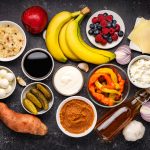 (NaturalHealth365) The human gut contains trillions of microorganisms. Scientists have studied many of them for decades. But a new global study has uncovered a group of gut bacteria that almost no one had looked at before, and what researchers found has changed the conversation about what a truly healthy gut looks like.
Published in Cell Host & Microbe in February 2026, the University of Cambridge study analyzed gut microbiome samples from 11,115 people across 39 countries. Researchers were searching for patterns, specifically, which microbes appeared most consistently in healthy individuals versus those living with chronic disease. One group of bacteria stood out above all others.
Most microbiome research has been focused on the wrong bacteria
The bacterial group is called CAG-170. Most researchers had largely ignored these bacteria – not because the evidence wasn’t there, but because these bacteria have never been successfully grown in a laboratory. Without the ability to culture them, scientists couldn’t study them using standard methods. So for years, CAG-170 remained part of what researchers now call the “hidden microbiome.”
That changed when the Cambridge team used advanced genetic sequencing and computational tools to search for CAG-170’s fingerprint across thousands of gut samples. The results were striking.
CAG-170 was consistently found at higher levels in healthy people than in those with chronic illness. Moreover, the pattern held up across 13 different diseases and people living on six continents. No other bacterial group showed the same strength of association with good health across such a diverse global population.
What happens when this microbe goes missing
The diseases associated with low CAG-170 levels read like a list of the most common and debilitating conditions in modern life. Inflammatory bowel disease, obesity, multiple sclerosis, chronic fatigue syndrome, rheumatoid arthritis, anxiety, and depression all showed lower levels of CAG-170 in affected individuals compared to healthy controls.
Researchers found that as gut balance deteriorated over time, CAG-170 levels fell consistently.
Lead researcher Dr. Alexandre Almeida described CAG-170 as a potential key player in human health – likely helping the body digest the core components of food and keeping the broader microbial community running smoothly. Researchers also found evidence suggesting the bacteria may produce vitamin B12, a nutrient essential for nerve function, energy metabolism, and immune regulation.
B12 deficiency is already widespread in the general population. The possibility that a diminished hidden microbiome contributes to that deficiency adds another layer of significance to these findings.
Why so much of the microbiome remains unexplored
This study highlights something that is rarely discussed in mainstream health conversations. Over 60% of gut bacterial species have never been grown in a lab. That means the vast majority of microbiome research to date has focused on a fraction of the microbial world – the fraction that happens to be easiest to study, not necessarily the most important.
CAG-170 represents what researchers call the uncultured microbiome.
Western medicine has been slow to incorporate microbiome science into clinical practice. In fact, standard care rarely assesses gut bacterial diversity. Yet this research – drawing on 11,000 human samples across 39 countries – points toward gut microbial composition as one of the most reliable indicators of health status available.
The association between CAG-170 and good health was stable across all geographies and disease categories examined. That kind of consistency is uncommon in nutritional science.
Natural solutions for a healthier gut microbiome
Feed your gut bacteria with the diversity they need to thrive. Research consistently shows that dietary variety is one of the strongest drivers of microbial diversity. Aim to eat 30 or more different plant foods each week – this includes vegetables, fruits, legumes, nuts, seeds, herbs, and whole grains. Each plant brings a distinct type of fiber that nourishes different bacterial communities.
CAG-170 belongs to a broader bacterial family called Oscillospiraceae. Research suggests that resistant starch specifically supports this family. Good sources include cooked and cooled potatoes, legumes, and green bananas.
Add fermented foods daily to actively support microbial balance. Human clinical trials consistently show that fermented foods increase microbial diversity and reduce inflammatory markers more effectively than fiber supplementation alone. Plain organic whole-milk yogurt with live cultures, kefir, sauerkraut, kimchi, and miso all introduce beneficial bacteria and their metabolites.
Together, these foods help create the gut conditions in which health-associated microbes like CAG-170 can maintain their presence and stability over time.
Protect your gut from the habits and exposures that deplete beneficial bacteria. Antibiotic overuse, chronic stress, poor sleep, ultra-processed food, and excess alcohol all reduce microbial diversity and destabilize the gut environment. Research suggests that even a single course of antibiotics can suppress beneficial bacteria for months.
Prioritize restorative sleep, manage stress through movement and mindfulness, and minimize exposure to unnecessary medications where possible. A diverse, stable gut microbiome is built through consistent daily habits, not a single supplement or short-term intervention.
The gut health conversation most people never have
A single bacterial group, consistently found in healthy people and absent in those with 13 chronic diseases, is a significant finding. And yet gut microbiome health rarely comes up in a routine medical appointment.
Sources for this article include:
Sciencedaily.com
Cam.ac.uk
Cell.com
Nutritioninsight.com
The Vast Dangers of Corticosteroids and the Safe Treatments for Autoimmunity
Reproduced from original article:
https://articles.mercola.com/sites/articles/archive/2026/04/07/vast-dangers-of-corticosteroids.aspx
Analysis by A Midwestern Doctor April 07, 2026
Story at-a-glance
- Corticosteroids are widely used in medicine, but their safety has long been questioned, with more and more dangers being discovered
- Understanding the effects of the body’s natural corticosteroids explains many of the common side effects from synthetic steroids like diabetes, fractures, and tissue loss
- Steroids exemplify a common criticism of modern medicine — treating symptoms rather than addressing the root cause can lead to far more severe chronic health issues
- While they are frequently misused, in some cases, steroids can also be lifesaving, hence requiring knowledge of their appropriate uses
- Superior natural and conventional alternatives to steroid therapy now exist, reducing the justification for using these unsafe drugs
To regulate itself, the body often relies upon sensors that detect something amiss and then emit a signal that is amplified by the body so that a process can be set in motion to fix the issue that set the sensor off. One of the key signals the body relies upon are hormones, as small amounts of these molecules being released are often sufficient to change the internal state of the body drastically.
The hypothalamic-pituitary-adrenal (HPA) axis is the body’s central stress response system. It has three main components: the hypothalamus and pituitary gland in the brain, and the adrenal glands on top of the kidneys. When you experience stress, the hypothalamus releases corticotropin-releasing hormone (CRH), which signals the pituitary gland to secrete adrenocorticotropic hormone (ACTH).
ACTH then travels through the bloodstream to the adrenal glands, prompting them to release the corticosteroid cortisol (the body’s primary stress hormone). Finally, once cortisol levels are high enough, they signal the brain to reduce CRH and ACTH production, creating a negative feedback loop that prevents over-activation of the stress response. Cortisol, in turn, has a few key functions in the body:
• Immune modulation — Cortisol first enhances the immune system’s immediate response to threats (protecting the body during stress), then limits excessive immune activity to prevent autoimmunity. It does this partly by inhibiting proinflammatory cytokines (e.g., IL-1, IL-6) and reducing T-cell activity. Over time, this shifts to immune suppression, making synthetic corticosteroids, a popular treatment for inflammation and autoimmunity.

Note: At lower doses, this transition from immune stimulation to immune suppression takes much longer, whereas at high doses it’s faster (hence why high steroid doses are given for dangerous autoimmune flares).
• Blood sugar — When blood sugar is low, cortisol raises it by stimulating gluconeogenesis in the liver, mobilizing amino acids (from muscle) and fatty acids (from fat) for glucose production, and reducing insulin sensitivity in tissues like muscle and fat. Excessive cortisol can lead to diabetes, abdominal fat accumulation (obesity), weight gain, insulin resistance, and cardiovascular issues.
• Connective tissues — Cortisol promotes protein catabolism (breakdown) in muscles, providing substrates for glucose synthesis and inhibiting collagen synthesis. Excessive cortisol causes muscle wasting, bone loss (e.g., osteoporosis or osteonecrosis), poor wound healing (which is also a result of immune suppression), skin thinning, easy bruising, and purple striae.
• Circulation — Cortisol raises blood pressure by increasing sodium and water retention, sensitizing blood vessels to epinephrine and norepinephrine. This causes vasoconstriction and an increased heart rate while also damaging the blood vessel lining. This elevates the risk for cardiovascular disease1,2,3 (e.g., a one-standard deviation increase in morning plasma cortisol is linked to an 18% higher risk of future cardiovascular events4).
• Cognition — Cortisol modulates arousal, attention, and memory consolidation. Chronic excess corticosteroids (from either endogenous cortisol or synthetic steroids) impair hippocampal function, causing memory deficits, increased pain sensitivity, attention issues, cravings for high-calorie foods, substance abuse, and, rarely, psychosis.
• HPA axis dysfunction — Since the HPA axis is regulated by cortisol levels, once natural or synthetic corticosteroids are chronically elevated, the HPA axis becomes desensitized, leading to excessive cortisol secretion or loss of the ability to secrete cortisol when needed.
This in turn creates many issues such as those associated with chronically excessive cortisol or varying degrees of fatigue (e.g., due to the adrenal glands not secreting cortisol when needed).
Note: Excessive cortisol can also cause other effects such as blood electrolyte imbalances, alkalosis, cataracts, and glaucoma.
Because of this, many argue excessive cortisol secretion and HPA axis dysfunction (e.g., due to chronic stress, poor diet, poor sleep, alcoholism, too many stimulants like caffeine, social isolation, a lack of exercise, or irregular daily rhythms) is a root cause of disease (e.g., the metabolic syndrome afflicting our country).
As such, they advocate for lifestyle practices that counteract these HPA axis-disrupting factors, and in many cases significant health benefits follow the adoption of those practices.
Corticosteroids
The hormone cortisol belongs to a class of steroids known as corticosteroids due to its release by the cortex of the adrenal glands. While many related corticosteroids (henceforth referred to as “steroids”) exist within the body, the body’s primary ones are cortisol (a glucocorticoid) and aldosterone, a mineralocorticoid that regulates blood pressure, volume, and electrolyte balance.
In 1946, the first synthetic steroid (cortisone) was synthesized.5 Two years later, enough had been produced to test it on a human, where it was discovered to improve rheumatoid arthritis symptoms (which won the 1950 Nobel Prize6) and was immediately hailed as a ‘wonder drug.’7 Before long, it was discovered that other inflammatory syndromes also responded to cortisone, and a rush of other steroids hit the market:

Following its success in rheumatoid arthritis, steroids (e.g., prednisone, hydrocortisone) were rapidly adopted for a wide range of inflammatory and autoimmune disorders, including systemic lupus erythematosus, inflammatory bowel disease, and multiple sclerosis, due to their ability to suppress immune-mediated tissue damage.
In the early 1950s, steroids were hailed as a revolutionary treatment for those conditions (and hence widely prescribed), with new steroids (e.g., prednisone) being rapidly introduced to the market, but in the late 1950s, serious side effects began to accumulate from long-term steroid use.
By the early 1960s, steroid treatment was “shunned altogether by the rheumatology community”8 (to the point shortly after that NSAIDs like ibuprofen were named nonsteroidal anti-inflammatory drugs to distinguish them from the disastrous steroids9) after which point steroids were prescribed with more caution and at lower doses until it was reborn in the 1980s under a low dose regimen.
Currently, steroids remain widely used, and their use has gradually increased. For example, in 2009, 6.4% of American adults had used oral steroids at least once in the last year,10 whereas in 2018, 7.7% did, while a 2017 study found 21.4% of adults (age 18 to 64) had used at least one oral steroid prescription in the last three years.11
Note: After harms were discovered with steroids, a pivot was made that they are safe if “low doses” are given. However, over the decades, what constituted a safe “low dose” has greatly declined (i.e., doses now considered toxic previously were routinely prescribed), and that drop will likely continue to (e.g., in 2016, Europe’s Rheumatology group concluded it was unsafe to give more than 5 mg a day of long-term steroids12 — a figure significantly lower than the current amounts used in America13).
Steroid Side Effects
As you would expect, the side effects from taking steroids mirror those seen with excessive cortisol, although in many cases are much more severe.
Furthermore, they are quite common (e.g., one study found 90% of users report adverse effects, and 55% report at least one that is very bothersome14). Consider this summary of what users across the internet have reported:

Likewise, much of that has been established within the scientific literature:
• Bone loss — Corticosteroids double one’s risk of a fracture (and even more so for a vertebra15), with 12% of users reporting fractures.16 At typical doses, steroids cause a 5% to 15% loss of bone each year,17 and in long-term users, 37% experience vertebral fractures18 (additionally, high dose steroid use increases the risk of vertebral fractures fivefold19).
Steroid bone loss, in fact, is such a common problem that treating it is one of the few official indications the FDA provides for bisphosphonates20 (which while widely prescribed for bone loss have many severe side effects — including making your bones more likely to break). Lastly, higher doses increase the likelihood of avascular necrosis (with 6.7% of users taking higher steroid doses developing it21).
• Weight gain — Approximately 70% of individuals taking oral corticosteroids long-term (over 60 days) report weight gain.22 One study found a 5.73 to 12.79 lbs. increase per year,23 and another found a 4% to 8% increase in body weight after two years of steroid use. Additionally, this fat typically stores in areas like the face, neck, and belly.24
• Adrenal insufficiency — Corticosteroids reduce the adrenal gland’s ability to produce cortisol (which can sometimes be life-threatening). This is a huge problem that increases with the duration of therapy and systemic routes of administration (e.g., affecting 48.7% of oral users25).

• Diabetes — A systematic review found individuals taking systemic corticosteroids were 2.6 times more likely to develop hyperglycemia26 (with 1.8% of those receiving steroids in a hospital then developing diabetes).27
Likewise, patients who’d taken systemic corticosteroids at least once were 1.85 times more likely to develop diabetes.28 Finally, a meta-analysis found that, in patients without pre-existing diabetes, a month or more of steroids caused hyperglycemia in 32% and diabetes mellitus in 19% of them.29
• Cardiovascular — High doses of steroids have been observed to increase heart attacks by 226%, heart failure by 272%, and strokes by 73%.30
• Eyes — Steroids have been found to increase the risk of cataracts by 245% to 311%31 (with 15% of users reporting this side effect)32 and the risk of ocular hypertension or open angle glaucoma by 41%.33
• Gastrointestinal — Steroids are linked to many gastrointestinal events (e.g., nausea and vomiting)34 and have been found to increase the risk of gastrointestinal bleeding or perforation by 40%.35
• Psychiatric — Between 1.3% to 18.4% of steroid users develop psychiatric reactions (with the rates increasing with the dose),36 and around 5.7% experience severe reactions. Additionally, 61% of steroid users reported sleep disturbances,37 and steroids can also sometimes cause psychosis.38,39
• Infections — Steroids also increase the risk of infections. For example, users of inhaled steroids were found to be 20% more likely to develop tuberculosis,40 and this increased at higher doses in patients with asthma or COPD. Similarly, patients on steroids were 20% more likely to develop sepsis41 (possibly due to the initial symptoms of the infection being masked by the steroids).
•Skin — Prolonged topical use of steroids also frequently causes skin issues42 (e.g., up to 5% experience skin atrophy after a year of use).
Lastly, certain steroids are much more potent than others, and the more potent ones that persist in the body (e.g., dexamethasone) are more likely to create systemic effects like HPA axis dysfunction.

Uses of Steroids
The toxicity of steroids greatly increases with prolonged doses and routes of administration that have systemic absorption (e.g., oral). Because of this, many now believe they should be reserved for life-threatening emergencies (with the side effects that frequently follow being an acceptable trade off) and for a prolonged period, only be used in a manner with minimal systemic absorption (e.g., topically).
Note: I recently interviewed a variety of specialists for their perspectives on using steroids in their fields of medicine. Collectively, they felt that while steroids can be helpful, they are frequently prescribed in an inappropriate manner that causes more harm than good (discussed here).
• Inhaled steroids — Inhaled steroids are routinely used to treat asthma and COPD. Since the systemic absorption of inhaled steroids is much less than from oral steroids, systemic side effects are rarer (but can still occur with prolonged use at higher doses).
While inhaled steroids (along with the other medications commonly prescribed for these respiratory conditions) can help and are often the only option available to patients, I believe in most cases natural therapies that directly treat the conditions are preferable. For example, COPD is seen as a progressive and incurable illness which can only be delayed or partially mitigated with the existing therapies.
In contrast, when nebulized glutathione is used to replenish the protective lining of the lungs, it halts the progression of the disease, and unlike steroids does so without side effects. Likewise, many natural therapies exist for asthma.
• Topical steroids — Topical steroids are routinely used for skin issues and sometimes in other areas as well, such as for certain eye conditions, like preventing graft rejection after a necessary corneal transplant. In these instances, systemic side effects are rare, and most local issues result from prolonged use (e.g., skin changes or skin thinning — particularly on the face).
Note: I have long suspected topical steroids in part work by reducing fluid circulation to the skin (via the interstitium43), thereby preventing inflammatory toxins from arriving there and creating skin reactions (whereas agents like DMSO treat skin conditions by augmenting the skin’s microcirculation so stagnant toxins cannot irritate a set area).
As such, due to the potential issues with suppressing skin symptoms, I typically treat skin issues with natural therapies like DMSO or by eliminating the underlying cause of the skin issue.
• Injectable steroids — Frequently, when patients have significant pain in a joint, steroids will be injected into the joint to improve the pain. There are three major issues with this approach.
◦First, a certain degree of systemic absorption occurs, so many of the previously mentioned side effects can follow steroid injections (e.g., high blood sugar for over a week44).
◦Second, if the injected steroid is not water soluble (most aren’t), it will often remain in the joint (e.g., you can often see previously injected steroids within a joint when it is arthroscopically) examined.
◦Third, steroids weaken and degrade connective tissue (e.g., the ligaments holding a joint together).
Since arthritis often results from weakened ligaments no longer holding the joint in the correct position (causing it to grind against itself when it moves), this creates a situation where a temporary relief is gained from the steroid that is followed by a worsening of the underlying issues, which then typically results in the patient eventually needing surgery — which is very common story with knee replacements and is particularly disastrous in cases where a spinal fusion is performed.45
Note: For this reason, we treat joint pain either by strengthening the joint’s ligaments (which for instance often cures spinal pain) or using a natural therapy which reduces inflammation and pain without damaging the ligaments (such as DMSO).
Lastly, it is important to note that many (and arguably the majority) of joint issues have an inflammatory component (e.g., many patients have undiagnosed seronegative spondyloarthropathies46 that often do not show up on standard diagnostic tests47).
On the one hand, this illustrates why both conventional and natural approaches for reducing inflammation can help with so many different joint issues. Conversely, it also helps explain why arthritis increase with age, as inflammation and metabolic health worsen with age.48
• Intravenous steroids — Certain more severe illnesses respond to steroids, and as a result intravenous steroids are routinely given to certain hospitalized patients. In those instances (especially given the options available for hospitalized patients),49 this is often necessary and lifesaving. At the same time however, it must be remembered that this approach can lead to significant side effects.
• Oral steroids — Oral steroids have the widest range of diseases they are used to treat, which is unfortunate since they also tend to cause the most side effects. Some of their common uses include:
◦Severe cases of chronic lung conditions (e.g., asthma or COPD).
◦Allergic reactions of varying severity.
◦Various rheumatologic disorders, along with many other autoimmune conditions such as inflammatory bowel diseases and certain blood disorders.
◦Preventing the rejection of transplanted organs.
◦Replacing hormones that the adrenal glands have lost the ability to produce.
◦Certain skin disorders.
◦For disc herniations, along with other acute musculoskeletal issues like gout, bursitis, or tendonitis that are not responding to NSAIDs, or to reduce swelling and pain from a recent severe injury.
While some of these are justified, a strong case can be made that many other uses cause more harm than any benefit they provide.
Alternatives to Steroids
A central issue with steroids is that while they do suppress the immune system (which is sometimes needed), they are too broad in their effects, and as a result, in most conditions, they cause a significant number of unwanted consequences.
Because of this, a variety of attempts have been made over the years to find alternative ways to suppress the immune system.
For example, Anthony Fauci is a hero to the rheumatology field because shortly after he joined the NIH in 1968, he had the insight that chemotherapy drugs (which destroyed the white blood cells at standard doses), when given at low doses could instead be used to suppress dangerous autoimmune responses.50 This worked, and cyclophosphamide allowed certain once terminal diseases to become quite manageable.51
Many of those drugs were not at all safe (e.g., cyclophosphamide often gives you cancer), but compared to the previously existing options were revolutionary, and as such, immune suppressing drugs which created various consequences of immune suppression (e.g., frequent and unusual infections) were seen as justified and were widely adopted.
Note: The drug Fauci pioneered for life-threatening vasculitides, cyclophosphamide, is still used in that manner but never received an FDA approval52 (which is noteworthy given how aggressively Fauci targeted “unapproved” therapies during the AIDS crisis and COVID-19).
Since then, a variety of less toxic but still effective rheumatologic drugs have been developed that have greatly improved the prognosis of autoimmune disorders (listed here). Unfortunately, due to the medical field’s tendency to greatly delay the adoption of new therapeutic approaches, many of these newer drugs are rarely utilized and instead far more toxic immune suppressing medications like steroids remain the standard of care.
In tandem, a variety of natural approaches have been discovered over the years that often effectively treat a wide range of autoimmune disorders (or at least improve them enough for lower doses and less toxic doses of immunosuppressive medications to be needed). Likewise, much safer natural alternatives have been found for many of the other conditions steroids “treat” (e.g., DMSO for musculoskeletal pain and injury).
Note: Many things we have direct control over (e.g., exercise, sunlight exposure, diet, and stress), can greatly improve autoimmune disorders and reduce the need for costly therapies.
Conclusion
Having an autoimmune disorder often forces a patient to accept utilizing a therapy they know entails significant side effects. However, while drugs like steroids are sometimes necessary, in most cases, a far less toxic alternative exists that allows a patient to live a long and fulfilling life.
Worse still, because the increasing toxicity of our environment and the refusal to look at what causes autoimmunity, we are now seeing an annual increase of 3% to 12% in the rates of these life-changing diseases.53,54
For far too long, we’ve had to accept these abysmal trade-offs as the medical system incentivizes lucrative pharmaceuticals irrespective of their toxicity while actively shunning natural therapies. However, now that the MAHA movement is ushering in a historic change in healthcare, we at last have an opportunity to shift this dysfunctional dynamic and begin looking at real solutions to chronic illness rather than outdated ones that no longer serve their purpose.
Author’s Note: This is an abridged version of a longer article which goes into more detail on the dangers of steroids, the ways to safely utilize or withdraw from them, and the safest natural or conventional methods for treating autoimmune disorders and musculoskeletal issues. That article can be read here.
A Note from Dr. Mercola About the Author
A Midwestern Doctor (AMD) is a board-certified physician from the Midwest and a longtime reader of Mercola.com. I appreciate AMD’s exceptional insight on a wide range of topics and am grateful to share it. I also respect AMD’s desire to remain anonymous since AMD is still on the front lines treating patients. To find more of AMD’s work, be sure to check out The Forgotten Side of Medicine on Substack.
- 1 Am J Cardiol. 2012 Sep 10;110(12):1711–1716
- 2 Psychosom Med. 2014 Jul-Aug;76(6):468–475
- 3 The Cardiology Advisor, February 3, 2023
- 4 European Journal of Endocrinology, Volume 181, Issue 4, Oct 2019, Pages 429–438
- 5 Journal of Endocrinology, 10 Jul 2007, Volume 195: Issue 1
- 6 The Nobel Prize in Physiology or Medicine 1950. NobelPrize.org. Nobel Prize Outreach 2025. Fri. 9 May 2025
- 7, 8, 9 Inflammopharmacology 22, 263–267 (2014)
- 10 Clin Transl Sci. 2023; 16: 2565-2576
- 11 BMJ 2017;357:j1415
- 12 Rheumatology Advisor, March 21, 2016
- 13 Drugs.com, August 22, 2024
- 14, 16, 22, 32 Arthritis Rheum. 2006 Jun 15;55(3):420-6
- 15, 17, 18 RMD Open. 2015 Apr 8;1(1):e000014
- 19 J Bone Miner Res, 15: 993-1000
- 20 Fosamax, February 2012
- 21, 30, 33, 35, 40, 41 J Pharm Technol. 2022 Aug 30;38(6):360–367
- 23 Arthritis Rheum. 2008 May 15;59(5):746–753
- 24 Arthritis.org, Corticosteroids
- 25 J Clin Endocrinol Metab. 2015 Jun;100(6):2171-80
- 26 Diabet Med. 2025 Mar;42(3):e15475
- 27 Radcliffe Department of Medicine, September 10, 2024
- 28 Diabetes Obes Metab. 2022 Nov;24(11):2222-2231
- 29 Nat Rev Endocrinol. 2022 Sep;18(9):540-557
- 31 Ophthalmology. 2009 Apr;116(4):652-7
- 34 Pharmacotherapy. 2008 Nov;28(11):1325–1334
- 36 Diagnostics (Basel). 2023 Jan 17;13(3):337
- 37 Arthritis & Rheumatism, 55: 420-426. doi: 10.1002/art.21984
- 38 Cureus. 2023 May 19;15(5):e39221
- 39 Wikem.org, Steroid-induced psychosis
- 42 J Eur Acad Dermatol Venereol. 2012 May:26 Suppl 3:47-51
- 43 The Forgotten Side of Medicine, December 1, 2024
- 44 AJR Am J Roentgenol. 2024 Mar;222(3):e2330458
- 45 The Forgotten Side of Medicine, October 27, 2023
- 46 StatPearls [Internet], Treasure Island (FL): StatPearls Publishing; 2025 Jan
- 47 Creakyjoints.org, November 15, 2018
- 48 Nat Rev Endocrinol. 2018 Oct;14(10):576-590
- 49 The Forgotten Side of Medicine, November 24, 2024
- 50, 51 Pathog Immun. 2024 Sep 16;9(2):152–171
- 52 Cyclophosphamide Injection, June 2023
- 53 J Clin Invest. 2025;135(4):e178722
- 54 International Journal of Celiac Disease 3, no. 4 (2015): 151-155
Hydrogen-Rich Water Reduces Cravings, Improves Sleep, and Raises GLP-1 in Obese Adults
Reproduced from original article:
https://articles.mercola.com/sites/articles/archive/2026/03/31/hydrogen-rich-water.aspx
Analysis by Dr. Joseph Mercola March 31, 2026

Story at-a-glance
- Drinking hydrogen-rich water daily for eight weeks reduced food cravings, improved sleep quality, and increased GLP-1, helping your body naturally regulate hunger, and fullness without strict dieting
- The biggest appetite changes occurred in physical hunger signals, meaning you feel less driven to eat even when food is available, making it easier to stay in control without relying on willpower
- Sleep improvements included falling asleep faster, fewer nighttime disruptions and better daytime energy, which directly supports healthier food choices and metabolic stability
- Hydrogen works at the cellular level by improving energy production, reducing oxidative stress, and restoring communication between your gut and brain, which resets how your body manages hunger and energy
- Supporting this process with the right habits — including hydrogen-rich water, avoiding seed oils, daily sunlight, and proper carbohydrate intake to restore butyrate and GLP-1 signaling — helps correct the root cause of cravings and metabolic dysfunction
If you’re battling constant cravings, broken sleep, and the feeling that your body is working against you no matter what you try — the problem isn’t willpower. It’s disrupted biology. Appetite dysregulation, poor satiety signaling, and sleep disturbances create a self-reinforcing cycle that no amount of discipline can override, because the signals telling you to eat, stay awake, and store fat are coming from inside your own cells.
A clinical trial from the University of Novi Sad in Serbia shows that a single, simple intervention — drinking hydrogen-rich water daily for eight weeks — shifted multiple systems tied to that cycle at once.1 Cravings dropped. Sleep improved. The appetite hormone GLP-1 increased.
And none of it required strict dieting, exercise programs, or medications. The findings reveal a change in how the body produces energy, manages stress, and communicates hunger signals — which sets the stage for understanding exactly how hydrogen-rich water works inside your body.
Hydrogen Water Shifts Hunger, Sleep, and Metabolism at Once
The study, published in the journal Medicina, followed 36 adults with obesity to determine how hydrogen-rich water affects appetite, sleep, body composition, and key metabolic markers like GLP-1, a gut-derived hormone that signals fullness to your brain and helps regulate blood sugar by slowing digestion and reducing appetite — the same hormone targeted by popular weight loss drugs like Ozempic.2
Participants consumed 1 liter per day, split into three doses, delivering a total of 15 milligrams (mg) of molecular hydrogen, while a control group drank identical-looking water with no hydrogen. The design was randomized, placebo-controlled, and double-blind, meaning neither participants nor researchers knew who received the active treatment, which strengthens the reliability of the findings.
• Hydrogen group experienced measurable changes in cravings, sleep, and hormones — The group drinking hydrogen-rich water showed significant reductions in food cravings, improvements in sleep quality, and increases in GLP-1 levels compared to the control group. These weren’t vague or subjective shifts alone.
Researchers used structured tools like the Food Cravings Questionnaire and Pittsburgh Sleep Quality Index to quantify changes in hunger and sleep patterns. At the same time, blood tests confirmed biochemical improvements, including cholesterol optimization and hormone changes tied directly to appetite control.
• Cravings dropped in a way you can actually feel day to day — One of the most striking findings involved appetite. The hydrogen group saw a meaningful reduction in total food cravings score, dropping by about 7.4 points compared to just 1.3 points in the control group.
That difference reflects fewer intrusive thoughts about food, less emotional eating, and better control over when and how much you eat. If you often feel like hunger drives your choices instead of the other way around, this is the exact shift that changes your daily experience.
• The strongest appetite changes showed up in physical hunger signals — Hydrogen-rich water had its biggest impact on cravings as a “physiological state,” meaning actual bodily hunger rather than habit or emotion.
This includes the internal signals that tell you to eat even when you’ve already had enough. When those signals calm down, you stop fighting yourself. Instead of relying on willpower, your body starts cooperating.
• Sleep improvements extended beyond just feeling rested — Participants didn’t just report better sleep in general terms. Specific areas improved, including how quickly they fell asleep, how often they woke up, and how they functioned during the day. Better sleep latency means you fall asleep faster.
Reduced disturbances mean fewer interruptions overnight. Improved daytime function means more stable energy and focus. When sleep improves across all these areas, your metabolism stabilizes, and your appetite becomes easier to manage.
• GLP-1 increased, directly changing how full you feel — Hydrogen-rich water significantly increased circulating GLP-1 levels compared to the placebo group, with a statistically meaningful effect size. When this hormone rises, you feel satisfied sooner and stay full longer. This is the same pathway targeted by many weight-loss drugs, but here it’s influenced through a simple dietary intervention.
Why Hydrogen Works Quickly and Targets the Root Cause of Cravings
All of these changes occurred within just eight weeks, with participants maintaining over 97% adherence to the protocol. That high compliance matters. It shows the intervention was easy to follow and fit into daily routines. You’re not looking at an extreme lifestyle overhaul. You’re looking at something that integrates into your current habits without friction.
• Women showed even stronger responses in key areas — Subgroup analysis revealed that many of the improvements, especially in cravings and GLP-1 levels, were more pronounced in women.
This suggests a biological sensitivity that could relate to hormonal differences, appetite regulation pathways, or metabolic factors. If you struggle with persistent cravings despite doing everything “right,” this finding highlights that your biology isn’t working against you permanently. It can shift.
• Hydrogen calms the cellular damage that drives false hunger signals — At a deeper level, hydrogen acts as a signaling molecule in your body, not just a passive substance. It influences pathways related to oxidative stress, which is the buildup of cellular damage from unstable molecules. When oxidative stress drops, the cells responsible for hunger and energy signaling can finally communicate clearly — so your brain gets accurate information about when you actually need food.
• Gut-brain communication plays a central role — Hydrogen influences the gut–brain axis — the communication network between your digestive system and your brain. Much of this signaling travels through the vagus nerve, a physical nerve pathway that runs from your brainstem down to your gut, carrying messages in both directions.
When hydrogen improves the chemical environment in your gut, clearer signals travel up this nerve to your brain, including the hormones and metabolites that tell you whether you’re genuinely hungry or already full.
• Neurotransmitters tied to cravings are directly affected — Researchers also identified changes in the glutamate-GABA-glutamine cycle, a brain chemistry loop that balances two opposing signals. Glutamate is the “fire up” signal that makes you alert and reactive; GABA is the “calm down” signal that keeps your responses in check.
When this balance is off, every food cue hits harder — the smell of bread, the sight of a snack — and cravings dominate your thinking. Hydrogen helped stabilize this cycle, meaning food stimuli lose their outsized grip on your attention.
• Cellular energy production improves at the same time — Hydrogen supports mitochondrial function, your cells’ energy production system, by acting as a selective antioxidant inside the mitochondria themselves. Your mitochondria generate energy through a chain of chemical reactions, and oxidative damage jams that chain at multiple points.
Hydrogen specifically neutralizes the most aggressive free radicals that cause that damage, without disrupting the beneficial ones your cells need for normal signaling. When this energy production system runs cleanly, your body stops relying on constant food intake as a backup fuel source.
How to Use Molecular Hydrogen to Fix Cravings and Restore Metabolic Control
Taken together, these mechanisms explain why the study participants didn’t just see one number change on a blood test — they felt different day to day. Their hunger quieted. Their sleep deepened. Their energy stabilized. The science points to a body that was finally producing energy efficiently, communicating accurately between gut and brain, and no longer flooding itself with false hunger signals.
That understanding matters, because it tells you exactly where to intervene. The steps below are designed to support each of these mechanisms directly — starting with hydrogen-rich water and extending into the dietary and lifestyle factors that determine whether your cells can actually use it.
1. Use hydrogen-rich water the right way — Drop one hydrogen tablet into a glass of room-temperature water and drink it immediately after it fully dissolves and turns cloudy. That cloudy appearance tells you the hydrogen gas is active and ready to work. Look for tablets that generate 8 to 10 parts per million (ppm) of hydrogen and are independently tested for purity.
Timing matters. Drink it right away, because hydrogen escapes quickly once dissolved. Avoid swallowing the tablet directly and don’t drink any remaining undissolved pieces. The reaction that releases hydrogen produces heat, and taking it dry risks burning tissue in your mouth, throat, or stomach. These tablets are designed to react in water, not inside your body.
2. Build consistency, then cycle your intake to stay responsive — Use hydrogen-rich water daily during periods when cravings, fatigue, or stress are high. Once your appetite and sleep stabilize, take short breaks for a few days or a couple of weeks. This keeps your body responsive instead of adapting and dulling the effect. Think of it the way you’d cycle any training stimulus — you want your metabolism to stay responsive, not adapted.
3. Eliminate the factors that block your cellular energy — If you consume seed oils, you’re working against yourself. Soybean oil, corn oil, canola oil, and similar vegetable oils flood your cells with linoleic acid (LA), a polyunsaturated fat that destabilizes mitochondrial membranes and increases oxidative stress. Replace these oils with stable saturated fats such as grass fed butter, ghee or tallow.
At the same time, remove ultraprocessed foods and most restaurant meals, since these almost always contain high amounts of seed oils. Your goal is to bring daily LA intake below 5 grams and ideally closer to 2 grams. To track your intake, download the upcoming Mercola Health Coach app, which includes the Seed Oil Sleuth feature that calculates LA exposure with precise accuracy.
4. Use sunlight to recharge your cellular energy daily — Get direct sun exposure every day, especially earlier in the day. Sunlight drives energy production at the cellular level and helps regulate your sleep-wake cycle. If your body is full of LA from years of seed oil consumption, your skin is more prone to burning during midday sun.
Avoid sunlight from 10 a.m. to 4 p.m. until you’ve reduced seed oils for at least six months, focusing instead on morning and late afternoon light. Once your tissues are free from these unstable fats, you’ll tolerate more sun safely. Over time, this strengthens your energy production and supports better appetite control.
5. Rebuild your metabolism by restoring butyrate and GLP-1 signaling — Your gut bacteria convert carbohydrates into short-chain fatty acids like butyrate. Butyrate acts as a fuel for your colon cells and plays a direct role in regulating appetite hormones. When your gut produces enough butyrate, natural GLP-1 secretion works properly, which improves satiety, stabilizes blood sugar, and supports healthy weight regulation.
Start with easy-to-digest carbs like whole fruit and white rice, then slowly increase fiber as your gut heals to avoid excess endotoxin production. Pair this with adequate protein, about 0.8 grams per pound of lean body mass (or 1.76 grams per kilogram), and make one-third from collagen-rich sources like slow-cooked meats or bone broth. When this system is working, your hunger signals normalize and your body stops pushing you to overeat.
FAQs About Hydrogen-Rich Water, Cravings, and Metabolism
Q: How does hydrogen-rich water reduce cravings?
A: Hydrogen-rich water works by improving how your body regulates hunger signals at the cellular level. In the study, participants experienced a measurable drop in cravings, especially physical hunger signals, not just emotional eating. This shift happens because hydrogen supports better communication between your gut and brain and helps normalize appetite hormones like GLP-1.
Q: What is GLP-1 and why does it matter for weight control?
A: GLP-1 is a hormone released in your gut that tells your brain you’re full and helps regulate blood sugar. When GLP-1 levels increase, you feel satisfied sooner and eat less without forcing it. This is the same hormone targeted by drugs like Ozempic, but in this case, your body increases it naturally.
Q: How quickly do the benefits of hydrogen-rich water show up?
A: The study showed noticeable improvements in just eight weeks. Participants reported better sleep, reduced cravings and improved metabolic markers within that timeframe. Because the approach fits easily into daily routines, adherence stayed above 97%, which means the results came from consistent, realistic use.
Q: Does hydrogen-rich water help with sleep as well as appetite?
A: Yes. Participants fell asleep faster, woke up less often and functioned better during the day. Better sleep directly supports appetite control because poor sleep increases hunger hormones and weakens decision-making around food.
Q: Why does gut health matter for controlling cravings and GLP-1?
A: Your gut bacteria produce compounds like butyrate when they break down carbohydrates and fiber. Butyrate fuels your colon cells and helps regulate GLP-1 production. When this system works properly, your body naturally controls hunger, improves insulin sensitivity and supports healthy weight regulation without relying on willpower.