One ancient and extremely powerful bacterium — in our soil, our fermented foods, and our own gut — is dismantling glyphosate, protecting our cardiovascular system, modulating our immunity, and reminding us that “germs” have always been the medicine
There is a quiet, almost poetic symmetry in the way Nature responds to human folly.
We have saturated our soils with a synthetic molecule designed to dismantle the shikimate pathway — the very pathway that bacteria in our guts depend on to make the amino acids that become our neurotransmitters, our connective tissue, our immune signals. We were told this molecule was safe for us because humans don’t possess the shikimate pathway. What we were not told, for decades, is that we are not only human. The 99% of our holobiont selves that is microbial in origin does possess the shikimate pathway. Glyphosate, by mechanism, is an antibiotic against the very organisms that make us who we are.
And yet, hidden within the same biosphere we have so casually poisoned, there exists a single, humble bacterium that can take this molecule apart — bond by bond — while at the same time producing some of the most therapeutically powerful biomolecules known to medicine. It lives in the soil beneath our feet. It lives in the fermented foods of every traditional cuisine that survived industrialization. It lives in the rhizospheres of our food crops. And — as researchers have come to recognize only in the past two decades — it lives in our own gastrointestinal tracts, where it has been working as a quiet commensal partner for as long as our species has existed.
Its name is Bacillus subtilis.
This is the story of how one ancestral microbe braids together nearly every thread of the microbiome revolution: the extensibilityof our biology through microbial partners, the continuity between soil and gut that makes us inseparable from the living Earth, the restorative intelligence of microbial life that can heal damage our own genome cannot even register, and the ancestral dietary inheritance through which our forebears continuously renewed this relationship long before any of us had the language to name it.
Before we go further into the science, a single image to anchor what we mean when we say “we.” Da Vinci’s Vitruvian Man — the Renaissance icon of human perfection as a self-contained, geometrically complete being — has been reimagined in contemporary microbiome science as the Holobiont: a body inseparable from the trillions of microbes, fungi, viruses, and food-derived signaling molecules with which it lives in constant biochemical conversation.
The small colored spheres are vesicles (exosomes, outer membrane vesicles, food-borne microRNAs) carrying inter-kingdom information across what we once thought were sealed biological boundaries. Originally published in Trends in Microbiology (artistic composition by Laura Galeazzo). I explored the deeper implications in Leonardo da Vinci and the New Biology. For the present article, it is enough to note: this is the body that Bacillus subtilis partners with — and the body glyphosate is unknowingly attacking.
The Damage Glyphosate Does to the Holobiont
To understand why the B. subtilis story matters, we must first sit with the scale of what glyphosate has done.
Glyphosate is the active ingredient in Roundup and is the most widely applied herbicide in agricultural history. It is sprayed onto Roundup-Ready GM crops, used as a pre-harvest desiccant on conventional wheat and oats, and applied to fields, lawns, parks, and roadsides on every inhabited continent. Its industrial defenders have repeated, for nearly half a century, that glyphosate is safe for mammals because mammals do not possess the shikimate pathway — the metabolic route through which plants, fungi, and bacteria synthesize the aromatic amino acids phenylalanine, tyrosine, and tryptophan.
The argument is technically true and biologically dishonest. We do not possess the shikimate pathway. Our microbiome does. The bacteria of our gut — including the Lactobacillus and Bifidobacterium species that ferment our foods, modulate our immunity, produce our B-vitamins, and govern the gut-brain axis — depend on the shikimate pathway.¹ ² So do many fungi in our mycobiome. So do many soil organisms that build the living substrate beneath every meal we have ever eaten.
What the published research has now made unambiguously clear — across in vitro studies, animal models, and metabolomic analyses — is that glyphosate exposure selectively suppresses many of the beneficial members of the gut community while leaving certain pathogens relatively unscathed. Lactobacillus and Bifidobacterium have been shown to be more susceptible to glyphosate than Clostridium perfringens and certain Salmonella strains.³ The shikimate pathway has been documented as transcriptionally active across a meaningful fraction of human gut microbes,⁴ and metabolomic studies in rats have confirmed accumulation of shikimate-pathway intermediates — the biochemical fingerprint of glyphosate inhibition — inside living animals exposed to environmentally relevant doses.⁵ Samsel and Seneff first articulated the broader implications of this mechanism for chronic human disease in their 2013 Entropy review on glyphosate’s suppression of cytochrome P450 enzymes and microbial amino acid biosynthesis.¹
This is the meaning of glyphosate’s harm: it is not a “human toxin” in the narrow toxicological sense. It is a holobiont toxin. It targets the inner ecology that constitutes 99% of our genetic identity. Because the body it was poisoning was never recognized as a body by the regulatory science that approved it, the damage was allowed to accumulate, generation upon generation, until it now shows up in the epidemic curves of celiac disease, IBD, autism, depression, autoimmunity, and the metabolic disorders that increasingly define the modern human condition.
When we ask what glyphosate “does” to a person, the honest answer is: it does not act on the person at all. It acts on the microbial communities through which the person exists.
Bacillus subtilis: The Bacterium We Forgot We Knew
And yet, in the very soil that conventional agriculture has carpet-bombed, an older lineage of bacteria carries on its ancient work. Among them is Bacillus subtilis.
B. subtilis is one of the most studied organisms in all of biology. It is the textbook gram-positive bacterium, the model organism for sporulation, the workhorse of fermentation laboratories around the world. For most of the twentieth century, microbiologists classified it as a soil bacterium — a tidy designation that allowed us to think of it as separate from us, “out there” in the dirt. That classification has been quietly overturned.
In 2009, researchers at Royal Holloway University in London, working with strains isolated directly from ileum biopsies and fecal samples of healthy humans, demonstrated that B. subtilis had adapted to life inside the human gastrointestinal tract.⁶ The bacterium could sporulate anaerobically, secrete antimicrobials against pathogens, and form protective biofilms along the gut wall. Their conclusion was unambiguous: B. subtilis and other spore-formers should be considered “gut commensals rather than solely soil microorganisms.”⁶ Subsequent reviews have confirmed and extended this view, noting that B. subtilis spores survive cooking temperatures, the acidity of the stomach, and the bile of the small intestine — and that they germinate, grow, and contribute metabolically once they reach the gut.⁷
This is itself a small microbiome revolution. B. subtilis is not “out there” — it is, and has always been, part of us. Our ancestors, foraging unwashed roots and tubers, eating naturally fermented foods, drinking unfiltered spring water, breathing air thick with soil dust during planting and harvest, were continuously inoculated with this organism. It travelled with us, in us, alongside us, across continents and millennia. The boundary between the soil’s microbiome and ours, between the field and the gut, was never the hard line modern hygiene imagined it to be. It was, as the herbalist Paul Schulick named it, a life bridge — and B. subtilis is one of the species that walks it.
How Our Ancestors Met This Bacterium Every Day
Long before “probiotic” became a marketing word, B. subtilis was already a daily dietary inheritance for human beings across the planet. It lived in the foods our ancestors knew were sacred — foods so often associated with longevity and vitality that traditional cultures built entire ritual practices around their preparation.
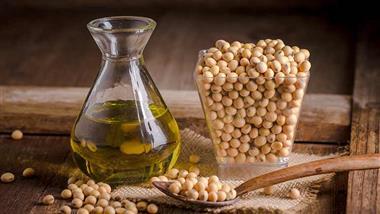
The most celebrated dietary source is natto, the traditional Japanese fermented soybean dish in which Bacillus subtilisvar. natto converts cooked soybeans into one of the most nutrient-dense, bioactive foods in the human dietary record.⁸ Eaten daily for centuries in regions of Japan associated with exceptional cardiovascular health and bone density,⁹ natto is a living culture — every spoonful contains billions of active B. subtilis organisms along with the cascade of bioactive molecules they produce.
But natto is only the most famous example. B. subtilis and its close relatives are involved in fermentation of:
Kinema, thua nao, and pe-poke — the soybean ferments of Nepal, Thailand, and Myanmar, dietary parallels to natto with their own indigenous Bacillus strains
Dawadawa, iru, and ogiri — West African condiments fermented from locust bean, soybean, or melon seed, central to the cuisines of Nigeria, Ghana, Senegal, and surrounding regions
Cheonggukjang — the rapidly-fermented Korean soybean paste, traditionally aged on rice straw rich in wild Bacillus
Doenjang and chunjang — slower Korean fermented bean pastes carrying Bacillus alongside the more famous Aspergillus and Lactobacillus communities
Raw, unwashed root vegetables — carrots, beets, parsnips, and tubers pulled from healthy living soil carry B. subtilis spores on their surface, which is one reason traditional cuisines historically did not over-sterilize their produce, and why ‘eating dirt’ (albeit healthy sources in very small quantities) may be an essential part of health.
Wild and properly-tended honey — honey collected from hives surrounded by biodiverse pasture and forest harbors Bacillus species among its broader microbial signature [learn more about the microbial wonders of raw honey here]
Aged hay, grass-finished animal products, and raw milk from animals on pasture — B. subtilis was historically named hay bacillus because it was first cultivated from hay; pastured-animal foods naturally carry this organism
What this means, in plain biological terms, is that B. subtilis exposure was continuous for our ancestors. Not a once-a-week event. A daily, almost hourly inoculation through food, water, air, and soil contact. The modern lifestyle — sterile kitchens, washed produce, pasteurized everything, sealed packaged foods, dirt-free hands — has functionally eliminated this exposure for most people living in industrialized societies. We have, in effect, severed one of the oldest continuous microbial relationships in the human evolutionary record.
What This Bacterium Actually Does for Us
The reason B. subtilis mattered so deeply to our ancestors is not romantic. It is biochemical. This single organism is one of the most prolific producers of therapeutically active molecules in the entire microbial world. The peer-reviewed literature on its secondary metabolites now spans thousands of papers. A short list of what B. subtilis makes, while alive in our food or in our gut, includes:
Nattokinase. Produced during the fermentation of soy, nattokinase is a serine protease with potent fibrinolytic activity — it dissolves fibrin, the protein scaffold that holds blood clots together.¹⁰ It is one of the most extensively studied natural cardiovascular compounds in the literature, with documented effects on blood viscosity, atherosclerotic plaque, blood pressure, and circulatory function.¹⁰ ¹¹ Daily natto consumption has been associated, in Japanese population studies, with lower cardiovascular mortality and reduced stroke risk.⁹
Vitamin K2 as menaquinone-7 (MK-7).B. subtilis var. natto is, by a wide margin, the richest known biological source of MK-7 — the long-chain form of vitamin K2 with the longest half-life in human serum.⁸ ¹² MK-7 activates osteocalcin (which directs calcium into bone) and matrix Gla protein (which keeps calcium out of arterial walls). The clinical implications are significant: MK-7 supplementation has been associated with reduced arterial calcification, improved bone density in postmenopausal women, and lower cardiovascular mortality.¹² A 100-gram serving of natto contains roughly 1 milligram of MK-7, an amount essentially impossible to obtain from any other food.¹²
Surfactin. A cyclic lipopeptide and one of the most powerful biosurfactants known. Recent research has documented surfactin’s ability to enhance secretory IgA production, increase intestinal villus height, upregulate tight-junction proteins (claudin-1, occludin, ZO-1) that maintain gut barrier integrity, and reduce intestinal inflammation in models of induced colitis.¹³ Surfactin also has documented antiviral activity, including against enveloped viruses, and has been shown to inhibit the VEGF pathway involved in tumor angiogenesis — making it an emerging candidate in oncology research.¹⁴
Subtilisin and related proteases. Powerful protein-digesting enzymes that contribute to the breakdown of dietary proteins (including the difficult-to-digest gluten proteins of wheat) and to the catabolism of damaged proteins in tissues. B. subtilis proteases are part of the reason traditional fermented soy foods are more digestible than unfermented soy.
Bacteriocins and antimicrobial peptides. A broad arsenal of compounds — subtilin, mycosubtilin, fengycin, iturin, plipastatin — with documented activity against pathogenic bacteria (including methicillin-resistant Staphylococcus aureus), pathogenic fungi (including Candida albicans), and certain viruses.¹⁴ These compounds are part of how B. subtilis in our gut helps maintain the microbial balance that resists opportunistic infections.
Folate, riboflavin, biotin, and other B-vitamins. Like many beneficial gut commensals, B. subtilis contributes directly to the synthesis of essential cofactors our own cells cannot produce.⁷
Immune-modulating spore-coat proteins. Even before germination, B. subtilis spores interact with gut-associated lymphoid tissue (GALT), training the immune system, biasing it toward tolerance rather than reactivity, and contributing to the gut-immune axis that determines so much of our overall health.⁷
This is the supra-human principle in plain biochemistry. We could not, with our human genome alone, make these molecules. We borrow them — daily, ancestrally, through diet and exposure — from a microbial partner whose chemical capabilities vastly exceed our own.
The Clinical Picture: What Happens When We Restore the Relationship
The literature on B. subtilis as a probiotic supplement has matured considerably in recent years, and the clinical signal is consistent. A recent open-label pilot trial conducted by the Center for Applied Health Sciences using Bacillus subtilisAB22™ at 1 billion CFU per day for six weeks documented, in healthy adult volunteers, statistically significant improvements in:¹⁵
Bloating (baseline scores nearly halving, from 4.0 to 2.0)
Flatulence (4.3 to 2.6)
Abdominal discomfort (trending improvement)
Enthusiasm and well-being (significant increases)
Fatigue, anxiety, and nervousness (significant decreases)
TNF-α — a central pro-inflammatory cytokine implicated in systemic inflammation, fatigue, mood disturbance, and chronic disease — showed a statistically significant decrease in serum levels¹⁵
The TNF-α reduction is, biologically, the most important data point. It provides a measurable mechanistic anchor for the mood, energy, and gut comfort improvements: when systemic inflammation decreases, the entire neuroendocrine-immune axis recalibrates. The gut-brain axis is no longer a metaphor; it is a measurable cascade of cytokines, neuroactive metabolites, and vagal signaling that B. subtilis demonstrably modulates.¹³ ¹⁵
This is the AB22™ form of Bacillus subtilis that I selected for CardioNK™, my own cardiovascular-regenerative formulation.¹⁶ CardioNK was built around what I call the Regenerative Natto Complex: a single ancient ferment delivering nattokinase (2 billion colony-forming units (CFU) and 10,800 fibrinolytic units per dose, anchored to the dose range used in the clinical literature), AB22® Bacillus subtilis itself, and MK-7 — all three of which originate from the same organism, working in the same biological synergy our ancestors received every time they ate a bowl of natto. Layered on top are EA-613™ hyper-soluble ellagic acid and pterostilbene for additional polyphenolic vascular and metabolic support.¹⁶ The design philosophy was simple: instead of fragmenting the natto ferment into isolated, decontextualized molecules, deliver them the way Nature delivered them — together, in their evolved synergy, with the parent organism still present.
Bs-15 Discovery: A Microbial Answer to a Synthetic Problem
And now we return to the soil — and to the deepest expression of B. subtilis‘s capacity to heal what industrial chemistry has broken.
The Bs-15 strain had been isolated from the rhizosphere — the thin, living layer of soil clinging to plant roots — of a pepper plant. Earlier work had shown that this strain promoted plant growth and suppressed disease. What Yu and colleagues set out to test was whether Bs-15 could do something even more remarkable: take a synthetic, organophosphorus molecule that resists chemical, hydrolytic, and photolytic breakdown — and dismantle it.
The results were striking.
Bs-15 not only survived glyphosate exposure; it thrived in it. The bacterium tolerated glyphosate concentrations up to 40,000 mg/L — a concentration vastly higher than anything an ecosystem would ever encounter.¹⁷ It could use glyphosate as both a carbon and a phosphorus source, meaning the molecule that the industry treats as a permanent contaminant was, for Bs-15, a meal. Under optimized conditions, Bs-15 degraded approximately 65% of glyphosate in liquid culture within 60 hours. In non-sterile soil, where Bs-15 worked in concert with the native microbial community, degradation reached 71.57% within four days.¹⁷
Even more telling was what happened to the overall microbial ecosystem when Bs-15 was introduced. Using BIOLOG ECO microplate analysis — a standard ecological method for measuring functional diversity in microbial communities — the researchers found that glyphosate-contaminated soils inoculated with Bs-15 showed significantly greater functional diversity across five separate indices (Shannon, Shannon uniformity, Simpson, McIntosh, and McIntosh uniformity) than uninoculated controls.¹⁷ The bacterium was not only degrading the herbicide; it was restoring the biological complexity the herbicide had collapsed.
In other words: Bs-15 was healing the soil.
Subsequent research has extended this story. Engineered glyphosate oxidase enzymes derived from Bacillus species have demonstrated catalytic efficiency toward glyphosate increased by more than a thousand-fold, with selectivity for glyphosate over related molecules.¹⁸ A 2023 study published in Environmental Microbiology further documented that B. subtilis naturally adapts to glyphosate exposure not primarily through mutation but through reducing uptake of the herbicide — a remarkably elegant survival strategy that preserves the integrity of its own shikimate pathway.¹⁹ The bacterium, in other words, recognizes glyphosate as a threat and protects itself.
The Threads, Braided
This is where the deeper pattern emerges, and where the microbiome lens earns its keep.
First — extensibility. The human genome cannot break down glyphosate. Our liver enzymes do not metabolize it cleanly; what little processing occurs is largely passive, and the bulk of the molecule is excreted in a form structurally similar to what entered. Likewise, our genome cannot produce nattokinase, MK-7, surfactin, or the antimicrobial peptides that protect us from opportunistic pathogens. None of this is part of “our” 1% of the holobiont. Yet B. subtilis — an organism that lives both in soil and in our own intestines, and that we have eaten ancestrally for millennia — can do all of it. This is the supra-human principle in action. We extend our biological capability through our microbial partners. What we cannot metabolize, they metabolize for us. What we cannot synthesize, they synthesize for us. What we cannot defend ourselves against, they defend us against. The holobiont is the unit of physiology — not the human body in isolation.
Second — continuity. The same species that lives in pepper-plant rhizospheres also lives in fermented soybeans, in raw honey, in hay, in pasture-finished dairy, and in the human gut. It travels between soil and body, between field and digestive tract, through every traditional food culture our species ever developed. There is no clean separation. When industrial agriculture poisons the soil microbiome, it is poisoning a continuous biological tissue that includes our own. When we sterilize, pasteurize, and chemically wash our food into lifelessness, we are severing the same continuity. Conversely, when we eat natto, when we honor fermented traditions, when we restore the soil’s microbiome through wild-soil inoculation and regenerative farming — we are restoring an organ of our own extended physiology.
Third — restorative intelligence. The Bs-15 study is not a story of a single bacterium overpowering a single toxin. It is a story of a community coming back to life. The most important finding in the paper is not the degradation percentage — it is the functional diversity indices. Bs-15’s presence allowed dozens of other microbial species, suppressed by glyphosate, to recover. The bacterium acted as a keystone, a starting point from which a whole ecology re-assembled itself. This is the signature of biological intelligence at the ecosystem scale: not the linear “kill the bad thing” logic of biocide chemistry, but the recursive, generative logic of life restoring life through relationship.
Fourth — ancestral inheritance. Every culture that survived industrialization with their cardiovascular, skeletal, and digestive health intact had B. subtilis in their daily food. Not as a supplement. As a tradition. The Japanese have natto. The Koreans have cheonggukjang. The Nepalese have kinema. The West Africans have dawadawa. The Europeans had hay-fermented dairy, traditionally aged cheeses, root cellars where vegetables remained in contact with their soil microbiome. This was not nutritional coincidence. It was, across the entire human species, the dietary expression of a multi-million-year coevolutionary partnership.
What This Means
The implications, set in the context of two decades of microbiome research, are quietly enormous.
It means that the most widely applied herbicide on Earth — a molecule that regulatory science declared “safe” because it didn’t directly poison the eukaryotic human cell — is, by mechanism, an antibiotic against the holobiont. The harm has always been there. We simply lacked the conceptual framework to see it.
It means that our gut, our soil, and our food are not separate domains but continuous biological tissue, and that what we do to one of them we do to all of them. The “life bridge” between the inside and outside of the body has never been metaphor. It is a measurable, molecularly mediated continuity carried by organisms like B. subtilis.
It means that the cardiovascular, immune, mood, and gut benefits documented in the clinical literature on natto, nattokinase, and MK-7 are not isolated nutraceutical effects. They are the recovery of a relationship — the restoration of biological information our ancestors received every day, and that most modern humans have lost.
And it means — perhaps most importantly — that Nature has not abandoned us. Even after decades of poisoning, the bacteria that can heal the damage are still there. Still in the soil. Still in the rhizospheres of plants. Still in the fermented foods of every traditional cuisine that has survived. Still in our own guts, waiting for us to stop eradicating them. They are waiting. They are willing. They are, by their very metabolism, for life.
The work of restoration, then, is not heroic and it is not technological. It is humble and ecological. Stop the spraying. Restore the soil. Eat the ferments — natto, dawadawa, kinema, real raw honey, real raw foods from real living soil. Take the spore-form probiotics, particularly clinically validated strains like AB22™, when ferment access is limited. Honor the diversity. Recognize, finally, that the body we are trying to heal does not end at our skin and that the medicine has always been in relationship — with the microbes, with the soil, with each other, and with the living Earth from which we have never truly been separate.
Bacillus subtilis knew this all along.
It was waiting for us to catch up.
Sayer Ji
References
Samsel, A., & Seneff, S. (2013). Glyphosate’s suppression of cytochrome P450 enzymes and amino acid biosynthesis by the gut microbiome: Pathways to modern diseases. Entropy, 15(4), 1416–1463.
Mesnage, R., & Antoniou, M. N. (2020). Computational modelling shows that indigenous gut microorganisms metabolise the herbicide glyphosate. bioRxiv. https://doi.org/10.1101/870105
Shehata, A. A., Schrödl, W., Aldin, A. A., Hafez, H. M., & Krüger, M. (2013). The effect of glyphosate on potential pathogens and beneficial members of poultry microbiota in vitro. Current Microbiology, 66(4), 350–358.
Puigbò, P., Leino, L. I., Rainio, M. J., Saikkonen, K., Saloniemi, I., & Helander, M. (2022). Does glyphosate affect the human microbiota? Life, 12(5), 707. (Computational analysis of shikimate pathway prevalence in gut microbiome.)
Mesnage, R., Teixeira, M., Mandrioli, D., Falcioni, L., Ducarmon, Q. R., Zwittink, R. D., Mazzacuva, F., Caldwell, A., Halket, J., Amiel, C., Panoff, J. M., Belpoggi, F., & Antoniou, M. N. (2021). Use of shotgun metagenomics and metabolomics to evaluate the impact of glyphosate or Roundup MON 52276 on the gut microbiota and serum metabolome of Sprague-Dawley rats. Environmental Health Perspectives, 129(1), 017005.
Hong, H. A., Khaneja, R., Tam, N. M. K., Cazzato, A., Tan, S., Urdaci, M., Brisson, A., Gasbarrini, A., Barnes, I., & Cutting, S. M. (2009). Bacillus subtilis isolated from the human gastrointestinal tract. Research in Microbiology, 160(2), 134–143.
Lefevre, M., Racedo, S. M., Ripert, G., Housez, B., Cazaubiel, M., Maudet, C., Jüsten, P., Marteau, P., & Urdaci, M. C. (2024). Spore-based probiotic Bacillus subtilis: Current applications in humans and future perspectives. Fermentation, 10(2), 78. https://doi.org/10.3390/fermentation10020078
Sumi, H., Hamada, H., Tsushima, H., Mihara, H., & Muraki, H. (1987). A novel fibrinolytic enzyme (nattokinase) in the vegetable cheese natto; a typical and popular soybean food in the Japanese diet. Experientia, 43(10), 1110–1111.
Nagata, C., Wada, K., Tamura, T., Konishi, K., Goto, Y., Koda, S., Kawachi, T., Tsuji, M., & Nakamura, K. (2017). Dietary soy and natto intake and cardiovascular disease mortality in Japanese adults: The Takayama study. American Journal of Clinical Nutrition, 105(2), 426–431.
Chen, H., McGowan, E. M., Ren, N., Lal, S., Nassif, N., Shad-Kaneez, F., Qu, X., & Lin, Y. (2018). Nattokinase: A promising alternative in prevention and treatment of cardiovascular diseases. Biomarker Insights, 13, 1177271918785130.
Kurosawa, Y., Nirengi, S., Homma, T., Esaki, K., Ohta, M., Clark, J. F., & Hamaoka, T. (2015). A single-dose of oral nattokinase potentiates thrombolysis and anti-coagulation profiles. Scientific Reports, 5, 11601.
Sato, T., Inaba, N., & Yamashita, T. (2020). MK-7 and its effects on bone quality and strength. Nutrients, 12(4), 965; and Schurgers, L. J., Teunissen, K. J. F., Hamulyák, K., Knapen, M. H. J., Vik, H., & Vermeer, C. (2007). Vitamin K-containing dietary supplements: Comparison of synthetic vitamin K1 and natto-derived menaquinone-7. Blood, 109(8), 3279–3283.
Wu, Y., Liu, Y., Zhou, L., Ye, W., Liu, Y., Sun, J., Wang, X., & Wang, W. (2024). Surfactin from Bacillus subtilisenhances immune response and contributes to the maintenance of intestinal microbial homeostasis. Microbiology Spectrum, 12(12), e00918-24.
Caulier, S., Nannan, C., Gillis, A., Licciardi, F., Bragard, C., & Mahillon, J. (2019). Overview of the antimicrobial compounds produced by members of the Bacillus subtilis group. Frontiers in Microbiology, 10, 302; and Wu, Y. S., Ngai, S. C., Goh, B. H., Chan, K. G., Lee, L. H., & Chuah, L. H. (2017). Anticancer activities of surfactin and potential application of nanotechnology assisted surfactin delivery. Frontiers in Pharmacology, 8, 761.
Center for Applied Health Sciences (CAHS). (2024). The Efficacy and Tolerability of Bacillus subtilis AB22™: A Pilot Clinical Study on Gut Health, Mood, and Immunomodulation. Open-label proof-of-concept pilot trial, 1×10⁹ CFU daily, 42 days, n=10 healthy adult volunteers. Primary endpoints: adverse events, VAS gastrointestinal/mood/stress measures, serum cytokine panel including TNF-α. Amplified Ingredients, LLC.
Yu, X. M., Yu, T., Yin, G. H., Dong, Q. L., An, M., Wang, H. R., & Ai, C. X. (2015). Glyphosate biodegradation and potential soil bioremediation by Bacillus subtilis strain Bs-15. Genetics and Molecular Research, 14(4), 14717–14730. https://doi.org/10.4238/2015.November.18.37
Qin, Y., Wu, G., Guo, Y., Ke, D., Yin, J., Wang, D., Fan, X., Liu, Z., Ruan, L., & Hu, Y. (2020). Engineered glyphosate oxidase coupled to spore-based chemiluminescence system for glyphosate detection. Analytica Chimica Acta, 1133, 39–47; and Delprat, N., Martins, L. O., Blum, L. J., Aymard, C. M. G., Leca-Bouvier, B., Octobre, G., & Doumèche, B. (2023). User-friendly one-step disposable signal-on bioassay for glyphosate detection in water samples. Biosensors & Bioelectronics, 241, 115689.
Schwedt, I., Schöne, K., Eckert, M., Pizzinato, M., Winkler, L., Knotkova, B., Richts, B., Hau, J. L., Steuber, J., Mireles, R., Noda-Garcia, L., Fritz, G., Mittelstädt, C., Hertel, R., & Commichau, F. M. (2023). The low mutational flexibility of the EPSP synthase in Bacillus subtilis is due to a higher demand for shikimate pathway intermediates. Environmental Microbiology, 25(12), 3604–3622.
An international study found that lifetime exposure to glyphosate, even at doses deemed “safe,” caused multiple aggressive cancers in rats, including leukemia, thyroid tumors, and nerve sheath cancers
Tumors appeared earlier and were more widespread in rats exposed to commercial weedkiller formulations like Roundup, suggesting that so-called “inert” ingredients increase toxicity
The study revealed a dose-response relationship, meaning the more glyphosate the rats consumed, the higher their cancer risk — mirroring the kind of chronic exposure humans face through food and water
Glyphosate caused systemic DNA damage and disrupted hormones, creating ideal conditions for cancer to form and spread
You can reduce your risk by switching to organic food, including wheat and oats, avoiding Roundup-style herbicides, supporting detox and gut repair with whole foods, and using a water filter that removes glyphosate
Glyphosate is everywhere — from wheat in cereal to water flowing from your tap. Originally designed to kill weeds, this herbicide has become a mainstay in modern agriculture, sprayed on millions of acres each year. It’s used not just on genetically modified (GM) crops like corn and soy, but also on conventional oats, wheat, and legumes just before harvest, meaning even non-GMO eaters are exposed. If you eat processed or packaged foods, glyphosate is almost certainly in your daily diet.
For years, the chemical has been surrounded by controversy. Lawsuits and independent reports have linked glyphosate to Non-Hodgkin lymphoma and other serious conditions, but regulators have continued to stand by its safety. Industry-funded studies argued there was no credible evidence it caused cancer. Meanwhile, everyday exposure levels kept rising, with no meaningful push to re-evaluate the risks.
But the conversation is changing. A new study, designed to mimic lifelong, real-world exposure, is shining a harsh spotlight on just how dangerous this herbicide really is.1 It’s not just about the presence of tumors — it’s about when they appear, how they spread, and the organs they strike. The research points to something far more alarming than we’ve been told. What it uncovered forces us to reconsider what “safe” exposure actually means.
Glyphosate Caused Rare, Aggressive Cancers at Legal Doses
An international study published in Environmental Health set out to answer a key question: Does lifetime exposure to glyphosate, the active ingredient in Roundup, cause cancer, even at doses considered safe by regulators?2
Scientists from the Ramazzini Institute in Italy, along with toxicology experts from multiple countries, exposed rats to glyphosate and two glyphosate-based herbicides from the moment of conception through 2 years of age. Their goal was to simulate real-world, chronic exposure across an entire lifespan, using low, mid, and high doses that mirrored what humans could encounter through diet, water, or residential use.
• The study found tumors across multiple organs, some rarely seen in rats — The animals were divided into groups exposed to glyphosate alone, Roundup Bioflow, RangerPro, or no treatment at all. What the researchers discovered was both alarming and unprecedented: malignant tumors appeared in organs not typically prone to cancer in rats, such as the adrenal glands, ovaries, and nervous system.
Tumors also developed in the thyroid, liver, and blood-forming organs, with some animals developing multiple cancers at once. The study found that even the lowest dose group — matching the U.S. legal limit for glyphosate in drinking water — showed a marked increase in tumor incidence compared to untreated controls.3
• Leukemia deaths occurred earlier and were more common in exposed rats — Among the most striking findings was the early onset and frequency of leukemia in glyphosate-treated animals. Leukemia is a type of cancer that affects the blood and bone marrow, and in this study, nearly half of all leukemia deaths happened before the rats reached 1 year of age, a period equivalent to early childhood in humans.
Control rats had no cases of leukemia, while treated animals developed not only leukemia but also other aggressive malignancies like malignant schwannomas (nerve sheath tumors), liver carcinomas, and adrenal gland tumors.
Glyphosate Interferes with DNA and Hormone Signaling
According to the study authors, glyphosate likely triggers cancer through multiple biological mechanisms. One major pathway is oxidative stress, meaning glyphosate causes an overproduction of damaging molecules called free radicals, which harm DNA and cellular components.4
The herbicide also disrupted endocrine function, interfering with hormones that regulate growth, metabolism, and reproductive health. These hormonal shifts fuel the growth of hormone-sensitive cancers, such as those in the thyroid and reproductive organs.
• DNA damage is a key mechanism behind glyphosate-linked cancers — The research team documented DNA strand breaks in multiple tissues, indicating that glyphosate damages the body’s genetic code.
This kind of damage, if not properly repaired, sets the stage for mutations that lead to uncontrolled cell growth — i.e., tumors. The DNA damage wasn’t isolated to one organ or system; it was systemic. When DNA repair processes are overwhelmed or faulty, cancer becomes much more likely.
• Commercial formulations caused more cancers than glyphosate alone — The glyphosate-only groups developed tumors, but animals exposed to Roundup Bioflow and RangerPro developed more tumors — and at higher rates. This suggests that so-called “inert” ingredients in commercial herbicides aren’t inert at all.
These additives, known as surfactants, help glyphosate penetrate plant leaves, but they likely also increase its ability to cross cell membranes in animals and humans. The researchers found that co-formulants amplified glyphosate’s toxicity, making these products more dangerous than glyphosate on its own.
• Dose mattered: higher glyphosate intake meant more cancer — The study showed a clear dose-response pattern. In plain terms, the more glyphosate the rats received, the more likely they were to develop cancer. Mid and high-dose groups had significantly more malignant tumors than low-dose groups or untreated controls. Tumors also appeared earlier in higher-dose animals, shortening lifespan and increasing suffering.
How to Protect Yourself from Glyphosate and Lower Your Cancer Risk
You’re not powerless against glyphosate — far from it. Once you understand how and where this chemical shows up in your life, you can take direct action to limit your exposure and help your body recover from its effects. If you’re already dealing with fatigue, hormonal imbalance, or chronic inflammation, this becomes even more important. The earlier you act, the more control you have over your long-term health outcomes.
If you’re a parent, you’ll want to pay special attention, as glyphosate harms developing organisms most severely. But even if you’re just trying to protect your gut, brain, or immune system, removing this chemical from your life makes a measurable difference. Here are five ways to take action now:
1. Eat organic, and cut out conventional wheat, oats, and legumes — These are some of the most contaminated foods in the U.S. supply because glyphosate is used as a desiccant — a drying agent — right before harvest. If you eat a lot of pasta, cereal, or baked goods, you’re likely getting a steady dose of this chemical.
Switch to organic alternatives whenever possible, or at minimum, choose non-GMO and glyphosate-tested brands. Look for third-party verified labels that test for glyphosate residue — not just “natural” claims, which often mean nothing.
2. Stop using Roundup or similar products around your home — If you’re spraying your driveway, fence line, or garden with weedkiller, you’re bringing glyphosate into your immediate environment. Pets and children are especially vulnerable. Ditch the Roundup and use alternatives like vinegar-based herbicides or mulching instead. You don’t need to expose your lungs and skin to a carcinogen just to keep dandelions down.
3. Support your detox pathways with glycine — To eliminate glyphosate from your body, you need to flood your system with glycine, an amino acid that competes with glyphosate for uptake and helps push it out through your urine.
Dr. Dietrich Klinghardt recommends starting with 1 teaspoon (4 grams) of glycine powder twice a day for a few weeks, then tapering down to 1/4 teaspoon (1 gram) twice daily. Glycine is inexpensive, naturally sweet-tasting, and easy to mix into water or food. For best results, take it around the time you’re eating meals that contain glyphosate residue.
4. Rebuild your gut and lower inflammation — Glyphosate damages beneficial gut bacteria and increases intestinal permeability — what many call “leaky gut” — which weakens your immune system and sets the stage for autoimmune conditions.
Cut out inflammatory vegetable oils like canola and soy, which contain linoleic acid (LA) that harms your mitochondria. Swap vegetable oils for tallow, ghee, or grass fed butter, and focus on consuming gentle carbs, like white rice and fruit, to support the cellular energy necessary to heal your gut.
5. Use a water filter that removes glyphosate — If you live in an agricultural area or drink municipal tap water, there’s a good chance glyphosate is in your drinking supply. Look for filters that specifically state they remove glyphosate — not all filters do. A whole-house filtration system is best, but if you’re renting or on a budget, a high-quality countertop filter is still better than nothing. Clean water is one of the easiest and most impactful places to start.
Taking these steps isn’t about fear — it’s about control. Making smart choices every day reduces your risk and improves how your body functions. When you reduce your toxic burden, everything works better — from your hormones to your immune system to your energy levels.
FAQs About Glyphosate and Cancer
Q: What did the new study reveal about glyphosate and cancer risk?
A: A large international study published in Environmental Health found that lifetime exposure to glyphosate, even at doses considered legal and “safe,” caused multiple types of aggressive cancers in rats.
Tumors developed in organs rarely affected by cancer in animals, including the adrenal glands, ovaries, and nervous system. Some cancers appeared early in life, and animals exposed to commercial glyphosate formulations developed more tumors than those exposed to glyphosate alone.
Q: How does glyphosate cause cancer?
A: The study found that glyphosate triggers cancer through multiple mechanisms, including DNA damage, oxidative stress (a buildup of harmful free radicals), and interfering with hormone function. These effects set the stage for mutations, tumor growth, and systemic inflammation, all of which raise your risk of developing cancer.
Q: Where is glyphosate most commonly found in food and water?
A: Glyphosate is commonly sprayed on GM crops like corn and soy, but also on non-GMO crops like wheat, oats, and legumes just before harvest. This means it’s often present in everyday foods like cereal, pasta, baked goods, and hummus. It’s also been detected in drinking water, particularly in agricultural regions.
Q: What types of cancers were linked to glyphosate in the study?
A: The exposed rats developed several types of cancers, including leukemia, liver tumors, thyroid cancer, malignant nerve sheath tumors, and adrenal gland cancers. Many of these tumors appeared earlier in life and in higher numbers compared to unexposed animals. Some of the cancers occurred in multiple organs simultaneously.
Q: How do I reduce my glyphosate exposure?
A: You can take immediate steps to lower your glyphosate exposure and protect your health. Start by choosing organic wheat, oats, and legumes, as these crops are some of the most heavily contaminated. Eliminate Roundup and similar herbicides from your home and garden to avoid direct contact and airborne drift. Support your body’s detoxification process with glycine.
Rebuild and strengthen your gut by cutting out inflammatory vegetable oils. Finally, install a water filtration system that’s proven to remove glyphosate. These steps not only reduce your toxic burden but also enhance your body’s ability to heal and defend itself over time.
Glyphosate exposure is linked to increased neuroinflammation and Alzheimer’s-like pathology in mice, suggesting a detrimental impact on brain health
Aminomethylphosphonic acid, a metabolite of glyphosate, persists in brain tissue long after exposure, indicating long-term effects
Over 80% of the U.S. population has detectable levels of glyphosate in their urine, highlighting widespread exposure
Fasting for less than 8 hours is associated with higher glyphosate levels, revealing dietary habits influence exposure
Children and adolescents demonstrate higher glyphosate levels compared to adults, raising significant concerns about potential long-term health impacts on younger populations
Alzheimer’s disease is a progressive neurological disorder that deteriorates your memory, cognitive function and ability to perform everyday tasks. This debilitating condition affects millions of Americans, stripping individuals of their independence and profoundly altering lives.
Characterized by symptoms such as memory loss, confusion and changes in behavior, Alzheimer’s disrupts both the lives of those diagnosed and their loved ones. As the disease advances, you may witness a loved one struggle with speaking, recognizing familiar faces and completing simple activities, leading to a significant decline in their quality of life.
Are Herbicides in the Environment Driving Alzheimer’s?
Over 80% of the U.S. population has detectable levels of glyphosate in their urine.1 These startling statistics highlight the widespread exposure to glyphosate and its implications for neurological health.
The ubiquitous presence of glyphosate in our environment raises concerns about its long-term effects on brain health. With such high levels of exposure, understanding glyphosate’s role in accelerating Alzheimer’s disease pathogenesis becomes essential for developing strategies to protect public health and mitigate this devastating disease.
Conventional Alzheimer’s treatments often focus on managing symptoms rather than addressing the root causes, which is frustrating for those seeking long-term solutions. Medications like cholinesterase inhibitors and memantine are commonly prescribed, but they come with side effects such as nausea, dizziness and confusion. These drawbacks highlight the need for a more comprehensive approach to managing Alzheimer’s disease.
The underlying causes of Alzheimer’s include genetic, environmental and lifestyle factors. Genetic predispositions, such as mutations in the APP, PSEN1, and PSEN2 genes, play a significant role. Environmental factors like exposure to toxins, including glyphosate, have been implicated in increasing the risk of developing Alzheimer’s as well. Lifestyle choices, such as poor diet, lack of exercise and chronic stress, also contribute to the disease’s onset.
These underlying causes contribute to the development of Alzheimer’s through a series of complex biological processes. For instance, genetic mutations lead to the abnormal production of amyloid-beta plaques, which disrupt communication between brain cells. Environmental toxins like glyphosate exacerbate neuroinflammation, further damaging neurons.
Lifestyle factors such as poor diet and lack of exercise lead to oxidative stress and inflammation, both of which are known to accelerate the progression of Alzheimer’s. By comprehending these mechanisms, we can better appreciate how this condition develops and progresses.
Often, Alzheimer’s diagnosis relies on a combination of cognitive tests, medical history and brain imaging, which doesn’t always provide a clear picture. Misdiagnosis is a risk, as symptoms like memory loss and confusion are attributed to other conditions such as depression or vitamin deficiencies. This complexity underscores the importance of thorough and accurate diagnostic procedures.
The limitations of current diagnostic methods lead to delays in treatment and management. Cognitive tests don’t always detect early-stage Alheimer’s, and imaging techniques like MRI or CT scans often miss subtle changes in brain structure. Additionally, the lack of a definitive biomarker for Alzheimer’s complicates the diagnostic process.
Glyphosate Exposure Accelerates Alzheimer’s Pathology in Mice
A study investigated the impact of glyphosate exposure on the progression of Alzheimer’s disease in mice.2 The research focused on understanding how glyphosate influences neuroinflammation, the buildup of amyloid-β and tau proteins, and cognitive impairments, even after a significant recovery period.
The findings revealed that glyphosate exposure exacerbates AD-like pathology and persistent neuroinflammation in the brain, highlighting the herbicide’s long-term detrimental effects. The study utilized 4.5-month-old 3xTg-AD mice, which are genetically modified to model Alzheimer’s disease, alongside non-transgenic (NonTg) control mice. Only female 3xTg-AD mice were included to ensure consistent neuropathological outcomes observed in females.
The researchers administered glyphosate to these mice over a 13-week period, followed by a six-month recovery phase. Behavioral tests conducted at 12 months of age and subsequent tissue analyses at 13.5 months provided comprehensive insights into the herbicide’s effects on both AD and non-AD mice.
One of the key discoveries was that glyphosate exposure led to significant increases in both soluble and insoluble fractions of amyloid-β (Aβ) 40 and 42, as well as an elevated Aβ42 plaque load. The study found, “Glyphosate exposure increases soluble and insoluble fractions of Aβ40 and 42, and Aβ42 plaque load by increasing cleavage products of the amyloid precursor protein despite a recovery period.”3
This indicates that glyphosate enhances the processing of amyloid precursor protein, leading to more amyloid plaques. It’s important to note, however, that some research suggests amyloid-beta accumulation is a protective response in areas of high brain metabolic activity, not the primary cause of Alzheimer’s.
Additionally, the research highlighted the accumulation of phosphorylated tau proteins in the brain. Specifically, glyphosate exposure resulted in increased levels of phosphorylated tau at multiple sites, including Threonine 181, Serine 396, and AT8 (Serine 202, Threonine 205).4
Phosphorylated tau forms neurofibrillary tangles, another feature of Alzheimer’s pathology, disrupting neuronal function and communication. Neuroinflammation was another significant finding. The study observed elevated levels of both pro- and anti-inflammatory cytokines and chemokines in the brains and blood plasma of glyphosate-exposed mice.
It was reported, “We found increased pro- and anti-inflammatory cytokines and chemokines persisting in both 3xTg-AD and NonTg brain tissue and in 3xTg-AD peripheral blood plasma.”5 This persistent inflammation contributes to neuronal damage and accelerates the progression of Alzheimer’s disease.
Glyphosate Crosses the Blood-Brain Barrier, Affecting Brain health
Behaviorally, glyphosate-exposed 3xTg-AD mice demonstrated increased anxiety-like behaviors, as evidenced by heightened thigmotaxia — or the tendency to remain near walls — in the Morris water maze test.6 These behavioral changes correlate with the underlying neurological damage caused by glyphosate, further linking herbicide exposure to cognitive deficits associated with Alzheimer’s.
Another aspect of the study was the detection of glyphosate and its major metabolite, aminomethylphosphonic acid (AMPA), in the brain tissues of exposed mice even after the six-month recovery period.7 This persistence suggests that glyphosate and its metabolites cross the blood-brain barrier and remain in the brain for extended periods, continuously affecting neuronal health.
The study also explored the biological mechanisms through which glyphosate exacerbates Alzheimer’s pathology. Once in the brain, glyphosate increases the activity of the beta-secretase enzyme (BACE-1), which plays a role in the production of amyloid-β peptides from amyloid precursor protein. This enzymatic activity leads to a higher accumulation of amyloid plaques.8
Moreover, glyphosate-induced neuroinflammation is driven by the imbalance of cytokines and chemokines, which are signaling molecules that regulate immune responses. The study reported, “Glyphosate promoted an imbalance of pro- and anti-inflammatory cytokine and chemokine levels in the brain and periphery of 3xTg-AD mice.”9
This imbalance results in a chronic inflammatory state, damaging neurons and accelerating the neurodegenerative processes characteristic of Alzheimer’s disease. Overall, the study provides compelling evidence that glyphosate exposure significantly worsens Alzheimer’s disease pathology in mice. By promoting neuroinflammation and causing neuronal dysfunction, glyphosate plays a detrimental role in the advancement of Alzheimer’s disease.
The persistence of glyphosate and its metabolite in the brain underscores the long-lasting impact of exposure, emphasizing the urgent need for further research to understand its implications for human health and Alzheimer’s disease progression.10
Widespread Glyphosate Exposure in the US Population
A separate study sought to determine how widespread glyphosate exposure is among Americans and what factors influence its presence in our bodies. By analyzing urine samples from the 2013-2014 National Health and Nutrition Examination Survey (NHANES), researchers found that an overwhelming 81.2% of the U.S. population aged 6 and older had detectable levels of glyphosate in their urine.11 This extensive coverage highlights the pervasive nature of glyphosate in everyday life.
The study focused on a diverse group of participants, ensuring a representative sample of the U.S. population. Among the 2,310 urine samples examined, it was revealed that both children and adults are significantly exposed to glyphosate through various means. Notably, elementary-school-aged children exhibited the highest average glyphosate levels compared to other age groups.12
This finding raises concerns about the vulnerability of younger individuals to related health effects. One of the key discoveries was the association between fasting duration and glyphosate concentration. Individuals who fasted for eight hours or less before sample collection had glyphosate levels that were 1.94 times more likely to exceed the 95th percentile compared to those who fasted longer.13
This suggests that recent dietary intake plays an important role in glyphosate exposure, likely due to the consumption of foods treated with the herbicide. Furthermore, the study highlighted the widespread presence of glyphosate in the environment. Glyphosate was detected in various environmental mediums, including air particulates from rural roads, agricultural soils, water sediments and even house dust.14
This widespread distribution means that almost everyone is exposed to glyphosate regularly, whether through the food they eat, the air they breathe, or their immediate surroundings.15 The ubiquitous nature of glyphosate makes it a challenging pollutant to control and mitigate.
Exposure to Glyphosate via Food Is Widespread
Glyphosate’s detection in a wide array of food items, such as fruits, cereals and pulses, underscores the herbicide’s integration into the food supply chain.16 These multiple exposure pathways contribute to the high prevalence of glyphosate found in the population.
Dietary habits emerged as a significant factor influencing glyphosate levels. Participants’ food consumption patterns were closely linked to the variation in glyphosate concentrations observed.17 Age also played a role in glyphosate concentration trends. The study found that glyphosate levels decreased from ages 6 to 11 and continued to decline until the age group of 20 to 59. However, there was an increase in glyphosate concentration among individuals aged 60 and above.18
This age-related fluctuation could be attributed to cumulative exposure over time or differences in metabolism and excretion rates among various age groups. Human exposure to glyphosate primarily occurs through three pathways: dermal contact, inhalation and ingestion via diet.19
Upon entering the body, most glyphosate is excreted unchanged through feces, accounting for 62% to 69% of the exposure.20 In contrast, only about 1% to 6% of orally ingested glyphosate is rapidly eliminated unchanged in urine,21 indicating that the majority of the chemical remains in the body longer.
Children and adolescents showed higher glyphosate levels than adults, highlighting a key area of concern. The elevated levels in younger age groups may result from their dietary choices or higher susceptibility to environmental exposures.22 The study highlights the need for strategies to reduce glyphosate exposure in children, such as encouraging dietary changes and monitoring environmental sources more closely.23
Dietary habits, specifically the types of foods consumed, significantly impact glyphosate exposure levels as well. The study found that individuals who consumed cereal-containing products had higher glyphosate levels, indicating that certain dietary choices increase exposure to glyphosate.24
Conversely, consumption of conventionally grown fruits, cereals and pulses, which are more likely to be treated with glyphosate, contributed to higher urinary concentrations.25 This correlation underscores the importance of choosing organic foods to minimize glyphosate intake.
Protecting Your Brain from Glyphosate’s Effects on Alzheimer’s
Since glyphosate exposure is widespread and crosses the blood-brain barrier to accelerate Alzheimer’s pathology, you need practical steps to protect your brain and cellular health. The good news is that specific dietary and lifestyle changes reduce your exposure while supporting your body’s natural detoxification processes.
1. Switch to organic foods — You’ll drastically reduce your glyphosate exposure by choosing organic foods, especially grains, legumes and produce. Research shows people who eat organic have significantly lower glyphosate levels in their bodies. Focus particularly on avoiding conventional wheat products, as farmers often use glyphosate as a pre-harvest drying agent.
2. Support your gut barrier —Glyphosate damages the gut microbiome and increases intestinal permeability. Rebuild your gut health by consuming probiotic-rich foods and supporting beneficial bacteria like Akkermansia. However, excessive consumption of polyunsaturated fats (PUFAs) like linoleic acid in seed oils and other mitochondrial poisons also disrupt your body’s mitochondrial function, reducing cellular energy and further disrupting gut health.
It’s important to eliminate all seed oils from your diet for at least six months before starting an Akkermansia supplementation program. This preparatory period allows your body to recover mitochondrial function and create a more hospitable environment in your colon for the beneficial bacteria.
3. Boost cellular energy production — Enhance your mitochondrial function to combat glyphosate’s damaging effects on brain cells. Include targeted carbohydrates (200 to 350 grams daily for most adults) to support cellular energy production. This helps your cells maintain their natural protective and repair mechanisms against toxin-induced damage.
4. Reduce environmental exposure — Beyond food, minimize contact with glyphosate in your environment. Use natural lawn care methods instead of herbicides, filter your drinking water with systems certified to remove glyphosate and wash all produce thoroughly — even organic items due to cross-contamination.
A new paper from the National Institutes of Health revealed indications of DNA damage among men applying Roundup and other glyphosate-based herbicides. DNA damage is concerning because it can lead to cancer.
A new paper from the U.S. National Institutes of Health reports indications of DNA damage among men applying Roundup and other glyphosate-based herbicides.
The study’s authors, Vicky C. Chang et al., were inspired to conduct their study because although mechanistic studies in human cells and animals support the genotoxic effects of glyphosate, “evidence in human populations is scarce.”
They analyzed the blood, urine and mouth cells of licensed pesticide applicators in Iowa and North Carolina.
They found links between lifetime occupational use and a marker of DNA damage known as mosaic loss of chromosome Y (mLOY). mLOY is a chromosomal alteration that is commonly detected in the blood cells of adult men, especially aging men. It has been associated with blood cancers such as lymphoma, myeloma and leukemia, as well as with Alzheimer’s disease.
Results from the study suggest that greater lifetime glyphosate use was associated with a higher prevalence of mLOY affecting at least 10% of cells. Associations were strongest among applicators aged 70 years or over, those who were never smokers, and those who were not obese.
Particularly compelling is that the authors observed a dose-response relationship, with higher odds of mLOY as total lifetime days of glyphosate use increased.
The authors state that their findings on mLOY provide new insights into the biological mechanisms through which glyphosate may contribute to genomic instability, which is another key characteristic of carcinogens, beyond the mechanisms of direct DNA damage (genotoxicity) and oxidative stress (an imbalance in the body that can damage organs and result in cancer).
As the commentary on the new paper says, “This work provides important mechanistic support for genotoxicity of glyphosate in an observational, population-based context.”
(NaturalHealth365) The U.S. Food and Drug Administration (FDA) recently found traces of a cancerous substance known as glyphosate in common foods, including granola and crackers. Why is this such a big deal?
Just consider this statement from Dr. Stephanie Seneff and Dr. Anthony Samsel – which speaks volumes about the danger of this toxin:
“Glyphosate has a large number of tumorigenic [cancer-causing] effects on biological systems, including direct damage to DNA in sensitive cells, disruption of glycine homeostasis, succinate dehydrogenase inhibition, chelation of [minerals such as] manganese, modification to more carcinogenic molecules, such as N-Nitrosoglyphosate and glyoxylate, disruption of fructose metabolism, etc …” (the bold is our emphasis)
And, for those a bit more skeptical about the often underreported threat of this herbicide ingredient, check out this article by the Guardian revealing findings that the FDA prefers to keep under the radar. These reports are a constant reminder of how environmental toxins are ‘quietly’ destroying millions of lives – without informed consent.
The research EXPOSED: Glyphosate induces oxidative stress, causes hormonal imbalances and cancerous tumors
Recent research on genetically modified foods showed that products like Roundup (loaded with glyphosate) cause hormonal imbalances by interfering with testosterone and estrogen – the two hormones required for a healthy reproductive system.
To add insult to injury, glyphosate also causes kidney and liver damage. Remember that these two organs play a significant role in hormone metabolism, removing metabolic waste material, and regulating blood pressure.
The point is obvious: If you want your organs to function correctly – don’t consume glyphosate, which contaminates many of the most popular (processed) foods on the market today.
Underreported NEWS about how to avoid glyphosate
The best way to minimize exposure to toxic chemicals like glyphosate is to change your diet – one step at a time. Here’s an excellent place to start:
Eat organic, locally-grown food – as often as possible
Going organic helps in avoiding toxins that are used in conventional farming. To state the obvious, organic foods are grown without chemicals, and thus, consumers aren’t exposed to as many health risks.
Go to farmers’ markets, visit your local health food store, and, if possible, grow your own food or directly visit an organic farmer near you. It’s a great way to get to know the source of your food and make some great friends.
Increase your intake of healthy fats
Glyphosate is an infamous culprit for wreaking havoc in the digestive system. A low-carbohydrate, high-fat, low-sugar diet keeps your gut in good condition, and it would be wise to learn more about restoring gut health using diet.
Consume activated charcoal
The use of charcoal for detox purposes goes way back in time, and the trend does not seem to end anytime soon. Activated charcoal is highly adsorbent thanks to the minute pores that bind and eradicate unwanted elements after consuming suspect drinks and/or food.
Check with your holistic healthcare provider about the best ways to detoxify the body. And, just as a side note, you should know that activated charcoal is not ‘regular charcoal’ used in a barbecue grill. Never consume (barbecue) charcoal – it’s loaded with toxic chemicals.
Zen Honeycutt, founder of Moms Across America, is the author of “Unstoppable: Transforming Sickness and Struggle Into Triumph, Empowerment and a Celebration of Community”
Her book delves into the state of the world’s food supply, how to navigate through the many hazards of the standard American diet, and how you can become a powerful change agent yourself
Her health activism grew out of her struggle with her three children’s food allergies, autoimmune problems and autism symptoms. All of her children successfully recovered their health after switching to an organic diet to remove GMOs and glyphosate-contaminated foods
Peer-reviewed, independent studies have found glyphosate to be a carcinogen, a DNA mutagen, a chelator of important minerals, an antibiotic, an endocrine disruptor and more
Research found that among children born of women with high exposure to glyphosate during pregnancy the rate of autism spectrum disorder with intellectual disability was 30% higher than among those born of mothers who lived further from highly-sprayed areas
Editor’s Note: This article is a reprint. It was originally published June 23, 2019.
Zen Honeycutt, founder of Moms Across America, is nothing if not committed to action. In this inspiring interview, we discuss her book, “Unstoppable: Transforming Sickness and Struggle Into Triumph, Empowerment and a Celebration of Community,” which delves into the state of the world’s food supply, how to navigate through the many hazards of the standard American diet, and how you can become a powerful change agent yourself.
Like so many other parents, Honeycutt struggled to identify the roots of her children’s many health issues, which included allergies, autoimmune problems and symptoms of autism.
“I was completely confused and baffled,” she says. “Why was this happening? My kids had 19, 20 and 22 food allergies [respectively]. My husband and I had none of them. What was going on with the food supply? Thanks to Robyn O’Brien, Jeffrey Smith and all the scientists who started exposing information, I found out about genetically modified organisms (GMOs).”
She also discovered the disturbing truth about glyphosate, and how this pernicious weed killer, used on a wide variety of foods, whether they’re GMO or not, decimates your gut microbiome and contributes to a host of health problems, some of which plagued her own children.
“The problem is glyphosate’s so prevalent. This is the declared active chemical ingredient in Roundup that 80% of GMOs are engineered to withstand. It’s sprayed on all kinds of crops as a drying agent. It’s in most of our food.
And then you combine that with all the other toxins in our environment, in our vaccines, in our pajamas, in our sofas and baby bottles and all of that — you’ve got all these chemicals and toxins coming at our kids. That’s just a recipe for disaster.
Our kids are sick. One out of 2 children have a chronic illness; 1 in 2 males and 1 in 3 females are expected to get cancer in America today. That’s not OK with me. That was the impetus for me starting Moms Across America. It was to raise awareness about GMOs and toxic chemicals in our food supply.”
Standing Up to Monsanto
On January 30, 2015, Honeycutt was given the opportunity to speak at a Monsanto shareholders meeting1 as a proxy for the John Harrington Investment Group. You can read her presentation here. The referendum she presented was passed, causing Monsanto’s stock to significantly drop in the aftermath.
“I think a lot of the shareholders in that room probably were uncomfortable with owning Monsanto’s stock after that meeting,” she says. “That was probably one of the most terrifying and significant moments of my life, because I had the opportunity to speak on behalf of parents … with sick children.
I got to stand up in front of the entire shareholders meeting and basically hold them to account, to say how their products are harming our children. I got to meet Hugh Grant … the former chief executive officer (CEO) of Monsanto.
I looked him in the eye and said, ‘You know, Mr. Grant, it takes a big man to make a big and powerful company. But it takes an even bigger man to acknowledge when something’s not working and to go in a new direction … Moms Across America is looking forward to the day when Monsanto makes products that no longer harm our children.’
He said, ‘We’re always looking forward to have progress. We’ve got science on our side.’ I said, ‘Well, we actually have science on our side too, [and it shows] that your products harm our children … Just consider, what if you’re wrong? What are the consequences?’ … There’s … global consequence.’
He said, ‘If you’re wrong, you’re worrying an awful lot of people.’ I said, ‘But if I’m wrong, the consequence is only that people are eating organic. There’s nothing wrong with organic’ …
So many of us get concerned about … ‘What if trolls come after me? What if I get attacked?’ People are actually concerned for their physical safety in this climate right now. But … we cannot be stopped … We need to be unstoppable … We cannot let fear interfere with our commitment. We need to take action … Chemical companies should not be involved in our food supply. That’s all there is to it.”
As noted by Honeycutt, it’s important to realize that the science Monsanto (now Bayer) claims is on their side was bought and paid for by them. Some studies have even been shown to have been ghostwritten by the company itself. Such facts have come out during the discovery process of some of the lawsuits against Monsanto, which now number well over 11,000.
Meanwhile, many peer-reviewed, independent studies have found glyphosate-based herbicides to be carcinogenic.2 Glyphosate has also been shown to be a DNA mutagen, a chelator of important minerals,3 an antibiotic,4 an endocrine disruptor5,6 and more.7,8,9,10,11
Research12 even found that among children born of women with high exposure to glyphosate during pregnancy the rate of autism spectrum disorder with intellectual disability was 30% higher than among those born of mothers who lived further from highly-sprayed areas. Children who on top of that were exposed to pesticides during their first year were at 50% increased risk.
As noted by Honeycutt, while the U.S. Environmental Protection Agency’s review13 found glyphosate was not a carcinogen, its conclusion was based on industry-funded science, not independent science. In fact, according to some of the members on the scientific advisory panel convened to evaluate the strength of the EPA’s decision, the agency violated its own guidelines by discounting and downplaying data from studies linking glyphosate to cancer.14
Turning Devastation Into Triumph
More often than not, people who stand up to big industry end up paying a high price. Many lose their careers in the process. A similar situation, although impossible to prove, happened to the Honeycutts. Two weeks after Honeycutt attended Monsanto’s shareholders meeting, an outside consultant came into and reorganized her husband’s company.
“My husband was the only one fired,” Honeycutt says. “Now, I can’t say that it was definitely connected to Monsanto, but Monsanto was one of their clients. My husband was in the information technology (IT) division. He had nothing to do with Monsanto. He had nothing to do with sales. I don’t even think he knew that they were a client for a very long time, not until I got into this.
He lost his job. At first we thought it was devastating … But … everything that seems devastating can actually be the best thing that ever happened to you … We made this into the best thing that ever happened to us. My husband got search engine optimization training. He became a consultant. His company is called Organic Results.
He now does consulting for companies that we believe in, to improve the traffic to their websites. He’s a consultant for Moms Across America. He runs our marketing. He … helps us with our Health Solutions Store … He’s been an integral part of Moms Across America, and part of the reason why we’re able to still stay around.
The cool thing is we get to work together every day. He gets to be with our sons who are 16, 13 and 10 now. They get to have their dad around. It’s just phenomenal. I just absolutely love that we get to do what we’re doing.”
As mentioned, all three of Honeycutt’s children struggled with food allergies. Her oldest son had a severe allergic reaction at 18 months after eating a nut. At the age of 5, he nearly died on Thanksgiving due to a pecan in the stuffing.
“One day, when he was about 8 years old, he had this rash around his mouth that had been going on and off for about seven months. It would last for about two weeks at a time. We didn’t know what it was. He looked at me really forlornly. He said, ‘Mom, I wish all my allergies would go away.’ I said, ‘Me too, buddy.’ But in my head, I was thinking, ‘That’s never going to happen.’
Then I realized what I was saying in my head. I was like, ‘Wait a second. That’s not what I’m committed to. I’m committed to empowerment. What if there was something we could do?’ I remembered my cousin, Sara, who had gone gluten-free for a long time and then was able to eat gluten about a year later.
I said, ‘Ben, would you like to be able to eat a slice of pizza or have a piece of birthday cake at a birthday party like a year from now?’ I painted that picture; that future. He said yes. I said, ‘Well then, would you be my partner in your health? Would you drink green drinks and go to alternative doctors?’ He said yes … We made a deal, and he did.
I did the research. He took the actions. He drank the green drinks. We took care of his gut bacteria. Within four months of going GMO-free, the rash was dramatically better. You could barely see it. It was a faint pink line under his lip if he was exposed to the allergen, which we figured out was carrageenan, by going to an alternative doctor.
And then within about a year or two of going organic … his allergies to walnuts and pecans went from a 19 down to 0.2. He no longer has a life-threatening food allergy. The peace of mind that I have as a mother that my son won’t die from food is priceless. It’s enormous. Our doctors’ bills, by the way, are dramatically lower.
We used to spend $12,000 to $15,000 with good health insurance. Now it’s maybe a couple hundred. It’s nothing. That’s just for checkups or whatever. We haven’t had to go for a sick doctor visit in three and a half years. He’s dramatically better.”
Autism Symptoms Linked to Glyphosate Exposure
Honeycutt’s second child developed a sudden onset of autism symptoms. “He was basically like an 8-year-old who was acting like a 3- or 4-year old. He was having tantrums. His grades went from As to Ds in math … His behavior was very erratic. He was trying to hit us … He was not being himself.” Honeycutt says.
A medical checkup revealed he had gut dysbiosis caused by C. difficile. According to the doctor, who specialized in autism, the inflammation in his gut was also causing inflammation in his brain. Glyphosate is known to do this, which prompted the Honeycutt’s to have him tested for glyphosate exposure.
“My son was the first one to be tested in America for glyphosate in his urine. We had finally initiated that. Moms Across America had put out the word to everybody. You can get your urine, your tap water and your breast milk tested for glyphosate.
His levels were eight times higher than was ever found in Europe, when Friends of the Earth did testing in Europe. I was furious that Roundup was in my son. We went 100% organic. Within six weeks, we retested him. His glyphosate levels were no longer detectable, and his autism symptoms were gone.
All we did was take care of his gut. We did give him an antifungal. We didn’t have to do a probiotic in there, but we gave him lots of sauerkraut, organic food. He ate no sugar from Thanksgiving to New Year’s, so he didn’t feed the bad gut bacteria. He recovered. He has not had a single autism symptom [in] five years now.”
Glyphosate Found in Vaccines
Now, food is not the only source of glyphosate exposure. Years ago, Honeycutt came across a Facebook post listing vaccine ingredients. Among them: polysorbate 80 — which like glyphosate can break down the blood-brain barrier and let toxins in — aluminum, bovine serum (blood) and egg.
Honeycutt realized some of these ingredients are likely GMO, or have been fed GMOs, and if so, they’re likely contaminated with glyphosate since glyphosate cannot be washed off. When an animal eats glyphosate-contaminated feed, their body parts become contaminated as well. Moms Across America sent five childhood vaccines to be tested for glyphosate, and every single one of them came back positive.
“The measles, mumps, rubella (MMR) vaccine came back 25 times higher than the other vaccines. Another scientist independently tested 14 more vaccines, and they also came back and confirmed our results,” Honeycutt says.
“His MMR vaccine came back 35 times higher. We all know that the problem around the MMR vaccine is that … it causes gut dysbiosis. [Andrew Wakefield] didn’t say it causes autism. He said it causes gut dysbiosis. Incidentally, practically every child who has autism has gut dysbiosis.
This, to me, was huge, because what I’m thinking is, ‘What if glyphosate in vaccines is one of the major contributing factors to vaccine damage?’ If you think about it, mercury was in vaccines back in 1929, but it wasn’t until the late ’90s when GMOs and glyphosate came on the scene that there was a huge spike in autism.
Now, to be fair, there was also a huge spike in the numbers of vaccines given. Our children are now getting 49 doses by age 12 and 69 doses by age 18. The numbers of vaccines our children are getting are also extremely high. But there are children who get one vaccine and they’re damaged after that. You have to look at what changed in the ingredients.”
Another variable that happened in the late ’90s was the dramatic increase in exposure to wireless radiation, and this too may be a significant contributor. There may even be a toxic synergy between the two that is contributing to the health deterioration we now see in so many children. The good news is that you have the ability to make a difference.
“When you have that event, we know you’re serious about getting the word out, so we send you free materials,” Honeycutt says. “You only have to pay for shipping … We have some great flyers, ‘Why Eat Organic?’ ‘What’s Going on With Toxins in Our Food Supply?’ … We don’t make it a scary situation. It’s just informative. We always bring solutions …
You give them a stack of 100 flyers and you say, ‘Could you leave this at your school? Or your library? Or your community center?’ … Just get the word out about what’s happening in our food supply … That’s a great way to get involved … You can also join in the 4th of July parades. It costs anywhere from nothing to maybe 30 to 50 dollars, if you want to buy a banner and also pass out flyers.
You can have movie nights. There are some great movies you can show over an organic potluck. That’s my favorite thing to do. We’ll also connect you with other moms on our Monday Moms Connect Calls at 5 p.m., Pacific time. If you sign up to our newsletter, you’ll get an invitation to that.
We’ve expanded our mission to ‘We educate and inspire mothers and others to transform the food industry and environment, creating healthy communities together.’ By environment, we include anything that’s coming at our kids. If that’s a vaccine, if it’s drugs, if it’s pollution, if it’s EMFs — no matter what it is that’s coming at our kids that’s going to overwhelm them [or] increase the toxic burden — we will address that …
To opt out of this toxic system, we need to not only eat organic food or grow our own organic food. We need to also learn how to take care of ourselves through herbs and plants and opt out of that whole Big Pharma system.”
Moms Across America is also looking for more advisers, including moms who want to help educate others on these topics. If you’re interested, please contact them.
Get Involved!
As noted by Honeycutt, everyone has a moment when they decide to take action. For her, the realization that she had the power to make a difference came early. Her father was a great supporter from an early age and when, at the age of 12, Honeycutt came home saying class president elections were coming up, he suggested she should run.
“I said, ‘Me? Why me?’ He said, ‘Why not?’ I was like, ‘Oh. OK. Why not?’ I ran and won,” she says. “If there’s something you want to do or you’re interested in doing, something you want to take on, [ask yourself] why not you? That quote from Lilly Tomlin: ‘I always thought someone should do something about that, and then I realized I am somebody’ — that’s it.
I want everybody to believe that they are somebody; that they are, in fact … amazing … My personal commitment now is to empower community leaders to be global game changers, because that’s what it’s going to take …
Moms who are watching us right now … say, ‘You know what? I’m the one who’s going to get Roundup out of my town. I’m the one who’s going to stop this vaccine mandate in my city. I’m the one who’s going to get my school to have GMO-free food.’
When you do that, you — us, all of us collectively — we change the game around the world … So, sign up to Moms Across America and see where you can start taking action. Because when you do, it’s incredibly fulfilling.”
“Genetically Modified Children” film exposes how Philip Morris and Monsanto have exploited impoverished farmers since 1966, when the Argentinian government authorized the use of GMO crops to withstand Monsanto’s Roundup weedkiller
Tobacco farmers in Argentina are forced to use a multitude of dangerous agrochemicals in order to grow a crop that’s certifiable by U.S. tobacco company Philip Morris
An increasing number of children are being born with severe birth defects and deformities in Argentina
The film interviews Dr. Hugo Gomez Demaio and Dr. Mario Barrera, who are dedicated to highlighting and treating the link between agrochemicals and birth defects
The film features anti-agrochemical activist Sofia Gatica, who is renowned for her work in tracking abnormal rates of cancer, kidney disease and other ailments linked to aerial spraying of glyphosate on GMO soy crops
Editor’s Note: This article is a reprint. It was originally published August 25, 2018.
The shocking film “Genetically Modified Children” unveils the horrors of decades of chemical-intensive agricultural practices in Argentina, where the majority of crops are genetically modified (GM) and routinely doused in dangerous agrochemicals, and the chokehold big tobacco companies such as Philip Morris and chemical and seed giants have on poverty-stricken farmers desperate to earn a living.
The film, produced by Juliette Igier and Stephanie Lebrun, shows the devastating health effects the region’s agricultural sector is having on children,1 an increasing number of whom are being born with monstrous physical deformities. Some of the children’s cases are so severe that, without a medical intervention, will result in death before the age of 5.
The film begins with the crew traveling from North Argentina in the Province of Misiones to the Brazilian frontier, an agricultural region that was one of the nation’s first to begin growing genetically modified organisms (GMOs) in the mid-’90s.
Featured in the film is Ricardo Rivero, regional head of the local electricity company. He learned that the reason families cannot pay their bills is because often they are taking care of a sick or handicapped child, and receiving no assistance from the Argentinian government.
The film shows them visiting the humble home of a tobacco farmer where they meet Lucas Texeira, a 5-year-old boy with an incurable genetic skin disease. The family believes it was caused by the mother’s exposure to Monsanto’s Roundup weedkiller early on in her pregnancy. No one told her it was toxic, she says.
The genetic mutation that caused her son’s condition left him with no pores in his skin, which means he doesn’t perspire. The heat from his body stays inside, causing him severe and painful itching that leads to frequent crying spells. Mr. Texeira expresses his sadness over Lucas’ condition, as well as his fears that he could have another child in the future with a similar deformity.
Agrochemicals Lead to Rise in Birth Defects, Deformities
Like many families in rural Argentina, the Texeiras have grown GM tobacco on their land for years, using a number of various agrochemicals required to produce a crop that’s certifiable by Philip Morris, an American multinational cigarette and tobacco manufacturing company (a division of Altria Company since 2003).
Philip Morris provides farmers GM burley tobacco seeds for the manufacturer of light tobacco cigarettes. Each year, Argentinian farmers are forced to use more than 100 different chemicals in order to grow the perfect-looking tobacco crop — that is, if they hope to make any money.
The Texeira family is no exception. For more than a decade, they have treated their tobacco plants with glyphosate and other agrochemicals — and without any protection. However, after seeing a rise in birth defects among the community’s children, including in their own child, they began to fear for their safety and moved off their farmland, away from the toxic chemicals.
“It’s not easy, but you have to live the life you have,” said Mr. Texeira. “Thank God, Lucas’ problem is just his skin. He’s healthy and can eat. He eats almost anything.” Lucas is a miracle, says the film’s narrator. In this region, there’s a disproportionate number of children born with deformities.
300 Million Liters of Glyphosate Are Applied Each Year
GM crops first entered the country through the Misiones Province of Argentina after the government authorized their use from 1996 onward, a decision based solely on studies conducted by Monsanto, and with no contradicting research.
For more than two decades the land was sprayed with glyphosate and other agrochemicals, contaminating the region’s soil and water. By 2013, more than 24 million hectares2 (59.3 million acres) of GM crops were grown in Argentina, including soy, maize, cotton and tobacco.
Mounting scientific evidence connecting the rise in miscarriages, birth defects and cancer to GMOs and agrochemicals did not dissuade the Argentinian government from subsidizing GM crops. Perhaps, that decision is due in part to the 35% in taxes Argentina receives from GMO soy exports.
Despite the dangers, no one warned tobacco farmers of the risks. In fact, the opposite was true. Farmers in the Misiones province were inundated with various forms of marketing, including commercials from chemical companies insisting agrochemicals were the key to prosperity.
Television advertisements touted the benefits of Monsanto’s Roundup weedkiller, including its ability to kill everything except for GMOs. The marketing worked. Today, more than 300 million liters (79.2 million gallons) of glyphosate are dumped each year onto more than 28 million hectares (69.1 million acres) of land in Argentina.3
The film shows the crew visiting the home of another sick child. Lucas Krauss was born with congenital microcephaly. He suffers from epilepsy, delayed motor and mental development, multiple muscular atrophy and numerous other related pathologies.
The first doctor the family consulted said their son’s condition was due to a lack of oxygen; however, the neurologist had a different opinion. At first, he agreed and said it was due to a lack of oxygen; however, when they pressed him further he admitted that a lack of oxygen was not the only cause, but he refused to say what he believed the true cause was of Lucas’ condition. They wouldn’t even run medical tests, said the boy’s mother.
The family understands that Lucas’ condition, as well as many others in the community, is likely tied to the agrochemicals used to farm tobacco. But the family can’t quit the trade because it’s the main source of income in their area, and most importantly, it’s the only sector that provides social security for its workers. Without the financial aid of the tobacco industry, the father fears he will be unable to care for his special needs son.
“The whole family feels discriminated against because it seems that society doesn’t want to see their reality,” said Rivero. “His parents don’t ask anything for themselves. They’re not asking for anything out of the ordinary. It’s just that the responsible parties — the state is the responsible one for these children’s problems — and it’s not taking responsibility and there’s total desertion.”
In 2010, things started to move. Lawyers from the U.S. traveled to Misiones to visit the families of severely handicapped children. One of their stops included the home of 17-year-old William Nuñez, who was born severely handicapped.
He can’t walk or talk, and has to be fed through a feeding tube in his stomach. The family has received no aid from the government for the medical treatment William needs. Instead, they have learned on their own how to care for their disabled child.
Ignorance and Exploitation
The Nuñez family says they were visited by American lawyers four or five times in a sixth-month period, as well as a handful of doctors from the U.S. and Mexico. The Nuñez family were told that they were not at fault for using agrochemicals, and that they could be awarded up to $3 million for William’s case.
The attorneys asked the family to sign a contract with a commitment not to discuss their case with anyone. Up until now, they have respected the contract. But they haven’t heard from the lawyers in over four years and don’t want to keep quiet any longer.
Next the film introduces a man named Emilio, the son of a tobacco farmer who has created an independent labor union to contend with the two tobacco companies in the region, which often take the side of Big Tobacco.
Tobacco farming is a tough job, says Emilio, adding that people suffer a lot because they work all year long, and the financial incentive is not great. Emilio describes the tobacco industry in San Jacinto, Argentina as a slavery system, one encapsulated by ignorance and exploitation.
The film crew visits a warehouse where all of the region’s tobacco farmers come to sell their product. The farmers’ tobacco crop is transported here at the end of the growing cycle, which includes the sowing, treating, harvesting, drying and sorting. This is the only place they can sell their crop, says Emilio. The film crew is there on the day the farmers learn the value of their year’s work.
“It’s when you get happy or get angry, because if it went well, you know that you’ll be able to buy what you need or what you dreamed about when you were working for it. So, you’ll find out here,” says Emilio.
The crop must meet strict standards set by the cooperative, which inspects each bale in the blink of an eye. They examine the texture, breadth and the color of the leaves. Tobacco in its natural state would never pass the test — only the use of agrochemicals can ensure a good result.
Big Tobacco Dominates the Industry
The film interviews one of the farmers about his feelings on his earnings. He says he received 11,575 Mexican pesos (or about $610 U.S. dollars) for 975 kilos of tobacco. That’s about $3.50 per pound of tobacco. It’s a low price, he says. “To me, it seems like a total rip-off. It’s unfair.”
The farmers say their income was especially low this year as result of the expensive chemical inputs they are forced to use. The chemical companies charge them in U.S. dollars, but they pay in pesos, says one frustrated farmer, adding that he has no way out of the business because he can’t risk losing his social security.
Big Tobacco dominates the industry in San Jacinto, Argentina. It dominates to such an extent that companies like Philip Morris have completely changed tobacco farming. Today, farmers are enslaved by the companies that produce and sell the agrochemicals required to grow a crop that can be certified by Philip Morris.
The film crew manages to capture footage inside a warehouse where farmers go to buy pesticides. Tall stacks of herbicides, fungicides and insecticides line the walls — all of it handled with bare hands.
Among the insecticides is a chemical manufactured by Bayer called Confidor, which contains the insecticides clothianidin, imidacloprid, thiamethoxam and methiocarb,4 all of which, except for methiocarb, belong to a class of bee-killing pesticides known as neonicotinoids, which were banned on all crops grown outdoors in Europe.5
Poison Is a Recurrent Word in Argentina
Before leaving the region, the film crew makes one last stop to visit 50-year-old Raul Gomez, who has created a list of all the chemicals he has had to handle over the past two decades, most of which are now banned due to their toxicity. Gomez is concerned about having to keep the chemicals on his property, most of which are too dangerous for him to dispose of.
He says he was told someone would come and take them, but no one has, so he built shacks to store them. Gomez says he believes he was definitely a guinea pig in that he was forced to work with such dangerous poisons without any knowledge of the implication to his or his family’s health.
He and other farmers say the question isn’t if they will become ill, but when. Everyone in this region has poison running through their bodies, he says, and while he doesn’t feel it now, in a few years he may. “That’s how it is. The consequences come later.”
Next the film crew travels to Posadas, the capital of the Province of Misiones, where doctors are considering a terrifying hypothesis: Exposure to agrochemicals may actually modify the human genome.
They meet 73-year-old Dr. Hugo Gomez Demaio, head of the neurosurgery service at the Pediatric Hospital of Posadas, and Dr. Mario Barrera, neurosurgeon at the Medical School of Nordeste. (Both institutions are in Buenos Aries). The doctors are dedicated to highlighting and treating the link between glyphosate exposure and other agrochemicals and birth defects caused by DNA damage.
Over the years, Demaio has witnessed an increasing number of children suffering from malformations. “These are no more empirical observations, but an inescapable statistic that he has drawn up with his successor, Dr. Barrera,” says the film’s narrator. One hundred percent of these children with severe deformities will die before the age of 5 if they do not have a medical intervention, says Demaio.
The film shows two little girls suffering from hydrocephalus, a condition linked to an abnormality affecting the X chromosome. Hydrocephalus is the buildup of fluids deep within the brain. The excess fluids put pressure on the brain causing damage to brain tissue. Symptoms of hydrocephalus include an unusually large head, a rapid increase in the size of the head and a bulging spot on top.6
‘They Have the Money and We Have the Illness’
The mothers of the two little girls with hydrocephalus say they were exposed to agrochemicals, but indirectly. While agrochemicals were not stored in their home, they say they were exposed to them through the contaminated clothing of their male family members who farm tobacco. The women would wash the men’s clothing in a nearby creek, which also served as their source of drinking water.
Demaio says exposure to agrochemicals may cause genetic damage that’s transmitted to an individual’s offspring, causing a modification of genetic heritage. Barrera explains:
“Even if the entire local environment is contaminated, it does not mean that all children will become sick. But when the father is exposed to herbicides, they are absorbed into the body and alter his DNA. He then passes that genetic mutation on to his children.”
In the beginning, Demaio and Barrera worked alone, but soon other doctors who had made similar observations joined them in their work. In 2009, they published results showing miscarriages and congenital defects among newborns were six times higher than normal, and cancers in small children were five times more common than elsewhere.7
The doctors say the agrochemicals pass from mother to child and cause damage within the first 28 days of pregnancy, resulting in monstrous deformities that are difficult to repair. The most common expression is myelomeningocele,8 a birth defect of the backbone and spinal cord. It’s the most severe lesion of the central nervous system that one can still live with.
Demaio says the Argentinian government refuses to listen to him, so he has dedicated his time to educating young people at universities, many of whom have grown up in tobacco farming families and around pesticides, but know very little about them.
They were told agrochemicals are safe, and necessary, to feed people. “They have the money and we have the illness,” says Demaio, referring to the chemical companies and the profits they’ve earned on unsuspecting farmers forced in a chemical-reliant trade.
A David Versus Goliath Battle
The film crew visits the lawyers in their office in Bueno Aires, the ones who never followed up after visiting the families four years ago. They were not very knowledgeable about the case, so the film crew visits the New York office for which the attorneys had worked on the file years ago.
They speak with Steven J. Phillips of the Phillips & Paolicelli LLP office, which specializes in defending children from toxic products. Phillips says he believes he has a strong case against Monsanto and Philip Morris. Monsanto designed and sold glyphosate to people in South America under conditions in which it knew there would be pregnant women mixing the chemicals.
Monsanto knew it was extremely dangerous but sold the stuff anyway and made a ton of money, said Phillips. Philip Morris insisted the farmers grow the tobacco in a specific way that included the use of glyphosate, and if they didn’t, Philip Morris wouldn’t buy the tobacco. So, the farmers had no choice.
“If you force someone to behave in a way that’s dangerous, mislead them about it, and then their children get hurt, then that’s a reason to bring them to court,” said Phillips. While the attorneys recognize the battle as being a David versus Goliath type, they also know that the truth is on their side.
The truth often prevails, as is the case in the guilty verdict in the landmark Monsanto trial. A jury in San Francisco, California, awarded plaintiff Dewayne Johnson $289 million in damages after determining his cancer was caused by exposure Monsanto’s Roundup weedkiller.9 Organic Consumers Association (OCA) reports:
“The jury’s decision was unanimous: Monsanto was guilty of manufacturing and selling a product that caused Johnson’s cancer. What’s more, the company knew its product could cause cancer — and yet it intentionally hid that fact from Johnson and the public.”
The case is eerily similar to that of the farmers and their families who are suffering from exposure to agrochemicals, including glyphosate, in Argentina. And the tobacco farmers aren’t alone in their battle. There’s another region in Argentina that has become the symbol in the fight against agrochemicals.
Cordoba, the Realm of the Transgenic Soybean
The film crew travels to Cordoba, Argentina’s second most important city, and the last stop in their investigation. Cordoba is characterized for its planting of transgenic soy and where glyphosate is applied from above through aerial spraying.
The town is littered with anti-Monsanto graffiti. In 2012, a historical verdict10 was delivered in Cordoba when a farmer and the owner of a crop-dusting plane were sentenced to three years in prison for illegal aerial spraying. They had been spraying glyphosate within 2,500 meters of a densely, populated area.
The film introduces anti-agrochemical activist Sofia Gatica, who cofounded Mothers of Ituzaingo,11 a group of moms working to stop the indiscriminate agrochemical use that has poisoned the region’s children. Gatica lost her own infant daughter to kidney malformation, and her son lost his ability to walk following exposure to a local agrochemical fumigation.
Gatica is recognized for her work in tracking the abnormal rates of cancer, kidney disease and other conditions in areas close to where glyphosate was applied to GMO soy crops. The Mothers of Ituzaingo had blood tests done on their kids and found that 3 in 4 children living in their community had agrochemicals in their blood, including pesticides, chromium, lead and arsenic.
Hoping to get help from the government, the group presented the results to Argentinian officials, who told them they would only improve the water if the families signed away their right to sue for the water contamination.
Gatica has repeatedly been threatened and physically assaulted for her efforts in fighting the chemical companies. On one occasion in 2014, she was threatened with a gun and told by a man that if she didn’t stop protesting against Monsanto, he would “blow her brains out.”
Making Progress
Despite the uphill battle, Mothers of Ituzaingo and other activists have made good progress. As the OCA reports:12
“In 2008, Argentina’s president ordered the minister of health to investigate the impact of pesticide use in Ituzaingó. A study was conducted by the Department of Medicine at Buenos Aires University and the results corroborated with the research the mothers had done linking pesticide exposure to the many health issues experienced by people in the community.
Gatica also succeeded in getting a municipal ordinance passed that prohibited aerial spraying in Ituzaingó at distances of less than 2,500 meters from residences.
And, in a huge victory, a 2010 Supreme Court ruling banned agrochemical spraying near populated areas and reversed the burden of proof — now the government and soy producers have to prove the chemicals they are using are safe, instead of residents having to prove that the spraying is making them sick.”
Despite the victories, people living in Argentina and other regions saturated with GMOs and agrochemicals have a long, hard road ahead. In 2021, according to a systematic review of the scientific literature published between 2006 and 2018, it was estimated that 385 million cases of unintentional, acute pesticide poisoning (UAPP) occur annually worldwide.13 But agrochemicals are worth $40 billion per year, and are projected to reach $308 billion in value by the year 2025.14
Will the world’s multinational chemical companies ever sacrifice profits to protect public health? Only time will tell; however, the solution likely lies in the legal system, which is making strides around the world to protect the public from harmful agrochemicals.
Glyphosate — the active ingredient in the broad-spectrum herbicide RoundUp — is commonly used off-label as a desiccant and/or preharvest treatment to speed ripening. This is why even non-GMO foods often contain glyphosate
Paraquat and diquat are registered desiccants that have been used in U.S. agriculture since 1962, and as bad as glyphosate is, these “quats” may be even worse
More than 3,000 farmers with Parkinson’s disease are suing Syngenta, the lead manufacturer of paraquat, and Chevron, a key distributor, arguing the chemical caused their disease. The first federal trial is set for October 2023. More than 100 lawsuits have also been filed in California state courts, where trials are set to begin in June 2023
In 2021, the U.S. Environmental Protection Agency (EPA) reapproved paraquat for another 15 years. Earth Justice sued the EPA claiming the agency has “understated the extent of paraquat’s adverse effects.” The EPA is now re-reviewing its paraquat data and has until December 2023 to draft its reanalysis
Research suggests plant lectins are the key link between paraquat and the damage resulting in Parkinson’s disease. Lectins are proteins found in many grains, legumes, and beans — the very crops most-often treated with paraquat. Paraquat can trigger Parkinson’s disease when combined with plant lectins as the lectins transport the toxin straight into the brain
As previously reported in “Preharvest Use of Glyphosate Poisons Kids’ Food,” testing has revealed alarmingly high levels of glyphosate in the vast majority (43 out of 45) breakfast products and snacks made with oats.
Glyphosate — the active ingredient in the broad-spectrum herbicide RoundUp — is commonly used on genetically engineered (GE) crops to kill weeds, but high levels of the chemical is also found in non-GE foods. The reason for this is because it’s also used as an off-label desiccant and/or preharvest treatment to speed ripening.1
The Monsanto pamphlet “Preharvest Staging Guide”2 clearly states that Roundup formulation “should not be used as a desiccant,” but many farmers use it that way anyway,3 despite the known risks.
That said, other registered desiccants certainly aren’t any safer, and food is not tested for them either. This raises questions about whether desiccants ought to be allowed at all. It’s a sticky problem though, for a number of reasons. For example, many farmers today do not own their own harvesting equipment. They hire companies that come in and do it.
It’s costly, so to make sure the grain is ready for harvesting on a specific date, they pretreat it with a desiccant to ensure it’s sufficiently dry in time for harvesting.
Desiccating also eliminates excess green plant material, which reduces wear and tear on machinery, and improves profits, as farmers are penalized when the grain contains too much moisture. The greater the moisture content of the grain at sale, the lower the price they get.
Paraquat and Diquat to Face Trial
Paraquat and diquat are two herbicides and registered desiccants used in U.S. agriculture since 1962, and as bad as glyphosate is, these “quats” may be even worse. As reported by Civil Eats:4
“… paraquat is still one of the most popular herbicides in the U.S., applied in the greatest quantities to fields of soybeans, cotton, and grapes, according to the U.S. Geological Survey.5 It’s also the deadliest pesticide used in U.S. agriculture, capable of killing a human with just a sip, as the U.S. Environmental Protection Agency (EPA) warns.6
As far back as 1983, the journalist Andrew Revkin warned that ‘the potent weedkiller is killing people,’ as he starkly detailed7 its link to suicides and accidental deaths. A considerable body of evidence8 links the toxicant to Parkinson’s disease, a progressive neurological condition with no cure.”
While 50 countries have banned paraquat due to its adverse effects on health, the chemical remains legal in the U.S., provided farmers receive training on its application. Soon, that may change, however, as more than 3,000 farmers with Parkinson’s disease are now suing Syngenta, the lead manufacturer, and Chevron, a key distributor, arguing paraquat caused their disease.
“The lawsuits, which were consolidated to pool evidence, have led to a trove of hundreds of documents9 … including evidence that the companies knew — as early as the 1960s — about paraquat’s potential risks to the brain and feared the potential of lawsuits,” Civil Eats reports.10
The first federal trial is set for October 2023. More than 100 lawsuits filed in California state courts have also been consolidated and are set to begin in June 2023.
EPA’s Paraquat Analysis Is Being Challenged
In 2021, the U.S. Environmental Protection Agency (EPA) reapproved paraquat for another 15 years. The approval was challenged by Earth Justice, which filed a lawsuit against the EPA claiming the agency “repeatedly understated the extent of paraquat’s adverse effects.”
In response to that lawsuit, the EPA asked the Ninth Circuit Court of Appeals to allow it to revisit its analysis of paraquat. In December 2022, the court granted its request. The EPA now has until December 2023 to draft its reanalysis. If the EPA does a thorough-enough job, paraquat may end up being restricted or banned. Civil Eats continues:11
“‘The initial paraquat risk assessment was scientifically and legally baseless,’ said Jonathan Kalmuss-Katz, a senior attorney at Earthjustice, which in 2021 challenged the EPA’s registration on behalf of other petitioners, including the Center for Biological Diversity, Farmworker Justice, and the California Rural Legal Assistance Foundation.
‘The key question now is whether EPA uses this new opportunity to follow the science and protect the public from this incredibly dangerous pesticide’ …
The lawsuit challenged a range of oversights, claiming the EPA considered the economic risk to growers more heavily than the health risk to farmers and farmworkers, in violation of federal pesticides law …
The agency, petitioners claimed, also overlooked the medical evidence relating to Parkinson’s disease, citing research12 by the National Health Institute, the nation’s main medical research agency, which ‘found that people who applied paraquat were more than twice as likely to develop Parkinson’s disease as those who applied other pesticides.'”
According to Majed Nachawati, the co-lead attorney of the state court litigation in California, the core argument in all these lawsuits is that paraquat exposure — both topical exposure and inhalation — is indeed causally linked to Parkinson’s.
Interestingly, research13 strongly suggests plant lectins are the key link between paraquat and the damage resulting in Parkinson’s disease. Lectins are sugar-binding plant proteins found in many grains, legumes and beans. High-lectin foods include peanuts, soy, lentils, rice, potatoes and wheat, just to name a few.
Lectins attach to your cell membranes, and some experts, including Dr. Steven Gundry,14 author of “The Plant Paradox,” argue that plant lectins are a hidden culprit behind many health problems as they can cause severe inflammation, damage nerves, kill cells, interfere with gene expression and disrupt endocrine function.
Lectins are proteins found in many grains, legumes and beans — the very crops most-often treated with paraquat. Paraquat can trigger Parkinson’s disease when combined with plant lectins as the lectins transport the toxin straight into the brain.
What’s worse, researchers have found that paraquat can trigger Parkinson’s disease when combined with plant lectins,15 as the lectins can transport the toxin straight into the brain. The cruel irony here is that paraquat is widely used as an herbicide and desiccant on crops rich in lectins, including wheat, soybeans, potatoes, cereal grains and beans.
In other words, while lectins can cause severe health problems in and of themselves, by spraying paraquat on lectin-rich crops, those crops are made exponentially more hazardous, as the lectins act as transport vehicles for the toxic herbicide. As reported by Medical News Today in 2018:16
“[P]araquat, once in the stomach, causes alpha-synuclein to be misfolded and then helps it travel to the brain. Scientists believe that alpha-synuclein runs along the vagus nerve, which itself runs between the stomach and the brain.
In fact, recent studies have shown that the vagus nerve has a direct connection with the substantia nigra, making it a prime suspect in Parkinson’s disease. This direct link also helps explain why digestive problems often precede the motor symptoms of Parkinson’s by several years.
To investigate, the researchers fed rats small doses of paraquat for 7 days. They also fed them lectins … As expected, they identified Parkinson’s-related changes … As study co-author Prof. Thyagarajan Subramanian explains:
‘We were able to demonstrate that if you have oral paraquat exposure, even at very low levels, and you also consume lectins […] then it could potentially trigger the formation of this protein — alpha-synuclein — in the gut. Once it’s formed, it can travel up the vagus nerve and to the part of the brain that triggers the onset of Parkinson’s disease.’
This series of experiments demonstrates how the interplay between two ingested compounds can conspire to create and then transport toxic protein structures from the gut to the brain.”
Diquat May Pose Similar Risks
Diquat, while generally considered less toxic than paraquat, is still thought to have similar health risks. As noted in a 2015 study,17 diquat causes cell death by producing reactive oxygen species independently of the mitochondria, and appears to be quite hazardous to brain tissue. According to the authors:
“Evidence indicates that Parkinson’s disease (PD), in addition to having a genetic aetiology, has an environmental component that contributes to disease onset and progression …
Given its similarity to paraquat, an agrochemical removed from registration in the EU for its suspected potential to cause PD, we have investigated the in vitro capacity of the related herbicide Diquat to cause PD-like cell death.
Diquat showed greater toxicity towards SH-SY5Y neuroblastoma cells and human midbrain neural cells than paraquat and also MPTP, which was independent of dopamine transporter-mediated uptake.
Diquat caused cell death independently of caspase activation … with only a minor contribution from apoptosis, which was accompanied by enhanced reactive oxygen species production in the absence of major inhibition of complex I of the mitochondrial respiratory chain …
Diquat may, therefore, kill neural tissue by programmed necrosis rather than apoptosis, reflecting the pathological changes seen following high-level exposure, although its ability to promote PD is unclear.”
Take-Home Message
The take-home message from all this is that the hazards of desiccation are not limited to glyphosate. Paraquat has been linked to the development of Parkinson’s disease by attaching to lectins in the foods, and diquat may also have similar effects.
These herbicides are considered the “best” drying option for legumes, which are also particularly high in lectins. As a result, many foods that vegetarians and vegans rely on may pose significant health hazards in more ways than one.
You can reduce lectin concentration by pressure cooking, for example, but if you’re using an unclean source, you’re dealing with extra-toxic kinds of lectins. To avoid or at least minimize these hazards, it’s important to buy organic beans, peas, potatoes and other high-lectin foods from a reputable source, ideally a local farmer you can trust.
New research by top U.S. government scientists has found that people exposed to the widely used weed-killing chemical glyphosate have biomarkers in their urine linked to the development of cancer and other diseases.
The study, published last week in the Journal of the National Cancer Institute, measured glyphosate levels in the urine of farmers and other study participants and determined that the presence of high levels of the pesticide was associated with signs of a reaction in the body called oxidative stress, a condition that causes damage to DNA.
Oxidative stress is considered by health experts as a key characteristic of carcinogens.
The authors of the paper — 10 scientists with the National Institutes of Health (NIH) and two from the Centers for Disease Control and Prevention (CDC) — concluded that their study “contributes to the weight of evidence supporting an association between glyphosate exposure and oxidative stress in humans.”
They also noted that “accumulating evidence supports the role of oxidative stress in the pathogenesis of hematologic cancers,” such as lymphoma, myeloma and leukemia.
“Oxidative stress is not something you want to have,” said Linda Birnbaum, a toxicologist and former director of the National Institute for Environmental Health Sciences. “This study increases our understanding that glyphosate has the potential to cause cancer.”
The CDC reported that out of 2,310 urine samples taken from a group of Americans intended to be representative of the U.S. population, 1,885 were laced with detectable traces of glyphosate.
Roundup has been used by farmers as well as consumers for more than 40 years. Officials with Monsanto and its German owner Bayer AG have always assured the public and regulators that exposure to the weedkiller does not pose a threat to human health.
Bayer said the new NIH study has many “significant methodological limitations that affects its reliability,” and said the results conflict with other government research.
“The increased oxidative stress found in the study could have been caused by any number of non-glyphosate related factors or a combination of them, and the study does not support the conclusion that glyphosate is the cause,” Bayer said in a statement.
People are exposed to glyphosate by using products made with the chemical and also by eating food and drinking water contaminated with the pesticide. Scientists have found glyphosate residues in an array of popular foods and in waterways across the U.S.
Notably, in the new paper, the NIH and CDC scientists said that while their study focused on farmers who were exposed to glyphosate when they sprayed it on fields, they saw similar results in “non-farmers.”
The findings suggest “these effects may apply more broadly to the general population who are primarily exposed through ingestion of contaminated food and water or residential applications,” the study authors wrote.
The study is so significant that it warrants regulatory attention, said some independent scientists.
“This is a top level team of investigators and a highly credible study to which regulators need to pay attention,” said Phil Landrigan, a pediatrician and epidemiologist who worked for years at the CDC and the Environmental Protection Agency (EPA) and now directs the Program for Global Public Health and the Common Good at Boston College.
Michael Antoniou, a scientist with the department of medical and molecular genetics at King’s College in London who has been researching glyphosate for years, said the results were “worrying,” with “major health implications.”
Critical timing
The new government-funded study comes at a time when both the EPA and European regulators are completing updated assessments of glyphosate safety, and as health advocates are pushing for limits on use of the chemical or requirements that products such as Roundup be labeled with a cancer warning.
A European Food Safety Authority spokesperson said the agency was aware of the study and would consider whether or not the findings add “new evidence” as the agency completes its new glyphosate assessment. The agency’s conclusions are due in July.
The EPA also said it was looking over the new study and would “carefully review” the findings as it finalizes its assessment.
“EPA takes very seriously our duty to protect human health and the environment,” the agency said in a statement.
The company has already agreed to pay out more than $11 billion to settle the bulk of the claims — without admitting any liability — but many cases have not settled and civil trials are continuing.
Bayer is also facing a surge in investor unrest and calls for a break-up and the ouster of top leaders after the company lost 40% of its market value following its 2018 acquisition of Monsanto.
Bayer maintains that glyphosate does not cause cancer and that products made with it can be used safely. The company states on its website that EPA and other regulatory reviews provide an “extensive body of research” that back the company’s safety pledge.
Though some countries have moved to ban glyphosate products, regulatory agencies in many countries say there is a lack of evidence connecting glyphosate herbicides to cancer, and that it is one of the safest and most effective herbicides available.
Last year, a risk assessment committee of the European Chemicals Agency concluded after reviewing multiple studies that there was no justification for classifying glyphosate as a carcinogen.
Many large U.S. farm groups, including the American Farm Bureau Federation, American Soybean Association, National Corn Growers Association, National Association of Wheat Growers, National Cotton Council and American Sugarbeet Growers Association, also say that glyphosate doesn’t cause cancer.
The EPA has said for years that it considers glyphosate as “not likely” to be carcinogenic, and in a 2020 updated review, the agency reiterated it saw no “human health risks “of concern.” But the agency was forced to withdraw that safety determination last year after a federal appellate court invalidated the EPA’s assessment.
The court ruling said that the EPA did not properly follow scientific guidelines when it determined glyphosate was not carcinogenic, ignoring expert advice from scientific advisers, and using “inconsistent reasoning.”
The EPA now is revisiting its glyphosate evaluation and expects to issue a decision for glyphosate in 2026.
Cancer not only concern
Debate over the safety of glyphosate has persisted for years and intensified after the International Agency for Research on Cancer, a unit of the World Health Organization, declared it “probably carcinogenic to humans” in 2015.
The new findings are not the first to look at glyphosate and oxidative stress. Animal studies and cellular studies have also found an association. But there are only a handful of such studies in humans.
The NIH study is the “largest investigation to date of the relationship between glyphosate exposure and oxidative stress markers,” said Jonathan Hofmann, an author of the study from the NIH’s National Cancer Institute.
Scientists say it is important to examine substances that may cause oxidative stress because a large body of scientific evidence suggests that long-term oxidative stress contributes to the development not only of cancer but also a range of chronic conditions, such as diabetes, heart disease and reproductive problems, including male infertility.
One prior human study related to glyphosate and oxidative stress was published last year by a team of scientists specializing in public and environmental health at several U.S. universities.
Those researchers analyzed 347 urine samples collected from pregnant women, finding that higher levels of oxidative stress biomarkers were seen in the samples containing concentrations of aminomethyl phosphonic acid, a substance created when glyphosate breaks down in soil and water.
The authors of that paper noted that glyphosate and aminomethyl phosphonic acid have been shown to disrupt hormone function and warned that more research was needed due to glyphosate’s “persistence within the environment, and potential for adverse effects during pregnancy.”
The new NIH study is considered part of the Agricultural Health Study, a long-term examination of the health impacts of pesticide use on farmers funded by the National Cancer Institute and the National Institute of Environmental Health Sciences in collaboration with the EPA.
Other Agricultural Health studies have provided sometimes conflicting findings on the question of whether or not glyphosate can cause cancer, but the scientists authoring the latest research said their study was distinctive for several reasons, including using urinary glyphosate exposure measurements and pesticide exposure histories for study subjects and including people who are not farmers.
The researchers said that though the associations between glyphosate and biomarkers of oxidative stress “mainly appear to reflect effects of recent occupational exposure, there was also some evidence of associations with longer-term exposure.”
Investigators at the NIH are exploring potential opportunities to follow up on these findings and address needs for future research, Hofmann said.
Lorette Picciano, executive director of the Rural Coalition alliance of farm workers, said she hopes the EPA will pay attention to the study.
“People are dying of these cancers,” she said. “This study is very important.”
Whether partially hydrogenated, organic or genetically modified to be low in linoleic acid, soybean oil can cause dysfunction at a cellular level
Recent research warns soybean oil can cause neurological and metabolic changes associated with autism, Alzheimer’s, anxiety, depression, obesity, insulin resistance, Type 2 diabetes and fatty liver disease
The animal study compared the health effects of diets high in conventional soybean oil, GE soybean oil low in linoleic acid and coconut oil. Both types of soybean oil had pronounced effects on the brain
The soybean diets caused dysfunction in about 100 different genes in the hypothalamus, including one that is responsible for producing oxytocin, which has beneficial effects on your heart
Potential health hazards of soybean oil include the harmful health effects of unfermented soy, the potential hazards of GE soy, the harm associated with glyphosate-contaminated food, and high amounts of processed omega-6 skewing your omega-3 to omega-6 ratio
Far worse than the biologic damage caused by refined sugar is the molecular havoc caused by processed vegetable oils. Soybean oil in particular has a questionable safety profile for several reasons, and processed foods are positively loaded with it.
Whether partially hydrogenated, organic or genetically modified to be low in linoleic acid, soybean oil can cause dysfunction at a cellular level. Unfortunately, many health authorities have insisted omega-6-rich vegetable oils like soybean oil are healthier than saturated animal fats such as butter and lard, and this myth has been a tough one to dismantle, despite the evidence against it.
An estimated 94% of the soybeans grown in the U.S. are genetically engineered (GE) to tolerate herbicides,1 primarily glyphosate (the active ingredient in Monsanto/Bayer’s Roundup), which cannot be washed off. As a result, most soybean-based products are contaminated with glyphosate, which compounds their toxicity.
Soybean Oil Linked to Genetic and Neurological Damage
Most recently, research2,3,4,5 published in the journal Endocrinology warns soybean oil — the most widely consumed cooking oil in America — can cause neurological and metabolic changes associated with:
Autism
Alzheimer’s disease
Anxiety
Depression
Obesity
Insulin resistance
Type 2 diabetes
Fatty liver disease
The study, done on mice, compared the health effects of diets high in conventional soybean oil, GE soybean oil low in linoleic acid and coconut oil. As reported by Neuroscience News:6
“The same UCR research team found in 2015 that soybean oil induces obesity, diabetes, insulin resistance, and fatty liver in mice. Then in a 2017 study, the same group learned that if soybean oil is engineered to be low in linoleic acid, it induces less obesity and insulin resistance.
However, in the study released this month, researchers did not find any difference between the modified and unmodified soybean oil’s effects on the brain. Specifically, the scientists found pronounced effects of the oil on the hypothalamus, where a number of critical processes take place.”
Your hypothalamus7 is a key regulator of homeostasis and metabolism in your body, and also plays a role in your stress response and hormone regulation.
According to the authors, the soybean diets (both conventional and GE), caused dysfunction in about 100 different genes in the hypothalamus, including one that is responsible for producing oxytocin, colloquially known as “the love hormone,” which has beneficial effects on your heart.
Other dysregulated genes included ones associated with “inflammation, neuroendocrine, neurochemical and insulin signaling.” The coconut oil diet had “negligible effect.”
The fact that GE soybean oil that is designed to be low in omega-6 linoleic acid had similar effects as conventional high-linolenic acid soybean oil effects suggests linoleic acid isn’t the problem, as previously suspected. The study also ruled out another suspected soybean chemical, stigmasterol, as coconut oil enriched in stigmasterol had no ill effects.
The team will continue their investigation in an effort to identify the real culprit behind these genetic effects. In the meantime, co-author Poonamjot Deol, an assistant project scientist at the University of California Riverside, urges people to “reduce consumption of soybean oil.”
Unfermented Soy Linked to Many Health Problems
The idea that unfermented soy in general and soybean oil in particular, are healthy is refuted by thousands of studies linking unfermented soy to a wide range of health problems. In her book, “The Whole Soy Story,” Dr. Kaayla Daniel details research implicating unfermented soy in the development of:8
Malnutrition
Digestive distress
Immune system breakdown
Thyroid dysfunction
Cognitive decline
Reproductive disorders
Infertility
Cancer
Heart disease
Food allergies
Fermented organic soy, on the other hand, has a number of important health benefits, and are the only soy products I recommend eating. Healthy options include:
Tempeh — A fermented soybean cake with a firm texture and nutty, mushroom-like flavor.
Miso — A fermented soybean paste with a salty, buttery texture (commonly used in miso soup).
Natto — Fermented soybeans with a sticky texture and strong, cheese-like flavor.
Soy sauce — Traditionally made by fermenting soybeans, salt and enzymes; beware that many varieties on the market today are made artificially, using a chemical process.
Problematic Components in Soy
While the featured Endocrinology study was unable to identify the exact soy compound responsible for the genetic damage, there are many plant chemicals found in soy that are capable of causing problems, including:
Phytoestrogens (isoflavones) genistein and daidzein, which mimic and sometimes block the hormone estrogen — Isoflavones resemblance to human estrogen is why some recommend using soy therapeutically to treat symptoms of menopause.
However, most of us tend to be exposed to too many estrogen compounds and have a lower testosterone level than ideal, so I believe it’s important to limit your exposure to feminizing phytoestrogens.
Even more importantly, there’s evidence9 isoflavones may disturb endocrine function, contribute to infertility and promote breast cancer, which is definitely a significant concern. As noted in a 2017 scientific review on dietary phytoestrogens:10
“Phytoestrogens are plant‐derived dietary compounds with structural similarity to 17‐β‐oestradiol (E2), the primary female sex hormone. This structural similarity to E2 enables phytoestrogens to cause (anti)oestrogenic effects by binding to the oestrogen receptors …
Various beneficial health effects have been ascribed to phytoestrogens … In contrast to these beneficial health claims, the (anti)oestrogenic properties of phytoestrogens have also raised concerns since they might act as endocrine disruptors … [G]iven the data on potential adverse health effects, the current evidence on these beneficial health effects is not so obvious that they clearly outweigh the possible health risks.
Furthermore, the data currently available are not sufficient to support a more refined (semi) quantitative risk-benefit analysis. This implies that a definite conclusion on possible beneficial health effects of phytoestrogens cannot be made.”
Phytates, which block your body’s uptake of minerals — Phytic acid binds to metal ions, preventing the absorption of certain minerals, including calcium, magnesium, iron and zinc11 — all of which are co-factors for optimal biochemistry in your body.
This is particularly problematic for vegetarians, because eating meat reduces the mineral-blocking effects of these phytates. Sometimes phytic acid can be beneficial, especially in postmenopausal women and adult men, both of whom are prone to excessive iron, a potent oxidant capable of causing significant biological stress.
However, phytic acid does not selectively inhibit iron absorption; it inhibits all minerals. This is very important to remember, as many already suffer from mineral deficiencies from inadequate diets.
The soybean has one of the highest phytate levels of any grain or legume, and the phytates in soy are highly resistant to normal phytate-reducing techniques such as long, slow cooking. Only a long period of fermentation will significantly reduce the phytate content of soybeans.
Enzyme inhibitors, which hinder protein digestion.
Hemagglutinins,12 which cause red blood cells to clump together and inhibit oxygen takeup and growth.13
Omega-6 fat (linolenic acid), which is pro-inflammatory — The massive overconsumption of highly refined vegetable oils such as soybean oil is largely due to the wrongful demonization of saturated fats. This has had the effect of turning the average American’s omega-3 to omega-6 ratio upside down, which is a major driver of chronic inflammation, which in turn is an underlying factor in virtually all chronic diseases.
“Antinutrients” such as saponins, soyatoxin, lectins and oxalates — While a small amount of antinutrients would not likely cause a problem, the amount of soy and soybean oil that many Americans are now eating is very high.
Goitrogens — Goitrogens,14 found in all unfermented soy whether it’s organic or not, are substances that block the synthesis of thyroid hormones and interfere with iodine metabolism, thereby interfering with your thyroid function.
Another Major Hazard of GE Soybeans: Glyphosate
If you need yet another reason to reconsider your consumption of soybean oil, consider this: In addition to having an unhealthier nutritional profile than organic soybeans, Roundup Ready GE soy has been shown to contain high amounts of glyphosate.15
According to a 2014 study16,17 published in Food Chemistry, which looked at the compositional differences between various types of soybeans, glyphosate readily accumulates in Roundup Ready soybeans, and GE soybeans contained a mean glyphosate residue level of 3.3 milligrams per kilo. The most contaminated samples contained as much as 8.8 mg of glyphosate per kilo.
Meanwhile, a 2010 study18 in the journal Chemical Research in Toxicology found malformations in frog and chicken embryos occurred at 2.03 mg of glyphosate per kilo. The malformations primarily affected the face, skull, brain and spinal cord. According to this study:
“Organic soybeans showed the healthiest nutritional profile with more sugars, such as glucose, fructose, sucrose and maltose, significantly more total protein, zinc and less fiber than both conventional and GM-soy.
Organic soybeans also contained less total saturated fat and total omega-6 fatty acids than both conventional and GM-soy. GM-soy contained high residues of glyphosate and AMPA … Conventional and organic soybean batches contained none of these agrochemicals.
Using 35 different nutritional and elemental variables to characterize each soy sample, we were able to discriminate GM, conventional and organic soybeans without exception, demonstrating ”substantial non-equivalence” in compositional characteristics for ‘ready-to-market’ soybeans.”
It’s important to realize that once applied to crops, glyphosate actually becomes integrated into the cells of the plant, so it cannot be washed off. And, while the chemical industry is still defending the safety of glyphosate, mounting research suggests it can harm health in a number of different ways.
Importantly, the chemical has been shown to decimate beneficial gut bacteria. Glyphosate has also been shown to cause DNA damage19 and to act as an endocrine disruptor.20 For an overview of how glyphosate’s impact affects your health, see “Roundup May Be Most Important Factor in Development of Chronic Disease.”
Safeguard Your Health by Ditching Vegetable Oils
To recap, there are several potential health hazards of soybean oil to consider, either alone or in combination:
The harmful health effects of unfermented soy
The potential hazards of GE soy
The harm associated with glyphosate contaminated food
High amounts of processed omega-6 skewing your omega-3 to omega-6 ratio
If you want to avoid dangerous fats of all kinds, your best bet is to eliminate processed foods from your diet. My comprehensive nutrition plan offers helpful guidance for this process.
When cooking, coconut oil, butter, lard and ghee are healthy options. Also be sure to swap out margarines and vegetable oil spreads for organic butter, preferably made from raw grass fed milk. Butter is a healthy whole food that has received an unwarranted bad rap.
Other healthy fats to include in your diet are avocados, raw dairy products, olive oil, olives, organic pastured eggs and raw nuts. To further balance your omega-3 to omega-6 ratio you may also need a high-quality source of animal-based omega-3 fat, such as krill oil, if you’re not in the habit of eating small, fatty fish such as sardines, anchovies and mackerel, and/or wild caught Alaskan salmon.
We use cookies to improve your experience on our site. By using our site, you consent to cookies.
This website uses cookies
Websites store cookies to enhance functionality and personalise your experience. You can manage your preferences, but blocking some cookies may impact site performance and services.
Essential cookies enable basic functions and are necessary for the proper function of the website.
Name
Description
Duration
Cookie Preferences
This cookie is used to store the user's cookie consent preferences.
30 days
These cookies are needed for adding comments on this website.
Name
Description
Duration
comment_author_email
Used to track the user across multiple sessions.
Session
comment_author_url
Used to track the user across multiple sessions.
Session
comment_author
Used to track the user across multiple sessions.
Session
These cookies are used for managing login functionality on this website.
Name
Description
Duration
wordpress_logged_in
Used to store logged-in users.
Persistent
wordpress_sec
Used to track the user across multiple sessions.
15 days
wordpress_test_cookie
Used to determine if cookies are enabled.
Session
Statistics cookies collect information anonymously. This information helps us understand how visitors use our website.
Clarity is a web analytics service that tracks and reports website traffic.
Contains information related to marketing campaigns of the user. These are shared with Google AdWords / Google Ads when the Google Ads and Google Analytics accounts are linked together.
90 days
__utma
ID used to identify users and sessions
2 years after last activity
__utmt
Used to monitor number of Google Analytics server requests
10 minutes
__utmb
Used to distinguish new sessions and visits. This cookie is set when the GA.js javascript library is loaded and there is no existing __utmb cookie. The cookie is updated every time data is sent to the Google Analytics server.
30 minutes after last activity
__utmc
Used only with old Urchin versions of Google Analytics and not with GA.js. Was used to distinguish between new sessions and visits at the end of a session.
End of session (browser)
__utmz
Contains information about the traffic source or campaign that directed user to the website. The cookie is set when the GA.js javascript is loaded and updated when data is sent to the Google Anaytics server
6 months after last activity
__utmv
Contains custom information set by the web developer via the _setCustomVar method in Google Analytics. This cookie is updated every time new data is sent to the Google Analytics server.
2 years after last activity
__utmx
Used to determine whether a user is included in an A / B or Multivariate test.
18 months
_ga
ID used to identify users
2 years
_gali
Used by Google Analytics to determine which links on a page are being clicked
30 seconds
_ga_
ID used to identify users
2 years
_gid
ID used to identify users for 24 hours after last activity
24 hours
_gat
Used to monitor number of Google Analytics server requests when using Google Tag Manager
1 minute
Clarity is a web analytics service that tracks and reports website traffic.


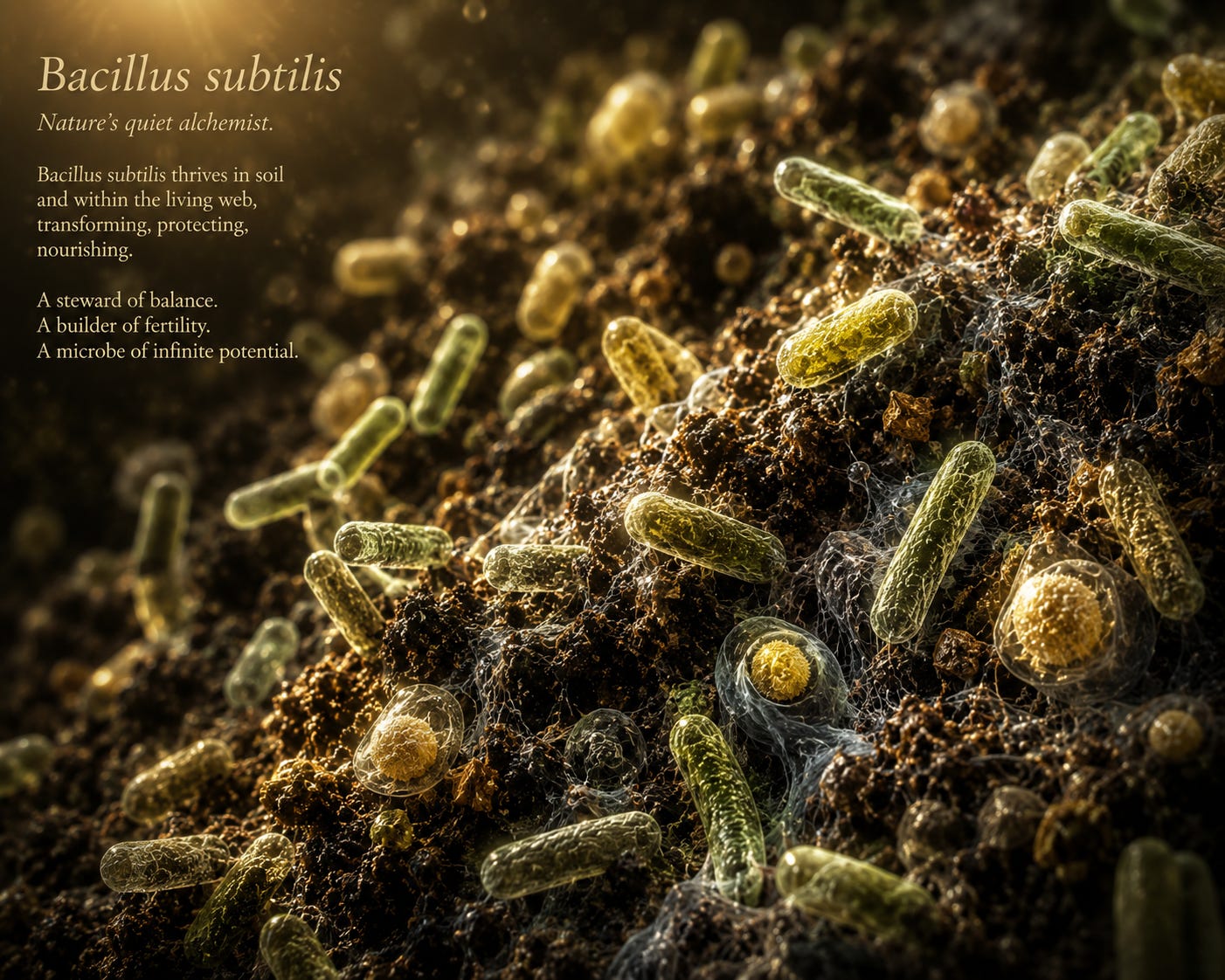
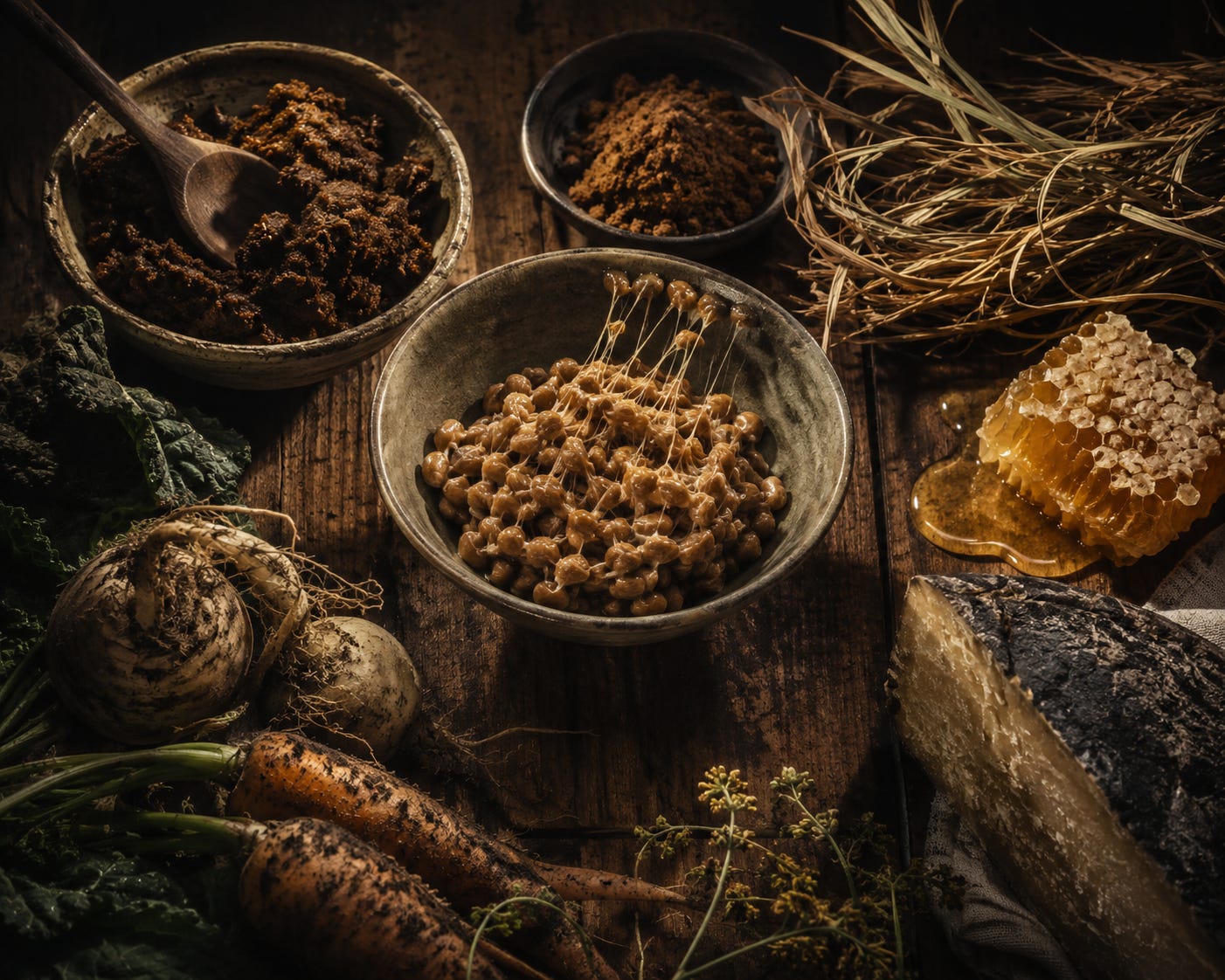


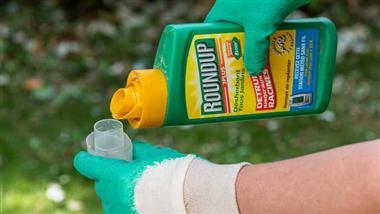




 (
(