Wounds
now browsing by category
The Countless Health Benefits of Curcumin
Reproduced from original article:
https://articles.mercola.com/sites/articles/archive/2022/06/13/health-benefits-of-curcumin.aspx
The original Mercola article may not remain on the original site, but I will endeavor to keep it on this site as long as I deem it to be appropriate, and will not be bullied into removing it.
Analysis by Dr. Joseph Mercola Fact Checked June 13, 2022
STORY AT-A-GLANCE
- Curcumin is the compound in turmeric that makes the rhizome a yellow-gold color. Turmeric has been used in traditional medicine for 4,000 years and there have been over 3,000 papers published on it within the last 25 years
- In the raw state, curcumin has poor bioavailability; but new delivery systems can raise serum concentrations. Curcumin has neuroprotective properties, showing evidence of improving memory, learning, mitigating cognitive impairment and positively affecting those with multiple sclerosis (MS), ALS, Huntington’s, stroke and autism
- Anti-inflammatory properties may help with pain control in those with osteoarthritis or after surgery. The safety and nontoxicity of curcumin, even at high doses, have been documented in human trials
- Researchers have also found that curcumin has a unique property which both promotes and suppresses angiogenesis, which is important in wound healing and cancer treatment
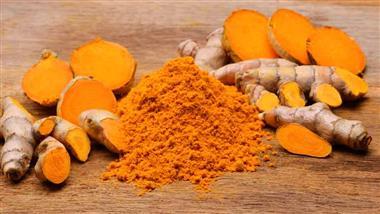
Interest in curcumin is growing as the discovery of new delivery systems increases the bioavailability of the compound.1 Curcumin is the major biologically active polyphenolic compound of turmeric. Turmeric has long been used in Indian cuisine and medicinal use in traditional Chinese medicine and Ayurvedic medicine.2 Curcumin is the compound that gives turmeric its yellow color.
Studies have suggested that curcumin is a powerful ally in the treatment of several conditions, such as mood disorders and pain control. Importantly, curcumin can cross the blood-brain barrier3 and has potent neuroprotective properties, which suggests it could be useful for neurodegenerative disorders. The cosmetic and fabric industry also uses turmeric and curcumin.4
In its raw form, curcumin has a very poor absorption rate. Generally, just 1% of the product is absorbed by your body.5 Researchers have investigated a variety of different methods to improve absorption. This has included formulations to optimize bioavailability and delivery methods.
Those that appeared to improve the absorption include delivery as a nanoparticle, combination with polylactic-co-glycolic acid, liposomal encapsulation, and taken orally with piperine,6,7 the active ingredient in black pepper.
Consumer Interest in Curcumin Rises as Bio Delivery Improves
Turmeric is derived from the rhizome of a plant in the ginger family native to Southeast Asia. Curcumin is used in supplements and also in cosmetic products designed to reduce inflammation, which may help acne, eczema, and even slow the appearance of skin aging.8 Rising interest has created a market, which experts believe will grow to $191.89 million by 2028.9
This represents a compound annual growth rate (CAGR) of 16.1% from 2021 to 2028. Product demand has also risen in the food industry, which uses turmeric for natural flavoring and coloring.10 The antioxidant and anti-inflammatory properties of turmeric and curcumin are the basis of many of the health claims and foundation for many of the research studies evaluating the compound’s ability to impact many bodily systems.11
However, poor bioavailability of the supplement has hindered scientific study as it is nearly impossible to raise serum concentrations by consuming the supplement alone.12 New drug delivery techniques have included a nanoparticle system, which researchers have found “increases all the biological and pharmacological benefits of curcumin.”13
Several nanoencapsulation techniques were developed to overcome the low therapeutic effects of the compound. To date, many of these are still being researched to find a promising therapeutic candidate for consumer use.14 Other research has focused on compounds that may be administered concurrently that could enhance absorption.
One study found when curcumin was combined with piperine, the major active component of black pepper, it increased the bioavailability of the combination by 2000%.15 However, studies have also shown that piperine inhibits enzymes used to metabolize some drugs and thereby raises the plasma concentration, which can trigger severe adverse side effects.16
Curcumin Has Neuroprotective Properties
Natural plants have been used for medicinal purposes throughout history, and turmeric is no exception. There is evidence it was used in human health as far back as 4,000 years ago and there have been over 3,000 papers published on it within the last 25 years.17
One animal study18 analyzed the effect that curcumin may have on learning and spatial memory in adult and aged mice. The researchers found the animals receiving curcumin performed significantly better than those who did not. They believe the results show that curcumin helps mitigate the cognitive impairment associated with a decrease in brain cell proliferation and neuroblast differentiation.
Several papers have suggested evidence that curcumin plays a role in the prevention and treatment of other neurodegenerative diseases, such as Alzheimer’s disease,19 Parkinson’s disease20 and memory impairment without dementia.21 Other brain disorders that have been positively affected by the administration of curcumin include multiple sclerosis, Huntington’s disease, stroke, autism and amyotrophic lateral sclerosis (ALS).22
Researchers have also found older adults who took the supplement for at least four weeks showed a significant improvement in working memory, general fatigue and contentedness.23 A second study24 examined the effects of curcumin on individuals who had no history of dementia. They followed 40 people between the ages of 50 and 90 years who had mild memory complaints for 18 months.
The data showed25 that those who took curcumin had significant improvements in memory and attention, as well as mild improvement in mood and significantly fewer amyloid and tau signals in the amygdala and hypothalamus, areas of the brain that control some memory and emotional functions. The study’s first author, Dr. Gary Small, said in a press release:26
“Exactly how curcumin exerts its effects is not certain, but it may be due to its ability to reduce brain inflammation, which has been linked to both Alzheimer’s disease and major depression.”
One meta-analysis27 of six short-term, placebo-controlled clinical trials showed that curcumin “appears to be safe, well-tolerated and efficacious among depressed patients,” and could serve as a “novel antidepressant.”
Curcumin also has shown an effect on neuropsychiatric disorders. According to the Anxiety and Depression Association of America,28 anxiety disorder is one of the most common mental illnesses and may develop from a complex set of risk factors.
A second study29 of 123 people diagnosed with major depressive disorder compared curcumin intervention groups to a placebo group. They found those using curcumin experienced improvements without a difference in outcome using three different doses of curcumin. Additionally, three of the trials also reported significant antianxiety effects.
Another literature review30 assessed the benefits of curcumin on several psychiatric disorders. The researchers wrote that the influence of curcumin on several biological activities may be responsible for the results. Additionally, many of these biological activities “are dysregulated in several neuropsychiatric disorders.”31
Anti-Inflammatory Properties Promote Pain Control
Arthritis is a common diagnosis that affects up to 54.4 million people in the U.S. A 2019 report from the Arthritis Foundation32 estimates this number will increase 49% to 78.4 million people by 2040. Additionally, they estimate the number whose activities are limited due to arthritis will jump from 43.5% with the condition in 2015 to 52% by 2040.
People often turn to anti-inflammatory and pain medications to help relieve the pain and discomfort from arthritis. The Arthritis Foundation33 lists several pain relief options to potentially improve activity levels, including topical and oral nonsteroidal anti-inflammatory drugs, steroids, hyaluronic acid, platelet-rich plasma and stem cell injections. Yet, many of these treatments have a list of side effects and are not always well-tolerated.
The safety and nontoxicity of curcumin, even at high doses, have been documented in human trials.34 Curcumin has been studied for pain relief in those with osteoarthritis, which is the most common form of arthritis.35 In one study36 of 139 people with knee osteoarthritis, researchers compared those taking curcumin against those taking diclofenac twice-daily for 28 days.
On Days 14 and 28 there were no statistically significant differences between people taking curcumin and those taking diclofenac in pain measurements. Additionally, the people taking curcumin had fewer episodes of flatulence, statistically significant weight loss and did not require an H2 blocker to reduce excess stomach acid, which 28% of those using diclofenac did.
Researchers found that curcumin had an effect on reducing pain similar to diclofenac, but was better tolerated and had fewer side effects. Similar results have been found in studies that evaluate curcumin for pain control after surgery.
One study37 looked at patient-reported outcomes after laparoscopic cholecystectomy and despite issues with bioavailability, those taking curcumin had better mean pain scores during the first and second week after surgery and better fatigue scores in the first three weeks.
In an animal study,38 researchers found that curcumin reduced the perception of pain in “incision-induced inflammation, nociceptive sensitization, spontaneous pain and functional gait abnormalities.” A second animal study39 found similar results, including pain relief in a dose-dependent manner. Additionally, curcumin treatment appeared to facilitate recovery.
Curcumin: Endothelial Angiogenesis Suppression and Generation
Researchers have also found that curcumin has a unique property in which it both promotes and suppresses angiogenesis. One study40 published by the University of California-Riverside41 demonstrated that curcumin could promote vascular tissue growth, which may eventually be used to help regenerate injured tissue or to heal chronic wounds.
According to 2020 estimates,42 nearly 2.5% of the U.S. experiences chronic wounds and an analysis43 of Medicare data in 2018 identified roughly 8.2 million people with chronic wounds that may or may not have been infected. The estimated cost of treatment ranges from $28.2 billion to $96.8 billion.
The research was built on hyaluronic acid hydrogels, which earlier research44 showed were highly stable, even after being injected through a fine clinical needle or undergoing sterilization. Additionally, they showed good biocompatibility in lab testing. The researchers synthesized curcumin magnetic nanoparticles which they dispersed in a hyaluronic acid hydrogel.45
When tested in stem cell culture, they found it promoted vascular endothelial growth factor (VEGF) and vascular tissue growth. The magnetic properties allowed the scientists to direct the movement of the nanoparticles to the desired location.
They believe this suggests a unique delivery system to help heal injured tissue and concluded, “Overall, our magnetic hydrogels integrated the desirable properties of cytocompatibility and angiogenesis with magnetic guidance, thus proving to be promising for improving tissue regeneration.”46
As the researchers from the University of California noted in a press release,47 curcumin has also demonstrated the ability to suppress cell growth in malignant tumors. Researchers have found this in several types of cancer, including small cell lung cancer,48 breast cancer,49 pancreatic cancer50 and ovarian cancer.51
Effect on Inflammation May Improve Eye Health
The anti-inflammatory effects of curcumin may also affect eye health. Eye conditions can be difficult to treat and may affect your eyesight. Anterior uveitis52 is an eye condition that can result from trauma or is associated with other health conditions such as tuberculosis, rheumatoid arthritis and viral infections. In some cases, there is no obvious underlying cause.
In one study,53 patients with anterior uveitis received a 375 mg dose of curcumin three times a day for 12 weeks. There were 32 participants who completed the 12-week study and results showed that curcumin was effective in reducing symptoms and recurrences in the following three years.
In addition to being a potent antioxidant,54 curcumin also boosts the function of your own antioxidant enzymes.55,56,57 Overall, curcumin appears to be powerful, cost-effective and has a low toxicity profile.
As such, it could be a valuable supplement, especially for the aging population. In younger people, the beneficial impact on pathways that help reverse insulin resistance, metabolic syndrome and obesity58,59 are worth noting. In all, I believe curcumin is a valuable nutritional addition worthy of consideration for all-around good health since inflammation drives so many different disease processes.
- 1 Pharmaceutics, 2021;13(10)
- 2 National Center for Complementary and Integrative Health, Turmeric Background
- 3 Annals of Indian Academy of Neurology, 2008;11(1) Beta Amyloid Plaques para 2 50% down the page
- 4 Natural Products and Bioprospecting, 2017;7(1)
- 5 Cancer Research Treatment 2014; 46(1): 2
- 6 Nutrition Facts, April 11, 2022
- 7 Planta Medica, 1998;64(4)
- 8, 9, 10 GrandView Research, October 2021
- 11, 15 Foods, 2017;6(10)
- 12 The Guardian, May 22, 2022
- 13, 14 Frontiers in Pharmacology, May 1, 2020
- 16 Journal of Pharmacology and Experimental Therapeutics, 2002; 302(2)
- 17 Herbal Medicine: Biomolecular and Clinical Aspects
- 18 Journal of Medicinal Food, 2014; 17(6)
- 19 Annals of Indian Academy of Neurology, 2008;11(1)
- 20 Current Pharmaceutical Design, 2012;18(1)
- 21 University of California, January 23, 2018
- 22 Biofactors, 2019; 45(5)
- 23 Journal of Psychopharmacology, 2015;29(5)
- 24 The American Journal of Geriatric Psychiatry, 2018;26(3)
- 25, 26 UCLA Newsroom, January 22, 2018
- 27 Journal of the American Medical Directors Association 2017 Feb 21. pii: S1525-8610(16)30675-2 Intro and Concl
- 28 Anxiety and Depression Association of America, Did You Know?
- 29 Journal of Affective Disorders January 1, 2017; 207: 188-196
- 30, 31 Journal of Psychopharmacology 2017; doi.org/10.1177/0269881116686883
- 32 Arthritis Foundation, Arthritis By the Numbers
- 33 Arthritis Foundation, Comparing Pain Medications for Osteoarthritis
- 34 APS Journal, 2013;15(1)
- 35 Centers for Disease Control and Prevention, Osteoarthritis first line
- 36 Trials, 2019;20(214)
- 37 Surgical Endoscopy, 2011; 25
- 38 Anesthesia and Analgesia, 2014;118(6)
- 39 Scientific Reports, 2014; 4(4932)
- 40, 46 ACS Applied Material and Interfaces, 2022;14(9)
- 41, 45, 47 Science Daily, April 6, 2022
- 42 Advances in Wound Care, 2021; 10(5)
- 43 Advances in Wound Care, 2019; 8(2)
- 44 Biomed Research International, 2015; doi.org/10.1155/2015/871218 Abstract
- 48 PLOS|One, 2012; doi.org/10.1371/journal.pone.0037960
- 49 Journal of Breast Cancer, 2013;16(2)
- 50 Experimental Therapeutics, Molecular Targets, and Chemical Biology, 2007;67(8)
- 51 Clinical Cancer Research, 2007;13(11)
- 52 American Optometric Association, Anterior Uveitis
- 53 Phytotherapy Research, 1999; 13(4)
- 54 Advances in Experimental Medicine and Biology 2007; 595:105-125
- 55 Toxicological and Environmental Chemistry 2013; 95(6)
- 56 Metabolic Brain Disease, 2018;33(2)
- 57 Biomedicine, 2019;9(4)
- 58 Frontiers in Pharmacology, June 12, 2019
- 59 Toxicology and Applied Pharmacology, 2016;304
Blueberry Extract Can Improve Wound Healing
Reproduced from original article:
https://articles.mercola.com/sites/articles/archive/2022/04/14/blueberry-extract-for-wound-healing.aspx
The original Mercola article may not remain on the original site, but I will endeavor to keep it on this site as long as I deem it to be appropriate, and will not be bullied into removing it.
Analysis by Dr. Joseph Mercola Fact Checked April 14, 2022
STORY AT-A-GLANCE
- Research presented at Experimental Biology 2022 showed how wounds treated with a phenolic extract from wild blueberries had a 12% increase in wound closure by enhancing cell migration and the formation of new blood vessels
- There are four distinct stages of wound healing that begin within seconds of the wound occurring and may last for up to one year or more after the skin closes; blueberry extract works during the proliferative stage when new blood vessels are constructed
- Wound care begins with cleaning the area. Do not use hydrogen peroxide or antibacterial soap; instead, use mild soap and water and rinse the area for five to 10 minutes before bandaging it
- Aloe vera and virgin coconut oil both accelerate healing time. Your body also uses specific nutrients to heal a wound, including vitamins A, C and B complex, as well as zinc, L-arginine and bromelain
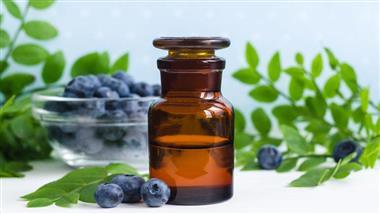
Chronic wounds are a pervasive problem. Data presented at Experimental Biology 2022 from the University of Maine showed wound treatments with wild blueberry extract may help improve vascularization and cell migration, leading to better wound healing.1
According to data from the Agency for Healthcare Research and Quality,2 1% of the patients now account for about 22% of health care expenses and the top 5% spend 40% of inpatient health care dollars.
One of the more complex segments within this patient population is people with chronic wounds. According to data published in Value in Health,3 nearly 15%, or 8.2 million people, who were enrolled in Medicare in 2014 had at least one type of wound or infection. The total Medicare costs range from $28.1 billion to $96.8 billion, with the highest estimates for surgical wounds and diabetic foot ulcers.
A 2019 review of 11 studies estimates that the prevalence of chronic wounds was 2.21 per 1,000 and chronic leg ulcers accounted for 1.51 per 1,000.4 When you extrapolate this number for New York City, assuming a population of 20.106 million in 2019,5 44,434 people had chronic wounds.
Chronic wounds are sometimes disguised under the diagnosis of a comorbid condition, and they represent a silent epidemic that may affect up to 2% of the total population during their lifetime.6
Blueberry Extract Improves Wound Healing
In studying the possibility of using blueberry extract for wound healing, the researchers were seeking an intervention that might improve vascularization of chronic wounds, often characterized as non-healing wounds. These include pressure ulcers and diabetic sores.
One issue is these wounds are often poorly vascularized, which has a significant impact on the development of new tissue and wound closure. The team’s past research7 had shown that a phenolic extract from wild blueberries increased vascularization and cell migration. In the current study, researchers looked at the effect the same extract would have on live wounds in an animal model.
The animals were either not treated, treated with a gel without phenolic extract or treated with a phenolic extract topical gel. The team compared wound healing across the three groups and found the animals that were treated with the phenolic extract had a 12% increase in wound closure. One of the scientists commented in a press release:8
“Wild blueberries have the potential to enhance cell migration, new blood vessel formation (angiogenesis) and vascularization and to speed up wound closure. This is especially important in conditions that require enhanced wound closure in patients with chronic wounds such as diabetic wounds, burns and pressure ulcers.”
Polyphenols found in plants are potent antioxidants and have a marked effect on oxidative stress.9 Over the past two decades, plant phenolic extracts have become an area of study, including in wound healing. In 2009,10 researchers found extracts with total phenolic content of 11% and 17% “exhibited good wound healing activity probably due to phenols constituents.”
In 2015,11 researchers studied a polyherbal extract with a history of use in traditional medicine for wound healing. Using lab analysis, they found the extract had phenolic constituents with pharmacological properties, including apigenin, chlorogenic acid, caffeic acid and luteolin. The data showed that the multiple herbal formula had high antioxidant activity and induced collagen synthesis that may contribute to stronger wound healing.
Stages of Wound Healing
Phenolic extract of wild blueberries interacts with wound healing at a specific stage in recovery. Although healing is a natural reaction to tissue injury, it is a complex system that classically is described in four stages. Each stage is coordinated by cellular events. Hemostasis is the first stage of wound healing that starts as soon as the wound occurs.12
Blood vessels begin to constrict to restrict flow as platelets begin to seal the break. Coagulation reinforces what the platelets started with threads of fibrin. This happens quickly, often within seconds. The next stage is inflammation, which begins when the injured vessels leak clear fluid which causes localized swelling. This helps to control bleeding and prevent infection.13
During the proliferative phase, the body begins to rebuild new tissue with collagen and extracellular matrix. During this stage, new blood vessels are constructed to feed granulation tissue oxygen and nutrients. The proliferative phase begins with new tissue being built and ends when epithelial cells have covered the injury. Phenolic extract impacts this stage of wound healing.
After epithelial cells have covered the injury, the body begins the remodeling stage, also called the maturation phase. Collagen is remodeled and cells that are no longer being used are removed through apoptosis.
In healthy wound healing, maturation begins 21 days after the injury and may continue for more than a year, depending on the depth and severity of the wound. Interestingly, the injured area will never be as strong as unwounded skin, generally having just 80% of the previous strength.
Hydrogen Peroxide Is Not Ideal to Clean Wounds
Getting cuts and scrapes is not uncommon, and they go through the same healing process as diabetic foot ulcers or surgical incisions. Initially cleaning your wound can help flush out unwanted pathogens and create a positive environment for the area to heal, depending on what you use to clean it.
People have been using hydrogen peroxide for decades as an antiseptic because it is effective at killing bacteria and viruses. In fact, nebulized food-grade hydrogen peroxide is one of my favorite ways of reducing the impact of upper respiratory viruses.14 The problem with wound care is that hydrogen peroxide is indiscriminate and will also kill other living tissue, including your healthy cells.
You might think that antibacterial soap would be a good choice, but this may include triclosan, which may interfere with hormone levels and increase the growth of drug-resistant bacteria. According to the FDA:15
“Consumers may think antibacterial washes are more effective at preventing the spread of germs, but we have no scientific evidence that they are any better than plain soap and water. In fact, some data suggests that antibacterial ingredients may do more harm than good over the long-term.”
The best way to clean your cut, scrape or wound is with mild soap and plenty of water. Choose one without fragrance, triclosan or triclocarban. Wash your hands before washing your cut to reduce the potential for transferring bacteria to the wound.
Rinse the area with water for five to 10 minutes to remove dirt and debris with either cool or warm water, whichever feels better to you. After cleaning, there are several steps you can take that may help speed and strengthen wound healing.
Aloe Vera, Honey and Coconut Oil — Options for Wound and Skin
Scientists have also found other topical applications that help accelerate wound healing. Aloe vera is one that has been used in the treatment of burns for many years. The plant is easy to grow and care for at home. It has 75 potentially active ingredients,16 including amino acids, vitamins, lignan and saponin. Vitamins include vitamin A, C and E, as well as vitamin B12, choline and folic acid.
Aloe vera has a long traditional medicine history for the treatment of burns and wounds. A systematic review of the literature in 2007 revealed wounds treated with aloe vera healed 8.79 days more quickly than those in the control group.17 Another review of the literature in 2019 found aloe vera was successful in preventing skin ulcers and treating burns, postoperative wounds, genital herpes, psoriasis and chronic wounds.18
Aloe vera has been so successful that wound dressings impregnated with aloe vera have been developed.19 Research has also shown that topical use of aloe vera gel in the treatment of split-thickness skin graft donor sites could significantly accelerate healing.20
A study in 2018 looked at the cellular effects that aloe vera may have on wound healing and found it “promotes proliferation and migration of fibroblasts and keratinocytes” and protects “keratinocytes from preservative-induced death.”21 Fresh aloe vera should not be used internally, or externally if you have an allergy to the plant. If you’re unsure, perform a patch test on a small area and wait to be sure that no signs of an allergic reaction occur.
Coconut oil also has a long history of use in skin care and the treatment of wounds. One animal study22 in 2010 showed wounds heal much faster with the application of virgin coconut oil, which the researchers attributed to the biologically active components. A cell analysis showed an increase in fibroblast proliferation and new blood vessels in treated wounds.
A second study23 confirmed an increase in blood vessel proliferation and wound healing that researchers thought might be mediated by regulating vascular endothelial growth factor signing pathway. An animal model24 showed burns treated with 70% hydrolyzed virgin coconut oil healed far more quickly than those that were untreated.
Virgin coconut oil has also been tested on diabetic ulcers,25 which become chronic and are a major complication of diabetes. Diabetic animals were either treated with topical application of virgin coconut oil, silver sulfadiazine cream or not treated at all for 14 days. Throughout the study, they found the wound closure rate was highest in animals who were treated with virgin coconut oil.
The animals also demonstrated re-epithelialization and increased collagen in the wound tissue. In summary, they found the coconut oil worked better than silver sulfadiazine cream, which is a topical antimicrobial typically used in the prevention and treatment of wound infections in patients with second- and third-degree burns.26
Honey is another natural product that is used in wound and burn care. In hospitals, Manuka honey27 in hydrogel form is often implemented in treating burns and diabetic ulcers. A 2021 journal article reported:28
“Thanks to the anti-inflammatory capability of honey, its incorporation into hydrogels reduced the expression of the proinflammatory cytokines, attributing beneficial healing. Besides, in-vitro and in-vivo studies revealed that their administration significantly improved angiogenesis, reepithelialization, and granulation tissue formation.”
Other studies show that medical-grade honey can be used as an alternative to antibiotics in non-healing wounds,29 and that it even can be successful in reducing wound size, pain, odor and exudate (fluids leaking from the wounded tissue).30
Nutrients Required for Wound Healing
Your body also requires specific nutrients to improve wound healing at different stages. Your food and supplement choices can affect wound healing and lower the potential a wound may become chronic. These nutrients can include:
| Beta-carotene or vitamin A — During wound healing, vitamin A regulates growth and differentiation, stimulates epidermal turnover, increases re-epithelialization and restores structure.31
Vitamin A deficiency is common during infection and topical application may improve collagen formation.32 Foods high in vitamin A33 or beta-carotene34 include fruits and vegetables. Do not take a vitamin A supplement if you are pregnant, nursing or trying to get pregnant. |
| Vitamin C — Your body uses water-soluble vitamin C to make collagen and form new tissue. Vitamin C interacts with some medications including chemotherapy, estrogen, warfarin and others.35 Check with your pharmacist for known interactions if you are taking any medication. Foods rich in vitamin C include red bell peppers, dark leafy greens, broccoli and berries.36 |
| Zinc — This micronutrient stimulates wound healing through cell proliferation and growth and deficiency can impair wound healing.37,38 It can be used as an oral supplement or applied directly to the wound in cream form. Do not apply to open wounds and do not take it as a supplement long-term as it creates a copper imbalance.39 Foods high in zinc include pumpkin seeds, oysters, beef, oatmeal and mushrooms.40 |
| B-Complex vitamins — Multiple B vitamins have been shown to speed wound healing and improve skin health41 and may help improve wound healing in diabetics.42 Foods high in many of the B vitamins include avocado, wild-caught salmon, pastured eggs, sunflower seeds and spinach.43 |
| Bromelain — This enzyme that is found in pineapple may help improve healing time and reduce pain without increasing bleeding.44,45 |
| L-arginine — This has been used post-surgically to improve healing by enhancing wound strength and collagen deposition.46,47 Protein-rich foods are also high in arginine, such as organic, pasture-raised meat and dairy products, nuts, seeds and fish.48 |
– Sources and References
- 1, 7, 8 Newswise, March 25, 2022
- 2 Agency for Healthcare Research and Quality
- 3 Value in Health, 2017; doi.org/10.1016/j.jval.2017.07.007
- 4 Annals of Epidemiology, 2019; 29
- 5 US Population 2019, New York
- 6 Systematic Reviews, 2016; 5(1)
- 9 Molecules, 2010;15(10)
- 10 Journal of Ethnopharmacology, 2009;124(2)
- 11 Studia Universitatis Vasile Goldis Arad, Seria Stiintele Vietii 25(1)
- 12 UptoDate, Stages of Wound Healing
- 13 Wound Source, April 28, 2016
- 14 Bitchute, October 1, 2020
- 15 Food and Drug Administration, September 2, 2016
- 16 Indian Journal of Dermatology, 2008;53(4)
- 17 Burns, 2007;33(6)
- 18 Iranian Journal of Medical Sciences, 2019; 40 (41)
- 19 Tissue Engineering, 2021; 27(5) abstract
- 20 Plastic and reconstructive surgery, 2018; 142(1) abstract/conclusion
- 21 Wounds, 2018;30(9) Abstract/conclusion
- 22 Skin Pharmacology and Physiology, 2010; 23(6)
- 23 American Journal of translational research, 2017; 9(11)
- 24 International Journal of PharmTech Research, 2015;8(1)
- 25 European Journal of Anatomy, 2018; 22(2)
- 26 DailyMed, Silver Sulfadiazine, indications under the table
- 27 EC Pharmacology and Toxicology January 29, 2022
- 28 Journal of Drug Delivery Science and Technology December 2021
- 29 Antibiotics July 28, 2021
- 30 Molecules August 7, 2021
- 31 Nutrition in Clinical Practice, 2019;34(5)
- 32 Nutrition in Clinical Practice, 2019; doi.org/10.1002/ncp.10420
- 33 National Institutes of Health, Vitamin A and Carotenoids
- 34 Nutrition Data, Beta Carotene
- 35 Drugs.com, Vitamin C
- 36 MyFoodData, July 28, 2021
- 37 Nutrients, 2018;10(1) Abstract
- 38 Annals of Internal Medicine, 2015;162(3)
- 39 Oregon State University, Zinc Bullet 5 at top
- 40 MyFoodData, January 4, 2022
- 41 Advances in Skin and Wound Care, 2018;31(5)
- 42 Journal of Clinical Biochemistry and Nutrition, 2016;58(1)
- 43 Eat This Not That September 6, 2018
- 44 Journal of Dentistry of Tehran University of Medical Sciences, 2018;15(5)
- 45 Naunyn Schmiedebergs Arch Pharmacol, 2013;386(10)
- 46 Nutrition in Clinical Practice, 2005;20(1)
- 47 Advances in Skin and Wound Care, 2019;32(10)
- 48 Cleveland Clinic, L-Arginine