Toxins
now browsing by category
Understanding Your Liver Health
Reproduced from original article:
https://articles.mercola.com/sites/articles/archive/2022/06/13/understanding-your-liver-health.aspx
The original Mercola article may not remain on the original site, but I will endeavor to keep it on this site as long as I deem it to be appropriate, and will not be bullied into removing it.
Analysis by Dr. Joseph Mercola Fact Checked June 13, 2022
STORY AT-A-GLANCE
- Your liver weighs a little over 3 pounds, filters all of your blood each day, and when healthy is the only organ capable of regenerating; the liver performs nearly 500 functions, including regulating your cholesterol levels
- Three primary liver enzymes, AST, ALT and GGT, offer insight in the health of your liver; GGT is correlated with iron toxicity, increased disease risk and overall mortality, and has become a central factor in the life insurance underwriting process
- While iron is necessary for biological functioning, overload significantly damages your liver and may lead to heart disease, diabetes, cancer and neurodegenerative diseases
- Strategies to normalize your liver function include reducing your carbohydrate intake, balancing your omega-6 to omega-3 ratio, exercising, avoiding medications metabolized in the liver and optimizing your gut microbiome
This article was previously published April 8, 2019, and has been updated with new information.
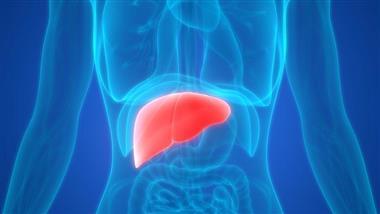
Your liver weighs a little over 3 pounds and is located on the right side of your abdomen. Reddish brown in color, it’s rubbery to the touch and protected by your rib cage.1 Your liver is the largest solid organ and one of the largest glands in your body, carrying out over 500 essential tasks to maintain optimal health.2
One of the main jobs of the organ is to process and purify blood coming from the hepatic artery and the hepatic portal vein. The liver has two main lobes, each of which have eight segments.3 Each segment is made up of approximately 1,000 lobules connected by small ducts that eventually come together to form the common hepatic duct.4
In addition to filtering your blood, the liver regulates many chemical levels and excretes bile your intestines use to help break down fat.5 Your liver also produces cholesterol, stores and releases glucose as needed, and regulates blood clotting. As your liver metabolizes chemicals or breaks down harmful substances, they are released into the bile or blood.
Bile enters your intestines and ultimately leaves your body in stool, while blood by-products are filtered out by your kidneys and leave through your urine. Your body stores vitamins A, D, E, K and B12 in the liver,6 and the liver functions as part of the phagocyte system, a portion of the immunological function of your body.7
In other words, your liver is highly important to your health. It is also the only organ in your body able to regenerate.8 In mice, if two-thirds of the liver is removed, the tissue regrows to its normal size within seven days. In humans, as long as 25 percent of healthy tissue remains, it regrows without any loss of function in approximately 15 days.
What Do Your Liver Enzymes Tell You?
Although most health practitioners rely on reference ranges provided by a laboratory or defined by their hospital facility, there is an evidence-based set of optimal ranges that more readily predict underlying pathology. Dr. Brian Walsh is a naturopathic physician who has extensive training in molecular biological pathways.
In a previous article, one topic we discussed were two of the tests commonly used to evaluate liver function — the liver enzymes aspartate aminotransferase (AST) and alanine aminotransferase (ALT). The laboratory value ranges for the high end for AST is 40 units per liter (U/L) and 56 U/L for ALT.9
However, Walsh believes the medical literature “very clearly show that, a) men and women should have different AST and ALT reference ranges, and b) [the ideal range] is not much above 20 U/L.”
These two specific enzymes are found mainly in your liver. They are elevated when there is a form of liver damage or injury. A sudden acute jump may indicate injury to the liver, while chronically elevated levels may suggest ongoing damage.
Some of the more common diseases triggering elevated ALT and AST are viral hepatitis A, B or C, cirrhosis of the liver, alcoholic fatty liver disease, hemochromatosis (iron overload) or diminished blood flow from shock or heart failure.10
Another measurement important in the prediction of mortality is gamma-glutamyl transferase (GGT). This liver enzyme is correlated with iron toxicity, increased disease risk and all-cause mortality.11 In an interview with Gerry Koenig, chairman of the board at the Iron Disorders Institute, we discuss the importance of GGT and its involvement in glutathione metabolism and transport of amino acids.
GGT is an important measurement of liver damage,12 potentially greater than AST or ALT, and may also be used as a biomarker for excess iron and early death. Determining mortality risk is a chief responsibility of insurance underwriters who use laboratory values and biomarkers to assign risk scores.13
Liver function tests, particularly GGT, have become a central factor in the life insurance underwriting process.14 GGT is necessary in the production of your body’s primary antioxidant, glutathione. When elevated, it breaks glutathione down.15
Researchers have also found variations in enzyme levels are inheritable and may change by age and sex. To examine the genetic architecture, researchers sampled twins, their siblings, parents and spouses, and found the same genes influence liver enzymes, but the relative contribution to the variation differs in males and females.16
The Importance of Monitoring Iron Levels for Liver Health
Another factor associated with liver damage is iron overload. Iron is one of the most common nutritional supplements used today, as you may find it isolated, added to multivitamins and in fortified processed foods. While it’s necessary for biological function, too much may do tremendous damage.
In fact, iron overload may be a more common problem, and far more dangerous, than iron deficiency anemia.17 Nearly all adult men and postmenopausal women are at risk for iron overload as there is no clear efficient iron excretion method. In other words, these populations do not lose blood on a regular basis.
Blood loss is the primary way to lower excess iron. If excess iron is left untreated it may contribute to cancer, heart disease, diabetes and neurodegenerative diseases.18 Iron triggers damage by catalyzing a reaction with hydrogen peroxide within the mitochondrial membrane, forming hydroxyl free radicals.
These are among the most damaging free radicals and cause severe mitochondrial dysfunction.19 This in turn is at the heart of many chronic degenerative diseases.
GGT may also be used as a screening marker for excess free iron,20 as it is highly interactive with iron and will tend to raise GGT levels. When your serum ferritin and GGT are high, you have a significantly increased risk of chronic health problems.
Balance Omega-3 and Omega-6 Fats for Optimal Liver Function
The American Liver Foundation estimates nearly 25 percent of adults in the U.S. are affected by nonalcoholic fatty liver disease (NAFLD). The condition is associated with serious risks as it may cause the liver to swell (steatohepatitis) and may lead to liver cancer or liver failure.21
It often has no symptoms but may be suspected if you suffer from other associated conditions and your blood tests have high levels of liver enzymes. Progression from NAFLD to nonalcoholic steatohepatitis (NASH) is one of the leading causes of cirrhosis in adults in the U.S.22
Excess amounts of omega-6 fatty acids are challenging to the liver.23 Although both omega-3 and omega-6 are necessary for good health, dietary changes over the past several decades have increased the ratio of omega-6 to omega-3 up to 25-to-1, well above a healthier 5-to-1 ratio, or the 1-to-1 ratio recommended by some experts.24
Experimental studies have suggested this divergence increases your body’s ability to gain fat and, more importantly, increase systemic inflammation. Additionally, the lopsided ratio plays a role in the development of obesity through an increased activity of the cannabinoid system and AA eicosanoid metabolites.25
Researchers have found this process may be reversed by increasing eicosapentaenoic acid (EPA) and docosahexaenoic acid (DHA), both components of marine-based omega-3 fat. Research has also found excessive amounts of damaged omega-6 are associated with inflammatory diseases such as NAFLD, cardiovascular disease, inflammatory bowel disease and Alzheimer’s disease.26
The primary therapeutic action of marine-based omega-3 is reducing inflammation, while omega-6 is needed to initiate the inflammatory response.27 When the ratio is unbalanced in favor of omega-6, it increases the rate of inflammation. Other health benefits associated with a healthy omega-3 to omega-6 ratio include balancing low-density lipoprotein cholesterol and triglyceride levels,28 reducing blood pressure29 and preventing atherosclerosis.30
In addition to reducing the risk of obesity and inflammation, balancing your omega-3 fatty acids against your omega-6 intake can also help reduce your GGT level,31 improve liver fat, reduce triglycerides and improve HDL levels in those with NAFLD or NASH, both inflammatory processes not triggered by alcohol intake.
Cholesterol Profile Reveals Challenges
Your liver is responsible for cholesterol regulation, as it not only synthesizes cholesterol but also removes it from your body, converting it to bile salts to be eliminated in your feces.32
When damaged, your liver is unable to regulate cholesterol levels normally.33 This may result in atherogenic dyslipidemia, or elevated levels of triglycerides and LDL, with low levels of high-density lipoprotein (HDL) — levels commonly associated with the development of atherosclerosis plaques and heart disease.34
However, there is also an association between dyslipidemia and insulin resistance.35 Insulin resistance alters lipid metabolism, leading to the development of atherogenic dyslipidemia, contributing to atherosclerotic plaque formation.36
One reason atherogenic dyslipidemia is a predictor of heart disease is because it indicates insulin resistance, which means in some ways your cholesterol panel may tell you more about your insulin resistance and glucose intolerance than anything else.37
Normalize Your Liver Function Naturally
Dr. David Unwin, a low-carb advocate, was voted among the top 50 most influential general practitioners in the U.K. in September 2018.38 In this short video, he discusses the health improvements patients in his practice have experienced, pertaining to insulin resistance and liver function, as they follow a low-carbohydrate diet.
Your carbohydrate intake has an effect on your glucose metabolism, liver function and your risk of heart disease, stroke and Type 2 diabetes. Reducing carbs to 50 grams for every 1,000 calories and increasing your intake of healthy fats is a powerful way to support your mitochondrial health and reduce your risk of chronic disease. Other ways of protecting your liver health include:
| Optimizing your omega-3 to omega-6 ratio — Maintaining a balance of omega-6 to omega-3 fats as close to 1-to-1 is ideal. Omega-3 fat may be found in wild caught Alaskan salmon, herring, mackerel and anchovies. Consider using a high quality krill oil supplement if you don’t eat these fatty fish on a regular basis. Reduce or eliminate processed foods, which are high in damaged omega-6 fats, and vegetable oils for cooking. |
| Giving blood — If you are male or a postmenopausal woman, giving blood twice a year helps lower your iron level and protect your liver from damage. |
| Exercising — Exercise helps burn triglycerides for fuel and may help reduce liver fat.39 |
| Take N-acetylcysteine (NAC) — This is a precursor to glutathione, a powerful antioxidant that helps reduce oxidative stress and is used in the treatment of chronic fatty liver diseases.40 |
| Avoid medications — Many drugs and hormones are first metabolized through your liver, including birth control and anabolic steroids — in fact, nearly 50% of all drugs on the market are metabolized by just one enzyme in the liver.41
Over-the-counter (OTC) medication such as Tylenol and cold and pain remedies are also metabolized through your liver, as are statins, acid blockers, antifungals and certain antibiotics — in all, over 1,000 OTC drugs and herbal medicines have been associated with drug-induced liver injury.42,43 |
| Avoid alcohol if you have NAFLD or NASH — It’s important to drink alcoholic beverages responsibly, however if you already suffer from NAFLD or NASH, alcohol may increase your risk of cirrhosis and destroy your liver cells.44 |
| Optimize your gut — The release of undigested food and bacteria from a leaky gut condition eventually results in liver inflammation. Emerging evidence has suggested a strong relationship between your gut health and your liver.45
Your liver receives nearly 70% of its blood supply from the intestines through the portal vein.46 Researchers have also discovered up to 75% of those who suffer from chronic liver disease also suffer from microbiome imbalance.47 |
– Sources and References
- 1 ScienceDirect, 2017
- 2, 4, 5, 8 Johns Hopkins. Liver: Anatomy and Functions
- 3, 7 Stanford Children’s Health, Anatomy and Function of the Liver
- 6 TeachMePhysiology, June 3, 2018
- 9, 10 eMedicine Health, Liver Blood Tests
- 11, 15 The Fat Emperor, Fatty Liver Enzyme GGT – Don’t Die from Ignorance
- 12 Cleveland Clinic. Gamma-glutamyl transferase (GGT) Test
- 13, 14, 20 Disease Markers, 2015;2015:818570
- 16 Behavioral Genetics, 2013, 43(4)
- 17 Iron Disorders Institute, Iron Overload
- 18 Medical News Today, March 9, 2017
- 19 Science Direct, Hydroxyl Radical
- 21, 22 American Liver Foundation, July 6, 2017
- 23 Journal of Hepatology, November 2007
- 24, 25 Nutrients, March 2016
- 26 Journal of Nutrition and Metabolism, 2012; 2012: 539426
- 27 Hepatitis Central, Easing Liver Inflammation
- 28 American Family Physician, 2004; 70(1):133
- 29 ClevelandHeartLab, Omega-3 Fatty Acids: A Natural Way to Lower Blood Pressure
- 30 Future Science OA, 2017;3(4): FSO236
- 31 Gastroenterology Research Practice, 2016;2016:1459790
- 32 NIH. Lipid and Lipoprotein Metabolism in Liver Disease. July 21, 2019
- 33 Hepatitis Monthly, 2010;10(4):285
- 34 Indian Journal of Endocrinology and Metabolism, 2013;17(6):969
- 35 Journal of Mid-Life Health, 2018;9(2):85
- 36 Cardiovascular Diabetology, 2018;17:122
- 37 Clinical Cornerstone, 2006
- 38 Diabetes.co.uk, September 3, 2018
- 39, 44 American Liver Foundation, October 4, 2013
- 40 National Institutes of Health, Acetylcysteine
- 41 Current Drug Targets, December 2005
- 42 Drug Safety, June 2010
- 43 Swiss Medical Weekly, September 24, 2010
- 45 Medical Sciences, 2018;6(3):79
- 46 Thorne, January 12, 2018
- 47 Nutrition Metabolism and Cardiovascular Disease, 2012;22(6):471
Benefits of Sunshine on Your Bare Skin
Reproduced from original article:
https://articles.mercola.com/sites/articles/archive/2022/06/04/benefits-of-sunshine.aspx
The original Mercola article may not remain on the original site, but I will endeavor to keep it on this site as long as I deem it to be appropriate, and will not be bullied into removing it.
Analysis by Dr. Joseph Mercola Fact Checked June 04, 2022
STORY AT-A-GLANCE
- Health care officials’ recommendations to avoid sun exposure unless you’re slathered in sunscreen have deprived humans of their fundamental need for sunlight
- Dr. Paul Saladino, author of “The Carnivore Code,” delves into the many reasons why sunlight is so essential it could even be described as a nutrient
- Nitric oxide is produced in response to UVA and this leads to vasodilation; there are also beta endorphins produced in your skin when it’s exposed to UVA and UVB
- Exposure to UV light has benefits to the immune system; it affects cellular differentiation and can improve wound healing
- Outdoor workers have been found to have a decreased risk of melanoma skin cancer compared to indoor workers; consumption of linoleic acid from seed oils may increase your risk of sunburn and skin cancer
- The key to gaining the benefits of sunlight while minimizing the risk of sunburn is to gradually build up what Saladino refers to as your solar callus
Health care officials’ recommendations to avoid sun exposure unless you’re slathered in sunscreen have deprived humans of their fundamental need for sunlight. In the video above, Dr. Paul Saladino, author of “The Carnivore Code,” a book on nose-to-tail animal-based eating, and host of the Fundamental Health Podcast, delves into the many reasons why sunlight is so essential it could even be described as a nutrient.
“It’s been a critical part of our evolution throughout our existence,” he states.1 “Sunlight, real sunlight, is essential for optimal human life. You cannot be an optimal human without … adequate levels of real outdoor ultraviolet infrared visible spectrum light from the sun in the sky when you are not wearing sunscreens.”2
If more people spent time in the sun — not getting sunburned, but getting gradual exposure and gradually building up your skin’s tolerance — Saladino explains that rates of many types of cancers would likely go down and there would be fewer cardiovascular disease deaths and fewer cases of seasonal affective disorder, while improvements would be seen in many other diseases, such as rheumatoid arthritis and schizophrenia.3 This is the power of the sun.
Cancer Rates Rise With Distance From the Equator
When you put on sunscreen to “protect” your skin from the sun, you’re not only exposing your body to toxic chemicals in the sunscreen but also inhibiting the complex interactions that occur between ultraviolet (UV) light from the sun and your skin.
Nitric oxide, for instance, is produced in response to UVA and this leads to vasodilation. There are also beta endorphins produced in your skin when it’s exposed to UVA and UVB,4 and strong associations with cancer can be found depending on your location in relation to the equator.
“With increasing distances from the equator,” Saladino says, “we know that there are higher rates of colon, breast, pancreas, ovary, brain and kidney cancers, and the blood cancer multiple myeloma — as you move farther from the equator.”5 Tuberculosis is another disease that’s been correlated with sun exposure.6 In 1903, Niels Ryberg Finsen was awarded a Nobel Prize7 for his use of solar heliotherapy, or exposure to sunlight, to treat diseases such as tuberculosis.
“Once the anti-tuberculosis drugs were developed this type of therapy fell out of favor, but there were solariums there were these hospitals throughout the desert southwest. I went to medical school at the University of Arizona in Tucson and some of the places I did rotations were previously hospitals for tuberculosis patients who were put into the sun, and there was some improvement in their disease,” Saladino explains.8
Exposure to UV light also has benefits to the immune system. “It affects cellular differentiation. It can improve wound healing … I don’t think many people think about putting their wounds in the sun to help with healing, but the sun does help.”9
Sunlight Benefits From Vitamin D and Beyond
The fact that your skin produces vitamin D in response to sun exposure is another clue that it’s beneficial. Vitamin D upregulates your ability to fight infections, as well as chronic inflammation, and produces over 200 antimicrobial peptides (AMPs), one of which is cathelicidin, a naturally occurring broad-spectrum antibiotic.
The cathelicidin antimicrobial peptide, or CAMP, is made by immune cells and skin and gut cells, which act as a barrier to infection.10 A wealth of data also show that vitamin D levels are strongly correlated with the severity of SARS-CoV-2 infection.11 Saladino has visited the Hadza tribe in Africa, who are among the best still-living representations of the way humans have lived for tens of thousands of years.
He credits their regular sun exposure, as well as their native diet, for their lack of chronic diseases seen in modernized societies:12
“There is good observational epidemiological research that levels of vitamin D above 30 nanograms per milliliter (ng/mL) were quite protective and if we think about this evolutionarily, groups like the Hadza and the Maasai evolve at the equator. They have a lineage there that is many hundreds, thousands of years old.
Their vitamin D averages around 46 to 48 ng/mL, which I suggest is an evolutionarily appropriate level and probably good for most humans.”
To ward off infection and prevent chronic diseases, the level you’re aiming for is between 60 and 80 ng/mL, with 40 ng/mL being the low cutoff point for sufficiency to prevent a wide range of diseases, including cancer. The key is to get your vitamin D from the sun, not supplements. It’s important to understand that vitamin D is not the only benefit of sunlight. In fact, vitamin D is more than likely a biomarker or surrogate for sun exposure, which is also intricately involved in melatonin production.
During the day, if you get proper sun exposure, near-infrared rays from the sun penetrate deep into your body and activate cytochrome c oxidase, which in turn stimulates the production of melatonin inside your mitochondria. Your mitochondria produce ATP, the energy currency of your body. A byproduct of this ATP production is the creation of reactive oxidative species (ROS), which are responsible for oxidative stress and free radicals.
Excessive amounts of ROS will damage the mitochondria, contributing to suboptimal health, inflammation and chronic health conditions such as diabetes, obesity and thrombosis (blood clots). But melatonin essentially mops up ROS that damage your mitochondria. So by getting plenty of sun exposure during the day, your mitochondria will be bathed in melatonin, thereby reducing oxidative stress.13,14 Saladino adds:15
“I would advise you to get your vitamin D from real sunlight because of the other benefits of real sunlight — endorphins, nitric oxide, perhaps other cholesterol molecules like cholesterol sulfate. We don’t even, I think, understand all of the benefits of being in the sun. There are so many associations with latitude that suggest it could be deeper than vitamin D.”
Sunlight May Affect Your Microbiome
To understand solar energy, it helps to be aware that 39% of the solar spectrum is what we see as visible light. The majority of the solar spectrum, 54.3%, is infrared,16 which is not visible but rather felt as heat. Ultraviolet light accounts for only 6.8% of the solar spectrum, and vitamin D is specifically produced in response to UVB radiation, which is only a small part of the ultraviolet spectrum.
It’s the exposure to this full spectrum light that yields the most benefits, of which most are likely still unknown. Melatonin, for instance, is produced inside your mitochondria in response to near-infrared radiation, which is part of the infrared spectrum. Exposure to another type — narrow bank ultraviolet B, or NB-UVB — leads to another little-known benefit — modulation of the human intestinal microbiome.17
Study participants were divided into groups that took vitamin D supplements during the winter prior to the study and those who did not. They were then exposed to NB-UVB three times during a one-week period.
Not only did vitamin D levels increase in both groups, but the light exposure significantly increased alpha and beta diversity in the group that didn’t take vitamin D, and bacteria from several families were enriched. The researchers proposed that a skin-gut axis may exist that affects the gut microbiome, and it appears to be mediated by sunlight:18
“This is the first study to show that humans with low 25(OH)D serum levels display overt changes in their intestinal microbiome in response to NB-UVB skin exposure and increases in 25(OH)D levels, suggesting the existence of a novel skin-gut axis that could be used to promote intestinal homeostasis and health.”
Melanoma Is Not Always a Sun-Associated Cancer
The question many have with regard to sun exposure is whether it will increase skin cancer risk. Melanoma is considered to be the deadliest form of skin cancer, but data do not support the common rhetoric that it’s caused by sunlight.
In one study of outdoor workers and skin cancer risk in Europe, although they had more UV exposure both during work and leisure time and less sunscreen use compared to indoor workers, “No significant associations were found for melanoma.”19 “This finding is corroborated many times in the literature,” Saladino said. “There is a lot of literature to suggest that there are perhaps multiple roads to melanoma, not all of which are related to the sun.”20
Likewise, in a rapid review published in The Lancet it’s noted that outdoor workers have been found to have a decreased risk of melanoma compared to indoor workers, “suggesting that chronic sunlight exposure can have a protective effect.” It’s also noted that while some melanomas do form on areas of the skin exposed to sun, others form on areas that rarely see the sun.
“So clearly getting burned when you were a kid is a bad thing. You don’t want that to happen, but is melanoma truly a sun-associated cancer? I would say no. I think there is clear evidence that melanoma is not always associated with the sun,” Saladino says.21
Melanoma Linked to Linoleic Acid
Saladino points out a study from 1987,22 during which samples of fat tissue were taken from 100 melanoma patients and 100 people without melanoma and analyzed for fatty acids.
Not only is there an increase in linoleic acid in the tissue of all the subjects, but the percentage of polyunsaturated fatty acids (PUFAs) is significantly higher in the melanoma patients’ tissue. “The suggestion is made that increased consumption of dietary polyunsaturates may have a contributory effect in the etiology of melanoma,” the researchers concluded.23
Linoleic acid is the primary fat found in omega-6 polyunsaturated fats, including vegetable/seed oils, and accounts for about 80% of the fat composition of vegetable oils. Omega-6 fats must be balanced with omega-3 fats in order to not be harmful, but most Americans don’t eat that way.
Most of the omega-6 people eat, including seed oils, has been damaged and oxidized through processing. Once oxidized, it generates oxidized linoleic acid metabolites, which are mutagenic, carcinogenic, cytotoxic and atherogenic.24 According to Saladino:25
“Is it possible that increased linoleic acid consumption could be causing fragility to cell membranes and that could be leading to oxidative damage in the sun leading to DNA damage and then more melanocytic nevi precursor lesions or melanoma or could the same thing be happening with squamous and basal?
I would say yes. It’s not supported by literature yet because there haven’t been any studies looking at this. We need many more studies with linoleic acid … I have major concerns that linoleic acid found in seed oils is one of the biggest drivers of chronic disease in humans.”
Linoleic acid is found in virtually every processed food, including restaurant foods, sauces and salad dressings, as well as “healthy” foods like chicken, pork and some olive oil, so eliminating these foods in your diet is another stepping stone to good health.
Build Up Your Solar Callus
The key to gaining the benefits of sunlight while minimizing the risk of sunburn is not to use sunscreen, which typically contains endocrine-disrupting chemicals, but rather to build up what Saladino refers to as your solar callus:26
“If you are light skin, cover up, get a small amount of sun exposure, develop your solar callus … get that UVA and UVB into the different layers of your skin. Get that UVB-producing melanin gradually dark and gradually think about being in the sun. As a piece of homework that is my prescription for you, get into the sun gradually … this is your chance to fill up your sun reserves.
That’s vitamin D and other compounds that are produced from the sun in your skin and stored in your body but do that gradually. If you’re going to be out in the sun too long to safely be in the sun without burning based on your relative amount of melanin in your skin, then cover yourself.”
Be aware, however, that your diet also plays a significant role in your propensity for sunburn. High intake of linoleic acid raises your risk for sunburn while eliminating seed oils from your diet will dramatically reduce your risk of sunburn and skin cancer, as susceptibility to UV radiation damage is controlled by the level of PUFAs in your diet.
It’s almost like a dial. The PUFAs control how rapidly your skin burns, and how rapidly you develop skin cancer. Saladino points out that psoralens, which are found in certain plant foods like celery and parsnips, can also be problematic, as they make your skin more sensitive to sunlight. The take-home message, however, that Saladino stresses is this:27
“Do not fear the sun, my friends. Don’t get burned, but do not fear the sun — put it on your whole body, see how it feels … If you are in a place where you cannot get sun for much of the year either consider moving or I would consider a tanning bed look for perhaps a tanning bed that has some level of UVA and UVB that mimics the sun.”
- 1 YouTube, CarnivoreMD, The Sun Episode May 10, 2022, 3:30
- 2 YouTube, CarnivoreMD, The Sun Episode May 10, 2022, 9:43
- 3 YouTube, CarnivoreMD, The Sun Episode May 10, 2022, 19:11
- 4 YouTube, CarnivoreMD, The Sun Episode May 10, 2022, 20:50
- 5 YouTube, CarnivoreMD, The Sun Episode May 10, 2022, 20:13
- 6 PLoS One. 2013; 8(3): e57752
- 7 NobelPrize.org, The Nobel Prize in Physiology or Medicine 1903
- 8 YouTube, CarnivoreMD, The Sun Episode May 10, 2022, 23:14
- 9 YouTube, CarnivoreMD, The Sun Episode May 10, 2022, 24:55
- 10 Medical Xpress December 31, 2019
- 11 Nutrients. 2021 Oct; 13(10): 3596
- 12 YouTube, CarnivoreMD, The Sun Episode May 10, 2022, 27:35
- 13 Physiology February 5, 2020 DOI: 10.1152/physiol.00034.2019
- 14 YouTube, MedCram, Sunlight: Optimize Health and Immunity January 21, 2022
- 15 YouTube, CarnivoreMD, The Sun Episode May 10, 2022, 30:19
- 16 Journal of Photobiochemistry and Photobiology February 2016; 155: 78-85
- 17, 18 Front Microbiol. 2019; 10: 2410
- 19 J Eur Acad Dermatol Venereol. 2016 Apr;30 Suppl 3:5-11. doi: 10.1111/jdv.13603
- 20 YouTube, CarnivoreMD, The Sun Episode May 10, 2022, 38:18
- 21 YouTube, CarnivoreMD, The Sun Episode May 10, 2022, 38:46
- 22, 23 Nutr Cancer. 1987;9(4):219-26. doi: 10.1080/01635588709513930
- 24 YouTube June 13, 2020
- 25 YouTube, CarnivoreMD, The Sun Episode May 10, 2022, 39:52
- 26 YouTube, CarnivoreMD, The Sun Episode May 10, 2022, 53:05
- 27 YouTube, CarnivoreMD, The Sun Episode May 10, 2022, 1:03
7 Conditions Masquerading As Dementia
© GreenMedInfo LLC. This work is reproduced and distributed with the permission of GreenMedInfo LLC.
Want to learn more from GreenMedInfo? Sign up for the newsletter here:
www.greenmedinfo.com/greenmed/newsletter
Reproduced from original article:
https://greenmedinfo.com/blog/7-conditions-masquerading-dementia
Posted on: Monday, May 30th 2022
Written By: GMI Reporter
This article is copyrighted by GreenMedInfo LLC, 2022

More than 40% of dementia diagnoses have been shown to be wrong. Here’s what may really be going on.
Imagine this nightmare. For the last few years your mother has had serious memory problems. She gets lost driving. She repeats the same question to you over and over again. She can’t process new information. She loses her train of thought in mid-sentence. A CT scan comes back with a diagnosis of early Alzheimer’s disease. The doctors offer a prescription with little encouragement it will work.
Do you despair?
A new program from UCLA and the Buck Institute for Research on Aging offers new hope. In the first study of its kind, researchers have proved that natural therapies can not only slow the progress of dementia but can actually reverse it.
In a paper titled “Reversal of Cognitive Decline: A novel therapeutic program“ Dr. Dale Bredesen showed how 9 out of the 10 subjects diagnosed with dementia got their minds back.[i]
Dr. Bredesen is a professor of neurology at The Mary S. Easton Center for Alzheimer’s Disease Research at UCLA, as well as a professor at the Buck Institute. The study was supported by multiple entities including the National Institutes of Health.
Cognitive decline is a major fear as we age. According to the Alzheimer’s Association “dementia is a general term for loss of memory and other mental abilities severe enough to interfere with daily life.” Alzheimer’s disease – just one of many forms of dementia – accounts for 60 to 80 percent of dementia cases. It affects about 5.4 million Americans and 30 million people around the world. By 2050, it’s expected to grow to 160 million people globally, including 13 million Americans. There is no effective treatment for Alzheimer’s and it is already the third leading cause of death in the United States.
Dr. Bredesen believes that multiple factors influence the development of dementia and Alzheimer’s. In a small study, he and his colleagues designed personalized and comprehensive protocols to reverse memory loss in 10 patients.
The results were remarkable. Nine of the 10 participants showed improvement in their memories within three to six months of starting the program.
Six patients had had to discontinue working or were struggling with their jobs at the time they joined the study. ALL were able to return to work or continue working with improved performance.
The subjects included five patients with memory loss associated with Alzheimer’s disease. The others had amnestic mild cognitive impairment, and subjective cognitive impairment.
Only one patient, diagnosed with late stage Alzheimer’s, did not improve.
Doctors used a “systems approach” in treating the patients. They developed a complex, 36-point therapeutic program that includes comprehensive changes in diet, brain stimulation, exercise, optimization of sleep, specific pharmaceuticals and vitamins, and multiple additional steps that affect brain chemistry.
In a press release Dr. Bredesen stated:
The existing Alzheimer’s drugs affect a single target, but Alzheimer’s disease is more complex. Imagine having a roof with 36 holes in it, and your drug patched one hole very well—the drug may have worked, a single “hole” may have been fixed, but you still have 35 other leaks, and so the underlying process may not be affected much.
Dr. Bredesen’s approach is based on extensive testing of each patient to determine what is affecting the signaling network in his or her brain. The protocol is then personalized for the patient. A sample protocol for one of his patients in the study included:
- eliminating all simple carbohydrates;
- eliminating gluten and processed food;
- increasing vegetables, fruits, and non-farmed fish;
- reducing stress with yoga and meditation;
- taking melatonin each night;
- increasing sleep from 4-5 hours per night to 7-8 hours per night;
- taking methylcobalamin (vitamin B12), vitamin D, CoQ10, and fish oil each day;
- optimizing oral hygiene using an electric flosser and electric toothbrush;
- hormone replacement therapy;
- fasting for a minimum of 12 hours between dinner and breakfast;
- fasting for a minimum of three hours between dinner and bedtime; and
- exercising for a minimum of 30 minutes, 4-6 days per week.
Although the downside to the program is the complexity and the number of lifestyle changes required, Dr. Bredesen noted that the only side effect of the protocol was “improved health and an optimal body mass index, a stark contrast to the side effects of many drugs.”
What can you do when faced with a diagnosis of cognitive decline, dementia, or Alzheimer’s disease?
The UCLA protocol recognizes that dementia can have many causes and those causes are often reversible.
Sharp Again Naturally (www.sharpagain.org) is a non-profit organization formed in 2012 to educate the public and the medical community about the reversible causes of dementia.
Here are seven areas Sharp Again Naturally suggests you investigate before accepting a dementia or Alzheimer’s diagnosis. These are conditions that may cause memory loss and dementia but can be reversed:
1. Nutritional imbalances and deficiencies. Deficiencies of omega 3s, vitamin B12, vitamin C, magnesium, selenium, probiotics, and other nutrients frequently cause symptoms of Alzheimer’s and dementia.
Adhering to a balanced Mediterranean-style diet is associated with slower cognitive decline. It’s also linked to a reduced risk of Alzheimer’s.
Studies also show low vitamin D levels are linked to Alzheimer’s. Low folate (vitamin B9) may also lead to cognitive decline.
Adding coconut oil may rescue a brain from Alzheimer’s. And turmeric is known to boost working memory in just one dose.
2. Artificial food colors, flavors, and sweeteners. Artificial additives of all kinds may cause dementia symptoms.
Studies show the artificial sweetener aspartame impairs cognitive function and leads to memory loss.
3. Prescription medication side effects. Drugs, especially pain medications, and psychotropic drugs can severely disrupt cognition.
Statins are particularly harmful. In one study from the University of California – San Diego, 90 percent of patients who stopped taking statin drugs reported improvement in cognitive problems in a matter of weeks. In some of the patients a diagnosis of dementia or Alzheimer’s was reversed.
Another study showed that the sleep drug Ambien increased the risk of dementia in elderly patients.
4. Inflammation from low-level infections, mold, food allergies, and Lyme Disease. Inflammation is the body’s attempt to get rid of a toxic element or organism, and so it occurs in many different situations, even root canals and urinary tract infections.
Studies suggest that mental disorders result from neuroinflammation.
5. Stress and stagnation/inactivity. Stress elevates cortisol levels, leading to inflammation, and in turn to hormone imbalances, cognitive impairment, heightened blood sugar levels, hypertension, delayed healing time, and susceptibility to disease. The body’s self healing mechanisms depend on unimpeded flow of lymph, blood, and other fluids, all of which are promoted by exercise. Inactivity, by contrast, allows cellular shutdown and blockages, taxing the whole system and interfering with healing on every level.
One study showed that in patients younger than 65 years-old, 41% of dementia diagnoses were incorrect. Misdiagnosis occurred most frequently in patients with depression or alcohol abuse.
6. Thyroid and other hormonal imbalances. Many people diagnosed with Alzheimer’s or dementia simply have low levels of T3 thyroid hormone. However, standard thyroid tests completely miss T3 levels, and Synthroid (T4) doesn’t help. It is estimated that 10 to 15% of all nursing home residents may be there because of low T3.
7. Mercury and other heavy metal poisoning. So-called silver amalgam fillings contain 50 percent mercury, and that mercury is neither stable nor inert. It off-gasses, crosses the blood-brain barrier, and destroys neurons even without contact. Removing these fillings is hazardous unless done with mercury-safe protocols.
Annual flu shots are another source of these toxins. Research shows that people who took the flu shot for five consecutive years had 10 times or 1000 percent higher risk of developing Alzheimer’s Disease than people who only had one or two flu shots due to the accumulation of mercury and aluminum in the vaccines.
Most doctors are not expert in these causes of dementia or how to treat them. Sharp Again Naturally is building a medical advisory board and a database to get the word out. It also offers help finding functional medicine specialists, naturopaths, or doctors who practice integrative medicine who are familiar with these areas.
Click here for more information on natural approaches to preventing and overcoming dementia.
Additional References
[i] Dale E. Bredesen, “Reversal of Cognitive decline: A novel therapeutic program.” AGING, September 2014, Vol. 6, No. 9.
Canadian Researchers Find Carbon Nanotech and Thulium in Moderna and Pfizer Covid Injections
Reproduced from original The Exposé article:
https://expose-news.com/2022/05/27/carbon-nanotech-and-thulium-in-covid-injections/
By: on May 27, 2022
After reviewing electron microscope images of elements contained in the Covid Pfizer and Moderna injections, Dr. Daniel Nagase revealed that, strangely, the contents of the Pfizer and Moderna “vaccines” show no signs of biological material, including mRNA or DNA.
Dr. Nagase is a Canadian emergency room doctor who was put on involuntary leave for successfully treating Covid patients with ivermectin in a central-Alberta hospital in 2021. He has since been touring through Alberta and British Columbia (“BC”) speaking at rallies on treatment options for Covid. Nagase said he has also been “learning a lot about the legal system” while reviewing the medical records of people whose family members believe have died as a result of the “vaccines.”
In the video below Dr. Nagase discusses his findings with Melanie Risdon, a reporter with the Western Standard.
The Exposé reports the facts the mainstream refuse to. Let’s not lose touch, subscribe today to receive the latest news from The Exposé in your inbox…
Follow The Exposé on Telegram
Join The Exposé’s Telegram Discussion Group
Dr. Nagase was able to obtain samples of both Pfizer and Moderna Covid injections. “Unfortunately, both these samples had to travel for an extensive period of time in various vehicles. So, they’ve been unrefrigerated for up to two months. I don’t know exactly how long they’ve been left unrefrigerated,” he said.
Initially, the research group looked at these Moderna and Pfizer samples under a regular microscope. Although there were a lot of very interesting images, they were unable to be conclusive about what exactly they were seeing. So, they used an electron microscope to determine what elements the “vaccines” contained.
“You would expect to see carbon, oxygen, nitrogen, and phosphorus – all the things you would normally see in a protein,” he said. The team of researchers found carbon and oxygen but none of the samples contained nitrogen or phosphorous.
“X-ray spectroscopy didn’t detect any nitrogen or phosphorus. So, if those complex shapes – that rectangle with all the dots arranged in a grid – were the result of some kind of biological process … then there should be nitrogen and phosphorus there in addition to carbon and oxygen. Because every living thing, whether it’s a virus, plant or animal, is made up of proteins that contain nitrogen, carbon, oxygen, and phosphorus.”
And electron microscopy revealed the same, no nitrogen and no phosphorous.
“[This] particular Moderna sample from somewhere in Canada has no RNA in it. It has no mRNA. Or if there was mRNA in it, somehow it disappeared after being left unrefrigerated for anywhere from one to two months,” he said.
Dr. Nagase examined a “ball with the legs growing out of it” found inside a Moderna sample. “This shape, this ball with the legs growing out of it, for some reason has aluminium in it. And I can say with certainty that this isn’t a mould spore or some other type of biological contamination, because the only thing in it is carbon, oxygen, and no signs of nitrogen, no signs of phosphorus, which would indicate something biological of origin. So, this thing that’s growing is non-biological.”

This confirms what Polish biologist and geologist Dr. Franc Zalewksi discovered last year about what he called a “something” or a “thing” and was later called a “nano-octopus” by La Quinta Columna.
“It seems to have one head and three legs. I did some tests and here are the results: aluminium, bromine and carbon,” Dr. Zalewski said. He established that the head of the “thing” was made of aluminium.
A surprising and new discovery that Dr. Nagase and the researchers made was an unusual element from the lanthanide series – thulium – in a fibre-like structure found in a Pfizer sample.

According to Wikipedia, as edited 20 April 2022, “thulium is the second-least abundant of the lanthanides … It is an easily workable metal with a bright silvery-grey lustre. It is fairly soft and slowly tarnishes in air. Despite its high price and rarity, thulium is used as the radiation source in portable X-ray devices, and in some solid-state lasers. It has no significant biological role and is not particularly toxic … it is never found in nature in pure form, but it is found in small quantities in minerals with other rare earths … The principal sources today are the ion adsorption clays of southern China.”
Dr. Nagase and the researchers found a variety of shapes and structures inside the “vaccine” samples they tested – crystals, chips, strands, bulbs, spheres, fibres and balls with legs growing out of them – “we have polymorphic, which is many different forms,” he said.
“They all seem to be made predominantly out of carbon and oxygen and they were in both the Moderna and Pfizer samples, and they seem to be in fibre forms. In the Moderna sample, the carbon-oxygen structures seem to be taking nanosphere forms and crystalline forms. And in the Pfizer sample … seem to only be forming fibres and crystals.
“So again, what are all these things doing? Carbon-oxygen can certainly be a sign that there’s graphene in it but how do they make graphene take all these different shapes: from spheres to fibres to crystals, this is a technology that I am not aware of with my scientific knowledge.
“I don’t even know if this carbon technology, this carbon nanotechnology is in every batch or is it just in the batches they sent to Canada? Is Canada one half of an experiment and certain States in the US are getting a slightly different batch without the carbon nanotech? And then are countries around the world being given different injections, and we’re being observed to see, ‘well, who dies the fastest, who gets the sickest or what kind of illnesses result’ from experimental ingredients being indiscriminately and without disclosure being given to people?”
Click on the image below to watch Dr, Nagase’s presentation on Rumble.

The transcript of Dr. Nagase’s presentation, including images of his slides, is in the PDF file below:
Download Transcript-Dr.-Daniel-Nagase

What’s Your Score on This Heart Attack Predictor Test?
Reproduced from original article:
https://articles.mercola.com/sites/articles/archive/2022/05/24/atherosclerosis-health-risks.aspx
The original Mercola article may not remain on the original site, but I will endeavor to keep it on this site as long as I deem it to be appropriate, and will not be bullied into removing it.
Analysis by Dr. Joseph Mercola Fact Checked May 24, 2022
STORY AT-A-GLANCE
- A primary hindrance to extended health span is the process of atherosclerosis, the hardening of your arteries, which is the No. 1 cause of heart disease
- Your coronary artery calcium or CAC score is a powerful measure of your cardiac disease risk. Having a CAC score of zero in middle age means you have a very low risk (1.4%) of heart attack in the following decade; above 1,000, your risk of a heart attack within the next 10 years is 37%
- While age is typically seen as the primary risk factor for CVD, the CAC score takes precedence when it comes to identifying your real risk, and transcends other risk factors
- High LDL particle count can be a significant risk factor for CVD, but several factors also play a role, and will determine whether high particle count is contributing to atherosclerosis. These include oxidized LDL, damaged glycocalyx, endothelium damage, proteoglycan reactivity and poor HDL functionality
- Factors that drive atherosclerosis and should be avoided or addressed include glucose spikes, insulin resistance, inflammatory drivers, high blood pressure, oxidative stress, nutrient deficiencies, iron overload, heavy metals, autoimmune issues, infections and smoking
This article was previously published August 26, 2019, and has been updated with new information.
Ivor Cummins is a biochemical engineer with a background in medical device engineering and leading teams in complex problem-solving. On his website, TheFatEmperor.com,1 he offers guidance on how to decode science to transform your health.
In the featured lecture, “Avoiding and Resolving Modern Chronic Disease” presented at the Low Carb Denver 2019 conference,2,3 Cummins discusses the root causes of heart disease and other chronic health problems that rob us of our health span.
His father, who died of heart disease, also suffered with vascular dementia for about 15 years. In total, Cummins believes his father lost about 20 years of his health span — years he could have had, had he had access to better information.
According to the statistics Cummins cites, about 30% of people lived past the age of 70 in 1925. Since then, our life span has improved. Nowadays, a greater percentage of people live well into their 80s and 90s, compared to 1925.
However, Cummins believes that with appropriate nutrition and lifestyle modifications, we could live well past 100, and more importantly, remain healthier far longer than we are now.
As noted by Cummins, there’s little point in living longer if you’re chronically ill and cannot enjoy your life. He proposes that the primary hindrance to extended health span is the process of atherosclerosis, the hardening of your arteries, which is the No. 1 cause of heart disease.
By implementing the appropriate lifestyle strategies, you can prevent or at the very least stabilize the disease progression, thereby avoiding a life-threatening heart attack.
Understanding Your CAC Score
In his lecture, Cummins discusses the importance of your coronary artery calcium or CAC score, which he refers to as “the master measure for cardiac disease.”
As noted by the American College of Cardiology,4 a CAC scan “is one way to estimate someone’s risk of developing heart disease or having a heart attack or stroke.” The reason for this is because calcium deposits in your arteries signal buildup of plaque, which over time hardens and narrows your arteries.
The thicker your arteries, the higher your score. Cummins cites research5 showing that having a CAC score of zero in middle age means you have a very low risk (1.4%) of heart attack in the following decade.
A low score between 1 and 100 raises your risk to 4.1%, an intermediate score between 101 and 400 raises your risk to 15%, and a high score between 400 and 1,000 puts your risk at 26%. Above 1,000, your risk of a heart attack within the next 10 years is 37%.
He also cites data from the Framingham study showing the cardiovascular disease (CVD) risk for seniors with a zero CAC score is nearly identical to that of a 50-year-old with a zero score. Ditto for those with intermediate scores.
In other words, while age is typically seen as the primary risk factor for CVD, the CAC score takes precedence when it comes to identifying your real risk, and transcends other risk factors. Needless to say, if you stop the progression of calcification, you decrease your future risk of CVD, and the earlier you catch it, the better.
The CAC scan takes about 30 minutes and costs between $100 and $400.6 While some health insurance plans may pay for this test, most do not, so check your plan details. Ideally, discuss your need with your doctor, who can refer you to a facility that performs the scan. There are also walk-in CAC scan clinics around the U.S.,7 but you’ll still need to share the results with your doctor to have him or her interpret them for you.
What Drives CVD Progression?
To prevent atherosclerotic progression, you need to know what the driving factors are. Cummins compares data of calcification rates in Western white men and those of indigenous cultures.
The differences are provocative, with indigenous Tsimane men having virtually no calcification even into their later years, and even though they have very similar low density protein (LDL) particle counts (a well-recognized risk factor for CVD and the focus of Cummins’ lecture) as white men.
What lifestyle differences may account for these discrepancies? According to Cummins, these indigenous tribesmen have:
- An all-natural, unprocessed diet and healthy omega-3-to-omega-6 ratios
- Low blood glucose and insulin levels
- No diabetes, metabolic syndrome or hyperinsulinemia syndrome
- No hypertension
- No central obesity
Heart Healthy Strategies
If you want to protect your heart and live a healthy life well into your retirement, Cummins believes the following factors are the most important. As you will see below (and in his lecture), these factors are all underlying drivers of atherosclerosis. Thus, to avoid CVD you’ll want to:
| Avoid glucose spikes and insulin resistance | Avoid inflammatory drivers |
| Maintain healthy blood pressure | Limit oxidative stress |
| Address mineral and vitamin deficiencies | Avoid iron overload |
| Avoid heavy metal exposure and/or addressing heavy metal toxicity | Address autoimmune issues |
| Avoid and address infections | Quit smoking |
Factors That Influence the Effects of LDL
Cummins presents a model based on the airline industry’s airplane crash trajectory. There are many defense systems in place, and a failure must appear in each system layer for a crash to occur. The same model can be applied to CVD. In order for a heart attack to occur, more often than not, multiple factors must line up.
You’re probably familiar with the theory that high LDL particle count can be a significant risk factor for CVD. Cummins warns that should a dietary change cause your LDL particle count to skyrocket, you’d be wise to investigate further. To assess whether high LDL particle count is actually a problem, the following factors need to be taken into account, as they all play a role:
• Oxidized LDL in your bloodstream — According to Cummins, recent research shows it’s damage to the LDL in your blood that leads to oxidized LDL. Oxidized LDL is allowed into your arterial wall through the LOX-1 receptor, thereby contributing to the atherosclerotic process.
Meanwhile, undamaged LDLs “do not appear to partake in the process in a meaningful way,” Cummins says. So, if you have high LDL particle count, you’ll want to know whether or not they’re oxidized. The list above (of strategies that will protect your heart), are things that will affect the oxidation of your LDL.
• Damaged glycocalyx — The glycocalyx are tiny hair-like protrusions on the inside of your artery that act as a sieve for LDL. It regulates many of the components that determine which particles will be allowed to enter the artery wall.
The paper8 “Hypothesis: Arterial Glycocalyx Dysfunction Is the First Step in the Atherothrombotic Process” details the role of the glycocalyx. According to Cummins, scientists have identified the following factors as being damaging to the glycocalyx, which also match his list of CVD prevention strategies above:
| Diets high in sugar and processed foods | High blood pressure |
| Oxidative stress | Oxidized LDL (but not native LDL) |
| Smoking | Arterial morphology |
• Damaged endothelium — The endothelium is a single-celled layer inside your artery that manages the damaged LDLs entering the arterial wall. (In his lecture, Cummins explains the two ways in which LDL’s can enter your arterial wall.)
Factors that damage your endothelium, allowing LDLs to be driven across it, include the following. Again, most of the items on Cummins’ list of things to avoid to protect your heart will trigger these endothelia damaging factors:9
| C-reactive protein | Oxidized LDL |
| Oxidant induction | Reactive oxygen species |
| Lipopolysaccharide ingress from infections and leaky gut syndrome that causes an immune reaction | Tumor necrosis factor |
| Angiotensin II | Interleukin-I 7 |
• Proteoglycan reactivity — Proteoglycans are hair-like structures inside your arterial wall that can trap LDL particles and cause them to oxidize. What makes LDL particles get stuck here?
According to Cummins, the research shows it’s not LDL particle size per se that matters most. Heart attack patients, Type 2 diabetics and those with insulin resistance all have higher proteoglycan reactivity, and Cummins believes his list (above) covers most of the issues that these people have.
• Damaged high density lipoprotein (HDL) efflux — High HDL is typically viewed as being protective, but that’s not the whole story. As explained by Cummins, HDL helps remove cholesterol from your arterial wall.
As long as the HDL can keep up with the incoming cholesterol, buildup is prevented. Problems can occur, however, if your HDL become inefficient at their task. The importance and impact of HDL functionality is detailed in the paper10 “HDL Cholesterol Efflux Capacity and Incident Cardiovascular Events.”
The researchers measured not just the HDL level but the actual functionality of the participants’ HDL. Those with highly functional HDL had a significantly lower risk of CVD than those with poorly functioning HDL. “This is the real story on HDL,” Cummins says. So, how do you lower the functionality of your HDL? Fail to address the items on Cummins heart-health list.
Ketogenic Diet Is Part of the Answer
In short, the risk factors Cummins lists (high glucose and insulin levels, inflammation, high blood pressure, oxidative stress and so on), all damage your arteries in ways that allow LDL to cause CVD. Yet for the past half-century, the medical community has been near-exclusively focused on cholesterol while largely ignoring the root causes.
Unfortunately, as noted by Cummins, the media has been complicit in creating bad press and misleading information about lifestyle strategies that can effectively address these root causes, such as nutritional ketosis. The “keto crotch” disinformation, for example, was a PR ploy designed to scare people away from the ketogenic diet.
“All of this media has a chilling effect in applying low-carb or keto, and because a majority of our adult population are now essentially diabetic, we need low-carb and keto to fix the real root causes,” Cummins says.
To extend both your health span and life span, Cummins points out you need to do your due diligence as early as possible, which means addressing the root causes as early in life as possible.
A cyclical ketogenic diet can go a long way toward addressing those issues, lowering inflammation, normalizing your blood glucose, insulin and blood pressure and so on. Aside from eating a low-carb diet, Cummins also recommends:
- Eliminating industrial seed oils and processed foods from your diet
- Eat more low-mercury fish and optimize your omega-3 index
- Eat nutrient-dense whole foods, including eggs, butter and other healthy fats
- Get healthy sun exposure on a regular basis (making sure not to burn)
Diagnostic Recommendations
In summary, Cummins recommends getting regular lab work done to track your status. If your CVD risk based on your lab work is really low, you probably don’t need a CAC scan.
If your lab work indicates high risk, you don’t need a CAC scan, as you need to take action to lower your CVD risk anyway. CAC is best for those in the middle, who want to fine-tune their risk assessment.
If your CAC score is low, maintain a healthy lifestyle and retest in five to seven years to make sure you’re still on track. Midrange scores are indicative that changes are needed, if you want to lower your CVD risk. If you haven’t already implemented the prevention strategies listed earlier, now’s the time.
If your score is high, Cummins recommends following up with expert assessment of more comprehensive blood panels — such as A1C, GGT, ferritin, homocysteine and others — to pinpoint where the problem lies.
In the case of a high score, you may want to do another scan in about two years to get an idea of what your trajectory is — are the changes you’re making producing the desired results? If not, what may you be doing wrong, or what have you failed to address?
A high score also means you have little room for cheating — you’d be wise to implement as many healthy lifestyle strategies as possible, and be strict about maintaining them.
Just remember, your body has a remarkable way of self-healing, given half the chance, and as Cummins notes, we now know a whole lot more about what’s required for good health than we did in decades past. The key is to implement this knowledge.
– Sources and References
- 1 The Fat Emperor
- 2 Low Carb Denver 2019
- 3 Youtube.com Ivor Cummins — Avoiding and resolving modern chronic disease
- 4 Cardio Smart Understanding CAC Scoring
- 5 Youtube.com Ivor Cummins — Avoiding and resolving modern chronic disease, ~ 6 minutes
- 6 Cigna. Coronary Calcium Test
- 7 Mayo Clinic CAC Scans, A caution on walk-in heart scan clinics
- 8 QJM 2008 Jul;101(7):513-8
- 9 Youtube.com Ivor Cummins — Avoiding and resolving modern chronic disease, ~ 18 minutes
- 10 New England Journal of Medicine December 18, 2014; 371(25): 2383-2393
Are These Chemicals Part of a Depopulation Agenda?
Reproduced from original article:
https://articles.mercola.com/sites/articles/archive/2022/05/14/endocrine-disrupting-chemicals.aspx
The original Mercola article may not remain on the original site, but I will endeavor to keep it on this site as long as I deem it to be appropriate, and will not be bullied into removing it.
Analysis by Dr. Joseph Mercola Fact Checked May 14, 2022
STORY AT-A-GLANCE
- In 1992, researchers published data showing the quality of sperm counts in men had been cut nearly in half over the previous 50 years. A 2017 systematic review confirmed this trend, showing a 50% to 60% drop in total sperm count among men in North America, Europe, Australia and New Zealand between 1973 and 2011
- Testosterone has also declined in tandem with lower sperm counts, while miscarriage rates among women and erectile dysfunction among men have been steadily rising
- We can rule out genetics as the cause, because the decline in sperm count is simply too rapid. That leaves us with environmental causes. Environmental causes can be broadly divided into two broad categories: Lifestyle and chemicals
- Lifestyle factors that negatively impact fertility include obesity, smoking, binge drinking and stress
- A great number of chemicals can impact fertility either directly or indirectly, but the most concerning class are endocrine disrupting chemicals (EDCs) such as phthalates. EDCs disrupt hormones, including sex hormones necessary for reproductive function, such as testosterone
In the After Skool video above, Shanna H. Swan, Ph.D., a leading environmental and reproductive epidemiologist and professor of environmental medicine and public health at the Icahn school of Medicine at Mount Sinai in New York City, examines the role of environmental toxins in reproductive health.
In 1992, researchers published data showing the quality of sperm counts in men had been cut nearly in half over the previous 50 years. According to this study:1
“Linear regression of data weighted by number of men in each study showed a significant decrease in mean sperm count from 113 x 10(6)/ml in 1940 to 66 x 10(6)/ml in 1990 and in seminal volume from 3.40 ml to 2.75 ml, indicating an even more pronounced decrease in sperm production than expressed by the decline in sperm density …
As male fertility is to some extent correlated with sperm count the results may reflect an overall reduction in male fertility. The biological significance of these changes is emphasized by a concomitant increase in the incidence of genitourinary abnormalities such as testicular cancer and possibly also cryptorchidism and hypospadias, suggesting a growing impact of factors with serious effects on male gonadal function.”
Are Humans Going Extinct?
Swan was initially skeptical, but she decided to look into it some more. To her amazement, after reviewing each of the 60 studies included in that 1992 analysis, she could find nothing to indicate that the finding was a fluke. It was the most stable trend she’d ever come across, and she spent the next 20 years investigating why human reproduction is plummeting.
In 2017, she published a systematic review and meta-regression analysis2 showing a 50% to 60% drop in total sperm count among men in North America, Europe, Australia and New Zealand between 1973 and 2011. Overall, men in these countries had a 52.4% decline in sperm concentration and a 59.3% decline in total sperm count (sperm concentration multiplied by the total volume of an ejaculate).
Swan refers to this shocking 39-year decline as “the 1% effect,” meaning the cumulative effect that an annual change of just 1% has over time. Testosterone has also declined in tandem with lower sperm counts, while miscarriage rates among women and erectile dysfunction among men have been steadily rising.
If these trends continue, and there’s no indication that they won’t, in the not-so-distant future, we’ll be looking at a male population that is completely infertile. At that point, the human population will become extinct. Along the way, however, we’ll be facing a number of other pressing problems.
How Will We Care for Aging Baby Boomers?
Historically, the age distribution of the population has looked like a pyramid. The bottom largest section was children, the middle, slightly smaller section was working adults, and the top of the pyramid was seniors. This worked out well, because the younger population was able to financially support and care for the much smaller older segment.
We no longer have that pyramid. In most countries, the population distribution now looks like a light bulb, with a narrow base of children, a bulbous segment of adults, and a narrowing but still very large segment of older adults.
Part of the equation is the fact that life spans have gotten longer, which is wonderful. But the funds to support this aging population — through social security and Medicare in the U.S., for example — are dwindling, as the payer base is shrinking so dramatically.
Another problem is the fact that we won’t have the labor force required to keep the economy afloat. There aren’t enough children to fill all the jobs after the adult population retires.
What’s the Cause?
According to Swan, there are likely a whole host of factors contributing to this reproductive calamity. We can, however, rule out genetics, because the decline in sperm count is simply too rapid. A 50% decline in just two generations cannot be explained by genetics.
That leaves us with environmental causes. Environmental causes can be broadly divided into two broad categories: Lifestyle and chemicals. Lifestyle factors that negatively impact fertility include:
- Obesity
- Smoking
- Binge drinking
- Stress
On the chemical side, we know that a great number of chemicals can impact fertility either directly or indirectly, but the most concerning class are endocrine disrupting chemicals (EDCs).3 EDCs disrupt hormones, including sex hormones necessary for reproductive function.
Many EDCs will mimic hormones, effectively taking their place. But, of course, the chemical doesn’t function the way the natural hormone does, so whatever that hormone controls won’t function well either. As explained in the 2019 report, “Male Infertility and Environmental Factors”:4
“Classically the EDCs bind to the androgen or estrogen receptor triggering an agonist or antagonist action. These in turn lead to increased or decreased gene expression of sex-specific genes.
In addition, EDCs act on steroidogenic enzymes and the metabolism of hormones, for example, inhibit the activity of 5-α reductase, which is the most important enzyme in the production of dihydrotestosterone and hence the regulation of the masculinization of the external genitalia and the prostate.
Furthermore, P450 enzymes in the liver that metabolize steroid hormones may be affected. In animal models EDCs affect hormone receptor levels. In addition to the effect on hormone action, animal experiments suggest that EDCs may also result in epigenetic changes and miRNA levels.”
Shaw suspects EDCs are a primary culprit in infertility, in part because we’re surrounded by them every day of our lives. We’re exposed to them through our food, water, personal care products, furniture, building materials, plastics and much more.
In Utero Exposure to EDCs Can Drive Down Fertility
The most vulnerable time of a person’s life is in utero. This is when the building blocks for your reproductive system are laid down, and exposure to EDCs at this time can wreak havoc with a child’s adult reproductive capacity. Since the fetus shares the mother’s body, everything the mother is exposed to, the fetus is exposed to.
As explained in the video, a boy’s reproductive system is dependent on a certain level of testosterone for proper development. If the testosterone level is too low, his reproductive system will be impaired to some degree. In short, without sufficient testosterone, the boy’s reproductive system will “default” to female. He will be feminized, or as Shaw describes it, “incompletely masculinized.”
Phthalates Are in Everybody
Shaw was tipped off to investigate phthalates by a chemist at the U.S. Centers for Disease Control and Prevention, who noted that these EDCs have been found in everybody, including pregnant women.
Specifically, phthalates have been shown to disrupt the reproductive development of males, because they lower testosterone levels and incomplete male development in animals has now become so prevalent, there’s even a name for it: phthalate syndrome.
Animal studies have shown that when a pregnant mother is fed phthalates in early pregnancy, her male offspring will have smaller and less developed reproductive organs. His testicles may not be descended, his penis may be smaller, and his anogenital distance (the distance between the anus and the genitals) tends to be shorter.
Shaw was the first to study the anogenital distance in human male infants, and was able to confirm phthalate syndrome is occurring in humans as well. Boys born of women with high levels of phthalic metabolites in their urine — specifically those that lower testosterone — had phthalate syndrome, and the severity was dose-dependent.
Shaw then replicated the study with another set of mothers and their babies, and found the same result. The next question then is, does a shorter anogenital distance result in lower sperm count?
According to Shaw, boys with a short anogenital distance are more likely to have reproductive defects such as undescended testicles and defects of the penis. He’s also more likely to develop testicular cancer at an earlier age than normal, and he’s more likely to be sub-fertile.
So, it is her professional conclusion that phthalate exposure in utero is “undoubtedly part of the explanation of the decrease in sperm count and fertility.” Phthalates and polyfluoroalkyl substances (PFAS) have also been linked to reduced bone mineral density in male teens,5 which could have significant implications later in life.
Common Sources of Phthalate Exposure
Phthalates are found in plastics. They’re what make the plastic soft and flexible, so wherever you find soft and pliable plastic, you find phthalates. Examples include:
- Vinyl clothing, such as raincoats and rubber boots
- Plastic shower curtains
- Plastic tubing of all kinds
- Foods that have been processed through plastic tubing, such as dairy products (the milking machines have plastic tubing)
Phthalates also increase absorption and help retain scent and color, so you’ll find them in:
- Cosmetics, perfumes and personal care products
- Scented household products such as laundry soap and air fresheners
- Pesticides
As noted by Shaw, phthalates are only one class of EDCs. There are several others, including phytoestrogens, dioxins, flame retardants, phenols, PCBs and polyaromatic hydrocarbons. Phthalates, however, are among the most hazardous for male reproductive health due to their ability to block testosterone.
Joe Rogan also recently interviewed Shaw about this. An excerpt is included below. The full interview is available on Spotify.
Phenols Increase Female Sex Hormones
The phenols, such as bisphenol-A (BPA), have the opposite effect in that they make plastic more rigid and hard. In the human body, they increase the female hormone estrogen, resulting in breast development and a flabby midsection. BPA also damages the DNA in sperm.6 Like phthalates, BPA and other bisphenols are extremely pervasive. They’re found in:
| The lining of tin cans | Dental sealants |
| Nonstick food wrappers (food wrappers also contain PFAS) | Hard plastic sippy cups and bottles |
| Carpeting | Personal care products such as shampoos and lotions |
The Good News
The good news here is that many of the chemicals that are most harmful to reproduction are not persistent, and your body can eliminate them in four to six hours.
Sperm production take about 70 days from start to finish, so over time, a man may be able to reverse some of the damage, provided it’s not congenital. The problem, of course, is that most people are exposed to multiple sources 24/7, so successful detox means you have to stop taking them in.
Another piece of good news is that researchers have shown that if you clean up the environment of the offspring from a toxic, unhealthy rat, normal reproductive capacity is restored after three generations of clean living.
While this is a relatively quick fix for rats, the life span of which is only two years, it’s not quite as simple for humans. Three generations in human terms is about 75 years, “but we can start in that direction,” Shaw says, by making sure we a) don’t expose children to EDCs in utero, and b) eliminate further exposure during childhood if the child was exposed in utero.
Forever Chemicals in Our Food and Water
While phthalates and bisphenols are nonpersistent, PFAS — a class of chemicals that are pervasive in soil, water, and human bodies — are so persistent they’re known as “forever chemicals.” In Maine, farmers are now blowing the whistle, warning that PFAS on farmland are a “slow-motion disaster.”7
How do the chemicals get there? While spills and seepage from industrial sites are part of the problem in some areas, the most prevalent source of the contamination is biosolids — toxic human waste sludge — which is being marketed as an affordable fertilizer.
In 2019, I wrote about how the Environmental Protection Agency (EPA) has failed to adequately regulate the biosolids industry, thereby allowing massive quantities of toxic materials to be introduced into our food supply.
You can learn more about this in the Natural News documentary “Biosludged,” above. PFAS accumulate in the soil and is transferred into your food. Proof of this can be seen in food testing, which in 2017 found PFAS chemicals in 10 of the 91 foods tested.
Chocolate cake had the highest amount — 250 times above the advisory limit for drinking water. (There’s currently no limit for food.) Nearly half of the meat and fish tested also contained double the advisory limit for water. Leafy greens grown within 10 miles of a PFAS plant also contained very high amounts. As you might expect, PFAS also accumulate in your body.
Maine Takes Action
In Maine, PFAS contaminated water wells have sparked both outrage and action. A March 2022 article in The Maine Monitor spells out the game plan:8
“Maine is the first state to comprehensively test for the impacts of forever chemicals from sludge spreading on farmland, a practice occurring nationwide where fully half of wastewater sludge is land-applied. Consequently, Maine has had to pioneer policy actions, moving to implement recommendations of a year-long PFAS task force.
The next policy step must be passage of LD 1911, which would ban land application of sludge and the land application or sale of compost derived from sludge. Two dozen companies and municipalities are licensed to convert sludge into compost, despite the state’s own finding that 89% of finished compost samples exceeded the screening level for PFOA, a common PFAS compound.
Adam Nordell, co-owner of Songbird Farm in Unity — another site of high PFAS contamination — summarized the importance of LD 1911 this way: ‘No one can undo the historic contamination of our land. But we know enough now to turn off the tap.’
A second bill before the Legislature, LD 1639, would prevent the state-owned Juniper Ridge landfill, managed by Casella Waste Systems, from accepting construction and demolition debris that originated out of state and is laden with PFAS and other toxics, increasing the contaminated leachate entering the Penobscot River.”
Toxic Pesticides
Communities in Maryland and Massachusetts have also confirmed that pesticides used against mosquitoes were contaminated with PFAS, even though they’re not supposed to contain such chemicals. In April 2022, the Pesticide Action Network (PAN) reported:9
“EPA claimed that there were no PFAS chemicals used in this way, but independent testing10 revealed that there was PFAS contamination in pesticides being used by mosquito control districts — of 14 mosquito control products tested, half were found to contain PFAS. These products are heavily applied across communities, often weekly, from Spring through Fall.
In response to these concerns, EPA claimed that the PFAS contamination was due to leaching from fluorinated plastic HDPE storage containers. While this explanation has been touted by many as proof that PFAS contamination of pesticides is not a serious concern, the testing in Maryland and Massachusetts revealed that three products were contaminated from another source than the containers.
Beyond this kind of contamination, PFAS are active ingredients in at least 40 pesticide products used worldwide. And this only accounts for pesticides that include PFAS as an active ingredient.
PFAS products are a popular surfactant (helps spray more easily) so PFAS may also be used as inert ingredients in pesticides, which unfortunately don’t have to be reported since chemical composition falls under ‘trade secret’ jurisdiction.
It is clear that PFAS are present in a variety of commonly-used pesticide products, regardless of storage conditions. No research has been done on the synergistic effects of PFAS and pesticides — which we know pose their own set of human and environmental health risks.”
Again and again, the EPA has failed in its duty to protect public health from chemicals that wreak havoc on human health, fetal development and fertility. As noted by PAN, “EPA has engaged in a regulatory stalling tactic — changing the definition of what is considered to be a PFAS to shirk responsibility.”
The new “working definition” of PFAS has been considerably narrowed from what it was, thereby excluding many chemicals used in drugs and pesticides. To counter the EPA’s deliberate shortcomings, the U.S. Congress has also introduced a bill (HR.5987 — the PFAS Definition Improvement Act11) that would require the EPA to use the widest and most comprehensive definition of PFAS.
I join PAN in urging you to call on your representatives to co-sponsor this bill. Maine and Maryland have also proposed bills to prevent PFAS contamination in pesticides specifically.
It’s hard to be optimistic when faced with such dire statistics as a 1% reduction in male fertility per year. But if we care about life, we must at least try to turn things around. One step in the right direction would be to eliminate EDCs from common use. In the meantime, men and women of childbearing age would be wise to take precautions and clear out anything that might expose them to these chemicals in their day-to-day lives, before they try to conceive.
- 1 BMJ September 12, 1992, 305(6854): 609-613
- 2 Human Reproduction Update November-December 2017; 23(6): 646-659
- 3, 4 Global Reproductive Health 2019; 4(2): e28
- 5 Newswise April 29, 2022
- 6 WTOL11 April 29, 2022, Updated May 2, 2022
- 7, 8 The Maine Monitor March 13, 2022
- 9 PANNA.org April 20, 2022
- 10 Maryland Pesticide Network March 26, 2021
- 11 HR.5987
Hidden Jeopardy of Vegetable Oils That Few People Suspect
Reproduced from original article:
https://articles.mercola.com/sites/articles/archive/2022/05/12/effects-of-vegetable-oil-on-our-health.aspx
The original Mercola article may not remain on the original site, but I will endeavor to keep it on this site as long as I deem it to be appropriate, and will not be bullied into removing it.
Analysis by Dr. Joseph Mercola Fact Checked May 12, 2022

STORY AT-A-GLANCE
- Replacing dangerous vegetable oils such as corn oil, soybean oil and canola oil with healthy fats such as lard, butter or coconut oil is a simple way to boost your health and reduce your risk of chronic disease, including cancer
- Vegetable oils are a concentrated source of omega-6 linoleic acid, which has led to a severe imbalance between the omega-6 to omega-3 ratio in most people’s diets. This imbalance appears to be why vegetable oils promote cancer
- Consumption of saturated animal fats such as butter, lard and beef tallow fell by 27% between 1970 and 2014, while consumption of vegetable oils rose by 87%
- Historically, mankind consumed omega-3 and omega-6 at a ratio of 1-to-1. Today, most get 25 times more omega-6 than omega-3, and this imbalance has been linked to heart disease, gastrointestinal diseases, inflammatory conditions and cancer, especially neuroblastoma, breast, prostate, colon and lung cancer
- Your body metabolizes omega-3 and omega-6 PUFAs into eicosanoids (hormone-like substances), and as a general rule, omega-3 eicosanoids are anti-inflammatory while omega-6 eicosanoids have proinflammatory effects. Part of the benefits of omega-3 fats is that they block the proinflammatory effects of omega-6 eicosanoids
This article was previously published November 25, 2019, and has been updated with new information.
Dietary fats are a crucial component of a healthy diet, but the devil’s in the details, and the type of fats you choose can make a world of difference. Replacing dangerous oils with healthy fats is one simple way to boost your health and reduce your risk of chronic disease.
Sadly, the fats that promote ill health are the very ones we’ve been told are the healthiest, and vice versa. Among the absolute worst types of fat you can eat are vegetable oils such as corn oil, soybean oil, sunflower and canola oil, found in most processed foods and restaurant meals.
According to the 2017 U.S. Department of Agriculture report,1 “U.S. Trends in Food Availability,” consumption of saturated animal fats such as butter, lard and beef tallow fell by 27% between 1970 and 2014, while consumption of vegetable oils rose by 87%. Intake of salad and cooking oils specifically rose by a remarkable 248%.
In my view, processed vegetable oils, rich in omega-6 polyunsaturated fatty acids (PUFAs), are the most dangerous dietary factor of them all, taking a greater toll on human health than high fructose corn syrup even.
Not only have vegetable oils been linked to heart disease, gastrointestinal diseases such as irritable bowel disorder, and inflammatory conditions such as arthritis, they’ve also been linked to cancer, especially neuroblastoma, breast, prostate, colon and lung cancer.2
Vegetable Oils — A Hidden Cause of Cancer
In a November 8, 2019, Medium article,3 Maria Cross, a nutritionist with a master of science degree, discusses the science behind vegetable oils and what makes them carcinogenic. She explains:
“There are two classes of PUFA: omega-6 and omega-3. Although functionally distinct and non-interchangeable, these two classes are perpetually engaged in a metabolic balancing act, pushing and pulling as they compete for absorption in the body.
There is nothing intrinsically wrong with omega-6 PUFAs: we need them … If omega-6 fat is essential to health, it makes no sense that it can also cause cancer …
That’s why scientists believe that it is not omega-6 per se that is to blame; it’s the balance between the two groups of PUFA that is out of kilter and wreaking havoc on our bodies. We evolved on, and are genetically adapted to, a diet that provides more or less equal amounts of omega-3 and omega-64 …
With the industrialization of our diets, and the vast quantities of vegetable cooking oils that go into them, the ratio between omega-6 and omega-3 has shifted enormously and we consume up to 25 times5 more omega-6 than omega-3 …
There can only be consequences, and indeed there are: experimental data6 supports the theory that it is this skewed balance between the two PUFAs that influences the development of a tumor.”
How Lopsided PUFA Ratios Promote Cancer
The cancer connection is also reviewed in a 2016 paper,7 “Role of Diets Rich in Omega-3 and Omega-6 in the Development of Cancer,” which points out that “Omega-6 and omega-3 PUFAs often compete with one another for metabolism and act in an opposing manner.”
Your body metabolizes omega-3 and omega-6 PUFAs into eicosanoids, which are hormone-like substances, and as a general rule, omega-3 eicosanoids are anti-inflammatory while omega-6 eicosanoids have proinflammatory effects.8 Part of the benefits of omega-3 fats is that they block the proinflammatory effects of omega-6 eicosanoids.
As noted in the 2016 paper9 cited above, “several studies have demonstrated that omega-6 PUFAs induce progression in certain types of cancer,” while “omega-3 PUFAs possess a therapeutic role against certain types of cancer.”
Table 1 in that paper lists eight known mechanisms by which omega-3 lowers your risk of cancer. For example, omega-3 has been shown to inhibit insulin-like growth factor (IGF) and down-regulate growth factor receptors involved in cancer.
Omega-3 fats also reduce angiogenesis and cell-to-cell adhesion, improve the structure and function of cells, combat inflammation (which is a hallmark of cancer10) and induce cancer cell apoptosis (cell death).11 Table 2 in that same paper lists the pro-tumor mechanisms of omega-6 fats, which include:12
- Creation of reactive species that damage DNA
- 17-beta-estradiol epoxidation, which in turn generates a carcinogenic compound
- Enhancing the genotoxic effects of other compounds
As explained in my book, “Superfuel,” co-written with James DiNicolantonio, Pharm.D., omega-6 also inhibits cardiolipin, an important component of the inner membrane of your mitochondria that needs to be saturated in DHA in order for it to function properly.13
Cardiolipin can be likened to a cellular alarm system that triggers apoptosis (cell death) by signaling caspase-3 when something goes wrong with the cell. If the cardiolipin is not saturated with DHA, it cannot signal caspase-3, and hence apoptosis does not occur. As a result, dysfunctional cells are allowed to continue to grow, which can turn into a cancerous cell.
Vegetable Oils Exacerbate Virtually All Chronic Disease
Cancer is by far not the only health risk associated with vegetable oils. As mentioned, they promote virtually all chronic disease by throwing your omega-3 to omega-6 ratio off kilter. But they also influence your disease risk in other ways.
Importantly, vegetable oils degrade when heated, forming extremely toxic oxidation products, including cyclic aldehydes.14 Cyclic aldehydes cause oxidized low-density lipoprotein (LDL) associated with heart disease. They also crosslink tau protein and create neurofibrillary tangles, thereby contributing to the development of neurodegenerative diseases.
As explained by Dr. Cate Shanahan in her book, “Deep Nutrition: Why Your Genes Need Traditional Food,”15 in order to understand how dietary fats affect your health you need to understand how fats oxidize.
The omega-6 PUFAs found in vegetable oils have highly perishable bonds that react with oxygen, creating a free radical cascade that turns normal fatty acids in your body into dangerous high-energy molecules that zip around, wreaking havoc in a way similar to that of radiation.
What’s more, many of the vegetable oils produced today — especially corn and soy oil — are genetically engineered and a significant source of glyphosate exposure, and glyphosate has also been linked to gut damage and other health problems.
Shanahan’s book also expounds on the hazards of 4-hydroxynonenal (4HNE), which forms during the processing of most vegetable oils. 4HNE is highly toxic, especially to your gut bacteria, and consumption of 4HNE has been correlated with having an obesogenic balance of gut flora.
4HNE causes cytotoxicity and DNA damage, and instigates free radical cascades that damage the mitochondrial membrane. As Shanahan in 2017:
“You can’t design a better delivery vehicle for a toxin that’s going to destroy your health slowly over the course of maybe 10, 20 years, depending on the genetics of your antioxidant system capacity.”
Shanahan also notes that organic vegetable oil is not the answer, as 4HNE occurs even if the oil is obtained from organic crops. It’s an intrinsic byproduct of the refining and processing of the oil, no matter how healthy the oil initially was.
The omega-6 found in vegetable oils also damages the endothelium (the cells lining your blood vessels), allowing LDL and very low-density lipoprotein (VLDL) particles to penetrate into the subendothelium.
In other words, these oils get integrated into your cell and mitochondrial membranes, and once these membranes are impaired, it sets the stage for all sorts of health problems.
They also make cell membranes less fluid, which impacts hormone transporters in the cell membrane and slows your metabolic rate, and inhibit the removal of senescent cells — aged, damaged or crippled cells that have lost the ability to reproduce and produce inflammatory cytokines that rapidly accelerate disease and aging.
Vegetable oils also strip your liver of glutathione (which produces antioxidant enzymes), thereby lowering your antioxidant defenses,16 and inhibit delta-6 desaturase (delta-6), an enzyme involved in the conversion of short-chained omega-3s to longer chained omega-3s in your liver.17
Address Your Omega-6 to Omega-3 Ratio
Marine-based omega-3 is one of the most important fats in the human diet, as docosahexaenoic acid (DHA) and eicosapentaenoic acid (EPA) are actually key structural elements of cells, including your brain cells, and not just simple fuel. If you don’t have enough DHA and EPA, your body’s ability to repair and maintain healthy cell structures is seriously impaired.
The key that many overlook is the importance of getting the ratio of omega-3 to omega-6 right. Simply adding in more omega-3 might not be sufficient if you’re not also taking steps to significantly lower your omega-6 intake, and vegetable oils are a primary source.
As noted in the 2002 paper,18 “The Importance of the Ratio of Omega-6/Omega-3 Essential Fatty Acids”:
“Excessive amounts of omega-6 polyunsaturated fatty acids (PUFA) and a very high omega-6/omega-3 ratio, as is found in today’s Western diets, promote the pathogenesis of many diseases, including cardiovascular disease, cancer, and inflammatory and autoimmune diseases, whereas increased levels of omega-3 PUFA (a low omega-6/omega-3 ratio) exert suppressive effects.
In the secondary prevention of cardiovascular disease, a ratio of 4/1 was associated with a 70% decrease in total mortality. A ratio of 2.5/1 reduced rectal cell proliferation in patients with colorectal cancer, whereas a ratio of 4/1 with the same amount of omega-3 PUFA had no effect.
The lower omega-6/omega-3 ratio in women with breast cancer was associated with decreased risk. A ratio of 2–3/1 suppressed inflammation in patients with rheumatoid arthritis, and a ratio of 5/1 had a beneficial effect on patients with asthma, whereas a ratio of 10/1 had adverse consequences.
These studies indicate that the optimal ratio may vary with the disease under consideration. This is consistent with the fact that chronic diseases are multigenic and multifactorial.
Therefore, it is quite possible that the therapeutic dose of omega-3 fatty acids will depend on the degree of severity of disease resulting from the genetic predisposition. A lower ratio of omega-6/omega-3 fatty acids is more desirable in reducing the risk of many of the chronic diseases of high prevalence in Western societies …”
Since most processed foods and restaurant foods contain these oils, ridding your diet of them means ditching processed fare and restaurant meals, and cooking from scratch using healthier cooking fats. While you do need omega-6, it should be in its unprocessed form, not industrial vegetable oils. Good sources are whole, raw plant seeds and tree nuts.
Healthiest Fats for Cooking
While the devil’s in the details, and the details may be complicated, the simplest way to understand what a healthy diet consists of is to think back 100 years or so and consider what food was back then, and how it was prepared.
What you’re aiming for is real food — whole food that is as close to its natural state as possible. This may be particularly important when it comes to fats. Again, ditching vegetable oils and any food cooked with it can go a long way toward lowering inflammation and mitochondrial and cellular damage, which will protect you from a variety of common killers, including cancer. As for what to replace the vegetable oils with, the following are among your healthiest options:
• Grass fed tallow — This is probably the best fat to cook with.
• Coconut oil is another excellent cooking oil that is loaded with health benefits.
• Olive oil — Authentic olive oil contains healthy fatty acids that can help lower your risk of heart disease. While the standard recommendation has been to avoid using olive oil for cooking and to only use it cold, recent research19 in which 10 popular cooking oils were compared contradicts this advice, showing extra-virgin olive oil actually scored best for both oxidative stability and lack of harmful compounds produced when heated.
A word of caution is warranted, however. Fake olive oil abounds,20 so it’s important to take the time to investigate your sources. Many are adulterated with cheap vegetable oils or nonhuman grade olive oils,21 which are harmful to health in a number of ways.
• Organic butter (preferably made from organic grass fed raw milk) instead of margarines and vegetable oil spreads — Butter is a healthy whole food that has received an unwarranted bad rap.
• Organic ghee is even better, as you remove the milk solids that many have problems with — Ghee is pure fat with no carbs and is what I personally use. The best way to make it is to place it in a glass container in a dehydrator and don’t heat it higher than 100 degrees F. to preserve the quality.
You can suck off the milk solids with a glass baster. Once you have the ghee you don’t even need to refrigerate it as it is stable at room temperature for many weeks.
To round out your healthy fat intake, be sure to eat raw fats, such as those from avocados, raw nuts, raw dairy products and olive oil. Also increase your animal-based omega-3 fat intake by eating more sardines, anchovies, mackerel, herring or wild-caught Alaskan salmon, or take a supplement such as krill oil.

Kidney Disease Results so Stunning They Quashed the Evidence?
Reproduced from original article:
https://articles.mercola.com/sites/articles/archive/2022/05/05/glyphosate-role-in-chronic-kidney-disease.aspx
The original Mercola article may not remain on the original site, but I will endeavor to keep it on this site as long as I deem it to be appropriate, and will not be bullied into removing it.
Analysis by Dr. Joseph Mercola Fact Checked May 05, 2022

STORY AT-A-GLANCE
- Since 1980, the American Association for the Advancement of Science (AAAS) has presented an annual award for Scientific Freedom and Responsibility to “scientists, engineers or their organizations, whose exemplary actions have demonstrated scientific freedom and responsibility in challenging circumstances”
- The 2019 Scientific Freedom and Responsibility award was slated to be given to two human health researchers who have published papers linking glyphosate exposure to chronic kidney disease of unknown etiology in Sri Lankan farmers
- According to the researchers, consumption of glyphosate-contaminated water may contribute to chronic kidney disease by facilitating the transport of heavy metals such as arsenic and cadmium into the kidneys
- The AAAS award announcement in February 2019 incited a rash of criticisms by defenders of glyphosate, leading to the AAAS to issue a follow-up statement saying the AAAS was reassessing the award “after concerns were voiced by scientists and members”
- Former AAAS president Nina Fedoroff has since become a shill for the biotech industry. In 2015, she joined the OFW Law firm — which lobbies for the agrochemical industry — as senior science adviser for agriculture policy, global food security and government affairs
This article was previously published February 20, 2019, and has been updated with new information.
Since 1980, the American Association for the Advancement of Science (AAAS) — the world’s largest scientific society and publisher of several journals, including Science — has presented an annual award for Scientific Freedom and Responsibility to “scientists, engineers or their organizations, whose exemplary actions have demonstrated scientific freedom and responsibility in challenging circumstances.” As explained on the AAAS website:1
“The types of actions worthy of this award include acting to protect the public’s health, safety or welfare; focusing public attention on important potential impacts of science and technology on society by their responsible participation in public policy debates; or providing an exemplary model in carrying out the social responsibilities of scientists, engineers or in defending the professional freedom of scientists and engineers.
Some awardees have risked their freedom and even physical safety by their actions, while others have been honored for their advocacy and their leadership.”
2019 Award Winners
In 2019, the AAAS was slated to present the Scientific Freedom and Responsibility award to two human health researchers who have published papers linking glyphosate exposure to chronic kidney disease of unknown etiology (CKDu) in Sri Lankan farmers:
- Dr. Sarath Gunatilake,2 former chair of the health science department at the University of California, whose areas of expertise include occupational and environmental health research.
- Channa Jayasumana, Ph.D.,3 a faculty member of Medicine and Allied Sciences at the Rajarata University of Sri Lanka, who conducts research into nephrotoxins (kidney toxins) and the causes and treatments for chronic kidney disease.
Their paper “Glyphosate, Hard Water and Nephrotoxic Metals: Are They the Culprits Behind the Epidemic of Chronic Kidney Disease of Unknown Etiology in Sri Lanka?”4 was published in 2014, followed by “Simultaneous Exposure to Multiple Heavy Metals and Glyphosate May Contribute to Sri Lankan Agricultural Nephropathy,”5 and “Drinking Well Water and Occupational Exposure to Herbicides Is Associated With Chronic Kidney Disease in Padavi-Sri Pura, Sri Lanka,”6 in 2015.
In the third paper listed, the team found people who drank water from wells where glyphosate and heavy metal concentrations are higher had a fivefold increased risk of CKDu.
Award Winners Are Both Outspoken Critics of Glyphosate
Both Gunatilake and Jayasumana have previously taken a strong stance against glyphosate-based herbicides, highlighting the dangers of herbicide adjuvants. In a 2018 Daily Mirror article,7 Gunatilake noted that adjuvants added to glyphosate-based herbicides “are 1,000 times more toxic than glyphosate itself.” He went on to say:
“The point I’m trying to raise is that glyphosate without adjuvants is not very useful. Therefore, manufacturers have added these toxic chemicals into glyphosate and nobody is talking about them! Over the last 25 years, the pesticide industry had us hoodwinked by referring only to glyphosate and not to the adjuvants or additives included in these herbicides.”
Jayasumana, meanwhile, provided testimony8 at the yearlong International Monsanto Tribunal,9 which began December 2015, asserting that glyphosate use has resulted in ecocide.
In its February 4, 2019 press release,10,11 (which has since been removed from its website12), AAAS stated Gunatilake and Jayasumana “faced death threats and claims of research misconduct while working to determine the cause of a kidney disease epidemic that has claimed tens of thousands of lives in their home country of Sri Lanka and around the world. Ultimately, their advocacy led to the culprit, an herbicide called glyphosate, being banned in several affected countries.”
Jessica Wyndham, director of the AAAS Scientific Responsibility, Human Rights and Law Program, said:13
“To right a wrong when significant financial interests are at stake and the power imbalance between industry and individual is at play takes the unique combination of scientific rigor, professional persistence and acceptance of personal risk demonstrated by the two scientists recognized by this year’s award.”
Award Retracted Amid Controversy on Glyphosate’s True Danger
According to Gunatilake and Jayasumana, consumption of glyphosate-contaminated water may contribute to chronic kidney disease by facilitating the transport of heavy metals such as arsenic and cadmium into the kidneys.14
The AAAS award announcement incited a rash of criticisms by defenders of glyphosate, leading the AAAS to issue another statement just two days later, saying the organization is “taking steps to reassess the 2019 Award for Scientific Freedom and Responsibility, after concerns were voiced by scientists and members. This award will not be presented … as originally planned while we further evaluate the award selection.”
(Incidentally, AAAS CEO Rush Holt announced his retirement that same day.15) One outspoken critic was Kevin Folta — a pro-GMO University of Florida professor caught intentionally hiding his funding from Monsanto — who claimed that the pair’s 2014 paper merely “presented a hypothesis. There were no data. There were no experiments. It was a semi-well-crafted hypothesis that could be tested.”16 In a commentary, GMWatch.org rebuts Folta’s claims, saying:
“Folta’s claim that there are ‘no data’ in the paper is false. There are plenty of data in this and the authors’ follow-up papers — from epidemiological and case-control studies, as well as geographical surveys — that support the idea that glyphosate herbicides should be withdrawn from use as a precautionary measure until they can be proven safe.
Are these data conclusive? No. They point to an association. It’s true that the link between glyphosate exposure and chronic kidney disease will always remain a ‘hypothesis’ until it is proven in controlled long-term animal feeding studies …
The truth is that they are unlikely to be done, due to the massive expense and the unwillingness of industry and governments to fund studies that could show that they were responsible for exposing people to poisons over many years.”
Should an Award Be Revoked Based on Controversial Findings?
True, Gunatilake and Jayasumana’s theory is just one of dozens of hypotheses for what might be causing chronic CKDu.17,18,19 (Cadmium toxicity is on that list, though.) Overall, it doesn’t appear as though any one given influence can explain all, or even most, cases of CKDu, so the search for answers continues.
The problem with the AAAS’ revocation is that whether the research findings are absolutely “true” is not entirely relevant for this particular award. As tweeted by Jack Heinemann,20 a professor at the University of Canterbury in New Zealand, whose research topics include horizontal gene transfer, GMO risk assessment, conflicts of interest in research and sustainable agriculture:21
“Whether or not the link between glyphosate (or formulation) and kidney disease is right misses the point. A scientific freedom award is given for persecution. If you only give it for proven science, it would be delayed decades and it would only benefit those who persecute.”
Gunatilake and Jayasumana are relatively cautious in their own conclusions, describing the link between glyphosate and CKDu as follows:22
“A strong association between the consumption of hard water and the occurrence of this special kidney disease has been observed, but the relationship has not been explained consistently. Here, we have hypothesized the association of using glyphosate, the most widely used herbicide in the disease endemic area and its unique metal chelating properties.
The possible role played by glyphosate-metal complexes in this epidemic has not been given any serious consideration by investigators for the last two decades … Although glyphosate alone does not cause an epidemic of chronic kidney disease, it seems to have acquired the ability to destroy the renal tissues … when it forms complexes with a localized geo environmental factor (hardness) and nephrotoxic metals.”
Former AAAS President Is Now Biotech Shill
While it may seem cynical to cry foul at every turn, industry influence and conflicts of interest have become so commonplace these days that it simply cannot be ignored. In a recent tweet, science journalist Paul D. Thacker23 (who also had a hand in writing the Open Payments Act, which mandates the disclosure of compensation from the pharmaceutical and medical industry) noted:24
“If you ever worried that science was being warped by corporate interests, this backpedal by AAAS in giving an award to pesticide researcher [sic] should lay that to rest. Answer seems to be ‘yes.'”
In a series of tweets, Thacker also points out links between former AAAS president Nina Fedoroff and the biotech industry, which has become well-known for pressuring medical journals and other organizations to revoke and discredit undesirable research and/or journalism.25
In 2015, Fedoroff, a plant molecular biologist, joined the OFW Law firm — which lobbies for the agrochemical industry — as senior science adviser for agriculture policy, global food security and government affairs.26
On its website in 2022, OFW plainly states that Fedoroff advises on “issues of agriculture, particularly the use of genetically modified organisms (GMO).”
To see how she now promotes herbicides for these crops, you need look no further than some of the glowing, feel-good articles she’s written about the so-called pluses of GMO crops, such as one she wrote for Genetic Literacy Project in 2020.27 It’s clear she’s fully on-board with GMO crops as well as the poisons they need to grow.
She was also present at the 2017 release of “Little Black Book of Junk Science,”28 a book by the American Council on Science and Health (ACSH), a chemical industry front group that I’ve written about on several occasions, and was a chosen speaker at a GMO Answers symposium cosponsored by Scientific American in 2016.29,30
Curiously, the “Little Black Book” is still available on different book sales sites such as Amazon, but has been removed from the ACSH website, as evidenced by the dead link for reference 27 in my sources list at the end of this article.
GMO Answers was created by the PR firm Ketchum, which works on behalf of the Council for Biotechnology Information31 to improve the public image of GMOs. U.S. Right to Know has previously called attention to a video ad in which the firm talks about how it doubled positive GMO coverage using online social media monitoring.32
AAAS Has ‘Mixed Record on Public Interest Issues’
Considering how strong professional ties can be, even when officially severed, it doesn’t seem farfetched to suspect Fedoroff’s association with AAAS and the agrochemical industry might have an influence. GM Watch also notes:33
“The AAAS has a mixed record when it comes to public interest issues. In 2013 the AAAS’ board of directors issued a statement opposing the labeling of GM foods in the U.S. … The AAAS was at the time chaired by Nina Fedoroff, who has close ties to the GMO industry.
But in an incident that showed that the AAAS is not monolithic but contains scientists who do not toe the GMO lobby’s line, a group of scientists and physicians that included many long-standing AAAS members condemned the AAAS board of directors’ statement as ‘an Orwellian argument that violates the right of consumers to make informed decisions.’
They pointed to evidence showing that Roundup, the herbicide used on most GM crops, could pose risks that consumers might reasonably want to avoid. Sadly, the AAAS board seems more likely than its membership to have the power to decide on the fate of the award that was to be given to the Sri Lankan scientists.”
Latest GMO Monopoly Driven by Fear
While glyphosate-based herbicides still dominate the global market, rapidly mounting weed tolerance has led to the introduction of dicamba-based herbicides and a new crop of genetically engineered (GE) plants designed to withstand it. Dicamba is an incredibly potent toxin, and dicamba drift damaged or destroyed an estimated 3.6 million acres across the U.S.34 between 2016 and 2017 alone.
This included not only fields growing nondicamba-resistant crops but also trees. In response, the U.S. Environmental Protection Agency placed some restrictions on dicamba usage. For instance, special training is required to apply the herbicide, and its application is prohibited when wind speeds are greater than 10 mph. Farmers are also asked to assess the risk that spraying could have on nearby crops, as well.
Despite this, reports of damage from dicamba drift continued through 2018. What’s worse, many farmers reported feeling they have no choice but to buy Monsanto-Bayer’s GE dicamba-tolerant seeds, or else they risk having their crop destroyed by dicamba drift from their neighbors.
Randy Brazel, a soybean grower, told NPR35 he had little choice but to switch to dicamba-tolerant soybeans after one of his neighbors called saying he was making the switch. NPR writes:
“[D]icamba fumes from fields of Xtend soybeans have curled up the leaves of sycamore trees and millions of acres of traditional soybeans across much of the Midwest and South. Brazel wasn’t willing to take the risk of that happening to his crops.
He canceled his entire order and bought the new dicamba-tolerant soybeans instead. ‘Then I have to get on the phone and call every other neighbor and say, ‘Listen, I did not want to do this. But I am going to be forced to go dicamba.’ Well, then that forces all those neighbors to call all their neighbors. And eventually what you have is a monopoly,’ he says.”
In some parts of the U.S., protecting your crop from dicamba damage from neighbors is part of the sales pitch for the dicamba-resistant Xtend soybeans, NPR reports. In response to this mounting pressure to switch or lose your farm, a lawsuit has been filed against Monsanto on behalf of farmers, arguing the dicamba-tolerant seeds violate antitrust law.
As noted by NPR, “The lawsuit claims that the company understood that the risk of drifting dicamba could drive competitors out of the market.”
Bayer (which bought Monsanto in May, 2018) asked for the lawsuit to be dismissed, but in 2020, a jury not only ordered a $265 million judgment against Bayer,36 but a U.S. appeals court also blocked them from selling any more dicamba.37 Subsequently, in May 2021, Bayer set aside $300 million to cover multiple farmers’ claims and their attorneys’ fees.38
That hasn’t ended Bayer’s plans for dicamba, however, as in March 2022, a federal district court judge in Arizona ordered the EPA to file a report on its dicamba investigations by May 15, 2022, in answer to a request by the Center for Food Safety and Center for Biological Diversity to “vacate the registration of three dicamba herbicides: XtendiMax (Bayer), Engenia (BASF) and Tavium (Syngenta).”39
Substantial Amounts of Glyphosate Found in Food
The sad fact of the matter is, if you’re eating nonorganic foods, especially processed food, then you’re eating glyphosate on a regular basis. Farmers apply nearly 5 billion pounds (over 2 billion kilograms) of glyphosate to farm crops each year, worldwide.40 Approximately 300 million pounds are applied on U.S. farmland.
Testing has revealed 70% of Americans had detectable levels of glyphosate in their system in 2016; between 1993 and 2016, the glyphosate levels in people’s bodies increased by 1,208%.41 A recent investigation by journalist Carey Gillam42 revealed Roundup has been found in virtually all foods tested, including granola and crackers.
The Health Research Institute Labs (HRI Labs) has also conducted glyphosate testing, finding the chemical in Ben & Jerry’s ice cream.43 Other foods typically contaminated with glyphosate include grains, legumes, beans, orange juice and wine.
HRI’s testing also revealed people who eat oats on a regular basis have twice as much glyphosate in their system as people who don’t (likely because oats are desiccated with glyphosate before harvest). Meanwhile, people who eat organic food on a regular basis have an 80% lower level of glyphosate than those who rarely eat organic.
Glyphosate May Affect Your Health in Several Ways
Glyphosate actually has a glycine molecule as part of its structure (hence the “gly” in glyphosate). Glycine is a very common amino acid your body uses to make proteins. Laboratory investigations by research scientist Anthony Samsel found that glyphosate becomes part of animal proteins and particular the collagens which form 25% to 35% of our bodies structural proteins.
Samsel and his coauthor senior scientist at MIT, Stephanie Seneff, also believe your body can substitute glyphosate and its metabolite AMPA into peptides and proteins, which results in damaged peptides and proteins being produced.
Glycine also plays a role in quenching inflammation, and is used up in the detoxification process. As a result of glyphosate toxicity, many of us may not have enough glycine for efficient detoxification. According to research published in the journals Entropy in 2013 and in the Journal of Biological Physics and Chemistry in 2017, the main toxic effects of glyphosate are related to these facts that it:44,45,46
| Inhibits human digestive enzymes leading to malabsorption with numerous health consequences. Glyphosate was found by Samsel contained with purified digestive enzymes pepsin, trypsin and lipase. Further analysis by high performance liquid chromatograph of lipase found glyphosate to chemically bond and irreversibly inhibit this enzyme.
Hormone-sensitive lipase in humans is responsible for lipid hydrolysis and cholesterol ester hydrolysis. Impaired function has been linked with atherosclerosis, obesity and type 2 diabetes among others |
| Inhibits the shikimate pathway, found in gut bacteria in both humans and animals |
| Interferes with the function of cytochrome P450 enzymes, required for activation of vitamin D in the liver, and the creation of both nitric oxide and cholesterol sulfate, the latter of which is needed for red blood cell integrity |
| Chelates important minerals, including iron, cobalt and manganese. Manganese deficiency, in turn, impairs mitochondrial function and can lead to glutamate toxicity in the brain |
| Interferes with the synthesis of aromatic amino acids and methionine, which results in shortages in critical neurotransmitters and folate |
| Disrupts sulfate synthesis and sulfate transport |
Glyphosate also disrupts, destroys, impairs or inhibits:47
- The microbiome, thanks to its antibiotic activity
- Sulfur metabolism
- Methylation pathways
- Pituitary release of thyroid stimulating hormone, which can lead to hypothyroidism
How to Test Your Glyphosate Level
The chemical has also been linked to an increased risk of Non-Hodgkin lymphoma and lung cancer.48 Considering the possible dangers of glyphosate, it would make sense to minimize your exposure, and if you have high levels already, to take steps to detoxify it.
HRI Labs has developed home test kits for both water and urine, and if you have elevated levels, you can drive out the glyphosate by taking an inexpensive glycine supplement.
Dr. Dietrich Klinghardt of the Academy for the Healing Arts and Neural Therapy, recommends taking 1 teaspoon (4 grams) of glycine powder twice a day for a few weeks and then lowering the dose to one-fourth teaspoon (1 gram) twice a day. This forces the glyphosate out of your system, allowing it to be eliminated through your urine.
- 1 AAAS, About the Award
- 2 LinkedIn Sarah Gunatilake
- 3 Research Gate, Channa Jayasumana Bio
- 4, 14, 22 Int J Environ Res Public Health. 2014 Feb; 11(2): 2125–2147
- 5 BMC Nephrology 2015; 16: 103
- 6 Environmental Health 2015; 14: 6 (PDF)
- 7 Daily Mirror June 27, 2018
- 8 Monsanto Tribunal, Memo by Channa Jayasumana (PDF)
- 9 Summary of the advisory opinion of the International Monsanto Tribunal, April 18, 2017 (PDF)
- 10, 13 GM Watch, Reprint of AAAS Press Release, February 4, 2019
- 11 Biofortified.org Archived AAAS Press Release, February 4, 2019 (PDF)
- 12 AAAS.org, Removed from the site: Global Fight Against Lethal Herbicides Earns 2019 AAAS Scientific Freedom and Responsibility Award
- 15 AAAS.org February 6, 2019
- 16 Genetic Literacy Project February 5, 2019
- 17 Kidney International Reports 2017 Mar; 2(2): 282–292
- 18 Clinical Kidney Journal 2018 Aug; 11(4): 496–506
- 19 Environmental Health 2017; 16: 49
- 20 Jack Heinemann Bio
- 21 Twitter, Jack Heinemann
- 23 Columbia Journalism Review, Paul D. Thacker Bio
- 24 Twitter, Paul D. Thacker
- 25 Progressive July 21, 2017
- 26 OFW Law January 28, 2015
- 27 The Literacy Project. Low-Hanging Fruit: How the First Generation of GMO Crops Yielded Massive Benefits and Environmental Benefits. April 15, 2020
- 28 ACSH.org June 29, 2017
- 29 Huffington Post March 31, 2016
- 30 USRTK June 18, 2019
- 31 USRTK September 2, 2020
- 32 USRTK February 10, 2015
- 33 GM Watch February 8, 2019
- 34 Midwest Center for Investigative Reporting December 4, 2020
- 35 NPR February 7, 2019
- 36 Reuters February 16, 2020
- 37 Reuters June 4, 2020
- 38 NW Arkansas Democrat Gazette May 23, 2021
- 39 Progressive Farmer DTN March 29, 2022
- 40 Healing Earth, Why Glyphosate Is So Bad — Dr. Zach Bush
- 41 GM Watch October 24, 2017
- 42 The Guardian April 30, 2018
- 43 Smithsonian Magazine July 26, 2017
- 44 Entropy 2013, 15(4), 1416-1463
- 45 JOURNAL OF BIOLOGICAL PHYSICS AND CHEMISTRY, Vol.17, Nr. 1 (2017) TOC
- 46, 47 JOURNAL OF BIOLOGICAL PHYSICS AND CHEMISTRY, Vol.16, Nr. 1 (2016) TOC
- 48 The Lancet Oncology March 20, 2015
10 Things to Eliminate for Better Health
Reproduced from original article:
https://articles.mercola.com/sites/articles/archive/2022/05/02/10-things-to-eliminate-for-better-health.aspx
The original Mercola article may not remain on the original site, but I will endeavor to keep it on this site as long as I deem it to be appropriate, and will not be bullied into removing it.
Analysis by Dr. Joseph Mercola Fact Checked May 02, 2022

STORY AT-A-GLANCE
- Removing toxic exposures from your life can help reduce your risk of disease and increase your quality of life and well-being
- The No. 1 item to remove is linoleic acid, the primary fatty acid found in vegetable/seed oils in most processed and restaurant foods
- Other items to eliminate for better health include artificial sweeteners, plastic food containers and bottles and nonstick cookware
- Antibacterial soaps, commercial cleaning and personal care products, and EMFs from your cellphone should also be eliminated as much as possible
- Avoiding eating after dinner and replacing your desk chair with a standup desk round out the list of items you can do for optimal health
For more than two decades, it’s been my goal to empower you with tools to take control of your health and improve your quality of life and well-being. An estimated 60% of Americans say they want to feel healthier,1 yet only 2.7% actually meet the definition of leading a healthy lifestyle.2
While it can feel overwhelming to overhaul your physical activity levels and eating habits, breaking down the changes into “bite-sized” steps makes it much more manageable.
The information that follows is an example of straightforward, powerful strategies that can make a dramatic difference to your health, even if you institute it one step at a time. By removing these items from your life, you eliminate exposure to toxic influences that contribute to disease and malaise, while opening space for the introduction of health-promoting influences in their place.
Eliminate These 10 Things for a Healthier Life
1. Linoleic acid — Linoleic acid is the primary fat found in polyunsaturated fatty acids (PUFAs), including vegetable/seed oils, and accounts for about 80% of the fat composition of vegetable oils. Omega-6 fats must be balanced with omega-3 fats in order to not be harmful, but this isn’t the case for most Americans. Most of the omega-6 people eat, including seed oils, has been damaged and oxidized through processing.
“Most of this linoleic acid, when it oxidizes, it develops lipid hydroperoxides and then these rapidly degenerate into … oxidized linoleic acid metabolites,” says Dr. Chris Knobbe, an ophthalmologist and the founder and president of the Cure AMD Foundation.3 According to Knobbe, OXLAMs (oxidized linoleic acid metabolites) are:
- Cytotoxic and genotoxic
- Mutagenic
- Carcinogenic
- Atherogenic
- Thrombogenic
Metabolic dysfunction can also occur, while OXLAMs are toxic to the liver and are associated with inflammation, fibrosis and fatty liver disease in humans.4 Linoleic acid is found in virtually every processed food, including restaurant foods, sauces and salad dressings, so to eliminate it you’ll need to eliminate most processed foods and restaurant foods from your diet — unless you can confirm that the chef only cooks with butter.
However, because animals are fed grains that are high in linoleic acid,5 it’s also hidden in “healthy” foods like chicken and pork, which makes these meats a major source as well. Olive oil is another health food that can be a hidden source of linoleic acid, as it’s often cut with cheaper seed oils.
2. Eating after dinner — The timing of your meals is nearly as important as the foods that make them up. Time restricted eating (TRE) is a simple powerful intervention that mimics the eating habits of our ancestors and restores your body to a more natural state that allows a whole host of metabolic benefits to occur.6
TRE involves limiting your eating window to six to eight hours per day instead of the more than 12-hour window most people use. Research shows, for instance, that TRE promotes insulin sensitivity and improves blood sugar management by increasing insulin-mediated glucose uptake rates,7 which is important for resolving Type 2 diabetes.
In another study, when 15 men at risk of Type 2 diabetes restricted their eating to even a nine-hour window, they lowered their mean fasting glucose, regardless of when the “eating window” commenced.8 Ideally, you’ll want to stop eating for several hours before bedtime, then start your eating window in mid- to late morning after you wake up.
3. EMFs and cellphones — Most cellphones include a little-known warning that states to keep the phone a certain distance away from your body — usually 5 to 15 millimeters (mm) — to limit exposure to radiofrequency (RF) exposure to under the federal safety limit.9 If you carry your phone in your pocket or your bra, or hold it against your ear when you talk, you’re violating this warning with unknown health consequences.
Devra Davis, Ph.D., founder and president of the Environmental Health Trust, has warned for years about the risks of cellphones in general but, in particular, about the risks to pregnant women and their unborn children, noting that prenatal animal studies have shown exposure to radiation from cellphones:10
- Altered DNA
- Altered brain metabolism
- Compromised spinal cords
- Affected learning abilities
Research conducted by the National Toxicology Program (NTP)11 also found “clear evidence” that exposure to cellphone radiation led to heart tumors in the male rats, along with “some evidence” that it caused brain and adrenal gland tumors in them.12
While most people won’t want to eliminate their cellphone entirely, avoid carrying it on your body and keep it in airplane mode as much as possible. However, even in airplane mode it can still emit signals, which is why you should not sleep with it in your bedroom and should turn it off at night.
4. Artificial sweeteners — Consuming artificially sweetened foods and beverages leads to disruptions to metabolism13,14 and has been linked to increased appetite and cravings, as well as an increased risk of diabetes and other metabolic diseases.15,16
The artificial sweeteners acesulfame potassium and sucralose — brand name Splenda —may even interfere with your liver’s detoxification process, as research found they inhibited the activity of P-glycoprotein (PGP), a “defense protein” that’s important for protecting organisms against environmental toxins.17
Because PGP also plays a role in other body functions, including maintaining the blood-brain barrier, the researchers stressed the need for further research to determine how artificial sweeteners may be affecting other organs beyond the liver. A large-scale cohort study also found that people who consumed higher levels of artificial sweeteners, including aspartame, had higher risk of overall cancer compared to nonconsumers.18
Specifically, total cancer risks increased by 13% among artificial sweetener consumers, while the risk of breast cancer rose by 22% and the risk of obesity-related cancers increased up to 15%.19 In addition to their common usage in diet beverages and low-sugar snacks, be aware that artificial sweeteners are hidden in many products that might surprise you, including dairy products, ketchup, salad dressing, baked goods and medications.
5. Plastic food containers and bottles — If you’re still storing your food in plastic containers or drinking from plastic bottles, switching to safe alternatives like glass, ceramic and stainless steel is a smart choice.
Microplastics, which are simply tiny pieces of plastic, are common in bottled water, for starters. When researchers with the department of chemistry at the State University of New York at Fredonia tested 259 bottles of water, they found microplastic contamination in 93% of them.20
It’s unknown what health risks are posed by consuming these tiny plastic particles, but it is known that microplastics may act like sponges for contaminants including heavy metals, persistent organic pollutants, polychlorinated biphenyls (PCBs) or pathogens, or could cause harm on a cellular or subcellular level.21
Plastics can also leach chemicals into your food and beverages. Phthalates are just one example of high-production volume chemicals used frequently as plasticizers in polyvinyl chloride (PVC) and other plastics, some of which are used in food packaging used by fast food and take-out restaurants. The risk may be even greater if you heat food in plastic or even let a plastic water bottle sit in the sun.
For instance, antimony, a toxic chemical used to manufacture polyethylene terephthalate (PET) plastics used for water bottles, is known to leach into water, and a study found that storing the bottles at higher temperatures increased the amount of leaching.22
6. Nonstick cookware — The convenience of a nonstick surface comes at a steep price, as chemicals used in their production persist in the environment, are contaminating water supplies and have been linked to developmental problems, cancer, liver damage, immune effects, thyroid problems and more.
Polyfluoroalkyl or perfluoroalkyl chemicals (PFASs), which include PFOA and PFOS, are estimated to be in the blood of more than 98% of Americans.23 While production of PFOA ended in 2015, DuPont and other companies have substituted similar chemicals in the production of nonstick cookware.
In May 2015, more than 200 scientists from 40 countries signed the Madrid Statement, which warns about the harms of PFAS chemicals and documents the following potential health effects of exposure:24
| Liver toxicity | Disruption of lipid metabolism, and the immune and endocrine systems |
| Adverse neurobehavioral effects | Neonatal toxicity and death |
| Tumors in multiple organ systems | Testicular and kidney cancers |
| Liver malfunction | Hypothyroidism |
| High cholesterol | Ulcerative colitis |
| Reduced birth weight and size | Obesity |
| Decreased immune response to vaccines | Reduced hormone levels and delayed puberty |
Healthier options include ceramic and enameled cast iron cookware, both of which are durable, easy to clean and completely inert, which means they won’t release any harmful chemicals into your home.
7. Antibacterial soaps and detergents — The excessive and liberal use of antimicrobial products like household and industrial disinfectants, hand sanitizers and other antibacterial cleaners is raising the risk of antimicrobial resistance (AMR) in the environment.
AMR has been declared one of the top 10 global public health threats to humanity,25 causing about 700,000 deaths globally every year.26 The use of antibacterial soap even causes shifts in the microbial composition of your skin, which could affect skin health.27
Antibacterial products may also contain triclosan, an antibacterial chemical and known endocrine disrupter. It’s so widely used that it’s estimated 75% of the U.S. population has been exposed, a concerning statistic since it is readily absorbed into human skin and oral mucosa, where it may affect immune responses, production of reactive oxygen species and cardiovascular functions.28 Reproductive and developmental effects have also been observed.
Unless you are in a hospital setting, avoid antibacterial soaps and detergents, including hand sanitizers and wipes, toothpaste, deodorants and laundry detergents.
8. Commercial cleaning products — Household cleaning products commonly release volatile organic compounds that may cause asthma and respiratory illnesses. One study found women who used chemical cleaning agents had accelerated decline in lung function, which may signal a risk to long-term respiratory health.29
Phthalates are also common in cleaning products, especially fragranced varieties. Studies show associations between exposure to phthalates in utero and the following health conditions:30
| Attention-deficit hyperactivity disorder (ADHD) | Other behavioral problems |
| Adverse cognitive development | Lower IQ |
| Poorer psychomotor development | Impaired social communication |
The good news is that it’s easy to replace chemical cleaners with a short list of basic ingredients, which can be used to make your own natural cleaning products:
| Baking soda | White vinegar | Lemon juice |
| Hydrogen peroxide | Liquid castile soap | Organic essential oils (optional). Certain ones, including lavender and tea tree oil, have antibacterial qualities |
| Mixing bowls | Spray bottles | Microfiber cloths |
9. Toxic personal care products — Personal care products often contain endocrine-disrupting chemicals, including phthalates and parabens, and toluene, a neurotoxicant. Very few chemicals on the market are tested for safety, but even those that aren’t necessarily safe. Part of this is because safety testing is typically done on just one chemical at a time, and under laboratory conditions.
The way you’re actually exposed to chemicals — in combination and under countless different real-world scenarios — may increase their toxicity exponentially. It’s possible that use of personal care products and cosmetics may influence age at menopause,31 along with having a baby that’s at increased risk of being small for gestational age.32
At least 11 chemicals and chemical families of concern have been uncovered that are commonly used in cosmetics. They include:33
| Butylated hydroxyanisole/butylated hydroxytoluene Coal tar dyes |
Diethanolamine | Formaldehyde releasing preservatives |
| Parabens | Phthalates | 1,4 dioxane |
| Polycyclic aromatic hydrocarbons | Siloxanes | Talc/asbestos |
| Triclosan |
To avoid exposure, simplify your routine and make your own personal care products using safe ingredients like coconut oil, mild soap and essential oils.
10. Your chair — Sitting is a pernicious negative influence on your health, as being sedentary for long periods of time each day appears to accelerate aging at the cellular level.34 Among close to 1,500 older women included in one study, those who sat the longest were, on average, eight years older, biologically speaking, than women who moved around more often.35
Separate research, published in the American Journal of Preventive Medicine, further found that sitting for more than three hours a day caused 3.8% of all-cause deaths in the 54 countries surveyed.36
Cutting your sitting time to less than three hours a day could increase your life expectancy by 0.2 years, the researchers concluded. More than 60% of people globally spend more than three hours a day sitting,37 so “sit less, move more” is a motto worth repeating. A simple way to do this is to replace your desk chair with a standup desk and walk each day as much as possible.
Remember, while I encourage you to work your way through each item on this list, you don’t have to eliminate them all overnight. With each toxic exposure you remove from your life, you’ll enjoy better health and receive renewed motivation to keep going on your quest toward reaching optimal health.
- 1 The Beet January 27, 2021
- 2 Mayo Clinic Proceedings April 1, 2016, Volume 91, Issue 4, P432-442
- 3 YouTube June 13, 2020
- 4 J Lipid Res. 2018 Sep; 59(9): 1597–1609
- 5 Journal of Dairy Science January 2018; 101(1): 222-232
- 6, 7 Science November 16, 2018; 362(6416): 770-775
- 8 Obesity April 19, 2019; 27(5)
- 9, 10 YouTube, CBC News March 24, 2017
- 11, 12 National Toxicology Program November 1, 2018
- 13 Curr Biol. 2017 Aug 2
- 14 Medicine Net August 11, 2017
- 15 Yale J Biol Med. 2010 Jun;83(2):101-8
- 16 Tech Times August 12, 2017
- 17 Sci Adv. 2016 Apr; 2(4): e1600001
- 18 PLOS Medicine March 24, 2022
- 19 UPI March 24, 2022
- 20 Front Chem. 2018; 6: 407
- 21 CNN December 5, 2018
- 22 Water Research February 2008, Volume 42, Issue 3, Pages 551-556
- 23 Environ Health Perspect. 2007 Nov; 115(11): 1596–1602
- 24 Environ Health Perspect 123:A107–A111, Madrid Statement
- 25 WHO, Antimicrobial Resistance
- 26 Front Microbiol. 2020; 11: 1020
- 27 PLoS One. 2018; 13(8): e0199899
- 28 J Toxicol Environ Health B Crit Rev. 2017; 20(8): 447–469
- 29 American Journal of Respiratory and Critical Care Medicine February 16, 2018
- 30 American Journal of Public Health page e2 February 18, 2021
- 31, 33 Fertil Steril. 2016 Sep 15; 106(4): 978–990
- 32 Sci Rep. 2019; 9: 8030
- 34, 35 American Journal of Epidemiology January 18, 2017
- 36 American Journal of Preventive Medicine March 2016
- 37 The New York Times March 29, 2016
Plastics Used in Face Masks Have Been Found in Patients’ Lungs
Reproduced from original The Exposé article:
https://dailyexpose.uk/2022/04/25/plastics-used-in-face-masks-found-in-lungs
By: RHODA WILSON April 25, 2022
Microplastic fibres were found deep in the lower lungs of living human beings in almost every person sampled in a recent study by scientists at Hull York Medical School, UK.
The study, ‘Detection of microplastics in human lung tissue using μFTIR spectroscopy’, published on 29 March 2022 discovered microplastic particles – present in many Covid masks – in the lung tissue of 11 out of 13 patients undergoing surgery.
Polypropylene (“PP”) and polyethylene terephthalate (“PET”) were the most prevalent substances present in the lungs.

The Exposé is now heavily censored by Google, Facebook, Twitter and PayPal. Let’s not lose touch, subscribe today to receive the latest news from The Exposé in your inbox…
Some of the microscopic plastic fragments and fibres discovered – in patients undergoing surgery whose lung tissue they sampled – were two millimetres long.
The research used samples of healthy lung tissue from next to the lung region targeted for surgery. It analysed particles as small as 0.003mm in size and used spectroscopy to identify plastic types. It also used control samples to account for the level of background contamination.
The plastic dust and microscopic debris comprise the same plastics used to manufacture the ubiquitous surgical masks worn by hundreds of millions of people around the world as mandated by governments to halt the Covid “pandemic.”
The material most commonly used to make these masks is PP. PP fabric is made from a “thermoplastic” polymer, meaning that it’s easy to work with and shape at high temperatures.
Blue surgical masks can also be made of polystyrene, polycarbonate, polyethylene, or polyester, all of which are types of fabrics derived from thermoplastic polymers.
Disposable blue masks are to be found littering almost every city street in the developed world after, in some places, two years of Covid mandates ruled that masks should be worn in most indoor environments much of the time. Healthy adults, children, the immunocompromised, and the elderly have all been subject to mask mandates.
Microplastics were detected in human blood in March 2022, showing the particles can travel around the human body and may become embedded in organs. The impact on health is still to be determined.
“Our study is the first indication that we have polymer particles in our blood – it’s a breakthrough result,” said Prof Dick Vethaak, an ecotoxicologist at Vrije Universiteit Amsterdam in the Netherlands. “We also know in general that babies and young children are more vulnerable to chemical and particle exposure,” he said. “That worries me a lot.”
A further study published on 5 April found specific types of harm – cell death, allergic response, and damage to cell walls – were caused by the levels of microplastics that people ingest. The researchers are concerned because microplastics cause damage to human cells in the laboratory at the levels known to be eaten by people via their food.

The study, ‘Detection of microplastics in human lung tissue using μFTIR spectroscopy’, which found microplastics in patients’ lungs stated:
“Airborne microplastics (“MPs”) have been sampled globally, and their concentration is known to increase in areas of high human population and activity, especially indoors. Respiratory symptoms and disease following exposure to occupational levels of MPs within industry settings have also been reported.
“In total, 39 MPs were identified within 11 of the 13 lung tissue samples… These results support inhalation as a route of exposure for environmental MPs, and this characterisation of types and levels can now inform realistic conditions for laboratory exposure experiments, with the aim of determining health impacts.”
“We did not expect to find the highest number of particles in the lower regions of the lungs, or particles of the sizes we found,” said Laura Sadofsky, a senior author of the study. “It is surprising as the airways are smaller in the lower parts of the lungs and we would have expected particles of these sizes to be filtered out or trapped before getting this deep.”
“This data provides an important advance in the field of air pollution, microplastics, and human health,” she said.
An older study published in 2020 looked into the risks associated with mask-wearing and the inhalation of microplastics. The study concluded:
- Wearing masks poses microplastic inhalation risk, reusing masks increases the risk
- Wearing N95 masks poses lowest microplastic inhalation risks in the long term
- Wearing masks, except for N95, poses higher stripe type microplastic inhalation risk
- Wearing masks poses considerably lower spherical-type microplastic inhalation risk
- Wearing masks leads to lower gross microplastic inhalation risk in the long term
“Surgical, cotton, fashion, and activated carbon masks wearing pose higher fibre-like microplastic inhalation risk, while all masks generally reduced exposure when used under their supposed time (<4 h),” the study said.
Read more: ‘Study finds plastics found in masks present in patients’ lungs’, Western Standard Online, 17 April 2022
Further reading:
- We know without a shadow of a doubt that face masks cause cancer
- Scientific Study on Kids Finds Wearing a Face Mask for Just 3 Minutes is Toxic
- Poisonous Nano-Material found in Covid Vaccines and Face Masks
- Face masks cause permanent brain damage according to Neurologist
