Toxins
now browsing by category
MUST-WATCH INTERVIEW: Dr. Bryan Ardis exposes the ultimate agenda
Reproduced from original article:
https://www.naturalhealth365.com/must-watch-interview-dr-bryan-ardis-exposes-the-ultimate-agenda.html
by: Edit Lang, staff writer | April 23, 2022
 (NaturalHealth365) When Dr. Bryan Ardis decided to come forward with his claims about the origins of the COVID-19 pandemic and its connection to snake venom, he knew he was about to drop a MOAB (Mother Of All Bombs) on the entire world. He knew he had no choice but to present the findings of his four-month research and lay out the evidence substantiating his claims for everyone to see. He felt he had no choice. Too many lives were at stake.
The documentary-style interview, “Watch the water,” released on April 11, 2022, made giant waves as it questioned the very essence of what the COVID-19 pandemic was all about and exposed the wicked agenda so evil that many would rather denounce than consider a possible reality.
COVID or COVENOM? What may be behind the COVID-19 pandemic will blow your mind
In a just-released video, Jonathan Landsman of NaturalHealth365 interviews Dr. Bryan Ardis, revealing more proof of global envenomation being the primary method of the COVID-19 pandemic agenda. If you think the idea is far-fetched, watching this interview may change your mind.
One thing is for sure, after listening to the conversation, you will no longer doubt that governments would indeed commit evil acts. Just consider our systematically poisoned water supplies with carcinogenic chemical-galore, such as chlorine, fluoride, and hundreds of others. Then, think of the “safe and effective” COVID-19 jab messaging courtesy of our public health agencies, void of any scientific evidence of an acceptable degree of safety and efficacy, telling you to disregard the millions of jab-related adverse effects and deaths.
In the interview, Dr. Ardis explains what is so wrong with Remdesivir – the ONLY approved COVID-19 “treatment” in hospitals – something WAY WORSE than most people can imagine.
Be sure to watch the video until the end to find an important call to action.
“There is something wrong in the world … called COVID-19.” Let’s try to make sense of it
If this was your first time hearing about Dr. Ardis’s snake venom theory, his claims might have shocked you. But, whether you reject this idea altogether or consider it the missing puzzle piece that brings everything together, ultimately, it does not matter.
Keep working hard to make sense of what we call “reality.” We urge you to question everything and be careful about the information sources you rely on to formulate an opinion. Don’t take anyone’s words at face value; instead, do your research. Only by using your critical-thinking skills, you will have a fighting chance of making sense of it all.
Sources used for this article:
Moderna’s Covid “Vaccines” Are Injecting Toxic Lab-Grade SM102 into People
Reproduced from original The Exposé article:
https://dailyexpose.uk/2022/04/23/modernas-covid-vaccines-are-injecting-toxic-sm102/
By: RHODA WILSON on April 23, 2022
“Moderna’s Covid injection — which has been administered more than 121 million times since the Food and Drug Administration (“FDA”) granted it an emergency use authorisation in December — includes 10 ingredients,” Factcheck.org wrote in May 2021, “it uses an ingredient called SM-102 to deliver the mRNA.”
So, what is SM-102 and is it harmful? Let’s find out wrote Jessica Rose.
The Exposé is now heavily censored by Google, Facebook, Twitter and PayPal. Let’s not lose touch, subscribe today to receive the latest news from The Exposé in your inbox…
By Jessica Rose
SM-102 is a lipid that you can order online for laboratory use. It is referred to as an ‘ionisable amino lipid’.

The first thing that any good ‘chemist’ does when ordering a new ‘chemical’ is to check out the Material Safety Data Sheet (“MSDS”) safety sheet.1 2 See the MSDS for SM-102. I will list 3 pages here as per Cayman’s SM-102 product listed online.

The symbols listed above are quite self-explanatory but I will explain them anyway. This lipid is listed as having the following hazards: flammable in liquid and vapour form, acute toxicity if swallowed or inhaled, hazardous to health, and mutagenic (causes cancer). It is listed as being 90% ethanol and 10% SM-102 and is known to cause anaemia, cough, CNS depression, drowsiness, headache, heart damage, lassitude (weakness, exhaustion), liver damage, narcosis, reproductive effects and teratogenic effects as per the First-Aid Measures and treatment from potential exposure.
Below is the Occupational Safety and Health Administration (OSHA quick card for quick and easy recognition of the meanings of the pictograms.)

The little pictogram with the blue red and yellow set of diamonds at the bottom of the second page means that this product can cause temporary incapacitation or residual injury and will burn (flashpoint greater than room temperature) and is stable. Below are the analogous pictograms for gasoline and diesel. SM-102 is more dangerous from a health (blue) point of view than both gas and diesel.

The third page reinforces what page 2 primarily shows which are the protective conditions/measures one must apply or use when handling SM-102.3 I always made sure I followed these recommendations to the letter.
Now everyone should know that this ‘story’ has been ‘fact-checked’ by ‘FactCheck.org’ and their claim is that, quote:
Cayman Chemical offers a version of SM-102 for research purposes that is packaged in chloroform, a potentially toxic chemical. So, the safety data sheet from Cayman Chemical for that product includes warnings related to chloroform – not SM-102.

I don’t even know what they are trying to say here. It seems they are claiming that since the product is packaged in chloroform, which is toxic, that the SDS sheet pictograms refer to chloroform and not the listed product itself. As far as I know, this is not how it works. There is an SDS for chloroform, and there is an SDS for SM-102. They are separate and different. The product, as far as I can ascertain, has nothing to do with chloroform. It is suspended in ethanol.

I know how to read MSDS sheets. It’s a vital part of doing safe work in the laboratory environment. It’s the very first thing I do. I have actually been made fun of for being ‘too cautious’ for being very stringent about reading and abiding by SDS sheets, but when I see a skull and crossbones, I take it to mean that I should try not to be the skull and crossbones. Furthermore, if one does get hurt or damaged from not handling a product properly, asses are covered.
Without bias, I checked out the MSDS for SM-102 as I would for any chemical or new product I might be interested for using in assays or lab work. And I found the above. Now, digging deeper into this, or rather staying in the mindset of purchasing this product and using it in the lab context, I clicked on the link to the ‘Kit, Mixture & Library Option(s)’ tab, and it took me to the neat little ‘build-your-own-LNP’ kit (Lipid Nanoparticle (LNP-102) Exploration Kit) of which SM-102 comprises the cationic lipid456 in this kit. (Just to remind everyone, the cationic lipid for the P-fizer p-f-roducts is ALC-0315.) The analogous cationic lipid in the Mod(e)rna LNPs is this SM-102.

Notice in the SDS for the LNP-102 kit materials that the Application of the substance / the mixture reads, quote:
This product is for research use – Not for human or veterinary diagnostic or therapeutic.
Now then. Are you sitting down?
Go to the UK government website listed here. Here’s a screenshot that made me do a double-take.

[With regard to genotoxicity and carcinogenicity studies], in vitro and in vivo genotoxicity studies were conducted with the novel lipid component SM-102 of the ‘vaccine’. Results suggests the genotoxicity potential to humans is very low. Carcinogenicity studies were not performed.
Oh. So, it’s very low. In in vitro and in vivo models. And how many animals were tested? Ok. Hmm. And no carcinogenicity studies. They aren’t meant to cause cancer. Right.
To summarise, the Mod(e)rna injectable products utilise the LNPs from the LNP-102 kit which in turn utilises the cationic lipids SM-102 that are highly toxic according to the MSDS. It also means that a lab-grade LNP product is being used in humans.
Unless there is a new version of the SM-102 that is non-lab-grade on the go, then Houston, we have a problem.
And by the way, there’s this paper entitled: “The mRNA-LNP platform’s lipid nanoparticle component used in preclinical vaccine studies is highly inflammatory”.7
References:
- 1 https://support.nlm.nih.gov/knowledgebase/article/KA-03976/en-us
- 2 https://file.medchemexpress.com/batch_PDF/HY-134541/SM-102-SDS-MedChemExpress.pdf
- 3 https://cdn.caymanchem.com/cdn/insert/33474.pdf
- 4 Schoenmaker, Linde et al. “mRNA-lipid nanoparticle COVID-19 vaccines: Structure and stability.” International journal of pharmaceutics vol. 601 (2021): 120586. doi:10.1016/j.ijpharm.2021.120586.
- 5 Evers, Martijn J.W., Kulkarni, Jayesh A., van der Meel, Roy, Cullis, Pieter R.,
Vader, Pieter, Schiffelers, Raymond M., 2018. State-of-the-art design and rapid-
mixing production techniques of lipid nanoparticles for nucleic acid delivery. Small
Methods 2 (9), 1700375. https://doi.org/10.1002/smtd.v2.910.1002/
smtd.201700375. - 6 It contains positively charged ionizable amine groups that interact with the anionic mRNA during particle formation and also facilitate membrane fusion during internalization.
- 7 Ndeupen, S., Qin, Z., Jacobsen, S., Bouteau, A., Estanbouli, H., & Igyártó, B. Z. (2021). The mRNA-LNP platform’s lipid nanoparticle component used in preclinical vaccine studies is highly inflammatory. iScience, 24(12), 103479. https://doi.org/10.1016/j.isci.2021.103479.
About the Author
Dr. Jessica Rose is a Canadian researcher with a Bachelor’s Degree in Applied Mathematics and a Master’s degree in Immunology from the Memorial University of Newfoundland. She also holds a PhD in Computational Biology from Bar Ilan University and two Post-doctoral degrees: one in Molecular Biology from the Hebrew University of Jerusalem and one in Biochemistry from the Technion Institute of Technology. Her recent research efforts are aimed at descriptive analysis of the Vaccine Adverse Event Reporting System (“VAERS”) data in an effort to make this data accessible to the public.
To find out more about Jessica Rose and what her research is uncovering watch her interview with PANDA (Pandemics Data & Analytics) HERE.
Subscribe to Unacceptable Jessica on Substack HERE and follow her research on VAERS data HERE.

When You Cook with This, Toxic Compounds Are Released
Reproduced from original article:
https://articles.mercola.com/sites/articles/archive/2022/04/23/why-splenda-is-not-safe-for-consumption.aspx
The original Mercola article may not remain on the original site, but I will endeavor to keep it on this site as long as I deem it to be appropriate, and will not be bullied into removing it.
Analysis by Dr. Joseph Mercola Fact Checked April 23, 2022

STORY AT-A-GLANCE
- Cooking with sucralose generates chloropropanols, part of a class of toxins known as dioxins, which have been linked to cancer and endocrine disruption. Other toxic compounds created when sucralose is exposed to heat include polychlorinated dibenzo-p-dioxins and dibenzofurans
- Research shows sucralose — sold under brand names such as Splenda, Splenda Zero, Zero-Cal, Sukrana, Apriva, SucraPlus, Candys, Cukren and Nevella — is metabolized and accumulates in fat cells
- Many studies have linked artificial sweeteners to an increased risk for obesity, insulin resistance, Type 2 diabetes and metabolic syndrome — the very conditions for which the sweeteners are promoted
- Sucralose reduces gut bacteria by as much as 50%, preferentially targeting bacteria known to have important human health benefits. Splenda has also been shown to exacerbate gut inflammation and intensify symptoms in people with Crohn’s disease
- Research published in 2016 found male mice experienced a significant dose-related increase in malignant tumors and cancer of the blood, bone marrow and the lymphatic system when fed higher doses of sucralose
This article was previously published May 8, 2019, and has been updated with new information.
Are artificial sweeteners such as Splenda still part of your daily diet? If so, I would strongly recommend reconsidering. It’s important to realize that while artificial sweeteners have no (or very few) calories, they are still metabolically active,1 and not in a beneficial way.
For example, research2,3 published in the online version of the Journal of Toxicology and Environmental Health August 21, 2018, shows sucralose — sold under brand names such as Splenda, Splenda Zero, Zero-Cal, Sukrana, Apriva, SucraPlus, Candys, Cukren and Nevella — is metabolized and accumulates in fat cells.
Remarkably, artificial sweeteners have become so ubiquitous, research4 published in the April 2019 issue of Ecotoxicology and Environmental Safety refers to them as an “emerging” environmental contaminant, noting they have “high water persistence.”
According to this paper, artificial sweeteners are chemically stable in the environment and water supplies appear to be at greatest risk for contamination. The researchers looked at 24 environmental studies assessing the presence of artificial sweeteners in the environment from 38 locations around the world, including Europe, Canada, the U.S. and Asia.
“Overall, the quantitative findings suggested that the occurrence of non-nutritive artificial sweeteners is present in surface water, tap water, groundwater, seawater, lakes and atmosphere,” the paper states. What the ultimate ramifications for wildlife, especially marine life, and human health might be are still anyone’s guess.
Artificial Sweeteners Promote Obesity, Diabetes and More
As explained in the 2016 paper,5 “Metabolic Effects of Non-Nutritive Sweeteners,” many studies have linked artificial sweeteners to an increased risk for obesity, insulin resistance, Type 2 diabetes and metabolic syndrome. This is in stark contrast to what you’re told by industry, which continues to promote artificial sweeteners as a way to lower your risk of those conditions.
The paper presents several mechanisms by which artificial sweeteners promote metabolic dysfunction:
1.They interfere with learned responses that contribute to glucose control and energy homeostasis — Studies have demonstrated that when sweet taste and caloric intake are mismatched, your body loses its ability to properly regulate your blood sugar.
2.They interact with sweet-taste receptors expressed in digestive system that play a role in glucose absorption and trigger insulin secretion, thereby inducing both glucose intolerance and insulin resistance, which raises your risk of obesity. Sweet taste without calories also increases appetite6 and subjective hunger ratings.7
3.They destroy your gut microbiota — A 2008 study8 revealed sucralose (Splenda) reduced gut bacteria by as much as 49.8%, preferentially targeting bacteria known to have important human health benefits. Consuming as few as seven little Splenda packets may be enough to have a detrimental effect on your gut microbiome.
More recent research,9 published in the journal Molecules in October 2018, confirmed and expanded these findings, showing that all currently approved artificial sweeteners (aspartame, sucralose, saccharin, neotame, advantame and acesulfame potassium-k) disrupt the gut microbiome — in part by damaging the bacteria’s DNA, and in part by interfering with their normal activities.
Another 201810 found Splenda consumption may exacerbate gut inflammation and intensify symptoms in people with Crohn’s disease by promoting harmful gut bacteria. These results echoed those published in 2014,11 where they found Splenda may exacerbate symptoms of Crohn’s disease by augmenting “inflammatory activity at the biochemical level” and altering microbial-host interactions within the intestinal mucosa.
Similarly, research12 published in 2017 implicated sucralose in chronic liver inflammation by altering “the developmental dynamics of the gut microbiome.”
Why You Should Never Cook With Splenda
Splenda (sucralose) is frequently recommended for cooking and baking,13 and is often used in processed foods in which high heat was involved. This, despite the fact that scientists have warned about the dangers of heating sucralose for years.
In the 2013 paper,14 “Sucralose, a Synthetic Organochloride Sweetener: Overview of Biological Issues,” the authors state that “Cooking with sucralose at high temperatures … generates chloropropanols, a potentially toxic class of compounds.” This paper also warns the acceptable daily intake set for sucralose may in fact be hundreds of times too high to ensure safety.
The German Federal Institute for Risk Assessment (BfR) recently issued a report15 on the available data on sucralose, confirming that cooking with sucralose is likely a terrible idea, as chlorinated compounds are formed at high temperatures. As reported by MedicalXpress:16
“When sucralose (E 955) is heated to temperatures higher than 120 degrees C a gradual — and with further continuously increasing temperature — decomposition and dechlorination of the sweetener occurs.
Temperatures of between 120 degrees C [248 degrees Fahrenheit] and 150 degrees C [302 degrees F] are possible during industrial manufacturing and processing of foods, and are also reached in private households during cooking and baking of foods containing sucralose.
This may lead to the formation of chlorinated organic compounds with a health-damaging potential, such as polychlorinated dibenzo-p-dioxins (PCDD), dibenzofurans (PCDF) and chloropropanols.”
Chloropropanols, while still poorly understood, are believed to have adverse effects on your kidneys and may have carcinogenic effects.17 One good reason to be suspicious of chloropropanols is because they’re part of a class of toxins known as dioxins, and dioxins are known to cause cancer and endocrine disruption.
The fact that sucralose creates toxic dioxins when heated is also a concern for those who use vaping liquid containing this artificial sweetener. A 2017 study18 found sucralose contributes sweet taste only when used in a cartridge system, and chemical analysis showed the use of a cartridge system also raised the concentration of sucralose in the aerosol.
I find it interesting that these studies are now confirming what I suspected and published in my book, published over 10 years ago — “Sweet Deception” — which was an expose on Splenda.
Sucralose Shown to Have Carcinogenic Potential
Research19 published in 2016 in the International Journal of Occupational and Environmental Health tested the carcinogenic potential of sucralose by adding it to mouse feed, at various concentrations, starting at 12 days of gestation and continuing throughout their natural life span.
Results showed male mice experienced a significant dose-related increase in malignant tumors and hematopoietic neoplasias (cancer of the blood, bone marrow and the lymphatic system). The dosages tested were 0, 500, 2,000, 8,000 and 16,000 parts per million (ppm). The worst results occurred in males given 2,000 ppm and 16,000 ppm. According to the authors:
“These findings do not support previous data that sucralose is biologically inert. More studies are necessary to show the safety of sucralose, including new and more adequate carcinogenic bioassay on rats. Considering that millions of people are likely exposed, follow-up studies are urgent.”
Pregnant Women Beware
More recent research,20 published in 2018, revealed the artificial sweeteners sucralose and acesulfame-potassium transfer into breast milk — a crucial fact that pregnant women need to be mindful of, considering the harmful effects of these compounds. To determine whether the sweeteners could transfer into breast milk, the researchers enrolled 34 women who were exclusively breastfeeding.
Each of the women drank 12 ounces of Diet Rite Cola, which contains 68 milligrams (mg) of sucralose and 41 mg of acesulfame-potassium, before breakfast. Habitual use of artificial sweeteners was also assessed via a diet questionnaire. Breast milk samples were collected before ingestion and every hour thereafter for six hours. As reported by the authors:
“Owing to one mother having extremely high concentrations, peak sucralose and acesulfame-potassium concentrations following ingestion of diet soda ranged from 4.0 to 7387.9 ng/mL and 299.0 to 4764.2 ng/mL, respectively.”
This is believed to be the first time researchers have demonstrated that infants are in fact exposed to artificial sweeteners even when exclusively breastfed (if the mother consumes them). An accompanying commentary21 by pediatric experts notes:
“NNS [non-nutritive sweeteners] were present in the breast milk of all subjects in physiologically significant amounts, and … at concentrations well above the taste thresholds. Why is this important?
NNS or non-caloric artificial sweeteners (NCAS) are ubiquitous in the modern diet … Despite the approval by the FDA and European Food Safety Authority, concerns, admittedly largely unproven, persist about their safety … The concerns about NNS are three-fold.
First, that they may adversely alter taste preferences. Second, that the ultimate effect may be contrary to what is intended and their ingestion may increase food consumption. Third, that they may adversely alter the gut bacterial microbiome and its metabolites.
All of these concerns are magnified with early exposure in life. The evidence to support these concerns is either inductive or based on experimental models and emerging human data.”
‘Diet’ Beverages Linked to Risk of Stroke and Heart Attack
Another 2018 study22 by the American Heart Association (AHA) found that, compared to drinking none or just one “diet” drink per week, women over 50 who drank two or more artificially sweetened beverages per day had a:23
- 31% increased risk for ischemic stroke
- 29% increased risk of coronary heart disease
- 23% increased risk of all types of stroke
- 16% increased risk of early death
The risk is particularly high for women with no previous history of heart disease, those who are obese and/or African-American women. The study included more than 81,714 women from the Women’s Health Initiative Observational Study, a longitudinal study of the health of 93,676 postmenopausal women between the ages of 50 and 79. The mean follow-up time was close to 11.9 years. According to the authors:
“In women with no prior history of cardiovascular disease or diabetes mellitus, high consumption of ASB [artificially-sweetened beverages] was associated with more than a twofold increased risk of small artery occlusion ischemic stroke … High consumption of ASBs was associated with significantly increased risk of ischemic stroke in women with body mass index ≥30 …”
In an accompanying editorial,24 “Artificial Sweeteners, Real Risks,” Hannah Gardener, assistant scientist in the department of neurology at the University of Miami, and Dr. Michell Elkind at Columbia University, suggest drinking pure water instead of no-calories sweetened beverages, as it is by far the safest and healthiest low-calorie drink there is.
If you want some flavor, just squeeze a little bit of fresh lemon or lime into mineral water. In instances where your cooking, baking or beverage needs a little sweetener, be mindful of your choice.
Sucralose Linked to Liver, Kidney and Thymus Damage
Other recent research25 published in the journal Morphologie found sucralose caused “definite changes” in the liver of treated rats, “indicating toxic effects on regular ingestion.” The researchers warn these findings suggest sucralose should be “taken with caution to avoid hepatic damage.”
In other words, regularly using Splenda could damage your liver. Here, adult rats were given a much higher (yet nonlethal) oral dose of sucralose — 3 grams (3,000 mg) per kilo body mass per day for 30 days, after which the animals’ livers were dissected and compared to the livers of unexposed controls. According to the authors:
“Experimental rats showed features of patchy degeneration of hepatocytes along with Kupffer cells hyperplasia, lymphocytic infiltration, sinusoidal dilatation and fibrosis indicating a definite hepatic damage on regular ingestion of sucralose. Sinusoidal width was also found to be increased in experimental animals as compared to controls.”
Studies have also linked sucralose consumption to liver and kidney enlargement26,27 and kidney calcification.28,29 Another organ affected by sucralose is your thymus, with studies linking sucralose consumption to shrinkage of the thymus (up to 40%30,31) and an increase in leukocyte populations (immune system cells) in the thymus and lymph nodes.32
Sucralose Safety Has Been Repeatedly Questioned
As of April 12, 2022, there are 21,800 references to sucralose in the scientific search engine Google Scholar, so there’s no shortage of studies to review if you’re curious. Here’s a small sampling of papers raising questions about the safety of this artificial sweetener.
| Artificial Sweetener Such as Sucralose May Promote Inflammation in Human Subcutaneous Fat-Derived Mesenchymal Stromal Cells, 2017 33 — Research presented at GW Annual Research Days in 2017 shows sucralose consumption caused an increase in superoxide accumulation and cellular inflammation.
The sweetener also Increased expression of a specific sweet taste receptor. According to the researchers, “upregulation of adipogenic genes … cultured in near physiological concentrations of sucralose, indicate possible causality between increased fat deposition and sweetener use.” |
| The Non-Caloric Sweeteners Aspartame, Sucralose and Stevia sp. Induce Specific but Differential Responses to Compartmentalized Adipose Tissue Accumulation, 201734 — In this study, consumption of sucralose resulted in weight gain and elevated blood glucose and body fat accumulation. |
| Sucralose Activates an ERK1/2–Ribosomal Protein S6 Signaling Axis, 201635 — Sucralose was found to stimulate insulin secretion much like glucose, but through completely different and poorly understood pathways. According to the authors, these findings “will have implications for diabetes.” |
Changes in the Expression of Cell Surface Markers in Spleen Leukocytes in a Murine Model of Frequent Sucralose Intake, 201636 — This study found frequent sucralose intake may affect your immune function. According to the authors:
|
| Popular Sweetener Sucralose as a Migraine Trigger, 200637 — As noted by the authors, “This observation of a potential causal relationship between sucralose and migraines may be important for physicians to remember this can be a possible trigger during dietary history taking.
Identifying further triggers for migraine headaches, in this case sucralose, may help alleviate some of the cost burden (through expensive medical therapy or missed work opportunity) as well as provide relief to migraineurs.” |
Healthier Sugar Substitutes
Two of the best sugar substitutes are Stevia and Lo Han Kuo (also spelled Luo Han Guo). Stevia, a highly sweet herb derived from the leaf of the South American stevia plant, is sold as a supplement. It’s completely safe in its natural form and can be used to sweeten most dishes and drinks.
Lo Han Kuo is similar to Stevia, but is my personal favorite. I use the Lakanto brand vanilla flavor which is a real treat for me. The Lo Han fruit has been used as a sweetener for centuries, and is about 200 times sweeter than sugar.
A third alternative is to use pure glucose, also known as dextrose. Dextrose is only 70% as sweet as sucrose, so you’ll end up using a bit more of it for the same amount of sweetness, making it slightly more expensive than regular sugar. But, it is safer than regular sugar, which is 50% fructose.
So, dextrose is well worth it for your health as it does not contain any fructose whatsoever. Contrary to fructose, glucose can be used directly by every cell in your body and as such is a far safer sugar alternative.
– Sources and References
- 1, 14 Journal of Toxicology and Environmental Health, Part B, Critical Reviews 2013 Sep; 16(7): 399–451
- 2 Journal of Toxicology and Environmental Health, Part A, August 21, 2018; 81(18): 913-923
- 3 Inverse August 27, 2018
- 4 Ecotoxicology and Environmental Safety April 15, 2019; 170: 699-707
- 5 Physiol Behav. 2015 Dec 1; 152(0 0): 450–455
- 6 Physiol Behav. 1993 Mar; 53(3):459-66
- 7 Lancet. 1986 May 10; 1(8489):1092-3
- 8 Journal of Toxicology and Environmental Health 2008;71(21):1415-29
- 9 Molecules 2018; 23(10): 2454
- 10 Inflammatory Bowel Diseases April 23, 2018; 24(5): 1005-1020
- 11 Gastroenterology May 2014; 146(5), Supplement 1: S830
- 12 Frontiers in Physiology July 24, 2017
- 13 Splenda, Cooking and Baking With Splenda
- 15 BfR opinion No 012/2019 April 9, 2019
- 16 Medicalxpress April 15, 2019
- 17 Foodstandards.gov.au, Chloropropanols in Food
- 18 PLOS ONE October 2, 2017
- 19 International Journal of Occupational and Environmental Health 2016; 22(1): 7-17
- 20 J Pediatr Gastroenterol Nutr. 2018 Mar;66(3):466-470
- 21 J Pediatr Gastroenterol Nutr. 2018 Mar; 66(3): 371-372
- 22 Stroke February 14, 2018
- 23 Science Daily February 14, 2019
- 24 Stroke February 14, 2019, Artificial Sweeteners, Real Risks
- 25 Morphologie August 2, 2018 [Epub ahead of print]
- 26, 28, 30 New Scientist November 23, 1991
- 27, 29, 31 Pacific Health Info, January 29, 2005
- 32 FASEB April 1, 2015, abstract number 593.4
- 33 GW Annual Research Days 2017 Artificial Sweetener: Sucralose May Promote Inflammation in Human Subcutaneous Fat-derived Mesenchymal Stromal Cells
- 34 FASEB April 1, 2017; 31(1)
- 35 FEBS Open Bio December 7, 2016; 7(2)
- 36 FASEB April 1, 2016; 30(1), supplement
- 37 Headache 2006 Sep;46(8):1303-4
10 Reasons Behind Most Chronic Health Issues
Reproduced from original article:
https://articles.mercola.com/sites/articles/archive/2022/04/20/10-reasons-behind-most-chronic-health-issues.aspx
The original Mercola article may not remain on the original site, but I will endeavor to keep it on this site as long as I deem it to be appropriate, and will not be bullied into removing it.
Analysis by Dr. Joseph Mercola Fact Checked April 20, 2022
STORY AT-A-GLANCE
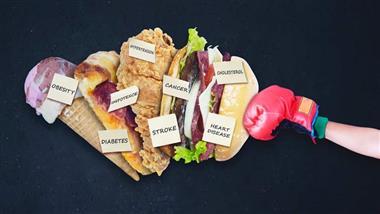
- Obesity is a driving force behind preventable chronic diseases, and diet is a major factor in maintaining a healthy weight. Just 10 food companies control the manufactured food in your grocery store, most of which is ultraprocessed and high in sugar
- Many of those foods are made with genetically modified crops, which make up 70% of crops grown in the U.S. and 70% of the American diet is processed food, leading to many of the current chronic diseases
- Some doctors have become legalized drug dealers, overprescribing pharmaceutical products as a symptom of a larger issue in medicine, in which doctors are more influenced by Big Pharma than by the health care needs of their patients
- Government policies began favoring large corporate farmers in the 1970s, and now Big Pharma also controls agriculture and seed supplies, which means they control the food you eat and when you get sick, supply you with drugs to treat your chronic disease
- Replacing saturated fat with sugar, whole grain and vegetable and seed oils has had a significant effect on the rising number of people with obesity and chronic illness. With each passing year, it becomes more important to be aware of the food choices you make as they impact your health and wellness
The 2015-2016 National Health and Nutrition Examination Survey (NHANES) recorded the highest rate of obesity ever documented by the survey — 39.6% of adults with obesity.1 Those numbers only continue to grow. The Centers for Disease Control and Prevention2 recorded 42.5% of adults 20 and over with obesity in 2017-2018.
When the percentage of people who are overweight is included, that percentage rises dramatically to 73.6% of the population. The adult obesity prevalence map3 shows the highest prevalence of obesity and overweight in the Midwest and southern states with greater than 40% of the population recorded as obese.
The exception is Florida, where the percentage of the population who are obese ranges between 25% and 30%. The greatest challenge to maintaining a healthy weight is your diet. There are other factors that contribute to weight gain, including a lack of physical activity.
But it’s important to recognize that you’ll never out-exercise a poor diet. So, it’s the first factor you should address if you want to maintain a healthy weight, which is important as obesity is one of the major triggers for preventable disease.4
According to the U.S. Centers for Disease Control and Prevention,5 6 of every 10 adults in the U.S. have at least one chronic health condition, such as heart disease, cancer or Type 2 diabetes. These are also the leading causes of death in the U.S.,6 and obesity and overweight are significant risk factors for them.7
One 10-year study8 showed there was a dose-response relationship between being overweight or obese and the development of several chronic health conditions including golf including gallstones, type 2 diabetes, high blood pressure, colon cancer, and heart disease.
There are significant challenges within the food supply that make it more and more difficult each month for people to make healthy choices. @MrSollozzo from the Meat Mafia Podcast created an informative graphic tweet9 in which he lists many of the diet and food-related challenges faced by Americans today, such as:
1. 10 Companies Control Almost All Manufactured Food
Oxfam America is a nonprofit organization that focuses on the inequalities that drive poverty and Injustice. In 201410 they created a powerful graphic image demonstrating how 10 companies control nearly every food product and beverage you find in the grocery store. Between them, revenues add up to more than $1 billion every day.
These companies include CocaCola, Mars, Nestle, Kellogg, General Mills, Wrigley and Wonka. They have a vested interest in ensuring loyal customers and engaging new customers each year using advertising to promote their products as healthy, wise diet choices for foods or as a fun dessert splurge.
It is difficult for many to ignore the hot buttons11 they push in their advertising campaigns, which include featuring catchy packaging,12 funding nutrition studies13 and publishing enticing print and video campaigns.14
Advertising drives people’s preferences and eating habits, which supports a company’s financial return, and in turn, drives the obesity epidemic. If you think your hands are tied, though, you still have a voice in what these companies market as you can vote with your pocketbook by refusing to purchase their products.
2. 70% of All Crops Are Genetically Modified (GM)
When you’re looking through the produce aisle for tonight’s meal, consider the fact that nearly 70% of crops grown in the U.S. are from genetically modified seeds. According to data15 from the International Service for the Acquisition of Agri-biotech Applications (ISAAA) the most popular GM crops are soybeans, maize, cotton and canola.
Soybeans, corn and canola are products used in many processed and ultraprocessed foods on grocery store shelves. There are two types of genetically engineered seed: herbicide-tolerant (HT) and insect-resistant (Bt).16 The USDA finds the adoption rate for both is increasing, and the adoption of stacked seed varieties, which has both traits, has accelerated in recent years.
The implications for your health after exposure to GM plants are significant and tied to the use of the herbicide glyphosate,17 which has increased dramatically in the last 20 years.18 Your gut flora is extremely important to your health and is negatively impacted by glyphosate. Experts have tied exposure to glyphosate and GM plants to an imbalance in gut bacteria19 and a variety of chronic diseases, including obesity.20
3. Meat Packers Underpay Ranchers and Overcharge Consumers
In 2020, the Department of Justice began formally investigating antitrust violations of the four largest beef packers in the U.S.,21 following complaints from several states and agricultural organizations. The “Big 4” companies are Cargill, Tyson Foods, JBS and National Beef, and they are responsible for processing 85% of all beef made into steaks, roasts and other cuts.22
When hamburger is factored into the equation, the Big 4 processes 70% of beef production. The four firms gained greater control of the industry in the early 1990s when USDA data showed the market share of slaughtered animals rose from 25% in 1977 to 71% in 1992. Several incidents brought attention to the consolidation that gave just four companies controlling interest in the market.
Cattle ranchers are frustrated by the price drops they experience when a meatpacking plant closes, while the packing companies benefit from rising meat prices. In the short term, this impacts the rancher’s livelihood and ability to stay in business. In the long-term, rising prices at the grocery store from lower supply levels may move more people to purchase plant-based fake “meat”.
4. 70% of the American Diet Is Processed Food
When you investigate the links between obesity and chronic illness, roughly 70% of the crops grown in the U.S. are genetically modified; 73.6% of the population is overweight or obese;23 roughly 60% of the population has at least one chronic disease and, according to data from two studies,24,25 consumption of ultraprocessed and processed foods is just over 70% in the general population.
There are well over 40,000 on grocery store shelves, with the majority being processed and ultraprocessed foods.26 One study27 found that 57.9% of foods eaten were ultraprocessed and contributed 89.7% of calories from added sugar. Data also show that an excess of sugar in the diet may lead to a decrease in satiety, an increase in calorie intake and impaired energy production in your body.28
One model tracked the link between rising sugar consumption and obesity rates, finding that “past U.S. sugar consumption is at least sufficient to explain adult obesity change in the past 30 years.”29
5. Doctors Have Become Legalized Drug Dealers
@MrSollozzo calls doctors “legalized drug dealers,”30 as many frequently overprescribe medications31 rather than help patients change lifestyle habits to avoid chronic disease. Examples can be found in patients who are overprescribed pain medication, proton pump inhibitors, antidepressants,32 antibiotics33 and medications to manage the side effects of other medications.34
This is a symptom of a larger condition in which a physician’s care appears to be highly influenced by the pharmaceutical industry and not by a focus on the prevention or treatment of physical conditions that include nutritional and lifestyle alterations.
6. Big Pharma Controls Agriculture and the Seed Supply
In the 1990s, laws were introduced to protect bioengineered crops. In 2021, four large corporations owned more than 50% of the world’s seeds, which is a staggering monopoly that dominates the global food chain.35 One of those companies is Bayer, which acquired Monsanto in 2018.36
Monsanto is an agrochemical and agricultural biotechnology company, owned by a pharmaceutical company that controls a significant portion of the world’s seed supply, namely GM seed.37 Essentially, this means that Monsanto controls the GE food you eat, and Bayer supplies you with the drugs you need to treat your chronic disease triggered by that food.
7. Government Policies Favor Corporate Farming
Earl Butz was secretary of the USDA in the 1970s. It was his vision to create a centralized food system which, as Grist writes, “plunged a pitchfork into New Deal agricultural policies that sought to protect farmers from the big agribusiness companies whose interests he openly pushed.”38 At the time he was appointed to the USDA, he had served as a board member for several large firms, including Ralston Purina.
Critics predicted that these ties might compromise his ability to function objectively, and the prophecy was fulfilled when he forced agribusiness and large farming conglomerates on the national interest. His legacy continues to thrive as small farmers are gradually forced out of business and large conglomerates buy up huge tracts of land, expanding the reach of GE produce and concentrated animal feeding operations (CAFOs).
Most people have likely never shaken the hand of their local farmer, who may sell produce and meat at local farmers markets, to small grocers or directly to you, the consumer. One of the best things about these local food suppliers is that they are incentivized to provide you with the best quality food to stay in business.
8. ‘Science’ Replaced Saturated Fat With Refined Sugar
Research known as the Seven Countries Study was conceived by the late Ancel Keys, a mid-20th century physiologist who promoted polyunsaturated fats over natural, saturated dietary fats.39 He launched the study in 1958 with the intent of identifying dietary patterns that impact heart disease.40
The results of the study changed government dietary recommendations for decades, with recommendations to eliminate saturated fats from your diet. Along with the addition of polyunsaturated fats to replace the missing natural fats, the food industry also added sugar and whole grains to the mix of processed foods meant to tempt your palate.
Yet, as science has demonstrated, this move has had a broad impact on health and instead of helping to decrease heart disease, actually increased many people’s risk of coronary heart disease as replacement leads to:41
“… changes in LDL, high-density lipoprotein (HDL), and triglycerides that may increase the risk of CHD.
Additionally, diets high in sugar may induce many other abnormalities associated with elevated CHD risk, including elevated levels of glucose, insulin, and uric acid, impaired glucose tolerance, insulin and leptin resistance, non-alcoholic fatty liver disease, and altered platelet function. A diet high in added sugars has been found to cause a 3-fold increased risk of death due to cardiovascular disease.”
As a result of the new processed foods, average Americans developed a sweet tooth so strong that many experts believe they are consuming as much as 130 pounds of sugar each year.42,43,44 Sugar has become so cheap and ubiquitous, that it’s in nearly every processed and ultra-processed food.
9. Natural Fats Replaced With Factory-Produced Vegetable Oils
According to the USDA, consumption per year of added fat and oil rose by 30 pounds from 1970 to 2010. However, the amount of saturated animal fat declined while the rate of vegetable fat from seed oils increased.45 These are industrial vegetable and seed oils that are likely behind the majority of diseases diagnosed in this past century.
The number of people diagnosed with heart disease, cancer, high blood pressure, diabetes, obesity, metabolic syndrome, Alzheimer’s disease and stroke has all risen dramatically in the last decades and they all are linked to the consumption of seed oil.
In a 45-minute presentation titled, “Diseases of Civilization: Are Seed Oil Excesses the Unifying Mechanism?” Dr. Chris Knobbe reveals startling evidence that seed oils, so prevalent in modern diets, are the reason for most of today’s chronic diseases.46
His research indicts the high consumption of omega-6 seed oil in everyday diets as the major unifying driver of the chronic degenerative diseases of modern civilization. He calls the inundation of Western diets with harmful seeds oils “a global human experiment … without informed consent.”47
10. Fake Meat Plant Foods Sold as Healthier Choice
Although many fake meat products are sold as a healthier choice for you and the environment, it turns out that this is yet another smokescreen to control the food supply. As meat prices rise, more people may consider a choice they may not have before: to eat fake meat.
Total revenues for the plant-based Beyond Meat brand have grown steadily from $16.2 million in 2016 to $87.9 million in 201848 and exceeded expectations in 2020, hitting $406.8 million.49 The rising market share is a testament to how well their branding and advertising has convinced the public that they are healthier than pure animal protein.
Yet, it’s widely known that ultraprocessed foods are the enemies of good health, even increasing the risk of premature death by 62% when eaten in quantities of more than four servings each day, with each added serving increasing the risk by another 18%.50
So what is plant-based “meat,” anyway? “It’s not food; it’s software, intellectual property — 14 patents, in fact, in each bite of Impossible Burger with over 100 additional patents pending for animal proxies from chicken to fish,” says Seth Itzkan, environmental futurist and cofounder and co-director of Soil4Climate.51
He suggests fake meat products are destroying the environment by perpetuating a harmful reliance on genetically engineered (GE) grains while accelerating soil loss and detracting from regenerative agriculture.
Buyer Beware
Controlling the food supply is one more way of controlling your health and your future. With every passing year, it becomes more important to be aware of the food choices you make each day as they impact your health and wellness.
Your nutrition dictates how well your body works, and therefore how well you feel each day. As summer approaches, make a commitment to make smart choices for your health and visit local farmers markets for produce, seek out regeneratively-grown produce, meat and dairy products and consider buying your meat and dairy directly from local farmers.
– Sources and References
- 1 Trust for America’s Health, The State of Obesity 2018
- 2 Centers for Disease Control and Prevention, Obesity and Overweight
- 3 Centers for Disease Control and Prevention, Adult Obesity Prevalence Map
- 4 Polish Journal of Food and Nutrition Science, 2019;69(3)
- 5 Centers for Disease Control and Prevention, March 21, 2022
- 6 Centers for Disease Control and Prevention, Leading Causes of Death
- 7 University of Mississippi Medical Center, Obesity and Chronic Disease
- 8 JAMA, 2001;161(13)
- 9, 30 Twitter, MrSollozzo, April 11, 2022
- 10 Oxfam America, December 10, 2014
- 11 Zen Business, Hot Button Marketing
- 12 Nutrients, 2019;11(5)
- 13 BMJ, 2020;371
- 14 Pan American Health Organization, Marketing of Ultra-processed and Processed Food and Non-alcoholic Drink Products
- 15 International Service for the Acquisition of Agri-biotech Applications, July 23, 2018
- 16 USDA, Recent Trends in GE Adoption
- 17 Environmental Health, 2016;15(19)
- 18 Environmental Sciences Europe, 2016;28(3)
- 19 Neurotoxicology, 2019;75:1
- 20 Impact of Genetically Modified Organisms on Environment and Health, 2021
- 21 Bloomberg, June 4, 2020
- 22 Reuters, June 17, 2021
- 23 CDC Obesity and Overweight September 10, 2021
- 24, 27 BMJ Open, 2016;6:e009892
- 25 American Journal of Clinical Nutrition, 2021;115(1)
- 26 Troy Media, December 26, 2019
- 28 BMJ Open Heart, 2016;3:e000469
- 29 Economics & Human Biology, 2020;36(100818)
- 31 StatNews, April 2, 2019
- 32 Journal of Clinical Medicine Research, 2019;11(9)
- 33 Centers for Disease Control and Prevention, May 3, 2016
- 34 BBC, September 22, 2021
- 35 DW, August 4, 2021
- 36 Fierce Pharma, August 29, 2019
- 37 Leaders in Wildlife Conservation, March 30, 2021
- 38 Grist, February 8, 2008
- 39 Seven Countries Study, Ancel Keys, top paras
- 40 Seven Countries Study, About the Study, para 1
- 41 Progressive Cardiovascular Disease, 2016;58(5) Abstract
- 42 Smithsonian, May 2017
- 43 Daily Health Post, July 25, 2019
- 44 DailyInfographic, March 25, 2015
- 45 USDA, January 2017
- 46 YouTube, June 13, 2020
- 47 YouTube, June 13, 2020, minute 10:36
- 48 Forbes August 28, 2020
- 49 Beyond Meat 2020 Financial Results February 25, 2021
- 50 BMJ 2019;365:l1949
- 51 Medium, May 25, 2020
The Surprising Health Benefits of Methylene Blue
Reproduced from original article:
https://articles.mercola.com/sites/articles/archive/2022/04/17/methylene-blue-health-benefits.aspx
The original Mercola article may not remain on the original site, but I will endeavor to keep it on this site as long as I deem it to be appropriate, and will not be bullied into removing it.
Analysis by Dr. Joseph Mercola Fact Checked April 17, 2022
Sorry, this video no longer available…
STORY AT-A-GLANCE
- Methylene blue helps mitochondrial respiration and improves brain energy metabolism. By doing that, it can improve cognitive performance and prevent neurodegeneration
- Methylene blue is the parent molecule for hydroxychloroquine and chloroquine, off-patent drugs commonly used to treat not only malaria but also COVID-19
- Emergency rooms around the world use it, as it’s the only known antidote for metabolic poisons causing methemoglobinemia, which is when a metabolic poison interferes with the transport of oxygen in hemoglobin
- Methylene blue is a hormetic drug, so low doses have the opposite effect of high doses
- Low doses, 0.5 mg to 1 mg per kilo of bodyweight, are recommended for nonacute, longer-term treatments. Uses include the prevention and treatment of dementia, post-stroke and other brain injuries, cognitive enhancement, and the general optimization of health if you’re already healthy
In this interview, Francisco Gonzalez-Lima, Ph.D., discusses a really powerful strategy to improve your mitochondria, which generate the vast majority of the energy your cells produce from food.
Gonzalez-Lima is an expert on methylene blue, which helps mitochondrial respiration and improves brain energy metabolism. By doing that, it can improve cognitive performance and prevent neurodegeneration.
“With methylene blue, we have been able to show all of those [benefits],” Gonzalez-Lima says. “Our group was the first to map the effects of methylene blue in the brain of humans and show its effects on improving brain metabolism, blood flow and memory function.”
What Is Methylene Blue?
Methylene blue is the parent molecule for hydroxychloroquine and chloroquine, off-patent drugs commonly used to treat not only malaria but also COVID-19. Best known as a fish tank antiseptic and textile dye for blue jeans, it was actually the first synthetic drug in modern history, developed in 1876. Since then, we’ve discovered it has many really important medicinal benefits.
The first medical application of methylene blue was for malaria. In 1890, Paul Ehrlich, a scientist at the famous Charité Hospital in Berlin, Germany, discovered methylene blue inhibits an enzyme that weakens the malaria parasite.
One of the first antipsychotic medications was also made from methylene blue. Other drugs developed from or with it include antibiotics and antiseptics. In the past, it was commonly used to treat urinary tract infections. It’s also been used as an antiviral agent in blood used for transfusions.
To this day, methylene blue is found in every hospital in the world, as it’s the only known antidote for metabolic poisons (any poison that interferes with oxygen transport or displaces oxygen, either from the blood or from the mitochondria).
For example, if you’re admitted for carbon monoxide poisoning, they’ll give you methylene blue intravenously. Cyanide is another example. The only known antidote for cyanide poisoning is methylene blue. It’s also been speculated that methylene blue might be useful in the treatment of acute lung infections such as SARS-CoV-2.
Importantly, methylene blue is a hormetic drug, which means that low doses have the opposite effect as high doses. For example, it’s primarily used in emergency rooms at the upper dosage limit (3 milligrams to 4 mg per kilo of bodyweight) for methemoglobinemia, which is when a metabolic poison interferes with the transport of oxygen in hemoglobin, by the iron in hemoglobin being oxidized to +3 rather than its normal reduced +2 state.
However, if you take too high a dose, you produce methemoglobinemia. At dosages in between, there’s no effect. Likewise, while low dosages have an antioxidant effect, high doses are pro-oxidative and can kill bacteria and tumor cells.
Methylene Blue, an Antioxidant and Energy Producer
Gonzalez-Lima’s research has primarily focused on low-dose benefits for nonacute purposes over the longer term — such as neuroprotective benefits and cognitive enhancement. While it has several mechanisms of action, a unique feature is that it acts on the level of electrons. He explains:
“Our body uses electrons as part of the electron transport chain that happens inside mitochondria, and these electrons, moved along through the mitochondria, are generated from electron donors that we produce by the foods that we eat.
All the foods that we eat, the only way they contribute to energy is by producing electron donors. They donate these electrons to the electron transport inside the mitochondria. The ultimate electron acceptor in nature is oxygen. That’s why the process of removing electrons from a compound is referred to as oxidation.
In mitochondria, this process is called oxidative phosphorylation. The electron transport is coupled with the phosphorylation of adenosine to eventually produce the adenosine triphosphate molecule (ATP). Methylene blue is an electron cycler. It’s an autooxidizing compound.
So, methylene blue donates its electrons directly to the electron transport chain, it obtains electrons from surrounding compounds, and maintains oxygen consumption and energy production. By doing this, it helps oxygen to be fully reduced into water.
So, it becomes two things that are often not found together. It acts as an antioxidant, because oxygen is neutralized into water by donating electrons to the electron transport, and it produces energy, because when the electron transport pumps are moving along oxidative phosphorylation, you have an increase in ATP formation.
Oftentimes, we have things that improve energy metabolism, but then they lead to oxidative stress. In the case of methylene blue, that’s not the case.
You can increase oxygen consumption rates, increase ATP production for energy metabolism, and at the same time reduce oxidative stress which, of course, will lead to reduction in oxidative damage at the level of mitochondria, then at the level of the other parts of the cells, and eventually membranes of the cells, and reactions that are cascades of this oxidative damage.”
Basically, as an electron cycler, methylene blue acts like a battery, but unlike other compounds that do the same thing, it doesn’t cause damaging oxidation in the process. If anything interferes with oxygenation or cellular respiration, such as cyanide, methylene blue is able to bypass that point of interference through electron cycling, thus allowing mitochondrial respiration, oxygen consumption and energy production to function as it normally would.
Improved Mitochondrial Respiration Improves Health, Cognition
Methylene blue can also be helpful in instances where you have impaired blood flow that prevents the delivery of oxygenated hemoglobin to the tissues. In this case, methylene blue helps counteract the reduced blood flow by optimizing the efficiency of mitochondrial respiration.
Healthy blood flow is particularly important for brain function, and many older people have chronic hypoperfusion that contributes to neurodegeneration and memory problems. These issues, Gonzalez-Lima says, can be prevented by methylene blue.
In summary, inside the electron transport chain in your mitochondria are five complexes, the primary purpose of which is to conduct the electrons generated from food, primarily carbohydrates and fat, in the form of acetyl CoA. Sometimes the electron transport chain gets blocked or impaired, and methylene blue is able to bypass such blockages.
When you’re perfectly healthy, low doses of methylene blue will enhance oxygen consumption, mitochondrial respiration and ATP production above baseline, basically optimizing the whole system. So, it acts as a metabolic enhancer and not just an antidote for metabolic poisons and other inhibitory processes.
The most important complex, Cytochrome c Oxidase, which catalyzes the reaction of oxygen becoming water, is blocked by cyanide. But methylene blue can insert electrons wherever there is a blockage.
What’s more, when you’re perfectly healthy, low doses of methylene blue will enhance oxygen consumption, mitochondrial respiration and ATP production above baseline, basically optimizing the whole system. So, it acts as a metabolic enhancer and not just an antidote for metabolic poisons and other inhibitory processes.
Methylene blue’s action on mitochondrial respiration is also coupled with biochemical upregulation of your oxygen consumption machinery in general, and hemodynamic processes that increase local blood supply to tissues.
And, as detailed by Gonzalez-Lima in the interview, this upregulation remains even after the methylene blue is expelled from your system (primarily through urination unchanged as your body minimally metabolizes it), and over time, it can actually increase the number of mitochondria. In your brain, this will benefit cognition, as your brain is the most energy-dependent organ in your body.
Methylene blue also activates the Nrf2 pathway. Nrf2 is a transcription factor that, when activated, goes into the cell’s nucleus and binds to the antioxidant response element (AREs) in the DNA. It then induces the transcription of further cytoprotective enzymes such as glutathione, superoxide dismutase catalase, glutathione peroxidase, phase II enzymes, heme-1 oxygenase and many others.
Methylene Blue for Brain Health
Perhaps one of the most revolutionary benefits of methylene blue is for the prevention and treatment of dementia, neurodegenerative diseases such as Alzheimer’s and Parkinson’s, and neural injuries caused by stroke and traumatic brain injuries (TBIs). This is particularly important as the COVID jabs have radically increased strokes. As explained by Gonzalez-Lima:
“Any process where increasing oxygen-based energy production plays a major role, methylene blue will have a role to play. One of the first studies we did that was very impressive [was on] a model in the eye. The reason we used the eye was because the retina in animals is readily accessible so that we can inject into the retina.
Rotenone [a broad-spectrum pesticide and Complex 1 inhibitor] inhibits mitochondrial respiration, subsequently there is atrophy and degeneration of the retinal layer, which is very dramatic. If methylene blue is on board, we can prevent this process because the mitochondrial respiration can continue, so the tissue is not affected.
This was a model called an optic neuropathy due to mitochondrial defects. It’s the most common form of blindness in younger people, so we did this to verify in vivo that [methylene blue] could have this neuroprotective effect. Then we did it in other things like brains. We found a similar phenomenon …
Methylene blue can be protective in ischemic and hemorrhagic strokes. We’ve also published a study with a hypoxia. In other words, we reduced the amount of oxygen delivered to the animals, and we could use an fMRI, noninvasively, in the animals to see that we were able to increase the amount of cerebral metabolic rate for oxygen consumption in the presence of methylene blue under hypoxic conditions.
With respect to dementia, by the time you see the tau protein inside neurons, those neurons are metabolically, essentially, dead, so it is too late. By acting on that, you cannot recover the metabolic machinery and the health of the neurons.
So, those neurons are not rescued in any way that is functionally meaningful. Generally speaking, biomarkers are not good therapeutic targets because they may or may not have any causal relationship with the disease.”
In biohacker circles, low-dose methylene blue is used as a nootropic, meaning a compound that helps improve cognitive function. However, while some promote sublingual or buccal application (under your tongue or on the inside of your cheek), the best way is to swallow it, as the acid in your stomach makes it more bioavailable.
Urinary Tract Infections in the Elderly
In my mind, this is one of the most important uses: It is a highly effective agent against urinary tract infections (UTIs). Many elderly are put on antibiotics, which disrupts their microbiome. Methylene blue was used for many decades at a dose of 65 mg per day and was even sold in pharmacies as Urolene Blue.
Since your body doesn’t really metabolize it, it is excreted by your kidneys into your bladder where it reaches very high concentrations over time and becomes a potent oxidant stress that kills virtually any pathogen in the bladder. Plus, it has the additional “side effect” of improving brain health and reducing dementia. In my mind, it is reprehensible medical malpractice not to use methylene blue in UTIs in the elderly. It clearly is the safest and most effective drug of choice.
Contraindications
While methylene blue is very safe, there are some contraindications. One is G6PD deficiency, which is also a contraindication for high-dose ascorbic acid treatments, which could be deadly. Methylene blue is also a mild monoamine oxidase (MAO) inhibitor, so taking high doses with a selective serotonin reuptake inhibitor (SSRI) antidepressant could potentially lead to serotonin syndrome, which is not good. The risk of this, however, is very small. Gonzalez-Lima explains:
“With respect to the warning about the SSRIs, the problem is not methylene blue but the amount of SSRI. The problem was in a specific application of methylene blue where they use it for parathyroid surgery as a stain …
To my knowledge, there’s never been more than five cases, where the patients were anesthetized, and they still had SSRIs [in their system], and they did repeated flushing in the open neck with methylene blue, which exceeded these doses that we have been talking about.
The U.S. FDA reacted with this warning. But this has been reviewed by both surgeons and pharmacologists at the Mayo Clinic, and they wrote a rebuttal paper where they indicate that there is no evidence to suggest oral methylene blue has any interaction with the therapeutic dosing of serotonergic compounds, especially SSRIs, and that this was something that happened under these specific [surgical] conditions.
Canada limits the warning to that particular application, but our FDA went beyond that to any kind of serotonergic drug. I think there is absolutely no evidence for oral methylene blue having interactions in this low-dose range with any SSRIs.
And when they talk about the MAO inhibitor function, it really only works as an MAO inhibitor in the higher concentration of the higher dose range, not the low-dose range. So, the effects of methylene blue as an antidepressant — only to a very limited extent, if you repeat it cumulative treatments — can be due to any kind of a MAO inhibitor role.
In addition, it is due to its metabolic enhancing function, so it antagonizes some of the depression symptoms like the low energy that is experienced with depression. So yes, it is effective to reduce symptoms of depression. Unfortunately, this warning is going to make some physicians scared of using it in combination with SSRIs.”
Dosing Suggestions
As mentioned, methylene blue is a hormetic, so low dosages have the opposite effect of high dosages. While every possible dose response has not been tested, as a general guideline, the benefits Gonzalez-Lima discusses in this interview are based on dosages between 0.5 milligram per kilogram of bodyweight to 4 mg per kg. He admits lower doses may work but he hasn’t tested them.
For an acute treatment, the upper limit is between 3 mg to 4 mg per kg, which is typically the range given as an IV antidote for methemoglobinemia. For nonacute, more long-term treatment, 0.5 mg to 1 mg per kg per day works better. It has a half-life of 12 to 13 hours, so once-a-day dosing is fine. He gives the following example of how methylene blue has been used in the treatment of fears and phobias:
“One of the processes in which a memory formation can be used therapeutically is when you form a memory to extinguish fear. Individuals who have a phobia, you can expose them to the specific situation that is involved in the phobia, and there is a learning called extinction learning that happens that you extinguish your response.
In that situation, we only give methylene blue once after this extinction learning to facilitate the process of memory consolidation. What happens after you go through the learning is the process of consolidation, which requires energy.
So, by facilitating the energy availability during the consolidation phase, which happens over a number of hours, then the next time [you’re exposed to fear-evoking stimuli, you’ve] consolidated that extinction memory more effectively.
We’ve done this also with post-traumatic stress disorder (PTSD), where you use prolonged exposure therapy. In that situation, you can give the methylene blue after different sessions where you see that there is a good extinction learning.
In other words, where people are learning through exposure to reduce their fear levels, that’s when you want to reinforce that therapeutic learning by giving them the methylene blue right after the session.”
For brain health, nootropic effects and the prevention or treatment of dementia, 0.5 mg to 1 mg per kg per day (or when needed) is the dose Gonzalez-Lima recommends and uses.
How to Select a High-Quality Product
Last but not least, selecting the correct product is of crucial importance, in addition to getting the dosing right. There are three basic types of methylene blue: industrial, chemical and pharmaceutical-grade.
The only version you’ll want to use medicinally is pharmaceutical-grade. Do not ingest methylene blue from the pet store that is meant for fish tanks. Industrial-grade methylene blue has lots of impurities, and typically contain only 10% to 25% methylene blue.
Chemical or laboratory grade, which is used for staining purposes on laboratories, has a much higher purity, but it’s still not suitable for medicinal purposes as it typically has heavy metal contaminants like lead, cadmium and arsenic. Over time, the impurities can accumulate in your body, resulting in toxicity.
Pharmaceutical grade is 99%+ pure. This is the kind used when injected intravenously for antidote purposes, or used orally. These products will be marked USP, which stands for United States Pharmacopeia.
According to Gonzalez-Lima, USP is better in terms of purity than the European pharmaceutical grade, which has fewer requirements. Taking the methylene blue with some ascorbic acid (vitamin C) facilitates absorption. You won’t find methylene blue at your local pharmacy but many compounding pharmacies can obtain the pharmaceutical grade.
“Ascorbic acid is a way to facilitate the cycling of methylene blue by promoting its reduction,” he explains. Considering the importance of mitochondrial health, methylene blue appears to be a simple and remarkably effective way to improve your overall health and cognitive function.
One of the Worst Things You Could Slather on for ‘Protection’
Reproduced from original article:
https://articles.mercola.com/sites/articles/archive/2022/04/15/sunscreen-safety-regulations.aspx
The original Mercola article may not remain on the original site, but I will endeavor to keep it on this site as long as I deem it to be appropriate, and will not be bullied into removing it.
Analysis by Dr. Joseph Mercola Fact Checked April 15, 2022

STORY AT-A-GLANCE
- The U.S. Food and Drug Administration is proposing new regulations to ensure the safety and effectiveness of sunscreens
- Of the 16 active sunscreen ingredients used in products on the U.S. market, only two — non-nanosized zinc oxide and titanium dioxide — have been deemed safe for human use by the FDA
- FDA admits scientific data are lacking for 12 active sunscreen ingredients on its list, and asks industry to help in providing more data in order to perform a “rigorous assessment” of all active ingredients on the market
- One of the 12 active sunscreen ingredients the FDA claims to be unsure about is oxybenzone, found in an estimated 70% of sunscreens. Evidence suggests oxybenzone is an endocrine disruptor, and it is known to decimate coral reefs and harm aquatic life
- Research shows 13 of 29 sunscreen chemicals (45% allowed in the U.S. and/or European Union have the ability to reduce male fertility by affecting calcium signaling in sperm, in part by exerting a progesterone-like effect
This article was previously published March 13, 2019, and has been updated with new information.
First off, let me make it very clear that sunscreen is widely overused. There are some circumstances where it is wise and appropriate to use but those cases are few and far between. For the most part, you just need to avoid the sunscreen and rely on sensible sun exposure. Get out of the sun or wear clothing the moment your skin starts to turn light pink.
Having laid that foundation, in February 2019 the U.S. Food and Drug Administration proposed new regulations1 to “make sure sunscreens are safe and effective.” If enacted, this could have a transformative effect on the sunscreen industry as a whole.
Importantly, as I’ve noted on a number of occasions, of all the active sunscreen ingredients used in products on the U.S. market, only two — non-nanosized zinc oxide and titanium dioxide — have been deemed safe for human use by the FDA.
Yeah, I know what you’re likely thinking. You can trust the FDA about as far as you can throw them. It’s a captured agency and essentially controlled by the very industry it is seeking to regulate. However, there appear to be no vested interests here and I believe they got it right this time.
In its proposal, the FDA admits it does not have enough scientific data to draw any conclusions about the safety of 12 of the 16 active sunscreen ingredients on its list, and asks industry to help in providing more data to perform a “rigorous assessment” of all active ingredients on the market.
Two of the 16 ingredients, PABA and trolamine salicylate, have been deemed unsafe, or not generally recognized as safe (GRAS), and are not currently in use according to the FDA.
The proposal also includes broad updates to labeling requirements, as well as SPF-related changes. For the latter, FDA wants sunscreens with an SPF of 15 or higher to provide broad spectrum protection against both UVA and UVB rays, not just UVB as is currently the case. Dr. Janet Woodcock, director of the FDA’s Center for Drug Evaluation and Research said:2
“It is important that, as this rulemaking effort moves forward and the FDA gathers additional scientific information, given the recognized public health benefits of sunscreen use, consumers continue to use sunscreen in conjunction with other sun-protection measures.
To help make sure this effort is successful, the FDA is looking to industry to gather the data needed to help ensure that products marketed to offer protection from the sun’s effects are safe and deliver on these promises.”
Evidence of Toxicity Exists For Several Sunscreen Ingredients
One of the 12 active sunscreen ingredients the FDA claims to be unsure about is oxybenzone, found in an estimated 70% of sunscreens. This, despite studies showing this chemical acts as an endocrine disruptor and has been linked to reduced sperm count3 in men and endometriosis4 in women.
Research by the Centers for Disease Control and Prevention shows 96% of the U.S. population has oxybenzone in their bodies, which is a testament to just how much sunscreen people are using.
Indeed, daily use of sunscreen is one of the reasons cited by the FDA for the need to update safety regulations. People are using far more sunscreen these days, so exposure to potentially hazardous ingredients is of far greater concern than in decades past.
Oxybenzone is also lethal to certain sea creatures, including horseshoe crab eggs, and researchers warn the widespread use of oxybenzone-containing sunscreens pose a serious threat to coral reefs and sea life.5 This effect is what prompted Hawaiian lawmakers to ban the sale of sunscreens containing oxybenzone and octinoxate, both of which have been linked to severe coral damage.6,7
Many Sunscreen Ingredients Have Endocrine Disrupting Effects
Oxybenzone isn’t the only endocrine disruptor though. At least eight other active sunscreen ingredients are suspected of having endocrine disrupting effects.8,9
According to a recent Danish study,10 13 of 29 sunscreen chemicals (45%) allowed in the U.S. and/or European Union have the ability to reduce male fertility by affecting calcium signaling in sperm, in part by exerting a progesterone-like effect. Of those 13 chemicals, eight are approved for use in the U.S. These include:
| Avobenzone | Homosalate |
| Meradimate | Octisalate (also known as octyl salicylate) |
| Octinoxate (octyl methoxycinnamate) | Octocrylene |
| Oxybenzone (also called benzophenone-3) | Padimate O |
These chemicals can also be found in makeup, moisturizers and lip balms with sunscreen protection. “These results are of concern and might explain in part why unexplained infertility is so prevalent,” senior investigator, Niels Skakkebaek, professor at the University of Copenhagen in Denmark and a researcher at the Copenhagen University Hospital, said.11
Many sunscreens also contain vitamin A and/or its derivatives, retinol and retinyl palmitate, which have been linked to an increased risk of skin cancer by increasing the speed at which malignant cells develop and spread.
Some Sunscreen Ingredients Are Also Neurotoxic
Researchers have also warned that some sunscreen ingredients are neurotoxic, posing a hazard to brain health. The authors of this study noted that since sunscreens need to be applied in significant amounts all over the body, calculations suggest the total amount of a given compound being absorbed from a single application could be as high as 200 milligrams.12
According to the above-referenced study, other studies also show these chemicals are found in blood, urine and breast milk following application, in some cases within as little as two hours. According to the authors:
“[W]hile sunscreens have been effective in protecting against a variety of UV-related pathologies … growing popularity and thus, possibility for exposure questions their safety in environment and human health …
The endocrine disruptive and developmental toxicity of many organic UV filters in experimental models is well established; these filters seem to be associated with altered estrogen, androgen and progesterone activity, reproductive and developmental toxicity and impaired functioning of the thyroid, liver or kidneys …
Since many of UV filters were shown to cross the blood-brain barrier, the risk for neurotoxicity also occurs … [S]ince it is known that other chemicals classified as endocrine disruptors can impair neuronal transmission, synaptic plasticity and produce neurotoxic effects, chemical filters might potentially produce similar effect.”
Sunscreen ingredients found to have neurotoxic effects in this study included:
| Octyl methoxycinnamate — Found to decrease motor activity in female rats and alter the release of a number of different neurotransmitters |
| Benzophenone-3 (oxybenzone) — Decreases cell viability of neurons, and upregulates estrogenic-related genes in male animals |
| Benzophenone-4 |
| 4-methylbenzylidene camphor — Decreased cell viability and impaired neuronal development in lab animals |
| 3-benzylidene camphor |
| Octocrylene — Impaired expression of genes related to brain development and brain metabolism |
The authors also stress that simultaneous application of insect repellents such as DEET enhances the penetration of the compounds, thereby multiplying their potential toxicity.
Avoid Sunscreens With Nanoparticles
Most nanoscale particles (microscopic particles measuring less than 100 nanometers)13 found in American sunscreens are either titanium dioxide or zinc oxide.14 While these two are the only ingredients known to be safe, this safety does not extend to nano-sized versions.
We have used both of these safe ingredients in our Sunscreen SPF 50 for nearly 10 years. This is likely why our sunscreen was rated No. 1 two years ago by the Environmental Working Group.
Animal research has shown that inhaled nanoparticles can reach all areas of your respiratory tract and, since your lungs have difficulty clearing small particles, they may be allowed to pass into your bloodstream. Other studies have proven some nanoparticles are even able to cross your blood-brain barrier.
If allowed to enter your lungs or penetrate your skin, nanoparticles therefore have the potential to cause widespread damage to your cells and organs, immune system, nervous system, heart and brain.15 FDA has previously expressed concern that inhaling these products may be risky, especially to children, and in 2014, Consumer Reports advised parents to avoid spray-on sunscreens until the FDA had finished reviewing the sunscreens.16
Some scientists postulate that the toxic effects of nanoparticles relate to their size being in the range of a virus, which may trigger your body’s immune response.17 The International Agency for Research on Cancer has classified titanium dioxide as a “possible carcinogen” when inhaled in high doses.18
Inhaling higher amounts of zinc oxide can lead to “metal fume fever,”19 characterized by chest pain, cough, dyspnea, reduced lung volumes, nausea, chills, malaise and leukocytosis. One 2012 study20 found zinc oxide nanoparticles to be cytotoxic. They elevated zinc levels causing mitochondrial dysfunction and apoptosis (cell death).
Similarly, an Indian study concluded that zinc oxide nanoparticles cause toxicity in human lung cells possibly through “stress-induced apoptosis.”21 Human studies are sorely lacking as to the health effects of inhaling of zinc oxide particles, especially at lower levels, such as from brief exposure to sunscreen spray.
However, using these spray-on products are clearly an unnecessary risk since safer options are readily available. Your safest bet is to use topical zinc oxide or titanium dioxide that does not contain nanosized particles.
Reduce Your Risk of Sunburn With ‘Internal Sunscreens’
While sun avoidance recommendations make it sound as though all sun exposure is dangerous, the primary risk factor of skin cancer is sunburn, which is an inflammatory process that damages your skin. Sensible sun exposure is actually a crucially important component of good health, as your body produces vitamin D in response to UVB light striking your skin.
It’s important therefore to maintain a balance — you want to expose large portions of skin (without sunscreen on) to sunlight on a regular basis (ideally daily), yet be very careful to avoid getting burned.
Aside from covering up before you get burned, you can reduce your risk of sunburn by eating plenty of antioxidant-rich fruits and vegetables, and/or taking an astaxanthin supplement. The latter has been shown to work as an effective internal sunscreen, protecting your skin from UV radiation damage.
In addition to copious testimonials and anecdotal evidence, scientific studies have substantiated these skin protective effects.22 In one study, subjects who took 4 milligrams of astaxanthin per day for two weeks showed a significant increase in the amount of time necessary for UV radiation to redden their skin. Animal studies lend further evidence to astaxanthin’s effects as an internal sunscreen:
- In one study, mice were fed various combinations of astaxanthin, beta-carotene and retinol for four months. Astaxanthin was substantially effective in preventing photoaging of the skin after UV radiation, as measured by markers for skin damage23
- A rat study found astaxanthin was found to be 100 times stronger than beta-carotene and 1,000 times stronger than lutein in preventing UVA light-induced oxidative stress24
- The Journal of Dermatological Science published a study in 2002 finding astaxanthin is able to protect against alterations in human DNA induced by UVA light exposure25
How to Choose a Safer Sunscreen
With all the sunscreens on the market, how do you identify a safe one? The key to remember is that there really are only two known safe sunscreen ingredients — zinc oxide and titanium dioxide26 — and they must not be nano-sized.
Your safest choice is a lotion or cream with zinc oxide, as it is stable in sunlight and provides the best protection from UVA rays.27 Your next best option is titanium dioxide. Just make sure the product does not contain nano sized particles and protects against both UVA and UVB rays.
Keep in mind that SPF protects only from UVB rays (although if the FDA’s proposed rules are implemented, any SPF at or above 15 must protect against both UVA and UVB), which are the rays within the ultraviolet spectrum that allow your skin to produce vitamin D.
The most dangerous rays, in terms of causing skin damage and cancer, are the UVA rays. Avoid sunscreens with an SPF above 50. While not intrinsically harmful, the higher SPF tends to provide a false sense of security, encouraging you to stay in the sun longer than you should.
Moreover, higher SPF typically does not provide much greater protection. In fact, research suggests people using high-SPF sunscreens get the same or similar exposure to UV rays as those using lower-SPF products. What’s more, a recent analysis28 by Consumer Reports found many sunscreens are far less effective than claimed on the label; 24 of the 73 products evaluated offered less than half of the protection promised by their stated SPF.
Other Sensible Sunning Tips
I recommend spending time in the sun regularly — ideally daily. Sunshine offers substantial health benefits, provided you take a few simple precautions to protect yourself from overexposure. Here are my top five sensible sunning tips:
1.Give your body a chance to produce vitamin D before you apply sunscreen. Expose large amounts of your skin (at least 40% of your body) to sunlight for short periods daily. Optimizing your vitamin D levels may reduce your risk of many internal cancers, and actually reduces your risk of melanoma as well.
2.Stay out just long enough for your skin to turn the very lightest shade of pink. Shield your face from the sun using a safe sunscreen or hat, as your facial skin is thin and more prone to sun damage, such as premature wrinkling.
3.When you’ll be in the sun for longer periods, cover up with clothing, a hat or shade (either natural or shade you create using an umbrella). A safe sunscreen can be applied after you’ve optimized your skin’s daily vitamin D production, although clothing is your safest option to prevent burning and skin damage.
Keep in mind that in order for sunscreen to be effective, you must apply large amounts over all exposed areas of your skin. This means the product should not trigger skin allergies and must provide good protection against UVA and UVB radiation. It also should not be absorbed into your skin, as the most effective sunscreen acts as a topical barrier.
4.Consider the use of an “internal sunscreen” like astaxanthin to gain additional sun protection. Typically, it takes several weeks of daily supplementation to saturate your body’s tissues enough to provide protection. Astaxanthin can also be applied topically, which is why it’s now being incorporated into a number of topical sunscreen products.
Consuming a healthy diet full of natural antioxidants is another highly useful strategy to help avoid sun damage. Fresh, raw, unprocessed foods deliver the nutrients that your body needs to maintain a healthy balance of omega-6 and animal-based DHA omega-3 oils in your skin, which are your first lines of defense against sunburn.
Vegetables also provide your body with an abundance of powerful antioxidants that will help you fight the free radicals caused by sun damage that can lead to burns and cancer.
- 1, 2 FDA.gov February 21, 2019
- 3 Endocrine Society April 1, 2016
- 4 C&EN March 22, 2012
- 5 Sunscreensbiohazard.com
- 6 Cape Gazette April 6, 2017
- 7 Hawaii News Now May 1, 2018
- 8, 14, 15, 27 EWG.org The Trouble With Ingredients in Sunscreens
- 9 Dr. Oz May 7, 2013
- 10 Endocrine Connections January 2018; 7(1): 16–25
- 11 Science Daily April 1, 2016
- 12 Toxicology Reports. 2016
- 13 Phys.org July 11, 2012
- 16 Consumer Reports July 2, 2014
- 17 Biointerphases 2007
- 18 IARC Monograph 2006 (Group 2B)
- 19 CDC ATSDR
- 20 Toxicological Sciences February 1, 2012; 125(2): 462-472
- 21 ISRN Toxicology 2013, Article ID 316075
- 22 cyanotech.com, Sunscreen in a Pill? (PDF)
- 23 International Journal for Vitamin and Nutrition Research 1995;65(2):79-86
- 24 Journal of Dermatological Science March 1998; 16(3): 226-230
- 25 Journal of Dermatological Science October 2002; 30(1): 73-84
- 26 EWG.org Sunscreen Guide
- 28 Consumer Reports, Sunscreen Buying Guide
The Most Popular and Dangerous Seafood You Can Buy
Reproduced from original article:
https://articles.mercola.com/sites/articles/archive/2022/04/13/shrimp-antibiotic-resistance.aspx
The original Mercola article may not remain on the original site, but I will endeavor to keep it on this site as long as I deem it to be appropriate, and will not be bullied into removing it.
Analysis by Dr. Joseph Mercola Fact Checked April 13, 2022
STORY AT-A-GLANCE
- A new investigation by CBC News Marketplace found potentially harmful antibiotic-resistant bacteria in imported shrimp sold in various supermarkets in Canada
- Investigative reporters purchased 51 packages of shrimp imported from Vietnam, Thailand, China, India and Ecuador
- Investigators found 17% or 2 out of every 10 packages were contaminated with antibiotic resistant bacteria, also known as superbugs; of that 17%, 89% showed resistance to multiple antibiotics
- Superbugs, one of the greatest threats to human health, may kill more people than cancer by 2050
- The overuse of antibiotics in factory farm animals and the heavy spraying of pesticides on food crops is the No. 1 driver of deadly superbugs
This article was previously published July 27, 2019, and has been updated with new information.
Shrimp is a tasty dish that can be eaten for breakfast, lunch or dinner. It pairs well with a variety of foods including eggs, pasta, sushi and steak. But is shrimp safe to eat? Well, that depends on where it comes from and how it is raised.
An investigation by CBC News Marketplace1 found potentially harmful antibiotic-resistant bacteria on imported shrimp sold in various supermarkets in Canada. While the use of antibiotics on shrimp is banned in Canada, the majority of shrimp is imported, largely from Asia.
Investigative reporters with CBC News purchased 51 packages of shrimp sold in grocery stores in a variety of Canadian cities including Montreal, Saskatoon, Calgary and Toronto.
Canada imports shrimp from a number of countries including Vietnam, Thailand, China and India. Investigators purchased imported shrimp labeled “organic” as well as some with the “Best Aquaculture Practices” certification, which maintains that farmers only use antibiotics minimally.
They packaged up the shrimp and sent it to a special lab at the University of Saskatchewan to be tested for dangerous bacteria.
Microbiologist Joseph Rubin, an expert in antimicrobial resistance, tested the shrimp for different types of antibiotic-resistant bacteria and foodborne pathogens, including E. coli, Salmonella and Staphylococcus Aureus, potentially harmful bacteria that can develop a resistance to antibiotics. In other words, he was checking for superbugs that antibiotics cannot kill.
Rubin is an assistant professor in the department of veterinary microbiology who studies bacterial superbugs. He is working to prevent a potentially deadly epidemic and is particularly interested in the spread of superbugs from animals to humans through food contamination.2
Testing Finds Antibiotic Killers in Imported Shrimp
The first batch of imported shrimp tested positive for E. coli. The sample also contained antibiotics, leading Rubin to suspect that, based on the growth, the shrimp may also contain antibiotic-resistant bacteria. The lab ran a DNA test overnight to confirm. Sure enough, the sample contained Extended-Spectrum Beta-Lactamase-producing strains of bacteria (ESBLs).
This strain of bacteria is gram-negative, producing an enzyme that allows bacteria to break down commonly used antibiotics, such as penicillins and cephalosporins.3 When this happens, the antibiotics don’t work. The test results, to say the least, are alarming.
Rubin found that 17% or 2 out of every 10 packages he tested were contaminated with antibiotic-resistant bacteria. Of those, 89% contained bacteria resistant to multiple antibiotics, and of those, 33% tested positive for ESBL-producing bacteria. He also found an ESBL superbug on shrimp that came from Vietnam in a package labeled “organic.”
Of the nine samples tested that contained resistant bacteria, six of those came from products that listed the “Best Aquaculture Practices”4 certification.
The testing revealed that one country had more superbug-contaminated shrimp than the others. That country was India. Of the nine samples that tested positive for antibiotic-resistant bacteria, two of the packages were from China, one was from Vietnam, one was from Thailand and five were from India.
Products From One Country More Likely To Be Contaminated
Canada imports about $700 million worth of shrimp each year. The majority of it comes from countries like India, China, Thailand and Vietnam.5 But, according to the film, most of the imported shrimp found in Canadian supermarkets is from India, which exports 15 million kilograms (30 million pounds) into the country each year.
India uses more antibiotics than any other country in the world. It doubled its use in less than two decades. The reason for India’s spike in the use of antibiotics, according to the Hindustan Times, is:6
“Rising incomes, over-the-counter sale, a poorly regulated private hospital sector, high rates of hospital infection, inexpensive antibiotics and frequent infectious disease outbreaks are driving consumption in India and other low- and middle-income countries.”
Ramanan Laxinarayan, who serves as director of the Center for Disease Dynamics, Economics & Policy, helped lead the analysis of antibiotic use in 76 countries and told the Hindustan Times:
“The background burden of bacterial infections, and misuse for all fevers regardless of whether they are caused by parasites, viruses or bacteria, is another major causal factor. Unless we improve regulation, we can expect that the resistance problem will get worse.”
Industrial Agriculture Is the Biggest Driver of Superbugs
While it’s true the overprescribing of antibiotics is contributing to resistance, the biggest drivers of superbugs are the overuse of antibiotics in factory farm animals and the heavy spraying of pesticides on food crops. As reported by the Organic Consumers Association:7
“Nearly 80 percent of antibiotics in the U.S. are administered to conventionally raised cows, pigs and chickens to promote growth and treat disease. This means exposing healthy animals to antibiotics over long periods of time.
The result is antibiotic-resistant bacteria that can be passed on to humans through the consumption of animal products or direct exposure to animal manure, which is often generously applied to farmland as a means to cope with the vast amount of waste produced by concentrated animal feeding operations (CAFOs).
A study published in the journal JAMA found that people living near pig farms or cropland fertilized with pig manure are 30 percent more likely to contract methicillin-resistant Staphylococcus aureus bacteria or MRSA.
In November 2018, Consumer Reports revealed that it detected a number of prohibited drugs in hundreds of samples of meat products sold in the U.S. Testing found ketamine, a hallucinogenic party drug, phenylbutazone, a dangerous anti-inflammatory, and chloramphenicol, a powerful antibiotic linked to potentially deadly anemia, in beef, poultry and pork products.
The findings highlight the need for stricter testing by regulatory agencies, as well as a transition away from drug-dependent factory farms to organic regenerative agriculture, which emphasizes soil health, holistic land management, animal welfare and farmworker fairness.”
‘Pandora’s Box Is Open When It Comes to Resistance’
CBC News reporters spoke with biochemist Gerry Wright, director of the Michael G. DeGroote Institute for Infectious Disease Research at McMaster University in Hamilton, Ontario.8 When asked about his opinion on the threat of antibiotic resistance, Wright admits he’s absolutely “terrified by this stuff.”
Anyone who has had a knee replacement or any kind of surgery, chemotherapy for cancer or a premature baby has a weak immune system and relies on antibiotics, he says. The rise in superbugs could have grave consequences for these somewhat common conditions, he adds.
Multidrug resistance is probably the greatest threat to modern medicine, says Wright. He acknowledges that the overuse of drugs in food in Canada and abroad is a major contributor to superbugs. When it comes to raising shrimp, they’re often crammed in disease-prone pools and given antibiotics to keep them alive. As a result, the drugs end up in shrimp that’s eaten by people.
When CBC News asked Wright how bacteria in the shrimp developed resistance to antibiotics, he explained that while there is always a low-level of resistance, the kinds of resistance that were found in the testing points to a connection to antibiotic use.
Antibiotics were either used on the shrimp or in the ponds for other organisms where the shrimp were raised, he said, adding that there has to be a way for those resistance genes to be there. “Pandora’s box is open when it comes to resistance. We can’t scrub the planet of this problem,” he said.
Does Cooking Shrimp Eliminate the Threat of Superbugs?
When CBC News shared their results with the companies and certifiers whose shrimp tested positive for superbugs, they blamed the contamination on processing, shipping or some other environmental exposure. They also said that cooking shrimp thoroughly would kill any potentially harmful superbugs. CBC News put that claim to the test.
Researchers from the University of British Columbia coated some shrimp with an opaque, luminescent gel before inviting home cook Charlotte Lee to prepare a dish. Lee was unaware of the application of the gel, which was expected to stick to everything she touched. Using the gel was a way to show how easily bacteria on the shrimp could be spread.
Lee prepared a delicious shrimp dish. Despite carefully cleaning her hands and working space, once the lights were turned off, the luminescent gel showed up in a number of places, including on the containers of several ingredients she used. The gel was found on a box of corn starch, on an egg carton, the tap where she washed her hands, and even on the CBC News reporter’s hand, who introduced himself with a handshake.
The experiment showed how easily potentially harmful bacteria can end up in your kitchen, including on surfaces where it can survive for months, and even grow again, given the right conditions. “It’s a good reminder for us that even if we cook meat or shrimp really well, that there’s still a way for bad stuff on it to get into us,” reports CBC News.
The gel also showed up on a bunch of green onions that Lee used to prepare the shrimp dish. If someone were to make a salad with those green onions, resistant bacteria could end up in your gut, where it has the potential to share resistance genes with other gut bacteria, said Rubin, adding that antibiotic resistance can build up over time.
Imported Foods Present a Loophole in Canada
Ensuring food in Canada is safe to eat is the job of the Canadian Food Inspection Agency. CBC News tried to get an on-camera interview with CFIA but had no such luck.
So, they traveled to Quebec City to ask Canada’s Minister of Health, Ginette Petitpas Taylor, why CFIA isn’t testing for antibiotic-resistant bacteria on imported shrimp. The agency currently tests for traces of antibiotic residue, but that test does not determine if superbugs are making their way into the country, as noted in the film.
CBC News asked Taylor if the Canadian government is concerned about antibiotic-resistant bacteria on shrimp. “Canada is concerned, but we’re confident the CFIA is doing the work needed to protect our nation’s food supply,” she said.
The Canadian government maintains it is taking action to reduce medically important antimicrobials in animals.9 But the challenge is dealing with food imported from other countries that don’t have the same regulations.
“There is a gap and we need to close it,” Wright told CBC News. “The problem is that right now, other than your ‘little study,’ we just don’t know how much of this stuff is ending up on imported shrimp, as well as other popular foods,” he added.
Quality Shrimp From Local Producers
The beginning of the film features award-winning chef Robert Clark. He prepares scrumptious dishes without using sauce or strong spices. His secret? Sourcing quality shrimp.
“The more you maintain the integrity of a product, the easier it is,” he told CBC News. “It’s tough to buy quality shrimp at the supermarket, where a lot of it is grown in cesspools and contains things like antibiotics, pesticides and insecticides,” Clark said. That’s why he sources his shrimp from a local producer who avoids antibiotics.
The Berezan Shrimp Company, a Canadian owned and operated family business based in Langley, British Columbia, was one such producer that was dedicated to producing sustainable seafood. Nicknamed the “shrimp spa,” the Berezan Shrimp Co. was passionate about protecting the planet’s natural ecosystems.10 It used the most technologically advanced land-based farm to produce shrimp without antibiotics and does so in a way that doesn’t affect our oceans or environment.
They were hoping to boost production and become a major supplier in the Canadian market. The indoor facility was able to control the engineered air and water, thus keeping the water clean and the shrimp healthy, which meant no need for antibiotics.
CBC News checked that claim and tested its shrimp and found no antibiotic-resistant bacteria. Cleanliness has a cost, however. Shrimp from the Berezan Shrimp Co. cost about 30% more than imported shrimp. But food, especially high-quality food, shouldn’t be cheap, Clark said.
“Our priorities in North America are wrong. It’s more important that we have the right car than it is to feed our children the right food,” he said. When CBC asked if our demand for cheap food has caused us to live in the world we now live in, he replied, “You get what you pay for.”
So what happened to Berezan Shrimp Co.? It closed in late 2019 when it couldn’t contain a virus in imported shrimp it received from a farm in Texas, and the cost of production soared so high the company buckled and closed.
The Cost of Cheap Food
You may think this means that producing expensive foods just aren’t worth it, but cheap food also has a cost. The overuse of pesticides on food crops and antibiotics in livestock is taking a toll on human health, as well as the health of our planet. Pesticides, antibiotics and other drugs are polluting our waterways, air and soil, affecting our ability to produce clean, healthy food.
Antibiotic resistance has quickly turned into a worldwide health threat of massive proportions. According to the U.S. Centers for Disease Control and Prevention,11 2 million American adults and children become infected with antibiotic-resistant bacteria each year, and at least 23,000 of them die as a result.
Superbugs are multiplying so quickly that the number of deaths caused by drug-resistant infections could outpace those caused by cancer by 2050, according to a study funded by the British government.12
Fortunately, there are ways to protect you and your family from drug-resistant bacteria. When it comes to purchasing shrimp, look for shrimp that is wild caught or locally produced.
Second, be sure to cook your shrimp carefully and thoroughly, to avoid cross-contamination. Finally, when it comes to other types of food, try to buy most of it locally and choose organic as much as possible. Small producers are less likely to misuse antibiotics and eating organic foods can reduce your exposure to harmful pesticides.
- 1, 5 CBC News Marketplace March 15, 2019
- 2 Academic Minute November 11, 2014
- 3 UpToDate. Extended-Spectrum Beta-Lactamases. December 6, 2021
- 4 Best Aquaculture Practices Certification 2017
- 6 Hindustan Times March 27, 2018
- 7 Organic Consumers Association April 24, 2019
- 8 The Wright Lab 2017
- 9 Government of Canada June 18, 2018
- 10 Hatchery International. November 14, 2019
- 11 CDC Threat Report 2013 Summary
- 12 Review on Microbial Resistance July 2014
SHOCKING: Researchers find microplastics in human blood samples
Reproduced from original article:
https://www.naturalhealth365.com/shocking-researchers-find-microplastics-in-human-blood-samples.html
by: Wendy Miller, staff writer | April 10, 2022<
 (NaturalHealth365) Plastics are everywhere in our environment. They are a convenient and cost-effective way to transport and store food if they are recycled and taken care of properly. The trouble is, when plastics aren’t handled properly, they can become pollutants that contaminate our environment and infiltrate our bodies in a variety of ways.
Shockingly, a recently published breakthrough study performed in the Netherlands found microparticles in human blood. In addition, researchers also identified the different ways tiny plastic particles can inflict harm on the body as they flow through our bloodstreams.
What are microplastics, and how do you get exposed to them?
Microplastics are very tiny pieces of plastic. They are normally smaller than five millimeters in length and come from several different sources, ranging from microbeads found in makeup and other beauty products as well as large pieces of plastic debris that are degrading into smaller and smaller pieces.
You may not realize it, but many toothpaste brands and facial cleansers are also known to have tiny pieces of plastic in them.
Scientists identify various types of microplastics in study participants’ blood samples
The newly published study revealed some alarming findings. In the analyzed blood samples, researchers discovered four key types of microplastics, along with many other contaminates. They included:
- PET – polyethylene terephthalate (food containers, beverage, and water bottles)
- PE – polyethylene (Saran wrap, baggies, storage bags)
- Polymers of styrene
- PMMA – polymethyl methacrylate (dental implants, nail resin/epoxy, and eye implants)
More research is underway to determine whether microplastic concentrations vary in different parts of the body. Is it possible for the insidious particles to adversely affect our brain, digestive systems, and other vital organs and may even contribute to cancer development?
Simple ways to limit your exposure to these tiny plastic particles
Microplastics have been found in blood samples collected from adults and fecal samples collected from infants. What is so disturbing is that the fecal samples from infants showed, in some cases, ten times more microplastics than the amount found in the blood samples taken from adults. Undoubtedly, we are dealing with a pervasive issue, and the magnitude of the problem can no longer be ignored.
With plastic found in almost everything we buy, it can be challenging to find ways to avoid coming in contact with the material. We live in a convenience-oriented society, and plastics make things more convenient. So how do we learn to live without them?
While it may take a bit of adjustment, creating new, “plastic-free” lifestyle habits is a reasonable first step. Start by storing food in glass containers instead of plastic ones and avoid using plastics in your health and beauty products. Next, consider purchasing a quality glass or stainless-steel water bottle and let go of plastic water bottles.
In addition, vacuum at least once a week to reduce your exposure to dust, which can trap microplastics and put your airways in harm’s way. Make no mistake about it, air pollution is quite dangerous to your health … so, consider investing in a good quality air purification system for your home and office.
While these steps may not completely eliminate the problem, they will greatly reduce our exposure to toxic microplastics.
Is This Bathroom Staple Dangerous?
Reproduced from original article:
https://articles.mercola.com/sites/articles/archive/2022/04/12/fluoride-toothpaste.aspx
The original Mercola article may not remain on the original site, but I will endeavor to keep it on this site as long as I deem it to be appropriate, and will not be bullied into removing it.
Analysis by Dr. Joseph Mercola Fact Checked April 12, 2022
STORY AT-A-GLANCE
- According to the U.S. Centers for Disease Control and Prevention, 40% of children between the ages of 3 and 6 use potentially dangerous amounts of toothpaste
- The CDC and American Dental Association (ADA) recommend using no more than a pea-sized amount for children in this age group, and those younger than 3 should use no more than the size of a rice grain on their toothbrush
- Fluoride-containing toothpastes have a warning on their label stating that “If you accidentally swallow more than used for brushing, seek professional help or contact a poison control center immediately”
- While swallowing toothpaste is recognized as a cause for concern, health officials say drinking fluoridated water not only is safe, but beneficial for your teeth
- Fluoridated water is a far more significant source of fluoride exposure than toothpaste. Research shows the prevalence of dental fluorosis among 10- to 12-year-olds in three Ecuadorian provinces is nearly 90%; a positive statistical relationship was found between dental fluorosis and consumption of bottled beverages
This article was previously published February 19, 2019, and has been updated with new information.
According to the U.S. Centers for Disease Control and Prevention,1 40% of children between the ages of 3 and 6 use potentially dangerous amounts of toothpaste.
The CDC and American Dental Association (ADA) recommend using no more than a pea-sized amount for children in this age group, and those younger than 3 should use no more than the size of a rice grain on their toothbrush.
The problem with using excessive amounts of toothpaste has to do with the fluoride it contains. If you look closely, you’ll find fluoride-containing toothpastes have a warning on their label stating that “If you accidentally swallow more than used for brushing, seek professional help or contact a poison control center immediately.”
This warning was made mandatory for fluoride-containing dental products by the U.S. Food and Drug Administration in April, 1997.2 Ironically, while swallowing toothpaste is recognized as a cause for concern, we’re supposed to believe that drinking fluoridated water at any quantity is not only safe but beneficial for our teeth.
Too Much Fluoride Causes Dental Fluorosis
The fact of the matter is that fluoride is a toxic substance with no known biological imperative. Researchers have even questioned its efficacy as a topical anticaries prophylactic.3
Dental caries is caused by demineralization of your teeth by the acids formed during the bacterial fermentation of dietary sugars. Demineralization is countered by the deposit of minerals from your saliva. However, the remineralization process is a slow one, and fluoride is said to prevent dental caries by enhancing this remineralization.
The problem is, your teeth do not actually rely on fluoride for remineralization. What’s more, research4 has concluded that the protective shield fluoride forms on teeth is up to 100 times thinner than previously believed. It has long been believed that fluoride changes the main mineral in tooth enamel, hydroxyapatite, into a more-decay resistant material called fluorapatite.
However, the researchers found that the fluorapatite layer formed in this way is only 6 nanometers thick — meaning it would take almost 10,000 such layers to span the width of a human hair. As noted by the authors, “it has to be asked whether such narrow … layers really can act as protective layers for the enamel.”
Meanwhile, fluoride has been shown to cause significant systemic harm when ingested, which is part and parcel of the CDC’s 2019 warning against using too much toothpaste. As reported by the Chicago Sun Times:5
“Brushing with too much toothpaste can damage enamel, as children could swallow too much fluoride while their teeth are developing, the CDC says. This can cause dental fluorosis, white marks and discoloration of teeth.”
However, dental fluorosis is just the tip of the iceberg when it comes to fluoride damage. For example, evidence shows fluoride is an endocrine disruptor that can affect your bones, brain, thyroid gland, pineal gland and even your blood sugar level.6 Importantly, it’s a known neurotoxin, shown to lower IQ in children.7
Over Half of US Kids Have Fluoride-Damaged Teeth
According to research8 presented at the April 2017 National Oral Health Conference in Albuquerque, New Mexico, 57% of youth between the ages of 6 and 19 years have dental fluorosis, a condition in which your tooth enamel becomes progressively discolored and mottled.
When Fluoride Action Network (FAN) researchers analyzed the same set of data, they found over 21% of adolescents had moderate fluorosis and 2% had severe fluorosis.9
According to FAN, “The data suggests that up to 24 million adolescents now have some form of dental fluorosis, with over 8 million adolescents having moderate fluorosis, and 840,000 having severe fluorosis.” Incredibly, the situation is still worsening. According to the most recent data, which has yet to be published, the dental fluorosis rate in the U.S. may now be a staggering 65%.10
In stark contrast, when water fluoridation was first started in the U.S. in 1945, it was promised that only 10% of people would suffer from mild dental fluorosis at the then-recommended levels.11 Clearly, they were wrong.
In 2011, concerns over escalating fluorosis rates prompted the U.S. Department of Health and Human Services to lower the recommended level of fluoride in drinking water, from a previously recommended range of 0.7 to 1.2 mg/L to 0.7 mg/L.
However, adverse effects, including reduced IQ, behavioral alterations, neurochemical changes, hypothyroidism and attention deficit hyperactivity disorder (ADHD) have been demonstrated even at that lower level, so while it reduced exposure for many, the most serious risks remain.
What’s more, reduced IQ has been seen in study participants with higher urinary fluoride concentrations even when no dental fluorosis was present, which suggests the doses of fluoride that impair cognitive ability are far lower than those that cause severe dental fluorosis.12
Fluoridated Water Is Likely a Far Greater Concern
Unfortunately, public health officials often brush off fluorosis as a purely aesthetic issue, one they believe is an okay trade-off for the supposed benefits of fluoride. In reality, dental fluorosis is an outward sign that fluoride is damaging the body in other ways as well.
Research has found impairment in cognitive abilities among children with fluorosis (even mild fluorosis) compared to children with no fluorosis, for example. Studies have also found that children with higher levels of fluorosis have increased rates of cavities13,14 — a finding that suggests more is definitely not better, not even when it comes to protecting against cavities.
Importantly, the CDC completely ignores the role fluoridated water plays in this epidemic, as toothpaste is by far not the only source of fluoride for young children, and probably isn’t the most significant source either.
In a January 2019 study15 in the Journal of Clinical and Experimental Dentistry, the prevalence of dental fluorosis among 10- to 12-year-olds in three Ecuadorian provinces was nearly 90%. According to the authors, “A positive statistical relationship and statistical significance was detected between dental fluorosis and consumption of bottled beverages.”
A “low negative” relationship between fluorosis and brushing with adult toothpaste without help suggests fluoridated water (used in bottled beverages) is likely to be a greater risk factor than toothpaste exposure, although toothpaste ingestion may still play a role.
CDC and Mainstream Media Ignore the Elephant in the Room
In response to the CDC’s toothpaste warning, FAN writes:16
“A spate of news stories … focused on kids swallowing too much toothpaste. But according to Paul Connett, Ph.D., FAN Director, ‘The defenders of water fluoridation are missing the real story. Dental fluorosis is a biomarker of over-exposure to fluoride and the ‘elephant in the room’ is what damage fluoride is doing to other tissues.’
Recent scientific research indicates that exposure to fluoridated water may lower thyroid function17,18 and 350 published studies indicate that fluoride can damage the brain … While it is understandable that die-hard promoters of fluoridation should be fixated on any study dealing with teeth, it is less understandable why the media should ignore fluoride’s impact on the brain.
The fetal brain is under attack from several environmental toxins19 but only one, fluoride, is deliberately added to our water. There are safer ways to prevent dental caries than exposing the fetus to a neurotoxicant … Repeating the dogma that fluoridation is “safe and effective” many times does not make it so.
Connett urges more scientists to overcome this dogma and intimidation and review the brain studies themselves … fluoride-brain studies are readily accessible.20 Connett added that, ‘I believe that the intellectual ability of future generations depends on their willingness to do this. Neither intimidation nor dogma has a place in science or public health.'”
Protecting Your Dental Health Has Nothing to Do With Fluoride
When it comes to good oral hygiene and preventing cavities, it’s important to realize that drinking fluoridated water and brushing with fluoridated toothpaste is not the answer. It’s far more important to address your nutrition and basic oral care. Here’s a five-step plan that can help you improve your oral health, without the use of toxic agents such as fluoride:
1.Reduce your net carbohydrate intake to meet your insulin level requirement. I suggest you reduce your overall net carbs (total grams of carbohydrates minus your grams of fiber intake) if your fasting insulin level is over 5.
Aside from sugar, avoid carbs like beans, legumes and grains such as rice, quinoa and oats, as well as highly-processed grain products like bread, pasta, cereal, chips, bagels and fries. These begin digestion in the mouth and impact the health of your teeth the most.
Limit your daily fructose intake to 25 grams or less. Even fructose found in fresh fruit should be limited until you’ve normalized your insulin and leptin levels. If you’re already struggling with Type 2 diabetes or insulin resistance, consider restricting your total fructose to 15 grams per day until your insulin sensitivity has been restored.
Focus on eating a diet of fresh, whole foods, including grass fed meats and organic and fermented vegetables. This helps ensure you get plenty of minerals for strong bones and teeth. If needed, consider adding one or more nutritional supplements to support your oral health.
2.Brush twice or three times a day, 3 to 6 minutes after drinking and/or eating.
3.Use nonfluoridated toothpaste, or make your own. For example, you could simply mix coconut oil and baking soda with a pinch of Himalayan salt. High-quality peppermint essential oil can be added for flavor and cavity prevention. Start with a couple of tablespoons of coconut oil and baking soda, and add more of one or the other until you get an agreeable consistency. (Slightly firmer consistency tends to be easier to use.)
If buying non-fluoridated toothpaste, be sure to check the ingredient list for other harmful ingredients such as triclosan, sodium lauryl sulfate, propylene glycol, diethanolamine and parabens.
4.Floss daily.
5.Pull with coconut oil once a day, ideally first thing in the morning, for five to 10 minutes to reduce bacterial growth, strengthen your teeth, reduce bad breath and lower your risk of gum disease.
Children Should Avoid Fluoride From All Sources
For instructions on how to brush and floss properly, as well as oil pulling guidelines, see “Dental Dedication: Improve Your Oral Health.” In the video above, Bill Osmunson, a practicing dentist and staunch advocate against fluoride, also discusses some of the variables that contribute to good oral hygiene (summarized above).
Remember, by avoiding sugars and processed foods, you prevent the proliferation of the bacteria that cause decay in the first place. Following up with proper brushing and flossing and getting regular cleanings with a mercury-free biological dentist will ensure that your teeth and gums stay healthy naturally.
Many natural substances, such as vitamins C and K2, Coenzyme Q10 and homeopathic tissue salts such as silica, calcarea fluorica (calcium fluoride, not to be confused with sodium fluoride found in toothpaste), calcium phosphate and calcium carbonate, also have the power to improve the health of your teeth and gums.
Fluoride really has no major advantage, only hazards. And those hazards go far beyond the visible signs of dental fluorosis. Far worse is the damage that occurs inside the body, which you cannot see.
So, in addition to teaching your children about proper nutrition and oral care, be mindful about limiting their fluoride exposure from all sources, including toothpaste and other dental products, fluoridated water, fluoridated pesticides (and hence pesticide contaminated foods), bottled beverages such as juices and teas, fast food packaging, non-stick pots and pans, fluorinated drugs, fluoridated table salt and mechanically deboned chicken.
- 1 CDC.gov MMWR February 1, 2019; 68(4);87–90
- 2 FDA CFR Code of Federal Regulations Title 21
- 3, 4 Langmuir 2010 Dec 21;26(24):18750-9
- 5 Chicago Sun Times February 4, 2019
- 6 Fluoride Action Network, National Research Council Findings 2006
- 7 Fluoride Action Network, Fluoride and the Brain
- 8 Boston University Libraries 2016
- 9 PR Newswire May 9, 2017
- 10, 16 PR Newswire February 4, 2019
- 11, 13 Caries Res. 2013;47(4):299-308
- 12 FluorideAlert.org November 22, 2016
- 14 Community Dent Oral Epidemiol. 2004 Oct;32(5):337-44
- 15 Journal of Clinical and Experimental Dentistry 2019 Jan; 11(1): e42–e48
- 17 Journal of Epidemiology and Community Health July 2015; 69(7): 619-624
- 18 Environment International October 10, 2018; 121(1): 667-674
- 19 Pediatric Medicine December 31, 2018; 1:9
- 20 Fluoride Alert Studies Showing Brain Effects of Fluoride
New Report Shows Forever Chemicals Lurking in Food Wrappers
Reproduced from original article:
https://articles.mercola.com/sites/articles/archive/2022/04/08/pfas-chemicals-in-food-wrappers.aspx
The original Mercola article may not remain on the original site, but I will endeavor to keep it on this site as long as I deem it to be appropriate, and will not be bullied into removing it.
Analysis by Dr. Joseph Mercola Fact Checked April 08, 2022

STORY AT-A-GLANCE
- Testing by Consumer Reports found PFAS, also known as “forever chemicals,” widespread in food containers and wrappers. PFAS chemicals banned for production in the U.S. were most frequently detected
- Testing for specific PFAS compounds is difficult. The researchers found the 30 compounds they could identify accounted for less than 1% of all organic fluorine in the items tested, indicating the extent of the contamination
- Biodegradable products may also contain PFAS, which may create a greater problem as the containers are composted and mixed in the soil, and end up back on your plate inside the food you’re eating
- PFASs are found in cosmetics and the water supply, which increases your exposure to chemicals known to be associated with liver toxicity, obesity, reduced birth weight and tumors in multiple organ systems
- One study showed only 8% of product ingredient labels indicated PFAS chemicals were used. Consider using strategies to lower your exposure such as checking your personal care products on the EWG Skin Deep database, opting for stovetop non-GMO popcorn and drinking granulated activated carbon filtered water
In the mid-20th century, a group of complex, man-made chemicals called per- and polyfluoroalkyl substances (PFAS) were first produced1 from the fusion of carbon and fluorine in the lab.2
Although some food manufacturers have announced they would voluntarily withdraw PFAS from their food packaging,3 a recent investigation by Consumer Reports found that there continues to be high levels in packaging from well-known fast-food restaurants and grocery store chains.4
Experts estimate that the PFAS family may include up to 10,000 chemicals, 4,700 of which have been inventoried and identified on the global market.5 The most widely recognized are perfluorooctanoic acid (PFOA) and perfluorooctane sulfonate (PFOS), both of which have associations with kidney cancer and testicular cancer.6
In 2002, 3M agreed to stop making PFOS and in 2005, DuPont agreed to phase out PFOA by 2015.7 Yet, just a little chemical tweak and the companies can market a new generation of chemicals with similar structures.
The unique properties of this class of chemical give other structures the ability to repel water and oil, reduce friction and resist temperature.8 These properties make the chemical valuable in aerospace technology, construction, photography, electronics and aviation. They’re also commonly found in everyday items like textiles, nonstick cookware and paper products.
A combination of ubiquitous use, delays in reducing use and the known bioaccumulative and persistent effects have produced a massive environmental problem. This is largely because many of these chemicals can take over 1,000 years to degrade,9 thus earning them the nickname “forever chemicals.” In May 2015, 200 scientists from 38 countries signed what is called the Madrid Statement on PFASs.10
The statement warns about the harms of all PFAS chemicals. According to the Madrid Statement, the health effects associated with long chain PFAS include multiple conditions such as liver toxicity and malfunction, obesity, reduced birth weight, reduced hormone levels and tumors in multiple organ systems.11
Thousands of products that rely on the characteristics of the fluorine-carbon bonds in PFASs have been created, used and disposed of in landfills where they contaminate the soil and water supply.12 If they are incinerated, the chemicals become air pollutants. These are the types of chemicals Consumer Reports recently found in food wrappers from popular grocery stores and food chains.
Consumer Reports Data Show PFAS in Food Wrappers
Environmental and health safety advocates have been pushing to have PFAS use restricted, especially in items that come in contact with food. Some restaurants and grocery stores claim to have taken steps to limit their use in packaging or that they plan to phase it out. To ascertain how much is still being used, Consumer Reports tested more than 100 types of food packages from grocery store chains and restaurants.13
They found that PFASs were in measurable amounts from every retailer tested. Since testing for the over 4,700 known and identified PFAS chemicals is time-consuming and expensive, Consumer Reports tested for the total organic fluorine content because all PFAS contain it and there are very few other sources.14
To date, California announced that beginning in January 2023, it would limit intentionally added PFAS to less than 100 parts per million (ppm) of organic fluorine. This is the lowest publicly announced level in the U.S., as compared to Denmark, which set a 20-ppm threshold. Consumer Reports found organic fluorine in more than half the multiple samples of 118 products tested.
One third had levels above 20 ppm and 22 were above 100 ppm. Interestingly, nearly all the retailers had products that measured below 20 ppm. Nathan’s and Chick-fil-A had products that had the highest average levels, and yet Nathan’s also had four products below 20 ppm.
Graham Peaslee, Ph.D., professor of physics, chemistry and biochemistry at the University of Notre Dame, who has extensively studied PFAS in food packaging, notes:15 “If they can get to 100 ppm, they should be able to get to 20 ppm. Lower is always the ultimate goal.”
Banned PFAS Most Frequently Detected in Food Wrappers
Consumer Reports writes that the widespread use of PFAS may mean that it shows up in food packaging unintentionally. For instance, the machines that make the packaging, recycled paper and ink used on the food containers may also contain PFAS. Consumer Reports also tested products from companies that said they had already reduced PFAS in their food packaging, yet seven were still above 20 ppm.16
This ranged from a soup container from Whole Foods that contained 21 ppm of organic fluorine to a paper bag for pita chips from Cava with 260 ppm. It’s important to note that the soup container from Whole Foods was the only item tested from Whole Foods that went over the 20-ppm limit set by Consumer Reports.
They went on to test a subset of the products that contained the highest levels to analyze the specific PFAS chemicals they contained. Testing is limited as the current analysis can only identify 30 known PFAS. They found PFBA, which has been linked to severe cases of COVID-19 and accumulates in the lungs, at the highest concentration.17
Testing also found that PFOA was the most frequently detected compound and PFOS ranked fifth most common, although both chemicals have been banned and are no longer manufactured in the U.S. Michael Hansen, Ph.D., a senior scientist at Consumer Reports, offered the explanation that “Manufacturers could unknowingly still be using the compounds, or they could be using materials produced overseas.”18
Additionally, the researchers found that the 30 identifiable compounds in the products tested accounted for less than 1% of all the organic fluorine, which is an indication of the extent of the contamination. Consumer Reports implies the difficulty in regulation and testing of dangerous chemicals may originate at the top of the food chain with the FDA, writing:
“That shows that the vast majority of PFAS are not identified with commonly used tests, Peaslee says. And it underscores an ongoing argument about whether the compounds should be regulated as a group or on a case-by-case basis.
The Food and Drug Administration favors regulating them individually, it told CR [Consumer Reports], because concerns about one specific PFAS might not be “indicative of concerns for all chemicals classified as PFAS.”
But CR’s Hansen says that when regulators try to restrict specific compounds, such as PFOA, manufacturers may simply switch to others—and can decide on their own to call new compounds safe, without independent verification.”
Biodegradable Take-Out Containers May Be a Worse Option
Concerns over the mounting plastic waste problem in the environment may have pushed some fast-food companies to invest in reportedly safer biodegradable wrappers and containers. Yet, analyses show that of the 18 biodegradable fiber bowls tested from 8 restaurants in 14 locations that claimed to compost their waste products, all contained high levels of fluorine.19
Peaslee conducted these tests in 2019. The inside of the bowls where food comes in contact averaged 1,599 ppm, which is a level far higher than what you’d find in an accidentally contaminated sample. Overall, the samples averaged 1,670 ppm, 50 times higher than what was found in printer paper.
Disturbingly, these biodegradable food containers that have forever chemicals likely create an even greater problem. “Biodegradable” means people may add them to their compost pile, which creates a vicious cycle where the chemicals contaminate the compost, which is in turn mixed into the soil where they can contaminate the food grown in it. Ultimately the chemicals end up back on your plate, this time inside the food.
The Centers for Disease Control and Prevention published a study20 in 2007 that found PFAS chemicals in the blood of more than 98% of the Americans tested. Considering the current prevalence in the food supply, it seems reasonable to assume that everyone is exposed and that blood levels have likely increased in the years since the CDC’s test.
Other studies21,22 have confirmed that fluorinated chemicals can migrate from food packaging, whether biodegradable or not, into the food. In 2019,23 researchers assessed the presence of these chemicals in municipal compost. In all, samples from nine commercial compost stations and one backyard compost pile were tested for 17 different PFAS.
Confirming suspicions, compost in which food packaging was included had a toxic load ranging from 28.7 micrograms per kilo to 75.9 mcg/kg. Compost samples that did not include food packaging, on the other hand, had a contamination level ranging between just 2.38 and 7.6 mcg/kg.
While it’s disturbing that all compost samples contained PFOA and PFOS — the older, long-chained PFAS that are no longer in use — compost with food packaging was clearly more heavily contaminated with a variety of PFAS.
Cosmetics and Water Supply Also Contaminated
Researchers are also interested in the potential impact of PFAS in personal care products, such as cosmetics and makeup. Scientists from the University of Notre Dame purchased 231 products in eight categories that are commonly found throughout the U.S. and Canada. These included lip, eye, face and eyebrow products, foundations, mascaras and concealers.24
The products were purchased in stores in Indiana and Michigan and tested for fluorine. They found that 56% of the foundations and eye products, 48% of the lip products and 47% of mascaras tested positive. Many of those that were positive for fluorine were labeled “long-lasting” or “wear-resistant.”
As important as the positive tests was the revelation that only 8% of the products included PFAS chemicals in the ingredient label. Peaslee was again the principal investigator in the study. He spoke with a journalist from The Washington Post, saying:25
“We were shocked to see how much is in some of these products … There’s no way for an average consumer to read a label and understand what’s in the product they just purchased. They can’t trust the label and that can be fixed.”
Water is another source of exposure to these “forever chemicals.” PFASs can enter the water supply through contamination of the water table or surface water. Additionally, drinking water is treated with a variety of chemicals, and just one glass of tap water may contain a cocktail of PFAS,26 lead, arsenic27 and a list of other chemicals found in your local area that you were never meant to consume.28
You can check your local water supply by entering your zip code into the Environmental Working Group’s (EWG) Tap Water Database.29 Water pollution may be a function of an aging infrastructure30 or contamination from firefighting foam,31 agrichemicals,32 drugs, nerve toxins produced by freshwater cyanobacteria33 and toxins that are intentionally added.34
If you are hoping that bottled water may be the answer to a lower toxicity level, you’d be wrong. Bottled water sales are rising35 and PFAS contamination has also been found in bottled water supplies. In 2019, the Commonwealth of Massachusetts issued an advisory for several brands of bottled water after PFAS was detected in a sample.36
Another study37 published in late 2021, led by Johns Hopkins School of Public Health, found PFAS in 39 out of 101 bottles of water tested. It makes sense that bottled water may be contaminated with this highly toxic chemical unless it’s specially filtered since water is a finite resource that gets recycled for use:38 Most bottled water is taken from springs, wells or municipal supplies39 and PFAS are persistent in the environment.40
Tips to Lower Your Exposure to Forever Chemicals
More than 15 years ago, the EWG found41 287 chemicals in umbilical cord blood that passes between mother and baby. Of these, 180 are known to cause cancer in humans and animals, 217 are known toxins to the brain and nervous system, and 208 are known to cause abnormal development or birth defects in animal models.
The scientists who signed the Madrid Statement on PFAS recommended avoiding any and all products containing PFAS. You may find additional helpful tips in the Environmental Working Group’s “Guide to Avoiding PFCS.”42 Here are several items to avoid that I’ve suggested in the past:
| Pretreated or stain-repellant treatments — Opt out of treatments on clothing, furniture and carpeting. Clothing advertised as “breathable” are typically treated with polytetrafluoroethylene, a synthetic fluoropolymer. |
| Fast food and carry out foods — The containers are typically treated. |
| Products treated with flame retardant chemicals — This includes furniture, carpet, mattresses and baby items. Instead, opt for naturally less flammable materials such as leather, wool and cotton. |
| Microwave popcorn — PFASs may be present in the inner coating of the bag and may migrate to the oil from the packaging during heating. Instead, use “old-fashioned” stovetop non-GMO popcorn. |
| Nonstick cookware and other treated kitchen utensils — Healthier options include ceramic and enameled cast iron cookware, both of which are durable, easy to clean and completely inert, which means they won’t release any harmful chemicals into your home. |
| Oral-B Glide floss and any other personal care products containing PTFE or “fluoro” or “perfluoro” ingredients — The EWG Skin Deep database43 is an excellent source to search for healthier personal care options. |
| Unfiltered tap water — Unfortunately, your choices are limited when it comes to avoiding PFAS in drinking water. Either you must filter your water or get water from a clean source. Although you may think that opting for bottled water is safe, it’s important to realize that PFAS are not regulated in bottled water, so there’s absolutely no guarantee that it’ll be free of these or other chemicals.
Bottled water also increases your risk of exposure to hazardous plastic chemicals such as bisphenol A, which has its own set of health risks. Unlike a high-quality carbon filtration system, most common water filters available in supermarkets will not remove PFASs. The New Jersey Drinking Water Quality Institute44 recommends using granulated activated carbon “or an equally efficient technology” to remove PFC chemicals such as PFOA and PFOS from your drinking water. Activated carbon has been shown to remove about 90% of these chemicals. |
- 1, 5 Interstate Technology Regulatory Council, April 2020 Section 2
- 2, 4, 12, 14, 16, 17, 18 Consumer Reports, March 24, 2022
- 3, 7 Environmental Working Group, August 20, 2015
- 6 EarthJustice, February 20, 2020
- 8 Interstate Technology Regulatory Council, April 2020
- 9 PFAS Free, What Are PFAS?
- 10, 11 Environmental Health Perspectives 123:A107–A111, Madrid Statement
- 13 CNN, March 25, 2022
- 15 Consumer Reports, March 24, 2022 Searching for pFAS
- 19 The New Food Economy
- 20 Environmental Health Perspectives 2007 Nov; 115(11): 1596–1602
- 21 Journal of Agricultural and Food Chemistry 2007; 55(8): 3203-3210
- 22 Environmental Science and Technology Letters, 2017;4(3)
- 23 Environmental Science & Technology Letters, 2019;6(6)
- 24 Environmental Science & Technology Letters, 2021;8(7)
- 25 Washington Post, June 15, 2021
- 26 Environmental Working Group, January 22, 2020
- 27 The Guardian, March 31, 2021
- 28, 29 Environmental Working Group, Tap Water Database
- 30 American Society of Civil Engineers 2021 Report Card Page 88
- 31 The Intercept December 16, 2015
- 32 New Jersey Department of Health, Pesticides in Drinking Water
- 33 Environmental Health Perspective, 2000;108 (Suppl 1)
- 34 Centers for Disease Control and Prevention, October 1, 2021, Water Fluoridation Basics
- 35 Beverage Industry, July 1, 2021
- 36 The Commonwealth of Massachusetts, July 2, 2019
- 37 Water Research, 2021; 201(117292)
- 38 Environmental Protection Agency, Water Facts of Life
- 39 PennState Extension, June 2, 2016
- 40 Environmental Protection Agency, Basic Information on PFAS
- 41 Environmental Working Group, July 14, 2005
- 42 EWG’s Guide to Avoiding PFCS
- 43 Environmental Working Group Skin Deep Database
- 44 New Jersey Drinking Water Quality Institute, Recommendation on Perfluorinated Compound Treatment Options for Drinking Water, June 2015