Plastic
now browsing by category
Microplastics Found to Trigger Cancer-Linked Changes in Lung Cells
Reproduced from original article:
https://articles.mercola.com/sites/articles/archive/2026/09/11/microplastics-lung-cancer-risk.aspx
Analysis by Dr. Joseph Mercola September 11, 2026
Story at-a-glance
- Microplastics were found to trigger cancer-like changes in healthy lung cells, including increased mobility, DNA damage, and activated survival pathways
- Inhaled particles bypass your body’s defenses and embed deep in your lungs, where they silently disrupt cellular function without causing obvious inflammation
- A review of 31 studies confirmed that microplastics harm your lungs, gut, and reproductive organs even at exposure levels that mimic everyday life
- Smaller nanoplastics are especially dangerous because they cross into your bloodstream, reaching your liver, brain, and other organs where they cause long-term damage
- Natural strategies like psyllium, chitosan, probiotics, and autophagy-enhancing nutrients help trap and remove plastic particles before they’re absorbed
Microplastics are no longer just a problem in the ocean — they’re showing up deep in your lungs, changing how your cells function, and raising red flags about cancer risk.
A study published in the Journal of Hazardous Materials revealed that when healthy lung cells absorb polystyrene micro- and nanoplastics — the same kind found in food containers and packaging — they adapt in dangerous ways.1
Instead of dying off, these cells become more mobile and activate pro-survival signals linked to tumor formation. In other words, plastic doesn’t kill your lung cells; it rewires them to behave more like cancer. You inhale thousands of these particles every day from indoor dust, car tires, synthetic fabrics, and degraded packaging.
They’re small enough to bypass your airways’ built-in defenses and embed themselves in the tissue, right where gas exchange happens. Once there, they generate oxidative stress — an internal firestorm of reactive molecules that attack your DNA, disrupt repair systems, and throw off normal cell function. The transformation into a more aggressive, unstable state starts earlier than anyone thought — not in tumors, but in the tissues you rely on to breathe.
These changes don’t cause symptoms right away. But left unchecked, they lay the groundwork for chronic inflammation, lung disease, or cancer later in life. The evidence is clear: plastic is interfering with the core biology of your lungs. Now let’s look at how these findings came to light — and what exactly plastic does once it enters your body.
Healthy Lung Cells Absorb More Plastic Than Cancer Cells — and Change in Dangerous Ways
For the Journal of Hazardous Materials study, researchers examined the effects of microplastics and nanoplastics on both healthy lung cells and three types of lung cancer cells.2 They wanted to see if these plastic particles — widely found in food packaging, household dust, and industrial waste — interfere with normal cell function or trigger biological changes tied to disease.
• Healthy cells were more affected than cancerous ones — The researchers exposed the cells to various sizes of microplastics and nanoplastics at low doses meant to reflect real-world conditions. Surprisingly, it was the healthy lung epithelial cells that absorbed more plastic than the cancer cell lines. These normal cells also showed a greater shift in behavior, including changes in shape, structure, and migration — all red flags for malignant transformation.
• Plastic exposure didn’t kill cells — it pushed them into survival mode — Unlike many toxins that kill off cells through apoptosis, or programmed cell death, microplastics didn’t trigger widespread cell death. Instead, they activated internal damage response systems, including DNA repair signals and antioxidant defense. This is concerning because it means the cells adapted to survive in a toxic environment — the first step in the chain reaction that leads to cancer.
• DNA damage and oxidative stress were key findings — The lung cells showed elevated markers of oxidative stress and significant DNA strand breaks after exposure to microplastics and nanoplastics. This kind of internal damage, if not properly repaired, leads to genetic instability — a known precursor to cancer development. The study also confirmed that oxidative stress was size-dependent, with smaller nanoparticles causing more harm than larger ones.
Plastic Exposure Made Healthy Cells More Mobile — a Cancer-Like Behavior
One of the most troubling findings was that lung cells increased their rate of migration after plastic exposure. In cancer biology, increased mobility is a marker for aggressive tumor cells, which invade surrounding tissues and spread throughout the body. The fact that noncancerous cells began behaving this way highlights the hidden risk of daily microplastic exposure.3
• Plastic particles disrupted the cell membrane and cytoskeleton — Researchers used imaging tools to show that both nano- and microplastics entered the cells and altered the internal structure. The actin cytoskeleton — a network that helps cells maintain their shape and movement — was significantly reorganized in exposed cells. This internal restructuring made the cells more fragile and unstable.
• Several survival pathways were activated in the lung cells — Exposure to microplastics and nanoplastics triggered signaling pathways that promote cell survival and resistance to stress. These same pathways are commonly overactive in tumor cells, and their activation in healthy lung cells suggests that plastic is not just a passive contaminant but an active disruptor of cell biology.
• Plastic-induced changes occurred without visible inflammation — One of the more insidious findings was that all of these harmful changes occurred without classic signs of inflammation or immune response. That means you wouldn’t feel anything or see any symptoms — but the long-term cellular effects could be serious. This stealth effect underscores why daily exposure to microplastics should not be dismissed.
• Cells exposed to plastic lost their ability to function normally — Overall, the study showed that plastic particles interfere with nearly every aspect of healthy lung cell behavior: from DNA integrity to cell shape, mobility, and stress response. While the research didn’t follow these changes to full tumor formation, the authors emphasized that these are precisely the kinds of shifts that lead to long-term disease.
Microplastics Damage Your Lungs, Gut, and Reproductive System — Even at Everyday Exposure Levels
A 2024 review in Environmental Science & Technology looked at 28 animal studies and three human studies to understand what happens when microplastics get inside you — whether you breathe them in or swallow them.4 The damage wasn’t limited to one area. It showed up in the lungs, digestive tract, and even reproductive organs.
• Plastic triggered inflammation, DNA damage, and hormonal disruption — Inhaling plastic particles caused inflammation in the lungs, scarring of airways, and changes in how immune cells responded.
Ingested plastics damaged the gut lining, disrupted the gut microbiome, and kicked off chronic inflammation. Some studies showed sperm damage, lower testosterone, changes in ovary structure, and reduced fertility in animals. These effects weren’t limited to high doses — they happened at levels that mimic everyday life.
• Oxidative stress was the main mechanism behind the harm — The common thread was oxidative stress — a kind of internal “rusting” process where your body struggles to keep up with damaging free radicals. That stress interferes with DNA repair, weakens cell membranes, and confuses your immune system. Once it starts, it becomes harder for your body to recover from the damage.
• Smaller particles go deeper — and stay longer — Nanoplastics, the tiniest particles, were the most dangerous. They could pass through the lungs or gut lining, enter the bloodstream, and end up in places like your liver, kidneys, or even your brain. These particles didn’t just pass through — they stuck around and changed how those organs functioned.
• Plastic isn’t just an environmental problem — it’s a full-body health threat — What you breathe, eat, and drink every day could be slowly reshaping your internal biology. Even though more human studies are needed, the fact that dozens of animal studies found damage across key organ systems — at realistic exposure levels — makes one thing clear: your daily contact with microplastics isn’t harmless.
Natural Strategies to Eliminate Microplastics Are Being Explored
Studies are now looking at strategies to help the human body filter, trap, and eliminate microplastics before they can spread throughout your other systems. These methods offer a multi-angle approach to help reduce your internal plastic load and support overall health. I’ve written a paper discussing these methods in detail, and while it is still under peer-review, I’ve provided the key findings below.
• Cross-linked psyllium could help eliminate microplastics — One key system that plays a role in removing microplastics from your body is your gut. A 2024 study showed that acrylamide cross-linked psyllium (PLP-AM) removed over 92% of common plastic types like polystyrene, polyvinyl chloride (PVC), and polyethylene terephthalate (PET) from water.
Because of its high swelling ability and sticky, gel-like texture, cross-linked psyllium could be adapted to work inside the gut, where it may trap plastic particles before they’re absorbed into the body. While the study was conducted in a water treatment setting, the results are also promising for human health.5
• Chitosan, a natural fiber derived from shellfish, also shows promise for clearing microplastics from your body — An animal study published in Scientific Reports found that rats given a chitosan-enriched diet were able to eliminate about 115% of the polyethylene microplastics they were fed, compared to just 84% in the control group.
This suggests that chitosan not only helps bind and eliminate new plastic particles but might even help pull out some that were already absorbed. However, while it’s generally considered safe and already used in supplements, people with shellfish allergies are advised to steer clear of it.6
Psyllium and chitosan work through physical adsorption, where hydrophobic (water-repelling) and electrostatic forces stick microplastic particles to the fiber, keeping them from being absorbed. However, one drawback with these binders is that they can also soak up nutrients if not timed carefully. Hence, they need to be used strategically to provide the most benefit, such as ingesting them with processed or packaged foods, which are more likely to contain plastics.
• Certain beneficial bacteria strains can help clear microplastics from the gut — A 2025 animal study found that two specific strains, Lacticaseibacillus paracasei DT66 and Lactiplantibacillus plantarum DT88, were able to bind to and eliminate tiny polystyrene particles in lab tests.
These probiotics work by forming protective biofilms that trap plastic particles, making them easier to flush out.7 When combined with dietary fibers like psyllium and chitosan, the result could be a more effective and natural way to sweep microplastics out of the gut before they’re absorbed.
• The liver also plays an essential role in clearing microplastics from the bloodstream — Specialized immune cells in the liver, known as Kupffer cells, help trap these foreign particles and route them into bile for elimination via the intestines. However, while this method may work on smaller plastics, larger ones can linger and build up, especially if your liver function is compromised.
To support this natural detox pathway, researchers are studying the use of compounds like ursodeoxycholic acid (UDCA) and its variant tauroursodeoxycholic acid (TUDCA), which stimulate bile production and improve particle flow out of the liver.
• Researchers are also looking at strategies to enhance autophagy to eliminate microplastics — Autophagy is your body’s natural cellular recycling system. Researchers are looking at compounds that can help promote this system, mainly rapamycin and spermidine.
Rapamycin works by inhibiting the mTOR pathway, a nutrient-sensing mechanism that normally suppresses autophagy. When mTOR is turned off, cells ramp up their cleanup efforts, forming membranes that can collect and isolate plastic particles for breakdown or removal. Meanwhile, spermidine is a naturally occurring polyamine found in foods that enhances cellular resilience and supports the clearance of toxic substances.
In lab and animal studies, the combination of spermidine and rapamycin helped reverse mitochondrial dysfunction and reduce oxidative stress caused by microplastics.
The table below summarizes these novel strategies to eliminate microplastics, including their mechanisms of action, how much testing has been done, and important safety considerations. It shows that although several different approaches may be needed, clearing plastics from your body naturally is possible. Of course, reducing your exposure is still the ideal preliminary course of action.

How to Reduce Your Exposure to Lung-Damaging Microplastics
If you’re breathing, you’re exposed. Microplastics are in the air around you — from synthetic carpets and clothing to packaging dust and car exhaust. You don’t need to panic, but you do need to act. These particles aren’t just passing through your lungs.
They’re embedding, altering how your cells behave, and triggering damage at a cellular level. That means you need to treat this like any other environmental toxin: identify the source and cut it off. Here’s how I recommend you take control of your environment and protect your lungs:
1. Ditch synthetic textiles and go natural wherever possible — If you’re wearing polyester or drying synthetic fabrics indoors, you’re likely inhaling fibers you can’t see. Switch to natural clothing like cotton, wool, linen, or hemp. Use a vented dryer and keep your laundry space well-ventilated to reduce airborne fibers.
If you’re a parent, prioritize organic natural fibers for children — they’re more vulnerable to inhalation damage. For the synthetic pieces you already own, wash them less frequently, line dry when possible, and use a microfiber-catching laundry bag to trap loose fibers.
2. Upgrade your indoor air filtration and filter your water — Your lungs are working overtime in enclosed spaces. Use a high-efficiency particulate air (HEPA) filter in the rooms where you spend the most time — especially bedrooms and workspaces. If you live in an apartment or near a busy road, a good air purifier is nonnegotiable.
Make sure it’s rated for micro-sized particles (PM2.5 or smaller) to catch airborne plastic dust. In addition, use a high-quality water filtration system that removes particles down to the micron level.
3. Avoid heating plastic containers or food packaging — Microwaving plastic, drinking hot liquids from plastic-lined cups, or using plastic containers for leftovers can release polystyrene particles and nanoplastics. Store food in glass or stainless steel instead. If you’re reheating, make it a habit to transfer your food out of plastic first — this one small change significantly lowers your microplastic load.
4. Vacuum with a sealed system and damp dust frequently — Dust is one of the biggest sources of indoor microplastics — and your vacuum matters. Use a sealed vacuum with a HEPA filter, and clean floors regularly, especially if you have carpets or pets. Dry dusting just pushes particles into the air, so use a damp cloth to trap and remove dust instead.
5. Avoid personal care products that contain microbeads or plastic thickeners — If you’re using exfoliating scrubs, toothpaste, or face washes that list polyethylene or polypropylene on the label, you’re applying plastic directly to your skin and possibly rinsing it into the air. Choose clean, microplastic-free products.
You won’t just help your body — you’ll help reduce contamination in the environment, too. Small actions, when done consistently, have a compounding effect. The less plastic you breathe in, the lower your risk of cellular stress, immune dysfunction, and long-term lung damage.
FAQs About Microplastics
Q: How do microplastics affect my lungs?
A: Microplastics don’t just sit in your airways — they get absorbed into lung cells and trigger changes linked to cancer. They cause oxidative stress, DNA damage, and make healthy cells behave more like tumor cells by activating survival pathways and increasing mobility, even without obvious inflammation.
Q: Where do microplastics come from, and how do I inhale them?
A: You breathe them in from indoor dust, synthetic clothing, carpets, car tires, and even packaging materials. These particles are tiny enough to bypass your lungs’ natural defenses and embed in your tissue — right where gas exchange happens.
Q: What other parts of my body do microplastics harm?
A: Beyond your lungs, microplastics damage your digestive system and reproductive organs. Studies show they disrupt your gut lining, alter your microbiome, and interfere with hormones, fertility, and immune signaling. Smaller nanoplastics even reach your brain and liver through your bloodstream.
Q: Can I remove microplastics from my body naturally?
A: Emerging research suggests that natural binders like cross-linked psyllium, chitosan, and specific probiotics help trap and eliminate microplastics in your gut. Other strategies like supporting liver detox and boosting autophagy with compounds like spermidine and rapamycin are also being studied.
Q: What are the best ways to reduce my exposure to microplastics?
A: Switch to natural fabrics, use HEPA air filters, avoid heating food in plastic, vacuum with sealed systems, and choose clean personal care products without microbeads. Small daily changes significantly lower your plastic exposure and protect your long-term health.
The Role of Food Nutrients in Reducing Oxidative Stress Linked to Microplastics
Reproduced from original article:
https://articles.mercola.com/sites/articles/archive/2026/08/12/microplastics-oxidative-stress-food-nutrients.aspx
Analysis by Dr. Joseph Mercola August 12, 2026
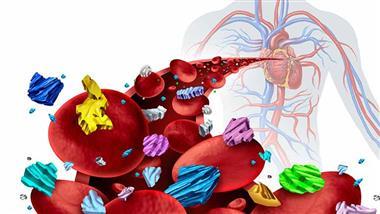
Story at-a-glance
- Microplastics and nanoplastics are now found in food, water, and air, and research suggests they accumulate in organs such as the liver, pancreas, kidneys, and brain. Laboratory and animal studies indicate they may contribute to oxidative stress, inflammation, and insulin resistance in these areas
- The same biological changes linked to microplastic exposure are also associated with Type 2 diabetes, including impaired blood sugar control, disrupted gut bacteria, and metabolic dysfunction that develops long before symptoms appear
- In animal studies, nanoplastics, which are microscopic, crossed the blood-brain barrier, where they triggered inflammation, interfered with how brain cells use glucose for energy, and contributed to memory and learning problems associated with cognitive decline
- Your body has a built-in defense system called Nrf2 that helps neutralize oxidative stress and repair cellular damage, and many nutrients found in colorful fruits, herbs, spices, and other plant foods help activate this protective pathway
- While eliminating all microplastic exposure is no longer realistic, reducing everyday plastic use, supporting healthy metabolism, tracking HOMA-IR, and eating a wide variety of nutrient-rich whole foods help strengthen your body’s resilience against plastic-related damage
You can’t see them, but the plastic you encounter every day is breaking down into fragments small enough to slip past your body’s defenses. These microplastics and nanoplastics arrive through the food you eat, the water you drink, and the air you breathe — and unlike the visible plastic waste we’ve been warned about for decades, these particles are tiny enough to interact directly with your cells.
Once inside, the smallest particles don’t just pass through and leave; the tiniest lodge in tissue and stay. Two recent reviews lay out what happens next, and read together, they trace a troubling path from your bloodstream to your brain. The first, published in Nutrients, examined how these particles may disrupt blood sugar regulation and contribute to the oxidative stress and insulin resistance associated with Type 2 diabetes.1
The second, published in the International Journal of Molecular Sciences, followed the same particles into the brain, where researchers believe they may feed the insulin resistance and cellular damage now linked to Alzheimer’s, a condition some scientists have begun calling “Type 3 diabetes.”2 Notably, this term is an informal label, not an officially recognized diagnosis.
What caught my attention was that neither review stopped at the damage. Both turned to the same question: can what you eat change how well your cells defend themselves? At the center of that defense sits a single protective pathway your body already has — one that certain food compounds appear able to switch on.
That shifts the conversation from simply avoiding exposure, which is no longer fully possible, to actively building resilience. What follows is how microplastics weaken those defenses, and which nutrients help restore them.
Your Diet Influences How Well Your Cells Fight Plastic-Related Damage
The Nutrients review examined how specific food-derived compounds interact with Nrf2, a protein that controls one of your body’s most important antioxidant defense systems.3 The researchers explored whether nutrients found in foods could strengthen cellular resilience and help counter the oxidative stress, inflammation, and metabolic disruption linked to plastic exposure.
Oxidative stress is what happens when damaging molecules called free radicals pile up faster than your cells can neutralize them, a kind of internal rust that wears down tissue over time.
Humans encounter microplastics and nanoplastics through contaminated food, beverages, household products, and airborne particles from textiles and plastics. Global plastic production was expected to reach roughly 400 million tons annually in 2025, while cumulative production could reach 33 billion tons by 2050.4 As exposure increases, scientists have become increasingly concerned about what happens when these particles accumulate inside the body.
• The concern extends far beyond simple pollution — Microplastics accumulate in organs involved in blood sugar regulation, including the liver, pancreas, and kidneys. In experimental studies, these particles triggered oxidative stress, inflammation, cellular barrier disruption, and metabolic dysfunction — processes that resemble those commonly seen in diabetes and its complications.
Several studies discussed in the review found that exposure to polystyrene microplastics and nanoplastics increased insulin resistance and worsened glucose tolerance in mice.5 Insulin resistance means your cells stop responding efficiently to insulin, forcing your body to keep blood sugar levels elevated for longer periods.
Researchers found that nanoplastics measuring just 100 nanometers produced greater toxicity than larger microplastic particles in diabetic mice. These tiny particles increased liver inflammation, disrupted gut bacteria, and intensified fat metabolism problems inside the liver. Their small size allows them to cross biological barriers more easily and reach tissues that larger particles struggle to enter.
• Your cells already have a built-in emergency response system — Researchers point to Nrf2 as the body’s master switch for antioxidant defense. Most of the time it sits idle, until cellular stress trips the alarm and it springs into action. When cells encounter stress, Nrf2 moves into the nucleus and switches on a large network of protective genes that help neutralize harmful molecules and repair damage.
Researchers emphasized that many plant-derived nutrients work by stimulating this same pathway, effectively helping your cells activate their own internal repair and defense programs.
• Several nutrient families activate the body’s defense genes — Polyphenols, flavonoids, phenolic acids, terpenoids, and related plant compounds are activators of the Nrf2 pathway. These naturally occurring compounds are found in a range of plant foods, including berries, herbs, spices, and colorful fruits and vegetables.
Once activated, Nrf2 switches on a network of antioxidant and detoxification enzymes that help cells neutralize oxidative stress, repair damage, and maintain normal metabolic function despite ongoing environmental exposures.
•The review connected environmental pollution with personalized nutrition — Researchers proposed that future dietary recommendations could be tailored not only to a person’s genetics, but also to their exposure to environmental pollutants such as microplastics. The goal would be to identify nutrients that activate protective pathways like Nrf2 and match those nutrients to individuals who are most vulnerable to oxidative stress, inflammation, and metabolic damage.
Microplastics Could Be Hitting Your Brain Too
A review published in the International Journal of Molecular Sciences examined how microplastics and nanoplastics affect the brain and whether specific nutrients help protect against that damage.6 The authors focused on a growing concern: the possibility that long-term plastic exposure contributes to brain insulin resistance, a condition increasingly linked to Alzheimer’s disease.
Unlike Type 2 diabetes, which affects how your body responds to insulin, brain insulin resistance affects how neurons use glucose for energy. Your brain consumes enormous amounts of energy every day. When brain cells struggle to access or use glucose efficiently, memory, learning, and cognitive function begin to suffer. Researchers explained that this process contributes to the buildup of beta-amyloid plaques and tau tangles, two hallmarks of Alzheimer’s disease.*
• Microplastics are capable of reaching the brain itself — Plastic particles have been detected in human tissues, including the lungs, liver, kidneys, and brain. Animal studies found that smaller nanoplastics cross the blood-brain barrier, the protective filter that normally shields the brain from harmful substances, more easily than larger particles. Once inside brain tissue, these particles trigger oxidative stress, inflammation, and cellular dysfunction.
• Brain inflammation creates a vicious cycle — Researchers described how plastic-induced oxidative stress damages neurons while simultaneously weakening the brain’s antioxidant defenses. As oxidative stress rises, inflammation increases. As inflammation increases, insulin signaling worsens. That decline in insulin signaling may promote additional oxidative stress and accelerate the formation of beta-amyloid plaques and tau protein abnormalities associated with cognitive decline.
Healthy brain cells rely on specialized glucose transporters that move glucose across the blood-brain barrier and into neurons. Aging, inflammation, and insulin resistance reduce the activity of key transporters, limiting glucose availability to brain cells. The result is an energy shortage that affects memory, concentration, and cognitive performance long before obvious symptoms appear.
• Several studies linked plastic exposure directly to memory problems — Researchers reviewed evidence showing that nanoplastics impaired learning and memory in animal models in a dose-dependent manner. One study found that exposure to 80-nanometer polystyrene nanoparticles disrupted learning and memory in mice after only seven days.7
Other experiments showed that microglia, the immune cells that protect the brain, became activated after exposure and shifted into a chronic inflammatory state that interfered with nearby neurons.8
• Researchers identified several nutrients that counteracted the same pathways disrupted by microplastics — The review highlighted a group of plant compounds that activate Nrf2 and related resilience pathways, which help defend brain cells against the oxidative stress, inflammation, and insulin-signaling problems linked to microplastic exposure.
Rather than acting through a single mechanism, these nutrients targeted multiple stages of the damage process, including antioxidant defenses, glucose metabolism, inflammation control, and neuronal survival. According to laboratory and animal research:
◦Ursolic acid, found in apple peels, berries, and herbs, improved memory, reduced beta-amyloid toxicity, and increased antioxidant enzyme activity.
◦Verbascoside, a plant compound found in species such as lilac, mullein, and lemon verbena, improved gut health, reduced inflammatory markers, and enhanced insulin sensitivity in the brain, supporting the growing connection between the gut-brain axis and cognitive health.
◦Diosmin, a flavonoid concentrated in the white pith of citrus fruit, which is exactly the part most people discard, boosted antioxidant defenses and improved both working and long-term memory.
◦Baicalein, a flavonoid extracted from the roots of Chinese skullcap (Scutellaria baicalensis), reduced neuroinflammation, lowered beta-amyloid plaque formation, and improved glucose metabolism and insulin signaling in brain tissue.
◦Cynarin, a major compound in artichokes, reduced inflammation, lowered beta-amyloid and tau protein accumulation, and improved cognitive performance in Alzheimer’s models.
• Many of these nutrients targeted brain insulin resistance directly — One of the review’s central themes was that Alzheimer’s disease shares many features with diabetes, including impaired insulin signaling inside the brain. In laboratory and animal studies, several of the highlighted nutrients improved key pathways involved in glucose uptake, insulin sensitivity, and cellular energy production, helping restore the ability of brain cells to access and use fuel efficiently.
Researchers argued that preserving these pathways could help interrupt the progression from oxidative stress and inflammation to cognitive decline. Rather than targeting a single symptom, the nutrients appeared to strengthen the underlying cellular defense network that keeps brain tissue functioning properly despite ongoing environmental stressors.
*These findings are from laboratory or animal research and may not directly apply to human health. To date, no long-term human studies have confirmed that microplastics cause Type 2 diabetes or Alzheimer’s disease in people.
Strengthen Your Defenses Against Microplastic Damage
The reality is that you can’t completely eliminate microplastic exposure. Plastic particles are already present in food, water, and the environment. That reality is why I wrote “Microplastics Cure,” available for preorder now. In it, I explain how these invisible particles enter and accumulate throughout the body, why they become increasingly difficult to remove once they lodge in tissues and blood vessels, and how everyday choices either increase or reduce that accumulation.
You’ll also find practical, science-based strategies that help lower ongoing exposure while supporting your body’s own protective systems. The goal is simple: understand what drives microplastic accumulation, identify the habits that contribute to it, and take meaningful steps to reduce the damage before the burden grows larger.
Avoidance is only part of the solution. A better strategy is to reduce your exposure wherever possible while strengthening the cellular defense systems that help your body handle oxidative stress and inflammation. Your daily choices influence how resilient your cells remain when they encounter environmental toxins.
1. Reduce the largest sources of plastic exposure — Start with the exposures you control every day. Avoid heating food in plastic containers, replace plastic water bottles with glass or stainless steel, and choose fresh foods instead of heavily packaged products whenever possible.
If you regularly drink bottled water, switching to filtered water stored in glass containers immediately reduces one of the most common sources of microplastic intake. Every source you eliminate lowers the amount of plastic your body has to process and store over time.
2. Build your meals around Nrf2-activating foods — The strongest nutritional message from both reviews is that certain plant compounds help activate Nrf2, one of your body’s most important cellular defense systems. Nrf2 helps switch on antioxidant and detoxification enzymes that protect tissues from the oxidative stress and inflammation triggered by microplastics.
Rather than focusing on a single food, build your meals around a variety of foods that naturally contain these protective compounds:
•Include apple peels, fresh herbs, and other minimally processed plant foods regularly, instead of relying on packaged products that often contribute additional microplastic exposure.
•Add artichokes to meals when available. They provide a unique mix of polyphenols that are largely absent from the modern processed-food diet.
•Choose whole citrus fruits regularly. They offer beneficial plant compounds along with fiber and nutrients that support metabolic health.
•Experiment with a wider variety of herbs, teas, and traditional plant foods rather than eating the same handful of foods every week. Greater plant diversity exposes you to a broader range of protective compounds.
•Build meals around colorful fruits, vegetables, herbs, and spices. Different colors signal different families of beneficial plant compounds, giving your body a wider range of nutritional tools to draw from.
3. Support cellular energy production — Oxidative stress becomes more damaging when your cells struggle to produce energy efficiently. Support mitochondrial function by getting regular sunlight, avoiding seed oils, eating adequate protein, and consuming enough carbohydrates — about 250 grams a day — to support healthy metabolism. Your cells repair damage more effectively when they have the energy required to run their antioxidant and detoxification systems.
4. Control blood sugar before metabolic damage develops — Microplastic exposure is linked to insulin resistance and impaired glucose control. One of the smartest steps you can take is to track your metabolic health before symptoms appear. I recommend monitoring your Homeostatic Model Assessment of Insulin Resistance (HOMA-IR) score, rather than relying solely on fasting glucose.
HOMA-IR is a calculation based on your fasting insulin and fasting glucose levels that provides one of the clearest pictures of how hard your body is working to keep blood sugar under control.
A higher score suggests greater insulin resistance, often years before obvious symptoms appear. Keeping your HOMA-IR low helps reduce oxidative stress and limits many of the same inflammatory pathways that microplastics appear to activate. For most people, if your HOMA-IR creeps above 1.0, it’s time to pay closer attention to factors like sugar intake, seed oils, plastic exposure, and gut health.
Talk to your health care provider about whether this testing is appropriate for you.
5. Create daily habits that activate your body’s resilience systems — The Nrf2 pathway responds to more than nutrition. Regular movement, quality sleep, healthy circadian rhythms, and consistent exposure to natural daylight all help maintain cellular resilience. Turn this into a simple daily challenge.
Get morning sunlight. Walk every day. Build meals around nutrient-dense whole foods. Reduce packaged products. Small actions repeated consistently strengthen your internal defense systems far more effectively than occasional bursts of effort.
FAQs About Food Nutrients and Microplastic Exposure
Q: How do microplastics affect my health?
A: Microplastics and nanoplastics can accumulate in tissues throughout your body, including the liver, pancreas, kidneys, and brain. Research — primarily in laboratory and animal models — suggests they may trigger oxidative stress, inflammation, and cellular dysfunction, which are linked to insulin resistance, metabolic disorders, and cognitive decline.
Q: What is Nrf2 and why is it important?
A: Nrf2 is one of your body’s most important cellular defense systems. When activated, it switches on genes that help neutralize oxidative stress, reduce inflammation, and support cellular repair. Researchers found that many beneficial plant compounds help activate this pathway, strengthening your body’s ability to cope with environmental stressors such as microplastic exposure.
Q: Can microplastics affect brain health and memory?
A: In animal studies, very small plastic particles crossed the blood-brain barrier and triggered inflammation, oxidative stress, and impaired insulin signaling inside the brain. These changes are associated with memory problems, reduced cognitive function, and biological processes linked to Alzheimer’s disease.
Q: Which foods contain nutrients that help protect against microplastic-related damage?
A: A variety of whole foods provide compounds that support your body’s antioxidant defenses. Apple peels, berries, herbs, and spices provide ursolic acid and other polyphenols. Artichokes contain cynarin, citrus fruits provide diosmin, Chinese skullcap contains baicalein, and plants such as lemon verbena and mullein contain verbascoside. These compounds help support antioxidant activity, healthy glucose metabolism, and inflammation control.
Q: What are the most effective ways to reduce the health risks associated with microplastics?
A: A practical approach combines reducing exposure and strengthening cellular resilience. Steps include avoiding heating food in plastic containers, reducing bottled water use, choosing fresh foods over heavily packaged products, supporting metabolic health, monitoring insulin resistance with HOMA-IR, and regularly eating nutrient-dense foods that activate protective pathways such as Nrf2.
Daily habits such as exercise, quality sleep, and natural daylight exposure also help maintain cellular defenses.
This article is for informational purposes only and does not constitute medical advice. Consult a qualified healthcare provider before making changes to your health regimen.
Okra and Fenugreek Extracts Remove Most Microplastics from Water
Reproduced from original article:
https://articles.mercola.com/sites/articles/archive/2025/07/12/okra-fenugreek-remove-water-microplastics.aspx
Analysis by Dr. Joseph Mercola July 12, 2025

Story at-a-glance
- Microplastics contaminate drinking water, food, and blood; the average person consumes a credit card’s worth of plastic weekly, causing hormone disruption and organ damage
- Natural okra and fenugreek extracts removed up to 93% of microplastics from real-world water samples, outperforming synthetic chemicals like polyacrylamide by nearly 40%
- Plant extracts work through “bridging,” or trapping plastic particles with long-chain sugars that clump contaminants together, making them heavy enough to filter out
- Just 1 gram per liter of plant extract cleaned water in 60 minutes, proving these natural solutions are practical and cost-effective for everyday use
- Beyond microplastics, these plants also remove heavy metals and industrial toxins while being completely biodegradable, unlike synthetic chemicals that leave harmful residues
Ingesting microplastics has become unavoidable. These particles — smaller than five millimeters — have already been found in drinking water, food, and even blood. Scientists estimate that the average person now consumes the equivalent of a credit card’s worth of plastic every single week.1 These plastics are not just littering the environment; they’re accumulating inside your body.
Microplastics act like sponges, absorbing, and concentrating toxic pollutants such as heavy metals, pesticides, and industrial chemicals. Once swallowed, these contaminated particles cross cell membranes, damage gut lining and disrupt your endocrine system. Some are even small enough to pass through your blood-brain barrier. And because they mimic estrogen and other hormones, their long-term presence is tied to everything from infertility to neurodegenerative disease.
Conventional water treatment plants weren’t designed to remove particles this small. Worse, the water treatment chemicals currently used, like polyacrylamide, carry toxicity risks of their own. They don’t break down easily, and their byproducts linger in ecosystems long after the water leaves the plant. You’re not just drinking the residue of industrial plastic; you’re drinking the chemicals used to try to clean it up. That’s why a new breakthrough caught my attention.
In a 2025 study published in ACS Omega, researchers at Tarleton State University in Texas demonstrated that natural plant extracts, specifically from okra and fenugreek, removed up to 93% of microplastics from water sources.2 These weren’t purified lab samples. This was groundwater, freshwater, and seawater from real-world locations. So, how exactly do these humble plants outperform synthetic chemicals? That’s where the following set of findings comes in.
Okra and Fenugreek Beat Chemicals in Removing Microplastics from Water
The ACS Omega study examined the microplastic removal ability of natural polysaccharides extracted from okra and fenugreek.3 The research involved both lab-simulated and real-world water samples, including surface water, ocean water and groundwater from different U.S. regions.
Unlike earlier lab-only trials, this study assessed the effectiveness of these natural water treatment agents in actual environmental conditions — rivers, wells, and coastal waters — contaminated with different shapes, sizes, and types of microplastics.
• The study focused on how well each plant worked individually and in combination — Using what’s called a jar test — essentially a small-scale lab method to simulate water treatment — the researchers compared three natural treatments: fenugreek alone, okra alone and a 1:1 mix of both.
The team evaluated how long each treatment took to work, how much of the plant extract was needed and which water conditions yielded the best results. They also tested against the synthetic chemical polyacrylamide, which is currently used in many industrial water treatment systems.
• Fenugreek removed the most microplastics overall, especially in groundwater — In groundwater samples, fenugreek achieved removal rates between 80% and 90%, outperforming all other materials, including the commercial chemical polyacrylamide.
Okra worked best in seawater, removing around 80% of microplastics. When the two were combined, they performed best in freshwater, capturing roughly 77% of contaminants. That means you’d be getting cleaner water in under an hour using a natural, plant-based method instead of relying on synthetic chemicals with known risks.
• The best results were achieved with just 1 gram (g) of plant extract per liter (L) of water — The optimal concentration was 1 g/L, and the sweet spot for contact time was 60 minutes. That’s how long it took for most of the particles to bind with the polysaccharide and settle out.
This makes it a practical method for everyday use. You don’t need a large quantity of the plant extract, and you don’t have to wait all day for it to work. Even a short soak of 30 minutes led to 70% removal in some tests.
• These plants also removed other pollutants — The study noted that fenugreek and okra were also capable of reducing total dissolved solids and suspended solids in the water. These include toxins, heavy metals and industrial runoff. So, you’re not just removing microplastics — you’re stripping out the very chemicals that ride along with them into your bloodstream.
• Polyacrylamide, the commercial standard, lagged behind on every metric — Synthetic water treatment agents like polyacrylamide only removed about 54% of microplastics in the same water and under the same conditions. On top of that, they leave behind trace molecules called monomers that aren’t biodegradable and are suspected to carry long-term health risks.
In contrast, fenugreek and okra are not only nontoxic but also biodegradable and sourced from renewable agriculture.
These Plants Trap Microplastics by Clumping Them Together
Unlike synthetic chemicals that work by neutralizing electrical charges, these plant-based water cleaners worked through “bridging.” That means the long-chain sugars in the plants wrapped around and trapped the plastic particles like nets. Over time, the trapped particles got heavier and sank, allowing them to be filtered out of the water more easily.4
• Plant extracts with a high molecular weight did better at binding plastic particles — Fenugreek had the highest intrinsic viscosity and molecular weight, which helped it form stronger and longer-lasting bridges with microplastic particles. That’s likely why it showed the highest removal efficiency in every water type tested. The study showed that when plant extracts are larger and more viscous, they’re better at grabbing and bundling contaminants.
• The researchers used lab tests to show how the plants remove microplastics — They took close-up microscope images to show the plant extracts physically trapping the plastic particles. They also measured the electrical charge on the particles before and after treatment. Since the charge didn’t change much, they confirmed the plants worked by clumping the plastics together, not by changing their charge.
• Different types of plastic responded better to different plants — The researchers found that fenugreek was especially effective at capturing polyvinyl chloride (PVC), one of the most toxic forms of plastic. Okra worked better on lighter types of plastic commonly found in seawater. Matching the plant extract to the plastic type makes the treatment more precise and more effective.

Save This Article for Later – Get the PDF Now
How to Protect Yourself from Microplastics Using Natural, Proven Solutions
If you’re serious about protecting your body from microplastics, the most effective strategy is to control your environment. That means cleaning up your water, ditching plastic in the kitchen, switching out synthetic fabrics, and using smarter tools and storage for everything from leftovers to laundry. Once you know what to look for, these swaps are simple, but they have a massive impact.
1. Upgrade your water filtration and ditch plastic bottles — Drinking contaminated tap water or buying bottled water in plastic exposes you to microplastics every single day. I recommend installing a certified filtration system that’s been proven to remove particles under 5 microns.
This includes systems with sub-micron filters. If you have hard tap water, boiling it for five minutes cuts microplastic levels by up to 80%.5 Always choose bottled water in glass if you’re buying it on the go, and avoid plastic bottles.
2. Make smarter food packaging choices and don’t microwave plastic — Heat and plastic don’t mix. Microwaving food in plastic containers causes those containers to leach microplastics and endocrine-disrupting chemicals directly into your meal. Store leftovers in stainless steel, glass, or ceramic — not plastic tubs or plastic wrap. Choose grocery items in glass jars instead of soft plastic. Use cloth wraps at home instead of zip-top bags or cling film.
3. Re-evaluate your kitchen essentials — Every time you use a plastic cutting board, it sheds microscopic pieces into your food, especially when you’re slicing acidic or hot foods. Switch to wooden or tempered glass boards. Also replace plastic utensils with stainless steel or bamboo. These changes don’t just reduce your microplastic intake — they make your kitchen cleaner and safer over time.
4. Choose natural fibers and rethink how you wash clothes — If you’re wearing polyester, acrylic, or nylon, you’re wearing plastic, and it’s ending up in your water supply. Every wash releases synthetic microfibers that enter rivers, oceans, and drinking water. Start transitioning to natural fabrics like cotton, wool, or linen.
For synthetic items you already own, wash them less often, on colder settings, and use a microfiber-catching laundry bag or washing machine filter to trap the fibers before they escape.
5. Check your personal care products and go food-grade when possible — Many cosmetics, exfoliants, toothpaste brands, and skincare products still contain plastic microbeads or emulsifiers made from petroleum-based compounds. These aren’t just bad for the environment — they end up in your mouth, bloodstream, and organs.
Look for all-natural, food-grade personal care items. Read labels and avoid anything with polyethylene, polypropylene, or acrylates. If you wouldn’t eat it, don’t put it on your skin.
You’re not powerless in the face of environmental microplastic exposure. With every plastic-free choice you make, from what you store your food in to how you wash your clothes, you’re protecting your health, your hormone balance and your long-term resilience.
FAQs About Okra and Fenugreek for Removing Microplastics from Water
Q: How do okra and fenugreek remove microplastics from water?
A: These two plants contain natural polysaccharides — long sugar chains — that act like sticky nets. When added to water, they bind microplastic particles together through a process called “bridging.” This makes the particles heavier so they settle to the bottom, allowing cleaner water to be poured off or filtered. Fenugreek was most effective in groundwater, okra worked best in seawater and the combination excelled in freshwater.
Q: Are okra and fenugreek more effective than synthetic water treatment chemicals?
A: Yes. In the study published by ACS Omega, fenugreek removed up to 93% of microplastics, while okra achieved 80% removal in seawater.6 Their combination cleared about 77% from freshwater. By comparison, polyacrylamide — the most common synthetic treatment — only removed 54% under the same conditions.
Q: What kind of water filter do I need to remove microplastics from tap water?
A: To effectively remove microplastics, your filter needs to handle particles smaller than 5 microns. Look for systems that use sub-micron carbon block filters or ceramic filters specifically rated for microplastic removal. Standard pitcher filters and faucet attachments won’t do the job. If you have hard water, boiling it for five minutes before use also removes 80% of microplastics.
Q: What else can I do to avoid microplastic exposure?
A: Avoid bottled water in plastic and don’t microwave food in plastic containers. Use glass or stainless steel for food storage, switch to wooden cutting boards and choose clothing made from natural fibers like cotton or wool. Install a water filter certified to remove sub-5-micron particles, and use a microfiber-catching bag when washing synthetic clothes.
Q: Why are microplastics dangerous to human health?
A: Microplastics act as sponges for toxic chemicals like pesticides, heavy metals, and hormone disruptors. Once ingested, they damage your gut lining, cross into your bloodstream and accumulate in organs. They’ve been found in human blood, lungs, and placentas, posing long-term risks to metabolic, hormonal, and immune health.
How microplastics turn harmless bacteria deadly
Reproduced from original article:
https://www.naturalhealth365.com/how-microplastics-turn-harmless-bacteria-deadly.html
by: April 16, 2025
 (NaturalHealth365) The plastic water bottle you just drank from. The takeout container your lunch came in. The synthetic clothing you’re wearing right now. These everyday items are silently participating in one of the most dangerous health experiments in human history – turning harmless bacteria into antibiotic-resistant superbugs in your own body.
While we’ve been taught to fear germs, a new study suggests the true villain might be the microscopic fragments of our plastic-dependent lifestyle that have infiltrated everything from our drinking water to our bloodstreams.
Shocking lab results reveal how microplastics sabotage antibiotic effectiveness
The eye-opening study published in Applied and Environmental Microbiology exposed E. coli bacteria to microplastics smaller than 5mm – about the size of a pencil eraser – with disturbing results. Bacteria that came in contact with these plastic particles became a staggering FIVE TIMES more resistant to four of the most commonly prescribed antibiotics compared to bacteria grown without plastic exposure.
The research team cultured the MG1655 strain of E. coli in specialized broth, exposing the bacteria to microplastics for 48 hours – enough time for the bacteria to form protective biofilms on the plastic surfaces. They tested eight different concentrations of microplastics to measure the impact on bacterial growth and antibiotic resistance.
The results were undeniable: exposure to microplastics caused heightened resistance to nearly every antibiotic tested – essentially rendering these life-saving medications increasingly ineffective.
Why this threatens every American’s health security
This discovery couldn’t come at a more critical time. Antibiotic resistance already claims over 35,000 American lives annually according to the CDC, with more than 2.8 million antibiotic-resistant infections occurring each year in the U.S. alone.
The bacteria studied – E. coli – is particularly concerning since certain strains can cause severe, even life-threatening illness. And this is just one of many dangerous antibiotic-resistant bacteria, including:
- MRSA (Methicillin-Resistant Staphylococcus Aureus): A deadly infection primarily occurring in hospitals that causes more than 120,000 deaths annually
- C. diff (Clostridioides difficile): A devastating bacteria that causes severe colitis and diarrhea, infecting half a million Americans yearly
The hidden mechanism making superbugs even stronger
Scientists have identified the alarming way microplastics enhance bacterial resistance. These plastic particles provide perfect surfaces for bacteria to form protective shields called biofilms – sticky, slime-like layers that adhere to moist surfaces and protect bacteria from antibiotics.
“Based on their observations, the study’s authors concluded that bacteria cells that are better at forming biofilms tend to grow on microplastics,” reports The New Lede, “suggesting the plastic particles can lead to recalcitrant infections in the environment and healthcare setting.”
Even more disturbing, the researchers discovered that bacteria passages with microplastics formed stronger biofilms even after the microplastics were removed – showing these plastic particles are literally selecting for more resistant bacterial strains.
The wastewater “hot spots” creating perfect breeding grounds for superbugs
The dangerous marriage of microplastics and antibiotics plays out daily in our wastewater systems. Treatment plants have become what scientists identify as resistance “hot spots” – places where discarded medications meet plastic fragments, creating ideal conditions for bacteria to develop immunity to our medicines.
Each year, roughly 20 million metric tons of plastic waste enters our environment. Inside treatment facilities, this plastic debris provides perfect surfaces for bacteria to attach, evolve, and potentially return to human populations through various environmental pathways.
The researchers tested common plastic types found in everyday items – polyethylene from bags and bottles, polystyrene from food packaging, and polypropylene from bottle caps and containers. Each type contributed to bacterial resistance, with effectiveness varying based on the plastic’s unique surface characteristics.
The study examined several types of plastic materials including polyethylene, polystyrene, and polypropylene in various sizes. All tested plastics contributed to increased bacterial resistance, though their effects varied depending on their specific surface properties and chemical composition.
Protecting yourself in a world filled with invisible threats
As this crisis worsens, experts recommend several strategies to protect yourself and your family:
- Minimize use of plastics, especially single-use items, to reduce microplastic exposure
- Avoid unnecessary antibiotic use – these medications become less effective with each use
- Consider natural antibacterial alternatives when appropriate, including:
- Honey (particularly Manuka honey)
- Fresh ginger
- Cloves
- Garlic
- Echinacea
Unlike prescription antibiotics that often leave you running to the bathroom with diarrhea or feeling nauseous all day, these natural alternatives fight bacteria without the miserable side effects. They also don’t contribute to the growing resistance problem we’re facing.
The scientists behind this research are calling for real solutions. This isn’t something we can solve with individual choices alone. While reducing your plastic use helps, we need major changes in how our communities handle waste, especially in water treatment plants where this dangerous microplastic-bacteria interaction is happening right under our noses.
As the study team put it, we urgently need to understand how microplastics and antibiotic resistance work together, particularly in places already struggling with high infection rates and plastic pollution. If we don’t get ahead of this problem now, we’re looking at a future where common infections could once again become life-threatening as our medicines stop working – all because of the invisible plastic fragments we’ve allowed to infiltrate virtually every aspect of our lives.
Sources for this article include:
How Microplastics Accumulate in Your Brain and Other Organs
Reproduced from original article:
https://articles.mercola.com/sites/articles/archive/2025/02/07/microplastic-in-the-brain.aspx
Analysis by Dr. Joseph Mercola February 07, 2025

STORY AT-A-GLANCE
- Research reveals microplastics are increasingly present in human organs, with brain tissue containing seven to 30 times more microplastic concentration than liver or kidney samples taken from 2016 and 2024 studies
- Microplastics originate from degrading plastic items and manufactured products, infiltrating oceans, soil and air, making them nearly impossible to avoid in our environment
- Nanoplastics (under 100 nanometers) cross the blood-brain barrier within two hours, contributing to inflammation and neurodegenerative diseases like Alzheimer’s through beta-amyloid peptide acceleration
- Laboratory studies indicate microplastics affect multiple body systems, causing digestive inflammation, respiratory issues, endocrine disruption and reproductive disorders, though human research remains challenging
- Practical ways to reduce exposure include filtering tap water, avoiding plastic packaging, using natural fiber clothing and choosing glass or metal containers over plastic ones
Most people enjoy eating seafood regularly or taking a relaxing, warm bath. While these seem harmless, research shows that they now come with an unseen invader — microplastics. These tiny plastic particles, often smaller than a grain of sand, are increasingly pervasive in our environment. In fact, they’re now in your brain and other organs.
Plastic Is Everywhere, and It’s Also in Your Brain
In a preprint study published in Research Square, researchers sought to find out the amount of micro- and nanoplastics (MNPs) currently embedded in the human body. For their experiment, they collected a total of 51 post-mortem tissue samples of liver, kidney and brain from 2016 and 2024. From there, the samples were subjected to a chemical test that created solid materials namely, polymer-based solids that can be detected by special equipment.1
The researchers discovered that the brain contains the highest concentration of MNPs — around seven to 30 times more — compared to liver or kidney samples. Moreover, the MNPs found in the brain typically range in the nanometer scale with shard-like properties. According to their findings:2
“A non-parametric analysis of variance (Kruskal-Wallis) confirmed that MNP concentrations in brains were significantly greater than all other tissues (P<0.0001).
Furthermore, from 2016 to 2024, there was a significant increase in MNP concentrations in both livers and brains. The predominant polymer found in all tissues was polyethylene, which independently displayed similarly increasing trends from 2016 to 2024 in the liver and brain.
The proportion of polyethylene in the brain (74%) appeared significantly greater relative to other polymers in comparison to the liver and kidney (44% to 57%), although kidney samples from 2024 also had increased relative PE (71%) …
The concentrations in liver and kidney were not as high (relative to brains) as we would have suspected, as these are ‘front line’ organs for xenobiotic uptake and clearance. That said, the lipophilic nature of plastics may make them easily handled by the liver, which has a major role in uptake and repackaging of dietary triglycerides and cholesterol.”
However, the researchers didn’t dive into the health effects of MNPs on human health, noting that this topic is better suited for a new study.3
Where Do Microplastics Come From?
Microplastics originate from various sources. Some are created when larger plastic items like bottles, bags and food packaging break down due to sunlight exposure, weathering and physical abrasion. Think of a plastic bottle left under the sun — it becomes brittle and eventually fragments into smaller and smaller pieces. These fragments are microplastics.
In other cases, microplastics are manufactured intentionally, such as microbeads used in certain cosmetics and personal care products (although many countries have now banned their use).
These tiny plastic particles have infiltrated nearly every corner of the environment. They’re found in our oceans, rivers and lakes, polluting the water and harming marine life. They’re also present in the soil, affecting plant growth and entering our food supply. Even the air you breathe contains microplastics, which lodge into your lungs when inhaled.4 This widespread contamination makes it nearly impossible to avoid exposure entirely.
When it comes to food, microplastics enter your system through various pathways. Marine animals, both predator and prey, ingest microplastics in the ocean, and these particles then accumulate in their tissues. This means that when you consume seafood, you’re also ingesting these microplastics.5
Similarly, microplastics in the soil are absorbed by plants, contaminating the growth and nutrition of fruits, vegetables and other crops.6 Plastic packaging used for food and beverages also shed microplastics, further contributing to your exposure.
Beyond food and water, you’ll encounter microplastics in many other everyday products, many of which you most likely own. For example, synthetic clothing, like polyester and nylon, sheds tiny plastic fibers during washing. These microfibers are a significant source of microplastic pollution in our waterways. While microbeads have been banned in many countries, some industrial processes still contribute to microplastic pollution.
Save This Article for Later – Get the PDF Now
Microplastics and the Brain
Again, one of the most concerning aspects of microplastic pollution is their ability to reach the brain. The brain is protected by the blood-brain barrier, which normally prevents many harmful substances from entering the delicate brain tissue. However, nanoplastics (less than 100 nanometers), are able to cross this barrier7 in just two hours after they enter the body.
The concern is that these microscopic particles pile up in the brain over time, a process known as bioaccumulation. While research regarding the health impacts of MNPs is not definite yet, researchers theorizes that they provoke the immune system, thereby causing inflammation.8 Chronic inflammation in the brain has been linked to various neurological problems.
While research is still ongoing, there is concern that long-term exposure to MNPs and their subsequent accumulation in the brain contribute to the development of neurodegenerative diseases like Alzheimer’s.
As noted in an animal study published in the Journal of Hazardous Materials, once nanoplastics cross the blood-brain barrier, they contribute to neurotoxicity by accelerating the spread of beta-amyloid peptides, which is the main pathogenic protein of this condition.9
Unsolved Mystery — Researching the Impact of Microplastics
Studying the health effects of microplastics in humans is a complex challenge. It’s difficult to assess the impact of microplastics on human health because of ethical concerns.
This has caused scientists to resort to in vivo, in vitro and animal test models to monitor and study the impact of microplastics.10 But from this research, we’re now able to infer the likely consequences of microplastics on human health. Here’s what a 2023 study published in Yonsei Medical Journal have compiled:11
- Digestive system — Microplastics cause physical irritation to the gastrointestinal tract, leading to inflammation and digestive symptoms. This results in an imbalance in your gut microbiota, causing abdominal pain, bloating and changes in bowel habits.
- Respiratory system — The inhalation of microplastics causes oxidative stress in the airways, leading to coughing, sneezing and shortness of breath. Fatigue and dizziness will also occur due to low blood oxygen concentration.
- Endocrine health — Microplastics interfere with hormone health, disrupting your endocrine function. This leads to metabolic disorders, developmental problems and even lower fertility rates. Much of the reason for this is because microplastics typically have bisphenol A, a chemical that greatly affects endocrine health and the reproductive system.
Addressing the issue of microplastic pollution and its potential health impact requires collaborative efforts between scientists, governments and industries. Scientists need to conduct more research to understand the health effects, governments need to implement policies to reduce plastic pollution, and industries need to develop more sustainable alternatives to plastic.
“Considering the ubiquitous nature and long persistence of microplastics, it is necessary to make efforts to mitigate their exposure given their effects on entire generations and multiple generations.
In the future, in-depth research on the pollution status and hazards of marine microplastics, as well as the correlation between exposure to microplastics and diseases in humans, should be conducted; and based on these findings, human health should be protected by preventing and managing microplastics,” the researchers concluded.12
Take Control of Your Health in a Plastic World
While research is still ongoing, it’s clear that having foreign, microscopic objects embedded in your organs is not good for your health, or anyone’s health for that matter. Therefore, it’s important to take proactive steps to minimize your exposure while scientists continue to investigate the long-term effects.
Addressing the problem of microplastic pollution requires a collective effort. By combining individual actions with broader policy changes and industry innovation, we’ll move towards a future with less plastic contamination and a healthier environment for everyone. But in the meantime, implementing practical strategies at a personal level will help reduce microplastic exposure. Here are my top recommendations:
| Filter your tap water and avoid water bottled in plastic — If you need to buy bottled water, opt for glass bottles. Also make sure the filter you use to purify your tap water can filter out microplastics. |
| Boil hard tap water — If you have hard tap water, consider boiling it before using it for cooking or drinking, as hard water traps more microplastics. Recent research shows boiling hard tap water for five minutes removes up to 90% of the microplastics in the water. |
| Avoid plastic packaging — Opt for products packaged in glass, metal, or paper instead of plastic. This can significantly reduce the amount of plastic waste that breaks down into microplastics. At home, use wax paper, parchment paper or paper bags to store foods rather than plastic wrap. |
| Use reusable containers — Replace single-use plastic bottles, cups, and containers with reusable alternatives made from safer materials like stainless steel or glass. |
| Never microwave plastics — Heat can cause plastics to leach chemicals into food. Use glass or ceramic containers for microwaving. |
| Avoid plastic cutting boards — Use a wooden or glass cutting board instead. |
| Opt for natural fibers — Whenever possible, choose clothing and other textile products made from natural fibers like cotton, wool and linen, as synthetic fabrics such as polyester shed microfibers and leach xenoestrogens. |
| Wash synthetic clothes less frequently — When washing synthetic textiles, use a microfiber filter in your washing machine to trap synthetic fibers and prevent them from entering the water system. |
| Opt for food grade cosmetics and personal care products — Some cosmetics, toothpastes, and personal care products contain microbeads or other plastic particles. Look for products free of these materials. Ideally, opt for all-natural, food grade products. |
| Choose your children’s toys carefully — Replace plastic toys with those made from safe, nontoxic and sustainable materials. |
| Opt for natural cleaning products — Chemical cleaning products like soaps, cleansers and surface cleaners, usually contain microplastics and phthalates that affect your endocrine system. Replace them with natural alternatives like white vinegar, baking soda and essential oils. |
- 1, 2, 3 Res Sq [Preprint]. 2024 May 6:rs.3.rs-4345687, Results and Discussion
- 4 Journal of Hazardous Materials Volume 416, 15 August 2021, 126124, Abstract
- 5 NOAA, Ingestion
- 6 Journal of Hazardous Materials Advances Volume 17, February 2025, 100528, Effects of Microplastics on Agricultural Soils
- 7 Nanomaterials (Basel). 2023 Apr 19;13(8):1404, Abstract
- 8 Journal of Translational Medicine Volume 22, Article number: 959 (2024), Abstract
- 9 Journal of Hazardous Materials Volume 465, 5 March 2024, 133518, Abstract
- 10 Science of The Total Environment Volume 946, 10 October 2024, 174215, Toxicity to the Digestive System
- 11, 12 Yonsei Med J. 2023 Apr 20;64(5):301–308
New research connects microplastics in blood clots to higher heart attack and stroke risk
Reproduced from original article:
https://www.naturalhealth365.com/new-research-connects-microplastics-in-blood-clots-to-higher-heart-attack-and-stroke-risk.html
by: July 16, 2024
 (NaturalHealth365) Recent reports of microplastics discovered in male reproductive organs have sparked widespread discussion on social media. While the medical community is still uncertain about the long-term effects on human offspring, the increasing exposure to plastics raises alarm bells among researchers and the public alike.
The concern doesn’t stop there. A new study published in eBioMedicine has uncovered a troubling link between microplastics in blood clots and serious health issues, including strokes and heart attacks.
Microplastics: An unwelcome guest in our bloodstream
Researchers conducted an in-depth study to better understand the impact of microplastic pollution on human health. They examined blood clots from patients who had experienced strokes, deep vein thrombosis, or heart attacks, using advanced spectrometry techniques to identify and measure various types of microplastic particles.
The findings were striking: 80% of the analyzed blood clots contained microplastics. More concerning still, the study suggested a correlation between higher concentrations of microplastics and an increased risk of thrombotic events and more severe health outcomes.
The study results reveal microplastics consisting of polymers with surprisingly diverse physical characteristics were found in varying concentrations within the thrombi of veins and arteries. Though a small amount of microplastics within thrombi might not be problematic, their accumulation is linked to ischemic strokes.
The bigger picture: Microplastics and environmental health
While the focus on human health is crucial, it’s important to consider the wider environmental impact of microplastics. These tiny particles aren’t just a problem for our bodies; they’re infiltrating ecosystems worldwide, from the depths of our oceans to the soil beneath our feet. This is where the problem begins.
Microplastics have been found in marine animals ranging from tiny plankton to large whales. Fish and seabirds often mistake these particles for food, leading to malnutrition and potential toxic effects. This contamination doesn’t just affect marine life – it also poses risks to humans who consume seafood.
Recent studies have shown that microplastics are accumulating in agricultural soils, potentially affecting crop growth and soil health. This contamination can occur through various routes, including the use of plastic mulch in farming and the application of sewage sludge as fertilizer.
But microplastics aren’t just in our water and food – they’re in the air, too. Urban areas, in particular, have shown high concentrations of airborne microplastics, which can be inhaled and potentially cause respiratory issues.
Practical steps to reducing your exposure
While it’s nearly impossible to avoid microplastics entirely, there are ways to minimize your exposure:
- Limit the use of plastic packaging, especially for food storage.
- Avoid heating food in plastic containers.
- Choose glass or stainless steel water bottles over plastic ones.
- Be aware that certain foods, like honey, salt, beer, and fish, may contain higher levels of microplastics.
- Opt for products in glass or paper packaging when possible.
- Use reusable cloth bags instead of plastic for shopping.
As awareness of the microplastic problem grows, so does the need for further research and policy action. Scientists are calling for more comprehensive studies to understand the long-term health effects of microplastic exposure and to develop effective strategies for reducing pollution. Policymakers are also beginning to take notice, with several countries implementing bans on single-use plastics and growing calls for stricter regulations on plastic production and disposal.
Everything from milk jugs to plastic bottles, plastic shopping bags, and even some toiletries are likely to contain high levels of microplastics. Scrapping plastic bags for paper or a tote bag and always choosing glass bottles over plastic can help minimize exposure to microplastics.
By making these small changes in our daily lives, we can reduce our exposure to microplastics and potentially mitigate their impact on our health. As research continues, staying informed and making conscious choices will be key in navigating this significant health concern.
Editor’s note: Discover the best strategies to avoid a heart attack or stroke, own the Cardiovascular Docu-Class created by NaturalHealth365 Programs.
Sources for this article include:
Microscopic Menace — Scientists Discover Plastic Nanoparticles in Men’s Testicles
Reproduced from original article:
https://articles.mercola.com/sites/articles/archive/2024/07/15/plastic-nanoparticles-in-mens-testicles.aspx
Analysis by Dr. Joseph Mercola July 15, 2024

STORY AT-A-GLANCE
- Scientists discovered microplastics in men’s testicles, raising concerns about their potential impact on reproductive health
- Researchers were surprised to find microplastics in the testicles, given the tight blood-tissue barrier in the male reproductive system, known as the blood-testis barrier
- The study found microplastics in all the testes examined, with polyethylene (PE) being the most common type of plastic
- A 2023 study similarly found microplastics in the male reproductive system, including the testis and semen
- Plastics are loaded with chemicals that are xenoestrogens that can mimic the effects of estrogen in your body; much of their danger is related to their stimulation of estrogen receptors
The average person eats about 5 grams of plastic per week — about the amount found in one credit card.1 So it’s no wonder that tiny pieces of plastic are turning up throughout the human body, including in places you might not expect. Following research that found plastic particles in the human bloodstream,2 and another study that found them in the human heart,3 scientists have now discovered microplastics in men’s testicles.4
The study’s lead author, Dr. John Yu, a toxicologist in the College of Nursing at the University of New Mexico, wasn’t expecting microplastics to have infiltrated the testicles, given the tight blood-tissue barrier in the male reproductive system, known as the blood-testis barrier.
As noted in Pharmacological Reviews, “The blood-testis barrier (BTB) is one of the tightest blood-tissue barriers in the mammalian body.”5 The presence of microplastics in the testes suggests that microplastics can bypass or penetrate the BTB, raising concerns about their ability to infiltrate other protected and sensitive tissues in the body, as well as their potential impact on reproductive health.
Microplastics Found in Human and Dog Testicles
For the study, researchers from the University of New Mexico measured 12 types of microplastics in 47 canine and 23 human testes.6 Microplastics are small plastic particles that are less than 5 millimeters in size. They may be intentionally manufactured for use in products like cosmetics, personal care items (such as exfoliating beads in face scrubs) and industrial applications. They also include microfibers shed from synthetic clothing during washing.
Microplastics also include small plastic fragments that result from the breakdown of larger plastic items, such as bottles, bags and other plastic debris. This breakdown can occur due to environmental exposure, such as sunlight (photodegradation), ocean waves and weathering.
The study involved both human and dog testicles, as dogs share many physiological and anatomical similarities with humans, making them a valuable model for studying human diseases and conditions.
Further, because dogs share the same living environment as humans, they are exposed to similar pollutants, chemicals and other potential hazards. As such, they’re often considered sentinel animals,7 meaning they can serve as early warning indicators of potential health risks and environmental hazards that might also affect humans.
The study found microplastics in all the canine and human testes examined, with significant differences between individuals. On average, total microplastic levels were 122.63 µg (micrograms) per gram (g) in dogs and 328.44 µg/g in humans.8 Both humans and canines had similar proportions of the main types of microplastics, with polyethylene (PE) being the most common.
Polyvinyl chloride (PVC) was also detected and linked with lower sperm count in dog testicles. Higher levels of PVC were also associated with decreased weight of the testicles, as was polyethylene terephthalate (PET).9 A 2023 study similarly found microplastics in the male reproductive system, including the testis and semen.10
Are Microplastics Involved in Male Infertility?
It’s estimated that 11 million tons of plastic waste enter the world’s oceans annually — an amount that could nearly triple by 2040.11 What’s the end result of a plastic world? An impending fertility crisis is upon us. Men experienced a 50% to 60% decline in sperm counts from 1973 to 2011, according to a 2017 study published in Human Reproduction Update.12
An update to the study, which includes data from 53 countries and an additional seven years13 — 2011 to 2018 — found sperm concentration declined “appreciably” by 51.6% from 1973 to 2018. The percent decline per year doubled, increasing from 1.16% after 1972 to 2.64% after 2000.14
Total sperm count also declined at an alarming level — 62.3% from 1973 to 2018. A class of plastic chemicals called phthalates, which are so ubiquitous that the U.S. Centers for Disease Control and Prevention has stated “phthalate exposure is widespread in the U.S. population,”15 may be particularly to blame.
An estimated 8.4 million metric tons of plasticizers, including phthalates, are used worldwide each year,16 with phthalate production amounting to about 4.9 million metric tons annually.17 Microplastics often contain phthalates, which can leach out of the material18 causing endocrine-disrupting effects.
Save This Article for Later – Get the PDF Now
Exposure to Plastic Chemicals in Utero May Affect Male Fertility as an Adult
Women’s exposure to phthalates during pregnancy is linked to male babies’ anogenital distance (AGD) — the distance from the anus to the base of the penis — with higher exposure associated with shortened AGD.19 Later in life, shorter AGD is linked with a smaller penis20 and poorer semen quality, such that AGD at birth may be predictive of adult reproductive function.21
Phthalate syndrome refers to a number of disturbances to male reproductive development that have been observed after exposure to phthalates in utero.22 In studies on rats, it’s been found that when a rat that’s been gestating in a mother rat fed phthalates during the sensitive periods of reproduction, his genitals end up smaller and less developed, his testicles might not be fully descended, his penis may be smaller, and the whole size of the genital area is smaller.23,24
What’s more, phthalates represent only one class of endocrine-disrupting chemicals. There are many more, including bisphenol-A (BPA), flame retardants, pesticides and per- and polyfluoroalkyl chemicals (PFAS) chemicals.25 Since microplastics often contain harmful endocrine-disrupting chemicals, this is one way they may affect fertility.
It’s also likely that they affect fertility via other mechanisms as well, including inflammation, oxidative stress and even direct disruption of reproductive functions if they accumulate in the testes and other sensitive areas.
An evidence review conducted for California State Legislature in 2023 revealed, in fact, that “exposure to microplastics is suspected to adversely impact sperm quality and testicular health in humans based on … high quality of the body of evidence.”26
Plastic’s Estrogenic Effects
Plastics are xenoestrogens that can mimic the effects of estrogen in the body.27 Much of their danger is related to their stimulation of estrogen receptors. Phthalates, for instance, have estrogenic properties, and some endocrine-disrupting chemicals are also considered estrogenic carcinogens.
This is because the abnormal stimulation of estrogen receptors promotes cell proliferation and potentially contributes to the development and progression of estrogen-sensitive cancers, such as breast cancer28 and endometrial cancer.29
Due to their estrogenic effects, plastics exposure contributes to estrogen dominance, which may affect men’s reproductive health. Exposure to certain endocrine disruptors is associated with reduced semen quality and impaired fertility in men,30 for instance, while endocrine disruptors — particularly xenoestrogens — are also “etiologic factors in the global decrease of sperm counts and other problems of the male reproductive tract.”31
Progesterone Can Help Lower Your Estrogen Burden
Before you consider using progesterone it is important to understand that it is not a magic bullet and you get the most benefit by implementing a Bioenergetic diet approach that allows you to effectively burn glucose as your primary fuel with backing up electrons in your mitochondria that reduces your energy production. My new book coming out shortly about Cellular Health covers this process in great detail.
Once you have dialed in your diet, an effective strategy that can help counteract estrogen excess is to take transmucosal progesterone (not oral or transdermal), which is a natural estrogen antagonist. Progesterone is one of only four hormones I believe many adults can benefit from. (The other three are thyroid hormone T3, DHEA and pregnenolone.)
I do not recommend transdermal progesterone, as your skin expresses high levels of 5-alpha reductase enzyme, which causes a significant portion of the progesterone you’re taking to be irreversibly converted primarily into allopregnanolone and cannot be converted back into progesterone.
Ideal Way to Administer Progesterone
Please note that when progesterone is used transmucosally on your gums as I advise, the FDA believes that somehow converts it into a drug and prohibits any company from advising that on its label.
However, please understand that it is perfectly legal for any physician to recommend an off-label indication for a drug to their patient. In this case progesterone is a natural hormone and not a drug and is very safe even in high doses. This is unlike synthetic progesterone called progestins that are used by drug companies, but frequently, and incorrectly, referred.
Dr. Ray Peat has done the seminal work in progesterone and probably was the world’s greatest expert on progesterone. He wrote his Ph.D. on estrogen in 1982 and spent most of his professional career documenting the need to counteract the dangers of excess estrogen with low LA diets and transmucosal progesterone supplementation.
He determined that most solvents do not dissolve progesterone well and discovered that vitamin E is the best solvent to optimally provide progesterone in your tissue. Vitamin E also protects you against damage from LA. You just need to be very careful about which vitamin E you use as most supplemental vitamin E on the market is worse than worthless and will cause you harm not benefit.
It is imperative to avoid using any synthetic vitamin E (alpha tocopherol acetate — the acetate indicates that it’s synthetic). Natural vitamin E will be labeled “d alpha tocopherol.” This is the pure D isomer, which is what your body can use. There are also other vitamin E isomers, and you want the complete spectrum of tocopherols and tocotrienols, specifically the beta, gamma, and delta types, in the effective D isomer.
There are also other vitamin E isomers, and you want the complete spectrum of tocopherols and tocotrienols, specifically the beta, gamma, and delta types, in the effective D isomer. As an example of an ideal vitamin E you can look at the label on our vitamin E in our store. You can use any brand that has a similar label.
You can purchase pharmaceutical grade bioidentical progesterone as Progesterone Powder, Bioidentical Micronized Powder, 10 Grams for about $40 on many online stores like Amazon. That is nearly a year’s supply, depending on the dose you choose.
However, you will need to purchase some small stainless steel measuring spoons as you will need a 1/64 tsp which is 25 mg and a 1/32 tsp which is 50 mg. A normal dose is typically 25-50 mg and is taken 30 minutes before bed as it has an anti-cortisol function and will increase GABA levels for a good night’s sleep.
Unfortunately, this vendor frequently runs out of product, and if that’s the case, then you can use Simply Progesterone by Health Natura. It’s premixed with vitamin E and MCT oil.
If you are a menstruating woman, you should take the progesterone during the luteal phase or the last half of your cycle, which can be determined by starting 10 days after the first day of your period and stopping the progesterone when your period starts.
If you are a male or non-menstruating woman you can take the progesterone every day for four to six months and then cycle off for one week. The best time of day to take progesterone is 30 minutes before bed as it has an anti-cortisol function and will increase GABA levels for a good night’s sleep.
This is what I have personally doing for over a year with very good results. I am a physician so do not have any problems doing this. If you aren’t a physician you should consult one before using this therapy, as transmucosal progesterone therapy requires a doctor’s prescription.
Additional Strategies to Decrease Your Estrogen Load
Considering that estrogenic microplastics are ubiquitous in the environment, including in food and drinking water, taking steps to avoid them is important both for reproductive and overall health — and may help lower your estrogen burden.
You can help reduce your exposure by becoming conscious of the plastic you’re using daily — and cut back where you can. Some steps are easy, like swapping plastic bags, bottles, straws, utensils and food containers for more durable, reusable options. You’ll also want to choose fresh foods as much as possible. Avoid fast foods and ultraprocessed foods, and choose those with minimal natural packaging or glass packaging instead.
You should also filter your drinking water and be mindful of the materials you use in your home. Avoid flooring, shower curtains and furniture made with phthalates, and vacuum often to pick up household dust, which is often contaminated. Some additional commonsense strategies that can help you limit your exposure and lower your estrogen load include:
| Avoid synthetic estrogens — Minimize exposure to synthetic estrogens, such as those found in hormone replacement therapy and oral contraceptives. Consult with a qualified health care professional about alternative treatments and/or contraceptive methods with lower estrogen content. |
| Avoid linoleic acid (LA) — Omega-6 PUFA like LA functions very similarly to estrogen as they both increase your risk for cancer and decrease metabolic function by suppressing your thyroid. Best to read my comprehensive LA article for more details. |
| Choose natural products — Opt for natural and organic personal care products, including makeup, skin care, and hair care items, to reduce exposure to synthetic chemicals like parabens and phthalates, which have estrogenic properties. |
| Limit pesticide exposure — Choose organic produce whenever possible to reduce exposure to pesticides, many of which have estrogenic effects. Washing fruits and vegetables thoroughly can also help remove pesticide residues. |
| Rethink your household products — Many household cleaning products, laundry detergents and air fresheners contain chemicals with estrogenic properties. Swap them out for natural, nontoxic alternatives or make your own cleaning solutions using vinegar, baking soda and essential oils instead. |
| Avoid plastic containers — Minimize the use of plastic containers and food packaging, which can leach estrogenic compounds into food and beverages. Instead, opt for glass or stainless steel containers for food storage and water bottles. |
| Maintain a healthy weight — Aim for a healthy weight and body composition through a balanced diet and regular exercise. Excess body fat, particularly around the thighs, hips, and buttocks, can contribute to higher estrogen levels. |
| Support liver health — Support liver function, as your liver plays a crucial role in metabolizing and eliminating excess estrogen from your body. Eat a nutrient-rich diet, limit alcohol consumption and consider incorporating liver-supporting herbs and supplements, such as milk thistle or dandelion root. |
| Promote hormonal balance — Explore natural approaches to promote hormonal balance, such as consuming foods rich in cruciferous vegetables (such as broccoli, cauliflower and kale) and flaxseeds, which contain compounds that help support estrogen metabolism and detoxification. |
| Reduce stress — Manage stress through relaxation techniques like meditation, deep breathing exercises, yoga or spending time in nature. Chronic stress can disrupt hormone balance, including estrogen levels, so prioritizing stress reduction is essential. |
- 1 WWF Analysis, No Plastic in Nature: Assessing Plastic Ingestion From Nature To People June 2019
- 2 Environment International May 2022, Abstract
- 3 Environ. Sci. Technol. 2023, 57, 30, 10911–10918, Abstract
- 4, 6, 8 Toxicological Sciences May 15, 2024
- 5 Pharmacol Rev. 2012 Jan;64(1):16-64. doi: 10.1124/pr.110.002790. Epub 2011 Oct 28
- 7, 9 NPR May 22, 2024
- 10 Sci Total Environ. 2023 Jun 15:877:162713. doi: 10.1016/j.scitotenv.2023.162713. Epub 2023 Mar 21
- 11 Pew Trusts July 23, 2020
- 12 Human Reproduction Update, Volume 23, Issue 6, November-December 2017, Pages 646–659, doi: 10.1093/humupd/dmx022
- 13 EurekAlert! November 15, 2022
- 14 Human Reproduction Update November 15, 2022, Outcomes
- 15 U.S. CDC, Phthalates Factsheet (Archived)
- 16 CNN February 20, 2021
- 17 American Journal of Public Health February 18, 2021, page e1
- 18 Environ Sci Technol. 2021 Sep 7; 55(17): 11814–11823
- 19 Environ Health Perspect. 2005 Aug; 113(8): 1056–1061
- 20 Scientific American March 16, 2021
- 21 Environ Health Perspect. 2011 Jul 1; 119(7): 958–963
- 22 Environ Int. 2020 Jan;134:105287. doi: 10.1016/j.envint.2019.105287. Epub 2019 Nov 26
- 23 YouTube, After Skool, A Global Fertility Crisis, Shanna Swan October 12, 2021, 13:31
- 24 Environ Res. 2008 Oct; 108(2): 177–184
- 25 Scientific American March 13, 2024
- 26 California State Policy Evidence Consortium (CalSPEC). Microplastics Occurrence, Health Effects, and […] January 2023. Sacramento, CA., Page 33
- 27 Cancers 2022, 14(19): 4637
- 28 Environ Sci Pollut Res Int., 2018 Aug; 25(24):23624-23630
- 29 Environ Health Perspect., 2020 Dec;128(12):127005
- 30 Medicine, Biology, Environmental Science February 1, 2010
- 31 Rev Environ Health. 2002 Oct-Dec;17(4):253-62. doi: 10.1515/reveh.2002.17.4.253
What Is Adenomyosis? This Little-Known Condition Affects Up to 1 in 5 Women
Reproduced from original article:
https://articles.mercola.com/sites/articles/archive/2024/06/26/what-is-adenomyosis.aspx
Analysis by Dr. Joseph Mercola June 26, 2024

STORY AT-A-GLANCE
- Adenomyosis is a benign estrogen-dependent uterine disorder that may cause abnormal uterine bleeding, pelvic pain and infertility
- It’s estimated that about 20% of women, primarily those of reproductive age, may suffer from the condition, yet there’s surprisingly little awareness surrounding it
- Estrogen is believed to promote the growth of adenomyosis; many people are exposed to excessive estrogen in the form of birth control, estrogen replacement therapy and even exposure to plastics
- Estrogen is also carcinogenic and antimetabolic, radically reducing the ability of your mitochondria to create cellular energy
- One of the most important strategies for adenomyosis — aside from avoiding estrogen and xenoestrogens — is to take natural progesterone, which is anti-estrogenic
Adenomyosis is a benign estrogen-dependent uterine disorder,1 which involves symptoms such as abnormal uterine bleeding, pelvic pain and infertility.2 In cases of adenomyosis, endometrial tissue, which normally lines the uterus, is found in the myometrium, or the muscular wall of the uterus.
In other words, the uterine lining grows into the uterus’ muscular wall,3 causing symptoms ranging from mild to severe. For some women, adenomyosis causes no symptoms at all while others experience debilitating pain.
It’s estimated that about 20% of women, primarily those of reproductive age, may suffer from the condition,4 yet there’s surprisingly little awareness surrounding it among health care professionals and the public alike.5
What Are the Signs and Symptoms of Adenomyosis?
Adenomyosis can be categorized into two main types: focal and diffuse. In focal adenomyosis, the endometrial tissue is localized to a specific area or areas within the uterine muscle. These localized regions are sometimes referred to as adenomyomas, which are similar to fibroids but contain endometrial tissue.
Diffuse adenomyosis involves a more widespread infiltration of endometrial tissue throughout the uterine muscle. This type is characterized by a uniformly thickened uterine wall. In either type, the lining of the uterus grows into the uterine wall, leading to thickening and enlargement of the uterus, which in some cases may double or triple in size.6
“The displaced tissue continues to act normally — thickening, breaking down and bleeding — during each menstrual cycle,” Mayo Clinic notes.7 Common symptoms of adenomyosis include heavy menstrual bleeding, severe menstrual cramps, pelvic pain and bloating.
Some women with adenomyosis may also experience pain during intercourse. Infertility is also possible and women with adenomyosis who become pregnant are more likely to have complications such as miscarriage, pre-term delivery, preeclampsia and post-delivery bleeding.8
The condition can sometimes be asymptomatic, however, making diagnosis challenging. While most women who develop adenomyosis are between the ages of 40 and 50, it can develop in younger women as well. The condition is becoming more common in women in their 30s,9 and even teenagers can be affected. Other factors that increase the risk of adenomyosis include:
- Carrying two or more pregnancies to term10
- Prior uterine surgeries, including uterine fibroid removal, cesarean section or dilatation and curettage (D&C)
- Endometriosis
Top Causes of Adenomyosis
A combination of hormones, genetics and inflammation or injury to the area likely influence adenomyosis development. Science Alert reported:11
“It is thought that the region between the endometrium and myometrium becomes damaged, either by the natural processes of the menstrual cycle, pregnancies, and childbirth, or medical procedures. In some women, damage to the endometrial tissue layer does not heal as it should, and the endometrium-like cells enter and grow abnormally into the myometrium.”
It’s possible that uterine incisions during surgery may allow for the direct invasion of endometrial cells into the uterine wall, for instance. It’s also been suggested that the misplaced endometrial tissue may be deposited in the uterine wall in the fetus during development.12
Inflammation of the uterine lining after childbirth is another potential factor that could degrade the boundary of cells lining the uterus. Another theory suggests bone marrow stem cells in uterine muscle could trigger the condition.13
Estrogen, a hormone involved in the menstrual cycle, is also believed to promote the growth of adenomyosis. Therefore, conditions that result in higher levels of estrogen may be linked to an increased risk. “Regardless of how adenomyosis develops, its growth depends on the body’s circulating estrogen,” Mayo Clinic explains.14
Save This Article for Later – Get the PDF Now
Estrogen Promotes Adenomyosis
“Estrogens have been proven to be the crucial hormones driving the growth of adenomyosis,” as noted in the Journal of Clinical Medicine.15 Yet, estrogen’s exact role in worsening adenomyosis is still not fully understood.
In one study, researchers found that a molecule called miR-145 is much higher in adenomyosis tissue compared to healthy tissue.16 High levels of miR-145 turn on genes that cause inflammation and cell adhesion.
One important gene affected by miR-145 is CITED2, which plays a key role in stopping cell movement. The study showed that estrogen, through a specific receptor, increases miR-145 levels, helping adenomyosis to progress. Yale Medicine also explains:17
“Evidence suggests that prolonged exposure to estrogen may be a contributing factor [to uterine adenomyosis]. Women may be exposed to more estrogen if their menstrual cycles are shorter than average or if they have been pregnant two or more times.”
However, many people are exposed to excessive estrogen in the form of birth control, estrogen replacement therapy and even exposure to plastics.
The Hazards of High Estrogen
While estrogen is routinely referred to as “the female hormone,” this is misleading, as it’s not exclusive to women. Moreover, there’s not just one estrogen but several. One of the properties of estrogens is their ability to increase cells’ ability to hold water, which is why women with estrogen dominance are prone to edema (water retention). Cellular swelling is both a characteristic of the cellular stress response and a signal for cellular proliferation.
During the follicular phase of the menstrual cycle, estrogen stimulates the uterine lining and follicles to swell and multiply in preparation for the fertilization of an egg. Similarly, during and after pregnancy, breast tissue swells and grows larger to facilitate milk production. But cellular swelling and proliferation is also a hallmark of cancer. Indeed, the word oncology comes from the Greek word “oncos,” which means swelling.
In his 1997 book, “From PMS to Menopause: Female Hormones in Context,”18 biologist Ray Peat19 stated that estrogen had been shown to replicate the shock phase of the stress reaction in animals. According to Peat, the physiological purpose of estrogens is to stimulate cell division by triggering water uptake by the cell. Peat also suspected that estrogen was a metabolic inhibitor that slows down energy production in the cell.
Further, as bioenergetic researcher Georgi Dinkov explained in my interview with him, estrogen is carcinogenic and antimetabolic, radically reducing the ability of your mitochondria to create cellular energy in a form of ATP by depending on aerobic glycolysis (the Warburg effect), which radically impairs oxidative phosphorylation. This further contributes to its carcinogenic effect.
According to Dinkov, the biochemical role of estrogen is to aid in wound healing. In cases of tissue trauma, estrogen reverts the differentiated cells in that specific tissue back to a stem cell-like condition, to repair the damaged tissue. In young, healthy women, progesterone will turn off estrogen’s activity. However, progesterone declines with age, but estrogen synthesis typically does not. Hence, if your estrogen is high and progesterone low, your cancer risk will rise.
Estrogen also promotes the differentiation and proliferation of fat cells (adipocytes) in the subcutaneous fat layer, which is particularly prevalent in the thighs, hips and buttocks and therefore leads to increased fat storage in these areas.
Some people and clinicians believe that bioidentical estrogen solves the problem but it does nothing of the sort. Bioidentical estrogen still has all the same negative characteristics. It increases the risk of all cancers, lowers your metabolic rate and increases your risk of obesity, diabetes and osteoporosis — along with adenomyosis.
Tips to Lower Your Estrogen Exposure and Load
Conventional adenomyosis treatment typically involves pain medications and hormonal treatments, such as birth control pills, and even surgery, including hysterectomy. But one of the most important strategies — aside from avoiding estrogen and xenoestrogens — is to take natural progesterone. Not only is progesterone anti-estrogenic but it’s a potent cortisol blocker and will improve mitochondria production of cellular energy by blocking estrogen and cortisol.
Before you consider using progesterone it is important to understand that it is not a magic bullet and you get the most benefit by implementing a Bioenergetic diet approach that allows you to effectively burn glucose as your primary fuel with backing up electrons in your mitochondria that reduces your energy production. My new book coming out shortly about Cellular Health covers this process in great detail.
Once you have dialed in your diet, an effective strategy that can help counteract estrogen excess is to take transmucosal progesterone (not oral or transdermal), which is a natural estrogen antagonist. Progesterone is one of only four hormones I believe many adults can benefit from. (The other three are thyroid hormone T3, DHEA and pregnenolone.)
I do not recommend transdermal progesterone, as your skin expresses high levels of 5-alpha reductase enzyme, which causes a significant portion of the progesterone you’re taking to be irreversibly converted primarily into allopregnanolone and cannot be converted back into progesterone.
As a general recommendation, I recommend taking 25 to 50 mg of bioidentical progesterone per day, taken in the evening one hour before bed, as it can also promote sleep. For optimal bioavailability, progesterone needs to be mixed into natural vitamin E. The difference in bioavailability between taking progesterone orally without vitamin E and taking it with vitamin E is 45 minutes versus 48 hours.
You can make your own by dissolving pure USP progesterone powder into one capsule of a high-quality vitamin E, and then rub the mixture on your gums. Fifty milligrams of powdered progesterone is about 1/32 teaspoon.
Do not use synthetic vitamin E (alpha tocopherol acetate — the acetate indicates that it’s synthetic). Natural vitamin E will be labeled “d alpha tocopherol.” This is the pure D isomer, which is what your body can use.
There are also other vitamin E isomers, and you want the complete spectrum of tocopherols and tocotrienols, specifically the beta, gamma, and delta types, in the effective D isomer. As an example of an ideal vitamin E you can look at the label on our vitamin E in our store. You can use any brand that has a similar label.
If you are a menstruating woman, you should take the progesterone during the luteal phase or the last half of your cycle which can be determined by starting 10 days after the first day of your period and stopping the progesterone when your period starts.
If you are a male or non-menstruating woman you can take the progesterone every day for 4-6 months and then cycle off for one week. The best time of day to take progesterone is 30 minutes before bed as it has an anti-cortisol function and will increase GABA levels for a good night’s sleep.
Please note that when progesterone is used transmucosally on your gums as I advise, the FDA believes that somehow converts it into a drug and prohibits any company from advising that on its label. However, please understand that it is perfectly legal for any physician to prescribe an off-label indication for a drug.
In this case progesterone is a natural hormone and not a drug and is very safe even at high doses. This is unlike synthetic progesterone, called progestins, that are used by drug companies, but frequently, and incorrectly, referred to as progesterone, which are dangerous and should never be used by anyone.
Considering the health risks associated with estrogen excess, here are some additional commonsense strategies that can help you limit your exposure and lower your estrogen load:
| Avoid synthetic estrogens — Minimize exposure to synthetic estrogens, such as those found in hormone replacement therapy and oral contraceptives. Consult with a qualified health care professional about alternative treatments and/or contraceptive methods with lower estrogen content. |
| Avoid linoleic acid (LA) — Omega-6 PUFA like LA functions very similarly to estrogen as they both increase your risk for cancer and decrease metabolic function by suppressing your thyroid. Best to read my comprehensive LA article for more details. |
| Choose natural products — Opt for natural and organic personal care products, including makeup, skin care, and hair care items, to reduce exposure to synthetic chemicals like parabens and phthalates, which have estrogenic properties. |
| Limit pesticide exposure — Choose organic produce whenever possible to reduce exposure to pesticides, many of which have estrogenic effects. Washing fruits and vegetables thoroughly can also help remove pesticide residues. |
| Rethink your household products — Many household cleaning products, laundry detergents and air fresheners contain chemicals with estrogenic properties. Swap them out for natural, nontoxic alternatives or make your own cleaning solutions using vinegar, baking soda and essential oils instead. |
| Avoid plastic containers — Minimize the use of plastic containers and food packaging, which can leach estrogenic compounds into food and beverages. Instead, opt for glass or stainless steel containers for food storage and water bottles. |
| Maintain a healthy weight — Aim for a healthy weight and body composition through a balanced diet and regular exercise. Excess body fat, particularly around the thighs, hips, and buttocks, can contribute to higher estrogen levels. |
| Support liver health — Support liver function, as your liver plays a crucial role in metabolizing and eliminating excess estrogen from your body. Eat a nutrient-rich diet, limit alcohol consumption and consider incorporating liver-supporting herbs and supplements, such as milk thistle or dandelion root. |
| Reduce stress — Manage stress through relaxation techniques like meditation, deep breathing exercises, yoga or spending time in nature. Chronic stress can disrupt hormone balance, including estrogen levels, so prioritizing stress reduction is essential. |
- 1 Molecular Medicine Reports March 8, 2021
- 2 J Clin Med. 2023 Jul; 12(14): 4828
- 3, 10, 17 Yale Medicine, Uterine Adenomyosis
- 4 Best Practice & Research Clinical Obstetrics & Gynaecology August 2006, Volume 20, Issue 4, Pages 465-477
- 5, 8, 11 Science Alert May 13, 2024
- 6, 9 Cleveland Clinic, Adenomyosis
- 7, 12, 13, 14 Mayo Clinic, Adenomyosis
- 15 J Clin Med. 2022 Aug; 11(15): 4407
- 16 Reproductive BioMedicine Online May 12, 2024, 104108
- 18 From PMS to Menopause: Female Hormones in Context (PDF)
- 19 Ray Peat Articles
‘We’re All Plastic People Now’: A Groundbreaking Documentary
Reproduced from original article:
https://articles.mercola.com/sites/articles/archive/2024/05/25/plastic-people.aspx
Analysis by Dr. Joseph Mercola May 25, 2024
STORY AT-A-GLANCE
- The documentary film “We’re All Plastic People Now” delves into how we have become the embodiment of the trash we created. Director Rory Fielding had four generations of his family’s blood tested for plastic-derived chemicals and found alarming results
- Many of the chemicals used to make plastic are endocrine disruptors, which mimic, block or interfere with your natural hormones, causing problems in various physiological functions, such as growth, metabolism and reproduction
- Some endocrine-disrupting chemicals are also considered estrogenic carcinogens, which mimic the effects of estrogen in the body, thus increasing your risk of estrogen-sensitive cancers
- Vote with your pocketbook and get your national and local government involved to catalyze changes in plastic use. More tips below on how to reduce your microplastic exposure are included
A plastic straw, a bottle of water, a plastic bag from the grocery — these single-use plastics seem so innocuous that people barely give them a second thought before tossing them out. Unfortunately, the development of this throwaway culture has contributed to the mounting burden of plastic waste that threatens the environment, wildlife and our very own bodies.
Discarded plastics are made primarily from petrochemicals1 and degrade into microscopic fragments called microplastics, which lurk everywhere, from the depths of our oceans to the food we eat and the air we breathe. It’s a sobering reality underscored by the Emmy Award-winning documentary featured above, “We’re All Plastic People Now.”
Plastic Pollution Has Become a Generational Burden
Produced and directed by Rory Fielding, “We’re All Plastic People Now” delves into how we have become the embodiment of the trash we created. It’s introduced by actor and ocean preservationist Ted Danson and featured at the 2024 Santa Fe Film Festival.2
While the film briefly illustrates the devastating impacts of microplastics on marine life, particularly sea turtles found with plastic-filled stomachs, it dives deeper into a more disturbing truth — humans are not separate from plastic pollution.
As David A. Davis, Ph.D., a researcher from the University of Miami who’s featured in the film, aptly puts it, “Water is life, so if the water is polluted and we have sentinel species like dolphins and sea turtles, if they’re also sick, we can anticipate that we’ll be sick, too.”
Studies have detected microplastics in human tissues, including the brain,3 lungs,4 kidney, liver5 and heart,6 as well as in human blood7 and stool.8 Even babies are exposed to microplastics starting from their mothers’ placenta to the breast milk they rely on for nourishment.9
Dr. Antonio Ragusa, the study’s lead researcher on microplastics in the placenta and one of the featured experts in the documentary, bluntly referred to humans as “cyborgs” because our bodies are no longer purely biological but have become part plastic.
This assertion is further confirmed in the film as Fielding had four generations of his family’s blood tested for plastic-derived chemicals. Their blood samples were submitted to Rolf Halden, Ph.D., an environmental engineer from Arizona State University. According to Halden’s analysis, Fielding and his family carry over 80 different chemicals in their body. He further explains:
“What we detected in the blood of all these participants are precursors of plastics, plastic constituents themselves, as well as degradation products of consumer plastics. These chemicals are known to be carcinogens, endocrine-disrupting chemicals, obesogens and neurodegenerative agents.”
Endocrine-Disrupting Chemicals Can Make Your Body ‘Go Awry’
Many of the chemicals used to make plastic are endocrine disruptors. As microplastics circulate in your body, they carry these chemicals and distribute them to your cells and tissues, where they can pose significant harm to your health. Dr. Leonardo Trasande, a pediatrician and director of the Center for Investigation of Environmental Hazards at New York University, noted in the film:
“We live in a world where we’re still not as aware of endocrine-disrupting chemicals as we should be. We’re talking about our natural hormones, our molecules that orchestrate all sorts of signaling of basic bodily functions, maintaining a healthy temperature, good metabolism, salt, sugar and even sex.
When we’re talking about endocrine-disrupting chemicals, we’re talking about synthetic chemicals that hack those molecular signals and make things go awry in the human body.”
Some of the endocrine-disrupting chemicals (EDCs) found in microplastics include bisphenol A (BPA), phthalates and polychlorinated biphenyls (PCBs). By mimicking, blocking or interfering with your natural hormones, EDCs can disrupt the function of your endocrine system, which leads to problems in various physiological functions such as growth, metabolism and reproduction.10
Some EDCs are also considered estrogenic carcinogens. Also known as xenoestrogens, these chemicals can mimic the effects of estrogen in the body.11 This results in abnormal stimulation of estrogen receptors, which then promotes cell proliferation and potentially contributes to the development and progression of estrogen-sensitive cancers, such as breast cancer12 and endometrial cancer.13
Another form of EDC found in microplastics is PFAS (per- and poly-fluoroalkyl substances), a group of about 5,000 ubiquitous chemicals in consumer products and used in industrial, electronic, firefighting and medical applications. They’re also known as “forever chemicals,” as they do not degrade naturally, persist in the environment and accumulate in people and wildlife.14
In the featured documentary, John Hocevar, director of Greenpeace Oceans Campaign, states, “PFAS chemicals can give us cancer … and they can damage our immune systems. PFAS can also interfere with fetal development, and they can harm our hormonal and reproductive systems.”
Save This Article for Later – Get the PDF Now
Can Plastics End the Future of Humanity?
In the documentary, Shanna Swan, Ph.D., a professor from Mount Sinai Hospital, sheds light on her research on phthalates, which she believes is one of the major culprits behind the decline in sperm count in the last 50 years. She purports that exposure to these chemicals causes phthalate syndrome, a condition wherein the male reproductive organs and fertility are affected depending on their mother’s exposure to phthalates while they’re in the womb. She explains:
“What [phthalates] are doing is they’re lowering testosterone. Initially, male and female have the same genital ridge … Around early first trimester, there starts to be differentiation of the males and females. All that’s happening very fast in early pregnancy, and that needs testosterone to be there at the right time and the right amount …
If the testosterone doesn’t come on board at the right time and there isn’t enough of it … let’s just say we call those males incompletely masculinized. And in the females, if testosterone gets in there when it shouldn’t or more than should be there, then the female starts producing more male-like genitals.
So, what you’re seeing is a decreasing of sex differences. So, the male becomes less completely a male, the female less completely a female.”
Halden further emphasizes the potential implications of the trend of decreasing sperm counts and loss of fertility, cautioning that we could be “playing with the future of humanity.”
“Essentially, we are allowing chemicals like plastic chemicals into our family planning,” Halden adds. “They [plastic chemicals] decide whether there is life or not. We don’t want to give more voting rights to chemicals as we plan in the future.”
Dr. Ragusa echoes this sentiment, stating, “Plastic can be the future for big oil companies. But not for us, not for humanity. For humanity, plastic is the end of the future.”
A Battle for Change in Southern Louisiana’s Cancer Alley
In an 85-mile stretch of land between New Orleans and Baton Rouge is an area known as “Cancer Alley.” In the area there are over 150 plastic plants and chemical industries. The cancer rates in this area are 50 times higher than the national average.15
The pervasive presence of estrogenic carcinogens in the surroundings likely contribute to these numbers. Moreover, exposure to plasticizers is also associated with oxidative stress, inflammation and DNA damage,16 all of which are also mechanisms of carcinogenesis.
Sharon Lavigne, founder of Rise St. James in Louisiana, lives in the middle of Cancer Alley. She shared that their community used to have beautiful trees before 19 petrochemical plants were built to replace them, with 12 of them located near Sharon’s home.
“I lost my sister-in-law [to] cancer. I lost my neighbor on both sides of me [to] cancer. We had so many people dying, it made me wonder what was going on …” Sharon says. “I felt like if another industry would come in here, it would be a death sentence for St. James [Parish].”
Her personal experience spurred her on to fight against further industrial expansion in her community. The documentary features how their group’s efforts successfully prevented the construction of what would’ve been the world’s largest plastic plant in their hometown.
Profit From Plastic Is Prioritized Over Public Health
Despite the mounting evidence of the dangers caused by microplastics, the industry is still planning to expand plastic production. According to Christy Leavitt, the plastics campaign director of Oceana, a nonprofit organization dedicated to ocean conservation:
“We’ve seen, over the last couple of decades, the amount of plastic production has increased rapidly, and so too has all of the plastic pollution … They’re looking towards a world where not only do we have the current amount of plastic that’s out there, but they want, in fact, triple the amount of that.”
She also revealed that recycling is no longer going to be enough to address the worsening plastic crisis. Halden elaborates on the economic challenges of recycling plastics, explaining that while the plastic industry’s narrative promotes recycling, it’s actually far more economical for them to produce virgin plastic.
The production of cheap plastic from fossil fuels is also being incentivized, causing companies to produce new ones instead of recycling. As for the logistic issues, Halden presented data from BeyondPlastics.org:17
“The things that we carry into recycling centers are only a small fraction of the overall plastic mass that we’re using. In past years, only about 9% of plastics actually arrived at recycling centers. Today, it’s only 5% of all the plastics that we make and consume.
But that’s not where the bad news ends because when the plastics arrive at the recycling center … they just put the plastic in a barge and ship it to a country that doesn’t have a solid waste disposal system. So, it ends up in the landfill, blows into the ocean and comes right back in our food.”
Moreover, NPR news correspondent Laura Sullivan, who also appears in the documentary, found internal documents revealing a stark contrast between the oil industry’s million-dollar promotion of plastic and recycling and its private doubts about the feasibility and cost-effectiveness of large-scale recycling initiatives.18
It’s Not Too Late to Address the Plastic Crisis
Toward the end of the documentary, the featured experts and environmental activists shared a similar sentiment — there is still hope for reducing plastic pollution and safeguarding the health of future generations.
According to Halden, it’s not the first time humanity has endangered our future with what we thought were innovative industrial advances, yet we’ve come up with solutions to mitigate the dangers before they completely destroy our planet. “Plastics is the next big challenge for us,” he declares positively.
Hocevar notes that the plastic problem has a very simple solution: We should just stop producing so much of it. One way to achieve this is by voting with your pocketbook. As Dr. Ragusa pointed out in the film, the major producers of plastics right now are big food and beverage manufacturers.
Refusing to buy their products can urge these companies to take accountability and change their plastic use. It will also go a long way toward reducing your own plastic waste. Leavitt highlighted the importance of getting the state and local government involved as well, “so that they’re actually requiring companies to change the way that single-use plastics are produced and used.”
What You Can Do to Lower Your Plastic Load
Plastic has become a huge part of our everyday life, but it doesn’t have to be that way. While it may seem hard to avoid, there are many ways you can reduce your plastic use to help protect the environment and your health. Here are some strategies to get you started:
| Avoid water in plastic bottles — In the documentary, Halden referred to water bottles as a time bomb, as they expose you to microplastics with every sip. If you do need to buy bottled water, choose products in glass bottles, which can be reused as well. |
| Filter and boil tap water — With microplastics contaminating our waterways, it’s important to avoid drinking water straight from the tap. Make sure your home has a good water filtration system to filter out these particles. If you have hard tap water in your area, boil it before using it for drinking or cooking, as research shows boiling for five minutes helps remove up to 90% of microplastics in the water.19 |
| Always opt for reusable alternatives — Avoid single-use plastic items like disposable straws, plastic bags and disposable plastic food and beverage packaging. Instead, choose reusable alternatives that are made from safer materials, such as glass, metal or paper. |
| Never microwave food in plastic containers — Heat causes the chemicals in plastic to leach into the food, so use glass or ceramic containers for microwaving. |
| Choose clothes made from natural fibers — Choose organic clothing and other textile products, such as those made from cotton, hemp, silk, wool or bamboo. Synthetic fabrics like polyester shed microfibers and xenoestrogens. If you do buy clothes made from synthetic fiber, wash them less frequently and use a microfiber filter in your washing machine to trap synthetic fiber and prevent them from entering the waterways. |
| Look for all-natural personal care products — Some makeup, skincare and body care products contain microbeads and plastic particles. Opt for all-natural, food-grade products to avoid risking your health. |
| Reduce, reuse and recycle whenever possible — Even though it’s revealed in the documentary that recycling alone may not be enough to tackle our waste problem, you should still do your part in repurposing products whenever you can. This, along with urging companies and politicians to take action, can help mitigate the plastic crisis. Remember that every effort counts. |
- 1 Applied Energy, 2023 September;1(345): 121307
- 2 Rory Fielding Films, “We’re All Plastic People Now”
- 3 Part Fibre Toxicol., 2020; 17: 24
- 4 Heliyon, 2024 Jan 30; 10(2): e24355
- 5 ACS Omega, 2022 Sep 27; 7(38): 34136–34153
- 6 Biomedicines, 2023 Feb; 11(2): 264
- 7 Environ Int., 2022 May:163:107199
- 8 Toxics., 2022 Aug; 10(8): 414
- 9 Anim Reprod., 2023; 20(2): e20230037, Abstract
- 10 National Institute of Environmental Health Sciences
- 11 Cancers 2022, 14(19): 4637
- 12 Environ Sci Pollut Res Int., 2018 Aug; 25(24):23624-23630
- 13 Environ Health Perspect., 2020 Dec;128(12):127005
- 14 Int J Environ Res Public Health, 2021 Dec; 18(23): 12550
- 15 University Network for Human Rights, July 2019, Executive Summary
- 16 Cells, 2021 Sep 9;10(9):2367
- 17 Beyond Plastics, May 22, 2023
- 18 NPR, September 11, 2020
- 19 Environ. Sci. Technol. Lett., 2024, 11(3): 273–279
Migraines Strongly Associated With High Estrogen and Low Thyroid
Reproduced from original article:
https://articles.mercola.com/sites/articles/archive/2024/05/20/migraines-high-estrogen-low-thyroid.aspx
Analysis by Dr. Joseph Mercola May 20, 2024

STORY AT-A-GLANCE
- Migraines impact 12% of Americans and are the second leading cause of disability worldwide, affecting 1 billion people globally and ranking as the third most prevalent illness
- Excess estrogen and inadequate progesterone, along with high linoleic acid (LA) intake, are key factors in migraines. Lowering LA and estrogen can eliminate most migraines
- Estrogen enhances pain signals by sensitizing cells around the trigeminal nerve and blood vessels in the head. Research has also found that progesterone — a natural estrogen blocker — is protective against migraines
- Balancing your estrogen-progesterone levels involves choosing natural products, limiting pesticide exposure, avoiding plastic, supporting liver health, maintaining a healthy weight, and considering trans mucosal progesterone for its estrogen-blocking effects
- High LA intake and estrogen dominance are also key culprits in hypothyroidism, as PUFAs inhibit T3, and those with a history of migraines are also at increased risk for hypothyroidism. Migraine sufferers who manage their hypothyroidism effectively often report improvements in migraine frequency and severity, which is another indication that thyroid hormone balance plays a role in migraine
Migraines affect an estimated 12% of the American population and is the second leading cause of disability worldwide.1 Worldwide, as many as 1 billion people are affected,2 making migraine the third most prevalent illness in the world.
They can strike both young and old, but most sufferers are women. According to research,3 migraine prevalence begins to rise around puberty and continues to rise until 39 years of age, after which it decreases again. Menopause frequently offers migraine relief for women, which hints at the role of estrogen.
Unfortunately, despite their prevalence, researchers still struggle to understand exactly how and why migraines occur.
Few understand that excess estrogen and inadequate progesterone is a key factor, or that high linoleic acid (LA) intake exacerbates the situation. If you lower LA and estrogen, most migraines vanish without further intervention. Thyroid function also plays an important role, which makes sense considering high LA intake is a primary causative factor of hypothyroidism as well.
Estrogen Is a Major Player in Migraines
Migraines are thought to be a disorder of your central nervous system, most likely originating in your brain stem.4 While most brain regions do not register or transmit pain signals, the trigeminal nerve network does.
Pain is relayed through the trigeminal network to an area in your brain stem called the trigeminal nucleus. From there, it is conveyed to the sensory cortex in your brain that is involved in awareness of pain and other senses. As it turns out, estrogen is a major factor in this chain of events.
The late Ray Peat, a pioneer in bioenergetic medicine, argued that estrogen is a major cause of migraines, and in 2018, research5,6,7 was published that offered fresh support for that view. Researchers found that estrogen sensitizes cells around the trigeminal nerve and connected blood vessels in the head, thereby augmenting pain signals.
Estrogen, of course, is at its highest during women’s reproductive years, which also helps explain not only the gender difference in prevalence but also the age range at which migraines are most common.
Additionally, the study in question not only implicated estrogen as a causative factor in migraines, but also stated that progesterone is protective. This makes sense if estrogen is causative, as progesterone is an estrogen blocker.
How to Improve Your Estrogen-Progesterone Balance
If you struggle with migraines, avoiding estrogen replacement therapy (including bioidentical estrogen), birth control pills and xenoestrogens from plastics will be paramount. As I’ve noted in previous articles, estrogen dominance is nearly as dangerous as excessive LA intake when it comes to destroying your mitochondrial function.
Nearly 1,000 everyday items contain estrogenic compounds, so avoiding xenoestrogens may be easier said than done. However, making a concerted effort can go a long way. Here are some common-sense strategies that can help you limit your exposure and lower your estrogen load:
| Avoid synthetic estrogens — Minimize exposure to synthetic estrogens, such as those found in hormone replacement therapy and oral contraceptives. Consult with a qualified health care professional about alternative treatments and/or contraceptive methods with lower estrogen content. |
| Choose natural products — Opt for natural and organic personal care products, including makeup, skin care, and hair care items, to reduce exposure to synthetic chemicals like parabens and phthalates, which have estrogenic properties. |
| Limit pesticide exposure — Choose organic produce whenever possible to reduce exposure to pesticides, many of which have estrogenic effects. Washing fruits and vegetables thoroughly can also help remove pesticide residues. |
| Rethink your household products — Many household cleaning products, laundry detergents and air fresheners contain chemicals with estrogenic properties. Swap them out for natural, nontoxic alternatives or make your own cleaning solutions using vinegar, baking soda and essential oils instead. |
| Avoid plastic containers and cutting boards — Minimize the use of plastic containers and food packaging, which can leach estrogenic compounds (xenoestrogens) into food and beverages. Instead, opt for glass or stainless-steel containers for food storage and water bottles. Also, never microwave plastics, as heat leaches the chemicals into your food. Use glass or ceramic containers for microwaving. |
| Filter your tap water and avoid water bottled in plastic — If you need to buy bottled water, opt for glass bottles. Also make sure the filter you use to purify your tap water can filter out microplastics, which have estrogenic properties.
If you have hard tap water, consider boiling it before using it for cooking or drinking, as hard water traps more microplastics. Recent research shows boiling hard tap water for five minutes removes up to 90% of the microplastics in the water.8 |
| Maintain a healthy weight — Aim for a healthy weight and body composition through a balanced diet and regular exercise. Excess body fat, particularly around the thighs, hips, and buttocks, can contribute to higher estrogen levels. |
| Support liver health — Support liver function, as the liver plays a crucial role in metabolizing and eliminating excess estrogen from the body. Eat a nutrient-rich diet, limit alcohol consumption, and consider incorporating liver-supporting herbs and supplements, such as milk thistle or dandelion root. |
| Promote hormonal balance — Explore natural approaches to promote hormonal balance, such as consuming foods rich in cruciferous vegetables (such as broccoli, cauliflower and kale) and flaxseeds, which contain compounds that help support estrogen metabolism and detoxification. |
| Reduce stress — Manage stress through relaxation techniques like meditation, deep breathing exercises, yoga or spending time in nature. Chronic stress can disrupt hormone balance, including estrogen levels, so prioritizing stress reduction is essential. |
Save This Article for Later – Get the PDF Now
Progesterone Counteracts Estrogen Dominance
Another effective strategy that can help counteract estrogen excess is to take trans mucosal progesterone (not oral or transdermal), which is a natural estrogen antagonist. Progesterone is one of only four hormones I believe many adults can benefit from. (The other three are thyroid hormone T3, DHEA and pregnenolone.)
As a general recommendation, I recommend taking 25 to 50 mg of bioidentical progesterone per a day, taken in the evening one hour before bed, as it can also promote sleep. For optimal bioavailability, progesterone needs to be mixed into natural vitamin E. The difference in bioavailability between taking progesterone orally without vitamin E and taking it with vitamin E is 45 minutes versus 48 hours.
Simply Progesterone by Health Natura is premixed with vitamin E and MCT oil. You can also make your own by dissolving pure USP progesterone powder into one capsule of a high-quality vitamin E, and then rub the mixture on your gums. Fifty milligrams of powdered progesterone is about 1/32 teaspoon.
Do not use synthetic vitamin E (alpha tocopherol acetate — the acetate indicates that it’s synthetic). Natural vitamin E will be labeled “d alpha tocopherol.” This is the pure D isomer, which is what your body can use. There are also other vitamin E isomers, and you want the complete spectrum of tocopherols and tocotrienols, specifically the beta, gamma, and delta types, in the effective D isomer.
I do not recommend transdermal progesterone, as your skin expresses high levels of 5-alpha reductase enzyme, which causes a significant portion of the progesterone you’re taking to be irreversibly converted primarily into allopregnanolone and cannot be converted back into progesterone.
Migraines Are a Clear Sign of Mitochondrial Dysfunction
An even more foundational cause of migraines is mitochondrial dysfunction. As such, any strategy that helps improve your mitochondrial function is likely to be helpful.
The most important of these strategies is to limit your intake of LA, an omega-6 polyunsaturated fat (PUFA), as it acts as a mitochondrial toxin when consumed in excess. I published a paper together with Christopher D’Adamo on the detrimental health effects of LA in July 2023, which you can read for free.9
In summary, the main reason why excess LA causes so many health problems — including migraines — is that it prevents your mitochondria from working properly. Mitochondria are subcellular organelles responsible for producing most of your cellular energy in the form of ATP, and without ATP, your cells cannot function and repair themselves normally.
PUFAs such as LA are easily damaged by oxygen in a process called oxidation,10 which triggers the creation damaging free radicals.11 These, in turn, give rise to advanced lipoxidation end-products (ALEs)12 and oxidized linoleic acid metabolites (OXLAMs).13,14 These ALEs and OXLAMs are what cause mitochondrial dysfunction, which is a hallmark of most all chronic disease, including migraines.
Migraines and Low Thyroid Function
As detailed in “Your Thyroid Is the Regulator of Your Entire Existence,” high LA intake and estrogen dominance are also key culprits in hypothyroidism (low thyroid function), as PUFAs interfere with your cell’s ability to use active thyroid hormone (T3).
To maintain or increase energy production, your cells must be able to access T3. Studies have demonstrated that PUFAs function as competitive inhibitors of T3 action,15 and LA is the most potent inhibitor of T3.16
Not surprisingly, research has indicated a potential link between migraines and hypothyroidism.17 For example, a 2013 study18 highlighted that 3% of migraine sufferers also had hypothyroidism, with a significant majority finding out about their thyroid condition after the onset of migraines.
More strikingly, a 2016 study19 reported a 41% increased risk of hypothyroidism in individuals with a history of migraines. Further research20 conducted in India in 2021 with 100 participants found that those suffering from migraines were more likely to have a thyroid disorder, especially hypothyroidism.
Migraine sufferers who manage their hypothyroidism effectively often report improvements in migraine frequency and severity, which is another indication that thyroid hormone balance plays a role in migraine.21
Radically Reduce Your LA Intake to Avoid Migraine Attacks
Ideally, you’d want to keep your LA intake below 2% of your daily calories, but even 5% would be a significant improvement since most people consume far more than that.
If you’re not sure how much you’re eating, enter your food intake into Cronometer — a free online nutrition tracker — and it will provide you with your total LA intake. Cronometer will tell you how much omega-6 you’re getting from your food down to the 10th of a gram, and you can assume 90% of that is LA. The primary sources of LA that need to be radically limited are:
| Seed oils for cooking. Healthy fat replacements include tallow, butter or ghee | Most processed foods, including condiments |
| Any restaurant food cooked in seed oil rather than butter | Most nuts and seeds |
| Most olive oil and avocado oil, due to the high prevalence of adulteration with cheaper seed oils | Conventionally raised chicken and pork, due to being fed LA-rich grains |
LA Content of Common Cooking Oils
The table below provides a relatively comprehensive list of the most commonly consumed oils and their approximate LA content.22,23,24
In general, the lowest LA-containing fats — butter and beef tallow — would be the fats of choice. These excellent cooking fats also provide the fat-soluble vitamins, A, D, and K2. Coconut oil is also very low in LA but doesn’t provide the important fat-soluble vitamins that tallow and butter contain.
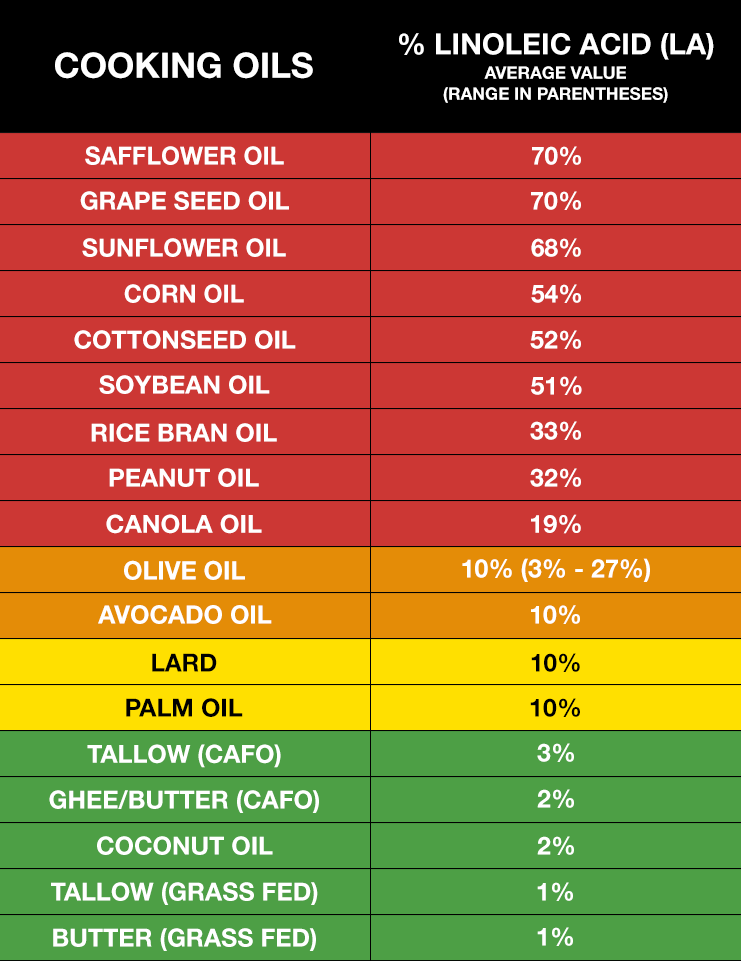
Aspirin for the Prevention and Treatment of Migraines
In addition to lowering your estrogen burden and LA intake, several nutritional supplements, medications and alternative remedies can be employed. Aspirin is one inexpensive and readily available option.
As reported in a 2019 paper in The American Journal of Medicine, properly dosed aspirin can safely and effectively abort a migraine attack when taken early enough, and may also be used preventatively in lower doses:25,26
“The totality of evidence, which includes data from randomized trials, suggests that high-dose aspirin, in doses from 900 to 1300 mg, taken at the onset of symptoms, is an effective and safe treatment option for acute migraine headaches.
In addition, the totality of evidence, including some, but not all, randomized trials, suggests the possibility that daily aspirin, in doses from 81 to 325 mg, may be an effective and safe treatment option for the prevention of recurrent migraine headaches.
The relatively favorable side effect profile of aspirin and extremely low costs compared with other prescription drug therapies may provide additional options for primary healthcare providers in the treatment of both acute and recurrent migraine headaches.”
Helpful Supplements
Other supplements that can help reduce migraine frequency and/or severity include:
| Magnesium — Which can affect both serotonin receptor function and the production and use of neurotransmitters — has also been shown to play an important role in the prevention and treatment of migraines, and migraine sufferers are more likely to suffer from magnesium deficiency than non-migraineurs.27
Since magnesium administration is both easy and safe, researchers have noted that empiric treatment with a magnesium supplement is justified for all migraine sufferers.28 As a prophylactic, be prepared to boost your magnesium intake for at least three months to experience results. In many cases, receiving a high dose of magnesium can also abort an attack in progress. The most effective way to administer magnesium for migraine would be to get an intravenous (IV) infusion. I used to regularly administer magnesium IVs for those with acute migraines and it seemed to work for most patients to abort the headache. Barring that option, magnesium threonate may be your best option for an oral supplement, as its superior ability to cross the blood-brain barrier makes it more likely to have a beneficial effect on your brain. |
| B vitamins — Other vitamin deficiencies linked to migraines include riboflavin (B2), B6, B12 and folic acid. One 2009 study29 evaluated the effect of 2 mg of folic acid, 25 mg vitamin B6 and 400 micrograms (mcg) of vitamin B12 in 52 patients diagnosed with migraine with aura. Compared to the placebo group, those receiving these supplements experienced a 50% reduction in migraine disability over a six-month period.
Previous studies30 have also reported that high doses of riboflavin can help prevent migraine attacks. In one study, patients who took 400 mg of riboflavin per day experienced a 50% reduction in migraine frequency after three months. |
| CoQ10 — Ubiquinol — the reduced form of CoQ10 — plays a vital role in ATP production, which is the basic fuel for your mitochondria. Your body does produce ubiquinol naturally; in fact, it is the predominant form in most healthy cells, tissues and organs. However, with rampant pollution and poor diet, mitochondrial dysfunction has become increasingly common, warranting supplementation with either ubiquinol or CoQ10.
One study published in the journal Neurology31 found that CoQ10 was superior to a placebo in preventing migraines and reducing severity. Of the patients who received 100 mg of CoQ10 three times a day, 50% reported significantly reduced frequency of headaches compared to only 14% of those who took the placebo. |
| GABA — Migraine is one of several common symptoms of GABA deficiency. |
Carbon dioxide — Migraines can also be addressed with CO2. In some cases, migraines can be triggered by overbreathing, causing a lack of CO2 that constricts the blood vessels in your brain. Exogenous CO2 delivery methods include:
|
- 1, 3 Stat Pearls, Migraine Headache
- 2 Migraine Research Foundation, Migraine Facts
- 4 Scientific American July 21, 2013
- 5 Ray Peat Forum August 29, 2018
- 6 Frontiers in Molecular Biosciences August 14, 2018
- 7 EurekAlert! August 14, 2018
- 8 ZeroHedge March 8, 2024
- 9 Nutrients July 2023; 15(14): 3129
- 10 Oxid Med Cell Longev. 2014;2014: 360438. DOI: 10.1155/2014/360438
- 11 Pharmacognosy Review. 2010;4(8):118-126
- 12 Biochemical Journal. 1982;208(1):129-140
- 13 Nephrol Dialysis Transplant. 2001;16(8):1598-1606
- 14 Free Radical Biol Med. 1992;13:341-390
- 15 Journal of Nutrition June 1990; 120(6):625-30
- 16 Metabolism July 1992; 41(7): 788-792
- 17 Healthier U September 25, 2023
- 18 Journal of Headache and Pain 2013; 14, Article number P138
- 19 Headache September 27, 2016
- 20 Mymensingh Med J 2021 Jan;30(1):43-47
- 21 Paloma Health February 17, 2022
- 22 Renewable Energy. 2018; 126: 403-419
- 23 Int J Mol Sci. 2015;16(6):12871-12890
- 24 The Plan Journal. 2008;54:640-655
- 25 The American Journal of Medicine November 8, 2019; 133(4): 412-416
- 26 Haidut.me December 4, 2019 (Archived)
- 27, 28 J Neural Transm (Vienna). 2012 May;119(5):575-9
- 29 Pharmacogenetics and Genomics 2009 Jun;19(6):422-8
- 30 European Journal of Neurology 2004 Jul;11(7):475-7
- 31 Neurology 2005 Feb 22;64(4):713-5