Trans Fats
now browsing by category
One of the Most Harmful Ingredients in Processed Foods
Reproduced from original article:
https://articles.mercola.com/sites/articles/archive/2023/01/03/soybean-oil.aspx
The original Mercola article may not remain on the original site, but I will endeavor to keep it on this site as long as I deem it to be appropriate.
Analysis by Dr. Joseph Mercola Fact Checked January 03, 2023
STORY AT-A-GLANCE
- Two of the most harmful ingredients in processed foods are high fructose corn syrup and soybean oil, whether partially hydrogenated, organic, or made from newer soybean varieties modified in such a way as to not require hydrogenation
- Completely unnatural man-made fats created through the partial hydrogenation process cause dysfunction and chaos in your body on a cellular level, and studies have linked trans-fats to health problems ranging from obesity and diabetes to reproductive problems and heart disease
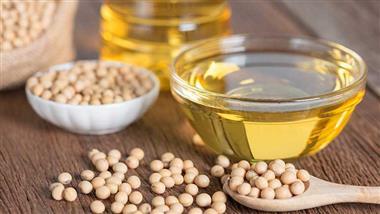
- Besides the health hazards related to the trans fats created by the partial hydrogenation process, soybean oil is, in and of itself, NOT a healthy oil
- Add to that the fact that the majority of soybeans grown in the U.S. are genetically engineered, and as a result saturated with dangerous levels of the herbicide glyphosate, which may have additional health consequences as there are no long term safety studies
- When taken together, partially hydrogenated GE soybean oil becomes one of the absolute worst types of oils you can consume
- The genetically engineered (GE) variety planted on over 90% of U.S. soy acres is Roundup Ready engineered to survive being doused with otherwise lethal amounts of Monsanto’s Roundup herbicide (glyphosate). GE soybeans have been found to contain residue levels as high as 17 mg/kg, and malformations in frog and chicken embryos have occurred at just over 2 mg/kg
Processed food is perhaps the most damaging aspect of most people’s diets, contributing to poor health and chronic disease. One of the primary culprits is high fructose corn syrup (HFCS), the dangers of which I touch on in virtually every article I write on diets. The second culprit is partially hydrogenated soybean oil.
These two ingredients, either alone or in combination, can be found in virtually all processed foods, and one can make a compelling argument that the reliance on these two foods is a primary contributing factor for most of the degenerative diseases attacking Americans today.
Part of the problem with partially hydrogenated soybean oil is the trans fat it contains. The other part relates to the health hazards of soy itself. An added hazard factor is the fact that the majority of both corn and soybeans are genetically engineered.
As the negative health effects from trans fats have been identified and recognized, the agricultural and food industry have scrambled to come up with new alternatives. Partially hydrogenated soybean oil has been identified as the main culprit, and for good reason.
Unfortunately, saturated fats are still mistakenly considered unhealthy by many health “experts,” so, rather than embracing truly healthful tropical fats like coconut oil, which is mostly grown outside the U.S., the food industry has instead turned to domestic U.S. alternatives offered by companies like Monsanto, now Bayer (which bought out Monsanto in 2018), which has developed modified soybeans that don’t require hydrogenation.
Why Hydrogenate?
Americans consume more than 16 million metric tons of edible oils annually, and soybean oil accounts for about 11,339 metric tons of it.1 Until Monsanto genetically engineered its seeds to produce plants lower in linolenic acid, about half of it was hydrogenated, as regular soybean oil is too unstable otherwise to be used in food manufacturing.
One of the primary reasons for hydrogenating oil is to prolong its shelf life. Raw butter, for example, is likely to go rancid far quicker than margarine. The process also makes the oil more stable and raises its melting point, which allows it to be used in various types of food processing that uses high temperatures.
Hydrogenated oil2 is made by forcing hydrogen gas into the oil at high pressure. Virtually any oil can be hydrogenated. Margarine is a good example, in which nearly half of the fat content is trans fat.
The process that creates partially hydrogenated oil alters the chemical composition of essential fatty acids, such as reducing or removing linolenic acid, a highly reactive triunsaturated fatty acid, transforming it into the far less reactive linoleic acid, thereby greatly preventing oxidative rancidity when used in cooking.
In the late 1990s, researchers began realizing this chemical alteration might actually have adverse health effects. Since then, scientists have verified this to the point of no dispute.
Be aware that there’s a difference between “fully hydrogenated” and “partially hydrogenated” oils. Whereas partially hydrogenated oil contains trans fat, fully hydrogenated oil does not, as taking the hydrogenation process “all the way” continues the molecular transformation of the fatty acids from trans fat into saturated fatty acids.
Fully hydrogenated soybean oil is still not a healthy choice, however, for reasons I’ll explain below. The following slide presentation explains the technical aspects relating to the hydrogenation process.
The Health Hazards of Trans Fats
The completely unnatural man-made fats created through the partial hydrogenation process cause dysfunction and chaos in your body on a cellular level, and studies have linked trans-fats to:
| Cancer, by interfering with enzymes your body uses to fight cancer | Chronic health problems such as obesity, asthma, auto-immune disease, cancer and bone degeneration |
| Diabetes, by interfering with the insulin receptors in your cell membranes | Heart disease, by clogging your arteries (Among women with underlying coronary heart disease, eating trans-fats increased the risk of sudden cardiac arrest three-fold!) |
| Decreased immune function, by reducing your immune response | Increased blood levels of low density lipoprotein (LDL), or “bad” cholesterol, while lowering levels of high density lipoprotein (HDL), or “good” cholesterol |
| Reproductive problems by interfering with enzymes needed to produce sex hormones | Interfering with your body’s use of beneficial omega-3 fats |
As usual, it took many years before conventional health recommendations caught up and began warning about the use of trans fats. Not surprisingly, as soon as the FDA notified them that it planned to require food manufacturers to list trans fat content on the label — which ultimately took effect January 1, 2006 — the industry began searching for viable alternatives to appeal to consumers who increasingly began looking for the “no trans fat” designation.
It didn’t take long before Monsanto had tinkered forth a genetically engineered soybean that is low in linolenic acid, which we’ll get to in a moment.
Be aware that some food manufacturers have opted to simply fool buyers — a tactic allowed by the FDA, as any product containing up to half a gram of trans fat per serving can still legally claim to have zero trans fat.3 The trick is to reduce the serving size to bring it below this threshold. At times, this will result in unreasonably tiny serving sizes, so any time you check a label and a serving is something like 10 chips or one cookie, it probably contains trans fats.
The Health Hazards of Soybeans
Besides the health hazards related to the trans fats created by the partial hydrogenation process, soybean oil is, in and of itself, NOT a healthy oil. Add to that the fact that the majority of soy grown in the U.S. is genetically engineered, which may have additional health consequences. When taken together, partially hydrogenated GE soybean oil becomes one of the absolute worst types of oils you can consume.
Years ago, tropical oils, such as palm and coconut oil, were commonly used in American food production. However, these are obviously not grown in the U.S., as with the exception of Hawaii, our climate isn’t tropical enough. Spurred by financial incentives, the industry devised a plan to shift the market from tropical oils to something more “home grown.”
As a result, a movement was created to demonize and vilify tropical oils in order to replace them with domestically grown oils such as corn and soy.
The fat in soybean oil is primarily omega-6 fat. And while we do need some omega-6, it is rare for anyone to be deficient in it, as it is pervasive in our diet. Americans in general consume FAR too much omega-6 in relation to omega-3 fat, primarily due to the excessive amount of omega-6 found in processed foods.
Omega-6 fats are in nearly every animal food and many plants, so deficiencies are very rare. This omega-6 fat is also highly processed and therefore damaged, which compounds the problem of getting so much of it in your diet. The omega-6 found in soybean oil promotes chronic inflammation in your body, which is an underlying issue for virtually all chronic diseases.
What About Organic Soybean Oil?
Even if you were fortunate enough to find organic soybean oil, there are still several significant concerns that make it far from attractive from a health standpoint. Soy in and of itself, organically grown or not, contains a number of problematic components that can wreak havoc with your health, such as:
• Goitrogens — Goitrogens, found in all unfermented soy whether it’s organic or not, are substances that block the synthesis of thyroid hormones and interfere with iodine metabolism, thereby interfering with your thyroid function.
• Isoflavones: genistein and daidzein — Isoflavones are a type of phytoestrogen, which is a plant compound resembling human estrogen, which is why some recommend using soy therapeutically to treat symptoms of menopause. I believe the evidence is highly controversial and doubt it works.
Typically, most of us are exposed to too many estrogen compounds and have a lower testosterone level than ideal, so it really is important to limit exposure to feminizing phytoestrogens. Even more importantly, there’s evidence it may disturb endocrine function, cause infertility and promote breast cancer, which is definitely a significant concern.
• Phytic acid — Phytates (phytic acid) bind to metal ions, preventing the absorption of certain minerals, including calcium, magnesium, iron, and zinc — all of which are co-factors for optimal biochemistry in your body. This is particularly problematic for vegetarians, because eating meat reduces the mineral-blocking effects of these phytates.
Sometimes it can be beneficial, especially in postmenopausal women and in most adult men because we tend to have levels of iron that are too high, which can be a very potent oxidant and cause biological stress. However, phytic acid does not necessarily selectively inhibit just iron absorption; it inhibits all minerals. This is very important to remember, as many already suffer from mineral deficiencies from inadequate diets.
The soybean has one of the highest phytate levels of any grain or legume, and the phytates in soy are highly resistant to normal phytate-reducing techniques such as long, slow cooking. Only a long period of fermentation will significantly reduce the phytate content of soybeans.
• Natural toxins known as “anti-nutrients” — Soy also contains other anti-nutritional factors such as saponins, soyatoxin, protease inhibitors, and oxalates. Some of these factors interfere with the enzymes you need to digest protein. While a small amount of anti-nutrients would not likely cause a problem, the amount of soy that many Americans are now eating is extremely high.
• Hemagglutinin — Hemagglutinin is a clot-promoting substance that causes your red blood cells to clump together. These clumped cells are unable to properly absorb and distribute oxygen to your tissues.
Worst of All — Genetically Engineered Soybean Oil
The genetically engineered (GE) variety planted on over 90% of US soy acres is Roundup Ready — engineered to survive being doused with otherwise lethal amounts of Monsanto’s Roundup herbicide. The logic behind Roundup Ready crops such as soy is that you can decrease the cost of production by killing off everything except the actual soy plant.
However, animal studies reveal there may be significant adverse health effects from these GE soybeans, including progressively increased rates of infertility with each passing generation. By the third generation, virtually all the hamsters in one feeding study were found to be infertile. Second-generation hamsters raised on GE soy also had a fivefold higher infant mortality rate.
Are Low-Linolenic Soybeans the Answer?
We now also have other Monsanto-made soy crops to contend with. Responding to the growing demand for healthier diets, Monsanto launched Vistive low-linolenic soybeans in 2005. Most soybeans contain roughly 7% linolenic acid. The new varieties contain 1% to 3%, which reduces the need for hydrogenation.4 As explained by Monsanto:5
“Farmers are not the only beneficiaries of Monsanto’s efforts … Consumers will also benefit from the healthier crops that could result, such as soybeans that are low in linolenic acid. Linolenic acid, a precursor to trans fats, may contribute to cardiovascular disease … Low-linolenic soybeans reduce the need for hydrogenation in food processing, helping to reduce the amount of trans fats in processed foods.”
Yet another soybean variety created by Monsanto is the high stearate soybean, which also has the properties of margarine and shortening without hydrogenation. But are these soybeans any better or safer than either conventional soybeans or Roundup Ready soybeans, even though they don’t have to go through partial hydrogenation, and therefore do not contain trans fat? No one knows.
Another Hazard of GE Soybeans: Glyphosate
I keep stacking health risks upon health risks, and here’s another one: Research has shown that soybean oil from Roundup Ready soy is loaded with glyphosate, the main ingredient in Roundup — the broad-spectrum herbicide created by Monsanto.
According to a report in the journal Chemical Research in Toxicology, the highest MRL for glyphosate in food and feed products in the EU is 20 mg/kg. GE soybeans have been found to contain residue levels as high as 17 mg/kg, and malformations in frog and chicken embryos occurred at 2.03 mg/kg.6 That’s 10 times lower than the MRL.
This is an alarming finding because glyphosate is easily one of the world’s most overlooked poisons. Research published in 2010 showed that the chemical, which works by inhibiting an enzyme called EPSP synthase that is necessary for plants to grow, causes birth defects in frogs and chicken embryos at far lower levels than used in agricultural and garden applications.7 The malformations primarily affected the:
- Skull
- Face
- Midline and developing brain
- Spinal cord
When applied to crops, glyphosate becomes systemic throughout the plant, so it cannot be washed off. And, once you eat this crop, the glyphosate ends up in your gut where it can decimate your beneficial bacteria. This can wreak havoc with your health, as 80% of your immune system resides in your gut (GALT, or Gut Associated Lymph Tissue) and is dependent on a healthy ratio of good and bad bacteria. Separate research has also uncovered the following effects from glyphosate:
| Endocrine disruption | DNA damage |
| Developmental toxicity | Neurotoxicity |
| Reproductive toxicity | Cancer |
To Avoid Harmful Fats, Ditch Processed Foods
If you want to avoid dangerous fats of all kinds, your best bet is to eliminate processed foods from your diet. From there, use these tips to make sure you’re eating the right fats for your health:
- Use organic butter (preferably made from raw milk) instead of margarines and vegetable oil spreads. Butter is a healthy whole food that has received an unwarranted bad rap.
- Use coconut oil for cooking. It is far superior to any other cooking oil and is loaded with health benefits.
- Be sure to eat raw fats, such as those from avocados, raw dairy products, olive oil, olives, organic pastured eggs and raw nuts, especially macadamia nuts which are relatively low in protein. Also take a high-quality source of animal-based omega-3 fat, such as krill oil.
Following my comprehensive nutrition plan will automatically reduce your trans-fat intake, as it will give you a guide to focus on healthy whole foods instead of processed junk food.
Remember, virtually all processed foods will contain either HFCS (probably made from genetically engineered corn) and/or soybean oil — either in the form of partially hydrogenated soybean oil, which is likely made from GE soybeans, loaded with glyphosate, or from one of the newer soybean varieties that were created such that the y do not need to be hydrogenated. They’re ALL bad news, if you value your health.
How to Raise or Lower Your Dementia Risk Through Diet
Reproduced from original article:
https://articles.mercola.com/sites/articles/archive/2022/11/12/alzheimers-meal-plan.aspx
The original Mercola article may not remain on the original site, but I will endeavor to keep it on this site as long as I deem it to be appropriate.
Analysis by Dr. Joseph Mercola Fact Checked November 12, 2022

STORY AT-A-GLANCE
- A high-fat, moderate-protein, low net-carb ketogenic diet is crucial for preventing degeneration that can lead to Alzheimer’s. High-carb diets have been shown to increase your risk of dementia by 89% while high-fat diets lower it by 44%
- Other research highlights the importance of eating a diet rich in flavonols — antioxidants found in fruits, vegetables and tea. Those who got the highest amounts of flavonols had a 48% lower risk of developing Alzheimer’s than those getting the lowest amounts
- Drinking tea three times or more per week also lowers your risk of cardiovascular disease and all-cause mortality. A 50-year-old habitual tea drinker would develop heart disease and/or have a stroke 1.41 years later than someone who drinks it less frequently, and live 1.26 years longer
- Diets high in trans fats, refined sugar, grains and processed vegetable oils, as well as insufficient cholesterol, raise your risk of dementia
- Diets high in trans fats can raise your risk of dementia by 52% to 74%. The biggest dietary culprits include pastries, margarine, candy, caramels, croissants, nondairy creamers, ice cream and rice cakes
According to statistics released in 2022, Alzheimer’s disease — the most common form of dementia for which there is no effective conventional treatment or cure — affects an estimated 6 million Americans,1 up from 5.4 million in 2016.
Progression of Alzheimer’s disease varies, but often begins with short-term memory lapses that later progress to speech problems and trouble with executive functions.
Your Diet Plays a Significant Role in Dementia
While it’s never too early to start, if your memory slips frequently enough to raise even an inkling of concern, it’s time to take action. A high-fat, moderate-protein, low net-carb ketogenic diet is crucial for protecting your brain health and preventing degeneration that can lead to Alzheimer’s.
One of the most striking studies2 showing the effects of a high-fat/low-carb versus high-carb diets on brain health revealed that high-carb diets increase your risk of dementia by 89%, while high-fat diets lower it by 44%.
According to the authors, “A dietary pattern with relatively high caloric intake from carbohydrates and low caloric intake from fat and proteins may increase the risk of mild cognitive impairment or dementia in elderly persons.” Other research3,4 highlights the importance of eating a diet rich in flavonols — antioxidants found in fruits, vegetables and tea. As reported by Reuters:5
“Researchers followed 921 people without dementia for about six years, starting when they 81 years old, on average. During the study, 220 people were diagnosed with probable Alzheimer’s disease.
People who had the most flavonols in their diet were about half as likely to develop Alzheimer’s than those who consumed the least … While 15% of people who ate the most flavonol developed Alzheimer’s disease, this rose to 54% among those who consumed the least.
This difference remained even after researchers accounted for other risk factors for Alzheimer’s like diabetes, a prior heart attack or stroke, or high blood pressure …”
Overall, people in the lowest quintile got about 5.3 milligrams of flavonols per day on average, while the highest intake group got about 15.3 mg per day. Those who got the highest amounts of flavonols had a 48% lower risk of developing Alzheimer’s than those getting the lowest amounts.
Some Flavonols Are More Potent Than Others
The researchers were particularly interested in whether specific flavonols might offer better protection than others. To determine this, they tallied participants’ intake of:
- Kaempferol
- Quercetin
- Myricetin
- Isorhamnetin
Kaempferol came out a clear winner in this regard. Those with the highest consumption of kaempferol had a 51% lower risk of dementia, while the highest intakes of isorhamnetin and myricetin were linked to a 38% lower risk. Quercetin, a powerful antiviral and immune booster, did not appear to have any impact on Alzheimer’s risk.
Tea Drinkers Live Longer
In related news, a January 2020 study6 in the European Journal of Preventive Cardiology found habitual tea consumption (three times or more per week) helps lower your risk of cardiovascular disease and all-cause mortality.
Overall, the findings suggest a 50-year-old who drinks tea at least three times a week would develop heart disease and/or have a stroke 1.41 years later than someone who drinks it less frequently. Overall, they’d also live 1.26 years longer than someone who didn’t regularly drink tea. As reported by Science Daily:7
“Compared with never or non-habitual tea drinkers, habitual tea consumers had a 20% lower risk of incident heart disease and stroke, 22% lower risk of fatal heart disease and stroke, and 15% decreased risk of all-cause death.”
How a Ketogenic Diet Protects Your Brain Function
Getting back to the ketogenic diet, it has the ability to lower your dementia risk in a number of ways. For starters, a cyclical ketogenic diet will improve your insulin sensitivity, which is an important factor in Alzheimer’s.8 The link between insulin sensitivity and Alzheimer’s is so strong, the disease is sometimes referred to as Type 3 diabetes.
Even mild elevation of blood sugar is associated with an elevated risk for dementia.9 Diabetes and heart disease10 are also known to elevate your risk, and both are rooted in insulin resistance. For optimal health, you’ll want to keep your insulin level below 3 mcU/ml (fasting).
The connection between high-sugar diets and Alzheimer’s was highlighted in a decadelong study published in the journal Diabetologia in January 2018,11 which showed that the higher your blood sugar, the faster your rate of cognitive decline.
Studies have also confirmed that the greater an individual’s insulin resistance, the less sugar they have in key parts of their brain, and these areas typically correspond to the areas affected by Alzheimer’s.12,13
A cyclical ketogenic diet will also trigger your body to produce ketones, an important source of energy (fuel) for your brain14 that have been shown to help prevent brain atrophy and alleviate symptoms of Alzheimer’s.15 Ketones may even restore and renew neuron and nerve function in your brain after damage has set in.
Last but not least, a cyclical ketogenic diet helps reduce free radical damage and lower inflammation in your brain. This too is largely the result of ketones, as they generate fewer reactive oxygen species and less free radical damage than carbohydrates.
A ketone called beta hydroxybutyrate is also a major epigenetic player, stimulating radical decreases in oxidative stress by decreasing NF-kB, thus reducing inflammation and NADPH levels along with beneficial changes in DNA expression that improve your detoxification and antioxidant production.
I explain the ins and outs of implementing this kind of diet, and its many health benefits, in my “KetoFast” book. In it, I also explain why cycling through stages of feast and famine, opposed to continuously remaining in nutritional ketosis, is so important.
(For clarity, a ketogenic diet tends to be very high in both healthy fats and vegetables. There is in fact no limit to the vegetable carbs you can eat. There’s also no restriction on tea.
The only area where prudence might be needed is when it comes to fruits, as some are very high in fructose. Fructose, even from fruit, needs to be restricted in the earlier stages until you’ve successfully transitioned into burning fat as your primary fuel. For guidance on what fats to eat more of, see the Fats section of my free nutrition plan.)
Trans Fats Raise Your Risk of Alzheimer’s
While diets high in healthy fats and antioxidants can go a long way toward warding off dementia, diets high in trans fats, refined sugar and grains do the opposite. Research16 published in the October 2019 issue of Neurology found a strong link between trans fat consumption and incidence of dementia and its various subtypes, including Alzheimer’s.
The study included 1,628 Japanese seniors aged 60 and older. None had dementia at the outset of the study, which went on for 10 years. Levels of elaidic acid — a biomarker for industrial trans fat — in the participants’ blood were measured using gas chromatography/mass spectrometry.
Based on those levels, the hazard ratios for all-cause dementia, Alzheimer’s and vascular dementia were calculated using Cox proportional hazards model. As reported by the authors:17
“Higher serum elaidic acid levels were significantly associated with greater risk of developing all-cause dementia and AD [Alzheimer’s disease] after adjustment for traditional risk factors.
These associations remained significant after adjustment for dietary factors, including total energy intake and intakes of saturated and polyunsaturated fatty acids.”
This increase in risk was not slight. As reported by CNN,18 people in the highest quartile of elaidic acid levels were 74% more likely to develop dementia. Those in the second-highest quartile had a 52% higher risk.
Of the various processed foods found to contribute to elevated elaidic acid levels, pastries were the biggest contributors, followed by margarine, candy, caramels, croissants, nondairy creamers, ice cream and rice crackers.19
Oxidized Omega-6 — Another Harmful Fat to Stay Clear Of
While it’s clearly important to avoid trans fat, processed oils are the primary culprit in most Western diseases.
This is largely related to the oxidized omega-6 fat found in them, which may actually be even worse than trans fat. Now, omega-6 fat (linolenic acid) in and of itself is not the problem. Linoleic acid is also found in foods such as nuts, seeds and eggs, and is important for health. The problem is oxidized omega-6 fat, and the fact that most people eat far too much of it.
For years, I’ve stressed the importance of balancing your omega-3 to omega-6 intake to protect your health. Ideally, get an omega-3 index test done once a year to make sure you’re in a healthy range. Your omega-3 index should be above 8% and your omega 6-to-3 ratio between 0.5 and 3.0. To correct a lopsided omega-3 to omega-6 ratio, you typically need to:
1.Significantly decrease intake of damaged omega-6 by avoiding processed foods and foods cooked in vegetable oil at high temperatures. Common sources of harmful omega-6 include corn oil, canola oil, soy oil, hydrogenated or partially hydrogenated fats, margarine and shortening.
2.Increase your intake of animal-based omega-3 fats from sardines, anchovies, herring and wild-caught Alaskan salmon, or take a supplement such as krill oil, all of which provide you with DHA bound to phospholipids.
Research20,21 suggests DHA bound to phospholipids (not triglycerides, which is what you find in most fish oil supplements) may be particularly important for those with the APOE4 gene, which predisposes them to Alzheimer’s.
Low Cholesterol Can Impact Your Dementia Risk
Another dietary factor that has been shown to influence your risk for Alzheimer’s is low cholesterol. While there are many warnings about high total cholesterol, low levels can have equally serious repercussions. In fact, a number of studies have demonstrated the importance of higher cholesterol for the prevention of Alzheimer’s specifically.
According to senior research scientist Stephanie Seneff, Ph.D., insufficient fat and cholesterol in your brain play a crucial role in the Alzheimer’s disease process, detailed in her 2009 paper22 “APOE-4: The Clue to Why Low Fat Diet and Statins May Cause Alzheimer’s.” A 2014 study23 in JAMA Neurology came to a similar conclusion, stating that:
“Cholesterol, vital to neuronal structure and function, has important roles in the synthesis, deposition, and clearance of β-amyloid (Aβ) and may have a pathogenic role in Alzheimer disease (AD) … There are also important connections among apolipoprotein E (APOE), Aβ, and cholesterol.
A strong genetic risk factor for AD, the APOE ε4 allele is associated with earlier and higher deposition of Aβ. APOE is the primary transporter of cholesterol in the brain, and its isoforms differentially modulate brain cholesterol levels.”
Here, the researchers found that higher levels of HDL and lower levels of LDL were associated with a reduced risk for amyloid plaque deposits in the brain, and these findings were independent of age and presence of the APOE4 gene. Study co-author Dr. Charles DeCarli, a professor of neurology at UC Davis and director of the UC Davis Alzheimer’s Disease Center, offered the following advice, based on the results:24
“If you have an LDL above 100 or an HDL that is less than 40 … you want to make sure that you’re getting those numbers into alignment. You have to get the HDL up and the LDL down.”
That said, research25 published in 2008 found that elderly individuals who were not genetically predisposed to Alzheimer’s disease who had the highest levels of cholesterol — including the highest levels of LDL — had the best memory, so the verdict is still out on whether high LDL is a significant risk factor.
Healthy Eating Habits Protect Your Brain Function
To summarize the key dietary factors reviewed here, diets high in healthy fats, omega-3 DHA bound to phospholipids, and flavonols from fruits, vegetables and tea, will help protect against Alzheimer’s.
Dietary factors that deteriorate brain health and raise your dementia risk include diets high in refined sugar, grains, trans fats, industrially processed vegetable oils (high in damaged omega-6) and insufficient cholesterol.
- 1 Alz.org 2019 Disease Facts and Figures
- 2 J Alzheimers Dis. 2012; 32(2):329-339
- 3 Neurology January 29, 2020 DOI: 10.1212/WNL.000000000008981
- 4 UPI January 30, 2020
- 5 Reuters January 30, 2020
- 6 European Journal of Preventive Cardiology January 8, 2020 DOI: 10.1177/2047487319894685
- 7 Science Daily January 9, 2020
- 8 JAMA Neurology July 27, 2015. doi:10.1001/jamaneurol.2015.0613v
- 9 NEJM August 8, 2013; 369:540-548
- 10 Medicinenet.com March 31, 2014
- 11 Diabetologia January 25, 2018; 61: 839-848
- 12 JAMA Neurology 2015;72(9):1013-1020
- 13 Huffington Post July 29, 2015
- 14 British Journal of Nutrition 2015 Jul 14;114(1):1-14
- 15 Blogs.PLOS.org, July 16, 2016
- 16, 17 Neurology October 23, 2019, DOI: 10.1212/WNL.0000000000008464
- 18, 19 CNN October 24, 2019
- 20 FASEB Journal October 5, 2018
- 21 PR Newswire October 25, 2018
- 22 MIT.edu APOE-4: The Clue to Why Low Fat Diet and Statins May Cause Alzheimer’s by Stephanie Seneff
- 23 JAMA Neurology 2014;71(2):195-200
- 24 Medical News Today December 31, 2014
- 25 American Journal of Geriatric Psychiatry 2008 Sep;16(9):781-5
The Science Behind Time-Restricted Eating
Reproduced from original article:
https://articles.mercola.com/sites/articles/archive/2022/07/03/time-restricted-eating-science.aspx
The original Mercola article may not remain on the original site, but I will endeavor to keep it on this site as long as I deem it to be appropriate, and will not be bullied into removing it.
Analysis by Dr. Joseph Mercola Fact Checked July 03, 2022
STORY AT-A-GLANCE
- Time-restricted eating (TRE) is a form of intermittent fasting where you eat all of your meals for the day within a restricted window of time. Your eating window could range from two to eight hours a day, fasting for the remaining 16 to 22 hours
- Researchers found that eating all meals between 8 a.m. and 2 p.m. resulted in greater metabolic flexibility, reduced hunger and increased sense of fullness, resulting in weight loss
- In another study, an eight-hour time-restricted feeding schedule was found to produce mild caloric restriction and weight loss, without calorie counting
- Compared to controls, strength training athletes who trained while adhering to a time-restricted eating schedule saw a decrease in fat mass after eight weeks, while maintaining muscle mass and maximal strength
- A similar study found men who performed resistance training for eight weeks while eating all meals within four hours on non-workout days (four days a week) lowered their calorie intake while increasing strength and muscular endurance
This article was previously published August 9, 2019, and has been updated with new information.
Research overwhelmingly supports the notion that ditching the three square meals a day approach in favor of time-restricted feeding — a form of intermittent fasting — can do wonders for your health. Contrary to modern belief, your body isn’t designed to be fed throughout the day, and the near-continuous grazing that most engage in can have serious health consequences.
Research by Satchidananda Panda, Ph.D., suggests 90% of people eat for more than 12 hours a day, and over time this habit will wreak havoc on your metabolism and limit your ability to metabolize fat as a primary fuel.
When you eat throughout the day and never skip a meal your body adapts to burning sugar as its primary fuel, resulting in the downregulation of enzymes that utilize and burn stored fat.1,2
As a result, you become progressively more insulin resistant and start gaining weight. Efforts to lose weight also become ineffective for this very reason, since to lose body fat, your body must first be able to actually burn fat.
Many biological repair and rejuvenation processes also take place while you’re fasting, and this is another reason why all-day grazing triggers diseases while fasting prevents them.
What Is Time-Restricted Eating (TRE)?
Time-restricted eating is just what it sounds like. It’s a form of intermittent fasting where you eat all of your meals for the day within a restricted window of time, ranging from two to eight hours. That means you’re avoiding food (fasting) for 16 to 22 consecutive hours. Eating within a four- to six-hour window is likely close to metabolic ideal for most. As noted in the paper “A Time to Fast,” published in the November 2018 issue of Science:3
“Adjustment of meal size and frequency have emerged as powerful tools to ameliorate and postpone the onset of disease and delay aging, whereas periods of fasting, with or without energy intake, can have profound health benefits.
The underlying physiological processes involve periodic shifts of metabolic fuel sources, promotion of repair mechanisms, and the optimization of energy utilization for cellular and organismal health …
In general, both prolonged reduction in daily caloric intake and periodic fasting cycles have the power to delay the onset of disease and increase longevity.”
Fat-Burning Capacity Is Required for Weight Loss
As just mentioned, to shed body fat, your body must have the ability to burn fat for fuel. While it may seem like this ability should be inherent in everyone, all the time (since we know fat can be used as fuel), metabolic dysfunction triggered by an inappropriate diet and feeding schedule can prevent this. In a nutshell, to be an efficient fat-burner, you need to:
- Eat a diet with a higher fat-to-sugar ratio (i.e., more healthy fats and less net carbohydrates), and
- Restrict the timing of your meals so that you’re fasting for a greater number of hours than you’re eating
This will (over time) teach your body to burn fat for fuel again, rather than relying on fast-burning carbs, and in addition to burning dietary fats, your body will also start accessing and burning stored body fat.
While either of these strategies alone (fasting or eating a ketogenic diet) will shift your body from carb-burning to fat-burning, doing them together will yield the fastest results. To learn more about this, see “Why Intermittent Fasting Is More Effective Combined With Ketogenic Diet.”
How Time-Restricted Feeding Promotes Weight Loss
So, what’s the evidence that time-restricted eating actually promotes weight loss? Aside from a number of animal studies,4 consider the following research,5 published in the July 2019 issue of Obesity.
This study was founded on the premise that by eating earlier in the daytime, you properly align with the natural fluctuations in the circadian rhythm that regulates your metabolism. As a result, weight loss is enhanced.
The question it sought to answer was whether this benefit is mediated through increased energy expenditure or simply lower energy intake. To find out, 11 overweight participants first adhered to an early time-restricted eating schedule, eating all meals between 8 a.m. and 2 p.m. for four days.
For the next four days, they ate all meals between 8 a.m. and 8 p.m. They were also required to maintain a regular sleep schedule throughout. On the last day of each trial, energy expenditure and substrate oxidation levels were measured.
Results revealed meal-timing primarily facilitates weight loss by reducing appetite and increasing fat oxidation. Energy expenditure remained unaffected. As explained by lead author Courtney Peterson, Ph.D., associate professor of nutrition sciences at the University of Alabama at Birmingham:6
“We think the longer daily fast gives people’s bodies more time each day to dip into their fat reserves and burn fat. The body is typically maximally efficient at burning fat when people fast for at least 12-24 hours at a time.”
Overall, eating all meals earlier in the day, between 8 a.m. and 2 p.m., resulted in greater metabolic flexibility, lower ghrelin (known as the hunger hormone) levels, reduced hunger and increased sense of fullness, and this is thought to drive the weight loss.
TRE Improves Weight Loss in Obese Adults
Another study7 published in the Nutrition and Healthy Aging journal in 2018 examined how TRE — without counting calories — affects weight in obese adults. Here, they used an eight-hour restricted eating window.
Twenty-three overweight adults were instructed to eat however much food they wanted between 10 a.m. and 6 p.m. for 12 weeks. For the remainder of the day and night, they were only allowed water. Weight loss and metabolic parameters were compared to the historical records of a group of matched controls.
At the end of 12 weeks, body weight decreased by an average of 2.6% and energy intake decreased by 341 calories per day compared to controls. Systolic blood pressure also decreased by an average of 7 mm Hg.
According to the authors, their findings “suggest that 8-hour time restricted feeding produces mild caloric restriction and weight loss, without calorie counting. It may also offer clinical benefits by reducing blood pressure.”
How Restricted Feeding Affects Fat and Muscle in Fit Adults
Overweight individuals are not the only ones who stand to benefit from time-restricted feeding, as evidenced by a 2016 study8 in the Journal of Translational Medicine, which evaluated the effects of TRE on basal metabolism, strength, body composition, inflammation levels and cardiovascular risk factors in fit men. As explained by the authors:9
“Thirty-four resistance-trained males were randomly assigned to time-restricted feeding (TRF) or normal diet group (ND). TRF subjects consumed 100% of their energy needs in an 8-h period of time each day, with their caloric intake divided into three meals consumed at 1 p.m., 4 p.m., and 8 p.m.
The remaining 16 h per 24-h period made up the fasting period. Subjects in the ND group consumed 100% of their energy needs divided into three meals consumed at 8 a.m., 1 p.m., and 8 p.m. Groups were matched for kilocalories consumed and macronutrient distribution.”
Strength training consisted of a split routine with three weekly sessions on nonconsecutive days for eight weeks. All participants had engaged in continuous resistance training for at least five years before the study.10
Compared to controls, at the end of the eight-week study, the treatment group experienced a decrease in fat mass while maintaining muscle mass and maximal strength.11
Interestingly, while blood glucose and insulin decreased significantly, as expected, so did testosterone and insulin-like growth factor 1, two anabolic hormones.12 Unfortunately, no hypothesis is presented for these findings.
They also found that, aside from a reduction in triglycerides, the time-restricted feeding protocol did “not confirm previous research suggesting a positive effect of [intermittent fasting] on blood lipid profiles.”
The researchers address this in the discussion section of the study, postulating that this may be related to the fact that all of the subjects were “normolipemic athletes,” meaning their blood lipid profiles were normal to start with. Despite that, the authors conclude:
“Our results suggest that an intermittent fasting program in which all calories are consumed in an 8-h window each day, in conjunction with resistance training, could improve some health-related biomarkers, decrease fat mass, and maintain muscle mass in resistance-trained males.”
A similar study13 published in the European Journal of Sport Science found that men who performed resistance training for eight weeks while eating all meals within four hours on non-workout days (four days a week) lowered their calorie intake while still increasing strength and muscular endurance.
The Many Health Benefits of Intermittent Fasting
A large and growing body of medical research supports the use of time-restricted feeding (intermittent fasting), showing it has a wide range of biological benefits. Aside from facilitating fat loss while protecting and even promoting muscle strength, studies show various forms of fasting,14 including a variety of intermittent fasting protocols and time-restricted feeding, can:
| Promote insulin sensitivity,15,16 which is crucial for your health as insulin resistance or poor insulin sensitivity contributes to nearly all chronic diseases |
| Improve leptin sensitivity17 |
| Improve blood sugar management by increasing insulin-mediated glucose uptake rates18 |
| Lower triglyceride levels19 |
| Increase human growth hormone production (HGH) — Commonly referred to as “the fitness hormone,” HGH plays an important role in maintaining health, fitness and longevity, including promotion of muscle growth, and boosting fat loss by revving up your metabolism.
Research20,21 shows fasting can raise HGH by as much as 1,300% in women and 2,000% in men. The fact that it helps build muscle while simultaneously promoting fat loss explains why HGH helps you lose weight without sacrificing muscle mass, and why even athletes can benefit from intermittent fasting |
| Suppress inflammation and reduce oxidative damage |
| Promote multisystem regeneration22 by upregulating autophagy and mitophagy,23 natural cleansing processes necessary for optimal cellular renewal and function, and promoting regeneration of stem cells24 |
| Prevent or reverse Type 2 diabetes, as well as slow its progression |
| Improve immune function by regenerating damaged stem cells25,26 |
| Lower blood pressure27,28 |
| Reduce your risk of heart disease29 |
| Boost mitochondrial energy efficiency and biogenesis30 |
| Reduce your risk of cancer, in part by optimizing autophagy31 |
| Increase longevity32,33,34 — There are a number of mechanisms contributing to this effect. Normalizing insulin sensitivity is a major one, but fasting also inhibits the mTOR pathway,35 which plays an important part in driving the aging process |
| Regenerate the pancreas36 and improve pancreatic function |
| Improve cognitive function and protect against neurological diseases (such as dementia, Alzheimer’s disease37 and Parkinson’s disease38,39) thanks to the production of ketone bodies40 (byproducts of fatty acid breakdown, which are a healthy and preferred fuel for your brain) and brain-derived neurotrophic factor41 (BDNF, which activates brain stem cells to convert into new neurons, and triggers numerous other chemicals that promote neural health).
Animal research42 also shows intermittent fasting increases neurons resistance to excitotoxic stress |
| Eliminate sugar cravings as your body adapts to burning fat instead of sugar |
TRE Is Beneficial for Most
Contrary to longer fasts and calorie restriction, TRE is a strategy that can work for most people. Remember, you’re not actually limiting or counting calories — you can (theoretically) eat whatever you want in any amount — you’re simply restricting the time in which you eat all this food, although you will get better results by eating healthy nonprocessed foods and not consuming excessive carbs.
Weakness and lethargy, which are signs of undernourishment, should not occur. It’s a practice that should make you feel good and actually reduce your hunger over time.
Your hunger and craving for sugar will slowly dissipate as your body starts burning fat as its primary fuel. Once your body has successfully shifted into fat burning mode, it will be easier for you to fast for as long as 22 hours and still feel satiated. I typically fast for at least 18 hours a day and sometimes as much as 22 hours.
While time-restricted feeding and intermittent fasting will in theory work regardless of your diet, I do not recommend it if you’re eating a preponderance of processed foods. The quality of your diet is particularly important if you’re looking for more than mere weight loss.
It’s critical to avoid refined carbohydrates, sugar/fructose and grains. Focus your diet on vegetable carbohydrates, healthy protein in moderate amounts, and healthy fats such as butter, eggs, avocado, coconut oil, olive oil and raw nuts.
- 1 Cell February 8, 2018; 172(4): 731-743.E12
- 2 Medical News Today February 8, 2018
- 3 Science November 16, 2018; 362(6416): 770-775, Page 1
- 4 Medical News Today July 4, 2018
- 5 Obesity July 24, 2019; 27(8), Abstract
- 6 Inverse July 24, 2019
- 7, 28 Nutrition and Healthy Aging 2018; 4(4): 345–353, Abstract
- 8 Journal of Translational Medicine 2016; 14: 290
- 9 Journal of Translational Medicine 2016; 14: 290, Abstract Methods
- 10 Journal of Translational Medicine 2016; 14: 290, Methods Training
- 11 Journal of Translational Medicine 2016; 14: 290, Abstract Results
- 12 Journal of Translational Medicine 2016; 14: 290, Results and Discussion
- 13 European Journal of Sport Science 2017; 17(2): 200-207, Abstract
- 14 Science November 16, 2018; 362(6416): 770-775
- 15, 42 PNAS May 13, 2003; 100(10): 6216-6220, Abstract
- 16 Cell Metabolism June 5, 2018; 27(6): 1212-1221.e3
- 17 PLOS ONE 2014; 9(3): e92214
- 18 Journal of Applied Physiology July 28, 2005: 99(6); 2128-2136, Abstract
- 19 Medscape March 7, 2019
- 20 Intermountain Healthcare Press Release April 3, 2011
- 21 Nutrition, Metabolism & Cardiovascular Diseases November 2013; 23(11): 1050-1057
- 22 Cell Metabolism June 2015; 22(1)
- 23, 31 Clinics 2018; 73: e814s
- 24, 25 Cell Stem Cell June 5, 2014; 14(6): 810-823
- 26 USC News June 5, 2014
- 27 Journal of the American Society of Hypertension 2018; 12(1): 42-49 (PDF)
- 29 American Journal of Cardiology 2008 Oct 1;102(7):814-819
- 30 Frontiers in Physiology May 3, 2019, Caloric Restriction, Intermittent Fasting, and Mitochondrial Function
- 32 NIH.gov Press Release September 6, 2018
- 33 The Harvard Gazette November 3, 2017
- 34 Journals of Gerontology, Series A July 17, 2015; 70(9): 1097-1104
- 35 Aging 2018 Jul; 10(7): 1640–1648
- 36 Cell February 23, 2017; 168(5): 775-788
- 37 Neurobiology of Disease April 2007; 26(1): 212-220
- 38 Aging Research Reviews August 2006; 5(3): 332-353
- 39 Washington Post December 31, 2012
- 40 IUMB Life 2017; 69.5 DOI: 10.1002/iub.1627, Conclusion
- 41 Annual Review of Nutrition 2005;25:237-60
Hidden Jeopardy of Vegetable Oils That Few People Suspect
Reproduced from original article:
https://articles.mercola.com/sites/articles/archive/2022/05/12/effects-of-vegetable-oil-on-our-health.aspx
The original Mercola article may not remain on the original site, but I will endeavor to keep it on this site as long as I deem it to be appropriate, and will not be bullied into removing it.
Analysis by Dr. Joseph Mercola Fact Checked May 12, 2022

STORY AT-A-GLANCE
- Replacing dangerous vegetable oils such as corn oil, soybean oil and canola oil with healthy fats such as lard, butter or coconut oil is a simple way to boost your health and reduce your risk of chronic disease, including cancer
- Vegetable oils are a concentrated source of omega-6 linoleic acid, which has led to a severe imbalance between the omega-6 to omega-3 ratio in most people’s diets. This imbalance appears to be why vegetable oils promote cancer
- Consumption of saturated animal fats such as butter, lard and beef tallow fell by 27% between 1970 and 2014, while consumption of vegetable oils rose by 87%
- Historically, mankind consumed omega-3 and omega-6 at a ratio of 1-to-1. Today, most get 25 times more omega-6 than omega-3, and this imbalance has been linked to heart disease, gastrointestinal diseases, inflammatory conditions and cancer, especially neuroblastoma, breast, prostate, colon and lung cancer
- Your body metabolizes omega-3 and omega-6 PUFAs into eicosanoids (hormone-like substances), and as a general rule, omega-3 eicosanoids are anti-inflammatory while omega-6 eicosanoids have proinflammatory effects. Part of the benefits of omega-3 fats is that they block the proinflammatory effects of omega-6 eicosanoids
This article was previously published November 25, 2019, and has been updated with new information.
Dietary fats are a crucial component of a healthy diet, but the devil’s in the details, and the type of fats you choose can make a world of difference. Replacing dangerous oils with healthy fats is one simple way to boost your health and reduce your risk of chronic disease.
Sadly, the fats that promote ill health are the very ones we’ve been told are the healthiest, and vice versa. Among the absolute worst types of fat you can eat are vegetable oils such as corn oil, soybean oil, sunflower and canola oil, found in most processed foods and restaurant meals.
According to the 2017 U.S. Department of Agriculture report,1 “U.S. Trends in Food Availability,” consumption of saturated animal fats such as butter, lard and beef tallow fell by 27% between 1970 and 2014, while consumption of vegetable oils rose by 87%. Intake of salad and cooking oils specifically rose by a remarkable 248%.
In my view, processed vegetable oils, rich in omega-6 polyunsaturated fatty acids (PUFAs), are the most dangerous dietary factor of them all, taking a greater toll on human health than high fructose corn syrup even.
Not only have vegetable oils been linked to heart disease, gastrointestinal diseases such as irritable bowel disorder, and inflammatory conditions such as arthritis, they’ve also been linked to cancer, especially neuroblastoma, breast, prostate, colon and lung cancer.2
Vegetable Oils — A Hidden Cause of Cancer
In a November 8, 2019, Medium article,3 Maria Cross, a nutritionist with a master of science degree, discusses the science behind vegetable oils and what makes them carcinogenic. She explains:
“There are two classes of PUFA: omega-6 and omega-3. Although functionally distinct and non-interchangeable, these two classes are perpetually engaged in a metabolic balancing act, pushing and pulling as they compete for absorption in the body.
There is nothing intrinsically wrong with omega-6 PUFAs: we need them … If omega-6 fat is essential to health, it makes no sense that it can also cause cancer …
That’s why scientists believe that it is not omega-6 per se that is to blame; it’s the balance between the two groups of PUFA that is out of kilter and wreaking havoc on our bodies. We evolved on, and are genetically adapted to, a diet that provides more or less equal amounts of omega-3 and omega-64 …
With the industrialization of our diets, and the vast quantities of vegetable cooking oils that go into them, the ratio between omega-6 and omega-3 has shifted enormously and we consume up to 25 times5 more omega-6 than omega-3 …
There can only be consequences, and indeed there are: experimental data6 supports the theory that it is this skewed balance between the two PUFAs that influences the development of a tumor.”
How Lopsided PUFA Ratios Promote Cancer
The cancer connection is also reviewed in a 2016 paper,7 “Role of Diets Rich in Omega-3 and Omega-6 in the Development of Cancer,” which points out that “Omega-6 and omega-3 PUFAs often compete with one another for metabolism and act in an opposing manner.”
Your body metabolizes omega-3 and omega-6 PUFAs into eicosanoids, which are hormone-like substances, and as a general rule, omega-3 eicosanoids are anti-inflammatory while omega-6 eicosanoids have proinflammatory effects.8 Part of the benefits of omega-3 fats is that they block the proinflammatory effects of omega-6 eicosanoids.
As noted in the 2016 paper9 cited above, “several studies have demonstrated that omega-6 PUFAs induce progression in certain types of cancer,” while “omega-3 PUFAs possess a therapeutic role against certain types of cancer.”
Table 1 in that paper lists eight known mechanisms by which omega-3 lowers your risk of cancer. For example, omega-3 has been shown to inhibit insulin-like growth factor (IGF) and down-regulate growth factor receptors involved in cancer.
Omega-3 fats also reduce angiogenesis and cell-to-cell adhesion, improve the structure and function of cells, combat inflammation (which is a hallmark of cancer10) and induce cancer cell apoptosis (cell death).11 Table 2 in that same paper lists the pro-tumor mechanisms of omega-6 fats, which include:12
- Creation of reactive species that damage DNA
- 17-beta-estradiol epoxidation, which in turn generates a carcinogenic compound
- Enhancing the genotoxic effects of other compounds
As explained in my book, “Superfuel,” co-written with James DiNicolantonio, Pharm.D., omega-6 also inhibits cardiolipin, an important component of the inner membrane of your mitochondria that needs to be saturated in DHA in order for it to function properly.13
Cardiolipin can be likened to a cellular alarm system that triggers apoptosis (cell death) by signaling caspase-3 when something goes wrong with the cell. If the cardiolipin is not saturated with DHA, it cannot signal caspase-3, and hence apoptosis does not occur. As a result, dysfunctional cells are allowed to continue to grow, which can turn into a cancerous cell.
Vegetable Oils Exacerbate Virtually All Chronic Disease
Cancer is by far not the only health risk associated with vegetable oils. As mentioned, they promote virtually all chronic disease by throwing your omega-3 to omega-6 ratio off kilter. But they also influence your disease risk in other ways.
Importantly, vegetable oils degrade when heated, forming extremely toxic oxidation products, including cyclic aldehydes.14 Cyclic aldehydes cause oxidized low-density lipoprotein (LDL) associated with heart disease. They also crosslink tau protein and create neurofibrillary tangles, thereby contributing to the development of neurodegenerative diseases.
As explained by Dr. Cate Shanahan in her book, “Deep Nutrition: Why Your Genes Need Traditional Food,”15 in order to understand how dietary fats affect your health you need to understand how fats oxidize.
The omega-6 PUFAs found in vegetable oils have highly perishable bonds that react with oxygen, creating a free radical cascade that turns normal fatty acids in your body into dangerous high-energy molecules that zip around, wreaking havoc in a way similar to that of radiation.
What’s more, many of the vegetable oils produced today — especially corn and soy oil — are genetically engineered and a significant source of glyphosate exposure, and glyphosate has also been linked to gut damage and other health problems.
Shanahan’s book also expounds on the hazards of 4-hydroxynonenal (4HNE), which forms during the processing of most vegetable oils. 4HNE is highly toxic, especially to your gut bacteria, and consumption of 4HNE has been correlated with having an obesogenic balance of gut flora.
4HNE causes cytotoxicity and DNA damage, and instigates free radical cascades that damage the mitochondrial membrane. As Shanahan in 2017:
“You can’t design a better delivery vehicle for a toxin that’s going to destroy your health slowly over the course of maybe 10, 20 years, depending on the genetics of your antioxidant system capacity.”
Shanahan also notes that organic vegetable oil is not the answer, as 4HNE occurs even if the oil is obtained from organic crops. It’s an intrinsic byproduct of the refining and processing of the oil, no matter how healthy the oil initially was.
The omega-6 found in vegetable oils also damages the endothelium (the cells lining your blood vessels), allowing LDL and very low-density lipoprotein (VLDL) particles to penetrate into the subendothelium.
In other words, these oils get integrated into your cell and mitochondrial membranes, and once these membranes are impaired, it sets the stage for all sorts of health problems.
They also make cell membranes less fluid, which impacts hormone transporters in the cell membrane and slows your metabolic rate, and inhibit the removal of senescent cells — aged, damaged or crippled cells that have lost the ability to reproduce and produce inflammatory cytokines that rapidly accelerate disease and aging.
Vegetable oils also strip your liver of glutathione (which produces antioxidant enzymes), thereby lowering your antioxidant defenses,16 and inhibit delta-6 desaturase (delta-6), an enzyme involved in the conversion of short-chained omega-3s to longer chained omega-3s in your liver.17
Address Your Omega-6 to Omega-3 Ratio
Marine-based omega-3 is one of the most important fats in the human diet, as docosahexaenoic acid (DHA) and eicosapentaenoic acid (EPA) are actually key structural elements of cells, including your brain cells, and not just simple fuel. If you don’t have enough DHA and EPA, your body’s ability to repair and maintain healthy cell structures is seriously impaired.
The key that many overlook is the importance of getting the ratio of omega-3 to omega-6 right. Simply adding in more omega-3 might not be sufficient if you’re not also taking steps to significantly lower your omega-6 intake, and vegetable oils are a primary source.
As noted in the 2002 paper,18 “The Importance of the Ratio of Omega-6/Omega-3 Essential Fatty Acids”:
“Excessive amounts of omega-6 polyunsaturated fatty acids (PUFA) and a very high omega-6/omega-3 ratio, as is found in today’s Western diets, promote the pathogenesis of many diseases, including cardiovascular disease, cancer, and inflammatory and autoimmune diseases, whereas increased levels of omega-3 PUFA (a low omega-6/omega-3 ratio) exert suppressive effects.
In the secondary prevention of cardiovascular disease, a ratio of 4/1 was associated with a 70% decrease in total mortality. A ratio of 2.5/1 reduced rectal cell proliferation in patients with colorectal cancer, whereas a ratio of 4/1 with the same amount of omega-3 PUFA had no effect.
The lower omega-6/omega-3 ratio in women with breast cancer was associated with decreased risk. A ratio of 2–3/1 suppressed inflammation in patients with rheumatoid arthritis, and a ratio of 5/1 had a beneficial effect on patients with asthma, whereas a ratio of 10/1 had adverse consequences.
These studies indicate that the optimal ratio may vary with the disease under consideration. This is consistent with the fact that chronic diseases are multigenic and multifactorial.
Therefore, it is quite possible that the therapeutic dose of omega-3 fatty acids will depend on the degree of severity of disease resulting from the genetic predisposition. A lower ratio of omega-6/omega-3 fatty acids is more desirable in reducing the risk of many of the chronic diseases of high prevalence in Western societies …”
Since most processed foods and restaurant foods contain these oils, ridding your diet of them means ditching processed fare and restaurant meals, and cooking from scratch using healthier cooking fats. While you do need omega-6, it should be in its unprocessed form, not industrial vegetable oils. Good sources are whole, raw plant seeds and tree nuts.
Healthiest Fats for Cooking
While the devil’s in the details, and the details may be complicated, the simplest way to understand what a healthy diet consists of is to think back 100 years or so and consider what food was back then, and how it was prepared.
What you’re aiming for is real food — whole food that is as close to its natural state as possible. This may be particularly important when it comes to fats. Again, ditching vegetable oils and any food cooked with it can go a long way toward lowering inflammation and mitochondrial and cellular damage, which will protect you from a variety of common killers, including cancer. As for what to replace the vegetable oils with, the following are among your healthiest options:
• Grass fed tallow — This is probably the best fat to cook with.
• Coconut oil is another excellent cooking oil that is loaded with health benefits.
• Olive oil — Authentic olive oil contains healthy fatty acids that can help lower your risk of heart disease. While the standard recommendation has been to avoid using olive oil for cooking and to only use it cold, recent research19 in which 10 popular cooking oils were compared contradicts this advice, showing extra-virgin olive oil actually scored best for both oxidative stability and lack of harmful compounds produced when heated.
A word of caution is warranted, however. Fake olive oil abounds,20 so it’s important to take the time to investigate your sources. Many are adulterated with cheap vegetable oils or nonhuman grade olive oils,21 which are harmful to health in a number of ways.
• Organic butter (preferably made from organic grass fed raw milk) instead of margarines and vegetable oil spreads — Butter is a healthy whole food that has received an unwarranted bad rap.
• Organic ghee is even better, as you remove the milk solids that many have problems with — Ghee is pure fat with no carbs and is what I personally use. The best way to make it is to place it in a glass container in a dehydrator and don’t heat it higher than 100 degrees F. to preserve the quality.
You can suck off the milk solids with a glass baster. Once you have the ghee you don’t even need to refrigerate it as it is stable at room temperature for many weeks.
To round out your healthy fat intake, be sure to eat raw fats, such as those from avocados, raw nuts, raw dairy products and olive oil. Also increase your animal-based omega-3 fat intake by eating more sardines, anchovies, mackerel, herring or wild-caught Alaskan salmon, or take a supplement such as krill oil.

Trans Fats Linked to Increased Risk for Alzheimer’s
Reproduced from original article:
https://articles.mercola.com/sites/articles/archive/2019/11/07/trans-fats-and-alzheimers.aspx
STORY AT-A-GLANCE
- Three dietary components shown to promote dementia and Alzheimer’s disease are sugar (especially processed fructose), grains and trans fats
- Research published in the October 2019 issue of Neurology found a strong link between trans fat consumption and incidence of dementia and its various subtypes, including Alzheimer’s disease
- People in the highest quartile of trans fat levels were 74% more likely to develop dementia. Those in the second-highest quartile had a 52% higher risk
- Diets rich in carbohydrates are associated with an 89% increased risk for dementia while diets high in healthy fats are associated with a 44% reduced risk
- Up to half of all Alzheimer’s cases could also be prevented by addressing other modifiable lifestyle contributors such as physical inactivity, depression, smoking, high blood pressure, midlife obesity and diabetes
As noted by neurologist Dr. David Perlmutter, author of “Grain Brain” and “Brain Maker,” your diet and other lifestyle factors have major implications for your Alzheimer’s risk.
Indeed, according to research1,2 published in the journal Lancet Neurology in 2011, up to half of all Alzheimer’s cases could be prevented by addressing modifiable lifestyle contributors such as physical inactivity, depression, smoking, high blood pressure, midlife obesity and diabetes.
Three dietary components shown to promote this neurological degeneration are sugar (especially processed fructose), grains and trans fats. Research3,4 from the Mayo Clinic, published in the Journal of Alzheimer’s Disease in 2012, found diets rich in carbohydrates are associated with an 89% increased risk for dementia while diets high in healthy fats are associated with a 44% reduced risk.
As noted by the authors,5 “A dietary pattern with relatively high caloric intake from carbohydrates and low caloric intake from fat and proteins may increase the risk of MCI [mild cognitive impairment] or dementia in elderly persons.” Similarly, a 2013 study6 in the journal BioMed Research International reported that:
“Increasing epidemiological studies suggest that diet and nutrition might be important modifiable risk factors for AD [Alzheimer’s disease].
Dietary supplementation of antioxidants, B vitamins, polyphenols, and polyunsaturated fatty acids are beneficial to AD, and consumptions of fish, fruits, vegetables, coffee, and light-to-moderate alcohol reduce the risk of AD … Adherence to a healthy diet, the Japanese diet, and the Mediterranean diet is associated with a lower risk of AD.”
Trans Fat Consumption Increases Your Dementia Risk
Most recently, research7 published in the October 2019 issue of Neurology found a strong link between trans fat consumption and incidence of dementia and its various subtypes, which includes Alzheimer’s disease (AD).
The study included 1,628 Japanese seniors aged 60 and older. None had dementia at the outset of the study, which went on for 10 years. Levels of elaidic acid — a biomarker for industrial trans fat — in the participants’ blood were measured using gas chromatography/mass spectrometry.
Based on those levels, the hazard ratios for all-cause dementia, AD and vascular dementia were calculated using the Cox proportional hazards model. As reported by the authors:8
“Higher serum elaidic acid levels were significantly associated with greater risk of developing all-cause dementia and AD after adjustment for traditional risk factors. These associations remained significant after adjustment for dietary factors, including total energy intake and intakes of saturated and polyunsaturated fatty acids.”
This increase in risk was not slight. As reported by CNN,9 people in the highest quartile of elaidic acid levels were 74% more likely to develop dementia. Those in the second-highest quartile had a 52% higher risk. No association between trans fat and vascular dementia was found.
Of the various processed foods found to contribute to elevated elaidic acid levels, pastries were the biggest contributors, followed by margarine, candy, caramels, croissants, nondairy creamers, ice cream and rice cakes.10
Dr. Richard Isaacson, a neurologist and director of the Alzheimer’s Prevention Clinic at Weill Cornell Medicine in New York, who was not involved in the study, commented on the findings to CNN:11
“The study used blood marker levels of trans fats, rather than more traditionally used dietary questionnaires, which increases the scientific validity of the results. This study is important as it builds upon prior evidence that dietary intake of trans fats can increase risk of Alzheimer’s dementia.”

What Is Trans Fat?
As explained by CNN:12
“… artificial trans fats are created by an industrialized process that adds hydrogen to liquid vegetable oils to make them more solid (think of semi-soft margarine and shortening).
The food industry loves trans fats because they are cheap to produce, last a long time and give foods a great taste and texture. Besides fried foods, trans fats are found in coffee creamer, cakes, pie crusts, frozen pizza, cookies, crackers, biscuits and dozens of other processed foods.”
Trans fats are different from an unsaturated fat by a single hydrogen molecule on the opposite side of a carbon bond.13 This one positional change is responsible for the difference in characteristics of the fat, and the increased danger to your health.
Aside from dementia, strong evidence also links trans fats with inflammation and the development of insulin resistance and heart disease (all of which also happen to be risk factors for Alzheimer’s).
Faced with overwhelming evidence of harm, the U.S. Food and Drug Administration removed partially hydrogenated oils (a primary source of trans fat) from the list of “generally recognized as safe” (GRAS) list of food ingredients in 2015, and as of June 18, 2019, food manufacturers are no longer allowed to use partially hydrogenated oils in foods14 due to their health risks.
Processed foods manufactured before this date, however, are allowed to remain on the market until January 1, 2021.15 (Compliance dates vary depending on whether manufacturers had “limited use” permissions for partially hydrogenated oils, but these are the final dates where all use must cease.)
However, that doesn’t mean that trans fats have been entirely eliminated and are of no further concern. What’s more, as long as a food contains less than 0.5 grams of trans fat per serving, food manufacturers are allowed to label it as trans fat free.
The problem with this is that many experts agree there is no safe threshold below which trans fats are safe.16 To determine whether a product might still contain trans fats, carefully read the ingredients list.
Any item containing partially hydrogenated vegetable oil is bound to contain trans fat, even if the label says “0 Trans Fat.” Fried food and baked goods in general are also suspect.17,18 As lead study author Dr. Toshiharu Ninomiya, a professor at Kyushu University in Fukuoka, Japan, noted in a press release:19
“In the United States, the small amounts still allowed in foods can really add up if people eat multiple servings of these foods, and trans fats are still allowed in many other countries.”
Trans Fat Has Killed Millions
The rise of trans fat can be directly attributed to the wrongful vilification of saturated fats and cholesterol. We now have decades’ worth of data showing saturated fat and dietary cholesterol have no impact on heart disease and mortality. Meanwhile, studies have revealed the switch from saturated fat to trans fat-rich partially hydrogenated vegetable oils have led to the premature death of millions.
When New York severely limited the amount of trans fat allowed to be served at restaurants, it offered a unique opportunity for researchers to study20 the effects on residents and compare rates of heart attack and stroke before and after the restriction.
Three or more years after the restrictions were imposed on specific counties in New York City, researchers found a 6.2% reduction in heart attacks and stroke in those counties compared to areas of the city where the restrictions on trans fat were not imposed.
Considering trans fat has proliferated in the American diet since the late 1950s, the unnecessary death toll attributable to trans fat likely numbers in the millions each year, nationwide. Similar findings have been reported by Danish researchers. Denmark was the first country to act on research demonstrating the dangerous health effects of trans fat.
The study,21 published in 2016, found that in the three years after trans fats were regulated, which nearly eliminated it from the Danish food supply, the annual mean death toll from cardiovascular disease was reduced by an average of 14.2 deaths per 100,000 people per year.
We’ve Known Trans Fat Takes a Toll on Cognition for Years
One can only guess how many people have lost their minds thanks to trans fat over these past decades. The 2019 Neurology study certainly wasn’t the first to demonstrate a clear link between trans fat consumption and dementia risk.
For example, in a 2012 study,22 Dr. Gene Bowman, assistant professor of neurology at Oregon Health and Science University, reported a strong correlation between trans fat and cognitive performance.
People with high levels of trans fat in their blood performed significantly worse in cognitive testing and had reduced brain volume. Bowman commented on the results to HuffPost:23
“It’s clear that trans fats are bad — both for your heart and now, we see, for your brain. So I would recommend that people stay away from all trans fats.
If you aren’t sure whether something has them, just look at the ingredients … if there’s vegetable shortening, partially hydrogenated anything … just put it down. That’s the big message here.”
Similarly, a 2015 study24 led by Dr. Beatrice Golomb found trans fat intake was linked to memory impairment in people under the age of 45. Each gram of trans fat consumed per day was linked to a 0.76 word decrease in word recall.
In the highest trans fat group, participants could recall on average 11 fewer words than those with the lowest trans fat intake, who had an average word recall of 86 words. The research, while unable to establish cause and effect, suggests trans fats may act as a pro-oxidant, contributing to oxidative stress that causes cellular damage.
Oxidized Omega-6 — Another Harmful Fat to Beware Of
It is clearly important to avoid trans fat, but as you will find out next year in an interview I am doing with Dr. Chris Knobbe about his Ancestral Health Symposium presentation, it is processed oils that are the primary culprit for nearly all Western diseases. Assiduously avoiding them is the key to staying healthy.
This is largely related to the oxidized omega-6 fat found in many processed foods, which may actually be even worse than trans fat. Now, omega-6 fat (linolenic acid) in and of itself is not the problem. Linoleic acid is also found in foods such as nuts, seeds and eggs, and is important for health.
The problem is oxidized omega-6 fat, and the fact that most people eat far too much of it. Intakes of omega 6 fat more than century ago were typically below 5 to 10 grams a day, and most of us now eat FAR more than that. For years, I’ve stressed the importance of balancing your omega-3 to omega-6 intake to protect your health.
Eating too much damaged omega-6 fat (found in abundance in processed vegetable oils) and too little marine-based omega-3 sets the stage not just for Alzheimer’s but also for diabetes, cardiovascular disease, rheumatoid arthritis, cancer and depression — and that’s the short list.
It is very easy to overeat omega-6 fats. I recently switched from macadamia nuts to pecans, which are also low in carbs and protein, but I did not realize pecans are loaded with omega-6 fats, relative to macadamia nuts. I only discovered this by using the terrific nutrient tracker Cronometer.com. I have since realized that is not wise to eat more than a handful of nuts and not every day.
I discuss some of the most significant hazards of omega-6-rich vegetable oils in “This Fat Is Actually Worse Than Trans Fat.”
The ideal ratio of omega-3 to omega-6 fats ranges from 1-to-1 to 1-to-5, but the typical Western diet tends to be between 1-to-20 and 1-to-50. Most people, especially Americans, are guilty of this lopsided omega-3 to omega-6 ratio, and to correct it, you typically need to do two things:
1.Significantly decrease intake of damaged omega-6 by avoiding processed foods and foods cooked in vegetable oil at high temperatures. A number of studies25,26 have found that people who regularly eat deep-fried foods have a significantly increased risk of stroke and death.
Common sources of harmful omega-6 to avoid include corn oil, canola oil, soy oil, hydrogenated or partially hydrogenated fats, margarine and shortening.
2.Increase your intake of animal-based omega-3 fats. Ideal sources include small fatty fish such as sardines, anchovies and herring, along with wild-caught Alaskan salmon, or a supplement such as krill oil.
Examples of Healthy Fats to Eat More Of
When it comes to dietary fats, remember this simple ground rule: Natural is best. The tips that follow can help ensure you’re eating the right fats for your health:
•Use organic butter (preferably made from organic grass fed raw milk) instead of margarines and vegetable oil spreads — Butter is a healthy whole food that has received an unwarranted bad rap.
•Ghee is even better, as you remove the milk solids that many have problems with. Ghee is pure fat with no carbs and is what I personally use. The best way to make it is to place it in a glass container in a dehydrator and don’t heat it higher than 100 degrees F. to preserve the quality.
You can suck off the milk solids with a glass baster. Once you have the ghee you don’t even need to refrigerate it as it is stable at room temperature for many weeks.
•Use organic pastured pork lard for cooking and baking — A 2015 analysis27 of more than 1,000 raw foods ranked raw separated pork fat, also known as pork lard, as the eighth healthiest food on a list of 100.28 Valuable nutrients found in lard include:
◦Vitamin D29
◦Omega-3 fats30
◦Monounsaturated fats31 (the same fats found in avocados and olive oil32)
◦Saturated fats33
◦Choline34
•Coconut oil is another excellent cooking oil that is loaded with health benefits.
•To round out your healthy fat intake, be sure to eat raw fats, such as those from avocados, raw nuts, raw dairy products and olive oil. Also increase your animal-based omega-3 fat intake by eating more sardines, anchovies, mackerel, herring or wild-caught Alaskan salmon, or take a supplement such as krill oil.
Following my nutrition plan will automatically reduce your modified fat intake, as it will teach you to focus on healthy whole foods instead of processed junk food. You can also learn more in my interview with Dr. Cate Shanahan, author of “Deep Nutrition: Why Your Genes Need Traditional Food.”
In it, she delves deep into the pros and cons of various fats. The following chart was also created by her, which gives you a quick overview of the good, the bad and the ugly.

Eating Right Can Help Prevent Dementia
In closing, remember that, by and large, it is your everyday lifestyle choices that will determine whether your brain will maintain its function throughout your lifetime, or degenerate with age into a potentially deadly neurological disease like Alzheimer’s.
With regard to diet specifically, key factors that will promote lifelong brain health include the following. For a list that also includes other suggested lifestyle modifications, see “How Excess Iron Raises Your Risk for Alzheimer’s.”
| Eat real food, ideally organic — Avoid processed foods of all kinds, as they contain a number of ingredients harmful to your brain, including refined sugar, processed fructose, grains (particularly gluten), vegetable oils, trans fats, genetically engineered ingredients and pesticides.
Ideally, keep your added sugar to a minimum and your total fructose below 25 grams per day, or as low as 15 grams per day if you already have insulin/leptin resistance or any related disorders. Opting for organic produce will help you avoid synthetic pesticides and herbicides. Most will also benefit from a gluten-free diet, as gluten makes your gut more permeable, which allows proteins to get into your bloodstream where they sensitize your immune system and promote inflammation and autoimmunity, both of which play a role in the development of Alzheimer’s. |
| Replace refined carbs with healthy fats — It’s important to realize that your brain actually does not need carbs and sugars; healthy fats such as saturated animal fats and animal-based omega-3 are far more critical for optimal brain function.
A cyclical ketogenic diet has the double advantage of both improving your insulin sensitivity and lowering your Alzheimer’s risk. When your body burns fat as its primary fuel, ketones are created, which not only burn very efficiently and are a superior fuel for your brain, but also generate fewer reactive oxygen species and less free radical damage. Pay close attention to the kinds of fats you eat — avoid all trans fats or hydrogenated fats that have been modified in such a way to extend their shelf life. This includes margarine, vegetable oils and various butter-like spreads. For examples of healthy fats to add to your diet, see the section above. |
| Time-restricted eating in a six- to eight-hour window — Intermittent fasting is a powerful tool to jump-start your body into remembering how to burn fat and repair the insulin/leptin resistance that is a primary contributing factor for Alzheimer’s. |
| Keep your fasting insulin levels below 3 — If your insulin is high, you’re likely consuming too much sugar and need to cut back. |
| Optimize your omega-3 level — High intake of the omega-3 fats EPA and DHA help prevent cell damage caused by Alzheimer’s disease, thereby slowing its progression and lowering your risk of developing the disorder.
Ideally, get an omega-3 index test done once a year to make sure you’re in a healthy range. Your omega-3 index should be above 8% and your omega 6-to-3 ratio between 1-to-1 to 5-to-1. |
| Optimize your vitamin D level — Sufficient vitamin D is imperative for proper functioning of your immune system to combat inflammation associated with Alzheimer’s and, indeed, research shows people living in northern latitudes have higher rates of death from dementia and Alzheimer’s than those living in sunnier areas, suggesting vitamin D and/or sun exposure are important factors.
If you are unable to get sufficient amounts of sun exposure, take daily supplemental vitamin D3 to reach and maintain a blood level of 60 to 80 ng/mL. That said, it’s important to recognize that sun exposure is important for reasons unrelated to vitamin D. Your brain responds to the near-infrared light in sunlight in a process called photobiomodulation. Research shows near-infrared stimulation of the brain boosts cognition and reduces symptoms of Alzheimer’s, including more advanced stages of the disease. Delivering near-infrared light to the compromised mitochondria synthesizes gene transcription factors that trigger cellular repair, and your brain is one of the most mitochondrial-dense organs in your body. |
| Optimize your magnesium levels — Preliminary research strongly suggests a decrease in Alzheimer symptoms with increased levels of magnesium in the brain. Keep in mind that the only magnesium supplement that appears to be able to cross the blood-brain barrier is magnesium threonate. |
| Vitamin B12 — According to a 2010 study published in the journal Neurology,35,36 people who consume foods rich in B12 may reduce their risk of Alzheimer’s in their later years. Very high doses of B vitamins have also been found to reduce memory loss by preventing brain shrinkage.37 |
| Eat plenty of nitrate-rich foods — Beets and other nitrate-rich foods such as arugula provide powerful benefits for your brain and may be a powerful ally in the fight against Alzheimer’s disease.38
Your body transforms plant-based nitrates into nitric oxide,39 which enhances oxygenation, has beneficial impacts on your circulatory and immune systems, and serves as a signaling or messenger molecule in every cell of your body. The betanin in beets also helps prevent oxidation, particularly oxidation caused when the beta-amyloid is bound to copper, which may help prevent the misfolding and aggregation of amyloid beta.40 Previous research41 has also shown raw beet juice helps improve neuroplasticity, primarily by increasing blood flow and tissue oxygenation. Nitric oxide, in its capacity as a signaling molecule, allows your brain cells to communicate with each other better. Importantly, the beets boosted oxygenation of the somatomotor cortex, a brain area that is often affected in the early stages of dementia. |
| Optimize your gut flora — To do this, avoid processed foods, antibiotics and antibacterial products, fluoridated and chlorinated water, and be sure to eat traditionally fermented and cultured foods, along with a high-quality probiotic if needed.
Remember that eating factory farmed meats will provide you with traces of antibiotics in each bite. Factory farmed meats are also a suspected route of prions, which are yet another culprit in Alzheimer’s. You can learn more about this in “Study Claims Alzheimer’s Disease Is a Double-Prion Disorder.” |
Novel Treatments Are Being Explored
Diagnostic guidance and core treatment strategies are detailed in my interview with Dr. Dale Bredesen, featured in “ReCODE: The Reversal of Cognitive Decline.” (You can also download Bredesen’s full-text case paper,42 which details his ReCODE treatment program.)
On a side note, two promising treatment alternatives for Alzheimer’s include photobiomodulation, discussed in “Healing the Body With Photobiomodulation,” and a novel treatment developed at MIT using flickering lights and low frequency sound to stimulate gamma frequencies in the brain,43 which appears to reduce plaque formation.44
MIT neuroscientist Li-Huei Tsai discussed the experiments at a recent Society for Neuroscience meeting, saying the therapy appears to improve survival and health of neurons, improving neuronal connectivity and dilating blood vessels in the brain. His team is now investigating whether it might in fact slow Alzheimer’s disease in humans.45
Over the years, as more and more drug trials have failed to find an answer to Alzheimer’s, researchers are increasingly starting to realize that to be able to address this disease with any measure of success, we have to go back to basics.
There’s a wealth of data showing diet and lifestyle factors are where it’s at when it comes to Alzheimer’s prevention and treatment, and this puts the power right into your own hands. There’s a lot you can do to minimize your risk, and cleaning up your diet is the best place to start.
- 1 The Lancet Neurology September 1, 2011; 10(9): 819-828
- 2 McKnight’s Long Term Care News July 20, 2011
- 3, 5 Journal of Alzheimer’s Disease January 1, 2012; 32(2): 329-339, Abstract
- 4 USA Today October 17, 2012
- 6 BioMed Research International June 20, 2013; 2013: 524820
- 7, 8 Neurology October 23, 2019, DOI: 10.1212/WNL. 0000000000008464
- 9, 10, 11, 12 CNN October 24, 2019
- 13 American Chemical Society, Solid Facts About Trans Fats (PDF automatic download)
- 14, 15 FDA.gov, Final Determination Regarding Partially Hydrogenated Oils
- 16 Cleveland Clinic, Fats
- 17 JAOCS, Volume 90, Issue 6, June 2013
- 18 Journal of Food Lipids, Volume 1, Issue 3, September 1994
- 19 American Academy of Neurology Press Release October 23, 2019
- 20 Journal of the American Medical Association, April 12, 2017
- 21 American Journal of Preventive Medicine, 2016; 50(1): 69
- 22 Neurology, 2012; 78(4):241
- 23 HuffPost, January 1, 2012
- 24 PLOS ONE 2015; 10(6): e0128129
- 25 American Journal of Clinical Nutrition July 1, 2017; 106(1): 162-167
- 26 ABC News February 7, 2013
- 27 PLOS ONE March 13, 2015 DOI: 10.1371/journal.pone.0118697
- 28 BBC News January 26, 2018
- 29 Weston A Price November 25, 2011
- 30, 31, 33, 34 Self Nutrition Data, Lard
- 32 The Week July 22, 2014
- 35 Neurology October 19, 2010; 75(16): 1402-1403
- 36 Karolinska Institutet, KI News October 19, 2010
- 37 Reuters September 8, 2010
- 38 Science Daily March 20, 2018
- 39 British Journal of Clinical Pharmacology, 677-696, 2012.
- 40 Medical News Today March 22, 2018
- 41 Journals of Gerontology November 9, 2016, glw219
- 42 Aging September 27, 2014; 6(9): 707-717
- 43 Cell April 4, 2019; 177(2): 256-271.e22
- 44 Nature December 2016; 340: 230, DOI: 10.1038/nature20587 (PDF)
- 45 The Guardian October 22, 2019