Processed Food
now browsing by category
What’s the Best Predictor of Heart Disease?
Reproduced from original article:
https://articles.mercola.com/sites/articles/archive/2024/01/18/predictors-atherosclerosis.aspx
The original Mercola article may not remain on the original site, but I will endeavor to keep it on this site as long as I deem it to be appropriate.
Analysis by Dr. Joseph Mercola January 18, 2024
STORY AT-A-GLANCE
- High total cholesterol and/or elevated low-density lipoprotein (LDL) cholesterol do not cause atherosclerosis
- Low levels of high-density lipoprotein (HDL) cholesterol are associated with both atherosclerosis and insulin resistance, and insulin resistance appears to be the foundational cause of heart disease. As such, the fasting insulin test is one of the best predictors of atherosclerosis
- Insulin resistance is primarily driven by excessive consumption of the omega-6 fat linoleic acid (LA). High LA intake is also associated with elevated levels of oxidized LDL — found in atherosclerosis plaque — further confirming this link
- One theory is that oxidized LDL protects your body from oxidative damage by sacrificing itself. If true, it may be beneficial to have higher, rather than lower, LDL levels
- The apoB test can also be helpful in assessing your atherosclerosis risk. As mentioned above, apoB is the primary carrier for LDL, and research over the past decade shows it’s an accurate predictor of cardiovascular risk when apoB is high and LDL is normal
Is high total cholesterol and/or elevated low-density lipoprotein (LDL) cholesterol indicative of elevated heart disease risk? According to Dr. Paul Saladino, the answer is no. With regard to total cholesterol, as far back as 1977, with the publication of the Framingham Study,1 no correlation between heart disease and total cholesterol could be found.
Low levels of high-density lipoprotein (HDL) cholesterol was associated with coronary heart disease, but not high LDLs or total cholesterol. However, as noted by Saladino, low HDL is also associated with insulin resistance, and he believes this is part of the confusion.
Saladino suspects that what has been blamed on LDL (atherosclerosis) is due to insulin resistance, i.e., metabolic dysfunction. Insulin resistance/metabolic dysfunction, in turn, is primarily driven by excessive consumption of the omega-6 fat linoleic acid (LA).
High LA intake also raises your levels of oxidized LDL, which are what you find in atherosclerosis plaque. In the video above, Saladino and Dr. Nadir Ali specifically discuss the role of oxidized LDL, and why it is not a direct cause of atherosclerosis, as commonly thought.
Summary of Available LDL Tests
But before I summarize Saladino’s and Ali’s discussion, let’s take a look at the available LDL-related tests, as there’s more to LDLs than the total amount.
- A regular LDL cholesterol blood test (LDL-C), which measures the total amount of LDL cholesterol in your blood
- A nuclear magnetic resonance lipoprofile (NMR lipoprofile) test, which measures the size of the LDL particles (LDL-P), which is thought to be more predictive of your cardiovascular risk, even if you have low total cholesterol2
- Oxidized LDL (oxLDL) test, which measures the level of LDLs that have been damaged by oxidation
- The apolipoprotein B (apoB) test, which measures the number of apoB particles in your blood. ApoB is a protein involved in the metabolism of lipids and the primary carrier for LDL. This test is a good predictor of cardiovascular risk, and does so far more accurately than the standard cholesterol panel
- Advanced lipid testing, which measures the amounts of large-buoyant LDLs (lbLDL) and small-dense LDLs (sdLDL), with the sdLDLs being associated with insulin resistance and heart disease3
High LDL Does Not Cause Atherosclerosis
When it comes to LDL cholesterol, the most important factor is the level of oxidized LDL, as oxLDLs are primarily what you find in atherosclerosis plaque.4 Unfortunately, most doctors will simply prescribe a statin drug or PCSK9 inhibitor if LDLs are high, to reduce the total LDL.
As noted by Ali in the short video above, this is a serious mistake. The primary question that needs to be asked is why is LDL oxidized in the first place, and how can you prevent that oxidation from taking place?
“Is the oxidized LDL a bad player?” Ali asks, “[or] is it there to protect us from oxidative injury? Rather than letting the important cells get oxidized, is the LDL sacrificing itself in protecting the body? Then, your whole paradigm changes …
LDL is not a bad player — it’s trying to protect us. What I need to figure out is how do I prevent this oxidative injury in the first place, and an argument that should surface is that, maybe I should have more LDL around so that oxidative injury can be … prevented, rather than having less LDL? These are the kinds of fundamental questions that science should be asking.”

Download this Article Before it Disappears
Oxidized LDL May Be a Protective Mechanism
Saladino agrees, saying that LDL “is probably a repository for oxidized phospholipids,” much like lipoprotein(a) (Lp(a)). He cites research showing that the more polyunsaturated fats (PUFAs) you consume — such as LA — the higher your Lp(a) and oxidized LDL.
So, your LDL may in fact have a protective rather than injurious role. It may protect you from the harmful effects of LA and other PUFAs. What this means, then, is that high oxidized LDL may be a marker of high PUFA consumption, and it’s the PUFAs, LA in particular, that are driving the atherosclerotic disease process.
The primary way to prevent atherosclerosis, then, is to radically reduce your LA intake by eliminating seed oils from your cooking, and avoiding processed foods (which are loaded with seed oils) and restaurant foods (as most are cooked in seed oils).
When it comes to measuring your oxLDL, the Boston Heart test called oxidized phospholipids on APO-B (OxPL/apoB) appears to be a better choice than the traditional oxLDL. The oxLDL tends to be inaccurate because it’s just a proxy for APO-B and the LDL number, while the OxPL/apoB test gives you a truer measure of your oxidized LDLs.
The ApoB Test
Aside from oxLDL, the apoB test can also be helpful in assessing your atherosclerosis risk. As mentioned above, apoB is the primary carrier for LDL, and research over the past decade shows it’s an accurate predictor of cardiovascular risk when apoB is high and LDL is normal. As reported by The Washington Post:5
“The standard cholesterol panel calculates the total quantity or concentration of ‘bad’ cholesterol or LDL in the blood, in milligrams per deciliter (technically, LDL-C). Because cholesterol is a fatty substance and thus not water-soluble, it must be carried around in little particles known as lipoproteins.
Testing for apoB, a protein on the outside of LDL-carrying particles, counts the number of these lipoprotein particles in the blood. In addition to LDL, it also captures other types of cholesterol such as IDL (intermediate-density lipoproteins) and VLDL (very low-density lipoproteins), which carry triglycerides.
Why is this important? As our understanding of heart disease improves, scientists are recognizing that apoB particles are more likely to become lodged in the arterial wall and cause it to thicken and eventually form atherosclerotic plaques. Thus, the total number of apoB particles matters more than the overall quantity of cholesterol that they carry.
In a majority of people, apoB and LDL-C track fairly closely, says Allan Sniderman, a professor of cardiology at McGill University in Montreal. But some people have a ‘normal’ amount of LDL-C, but a high concentration of apoB particles — a condition called ‘discordance,’ which means they are at greater risk.”
sdLDL — Another Helpful Predictor of Atherosclerosis
Measuring your sdLDL-C can also be helpful, as explained by Dr. Eric Berg, a chiropractor, in the video above. The small-dense type of LDLs are indicative of inflammation inside your arteries, which is a hallmark of atherosclerosis. As noted by Berg, potential causes of this inflammation include:
- Seed oils
- Processed foods and junk foods
- Smoking
- Low vitamin E
- High glucose levels
Unfortunately, Berg lumps high-carb diets into these risk factors and recommends a ketogenic diet to avoid elevated sdLDL, but as I’ve explained in previous articles, high glucose levels are not necessarily a sign that you’re eating too many (healthy) carbs.
In summary, when you consume significantly more than 30% fat, a metabolic switch called the Randle Cycle switches from burning glucose in your mitochondria to burning fat instead. As a result, glucose backs up into your bloodstream, thereby raising your blood sugar.
Glucose is actually a cleaner and far more efficient fuel than dietary fats, provided it’s metabolized in your mitochondria and not through glycolysis. For a refresher, refer back to “Crucial Facts About Your Metabolism” and “Important Information About Low Carb, Cortisol and Glucose.”
Atherosclerosis Is a Consequence of Metabolic Dysfunction
In the video directly above, Saladino debates LDL cholesterol with Dr. Mohammed Alo, a cardiologist and personal trainer. While Alo argues for the conventional LDL-atherosclerosis connection, Saladino highlights evidence showing that it’s not LDL per se that is the cause, but rather insulin resistance in combination with high oxLDL, both of which are caused by high LA intake.
For this reason, Saladino believes one of the best assessments of your heart disease risk is a fasting insulin test, as your insulin sensitivity is such a foundational factor of your metabolic function. The OxPL/apoB test mentioned earlier would be a good complement.
If you have high fasting insulin, you are insulin resistant and hence have some degree of metabolic dysfunction (and, of course, mitochondrial dysfunction). Ideally, you want a fasting insulin level of 3 mcg/mL or less.
Most definitely, do not go by the “normal” ranges offered by labs in this case. Many will list levels as high as 24 mcg/mL as normal, when in fact that’s a clear sign of serious insulin resistance and metabolic dysfunction.
If you’re already eating a healthy diet, exercising, and all of your metabolic parameters look good, yet you have an insulin level of 7 or 8, the core culprit may be stress, because when cortisol goes up, insulin rises with it. Cortisol release is a rescue mechanism to ensure you don’t die from low blood sugar.
To assess whether stress is at play, keep an eye on your white blood cell count. Chronically depleted white blood cells are often a sign of chronic stress and high cortisol.
You can also get an AM cortisol test after fasting for 12 to 16 hours. You don’t want to fast longer than that because, after 16 hours of fasting, cortisol will naturally start to rise. An ideal AM cortisol range is between 15 and 17. If your fasting AM cortisol is below 15, it’s a sign you’ve become stuck in a long-term stress response.
High LA Intake Promotes Atherosclerosis
So, to summarize, Saladino argues that insulin resistance is the primary root cause for atherosclerosis — not elevated LDL or total cholesterol — and the primary driver of insulin resistance is excessive LA intake from seed oils. Lowering your LA intake is the foundational strategy to embrace.6
Low levels of high-density lipoprotein (HDL) is a proxy for insulin resistance, and if you have low HDL, then LDL tracks well with cardiovascular disease. But if you have normal HDL (65 to 85 mg/dL), then you typically have good insulin sensitivity and the correlation with LDL and atherosclerosis vanishes.
The Keto Trial Match Analysis7 presented in mid-December 2023 (video below) confirms this, as they found no relationship between elevated LDL levels and arthrosclerosis plaque.
Other Tests to Assess Your Metabolic Health
In addition to the tests already mentioned, other blood tests that can help you assess your metabolic health include the following. Additional information about these and other lab tests can be found in my interviews with Dr. Nasha Winters and Dr. Bryan Walsh.
• Fasting glucose — The ideal range is between 82 and 88 milligrams per deciliter (mg/dL), based on the available literature, while nonfasting glucose should ideally be between 82 and 130 mg/dL.
• Gamma-glutamyl transferase (GGT), a powerful predictor of mortality, also should not be above 20 U/L. GGT is a liver enzyme involved in glutathione metabolism and the transport of amino acids and peptides.
Not only will the GGT test tell you if you have liver damage, it can also be used as a screening marker for excess free iron and is a great indicator of your sudden cardiac death risk.
GGT is highly interactive with iron. Excessive iron will tend to raise GGT, and when both your serum ferritin and GGT are high, you are at significantly increased risk of chronic health problems, because then you have a combination of free iron, which is highly toxic, and iron storage to keep that toxicity going.
Cysteinylglycine is liberated from glutathione via GGT. That, in the presence of iron or copper, initiates the Fenton reaction. That’s when you get massive oxidative stress.
• The Intermountain health risk score is a mortality risk score created based on the basic blood chemistry markers of tens of thousands of patients in a hospital setting, including complete blood count (CBC), sodium, potassium bicarbonate, mean platelet volume and other basics. Based on these markers, you end up with a 30-day, a one-year and a five-year mortality risk.
A risk score calculator is freely available on the Intermountain website, where you can also find more information about this score.8 Simply enter your variables and it will calculate your score for you.
• Coronary artery calcium (CAC) scan — This test provides images of your coronary arteries. Existing calcium deposits, an early sign of coronary artery disease, will show up on these images, and can therefore reveal your risk of heart disease before other warning signs become apparent.9
For even more information about cholesterol, and why high cholesterol and/or high LDL are not risk factors for heart disease, check out the video below by Dr. Ken Berry.
- 1 American Journal of Medicine May 1977; 62(5): 707-714
- 2 Front. Nuci. Med July 13, 2022; 2
- 3 Health Matters LDL Size
- 4 Mediators of Inflammation 2013; 2013: 714653
- 5 Washington Post January 8, 2024
- 6 Chem Phys Lipids January 1998; 91(1): 1-11
- 7 Citizens Science Foundation December 13, 2023
- 8 Intermountain Risk Scores
- 9 Hopkins Medicine CAC Test
The Microbiome Solution — Healing Your Body From the Inside Out
Reproduced from original article:
https://articles.mercola.com/sites/articles/archive/2023/12/24/microbiome-solution.aspx
The original Mercola article may not remain on the original site, but I will endeavor to keep it on this site as long as I deem it to be appropriate.
Analysis by Dr. Joseph Mercola December 24, 2023
STORY AT-A-GLANCE
- One of the worst things you can do during pregnancy is to take an antibiotic. Young children also need to be shielded from antibiotics, as they devastate the microbiome
- Other medications best avoided, due to their devastating impact on your microbiome include hormone treatments, including birth control pills, antibacterial products containing triclosan and proton pump inhibitors
- Fiber-rich vegetables are massively important. Not only do they provide valuable nutrients your body needs, they also provide nutrition to the microbes in your gut, which feed on fiber
By now, you’re probably aware of how important a balanced gut microbiome is to your overall health, but how do you go about optimizing your gut flora? And what steps can you take to protect and nourish your baby’s microbiome, even before and during birth?
In this interview, Dr. Robynne Chutkan, a gastroenterologist (a doctor who specializes in the gut) and author of the book, “The Microbiome Solution: A Radical New Way to Heal Your Body From the Inside Out,” will guide you through the details.
Chutkan finished medical school in 1991. Like most conventionally trained doctors, she whole-heartedly endorsed pharmaceutical intervention “whenever possible, as frequently as possible.” Over the course of several years, however, she began to investigate alternative routes to health.
“My area of expertise is inflammatory bowel disease,” she says. “I trained in New York, at Columbia for medical school and residency, and then at Mount Sinai Hospital … Never once during my training did the idea that you could treat this set of diseases with food as opposed to pharmaceutical intervention, ever come up …
But when I arrived at Georgetown to join the faculty in 1997 … I started seeing a lot of patients, a lot of them women. Many wanted to know, ‘What can I do? What can I eat? How can I change what I’m doing to feel better?’ Of course, I had no answers at all for these questions.
I just had a lot of fancy drugs that I knew a lot about. Over the course of time, I started to experiment a little bit, mostly on myself, playing around with different ways of eating …”
Approaching Food as Medicine
She also conducted a study, in which she asked patients about their use of alternative and complementary practices to treat their Crohn’s and ulcerative colitis. She was surprised to discover that 70% of them were using some kind of complementary or alternative technique, sometimes in addition to conventional medicine.
“It was a sort of don’t-ask-don’t-tell policy,” she says. “I started to get interested and I wanted to know what people were doing and if it was helping …
This was the time when the specific-carbohydrate diet, which is very similar to the Paleo diet, had been popularized … I clearly remember the first patient I sat down with who … had had severe Crohn’s disease. She came back and was feeling great …
She was eating lean protein, lots of vegetables and some nuts and seeds … I remember doing her colonoscopy and seeing her very severe Crohn’s healed. I could not believe it. I said ‘I’ve got to find out more about this.’
I think it really was the patients who caused me to question what we were doing. I started looking at the drugs we were using and the side effects. Don’t get me wrong, I’m all for judicious use of conventional drugs when you don’t have lots of other options.
But to be strongly recommending drugs that we know can cause cancer and severe infection and other problems, and not having any conversation about this concept of foodist medicine, which is so well-proven, particularly in the gastroenterology world, I think that’s medical negligence.”
How C-Section Can Set a Child on the Path Toward Autoimmune Disease
Another incentive driving Chutkan’s growing interest in alternative treatments was her daughter. She was delivered via C-section, and because Chutkan had contracted influenza right before the delivery, her newborn daughter was given antibiotics as a precaution.
This was the beginning of a long series of illnesses, where she’d get sick, receive another round of antibiotics, only to get sick again and receive more medication. By the age of 2, her daughter had received 16 rounds of antibiotics.
According to Chutkan, this pattern is very common among patients who are subsequently diagnosed with Crohn’s disease and ulcerative colitis. Many are C-section babies who were then bottle-fed and received multiple rounds of antibiotics.
“I saw her heading down that road and I said ‘I really have to do something. If we don’t stop this cycle, this is what’s going to happen.’ I’m proud to be a doctor, but it’s sometimes hard to hold your head up these days because in my office, most of what I spend my time doing is trying to undo medical mischief.
Well-meaning physicians who either are not well-informed or just have tunnel vision; dermatologists putting young people on years of potent antibiotics, when you consider the fact that five days of a broad-spectrum antibiotic … can remove a third of your gut bacteria … We are creating disease.”
Download this Article Before it Disappears
Avoid Antibiotics Unless Your Life Hangs in the Balance
Indeed, one of the worst things you can do during pregnancy is to take an antibiotic. Young children also need to be shielded from antibiotics, as they devastate the microbiome. Perhaps the single most important take-home point is to avoid antibiotics unless your life hangs in the balance.
Don’t take them frivolously, and certainly not as a precautionary measure. Other medications best avoided, due to their devastating impact on your microbiome include:
• Hormone treatments, including birth control pills
• Antibacterial products containing triclosan
• Proton pump inhibitors (PPIs). According to Chutkan, research shows 20% of the bacteria in the microbiome are changed from long-term use of acid suppressing drugs.
In fact, the authors concluded that PPI use was just as dangerous as antibiotic use in the long term. Despite that, gastroenterologists routinely put patients on long-term acid suppression without giving it a second thought
Should you have an infection, there are a number of alternatives to antibiotics you can try. For example, D-mannose is very effective against urinary tract infections. “We use a topical form of probiotics mixed with coconut oil for bacterial vaginosis for women. It works great,” Chutkan says.
Beware of Hidden Antibiotics
Chutkan also addresses the issue of hidden antibiotics. Eighty percent of all the antibiotics sold in the U.S. are actually used in the food industry. Animals raised in concentrated animal feeding operations (CAFOs) are routinely given low-dose antibiotics to prevent disease associated with factory farming. So while you may be really judicious about medical antibiotics, you may still ingest antibiotics through factory-farmed food, especially animal products.
“I think this is an area where it’s really important to buy organic and to know not just what you’re eating, but what the food you’re eating has eaten, tracing it all the way back, because 80%, that’s an astounding number; we already have the highest per capita consumption of antibiotics in the world …
From infancy, the average American child will take somewhere around 18 to 20 courses of antibiotics by their 18th birthday. Then you add to that, how many courses of antibiotics they’re probably ingesting with food. It’s really astounding. It’s almost like the myth of Sisyphus.
We’re on this treadmill. From the minute we’re born — one could argue even before birth with the in-utero exposure — we are in this incredible downward spiral to destroy our microbiome. You have to be so vigilant about all of these things.”
Fecal Microbiota Transplant — A Potentially Life-Saving Procedure
Chutkan’s book, “The Microbiome Solution,” provides an excellent chapter on fecal microbiota transplants (FMTs). It even includes instructions on how to do it yourself, were you to choose that route. While most people are not candidates for a stool transplant, it can be a life-saving measure in extreme cases. That said, it’s important to understand that the stool transplant is only as good as a donor’s stool.
“I love my husband very much, but he grew up playing football and eating Burger King every day after practice. I don’t want his stool, because it’s probably not robust enough, growing up eating a standard American diet and taking the usual arsenal of medications.
I’ve always said, if I ever develop a severe autoimmune disease … and I am failing the typical options, I’m heading to Tanzania to get some stool from the Hadza tribe, or down to the Amazon. I want some high-octane stool,” Chutkan says. “When you contemplate donor stool, it’s not just a matter of excluding serious infectious diseases like HIV, syphilis or hepatitis. It’s really about evaluating how robust the microbiome of your donor is …”
Your Microbiome Is Constantly Changing and, With That, Your Health
While an FMT can be highly beneficial in extreme cases, the vast majority of people simply need to optimize their own microbiome through dietary and lifestyle changes. The good news is our microbiomes are constantly changing, based on diet and environmental exposures, so you have a great deal of personal control.
If you have a long history of antibiotic use, it may be more difficult for you to shift your gut flora and repair the cellular-microbial damage that has already occurred. But you can still improve a great deal.
“For most people who have eaten poorly [and] taken some drugs, there is incredible opportunity for recovery, but it really has to be meaningful change,” Chutkan says.
“The idea that you can continue to eat potato chips and soda and not eat vegetables and just take a fancy probiotic and get better, is really magical thinking. I really try to stress in my practice that it’s not the microbes that you put in your body; it’s what you feed those microbes.”
Fiber-rich vegetables are massively important. Not only do they provide valuable nutrients your body needs, they also provide nutrition to the microbes in your gut, which feed on fiber. Another part of the equation is eating foods grown in healthy soils. Factory-farmed vegetables grown in nutrient-poor soils are not going to give you the same bang for your buck.
As noted by Chutkan and many other health experts, nutrition and human health really starts in the soil. To learn more, check out Dr. Maya Shetreat-Klein’s book “The Dirt Cure: Growing Healthy Kids With Food Straight from Soil.”
How to Optimize Your Baby’s Health if a C-Section Is Unavoidable
Since you’re bypassing the birth canal, children born via C-section are not “inoculated” with their mother’s bacteria. Sometimes a C-section is necessary. It can be lifesaving for the baby or the mother. But evidence suggests C-sections are vastly overused in the U.S., and most are not medically necessary.
In her book, Chutkan includes a complete birthing plan to optimize your and your baby’s microbiome, and it begins with the recommendation to avoid C-section at all cost, unless medically necessary.
“You really have to push because, again, your physician is very well-meaning, but they have been trained and indoctrinated to think that a C-section is fine. You might find yourself in the unusual position of having to educate your physician about the risks of C-section. There’s plenty of good information out there to do that. The first thing is to try and avoid it,” she says.
“If you have to have a C-section, I love the information Maria Gloria Dominguez-Bello [Ph.D.,] provides [on] vaginal seeding … [M]ake sure your doctor and their team know about this. Because if you start doing this and people don’t know what you’re doing, they’re going to call security and take the baby away.
The idea is to take a gauze pad and soak it in the perineal juices … Then when the baby is born via C-section, instead of essentially disinfecting them with antibacterial products like they do in the hospital, take this vaginal pad that’s soaked in all this wonderful flora from the mother and wipe the baby down, especially the head, the eyes, the mouth, all of that. Wipe them down so you’re sort of approximating a vaginal birth.”
According to Chutkan, studies show babies born vaginally are colonized with Bifidobacteria, lactobacillus and many other healthy bacteria from the mother’s microbiome. C-section babies are colonized mostly with hospital-acquired staph, and this microbial difference can follow the child for years to come.
Not surprisingly then, C-section babies tend to have higher rates of allergy, asthma, obesity and autoimmune diseases — all of which have been linked to poor microbial diversity and makeup. Being able to intervene with this vaginal seeding technique is quite brilliant, and could go a long way toward normalizing your baby’s microbiome if you have to have a C-section.
Other Dos and Don’ts for New Parents
Next comes breastfeeding. Not only is breast milk nutritionally superior to formula, it also has a direct impact on your baby’s microbiome. The third most common ingredient in breast milk is human milk oligosaccharides (HMOs), a type of sugar that is completely indigestible.
It provides no nutrition per se, rather it nourishes the beneficial bacteria in your baby’s digestive tract, which in turn helps repel staph and other potentially harmful microbes, including microbes that may linger on your nipples.
“It’s a great example of this synergy between what’s happening on the mother’s side and what’s going on in the baby’s side, and how it’s all supposed to work together. That’s another critical thing for people to know,” Chutkan says, adding:
“It’s amazing how much stuff gets done to you in the hospital that you don’t know about. Most women don’t know they get antibiotics for a C-section … I didn’t know that my daughter got not one but two potent antibiotics intravenously in the neonatal intensive care unit. You sign a general consent for treatment …
You know that doctors are well-meaning. You know they’re vested in a good outcome for the health of your child, but you make the crucial mistake of thinking they know and completely understand the ramifications of what they’re doing. It’s clear that they don’t, and so you have to be very aware of that …
Your doctors, for the most part … are lovely, well-meaning people, but they are not well-informed. They are getting their medical information from sources that compel them to keep practicing [a certain] way.”
Vitamin D and Inflammatory Bowel Disease
As previously noted, Chutkan’s specialty is inflammatory bowel disease (IBD), a serious autoimmune disease that can be lethal. IBD is not to be confused with irritable bowel syndrome (IBS), which is a functional disease — it can be painful and disabling, but it’s not going to kill you. IBD patients are frequently prescribed very toxic drugs and may even require surgery to remove a part of their colon.
If you have IBD, optimizing your vitamin D to a level between 40 and 60 nanograms per milliliter (ng/ml) is an important consideration. Crohn’s patients also need to pay attention to vitamin B12, because when your ileum — the end part of your small intestine — is inflamed or has been surgically removed, you cannot absorb B12 as efficiently. Malabsorption of fat-soluble vitamins A, D, E and K, magnesium, iron and more, can also occur.
“Vitamin D has definitely been shown in many studies to be important for inflammation in general, certainly in patients with IBD,” Chutkan says.
“It’s one of the first things we check and make sure that people are adequately supplemented … We have people we put on high-dose supplementation … if they’re down in the single digits … I recommend getting 20 minutes of sun exposure [on] upper body, arms and shoulders, without sunscreen, each day.”
On Treating IBD
When it comes to treating IBD, Chutkan focuses on using food as medicine, and in 77% of cases, her patients will no longer need immune modifying agents once they’ve properly adjusted their diet. She typically begins by assessing the level of inflammation. The most challenging situation is when you have “fibrostenotic disease,” where Crohn’s disease has caused severe scarring and narrowing of the gastrointestinal (GI) tract. In some cases, it can be severe enough to be irreversible.
People with colitis who have a lot of ulceration in the colon, and people who have Crohn’s who don’t have a lot of scarring but have active ulceration, are generally able to successfully treat their condition through diet. Next, she screens for nutrient deficiencies, such as vitamin D, B12, ferritin and fat-soluble vitamins, and begins assessing the diet. Chutkan uses a combination diet that is part specific-carbohydrate diet, part paleo and part vegan.
Increasing Vegetable Intake Is Crucial
Three years ago, Chutkan and colleagues published a small pilot study consisting of 12 patients, nine with Crohn’s and three with ulcerative colitis.
“We looked retrospectively at the diet. We found some interesting things. We found that the average time for the diet to work was about 90 days. When I say to work, to really kick in to the point where people felt like they were in remission. But some people notice results in as quickly as two to three days. Other people take several months. Ninety days was kind of the sweet spot.
Two-thirds of patients were able to get off their medication or significantly reduce their medication. Again, the majority of people, when we looked endoscopically, had healing of the inflammation.
But this is the most important part of the study: everybody took out the processed carbohydrates. Everybody was off gluten, off refined sugar. Essentially grain-free for the most part. As people get better, we do add in some brown rice, some legumes and so on.
For the most part, it was looking like a modified paleo diet. But there were two distinct groups: the group who got better and the group who didn’t, despite excluding all the not-so-great stuff. What was the difference?
The difference was the amount of vegetables people were consuming. The people who took out the gluten and the processed sugars … without increasing their vegetable intake, did not tend to do a lot better. The people who really ramped up their consumption of green leafy vegetables, and particularly the stringy vegetables like celery, asparagus and artichokes, which are high in inulin that really feed gut bacteria, did significantly better.”
So, a key take-home point here is that it’s not enough to simply remove certain foods, such as sugar and refined grains. You must also replace them with a significant amount of vegetables.
In fact, there appears to be a critical threshold when it comes to vegetables, which you must meet in order to see meaningful changes in your health. Dr. Terry Wahls has noted that multiple sclerosis (MS) patients typically need six to nine servings of leafy greens each day in order to affect positive change.
Chutkan says the same applies to autoimmune patients with Crohn’s and ulcerative colitis. Each morning, she makes herself a green smoothie with spinach, kale, celery, parsley, green apple, a peeled lemon, some fresh ginger and water. Each day, she’ll drink two to four glasses.
On Breaking the Mold
Chutkan is a perfect example of a conventional physician who, by listening to her patients and keeping an open mind, broke through the brainwashing — the carefully orchestrated propaganda created by the drug and medical industries. And she shares a great deal of priceless information in her book, “The Microbiome Solution.”
“[W]hen I saw the results of a meta-analysis out of Mount Sinai hospital … looking at over 7,000 patients with inflammatory bowel disease and identifying frequent antibiotic use, particularly in childhood, as one of the main risk factors for developing IBD, I said, ‘People have to know this.’
… [A]s an author, it is an incredible privilege to be able to put your nickel down and say ‘This is what I think. This is what I believe in. I feel an obligation to share it with you.’ But it’s also scary. People come after you …
I had a lot of conversations with Penguin about what I could or couldn’t say, or should or shouldn’t say. It’s scary because you know there’s an incredible amount of money being made by some of these companies. When you say something that’s critical, their goal is to crush you. They’ve done it very effectively to a lot of people we know.
It’s scary but you get to the point where you feel like you cannot legitimately not share this information with people. As you know, books are not a way to get rich, right? Typically, books are probably, at best, a break-even proposition, or you lose money writing a book when you think about the amount of time it takes.
But it is an incredible way to take this information out of the office … and get it into the hands of millions of people. That’s a wonderful privilege … I do have to say that I am emboldened by practitioners like you who have been doing this for a very long time and play such an important role in this education of the public.
You’ve been criticized by conventional medicine and by pharmaceutical companies. It really emboldens those of us who have our eyes open to say ‘You know what? I’m going to speak the truth. I’m going to educate patients. I’m going to try to bring a few colleagues along. I’m going to be okay.'”
How Patients Can Help Their Doctors
As noted by Chutkan, many doctors still do not realize the wool has been pulled over their eyes. They don’t realize they are being used to market drugs for pharmaceutical companies — some of which are effective, others not so much, and virtually all of which have side effects.
However, all is not lost. Just like Chutkan came to see the light after being repeatedly prompted by her patients to provide answers other than drugs, you too can affect positive change by talking to and informing your doctor about strategies that are important to you.
“I think … it’s so important for patients to not just abandon their doctors,” she says. “If you have a doctor and you have a decent relationship with them, but they’re still hell bent on prescribing an antibiotic you don’t need, I think it’s so important to say to them ‘This is why I don’t want to take the antibiotic. Here is a book you should read.’
Because that’s what people did with me. People trusted me. They felt that I had their best interest at heart. They took the time to educate me and I’m so glad they did. I think we have to bring a colleague along. We have to bring our physicians along and not just abandon them entirely.”
One of the books you can bring your physician if he or she wants to prescribe antibiotics is “The Microbiome Solution.” It should really open their eyes. Chutkan is incredibly articulate, and her book is chockfull of valuable information that can have a tremendously beneficial impact on your health.
The Importance of Enzymes for Health, Longevity and Chronic Disease Prevention
Reproduced from original article:
https://articles.mercola.com/sites/articles/archive/2023/12/19/importance-of-enzymes.aspx
The original Mercola article may not remain on the original site, but I will endeavor to keep it on this site as long as I deem it to be appropriate.
Analysis by Dr. Joseph Mercola December 19, 2023
STORY AT-A-GLANCE
- Enzymes are catalysts that accelerate biochemical reactions in your body. Digestive enzymes are important for proper digestion and nutrient absorption, but the benefits of enzymes do not end there
- Researchers have discovered enzymes for all sorts of uses, from boosting athletic endurance by optimizing digestion and nutrient uptake to treating cancer
- To optimize enzyme function, eat plenty of fresh, raw and/or fermented foods. Sprouts are a particularly excellent source. Fasting has also been shown to conserve enzymes
As the name implies, digestive enzymes are important for optimal digestion and nutrient absorption. But their functions and benefits do not end there. Enzymes are actually necessary for most cellular functions and biological processes.
Enzymes — proteins composed of amino acids — are secreted by your body to catalyze functions that normally would not occur at body temperature, making them vital to good health and longevity.1,2
Science has identified more than 3,000 different enzymes, yet we’ve likely only scratched the surface. There are at least 75,000 enzymes in our bodies.3 Each organ has its own set of enzymes, and each enzyme has a different function. In essence, they act like specialized keys cut to fit specific locks. In this analogy, the locks are biochemical reactions.
Enzymes Do More Than Aid Digestion
Over the years, researchers have discovered enzymes for all sorts of uses, from boosting athletic endurance by optimizing digestion and nutrient uptake4 to treating cancer. According to some researchers, enzyme preservation is an important aspect of longevity, as younger people have far higher levels than older ones.
For example, young adults have about 30 times more amylase in their saliva than 69-year-olds, and 27-year-olds have twice the amount of lipase as 77-year-olds. Chronically ill people also tend to have much lower levels of enzymes.5
In one recent animal study,6 the nicotinamide mononucleotide (NMN) — an enzyme involved in energy metabolism, found in broccoli, cucumbers and cabbage — helped regenerate aging cells, making them behave as younger cells and preventing certain age-related genetic changes.
As a result, the NMN-treated mice gained less weight than untreated ones (likely a result of increased energy conversion) and experienced improved eyesight. Fortunately, optimizing your enzymes is as easy as eating plenty of fresh, raw and/or fermented foods. Sprouts are a particularly excellent source of live enzymes.
Fasting has also been shown to conserve enzymes. If you do not eat, you will not produce digestive enzymes, allowing metabolic enzyme production and activity to proliferate instead.
Types of Enzymes and Their Functions
Enzymes can be broadly divided into the following categories:7
• Digestive enzymes, involved in digestion; the breaking down of foods into nutrients and elimination of waste products. Digestive enzymes are extra-cellular, meaning they’re found outside your cells.
There are eight primary digestive enzymes, each designed to help break down different types of food:
| Protease — Digesting protein | Maltase — Converting complex sugars from grains into glucose |
| Amylase — Digesting carbohydrates | Lactase — Digesting milk sugar (lactose) in dairy products |
| Lipase — Digesting fats (If you have IBS, cystic fibrosis , celiac disease, no gallbladder or gallbladder dysfunction and/or obesity, you may benefit from higher levels of lipase.
Also beware that fluorinated water may decrease lipase and protease production)8 |
Phytase — Helps with overall digestion, especially in producing the B vitamins |
| Cellulase — Breaking down fiber | Sucrase — Digesting most sugars |
• Metabolic enzymes, involved in energy production and detoxification. Metabolic enzymes are intra-cellular, meaning inside your cells, where they help the cell carry out a variety of functions related to its reproduction and replenishment.
• Food-based enzymes, contained in raw, uncooked/unprocessed foods and/or supplements. Dietary enzyme supplements are derived either from plants or animals.
For example, enzymes can be extracted from certain fungi and bacteria, raw foods, such as the bromelain in pineapple and papain from papaya. Pancreatic enzyme supplements, such as pepsin and trypsin, are obtained from the stomach, small intestine and pancreas of animals.
People who may benefit from eating more raw foods and/or taking a food enzyme supplement include those who:
• Eat cooked, microwaved or processed foods. The more raw foods you eat, the lower the burden on your body to produce the enzymes it needs, not only for digestion, but for practically everything.
Whatever enzymes are not used up in digestion are then available to help with other important physiological processes.
• Are over the age of 30. Studies show your body’s production of enzymes decreases by about 13% every decade. So by age 40, your enzyme production could be 25% lower than it was when you were a child.
By the time you’re 70, you could be producing only one-third of the enzymes you need for good health. Making matters worse, your stomach produces less hydrochloric acid as you age, and hydrochloric acid is crucial in activating your stomach’s digestive enzymes.
When digestion of foods requires such a heavy demand, enzyme supplies run short and your enzyme-producing capacity can become exhausted.
• Struggle with toxicity.
• Are acutely or chronically ill, including those with digestive problems, endocrine gland imbalances, high blood sugar, diabetes, obesity, high cholesterol, stress-related problems, arthritis and other inflammatory conditions.
Supplements containing amylase, lipase and proteases (enzymes that help break down starches, fats and proteins respectively) have been shown to benefit those with food sensitivities.9 For optimal digestion, you need all three. Other less well-known digestive enzymes include ribonuclease and deoxycyribonuclease-I, which digest nucleic acids and DNA/nuclease respectively.
Download this Article Before it Disappears
Enzymes and Coenzymes Play Important Roles in Health
Enzymes are catalysts that cause biochemical reactions to happen. In other words, they assist and accelerate reactions, sometimes to a mind-boggling several million reactions per second. In this way, enzymes significantly lower the amount of energy needed for a reaction to occur. And, without them, some reactions would not even be able to take place at all. Here’s a sampling of activities in your body that require enzymes in order to occur:
| Energy production | Carrying away toxic wastes |
| Absorption of oxygen | Dissolving blood clots |
| Fighting infections and healing wounds | Breaking down carbohydrates, proteins and fats, and regulating cholesterol and triglyceride levels |
| Reducing inflammation | Hormone regulation |
| RNA/DNA functioning | Nerve impulse regulation |
| Getting nutrients into your cells | Slowing the aging process |
As important as they are, enzymes do not work alone. They rely on other elements to accomplish their tasks, such as certain vitamins and minerals. These elements are called coenzymes.10 One of the most well-known coenzymes is coenzyme Q10 (CoQ10), found in the mitochondria (power centers) of your cells where it is involved in making ATP, a principal energy source. Another example is magnesium, which participates in over 300 enzyme reactions.
However, while your body produces its own enzymes, this ability begins to decline as early as your late 20s. The situation is worsened if you eat primarily processed foods, as viable enzymes are only found in fresh foods. This is yet another reason why diet has such a tremendous impact on disease risk, as enzyme imbalance or deficiency can significantly raise your risk of cancer and autoimmune diseases.
Annesse Brockley’s and Kristin Urdiales’ book, “Autoimmune,” explores the link between digestive enzyme deficiency and autoimmune disease. While still controversial, the link between digestive enzymes and immune dysfunction is quite compelling, and helps us understand why and how diet can be such a powerful intervention.
Cancer-Fighting Benefits of Pancreatic Enzymes
A large portion of your digestion occurs in your duodenum, the early part of your small intestine. Your pancreas secretes digestive juices in response to food in your stomach. These digestive juices contain the eight groups of enzymes responsible for breaking down carbs, protein, fats and other nutrients.
When your pancreas is not working well, a deficiency in pancreatic enzymes can lead to malabsorption of nutrients and overgrowth of bacteria in your small intestine, a condition that presents itself as gas and bloating, fatigue and constipation. It may also play a role in irritable bowel syndrome (IBS).11 Pancreatic insufficiency may be treated by taking a pancreatic enzyme supplement.
Interestingly, pancreatic enzymes may also be very useful in the treatment of cancer. When used for this purpose, pancreatic enzymes are taken between meals rather than with them. When taken at a time when they’re not needed for digestion, the enzymes have been shown to go to work systemically, affecting your body organs via your blood.
One of the mechanisms by which enzymes fight cancer is by stripping away the fibrin coating that cancer cells protect themselves with. Fibrin is a fibrous protein that cancer cells wrap themselves with in order to protect themselves against attack by your immune system. Due to its fibrous nature, this coating is 15 times thicker than the outer layer of a normal, healthy cell.
By stripping off this layer, enzymes help your immune system detect the antigens contained within the cancer cell, thereby allowing your immune system to kill the cell and dispose of it naturally. Moreover, certain enzymes trigger macrophage to release tumor necrosis factor (TNF), which plays an important role in downregulating an overactive immune system, thereby helping those with autoimmune conditions.
Enzymes Used in Leukemia Treatment
L-asparaginase, an enzyme isolated from the bacteria Escherichia coli and Erwinia chrysanthemi, has a long history of use in the treatment of acute lymphoblastic leukemia, the most common form of childhood leukemia in the U.S.
It’s also widely used in veterinary medicine to treat certain types of cancers in cats and dogs, specifically cancers involving the immune system.12 L-asparaginase works by “starving” the cancer cell of asparaginase, an enzyme needed in the production of proteins.
Healthy cells need only a small amount of asparaginase, and can produce what it needs internally. Cancer cells not only need hefty amounts; they also cannot produce this enzyme internally and must obtain it from outside sources.
L-asparaginase works by eliminating asparaginase and, by depriving the cancer cell of it, the cell dies since it cannot produce what it needs to thrive. Researchers have now found an L-asparaginase-like enzyme found in baker’s yeast may be a less toxic alternative to the bacteria-derived enzyme. As reported by Medical News Today:13
“First study author Iris Munhoz Costa … explains that unlike bacteria, yeast is eukaryotic. This means that it contains a membrane-covered nucleus consisting of genetic material, as is the case with human cells. As such, it is hypothesized that yeast-derived enzymes are less likely than bacterial enzymes to trigger severe immune responses.”
The Kelley Treatment — Cancer Treatment Using Enzymes
In 2011, I interviewed Dr. Nick Gonzalez, a prominent cancer doctor who specialized in alternative treatment methods. Gonzalez died in 2015 from what appears to have been a heart attack. Prior to his untimely death, he’d had remarkable success treating cancer patients with a three-pronged nutritional approach based on the groundbreaking work of Dr. William Kelley, a dentist who cofounded nutritional typing.
Many of these patients were diagnosed with highly lethal forms of cancer that conventional medicine cannot effectively address, including pancreatic cancer, brain cancer and leukemia. Gonzalez’s program consisted of three basic components:
- Individualized diet based on nutritional (metabolic) typing
- Individualized supplement program, which includes vitamins, minerals, trace elements and pancreatic enzymes
- Detoxification, which included coffee enemas and colon cleanses
In regard to the enzymes, he stressed the importance of taking the correct ratio of active and inactive enzymes. Interestingly, the inactive precursors are particularly active against cancer. They also have a far longer shelf life, and are more stable than the active ones.
According to Gonzalez, pancreatic enzymes not only are useful as treatment for active cancer but are also one of the best preventive measures. Before his death, Gonzalez published two highly rated books, “The Trophoblast and the Origins of Cancer,” and “One Man Alone: An Investigation of Nutrition, Cancer, and William Donald Kelley.”
The Many Benefits of Seaprose-S
Seaprose-S (also known as protease-s) is one proteolytic, meaning systemic, enzyme with powerful health benefits.14 It’s particularly effective for breaking up of mucus15 and reducing inflammation.16 Some studies also suggest it may have antibiotic properties. Its anti-inflammatory and mucus-dissolving activities have been shown to benefit conditions such as:
| Arthritis | Edema |
| Pleurisy (inflammation of your lung lining) | Peritonitis (inflammation of your abdominal lining) |
| Thrombophlebitis (pain and inflammation in your veins following a blood clot) |
Pulmonary tuberculosis |
| Bronchitis | Pulmonary emphysema |
| COPD | Bronchiolitis |
| Bronchial asthma | Wound complications following vaginal birth or C-section17 |
| Venous inflammatory disease18 |
This enzyme is one you would take in-between meals, not with your meals, as it’s not aimed at improving digestion but rather doing its work systemically. By passing unused into your digestive tract, seaprose-S can enter your bloodstream, thereby reaching all the tissues in your body.
How to Boost Your Enzyme Levels Naturally
There are four ways to naturally increase your enzyme levels:
- Increase your intake of raw, living foods
- Fast
- Chew your food thoroughly
- Avoid chewing gum
The very best way to get enzymes into your body is by consuming at least 75% of your foods raw. For many of you, you’ll have to work toward this goal gradually. While all raw foods contain enzymes, the most powerful enzyme-rich foods are those that are sprouted (seeds and legumes). Sprouting increases the enzyme content in these foods tremendously. Besides sprouts, other enzyme-rich foods include:
| Papaya, pineapple, mango, kiwifruit and grapes | Raw honey (the enzymes actually come from the bee’s saliva) |
| Extra virgin olive oil | Raw meat and dairy |
| Avocado | Bee pollen |
| Coconut oil | Fish sauce19,20,21 and other fermented fish products22 |
By eating these types of foods, you supply your body with the amino acids and the enzyme co-factors needed to boost your own natural enzyme production. Another way to lower your body’s demand for enzymes is to reduce your caloric intake. Did you know the average person spends 80% of his available energy simply digesting food?
By reducing overall consumption, as well as introducing more living foods, you reduce your need for digestive enzymes, which allows your body to put more of its energy into producing metabolic enzymes, which brings us to chewing: Quite apart from the esthetic pleasure of an unhurried meal, there are important physiological reasons to chew your food well.
Chewing stimulates saliva production, and the more time you spend chewing, the longer your saliva enzymes have to work in your mouth, lessening the workload of your stomach and small intestine. This is also the reason for the recommendation to avoid chewing gum. Chewing gum fools your body into believing it is digesting something, so it pumps out digestive enzymes unnecessarily.
Digestive Enzyme Supplementation
If you suffer from occasional bloating, minor abdominal discomfort and/or occasional constipation and suspect your enzyme production is low, you might want to consider a digestive enzyme supplement in addition to eating more of your foods raw.
Keep in mind that digestive enzymes should be taken WITH a meal, whereas systemic enzymes, taken for other health reasons, are taken between meals (see following section). There are hundreds of digestive enzymes on the market. Ideally, look for an enzyme formula with the following characteristics:
- It should contain a mixture of different types of enzymes, to help digest all of the different components of your diet (including lipase, protease and amylase)
- The ingredients should be high-quality, all-natural and free of allergens and additives
- The supplement should be labeled as to the enzymatic strength of each ingredient, not just its weight
- It should be made by a reputable company with rigorous quality control and testing for potency
Use of Systemic Enzymes May Improve Your Health
Besides digestive enzyme supplementation, oral enzymes can be used systemically. This requires taking enzymes on an empty stomach between meals so they can be absorbed through your gut into your bloodstream, where your cells can use them metabolically to clear away debris and accumulated metabolic buildups.
However, getting enzymes from your digestive tract into your bloodstream isn’t as easy as it would seem. Enzymes are very susceptible to denaturing and must be helped to survive the highly acidic environment in your stomach. For this reason, they’re often given an “enteric coating” to help them survive the journey through your digestive tract.
Systemic oral enzymes have been used to treat problems ranging from sports injuries to arthritis to heart disease and cancer, particularly in European countries. But most of the research has been published in non-English language journals.
This systemic use of enzymes is still in its infancy in the U.S. Keep in mind that in order for enzymes to be used systemically, they must be ingested on an empty stomach. Otherwise, your body will use them for digesting your food, instead of being absorbed into the blood and doing their work there.
- 1, 9 Johns Hopkins Medicine. Digestive Enzymes and Digestive Enzymes Supplements
- 2 Healthy Diet Healthy You, Digestive Enzymes
- 3 Institute for Integrative Nutrition. Enzymes: The Key to a Long and Healthy Life. August 16, 2017
- 4 Memorial Sloan Kettering Cancer Center. Proteolytic Enzymes: Purported Benefits, Side Effects 7 More
- 5 Medical News Today. Blocking One Enzymes Could Help Treat Many Chronic Disorders. July 27, 2018
- 6 Time October 27, 2016
- 7 Health. Should You Take Digestive Enzymes? October 31, 2023
- 8 Fluoride 2005;38(3):215–219
- 10 Chemistry Explained, Coenzymes
- 11 bodyecology.com, Digestive Enzymes
- 12 J Pharmacol Pharmacother. v.7(2); Apr-Jun 2016
- 13 Medical News Today January 18, 2017
- 14 Drugs Exp Clin Res. 1999;25(6):263-70
- 15 Pharmacological Research 1990 Sep-Oct;22(5):611-7
- 16 Drugs Under Experimental and Clinical Research 1999;25(6):263-70
- 17 Minerva Ginecologica 1990 Jul-Aug;42(7-8):313-5
- 18 Minerva Cardioangiologica 1996 Oct;44(10):515-24
- 19 Journal of Aquatic Food Product Technology 2004: 13(2)
- 20 Int J Mol Med. 2003 Oct;12(4):621-5
- 21 Mol Med Rep. 2010 Jul-Aug;3(4):663-8
- 22 Weston A Price January 15, 2016
Popular Heartburn Meds Linked to Osteoporosis
Reproduced from original article:
https://articles.mercola.com/sites/articles/archive/2023/12/19/ppi-osteoporosis.aspx
The original Mercola article may not remain on the original site, but I will endeavor to keep it on this site as long as I deem it to be appropriate.
Analysis by Dr. Joseph Mercola December 19, 2023
STORY AT-A-GLANCE
- An estimated 12.3 million Americans over 50 are affected by osteoporosis (“porous bone” or low bone density), and an additional 47 million younger Americans are in the early stages. Worldwide, the prevalence is 18.3%
- Rates of hip fractures vary from tenfold to a hundredfold between countries, showing that low bone density is not a consequence of aging per se, but is dependent on lifestyle factors, including the use of certain drugs such as proton pump inhibitors (PPIs), the most popular heartburn medications on the market
- PPIs are only recommended for short-term use, yet 60% of users report staying on the drug for more than one year; 31% are still on them after three years. More than 60% are also taking them to treat conditions for which these drugs are not indicated, such as indigestion
- Dozens of studies show rates of hip fractures are elevated among both long- and short-term users of PPIs, and at all dose levels
- More recent research suggests one of the primary ways by which PPIs damage bone may be by way of collagen, as these drugs have been shown to inhibit collagen production through several mechanisms of action
Americans spend a whopping $13 billion a year on over-the-counter (OTC) antacids (acid neutralizers) and OTC and prescription proton pump inhibitors (PPIs), which are the most popular heartburn medications on the market.1 It’s estimated that more than 15% of the population are on PPIs.2,3
Prescription PPIs like Nexium, Dexilant, Prilosec, Zegerid, Prevacid, Protonix, Aciphex and Vimovo inhibit acid production in your stomach and are routinely used to treat gastroesophageal reflux disease (GERD), a condition affecting about 20% of the U.S. population.4 OTC versions like Prilosec OTC, Zegerid OTC and Prevacid 24HR are also available.
Once prescribed, your doctor may keep you on a PPI drug for years, despite label warnings suggesting they be used only for short periods. One of the potential ramifications of long-term use of heartburn medication is osteoporosis. In the Nutrition Facts video above,5 Dr. Michael Greger reviews the evidence for this.
Your Osteoporosis Risk Is Highly Modifiable
As of 2020, an estimated 12.3 million Americans over 50 were affected by osteoporosis (“porous bone” or low bone density), and an additional 47 million younger Americans were in the early stages.6 Worldwide, the prevalence is 18.3%, according to data cited by Greger.
If your bones are getting compromised in your 40s or even 30s, your life expectancy, not to mention quality of life, will be seriously lowered. As noted by Greger, the good news is, osteoporosis is not an inevitable outcome even in advanced age, as lifestyle has been shown to play the greatest role in its development.
Rates of hip fractures vary from tenfold to a hundredfold between countries,7 showing that low bone density is not a consequence of aging per se, but is dependent on things like diet, exercise, alcohol use — and the use of certain drugs, including:8
- PPIs and H2 blockers
- Antidepressants, anti-anxiety and antipsychotic drugs
- Antiparkinsonian drugs
- Benzodiazepines and other sedatives
- Systemic corticosteroids
PPIs Linked to Bone Fractures
The link between PPIs and brittle bone is strong enough that the U.S. Food and Drug Administration issued a safety alert on it in 2010, warning that the use of these drugs increases the risk of wrist, hip and spine fractures. As noted in that safety announcement:9
“The new safety information is based on FDA’s review of several epidemiological studies that reported an increased risk of fractures of the hip, wrist, and spine with proton pump inhibitor use.
Some studies found that those at greatest risk for these fractures received high doses of proton pump inhibitors or used them for one year or more. The majority of the studies evaluated individuals 50 years of age or older and the increased risk of fracture primarily was observed in this age group.
While the greatest increased risk for fractures in these studies involved people who had been taking prescription proton pump inhibitors for at least one year or who had been taking high doses of the prescription medications (not available over-the-counter), as a precaution, the ‘Drug Facts’ label on the OTC proton pump inhibitors (indicated for 14 days of continuous use) also is being revised to include information about this risk.
Healthcare professionals and users of proton pump inhibitors should be aware of the possible increased risk of fractures of the hip, wrist, and spine with the use of proton pump inhibitors, and weigh the known benefits against the potential risks when deciding to use them.”
Download this Article Before it Disappears
FDA Safety Alert Is Out of Date
However, in March 2011, the FDA removed the warning for PPIs sold over the counter, claiming they had “concluded that fracture risk with short-term low dose PPI use is unlikely.” The caveat, of course, is that users of OTC PPIs must then strictly follow usage recommendations to avoid the risk of bone fractures.
OTC PPIs are not to be used for more than 14 days in a row, up to three times in a single year. Chances are, many users do not stick to these parameters, and since there’s no warning label, they might not think anything of it.
According to one survey, 60% of PPI users stayed on the drug for more than one year, and 31% were still on them after three years. More than 60% were also taking them to treat conditions for which these drugs are not indicated, such as indigestion.10 So, overuse is clearly a problem.
What’s more, as noted by Greger, as of 2023 there are dozens of studies showing rates of hip fractures are elevated among both long- and short-term users, and at all dose levels. So, the FDA’s safety alert is seriously outdated.
PPIs and the Risk of Bone Fractures
Studies showing a clear link between PPI usage and bone fractures include a prospective study11 published in 2009, which found that use of the PPI omeprazole was “a significant and independent predictor of vertebral fractures,” with a 3.50 relative risk compared to nonusers.
Relative risk ratio refers to the probability of an event occurring in the exposed group versus the probability of the same event occurring in a nonexposed group.12 So, in this case, PPI users were 3.5 times, or 350%, more likely to fracture their spines during the six-year follow-up compared to those who did not use the drug.
A meta-analysis13 published in 2016, which looked at 18 studies involving a total of 244,109 fracture cases, concluded PPI use was associated with a “modestly” increased risk of all fractures, including hip and spine fractures.
Here, pooled analysis showed PPI use raised the relative risk of hip fracture by 1.26 times, and this was true both for short-term (less than one year) and long-term (more than one year) use. The relative risk of spine fracture was also 1.58 times higher, and any-site fractures 1.33 times higher among PPI users.
How PPIs Cause Osteoporosis
As for how PPIs cause osteoporosis, studies suggest they can affect bone density by:
| Inducing hypochlorhydria (a state where production of hydrochloric acid production is absent or very low), which inhibits calcium absorption14 |
| Dysregulating bone resorption, which is essential for healthy bone15 |
| Secondary hyperparathyroidism caused by a negative calcium balance16 |
| PPI-induced hypergastrinemia resulting in parathyroid hypertrophy or hyperplasia17 |
| Gut microbiome alterations18 |
| Hypomagnesemia (low magnesium)19 |
Interestingly, more recent research suggests one of the primary ways by which PPIs damage bone may actually be by way of collagen, as these drugs have been shown to:20
- Inhibit Type 1 collagen found in bone by increasing the release of calcium and deoxypyridinoline (the latter of which provides structural stiffness to Type 1 collagen)
- Inhibit the gene expression of several collagen types
- Reduce total collagen levels by inhibiting expression of dimethylarginine dimethylaminohydrolase (DDAH)
- Impair vitamin B12 absorption, which can lead to elevated homocysteine. High homocysteine increases the risk of fractures by altering the quality of collagen21
As noted in a 2020 paper in the Frontiers in Endocrinology:22
“PPIs may actually target the ECM [extracellular matrix] in general and members of the collagen family in particular to influence bone pathophysiology including increasing the risk of osteoporosis and osteoporotic fractures …”
Other Risks Associated With PPIs
Dependency is also a real risk. Research cited by Greger found that just two months of PPI therapy in healthy volunteers induced “acid-related symptoms” when the drug was withdrawn.23 Besides bone fractures, other health risks associated with PPIs include:24
| Kidney disease25 |
| Intestinal infections, including Clostridioides difficile infection — In one study, those taking PPIs had a 1.7 to 3.7 times increased risk of developing C. difficile or Campylobacter infection compared to nonusers26 |
| Stomach cancer |
| Gastrointestinal polyps |
| Pneumonia |
| Heart disease27 and heart attacks, even if you have no prior history of cardiovascular disease28 |
| Erectile dysfunction |
| Premature death |
| Higher risk of knee replacement29 |
| Dementia30 and Alzheimer’s disease31,32 — In one study, PPIs were found to cause statistically and clinically significant impairments in the participants’ executive functions, visual memory and planning function after just one week of use33 |
Natural Remedies for Treating Occasional Reflux Problems
As explained in “Keys to Optimal Digestion” and “Why You Should Never Take Antacids for Digestive Reflux,” stomach acid serves several important functions, such as breaking down proteins, killing ingested pathogens, ensuring optimal nutrient absorption, and regulating the rest of the digestion process.
If you use acid-blockers, you’re compromising your entire digestive system. You may also be compromising your bone health and significantly raising your risk of osteoporosis and serious bone fractures that take a long time to heal.
So, if you suffer from occasional heartburn, indigestion and other minor reflux symptoms, forgo the PPIs and try one or more of the following nondrug alternatives instead:34,35,36,37,38
| Aloe juice — The juice of the aloe plant naturally helps reduce inflammation, which may ease symptoms of acid reflux. Drink about one-half cup of aloe juice before meals. To avoid its laxative effect, look for a brand in which the laxative component has been removed. |
| Apple cider vinegar (raw, unfiltered) — Take 1 tablespoon of raw unfiltered apple cider vinegar in a large glass of water before or directly after meals. |
| Astaxanthin — When compared to a placebo, this potent antioxidant was found to reduce symptoms of acid reflux, especially for individuals with pronounced H. pylori infection.39 The researchers concluded a daily dose of 40 mg of astaxanthin was effective for reflux reduction. |
| Baking soda — One-half to 1 teaspoon of baking soda (sodium bicarbonate) in an 8-ounce glass of water, or orange juice, will help neutralize your stomach acid and ease the burn of acid reflux. While I do not advise this as an ongoing remedy, it is effective on an “emergency” basis when you are in excruciating pain. |
| Ginger root — Ginger has a gastroprotective effect by suppressing H. pylori. It also accelerates gastric emptying which, when impaired, contributes to heartburn. Add two or three slices of fresh ginger root to 2 cups of hot water and let it steep for several minutes. Drink it about 20 minutes prior to your meal. |
| Sauerkraut — Consuming sauerkraut or cabbage juice will stimulate your body to produce stomach acid. |
| Glutamine — The amino acid glutamine has been shown to address gastrointestinal damage caused by H. pylori. Glutamine is found in many foods, including beef, chicken, dairy products, eggs, fish and selected fruits and vegetables. L-glutamine is widely available as a supplement. |
| Ripe papaya or a papain supplement — Papaya contains papain, an enzyme useful for breaking down both protein and carbohydrates. |
| Fresh pineapple or bromelain supplement — Bromelain is a proteolytic enzyme found in pineapple that helps digest proteins. |
| Pepsin supplement — Like bromelain, pepsin is a proteolytic enzyme involved in protein digestion.40 |
| Betaine HCI supplement — Betaine HCl is the hydrochloride salt of betaine, not to be confused with betaine or trimethylglycine (TMG). As noted in a 2020 review paper:41 “… the most common recommendation for the use of betaine HCl supplements is usually implemented using an empirical test for low stomach acid whereby increasing doses of betaine HCl are given during sequential meals until such time as an uncomfortable sensation is noticed by the patient.
Along with improvements in symptoms of dyspepsia (or laboratory analysis of improved protein digestion), the lack of side effects acts is an empirical confirmation that low gastric acid production was contributing to poor digestion and/or dyspeptic symptoms.” |
| Bitters — Bitters have a long history of use in herbal medicinal traditions to promote digestion and/or to relieve digestive complaints.42 |
| Slippery elm — Slippery elm coats and soothes your mouth, throat, stomach and intestines, and contains antioxidants that may help address inflammatory bowel conditions. Because it stimulates nerve endings in your gastrointestinal tract, it is useful for increasing mucus secretion, which has a protective effect against ulcers and excess acidity. |
| Vitamin D — Vitamin D is important for your gut health. Once your vitamin D levels are optimized, you will benefit from your body’s production of about 200 antimicrobial peptides that will help eradicate gut infections. |
| Zinc — Your stomach needs zinc to produce stomach acid, so make sure your body has the necessary raw ingredients. The recommended daily amount for adults is 8 to 11 mg. Zinc-rich foods include oysters, lobster, beef, cashew nuts, beans and raw yogurt. A zinc supplement can be used if you rarely eat these foods.43 |
Talk to Your Doctor About Getting Off PPIs
If you’re currently on a PPI, I strongly recommend working with your doctor to wean off it, as inhibiting stomach acid can raise your risk of other, far more serious health conditions, including:44
| Osteoporosis | Asthma |
| Depression | Gallbladder disease |
| Migraines | Macular degeneration |
| Autoimmune conditions, including but not limited to Celiac disease, Type 1 juvenile diabetes, Grave’s disease (hyperthyroid), lupus, multiple sclerosis (MS), rheumatoid arthritis and ulcerative colitis |
The best and safest way to do that is to work with your doctor to lower the dose you’re taking while simultaneously implementing the following lifestyle modifications:
- Avoid reflux triggers and/or any food that irritates your stomach
- Avoid processed foods and sugar
- Eat a Mediterranean diet, focused on fruits, healthy fats, lean meats, nuts and vegetables. Research published in the Journal of the American Medical Association Otolaryngology — Head & Neck Surgery found a Mediterranean diet was as effective as PPIs in treating acid reflux symptoms45
- Reseed your gut with beneficial bacteria from traditionally fermented foods or a high-quality probiotic supplement
- Thoroughly chew each bite of food
Once you get down to the lowest dose of the PPI, you can start substituting with an over-the-counter H2 blocker like Pepcid (famotidine) which appears to be the safest of all the OTC H2 blocker options out there. Then, gradually wean off the H2 blocker over the next several weeks.
- 1 Time September 7, 2017
- 2, 44 Midwestern Doctor Substack September 16, 2023
- 3 Therapeutic Advances in Gastroenterology 2018; 11: 1756284818777943
- 4 The Surgical Clinic. What Is GERD?
- 5 Nutrition Facts December 11, 2023
- 6 The Washington Post October 17, 2023 (Archived)
- 7 YouTube NutritionFacts December 11, 2023 1:38 minutes
- 8 YouTube NutritionFacts December 11, 2023 5:53 minutes
- 9 FDA Safety Alert May 25, 2010
- 10 YouTube NutritionFacts December 11, 2023 3:37 minutes
- 11 Calcif Tissue Int January 2009; 84(1): 13-19
- 12 StatPearls Relative Risk
- 13 Osteoporosis International January 2016; 27(1): 339-347
- 14 JAMA December 27, 2006; 296(24): 2947-2953
- 15, 20, 22 Front. Endocrinol. July 22, 2020
- 16, 17, 18, 19, 21 International Journal of Molecular Sciences September 2022; 23(18): 10733, Section 3
- 23 YouTube NutritionFacts December 11, 2023 4:21 minutes
- 24 YouTube NutritionFacts December 11, 2023 4:33 through 5:03 minutes
- 25 The Journal of the American Medical Association 2016;176(2):238
- 26 British Journal of Clinical Pharmacology, January 5, 2017, DOI: 10.1111/bcp.13205
- 27 PLOS ONE December 27, 2013, DOI: 10.1371/journal.pone.0084890
- 28 PLOS One June 10, 2015 DOI: 10.1371/journal.pone.0124653
- 29 Osteoarthritis Cartilage April 2022; 30(4): 559-569
- 30 JAMA Neurology February 15, 2016, doi: 10.1001/jamaneurol.2015.4791
- 31 Annals of Translational Medicine 2016;4(12):240
- 32 Journal of the American Medical Association 2016;73(4):410-416
- 33 Alzheimer’s Research & Therapy 2015;7:79
- 34 Health January 25, 2016
- 35 Everyday Roots, 15 Natural Remedies for Heartburn & Severe Acid Reflux
- 36, 40, 43 Medical News Today 6 Ways to Increase Stomach Acid
- 37, 41, 42 Integr Med February 2020; 19(1): 32-36
- 38 Drugwatch PI Alternatives
- 39 Phytomedicine June 2008; 15(6-7): 391-9
- 45 Journal of the American Medical Association Otolaryngology – Head & Neck Surgery September 7, 2017; doi: 10.1001/jamaoto.2017.1454
Cancer Treatment From a Metabolic Perspective
Reproduced from original article:
https://articles.mercola.com/sites/articles/archive/2023/12/10/metabolic-health.aspx
The original Mercola article may not remain on the original site, but I will endeavor to keep it on this site as long as I deem it to be appropriate.
Analysis by Dr. Joseph Mercola December 10, 2023
STORY AT-A-GLANCE
- Most chronic diseases affecting us today, including heart disease, dementia, obesity, diabetes and cancer are rooted in metabolic dysfunction
- October 10 is the International Metabolic Health Day. Celebrate by assessing your metabolic health and cleaning up your diet
- One of the best ways to identify metabolic flexibility and health is a fasting insulin test. Ideally, you want it to be below 3
- If you’re already eating a healthy diet, exercising, and all of your metabolic parameters look good, yet you have an insulin level of 7 or 8, stress may be the culprit, because cortisol raises insulin. Cortisol release is actually a rescue mechanism to ensure you don’t die from low blood sugar
- The Metabolic Terrain Institute of Health will be a truly integrated residential oncology hospital and metabolic research institute. Once funding has been secured, they expect to be up and running within 18 months
In this interview, Dr. Nasha Winters, a naturopathic physician who specializes in supporting patients with cancer, discusses the importance of optimizing your metabolic health because, as she notes:
“All the diseases affecting us today — cardiovascular disease, dementias and Alzheimer’s, obesity, diabetes, cancer — all of these things have a common denominator, which is metabolic [dysfunction].”
In July 2022, a study1 in the Journal of the American College of Cardiology from Tufts showed that 14 out 15 Americans, over 93% of the population, are metabolically inflexible. While this is bad news, for sure, current statistics are likely even worse.
The study used data from 2018, prior to the pandemic, which radically worsened metabolic health, so, in all likelihood, well over 95%, or 19 out of 20 people, are now metabolically unfit.
Needless to say, the health care costs associated with metabolic dysfunction will eventually bankrupt us, both individually and nationally, if we don’t begin to address metabolic health in earnest.
What Is Metabolic Health Really About?
As noted by Winters, conventional medicine pays lip service to metabolic health, but so many of the guidelines are misguided and miss the mark. The five conventional factors of metabolic health are blood sugar, cholesterol, triglycerides, waist circumference and blood pressure,3 but what conventional medicine considers “normal” is often far from optimal.
“The ranges that our standard of care is giving are just too lax. They’re still saying it’s normal to have a blood glucose of 100. But that’s kind of the highway to the next step of things. They’re focused more on the overall cholesterol and overall LDL, but really the issues we want to look at are more the triglycerides and the HDL.”
Most doctors and laymen are also completely unaware of how linoleic acid (LA), an omega-6 fat found in seed oils and most processed foods, decimate mitochondrial function and metabolic health.
I suspect less than 0.5% of Americans have optimally healthy LA levels, and simply getting people to dramatically reduce their LA intake could go a long way toward improving metabolic health and lowering our chronic disease burden. So, we have a way to go when it comes to educating people on how to become metabolically healthy.
Key Metabolic Health Tests
One of the best ways to identify metabolic flexibility and health is a fasting insulin test. Ideally, you want it to be below 3. My last fasting insulin test was 1.4. I’ve been educating people on how to resolve their insulin resistance with diet and exercise for several decades now, but what do you do if you’re already eating a healthy diet, exercising, and all of your metabolic parameters look good, yet you have an insulin level of 7 or 8?
In this case, the core culprit may be stress, because when cortisol goes up, insulin rises with it. Cortisol release is actually a rescue mechanism to ensure you don’t die from low blood sugar.
To identify tease out if stress is a culprit, Winters typically starts with a complete blood count (CBC) test, because chronically depleted white blood cells is often a sign of chronic stress and high cortisol.
She also recommends getting an AM cortisol test after fasting for 12 to 16 hours. You don’t want to fast longer than that, because after 16 hours of fasting, cortisol will naturally start to rise.
“That morning cortisol and that fasted state is going to tell us a lot,” she says. “[AM cortisol of] 15 to 17 is my happy place range. There is a problem if it’s lower … If somebody has low [cortisol, i.e., below 15, fasting], that could elude they’ve been in a long-term stress response … I often see that.
I see that in folks who’ve really been through the wringer with a lot of conventional oncology therapies, for instance. It really wipes them out over time. In the beginning, cortisol will be elevated. If people are revving above the 17 mark, they’re kind of in a ‘run from the saber-tooth tiger’ [mode] on a pretty regular basis.
[Using] an adrenal stress index (ASI) test, where you’re checking [your cortisol] first thing in the morning, mid-morning, mid-afternoon and right before bed, you can see the pattern of the circadian rhythm, and a lot of people in our world today have what we call a switched circadian rhythm.
Cortisol and their insulin are actually really high at night, which makes it difficult to fall asleep and stay asleep … The other thing that can happen is the diurnal rhythm starts to spike early.
That 3 a.m. wake up call, when you’re waking with a busy brain, that’s going to shoot up your cortisol and insulin levels as well and create this dawn effect with elevations in your blood glucose and insulin levels. So we can get a little bit detective-like with this and really understand the pattern of the individual so we know where to best support them.”
Download this Article Before it Disappears
Carbs Help Normalize Cortisol
Importantly, if you’ve been on a strict low-carb diet long term, you’re much more likely to have elevated cortisol. Low-carb is technically anything under 150 grams of carbs a day, but some people take it below 50 grams or even 20 grams.
Provided you’re generally healthy, you need carbs to minimize your cortisol response. I detailed the reasons for this in “Important Information About Low Carb, Cortisol and Glucose.”
As mentioned, most people are metabolically inflexible and could definitely benefit from a temporary low-carb approach. The key word there is “temporary.” Provided you don’t have cancer, once you’ve regained your metabolic flexibility, I recommend raising your carb intake to about 55% or so, and lowering your fat intake to 30% or less of your daily calories.
“If you have dealt with a cancer diagnosis and you have a different metabolic process than you do in a non-cancer environment, you may need to restrict carbs in that window,” she says.
“People like myself and the folks that I train, we know to watch for when we need to alter the diet to the individual’s needs. I recognize the differences in the metabolism of somebody who’s dealing with cancer and the metabolism of somebody who’s not. And so when you get yourself flexible in the healthy state, you have and should be able to tolerate carbohydrates.”
Should You Stay on Low-Carb, or Transition Out?
That said, certain cancer patients may benefit from staying on a low-carb diet relatively long term to avoid recurrence and/or metastasis. Winters explains:
“There is biochemical individuality, epigenetic individuality. So for instance, some of the phenotypes such as the ADIPOQ gene, the ACSL1 gene, those basically wire you to be diabetic …
In the oncology world, if we see PIK3CA 3-kinase issues, that is 100% pushed by glycolytic [metabolism] and it’s in 70% of cancer types. It also makes for a much more aggressive and progressing cancer and a much higher recurrence rate. So we’re very, very careful with folks [who have] that …
You can also retest, because over time, when you’re treating that body, it may no longer express that in its tissues. So we check that periodically … A lot of people think that it is static and forever, but you can change that with whatever therapies you’re introducing into the system. And if that changes, then you can obviously change the way you’re going to feed it or not feed it …
My husband has a lot of those SNIPS around the diabetes. Everyone in his family dies of diabetes, complications of diabetes and cancer. He loves protein. He is incredibly active. He’s incredibly fit. But if he gets too much red meat, his insulin goes sky high. So he has the genes for that.
We have this belief system that, ‘I’m not taking any carbs in [so my insulin will be low]’ but gluconeogenesis can come from even too much protein in certain phenotypes …
I would love to be a vegetarian, that’s what my palate wants, but my body says no way. And as I’m moving into perimenopause, my body needs different things. I know I need more protein now … my body then uses the gluconeogenesis of the protein to fuel me versus that of the simple carbs.”
So are there any signs to look for that might indicate it’s appropriate to add more carbs back in? Winters suggests checking your heart rate variability (HRV), “because that’s going to show you the interplay between stress and insulin.”
“If it starts to drop below 70, you’ve got some issues. You really want it above 70 to show that you’ve got optimal regulation of your nervous system and of your metabolic system. It’s a very elegant, simple [test] …
One other clue is, if you have a difficult time falling asleep, that’s a metabolic insulin issue more often than not. And if you have a hard time staying asleep, if you wake often after you’ve gone deep into sleep, that often suggests a cortisol problem.
So, that’s where we start to go, OK, your cortisol is spiking, you might need a little more carbohydrate into your evening meal to help you keep that cortisol down throughout the night.”
How to Improve Your HRV
As for how to improve your HRV, Winters offers the following suggestions:
| Eat your last meal at least two hours before bed. | Take a walk after each meal, even if it’s only for 10 minutes, to help your body process the food. |
| Optimize your sleep — Sleep in pitch darkness and eliminate all electronic devices from your bedroom. | Watch the sunrise and sunset. |
| Turn the Wi-Fi off at night. | If you’re exposed to electronic screens before sunrise or after sunset, mitigate the blue light by wearing blue blocking glasses or install blue blocker software like IRIS. |
Linoleic Acid Is a Metabolic Saboteur
In July 2023, I published a peer-reviewed paper on LA. In the process of getting it published, one of the peer-reviewers brought up a really good point. Initially, my coauthor and I suggested the reason why LA is so inflammatory is because it’s converted into arachidonic acid, which is a classic proinflammatory omega-6 fat.
As it turns out, that’s not the case, and the reviewer supplied good data showing that. Now, LA does cause inflammation, but not by way of arachidonic acid. LA has two double bonds, and these double bonds are highly perishable and susceptible to oxidative damage, and when those double bonds are damaged, they produce oxidative metabolites and toxic reactive aldehydes that damage the tissues.
So, that’s one mechanism. But there’s an even more fundamental component, and that is that PUFAs, LA in particular, are antimetabolic. The fat gets integrated into your cellular machinery and decimates your mitochondrial function through reductive stress.
Yet another mechanism is that PUFAs increase intracellular calcium concentrations, which in turn increases superoxide and nitric oxide, which when combined forms into peroxynitrite — one of the most damaging free radicals we know of. So, I believe excessive LA consumption is a primary driver of chronic disease, including cancer.
The main source of LA is processed food, which is probably why sugar got the blame, as processed foods are notoriously high in both sugar and PUFAs. Sugar is not the culprit, however. LA is. So, cutting out LA is, I believe, one of the most effective ways to improve your metabolic health.
Keep in mind that this can take years, as the half-life of LA is in your body is 650 days. That said, you’ll likely start feeling better within a few weeks or months. If you are diligent about limiting your LA intake to 5 grams or less a day (mine is below 2 grams), you could in less than three years get your LA to a healthy level.
Ambitious Goals
Winters has several ambitious goals, one of which is to develop a sophisticated commercial assay to assess mitochondrial function, because we really don’t have a good tool for that as of yet.
“We’ve got some good surrogates, but we think we’re on the right track to get something more tangible … that can really help elucidate what’s happening with the patient, to actually show us if we’re being effective with whatever therapies we’re using, and also give us an early warning sign if we need to change gears,” Winters says.
“I think that’s one of the big things, especially in the oncology world. By the time it’s big enough and loud enough to capture our attention, that can be life-taking for many people. So, we want to be ahead of that.”
Winters suspects mitochondria are nonhomogenous, in that they may be tissue specific, and some of the novel delivery systems they’re investigating can, in fact, target mitochondria in specific tissues.
“I think we’re going to get to a very intricate and specific approach here,” she says. “We’ve got a lot of interest and passion to get some answers to know how to individuate the therapies in a way that’s meaningful, and stop that confusion of ‘Why does it work in this person, not in this person, and why does this diet work here and not here?’ I think we’re going to get much closer to those answers.”
Winters is also building a research institute in Arizona, which will be funded entirely by private donations and research grants. It’ll be housed in an Arizona State University complex. They’ve also acquired a 1,200-acre piece of land an hour and a half further south, which will be the home of a regenerative farming project and the Metabolic Terrain Institute of Health, which will be both a hospital and a research center.
“It’ll be the first of its kind — a truly residential, truly integrative oncology hospital and research institute,” Winters says. “There are places where you can go and stay and get ‘alternative therapy,’ but most of them are separated out.
You cannot also get your metronomic chemo, your biopsy, your tissue assays, along with your hyperbarics, hyperthermia, mistletoe, along with dietary interventions that are specific to your [case].
You have to go to multiple places to get all of that taken care of today, and maybe even multiple countries, because we’re limited in some of the things we can access here in the United States. So, we want to have a place where people can come, do a deep dive assessment and actually start their treatment, and then be able to go back home.
We are envisioning folks staying with us two to three weeks to get the full workup, initiate the program, and then getting them sent back home to the growing number of clinicians we are training worldwide in how to support patients with this metabolic approach.
So it’s more than just a hospital or a clinic. It’s more than just a lab. It’s a movement. It’s about changing health care as we know it, and it’s about impacting oncology outcomes in a way that we’ve never been able to do before.”
Once the funding is secured, they expect to be up and running in as little as 18 months. The institute will not accept any kind of insurance. Instead, they are fundraising for patient grants so that patients who don’t have the financial means can still get the care they need.
As noted by Winters, “Right now, truly integrative oncology care is only available to those with resources, and that shouldn’t be the case.” If you feel so inclined, consider making a donation to the Metabolic Terrain Institute of Health instead of throwing your money away at Pink Ribbon fundraisers.
More Information
You can learn more about Winters’ approaches in her 2017 book, “The Metabolic Approach to Cancer: Integrating Deep Nutrition, the Ketogenic Diet and Nontoxic Bio-Individualized Therapies.”
If you would like to engage her services, or more specifically, have your clinician consult with her, visit website, drnasha.com. At the bottom of the homepage, you’ll find a patient resource section with free tools. Go ahead and download the free guide describing the five steps to take when diagnosed with cancer.
Your clinician will need to go to the doctor section to sign up for a consultation. Should your doctor refuse to consider a consultation to learn about some of the options, Winters may be able to help you find a local physician that is receptive to collaboration.
Two Common Mistakes Athletes Make
STORY AT-A-GLANCE
- Runners can jeopardize their life by drinking too much water during a long-distance event. An estimated 10% to 20% of people have inappropriate secretion of antidiuretic hormone and retain fluid even though they’re overhydrated. As a result, they can lose consciousness and may die unless treated with concentrated salt solutions
- The treatment for overhydration is to give a high-saline IV (3% to 5% sodium). The sodium will absorb and help expel the excess water through urination, typically resulting in rapid recovery
- For non-athletes who are metabolically inflexible and have insulin resistance, a low-carb diet can help you regain your metabolic flexibility
- Dr. Mercola believes that once you’ve regained your metabolic flexibility, scientific evidence suggests a diet higher in carbs (primarily from ripe fruit) and restricting fat to about 30% of calories can optimize energy production and minimize harmful reactive oxygen species (ROS) production
In this interview, Timothy Noakes, Ph.D., a physician and sports medicine researcher in South Africa, clarifies common confusions about sports hydration and high-carb diets.
Noakes graduated from medical school in Cape Town, South Africa, in 1974, and received his research degree a few years later. Since then, he’s published more than 750 papers and a number of books, including the groundbreaking, “Waterlogged: The Serious Problem of Overhydration in Endurance Sports.”
“Waterlogged” countered the conventional view that you should drink as much as you can, even before you feel thirsty, to optimize your hydration. As it turns out, that can be dangerous advice for endurance athletes.
Overhydration Can Be Deadly
In early 1981, Noakes wrote an article arguing that runners must drink as much as they possibly can tolerate when running. “I’d been pushing that story for about 10 years,” he says.
A few months later, he received a letter from a woman who’d competed in the Comrades Marathon, a 56-mile South African ultramarathon. Some 40 miles into the race, she started losing her cognitive faculties and her husband took her to a medical facility.
Doctors declared that she was dehydrated and gave her 2 liters of intravenous normal saline (0.9% NaCl), at which point she lost consciousness and had an epileptic seizure. Her blood sodium was 112 units, well below the normal 140. Had she been given more dilute saline at this point, she may have died. Fortunately, the attending doctor restricted fluids and just waited. It took four days for her to regain consciousness.
“She’d been told she’d lost a lot of salt … and that this was the problem. I said to her, ‘Well, I have no idea, because this is the first case ever reported.’ But obviously, I was interested to find out [more]. So, I started phoning around and studying it.
Turned out there was another athlete who’d suffered a similar problem in the same race. And then I found another two cases. So, by 1985, I had four cases and it was clear to me that all had drunk too much fluid during the race …
The reason is because as the blood sodium concentration drops, the fluid expands the brain, and so the brain volume starts to increase. Ultimately, the pressure rises, stopping the blood flowing in or flowing out. As a consequence, the part of the brain that controls breathing herniates through the base of skull, and then you stop breathing. So that’s the cause of death. You stop breathing.”
According to Noakes, the treatment for overhydration is to give a high-saline IV (3% to 5% NaCl). Your kidneys cannot hold that much sodium, so it’s released into your urine where it helps expel the excess water through urination. Basically, the sodium acts as a diuretic. People usually make a rapid recovery within minutes to hours with this treatment.
Why Some Are Prone to Dangerous Overhydration
Because of all this, Noakes reversed his position on hydration during marathons, and published a paper on the dangers of fluid overload in 1985. Alas, the sports drinks industry in the U.S. was taking off at that time, and American runners were told to drink as much as possible, so his advice was not well-received.
“I predicted that the first person who would die from this condition would be a female runner in an American race,” Noakes says, “and that’s exactly what happened. In 1993, a runner in a California marathon died after the race. And again, she finished the race, she was semi-conscious, and then she was treated and the treatment was wrong.
Ultimately, we were able to prove that the condition doesn’t occur in everyone who overdrinks. Most people who overdrink simply pass more urine … What happens in this condition is that they’ve got inappropriate hormone secretion, antidiuretic hormone, and they retain fluid even though they’re overhydrated …
I think it’s genetic, in the sense that you either have it or you don’t. I think about 10% to 20% of people have that condition, so that when they overdrink, the body doesn’t recognize it as being overhydrated. It still thinks it’s dehydrated …
They’re running along and not passing urine, so they think, ‘My gosh, I’m dehydrated, so I must drink more.’ And that fluid is retained because this hormone is so powerful at retaining water. Ultimately, the brain swells and they lose consciousness.
Provided you leave them alone or give them a solid high-sodium infusion, they’re fine, but if you give them a low-sodium infusion, you’re going to kill them. I was demonized for saying all this. Eventually I wrote ‘Waterlogged,’ which … describes the whole history of what happened and [why] you should just drink to thirst.”
Download this Article Before it Disappears
Prosecuted for Breaking With Dietary Convention
Noakes also broke with conventional nutritional advice when he started recommending a high-fat diet. One day, he read a book called “The New Atkins for the New You,” and realized his dietary advice was likely completely wrong.
He decided to try the Atkins diet, which is a high-fat, high-protein, low-carb diet, and “had spectacular results,” including reversing his Type 2 diabetes. He recounts what happened next.
“I joined Twitter and did this very famous tweet [about the benefits of a low-carb diet] which caused me to be charged by the medical profession in South Africa for unprofessional behavior.
I had to go to court for over four years. Eventually I won the case and proved that the low carbohydrate diet has plenty of evidence behind it. It’s not unscientific. It’s in fact the most scientifically studied diet in the world.
So I won that case … At the same time, I was asked to start helping some other people with research and we started delving deeper, doing studies that I hadn’t done before on low carbohydrate diets.
Essentially, we are on the cusp of proving that humans don’t need carbohydrates … but when you come from an athletic background, you can’t believe that. Well, we’ve taken it to the extreme and we’ve shown that athletes who eat a high-fat diet, their performance is perfect, it’s completely normal.
So, my opinion is that the dietary macronutrient composition — the amount of carbohydrate and amount of fat you’re eating — has no effect on your athletic performance with one exception.
But the reason you burn carbohydrate is very clear to me. You burn carbohydrates to regulate your blood glucose concentration. That’s the key element of metabolism — to regulate your blood glucose.”
It is interesting that as a long-distance runner, Noakes developed diabetes. I used to believe that cardio was the cure for diabetes. It is well-known now that this is simply not the case. Food choices are responsible for causing diabetes.
However, excess carbs and not enough fat are not the reason someone develops diabetes. It is interesting to note that in 1890, about 2.8 people per 100,000 had diabetes. Today that number is likely north of 30,000 if you include those with prediabetes. That is a more than 100,000 times increase in a little over 130 years.
Increases in sugar intake or carbs did not cause this. It was the introduction of seed oils that caused severe mitochondrial dysfunction, causing the body to burn fatty acids rather than glucose. While limiting carbs can help when one develops diabetes, the solution is to radically reduce seed oils and every milligram of processed foods.
Athletes Don’t Need Carbs, Research Shows
Noakes believes humans didn’t have the need to regulate blood glucose until more recently, because we evolved eating mostly high-fat, high-protein diets. “We didn’t have a need to regulate blood glucose concentration because we weren’t eating stuff that was raising it,” he says.
I have great respect for Noakes and he is a kind and wonderful human being, but I believe that he is seriously mistaken on this point. He is just as confused as I was a few years ago on this issue. While fats can clearly fuel endurance cardio participants, that is entirely different from understanding what the best and most optimal fuel is for the mitochondria.
Noakes believes that over the last 50 years or so, we started eating very large quantities of carbs, but because our biology isn’t designed to cope with all those carbs, the coping mechanism is to burn it as soon as it’s consumed to lower the blood glucose level.
Sadly, the data simply don’t support Noakes’ assertion. From 1935 to 2016, the percentage of calories from sugar in the American diet rose only marginally from 22.5% to 24%. That’s an increase of just 1.5 percentage points.
Meanwhile, the consumption of seed oil skyrocketed from around 7% of total calories, which is still three times the recommended daily allowance (RDA), to a staggering 29% — nearly one-third of the modern American diet. So, while sugar edged up slightly, seed oils experienced exponential growth over the same time. Noakes continues:
“That’s why, when we study athletes who are eating a high carbohydrate diet … you see they’re burning so much carbohydrate, but they’re burning it to get rid of it, not because they need to use it,” Noakes says.
“We are the first people in 100 years to show that fat-adapted athletes can burn fat at very high rates in high intensity exercise, to the point where you could run a two-hour marathon burning fat alone. That’s what the data suggests.
We haven’t had a person run a two-hour marathon on a high fat diet, but the amount of energy required by Elliot Kipchoge when he runs a sub-two-hour marathon, is about 80 kilojoules per minute. Fat can provide 76 kilojoules per minute at least.
So he could run that race just burning fat, which of course conflicts with everything we’re taught. So that’s where we’re at, at the moment, and I’m working vigorously on finalizing the documents which prove that humans don’t need carbohydrates for exercise.
They can do very well with a minimum amount of carbohydrate … all you need is just to maintain your blood glucose concentration. Your blood glucose concentration is under stress during exercise, because even if you’re fully fat adapted, you can’t quite generate enough glucose to maintain your blood glucose for more than about three or four hours.
So, ultimately, if you don’t have carbs and if you’re a low-carb athlete, after about four hours you run into trouble. We are testing that hypothesis. We want to determine the minimum amount of carbohydrates you need, much as we determine the minimum amount of fluids you need during exercise.”
Processed Food Is a Primary Driver of Ill Health
I also embraced low-carb early on, and wrote a best-selling book called “Fat for Fuel.” So, I really understand the concept. I’ve endorsed it and recommended it. And, while my current recommendations have changed somewhat, I still think there’s great value in low-carb, primarily because most Americans are metabolically inflexible and insulin resistant. If that applies to you, a low-carb diet can help you regain your metabolic flexibility.
That said, since I wrote “Fat for Fuel,” I’ve come across additional information that has forced me to reconsider the value of staying on a low-carb, high-fat diet long-term. The late Ray Peat, a pioneer of bioenergetic medicine, advocated a relatively high glucose diet, but with specific types or carbs.
It is important to have carbs that have fructose in them, as fructose is an important fuel with many beneficial effects if it is consumed in the form of whole foods. The best foods with fructose are fruits and honey. Conversely, starches are long polymers of glucose with virtually no fructose.
Starches like white rice and white or red potatoes can be safely consumed if well-cooked, but most other starches are not digested in your small intestine, but travel to your large intestine where they are digested and form endotoxin, which is highly problematic for your health.
Curiously, evidence suggests both low-fat, high-carb, and high-fat, low-carb diets work equally well for Type 2 diabetes, but this would be extraordinary extremes, as health blogger Denise Minger points out in a lecture I plan to post soon.
I suspect the reason for that is because both diets tend to be whole food-based, so it’s really the avoidance of processed food that makes the biggest difference, and the single most destructive ingredient in processed food, based on my current understanding, is the omega-6 fat linoleic acid (LA).
So, to be clear, what Noakes is finding is that you don’t need carbohydrates to compete effectively in endurance events. I think that’s probably true, but the reason I went into medicine was because I have a passion to be healthy and to live as long as I can and teach others how to do that. And for a healthy life span, I now believe that optimizing glucose metabolism in your mitochondria is the key.
Glucose Appears To Be an Optimal Fuel for Health
Up until recently, I was convinced that fat was the ideal fuel to burn as a substrate in your mitochondria, but Peat’s work suggests that’s not true. What’s more, while you could technically survive without carbohydrates, because your body can make glucose from other substrates, that comes at a significant price.
The supposition is that to optimize longevity, you must optimize mitochondrial efficiency, and to do that, you want to burn the fuel that creates the most ATP and the least amount of ROS. If you have forward electron flow in the mitochondria, you can get to 99.9% efficiency.
Reductive stress facilitates reversal electron flow in the mitochondria, which raises ROS generation 30 to 40 times, and one of the things that contributes to reductive stress is beta oxidation of fat.
When beta oxidation occurs, the electrons don’t jump to Complex 1 in the electron transport chain; they jump to Complex 2, which contributes to reductive stress. And, while LA is the worst culprit, causing the greatest amount of reductive stress, even healthy saturated fats will have this effect.
In addition to creating far less ROS, burning glucose in your mitochondria will also generate far more carbon dioxide and metabolic water, as opposed to creating lactate when it is burned in glycolysis.
What’s more, when your glucose level gets too low, you’re going to secrete cortisol. Cortisol creates glucose by stripping amino acids from your bones, brain and muscles. So, the danger of going low-carb long-term is that you can end up with chronically elevated cortisol, which leads to a lot of complications, including sarcopenia (muscle loss).
I believe Noakes’ observation may be related to the fact he was working with cardiac cells, which are an exception to most tissues in your body, as at rest, heart cells are designed to burn fat, not sugar. Noakes comments:
“The focus for my Ph.D. was, what was the fuel that made the heart perform the best? And I came to the conclusion that glucose and insulin were actually the optimum, but the very first experiment I did was to add ketones to glucose and the heart functioned a lot better.
I left it at that and didn’t deal with it any further, unfortunately, because Richard Veech did exactly the same experiments 10 years or so later, and came to the conclusion that ketone metabolism was crucial for whole body metabolism.
If I read the introduction to his article, therapeutic potentials of mild ketosis flow directly from a thorough understanding of their metabolic effects, particularly upon mitochondrial redox states, energetics and substrate availability …
There’s a lovely book, ‘Ketones, the Fourth Fuel,’ written by Travis Christofferson, in which he talks about [Otto] Warburg … Hans Krebs [and] Veech … They were the three people who really promoted ketone metabolism and its understanding.
So I’m not the authority, but it seems to me that ketones do have a special role in mitochondrial metabolism, and do exactly what you’re suggesting the carbohydrates do …
Veech came up to the conclusion that ketones had a special role in minimizing mitochondrial electron overflow, as you suggested, and oxidative stress. But I haven’t really studied closely enough all his research …”
How Much Fat Is Too Much?
An expert in the Randle cycle, Noakes agrees that high amounts of fat inhibit glucose metabolism, which is why you cannot simply add more carbs if you’re eating high amounts of fat. Your body simply won’t be able to burn those extra carbs for fuel.
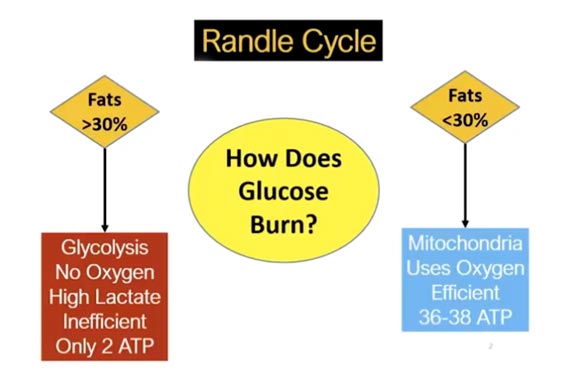
The Randle cycle is going to inhibit the oxidation of glucose in the mitochondria, resulting in weight gain, reduced energy production and other problems. If you’re metabolically impaired, as most people are, your fat intake may need to be as low as 10% to 15% initially, to prevent glycolysis from occurring.
Over time, you can then raise your fat intake to about 30% and still maintain healthy glucose metabolism. Unless you minimize your LA intake and get your total fat content below 30%, you really can’t go high-carb, because the end result is predictable. It’ll lead to diabetes, especially you have high tissue levels of LA, because the glucose cannot be metabolized in your mitochondria and will go to glycolysis instead.
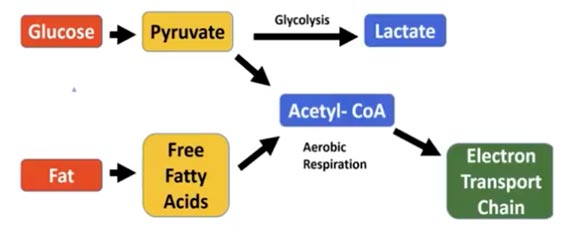
You also cannot load in just any type of carbohydrates. Most grains are loaded with LA and are therefore best avoided. Resistant starches also need to be limited, as they fuel the production of endotoxins in your gut.
The best carbs are ripe fruits. In addition to being a source of carbohydrates, ripe fruits also contain high levels of potassium, which will balance your sodium. Other healthy carbs include white rice and well-cooked potatoes.
Noakes’ Model: Muscle Glycogen Determines Fat Metabolism
Interestingly, in 1999, Noakes did a study showing that it’s not the Randle cycle that determines fat metabolism but, rather, the muscle glycogen content. In other words, the amount of glycogen in your muscles determines how much fat you burn. He explains:
“We made people glycogen depleted, and then we infused glucose. The glucose infusion made no difference. They refused to burn the extra glucose because they were burning so much fat when the glycogen was low.
In fact, I found an old paper [showing] that the best way to normalize your glucose tolerance is to get your muscle glycogen to zero, or as low as possible, and that fits my model.
My model is that when you take carbohydrate, the first thing you do is you try to burn it, so you inhibit fat oxidation, and then you dump it into muscle … and then you’ve got to exercise, get rid of it, and you cannot stop muscle glycogen burning. You cannot.
You can do what you like, it doesn’t stop muscle glycogen use. So, you can infuse glucose at high rates, the muscles will still burn the glycogen. If there’s glycogen in the muscle, it will be burned. And you have to ask why, when there’s so much fat to be oxidized?
So that’s the model that I see. I see the human as being loving to burn fat, and we’ve destroyed that by feeding them linoleic acid and carbs for too long. That’s how I see it.”
Why Strength Training Is so Important
Importantly, muscle glycogen is only used in the muscle. The glycogen cannot be excreted or secreted into your bloodstream. Only glycogen in the liver can do that. This makes a strong case for resistance training and building significant muscle mass. Like me, Noakes switched from running to doing resistance training when he got older:
“I’ve also shifted to weights and resistance training and it’s astonishing. When I look back, the benefits I get as a 74-year-old from resistance training are equal to the benefits I used to get at running as a 20 year old or a 30 year old. Today I can’t get those benefits from running anymore.
You have to change. And I’ve met a lot of endurance athletes who’ve told me that once they crossed 60, they reduced the running or the cycling and moved into resistance training, with huge benefits.”
Life Requires Constant Adaptation
In conclusion, Noakes correctly (and humbly) admits that when it comes to diet and exercise, we cannot make absolute statements that will be correct and always apply to everyone. We have an obligation to experiment and discover what works best for us, in the moment, and realize that what was best a few years ago may no longer be ideal.
To give you a personal example, when I shifted over from high-fat, low-carb to relatively high-carb, low-fat (upping my carbs from 150 grams a day to 400 or 500 grams) I lost 10 pounds, my body fat decreased 3% and my fasting blood sugar went down 10 points.
So, my body was telling me, “This is something I want to do.” It was clear that, from a blood work perspective and biological parameters, I was moving in the right direction. That intrigued me, because I like to test these theories out on myself before I start espousing them to others.
Before that, I was convinced that long-term high fat, low carb dieting was the way to go. My experience told me I hadn’t completely nailed it and needed to refine my recommendations further, which is why I’m now presenting more information about the benefits of higher-carb, lower-fat diets.
The caveat is that you need to be mindful of the types of carbs you add in, and to avoid seed oils. Unless you lower the LA, high-carb is not going to be a good strategy. Also, if you’re not exercising enough, eating 500 grams of carbs is going to be a disaster.
To learn more about Noakes’ work, please visit thenoakesfoundation.org. Also consider sponsoring his research efforts by making a donation, or become a research participant by filling out an anecdotal data collection form.
Fast Food Loaded With Antibiotics, Hormones, Heavy Metals, but Few Nutrients
Reproduced from original article:
https://articles.mercola.com/sites/articles/archive/2023/10/27/fast-food-antibiotics-hormones.aspx
The original Mercola article may not remain on the original site, but I will endeavor to keep it on this site as long as I deem it to be appropriate.
Analysis by Dr. Joseph Mercola October 27, 2023
STORY AT-A-GLANCE
- Most chain restaurants rely on beef and chicken from concentrated animal feeding operations (CAFOs), where veterinary drugs are routinely used, and of 10 fast food meals sampled and tested, all but two tested positive for veterinary drugs
- Six of the 10 fast food samples (Taco Bell, Dunkin’, Wendy’s, Domino’s, Burger King and McDonald’s) contained a veterinary antibiotic ionophore called monensin, which is not approved for human use as it can cause severe harm
- Of 43 school lunches tested, 95% had detectable levels of glyphosate, a carcinogenic and endocrine-disrupting weed killer linked to liver inflammation, metabolic disorder, cardiovascular disease and cancer
- 100% of the school lunches tested contained heavy metals at levels up to 6,293 times higher than the maximum levels allowed in drinking water. Cadmium and lead were found at the highest levels
- Of 21 fast food meals tested for essential minerals, none met the recommended daily requirements of calcium, potassium, manganese, copper, zinc and iron, and none of the 10 fast food meals tested for B vitamins contained detectable levels of B9 or B12. Vitamin B3 (niacin) levels were also exceptionally low
While high amounts of linoleic acid (LA) is one of the primary reasons why processed foods and fast food are so bad for your health, contaminants like veterinary drugs, antibiotics, hormones and heavy metals — combined with inferior amounts of essential nutrients — are other highly-ranked reasons to steer clear of.
8 of 10 Fast Food Meals Contain Veterinary Drugs
In September 2023, Moms Across America (MAA) submitted food samples from 10 fast food chains to the Health Research Institute, a nonprofit laboratory that tests food for nutrient content, contaminants and toxins. Each food sample was tested for the presence of 104 of the most common veterinary drugs and hormones. You can read the certificate of analysis here.1
Fast food restaurants sampled included McDonald’s, Starbucks, Subway, Chick-fil-A, Burger King, Taco Bell, Chipotle, Dunkin’, Wendy’s and Domino’s. Of these, only Chipotle and Subway tested negative for veterinary drugs.
This isn’t all that surprising, considering most chain restaurants rely on beef and chicken from concentrated animal feeding operations (CAFOs), where veterinary drugs are routinely used. As explained by MAA:2
“Due to large, industry, confined animal feeding operation conditions, which include extremely close quarters, unsanitary spaces, and high incidence of disease, most of America’s nonorganic meat comes from livestock that is heavily treated with antibiotics, growth hormones, and an anti-parasitic which is also a known aviary contraceptive.”
6 of 10 Contain Potentially Risky Antibiotics
Six of the 10 fast food samples (Taco Bell, Dunkin’, Wendy’s, Domino’s, Burger King and McDonald’s)3 contained a veterinary antibiotic ionophore called monensin, which is not approved for human use as it can cause severe harm. The sample with the highest concentration (Taco Bell) contained 0.64 micrograms (mcg). The “acceptable” daily intake is 12.5 mcg/kg of body weight per day.
Monensin also has a number of side effects in animals, including anorexia, diarrhea, depression, ataxia, degeneration of heart and skeletal muscles, necrosis and death.
The antibiotic ionophore narasin, which has the same side effects in animals as monensin, was found in 4 of the 10 samples (Wendy’s, Dunkin’, Domino’s and Starbucks). The highest concentration, 1.53 mcg, was found in a Wendy’s cheeseburger. The three others contained only trace concentrations. The “acceptable” daily intake is 5 mcg/kg per day.
Both monensin and narasin are toxic to dogs and horses and can cause paralysis of the hind legs at extremely low levels. They can also cause acute cardiac rhabdomyocyte degeneration and necrosis in beef and dairy cattle. The reason they’re used in cattle is because they encourage weight gain. MAA commented on these findings:4
“Moms Across America is gravely concerned about our population, especially children, unknowingly eating unprescribed antibiotic ionophores livestock, even at low levels, consistently because of potential damage to the microbiome as well as the risk of antibiotic-resistant bacteria growth.
We question if the side effects of these ionophores in dogs and horses, leaving their hind legs dysfunctional, might be related to millions of Americans presenting with restless leg syndrome and neuropathy, conditions unknown to most humans just a generation or two ago … Until proven safe, we urge our regulatory agencies, such as the USDA and FDA, to disallow the use of these drugs in our livestock.”
Download this Article Before it Disappears
‘Fowl Contraceptive’ Detected in Chick-fil-A Sandwich
The Chick-fil-A chicken sandwich was found to contain nicarbazin,5 an antiparasitic drug and fowl contraceptive that causes infertility in certain poultry, such as pigeons and geese. In fact, it’s used to control geese and pigeon populations.
In chickens, it’s used to control certain types of infections and fatten them up. Side effects of the drug include increased sensitivity to heat stress, degenerative processes in the liver and kidneys, and death.
In 2009, the British Soil Association sought to have nicarbazin banned in the U.K., as evidence proving the drug would not cause genetic damage, mutations, birth deformities or malformations was lacking. As a result, a European review board was unable to establish a safe level of residue in chickens and eggs.6
Despite open questions, the European Commission and the UK’s Veterinary Medicines Directorate continued to allow routine use of the drug in the poultry industry by using a legal loophole. In the U.S., nicarbazin has been an approved veterinary drug for use as an anticoccidial agent in broiler chickens since 1955.7
The Chick-fil-A sandwich contained 0.36 mcg of nicarbazin and the “acceptable” level is 200 mcg/kg per day.8 The seemingly wide safety margin does not mean there’s nothing to worry about though. As noted by MAA executive director Zen Honeycutt:
“The impact of millions of Americans, especially children and young adults, consuming a known animal contraceptive daily is concerning. With infertility problems on the rise, the reproductive health of this generation is front and center for us, in light of these results.
These are veterinary drugs and hormones … so the only studies that I have found, and that you will find, will be for animals. [They’re] not authorized for humans, and yet they’re being allowed [into the food supply]. Some people are consuming this food every day, so we don’t know how much they are accumulating in their body.”
John Fagan, chief scientist at the Health Research Institute, also noted that the FDA’s acceptable levels are really only meaningful when we’re talking about acute poisoning. In the case of fast food, which some people eat three times a day, the concern is chronic poisoning from the accumulation of toxins over time.9
School Lunches Loaded With Pesticides
In September 2022, MAA also tested 43 school lunches for the presence of not only hormones and veterinary drugs, but also pesticides, heavy metals and nutritional content.10 The results there were even more concerning.
Ninety-five percent of the school lunch items had detectable levels of glyphosate, a carcinogenic and endocrine-disrupting weed killer routinely used on GMO grains that has been linked to liver inflammation, metabolic disorder, cardiovascular disease and cancer, including liver cancer and Non-Hodgkin’s lymphoma.11,12
The highest levels of glyphosate were found in beef taco with soft wheat tortilla (286.77 nanograms per gram) and pizza (156.14 ng/g). As noted by MAA, these levels are highly concerning:13
“If consumed regularly, results with Total Effective Glyphosate above 25 ng/g could have harmful effects. These are levels that, if routinely fed to rats, cause them to show symptoms of Non-Alcoholic Fatty Liver Disease (NAFLD).
NAFLD is life-threatening and is an epidemic in the USA. These levels of glyphosate in school lunches would be expected to have similar effects on children.
Levels lower than 25 ng/g can be expected to contribute to NAFLD and other pathologies because a child will eat more than one thing during the day that contains glyphosate, and the levels of glyphosate would be cumulative.”
Other toxic pesticides found in the school meals include:
- Thiabendazole, which has immune suppressing effects, was found in 27.9% of the samples.
- Piperonal butoxide, present in 18 of the 43 samples (41%), is a developmental toxin that causes birth defects and neurodevelopment disruptions.
- Pyrimethanil, detected at 595.04 ppb on an apple, has been shown to cause thyroid tumors in animals.
School Meals: Drugs, Heavy Metals, but Few Nutrients
Nine of the 43 school lunches also contained four types of veterinary drugs and hormones, and a shocking 100% of meals contained heavy metals at levels up to 6,293 times higher than the maximum levels allowed in drinking water. Levels ranged from 0.5 ppb to 94.4 mcg/kg.
The highest levels of heavy metals were cadmium and lead, found at up to 46.8 mcg/kg (cadmium) and 94.4 mcg/kg (lead). Meanwhile, most of the meals were “abysmally low” in essential nutrients. As reported by the MAA:
“An advisor has calculated the contribution that the sample food would make to a person’s nutritional requirements, assuming that they ate a 4 oz portion (standardly used in nutritional analysis) and assuming that this food contributed ¼ of their nutrition for the day.
‘The nutritional items are consistently very deficient in Copper and are also consistently deficient (but to a lesser extent) in calcium, potassium, and phosphorous. Magnesium, zinc, and manganese are deficient in many of the samples, roughly 50%. The only mineral that is consistently meeting or exceeding requirements is iron. That is good but it is not enough!’ …
Without proper nutrients, our children’s brains will not function properly, and their bodies will not be developed as needed. Often children with learning and behavioral issues are deficient in just one or two minerals or vitamins; when those nutrients are added to their diet, their mental, physical, and behavioral issues subside. Even violent behavior is discontinued. Our children must have proper nutrient-dense food.”
Fast Food Cannot Sustain You
After completing the veterinary drug analysis on 10 fast food meals, MAA went on to test 21 fast food brands for essential minerals, and the top 10 brands for B vitamins.
“The testing was conducted out of concern for America’s skyrocketing mental and physical health crisis,” Honeycutt writes in her October 18, 2023, report.14
“Eighty-five million Americans eat fast food every day. Fast food companies often supply a significant portion of the 30 million school meals served to our children each day.
The quality of the food, including the contamination of agrochemicals and lack of nutrients due to toxic chemical inputs, contributes to our mental and physical health issues. One in five Americans have a mental illness, and 54% of our children have a chronic health issue.
For many impoverished children, school meals are the only food they consume each day. Numerous studies have linked toxins in the food supply and lack of nutrition to conditions such as autism, depression, aggression, suicide, and homicides. This report will … disclose the mineral, vitamin B, and calorie levels in the top 20 fast food restaurants/ school lunch suppliers.”
Based on the micronutrient testing done on school lunches in 2022 (above), you can probably guess what this nutritional testing revealed. The mineral content of the fast food tested did not meet the recommended daily requirements of calcium, potassium, manganese, copper, zinc and iron.
For example, the recommended daily allowance (RDA) of copper is 900 mcg per day, and Chick-fil-A’s chicken nuggets contain just 1.4 mcg of copper per gram. To meet the RDA, an adult would need to consume nearly nine servings of nuggets.
Signs of copper deficiency include fatigue, poor concentration and low mood. Also, “children with autism and violent behavior often have an imbalance of copper,” Honeycutt writes.
Fast Food Nearly Devoid of B Vitamins
Even worse, zero amounts of vitamin B9 or B12 were detected in the top 10 fast food samples, and deficiencies in these B vitamins can lead to fatigue, digestive issues, heart problems, nervous system disorders and erratic behavior. Indeed, vitamin B12 (cobalamin) is known as “the energy vitamin.” Your body requires it for energy production.
It also plays an important role in neurological function, and deficiency can culminate in a range of mental health symptoms, from irritability and depression to dementia and even psychosis. You can learn more about vitamin B12’s role in mental health in this November 6, 2022 article.
Warning signs of B12 deficiency include brain fog, memory lapses, mood swings, apathy, fatigue, muscle weakness and tingling in the extremities. Unfortunately, B12 deficiency may not present itself for several years, so by the time you notice symptoms, you may be quite deficient.
The fact that NONE of the top 10 fast foods contained B12 is rather remarkable when you consider B12-rich foods include beef, seafood, chicken and eggs. Beef and chicken are staples in fast food, yet fast food beef and chicken provide no B12 at all! If that doesn’t convince you that fast food meat is nowhere near the same as grass fed organic meat, I don’t know what will.
A woman would need to consume 333 servings of Chick-fil-A chicken sandwiches and a man would need to eat 380 servings to meet the RDA for niacin.
Levels of B3 (niacin) were also abysmal. The RDA for women is 14 mg per day and for men it’s 16 mg. To meet that RDA, a woman would need to consume 333 servings of Chick-fil-A chicken sandwiches (at a serving size of 210 grams) and a man would need to eat 380 servings.
Chipotle’s carnitas bowl with everything, which had the highest amount of B3, still requires you to eat eight servings if you’re a woman and nine servings if you’re a man, to meet your RDA of niacin. As reported by MAA:15
“On average, adults would need to consume between 64-73 servings of the top 10 fast foods to get proper vitamin B3 nutrition per day. Alternatively, a portion of liver (pasture-raised, ideally) or a can of tuna (SafeCatch) would supply enough vitamin B3 or niacin for proper nutrition for a day. Clearly, cheap fast food is not as cheap as it seems when one factors in the value of the nutrients provided in the purchase.”
- 1, 3 Health Research Institute Certificate of Analysis
- 2, 4 Moms Across America October 9, 2023
- 5, 7 EPA Nicarbazin
- 6 The Poultry Site March 9, 2009
- 8 Science Direct, Nicarbazine, Detecting and Controlling Veterinary Drug Residues in Poultry
- 9 Zero Hedge October 13, 2023
- 10, 13 Moms Across America September 28, 2022
- 11 Berkeley Public Health March 1, 2023
- 12 Patient Power Non-Hodgkin’s Lymphoma February 13, 2023
- 14, 15 Moms Across America October 18, 2023
Top 13 Reasons to Replace Dangerous Oils With Healthy Fats
Reproduced from original article:
https://articles.mercola.com/sites/articles/archive/2023/10/13/replace-dangerous-oils-with-healthy-fats.aspx
The original Mercola article may not remain on the original site, but I will endeavor to keep it on this site as long as I deem it to be appropriate.
Analysis by Dr. Joseph Mercola – Expert Review by James DiNicolantonio, Pharm.D Fact Checked October 13, 2023

STORY AT-A-GLANCE
- Replacing dangerous oils with healthy fats is one simple way to boost your health and reduce your risk of chronic disease
- While partially hydrogenated vegetable oils are now recognized as harmful due to their trans fat content, and are being largely eliminated, trans fat-free vegetable oils still have the worrisome problem of degrading into toxic oxidation products when heated
- Vegetable oils are also a concentrated source of omega-6 linoleic acid, which has led to a severe imbalance between the omega-6 to omega-3 ratio in most people’s diets, and many commonly used vegetable oils are genetically engineered
- Maintaining a healthy ratio of omega-6 to omega-3 is important for optimal health. Ideally, you want to maintain a 4-to-1 ratio of omega-6 and omega-3 fats or less
- Black seed oil has at least 20 different pharmacological actions, and has been shown to be useful for a wide variety of ailments, including Type 2 diabetes, asthma, cognitive decline, stress and rheumatoid arthritis
Editor’s Note: This article is a reprint. It was originally published January 7, 2019.
Dietary fats are a crucial component of a healthy diet, but the devil’s in the details, and the type of fats you choose can make a world of difference. While the notion that saturated fats cause heart disease is a fallacy, some fats do cause cardiovascular problems and need to be avoided.
Replacing dangerous oils with healthy fats is one simple way to boost your health and reduce your risk of chronic disease. Here, I’ll review some of the key points to remember when adding more fat into your diet.
Trans Fat — A Hidden Culprit in Heart Disease for Decades
Before 1900, American housewives used lard and butter for cooking. It wasn’t until 1911 that our diets experienced a dramatic change with the introduction of trans fat in the form of Crisco, the first hydrogenated vegetable oil product to hit the market.
Hydrogenated vegetable oils and margarine quickly became the backbone of the food industry. In my book “Superfuel: Ketogenic Keys to Unlock the Secrets of Good Fats, Bad Fats, and Great Health,” cowritten with James DiNicolantonio, Pharm.D, we take a deep dive into this topic. In fact, our book reveals how the consumption of soybean oil has increased over a thousand percent from 1909 to 1999.
Trans fats became a staple dietary fat with the introduction of processed foods, and could be found in everything from cookies and crackers to french fries and frozen food. Unfortunately, it would take more than a century for the truth about trans fat to be fully recognized.
The U.S. Food and Drug Administration (FDA) didn’t remove partially hydrogenated oils from the generally recognized as safe (GRAS) list until 2015,1 based on evidence suggesting their removal could prevent thousands of heart attacks and deaths each year.
In reality, research by trans fat scientist Fred Kummerow, dating back to 1957, showed that trans fat interferes with the basic functioning of cellular membranes. Even small amounts of manufactured trans fat have been shown to have adverse effects on your heart, insulin sensitivity and neurological system.
Processed Vegetable Oils Do More Harm Than Good
In response to research and public opinion, many restaurants have since turned from partially hydrogenated oils to 100% vegetable oil. However, while these oils do not have trans fats, they’re just as bad, if not worse. There are three significant reasons for this:
1. When heated, vegetable oils degrade to extremely toxic oxidation products, including cyclic aldehydes,2 which have been linked to neurodegenerative diseases and certain types of cancer. In her book, Teicholz cites research showing that aldehydes cause toxic shock in animals through gastric damage.
2. Vegetable oils are a concentrated source of omega-6 linoleic acid, which has led to a severe imbalance between the omega-6 to omega-3 ratio in most people’s diets.
3. Many of the vegetable oils produced today — especially corn and soy — are products of genetic engineering (GE) and a significant source of glyphosate exposure, and glyphosate has also been linked to gut damage and other health problems.
In addition, processed vegetable oils (polyunsaturated fat) harm health by:
4. Creating high amounts of oxidation products when used in cooking (as they are very susceptible to heat), including aldehydes, which are what cause oxidized low-density lipoprotein (LDL) associated with heart disease. Aldehydes also crosslink tau protein and create neurofibrillary tangles, thereby contributing to the development of neurodegenerative diseases.
5. Damaging the endothelium (the cells lining your blood vessels) and causing an increase in penetration of LDL and very low-density lipoprotein (VLDL) particles into the subendothelium. In other words, these oils get integrated in your cell and mitochondrial membranes, and once these membranes are impaired, it sets the stage for all sorts of health problems.
6. Damaging your mitochondria and DNA by making your cell membranes more permeable, allowing things to enter that shouldn’t.
7. Making the cell membrane less fluid, which impacts hormone transporters in the cell membrane and slows your metabolic rate.
8. Inhibiting cardiolipin, an important component of the inner membrane of your mitochondria that needs to be saturated in DHA in order for it to function properly.
Cardiolipin can be likened to a cellular alarm system that triggers apoptosis (cell death) by signaling caspase-3 when something goes wrong with the cell. If the cardiolipin is not saturated with DHA, it cannot signal caspase-3, and hence apoptosis does not occur. As a result, dysfunctional cells are allowed to continue to grow, which can turn into a cancerous cell.
9. Inhibiting the removal of senescent cells, i.e., aged, damaged or crippled cells that have lost the ability to reproduce and produce inflammatory cytokines that rapidly accelerate disease and aging.
10. Stripping your liver of glutathione (which produces antioxidant enzymes), thereby lowering your antioxidant defenses.3
11. Inhibiting delta-6 desaturase (delta-6), an enzyme involved in the conversion of short-chained omega-3s to longer chained omega-3s in your liver.4
12. Exposing you to toxic 4-hydroxynonenal (4HNE), which forms during the processing of most vegetable oils, even if the oil is obtained from organic crops. 4HNE is highly toxic, especially to your gut bacteria, and consumption of 4HNE has been correlated with having an obesogenic balance of gut flora. It also causes DNA damage and instigates free radical cascades that damage your mitochondrial membranes.5
13. Exposing you to glyphosate residues, as most vegetable oils are made with genetically engineered crops. Glyphosate has been shown to disrupt the tight junctions in your gut and increase penetration of foreign invaders, especially heated proteins, which can cause allergies.
Download this Article Before it Disappears
Address Your Omega-6 to Omega-3 Ratio to Protect Your Health
Marine-based omega-3 is one of the most important fats in the human diet, as docosahexaenoic acid (DHA) and eicosapentaenoic acid (EPA) are actually key structural elements of cells, including your brain cells, and not just simple fuel. If you don’t have enough DHA and EPA, your body’s ability to repair and maintain healthy cell structures is seriously impaired.
Unfortunately, in the past 100 years, our omega-6 intake has nearly tripled while our intake of omega-3 has decreased 10fold, and this imbalance has also likely played a significant role in our skyrocketing disease rates.
Eating too much damaged omega-6 fat — found in abundance in processed vegetable oils — and too little animal-based omega-3 sets the stage for diabetes, cardiovascular disease, rheumatoid arthritis, cancer, depression and Alzheimer’s, just to name a few.
Now, omega-6 fat in and of itself is not the problem. The problem is that most people get far too much of it, and insufficient amounts of omega-3, and that most of the omega-6 people eat has been damaged and oxidized through processing. Evidence implicating excessive consumption of omega-6-rich vegetable oils as a direct cause of heart disease include but is not limited to:6
| The amount of linoleic acid in adipose tissue and platelets is positively associated with coronary artery disease, and studies7 measuring changes in linoleic acid concentrations in adipose tissue in Americans show concentrations increased from 9.1% in 1959 to 21.5% in 2008. This increase also paralleled increases in the prevalence of obesity, diabetes and asthma.
Conversely, the long-chained omega-3s docosahexaenoic acid (DHA) and eicosapentaenoic acid (EPA) have been shown to protect against coronary artery disease, which is why maintaining a healthy balance between omega-3 and omega-6 is so important. |
| Patients with atherosclerosis have higher amounts of linoleic acid oxidation products in their plasma, low-density lipoprotein (LDL) and atherosclerotic plaques. |
| Oxidation of linoleic acid begins before any clinical signs of atherosclerosis become apparent. |
| When the endothelium (the interior lining of your blood vessels) is exposed to linoleic acid, LDL transfer across the endothelium is increased and this is an essential step in the atherosclerotic process. |
| Low linoleic acid diets reduce LDL oxidation. |
| A meta-analysis of randomized controlled trials in humans showed that when saturated fat and trans fat are replaced with omega-6 PUFAs, all-cause mortality, ischemic heart disease mortality and cardiovascular mortality increase. |
| Oxidation products of linoleic acid are found in infarcted tissue. |
| The linoleic acid metabolite 9-HODE is a strong promoter of inflammation, and may be both a marker for and inducer of atherosclerosis. |
Healthiest Fats for Cooking
Getting back to cooking oils, if vegetable oils are “out,” what should you use to cook with? Healthy alternatives include:
• Coconut oil — This is what I believe is the best cooking oil. It has a number of valuable health benefits, including a positive effect on your heart and antimicrobial properties. It’s also a great source of energy, thanks to its medium-chain fatty acids (MCFAs). When consumed, the MCFAs are digested and converted by your liver into energy that you can immediately use. Coconut oil also helps stimulate your metabolism to encourage a healthy weight profile.
• Grass fed butter — Raw, organic butter made from healthy grass fed cows’ milk contains many valuable nutrients, including vitamins A, D, E and K2. Furthermore, it contains various minerals and antioxidants that support good health.
• Organic ghee, which has been used for cooking for thousands of years, is another good choice.
• Olive oil — This oil contains healthy fatty acids that can help lower your risk of heart disease. While the standard recommendation has been to avoid using olive oil for cooking and to only use it cold, research8 in which 10 popular cooking oils were compared, contradicts this advice, showing extra-virgin olive oil actually scored best for both oxidative stability and lack of harmful compounds produced when heated.
A word of caution is warranted, however. Fake olive oil abounds, so it’s important to take the time to investigate your sources. Tests reveal anywhere from 60 to 90% of the olive oils sold in American grocery stores and restaurants are adulterated with cheap vegetable oils or nonhuman-grade olive oils, which are harmful to health in a number of ways.9
For tips on how to assess the quality of your olive oil, see the short video below. For more information, see “Is Your Olive Oil Fake?” where I cover this topic in-depth.
Peanut oil and sesame oil are two other healthy options. While both are high in omega-6, peanut oil is high in antioxidants, and sesame oil has been shown to benefit diabetics. The caveat with these two oils is that you need to consume them unheated and in moderation, so as not to throw off your omega-6 to omega-3 ratio.
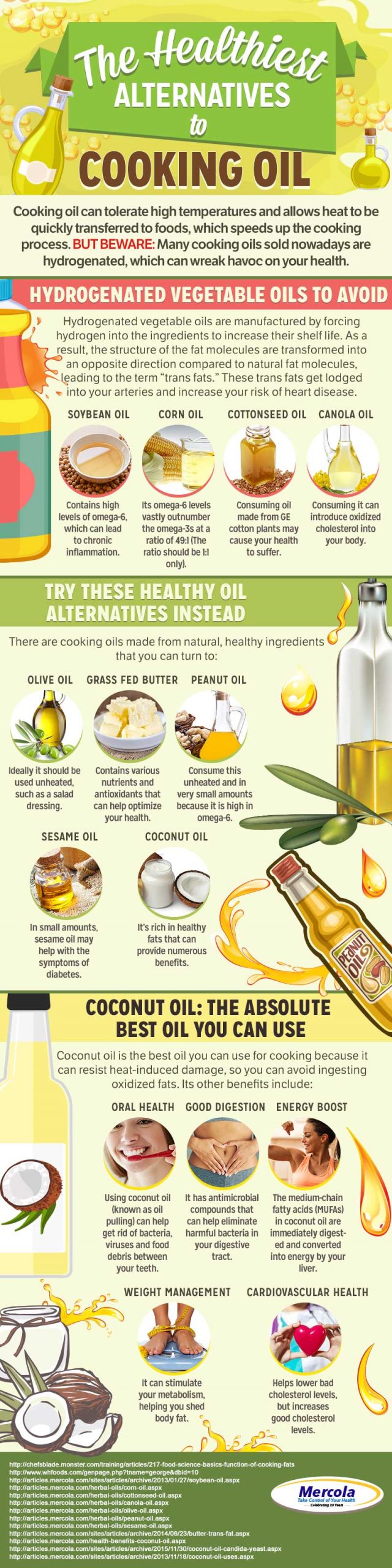
Black Seed Oil — The Forgotten Gem
Black seed (Nigella Sativa) oil is another exceptional fat with a long history of use in traditional systems of medicine, including Ayurveda and Siddha. The most abundant active plant chemical in black seed is thymoquinone; other bioactive compounds include α-hederin, alkaloids, flavonoids, antioxidants and fatty acids.
As for its antioxidant activity, black cumin seed has been found to be far more potent than vitamin C.10 In modern times, researchers have confirmed Nigella Sativa may be helpful for:
| Type 2 diabetes — In one study, Nigella sativa improved glucose tolerance as efficiently as metformin.11 It’s also been shown to improve the performance of antidiabetic medication12 |
| Reducing asthma symptoms — In one study,13 thymoquinone was found to be instrumental, by reducing two inflammatory mediators of asthma and other inflammatory processes.
Another study14 found black cumin seed also acts as a relaxant, and displays both anticholinergic (reducing spasms in smooth muscle) and antihistaminic (blocking allergic reactions) effects. Here, thymoquinone was found to be superiorto the asthma drug fluticasone (a synthetic glucocorticoid) |
| Enhancing memory and reducing stress — The results showed black cumin seed inhibited stress-induced biochemical changes in a dose-dependent manner. Memory and cognition was also dose-dependent15 |
| Reducing damage caused by cadmium poisoning16 — May also serve as prophylactic against chemical warfare agents |
| Protecting against and attenuating aflatoxicosis17 |
| Alleviating symptoms of allergic rhinitis18 |
| Candidiasis19 |
| Rheumatoid arthritis20 |
| Cancer21,22,23 |
Black seed oil has at least 20 different pharmacological actions, which helps explain how it can be useful for so many different and varying ailments, including:24
| Antidiabetic | Anti-cancer |
| Immunomodulatory | Analgesic (pain relief) |
| Antimicrobial | Anti-inflammatory |
| Spasmolytic | Bronchodilator25 |
| Hepatoprotective | Renal protective |
| Gastroprotective | Antioxidant |
How to Use Black Seed Oil
Black seed oil is a highly undervalued and oft-forgotten kitchen staple. When used in cooking, it imparts a warm, slightly bitter flavor that tastes something like a blend of thyme, oregano and nutmeg.
A mixture of black seed oil, honey and garlic also makes for a powerful tonic that can help soothe coughs and boost immunity, especially during cold and flu season or if you feel like you’re coming down with an infection.26
Like all seeds, black seed oil is high in polyunsaturated fats. So, when taken in excess, it could make your mitochondrial membranes more susceptible to oxidation.
For this reason, I suggest limiting your daily intake to 1 to 2 tablespoons or less. A simple way to get a small amount of black seed oil into your diet on a regular basis is to use it in your homemade dressing. Here are a few suggestions:
- Mix apple cider vinegar, black seed oil, fresh lemon juice, cilantro and tahini. Experiment with the ratios to enhance the flavor you enjoy the most
- A simple and yummy dressing that goes particularly well with broccoli, asparagus or salad greens includes: 1 tablespoon apple cider vinegar, 1 tablespoon lemon juice, one-half teaspoon minced garlic, a dash of ground black pepper and a few fresh basil leaves, chopped
- Alternatively, you can use apple cider vinegar and/or black seed oil as substitutes for other oils and vinegars in whatever dressing recipe you’re already using. Keep in mind that the black seed oil does have a spicy kick to it, so substituting the full amount may make it too spicy. Start by adding just a small amount, and experiment to find the ratio of vinegar, olive oil and black seed oil you enjoy
Optimize Your Health by Selecting the Right Fats
The list below, obtained from Dr. Cate Shanahan, author of “Deep Nutrition: Why Your Genes Need Traditional Food,” summarizes some of the best and worst fats found in our modern diet. Replacing the bad fats in your diet with ones from the “good” list is a simple way to safeguard your health without making any radical changes.
To learn more about the ins and outs of dietary fats, pick up a copy of my book, “Superfuel: Ketogenic Keys to Unlock the Secrets of Good Fats, Bad Fats, and Great Health,” cowritten with James DiNicolantonio, Pharm.D, which gives more in-depth specifics on how to discriminate between healthy and harmful dietary fats.
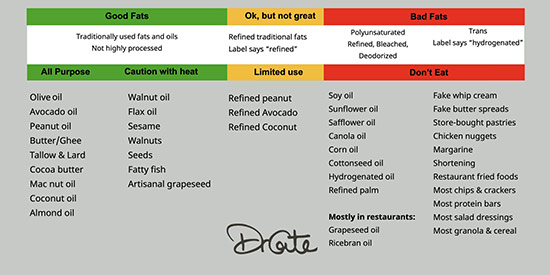
- 1 FDA.gov, Final Determination Regarding Partially Hydrogenated Oils
- 2 Science Daily February 22, 2012
- 3, 4, 5 Deep Nutrition: Why Your Genes Need Traditional Food by Dr. Cate Shanahan
- 6 Open Heart 2018;5:e000898
- 7 Open Heart. 2018; 5(2): e000898; doi: 10.1136/openhrt-2018-000898
- 8 Acta Scientific Nutritional Health June 2018; 2(6)
- 9 FoodFraud.org
- 10 J Herb Pharmacother. 2004;4(2):1-10
- 11 Journal of Endocrinology and Metabolism April 2011; 1(1): 1-8
- 12 Indian J Physiol Pharmacol. 2010 Oct-Dec;54(4):344-54
- 13 J Enzyme Inhib Med Chem. 2004 Oct;19(5):431-6
- 14 Planta Med. 2010 Feb;76(3):218-22
- 15 Pharm Biol. 2011 Jul;49(7):702-8
- 16 Biological Trace Element Research December 2005
- 17 Journal of Applied Toxicology April 26, 2005
- 18 American Journal of Otolaryngology September-October 2011
- 19 Archives of Clinical Infectious Diseases: Vol.10, issue 1; e22991. January 24, 2015
- 20 Phytotheray Research December 12, 2011
- 21 Natural Society, Black Cumin
- 22 The American Journal of Chinese Medicine 2011
- 23 African Journal of Traditional, Complementary and Alternative Medicines 2011
- 24 Asian Pacific Journal of Tropical Biomedicine May 2013; 3(5): 337-352
- 25 Phytomedicine. 2010 Aug;17(10):707
- 26 Kitchen Doctor, Black Cumin
Why Synthetic Food Is Very Dangerous
Reproduced from original article:
https://articles.mercola.com/sites/articles/archive/2023/10/04/synthetic-food.aspx
The original Mercola article may not remain on the original site, but I will endeavor to keep it on this site as long as I deem it to be appropriate.
Analysis by Dr. Joseph Mercola Fact Checked October 04, 2023
STORY AT-A-GLANCE
- An estimated 99% of the components making up whole food are a complete mystery. The U.S. Department of Agriculture’s National Nutrient Database for Standard Reference details 188 nutritional components of food, including 38 flavonoids, yet scientists estimate there are more than 26,000 different biochemicals in our food
- We know even less about the constituents of processed foods and synthetic foods, which falsely claim to be “equivalents” to whole foods, such as “animal-free meats” or “animal-free milk”
- Scientists cannot create equivalence when they don’t even know what 85% or more of the whole food they’re trying to replicate consists of
- A paper published in the April 2023 issue of Animal Frontiers warns that cultured products are not nutritionally equivalent to the meats they’re intended to replace
- A May 2023 report by the Food and Agriculture Organization concluded there are at least 53 potential health hazards associated with lab-grown meat, including the possibility of contamination with heavy metals, microplastics, nanoplastics and chemicals, allergenic additives, toxic components, antibiotics and prions
Do you know what’s in the food you eat? Remarkable as it may seem, 99% of the components making up whole food are a complete mystery. As reported by New Scientist in July 2020:1
“We know next to nothing about the vast majority of compounds in our diet … ‘Our understanding of how diet affects health is limited to 150 key nutritional components,’2 says Albert-László Barabási at Harvard Medical School, who coined the term nutritional dark matter.
‘But these represent only a small fraction of the biochemicals present in our food’ … The idea that food is a rich and complex mix of biochemicals is hardly news.
Even the well-known macronutrients — proteins, carbohydrates and fats — are hugely diverse. There’s also a vast supporting cast of micronutrients: minerals, vitamins and other biochemicals, many of which are only present in minuscule quantities, but which can still have profound health effects.”
The official source of nutritional information is the U.S. Department of Agriculture’s (USDA) National Nutrient Database for Standard Reference.3 It lists the composition of hundreds of thousands of foods, but it’s not as detailed as you might imagine.
In all, it details only 188 nutritional components, including 38 flavonoids, yet scientists estimate there are more than 26,000 different biochemicals in our food.4,5
As noted by New Scientist,6 “with the USDA as your guide, 99.5% of the components in food are a mystery,” and as noted by Barabási, “It would be foolish to dismiss 99.5% of the compounds we eat as unimportant7 … We will not really understand how we get sick if we don’t solve this puzzle.”8
Searching for Nutritional ‘Dark Matter’
Disturbed by the information gap, an international team of researchers started working on a more comprehensive database a decade ago called FooDB,9 which as of 2020 contained information on some 70,000 nutritional compounds.
Yet even this database still has a long way to go. An estimated 85% of the nutritional components listed remain unquantified, meaning they know a food contains a particular component, but they don’t know how much. The health implications of most compounds also remain largely unknown. New Scientist notes:10
“This is also true of individual micronutrients. ‘Consider beta-carotene,’ says Barabási. ‘It tends to be positively associated with heart disease, according to epidemiological studies, but studies adding beta-carotene to the diet do not show health benefits.
One potential reason is that beta-carotene never comes alone in plants; about 400 molecules are always present with it. So epidemiology may be detecting the health implications of some other molecule.’
Another probable cause is the effect of the microbiome on dark nutrients, says [FooDB founder David] Wishart. ‘Most dark nutrients are chemically transformed by your gut bacteria.
That’s probably why studies on the benefits of different foods give relatively ambiguous results. We don’t properly control for the variation in gut microflora, or our innate metabolism, which means different people get different doses of metabolites from their food.’”
Processed Foods Are an Even Greater Mystery
The reason I started with that background is because we know even less about the constituents of processed foods and synthetic foods that ignorantly claim to be “equivalents” to whole foods, such as “animal-free meats” or “animal-free milk.”
Food processing alone will often alter the composition of bioactive molecules in a food, and hence the food’s impact on health,11 but today, processed foods also contain a wide array of synthetic chemicals that, prior to the modern era, were never part of the human diet. As such, they pose incredible risks to long term health and well-being. Processed foods may also have intergenerational effects.
How can scientists create equivalence when they don’t even know what 85% or more of the whole food they’re trying to replicate consists of?
In recent years, the idea that we can simply replace whole foods with synthetic, genetically modified or lab-grown alternatives that are wholly equivalent to the original food has taken root. In reality, that’s simply impossible.
How can scientists create equivalence when they don’t even know what 85% or more of the whole food they’re trying to replicate consists of? Common sense will tell you they can’t. It might look, smell and even taste similar, but the micronutrient composition will be entirely different, and as a result, the health effects will be incomparable as well.
Download this Article Before it Disappears
Animal-Free Equivalence Is a PR Fraud
Take cultured meat, for example. It’s said to be equivalent to real animal meat because it’s grown from animal cells. The cells are then grown in a nutrient solution inside a bioreactor until it becomes a meat-like slab.
Similarly, Bored Cow12 animal-free milk is a dairy alternative made with whey protein obtained through a fermentation process, plant-based fats (in lieu of milk fats), citrus fiber (for creaminess) and added vitamins and minerals.
Defenders of cultured meat insist that this product is not “fake meat” but “actual meat,”13 the only difference being that no animal had to be slaughtered to create it. Cultured meat and other synthetic foods are also said to be more environmentally friendly. But nothing could be further from the truth.
Their impact is far more akin to that of the pharmaceutical industry than the food industry. According to a recent “cradle-to-gate life cycle” analysis,14,15,16,17 the lab-grown meat industry produces anywhere from four to 25 times more CO2 than traditional animal husbandry.
Based on this assessment, each kilo of cultured meat produces anywhere from 542 pounds (246 kilos) to 3,325 pounds (1,508 kg) of carbon dioxide emissions, making the climate impact of cultured meat four to 25 times greater than that of conventional beef. And this information is only provided to refute those who believe the global warming fallacy.
As noted by the authors, investors have poured billions of dollars into animal cell-based meat (ACBM) sector based on the theory that cultured meat is more environmentally friendly than beef. But according to these researchers, that hype is based on flawed analyses of carbon emissions.
Cultured meat is also the epitome of ultraprocessed food18 and therefore likely to cause health problems like those caused by other ultraprocessed foods, such as obesity,19 cardiovascular diseases, Type-2 diabetes, metabolic syndrome, irritable bowel syndrome, cancer,20 mental health problems21 and increased all-cause mortality.22,23,24,25,26
A paper27 published in the April 2023 issue of Animal Frontiers also warned that there are several implications of cell-based meat that need to be considered, but aren’t, including the fact that cultured products are not nutritionally equivalent to the meats they’re intended to replace.
The claim that no animals are killed in the process is also false. At present, most cultured or cell-based meats are created by growing animal cells in a solution of fetal bovine serum (FBS), which is made from the blood of unborn calves. In short, pregnant cows are slaughtered to drain the unborn fetus of its blood.
Is It Safe to Eat Tumors?
There are also many unanswered questions surrounding safety. For example, to get the cell cultures to grow, some companies are using immortalized cells, which technically speaking are precancerous and/or fully cancerous.28 (Other companies use embryonic stem cells or cells from living animals.29)
The reason for using immortalized cells is because normally behaving cells cannot divide forever. Most cells will only multiply a few dozen times before they become senescent (old) and die.
This won’t work when your intention is to grow thousands of pounds of tissue from a small number of cells, hence they use immortalized cells that have no off switch for their replication and can divide indefinitely.
Meat substitutes cultured in this way could therefore be thought of as tumors, seeing how the flesh is entirely made up of precancerous or cancerous cells. Is it safe to eat tumors? We don’t know.
MIT biologist Robert Weinberg, Ph.D., has proposed that humans can’t get cancer from these cells because they’re not human cells and therefore cannot replicate inside your body.30 However, there’s no long-term research to back this theory.
Dietary Headaches to Come
It’s also important to realize that the nutritional composition and safety of synthetic foods will vary depending on the brand.
When you’re dealing with beef, for example, the meat from one cow will be relatively identical to that of any other cow (one major exception being the way they’re raised and fed). One wild-caught salmon is comparable to any other wild-caught salmon, and each russet potato is more or less identical to every other russet potato.
But since each synthetic food brand uses proprietary ingredients and processes, no two will have the identical composition or safety, so even if one is eventually proven safe and nutritious, those results cannot be applied to any other brand.
This variance has the potential to create major problems in the future when all sorts of foods have been replaced with synthetic non-equivalents. How do you determine which cultured beef, chicken or salmon brand might be best for you? How will you devise a sensible diet plan when every food comes in myriad variations of varying composition and safety?
Synthetic Foods Pose Unique Food-Safety Hazards
Many synthetic food proponents claim lab-created food will bypass a host of food-safety problems, but the converse is far more likely to be true. Sure, beef, for example, can be contaminated during processing, packaging, transport or storage, or during the cooking process.
But in cultured meat, every ingredient and processing step brings with it the potential of contamination, and any of the hundreds of ingredients could have toxic effects, alone or in synergy.
Indeed, an in-depth analysis31,32 of the available evidence by the Food and Agriculture Organization of the United Nations (FAO) and a World Health Organization expert panel, published in May 2023, concluded there are at least 53 potential health hazards associated with lab-grown meat.
Among them are the possibility of contamination with heavy metals, microplastics, nanoplastics and chemicals, allergenic additives, toxic components, antibiotics and prions.
What’s more, some of the ingredients that go into synthetic biology like cultured meat are regulated as “non-detectable manufacturing aids,” and you won’t even know what they are. Israeli startup Profuse Technology, for example, has developed a growth media supplement that massively encourages protein growth.
As reported by Food Navigator Europe in an article titled “Cultivated Meat ‘Breakthrough’: Media Supplement Achieves Full Muscle Maturation on Scaffold Within 48 Hours,”33 the supplement reduces the time to grow filets and steaks by 80% and augments the protein in the final product by a factor of five.
An Unsustainable Model
The cultured meat process also produces toxic biowaste — a problem that doesn’t exist in conventional agriculture and food processing. In the video above, Alan Lewis, vice president of government affairs for Natural Grocers, reviews what goes into the making of synthetic biology.
The starting ingredients are typically cheap sugars and fats derived from genetically engineered corn and soy, grown in environmentally destructive monocultures with loads of herbicides, pesticides, and synthetic fertilizers.
As a result, they’re loaded with chemical residues. Hundreds of other ingredients may then be added to the ferment to produce the desired end product, such as a certain protein, color, flavor or scent. The most-often used microorganism in the fermentation process is E. coli that has been gene-edited to produce the desired compound through its digestive process.
The microorganism must also be antibiotic-resistant, since it needs to survive the antibiotics used to kill off other undesirable organisms in the vat. As a result, antibiotic-resistant organisms also become integrated into the final product, and the types of foodborne illness that might be caused by gene-edited antibiotic-resistant E. coli and its metabolites are anyone’s guess.
In addition to the desired target metabolite, these gene-edited organisms may also spit out non-target metabolites with unknown environmental consequences and health effects. But that’s not all. Once the target organisms are extracted, what’s left over is hazardous biowaste.
While traditional fermentation processes, such as the making of beer, produce waste products that are edible by animals, compostable and pose no biohazard, the biowaste from these synthetic biology ferments must first be deactivated, and then must be securely disposed of. It cannot go into a landfill.
Protect Your Health by Avoiding Frankenfoods
Making food that requires GMO inputs and produces more CO2 than conventional farming and hazardous biowaste to boot is hardly a sustainable model. But then again, synthetic biology and processed foods are not being pushed out of true concern for sustainability.
If that was the goal, everyone would be looking at regenerative agriculture where every part of the system supports and sustains other parts, thereby eliminating the need for chemical inputs, radically reducing water needs while optimizing yields.
No, synthetic biology is pursued because it is a formidable control mechanism. Those who own all the synthetic food production will control the world in a very literal sense. To learn more about this plot for control, see “The Fake ‘Food as Medicine’ Agenda.”
In short, the globalists already own and control most of the carbohydrates grown in the world today. By replacing real animal foods with patented lab-made protein alternatives, they’ll have unprecedented power to control the world’s population.
It’ll also grant them greater control over people’s health. It’s already known that the consumption of ultraprocessed food contributes to disease, and the benefactor of ill health is Big Pharma.
The processed food industry has spent many decades driving chronic illness that is then treated with drugs rather than a better diet. Synthetic foods will likely be an even bigger driver or chronic ill health and early death.
The fact is, fake meat and dairy cannot replace the complex mix of nutrients found in grass fed beef and dairy, and it’s likely that consuming ultraprocessed meat and milk alternatives may lead to many of the same health issues that are caused by a processed food diet. So, if you want to really protect your health and the environment, skip pseudofoods that require patents and stick to those found in nature instead.
- 1, 6, 7, 10 New Scientist July 22, 2020 (Archived)
- 2, 4 Nature Food 2020; 1: 33-37
- 3 National Nutrient Database for Standard Reference (Archived)
- 5 Afekta February 26, 2020
- 8 Inside Science December 9, 2019
- 9 FooDB
- 11 Knowable Magazine September 20, 2023
- 12 Bored Cow Animal-Free Milk
- 13 Food Safety News September 19, 2023
- 14 BioRxiv April 21, 2023
- 15 New Scientist May 9, 2023
- 16 Interesting Engineering May 14, 2023
- 17 Watts Up With That? May 12, 2023
- 18 Friends of the Earth, From Lab to Fork, June 2018 (PDF)
- 19 Cell Metabolism, 2019; doi: 10.1016/j.cmet.2019.05.008
- 20 BMJ 2018; 360:k322
- 21 Advisory UPF Dangerous for Your Brain
- 22 JAMA Internal Medicine February 11, 2019;179(4):490-498
- 23 BMJ February 14, 2018; 360
- 24 JAMA 2017;317(9):912-924
- 25 BMJ, 2019;365:I1451
- 26 BMJ, 2019;365:l1949
- 27 Animal Frontiers April 2023; 13(2): 68-74
- 28, 29, 30 The Fern February 7, 2023
- 31 FAO.org Food Safety Aspects of Cell-Based Food
- 32 ISAAA.org May 10, 2023
- 33 Food Navigator Europe September 26, 2023
Why You Should Never Take Antacids for Digestive Reflux
Reproduced from original article:
https://articles.mercola.com/sites/articles/archive/2023/09/27/never-take-antacids-for-digestive-reflux.aspx
The original Mercola article may not remain on the original site, but I will endeavor to keep it on this site as long as I deem it to be appropriate.
Analysis by Dr. Joseph Mercola Fact Checked September 27, 2023

STORY AT-A-GLANCE
- Proton pump inhibitors (PPIs) inhibit acid production in your stomach and are routinely used to treat acid reflux. An estimated 15% of the U.S. population are on PPIs. Antacids like Tums neutralize acid in your stomach but don’t block production. They’re the least harmful, as their effects are temporary. Be sure to read the ingredients list, however, as many acid neutralizing medications contain aluminum hydroxide, a toxic compound that impairs your body’s zeta potential
- If you regularly suffer from heartburn or acid reflux, inhibiting acid production is actually the last thing you want to do
- Acid reflux occurs when contents from your stomach back up into your esophagus, causing stomach acid to irritate the lining of your esophagus. However, excess acid is not the problem. Low acid is, because the lower esophageal sphincter (LES) is pH sensitive and only closes once sufficient acidity is present in the stomach
- Other causes of heartburn include hiatal hernia, medications and foods that relax the LES, foods that irritate the stomach, obesity, smoking and helicobacter pylori infection
- PPIs and antacids are inadvisable as none of the potential underlying causes involves excess stomach acid. What you need is more acid. Long term use of PPIs can compromise your health, as insufficient stomach acid has been linked to asthma, GI-related issues, skin diseases, depression, gallbladder disease, migraines, macular degeneration, osteoporosis and a variety of autoimmune conditions
Americans spend a whopping $13 billion a year on over-the-counter (OTC) antacids (acid neutralizers) and prescription proton pump inhibitors (PPIs), which are the most popular antireflux medications on the market.1 It’s estimated that over 27% of Americans are taking antacids, and more than 15% are on PPIs.2,3
PPI drugs like Nexium, Prevacid and Prilosec inhibit acid production in your stomach and are routinely used to treat acid reflux, a condition affecting about 20% of the U.S. population.4 Once prescribed, your doctor may keep you on a PPI drug for years, despite label warnings suggesting they be used only for short periods.
Antacids like Tums neutralize acid in your stomach but don’t block production. As such, they’re the least harmful, as their effects are temporary. That said, many acid neutralizing medications contain aluminum hydroxide, a toxic compound that impairs your body’s zeta potential,5 so be sure to read the ingredients.
If you regularly suffer from heartburn or acid reflux and are using prescription PPIs or OTC antacids, you’ll want to pay careful attention to this article, as inhibiting acid production is the last thing you want to do.
In a September 16, 2023, Substack article,6 A Midwestern Doctor took a deep dive into the problems caused by acid-suppressing medications, and how to properly address acid reflux.
As noted in that article, PPIs top the list of medications that are routinely prescribed despite providing minimal benefit and causing real harm. I’ll review some of the highlights from that article here, but if you want more, I highly recommend reading his article, “Stomach Acid Is Good For You,”7 in its entirety.
The Primary Cause of Acid Reflux
Acid reflux occurs when contents from your stomach back up into your esophagus, causing stomach acid to irritate the lining of your esophagus. Other common names for this condition include acid indigestion, acid regurgitation, heartburn and gastroesophageal reflux disease (GERD).
If you experience acid reflux symptoms more than twice a week, you very likely have reflux disease or GERD, which involves bloating, burning pain in your chest and gut discomfort.
Now, because stomach acid is involved, and the word “acid” connotes the idea of “burning,” it’s commonly believed that excess stomach acid is the problem. Indeed, the entire antacid industry is built around this idea.
Acid reflux occurs when contents from your stomach back up into your esophagus, causing stomach acid to irritate the lining of your esophagus. However, excess acid is not the problem. Low acid is, because the lower esophageal sphincter is pH sensitive and only closes once sufficient acidity is present in the stomach.
Unfortunately, that’s completely backward. Acid reflux is typically caused by a deficiency in stomach acid, not excess. How is this possible? It’s rather simple, actually. As explained by A Midwestern Doctor:8
“The lower esophageal sphincter is pH sensitive and only closes once sufficient acidity is present in the stomach (which makes sense since otherwise food would not be able to get to the stomach in the first place, but once it’s there, you need a way to keep it from getting back into the throat).”
Other Causes of Heartburn
When low acid is not the cause of heartburn, the culprit can any of the following:
| A hiatal hernia — The hernia basically forces the LES open, allowing gastric juices to back up into your throat9 | Helicobacter pylori infection10 — One 2012 study found 82.5% of GERD patients tested positive for H. pylori infection11 |
| Obesity12 | Smoking, by interfering with the LES function13 |
| Certain medications can relax the LES, including bronchodilators, calcium channel blockers (blood pressure meds), valium, nitroglycerine and opioids14 | Foods, including fats, chocolate, caffeinated beverages, peppermint and spearmint, sugar, onions and alcohol can also weaken the LES15 |
| Foods that irritate your stomach can trigger reflux. Common irritants include citrus fruits, tomato, spicy foods, carbonated beverages, coffee and high-lectin foods16 |
In all these cases, the solution is to address the underlying problem, which would be to fix the hernia, treat the H. pylori infection, lose weight, quit smoking, minimize use of the offending drug (be sure to discuss alternatives with your doctor) and not eat the foods that are causing your LES to relax or that irritate your stomach.
OTC antacids and PPIs are entirely the wrong approach, regardless of the underlying cause, because none of the underlying causes of acid reflux have anything to do with excess stomach acid.
These drugs will reduce what little acid you have, leaving less to be regurgitated, but they basically ensure you’ll never get better. What’s worse, over time, low acid can contribute to a whole host of other health problems.
Download this Article Before it Disappears
The Purpose of Stomach Acid
Stomach acid serves several important functions, such as breaking down proteins, killing ingested pathogens, ensuring optimal nutrient absorption and regulating the rest of the digestion process.
If you use acid blockers, you’re compromising your entire digestive system, which can have downstream effects. For example, poor protein digestion increases your risk of food allergies.17 As reported by A Midwestern Doctor, there are clear links between insufficient stomach acid and a variety of health conditions, the following in particular:18
| Asthma | GI-related issues |
| Skin diseases | Depression |
| Gallbladder disease | Migraines |
| Macular degeneration | Osteoporosis |
| Autoimmune conditions, including but not limited to Celiac disease, Type 1 juvenile diabetes, Grave’s disease (hyperthyroid), lupus, multiple sclerosis (MS), rheumatoid arthritis and ulcerative colitis |
Low stomach acid can also have a detrimental impact on your immune function by allowing harmful pathogens such as bacteria and viruses to enter your GI tract. For example, a 2021 systematic review19 found that patients taking PPIs had a 77% higher risk of dying from COVID infection than those who did not take these drugs.
Low stomach acid has also been linked to impaired nutrient absorption, an 80% increased risk of stomach cancer,20 19% increased risk of death,21 28% increased risk of a major cardiac event,22 74% increased risk of kidney disease23 (and a 142% increased risk of death for these patients), 37% increased risk for pneumonia24 and a 33% increased risk for dementia.25
So, one of the take-home messages from this is that acid reflux is also a warning sign that other bodily systems may be adversely impacted. The good news is that all these related conditions can be improved by addressing the acid reflux the right way, which is to increase the acidity of your stomach so that the pH-sensitive esophageal sphincter can close properly.
What Causes Stomach Acid Insufficiency?
Before we address how to increase stomach acid, let’s review why it happens in the first place. Stomach acid production is known to decrease with age, and diet likely plays an important role in that decline. Stomach acid is made from hydrogen and chloride, and processed foods frequently do not contain the dietary sources of these components.
Hydrogen-rich foods include fresh fruits, vegetables, proteins and whole grains,26 while high amounts of chloride are found in salt, seaweed, rye, tomatoes, lettuce, celery and olives.27
Certain autoimmune conditions can also attack acid producing cells in your stomach, causing production to decline. H. pylori infections in your stomach will lower acid production as well. Mitochondrial dysfunction may also be a major part of the puzzle. As explained by A Midwestern Doctor:
“Stomach acid production is an energy intensive process (hence the cells which make stomach acid having a large number of mitochondria), and I have long suspected that mitochondrial dysfunction … is partly responsible for declining stomach acid levels.”
Importantly, PPIs will shut down acid production, and the longer you’re on them, the less acid your body will produce. As a result, it can be extremely difficult to stop using these drugs.
As soon as you stop taking them, you’ll experience rebound, and the rebound won’t stop until your stomach acid level is normalized and the LES starts closing properly, which in some long-term use cases can take up to two years.28
Talk to Your Doctor About Getting Off PPIs
Considering the dangers posed by PPIs, you do need to get off these drugs though. The best and safest way to do that is to work with your doctor to lower the dose you’re taking while simultaneously implementing the following lifestyle modifications:
- Avoid reflux triggers and/or any food that irritates your stomach
- Avoid processed foods and sugar
- Eat a Mediterranean diet, focused on fruits, healthy fats, lean meats, nuts and vegetables. Research published in the Journal of the American Medical Association Otolaryngology — Head & Neck Surgery found a Mediterranean diet was as effective as PPIs in treating acid reflux symptoms29
- Reseed your gut with beneficial bacteria from traditionally fermented foods or a high-quality probiotic supplement
- Thoroughly chew each bite of food
Once you get down to the lowest dose of the PPI, you can start substituting with an over-the-counter H2 blocker like Pepcid (famotidine) which appears to be the safest of all the options out there. Then, gradually wean off the H2 blocker over the next several weeks.
Natural Remedies for Treating Occasional Reflux Problems
If you suffer from occasional heartburn, indigestion and other minor reflux symptoms, forgo the PPIs and OTC antacid medications and try one or more of the following nondrug alternatives instead:30,31,32,33,34
| Aloe juice — The juice of the aloe plant naturally helps reduce inflammation, which may ease symptoms of acid reflux. Drink about one-half cup of aloe juice before meals. To avoid its laxative effect, look for a brand in which the laxative component has been removed. |
| Apple cider vinegar (raw, unfiltered) — Take 1 tablespoon of raw unfiltered apple cider vinegar in a large glass of water before or directly after meals. |
| Astaxanthin — When compared to a placebo, this potent antioxidant was found to reduce symptoms of acid reflux, especially for individuals with pronounced H. pylori infection.35 The researchers concluded a daily dose of 40 mg of astaxanthin was effective for reflux reduction. |
| Baking soda — One-half to 1 teaspoon of baking soda (sodium bicarbonate) in an 8-ounce glass of water or orange juice will help neutralize your stomach acid and ease the burn of acid reflux. While I do not advise this as an ongoing remedy, it is effective on an “emergency” basis when you are in excruciating pain. |
| Ginger root — Ginger has a gastroprotective effect by suppressing H. pylori. It also accelerates gastric emptying which, when impaired, contributes to heartburn. Add two or three slices of fresh ginger root to 2 cups of hot water and let it steep for several minutes. Drink it about 20 minutes prior to your meal. |
| Sauerkraut — Consuming sauerkraut or cabbage juice will stimulate your body to produce stomach acid. |
| Glutamine — The amino acid glutamine has been shown to address gastrointestinal damage caused by H. pylori. Glutamine is found in many foods, including beef, chicken, dairy products, eggs, fish and selected fruits and vegetables. L-glutamine is widely available as a supplement. |
| Ripe papaya or a papain supplement — Papaya contains papain, an enzyme useful for breaking down both protein and carbohydrates. |
| Fresh pineapple or bromelain supplement — Bromelain is a proteolytic enzyme found in pineapple that helps digest proteins. |
| Pepsin supplement — Like bromelain, pepsin is a proteolytic enzyme involved in protein digestion.36 |
| Betaine HCI supplement — Betaine HCl is the hydrochloride salt of betaine, not to be confused with betaine or trimethylglycine (TMG). As noted in a 2020 review paper:37 “… the most common recommendation for the use of betaine HCl supplements is usually implemented using an empirical test for low stomach acid whereby increasing doses of betaine HCl are given during sequential meals until such time as an uncomfortable sensation is noticed by the patient.
Along with improvements in symptoms of dyspepsia (or laboratory analysis of improved protein digestion), the lack of side effects acts as an empirical confirmation that low gastric acid production was contributing to poor digestion and/or dyspeptic symptoms.” |
| Bitters — Bitters have a long history of use in herbal medicinal traditions to promote digestion and/or to relieve digestive complaints.38 |
| Slippery elm — Slippery elm coats and soothes your mouth, throat, stomach and intestines, and contains antioxidants that may help address inflammatory bowel conditions. Because it stimulates nerve endings in your gastrointestinal tract, it is useful for increasing mucus secretion, which has a protective effect against ulcers and excess acidity. |
| Vitamin D — Vitamin D is important for your gut health. Once your vitamin D levels are optimized, you will benefit from your body’s production of about 200 antimicrobial peptides that will help eradicate gut infections. |
| Zinc — Your stomach needs zinc to produce stomach acid, so make sure your body has the necessary raw ingredients. The recommended daily amount for adults is 8 to 11 mg. Zinc rich foods include oysters, lobster, beef, cashew nuts, beans and raw yogurt. A zinc supplement can be used if you rarely eat these foods.39 |
- 1 Time September 7, 2017
- 2, 5, 6, 7, 8, 9, 14, 15, 16, 18, 28 Midwestern Doctor Substack September 16, 2023
- 3 Therapeutic Advances in Gastroenterology 2018; 11: 1756284818777943
- 4 The Surgical Clinic. What Is GERD?
- 10 Acta Biomedica 2018; 89(Suppl 8): 40–43, H. pylori and reflux disease
- 11 JSLF April-June 2012; 16(2): 260–263
- 12 Acta Biomedica 2018; 89(Suppl 8): 40–43, Conclusion
- 13 Acta Biomedica 2018; 89(Suppl 8): 40–43, Reflux disease and esophagitis, definition and pathophysiology and Conclusion
- 17, 33, 37, 38 Integr Med February 2020; 19(1): 32-36
- 19 World Journal of Clinical Cases April 26, 2021; 9(12): 2763-2777
- 20 Cancers July 2022; 14(13): 3052
- 21 Gastroenterology June 30, 2022; 163(4): 852-861
- 22 International Journal of Cardiology August 10, 2013; 167(3):965-974
- 23 British Journal of Clinical Pharmacology December 23, 2020; 87(7): 2967-2976
- 24 Ann Pharmacother May 2022; 56(5):524-532
- 25 Neurology August 9, 2023 DOI: 10.1212/WNL.0000000000207747
- 26 Life Persona 10 Foods Containing Hydrogen
- 27 Mount Sinai Chloride in Diet
- 29 Journal of the American Medical Association Otolaryngology – Head & Neck Surgery September 7, 2017; doi: 10.1001/jamaoto.2017.1454
- 30 Health January 25, 2016
- 31 Everyday Roots, 15 Natural Remedies for Heartburn & Severe Acid Reflux
- 32, 36, 39 Medical News Today 6 Ways to Increase Stomach Acid
- 34 Drugwatch PI Alternatives
- 35 Phytomedicine June 2008; 15(6-7): 391-9