IBD
now browsing by category
How Butyrate Fuels GLP-1 — Your Gut’s Built-In Weight Management System
Reproduced from original article:
https://articles.mercola.com/sites/articles/archive/2026/03/03/butyrate-and-glp-1-production.aspx
Analysis by Dr. Joseph Mercola March 03, 2026

Story at-a-glance
- Butyrate is a short-chain fatty acid (SCFA) produced when gut bacteria ferment dietary fiber. It serves as the primary fuel for colon cells, including L-cells that produce GLP-1
- When your gut produces enough butyrate, natural GLP-1 secretion works properly, supporting appetite control, insulin sensitivity, and weight regulation
- This butyrate-driven GLP-1 pathway represents your body’s built-in weight management system. My new book, “Weight Loss Cure; Melt Fat Naturally With Your Own GLP-1,” provides a step-by-step plan to rebuild butyrate production, restore natural GLP-1 signaling, and correct the root drivers of weight gain
- Low butyrate production disrupts GLP-1 signaling and contributes to obesity, insulin resistance, and metabolic disease
- Beyond weight regulation, butyrate also supports gut integrity, immune balance, and protection against chronic disease
Butyrate is a short-chain fatty acid (SCFA) produced in your gut when beneficial bacteria ferment dietary fiber that your body cannot digest on its own. While often described as a gut-health compound, butyrate also plays a central role in metabolic regulation and weight control.
As the primary energy source for colonocytes (the cells lining your colon), butyrate provides up to 70% of their energy needs.1 This includes enteroendocrine L-cells, the specialized cells responsible for producing glucagon-like peptide-1 (GLP-1) — a hormone that regulates appetite, insulin secretion, gastric emptying, and fat storage.
When your gut produces enough butyrate, L-cells receive the fuel they require to generate GLP-1 at appropriate levels. In this state, appetite regulation, blood sugar control, and energy balance function as designed. When butyrate production falls, GLP-1 output declines, and weight gain becomes more likely. This mechanism is the central topic of my new book, “Weight Loss Cure; Melt Fat Naturally With Your Own GLP-1,” available in hardcover as of today.
Butyrate Supports Natural GLP-1 Production and Weight Regulation
GLP-1 acts as a master regulator of metabolic health. It enhances insulin release after meals, suppresses glucagon, slows gastric emptying, and promotes satiety2,3,4,5 — all of which support blood sugar control and appetite regulation.
The butyrate–GLP-1 axis plays a key role in this natural system by fueling the L-cells that produce GLP-1. In addition to supporting GLP-1 signaling, butyrate also enhances energy expenditure by boosting fat oxidation and thermogenesis in brown adipose tissue.6,7 Animal studies reinforce these benefits: in mice fed a high-fat diet, butyrate supplementation significantly improved glucose metabolism and prevented weight gain.8
Pharmaceutical GLP-1 agonists attempt to mimic this effect, but your body already possesses a mechanism to produce GLP-1 on its own — provided L-cells receive sufficient fuel. Butyrate activates free fatty acid receptors on L-cells, which directly stimulate GLP-1 secretion.
Research shows that reduced butyrate availability leads to lower GLP-1 output, impaired insulin sensitivity, increased appetite, and greater fat accumulation.9 In this framework, obesity reflects a breakdown in microbial fuel delivery rather than a failure of calorie control alone.
Your ability to produce butyrate depends on a healthy ecosystem of anaerobic, fiber-fermenting bacteria. Poor dietary choices, environmental toxins, and antibiotic exposure disrupt this balance, reducing your gut’s capacity to generate butyrate and impairing GLP-1 signaling as a result.
In addition to its role in appetite regulation and GLP-1 signaling, butyrate also reduces inflammation, strengthens your gut barrier, supports immune system balance,10 and improves blood sugar control, insulin sensitivity and overall metabolic function. This isn’t just a backup system — it’s your original blueprint. Restoring it unlocks the metabolic harmony pharmaceuticals try to imitate.
Your Gut Was Built for This: Butyrate and GLP-1 Are the Natural Design
Pharmaceutical GLP-1 agonists are marketed as breakthroughs, but they’re merely stand-ins for a system your body already perfected: GLP-1 secretion driven by butyrate. Your L-cells are engineered to release GLP-1 in response to butyrate. When the gut microbiome is balanced and well-fed with fermentable fiber, GLP-1 production activates after meals to regulate appetite, support insulin release, and promote fat burning — all without a prescription.
This design evolved to work in harmony with ancestral diets rich in whole foods, fiber, and unprocessed carbohydrates. Disruption to this design — whether from ultraprocessed foods, antibiotics, or synthetic additives — breaks the microbial fuel line, not the hormonal hardware. When you restore butyrate production, you remove the blockages and letting your built-in weight regulation system function again, as intended.

Save This Article for Later – Get the PDF Now
Butyrate’s Role in Combating Metabolic Disorders
Metabolic disorders, including Type 2 diabetes, obesity and metabolic syndrome, disrupt how your body processes sugar (glucose) and manage energy, leading to serious health issues like heart disease, stroke, and kidney disease.
At the heart of these conditions is insulin resistance, wherein your cells fail to respond properly to insulin, the hormone that regulates blood sugar levels. This leads to high blood sugar levels, which damage various organs over time.
Research has shown that butyrate improves how your body responds to insulin and regulates blood sugar by activating pathways involved in energy metabolism and mitochondrial function.
By enhancing the activity of key metabolic regulators — AMP-activated protein kinase (AMPK), a cellular energy sensor, and peroxisome proliferator-activated receptors (PPARs), a group of nuclear receptors that control fat and glucose metabolism — butyrate boosts your ability to process glucose and improve cellular energy balance. It also supports pancreatic β-cells (beta-cells), which are essential for insulin production.11,12
The chronic inflammation associated with metabolic disorders exacerbates insulin resistance and glucose dysfunction. Butyrate helps counter this by reducing inflammation through the inhibition of histone deacetylases (HDACs), enzymes that regulate gene expression, and nuclear factor kappa B (NF-κB), a key transcription factor that drives inflammatory signaling — creating a healthier environment for cells to respond to insulin effectively.
The Integral Role of Butyrate in Gut Health and Immune Function
Butyrate also plays a vital role in overall gut health and immune function. Your gut, which houses 70% to 80% of the immune system,13 serves as a central hub for immune activity. Maintaining this relationship between your gut and immunity requires a balanced microbiome, an intact intestinal barrier and effective immune communication.
Butyrate is central to this harmony, acting as both a fuel source and a signaling molecule that bridges the gut environment with immune function. Regulatory T cells (Treg) are indispensable for immune tolerance, preventing the overactivation of the immune system and protecting against chronic inflammation.14
Butyrate enhances Treg function by promoting the expression of FOXP3, a transcription factor that stabilizes these cells. This mechanism helps maintain a balanced immune response, reducing the likelihood of autoimmune conditions and inflammatory damage.15
In addition, butyrate strengthens your gut-associated lymphoid tissue (GALT) by enhancing the production of immunoglobulin A (IgA), a mucosal antibody that forms a protective barrier over the gut lining.16 GALT plays a pivotal role in gut immunity by monitoring intestinal contents and triggering appropriate responses to pathogens while tolerating beneficial bacteria.17
As a signaling molecule, butyrate facilitates communication between the gut microbiota and immune cells. It also promotes the growth of beneficial bacteria strains like Faecalibacterium prausnitzii and Roseburia, which further support a healthy microbiome and immune system. This symbiotic relationship reduces the presence of harmful bacteria and minimizes unnecessary immune responses, preventing tissue damage from excessive inflammation.18,19
Your intestinal barrier is another cornerstone of immune health, preventing the translocation of pathogens, antigens and toxins into your bloodstream. Butyrate strengthens this barrier by upregulating tight junction proteins, such as claudin and occludin, which seal gaps between intestinal cells.20
Butyrate’s immunomodulatory effects also extend beyond the gut. By fine-tuning the activity of macrophages and dendritic cells, butyrate promotes a balance between immune activation and tolerance. This regulation is particularly important in preventing overreactions to harmless stimuli, such as dietary proteins or commensal bacteria, which leads to food allergies or autoimmunity.21
Butyrate Fights Inflammatory Bowel Disease (IBD)
Inflammatory bowel disease (IBD), which encompasses a range of conditions like Crohn’s disease and ulcerative colitis, causes chronic inflammation in your digestive tract. This ongoing inflammation leads to various uncomfortable and sometimes debilitating symptoms, including abdominal pain, persistent diarrhea, weight loss, fatigue, and even malnutrition.22
The exact cause of IBD is not fully understood, but it’s believed to involve a combination of genetic factors, immune system dysfunction, and environmental triggers.23 Because butyrate is produced directly in the colon, the site of inflammation in IBD, researchers have been investigating its benefits for managing these conditions.
Research24 shows that individuals with IBD often experience a “double hit” — a decline in butyrate-producing microbes and a diminished ability to utilize butyrate effectively. They also have reduced expression of butyrate receptors in the colon, which hampers butyrate uptake. Additionally, inflammatory cytokines like tumor necrosis factor-alpha (TNFα) reduce butyrate oxidation in intestinal epithelial cells, further impairing its utilization.
Decreased butyrate levels linked to IBD also affect aryl hydrocarbon receptor (AHR) activity, a key signaling pathway that promotes gut health by increasing interleukin-22 (IL-22) expression, which plays a protective role in maintaining epithelial integrity and reducing inflammation.
AHR activity is found to be lower in IBD patients, suggesting that reduced butyrate availability impairs this pathway. Experimental models further support this connection, demonstrating that AHR activation protects against colitis in mice,25 highlighting a mechanism by which restoring butyrate levels could improve IBD outcomes.
Clinical research has explored different methods of delivering butyrate directly to the colon, including enemas, which deliver the butyrate directly to the rectum and lower colon.26 Some clinical trials have demonstrated that butyrate enemas helped reduce inflammation, improve bowel movement frequency and enhance mucosal healing in some patients with ulcerative colitis.
These outcomes are attributed to butyrate’s ability to suppress pro-inflammatory signaling pathways, such as NF-κB, and promote the differentiation of regulatory T cells, which help modulate immune responses.27 Butyrate also strengthens your gut barrier by enhancing the expression of tight junction proteins, reducing intestinal permeability and preventing the translocation of harmful substances that exacerbate inflammation.28
Despite promising results, the effectiveness of butyrate for IBD varies from person to person, and more research is needed to determine the optimal dosage, delivery methods and specific types of IBD that respond best to this treatment.
How to Approach Fiber Intake to Boost Butyrate Production
Increasing fiber intake is a key step toward promoting butyrate production. However, this approach assumes you already have a balanced and functional gut microbiome. Unfortunately, most people today have compromised gut health due to exposure to metabolic toxins, processed foods and other environmental toxins. In such cases, consuming large amounts of fiber can do more harm than good.
This presents a complex challenge, as fiber is generally considered essential for gut health, as its fermentation by beneficial bacteria produces the SCFAs needed for cellular energy in the colon, gut barrier integrity and maintaining a low-oxygen environment.
However, in an imbalanced microbiome, this process is hijacked by harmful bacteria. When these bacteria dominate, they ferment fiber in ways that increase endotoxin production, perpetuating gut damage and metabolic dysfunction. Therefore, the key to leveraging fiber’s benefits while avoiding harm lies in restoring a healthy balance in your gut microbiome first.
Healing your gut starts with creating the optimal low-oxygen environment that beneficial, oxygen-intolerant bacteria need to thrive. An essential strategy is elevating carbon dioxide levels in your gut, which is achieved by increasing your carbohydrate intake, particularly easily digestible ones.
If your gut health is severely compromised, I recommend starting with white rice and whole fruits. After one to two weeks, transition to more complex carbohydrate sources like maple syrup and root vegetables, followed by starchy and non-starchy veggies, beans, legumes and whole grains.
This approach allows your microbiome to regain balance and ensures that fiber enhances, rather than disrupts, butyrate production. For more guidance on how to repair and optimize your gut health, I recommend exploring the strategies detailed in my new book, “Your Guide to Cellular Health.”
How to Tell It’s Working: A Timeline for Gut Restoration
As you rebuild your gut’s capacity to handle fiber, it helps to know what progress looks like and how to move forward confidently. As you reintroduce easily digestible carbohydrates and gradually build up to more complex fibers, here’s what to expect:
• In the first 7 to 14 days — Bloating may decrease, bowel movements normalize, and carb tolerance begins to improve. Your gut microbes shift toward more oxygen-sensitive species, laying the groundwork for butyrate production.
• After 3 to 4 weeks — Signs of progress include reduced sugar cravings, improved energy, more stable appetite signals, and better sleep. These changes reflect enhanced GLP-1 signaling, improved insulin response, and stabilized gut-brain communication.
• When to add more fiber — Once your digestion feels smoother and post-meal fatigue decreases, it’s safe to start introducing more prebiotic-rich foods, such as cooked-and-cooled potatoes, green bananas, oats, and legumes, which feed butyrate-producing bacteria without triggering inflammation.
Beyond Carbs and Fiber: Other Ways to Support Butyrate
Carbohydrate periodization isn’t the only way to build butyrate. These strategies also support production and microbial diversity:
1. Resistant starch — Found in green bananas, and cooked-and-cooled rice and potatoes, this form of starch resists digestion and feeds butyrate-producing bacteria directly.
2. Polyphenol-rich foods — Berries, pomegranate, and dark chocolate help modulate gut microbes and enhance SCFA output.
3. Ghee and butter — These dairy fats already contain small amounts of butyrate, giving your colonocytes a direct supply.
4. Fermented foods — While they don’t produce butyrate themselves, they can increase microbial diversity, which supports the ecosystem needed for butyrate fermentation.
For a personalized look at your microbiome, consider functional gut testing. Stool tests that measure SCFA levels, microbial diversity, and species abundance (e.g., Faecalibacterium prausnitzii, Roseburia) can identify if your butyrate production is low and help you track progress over time.
You can start putting these strategies into practice right now with my new book, “Weight Loss Cure; Melt Fat Naturally With Your Own GLP-1,” which provides a step-by-step plan to rebuild butyrate production, restore natural GLP-1 signaling, and correct the root drivers of weight gain. The hardcover edition is available starting today.
We’re also preparing a butyrate-support product designed to complement these foundational strategies. You can join the waitlist now, and when it becomes available, you’ll receive a $5 off coupon by email.
The Bottom Line
Your body already contains a highly effective system to manage weight and regulate your metabolic health. It depends on butyrate-fueled GLP-1 production, not injections. When your gut produces enough butyrate, L-cells function properly, appetite regulation stabilizes, insulin sensitivity improves, and weight control follows. Pharmaceutical substitutes attempt to replace a process that occur naturally with every meal. By restoring butyrate production, you restore metabolic control at its source.
FAQ about Butyrate and GLP-1 for Weight Management
Q: What is butyrate, and how does it affect your weight?
A: Butyrate is a short-chain fatty acid produced by beneficial gut bacteria when they ferment dietary fiber. It fuels colon cells, including L-cells that produce GLP-1 — a hormone that regulates appetite, insulin secretion and fat storage. Adequate butyrate supports GLP-1 production, helping your body naturally manage weight, curb hunger and maintain insulin sensitivity. Animal studies show that butyrate can prevent weight gain and metabolic damage from high-fat diets.
Q: Why is natural GLP-1 production better than pharmaceutical GLP-1 agonists?
A: GLP-1 drugs attempt to mimic a natural system already built into your gut. When L-cells have enough butyrate, they release GLP-1 in response to meals — a signal that tells your body to slow digestion, release insulin and stop eating. This self-regulating system works with your metabolism, not against it. Low butyrate disrupts this pathway, which is often overlooked in obesity and diabetes treatment.
Q: How does butyrate support metabolic health beyond weight control?
A: Butyrate enhances GLP-1 secretion, improves insulin sensitivity, reduces blood sugar levels and promotes fat burning by activating key metabolic regulators like AMPK and PPARs. It also boosts pancreatic β-cell function and lowers inflammation by inhibiting HDAC and NF-κB pathways.
Q: Can butyrate help with inflammatory bowel diseases?
A: Yes. People with IBD often have lower levels of butyrate-producing bacteria and fewer butyrate receptors in their gut lining, reducing the benefits of this anti-inflammatory compound. Research shows butyrate helps reduce inflammation, improve bowel function and support healing by restoring gut barrier integrity, enhancing regulatory T-cell activity and calming immune overactivation.
Q: How can you safely boost butyrate production if your gut is compromised?
A: If your microbiome is imbalanced, fiber alone can backfire by feeding harmful bacteria. The first step is restoring gut conditions that allow beneficial, fiber-fermenting microbes to thrive. Start by increasing easy-to-digest carbohydrates like white rice and whole fruits to promote the right microbial environment. Once stabilized, gradually add more fiber-rich foods that support butyrate production.
- 1 Clinical Nutrition, Volume 42, Issue 2, February 2023, Pages 61-75
- 2 Signal Transduction and Targeted Therapy, Volume 9, Article Number 234 (2024)
- 3 Int J Obes Relat Metab Disord. 2001 Jun;25(6):781-92
- 4 Adv Nutr. 2018 Feb 9;9(1):21-29
- 5 Pharmacological Research, Volume 160, October 2020, 105174
- 6 J. Agric. Food Chem. 2024, 72, 1, 449-460
- 7 Front Pharmacol. 2022 Feb 2:12:837509
- 8 JCI Insight. 2023 Feb 22;8(4):e166655
- 9 PLoS ONE 7(4): e35240
- 10, 24, 26, 27, 28 Clinical Nutrition, Volume 42, Issue 2, Page 61-75
- 11 Front Pharmacol. 2022 Feb 2;12:837509
- 12 Obes Rev. 2022 Jul 20;23(10):e13498
- 13 Nutrients. 2021 Mar 9;13(3):886
- 14, 15 Nature. 2013 Nov 13;504(7480):451-455
- 16 Science Direct, Gut-Associated Lymphoid Tissue
- 17 Mucosal Immunology Volume 14, Pages 793-802 (2021)
- 18 Biomedicine & Pharmacotherapy. Volume 167, November 2023, 115568
- 19 AMB Expr 11, 33 (2021)
- 20 Biology (Basel). 2021 Mar 9;10(3):205
- 21 J Inflamm Res. 2021 Nov 18;14:6025-6041
- 22, 23 StatPearls [Internet]. Inflammatory Bowel Disease
- 25 Int J Mol Med. 2018 Feb;41(2):868-876
How DMSO Heals the Gut and Cures Gastrointestinal Diseases
Reproduced from original article:
https://articles.mercola.com/sites/articles/archive/2025/09/26/dmso-heals-gut-gastrointestinal-diseases.aspx
Analysis by A Midwestern Doctor September 26, 2025

Story at-a-glance
- Inflammatory bowel diseases remain challenging for medicine, subjecting many to lifelong healthcare expenses and debilitating complications
- DMSO is an “umbrella remedy” treating diverse ailments through reducing inflammation, improving circulation, and reviving dying cells, making it uniquely suited for treating gastrointestinal disorders
- Extensive data shows DMSO produces incredible results for inflammatory bowel disorders (Crohn’s disease, ulcerative colitis, IBS, diverticulitis, leaky gut syndrome, SIBO) and effectively protects gastrointestinal tissues from a wide range of otherwise lethal stressors
- Data also supports using DMSO for severe GI tract issues (gastritis, peptic ulcers, liver cirrhosis, cholecystitis, pancreatitis, peritonitis, amyloidosis) and problems like hemorrhoids and prostate enlargement
- This article will review how DMSO can be used to treat those conditions
Living with inflammatory bowel disease (IBD) is a daily balancing act marked by unpredictability. Symptoms like abdominal pain, urgent diarrhea, and fatigue can flare without warning, disrupting plans and demanding constant awareness of diet, stress, and bathroom access. During flares, physical toll — cramping, bloating, sometimes blood in stool — proves exhausting, while remission periods offer relief but never erase underlying uncertainty.

Recently, I discussed the silent epidemic of chronic constipation affecting 15% to 16%1 of adults, with almost all (14% of adults) having constipation with no known cause — resulting in millions placed on lifetime laxatives rather than addressing actual causes. The situation with inflammatory bowel diseases (affecting approximately 1.17% of adults)2 is similar as rates keep increasing, yet no one knows their causes, allowing an increasingly costly status quo to perpetuate.3

This greatly disincentivizes research into actual causes (specific pesticides and herbicides — like glyphosate — have been repeatedly linked to IBD — as have junk food diets and food allergies).4
We’ve seen numerous children develop Crohn’s disease after meningococcal vaccines, but have never seen this link discussed — possibly due to Wakefield’s infamous 1998 paper5 (along with three earlier ones linking the measles vaccine virus to IBD6,7,8) showing children with autism after MMR had significant inflammatory bowel diseases, making this topic taboo.
Note: Vaccines are designed to hyperstimulate the immune system, and extensive evidence links them to autoimmunity (e.g., we’ve seen many develop Crohn’s disease after a college-required meningococcal vaccine, which by design hyperstimulates the immune system).
One of the most common COVID vaccine side effects was exacerbating pre-existing autoimmune disorders (an Israeli government study found 24.2% of booster recipients developed exacerbated autoimmune conditions),9 and we saw numerous debilitating IBD onsets or exacerbations following COVID vaccination. Likewise, in England, after the vaccine rollout, there was a 3-fold increase in disabilities due to both gastrointestinal and autoimmune disorders.10
Finally, as severe illnesses are rarer than mild ones (e.g., far more were disabled than killed by the COVID vaccines),11 a much larger portion of adults are affected by chronic gut inflammation (e.g., 6.1% of Americans have irritable bowel syndrome)12 — with many of these disorders (e.g., leaky gut syndrome or moderate gluten sensitivity) being either understudied or outright dismissed by the medical system.
As such, while reviewing the literature on DMSO, I was immediately struck by the rapid and dramatic IBD improvements reported in many cases. These reports included diagnostic testing confirming complete remission of Crohn’s disease or ulcerative colitis, consistent and rapid relief of the colicky pain commonly associated with IBD, and successful treatment of an intermittent, severe colonic paralysis following colon cancer surgery alongside progressing scleroderma.
Several authors specifically noted that IBD responded exceptionally well to DMSO — something a reader shared they had also observed in their own ulcerative colitis patients. Likewise, I periodically have exchanges like this (which was shared with the reader’s permission):
“Hi! I’m desperately hoping you can help me. How would I take DMSO to help a diverticulitis flare up? Thank you so so much! I don’t trust anyone else but you!”
I wrote a quick reply 19 minutes later, and then two hours and 12 minutes later received this reply:
“Thank you from the bottom of my heart!!! You saved me.”
Then, I asked how fast the response was:
“It actually helped a lot very quickly!! I think taking it really helped to decrease the pain and inflammation. I was ready to go to the hospital! Thank you again from the bottom of my heart!”
Umbrella Remedies
Given that DMSO is primarily thought of as a pain treatment (due to the rapid and dramatic improvement it frequently produces), it seems quite surprising that it could also produce the profound bowel benefits described above. However, in medicine, there are a few therapies (e.g., ultraviolet blood irradiation) that have the ability to cure a wide range of diseases, and as such are referred to as “umbrella therapies.”
This is because, rather than targeting a specific molecular receptor, they are able to address the root causes of many illnesses such as poor circulation throughout the body, inflammation, and cells entering a state of shock where they stop functioning and eventually die.
DMSO does that, and in turn, has repeatedly been shown to be remarkably effective for a wide range of disorders, including:
• Strokes, paralysis, a wide range of neurological disorders (e.g., Down syndrome and dementia), and many circulatory disorders (e.g., Raynaud’s, varicose veins, hemorrhoids), which I discussed here.
• A wide range of tissue injuries, such as sprains, concussions, burns, surgical incisions, and spinal cord injuries (discussed here).
• Chronic pain (e.g., from a bad disc, bursitis, arthritis, or complex regional pain syndrome), which I discussed here.
• A wide range of autoimmune, protein, and contractile disorders, such as scleroderma, amyloidosis, and interstitial cystitis (discussed here).
• A variety of head conditions, such as tinnitus, vision loss, dental problems, and sinusitis (discussed here).
• A wide range of internal organ diseases, such as pancreatitis, infertility, COPD, and endometriosis (discussed here).
• A wide range of skin conditions, such as burns, varicose veins, acne, hair loss, ulcers, skin cancer, and many autoimmune dermatologic diseases (discussed here).
• Many challenging infectious conditions, including chronic bacterial infections, herpes, and shingles (discussed here).
• Many aspects of cancer (e.g., many of cancer’s debilitating symptoms, making cancer treatments more potent, greatly reducing the toxicity of conventional therapies, and turning cancer cells back into normal cells), which I discussed here.
Note: Most of the above have also been shown for ultraviolet blood irradiation. Likewise, similar data exists for ozone, another umbrella remedy that I plan to focus on once the DMSO series is finished.
Additionally, DMSO possesses a unique ability to enhance the absorption and potency of pharmaceutical medications and natural therapies by facilitating their passage into the body. This property has transformed the way conventional and natural medicine is practiced, opening up nearly limitless possibilities for incredible therapeutic combinations (discussed here and here), and most importantly, DMSO is extremely safe (provided it’s used correctly).
As such, a wealth of data (detailed in the above articles) has accumulated, showing DMSO has a high rate of efficacy in a wide range of conditions. Since DMSO was widely available, it quickly spread like wildfire across America in the 1960s (particularly due to how rapidly it alleviated “incurable” pain).
Regrettably, the FDA then stepped in and went to war with DMSO to protect the status quo. In the decades that followed, despite the public, the scientific community, and Congress petitioning the FDA to rescind their prohibition on DMSO, it all fell on deaf ears.
Eventually, the 1994 DSHEA Act (passed in response to the public outrage over the FDA raiding supplement providers at gunpoint) simply took away the FDA’s ability to regulate natural medicines, and DMSO was able to re-enter the marketplace.13 Sadly by this time, despite thousands of studies supporting its use, many American pharmaceutical products using DMSO, and it being widely used outside the United States, DMSO had become yet another forgotten side of medicine.
As what they did to DMSO has always really bothered me (particularly due to its ability to rescue people from a life of debility after strokes or spinal cord injuries), I decided to try publicizing it and do all that I could to give a strong case for its use. Due to the trust this publication has created, many readers here were willing to try it. Much like the 1960s, when it first emerged, it rapidly caught on since that time.
Just as miraculous, I’ve received numerous testimonials from readers around the world about the life-changing effects DMSO has had on them. Recognizing the importance of not letting these stories become forgotten, I’ve devoted a significant amount of time to compiling them all here. While I know I’ve missed a lot (since they appear in so many places), there are now over 3,000 of them.
The majority of those testimonials match the well-recognized functions of DMSO, but at the same time, I’ve received many astonishing ones like the diverticulitis example above. As such, this article will focus on exactly what the data shows DMSO does for the gastrointestinal system, and how many reader reports mirror what is shown within those studies.
Note: One of DMSO’s key anticancer properties is that it causes cancer cells to differentiate (transform) into normal cells. Data also show that it can create this effect in stem cells,14,15,16 and hence produce the cells needed to regenerate a damaged organ (e.g., this has been repeatedly demonstrated for the heart17,18,19,20,21,22 and kidneys23).
Healing the Stomach
“I adore your substance. Your suggestion to try oral DMSO to heal my stomach issues is slowly but surely working. I have been seeing various docs about the issue for over 2 years now — and your suggestion was the first one to actually help!” — from a retired MD
DMSO has been repeatedly shown to heal the stomach and modulate its function, particularly when injuries occur following excessive acidity. A study of 138 patients with chronic gastritis and ulcers found 50% DMSO applications often reduced gastric juice volume and acidity in those with hypersecretion, generally normalizing function.24
“I have been drinking DMSO diluted in water daily for about 3 months … Since starting this pattern my reflux has disappeared and I am feeling great.”
Bleeding stomach and duodenal ulcers remain major medical issues, with roughly 10,000 Americans dying annually and around 10 billion dollars spent yearly.25 DMSO’s ability to treat and prevent them is noteworthy:
• In 115 hospitalized patients at risk for stress-induced gastric ulcers, 22% of controls developed ulcers compared to only 4% receiving DMSO.26 None of DMSO-treated patients deteriorated or required emergency surgery, whereas 8 controls did, with 3 deaths.
• In 101 patients with blood-coughing due to erosive gastritis, oral DMSO resulted in 8% having further episodes and 9% showing hemorrhagic inflammation, versus 29% controls having further episodes and 44% showing inflammation.27 No treated patients required surgery, while three controls did.
•In 58 patients with NSAID-induced erosive gastritis,28 DMSO reduced re-bleeding, stabilized hemodynamics, and promoted healing (7% had erosions at 48 hours) compared to placebo (50%), with fewer requiring transfusions or surgery.
Numerous rat studies showed DMSO both prevented and significantly accelerated healing of a wide range of gastric injuries (e.g., from alcohol, blood loss, chemical burns, or aspirin).29,30,31,32,33,34,35,36
• A 1968 patent application reported oral DMSO effectively treated numerous gastrointestinal conditions (e.g., 28 acute gastritis patients resumed work within 5 to 8 days, free of symptoms, with 21 remaining symptom-free after one year).
• In patients with refractory gastric and duodenal ulcers unresponsive to standard treatments, oral DMSO achieved complete healing within four weeks compared to placebo.37
Save This Article for Later – Get the PDF Now
Healing the Intestines
Many studies show DMSO protects the intestines:
“In animals, giving IV DMSO after 30 to 60 minutes of complete intestinal blood supply cutoff resulted in 28 of 29 not developing gangrene, with no evidence of ischemic damage within 24 hours.38 Many other studies have yielded similar results (along with other benefits such as a reduction in adhesions).”39,40,41,42,43,44,45,46,47,48,49,50
DMSO has also been repeatedly shown to protect against (and heal) gastric and duodenal ulcers.51,52 and to prevent gut damage from burns,53 lethal radiation,54 freezing,55 or sepsis-like conditions56,57,58,59 (e.g., lethal peritonitis60,61,62,63,64,65,66). Likewise, it has been shown to cause a 1.4-3.9 fold improvement in healing from colonic surgery.67 Similar benefits are seen in humans:
• In 363 smokers (or drinkers) with duodenal ulcers that had not healed after three months of treatment, 100% of those who received DMSO recovered (with 7% relapsing in the next year), whereas only 60% recovered with standard therapy alone (with 29% subsequently relapsing).68 In another study of 238 patients with symptomatic acute duodenal ulceration, DMSO yielded similar results (e.g., a 100% recovery and a 6% vs 67% relapse rate).69,70
• A study of 302 smokers with healed duodenal ulcers found 13% of those who received DMSO were five times less likely to have a recurrence (65% vs. 13%).71 Likewise, in 5 patients who had recurrent duodenal ulcers, DMSO prevented all subsequent recurrences.72
“I’ve used DMSO for Crohn’s since 2012. Pure miracle for Crohn’s.”
DMSO’s anti-inflammatory and tissue healing properties also make it remarkable for gastrointestinal autoimmune disorders.
A double-blind randomized study of 136 patients with recurrent ulcerative colitis (not prevented by prophylactic regimens) found over two weeks, 51% recovered from standard treatment while 84% using DMSO recovered.73 Over the next year, standard treatment had 25% relapse rate versus only 5% with DMSO.
In mice with encapsulating peritoneal sclerosis, DMSO treatment reduced peritoneum thickening by 30%, decreased inflammatory cells and cytokines while increasing anti-inflammatory markers.74
Amyloidosis (a deposition of abnormal protein often in concurrence with autoimmune conditions) is quite difficult to treat but has an excellent response to DMSO, including cases with severe gastrointestinal issues, which fully resolved following DMSO,75,76,77 including cases that would have otherwise been fatal78 (e.g., one report discusses 4 sequential amyloidosis cases likely triggered by Crohn’s which resolved with oral DMSO).79
Hemorrhoids
In clinical studies, DMSO has been repeatedly found to improve or resolve varicose veins. Many DMSO pioneers reported that hemorrhoids (also engorged veins) respond to DMSO, and there are many successful reports online. Likewise, a dozen readers have shared stories like these with me:
“My husband (who was very skeptical) used it topically on his hemorrhoids and reported significant size reduction after first application.”
“Two friends had their hemorrhoids vanish after a single subcutaneous thigh injection .5ml DMSO. They both had them for many years, one for 15 years, and now they’re completely clear.”
Additionally, DMSO can be used to treat rectal fissures (e.g., patented DMSO preparations have been created for this).80
Note: There is also significant data that DMSO, through the same mechanisms it heals organs within the gastrointestinal tract, also greatly benefits a variety of prostate conditions, including prostatitis and benign prostatic hyperplasia (BPH), and as such, the DMSO community frequently uses it for prostate issues (particularly enlarged prostates — all of which is summarized here).
Saving the Liver
Dozens of studies have also shown DMSO protects the liver from a variety of destructive toxins81,82,83,84,85,86,87,88,89,90,91,92,93,94,95,96,97,98,99,100 (including Tylenol,101,102,103,104 carbon monoxide,105 lethal radiation106 and the bacterial endotoxins which cause sepsis107,108,109) and to protect it from its blood supply being cut off.110,111,112,113,114,115,116
Note: One also found DMSO reduced the oxidative stress that followed part of the liver being surgically removed.117
DMSO has also been repeatedly shown to cause mesenchymal stem cells to differentiate into liver cells, explaining how DMSO is able to regenerate the liver.118,119
These results translate to humans. For example, in 12 terminal liver cirrhosis patients who stopped drinking and took daily oral DMSO and aloe vera, of the 8 who followed the 6-month program, all had improved health, reduced vomiting, and improved liver function tests (and most importantly were alive a year later).
Gallbladder Emergencies
In 50 patients post-emergency surgery for appendicitis or cholecystitis, 50% DMSO reduced postoperative wound complications to 4%, compared to 14% with 30% DMSO and 24% with traditional methods.120 In parallel, multiple readers reported remarkable DMSO results for cholecystitis:
“IV DMSO saved my gallbladder and instantaneously reduced my inflammation to almost nothing in 2013.”
“I found out a couple of months ago that I have gallstones and [despite trying many things] was basically told I couldn’t do anything about it. [After a significant pain started] I immediately looked up your articles and ordered some DMSO. Since I started applying it a week or two ago, the pain and symptoms have almost completely gone away.”
Note: Agents are sometimes infused into the gallbladder to dissolve gallstones. In numerous studies, DMSO combined with another agent (e.g., D-limonene from citrus peels) was found to effectively dissolve gallstones (without side effects).121,122,123,124,125,126,127
Pancreas
DMSO shows promise for diabetes and pancreatitis. Some diabetics have reported DMSO reduces insulin needs and helps diabetic peripheral neuropathy pain.128
For example, diabetes frequently results from insulin producing cells of the pancreas being destroyed. DMSO, in turn, has been found to protect them from a toxin which otherwise triggers diabetes,129 to protect transplanted cells from immunologic attack (suggesting DMSO can reduce autoimmune diabetes),130 and to cause bone marrow stem cells (in the presence of excessive glucose) to transform into new insulin producing cells.131,132,133
DMSO also has been shown to increase pancreatic insulin secretion (in response to elevated blood glucose)134 and (at low doses) to increase the body’s response to GLP-1135 a key hormone the body uses to regulate satiety and blood sugar (and which diabetes drugs like Ozempic mimic), and was reported by Merck to potentiate insulin.136
Likewise, DMSO offers immense benefit for pancreatitis, a disease quite challenging within the conventional model (e.g., one study found 22.1% of hospitalized patients with pancreatitis died).137 In animals:
• DMSO prevented the onset of pancreatitis typically induced by known triggers (e.g., specific diets and pancreatic toxins138,139).
• DMSO improved existing pancreatitis (e.g., by reducing edema,140 reducing ICAM-1 expression and subsequent leukocyte activation — a key part of the disease process,141 and improving compromised microcirculation142).
• DMSO treated acute hemorrhagic necrotizing pancreatitis (a condition which typically has a mortality rate between 25% to 40%143).
Significant clinical improvements have been repeatedly observed:
• A randomized double-blind trial took 78 chronic recurring pancreatitis patients presenting within 2 hours.144 Of those receiving 10% DMSO rectally, at least 57% were pain-free after 12 hours (versus 17% controls), and all were pain-free after 24 hours (versus 48% controls still in pain). All DMSO subjects were discharged within 3 days, compared to only 22% of the control subjects within 5 days.
• In patients with recurrent pancreatitis, DMSO combined with allopurinol enhanced the efficacy of narcotic analgesics, significantly reducing pain, white cell counts, and serum lactate dehydrogenase levels (indicative of reduced pancreatic and peripancreatic inflammation and necrosis) compared to controls.145,146
• In three patients with chronic alcohol-induced pancreatitis, rectal DMSO achieved complete pain relief within 12 hours and resolved epigastric tenderness by day four, compared to persistent pain with pharmaceutical treatment.147
Additionally, DMSO in combination with fluorouracil was found to both prevent and treat the pancreatitis which sometimes follows abdominal surgeries.148
Treating Gastrointestinal Disorders
The results consistently demonstrated with DMSO for GI issues are remarkable and merit immediate adoption into standard care, particularly since it safely treats many conditions medicine struggles with that are often fatal. Nonetheless, this never happens — DMSO adoption by hospitals would greatly reduce heart-wrenching, costly disability and deaths following strokes, spinal cord injuries, and head trauma. Yet, despite decades of supporting data, no American hospital does this.
For this reason, it’s essential that each of us knows how to administer it ourselves, so we aren’t left at the mercy of a medical system prioritizing existing protocols over exploring unorthodox approaches benefiting patients who don’t respond to conventional treatments.
Conclusion
As this article shows, there is extensive evidence demonstrating DMSO effectively treats many challenging gastrointestinal issues that the medical system has struggled for decades to provide a good solution for. Yet despite this, DMSO is virtually never used in medical practice — in fact, few physicians are even aware DMSO exists.
This highlights how imperative it is for each of us to discover how we can take health into our own hands with easily available remedies like DMSO rather than rely upon a dogmatic medical system which will never consider unorthodox treatments regardless of how much the patient needs it.
Fortunately, due to the MAHA moment and the widespread loss of trust in the medical system, our culture at last appears to be open to seriously considering the unapproved therapies, and it is my sincere hope that natural therapies like DMSO can at last end the suffering those with debilitating chronic illnesses suffer.
Author’s Note: This is an abridged version of a longer article which goes into greater details about how DMSO can be used to treat gastrointestinal diseases and prostate issues. That article, along with resources and protocols for obtaining and using DMSO can be read here.
A Note from Dr. Mercola About the Author
A Midwestern Doctor (AMD) is a board-certified physician from the Midwest and a longtime reader of Mercola.com. I appreciate AMD’s exceptional insight on a wide range of topics and am grateful to share it. I also respect AMD’s desire to remain anonymous since AMD is still on the front lines treating patients. To find more of AMD’s work, be sure to check out The Forgotten Side of Medicine on Substack.
Butyrate — A Tiny Molecule with Big Potential for Health and Healing
Reproduced from original article:
https://articles.mercola.com/sites/articles/archive/2025/02/10/butyrate.aspx
Analysis by Dr. Joseph Mercola February 10, 2025

STORY AT-A-GLANCE
- Butyrate is a short-chain fatty acid (SCFA) produced when gut bacteria ferment dietary fiber. It provides energy for colon cells and offer health benefits beyond basic nutrition
- Research suggests butyrate helps manage inflammatory bowel disease (IBD) by reducing inflammation, improving symptoms and strengthening gut barrier integrity
- Laboratory studies show butyrate helps inhibit cancer cell growth and trigger cell death in colorectal cancer cells, with clinical trials exploring its use alongside traditional treatments
- Butyrate has been shown to improve insulin sensitivity and glucose metabolism for metabolic disorders, while also influencing appetite-regulating hormones
- Studies show butyrate protects against neurodegenerative diseases by reducing brain inflammation and enhancing neuronal repair and survival
Butyrate is a short-chain fatty acid (SCFA) produced in your gut when beneficial bacteria ferment dietary fiber, which your body cannot digest on its own.
As the primary energy source for colonocytes (the cells lining your colon), butyrate provides up to 70% of their energy needs.1 However, its benefits go far beyond just fueling those cells — it also reduces inflammation, strengthens your gut barrier and supports immune system balance.2 These properties make butyrate a promising molecule for managing a wide variety of conditions and improving overall health.
Your ability to produce butyrate depends on a complex ecosystem of beneficial bacteria in your gut. Both environmental toxins and poor dietary choices can disrupt this microbial balance, reducing your gut’s capacity to ferment fiber and generate butyrate, thereby compromising the protective effects that butyrate provides.
How Butyrate Fights Against Inflammatory Bowel Disease (IBD)
Inflammatory bowel disease (IBD), which encompasses a range of conditions like Crohn’s disease and ulcerative colitis, causes chronic inflammation in your digestive tract. This ongoing inflammation leads to various uncomfortable and sometimes debilitating symptoms, including abdominal pain, persistent diarrhea, weight loss, fatigue and even malnutrition.3
The exact cause of IBD is not fully understood, but it’s believed to involve a combination of genetic factors, immune system dysfunction and environmental triggers.4 Because butyrate is produced directly in the colon, the site of inflammation in IBD, researchers have been investigating its benefits for managing these conditions.
Research5 shows that individuals with IBD often experience a “double hit” — a decline in butyrate-producing microbes and a diminished ability to utilize butyrate effectively. They also have reduced expression of butyrate receptors in the colon, which hampers butyrate uptake. Additionally, inflammatory cytokines like tumor necrosis factor-alpha (TNFα) reduce butyrate oxidation in intestinal epithelial cells, further impairing its utilization.
Decreased butyrate levels linked to IBD also affect aryl hydrocarbon receptor (AHR) activity, a key signaling pathway that promotes gut health by increasing interleukin-22 (IL-22) expression, which plays a protective role in maintaining epithelial integrity and reducing inflammation.
AHR activity is found to be lower in IBD patients, suggesting that reduced butyrate availability impairs this pathway. Experimental models further support this connection, demonstrating that AHR activation protects against colitis in mice,6 highlighting a mechanism by which restoring butyrate levels could improve IBD outcomes.
Clinical research has explored different methods of delivering butyrate directly to the colon, including enemas, which deliver the butyrate directly to the rectum and lower colon.7 Some clinical trials have demonstrated that butyrate enemas helped reduce inflammation, improve bowel movement frequency and enhance mucosal healing in some patients with ulcerative colitis.
These outcomes are attributed to butyrate’s ability to suppress proinflammatory signaling pathways, such as NF-κB, and promote the differentiation of regulatory T cells, which help modulate immune responses.8 Butyrate also strengthens your gut barrier by enhancing the expression of tight junction proteins, reducing intestinal permeability and preventing the translocation of harmful substances that exacerbate inflammation.9
Despite promising results, the effectiveness of butyrate for IBD varies from person to person, and more research is needed to determine the optimal dosage, delivery methods and specific types of IBD that respond best to this treatment.
Butyrate as a Powerful Ally in Colorectal Cancer Therapy
Colorectal cancer is a serious disease affecting the colon or rectum. It often begins as small, noncancerous growths called polyps that form on the inner lining of the colon or rectum. Over time, these polyps become cancerous.
Laboratory studies have demonstrated butyrate’s ability to inhibit the growth of cancer cells and even trigger apoptosis, or programmed cell death, helping stop cancer cells from multiplying uncontrollably and spreading to other parts of your body.10,11
This effect is related to butyrate’s ability to affect gene expression in cancer cells by specifically turning off genes that promote cell growth and turning on genes that promote cell death.12,13 Moreover, by functioning as a histone deacetylase (HDAC) inhibitor, butyrate alters the chromatin structure to switch off oncogenes that drive cancer growth while activating tumor suppressor genes that facilitate apoptosis and repair DNA damage.14
Clinical evidence supports the role of butyrate as a chemopreventive agent. For example, dietary butyrylated high amylose maize starch (HAMSB) has been shown to deliver significant quantities of butyrate to the colon, leading to increased apoptosis in colonic epithelial cells and reduced markers of DNA damage associated with colorectal carcinogenesis.15
A study published in Contemporary Clinical Trials Communications16 investigated the effects of HAMSB in individuals with familial adenomatous polyposis, a condition characterized by a high risk of colorectal cancer. Preliminary findings show that butyrate supplementation reduced polyp growth and helped lower cancer risk.
Beyond prevention, butyrate is an effective complementary agent in cancer therapy. Its ability to enhance the efficacy of chemotherapy and radiation therapy has been demonstrated in preclinical models.17
For instance, butyrate sensitizes cancer cells to 5-fluorouracil and irinotecan, two widely used chemotherapeutic agents, while reducing chemotherapy-induced mucositis. These outcomes are attributed to butyrate’s capacity to regulate immune responses, strengthen gut barrier integrity and suppress inflammatory pathways.18
Save This Article for Later – Get the PDF Now
Butyrate’s Role in Combating Metabolic Disorders
Metabolic disorders, including Type 2 diabetes, obesity and metabolic syndrome, disrupt how your body processes sugar (glucose) and manage energy, leading to serious health issues like heart disease, stroke and kidney disease. At the heart of these conditions is insulin resistance, wherein your cells fail to respond properly to insulin, the hormone that regulates blood sugar levels. This leads to high blood sugar levels, which damage various organs over time.
Research has shown that butyrate improves how your body responds to insulin and regulates blood sugar by activating pathways involved in energy metabolism and mitochondrial function. By enhancing the activity of key regulators like AMPK and PPARs, butyrate boosts your ability to process glucose and improve cellular energy balance. It also supports pancreatic β-cells, which are essential for insulin production.19,20
Moreover, butyrate influences gut-derived hormones that play a significant role in regulating appetite and glucose metabolism, increasing the secretion of hormones like glucagon-like peptide-1 (GLP-1) and peptide YY (PYY). Butyrate also enhances insulin release, suppresses glucagon and promotes feelings of fullness.21,22 This means better control over blood sugar levels and reduced appetite — factors that are important for managing metabolic disorders.
The chronic inflammation associated with metabolic disorders exacerbates insulin resistance and glucose dysfunction. Butyrate combats this by reducing inflammation by inhibiting HDAC and NF-κB, creating a healthier environment for cells to respond to insulin effectively. Additionally, butyrate supports energy expenditure by enhancing fat oxidation and thermogenesis in brown adipose tissue, further contributing to improved metabolic health.23,24
Additional studies using animal models demonstrate the ability of butyrate to improve insulin sensitivity, regulate body weight and reduce inflammation. For example, supplementation with butyrate in mice fed a high-fat diet significantly improved glucose metabolism and prevented weight gain.25
Understanding Butyrate’s Influence on Neurodegenerative Diseases
Neurodegenerative diseases, such as Alzheimer’s and Parkinson’s disease, represent some of the most challenging conditions to manage due to their progressive nature and devastating impact on cognitive and motor functions. These diseases are marked by neuronal loss, chronic inflammation, oxidative stress, mitochondrial dysfunction and disrupted synaptic plasticity.
Research on butyrate’s therapeutic properties offers a compelling avenue for addressing these multifactorial mechanisms. Studies have shown that butyrate modulates proinflammatory cytokines like TNF-α and IL-1β, which are elevated in neurodegenerative diseases. This counteracts chronic neuroinflammation, a driving factor in neuronal damage and synaptic dysfunction.26,27
Animal studies have also demonstrated butyrate’s ability to attenuate inflammation in the cerebral cortex and synaptic regions, contributing to improved neuronal health.28 Its role as an HDAC inhibitor further enhances its neuroprotective potential.
By promoting histone acetylation, butyrate upregulates genes that are vital for neuronal survival, repair and plasticity, including those involved in the production of brain-derived neurotrophic factor (BDNF). BDNF is essential for supporting synaptic health and neurogenesis, both of which are compromised in neurodegenerative conditions.29
In Alzheimer’s test models, butyrate has been shown to alleviate cognitive deficits by reducing amyloid-beta plaque deposition and enhancing synaptic plasticity.30 Similarly, in Parkinson’s test models, butyrate demonstrated neuroprotective effects by mitigating dopaminergic neuron loss and reducing motor deficits.31,32
These effects are likely linked to butyrate’s ability to regulate gut microbiota, as gut dysbiosis is increasingly recognized as a factor in the pathogenesis of neurodegenerative diseases. By promoting the growth of beneficial bacteria and increasing the production of endogenous SCFAs, butyrate reinforces the integrity of your gut-brain axis, which plays a vital role in neuroprotection.33,34
The Integral Role of Butyrate in Gut Health and Immune Function
Beyond the specific diseases discussed above, butyrate plays a vital role in overall gut health and immune function. Your gut, which houses 70% to 80% of the immune system,35 serves as a central hub for immune activity. Maintaining this relationship between your gut and immunity requires a balanced microbiome, an intact intestinal barrier and effective immune communication.
Butyrate is central to this harmony, acting as both a fuel source and a signaling molecule that bridges the gut environment with immune function. Regulatory T cells (Treg) are indispensable for immune tolerance, preventing the overactivation of the immune system and protecting against chronic inflammation.36
Butyrate enhances Treg function by promoting the expression of FOXP3, a transcription factor that stabilizes these cells. This mechanism helps maintain a balanced immune response, reducing the likelihood of autoimmune conditions and inflammatory damage.37
In addition, butyrate strengthens your gut-associated lymphoid tissue (GALT) by enhancing the production of immunoglobulin A (IgA), a mucosal antibody that forms a protective barrier over the gut lining.38 GALT plays a pivotal role in gut immunity by monitoring intestinal contents and triggering appropriate responses to pathogens while tolerating beneficial bacteria.39
As a signaling molecule, butyrate facilitates communication between the gut microbiota and immune cells. It also promotes the growth of beneficial bacteria strains like Faecalibacterium prausnitzii and Roseburia, which further support a healthy microbiome and immune system. This symbiotic relationship reduces the presence of harmful bacteria and minimizes unnecessary immune responses, preventing tissue damage from excessive inflammation.40,41
Your intestinal barrier is another cornerstone of immune health, preventing the translocation of pathogens, antigens and toxins into your bloodstream. Butyrate strengthens this barrier by upregulating tight junction proteins, such as claudin and occludin, which seal gaps between intestinal cells.42
Butyrate’s immunomodulatory effects also extend beyond the gut. By fine-tuning the activity of macrophages and dendritic cells, butyrate promotes a balance between immune activation and tolerance. This regulation is particularly important in preventing overreactions to harmless stimuli, such as dietary proteins or commensal bacteria, which leads to food allergies or autoimmunity.43
How to Approach Fiber Intake to Boost Butyrate Production
Increasing fiber intake is a key step toward promoting butyrate production. However, this approach assumes you already have a balanced and functional gut microbiome. Unfortunately, most people today have compromised gut health due to exposure to metabolic toxins, processed foods and other environmental toxins. In such cases, consuming large amounts of fiber does more harm than good.
This presents a complex challenge, as fiber is generally considered essential for gut health, as its fermentation by beneficial bacteria produces the SCFAs needed for cellular energy in the colon, gut barrier integrity and maintaining a low-oxygen environment.
However, in an imbalanced microbiome, this process is hijacked by harmful bacteria. When these bacteria dominate, they ferment fiber in ways that increase endotoxin production, perpetuating gut damage and metabolic dysfunction. Therefore, the key to leveraging fiber’s benefits while avoiding harm lies in restoring a healthy balance in your gut microbiome.
Healing your gut starts with creating the optimal low-oxygen environment that beneficial, oxygen-intolerant bacteria need to thrive. An essential strategy is elevating carbon dioxide levels in your gut, which is achieved by increasing your carbohydrate intake, particularly easily digestible ones.
If your gut health is severely compromised, I recommend starting with white rice and/or dextrose water — mix pure dextrose with water and sip slowly throughout the day to prevent insulin spikes. After one to two weeks, transition to more complex carbohydrate sources, first from the yellow grouping below, followed by those in the red category.

This approach allows your microbiome to regain balance and ensures that fiber enhances, rather than disrupts, butyrate production. For more guidance on how to repair and optimize your gut health, I recommend exploring the strategies detailed in my new book, “Your Guide to Cellular Health.”
Introducing the Globally Patented Breakthrough — The First 24-Hour, Full-Colon Butyrate Delivery System
You’ve likely heard about the new “Akkermansia” probiotic craze. These high-priced probiotics are prized for producing butyrate, a short-chain fatty acid crucial for soothing gut irritation, repairing leaky gut and supporting immune balance.
Despite the benefits, Akkermansia is costly and challenging to grow, making direct butyrate supplementation a more viable solution. However, most butyrate supplements dissolve too early in the small intestine, limiting their effectiveness.
Good news —We’ve overcome the longstanding challenges of butyrate delivery! Our team is currently developing an advanced liposomal encapsulation that ensures butyrate is released precisely where it’s needed, providing coverage throughout your entire colon over a full 24-hour period.
This globally patented system marks a significant breakthrough in gut-health, eliminating the need for expensive probiotic strains and messy enemas.
With our solution, you can continuously fuel your colon with butyrate, bridging the gap between trying and achieving gut repair. Sign up below to be notified when this product goes live. Don’t miss the chance to experience the difference comprehensive butyrate coverage can make.
- 1, 2, 5, 7, 8, 9, 10 Clinical Nutrition, Volume 42, Issue 2, Pages 61-75
- 3, 4 StatPearls [Internet]. Inflammatory Bowel Disease
- 6 Int J Mol Med. 2018 Feb;41(2):868-876
- 11 Scientific Reports, Volume 13, Article number: 5106 (2023)
- 12 Am J Physiol Gastrointest Liver Physiol. 2021 Jan 6;320(4):G601–G608
- 13 Anticancer Res. 2019 Sep;39(9):4659-4666
- 14, 21 Adv Nutr. 2018 Feb 9;9(1):21–29
- 15, 16 Contemporary Clinical Trials Communications, Volume 32, April 2023, 101092
- 17, 18 Front Cell Infect Microbiol. 2022 Oct 26;12:1023806
- 19, 24 Front Pharmacol. 2022 Feb 2;12:837509
- 20 Obes Rev. 2022 Jul 20;23(10):e13498
- 22 Pharmacological Research, Volume 160, October 2020, 105174
- 23 J. Agric. Food Chem. 2024, 72, 1, 449–460
- 25 JCI Insight. 2023 Feb 22;8(4):e166655
- 26 Neurochemistry International, Volume 99, October 2016, Pages 110-132
- 27, 28 Antioxidants (Basel). 2022 Dec 20;12(1):4
- 29 Journal of Neurochemistry, 110(4), 1226–1240
- 30 J Alzheimers Dis. 2020;74(1):91-99
- 31 Redox Biology, Volume 71, May 2024, 103092
- 32 Front Pharmacol. 2024 Apr 17;15:1388401
- 33 Neurochemistry International, Volume 99, October 2016, Pages 110-132
- 34 Nutrients. 2023 Feb 13;15(4):930
- 35 Nutrients. 2021 Mar 9;13(3):886
- 36, 37 Nature. 2013 Nov 13;504(7480):451-455
- 38 Science Direct, Gut-Associated Lymphoid Tissue
- 39 Mucosal Immunology, Volume 14, Pages 793-802 (2021)
- 40 Biomedicine & Pharmacotherapy, Volume 167, November 2023, 115568
- 41 AMB Expr 11, 33 (2021)
- 42 Biology (Basel). 2021 Mar 9;10(3):205
- 43 J Inflamm Res. 2021 Nov 18;14:6025–6041
The Microbiome Solution — Healing Your Body From the Inside Out
Reproduced from original article:
https://articles.mercola.com/sites/articles/archive/2023/12/24/microbiome-solution.aspx
The original Mercola article may not remain on the original site, but I will endeavor to keep it on this site as long as I deem it to be appropriate.
Analysis by Dr. Joseph Mercola December 24, 2023
STORY AT-A-GLANCE
- One of the worst things you can do during pregnancy is to take an antibiotic. Young children also need to be shielded from antibiotics, as they devastate the microbiome
- Other medications best avoided, due to their devastating impact on your microbiome include hormone treatments, including birth control pills, antibacterial products containing triclosan and proton pump inhibitors
- Fiber-rich vegetables are massively important. Not only do they provide valuable nutrients your body needs, they also provide nutrition to the microbes in your gut, which feed on fiber
By now, you’re probably aware of how important a balanced gut microbiome is to your overall health, but how do you go about optimizing your gut flora? And what steps can you take to protect and nourish your baby’s microbiome, even before and during birth?
In this interview, Dr. Robynne Chutkan, a gastroenterologist (a doctor who specializes in the gut) and author of the book, “The Microbiome Solution: A Radical New Way to Heal Your Body From the Inside Out,” will guide you through the details.
Chutkan finished medical school in 1991. Like most conventionally trained doctors, she whole-heartedly endorsed pharmaceutical intervention “whenever possible, as frequently as possible.” Over the course of several years, however, she began to investigate alternative routes to health.
“My area of expertise is inflammatory bowel disease,” she says. “I trained in New York, at Columbia for medical school and residency, and then at Mount Sinai Hospital … Never once during my training did the idea that you could treat this set of diseases with food as opposed to pharmaceutical intervention, ever come up …
But when I arrived at Georgetown to join the faculty in 1997 … I started seeing a lot of patients, a lot of them women. Many wanted to know, ‘What can I do? What can I eat? How can I change what I’m doing to feel better?’ Of course, I had no answers at all for these questions.
I just had a lot of fancy drugs that I knew a lot about. Over the course of time, I started to experiment a little bit, mostly on myself, playing around with different ways of eating …”
Approaching Food as Medicine
She also conducted a study, in which she asked patients about their use of alternative and complementary practices to treat their Crohn’s and ulcerative colitis. She was surprised to discover that 70% of them were using some kind of complementary or alternative technique, sometimes in addition to conventional medicine.
“It was a sort of don’t-ask-don’t-tell policy,” she says. “I started to get interested and I wanted to know what people were doing and if it was helping …
This was the time when the specific-carbohydrate diet, which is very similar to the Paleo diet, had been popularized … I clearly remember the first patient I sat down with who … had had severe Crohn’s disease. She came back and was feeling great …
She was eating lean protein, lots of vegetables and some nuts and seeds … I remember doing her colonoscopy and seeing her very severe Crohn’s healed. I could not believe it. I said ‘I’ve got to find out more about this.’
I think it really was the patients who caused me to question what we were doing. I started looking at the drugs we were using and the side effects. Don’t get me wrong, I’m all for judicious use of conventional drugs when you don’t have lots of other options.
But to be strongly recommending drugs that we know can cause cancer and severe infection and other problems, and not having any conversation about this concept of foodist medicine, which is so well-proven, particularly in the gastroenterology world, I think that’s medical negligence.”
How C-Section Can Set a Child on the Path Toward Autoimmune Disease
Another incentive driving Chutkan’s growing interest in alternative treatments was her daughter. She was delivered via C-section, and because Chutkan had contracted influenza right before the delivery, her newborn daughter was given antibiotics as a precaution.
This was the beginning of a long series of illnesses, where she’d get sick, receive another round of antibiotics, only to get sick again and receive more medication. By the age of 2, her daughter had received 16 rounds of antibiotics.
According to Chutkan, this pattern is very common among patients who are subsequently diagnosed with Crohn’s disease and ulcerative colitis. Many are C-section babies who were then bottle-fed and received multiple rounds of antibiotics.
“I saw her heading down that road and I said ‘I really have to do something. If we don’t stop this cycle, this is what’s going to happen.’ I’m proud to be a doctor, but it’s sometimes hard to hold your head up these days because in my office, most of what I spend my time doing is trying to undo medical mischief.
Well-meaning physicians who either are not well-informed or just have tunnel vision; dermatologists putting young people on years of potent antibiotics, when you consider the fact that five days of a broad-spectrum antibiotic … can remove a third of your gut bacteria … We are creating disease.”
Download this Article Before it Disappears
Avoid Antibiotics Unless Your Life Hangs in the Balance
Indeed, one of the worst things you can do during pregnancy is to take an antibiotic. Young children also need to be shielded from antibiotics, as they devastate the microbiome. Perhaps the single most important take-home point is to avoid antibiotics unless your life hangs in the balance.
Don’t take them frivolously, and certainly not as a precautionary measure. Other medications best avoided, due to their devastating impact on your microbiome include:
• Hormone treatments, including birth control pills
• Antibacterial products containing triclosan
• Proton pump inhibitors (PPIs). According to Chutkan, research shows 20% of the bacteria in the microbiome are changed from long-term use of acid suppressing drugs.
In fact, the authors concluded that PPI use was just as dangerous as antibiotic use in the long term. Despite that, gastroenterologists routinely put patients on long-term acid suppression without giving it a second thought
Should you have an infection, there are a number of alternatives to antibiotics you can try. For example, D-mannose is very effective against urinary tract infections. “We use a topical form of probiotics mixed with coconut oil for bacterial vaginosis for women. It works great,” Chutkan says.
Beware of Hidden Antibiotics
Chutkan also addresses the issue of hidden antibiotics. Eighty percent of all the antibiotics sold in the U.S. are actually used in the food industry. Animals raised in concentrated animal feeding operations (CAFOs) are routinely given low-dose antibiotics to prevent disease associated with factory farming. So while you may be really judicious about medical antibiotics, you may still ingest antibiotics through factory-farmed food, especially animal products.
“I think this is an area where it’s really important to buy organic and to know not just what you’re eating, but what the food you’re eating has eaten, tracing it all the way back, because 80%, that’s an astounding number; we already have the highest per capita consumption of antibiotics in the world …
From infancy, the average American child will take somewhere around 18 to 20 courses of antibiotics by their 18th birthday. Then you add to that, how many courses of antibiotics they’re probably ingesting with food. It’s really astounding. It’s almost like the myth of Sisyphus.
We’re on this treadmill. From the minute we’re born — one could argue even before birth with the in-utero exposure — we are in this incredible downward spiral to destroy our microbiome. You have to be so vigilant about all of these things.”
Fecal Microbiota Transplant — A Potentially Life-Saving Procedure
Chutkan’s book, “The Microbiome Solution,” provides an excellent chapter on fecal microbiota transplants (FMTs). It even includes instructions on how to do it yourself, were you to choose that route. While most people are not candidates for a stool transplant, it can be a life-saving measure in extreme cases. That said, it’s important to understand that the stool transplant is only as good as a donor’s stool.
“I love my husband very much, but he grew up playing football and eating Burger King every day after practice. I don’t want his stool, because it’s probably not robust enough, growing up eating a standard American diet and taking the usual arsenal of medications.
I’ve always said, if I ever develop a severe autoimmune disease … and I am failing the typical options, I’m heading to Tanzania to get some stool from the Hadza tribe, or down to the Amazon. I want some high-octane stool,” Chutkan says. “When you contemplate donor stool, it’s not just a matter of excluding serious infectious diseases like HIV, syphilis or hepatitis. It’s really about evaluating how robust the microbiome of your donor is …”
Your Microbiome Is Constantly Changing and, With That, Your Health
While an FMT can be highly beneficial in extreme cases, the vast majority of people simply need to optimize their own microbiome through dietary and lifestyle changes. The good news is our microbiomes are constantly changing, based on diet and environmental exposures, so you have a great deal of personal control.
If you have a long history of antibiotic use, it may be more difficult for you to shift your gut flora and repair the cellular-microbial damage that has already occurred. But you can still improve a great deal.
“For most people who have eaten poorly [and] taken some drugs, there is incredible opportunity for recovery, but it really has to be meaningful change,” Chutkan says.
“The idea that you can continue to eat potato chips and soda and not eat vegetables and just take a fancy probiotic and get better, is really magical thinking. I really try to stress in my practice that it’s not the microbes that you put in your body; it’s what you feed those microbes.”
Fiber-rich vegetables are massively important. Not only do they provide valuable nutrients your body needs, they also provide nutrition to the microbes in your gut, which feed on fiber. Another part of the equation is eating foods grown in healthy soils. Factory-farmed vegetables grown in nutrient-poor soils are not going to give you the same bang for your buck.
As noted by Chutkan and many other health experts, nutrition and human health really starts in the soil. To learn more, check out Dr. Maya Shetreat-Klein’s book “The Dirt Cure: Growing Healthy Kids With Food Straight from Soil.”
How to Optimize Your Baby’s Health if a C-Section Is Unavoidable
Since you’re bypassing the birth canal, children born via C-section are not “inoculated” with their mother’s bacteria. Sometimes a C-section is necessary. It can be lifesaving for the baby or the mother. But evidence suggests C-sections are vastly overused in the U.S., and most are not medically necessary.
In her book, Chutkan includes a complete birthing plan to optimize your and your baby’s microbiome, and it begins with the recommendation to avoid C-section at all cost, unless medically necessary.
“You really have to push because, again, your physician is very well-meaning, but they have been trained and indoctrinated to think that a C-section is fine. You might find yourself in the unusual position of having to educate your physician about the risks of C-section. There’s plenty of good information out there to do that. The first thing is to try and avoid it,” she says.
“If you have to have a C-section, I love the information Maria Gloria Dominguez-Bello [Ph.D.,] provides [on] vaginal seeding … [M]ake sure your doctor and their team know about this. Because if you start doing this and people don’t know what you’re doing, they’re going to call security and take the baby away.
The idea is to take a gauze pad and soak it in the perineal juices … Then when the baby is born via C-section, instead of essentially disinfecting them with antibacterial products like they do in the hospital, take this vaginal pad that’s soaked in all this wonderful flora from the mother and wipe the baby down, especially the head, the eyes, the mouth, all of that. Wipe them down so you’re sort of approximating a vaginal birth.”
According to Chutkan, studies show babies born vaginally are colonized with Bifidobacteria, lactobacillus and many other healthy bacteria from the mother’s microbiome. C-section babies are colonized mostly with hospital-acquired staph, and this microbial difference can follow the child for years to come.
Not surprisingly then, C-section babies tend to have higher rates of allergy, asthma, obesity and autoimmune diseases — all of which have been linked to poor microbial diversity and makeup. Being able to intervene with this vaginal seeding technique is quite brilliant, and could go a long way toward normalizing your baby’s microbiome if you have to have a C-section.
Other Dos and Don’ts for New Parents
Next comes breastfeeding. Not only is breast milk nutritionally superior to formula, it also has a direct impact on your baby’s microbiome. The third most common ingredient in breast milk is human milk oligosaccharides (HMOs), a type of sugar that is completely indigestible.
It provides no nutrition per se, rather it nourishes the beneficial bacteria in your baby’s digestive tract, which in turn helps repel staph and other potentially harmful microbes, including microbes that may linger on your nipples.
“It’s a great example of this synergy between what’s happening on the mother’s side and what’s going on in the baby’s side, and how it’s all supposed to work together. That’s another critical thing for people to know,” Chutkan says, adding:
“It’s amazing how much stuff gets done to you in the hospital that you don’t know about. Most women don’t know they get antibiotics for a C-section … I didn’t know that my daughter got not one but two potent antibiotics intravenously in the neonatal intensive care unit. You sign a general consent for treatment …
You know that doctors are well-meaning. You know they’re vested in a good outcome for the health of your child, but you make the crucial mistake of thinking they know and completely understand the ramifications of what they’re doing. It’s clear that they don’t, and so you have to be very aware of that …
Your doctors, for the most part … are lovely, well-meaning people, but they are not well-informed. They are getting their medical information from sources that compel them to keep practicing [a certain] way.”
Vitamin D and Inflammatory Bowel Disease
As previously noted, Chutkan’s specialty is inflammatory bowel disease (IBD), a serious autoimmune disease that can be lethal. IBD is not to be confused with irritable bowel syndrome (IBS), which is a functional disease — it can be painful and disabling, but it’s not going to kill you. IBD patients are frequently prescribed very toxic drugs and may even require surgery to remove a part of their colon.
If you have IBD, optimizing your vitamin D to a level between 40 and 60 nanograms per milliliter (ng/ml) is an important consideration. Crohn’s patients also need to pay attention to vitamin B12, because when your ileum — the end part of your small intestine — is inflamed or has been surgically removed, you cannot absorb B12 as efficiently. Malabsorption of fat-soluble vitamins A, D, E and K, magnesium, iron and more, can also occur.
“Vitamin D has definitely been shown in many studies to be important for inflammation in general, certainly in patients with IBD,” Chutkan says.
“It’s one of the first things we check and make sure that people are adequately supplemented … We have people we put on high-dose supplementation … if they’re down in the single digits … I recommend getting 20 minutes of sun exposure [on] upper body, arms and shoulders, without sunscreen, each day.”
On Treating IBD
When it comes to treating IBD, Chutkan focuses on using food as medicine, and in 77% of cases, her patients will no longer need immune modifying agents once they’ve properly adjusted their diet. She typically begins by assessing the level of inflammation. The most challenging situation is when you have “fibrostenotic disease,” where Crohn’s disease has caused severe scarring and narrowing of the gastrointestinal (GI) tract. In some cases, it can be severe enough to be irreversible.
People with colitis who have a lot of ulceration in the colon, and people who have Crohn’s who don’t have a lot of scarring but have active ulceration, are generally able to successfully treat their condition through diet. Next, she screens for nutrient deficiencies, such as vitamin D, B12, ferritin and fat-soluble vitamins, and begins assessing the diet. Chutkan uses a combination diet that is part specific-carbohydrate diet, part paleo and part vegan.
Increasing Vegetable Intake Is Crucial
Three years ago, Chutkan and colleagues published a small pilot study consisting of 12 patients, nine with Crohn’s and three with ulcerative colitis.
“We looked retrospectively at the diet. We found some interesting things. We found that the average time for the diet to work was about 90 days. When I say to work, to really kick in to the point where people felt like they were in remission. But some people notice results in as quickly as two to three days. Other people take several months. Ninety days was kind of the sweet spot.
Two-thirds of patients were able to get off their medication or significantly reduce their medication. Again, the majority of people, when we looked endoscopically, had healing of the inflammation.
But this is the most important part of the study: everybody took out the processed carbohydrates. Everybody was off gluten, off refined sugar. Essentially grain-free for the most part. As people get better, we do add in some brown rice, some legumes and so on.
For the most part, it was looking like a modified paleo diet. But there were two distinct groups: the group who got better and the group who didn’t, despite excluding all the not-so-great stuff. What was the difference?
The difference was the amount of vegetables people were consuming. The people who took out the gluten and the processed sugars … without increasing their vegetable intake, did not tend to do a lot better. The people who really ramped up their consumption of green leafy vegetables, and particularly the stringy vegetables like celery, asparagus and artichokes, which are high in inulin that really feed gut bacteria, did significantly better.”
So, a key take-home point here is that it’s not enough to simply remove certain foods, such as sugar and refined grains. You must also replace them with a significant amount of vegetables.
In fact, there appears to be a critical threshold when it comes to vegetables, which you must meet in order to see meaningful changes in your health. Dr. Terry Wahls has noted that multiple sclerosis (MS) patients typically need six to nine servings of leafy greens each day in order to affect positive change.
Chutkan says the same applies to autoimmune patients with Crohn’s and ulcerative colitis. Each morning, she makes herself a green smoothie with spinach, kale, celery, parsley, green apple, a peeled lemon, some fresh ginger and water. Each day, she’ll drink two to four glasses.
On Breaking the Mold
Chutkan is a perfect example of a conventional physician who, by listening to her patients and keeping an open mind, broke through the brainwashing — the carefully orchestrated propaganda created by the drug and medical industries. And she shares a great deal of priceless information in her book, “The Microbiome Solution.”
“[W]hen I saw the results of a meta-analysis out of Mount Sinai hospital … looking at over 7,000 patients with inflammatory bowel disease and identifying frequent antibiotic use, particularly in childhood, as one of the main risk factors for developing IBD, I said, ‘People have to know this.’
… [A]s an author, it is an incredible privilege to be able to put your nickel down and say ‘This is what I think. This is what I believe in. I feel an obligation to share it with you.’ But it’s also scary. People come after you …
I had a lot of conversations with Penguin about what I could or couldn’t say, or should or shouldn’t say. It’s scary because you know there’s an incredible amount of money being made by some of these companies. When you say something that’s critical, their goal is to crush you. They’ve done it very effectively to a lot of people we know.
It’s scary but you get to the point where you feel like you cannot legitimately not share this information with people. As you know, books are not a way to get rich, right? Typically, books are probably, at best, a break-even proposition, or you lose money writing a book when you think about the amount of time it takes.
But it is an incredible way to take this information out of the office … and get it into the hands of millions of people. That’s a wonderful privilege … I do have to say that I am emboldened by practitioners like you who have been doing this for a very long time and play such an important role in this education of the public.
You’ve been criticized by conventional medicine and by pharmaceutical companies. It really emboldens those of us who have our eyes open to say ‘You know what? I’m going to speak the truth. I’m going to educate patients. I’m going to try to bring a few colleagues along. I’m going to be okay.'”
How Patients Can Help Their Doctors
As noted by Chutkan, many doctors still do not realize the wool has been pulled over their eyes. They don’t realize they are being used to market drugs for pharmaceutical companies — some of which are effective, others not so much, and virtually all of which have side effects.
However, all is not lost. Just like Chutkan came to see the light after being repeatedly prompted by her patients to provide answers other than drugs, you too can affect positive change by talking to and informing your doctor about strategies that are important to you.
“I think … it’s so important for patients to not just abandon their doctors,” she says. “If you have a doctor and you have a decent relationship with them, but they’re still hell bent on prescribing an antibiotic you don’t need, I think it’s so important to say to them ‘This is why I don’t want to take the antibiotic. Here is a book you should read.’
Because that’s what people did with me. People trusted me. They felt that I had their best interest at heart. They took the time to educate me and I’m so glad they did. I think we have to bring a colleague along. We have to bring our physicians along and not just abandon them entirely.”
One of the books you can bring your physician if he or she wants to prescribe antibiotics is “The Microbiome Solution.” It should really open their eyes. Chutkan is incredibly articulate, and her book is chockfull of valuable information that can have a tremendously beneficial impact on your health.
Can Inhaling Menthol Help Your Brain?
Reproduced from original article:
https://articles.mercola.com/sites/articles/archive/2023/09/07/inhaling-menthol-cognitive-function.aspx
The original Mercola article may not remain on the original site, but I will endeavor to keep it on this site as long as I deem it to be appropriate.
Analysis by Dr. Joseph Mercola Fact Checked September 07, 2023
STORY AT-A-GLANCE
- Researchers seeking a connection between smell and the central nervous system discovered that smelling menthol can improve cognition in healthy animals and those with neurodegenerative disease
- This data highlights the potential therapeutic benefit that menthol may have in modulating immune health and central nervous system disease
- Menthol is a popular aromatherapy essential oil, as well as peppermint and frankincense
- Peppermint oil is often associated with relieving nausea, pain, stomach and respiratory symptoms, and managing stress and mental fatigue
- Frankincense essential oil has anti-inflammatory properties, can help reduce symptoms of ulcerative colitis and irritable bowel
Researchers1 from Cima University of Navarra published a paper in Frontiers of Immunology in which they demonstrated that smelling menthol could improve cognition in animal models suffering from neurodegenerative disease. The study lends another layer of evidence that aromatherapy, or the practice of inhaling a scent or absorbing components of essential oils through the olfactory system or skin,2 can have beneficial effects on your body and brain.
According to Consumer Reports,3 U.S. consumers spent $1 billion on essential oils in 2015. This grew to $4.6 billion in 20224 and experts estimate the market will reach $9.85 billion by 2030.
The term aromatherapy wasn’t used until the late 1920s, but the history of benefiting from aromatic plants dates back thousands of years. Ancient Egyptians, Greeks, Chinese and Romans used essential oils in their cosmetics and drugs.5 Today aromatherapy practitioners work with patients who have a variety of health conditions and help them use aromatherapy at home.
Data from the featured study suggests that this simple practice may help improve cognitive function in those with Alzheimer’s disease.6
Menthol Enhances Cognitive Performance
The researchers sought to investigate the connection that exists between the olfactory, immune and central nervous systems. Past research7 has identified the complex interactions between the olfactory system and the brain, including studies that showed a correlation between the appearance of the first symptoms of Alzheimer’s disease and loss of smell.
Dr. Juan José Lasarte, director of the Immunology and Immunotherapy Program at Cima and principal author of the investigation, commented in a press release:8
“We have focused on the olfactory system’s role in the immune and central nervous systems, and we have confirmed that menthol is an immunostimulatory odor in animal models. But surprisingly, we observed that short exposures to this substance for six months prevented cognitive decline in the mice with Alzheimer’s and, what is most interesting, also improved the cognitive ability of healthy young mice.”
The researchers chose to use menthol, a naturally occurring compound found in peppermint and other mint leaves, to analyze the impact on cognitive capacity and immune system.9 After brief and frequent exposure to menthol, the researchers evaluated the immune response and typical cognitive decline in an animal model of Alzheimer’s disease.
When the animal detected the scent, the body showed a decrease in interleukin-1-beta levels, which is a key protein in the inflammatory response.10 When the mice were exposed to menthol for one week every month for 6 months, the cognitive impairment normally observed in the mouse model was prevented.
The researchers also used a medication approved for managing autoimmune conditions to suppress the same protein and found an improvement in cognitive capacity in healthy mice and those with Alzheimer’s disease. They concluded:11
“These data suggest an association between the immunomodulatory capacity of smells and their impact on the cognitive functions of the animals, highlighting the potential of odors and immune modulators as therapeutic agents for CNS-related diseases.”
Another researcher from the study noted that data demonstrating a connection between the olfactory, central nervous and immune systems, suggest that immune modulators and odors may play an important role in preventing and relieving central nervous system diseases,12 and may open the door to creating new therapies.
Not All Odors Are Therapeutic Agents
The data from this research highlights the potential that odors, specifically scents from essential oils, may have therapeutic benefits in modulating physiology and impacting disease. Data analyzing the therapeutic effect of essential oils is not new. A 2017 study13 found evidence that compounds in essential oils have an analgesic-like action and may hold some promise in the development of pain relief products.
Aromatherapy has also been used to reduce anxiety,14 alleviate depression,15 and it has shown a beneficial effect on obesity.16 Results of using fennel essential oil in an animal model revealed an improvement in lipid metabolism and a decrease in insulin levels indicating that inhaling fennel essential oil could affect cardiovascular health and other indicators of obesity-related dysfunction.17
Download this Article Before it Disappears
The Power of Aromatherapy
Scent can have a powerful influence on your well-being and is known to trigger memory, also known as odor-linked memories. Odors are better at triggering memory than pictures.18 For example, smelling your mother’s perfume on another woman can trigger strong memories and emotions about your mother.
Aromatherapy uses concentrated essential oils from a variety of botanicals to harness olfactory power for healing. Essential oils carry biologically active volatile compounds in a highly concentrated form.
Two powerful essential oils are peppermint and frankincense. In the featured study, researchers demonstrated how menthol improved cognition in an animal model. The main active ingredient of peppermint oil is menthol.19
Peppermint oil is popular in the aromatherapy world and is derived from the leaves of the peppermint plant. It’s widely used as a home remedy for stomach problems and is effective in helping to relieve nausea. Peppermint oil has exhibited antiviral, antimicrobial, antifungal, antioxidant, analgesic and anti-edema properties20 and may be useful for:
• Relieving stomach problems — Peppermint oil may help ease functional dyspepsia,21 relieve indigestion, stomach cramps and bloating22 and is effective in improving symptoms of irritable bowel syndrome.23
• Easing respiratory problems — Peppermint oil has expectorant and decongestant properties24 that can help clear up phlegm in the respiratory tract.
• Relieving pain — Peppermint oil can help relieve sore muscles25 when it’s added to massage oil. Some may find relief from headaches26 by dabbing a few drops mixed with a carrier oil on the wrist, or inhaling the essential oil.
• Managing stress and mental fatigue — Studies suggest that the essential oil has an effect similar to psychostimulants,27 helping to manage stress and mental fatigue, as demonstrated in an animal study.
A second essential oil that stands out from the crowd is frankincense, commonly referred to as the King of Oils. Anecdotally, many swear by the healing powers found in the essential oil and research demonstrates several benefits including reducing inflammatory conditions, anti-inflammatory effects in ulcerative colitis and irritable bowel syndrome, reducing the risk of asthma and an antiproliferative effect on tumors.28
You can choose to use frankincense oil with a few drops of your favorite carrier oil, add it to your bath, or in a warm compress. When using a diffuser or vaporizer, ensure the device is made specifically for essential oils.
- 1, 7, 8, 12 EurekAlert! May 10, 2023
- 2 John Hopkins Medicine, Aromatherapy: Do Essential Oils Really Work?
- 3 Consumer Reports, April 9, 2016
- 4 Verified Market Research, U.S. Essential Oil Market Size and Forecast, Top graph
- 5 Mount Sinai, Aromatherapy
- 6 Frontiers in Immunology, 2023; 14
- 9, 11 Frontiers in Immunology, 2023; 14 abstract
- 10 SciTechDaily, July 17, 2023
- 13 International Journal of Molecular Sciences, 2017;18(12)
- 14 Asian Pacific Journal of Cancer Prevention, 2020; 21(3)
- 15 Mini Reviews in Medicinal Chemistry, 2021;21(16)
- 16 International Journal of Molecular Sciences, 2021;22(21)
- 17 Nutrients, 2022; 14 (4)
- 18 Frontiers for Young Minds, March 31, 2022 Abstract
- 19 Alimentary Pharmacology and Therapeutics, 2018;47(6) Results/Pharmacokinetics 10% down the page (DTP) para 1
- 20 International Scholarly Research Notices, 2012;718645 Introduction, para 1 middle
- 21 Alimentary Pharmacology and Therapeutics, 2000;14(12)
- 22 NHS, Peppermint Oil
- 23 Journal of Gastroenterology, 2007;42(7)
- 24, 26 Mount Sinai, Peppermint Colds and flu section
- 25 National Center for Complementary and Integrative Health, Peppermint Oil, last bullet at the top
- 27 Asian Journal of Pharmaceutical and Clinical Research, 2009;2(2) page 30, rt column, section 3 search “psychostimulants”
- 28 Advances in Hygiene and Experimental Medicine, 2016;70
The Digestive Power of Fennel Seeds
Reproduced from original article:
https://articles.mercola.com/sites/articles/archive/2023/08/14/the-digestive-power-of-fennel-seeds.aspx
The original Mercola article may not remain on the original site, but I will endeavor to keep it on this site as long as I deem it to be appropriate.
Analysis by Dr. Joseph Mercola Fact Checked August 14, 2023
STORY AT-A-GLANCE
- Fennel seeds, with their licorice-like flavor, are a featured ingredient in the Indian Ayurvedic snack mukhwas, which is traditionally eaten after a meal to freshen breath and aid digestion
- Fennel seeds are a natural remedy for digestive disorders, including heartburn, bloating, gas and even chronic conditions like inflammatory bowel disease (IBD)
- Fennel, which also has antispasmodic and carminative, or flatulence-relieving, effects, may also be useful for irritable bowel syndrome (IBS)
- Fennel helps relieve infant colic, and its beneficial compounds pass through breastmilk, so breastfeeding mothers who consume fennel seeds may help to naturally relieve colic in their infants
- Fennel “seeds,” also known as saunf, are actually the plant’s dried, aromatic fruit
Chewing fennel seeds after a meal is a common practice in many parts of the world, including southeast Asia. The seeds, with their licorice-like flavor, are a featured ingredient in the Indian Ayurvedic snack mukhwas, which is traditionally eaten after a meal to freshen breath and aid digestion.1
Considered “one of the world’s oldest medicinal herbs,” fennel (Foeniculum vulgare) has anti-inflammatory and antipathogenic properties,2 and is among the richest plant sources of potassium, phosphorus, calcium and fiber.3 As part of the Apiaceae family, fennel is related to cumin, dill, caraway and anise. Fennel “seeds,” also known as saunf, are actually the plant’s dried, aromatic fruit, known to have pain-relieving, fever-reducing and antioxidant properties.4
But their greatest claim to fame lies with their use as a natural remedy for digestive disorders, including heartburn, bloating, gas and even chronic conditions like inflammatory bowel disease (IBD).5
Fennel Seeds for Inflammatory Bowel Disease
An estimated 3 million (or 1.3%) of U.S. adults suffer from IBD, which includes Crohn’s disease and ulcerative colitis.6 A CDC study revealed that from 2001 to 2018, the prevalence of IBD among 25.1 million Medicare beneficiaries aged 67 years or older increased among all racial/ethnic groups.7
In Iran, fennel is a popular complementary and alternative treatment for IBD,8 which involves chronic inflammation of the small and/or large intestines. In the intestines, a barrier exists between epithelial cells to protect against foreign antigens, but in IBD, this barrier is compromised.
“The cytokines present in IBD damage the intestinal barrier, resulting in clinical and pathologic manifestations including mucosal friability, decreased tissue resistance, and increased paracellular permeability,” researchers explained in PLoS One.9 They conducted a study showing that fennel seed extract improves barrier function in the gastrointestinal tract, “suggesting the potential utility of this agent as an alternative or adjunctive therapy in IBD.”10
Fennel, which also has antispasmodic and carminative, or flatulence-relieving, effects, may also be useful for irritable bowel syndrome (IBS). When combined with curcumin, fennel essential oil significantly improved symptoms, including abdominal pain, and quality of life in IBS patients over a 30-day period.11
Fennel’s Flavor Comes From Health-Boosting Anethole
Anethole is the primary bioactive compound in fennel, which is responsible for its unique flavor. It has an impressive array of beneficial properties, including anti-inflammatory, anticarcinogenic, chemopreventive, antidiabetic, immunomodulatory, neuroprotective and antithrombotic effects.12
It also has gastroprotective properties, and in a study on mice with colitis, anethole relieved colitis symptoms by reducing oxidative stress and the inflammatory response.13 Anethole may also help with appetite control and may explain why fennel helps prevent weight gain.14 Fennel seeds also contain about 50% fiber, which helps increase feelings of fullness, however even fennel essential oil has been found to help with appetite control.15
A study published in Clinical Nutrition Research also found that overweight women who drank fennel and fenugreek tea before a lunch buffet felt less hungry and consumed less food.16 In fact, in ancient Greece, fennel was known as Marathon, which comes from the word Mariano, or “to grow thin.” They used the plant to suppress appetite for weight loss or during times of famine.17
Download this Article Before it Disappears
Fennel Is Useful for Colic
Among children, fennel seed oil emulsion has also been shown to effectively decrease the intensity of colic, and is known to reduce intestinal spasms.18 In one study of parents who used a fennel-based herbal treatment to soothe colic, which is characterized by inconsolable crying, in their infants, 65% reported rapid symptom reduction.19
After just 30 minutes, those parents reported “meaningful improvements” in up to 79% of symptoms. Constipation and diarrhea were also reported significantly less often in babies who received the fennel herbal product. Fennel’s beneficial compounds can also pass through breastmilk, so breastfeeding mothers who consume fennel seeds may help to naturally relieve colic in their infants.20
Why It Makes Sense to Chew Fennel Seeds After a Meal
Compounds in fennel essential oil help regulate the motility of smooth muscles in the intestine and reduce gas at the same time.
“Alone, or combined with other plant medicinals, Foeniculum vulgare is indicated in the treatment of spastic gastrointestinal disturbances, in some forms of chronic colitis (which resist other treatments), in dyspepsias from gastrointestinal atony, in dyspepsias with the sensation of heaviness in the stomach, and so forth,” researchers explained in BioMed Research International.21
In a review of fennel’s health properties, they found clinical trials validated traditional uses of fennel for a number of gastrointestinal issues, including abdominal pain, constipation, diarrhea, flatulence, gastritis, irritable colon, stomachache and more.22
Phytochemicals in fennel, including volatile compounds, flavonoids, phenolic compounds, fatty acids and amino acids are thought to be responsible for the plant’s wide-reaching benefits, but they added:23
“Fennel also contains mineral and trace elements like … barium, calcium, cadmium, cobalt, chromium, copper, iron, magnesium, manganese, nickel, lead, strontium, and zinc; fat soluble vitamins such as vitamins A, E, and K; water soluble vitamins like ascorbic acid, thiamine, riboflavin, niacin, and pyridoxine; essential amino acids like leucine, isoleucine, phenylalanine, and tryptophane may contribute to the myriad health beneficial effects at least in part.”
‘One of the Most Effective Digestive Aids’
The Northwest School for Botanical Studies also counts fennel as “one of the most effective digestive aids,” calling out its gas-relieving antispasmodic and stomachic — or beneficial to the stomach — properties.24 In a monograph on fennel, it’s explained how various parts of the plant come together to form a near-perfect herb for digestive health:25
“It [fennel] is highly beneficial to reduce digestive cramping, gas, and bloating. The volatile oils contained in the seed stimulate the mucus membranes in the digestive tract, encouraging motility and peristalsis. The aromatic oils also exert smooth muscle antispasmodic and carminative actions.
The seed tincture or tea is effective for treating intestinal spasms that result from conditions such as irritable bowel syndrome, ulcerative colitis, Crohn’s disease, leaky gut syndrome, Celiac disease, and intestinal candidiasis.
Fennel’s properties pass through breast milk, reducing infant colic. Fennel seed has anti-nauseant properties, aiding recovery from stomach flu, food poisoning, digestive infections, and hangovers. It anesthetizes pain resulting from a hiatal hernia and indigestion. Fennel decongests the liver and is a useful adjunct for conditions arising from liver stagnation.”
Fennel Relieves Menstrual Cramps as Well as NSAIDs
There are other uses for fennel, too, including as a remedy for painful menstrual cramps. In a study of 60 college students, ages 18 to 25 years, suffering from cramps, the authors explained fennel contains “antispasmodic and anethol agents that may be helpful for the management of primary dysmenorrhea.”26
The participants were divided into two groups and followed for two cycles. At the onset of pain, one group received 25 drops of a 2% fennel-containing solution every six hours. If pain was not reduced within two hours, they also received 250 milligrams (mg) of mefenamic acid, an NSAID, in capsule form. The control group received only 250 mg of mefenamic acid, also in capsule form, every six hours, as needed.
After comparing the two groups, the researchers asserted, “The present study showed the efficacy of fennel drops in pain relief for primary dysmenorrhea is comparable to the efficacy of common NSAIDs such as mefenamic acid capsules.”27 In a separate study involving 110 high school girls, mean age 13 years, fennel was also found to be as effective as mefenamic acid for relieving pain associated with menstrual cramps.28
Fennel Is Good for Oral Health, Too
Chewing fennel seeds is a natural way to freshen your breath, while the anethole they contain may have a potent inhibitory effect on periodontitis.29 Fennel seeds also have antimicrobial effects and chewing them increases the pH of saliva, which may help fight cavity development.30
“If the salivary pH is <5.5 (critical pH of dental enamel) then the mineral contents of dental enamel tend to dissolve,” researchers noted in the Indian Journal of Dental Research.31 They believe anethol in fennel seeds increases the salivary flow rate, while another compound in the seeds — fenchone — has additional medicinal properties.
Separate research found similar effects on salivary pH from chewing fennel or cardamom seeds, noting, “Chewing both fennel seeds and cardamom seeds are equally effective in increasing salivary and plaque pH. Both the seeds can be used to lubricate and moisten the mouth, while at the same time providing caries protection to highly susceptible individuals.”32
It’s Easy to Grow Your Own Fennel
If you’d like a fresh, convenient source of fennel seeds to chew after meals or if you’re feeling bloated, crampy or gassy, it’s easy to grow fennel at home. The seeds can be started indoors or planted directly outside. Just keep in mind that fennel tends to seed surrounding areas, so if you don’t want it to spread too much, plant it in a spot with natural borders.
For maximum freshness, fennel seeds should be harvested just as the flowers are beginning to dry out and turn brown. Simply clip the tops of the stalks containing flower heads and store them in a dark place for a week or two until they’re fully dried. At this point, the seeds easily fall out of the flower heads and can be separated from the dried plant debris.
You can chew the seeds on their own or use them in baking or as a flavoring for beverages. For a simple fennel tea, steep 1 to 2 teaspoons of freshly crushed fennel seeds in 1 cup of boiling water for five to 10 minutes. Strain the seeds, then enjoy this natural remedy for digestive support.
- 1, 9 PLoS One. 2022; 17(7): e0271045
- 2 PLoS One. 2022; 17(7): e0271045., Intro
- 3 Biomed Res Int. 2014; 2014: 842674., Section 1.3
- 4, 5 PeerJ. 2021; 9: e10308., Intro
- 6 U.S. CDC, Prevalence of IBD
- 7 MMWR May 14, 2021, 70(19);698–701
- 8 PLoS One. 2022; 17(7): e0271045., Background
- 10 PLoS One. 2022; 17(7): e0271045., Conclusions
- 11 Journal of Gastrointestinal and Liver Diseases June 2016, Volume 24, No. 2, Pages 151-157
- 12 Adv Exp Med Biol. 2016;929:247-267. doi: 10.1007/978-3-319-41342-6_11
- 13 Evidence-Based Complementary and Alternative Medicine April 6, 2022, Abstract
- 14, 15, 16 Clin Nutr Res. 2015 Jul; 4(3): 168–174
- 17, 20, 24, 25 The Northwest School for Botanical Studies, Fennel
- 18 Altern Ther Health Med. 2003 Jul-Aug;9(4):58-61
- 19 Journal of Pediatric Nursing March-April 2023, Volume 69, Pages e39-e44
- 21 Biomed Res Int. 2014; 2014: 842674., Section 4.13
- 22 Biomed Res Int. 2014; 2014: 842674., Section 4.1
- 23 Biomed Res Int. 2014; 2014: 842674., Conclusions
- 26, 27 Iranian Journal of Nursing and Midwifery Research March-April 2013; 18(2): 128–132
- 28 East Mediterranean Health Journal May-July 2006;12(3-4): 423-427
- 29 Iran J Pharm Res. 2014 Autumn; 13(4): 1319–1325
- 30, 31 Indian Journal of Dental Research 2020, Volume 31, Issue 6, Page 921-923
- 32 International Journal of Pharmaceutical Sciences and Research January 1, 2016
Antibiotics Linked to Increased Risk of Kidney Stones
Reproduced from original article:
https://articles.mercola.com/sites/articles/archive/2023/07/24/oral-antibiotics-and-kidney-stones.aspx
The original Mercola article may not remain on the original site, but I will endeavor to keep it on this site as long as I deem it to be appropriate.
Analysis by Dr. Joseph Mercola Fact Checked July 24, 2023
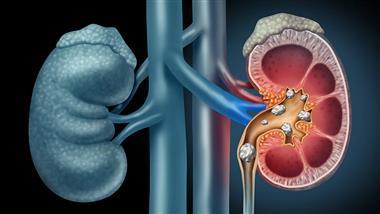
STORY AT-A-GLANCE
- Five classes of oral antibiotics have been identified as risk factors for kidney stones: broad-spectrum penicillins, fluoroquinolones, nitrofurantoin, cephalosporins and sulfas
- The association is most pronounced among younger children, and remains statistically significant for up to five years after exposure, except for broad-spectrum penicillin
- Between 1997 and 2012, the annual incidence of kidney stone disease rose by 16%. The highest increase was seen in 15- to 19-year-olds, among whom the incidence rate increased 26% per 5 years
- Previous studies have found an association between oral antibiotics and inflammatory bowel disease (IBD) and colorectal cancer, likely due to disruption of gut microbiome
- Fluoroquinolones, which are frequently prescribed for upper respiratory infections and urinary tract infections (UTIs) have been linked to an increased risk for aortic dissection (tears in the aorta), which can be fatal
According to research1 published in the Journal of the American Society of Nephrology (JASN) in 2018, oral antibiotics are a risk factor for kidney stones. Health records for 13 million children and adults in the U.K. were reviewed, showing that exposure to five classes of oral antibiotics were associated with kidney stones within three to 12 months post-use. The adjusted odds ratio of kidney stones was:
- 1.27 for broad-spectrum penicillin
- 1.67 for fluoroquinolones
- 1.70 for nitrofurantoin/methenamine
- 1.88 for cephalosporins
- 2.33 for sulfas
The association was most pronounced among younger children and remained statistically significant for up to five years after exposure, with the exception of broad-spectrum penicillin. The authors concluded that:2
“Oral antibiotics associated with increased odds of nephrolithiasis [kidney stones], with the greatest odds for recent exposure and exposure at younger age. These results have implications for disease pathogenesis and the rising incidence of nephrolithiasis, particularly among children.”
Kidney Stones in Children Are on the Rise
If this link is true, then we’d expect to see rising rates of kidney stones in young patients, and that’s precisely what we’re seeing. As reported by NBC News, July 8, 2023,3 data show kidney stones are “now occurring in younger people, particularly among teenage girls,” and “diets high in ultraprocessed foods” and “increased use of antibiotics early in life” are thought to be among the key contributors to this trend.
Between 1997 and 2012, kidney stones during childhood doubled.
According to research4 published in the Clinical Journal of the American Society of Nephrology in 2016, between 1997 and 2012, the mean annual incidence of kidney stone disease across age groups increased 1% annually, from 206 to 239 per 100,000 persons.
The highest increase was seen in 15- to 19-year-olds, among whom the incidence rate increased 26% per 5 years. Within this age group, incidence was 52% higher among girls. In men, kidney stones became more common after age 25. According to the authors:5
“These changes in incidence resulted in doubling of the risk of nephrolithiasis during childhood and a 45% increase in the lifetime risk of nephrolithiasis for women over the study period.”
Oral Antibiotics Associated With Inflammatory Bowel Disease
As noted by the JASN authors,6 previous studies have found an association between oral antibiotics and inflammatory bowel disease (IBD), which is thought to be due to a disruption of gut microbiome.
In May 2022, research7 linking oral antibiotics and IBD was presented at the Digestive Disease Week conference in San Diego, California. Here, the researchers analyzed the health records of more than 2.3 million older adults, aged 60 to 90, who were part of the Danish National Patient Register and the Danish National Prescription Register.
On average, use of antibiotics was associated with a 64% increased risk of developing IBD, and the risk increased with additional doses.8 Compared with those who had taken no antibiotics in the previous five years:9
- One prescription for antibiotics was associated with a 27% increased risk of IBD
- Two prescriptions increased risk by 55%
- Three prescriptions increased risk by 67%
- Four prescriptions increased risk by 96%
- Five or more prescriptions increased risk by 236%
Adults who had been prescribed antibiotics one to two years prior to IBD diagnosis had the highest risk. And, while all classes of antibiotics were associated with increased IBD risk, fluoroquinolones, which include brand names Cipro and Levaquin, had the strongest association.10
Interestingly, a very recent study that was just published found that niacinamide may be very useful in the treatment and prevention of IBD11 by converting to NAD+ as a cofactor to produce more ATP in the mitochondria. I have written two reviews that discussed the many other benefits of niacinamide to increase NAD+.
Download this Article Before it Disappears
Fluoroquinolones Linked to Fatal Heart Condition
Fluoroquinolones, which are frequently prescribed for upper respiratory infections and urinary tract infections (UTIs) have also been shown to harm your heart. In December 2018, the U.S. Food and Drug Administration issued a safety announcement12 about fluoroquinolones after four studies linked the antibiotic to an increased risk of tears in the aorta (aortic dissection), which can be fatal.13
The aorta is the main artery in your body supplying oxygenated blood to your circulatory system. The artery comes from the left side of your heart and runs down the front of your backbone. The review by the FDA found fluoroquinolone antibiotics increase the risk of rupture following an aortic aneurysm (i.e., enlargement of the aorta to more than 1.5 times its normal size).
The finding led the FDA to caution against the use of fluoroquinolone antibiotics in those at risk unless there are no other treatment options available. Specifically, the antibiotic should not be used by:
- Those who are at risk for aortic aneurysm
- Those suffering peripheral atherosclerotic vascular disease or high blood pressure
- The elderly
- Those with Ehlers-Danlos syndrome or Marfan syndrome (genetic disorders)
Antibiotics Linked to Colorectal Cancer
Researchers have also linked the use of antibiotics to an increased risk of colorectal cancer. As reported by Live Science in 2014:14
“… researchers looked at the medical records of more than 22,000 colorectal cancer patients in the United Kingdom, and followed them for an average of six years … The researchers compared the amount of antibiotics the patients had taken at least six months before being diagnosed with cancer, to the amount of antibiotics taken by a group of about 86,000 healthy people.
After controlling for known risk factors for colorectal cancer — including obesity, diabetes, smoking and alcohol consumption — the results showed people who had taken antibiotics, including penicillins, quinolones and metronidazole, were 8% to 11% more likely to develop colorectal cancer … possibly through the effects of the drug on colon bacteria …”
A 2016 study15 also concluded that use of antibiotics was associated with an increased risk of colorectal cancer, especially when used frequently, and research16 published in 2017 found that women who had used antibiotics for two months or more were at an increased risk of developing colon polyps, which can be a precursor to colorectal cancer.
Those who used the drugs for a total of at least two months in their 20s and 30s had a 36% increased risk of polyps compared to those who did not, and women who used them for at least two months in their 40s and 50s had a 69% increased risk.
Antibiotics Fuel Chronic Disease by Decimating Your Microbiome
In the article I wrote in February of this year “The New Endangered Species: The Human Gut Microbiome,” I reviewed the documentary film “The Invisible Extinction,” which highlights the work of microbiologists Dr. Martin Blaser and Gloria Dominguez-Bello, who are investigating the links between chronic diseases and the loss of bacterial diversity in the human gut.
Overuse of antibiotics is a major driver of this loss. Elective C-sections and processed foods also contribute to the destruction of our microbiome. According to research published in the Cleveland Clinic Journal of Medicine in 2018,17 Americans have already lost half of their microbial diversity, which is why the risks of antibiotics must be carefully weighed against the benefits prior to use.
Many ‘Health Foods’ Also Contribute to Kidney Stones
As mentioned, diet can also play a significant role in kidney stone development, and processed foods aren’t the only culprits. Oxalate (oxalic acid with calcium attached) account for about 80% of all kidney stones, and high-oxalate foods such as spinach, Swiss chard and beet greens are touted as “superfoods.”
Another high-oxalate food is almonds, which you can easily “overdose” on if you’re eating bread made with almond flour or drinking almond milk, or if you’re on a keto or paleo diet, as they both tend to rely heavily on almonds. Other foods high in oxalate include peanut butter, wheat bran, potatoes, rice bran and dark chocolate.
If you’re prone to kidney stones, these are all foods that need to be avoided as much as possible. High-oxalate foods can also contribute to many other troublesome health problems, as discussed in my December 2022 interviewed with Sally Norton, author of “Toxic Superfoods.”
For example, aside from calcium oxalate kidney stones, other symptoms you might experience if you’re exposed to excessive amounts of oxalate include:
| Itchy rashes | Interstitial cystitis (frequent urination and bladder pain) |
| Poor or slow wound healing | Frail skin that bleeds easily (as your connective tissues are being damaged) |
| Joint pain | Osteoporosis (as the oxalates are extracting minerals from your bones) |
| Calcium deposits | Digestive problems |
| Neurological problems ranging from bad mood and klutziness to tremors | Poor sleep |
| Rheumatologically muscle pains like fibromyalgia | Vision problems such as near-sightedness, cataracts and poor night vision |
| Dental plaque or tartar |
The Antidote to Oxalates
Now, there is an “antidote” to oxalates that can be helpful if you’re prone to kidney stones. That antidote is citrate. I take citrates every day: magnesium citrate, calcium citrate and potassium citrate, typically with meals. This way absorption of any oxalates in the meal will be impaired. Aside from citrate supplements, raw grass-fed milk, sardines and lemon juice are great options. As explained by Norton in our December 2022 interview (see link above):
“You definitely need calcium and magnesium with high oxalate meals … The citrates in the minerals are especially important for … getting over the chronic illness of having an oxalate overload in your body. So, if you’re past the age of 10 and grew up on standard foods, you’ve got some degree of deposits in your bone marrow, your joints and glands …
The biggest biohack is calcium [citrate] because calcium promotes the clearing [of oxalate]. Some people can’t even tolerate the calcium because their body is so eager to upchuck this mess from its tissues that calcium gives it too much permission.”
Protect and Support Your Microbiome
Seeing how destruction of your microbiome with antibiotics can contribute to kidney stones, this is another area to pay close attention to. Consider the following to protect your microbiome as much as possible:
|
Do |
| Eat plenty of fermented foods — Healthy choices include lassi, fermented grass-fed kefir, natto (fermented soy) and fermented vegetables. |
| Take a probiotic supplement — If you don’t eat fermented foods on a regular basis, a probiotic supplement can be useful. |
| Boost your soluble and insoluble fiber intake, focusing on vegetables and seeds, including sprouted seeds. |
| Get your hands dirty in the garden — Exposure to bacteria and viruses in soil can help strengthen your immune system and provide long-lasting immunity against disease. |
| Open your windows — Research shows opening a window and increasing natural airflow can improve the diversity and health of the microbes in your home, which in turn benefit you.18 |
| Wash your dishes by hand instead of in the dishwasher — Research has shown washing your dishes by hand leaves more bacteria on the dishes than dishwashers do. Eating off these less-than-sterile dishes may decrease your risk of allergies by stimulating your immune system.19 Additionally, many dishwasher detergents have dangerous chemicals so if you do use detergent be careful to select a nontoxic one. |
|
Avoid |
| Antibiotics, unless absolutely necessary. If you do use them, make sure to reseed your gut with fermented foods and/or a high-quality probiotic supplement. |
| Foods that are high in oxalates. |
| Conventionally-raised meats and other animal products, as CAFO animals are routinely fed low-dose antibiotics. |
| Chlorinated and/or fluoridated water — This includes during bathing or showering. |
| Processed foods — Excessive sugars, along with otherwise “dead” nutrients, feed pathogenic bacteria. Food emulsifiers such as polysorbate 80, lecithin, carrageenan, polyglycerols, and xanthan gum may have an adverse effect on your gut flora. |
| Agricultural chemicals — Glyphosate is a widely used herbicide that and could potentially kill many of your beneficial gut microbes if you eat foods contaminated with it. |
| Antibacterial soap, as it kills off both good and bad bacteria and contributes to the development of antibiotic resistance. |
- 1 JASN June 2018; 29(6): 1731-1740
- 2, 6 JASN June 2018; 29(6): 1731-1740, Conclusion
- 3 NBC News, July 8, 2023
- 4, 5 Clinical Journal of the American Society of Nephrology March 2016; 11(3): 488-496
- 7, 8, 10 University of Minnesota, Center for Infectious Disease Research and Policy May 13, 2022
- 9 EurekAlert! May 13, 2022
- 11 Nutrients. 2023 Jul; 15(13): 2992. NAD+ Precursors and Intestinal Inflammation: Therapeutic Insights Involving Gut Microbiota
- 12 FDA Safety Announcement December 20, 2018
- 13 NBC News December 20, 2018
- 14 Live Science June 3, 2014
- 15 Dig Dis Sci. 2016 Jan;61(1):255-264
- 16 Gut April 4, 2017; 67(4): 672-678
- 17 Cleveland Clinic Journal of Medicine 2018; 85(12): 928-930
- 18 ISME Journal 2012 Aug;6(8):1469-79
- 19 Pediatrics February 23, 2015; 135(3): e590-e597
Antibiotics Linked to Inflammatory Bowel Disease
Reproduced from original article:
https://articles.mercola.com/sites/articles/archive/2022/06/01/antibiotics-linked-to-ibd.aspx
The original Mercola article may not remain on the original site, but I will endeavor to keep it on this site as long as I deem it to be appropriate, and will not be bullied into removing it.
Analysis by Dr. Joseph Mercola Fact Checked June 01, 2022
STORY AT-A-GLANCE
- People over 60 who have used antibiotics may be at increased risk of developing inflammatory bowel disease (IBD)
- Use of antibiotics was associated with a 64% increased risk of developing IBD, and the risk increased with additional doses
- Compared with those who had taken no antibiotics in the previous five years, risk of IBD in those who received five or more antibiotics prescriptions increased by 236%
- All classes of antibiotics were associated with increased IBD risk, but fluoroquinolones had the most notable association
- Antibiotics have also been linked to an increased risk of bowel cancer, heart attack and stroke
People over 60 who have used antibiotics may be at increased risk of developing inflammatory bowel disease (IBD), a condition characterized by chronic inflammation of the gastrointestinal (GI) tract.1 The finding, which was presented at the Digestive Disease Week conference held in San Diego, California, in May 2022, may explain the rising rates of IBD occurring among older adults.
“It’s quite important to really understand what’s driving this,” lead study author Dr. Adam Faye, of New York University Langone School of Medicine, said in a news release. “There’s clearly something in the environment that’s driving this new onset of older-onset IBD.”2
An estimated 3 million (or 1.3%) of U.S. adults suffer from IBD, which includes Crohn’s disease and ulcerative colitis.3 A CDC study revealed that from 2001 to 2018, the prevalence of IBD among 25.1 million Medicare beneficiaries aged 67 years or older increased among all racial/ethnic groups.4
Environmental factors are a likely culprit, with the CDC researchers finding that living in urban areas was associated with an increased risk of IBD. As such they stated that factors that influence the microbiome, such as pollution, diet and lifestyle, could be involved.5
Antibiotics also have a significant effect on the microbiome and represent another environmental factor that may be driving up IBD rates in older adults. Faye said:6
“In older adults, we think that environmental factors are more important than genetics. When you look at younger patients with new diagnoses of Crohn’s disease and ulcerative colitis, there’s generally a strong family history. But that is not the case in older adults, so it’s really something in the environment that is triggering it.”
IBD Risk Increases by 64% With Antibiotics Use
Faye and colleagues analyzed records from more than 2.3 million adults aged 60 to 90 who were part of the Danish National Patient Register and the Danish National Prescription Register from 2000 to 2018. Patients newly diagnosed with IBD were identified and compared with antibiotic use.
Use of antibiotics was associated with a 64% increased risk of developing IBD, and the risk increased with additional doses.7 Compared with those who had taken no antibiotics in the previous five years:8
- One prescription for antibiotics was associated with a 27% increased risk of IBD
- Two prescriptions increased risk by 55%
- Three prescriptions increased risk by 67%
- Four prescriptions increased risk by 96%
- Five or more prescriptions increased risk by 236%
Adults who had been prescribed antibiotics one to two years prior to IBD diagnosis had the highest risk, but those who took the drugs two to five years prior also had an elevated risk. All classes of antibiotics were associated with increased IBD risk, though fluoroquinolones, which include brand names Cipro and Levaquin, had the most notable association.9
This is the same class of drugs that may harm your heart by causing an increased risk of ruptures or tears in the aorta blood vessel. The aorta is the main artery in your body supplying oxygenated blood to your circulatory system.
In December 2018, the U.S. Food and Drug Administration warned that fluoroquinolones taken by mouth or via injection could lead to these aortic dissections or ruptures of an aortic aneurysm that could lead to serious bleeding or death.10 The risks of these and other antibiotics must be carefully weighed against the benefits prior to use.
“We think of antibiotic stewardship not only to prevent the development of multidrug-resistant organisms, but in this case now we should be thinking about it to prevent the development of inflammatory bowel disease,” Faye said,11 pointing out that antibiotics’ disruption to the gut microbiome could be contributing to the development of IBD.
“Maybe there’s something in the microbiome that antibiotics are doing that’s priming an individual to then later develop inflammatory bowel disease, and this really needs to be looked at further,” he said.12
Antibiotics Linked to Bowel Cancer
While antibiotics can be lifesaving, at least 30% of outpatient antibiotic prescriptions are unnecessary, according to CDC estimates.13 Taking antibiotics when unnecessary exposes you to increased risk for no benefit, and the risks include serious disease aside from IBD — even cancer.
In 2014, researchers linked antibiotics use to a slightly increased risk (8% to 11%) of developing colorectal cancer, also known as bowel cancer, possibly because of alterations to the gut microbiome.14 Likewise, past research has also shown that people with less bacterial diversity in their gastrointestinal tracts are more likely to develop colon cancer.15
Separate research found that women who had used antibiotics for two months or more were at an increased risk of developing colon polyps, which can be a precursor to colorectal cancer.16 Those who used the drugs for a total of at least two months in their 20s and 30s had a 36% increased risk of polyps compared to those who did not.
Even taking antibiotics for 15 days or more, at any age range, was associated with an increased risk of polyps. In 2016, another study also found increasing use of antibiotics was associated with an increasing risk of colorectal cancer, especially when used frequently.17
Antibiotics May Increase Risk of Stroke, Heart Attack
Even one course of antibiotics negatively alters your microbiome for up to a year,18 which is precisely why it’s crucial to only use antibiotics when absolutely necessary. When used for longer periods, they also can cause considerable damage, including to your heart.
A study published in the European Heart Journal found that women aged 60 and older who used antibiotics for two months or longer — often for respiratory infections, urinary tract infections and dental problems — were 32% more likely to develop cardiovascular disease than women who did not use such drugs.19
Overall, among women in late adulthood who take antibiotics for two months or more, 6 per 1,000 would develop cardiovascular disease, compared to 3 per 1,000 for women who did not. Women in middle age (40 to 59 years) who used antibiotics for longer than two months also had a 28% increased risk of cardiovascular disease. Again, alterations in gut microbiota were highlighted as playing a detrimental part in antibiotics’ adverse effects to the heart.
“Antibiotic use is the most critical factor in altering the balance of microorganisms in the gut. Previous studies have shown a link between alterations in the microbiotic environment of the gut and inflammation and narrowing of the blood vessels, stroke and heart disease,” study author Lu Qi, director of the Tulane University Obesity Research Center in New Orleans, stated in a news release.20
Taking antibiotics for at least two months also increases the risk of death from all causes by 27% among women in late adulthood, compared to women who did not take the drugs.21 The women taking long-term antibiotics also had a 58% higher risk of death due to heart problems.
Millions Suffer From Antibiotic-Resistant Infections
Due to the widespread misuse and overuse of antibiotics — including by industrial agriculture for purposes of growth promotion22,23 and preventing diseases in animals — many types of bacteria have developed resistance to antibiotics. As a result, more than 2.8 million antibiotic-resistant infections occur in the U.S. annually, with more than 35,000 people dying as a result.24
When Clostridioides difficile infections, which are associated with antibiotics use, are added in to these figures, more than 3 million infections and 48,000 deaths attributed to antibiotics use or antibiotic-resistant infections occur every year in the U.S.
This public health emergency underscores the fact that when you take antibiotics, there are both short- and long-term risks, the latter of which, such as antibiotic-resistant infections or IBD, may not become evident until long after you’ve stopped taking the drugs.
Natural Options for IBD
If you must take antibiotics, add more traditionally fermented and cultured foods to your diet to optimize your gut flora, and consider the use of spore-based probiotics, or sporebiotics, which are part of a group of derivatives of the microbe called Bacillus, have been shown to dramatically increase your immune tolerance.
I also recommend taking the beneficial yeast Saccharomyces boulardii after you’ve finished your antibiotics to prevent secondary complications of antibiotic treatment, such as diarrhea. If you’ve been diagnosed with ulcerative colitis, one of the forms of IBD, be aware that natural treatment options may help.
Ulcerative colitis symptoms range from mild to severe, and while most people have periods of remission when symptoms disappear, it can be debilitating when symptoms flare up, causing frequent, urgent bowel movements, fatigue, nausea, weight loss, fever and anemia. In about 10% of cases, ulcerative colitis is severe and may lead to bloody bowel movements and severe abdominal cramping.25
Up to one-third of patients even undergo surgery to remove the colon and rectum,26 but ginger, which has a range of biological activities, including antioxidant, anti-inflammatory and cytotoxic (potential anti-carcinogenic) effects,27 has been shown to reduce disease activity in this condition.28
In one study, ginger was found to reduce malondialdehyde (MDA), a biomarker of oxidative stress, in patients with ulcerative colitis significantly after six and 12 weeks. Ginger also led to reductions in severity of disease activity and increased patients’ quality of life significantly after 12 weeks.29
IBD can be challenging to treat, so work with a knowledgeable natural health care practitioner who can develop a comprehensive treatment protocol. However, in addition to ginger the following natural options may also provide some relief:
- Probiotics — People with inflammatory conditions such as ulcerative colitis who took the probiotic bacteria Bifidobacterium infantis for eight weeks had lower levels of inflammation than those taking a placebo.30
- Curcumin — The turmeric compound curcumin may help to induce and maintain remission in ulcerative colitis patients without serious side effects.31
- Omega-3 fats — The animal-based omega-3 fats in krill oil, EPA and DHA, have immune-boosting qualities along with anti-inflammatory properties proven to benefit disorders of the gut, including ulcerative colitis.32
- Optimizing vitamin D levels — In vitamin-D-deficient patients with ulcerative colitis, vitamin D supplementation was associated with reduced intestinal inflammation in one study.33
- 1, 2, 7, 9, 11, 12 University of Minnesota, Center for Infectious Disease Research and Policy May 13, 2022
- 3 U.S. CDC, Prevalence of IBD
- 4, 5 MMWR May 14, 2021, 70(19);698–701
- 6, 8 EurekAlert! May 13, 2022
- 10 U.S. FDA December 20, 2018
- 13 University of Minnesota, Center for Infectious Disease Research and Policy, Overuse and overprescribing of antibiotics
- 14 Live Science June 3, 2014
- 15 J Natl Cancer Inst. 2013 Dec 18;105(24):1907-11
- 16 Gut April 4, 2017
- 17 Dig Dis Sci. 2016 Jan;61(1):255-64
- 18 MBio November 10, 2015
- 19 European Heart Journal April 24, 2019
- 20 Tulane University April 26, 2019
- 21 Medical News Today March 26, 2018
- 22 World Health Organization November 7, 2017
- 23 The Bureau of Investigative Journalism September 19, 2018
- 24 U.S. CDC, Antibiotic Resistance, About Antibiotic Resistance
- 25 National Institute of Diabetes and Digestive and Kidney Diseases, Ulcerative Colitis
- 26 Crohn’s & Colitis Foundation of America, IBD Factbook, Surgery
- 27 J Ethnopharmacol. 2008 Aug 13;118(3):367-72. doi: 10.1016/j.jep.2008.04.026. Epub 2008 May 15
- 28, 29 Complementary Therapies in Medicine April 2019, Volume 43, Pages 1-6
- 30 EurekAlert! October 31, 2011
- 31 Acta Med Indones. 2017 Oct;49(4):363-368
- 32 Journal American College Nutrition December 2002; 21(6):495-505
- 33 J Crohns Colitis. 2018 Jul 30;12(8):963-972. doi: 10.1093/ecco-jcc/jjy052
A Natural Way to Help Halt Disease-Causing Microorganisms?
Reproduced from original article:
https://articles.mercola.com/sites/articles/archive/2022/06/01/probiotics-for-dementia.aspx
The original Mercola article may not remain on the original site, but I will endeavor to keep it on this site as long as I deem it to be appropriate, and will not be bullied into removing it.
Analysis by Dr. Joseph Mercola Fact Checked June 01, 2022

STORY AT-A-GLANCE
- Probiotics can help improve cognitive function and ward off dementia, including Alzheimer’s
- Elderly Alzheimer’s patients who received a probiotic milk product containing Lactobacillus acidophilus, Lactobacillus casei, Bifidobacterium bifidum and Lactobacillus fermentum for 12 weeks significantly improved their cognition scores, while controls continued to decline
- The level of inflammatory markers also dropped by 18% in the probiotic treatment group, while inflammatory markers rose by 45% in the control group
- The Bifidobacterium breve strain A1 may be of particular use in Alzheimer’s treatment. Daily oral administration of B. breve A1 reduced the cognitive dysfunction normally induced by amyloid beta in mice
- Probiotics can inhibit neurodegeneration by modulating the inflammatory process, counteracting oxidative stress, modulating CNS functions mediated by bacteria-derived metabolites such as short-chain fatty acids, and inhibiting pathogenesis via alteration of gut microbiota composition
This article was previously published November 21, 2019, and has been updated with new information.
As your “second brain,” the state of your gut has been shown to play an important role in your neurological health. Importantly, studies have shown probiotics (beneficial bacteria) can help decrease pathological hallmarks of Alzheimer’s disease (AD), including amyloid plaques and tangles.1
One of the most impressive of these studies2 was published in Frontiers in Aging Neuroscience in 2016. Sixty elderly patients diagnosed with Alzheimer’s received either a placebo or a probiotic milk product containing Lactobacillus acidophilus, Lactobacillus casei, Bifidobacterium bifidum and Lactobacillus fermentum for 12 weeks.
At the beginning and end of the study, participants underwent a standardized cognitive assessment and a highly sensitive c-reactive protein test, which is a powerful marker of inflammation. As reported by neurologist Dr. David Perlmutter:3
“The results of the study were stunning. The placebo group showed an increase in hs-CRP, the inflammation marker, by an impressive 45 percent. In the group taking the probiotic, on the other hand, hs-CRP … declined by 18 percent, indicating a dramatic reduction in inflammation.
But here’s the truly exciting news. Over the 12 weeks, the patients in the placebo continued to decline mentally, as you might expect … But the group on the inflammation reducing probiotics actually demonstrated … improvement, with their MMSE [mini mental state examination] scores going from 8.67 up to 10.57, and that’s a huge improvement.
Again, not only was their mental decline stopped in its tracks, these individuals regained brain function! The message here is that inflammation is directly determined by the health and diversity of our gut bacteria, and this has major implications in terms of brain health, function, and disease resistance.”
Your Gut and Brain Are Linked
Since then, several other studies have been published, showing probiotics can help improve cognitive function and ward off dementia, including Alzheimer’s. While this may seem all too simple to be true, it makes perfect sense when you consider the deep connections that exist between your gut and your brain. As explained by Harvard Health:4
“Research shows that the gut and brain are connected, a partnership called the gut-brain axis. The two are linked through biochemical signaling between the nervous system in the digestive tract, called the enteric nervous system, and the central nervous system, which includes the brain.
The primary information connection between the brain and gut is the vagus nerve, the longest nerve in the body. The gut has been called a ‘second brain’ because it produces many of the same neurotransmitters as the brain does … What affects the gut often affects the brain and vice versa.
When your brain senses trouble — the fight-or-flight response — it sends warning signals to the gut, which is why stressful events can cause digestive problems like a nervous or upset stomach. On the flip side, flares of gastrointestinal issues like irritable bowel syndrome (IBS), Crohn’s disease, or chronic constipation may trigger anxiety or depression.”
Probiotic Prevents Amyloid-Beta-Induced Dysfunction
According to a 2017 study5 in Scientific Reports, the Bifidobacterium breve strain A1 may be of particular use in Alzheimer’s treatment. Using Alzheimer’s disease model mice, the researchers were able to confirm that daily oral administration of B. breve A1 reduced the cognitive dysfunction normally induced by amyloid beta. According to the authors:
“We also demonstrated that non-viable components of the bacterium or its metabolite acetate partially ameliorated the cognitive decline observed in AD mice.
Gene profiling analysis revealed that the consumption of B. breve A1 suppressed the hippocampal expressions of inflammation and immune-reactive genes that are induced by amyloid-β. Together, these findings suggest that B. breve A1 has therapeutic potential for preventing cognitive impairment in AD.”
One of the mechanisms behind these protective effects was found to be suppression of amyloid-beta-induced changes in gene expression in the hippocampus. In short, the bacterium had an ameliorating effect on amyloid-beta toxicity.
Interestingly, B. breve A1 did not actually alter the composition of the animals’ gut microbiota to any significant degree; rather, many of the benefits appear to be related to significantly raised blood levels of acetate, a byproduct of fermentation by gut bacteria. As explained by the authors:6
“One of the main functions of gut microbiota is the fermentation of dietary fibers in the gut and produce short-chain fatty acids (SCFAs), mainly acetate, propionate, and butyrate, which are the major end products of carbohydrate metabolism in Bifidobacteria.”
When looking at SCFA levels in the animals’ blood, the mice treated with B. breve A1 had significantly higher levels of acetate, but not propionate or butyrate, compared to controls.
Other microbiota-derived SCFAs may also play a role, however. A 2019 study7 found that rats given both probiotics and prebiotics performed significantly better on spatial memory tests, and this improvement was attributed to increased levels of brain-derived neurotrophic factor (BDNF).
Butyrate — a SCFA produced when gut bacteria ferment fiber — activates the secretion of BDNF. According to the authors, the improvement also correlated with “decreased levels of pro-inflammatory cytokines and better electrophysiological outcomes in the hippocampi.”
This led them to conclude that “the results indicated that the progression of cognitive impairment is indeed affected by changes in microbiota induced by probiotics and prebiotics.”
Probiotics Have Preventive and Therapeutic Potential for AD
The 2018 paper,8 “Probiotics for Preventing Cognitive Impairment in Alzheimer’s Disease,” points out that probiotics can inhibit the progression of neurodegeneration by:
- Modulating the inflammatory process9
- Counteracting oxidative stress10
- Modulating CNS functions mediated by bacteria-derived metabolites such as short-chain fatty acids11
- Ameliorating pathogenesis via alteration of gut microbiota composition12
Inflammation and oxidative stress modulation are primarily accomplished through the gut microbiota’s effects on your gut-brain axis, which in addition to your central nervous system (CNS) and enteric nervous system (ENS) also includes your autonomic nervous system, neuroendocrine system and immune system.13
These in turn are connected to various pathways involved in the regulation of immune function and metabolic homeostasis. These pathways include your vagus nerve and hypothalamic-pituitary adrenal pathway. According to “Probiotics for Preventing Cognitive Impairment in Alzheimer’s Disease:”14
“Accumulating evidence suggests that gut microbiota alterations can influence the progression of neurological disease and may be a major factor in the development of AD.
For instance, a recent preclinical study revealed a remarkable shift in the gut microbiota of APP transgenic mice as compared to healthy, wild-type mice … It was strongly advocated that a distinct microbial constitution in AD mice may contribute to amyloid deposition …
In addition, a clinical study characterizing the gut microbiota composition of AD subjects reveals decreased microbial diversity and changes in bacterial abundance compared with controls; these changes include decreased levels of Firmicutes and Bifidobacterium and increased levels of Bacteroidetes.”
The researchers speculate that gut microbiome alterations allowing for the colonization of pathogens that increase gut permeability can perturb the gut-brain axis, thereby raising your risk of Alzheimer’s. They cite research15 in which Enterobacteria infection was found to exacerbate the progression of Alzheimer’s as an example of this theory.
Immune Activation and Systemic Inflammation in AD
Many studies have suggested immune activation and low grade systemic and intestinal inflammation are important factors in Alzheimer’s, which can help explain why probiotics appear so beneficial. As noted in a 2018 publication:16
“… several different fecal and serum inflammation markers in correlation to intestinal bacterial strains were investigated in our recent study on the role of gut microbiota in patients with cognitive decline …
From a subgroup of 23 patients … out of 55 consecutive outpatients with symptoms of cognitive decline, intestinal bacterial taxa and immune system as well as inflammation biomarkers in serum and stool specimens were investigated.
Confirming our earlier findings … signs of immune activation could be detected … Most interestingly, a close correlation was found between fecal S100A12 and serum neopterin … indicating coincident low grade systemic and intestinal inflammation …
There was no influence of gender. These findings again underline the role of gut inflammation as a possible pathogenic cofactor in cognitive deterioration and dementia. In an earlier study … the potential role of pro-inflammatory … proteins in the pathogenesis of AD was described.
Circulating CRP, known to affect cognition negatively, was elevated in our series without clinical signs of acute infection … further indicating low grade inflammation … in this group of patients. We found pro-inflammatory Clostridium Cluster I significantly correlated with anti-inflammatory Faecalibacterium prausnitzii.
In a recent paper … the stool abundance of selected bacterial stool taxa including F. prausnitzii and the blood levels of pro- and anti-inflammatory cytokines in cognitively impaired patients and in a group of controls was measured.
Amyloid positive patients showed higher levels of pro-inflammatory cytokines compared with both controls and with amyloid negative patients. A possible causal relation between gut microbiota related inflammation and amyloidosis was suspected in this study …
All these findings together may indicate changes in the microbiota-gut-brain-axis correlated to neuroinflammation during cognitive decline. Because neuroinflammation is an early event in the pathogenesis of dementia, these markers may be important in the very beginning of this devastating process.”
The authors speculate that the increase in immune activation and inflammation seen in Alzheimer’s patients may be due to changes in microbiota that tends to occur with age.
They also note that “the role of probiotics in preventing dementia seems promising” and that further studies should be done to further tease out the exact mechanisms by which probiotics protect against neurodegeneration.
Alzheimer’s Prevention and Treatment Beyond Probiotics
While optimizing your gut microbiome is an important part of Alzheimer’s prevention and treatment, it needs to be part of a more comprehensive plan. Dr. Dale Bredesen, director of neurodegenerative disease research at the UCLA School of Medicine, discusses treatment alternatives in his book, “The End of Alzheimer’s: The First Program to Prevent and Reverse Cognitive Decline.”
Bredesen has identified dozens of variables that can have a significant influence on Alzheimer’s, and developed a treatment program based on those findings, called ReCODE.
In 2014, Bredesen published a paper detailing how leveraging 36 healthy lifestyle parameters reversed Alzheimer’s in 9 of 10 patients. This included the use of exercise, ketogenic diet, optimizing vitamin D and other hormones, increasing sleep, meditation, detoxification and eliminating gluten and processed foods. You can download Bredesen’s full-text case paper online, which details his program.17
As noted in a December 2018 article18 by Perlmutter, the largest class of medications prescribed for Alzheimer’s, called cholinesterase inhibitors, which break down acetylcholine, have actually been shown19 to accelerate cognitive decline! This, clearly, is the last thing you want, which means making lifestyle changes are all the more important, and the earlier you make them, the better.
As for how to nourish your gut microbiome, your best bet is to make your own fermented vegetables, which will provide plenty of beneficial bacteria for a fraction of the cost of a supplement.
- 1 Journal of Clinical and Diagnostic Research 2017 Aug; 11(8): KC01–KC05
- 2 Frontiers in Aging Neuroscience 2016 Nov 10;8:256
- 3 Drperlmutter.com Reversing Alzheimer’s With Probiotics?
- 4 Harvard Health Publishing, Probiotics May Help Boost Mood and Cognitive Function
- 5 Scientific Reports October 18, 2017; 7, Article Number 13510
- 6 Article Number 13510, B. breve A1 does not affect gut microbiota but significantly increases plasma acetate levels in AD model mice
- 7 Brain Circulation 2019; 3: 124-129
- 8 IntechOpen November 5, 2018, DOI: 10.5772/intechopen.79088
- 9 IntechOpen November 5, 2018, DOI: 10.5772/intechopen.79088, Section 5.1
- 10 IntechOpen November 5, 2018, DOI: 10.5772/intechopen.79088, Section 5.2
- 11 IntechOpen November 5, 2018, DOI: 10.5772/intechopen.79088, Section 5.3
- 12 IntechOpen November 5, 2018, DOI: 10.5772/intechopen.79088, Section 5.4
- 13 IntechOpen November 5, 2018, DOI: 10.5772/intechopen.79088, 3.1 Microbiota-gut-brain axis
- 14 IntechOpen November 5, 2018, DOI: 10.5772/intechopen.79088, 3.2 Gut microbiota alterations and Alzheimer’s disease
- 15 Nature Communications 2017 Jun 20;8(1):24
- 16 Frontiers in Aging Neuroscience 2018; 10: 54
- 17 Aging September 27, 2014; 6(9): 707-717
- 18 Drperlmutter.com December 7, 2018
- 19 JAMA Network Open 2018; 1(7): e184080 (PDF)
Doing these 4 things INCREASE your risk of IBS, plus healthy steps to follow instead
Reproduced from original article:
www.naturalhealth365.com/risk-of-ibs-3930.html
by: Stephanie Woods | August 8, 2021
 (NaturalHealth365) Few things are less fun than “stomach issues.” Irritable bowel syndrome, or IBS, is one of the most common conditions that affects the gastrointestinal system and is believed to often be related to certain lifestyle choices.
Experts estimate that between 25 and 45 million people of all ages in the U.S. are affected, even children. However, two out of three people with IBS are female although conventionally-trained physicians don’t know why that is or even what causes the condition, although some (simply) say there could be a “genetic” component.
IBS is NOT what most people would think
Many people think IBS is similar to chronic diarrhea. While that can be a symptom, there’s more to it – and many more symptoms. Some of these issues may surprise you.
Symptoms of IBS include:
- Diarrhea
- Abdominal pain or cramping
- Changes in the frequency of bowel movements
- Bloating
- Abdominal pain, bloating, or cramping related to having a bowel movement
- Increased gas
- Bowel movements that feel incomplete or difficult to pass
- Constipation
- Mucus in the stool
- Uncontrollably urgent bowel movements
- Alternating diarrhea and constipation
If you suspect you have IBS, you should see a healthcare professional. Sometimes IBS symptoms can be confused with other abdominal symptoms or indicate a more serious condition.
Researchers have found that many people can control symptoms by making lifestyle changes. Some behaviors and habits can actually exacerbate IBS symptoms so modifying those behaviors can bring relief. These four habits are believed to increase a person’s risk of IBS, do you do any of them?
If you do this, you could be increasing your risk of IBS
These four lifestyle choices have been shown to exacerbate IBS in many people. Ceasing these behaviors has also been shown to relieve the symptoms of IBS, even when the condition is “genetic.”
You stay stressed out, have chronic tension, or regularly experience anxiety. Stress is the cause of a number of health problems, including IBS. You have has been told you have a “nervous stomach” and while that isn’t necessarily an actual medical term, it is very real.
Stress leads to anxiety which can cause the brain to overstimulate the gut. The result? IBS.
You are a smoker. Yes, I know you’ve heard that smoking is bad for you. It increases your risk for a number of health conditions like lung cancer, COPD, heart disease, dementia, and IBS.
And, yes, it can increase your risk of IBS or make it worse.
You don’t make food safety a priority. According to government estimates, 1 in 6 Americans gets sick with food poisoning every year. That’s around 48 million known foodborne illness cases, but many go unreported.
Research shows that people who experience food poisoning (infectious enteritis) increased their risk of IBS by four times compared to people who did not have food poisoning.
Your diet consists of a lot of ultra-processed foods. These types of foods include microwaveable dinners, frozen pizza, and other heavily processed foods. One of the main problems with these types of food is that they usually contain tons of sugar and sodium as well as a lot of preservatives and additives.
Many of these low quality food choices have been shown to lead to or exacerbate health problems.
Get back on track with these healthy habits
Making a few adjustments to your lifestyle choices can reduce your IBS symptoms and help you feel better. Here are some practical ways to reduce your IBS symptoms.
Learn to manage your stress and take time to self-care with these tension tamers. Find healthy ways to relieve and manage your stress. Take a walk when you feel particularly anxious or meditate when tension creeps in.
Self-care is absolutely vital to not only your physical health, but your mental health as well – and the two are very connected. There are many stress relief methods that don’t take up much of your time but can have a powerful impact on your mental well-being.
Kick your tobacco habit with these tried and true strategies. Easier said than done, right? Quitting smoking is no walk in the park.
It is hard and many people struggle for a long time. Studies show that the average number of times a person attempts to quit until they are successful ranges from 6 to 20 – but it can be done so don’t give up.
Put these food safety tips into practice. Learn about food safety and proper food handling to reduce your risk of IBS. The World Health Organization published the Five Keys to Safer Food Manual with good information on basic food safety.
Add more whole foods to your diet and limit the processed stuff. Eat less processed food and try incorporating more whole foods into your diet. Add vegetables, whole grains, and beans to your diet and put the heavily processed foods aside for very rare occasions.
Look for foods that are more nutrient-dense – from the outer edges of the supermarket – and try preparing more meals at-home. If you aren’t very kitchen savvy you may want to look into a meal kit subscription or get some cooking lessons. There are several out there with very healthy options and very little kitchen commitment.
Bottom line: if you are living with IBS, making a few changes to certain behaviors can do wonders. If you are skeptical, just try the changes for 30 days and see if you feel better or if your symptoms subside.
If you notice positive changes it may be time to consider making those adjustments permanent. You deserve to live your best life but only you can make that happen. Start today!
Sources for this article include:
Eating Well
AboutIBS.org
NIH.Gov
EatRight.org
NIH.gov
NIH.gov
CDC.gov
NIH.gov
FoodSafety.gov
GastroJournal.org
WHO.int