Processed Food
now browsing by category
Why You Should Never Take Antacids for Digestive Reflux
Reproduced from original article:
https://articles.mercola.com/sites/articles/archive/2023/09/27/never-take-antacids-for-digestive-reflux.aspx
The original Mercola article may not remain on the original site, but I will endeavor to keep it on this site as long as I deem it to be appropriate.
Analysis by Dr. Joseph Mercola Fact Checked September 27, 2023
STORY AT-A-GLANCE
- Proton pump inhibitors (PPIs) inhibit acid production in your stomach and are routinely used to treat acid reflux. An estimated 15% of the U.S. population are on PPIs. Antacids like Tums neutralize acid in your stomach but don’t block production. They’re the least harmful, as their effects are temporary. Be sure to read the ingredients list, however, as many acid neutralizing medications contain aluminum hydroxide, a toxic compound that impairs your body’s zeta potential
- If you regularly suffer from heartburn or acid reflux, inhibiting acid production is actually the last thing you want to do
- Acid reflux occurs when contents from your stomach back up into your esophagus, causing stomach acid to irritate the lining of your esophagus. However, excess acid is not the problem. Low acid is, because the lower esophageal sphincter (LES) is pH sensitive and only closes once sufficient acidity is present in the stomach
- Other causes of heartburn include hiatal hernia, medications and foods that relax the LES, foods that irritate the stomach, obesity, smoking and helicobacter pylori infection
- PPIs and antacids are inadvisable as none of the potential underlying causes involves excess stomach acid. What you need is more acid. Long term use of PPIs can compromise your health, as insufficient stomach acid has been linked to asthma, GI-related issues, skin diseases, depression, gallbladder disease, migraines, macular degeneration, osteoporosis and a variety of autoimmune conditions
Americans spend a whopping $13 billion a year on over-the-counter (OTC) antacids (acid neutralizers) and prescription proton pump inhibitors (PPIs), which are the most popular antireflux medications on the market.1 It’s estimated that over 27% of Americans are taking antacids, and more than 15% are on PPIs.2,3
PPI drugs like Nexium, Prevacid and Prilosec inhibit acid production in your stomach and are routinely used to treat acid reflux, a condition affecting about 20% of the U.S. population.4 Once prescribed, your doctor may keep you on a PPI drug for years, despite label warnings suggesting they be used only for short periods.
Antacids like Tums neutralize acid in your stomach but don’t block production. As such, they’re the least harmful, as their effects are temporary. That said, many acid neutralizing medications contain aluminum hydroxide, a toxic compound that impairs your body’s zeta potential,5 so be sure to read the ingredients.
If you regularly suffer from heartburn or acid reflux and are using prescription PPIs or OTC antacids, you’ll want to pay careful attention to this article, as inhibiting acid production is the last thing you want to do.
In a September 16, 2023, Substack article,6 A Midwestern Doctor took a deep dive into the problems caused by acid-suppressing medications, and how to properly address acid reflux.
As noted in that article, PPIs top the list of medications that are routinely prescribed despite providing minimal benefit and causing real harm. I’ll review some of the highlights from that article here, but if you want more, I highly recommend reading his article, “Stomach Acid Is Good For You,”7 in its entirety.
The Primary Cause of Acid Reflux
Acid reflux occurs when contents from your stomach back up into your esophagus, causing stomach acid to irritate the lining of your esophagus. Other common names for this condition include acid indigestion, acid regurgitation, heartburn and gastroesophageal reflux disease (GERD).
If you experience acid reflux symptoms more than twice a week, you very likely have reflux disease or GERD, which involves bloating, burning pain in your chest and gut discomfort.
Now, because stomach acid is involved, and the word “acid” connotes the idea of “burning,” it’s commonly believed that excess stomach acid is the problem. Indeed, the entire antacid industry is built around this idea.
Acid reflux occurs when contents from your stomach back up into your esophagus, causing stomach acid to irritate the lining of your esophagus. However, excess acid is not the problem. Low acid is, because the lower esophageal sphincter is pH sensitive and only closes once sufficient acidity is present in the stomach.
Unfortunately, that’s completely backward. Acid reflux is typically caused by a deficiency in stomach acid, not excess. How is this possible? It’s rather simple, actually. As explained by A Midwestern Doctor:8
“The lower esophageal sphincter is pH sensitive and only closes once sufficient acidity is present in the stomach (which makes sense since otherwise food would not be able to get to the stomach in the first place, but once it’s there, you need a way to keep it from getting back into the throat).”
Other Causes of Heartburn
When low acid is not the cause of heartburn, the culprit can any of the following:
| A hiatal hernia — The hernia basically forces the LES open, allowing gastric juices to back up into your throat9 | Helicobacter pylori infection10 — One 2012 study found 82.5% of GERD patients tested positive for H. pylori infection11 |
| Obesity12 | Smoking, by interfering with the LES function13 |
| Certain medications can relax the LES, including bronchodilators, calcium channel blockers (blood pressure meds), valium, nitroglycerine and opioids14 | Foods, including fats, chocolate, caffeinated beverages, peppermint and spearmint, sugar, onions and alcohol can also weaken the LES15 |
| Foods that irritate your stomach can trigger reflux. Common irritants include citrus fruits, tomato, spicy foods, carbonated beverages, coffee and high-lectin foods16 |
In all these cases, the solution is to address the underlying problem, which would be to fix the hernia, treat the H. pylori infection, lose weight, quit smoking, minimize use of the offending drug (be sure to discuss alternatives with your doctor) and not eat the foods that are causing your LES to relax or that irritate your stomach.
OTC antacids and PPIs are entirely the wrong approach, regardless of the underlying cause, because none of the underlying causes of acid reflux have anything to do with excess stomach acid.
These drugs will reduce what little acid you have, leaving less to be regurgitated, but they basically ensure you’ll never get better. What’s worse, over time, low acid can contribute to a whole host of other health problems.

Download this Article Before it Disappears
The Purpose of Stomach Acid
Stomach acid serves several important functions, such as breaking down proteins, killing ingested pathogens, ensuring optimal nutrient absorption and regulating the rest of the digestion process.
If you use acid blockers, you’re compromising your entire digestive system, which can have downstream effects. For example, poor protein digestion increases your risk of food allergies.17 As reported by A Midwestern Doctor, there are clear links between insufficient stomach acid and a variety of health conditions, the following in particular:18
| Asthma | GI-related issues |
| Skin diseases | Depression |
| Gallbladder disease | Migraines |
| Macular degeneration | Osteoporosis |
| Autoimmune conditions, including but not limited to Celiac disease, Type 1 juvenile diabetes, Grave’s disease (hyperthyroid), lupus, multiple sclerosis (MS), rheumatoid arthritis and ulcerative colitis |
Low stomach acid can also have a detrimental impact on your immune function by allowing harmful pathogens such as bacteria and viruses to enter your GI tract. For example, a 2021 systematic review19 found that patients taking PPIs had a 77% higher risk of dying from COVID infection than those who did not take these drugs.
Low stomach acid has also been linked to impaired nutrient absorption, an 80% increased risk of stomach cancer,20 19% increased risk of death,21 28% increased risk of a major cardiac event,22 74% increased risk of kidney disease23 (and a 142% increased risk of death for these patients), 37% increased risk for pneumonia24 and a 33% increased risk for dementia.25
So, one of the take-home messages from this is that acid reflux is also a warning sign that other bodily systems may be adversely impacted. The good news is that all these related conditions can be improved by addressing the acid reflux the right way, which is to increase the acidity of your stomach so that the pH-sensitive esophageal sphincter can close properly.
What Causes Stomach Acid Insufficiency?
Before we address how to increase stomach acid, let’s review why it happens in the first place. Stomach acid production is known to decrease with age, and diet likely plays an important role in that decline. Stomach acid is made from hydrogen and chloride, and processed foods frequently do not contain the dietary sources of these components.
Hydrogen-rich foods include fresh fruits, vegetables, proteins and whole grains,26 while high amounts of chloride are found in salt, seaweed, rye, tomatoes, lettuce, celery and olives.27
Certain autoimmune conditions can also attack acid producing cells in your stomach, causing production to decline. H. pylori infections in your stomach will lower acid production as well. Mitochondrial dysfunction may also be a major part of the puzzle. As explained by A Midwestern Doctor:
“Stomach acid production is an energy intensive process (hence the cells which make stomach acid having a large number of mitochondria), and I have long suspected that mitochondrial dysfunction … is partly responsible for declining stomach acid levels.”
Importantly, PPIs will shut down acid production, and the longer you’re on them, the less acid your body will produce. As a result, it can be extremely difficult to stop using these drugs.
As soon as you stop taking them, you’ll experience rebound, and the rebound won’t stop until your stomach acid level is normalized and the LES starts closing properly, which in some long-term use cases can take up to two years.28
Talk to Your Doctor About Getting Off PPIs
Considering the dangers posed by PPIs, you do need to get off these drugs though. The best and safest way to do that is to work with your doctor to lower the dose you’re taking while simultaneously implementing the following lifestyle modifications:
- Avoid reflux triggers and/or any food that irritates your stomach
- Avoid processed foods and sugar
- Eat a Mediterranean diet, focused on fruits, healthy fats, lean meats, nuts and vegetables. Research published in the Journal of the American Medical Association Otolaryngology — Head & Neck Surgery found a Mediterranean diet was as effective as PPIs in treating acid reflux symptoms29
- Reseed your gut with beneficial bacteria from traditionally fermented foods or a high-quality probiotic supplement
- Thoroughly chew each bite of food
Once you get down to the lowest dose of the PPI, you can start substituting with an over-the-counter H2 blocker like Pepcid (famotidine) which appears to be the safest of all the options out there. Then, gradually wean off the H2 blocker over the next several weeks.
Natural Remedies for Treating Occasional Reflux Problems
If you suffer from occasional heartburn, indigestion and other minor reflux symptoms, forgo the PPIs and OTC antacid medications and try one or more of the following nondrug alternatives instead:30,31,32,33,34
| Aloe juice — The juice of the aloe plant naturally helps reduce inflammation, which may ease symptoms of acid reflux. Drink about one-half cup of aloe juice before meals. To avoid its laxative effect, look for a brand in which the laxative component has been removed. |
| Apple cider vinegar (raw, unfiltered) — Take 1 tablespoon of raw unfiltered apple cider vinegar in a large glass of water before or directly after meals. |
| Astaxanthin — When compared to a placebo, this potent antioxidant was found to reduce symptoms of acid reflux, especially for individuals with pronounced H. pylori infection.35 The researchers concluded a daily dose of 40 mg of astaxanthin was effective for reflux reduction. |
| Baking soda — One-half to 1 teaspoon of baking soda (sodium bicarbonate) in an 8-ounce glass of water or orange juice will help neutralize your stomach acid and ease the burn of acid reflux. While I do not advise this as an ongoing remedy, it is effective on an “emergency” basis when you are in excruciating pain. |
| Ginger root — Ginger has a gastroprotective effect by suppressing H. pylori. It also accelerates gastric emptying which, when impaired, contributes to heartburn. Add two or three slices of fresh ginger root to 2 cups of hot water and let it steep for several minutes. Drink it about 20 minutes prior to your meal. |
| Sauerkraut — Consuming sauerkraut or cabbage juice will stimulate your body to produce stomach acid. |
| Glutamine — The amino acid glutamine has been shown to address gastrointestinal damage caused by H. pylori. Glutamine is found in many foods, including beef, chicken, dairy products, eggs, fish and selected fruits and vegetables. L-glutamine is widely available as a supplement. |
| Ripe papaya or a papain supplement — Papaya contains papain, an enzyme useful for breaking down both protein and carbohydrates. |
| Fresh pineapple or bromelain supplement — Bromelain is a proteolytic enzyme found in pineapple that helps digest proteins. |
| Pepsin supplement — Like bromelain, pepsin is a proteolytic enzyme involved in protein digestion.36 |
| Betaine HCI supplement — Betaine HCl is the hydrochloride salt of betaine, not to be confused with betaine or trimethylglycine (TMG). As noted in a 2020 review paper:37 “… the most common recommendation for the use of betaine HCl supplements is usually implemented using an empirical test for low stomach acid whereby increasing doses of betaine HCl are given during sequential meals until such time as an uncomfortable sensation is noticed by the patient.
Along with improvements in symptoms of dyspepsia (or laboratory analysis of improved protein digestion), the lack of side effects acts as an empirical confirmation that low gastric acid production was contributing to poor digestion and/or dyspeptic symptoms.” |
| Bitters — Bitters have a long history of use in herbal medicinal traditions to promote digestion and/or to relieve digestive complaints.38 |
| Slippery elm — Slippery elm coats and soothes your mouth, throat, stomach and intestines, and contains antioxidants that may help address inflammatory bowel conditions. Because it stimulates nerve endings in your gastrointestinal tract, it is useful for increasing mucus secretion, which has a protective effect against ulcers and excess acidity. |
| Vitamin D — Vitamin D is important for your gut health. Once your vitamin D levels are optimized, you will benefit from your body’s production of about 200 antimicrobial peptides that will help eradicate gut infections. |
| Zinc — Your stomach needs zinc to produce stomach acid, so make sure your body has the necessary raw ingredients. The recommended daily amount for adults is 8 to 11 mg. Zinc rich foods include oysters, lobster, beef, cashew nuts, beans and raw yogurt. A zinc supplement can be used if you rarely eat these foods.39 |
- 1 Time September 7, 2017
- 2, 5, 6, 7, 8, 9, 14, 15, 16, 18, 28 Midwestern Doctor Substack September 16, 2023
- 3 Therapeutic Advances in Gastroenterology 2018; 11: 1756284818777943
- 4 The Surgical Clinic. What Is GERD?
- 10 Acta Biomedica 2018; 89(Suppl 8): 40–43, H. pylori and reflux disease
- 11 JSLF April-June 2012; 16(2): 260–263
- 12 Acta Biomedica 2018; 89(Suppl 8): 40–43, Conclusion
- 13 Acta Biomedica 2018; 89(Suppl 8): 40–43, Reflux disease and esophagitis, definition and pathophysiology and Conclusion
- 17, 33, 37, 38 Integr Med February 2020; 19(1): 32-36
- 19 World Journal of Clinical Cases April 26, 2021; 9(12): 2763-2777
- 20 Cancers July 2022; 14(13): 3052
- 21 Gastroenterology June 30, 2022; 163(4): 852-861
- 22 International Journal of Cardiology August 10, 2013; 167(3):965-974
- 23 British Journal of Clinical Pharmacology December 23, 2020; 87(7): 2967-2976
- 24 Ann Pharmacother May 2022; 56(5):524-532
- 25 Neurology August 9, 2023 DOI: 10.1212/WNL.0000000000207747
- 26 Life Persona 10 Foods Containing Hydrogen
- 27 Mount Sinai Chloride in Diet
- 29 Journal of the American Medical Association Otolaryngology – Head & Neck Surgery September 7, 2017; doi: 10.1001/jamaoto.2017.1454
- 30 Health January 25, 2016
- 31 Everyday Roots, 15 Natural Remedies for Heartburn & Severe Acid Reflux
- 32, 36, 39 Medical News Today 6 Ways to Increase Stomach Acid
- 34 Drugwatch PI Alternatives
- 35 Phytomedicine June 2008; 15(6-7): 391-9
Animal and Plant Protein Sources Are Not Equal
Reproduced from original article:
https://articles.mercola.com/sites/articles/archive/2023/09/05/protein-sources-are-not-equal.aspx
The original Mercola article may not remain on the original site, but I will endeavor to keep it on this site as long as I deem it to be appropriate.
Analysis by Dr. Joseph Mercola Fact Checked September 05, 2023
STORY AT-A-GLANCE
- Protein is the primary building block for muscle and muscle loss is associated with a loss of independence and risk of premature death. Data show that animal protein is more bioavailable and provides more essential amino acids than plant protein
- The Dietary Guidelines for Americans uses an ounce-equivalent standard portion to compare nutritional content, which data suggest may not be accurate. The bioavailability of amino acids is an important consideration and one researcher suggests the data may call into question the recommendation to eat more plant-based foods
- For multiple reasons, the push to eat more plant-based foods is not sustainable as it doesn’t provide the needed nutrition and leads to nutritional deficiencies. Fake meat products are also metabolically hazardous, as they are created with vegetable fats and raise greenhouse gas emissions
- Fake foods are the very definition of junk food. A society that relies on fake foods for nutrition can be easily controlled through the supply chain. A healthier choice for you and the environment is real, grass fed meat that has proven to produce a negative net total carbon footprint
Maintaining your muscle mass as you age is an integral part of staying healthy and independent. A 2023 study1 evaluated protein intake in young and older adults, two populations that historically have challenges in consuming protein-based foods. The data indicated that not all protein sources offer the same health benefit.
After reaching your 40s, you can lose roughly 1% of muscle mass each year, which corresponds to a 1% to 3% reduction in strength.2 Losing muscle is associated with a loss of independence in the elderly and a downward decline in health, including the risk of premature death.
Building muscle is a complex process that requires two vital foundational factors. The first is resistance training or muscle strengthening exercises that help to strengthen and build muscle. The second is protein that your body uses to build that muscle. It turns out that the debate over plant- versus meat-based diets must also include whether both diets can adequately feed muscle development.
You can determine your ideal protein intake by multiplying your lean body mass in pounds by 0.6 to determine the low range and 0.8 to determine the high range. Your lean body mass is what is left over after you subtract your body fat. So if you are 20% body fat your lean body mass would be your weight times 0.8.
All Protein Is Not Created Equal
Research scientists from Purdue University3 completed the study4 comparing 2-ounce equivalents of animal-based foods against plant-based sources. The Dietary Guidelines for Americans uses an ounce-equivalent (oz-eq) portion to compare nutritional content.
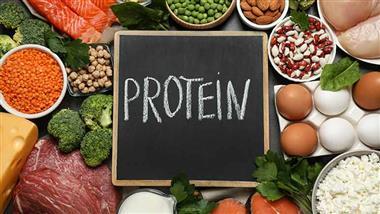
For example, a 1 oz-eq of protein is equal to one whole egg, 1 ounce of meat, a fourth-cup of beans or a half-ounce of nuts. Wayne Campbell, Ph.D., was the primary investigator and is a professor in the department of nutrition science at Purdue University.
He suggests that the basis for equating plant- and meat-based protein sources as equivalent means they have a nutritional content that is used similarly within the body, and yet this is not clear.5 In addition to the different nutrient content, including protein quality and quantity, there is also limited information about how the body processes different types of protein foods in a mixed meal.
The researchers were interested in analyzing this question in two populations. The first were younger adults who historically lack variety in their diet and the second were older adults whose diet may contain poor quality sources of protein despite their nutritional needs.
The researchers gathered 30 young adults and 25 older adults for an investigator-blinded, randomized crossover trial. Each participant completed four sessions during which they ate a meal with 2 oz-eq of either whole eggs, unprocessed pork, black beans or sliced almonds.
The researchers measured plasma essential amino acids at baseline, 30, 60, 120, 180, 240 and 300 minutes after eating. The data showed that the age of the participant did not affect the bioavailability of the essential amino acids in all four protein food groups tested. In both age groups, pork yielded greater essential amino acid bioavailability and pork and eggs yielded greater bioavailability than black beans and almonds.
The researchers concluded from the data that the oz-eq used by the Dietary Guidelines for Americans does not provide an equivalent amount of bioavailable essential amino acids in younger or older adults.
Gavin Connolly, Ph.D., was the clinical trials project manager and is a research associate in the department of nutrition science and gerontology at Purdue University. He notes that bioavailable essential amino acids are linked with the ability to build body protein or muscle and suggests, “This is an important consideration for muscle and whole-body health and physical function across the life course.”6
The authors also suggest that the findings have public health nutrition guidance implications, and Campbell goes so far as to say, “These results are also pertinent to the DGA’s recommendation to consume more plant-based foods.”7
Push to Eat Green Is Not Sustainable
Data from this study are yet another indication that plant-based and lab-produced meat substitutes are not sustainable options. Even at an early age, children need protein. Initially, this is supplied through breast milk, but once children move on to table food, there is a significant health benefit to adding whole foods to their diet, but not restricting them to a plant-based diet.
Although meat substitutes seek to look and taste like meat, they are not. One study8 of Polish children between the ages of 5 and 10 years analyzed body composition, cardiovascular risk and micronutrient status in children who were vegetarian and vegan as compared to omnivores.
The study claimed that the vegan diet was associated with a healthier cardiovascular risk profile based largely on lower levels of LDL cholesterol, which is not a good indicator of cardiovascular health.
Yet, these same children had an increased risk of nutritional deficiencies, lower bone mineral content and were shorter by about 3.15 centimeters or 1.2 inches. The researchers called this “concerning,” and wrote:9
“Our data suggest that restriction of animal-based foods could prevent children from achieving optimal height or bone mineral status and could lead to selected nutritional deficiencies. The shorter height of children consuming PBDs [plant-based diets] may have mixed implications for long-term health.”
Fake meat products are metabolically hazardous as they use vegetable fats to replace animal fats which are devoid of important vitamins and loaded with the dangerous omega-6 fat, linoleic acid. Although the push to eat fake food is reportedly to reduce greenhouse gas emissions and protect the environment, it is only a formula for disaster.
A 2022 study10 demonstrated that ultraprocessed foods already account for 36% to 45% of total diet-related biodiversity loss and up to one-third of total diet-related greenhouse gas emissions. Increasing the amount of processed fake food would only drive these percentages higher.
For all the lip service that’s paid to “equity,” increasing consumption of processed foods like fake meat and lab-produced meat products will worsen economic inequalities as it redirects money away from small farmers and independent homesteaders to transnational corporations that rely on underpaid workers.
Download this Article Before it Disappears
Lab-Produced Meat Alternatives Are Junk Food
Additionally, fake meat products are the very definition of ultraprocessed foods, which are “formulations of ingredients, mostly of exclusive industrial use, that result from a series of industrial processes (hence ‘ultraprocessed’).”11 According to this 2019 study, ultraprocessed foods already make up more than half of the energy consumed in high-income countries such as the U.K., Canada and the U.S.
By contrast only one-fifth to one-third of the total caloric intake in middle income countries came from ultraprocessed foods. Should globalists be successful in pushing a fake food diet, that percentage will rise precipitously.
In an effort to get you hooked on fake meat, the products are marketed as healthier and better for the environment. Added to this, Impossible Burger and Beyond Burger have nearly the same amount of fat and calories as real beef burgers. They also have more processed sodium and as a reporter at NBC News so succinctly pointed out:12
“If eating more realistic fake meat was about health, the offerings would be far lower in salt content, contain fewer calories and have a bit less dietary fat. None of them do, because the point was never to live up to the marketing of healthier eating. It was to simply act as a smooth replacement for the meat we worried about eating in our day-to-day lives.”
If health is not the underlying reason for developing fake meat and plant-based products, what is? You need only consider how easily a society that depends on lab-produced and manufactured foods can be manipulated.
Although eating red meat has been vilified for decades as being unhealthy, cancer-promoting and artery-clogging, data13 from the University of Washington’s Institute for Health Metrics and Evaluation showed weak evidence of any association between unprocessed red meat and several health conditions, including hemorrhagic and ischemic stroke.
A 2019 paper14 demonstrated that if there were health benefits from eating less beef, they were minimal. The researchers concluded there was “low to very low” evidence that red meat triggered health problems. When you choose your meat for dinner, do you want grass fed beef that’s rich in vitamins and healthy fat, or a fake meat product with over 263 global patents?15
Grass Fed Meat Is a Far Better Choice
Some think of lab-created or vegetable-based meat substitutes as the lesser of two evils when compared to CAFO meat. Yet, as the featured study demonstrates, not all protein is created equal, and altering the natural order of the life cycle is not the answer.
As I’ve written in the past, White Oak Pastures in Bluffton, Georgia, has demonstrated through a commissioned analysis that regeneratively grown beef can produce a net total emission of carbon in the negative numbers as compared to CAFO and meat foodstuffs that hold multiple patents and are quantifiably junk food.
It’s also worth noting that products that use soy, such as the Impossible Burger, are made with GMO soy that contains glyphosate. A healthier, more sustainable choice is grass fed beef, which also has a healthier ratio of dietary fat, and supports environmental health.
When given the choice, as we hope we will always be able to make, skip the fake meat alternative that is trying to disguise itself as healthy food and opt for real food that’s being raised the right way instead.
- 1, 4 Nutrients, 2023;15(13)
- 2 YouTube, June 29, 2022 Min 5:44
- 3, 5, 6, 7 SciTechDaily, August 18, 2023
- 8, 9 American Journal of Clinical Nutrition, 2021;113(6)
- 10 Journal of Cleaner Production, 2022; 368(133155)
- 11 Public Health Nutrition, 2019;22(5)
- 12 NBC News, September 8, 2019
- 13 Nature Medicine, 2022;28
- 14 Annals of Internal Medicine, 2019; doi.org/10.7326/M19-1621
- 15 Insights, January 20, 2022
Protect Yourself From Disease and Outrageous Medical Costs
Reproduced from original article:
https://articles.mercola.com/sites/articles/archive/2023/08/26/medical-costs-debt-trap.aspx
The original Mercola article may not remain on the original site, but I will endeavor to keep it on this site as long as I deem it to be appropriate.
Analysis by Dr. Joseph Mercola Fact Checked August 26, 2023
STORY AT-A-GLANCE
- In the U.S., 66.5% of bankruptcies are due to medical bills, which amounts to 530,000 medical bankruptcies each year
- Staying healthy by taking control of your health is key to avoiding this medical bill debt trap
- Seek to get one hour of sun exposure daily with minimal clothing; ideally, combine your sun exposure with one hour of daily walking
- Eliminate seed oils from your diet; they’re high in linoleic acid (LA), which is toxic at high levels and when consumed out of balance with omega-3; eliminating processed foods is key to reducing LA
- Improve mitochondrial function using niacinamide at a dose of 50 milligrams three times per day, and take a daily aspirin tablet
In the U.S., 66.5% of bankruptcies are due to medical bills, which amounts to 530,000 medical bankruptcies each year.1 Among those who file bankruptcy due to medical expenses, 72% have health insurance,2,3 highlighting the outrageous state of health care in America.
If you end up in the hospital, you know you’re going to receive a bill — but you don’t typically know how much that bill will be. It’s no wonder that two-thirds of adults worry about being able to afford surprise medical bills like these.4,5
In fact, in a survey of public financial worries, being able to afford unexpected medical bills topped the list, followed by concerns about paying for health insurance deductibles and prescription drugs.6 Staying healthy by taking control of your health is key to avoiding this medical bill debt trap.
Big Pharma Manipulates Patents to Drive Up Drug Costs
If U.S. medical costs seem sky-high, it’s not in your imagination. Big Pharma keeps drug costs elevated due to patents, which last 20 years, and sometimes up to 40, preventing competitors from introducing less expensive generics to the market.7 A report from I-Mak analyzed the 12 best-selling drugs in the U.S., finding that their makers file hundreds of patent applications, most of which are granted.8
While U.S. patent law intends patents to provide 10 years of protection, the mass patents allow drug makers to monopolize the market and drive up costs. “These patents are used by drugmakers for the purpose of forestalling generic competition while continuing to increase the price of these drugs,” I-Mak reported.9
On average, among the top 12 drugs studied, there were 125 applications filed and 71 patents granted per drug. Prices also increased 68% since 2012. According to I-Mak, “There are 38 years of attempted patent protection blocking generic competition sought by drugmakers for each of these top grossing drugs — or nearly double the 20-year monopoly intended under U.S. patent law.”10
Hospitals Charge You Up to 18 Times Over Their Cost
It’s not only drug costs that are bankrupting Americans. Hospital stays can also lead to financial ruin — and it’s easy to see why when you realize the price-gouging going on. In “Fleecing Patients,”11 National Nurses United highlighted that the 100 most expensive U.S. hospitals charge patients from $1,129 to $1,808 for every $100 of their costs.12
That is 11.3 to 18 times what their actual costs are. Many companies, like grocery stores, typically operate on margins of 1 to 3% profits,13 or 0.1 to 0.3 times their costs.
“There is no excuse for these scandalous prices. These are not markups for luxury condo views, they are for the most basic necessity of your life: your health,” Jean Ross, RN, president of National Nurses United, said in a news release, adding:14
“Unpayable charges are a calamity for our patients, too many of whom avoid — at great risk to their health — the medical care they need due to the high cost, or they become burdened by devastating debt, hounded by bill collectors or driven into bankruptcy.”
It’s gotten so bad that 30% of adults in one survey said they had to choose between paying for medical bills or necessities like food and housing.15 Hospitals then go after patients who can’t pay. In Maryland alone, one of the only states to publish such data, hospitals have filed more than 145,000 medical debt lawsuits in the last decade, trying to recover $268.7 million.16
Download this Article Before it Disappears
5 Keys to Take Control of Your Health
I’ve long recommended staying out of hospitals as much as possible to protect your health. But doing so will also protect your pocketbook. While you should always seek medical care when you need it — especially in cases of emergency — I am going to list the most powerful lifestyle strategies I know that you can take to radically reduce your likelihood of getting sick and ending up saddled with oppressive medical debt that can lead to bankruptcy.
Assiduously following these recommendations will go a long way to immunizing you against all chronic diseases that are the primary reason most people wind up in the hospital.
1. Get one hour of daily sunshine — Head outdoors for a daily dose of sunshine as often as possible. Ideally, seek to get one hour of sun exposure daily with minimal clothing. If you spend more time in the sun, the rates of many types of cancers would radically decrease and there would be fewer cardiovascular disease deaths.17
One of the primary benefits is that your skin produces vitamin D in response to sun exposure. Vitamin D upregulates your ability to fight infections, as well as chronic inflammation, and produces over 200 antimicrobial peptides (AMPs), one of which is cathelicidin, a naturally occurring broad-spectrum antibiotic.
The cathelicidin antimicrobial peptide, or CAMP, is made by immune cells and skin and gut cells, which act as a barrier to infection.18,19 Beyond vitamin D, which may serve as more of a marker for proper sun exposure, getting out in the sun is involved in melatonin production.
Near-infrared rays from the sun penetrate deep into your body and activate cytochrome c oxidase, and also stimulate the production of melatonin inside your mitochondria. Your mitochondria produce ATP, the energy currency of your body. A byproduct of this ATP production is reactive oxidative species (ROS), which are responsible for oxidative stress.
Excessive amounts of ROS will damage the mitochondria, contributing to suboptimal health, inflammation and chronic health conditions such as diabetes, obesity and thrombosis (blood clots). But melatonin essentially mops up ROS that damage your mitochondria. So, by getting plenty of sun exposure during the day, your mitochondria will be bathed in melatonin, thereby reducing oxidative stress.20,21
2. Eliminate seed oils from your diet
You might be concerned about getting skin cancer from all the sun exposure in the first recommendation, but it turns out that the primary reason for getting skin cancer is related to the amount of linoleic acid (LA) that is in your skin. It is really hard to get any cancer, including skin cancer, if you have low LA levels.
I would strongly recommend that you view the video above even if you have previously seen it, as it will remind you of the vital importance of this strategy and, more importantly, how to properly implement a low LA diet.
Linoleic acid is the primary fat found in polyunsaturated fatty acids (PUFAs), including vegetable/seed oils. It accounts for about 80% of the fat composition of these oils. Examples of seed oils high in omega-6 include soybean, cottonseed, sunflower, rapeseed (canola), corn and safflower.22
The single best comprehensive rule to follow is to avoid virtually all processed foods. If you simply do that you will be in the ball park and will only need some fine tweaks that are reviewed in the video above.
3. Avoid all processed foods — LA is found in virtually every processed food, including restaurant foods, sauces and salad dressings, so to eliminate it you’ll need to eliminate most processed foods and restaurant foods from your diet — unless you can confirm that the chef only cooks with butter.
Processed convenience foods are linked to an increased risk of developing and dying from cancer,23 and they contribute to premature death.24 Yet, 61% of Americans’ food intake comes in the form of highly processed foods and drinks. The amount is similar in Canada (62%) and the U.K. (63%).25
When you cut processed foods from your diet, not only will you drastically reduce LA but also other toxic additives, such as emulsifiers and artificial sweeteners, which can lead to pathophysiological changes such as impaired glucose tolerance, neuroinflammation and oxidative stress.26 Eating processed junk foods is also linked to metabolic syndrome and all-cause mortality,27 along with cognitive decline28 and depression.29
One caveat, because animals are fed grains that are high in linoleic acid,30 it’s also hidden in “healthy” foods like chicken and pork, which makes these meats a major source as well. Olive oil is another health food that can be a hidden source of linoleic acid, as it’s often cut with cheaper seed oils.
4. Walk one hour a day — Daily movement is another critical element of health and longevity. Ideally, walk outdoors, so you can combine No. 1 — sun exposure — with your exercise. Walking is a powerful form of activity for a number of reasons. It’s free and accessible — you can do it virtually anywhere. And it’s gentle enough that most people can engage in it, even if you’re out of shape and haven’t exercised in a while.
Walking even 8,000 steps once or twice a week is associated with significantly lower all-cause and cardiovascular mortality risk.31 People who participate in outdoor walking groups also enjoy significant reductions in systolic and diastolic blood pressure, resting heart rate, body fat, depression scores and body mass index, along with increases in VO2max, a marker of fitness level.32
Any type of walking appears beneficial, but if you want to increase intensity, Nordic walking, which involves walking with fixed-length ski poles, leads to even greater increases in functional capacity — or the ability to carry out activities related to daily living — compared to other forms of exercise, including high-intensity interval training (HIIT) and moderate-to-vigorous intensity continuous training (MICT).33
5. Improve mitochondrial function — Your mitochondrial health plays a vital role in longevity and disease prevention. To put it simply, if your mitochondria are not functioning well, nothing else will either. Mitochondria are the powerhouses of your cells, producing about 85% of the energy generated in your body.
There are a number of ways to optimize your mitochondrial function, but one element is niacinamide (aka nicotinamide), a form of niacin (vitamin B3) that plays a vital role in energy metabolism. It’s essential for the mitochondrial electron transport chain to function. Without it, your mitochondria cannot make energy.
Niacinamide is so important because it is a precursor for NAD+, which is involved in the conversion of food to energy, maintaining DNA integrity and ensuring proper cell function. NAD+ is also a primary fuel for PARP, which is an important DNA repair enzyme. NAD+ also fuels the conversion of cortisol to its inactive form, cortisone.
Niacinamide at a dose of 50 milligrams three times per day will provide the fuel for the rate limiting enzyme for NAD+, NAMPT. Niacinamide also has potent antiobesity effects, can help prevent neurodegeneration and heart failure, and reverse leaky gut.
I recommend getting niacinamide in powder form because the lowest available dose in most supplements is 500 mg, and that will decrease NAD+ due to negative feedback on NAMPT, which is the opposite of what you’re looking for.
Niacinamide will only cost you about 25 cents a month if you get it as a powder. Typically, one-sixty-fourth of a teaspoon of niacinamide powder is about 50 mg. There is a company, though, that has just created an inexpensive 50 mg tablet for convenience.
I also recommend taking one aspirin tablet daily. Aspirin plays a role in mitochondria function34 and also has other health benefits. Importantly, it helps increase the oxidation of glucose as fuel for your body while inhibiting the oxidation of fatty acids, specifically linoleic acid.
I know this one seems silly, but it really does work to prevent so many diseases and it is dirt cheap. Aspirin has been (and still is) the target of a massive discrediting campaign by Pharma as it competes with newer, far more expensive blood thinners and pain relievers.
If you are taking it for blood thinning the dose is a baby aspirin (85 mg) per day. If you are using it for disease prevention it would be one regular aspirin. Ideally get a clean version of aspirin. You can find a bottle of 1000 on Amazon that only has corn starch. There is a company though (healthnatura.com) that sells pure USP grade aspirin powder that is about as good as you can get.
If you are sensitive to aspirin, it would be best to use a salicylic acid or willow bark supplement, as this is the active ingredient. Look for a clean, high-quality willow bark supplement.
By taking the five steps above, you can significantly improve your health — inexpensively — and reduce your risk of chronic disease. In turn, you’re less likely to require expensive medical treatments that put both your physical and financial health at risk.
– Sources and References
- 1 Am J Public Health. 2019 March; 109(3): 431–433
- 2 HuffPost March 24, 2015
- 3 YouTube, Valuetainment July 31, 2023, 0:17
- 4 YouTube, Valuetainment July 31, 2023, 1:54
- 5, 6 KFF February 28, 2020
- 7 YouTube, Valuetainment, June 2, 2023, 1:20
- 8, 9, 10 I-Mak, Overpatented, Overpriced, Executive Summary
- 11 National Nurses United, Fleecing Patients November 2020
- 12, 14, 15, 16 National Nurses United November 16, 2020
- 13 Marketing Food Online November 30, 2022
- 17 YouTube, CarnivoreMD, The Sun Episode May 10, 2022, 19:11
- 18 Medical Xpress December 31, 2019
- 19 The Journal of Steroid Biochemistry and Molecular Biology April 2020
- 20 Physiology February 5, 2020 DOI: 10.1152/physiol.00034.2019
- 21 YouTube, MedCram, Sunlight: Optimize Health and Immunity January 21, 2022
- 22 Int J Mol Sci. 2020 Feb; 21(3): 741
- 23 Imperial College London February 1, 2023
- 24 American Journal of Preventive Medicine November 7, 2022
- 25 Front Nutr. 2019; 6: 70
- 26 Public Health Nutr. 2022 Nov; 25(11): 3225–3234., Discussion
- 27 Front Nutr. 2019; 6: 70., Intro
- 28 CNN, August 1, 2022
- 29 Public Health Nutr. 2022 Nov; 25(11): 3225–3234
- 30 Journal of Dairy Science January 2018; 101(1): 222-232
- 31 JAMA Netw Open. 2023 Mar; 6(3): e235174
- 32 Br J Sports Med. 2015 Jun;49(11):710-5. doi: 10.1136/bjsports-2014-094157. Epub 2015 Jan 19
- 33 SciTechDaily July 17, 2022
- 34 Biochem Biophys Res Commun. 2017 Jan 8; 482(2): 346–351
Which Exercises Are Best for Lowering Blood Pressure?
Reproduced from original article:
https://articles.mercola.com/sites/articles/archive/2023/08/11/exercises-for-lowering-blood-pressure.aspx
The original Mercola article may not remain on the original site, but I will endeavor to keep it on this site as long as I deem it to be appropriate.
Analysis by Dr. Joseph Mercola Fact Checked August 11, 2023

STORY AT-A-GLANCE
- Exercise is well-known for its ability to normalize blood pressure, but all forms of exercise are not the same in this regard
- A recent meta-analysis of 2,070 studies found that isometric exercise was the most effective for lowering blood pressure
- Effectiveness based on the “surface under the cumulative ranking curve” (SUCRA) values for systolic blood pressure — which refers to the mean probability of being the best — placed isometric exercise in the No. 1 slot with an effectiveness rating of 98.3%, followed by combined training (75.7%), dynamic resistance training (46.1%), aerobic exercise training (40.5%) and high-intensity interval training (39.4%)
- In secondary meta-analyses of submodes, the wall squat was the most effective for reducing systolic blood pressure while running was most effective for reducing diastolic blood pressure
- Dietary-wise potassium and magnesium are important for healthy blood pressure regulation. More often than not, it’s not too much sodium that is the problem, but a lack of potassium
Exercise is well-known for its ability to normalize blood pressure, but are all forms of exercise the same in this regard? A recent meta-analysis1 published July 25, 2023, in the British Journal of Sports Medicine, sought to determine the answer to this question.
Two-hundred and seventy randomized controlled trials published between 1990 and February 2023 that reported reductions in systolic blood pressure (SBP) and/or diastolic blood pressure (DBP) following an exercise intervention of two weeks or more were included, with a pooled sample size of 15, 827 people.
The top number of your blood pressure measurement, the systolic, is a measurement of the maximum pressure inside your arteries as your heart contracts. The bottom number, the diastolic, is a measurement of the pressure in your blood vessels when your heart is not contracting. Both numbers are important in determining how much damage may occur over time to your blood vessels and other organ systems.
The Best Exercises for High Blood Pressure
In rank order, analyses demonstrated significant reductions in resting SBP and DBP following:
- Isometric exercise (–8.24/–4.00 mmHg)
- Combined training (–6.04/–2.54 mmHg)
- Dynamic resistance training (–4.55/–3.04 mmHg)
- Aerobic exercise (−4.49/–2.53 mmHg)
- High-intensity interval training (–4.08/–2.50 mmHg)
Effectiveness based on the “surface under the cumulative ranking curve” (SUCRA) values for systolic — which refers to the mean probability of being the best for lowering your systolic blood pressure — placed isometric exercise in the No. 1 slot with an effectiveness rating of 98.3%, followed by combined training (75.7%), dynamic resistance training (46.1%), aerobic exercise training (40.5%) and high-intensity interval training (39.4%).
Various exercise training modes improve resting blood pressure, particularly isometric exercise. The results of this analysis should inform future exercise guideline recommendations for the prevention and treatment of arterial hypertension. ~ British Journal of Sports Medicine
In secondary meta-analyses of submodes, the wall squat was the most effective for reducing SBP while running was most effective for reducing DBP. In conclusion, the authors noted:2
“Various exercise training modes improve resting blood pressure, particularly isometric exercise. The results of this analysis should inform future exercise guideline recommendations for the prevention and treatment of arterial hypertension.”
What Is Isometric Exercise?
A key take-home from this meta-analysis is that static contraction of muscle as you hold your body in one position, i.e., isometric exercise, is the most effective type of exercise if you want to lower your blood pressure. Static contraction is what defines isometric exercise. Examples of isometric exercises include:3,4,5
| Wall squat | Isometric calf raise | Planking |
| Hollow-body hold | Low isometric squat | Static slide lunge |
| Overhead hold | Iso hang | Glute bridge |
| Incline pushup hold | V-sit | Single-leg stand |
Existing exercise guidelines for blood pressure management emphasize cardio, such as running and cycling, but following that advice will not give you the best results. In fact, aerobic exercise ended up being next to last in terms of effectiveness.
Download this Article Before it Disappears
Imbalanced Potassium-to-Sodium Ratio and Your Blood Pressure
Of course, your diet and other lifestyle factors may also need to be addressed if you have high blood pressure. One really important factor that is often overlooked is your potassium-to-sodium ratio.
Most conventional doctors still focus on the sodium part of this equation, but a low-sodium diet is rarely the answer. Most of the time, it’s not too much sodium that is the problem, but a lack of potassium.
Potassium is one of the most abundant positively charged ions inside your cell and is essential for normal cell function. The potassium and sodium relationship is strong, and is the main regulator of extracellular fluid volume, including your plasma (blood). Your body works most efficiently when there is a balance in your potassium and sodium.
You can lose potassium through diarrhea, vomiting, excessive sweating or the use of some drugs, including excessive alcohol. However, the most common reason potassium levels are not within normal limits is related to your dietary intake.
According to the U.S. Department of Agriculture,6 the average intake of potassium in the U.S. population is 2,640 milligrams (mg) per day. Other surveys have found similar intakes.7 Meanwhile, the Institute of Medicine recommends 4,700 mg per day for people over the age of 14.
Potassium helps lower your blood pressure by relaxing the walls of your arteries, and according to Harvard Health,8 many people with high systolic blood pressure can successfully lower it simply by increasing their potassium intake.
In my view the absolute best way to increase your potassium is by beating ripe fruit. I typically get around 3,000 mg from watermelon, orange juice and tangerines, and another 2,000 mg from other sources. For a more complete list, see DietaryGuidelines.gov’s “Food Sources of Potassium” page.9
For more precise and accurate results, you can input your foods into Cronometer.com and easily find out precisely how much potassium you are getting. Taking potassium supplements is not a good strategy and will simply not provide you with the benefits you are seeking.
Magnesium Is Important for Blood Pressure Regulation
Magnesium is also important for healthy blood pressure and few people get enough from their diet these days. Hundreds of studies and scientific papers show there’s a clear correlation between magnesium and high blood pressure.
According to a 2011 paper10 in The Journal of Clinical Hypertension, magnesium intake of 500 mg to 1,000 mg per day may reduce blood pressure by as much as 5.6/2.8 mmHg. Its blood pressure lowering effects are most pronounced when potassium intake is also high, and sodium intake low.
Magnesium also boosts the effectiveness of “all antihypertensive drug classes,” according to this paper. The mechanisms behind magnesium’s BP-lowering effects were described as follows:11
“One of the mechanisms by which magnesium lowers BP is by acting like a natural calcium channel blocker.
Magnesium competes with sodium for binding sites on vascular smooth muscle cells, increases prostaglandin E, binds to potassium in a cooperative manner, induces endothelial-dependent vasodilation, improves endothelial dysfunction in hypertensive and diabetic patients, decreases intracellular calcium and sodium, and reduces BP.
Magnesium is more effective in reducing BP when administered as multiple minerals in a natural form and as a combination with magnesium, potassium, and calcium than when given alone.
Magnesium is also an essential cofactor for the delta-6-desaturase enzyme, which is the rate-limiting step for the conversion of linoleic acid (LA) to gamma-LA (GLA).
GLA, in turn, elongates to form DGLA … the precursor for prostaglandin E1 (PGE1), [which] is both a vasodilator and platelet inhibitor. Low magnesium states lead to insufficient amounts of PGE1, causing vasoconstriction and increased BP.
In addition … magnesium regulates intracellular calcium, sodium, potassium, and pH as well … arterial compliance. Magnesium also suppresses circulating Na+K+ATPase inhibitory activity that reduces vascular tone.”
Dietary Do’s and Don’ts
For those with current kidney problems, it’s important to seek your physician’s advice before using potassium supplements as it may lead to irregular heart rhythms.12 Of course, excessive salt consumption can also contribute to an imbalance, but unless your intake is a) extreme, and b) you’re using processed table salt and not unprocessed salt like Himalayan salt, I rarely worry about salt intake.
Magnesium-rich foods13 include baked potato and white rice, just to name a few. That said, the magnesium content of most foods is dwindling due to the destruction of soils, so it’s one nutrient, unlike potassium, that I recommend taking as a supplement.
However, as with potassium, before taking any magnesium supplement, be sure to consult with your health care practitioner, especially if you have kidney disease. An alternative way of supplementing with magnesium is to soak in magnesium sulfate, commonly known as Epsom salts.
In addition to making sure you’re getting enough potassium, also avoid the following foods, which are notorious for causing blood pressure levels to rise:14
- Processed foods
- Most grains
- Partially hydrogenated oils (synthetic trans fats), found in many processed foods, including packaged cookies, crackers, chips and other snacks
- Seed oils (aka vegetable oils) such as corn, canola, soy and safflower oils
Isometric Exercise Instructions
Getting back to isometric exercises, here are instructions for how to perform several of the most popular ones. Also remember that an amazing resource is YouTube. Although you absolutely can’t trust it for truth about politics or health, it has not censored exercise content.
Just type in the exercise you want to perform, and you will typically find dozens if not hundreds of incredibly useful videos. It is always best to watch at least several of them so you can get a consensus and different types of exercises from instructors.
| Wall squat and low squat — For the wall squat, stand with your back flat against a wall, then walk your feet about 1.5 feet (0.5 meter) out from the wall. With your feet shoulder-width apart, back flat against the wall and your abs tight, squat until your knees are bent at a 90-degree angle, or as low as you can comfortably go. Remain squatting for as long as you can, then stand back up by pushing up from your heels.
The low squat is similar, but here you’re not using a wall. Start by standing with your feet slightly more than hip-width apart. Keep your hands on your hips, or straight out in front of you. Push your hips back into a sitting position while bending your knees. Keep your spine long (don’t round forward). Hold for 10 to 30 seconds, then return to the starting position. |
| High plank and side plank — For the high plank, start in a kneeling pushup with your hands shoulder-distance apart. Straighten your knees, pushing down into the balls of your feet to raise your body into a high plank position, which looks exactly like the upward position of a pushup.
With your hands aligned with your shoulders and legs straight, engage your core and hold for 20 to 60 seconds, or as long as you can maintain proper form. For the side plank, start out lying on your left side with legs straight (your hips, knees and feet stacked). Bend your left elbow and place your forearm on the ground under your shoulder. Push your left forearm into the ground to lift your torso and hips off the ground. Engage your core to maintain your body in a straight line from head to heel. You can keep your right arm by your side or stretched up in the air. Hold for at least 10 seconds. Lower your torso down and switch sides. |
| Overhead hold — Using a suitable weight (based on your level of fitness) with both hands, engage your core and extend your arms above your head. Keep your arms fully extended and in line with your shoulders. Hold the weight steady over your head for 20 to 30 seconds. |
| Glute bridge — Lie on your back. Bend your knees so that your heels are about 12 to 16 inches from your behind. Keep your arms by your sides. Press into your heels, brace your core, and push your pelvis upwards by squeezing your glutes. Maintain the bridge position for 30 seconds without letting your hips sink. |
| Hollow-body hold — Lie on your back with your legs extended toward the ceiling, perpendicular to the floor. Squeeze your core to press your low back into the floor, then raise your head and shoulders a few inches off the floor while simultaneously lowering your legs as close to the floor as possible. Hold until you can’t hold any longer, then lower your head and shoulders to the floor. |
| Incline pushup hold — Place your hands on a sturdy surface, such as a bench or low table. Position your hands slightly wider than your shoulders. Walk backward until you’re in a pushup position, with your body weight supported on your hands and the balls of your feet. Engage your core and make sure your shoulders are not pushing up toward your ears.
Bend your elbows as in the downward motion of a pushup until your chest nearly touches the bench or table. Your arms should flare outward, forming 45-degree angles with your torso. Pause here and hold as long as you can, then step forward to stand up. |
- 1 British Journal of Sports Medicine July 25, 2023 DOI: 10.1136/bjsports-2022-106503
- 2 British Journal of Sports Medicine July 25, 2023 DOI: 10.1136/bjsports-2022-106503, Conclusion
- 3 Vertimax
- 4 US News June 15, 2020
- 5 Vertimax 20 Isometric Exercises
- 6 U.S. Department of Agriculture Food Research Group, Potassium Intake of the U.S. Population
- 7 Nutrition Today September-October 2018; 53(5): 184-195
- 8, 12 Harvard Health Publishing, January 23, 2017
- 9 DietaryGuidelines.gov Food Sources of Potassium
- 10 The Journal of Clinical Hypertension November 2011; 13(11): 843–847
- 11 The Journal of Clinical Hypertension November 2011; 13(11): 843–847, Mechanisms of BP Reduction With Magnesium
- 13 Cleveland Clinic Magnesium-Rich Foods
- 14 Dr. Sinatra, What is the Best Heart Healthy Diet Plan?
Nourish your liver: Essential foods and herbs to safeguard against disease
Reproduced from original article:
https://www.naturalhealth365.com/nourish-your-liver-essential-foods-and-herbs-to-safeguard-against-disease.html
by: Dena Schmidt, staff writer August 7, 2023
 (NaturalHealth365) Liver disease has developed into a silent epidemic, responsible for a staggering two million deaths annually and accounting for 4% of all deaths worldwide. Shockingly, this means that one out of every 25 deaths is attributed to liver-related complications. Among those affected, men bear the brunt, constituting two-thirds of all liver-related fatalities.
The leading causes of liver-related deaths are complications of cirrhosis and hepatocellular carcinoma, with acute hepatitis contributing to a smaller proportion. The culprits behind most cases of cirrhosis worldwide include viral hepatitis, alcohol, and nonalcoholic fatty liver disease. Poor lifestyle choices can serve as triggers for liver disease, leading to a host of signs and symptoms that signal compromised liver health.
Learn the warning signs and stages of liver disease
Liver disease manifests through various signs and symptoms, acting as warning signals for potential health issues. Dark-colored urine, itchy skin, yellow skin and eyes, flu-like symptoms, and tenderness on the upper right side of the abdomen are among the common indicators of liver health problems.
One critical stage of liver health decline is liver fibrosis, often encountered as the third stage of alcoholic liver disease or due to hepatitis C. If left unaddressed, it can progress to more severe conditions, including cirrhosis and other complications. Liver fibrosis is characterized by the development of fibrous tissue, cysts, nodules, and scars within the liver. These coarse tissues impede proper circulation and gradually lead to a loss of liver function. Understanding the progression of liver disease is essential in promoting timely intervention and improved outcomes for those at risk.
Avoiding processed foods, sugar, unhealthy fats, and alcohol crucial to liver health
A key aspect of supporting liver health involves adopting a liver-friendly diet that avoids high-fat, high-sugar, and processed foods known to contribute to inflammation. Previous research has highlighted the crucial link between diet and liver well-being, emphasizing the significance of making wholesome and nutrient-rich choices to maintain optimal liver function.
Let’s delve into the top foods and herbs that provide exceptional support for this vital organ.
Why dark leafy greens matter
When it comes to promoting overall health, few foods can rival the nutritional powerhouse found in organic spinach, kale, chard, and collard greens. Beyond their general health benefits, these dark leafy greens shine as exceptional supporters of liver health. Packed with an array of healthy flavonoids, antioxidants, carotenoids, and vitamin C, they play a pivotal role in maintaining the well-being of this vital organ.
Eat your organic broccoli
Cruciferous vegetables go above and beyond in shielding the liver from potential issues like fatty liver disease. Their remarkable properties include blocking fat uptake and boosting lipid output, offering a protective effect that can make a significant difference in maintaining liver health.
The value of blueberries
Among the wide array of fruits and berries celebrated for their health benefits, organic blueberries stand out as a nutritional powerhouse. These tiny fruits pack a punch when it comes to flavonoids and anthocyanins, boasting the highest levels of these compounds.
Don’t forget about organic garlic
Garlic, a culinary treasure, brings a plethora of health properties to the table. Its impressive profile includes antibacterial, antioxidant, antiviral, and anti-fungal benefits. Moreover, garlic shines as an inflammation-reducing champion, providing a significant boost to the immune system.
The sweetness of pineapple
This delicious (organic) tropical fruit is packed with anti-inflammatory digestive enzymes and plays a vital role in easing the burden on the liver while aiding in the efficient metabolism of foods. A true nutritional powerhouse, it is enriched with vitamins C, B1, magnesium, and potassium, all working together to combat inflammation.
Turmeric is a winner
Abundantly used in Indian cuisine, this spice holds a wealth of health benefits. Brimming with curcuminoids, these powerful compounds are known for their anti-inflammatory properties, making them an invaluable aid in supporting the liver, kidneys, and bile production. By promoting effective digestion, this organic spice lends its golden touch to enhance your health.
Rejuvenate yourself with organic green tea
Rich in antioxidants, this remarkable beverage works its magic by reducing fat accumulation, making it a powerful ally in supporting liver health. Make green tea a regular part of your daily routine and experience its rejuvenating effects.
No doubt, your liver is an “unsung hero,” tirelessly working to keep you healthy. Are you giving it the care it deserves?
Embrace a healthy lifestyle, and add specific foods and herbs to your diet to further boost your liver’s well-being. These dietary additions can reduce inflammation, support liver health, and minimize the risk of liver disease, ensuring your liver remains in top-notch shape.
Sources for this article include:
A Critical Look at ‘The China Study’ and Other Food Plans
Reproduced from original article:
https://articles.mercola.com/sites/articles/archive/2023/07/22/the-china-study-and-other-nutrition-plans.aspx
The original Mercola article may not remain on the original site, but I will endeavor to keep it on this site as long as I deem it to be appropriate.
Analysis by Dr. Joseph Mercola Fact Checked July 22, 2023
STORY AT-A-GLANCE
- Although veganism has some health benefits, it is also loaded with many disadvantages and is unsuitable for many, especially if you have certain genetic polymorphisms predisposing you to poor beta-carotene conversion
- People with polymorphisms causing poor conversion of beta-carotene are at high risk for reproductive problems, skin and eye problems and poor dental health
- The blood type diet, detailed in “Eat Right 4 Your Type,” often works well for those with blood type O, as those recommendations are consistent with a healthy diet. It typically does not work well for the other blood types
- Nutrient cycling (cycling between higher and lower amounts of fat, net carbs and protein) and cycling between high and low calorie intakes (fasting and feasting) appear to be foundational criteria for optimal biological functioning
- If you’re on a ketogenic diet, it’s important to cycle high and low amounts of net carbs once your body is able to efficiently burn fat for fuel in order to optimize your metabolism. Cyclical fasting is also recommended
Editor’s Note: This article is a reprint. It was originally published July 8, 2018.
Denise Minger is perhaps most noted for her comprehensive rebuttal of “The China Study” some eight years ago. She’s heavily vested in the vegan versus omnivore battle, having cycled through vegetarianism and raw veganism, finally coming full circle to being an omnivore.
Minger took to vegetarianism when she was just 7 years old. “I was eating steak one night at dinner and almost choked on it. I developed some kind of phobia surrounding things with meat textures and went vegetarian overnight,” she explains.
Raw Veganism Took a Toll on Health
However, during the 10 years she remained a vegetarian, she began developing food allergies, including wheat and dairy allergies. “By the time I was a teenager, I was really health-conscious,” she says. “I had to get into that whole scene just to stay healthy.”
At age 15, she discovered the raw vegan movement and got on the 80/10/10 diet, promoted by Dr. Douglas Graham. The diet is based on the hypothesis that we should eat what other primates eat, particularly frugivorous chimpanzees and bonobos.
“I was reading about it online at the age of 15 without having any background in human biology, physiology or anthropology … I fell into this trap of logic, that humans are the only animals that cook our food. We’re the only animals that eat this species-inappropriate diet, [so] I went raw vegan overnight,” she says. “For one year straight, [I ate] nothing but fruits, vegetables and some nuts — all uncooked.
I did great for the first month, as most people do when they stop eating crappy foods. After that, I started losing weight and muscle. My hair was falling out. My energy levels were fluctuating like crazy.
I was in high school at the time, taking the Scholastic Assessment Test (SAT). My brain fog got so bad at one point that when I was taking the SAT, I would read the question and by the time I got to the end I couldn’t remember what the first part said …
The kicker for me, because I’ve always taken great care of my teeth, was at the end of this period of raw veganism I had 16 cavities in my mouth, after a lifetime of what had previously been perfect dental health … It was actually the dental health issue that really turned my mind around … At that point, I had to let go of the vegan philosophy. I had to start questioning things …
That’s when I came across things like the Weston A. Price Foundation, which [details] what humans have been eating that has supported health in the past. I learned about the paleo movement — different forms of health-conscious omnivory. That’s where I ended up. It was a process.”
Debunking ‘The China Study’
As mentioned, Minger produced a very comprehensive critique of “The China Study” which is the scientific justification for many vegan positions. Her analysis — which some suspected to be funded by the meat industry — was actually undertaken while recovering from an accident. At the age of 22, she was hit by a car while riding her bicycle and shattered her elbow. Her convalescence afforded her the time to work on this project.
“I got a huge book of the raw ‘China Study’ data. I love numbers. I have fun with correlations. I have fun looking at patterns. My brain gets happy. I spent about two or three months poring over the data. I needed a project, because I had nothing else to do.
I was poring over the data and that’s when I realized I needed to write a critique of the book. So much of what [author T. Colin] Campbell said was not supported by his own data. I just felt like if there’s anything I needed to do in life, it was going to be this.
I didn’t expect anyone to read it. I had a little blog. I like to say I had six readers, five of which were my mother on different computers. I didn’t realize at the time how much interest the critique would gather; how much interest there was in that book itself. I hadn’t really seen the rivalry upfront between the vegan and the paleo worlds. When I released this critique, I didn’t know it was going to be that influential,” she says.
Minger developed quite a bit of notoriety as a result of that critique, especially in the vegan community. She’s been vilified by many, including Campbell, who wrote personal rebuttals to her commentary on his work. Some have gone so far as to characterize her as someone who’s promoting processed food.
Download this Article Before it Disappears
The Case for Lowering Protein Intake
For all its drawbacks, there are benefits to veganism. The biggest one, from my perspective, is that vegans have — compared to those who eat the standard American diet — a significantly lower protein intake. I think there are valuable insights that can be drawn from that, which can be integrated into a low-carb paleo approach. Minger agrees, saying:
“For the protein issue, what I find interesting is that whenever we look at the actual China Study, for example, when you look at their food intake, it’s much different in terms of the types of animal parts they consume than what we see in America.
The protein issue is complicated, but I will say that high methionine intake — for example from muscle meat — [needs to be balanced with] glycine. You get that by eating the entire animal, the skin, tendons, connective tissue — all the stuff that Americans typically discard …
In the China Study, you don’t see them eating steaks and chicken breasts at every meal. Even the lower animal product-consuming societies, a lot of them eat insects. A lot of them eat the weird parts of the animal. I think that’s imperative for staying healthy on an omnivorous diet. Because the way we eat meat in America is pathogenic. It’s not healthy. But it’s not necessarily because animal products are bad for you …
What was amusing to me, because it was completely left out of ‘The China Study’ book, was that the healthiest populations were the seafood eaters … They had the best health outcomes. The only disease that they had more of was liver cancer. That was because they were living in humid areas where aflatoxin was more prevalent … But it wasn’t because of the animal protein. It wasn’t because of the fish.”
This makes sense considering the importance of long-chained omega-3 fats: eicosapentaenoic acid (EPA) and docosahexaenoic acid (DHA). Those who restrict themselves to a plant-based diet are only getting alpha-linolenic acid (ALA) which, while being a precursor for EPA and DHA cannot be converted at significant, therapeutic levels.
Protein Cycling
Clearly, the composition of the animal protein is a significant issue. We don’t want processed foods. We don’t want meat from factory farms that is contaminated with glyphosate (due to contaminated grain feed). But there’s also the issue of the amount. Many are simply eating far too much protein, which (when consumed in excess) activates mTOR, a pathway involved in both aging and cancer. Pulsing higher and lower amounts of protein also seems a wise strategy.
“When we look at historical groups of humans, the animal food intake was generally on the lean side. We don’t have year-round access to these big fatty animals … It’s going to be seasonal when it occurs at all,” Minger says. “I’m reminded of a study on Australian aborigines. They put people out in the wild to try to acquire foods from their environment and survive on that …
Their fat intake ended up being something like 8% to 12%, because the animals were so lean and the lean protein intake was consequently much higher. I have trouble believing that animal protein itself is going to be a problem. I think what might be a problem is this consistency thing — the idea that eating the same foods year-round, without any fluctuation in the composition of the diet, is healthy. I don’t think that’s the case …
I think things like protein cycling might be therapeutic for humans. I think that even carb cycling and going through different periods of different macronutrient intakes instead of always being low-fat or always being low-carb [is a good idea]. That’s probably what the human body is best adapted to.”
Macronutrient Cycling — An Overlooked Component
In deconstructing and assessing the low-carb, high-fat approach, Minger concluded the lack of high and low nutrient cycling was one of the main problems, especially long-term, and particularly for women. “I do one-on-one consulting with people,” she says.
“A large group that I have come in contact with are women who’ve done low-carb. Their thyroid function is tanking. They’re gaining weight. They feel terrible. Their hair is falling out. It happens with men too sometimes, but I think women, hormonally, are more sensitive to the lack of carbohydrates.”
She’s also found evidence suggesting chronic lack of carbohydrates may be having an adverse effect on your gut microbiome. In his commentary, “Sorry Low Carbers, Your Microbiome Is Just Not That Into You,”1 Jeff Leach with the Human Food Project details the likely shifts found in the gut microbiome composition of people who consume low-carbohydrate diets. Whether or not those shifts are wholly detrimental or not is still unknown, but it’s worth keeping an eye on.
Minger is equally ambivalent about long-term, chronic high-fat consumption, as some of the evidence suggests it may increase gut permeability and the transport of endotoxin from gram-negative bacteria into the bloodstream, which increases chronic inflammation and related health problems.
“On one hand, we see people switching away from the standard American diet to low-carb. Yeah, they’re going to feel great. Yeah, they’re going to lose weight. There’s going to be this initial honeymoon period, just like I had with raw veganism. My question is what happens over the course of many years on a large scale … I’m wondering what the bulk of the evidence is going to show. I don’t know if we really know that yet.”
From my perspective, I think there are compelling reasons to suspect one might run into problems, for many of the reasons Minger cites. It appears nutrient cycling (i.e., cycling between higher and lower amounts of fat, net carbs and protein), and also cycling between high and low calorie intakes (fasting and feasting), are foundational criteria for optimal biological functioning.
The challenge is to find that happy balance. When writing “Fat for Fuel: A Revolutionary Diet to Combat Cancer, Boost Brain Power, and Increase Your Energy,” I dove deep into the scientific literature looking at this aspect of health.
Cyclical Ketogenic Diet Combined With Cyclical Fasting
First of all, the late Dr. Joseph Kraft showed that using sensitive oral glucose loading and testing insulin levels that insulin resistance is pervasive. Based on a more refined definition of insulin resistance, at least 80% of the population have diabetes in situ,2,3 which means they’re insulin resistant even though their fasting glucose is normal.
This is where low-carb can be really useful, yet it alone will still not be enough for many. A lot of people need to get even more aggressive and do fasting. Once you’ve done that for a while and resolve the insulin resistance, you need to cycle net carbs (total carbs minus fiber) back in.
“Low-carbohydrate eating … is a great tool to lose weight, and lose fat around the organs. You start improving insulin sensitivity because of that weight loss, and because of the reduction in the energy surplus that many people are constantly surrounded with. But I use the analogy of a [broken] refrigerator.
Your refrigerator breaks. You can do one of two things. You can say, ‘OK, I’m never going to buy any perishable food again. Everything I’m going to buy is going to be dry goods as long as the freezer or the refrigerator is broken.’ Or, you can fix the refrigerator.
Low-carbohydrate diets are like saying, ‘Let’s not use our refrigerator anymore.’ Let’s not use our carbohydrate metabolism pathways anymore. Let’s just avoid those. It’s not actually fixing the issue. As anyone who knows who’s been low-carb, you go low-carb for a while, and then you reintroduce carbohydrates and, whoa, it’s terrible.
Your blood sugar goes crazy. You feel awful. It’s like, ‘Wow. The carbohydrates are terrible.’ No. It’s because your body is no longer working to metabolize them efficiently.”
The converse can also occur. If you suppress insulin for too long, your blood sugar will tend to rise from hepatic gluconeogenesis. If you reintroduce carbohydrates at that point, it will raise insulin and lower your blood sugar. You can also eat too much fat; since fat is high in calories, the excess calories alone can lead to weight gain. As mentioned above, protein intake also needs to be regulated to avoid mTOR activation.
Traditional paleo is frequently high-protein, high-fat, similar to the Atkins approach. But you’re not going to get all the benefits unless you restrict protein. As a general rule, I recommend limiting protein to half a gram per pound of lean body weight, to ensure you’re getting the protein you need for muscle maintenance and repair. The answer is not to cut protein out altogether. You do need some, just not the enormous amounts most Americans are used to eating.
Focus on Nutrient Density
When asked what the best animal food composition might be, Minger stresses the importance of nutrient density over any specific dosage recommendations, as the ideal amount will depend on the type of meat you’re eating. “For my own diet, I focus on organ meats and shellfish,” she says. “Those are the primary foods I eat that are of animal origin. Oysters are my favorite. Nutritionally, if you look at liver and oysters, oysters are kind of like the liver of the ocean.”
People who shun animal foods due to ethical concerns about eating something that is highly sentient can also take heart in the fact that oysters lack the central nervous system “that would make them equivalent to a cow.” “There’s a bivalve vegan movement, where people are vegan with the inclusion of certain shellfish. I think that can go a long way for people to balance out a vegan diet,” she says.
As for cooking, Minger recommends using gentle methods to avoid the creation of carcinogens associated with high-temperature cooking. These byproducts “seem to be driving the correlation between meat consumption and different cancers that we see in observational studies,” she says.
“Whenever you look at a study that actually controls for the cooking method, typically once you take away the high-heat kind of strategies for cooking your meat, the correlations with various diseases start to diminish, if not disappear completely.” Byproducts created during grilling and frying include heterocyclic amines and polyaromatic hydrocarbons that form carcinogens. So, don’t overcook your meat, and balance muscle meat (steaks) with organ meat and other animal parts.
How Minger’s Diet Has Changed Over the Years
When asked how her diet has changed over the past seven years, and what insights changed her approach to eating the most, Minger replies:
“I started out really fruit-based from my raw vegan history. I would eat a ton of fruit in the morning; smoothies … In learning more about the gut microbiome, learning about digestive-resistant starch; different forms of fiber and their effect on the body, I’ve been incorporating more legumes, lentils and potatoes that have been heated and cooled [to increase] the resistant starch content. I think that has helped a lot.
I’ve also flipped my diet in terms of staggering macronutrients throughout the day. I used to start with a lot of carbohydrate and not much else (in the form of fruit). Now, I usually start with a lot of protein and vegetables, and have my high-carb meals at the end of the day. I find that helps with sleep, energy levels [and] focus.”
It’s worth noting that legumes may not be ideal for everyone, especially if you have autoimmune issues. Minger, who does a lot of work with autoimmunity, agrees lectins can be problematic if you are susceptible to autoimmune problems, whether caused by genetics, lifestyle, antibiotic use or gut microbiome issues. “At that point, the lectin problem can be real,” she says.
“There can be a legitimate reason to avoid foods that are high in certain lectins, especially the ones that are individually triggering autoimmune responses. But for people with a healthy gut microbiome, I don’t see that being necessarily bad, because if you look at human history … the lectin content of wild foods is generally pretty high.
There’s going to be a long adaptation period for us to learn how to coexist with those lectins in our diet. I think [the larger issue] is that the modern environment is creating a really unhealthy microbiome that’s making it so some people cannot handle what should be a natural lectin load. That’s my takeaway right now, subject to revision.”
Critiquing the Blood Type Diet
In preparing for this interview, I watched some of Minger’s latest material on YouTube. One of her more recent videos was a Weston A. Price Foundation presentation in which she critiqued Dr. Peter D’Adamo’s blood type diet, detailed in his book, “Eat Right 4 Your Type.”
I tried this diet back in the ’90s and had to quit because it made me diabetic. My personal take on it is that while his recommendations for blood type O, which is about half the population, is consistent with what I believe is a healthy diet, it doesn’t seem to work well for the other blood types. According to Minger:
“The fundamental issue with everything he’s saying is that it’s all wrong. The premise of his diet — that foods have different lectins [that] interact with what’s expressed on our blood cells to cause issues within the blood, which then causes inflammation and disease — there’s absolutely no mechanistic evidence showing that we can obtain high enough levels of lectins from certain foods, and that those foods will specifically interact with our specific blood type to create these problems.
That evidence just isn’t there … [He may have had] a lab, but there are problems with the research actually being published. It certainly hasn’t been replicated by other researchers. It’s more of a, ‘This is what I found. You have to take my word for it, because I wrote a book and I have a [medical] degree.’ There’s a certain, ‘Just trust me. I’m a scientist,’ behind that. If there’s anything I don’t like, it’s that …
What fascinated me … [was that] our ABO blood group can actually influence the composition of our gut microbiome for people who are secretors — people who secrete their blood type antigens on the surface of mucous cells throughout the body, the saliva and the gut, the gut in particular.
Let’s say you’re a blood type A and you’re secreting the A antigen on different cells within the gut. There are going to be certain bacteria that use that antigen as a food source and as an attachment site.
Those specific bacteria are going to be more attracted to your microbiome. They’re going to set up camp there, in a way that they might not be doing to somebody who’s a blood type O. You’re actually going to start shifting the proportion of different bacteria because of your blood type.
Tied into this is the idea of being a secretor versus a non-secretor. Most people are secretors. They will express their blood type antigens on the surface of different cells throughout the body. About 20% of the population are non-secretors.
For this group, regardless of what their actual blood type is, they have a much higher risk of a lot of digestive diseases, a lot of different health conditions in general, related to the fact that their microbiome is fundamentally different. It’s providing a lack of attachment sites for different bacteria. So, there is an influence of blood type on different things going on in the body. It’s just not through D’Adamo’s theory.”
Awesome Omnivore
After taking a professional hiatus, Minger is now working on a few new projects, including an e-book called “Awesome Omnivore.”
The book is a how-to guide for eating animal products in a way that minimizes potential risks and maximizes nutrition, including guidance on balancing methionine and glycine, differences in A1 versus A2 dairy, how to prepare meat to reduce carcinogen exposure, how to modify your animal food consumption based on genetics, and how to combine meat with other foods to reduce the absorption of heme iron to lower your risk of intestinal cancer and other health problems related to excessive iron.
High iron increases oxidative stress and can cause serious mitochondrial dysfunction. I have a genetic condition called thalassemia, which predisposes me to high iron levels. I have to be really vigilant about keeping my iron level low for these reasons.
As explained by Minger, because the molecular structure of heme is so similar to chlorophyll, if you eat lots of green leafy vegetables with your steak, the chlorophyll will inhibit absorption of some of the iron. “That alone is going to make that meal probably, on the whole, healthier for you,” she says.
“There’s this kind of dichotomy — you have the vegetable eaters and the meat eaters. The meat eaters are not usually eating enough vegetables to offset the heme issue. But if you look at studies that actually adjust for that one variable, the link with meat’s problems tends to disappear.
It’s, again, veggies to the rescue. But it doesn’t mean that you can’t eat meat too. Anyway, the book is going to be a collection of things people can do to ensure that the meat they’re consuming, the eggs and the dairy products (if they’re doing that), are as healthy as possible.”
Plant-Based Paleo
Minger is also working on a book about plant-based paleo, designed for people who are committed to avoiding animal products, for whatever reason. The aim of this book is to provide strategies to help you stay as healthy as possible for as long as possible within the limitations of a plant-based diet.
“There are vegans who have survived a long time on their diet. It’s not impossible. The human body is incredibly adaptable. But we need to understand what’s working for those people.
We need to understand that there are a lot of genetic components that go into being able to convert plant-based nutrients into their active forms. Take beta-carotene, for example. People who have really good conversion of beta-carotene into retinol, they’re probably not going to run into reproductive issues, teeth issues, skin issues or eye issues, like I did.
But for about 45% of the population, there are mutations with the BCMO1 gene that prevent that conversion from being efficient. If you have two very common polymorphisms, your conversion rate is going to drop by almost 70%.
Another less common mutation will tank your conversion by 90%. If you’re a vegan, you’re not eating any preformed vitamin A, and if you have some of those mutations, you’re going to have problems pretty quickly. How do we work with people’s genetics? How do we work with their dietary limitations?
Supplements would be good. I’d love for people to take cod liver oil if they can get over that one issue. But you need to be really aware of your specific conditions … I have those BCMO1 mutations. My vitamin A conversion is terrible. That’s part of the reason that eating liver was a huge boon for my diet. It’s my first concentrated source of vitamin A that I had in a decade, more than a decade.”
Lifelong Learning Is Key to Staying Ahead
As nutritional science keeps moving forward, we’re bound to learn new things about what we currently think of as factual. For example, Minger touches on evidence suggesting really low-fat intake may actually improve carbohydrate metabolism.
“We have the Randle Cycle. There’s competition between free fatty acids and glucose in the bloodstream for use as fuel. I think we have enough evidence to say pretty clearly that when you combine fat and carbohydrate within the same meal, if you’re a healthy person — you’re going to see a reduced blood-glucose response, but you’re going to see the same amount of insulin secretion.
Fat doesn’t decrease the insulin needs of your body when you’re eating carbohydrate. It kind of amplifies it. There have been studies where they’ll take a potato, feed it to a diabetic, then repeat the study with butter added … The more butter added to the potato, the more insulin the diabetic needs to use to deal with that meal. There’s an interactive effect, even within the span of one meal, between fat and carbohydrate …
I don’t believe in staying at one [end of the spectrum, i.e., high-carb or high-fat] forever. Obviously, you need fat-soluble nutrients. You’re going to need some fatty foods that are highly nutritious too. At the same time, you’re going to need to cycle in more carbohydrate to deal with the long-term consequences of ketogenic diets …
I believe there’s a way to integrate everything. What it comes back to is all the warring diet communities need to let go of the ego and communicate with each other. Stop saying, ‘We own the truth.’ Start listening to the other side and be curious about why things are working for them.
For me, that’s the way I’ve learned best — by challenging what I believe. Because if what I believe can be dismantled, then it’s not a good belief to hold. You need to constantly revise your theory about the world, about nutrition, about everything. It needs to be in a state of flux.”
Did Lou Gehrig Die Because of Low Omega-3s?
Reproduced from original article:
https://articles.mercola.com/sites/articles/archive/2023/07/05/omega-3-and-als-risk.aspx
The original Mercola article may not remain on the original site, but I will endeavor to keep it on this site as long as I deem it to be appropriate.
Analysis by Dr. Joseph Mercola Fact Checked July 05, 2023
STORY AT-A-GLANCE
- A lack of omega-3 fats may have been involved in Lou Gehrig’s death from the disease, as research shows these healthy fats offer protection for ALS patients
- Higher levels of omega-3 fats, particularly the plant-based omega-3 fat alpha-linolenic acid (ALA), were linked to slowed decline and reduced risk of death in ALA patients
- The balance of omega-3s you consume is key; since processed foods are loaded with omega-6 fats, it radically skews the omega-3 to omega-6 ratio and inhibits your body’s innate ability to synthesize beneficial EPA and DHA
- It was 1939 when Gehrig bid farewell to baseball, as his ALS symptoms left his body unable to perform; history shows that our lopsided consumption of ALAs began in the early 1900s, when people were discouraged from eating natural animal fats, leading to increased intake of vegetable oils
- There are likely a number of contributing factors to ALS, but it’s quite possible that low omega-3 fats were among those that contributed to Gehrig’s case
Amyotrophic lateral sclerosis (ALS) is better known as Lou Gehrig’s disease, named for the beloved New York Yankees baseball player who died of the condition. A number of factors may have played a role in Gehrig’s health decline, including repeated head trauma,1 which is associated with ALS.
A lack of omega-3 fats may have also been involved, however, as research shows these healthy fats offer protection for ALS patients.2 The study, by Harvard researchers, found higher levels of omega-3s led to longer survival and slower functional decline in those with ALS.
However, what this study fails to point out, and that I discuss in my interview with Nils Hoem above, is the fact that reducing seed oil omega-6 in the form of linoleic acid is likely equally important. This is because when your body is loaded with omega-6, the enzymes that convert the omega-3 fat, ALA, are largely used up by the omega-6 fat, LA, and used to make arachidonic acid rather that the important EPA and DHA fats.
Eating Foods High in Omega-3s May Benefit ALS
Omega-3 fats are well-known for their neuroprotective effects, and research published in Neurology3 supports their favorable role in ALS. The study involved 449 people with ALS, whose symptom severity and disease progression were scored and tracked for 18 months. Blood levels of omega-3 fats were also measured, with participants divided into four groups, from lowest to highest.4
Higher levels of omega-3 fats, particularly the plant-based omega-3 fat alpha-linolenic acid (ALA), were linked to slowed decline and reduced risk of death.5 Among those who died during the study, 33% belonged to the group with the lowest levels of ALA, compared to 19% in the highest ALA group.
Even after adjusting for family history, age and other factors, people with the highest ALA levels had a 50% lower risk of death than those with the lowest.6 Eicosapentaenoic acid (EPA), another omega-3 fat that’s found in fatty fish and krill oil, was also associated with lower death risk in the study.7
Lead study author Kjetil Bjornevik, assistant professor of epidemiology and nutrition with Harvard T.H. Chan School of Public Health, explained:8
“Prior findings from our research group have shown that a diet high in ALA and increased blood levels of this fatty acid may decrease the risk of developing ALS. In this study, we found that among people living with ALS, higher blood levels of ALA were also associated with a slower disease progression and a lower risk of death within the study period.
These findings, along with our previous research, suggest that this fatty acid may have neuroprotective effects that could benefit people with ALS.”
The Correct Balance of Omega-3s Is Essential
It’s interesting that this study highlighted ALA, and even stated linoleic acid (LA), a type of omega-6 found in industrially processed seed oils, had a protective effect.9 As explained by Hoem — a research scientist with Aker BioMarine, the largest krill oil company in the world — in the video above, there are two polyunsaturated fats (PUFAs) that are considered essential in conventional medicine.
One of them is LA, which is an 18-carbon molecule. The other is ALA, which also has 18 carbons. Since your body cannot make these fats, you must get them from your diet. That said, since LA is found in nearly every food, and you only need very small amounts, it’s virtually impossible to become deficient in LA. In fact, most people consume far too much LA, as it’s abundantly present in most ultraprocessed foods.
Others, such as the omega-3s EPA and DHA, which have 20 and 22 carbons respectively, can be synthesized in your body, provided you have enough available delta-6-desaturase, an enzyme responsible for their production from ALA.
The problem is that there’s competitive inhibition for that enzyme, so when you have 10-fold (1,000%) more omega-6 in your system, as many people do, then the delta-6-desaturase will be used to convert the omega-6 into arachidonic acid, instead of converting the ALA into EPA.
Since processed foods are loaded with omega-6 fats, it radically skews the omega-3 to omega-6 ratio and inhibits your body’s innate ability to synthesize beneficial EPA and DHA.
Download this Article Before it Disappears
Increasing Omega-3 Is Necessary for Most People
Again, when you have large quantities of LA in your diet, it inhibits the enzyme, delta-6 desaturase, that converts ALA into EPA and then DHA. So, it’s important to lower your LA intake as much as possible so your body can more easily convert any plant-based omega-3, found in flax, hemp and chia seeds, into the animal-based omega-3 fats EPA and DHA.
This competition for delta-6 becomes a moot point if you reduce your LA intake to only 1% to 2% of daily calories. But most people consume 20% to 25% of their calories in the form of LA, which means they have stored up this fat in their cells and it will take up to seven years to get it out.
Restricting LA intake will automatically balance out your omega-3s naturally. But the other alternative is to increase your intake of animal-based omega-3s, which can essentially push the omega-6 out of your membranes. Ideally, you’d do both. According to Hoem:
“The amount of omega-6 is so huge compared with the omega-3s that the only feasible way of increasing your omega-3s in the membranes is through taking omega-3s. Then there is a 1-to-1 exchange of EPA and DHA for omega-6s in the membrane.
So, if you increase one molar amount of EPA and DHA in the membrane, then you kick out exactly the same amount of omega-6. And it’s important to realize that the membrane will be a reflection of your intake of omega-6s versus omega-3s. You can’t really do much with the omega-6s because they’re everywhere, but you can fix it by increasing your intake of long chain omega-3s.”
It was 1939 when Gehrig bid a fond farewell to baseball, as his ALS symptoms left his body unable to perform.10 History shows that our lopsided consumption of ALAs began in the early 1900s, when people were discouraged from eating natural animal fats such as butter and lard.11
This led to a significant increase — more than twofold — in the intake of LA, largely from vegetable oils.12 So, while there are likely a number of contributing factors to ALS,13 it’s quite possible that low omega-3 fats were among those that contributed to Gehrig’s case.
Sports-Related Head Injuries Also Have an Omega-3, ALS Link
Another interesting connection is the many head injuries that Gehrig suffered — and this, too, has an omega-3 connection. Repetitive head injuries can lead to chronic traumatic encephalopathy (CTE),14 which may be associated with development of motor neuron disease.
CTE doesn’t typically occur after one or two concussions. Most individuals affected have had hundreds or thousands of blows to the head, including not only concussions but also many lesser sub-concussive impacts, the latter often being the biggest factor.15 This seems to describe Gehrig. As reported by PBS:16
“Lou Gehrig was called the Iron Horse not only for his incredible strength and speed, but also because he was always in the line-up, no matter what injury he incurred the day before.
On numerous occasions, he was ‘beaned’ by an errant pitch or hit in the face by ground balls, suffered repeated concussions, episodes of loss of consciousness, and other forms of head trauma, without the slightest protection, beyond wearing a woolen baseball cap.
Gehrig collided with rapidly moving objects unrelated to the batter’s box or first base, as well. In 1924, for example, during a post-game fight with the Detroit Tigers, Gehrig took a swing at Ty Cobb, missed, fell, and hit his head on concrete pavement, only to lose consciousness for a brief period of time.”
The omega-3 fat DHA may help for brain trauma, specifically helping the brain resist oxidative stress while preserving membrane homeostasis and function after injury. University of California at Los Angeles researchers suggested that dietary DHA may “counteract broad and fundamental aspects of TBI [traumatic brain injury] pathology that may translate into preserved cognitive capacity.”17
Brain Benefits of Omega-3s Are Well-Established
Omega-3 fats are vital to your brain. A study in the journal Neurology found “older women with the highest levels of omega-3 fats … had better preservation of their brain as they aged than those with the lowest levels, which might mean they would maintain better brain function for an extra year or two.”18
In addition, older adults with memory complaints who consumed DHA, alone or in combination with EPA, had improved memory.19 Low DHA levels have been linked to memory loss and Alzheimer’s disease, and some studies suggest degenerative brain diseases may potentially be reversible with sufficient DHA.20,21
This makes sense, since DHA is an essential structural component of your brain, found in high levels in your neurons, the cells of your central nervous system. When your omega-3 intake is inadequate, your nerve cells become stiff and more prone to inflammation as the missing omega-3 fats are substituted with omega-6 instead.
Once your nerve cells become rigid and inflamed, proper neurotransmission from cell to cell and within cells becomes compromised. You can read more about this in my book, “Superfuel,” cowritten with James DiNicolantonio, Pharm.D. DHA also stimulates the Nrf2 pathway, one of the most important transcription factors that regulates cellular oxidation and reduction, and aids in detoxification.22
Additionally, DHA increases heme oxygenase 1,23 a protein produced in response to oxidative stress, and upregulates antioxidant enzymes — all of which are important for brain health.
Best Sources of Omega-3s
While fish oil is often what comes to mind when considering omega-3 supplementation, it’s not the best option. This is because, in most commercial fish oil supplements, the DHA and EPA are delivered in the form of ethyl esters.
Ethyl esters are essentially a synthetic substrate, created through the micro distillation process of crude fish oil. Most corporations produce ethyl ester fish oil because it’s far less expensive to produce than the triglyceride form. Ethyl esters are also easier to work with during processing, as they have a higher boiling point, which becomes important when the oils are heated and purified of environmental pollutants.
The problem with ethyl esters is they’re the least bioavailable form of omega-3. Free acids of fish oil have an absorption rate of at least 95%. EPA in its natural triglyceride form had a 69% absorption rate in one study, while ethyl ester forms absorbed only about 20% as well as the free acids.24
Importantly, unstable molecules are also more prone to oxidative damage and thus rancidity, which means consuming synthetic fish oil could potentially cause more harm than good.25 Ideally, consume omega-3 fats in whole-food form by eating fatty, cold-water fish.
This includes wild-caught Alaskan salmon, sardines, anchovies, mackerel and herring. If you choose to use a supplement, krill oil provides a superior alternative to fish oil. To ensure you’re getting enough beneficial omega-3 fats, whether you’re getting them from cold-water fish or krill oil, measure your omega-3 index, a measure of the amount of EPA and DHA in the membranes of your red blood cells.
And remember, for optimal health and brain benefits, in addition to increasing EPA and DHA, you’ll absolutely want to radically reduce your intake of LA as low as possible to ensure your omega-3 intake is properly balanced.
You can use Cronometer.com to carefully measure and enter your foods and it will tell you just how much LA you are eating. The goals is under 5 grams, but the lower the better. Mine is about 2.5 grams or about 0.8% of total daily calories. The goal is to get below 2% of daily calories.
- 1, 14 J Neuropathol Exp Neurol. 2010 Sep;69(9):918-29. doi: 10.1097/NEN.0b013e3181ee7d85
- 2, 3 Neurology June 21, 2023
- 4, 5, 6, 7, 8, 9 The Harvard Gazette June 21, 2023
- 10, 16 PBS June 17, 2016
- 11, 12 BMJ Open Heart August 22, 2018
- 13 Version 1. F1000Res. 2017; 6: 371
- 15 Concussion Legacy Foundation, What Is CTE?
- 17 J Neurotrauma. 2011 Oct;28(10):2113-22. doi: 10.1089/neu.2011.1872. Epub 2011 Oct 4
- 18 Neurology, doi: 10.1212/WNL.0b013e3182a9584c
- 19 PLoS One. 2015; 10(3): e0120391
- 20 Alzheimer’s and Dementia 2010 Nov;6(6):456-64
- 21 Nutritional Neuroscience 2008 Apr;11(2):75-83
- 22 Journal of Diabetes Investigation September 14, 2018 [Epub ahead of print]
- 23 BMC Cancer. 2018; 18: 1042
- 24 Biochem Biophys Res Commun. 1988 Apr 15;152(1):328-35
- 25 Pharmacogn Rev. 2010 Jul-Dec; 4(8): 118-126
EMF Exposure — A Major Factor in the Development of Autism
Reproduced from original article:
https://articles.mercola.com/sites/articles/archive/2023/05/28/what-causes-autism.aspx
The original Mercola article may not remain on the original site, but I will endeavor to keep it on this site as long as I deem it to be appropriate.
Analysis by Dr. Joseph Mercola Fact Checked May 28, 2023
STORY AT-A-GLANCE
- Autism needs to be approached as a system; systems biology looks at everything in biology as a web where everything is connected. When you tug at one part of the web, the rest of the web changes
- Dr. Martha Herbert believes autism develops in response to environmental factors that irritate and excite the brain, such as toxic exposures, allergens and electromagnetic fields
- Autism can be predicted by looking at the level of brain irritability in the child. Mercury, EMF, glyphosate, vaccine adjuvants and processed foods are all contributing factors
- The neural network disturbance found in the brain of autistic children has been shown to be proportional to the amount of mitochondrial dysfunction they have; in other words, autism is an outgrowth of mitochondrial stress and dysfunction
- De novo (new) gene mutations can result when sperm is exposed to wireless radiation. Men desiring healthy children should avoid carrying their cellphone in their pants pocket
This interview was recorded in November 2018 at the annual Academy for Comprehensive and Integrative Medicine (ACIM) convention in Orlando, Florida, but this is the first time it was ever run on the site. At the time there was concern that the topic was too controversial, but now that five years has passed and COVID changed the controversial landscape we thought it would be good to release the video on this important topic.
I had the opportunity to interview two experts on autism and dirty electricity, Peter Sullivan and Dr. Martha Herbert, who cowrote “The Autism Revolution: Whole-Body Strategies for Making Life All It Can Be.”1 Here, we discuss some of the toxic factors that contribute to the development of autism, especially the role of electromagnetic frequencies (EMFs) and dirty electricity.
Sullivan’s Journey
Sullivan has struggled with electromagnetic hypersensitivity, and still does to some degree, which was his primary motivation for learning more about it. He’s become a fount of knowledge as a result. As a software engineer in Silicon Valley in the 1990s, he was passionate about personal technology.
“I studied in Stanford. I did all kinds of human-computer interactions. I worked at multiple companies: as a troubleshooter in Silicon Valley, an engineer and a software designer at the very end. I worked at Netflix and some other companies people would know of,” he says.
In the early 2000s, problems began to take root. Fatigue and food allergies cropped up, and his children were struggling with developmental delays. He eventually realized he had toxic levels of mercury in his system.
“I eventually just took time off from work, in about 2005. I just said it’s ridiculous, with all these things going on, to have two people in the family working. I was focusing on my kids’ health and my health and really had some time and energy to really go deep and find out what was really out there.
I had a great doctor, Dr. Raj Patel … an integrative medical doctor who would talk about Candida overgrowth, mercury and all that stuff. He got us on track. Eventually, the kids slowly got better, but even after detoxing, I did not. I kept getting worse.
I got down to 131 pounds. I became electrically sensitive. My brain kept telling me, ‘All the stuff is safe and well-tested. I love technology.’ But my body was reacting like there was something really wrong. I was catching myself just throwing a cellphone away — feeling cellphones and then transformers when I plugged them in.”
He eventually learned about dirty electricity, and once he started addressing his exposure, he regained 10 pounds in a couple of months, along with his health. Today, he’s passionate about sharing information about the dangers of EMFs and dirty electricity, and how to address electromagnetic hypersensitivity.
“We’re just trying to share the information, make the field credible, because it’s very credible, and make sure people don’t have to suffer,” he says.
He even created an EMF-free tent that he brings with him to different seminars and conferences that people can sit in, as many of these events are held in places where you’re exposed to very high amounts of EMF. He’s also funded some of Herbert’s research.
Herbert’s Story
I first met Herbert at a Cure Autism Now event (now Autism Speaks) in 2009. Herbert’s two children struggled with symptoms of autism when they were young. Today, they’re both grown and have fully recovered. Her initial focus was on mercury toxicity, looking at ways of doing noninvasive screening for toxic metals.
A lifelong environmentalist, Herbert went to medical school after getting a Ph.D. in history of consciousness at the University of California Santa Cruz. She studied pediatric neurology, and fell into working with autism after inheriting magnetic resonance imaging (MRI) scans from the first MRI study performed on autistic children in 1989.
“I was one of the first people — but not the only one — to identify white matter abnormalities in autism through brain imaging, not through gray tissue,” Herbert says. “That really violated the paradigm that behavior comes from the cortex. I was already kind of a whole-body person. I was seeing patients.
[Few of them] had these rare neurogenetic diseases that you’re trained for in pediatric neurology. But everybody was coming in with diarrhea and eczema, and they couldn’t sleep. It was almost like primary care in neuropsychiatry. That’s where I sort of edged my way into the whole-body approach.
I had an epiphany in 1999 … that all the stuff I was seeing in my patients really could connect with the environment … I started putting together and figuring out that this was really a systems [biology] approach to these conditions.”
Download this Article Before it Disappears
A Systems Biology Approach to Autism
Systems biology looks at everything in biology as a web, in which everything is connected to everything else. When you tug at one part of the web, the rest of the web changes. In conventional science, individual components and variables are studied in isolation. That’s how clinical research is designed.
“We’re looking for pure forms of disease. But mostly in these conditions that we’re talking about, it’s a mess,” Herbert says. “Everybody has a bunch of different [symptoms], some of which are more prominent than others. Early on in figuring out autism as a systems problem, I was looking at specific language problems or developmental language disorder.
But if you look at these people carefully, they have coordination issues … You see this subtle breakdown of the precision and fine-tuning of the brain … I finally … I found a great article about the networks in the brain that are messed up in psychiatric illnesses (not just autism but also schizophrenia, depression and so forth).
The hubs of these networks have very high-frequency gamma frequency … It turns out that this gamma frequency is driven by cells that are very high-energy demand mitochondrially centered cells …
We now have enough studies showing that the metabolic stuff going on in the brain match onto the networks going on in the brain. The proportion of network disturbance in some of these cases has been shown to be proportional to the amount of mitochondrial dysfunction.”
The Transcend Research Program
Herbert has created a brain research program at Harvard called TRANSCEND2 (Treatment, Research and Neuroscience Evaluation of Neurodevelopmental Disorders). They use MRI, magnetoencephalography (MEG) and electroencephalogram (EEG). MEG measures the magnetic activity of the brain, whereas EEG measures the electrical activity.
“When you have electrical activity, the magnetic is at 90 degrees. They measure the same thing, but in somewhat different ways,” Herbert explains. Her hypothesis is that autism is not something you’re born with. It’s something you develop in response to environmental factors.
“In order to study that, I started studying babies from the time they were in their mother’s womb. We got biosamples from the mothers. We got biosamples at birth, and then — until the mothers stopped nursing — we get biosamples from them, plus EEG and autonomic … using wristbands … to see how things deteriorated in the kids who developed autism.
What we found was something that could be interpreted in a variety of ways. We’re working on publishing this. We have EEG dated of 2-week-old babies, predicting their outcome at 13 months.
Now, I just finished saying that I think that autism is something you developed. That would sound like something you’re born with, but you can’t say that they have autism. The way I think about it is if their brains are really excited and irritated. So, it matters very much what happens [in their early environment to make them] more predisposed.”
Whole-Body Wellness Approach Can Minimize Autism Risk
Using this early predictive ability, a small number of primary care pediatricians have started implementing whole-body approaches to the parents and children, showing that when whole-body lifestyle modification is implemented, such as avoidance of toxins and allergens, virtually none of these predisposed babies actually develop autism.
“My feeling is what we need is a public health intervention where people are taught how to keep healthy from preconception to pregnancy to infancy. If they get an EEG that says that their brain is irritable, you don’t want to do a drug … You want to do safe and healthy things, because [drugs and toxins are] the problem in the first place,” Herbert says.
There are many anecdotal stories from families with autistic children suggesting EMF causes problems, and Herbert and Sullivan are working on setting up an online database to capture this data.
“That when you reduce the Wi-Fi, the symptoms abate a lot. I know a kid who was stimming like crazy. He liked to stim by the dishwasher. Guess what, there was dirty electricity in this dishwasher. They fixed it and he stopped that, and a lot of his symptoms remitted,” Herbert says.
Common Risk Factors
Essentially, Herbert believes autism can be predicted by looking at the level of brain irritability in the child. But what might contribute to this kind of irritability? Sullivan believes mercury, EMF and glyphosate are three major triggers, even more so than vaccines.
Herbert believes processed food is another major contributor. “Simply reducing allergens in the mother’s diet from preconception to pregnancy is a really big deal,” Herbert says. That said, it’s really the total load that matters, not any particular given factor.
“There are 10,000 different ways to injure mitochondria. It all piles up. All these little seemingly innocuous exposures add to the pile, so they all matter,” she says. Sullivan has created a video talk and booklet, “Simplifying Autism Improvement and Recovery,”3,4 which includes a list of suspects for parents to consider.
One big one that few people consider is de novo mutations resulting from sperm being exposed to wireless radiation from cellphones and laptops. Men desiring healthy children would do well to avoid carrying their cellphone in their pants pocket while it’s on, as the cellphone radiation can mutate the genes in the sperm. If you’re going to keep it in your pocket, make sure it’s off or in airplane mode.
Herbert is currently enrolling patients for her Child Health Inventory for Resilience and Prevention (CHIRP) study, which will gather information about the associations between the total burden of environmental stressors and exposures and chronic disease in children. If you have a child between the ages of 1 and 15, you can apply5 by filling out two prescreening questionnaires to determine your eligibility.
Most Parents Start Treatment at the Wrong End
Herbert and Sullivan have worked with autistic children and have advised parents for a long time. What are some of the common mistakes they see people make? Sullivan replies:
“People assume it’s a problem with the child. They jump in and start treating the child. They assume it’s genetic or whatever, and they’re doing behavioral therapy. The things that I would do again for myself, if I could do it all again, is I would start with the environment. I would start with EMF, especially at night.
We turn off the baby monitor, the cordless phone base station, Wi-Fi, and even sometimes the circuit breaker for the bedroom … A wired baby monitor is safe … Plug everything into a power strip. Put the strip in the wall. When you go to bed, just pull out the power strip. In the morning, plug it back in. It’s not hard. Or, put it on a timer.
I would say it’s a state of overload not just for the kids, but for the entire family … There are [many] things you need to do [to clean up your environment]. The key is in the sequence. Do the easiest things that get you the most impact.
That’s why we’re starting with EMF. Because once you reduce that, you start sleeping better, and then you start to have more capacity. You want to build a spiral of capacity. You start an upward spiral …
Martin Pall’s paper6 on the neuropsychiatric effects from microwaves and EMFs show it’s a big factor, as is sleep, because sleep and [lowering] inflammation are fundamental to good mental health.”
More Information
For more information about autism and wireless radiation, how EMFs affect sleep, and recommendations for EMF meters and tips for EMF safety, see Sullivan’s website, ClearLightVentures.com.
On Herbert’s site, HigherSynthesisHealth.com, you can find information about how to improve your overall health and lower your total body stress burden for a healthy pregnancy and baby.
- 1 Amazon.com, The Autism Revolution by Dr. Martha Herbert and Karen Weintraub
- 2 Transcend Research Program
- 3 Clear Light Ventures, Simplifying Autism Improvement and Recovery
- 4 Simplifying Autism Improvement and Recovery Slideshow
- 5 Documenting Hope, CHIRP study
- 6 Journal of Chemical Neuroanatomy 2016 Sep;75(Pt B):43-51
Just Say No to Statins
Reproduced from original article:
https://articles.mercola.com/sites/articles/archive/2023/05/27/just-say-no-to-statins.aspx
The original Mercola article may not remain on the original site, but I will endeavor to keep it on this site as long as I deem it to be appropriate.
Analysis by Dr. Joseph Mercola Fact Checked May 27, 2023
STORY AT-A-GLANCE
- Widespread myths about lowering your cholesterol with statins to improve your heart health still permeate modern medicine
- A comprehensive review of the literature, published in 2018, found that LDL cholesterol does not cause heart disease, so statins’ ability to lower LDL is of dubious value
- Over a five-year period, taking a statin once you’ve had a heart attack will only increase your life expectancy by four days
- Just like COVID-19, they manipulated the statistics and grossly exaggerated statin benefits by conflating relative and absolute risks. If you take a statin, your chance of a heart attack is only 1.1% lower than if you’re not taking it: that is your absolute, not relative, risk
- Even though public health perpetuates the notion that lower LDL cholesterol is better, there’s no consistent relationship between lowering LDL with statins and death, heart attack or stroke
In the U.S. alone, 40 million adults take statin cholesterol-lowering medications in the mistaken belief that this will reduce their risk of heart disease.1 But lowering your cholesterol is not the panacea to heart health that you’ve been led to believe.
On “The Joe Rogan Experience,” Dr. Aseem Malhotra, an interventional cardiologist consultant from the U.K., speaks out about the overprescribing of statins for heart disease — and the widespread myths about cholesterol and your heart that still permeate modern medicine.2
Only Extremely High Levels Were a Problem
The Framingham Study, which began in 1948, involved 5,209 people from Massachusetts.3 It was instrumental in starting the myth that high total cholesterol is a major risk factor for heart disease, but what many people don’t realize is the correlation only existed if cholesterol was over 300 milligrams per deciliter (mg/dl). “Very few people have total cholesterol that high,” Malhotra says.4
Further, he believes, your cholesterol levels are 80% genetics. In your body, cholesterol is necessary for maintaining cell membranes and it plays a role in the immune system and synthesizing hormones and vitamin D.
In the Framingham Study, the majority of people with cholesterol levels over 300 mg/dl had a genetic condition called familial hyperlipidemia, which leads to very high levels of cholesterol. About 1 in 250 people have this condition, according to Malhotra.5
What also wasn’t widely publicized about the Framingham Study was what occurred in people who were in their 50s, 60s and beyond. In this age range, as cholesterol dropped, mortality rate increased. “So, the association of cholesterol and heart disease is quite weak, first and foremost,” Malhotra says.6
Malhotra and colleagues conducted a study to determine if a correlation exists with lowering LDL cholesterol and total cholesterol and preventing heart attacks and strokes, and no clear correlation was found. “This is based upon randomized, controlled trial data, so this is the most robust evidence you can get,” he says.7
LDL Cholesterol Doesn’t Cause Heart Disease
In the context of statins, Malhotra says, they do lower LDL cholesterol, but they also have anti-inflammatory and anti-clotting properties, and this is where any benefit comes in for preventing heart attacks and strokes. However, if you’re at low risk of heart disease, this benefit amounts to only about 1%. Among those who’ve had a heart attack, the benefits aren’t much better. Malhotra explains:8
“What are those benefits when you break them down in absolute terms? … Over a five-year period, if you take your statin religiously and don’t get side effects — because … the trials took out people with side effects — the best-case scenario is 1 in 83 for saving your life and 1 in 39 in preventing a further heart attack. Now, a lot of people find that quite underwhelming.”
He also points out that, over that five-year period, taking a statin once you’ve had a heart attack will only increase your life expectancy by four days.9 Further, a comprehensive review of the literature, published in 2018, found that LDL cholesterol does not cause heart disease, so statins’ ability to lower LDL is of dubious value:
“For half a century, a high level of total cholesterol (TC) or low-density lipoprotein cholesterol (LDL-C) has been considered to be the major cause of atherosclerosis and cardiovascular disease (CVD), and statin treatment has been widely promoted for cardiovascular prevention.
However, there is an increasing understanding that the mechanisms are more complicated and that statin treatment, in particular when used as primary prevention, is of doubtful benefit.”
The review delved into three reviews published by statin advocates, which claimed to support the LDL cholesterol-heart disease link.
However, the authors noted, serious errors were involved in their research, along with other “obvious falsification of the cholesterol hypothesis … the conclusions of the authors of the three reviews are based on misleading statistics, exclusion of unsuccessful trials and by ignoring numerous contradictory observations.”10 They further stated:11
“The idea that high cholesterol levels in the blood are the main cause of CVD is impossible because people with low levels become just as atherosclerotic as people with high levels and their risk of suffering from CVD is the same or higher.”
Download this Article Before it Disappears
Statins Don’t Protect Your Heart
Despite the questions surrounding their safety and effectiveness, statins are recommended for four broad patient populations:12
- Those who have already had a cardiovascular event
- Adults with diabetes
- Individuals with LDL cholesterol levels ≥190 mg/dL
- Individuals with an estimated 10-year cardiovascular risk ≥7.5% (based on algorithm that uses your age, gender, blood pressure, total cholesterol, high density lipoproteins (HDL), race and history of diabetes to predict the likelihood you’ll experience a heart attack in the coming 10 years)
Even though statins are prescribed for these sizeable groups, and “target” cholesterol levels have been achieved, a systematic review of 35 randomized, controlled trials found that no additional benefits were gained. An analysis in BMJ Evidence-Based Medicine by Malhotra and colleagues revealed:13
“Recommending cholesterol lowering treatment based on estimated cardiovascular risk fails to identify many high-risk patients and may lead to unnecessary treatment of low-risk individuals. The negative results of numerous cholesterol lowering randomized controlled trials call into question the validity of using low density lipoprotein cholesterol as a surrogate target for the prevention of cardiovascular disease.”
Even in the case of recurrent cardiovascular events — and despite an increase in statin use from 1999 to 2013 — researchers writing in BMC Cardiovascular Disorders noted, “there was only a small decrease in the incidence of recurrent CVD, and this occurred mainly in older patients without statins prescribed.”14
Cholesterol Treatment Trialists Monopolize Statin Debate
Rory Collins heads up the Cholesterol Treatment Trialists’ (CTT) collaboration, a group of doctors and scientists who analyze study data and report their findings to regulators and policymakers.15 Collins coauthored a 2008 study16 that claims statins lower your risk of heart attack by 36%.
Table 417 in this study shows the rate of heart attack in the placebo group was 3.1% while the statin group’s rate was 2% — a 36% reduction in relative risk. However, the absolute risk reduction — the actual difference between the two groups, i.e., 3.1% minus 2% — is only 1.1%, which isn’t very impressive.
In the real world, if you take a statin your chance of a heart attack is only 1.1% lower than if you’re not taking it, as Malhotra told Joe Rogan. Just like COVID-19, the drug companies manipulated their statistics and grossly exaggerated statin benefits by conflating relative and absolute risks.
Collins is also noteworthy, as he spearheaded an attack against Malhotra by contacting the British Medical Journal and demanding it retract one of Malhotra’s studies, which cited a statistic that statins cause side effects in 18% to 20% of people who take them.18 Rather than retract the study, an independent panel reviewed the study, calling only for a correction to be added:19
“The corrections explain that, although the 18-20% figure was based on statements in the referenced observational study by Zhang et al — which said that “the rate of reported statin related events to statins was nearly 18%,” the articles in The BMJ did not reflect necessary caveats and did not take sufficient account of the uncontrolled nature of the data of Zhang et al.”
Malhotra pointed out that, had the article been retracted, it would have been career-destroying for him, as it would have damaged his credibility. “I was on trial, essentially, for two months,” he says, “and it was very tough.” But when the panel came back, it voted 6-0, unanimous in favor of Malhotra’s study. “There was no call for retraction.”20
No Relationship Between LDL, Risk of Heart Attack
Other research has also found unimpressive results for statin treatment, including a systematic review and meta-analysis of 21 trials21 using similar criteria to the CTT.22
One of the authors, Maryanne Demasi, Ph.D., explained the study “found no consistent relationship between lowering LDL-C with statins and death, heart attack or stroke,” even though the “public health mantra about cholesterol has always been ‘the lower the better.’”23,24 It also once again highlighted the misleading nature of using relative risk reduction in place of absolute risk:25
“Statins are very effective at lowering LDL-C, but in some trials, that did not necessarily translate into a meaningful benefit for the patient. This contradicts the prevailing view, promoted by the CTT, that there is a strong “linear” relationship between lowering LDL-C and cardiovascular outcomes from statin therapy.
Our analysis also highlighted the significant difference in the relative risk reduction (RRR) and absolute risk reduction (ARR) of statin therapy on death, heart attack and stroke.
For example, if your baseline risk of having a heart attack is 2% and taking a drug reduces that risk to 1%, then in relative terms you halved your risk (50% RRR) which sounds impressive, but in absolute terms, you have only reduced your risk by 1% (ARR).
Our analysis showed that trial participants taking a statin for an average of 4.4 years, showed a 29% RRR in heart attacks, but the ARR was only 1.3%. If this is not effectively communicated to a patient, can they make a fully informed decision about their treatment?”
Statins Will Wreck Your Health
In short, statin drugs have not derailed the rising trend of heart disease, and instead have put users at increased risk of health conditions linked to their use, such as diabetes,26,27 dementia28 and others, including:
- Cancer29
- Cataracts30
- Musculoskeletal disorders, including myalgia, muscle weakness, muscle cramps, rhabdomyolysis and autoimmune muscle disease31
- Depression32
In the event you’re taking statins, be aware that they deplete your body of coenzyme Q10 (CoQ10) and inhibit the synthesis of vitamin K2. The risks of CoQ10 depletion can be somewhat offset by taking a coenzyme Q10 supplement or, if you’re over 40, its reduced form ubiquinol. But ultimately, if you’re looking to protect both your brain and heart health, avoiding statin drugs and instead optimizing your diet.
If you’re interested in learning more about your individual heart disease risk, don’t rely on total cholesterol or LDL on their own. You can get a more accurate idea of your risk of heart disease with the following tests:
| Omega-3 index | HDL/total cholesterol ratio |
| Fasting insulin level | Fasting blood sugar level |
| Triglyceride/HDL ratio | Iron level |
I personally would never take or prescribe a statin drug as there are far better options that directly address the underlying and foundational causes of high cholesterol. The primary one, as most of you know, is to radically reduce and ideally eliminate all processed foods.
This is because nearly all processed foods contain seed oils and processed sugar in the form of high fructose corn syrup, both of which contribute strongly to virtually every chronic degenerative disease, including the most common ones of heart disease, cancer and diabetes.
- 1 American Heart Association January 6, 2020
- 2 YouTube, PowerfulJRE, Cardiologist on the Over-Prescribing of Statins for Heart Disease April 29, 2023
- 3 Lancet. 2014 Mar 15; 383(9921): 999–1008
- 4 YouTube, PowerfulJRE, Cardiologist on the Over-Prescribing of Statins for Heart Disease April 29, 2023, 0:53
- 5 YouTube, PowerfulJRE, Cardiologist on the Over-Prescribing of Statins for Heart Disease April 29, 2023, 1:50
- 6 YouTube, PowerfulJRE, Cardiologist on the Over-Prescribing of Statins for Heart Disease April 29, 2023, 3:31
- 7 YouTube, PowerfulJRE, Cardiologist on the Over-Prescribing of Statins for Heart Disease April 29, 2023, 4:12
- 8 YouTube, PowerfulJRE, Cardiologist on the Over-Prescribing of Statins for Heart Disease April 29, 2023, 5:07
- 9 YouTube, PowerfulJRE, Cardiologist on the Over-Prescribing of Statins for Heart Disease April 29, 2023, 7:07
- 10 Expert Review of Clinical Pharmacology 2018, Volume 11, Issue 10
- 11 Expert Review of Clinical Pharmacology 2018, Volume 11, Issue 10, Conclusion
- 12, 13 BMJ Evidence-Based Medicine August 4, 2020 doi: 10.1136/bmjebm-2020-111413
- 14 BMC Cardiovasc Disord. 2018; 18: 209
- 15 CTT Collaboration, About
- 16 European Heart Journal February 1, 2008; 29(4): 499-508
- 17 European Heart Journal February 1, 2008; 29(4): 499-508, Table 4
- 18, 19 BMJ Independent statins review panel
- 20 YouTube, PowerfulJRE, Cardiologist on the Over-Prescribing of Statins for Heart Disease April 29, 2023, 11:50
- 21 JAMA Intern Med. 2022;182(5):474-481. doi: 10.1001/jamainternmed.2022.0134
- 22, 23, 25 Substack, Maryanne Demasi March 14, 2022
- 24 AHA/ACC/AACVPR/AAPA/ABC/ACPM/ADA/AGS/APhA/ASPC/NLA/PCNA Guideline on […]: Executive Summary. Journal of the American College of Cardiology. Page 4, #2
- 26 Medical News Today June 26, 2019
- 27 Diabetes Metabolism Research and Reviews May 24, 2019
- 28 Journal of Nuclear Medicine May 2021, 62 (supplement 1) 102
- 29 Cancer Epidemiol Biomarkers Prev. 2013 Sep;22(9):1529-37
- 30 Open Journal of Endocrine and Metabolic Diseases 2013, Vol. 3, No. 3
- 31 JAMA Intern Med. 2013;173(14):1318-1326
- 32 Annals of General Psychiatry, 2017;16:20
Could This Vitamin Slow Brain Aging and Ward Off Alzheimer’s?
Reproduced from original article:
https://articles.mercola.com/sites/articles/archive/2023/03/23/nicotinamide-riboside-brain-health.aspx
The original Mercola article may not remain on the original site, but I will endeavor to keep it on this site as long as I deem it to be appropriate.
Analysis by Dr. Joseph Mercola Fact Checked March 23, 2023
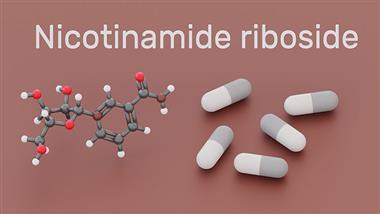
STORY AT-A-GLANCE
- The trace nutrient nicotinamide riboside (NR), a precursor of nicotinamide adenine dinucleotide (NAD+) and a form of vitamin B3, may help slow brain aging
- NR may help to boost levels of NAD+, which typically declines in the brain with age, leading to metabolic and cellular dysfunction
- The NAD+ precursor niacinamide is also beneficial, but it’s not widely promoted because it costs much less than other NAD+ precursors, including NR
- Since NAD+ declines with age, boosting it has been described as a fountain of youth for extended lifespan and increased resilience to disease
- Vitamins B6, B9 (folate) and B12 are also important for supporting cognitive function as you age and have been shown to play a major role in the development of dementia
When you eat a varied diet based on whole foods, your body enjoys access to the myriad nutrients contained therein. The trace nutrient nicotinamide riboside (NR), a precursor of nicotinamide adenine dinucleotide (NAD+) and a form of vitamin B3, is among them.
Found in milk as well as in supplement form, NR may help to boost levels of NAD+, which typically declines in the brain with age, leading to metabolic and cellular dysfunction.1 By raising NAD+ levels, NR may modify neurodegenerative disease in humans, helping to slow brain aging.
NR Restores NAD+ in the Brain
NAD+ modulates energy production and many enzymes and in so doing controls hundreds of processes in your body including the survival of cells and energy metabolism.
NAD+ is influenced on a daily basis by what you eat, exercise levels and more, and also declines with age, leading to changes in metabolism and an increased risk of disease.2 Dr. Christopher Martens, director of the Delaware Center for Cognitive Aging Research, told Medical News Today:3
“NAD+ is essential for cells to create energy and there is strong evidence from animal studies that aging and metabolic dysfunction results in a depletion of NAD+ within cells. Therefore, there is strong rationale that replenishing the NAD+ within the brain could have a positive effect on brain function.”
In a study published in the journal Aging Cell, Martens and colleagues found that NR supplementation increases NAD+ levels and lowers biomarkers of neurodegeneration in plasma extracellular vesicles enriched for neuronal origin (NEVs).4
Among the 22 older adults who took NR at a dosage of 500 milligrams twice a day for six weeks, NAD+ levels in NEVs increased while kinases involved in insulin resistance and neuroinflammatory pathways decreased.5 The results suggest NR, by increasing NAD+, could help ward off Alzheimer’s disease. Martens explained in Medical News Today:6
“We don’t have definitive proof that the supplement itself crosses the blood-brain barrier, especially not from our data. What we do know is that taking the supplement results in an increase in NAD+ within tiny vesicles that likely originated in the brain and other neural tissue.
This is one of the big challenges in the field — [d]etermining whether the compound can reach its intended target. [A]lthough we do not have direct evidence, the results of our study suggest that it is having an effect on the brain and also changing the metabolism of molecular pathways known to be involved in Alzheimer’s disease.
… What’s really interesting is that we also found changes in more established markers of Alzheimer’s disease (e.g., amyloid beta) after taking the supplement.”
NR Is a Popular NAD+ Precursor
While there are multiple precursors to NAD+, including NR, niacin (NA) and niacinamide (NAM), NR offers a variety of significant health benefits, including:7
| Life extension — In yeast, NR elevates NAD+ and increases sirtuin 2 (SIRT2) function.8 It’s through these increases in NAD+ and sirtuin 2 that calorie restriction is believed to help extend lifespan in mice as well.9 |
| Protects against weight gain — NR supplementation in mice increased NAD+ levels and activated SIRT1 and SIRT3, leading to enhanced oxidative metabolism and protecting against metabolic abnormalities, including obesity. The researchers concluded, “Our results indicate that the natural vitamin NR could be used as a nutritional supplement to ameliorate metabolic and age-related disorders characterized by defective mitochondrial function.”10 |
| Heart failure — In a mouse study, NR preserved cardiac function in mice with heart failure.11 |
| Brain injury — NAD+ depletion is common in cases of neurodegeneration. In a mouse study, intracortical administration of NR helped protect against central brain injury.12 |
| Noise-induced hearing loss — Administration of NR, even after exposure to loud noise, prevents noise-induced hearing loss by reducing neurite degeneration.13 |
| Liver protection and antidiabetes effects — In prediabetic mice, NR improved glucose tolerance and reduced weight gain and liver damage. It also prevented fatty liver and helped prevent sensory neuropathy. The researchers concluded the results justified testing NR in humans with obesity and Type 2 diabetes.14 |
| Stem cell regeneration — Among mice exposed to radiation, oral NR improved survival and hematopoietic stem cell regeneration — a benefit that wasn’t seen with in mice given NA or NAM.15 |
| Reversal of chemotherapy-induced neuropathy — In rats, oral NR not only promoted resistance to chemotherapeutic neuropathy but also prompted its reversal.16 |
| Reproductive benefits — Female mice and rats given NR had increased lactation and offspring with a number of health advantages, including increased strength, better memory, less anxiety and enhanced body composition and hippocampal neurogenesis as adults.17 |
Download this Article Before it Disappears
Is Boosting NAD+ a Fountain of Youth?
Since NAD+ declines with age, boosting it has been described as a fountain of youth for extended lifespan and increased resilience to disease. James Clement, author of “The Switch: Ignite Your Metabolism With Intermittent Fasting, Protein Cycling, and Keto,” conducted a clinical trial testing intravenous NAD+ in elderly people, in collaboration with Dr. John Sturges.
The infusion involved 1,000 mg of NAD+ per day for six days. Clement underwent the treatment and tremors he’d had since he was 20 went away. If you aren’t depleted in NAD+, 1,000 mg may be too much — and it’s also very expensive, at about $1,000 per IV — but many people are low in NAD+.
During our 2020 interview, Clement said NAD+ may be depleted by 50% by the time you’re 60 (compared to in your 20s or 30s), and when you’re 70 you may only have 10% of the amount you did when you were younger.
“And then at 80, there’s almost none,” he said, adding that this will seriously impair your body’s ability to repair broken DNA. “You can see how this huge build-up of damaged DNA in every cell of your body is potentially one of the driving forces of these morbidities that you see with aging, heart disease, cancer [and] Alzheimer’s …”
Have You Heard of Niacinamide?
The NAD+ precursor niacinamide is also beneficial, but it’s not widely promoted because it costs much less than other NAD+ precursors, including NR. At a cost of less than one cent a day, there is simply no money to be made in promoting it. However, you can buy niacinamide powder and use 1 to one-half of one-64th of a teaspoon three times a day (25 to 50 mg).
You will need special measuring spoons to measure this small a dose. This is important, as more is most definitely not better. If you use too much you will inhibit sirtuins, which are important longevity proteins. You can view my interview with Dr. Nichola Conlon for more fascinating details on this topic.
Spending $11 on 250 grams of niacinamide powder will give you a nearly four-year supply. That pencils out to 23 cents a month — or less than one penny a day. It is basically free. NMN in therapeutic doses of 1 to 2 grams per day can be $100 to $200 a month, or 400 to 800 times more expensive than niacinamide powder.
Natural Methods to Boost NAD+
While NAD+ precursors like NR and niacinamide are useful, there are also natural methods to protect and boost your levels, such as:
- Physical exercise — Naturally increases NAMPT by activating AMPK, which in turn increases NAD+. Conlon cites research showing about three weeks of resistance training will boost NAMPT by about 127%, which again is far greater than what you can get from an NR supplement alone.
- Fasting or time-restricted eating — Naturally increases NAMPT by activating AMPK, which in turn increases NAD+.
- Circadian rhythm optimization, by going to bed at sunset and getting up at sunrise and avoiding blue light after sunset, will have profound impacts on increasing NAMPT.
- Avoid radiation exposure — To protect your NAD+ by preventing its consumption by PARPs (poly ADP ribose polymerases), consider avoiding EMFs in the form of your cellphone, Wi-Fi and other forms of DNA damaging radiation, such as unnecessary medical x-rays and CAT scans.
- Sauna bathing — Heat stress helps boost NAD+.
Other B Vitamins Involved in Alzheimer’s, Brain Health
It’s not only vitamin B3 that may protect your brain. Vitamins B6, B9 (folate) and B12 are also important for supporting cognitive function as you age and have been shown to play a major role in the development of dementia. As noted in a 2010 paper:18
“Deficiencies of the vitamins folate, B12 and B6 are associated with neurological and psychological dysfunction … In the elderly, cognitive impairment and incident dementia may be related to the high prevalence of inadequate B vitamin status and to elevations of plasma homocysteine.
Plausible mechanisms include homocysteine neurotoxicity, vasotoxicity and impaired S-adenosylmethionine-dependent methylation reactions vital to central nervous system function. In light of this, it is imperative to find safe ways of improving vitamin B status in the elderly …”
The good news is your body can eliminate homocysteine, which is associated with brain atrophy, cognitive impairment and dementia,19 naturally, provided you’re getting enough B9, B6 and B12. In fact, research published in PLOS One compared brain atrophy in participants taking folic acid (0.8 mg per day), vitamin B12 (0.5 mg per day) and vitamin B6 (20 mg per day) for 24 months with that in patients taking a placebo.20
Those taking B vitamins had a lower rate of brain atrophy per year — 0.76% — than those not taking them, who had an atrophy rate of 1.08%. According to the researchers, “The accelerated rate of brain atrophy in elderly with mild cognitive impairment can be slowed by treatment with homocysteine-lowering B vitamins.”21
A 2013 study also showed that B vitamins slow brain shrinkage in brain regions known to be most severely impacted by Alzheimer’s disease and associated with cognitive decline.22
Be aware that the U.S. Food and Drug Administration granted fast track designation to UB-311, a vaccine for Alzheimer’s disease made by biotechnology company Vaxxinity.23 The shot is an anti-amyloid beta immunotherapeutic vaccine that reportedly treats Alzheimer’s disease by targeting aggregated amyloid beta in the brain.
Aside from the potential problems that can arise when a vaccine is rushed to market, the vaccine may be problematic because amyloid beta may be a symptom of Alzheimer’s — not the cause — and could even have a protective role in the disease process.24
Food Sources of B Vitamins
A better protective strategy for brain health may be to increase your intake of B vitamins, which can be done via supplements or foods. Vitamin B3 is found in grass fed beef, mushrooms and avocados,25 while vitamin B6 is plentiful in grass fed beef, potatoes, bananas and avocados.26 You can find folate, or vitamin B9, spinach, broccoli, avocado and asparagus.27
Vitamin B12-rich foods include grass fed beef liver, wild rainbow trout and wild sockeye salmon. For more serious deficiency you may need weekly shots of vitamin B12 or daily high-dose B12 supplements. If you choose a supplement, methylcobalamin, which is the naturally occurring form found in food, is more absorbable and your body retains it in greater amounts than cyanocobalamin, the form of B12 found in most supplements.28
Beyond B vitamins, nourishing your brain health is best done with a comprehensively healthy lifestyle, including the use of exercise, ketogenic diet, time-restricted eating, optimizing vitamin D and other hormones, increasing sleep, meditation and detoxification and eliminating processed food.
- 1, 4, 5 Aging Cell December 14, 2022
- 2 Cell Metabolism, 28 Feb 2018, 27(3):529-547
- 3, 6 Medical News Today March 5, 2023
- 7 Scientific Reports July 5, 2019
- 8 Cell May 4, 2007
- 9 Cell May 4, 2007 Summary
- 10 Cell Metabolism June 6, 2012
- 11 Circulation. 2018 May 22; 137(21): 2256–2273
- 12 The FASEB Journal August 21, 2017
- 13 Cell Metabolism December 2, 2014
- 14 Sci Rep. 2016 May 27;6:26933. doi: 10.1038/srep26933
- 15 Cell Stem Cell March 7, 2019
- 16 PAIN May 2017 – Volume 158 – Issue 5 – p 962-972
- 17 Cell Reports January 22, 2019
- 18 Nutrition Reviews 2010 Dec;68 Suppl 2:S112-8
- 19, 20, 21 PLOS One September 8, 2010
- 22 PNAS 2013 Jun 4;110(23):9523-8
- 23 GlobalNewswire May 2, 2022
- 24 J Alzheimers Dis. 2009 Oct; 18(2): 447–452
- 25 My Food Data, Vitamin B3 September 26, 2022
- 26 My Food Data, Vitamin B6 September 26, 2022
- 27 My Food Data, Vitamin B9 September 26, 2022
- 28 Integr Med (Encinitas). 2017 Feb; 16(1): 42–49