Minerals
now browsing by category
The Poorly-Understood Role of Copper in Anemia
Reproduced from original article.
Dr Mercola’s web site has been moved to https://mercola.substack.com.
Analysis by Dr. Joseph Mercola Fact Checked September 11, 2022
STORY AT-A-GLANCE
- Iron and copper are highly interdependent and need to be considered together. If you don’t have enough copper in your diet, hemoglobin production becomes impaired, along with many other aspects of iron metabolism
- Being anemic does not automatically mean that you’re iron deficient. Anemia typically relates to impaired iron recycling, not deficiency, and impaired iron recycling is caused by copper and retinol deficiency
- The best way to lower excess iron is to donate blood, one to four times a year. Most adult men and postmenopausal women have high iron and could benefit from regular blood donation, as high iron is extremely toxic and destroys health. An even better strategy is to remove smaller amounts of blood every month
- To raise your copper level, you could use a copper supplement, but foods like grass-fed beef liver, bee pollen and whole food vitamin C are better
- If you’re a farmer or grow your own food, the best way to put copper back into the soil, to get it into the food, is to add copper sulfate. Before you plant, simply spray the soil with copper sulfate, 10 to 15 pounds per acre, or use a copper sulfate foliage spray
Morley Robbins, MBA, CHC,1 a repeat guest, is the founder of the Magnesium Advocacy Group. He’s best known as the Magnesium Man, and is the author of “Cu-RE Your Fatigue: The Root Cause and How to Fix It on Your Own,” in which he explains the roles of magnesium, copper, iron, vitamins A and D and other essential nutrients.
His Root Cause Protocol2 is the implementation of that information. We’re currently planning to write a book together, which will focus on the little-understood importance of copper and its interaction with iron.
As explained by Robbins, if copper is lacking in your diet, iron will build up in your liver, which changes its physiology and immunoproperties. Liver metabolism is highly dependent on copper and retinol, and there’s not a lot of awareness of that.
“It’s a very sophisticated process of interaction between copper and iron, and if that interaction doesn’t go well, iron is going to start to accumulate in the tissues. It’s going to start in the liver, but it’s going to go elsewhere too,” he says.
“I think that is kind of the takeaway of these conversations — to make sure people know that iron does accumulate, and that iron can be reduced through blood donations. Especially as you get into your 50s, 60s, 70s, it needs to be a regular part of your health routine.”
Three Ways to Measure Iron Status
The clinical term for excess iron in the liver is hemosiderosis, and it’s so pervasive as to be near-universal. But where does the excess iron actually come from? And why is it that many with high iron stores have low serum ferritin?
As Robbins explains, oftentimes, low serum ferritin is not at all a sign of iron deficiency, but rather a deficiency in copper and retinol. The deficiency in copper basically locks iron in the liver and prevents it from being recycled as it should:
“It’s important for practitioners to not measure iron status with just one marker. I think a lot of practitioners are falling into that trap of just using serum ferritin. There are three key ways to measure iron status: Hemoglobin, serum iron and serum ferritin.
The biggest concentration of iron in the body is in our hemoglobin; 70% of the iron is in our red blood cells … Hemoglobin is essential to understand what is going on with the biggest bulk of iron.
The second marker that I really focus on is called serum iron. It’s less than 1% of the iron, but it’s a very important measure of iron because it’s really getting at the iron recycling program. Every second of every day, we have to turn over 2.5 million red blood cells. That’s a lot of activity. In the course of 24 hours it’s 200 billion red blood cells that need to be turned over.
But what’s a surprise is to learn that only 25 milligrams (mg) of iron are needed to support that 24-hour cycle, but 24 of those 25 milligrams, 95% of the iron, is coming from this recycling program. So, it’s a very significant understanding that the serum iron only represents a small percent, but it represents the efficiency of the iron recycling.”
Ideally, hemoglobin should be between 12.5 and 13.5 for women, 14.5 to 15.5 for men. Serum iron should ideally be about 100 for women and 120 for men. The closer serum iron is to these, the more efficient your recycling is.
What You Need to Know About Serum Ferritin
The third iron measure is serum ferritin. There are four different types of ferritin in your body, broadly categorized as heavy chain and light chain. Heavy chain ferritin refers to ferritin protein inside cells and mitochondria that require copper to work properly. Serum ferritin refers to ferritin in your plasma, is outside the cell — and also outside the red blood cells, the hemoglobin.
“What is not well-known is that this ferritin that shows up in the blood is very iron-poor. It doesn’t have iron in it. The iron has been discharged in the liver and then the protein gets secreted out … So, serum ferritin is not representative of iron per se. The iron was discharged in the liver …
I would never use ferritin only as an indication of iron status. You need to see hemoglobin, serum iron, and serum ferritin. You need to see them in relationship to each other …
[When] serum ferritin starts to get high, it’s highly correlated with inflammation or an infection. And again, it makes sense. The liver is taking it on the chin. Iron is not being metabolized properly. Pathogens might be involved. And so, the body starts to secrete the ferritin in a more significant way …
Serum ferritin should be between 20 and 50. That seems to be a nice sweet spot for people. When the serum ferritin begins to get up in the hundreds, there’s a significant likelihood that there’s pathology in the liver that’s causing that …
For women, the serum ferritin red flag goes up at 150. For men, the red flag goes up at 300. It can go up into the 5,000s and even higher, with severe chronic disease and inflammation …
Low ferritin is an indication of metabolic breakdown in the spleen … it’s some kind of parasitic dynamic that’s affecting protein production. The ferritin protein is not getting transcribed properly …
So, low ferritin … means low recycling. Something in the iron recycling system is out of balance and needs attention. I would argue that, almost without exception, it’s a lack of bioavailable copper. The spleen organ is intensely copper dependent. The liver intensely copper dependent. That’s not well known in clinical circles.”
So, to summarize, one of the most common errors doctors will make is to prescribe iron pills when serum ferritin is low. More than likely, what’s needed is copper, retinol and other factors to support iron recycling. Unfortunately, articles and textbooks on iron metabolism rarely if ever mention the copper side, even though copper plays a far more important role in the recycling of iron.
Why Blood Donation Is so Important
Most all men and non-menstruating women have excess iron. The reason for this is because many foods are fortified with iron, and your body has no excretory system for iron besides blood loss. So, it accumulates, and if the recycling mechanism doesn’t work properly, the iron gets lodged in tissues.
This is why regular blood donations are so important. Less iron means less oxidative stress, which is going to create less metabolic dysfunction, which results in fewer health problems and less tissue damage.
Every day you’re alive, your body accumulates about 1 mg of iron. Add up 1 mg of iron for every day of your life, and you’ll realize you won’t be able to eliminate all of it even if you tried. When you take out one unit of blood (500 cc), you remove about 250 mg of iron.
If donating a full pint (half a liter, 500 ml or about 8 ounces) of blood three to four times a year is problematic, you can remove blood in smaller amounts once a month on the schedule listed below.
| Men | 150 ml |
| Postmenopausal Women | 100 ml |
| Premenopausal Women | 50 ml |
If you have congestive heart failure or severe COPD, you should discuss this with your doctor, but otherwise this is a fairly appropriate recommendation for most. I personally remove 60 cc or 2 ounces of blood once a week, which is about 7 pints per year. This is a large amount but because it is done slowly it is far better tolerated. Robbins adds:
“I think what’s amazing is the sheer simplicity of doing a blood donation, and what it does to revitalize the body. When you have that blood loss, it trips a wire for erythropoietin, a very important hormone that triggers the production of new red blood cells.
And the beauty is it actually has two signals. The second signal is, let go of the iron in the tissue. It has a very powerful effect of releasing the iron to get it back down to the bone marrow, where it’s needed to make the new red blood cells.”
Hepcidin and Hemosiderin
To fully understand iron metabolism, you also need to understand the roles of hepcidin and hemosiderin. A ferritin protein can hold as many as 4,500 atoms of iron. Each iron atom has four unpaired electrons, which causes oxidative stress. Hemosiderin, an iron-storage complex composed of partially digested ferritin and lysosomes, can hold 10 times more iron than ferritin.
This also means it holds 10 times more unpaired electrons. When hemosiderin builds up in your tissue, that’s when you start having serious issues with iron regulation.
“What’s wildly confusing is hepcidin, [which is encoded by] the HAMP gene,” Robbins says. “Hepcidin is an antimicrobial peptide. So, it’s got some connection to pathogens. And what’s it trying to do? Hepcidin is trying to get iron out of the circulation, to get it away from the pathogens. But it’s a bit of a slippery fish because it reacts to iron status. It reacts to inflammation status. It reacts to hormonal status.
Estrogen and testosterone have significant influence over hepcidin. It’s reacting to copper status … Elevated levels of active hormone D [vitamin D] can suppress hepcidin. Retinol deficiency can increase hepcidin …
The key is understanding that this constant recycling system of the red blood cells, the iron doorway, is being opened by a copper doorman. And if copper isn’t doing its job, we’re going to have a problem. And what is hepcidin’s job?
Hepcidin shuts down the iron doorway. So, we have this significant dynamic between this very important iron egress that needs bioavailable copper, and if bioavailable copper’s not there, this hepcidin protein is going to shut it down.
That’s where a lot of the confusion is because the true anemia that exists on the planet isn’t one of iron deficiency. It’s one of copper deficiency not allowing for proper iron recycling. That’s a very important nuance.
And the misunderstanding is that iron may look low in the blood, ferritin looks low or hemoglobin looks low, serum iron looks low, but it’s high in the tissue. There’s no blood test that measures iron status in the tissue.”
Excess Iron Can Cause Dysfunction in Many Organs
A colleague of Robbins in Miami, Florida, has developed a way to measure iron in the liver and brain using a Tesla 2 MRI and a novel scoring technique. This technique was catalyzed by my previous interview with Robbins, because the doctor in question was initially skeptical, but after measuring his own liver iron, he was shocked at the amount stored in there.
But iron is also stored in other organs, including your heart, which can have serious consequences. Robbins explains:
“Jerry Sullivan, a pathologist — his real focus was on cardiology — developed what became known as the iron heart hypothesis. It’s not a very popular thesis with cardiologists, but he was able to prove that it was accumulation of iron in the heart muscle cells that were causing the wide spectrum of all the issues, whether it’s atrial fibrillation, enlarged heart, any kind of myocardial infarct.
He was able to link it back to the accumulation of iron, and what that was doing to kill energy production in that incredibly important organ in our body. So, the accumulation of iron in our organs is very significant, because these organs are supposed to be producing energy to do their function …
Too much iron syncs up with the symptoms that are laid out in the Merck Manual. You can trace just almost every one of them back to this iron-copper dysregulation, because copper’s supposed to be regulating the iron. And when it doesn’t do that, it starts to accumulate … and then cause dysfunction and dysregulation in the body.”
Food Supply Nearly Devoid of Copper
As mentioned, iron recycling depends on copper and retinol, both of which are lacking in our food supply, thanks to depleted soils. Copper is further eliminated through processing and refining. Making matters worse, our food supply is chockful of iron, sugar and seed oils (which are loaded with linoleic acid) and this triad suppresses copper and retinol function.
For these reasons, copper supplementation can be a good idea, especially if you’re anemic, in addition, of course, to reducing or eliminating iron, sugar and seed oils.
“My new phrase, and I don’t know whether it’s going to get traction or not, but I’m coming to the opinion that sugar is white iron,” Robbins says. “People don’t realize how glucose metabolism influences iron metabolism, especially accumulation of iron, and it’s absolutely staggering when you get into it.
So, I think it’s important for people to just be aware that sugar isn’t just bad, it’s really bad. And I think the coupling with the linoleic acid, it’s out of control.”
Facts About Retinol
Retinol is vitamin A, which is not the same as beta carotene. They are two different distinct molecules, not to be confused, although nutrition labels get away with conflating beta carotene with vitamin A. Vitamin A also should not be confused with retinyl palmitate.
What people believe is “vitamin A toxicity” is actually a sign of iron toxicity in the liver, caused by copper deficiency. What happens is, when you get vitamin A from your diet, be it cod liver oil, beef liver or free range eggs, the retinol is turned into retinyl palmitate and gets stored in the stellate cells in your liver.
To function properly, the retinyl palmitate then needs to be turned back into retinol, so it can be transported on the transthyretin (TTR) protein, composed of T4 and retinol. Without the retinol, TTR becomes destructive. While Robbins cannot prove it yet, he’s convinced that copper is required for the conversion of retinyl palmitate to retinol.
“And while we’re talking about retinol, it’s probably important for people to know [that] retinol as a key component of the movement of electrons from complex 3 to complex 4. The electron actually rides the back of the retinol structure. That alone is mind blowing to think about that.
If retinol is not in our diet, then it’s not in our electron transport chain, then it’s not able to support the optimal generation of energy. So think of retinol as an energy-focused nutrient. It’s very unusual, because most of its [known benefits are] around immune system or vision.”
Retinol is best obtained through whole foods, such as cod liver oil, beef liver, free range egg yolks (the deeper orange the yolk, the more retinol it contains), cacao and hot cocoa, and organic grass fed butter, ghee and heavy cream.
More on Copper
Copper also plays an interesting role in energy production. Your mitochondria produce melatonin in response to natural sunlight, and melatonin in turn catalyzes and upregulates glutathione, which is important for energy production, antioxidant protection against free radical damage and more.
As explained by Robbins, glutathione is also the “greeter” of copper in the cell’s cytoplasm. There are two metabolic steps to make glutathione, and one of the steps involve cysteine, which has a very tight relationship with copper.
Furthermore, a copper-dependent enzyme is required to convert serotonin into melatonin. Copper is also instrumental in regulating immune function. All of these functions are yet more reasons to make sure your copper level is optimal.
How to Optimize Your Copper Level
As for raising your copper intake, it’s best to get your copper from food and not a supplement. Good sources include bee pollen, grass fed beef liver and other organ meats. You also want plenty of saturated fats in your diet, as copper is a fat-soluble mineral. If you don’t have fat in your diet, your ability to absorb copper plummets.
If you do opt for an oral supplement, Robbins suggests 3 to 4 mg of copper bisglycinate per day, taken with a fatty food (as it’s a fat-soluble mineral). The upper tolerable limit is 10 mg. This is so good because it has no charge on the molecule and readily penetrates cell membranes.
If you’re a farmer or grow your own food, you can put copper back into the soil, to get it into the food, by adding copper sulfate. Before you plant, simply spray the soil with copper sulfate, 10 to 15 pounds per acre. Alternatively, use a copper sulfate foliar spray, which is what I do.
Most farmers merely use NPK (nitrogen, phosphorous and potassium) fertilizer and NPK actually blocks copper uptake in the plants, which was highlighted by Andre Voisin, Ph.D., in his 1957 classic (which, sadly, is now out of print): “Soil, Grass & Cancer.”
Vitamin C Can Help Augment Copper Level
Whole food vitamin C can also boost your copper level, as vitamin C contains an enzyme called tyrosinase, which has 2 atoms of copper in it. Acerola cherry is one excellent source. A single acerola cherry contains about 80 mg of whole food vitamin C. Ascorbic acid is prooxidant, while vitamin C complex is actually an antioxidant. Anything that has copper is going to be antioxidant.
Do not make the mistake of taking ascorbic acid, however, as it is NOT the same as whole food vitamin C. If you were to compare the two to a car, vitamin C would be the whole car, fully functional, and the engine is an enzyme called tyrosinase, while ascorbic acid is the car frame, with no moving parts.
Importantly, ascorbic acid chelates copper out of tyrosinase, which is exactly what proton pump inhibitors do. It’s my view that ascorbic acid is a “pharmacomimetic.” While it’s a natural molecule, it has drug-like effects. It acts differently from vitamin C because it’s been taken out of the vitamin C complex. For example, ascorbic acid does not prevent or treat scurvy. Only whole food vitamin C does.
Ascorbic acid was identified by two scientists who also discovered ceruloplasmin, the major copper-carrying protein in your blood, and ascorbic acid can affect the structure and the copper composition of this crucial copper protein too.
The ideal ratio of copper to ceruloplasmin is copper around 100, and ceruloplasmin at 30, giving us a ratio of 3.33. If that ratio starts to rise or fall, then you likely have some kind of pathology going on.
A ratio in the fours and fives is often indicative of inflammation or an infection of some sort. When it starts to drop precipitously, it’s a clear sign that there isn’t adequate copper to fuel the function of ceruloplasma protein. So, to summarize the key take-home, if you’re going to take vitamin C, use whole food vitamin C, not ascorbic acid.
More Information
If you missed our last interview, where we went deep into iron metabolism and recycling, you can find it here. You can also learn more on Robbins’ website, RCP123.org, which stands for Root Cause Protocol.
“We have an RCP community that you can join, where every other week we have Q&As. People get to ask questions and we do our best to answer them. And then we offer training through the RCP Institute. We’re about halfway through the class now. Historically, we’ve had 20 or 30 students in each class.
It started to creep up, and this class is 220 students. So, word is getting out. And it’s a very switched on group of people. I’m absolutely blown away by the caliber. But we have intakes and the classes are in the beginning of the year and then the second half of the year, for 16 weeks.”
Why the War on Salt Is Dangerous
Reproduced from original article:
https://articles.mercola.com/sites/articles/archive/2022/07/01/war-on-salt.aspx
The original Mercola article may not remain on the original site, but I will endeavor to keep it on this site as long as I deem it to be appropriate, and will not be bullied into removing it.
Analysis by Dr. Joseph Mercola Fact Checked July 01, 2022
STORY AT-A-GLANCE
- Evidence shows having the correct potassium to sodium balance influences your risk for hypertension and heart disease to a far greater extent than high sodium alone, and the Western diet tends to be lacking in potassium
- It’s generally recommended that you consume five times more potassium than sodium, but most Americans eat twice as much sodium as potassium
- When lowering salt in processed foods, many manufacturers added monosodium glutamate (MSG) instead — a flavor enhancer associated with obesity, headaches, thyroid, liver, kidney and intestinal damage, and much more
This article was previously published March 15, 2017, and has been updated with new information.
The theory that salt is bad for you and contributes to high blood pressure and heart disease is an idea that has become more or less cemented as dogma. Alas, the war on salt has had a number of drawbacks and unintended consequences. For starters, evidence shows having the correct potassium to sodium balance influences your risk for hypertension and heart disease to a far greater extent than high sodium alone, and the Western diet tends to be lacking in potassium.
Moreover, when lowering salt in processed foods, many manufacturers took to adding monosodium glutamate (MSG) instead — a flavor enhancer associated with a number of health problems, including obesity, headaches, fatigue and depression. Due to its ability to overexcite neurons, MSG may even raise your risk for neurological disorders such as Alzheimer’s, Parkinson’s and Lou Gehrig’s disease (ALS).
War on Salt Is Misguided
In 2010, New York City launched the National Salt Reduction Initiative, a salt-reduction plan aimed at lowering salt in processed foods and restaurant meals by 25% in the next four years. Two years later, Dr. Sean Lucan of the Albert Einstein College of Medicine wrote an article published online in the American Journal of Public Health, saying:1
“We cannot extrapolate that lowering sodium consumption would reduce cardiovascular risk or premature death. Despite assertions to the contrary, we do not know that reducing mean population sodium intake would decrease the risk of cardiovascular disease or save lives.”
At the time, Lucan told the New York Post:2
“We can’t just swallow this as fact — there’s actually debate about this. My concern is that they’re focusing on a single ingredient that the food industry is going to have to replace with something — and what they replace it with might be more damaging.”
Lucan also noted that the relationship between sodium and blood pressure is inconsistent and from a clinical standpoint, insubstantial. Moreover, he stressed that some studies actually show a low-salt diet can worsen cardiovascular disease and raise rather than lower the risk for early death among patients at high risk of heart disease.
In addition, lowering salt intake could also decrease insulin sensitivity and have an adverse effect on blood lipids. Correctly, Lucan noted that “Refined carbohydrates are a greater enemy.”
Potassium Level Impacts High Blood Pressure More Than Sodium
Studies have clearly shown that having the correct balance of potassium to sodium is far more important than lowering salt alone. Potassium is a naturally occurring mineral your body uses as an electrolyte (substance in solution that conducts electricity), and it is vital for optimal health and normal functioning.
Potassium works in your body to relax the walls of your arteries, keep your muscles from cramping and lowers your blood pressure.3 The reduction in blood pressure with added potassium has also been associated in studies with a reduced risk of stroke.4
While diarrhea, vomiting, excessive sweating (such as when using a sauna) and some drugs may deplete or disrupt your potassium balance, the most common reason for low potassium is eating a potassium-poor diet. If you’re eating mostly processed foods, your sodium-to-potassium balance is virtually guaranteed to be inversed.
The average reported intake of potassium from food is about half of the 4,700 milligrams (mg) recommended.5 Research demonstrates these low levels of potassium may have a significant impact on blood pressure, especially when combined with too much salt.
Dr. Paul Welton, professor of epidemiology at Tulane School of Public Health and Tropical Medicine, analyzed 29 trials that demonstrated low levels of potassium resulted in higher systolic blood pressure readings.6 Studies performed since then have found similar results.7,8 According to Welton:9
“The evidence is very strong and very consistent. A higher potassium intake may blunt the effects of excess salt on blood pressure. Potassium’s effect is bigger in people who have higher blood pressure, bigger in older people, bigger in people who are consuming a lot of salt and bigger in black people.”
The Many Benefits of Potassium
Recent research found that women without hypertension who consumed the most potassium (nearly 3,200 mg/day) had a 21% reduced risk of stroke. Further, women who consumed the most potassium were 12% less likely to die during the study period than those who consumed the least.10
Adequate amounts of potassium are also associated with quicker recovery from exercise and improved muscle strength.11,12 As an electrolyte, potassium helps to regulate the fluid balance in your cells and throughout your body.13 This fluid balance is essential to maintaining life, preventing dehydration at the cellular level and maintaining brain function.14
For example, potassium is important in the transmission of nerve impulses in your brain, spinal cord and peripheral nervous system.15 Nerve impulses transmitting information from one nerve to the next happens as the result of electrical activity. This activity is what an electrocardiogram measures as it tracks heart activity.
Low levels of potassium have also been linked with high levels of insulin and glucose,16 which are associated with metabolic syndrome and type 2 diabetes.17 These results have been found in several studies,18 leading researchers to recommend dietary choices that boost potassium levels and reduce the risk of type 2 diabetes.
Sodium/Potassium Ratio Is Key to Strong Muscles
The key to relaxing your arterial walls and reducing your blood pressure is the sodium-to-potassium ratio. If you eat a lot of processed foods and few fresh vegetables, there’s a good chance your sodium-to-potassium ratio is unbalanced.
If you’re unsure, use cronometer.com/mercola, a nutrient tracker that allows you to enter the foods you eat and then calculates the ratio automatically. It’s generally recommended that you consume five times more potassium than sodium, but most Americans eat twice as much sodium as potassium.
This ratio is far more important for your health than your overall salt intake,19 and a better strategy to promote public health would be to forgo the strict sodium reduction element and focus recommendations on a high-quality diet rich in potassium instead, as this nutrient helps offset the hypertensive effects of sodium.
Imbalance in this ratio can not only lead to high blood pressure but also contribute to a number of other health problems, including:
| Kidney stones | Memory decline | Cataracts |
| Osteoporosis | Erectile dysfunction | Stomach ulcers |
| Rheumatoid arthritis | Stomach cancer |
Less Salt, More MSG
As Lucan suspected, in many cases, food manufacturers did indeed replace the salt with something more damaging, namely MSG. In an effort to normalize this substitution by declaring it safe and healthy, the International Glutamate Information Service wrote the article, “MSG Is Useful in a Reduced Sodium Diet,” saying:20
“Since its discovery over 100 years ago, [MSG] has been used effectively to enhance the umami taste in food. It is also an effective means of reducing the levels of salt used in food preparation.
Studies have demonstrated that people find food with low levels of salt much more acceptable when a small amount of [MSG] is added. MSG is mistakenly thought of as being high in sodium. However, MSG contains only one-third the amount of sodium as table salt …
MSG is often an important ingredient for people on a low-sodium diet, because it improves the flavor of a dish while reducing the need for salt … [W]hen MSG is added … sodium levels can be lowered by up to 40 percent while maintaining the desired flavor.”
Health Hazards of MSG
While MSG is touted as a safe food additive, having received “Generally Recognized as Safe” (GRAS) status in 1959, scientific evidence against it has stacked up. Ironically, MSG has even been linked to high blood pressure,21 effectively negating the proposed benefit of replacing sodium with MSG. Research has also linked MSG consumption to:
| Endocrine disruption, metabolic syndrome, obesity22,23 and weight gain.24 The weight gain, which was not associated with higher amounts of calories, is thought to be related to MSG’s impact on leptin.
People who ate more MSG produced higher amounts of leptin, a hormone involved in appetite regulation and metabolism. By causing leptin resistance, your body loses its ability to properly process the energy derived from the food |
| Genotoxicity; specifically, MSG was found to be genotoxic to human peripheral blood lymphocytes (mature white blood cells/immune cells found in your blood circulation)25 |
| Thyroid damage, even at low doses26 |
| Kidney dysfunction27 |
| Intestinal damage, caused by progressive damage to epithelial cells in your small intestine28 |
| Liver damage that can lead to fibrosis, non-alcoholic fatty liver disease and pre-cancerous lesions29,30 |
| Brain lesions,31 seizures and behavioral changes32 |
| Increased risk of infertility33,34 |
| Severe rhinitis in those with MSG intolerance35 |
| Diabetes36 |
Acute Side Effects of MSG Ingestion
Many also experience more immediate side effects from MSG, with a pounding headache being one of the most prominent. While the exact cause of MSG-induced headache remains unclear, research investigating the matter has demonstrated that MSG “induces a dose-dependent swelling and death of mature neurons,”37 which may be part of the equation. Other common side effects that may occur within an hour or so of eating MSG include:38,39
| Sweating | Chest tightness | Wheezing and/or difficulty breathing |
| Dizziness | Nausea | Diarrhea |
| Flushing and/or tingling of the face | Burning or numbness in the back of your neck and/or upper body | Heart palpitations |
| Abdominal pain | Shaking | Weakness in the legs |
The MSG Symptom Complex Is Real
A double-blind, placebo-controlled, randomized study40 published in 1997 investigated MSG symptoms by conducting an oral challenge in “self-identified MSG-sensitive subjects” to see whether they really had a higher incidence of symptoms after eating MSG, compared to a placebo. Sixty-one participants received 5 grams (gm) of MSG or placebo as an initial challenge. Of them:
- 29.5% had no response to either MSG or placebo
- 9.8% responded to both
- 24.6% responded to placebo
- 36.1% responded to MSG
While many reported side effects from the placebo, the severity of symptoms were greater among those who received MSG than placebo. The participants were then rechallenged with placebo and 1.25, 2.5 and 5 gm of MSG. According to the authors:
“Rechallenge revealed an apparent threshold dose for reactivity of 2.5 gm MSG. Headache, muscle tightness, numbness/tingling, general weakness and flushing occurred more frequently after MSG than placebo ingestion.
Oral challenge with MSG reproduced symptoms in alleged sensitive person … According to Food and Drug Administration recommendations, the symptoms, originally called the Chinese restaurant syndrome, are better referred to as the MSG symptom complex.”
Vitamin C and Lycopene Offer Protection Against MSG’s Effects
Certain compounds have been found to offer some protection against MSG’s adverse effects. Vitamin C was found to provide “significant protection against MSG toxicity” in one study,41 and lycopene has also been found to avert its neurotoxic effects. A study investigating the latter gave male rats either 5 milligrams (mg) per kilo (kg) of MSG, 10 mg/kg of lycopene, MSG with lycopene, or placebo, for 30 days. According to the authors:
“The results showed that MSG induced elevation in lipid peroxidation marker and perturbation in the antioxidant homeostasis … Glutathione S-transferase … superoxide dismutase … and catalase … activities and gene expression were increased and glutathione content was reduced in the MSG-challenged rats, and these effects were ameliorated by lycopene …
Our results indicate that lycopene appears to be highly effective in relieving the toxic effects of MSG by inhibiting lipid peroxidation and inducing modifications in the activity of cholinesterase and antioxidant pathways. Interestingly, lycopene protects brain tissue by inhibiting apoptosis signaling induced by MSG.”
Hidden Sources of MSG
While added MSG must be listed in the list of ingredients as “monosodium glutamate,” its absence is no guarantee of safety. MSG and synthetic free glutamate in varying amounts can still hide in processed foods under names such as:42
| Hydrolyzed vegetable protein | Autolyzed or hydrolyzed yeast | Yeast extract |
| Soy extract | Protein isolate | Natural flavor |
| Glutamate and monopotassium glutamate | Calcium caseinate | Gelatin |
While not commonly known, MSG is even used as a stabilizer in certain vaccines,43 which seems to be a particularly bad idea considering its many adverse health effects, particularly on the brain. According to the U.S. Centers for Disease Control and Prevention, MSG can be found in the following five vaccines:44
- Adenovirus
- Influenza quadrivalent (FluMist)
- MMRV (ProQuad)
- Varicella (Varivax)
- Zoster (Shingles-Zostavax)
Real Food Is the Answer
Getting nutrients from your food instead of supplements is preferable as your food contains more than a single nutrient and in different forms. For instance, potassium found in fruits and vegetables is potassium citrate or potassium malate, while supplements are often potassium chloride. The citrate and malate forms help produce alkali, which may promote bone health45 and preserve lean muscle mass as you age.46
Bone loss may lead to brittle bones or even osteoporosis. While potassium in fruits and vegetables may help build bone health, potassium chloride may not. As researcher Dr. Bess Dawson-Hughes from Tufts University found in a study comparing potassium bicarbonate, sodium bicarbonate and potassium chloride supplementation for three months, adding alkali, not potassium, is the key to improving bone health. She explains:47
“When it comes to dietary concerns regarding bone health, calcium and vitamin D have received the most attention, but there is increasing evidence that the acid/base balance of the diet is also important …
When fruits and vegetables are metabolized, they add bicarbonate, an alkaline compound, to the body. Our study found that bicarbonate had a favorable effect on bone resorption and calcium excretion. This suggests that increasing the alkali content of the diet may attenuate bone loss in healthy older adults.”
Research by Dawson-Hughes found that people who were in the neutral range for net acid excretion, meaning they had a fairly healthy balance for bone and muscle health, were eating just over eight servings of fruits and vegetables per day along with 5.5 servings of grains. When they rounded this out, it came to about half as many grains as fruits and vegetables.
For many Americans, a simple recommendation to increase your alkali (and potassium) while reducing acid is to eat more vegetables and fewer grains and processed foods in general. When cooking from scratch, you have complete control over how much salt you add.
In addition to that, when you do use salt, make sure its unrefined and minimally processed. My personal favorite is Himalayan pink salt, rich in naturally-occurring trace minerals needed for healthy bones, fluid balance and overall health. To learn more about the importance of unprocessed salt in your diet, see the related articles listed.
- 1 American Journal of Public Health 2013 February; 103(2): e3
- 2 New York Post December 30, 2012
- 3 Harvard Health Publications, January 23, 2017
- 4, 10 Stroke 2014; 45(10):2874
- 5 U.S. Department of Agriculture Food Research Group, Potassium Intake of the U.S. Population
- 6 Journal of the American Medical Association 1997;277(20):1624
- 7 Journal of Human Hypertension 2003; 17(7):471
- 8 BMJ 2013; 346:f1378
- 9 Nutrition Action February 22, 2017
- 11 Journal of Internal Medicine 2002;252(1):56
- 12 Sports Medicine 1991; 11(6):382
- 13 Berkeley University, Fluid and Electrolyte Balance
- 14 Nursing Standard, 2008; 22(47):50
- 15 Eastern Kentucky University, Neurons and the Nervous System
- 16 UCF Health. The Relationship Between Potassium and Diabetes
- 17 Johns Hopkins Medicine March 2, 2011
- 18 Expert Reviews in Endocrinology and Metabolism, 2011;6(5):665
- 19 Healthy Food. The Sodium-Potassium Balancing Act
- 20 International Glutamate Information Service, MSG Is Useful in a Reduced Sodium Diet
- 21 Journal of Hypertension 2011 May;29(5):846-53
- 22 Toxicology Letters 2017 Jan 4;265:97-105
- 23, 31, 34 Science 1969 May 9;164(3880):719-21
- 24 Reuters May 27, 2011
- 25 Food Chem Toxicol. 2016 May;91:8-18
- 26 Int J Clin Exp Pathol. 2015 Dec 1;8(12):15498-510
- 27 Life Sciences 2016 Mar 15;149:114-9
- 28 Biomed Res Int. 2016;2016:5251738
- 29 Journal of Autoimmunity 2008 Feb-Mar;30(1-2):42-50
- 30, 36 Gastroenterology and Hepatology August 25, 2014, DOI: 10.1111/jgh.12610
- 32 Brain Research 2010 Mar 4;1317:246-56
- 33 Ann Med Health Sci Res. 2011 Jan-Jun; 1(1): 37–43
- 35 Journal of Allergy and Clinical Immunology December 2002; 110(6): 937-938
- 37, 39, 41 Int J Clin Exp Med. 2009; 2(4): 329–336
- 38 Express.co.uk August 30, 2016
- 40 J Allergy Clin Immunol. 1997 Jun;99(6 Pt 1):757-62
- 42 ShareCare. What Foods Contain MSG?
- 43 The Vaccine Reaction June 16, 2016
- 44 U.S. Centers for Disease Control and Prevention (CDC). Vaccine Excipient and Media Summary. CDC.gov February 2015
- 45 New York Times, November 24, 2009
- 46 American Journal of Clinical Nutrition 2008; 87(3):662
- 47 Nutrition Insight December 5, 2008
How I’m treating my COVID
I’m double vaxxed. It didn’t help of course. I finally got COVID for the first time. Here’s how I’m treating it.
Reproduced from original article: https://stevekirsch.substack.com/p/how-im-treating-my-covid

Steve Kirsch
June 27 2022
Status update 2:52 pm Jun 27
I stopped the drugs other than fluoxetine and the vitamins. I’m back to normal. I was “sick” for a total of 3 days with COVID. Never lost taste or smell. No long haul symptoms.
I’ve always said that the only thing we really needed to do to respond to COVID was tell people:
- If you are sick, stay home
- As soon as you realize you have COVID, start on an early treatment protocol like the one listed below.
Nothing else was needed. In fact, I’d argue that everything we did including vaccination, masking, lockdowns, mandates, remdesivir, standardized hospital protocols, and more was counter-productive; it just made things worse.
Introduction
My wife had COVID (she got it from a golfing partner) and I didn’t wait long enough before interacting with her.
I am double vaccinated because in March 2021, I believed that the FDA and CDC were honest organizations. It wasn’t until 2 months later that I figured out I was badly mistaken. While many others realized this before I did, pretty much all our friends are still on the blue pill. I switched to the red pill as soon as I saw two black swans (a friend with 3 dead relatives 1 week after vaccination and a vendor and his wife both vaccine injured).
I suspected I had COVID because I woke up with muscle aches on Friday morning.
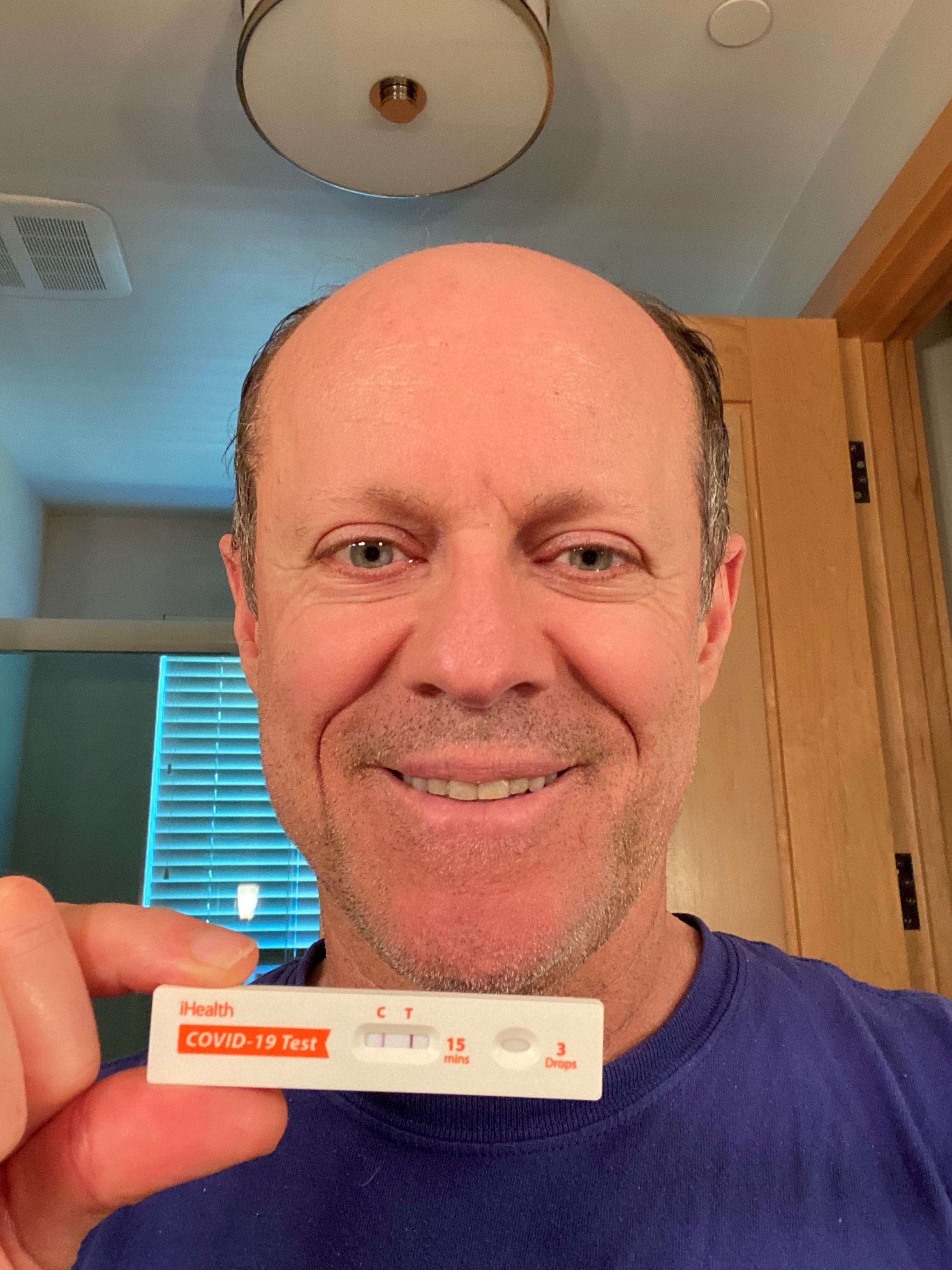
Since I was symptomatic, I verified it was COVID with a test from iHealth. These are the cheapest tests around, less than $5 per test ($9.79 per two pack) if you order from code1supply for example. The iHealth test showed positive for me 30 seconds after I applied the liquid to the well (it is normally supposed to take 15 minutes so I guess I had a high viral load).
Everyone has their own favorite COVID protocol
This is not the only way to treat COVID. This is just what I’m doing.
Your treatment may vary depending on what drugs you are already on so check with your doctor before duplicating what I did.
Also, different doctors will have their own preferences. For example some people will have you take 40,000 units of vitamin D just once. Others say 10,000 IU per day. Which one is better? Hard to know. So all of these treatment protocols are approximate guesses as to the optimum protocol. Which means your doctor may recommend something different and it may be just as good. I’m not making the claim the protocol listed below is optimal.
One thing everyone agrees on is that you always want to start treating COVID instantly as soon as you get diagnosed which is why I always carry the meds with me when I travel.
I already had all the meds on hand because I pre-ordered everything using myfreedoctor.com. If you want to get the cheapest meds, it takes about a week, otherwise you have to use local pharmacies and that can be a lot more expensive.
Here’s the list of things I’m taking. For me, there are no side effects at all for any of these drugs making the combination very easy to take:
- Vitamin C: 3,000 mg/day (3 chewable tablets since I like chewables)
- Vitamin D3: 10K IU/day. Two small little pills in my case.
- Zinc: 50 mg/day (I have this covered since I take Biome Boosters from Progenabiome which supports Sabine Hazan’s research). Don’t overdo the zinc.
- Aspirin: 81 mg (some advise more): I went with the chewable Bayer aspirin. There is some debate about whether full aspirin is better but I’ve read that it is better to take the lower dose, but I can’t recall where I read that; it turned out that different things are activated on the lower dose vs. the higher dose.
- Pepcid: one10 mg tablet 2x per day (20mg /day). Malone’s paper recommends a much higher dose 60mg TID which is 180mg/day. He also recommends using this with Celecoxib which requires a prescription. Also the higher dose was used when this drug was used as the sole therapy. I went with the lower option so this may not do much
- Allegra: once a day. This is complementary to the Pepcid and blocks a different set of receptors.
- NAC: 600 mg/day
- Nigella sativa seeds: 80 mg /kg per day x 10 days (split it up) which is 6gm /day; So I take 1.5 tsp 3X/day.
- Ivermectin (15mg pills compounded): 2 pills/day for 10 days. Take with a fatty meal for best absorption. This is based on my weight which is 77 kg. Your dosage will be proportional to your weight.
- Hydroxychloroquine (200 mg tablets): 2 tablets twice a day on day 1, then 1 tablet twice a day for 10 days total. Ideally take on an empty stomach.
- Activia yogurt: twice a day. This contains bifidobacteria which is helpful for eliminating COVID from your gut.
- Azithromycin (250 mg tablet): 2 tablets day 1, then 1 per day thereafter for 5 days total. Doesn’t do wonders for your gut bacteria though. However, even Sabine Hazan who is a gut bacteria expert recommends this for up to 5 days.
- Melatonin: 3mg extended release at bedtime
- Fluvoxamine: 50mg taken twice a day (total 100 mg per day) for 14 days. AVOID caffeine while on fluvoxamine. You’ll regret it if you ignore my advice.
- Povidone-iodine nasal rinse: 4x day. First I microwave 60ml of distilled water in a NeilMed sinus rinse squeeze bottle. Then I add half an eyedropper of Povidone iodine 10% and 1/4 tsp of salt and use it just like a regular sinus rinse. It should look like a dark iced tea.
- Crest Scope Classic gargle: 4x day because it has CPC (Colgate Total can be used as well). You can also swab your nostrils with this, but the saline rinse is more comfortable.
- Plenty of rest
- Walk around regularly to keep the blood moving. You want to minimize your risk of a DVT or pulmonary embolism.
- If you sit, elevate your feet.
- Take regular pulse ox readings while walking around
- Glutamine: 10 g l-Glutamine available in powder forms taken 3 times a day with meals. In the control group, 38 out of 230 covid patients died. In the glutamine group, 0 out of 222 patients died. The effect of glutamine supplementation on serum levels of some inflammatory factors, oxidative stress, and appetite in COVID-19 patients: a case-control study – PubMed (nih.gov) Again, no mortality and no ICU admission in the glutamine group… Effect of oral l-Glutamine supplementation on Covid-19 treatment – PubMed (nih.gov). This is not to be confused with glutathione which you’d take if you were vaccine injured. On the other hand, there is this paper: Endogenous Deficiency of Glutathione as the Most Likely Cause of Serious Manifestations and Death in COVID-19 Patients.
- Lactoferrin: 750mg per day for 14 days.
- Prednisone 20mg tablets. Take 3 tablets/day for 5 days starting on DAY 8 as last resort and ONLY if needed. I have it handy but you should never need to use it. The mistake a lot of people make is not to read the instructions to only use it LATE in the disease. I know people who start taking it on day 1 and they regret the error. If you started treatment early, you aren’t going to need this drug.
For more ideas and options, see this article on How to treat COVID.
For more on the science behind any of these drugs/supplements, see c19early.com.
How am I doing?
Sat, Jun 25: Productive cough (yellow stuff), diarrhea. Oura says body temp 1.9 degrees over normal.
Sunday, Jun 26: Just feeling a little off/tired. No cough. My nighttime pulse is back down to 68 bpm during sleep. Oura ring indicated Body temp 1.2 degrees over baseline.
Monday, Jun 27: Back to normal. No runny nose, no cough, etc. Never lost smell. My nightime body temp last night is nearly back to normal per my Oura ring.
Why Beets Are Good for the Heart
Reproduced from original article:
https://articles.mercola.com/sites/articles/archive/2022/06/27/why-beets-are-good-for-the-heart.aspx
The original Mercola article may not remain on the original site, but I will endeavor to keep it on this site as long as I deem it to be appropriate, and will not be bullied into removing it.
Analysis by Dr. Joseph Mercola Fact Checked June 27, 2022

STORY AT-A-GLANCE
- Research presented to the British Cardiovascular Society showed how nitrates in beetroot juice could reduce harmful inflammation in people with coronary heart disease
- Nitrate is a substrate in the body’s production of nitric oxide, long known to be a potent vasodilator that promotes healthy blood flow for efficient oxygenation of your tissues and organs
- Nitrates improve brain neuroplasticity by participating in the expression of brain-derived neurotrophic factor (BDNF), required for activation of BDNF receptors and improve muscle function, athletic performance and lung function
- Other foods with cardioprotective properties include cruciferous vegetables that may promote thinner (healthier) carotid walls, high-fiber, probiotic-rich sauerkraut that reduces inflammation and blood pressure, and high magnesium, dark green leafy vegetables
Research funded by the British Heart Foundation and presented to the British Cardiovascular Society showed how beets may reduce harmful inflammation in people who have coronary heart disease.1
There’s a lot to be said for this humble red root. Archaeological evidence shows that beets were a part of the diet dating back to the Third Dynasty and Greek records show beets were cultivated around 300 BC.2 Originally, it was the beet greens that were prized as food and not the fibrous roots.3
Ancient Romans, Greeks and Italians believed that beats were an aphrodisiac.4 The roots were occasionally used for medicine but not consumed regularly until 1542. The plant is easy to grow and whether it’s juiced, cooked, pickled or fermented, beets have a wide range of health benefits.
Although packed with nutrients, up to 8% of each beetroot is simple sugar,5 so people who struggle with insulin resistance should partake carefully. In 1747, a chemist discovered how to extract the sucrose from beets, leading to the development of the beet sugar industry, which uses fewer resources than sugarcane.6
Beetroot Juice May Protect Heart Health
Research presented at the British Cardiovascular Society conference in Manchester showed just one glass of beetroot juice each day could help reduce the harmful inflammation found in people who have coronary heart disease.7
According to the CDC,8 heart disease remains the leading cause of death in the U.S. and coronary heart disease is the most common type, killing 360,900 people in 2019. Nearly 20% of deaths from coronary artery disease occur in adults who are younger than 65 years.
The team engaged 114 healthy participants to test the theory that beetroot juice could help reduce inflammation in the endothelium and speed healing.9 They split the group in two. One group of 78 participants received a typhoid vaccine. This temporarily increased blood vessel inflammation. The researchers triggered a localized inflammatory response on the skin in the last 36 participants.
Half of each group drank 140 milliliters (approximately 5 ounces) of beetroot juice each morning that was high in nitrate while the other half drank the same amount of beetroot juice without nitrates. The researchers tested blood, urine and saliva for biomarkers of nitric oxide and found those who drank the nitrate-rich beetroot juice had higher levels.
In the group that received the typhoid vaccine, the researchers noted the endothelium function was restored, which is lost in the inflammatory response. They also found that those with blisters healed more quickly than those who drank beet juice without nitrates. The Guardian reported:10
“The researchers believe the increased levels of nitric oxide helped to speed up how quickly the volunteers were able to recover from inflammation by switching key immune cells from a state that promotes inflammation to a more anti-inflammatory state.”
Researchers from the Queen Mary University of London led the study. Dr. Asad Shabbir, clinical research fellow at the University, spoke with a reporter from The Guardian about the results.11
“Inflammation is vital to protect the body from injury and infection. However, in people with coronary heart disease persistent inflammation can exacerbate the furring of the arteries, making their condition worse and increasing their risk of a heart attack. Our research suggests that a daily glass of beetroot juice could be one way to get inorganic nitrate into our diet to help to interrupt harmful inflammation.”
Watermelon is another summer delicacy that can raise nitric oxide production. However, watermelon is also high in net carbs and regularly consuming large amounts can likely worsen insulin resistance and increase your risk of heart disease.
One study12 followed men in their mid-40s to mid-50s for more than 12 years and found the carotenoid antioxidant that gives watermelon13,14 its pink color — lycopene — reduced the risk of stroke in the group Watermelon has a varied concentration of l-citrulline,15 which is a precursor of L-arginine and a substrate for a nitric oxide synthase in the production of nitric oxide.16
Another study17 showed that taking 2 grams of fresh garlic could increase plasma concentrations of nitric oxide. Nitric oxide has long been known as a potent vasodilator18,19,20 that promotes healthy blood flow for efficient oxygenation of your tissues and organs. It also helps remove waste products and carbon dioxide.
By relaxing and dilating your blood vessels, nitric oxide improves blood flow and lowers blood pressure. In conventional medicine, nitrates are used to treat angina and congestive heart failure.21 Research shows a daily glass of beetroot juice could lower blood pressure.22,23
Additionally, it improves your brain neuroplasticity by participating in the expression of brain-derived neurotrophic factor (BDNF) and is required to activate BDNF receptors.24 Beet juice increased tissue oxygenation, blood flow and brain neuroplasticity in a study25 published in The Journals of Gerontology in a group of 26 middle-aged men and women diagnosed with high blood pressure.
Beets Improve Lung Efficiency and Athletic Performance
In this short video,26 Dr. Michael Greger discusses the top 10 widely available natural sources of nitrates. He compares the number of milligrams (mg) of nitrates per 100 grams (g) of food and found beets barely made the top 10 having 110 mg per 100 g of beets. However, concentrated raw beet juice has 279 mg of nitrates. This puts it in the No. 3 position behind rhubarb with 281 and arugula with a whopping 480 milligrams of nitrates.
Past studies27 have shown that nitrates can help improve muscle function, potentially by optimizing the way the muscle uses calcium. One animal study28 split mice into two groups. The mice were 24 months old, which is equivalent to roughly 70 years in humans.
One group was given drinking water with sodium nitrate for 14 days and the other group was given plain water. At the end of 14 days, the researchers measured the isometric force and peak power of the diaphragm muscles and found that both measures were significantly increased in the mice that drank nitrates. This increase in force and power translates to improved contraction of the diaphragm muscle, which can improve lung function and breathing.
This may help the elderly clear their lungs more effectively, which in turn could reduce the risk of developing infections. Nitrates have also shown to help improve oxygen uptake by dilating the blood vessels. This improves the delivery of oxygen to muscles and other cells.
Improved oxygen delivery may be one factor in how nitrates can improve athletic performance. One literature review29 looked at the effects that beetroot juice supplementation has on cardiorespiratory endurance in athletes. They selected 23 studies for analysis and found the results suggested beetroot juice improved cardiorespiratory endurance by increasing efficiency, and time to exhaustion at a submaximal intensity and may improve performance at the anaerobic threshold.
The researchers hypothesize that beet juice could moderate the exercise impairment “of hypoxia on cardiorespiratory endurance in athletes” and “it is possible that the effects of supplementation with beetroot juice can be undermined by interaction with other supplements such as caffeine.”30
Beetroot Packs a Powerful Nutrition Punch
In addition to nitrates, 100 g of beets has a mere 43 calories. According to the U.S. Department of Agriculture,31 other nutrient values found in beets include:
| Fiber 2.8 grams | Calcium 16 mg |
| Magnesium 23 mg | Potassium 325 mg |
| Folate 109 µg | Choline 6 mg |
| Vitamin A 33 IU |
Beats also contain a phytonutrient called betalains. This compound gives them the reddish-purple cuddle color and helps reduce inflammation and fight cell damage in the body. According to one study,32 the antioxidant capacity of red beetroot is correlated with the betalain content.
Betalains33 also have anti-inflammatory, anticancer and antihepatitis properties, and have demonstrated the ability to improve cognitive impairment. The phytonutrient has exhibited antimalarial and antimicrobial effects and studies have confirmed the phytonutrient can reduce glycemia without weight loss or liver impairment.
The phytonutrient responsible for the beet’s color can also add a red tinge to your bowel movements and urine.34 Holistic nutritionist Joy McCarthy35 suggests using it as a simple way to get a sense of how long it takes food to pass through your gastrointestinal system since the beets add a red hue to your bowel movements.
Beets are also high in oxalic acid. An overconsumption of foods high in oxalic acid can lead to the development of calcium oxalate kidney stones.36 If you are predisposed to kidney stones or have calcium oxalate stones already, your doctor may recommend avoiding foods rich in oxalates.
These include dark green vegetables (especially spinach and Swiss chard), bran, rhubarb, beets and beet greens, chocolate, nuts (especially almonds, cashews and peanuts) and nut butters.37,38 Increasing calcium in your diet may seem counterintuitive, seeing how calcium is the largest component of these stones.
However, the answer to this paradox is that high dietary calcium actually blocks a chemical action that causes the formation of the stones. Cleveland Clinic explains:39
“Low amounts of calcium in your diet will increase your chances of forming calcium oxalate kidney stones … [C]alcium binds oxalate in the intestines. A diet rich in calcium helps reduce the amount of oxalate being absorbed by your body, so stones are less likely to form.”
More Foods With Cardioprotective Properties
Cruciferous vegetables also influence your heart health. These vegetables are widely recognized for their anticancer benefits, such as broccoli, cabbage, cauliflower and Brussel sprouts. One study40 examined the effects vegetable intake has on carotid artery measures, which are indicative of arterial health.
They found those who consumed the most cruciferous vegetables had healthier carotid arteries than those who consumed the fewest. Narrow hard arteries restrict blood flow and can lead to a heart attack and stroke. The researchers found that on average, those who had at least three servings of cruciferous vegetables each day had thinner (healthier) carotid arterial walls than those who ate two servings or less each day.
The fiber41 and healthy bacteria found in traditionally fermented and cultured foods can also benefit your heart. Probiotic-rich sauerkraut has been shown42 to reduce inflammation, promote good health, improve high blood pressure, reduce triglyceride levels and maintain healthy cholesterol levels. Each of these factors benefits your cardiovascular and heart health.
Magnesium is also profoundly important for heart health and many people are deficient. More than 300 enzymes rely on the magnesium for proper function, and it is needed for a host of biochemical processes.43 The best way to get a healthy amount of magnesium is to ensure you’re eating plenty of dark green leafy vegetables. Foods that are highest in magnesium include:44
| Spinach | Swiss Chard |
| Lima Beans | Acorn Squash |
| Artichokes | Kale |
| Green Peas | Okra |
Finally, consider including onions in your nutrition plan. They are packed with quercetin45 that helps combat inflammation and boost immune function.46 One 2016 meta-analysis47 found quercetin effectively lowered blood pressure at a dose of roughly 500 mg per day. Other studies have shown it helps reduce your risk of atherosclerosis.48
The best way to maximize your health benefits is to eat a wide variety of vegetables daily. Make sure to include nitrate-rich leafy greens, cruciferous vegetables, onions and some homemade sauerkraut.
– Sources and References
- 1, 7, 9, 10, 11 The Guardian, June 9, 2022
- 2 Vegetable Facts, History of Beetroot
- 3, 4 The History Kitchen, October 8, 2014
- 5 MyFoodData, April 24, 2022
- 6 The History Kitchen, October 8, 2014 para 4
- 8 Center for Disease Control and Prevention, February 7, 2022
- 12 Neurology, 2012; 79(15); 1540
- 13 Journal of Nutrition, 2003;133(4)
- 14 USDA Watermelon Packs a Powerful Lycopene Punch
- 15 American Society for Horticultural Science, 2011;46(12)
- 16 Cardiovascular Drug Review 2006 Fall-Winter;24(3-4):275
- 17 Journal of Interferons and Cytokine Research, 2007;27(5)
- 18 Circulation, 1996;93
- 19 Cardiology, 2012;122
- 20 International Journal of Molecular Sciences, 2018;19(9)
- 21 Cardiac Failure Review, 2016;2(1)
- 22 Queen Mary University, April 13, 2016
- 23 Queen Mary University, January 19, 2015
- 24 Journal of Neuroscience, 2011;31(19) Discussion bottom of the article para 1
- 25 The Journals of Gerontology, 2017;72(9)
- 26 YouTube, February 17, 2012, Min 1;25
- 27 Journal of Cachexia, Sarcopenia, and Muscle, 2019;10(3)
- 28 The Journal of Physiology, 2020; doi.org/10.1113/JP280227
- 29, 30 Nutrients, 2017;9(1)
- 31 Food Data Central, Raw Beets
- 32 Journal of Functional Foods, 2016; 27
- 33 Plants, 2020;9(9)
- 34 Global News, February 25, 2014
- 35 Global News, February 25, 2014, para 2-4
- 36 NYU Langone Health, Types of Kidney Stones
- 37 World’s Healthiest Foods, Oxalates
- 38, 39 The Cleveland Clinic, Oxalate-Controlled Diet
- 40 Journal of the American Heart Association April 4, 2018; 7: e008391 Abstract/Results
- 41 Harvard Health Publishing, July 12, 2020
- 42 BBC Good Food, Top Five Benefits of Sauerkraut
- 43 Clinical Kidney Journal, 2012;5(1) Para 1 under figure 3
- 44 My Food Data, April 24, 2022
- 45 Journal of the American Society for Horticultural Science, 1995;120(6)
- 46 Molecules, 2016;21(5)
- 47 Journal of the American Heart Association 2016; 5:e002713
- 48 Food Science and Nutrition, 2021;9(7)
Artificial Sweetener ‘Fad’ Additives: Worse Than Sugar?
Reproduced from original article:
https://articles.mercola.com/sites/articles/archive/2022/06/16/artificial-sweeteners-health-risks.aspx
The original Mercola article may not remain on the original site, but I will endeavor to keep it on this site as long as I deem it to be appropriate, and will not be bullied into removing it.
Analysis by Dr. Joseph Mercola Fact Checked June 16, 2022
STORY AT-A-GLANCE
- Merisant has created a line of artificial sweeteners fortified with vitamins and minerals under the company’s Equal Plus brand, and is available in three versions: vitamin C and zinc; B vitamins; antioxidant formula with vitamins C and E
- The products are marketed as a “good source” of these nutrients, as a single packet provides 10% of the daily recommended value of the added vitamins and minerals
- The addition of vitamins and minerals does absolutely nothing to change the artificial sweetener’s detrimental impact on your health. Studies have shown artificial sweeteners raise your risk of obesity, Type 2 diabetes, metabolic syndrome and related health conditions
- Artificial sweeteners promote metabolic dysfunction by interfering with learned responses that contribute to glucose control and energy homeostasis
- They also destroy gut microbiota, induce glucose intolerance and interact with sweet-taste receptors expressed throughout your digestive system that play a role in glucose absorption and trigger insulin secretion
This article was previously published February 26, 2019, and has been updated with new information.
According to 2022 statistics1 nearly 42.4% of American adults and 22.4% of children ages 2 to 192 are now obese, not just overweight. While the CDC states that the COVID-19 pandemic, disordered eating and other social determinants helped push these statistics, it’s inarguable that processed foods and sweetened beverages clearly contribute to weight gain.
Unfortunately, many make the mistake of thinking artificially sweetened products are a healthier option to regular sugar, as they cut down your calories. However, nothing could be further from the truth.
Over the years, an ever-growing number of studies have shown artificial sweeteners raise your risk of both obesity and Type 2 diabetes — perhaps even to a greater degree than sugar does. One example is an animal study3,4 presented at the 2018 Experimental Biology conference in San Diego.
The study, which explored how different sweeteners affect the way food is used and stored in the body, and how they affect vascular functioning, found both sugar and artificial sweeteners result in impairments, albeit through different pathways.
After being fed a diet high in either artificial sweeteners (aspartame or acesulfame potassium) or sugars (glucose or fructose) for three weeks, detrimental effects were seen in all groups. All had increased blood lipids (fats), but the artificial sweeteners also accumulated in the blood of the animals, which harmed the blood vessel lining to a greater degree.
The results indicate that artificial sweeteners alter how your body processes fat and produces energy at the cellular level. So, while operating on completely different chemical pathways, they produce the same kinds of health consequences as sugar.
The Latest Fad: Fortified Artificial Sweeteners
Despite such evidence, the artificial sweetener market continues to thrive. As reported by Food Navigator,5 Merisant launched a new zero calorie sweetener called Sugarly Sweet exclusively on Amazon in late January 2019, and has also created a line of artificial sweeteners fortified with vitamins and minerals.
The fortified sweeteners are sold under the company’s Equal Plus brand, and are available in three versions: vitamin C and zinc,6 vitamins B3, B5 and B12,7 or vitamins C and E.8 The products are marketed as a “good source” of these nutrients, as a single packet provides 10% of the daily recommended value of the added vitamins and minerals. E.G. Fishburne, director of Merisant marketing in North America, told Food Navigator:9
“Consumers are looking to get more out of their foods, including more vitamins and nutrients, and that hasn’t really permeated into the sweetener space. So, we thought it was a natural fit with someone adding a sweetener to their coffee or beverage in the morning. Why not have that added benefit of getting a good source of a vitamin in that as well?”
Well, just because something sounds like a good idea doesn’t mean it actually is, and that’s certainly the case here. The added vitamins and minerals do absolutely nothing to change the artificial sweetener’s detrimental impact on your health.
The Metabolic Effects of Zero Calorie Sweeteners
It’s important to realize that while artificial sweeteners have no (or very few) calories, they are still metabolically active.10 As explained in the 2016 paper,11 “Metabolic Effects of Non-Nutritive Sweeteners,” many studies have linked artificial sweeteners to an increased risk for obesity, insulin resistance, Type 2 diabetes and metabolic syndrome. The paper presents three mechanisms by which artificial sweeteners promote metabolic dysfunction:
- They interfere with learned responses that contribute to glucose control and energy homeostasis
- They destroy gut microbiota and induce glucose intolerance
- They interact with sweet-taste receptors expressed throughout the digestive system that play a role in glucose absorption and trigger insulin secretion
In addition to the sweet taste receptors on your tongue, you also have sweet taste receptors in your gut, which release signaling molecules into your bloodstream in response to sweet taste, thereby triggering your pancreas to release insulin in preparation for a glucose spike (which is what would happen if you ate sugar).
In short, the artificial sweetener basically tricks your body into storing fat by raising your insulin level, even though the sugar never arrives. Studies have also demonstrated that when sweet taste and caloric intake are mismatched, your body loses its ability to properly regulate your blood sugar. Sweet taste without calories also increases appetite12 and subjective hunger ratings.13
Artificial Sweeteners Are Toxic to Gut Bacteria
Artificial sweeteners also have effects on your gut microbiome that are significantly different from sugar. While sugar is detrimental because it tends to feed health-harming microbes, artificial sweeteners could easily be considered the worst of the two, as they have been shown to be downright toxic to gut bacteria.
In a 2008 study,14 sucralose (Splenda) was shown to reduce gut bacteria by as much as 50%, preferentially targeting bacteria known to have important human health benefits. Consuming as few as seven little Splenda packets may be enough to have a detrimental effect on your gut microbiome.
Aside from the countless side effects associated with an impaired gut microbiome, sucralose has also been linked to a wide variety of other health effects. For example, according to Cleveland Clinic,15 when Splenda upsets the microbiome, it also leads to increased inflammation, which then “can contribute to a variety of problems, including obesity and diabetes.”
More recent research has confirmed and expanded these findings, showing that all currently approved artificial sweeteners disrupt the gut microbiome. The animal study,16 published in the journal Molecules in October 2018, found aspartame, sucralose, saccharin, neotame, advantame and acesulfame potassium-k all cause DNA damage in, and interfere with, the normal and healthy activity of gut bacteria.
While all six artificial sweeteners were found to have toxic effects on gut bacteria, there were individual differences in the type and amount of damage they produced:
- Saccharin caused the greatest, most widespread damage, exhibiting both cytotoxic and genotoxic effects, meaning it is toxic to cells and damages genetic information in the cell (which can cause mutations).
- Neotame was found to cause metabolic disruption in mice, and raised concentrations of several fatty acids, lipids and cholesterol. Several gut genes were also decreased by this sweetener.
- Aspartame and acesulfame potassium-k were both found to cause DNA damage. Acesulfame potassium-k is commonly found in sports supplements.
Artificial Sweeteners May Cause Muscle Breakdown
Other research,17 mentioned at the beginning of this article, found that in addition to harming blood vessels and raising the risk of obesity and Type 2 diabetes, artificial sweeteners also caused the breakdown of muscle.
As explained by lead author Brian Hoffmann, Ph.D., assistant professor in the department of biomedical engineering at the Marquette University and Medical College of Wisconsin,18 “[Artificial] sweeteners kind of trick the body. And then when your body’s not getting the energy it needs — because it does need some sugar to function properly — it potentially finds that source elsewhere.” Muscle is one such alternative source.
Study: Artificial Sweeteners Increase Risk of Cancer
In a groundbreaking 2022 study published in PLOS Medicine, researchers studying 102,865 persons in France found that consumption of artificial sweeteners was associated with increased risk of cancer.19 Researchers said:
“Results from this large-scale population-based cohort study suggest a positive association between higher intake of artificial sweeteners (especially aspartame and acesulfame-K) and overall cancer risk. More specifically, aspartame intake was associated with increased breast and obesity-related cancers …
… While these results need to be replicated in other large-scale cohorts and underlying mechanisms clarified by experimental studies, they provide important and novel insights for the ongoing re-evaluation of food additive sweeteners by the European Food Safety Authority and other health agencies globally.”
How Artificial Sweeteners Trick Your Body Into Eating More
A paper20 published in the Yale Journal of Biology and Medicine in 2010 specifically addressed the neurobiology of sugar cravings, and the effect of artificial sweeteners in light of the neurobiology of food reward. As explained in this paper:
“Food reward consists of two branches: sensory and postingestive … The postingestive component depends on metabolic products of the food … The postingestive effects contained both positive and negative neuronal signals separate from mechanical satiety.
For moderately concentrated nutrients, rats learned to prefer the food associated with regular feeding than “sham feeding,” in which the ingested food flowed out of the body through a gastric fistula.
However, rats did not show preference if highly concentrated nutrients were used. Hypothalamus has been shown to mediate the postingestive food reward. Hypothalamus secretes various neuropeptides to regulate energy, osmotic balance and feeding behavior … Increasing evidence suggests that artificial sweeteners do not activate the food reward pathways in the same fashion as natural sweeteners.
Lack of caloric contribution generally eliminates the postingestive component. Functional magnetic imaging in normal weight men showed that glucose ingestion resulted in a prolonged signal depression in the hypothalamus. This response was not observed with sucralose ingestion.
Natural and artificial sweeteners also activate the gustatory branch differently. The sweet taste receptor … contain several ligand-binding sites … On the functional level, sucrose ingestion, compared to saccharin ingestion, was associated with greater activation of the higher gustatory areas such as the insula, orbitofrontal cortex and amygdala.
These pilot investigations are consistent with a revised hypothesis: Sweetness decoupled from caloric content offers partial, but not complete, activation of the food reward pathways.
Activation of the hedonic component may contribute to increased appetite. Animals seek food to satisfy the inherent craving for sweetness, even in the absence of energy need. Lack of complete satisfaction, likely because of the failure to activate the postingestive component, further fuels the food seeking behavior.”
‘Diet’ Beverages Linked to Increased Heart Problems
In related news, an observational study21 by the American Heart Association found that, compared to drinking none or just one “diet” drink per week, drinking two or more artificially sweetened beverages per day raises the risk of stroke, heart attack and early death in women over 50 by 23%, 29% and 16% respectively.
The risk is particularly high for women with no previous history of heart disease, those who are obese and/or African-American women. The study included more than 81,700 women from the Women’s Health Initiative Observational Study, a longitudinal study of the health of nearly 93,680 postmenopausal women between the ages of 50 and 79. The mean follow-up time was close to 12 years. According to the authors:
“Most participants (64.1 percent) were infrequent consumers (never or <1/week) of [artificially sweetened beverages] ASB, with only 5.1 percent consuming ≥2 ASBs/day.
In multivariate analyses, those consuming the highest level of ASB compared to never or rarely … had significantly greater likelihood of all end points (except hemorrhagic stroke), after controlling for multiple covariates.
Adjusted models indicated that hazard ratios … were 1.23 for all stroke; 1.31 for ischemic stroke; 1.29 for coronary heart disease; and 1.16 for all-cause mortality.
In women with no prior history of cardiovascular disease or diabetes mellitus, high consumption of ASB was associated with more than a twofold increased risk of small artery occlusion ischemic stroke … High consumption of ASBs was associated with significantly increased risk of ischemic stroke in women with body mass index ≥30 …”
In an accompanying editorial,22 “Artificial Sweeteners, Real Risks,” Hannah Gardener, assistant scientist, department of neurology at the University of Miami, and Dr. Mitchell Elkind suggest drinking pure water instead of no-calorie sweetened beverages, as it is by far the safest and healthiest low-calorie drink there is.
If you want some flavor, just squeeze a little bit of fresh lemon or lime into mineral water. In instances where your cooking, baking or beverage needs a little sweetener, be mindful of your choice.
Healthier Sugar Substitutes
Two of the best sugar substitutes are Stevia and Lo Han Kuo (also spelled Luo Han Guo). Stevia, a highly sweet herb derived from the leaf of the South American stevia plant, is sold as a supplement. It’s completely safe in its natural form and can be used to sweeten most dishes and drinks.
Lo Han Kuo is similar to Stevia, but is my personal favorite. I use the Lakanto brand vanilla flavor which is a real treat for me. The Lo Han fruit has been used as a sweetener for centuries, and it’s about 200 times sweeter than sugar.
A third alternative is to use pure glucose, also known as dextrose. Dextrose is only 70% as sweet as sucrose, so you’ll end up using a bit more of it for the same amount of sweetness, making it slightly more expensive than regular sugar.
Still, it’s well worth it for your health as it does not contain any fructose whatsoever. Contrary to fructose, glucose can be used directly by every cell in your body and as such is a far safer sugar alternative.
- 1 The Checkup. Overweight and Obesity Statistics 2022
- 2 CDC September 17, 2021
- 3, 17 Experimental Biology Conference Publication # A322 603.20
- 4 US News April 23, 2018
- 5, 9 Food Navigator USA February 11, 2019
- 6 Equal.com Equal Plus Vitamin C and Zinc
- 7 Equal.com Equal Plus B Vitamins
- 8 Equal.com Equal Plus Antioxidants
- 10 Journal of Toxicology and Environmental Health, Part B, Critical Reviews 2013 Sep; 16(7): 399–451
- 11 Physiol Behav. 2015 Dec 1; 152(0 0): 450–455
- 12 Physiol Behav. 1993 Mar; 53(3):459-66
- 13 Lancet. 1986 May 10; 1(8489):1092-3
- 14 Journal of Toxicology and Environmental Health 2008;71(21):1415-29
- 15 Cleveland Clinic January 12, 2021
- 16 Molecules 2018; 23(10): 2454
- 18 Medical News Today April 23, 2018
- 19 PLOS Medicine Artificial Sweeteners and Cancer Risk. March 24, 2022
- 20 Yale Journal of Biology and Medicine 2010 Jun; 83(2): 101–108
- 21 Stroke February 14, 2019, Artificial Sweeteners, Real Risks
- 22 Stroke February 14, 2018
‘Toxic Legacy’ — How Glyphosate Destroys Your Health
Reproduced from original article:
https://articles.mercola.com/sites/articles/archive/2022/06/07/toxic-legacy-how-glyphosate-destroys-your-health.aspx
The original Mercola article may not remain on the original site, but I will endeavor to keep it on this site as long as I deem it to be appropriate, and will not be bullied into removing it.
Analysis by Dr. Joseph Mercola Fact Checked June 07, 2022
STORY AT-A-GLANCE
- Glyphosate is a very efficient metal chelator. This, in turn, disrupts your gut microbes because it makes minerals unavailable to the microbes. Your gut microbes need those minerals, as their enzymes depend on them for proper functioning
- There’s a strong correlation between the rise in celiac disease over time and the rise in glyphosate usage on wheat, which is the primary culprit in celiac disease
- Glyphosate may worsen the adverse effects of vaccines, in part because it binds very efficiently to aluminum used as an adjuvant in certain vaccines. Live virus vaccines that do not contain aluminum adjuvant have also been found to be contaminated with glyphosate
- Non-GMO crops such as oats, wheat, barley and legumes like chickpeas and lentils tend to be very high in glyphosate because these crops are sprayed with glyphosate right before harvest as a desiccant to speed the drying process
- Glyphosate also disrupts the shikimate pathway, both in plants and microbes, and beneficial microbes are particularly sensitive to glyphosate
This article was previously published July 11, 2021, and has been updated with new information.
Stephanie Seneff, Ph.D., a senior research scientist at MIT, has published a book, “Toxic Legacy: How the Weedkiller Glyphosate Is Destroying Our Health and the Environment” — without doubt the best book ever written about glyphosate, the active ingredient in Roundup and many other toxic herbicides.
In this book, which was a labor of love for a decade, Seneff explains how and why glyphosate poses an existential threat to humanity, and why it’s so important to avoid it if you care about your health and the health of your family.
“It’s been a decade of learning everything I could about glyphosate,” Seneff says. “When I first heard about it I basically dropped everything else I was doing because I was so confident that I had found the answer to the autism epidemic. That was the thing I was looking for. Back in 2012, I heard a two-hour lecture by Don Huber, and it changed my focus entirely.
I already understood the symptoms of autism, a very complex disease — lots of gut problems and mineral issues — and it all came together with his lecture. Overnight I just started poring over all the papers I could find.
Shortly after that I found Séralini’s paper,1 which had not yet been retracted at that time. It was later republished, the paper by Séralini, a French toxicologist who had shown that very low doses of glyphosate over the lifespan of a rat could cause a lot of damage.
He pointed out that after three months, everything looked good, so it’s a slow kill. This is one thing I emphasize in my book. Glyphosate is subtle, and that’s really a huge problem because people don’t [make the connection]. We have diabetes, obesity, autism, Alzheimer’s. It’s a long, long list, all the gut problems.
The microbes are being very much disturbed by the chronic poisoning with glyphosate, and then the gut becomes a central starting point for many diseases, including neurological diseases and arthritis. So, you see that disruption of the gut, and glyphosate can cause exactly the things that we’re seeing.”
Glyphosate Contamination in Common Products
Before delving into glyphosate, Seneff spent five years focusing on the potential toxicities of vaccines. She still believes vaccines can play a role in the chronic diseases we’re seeing, including autism.
However, glyphosate may actually play a more significant role. Seneff believes it contributes to and worsens damage caused by vaccines, in part because it binds very efficiently to aluminum used as an adjuvant in certain vaccines. It likely binds strongly to many other toxic metals as well.
The theory is that, by being wrapped up with glyphosate molecules, the metals can more easily penetrate various barriers in your body. This is because glyphosate causes these barriers, such as your intestinal barrier and your blood-brain-barrier, to become more porous. And, as leaky gut or leaky brain set in, the toxic metals are shuttled across, along with the glyphosate.
Interestingly, Anthony Samsel, a public health research scientist, and Zen Honeycutt, founder and director of Moms Across America, have independently found glyphosate contamination in live virus vaccines that do not contain aluminum adjuvant.
Seneff suspects glyphosate may be a contaminant in many drugs as well, particularly drugs produced by genetically engineering E. coli or yeast. They’ve also found glyphosate in tampons, which may then be absorbed through your uterine lining.
Seneff also hypothesizes that, since glyphosate is found in many vegetable-based fats, such as canola and soybean oil, studies comparing the health effects of fats may be compromised since they never consider the effects of glyphosate. Interestingly, while not fat-soluble, glyphosate can still enter fats (and is found in the vegetable oils just mentioned).
Samsel suspects glyphosate acts as a phosphate analog, because it has a phosphonate unit, and fats have phosphates (phospholipids). This is something he’s investigating right now, so eventually, we may learn more about that mechanism.
Glyphosate and the Rise in Celiac Disease
In her book, Seneff details the dramatic increase in glyphosate use since its introduction in the mid-’70s. Estimates suggest that 1 pound of glyphosate is applied in the U.S. every year for every man, woman and child in America, which is an astounding amount. It’s not even enough to buy non-GMO products, as many non-GMO items have been shown to have some of the highest levels of glyphosate.
There’s a strong correlation between the rise in celiac disease over time and the rise in glyphosate usage on wheat … which makes sense, because wheat is the source of celiac disease. ~ Stephanie Seneff, Ph.D.
Oats, wheat, barley and legumes like chickpeas and lentils tend to be very high in glyphosate because these crops are sprayed with glyphosate right before harvest as a desiccant to speed the drying process.
“I think that’s the reason for the epidemic in celiac disease,” Seneff says. “Samsel and I wrote a paper on that. We showed there’s a strong correlation between the rise in celiac disease over time and the rise in glyphosate usage on wheat, specifically on wheat. It matches much better to wheat than it does to the other crops, which makes sense, because wheat is the source of celiac disease.”
A case study of an American woman who tried to commit suicide by drinking glyphosate reveal some of the chemical’s effects. She developed a paralyzed gut, and this may well be what’s happening to many, on a low-grade scale. In essence, people’s guts are sort of semi-paralyzed by the glyphosate in the diet, which causes small intestinal bacterial overgrowth (SIBO).
Bacteria starts festering in the upper intestine because the peristalsis is not working properly, so food remnants get stuck. Glyphosate has also been shown to accumulate in the brain, and animal studies show it causes neuro excitotoxicity due to excess glutamate in the brain. This, in turn, “is absolutely connected to autism,” Seneff says.
In her book, Seneff also discusses the importance of sulfur for optimal health, how sulfate deficiency is connected to autism, and how glyphosate can cause sulfate deficiency.
How Glyphosate Affects Your Gut and Autoimmunity
Part of what makes glyphosate so toxic has to do with the fact that it’s a very efficient metal chelator. It binds metals and minerals really well. For example, glyphosate is a million times more effective at chelating aluminum than EDTA, a chelating agent used in heavy metal chelation treatment.
This, in turn, disrupts your gut microbes because it makes minerals unavailable to the microbes. Your gut microbes need minerals, as their enzymes depend on them for proper functioning. Glyphosate also disrupts the shikimate pathway, both in plants and microbes, and beneficial microbes are particularly sensitive to glyphosate.
When lactobacillus bacteria are killed off in your gut, your ability to digest gluten and casein (milk protein) is impaired, as this bacterium carries several enzymes your body does not have that specialize in breaking down proline, an amino acid found in gluten and casein. This, in turn, can eventually lead to autoimmune problems. Seneff explains:
“We have all these allergies to gluten and casein these days, all these different food sensitivities, and I think it’s because the lactobacillus are being killed off. They can’t support the digestion of those proteins anymore. Then the protein sticks around, the peptide sequence, and that’s what causes an immune reaction.
Then you can get an autoimmune attack through molecular mimicry — the antibody mis-recognizes a human protein because it looks like the piece of gluten that they become sensitive to, so they attack a human protein instead.”
Glyphosate Makes Harmful Fat Even More Hazardous
Interestingly, glyphosate may also contribute to the harm caused by the omega-6 fat linoleic acid (LA). LA is metabolized into arachidonic acid, which is metabolized into an endogenous cannabinoid that eases pain. The enzyme that accomplishes this conversion is cytochrome P450 enzyme, which is disrupted by glyphosate.
Seneff suspects arachidonic acid is getting redirected through enzymes that convert arachidonic acid into extremely immunogenic products instead, such as leukotrienes, which act as signaling molecules that turn on an inflammatory response. A generic term for these signaling molecules is eicosanoids. She explains:
“Leukotrienes are rightfully blamed for causing all the chronic pain we’re seeing — rheumatoid arthritis, joint and bone pain, and even, probably, problems with the brain, maybe headaches.
All the different kinds of pain we’re experiencing that are connected to inflammation could be a consequence of cytochrome P450 enzymes blocking the ability to convert arachidonic acid into the endogenous cannabinoid. Instead, it gets redirected towards these signaling molecules that cause all this damage.”
On top of that, LA, when oxidized, turns into highly toxic free radicals such as 4HNE, which cause direct oxidative stress damage to cell membranes, mitochondria, stem cells and DNA. In your mitochondria, a feedback loop then occurs that causes the shutdown of your energy metabolism system, resulting in an increase in adipose tissue. Translation: Excessive LA causes accumulation of belly fat.
Glyphosate Is a Biological Toxin
Its effect on the shikimate pathway is a key mechanism by which glyphosate causes biological harm in humans. The human body does not have this pathway — a fact used by Monsanto to argue for glyphosate’s safety. But the microbes in your body do have it. Research has shown over half the microbes, on average, in your gut have the shikimate pathway and can therefore be decimated by glyphosate.
These include lactobacillus and bifidobacteria, which use the shikimate pathway to produce the aromatic amino acids tryptophan, tyrosine and phenylalanine, crucial coding amino acids that go into all the proteins of your body. They’re absolutely essential for protein assembly, and your body must rely on your diet and gut microbes to produce adequate amounts of these amino acids, as your body cannot produce them any other way.
When your gut microbes are harmed, it can result in a deficiency of tryptophan, tyrosine and phenylalanine. These amino acids are also precursors to many other important biologically active molecules. For example, tryptophan is a precursor to melatonin and serotonin. Tyrosine is a precursor to thyroid hormone, dopamine and adrenaline.
“These are all really, really important hormones that control brain behavior and regulate behavior and mood,” Seneff says. “Serotonin deficiency is connected to depression, and we have an epidemic in depression. So, I think there’s a direct path there. Also, some of the B vitamins come out of the shikimate pathway, including thiamine (B1), riboflavin (B2) and niacin (B3) …
You need thiamine for augmenting your immune system. If you don’t have a lot of thiamine, you’re not going to be able to generate a healthy immune response. That’s why it’s a part of septic protocols. If you’re wrecking it with glyphosate exposure that’s disrupting the shikimate pathway in your gut microflora, you’ve got a huge problem.”
Glycine Can Help Counteract Adverse Effects of Glyphosate
One simple remedy that can help lower your glyphosate burden is to take a glycine supplement. As explained by Seneff, the way glyphosate disrupts the shikimate pathway is by affecting an enzyme called EPSP synthase. That enzyme bonds to a molecule called phosphoenolpyruvate (PEP). The “phospho” in that name stands for phosphate.
At the place where EPSB synthase binds to PEP, there’s a glycine molecule. It’s a highly-conserved glycine in the enzyme. If that glycine is swapped out for alanine, a very similar amino acid, the EPSB synthase enzyme becomes completely insensitive to glyphosate.
“So, it’s black and white — either there’s a glycine there, in which case it’s incredibly susceptible to glyphosate, or there’s alanine, in which case it’s completely insensitive,” Seneff says.
Incidentally, this is how agricultural scientists create glyphosate-resistant GMO crops. They turn the glycine molecule into alanine, thereby rendering the plant impervious to glyphosate.
When glyphosate enters your system, it can take the place of the glycine molecule. While similar, (the “gly” in glyphosate stands for glycine) it’s not identical and does not work the same way as glycine. Hence, this replacement causes all sorts of trouble.
By taking a glycine supplement, you can counteract this chain of events by making sure there’s enough glycine present to fill up those glycine slots. As noted by Seneff, “If there’s lots of glycine, you’re going to be much less likely to pick up glyphosate.” She continues:
“I had thought about glyphosate being glycine, and knowing that it’s a glycine analog and that it was affecting places where glycine binds. Glycine acts as a neural transmitter. Glyphosate messes that up. I thought, ‘I wonder if it can get into the protein in place of glycine?’
My book actually centers on this idea that glyphosate substitutes for glycine in certain proteins. There’s a specific algorithm for where it would happen, and you can show that those proteins are suppressed by glyphosate experimentally.”
Importantly, glyphosate suppresses glucose-6-phosphate dehydrogenase (G6PD), a very important enzyme in red blood cells that maintains NADPH in its reduced form. If you have reduced levels of NADPH, you’re at increased risk for chronic disease, as your ability to recharge antioxidants is impaired. This is yet another mechanism by which glyphosate contributes to any number of disease states.
Glyphosate’s Impact on Collagen
Yet another protein that has a high glycine content is collagen, the primary protein for your connective tissue. It constitutes about one-quarter of your body’s proteins. Because of the presence of glycine, glyphosate has the ability to impair collagen as well.
“I feel confident that glyphosate is messing up collagen,” Seneff says. “Collagen has a beautiful triple helix structure, which gives it really special properties of tensile strength and flexibility to hold water. Collagen has long, long sequences called GXY, GXY, GXY, where every third amino acid is a glycine. Those glycines hook together to form that triple helix.
There are people who have mutations in those glycines that cause joint and bone diseases, and I think glyphosate is causing that. Ehlers-Danlos syndrome is associated with glycine mutations in collagen, and there’s an increase in the prevalence of that syndrome recently.
Of course, you have many more people getting hip replacement surgery, and people have back issues, back pain and shoulder surgery, knee and foot problems. All these different problems with the joints, I suspect, are being caused by misfolded collagen because of glyphosate messing it up.”
Glyphosate’s Impact on Your Vascular System
Another mechanism of action involves the suppression of nitric oxide (NO), primarily through the suppression of endothelial nitric oxide (eNOS), which is one of three ways your body makes NO. eNOS is a close relative to cytochrome 450 enzymes which, as mentioned, are decimated by glyphosate.
“The NO works together with sulfur dioxide to control the viscosity of your blood,” Seneff explains. “NO turns into nitrate … And sulfur dioxide turns into sulfate … Nitrate is a chaotrope, and sulfate is a kosmotrope. Kosmotropes are very interesting molecules that control the viscosity of blood. It’s all about water structuring, stuff that Gerald Pollack talks about.
Kosmotropes make the water structure more like gel and the chaotropes make it more like fluid, liquid. Those two work against each other to maintain the correct viscosity of the blood while other things are going on. If you put a bunch of lipid particles into the blood, it’s going to get more viscous, so you’ve got to make it less-viscous by adding NO.
So, there’s a back and forth between NO and sulfur dioxide that’s regulated by eNOS. This is a theory that I have, and it makes a lot of sense. I have continued to gather evidence that supports it.
If glyphosate messes up eNOS, then it messes up the blood’s ability to maintain its proper viscosity, which means your blood could be too fluid. You could end up with hemorrhaging. It could be too thick, it can’t circulate, so you end up with blood clots.”
More Information
One piece of good news is that Mexico is banning glyphosate and will phase it out entirely by 2024. There are fears Mexico may also start banning U.S. imports found to be contaminated with glyphosate, which would actually work in everyone’s favor by shining a bright light on the matter.
While the ultimate answer is to ban the use of glyphosate worldwide, in the meantime, a key strategy to protect your own health is to buy certified organic or biodynamic food. Glyphosate is not permitted in organic agriculture, and even if contamination occurs, the levels are going to be far lower than that of conventionally-grown foods.
Seneff also recommends eating a high-sulfur diet, as sulfur is crucial for the health of your metabolism and immune system. “Sulfur deficiency, I think, is a driver behind some of our health problems,” she says.
Also consider taking a glycine supplement to counteract and push out any glyphosate you might be exposed to. “Glycine is not very expensive and it is very safe, so it’s an easy thing to take as a supplement, which I think could definitely help,” Seneff says.
Other health-promoting habits include eating plenty of fermented foods and getting optimal amounts of vitamin D and K2. As noted by Seneff, your vitamin D conversion is also adversely affected by glyphosate.
As is typically the case when talking to Seneff, as she is phenomenally well-informed, we cover far more details in this interview than I’ve summarized here — including environmental effects and countermeasures to speed the cleanup of soil and water — so I encourage you to listen to the interview in its entirety.
Of course, to learn more about glyphosate, be sure to pick up a copy of “Toxic Legacy.” It’s by far the best book to date on this pernicious toxin that is robbing people everywhere of their health and quality of life.
Monkeypox Infection To Fear or Not to Fear?
Reproduced from original OMNS article (OrthoMolecular News Service):
http://orthomolecular.org
Subscribe to the free Orthomolecular Newsletter: http://orthomolecular.org/subscribe.html
Go to the OMNS Archive: http://orthomolecular.org/resources/omns/index.shtml
Commentary by Thomas E. Levy, MD, JD
OMNS (June 1, 2022) As of the writing of this article, multiple news reports have recently addressed the occurrence of monkeypox virus infections in humans. In the current setting of the entire planet dealing with the COVID pandemic over the last two and a half years, fear is readily stoked that another pandemic with a virus that comes from the same family of viruses as smallpox could be poised to inflict widespread suffering and death. This article will present the significant scientific data and literature surrounding monkeypox infection in humans, which clearly demonstrates that the monkeypox virus presents NO threat of a pandemic or even a large epidemic.
Monkeypox Characteristics
Although many have never heard of it until recently, monkeypox infection is not the result of the emergence of a new virus. Rather, it was first identified in captive cynomolgus monkeys in Denmark in 1958. [1] The first documented human infection was reported in 1970 in a 9-month-old in the Congo. After clinically recovering from the infection and its associated rash over a month-long period, this baby then contracted the measles and died six days later. [2] While not found exclusively in remote populations in Central and West Africa, limited monkeypox outbreaks appear to have occurred most commonly in such areas of the world, where advanced malnutrition can potentially make some otherwise benign infections life-threatening. [3] This initial case also serves to highlight the fact that underlying chronic malnutrition with moderate to severely depleted vitamin and mineral stores in those living in such remote areas of Africa literally sets the stage for contracting any infectious disease. Quickly contracting measles upon the resolution of the monkeypox virus is the logical result of such an advanced depletion of nutrients in the body. The typical mild to moderate clinical presentation of the measles can easily evolve into a fatal infection when a chronic state of nutrient depletion is still further depleted by a month-long bout with the monkeypox virus.
Monkeypox cases have only occurred as very limited outbreaks, never as an epidemic or a pandemic. Such an outbreak is a cluster of cases in a given area from a pathogen with a limited contagion risk. An epidemic/pandemic requires a pathogen that is very easily spread. This is not the case with the monkeypox virus. The United States has already had an outbreak of monkeypox infection in 2003, involving 47 human cases felt to be secondary to the importation of infected wild rodents from Ghana. No secondary larger outbreak or epidemic resulted, however. Furthermore, no human-to-human transmission was documented. [4] Typically, while human-to-human transmission is certainly possible, it is the exposure to and/or the consumption of infected animals, as well as their consumption of each other, that both spreads this virus and serves as a reservoir for it. This is an additional reason for its primary presence in Africa, in addition to the overall poor nutrition on much of this continent. [5,6]
Monkeypox is characterized as a zoonotic infection, meaning it can transmit from animal to human, or vice-versa. [7] Asymptomatic monkeypox infections are very common, as over half of the healthy persons in an area of Ghana, which actually had no reported clinical human cases of monkeypox at the time of this study, had positive immunoglobulin G (IgG) antibodies against the monkeypox virus genus. [8] A similarly large percentage of the healthy residents in a region of the Congo had circulating antibodies as well. [9] Another study in Cameroon found these antibodies in slightly over a third of the subjects tested. [10] This indicates that monkeypox is not typically severe in its clinical course, much less fatal, in any human population. And this would especially be the case in the United States or in a comparable country with a relatively high-quality level of nutrition as well as a relatively widespread intake of vitamin and mineral supplementation.
Ebola, another virus that has been largely limited to African countries, resulted in a substantial outbreak in West Africa from 2014 to 2016, but it never approached pandemic or even significant epidemic proportions. Nevertheless, in the nutrition-depleted populations in which it emerged, death resulted in those individuals demonstrating clinical infection between 25% and 90% of the time, enough to generate a great deal of fear that it could spread and kill easily throughout the world. [11] And even though Ebola killed many who became infected, a substantial number of those individuals exposed developed natural immunity (IgG antibody) response without ever becoming clinically ill. Depending on the location of the African community and the conditions of the testing protocol itself, up to 50% of exposed individuals, including those living with clinically infected individuals, showed the development of natural antibodies to Ebola without ever becoming ill. [12-18] And in spite of the initial fear that was generated, no pandemic, epidemic, or even minor outbreak of Ebola ever occurred in the United States, even though international airline travel reliably introduced infected individuals into the country. [19,20]
Most of the fear currently seen with the potential spread of the monkeypox virus is due to the fact that both monkeypox and smallpox comes from the same genus of DNA viruses. [21] Smallpox has been estimated to have killed between 300 and 500 million people in the 20th century. [22] Understandably, then, anything that is remotely related to smallpox can be expected to generate a great deal of concern.
While the smallpox vaccine is credited for the effective eradication of smallpox, it is also believed by some that waning vaccine immunity is currently leaving over 70% of the world’s population unprotected against smallpox, as this vaccine has not been routinely administered since 1980. [23] Some estimates indicate that the smallpox vaccination has offered roughly an 85% protection against monkeypox infection. [24] And since the vaccine immunity against smallpox is felt to be waning, the associated cross-immunity against related viruses like monkeypox is felt to be fading as well. [25]
However, monkeypox is simply not smallpox. The evidence presented above indicates that many asymptomatic infections occur with monkeypox, and that it is far less contagious than smallpox, with human-to-human transmission being decidedly uncommon. Concurrent epidemics or outbreaks of smallpox and monkeypox have not been reported, and smallpox is not a zoonotic infection like monkeypox, but infects humans only. [26]
Finally, in the more well-fed and healthy populations in the world, monkeypox is simply not a killer virus once contracted. The typical clinical course of monkeypox in such populations much more resembles chickenpox than smallpox. Even if the presumed waning protection of the old smallpox vaccinations results in some increase in human monkeypox cases, it will not turn monkeypox into the highly contagious and deadly killer that is smallpox.
Easily Prevented, Readily Resolved
While some viruses are much more contagious and much more capable of causing severe illness and even death than others, they all share therapeutic susceptibilities. As devastating as Ebola has been to many of the individuals in Africa who have contracted it, bio-oxidative treatment readily resolves it as well as any other virus that is treated before too much advanced organ damage has already taken place. At the height of the Ebola scare in 2014, Drs. Robert Rowen and Howard Robins were so convinced of their ability to cure Ebola infections that they put themselves directly in harm’s way by traveling to Sierra Leone, a West African epicenter of Ebola infection at that time. Of note, many physicians and other healthcare providers in this area of Africa were dying from the infection at that time.
The primary therapy they used to treat the Ebola patients was ozone. And even though great local resistance was met in gaining access to patients, four individuals were successfully treated with ozone therapy. The cornerstone ozone application was direct intravenous ozone gas injection. Supplemental oral vitamin C therapy was administered as well to address its infection-induced deficiency, to bolster immune function, and to minimize the impact of any possible pro-oxidant Herxheimer-like rapid virus kill-off reactions. All four patients improved immediately after the first treatment and complete resolution of their infections was seen between two to five days. Furthermore, no progression of any Ebola-related symptoms was seen after the first ozone treatments were administered. [27]
Other acute viral syndromes that have initially had much of the world on edge in recent years have also been proven to be readily curable, although not with any known prescription drugs. In 2014, Chikungunya virus received a lot of attention, and some outbreaks with this virus were sizeable, although never really reaching epidemic proportions. This viral infection typically left those infected with debilitating symptoms, often resulting in severe pain in many of the joints in the body. The most immunocompetent individuals would often resolve their most severe symptoms in about a week, but in some the joint pain would become chronic and last as long as five years. Separate one-time intravenous infusions with two bio-oxidative agents (vitamin C and hydrogen peroxide) in 56 patients were highly effective in both completely resolving this viral infection, as well as in immediately alleviating much of the chronic pain that remained long after the acute phase of the infection. [28] Treatment with just high-dose vitamin C intravenously (as much as 100 grams daily) in the acute stage of viral infection with Chikungunya, influenza, Zika, and dengue has also been reported to be similarly curative. [29-32]
In a nutshell, unless the patient has advanced organ damage and is very near death, intravenous vitamin C, in sufficient doses, can always be expected to save the patient from succumbing to an advanced infection, especially viral. As the primary electron-donating nutrient in the body, enough vitamin C must be administered to both neutralize the new, ongoing infection-derived pro-oxidants (toxins) while restoring (reducing) the physiological function of those biomolecules that have already been oxidized. A sizeable number of integrative medicine practitioners who appreciate the therapeutic value of IV vitamin C remain needlessly wary of 50- to 100-gram infusions of vitamin C. This unnecessary caution too often results in a total daily dose of vitamin C of 25 grams or less that proves insufficient to save the patient with severe and widespread oxidative damage secondary to an advanced infection. Nevertheless, even such lower doses can oftentimes suffice, just not as reliably so.
The experience at the Riordan Clinic alone in Wichita, Kansas clearly establishes the safety (and efficacy) of even the highest dosing regimens of vitamin C on a routine basis. Over the past 32 years, over 150,000 intravenous infusions of vitamin C have been administered at Riordan campuses. Doses have varied from 7.5 to 250 grams daily, with 50 grams being the most common dose administered. NO significant adverse side effects have occurred, and NO kidney stones have resulted. For more information on the vitamin C-related research and results of the Riordan Clinic, see: https://riordanclinic.org/journal-articles/.
The primary bio-oxidative therapies (vitamin C, hydrogen peroxide, ozone, ultraviolet blood irradiation, and hyperbaric oxygen) have all been shown to eradicate any viral infections for which they have been properly administered. As noted above, intravenous ozone can promptly resolve even an advanced viral infection whenever access to it is available. Properly-dosed intravenous hydrogen peroxide is comparably effective, and as long as the healthcare practitioner is willing to use it, its expense is nominal and it is available literally everywhere. Vitamin C, ultraviolet blood irradiation, and hyperbaric oxygen therapy are incredibly effective as well, but less available and anywhere from slightly to substantially more expensive to apply than the hydrogen peroxide and/or the ozone therapies. These therapies, along with other supportive antipathogenic measures, are discussed in greater detail elsewhere. [33]
Another great option for dealing with any virus once contracted is a combination vitamin C-cortisol approach, especially when the intravenous administration of bio-oxidative agents is not readily available, if at all. A sizeable oral dose of vitamin C (3 to 5 grams, liposome-encapsulated or as sodium ascorbate powder) along with 20 mg of cortisol (hydrocortisone) is dramatically effective in its clinical impact, often resulting in a prompt cessation of infection evolution followed shortly thereafter by complete resolution. As a very general guideline, the vitamin C/cortisol should be taken three times daily until baseline health is restored. Complete clinical resolution is typically seen in 12 to 36 hours. A more prolonged treatment plan is only required when the pathogen has had a longer time to replicate and clinical illness is more pronounced when therapy is initiated. [34,35]
Recap
Monkeypox virus should never be confused with smallpox, even though the viruses have some common family roots. Smallpox is a human infection, and monkeypox is primarily limited to infections in susceptible animal populations. When monkeypox does infect a human, its clinical course is little more than that of a typical case of chickenpox, as long as the infected individual is not grossly malnourished. And even in populations with significant nutrient depletion, monkeypox is very often a completely asymptomatic infection, as high levels of protective antibodies to monkeypox have been documented in significant percentages of these populations. Also, unlike smallpox, monkeypox has both a very low level of contagion and only rarely results in a fatal outcome, even in the most susceptible of populations.
A good level of nutrition, along with judicious supplementation with vitamins and minerals, will almost completely prevent the transmission of monkeypox, from either an infected animal or human. And when it is contracted, the application of any of a number of bio-oxidative and other therapies will give a rapid resolution to this infection. This ease of prevention and susceptibility to rapid cure should be kept in mind before deciding to proceed directly with any monkeypox vaccinations that end up being offered to the public.
References
1. Magnus P, Andersen E, Petersen K, Birch-Andersen A (1959) A pox-like disease in cynomolgus monkeys. Acta Pathologica, Microbiologica, et Immunologica Scandinavica 46:156-176.
2. Ladnyj I, Ziegler P, Kima E (1972) A human infection caused by monkeypox virus in Basankusu Territory, Democratic Republic of the Congo. Bulletin of the World Health Organization 46:593-597. PMID: https://pubmed.ncbi.nlm.nih.gov/4340218
3. Beer E, Rao V (2019) A systematic review of the epidemiology of human monkeypox outbreaks and implications for outbreak strategy. PLoS Neglected Tropical Diseases 13:e0007791. PMID: https://pubmed.ncbi.nlm.nih.gov/31618206
4. Reynolds M, Davidson W, Curns A et al. (2007) Spectrum of infection and risk factors for human monkeypox, United States, 2003. Emerging Infectious Diseases 13:1332-1339. PMID: https://pubmed.ncbi.nlm.nih.gov/18252104
5. Ye F, Song J, Zhao L et al. (2019) Molecular evidence of human monkeypox virus infection, Sierra Leone. Emerging Infectious Diseases 25:1220-1222. PMID: https://pubmed.ncbi.nlm.nih.gov/30900976
6. Patrono L, Pleh K, Samuni L et al. (2020) Monkeypox virus emergence in wild chimpanzees reveals distinct clinical outcomes and viral diversity. Nature Microbiology 5:955-965. PMID: https://pubmed.ncbi.nlm.nih.gov/32341480
7. Eltvedt A, Christiansen M, Poulsen A (2020) A case report of monkeypox in a 4-year-old boy from the DR Congo: challenges of diagnosis and management. Case Reports in Pediatrics 2020:8572596. PMID: https://pubmed.ncbi.nlm.nih.gov/32328334
8. Reynolds M, Carroll D, Olson V et al. (2010) A silent enzootic of an orthopoxvirus in Ghana, West Africa: evidence for multi-species involvement in the absence of widespread human disease. The American Journal of Tropical Medicine and Hygiene 82:746-754. PMID: https://pubmed.ncbi.nlm.nih.gov/20348530
9. Lederman E, Reynolds M, Karem K et al. (2007) Prevalence of antibodies against orthopoxviruses among residents of Likouala region, Republic of Congo: evidence for monkeypox virus exposure. The American Journal of Tropical Medicine and Hygiene 77:1150-1156. PMID: https://pubmed.ncbi.nlm.nih.gov/18165539
10. Guagliardo S, Monroe B, Moundjoa C et al. (2020) Asymptomatic orthopoxvirus circulation in humans in the wake of a monkeypox outbreak among chimpanzees in Cameroon. The American Journal of Tropical Medicine and Hygiene 102:206-212. PMID: https://pubmed.ncbi.nlm.nih.gov/31769389
11. Nyakarahuka L, Kankya C, Krontveit R et al. (2016) How severe and prevalent are Ebola and Marburg viruses? A systematic review and meta-analysis of the case fatality rates and seroprevalence. BMC Infectious Diseases 16:708. PMID: https://pubmed.ncbi.nlm.nih.gov/27887599
12. Baxter A (2000) Symptomless infection with Ebola virus. The Lancet 355:2178-2179. PMID: https://pubmed.ncbi.nlm.nih.gov/10881884
13. Mulangu S, Borchert M, Paweska J et al. (2016) High prevalence of IgG antibodies to Ebola virus in the Efe’ pygmy population in the Watsa region, Democratic Republic of the Congo. BMC Infectious Diseases 16:263. PMID: https://pubmed.ncbi.nlm.nih.gov/27286990
14. Mafopa N, Russo G, Wadoum R et al. (2017) Seroprevalence of Ebola virus infection in Bombali District, Sierra Leone. Journal of Public Health in Africa 8:732. PMID: https://pubmed.ncbi.nlm.nih.gov/29456826
15. Mbala P, Baguelin M, Ngay I et al. (2017) Evaluating the frequency of asymptomatic Ebola virus infection. Philosophical Transactions of the Royal Society of London. Series B, Biological Sciences 372:20160303. PMID: https://pubmed.ncbi.nlm.nih.gov/28396474
16. Timothy J, Hall Y, Akoi-Bore J et al. (2019) Early transmission and case fatality of Ebola virus at the index site of the 2013-2016 West African Ebola outbreak: a cross-sectional seroprevalence survey. The Lancet. Infectious Diseases 19:429-438. PMID: https://pubmed.ncbi.nlm.nih.gov/30799252
17. Bratcher A, Hoff N, Doshi R et al. (2021) Zoonotic risk factors associated with seroprevalence of Ebola virus GP antibodies in the absence of diagnosed Ebola virus disease in the Democratic Republic of Congo. PLoS Neglected Tropical Diseases 15:e0009566. PMID: https://pubmed.ncbi.nlm.nih.gov/34383755
18. Manno D, Ayieko P, Ishola D et al. (2022) Ebola virus glycoprotein IgG seroprevalence in community previously affected by Ebola, Sierra Leone. Emerging Infectious Diseases 28:734-738. PMID: https://pubmed.ncbi.nlm.nih.gov/35202536
19. Fairley J, Kozarsky P, Kraft C et al. (2016) Ebola or not? Evaluating the ill traveler from Ebola-affected countries in West Africa. Open Forum Infectious Diseases 3:ofw005. PMID: https://pubmed.ncbi.nlm.nih.gov/26925428
20. Rauch S, Jasny E, Schmidt K, Petsch B (2018) New vaccine technologies to combat outbreak situations. Frontiers in Immunology 9:1963. PMID: https://pubmed.ncbi.nlm.nih.gov/30283434
21. Babkin I, Babkina I, Tikunova N (2022) An update of orthopoxvirus molecular evolution. Viruses 14:388. PMID: https://pubmed.ncbi.nlm.nih.gov/35215981
22. Muhlemann B, Vinner L, Margaryan A et al. (2020) Diverse variola virus (smallpox) strains were widespread in northern Europe in the Viking Age. Science 369:eaaw8977. PMID: https://pubmed.ncbi.nlm.nih.gov/32703849
23. Rao A, Schulte J, Chen T et al. (2022) Monkeypox in a traveler returning from Nigeria-Dallas, Texas, July 2021. MMWR. Morbidity and Mortality Weekly Report 71:509-516. PMID: https://pubmed.ncbi.nlm.nih.gov/35389974
24. Fine P, Jezek Z, Grab B, Dixon H (1988) The transmission potential of monkeypox virus in human populations. International Journal of Epidemiology 17:643-650. PMID: https://pubmed.ncbi.nlm.nih.gov/2850277
25. Simpson K, Heymann D, Brown C et al. (2020) Human monkeypox-after 40 years, an unintended consequence of smallpox eradication. Vaccine 38:5077-5081. PMID: https://pubmed.ncbi.nlm.nih.gov/32417140
26. Grant R, Nguyen L, Breban R (2020) Modelling human-to-human transmission of monkeypox. Bulletin of the World Health Organization 98:638-640. PMID: https://pubmed.ncbi.nlm.nih.gov/33012864
27. Rowen R, Robins H, Carew K et al. (2016) Rapid resolution of hemorrhagic fever (Ebola) in Sierra Leone with ozone therapy. African Journal of Infectious Diseases 10:49-54. https://www.ajol.info/index.php/ajid/article/view/126773
28. Marcial-Vega V, Gonzalez-Terron G, Levy T (2015) Intravenous ascorbic acid and hydrogen peroxide in the management of patients with Chikungunya. Boletin de la Asociacion Medica de Puerto Rico 107:20-24. PMID: https://pubmed.ncbi.nlm.nih.gov/26035980
29. Gonzalez M, Miranda-Massari J, Berdiel M et al. (2014) High dose intravenous vitamin C and Chikungunya fever: a case report. Journal of Orthomolecular Medicine volume 29. https://isom.ca/wp-content/uploads/High-Dose-Intraveneous-Vitamin-C-and-Chikungunya-Fever-A-Case-Report-29.4.pdf
30. Gonzalez M, Berdiel M, Miranda-Massari J et al. (2016) High dose intravenous vitamin C treatment for Zika fever. Journal of Orthomolecular Medicine volume 31. https://isom.ca/wp-content/uploads/High-Dose-Intravenous-Vitamin-C-Treatment-for-Zika-Fever-31.1.pdf
31. Gonzalez M, Berdiel M, Duconje J et al. (2018) High dose intravenous vitamin C and influenza: a case report. Journal of Orthomolecular Medicine volume 33. https://isom.ca/article/high-dose-vitamin-c-influenza-case-report/
32. Miranda-Massari J, Toro A, Loh D et al. (2021) The effects of vitamin C on the multiple pathophysiological stages of COVID-19. Life 11:1341. PMID: https://pubmed.ncbi.nlm.nih.gov/34947872/
33. Levy T (2021) Rapid Virus Recovery: No need to live in fear! Chapter 10. Henderson, NV: MedFox Publishing. Free download available here: https://www.rvr.medfoxpub.com/
34. Levy T (2021) http://orthomolecular.org/resources/omns/v17n28.shtml
35. Levy T (2022) http://orthomolecular.org/resources/omns/v18n06.shtml
The views presented in this article are the author’s and not necessarily those of all members of the Orthomolecular Medicine News Service Editorial Review Board.
Nutritional Medicine is Orthomolecular Medicine
Orthomolecular medicine uses safe, effective nutritional therapy to fight illness. For more information: http://www.orthomolecular.org
Find a Doctor
To locate an orthomolecular physician near you: http://orthomolecular.org/resources/omns/v06n09.shtml
The peer-reviewed Orthomolecular Medicine News Service is a non-profit and non-commercial informational resource.
Editorial Review Board:
Albert G. B. Amoa, MB.Ch.B, Ph.D. (Ghana)
Seth Ayettey, M.B., Ch.B., Ph.D. (Ghana)
Ilyès Baghli, M.D. (Algeria)
Ian Brighthope, MBBS, FACNEM (Australia)
Gilbert Henri Crussol, D.M.D. (Spain)
Carolyn Dean, M.D., N.D. (USA)
Ian Dettman, Ph.D. (Australia)
Susan R. Downs, M.D., M.P.H. (USA)
Ron Ehrlich, B.D.S. (Australia)
Hugo Galindo, M.D. (Colombia)
Martin P. Gallagher, M.D., D.C. (USA)
Michael J. Gonzalez, N.M.D., D.Sc., Ph.D. (Puerto Rico)
William B. Grant, Ph.D. (USA)
Claus Hancke, MD, FACAM (Denmark)
Tonya S. Heyman, M.D. (USA)
Patrick Holford, BSc (United Kingdom)
Suzanne Humphries, M.D. (USA)
Ron Hunninghake, M.D. (USA)
Bo H. Jonsson, M.D., Ph.D. (Sweden)
Dwight Kalita, Ph.D. (USA)
Felix I. D. Konotey-Ahulu, MD, FRCP, DTMH (Ghana)
Jeffrey J. Kotulski, D.O. (USA)
Peter H. Lauda, M.D. (Austria)
Alan Lien, Ph.D. (Taiwan)
Homer Lim, M.D. (Philippines)
Stuart Lindsey, Pharm.D. (USA)
Pedro Gonzalez Lombana, MD, MsC, PhD (Colombia)
Victor A. Marcial-Vega, M.D. (Puerto Rico)
Juan Manuel Martinez, M.D. (Colombia)
Mignonne Mary, M.D. (USA)
Jun Matsuyama, M.D., Ph.D. (Japan)
Joseph Mercola, D.O. (USA)
Jorge R. Miranda-Massari, Pharm.D. (Puerto Rico)
Karin Munsterhjelm-Ahumada, M.D. (Finland)
Tahar Naili, M.D. (Algeria)
W. Todd Penberthy, Ph.D. (USA)
Zhiyong Peng, M.D. (China)
Isabella Akyinbah Quakyi, Ph.D. (Ghana)
Selvam Rengasamy, MBBS, FRCOG (Malaysia)
Jeffrey A. Ruterbusch, D.O. (USA)
Gert E. Schuitemaker, Ph.D. (Netherlands)
Han Ping Shi, M.D., Ph.D. (China)
T.E. Gabriel Stewart, M.B.B.CH. (Ireland)
Thomas L. Taxman, M.D. (USA)
Jagan Nathan Vamanan, M.D. (India)
Garry Vickar, M.D. (USA)
Ken Walker, M.D. (Canada)
Anne Zauderer, D.C. (USA)
Andrew W. Saul, Ph.D. (USA), Editor-In-Chief
Associate Editor: Robert G. Smith, Ph.D. (USA)
Editor, Japanese Edition: Atsuo Yanagisawa, M.D., Ph.D. (Japan)
Editor, Chinese Edition: Richard Cheng, M.D., Ph.D. (USA)
Editor, French Edition: Vladimir Arianoff, M.D. (Belgium)
Editor, Norwegian Edition: Dag Viljen Poleszynski, Ph.D. (Norway)
Editor, Arabic Edition: Moustafa Kamel, R.Ph, P.G.C.M (Egypt)
Editor, Korean Edition: Hyoungjoo Shin, M.D. (South Korea)
Editor, Spanish Edition: Sonia Rita Rial, PhD (Argentina)
Contributing Editor: Thomas E. Levy, M.D., J.D. (USA)
Contributing Editor: Damien Downing, M.B.B.S., M.R.S.B. (United Kingdom)
Assistant Editor: Helen Saul Case, M.S. (USA)
Technology Editor: Michael S. Stewart, B.Sc.C.S. (USA)
Associate Technology Editor: Robert C. Kennedy, M.S. (USA)
Legal Consultant: Jason M. Saul, JD (USA)
Comments and media contact: drsaul@doctoryourself.com OMNS welcomes but is unable to respond to individual reader emails. Reader comments become the property of OMNS and may or may not be used for publication.
Riordan Clinic | Orthomolecular.org
3100 N Hillside Ave
Wichita, Kansas 67219
United States
A Natural Approach to Preventing and Overcoming Dementia
© GreenMedInfo LLC. This work is reproduced and distributed with the permission of GreenMedInfo LLC.
Want to learn more from GreenMedInfo? Sign up for the newsletter here:
www.greenmedinfo.com/greenmed/newsletter
Reproduced from original article:
https://greenmedinfo.com/blog/natural-approach-preventing-and-overcoming-dementia
Posted on: Tuesday, March 4th 2014 at 7:00 pm
Written By: Gary Null, PhD
This article is copyrighted by GreenMedInfo LLC, 2019

Contrary to mainstream medical belief, safe, natural, and nontoxic treatments can alleviate the symptoms of senile dementia. Research has demonstrated how these remedies can aid in preventing the onset of senile dementia
When people talk to me about growing older, they tell me that one of their greatest fears is that they will become forgetful. They fear that memory loss is the first sign of Alzheimer’s disease and that it signals an inevitable mental and physical decline. For as long as I can remember, and for long before that, traditional medicine practitioners have told us that memory loss and confusion are simply normal parts of growing older. They implied that we should simply accept such changes in our mental capacities as an inevitable part of the aging process.
But I have known, and now modern medicine is beginning to admit, that remaining alert and able as we age can be the norm, rather than the exception. Many people experience memory lapses. Some are serious and others are not. People who have serious changes in their memory, personality, and behavior may suffer from dementia.
Dementia (from the Latin for “irrationality”) describes a group of symptoms that are caused by changes in the way the brain functions. Senile (meaning old) dementia refers to the onset of these symptoms in older people. We have to be vigilant at all ages in adulthood. However, the most common conditions with dementia as a symptom include Alzheimer’s disease and vascular disease, both of which are specific to older individuals.
By providing an optimal environment for brain health, and through a healthful lifestyle, you can preserve your mental abilities as you age. In this chapter, I talk about specific steps you can take to improve your environment and diet to protect your brain against the symptoms of cognitive decline associated with senile dementia. I will also talk about alternative, natural treatments that may have some benefits in the fight against this age-related condition.
Understanding Senile Dementia
Individuals suffering from senile dementia have impaired memory as well as changes in other areas of cognition, such as language, vision, and abstract thinking that prevent them from functioning properly on a daily basis. The signs and symptoms of dementia occur primarily in the absence of delirium and may be associated with an organic cause.
The classic indicators of dementia are short-term memory loss, inability to think through problems or to finish complex tasks, difficulty concentrating, confusion, and abnormal behavior.
While some types of dementia, such as that caused by Alzheimer’s disease, often cause a steady and progressive decline in patients,
Combating Senile Dementia Naturally
Remembering and forgetting things is a perfectly normal part of daily life. But we need not fear that the extreme and progressive cognitive decline that characterizes senile dementia will be an inevitable part of our aging process. There are a number of things we can do to positively impact our brain health and overall mental abilities as we age.
Here I will lay out how you can make your environment more healthful, exercise your brain to retain memory and mental sharpness, and choose the best foods to help prevent the onset of senile dementia or to slow the progression of cognitive decline if you have been diagnosed with this condition.
Lifestyle
Making healthful changes to your lifestyle can be crucial in preventing the onset of dementia and keeping your memory sharp as you grow older. There are several simple things you can do to prevent the onset of senile dementia or to slow or prevent the progression of symptoms. In the following sections, I offer suggestions for improving your living environment, your physical health, and your social support system changes that can help you fight age-related memory loss and dementia. I have even included some coping strategies to make short-term memory loss less disruptive in your daily routine.
Environment
It is important for your environment to be free of hazardous toxins, particularly heavy metals, that can accumulate in the body. Limit your exposure to cookware, deodorants, antacids, and food additives that contain aluminum. Mercury is found in thermometers, thermostats, and dental amalgams. Chelation therapy, which uses certain amino acids to form strong ionic bonds with the toxic metals in your body, allowing them to be excreted from the system, may be useful in removing toxic metals and other chemicals from your body. Bentonite, a clay like substance that is used in a drink, may be taken at night to draw out toxins from the colon and assist in the detoxification process.
Installing charcoal filters on all water sources used for drinking or cooking can reduce or eliminate harmful toxins that are found in the water from our reservoirs.
Social Activity
Continued community involvement and frequent contact with friends and family may reduce your risk for senile dementia. In a paper presented at the Alzheimer’s Association International Conference on the Prevention of Dementia, Jane Saczynski, PhD, of the National Institute on Aging, and colleagues presented data from a longitudinal study conducted since 1965 that showed that subjects with decreased social activity from mid- to late life had a statistically significant risk of dementia.[1] Continue to set goals for yourself. Having a reason to get up and get going each day can enhance your overall quality of life and contribute to mental fitness.
Exercise
Physical activity seems to play a role in slowing or preventing the progression of senile dementia. A National Institutes of Health news release cites research demonstrating that long-term physical activity increased the learning ability of mice and decreased the level of plaque-forming beta-amyloid protein fragments in their brains.[2] Remaining physically active throughout our lifetimes offers immeasurable benefits to both body and brain. Physical activity does not have to be rigorous. Walking, dancing, or practicing yoga all help safeguard our brains against age-related cognitive decline.
Memory Skills and Brain Boosters
n addition to an active body, it is important to have an active mind. A study published in the New England Journal of Medicine supports the theory that mentally demanding activities can help stave off dementia.[3] The study involved 469 people ages 75 and older. Those participants who read, played games of strategy (e.g., checkers, backgammon, or chess), played musical instruments, or danced at least twice a week were significantly less likely to develop dementia. Those who did crossword puzzles four times a week were also found to have a significantly lowered risk. It seems clear that participating in mentally stimulating hobbies and being willing to learn new information and challenge our brains on an ongoing basis provide important benefits in preventing the onset of senile dementia.
Weight Management
A recent study published in the British Medical Journal examined more than ten thousand members of a medical insurance program in California. The study followed subjects from their early forties until their late sixties and seventies. According to the results, those individuals who were obese at the start of the study were 74 percent more likely to develop dementia than their slimmer counterparts.[4]
Coping Strategies
If you or someone close to you has been diagnosed as having senile dementia, there are some strategies for coping with the symptoms of memory loss that may be the first hallmarks of this disease. These coping strategies will help relieve the stress and tension that arise from memory problems and can help lessen the impact of such problems on day-to-day life. Remember, in addition to practicing the strategies outlined on the next page, you should make the lifestyle and nutritional changes I recommend in this chapter to slow or reverse the progression of these early symptoms.
- Establish a regular routine in familiar surroundings.
- Make mental associations, such as using landmarks, to help you find things.
- Repeat names when you meet people.
- Put important items, such as your keys, in the same place every time.
- Label or color-code doors and exits to keep from getting disoriented.
- Draw a map for simple routes; write down directions.
- Make lists, use a calendar, and keep notes of important dates and financial matters.
- Set realistic daily goals.
- Keep track of when medicines are taken; use a chart or special pill box to stay current.
- Tell your doctor about all medications or supplements you are taking.
- Keep a list of important names and numbers near the telephone.
- Stay in frequent contact with family and friends.
Nutrition
Foods and Senile Dementia
Susanne Sorensen, who serves as the Head of Research at the Alzheimer’s Society states that “The best way of reducing your risk of developing dementia is to maintain a balanced diet with regular and frequent social interactions.”[5] Research into the causes of dementia is now demonstrating a point I have been making for decades: deficiencies of essential nutrients can lead to a variety of health problems and leave us vulnerable to serious conditions such as senile dementia. The good news is that it is never too early to start good nutritional habits that will help to protect the brain over a lifetime. And it is never too late to benefit from good nutritional habits.
Most Americans today eat foods that are over-processed and far from their natural state. These processed foods have been stripped of vital nutrients and filled with additives, processed sugars, and trans fats.
In addition to nutrients lost through poor diet, nutritional deficiencies may simply increase as we age. To help ensure that our bodies get the nutrients we need, we must make an effort to eat foods in their natural state. For people suffering from senile dementia it is vitally important to purchase organic foods whenever possible, because these foods are more likely to have trace minerals like chromium, magnesium, selenium, and zinc, which are vital to the brain’s health.
Various studies support the efficacy of taking antioxidants as a method of preventing or reversing cognitive decline.[6][7][8] Vitamins E and C are proven free radical fighters and readily available in foods like citrus fruits and juices; dark green, leafy vegetables; nuts; and sunflower seeds. The B vitamins, which play an important role in fighting the symptoms of Alzheimer’s disease, are found in fish, eggs, beans, and animal proteins. Trace minerals such as zinc, magnesium, and potassium are easy to add to our diets by using whole grains, nuts, dried beans, bananas, and milk.
Essential fatty acids (EFAs) such as omega-3 and omega-6 fats, which are found in flax oil and walnuts, have significant anti-inflammatory properties and may be important in preventing senile dementia.
Supplements, Vitamins and Minerals. Certain vitamins and minerals are very important in fighting the onset of senile dementia. Always consult with a certified healthcare practitioner before taking any supplements.
Calcium. Calcium from citrate can have a calming effect on the body, and a calcium deficiency can cause restlessness and wakefulness.
Magnesium. Magnesium is well known for its calming properties in persons with anxiety
symptoms, but proper amounts of magnesium are generally lacking in the average American diet. Individuals who use oral contraceptives or diuretics, and who overuse laxatives, are at risk of magnesium deficiency. Magnesium from citrate also assists in impacting circulatory problems.
Potassium. Potassium is one of the most abundant minerals in the human body. Most of the time, supplementation with potassium is unnecessary, because it is readily available in our diet in such foods as bananas, orange juice, and potatoes. Potassium is depleted from our bodies in times of stress, thus upsetting the delicate balance of neurotransmitter communication in our brains. For this reason, potassium supplements may be useful in impacting senile dementia. Potassium can interact with some drugs, so if you are taking prescription medications, consult with your doctor before taking potassium supplements.
Vitamin B-Complex. It is important that your daily vitamin B-complex contain sufficient amounts of both vitamin B5 and B2, because deficiencies in these vitamins can develop as we age, and these deficiencies can contribute to the symptoms of senile dementia. If your doctor has determined that you are deficient in B vitamins, you may want to ask about receiving intravenous or injected supplements of vitamin B-complex to prevent or combat symptoms of senile dementia.
Vitamin C. Vitamin C may help delay the onset of senile dementia and slow the progression of symptoms.
Vitamin E. Vitamin E has beneficial antioxidant properties, and treatment with high doses has shown initial promise in slowing the progression of symptoms in individuals with dementia associated with moderately severe Alzheimer’s.[9] Because vitamin E has anticoagulant properties, and high doses may be associated with the risk of bleeding and interaction with anticoagulants and other medications often taken by elderly people, you should discuss high-dose vitamin E supplementation with your doctor.
Smart Drugs and Nutrients
A number of other naturally occurring nutrients may have beneficial impacts on the symptoms of senile dementia.
Acetyl-L-Carnitine (ACL). This versatile nutrient is able to permeate the blood–brain barrier to stimulate and fortify the brain’s nerve cells. Acetyl-L-carnitine is a type of carnitine produced naturally in the brain. It can aid in directing fatty acids to the cell mitochondria, assisting in the creation of new cell energy. A powerful antioxidant, acetyl-L-carnitine also supplements the neurotransmitter acetylcholine.
L-Glutamine. Glutamine is one of the most abundant nonessential amino acids in the bloodstream. It is produced in the muscles and is able to pass freely through the blood–brain barrier. Once in the brain, it is converted into glutamic acid and increases GABA, a neurotransmitter essential for proper mental function. There are two types of glutamine supplements: D-glutamine and L-glutamine. L-glutamine is the form that more closely mimics the glutamine in the body.
N-acetylcysteine (NAC). This amino acid protects the brain from damaging free radicals by boosting quantities of glutathione, one of the body’s most powerful antioxidants.
Phosphatidylserine (PS). PS helps the brain use fuel more efficiently. By boosting neuronal metabolism and stimulating production of acetylcholine, PS may be able to improve the condition of patients in cognitive decline. Studies have revealed that supplementing with phosphatidylserine slows down and even reverses declining memory and concentration, or age-related cognitive impairment, in middle-age and elderly subjects. As we grow older, aging slows the body’s manufacturing of phosphatidylserine to levels that are detrimental to our functioning at our full mental capacity.
S-Adenosylmethionine (SAMe). SAMe (pronounced “sammy”) has long been prescribed by European doctors as a treatment for depression. SAMe promotes cell growth and repair, and maintains levels of glutathione, a major antioxidant that protects against free radicals and reduces homocysteine levels. Alzheimer patients have extremely low levels of SAMe in their brains. SAMe should not be taken if you are taking MAO inhibitor antidepressants. You should consult with your doctor before taking SAMe if you suffer from severe depression or bipolar disorder.
Contrary to mainstream medical belief, safe, natural, and nontoxic treatments can alleviate the symptoms of senile dementia. Research has demonstrated how these remedies can aid in preventing the onset of senile dementia. In the past, dementia was considered an uncontrollable outcome of aging. Taking action now can prevent our elder years from being characterized by cognitive degeneration and a rapid decline in health and ability.
Gary Null is the author of Reboot Your Brain: A Natural Approach to Fight Memory Loss, Dementia, Alzheimer’s, Brain Aging and More now available on Amazon.com.
References [1] Alzheimer’s Association International Conference on Prevention of Dementia, June 18−21, 2005, Washington, DC, www.alz.org/preventionconference/pc20057. [2] “Exercise Slows Development of Alzheimer’s-Like Brain Changes in Mice, New Study Finds,” NIH News, April 25, 2005. [3] J. Verghese, R. B. Lipton, M. J. Katz, C. B. Hall, C. A. Derby, G. Kuslansky, A. F. Ambrose, M. Sliwinski, and H. Buschke, “Leisure Activities and the Risk of Dementia in the Elderly,” New England Journal of Medicine 348 (2003), 2508– 16. [4] R. A. Whitmer, E. P. Gunderson, E. Barrett-Connor, C. P. Quesenberry, and K. Yaffe, “Obesity in Middle Age and Future Risk of Dementia: A 27-Year Longitudinal Population-Based Study,” BMJ, doi: 10.1 136/bmj.384446.466238 .EO (published April 29, 2005). [5] Gutierrez, David. “Vitamin D Deficiency Linked to Mental Decline.” NaturalNews. https://www.naturalnews.com/025807_Vitamin_D_deficiency.html (accessed February 10, 2014). [6] Currais, Antonio, Marguerite Prior, Richard Dargusch, Aaron Armando Armando, Jennifer Ehren, David Schubert, Oswald Quehenberger, and Pamela Maher. “Modulation of p25 and inflammatory pathways by fisetin maintains cognitive function in Alzheimer’s disease transgenic mice.” Modulation of p25 and inflammatory pathways by fisetin maintains cognitive function in Alzheimer’s disease transgenic mice. https://onlinelibrary.wiley.com/doi/10.1111/acel.12185/abstract;jsessionid=89BC9506607EED14A7CAC69606DB630B.f03t03 (accessed February 11, 2014). [7] S. Fahn, “An Open Trial of High-Dosage Antioxidants in Early Parkinson’s Disease,” American Journal of Clinical Nutrition 53 (1991), 3805–3825. [8] P. C. Bickford et al., “Diets High in Antioxidants Can Reverse Age-Related Declines in Cerebellar Beta-Adrenergic Receptor Functions and Motor Learning” (paper presented at the AGE Annual Meeting, Seattle, 1999); and L. Buee, “Cerebrovascular Aging,” Therapie 54 (1999), 155–65. [9] M. Sano, C. Ernesto, et al., “A Controlled Trial of Selegiline, Alphatocopherol, or Both as Treatment for Alzheimer’s Disease: The Alzheimer’s Disease Cooperative Study,” New England Journal of Medicine 336 (1997), 1216–22.

7 Conditions Masquerading As Dementia
© GreenMedInfo LLC. This work is reproduced and distributed with the permission of GreenMedInfo LLC.
Want to learn more from GreenMedInfo? Sign up for the newsletter here:
www.greenmedinfo.com/greenmed/newsletter
Reproduced from original article:
https://greenmedinfo.com/blog/7-conditions-masquerading-dementia
Posted on: Monday, May 30th 2022
Written By: GMI Reporter
This article is copyrighted by GreenMedInfo LLC, 2022

More than 40% of dementia diagnoses have been shown to be wrong. Here’s what may really be going on.
Imagine this nightmare. For the last few years your mother has had serious memory problems. She gets lost driving. She repeats the same question to you over and over again. She can’t process new information. She loses her train of thought in mid-sentence. A CT scan comes back with a diagnosis of early Alzheimer’s disease. The doctors offer a prescription with little encouragement it will work.
Do you despair?
A new program from UCLA and the Buck Institute for Research on Aging offers new hope. In the first study of its kind, researchers have proved that natural therapies can not only slow the progress of dementia but can actually reverse it.
In a paper titled “Reversal of Cognitive Decline: A novel therapeutic program“ Dr. Dale Bredesen showed how 9 out of the 10 subjects diagnosed with dementia got their minds back.[i]
Dr. Bredesen is a professor of neurology at The Mary S. Easton Center for Alzheimer’s Disease Research at UCLA, as well as a professor at the Buck Institute. The study was supported by multiple entities including the National Institutes of Health.
Cognitive decline is a major fear as we age. According to the Alzheimer’s Association “dementia is a general term for loss of memory and other mental abilities severe enough to interfere with daily life.” Alzheimer’s disease – just one of many forms of dementia – accounts for 60 to 80 percent of dementia cases. It affects about 5.4 million Americans and 30 million people around the world. By 2050, it’s expected to grow to 160 million people globally, including 13 million Americans. There is no effective treatment for Alzheimer’s and it is already the third leading cause of death in the United States.
Dr. Bredesen believes that multiple factors influence the development of dementia and Alzheimer’s. In a small study, he and his colleagues designed personalized and comprehensive protocols to reverse memory loss in 10 patients.
The results were remarkable. Nine of the 10 participants showed improvement in their memories within three to six months of starting the program.
Six patients had had to discontinue working or were struggling with their jobs at the time they joined the study. ALL were able to return to work or continue working with improved performance.
The subjects included five patients with memory loss associated with Alzheimer’s disease. The others had amnestic mild cognitive impairment, and subjective cognitive impairment.
Only one patient, diagnosed with late stage Alzheimer’s, did not improve.
Doctors used a “systems approach” in treating the patients. They developed a complex, 36-point therapeutic program that includes comprehensive changes in diet, brain stimulation, exercise, optimization of sleep, specific pharmaceuticals and vitamins, and multiple additional steps that affect brain chemistry.
In a press release Dr. Bredesen stated:
The existing Alzheimer’s drugs affect a single target, but Alzheimer’s disease is more complex. Imagine having a roof with 36 holes in it, and your drug patched one hole very well—the drug may have worked, a single “hole” may have been fixed, but you still have 35 other leaks, and so the underlying process may not be affected much.
Dr. Bredesen’s approach is based on extensive testing of each patient to determine what is affecting the signaling network in his or her brain. The protocol is then personalized for the patient. A sample protocol for one of his patients in the study included:
- eliminating all simple carbohydrates;
- eliminating gluten and processed food;
- increasing vegetables, fruits, and non-farmed fish;
- reducing stress with yoga and meditation;
- taking melatonin each night;
- increasing sleep from 4-5 hours per night to 7-8 hours per night;
- taking methylcobalamin (vitamin B12), vitamin D, CoQ10, and fish oil each day;
- optimizing oral hygiene using an electric flosser and electric toothbrush;
- hormone replacement therapy;
- fasting for a minimum of 12 hours between dinner and breakfast;
- fasting for a minimum of three hours between dinner and bedtime; and
- exercising for a minimum of 30 minutes, 4-6 days per week.
Although the downside to the program is the complexity and the number of lifestyle changes required, Dr. Bredesen noted that the only side effect of the protocol was “improved health and an optimal body mass index, a stark contrast to the side effects of many drugs.”
What can you do when faced with a diagnosis of cognitive decline, dementia, or Alzheimer’s disease?
The UCLA protocol recognizes that dementia can have many causes and those causes are often reversible.
Sharp Again Naturally (www.sharpagain.org) is a non-profit organization formed in 2012 to educate the public and the medical community about the reversible causes of dementia.
Here are seven areas Sharp Again Naturally suggests you investigate before accepting a dementia or Alzheimer’s diagnosis. These are conditions that may cause memory loss and dementia but can be reversed:
1. Nutritional imbalances and deficiencies. Deficiencies of omega 3s, vitamin B12, vitamin C, magnesium, selenium, probiotics, and other nutrients frequently cause symptoms of Alzheimer’s and dementia.
Adhering to a balanced Mediterranean-style diet is associated with slower cognitive decline. It’s also linked to a reduced risk of Alzheimer’s.
Studies also show low vitamin D levels are linked to Alzheimer’s. Low folate (vitamin B9) may also lead to cognitive decline.
Adding coconut oil may rescue a brain from Alzheimer’s. And turmeric is known to boost working memory in just one dose.
2. Artificial food colors, flavors, and sweeteners. Artificial additives of all kinds may cause dementia symptoms.
Studies show the artificial sweetener aspartame impairs cognitive function and leads to memory loss.
3. Prescription medication side effects. Drugs, especially pain medications, and psychotropic drugs can severely disrupt cognition.
Statins are particularly harmful. In one study from the University of California – San Diego, 90 percent of patients who stopped taking statin drugs reported improvement in cognitive problems in a matter of weeks. In some of the patients a diagnosis of dementia or Alzheimer’s was reversed.
Another study showed that the sleep drug Ambien increased the risk of dementia in elderly patients.
4. Inflammation from low-level infections, mold, food allergies, and Lyme Disease. Inflammation is the body’s attempt to get rid of a toxic element or organism, and so it occurs in many different situations, even root canals and urinary tract infections.
Studies suggest that mental disorders result from neuroinflammation.
5. Stress and stagnation/inactivity. Stress elevates cortisol levels, leading to inflammation, and in turn to hormone imbalances, cognitive impairment, heightened blood sugar levels, hypertension, delayed healing time, and susceptibility to disease. The body’s self healing mechanisms depend on unimpeded flow of lymph, blood, and other fluids, all of which are promoted by exercise. Inactivity, by contrast, allows cellular shutdown and blockages, taxing the whole system and interfering with healing on every level.
One study showed that in patients younger than 65 years-old, 41% of dementia diagnoses were incorrect. Misdiagnosis occurred most frequently in patients with depression or alcohol abuse.
6. Thyroid and other hormonal imbalances. Many people diagnosed with Alzheimer’s or dementia simply have low levels of T3 thyroid hormone. However, standard thyroid tests completely miss T3 levels, and Synthroid (T4) doesn’t help. It is estimated that 10 to 15% of all nursing home residents may be there because of low T3.
7. Mercury and other heavy metal poisoning. So-called silver amalgam fillings contain 50 percent mercury, and that mercury is neither stable nor inert. It off-gasses, crosses the blood-brain barrier, and destroys neurons even without contact. Removing these fillings is hazardous unless done with mercury-safe protocols.
Annual flu shots are another source of these toxins. Research shows that people who took the flu shot for five consecutive years had 10 times or 1000 percent higher risk of developing Alzheimer’s Disease than people who only had one or two flu shots due to the accumulation of mercury and aluminum in the vaccines.
Most doctors are not expert in these causes of dementia or how to treat them. Sharp Again Naturally is building a medical advisory board and a database to get the word out. It also offers help finding functional medicine specialists, naturopaths, or doctors who practice integrative medicine who are familiar with these areas.
Click here for more information on natural approaches to preventing and overcoming dementia.
Additional References
[i] Dale E. Bredesen, “Reversal of Cognitive decline: A novel therapeutic program.” AGING, September 2014, Vol. 6, No. 9.
What’s Your Score on This Heart Attack Predictor Test?
Reproduced from original article:
https://articles.mercola.com/sites/articles/archive/2022/05/24/atherosclerosis-health-risks.aspx
The original Mercola article may not remain on the original site, but I will endeavor to keep it on this site as long as I deem it to be appropriate, and will not be bullied into removing it.
Analysis by Dr. Joseph Mercola Fact Checked May 24, 2022
STORY AT-A-GLANCE
- A primary hindrance to extended health span is the process of atherosclerosis, the hardening of your arteries, which is the No. 1 cause of heart disease
- Your coronary artery calcium or CAC score is a powerful measure of your cardiac disease risk. Having a CAC score of zero in middle age means you have a very low risk (1.4%) of heart attack in the following decade; above 1,000, your risk of a heart attack within the next 10 years is 37%
- While age is typically seen as the primary risk factor for CVD, the CAC score takes precedence when it comes to identifying your real risk, and transcends other risk factors
- High LDL particle count can be a significant risk factor for CVD, but several factors also play a role, and will determine whether high particle count is contributing to atherosclerosis. These include oxidized LDL, damaged glycocalyx, endothelium damage, proteoglycan reactivity and poor HDL functionality
- Factors that drive atherosclerosis and should be avoided or addressed include glucose spikes, insulin resistance, inflammatory drivers, high blood pressure, oxidative stress, nutrient deficiencies, iron overload, heavy metals, autoimmune issues, infections and smoking
This article was previously published August 26, 2019, and has been updated with new information.
Ivor Cummins is a biochemical engineer with a background in medical device engineering and leading teams in complex problem-solving. On his website, TheFatEmperor.com,1 he offers guidance on how to decode science to transform your health.
In the featured lecture, “Avoiding and Resolving Modern Chronic Disease” presented at the Low Carb Denver 2019 conference,2,3 Cummins discusses the root causes of heart disease and other chronic health problems that rob us of our health span.
His father, who died of heart disease, also suffered with vascular dementia for about 15 years. In total, Cummins believes his father lost about 20 years of his health span — years he could have had, had he had access to better information.
According to the statistics Cummins cites, about 30% of people lived past the age of 70 in 1925. Since then, our life span has improved. Nowadays, a greater percentage of people live well into their 80s and 90s, compared to 1925.
However, Cummins believes that with appropriate nutrition and lifestyle modifications, we could live well past 100, and more importantly, remain healthier far longer than we are now.
As noted by Cummins, there’s little point in living longer if you’re chronically ill and cannot enjoy your life. He proposes that the primary hindrance to extended health span is the process of atherosclerosis, the hardening of your arteries, which is the No. 1 cause of heart disease.
By implementing the appropriate lifestyle strategies, you can prevent or at the very least stabilize the disease progression, thereby avoiding a life-threatening heart attack.
Understanding Your CAC Score
In his lecture, Cummins discusses the importance of your coronary artery calcium or CAC score, which he refers to as “the master measure for cardiac disease.”
As noted by the American College of Cardiology,4 a CAC scan “is one way to estimate someone’s risk of developing heart disease or having a heart attack or stroke.” The reason for this is because calcium deposits in your arteries signal buildup of plaque, which over time hardens and narrows your arteries.
The thicker your arteries, the higher your score. Cummins cites research5 showing that having a CAC score of zero in middle age means you have a very low risk (1.4%) of heart attack in the following decade.
A low score between 1 and 100 raises your risk to 4.1%, an intermediate score between 101 and 400 raises your risk to 15%, and a high score between 400 and 1,000 puts your risk at 26%. Above 1,000, your risk of a heart attack within the next 10 years is 37%.
He also cites data from the Framingham study showing the cardiovascular disease (CVD) risk for seniors with a zero CAC score is nearly identical to that of a 50-year-old with a zero score. Ditto for those with intermediate scores.
In other words, while age is typically seen as the primary risk factor for CVD, the CAC score takes precedence when it comes to identifying your real risk, and transcends other risk factors. Needless to say, if you stop the progression of calcification, you decrease your future risk of CVD, and the earlier you catch it, the better.
The CAC scan takes about 30 minutes and costs between $100 and $400.6 While some health insurance plans may pay for this test, most do not, so check your plan details. Ideally, discuss your need with your doctor, who can refer you to a facility that performs the scan. There are also walk-in CAC scan clinics around the U.S.,7 but you’ll still need to share the results with your doctor to have him or her interpret them for you.
What Drives CVD Progression?
To prevent atherosclerotic progression, you need to know what the driving factors are. Cummins compares data of calcification rates in Western white men and those of indigenous cultures.
The differences are provocative, with indigenous Tsimane men having virtually no calcification even into their later years, and even though they have very similar low density protein (LDL) particle counts (a well-recognized risk factor for CVD and the focus of Cummins’ lecture) as white men.
What lifestyle differences may account for these discrepancies? According to Cummins, these indigenous tribesmen have:
- An all-natural, unprocessed diet and healthy omega-3-to-omega-6 ratios
- Low blood glucose and insulin levels
- No diabetes, metabolic syndrome or hyperinsulinemia syndrome
- No hypertension
- No central obesity
Heart Healthy Strategies
If you want to protect your heart and live a healthy life well into your retirement, Cummins believes the following factors are the most important. As you will see below (and in his lecture), these factors are all underlying drivers of atherosclerosis. Thus, to avoid CVD you’ll want to:
| Avoid glucose spikes and insulin resistance | Avoid inflammatory drivers |
| Maintain healthy blood pressure | Limit oxidative stress |
| Address mineral and vitamin deficiencies | Avoid iron overload |
| Avoid heavy metal exposure and/or addressing heavy metal toxicity | Address autoimmune issues |
| Avoid and address infections | Quit smoking |
Factors That Influence the Effects of LDL
Cummins presents a model based on the airline industry’s airplane crash trajectory. There are many defense systems in place, and a failure must appear in each system layer for a crash to occur. The same model can be applied to CVD. In order for a heart attack to occur, more often than not, multiple factors must line up.
You’re probably familiar with the theory that high LDL particle count can be a significant risk factor for CVD. Cummins warns that should a dietary change cause your LDL particle count to skyrocket, you’d be wise to investigate further. To assess whether high LDL particle count is actually a problem, the following factors need to be taken into account, as they all play a role:
• Oxidized LDL in your bloodstream — According to Cummins, recent research shows it’s damage to the LDL in your blood that leads to oxidized LDL. Oxidized LDL is allowed into your arterial wall through the LOX-1 receptor, thereby contributing to the atherosclerotic process.
Meanwhile, undamaged LDLs “do not appear to partake in the process in a meaningful way,” Cummins says. So, if you have high LDL particle count, you’ll want to know whether or not they’re oxidized. The list above (of strategies that will protect your heart), are things that will affect the oxidation of your LDL.
• Damaged glycocalyx — The glycocalyx are tiny hair-like protrusions on the inside of your artery that act as a sieve for LDL. It regulates many of the components that determine which particles will be allowed to enter the artery wall.
The paper8 “Hypothesis: Arterial Glycocalyx Dysfunction Is the First Step in the Atherothrombotic Process” details the role of the glycocalyx. According to Cummins, scientists have identified the following factors as being damaging to the glycocalyx, which also match his list of CVD prevention strategies above:
| Diets high in sugar and processed foods | High blood pressure |
| Oxidative stress | Oxidized LDL (but not native LDL) |
| Smoking | Arterial morphology |
• Damaged endothelium — The endothelium is a single-celled layer inside your artery that manages the damaged LDLs entering the arterial wall. (In his lecture, Cummins explains the two ways in which LDL’s can enter your arterial wall.)
Factors that damage your endothelium, allowing LDLs to be driven across it, include the following. Again, most of the items on Cummins’ list of things to avoid to protect your heart will trigger these endothelia damaging factors:9
| C-reactive protein | Oxidized LDL |
| Oxidant induction | Reactive oxygen species |
| Lipopolysaccharide ingress from infections and leaky gut syndrome that causes an immune reaction | Tumor necrosis factor |
| Angiotensin II | Interleukin-I 7 |
• Proteoglycan reactivity — Proteoglycans are hair-like structures inside your arterial wall that can trap LDL particles and cause them to oxidize. What makes LDL particles get stuck here?
According to Cummins, the research shows it’s not LDL particle size per se that matters most. Heart attack patients, Type 2 diabetics and those with insulin resistance all have higher proteoglycan reactivity, and Cummins believes his list (above) covers most of the issues that these people have.
• Damaged high density lipoprotein (HDL) efflux — High HDL is typically viewed as being protective, but that’s not the whole story. As explained by Cummins, HDL helps remove cholesterol from your arterial wall.
As long as the HDL can keep up with the incoming cholesterol, buildup is prevented. Problems can occur, however, if your HDL become inefficient at their task. The importance and impact of HDL functionality is detailed in the paper10 “HDL Cholesterol Efflux Capacity and Incident Cardiovascular Events.”
The researchers measured not just the HDL level but the actual functionality of the participants’ HDL. Those with highly functional HDL had a significantly lower risk of CVD than those with poorly functioning HDL. “This is the real story on HDL,” Cummins says. So, how do you lower the functionality of your HDL? Fail to address the items on Cummins heart-health list.
Ketogenic Diet Is Part of the Answer
In short, the risk factors Cummins lists (high glucose and insulin levels, inflammation, high blood pressure, oxidative stress and so on), all damage your arteries in ways that allow LDL to cause CVD. Yet for the past half-century, the medical community has been near-exclusively focused on cholesterol while largely ignoring the root causes.
Unfortunately, as noted by Cummins, the media has been complicit in creating bad press and misleading information about lifestyle strategies that can effectively address these root causes, such as nutritional ketosis. The “keto crotch” disinformation, for example, was a PR ploy designed to scare people away from the ketogenic diet.
“All of this media has a chilling effect in applying low-carb or keto, and because a majority of our adult population are now essentially diabetic, we need low-carb and keto to fix the real root causes,” Cummins says.
To extend both your health span and life span, Cummins points out you need to do your due diligence as early as possible, which means addressing the root causes as early in life as possible.
A cyclical ketogenic diet can go a long way toward addressing those issues, lowering inflammation, normalizing your blood glucose, insulin and blood pressure and so on. Aside from eating a low-carb diet, Cummins also recommends:
- Eliminating industrial seed oils and processed foods from your diet
- Eat more low-mercury fish and optimize your omega-3 index
- Eat nutrient-dense whole foods, including eggs, butter and other healthy fats
- Get healthy sun exposure on a regular basis (making sure not to burn)
Diagnostic Recommendations
In summary, Cummins recommends getting regular lab work done to track your status. If your CVD risk based on your lab work is really low, you probably don’t need a CAC scan.
If your lab work indicates high risk, you don’t need a CAC scan, as you need to take action to lower your CVD risk anyway. CAC is best for those in the middle, who want to fine-tune their risk assessment.
If your CAC score is low, maintain a healthy lifestyle and retest in five to seven years to make sure you’re still on track. Midrange scores are indicative that changes are needed, if you want to lower your CVD risk. If you haven’t already implemented the prevention strategies listed earlier, now’s the time.
If your score is high, Cummins recommends following up with expert assessment of more comprehensive blood panels — such as A1C, GGT, ferritin, homocysteine and others — to pinpoint where the problem lies.
In the case of a high score, you may want to do another scan in about two years to get an idea of what your trajectory is — are the changes you’re making producing the desired results? If not, what may you be doing wrong, or what have you failed to address?
A high score also means you have little room for cheating — you’d be wise to implement as many healthy lifestyle strategies as possible, and be strict about maintaining them.
Just remember, your body has a remarkable way of self-healing, given half the chance, and as Cummins notes, we now know a whole lot more about what’s required for good health than we did in decades past. The key is to implement this knowledge.
– Sources and References
- 1 The Fat Emperor
- 2 Low Carb Denver 2019
- 3 Youtube.com Ivor Cummins — Avoiding and resolving modern chronic disease
- 4 Cardio Smart Understanding CAC Scoring
- 5 Youtube.com Ivor Cummins — Avoiding and resolving modern chronic disease, ~ 6 minutes
- 6 Cigna. Coronary Calcium Test
- 7 Mayo Clinic CAC Scans, A caution on walk-in heart scan clinics
- 8 QJM 2008 Jul;101(7):513-8
- 9 Youtube.com Ivor Cummins — Avoiding and resolving modern chronic disease, ~ 18 minutes
- 10 New England Journal of Medicine December 18, 2014; 371(25): 2383-2393