Minerals
now browsing by category
Two Remarkable Stress Relief Supplements; Take Them Together
Reproduced from original article:
https://articles.mercola.com/sites/articles/archive/2022/05/17/magnesium-and-vitamin-b6.aspx
The original Mercola article may not remain on the original site, but I will endeavor to keep it on this site as long as I deem it to be appropriate, and will not be bullied into removing it.
Analysis by Dr. Joseph Mercola Fact Checked May 17, 2022
STORY AT-A-GLANCE
- Vitamin B6 escorts magnesium to the cells that need it most, thus ensuring that the magnesium you’re getting, whether from foods or supplements, is being used as efficiently as possible. Vitamin B6 thus helps augment the many benefits of magnesium
- Research shows a combination of magnesium and vitamin B6 can lower perceived stress to a greater degree than magnesium alone in those with severe or extremely severe stress. Those taking magnesium and B6 in combination also experienced fewer side effects
- Magnesium and vitamin B6 are two nutrients commonly recommended for women with premenstrual syndrome. Magnesium deficiency may cause and intensify PMS symptoms, and magnesium appears to work because it has a calming effect on the neuromuscular system
- Researchers have found vitamin B6 and magnesium are most effective for lowering rates of depression, water retention and anxiety in women with PMS
- The recommended dietary allowance for magnesium ranges from 310 mg to 420 mg for adults over the age of 19, depending on age, gender and pregnancy status, and the adult RDA for vitamin B6 is between 1.2 mg and 2 mg per day, depending on age and gender; both nutrients are abundant in whole foods
This article was previously published June 10, 2019, and has been updated with new information.
You may be familiar with the connection between magnesium, calcium and vitamins K2 and D and how they work in tandem. But are you aware of the crucial link between magnesium and vitamin B6 (pyridoxine)? Individually, magnesium and vitamin B6 are both essential for heart and brain health. Both also play roles in the regulation of your blood sugar level.1,2
When you get insufficient amounts of magnesium from your diet, your body will leach magnesium from your bones, muscles and internal organs, which can lead to osteoporosis, kidney problems and liver damage.
Vitamin B6 can help ameliorate this by escorting magnesium to the cells that need it most, thus ensuring that the magnesium you’re getting, whether from foods or supplements, is being used as efficiently as possible. In so doing, vitamin B6 also helps augment the many benefits of magnesium.
Magnesium-B6 Combo Is Superior for Severe Stress
The importance of magnesium in combination with vitamin B6 was presented in a 2018 study3 in the journal PLOS ONE. Taken together, these two nutrients have been shown to have a complementary effect on stress reduction in animal studies.
In this randomized trial, they evaluated whether the combination of magnesium and B6 would improve perceived stress levels in 264 human subjects who also had low magnesium to start. Healthy adults with a depression anxiety stress scale score above 18 and a serum level of magnesium between 0.45 nanomoles per liter (mmol/L) and 0.85 mmol/L were randomized to receive either:
- 300 milligrams (mg) of magnesium in combination with 30 mg of vitamin B6
- 300 mg of magnesium only
The primary endpoint was a reduction in stress score from baseline to Week 8. While both treatment groups experienced similar reductions in their stress scores — the magnesium-B6 combo group reporting a 44.9% reduction in perceived stress and the magnesium-only group a 42.4% reduction — a more significant impact was shown in those with severe and/or extremely severe stress.
According to the authors, adults with a stress score at or above 25 had a 24% greater improvement with magnesium-vitamin B6 versus magnesium only at Week 8. Those taking magnesium and B6 in combination also experienced fewer side effects: 12.1% of those taking magnesium-vitamin B6 versus 17.4% of those taking magnesium only experienced some form of adverse event. As noted by the authors:4
“These findings suggest oral Mg supplementation alleviated stress in healthy adults with low magnesemia and the addition of vitamin B6 to Mg was not superior to Mg supplementation alone. With regard to subjects with severe/extremely severe stress, this study provides clinical support for greater benefit of Mg combined with vitamin B6.”
Magnesium and B6 May Ease Premenstrual Syndrome
Magnesium and vitamin B6 are two nutrients commonly recommended for women struggling with premenstrual syndrome. According to a research paper5 published in the Journal of Caring Sciences, magnesium deficiency has been proposed “as one of the factors causing and intensifying premenstrual syndrome symptoms,” and magnesium appears to work because it has a calming effect on the neuromuscular system.
“Vitamin B6 is another proposed treatment for this syndrome,” the paper notes.6 “On the one hand vitamin B6 increases serotonin and dopamine levels and improves premenstrual syndrome symptoms, and on the other, it has an essential role in the synthesis of prostaglandin and fatty acids, which are reduced in etiologies causing premenstrual syndrome.
Moreover, researchers believe that vitamin B6 deficiency decreases dopamine in the kidneys and therefore increase sodium excretion, which in turn causes water accumulation in the body and induces symptoms such as swelling in extremities, edema, and abdominal and chest discomfort. The administration of vitamin B6 can thus decrease these symptoms and improve premenstrual acne.”
To evaluate the effects of these two nutrients on premenstrual syndrome, 126 women diagnosed with premenstrual syndrome, based on American Psychiatric Association criteria, were divided into three groups, which received either 250 mg of magnesium oxide, 250 mg of vitamin B6, or a placebo, taken from the first day of the menstrual cycle until the beginning of the next cycle.
Magnesium and B6 Have Similar Rates of Effectiveness
Overall, magnesium and B6 had similar rates of effectiveness for premenstrual syndrome in this Journal of Caring Sciences study. Mean scores of premenstrual syndrome before and after intervention in the three groups were as follows:
| Magnesium | Vitamin B6 | Placebo | |
|---|---|---|---|
| Before intervention | 36.89% | 36.51% | 35.8% |
| After intervention | 22.22% | 22.84% | 28.41% |
As you can see, while the placebo also helped reduce premenstrual syndrome symptoms, magnesium and B6 did so more effectively, and at similar rates. When looking at specific symptoms, B6 and magnesium were found to be the most effective for lowering rates of depression, water retention and anxiety. In conclusion, the authors noted:7
“Considering the importance of premenstrual syndrome and the numerous effects it has on society and the lives of women, health groups should prioritize the diagnosis and treatment of this syndrome. Since there is no definitive etiology and treatment for this syndrome, many researchers have tried to find the best and most effective drug with the least side effects to prevent the occurrence of the syndrome …
The current study was also undertaken with the goal of finding an effective compound with no side effects to reduce the symptoms of this syndrome and its direct and indirect economic and social effects. All compounds used in the current study had no side effects, were effective, non-chemical, and acceptable by most groups of women in the society.
Hence, health groups, especially midwives, can compare the effectiveness the compound on their specific patients and select the most appropriate treatment for each individual. Moreover, in cases where the patient is prohibited from using chemical drugs to treat premenstrual syndrome, such as oral contraceptive pills and gonadotropin releasing hormone (GnRH) agonists, the use of these compounds seems effective …”
Unfortunately, a combination of magnesium and B6 was not evaluated in this study. It would have been interesting to see what their combined effect would have been. Considering the importance of both of these nutrients for health, I see no risk in combining them, though, should you struggle with premenstrual syndrome.
The Importance of Magnesium for Optimal Health
Magnesium8 is the fourth most abundant mineral in your body and the second most common intracellular cation9 (positively charged ion) after potassium. It’s required for the healthy function of most cells in your body, but is especially important for your heart, kidneys and muscles.
Low magnesium will impede your cellular metabolic function and deteriorate mitochondrial function, which can have far-reaching health consequences, seeing how loss of mitochondrial function is a foundational factor in most chronic diseases, including heart disease and cancer.
According to one scientific review,10 which included studies dating as far back as 1937, low magnesium actually appears to be the greatest predictor of heart disease, and other recent research shows even subclinical magnesium deficiency can compromise your cardiovascular health.11
Being one of the most abundant minerals in the human body, it’s not surprising that it has several hundred biological functions. To list just a few, magnesium helps:
- Relax your muscles as well as your blood vessels — Being deficient in it can cause muscle cramps and weakness
- Promote mental and physical relaxation — It’s a stress antidote that works by boosting GABA, an inhibitory neurotransmitter that relaxes your nervous system. Magnesium also helps boost your melatonin production
- Detoxification and reduces damage from electromagnetic fields
- Regulate blood sugar and improve insulin sensitivity, potentially protecting against Type 2 diabetes
Magnesium Is Required for Activation of Vitamin D
Magnesium is also a component necessary for the activation of vitamin D,12,13,14 and deficiency may hamper your ability to convert vitamin D from sun exposure and/or oral supplementation.
According to Mohammed Razzaque, professor of pathology at Lake Erie College of Osteopathic Medicine in Pennsylvania, coauthor of a study published in The Journal of the American Osteopathic Association (JAOA) in March 2018,15 “By consuming an optimal amount of magnesium, one may be able to lower the risks of vitamin D deficiency, and reduce the dependency on vitamin D supplements.”
Interestingly, the first paper I ever had published, back in 1985, was also in the JAOA. My paper was about the use of calcium to control hypertension, but if I had written the paper this century, it most certainly would have been about the use of magnesium for that purpose.16
A second study,17 published in The American Journal of Clinical Nutrition in December 2018 also concluded that your magnesium status plays an important role in your vitamin D status. Overall, people with high magnesium intake were less likely to have low vitamin D. They also had a lower mortality risk from cardiovascular disease and bowel cancer.
As explained by Dr. Qi Dai, professor of medicine at Vanderbilt University Medical Center and the lead author of this study, “Magnesium deficiency shuts down the vitamin D synthesis and metabolism pathway.” What’s more, magnesium was found to have a regulating effect, raising and lowering vitamin D based on baseline levels.
In people who had a baseline vitamin D level of 30 ng/mL (75 nmol/L) or below, magnesium supplementation raised their vitamin D level. However, in those who started out with higher vitamin D levels (50 ng/mL or 125 nmol/L), magnesium supplementation lowered their vitamin D.
Magnesium for Brain Health and Neurological Functioning
Magnesium is also crucial for optimal brain function, and is a common culprit in neurological ailments, including:
• Migraines18,19,20 — Researchers have noted that empiric treatment with a magnesium supplement is justified for all migraine sufferers.21
• Depression — Magnesium plays an important role in depression as it acts as a catalyst for mood-regulating neurotransmitters like serotonin. Research22 published in 2015 found a significant association between very low magnesium intake and depression, especially in younger adults.
Research23 published in PLOS ONE demonstrated magnesium supplementation improved mild-to-moderate depression in adults, with beneficial effects occurring within two weeks of treatment. In fact, the effects of magnesium were comparable to prescription SSRIs in terms of effectiveness, but without any of the side effects associated with these drugs.
Participants in the treatment group received a daily dose of 248 milligrams (mg) of elemental magnesium for six weeks, while controls received no treatment. According to the authors, “It works quickly and is well tolerated without the need for close monitoring for toxicity.”
• Memory problems and loss of brain plasticity — Memory impairment occurs when the connections (synapses) between brain cells diminish. While many factors can come into play, magnesium is an important one.
According to Dr. David Perlmutter, a neurologist and fellow of the American College of Nutrition, “magnesium is a critical player in the activation of nerve channels that are involved in synaptic plasticity.”24 Magnesium threonate, which most effectively permeates the blood-brain-barrier, is likely your best choice here.
The specific brain benefits of magnesium threonate were demonstrated in a 2010 study25 published in the journal Neuron, which found this form of magnesium enhanced “learning abilities, working memory, and short- and long-term memory in rats.”
Health Benefits of Vitamin B6
Like magnesium, vitamin B6 (as well as several other B vitamins) also plays an important role in heart and brain health. It is used in the creation of neurotransmitters, and is required for proper brain development during pregnancy and infancy.26
Vitamins B6, B9 (folate, or folic acid in its synthetic form) and B12 may be particularly important for supporting cognitive function as you age, and have been shown to play a major role in the development of dementia, including Alzheimer’s disease, which is the most serious and lethal form.
A primary mechanism of action here is the suppression of homocysteine,27 which tends to be elevated when you have brain degeneration. High homocysteine has also been implicated in the development of atherosclerosis.28,29
The good news is your body can eliminate homocysteine naturally, provided you’re getting enough B9 (folate), B6 and B12. One study confirming this was published in 2010.30 Participants received either a placebo or 800 micrograms (mcg) of folic acid (the synthetic form of B9), 500 mcg of B12 and 20 mg of B6.
The study was based on the presumption that by controlling homocysteine levels you might be able to reduce brain atrophy, thereby slowing the onset of Alzheimer’s. Indeed, after two years those who received the vitamin-B regimen had significantly less brain shrinkage compared to the placebo group.
A 2013 study31 took this research a step further, showing that not only do B vitamins slow brain shrinkage, but they specifically slow shrinkage in brain regions known to be most severely impacted by Alzheimer’s disease.
As in the previous study, participants taking high doses of folic acid and vitamins B6 and B12 lowered their blood levels of homocysteine, decreasing brain shrinkage by as much as 90%. High doses of vitamins B6, B8 (inositol) and B12 have also been shown to significantly reduce symptoms of schizophrenia, more so than standard drug treatments alone.32 Vitamin B6 is also important for healthy:
- Metabolism, by helping break down amino acids in the muscles to be used as energy and by converting lactic acid to glucose in your liver
- Immune system, as it helps create white blood cells that fight infections
- Hair and skin health, by reducing hair loss and alleviating dermatitis
How to Improve Your Magnesium and Vitamin B6 Status
The recommended dietary allowance (RDA) for magnesium ranges from 310 mg to 420 mg for adults over the age of 19, depending on age, gender and pregnancy status,33 and the adult RDA for vitamin B6 is between 1.2 mg and 2 mg per day, depending on age and gender.34
Both magnesium and vitamin B6 are abundant in whole foods. Good sources of magnesium include leafy greens, berries, avocado, seeds, nuts and raw cacao nibs. Eating a primarily processed food diet is the primary culprit in magnesium deficiency, and if you fall into this group, you’d be wise to take a magnesium supplement.
Vitamin B6 is abundant in animal foods such as beef and wild-caught salmon, as well as dark leafy greens, papaya, oranges, cantaloupe, sweet potatoes, avocados, bananas, spinach, pistachios and sunflower seeds.35 Nutritional yeast is another excellent source.
- 1 Diabetes Self Management, Magnesium, The Forgotten Healer
- 2 Michigan Medicine, Vitamin B6
- 3, 4 PLOS ONE 2018; 13(12): e0208454
- 5, 6, 7 Journal of Caring Sciences 2012 Dec; 1(4): 183–189
- 8 Medical News Today December 20, 2017
- 9, 11 Open Heart 2018:e000668 (PDF)
- 10 New Hope Network January 31, 2013
- 12 Live Science February 26, 2018
- 13 Medicalxpress.com February 27, 2018
- 14 News-Medical.net February 26, 2018
- 15 Eurekalert February 27, 2018
- 16 Journal of the American Osteopathic Association 1985; 85:104-107
- 17 American Journal of Clinical Nutrition December 1, 2018; 108(6): 1249-1258
- 18 Migraine.com, Magnesium
- 19, 21 J Neural Transm (Vienna). 2012 May;119(5):575-9
- 20 Cephalalgia 1996 Jun;16(4):257-63
- 22 Journal of the American Board of Family Medicine 2015 Mar-Apr;28(2):249-56
- 23 PLOS ONE June 27, 2017
- 24 Drperlmutter.com, Magnesium and Your Brain
- 25 Neuron January 27, 2010; 65(2): 165-177
- 26 Live Science August 20, 2015
- 27 Nutritionfacts.org January 18, 2019
- 28 American Journal of Pathology 1969 Jul;56(1):111-28
- 29, 35 Harvard TH Chan, The Nutrition Source: B Vitamins
- 30 PLoS ONE 5(9): e12244
- 31 PNAS 2013 Jun 4;110(23):9523-8
- 32 Psychological Medicine February 16, 2017; 47(9): 1515-1527
- 33 NIH.gov Magnesium
- 34 NIH.gov Vitamin B6
Reversal of Cardiovascular Diseases with Orthomolecular Medicine
Reproduced from original OMNS article (OrthoMolecular News Service):
http://orthomolecular.org/
Subscribe to the free Orthomolecular Newsletter: http://orthomolecular.org/subscribe.html
Go to the OMNS Archive: http://orthomolecular.org/resources/omns/index.shtml
Orthomolecular Medicine News Service, May 1, 2022
New Free-Access Video:
Two Case Reports and Literature Review
https://youtu.be/0oeZeJRp0WY or https://www.brighteon.com/channels/OMES
Presented by Richard Z. Cheng, MD, PhD
OMNS (May 1, 2022) Cardiovascular diseases (CVDs) are the leading cause of death, killing some 18 million people globally, costing more than $320 billion annually in the USA alone. About 2/3 of these deaths are due to heart attacks and strokes, with atherosclerosis the key pathology. Although the causes of CVDs continue to be debated, it is generally accepted in the literature that atherosclerotic CVDs are inflammatory diseases with elevated oxidative stress. Oxidative stress is due to the imbalance of excessive oxidants (toxins) and deficient antioxidants. The resulting deficiency of vitamin C, a primary antioxidant, leads to impairment of collagen synthesis. Collagen plays a critical role in the integrity of arterial walls. Collagen deficiency results in arterial wall damage and an inflammatory response leading to atherosclerosis and associated pathologies including coronary artery stenosis and occlusion.
Based on the review and analysis of decades of research, we have previously proposed an integrative orthomolecular medicine approach that includes healthy lifestyle, nutritional supplementation with a focus on high dose vitamin C and other antioxidants, and toxin avoidance and removal (detox). We report here that with this protocol we have reversed two cases of atherosclerotic CVDs. Existing evidence and clinical experience suggest that atherosclerosis is preventable and reversible.
[The above 32 minute presentation inaugurates the new video arm of the Orthomolecular Medicine News Service. The Orthomolecular Medicine Educational Video Service is free-access, peer-reviewed, and non-commercial. https://www.youtube.com/channel/UC1dbpz2xB3jhAAyjvLn2yOQ/about
Videos will also be posted on Brighteon at https://www.brighteon.com/channels/OMES
This video is from Brighteon as YuoTube indiscriminately delete videos that may affect the profits of the big drug companies.
Your comments, corrections and suggestions are invited and may be made directly to <DrCheng@drwlc.com> .]
More Cardiovascular Disease articles from OMNS:
Spencer A, Saul AW (2010) Vitamin C and Cardiovascular Disease. Orthomolecular Medicine News Service. http://orthomolecular.org/resources/omns/v06n20.shtml
Smith RG, Saul AW (2011) Two Vitamin C Tablets Every Day Could Save 200,000 Lives Every Year: Ascorbate Supplementation Reduces Heart Failure. Orthomolecular Medicine News Service. http://orthomolecular.org/resources/omns/v07n14.shtml
Orthomolecular Medicine News Service (2005) Vitamin C Fights Heart Disease – Vitamin C Saves Lives. http://orthomolecular.org/resources/omns/v01n02.shtml
Nutritional Medicine is Orthomolecular Medicine
Orthomolecular medicine uses safe, effective nutritional therapy to fight illness. For more information: http://www.orthomolecular.org
Find a Doctor
To locate an orthomolecular physician near you: http://orthomolecular.org/resources/omns/v06n09.shtml
The peer-reviewed Orthomolecular Medicine News Service is a non-profit and non-commercial informational resource.
Editorial Review Board:
Albert G. B. Amoa, MB.Ch.B, Ph.D. (Ghana)
Seth Ayettey, M.B., Ch.B., Ph.D. (Ghana)
Ilyès Baghli, M.D. (Algeria)
Ian Brighthope, MBBS, FACNEM (Australia)
Gilbert Henri Crussol, D.M.D. (Spain)
Carolyn Dean, M.D., N.D. (USA)
Ian Dettman, Ph.D. (Australia)
Susan R. Downs, M.D., M.P.H. (USA)
Ron Ehrlich, B.D.S. (Australia)
Hugo Galindo, M.D. (Colombia)
Martin P. Gallagher, M.D., D.C. (USA)
Michael J. Gonzalez, N.M.D., D.Sc., Ph.D. (Puerto Rico)
William B. Grant, Ph.D. (USA)
Claus Hancke, MD, FACAM (Denmark)
Tonya S. Heyman, M.D. (USA)
Patrick Holford, BSc (United Kingdom)
Suzanne Humphries, M.D. (USA)
Ron Hunninghake, M.D. (USA)
Bo H. Jonsson, M.D., Ph.D. (Sweden)
Dwight Kalita, Ph.D. (USA)
Felix I. D. Konotey-Ahulu, MD, FRCP, DTMH (Ghana)
Jeffrey J. Kotulski, D.O. (USA)
Peter H. Lauda, M.D. (Austria)
Alan Lien, Ph.D. (Taiwan)
Homer Lim, M.D. (Philippines)
Stuart Lindsey, Pharm.D. (USA)
Pedro Gonzalez Lombana, MD, MsC, PhD (Colombia)
Victor A. Marcial-Vega, M.D. (Puerto Rico)
Juan Manuel Martinez, M.D. (Colombia)
Mignonne Mary, M.D. (USA)
Jun Matsuyama, M.D., Ph.D. (Japan)
Joseph Mercola, D.O. (USA)
Jorge R. Miranda-Massari, Pharm.D. (Puerto Rico)
Karin Munsterhjelm-Ahumada, M.D. (Finland)
Tahar Naili, M.D. (Algeria)
W. Todd Penberthy, Ph.D. (USA)
Zhiyong Peng, M.D. (China)
Isabella Akyinbah Quakyi, Ph.D. (Ghana)
Selvam Rengasamy, MBBS, FRCOG (Malaysia)
Jeffrey A. Ruterbusch, D.O. (USA)
Gert E. Schuitemaker, Ph.D. (Netherlands)
T.E. Gabriel Stewart, M.B.B.CH. (Ireland)
Thomas L. Taxman, M.D. (USA)
Jagan Nathan Vamanan, M.D. (India)
Garry Vickar, M.D. (USA)
Ken Walker, M.D. (Canada)
Anne Zauderer, D.C. (USA)
Andrew W. Saul, Ph.D. (USA), Editor-In-Chief
Associate Editor: Robert G. Smith, Ph.D. (USA)
Editor, Japanese Edition: Atsuo Yanagisawa, M.D., Ph.D. (Japan)
Editor, Chinese Edition: Richard Cheng, M.D., Ph.D. (USA)
Editor, French Edition: Vladimir Arianoff, M.D. (Belgium)
Editor, Norwegian Edition: Dag Viljen Poleszynski, Ph.D. (Norway)
Editor, Arabic Edition: Moustafa Kamel, R.Ph, P.G.C.M (Egypt)
Editor, Korean Edition: Hyoungjoo Shin, M.D. (South Korea)
Editor, Spanish Edition: Sonia Rita Rial, PhD (Argentina)
Contributing Editor: Thomas E. Levy, M.D., J.D. (USA)
Contributing Editor: Damien Downing, M.B.B.S., M.R.S.B. (United Kingdom)
Assistant Editor: Helen Saul Case, M.S. (USA)
Technology Editor: Michael S. Stewart, B.Sc.C.S. (USA)
Associate Technology Editor: Robert C. Kennedy, M.S. (USA)
Legal Consultant: Jason M. Saul, JD (USA)
Comments and media contact: drsaul@doctoryourself.com OMNS welcomes but is unable to respond to individual reader emails. Reader comments become the property of OMNS and may or may not be used for publication.
Click here to see a web copy of this news release: https://orthomolecular.acemlna.com/p_v.php?l=1&c=226&m=229&s=a8c8fe7bea3fdaa4efae896c7612b3de
This article may be reprinted free of charge provided 1) that there is clear attribution to the Orthomolecular Medicine News Service, and 2) that both the OMNS free subscription link http://orthomolecular.org/subscribe.html and also the OMNS archive link http://orthomolecular.org/resources/omns/index.shtml are included.
Riordan Clinic | Orthomolecular.org
3100 N Hillside Ave
Wichita, Kansas 67219
United States
India Supreme Court Supports Vaccination Choice
Reproduced from original OMNS article (OrthoMolecular News Service):
https://orthomolecular.activehosted.com/index.php
Subscribe to the free Orthomolecular Newsletter: http://orthomolecular.org/subscribe.html
Go to the OMNS Archive: http://orthomolecular.org/resources/omns/index.shtml
Landmark decision on May 2, 2022
by Shalini Mehta
OMNS (May 6, 2022) We are a family of three: myself, my husband, and our 17-year-old daughter. I started following a vitamin regimen in 2015 when I was desperately seeking answers for my husband’s health after he went through a surgery. I knew that medication alone would not allow him to fully recover. On the other hand, my daughter experienced some horrendous side effects of the MMR vaccine. Finally, God heard my prayers and I happened to hear Andrew Saul in the Food Matters documentary. [1] He was apparently a God-sent angel, and his knowledge helped me to understand the importance of supplements of essential nutrients. It turned around my and my family’s health.
Then came COVID-19 to India, where I live. On 20th March 2020 our country went for a complete lock-down. Just like everyone we didn’t know what this virus was and how it would impact the world health scenario. But I knew that my family and I were enthusiastic and devoted consumers of vitamins and minerals, even though it’s not easy to get supplements in India.
In the meantime, I heard Dr. Thomas Levy talk about how vitamin C and hydrogen peroxide are helpful against COVID-19. [2] Also I heard Dr. Saul mention that vitamin C, selenium, vitamin D, vitamin A and zinc are important supplements for preventing COVID, and how in some countries intravenous vitamin C is being used to treat COVID. [3-10] We had already been on these supplements since 2015. And we were also very particular about getting our vitamin D and zinc levels checked.
Apart from these supplements, all three of us have been very particular about our health and life choices. We wear a mask while going out to a market place, sanitize our hands and use hydrogen peroxide in diluted form on everything that comes from outside in our home. All our vegetables are washed either in salt water or baking soda. We have stopped going to crowded places. We put a shoe rack at the entrance of the house and to date we don’t use outside shoes inside the house. We use organic sesame oil in the inner lining of our nose twice a day. In Ayurvedic medicine, sesame oil is stated to be very beneficial to keep any air borne virus from going down the respiratory tract. We eat only organic, local, seasonal, home-cooked food and we are vegetarians. We exercise for half an hour, five times a week and are very active in our home chores. My husband is 53 years old and I am 49 years, and we don’t suffer from any co-morbidity. As a result of this simple yet effective protocol, none of us has been infected with COVID-19.
But a big concern was vaccination. In December 2021 we noticed that even though Government of India was encouraging public to get vaccinated, there was no compulsion. In my country the Government never forces people to do anything related to personal choice, allowing people to make their informed choices. But I was a little uneasy when I learned that vaccination was becoming compulsory in some countries. And in our country, some organizations without consent of the Government made it mandatory for people to be double vaccinated, and barred entry of unvaccinated people into their premises.
So, in March 2022, we were encouraged when a couple of good Samaritan lawyers filed various petitions in the Supreme Court of India requesting that vaccination should not be forced upon people and that the results of vaccine trials done in India should be made public. Based on this data, it should be a personal choice to get vaccinated, and using evidence, they proved in the court that vaccinated people were spreading infections just as much as non-vaccinated people. They also brought forth the argument that COVID vaccine had created some major challenges in people’s health because the vaccine trials were not extensive and Emergency Use Authorization (EUA) was given injudiciously.
So, on May 03, 2022 we were elated to wake up to the very positive judgement of the Supreme Court of India that vaccines should not be forced on people because Article 21 of our Indian constitution states ‘the right to life.’ [11] The Court clearly stated and I quote – “With respect to bodily integrity and personal autonomy of an individual in the light of vaccines and other health measures introduced to deal with the COVID-19 pandemic, we are of the opinion that bodily integrity is protected under Article 21 (Right to Life) of the constitution and no individual can be forced to be vaccinated.”
I wish other countries would follow suit.
References:
1. IMDB (2008) Food Matters. Movie, 1h 20m. https://www.imdb.com/title/tt1528734
2. Levy TE (2021) Hydrogen Peroxide Nebulization and COVID Resolution: Impressive Anecdotal Results. Orthomolecular Medicine News Service. http://orthomolecular.org/resources/omns/v17n13.shtml
3. Saul AW, Doctor X (2021) Vitamin C Treatment of COVID-19: Case Reports. Orthomolecular Medicine News Service. http://orthomolecular.org/resources/omns/v16n47.shtml
4. Holford P (2020) Vitamin C Cuts COVID Deaths by Two-Thirds. Orthomolecular Medicine News Service. http://orthomolecular.org/resources/omns/v16n50.shtml
5. Passwater M (2021) Vitamin C Levels in Critically Ill Covid-19 Patients. Orthomolecular Medicine News Service, http://orthomolecular.org/resources/omns/v17n17.shtml
6. Downing D (2020) How we can fix this pandemic in a month. Orthomolecular Medicine News Service. http://orthomolecular.org/resources/omns/v16n49.shtml
7. Grant WB (2021) Update on the beneficial effects of vitamin D for cancer, cardiovascular disease, type 2 diabetes and COVID-19. Orthomolecular Medicine News Service. http://orthomolecular.org/resources/omns/v17n21.shtml
8. Levy, TE (2021) Canceling the Spike Protein: Striking Visual Evidence. Orthomolecular Medicine News Service. http://orthomolecular.org/resources/omns/v17n24.shtml
9. Rasmussen MPF (2020) Vitamin C Evidence for Treating Complications of COVID-19 and other Viral Infections. Orthomolecular Medicine News Service. http://orthomolecular.org/resources/omns/v16n25.shtml
10. Gonzalez MJ (2020) Personalize Your COVID-19 Prevention: An Orthomolecular Protocol. Orthomolecular Medicine News Service. http://orthomolecular.org/resources/omns/v16n31.shtml
11. https://www.livelaw.in/top-stories/nobody-can-be-forced-to-get-vaccinated-vaccine-mandates-not-proprortionate-supreme-court-198032 and https://indianexpress.com/article/india/supreme-court-centre-covid-19-vaccine-policy-7897266/ and https://tv9telugu.com/national/supreme-court-rules-no-one-can-be-forced-to-get-vaccinated-for-covid-19-697450.html
Nutritional Medicine is Orthomolecular Medicine
Orthomolecular medicine uses safe, effective nutritional therapy to fight illness. For more information: http://www.orthomolecular.org
Find a Doctor
To locate an orthomolecular physician near you: http://orthomolecular.org/resources/omns/v06n09.shtml
The peer-reviewed Orthomolecular Medicine News Service is a non-profit and non-commercial informational resource.
Editorial Review Board:
Albert G. B. Amoa, MB.Ch.B, Ph.D. (Ghana)
Seth Ayettey, M.B., Ch.B., Ph.D. (Ghana)
Ilyès Baghli, M.D. (Algeria)
Ian Brighthope, MBBS, FACNEM (Australia)
Gilbert Henri Crussol, D.M.D. (Spain)
Carolyn Dean, M.D., N.D. (USA)
Ian Dettman, Ph.D. (Australia)
Susan R. Downs, M.D., M.P.H. (USA)
Ron Ehrlich, B.D.S. (Australia)
Hugo Galindo, M.D. (Colombia)
Martin P. Gallagher, M.D., D.C. (USA)
Michael J. Gonzalez, N.M.D., D.Sc., Ph.D. (Puerto Rico)
William B. Grant, Ph.D. (USA)
Claus Hancke, MD, FACAM (Denmark)
Tonya S. Heyman, M.D. (USA)
Patrick Holford, BSc (United Kingdom)
Suzanne Humphries, M.D. (USA)
Ron Hunninghake, M.D. (USA)
Bo H. Jonsson, M.D., Ph.D. (Sweden)
Dwight Kalita, Ph.D. (USA)
Felix I. D. Konotey-Ahulu, MD, FRCP, DTMH (Ghana)
Jeffrey J. Kotulski, D.O. (USA)
Peter H. Lauda, M.D. (Austria)
Alan Lien, Ph.D. (Taiwan)
Homer Lim, M.D. (Philippines)
Stuart Lindsey, Pharm.D. (USA)
Pedro Gonzalez Lombana, MD, MsC, PhD (Colombia)
Victor A. Marcial-Vega, M.D. (Puerto Rico)
Juan Manuel Martinez, M.D. (Colombia)
Mignonne Mary, M.D. (USA)
Jun Matsuyama, M.D., Ph.D. (Japan)
Joseph Mercola, D.O. (USA)
Jorge R. Miranda-Massari, Pharm.D. (Puerto Rico)
Karin Munsterhjelm-Ahumada, M.D. (Finland)
Tahar Naili, M.D. (Algeria)
W. Todd Penberthy, Ph.D. (USA)
Zhiyong Peng, M.D. (China)
Isabella Akyinbah Quakyi, Ph.D. (Ghana)
Selvam Rengasamy, MBBS, FRCOG (Malaysia)
Jeffrey A. Ruterbusch, D.O. (USA)
Gert E. Schuitemaker, Ph.D. (Netherlands)
T.E. Gabriel Stewart, M.B.B.CH. (Ireland)
Thomas L. Taxman, M.D. (USA)
Jagan Nathan Vamanan, M.D. (India)
Garry Vickar, M.D. (USA)
Ken Walker, M.D. (Canada)
Anne Zauderer, D.C. (USA)
Andrew W. Saul, Ph.D. (USA), Editor-In-Chief
Associate Editor: Robert G. Smith, Ph.D. (USA)
Editor, Japanese Edition: Atsuo Yanagisawa, M.D., Ph.D. (Japan)
Editor, Chinese Edition: Richard Cheng, M.D., Ph.D. (USA)
Editor, French Edition: Vladimir Arianoff, M.D. (Belgium)
Editor, Norwegian Edition: Dag Viljen Poleszynski, Ph.D. (Norway)
Editor, Arabic Edition: Moustafa Kamel, R.Ph, P.G.C.M (Egypt)
Editor, Korean Edition: Hyoungjoo Shin, M.D. (South Korea)
Editor, Spanish Edition: Sonia Rita Rial, PhD (Argentina)
Contributing Editor: Thomas E. Levy, M.D., J.D. (USA)
Contributing Editor: Damien Downing, M.B.B.S., M.R.S.B. (United Kingdom)
Assistant Editor: Helen Saul Case, M.S. (USA)
Technology Editor: Michael S. Stewart, B.Sc.C.S. (USA)
Associate Technology Editor: Robert C. Kennedy, M.S. (USA)
Legal Consultant: Jason M. Saul, JD (USA)
Comments and media contact: drsaul@doctoryourself.com OMNS welcomes but is unable to respond to individual reader emails. Reader comments become the property of OMNS and may or may not be used for publication.
This article may be reprinted free of charge provided 1) that there is clear attribution to the Orthomolecular Medicine News Service, and 2) that both the OMNS free subscription link http://orthomolecular.org/subscribe.html and also the OMNS archive link http://orthomolecular.org/resources/omns/index.shtml are included.
Riordan Clinic | Orthomolecular.org
3100 N Hillside Ave
Wichita, Kansas 67219
United States
Study links COVID-19 infection to excessive hair loss
Reproduced from original article:
https://www.naturalhealth365.com/study-links-covid-19-infection-to-excessive-hair-loss.html
by: April 30, 2022
 (NaturalHealth365) As the COVID-19 virus swept the globe, people got sick, then they got better, and then … they started losing their hair. That was a delayed aftereffect that no one saw coming. Stress levels were already running high with the lockdowns, illness, crazy mandates, medications, rushed vaxxes, and unrelenting controversy surrounding the pandemic. Add to that, the stress on the body from the virus itself, and you have a recipe for serious stress-related responses.
A study published in the Irish Journal of Medical Science in late August 2021 found a distinct link between acute telogen effluvium – a form of temporary hair loss – and COVID-19. Researchers wanted to examine the virus’s possible effects on the human hair growth cycle and establish a relationship between this condition and COVID.
Post COVID-19 infection associated with excessive hair loss, according to new study
The insanity of the COVID-19 pandemic has taken over our lives. Reports of overcrowded hospitals, deaths, job losses, closed businesses, and resource shortages have stressed the already fearful masses. Mainstream media did a fantastic job keeping the fear-mongering going, scaring people with news about newer variants, the ever-increasing death toll, etc.
So, when reports started coming in about people losing their hair months after having COVID, it was a symptom that no one saw coming.
Authors confirm relationship between COVID-19 infection and telogen effluvium
Researchers assembled 39 patients ranging from 22 to 67 years old. All of the patients had been diagnosed with COVID. Most only had mild and moderate symptoms, and none required hospitalization during their illness.
Two to three months after the illness, all patients in the trial began to experience excessive hair loss. In the study, the authors confirmed the link between COVID-19 infection and acute telogen effluvium. Furthermore, the drugs used to treat the virus were excluded as a cause of hair loss.
Therefore, the researchers believe it is specifically due to the so-called virus itself. But, now, let’s shift our focus to helping those in need.
Support hair growth with these nutrients
In addition to optimal nutrition, good hydration, and good quality sleep, several supplements can support natural hair growth.
Some of the top supplements include:
- Vitamin D: boosts immunity and combats vitamin D deficiency which can contribute to hair loss
- Vitamin E: a powerful antioxidant that is found in many hair growth oral supplements
- Biotin: vitamin B7 is a popular vitamin for hair growth and health
- B12: helps heal the central nervous system and helps the body better handle stress and increases blood flow
- Zinc: powerful promoter of hair follicle recovery
- Vitamin A: an essential vitamin needed by every part of the body
Some natural herbal supplements have also shown success:
- Saw Palmetto
- Curcuma aeruginosa
- Reishi Mushroom
- Pumpkin
- Red clover
- Panax ginseng
- Fish oil (or flaxseed oil)
- Gotu Kola
Finding the right combination for you may take some trial and error, but it is possible to regrow your hair after COVID.
Sources for this article include:
NIH.gov
The Atlantic
NIH.gov
NIH.gov
NIH.gov
Medical News Today
NIH.gov
Omega-3 and Vitamin D May Reduce Heart Failure Complications
Reproduced from original article:
https://articles.mercola.com/sites/articles/archive/2022/04/25/omega-3-and-vitamin-d-heart-failure.aspx
The original Mercola article may not remain on the original site, but I will endeavor to keep it on this site as long as I deem it to be appropriate, and will not be bullied into removing it.
Analysis by Dr. Joseph Mercola Fact Checked April 25, 2022

STORY AT-A-GLANCE
- People with Type 2 diabetes who use omega-3 supplements have a lower incidence of hospitalization for heart failure. Despite advances in drug therapy, the prognosis for heart failure continues to remain poor with a mortality of 60% over one year in people with severe disease
- Factors that can lead to heart failure include high blood pressure, coronary artery disease and atherosclerosis, all of which place additional stress on the heart leading to dysfunction and enlargement
- Multiple studies have demonstrated that vitamin D also plays a significant role in heart health as it has an impact on mineral metabolism, myocardial function and inflammation. Deficiency is highly prevalent in people with heart failure and is a prognostic indicator of poor outcomes
- Two other nutrients essential to heart health are sulfur and magnesium. Sulfur is a key component of glutathione, a powerful antioxidant that is crucial to heart health. Magnesium plays a vital role in controlling blood pressure, which is a significant factor in heart failure
- Although low sodium diets have been a cornerstone in heart failure management, data demonstrate that they are associated with an increased risk of failure and death
Data from a study1 published in April 2022 in JACC: Heart Failure reveals that people with Type 2 diabetes who used omega-3 supplements had a lower incidence of hospitalization with heart failure. Heart failure is a form of heart disease in which the heart experiences ventricular dysfunction.
The heart is separated into four chambers. The bottom two chambers called the ventricles, pump blood to the lungs or the body.2 When there is left ventricular failure, a person experiences fatigue and shortness of breath. With right ventricular failure a person may experience abdominal and peripheral fluid buildup.
Heart failure can affect one or both sides of the heart. Experts believe there are more than 15 million new diagnoses of heart failure globally each year.3 In the U.S., more than 600,000 new cases are diagnosed each year. Additionally, it’s estimated that 10 times that number of Americans currently have heart failure.
Despite advances in drug therapy, the prognosis continues to remain poor. Individuals with severe heart failure have a mortality rate of up to 60% over one year and up to 30% mortality rate in mild to moderate failure.4 Heart failure develops as the ventricles become inefficient. This can happen from a variety of different factors that place excessive demand on the heart.
One factor that can lead to heart failure is long-term, uncontrolled high blood pressure or hormonal disorders such as hyperthyroidism. But, the primary cause of heart failure is coronary artery disease, which reduces the delivery of oxygen and nutrients to the heart muscle. Over time, this leads to impaired function.
There’s also a relationship between chronic high blood pressure and coronary artery disease,5 which means that high blood pressure may have an effect on the development of heart failure through at least two pathways. The primary focus of the featured study was to evaluate whether an omega-3 supplement could reduce the risk of hospitalization for heart failure in participants with or without Type 2 diabetes.
Omega-3 Supplements Lower Risk of Heart Failure Admission
The data were gathered from the vitamin D and omega-3 trial (VITAL)6 that started in 2010. VITAL, the parent trial for this study, engaged 25,871 men and women to evaluate their dietary supplementation of vitamin D3 or omega-3 fatty acids and the impact it had on developing heart disease, stroke or cancer in people who did not have a history of these health conditions.
Participants took the supplements for a five-year intervention phase and researchers have continued with ongoing follow-up. The ancillary study began in 2014, in which the researchers assessed the role that race and Type 2 diabetes had on supplementation with omega-3 fatty acids.
There were four arms to the study.7 The first group received 2,000 international units (IU) per day of vitamin D3 and 1 gram per day of fish oil. The researchers compared results against three other groups who received either two placebos, or a placebo for vitamin D or fish oil. The primary outcome measure was new heart failure with hospitalization and the secondary outcome measure was recurrent hospitalization.
When the researchers evaluated the results8 they found that omega-3 supplements could reduce hospitalization rate for the first heart failure by 0.69 in participants who had Type 2 diabetes when compared to taking a placebo. They also found that omega-3 effectively reduced recurrent hospitalization in black participants. The results did not show a benefit for individuals who did not have Type 2 diabetes.
However, the researchers did not measure the omega-3 index for these individuals, thus it is difficult to determine if omega-3 levels were low in those who experienced the greatest benefit. There is evidence to suggest from past studies that individuals with Type 2 diabetes have significantly lower omega-3 indices than those who do not have Type 2 diabetes,9 suggesting increasing dietary intake may help prevent the condition.
Data10 also suggests that omega-3 supplementation may help lower inflammatory levels in people with diabetes, which also contributes to better heart health.11
Vitamin D Significant Factor in Heart Failure Outcomes
One arm of the study included participants who took only vitamin D and a placebo to replace omega-3 fatty acids. In this cohort, the researchers did not find that only vitamin D could help reduce hospitalization rates in people with heart failure. However, there is evidence from multiple past studies that vitamin D has a significant effect on protecting heart health.
Data from one study showed an anti-inflammatory effect from vitamin D in patients with congestive heart failure (CHF) suggesting it may serve as “a new anti-inflammatory agent for the future treatment of the disease. Our data provide evidence for the involvement of an impaired vitamin D–parathyroid hormone axis in the progression of CHF.”12
Evidence also suggests that vitamin D has an impact on mineral metabolism and myocardial dysfunction in patients with CHF. Researchers wrote in the American Journal of Cardiology that deficiency may be “a contributing factor in the pathogenesis of CHF.”13
Epidemiological studies have also provided strong support that vitamin D has cardioprotective effects14 and data also show that most patients with CHF have insufficient vitamin D levels, lower than 20 ng/mL.15 Researchers hypothesize that this may be related to the sedentary lifestyle of people with CHF and that insufficient levels contribute to the etiology of the disease.
More data indicated that low concentrations of vitamin D3 contribute to a poor prognosis in patients with heart failure, which may be related to inflammation.16 Furthermore, deficiency is highly prevalent, including in patients with heart failure and is “a significant predictor of reduced survival.”17
Researchers found that supplementing with vitamin D was independently associated with a reduction in mortality and that lower vitamin D levels were associated with high body mass index, diabetes, decreased calcium and hemoglobin levels and female gender.18
Sulfur and Magnesium: Two Crucial Nutrients for Heart Health
Sulfur has been a “forgotten” nutrient and you don’t hear it mentioned very often. Yet it’s very important for optimal body function and health. You get most of your sulfur from certain proteins in your diet, specifically, those that contain the amino acids methionine, cysteine, cystine, homocysteine, homocystine and taurine.19 Of these, the two most important are methionine and cysteine.
Neither of these is stored in the body, although glutathione is a key storage form of sulfur.20 Glutathione keeps many other antioxidants performing at peak levels and cysteine availability is thought to be a rate-limiting factor for glutathione synthesis.21 According to Stephanie Seneff, Ph.D., who has written several papers on sulfur,22,23,24 deficiency appears to play a role in a wide range of health problems and diseases, including heart disease.
In 2011, during an interview with Seneff,25 we discussed the influence that sulfur has on health and disease. She talked about the crucial connections between sulfur, cholesterol and vitamin D, suggesting that sensible sun exposure plays an important role in heart and cardiovascular health as it regulates not only vitamin D3 but also cholesterol sulfate in circulation.
Magnesium also plays a crucial role in high blood pressure and cardiovascular disease. Because serum magnesium is not a reflection of the total amount your body has available, experts believe that most cases of deficiency go undiagnosed.26 Additionally, because of a decrease of magnesium in the soil, medications and the number of processed foods eaten by the majority of people, many are at risk for deficiency.
Low levels of magnesium have been associated with Type 2 diabetes, high blood pressure, atherosclerotic vascular disease and sudden cardiac death.27 Some estimates are that nearly half the U.S. population eats less than the required amount of magnesium-rich food and that the prevalence and incidence of Type 2 diabetes rose while consumption of magnesium declined.
Magnesium is a natural calcium channel blocker that also increases nitric oxide production to relax the arteries and improve endothelial dysfunction.28 These functions reduce the risk of high blood pressure.29
Researchers have been studying the effect of magnesium on blood pressure for many years, but not always with the same results. One literature review of 44 human trials proposes that the dissimilar results are a function of study designs that are not uniformly matched between studies.30 When a uniform subset of the 44 studies was combined, the scientists found a strong effect of magnesium against high blood pressure.
Low Sodium Diet Increases Risk of Heart Failure
In this video, James DiNicolantonio, Pharm.D, discusses the parallel between the rise of high blood pressure, diabetes and obesity with the reduction in salt consumption that began in the early 1900s. He goes on to explain that one of the body’s ways of retaining salt is to increase insulin. With a low salt intake, your body becomes insulin resistant, which helps explain the rise in triglyceride levels in people who eat a low salt diet.
Guy Johnson, Ph.D., principal at Johnson Nutrition Solutions LLC, filed a petition with the FDA to request a qualified health claim for conventional foods and dietary supplements that contain 20% of the daily value of magnesium.31 He proposed, based on hundreds of studies and papers,32 that magnesium could reduce the risk of high blood pressure.
Six years later, in January 2022,33 the FDA responded with a 42-page letter,34 in which they concluded there wasn’t enough evidence35 after reviewing just 38 intervention studies. After documenting their reasons for discounting the results, the letter identified a secondary factor that must be met for the qualified health claim to be used — the conventional foods must also meet the “low sodium” criteria, writing:36
“Sodium attracts water, and a high-sodium diet draws water into the bloodstream, which can increase the volume of blood and subsequently your blood pressure. High blood pressure or hypertension is a condition that makes the heart work too hard, and the high force of the blood flow can harm arteries and organs (such as the heart, kidneys, brain, and eyes).”
However, this is a rather simplistic view of how the body works. Sodium balance is impacted by several nutrients and kidney health. Your body uses magnesium, calcium37 and potassium38 to balance sodium, which in turn affects other aspects of your health, such as bone destiny, blood pressure, and heart and kidney health. When one level changes, it affects the others.
Sodium restriction has been a cornerstone of heart failure management. To move the focus to the other more damaging white crystal — sugar39 — one paper40 from Rush University Medical Center found salt restriction was associated with an increased risk of heart failure and death.
A second study41 demonstrated the risk of cardiovascular events decreased as the potassium level increased. There have been hundreds of studies across nearly every bodily system that shows maintaining overall health is not a singular function but, rather, a complex interaction between nutrients, enzymes and bodily systems.
Sleep Is Another Factor That May Raise Risk of Heart Disease
Your heart health depends on multiple factors, including how many hours of sleep you get each night. Researchers with the National Center for Cardiovascular Research42,43 in Madrid, Spain found people who slept less than six hours each night were 27% more likely to have subclinical atherosclerosis than those who slept for seven or eight hours each night.
Subclinical atherosclerosis can trigger congestive heart failure as it increases the exercise load on the heart muscle. People who have fragmented sleep, which means they wake up often or have trouble falling asleep, also had a 34% increased risk of subclinical atherosclerosis compared to longer sleepers.44 In the study, the researchers found there was a sweet spot since sleeping either too little or too much increased risk.
Women who slept for more than eight hours a night doubled the risk of subclinical atherosclerosis compared to those who slept seven or eight hours each night. The participants who were an average age of 46 years had a 5.9% risk of having a heart attack or stroke in the next 10 years or 17.7% in the next 30 years.45 Yet, when the women slept for less than six hours a night, that risk increased to 6.9% for 10 years and 20.9% for 30 years.
“[T]his study emphasizes we have to include sleep as one of the weapons we use to fight heart disease — a factor we are compromising every day,” senior study author José M. Ordovás, Ph.D., said.46 What’s more, he added, “This is the first study to show that objectively measured sleep is independently associated with atherosclerosis throughout the body, not just in the heart.”
The link between sleep and heart health is not new, and it could be that even seven hours is just barely enough. People who sleep less than seven hours a night have an increased risk of heart disease,47 and this is true regardless of other factors that influence heart health, like age, weight, smoking and exercise habits.
People who struggle with sleep apnea, which causes frequent nighttime awakenings, often have heart trouble as well. Women with sleep apnea tend to have higher levels of the protein troponin T, which is a marker for heart damage and are more likely to have an enlarged heart,48 which is a risk factor for heart failure. Too little sleep may also increase the inflammation in your body.
“Sleep-deprived people have higher blood levels of stress hormones and substances that indicate inflammation, a key player in cardiovascular disease. Even a single night of insufficient sleep can perturb your system,” according to Dr. Susan Redline, of the Division of Sleep Medicine at Harvard Medical School.49
Lack of sleep also increases your risk of several health problems that take a toll on heart health, including high blood pressure, Type 2 diabetes and obesity, which are all risk factors for heart failure.
– Sources and References
- 1 JACC: Heart Failure, 2022;10(4)
- 2 Merck Manual, Heart Failure
- 3, 4 Cardiology Physiology Concepts
- 5 Wien Klin Wochenschr. 2016;128(13-14)
- 6 Clinicaltrials.gov, NCT01169259
- 7 ClinicalTrials.gov, NCT02271230
- 8 Medical Dialogues, April 11, 2022
- 9 Prostaglandins, Leukotrienes, Essential Fatty Acids, 2021; 174(102361)
- 10 Primary Care Diabetes, 2014;8(4)
- 11 Johns Hopkins, Fight Inflammation to Help Prevent Heart Disease
- 12 The American Journal of Clinical Nutrition, 2006;83(4)
- 13 American Journal of Cardiology, 2003;41(1)
- 14 Current Drug Targets, 2011;12(1)
- 15 Heart Failure Reviews, 2006;11(25)
- 16 European Journal of Heart Failure, 2014;13(6)
- 17, 18 European Journal of Heart Failure, 2014;14(4)
- 19 Alternative Medicine Review 2002 Feb;7(1):22-44
- 20, 21 Nutrition & Metabolism, 2007;4(24)
- 22 Entropy 2012; 14(10): 1953-1977
- 23 Medical Hypotheses February 2012; 78(2): 213-217
- 24 Theoretical Biology and Medical Modeling May 27, 2015, Article Number 9 (2015)
- 25 Special Interview with Stephanie Seneff, 2011
- 26 Open Heart, 2018; 5(1)
- 27 Nutrition Reviews, 2012; 70(3)
- 28 Journal of Clinical Hypertension, 2011;13(11)
- 29 The American Journal of Clinical Nutrition, 2017;106(3)
- 30 Magnesium Research, 2013;26(3)
- 31, 34 Food and Drug Administration, Petition for Qualified Health Claim for Magnesium
- 32 PubMed “Magnesium Hypertension”
- 33 FDA Constituent Update Qualified Health Claim Magnesium January 10, 2022
- 35 Food and Drug Administration, Petition for Qualified Health Claim for Magnesium, page 27 section concl
- 36 Food and Drug Administration, Petition for Qualified Health Claim for Magnesium, page 24 section C
- 37 Journal of Nutritional Science and Vitaminology, 2003;49(3)
- 38, 41 The Lancet, 2018; 392(10146)
- 39 Circulation, 2002;106
- 40 JACC: Heart Failure, 2016;4(1)
- 42, 44 JACC, 2019;73(2)
- 43, 45 Reuters, January 17, 2019
- 46 UPI, January 14, 2019
- 47 Market Watch, May 30, 2019
- 48 Circulation, 2015;132(14)
- 49 Eat This Not That, May 23, 2021
Do You Know the Wide-Ranging Health Benefits of Selenium?
Reproduced from original article:
https://articles.mercola.com/sites/articles/archive/2022/04/21/selenium-health-benefits.aspx
The original Mercola article may not remain on the original site, but I will endeavor to keep it on this site as long as I deem it to be appropriate, and will not be bullied into removing it.
Analysis by Dr. Joseph Mercola Fact Checked
STORY AT-A-GLANCE
- Selenium is a powerful antioxidant that helps reduce the signs of aging you see and feel in your body, which is the result of molecular and immune system changes, increased susceptibility to environmental stressors, metabolic imbalances and disease
- Supplementing with selenium when levels are within normal limits does not prevent heart disease. However, data show people with low serum levels are at higher risk for cardiovascular disease, indicating optimal levels are necessary but more is not better
- An animal model shows selenium may help protect against obesity, which is a significant trigger for many chronic diseases. Low selenium levels may also be linked to age-related cognitive decline and are associated with worse COVID outcomes
- Signs of deficiency include hair loss, fatigue, frequent sickness, cognitive decline and muscle weakness. Brazil nuts are the best food source for selenium as just six to eight nuts provide 989% of your daily allowance
Selenium is an essential trace mineral that plays a unique and important role in a variety of biological functions. Your body cannot make selenium, so it’s important to get it from your food. It’s a major component in more than two dozen proteins that play crucial roles in a variety of functions, including thyroid hormone metabolism, DNA synthesis and reproduction.1
Selenium is also an antioxidant, which means it helps protect the body against free radicals and reactive oxygen species (ROS). It exists in two forms: inorganic and organic, both of which are found in dietary sources — including the organic form in animal tissue.
Like most compounds, your body requires an optimal amount of selenium, which means that more is not better. There is some evidence to suggest that high serum concentrations can adversely affect glycemic control.2 This means that individuals who have Type 2 diabetes or are at risk for Type 2 diabetes should measure serum concentrations before considering using a selenium supplement.
When your body has optimal levels of selenium, it can help improve biological functioning, which in turn has a positive effect on antiaging, heart disease, cognitive decline and viral load progression.
Antioxidant Has Antiaging Benefits
The signs of aging you can visibly see in your skin and experience in your body are the result of molecular and immune system changes, increased susceptibility to environmental stressors, metabolic imbalance and disease that may happen as you age.3 These effects are the result of an imbalance between oxidative defense and ROS damage. Stem cell exhaustion, epigenetic alterations and changes in mitochondrial renewal also affect aging.
While signs of aging are common, there are steps you can take to help mitigate these effects. Maintaining optimal levels of nutrients and micronutrients is one of those steps. A review4 in 2019 showed the effect selenium has on the aging process occurs in part through the role it plays in selenoproteins, which are necessary for the expression of several important antioxidants.5
Selenium is used in the expression of five separate glutathione peroxidases,6 which are responsible for reducing damage from ROS. These and other selenoprotein compounds play powerful roles as antioxidants, reducing the inflammation triggered by ROS and prolonging telomere length, which is the protective cap on the end of DNA strands.7
When telomeres shorten to a critical length after division, the cells either die or stop dividing. These actions play a vital role in aging and some researchers suggest that supplementing with selenium, especially in the elderly, may be of “great significance” as a strategy for the prevention of age-related diseases.8
Low Selenium Raises Risk of Heart and Thyroid Disease
Obesity is a significant risk factor for heart disease. One study published in March 20219,10 found that adding selenium to the diet in an animal model helped protect against obesity and increased the healthy lifespan of the animals. The researchers were also interested in whether selenium could have the same beneficial effect on metabolism as restricting the amino acid, methionine.
Selenium supplementation in this animal model provided the same protection against weight gain as restricting methionine, and dramatically reduced levels of the energy regulating hormones IGF-1 and leptin. The results suggested that supplementing with selenium had nearly the same effect as a diet restricted in methionine.11 But selenium may also have a direct impact on your cardiovascular system.
Scientists have been studying the effect of selenium on the cardiovascular system for decades, after finding that the disease was more prevalent in areas of the world where there were low serum selenium concentrations, such as in eastern Finland.12
One meta-analysis13 in 2006 looked at observational studies that evaluated selenium serum concentrations and found they were inversely associated with the risk for coronary heart disease. The important aspect of this study is the researchers measured serum concentration of selenium and did not rely on an evaluation of supplementation alone.
In 2013, a Cochrane Database Systematic Review14 concluded that there was limited evidence to support selenium supplementation to prevent heart disease. However, data from the studies showed most participants had a baseline or mean selenium serum concentration between 70 and 150 nanograms per milliliter (ng/mL), which is the normal concentration found in human blood serum.15
In other words, it appeared supplementing with selenium was not effective when blood serum concentrations were already within the normal value. Another study16 published in 2020 also evaluated serum selenium levels and found those in the high range of the reference value had a decreased risk for cardiovascular disease and mortality.
Optimal levels of selenium may also help individuals experiencing heart failure. One study17 found serum levels of selenium were independently associated with exercise tolerance in patients with heart failure and deficiency was linked to a 50% higher mortality rate.
Thyroid hormones also influence the cardiovascular system, and may induce or worsen heart disease, including heart failure and atherosclerotic vascular disease.18 Several studies have demonstrated that supplementation with selenium in hyper- and hypothyroidism is associated with improvement.19,20,21
Age-Related Cognitive Decline May Be Linked to Low Selenium
Preventing cognitive impairment in the elderly is a significant public health challenge. One meta-analysis22 that gathered data from Europe, Australia and the Americas found that the incidence of mild cognitive impairment per 1,000 person-years was 40.94 in ages 80 to 84 and 60.1 in ages 85 and older.
According to the Alzheimer’s Association, more than 6 million Americans are currently living with Alzheimer’s and 1 in 3 seniors dies with at least one form of dementia.23 One link may be selenium as it is well understood that serum concentrations of selenium commonly decline with age.
One longitudinal study24 found that decreases in plasma selenium were associated with declines in neuropsychological function in aging people. Another study25 found lower serum levels of selenium were associated with decreased performance and neurological testing in older adults.
As serum deficiencies occur, the brain retains selenium the longest, which has suggested that it plays a vital role in brain function. A review of nine years of data26 has suggested that maintaining optimal selenium status was important to the neuropsychological function in the elderly.
Low Selenium and Zinc Associated With Worse COVID Outcomes
Selenium and zinc both play a role in supporting your immune system. One of the selenoprotein enzymes, glutathione peroxidase, is an important catalyst in the conversion of glutathione. This in turn reduces damage from reactive oxygen species.27 When glutathione peroxidase is compromised, the downstream effect is the overproduction of cytokines that can induce a cytokine storm as seen in severe COVID-19 infections.
Selenium influences other pathways that affect viral diseases as well. Authors of a paper in Environmental Research28 note that HIV-1 infections are higher in areas of Africa where the soil is deficient in selenium and testing shows Ebola infections are closely associated with people who are severely deficient in selenium.
Coxsackievirus is an RNA virus that typically causes a mild illness, yet severe infections are found in areas of China where selenium is deficient.29 The authors have suggested that these pathways influence a person’s reaction to a COVID-19 infection and theorize that supplementing with selenium during an active infection may help reduce damage to the endothelial cells.
Other studies in China30 and Germany31 have demonstrated there’s a positive relationship between the survival rate for people with active COVID-19 infections and selenium levels.
One study32 published in 2021 sought to identify predictive markers doctors could use to better stratify COVID-19 patients on admission to the hospital. In this study, researchers measured serum levels of zinc, iron, copper and selenium. Selenoprotein P levels were also measured, which requires selenium for full expression.
The researchers found that patients admitted with cancer have significant deficits in selenium and zinc. Three of the five patients with the lowest levels of iron, who also had profound selenium and zinc deficits, died during the study. Analysis of the biomarkers found most hospitalized patients had particularly low levels of selenium and zinc.
When patients with comorbidities were analyzed, they found a pronounced deficit in iron, zinc and selenium and a higher chance of survival in cancer patients with higher levels of selenium. The researchers concluded that the data confirmed:33
“… an insufficient Se (total Se and SELENOP) and Zn status at admission to the hospital is associated with an exceptionally high mortality risk and severe disease course with COVID-19.
In view of the predictive accuracy of Se and Zn deficiency as mortality risk factor at hospital admission, supplemental Se and Zn supply should be considered to support the immune system, in particular for patients with inflammation-related comorbidities like cancer or diabetes mellitus.”
Signs of Deficiency and Food Choices Rich in Selenium
Selenium is found in the soil and should concentrate in plant foods. However, experts estimate that up to 1 billion people globally may be deficient from inadequate intake.34
One paper published in Environmental Research35 cited a World Health Organization report that found over 40 countries where the soil is deficient in selenium. Some of the lowest levels are found in New Zealand, Slovakia, Finland and sub-Saharan Africa.
People who have a deficiency in selenium are at higher risk of conditions that affect the endocrine system, cardiovascular system, immune system and reproductive system and that may affect mood and behavior.
Although it’s necessary to be tested to determine if you are deficient, several symptoms may indicate you aren’t getting enough selenium in your diet. These can include:36,37,38
| Hair loss | Fatigue | Weight gain |
| Sick more often | Greater oxidative stress | Shortness of breath |
| Cognitive decline | Muscle weakness |
I recommend getting as many of your essential vitamins, minerals and elements from your diet as possible. The recommended daily allowance for zinc ranges from 2 mg for infants to 11 mg to 8 mg for men and women over the age of 19.39 Food sources include oysters, pasture-raised beef, dark meat chicken, pumpkin seeds and dry roasted cashews.
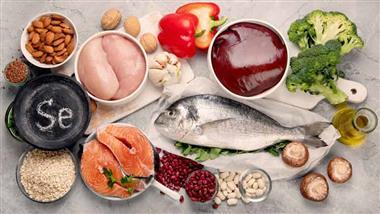
The recommended daily allowance for selenium ranges from 15 micrograms (mcg) for infants to 55 mcg for men and women over 19 years.40 The best food sources of selenium are Brazil nuts. Just six to eight nuts deliver 544 mcg, or 989% of your daily allowance. Other sources include sardines, pasture-raised beef, turkey, chicken and pasture-raised eggs.
- 1 National Institutes of Health, Selenium
- 2 Oregon State University, selenium, summary
- 3 Biomolecules, 2021;11(10)
- 4, 8 Aging Clinical and Experimental Research, 2019; 31(8)
- 5, 36 Selenium Deficiency, 2021
- 6 Oregon State University, Selenium, Glutathione Peroxidases
- 7 Stanford Medicine, January 22, 2015
- 9 eLifeSciences, March 30, 2021
- 10, 11 Science Daily, March 30, 2021
- 12 Biological Trace Element Research, 1990; 24(2)
- 13 American Journal of Clinical Nutrition, 2006; 84(4)
- 14 Cochrane Database Systematic Review, 2013;2013(1) Characteristics of Included Studies
- 15 Mayo Clinic Laboratories, Selenium, Reference Values
- 16 Critical Reviews in Food Science and Nutrition, 2020; doi.org/10.1080/10408398.2020.1803200
- 17 European Journal of Heart Failure, 2019;22(8)
- 18 Circulation, 2019;139(25)
- 19 Current Opinion in Endocrinology, Diabetes and Obesity, 2013;20(5)
- 20 Nature Reviews Endocrinology, 2020;16
- 21 Endocrine Web, September 15, 2015
- 22 Alzheimer’s and Dementia, 2019;11
- 23 Alzheimer’s Association, Facts and Figures
- 24 Epidemiology, 2007; 18(1)
- 25 Movement Disorders, 2010; 25(12)
- 26 Biofactors, 2012; 38(2)
- 27 Environmental Research, 2021, 196(110984)
- 28 Environmental Research, 2021, 196(110984) Section 3.1 & 3.2
- 29 Environmental Research, 2021, 196(110984) Section 3.3
- 30 American Journal of Clinical Nutrition, 2020; doi.org/10.1093/ajcn/nqaa095
- 31 Nutrients, 2020;12(7) Germany in study design section 2.0
- 32 Nutrients, 2021;13(10) Section 5. Conclusions
- 33 Nutrients, 2021;13(10) Section 5
- 34 Selenium Deficiency, 2021 Section Epidemiology
- 35 Environmental Research, 2021, 196(110984) Section 2.1
- 37 Yahoo!News, February 2, 2018
- 38 Oregon State University, Selenium, Deficiency
- 39 National Institutes of Health, Zinc, Recommended Intakes
- 40 National Institutes of Health, Selenium, Recommended Intakes
The Secret of Zinc’s Immunity-Boosting Power Revealed
Reproduced from original article:
https://articles.mercola.com/sites/articles/archive/2022/04/15/zinc-immunity-boosting-power.aspx
The original Mercola article may not remain on the original site, but I will endeavor to keep it on this site as long as I deem it to be appropriate, and will not be bullied into removing it.
Analysis by Dr. Joseph Mercola Fact Checked April 15, 2022

STORY AT-A-GLANCE
- Zinc has been acknowledged as an essential mineral for human health since the 1970s. More than 300 enzymes in your body require zinc for normal function, and it’s well-recognized for its role in immunity and normal immune system development
- A March 2022 study has now shed new light on how zinc influences immune function. Zinc is required for the development of disease-fighting T cells, and for the regeneration of your thymus, which produces T cells
- A molecule inside your cells called GPR39 acts as a sensor that tracks changes in external zinc, and when the level rises, GPR39 triggers the release of a key renewal factor and thymic regeneration
- Zinc ionophores, which act as a shuttle to transport the zinc into the cell, improves zinc uptake. Zinc ionophores include hydroxychloroquine (HCQ), chloroquine, quercetin and epigallocatechin gallate (EGCG)
- Excessive zinc supplementation can cause an imbalance in your zinc-to-copper ratio, which can impair immune function. Copper, in turn, is interdependent on iron
Zinc has been acknowledged as an essential mineral for human health since the 1970s.1 It’s the second most abundant trace mineral found in the human body,2 but your body cannot store it very well, so you need to consume foods with zinc every day to meet your body’s needs.
More than 300 enzymes in your body require zinc for normal function,3 and it’s well-recognized for its role in immunity and normal immune system development.4
Research in the last decade has identified the crucial role that zinc plays in curtailing the length and severity of upper respiratory infections in particular. For example, a meta-analysis5 published in 2017 found those who took a zinc supplement of 80 to 92 milligrams (mg) each day at the beginning of cold symptoms saw a reduction in the length of their cold by 33%.
Research published in 2020 also demonstrated that zinc is crucial to immune system function, and that deficiency can raise your risk of severe COVID-19 illness.6 Early on in the pandemic, a number of doctors who were treating COVID patients recognized the importance of zinc and published early treatment guidelines that included it.7,8,9
How Zinc Influences Your Immune Function
Zinc affects your immune function and helps prevent infections in a variety of ways. For example, data have shown:10
|
People who are deficient in zinc have an increased susceptibility to pathogens, as zinc helps prevent viruses from entering11 and replicating12 inside your cells. |
| Zinc mediates nonspecific immunity, including natural killer cells and neutrophils. |
| Zinc deficiency prevents the activation of T-lymphocytes, production of Th1 cytokine, and the ability of B lymphocytes to help. During deficiency, B lymphocyte development is also compromised. |
| Deficiency affects the function of macrophage cells, which can trigger cytokine production13 and dysregulated intracellular death. Thus, with a deficiency in zinc, you not only get more viral infections, but these trigger an increase in the hyper inflammatory response. |
| Zinc is central to DNA replication, RNA transcription and cell activation and division. |
| Zinc supports growth and function of ciliary hairs in your respiratory system. One study published in the American Journal of Rhinology and Allergy14 showed zinc stimulates ciliary beat frequency and may help improve mucociliary clearance, which is essential for clearing the lungs of mucous. Another group of scientists found that supplementing animals deficient in zinc affected the length of the cilia and number of epithelial cells in the bronchus.15 |
| Zinc also improves your respiratory epithelial barrier.16,17 |
| Zinc influences interferon-gamma (IFN-γ), which plays a significant role in defending against intracellular pathogens.18 When there is a reduction in this cytokine, your immune function will be impaired. |
Zinc Helps Immune System Regrow Immune Cells
A March 2022 study has now shed new light on how zinc influences immune function. As reported by Science Daily:19
“In a new study published online March 25 in the journal Blood, Fred Hutchinson Cancer Research Center scientists reveal two ways the mineral supports immunity and suggest how it could be used to improve health.
Using mice, the team discovered that zinc is needed for the development of disease-fighting immune cells called T cells and prompts regeneration of the thymus, the immune organ that produces T cells.
‘This study adds to our knowledge of what zinc is actually doing in the immune system and suggests a new therapeutic strategy for improving recovery of the immune system,’ said senior author Dr. Jarrod Dudakov, an immunologist at Fred Hutch …
As in humans, Iovino and Dudakov found that the thymuses of mice deprived of dietary zinc shrink and produce notably fewer mature T cells, even after as little as three weeks of a no-zinc diet. Iovino was able to show that without zinc, T cells cannot fully mature.
He also found that zinc deficiency slows recovery of T-cell numbers after mice receive immune-destroying treatments akin to those given to patients about to receive a blood stem cell transplant. Conversely, extra zinc speeds this process, and T cells recover faster than normal.”
When zinc external to the cells rise, the cells release a regenerative factor that triggers renewal inside the thymus. T cells accumulate zinc as they develop, but when killed by a burst of radiation (or other damaging event), that zinc is released, raising the external zinc level.
A molecule inside your cells called GPR39 acts as a sensor that tracks changes in external zinc, and when the level rises, GPR39 triggers renewal factor release and thymic regeneration.
A molecule inside your cells called GPR39 acts as a sensor that tracks changes in external zinc, and when the level rises, GPR39 triggers renewal factor release and thymic regeneration. The researchers also found they could trigger this regenerative process using a novel compound that mimics rising zinc levels. Dudakov explained:20
“What we think is going on is, as you give zinc supplementation, that gets accumulated within the developing T cells. It gets stored and stored and stored, then the damage comes along and the zinc is released.
Now you have more zinc than you normally would, and it can instigate this regenerative pathway. With the experimental compound we can just directly target GPR39 and basically get the same effect without any of that pretreatment.”
Zinc Ionophores Improve Zinc’s Effectiveness
While zinc is a crucial mineral for normal immune function, supplemental zinc is not very bioavailable. So, to improve zinc uptake into the cell, a zinc ionophore can be very useful. Zinc ionophores basically act as shuttles that transport the zinc through the cellular membrane into the cell, and getting the zinc into the cell is crucial for stopping viral replication.
Zinc ionophores that have received a lot of exposure in alternative media over the past two years are hydroxychloroquine (HCQ), chloroquine, quercetin and epigallocatechin gallate (EGCG).21 Chances are you’ve heard of HCQ being used for COVID-19, but the real key in early treatment protocols that use HCQ is really the zinc. The primary role of the HCQ is to boost zinc uptake in the cell.
Quercetin, which is a natural supplement, also shuttles zinc but has antiviral,22,23,24,25,26,27,28,29,30 anti-blood clotting, anti-inflammatory and antioxidant properties in addition to that.31 Quercetin has also been shown to inhibit binding of spike protein to ACE-2 receptors, thereby blocking the ability of SARS-CoV-2 to infect human cells.32
Importantly, quercetin increases mitochondrial biogenesis in skeletal muscle, which suggests part of its antiviral effects are due to enhanced mitochondrial antiviral signaling.33 By attenuating oxidative damage, it also lowers your risk of secondary bacterial infections,34 which is actually the primary cause of influenza-related deaths.
When HCQ was banned from use for COVID, many wisely turned to quercetin, which is available over the counter. A number of studies have shown quercetin, when used early, lowers your risk of hospitalization and death from COVID,35 and improves clinical outcomes.36
Beware, Zinc Supplementation May Trigger a Copper Imbalance
For all its benefits, more is not better when it comes to zinc supplementation. In fact, it can backfire if you fail to maintain a healthy zinc-to-copper ratio.
As noted by Chris Masterjohn, who has a Ph.D. in nutritional sciences,37 in an article38 and series of Twitter posts,39 “acceptable ratios of zinc-to-copper range from 2-to-1 to 15-to-1 in favor of zinc. Copper appears safe to consume up to a maximum of 10 mg/d” and “the maximum amount of zinc one could consume while staying in the acceptable range of zinc-to-copper ratios and also staying within the upper limit for copper is 150 mg/d.”
Zinc intake at doses between 150 mg and 300 mg per day has been shown to decrease markers of immune function, Masterjohn warns, and it’s “quite possible that the harmful effect of 300 mg/d zinc on the lymphocyte stimulation index is mediated mostly or completely by induction of copper deficiency.”
Even intakes of 60 mg of zinc per day has been shown to lower superoxide dismutase activity, an enzyme that is important to antioxidant defense and immune function and depends both on zinc and copper for normal function.
So, a key thing to remember is that your zinc level is also impacted by your copper level, and an imbalance in this ratio can lead to health problems. The best way to readily achieve proper balance is to get your minerals from real food grown in healthy nutrient-rich soils.
Do You Need More Zinc?
That said, zinc deficiency is common. Experts believe that about 17.3% of the global population are deficient40 and it is estimated most people over 65 consume just 50% of the recommended amount.41
This deficit may in part be the result of soil depletion of zinc due to conventional farming methods and may also simply be that not enough zinc-rich foods are included in the diet. Severe deficiency, however, is rare,42 and often associated with an inherited condition called acrodermatitis enteropathica.
Common signs43 your body may need more zinc include lack of appetite, mental lethargy, impaired sense of taste or smell, frequent colds, flu or infections, hair loss44 and poor neurological function.45 Individuals at higher risk for zinc deficiency include those with malnutrition, persistent diarrhea,46 the elderly, people with inflammatory or autoimmune diseases, chronic alcoholics, vegetarians and vegans.47
Although it may be necessary to supplement during illness when your body needs more zinc, I recommend trying to meet your daily requirement from foods. Foods rich in zinc include:48,49,50
| Alaskan King crab | Oysters | Almonds | Cashews |
| Kidney beans | Pastured chicken | Lamb | Chickpeas |
| Oatmeal | Grass fed beef | Cheddar or Swiss cheese | Yogurt |
| Mushrooms | Spinach | Pork chops | Pumpkin seeds |
Personally, I would be very cautious about taking more than 15 mg of zinc per day by supplement. If you are consuming large amounts of animal foods like beef, you may not even need any, as animal foods (see table above) are typically loaded with zinc, especially organ meats.
I eat about three-fourths of a pound of ground bison a day, which has 20 mg of zinc. I personally don’t take any zinc supplement other than what I get from my food, which is likely an optimal form to maximize absorption.
If you opt for a supplement, Masterjohn recommends taking 7 mg to 15 mg of zinc four times a day, ideally on an empty stomach, or with a phytate-free food.51 The recommended dietary allowance in the U.S. is 11 mg for adult men and 8 mg for adult women, with slightly higher doses recommended for pregnant and breastfeeding women,52 so we’re not talking about taking significantly higher dosages.
He also recommends getting at least 1 mg of copper from food and supplements for every 15 mg of zinc you take.53 It’s best to get your copper from food and not a supplement.
Good sources include oysters, grass fed beef liver and other organ meats. Whole food vitamin C can also be helpful, as vitamin C contains an enzyme called tyrosinase, which has two copper atoms in it. Acerola cherry is one excellent source. You also want plenty of saturated fats in your diet, as copper is a fat-soluble mineral. If you don’t have fat in your diet, your ability to absorb copper plummets.
Mind Your Copper-to-Iron Ratio Too
Copper is also highly interdependent on iron and need to be considered together. If you don’t have enough copper in your diet, hemoglobin production becomes impaired, along with many other aspects of iron metabolism. So, being anemic does not automatically mean that you’re iron deficient. You may be deficient in copper. Anemia typically relates to iron dysfunction or dysregulation, not deficiency.
This interdependence, and the role of copper and iron on your mitochondrial energy production, was discussed at length in a recent interview with Morley Robbins, MBA, CHC,54 author of “Cu-RE Your Fatigue: The Root Cause and How to Fix It on Your Own.” I’ve included that interview above.
The common misconception that anemia is always the result of insufficient iron is tragic, as excess iron increases oxidative stress and causes metabolic dysfunction. As explained by Robbins, your mitochondria are not just making energy. They are also crucial recycling centers. Iron needs to be recycled through the mitochondria into either heme or iron sulfur clusters, and both also require copper in the conversion.
Inside your body, the ideal ratio of iron-to-copper is, on average, 50-to-1. Ideally, you would have about 5,000 mg of iron and about 100 mg of copper in your body.
Most People Have Elevated Iron
The fact of the matter is, most men and postmenopausal women have excessive iron and can benefit from regular blood donation. As explained by Robbins, you accumulate about 1 mg of iron every day (based on the research of leading Iron biologists), and unless you lose blood, you retain that amount. By the time you are 65, you may have accumulated over 20,000 mg of storage iron.
So, again, more often than not, anemia (characterized as low serum iron and low serum ferritin) is not a sign of insufficient iron but rather a sign that the iron is not being properly recycled due to insufficient copper.
This storage iron will radically increase the oxidative stress and tissue damage in your body. It also is one of the most common causes of fatigue because of how it impairs the mitochondrial production of energy.
When you donate a pint or half-liter of blood, you remove approximately 250 mg of iron from your tissue iron. Donating four pints a year is far more than most people do, but you can see that if you had 20,000 mg of storage iron, it would take you 20 years of donating blood four times a year to get it down to a healthy level.
While regular blood donation is a highly effective way to lower your iron, losing 10% of your blood in one sitting can be a problem for many. It’s easier on your system to remove blood in smaller amounts once a month on the schedule I have listed below. If you have congestive heart failure or severe COPD, you should discuss this with your doctor, but otherwise this is a fairly appropriate recommendation for most.
| Men | 150 ml |
| Postmenopausal Women | 100 ml |
| Premenopausal Women | 50 ml |
- 1 NPR, February 10, 2020
- 2 Nutrients 2013; 5(8): 3184–3211
- 3 The Journal of Nutrition, 2000;130(5) Abstract first line
- 4 NPR, February 10, 2020, para 12
- 5 JRSM Open, 2017;8(5)
- 6 Journal of Infectious Disease, 2020:100
- 7 Front Line COVID-19 Critical Care Alliance, iMASK
- 8 Vladamir Zelenko MD
- 9 International Journal of Antimicrobial Agents, 2020;56(6):106214
- 10 The American Journal of Clinical Nutrition, 1998;68(2)
- 11 Youtube, September 11, 2021
- 12 Youtube, September 11, 2021, Minute 9:00
- 13 Nutrients, 2017;9(12)
- 14 American Journal of Rhinology and Allergy, 2010;24(1)
- 15 The Indonesian Biomedical Journal, 2020;12(1)
- 16 International Journal of Molecular Medicine, 2020;46(1) Abstract
- 17 International Journal of Chronic Obstructive Pulmonary Disease, 2017;12
- 18 Journal of Trace Elements in Medicine and Biology, 2020;62(126598)
- 19, 20 Science Daily March 31, 2022
- 21 Journal of Agricultural Food Chemistry 2014; 62(32):8085
- 22, 33, 34 Journal of Infectious Diseases and Preventive Medicine May 24, 2014; 2: 111
- 23 Antiviral Research June 2012; 94(3): 258-271
- 24 Journal of Ancient Diseases & Preventive Remedies 2014
- 25 Viruses 2016 8(1), 6
- 26 European Journal of Pharmaceutical Sciences June 28, 2009; 37(3-4): 329-333
- 27 Antiviral Research 2010 Nov;88(2):227-35
- 28 Experimental Lung Research 2005; 31(5)
- 29 Journal of Agricultural and Food Chemistry 2016; 64(21): 4416-4425
- 30 Viruses 2016 Jan; 8(1): 6
- 31, 36 International Journal of General Medicine June 2021; 14: 2807-2816
- 32 Drmurray.com
- 35 International Journal of General Medicine June 8, 2021; 14: 2359-2366
- 37 Chrismasterjohnphd.com
- 38, 51, 53 Chrismasterjohnphd.com Best Dose of Zinc for COVID-19 Prevention
- 39 Twitter, Chris Masterjohn April 10, 2020
- 40 PLOS|One, 2012;7(11) Methodology and Principal Findings
- 41 Pathobiology of Aging & Age-Related Diseases, 2015;5
- 42 Oregon State University, Zinc
- 43 National Institutes of Health, Zinc, zinc deficiency
- 44 Merck Manuals Zinc Deficiency June 2020
- 45 Neurology, 2020;94(15)
- 46 Today’s Geriatric Medicine, Zinc Deficiency in Older Adults, Understanding zinc para 1,2
- 47 YouTube, September 11, 2021, Minute 4:30
- 48 National Institutes of Health, Zinc, Table 2
- 49 HealthDirect, Foods High in Zinc
- 50 My Food Data, July 28, 2021
- 52 NIH Zinc Fact Sheet
- 54 The Root Cause Protocol, Morley Robbins
6 Foods That Could Fix Underlying Cause of Inflammation
Reproduced from original article:
https://articles.mercola.com/sites/articles/archive/2022/04/05/msm-health-benefits.aspx
The original Mercola article may not remain on the original site, but I will endeavor to keep it on this site as long as I deem it to be appropriate, and will not be bullied into removing it.
Analysis by Dr. Joseph Mercola – Medically Reviewed by Stephanie Seneff, Ph.D. Fact Checked April 05, 2022

STORY AT-A-GLANCE
- Sulfur is the third most abundant mineral in your body and plays important roles in many bodily processes, including metabolism and detoxification
- Sulfur bonds are required for proteins to maintain their shape, and these bonds determine the biological activity of the proteins. Sulfur is also required for the proper structure and biological activity of enzymes
- Sulfur is crucial for healthy liver function and the prevention of liver disease. A derangement in sulfur amino acid metabolism is found even in mild forms of liver disease
- Excellent sources of sulfur include homemade bone broth, organic pastured eggs, grass fed meats, seafood, cruciferous vegetables and alliums like onions and garlic. Sulfur can also be obtained through supplementation with MSM and/or by taking Epsom salt baths
- MSM is widely used in the treatment of pain, especially pain associated with arthritic conditions. Research has shown it can significantly decrease pain and improve physical function in patients with osteoarthritis of the knee
This article was previously published October 14, 2019, and has been updated with new information.
Sulfur is a somewhat “forgotten” nutrient you don’t hear mentioned very often, but it’s very important for optimal body function and health. You get most of your sulfur from certain proteins in your diet, specifically the amino acids methionine, cysteine, cystine, homocysteine, homocystine and taurine.1
Of these, the two most important sources are methionine and cysteine. Methionine is an essential amino acid, which means it cannot be synthesized by your body and must be supplied through your diet. Cysteine is conditionally essential, because it can be synthesized from methionine but not from inorganic forms of sulfur.2
Neither of these primary sulfur-containing amino acids is stored in your body per se, although glutathione is a key storage form for sulfur.3 Glutathione is composed of three amino acids: cysteine, glutamate and glycine, and is your body’s most potent antioxidant.
Glutathione also keeps many other antioxidants performing at peak levels, and cysteine availability is thought to be a rate-limiting factor for glutathione synthesis.4
While sulfur is found in many foods, sulfur deficiency may still be quite common5 — in part due to sulfur deficiency in crops,6 and in part due to low consumption of sulfur-rich foods7 such as leafy greens, cruciferous veggies, alliums8 such as garlic and onions, seafood, grass fed meats and organic pastured eggs.
Frequent use of drugs that require sulfur for excretion and/or detoxification can also contribute to an inadequate sulfur status. Acetaminophen is one such example.9 A vegan diet can also put you at increased risk for sulfur deficiency, because plant-based foods contain fewer sulfur-containing amino acids than animal-based foods.10
The Importance of Sulfur
According to Stephanie Seneff, Ph.D., who has written several papers11,12,13,14 on sulfur and sulfur metabolism and its role in human disease, sulfur plays a role in many biological processes, including metabolism15 and the sulfonation of hormones,16 and deficiency appears to play a role in a wide range of health problems and diseases, including:
- Obesity
- Heart disease
- Chronic fatigue syndrome
- Alzheimer’s disease
- Autism17
Required in the creation of connective tissues such as cartilage, tendons and ligaments, sulfur is also essential for healthy joints, and deficiency has been linked to joint pain and joint-related diseases.18 Other benefits, uses and sources are also noted in the paper “Sulfur in Human Nutrition and Applications in Medicine”:19
“Methylsulfonylmethane (MSM), a volatile component in the sulfur cycle, is another source of sulfur found in the human diet … Organic sulfur, as SAAs [sulfur-containing amino acids], can be used to increase synthesis of S-adenosylmethionine (SAMe), glutathione (GSH), taurine, and N-acetylcysteine (NAC).
MSM may be effective for the treatment of allergy, pain syndromes, athletic injuries, and bladder disorders.
Other sulfur compounds such as SAMe … taurine, glucosamine or chondroitin sulfate, and reduced glutathione may also have clinical applications in the treatment of a number of conditions such as depression, fibromyalgia, arthritis, interstitial cystitis, athletic injuries, congestive heart failure, diabetes, cancer, and AIDS.”
Sulfur 101
As explained by the featured study above, sulfur is the third most abundant mineral in your body, based on percentage of total body weight.20 Sulfur bonds are required for proteins to maintain their shape, and these bonds determine the biological activity of the proteins.
For example, hair and nails consist of a tough protein called keratin, which is high in sulfur, whereas connective tissue and cartilage contain proteins with flexible sulfur bonds, giving the structure its flexibility.
With age, the flexible tissues in your body tend to lose their elasticity, leading to sagging and wrinkling of skin, stiff muscles and painful joints. A shortage of sulfur likely contributes to these age-related problems.
In addition to bonding proteins, sulfur is also required for the proper structure and biological activity of enzymes. If you don’t have sufficient amounts of sulfur in your body, enzymes cannot function properly.
A cascade of health problems may thus ensue, since your metabolic processes rely on biologically active enzymes. You can learn more about this in “Enzyme Fundamentals.” Sulfur also plays an important role in:
| Your body’s electron transport system, as part of iron/sulfur proteins in mitochondria, the energy factories of your cells21 |
| Synthesizing important metabolic intermediates, such as glutathione — one of the most important antioxidants that your body produces — SAMe, taurine and NAC22 |
| Detoxification23 — Without sulfur, glutathione (your body’s built-in detoxifier) is rendered ineffective |
| Thiamine (vitamin B1) and biotin (B7) conversion, which in turn are essential for converting carbohydrates into energy |
| Proper insulin function24 — The insulin molecule consists of two amino acid chains connected to each other by sulfur bridges, without which the insulin cannot perform its biological activity25 |
| Glucose metabolism — One hypothesis26 is that if a sufficient amount of sulfur is available, it will act as a decoy to glucose, effectively diverting it to reduce the sulfur rather than glycating and causing damage. This would have the beneficial effect of reducing chronic inflammation, as sugar (glucose) is highly inflammatory and wreaks havoc in your body |
Sulfur for Liver Health
Sulfur is also crucial for healthy liver function and the prevention of liver disease. As noted in one study,27 “a derangement in sulfur amino acid metabolism, possibly located at various steps along the trans-sulfuration pathway” is found even in mild forms of liver disease.
Part of its influence on your liver has to do with its influence over glutathione. As noted in the 2015 paper,28 “Metabolism of Sulfur-Containing Amino Acids in the Liver: A Link Between Hepatic Injury and Recovery”:
“The transsulfuration pathway is connected to the production of glutathione (GSH), which has potent antioxidant capacity in the liver. Accumulating data show that GSH depletion renders the liver vulnerable to oxidative stress and prone to progression of liver disease.”
Similarly, the journal Nutrients reports that MSM has been shown to attenuate “cytokine expression in vivo for induced colitis … and liver injury,” and that MSM has also been shown to have a beneficial effect on liver cancer.29
Another crucial nutrient for liver health and the prevention of chronic liver disease, including nonalcoholic fatty liver disease, is choline,30 detailed in “Choline Is Crucial for Liver Health.”
MSM for Osteoarthritic Knee Pain
Methylsulfonylmethane (MSM) is known as a sulfur donor, being 34% elemental sulfur by weight.31 Many of the benefits of MSM supplementation are related to its ability to reduce inflammation, regulate the balance of reactive oxygen species and antioxidant enzymes,32 and modulate your immune response.33
As a supplement, MSM is widely used in the treatment of pain, especially pain associated with arthritic conditions. One clinical trial34 found that people with osteoarthritis of the knee who took 3 grams of MSM twice a day for 12 weeks experienced significantly decreased pain and improved physical function, compared to a placebo.
Another randomized double-blind placebo-controlled study35 found patients with mild to moderate osteoarthritis benefited from oral glucosamine and MSM, both individually and in combination. Here, the treatment groups received 500 milligrams (mg) of glucosamine and/or 500 mg of MSM three times a day for 12 weeks. According to the authors:36
“Glucosamine, MSM and their combination produced an analgesic and anti-inflammatory effect in osteoarthritis. Combination therapy showed better efficacy in reducing pain and swelling and in improving the functional ability of joints than the individual agents.
All the treatments were well tolerated. The onset of analgesic and anti-inflammatory activity was found to be more rapid with the combination than with glucosamine. It can be concluded that the combination of MSM with glucosamine provides better and more rapid improvement in patients with osteoarthritis.”
Sulfur’s Role in Heart Disease
In 2011, I interviewed Seneff about the influence of sulfur on health and disease. I’ve included that interview above for your convenience. In it, Seneff discusses the crucial connections between sulfur, cholesterol and vitamin D.
Her research suggests heart disease may actually be related to cholesterol sulfate deficiency, and in the interview, she explains how elevated LDL (low-density lipoprotein) cholesterol is a sign of this deficiency.
To summarize, high levels of LDL cholesterol is your body’s way of compensating for cholesterol sulfate deficiency. When LDL is turned into plaque, blood platelets inside the plaque produce cholesterol sulfate, which your heart and brain need for optimal function.
Seneff also explains why lowering LDL with statins can lead to heart failure. Essentially, by elevating LDL, your body is protecting itself from the harmful effects of cholesterol sulfate deficiency. When you simply remove the LDL, you remove this “backup” mechanism aimed at keeping your heart going strong. As a result, heart failure becomes a distinct possibility.
That said, high LDL is correlated with cardiovascular disease, so the question then becomes: How can your body produce cholesterol sulfate without having to create harmful LDL?
Under normal, healthy conditions, your skin synthesizes both cholesterol sulfate and vitamin D3 sulfate when exposed to sunlight. These two sulfated sterols are water soluble and can travel freely in your bloodstream.
If you have sufficient amounts of cholesterol sulfate in circulation, your body does not need to produce more cholesterol-transporting LDL. This results in less plaque buildup in the arteries of the heart, because cholesterol sulfate is plentiful.
In essence, sensible sun exposure may be an important part of heart and cardiovascular health. In fact, studies have shown that those who live in countries with abundant sunlight have a lower risk to heart disease. Vitamin D3 supplements, on the other hand, are unsulfated. This is a significant drawback, as the unsulfated form needs LDL as a vehicle of transport.
Seneff believes that vitamin D is basically a signaling molecule that informs the tissues that there is an abundant supply of cholesterol sulfate, and cholesterol sulfate is the real beneficial product of sunlight exposure to the skin. Her suspicion is that the oral nonsulfated form of vitamin D is unlikely to provide the same benefits as the vitamin D created in your skin from sun exposure, since it is not accompanied by cholesterol sulfate, and therefore provides a false signal.
Sulfur Intolerance May Be a Sign of Toxicity
As mentioned earlier, sulfur-rich foods37 include leafy greens, cruciferous veggies, alliums,38 seafood, grass fed meats and organic pastured eggs. Another excellent source, and perhaps the best one, is homemade bone broth made from organically raised animals.
Either drink the broth regularly, or use it for soups and stews. Connective tissues are sulfur-rich, and when you slow-cook the bones, you dissolve these nutrients out of the bone and into the water.
If you have poor tolerance for foods high in sulfur, it may be an indication of an overgrowth of sulfur-reducing bacteria in your gut. These bacteria, such as Desulfovibrio and Bilophila wadsworthia, produce hydrogen sulfide gas from sulfur-based food sources, which can destroy the gut lining and cause gastrointestinal discomfort.
A defect in the enzyme that oxidizes sulfur to sulfate, called sulfite oxidase, will lead to an overgrowth of these sulfur-reducing bacteria, and toxic chemical exposures may disrupt sulfite oxidase.
Furthermore, these bacteria also convert mercury to a toxic organic form called methyl mercury. When sulfite oxidase is deficient, mercury cannot be converted to mercury sulfate, which is the nontoxic form of mercury that can be excreted by the body. Thus, disruption of sulfite oxidase results in impaired sulfation capacity and increased mercury toxicity.
Other food additives such as food dyes can also exacerbate problems in your phenol sulfur-transferase (PST) sulfation pathway by suppressing PST enzyme activity. Sulfation is a critical step in detoxification of toxic phenols.
To address this situation, it’s recommended you initially go on a low-sulfur diet and reduce your toxic exposure by eating organic and avoiding household toxins of all kinds.
As your toxicity level is reduced, you can start adding sulfur-rich foods back into your diet, one at a time. Next, it’s important to enhance your body’s detoxification process by supplying more sulfate, either through diet or supplementation.
How to Boost Your Sulfur Intake — Diet and Supplementation
Aside from sulfur-rich foods, sulfur can also be obtained through supplementation with MSM. You can learn more about MSM in my interview with Rod Benjamin.
Benjamin is the director of technical development for Bergstrom Nutrition, the largest producer of the highest quality MSM produced by distillation purification. In his interview, we discuss suggested dosages and how to identify a high-quality supplement.
The sulfur-containing amino acids cysteine and taurine can also be used, both of which are available in supplement form. The supplement form of cysteine is NAC.
Another excellent source of sulfur is taking regular Epsom salt baths. Epsom salt (magnesium sulfate) is made up of magnesium, sulfur and oxygen. While most of the benefits associated with Epsom salt baths relates to magnesium39 — such as improved sleep, stress reduction and reduced pain and muscle cramping — its sulfur content is also important for health.
Epsom salt baths are often preferable if you’re toxic, as the sulfur in Epsom salt is readily available to your body without having to be converted. As a general recommendation, use 1 to 2 cups of Epsom salt to a tub of water. The warmer the water, the more of the salt that will be dissolved, and the more your body will be able to absorb as the heat opens your pores.
If you experience a negative reaction, such as irritability or hyperactivity, decrease the amount used and incrementally increase the amount based on your tolerance. Alternatively, use 1 part Epsom salt to 2 parts water for a foot bath. Soak your feet for about 30 minutes.
Toxicity data shows MSM is extremely safe and can be taken at high doses. As noted in the journal Nutrients, “As a Generally Recognized As Safe (GRAS) approved substance, MSM is well-tolerated by most individuals at dosages of up to 4 grams daily,”40 although toxicity studies have reported no observed adverse effects up to a level of 5 grams per kilo per day.41
That said, potential side effects at higher doses include intestinal discomfort, ankle swelling and skin rashes. These are likely detoxifying effects that can typically be mitigated or minimized by cutting back on the initial dosage and slowly working your way up.
– Sources and References
- 1, 10, 19, 20, 22 Alternative Medicine Review 2002 Feb;7(1):22-44
- 2 Nutrition & Metabolism November 6, 2007; 4, Article number 24 (2007)
- 3, 4 Nutrition & Metabolism November 6, 2007; 4, Article number 24 (2007), Glutathione a key metabolite and storage form for sulfur
- 5 Nutrition & Metabolism November 6, 2007; 4, Article number 24 (2007), Abstract
- 6 Plants 2018 Jun; 7(2): 37, Introduction
- 7, 37 APJCN Sulphur Food Charts
- 8, 38 Mark’s Daily Apple February 7, 2012
- 9 Nutrition & Metabolism 2007; 4: 24, Factors that can reduce availability of methionine/cysteine
- 11 Entropy 2012; 14(10): 1953-1977
- 12 MIT, Could Sulfur Deficiency be a Contributing Factor in Obesity, Heart Disease, Alzheimer’s and Chronic Fatigue? (PDF)
- 13 Medical Hypotheses February 2012; 78(2): 213-217
- 14 Theoretical Biology and Medical Modelling May 27, 2015, Article Number 9 (2015)
- 15, 24, 26 The Weston A. Price Foundation July 2, 2011
- 16 Endocrine Reviews 2002 Oct;23(5):703-32
- 17 Journal of Autism and Developmental Disorders volume 50, pages 153–161 (2020)
- 18 Study.com Sulfur Deficiency
- 21 Science Direct, Iron-Sulfur Proteins
- 23 Ann Parmacother Sept. 1992 vol. 26 no. 9 1144-1147
- 25 The Sulfur of Insulin, Vincent du Vigneaud, July 1, 1927 (PDF)
- 27 The Italian Journal of Gastroenterology 1994 Jan-Feb;26(1):21
- 28 Biol Pharm Bull. 2015;38(7):971-4
- 29 Nutrients 2017 Mar; 9(3): 290, 3.8 MSM and Cancer
- 30 Mediators of Inflammation 2019, Article ID 7659509, 6. Mechanisms Where Dysbiosis Is Involved in NAFLD
- 31 MSM Guide, How MSM Works
- 32 Nutrients 2017 Mar; 9(3): 290, 2.2 Antioxidant/Free-Radical Scavenging
- 33 Nutrients 2017 Mar; 9(3): 290, 2.3 Immune Modulation
- 34 Osteoarthritis and Cartilage 2006 Mar;14(3):286-94
- 35, 36 Clinical Drug Investigation 2004;24(6):353-63
- 39 Cleveland Clinic. Epsom Salt: Potential Benfits and How to Use It. July 20, 2018
- 40 Nutrients 2017 Mar; 9(3): 290, Abstract
- 41 Nutrients 2017 Mar; 9(3): 290, 4. Safety Profile Table 1
The Most Important Stealth Factor to Improve Your Health
Reproduced from original article:
https://articles.mercola.com/sites/articles/archive/2022/04/03/iron-copper.aspx
The original Mercola article may not remain on the original site, but I will endeavor to keep it on this site as long as I deem it to be appropriate, and will not be bullied into removing it.
Analysis by Dr. Joseph Mercola Fact Checked April 03, 2022<
STORY AT-A-GLANCE
- Minerals play a crucial role in the activation of enzyme pathways, which are responsible for metabolism. This, in part, is what makes minerals so foundational for good health. If you don’t have the required minerals, the “batteries” of your cells, the mitochondria and the nuclei, won’t work. Inflammation is poor energy production, and the reason goes back to mitochondrial dysfunction
- Iron and copper are highly interdependent and need to be considered together. If you don’t have copper in your diet, hemoglobin production becomes impaired, along with many other aspects of iron metabolism. So, being anemic does not automatically mean that you’re iron deficient. You may be deficient in copper. Anemia typically relates to iron dysfunction or dysregulation, not deficiency
- The best way to lower excessive iron is to donate blood, one to four times a year. Most adult men and postmenopausal women have high iron and could benefit from regular blood donation, as high iron is extremely toxic and destroys health. An even better strategy is to remove smaller amounts of blood every month and a recommended schedule is provided
- To raise your copper level, you could use a copper supplement, but foods like grass-fed beef liver, bee pollen and whole food vitamin C are better
- If you’re a farmer or grow your own food, the best way to put copper back into the soil, to get it into the food, is to add copper sulfate. Before you plant, simply spray the soil with copper sulfate, 10 to 15 pounds per acre
Morley Robbins, MBA, CHC,1 founder of the Magnesium Advocacy Group and best known as the Magnesium Man, has also written a book called “Cu-RE Your Fatigue: The Root Cause and How to Fix It on Your Own.”
In this book, he goes well beyond magnesium into other nutrients such as copper, iron, vitamins A and D and more, and his Root Cause Protocol2 is the implementation of that information. I’m impressed with the book because Robbins covers every basic cause for disease that I am aware of. Most people who write about health will miss a few, but I believe he really nails all of them.
The Importance of Copper
Minerals play a crucial role in the activation of enzyme pathways, which are responsible for metabolism. This, in part, is what makes minerals so foundational for good health.
If you don’t have the required minerals, the “batteries” of your cells, the mitochondria, won’t work properly. In a nutshell, good health depends on ample and robust energy production and utilization, and for that, you need copious amounts of highly-functioning mitochondria that have limited oxidative stress.
Robbins describes mitochondria not as a power plant but as a factory. And what goes on in a factory? Of course, there’s activity that depends on an energy source, but there’s also movement of raw materials, the production and movement of end products, and the recycling of them.
“People don’t think about that — and the fact that the mitochondria are connected to both the endoplasmic reticulum and the lysosomes,” Robbins says. “Well, suddenly you’ve got lysosomes being the recycling center and the endoplasmic reticulum being where the proteins are going to get made. It’s like a completely different idea.
We all have this image from our high school biology class of what the picture of a cell looks like, and it has one or two mitochondria. Well, I’ve come to realize that that picture was drawn by Walt Disney, because it’s a complete distortion of reality.
The average cell has 500 mitochondria; the average liver cell has 2,000 mitochondria; kidney cell, 4,000 mitochondria; heart cell, 10,000 mitochondria. The mature eggs in a woman’s body have anywhere from 100,000 to 600,000 mitochondria.
And then the brain region, the substantia nigra, it has 2 million mitochondria per neuron. That’s a game changer, when you begin to understand the concentration of activity.”
As an example, Parkinson’s disease is rooted in defective mitochondrial function in this area of the brain. According to Robbins, by the time you get a diagnosis of Parkinson’s, 66% of those neurons are dead. Multiply 66% times 2 million mitochondria per neuron, and you realize we’re talking about a massive loss of mitochondrial energy.
Conventional medical doctors will typically prescribe L-DOPA to treat Parkinson’s, but that actually makes the situation much worse in the long run, and in no way, shape or form addresses the loss of these mitochondria. “This whole concept of energy production is so essential, and it’s overlooked,” Robbins says.
Inflammation Is a Lack of Energy
Another description of “lack of energy” is inflammation, Robbins says. Inflammation is poor energy production, and the reason goes back to mitochondrial dysfunction. He likens mitochondria to a two-stroke engine with two copper centers, Copper A (two Copper atoms) and Copper B (with one Copper atom).
Copper A is the easy stroke that produces hydrogen peroxide (H2O2), which is a source of oxidative stress. The hydrogen peroxide then needs to be turned into two molecules of water (H2O). If your body keeps producing H2O2 rather than water, it’s because you don’t have enough copper to achieve the transformation into two molecules of H2O.
This typically implies that the Cytochrome c Oxidase enzyme in Complex 4 of the mitochondrial electron transport chain is not doing its job. And as hydrogen peroxide builds, you end up with loads of free radicals that results in mitochondrial oxidative damage.
“We live on a planet that has two very active elements, oxygen and iron, and we know they don’t mix well, because they create rust,” Robbins says. “Yet the terminal destination for both iron and oxygen are the mitochondria. That’s an important thing to understand. And so, inside these organelles, these factories, are a series of proteins that are loading electrons onto oxygen and hydrogen.
The term used in the literatures is we’re activating oxygen and hydrogen to create water. The mitochondria are water wheels, they’re the source of water in our metabolism. And when minerals are in optimal levels, we can make water.
And once we make water — which implies the pH of 7, because that’s when water exists — that releases the precursor to energy, called ADP. ADP goes over to another complex to become ATP. And, as many people might know, those proteins, ADP and ATP, actually have magnesium in them to give them structural integrity. It’s a very important aspect of energy dynamics.”
The Role of Mitochondrial Complexes
Inside the electron transport chain (ETC) in the mitochondria are five complexes. Complex 1, 3 and 4 work together as a unit and are known clinically as the “Respirasome.” Complex 4, also known as Cytochrome c Oxidase (CcOX), is an electron shuttle that has multiple elements of copper in it. It’s actually a dimer, so that means there are actually six atoms of copper, and the job of those copper atoms is to turn oxygen into water.
“Here’s where I think it gets really fascinating. Every kitchen has a stove, right? And they’re usually made of iron, steel, and they’re cooking something. But does the stove run itself? Does the stove know what food to put into the pot? What temperature? How long to keep it on?
Of course not, it needs a chef. I call them Cuisine artists, so we can see the symbol for copper, Cu, and I for iron. And so, inside Complex 4, there is a stove, and it’s called heme a3. It holds oxygen.
And then Copper B comes along and slices and dices, it lets the electrons and hydrogen flow through, and voila, we have water. Then, that releases ADP to go over to Complex 5, which is called ATP Synthase, and it’s like a rotor, a little motor inside the mitochondria. These are stacked like pancakes. We don’t really know how many Complex 5s are in one mitochondria, it could be hundreds, it might be thousands.
But they’re each spinning at 150 revolutions per second, and every time it goes around, it’s releasing three Mg-ATP. Just think of the vortex of thousands of these little rotors inside one mitochondria, much less thousands, hundreds of thousands, millions. The sheer elegance of the design of human physiology is absolutely amazing.”
Complex 4, or CcOX, is an electron shuttle, and needs retinol (vitamin A) to function. Robbins explains there’s a four-part component called the Signalosome, but:
“… if retinol isn’t there in adequate levels, it’s going to set the stage for what’s called the Warburg effect. And that’s going to take us down a whole different bunny trail, but whoever knew about retinol being critical for energy production? That’s not something typically discussed in clinical circles.”
Retinol is not the same as beta-carotene. There are no plant sources of retinol, it only comes from animal sources, which is yet another profoundly good reason to regularly include animal foods in your diet. Butter, heavy cream, egg yolks, liver and CLO are particularly high in retinol. Your body can make retinol from beta-carotene, but ONLY if you have adequate copper in the tissue to activate BCMO enzyme.
Why Sun Exposure Is so Important
Another important point to understand is that while sun exposure is important for making vitamin D, it is also crucial for transforming retinol into its active metabolites, called retinoids. There are nuclear receptors and retinoic acids, which are hormones, that are incredibly important. The nuclear receptors allow your thyroid to work, for example, by binding TR (Thyroid Receptor) to RXR (a key Retinoid X Receptor. With absent adequate RXR, the condition is called hypothyroidism.
Infrared radiation from sunlight also triggers the production of melatonin in your mitochondria. So, when you’re getting sun exposure, you’re accomplishing three very important things.
You’re activating vitamin D, you’re converting vitamin A to its active form, which allows vitamin A to perform its many regulatory functions, and you’re producing melatonin in the mitochondria, which radically reduces oxidative stress in the mitochondrial factories.
As explained by Robbins, vitamin A is a light sensor and vitamin D is a light filter. “It’s a fascinating concept to think of those as parallel yin-yang functions,” he says. “They need to be considered together.”
Being anemic does not automatically mean that you’re iron deficient. You may be deficient in copper. Anemia is really iron dysfunction or dysregulation.
Similarly, iron and copper need to be considered together. “Iron serves at the pleasure of copper enzymes,” Robbins says. If you don’t have copper in your diet, you can’t make hemoglobin and you cannot properly metabolize Iron. So, being anemic does not automatically mean that you’re iron-deficient. You may be deficient in copper. Anemia is really iron dysfunction or dysregulation.
If you’re a farmer or grow your own food, the best way to put copper back into the soil, to get it into the food, is to add copper sulfate. Before you plant, simply spray the soil with copper sulfate, 10 to 15 pounds per acre. Most farmers merely use NPK (nitrogen, phosphorous and potassium) fertilizer and NPK blocks copper uptake in the plants, which was highlighted by Andre Voisin, Ph.D., in his 1957 classic (which, sadly, is now out of print): “Soil, Grass & Cancer.”
Iron Toxicity Is Likely Your Biggest Health Danger
Unfortunately, the focus on iron loading can be disastrous, as excess iron increases oxidative stress. Robbins explains:
“Iron dysregulation is the elephant in the room. It is front and center of why we have metabolic dysfunction. When we go back into the mitochondria, again, they’re not just making energy. They are critical recycling centers. Again, if iron has a terminal destination in the mitochondria, that means it needs to be recycled.
What’s it’s supposed to be recycled into? It’s either going to become a heme group or it’s going to become iron sulfur clusters. Those are the two principal sources of using iron in the body, beyond the dominance that hemoglobin plays.
It turns out that to make heme and to make iron sulfur clusters, we’ve got to have copper. Four of the eight enzymes to make heme are copper dependent and found within the mitochondrial matrix, and the rate limiting variable in making iron sulfur clusters, Glutaredoxin-5, requires copper.
If, in fact, there is a deficiency in copper — which I would argue exists because farming and food processing have lowered copper’s presence in the soil and in the food — by virtue of that, the concentration of copper in the mitochondria has changed.
It is lower today than it was 90 years ago. It’s been the No. 1 nutrient deficiency on the farm for 80 years. At the same time, what the World Health Organization will tell you is that iron deficiency is the No. 1 nutrient deficiency. Well, those two are connected and they don’t know that …
There are 50,000 atoms of copper in each mitochondrial matrix. That’s a big deal. If the copper’s not there, then the heme enzymes and the iron sulfur cluster enzymes are not going to work right. Iron is going to start to build in the mitochondria and then ultimately into the tissue.
It’s going to go into what’s called mitoferrin, a storage locker in the mitochondria, and then it might spill out into the ferritin inside the cell itself. When that starts to build, it’s called the labile iron pool (LIP), and labile does not mean happy. It does not mean free. It means REALLY reactive.
It’s important to understand what that word means. As that iron is rising, there can be a 40% loss of energy, a 60% loss, 80% loss up to a 94% loss of energy [because] it’s damaging the ETC [electron transport chain] — Complexes 1, 3 and 4. It’s also affecting the ability to work with oxygen. There’s just a wholesale breakdown.
In simple terms, it’s rust … Complex 4 must turn oxygen into water. If that doesn’t happen, you’re going to create super oxide. That’s an oxygen molecule with an extra electron. It’s not super, it’s actually Hyper-oxide. You’re going to create hydrogen peroxide. You’re going to create the hydroxyl radical [*OH].
These are violently reactive, and … it begins to increase the acidity inside the cell. When the cell becomes more acidic, it can’t make energy. And that’s ultimately what iron is doing. It’s causing this increased acidity because of its reactive nature with oxygen and these proteins in the ETC.”
Why Blood Tests Aren’t Dependable
As noted by Robbins, there’s a big difference between iron deficiency in the blood and iron dysregulation in the mitochondria and in the cell. This is something that’s not adequately understood.
In 2004 biochemist Bruce Ames determined there’s 10 times more iron in the cell than in the blood.3 This means the blood tests we rely on are not accurate. They don’t reveal the whole story of iron metabolism. You need to measure iron activity in several ways, such as:
| CBC | Serum zinc |
| Serum copper | Serum ceruloplasmin |
| Transferrin percent saturation | Ferritin, Total Iron Binding Capacity, serum iron and hemoglobin |
| Serum retinol |
Where Is Most Iron Stored?
So, where is most of the iron in the body, and what is the most accurate reflection of that? According to Robbins, inside your body, the ideal ratio of iron to copper is, on average, 50-to-1. Ideally, you would have about 5,000 milligrams of iron and about 100 mg of copper in your body.
The highest concentrations of iron, 70%, is in the hemoglobin. So, ideally, in your blood you would have about 3,500 mg of iron, but there is only 1 mg of copper. Now, inside your bone marrow, where blood is actually made, you’d have about 24 mg of iron and 47 mg of copper. Your body is very dependent on copper to make that blood. When copper is deficient, your hemoglobin level will decline.
Robbins cites 2021 research by Yohan Kim and Rocio Perez-Gonzalez that showed when you eliminate copper, iron loading takes place in the liver, and the gene responsible for that is a gene that’s affected by loss of copper.
High Ferritin Is Not a Sign of Iron Sufficiency
So, getting back to the issue of anemia. What does that actually mean? Where is the iron? As explained by Robbins, the iron is stuck, because it can’t properly recycle. Ideally, iron isn’t stored but rather continuously recycled. Ferritin is an iron storage protein, which measures iron in the tissues, but not when it shows up in the serum, which is far more important.
Years ago, Robbins asked Dr. Douglas Kell, a world-renowned iron researcher, “What is the ideal ferritin level for a human?” His answer: Zero. Robbins thought he was joking, but he was not. Kell told him, “Rising ferritin is not a sign of iron vitality. It’s a sign of organ pathophysiology.”
Unfortunately, few doctors understand this. In conventional medicine, anyone with a ferritin level of 20 is assumed to have iron deficiency. So, how can you properly diagnose what’s going on? Robbins explains:
“Here’s how I explained it to the Amish farmers to make sure they understood it. I said, ‘If you want to know how many bales of hay you have in your barn, would you go out in the field and start counting them?’ And they went, ‘No.’ Well, that’s what they’re doing with blood tests.
The ferritin protein is designed to be inside the cell. What Dr. Kell was pointing out is that under intense inflammation, there’s a change in how the lysosomes work to break down the ferritin protein and then allow for the recycling of the iron.
We’re getting at some really esoteric physiology and I’m going to try to keep it really simple. The narrative is that serum ferritin is an accurate indication of ferritin in the cell. No, it’s not. This idea that looking inside the blood is going to be an indicator of what’s happening inside the cell is a leap of faith.
My sweet spot is between 20 and 50. When Dr. Kell said zero, I said, I don’t think people would believe me if I said zero. So, I went back into the research and 20 to 50 seems to be an acceptable tolerance. What I’ve learned is that, in the blood testing, when the serum ferritin for a woman gets above 150, that’s when the red flag goes off for women. And when it gets above 300, that’s when the red flag goes off for men.
It usually correlates with liver inflammatory activity. And there’s some dysregulation, some stressor. It might be diet, it might be just environmental stress, it could be a number of factors …
And I would argue [iron metabolism] is the most complicated, most sophisticated and least understood part of human physiology. It is not a dipstick function. Iron is not low or high. Iron is either dysregulated or it’s functional. And if it doesn’t have adequate supplies of copper, you don’t have “functional” iron metabolism.
The fact is these two metals don’t have separate metabolism. They are joined at the hip of the master antioxidant protein, Ceruloplasmin. That’s what gives the metals their integrity. Ceruloplasmin expresses many enzymes but the most important ones are the ones that regulate iron and oxygen.
Copper’s the only element on the planet that can manage the two most reactive elements in our body. All the others are kind of the observers, if you will. And so, copper is central to the process of keeping oxidative stress at a moderate level but optimizing energy production.
That’s the magic sauce — making sure there’s a healthy balance between energy and exhaust, just like there is in our car. We’re going to produce exhaust. And so, it’s like we’ve got to be able to optimize both the energy and the exhaust.”
My Clinical Experience
I first became aware of the danger of excess iron over 30 years ago when I diagnosed my dad with hemochromatosis. His ferritin level was close to 1,000. I learned the danger of iron through health and science journalist and radio personality Bill Sardi, who recently passed away. Sardi had recommended an iron chelator called IP6, but I found it was worthless and the only thing that lowered my dad’s ferritin was for him to do blood donations.
My dad had beta thalassemia, which predisposed him to iron accumulation. I inherited that from my father and my ferritin was also in the 100s in the 1980s. Thankfully, I have been relatively aggressive about lowering my iron through regular blood removal, but Robbins helped me understand that there is a huge gap here and we need to be hyperdiligent about keeping our iron levels low.
I used to measure serum ferritin on all my patients and nearly everyone was over 100, which is consistent with Robbins’ observation that this is a major issue for nearly everyone. I used to regularly mention this in my newsletter but have neglected it in recent years. Thanks to Robbins, I now understand just how important this is and will be doing additional articles on how you can lower your iron.
Why Removing Iron Is so Important to Stay Healthy
I had read Robbins’ book and listened to many of his interviews but never really appreciated the main crux of the problem of iron storage. What is typically taught is that you have 5,000 mg (5 grams) of iron in your body. But this number does NOT include iron stored in your tissues.
Robbins explains that we accumulate about 1 mg of iron every day (based on the research of leading Iron biologists), and unless we lose blood, we retain that amount. This is largely related to many of the processed foods being supplemented with dangerous forms of iron like iron fillings. So, by the time you are 65, you may have accumulated over 20,000 mg of storage iron.
This storage iron will radically increase the oxidative stress and tissue damage in your body. It also is one of the most common causes of fatigue because of how it impairs the mitochondrial production of energy.
When you donate a pint or half a liter of blood, you are actually removing 250 mg of iron from your tissue iron. Donating four pints a year is far more than most people do but you can see that if you had 20,000 mg of storage iron, it would take you 20 years of donating blood four times a year to get it down to normal levels.
Although blood donation is one highly effective way to lower your iron, it is not the ideal, as losing 10% of your blood in one sitting can be a problem for many. It is far easier on your system to remove blood in smaller amounts once a month on the schedule I have listed below. If you have congestive heart failure or severe COPD, you should discuss this with your doctor, but otherwise this is a fairly appropriate recommendation for most.
| Men | 150 ml |
| Postmenopausal Women | 100 ml |
| Premenopausal Women | 50 ml |
Most Will Benefit From Blood Donation
As I mentioned above, most adult men and postmenopausal or nonmenstruating women, have excessive iron levels. Fortunately, there’s a simple remedy. Simply donate blood one to four times a year. The more the better. However, four pints is an aggressive schedule and an easier approach to your system is to do it monthly at your home.
I will be doing a future video on this, but all it requires is hiring a phlebotomist to come to your house and drain the appropriate amount of blood as per the chart above. This could be pricey, but if you expand your network of family and friends you may be surprised that you already know someone who is a trained phlebotomist.
According to Robbins, people who donate blood a few times a year wind up living a lot longer because it reduces their iron and associated pathology. Can you imagine if you were donating the equivalent of four pints a year? In my view, it may be the single best way to improve your health.
Your body has no enzyme, no hormone, no active mechanism to address excess iron, other than blood loss, which allows it to leave your body. It’s a profoundly basic principle. Robbins cites a famous iron biologist at Indiana University, the late Eugene D. Weinberg, who wrote an influential 2010 article in which he stated that at the first onset of not feeling well, he would donate a pint of blood and invariably feel better.
“What is aging?” Robbins asks. “It’s iron accumulation in our eyes, in our hearing, in our hair, in our heart, our liver, our joints. All these conditions of old age are just iron accumulation. Why is it accumulating? Because it’s not being recycled. And what’s falling as we age? Critical minerals: magnesium drops, copper drops and retinol gets stored.
Retinol is not available in our metabolism. Why? Because it gets stuck in our liver because it’s not being attached to the retinol binding protein, so it stays as retinyl esters in the liver and it has no function then.
The other connection that people need to know about is the connection between iron and sugar. There are two axes that run the body: Copper and fat, and iron and sugar, and never the twain shall meet …
I’ve read a lot of articles. How many have I found that actually talk about the metabolism of fat in the mitochondria? One. And I think the mitochondria actually are fat organelles. They really prefer fat, but we’ve been corralled into a diet based on sugar, which is really toxic with iron. Most people don’t know that. It’s amazing what it does to the chemistry of the cell.”
Summary
To summarize some of the key points, ferritin can generally be used as a crude assessment tool for iron status, with the understanding that it’s not reflective of intercellular iron stores, which is the more important parameter. So, if your ferritin is between 20 and 50, you’re probably in the ballpark.
That said, Robbins warns that ferritin alone should never be used as an assessment of iron status. A far more powerful indicator is to measure your hemoglobin, as it’s a bigger pool of iron and is constantly recycled. High hemoglobin would be suggestive of higher iron content.
If your ferritin is below 20, there may be some serious problems afoot, typically parasites. So, don’t just jump to the conclusion that you have iron deficiency and start taking iron supplements, because iron is one of the most toxic supplements there is. Excessive iron is one of the easiest ways to destroy your health, and most of the iron added to processed foods are problematic as they can be carcinogenic.
“If people understand the importance of lowering the iron footprint and increasing the copper footprint, that produces this access to vitality and longevity that very few people talk about,” Robbins says.
It is important to understand you still need to seriously consider depleting your high iron stores. The only ones who may be safe are those who have been regularly donating blood; probably donating over 20 pints would get you in the safe range.
As for raising your copper intake, it’s best to get your copper from food and not a supplement. Good sources include bee pollen, grass fed beef liver and other organ meats. You also want plenty of saturated fats in your diet, as copper is a fat-soluble mineral. If you don’t have fat in your diet, your ability to absorb copper plummets.
Whole food vitamin C can also be helpful, as vitamin C contains an enzyme called tyrosinase, which has 2 atoms of copper in it. Acerola cherry is one excellent source. A single acerola cherry contains about 80 mg of whole food vitamin C. Ascorbic acid is prooxidant, while vitamin C complex is actually an antioxidant. Anything that has copper is going to be antioxidant.
As noted by Robbins, “The antioxidant enzyme capacity is really dependent on available copper, so food-based forms are very important.”
More Information
For more information, be sure to listen to the interview in its entirety, and pick up a copy of “Cu-RE Your Fatigue: The Root Cause and How to Fix It on Your Own.” The book is available in paperback, ebook and audio. You can also learn more on his website, TheRootCauseProtocol.com.
“If people can just lower their iron footprint and increase their focus on nutrient dense food, with a special bias towards the copper, as we’ve discussed today, it’s going to have a significant change in how your body generates energy, and how you feel,” Robbins says. “And if you want to get into the real depth of it, both the book and the website go into more detail.”
Why People Are Rushing for Iodine Amid Nuclear Concerns
Reproduced from original article:
https://articles.mercola.com/sites/articles/archive/2022/03/31/iodine-for-nuclear-fallout.aspx
The original Mercola article may not remain on the original site, but I will endeavor to keep it on this site as long as I deem it to be appropriate, and will not be bullied into removing it.
Analysis by Dr. Joseph Mercola Fact Checked

STORY AT-A-GLANCE
- Fear of Russia’s invasion of Ukraine causing a nuclear incident has resulted in Europeans stockpiling iodine. In the case of a serious nuclear accident, radioactive iodine can be released into the air, increasing your risk of thyroid cancer and acute radiation sickness when inhaled
- Non-radioactive iodine supplements help to prevent the radioactive iodine from concentrating in your thyroid gland, thereby reducing the risk of thyroid cancer
- The conventional recommendation to ward off some of the health dangers of radiation exposure is to take supplemental potassium iodide. In addition to potassium iodide tablets, you could use Lugol’s solution, which includes both potassium iodide and iodine in water
- The recommended daily dosage of potassium iodide for an adult in the case of acute nuclear radiation exposure from a nuclear reactor accident or a nuclear weapon detonation, is 130 milligrams (mg), which is relatively high and far in excess of the normal daily requirement of 1 mg or less per day
- For optimal protection, the iodine would ideally be taken one hour before the radiation exposure, and no later than 12 hours’ post-exposure
- Other supplements that can help reduce damage associated with radiation exposure are vitamin D3, spirulina and molecular hydrogen
Fear about potential nuclear fallout has resulted in Europeans stocking up on iodine. As reported by Agence France-Presse (AFP), March 8, 2022:1
“European countries have seen stocks of iodine fly off the shelves due to fears it may be needed to counter the risks of thyroid cancer if Russia’s invasion of Ukraine causes a nuclear incident. France said it would send 2.5 million doses of the chemical compound to Ukraine after Russian forces there seized the defunct Chernobyl nuclear site and damaged Zaporizhzhia, Europe’s largest atomic plant.”
Your thyroid gland needs iodine to make hormones that influence your metabolism and other vital functions. Since your body does not produce iodine, you must get it through your diet on a daily basis. When your body lacks sufficient iodine, it cannot make enough thyroid hormone.
If your deficiency is severe, your thyroid may become enlarged, a condition also known as a goiter. Iodine deficiency can also cause hypothyroidism (low thyroid function). On the other hand, excessive levels can result in hyperthyroidism (excessive thyroid function), elevated blood pressure and abnormal heart rhythm.
In some cases, lack of sufficient iodine can trigger intellectual disabilities and developmental problems in infants and children whose mothers were iodine-deficient during pregnancy.
Iodine deficiency has also been linked to poor information processing, diminished fine motor skills, visual problems,2 fatigue, depression, weight gain, low basal body temperatures and more.3 It’s also been known for some time that iodine can kill viruses, including influenza viruses.4
General Health Recommendations
The recommended dietary allowance (RDA) for iodine ranges from 110 micrograms (mcg) for babies from birth to 6 months of age and up to 150 mcg for men and women over 19 years. Women who are pregnant or breastfeeding have an RDA of 220 mcg and 290 mcg, respectively.5
I always recommend that you get as many nutrients as possible from your food, and iodine is no exception. Foods that are naturally iodine-rich include spirulina,6 sea vegetables, prunes, raw dairy products, eggs and Himalayan pink sea salt.7,8 Eating these foods on a regular basis will help ensure adequate levels year-round.
In the case of nuclear fallout prophylaxis, however, you may need higher doses than these foods can immediately provide — especially if you have not been getting sufficient amounts on a daily basis.
Recommendations in Cases of Acute Radiation Exposure
The conventional recommendation to ward off some of the health dangers of radiation exposure is to take supplemental potassium iodide. In addition to potassium iodide tablets, you could use Lugol’s solution, which includes both potassium iodide and iodine in water.
The recommended daily dosage of potassium iodide for an adult in the case of acute nuclear radiation exposure from a nuclear reactor accident or a nuclear weapon detonation, is 130 milligrams (mg).9 For optimal protection, the iodine would ideally be taken one hour before the radiation exposure, and no later than 12 hours’ post-exposure.
Why Use Iodine in Case of a Nuclear Accident?
In the case of a serious nuclear accident, radioactive iodine can be released into the air, increasing your risk of thyroid cancer and acute radiation sickness when inhaled.10
Non-radioactive iodine helps prevent the radioactive iodine from concentrating in your thyroid gland, thereby reducing the risk of thyroid cancer. As your thyroid gets saturated with non-radioactive iodine, the radioactive iodine gets flushed out of your body through your urine. As explained by thyroid.org:
“The thyroid gland cannot distinguish between stable (regular) iodine and radioactive iodine and will absorb whatever it can … Babies and young children are at highest risk. The risk is much lower for people over 40. Thyroid cancer seems to be the only cancer whose incidence rises after a radioactive iodine release. Potassium iodide protects only the thyroid, but it is the organ at greatest risk from radioactive iodine.”
Nuclear radiation can be measured in millisieverts, millirem and rem. Rem is an older unit measure still frequently used in the U.S. For reference, 100 millisieverts are the equivalent of 10,000 millirem, or 10 rem. Acute radiation sickness begins at exposures at or above 100 rem (1,000 millisieverts or 100,000 millirem).11 Spikes recorded at the Fukushima Daiichi nuclear power plant in 2011 measured up to 40,000 millirem, or 40 rem.
The American Thyroid Association recommends that anyone living within 50 miles of a nuclear plant have potassium iodide in their household at all times in the event of a radiation emergency.12
However, you should only take potassium iodide if you are near active radiation fallout. This is NOT a strategy that should be used as a long-term preventive because it only protects your thyroid for one to three days, no longer, and taking it when not absolutely necessary could result in thyrotoxicosis.
Iodine Does Not Protect Against Other Radioactive Elements
It’s also important to realize that iodine does not offer all-around protection in the case of nuclear fallout. As mentioned, it only protects against radioactive iodine, and it primarily protects your thyroid. It does not protect against any other radioactive elements.
Authorities typically recommend sheltering inside a hard building in the case of nuclear fallout. But there may also be some other things you can take to help your body protect itself against radiation. Three supplements that come to mind are vitamin D3, magnesium and molecular hydrogen.
Vitamin D Can Help Reduce Radioactive Damage
Vitamin D’s protective action is carried by a wide variety of mechanisms, including cell cycle regulation and proliferation, cellular differentiation and communication, and programmed cell death (apoptosis). Scientists have identified a total of nearly 3,000 genes that are upregulated by vitamin D, so it makes sense that it would have multifaceted protective actions against cellular damage.
A paper on the subject argued that vitamin D should be considered among the prime nonpharmacological agents that offer protection against low radiation damage and radiation-induced cancer — and perhaps even the primary agent. According to the paper, published in the International Journal of Low Radiation:13
“In view of the evidence that has been presented here, it would appear that vitamin D by its preventive/ameliorating actions should be given serious consideration as a protective agent against sublethal radiation injury, and in particular that induced by low radiation.”
Ideally, the BEST way to get vitamin D is from sun exposure on your bare skin. This typically requires going out every day in the sun around noon to get enough UVB to generate vitamin D. We are entering the time of year where most people in the U.S. can do this for the next six months.
Sun exposure will also increase melatonin in your mitochondria, which is yet another fantastic method to reduce excess oxidative stress that can be exacerbated by exposure to ionizing radiation.
Rather than focusing on a specific dosage, your best bet is to measure your vitamin D level (which is done through a simple blood test) and then take whatever dosage required to raise or maintain an optimal level, which is thought to be between 40 ng/mL and 60 ng/mL. In one investigation, compared to having a blood level below 20 ng/mL, having a level of 60 ng/mL or higher resulted in an 82% reduction in breast cancer.14
Getting tested, ideally twice a year, is really the only way to determine if you have a protective level and are taking the correct dosage. If you are not getting sun exposure, most adults need about 8,000 IUs of vitamin D per day. Please remember though that this is a vastly inferior way to get vitamin D and in no way shape or form will increase your mitochondrial melatonin levels.
How Magnesium Can Help Protect Against Radiation
One of the interesting facts I learned when I wrote my 2020 book, “EMF’D” was that nonionizing radiation from cell phones cause cellular harm nearly identical to that of ionizing radiation, as you can see by the image below.

Research15,16,17,18 shows low-frequency microwave radiation activates voltage-gated calcium channels (VGCCs) — channels in the outer membrane of your cells. Once activated, the VGCCs open, allowing an abnormal influx of calcium ions into the cell, which activates nitric oxide (NO).
NO is the only molecule in your body produced at high enough concentrations to outcompete other molecules for superoxide, which combines to form a very dangerous free radical called peroxynitrite. Many believe peroxynitrite is as bad or even worse than hydroxy free radicals as they last so much longer. Peroxynitrate increases systemic inflammation and mitochondrial dysfunction,19 and damages your DNA.20
One of the strategies that we recommend to limit this damage is to make sure you have enough magnesium. Why? Well first of all, more than 80% of people are deficient and magnesium is part of over 3,100 proteins and enzymes in your body. But in the case of radiation, it will likely serve as a calcium channel inhibitor and limit the amount of calcium coming inside the cell, which will limit free radicals.
There is virtually no downside to supplementing with magnesium as even if it doesn’t help mitigate oxidative stress from ionizing radiation exposure, which I believe is unlikely, it will benefit you in thousands of other ways. It is one of the few supplements that virtually everyone needs to be on.
Molecular Hydrogen and Radiation Protection
Last but not least, molecular hydrogen may also be helpful in cases of low-level radiation exposure. As explained in the 2012 paper, “Molecular Hydrogen and Radiation Protection”:21
“Molecular hydrogen (dihydrogen, H(2)) acts as a therapeutic antioxidant by selectively reducing hydroxyl radicals (OH) and peroxynitrite (ONOO-). It has been well-known that ionizing radiation (IR) causes oxidative damage and consequent apoptosis mainly due to the production of OH that follows radiolysis of H(2)O.
Our department reported the protective effect of H(2) in irradiated cells and mice for the first time, and this effect is well repeated by us and another laboratory in different experimental animal models.
A randomized, placebo-controlled investigation also showed consumption of H(2) can improve the quality of life of patients treated with radiotherapy for liver tumors. These encouraging results suggested that H(2) has a potential as a radioprotective agent with efficacy and non-toxicity.”
A simple way to protect against this damage is to upregulate your Nrf2 pathway, which can be accomplished by drinking molecular hydrogen water and making sure you’re getting enough magnesium.
Incidentally, molecular hydrogen tablets are actually an excellent source of ionic elemental magnesium. Each tablet provides about 80 milligrams of ionic elemental magnesium, so molecular hydrogen serves double duty.
In a study22 from 2010, the researchers suggested hydrogen therapy “may be an effective and specific novel treatment for acute radiation syndrome.” The key mechanism by which molecular hydrogen protects against radiation is by reducing hydroxyl radicals, which are responsible for more than half of the cellular damage associated with ionizing radiation.
One of the easiest and most effective ways to take molecular hydrogen is to use molecular hydrogen tablets, which you simply dissolve in water for about 60 to 90 seconds, and then drink while the bubbles are still visible. Molecular hydrogen is one of my go-to, must-have daily supplements.
How to Optimize Your Iodine Absorption
While women have a greater incidence of iodine deficiency related to their hormone production, the bodies of both men and women are subject to the poor absorption of iodine and suboptimal use due to environmental contamination that end up in the food supply.
Common contaminants that compete with iodine include the following. By avoiding or eliminating these from your diet, you can help optimize iodine uptake from the iodine-rich foods you eat, some of which were listed earlier.
- Bromide — Bromides are known endocrine disruptors found in baked goods, pesticides and plastics, among other sources. Because bromide is a halide, it competes for the same receptors used in your thyroid gland and other body areas to capture iodine, thereby inhibiting thyroid hormone production and resulting in a deficiency.
- Fluoride — Fluoride has long been known to displace iodine. As cited by the Fluoride Action Network,23 Chinese researchers “have repeatedly found that an iodine deficiency coupled with fluoride exposure produces a significantly more damaging effect on neurological development than iodine deficiency alone.”
- Nitrates — While there are healthy nitrates, the ones found in processed meats such as bacon, hot dogs, lunch meat and sausage may interfere with your uptake of iodine, so be sure to avoid them. Nitrates from agricultural fertilizer, present in contaminated drinking water, have also been implicated as a potential cause of thyroid cancer.24
- Perchlorate — A contaminant found in groundwater across the U.S. and in measurable amounts in milk, fruit and vegetables. In high doses, perchlorate may inhibit the function of your thyroid gland. Even in low doses, it inhibits the uptake of iodine by your thyroid gland, leading to hypothyroidism.25,26
- 1 AFP/Yahoo Life March 8, 2022
- 2 Med Libre Text Iodine Deficiency
- 3 Mayo Clinic Iron Deficiency Anemia January 4, 2022
- 4 Thyroid Science, 2009;4(9)
- 5 National Institutes of Health, Iodine Fact Sheet
- 6 Live Strong Spirulina and Iodine
- 7 Medicine LibreTexts. Iodine. November 8, 2020
- 8 The Meadow. Minerals in Himalayan Salt
- 9 HPS.org Potassium Iodide
- 10 Thyroid.org Nuclear Radiation and the Thyroid
- 11 Harvard Health Publishing March 16, 2011
- 12 American Thyroid Association March 30, 2011
- 13 International Journal of Low Radiation 2008; 5(4)
- 14 Grassrootshealth October 24, 2018
- 15 Rev Environ Health. 2015;30(2):99-116
- 16 International Journal of Innovative Research in Engineering and Management, September 2015; 2(5)
- 17 J Cell Mol Med. 2013 Aug;17(8):958-65
- 18 Current Chemical Biology 2016; 10(1): 74-82
- 19 Physiol Rev. 2007 Jan; 87(1): 315–424
- 20 American Journal of Physiology 1996 Nov;271(5 Pt 1):C1424-37
- 21 Free Radical Research September 2012; 46(9): 1061-1067
- 22 Medical Hypotheses January 2010; 74(1): 145-146
- 23 Fluoride Alert, Thyroid
- 24 Epidemiology May 2010; 21(3): 389-395
- 25 Environmental Health Perspectives April 2016; 124(4): 542-549
- 26 Best Practice & Research: Clinical Endocrinology & Metabolism February 2010; 24(1):133-141