Infection
now browsing by category
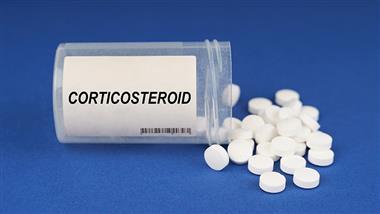
The Vast Dangers of Corticosteroids and the Safe Treatments for Autoimmunity
Reproduced from original article:
https://articles.mercola.com/sites/articles/archive/2026/04/07/vast-dangers-of-corticosteroids.aspx
Analysis by A Midwestern Doctor April 07, 2026
Story at-a-glance
- Corticosteroids are widely used in medicine, but their safety has long been questioned, with more and more dangers being discovered
- Understanding the effects of the body’s natural corticosteroids explains many of the common side effects from synthetic steroids like diabetes, fractures, and tissue loss
- Steroids exemplify a common criticism of modern medicine — treating symptoms rather than addressing the root cause can lead to far more severe chronic health issues
- While they are frequently misused, in some cases, steroids can also be lifesaving, hence requiring knowledge of their appropriate uses
- Superior natural and conventional alternatives to steroid therapy now exist, reducing the justification for using these unsafe drugs
To regulate itself, the body often relies upon sensors that detect something amiss and then emit a signal that is amplified by the body so that a process can be set in motion to fix the issue that set the sensor off. One of the key signals the body relies upon are hormones, as small amounts of these molecules being released are often sufficient to change the internal state of the body drastically.
The hypothalamic-pituitary-adrenal (HPA) axis is the body’s central stress response system. It has three main components: the hypothalamus and pituitary gland in the brain, and the adrenal glands on top of the kidneys. When you experience stress, the hypothalamus releases corticotropin-releasing hormone (CRH), which signals the pituitary gland to secrete adrenocorticotropic hormone (ACTH).
ACTH then travels through the bloodstream to the adrenal glands, prompting them to release the corticosteroid cortisol (the body’s primary stress hormone). Finally, once cortisol levels are high enough, they signal the brain to reduce CRH and ACTH production, creating a negative feedback loop that prevents over-activation of the stress response. Cortisol, in turn, has a few key functions in the body:
• Immune modulation — Cortisol first enhances the immune system’s immediate response to threats (protecting the body during stress), then limits excessive immune activity to prevent autoimmunity. It does this partly by inhibiting proinflammatory cytokines (e.g., IL-1, IL-6) and reducing T-cell activity. Over time, this shifts to immune suppression, making synthetic corticosteroids, a popular treatment for inflammation and autoimmunity.

Note: At lower doses, this transition from immune stimulation to immune suppression takes much longer, whereas at high doses it’s faster (hence why high steroid doses are given for dangerous autoimmune flares).
• Blood sugar — When blood sugar is low, cortisol raises it by stimulating gluconeogenesis in the liver, mobilizing amino acids (from muscle) and fatty acids (from fat) for glucose production, and reducing insulin sensitivity in tissues like muscle and fat. Excessive cortisol can lead to diabetes, abdominal fat accumulation (obesity), weight gain, insulin resistance, and cardiovascular issues.
• Connective tissues — Cortisol promotes protein catabolism (breakdown) in muscles, providing substrates for glucose synthesis and inhibiting collagen synthesis. Excessive cortisol causes muscle wasting, bone loss (e.g., osteoporosis or osteonecrosis), poor wound healing (which is also a result of immune suppression), skin thinning, easy bruising, and purple striae.
• Circulation — Cortisol raises blood pressure by increasing sodium and water retention, sensitizing blood vessels to epinephrine and norepinephrine. This causes vasoconstriction and an increased heart rate while also damaging the blood vessel lining. This elevates the risk for cardiovascular disease1,2,3 (e.g., a one-standard deviation increase in morning plasma cortisol is linked to an 18% higher risk of future cardiovascular events4).
• Cognition — Cortisol modulates arousal, attention, and memory consolidation. Chronic excess corticosteroids (from either endogenous cortisol or synthetic steroids) impair hippocampal function, causing memory deficits, increased pain sensitivity, attention issues, cravings for high-calorie foods, substance abuse, and, rarely, psychosis.
• HPA axis dysfunction — Since the HPA axis is regulated by cortisol levels, once natural or synthetic corticosteroids are chronically elevated, the HPA axis becomes desensitized, leading to excessive cortisol secretion or loss of the ability to secrete cortisol when needed.
This in turn creates many issues such as those associated with chronically excessive cortisol or varying degrees of fatigue (e.g., due to the adrenal glands not secreting cortisol when needed).
Note: Excessive cortisol can also cause other effects such as blood electrolyte imbalances, alkalosis, cataracts, and glaucoma.
Because of this, many argue excessive cortisol secretion and HPA axis dysfunction (e.g., due to chronic stress, poor diet, poor sleep, alcoholism, too many stimulants like caffeine, social isolation, a lack of exercise, or irregular daily rhythms) is a root cause of disease (e.g., the metabolic syndrome afflicting our country).
As such, they advocate for lifestyle practices that counteract these HPA axis-disrupting factors, and in many cases significant health benefits follow the adoption of those practices.
Corticosteroids
The hormone cortisol belongs to a class of steroids known as corticosteroids due to its release by the cortex of the adrenal glands. While many related corticosteroids (henceforth referred to as “steroids”) exist within the body, the body’s primary ones are cortisol (a glucocorticoid) and aldosterone, a mineralocorticoid that regulates blood pressure, volume, and electrolyte balance.
In 1946, the first synthetic steroid (cortisone) was synthesized.5 Two years later, enough had been produced to test it on a human, where it was discovered to improve rheumatoid arthritis symptoms (which won the 1950 Nobel Prize6) and was immediately hailed as a ‘wonder drug.’7 Before long, it was discovered that other inflammatory syndromes also responded to cortisone, and a rush of other steroids hit the market:

Following its success in rheumatoid arthritis, steroids (e.g., prednisone, hydrocortisone) were rapidly adopted for a wide range of inflammatory and autoimmune disorders, including systemic lupus erythematosus, inflammatory bowel disease, and multiple sclerosis, due to their ability to suppress immune-mediated tissue damage.
In the early 1950s, steroids were hailed as a revolutionary treatment for those conditions (and hence widely prescribed), with new steroids (e.g., prednisone) being rapidly introduced to the market, but in the late 1950s, serious side effects began to accumulate from long-term steroid use.
By the early 1960s, steroid treatment was “shunned altogether by the rheumatology community”8 (to the point shortly after that NSAIDs like ibuprofen were named nonsteroidal anti-inflammatory drugs to distinguish them from the disastrous steroids9) after which point steroids were prescribed with more caution and at lower doses until it was reborn in the 1980s under a low dose regimen.
Currently, steroids remain widely used, and their use has gradually increased. For example, in 2009, 6.4% of American adults had used oral steroids at least once in the last year,10 whereas in 2018, 7.7% did, while a 2017 study found 21.4% of adults (age 18 to 64) had used at least one oral steroid prescription in the last three years.11
Note: After harms were discovered with steroids, a pivot was made that they are safe if “low doses” are given. However, over the decades, what constituted a safe “low dose” has greatly declined (i.e., doses now considered toxic previously were routinely prescribed), and that drop will likely continue to (e.g., in 2016, Europe’s Rheumatology group concluded it was unsafe to give more than 5 mg a day of long-term steroids12 — a figure significantly lower than the current amounts used in America13).
Steroid Side Effects
As you would expect, the side effects from taking steroids mirror those seen with excessive cortisol, although in many cases are much more severe.
Furthermore, they are quite common (e.g., one study found 90% of users report adverse effects, and 55% report at least one that is very bothersome14). Consider this summary of what users across the internet have reported:

Likewise, much of that has been established within the scientific literature:
• Bone loss — Corticosteroids double one’s risk of a fracture (and even more so for a vertebra15), with 12% of users reporting fractures.16 At typical doses, steroids cause a 5% to 15% loss of bone each year,17 and in long-term users, 37% experience vertebral fractures18 (additionally, high dose steroid use increases the risk of vertebral fractures fivefold19).
Steroid bone loss, in fact, is such a common problem that treating it is one of the few official indications the FDA provides for bisphosphonates20 (which while widely prescribed for bone loss have many severe side effects — including making your bones more likely to break). Lastly, higher doses increase the likelihood of avascular necrosis (with 6.7% of users taking higher steroid doses developing it21).
• Weight gain — Approximately 70% of individuals taking oral corticosteroids long-term (over 60 days) report weight gain.22 One study found a 5.73 to 12.79 lbs. increase per year,23 and another found a 4% to 8% increase in body weight after two years of steroid use. Additionally, this fat typically stores in areas like the face, neck, and belly.24
• Adrenal insufficiency — Corticosteroids reduce the adrenal gland’s ability to produce cortisol (which can sometimes be life-threatening). This is a huge problem that increases with the duration of therapy and systemic routes of administration (e.g., affecting 48.7% of oral users25).

• Diabetes — A systematic review found individuals taking systemic corticosteroids were 2.6 times more likely to develop hyperglycemia26 (with 1.8% of those receiving steroids in a hospital then developing diabetes).27
Likewise, patients who’d taken systemic corticosteroids at least once were 1.85 times more likely to develop diabetes.28 Finally, a meta-analysis found that, in patients without pre-existing diabetes, a month or more of steroids caused hyperglycemia in 32% and diabetes mellitus in 19% of them.29
• Cardiovascular — High doses of steroids have been observed to increase heart attacks by 226%, heart failure by 272%, and strokes by 73%.30
• Eyes — Steroids have been found to increase the risk of cataracts by 245% to 311%31 (with 15% of users reporting this side effect)32 and the risk of ocular hypertension or open angle glaucoma by 41%.33
• Gastrointestinal — Steroids are linked to many gastrointestinal events (e.g., nausea and vomiting)34 and have been found to increase the risk of gastrointestinal bleeding or perforation by 40%.35
• Psychiatric — Between 1.3% to 18.4% of steroid users develop psychiatric reactions (with the rates increasing with the dose),36 and around 5.7% experience severe reactions. Additionally, 61% of steroid users reported sleep disturbances,37 and steroids can also sometimes cause psychosis.38,39
• Infections — Steroids also increase the risk of infections. For example, users of inhaled steroids were found to be 20% more likely to develop tuberculosis,40 and this increased at higher doses in patients with asthma or COPD. Similarly, patients on steroids were 20% more likely to develop sepsis41 (possibly due to the initial symptoms of the infection being masked by the steroids).
•Skin — Prolonged topical use of steroids also frequently causes skin issues42 (e.g., up to 5% experience skin atrophy after a year of use).
Lastly, certain steroids are much more potent than others, and the more potent ones that persist in the body (e.g., dexamethasone) are more likely to create systemic effects like HPA axis dysfunction.

Uses of Steroids
The toxicity of steroids greatly increases with prolonged doses and routes of administration that have systemic absorption (e.g., oral). Because of this, many now believe they should be reserved for life-threatening emergencies (with the side effects that frequently follow being an acceptable trade off) and for a prolonged period, only be used in a manner with minimal systemic absorption (e.g., topically).
Note: I recently interviewed a variety of specialists for their perspectives on using steroids in their fields of medicine. Collectively, they felt that while steroids can be helpful, they are frequently prescribed in an inappropriate manner that causes more harm than good (discussed here).
• Inhaled steroids — Inhaled steroids are routinely used to treat asthma and COPD. Since the systemic absorption of inhaled steroids is much less than from oral steroids, systemic side effects are rarer (but can still occur with prolonged use at higher doses).
While inhaled steroids (along with the other medications commonly prescribed for these respiratory conditions) can help and are often the only option available to patients, I believe in most cases natural therapies that directly treat the conditions are preferable. For example, COPD is seen as a progressive and incurable illness which can only be delayed or partially mitigated with the existing therapies.
In contrast, when nebulized glutathione is used to replenish the protective lining of the lungs, it halts the progression of the disease, and unlike steroids does so without side effects. Likewise, many natural therapies exist for asthma.
• Topical steroids — Topical steroids are routinely used for skin issues and sometimes in other areas as well, such as for certain eye conditions, like preventing graft rejection after a necessary corneal transplant. In these instances, systemic side effects are rare, and most local issues result from prolonged use (e.g., skin changes or skin thinning — particularly on the face).
Note: I have long suspected topical steroids in part work by reducing fluid circulation to the skin (via the interstitium43), thereby preventing inflammatory toxins from arriving there and creating skin reactions (whereas agents like DMSO treat skin conditions by augmenting the skin’s microcirculation so stagnant toxins cannot irritate a set area).
As such, due to the potential issues with suppressing skin symptoms, I typically treat skin issues with natural therapies like DMSO or by eliminating the underlying cause of the skin issue.
• Injectable steroids — Frequently, when patients have significant pain in a joint, steroids will be injected into the joint to improve the pain. There are three major issues with this approach.
◦First, a certain degree of systemic absorption occurs, so many of the previously mentioned side effects can follow steroid injections (e.g., high blood sugar for over a week44).
◦Second, if the injected steroid is not water soluble (most aren’t), it will often remain in the joint (e.g., you can often see previously injected steroids within a joint when it is arthroscopically) examined.
◦Third, steroids weaken and degrade connective tissue (e.g., the ligaments holding a joint together).
Since arthritis often results from weakened ligaments no longer holding the joint in the correct position (causing it to grind against itself when it moves), this creates a situation where a temporary relief is gained from the steroid that is followed by a worsening of the underlying issues, which then typically results in the patient eventually needing surgery — which is very common story with knee replacements and is particularly disastrous in cases where a spinal fusion is performed.45
Note: For this reason, we treat joint pain either by strengthening the joint’s ligaments (which for instance often cures spinal pain) or using a natural therapy which reduces inflammation and pain without damaging the ligaments (such as DMSO).
Lastly, it is important to note that many (and arguably the majority) of joint issues have an inflammatory component (e.g., many patients have undiagnosed seronegative spondyloarthropathies46 that often do not show up on standard diagnostic tests47).
On the one hand, this illustrates why both conventional and natural approaches for reducing inflammation can help with so many different joint issues. Conversely, it also helps explain why arthritis increase with age, as inflammation and metabolic health worsen with age.48
• Intravenous steroids — Certain more severe illnesses respond to steroids, and as a result intravenous steroids are routinely given to certain hospitalized patients. In those instances (especially given the options available for hospitalized patients),49 this is often necessary and lifesaving. At the same time however, it must be remembered that this approach can lead to significant side effects.
• Oral steroids — Oral steroids have the widest range of diseases they are used to treat, which is unfortunate since they also tend to cause the most side effects. Some of their common uses include:
◦Severe cases of chronic lung conditions (e.g., asthma or COPD).
◦Allergic reactions of varying severity.
◦Various rheumatologic disorders, along with many other autoimmune conditions such as inflammatory bowel diseases and certain blood disorders.
◦Preventing the rejection of transplanted organs.
◦Replacing hormones that the adrenal glands have lost the ability to produce.
◦Certain skin disorders.
◦For disc herniations, along with other acute musculoskeletal issues like gout, bursitis, or tendonitis that are not responding to NSAIDs, or to reduce swelling and pain from a recent severe injury.
While some of these are justified, a strong case can be made that many other uses cause more harm than any benefit they provide.
Alternatives to Steroids
A central issue with steroids is that while they do suppress the immune system (which is sometimes needed), they are too broad in their effects, and as a result, in most conditions, they cause a significant number of unwanted consequences.
Because of this, a variety of attempts have been made over the years to find alternative ways to suppress the immune system.
For example, Anthony Fauci is a hero to the rheumatology field because shortly after he joined the NIH in 1968, he had the insight that chemotherapy drugs (which destroyed the white blood cells at standard doses), when given at low doses could instead be used to suppress dangerous autoimmune responses.50 This worked, and cyclophosphamide allowed certain once terminal diseases to become quite manageable.51
Many of those drugs were not at all safe (e.g., cyclophosphamide often gives you cancer), but compared to the previously existing options were revolutionary, and as such, immune suppressing drugs which created various consequences of immune suppression (e.g., frequent and unusual infections) were seen as justified and were widely adopted.
Note: The drug Fauci pioneered for life-threatening vasculitides, cyclophosphamide, is still used in that manner but never received an FDA approval52 (which is noteworthy given how aggressively Fauci targeted “unapproved” therapies during the AIDS crisis and COVID-19).
Since then, a variety of less toxic but still effective rheumatologic drugs have been developed that have greatly improved the prognosis of autoimmune disorders (listed here). Unfortunately, due to the medical field’s tendency to greatly delay the adoption of new therapeutic approaches, many of these newer drugs are rarely utilized and instead far more toxic immune suppressing medications like steroids remain the standard of care.
In tandem, a variety of natural approaches have been discovered over the years that often effectively treat a wide range of autoimmune disorders (or at least improve them enough for lower doses and less toxic doses of immunosuppressive medications to be needed). Likewise, much safer natural alternatives have been found for many of the other conditions steroids “treat” (e.g., DMSO for musculoskeletal pain and injury).
Note: Many things we have direct control over (e.g., exercise, sunlight exposure, diet, and stress), can greatly improve autoimmune disorders and reduce the need for costly therapies.
Conclusion
Having an autoimmune disorder often forces a patient to accept utilizing a therapy they know entails significant side effects. However, while drugs like steroids are sometimes necessary, in most cases, a far less toxic alternative exists that allows a patient to live a long and fulfilling life.
Worse still, because the increasing toxicity of our environment and the refusal to look at what causes autoimmunity, we are now seeing an annual increase of 3% to 12% in the rates of these life-changing diseases.53,54
For far too long, we’ve had to accept these abysmal trade-offs as the medical system incentivizes lucrative pharmaceuticals irrespective of their toxicity while actively shunning natural therapies. However, now that the MAHA movement is ushering in a historic change in healthcare, we at last have an opportunity to shift this dysfunctional dynamic and begin looking at real solutions to chronic illness rather than outdated ones that no longer serve their purpose.
Author’s Note: This is an abridged version of a longer article which goes into more detail on the dangers of steroids, the ways to safely utilize or withdraw from them, and the safest natural or conventional methods for treating autoimmune disorders and musculoskeletal issues. That article can be read here.
A Note from Dr. Mercola About the Author
A Midwestern Doctor (AMD) is a board-certified physician from the Midwest and a longtime reader of Mercola.com. I appreciate AMD’s exceptional insight on a wide range of topics and am grateful to share it. I also respect AMD’s desire to remain anonymous since AMD is still on the front lines treating patients. To find more of AMD’s work, be sure to check out The Forgotten Side of Medicine on Substack.
- 1 Am J Cardiol. 2012 Sep 10;110(12):1711–1716
- 2 Psychosom Med. 2014 Jul-Aug;76(6):468–475
- 3 The Cardiology Advisor, February 3, 2023
- 4 European Journal of Endocrinology, Volume 181, Issue 4, Oct 2019, Pages 429–438
- 5 Journal of Endocrinology, 10 Jul 2007, Volume 195: Issue 1
- 6 The Nobel Prize in Physiology or Medicine 1950. NobelPrize.org. Nobel Prize Outreach 2025. Fri. 9 May 2025
- 7, 8, 9 Inflammopharmacology 22, 263–267 (2014)
- 10 Clin Transl Sci. 2023; 16: 2565-2576
- 11 BMJ 2017;357:j1415
- 12 Rheumatology Advisor, March 21, 2016
- 13 Drugs.com, August 22, 2024
- 14, 16, 22, 32 Arthritis Rheum. 2006 Jun 15;55(3):420-6
- 15, 17, 18 RMD Open. 2015 Apr 8;1(1):e000014
- 19 J Bone Miner Res, 15: 993-1000
- 20 Fosamax, February 2012
- 21, 30, 33, 35, 40, 41 J Pharm Technol. 2022 Aug 30;38(6):360–367
- 23 Arthritis Rheum. 2008 May 15;59(5):746–753
- 24 Arthritis.org, Corticosteroids
- 25 J Clin Endocrinol Metab. 2015 Jun;100(6):2171-80
- 26 Diabet Med. 2025 Mar;42(3):e15475
- 27 Radcliffe Department of Medicine, September 10, 2024
- 28 Diabetes Obes Metab. 2022 Nov;24(11):2222-2231
- 29 Nat Rev Endocrinol. 2022 Sep;18(9):540-557
- 31 Ophthalmology. 2009 Apr;116(4):652-7
- 34 Pharmacotherapy. 2008 Nov;28(11):1325–1334
- 36 Diagnostics (Basel). 2023 Jan 17;13(3):337
- 37 Arthritis & Rheumatism, 55: 420-426. doi: 10.1002/art.21984
- 38 Cureus. 2023 May 19;15(5):e39221
- 39 Wikem.org, Steroid-induced psychosis
- 42 J Eur Acad Dermatol Venereol. 2012 May:26 Suppl 3:47-51
- 43 The Forgotten Side of Medicine, December 1, 2024
- 44 AJR Am J Roentgenol. 2024 Mar;222(3):e2330458
- 45 The Forgotten Side of Medicine, October 27, 2023
- 46 StatPearls [Internet], Treasure Island (FL): StatPearls Publishing; 2025 Jan
- 47 Creakyjoints.org, November 15, 2018
- 48 Nat Rev Endocrinol. 2018 Oct;14(10):576-590
- 49 The Forgotten Side of Medicine, November 24, 2024
- 50, 51 Pathog Immun. 2024 Sep 16;9(2):152–171
- 52 Cyclophosphamide Injection, June 2023
- 53 J Clin Invest. 2025;135(4):e178722
- 54 International Journal of Celiac Disease 3, no. 4 (2015): 151-155
Cancer Is Affecting More Younger People, and Big Pharma’s Treatments Are Making It Worse
Reproduced from original article:
https://articles.mercola.com/sites/articles/archive/2026/01/25/rising-cancer-rates-immune-health.aspx
Analysis by Dr. Joseph Mercola January 25, 2026
Story at-a-glance
- In an interview with Tucker Carlson, Dr. Patrick Soon-Shiong discusses rising cancer rates while emphasizing shifts toward younger patients
- Soon-Shiong explains COVID-19’s spike protein attaches to ACE2 receptors throughout the body, causing persistent inflammation that may contribute to various health issues, including cancer
- Soon-Shiong criticizes Big Pharma’s influence over regulatory processes, arguing this creates barriers for innovative treatments while favoring incremental changes to existing profitable drugs
- Natural killer cells require adequate sleep, sunlight exposure, and whole foods to function optimally, forming your body’s frontline defense against cancer cells
- Boosting your immune system is key in fighting against cancer. In addition to optimizing sleep, minimizing seed oil intake and optimizing your vitamin D levels are important strategies
Why are cancer rates still increasing despite advances in medical technology and increased awareness of risk factors? This topic was deeply explored in an episode of Tucker Carlson’s podcast, featured above. In this interview, Carlson directed this eye-opening inquiry to his guest, Dr. Patrick Soon-Shiong, a surgeon and a prominent businessman who also owns the Los Angeles Times.1
Setting the stage for the rest of the interview, Carlson noted that massive campaigns about the dangers of smoking should have helped cancer rates drop. However, this wasn’t the case.
Soon-Shiong answers by focusing on the age of the people getting sick. He says the troubling part isn’t only the increasing rates, but a population shift toward younger patients. All this and more were discussed in the interview. I encourage you to listen to the entire conversation, as it reveals insights that your doctor won’t tell you, including Big Pharma’s machinations on oncology treatment.
Could COVID-19 Contribute to Rising Cancer Rates?
Carlson raises a question many people already wonder about but rarely discussed openly: He says there is widespread public speculation about whether the COVID-19 infection or mRNA shots relate to rising cancer rates, and he asks Soon-Shiong if there is a connection.
Soon-Shiong answers by placing COVID into a broader historical pattern. He says that certain viruses have long been linked to cancer, namely hepatitis with liver cancer, human papillomavirus (HPV) with cervical cancer, and human immunodeficiency virus (HIV) with Kaposi sarcoma. The said viruses share key traits — they persist in the body, drive ongoing inflammation, and interfere with the body’s natural tumor-control systems. He explains that COVID-19 fits this same pattern more closely than most people realize.
• Why COVID-19 affects so many different organs — According to his analysis, the spike protein attaches wherever ACE2 receptors exist, which include blood vessels throughout your body. Soon-Shiong connects this to symptoms people report after getting the infection or the shot, including brain fog, gut problems, pancreatic issues, and heart trouble.
• The most serious concern is persistence — Research groups, including ones at the University of California, San Francisco (UCSF), have shown that parts of the virus remain in the body long after the initial illness, and that key immune defenders can go inactive.
When Carlson points out that billions of people were exposed, Soon-Shiong calls the situation “frightening” and says clearing the virus and stopping long-term inflammation is essential. He says persistence can last three to four years, and notes that chronic inflammation often causes no obvious symptoms, citing roughly 15 million Americans living with long COVID.
• Why Soon-Shiong never got infected — When asked if he ever got COVID-19, Soon-Shiong said that he didn’t. He credits this protection to a strong internal defense response rather than luck or isolation. Based on his own testing, his body already had a type of immune memory that recognized a core part of the virus. He says this response allowed the virus to clear quickly instead of settling in.
• Soon-Shiong took COVID-19 seriously before most people did — In early 2020, he had a conversation with California Governor Gavin Newsom, saying that COVID-19 was not just a respiratory illness but something far more dangerous. He says he shut down his organization and redirected everything toward COVID-19 research, treating it as a once-in-a-generation threat that demanded full focus.
• A core belief about protection — Clearing SARS-CoV-2 requires more than antibodies. Soon-Shiong says the only way to get better is through deeper immune optimization, and he criticizes the antibody-only mindset.
When Science Meets Strong Resistance
After discussing COVID-19, Carlson shifts the topic to the powers that be. Soon-Shiong notes that his work faced resistance from Big Pharma and the government, and that certain ideas were blocked not because they failed, but because they challenged accepted strategies.
Carlson also chimes in about public messaging, especially around COVID-19 mandates. He says people were told the shots would prevent transmission, and that claim shaped health policy and social pressure. Soon-Shiong responds saying that promise was not just wrong but also “knowingly untrue,” and he presents that statement as a turning point in the public eroding trust on institutions.
• Claims of direct interference — Soon-Shiong says he was offered a government role, declined it, and later learned of internal emails meant to block him from leadership at the National Institutes of Health (NIH). He also says efforts to test his product as a booster were stopped without clear explanation, and that access to key lab materials was restricted.
• When oversight and money collide — The conversation turns to how drugs and treatments are reviewed in the United States. Specifically, Carlson asks why the same companies that sell drugs also fund the people who review them, leading the system to become biased.
Soon-Shiong agrees with Carlson’s concern and pushes it further. He says the problem worsens when this structure blocks new ideas from smaller companies. In his view, we have a system that favors familiar products and familiar players, while outsiders with different approaches struggle to get heard.
• An insight into the regulatory process — Large drug companies pay major “user fees” to regulators, and that money helps cover the salaries of reviewers. Soon-Shiong argues this setup rewards small tweaks to existing drugs rather than real breakthroughs, because safe, familiar changes move faster and protect existing revenue. For smaller biotech groups, he says, the same system creates delays and barriers that slow progress.
• Medical research in America is being left behind — Soon-Shiong warns that China is moving faster in biomedical innovation and says companies like AstraZeneca are investing there specifically “for innovation.” He calls for a serious revamp of the U.S. Food and Drug Administration (FDA), with reviewers trained in modern science and open to new approaches. He frames this shift as a chance for a true reset — a period where patient outcomes matter more than profit.

Save This Article for Later – Get the PDF Now
Simple Habits That Strengthen Your Immune Defense
Carlson and Soon-Shiong’s discussion then shifts into a more practical line of thinking, specifically how you can boost your immune system. With everything that’s going on, Soon-Shiong explains that everyday actions, rather than complex treatments, have a bigger impact on your health.
• The central role of your immune system against cancer — Soon-Shiong centers his response on a group of immune defenders he says are often ignored, such as NK cells, which are ancient parts of your immune system yet were only recognized by modern medicine in the 1970s. He describes them as a frontline defense that responds quickly when your body senses trouble, and he says supporting their activity matters more than most people realize.
• Why proper sleep is a vital foundation of immunity — Soon-Shiong explains that your NK cells recharge when you sleep, and without enough rest, that renewal never fully happens. He then talks about light exposure, explaining that certain types of light, including red light, stimulate immune activity. He ties this to why illness and low mood rise in winter, when people spend less time outdoors.
• Diet is the next pillar — Whole foods support your immune system, while toxins and additives in ultraprocessed foods push your body toward constant stress.
Soon-Shiong also emphasizes gut health, explaining that signals from your gut bacteria influence whether your immune system stays alert or becomes suppressed. To drive the point home, he shares the story of ulcers once being blamed on stress until H. pylori was identified, using it as an example of how rigid thinking delays real understanding.
The Part of Cancer Care Most Oncologists Miss
Soon-Shiong also challenges what doctors typically focus on when treating cancer. He suggests a simple thought experiment: Call a group of oncologists or primary care doctors and ask what they watch closely in a standard blood test. His point is not to shame doctors, but to show how habits shape treatment choices.
• Doctors are looking at the wrong things — Most clinicians zero in on anemia, platelets, and neutrophils, then prescribe drugs or transfusions to fix those numbers. Soon-Shiong argues that while these steps support the body during treatment, they do not cure cancer. He claims the cells that actually eliminate cancer are barely discussed on everyday oncology visits, even though they appear in the same blood test under a broad label that gets little attention.
• Many standard cancer treatments weaken the very defenses needed to prevent relapse — Chemotherapy, radiation, steroids, and even newer immune drugs suppress or damage key cancer-fighting cells, creating a “win the battle, lose the war” pattern. In Soon-Shiong’s view, this explains why tumors often return after an initial response.
Soon-Shiong likens the fight against cancer to a moving target, not a one-step fix. He says the practical challenge is like a chess game, where you expose what’s hiding, boost the cells that attack, and lower the forces that shut those attacks down at the right times. He also takes a shot at the way modern medicine is organized, claiming key fields are siloed and don’t talk to each other, which he says leads to missed connections and weaker strategy.
• Soon-Shiong’s own strategy — When Carlson asks what Soon-Shiong would do if diagnosed with cancer tomorrow, he outlines his personal approach. He says the goal is to expose hidden cancer cells without wiping out your defenses, activate and train your body’s killers at the same time, and shut down forces that block them.
He emphasizes outpatient care and less suffering, and he describes a future where a patient’s own blood cells are expanded, stored, and reused, comparing it to an “American Red Cross of cancer.”
Strategies to Boost Your Immune System
Based on Carlson and Soon-Shiong’s conversation, it’s clear that the immune system plays a central role in your body’s ability to defend against cancer. While Soon-Shiong makes great points, they weren’t discussed in-depth. That said, here are additional strategies that strengthen your immune function further:
1. Minimize seed oil intake — Not just because it’s inflammatory, but because of what it does to one of the most vital parts of your cells: cardiolipin. This specialized fat lives in your mitochondria and plays a key role in keeping those energy producers functioning properly. Cardiolipin stabilizes mitochondrial membranes, supports efficient energy production, and helps regulate mitophagy — the cleanup and recycling of damaged mitochondria.
But cardiolipin is vulnerable to oxidation. And linoleic acid (LA), a highly unstable omega-6 fat found in soybean, corn, cottonseed, and safflower oils, is especially prone to oxidative damage. When you eat too much LA, it gets incorporated into your cardiolipin, making your mitochondria fragile and dysfunctional. That means less energy, more inflammation, and faster aging at the cellular level.
Aim to keep your daily LA intake under 5 grams. If you can get it below 2 grams, you’re giving your mitochondria a serious upgrade. The Mercola Health Coach app, which will be available soon, includes a feature called the Seed Oil Sleuth. It makes tracking your LA intake easy — calculating it down to a tenth of a gram. For now, you can use food labels and trusted databases, but the app will streamline the process once it launches.
2. Minimize exposure to harmful chemicals — If you’re constantly microwaving your food in plastic, touching printed receipts, or working a job that exposes you to toxic chemicals, immune function becomes disrupted. That’s because these chemicals enter your bloodstream, so make sure to protect yourself properly. For in-depth tips, read “Insecticide Exposure Could Impair Mental Function in Older Adults.”
3. Spend time outdoors and optimize your sleep habits — If your job has you staying up late while being glued to screens the whole day, your immune system hasn’t been properly recharging and working.
Just like your everyday routines, your immune system also has a body clock, which resets when exposed to natural light. Also, try sleeping at the same time each night in a cool, completely dark room. Even missing an hour or two of sleep can already affect your defenses.
4. Don’t get any more COVID-19 boosters — You need to end further assault on your health. If you’ve already developed an adverse event due to these shots, the next section has some more strategies to help you recover.
Why This Interview Changed My Approach to Aging
This may be the most important interview I’ve ever had the opportunity to review. When I first heard Soon-Shiong, in early 2025, explain that oncologists routinely ignore Natural Killer cells — the very cells that eliminate threats — while standard treatments actively destroy them, everything clicked into place.
The foundation of aging isn’t any single disease. It’s immune decline. When your NK cells stop functioning optimally, senescent “zombie cells” accumulate, chronic inflammation rises, and tissue function deteriorates.
Solve that, and you address aging at its root. This insight consumed my research last year, and the result is what I call the NK Reset Formula — a patented, surface-engineered nanoliposome system designed to support NK cell function through targeted delivery.
The Key Difference: Quantity vs. Quality
Soon-Shiong’s approach through ImmunityBio focuses on increasing the number of NK cells. His FDA-approved drug Anktiva (N-803) is an IL-15 superagonist that rescues and proliferates NK cells in cancer patients. It’s a pharmaceutical intervention requiring hospital administration, and cell-based cancer immunotherapies typically cost $300,000 to $500,000 or more per patient — far beyond what most people can afford.
My approach is fundamentally different: Instead of adding more cells, I focused on improving the quality of the NK cells you already have. Here’s the problem — a healthy NK cell might eliminate 5 to 10 target cells before running out of metabolic capacity. After that, it enters functional exhaustion, essentially dying after a few hours of activity. Most of your NK cells never reach their full potential.
The NK Reset Formula uses surface-engineered nanoliposomes to deliver metabolic support directly to NK cells at the moment they need it most — when they’re engaging targets. The payload includes mitochondrial enhancers (PQQ, urolithin A, niacinamide) and cellular support compounds (quercetin, fisetin, curcumin, resveratrol), all with GRAS status.
The theoretical result: Instead of exhausting after 5 to 10 eliminations, each NK cell could theoretically continue functioning through what would normally be many generations of conventional NK cell lifespans. The studies still need to be done, but the mechanism is sound.
Supporting Your Body’s Natural Senescent Cell Clearance
Your body already has a system for eliminating senescent cells: NK cell surveillance. The problem is this system weakens with age, and most interventions aimed at senescent cells ignore the immune component entirely.
Small-molecule senolytics may trigger senescent cell death, but without adequate NK cell function, the debris causes secondary inflammation. The NK Reset Formula takes a different approach — supporting the immune cells responsible for natural senescent cell elimination, rather than trying to bypass them. This isn’t treating a disease. It’s maintaining the surveillance system your body uses to keep itself clean.
I expect the NK Reset Formula to be available by summer 2026, at a price point of a few hundred dollars — accessible to virtually anyone who wants to support their immune function and healthy aging. Compare that to cell-based immunotherapies costing hundreds of thousands of dollars, requiring hospital stays and intensive medical supervision.
The NK Reset Formula is targeted nutritional support you can take at home, and it’s comprehensively protected by patent, representing a fundamentally new approach to supporting immune function as we age.
Additional Tips for COVID-Related Side Effects
In closing, if you or a loved one is suffering from the effects of long COVID or getting the shot, the following strategies can help:
• Protocols that put recovery at the center — I recommend you go over the I-RECOVER program by the Independent Medical Alliance (IMA), formerly known as the Front Line COVID-19 Critical Care Alliance (FLCCC). It contains in-depth instructions about treating long COVID2 and post-vaccine injuries.3
• Minimize electromagnetic field (EMF) exposure — Research shows that everyday EMF sources, such as your Wi-Fi router “can disturb the homeostasis of free radicals leading to dysfunctions such as the ‘cellular stress response.'”4 For an extensive list of EMF reduction techniques, read “10 Studies Detail Health Risks of 5G.”
• Optimize your vitamin D levels — Research shows that vitamin D deficiency is linked to an increased risk of cancer.5 In a previous article, I also showed how vitamin D helps prevent respiratory infections, which includes COVID-19.
I recommend that you increase your vitamin D levels to a range between 60 nanograms per milliliter (ng/mL) for optimal health. The best way to achieve this is through sun exposure; however, it would be wise to do it properly, especially if you’ve been eating a diet high in seed oils.
When sunlight hits your skin, LA oxidizes, leading to inflammation and skin damage. To avoid this, avoid high-intensity sun exposure (mid-day sun) until you’ve lowered your LA intake for six months or more. For a deeper explanation regarding this complex interplay, read “The Fast-Track Path to Clearing Vegetable Oils from Your Skin.”
Frequently Asked Questions About Rising Cancer Rates and the Role of Your Immune System
Q: Why are cancer rates rising even though smoking rates are dropping?
A: According to Dr. Patrick Soon-Shiong, the biggest concern isn’t just higher cancer rates, but a shift toward younger people getting cancer, which traditional explanations don’t fully address.
Q: Is there a link between COVID-19 and rising cancer rates?
A: Soon-Shiong says COVID follows patterns seen in other cancer-linked viruses, including long-term persistence in the body, chronic inflammation, and weakened immune control that normally suppresses tumors.
Q: Why does COVID-19 affect so many different parts of the body?
A: He explains that the virus interacts with receptors found throughout blood vessels and organs, which helps explain lingering symptoms like brain fog, gut issues, heart problems, and pancreas-related concerns.
Q: Why does Dr. Soon-Shiong believe the immune system is overlooked in cancer care?
A: He argues doctors focus on blood markers that support treatment side effects, while often ignoring immune cells that actually destroy cancer, which explains frequent relapse after standard therapies.
Q: What everyday habits can strengthen immune defenses against cancer?
A: Proper sleep, regular sunlight exposure, whole foods, and reducing toxin exposure are daily habits that can strongly support immune strength and long-term health.
– Sources and References
Cystitis vs. UTI — Understanding the Differences
Reproduced from original article:
https://articles.mercola.com/sites/articles/archive/2025/11/18/uti-cystitis-awareness.aspx
Analysis by Dr. Joseph Mercola November 18, 2025

Story at-a-glance
- One in three Europeans cannot correctly define cystitis as a bladder infection, with younger adults showing particularly poor awareness of these common conditions
- While UTIs can occur anywhere in the urinary tract, cystitis affects only the bladder; pyelonephritis involves kidneys and requires urgent care
- Studies show up to 85% of UTI diagnoses may be incorrect, often confusing harmless bacterial colonization with actual infection requiring treatment
- Mild uncomplicated cases often resolve with hydration and symptom management; overuse of antibiotics drives dangerous resistance and should be avoided when possible
- Reducing factory-farmed meat, practicing proper hygiene, using methylene blue or cranberry products, and getting sunlight exposure can help prevent recurrent infections
The level of urinary tract infections (UTIs) awareness is far less than what one might expect given how common these conditions are. In a recent international survey published by the European Association of Urology, one in three Europeans could not correctly define cystitis as a bladder infection, with many confusing it for entirely unrelated problems such as skin conditions or allergies.1,2
The knowledge gaps are especially striking among younger adults. Fewer than half of people aged 18 to 24 recognized cystitis for what it is, suggesting that basic education on urological health has failed to reach some of the most vulnerable groups.
The same survey showed that only about half of respondents were aware that women are disproportionately affected by UTIs, despite medical evidence that 50% to 60% of women will experience at least one UTI during their lifetime. Almost one in five men, in fact, incorrectly assumed that males were more likely to be affected.
Misconceptions between terminologies will inevitably contribute to misdiagnosis. In fact, it’s already happening, and these inaccuracies can contribute to delayed treatment and worsening outcomes.
What’s the Difference Between Cystitis and a UTI?
Cystitis is a specific type of urinary tract infection that affects the bladder, but the broader term “UTI” refers to infections that can occur anywhere along the urinary tract, including the urethra, bladder, ureters, and kidneys.
When the infection is confined to the lower urinary tract, it usually manifests as urethritis or cystitis. If it spreads upward, it can involve the kidneys in a condition known as pyelonephritis, which is often more serious and can be life-threatening.3,4
• The most common cause of both cystitis and other UTIs — Uropathogenic Escherichia coli (UPEC) is the root cause, which accounts for the majority of infections in otherwise healthy individuals. Other bacteria such as Klebsiella pneumoniae, Proteus mirabilis, Enterococcus faecalis, and Staphylococcus saprophyticus are also important culprits, particularly in certain populations.
• UTIs are further divided into uncomplicated and complicated types — Uncomplicated infections usually occur in otherwise healthy individuals without structural abnormalities of the urinary tract, whereas complicated UTIs are linked to conditions such as catheter use, urinary tract obstruction, or pregnancy.
• Another source of confusion in diagnosis is interstitial cystitis — Unlike bacterial cystitis, this is a chronic inflammatory condition of the bladder wall with no detectable pathogens. Patients may experience pain, urgency, and frequency similar to cystitis, but cultures are negative. This distinction is vital because mislabeling interstitial cystitis as a recurrent infection can lead to unnecessary antibiotic exposure without relief of symptoms.
The table below provides a quick overview of the differences between each condition:
| Condition | Where is the infection? | Typical symptoms | Why it matters |
|---|---|---|---|
| Cystitis (bladder) | Bladder (lower UTI) | Burning, urgency, frequency, suprapubic pain; usually no fever | Common; can worsen without care |
| Urethritis | Urethra | Burning, possible discharge; consider STIs in differential | Treating the wrong cause (e.g., STI) leads to persistent symptoms |
| Pyelonephritis (kidney) | Kidneys (upper UTI) | Fever, flank/back pain, chills, nausea | Requires prompt medical care to prevent complications |
What Symptoms Should You Watch for in Women, Men, and Older Adults?
The presentation of UTIs varies across different groups. In women, the classic signs are well-known — a burning feeling during urination, an urgent and frequent need to urinate, and sometimes lower abdominal pain or discomfort. Men experience many of the same symptoms, but because UTIs are less common in males, the presence of infection often suggests a more complicated scenario, such as prostate involvement.5
• Older adults are especially challenging to diagnose accurately — While clinicians and caregivers often attribute confusion or sudden changes in mental status to UTIs, research cautions against reflexively treating every case of bacteriuria in older people as infection.
Asymptomatic bacteriuria is common in this age group, and antibiotics should not automatically be given unless absolutely necessary. Misdiagnosis in older adults is widespread, and it contributes to overtreatment with antibiotics.
• The knowledge gaps revealed by public surveys compound these issues — Younger women, for example, often underestimate their own vulnerability, and many wrongly assume contraceptive methods such as the pill protect against bladder infections. This leads to missed opportunities for prevention and unnecessary suffering when infections occur.
Save This Article for Later – Get the PDF Now
How Are UTIs Diagnosed (and Why Are So Many Misdiagnosed)?
The diagnostic process is straightforward, but limitations in current methods make misdiagnosed UTI cases common. For example, dipstick urine tests are widely used in clinics for their speed and affordability — this process tests for nitrites and leukocyte esterase, which are typical indicators of bacterial presence and inflammation. However, these tests are prone to false negatives and cannot identify the specific organism involved.6,7
• Urine culture has long been considered the gold standard — Results with a bacterial count of at least 100,000 colony-forming units (CFUs) per milliliter serve as the diagnostic threshold. Yet, women with clear symptoms may have counts as low as 1,000 per milliliter of urine, which means traditional culture criteria miss many clinically relevant cases.
Furthermore, cultures can come back negative even when bacteria are present in the bladder, a phenomenon increasingly recognized with advanced diagnostic techniques.
• Misdiagnosis also arises because UTI-like symptoms can overlap with other conditions — Sexually transmitted infections (STIs), overactive bladder, and interstitial cystitis can all mimic the presentation of cystitis, and if clinicians rely too heavily on culture results alone, they risk misclassifying or overlooking these possibilities.
• New tests can offer more accurate results — Advanced tools such as extended quantitative urine cultures, mass spectrometry, and multiplex polymerase chain reaction (PCR) panels have shown promise in detecting pathogens that evade standard testing. While these are not yet widely available, they illustrate why reliance on conventional culture alone can be misleading.
The table below provides an overview of current UTI testing methods:
| What it checks | Strengths | Pitfalls and false results | Practical takeaways | |
|---|---|---|---|---|
| Urine dipstick: nitrite | Bacterial conversion of nitrate → nitrite (often E. coli) | Fast; decent rule-in when positive with symptoms | False-negative with non-nitrite-producing bugs, short bladder dwell time, high vitamin C; false-positive from contamination | Helpful when paired with classic symptoms; don’t treat a lone positive without symptoms |
| Urine dipstick: leukocyte esterase | Marker of white blood cells | Sensitive for inflammation | Not specific to infection (can reflect irritation, vaginitis, STIs); dilution → false-negative | Supportive clue only; absence doesn’t fully exclude UTI if symptoms fit |
| Microscopy (pyuria, bacteriuria) | Cells and organisms | Adds context beyond dipstick | Pyuria may occur without infection; contamination skews results | Interpret with history/exam; repeat clean-catch if contamination likely |
| Urine culture | Identifies pathogen + susceptibilities | Gold standard when symptomatic; guides antibiotics | “No growth” doesn’t explain all dysuria (consider urethritis, Interstitial Cystitis/Bladder Pain Syndrome); slower turnaround | Best for recurrent, atypical, pregnancy, febrile, or non-resolving cases; avoid culturing asymptomatic patients |
| Nucleic Acid Amplification Test (NAAT)/STI testing (when indicated) | Chlamydia, gonorrhea, etc. | Rules in non-UTI causes | Missed when we assume “every burn = UTI” | Consider in sexually active patients with urethral symptoms / discharge |
Do You Always Need Antibiotics for a UTI?
The short answer is no. Not every UTI requires antibiotic treatment. In otherwise healthy women with mild symptoms, many uncomplicated bladder infections can resolve on their own with hydration and symptom management.8,9
• Clinical guidelines emphasize a more nuanced approach — Antibiotics should only be considered in special cases wherein the infection has spread to the kidneys, such as for pregnant women, and when patients present with systemic symptoms such as fever or flank pain. This is done to reduce the risk of antibiotic-resistant bacteria, which can cause problems down the line.
• First-line usage of antibiotics has shifted in response to rising bacterial resistance — Drugs such as nitrofurantoin, fosfomycin, and pivmecillinam are now used in rotation, while fluoroquinolones and aminopenicillins are discouraged due to high failure rates and the risk of lasting side effects.
Going back to the Urology Week survey, 16% of respondents still believe antibiotics are always required. This belief contributes to the overuse of antibiotics and accelerates the rise of resistant pathogens.10 That’s why it’s important to consider natural strategies first.
What Actually Works to Prevent Cystitis and UTIs?
Prevention is particularly important for those who suffer recurrent infections. Some strategies are universally beneficial, while others are more appropriate for certain groups.11
• Increasing daily fluid intake — This has a well-documented effect in reducing recurrence, and is one of the simplest measures available. Urinating after sexual activity is also strongly recommended, especially for younger women, as it helps flush bacteria from the urinary tract. Proper hygiene, such as wiping front to back, remains a cornerstone of prevention.
• For postmenopausal women — Local estrogen therapy can help restore the balance of protective Lactobacillus in the vaginal microbiota and reduce recurrence.
Supplements such as cranberry extracts and D-mannose are also widely used. Natural cranberry products appear to reduce recurrence in some studies but not others, while D-mannose interferes with bacterial adhesion to the bladder wall, offering a potential non-antibiotic option. Methenamine hippurate, a urinary antiseptic, has moderate evidence supporting its use in prevention, though it is not suitable for all patients.
• Prevention strategies are most effective when tailored to individual circumstances — Postcoital UTI prevention through urination are universally recommended, while estrogen therapy is reserved for postmenopausal women, and D-mannose supplements can offer additional support where appropriate. Be sure to consult with your doctor to craft a program specific to your current circumstances.
When Should You See a Doctor — or Go to Urgent Care?
Although many UTIs are mild and self-limiting, there are clear circumstances where medical attention is essential. Fever, flank pain, and chills point toward kidney involvement, which requires urgent treatment.
• Other markers to watch out for — Blood in the urine, recurrent infections within a short period, or any infection occurring during pregnancy also warrant professional care. If mild symptoms do not improve within two to three days of self-care, consult a doctor right away.
• Healthy adults with mild bladder symptoms may safely monitor themselves — Note that this should only last for a day or two while increasing fluid intake. If symptoms persist or worsen, they should seek medical care. More severe presentations, especially those involving systemic symptoms, demand urgent evaluation in primary care or emergency settings.
When Relying Too Much on Urine Tests Backfire
Millions of people visit the emergency room each year due to recurring UTIs, and their diagnoses often miss the mark. Geriatric specialist Dr. Nick Schneeman has criticized the tendency in medicine to assume that an older adult who suddenly feels weak, disoriented, or lightheaded automatically has a UTI.
In his guest article for TIME, Schneeman noted how quickly urine tests are ordered in these cases and how frequently antibiotics are prescribed when bacteria show up, even if the patient never reported hallmark signs such as painful urination, frequent urges, or sudden urgency.12
• The problem of misdiagnosis is widespread — More than half of all women will be told at some point that they have had a UTI, yet research has revealed alarmingly high rates of overdiagnosis. In some regions, studies suggest as many as 85% of cases may be incorrectly labeled. One 2020 analysis of 43 hospitals found that three out of four patients diagnosed with a UTI did not actually meet the clinical criteria.
• Older adults are especially vulnerable — Many already carry harmless bacteria in their urine or bladder, a state known as colonization, which does not require medication. Unfortunately, this is frequently mistaken for infection. The challenge is compounded by the difficulty of obtaining clean urine samples in frail or bedridden individuals, particularly those who rely on adult diapers. Contamination is common, and it often produces misleading results.
•Clinicians are drawn to the convenience of testing — A urine culture is fast and easy, making it a default step in hospitals and clinics. But convenience should not be confused with accuracy. Relying on lab findings without aligning them to a patient’s actual symptoms risks unnecessary treatment and fails to get to the true source of the problem.
Address UTIs with These Steps
If you’ve been dealing with repeat urinary tract infections, it’s time to take a closer look. UTIs are frequently misidentified, especially in older adults, and antibiotics are often prescribed without a clear understanding of the real underlying issue.
That approach not only fails to solve the problem but can also do harm. Instead of relying solely on quick prescriptions, focus on practical steps that address the root causes and minimize recurrences:
1. Reconsider your diet, particularly when it comes to meat — Research shows that certain UTI-causing strains of E. coli are introduced into the body through food, especially factory-farmed chicken, but also pork and beef from concentrated animal feeding operations (CAFOs). Thus, reducing or eliminating industrially farmed meats, particularly poultry, from your diet can lower your risk of exposure to resistant bacteria.
If you do choose to eat animal products, look for grass fed beef or pasture-raised options from farmers following biodynamic, regenerative practices. Chicken, particularly organic and free-range varieties, are safer. However, I don’t encourage it because chicken meat generally contains high amounts of linoleic acid.
2. Good hygiene habits remain a cornerstone of prevention — Small everyday habits can have big effects. For example, always wipe front to back after using the bathroom to minimize the chance of transferring bacteria toward the urethra. If you’re prone to UTIs, or if you’re a caregiver for someone at higher risk, a bidet can be more effective than toilet paper for reducing bacterial spread.
Showers are generally preferable to baths, and a quick wash before sexual activity can make a meaningful difference in preventing bacteria from entering the urinary tract.
3. Consider natural strategies that strengthen the urinary tract’s defenses — Pharmaceutical-grade methylene blue has been studied for its ability to concentrate in the bladder and directly suppress harmful bacteria, offering a targeted approach without broadly disturbing the body’s microbiome the way antibiotics often do.
If you currently have UTI, a 65-milligram tablet, taken thrice daily with water and meals, may help. Combining this with organic cranberries or unsweetened cranberry juice provides an added layer of defense by making it harder for bacteria to cling to the lining of the urinary tract. Together, they form a potent protective duo.
4. Don’t underestimate the power of sunlight — Appropriate sun exposure stimulates cellular energy production, which strengthens the immune system’s ability to fight infection. However, if your diet still contains large amounts of LA from vegetable oils such as soybean, corn, or canola oil, your skin is more vulnerable to ultraviolet damage.
LA accumulates in your tissues and oxidizes rapidly under sunlight, driving inflammation and oxidative stress. By removing them from your diet for several months, you create conditions for safer sun exposure during peak hours, ultimately supporting mitochondrial function and immune resilience. For a more in-depth explanation of this approach, read “The Fast-Track Path to Clearing Vegetable Oils from Your Skin.”
5. Practice grounding — This is an approach wherein you reconnect yourself, literally, with the Earth’s electrical field to restore cellular balance. But not all environments are equally beneficial.
In much of North America, land-based grounding is often disrupted by electromagnetic interference from power lines and urban infrastructure. The ocean, however, provides a cleaner connection. Saltwater conducts energy efficiently, allowing your body to release excess charge and reestablish its natural electrical state. Thus, walking barefoot along the shoreline or immersing yourself in the sea can be a more effective way to experience the benefits of grounding.
Frequently Asked Questions (FAQs) About Cystitis And UTIs
Q: What’s the difference between cystitis and UTI?
A: Cystitis is a specific type of urinary tract infection (UTI) that affects the bladder, while UTIs can involve any part of the urinary tract, including the urethra, bladder, ureters, or kidneys. A bladder infection is usually uncomfortable but rarely dangerous if treated, whereas an upper UTI such as pyelonephritis (kidney infection) can become serious.
Interstitial cystitis, sometimes confused with bacterial infections, is a chronic bladder condition not caused by bacteria and requires different management.
Q: What are the red flags that a UTI needs urgent care?
A: Most bladder infections cause burning with urination, urgency, or frequency, and these can often be managed with simple care. But there are warning signs that point to a more serious infection. If you develop fever, flank pain, chills, or nausea, the infection may have spread to your kidneys and requires immediate medical attention. Blood in the urine, persistent symptoms lasting more than two to three days, or any infection during pregnancy are also urgent red flags.
Q: What are the most commonly asked UTI questions?
A: Patients frequently ask about what causes UTIs, whether they can be prevented, whether they are contagious, and how they are treated. Many also wonder if men can get UTIs, how children are affected, and whether lifestyle habits like sexual activity or hygiene increase risk. These questions reflect the uncertainty many people feel when faced with recurrent or confusing symptoms.
Q: How many UTIs count as “recurrent” and who’s at risk?
A: Doctors generally define recurrent UTIs as three or more infections in a single year or two or more in six months. Women, older adults, and those with structural issues in the urinary tract are most at risk. Pregnancy also changes risk patterns because of hormonal shifts and changes in urinary flow.
Q: What should I ask my clinician about preventing future UTIs (including during pregnancy)?
A: If you have had more than one infection, it’s reasonable to ask your doctor about strategies to lower your risk. Questions include whether you should drink more fluids, urinate after sex, or consider supplements like cranberry or D-mannose. Postmenopausal women want to ask about vaginal estrogen, while pregnant women should ask which preventive steps are safe during pregnancy and whether antibiotics are necessary for asymptomatic bacteriuria.
Q: Which three questions should I ask myself before assuming it’s a UTI?
A: “Am I experiencing the classic UTI symptoms of pain or burning when urinating, urgency, or frequency?” Another one is, “Could these symptoms be due to another cause, such as vaginal irritation or an STI?” And finally, “Do I have additional signs like fever or flank pain that might suggest something more serious?” Thinking through these questions can help you decide whether to try self-care briefly, call your doctor, or head to urgent care.
Q: What do patients usually ask about recurrent UTIs and vaginal estrogen?
A: Urologists frequently hear questions about why UTIs keep coming back, whether antibiotics are the only solution, and whether supplements or non-antibiotic strategies can help. For postmenopausal women, one of the most common questions is about vaginal estrogen — what it is, whether it works, and if it is safe. Clinicians often explain that estrogen helps restore healthy bacteria in the vaginal environment and reduces recurrence, but it is only recommended in certain cases.
- 1 News-Medical, September 22, 2025
- 2, 10 EuroWeb, September 22, 2025
- 3, 5, 6, 9 Diseases. 2025 Feb 15;13(2):59
- 4, 7, 8, 11 Pathogens 2023, 12(4), 623
- 12 TIME, March 13, 2025
‘Ozempic Teeth’ — How GLP-1 Injections Can Ruin Your Oral Health
Reproduced from original article:
https://articles.mercola.com/sites/articles/archive/2025/08/11/ozempic-teeth.aspx
Analysis by Dr. Joseph Mercola August 11, 2025
Story at-a-glance
- More than 13.5 million people are now using GLP-1 injections like Ozempic, up from 450,000 in 2018 — a sharp rise linked to an equally sharp increase in side effects
- Patients using Ozempic are reporting rapid tooth decay, bleeding gums, and dental infections — even in people with no history of oral disease or poor hygiene habits
- Reduced saliva and increased stomach acid — two known side effects of GLP-1 drugs — set the stage for bacterial overgrowth, acid erosion, bad breath, and irreversible enamel loss
- Weight loss from GLP-1 drugs often includes bone and muscle mass, not just fat — putting users at higher risk for fractures, osteoporosis, and long-term structural damage
- The oral bacteria triggered by Ozempic use, such as P. gingivalis, are linked not just to gum disease but to heart disease, pneumonia, and even Alzheimer’s
Over 13.5 million people today are now taking GLP-1 drugs — an astounding surge from nearly 450,000 prescriptions in 2018.1 Once prescribed as a drug for managing Type 2 diabetes, these injections are now being used for weight loss, and sold under brand names like Ozempic, Wegovy, and Mounjaro.
It seems like there’s no stopping their popularity. Unfortunately, the same can be said for the side effects being linked to these drugs. Social media is now abuzz with the latest concern being linked to GLP-1 medications. Apparently, people who are using these drugs are now coming down with sudden dental issues.
This Shortcut to a Slimmer Waist Could Ruin Your Smile
A news report from Fox News highlights yet another rising concern about GLP-1 medications, particularly how these drugs are triggering tooth- and gum-related issues. According to the report, patients and doctors are now seeing a consistent pattern of dental problems linked to these medications.2
• Beware of “Ozempic teeth” — Much like the infamous “Ozempic face,” this refers to oral health symptoms, such as tooth decay, gum disease, oral infections, bad breath, and dental collapse, that are showing up in people who are taking these medications. Even those with no prior history of dental disease are experiencing these side effects.
• Dental professionals are reporting these effects — While there is still no scientific evidence linking GLP-1 use with dental issues, medical experts are now seeing a pattern.3 Dr. Ricky Marshall, an oral health practitioner based in Arizona, has noticed the increasing number of patients who are reporting similar symptoms. “Patients have reported dry mouth while on Ozempic in both dental practices I work in,” he said.
• Why does Ozempic cause dry mouth? Marshall believes that the dry mouth side effect is one of the main reasons for the dental problems linked to these weight loss drugs. But why does this occur in the first place? Apparently, semaglutide, the active ingredient in these injections, affects your salivary glands and reduces saliva production. According to an article in The Conversation:
“It isn’t exactly clear why semaglutide has this effect on the salivary glands. But in animal studies of the drug, it appears the drug makes saliva stickier. This means there’s less fluid to moisten the mouth, causing it to dry out.”4
Your Digestive and Dental Health Are Connected
Unfortunately, those who use these weight loss drugs are often unaware of the side effects, as many of them aren’t indicated on the drugs’ information leaflet. But, according to The Hearty Soul, even if there are no direct warnings about these side effects, there are signs. “For example, one of the common side effects that appears on the label is acid reflux. This increase in acid can start to erode your teeth over time.”5
• Ozempic slows down digestion — This is what causes your stomach to produce more acid. Having higher amounts of stomach acid then results in acid reflux (heartburn), and when the acid goes back up and reaches your teeth, it “will absolutely contribute” to tooth decay, Marshall said.6
• Another one of Ozempic’s major side effects is vomiting — Semaglutide delays digestion, which can cause bloating, nausea, and vomiting. When you repeatedly vomit, the hydrochloric acid in your vomit erodes your teeth’s enamel, the protective outer surface. In particular, the back surface of the teeth is more prone to being damaged.7
• Bad breath is another concern — The reduced saliva production in your mouth allows bacteria like Streptococcus mutans, Lactobacillus strains, and Porphyromonas gingivalis to thrive, which leads to foul odor. Lack of saliva means your tongue is not being cleaned properly, which further contributes to halitosis.8
• Ozempic alters how you taste food — Dr. Daniel Rosen, a New York-based obesity specialist, said that people who take the injection also change the way they view food — a phenomenon dubbed as “Ozempic tongue.” While this is mainly due to the different taste receptors on the tongue, the effect could be related to your brain, too.
“You have to remember that taste is not just in your tongue it is also in your brain. We know GLP-1s lessen the dopamine hit from food, making the experience less enjoyable, which could be why tastes start to shift. Think of seeing a photo of a juicy burger on a menu and that first bite with the explosion of flavor in your mouth and juices dripping down to your chin,” Rosen said.
“That is the pleasure system in the brain responding to food. If all of that is dampened or turned off in the brain because of the GLP-1 medications you can see why someone would say food tastes different or that things don’t taste the same. Patients might say everything tastes the same, or food tastes so bland.”9
• Your oral health is not an isolated concern — It reflects the state of your systemic well-being. For example, the bacteria P. gingivalis produced as a side effect of Ozempic use not only leads to periodontal disease, but also impairs your innate immune response and raises your risk of Type 2 diabetes, heart disease, pneumonia, autoimmune disease, and mental health issues.
These recent alarms about Ozempic are a clear indication of how it’s setting off a silent breakdown, and if you’re not paying attention, the damage could become irreversible. Read “Ozempic and Other Weight Loss Drugs Linked to 162 US Deaths” to learn more about the damaging effects of these drugs.
Save This Article for Later – Get the PDF Now
You Lose More Than Just Body Fat — You Lose Bone and Muscle, Too
Another striking yet underreported side effect of GLP-1 drugs? Rapid loss of bone and muscle mass. With every injection, you’re just not shedding body fat; you’re also shrinking your bones and lean muscles, which has severe health consequences. According to an article in LADBible, “Losing this muscle can impair someone’s strength and joint stability, while reduced bone density also raises the risk of osteoporosis, a condition which can cause brittle bones.”10
• Nearly half of your weight loss could be coming from your bones and muscles — In one clinical trial on semaglutide, 140 participants were tracked over 68 weeks to observe its effects on obese individuals. While the participants lost 23 pounds of fat, they also lost 15 pounds of lean muscle mass. That’s nearly 40% of their total weight loss coming from tissue the body actually needs to survive and thrive.11
• The elderly are more severely affected — According to a Daily Mail article, individuals already dealing with age-related degeneration — postmenopausal women, older adults, and those with low baseline muscle mass — are suffering the worst outcomes from these weight-loss injections. Professor Carl Heneghan, director of Oxford University’s Centre for Evidence-Based Medicine, said:12
“Any drug that reduces muscle mass and bone density is a bad idea for people who are frail and those vulnerable to fractures with osteoporosis. The evidence is clear — these drugs carry significant risks and the longer a patient stays on them, the greater the risk.”
• Alarmingly, young people are also affected — Ozempic’s effects on bone and muscle loss aren’t just seen in the elderly. The LADBible article highlights how Avery, a 30-year-old singer, developed full-blown osteoporosis and osteopenia after just one year on Ozempic, taking the weight loss drug without a prescription.13
Osteoporosis typically affects postmenopausal women or elderly adults. So seeing this disease emerge in a young adult with no prior history is a clear warning sign that something is very wrong. On her social media, the singer warned people not to make the same mistake she did. “It’s become very normalized, but it’s really dangerous. I just can’t believe I did that damage to myself,” Avery said.14
These findings show how these “miracle drugs” alter your physiology at a foundational level. And if you keep using these shortcuts, you could find yourself paying a steep price for that slimmer waistline.
Your Oral Health Affects Your Overall Health Far More Than You Think
As I’ve mentioned in my previous articles, your mouth serves as a window to your physical and mental health — it’s the first indicator that something is not functioning properly inside your body. What’s more, the damage that Ozempic causes to your oral health could pave the way for worse health issues, such as:
• Cardiovascular disease — A review published in the Journal of Endodontics analyzed data from 12 research papers and found that people who have already lost all their natural teeth or only have fewer than 10 natural teeth remaining were 1.66 times more likely to die from heart-related issues compared to those with more teeth.15
• Infections — Having gum disease means your gums are inflamed; when this happens, pathogenic bacteria and viruses can enter your body through the leaky nature of your blood vessels. Once inside, they can spread to various areas via the bloodstream. When these harmful microbes reach your organs, they lead to inflammation and trigger disease.
• Alzheimer’s disease — A 2023 study published in the Neurology journal found that periodontitis (gum infection) causes your hippocampus to shrink — a marker of this neurodegenerative disease.16
When multiple systems in your body are struggling, your gums are often the ones that break down first. This is because although the gum tissues regenerate quickly, they are also exposed to constant bacterial challenges. That makes them both vulnerable and valuable as an early warning system. For this reason, I recommend implementing strategies to protect your oral health.
In addition, if you’re using Ozempic and are experiencing the telltale oral symptoms, it’s a sign that something more sinister is going on inside your body. The best course of action is to simply stop using these drugs.
Strategies to Manage Your Weight Naturally
You don’t need to rely on GLP-1 drugs to bring your weight back to a healthy state. Instead, I recommend optimizing your cellular energy production through a multifaceted approach that involves various diet and lifestyle changes.
While it takes effort to implement, the results are safer, healthier, and long-term — something Ozempic and other weight loss drugs just can’t offer. Here are strategies that I recommend for healthy weight management:
1. Avoid Ozempic and other GLP-1 drugs — Don’t fall for the hype. Although these medications initially seem efficient in eliminating excess fat, their benefits are usually short-lived and the side effects are damaging.
2. Eliminate vegetable oils from your diet — If you regularly consume ultraprocessed foods, I recommend stopping right now and replacing them with real, whole foods. Processed foods contain linoleic acid (LA)-rich vegetable oils that disrupt your metabolic pathways and alter how your body stores fat. Instead, cook your meals using tallow, grass fed butter, or coconut oil.
I also recommend downloading my new Health Coach app, which will come out soon. It has Seed Oil Sleuth™, a unique feature that will help identify every hidden source of seed oils in your meals. It also calculates your daily intake to the nearest tenth of a gram. Just scan the QR code below to join the early-access list to the app.
3. Shift your carbohydrate sources gradually — Avoid making sudden dietary changes that will shock your system. If your gut is compromised, start by introducing easily digestible carbohydrates like whole fruit or white rice before incorporating more complex carbs. If you have severe gut issues, sip dextrose water to provide your cells with a steady source of easy-to-digest, healthy carbohydrates for energy. After a week or two, begin to transition over to whole fruit or white rice.
4. Consider your protein and collagen intake — I suggest aiming for 0.8 grams of protein per pound of your ideal body weight and balancing that amount so that about one-third comes from collagen. This will help support muscle maintenance, tissue repair, and hormone balance.
If you exercise frequently, you might need to slightly increase your intake. My suggestion is to take it slow and listen to how your body responds. Stable protein intake is foundational for regulating cravings and stabilizing energy.
5. Support your mitochondrial health with other healthy habits — Getting daily sun exposure is one example; however, if you’re still consuming vegetable oils, make sure to avoid intense midday sun for at least four to six months. The LA in these oils migrate to your skin and oxidize under sun exposure, causing skin damage. Read “The Role of Sun Exposure in Optimizing Your Cellular Health” for more information.
Get enough sleep at night, minimize your stress, and incorporate moderate-intensity movement, such as walking, in your lifestyle. These strategies will support your cellular energy production and aid in weight management.
Remember, the shortcut to optimal health — and healthy weight loss — does NOT exist. If you’re still tempted to start using weight loss medications, use caution; make sure to read the studies, familiarize yourself with the side effects, and make sure you understand the dangers of these drugs.
Frequently Asked Questions (FAQs) About Ozempic and Oral Health
Q: What are “Ozempic teeth,” and why are people talking about them?
A: “Ozempic teeth” refers to a cluster of dental issues — such as tooth decay, gum infections, dry mouth, and enamel erosion — reported by users of GLP-1 weight-loss drugs like Ozempic, Wegovy, and Mounjaro. These side effects are not listed on drug labels, but dentists and patients are seeing a consistent pattern of sudden, severe oral deterioration.
Q: How do GLP-1 drugs like Ozempic damage your teeth and gums?
A: These drugs reduce saliva production, which normally helps clean the mouth and protect teeth. They also slow digestion, increasing acid reflux and vomiting — both of which bathe the teeth in acid. This combination erodes enamel, inflames gums, and creates the perfect environment for bacteria to thrive.
Q: Who is most at risk for these oral and bone-related side effects?
A: People with already compromised dental health, dry mouth, or poor digestion are especially vulnerable. Older adults, postmenopausal women, and those with low muscle mass are also at higher risk for severe bone loss and fractures caused by the rapid loss of lean tissue on these drugs.
Q: What’s causing the bad breath and strange taste changes reported with Ozempic use?
A: Reduced saliva allows harmful bacteria to thrive, leading to bad breath. Some users also report “Ozempic tongue,” where food tastes bland or unappealing. This shift is likely due to how GLP-1 drugs affect dopamine and taste perception, altering how the brain processes food-related pleasure.
Q: What are safer, long-term alternatives to GLP-1 weight loss drugs like Ozempic?
A: Instead of relying on injections, focus on restoring your body’s ability to produce energy efficiently. Start by removing vegetable oils from your diet, gradually reintroduce healthy carbohydrates like fruit or white rice, especially if your gut is sensitive, and prioritize protein and collagen (0.8 grams per pound of ideal body weight, with one-third from collagen). Support your mitochondria with sun exposure, quality sleep, stress reduction, and consistent movement like walking.
- 1 Look Meds, March 27, 2025
- 2, 6 Fox News, May 28, 2025
- 3, 5 The Hearty Soul, June 1, 2025
- 4, 7, 8 The Conversation, June 4, 2025
- 9 LADBible, May 13, 2025
- 10, 13 LADBible, June 3, 2025
- 11 N Engl J Med 2021;384:989-1002
- 12 Daily Mail, June 2, 2025
- 14 LADBible, May 9, 2025
- 15 Journal of Endodontics, Volume 50, Issue 10, October 2024, Pages 1370-1380
- 16 Neurology, September 5, 2023, Issue 101 (10) e1056-e1068
Black cumin seed oil suppresses disease-causing inflammation
Reproduced from original article:
https://www.naturalhealth365.com/black-cumin-seed-oil-suppresses-disease-causing-inflammation.html
by: March 26, 2025
 (NaturalHealth365) The research is in – and it demonstrates that black cumin seed oil can wield tremendous power when it comes to preventing and even reversing life-threatening diseases.
Recent studies have shown that black cumin seed oil can help re-establish the delicate balance of an aging immune system, preventing the development of inflammatory conditions such as heart disease, cancer, and arthritis.
Key point: Systemic inflammation triggers chronic disease – including cancer
Although we are conditioned to think of inflammation as harmful, this isn’t always true. Inflammation is the body’s healthy and appropriate defense against threats such as infection, trauma, and malignant cells. However, when inflammation becomes chronic and systemic, it can damage cells, cause mutations that lead to malignant cellular changes, and set the stage for disease. This excessive inflammatory process accounts for close to a quarter of all cancers.
As the body ages, the all-important balance between acute, healthy inflammation and chronic, destructive inflammation can be disturbed – resulting in too much of the “wrong” kind of inflammation and not enough of the “right” kind. Excessive inflammation destroys tissues; simultaneously, a weakened immune response, or immunosenescence, reduces the body’s ability to combat infection – truly the “worst of both worlds,” from a health standpoint.
Black cumin seed oil can reverse this dangerous scenario
Black cumin seed oil contains powerful phytochemicals that inhibit the production and activity of inflammatory factors such as prostaglandins, cytokines, and interleukins. At the same time, black cumin seed oil boosts the infection – and cancer-fighting properties of immune system cells the body needs to utilize to defend against pathogens and cancers.
Black cumin seeds, scientifically known as Nigella sativa and also called black caraway and Roman coriander, contain a phytochemical called thymoquinone. Researchers believe that thymoquinone, a potent antioxidant, is credited for much of the seed oil’s healing powers. Black cumin seeds also contain thymol, a natural antiseptic and antimicrobial.
What does the scientific research say?
In a placebo-controlled study published in Phytotherapy Research, 40 women with rheumatoid arthritis took a placebo containing starch twice a day for a month, then 500 mg of black cumin seed oil twice a day for a month. During the month they took the oil, 42.5 percent of the study participants – a significant amount – reported reduced symptoms, including decreased swelling of joints and a lessening of morning stiffness.
Thymoquinone from black cumin seed oil also shows the potential to dramatically improve osteoarthritis, the most common form of arthritis in the United States. In an animal study published in Experimental Biology and Medicine, thymoquinone reduced levels of MMP-matric metalloproteinase, an enzyme that destroys bone and joint tissue.
In one of the most striking studies published in the Egyptian Journal of Immunology, black cumin seed oil worked as well as the steroid dexamethasone in reducing the number of cytokines and inflammatory cells in lung tissue.
Black cumin seed oil fights cancer through multiple actions
Black cumin seed oil shows potential to aggressively combat cancer – functioning almost like a successful general on the battlefield, rallying and inspiring the troops. Researchers have found that it increases the activity of macrophages, which surround, engulf, and destroy abnormal cells. It also boosts the survival of CD-8 T-cells, which hunt down and kill infected or cancerous cells, while stimulating “helper” T-cells – responsible for marshaling natural killer cells and directing them to their targets.
In one study, participants who took black cumin seed oil experienced a 55 percent increase in the activity of their helper T-cells, along with a 30 percent increase in natural killer cell function.
Black cumin seed oil combats heart disease
This versatile oil could lower the risk of atherosclerosis and, with it, the risk of heart attack and stroke. In studies, black cumin seed oil lowered LDL cholesterol while raising HDL.
Black cumin seed oil may also reduce ischemia-reperfusion injury, which causes the debilitating tissue and organ damage that can occur after a heart attack or stroke.
Added benefit: Allergy and asthma relief
Since allergies and asthma stem from overreactions in the immune system, it’s unsurprising that black cumin seed oil helps alleviate both. Patients with allergic rhinitis reported a significant decrease in nasal congestion, itching, runny nose, and sneezing, while patients with asthma reported relaxation of the trachea and airways.
With its ability to create optimal inflammatory balance safely and naturally, black cumin seed oil may be a game-changer in the ongoing battle against chronic degenerative diseases.
Sources for this article include:
Ozempic Linked to 19 Adverse Health Events
Reproduced from original article:
https://articles.mercola.com/sites/articles/archive/2025/02/22/ozempic-linked-to-19-adverse-health-events.aspx
Analysis by Dr. Joseph Mercola February 22, 2025
STORY AT-A-GLANCE
- GLP-1 receptor agonists like Ozempic and Wegovy, originally intended as diabetes medications, have gained popularity for weight loss, leading to global shortages despite having modest benefits
- Research shows these drugs reduce seizures and substance addiction risks, but they increase the likelihood of 19 other health conditions, including fainting, kidney problems and pancreatic issues
- Common side effects include nausea, diarrhea, vomiting and abdominal pain, with potential risks of acute pancreatitis and thyroid cancer, making the trade-off dangerous for users
- Ozempic’s manufacturer Novo Nordisk reported $40.6 billion in revenue, highlighting how the “magic pill” mentality and ultraprocessed food consumption create a profitable cycle for pharmaceutical companies and food manufacturers
- Instead of relying on weight loss drugs, focus on optimizing cellular energy production through dietary changes, avoiding vegetable oils and supporting your gut and mitochondrial health
By now, most people around the world have heard of Ozempic and Wegovy, which are GLP-1 receptor agonists. These drugs, originally made for treating Type 2 diabetes, cause rapid weight loss, thus attracting individuals who have been struggling to lose weight for a long time. In fact, the effectiveness of these drugs has led to a global shortage.1 However, as with many other drugs that promise immediate results, there’s a catch.
Ozempic Hailed as a ‘Miracle Drug,’ but the Downsides Are Sinister
A report from The Epoch Times2 covered a study published in Nature Medicine,3 showing the impact of certain GLP-1 receptor agonists, sold under brand names such as Ozempic and Wegovy. As noted by The Epoch Times, “The media, patients, and even some doctors have dubbed the medications ‘miracle drugs’ because of their profound weight-loss effects.”4
In addition to weight loss, the study also noted that these drugs also lower the risk of “seizures and addiction to substances such as alcohol, cannabis, stimulants and opioids.”5 It’s believed that these drugs affect the brain’s neurological pathways related to reward and impulse control, explaining how these changes in behavior occur.6
Despite these benefits, the researchers caution potential, as there’s a dark side to these drugs that mainstream media and Big Pharma do not want you to see. According to the report, Ozempic increases your risk of developing a slew of other serious health conditions:7
“Researchers warn that these benefits come with an increased risk of 19 health conditions, such as syncope (fainting), arthritic disorders, and kidney and pancreatic problems.”
Similarly, a 2022 study found that commonly reported problems include nausea, diarrhea, vomiting and abdominal pain. An increased risk for acute pancreatitis and thyroid cancer was also noted.8 Meanwhile, Nature Medicine claims the benefits are “modest” at best:9
“While GLP-1RA drugs display effectiveness against a wide array of health problems, the magnitude of associated benefits is modest — about a 10% to 20% reduction for most outcomes.”
A Closer Look at the Research
The Nature Medicine study analyzed 215,970 diabetics using GLP-1 receptor agonists and compared them to multiple control groups: 159,465 taking sulfonylureas, 117,989 using DPP-4 inhibitors, and 258,614 on SGLT2 inhibitors. An additional control group of 536,068 used all three medications, while a separate baseline group of 1,203,097 received only standard care.10
They then produced a master list of health outcomes related to GLP-1 agonist receptor usage. As noted by The Epoch Times, while these drugs produced benefits, there were also significant adverse health outcomes:11
“Compared to usual care, GLP-1RA use was associated with a reduced risk of substance use and psychotic disorders, seizures, neurocognitive disorders (including Alzheimer’s disease and dementia), coagulation disorders, cardiometabolic disorders, infectious illnesses and several respiratory conditions.
There was an increased risk of gastrointestinal disorders, hypotension, syncope, arthritic disorders, nephrolithiasis, interstitial nephritis and drug-induced pancreatitis associated with GLP-1RA use compared to usual care. The results provide insights into the benefits and risks of GLP-1RAs and may be useful for informing clinical care and guiding research agendas.”
In a report by GoodRx, Stacia Woodcock, PharmD., outlines the mechanisms that lead to weight loss and other supposed benefits related to taking these drugs:12
• They signal your pancreas to release more insulin — After a meal, your blood glucose levels go up. Usually, the pancreas releases insulin when this happens to lower blood glucose levels. But in Type 2 diabetics, the body doesn’t always release enough. Incretin mimetics work on the pancreas to help raise insulin levels after you eat, which then lowers your blood glucose level.
• They increase your body’s sensitivity to insulin — Your body may also not respond as well to insulin if you’re diabetic. Incretin mimetics help increase insulin sensitivity, so your body can respond better to insulin when it’s released.
• They tell your liver to stop making glucose — This helps stop the production of new glucose to keep blood levels down.
Save This Article for Later – Get the PDF Now
The Cycle of Ultraprocessed Food and Ozempic Wrecks Public Health
As the weight-loss effects of GLP-1 receptor agonists gained widespread attention, Big Pharma’s profits in this market skyrocketed. According to The New York Times, Novo Nordisk, the maker of Ozempic and Wegovy, reported $40.6 billion in revenue in 2024; this figure is expected to jump by 16% to 24% in 2025.13
In the Tucker Carlson Show interview featured above, Dr. Casey Means, a Stanford-educated surgeon now focusing on functional medicine, expounds on the idea that a “magic pill” that causes weight loss and other supposed benefits appeals to millions of users:14
“I think it’s very dark. It’s a stranglehold on the U.S. population. Almost like solidifying this idea that there is a magic pill — I mean, literally, the book by Johann Ari is called ‘Magic Pill’ — and convincing us that, you know, salvation from our chronic health issues is going to be found in a shot when we are living in a toxic stew that’s destroying our cellular biology.”
Elsewhere in the interview, Means shares how ultraprocessed food contributes to obesity, thus cycling back to taking drugs that cause weight loss. In the end, only Big Pharma and Big Food are the real winners here, as millions of adults struggle with the damage they cause:15
“We are the only species in the world that has an obesity and chronic disease epidemic, the only species in the world that has a chronic disease and obesity epidemic because of ultraprocessed food.
You think about every other animal in the wild — they’re eating real, natural foods except for domesticated animals, which are also getting chronic diseases just like humans because they’re eating our food. But every other animal, they’re able to regulate their satiety. They’re not eating themselves to death like we are. We’re literally eating ourselves to death …
This could be on track to be the most profitable medication ever in human history. It will be if the powers that be let it. And what the unfortunate part is that it doesn’t take our bodies out of the toxic stew that’s crushing our biology. Yes, we may melt some fat and muscle without changing any of the other levers that we just talked about that are crushing our biology. So, this is not the public health solution.”
Practical Ways to Address Underlying Metabolic Challenges
I believe the key to maintaining a healthy weight is optimizing your cellular energy production. This requires a multifaceted approach that takes effort to implement, but it leads to safer, healthier results — something GLP-1 receptor agonists don’t offer. With that in mind, here are my recommendations:
1. Avoid Ozempic and other GLP-1 agonist receptor drugs — The most obvious strategy is avoiding GLP-1 agonist receptors in the first place. If you’re tempted to start, you owe it to yourself to read the study to understand the dangers.
Pills and injections offer short-term relief, but they often mask deeper imbalances in how your cells produce and use energy. Real improvement happens when you remove the factors that strain your metabolism rather than rely on a drug to force quick weight loss.
2. Remove vegetable oils from your diet — If you regularly consume ultraprocessed foods, I recommend stopping right now and replacing them with real, whole foods. Processed foods contain linoleic acid-rich vegetable oils that disrupt your metabolic pathways and alter how your body stores fat. Instead, cook your meals using tallow, grass fed butter or coconut oil.
To protect your health from further damage, limit your intake of linoleic acid to less than 5 grams per day from all sources. I recommend using Cronometer, an online food tracker, so you don’t go over this recommended range.
3. Shift your carbohydrate sources gradually — Avoid making sudden dietary changes that can shock your system. If your gut is compromised, start by introducing easily digestible carbohydrates like whole fruit or white rice before incorporating more complex carbs.
For severe gut issues, sip dextrose water throughout the day as a temporary aid to support healing, but limit its use to about two weeks. The goal is to provide your cells with a steady source of easy-to-digest, healthy carbohydrates for energy.
4. Consider your protein and collagen intake — I suggest aiming for 0.8 grams of protein per pound of lean body mass and balancing that amount so that about one-third comes from collagen. Doing this supports muscle maintenance, tissue repair and hormone balance.
If you exercise frequently, you would probably do well with a higher intake, but take it slow and listen to how your body responds. Stable protein intake is foundational for regulating cravings and stabilizing energy.
5. Support your gut and mitochondrial health with other healthy habits — I recommend getting daily sunlight exposure while being mindful of timing. If your diet previously included vegetable oils, avoid intense midday sun for at least six months to reduce the risk of sunburn and skin damage. Additionally, grounding in low-EMF environments can be beneficial if available — oceans, particularly in North America, tend to be the safest option.
In addition, moderate-intensity movement, such as walking, supports cellular energy production and aids in weight management. Gradual, consistent effort in these areas strengthens your metabolism and leads to lasting health improvements. I believe this approach is far superior to relying on a so-called “magic” drug like Ozempic.
Boost Your GLP-1 Naturally with Akkermansia
The idea of a quick-fix pill may be tempting, but it comes at a long-term cost to your health. A better approach is to naturally boost your GLP-1 levels by supporting Akkermansia, a beneficial gut probiotic that produces a GLP-1-inducing protein. As noted in one study:16
“A. muciniphila increases thermogenesis and glucagon-like peptide-1 (GLP-1) secretion in high-fat-diet (HFD)-induced C57BL/6J mice by induction of uncoupling protein 1 in brown adipose tissue and systemic GLP-1 secretion.”
Many people lack Akkermansia due to various reasons, such as impaired mitochondrial function or an environment that is inhospitable to beneficial gut bacteria. Ideally, Akkermansia should comprise 3% to 5% of your total gut microbiome and it plays many different roles aside from promoting GLP-1.
For example, Akkermansia has the ability to produce mucin, which is a thick, gel-like substance that protects the gut lining from harmful pathogens, irritation from stomach acid and enzymes, as well as mechanical damage. Moreover, mucin helps nourish the gut bacteria already existing in your gut.
To boost Akkermansia naturally, eat plenty of berries and inulin-rich foods such as garlic, asparagus, bananas and leeks. Note, however, that if your gut health is currently out of whack, introducing high amounts of dietary fiber in your system all at once can worsen your gastrointestinal symptoms. So, work on healing your gut first, then gradually increase fiber intake.
- 1, 15 JAMA Netw Open. 2024 Aug 20;7(8):e2423385
- 2, 4, 5, 6, 7 The Epoch Times, January 28, 2025
- 3, 10, 11 Nat Med. 2025 Jan 20
- 8 Front Public Health. 2022 Oct 20;10:996179
- 9 WashU Medicine, January 20, 2025
- 12 GoodRX, October 2, 2023
- 13 The New York Times, February 5, 2025
- 14 YouTube, Tucker Carlson, August 17, 2024
- 16 Nature Microbiology volume 6, pages 563–573 (2021)
DMSO Transforms the Treatment of Infectious Diseases
Reproduced from original article:
https://articles.mercola.com/sites/articles/archive/2025/01/17/dmso-infectious-diseases.aspx
Analysis by A Midwestern Doctor January 17, 2025

STORY AT-A-GLANCE
- Dimethyl sulfoxide (DMSO) is a safe, naturally occurring substance with properties that make it effective for treating various medical conditions, including pain, injuries, wounds, strokes, spine injuries, autoimmune disorders, cancer, and internal organ diseases
- DMSO has broad antimicrobial properties, protects against microbial toxins, combats antibiotic resistance, and helps deliver healing deep into the body to treat otherwise inaccessible infections
- DMSO studies have generated evidence supporting its role in treating cancer and autoimmune disorders through its unique antimicrobial properties
- DMSO is highly effective against viruses like herpes and shingles, as well as conditions like feline panleukopenia in cats
- DMSO also proves valuable in treating persistent fungal and parasitic infections
Introduction
DMSO is a remarkably safe and naturally occurring substance (provided you use it correctly1) that rapidly improves a variety of conditions medicine struggles with — particularly chronic pain. For reference, those conditions included:
| Strokes, paralysis, a wide range of neurological disorders (e.g., Down Syndrome and dementia), and many circulatory disorders (e.g., Raynaud’s, varicose veins, hemorrhoids), which I discussed here. |
| A wide range of tissue injuries such as sprains, concussions, burns, surgical incisions, and spinal cord injuries (discussed here). |
| Chronic pain (e.g., from a bad disc, bursitis, arthritis, or complex regional pain syndrome), which I discussed here. |
| A wide range of autoimmune, protein, and contractile disorders such as scleroderma, amyloidosis, and interstitial cystitis (discussed here). |
| A variety of head conditions, such as tinnitus, vision loss, dental problems, and sinusitis (discussed here). |
| A wide range of internal organ diseases such as pancreatitis, infertility, liver cirrhosis, and endometriosis (discussed here). |
| A wide range of skin conditions such as burns, varicose veins, acne, hair loss, ulcers, skin cancer, and many autoimmune dermatologic diseases (discussed here). |
In turn, since I started this series, it struck a cord and I have received over 1400 reports of remarkable responses to DMSO many readers have had (compiled here).
This begs an obvious question — if a substance capable of doing all of that exists, why does almost no one know about it? Simply put, like many other promising therapies, it fell victim to a pernicious campaign by the FDA which kept it away from America despite decades of scientific research, Congressional protest, and thousands of people pleading for the FDA to reconsider its actions. Consider for example, this 60 Minutes program about DMSO that aired on March 23, 1980:
DMSO and Infectious Diseases
DMSO has a variety of unique therapeutic properties. Some of those make it incredibly well-suited to addressing microbial infections. For example:
• While nontoxic, it has an antiseptic effect that is harmful to microorganisms, especially the smallest ones. This property appears to be the most beneficial for herpes, shingles, and complex conditions with a microbiological component.
• It can remove the antibiotic resistance of bacteria. This is particularly helpful in widespread problematic infections that have gradually developed a resistance to many existing antibiotics (e.g., tuberculosis) and challenging infections that are not responding to antibiotics (e.g., ones that would otherwise require an amputation).
• It can deliver antimicrobial agents to areas that are typically difficult to reach (e.g., deep in a bone) and also directly to regions that would otherwise require a systemic application of the medication.
• It can increase circulation to many parts of the body, something which is often critical for resolving illnesses (as a healthy blood supply allows the immune system to enter and heal diseased areas). Likewise, pretreatment with DMSO has been shown to increase the immune system’s ability to resist a subsequent infection.
• Much in the same way DMSO protects cells from a wide variety of lethal stressors,2 it can also protect them from the harmful effects of bacterial toxins and can mitigate the toxicity of antimicrobial agents taken for a prolonged period.
In short, DMSO can transform the management of infectious diseases.
Save This Article for Later – Get the PDF Now
Shingles and Herpes
Since many people struggle with Herpes (HSV-1 or HSV-2) and Shingles (Herpes Zoster), especially the pain which follows shingles (known as post-herpetic neuralgia or PHN), DMSO has been extensively studied for these uses. In turn, DMSO was found to significantly improve those conditions (and canker sores3), particularly when combined with idoxuridine (IDU), an antiviral that has poor penetration into tissues (and hence does not work alone).
• Herpes simplex
◦A 1965 study4 used 1% IDU in 90% DMSO (and 10% distilled water) in 7 patients with severe cutaneous infections and noted significant improvement in all herpes cases, with the only side effect being slight skin irritation from the solution.
◦A 1966 RCT5 (randomized controlled trial) of 21 patients with recurrent herpes found DMSO halved the durations of outbreaks, and when given with 5% idoxuridine, cut it to a third (with similar results also found in a 1967 study6).
◦A 1983 study7 found that DMSO effectively brought acyclovir (ACV) into the skin, caused a moderate reduction in herpes lesions, and dramatically reduced them when combined with acyclovir.
◦A 1990 RCT8 gave 80% DMSO mixed with 15% IDU to 301 immunocompetent female patients. The duration of pain was reduced by 2.6 days and the healing time to normal skin by 2.3 days.
◦A 2002 cell study9 found 0.65% DMSO reduced herpes viral replication by 50%.
Note: DMSO also helps herpes fever blisters, and DMSO with IDU has been reported to be effective in treating HSV whitlow (herpes on the fingers).10

• Shingles and Post Herpetic Neuralgia (PHN)
◦In 1967, a German investigator reported DMSO yielded generally good results in 10 of 11 shingles and PHN cases11 (with similar results being found in another 1967 study12).
◦Two 1970 RCTs showed that IDU in DMSO was at reducing the duration of pain and healing in shingles.13 The patients were delighted, for the pain disappeared within a median of two days.
◦In 1971, Dr. William Campbell Douglass conducted a study of 41 patients with shingles and PHN of whom 73.3% had a good response to DMSO and 13.3% had a fair response.
◦A 1974 RCT14 of 118 shingles patients and a 1992 RCT15 of 171 shingles patients found DMSO and IDU significantly shortened the vesicular phase, healing time, and duration of pain, and it significantly improved post-herpetic neuralgia.
◦A 1981 trial of 46 shingles patients also confirmed the benefit of DMSO and IDU.16
DMSO and Bacterial Infections
DMSO has five key properties that make it effective in treating bacterial infections:
1. Increased bacterial membrane permeability — DMSO enhances bacterial membrane permeability,17 making bacteria more vulnerable to antibiotics, especially those targeting internal structures (e.g., penicillin). This is crucial for treating infections like tuberculosis, which has a tough outer barrier.
2. Direct bacterial breakdown — DMSO can dissolve bacteria, causing their contents to leak out and effectively neutralizing them.
3. Disruption of bacterial function — DMSO interferes with bacterial metabolism by blocking the production of essential membrane proteins, as shown in studies with E. coli.18
4. Improved circulation — DMSO enhances blood flow,19 which helps combat chronic infections often caused by impaired circulation.
5. Protection against bacterial toxins — DMSO mitigates the harmful effects of bacterial toxins, protecting cells from stress.
DMSO also enhances the immune response,20 contrary to concerns about immune suppression, and has been shown to increase resistance to infections like typhus.21
Common Microbes
DMSO has been extensively tested against common infectious bacteria (e.g., staph, strep, E. coli, pseudomonas), both by itself and in combination with antimicrobial therapies.
After a 196422 study showed DMSO inhibited the growth of bacteria, a 1967 study tested it against various microorganisms, and found at sufficient concentrations that DMSO caused those organisms to dissolve into a sediment.23

A 1969 study24 found that 75% DMSO was bactericidal (mainly by causing their internal contents to leak out), while 15% was sufficient to stop bacterial growth.

DMSO and Head Infections
Since DMSO is effective in eliminating many common microbial infections, it has shown great promise in ENT (ears, nose, and throat) medicine, as many of those diseases result from infections with common bacteria and the inflammatory response to them (particularly since it is often challenging to get antibiotics to the site of the infection).
Much of this was demonstrated in the 1967 publication25 by an ENT doctor who observed that DMSO would often significantly calm inflammation from an infection in the head (including severe ones that were difficult to treat with antibiotics). He compiled all of his cases26 here:

• Eye infections — DMSO can treat various eye conditions, including macular degeneration and eyelid inflammation. In a 1976 study,27 it was combined with antibiotics to successfully treat eye infections. Additionally, DMSO can resolve pink eye after just a few applications.28
• Sinusitis — DMSO helps open blocked nostrils quickly by reducing swelling and promoting tissue healing.29 Studies have shown DMSO significantly alleviates sinusitis symptoms, including one 1967 study30 where most patients had excellent results. It also enhances the effectiveness of antibiotics in treating rhinoscleroma,31 a rare nasal infection.
• Dentistry — DMSO is used in dentistry as a mouthwash, relieving gum pain32 and preventing bleeding. It can alleviate toothache pain and reduce swelling after dental procedures.33 Dentists have found it effective for treating infections and saving loose teeth from periodontitis.34 Many studies35 show DMSO helps improve gum health, treat pulpitis,36 and accelerate healing after tooth extractions.37
Tuberculosis
Despite over a century of work, Tuberculosis remains the world’s most deadly microbe (e.g., in 2023, it was estimated38 to have killed 1.25 million people). This is mainly due to this tiny bacteria’s unique characteristics and high aptitude for developing antibiotic resistance.
Because of this, once the early DMSO researchers realized that DMSO could remove antibiotic resistance, their focus immediately went to tuberculosis. In turn, many lab studies39 have demonstrated DMSO’s utility for this challenging infection which has been corroborated in humans:
• A 1969 study40 of 32, 14 showed an absence of tuberculosis secretion and most showed improvement (e.g., reduced endobronchitis, perifocal infiltration and lung tissue destruction).
• A 1980 study41 used DMSO to treat children with pulmonary tuberculosis.
• A 1991 study42 found nebulized DMSO mixed with rifampin over 1 to 2 months was an effective treatment for 148 pulmonary tuberculosis and 18 obstructive bronchitis patients (e.g., it healed the destructive cavities caused by tuberculosis).
Bacterial Toxins
One of the primary reasons bacterial infections sicken and kill is because of the toxins they release. DMSO in turn, has been repeatedly shown to mitigate this. For example:
• DMSO has been shown43 to protect the duodenum from H. pylori induced chronic ulcers.
• In rats, DMSO was shown44 to create a dose dependent reduction in the fluid secretion and mucosal permeability triggered by C. difficile’s toxin (with its maximum inhibition occurring at a 1% concentration). Given how common C. difficile colitis is, this application of DMSO has great promise.
• DMSO was shown to protect cells45 from the shigella bacteria’s toxin46 (which causes severe diarrhea and bloody stools).
• Endotoxaemia occurs in response to bacterial lipopolysaccharide (LPS) entering the bloodstream. A 2008 study of 18 horses47 found DMSO reduced the fevers that followed artificially induced endotoxemia, suggesting DMSO’s utility in treating sepsis, particularly since, DMSO can protect cells48 from the damage LPS causes.
Note: One of the most important characteristics the early adopters of ultraviolet blood irradiation recognized about it was that UVBI could effectively neutralize toxins in the bloodstream (a property that saved a significant number of lives).
Challenging Infections
DMSO has shown promise for many other challenging infections:
| Sepsis — DMSO has proven effective in treating septic complications, especially in heart attack survivors. A 1982 study49 showed its success even against antibiotic-resistant bacteria. In 1984 a Russian study50 confirmed DMSO accelerated recovery in critically ill septic patients, with one case of bladder infection improving after using DMSO.
Note: One author cited51 a case of a septic patient with a severe bladder infection who did not respond to antibiotics but recovered once he began taking one teaspoon of DMSO three times a day. |
| Lung infections — DMSO has treated chronic lung infections, with a 1975 study52 showing rapid recovery in infants with severe respiratory diseases when combined with antibiotics. A 2020 study53 reported that DMSO, combined with ceftriaxone, helped 31 lung abscess patients fully recover without recurrence.
Note: DMSO has also been repeatedly shown54 to effectively treat acute respiratory distress syndrome, a challenging lung condition that frequently follows severe infections and often requires ventilation. |
| Abdominal infections — DMSO, combined with antibiotics, has effectively treated peritonitis55 and abdominal abscesses.56 It helps concentrate antibiotics in the abdomen,57 providing extended treatment duration, especially for peritonitis, a fatal condition. |
Meningitis
|
| Osteomyelitis — DMSO has shown significant results in treating bone infections.60 Studies have found that combining DMSO with antibiotics and other therapies like hyperbaric oxygen speeds up recovery and reduces bone damage in both acute and chronic osteomyelitis.61,62,63,64,65,66 |
| Orchitis and epididymitis — In 1986, a Russian physician reported these conditions have an excellent response to DMSO.67 |
| Cancer and autoimmunity — DMSO has been observed to eliminate the unusual bacteria associated with many cancers and autoimmune diseases, which may in part explain its utility for those conditions.
Note: A wealth of evidence also supports DMSO’s use in a variety of challenging veterinary infections.68 |
Surgery
Three of the major issues encountered in surgery are:
- Surgical wounds (or burns) become infected before they seal and heal.
- Infections deep within the body need to be cut open so the infection can be drained or removed (or have antibiotics directly applied to it).
- Infected tissues must be removed (e.g., amputated) because the infection within them can’t be reached or addressed.
Fortunately, DMSO’s is uniquely suited to address each of these. For example, in this article, I discussed how many studies and reader testimonials show DMSO is a remarkable therapy for burns and wound healing, and here I reviewed the wealth of evidence that DMSO is a highly effective therapy for surgical scar healing.
Likewise, DMSO makes reaching a deep infection within the body possible without surgery. Numerous studies, in turn, demonstrate that DMSO can prevent and treat those infections:
| A 1969 case report69 highlighted a patient with a chronic fungal infection (that has high resistance to antifungals) who declined amputation in favor of antifungals dissolved in DMSO which saved his foot.
Note: There are many other cases of DMSO curing a chronic infection that had required amputation.70 |
| A 1978 surgical study71 used DMSO in combination with antibiotics to treat inflammatory infiltrates. |
| A 1984 study72 used DMSO to treat surgical wound infections. |
| A 1985 study73 found that injecting DMSO after severe mechanical trauma reduces the risks of a subsequent infection, while a 1984 study74 found that DMSO plus antibiotics prevent open wounds in the hands from developing purulent infections. |
| A 1990 study75 of 33 patients with phlegmons (inflamed areas under the skin) throughout the body found that a dressing with DMSO and silver nitrate, when compared to those receiving standard treatments, reduced the time required to begin a surgical repair by 2 to 2.5 times. |
| In 1998, Russian physicians reported that they routinely apply DMSO to surgical wounds as it accelerates healing and provides general infection control.76 |
Fungal Infections
A 2013 study77 used DMSO and antifungal agents on six different Candida species. It found 0.5% to 1% DMSO had an antifungal effect, but the inhibitory effect (with or without concurrent antifungals) varied significantly.
DMSO can also effectively bring antifungals to many parts of the body. DMSO for instance was shown78 to significantly increase the amount of ketoconazole that enters the brain and can transport griseofulvin79 through the skin (which in a 1974 study80 was used to successfully treat ringworm). Additionally:
- A 1965 study81 found DMSO was an effective treatment for ringworm and athlete’s foot, especially when combined with an antifungal.
- A 1977 study82 found DMSO (in combination with lidase) was a highly effective treatment for actinomycosis of the face and neck.
- A 1997 study83 found DMSO mixed with itraconazole treated fungal infections in horse corneas.
Parasites
There is also some data on how DMSO can treat parasites (e.g., 3% DMSO has been shown to significantly inhibit the growth of Trypanosoma cruzi,84 which causes Chagas disease). However, its primary value is bringing an antiparasitic medication to the region of infection (as parasites can often burrow quite deep into the tissues).
For example, two different 1966 studies (this study85 and this 25 person RCT86) found that DMSO plus an antiparasitic (e.g., 2% topical thiabendazole in 90% DMSO) was an effective treatment for hookworm infections in the skin. DMSO can also be combined with antiparasitic medications to reach challenging parasitic infections deep within the body. For example, a 1984 case report87 discussed DMSO treating a complex amoeba infection of the liver.
Conclusion
Many who’ve worked with DMSO believe it should be routinely utilized for severe infections, particularly those not responding to antibiotic therapy. Fortunately, we are in a unique moment where these forgotten sides of medicine finally have a chance to see the light of day.
Thus, I sincerely hope articles like these can begin to shift the medical system towards adopting a more sophisticated approach to infectious diseases that can help patients struggling with challenging infections.
Author’s Note: This is an abridged version of a longer article that goes into greater detail on the points discussed here and provides guidance for personal DMSO use (e.g., dosing, therapeutic precautions and where to obtain it) along with other natural approaches we’ve also found help many of those conditions (e.g., herpes and shingles). That article can be read here.
A Note from Dr. Mercola About the Author
A Midwestern Doctor (AMD) is a board-certified physician from the Midwest and a longtime reader of Mercola.com. I appreciate AMD’s exceptional insight on a wide range of topics and am grateful to share it. I also respect AMD’s desire to remain anonymous since AMD is still on the front lines treating patients. To find more of AMD’s work, be sure to check out The Forgotten Side of Medicine on Substack.
- 1 The Forgotten Side of Medicine, October 12, 2024
- 2, 19 The Forgotten Side of Medicine, September 15, 2024
- 3 Amazon, The DMSO Handbook: A New Paradigm in Healthcare
- 4 Ohio State Med J. 1965 Jun:61:532-3
- 5 Brit. Med. J., 1966, 2, 805-807
- 6 Annals of the New York Academy of Sciences, 141: 428-436
- 7 Annals of the New York Academy of Sciences, 411: 28-33
- 8 J Infect Dis. 1990 Feb;161(2):191-7
- 9 BMC Infect Dis. 2002 May 24:2:9. doi: 10.1186/1471-2334-2-9
- 10 Scottish Medical Journal. 1977;22(4):310-313
- 11 Zeitschrift fur Haut- und Geschlechtskrankheiten, 01 Sep 1967, 42(18):749-754
- 12 Annals of the New York Academy of Sciences, 141: 506-516
- 13 Br Med J. 1970 Dec 26;4(5738):776–780
- 14 Br Med J. 1974 Jun 8;2(5918):526-7
- 15 Med Clin (Barc). 1992 Feb 22;98(7):245-9
- 16 N Z Med J. 1981 Nov 25;94(696):384-6
- 17 Journal of Biological Chemistry, Volume 278, Issue 35, 33185-33193
- 18 Aust J Biol Sci. 1977 Apr;30(1-2):141-53
- 20, 21 The Forgotten Side of Medicine, October 20, 2024
- 22 Curr Ther Res Clin Exp. 1964 Feb:6:134-5
- 23 Ann N Y Acad Sci. 1967 Mar 15;141(1):261-72
- 24 J. Pharm. Sci., 58: 836-839
- 25, 26 Annals of the New York Academy of Sciences, (1967), 141(1), 451-456
- 27 Oftalmol Zh. 1976;31(3):168-70
- 28, 37 Amazon, DMSO: Nature’s Healer
- 29, 31, 35, 39, 60, 68, 70 The Forgotten Side of Medicine, December 29, 2024
- 30 Ann N Y Acad Sci. 1967 Mar 15;141(1):572-85
- 32 Amazon, DMSO: The True Story of a Remarkable Pain-Killing Drug
- 33, 51 Amazon, The DMSO Handbook for Doctors
- 34 Mikrobiolohichnyi Zhurnal, 01 Nov 1973, 35(6):766-769
- 36 Kazan Medical Journal 1983, Volume 64, No. 6, Pages 434-435
- 38 World Health Organization, Tuberculosis, October 29, 2024
- 40 Zh Ushn Nos Gorl Bolezn. 1969 Nov-Dec;29(6):68-71
- 41 Pediatriia, 01 Jan 1980, (9):24-25
- 42 Problemy Tuberkuleza, 01 Jan 1991, (3):34-36
- 43 Intern Med. 1993 May;32(5):359-64
- 44 American Journal of Physiology, Gastrointestinal and Liver Physiology, Volume 276, Issue 2, February 1999, Pages G485-G490
- 45 J Infect Dis. 1983 Nov;148(5):844-54
- 46 Wikipedia, Shigellosis
- 47 Equine Vet J. 2008 Jun;40(4):358-63
- 48 Eur Respir J Suppl. 1990 Oct:11:482s-484s
- 49 Research Laboratory of General Reanimatology of the USSR Academy of Medical Sciences, Issue: Vol 63, No 5 (1982)
- 50 Anesteziol Reanimatol. 1984 Jul-Aug:(4):38-40
- 52 Ann N Y Acad Sci. 1975 Jan 27:243:460-7
- 53 Benghazi University Medical Journal, September 2020, 1(4), doi: 10.37376/benunivmedj.v1i4.2474
- 54 The Forgotten Side of Medicine, November 17, 2024
- 55 Khirurgiia (Mosk). 1974 Oct:(10):53-7
- 56 Vrachebnoe Delo, 01 Oct 1975, (10):96-98
- 57 Antibiotiki, 01 Feb 1981, 26(2):102-104
- 58 Kaf. Infekts. Bol., Med. Inst., Kiev, Volume 7, 1978, Pages 146-148 (Archived)
- 59 Vrach Delo. 1987 Feb:(2):113-5
- 61 Vestnik Khirurgii Imeni I. I. Grekova, 01 Jan 1976, 116(1):90-92
- 62 Vestnik Khirurgii Imeni I. I. Grekova, 01 Feb 1980, 124(2):135-138
- 63 Vestnik Khirurgii Imeni I. I. Grekova, 01 Sep 1978, 121(9):88-90
- 64 Vestnik Khirurgii Imeni I. I. Grekova, 01 Aug 1979, 123(8):133-136
- 65 Vestnik Khirurgii Imeni I. I. Grekova, 01 Jul 1981, 127(7):94-96
- 66 Vestn Khir Im I I Grek. 1986 Mar;136(3):51-3
- 67 Urol Nefrol (Mosk). 1986 Nov-Dec:(6):50-2
- 69 Arch Intern Med. 1969;124(6):748–753
- 71 Klin Khir (1962). 1978 Dec:(12):34-7
- 72 Khirurgiia (Mosk). 1984 Apr:(4):19-22
- 73 Vestnik Khirurgii Imeni I. I. Grekova, 01 Feb 1985, 134(2):63-64
- 74 Klin Khir (1962). 1984 Jan:(1):49-52
- 75 Klinicheskaia Khirurgiia, 01 Jan 1990, (1):35-36
- 76 Klin Khir (1962). 1988:(1):1-3
- 77 Diagnostic Microbiology and Infectious Disease, Volume 75, Issue 1, January 2013, Pages 60-63
- 78 Antimicrob Agents Chemother. 1986 Oct;30(4):617-8
- 79 Sabouraudia: Journal of Medical and Veterinary Mycology, 9(1), 43–49
- 80 Vestn Dermatol Venerol. 1974 May;48(5):45-9
- 81 JAMA. 1965 Sep 13:193:923-8 CONCL. doi: 10.1001/jama.1965.03090110061015
- 82 Stomatologiia (Mosk). 1977 May-Jun;56(3):25-7
- 83 J Am Vet Med Assoc. 1997 Jul 15;211(2):199-203
- 84 The Korean Journal of Parasitology 2017; 55(1): 81-84
- 85 J S C Med Assoc. 1966 Jul;62(7):265-6
- 86 Arch Dermatol. 1966;94(5):643-645
- 87 Vrachebnoe Delo, 01 Jun 1984, (6):76-77
Shocking research links Alzheimer’s disease to common pathogens
Reproduced from original article:
https://www.naturalhealth365.com/shocking-research-links-alzheimers-disease-to-common-pathogens.html
by: April 13, 2024
 (NaturalHealth365) Western medicine often overlooks how pathogens may contribute to Alzheimer’s disease (AD) and other forms of dementia. In fact, a study published in the journal Medical Principles and Practice highlighted this issue, shedding light on how various pathogens, including bacteria and viruses, could play a role in the development and progression of these health issues.
Despite inflammation in the brain being recognized as a factor in Alzheimer’s disease, the specific involvement of pathogens like Helicobacter pylori, Chlamydia pneumoniae, Porphyromonas gingivalis, Borrelia burgdorferi, herpes simplex virus 1, cytomegalovirus, and Epstein-Barr virus is not commonly discussed in Western medical discourse. This omission might stem from the conventional focus on genetic and lifestyle factors in neurodegenerative diseases.
However, emerging research suggests that infections, particularly chronic ones, could significantly contribute to triggering and exacerbating the pathology of Alzheimer’s disease. In fact, studies are showing up to 95 percent of the American population has been infected by a disease that could eventually result in Alzheimer’s.
Could pathogens be responsible for the Alzheimer’s epidemic?
Cytomegalovirus (CMV) is one of the causes of mononucleosis, commonly known as the ‘kissing disease,’ alongside Epstein-Barr virus (EBV). While the symptoms of mononucleosis typically subside after a few weeks or months, research published in The Journal of Infectious Diseases suggests that both CMV and EBV may silently contribute to Alzheimer’s disease.
In a human study, CMV antibody levels showed a significantly higher association with neurofibrillary tangles, commonly known as the primary markers for the disease. According to the U.S. Centers for Disease Control and Prevention (CDC), CMV is in a person’s body for life once it is contracted. Among every 100 adults in the United States, 50 to 80 percent are infected by the age of 40.
Herpes simplex virus 1 and 2 proven to induce neurodegeneration
Several studies indicate that neuronal infection with herpes simplex virus types 1 (HSV-1) and 2 (HSV-2) causes biochemical alterations reminiscent of Alzheimer’s disease. HSV-1 is known for causing cold sores and fever blisters, while HSV-2 is known for genital herpes.
SHOCKING PROBIOTICS UPDATE: Discover the True Value of Probiotics and How to Dramatically Improve Your Physical, Mental and Emotional Wellbeing with ONE Easy Lifestyle Habit.
The Journal of Neurovirology reported data that demonstrated HSV-1 infection induces early upstream events in the neuronal cells that eventually lead to amyloid-ß deposition and tau hyperphosphorylation – suggesting it is a possible risk for Alzheimer’s. Oxidative damage is also one of the earliest problems associated with dementia, and evidence published in PLoS One suggested HSV-1 and oxidative damage interact to promote neurodegeneration events.
The Neurobiology of Aging journal also reported that HSV-2 infection leads to all major pathological hallmarks of Alzheimer’s disease. Scientists proved that HSV-2 strongly alters the tau phosphorylation state, amyloid-ß precursor protein, and autophagy process in human neuroblastoma cells, leading to the appearance of Alzheimer’s disease-like neurodegeneration markers.
The ‘chickenpox virus’ infects the central nervous system
The varicella-zoster virus (VZV) usually manifests itself as chickenpox (varicella) in children, which then becomes latent in most people’s cranial and spinal ganglia neurons. The elderly and those with a compromised immune system may reactivate the virus to produce shingles (zoster).
According to the Archives of Pathology & Laboratory Medicine, VZV can infect a wide variety of cell types in the central and peripheral nervous system, which explains the virus’ diversity of clinical disorders, including its contribution to Alzheimer’s.
Epstein-Barr is a risk factor for cognitive weakening and the progression of Alzheimer’s disease
The Epstein-Barr virus (EBV) is one of the most common viruses and is better known for mononucleosis than CMV. Symptoms include that of the common cold: sore throat, swollen lymph glands, headache, fatigue, and fever.
According to the CDC, 95 percent of adults are inflicted with the virus by the age of 40. And, while the virus does become dormant, the Neurobiology of Aging journal did detect a high percentage of Alzheimer’s patients with EBV.
Bottom line: With approximately 6.7 million Americans aged 65 and older living with Alzheimer’s dementia and numbers growing, annihilation of the condition is necessary and possible, with the help of an experienced holistic healthcare provider.
Clearly, data proves that viruses do contribute to the condition, with more evidence pointing to poor nutritional intake and deficiencies – which make matters worse. It’s important to include a healthy lifestyle, especially an organic and nutrient-dense diet that feeds the brain for protection And, of course, avoid as many environmental toxins as possible.
Sources for this article include:
NIH.gov
NIH.gov
NIH.gov
Journals.lww.com
NIH.gov
CDC.gov
NIH.gov
PLOS.org
NIH.gov
CDC.gov
The Role of GABA in Health and Well-Being
Reproduced from original article:
https://articles.mercola.com/sites/articles/archive/2024/02/25/role-of-gaba.aspx
The original Mercola article may not remain on the original site, but I will endeavor to keep it on this site as long as I deem it to be appropriate.
Analysis by Dr. Joseph Mercola February 25, 2024
STORY AT-A-GLANCE
- Most modern people live in constant fight-or-flight mode and find it hard to relax. GABA helps put you into parasympathetic mode, thereby promoting relaxation and stress reduction, indirectly
- Glutamate is the primary excitatory neurotransmitter and GABA the main inhibitory neurotransmitter. These two are always working in conjunction with each other to maintain a balance. Glutamate converts into GABA in your brain. If you have trouble converting glutamate into GABA, you’ll have excitatory-like symptoms, as the glutamate over-accumulates
- Underlying factors that can prevent the efficient conversion of glutamate to GABA include a lack of cofactors, and a lack of the enzyme glutamate decarboxylase, which is what converts the glutamate to GABA. Two common problems that inhibit the function of this enzyme are infections and chronic stress
- Mentally, GABA deficiency is associated with anxiety, fear, depression, short temper, phobias, impulsiveness, disorganization, addictions, schizophrenia and OCD. IBS, diarrhea, hypertension, tinnitus, chronic pain, migraines, allergies, frequent urination, flushing, sweating, salt cravings and muscle tension are physical symptoms of GABA deficiency
- Supplements that help raise GABA include N-nicotinoyl GABA or nanoliposomal varieties of GABA, kava, valerian root and cannabinoids such as CBD and CBG. Other ways to increase GABA include exercise, and things like meditation, mindfulness training, breathing exercises and yoga, which raise GABA by putting you in a parasympathetic state
In this interview, Dr. Scott Sherr, director of integrative hyperbaric medicine and health optimization at Hyperbaric Medical Solutions, reviews the action of gamma aminobutyric acid (GABA) and the role it plays in your physical and mental health.
“I worked with people all over the world, and I worked with clinics all over the world, using hyperbaric therapy as the fulcrum or main focus point of what I do,” Sherr explains.
“I then gravitated towards a colleague of mine who was working in a foundational approach to medicine called health optimization medicine and practice, which is an educational platform.
It’s a nonprofit that’s training doctors and practitioners, including myself, on how to optimize health. And from there I’ve kind of delved into multiple things, including neurotransmitter balancers like GABA.”
Most modern people live in constant fight-or-flight mode and find it hard to relax. GABA helps put you into parasympathetic mode, which is why it helps promote relaxation and stress reduction. Indirectly, GABA can also aid detoxification because detoxification happens during parasympathetic mode.
Serotonin Is Not a ‘Happy Hormone’
Most have heard of serotonin, dopamine, glutamate and norepinephrine, but they don’t realize that GABA is a major player involved in 20% of your brain’s neurotransmission.
Glutamate is the primary excitatory neurotransmitter and GABA the main inhibitory neurotransmitter. These two are always working in conjunction with each other to maintain a balance.
Serotonin is typically referred to as “the happiness hormone,” and deficiency is thought to be the source of depression. That’s why depression is routinely treated with selective serotonin reuptake inhibitors (SSRIs) that raise serotonin levels in your brain.
The problem is, serotonin is NOT responsible for depression, and raising your serotonin is the last thing you want to do. Elevated serotonin destroys empathy, love and wisdom, and impairs thyroid function, reduces metabolism, and contributes to reductive stress and insomnia.
Increasing GABA, on the other hand, can indeed be part of the solution for depression. Many who struggle with depression are GABA deficient, and augmenting the GABA system can in these instances make a big difference.
“GABA deficiencies are associated with so many things,” Sherr says. “It’s associated with anxiety, with fear, with depression, with a short temper, phobias, impulsiveness, disorganization, addictions. It’s even associated with schizophrenia and OCD [obsessive-compulsive disorder].
You can also have things like IBS and diarrhea, hypertension, tinnitus, chronic pain, migraines, allergies, frequent urination, flushing, sweating, salt cravings, muscle tension. These are all things that could be signs of GABA deficiency.
Many have been prescribed an SSRI for some of these symptoms, but it may not have been related to a serotonin deficiency. Actually, we know that depression is not related to serotonin deficiency. That’s been well-studied over the last several years now.”
Why GABA Is so Important for Mental Health
As explained by Sherr, GABA decreases the firing of neurons. When GABA binds to its receptor, it prevents that neuron from firing. So, it’s what we would call a postsynaptic neuron. The presynaptic neuron fires and the postsynaptic neuron doesn’t fire because GABA prevents it from doing so.
GABA also functions as an interneuron. An interneuron is a neuron located between other neurons, and it regulates the firing between the other neurons. Sherr explains:
“[Interneurons] are extremely important for learning, processing, memory and skill acquisition, because it’s not about how much you can intake in your brain; it’s how much you can stop that information from coming in so that your brain can actually process it, so you can learn and understand and have new memories and skill acquisition …
So, if we can enhance and balance the GABA system, we can see a significant shift in the health of our patients and clients. I’ve been seeing this in real time, looking at the whole arc of GABA production, everything from the amino acid glutamine, which gets converted into glutamate in the brain. Glutamate is your excitatory neurotransmitter. And then glutamate gets converted into GABA.”
The conversion of glutamate to GABA only goes in one direction, so GABA doesn’t convert back into glutamate. According to Sherr, if you have trouble converting glutamate into GABA, you’ll have excitatory-like symptoms, as the glutamate overaccumulates.
Download this Article Before it Disappears
Factors That Inhibit Glutamate’s Conversion to GABA
Underlying factors that can prevent the efficient conversion of glutamate to GABA include:
• A lack of cofactors, such as vitamin B6, which many are deficient in.
• A lack of the enzyme glutamate decarboxylase, which is what converts the glutamate to GABA. Two common problems that inhibit the function of this enzyme are:
◦ Infection, either acute or chronic.
◦ Chronic stress causing cortisol and glucocorticoid elevations — When your stress hormones are elevated, you’re going to decrease the production of GABA.
The chronic stress angle is one of the reasons I quit low carb and intermittent fasting, as one of the side effects of those strategies is an increase in stress hormones, primarily epinephrine and cortisol. That said, Sherr points out that the ketogenic diet does increase GABA production. It’s an effect related to the production of ketone bodies. So, there is some balance there.
The stress of fasting, however, could easily deplete your GABA reserves, depending on what those stores are to begin with. Eating too little can also affect your gut lining and cause problems via that route. I firmly believe that optimizing mitochondrial function with appropriate carb intake is the best way to increase GABA. Ideally you will also need about 0.7 grams of protein per pound of body weight. Sherr explains:
“[People who eat very little] might not be getting enough protein in the day, for example. As a result of that, they’re not getting enough glutamine. Glutamine is an amino acid that’s extremely important for the health of the gut lining.
If you have any leaky gut, for example, or stress in the gut with infection, or if you have a leaky brain, which is very common if you have a leaky gut, you’re probably going to need significantly greater amounts of glutamine to convert to glutamate, because you’re using all the glutamine for your colonic cells. It’s the main fuel of your cells in the gut themselves. So, you have to be looking at the whole picture when you’re thinking about this.
The other thing is that GABA supplements don’t typically work because the molecule itself, GABA, is too big to get across the blood-brain barrier. However, if you have a leaky brain, they may work. So if you’re taking GABA and it’s working, it may be because you have a leaky brain, which sounds scary, but that just means that you have a leaky gut as well.
So, be aware that if you’re trying to enhance the GABA system, you’re going to be thinking about all the aspects of the biology — leaky gut, leaky brain, glutamine production, glutamate conversion, cofactors.
And then if you’re looking to enhance the GABA system, you have to be thinking about other things rather than just GABA itself. And there are many other ways to do that. There are herbals, there are even ways of attaching GABA to other things to help it get through the blood-brain barrier.”
Does Oral GABA Work?
Now, there’s ongoing debate as to whether oral supplementation with GABA works on brain-related issues as it’s still unclear whether, and how well, GABA can cross the blood-brain-barrier (BBB). Studies looking into this matter have come to wildly differing conclusions.
For decades, the drug industry and mainstream medicine have spent a ton of money on questionable studies to “prove” GABA supplementation has no effects on the brain. This is understandable once you realize that many of the most popular anti-anxiety meds, such as benzodiazepines, are GABA agonists.
If you can just take a GABA supplement to treat your anxiety, depression and sleeplessness, the drug industry would suffer major losses. Interestingly, companies are now working on alcohol replacement products based on GABA, so, the industry faces a tricky problem. If oral GABA can’t cross the BBB, just how could a GABA-based synthetic alcohol produce alcohol-like effects in the brain? Sherr comments:
“Alcohol has a high affinity for the GABA receptor. This is where benzodiazepines, barbiturates and Quaaludes will also bind. Those are called allosteric binding sites of the GABA receptor. So, GABA binds to the receptor, and it’s got all these other binding sites on the receptor where other things can bind.
So, alcohol and benzos and barbiturates bind very tightly to the GABA receptor, and when they do that, it enhances GABA production and GABA function. So you have more of the inhibition. So yes, this is how alcohol works.
Unfortunately, things like alcohol, benzos and barbiturates are highly addictive because they bind so tightly to the GABA receptor at their sites, and then they cause a conformational shift in the receptor themselves. So, if you go cold turkey off of those things, it could cause withdrawal and even death.
But there are other natural equivalents that are much safer. Things like kava, for example, have been known for thousands of years to affect the GABA receptor without causing any potential addiction, withdrawal or tolerance. Honokiol from magnolia bark is another one that binds to a receptor site outside of the GABA receptor itself but actually does the same thing.
It helps with enhancing GABA production. Valerian root is another one that increases GABA production in the brain, but it doesn’t bind to the GABA receptor itself. It binds to these allosteric sites.
There’s something called N-nicotinoyl GABA, which is vitamin B3 attached to a GABA molecule. Because it’s attached to B3, it very easily gets through the blood brain barrier and then hydrolyzes vitamin B3 and GABA in the brain.
As a result of that, you have increased vitamin B3 in GABA directly. So that becomes a GABA agonist, also called an orthosteric ligand at the GABA receptor. So, you have other ways to modulate the receptor, even if you can’t get GABA in directly.
Now, I have heard that nanoliposomal varieties will potentially work because they’re attached in a fat molecule itself. And if you take very, very high doses of GABA directly, that may have an effect as well. But, at least clinically, if patients have a pretty good gut overall, they don’t have any effect of the GABA supplements themselves.
Then, I give them vitamin B3 attached to GABA. If we give them these allosteric molecules like the ones I’ve just described, then they start having significant improvement. Then their anxiety and stress get better and they sleep better as well.”
Cannabinoids such as CBD and CBG will also enhance the GABA system, as will THC, although it can produce a paradoxical response. “The reason some people who take THC will get a lot of anxiety is that it’s doing something to the GABA receptor where you [end up having] less GABA to play around with. As a result of that, you get more excitatory anxiety and things like that,” Sherr explains.
Other ways to increase GABA include exercise, which helps reset the balance between glutamate and GABA, and things like meditation, mindfulness training, breathing exercises and yoga. All these strategies put your body in a parasympathetic state, which increases GABA production.
The Importance of Carbon Dioxide
One of the reasons breath work is so helpful for resetting your sympathetic and parasympathetic balance has to do with carbon dioxide (CO2), commonly misunderstood as nothing more than a harmful waste product of respiration. As it turns out, CO2 has many important roles, including improving oxygenation and tolerance to stress. Sherr explains:
“I’ve been an oxygen guy for a decade, doing hyperbaric oxygen therapy and understanding how oxygen works. It wasn’t until maybe two years ago, when I met a couple of colleagues in the breath space and the CO2 retention space, that I truly started to understand that if I wanted oxygen to work better, I needed to understand how CO2 was working.
Because, if you’re hyperventilating, for example, you don’t unbind oxygen from your red blood cells and you can’t get it to your peripheral tissue because of how you shift your oxygen dissociation curve. The oxygen dissociation curve shifts depending on multiple different things.
Oxygen availability is one of them, CO2 is another. The pH in the body will shift. I used to think about it as, ‘Oh, we just make carbon dioxide and breathe it out.’ But CO2 has lots of other major effects, especially in the brain. It causes vasodilation, for example.
If you have too little CO2, you’re going to constrict blood vessels, and if you’re constricting blood vessels, you’re going to have a challenge with getting oxygen to the tissues that need it.
So, the breath work that works on CO2 tolerance is really important, because that’s going to shift your oxygen dissociation curve. As a result of that, you’re going to have a better parasympathetic and sympathetic balance because you’re going to be more tolerant to stress overall if you have more CO2 tolerance overall.
So, I think a part of what’s going on with breath work and balancing out your sympathetic and parasympathetic nervous system is CO2 tolerance. By extension, I think GABA is playing a role as we have more parasympathetic balance around as well.”
Most people think you need to breathe more — heavier and more quickly — to get more oxygen, but it’s the exact opposite. Rapid deep breathing lowers your oxygen. Slow, shallow breathing allows CO2 to rise, which in turn allows more oxygen to be distributed. Nasal breathing is also important for improving your oxygen carrying capacity.
More Information
If you’re intrigued by Sherr’s approaches and want to learn more, be sure to check out his website, drscottSherr.com. To learn more about health optimization medicine, which focuses on optimizing cellular health, gut health and the effects of neurotransmitters like GABA, check out homehope.org. You can also connect with Sherr on Instagram.
How Proper Sleep Lowers Infection
Reproduced from original article:
https://articles.mercola.com/sites/articles/archive/2023/10/09/how-proper-sleep-lowers-infection.aspx
The original Mercola article may not remain on the original site, but I will endeavor to keep it on this site as long as I deem it to be appropriate.
Analysis by Dr. Joseph Mercola Fact Checked October 09, 2023

STORY AT-A-GLANCE
- Research shows sleep enhances the efficiency of T cell responses, allowing your immune system to kill foreign invaders such as viruses with greater ease
- Ga(s)-coupled receptor agonists such as adrenaline and prostaglandin — which decrease during sleep — prevent immune cells from activating a sticky protein called integrin that allows the T cell to attach to the viral target
- Higher levels of molecules that inhibit integrin activation are also found in malaria and cancer, for example, which suggests this pathway may contribute to the immune suppression associated with these pathologies as well
- People who awaken during the first sleep cycle also tend to have lower levels of natural killer cells, and deep sleep has been shown to strengthen immunological memories of previously encountered pathogens
- Previous research has found the circadian clocks of mice control an essential immune system gene that helps their bodies sense and ward off bacteria and viruses
Editor’s Note: This article is a reprint. It was originally published February 28, 2019.
Previous research1 has shown that sleep deprivation has the same effect on your immune system as physical stress. When volunteers stayed awake for 29 hours straight, their white blood cell counts were found to increase during the sleep deprivation phase.
This is the same type of response you typically see when you’re sick or stressed. In a nutshell, whether you’re physically stressed, sick or sleep-deprived, your immune system becomes hyperactive and starts producing white blood cells — your body’s first line of defense against foreign invaders like infectious agents.
Elevated levels of white blood cells are typically a sign of disease. In other words, your body reacts to sleep deprivation in much the same way it reacts to illness. Your immune system, in turn, plays a key role in controlling inflammation in your body, and if it’s not working optimally, your ability to fight off the infection will be impaired. As reported by Science Daily:2
“Sleep improves the potential ability of some of the body’s immune cells to attach to their targets … The study,3,4 led by Stoyan Dimitrov and Luciana Besedovsky at the University of Tübingen, helps explain how sleep can fight off an infection, whereas other conditions, such as chronic stress, can make the body more susceptible to illness.”
Ga(s)-Coupled Receptor Agonists Affect T Cell Activation
When your immune system senses a foreign invader, such as a virus, white blood cells known as T cells (among others) are dispatched. Sticky proteins called integrins allow the T cell to attach to the infected target and kill it.
Dimitrov and his team decided to investigate5 the effects of signaling molecules called Ga(s)-coupled receptor agonists. While these signaling molecules are known to have immunosuppressive effects, it was not known whether they might inhibit the activation of integrins in T cells specifically, which is what they sought to determine here.
What they discovered was that certain Ga(s)-coupled receptor agonists did indeed prevent T cells from activating integrins once the target was identified. Ga(s)-coupled receptor agonists exhibiting this effect included:
- Adrenaline and noradrenaline (hormones)
- Prostaglandin E2 and D2 (proinflammatory molecules)
- Adenosine (a neuromodulator)
Sleep Helps Your Body Fight Infection
Levels of adrenaline and prostaglandin are known to decrease during sleep, and both have been shown to suppress integrin activation, so the team continued their investigation by comparing T cells obtained from volunteers during sleep and during sleep deprivation (when the volunteers were kept awake throughout the night).
All of the volunteers were infected with cytomegalovirus, a mostly benign virus, as they tend to have higher amounts of antigen-specific T cells. As suspected, the T cells were found to have significantly higher integrin activation during sleep than during wakefulness.
Ultimately, the findings reveal that when you sleep, Ga(s)-coupled receptor activation is inhibited, and this is one important way by which sleep helps your body combat inflammation. According to Besedovsky:6
“Our findings show that sleep has the potential to enhance the efficiency of T cell responses, which is especially relevant in light of the high prevalence of sleep disorders and conditions characterized by impaired sleep, such as depression, chronic stress, aging and shift work.”
Dr. Louis DePalo, a professor of medicine, pulmonary, critical care and sleep medicine at the Icahn School of Medicine at Mount Sinai in New York City, who was not involved in the study, told Reuters:7
“Multiple clinical studies have demonstrated that people who do not get quality or sufficient sleep are more likely to get sick after being exposed to viruses. This study demonstrates yet another molecular pathway where good quality and quantity sleep may lead to immune supportive effects via immune cells, called T cells.”
Download this Article Before it Disappears
Sleep Also Plays an Important Role in Cancer
Dimitrov also points out that many pathological conditions, including malaria infection and cancer, have higher levels of molecules that inhibit integrin activation, which suggests that “This pathway may therefore contribute to the immune suppression associated with these pathologies.”8
Certainly, we know that tumor growth speeds up when you’re sleep deprived. This has previously been attributed to suppression of melatonin, a powerful antioxidant known to combat cancer. As noted in the clinical review9 “Melatonin, Sleep Disturbance and Cancer Risk,” published in 2009:
“The pineal hormone melatonin is involved in the circadian regulation and facilitation of sleep, the inhibition of cancer development and growth, and the enhancement of immune function. Individuals, such as night shift workers, who are exposed to light at night on a regular basis experience biological rhythm (i.e., circadian) disruption including circadian phase shifts, nocturnal melatonin suppression and sleep disturbances.
Additionally, these individuals are not only immune suppressed, but they are also at an increased risk of developing a number of different types of cancer. There is a reciprocal interaction and regulation between sleep and the immune system quite independent of melatonin.
Sleep disturbances can lead to immune suppression and a shift to the predominance in cancer-stimulatory cytokines. Some studies suggest that a shortened duration of nocturnal sleep is associated with a higher risk of breast cancer development …
The mutual reinforcement of interacting circadian rhythms of melatonin production, the sleep/wake cycle and immune function may indicate a new role for undisturbed, high quality sleep and perhaps even more importantly, uninterrupted darkness, as a previously unappreciated endogenous mechanism of cancer prevention.”
The Sleep-Stress-Immune Response Link
Other research has also demonstrated just how intimate and direct the connection between sleep and immune function is. For example, a 1998 study10 discovered that people who were more likely to awaken during the first sleep cycle also tended to have lower levels of natural killer cells (NKC).
Overall, the age of the patient was the greatest determinant of NKC level, but sleep disturbances were responsible for about 12% of the variance in NKC level.
Stress is known to interfere with immune system function and has been found to increase susceptibility to the common cold and slow wound healing. Lack of sleep is a stressor, causing the release of stress hormones, and this was thought to be one of the first studies to provide direct evidence linking sleep with the human stress-immune relationship.
Other research11 suggests deep sleep strengthens immunological memories of previously encountered pathogens. In this way, your immune system is able to mount a much faster and more effective response when an antigen is encountered a second time.
Your Circadian Clock Is Tied to Your Immune Function
Another study,12 published in 2012, found that the circadian clocks of mice control an essential immune system gene that helps their bodies sense and ward off bacteria and viruses. When levels of that particular gene, called toll-like receptor 9 (TLR9), were at their highest, the mice were better able to withstand infections.
Interestingly, when the researchers induced sepsis, the severity of the disease was dependent on the timing of the induction. Severity directly correlated with cyclical changes in TLR9.
According to the authors, this may help explain why septic patients are known to be at higher risk of dying between the hours of 2 a.m. and 6 a.m. According to study author Dr. Erol Fikrig, professor of epidemiology at the Yale School of Medicine:13
“These findings not only unveil a novel, direct molecular link between circadian rhythms and the immune system, but also open a new paradigm in the biology of the overall immune response with important implications for the prevention and treatment of disease.
Furthermore, patients in the ICU often have disturbed sleep patterns, due to noise, nocturnal light exposure and medications; it will be important to investigate how these factors influence TLR9 expression levels and immune responses.”
Other Consequences of Insufficient Sleep
Considering the key role sleep plays in your immune function, it’s easy to see how poor sleep can cascade outward, affecting a wide variety of health conditions. But that’s not all. Sleep also affects gene expression, hormone regulation and brain detoxification, just to mention a few, which further strengthens its importance.
Aside from lowering your immune function, making you more susceptible to infections and cancer, other health problems linked to insufficient sleep include but are not limited to:
| Increased risk of neurological problems, ranging from depression to dementia and Alzheimer’s disease14 — Your blood-brain barrier becomes more permeable with age, allowing more toxins to enter.15 This, in conjunction with reduced efficiency of the glymphatic system due to lack of sleep, allows for more rapid damage to occur in your brain and this deterioration is thought to play a significant role in the development of Alzheimer’s. |
| Increased risk of Type 2 diabetes — In one study,16 “excessive daytime sleepiness” increased the risk of Type 2 diabetes by 56%. |
| Increased risk of obesity. |
| Increased risk of high blood pressure, heart attacks and cardiovascular disease — Research has demonstrated that women who get less than four hours of shut-eye per night double their risk of dying from heart disease.17 In another study,18 adults who slept less than five hours a night had 50% more coronary calcium, a sign of oncoming heart disease, than those who regularly got seven hours. |
| Increased risk of osteoporosis. |
| Increased risk of pain and pain-related conditions such as fibromyalgia — In one study, poor or insufficient sleep was the strongest predictor for pain in adults over 50.19 |
| Increased susceptibility to stomach ulcers. |
| Impaired sexual function.20 |
| Increased risk of depression and anxiety (including post-traumatic stress disorder), schizophrenia and suicide — In fact, researchers have been unable to find a single psychiatric condition in which the subject’s sleep is normal. |
| Premature aging by interfering with growth hormone production, normally released by your pituitary gland during deep sleep. |
| Increased risk of dying from any cause21 — Compared to people without insomnia, the adjusted hazard ratio for all-cause mortality among those with chronic insomnia was 300% higher. |
Optimizing Your Sleep Can Help Stave Off Chronic Problems
There’s simply no doubt that sleep needs to be a priority if you intend to live a long and healthy life. Anyone struggling with chronic disease — which is at least half of the American adult population — would be wise to take sleep seriously, as it can have a significant impact, not only contributing to the problem but also counteracting any other healthy lifestyle strategies you’re using to address it.
As a general guideline, seek to get right around eight hours of sleep every night. Anything below seven hours really starts to impact your health (if you’re an adult). For many, this means forgoing night-owl tendencies and getting to bed at a reasonable time. If you need to be up at 6 a.m., you have to have a lights-out deadline of 9:30 or 10 p.m., depending on how quickly you tend to fall asleep.
The good news is there are many ways to improve your odds of sleeping well, even if you’re currently struggling. I’ve listed my top suggestions gleaned from research and various sleep experts in “Top 33 Tips to Optimize Your Sleep Routine” and “Sleep — Why You Need It and 50 Ways to Improve It.”
- 1 Sleep 2012 Jul 1; 35(7): 933–940
- 2, 6, 8 Science Daily February 12, 2019
- 3, 5 Journal of Experimental Medicine February 12, 2019
- 4, 7 Reuters February 12, 2019
- 9 Sleep Medicine Reviews 2009; 13: 257-264
- 10 Psychosomatic Medicine January 1, 1998; 60(1): 48-51
- 11 Medical News Today September 30, 2015
- 12 Immunity February 24, 2012; 36(2): 159-161
- 13 EurekAlert! February 16, 2012
- 14 Neurobiology of Aging 18 February 2014 [Epub ahead of print]
- 15 The Conversation March 17, 2015
- 16 Endocrinology Advisor. September 22, 2015
- 17 Harvard Health. How Sleep Loss Threatens Your Health. March 9, 2010
- 18 NPR September 14, 2015
- 19 Pain. 2019 Mar; 160(3): 529–534
- 20 Sleep Foundation. The Relationship Between Sex and Sleep
- 21 Science Daily June 15, 2010